A Decade of Lessons
CORE IDEA
Ten Years Teaches What Books Can't
What's popping, people — it's Dante. Ten years. A decade of walking streets, pressing shutters, coming home with nothing, and coming back anyway. The lessons I'm about to share aren't from a book — they're from ten years of daily practice, failure, and the occasional frame that actually meant something. Let's get into it.
LEARNING OBJECTIVE
What You'll Walk Away With
By the end of this lesson, you'll have the ten hard-won principles that shaped my first decade of street photography. Not shortcuts. Not hacks. A real map of what it looks like to build a practice over time — and why failing every single day is part of the design.
WHY THIS MATTERS
Most People Quit Too Early
Here's the brutal truth: most people quit before anything real happens. They expect the work to arrive quickly, and when it doesn't, they stop. A decade teaches you that the work doesn't arrive — you become it. The photographer who sticks around long enough gets something the quitter never does.
Failure Is the Actual Curriculum
Failure will bring you to success. That's not a motivational poster — that's ten years of evidence. Ninety-nine point nine percent of the shots you take won't be great. The photographers who last are the ones who learn to love that. Failure isn't the obstacle to mastery. It is the curriculum.
MAIN TEACHING
Street Photography Is a Numbers Game
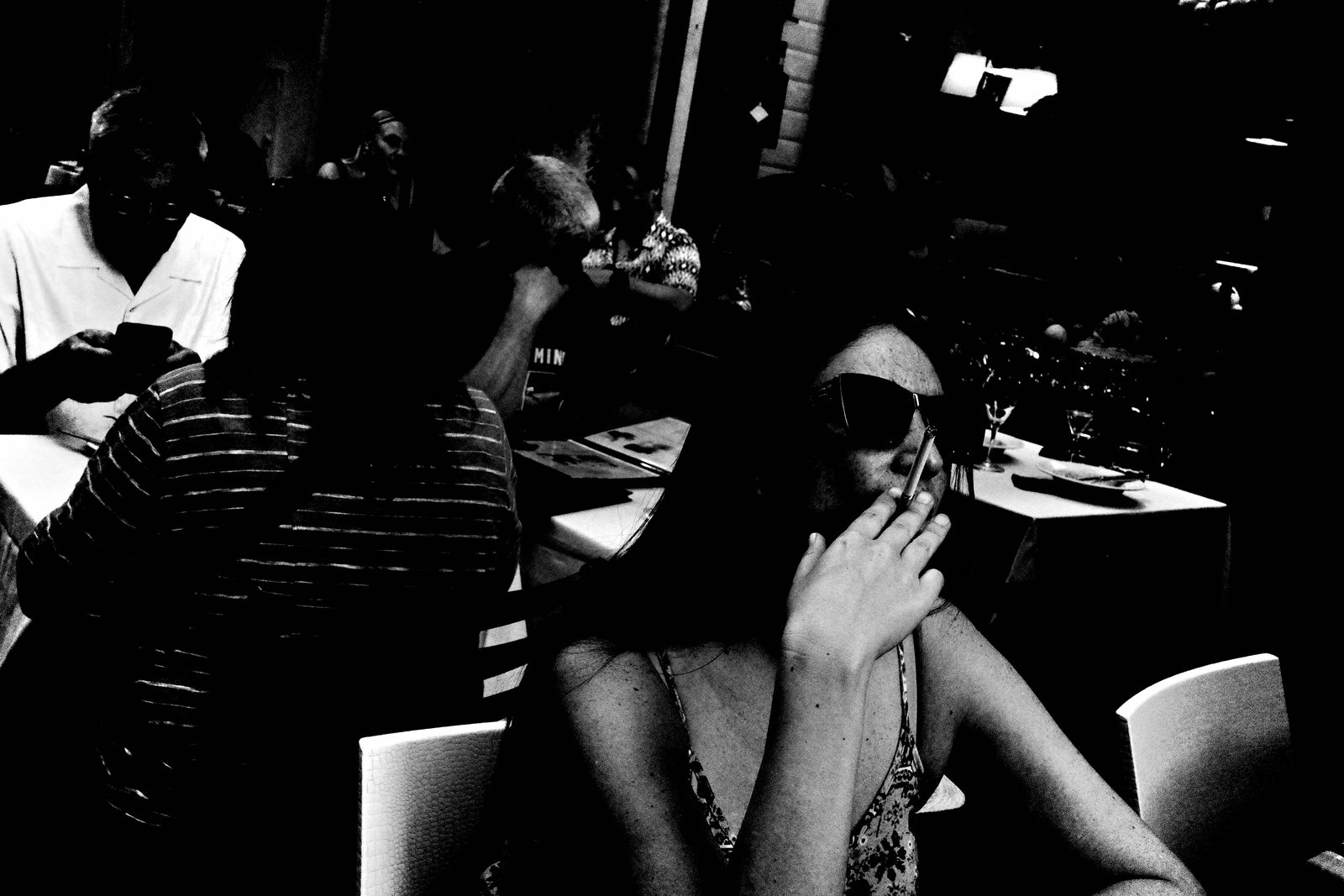
Lesson one from the decade: street photography is a numbers game. Persistence is everything. You have to detach from the outcome — stop obsessing over the results of each photograph. Instead, find meaning in the process. Enter a flow state where the act of making pictures matters more than what you come home with. Every single day for ten years, I've been making photographs. That's the job.
Find Beauty in the Mundane
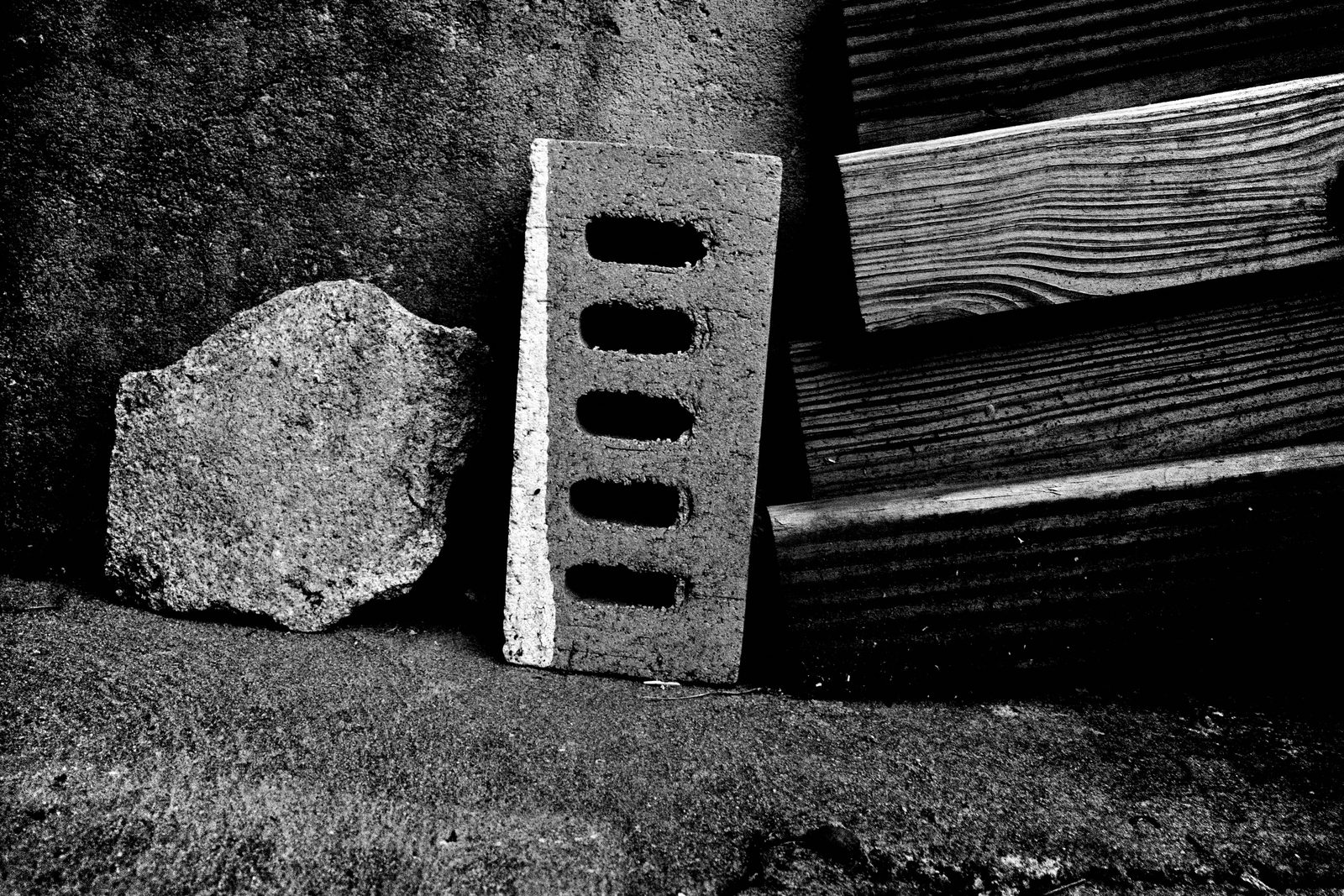
Lesson two: find beauty in the mundane. The real challenge isn't finding an exotic location — it's walking the same street every single day and still seeing something worth making. The simplest moments can become the most beautiful. No matter where you are — a busy city, a small market, a mountain path — there is always something to photograph. The eye is the variable. Not the street.
One Camera, One Lens
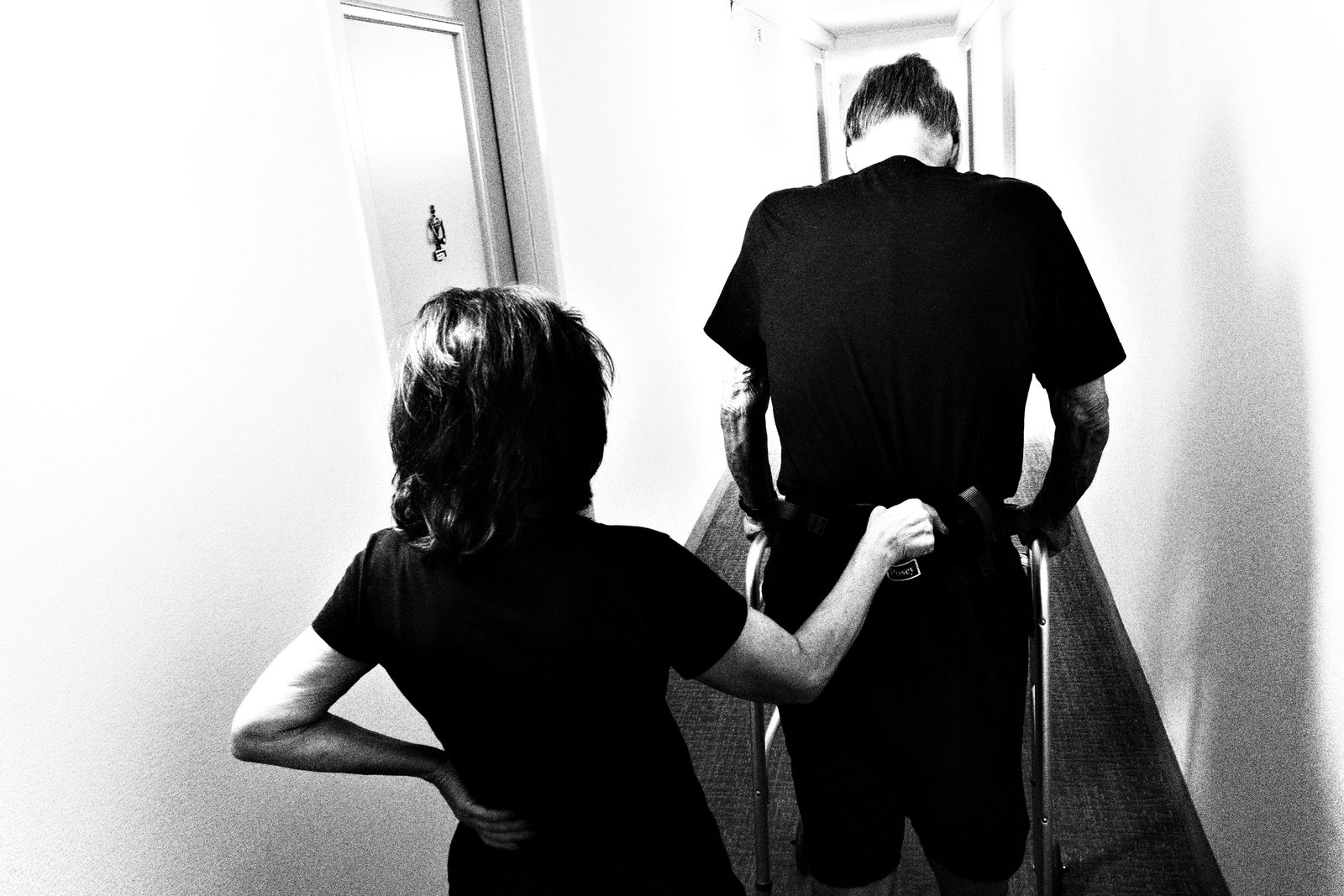
Lesson three: one camera, one lens. This is the best piece of technical advice I can give after a decade. It doesn't matter which focal length or body you choose — what matters is sticking to it. Through consistency you build muscle memory. You learn how to position your body in relation to a scene. Photography is physical. Movement makes improvement. The more you walk, the more you see.
Repetition Builds Mastery
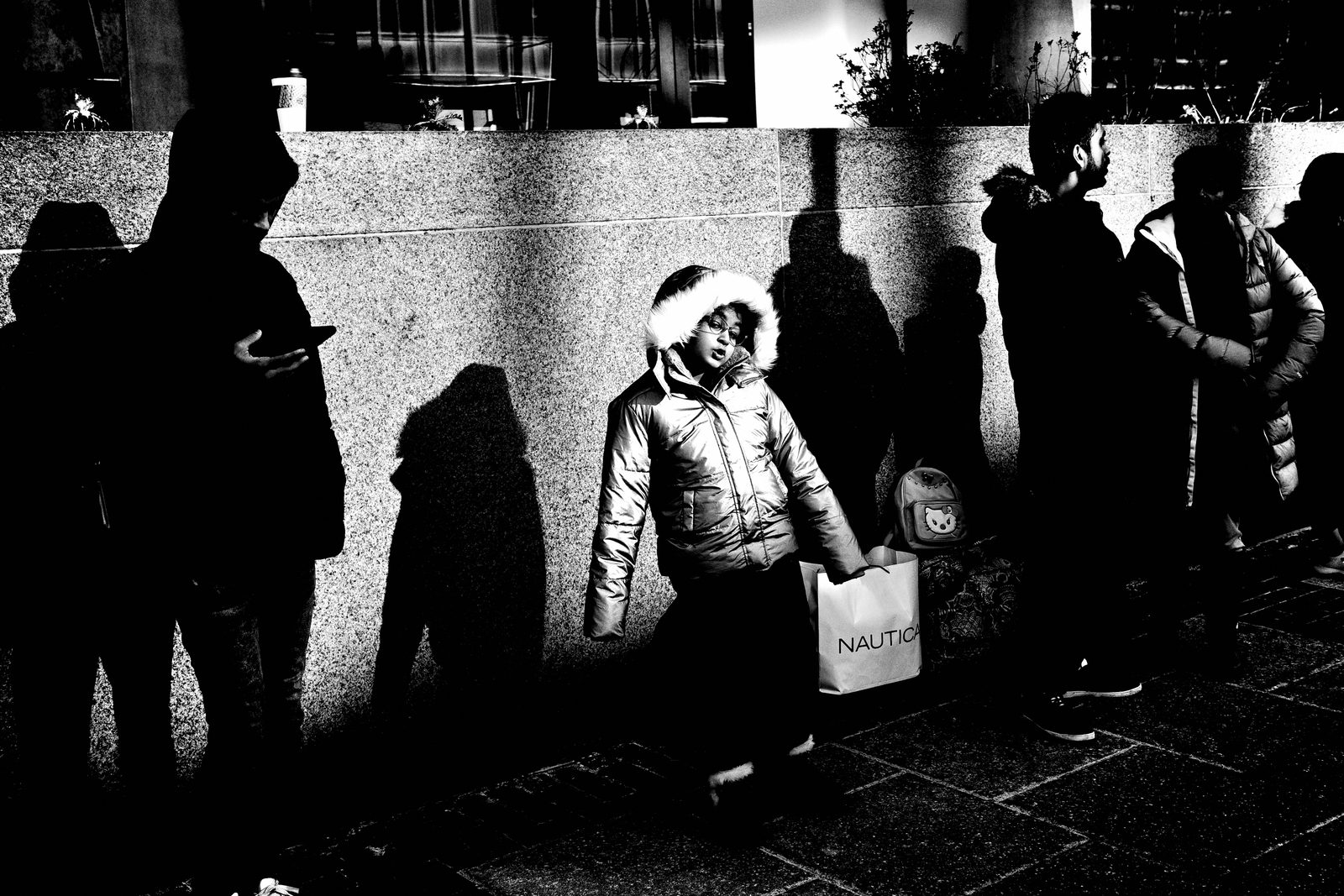
Lesson four: repetition builds mastery. Find a busy street in your hometown. Go there every single day, at the same time, with the same camera, for a year. Patterns will emerge — the way the light falls at certain hours, the timing of people passing, the rhythm of daily life. Over time you'll intuitively know where to stand and exactly when to press the shutter. Through repetition, you build mastery.
Light and Composition Are the Foundations
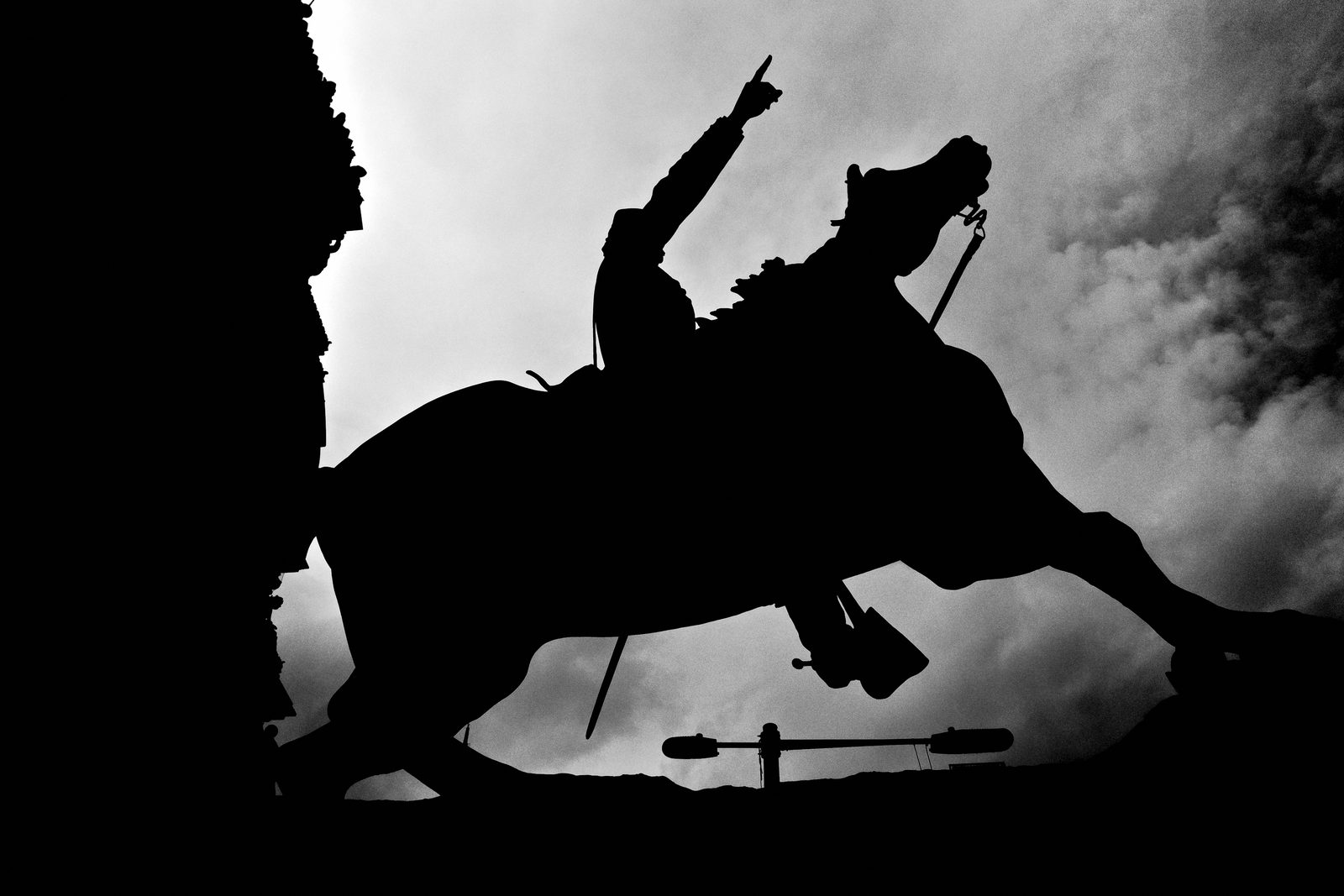
Lesson five: light and composition are the foundations of everything. Photography is literally writing with light. A bad photograph can be saved with good light — but even a brilliant composition falls apart in bad lighting. Think of composing an image as solving a visual puzzle: foreground, middle ground, background. Most of my best photos are actually simple. The key is clarity — images that are easy to read but visually alive.
Travel with Purpose
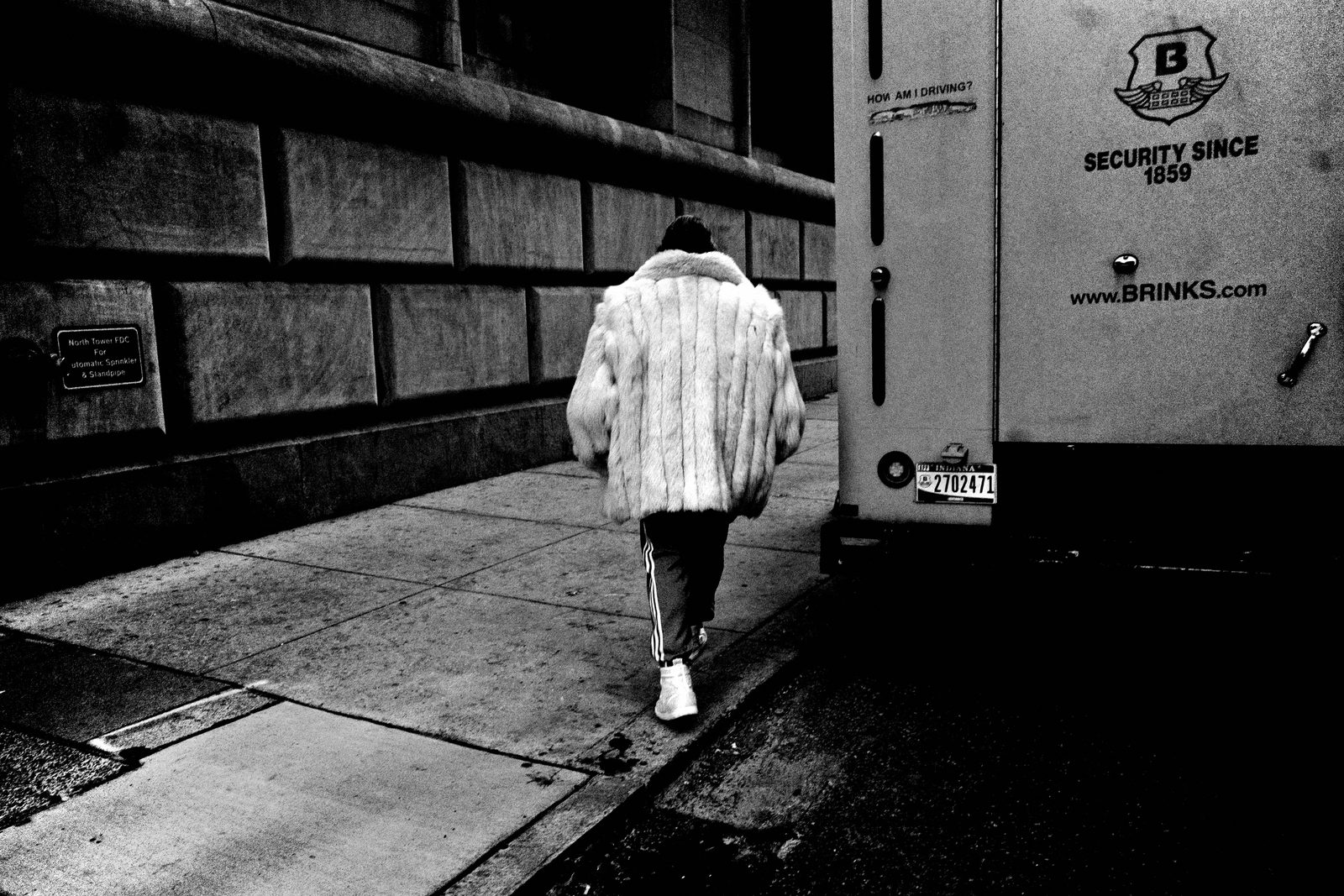
Lesson six: travel with purpose. Don't limit yourself to your hometown. Traveling forces you to be present in a way the familiar never can. Life is like an ultimate video game — stepping into the unknown, new cities and cultures, pushes you into full presence. Some of the most formative experiences come from embracing the unknown: places of worship in an unfamiliar country, ceremonies you were never taught the rules to, landscapes that dwarf everything you know. Your camera is a passport. Use it.
Champion Humanity in Your Frames
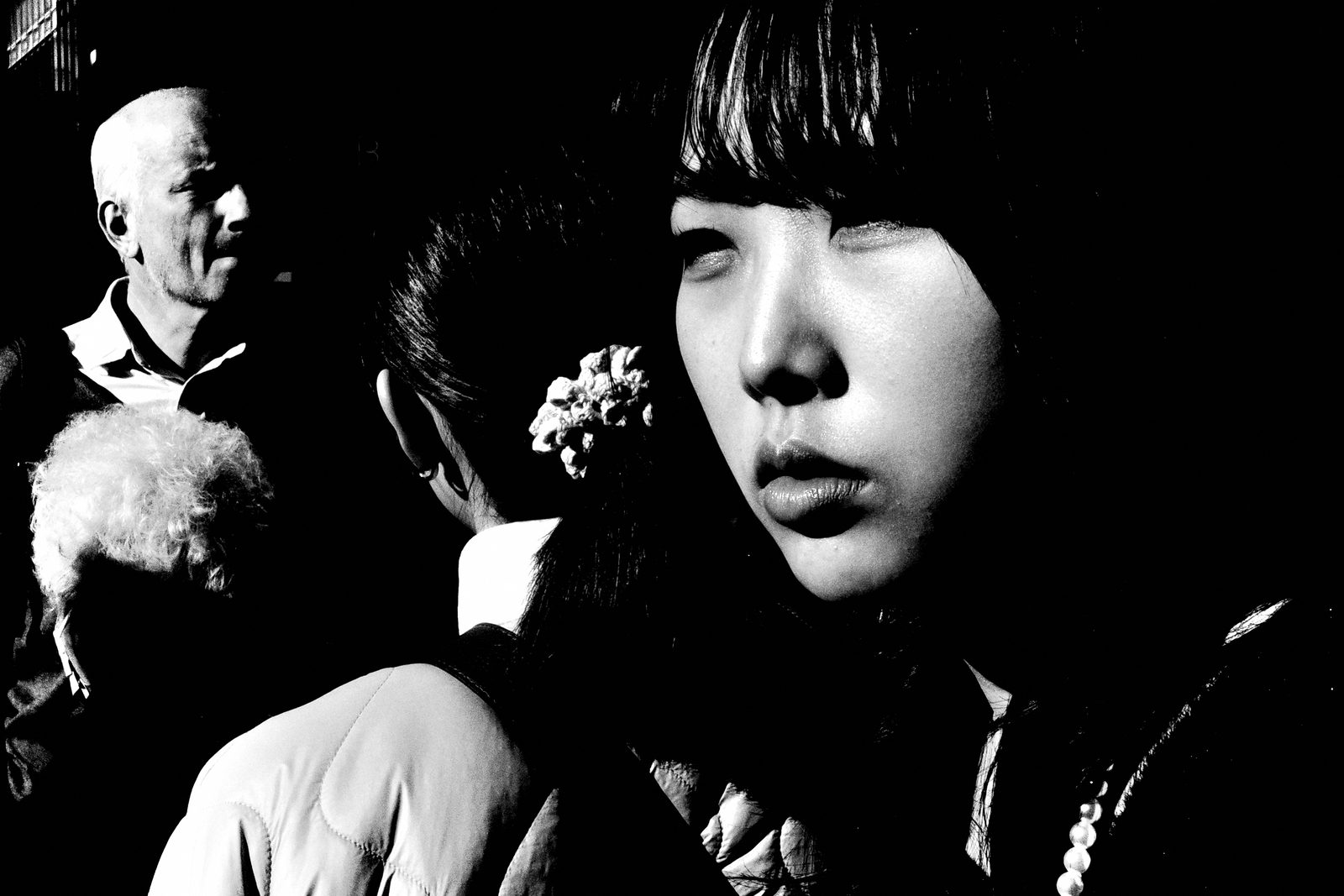
Lesson seven: champion humanity in your frames. Photography is about more than aesthetics — it's about people. Treat each person in your frame like a hero. Respect, dignity, and uplifting the human spirit — that's what separates a good photograph from a great one. When you look at a stranger and see a hero rather than a subject — someone with courage, defiance, tenderness worth honoring — the frame carries that reverence. That's the power photography can hold.
Photography Takes Time
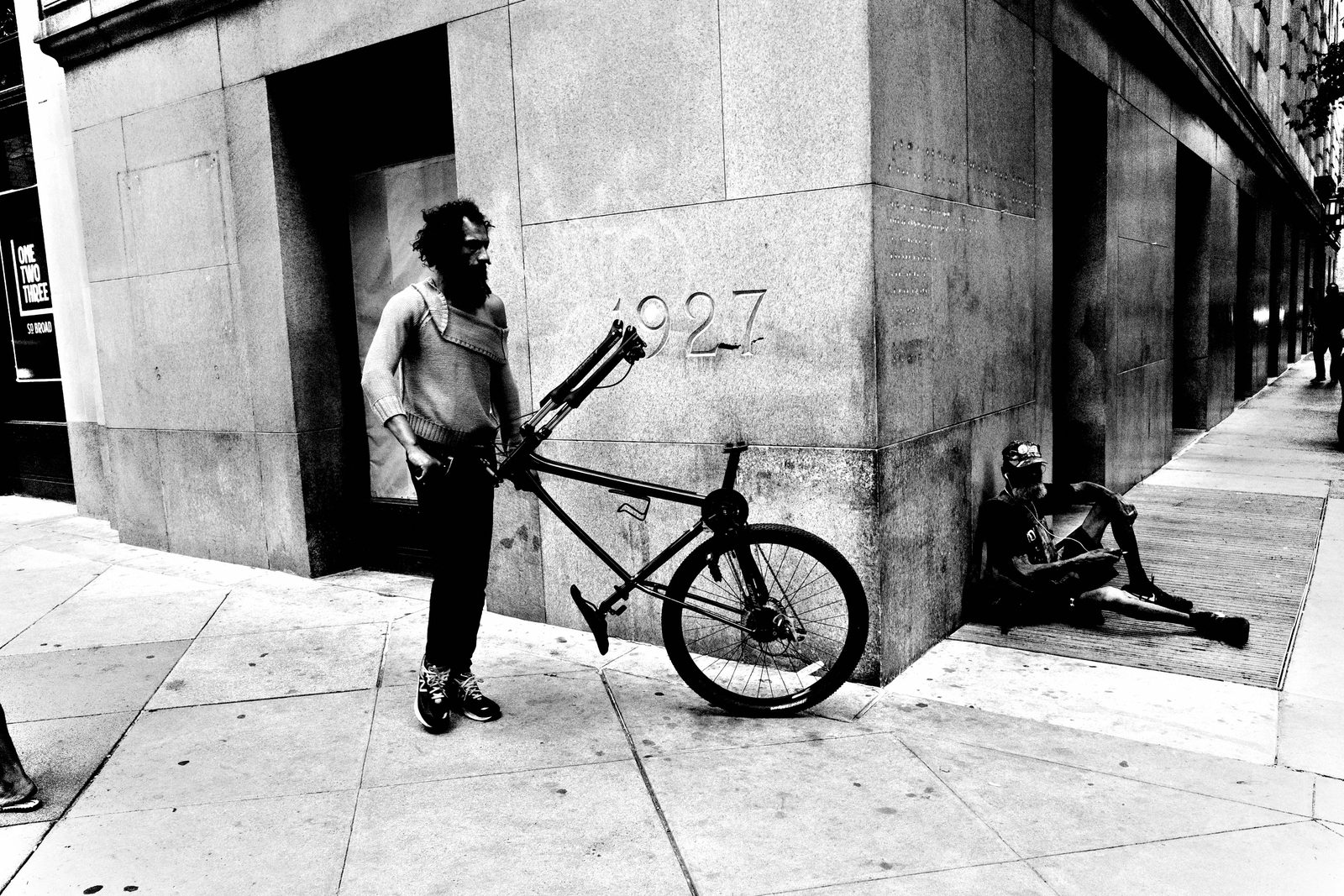
Lesson eight: photography takes time. I'm a decade in and still learning. Mastery requires long-term thinking. You might only take a handful of truly great photos each year. That's completely normal. Let your photos marinate before judging them — a frame that excites you today might look entirely different in a year. You have a lifetime, but the time is now. Both things are true at once.
Don't Take Yourself Too Seriously
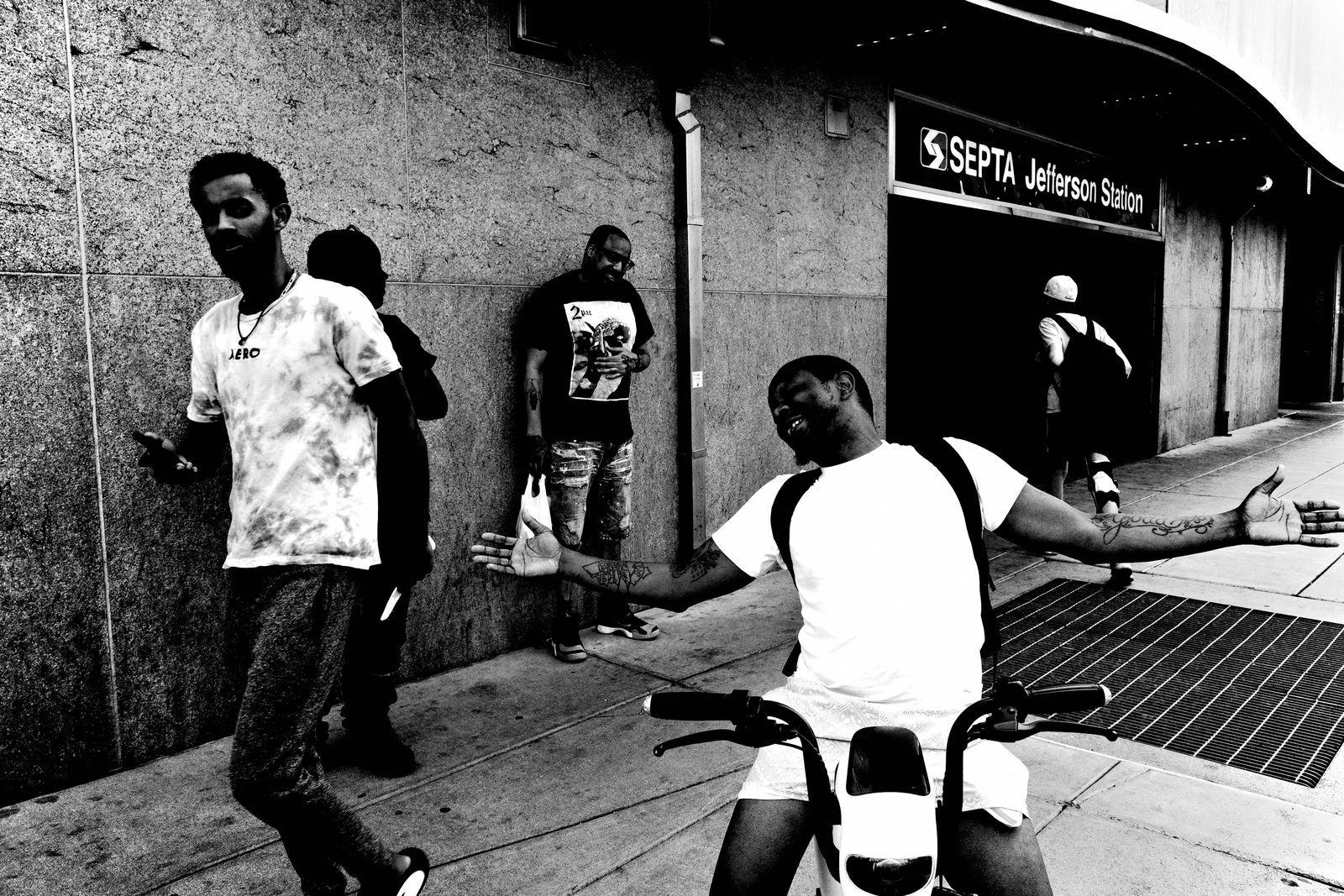
Lesson nine: don't take yourself too seriously. I treat the streets like my playground. Don't overthink it. Don't put on your photojournalist hat. Approach photography with curiosity and joy. Photography is subjective — there is no universal good or bad. Ignore contests. Ignore trends. Shoot for yourself. The moment you make it a grim pursuit of status, the joy — which was the whole fuel — leaks out.
Curiosity Is Everything
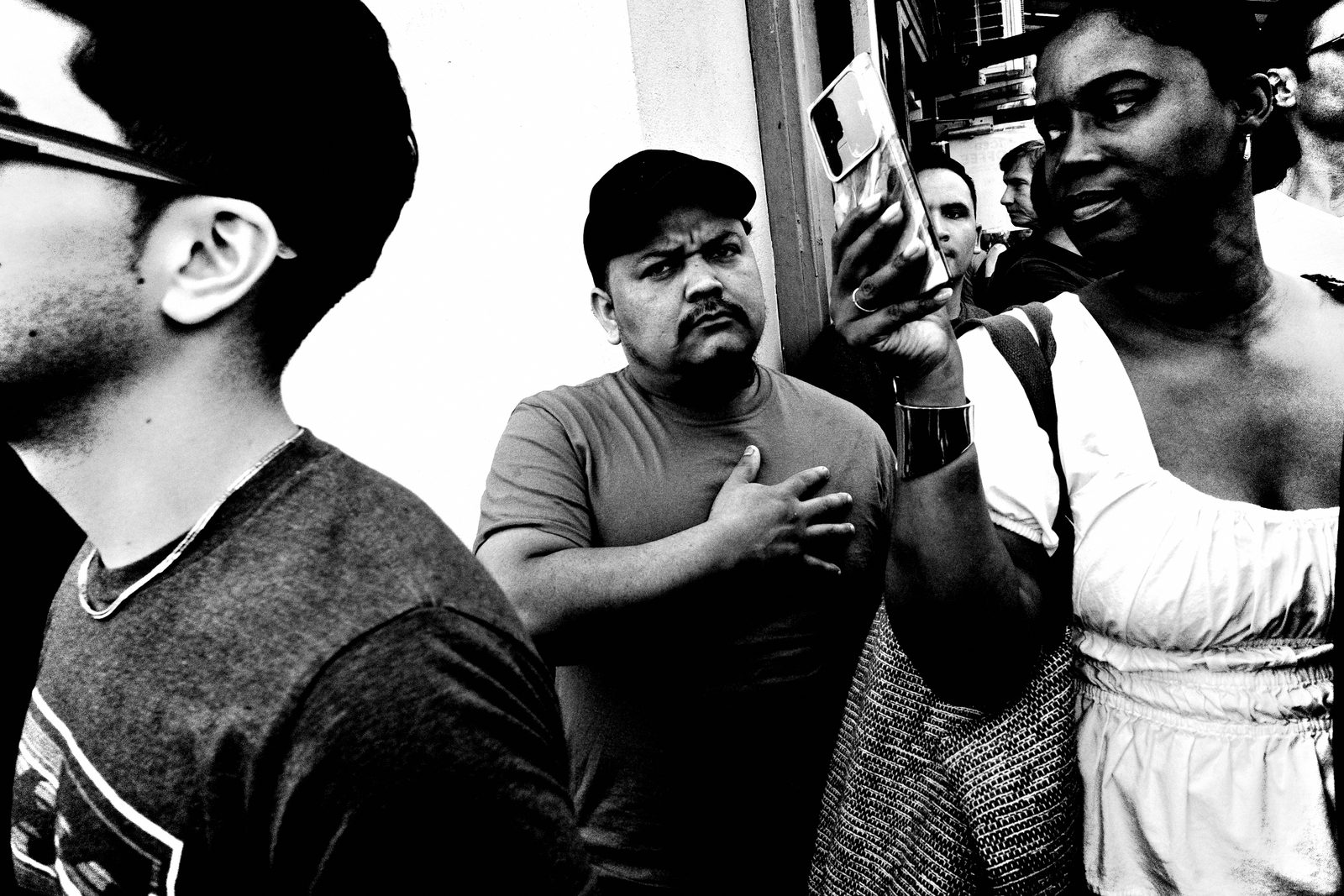
Lesson ten, and the biggest one: curiosity is everything. Street photography is an ethos, a way of seeing — not a checklist, not a rulebook. If you increase your curiosity by one percent every day, you will never stop growing. Forget what people say street photography should be. Forget the rules. Make your own game. Curiosity is the engine that outlasts every other motivation.
Follow Your Joy
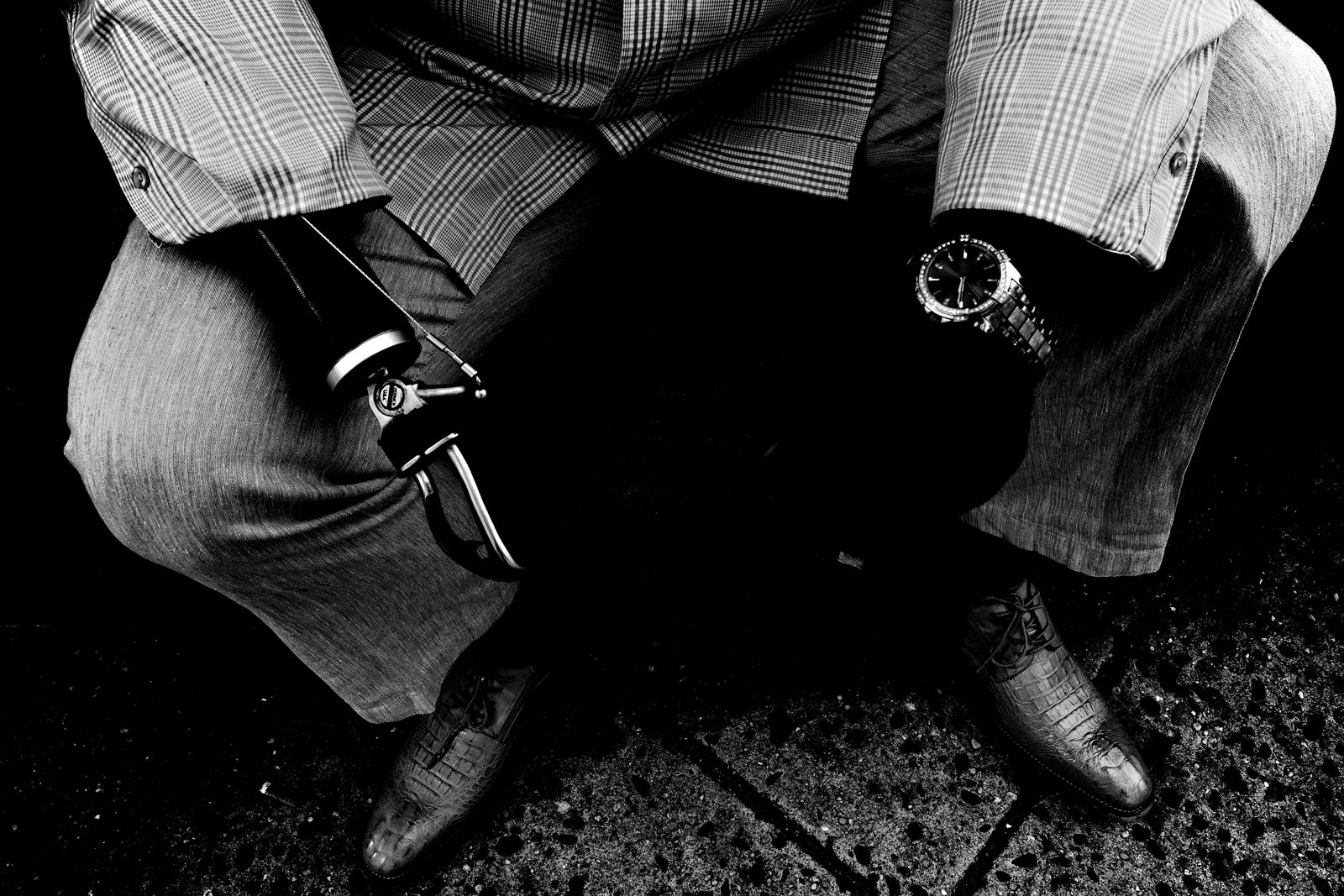
Underneath all ten lessons is one principle that holds them together: follow your joy. For me, photography has never been about capturing the perfect photo. It's about fueling my lust for life, moving my body out into the world, following curiosity wherever it leads. Each morning I wake up ready to see, explore, and create. Photography brings me so much joy. And if you're having fun, you're winning. Full stop.
Familiarity Reveals the Extraordinary
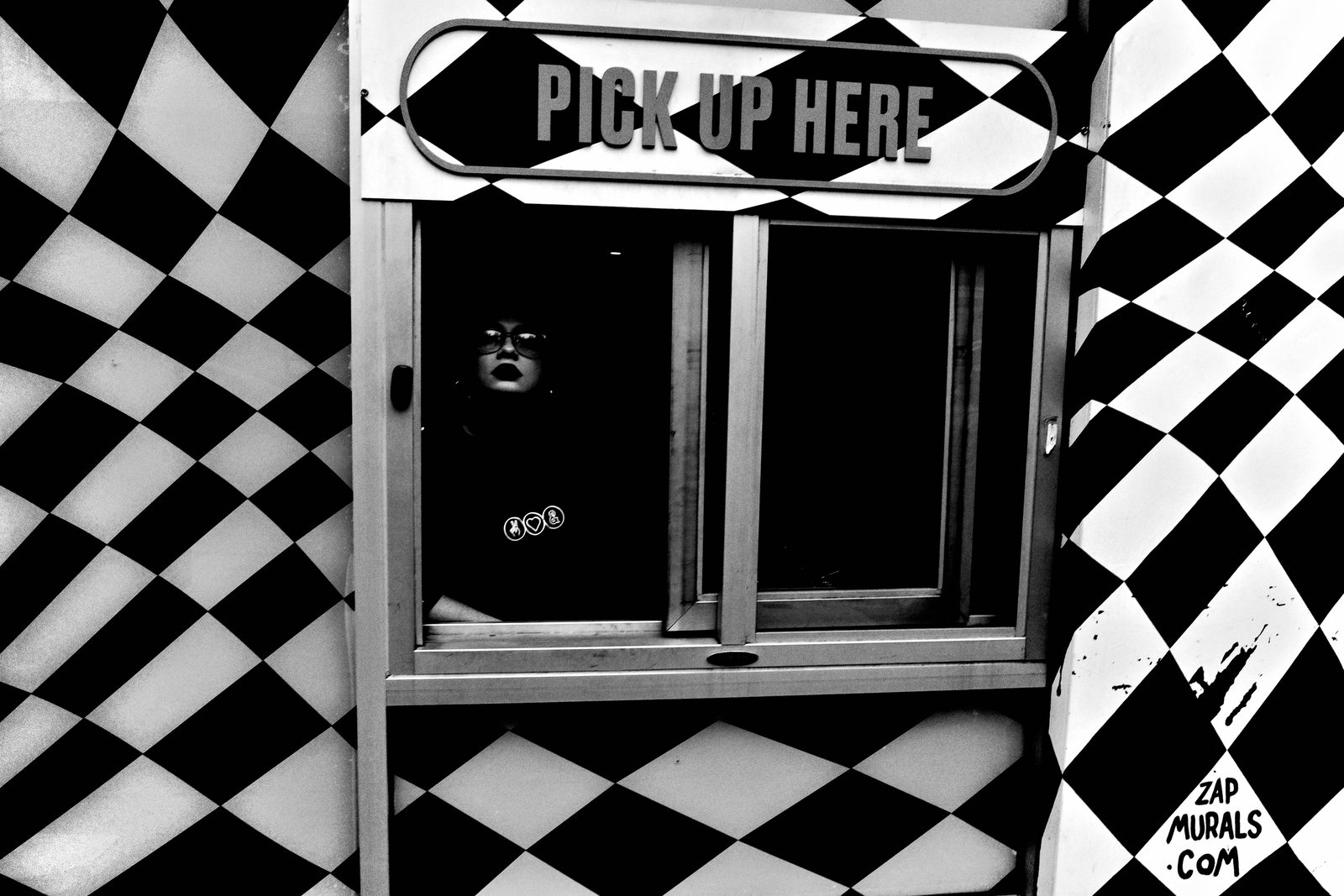
Here's what those lessons look like lived out. Walk the same streets for years — same corners, same hours — and you come to know how the light falls and the rhythms of the people. Repetition breeds familiarity, and familiarity lets you see the extraordinary hiding in the ordinary. The archive doesn't come from one great day. It comes from showing up every single day and walking.
Kill Your Darlings
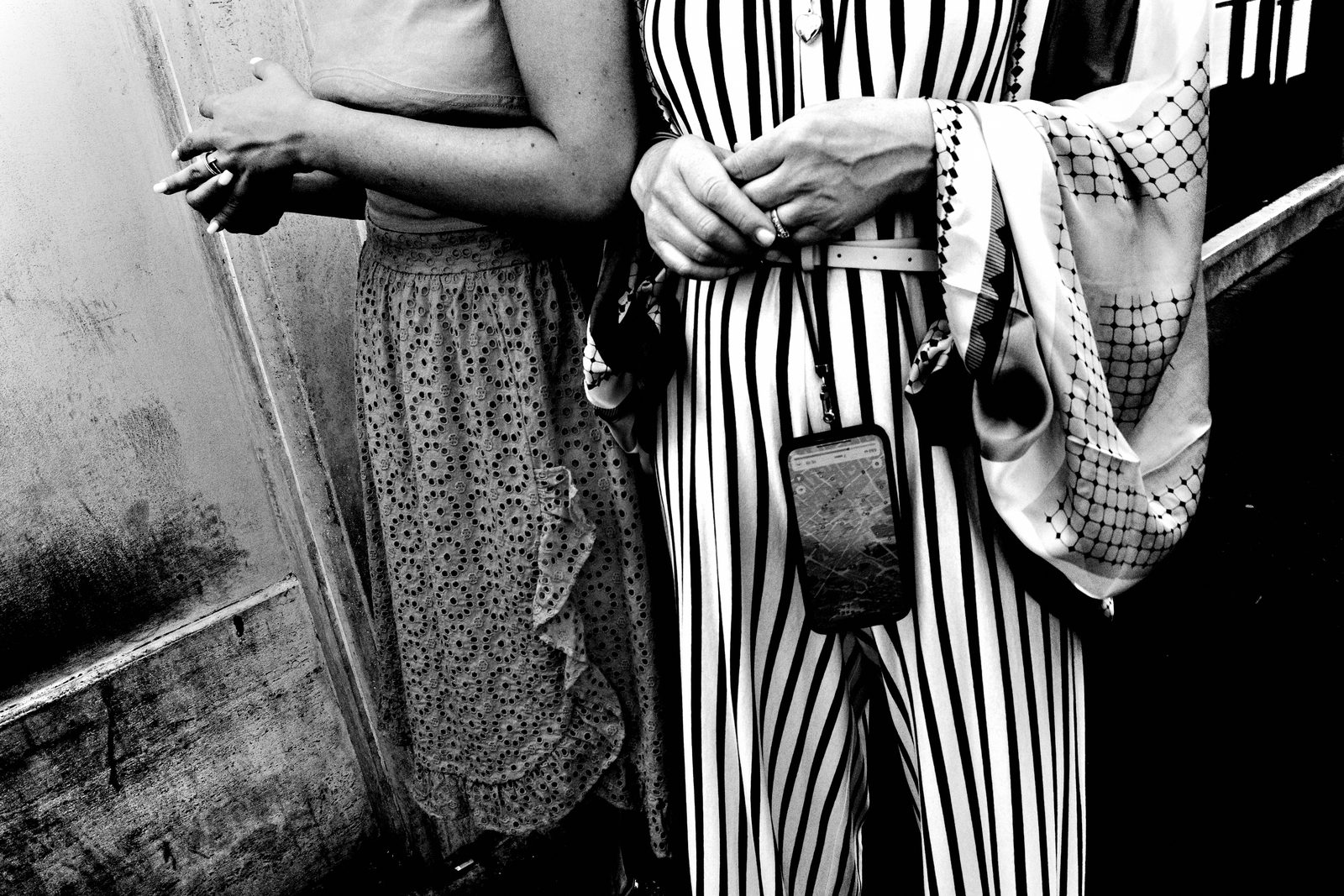
And here's the number that resets expectations: look back at years of work and you might find only a small handful of photographs you truly care about. That's it. That's normal. Kill your darlings. Let go of what you thought was great. Most photos end up on the cutting room floor — the real skill is recognizing the ones worth keeping. Results take time. That's not a flaw in the system. That is the system.
Photographs as Instant Sketches
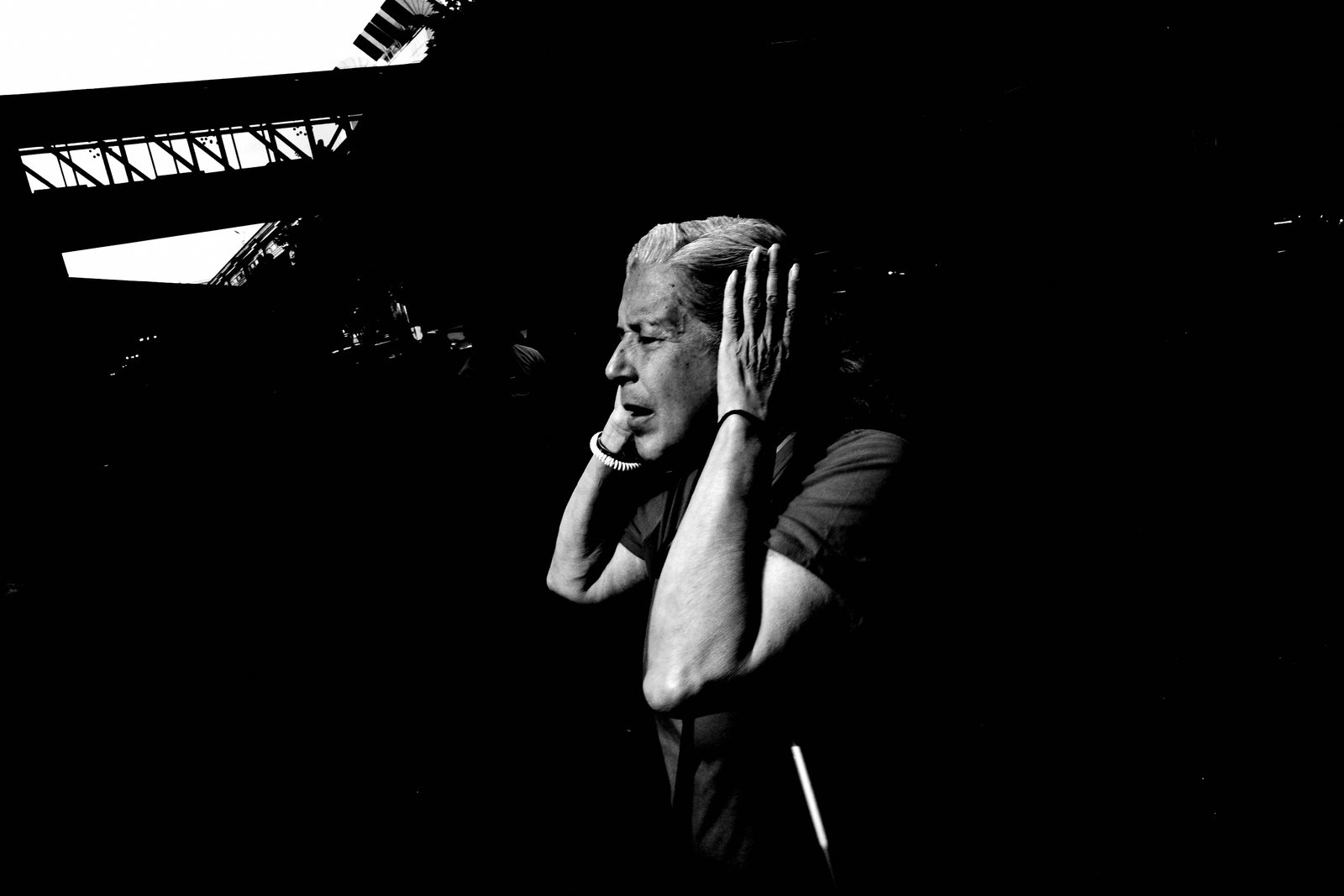
The third principle: treat your photographs as instant sketches of life. Shoot high-contrast black-and-white JPEGs with everything baked in-camera — light as the subject, no endless processing, what you capture is the final piece. Letting go of perfection and control lets you make more photographs than ever. This simplified workflow fits photography into everyday life. And that integration — that's the key the whole decade was building toward.
PRACTICAL APPLICATION
Go Out Every Day for One Month
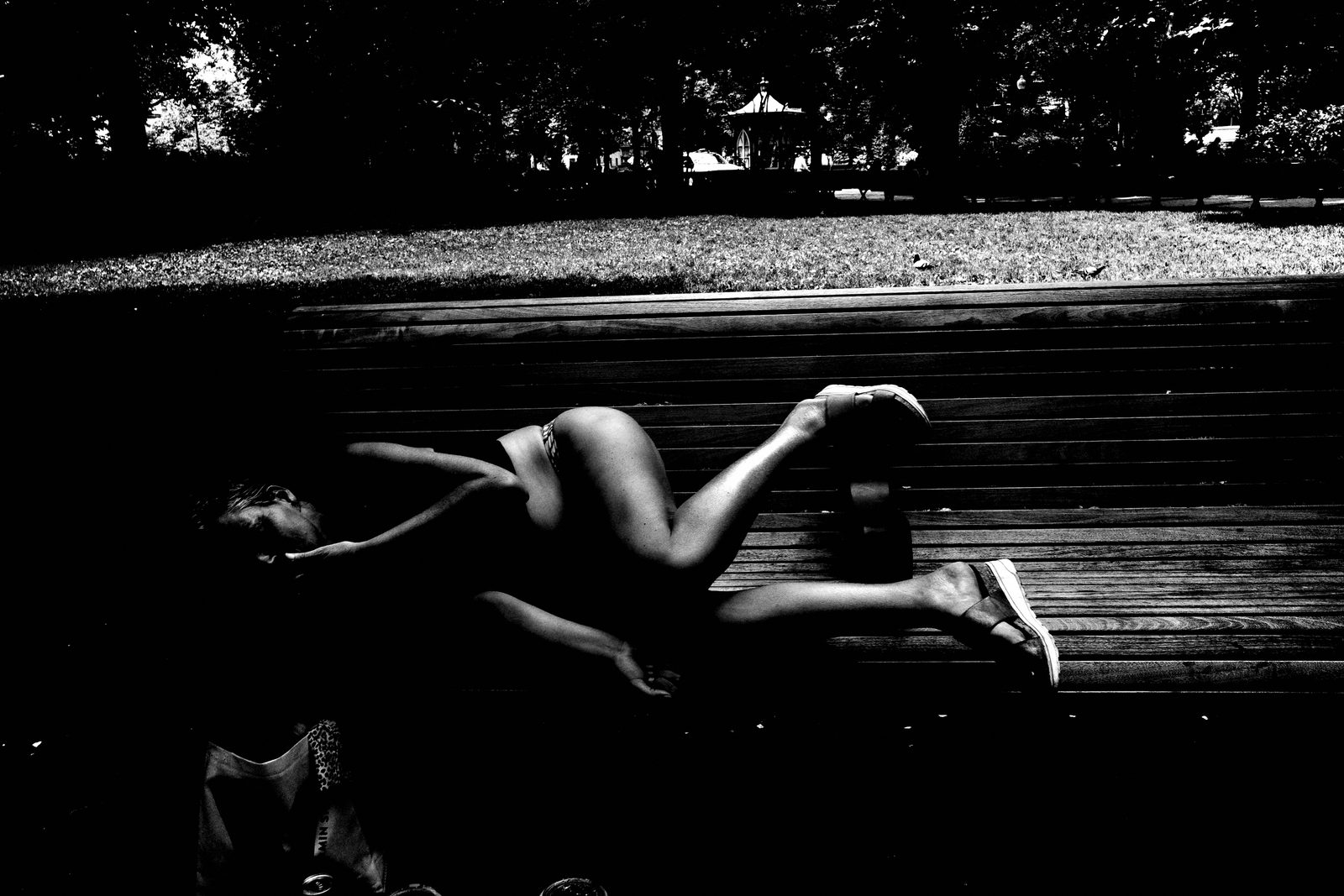
Here's your assignment: pick one street. Same time. Same camera. Every day for the next thirty days. Don't judge the frames. Don't cull aggressively. Just build the reps. By week four, notice what you start to know without thinking — where to stand, when to wait, how the light moves. That's the decade starting to compress into a month.
Let Photos Marinate
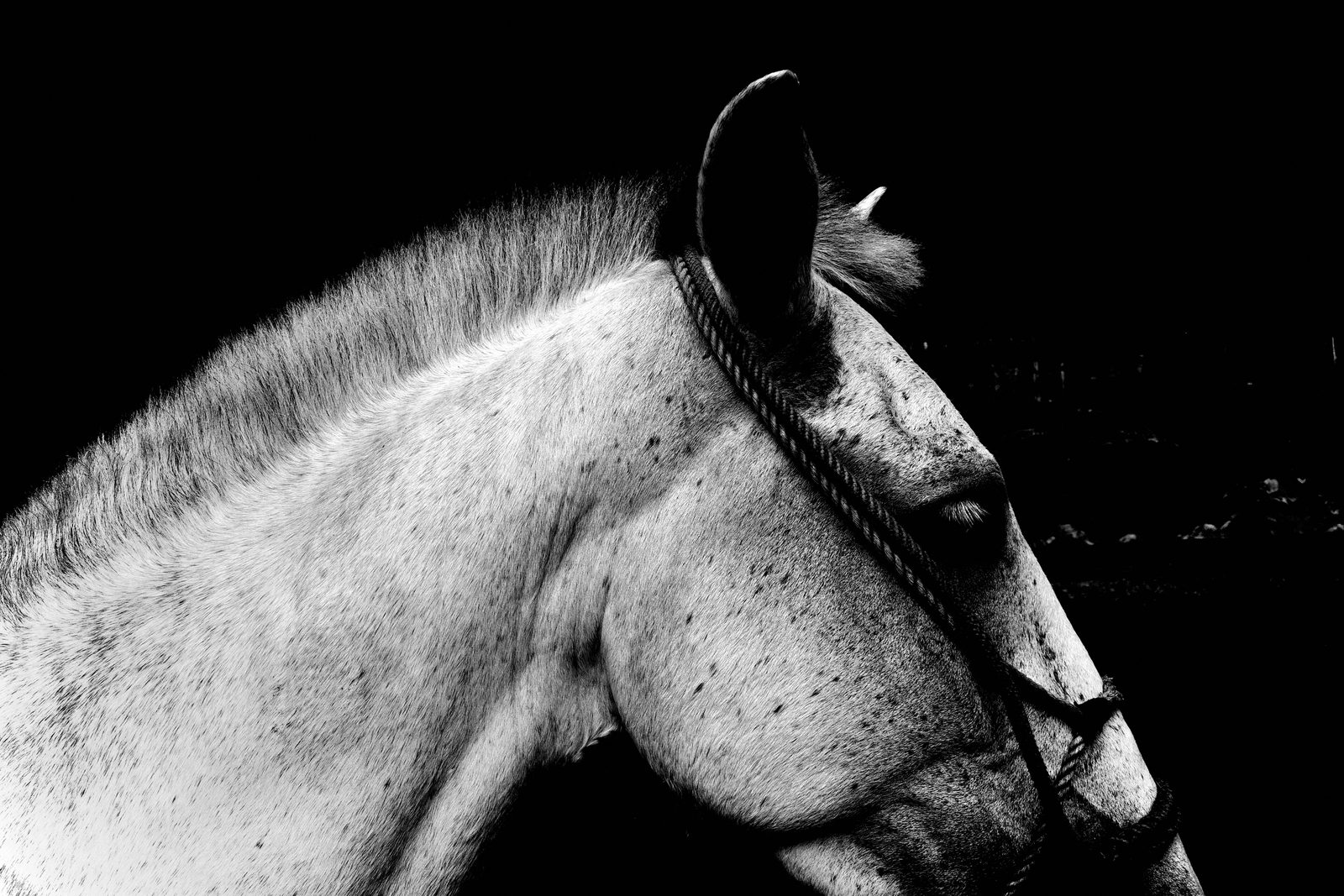
Practice delayed judgment. After your next shoot, back everything up and walk away. Don't open the folder for at least a week. When you return, notice which frames hold up and which ones you were just excited about in the moment. What changes in the photo reveals what changed in you. This is how the decade teaches — slowly, through return visits.
COMMON MISTAKES
Expecting Results Before Paying the Time
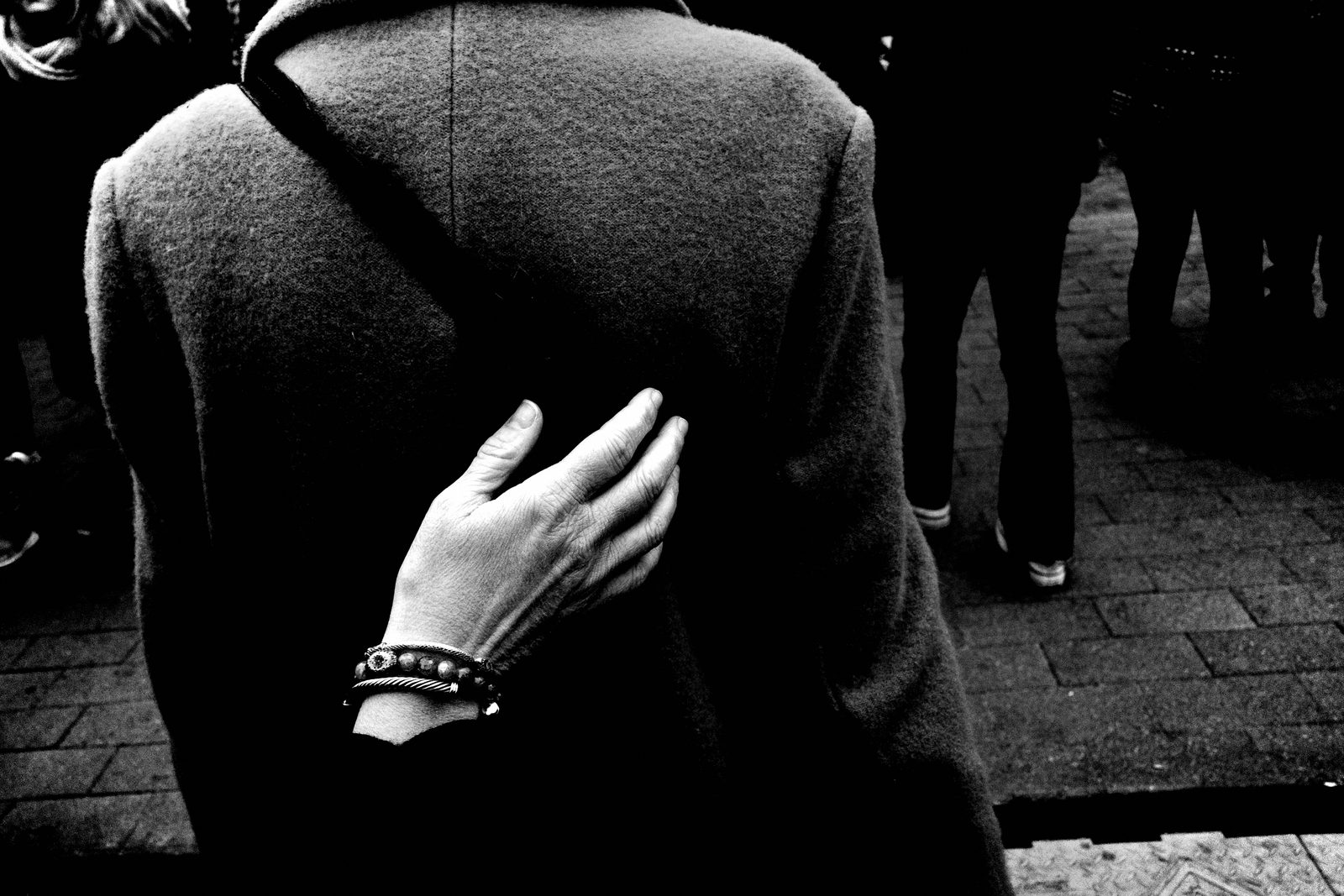
The most common mistake I see: expecting results before paying the time. Wanting the archive before doing the years. Comparing your year one to someone else's year ten. Social media makes it look like great work arrives fast — it doesn't. I still consider myself an amateur. Real work takes time not just to make but to understand what it means. Impatience is the most common reason good photographers stop. Don't be that photographer.
RELATIONSHIP TO PREVIOUS
Built on the Long Game
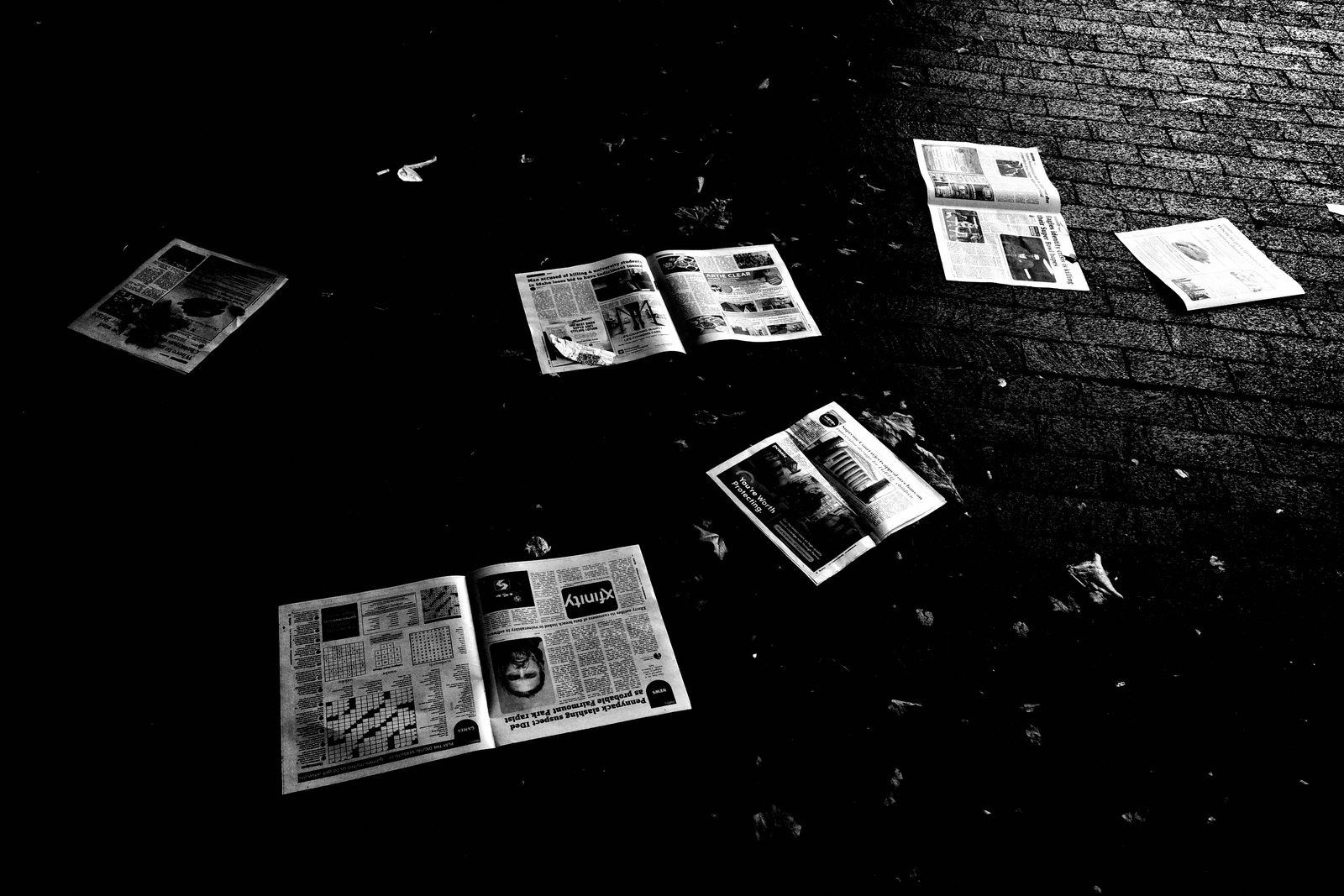
Lesson 050 laid out the long-game mindset — why street photography is a practice measured in years, not sessions. This lesson fills that frame with ten specific principles drawn from a full decade of daily practice. The long game isn't an abstract idea anymore. It's these ten lessons, lived out, one day at a time.
SUMMARY / TAKEAWAY
Ten Years, One Direction
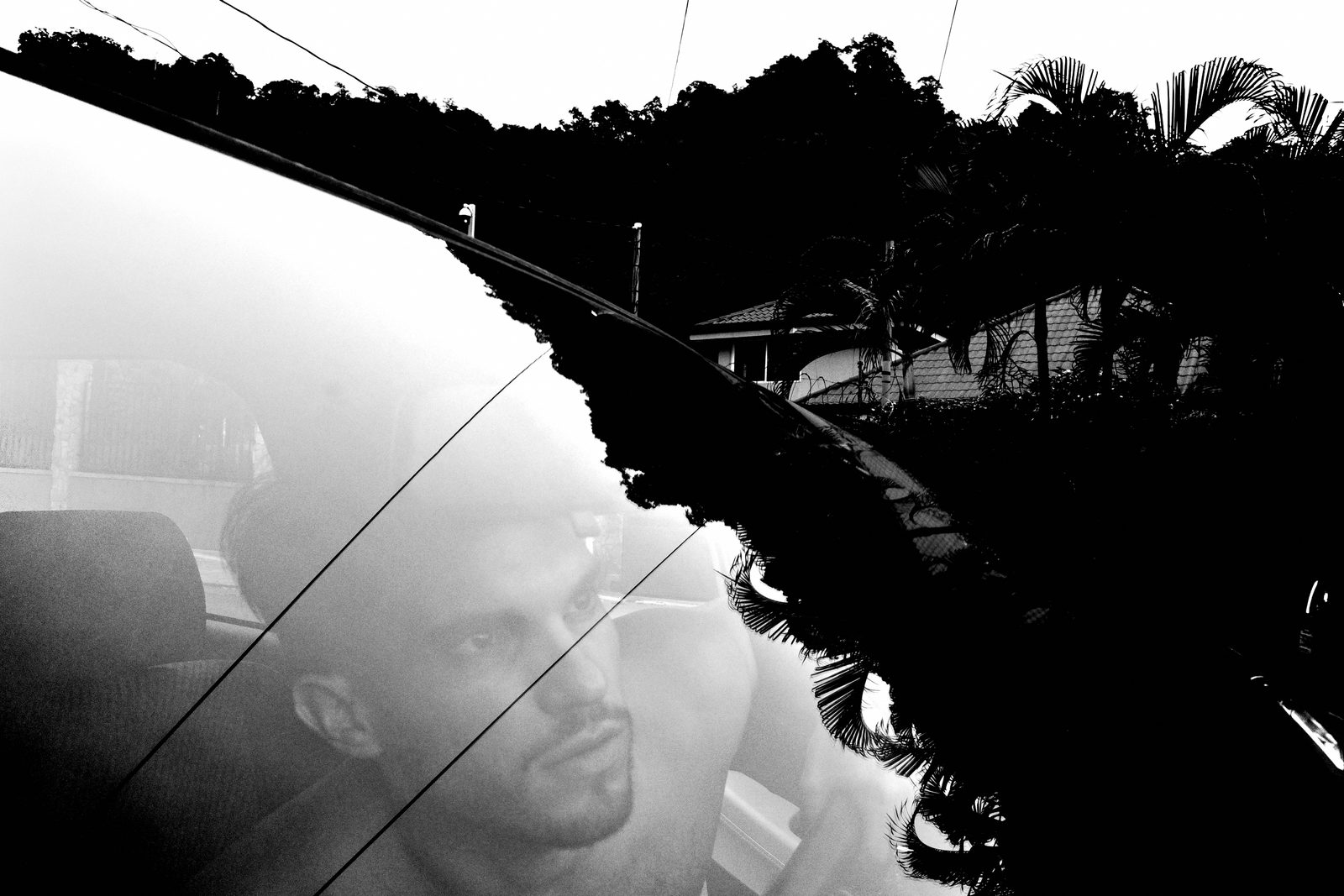
Last thing. Ten lessons from ten years: street photography is a numbers game; find beauty in the mundane; one camera, one lens; repetition builds mastery; light and composition are the foundations; travel with purpose; champion humanity; photography takes time; don't take yourself too seriously; and curiosity is everything. Underneath all of it — follow your joy. That's the whole decade in a sentence. See you in Lesson 052.