The Project as Engine & The Book as Proof
CORE IDEA
The Project Is the Engine
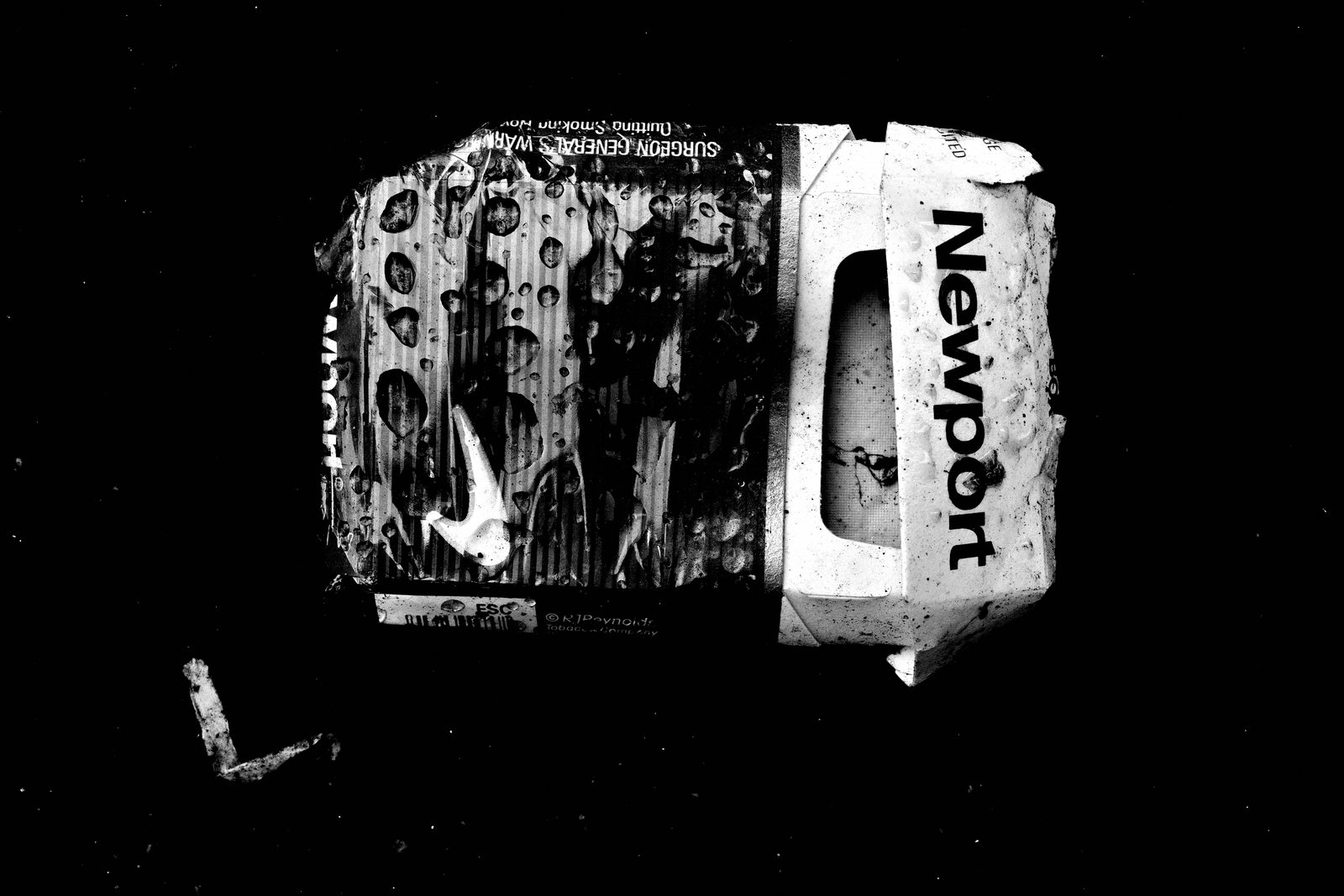
What's popping, people — it's Dante. Today we're talking about the two things that separate a lifelong practice from a folder of random frames: the project and the book. A project is the engine — it gives every single walk a reason, a direction, a spine. The book is the proof. It says: this happened, it mattered, it's real. Without a project, you're just wandering. With one, you're building something.
LEARNING OBJECTIVE
What You'll Walk Away With
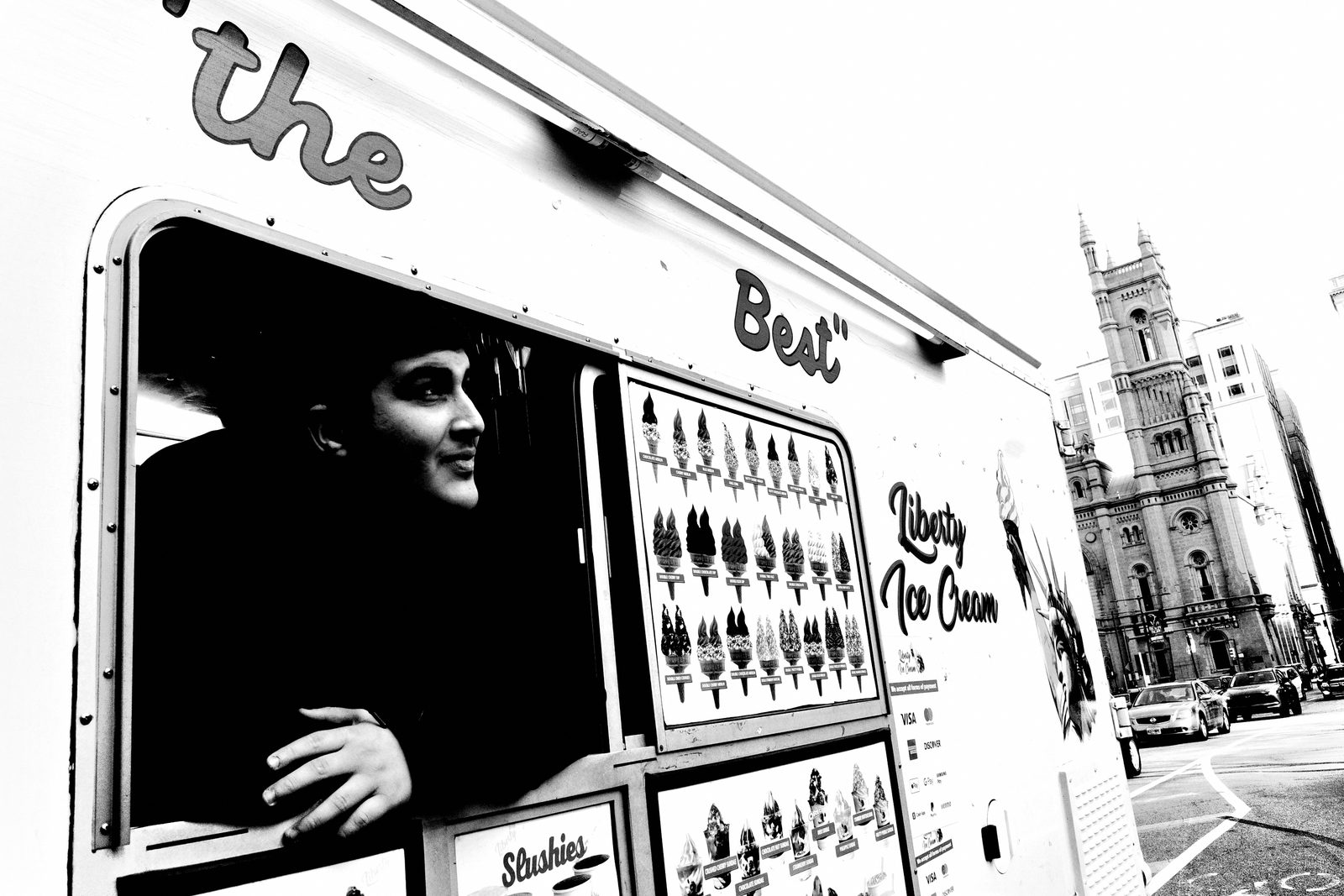
By the end of this lesson you'll know how to build a project that actually drives your daily practice — not just conceptually, but physically, with maps, archives, and tangible outputs. And you'll understand why making the thing — the zine, the book, the object — is not the finish line but the punctuation mark that keeps you going.
WHY THIS MATTERS
Random Frames Don't Become an Archive
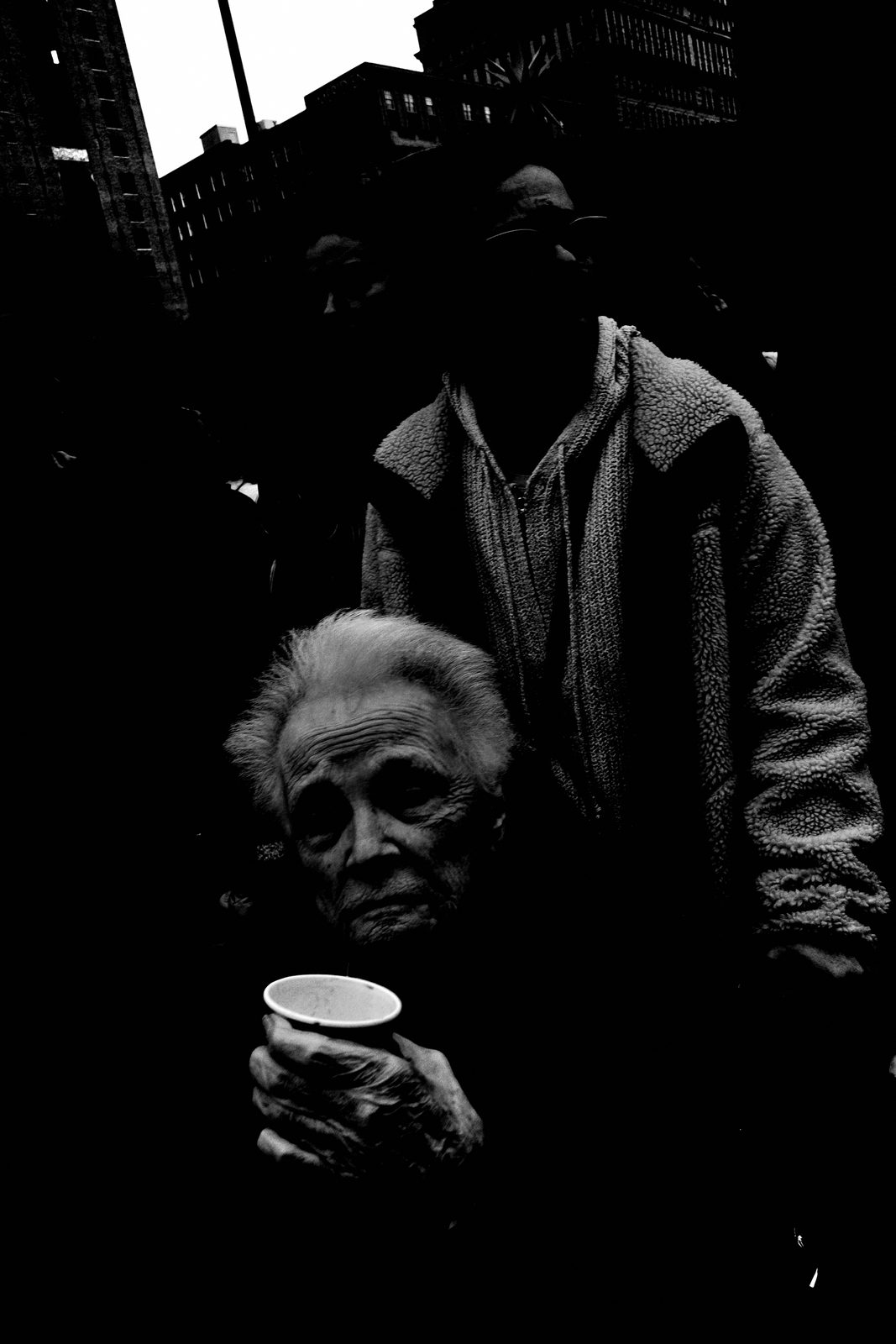
Here's the uncomfortable truth: if you shoot every day for a decade with no project holding it together, most of it evaporates. Files on a drive. Forgotten folders. Frames without context. A project changes that. It creates a throughline. It makes the archive cohere. Without structure, time doesn't build anything — it just accumulates.
The Tangible Object Closes the Loop
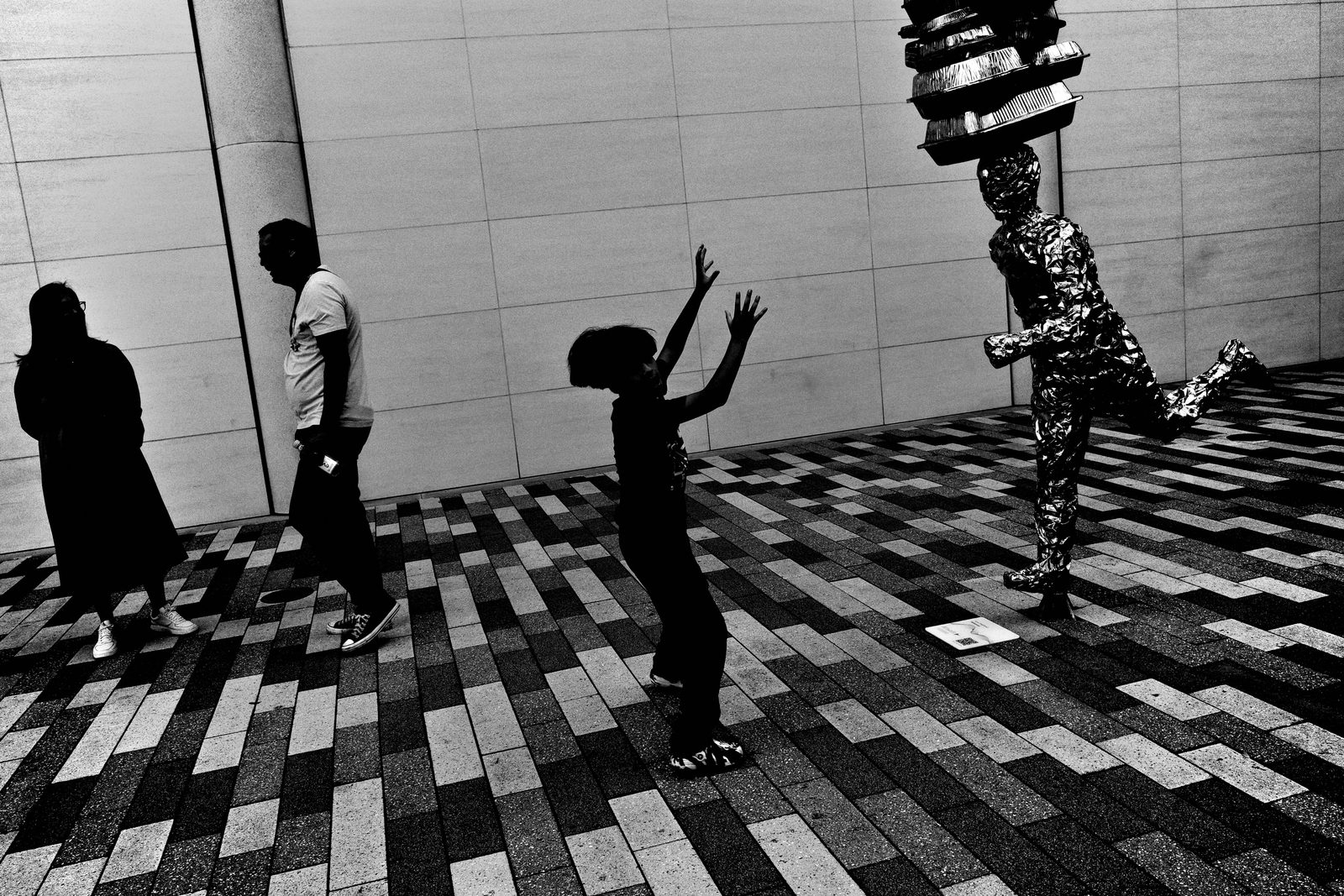
And here's what the digital-only world misses: the tangible object closes the loop. When you print the zine, sit down, and flip through it, you understand what you made in a way a screen never gives you. The chapter closes. You see the patterns. You learn what the work means. Then you start the next one. That rhythm — make, print, close, start — is how a practice compounds into a body of work.
MAIN TEACHING
The Survey Project as a Model
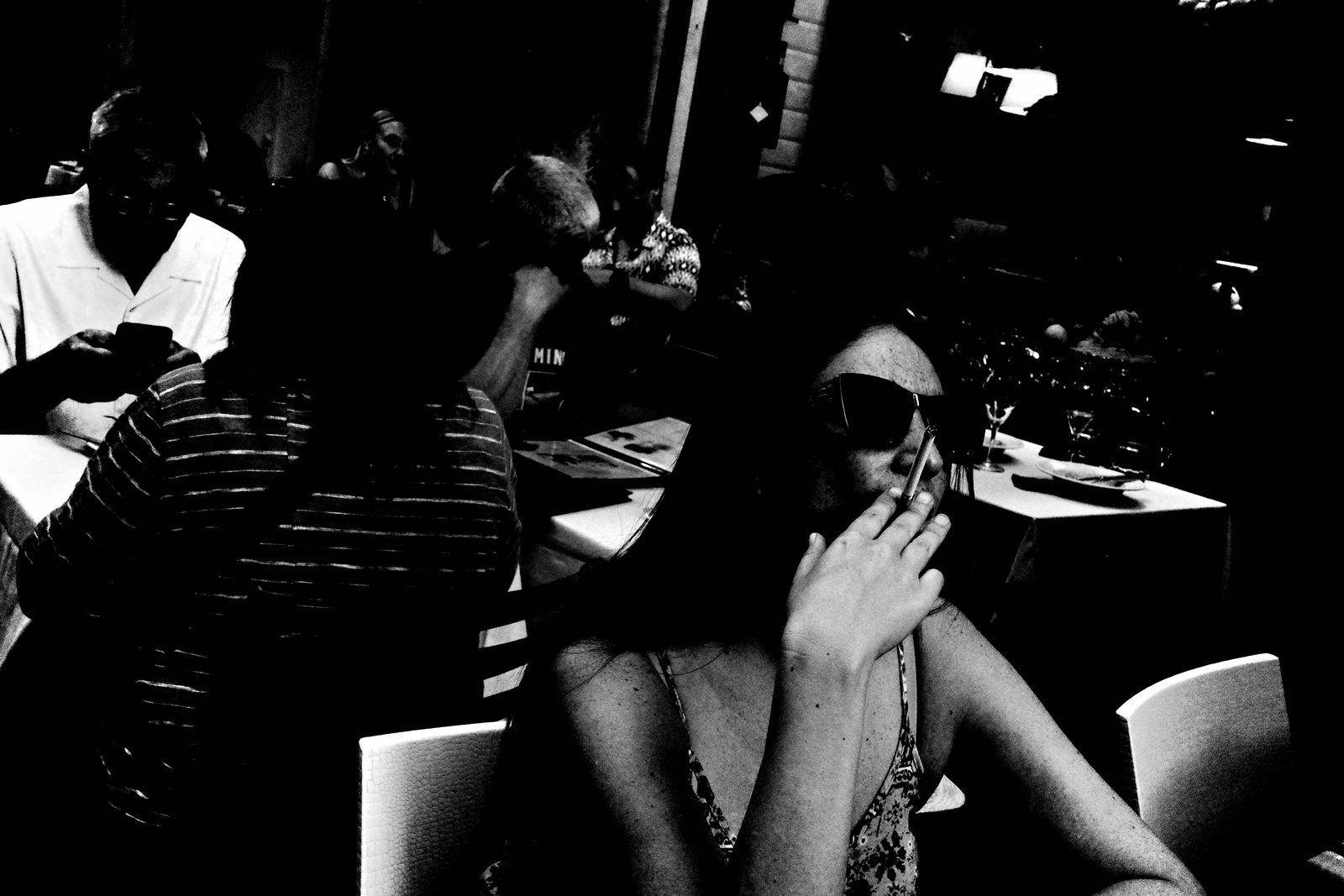
The clearest model for a project is a survey. The goal couldn't be simpler: cover the entirety of a place — a city, a district, a neighborhood — one street at a time. You watch the totals climb: streets covered, photographs made, miles walked, hours logged. No fancy concept. No thesis statement. Just a map, a camera, and forward motion. The simplicity is the genius of it.
The Map as Accountability Partner
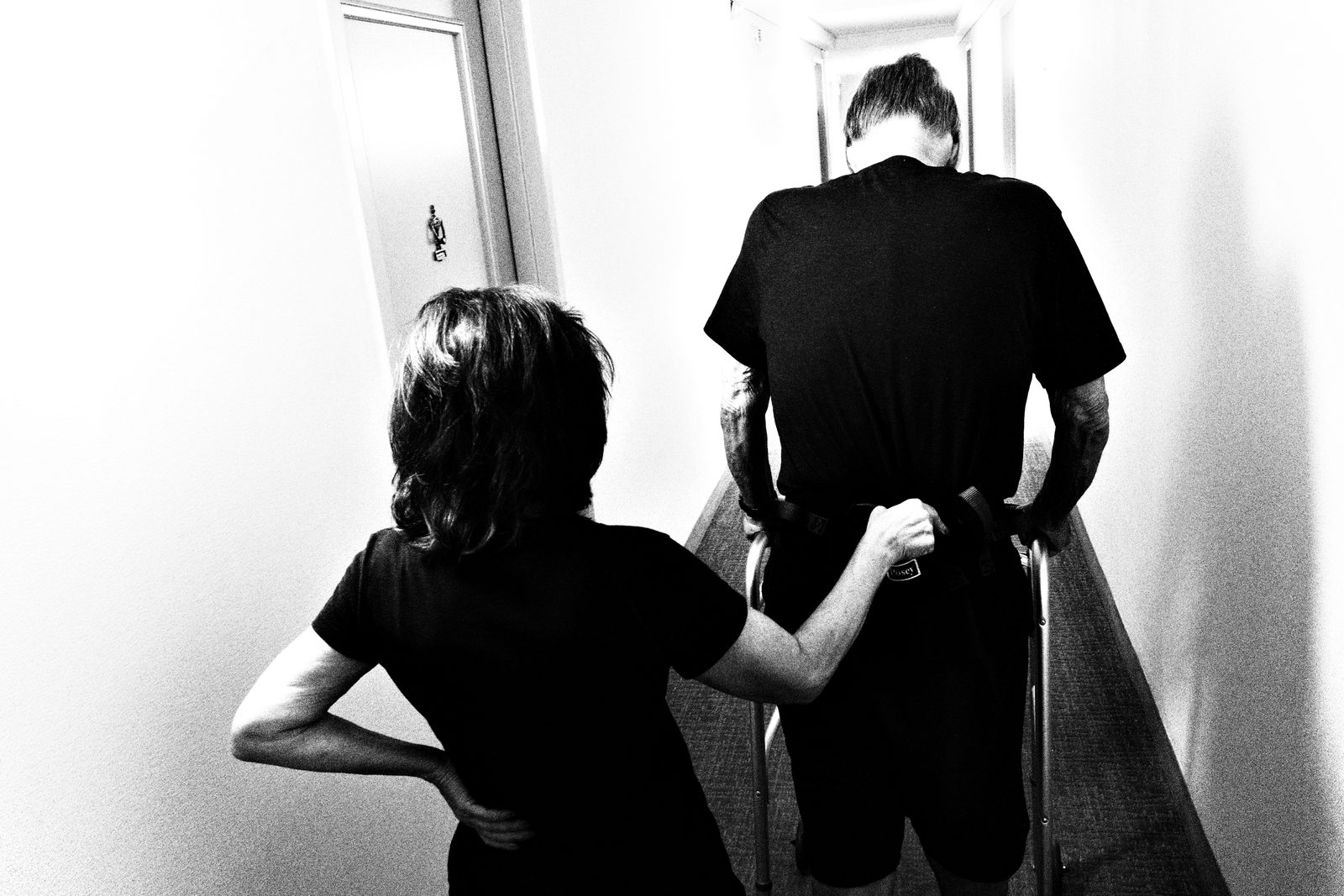
I built a map that tracks every street I've covered — and watching it fill in is strangely powerful. It's not just organizational. It's motivational. Every walk reveals a new section. Every photograph adds another piece. Watching the numbers grow — streets covered, photographs made, miles walked — is almost like unlocking a map in a video game. The project gamifies showing up, and showing up is everything.
Each Walk Is Its Own Closed Project
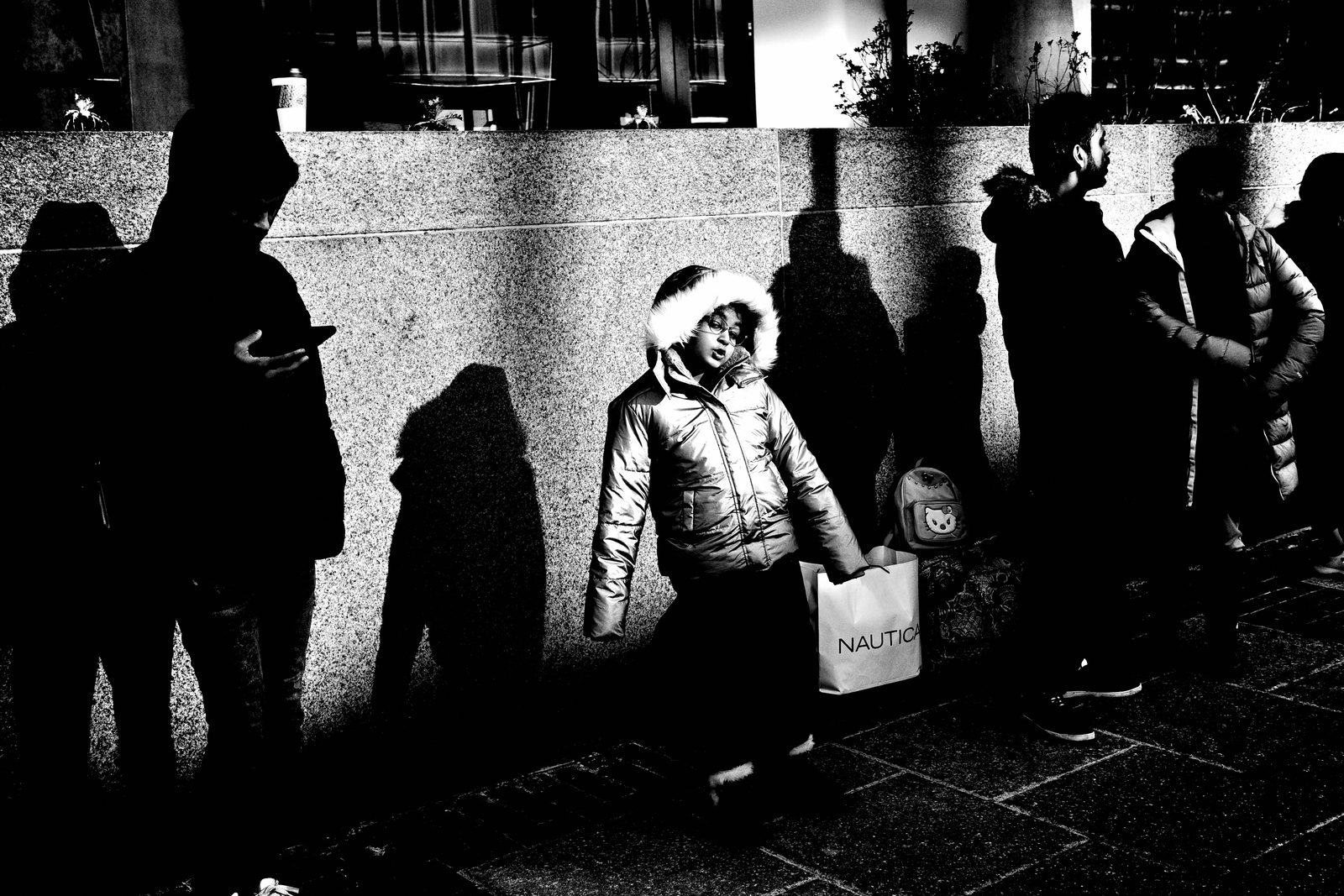
Each individual walk becomes its own self-contained project — a fixed count of photographs, a distance covered, a span of hours. Every photograph is attached to a location on the map, so you can click any point and see the frame made at that exact spot. That granularity — time, date, GPS coordinates — transforms a collection of frames into a genuine archive. The data is part of the work.
The Archive Is the Artwork
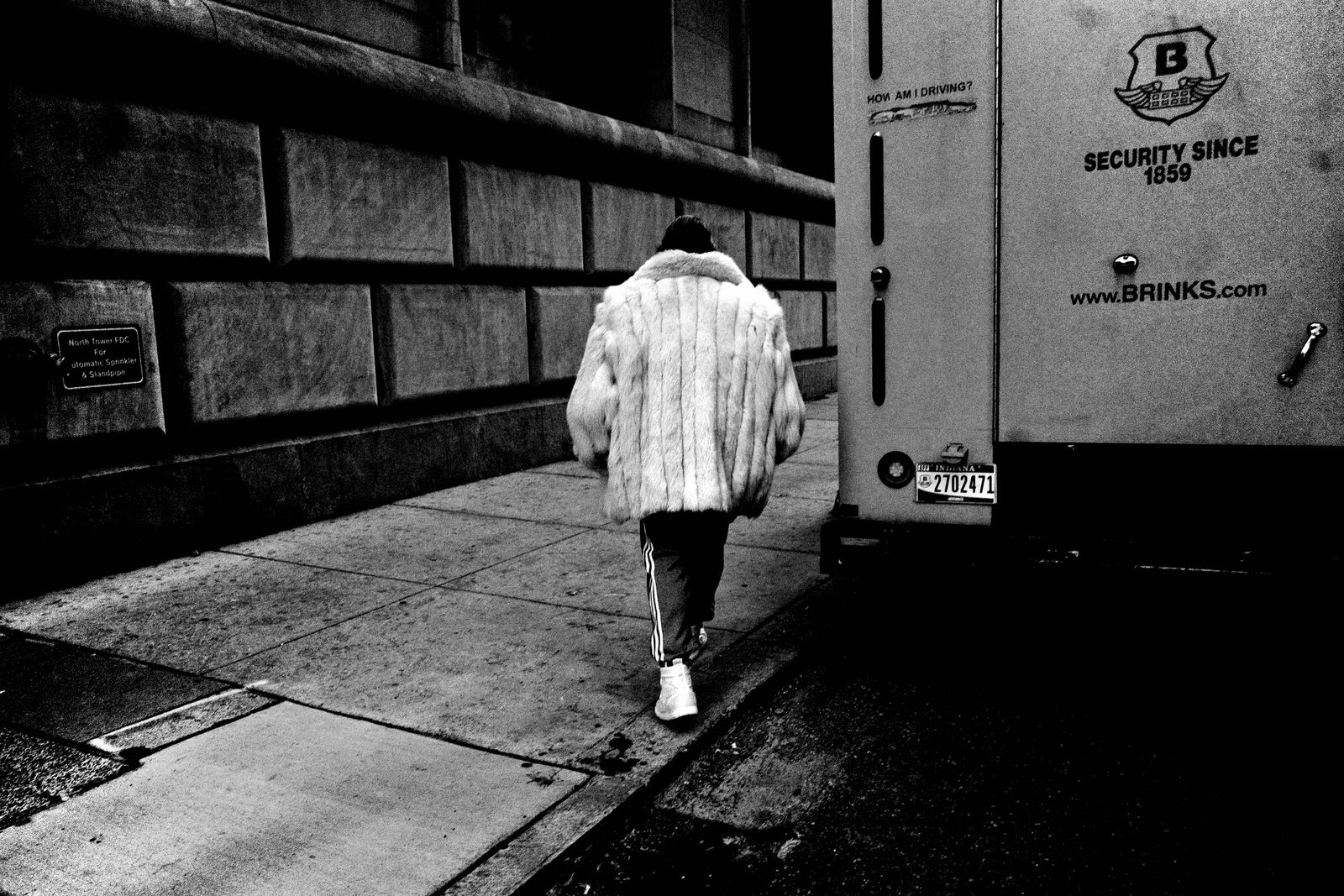
Here's the reframe that changed everything for me: the archive is the artwork. Not the individual great frame. Not the highlight reel. The archive. Inside a survey project, you're not trying to make great photographs — you're creating a document of space and time, preserving a place at a specific moment. That shift from photographer to archivist unlocks a completely different kind of freedom.
The Daily Zine as a Closing Ritual

Every day I come home and make a zine from the walk. Thirty-six photographs. Time, date, location, GPS coordinates on each image. A contact sheet on the back. A short manifest. A QR code linking to the digital archive. Printed on a cheap monochrome Brother LaserJet on ordinary copy paper. And honestly? I love it. The grain, the grit, the disposable quality of the paper — all of it feels aligned with the work. The imperfections are the aesthetic.
Constraint Is the Creative Liberator
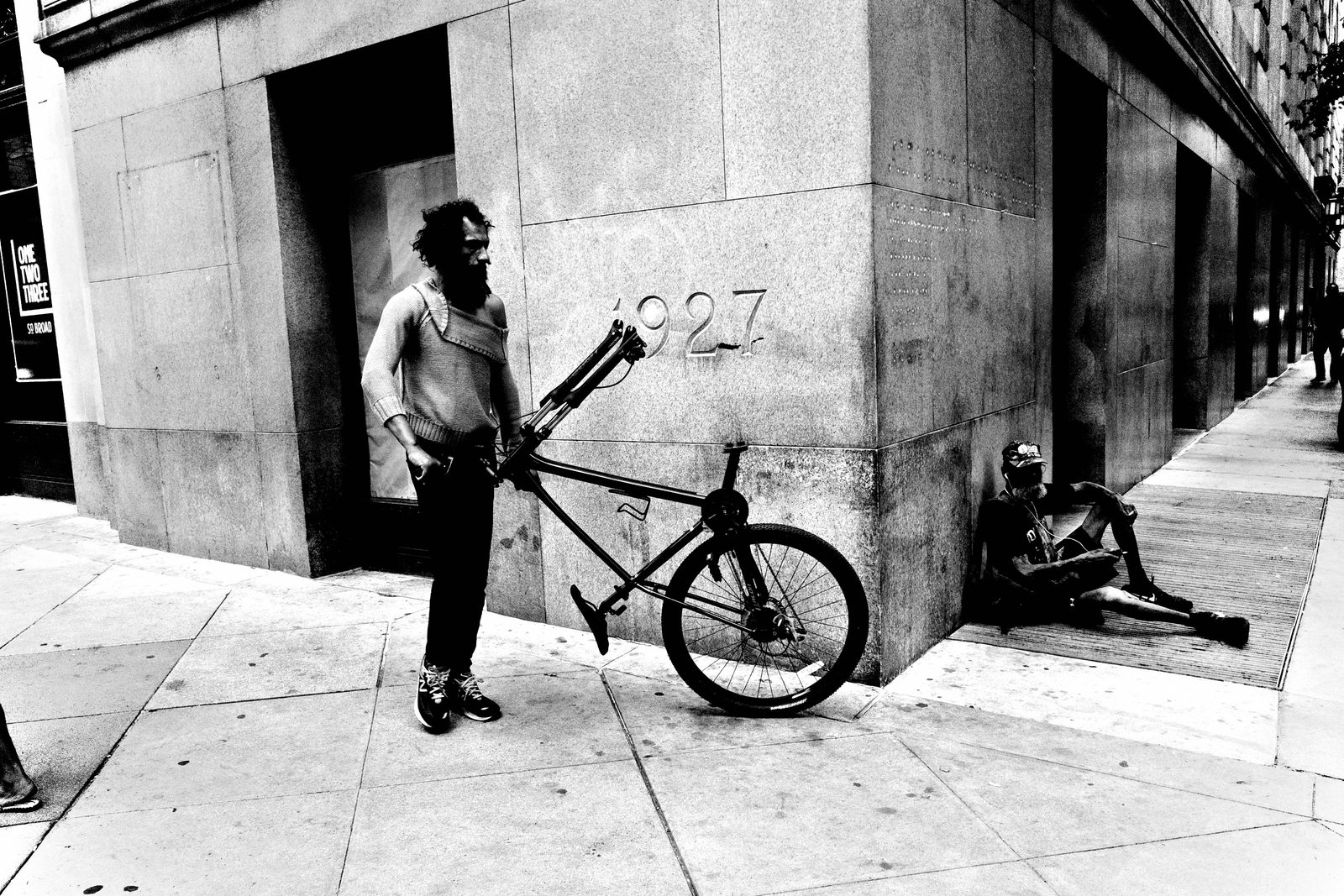
Here's a principle that runs through every project worth building: creative constraint is the liberator. Take a stretch that looks empty — warehouses, abandoned lots, random junk cars. On paper, nothing to photograph. But that's exactly why it becomes interesting. When there's no obvious subject, you look harder. Details beneath cars. Light falling across concrete. The geometry of a shadow. The texture of a wall. The constraint forces attention. And attention is everything.
Thinking Like a Cartographer
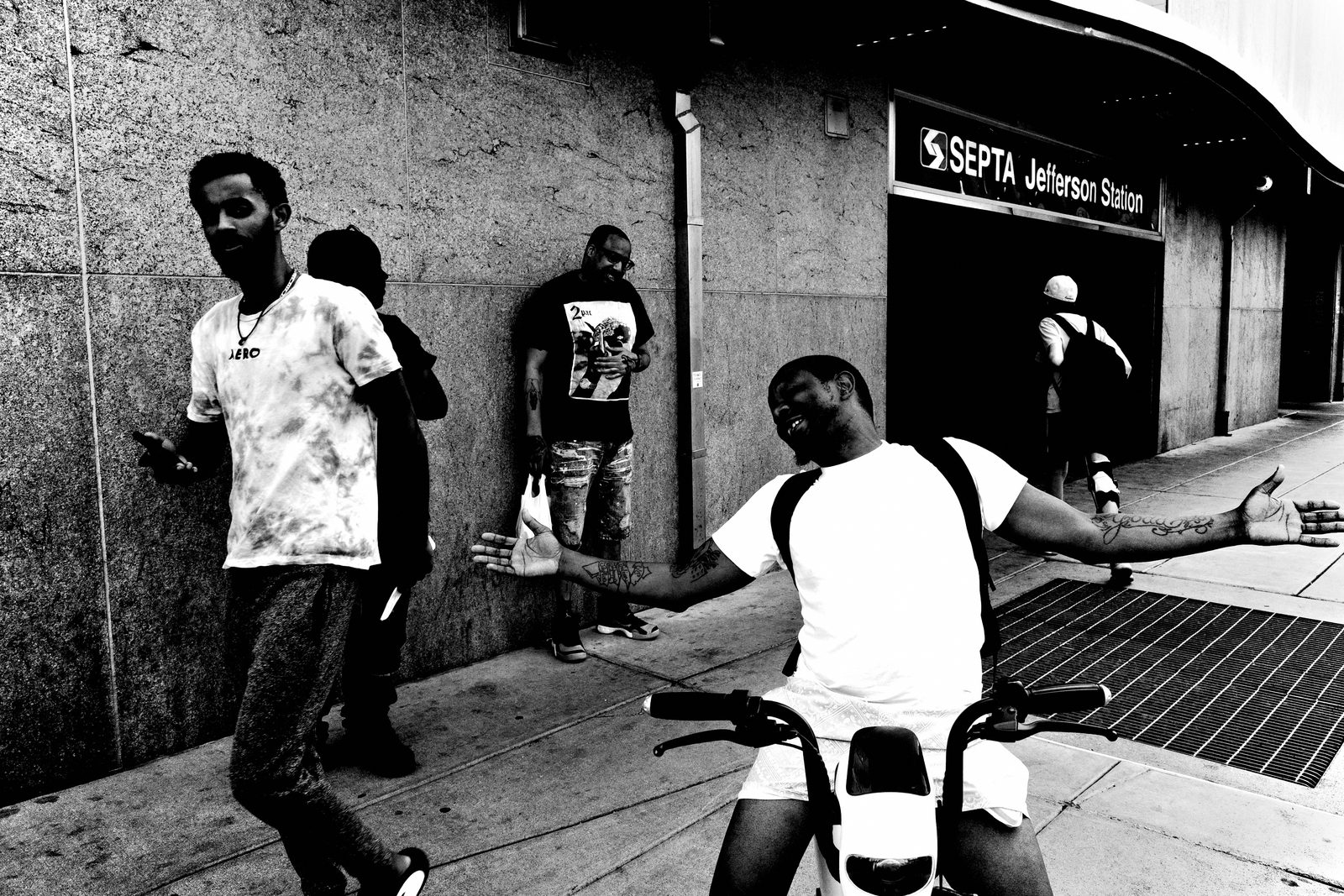
I've started thinking less like a photographer and more like a cartographer. Walk a long avenue and you move through historic stone facades and old churches — then suddenly you're surrounded by abandoned buildings, faded signs, and new construction. The street transforms as you walk it. Architectural changes. Economic shifts. New developments. Decaying infrastructure. All existing simultaneously. The goal isn't to judge any of it. It's to preserve it.
Unexpected Discoveries Are the Real Reward
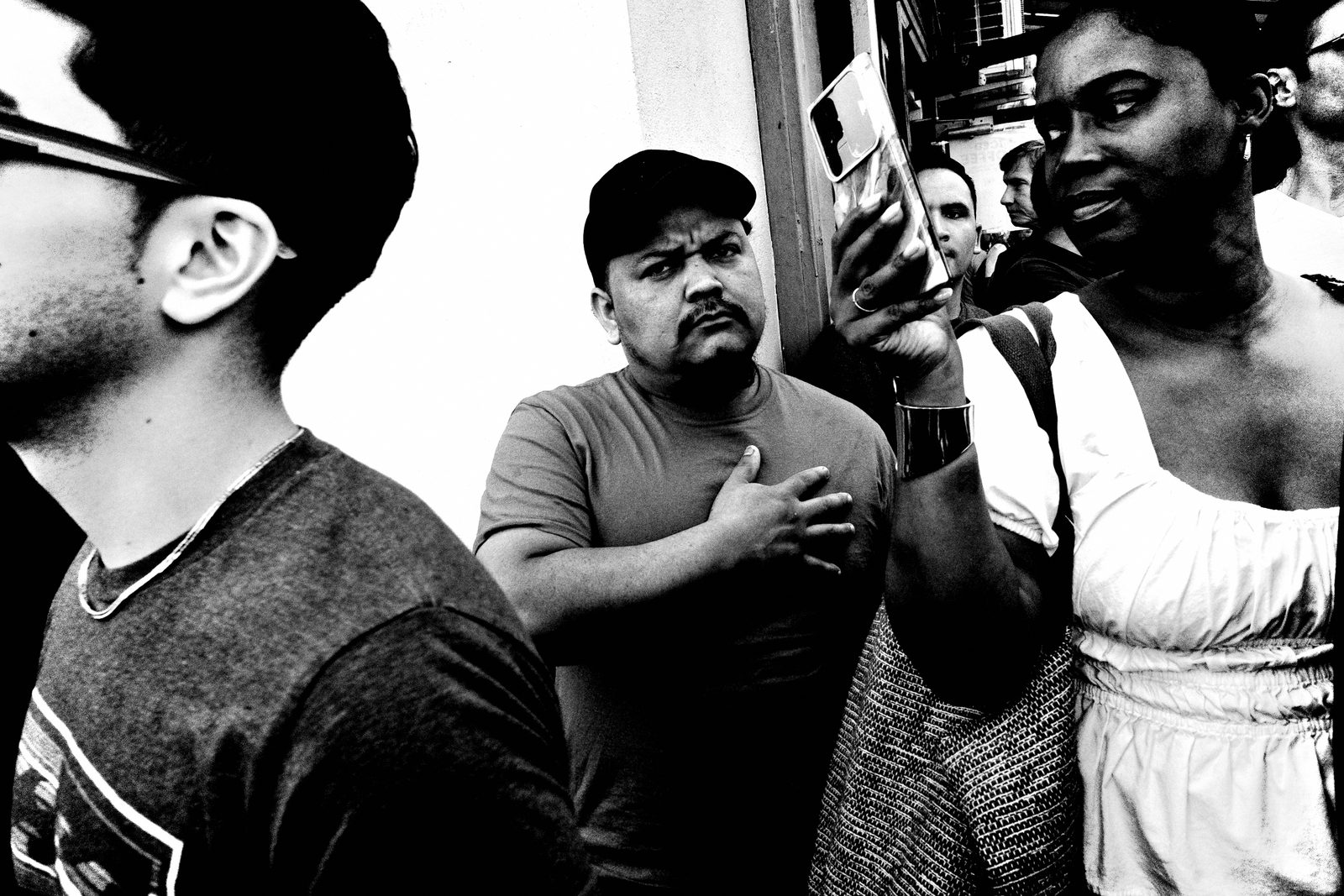
Some of the most powerful things a project gives you were never in the plan. Cover enough ground and you meet the people who live there — someone who invites you inside and tells you the history of the oldest house on the block, or a family member who points out the parks and corners where they played as a child. The walk becomes part photography project, part living history lesson. Those encounters are just as important as the photographs themselves.
The Workflow Must Be Frictionless
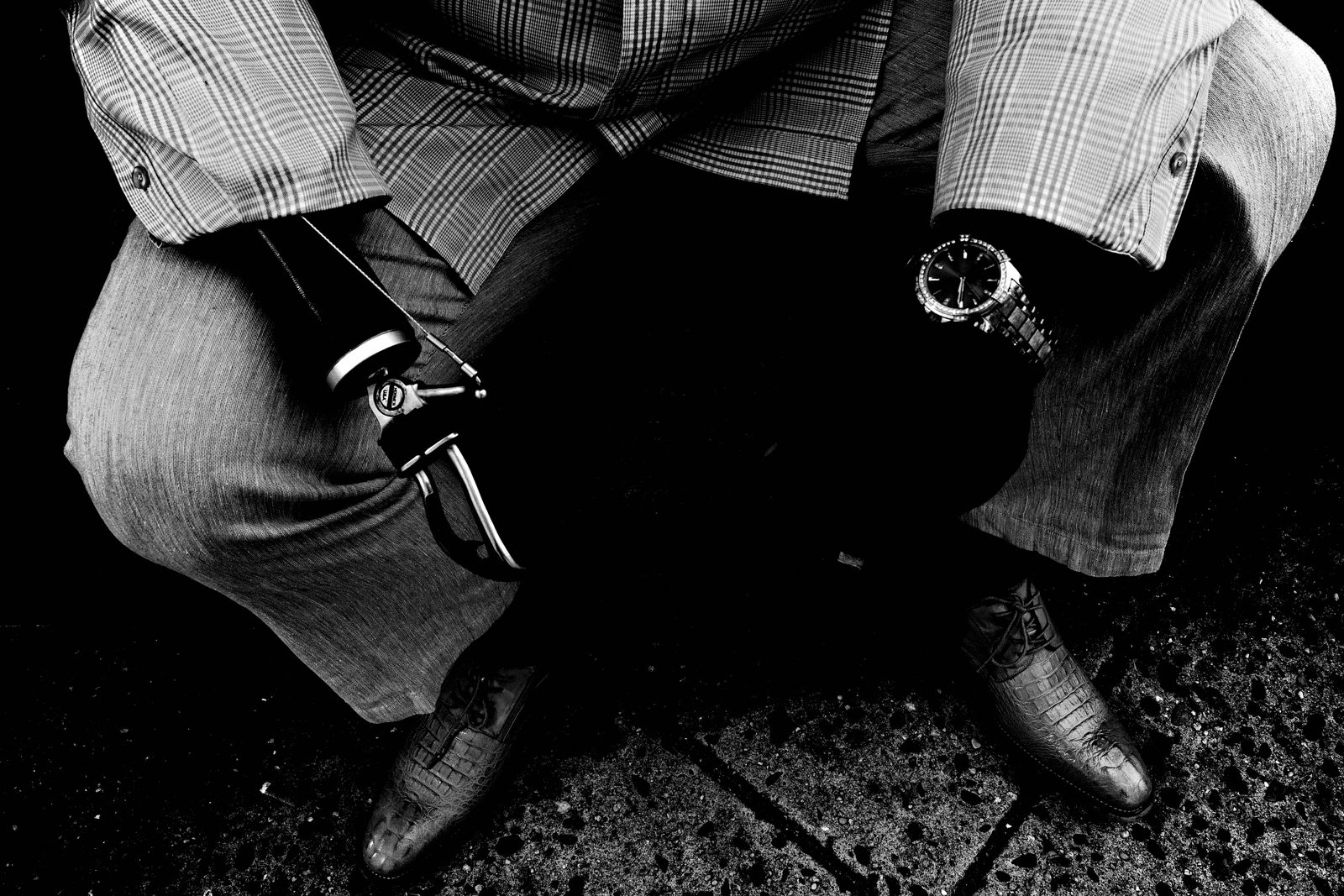
The workflow has to be frictionless or the project dies. With the Ricoh GR monochrome, I use the red filter and crop mode assigned to a shortcut. A quick double-tap switches me to a 50mm equivalent field of view. That means I can move between macro, crop mode, and 28mm almost instantly — most photographs made while walking. Tap. Tap. Click. Tap. Tap. Back to 28mm. The fluidity is everything. Covering ground quickly demands it.
Walk More to See More
There's a lesson this project keeps reinforcing: the more you walk, the more you see. The more you see, the more you photograph. So what if the ultimate goal wasn't to photograph more? What if it was simply to walk more? That's how I orient my days now. One street. One avenue. One creative constraint. The walking is the practice. The photographs are what the walking produces.
The Accumulation Creates Satisfaction
One thing I've noticed about long-form project work: the satisfaction is in the accumulation. The map updates. The zine gets printed. The chapter closes. There is something incredibly rewarding about watching the work stack up day by day — streets covered, photographs cataloged, miles logged. I don't feel any urge to stop because the process itself is fulfilling. That's the secret. Build a project where the process rewards you and you'll never run out of reasons to show up.
Opening the Archive to Others
A project becomes even more powerful when it opens up. Build a way for others to contribute — a portal where anyone can upload their own mapped walks — and people in other cities and countries start documenting their own neighborhoods alongside yours. Seeing others use the tool — adding their walks, their streets, their cities — is one of the most rewarding parts of the whole thing. The archive starts to grow into something bigger than one person. A collective document of the world.
PRACTICAL APPLICATION
Map Your Own City
Your assignment: map something you care about. It doesn't have to be an entire city. One neighborhood. One avenue. One square mile. Pick it, commit to it, and start tracking every block you cover. The map becomes your accountability partner. Every uncovered section is an invitation. Watch how quickly the constraint transforms a familiar place into an inexhaustible subject.
Build the Daily Closing Ritual
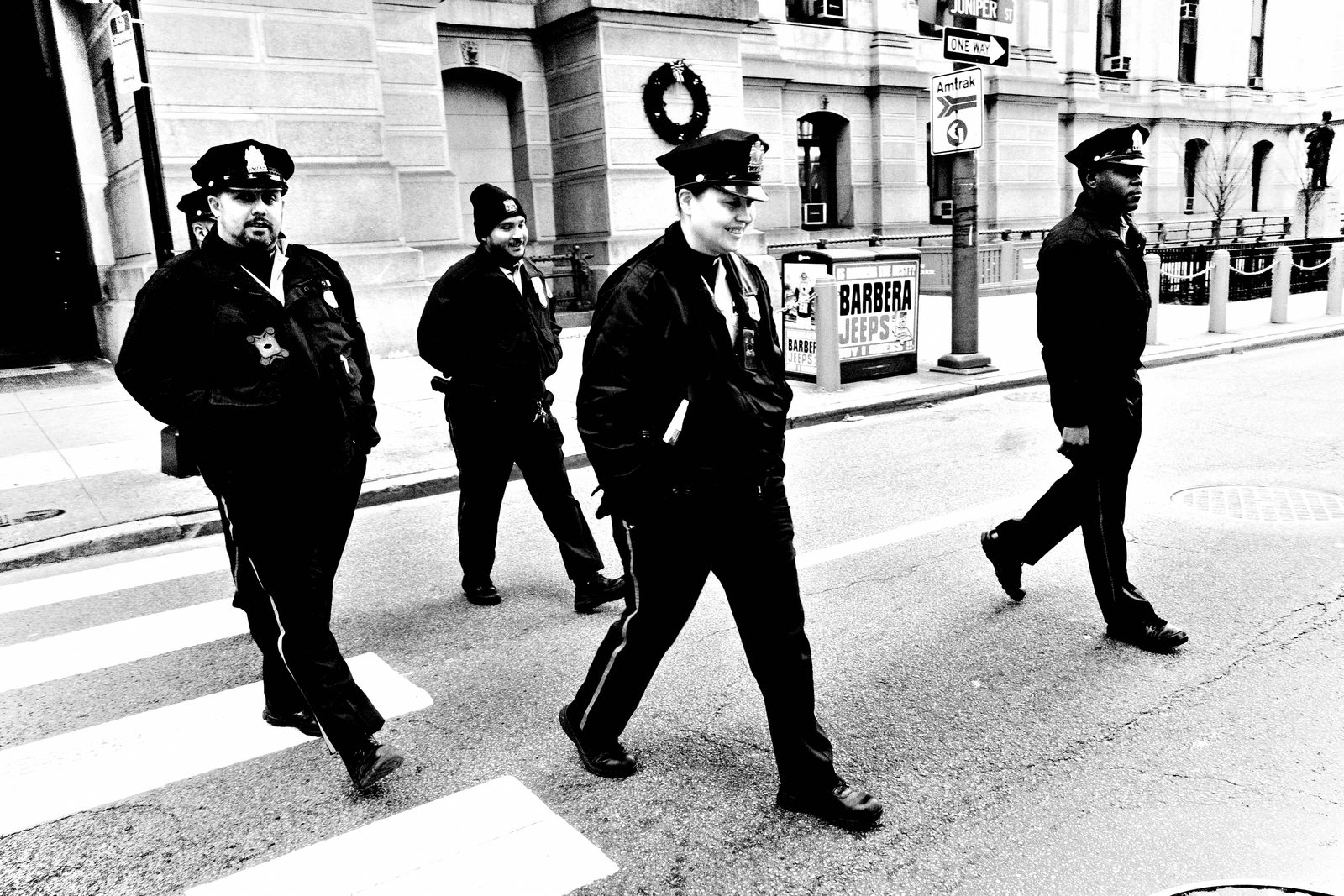
Build the closing ritual. At the end of every walk, select your frames — thirty-six is a good number, it forces editing — and make something physical. A zine. A printed contact sheet. Even a PDF. Include the metadata: time, date, location. Print it. Hold it. Flip through it slowly. That act of sitting with the work teaches you things a screen never will. Then start the next one. The rhythm is the practice.
Let the Archive Be the Primary Output
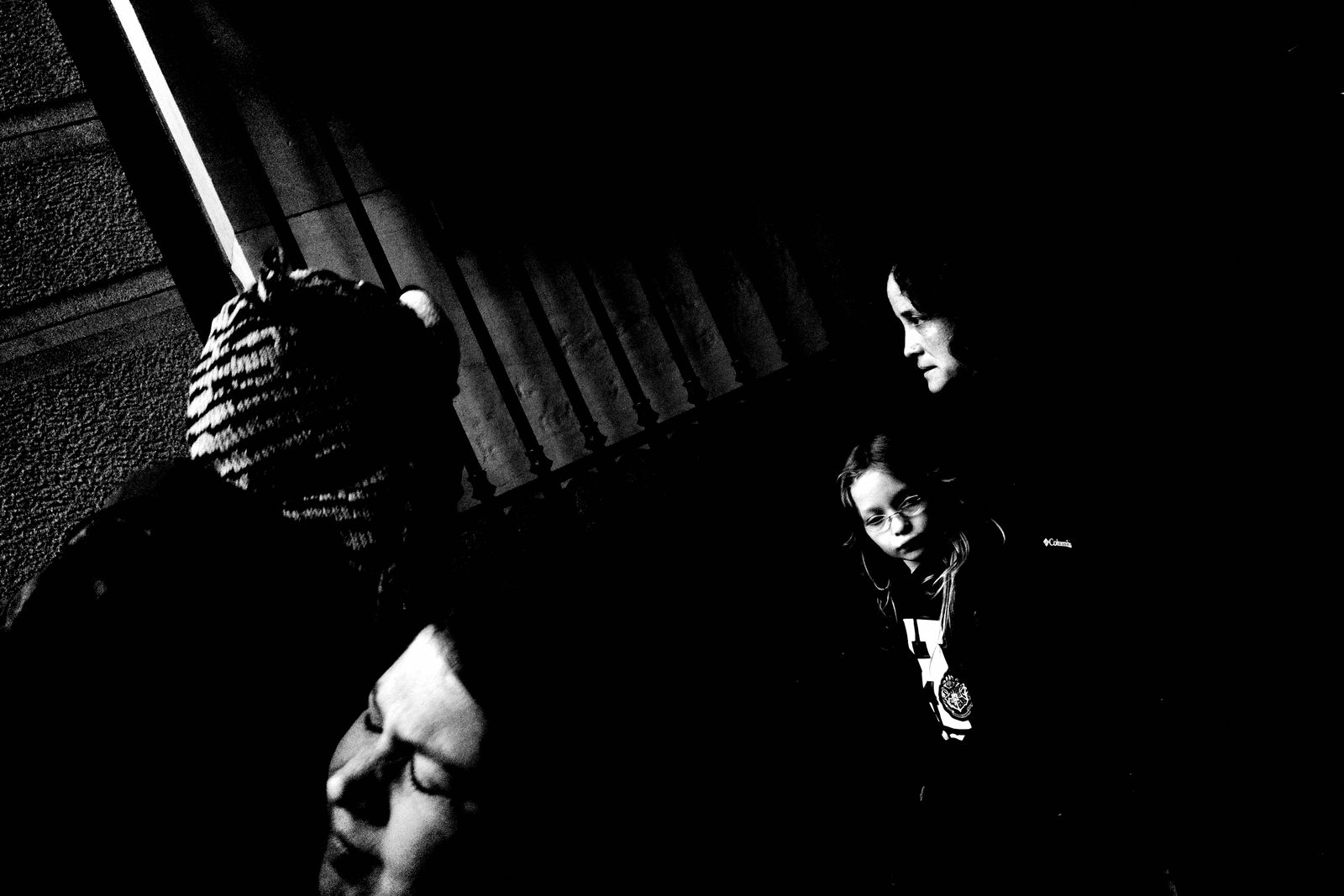
Shift your goal. Stop trying to make the great photograph on every walk. Start trying to build the honest document. The archive grows whether or not any single frame is extraordinary. And over time — over years of this — the archive becomes something no single great frame could ever be. A record. A life. A body of work. Longevity beats the highlight reel every time.
COMMON MISTAKES
Waiting for the Perfect Project Concept
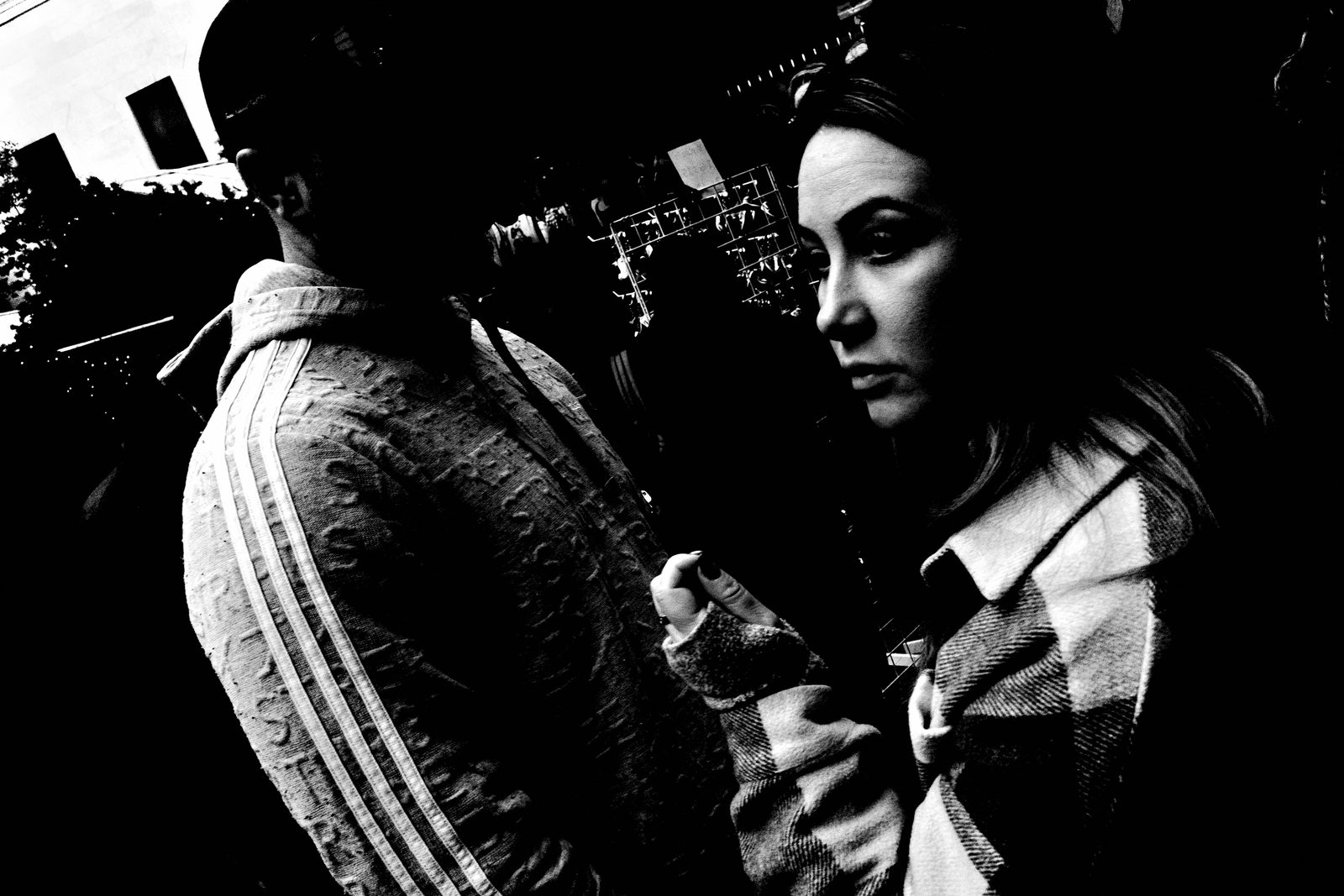
The biggest mistake I see is waiting for the perfect concept before starting. I'll start when I have a great idea. I'll start when the timing is right. But the project doesn't reveal itself before you start — it reveals itself through the walking. The strongest survey projects aren't grand conceptual statements. They start from a simple goal: cover the place. Start simple. Start local. Start today. The concept emerges from the accumulation.
Making the Project Too Complicated to Sustain
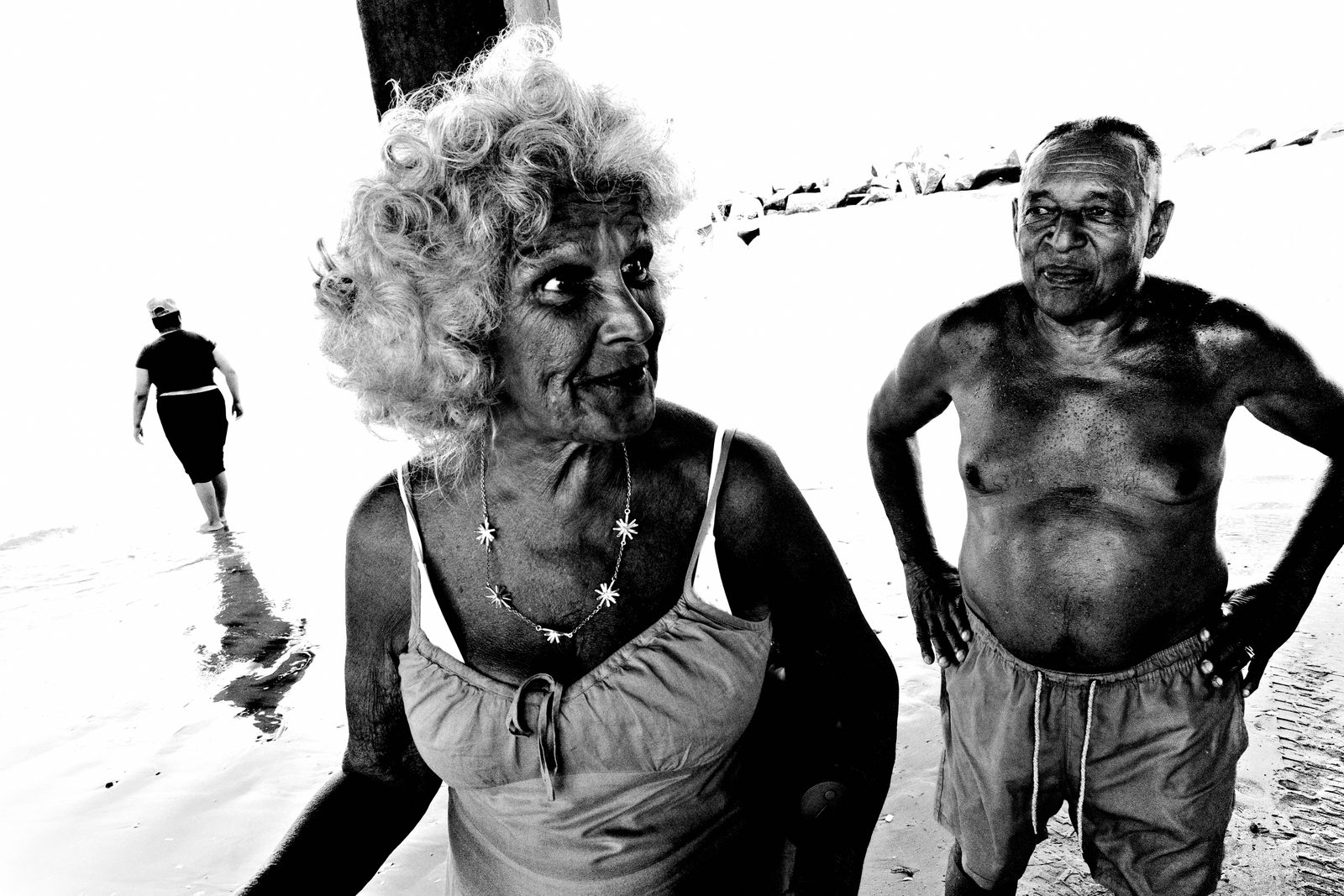
The other mistake is overengineering the project until it collapses under its own weight. Complex editing workflows. Elaborate filing systems. Gear decisions multiplying daily. Complexity becomes the reason not to show up. I use one camera, one focal length, baked-in JPEG, one constraint per walk, and one daily closing ritual. That's the whole system. The simpler it is, the longer it lasts. And longevity is the only metric that matters.
RELATIONSHIP TO PREVIOUS
From Daily Practice to Long-Form Vision
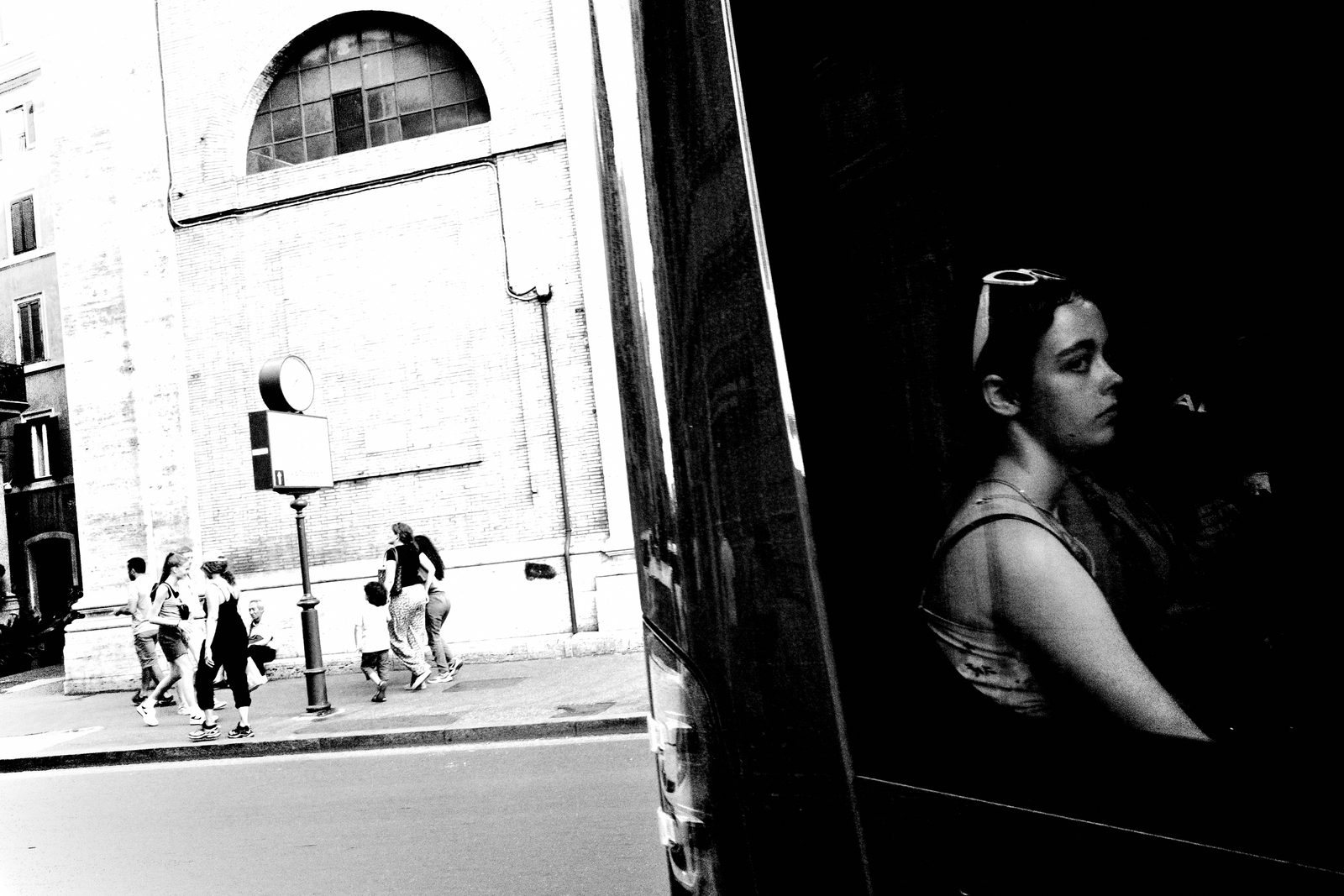
Lesson 051 built the daily habit — the flow state, the walk, the quiet commitment to showing up. This lesson gives that daily habit a larger container. The project is where the daily practice stops being just maintenance and starts becoming lasting work. One is the foundation; the other is the structure you build on top of it. You needed Lesson 051 before you could use this one.
SUMMARY / TAKEAWAY
Map It, Walk It, Print It, Repeat
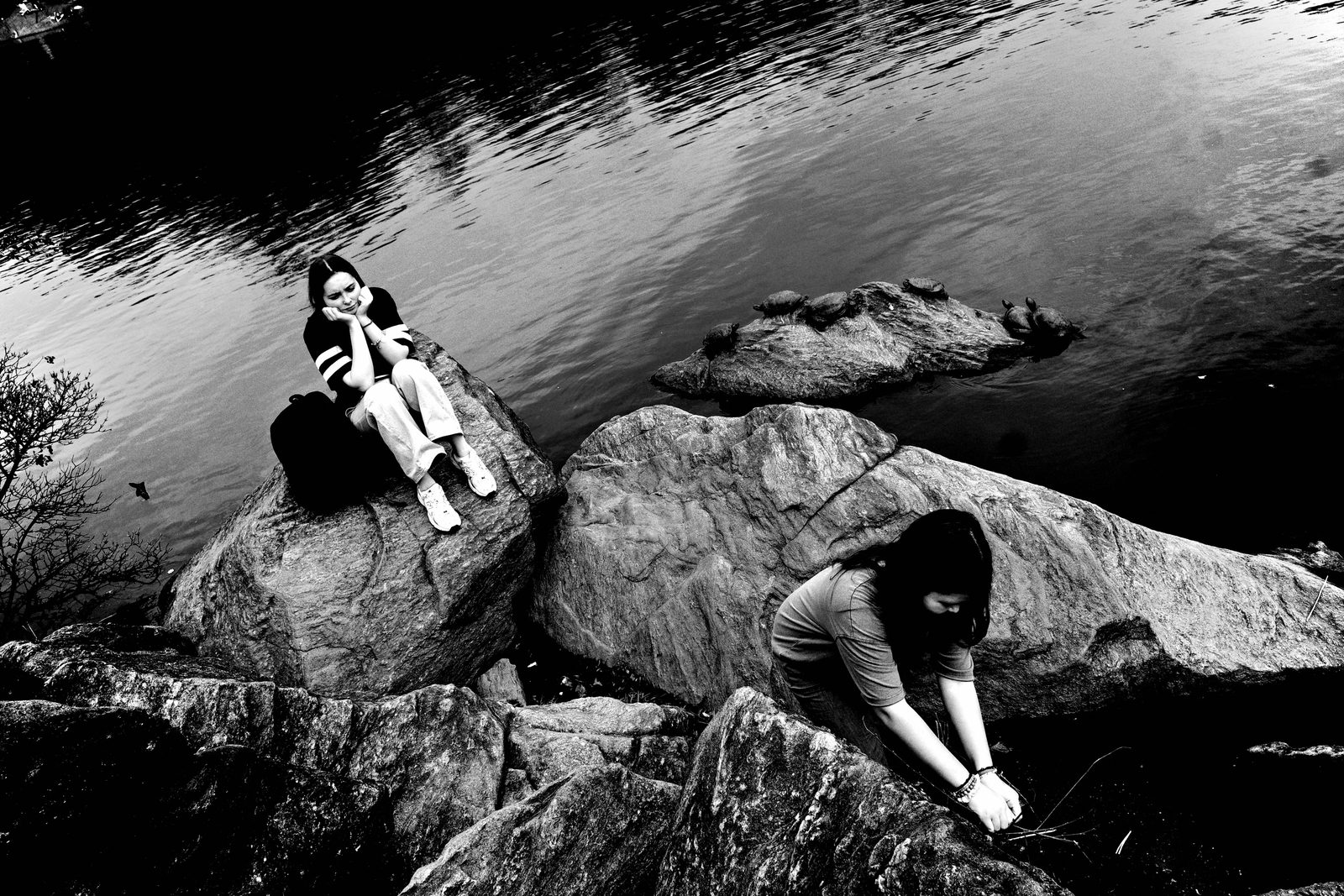
Last thing. A project is the engine because it gives every single walk a reason — a direction, a constraint, a place on the map still waiting to be uncovered. The book, the zine, the printed archive — that's the proof. It says: this happened, it mattered, it's real. You don't need a grand concept. You need a simple goal, a system light enough to sustain, and the discipline to close each chapter before opening the next. Map it. Walk it. Print it. Repeat. Catch you in the next one. Peace.