Consistency & the Visual Diary
CORE IDEA
Show Up or Fall Behind
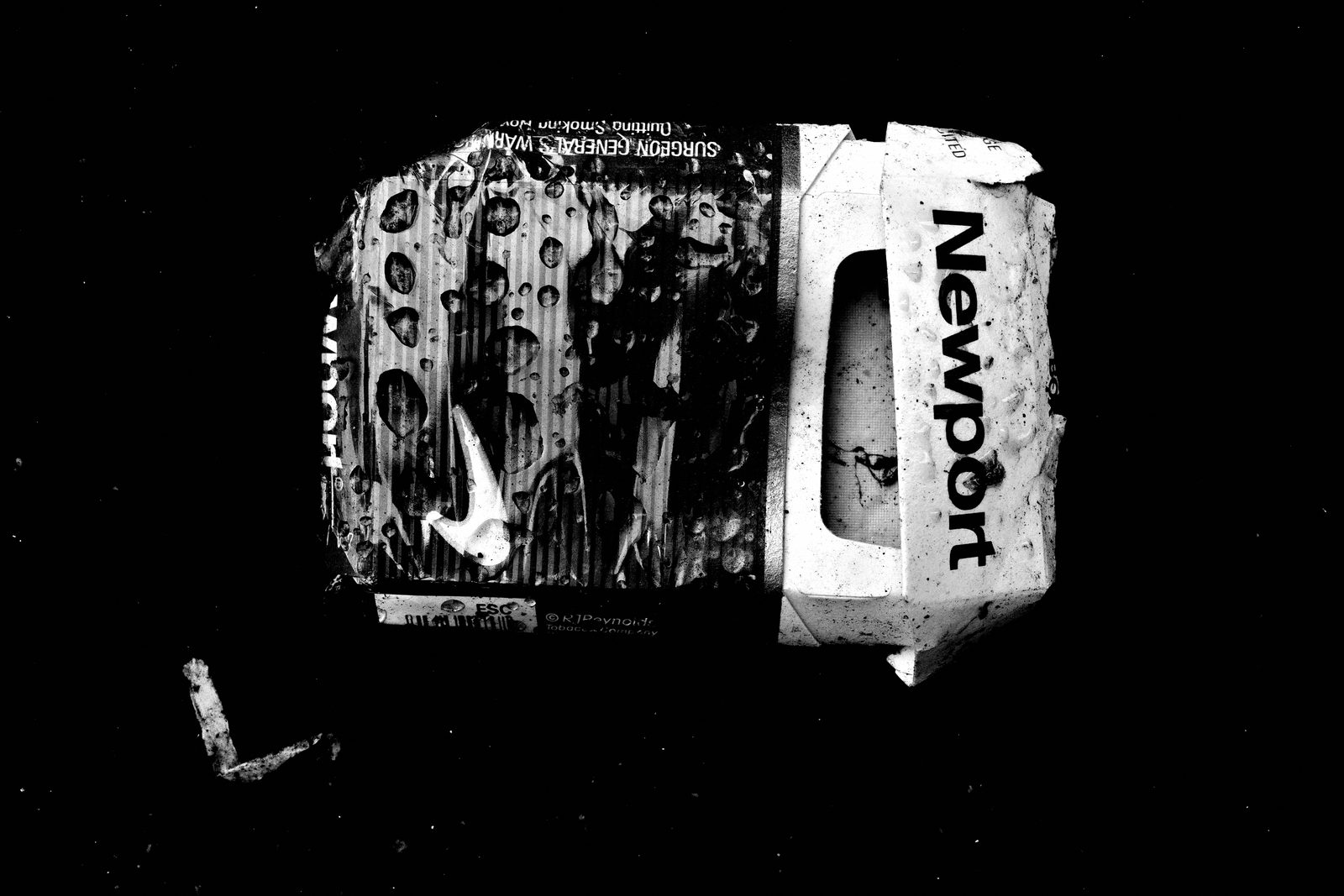
What's popping, people — it's Dante. Today we're getting into the one thing that separates photographers who grow from photographers who stall: consistency. Not your camera. Not your eye. Not some lucky trip to an exotic city. Just showing up, day after day, camera in hand, and letting the practice evolve. He who walks the most shall win — and that's not a metaphor, that's the whole game.
LEARNING OBJECTIVE
What You'll Walk Away With
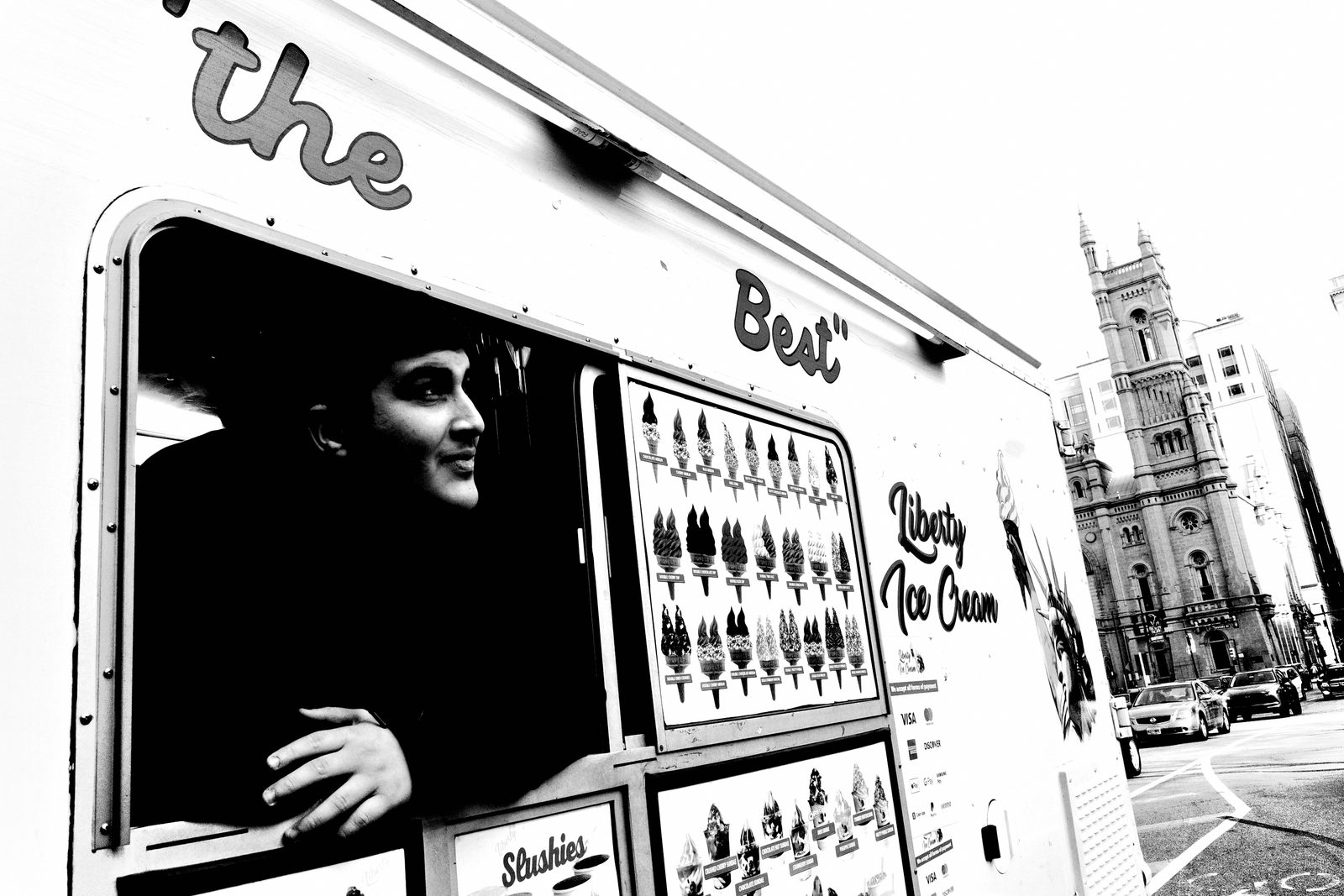
By the end of this lesson you'll understand why consistency is the backbone of a real street photography practice, how to turn daily shooting into a living visual diary, and — most importantly — how to make showing up feel less like discipline and more like compulsion. That shift is everything.
WHY THIS MATTERS
Inspiration Is Unreliable
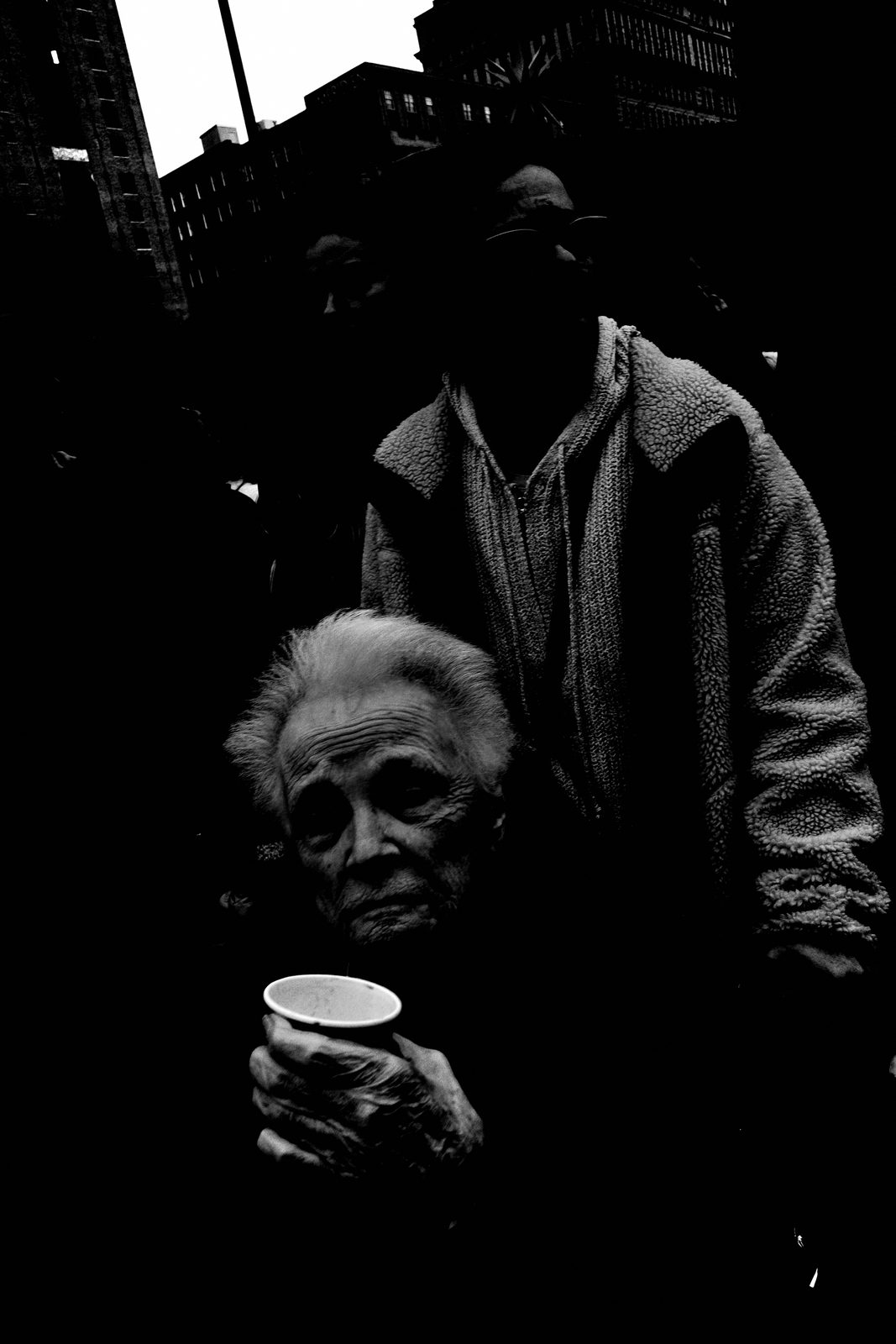
Here's why this matters: inspiration is a terrible strategy. It shows up when it feels like it and disappears right when you need it most. Consistency doesn't care how you feel. It's the practice that builds your eye, your instinct, your voice — not the rare burst of motivation. If you're waiting to feel inspired before you shoot, you're going to wait a long time.
The Practice Reveals Itself Over Time
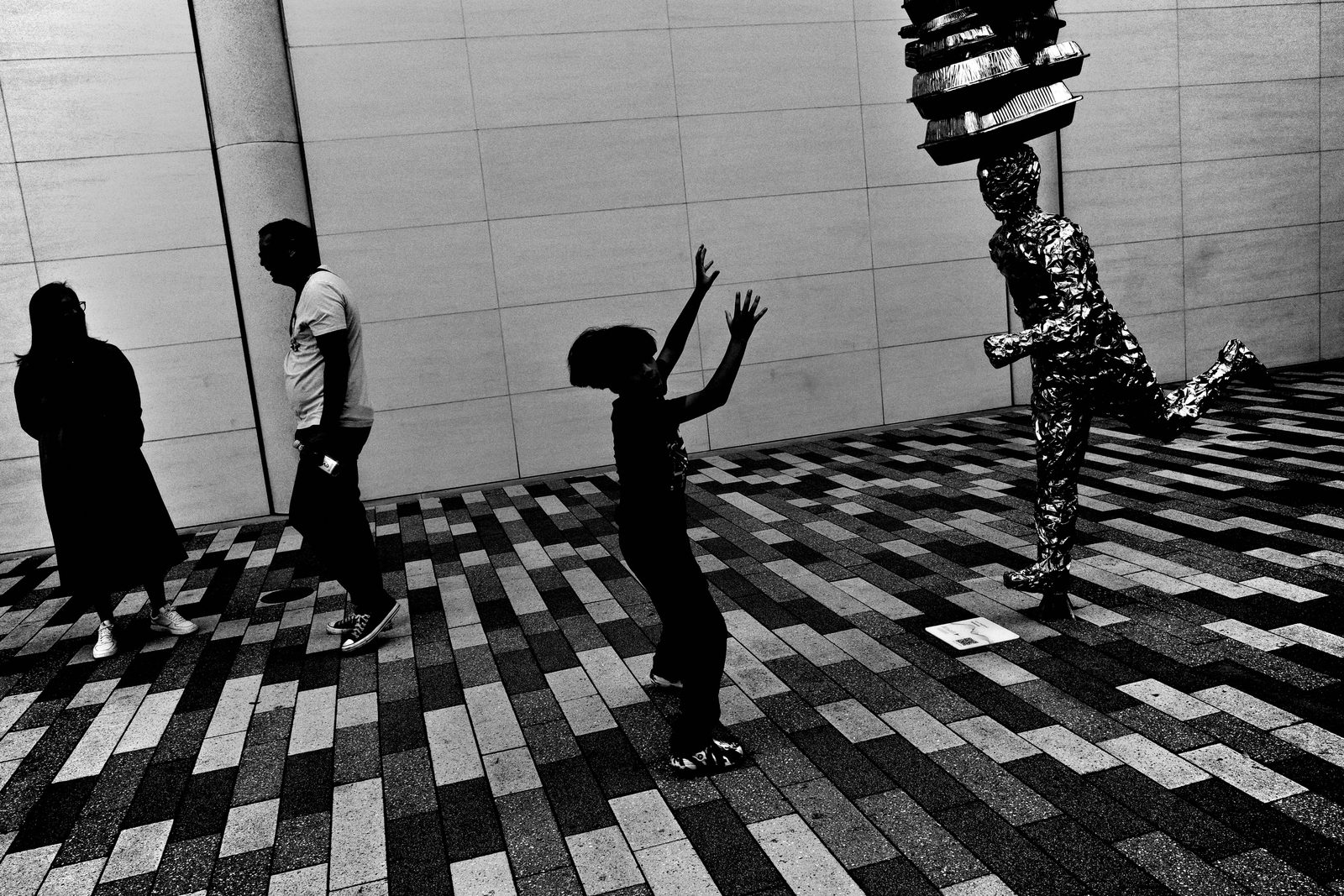
And here's the deeper truth: you cannot think your way into a style. You have to walk your way into it. Through repetition — returning to the same streets, at the same times, with the same camera — patterns emerge. The light starts to make sense. The moments start to find you. The visual diary writes itself, and what it reveals is you.
MAIN TEACHING
Consistency Is a Compulsion, Not a Chore
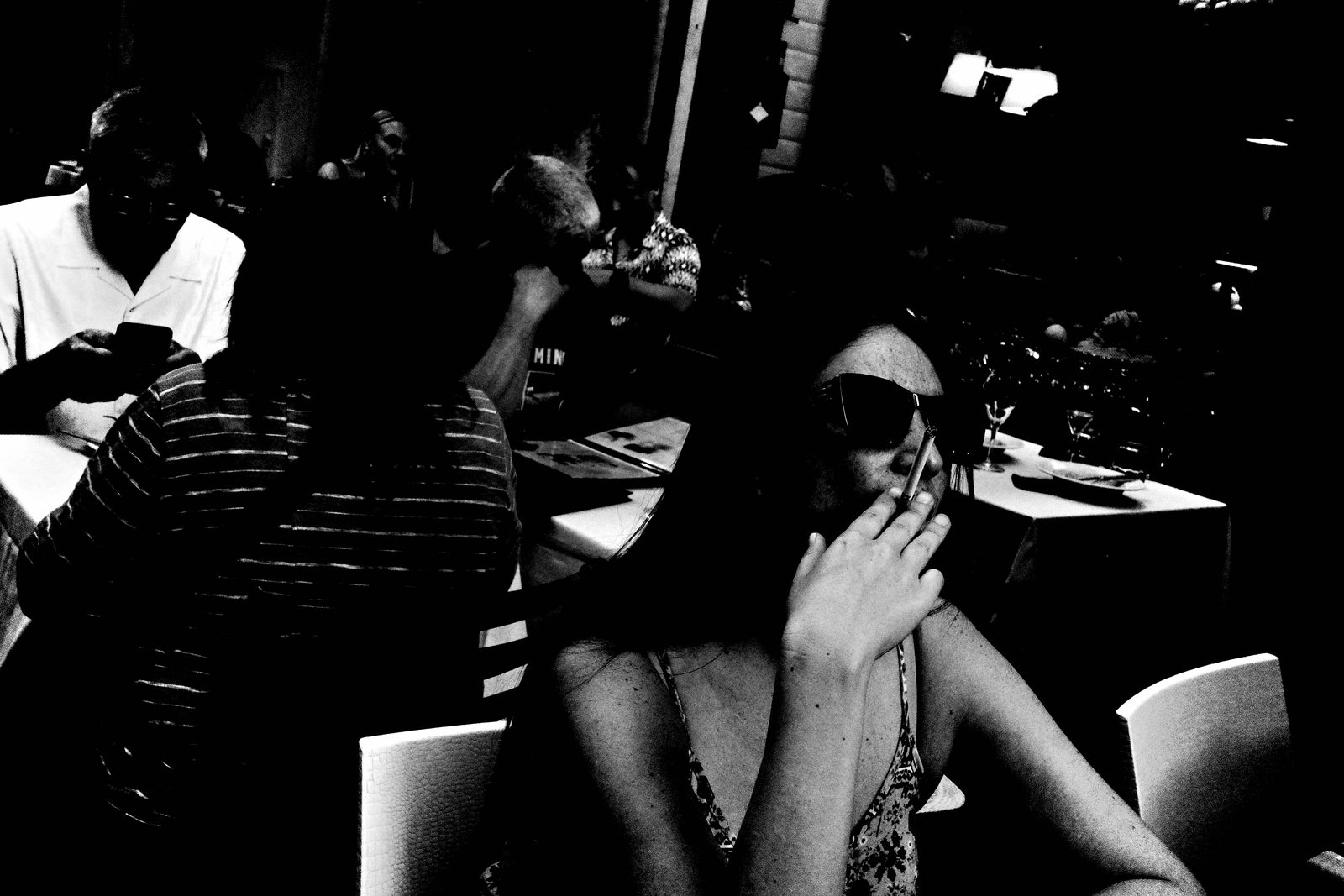
Here's how I think about consistency: it's not discipline in the strict sense. It's closer to a compulsion. I don't need to motivate myself to photograph the way some people have to motivate themselves to go to the gym. It's almost involuntary. But even on the days when that pull is quieter, I still show up. Because the act of showing up is the practice — not the frames you bring home.
Walk More, See More, Photograph More
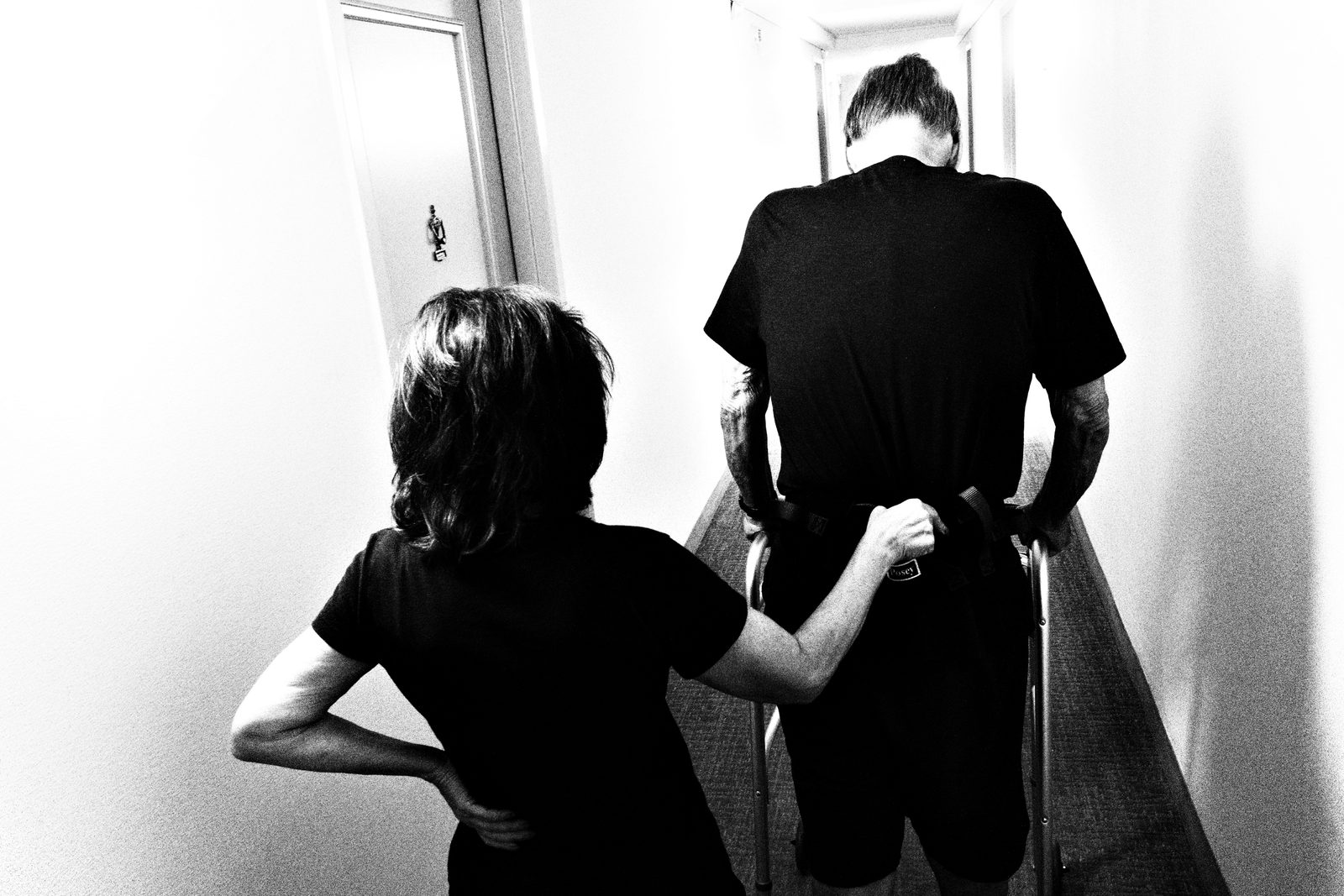
There's a simple equation at the heart of this whole practice: walk more, see more, photograph more. It sounds almost too obvious to say — but most photographers aren't walking enough. They're planning shoots, editing, watching tutorials. Walking and photographing are inseparable. Get your legs moving and the photographs will follow. This is not metaphor. This is mechanics.
The Visual Diary: No Theme, No Project, No Limits
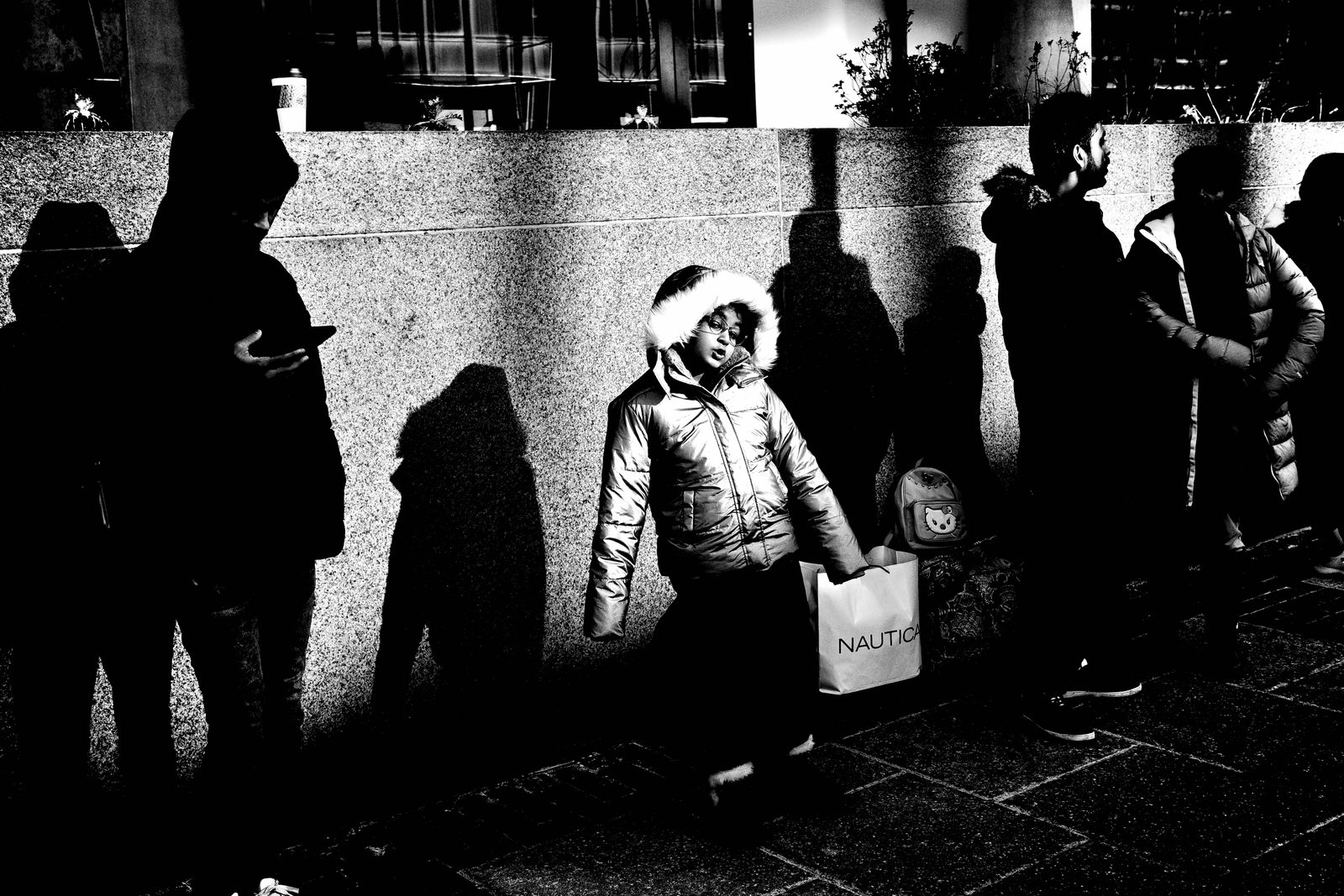
The visual diary approach is this: no theme, no project, no predetermined outcome. You photograph your everyday life — for yourself, and yourself only. A quiet record of your days. What you ate, where you walked, who you saw, how the light fell on that wall on Tuesday morning. The mundane is the subject. When you stop hunting for the exceptional, the ordinary starts giving you everything.
Obsession Over Obligation
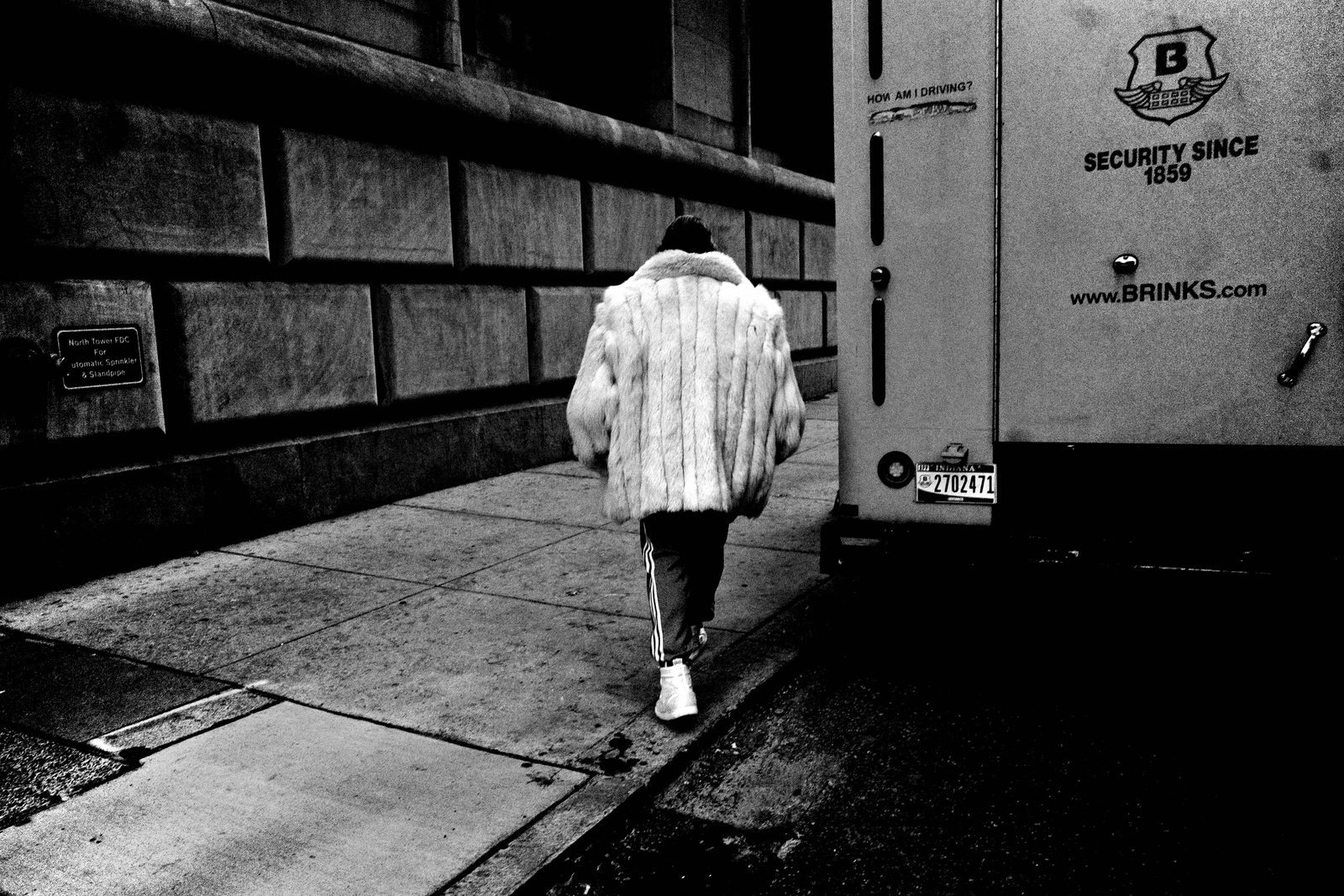
There's a difference between being obligated to shoot and being obsessed with shooting. Obligation is heavy — it creates friction, resentment, burnout. Obsession is light. It pulls you out the door before you've finished your coffee. My goal has always been to cultivate that insatiable love for the process — returning to the same streets with fresh eyes every single time, genuinely curious about what today will give me.
Same Street, Different World
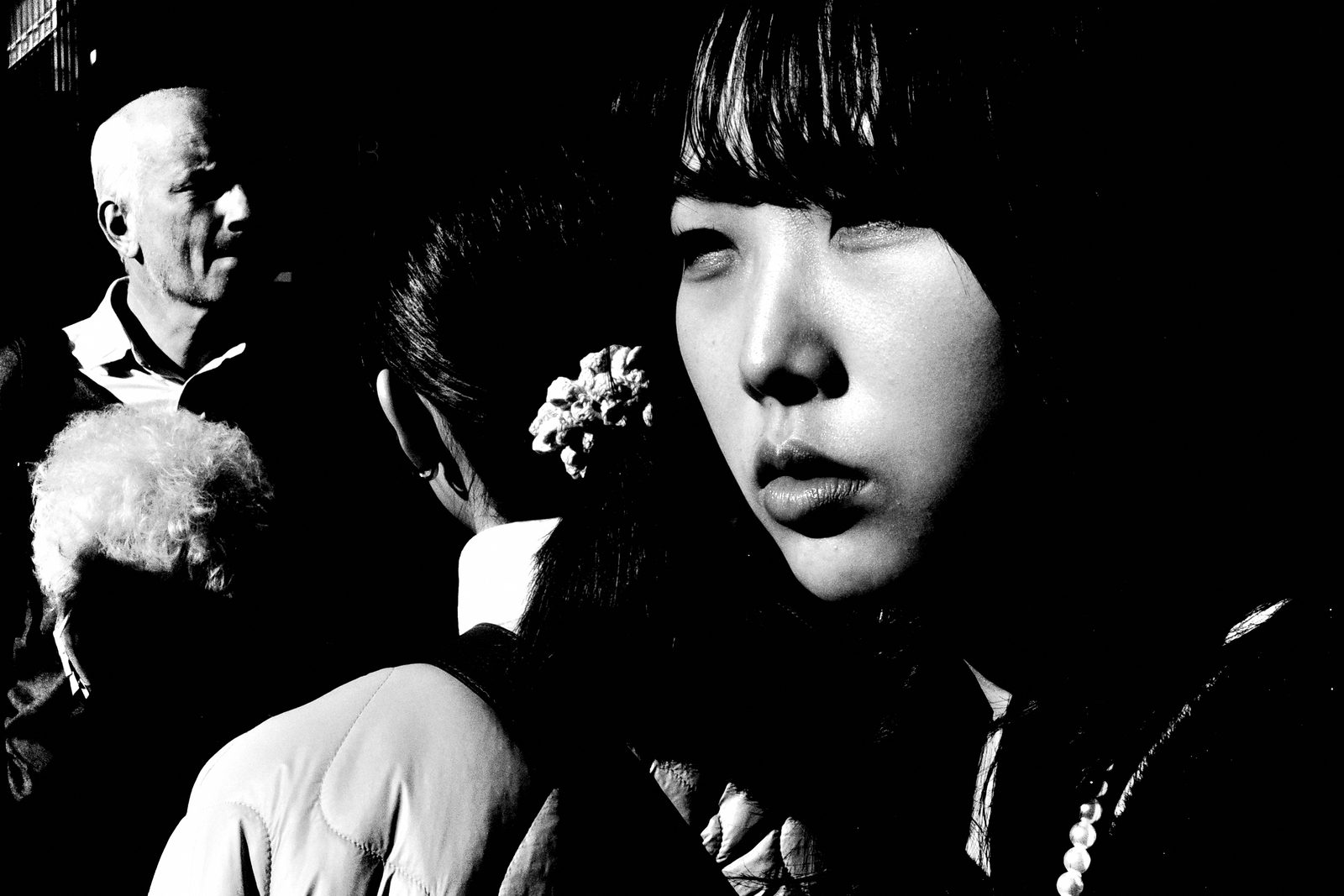
People ask me how I can walk the same streets over and over without getting bored. The answer is that the street is never the same. The light is different. The people are different. My mood is different. The world is always in flux — and that's the point. Repetition doesn't dull the street; it sharpens your ability to read it. Go back. Go back. Go back.
One Camera, One Lens, No Excuses
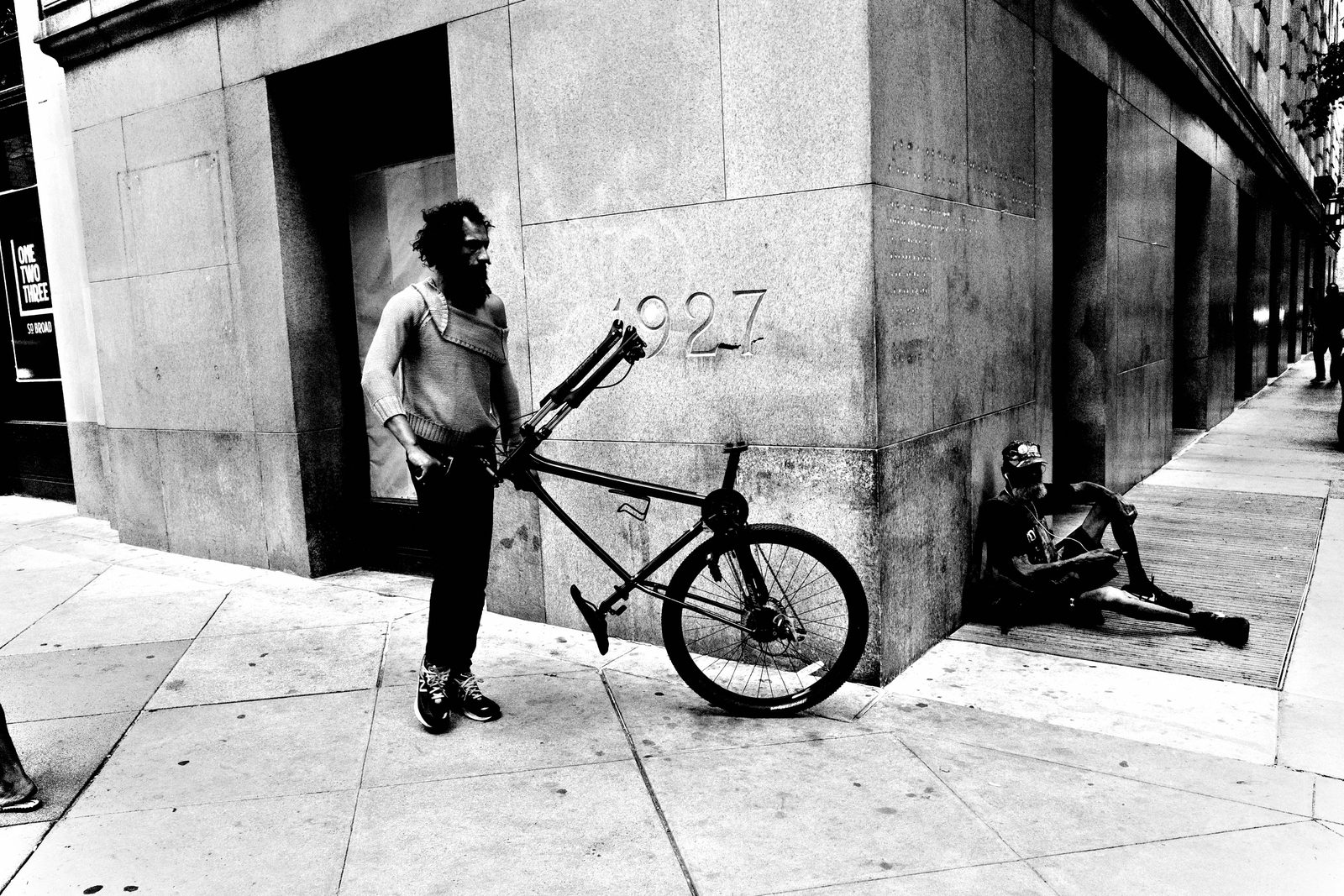
One of the biggest consistency killers is gear friction. When photographing requires preparation — packing a bag, choosing lenses, charging batteries — it creates a barrier between you and the street. My solution has always been the same: one compact camera, always in my pocket, always ready. No ceremony. No setup. Just life, and the camera riding along with it. Remove the friction and consistency becomes almost automatic.
Flow State Is the Reward for Showing Up
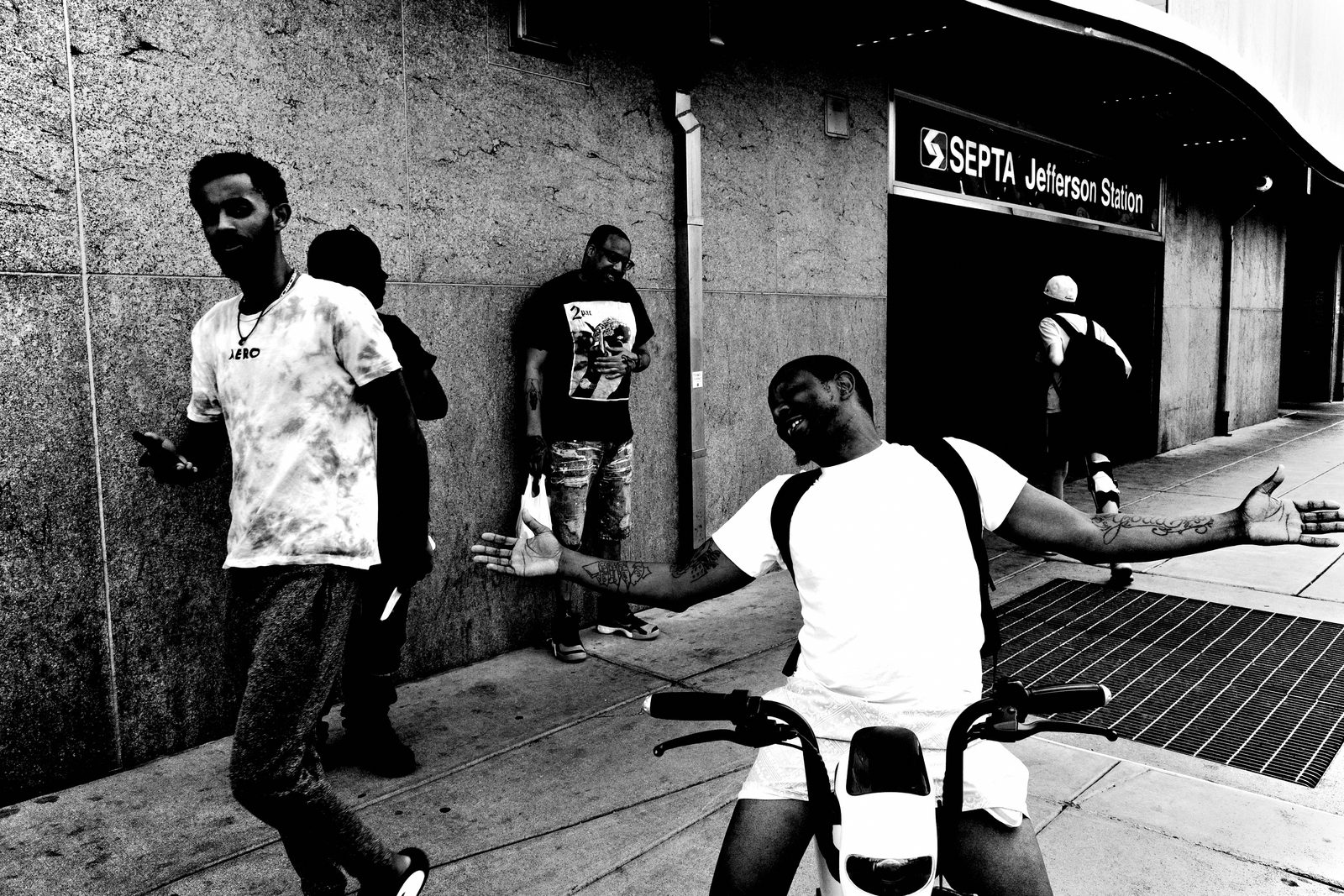
The flow state — that place where you're not thinking, just doing — doesn't arrive by appointment. It's the reward for showing up consistently until the camera becomes an extension of your body. When you've walked the same streets enough times, you stop thinking about where to stand. When you've used the same camera long enough, you stop thinking about the controls. You're just reacting. That's where the real photographs live.
Photography as Life Affirmation
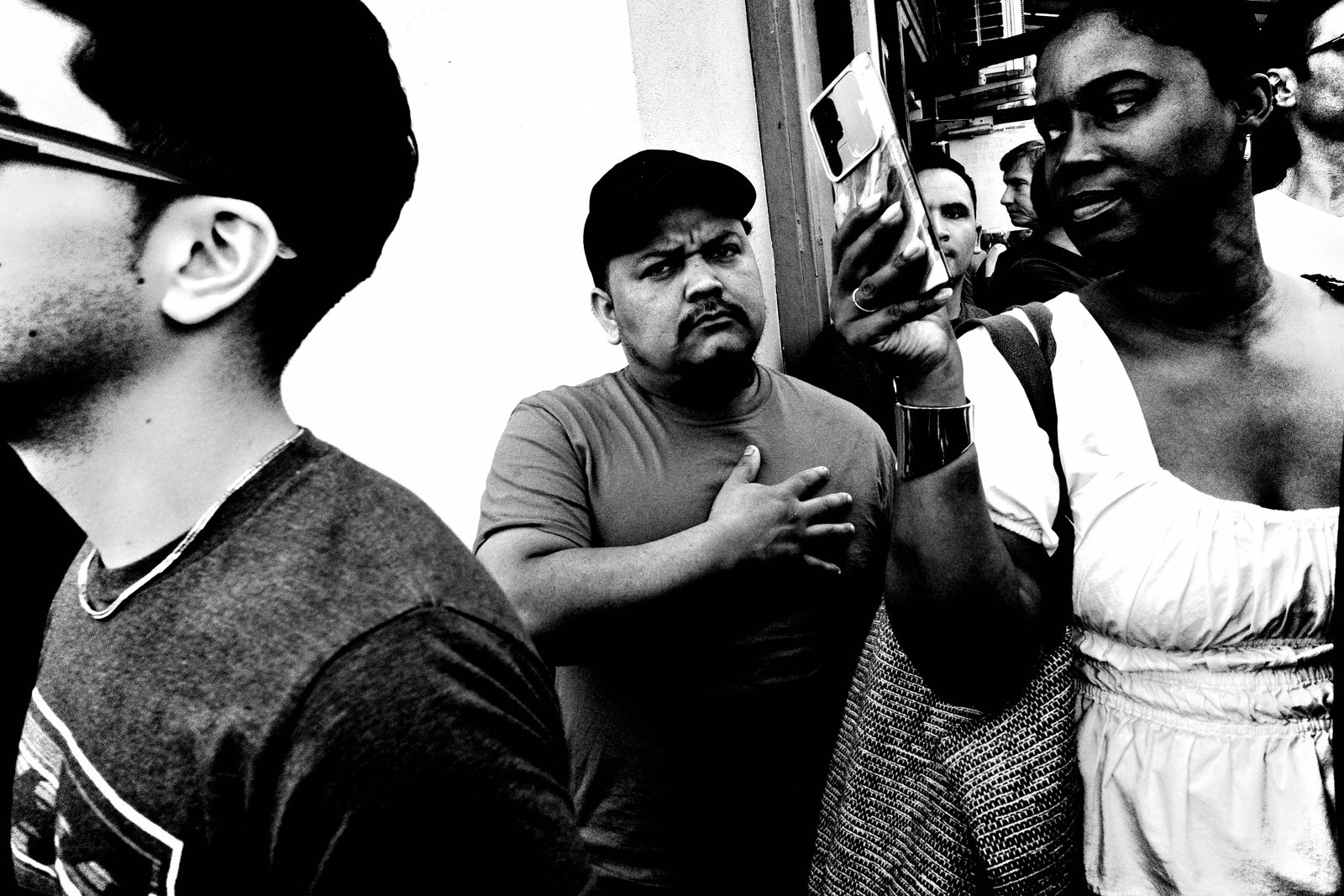
Here's an idea I keep coming back to: every photograph is me saying yes to life. Finding meaning in an ordinary, overlooked moment. The visual diary isn't just a record of what happened — it's an act of gratitude. This street. This light. This person. This moment. I was here. I was paying attention. The camera is how I say thank you to the day.
The Street Rewards Regulars
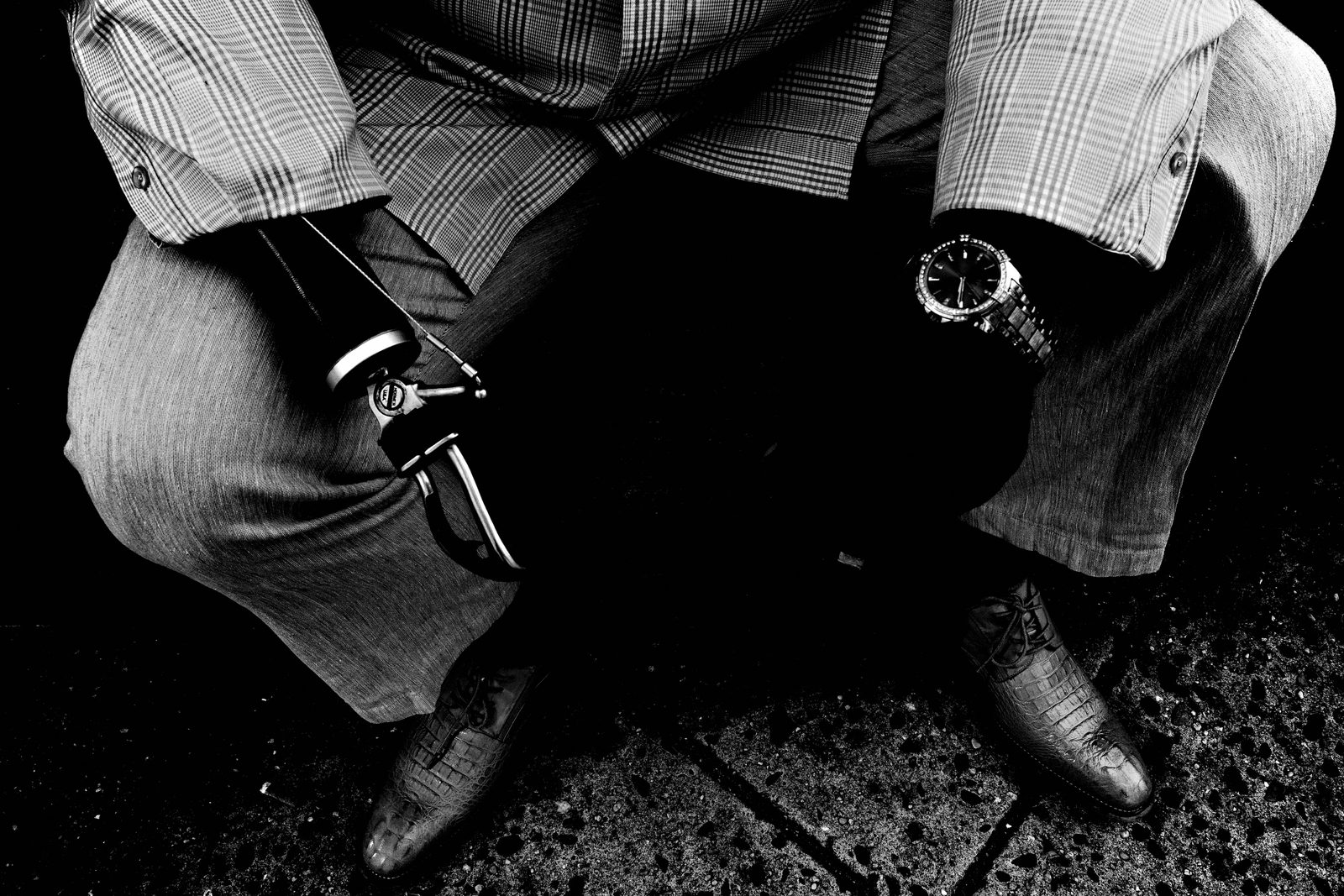
Pick a street and walk it day after day — not hunting for anything specific, just open and moving — and it starts to teach you things. Where the light pools in the afternoon. Which corner always has activity at noon. Which wall turns gold at 5 PM. You can only learn that by showing up consistently. The street rewards regulars. It has no patience for tourists.
Readiness Is Built, Not Summoned
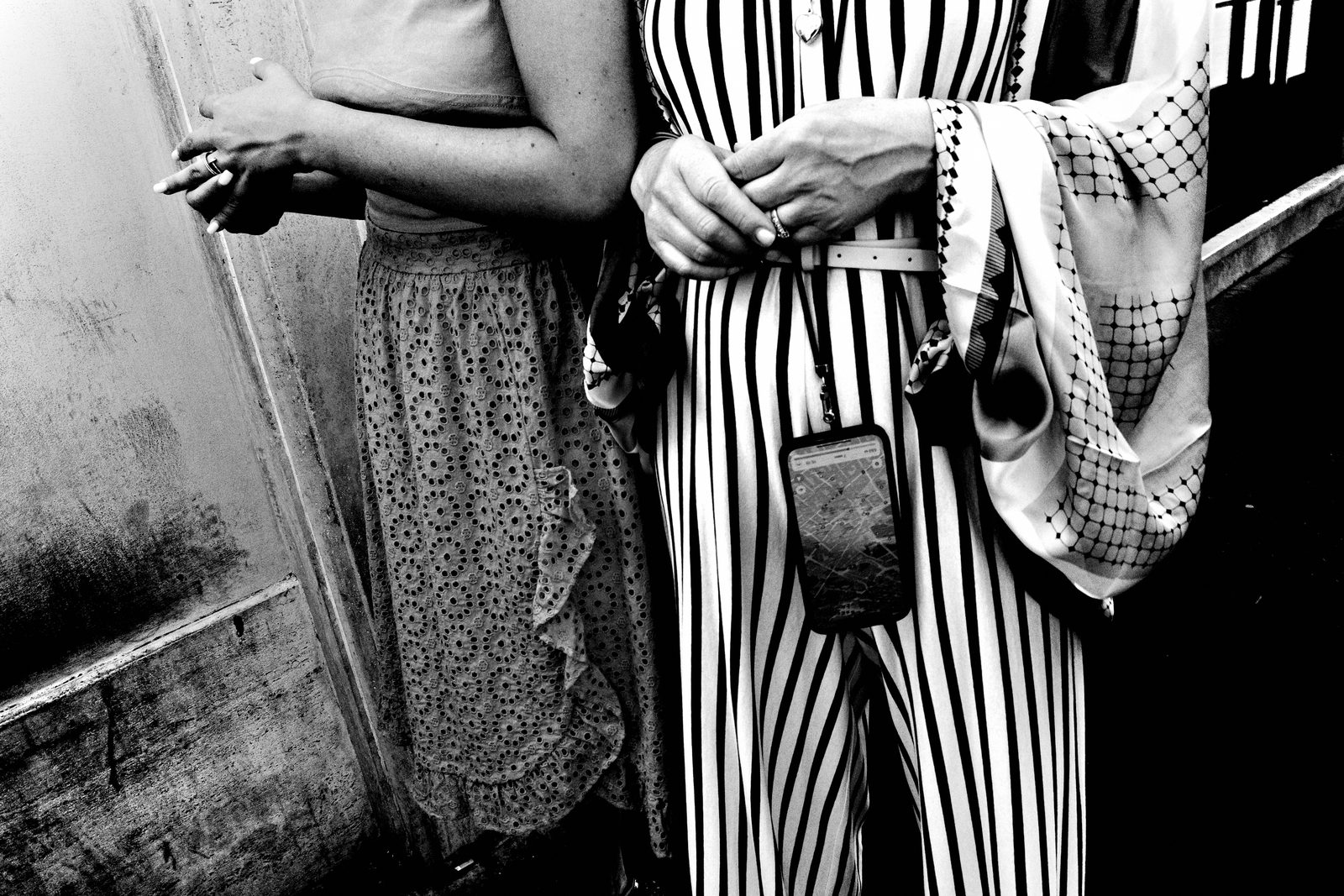
Here's how consistency pays off in a single frame. Imagine you're walking with a friend — talking, laughing, mid-conversation — and you're still moving, still listening with your whole body. A charged moment suddenly opens up in front of you. The camera is already in your hand. A flick of the wrist, the shutter clicks. That moment didn't wait for you to get ready. You were ready because you're always ready. That readiness only comes from daily practice.
Building the Body of Work
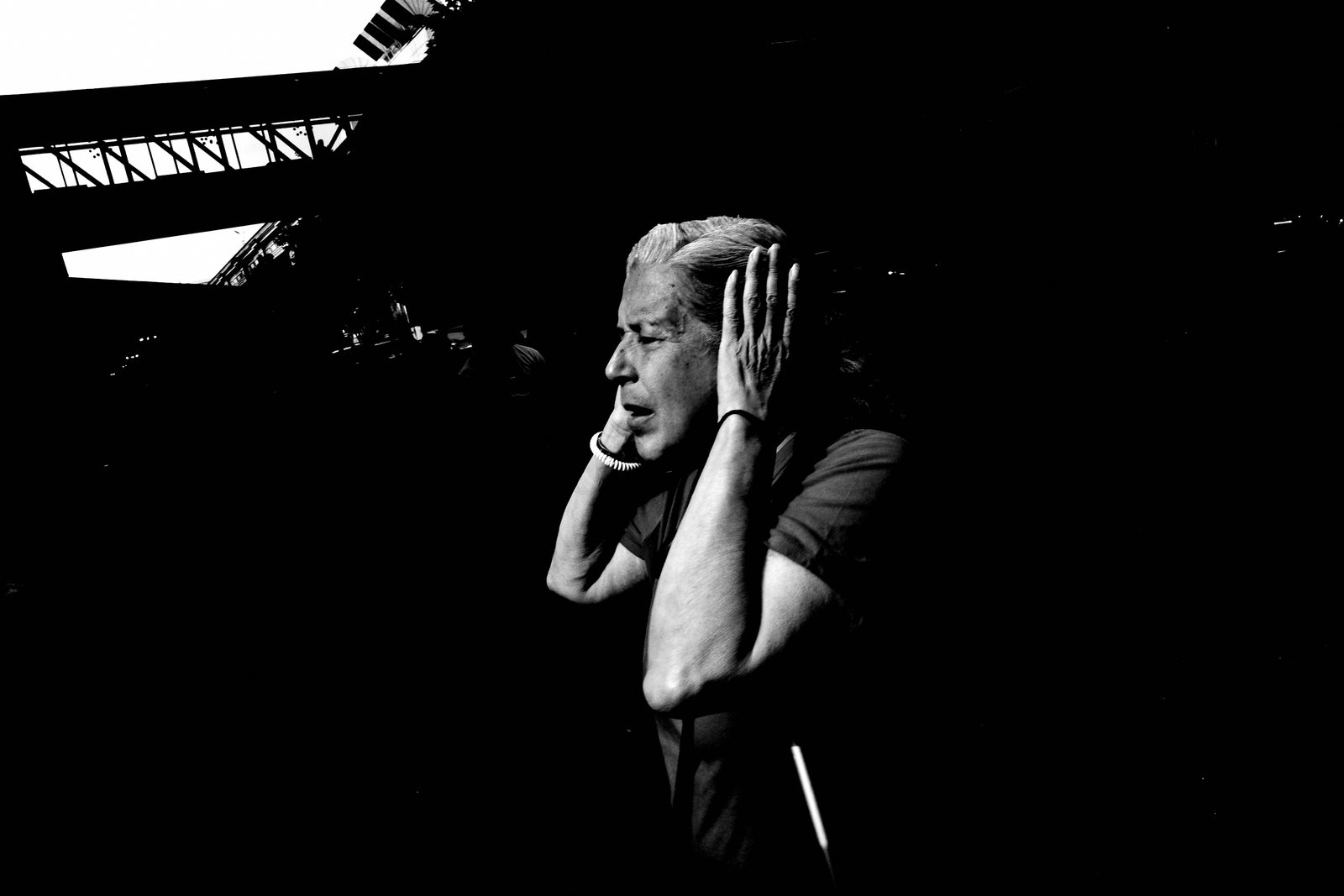
The visual diary isn't about any single great photograph. It's about the body of work that accumulates through daily effort. Great images are rare — maybe a handful a year, if that. That's normal. The volume is what makes them possible. Through sheer volume, you start to find your voice, your style, your unique way of seeing. You can't engineer that. You can only walk your way into it, one day at a time.
Treat Every Day Like Day One
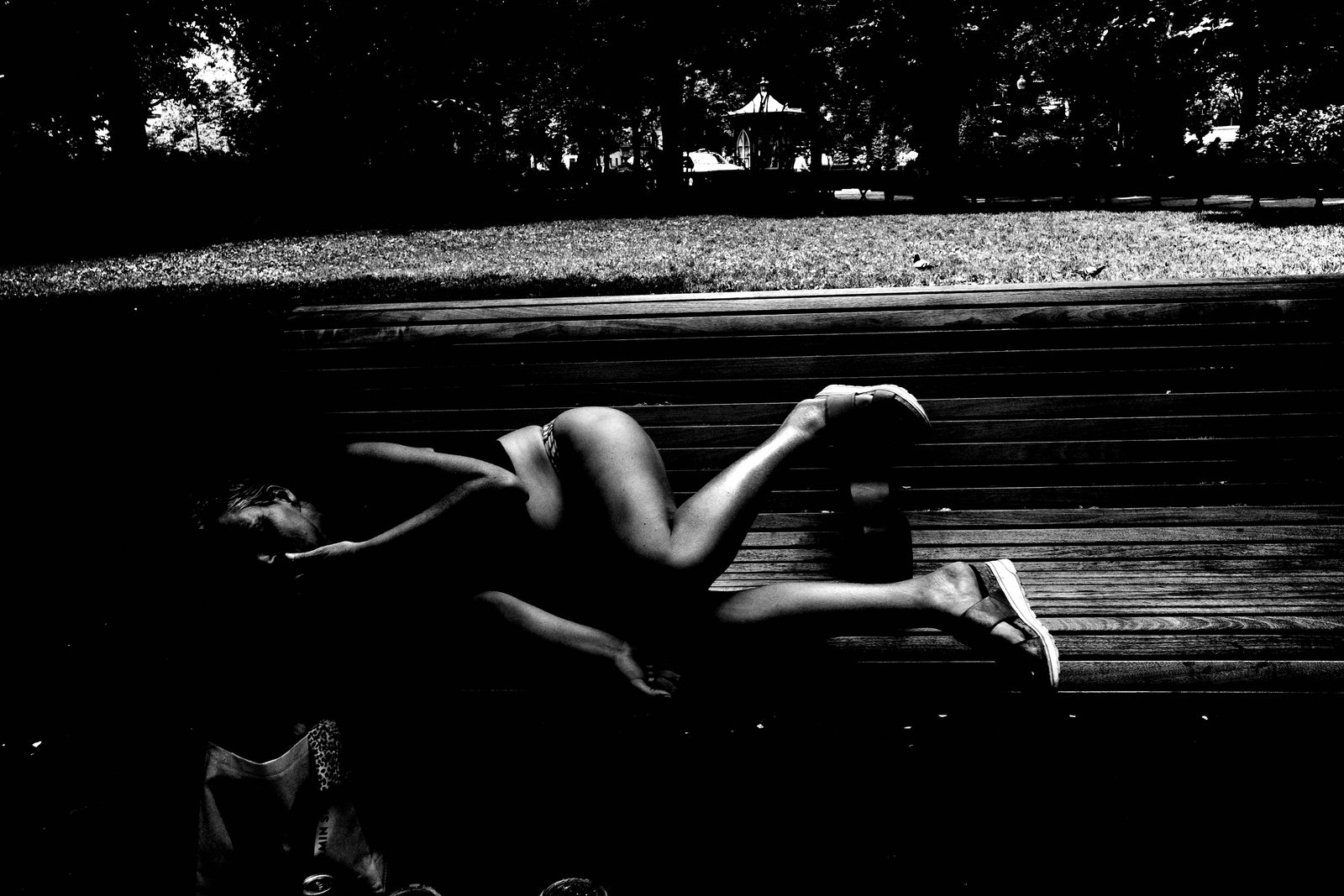
The enemy of consistency isn't laziness — it's thinking you've already seen everything. The moment you feel like you know what the street has to offer, curiosity shuts off and burnout follows. My practice is to return to day one every single morning. Blank slate. First day. Childlike eyes. Treat the street like you've never walked it before — even if you've walked it a thousand times. Especially then.
PRACTICAL APPLICATION
The Daily Walk Assignment
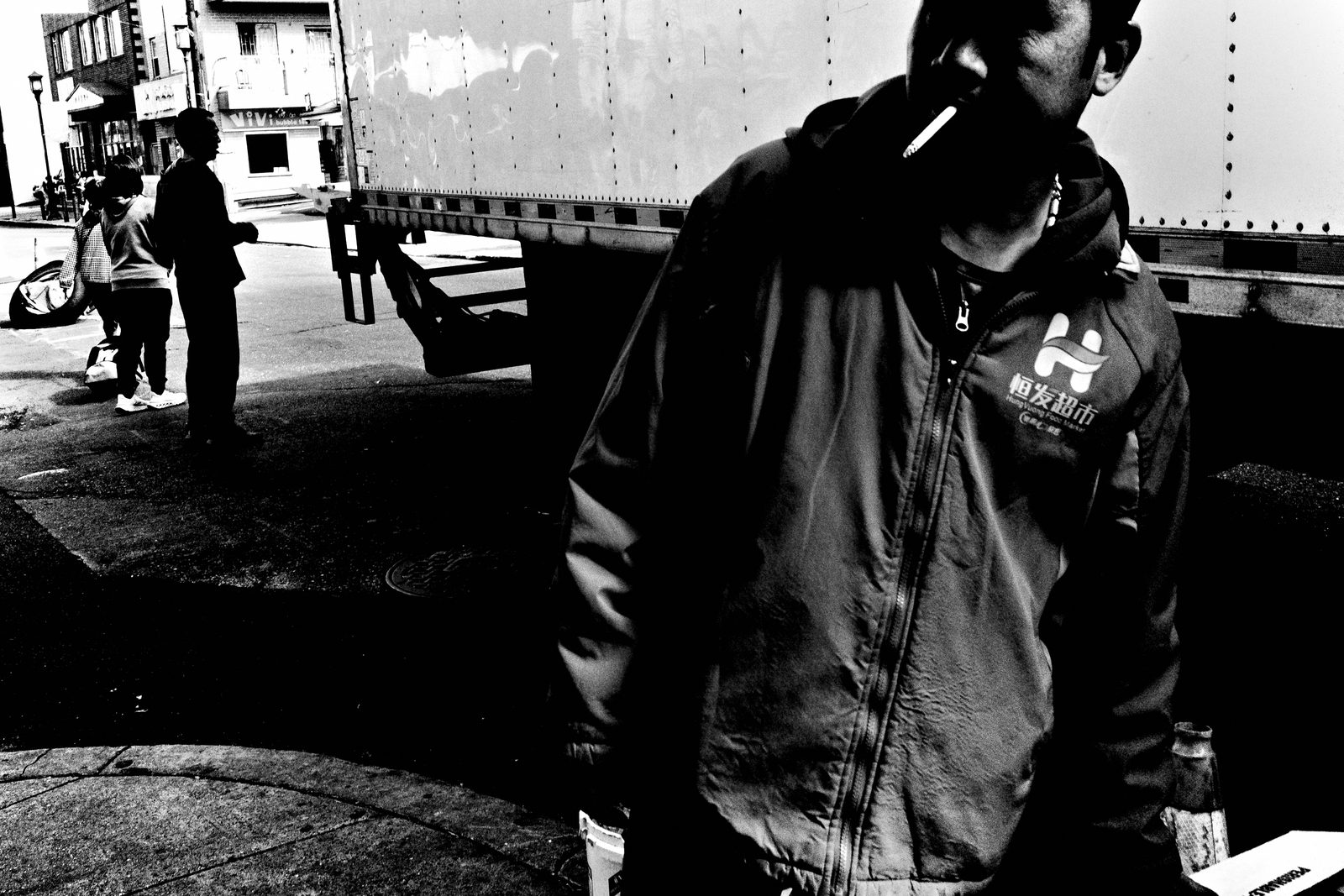
Here's your assignment. Pick one street — ideally one you already know. Walk it at the same time every day this week with the same camera, same lens. No agenda, no theme, no hunting for a specific shot. Just show up and let the street show you what it has. By day four or five, notice what's changed in how you see it. That shift is consistency working.
Build the Visual Diary Habit
Start a visual diary — literally a folder on your computer that nobody sees but you. Photograph for yourself, not for an audience. Don't curate as you go; just accumulate. At the end of the week — not the end of the day — sit with what you made. Let the images breathe. You'll start to see threads you didn't know you were pulling.
COMMON MISTAKES
Limiting Yourself to Themes and Projects
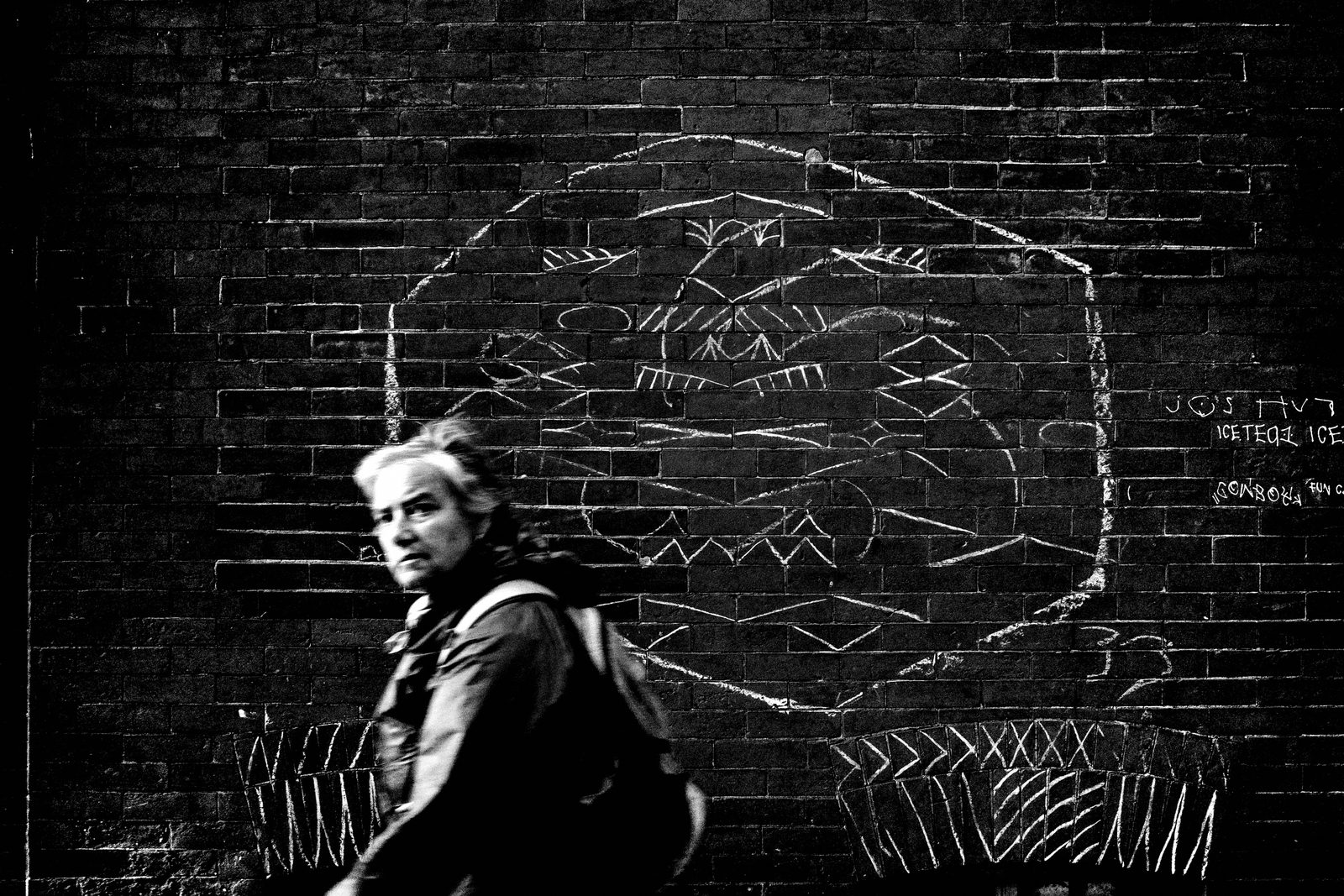
The most common mistake I see is photographers locking themselves into strict themes and projects before they've even developed a consistent practice. Themes narrow you. Projects turn photography into a checklist, and checklists turn it into labor. When you're only looking for one type of shot, you miss everything else. Stay open. The visual diary has no theme — life is the theme.
Judging While Shooting
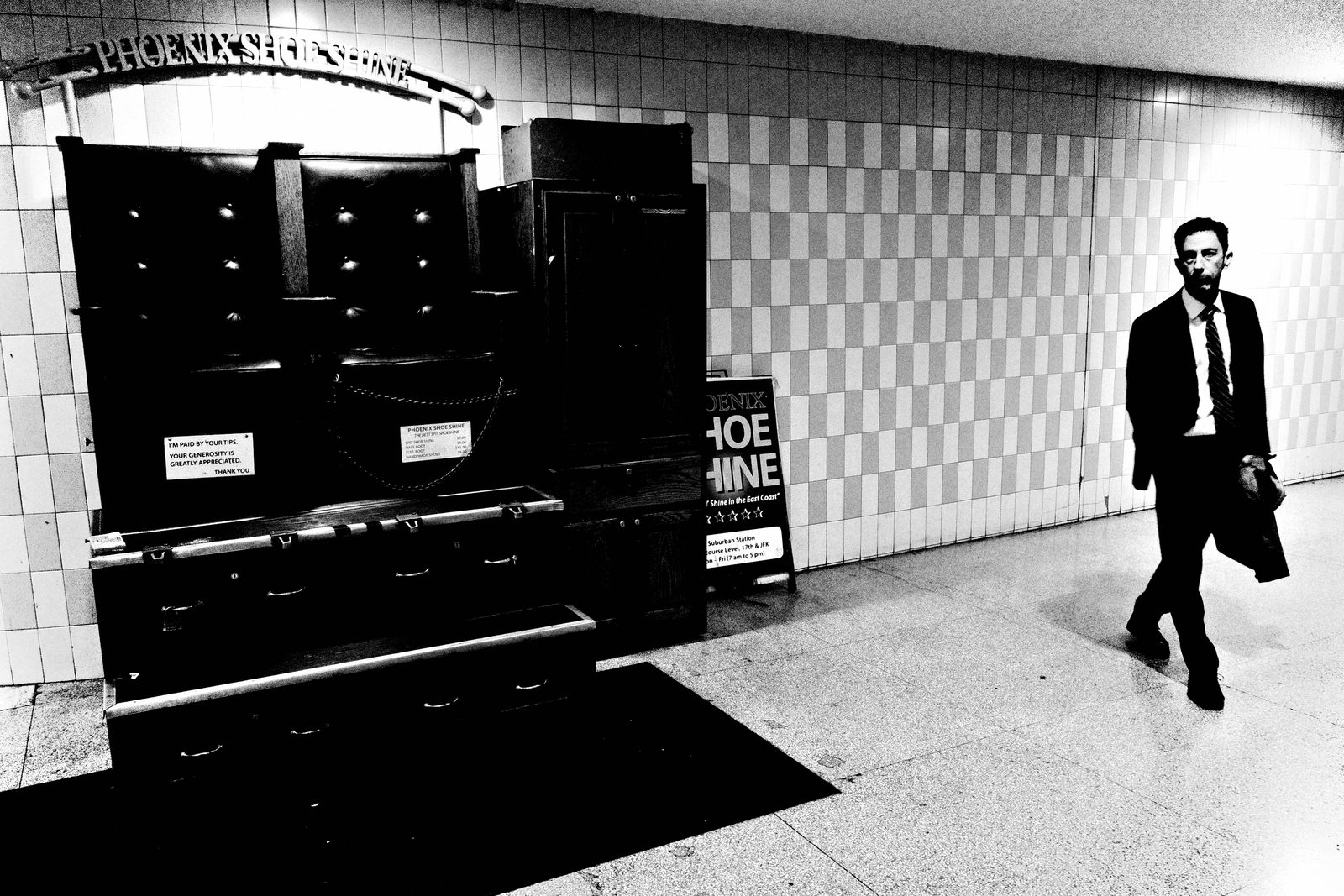
The other mistake: judging your frames while you're still on the street. You take a shot, you look at the screen, you decide it's bad, your confidence dips, you hesitate on the next moment, you miss it. That loop will destroy your consistency. The street is not the place for evaluation. Walk. Shoot. Keep moving. The edit comes later — much later. On the street, your only job is to keep going.
RELATIONSHIP TO PREVIOUS
Building on What Lesson 049 Taught
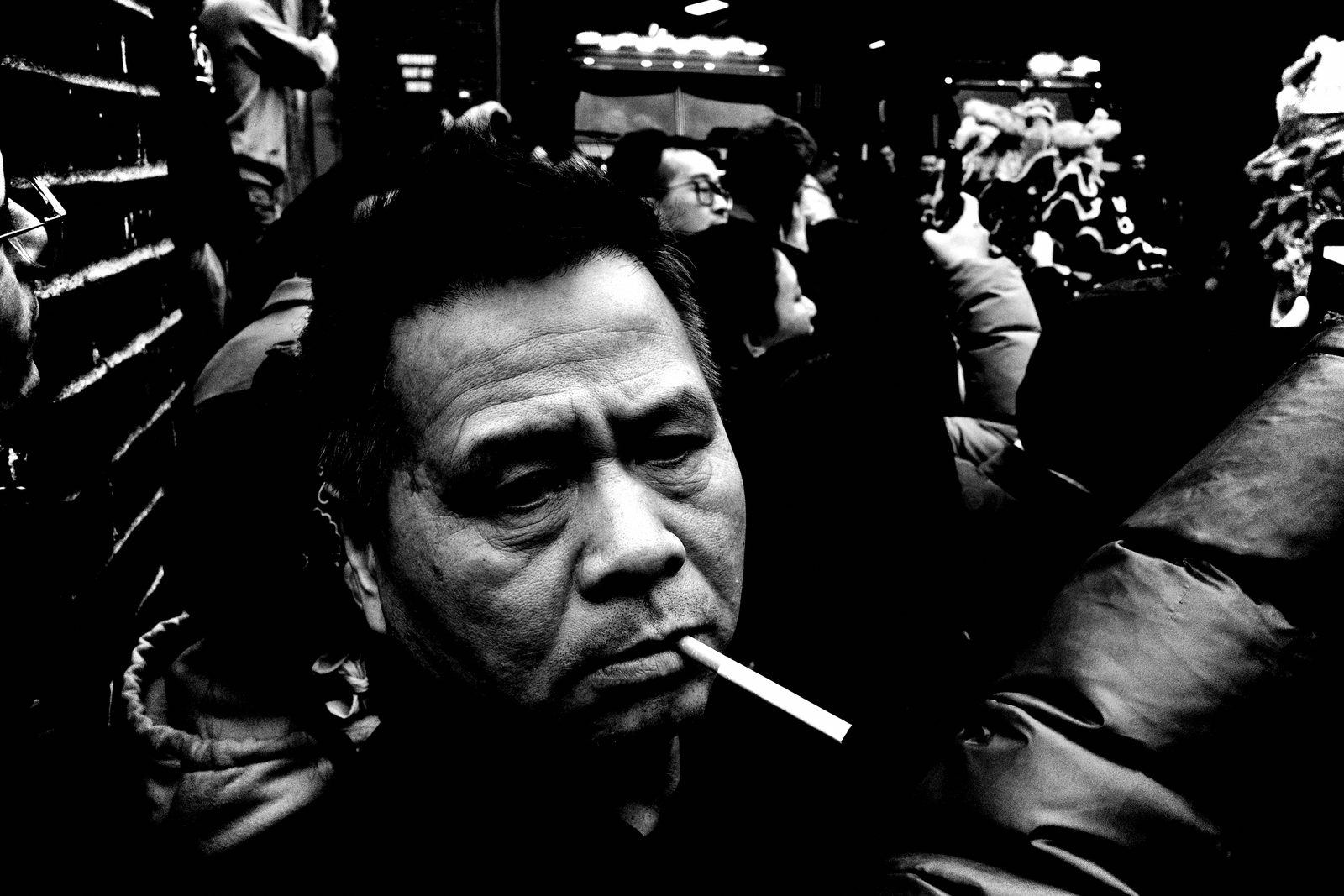
Lesson 049 gave us the foundation this lesson now puts into motion. Whatever principle or craft idea we landed on there — this is where it becomes real. Knowing something is one thing. Walking it out every day is another. Consistency is how the lessons stop being ideas and start being instincts. This is where the earlier work compounds.
RELATIONSHIP TO UPCOMING
Setting Up Lesson 051
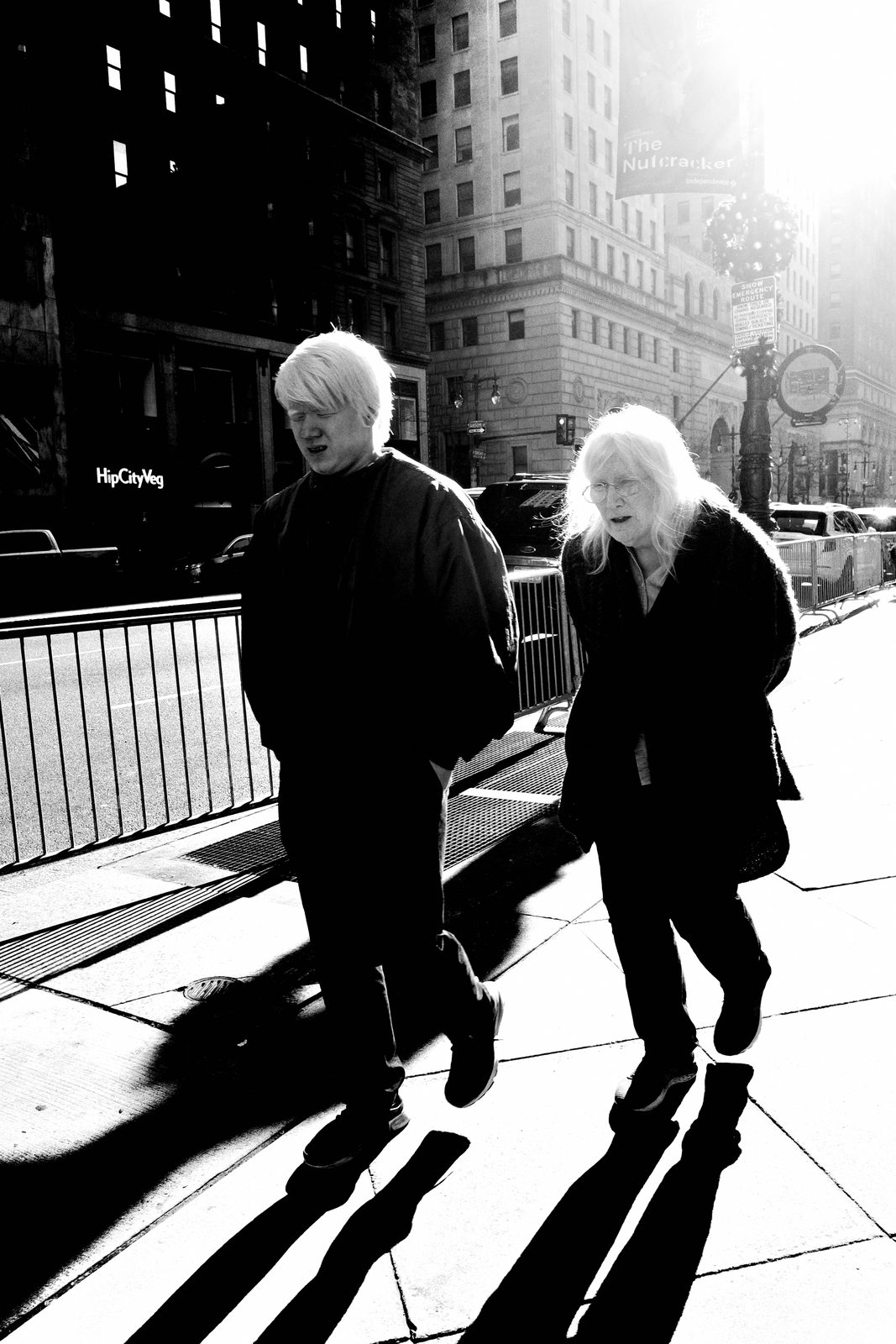
And Lesson 051 is going to push this further — because consistency alone isn't enough. If you're showing up every day but making the same photographs, you've traded one stagnation for another. Next lesson, we get into how the practice evolves over time: how to keep the daily habit alive and keep growing inside it. Stay with me.
SUMMARY / TAKEAWAY
Walk More. Judge Less. Keep the Diary.
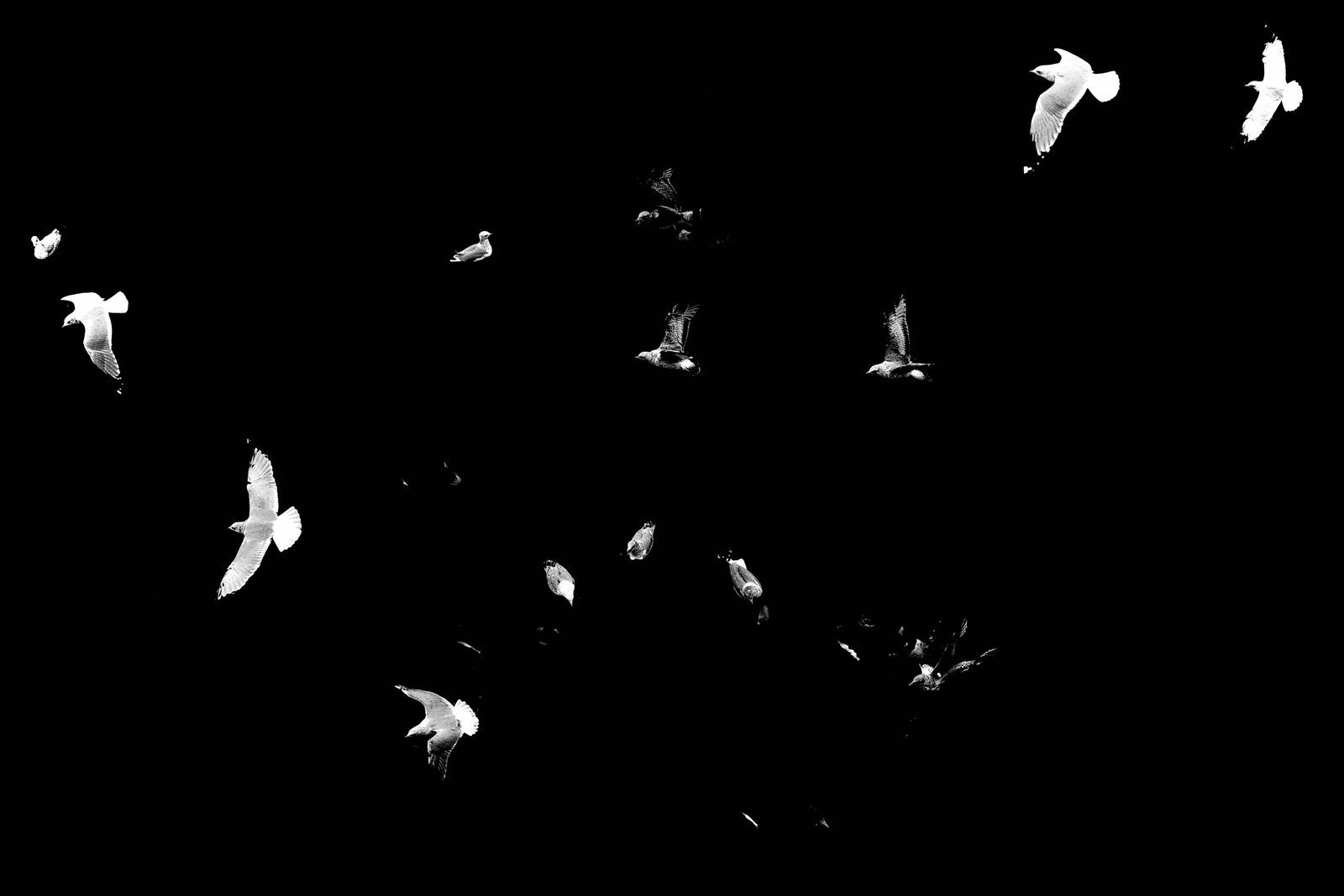
Last thing. The secret to this whole practice isn't talent and it isn't gear — it's showing up. Every day. Same street, same camera, no excuses, no checklist. Build the visual diary not for anyone else but yourself. Let the frames accumulate. Let the patterns emerge. Let the voice develop on its own terms. Walk more. Judge less. Keep the diary. He who walks the most shall win — go prove it. Catch you in the next one.