The Frictionless Daily System
CORE IDEA
One System, Zero Friction
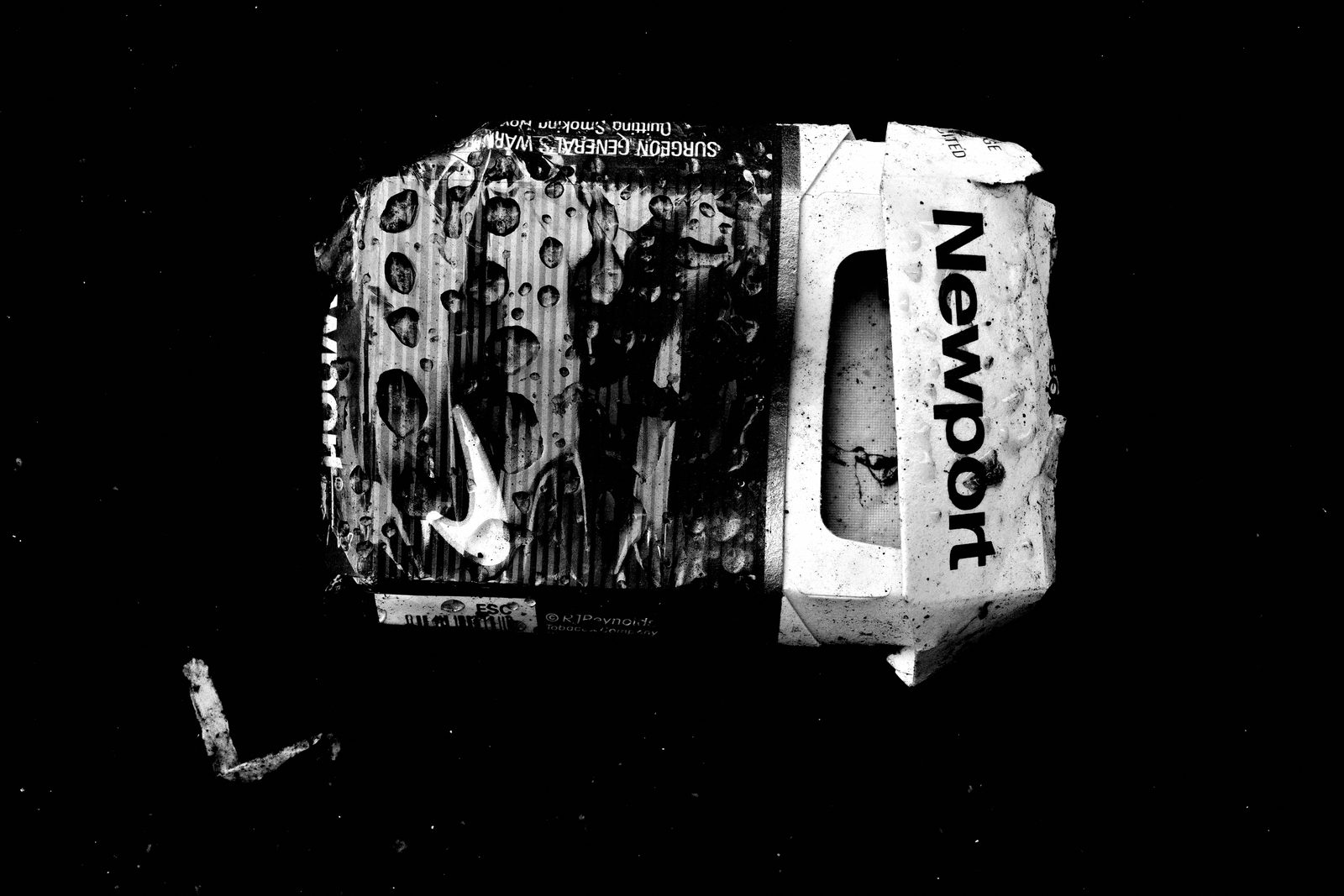
What's popping, people — it's Dante. Here's the truth nobody tells you: the thing killing your photography isn't your eye, your gear, or your city — it's friction. Every extra decision, every extra lens, every RAW backlog piling up is friction. This lesson is about eliminating all of it with one installed, automatic, non-negotiable system.
LEARNING OBJECTIVE
What You'll Walk Away With
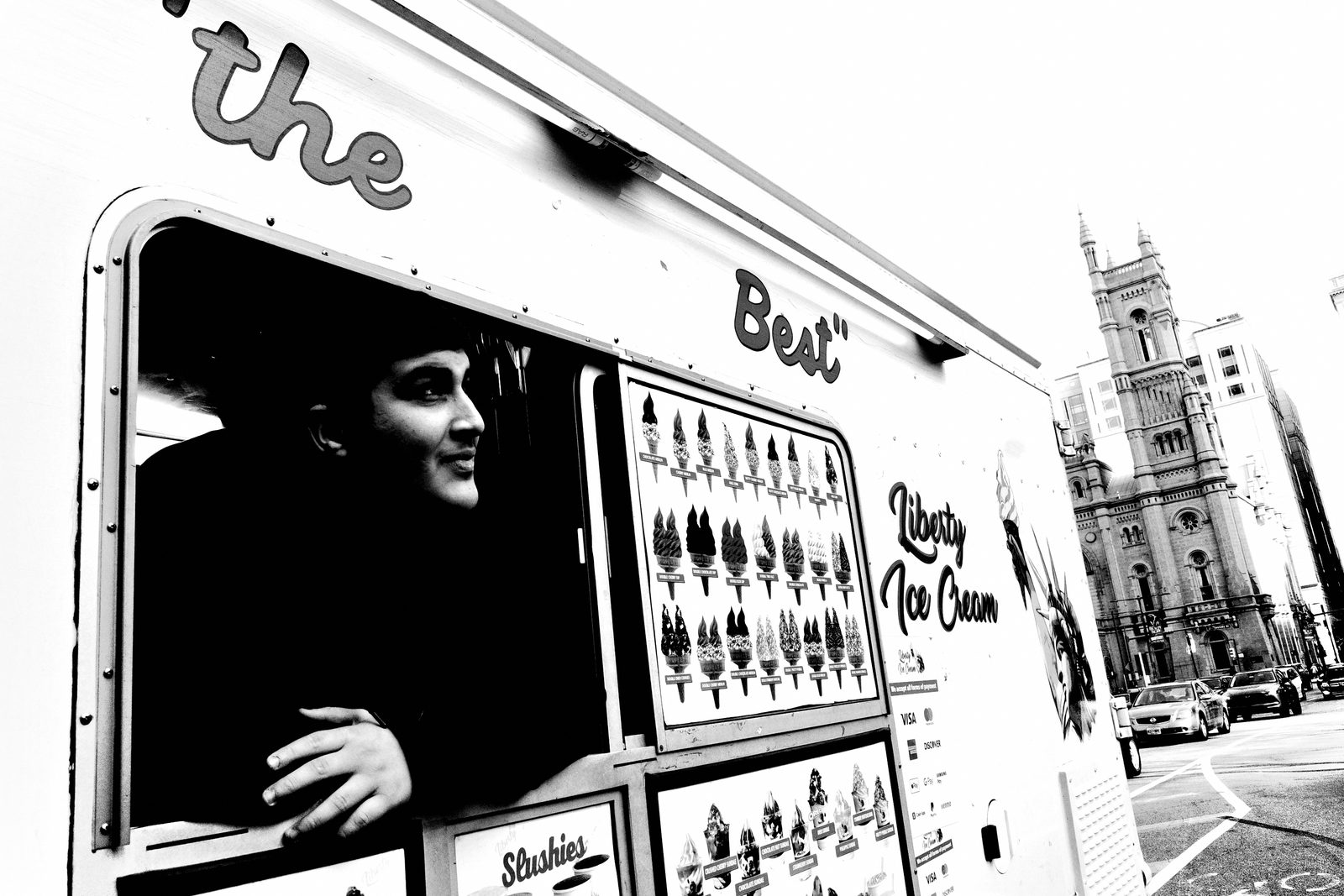
By the end of this lesson you'll understand exactly what the FLUX daily system is, why it works, and how to install it completely — not partially, not with tweaks, but fully. The system is binary: it's in or it's out. Install it and watch the friction disappear.
WHY THIS MATTERS
Friction Is the Silent Killer
Here's why this matters so much. Most photographers aren't failing because of bad technique — they're failing because of friction. Multiple lenses. RAW files nobody edits. Hunting for rare moments that never arrive. Waiting for free time that never comes. Friction compounds into burnout. Remove the friction and the whole game changes.
Partial Adoption Breaks the System
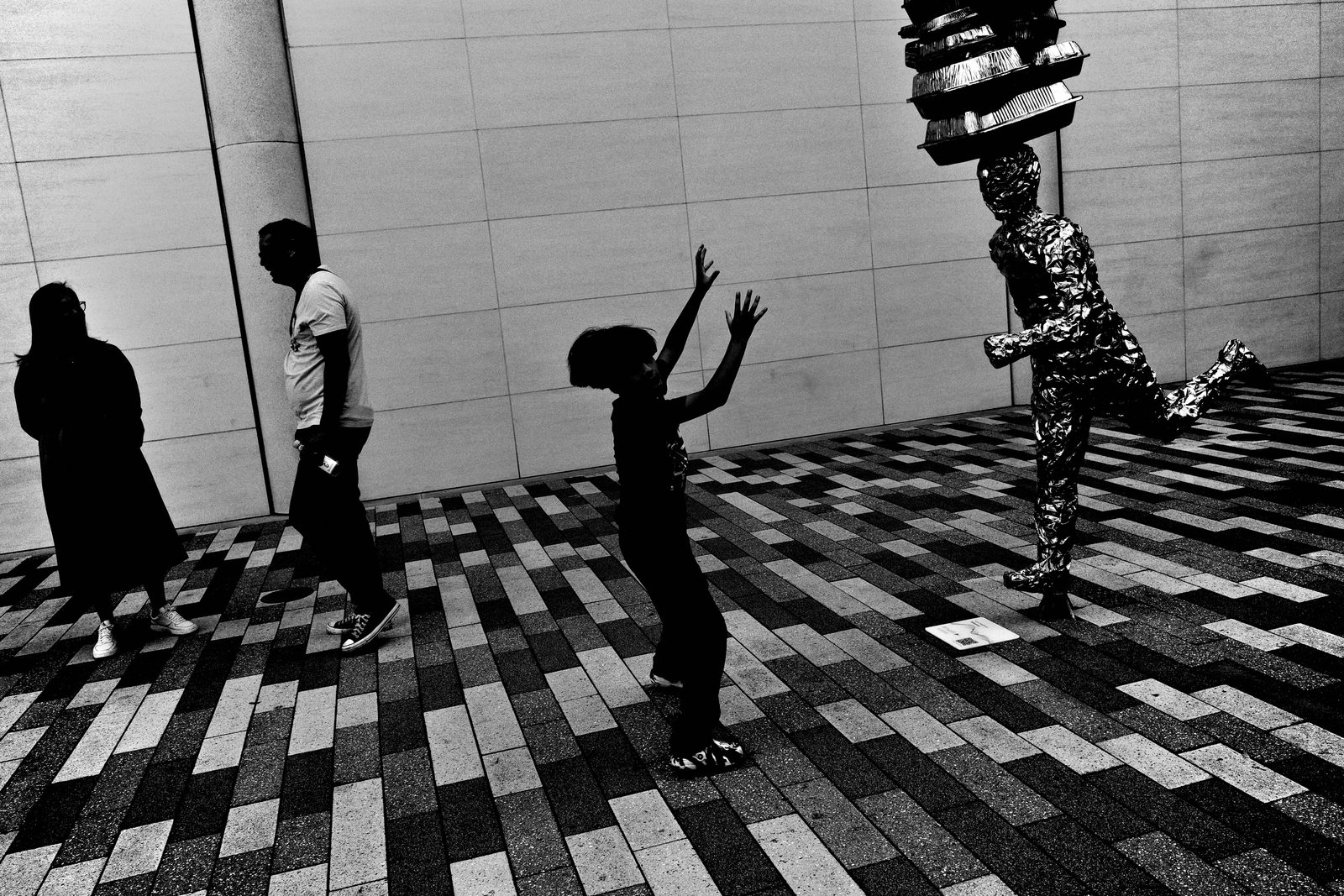
And here's the thing about this system specifically: it only works if you adopt it completely. Every time I see someone getting partial results, it traces back to partial adoption. They kept the second lens. They kept shooting RAW. They kept waiting. The system is designed as a whole — remove one piece and the whole thing weakens. Trust the install.
MAIN TEACHING
What the System Is
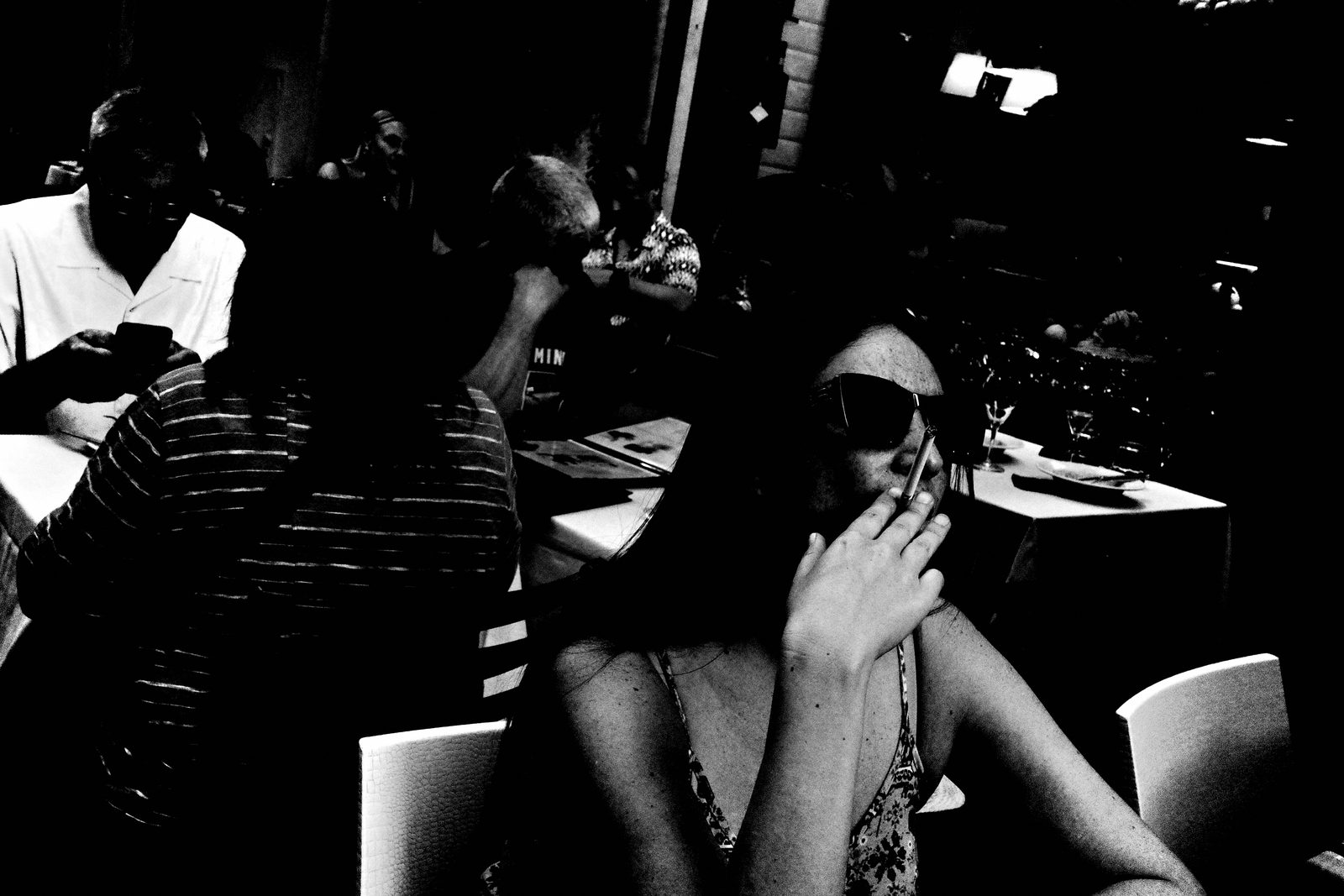
So what exactly is the system? One camera — the Ricoh GR, small enough to live in your front right pocket. One aesthetic — high contrast black and white, baked into the camera profile. One file type — small JPEG. No RAW, no backlog, no editing paralysis. That's the whole machine. Simple, total, and installed once.
Snap Focus and Automatic Mode
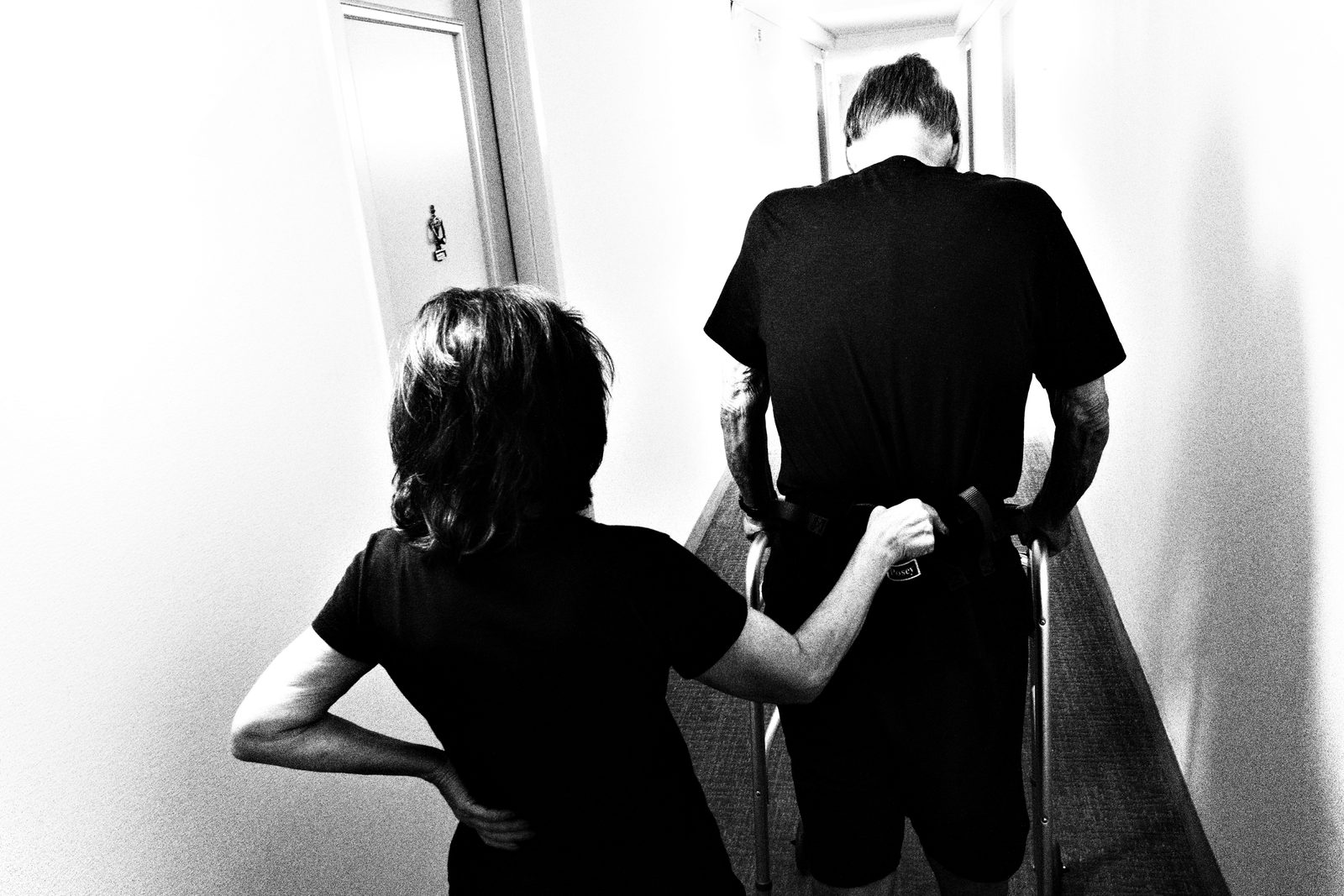
The camera settings are equally non-negotiable. Snap Focus locked at 1 meter. f/16. Multi-segment metering. Automatic mode. Exposure compensation ready. That's it. Settings are installed once and left alone. Now every time you raise the camera, the machine is already ready. Your only job is to raise it, point it, and press the shutter.
The Camera Lives in Your Pocket
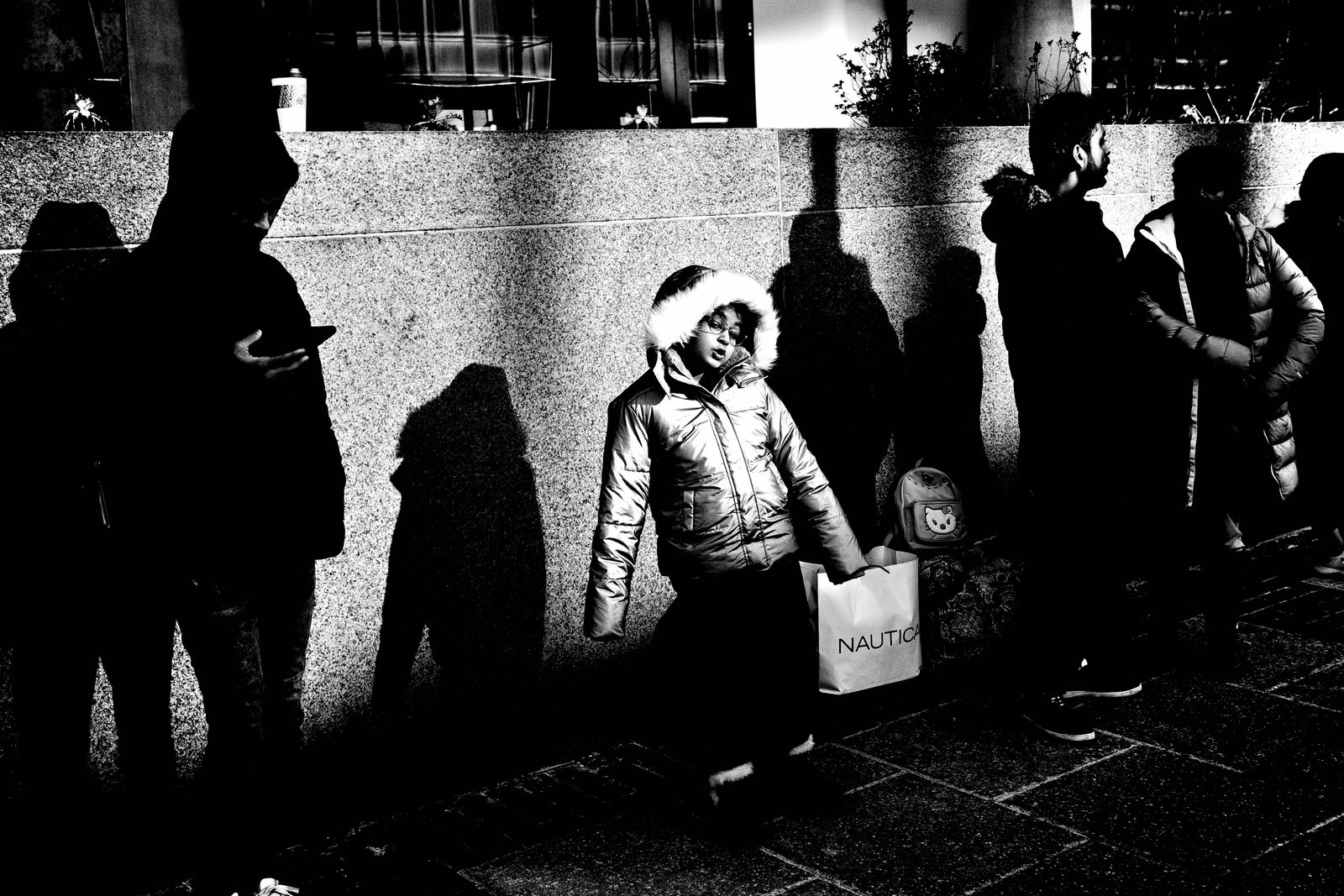
The physical protocol is just as important as the settings. The camera lives in your front right pocket — not in a bag, not on a strap, not on the shelf. In the pocket. Always. This single habit removes the most common excuse: "I didn't have it with me." The camera is small enough that this is no longer a valid reason. It goes where you go.
Photography Becomes Inseparable from Life
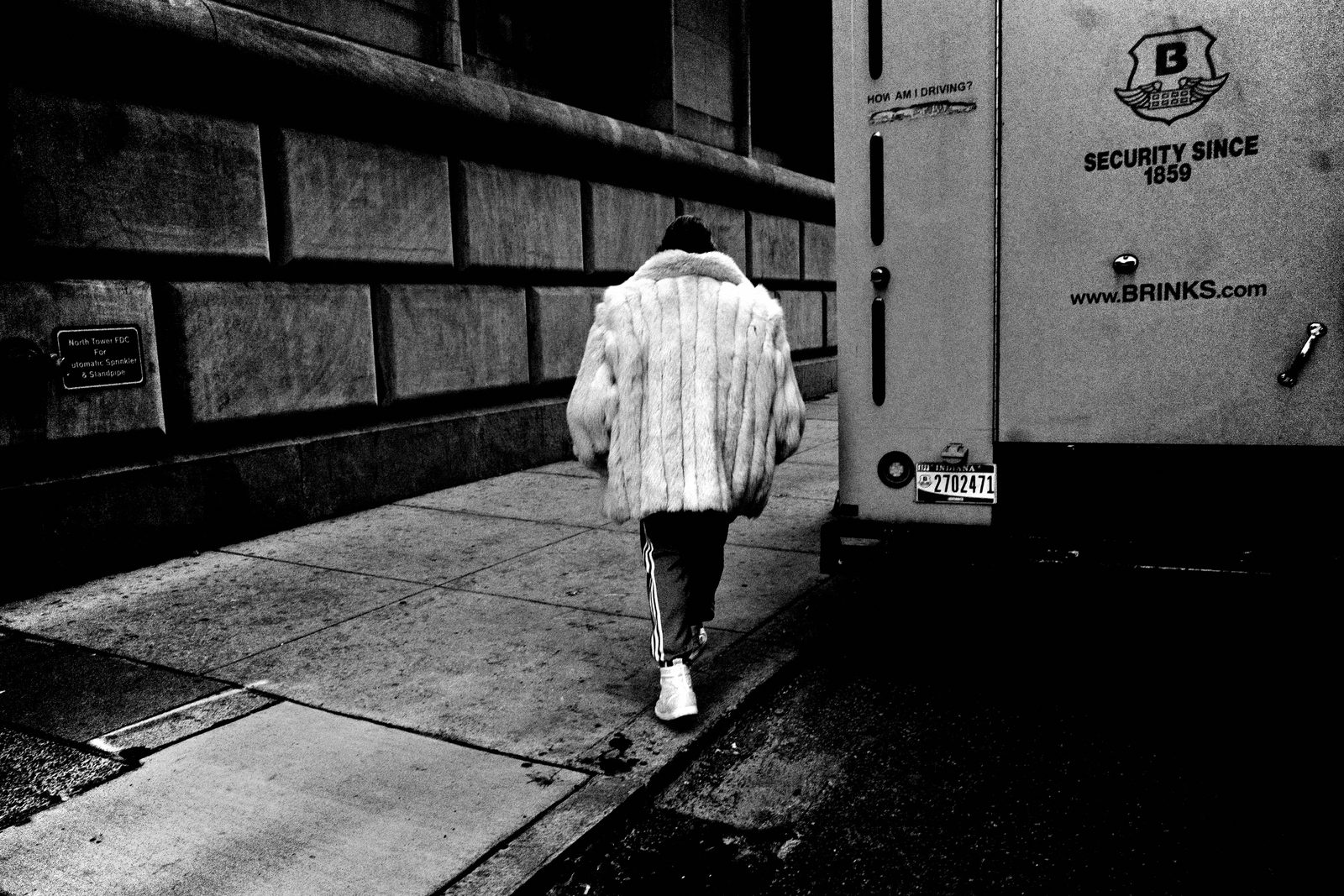
Here's the philosophical shift the system creates: you stop "going out to shoot." You stop waiting for free time. You live — and you photograph through the living. Morning commute, lunch break, errands, walks, everything. No ceremony. No special photo mindset. Your life is the subject, and the camera in your pocket captures it without interruption.
The Daily Rhythm
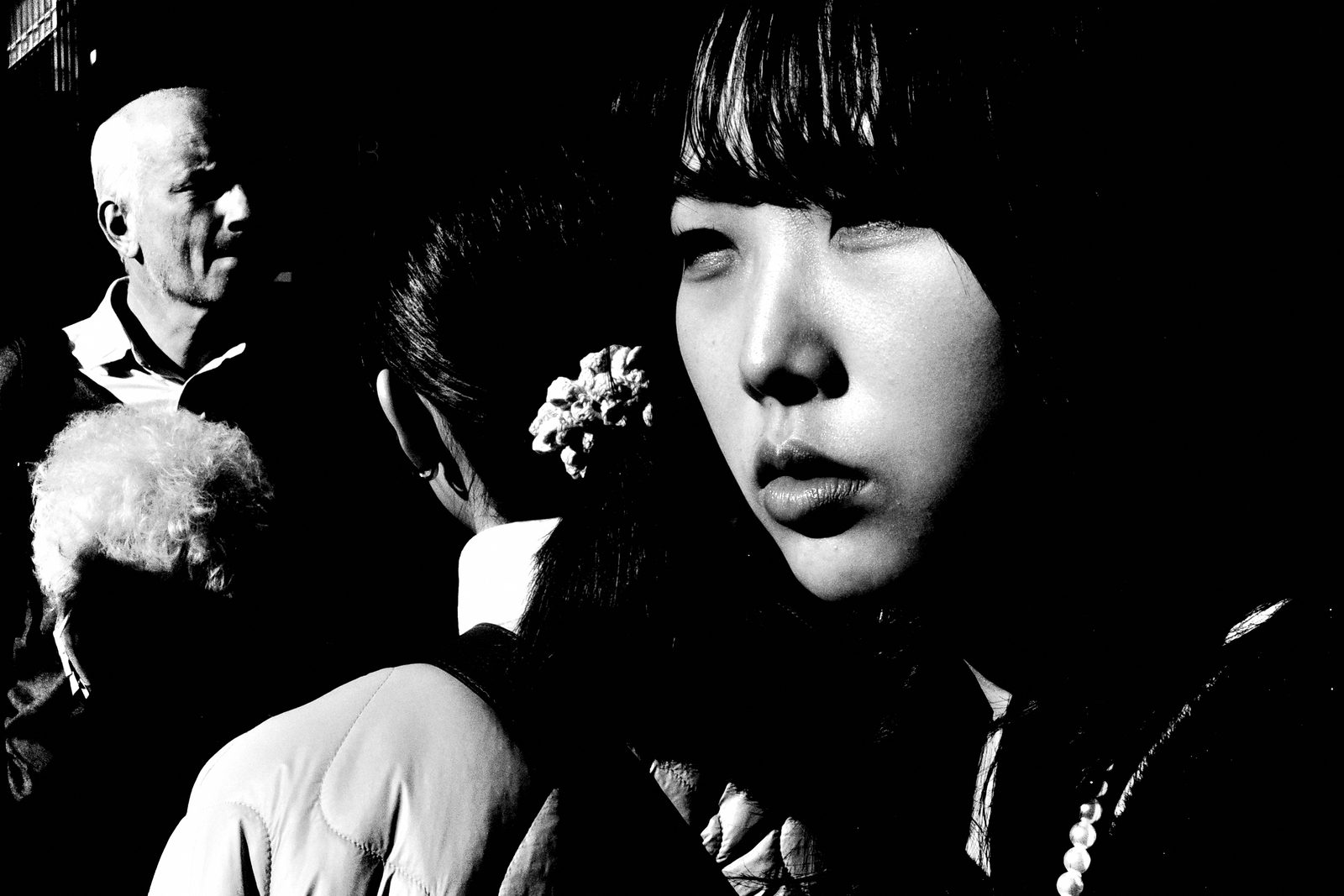
The daily target is deliberately small: at least 20 photographs per day. Not because 20 is a magic number, but because the goal isn't volume — the goal is rhythm. Consistency. Showing up every day with the camera. An eye that practices daily sharpens in ways that weekend sessions never produce. Twenty frames a day is a commitment to showing up.
The Morning Trigger
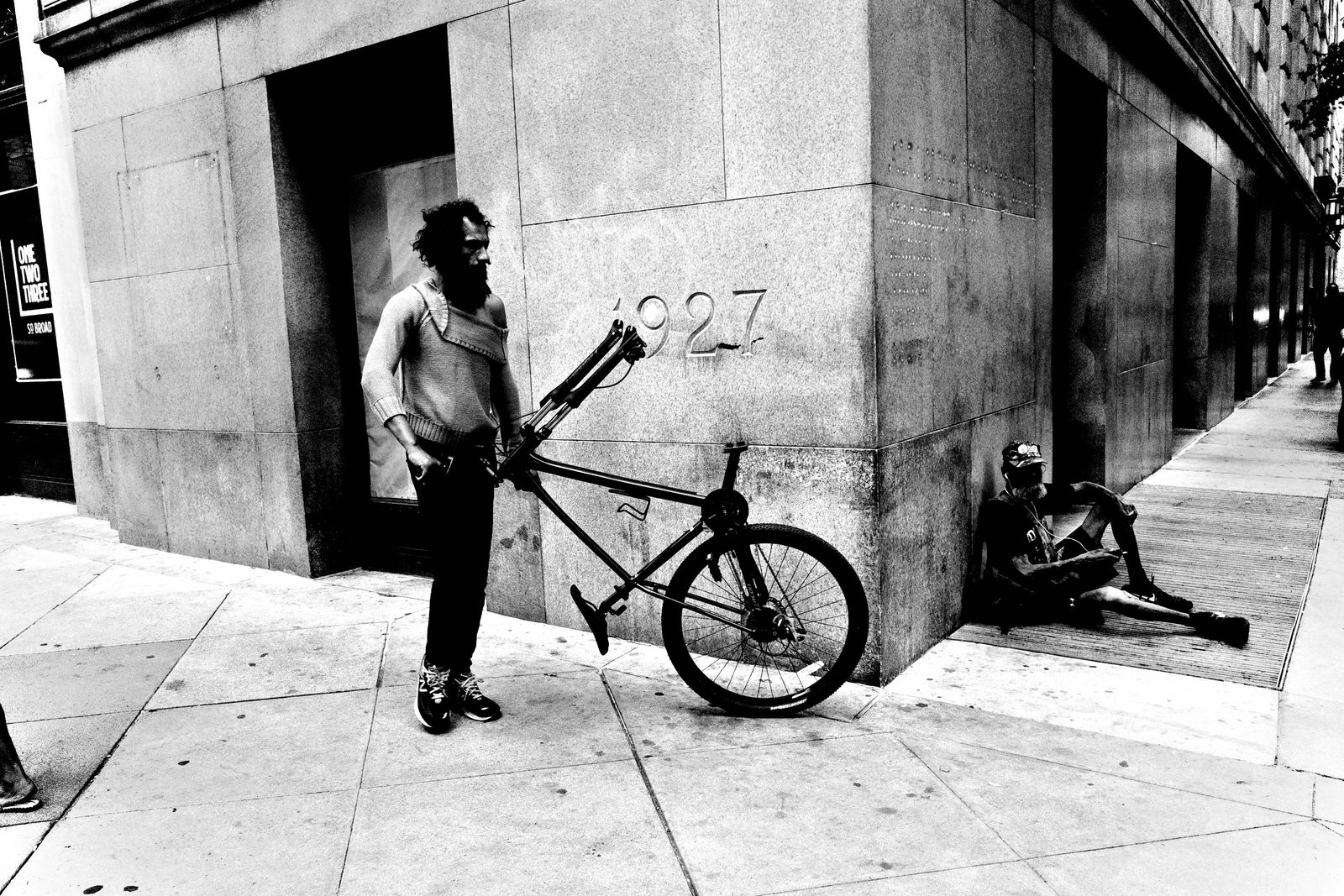
Build the morning into the protocol. Wake up and shoot — immediately. Walk the same route every day and photograph it. Never miss another sunrise. The repetition isn't boring; it's how your eye learns to see differently in the same place. The morning walk becomes the trigger that fires the whole system for the day.
Import Same Day, Publish Same Day
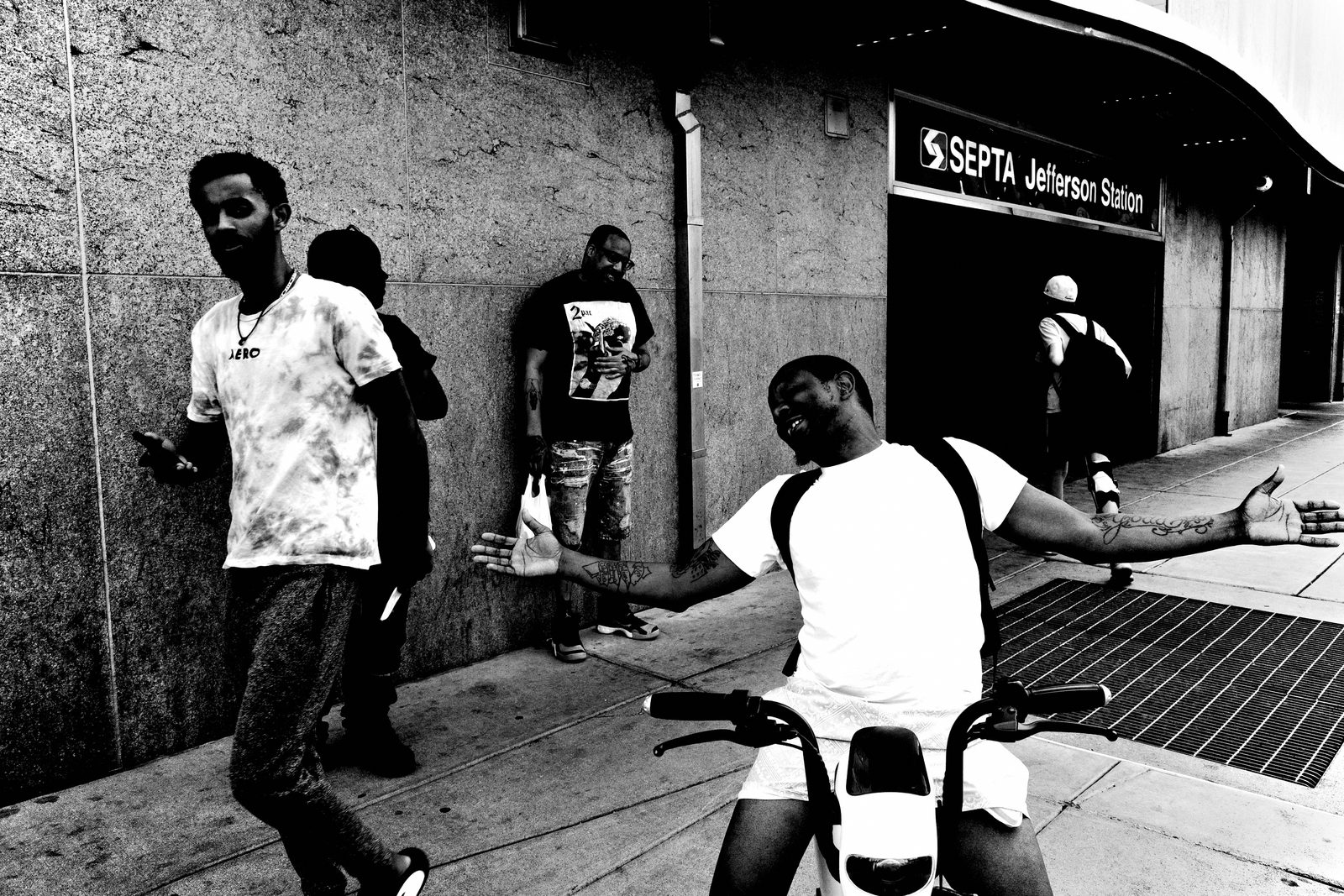
The workflow has to be as frictionless as the shooting. Import to iPad the same day. Cull the same day. Publish chronologically, the same day. No backlogs. No hard drives full of unedited work. When you shoot on Monday, Monday's photographs are done by Monday night. The archive builds itself and you stay free to just photograph tomorrow.
The Visual Diary
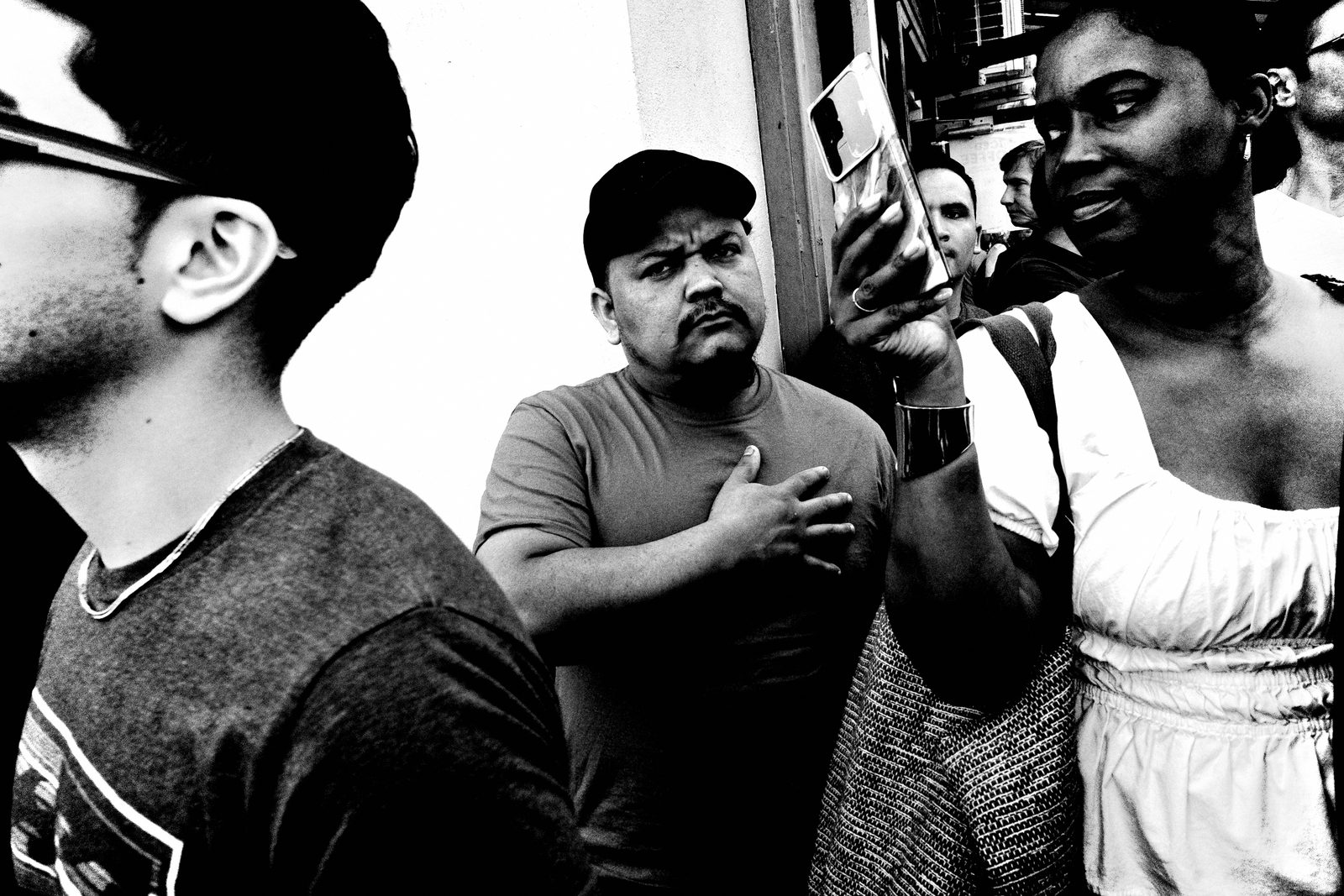
When you publish chronologically and shoot daily, something happens: your photographs become a visual diary. Not event documentation, not portfolio curation — a genuine record of life lived. At the end of a week, you select ten photographs, sequence them, and look back at the week through images. That's the power. You're not collecting pictures; you're preserving your life.
He Who Walks the Most Shall Win
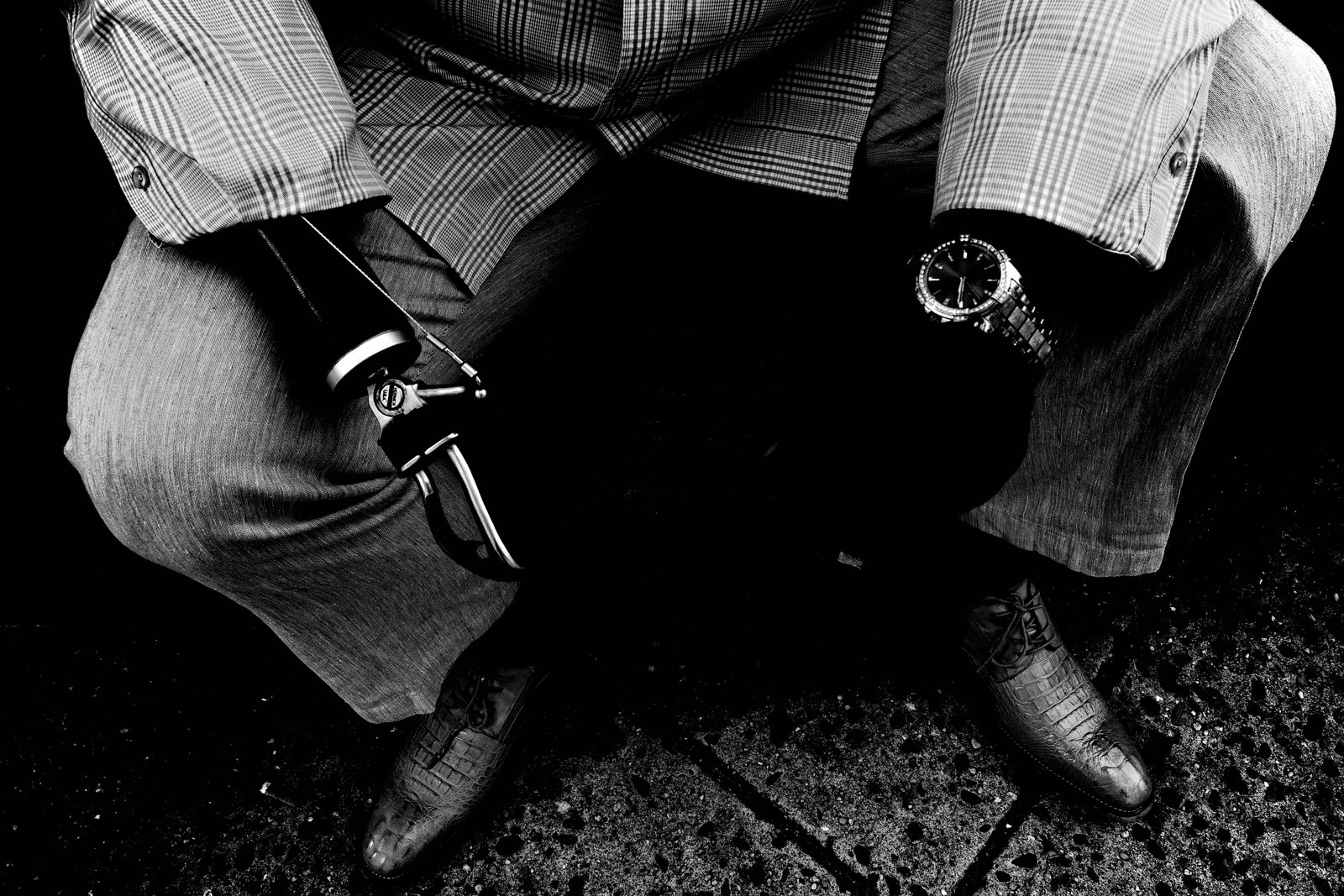
There's a principle underneath all of this: he who walks the most shall win. It's not poetic — it's mechanical. More walking means more frames. More frames mean more instinct. More instinct means the camera eventually disappears and you simply respond. This is not motivation, it's rhythm. Lace up and walk.
The System Under Pressure
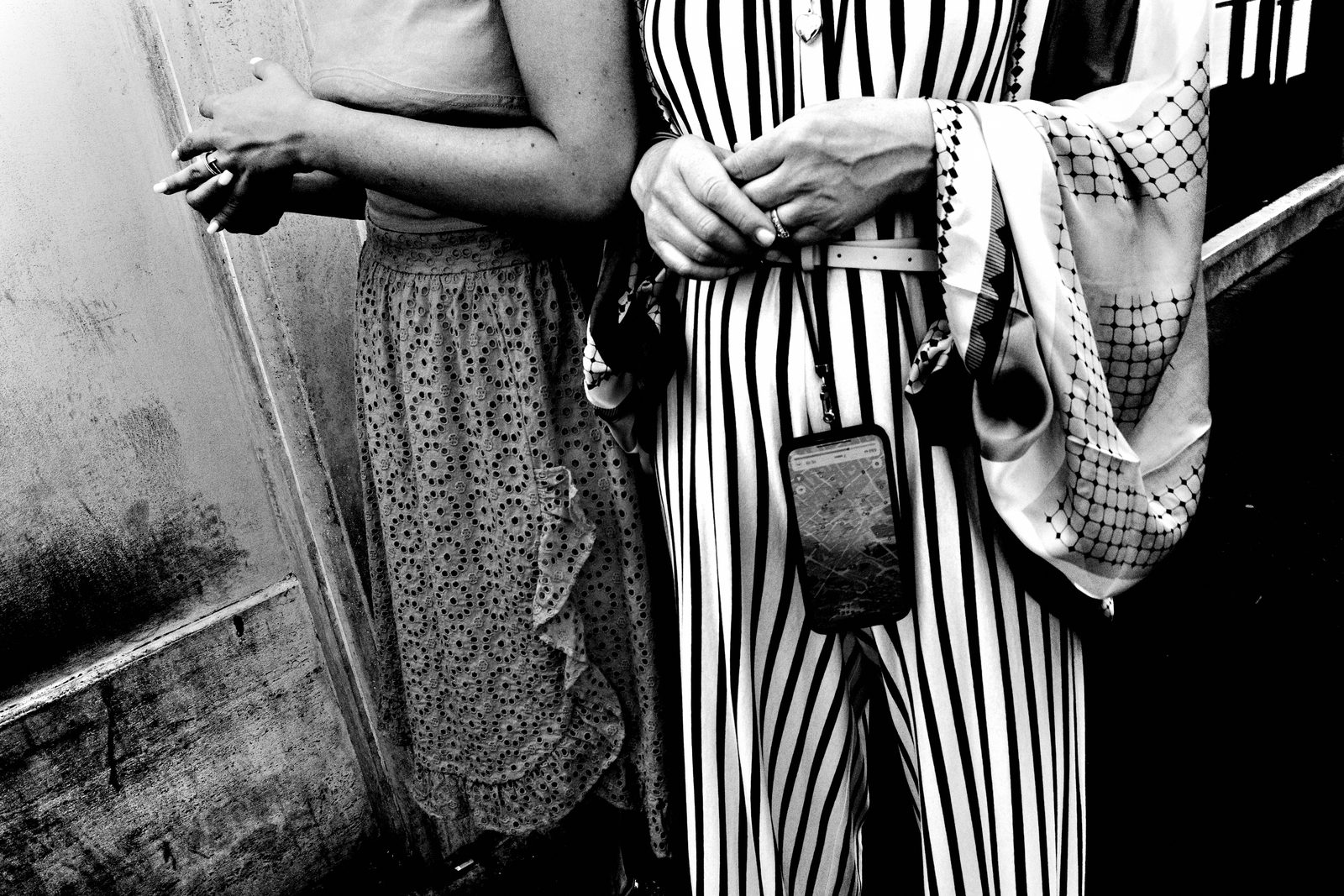
Here's what the system looks like under real pressure: an unfamiliar place, no preparation, no special conditions — dense crowds, noise, constant movement. The system doesn't change — Snap Focus, f/16, high contrast, small JPEG. You shoot in the hundreds across a hard day or two. Import same day, cull same day, publish same day. Chaos becomes material when the system is already installed. When the tool demands nothing from you, all your attention goes to the moment.
Constraint Is the Solution to Chaos
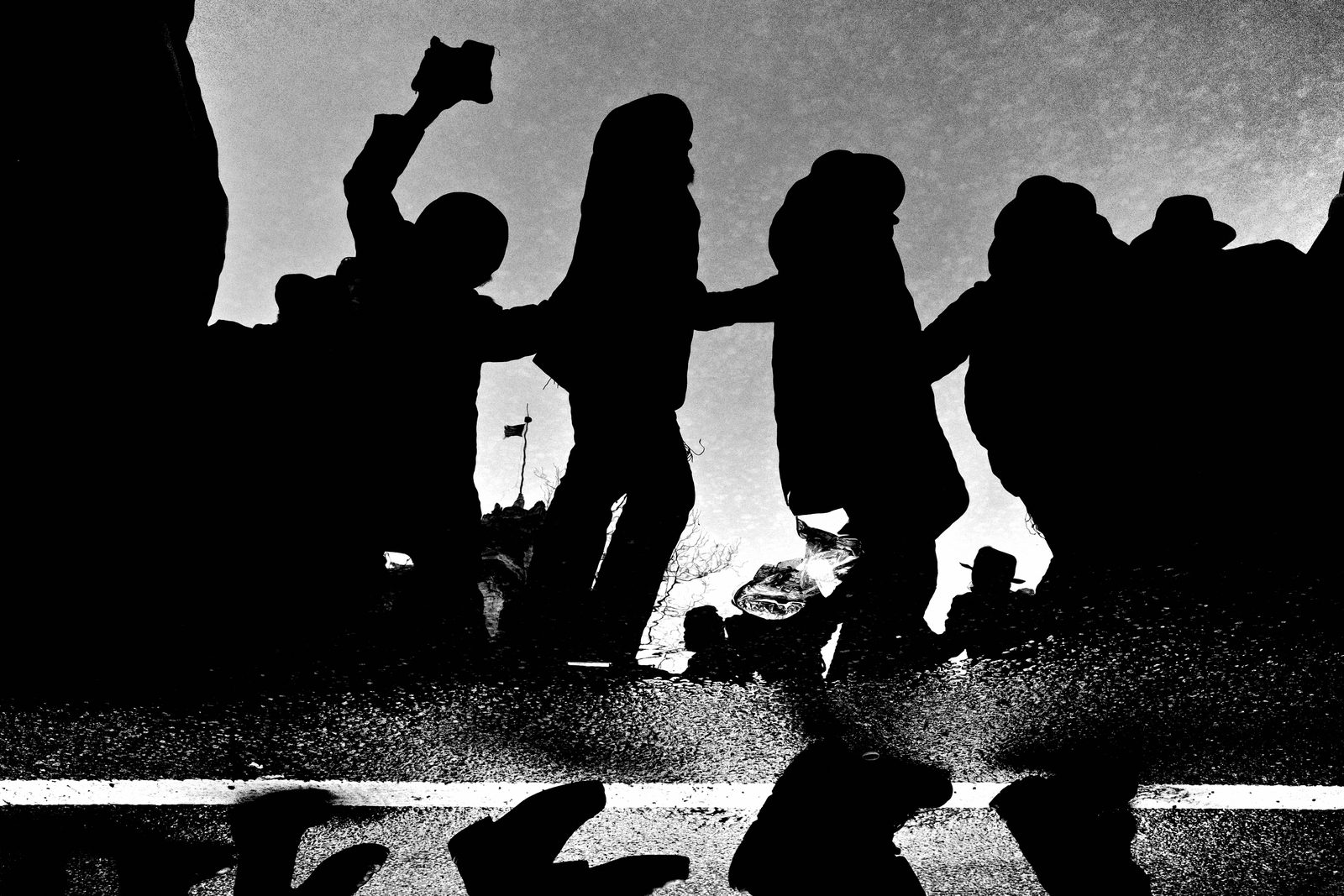
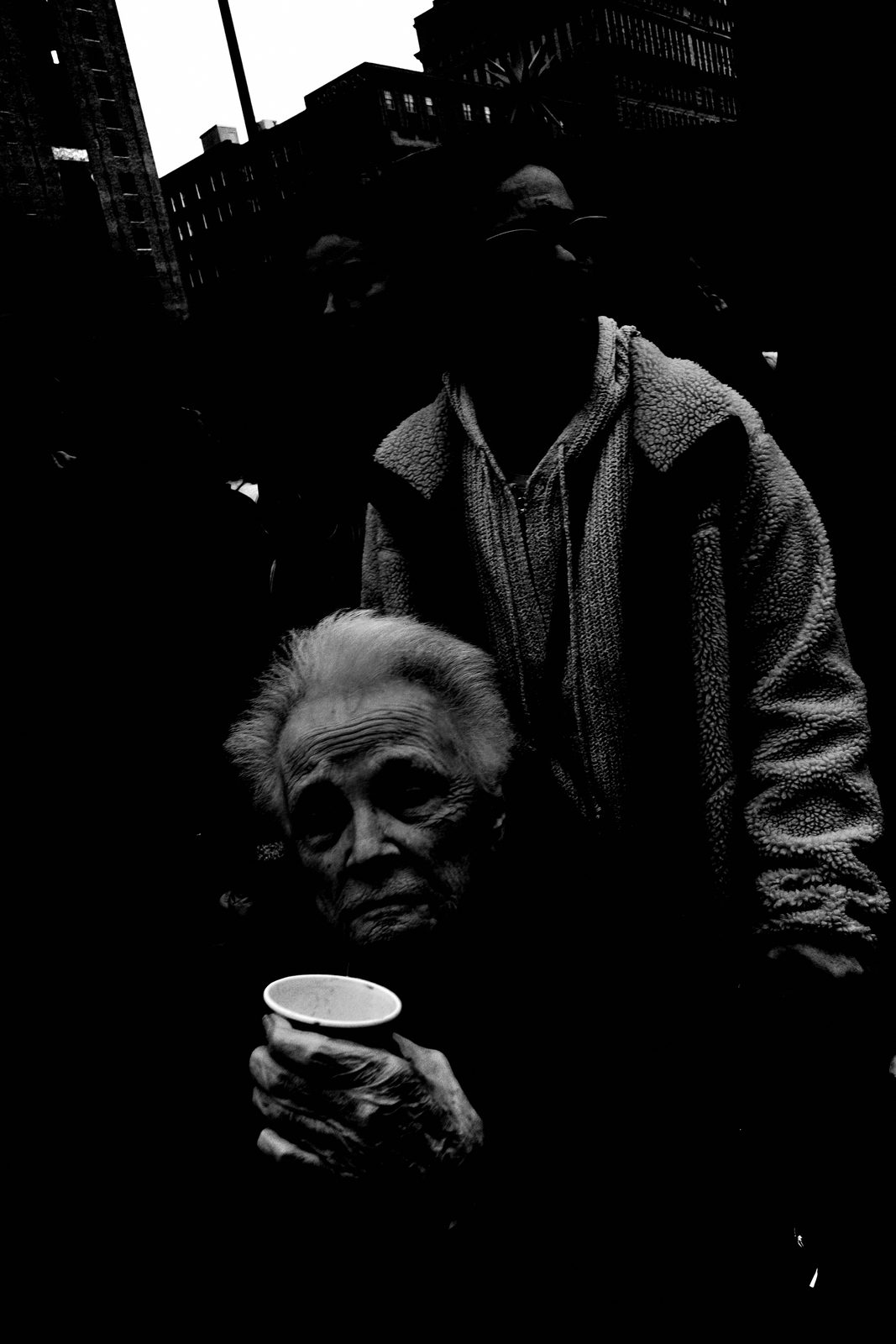
When chaos increases, the constraint tightens, not loosens. Switch to 50mm crop to isolate. Underexpose minus-two. Expose for highlights. Crush the shadows. Look for gesture over spectacle — a hand, a gaze, a single face caught in light. The crowd becomes the context and the human moment becomes the subject. Constraint is the solution to chaos, not the casualty of it.
The One-Full-Day Stress Test
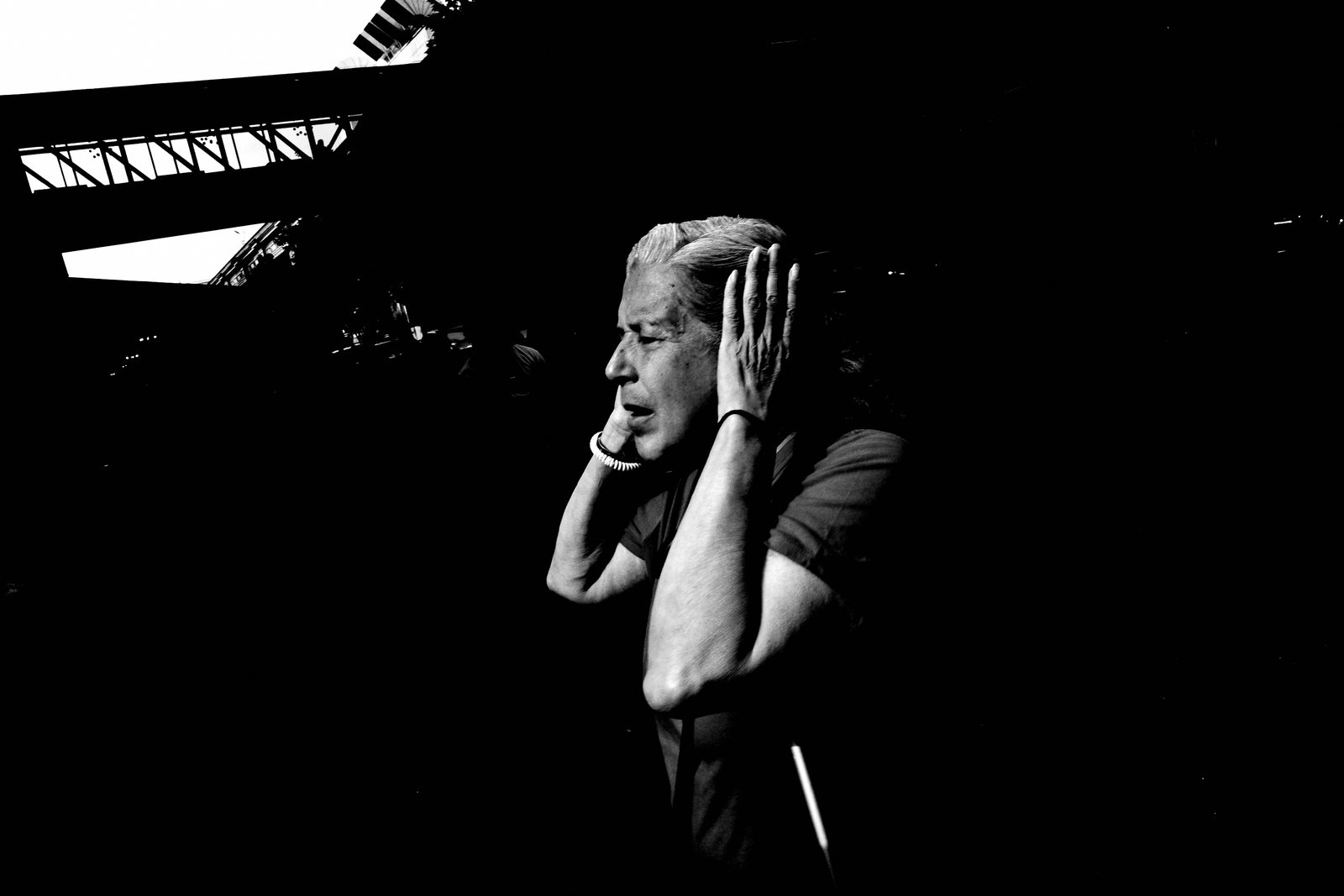
The stress test is one completely free day, sunrise to sunset, somewhere with movement and energy. Target at least 400 frames. Leave the phone at home. Walk, observe, respond, shoot. Something real happens around frame 200 — you stop thinking. The camera disappears. You simply respond to life as it unfolds. That's when the system is fully installed in the body, not just the camera.
PRACTICAL APPLICATION
Install It Completely, Today
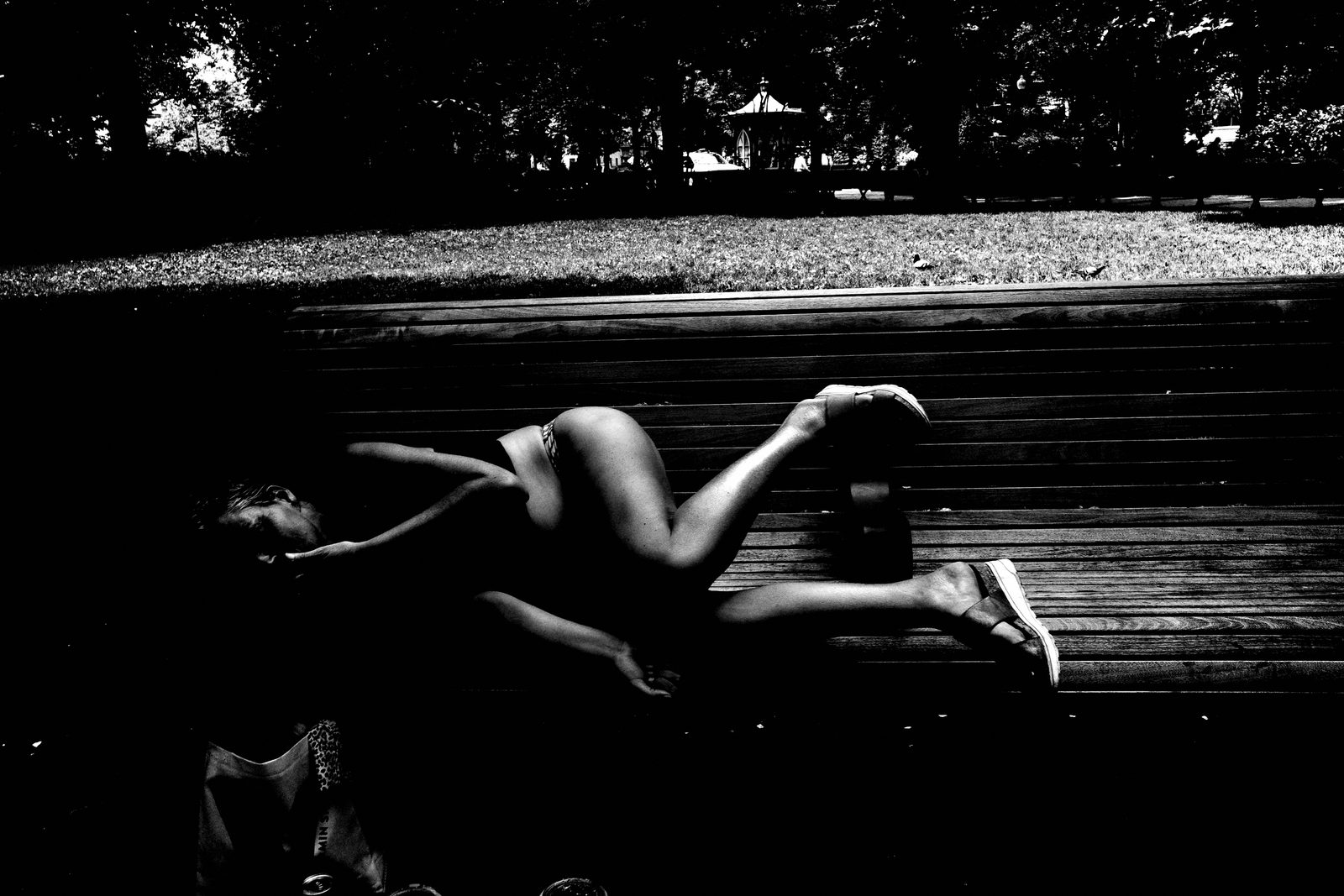
Your first job is the install. Set the Ricoh GR up exactly as shown — every setting, exactly as specified. High contrast black and white. Small JPEG. Snap Focus. Automatic mode. Do not customize. Do not negotiate. The system is designed as a complete unit. Install it exactly, then go outside and make your first 100 photographs. The only goal is comfort with the physical machine.
Build the 7-Day Rhythm
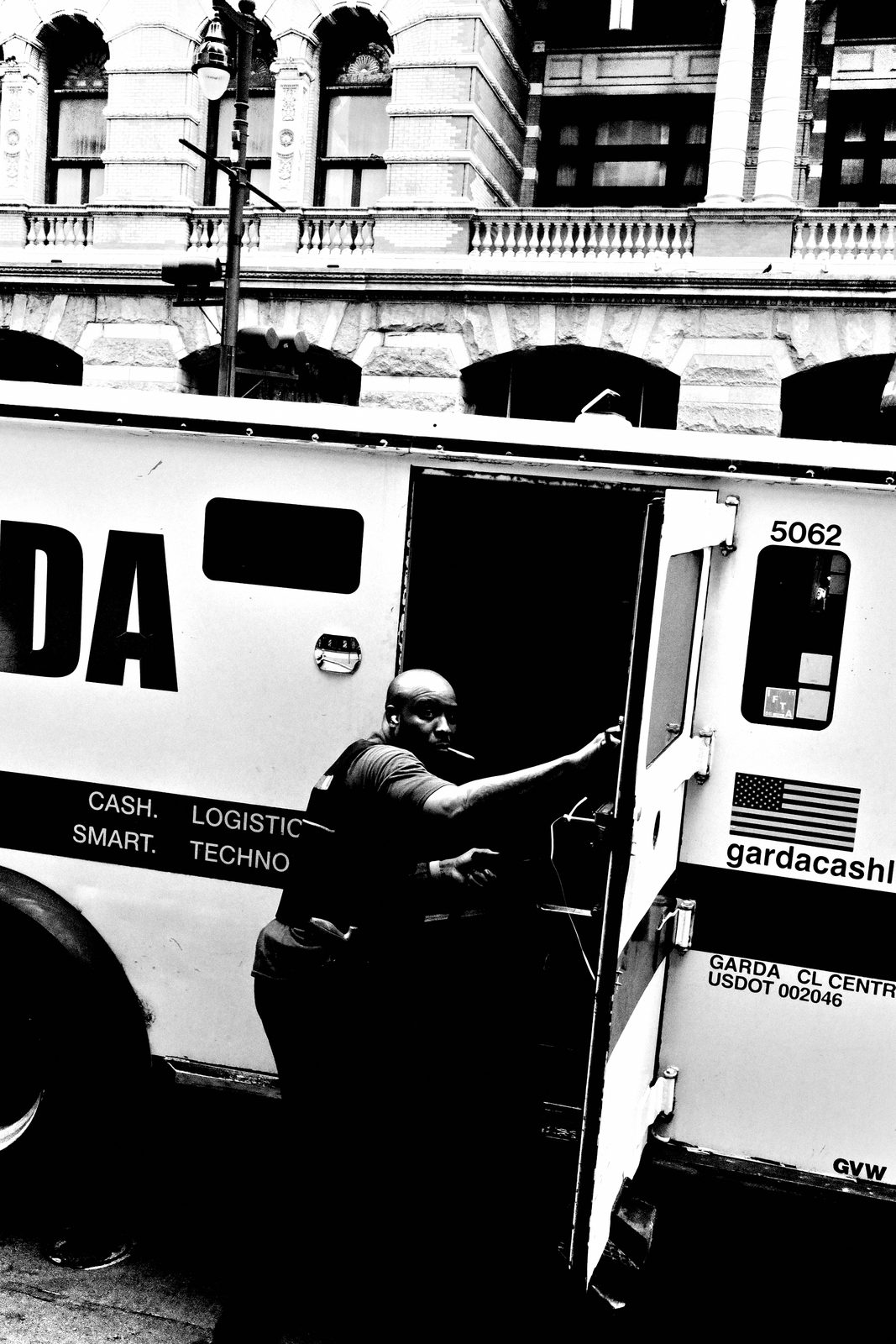
Then run the 7-day rhythm install. For one week, carry the camera everywhere — front right pocket, no exceptions. Photograph your morning walk, your commute, your lunch break, your errands. At least 20 frames a day. At the end of the week, select 10 photographs and sequence them chronologically. Look at the visual diary you just built. That's your life. That's the power.
COMMON MISTAKES
Customizing the System During Install
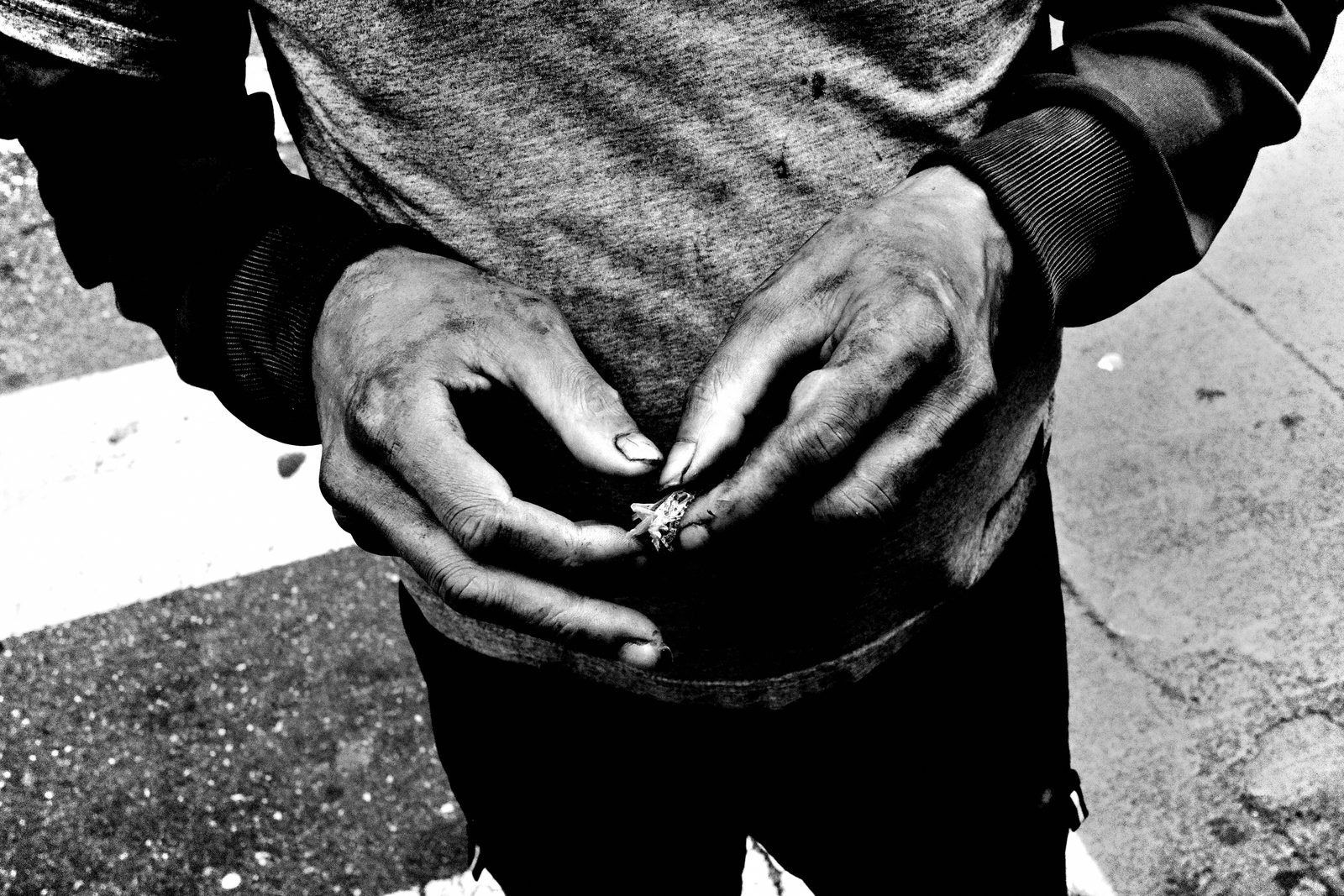
The most common mistake is negotiating with the system during the install. "I'll just keep the wide angle for certain situations." "I'll shoot RAW for important days." It sounds reasonable and it breaks everything. Partial adoption creates partial results — every single time. Install it completely first. You can reconsider after six months of full commitment. Not before.
Treating the System as a Grind
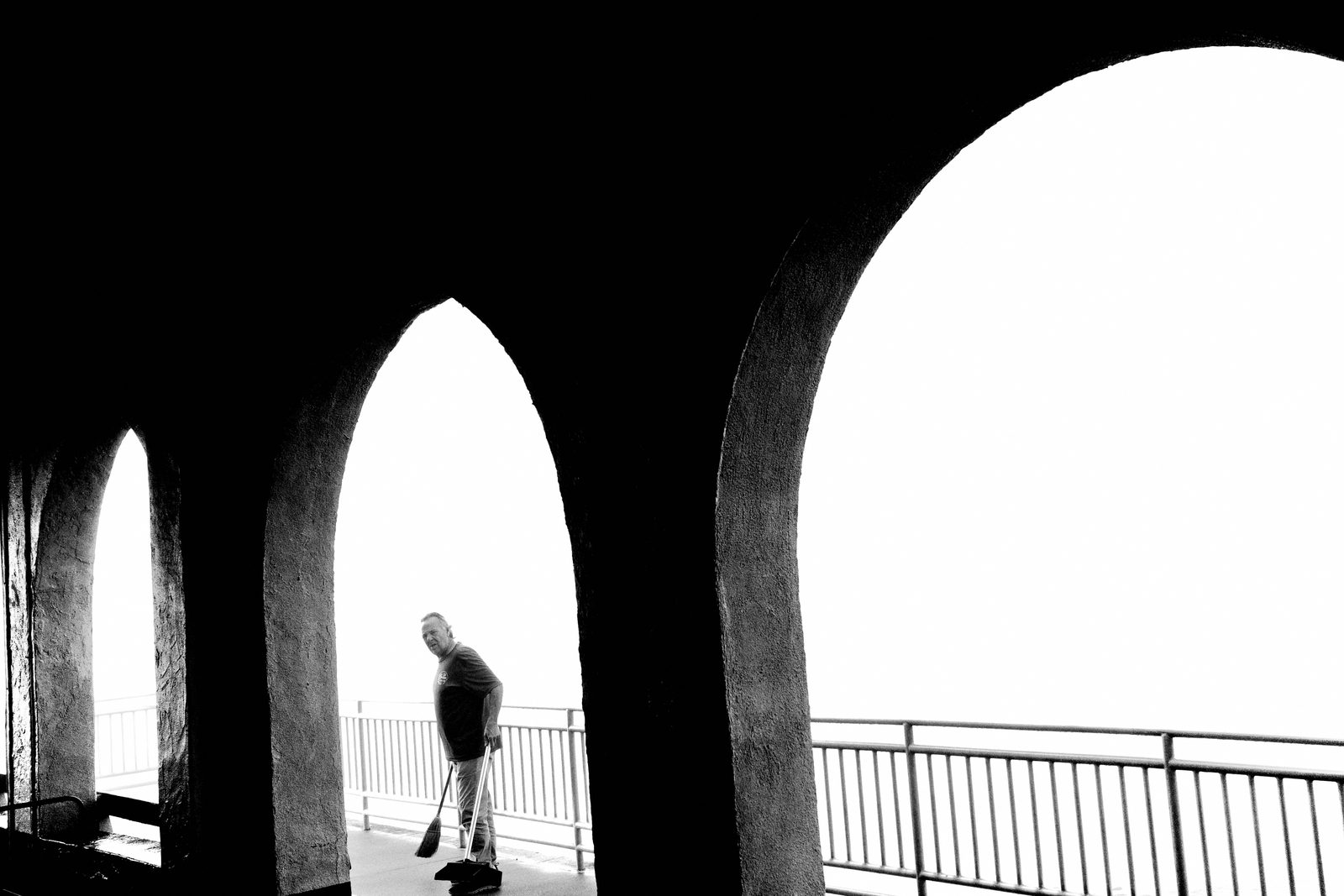
The other mistake is making the system feel like work — treating the camera pull as ceremony, reviewing every frame on the LCD after you shoot it, making the import a production. The whole design of this system is that it disappears. Camera in pocket, shoot, import same day, done. If it feels heavy or laborious, you've added something back in. Strip it back down.
RELATIONSHIP TO PREVIOUS
Building on What Came Before
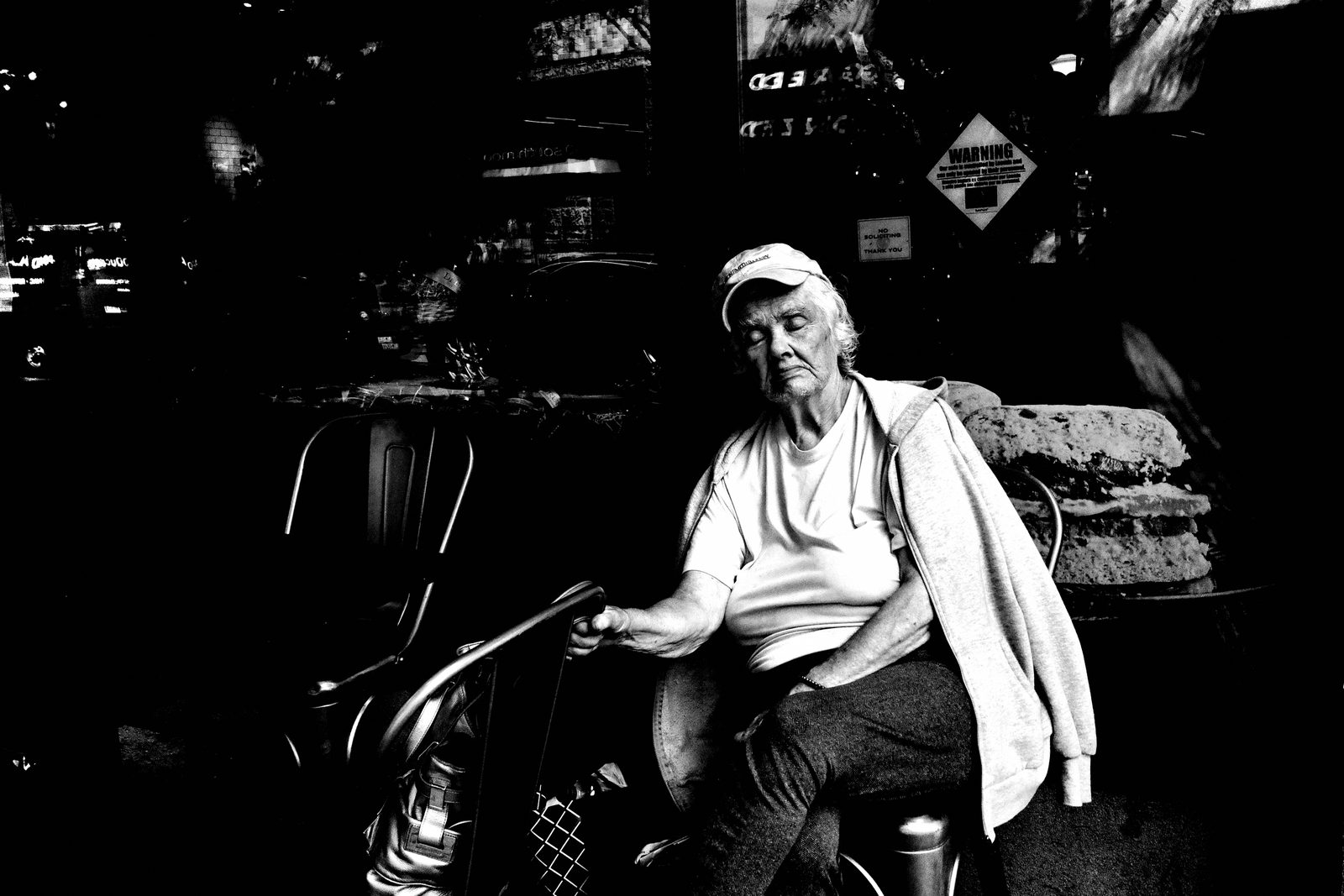
Lesson 043 built the case for daily consistency and the photographer's rhythm. This lesson is where that philosophy gets operationalized — every principle becomes a specific, non-negotiable element of an installed machine. The why we established before now has an exact how. One camera. One aesthetic. One workflow. Running every day.
RELATIONSHIP TO UPCOMING
Where We Go From Here
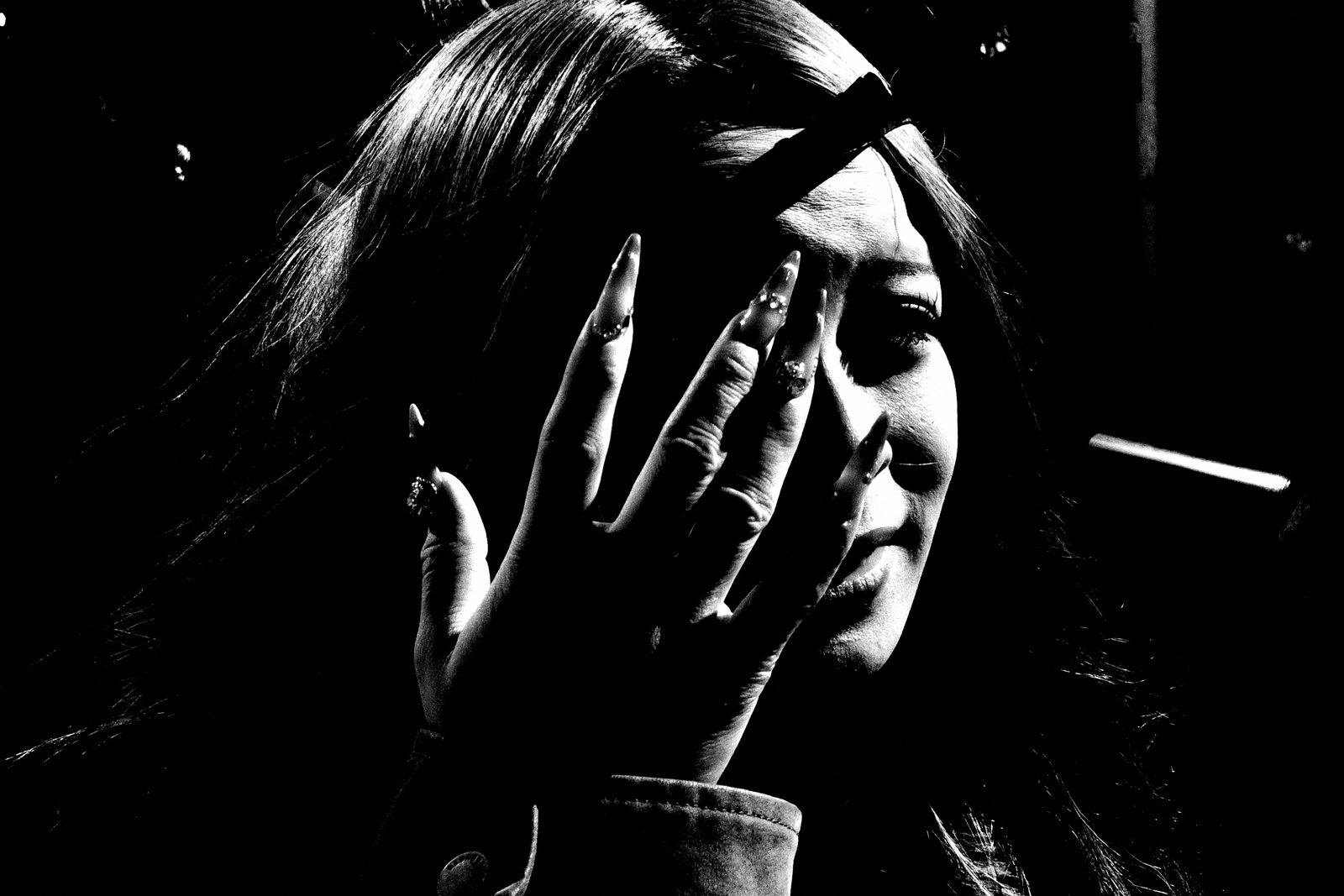
With the system fully installed, Lesson 045 takes it somewhere it has to prove itself — real chaos, real conditions, no preparation. Everything we've built gets stress-tested in the wild. The system doesn't change when the environment does. That's the whole point. Next lesson, we find out if it's truly installed.
SUMMARY / TAKEAWAY
Install It. Trust It. Live Through It.
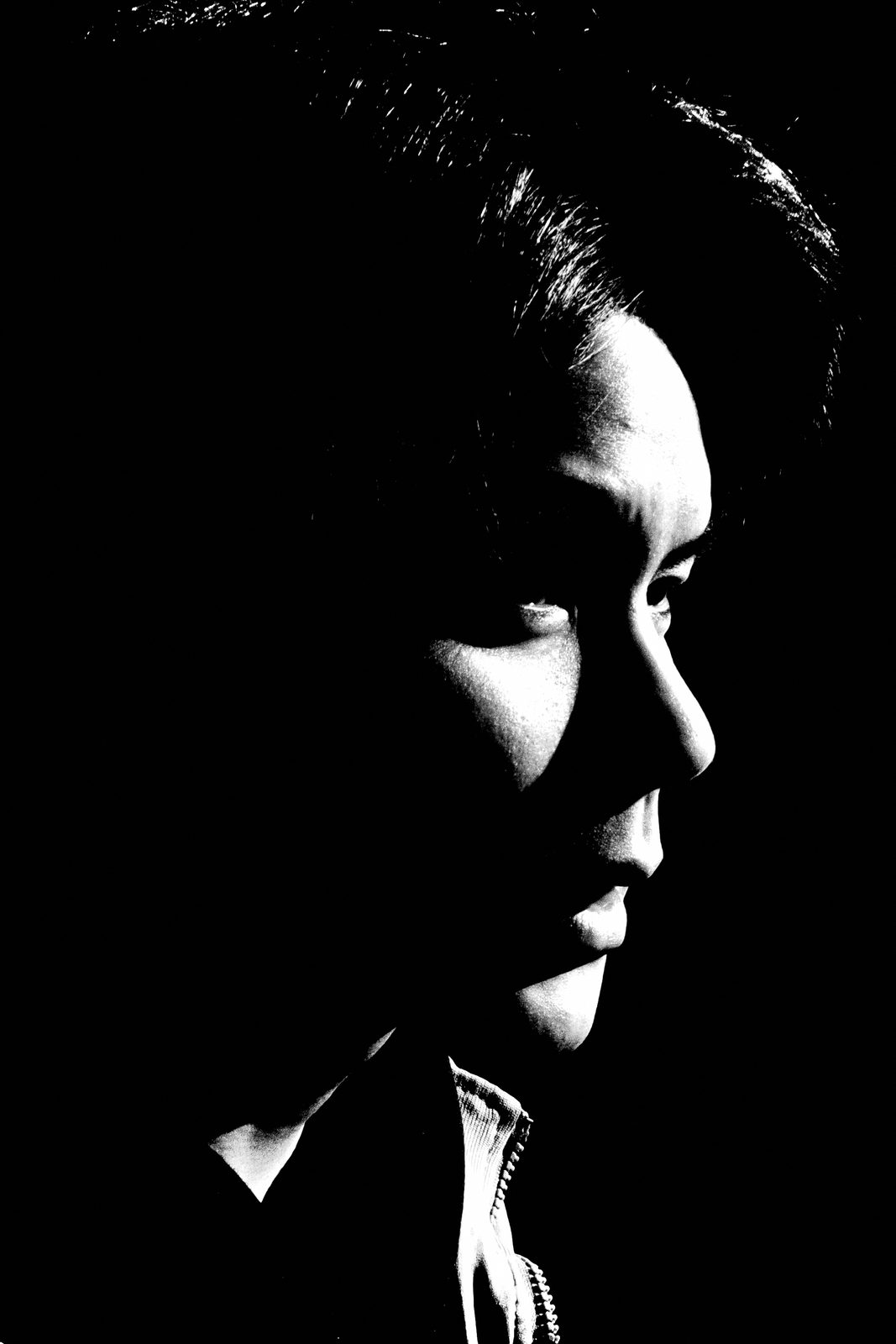
Last thing. The frictionless daily system isn't a set of suggestions — it's an operating system, and it only runs when fully installed. One camera in one pocket. One aesthetic baked in. Small JPEGs flowing same day. Twenty frames minimum, every day, from the life you're already living. Remove the friction and photography stops being something you do and starts being how you move. Install it. Trust it. Go live. Catch you in Lesson 045.