Breakdown VI — A Day on the System
CORE IDEA
One Day, One Camera, Full System
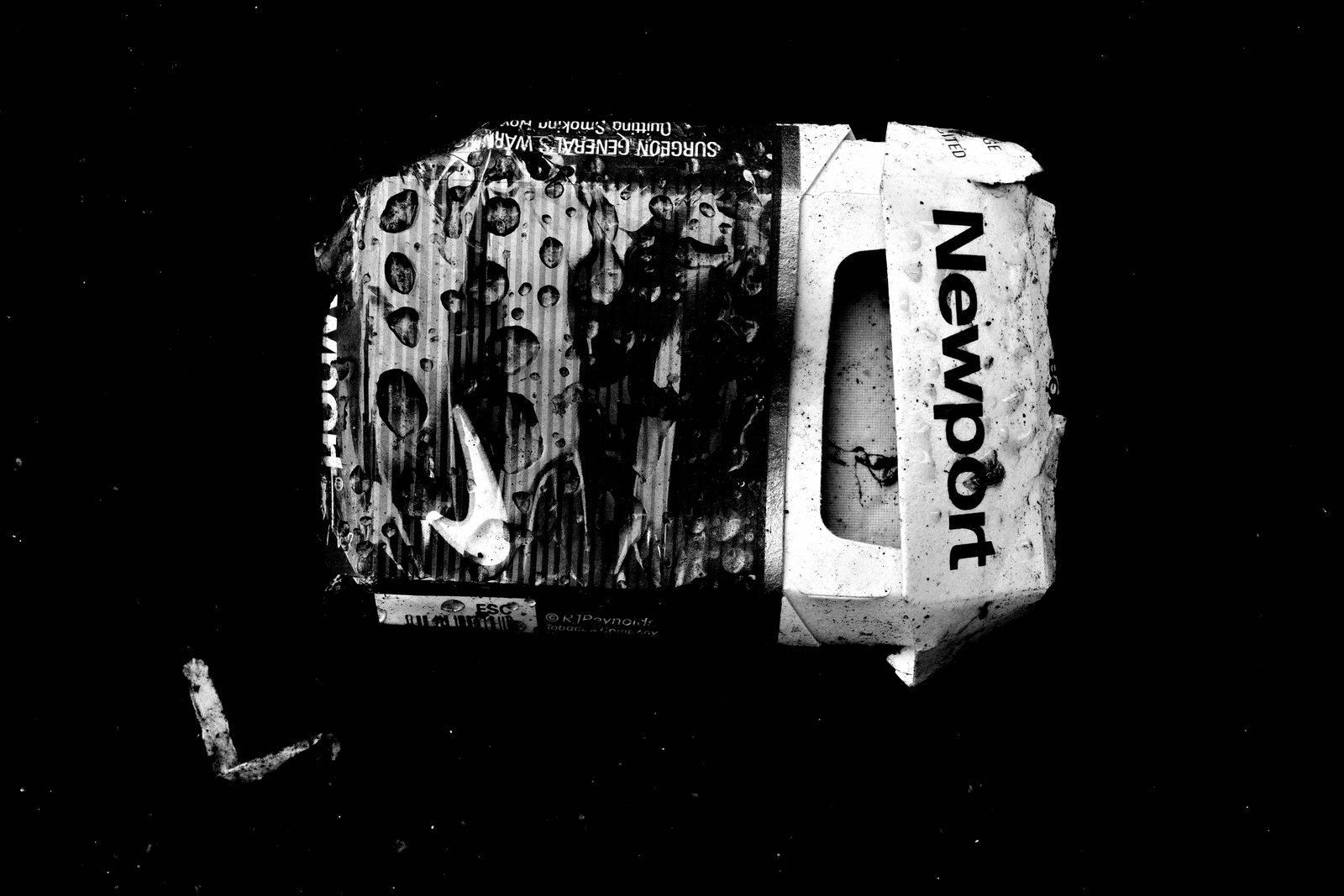
What's popping, people — it's Dante. Today we're doing something special — we're taking one full day on the streets, one camera, and walking through the whole system as it actually plays out from morning to golden hour. Not theory in a vacuum — the system in motion: intention, physical movement, patience, intuition, and the courage to press the shutter. This is how a single, ordinary day becomes a complete practice. Let's get into it.
LEARNING OBJECTIVE
What You'll Walk Away With
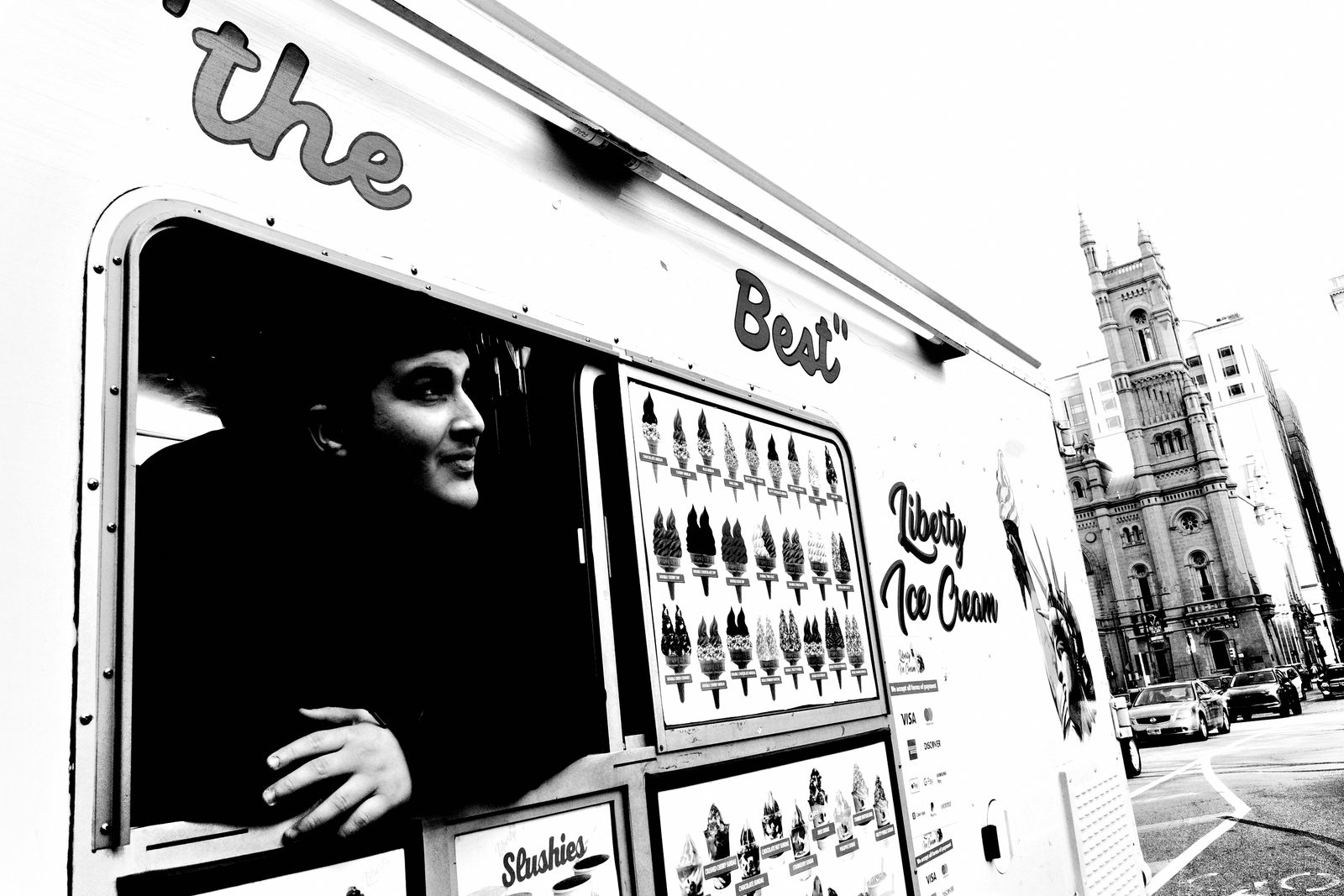
By the end of this lesson you'll be able to trace every major principle we've built across the course through the arc of one full day. You'll see how intention, composition, patience, and spirit aren't separate ideas — they collapse into one fluid, continuous practice the moment you step outside with a single camera on your shoulder.
WHY THIS MATTERS
Theory Doesn't Make the Photo
Here's the truth: you can memorize every principle in this course and still walk home empty-handed. What bridges knowing and doing is running the system for real — on real streets, in real light, with real people, hour after hour. You don't build intuition by studying it; you build it by living a full day inside the practice, over and over. Do that enough and your body starts to know what to do before your brain catches up.
A Day Is a Complete Arc
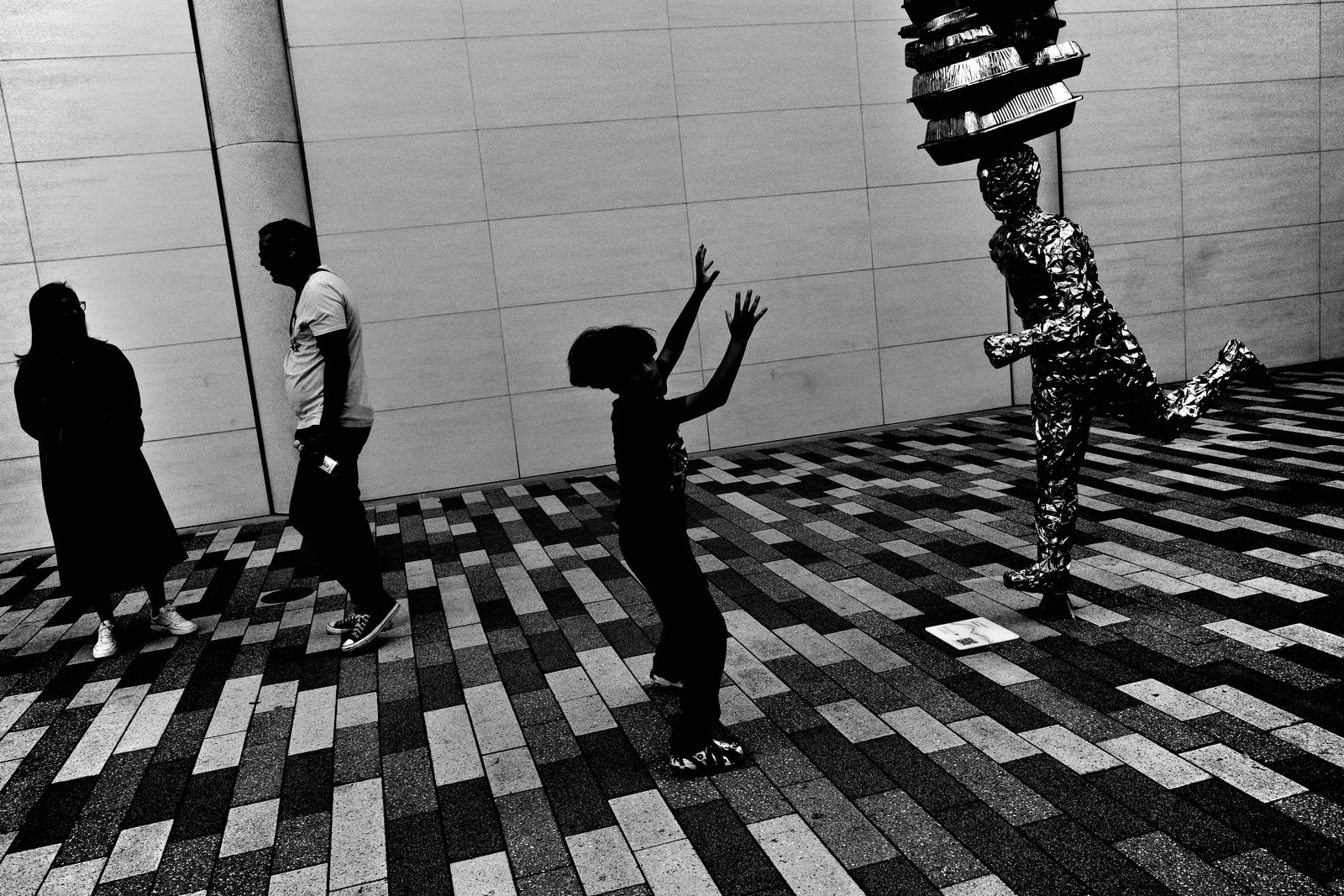
A full day on the streets has a natural arc — you start with intention, move into the grind of observation, hit patches of doubt, and then something opens up, usually in the light. That arc mirrors the whole practice. Understanding how a day moves helps you stop abandoning sessions too early and start trusting the process all the way through.
MAIN TEACHING
Set the Stage Before You Shoot
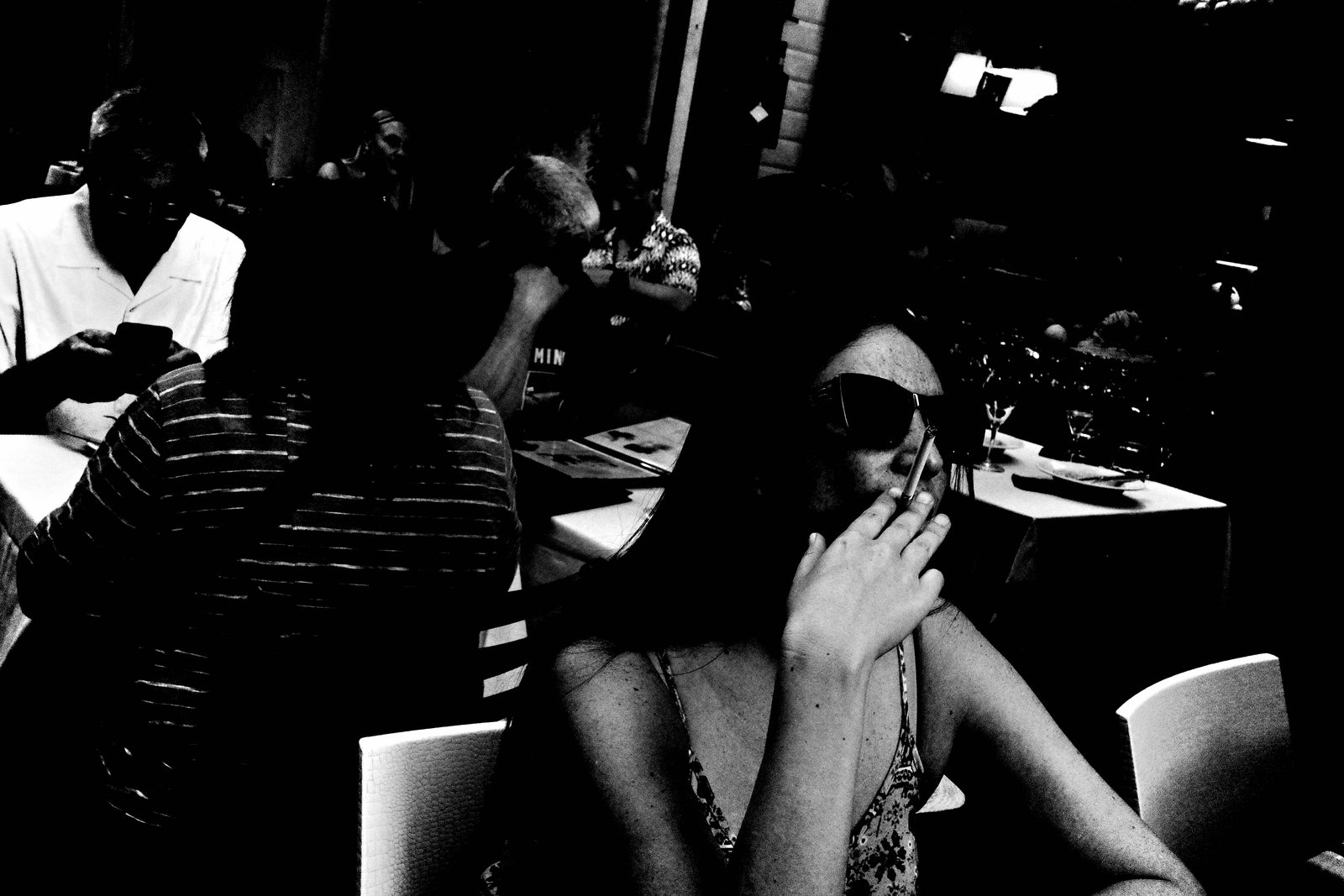
The first move of the day is not to shoot — it's to set the stage. Walk the location. Find the choke point, the place where movement naturally flows. Anchor your background first. When I arrive somewhere with strong bones — old architecture, good light, windows and doorways — I'll walk it multiple times before I make a single frame, reading the patterns of people, the openings, the way the light moves. Build back to front, then wait for life to fill in.
Physical Movement Is the Craft
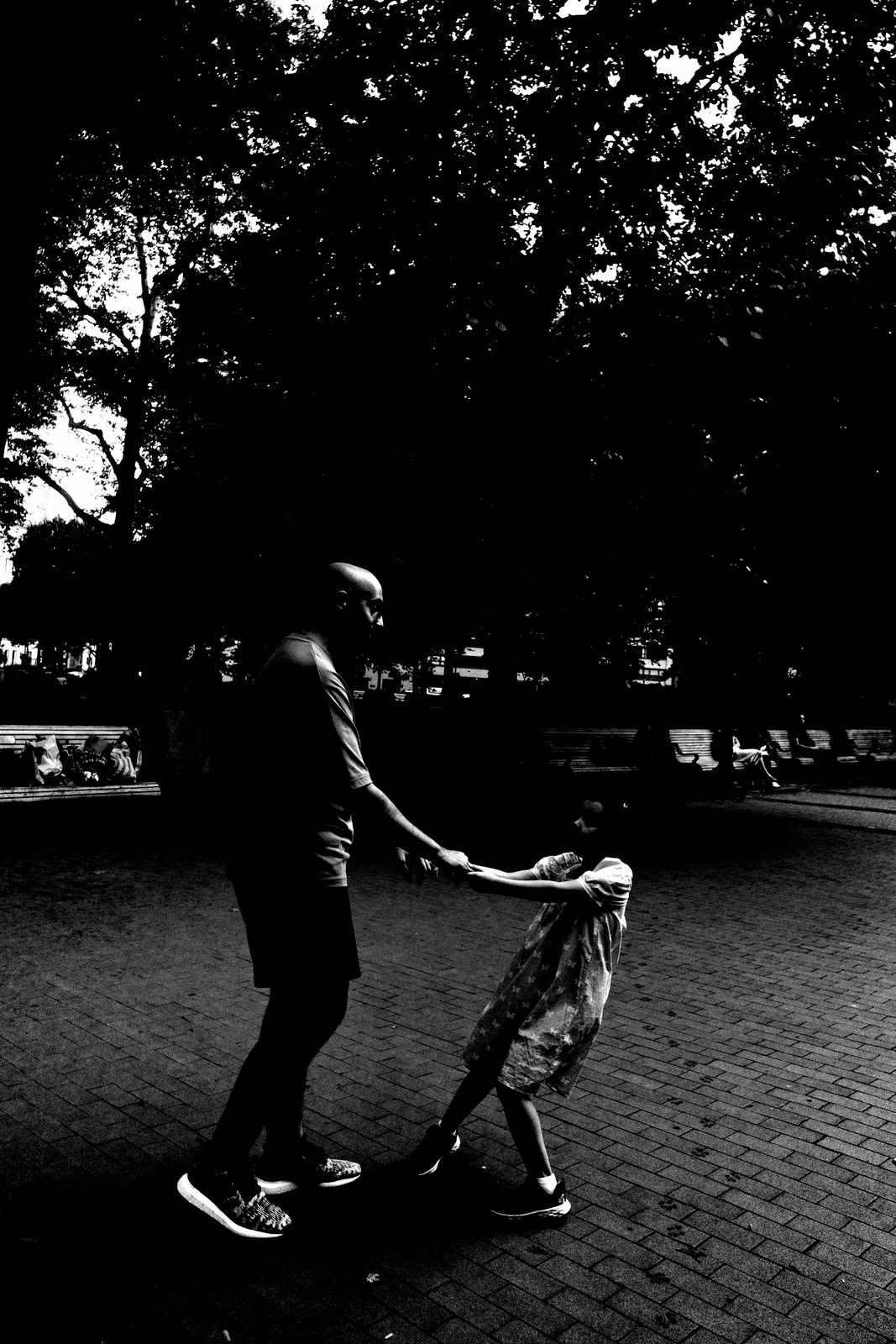
Once the stage is set, you have to move. Standing still and hoping is not a strategy. When you sense an echo in a scene — a mirror repeating a shape, a reflection holding a second subject, two forms that rhyme — you don't just fire from where you're standing. You adjust your body: shift left, drop your knees, lean in until the reflection fills, until an anchor lands on the edge and the whole thing locks. Photography is a physical medium. You have to move your body to make the composition click. Finesse it until the puzzle solves itself.
Staying Long Enough for the Tender Moment
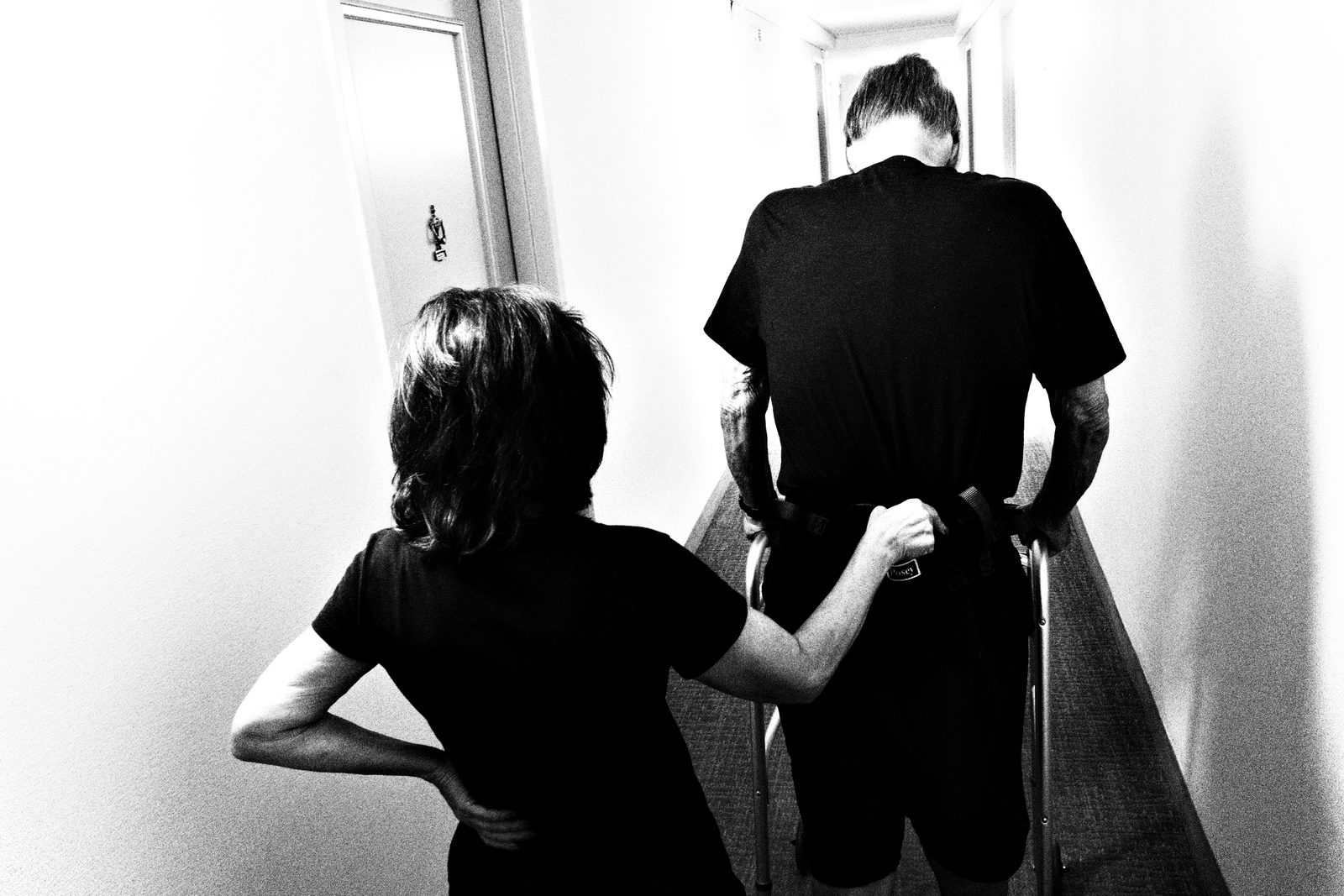
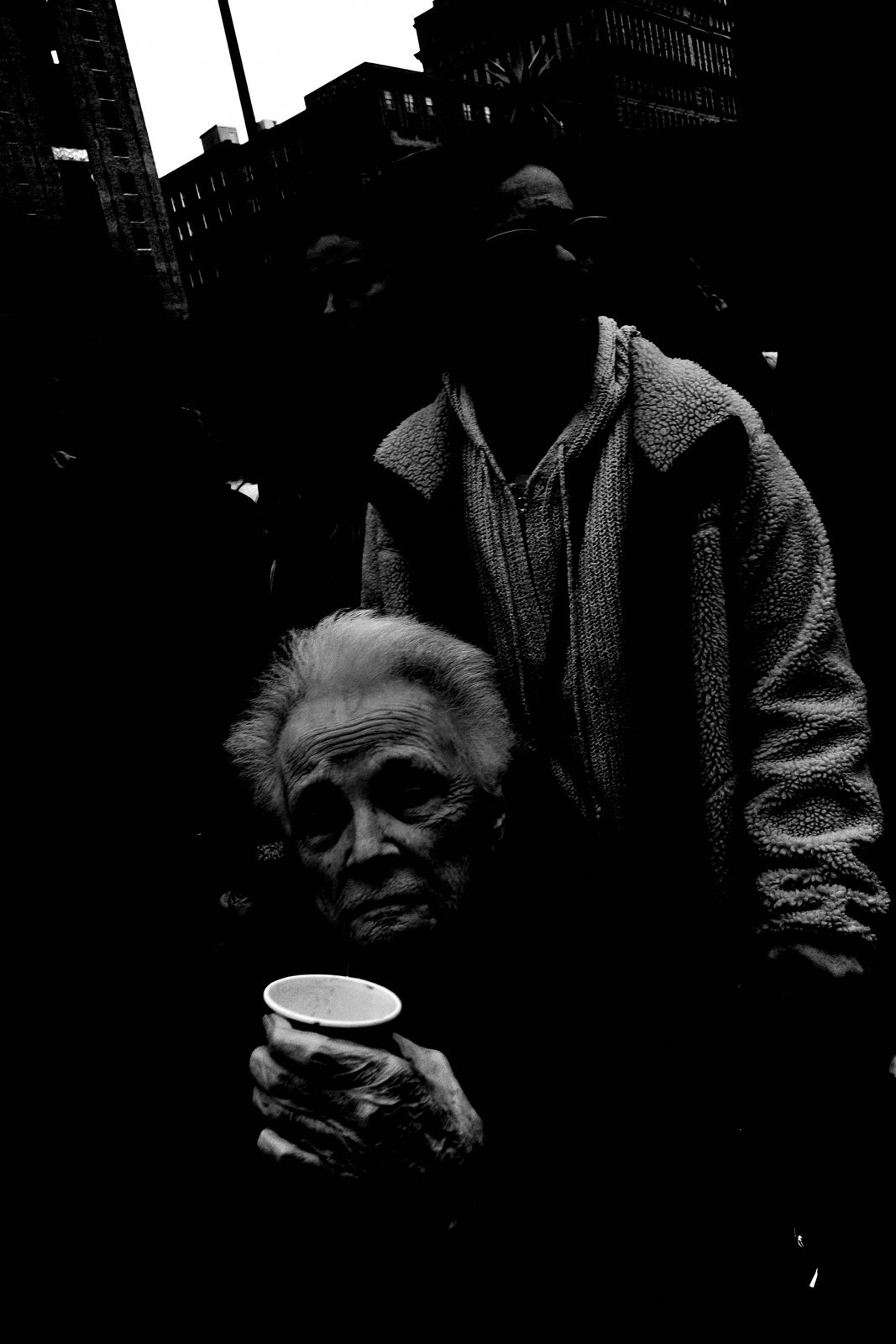
The tender moments — an embrace, a shared look, a small act of care — almost never happen on demand. They happen once you've settled in, stopped hovering, and become part of the scene. So you stay. You sip your tea, you're present, you don't rush. And when the moment finally comes, keep it simple: a clean background, a foreground element or two to layer the frame — a hand, a cup — and nothing that dates or clutters it. No logos, no distractions, just a timeless, tender photograph. Emotional simplicity beats technical complexity every time. Staying is the technique.
Chase the Light, Not the Subject
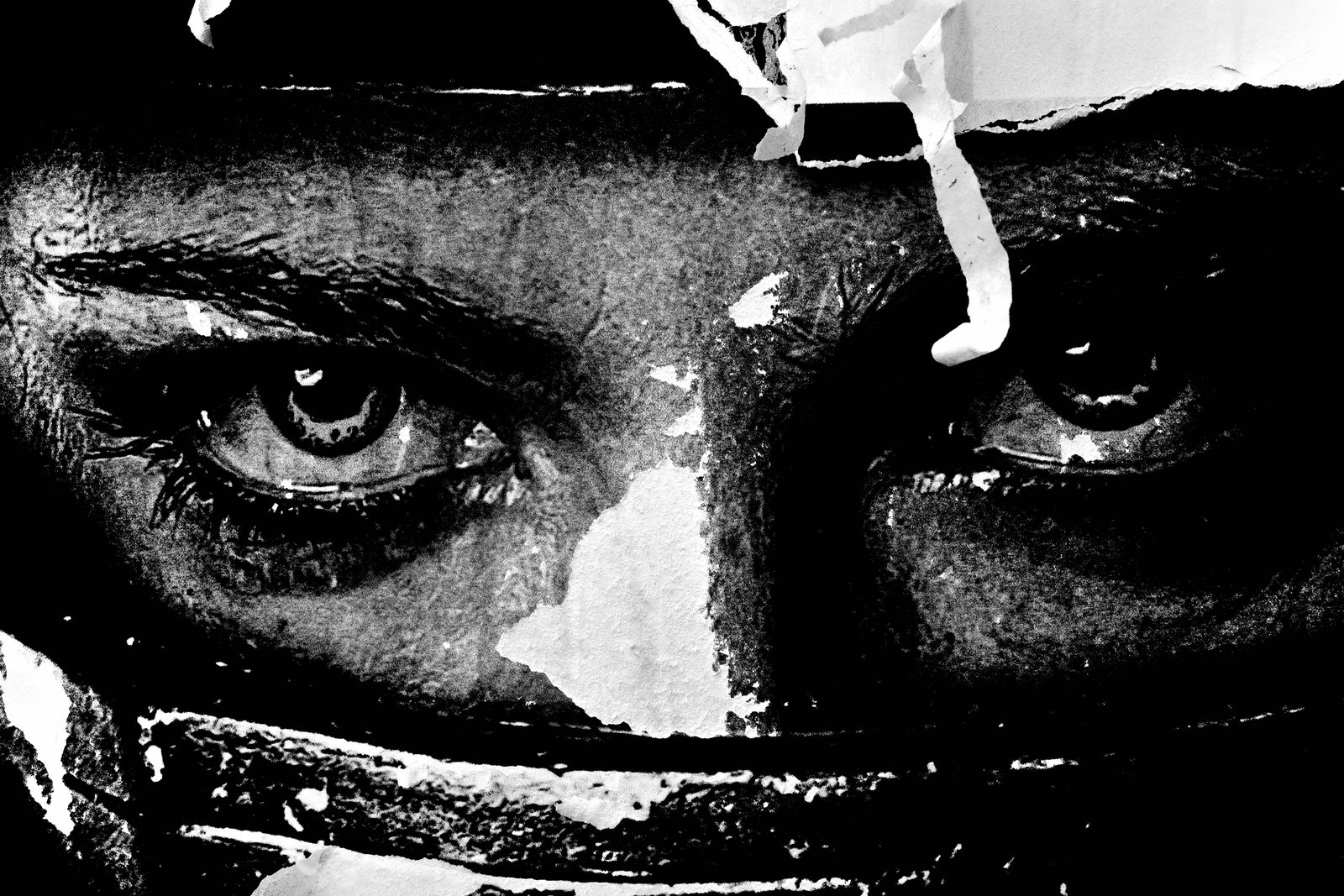
Some of the best frames of the day come from a simple decision: don't chase a subject, chase the light. When you feel a pull toward good light, follow it, and trust that life will show up inside it. Once you're there, spend time. Let the scene arrange itself — a subject in the foreground, another figure layered behind, each one cleanly separated so the eye reads the whole story. That separation, that dynamic tension between planes, is what makes a frame feel layered instead of flat. Embrace the spirit of play — photography is child's play for grown-ups with cameras.
Fishing: Every Layer Earns Its Place
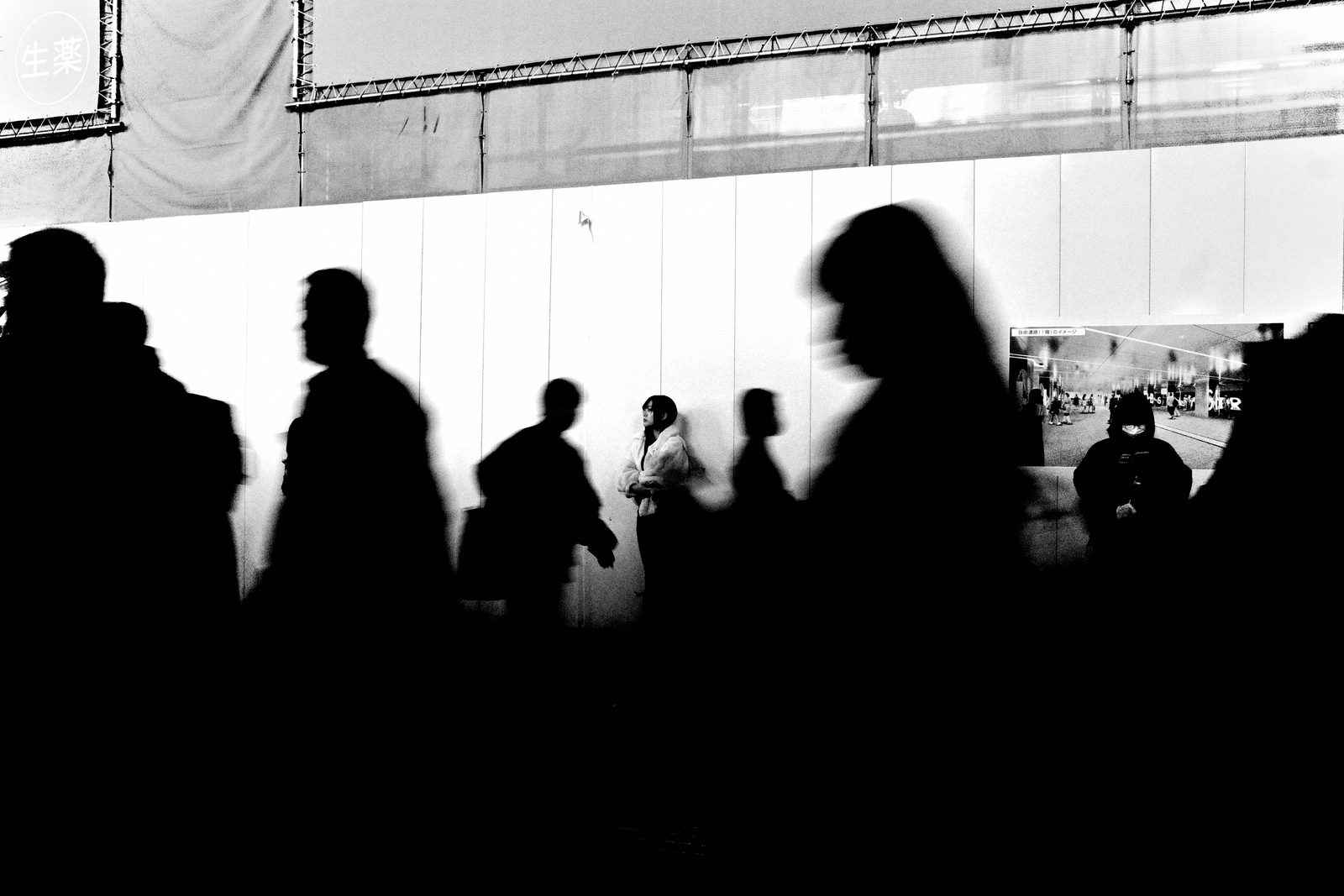
Fishing is the discipline of the day. You find a choke point — strong light, clean geometry, an open backdrop — and you plant yourself. Then you become ruthless about the layers: something in the foreground, something in the middle, something anchoring the back, and each one has to earn its place. If a plane is empty or muddy, you wait, because a half-built frame isn't worth the shutter. When people take the frame as luck, they're missing the work. You set your stage and wait for life to walk in. Patience is not passive — it's the most active thing you do all day.
Intuition Fires When You're Present
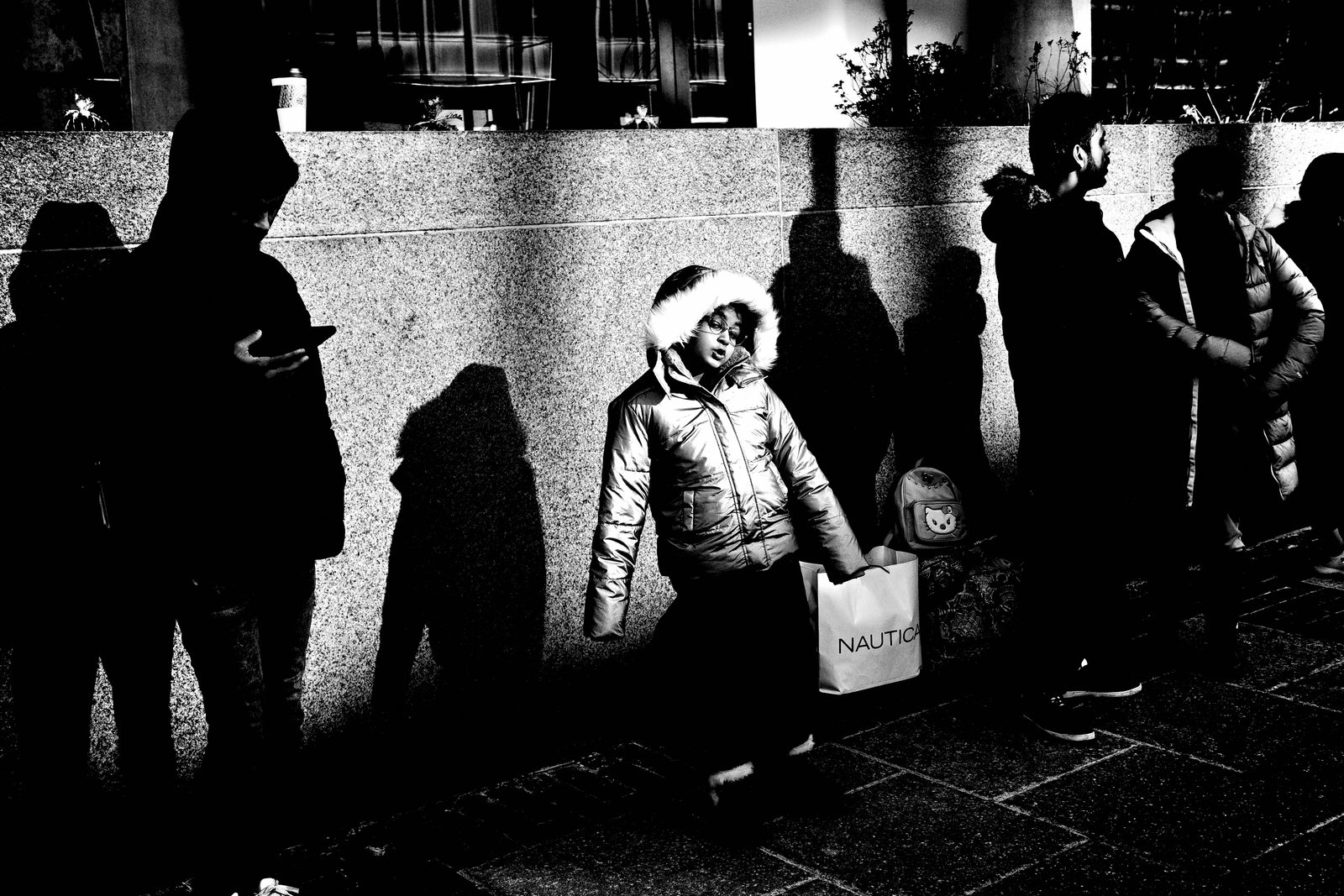
There's a moment in every great frame where thinking stops and the body just responds. You'll see something dynamic happening in the distance — motion, energy, a background full of life — and without planning it you'll position a foreground element to play against it, dropping a near figure into the frame so the whole thing gains depth and tension. You didn't calculate it. You sensed it. Intuition isn't magic; it's what presence looks like when it moves fast. You can only get there by being fully in the scene, not above it.
Spend Time to Earn Access
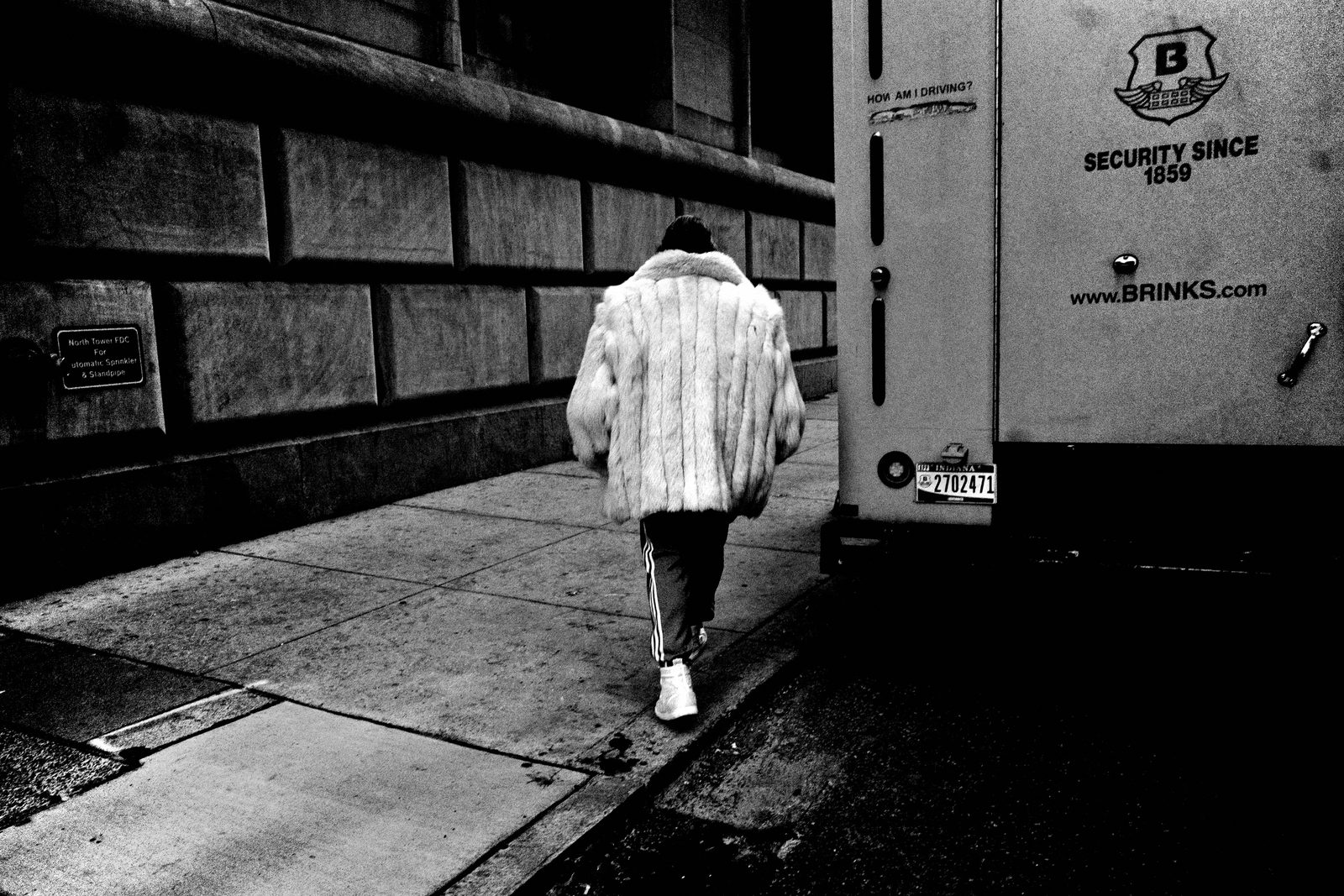
Some of the strongest frames of the day don't come from technical skill — they come from time. When you hang out long enough, you become a fly on the wall; the camera stops being an event. When you walk into a community with genuine openness rather than a hunter's hunger, people relax, invite you in, and practically gift you photographs. Spending time earns you access. Access earns you the frame where the subject forgets you're there. That's when the real picture happens.
Courage Is the Gate
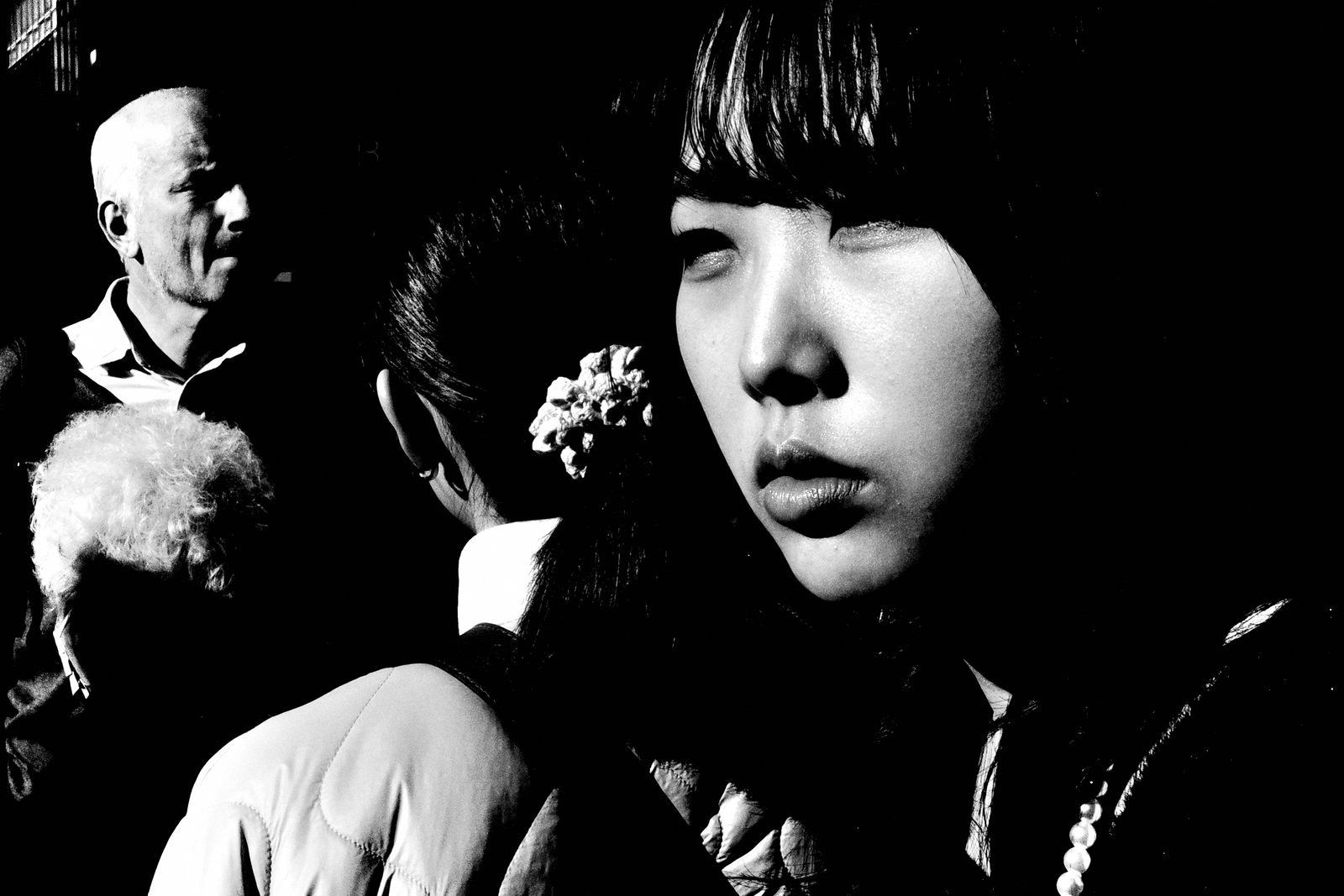
None of it works without courage. Sooner or later you'll walk into real chaos — an emergency, a crowd, something raw unfolding in the street — and every instinct will tell you to keep your distance. That's exactly when you have to get close. Find the human counterpoint in it: the person standing calm inside the storm, a single telling gesture, a face that holds the whole scene. Fill the frame with that, let the chaos live in the background, and it takes on a whole new energy. A photographer must possess courage and curiosity, and carry them out onto the front lines of life.
The Frame Within a Frame
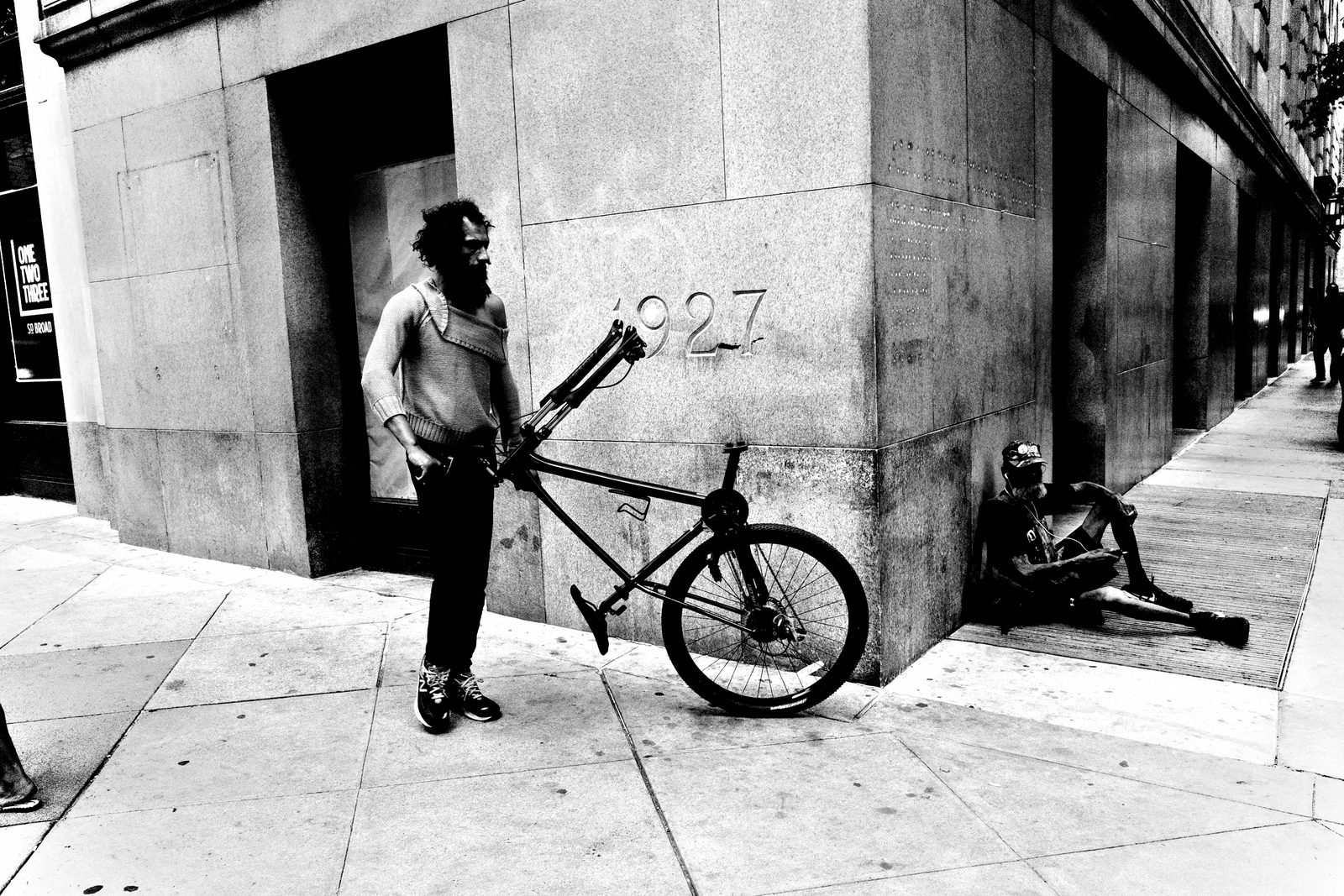
One of the most reliable compositional tools in a full day's work: the frame within a frame. Windows, doorways, arches, gaps in a wall — the environment is constantly offering you built-in structure. Find one that gives the composition a spine, then balance your subjects inside it: a figure on one side, a smaller counterweight on the other, a clean and slightly ambiguous background that doesn't compete. Simplicity creates timelessness. Find the natural frame the location is already offering you, then wait for the subject to step into it.
Light and Shadow as Visual Anchors
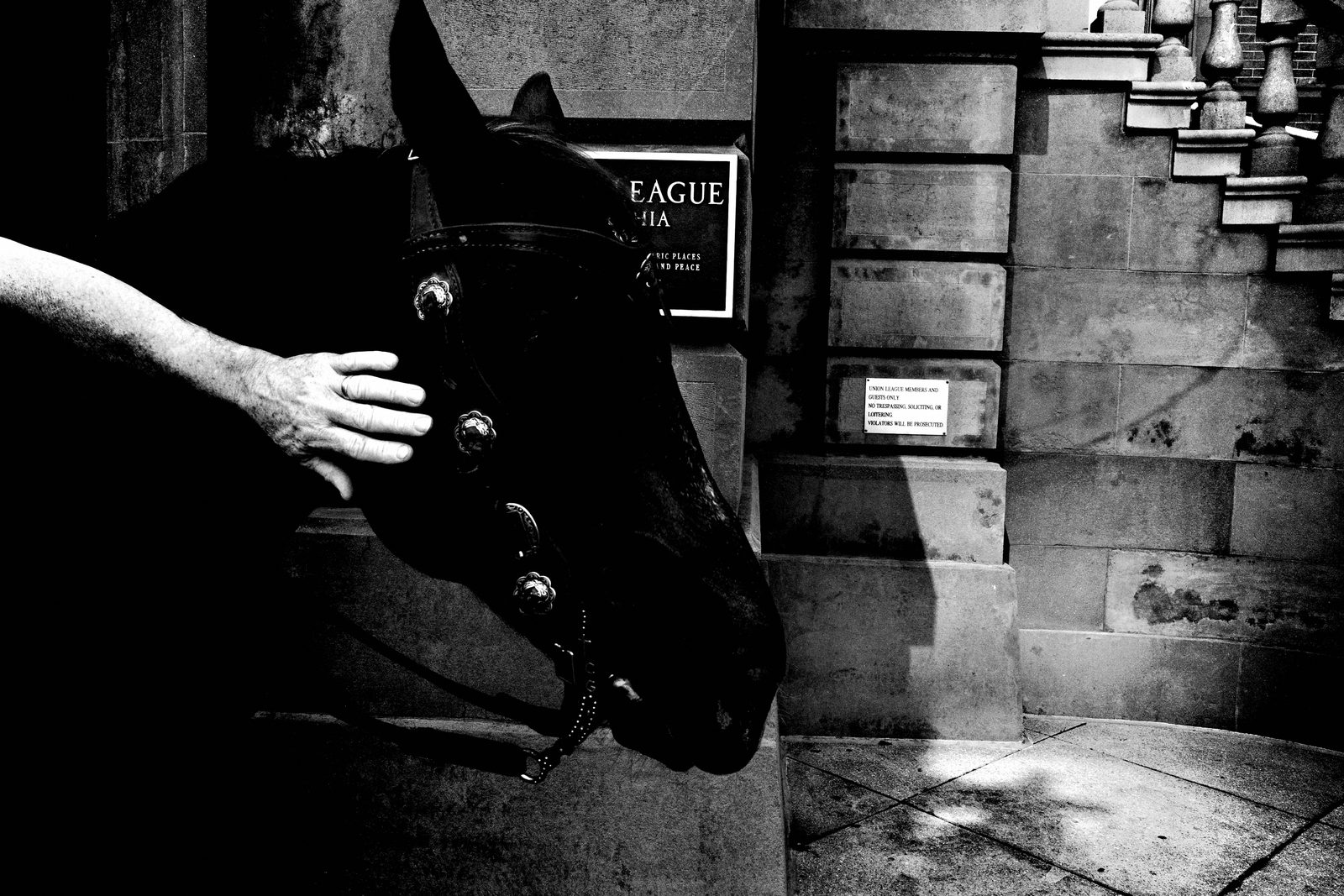
Light is your first decision every morning. Walk with a compact camera and let light and shadow be your primary visual tools — they're mine. Look for the shadow falling across a scene, the way it carves structure and separation into an otherwise flat street, the way a strong background color or a small human detail can complete what the light started. It's not just about documenting life — it's about translating it into visual poetry. Shadow is the element that makes the light matter. Chase both.
Manifesting the Photograph
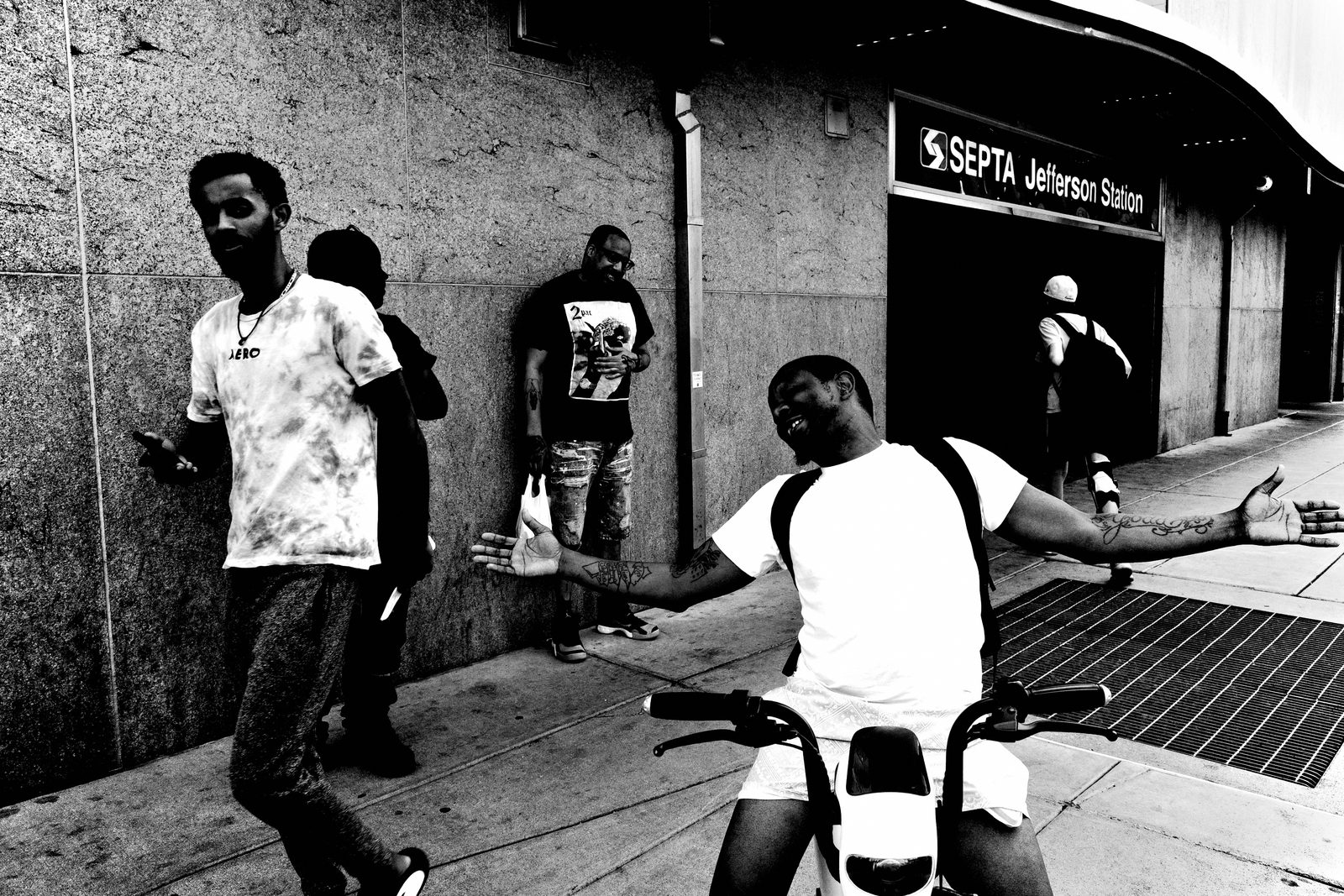
Here's something I genuinely believe: you can make any photograph you can dream of. Say you want to photograph a rainbow. You don't wait passively for one to appear — you read the conditions, and when the rain is breaking and the light is right, you grab your umbrella, walk out, find your choke point, and wait for it. The rainbow appears; you've already staged the human elements around it. That's not a lucky accident — it's a manifestation. You held an intention, then put your body in the place and time where that intention could become real. Intention is not wishful thinking — it's a physical act.
Fill the Frame With Meaning
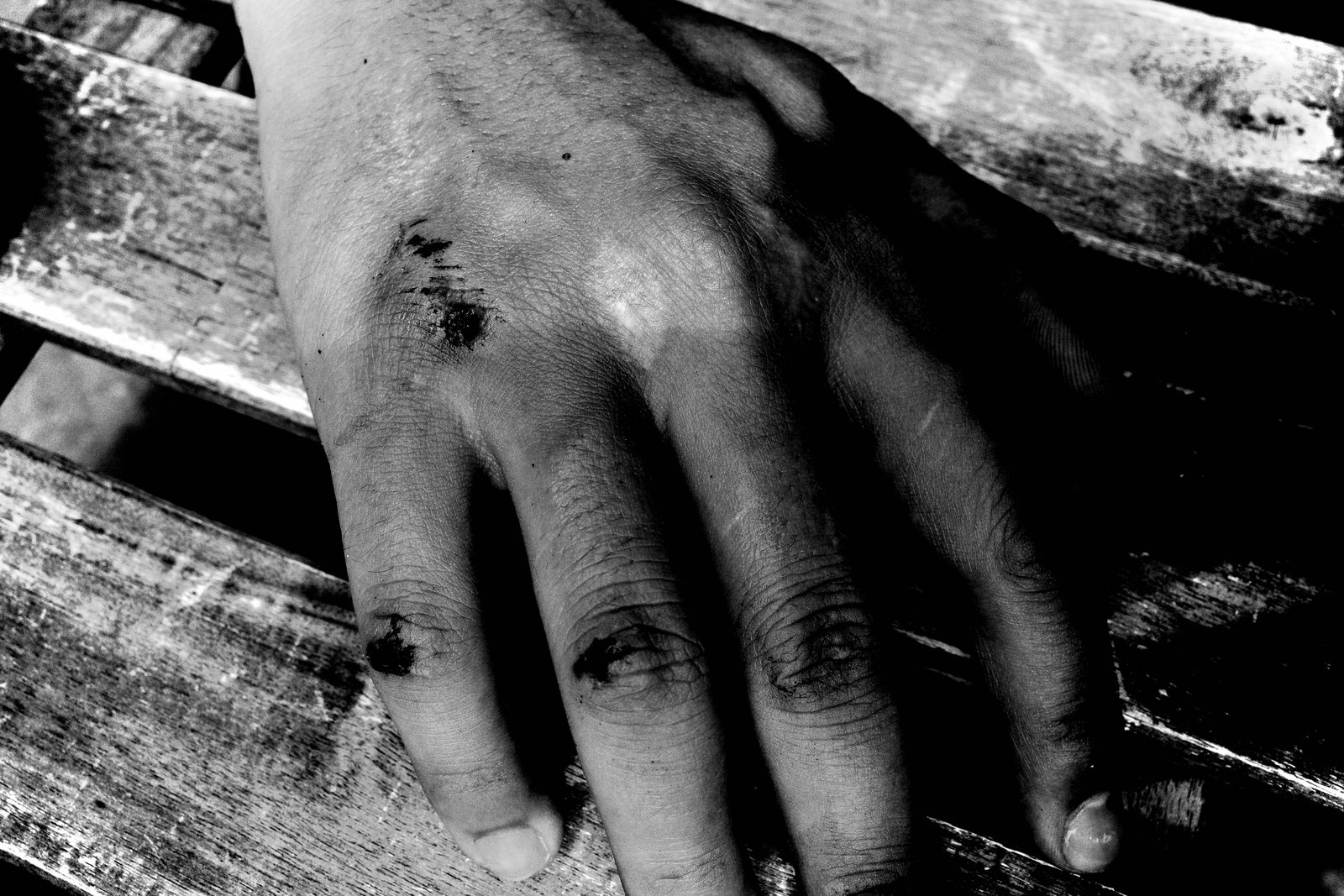
The final discipline of the day is editing the frame itself — in real time, through your body and your eye. Look for a way to strip the background to something clean and uniform — a body of water, a wall, an open sky — so nothing competes with your subjects. Then divide the rectangle deliberately: let one element command half the frame, let the rest fill the other half, and cut everything that doesn't belong. Photography is a visual puzzle. Fill the frame with meaning and eliminate the noise. Every element in the rectangle either earns its place or it doesn't.
PRACTICAL APPLICATION
Plan One Intention, Then Let Go
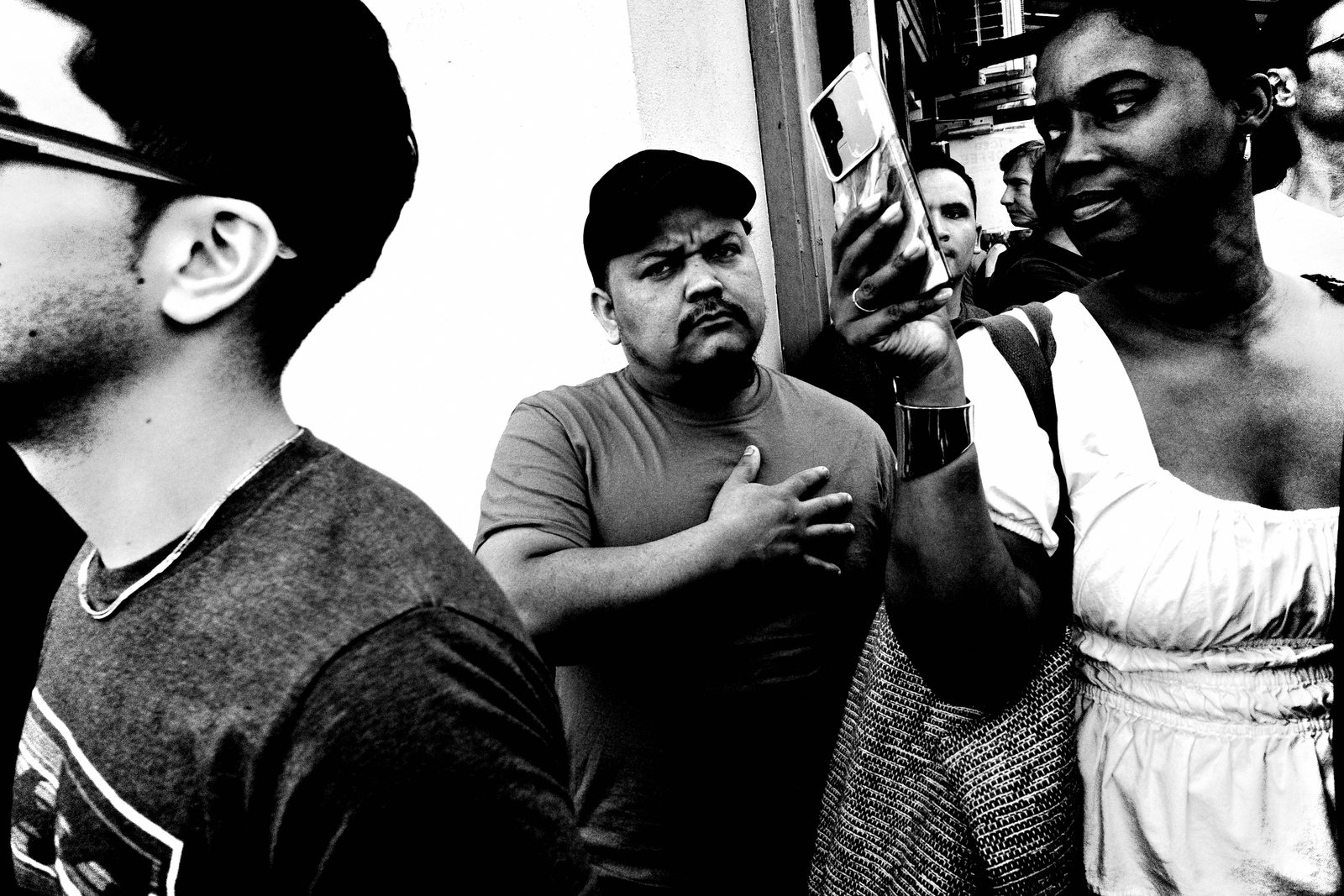
Before your next full session, choose one intention — one thing you want to find, feel, or practice. Write it down. Then walk out the door and release the outcome entirely. The intention is a compass, not a GPS. It orients you without locking you in. Every strong photograph starts with intention — and gets made by releasing it. Go out with a life-affirming mindset and say yes to life with each shutter click.
Work the Scene Until It Leaves You
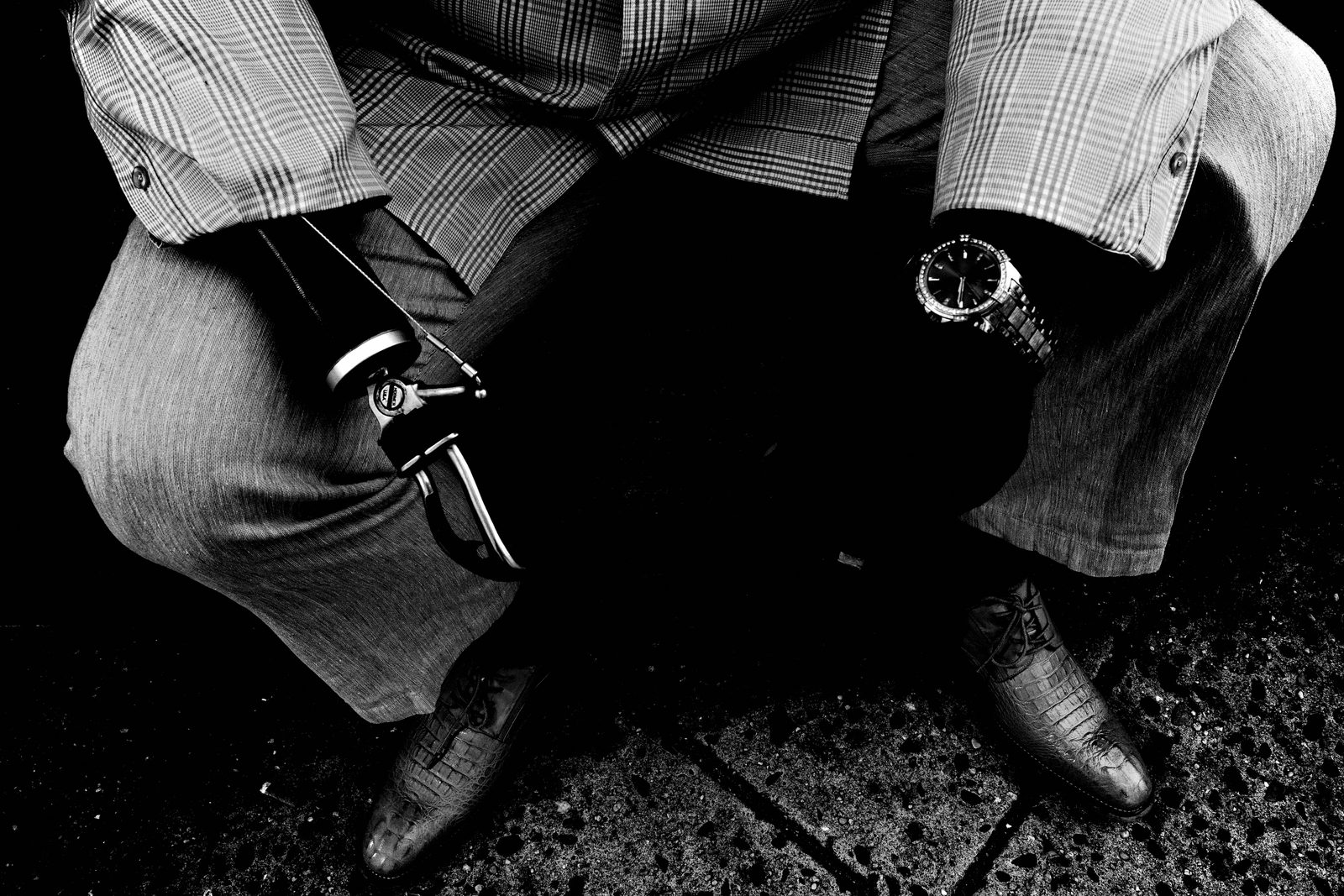
Your assignment: pick one location and stay until the scene leaves you. Not five minutes — an hour. Walk it. Observe the patterns of movement. Find the choke point. Set your background. Work the foreground. Let the layers build. The first frame you make will be an introduction. The tenth will start to get interesting. The one you make when you've almost given up — that's often the real picture.
COMMON MISTAKES
Shooting Before You've Observed
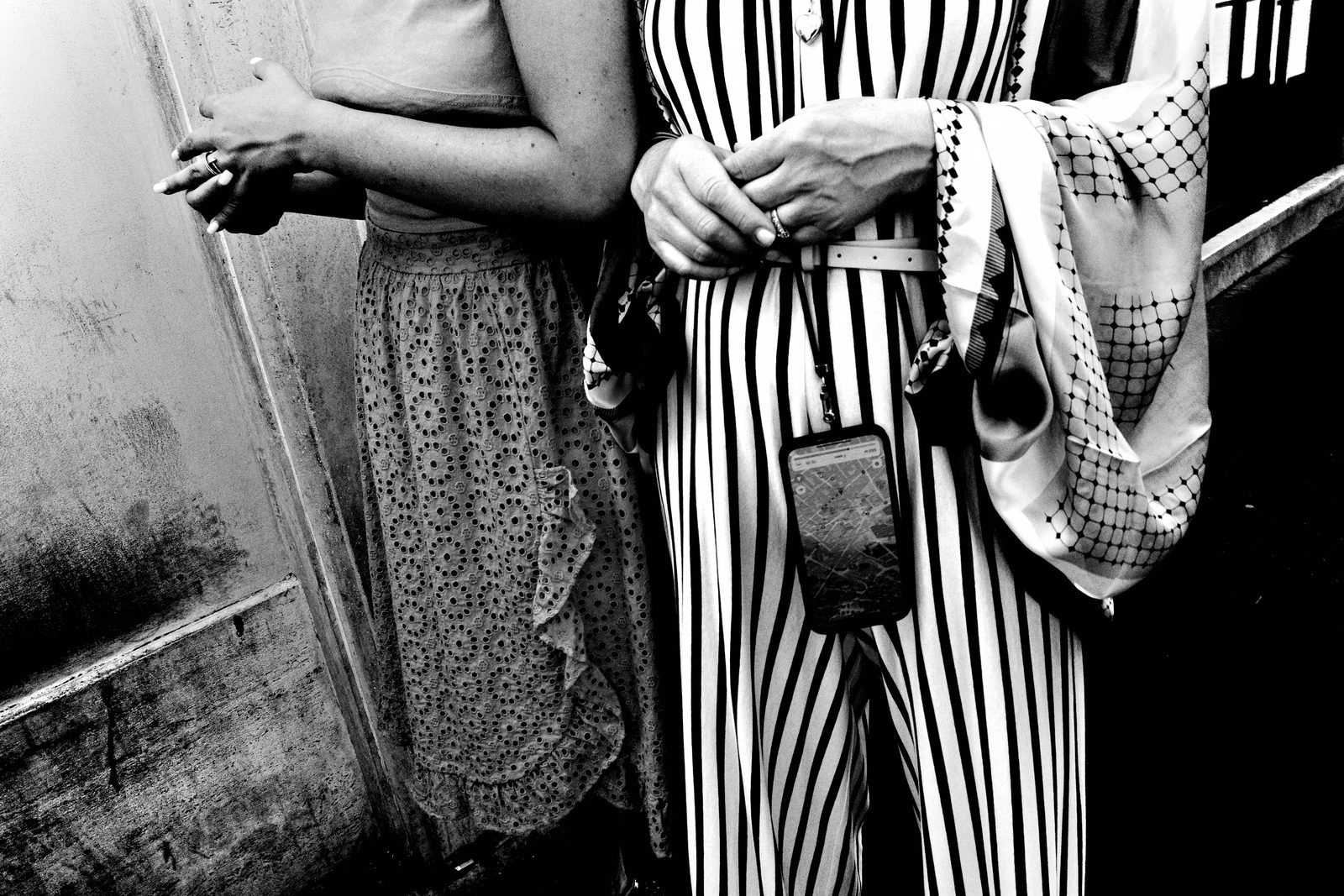
The most common mistake on a full day out: raising the camera before you've done the work of observation. You can't compose what you haven't truly seen. Walk the scene. Clock the light. Find the movement patterns. Identify the background. Then shoot. The photographers who come home empty are almost always the ones who started shooting the moment they arrived, instead of watching first.
Leaving Too Early
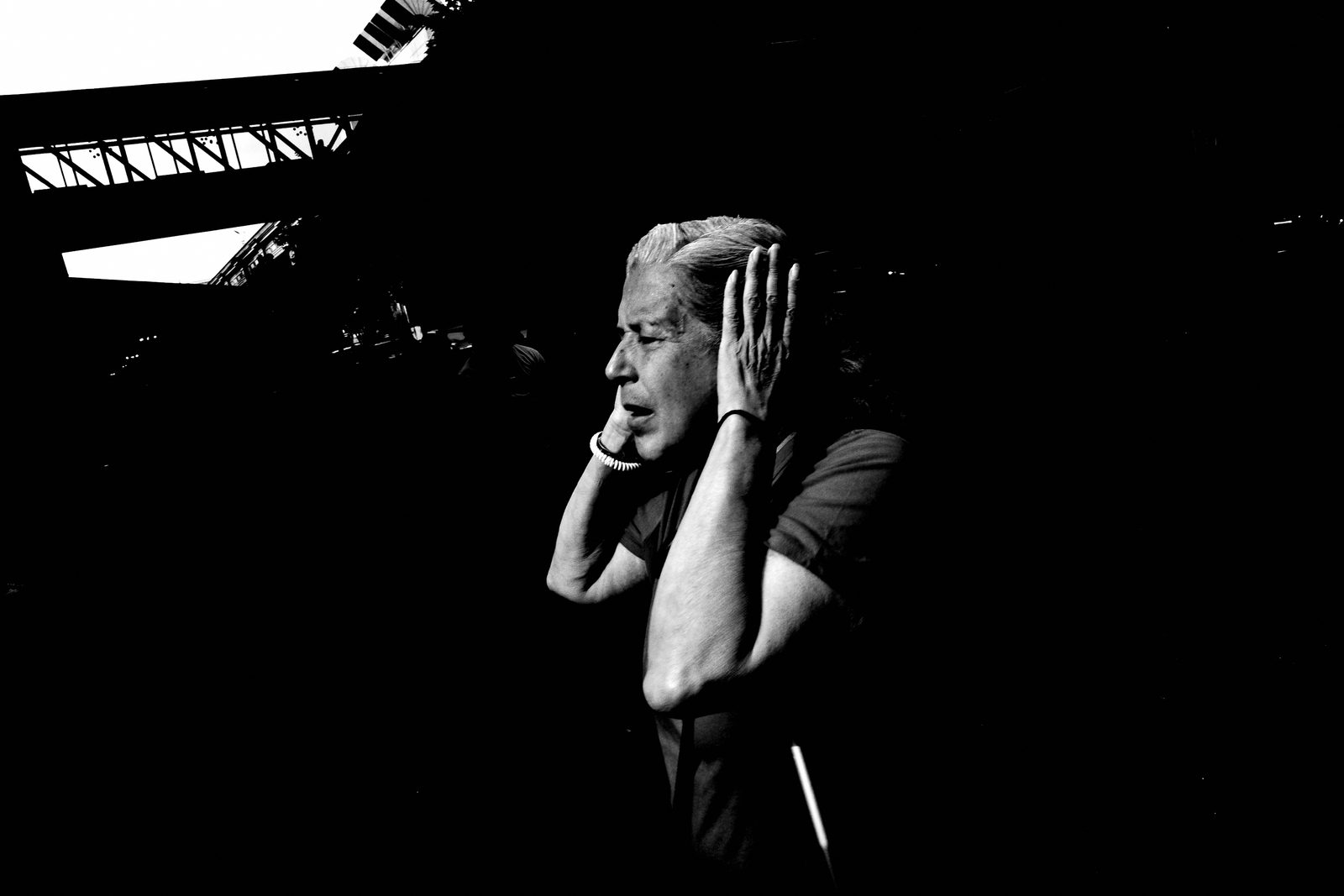
The other mistake: leaving too early. The session isn't over because the first hour felt slow. Great photographs come from outlasting your impatience. The light shifts. People arrive. The scene evolves. The tender, layered frames never come from rushing — they come from staying, being present long after a lesser version of you would have walked away. Set your body in motion without preconceived notions of what you'll find — and then stay long enough to actually find it.
RELATIONSHIP TO PREVIOUS
Building on the Visual Language
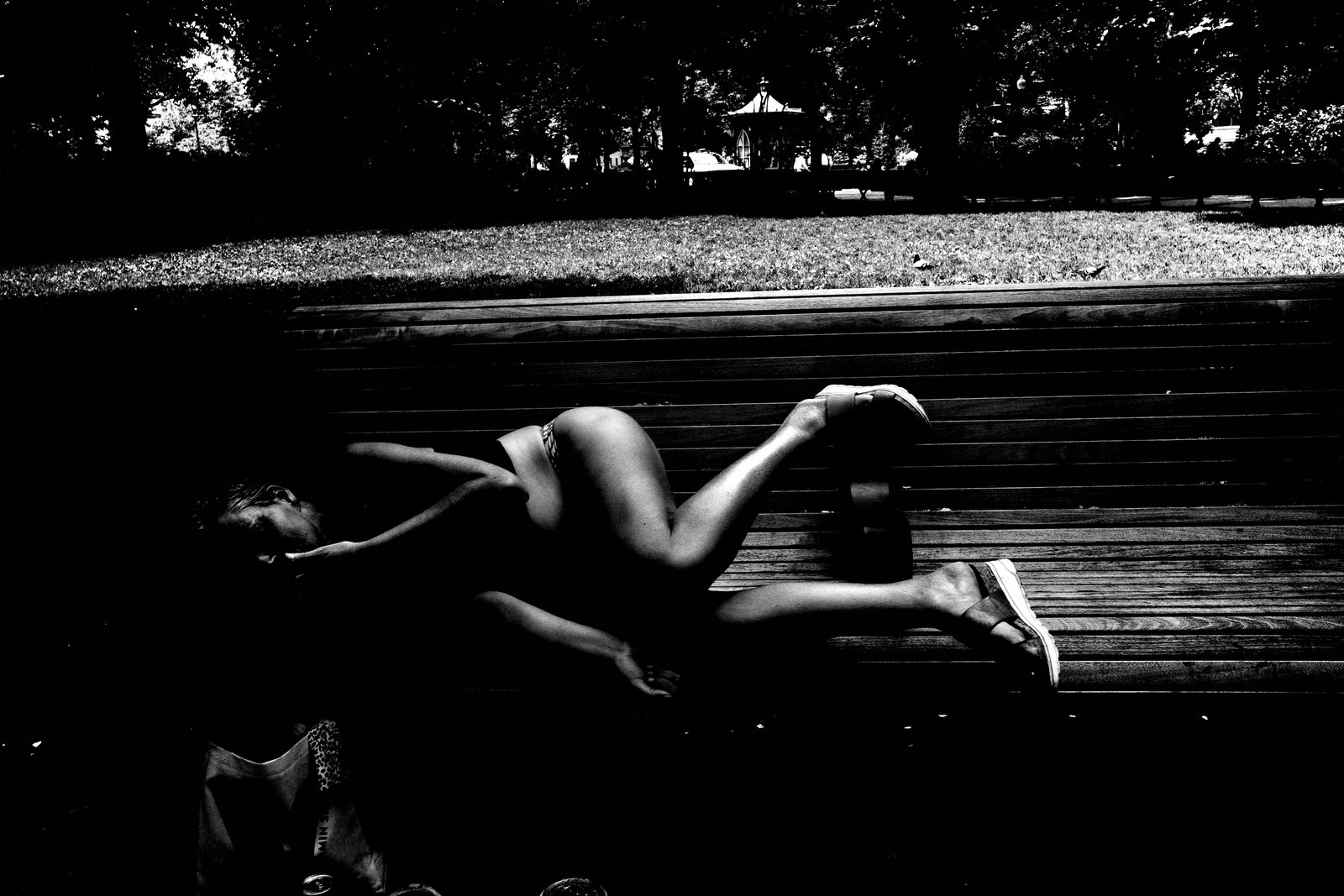
Lesson 044 laid out the compositional principles and visual language we use to read and build a frame. This lesson is where that language gets spoken out loud, in the field, under pressure, with real light and real people. Everything we've done today — set the stage, move the body, fish, chase the light, stay for the moment — draws directly from the principles we named together. This is what fluency looks like.
RELATIONSHIP TO UPCOMING
Into Your Own Practice
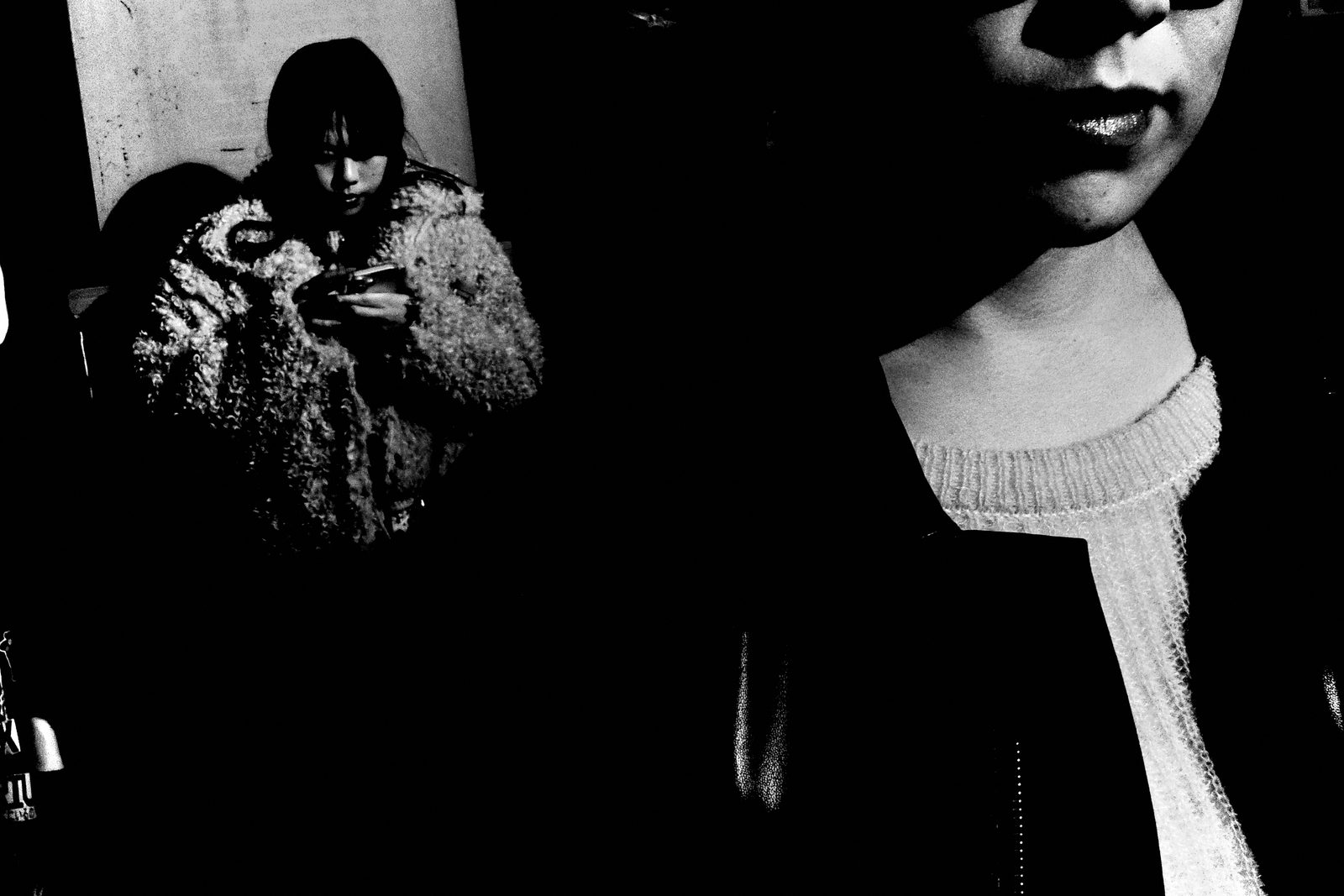
In Lesson 046, we turn the lens around. You've watched how the system runs across a full day — every principle firing in real time — now it's time to apply that same rigor and honesty to your own frames. The methodology doesn't belong to me. It's a tool. And in the next lesson, you'll learn how to use it on your own contact sheets.
SUMMARY / TAKEAWAY
The Day Is the Practice
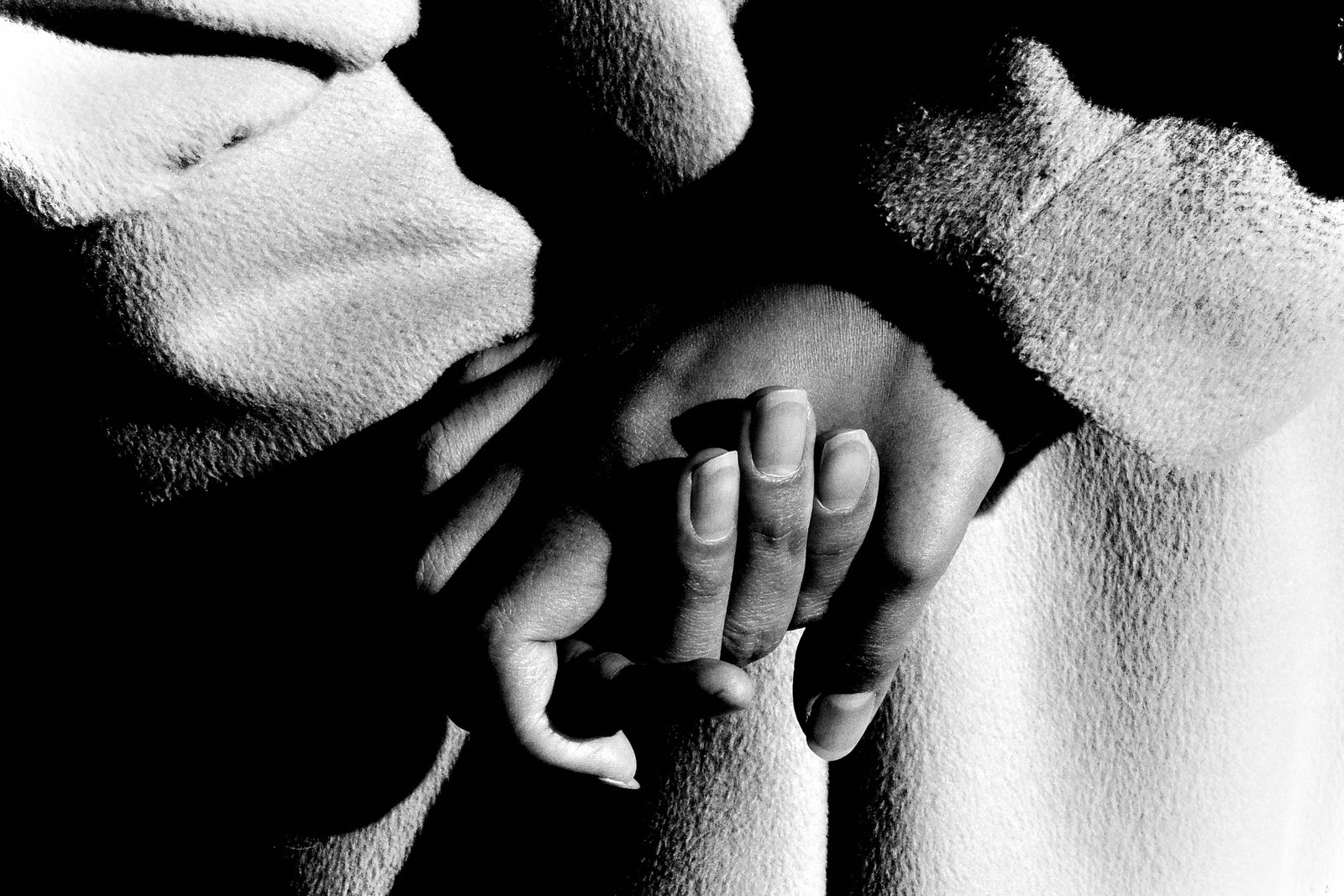
Last thing. A day on the system isn't five separate steps — intention, observation, patience, courage, execution — running one after another. It's all of them, alive at the same time, every minute you're out there. Photography has fueled my love for life itself. Each shutter click is a yes to the world. Go out. Stay out longer than feels comfortable. Come home with something true. That's the whole practice — catch you next lesson.