How I Choose My Best Shots
CORE IDEA
The Keeper Reveals Itself
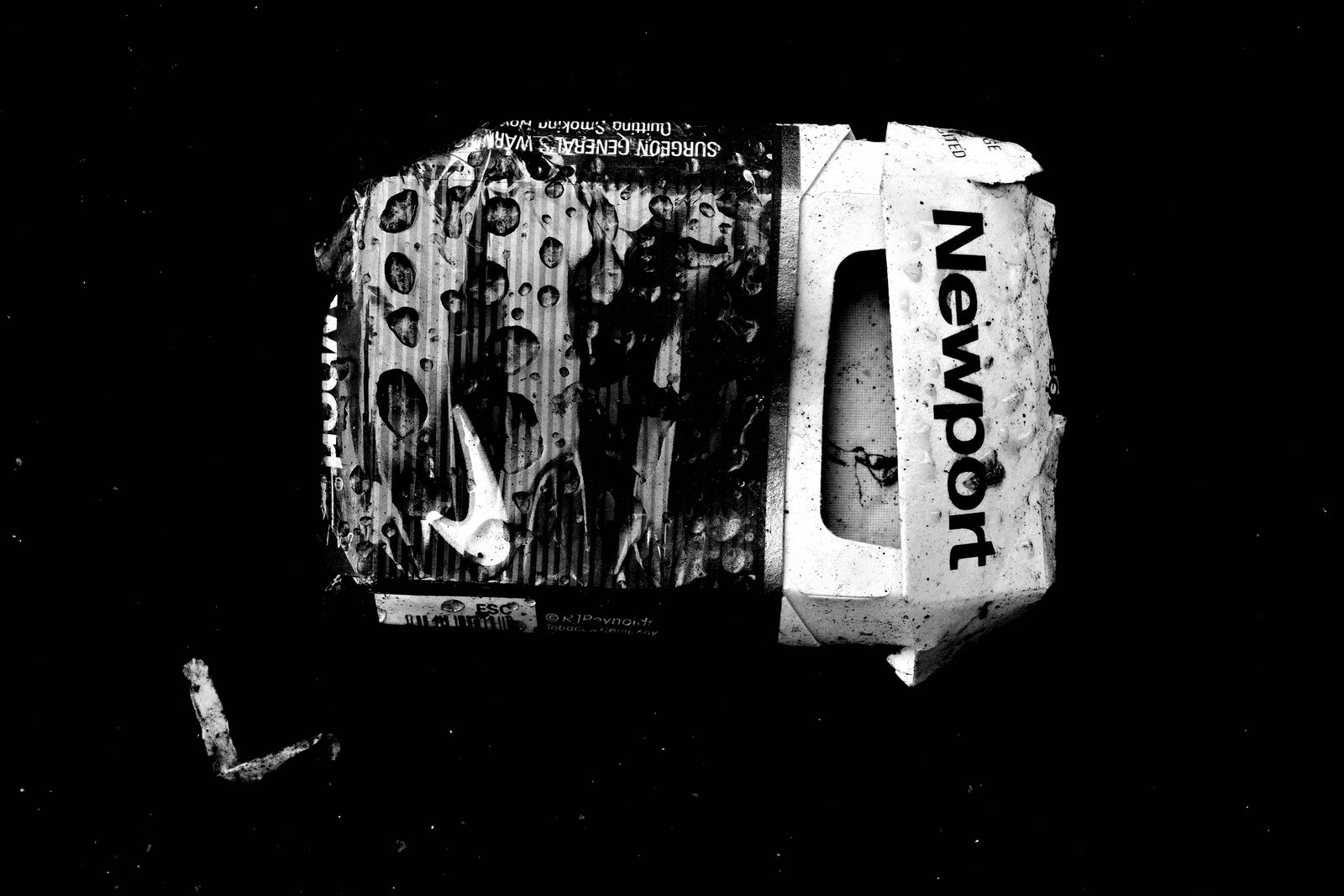
What's popping, people — it's Dante. Today we're going inside my iPad, my archive, my actual process — and we're talking about how I choose the best shot from a day of shooting. This is the edit. This is the selection. And here's the thing: the keeper isn't decided by logic alone. It reveals itself when moment, form, and feeling all line up at once.
LEARNING OBJECTIVE
What You'll Walk Away With
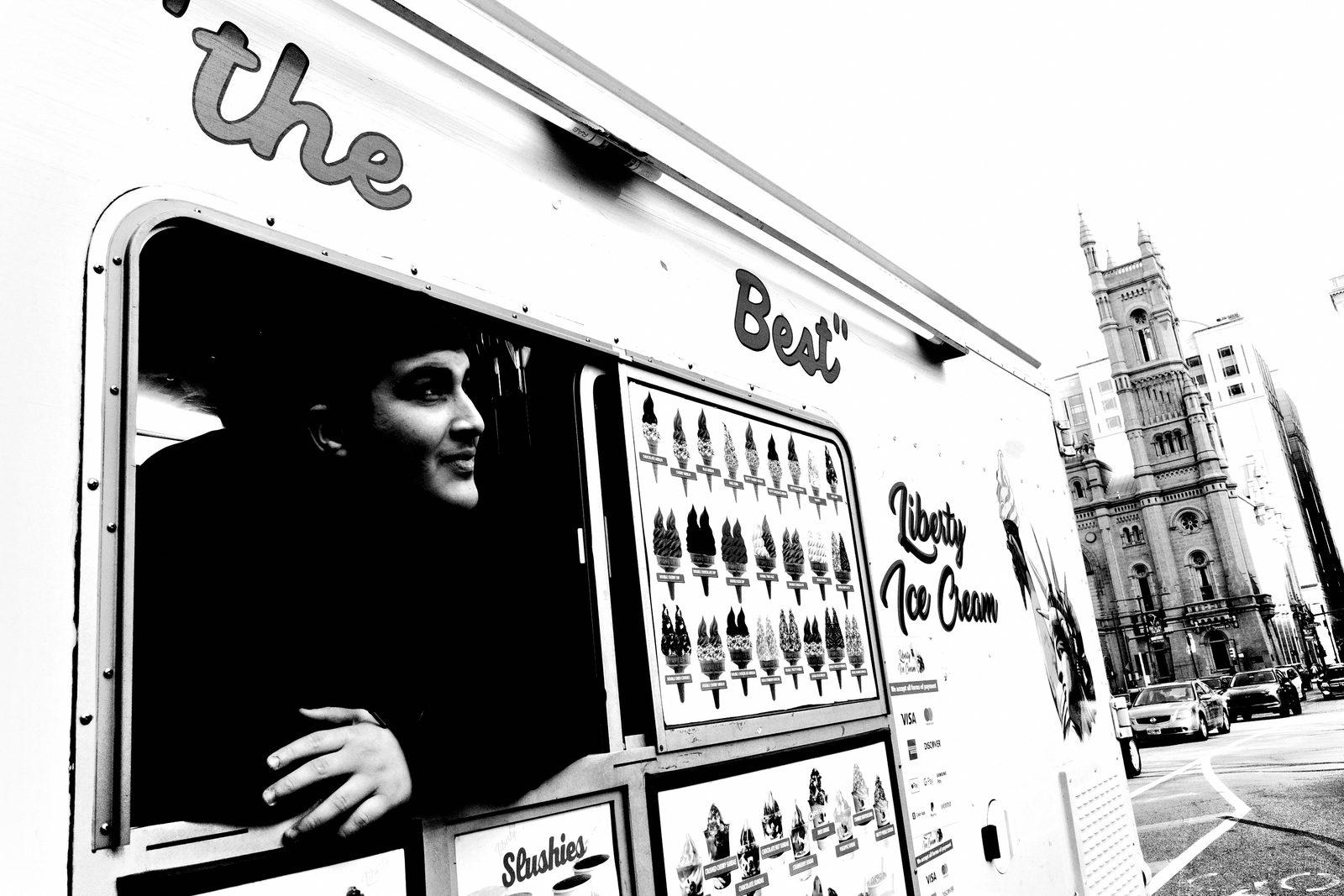
By the end of this lesson you'll have a real process for choosing your best shots — not a checklist that kills the feeling, but a framework that sharpens your eye over time. You'll know what to look for, what to let go, and how to trust the frame that breathes.
WHY THIS MATTERS
Bad Selection Buries Great Work
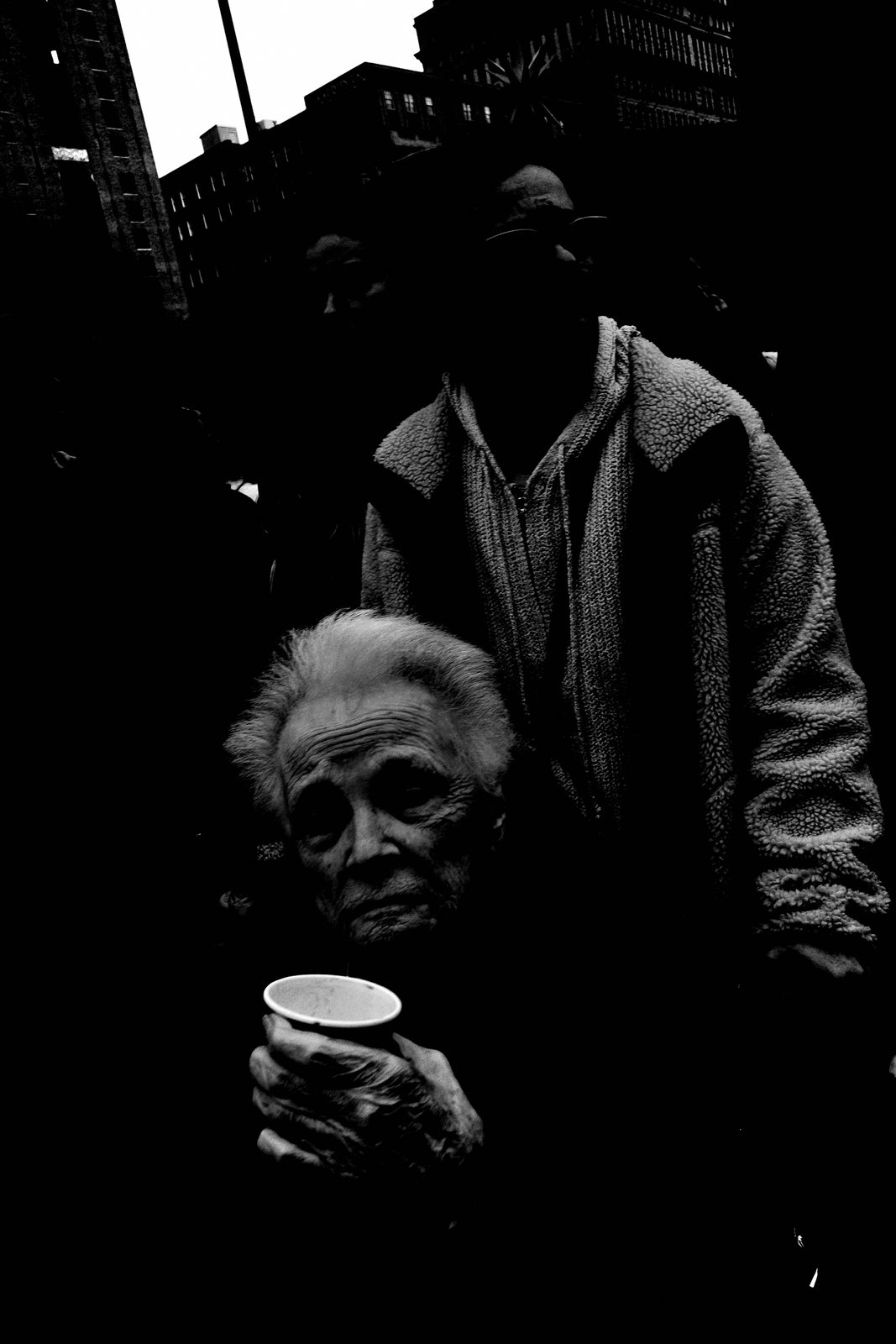
Here's why this matters: you can go out and shoot brilliantly and then bury your best work under a bad selection. The edit is a creative act in its own right — the final one. Get it wrong and your weakest frame becomes the face of your day. Get it right and the single keeper does all the talking.
Comparison Sharpens the Eye
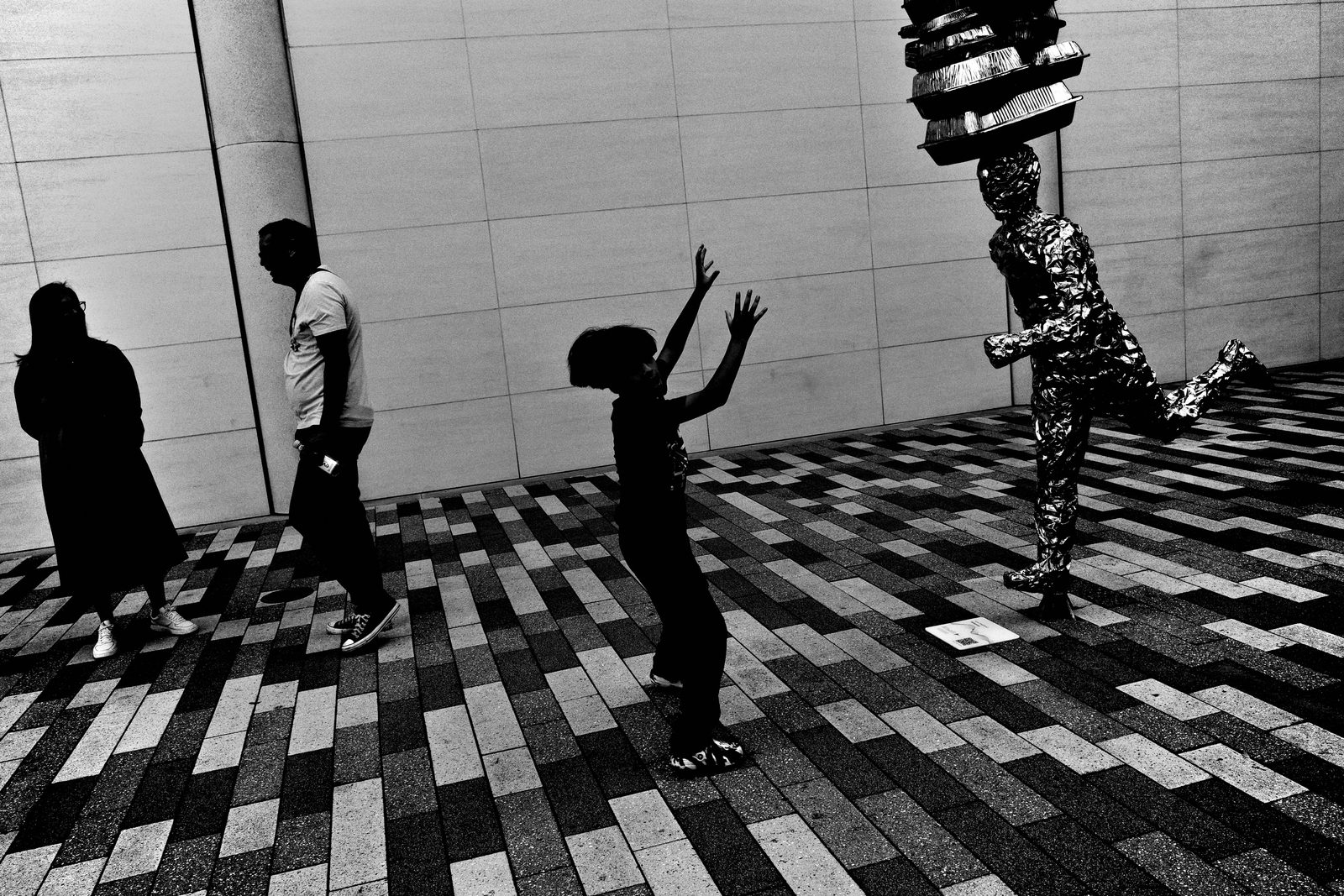
There's a second reason this matters: when you come home with similar frames — even from different years, different cities — and you put them side by side, your eye gets sharper. The comparison process itself is a training ground. You start to see what you were actually reaching for.
MAIN TEACHING
The Three-Part Keeper Formula
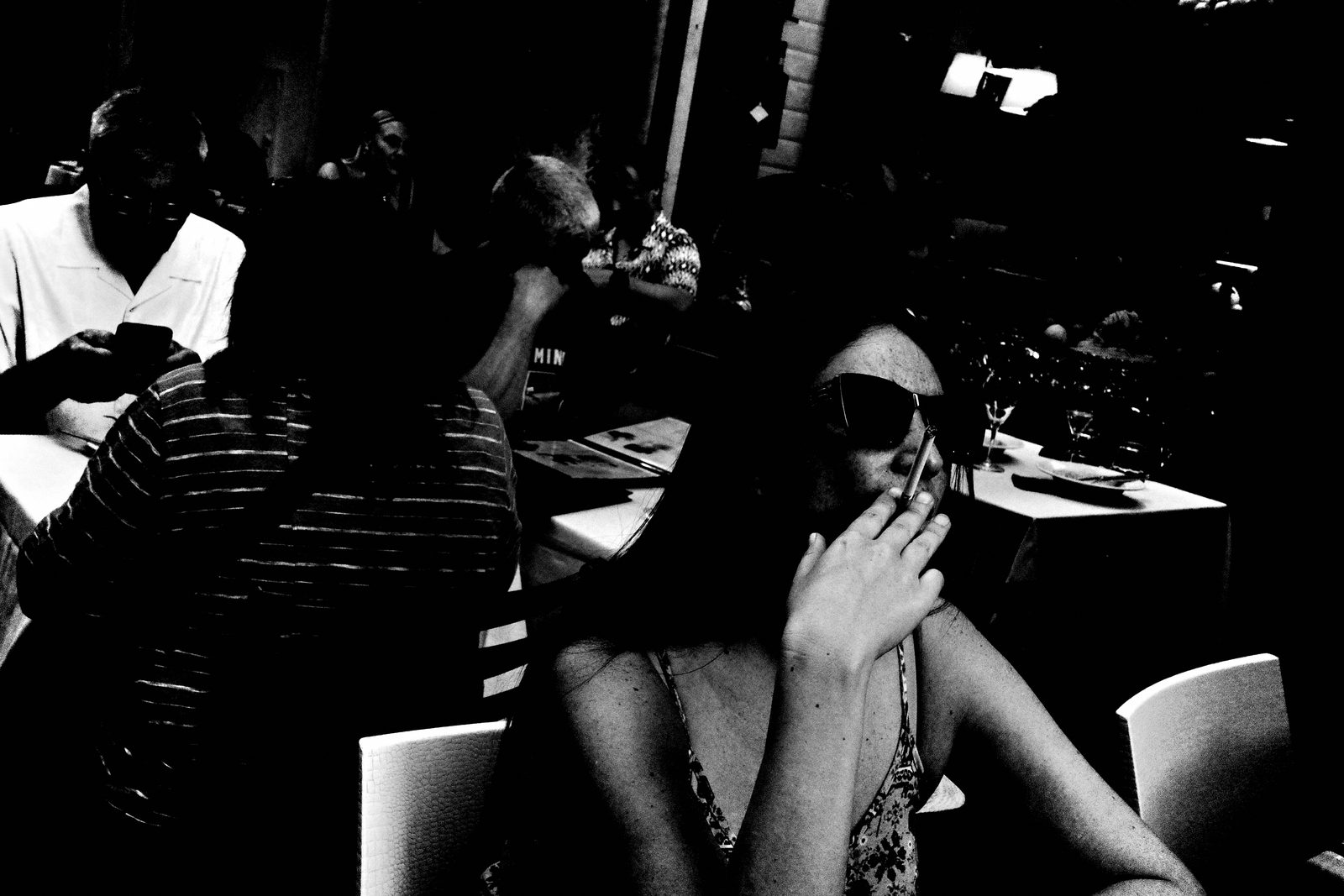
Here's the formula I always come back to: the decisive moment, clean composition, and emotional resonance. The gesture gives life to the picture. The composition gives it order. The emotion gives it meaning. When all three are synthesized, the keeper reveals itself. Not before.
Less Is More, Every Time
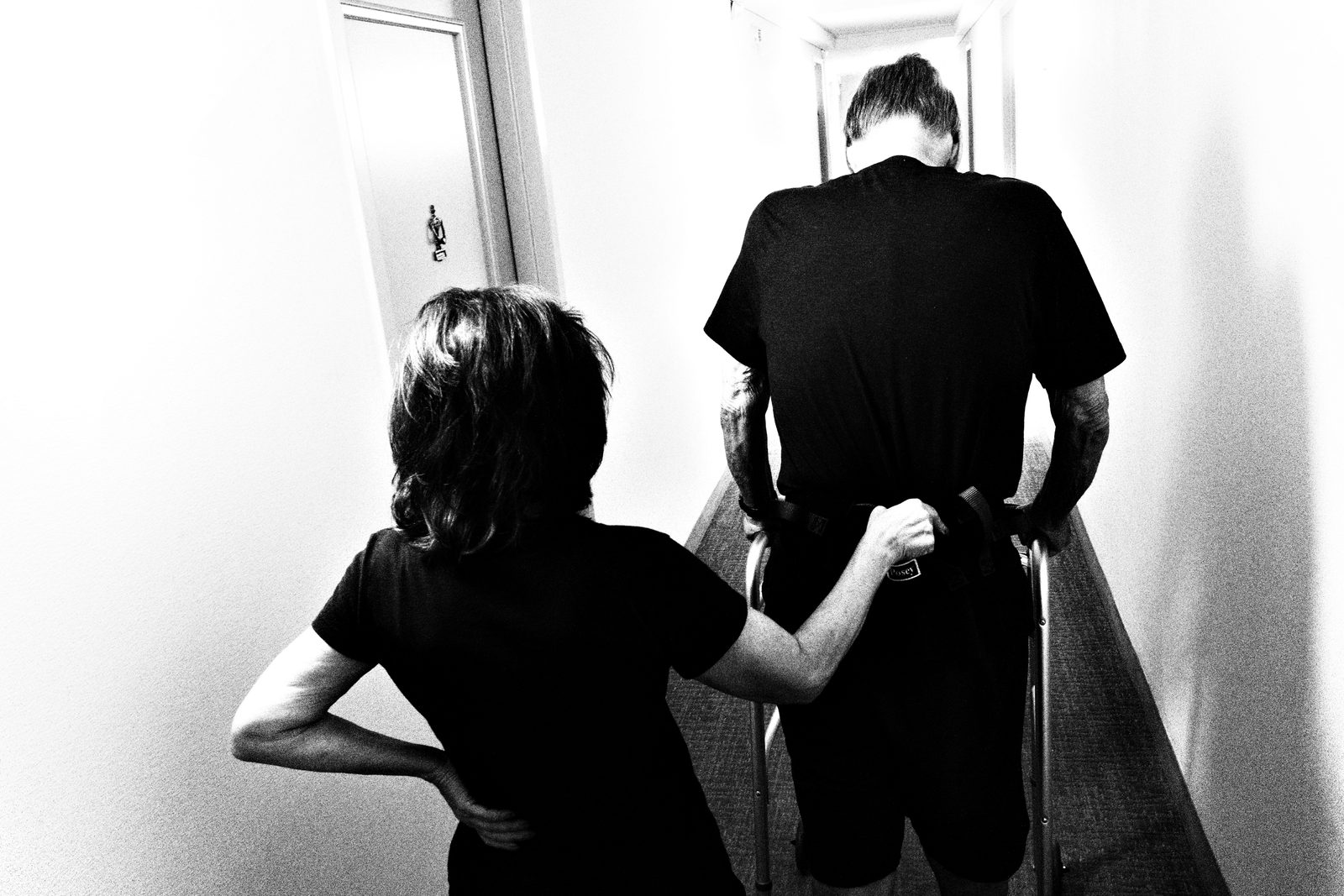
One principle runs through every selection I've ever made: less is more. Simple frames, simple moments. When I'm comparing two shots and one has more elements, more dynamics, more going on — that complexity almost always works against it. Clarity wins. Every time.
The Breathing Frame Beats the Busy One
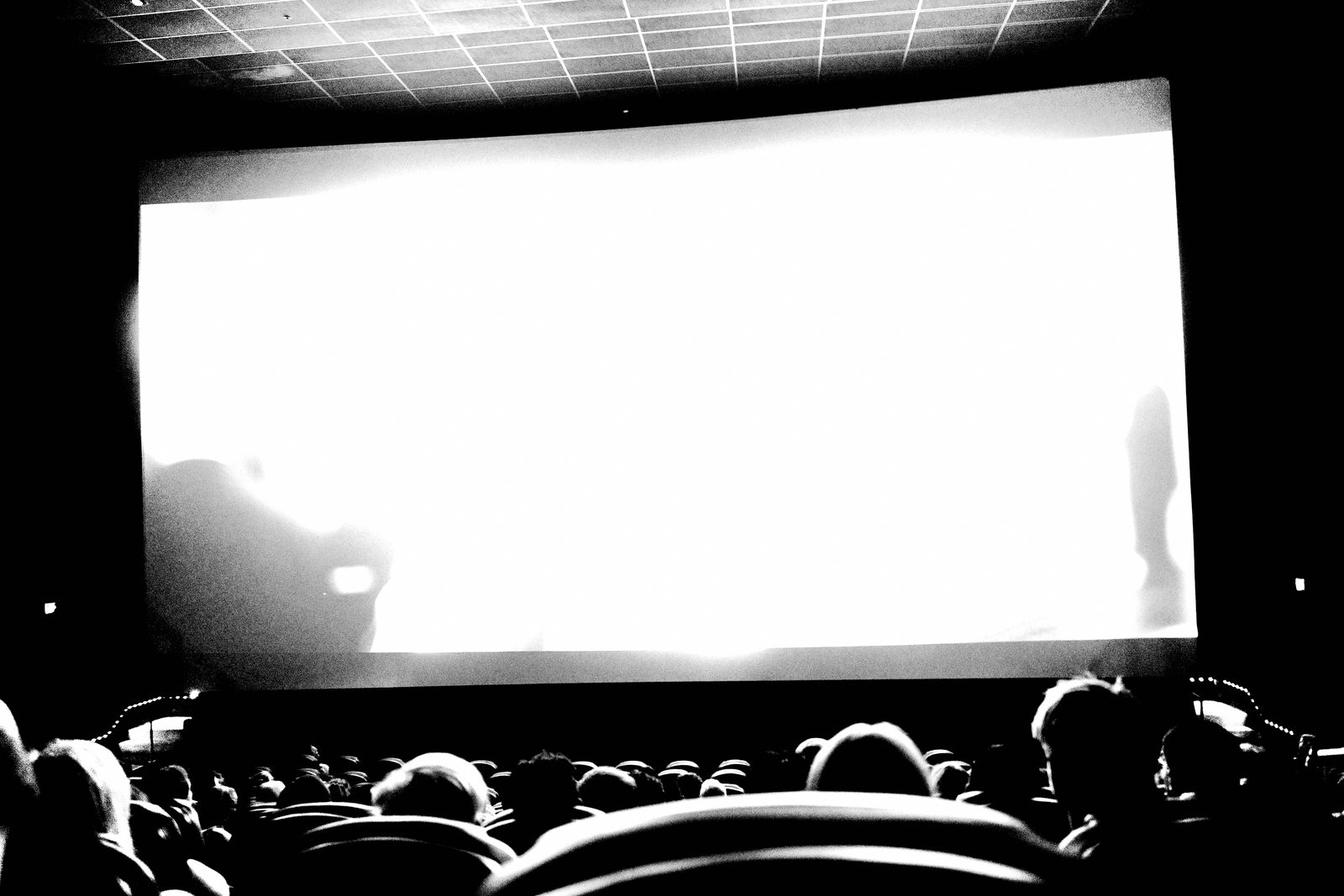
Line up two frames of the same subject where one is quiet and one is busy, and the pattern holds almost every time. The quiet frame — clean composition, a bit of foreground mystery, a face full of emotion — is the keeper. The busier frame has more elements, more dynamics, but a background that pulls the eye away and never lets it settle. The keeper breathes. The viewer's eye lands and rests. That ease is the signal.
Separation Is the Tiebreaker
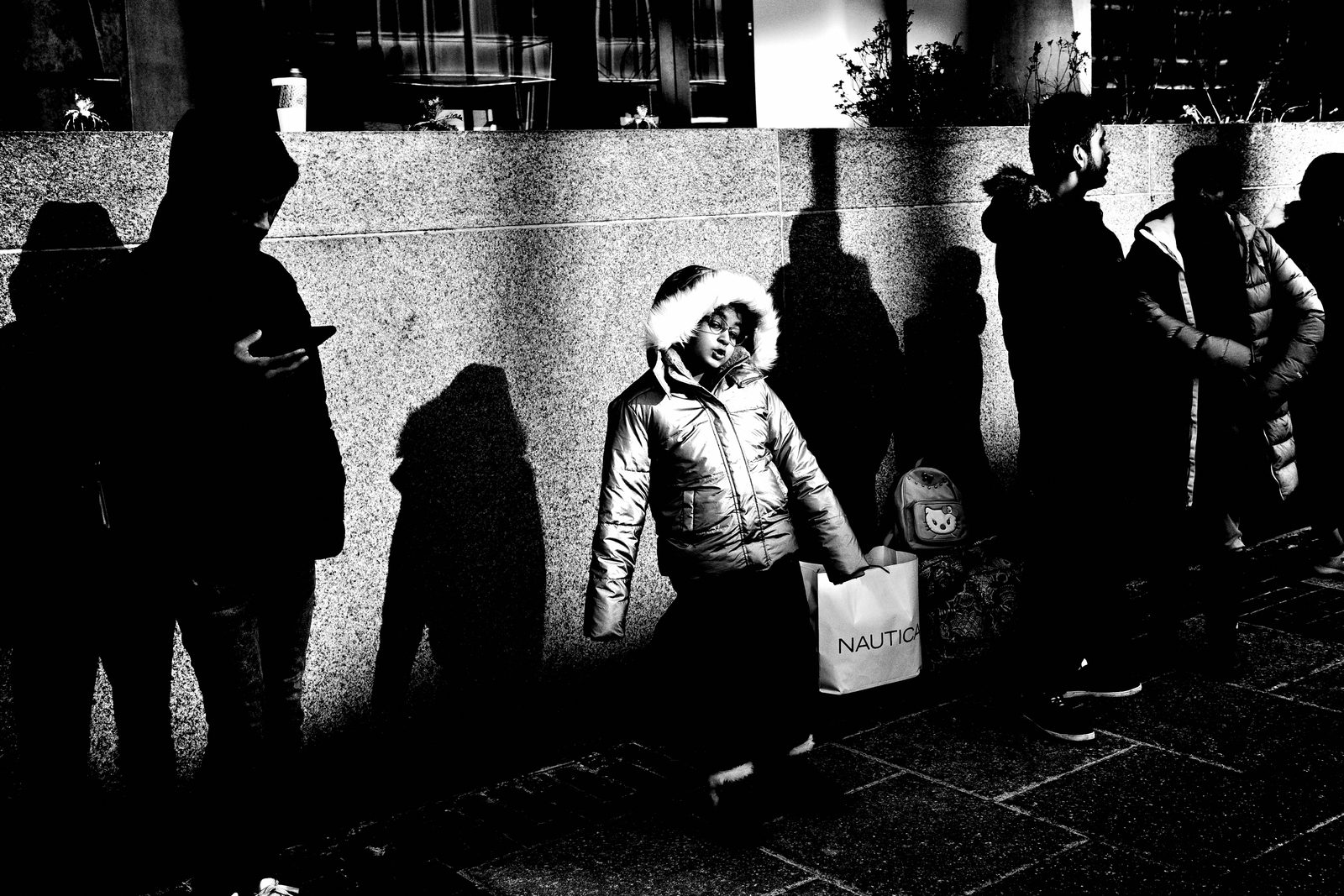
When two frames are close, separation usually breaks the tie. Picture a single strong subject set cleanly against its background, each element given room to stand on its own — that clarity wins over a competing frame packed with more subjects and more motion but no order. The cleaner frame holds because its moment and its form are in balance. When I'm on the fence, I always ask: which one has better separation? That answer almost never lies.
Rhythm Across the Layers Earns the Keep
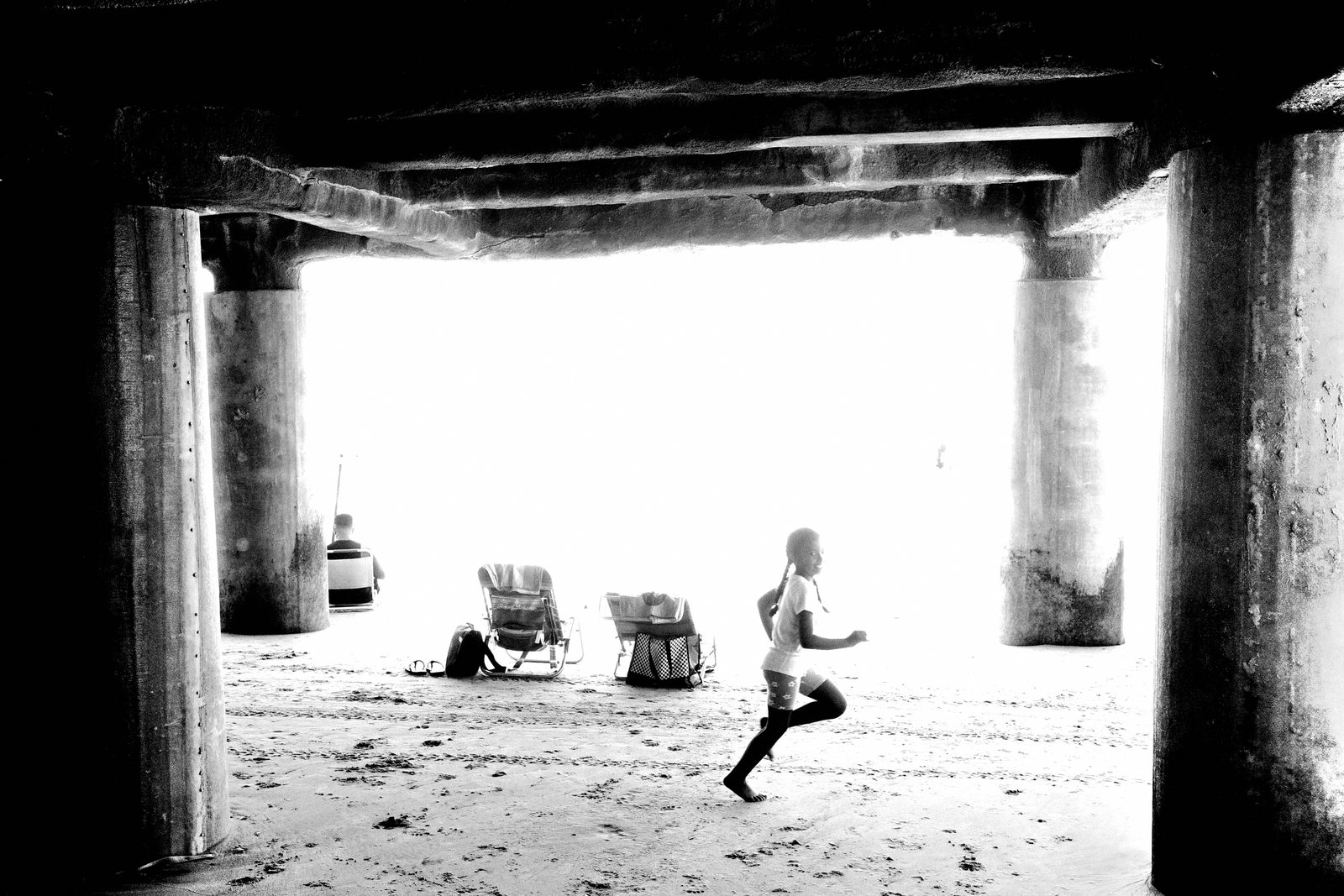
When a scene is full of people and motion, look for rhythm. The winning frame usually has a piece of foreground interest that pulls you in, then a repeated gesture — the same hand shape, the same tilt of a body — echoing across different planes so the eye travels layer to layer. Add cleaner subject separation on top of that and the decision is made. When a frame has rhythm running through every layer, it earns the keep.
Light Is an Element, Not an Afterthought
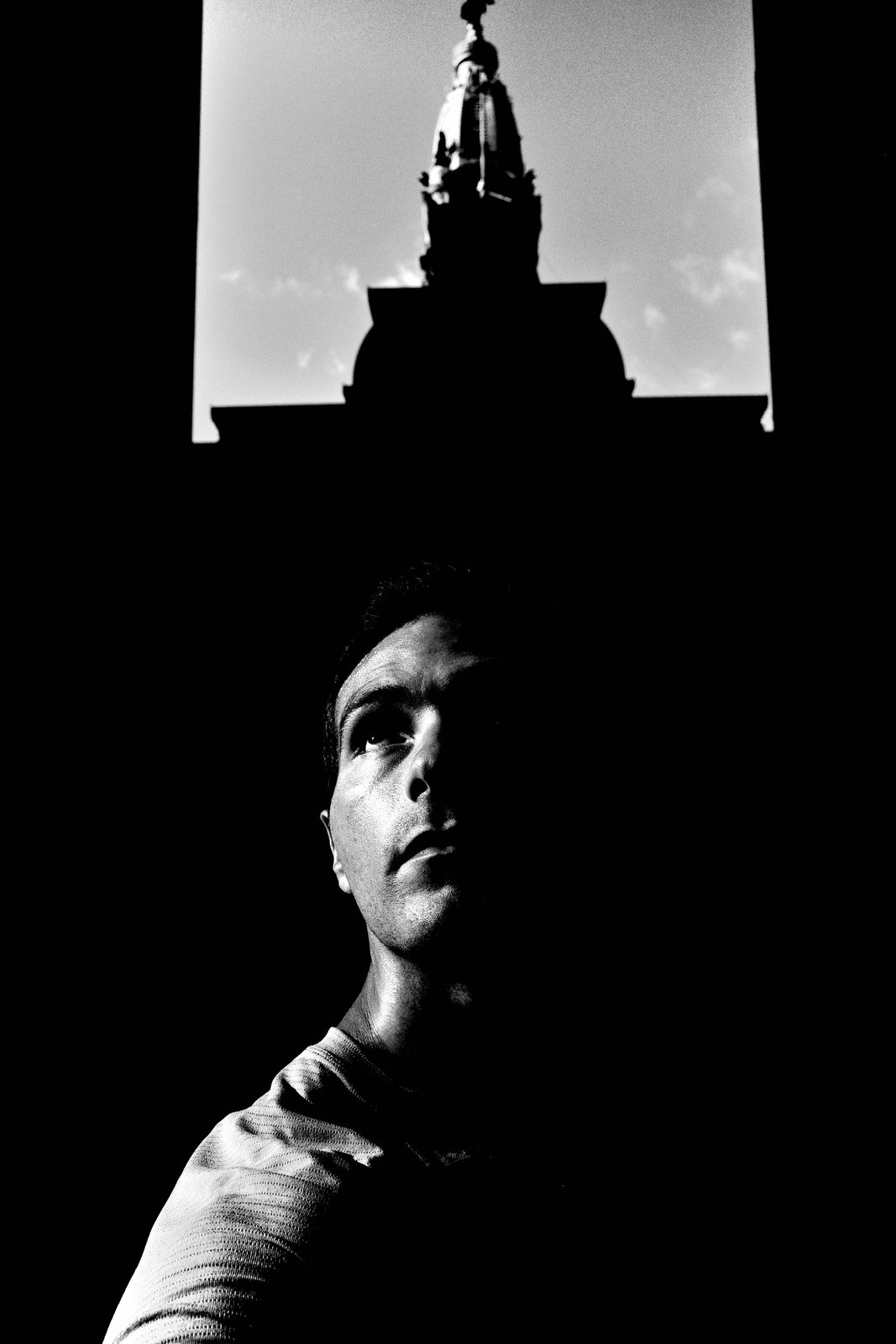
This one shifted everything for me: light is not a condition, it's an element in the frame — one I have to be hyper-aware of and vigilant about. When you compare two frames with nearly identical compositions, the one with richer light and shadow wins, because that light adds an extra layer of mystery and depth. One frame is merely good. The other has atmosphere. The difference is almost always the light doing something.
Layered Shadow Beats the Flat Open Scene
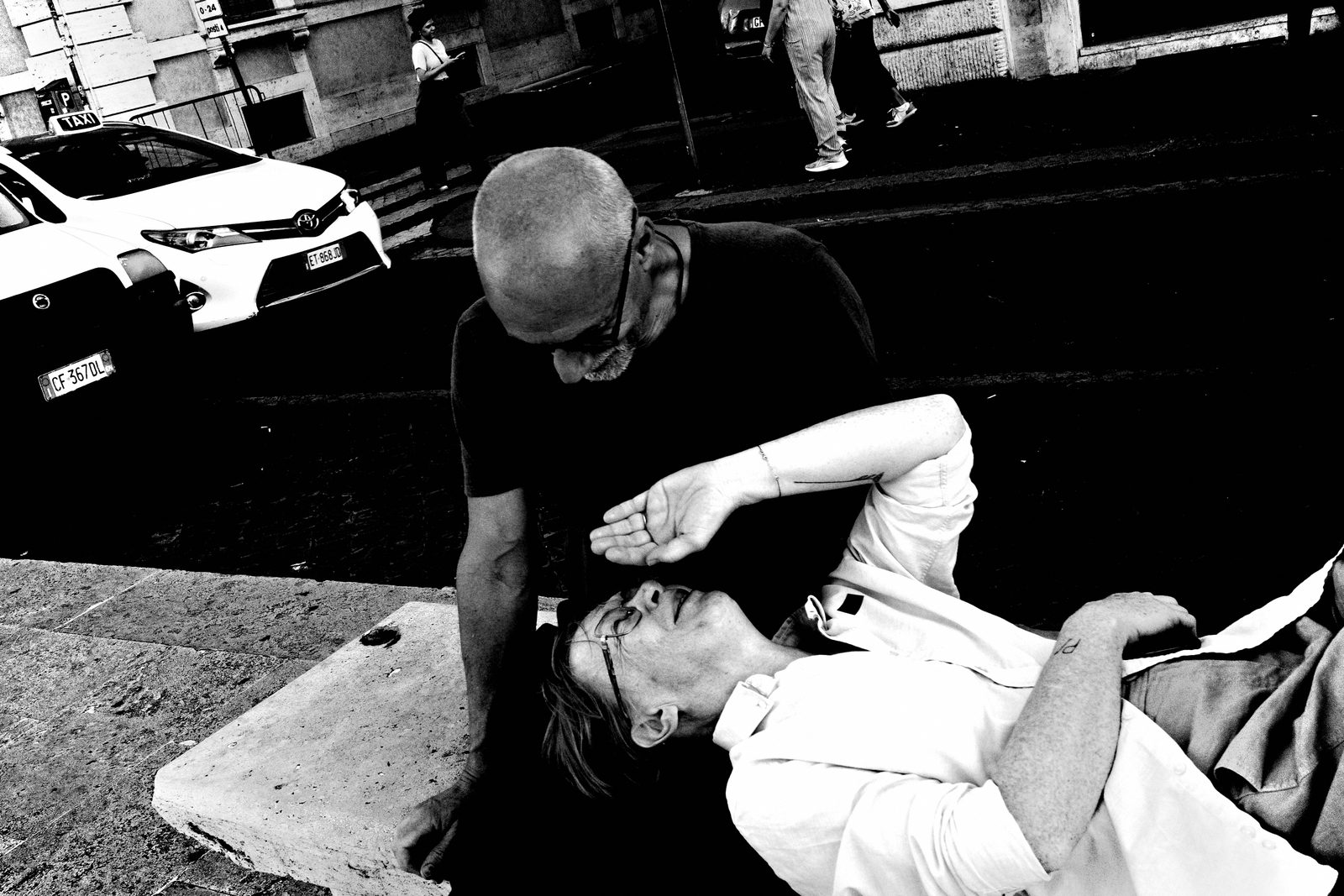
Compare a frame built on shadow play against one that's wider and more open, and the layered one usually wins. Silhouettes interacting with light create dynamism; a subject's downward gaze guides the viewer's eye through the frame. The open scene may show more, but it reads flatter. The layered frame wins because shadow creates depth, and depth creates pull. Without that layering, the eye wanders and leaves.
The Punctum: Invisible Energy
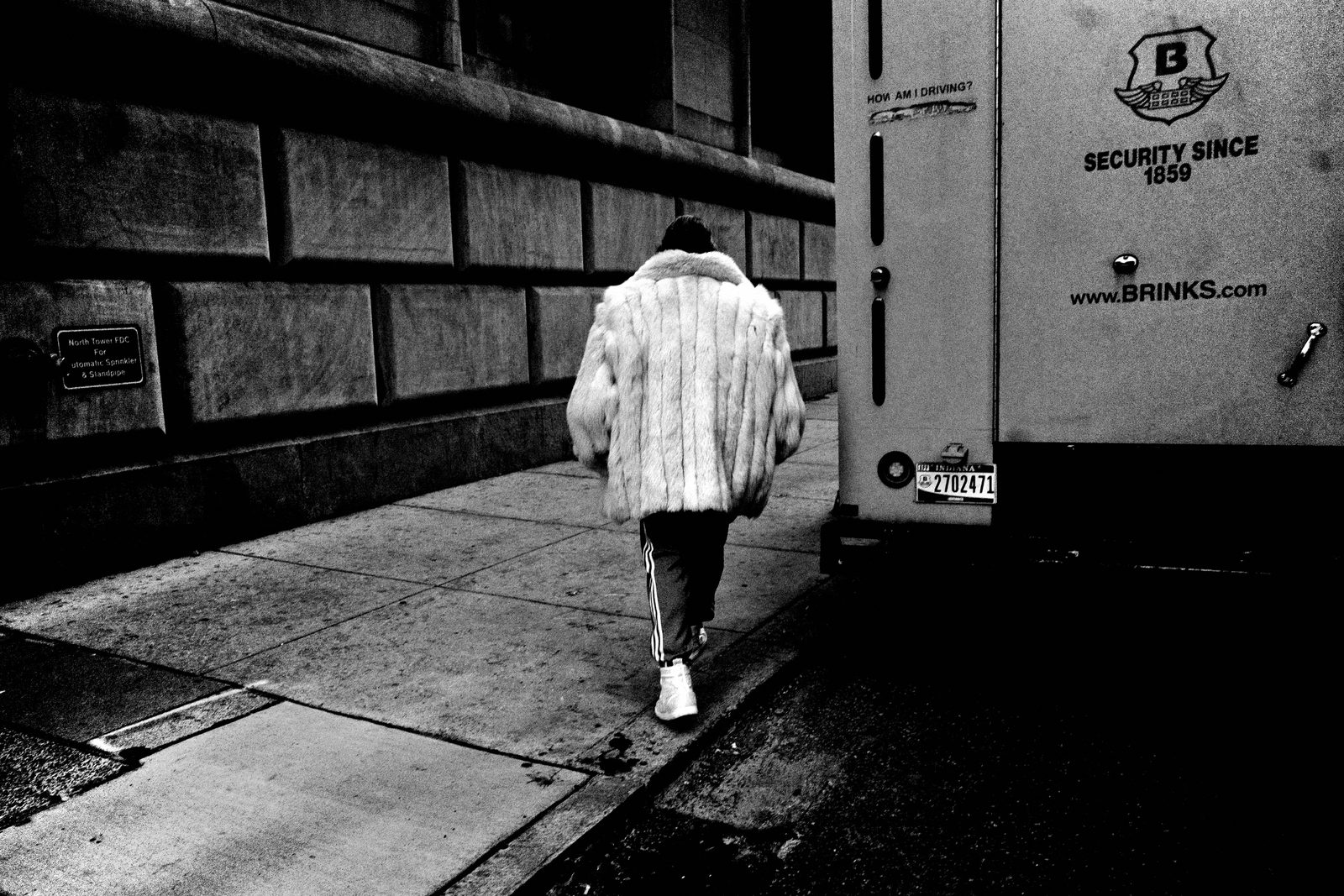
Here's the thing that separates a technically good frame from a keeper: the punctum. It's the invisible energy — the unseen gravitas that pulls the viewer inward and won't let them go. Often it's one small thing — a subtle gaze, a hand, a glance at the edge of the frame — that carries the whole feeling. The other frames may have good form. The keeper has soul. You can't chart it. You feel for it.
Gesture Over Sterile Perfection
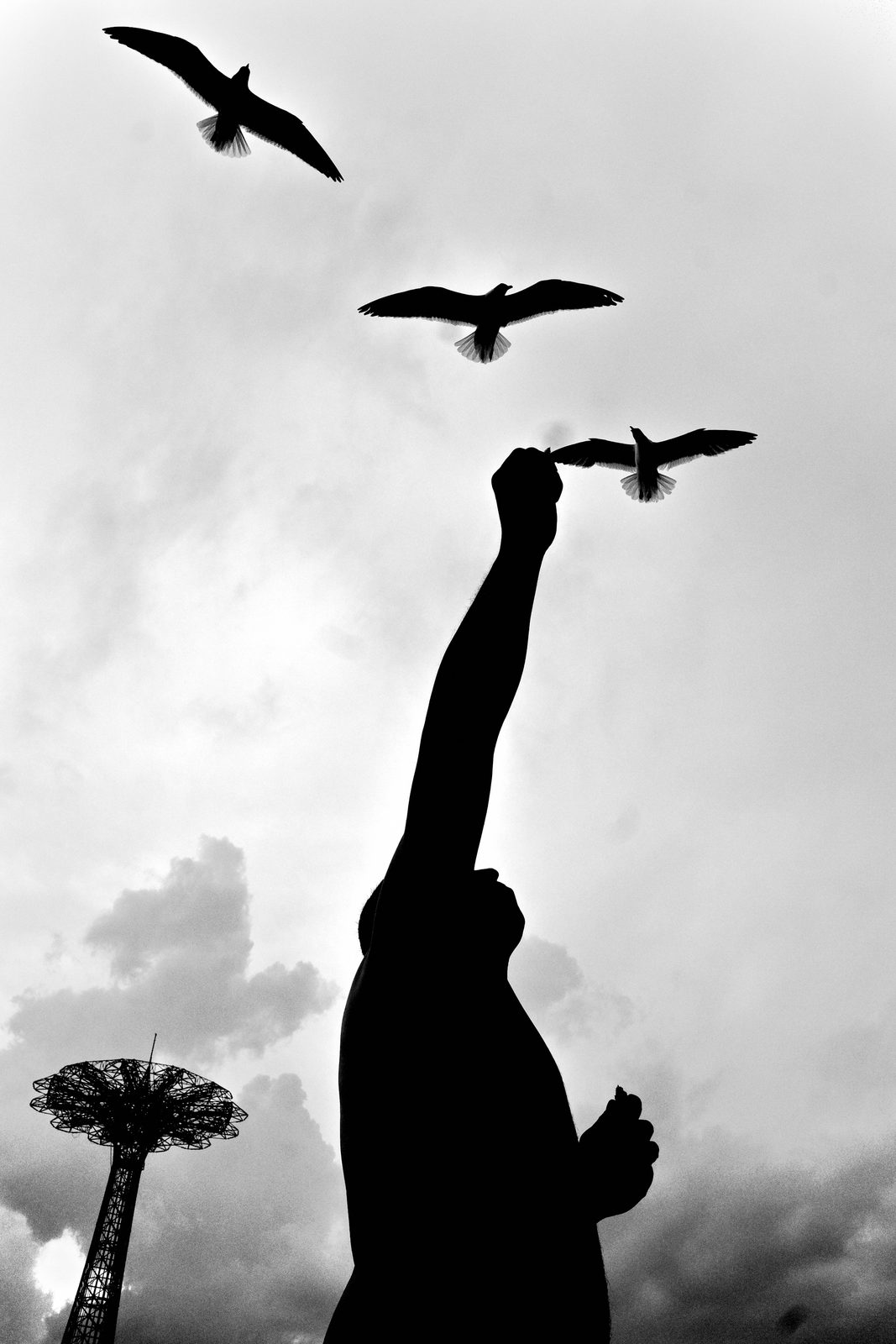
Picture two versions of the same encounter: one clean and simple, the other slightly messier but carrying the perfect decisive gesture — a hand passing something, a look exchanged. Choose the gesture. Always. Because street photography is the raw, candid, gritty pulse of life itself. A frame can be technically perfect and completely dead. Choose the one that's alive.
The Timelessness Test
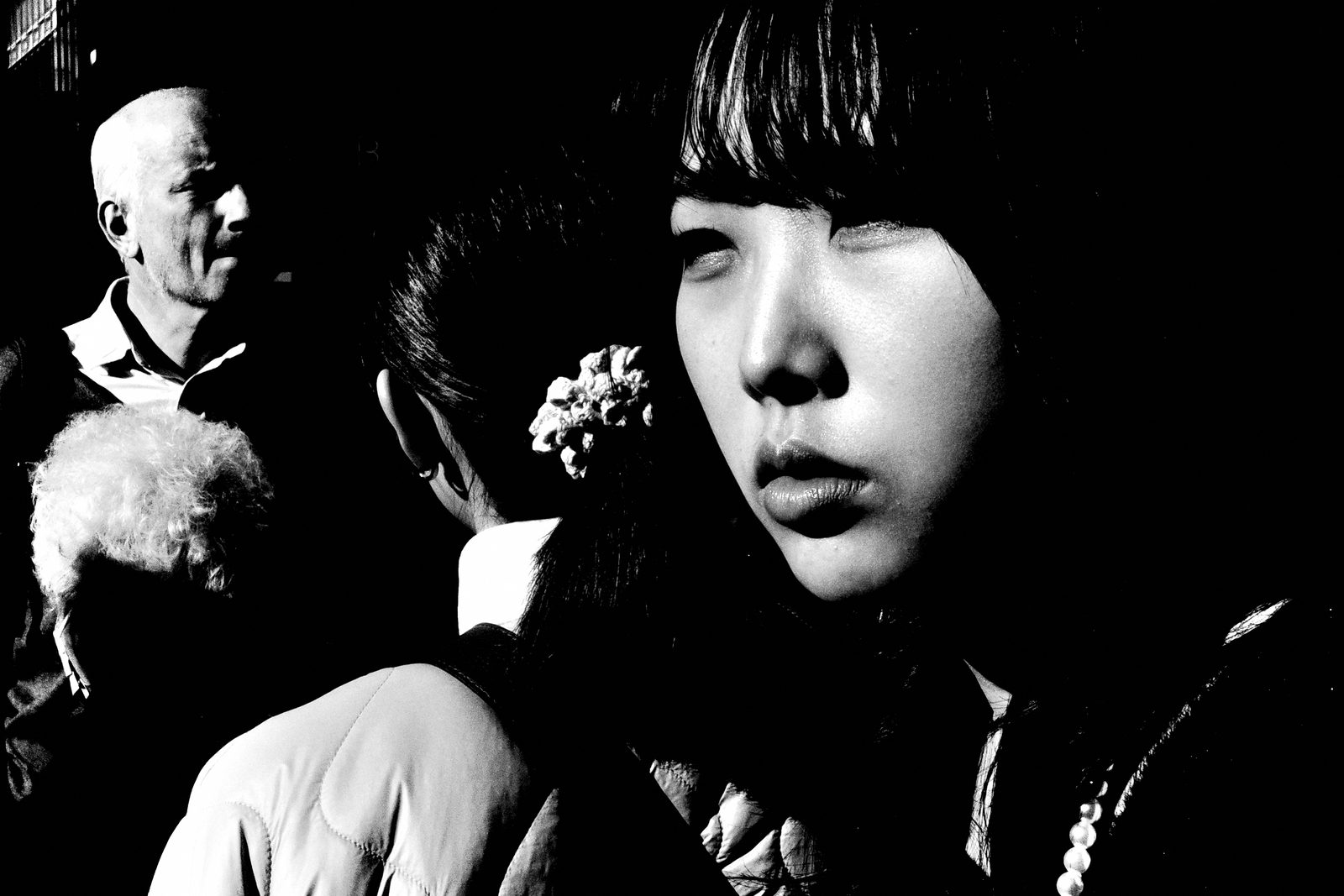
When you've shot the same striking motif many times, in many places, the selection comes down to three things: a dynamic presence for that motif, a strong emotional element, and a simplified, impactful composition. The one that wins usually carries a juxtaposition with a timeless quality — an element of feeling set against an element of spectacle, stripped of clutter. Some frames just know they're the one, and they tend to be the ones that would still read a hundred years from now.
Mystery Over Playfulness
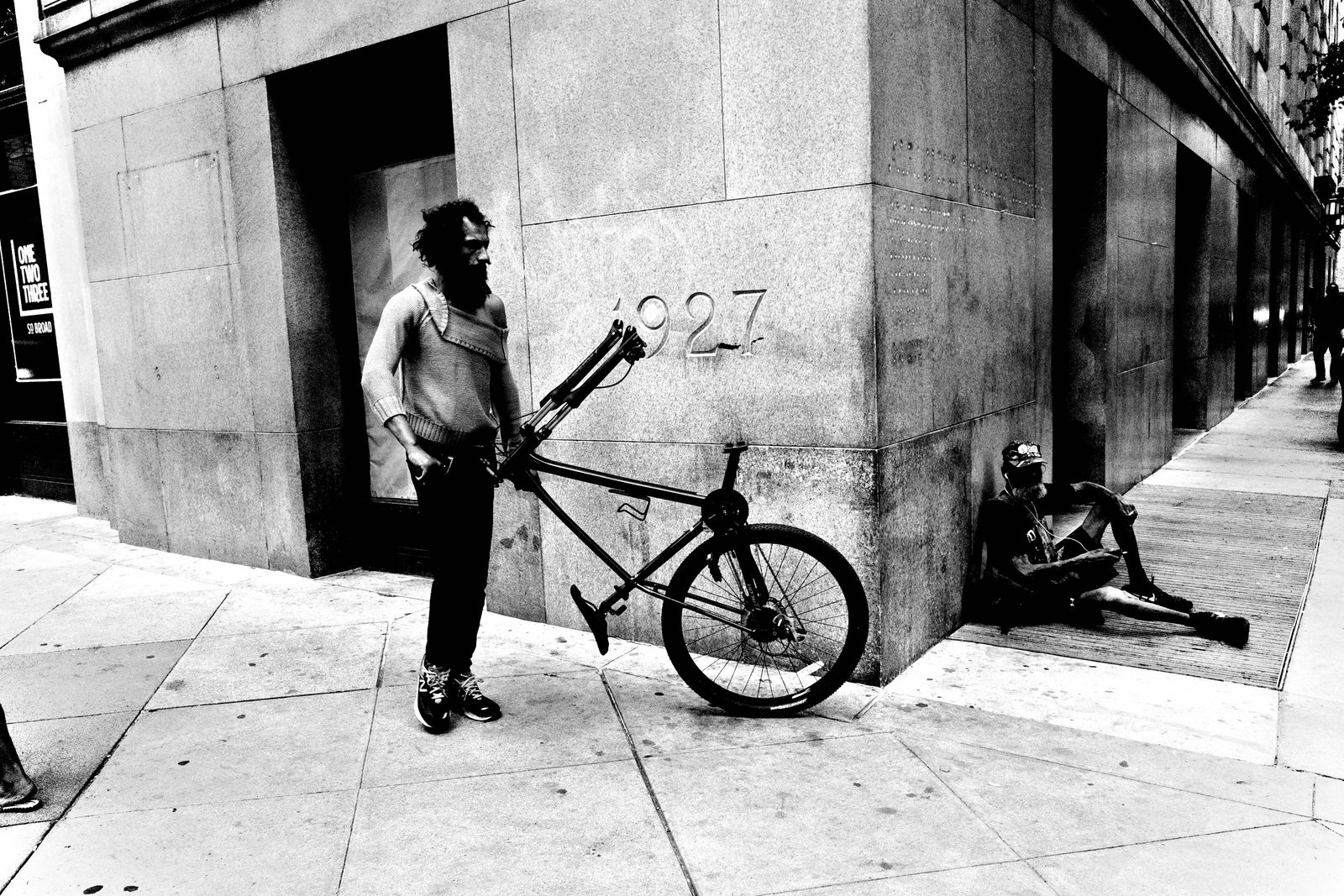
When a scene carries an ambiguous or loaded object, the mistake is keeping the frame that reads as simply playful. The winner captures tension, mystery, a strong juxtaposition between the subject and the object. Playfulness without mystery is cute. Mystery without explanation is compelling. Simple composition, impactful content — that's the lesson.
Trust Your Gut, Then Refine
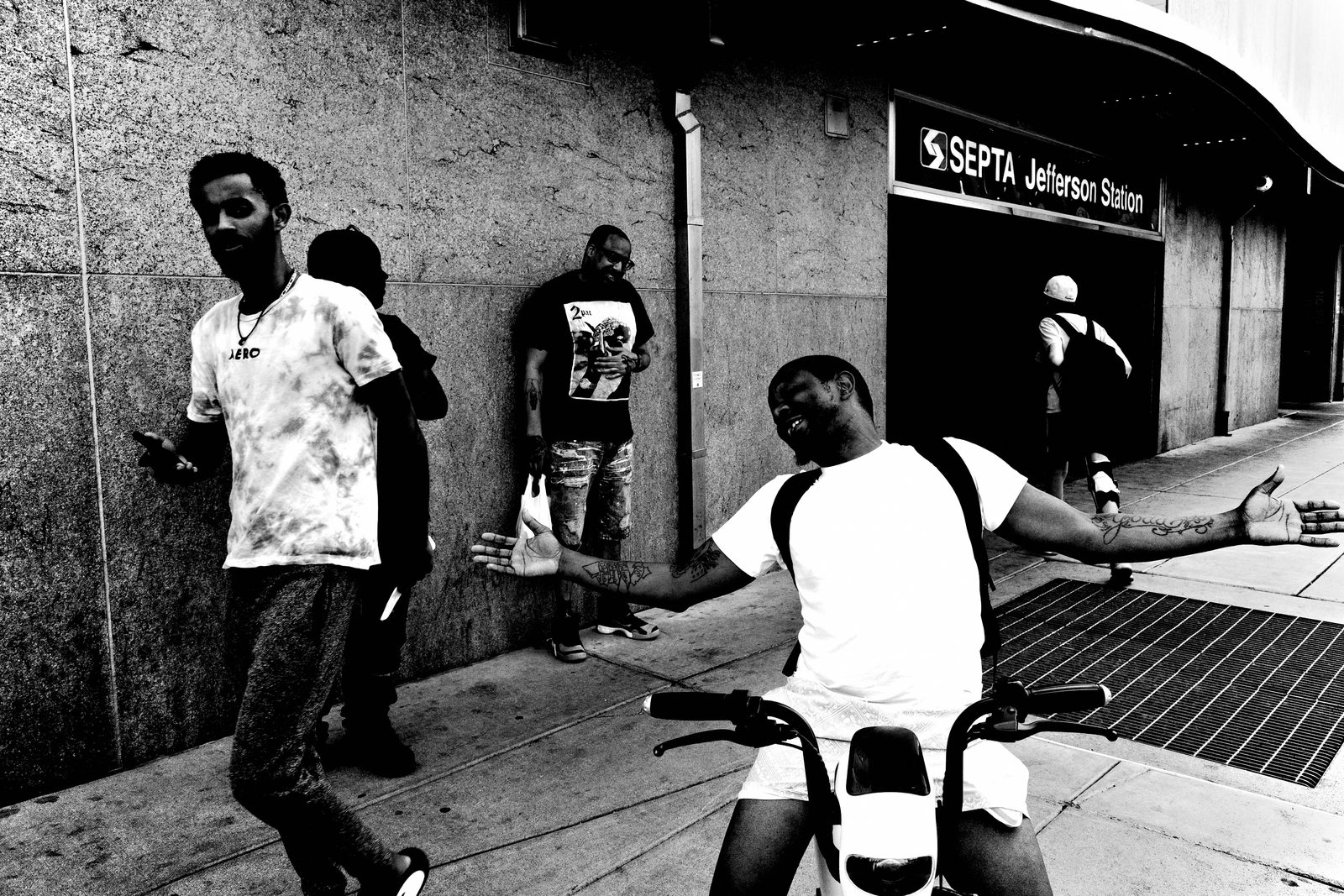
Here's where I land on the head-versus-gut debate: there are objective truths when you look at a frame — better separation, stronger gesture, cleaner light. Use those. But your interpretation is always subjective. Feel it in your gut first. Then let the eye verify. When gut and eye agree, you have your keeper. When they fight, keep looking.
PRACTICAL APPLICATION
Run the Three-Part Test
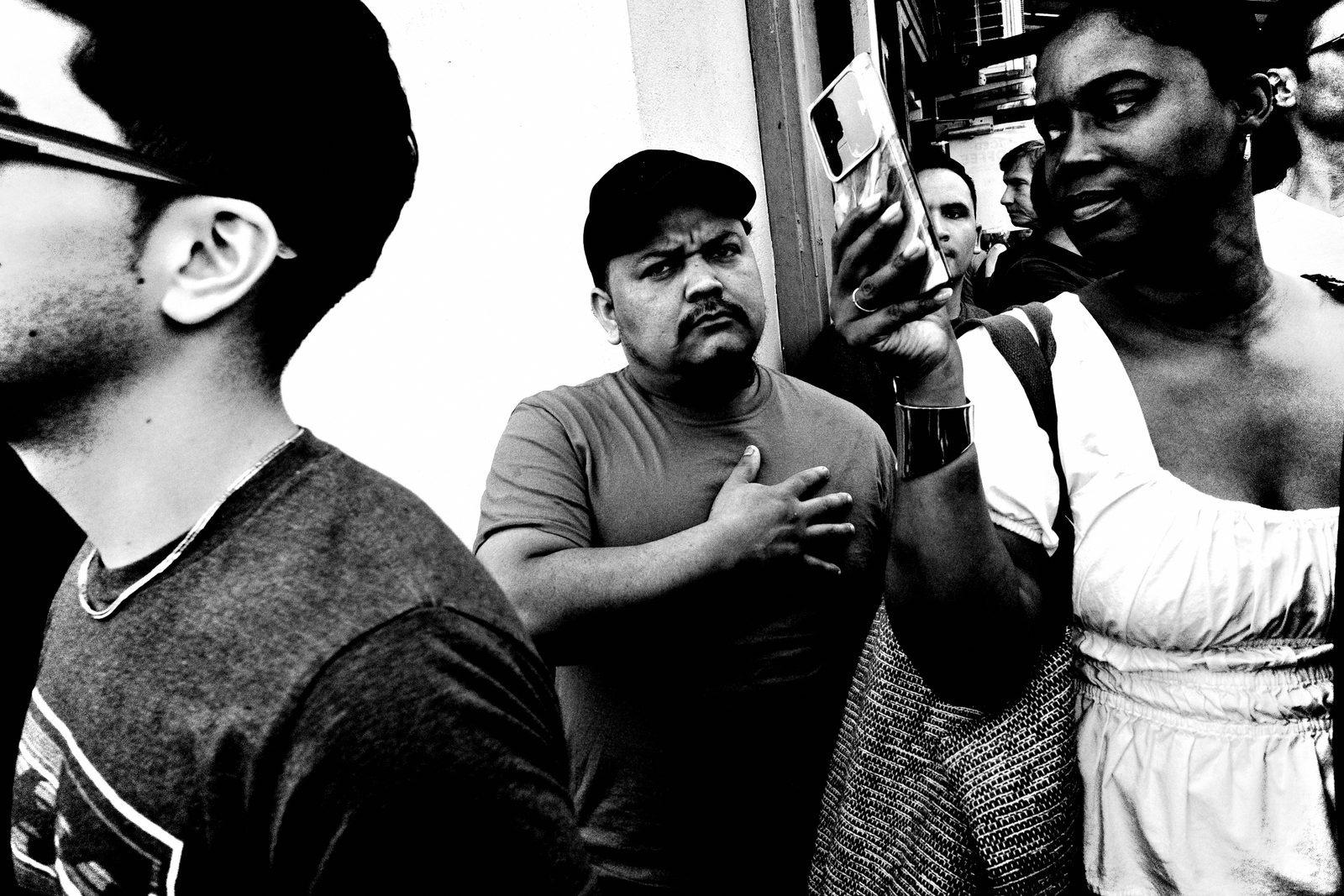
Go back to your last shoot and find two frames that feel similar. Run them through the three-part test: decisive moment, clean composition, emotional resonance. Not a rigid scorecard — a conversation with each frame. Ask which one breathes, which one has better separation, which one carries invisible energy. The answer will come. Trust it.
Move Fast, Favor Intuition
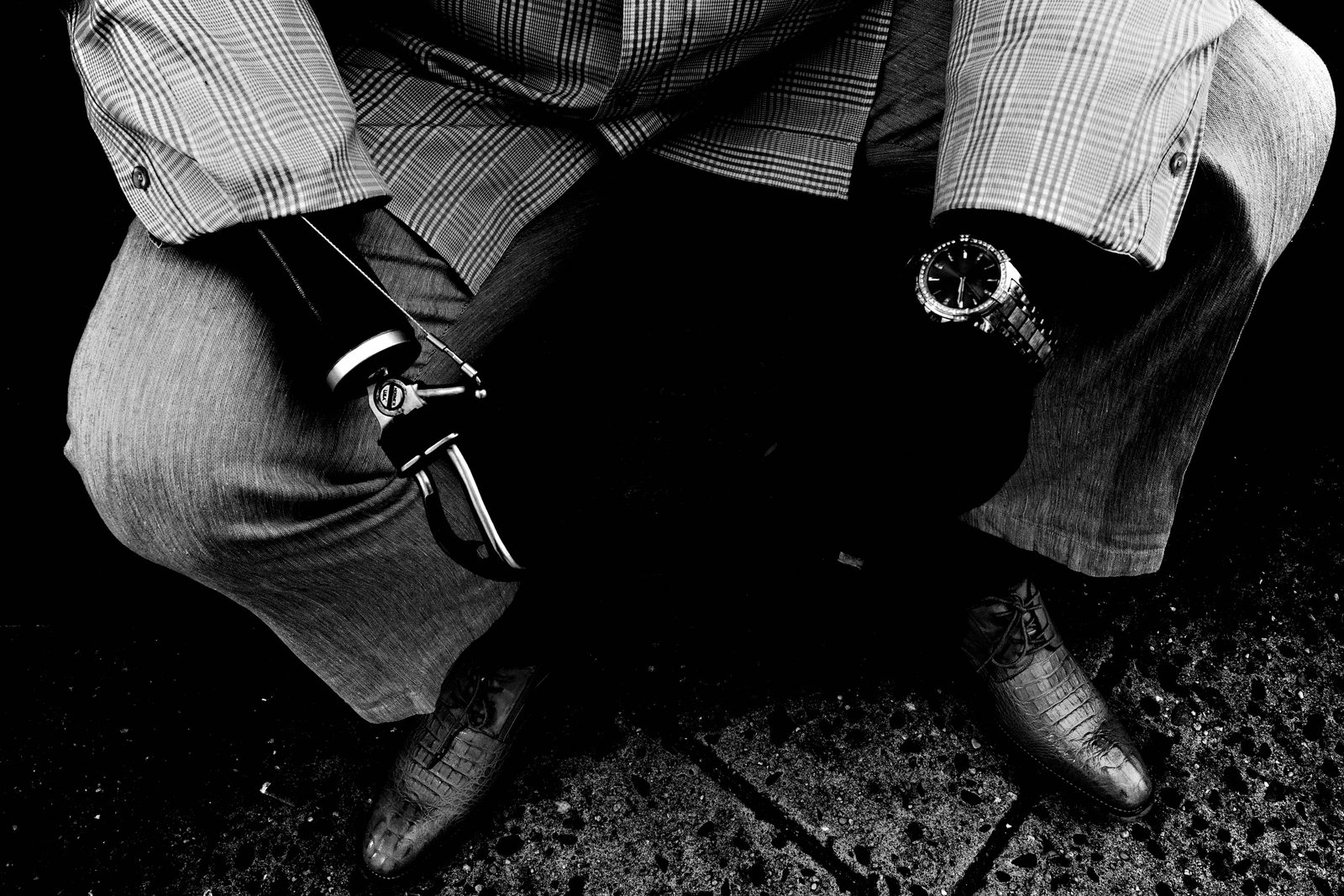
Here's how I actually do it in practice: I scroll through thumbnails in a 3×3 grid on my iPad and tap favorite on whatever catches my attention. I don't zoom in. I don't pixel-peep. I move fast. If something strikes me emotionally, I click it. If not, I move on. Speed preserves the feeling. Overthinking kills it. Your first instinct is usually right.
COMMON MISTAKES
Keeping the Busiest Frame
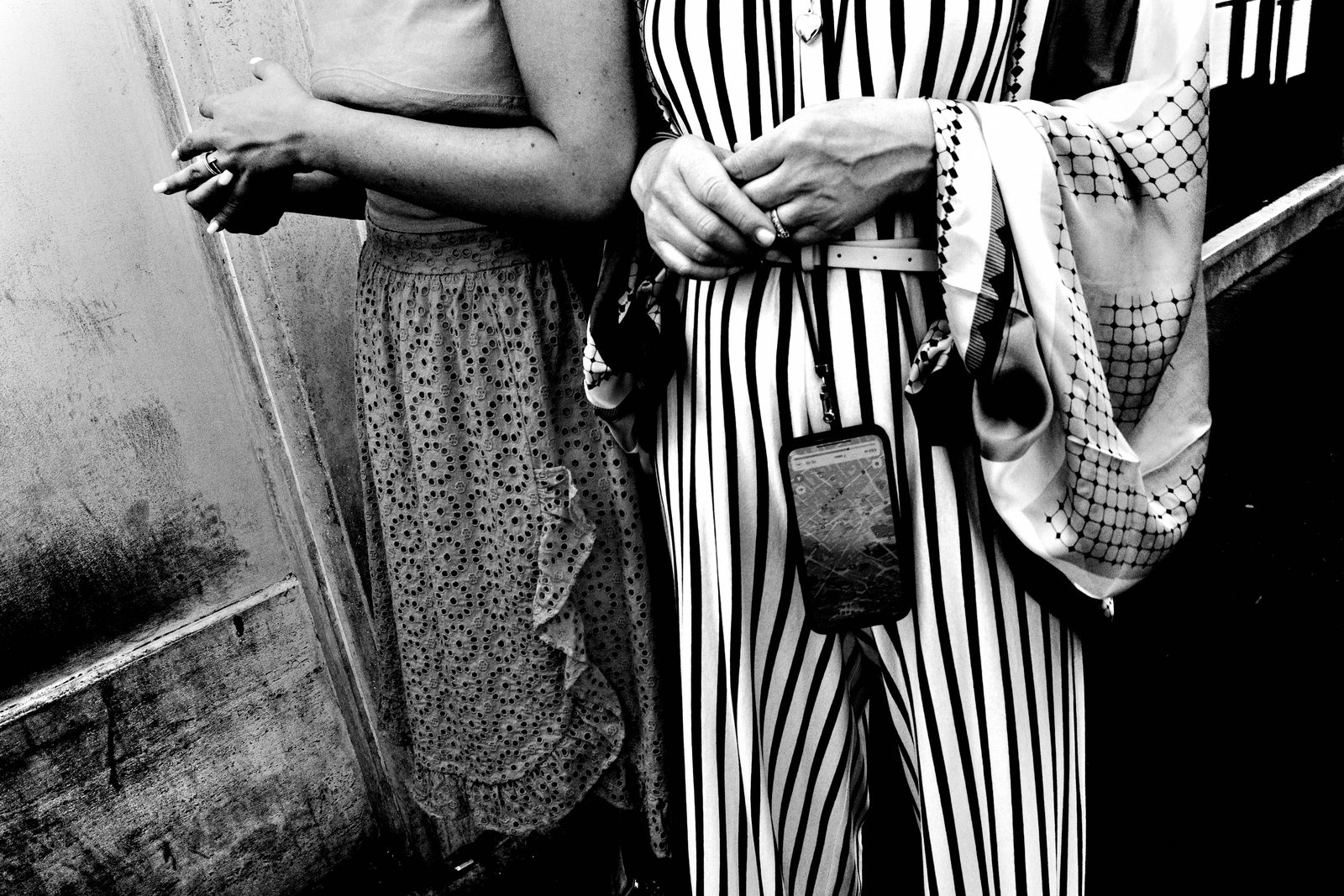
The most common mistake I see — and I've made it myself — is keeping the busiest frame because it feels like more is happening. More elements, more dynamics, more action. But chaos reads as chaos. The viewer's eye has nowhere to land. The simple frame that breathes will always outlast the busy one. When in doubt, go simpler.
Choosing Technical Over Emotional
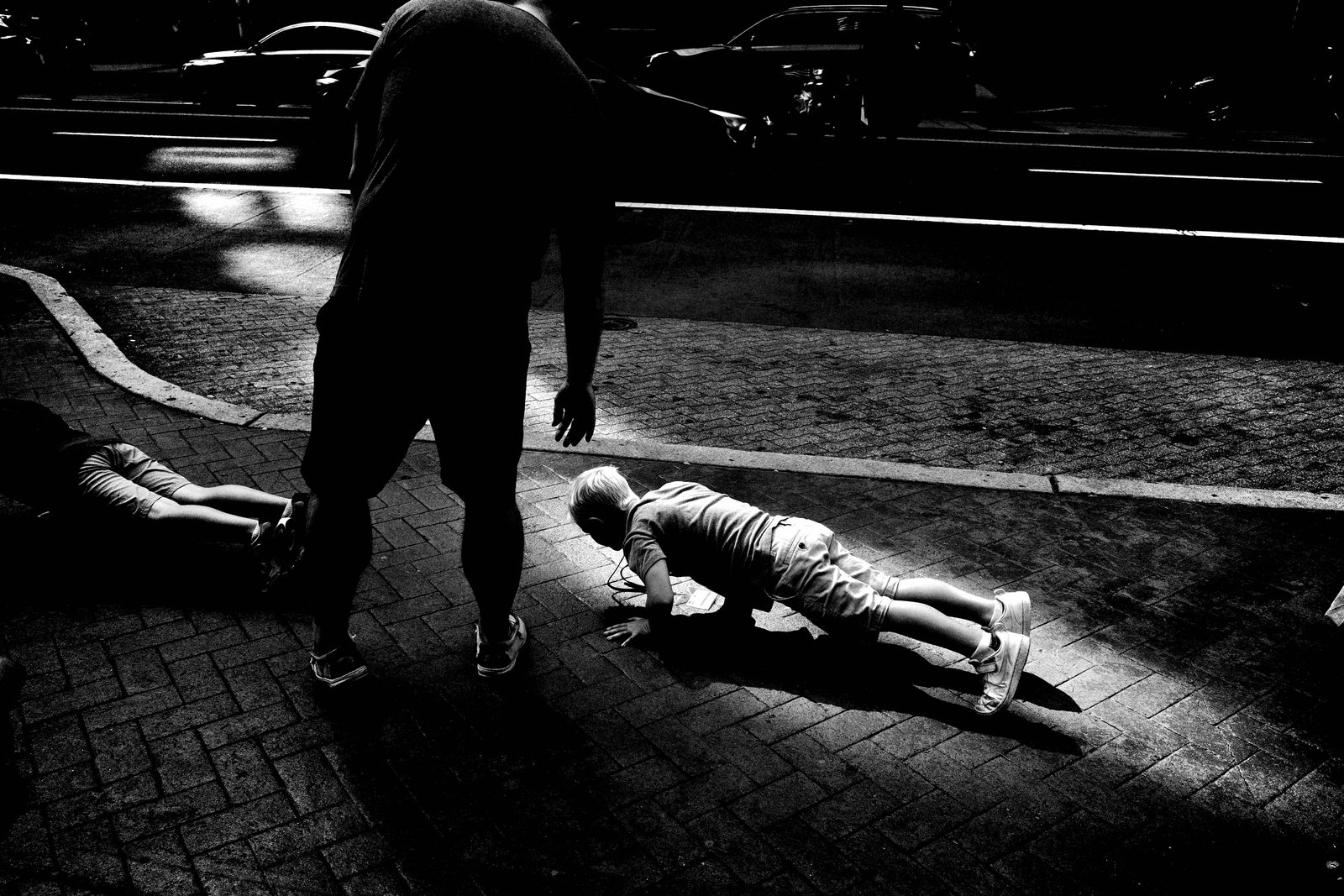
The other trap: choosing the frame that's technically sharpest, best-exposed, perfectly composed — but emotionally flat. I've seen people keep technically correct photographs that are completely dead inside. A keeper must carry energy. It must breathe. Sharpness is easy. Feeling is the whole game. Choose the one that's alive, even if it's slightly messier.
RELATIONSHIP TO PREVIOUS
Building the Eye That Selects
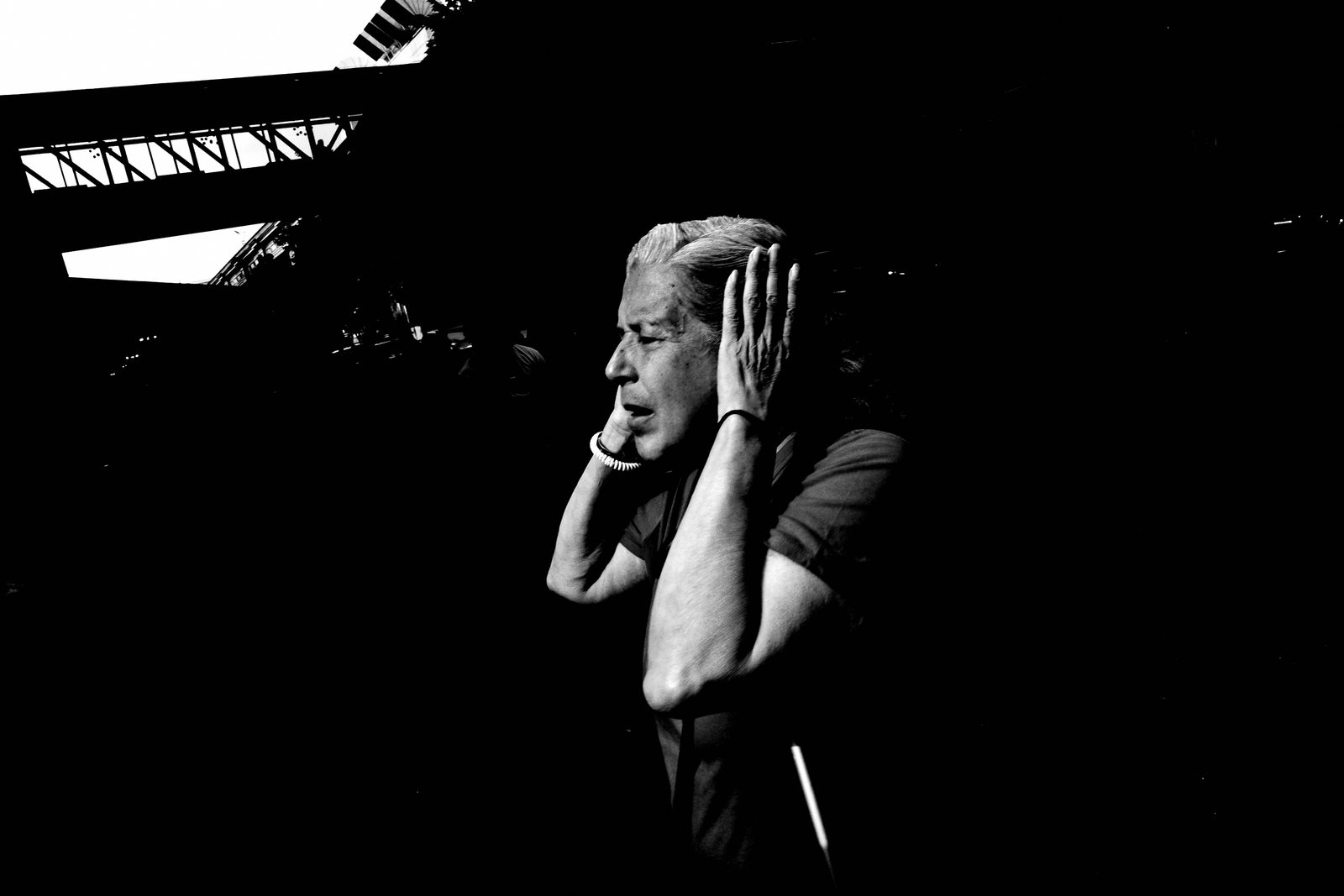
Lesson 045 was about training the eye — seeing deeply, cultivating visual instinct on the street. That work feeds directly into this one. You can only select what your eye has already learned to value. The stronger your vision in the field, the clearer the keeper becomes on the screen. Selection is just seeing, one more time.
RELATIONSHIP TO UPCOMING
From Choosing to Presenting
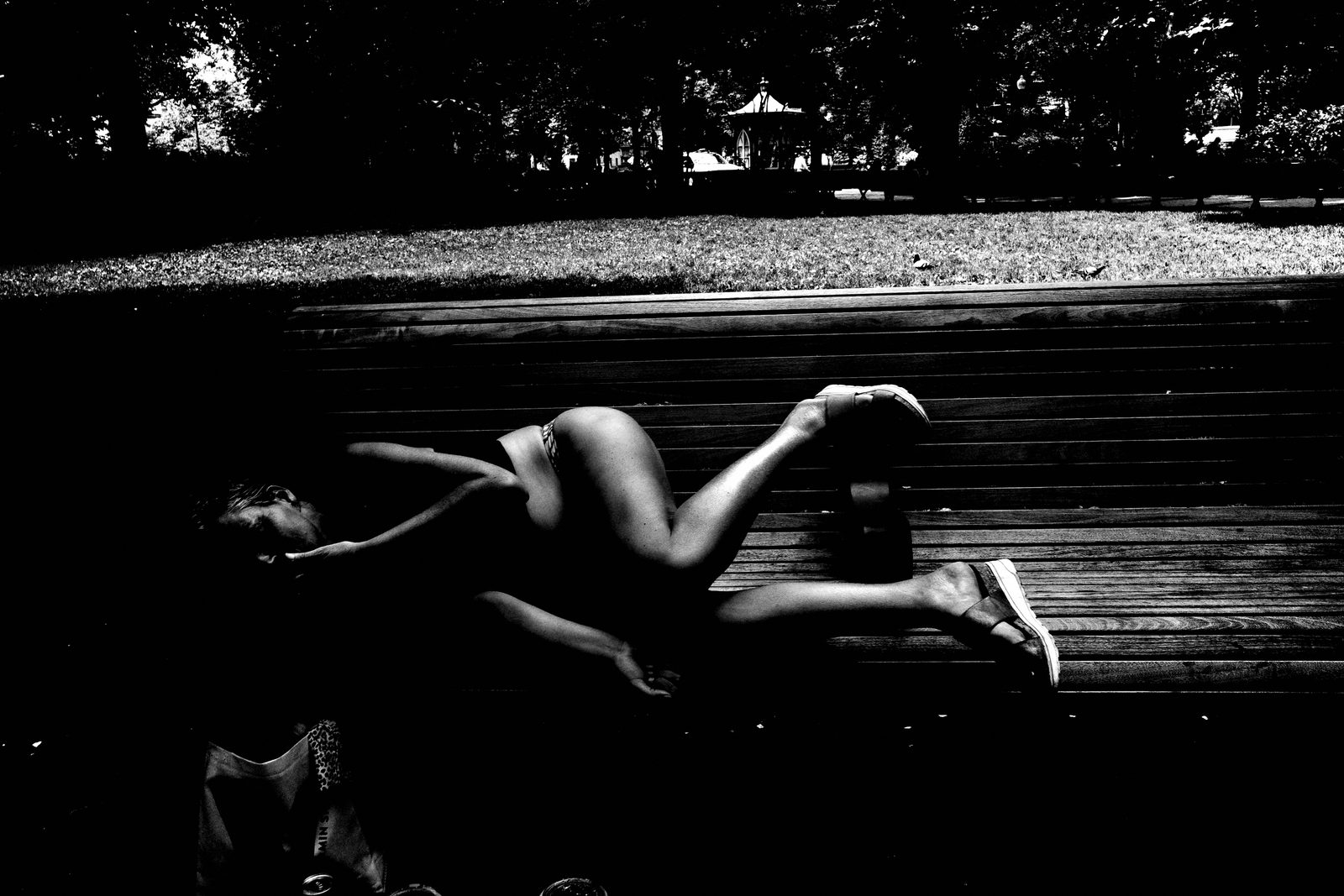
Once you can reliably find the keeper, the next question is: what do you do with a collection of them? Lesson 047 takes this further — building a body of work, sequencing frames, letting the edits become a story. Selection is the singular act. Sequencing is where the vision becomes a world.
SUMMARY / TAKEAWAY
Moment, Form, Feeling
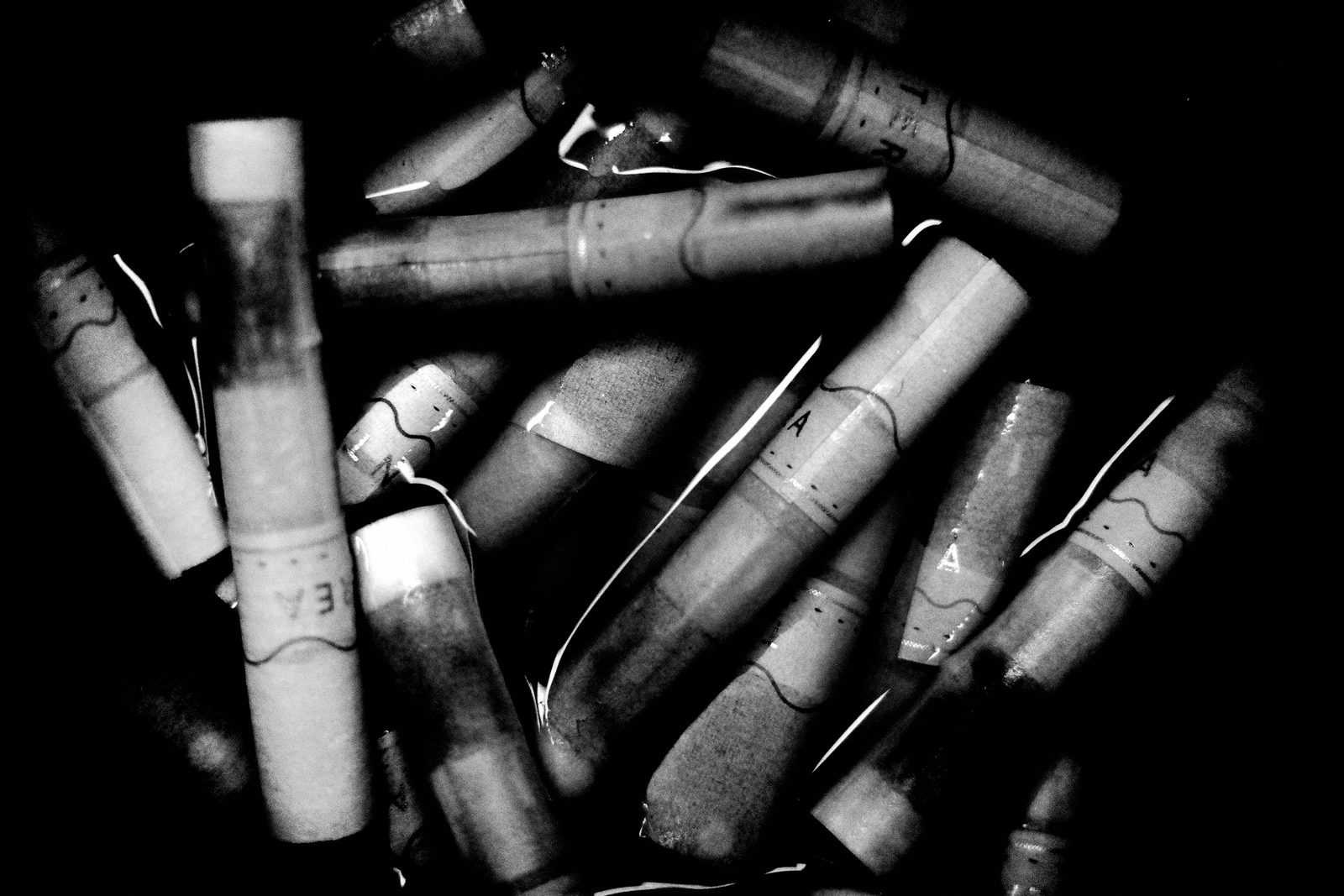
Last thing. The keeper isn't the busiest frame or the sharpest file — it's the one where moment, form, and feeling all arrive at once. Less is more. The simple frame breathes. The one with the punctum pulls. Trust your gut first, then let your eye verify. When they agree, you've found it. That's the process. That's the whole game. Catch you next lesson.