Contact-Sheet Thinking
CORE IDEA
The Contact Sheet Is a Stream
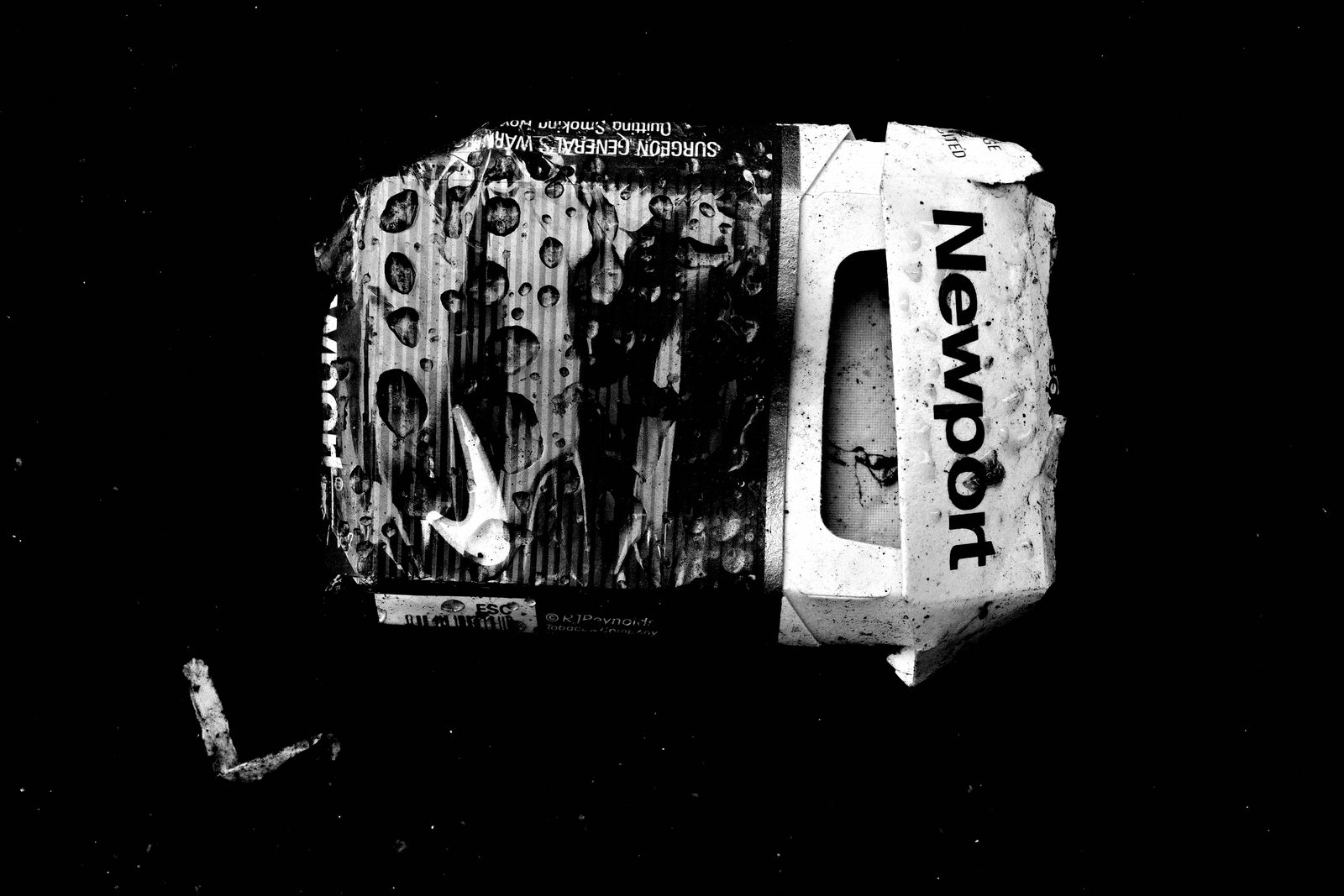
What's popping, people — it's Dante. Today we're talking about contact-sheet thinking — the way I look at everything I make before I ever pick a keeper. Here's the mindset shift: stop treating each frame as a pass/fail test. The contact sheet is a stream. You're not grading — you're seeing.
LEARNING OBJECTIVE
What You'll Walk Away With
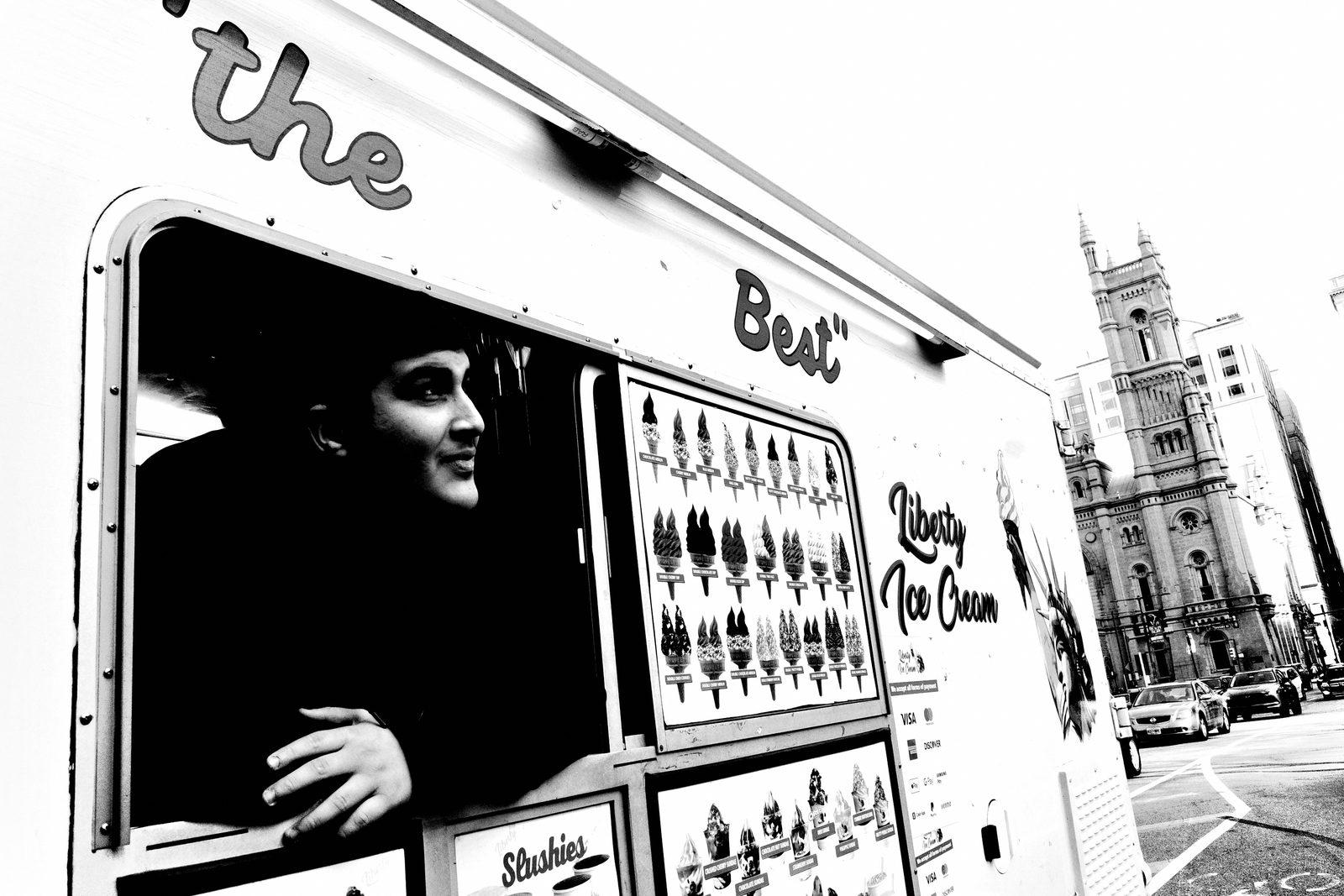
By the end of this lesson you'll have a real system for moving through your frames — not one that bogs you down, but one that keeps you in flow. You'll know how to spot the keeper inside a pile of hundreds, and trust your instincts while doing it.
WHY THIS MATTERS
Volume Is the Reality of Street Photography
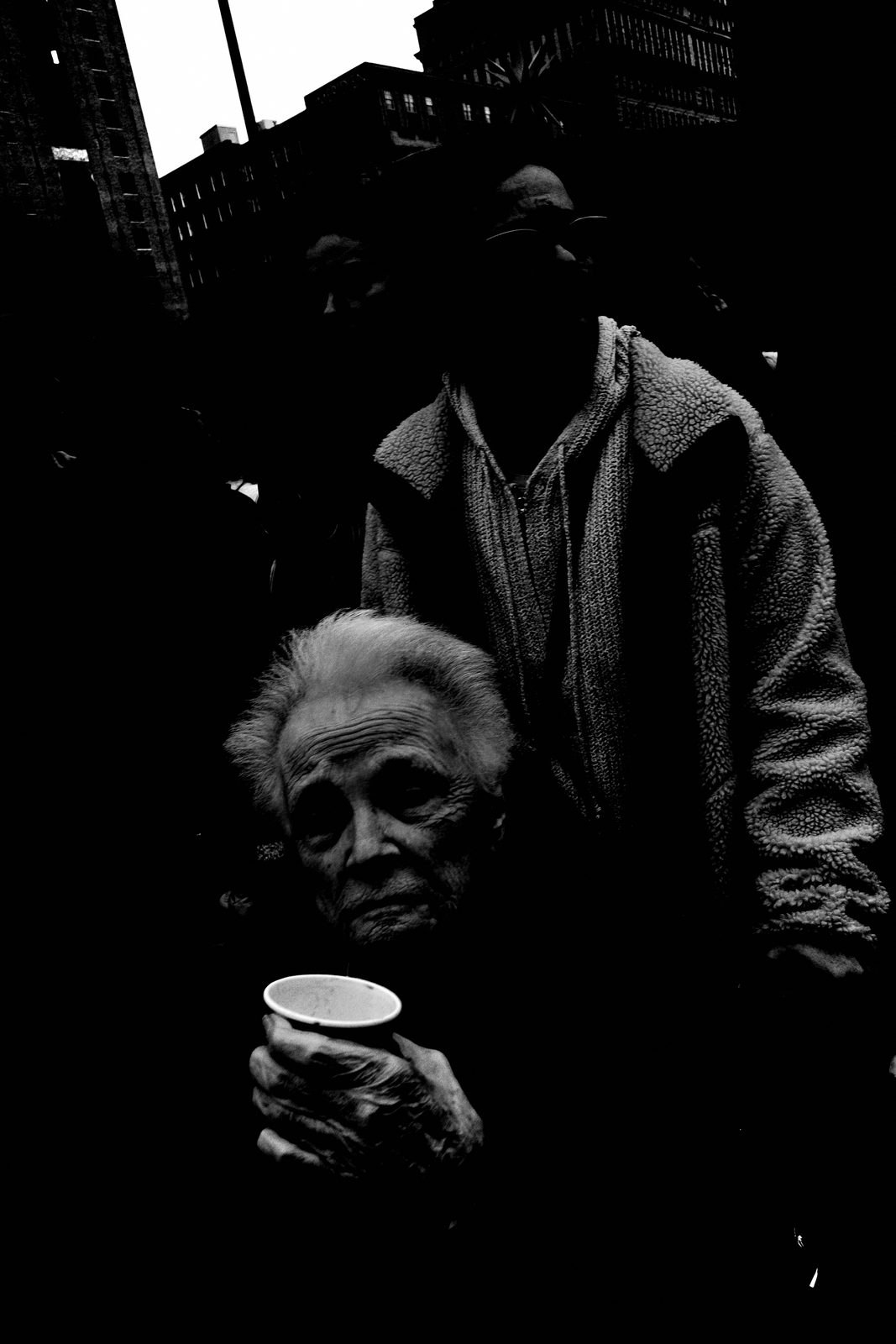
Here's why this matters: street photography is a numbers game. A single active night can leave you with hundreds of frames to sort through. Without a clear way of moving through that volume, you stall — and stalling kills the practice. Contact-sheet thinking is what lets you keep the momentum going, session after session.
Seeing Patterns Sharpens Your Eye
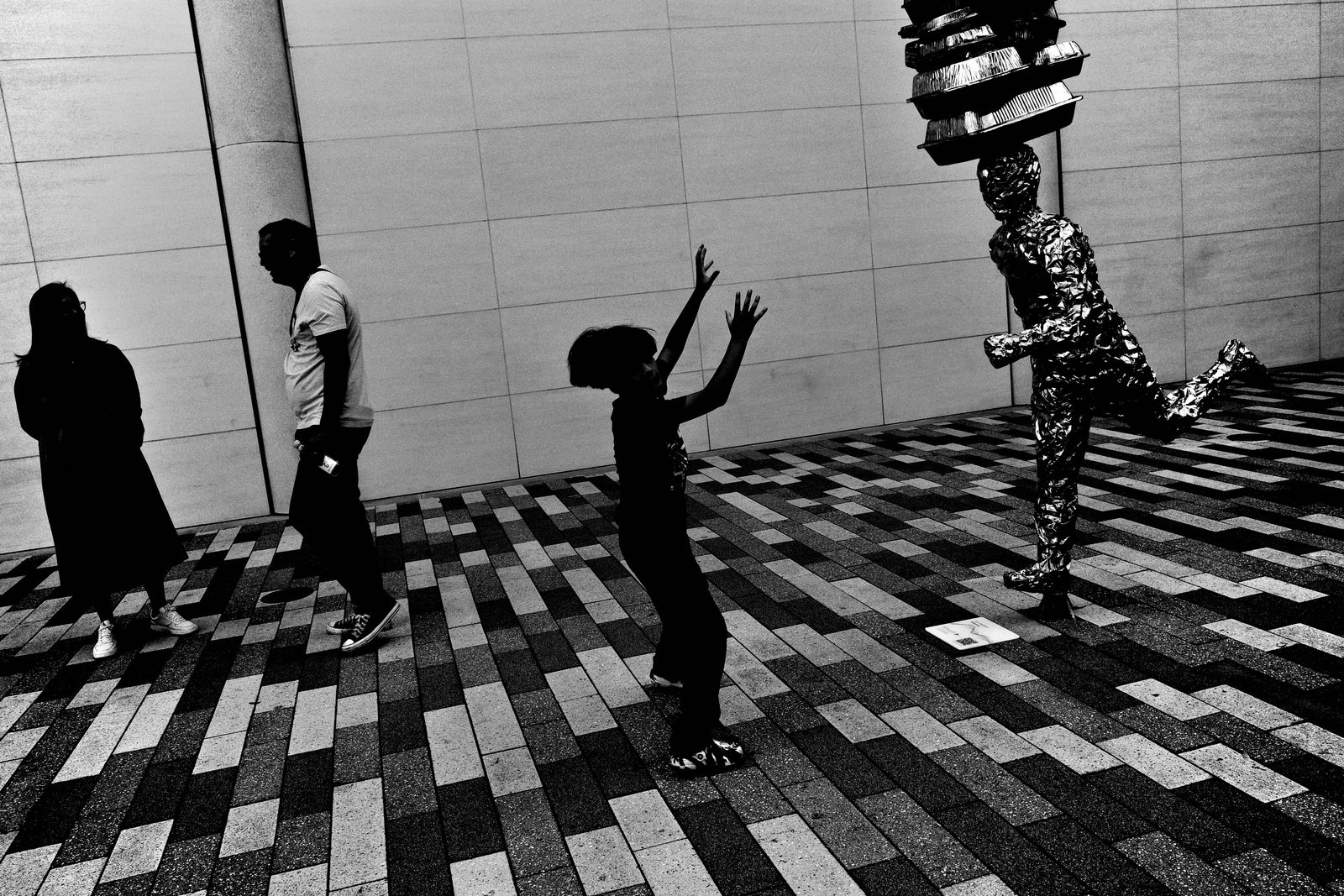
And there's a deeper reason. When you look at all your frames together, you start to notice similarities — even across years, even across continents. That repetition isn't a flaw, it's a fingerprint. The contact sheet shows you your own eye, and that knowledge sharpens every future decision you make on the street.
MAIN TEACHING
Move Fast, Feel First
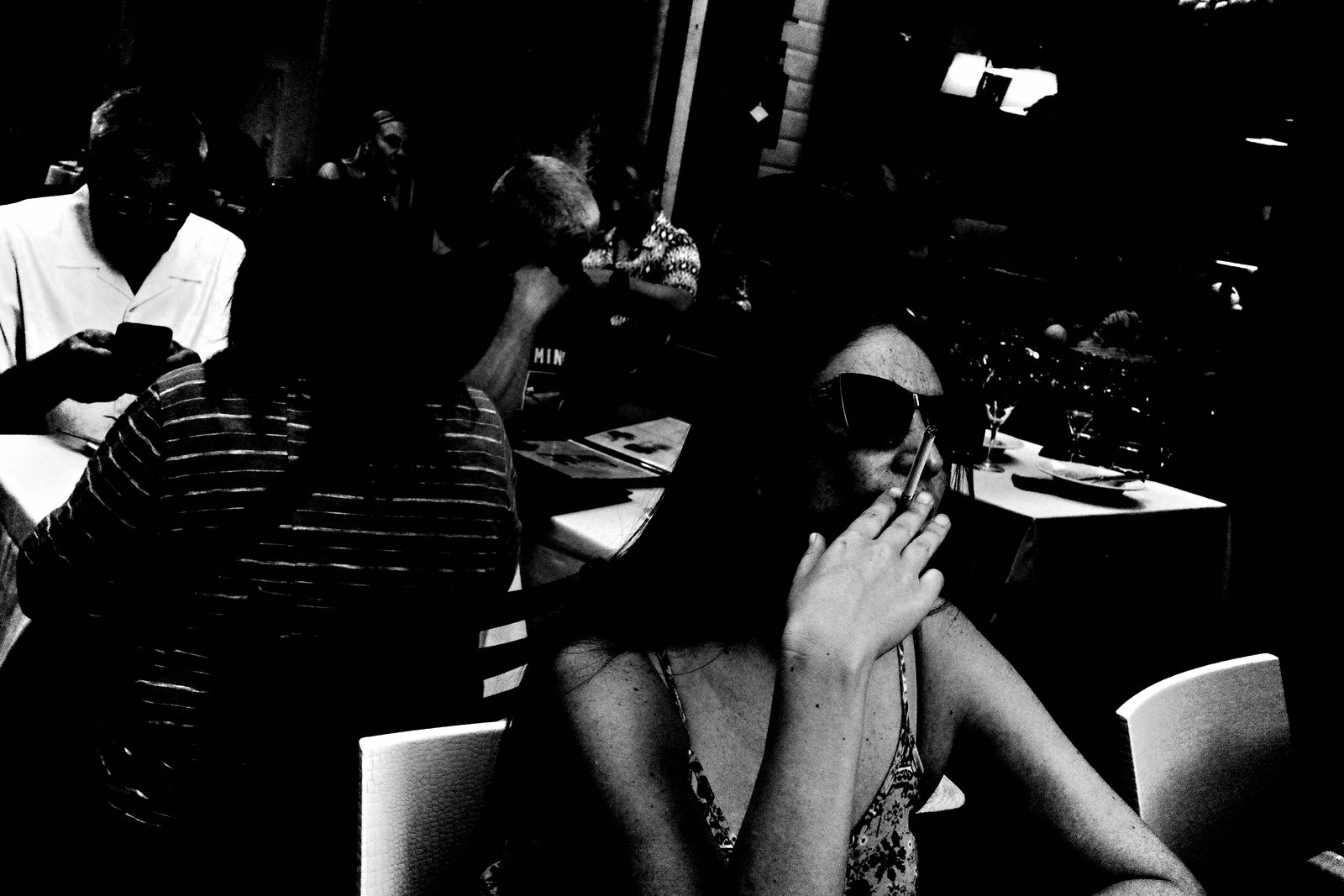
The first rule of contact-sheet thinking: move fast. I scroll through a 3×3 thumbnail grid on my iPad and tap favorite on whatever strikes me. I don't zoom in. I don't pixel-peep. If something catches me emotionally, I mark it. If not, I move on. Speed is the tool that keeps the intellect from overriding the gut.
The Three-Tier Method
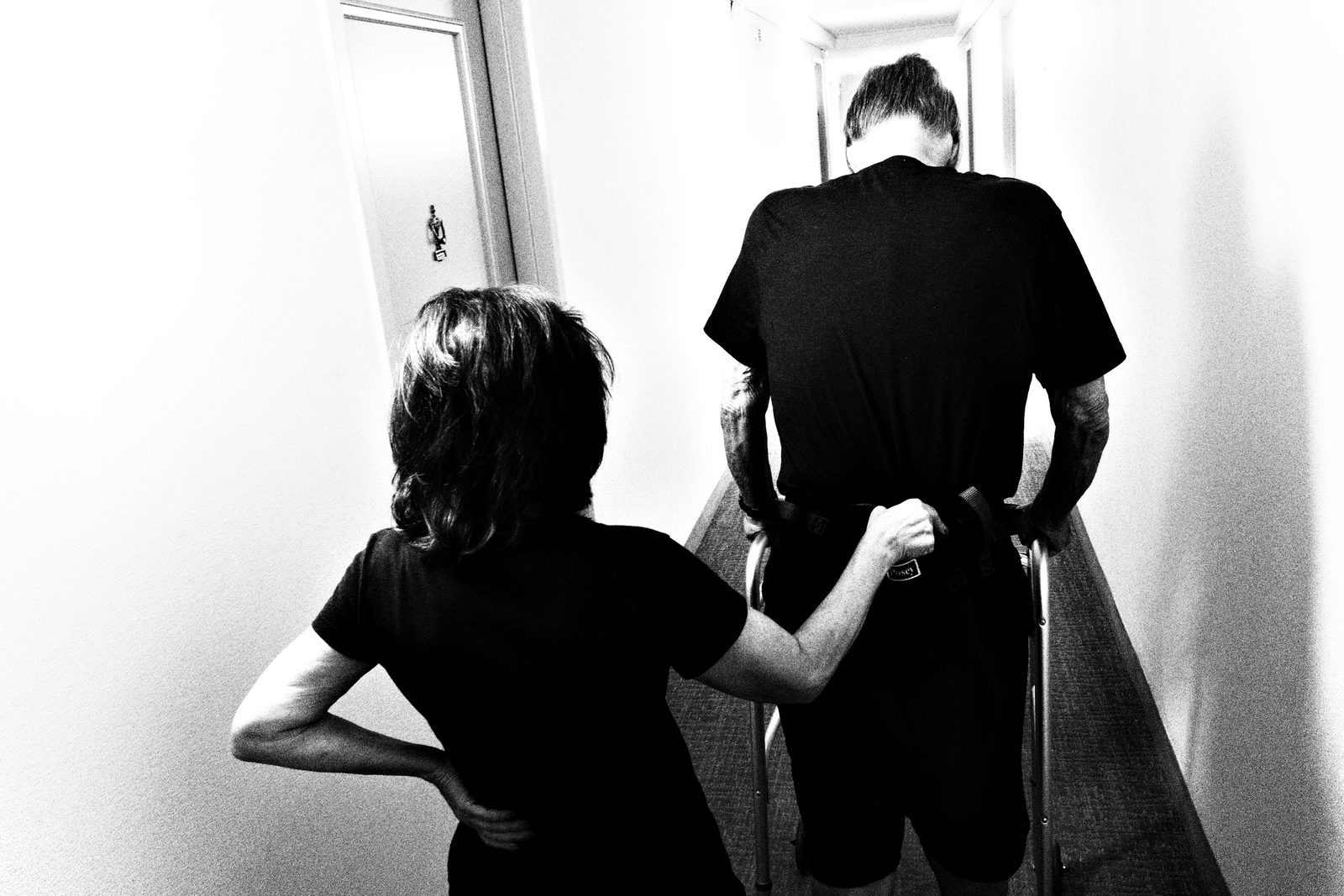
My system has three tiers. First pass: favorites — anything that catches my attention goes in. Second pass: I drag those favorites into a tighter selection folder. Third pass: the true keepers move into my year folder — my visual diary. Each tier strips away noise and reveals what's real.
The Keeper Formula

When I'm narrowing down, I'm weighing three things: the decisive moment, the composition, and the emotional resonance. The goal is to unite content with form. The gesture gives life. The composition gives order. The emotion gives meaning. When all three align, the keeper reveals itself. It's not a formula so much as a feeling that confirms itself.
Working the Scene, Then Keeping the Clean One
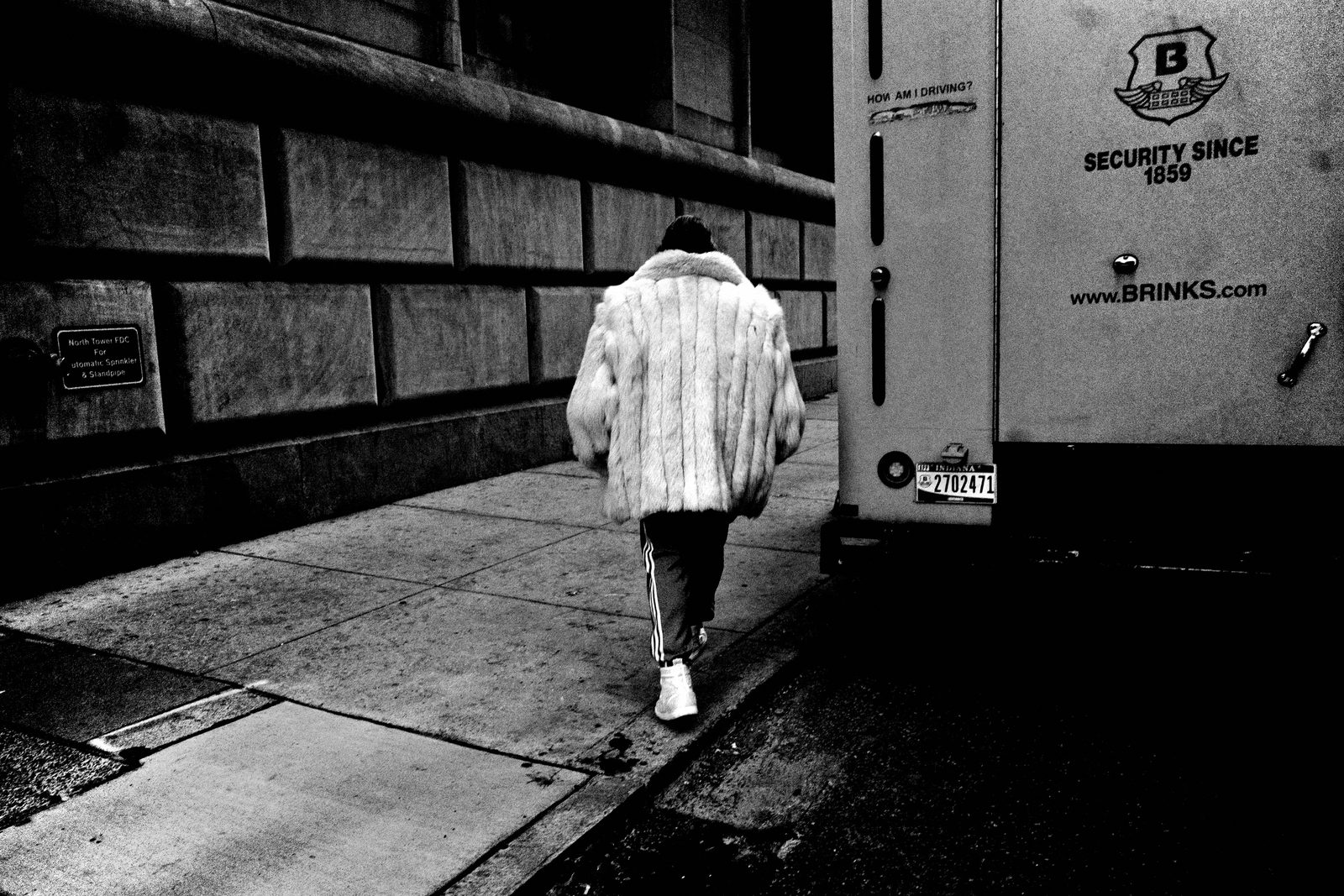
Say you catch someone mid-motion and you work the scene — horizontal, vertical, a version with something sweeping through the background. On the contact sheet, the keeper is almost always the simplified frame. Why? Because it breathes. No distractions. The gesture is elegant, the composition clean, the moment pure. The viewer's eye rests on it effortlessly. That ease is the signal.
Gesture Over Sterile Perfection
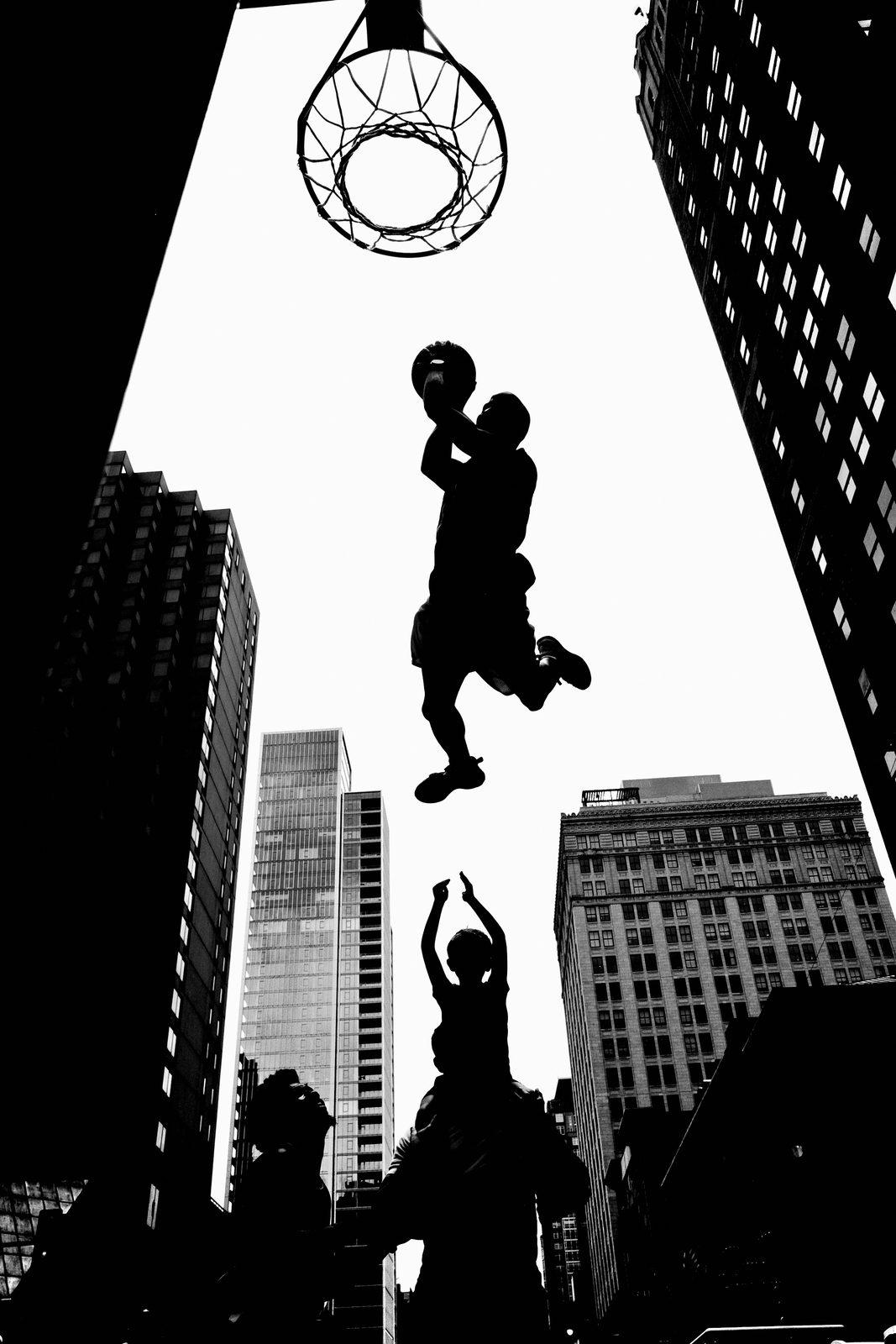
Often you'll have a clean frame and a slightly messier one that caught the decisive gesture — a hand passing something, a moment of connection between two people. Choose emotion and gesture over sterile perfection, every time. Because that's what street photography is — the raw, candid, gritty pulse of life. The keeper has to carry that energy, even if the composition is slightly noisier.
When Every Element Aligns in One Variation

Sometimes you shoot several variations of a charged moment and only one truly clicks. The keeper is often the darker frame — where a gaze meets a reflection, another figure looks away, and tension builds between the two. The mystery of that held look, the glow behind it, the way the composition frames the psychology — all of it lands at once. That's the punctum. You feel it before you can name it.
The Punctum: Invisible Energy
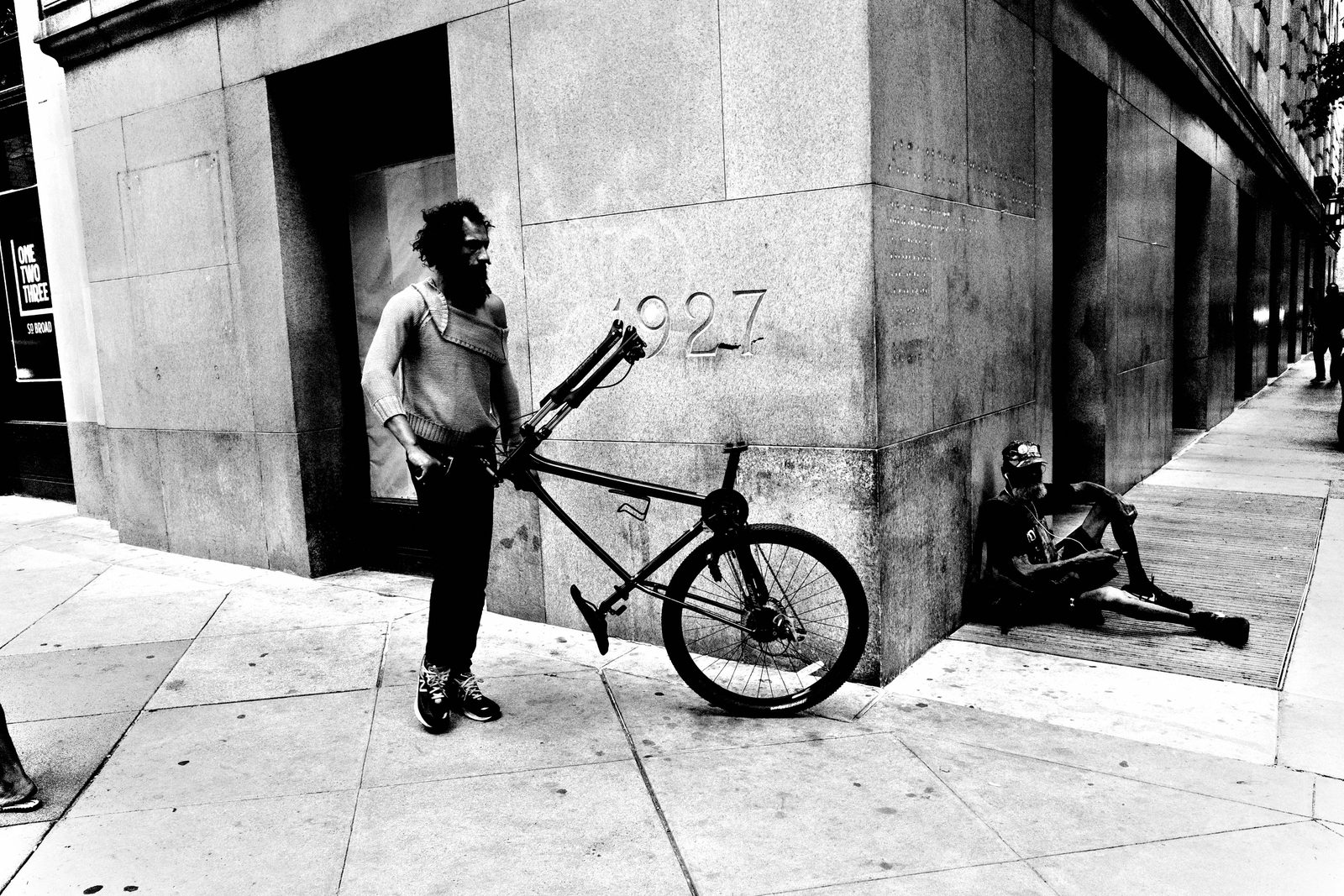
There's a concept I keep coming back to: the punctum. It's that invisible energy — the unseen gravitas that pulls you into a frame. Often it lives in one small detail — a subtle gaze at the edge, a single hand, a glance you didn't plan for. The rest of the scene has good form, but that one frame has soul. When you feel pulled toward a frame and can't explain why, that's your cue. Trust it.
Simplicity Almost Always Wins

Across every contact sheet I've ever reviewed, simplicity wins more often than complexity. Given a simpler frame with a clear foreground and a busier one, the simpler frame tends to win. A single strong subject with clean separation from its background beats a crowded composition nearly every time. For me, less is more. Simple frames, simple moments. Clutter is almost always the enemy of feeling.
Light as an Active Element
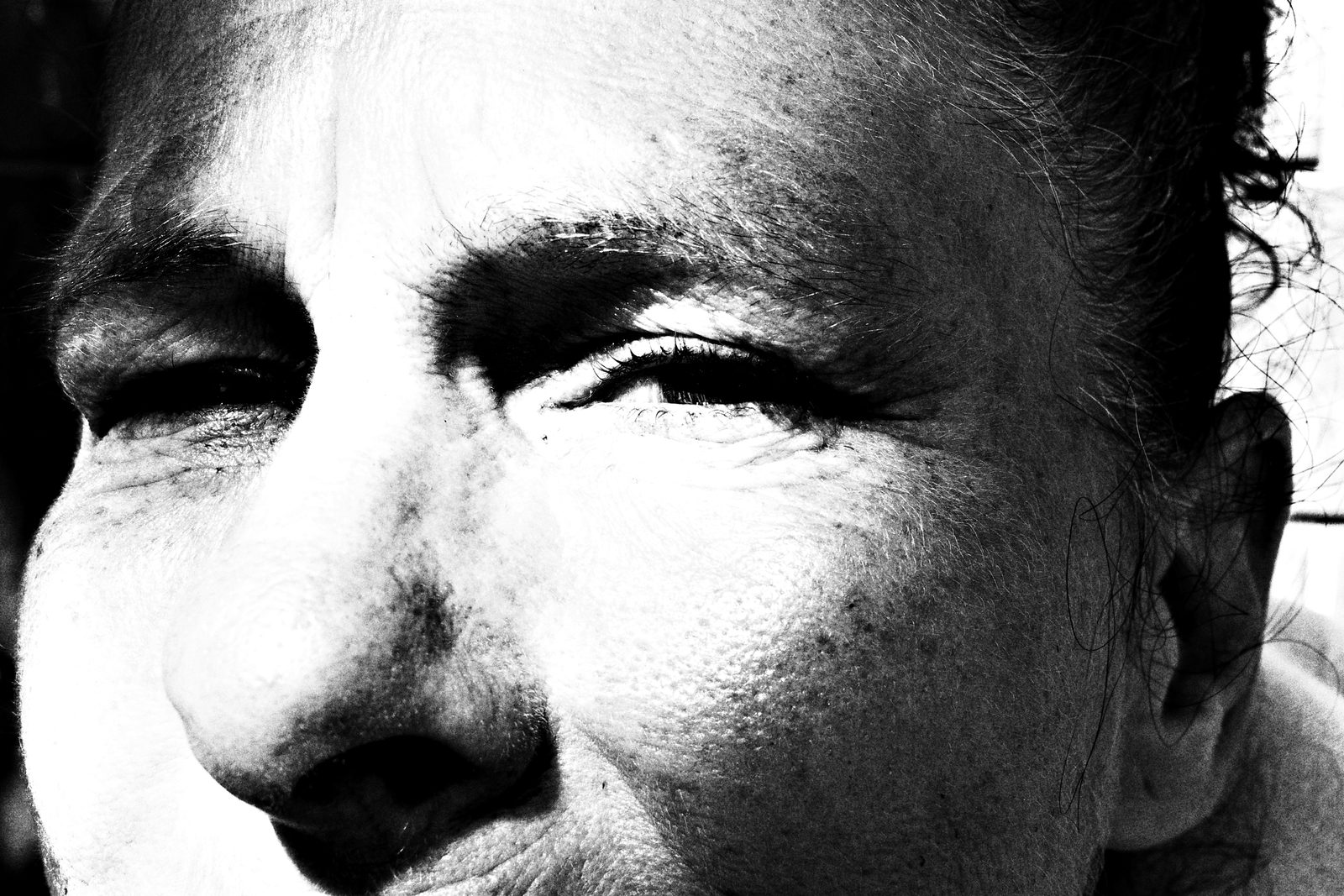
Light is not just the backdrop — it's an element in the frame to be hyper-aware of when reviewing. Take two frames with similar compositions: the one with richer light and shadow wins, because it adds mystery and depth the flatter one lacks. When you're moving through the contact sheet, ask yourself: where is the light doing something? That's often where the keeper lives.
Pairing and Comparing Frames

One of the most powerful things you can do on the contact sheet is pair similar frames and compare directly. Which one breathes more? Which one carries the better light? Which one has the decisive gesture? The process of comparing sharpens your eye over time — even across years, even across different countries. Your selections teach you what you actually value.
Intuition Over Intellect
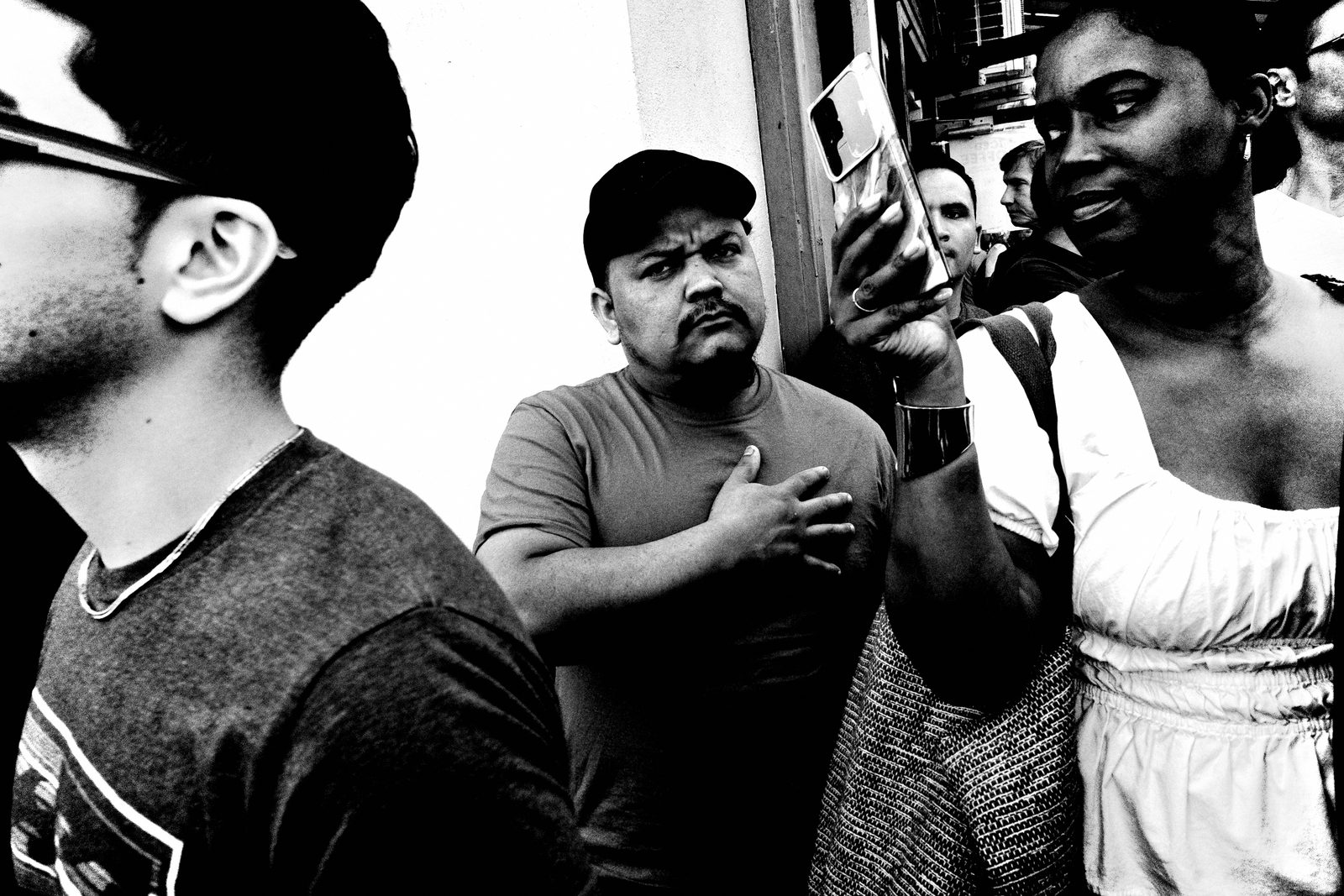
I want to be clear about the order of operations: intuition first, intellect second. I don't use guidelines, themes, or checklists when I move through frames — those things inhibit me. I follow the gut. The intellectual justification — the reason I can articulate later — confirms what the body already knew. The fastest edits, the most decisive ones, are usually the truest.
The Contact Sheet as Visual Diary
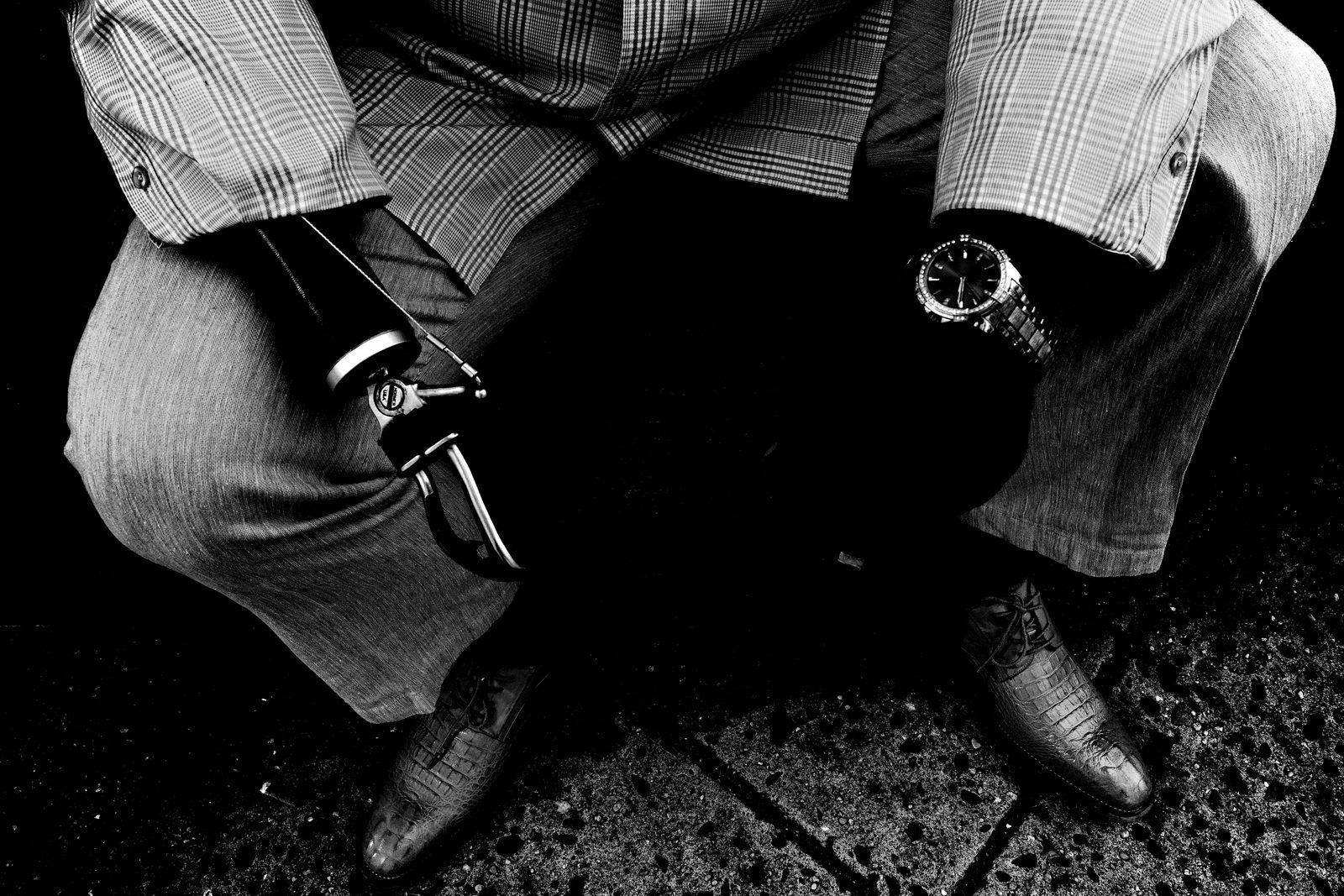
Here's how I think about the full archive: I don't separate good from bad. I see everything as a stream. The photographs I come home with are a record of the day — a reminder of how I live my life. The contact sheet is my visual diary. Some days are nothing. Some days you get one frame that feels alive. Both are part of the practice.
PRACTICAL APPLICATION
Do a Fast First Pass
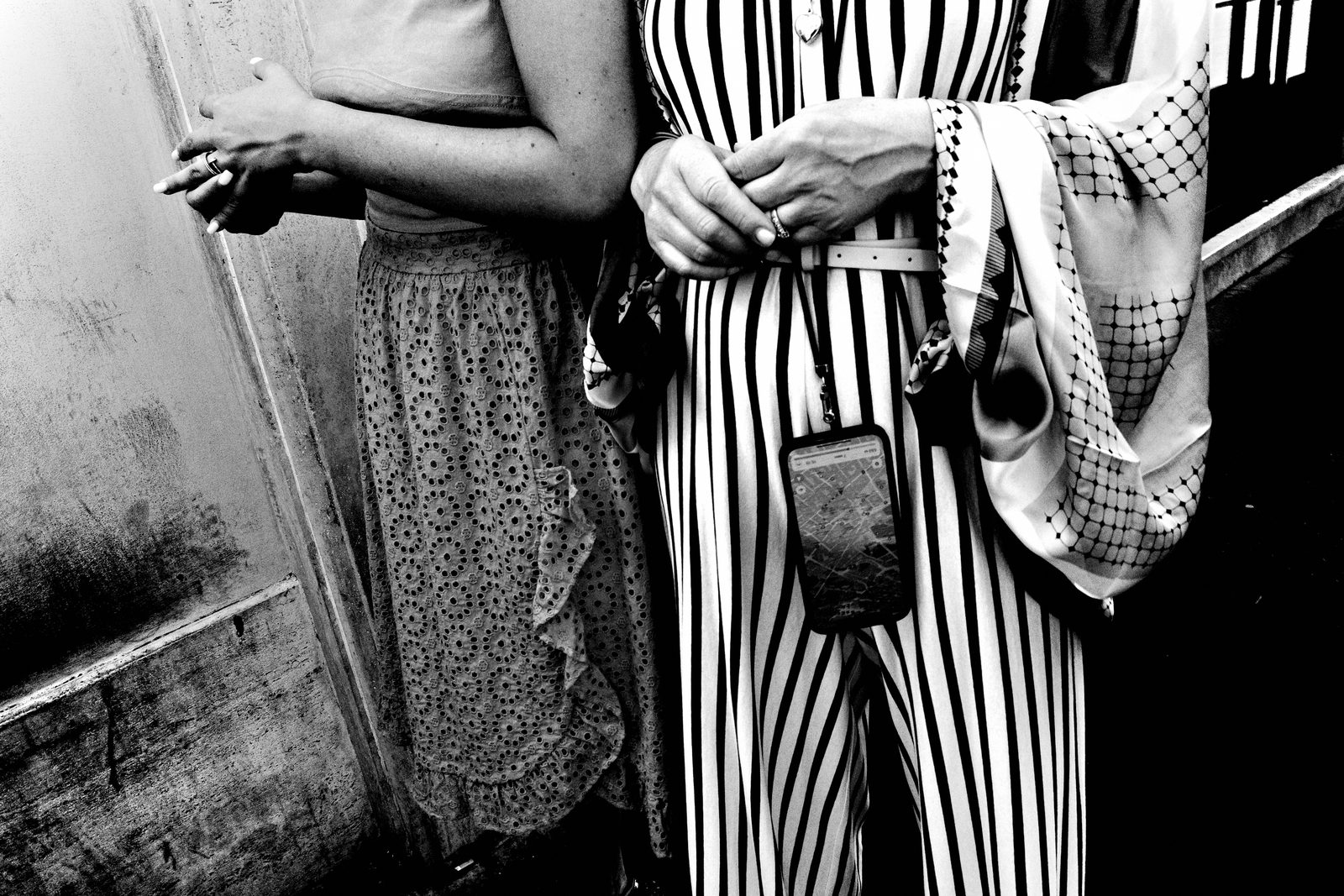
Here's your first exercise. Import your last session, set your view to a thumbnail grid, and do a fast first pass. Give yourself a two-second rule — if it catches you, mark it. If not, keep scrolling. No zooming, no deliberating. The point is to stay in flow and let the gut speak before the brain can interrupt.
Pair and Eliminate

Second exercise: take your marked frames and pair the similar ones — same scene, same subject, different variations. Put them side by side and ask three questions: which one breathes more easily, which has the better light, which one carries the decisive gesture? Eliminate until one remains. That's your keeper. Trust the process — it gets faster every time you do it.
Build Your Year Folder

Third exercise: start a year folder right now. Every time you finish an edit and land on a true keeper, move it there. Review it once a month. You'll start to see patterns — what light you're drawn to, what gestures you keep reaching for, what compositions feel like yours. That folder is your autobiography. It shows you who you're becoming.
COMMON MISTAKES
Zooming In Too Early

The biggest mistake people make on the contact sheet is zooming in too early. The moment you start pixel-peeping, you're in the wrong mode — you're analyzing technically before you've felt anything. Technical sharpness is not what makes a keeper. Move through the thumbnails first. Feel the frames. Zoom later, if at all.
Keeping Too Many
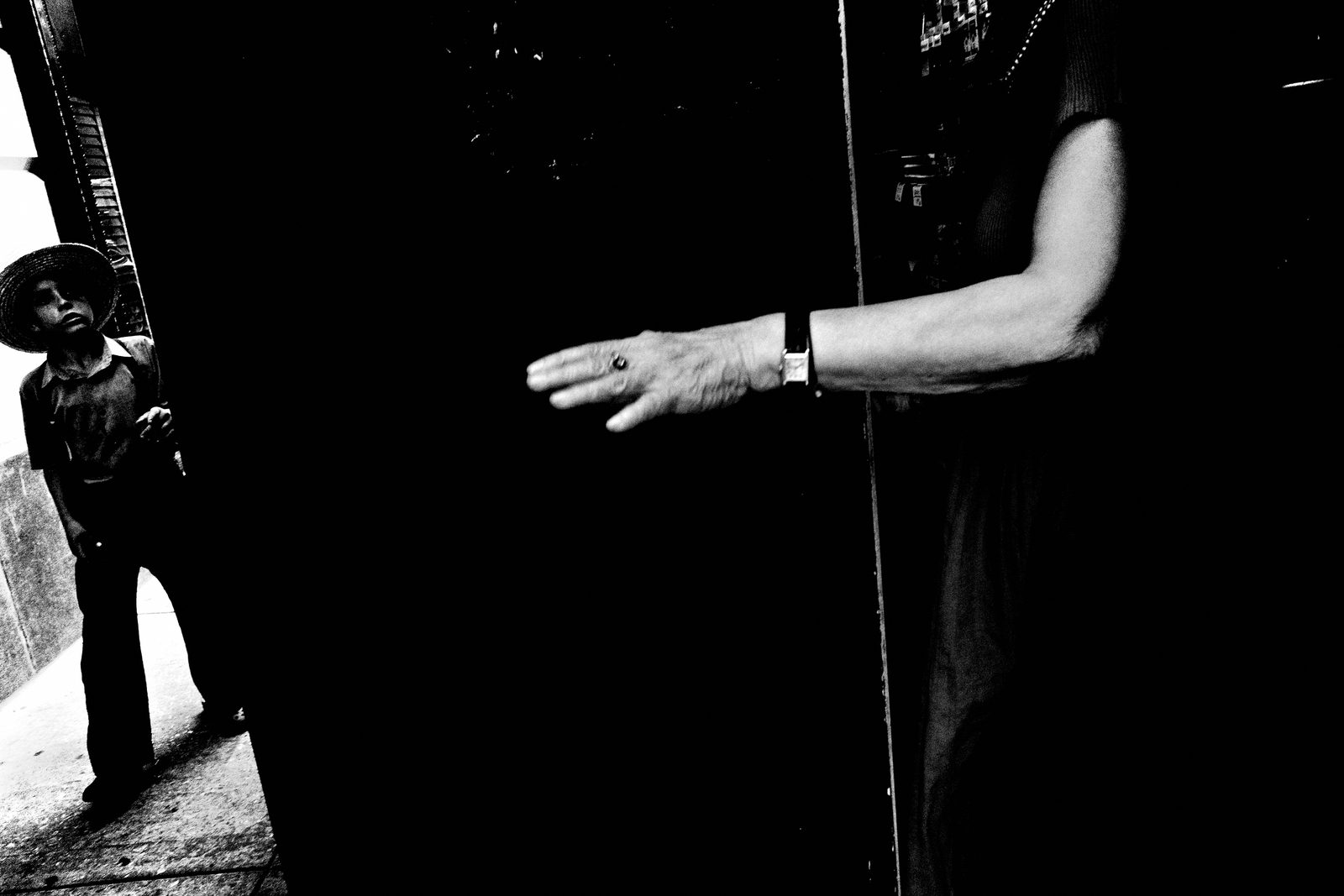
The other mistake: keeping too many. When you hold onto every frame that's "not bad," you end up with a bloated folder and no clear vision. The strong frames get diluted by the mediocre ones. Be ruthless. Keeping fewer is an act of respect for the work — it forces you to commit to what actually resonates, and that commitment sharpens your eye for the street.
RELATIONSHIP TO PREVIOUS
Building on the Edit Philosophy
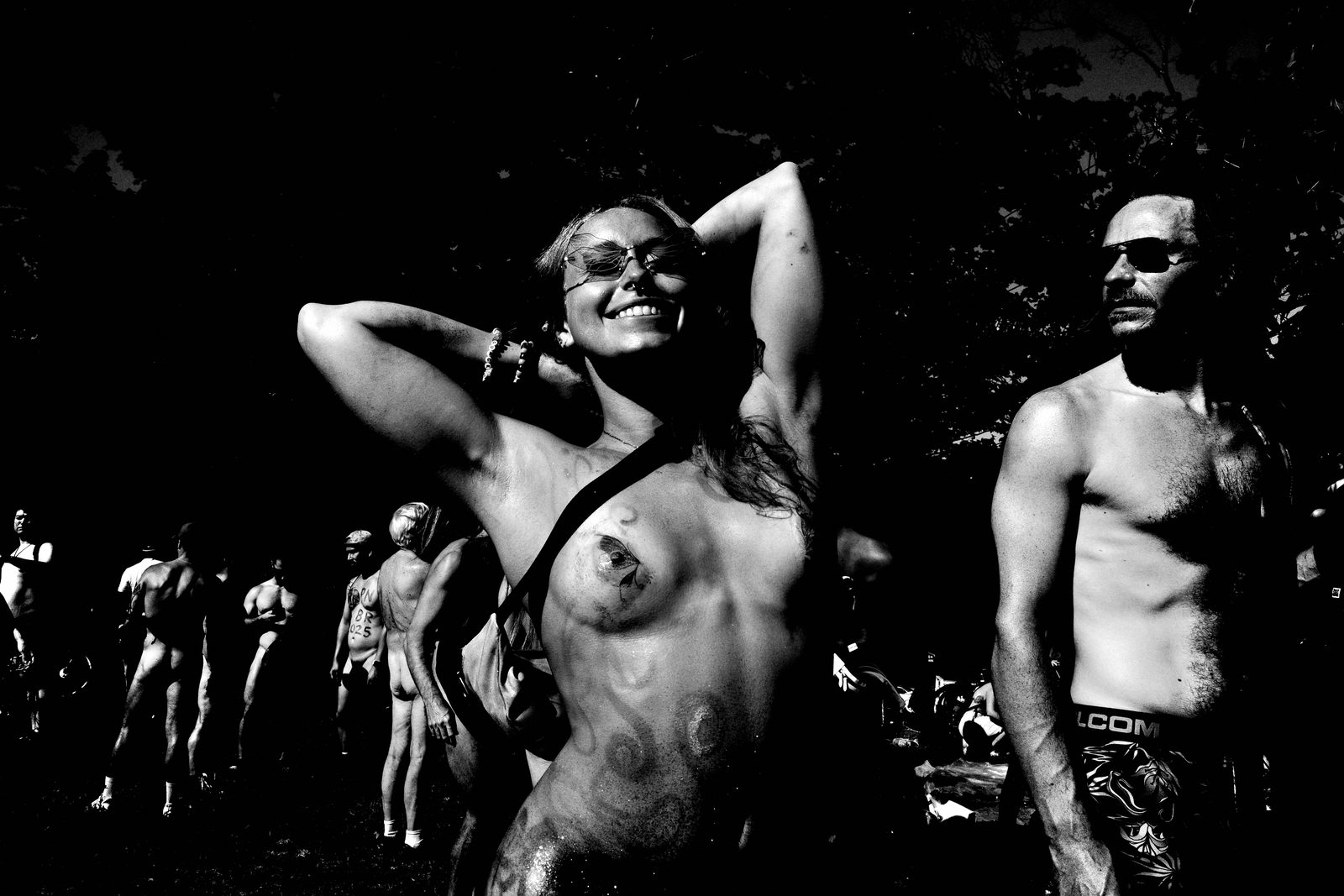
Lesson 046 gave us the editing mindset — the philosophy of how to look at your work honestly and without ego. Contact-sheet thinking takes that foundation and turns it into a repeatable system. Now we have both the why and the how: a daily method for moving through volume and finding what's true.
SUMMARY / TAKEAWAY
Feel It, Mark It, Keep the Best

Last thing. Contact-sheet thinking is simple: move fast, feel first, and trust the gut over the brain. Every frame goes into the stream — you don't grade, you see. The keeper is the one that unites moment, form, and emotional resonance — the frame with the punctum, the invisible energy you feel before you can name it. Build your system, do the reps, and let the selection process teach you who you are. Catch you in Lesson 048.