Champion Humanity
CORE IDEA
Every Person Is a Hero
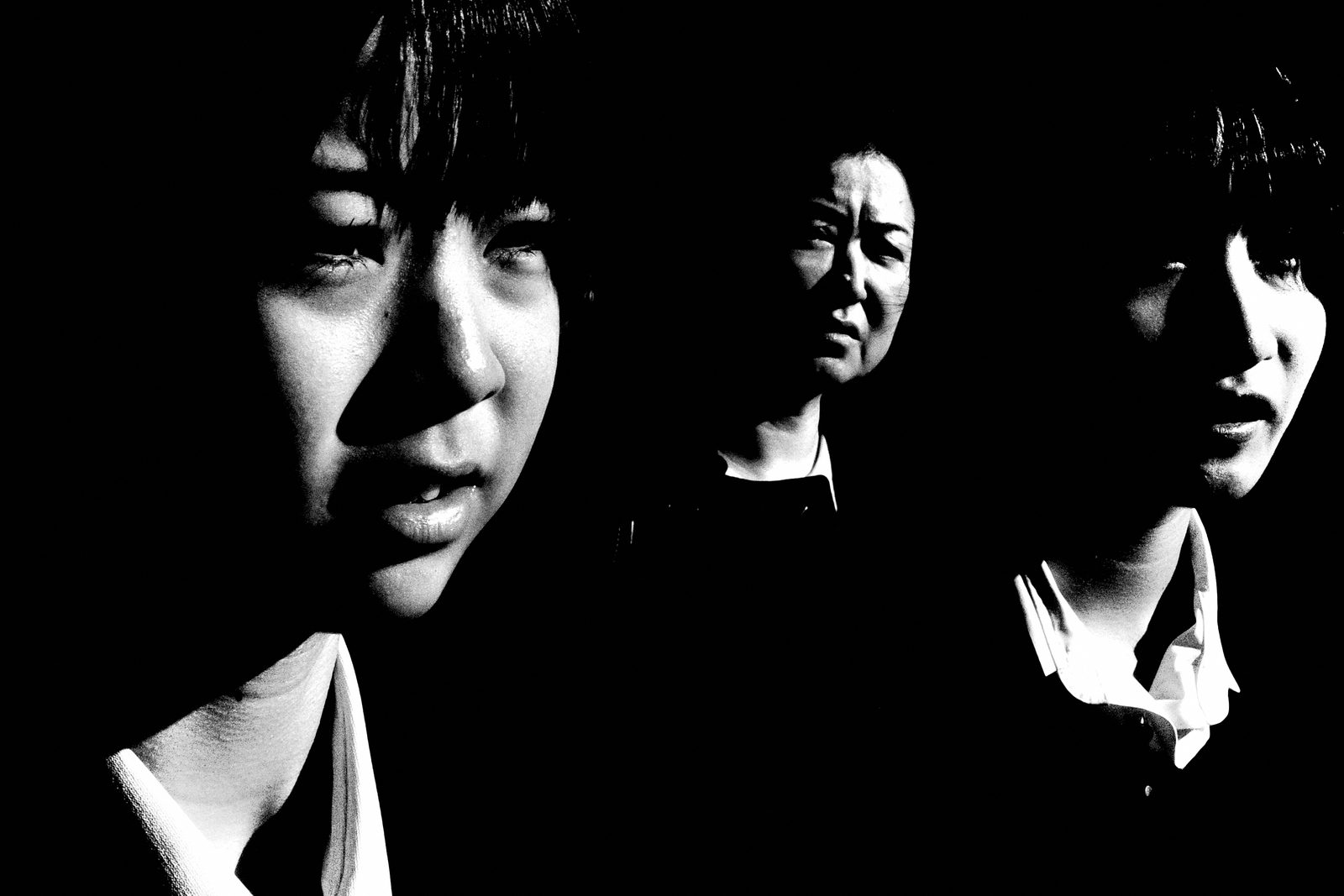
What's popping, people — it's Dante. Today we're going into something that sits at the absolute heart of why I pick up a camera: the idea that street photography is an act of championing humanity. Not documenting it. Not studying it. Championing it — holding it up high and saying, this matters, you matter.
LEARNING OBJECTIVE
What You'll Walk Away With
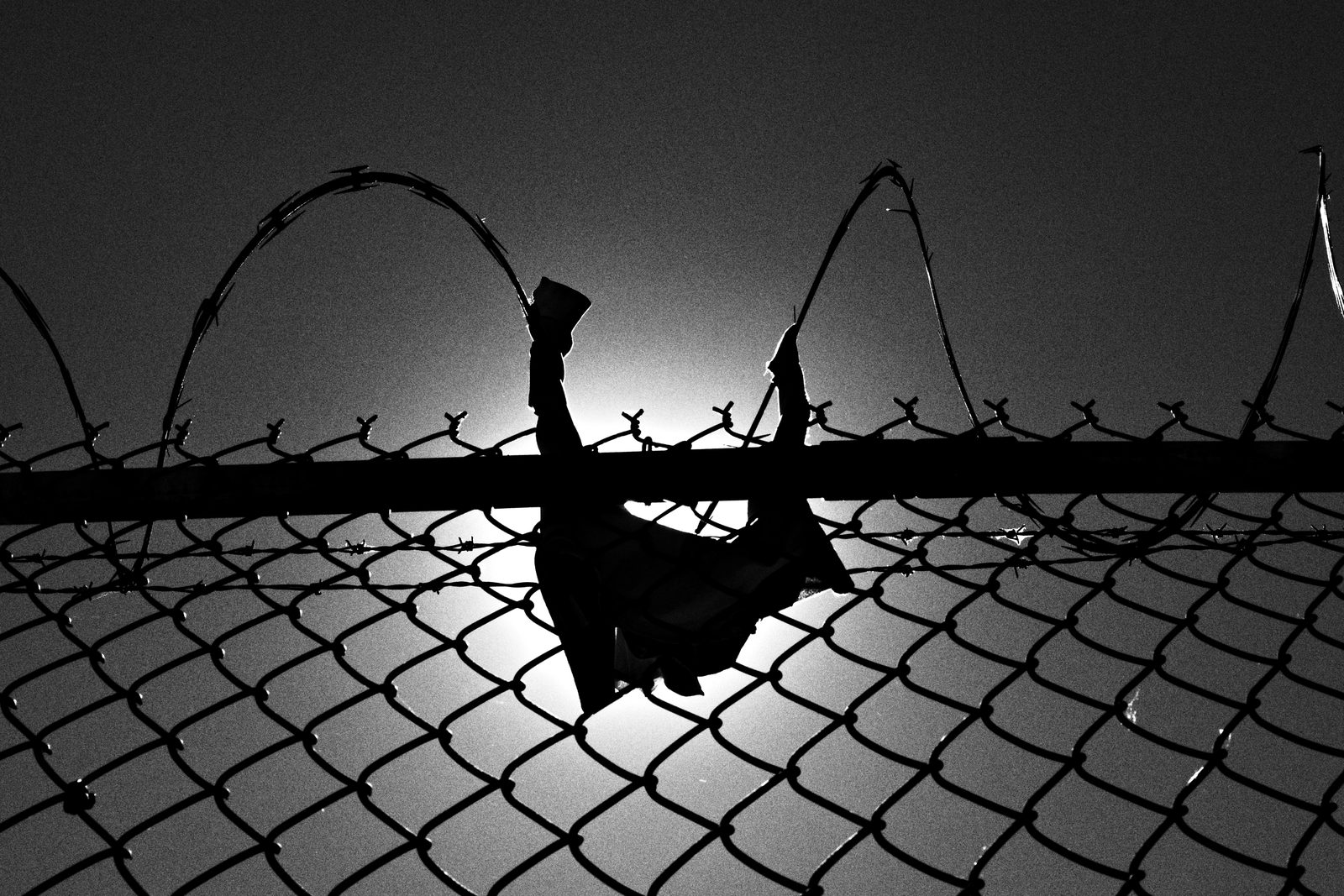
By the end of this lesson you'll carry a different relationship to every person you photograph. Not stranger, not subject — hero. That single shift changes how you see, how you move, and what your photographs ultimately mean.
WHY THIS MATTERS
Photography Can Uplift or Diminish
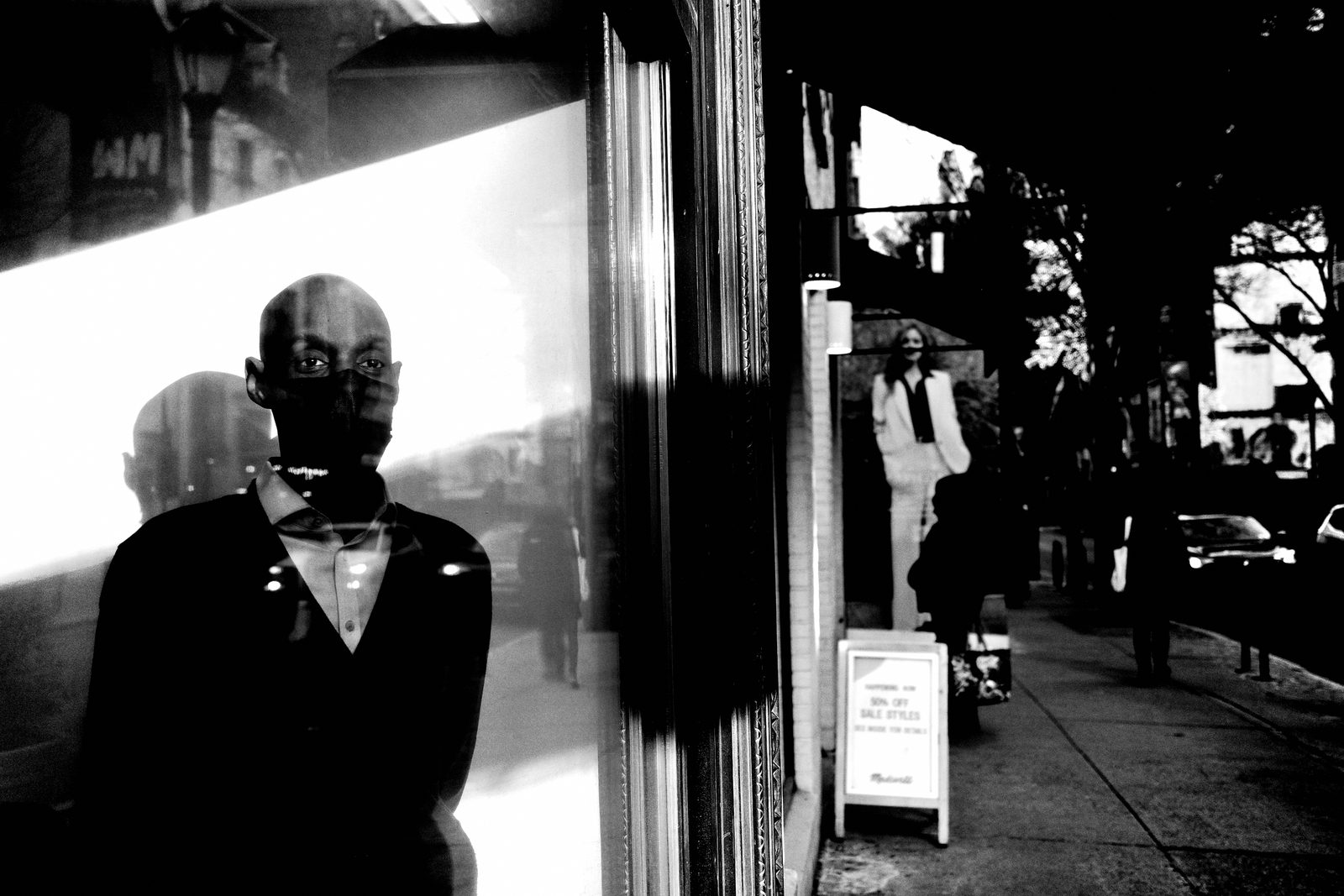
Here's why this matters: every photograph you make carries an implicit attitude toward its subject. You can diminish a person by treating them as scenery, or you can elevate them by seeing them as the hero of their own life. The camera doesn't decide which one it is — you do.
The World Needs This Vision
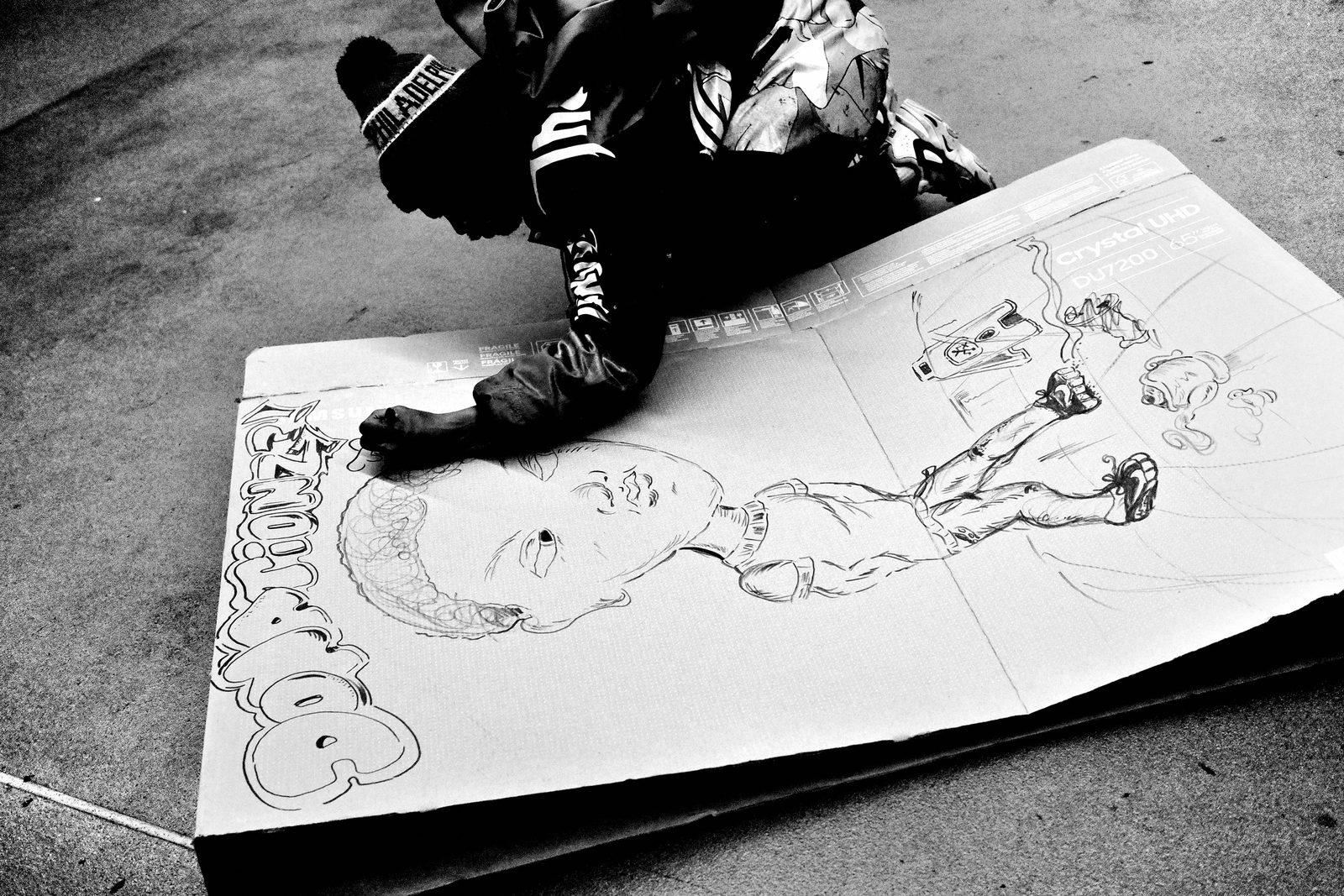
We live in a world that's quick to reduce people to types, categories, strangers. Street photography done with intention pushes back against that. When you photograph life and hold it up high, you remind the world — and the person in the frame — that their story is worth seeing.
MAIN TEACHING
See People as Heroes
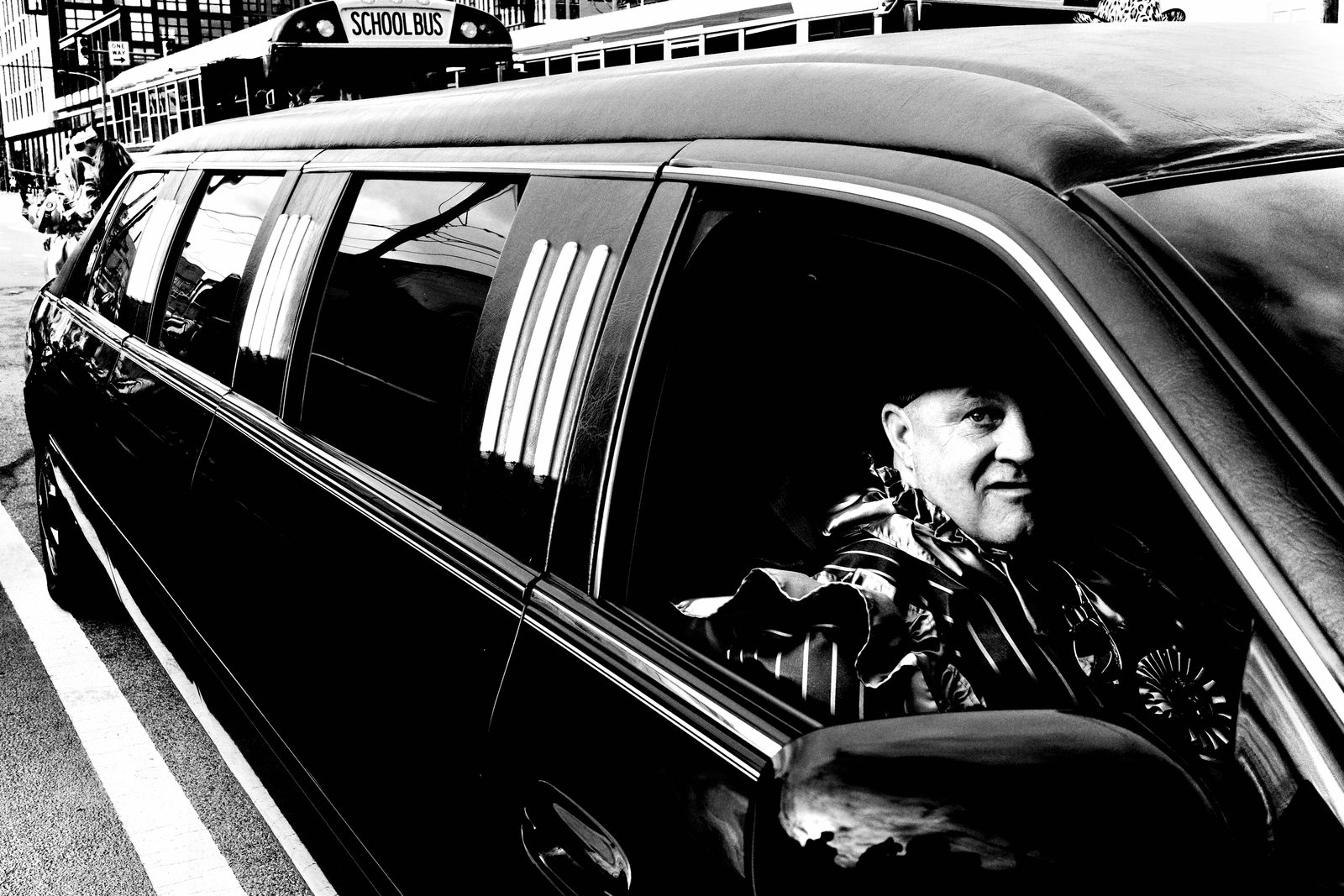
The first move is purely mental: stop seeing strangers and start seeing heroes. Every person walking past you has a whole world inside them — struggles, triumphs, love, loss. When you carry that awareness into the street, your camera starts finding something entirely different. Not faces. Journeys.
Photograph with Compassion and Curiosity

Dante says it plainly: to champion humanity is to see the world with compassion and curiosity. Those two qualities working together — compassion so you care about the person, curiosity so you stay open to what they reveal — that combination is what separates images that hit from images that just exist.
Be Human First, Photographer Second

I say this constantly and I'll say it again: be human first, photographer second. The camera is just coming along for the ride. When you walk up to someone with genuine curiosity and warmth, you get something a telephoto from across the street can never give you — trust. And trust shows in the frame.
Courage Is Heart (cor)

There's a word I love for this: courage. And the Latin root cor literally means heart. To photograph with courage isn't about being bold or fearless in some aggressive way — it's about showing up with your heart open. That's what lets you get close. Not just physically close, but emotionally close.
The Frame Is Born From the Conversation
Here's how it works in practice. When you notice someone doing something that intrigues you — a gesture, a ritual, a small act of care — the instinct of most photographers is to shoot from a distance and move on. Do the opposite. Walk up and ask what they're doing. Let a real conversation unfold — minutes, not seconds. When you finally raise the camera, you're photographing from inside a relationship, not outside it. The most intimate, emotionally full frames come from that connection. They could not exist without it.
Simple Gestures Carry Big Meaning
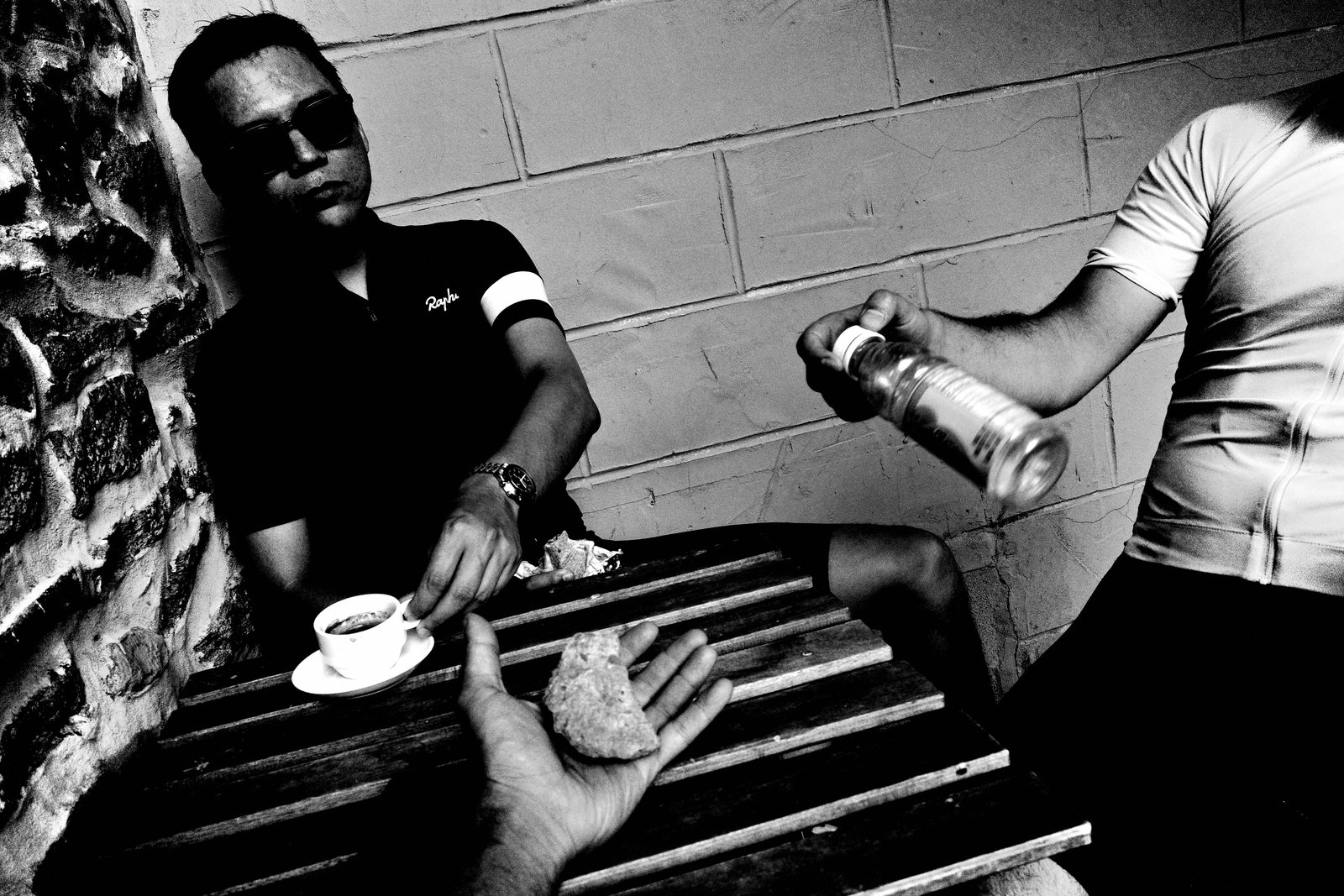
You don't need dramatic scenes to champion humanity. A hand reaching out. Someone lost in thought. A gesture of care between two people. These small, quiet moments carry the full weight of what it means to be human — resilience, hope, connection. Your job is to recognize them and honor them with the frame.
Elevate, Don't Just Capture

There's a line I keep coming back to: when you photograph life, hold it up high and elevate the experience of what it means to be human. That word — elevate — is the whole assignment. You're not just capturing what's there. You're lifting it. Presenting it as the extraordinary thing it actually is.
The Extraordinary in the Ordinary
Most of life is ordinary. People walking. Waiting. Working. And that's exactly the canvas. When you walk the streets with the mindset that every ordinary person is a hero, the mundane stops being an obstacle and starts being the whole point. You don't need something special to happen — you need to see what's already there.
Join the Joy Before You Photograph It
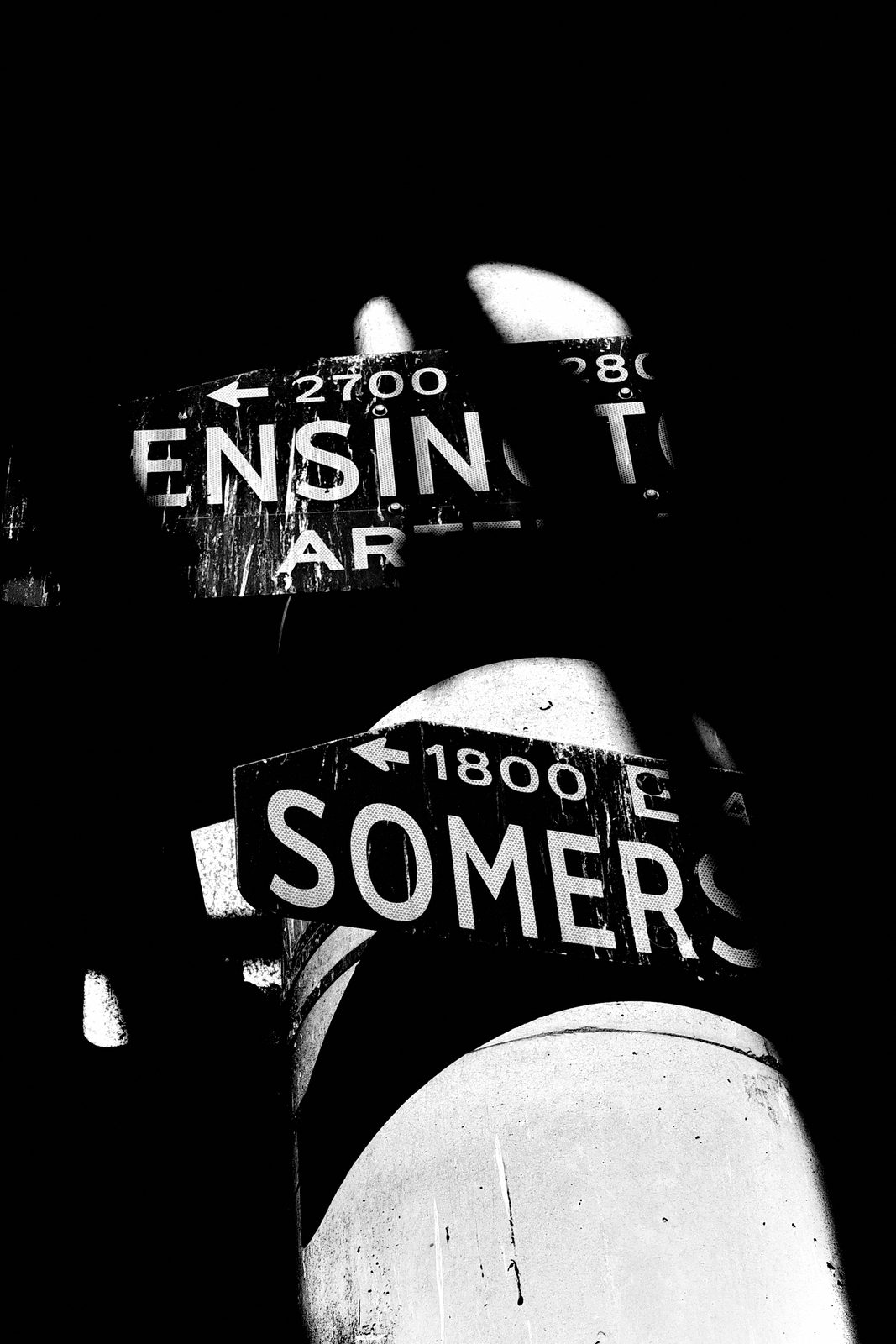
Here's another way in. Sometimes a day feels quiet, nothing obviously happening — and then you stumble on people lost in a moment of pure joy, dancing, laughing, alive. The temptation is to snipe it from the edge. Don't. Approach. Talk. Laugh. Dance with them. Become part of the energy instead of an observer of it. It's from inside that state of play and genuine connection that you make frames full of gesture and emotion. Those images are a testament to human joy — and they only exist because you showed up as a human being first.
The Instax as a Tool for Connection
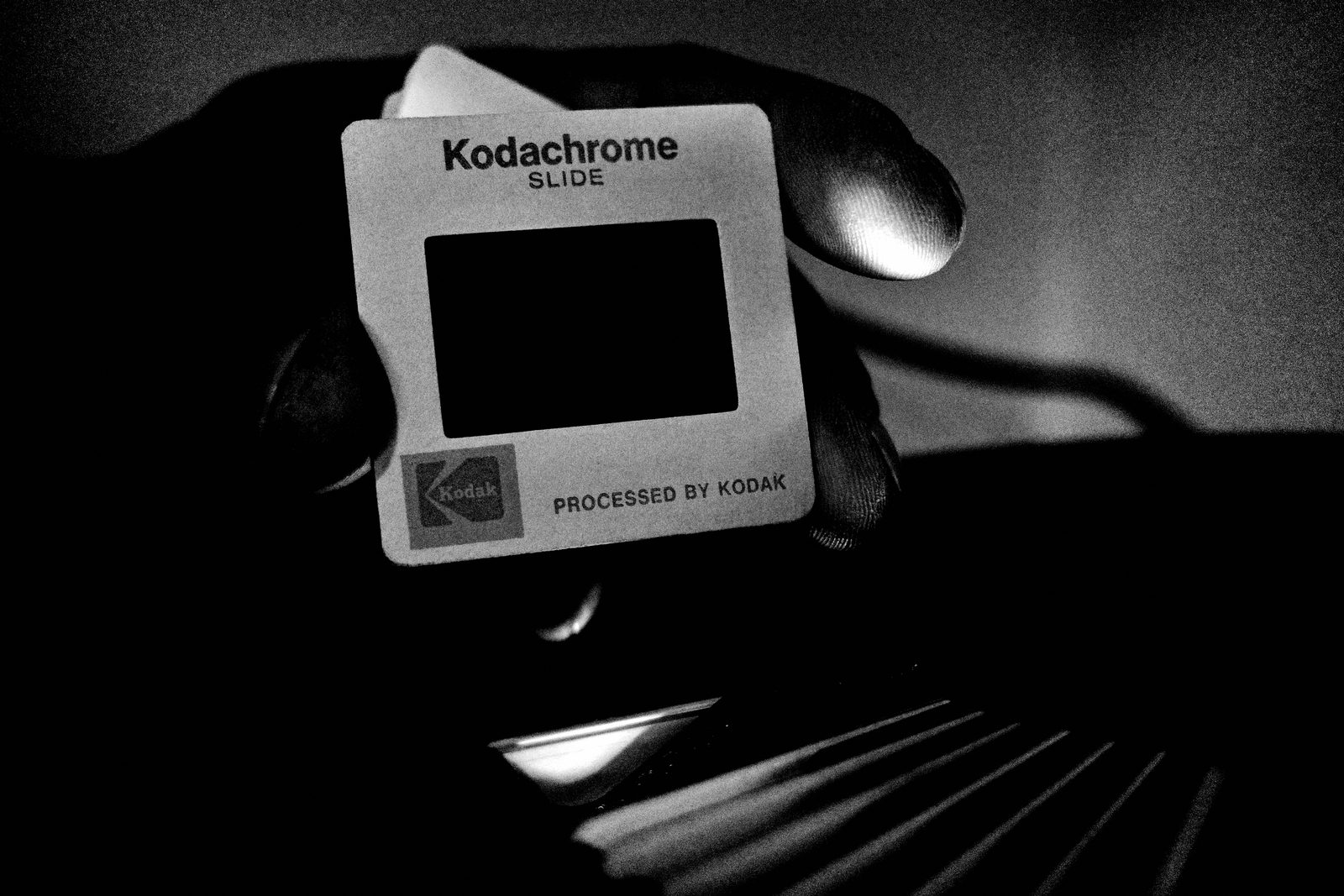
One of the most practical tools I use to champion humanity on the street is an Instax camera. When you gift a print to a stranger — an elder, a child, anyone — you're giving them something that says: I see you, and I think you're worth holding onto. That act of gifting opens doors that no amount of technical skill ever could.
Golden Light Turns Ordinary People Into Myth
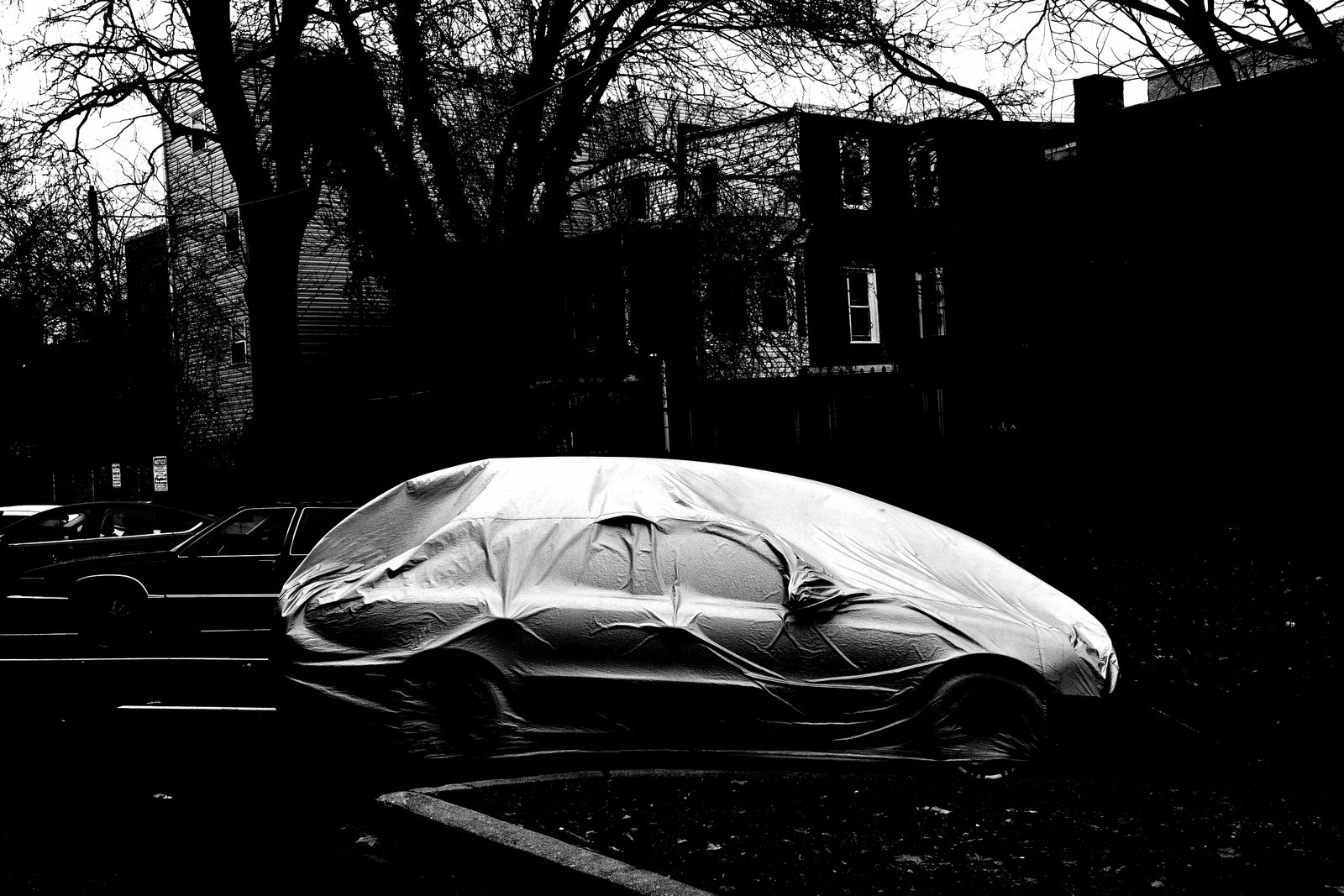
One more principle. Chase the great light and be willing to work for your position — climb, crouch, wade in, get where the light is doing its most dramatic work. When golden hour hits and ordinary people are moving through it — leaping, running, alive — they stop looking ordinary. A body launching through low, warm light can look like a Greek demigod. That's the goal in a single frame: elevate the everyday. Catch real people in the right light and reveal the myths they already are.
A Shared Journey, Reflected Back

Ultimately, the photographs we make become a kind of testament. Not just to the individuals in the frame, but to the shared journey we're all on. When someone looks at your image and sees their own humanity reflected back — something they recognize in a stranger's face or gesture — that's the work succeeding at the deepest level.
PRACTICAL APPLICATION
Approach One Stranger Today
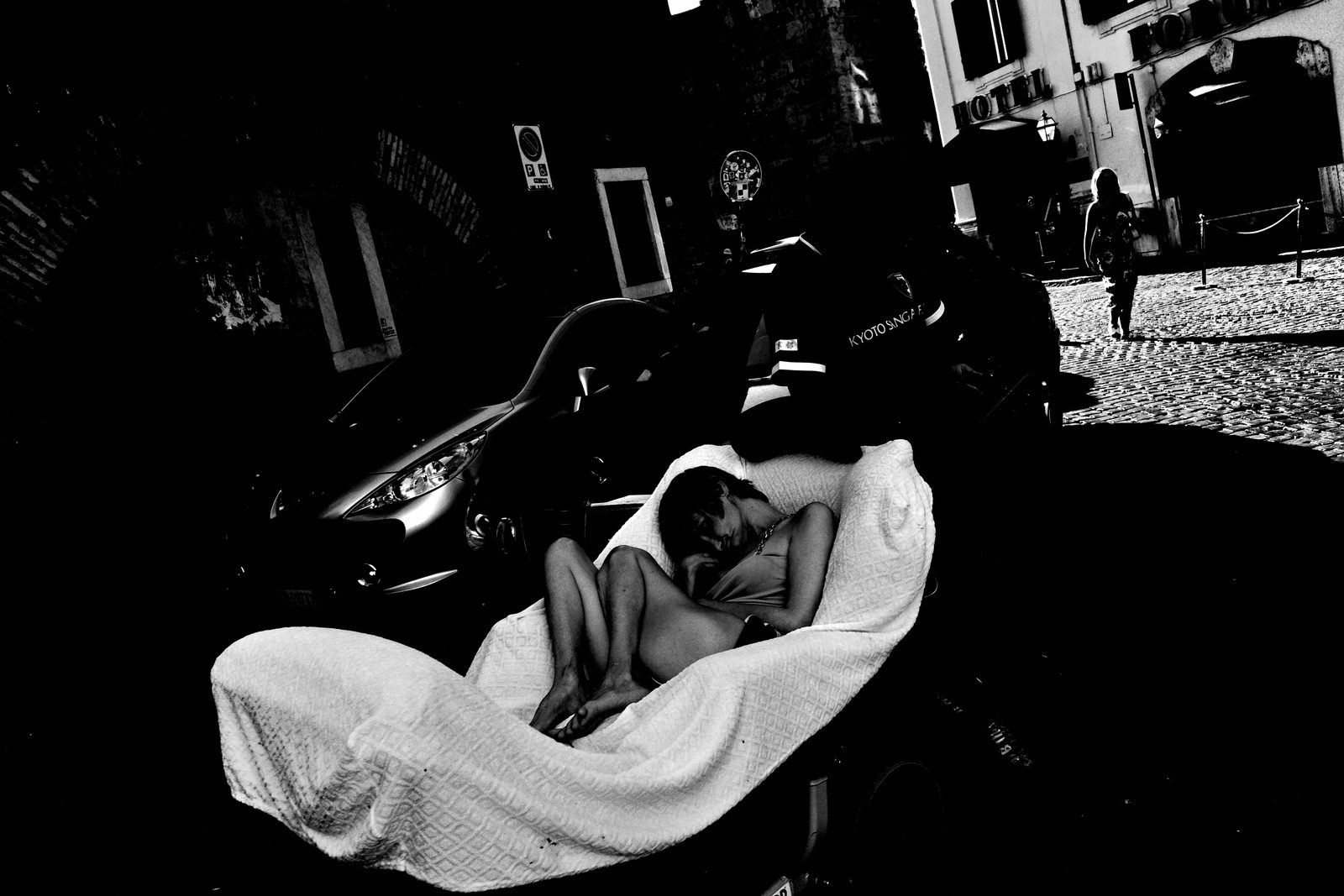
Here's your assignment: go out today and approach one person before you photograph them. Ask a question — what are you doing, what is this place to you? Talk for a few minutes. Then, if it feels right, photograph. Notice what the image contains that your usual frames don't. That is what championing humanity feels like in practice.
The Hero Reframe
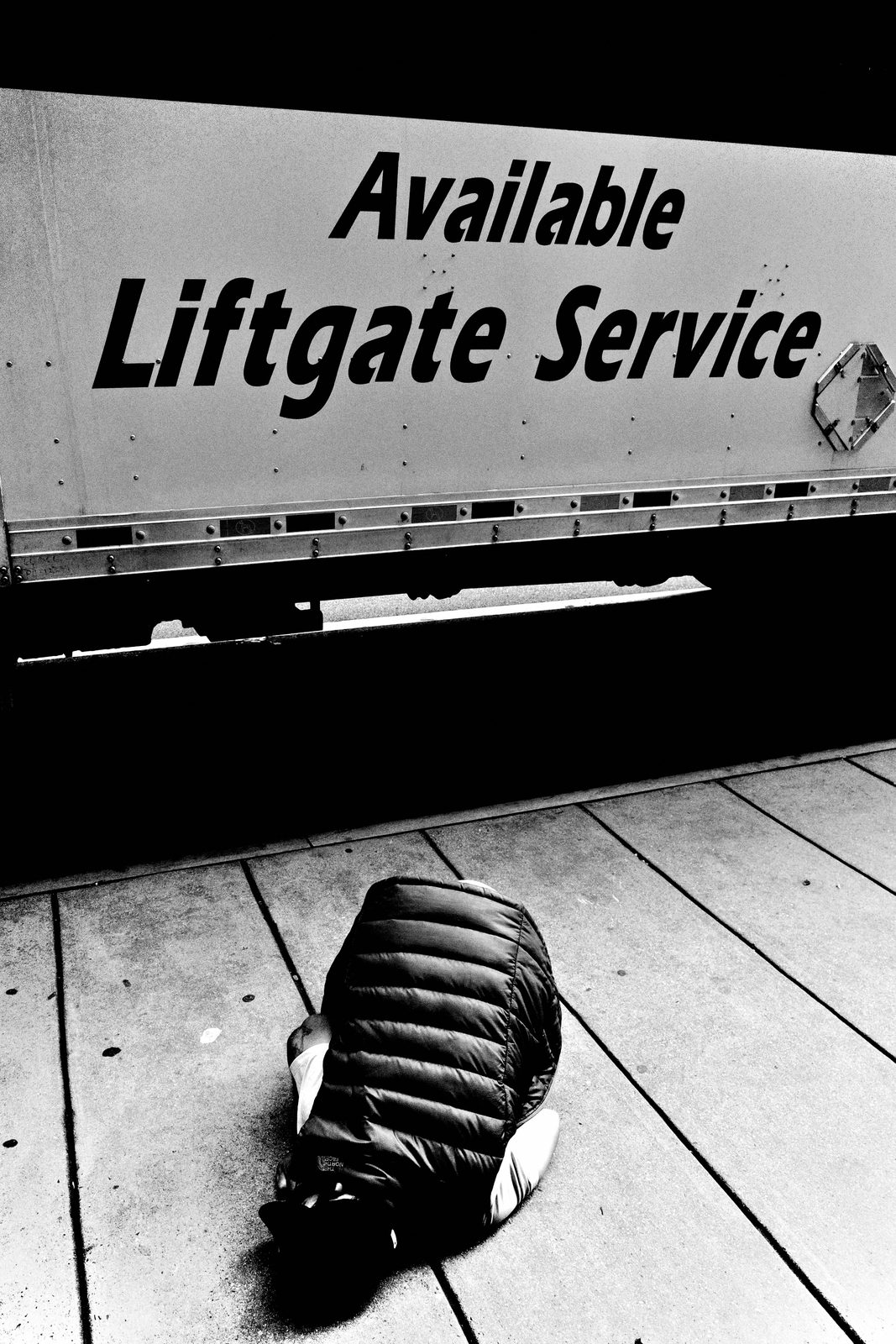
Build a simple ritual: before you raise the camera to anyone, take one breath and remind yourself — this person is a hero in their own story. Feel what that does to your posture, your proximity, your patience. It's a tiny mental shift with enormous photographic consequences.
COMMON MISTAKES
Using People as Props
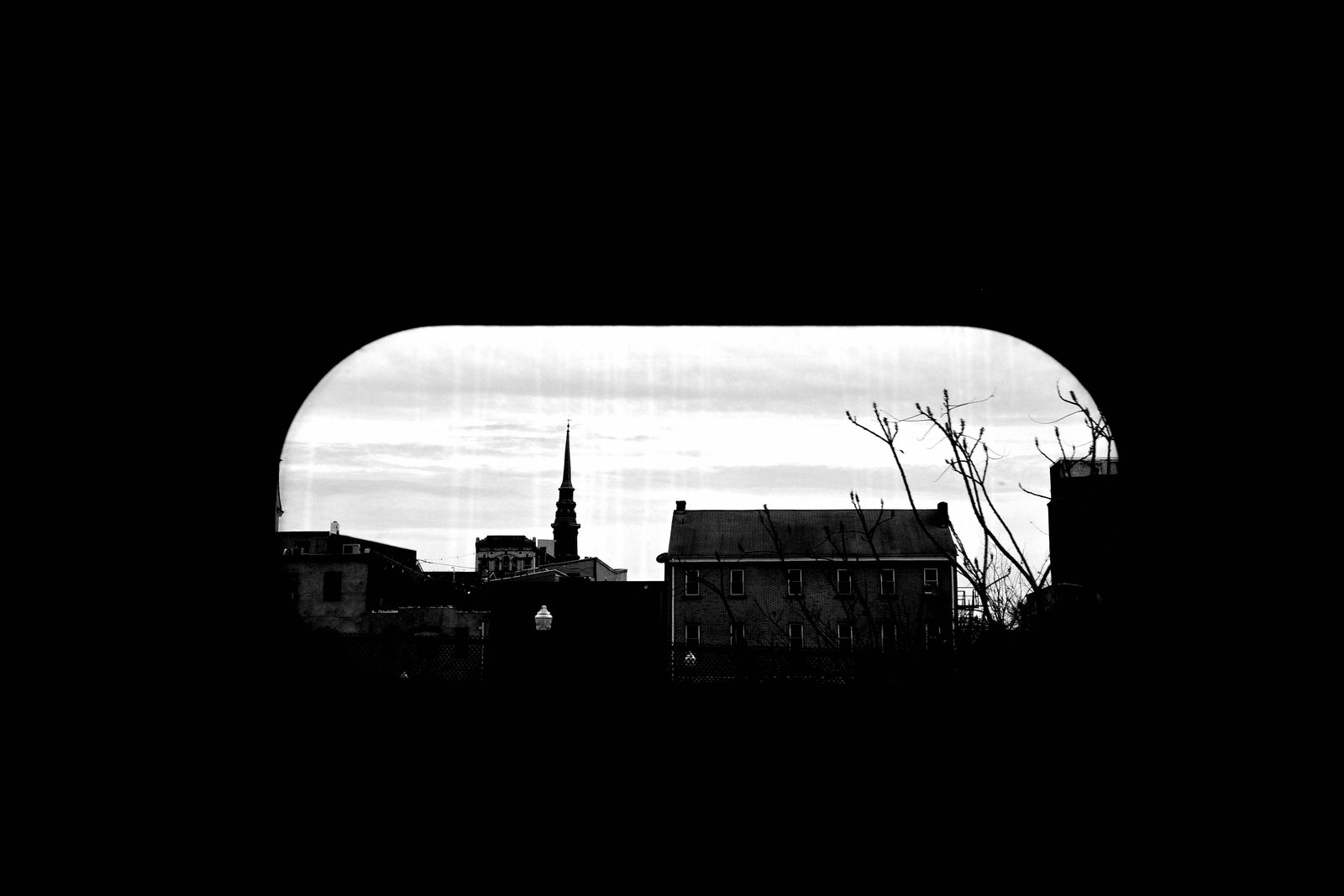
The most common mistake when it comes to humanity in street photography is treating people as compositional props — elements in your geometry rather than the whole point. You end up with technically interesting frames that feel cold. Ask yourself honestly: does this image honor the person in it? If the answer is no, you've got composition without soul.
Shooting from Fear, Not Love
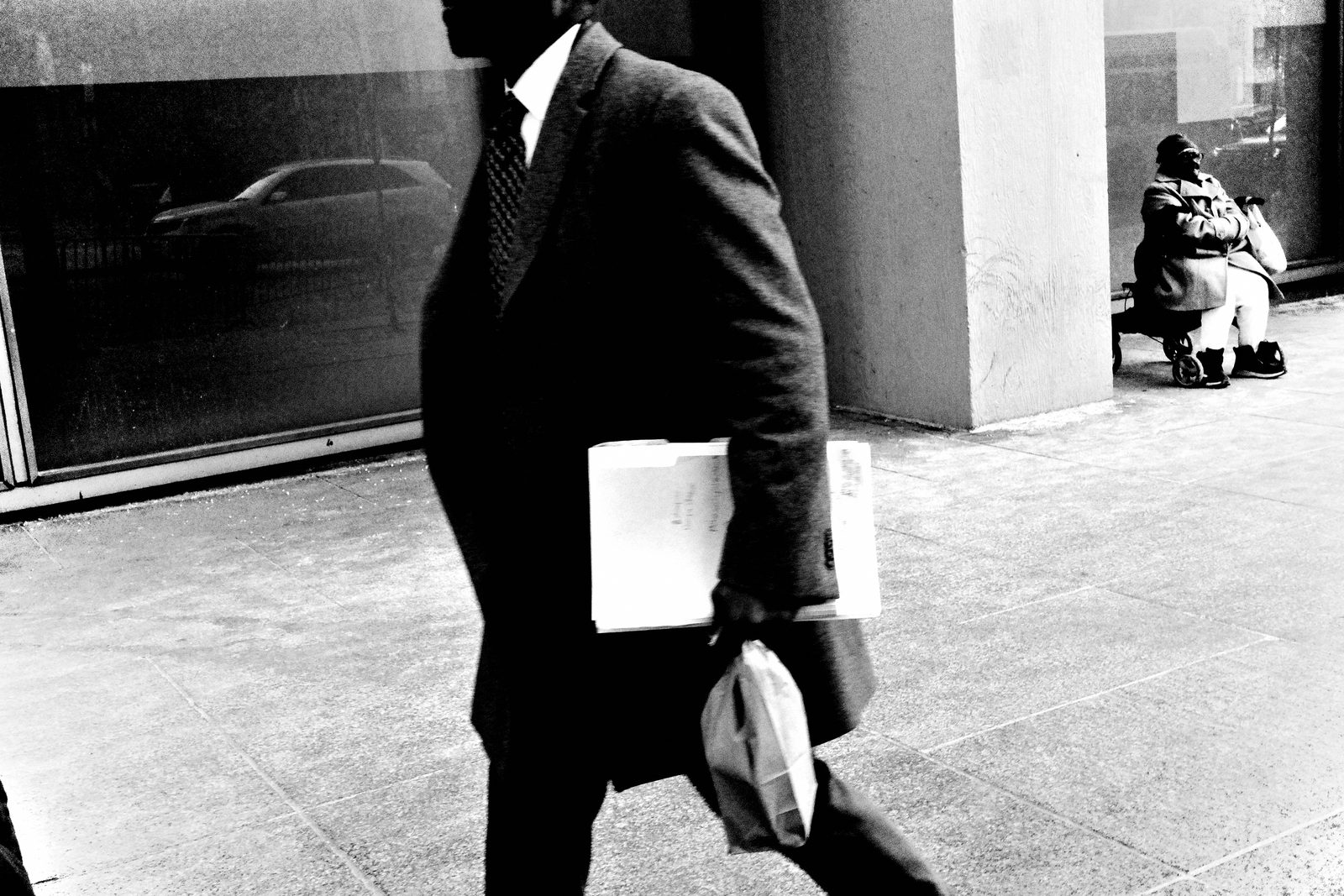
The other mistake is shooting from fear — keeping your distance, staying invisible, never engaging. I understand the impulse, but it costs you everything. The images feel it. There's a coldness to a photograph made from behind the safety of distance. Courage — cor, heart — is what closes that gap and lets the real photograph through.
RELATIONSHIP TO PREVIOUS
Building on How You See People
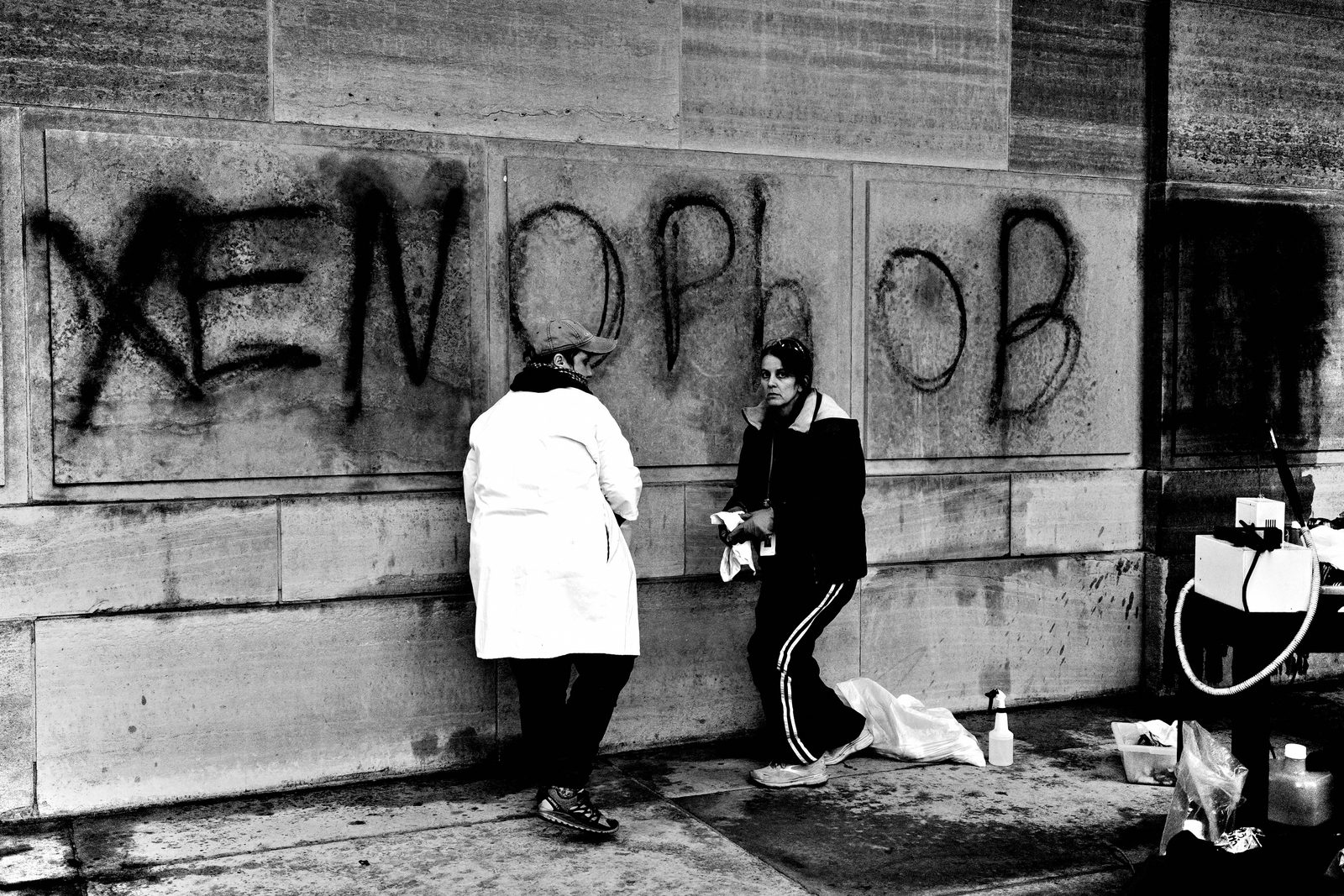
Lesson 037 laid the groundwork for how we look — the observational practice, the attentiveness to people and moments. This lesson takes that looking and gives it a why. It's not enough to see clearly; you have to see with reverence. Championing humanity is the purpose that makes all that careful observation meaningful.
RELATIONSHIP TO UPCOMING
From Championing to Storytelling
Once you start seeing every person as a hero worth honoring, the natural next question is: what is their story? Lesson 039 takes us into that territory — how to build narrative depth into your street work. Championing humanity is the foundation. Storytelling is what gets built on top of it.
SUMMARY / TAKEAWAY
Hold Life Up High
Last thing. The goal of street photography isn't to collect interesting frames — it's to champion humanity. Every person you pass is a hero with a story worth honoring. See them with compassion and curiosity. Be human first. Get close with your heart. And when you raise that camera, hold life up high. That's what this whole practice is for. Catch you in the next one — peace.