Candid vs Engaged
CORE IDEA
Two Doors Into the Same World
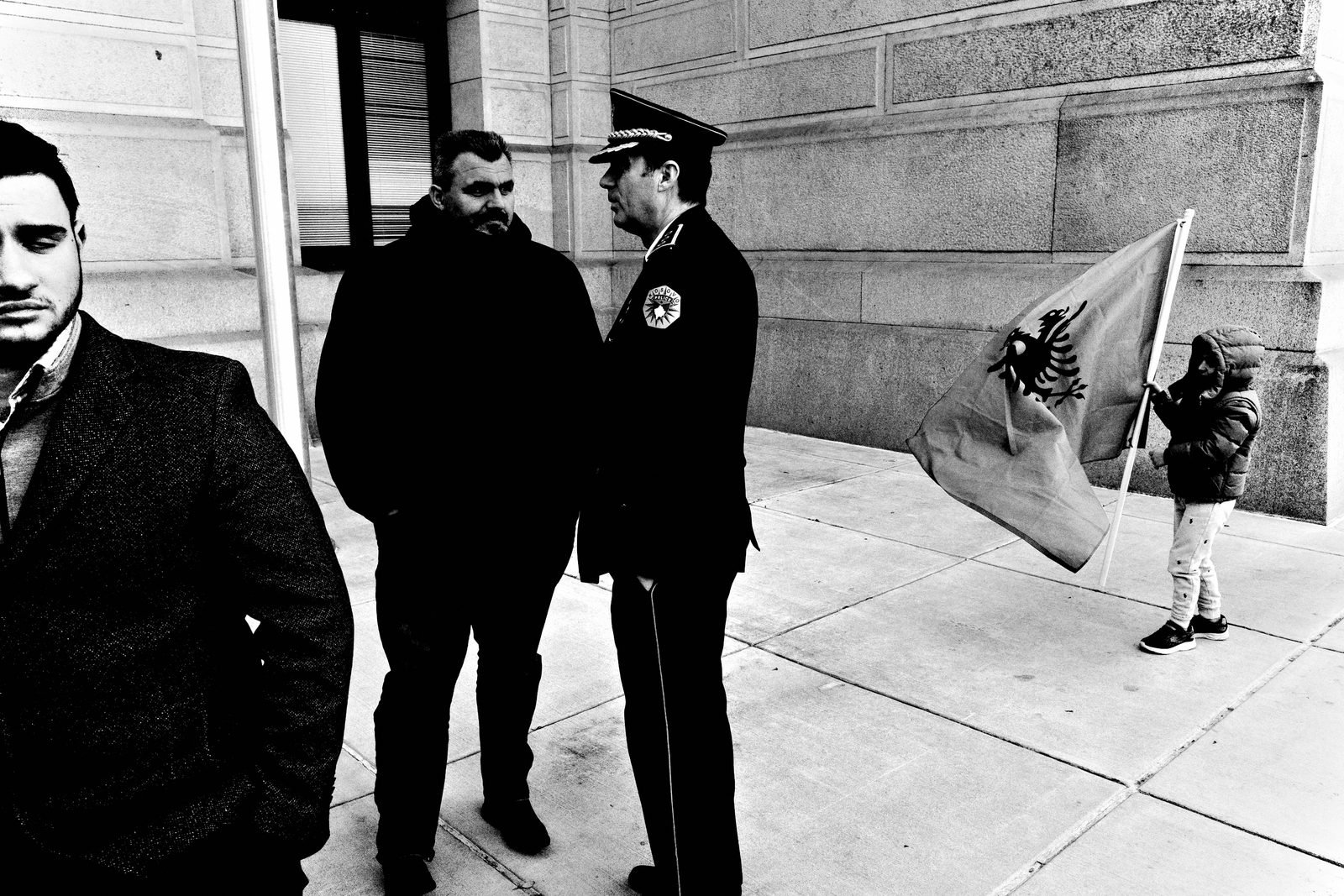
What's popping, people — it's Dante. Today we're cracking open something that divides photographers more than almost anything else: candid versus engaged. Shoot secretly or ask? Be invisible or show up? Here's what I actually think — these aren't two enemy camps. They're two different tools for the same job: getting closer to life. And knowing when to use which one is the real skill.
LEARNING OBJECTIVE
What You'll Walk Away With
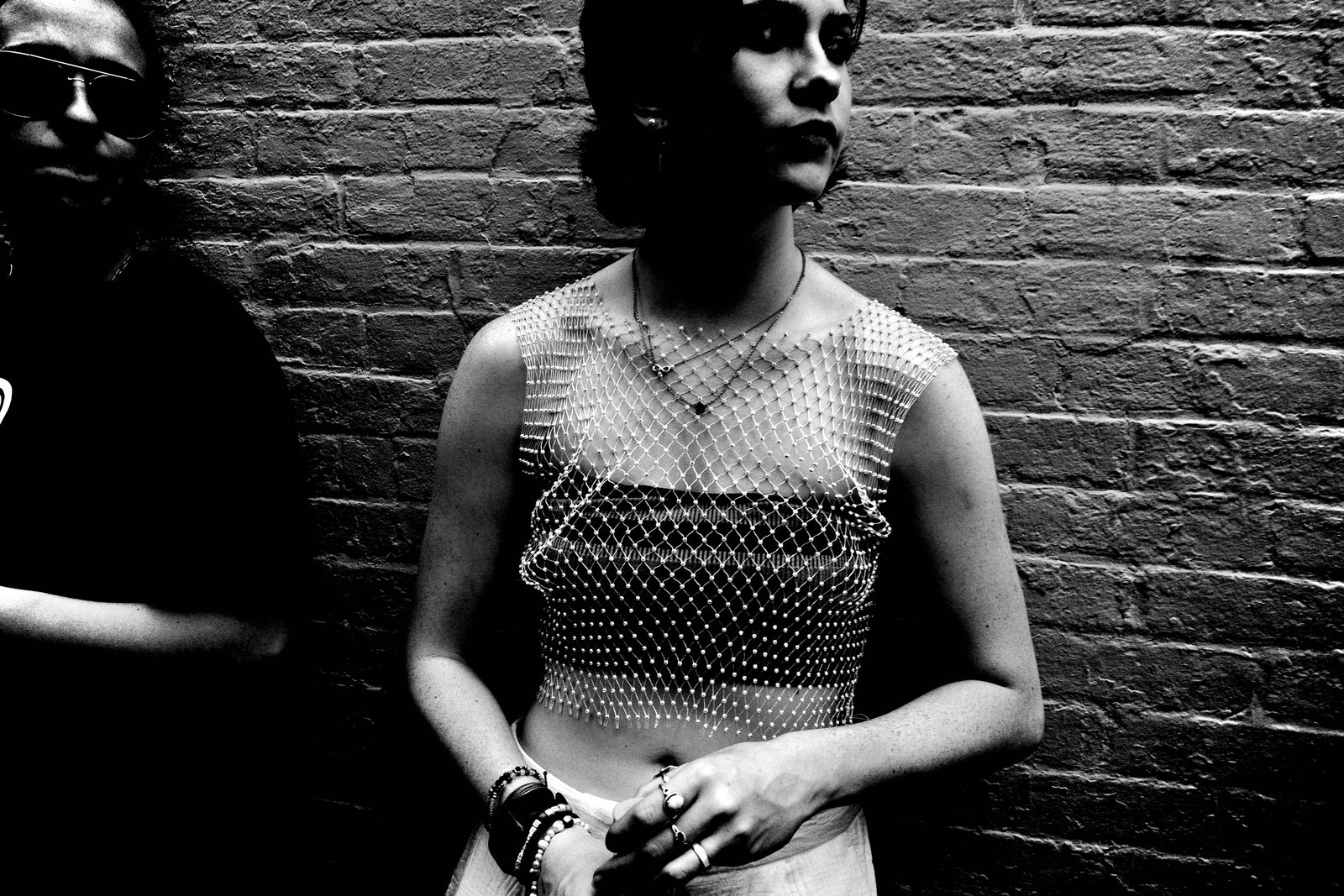
By the end of this lesson you'll have a clear framework for choosing between candid and engaged — not as a rigid rule, but as a living, breathing decision you make in the moment. You'll stop treating "asking" as a taboo and start seeing it as one of the most powerful tools in your kit.
WHY THIS MATTERS
The Stealth Myth Is Holding You Back
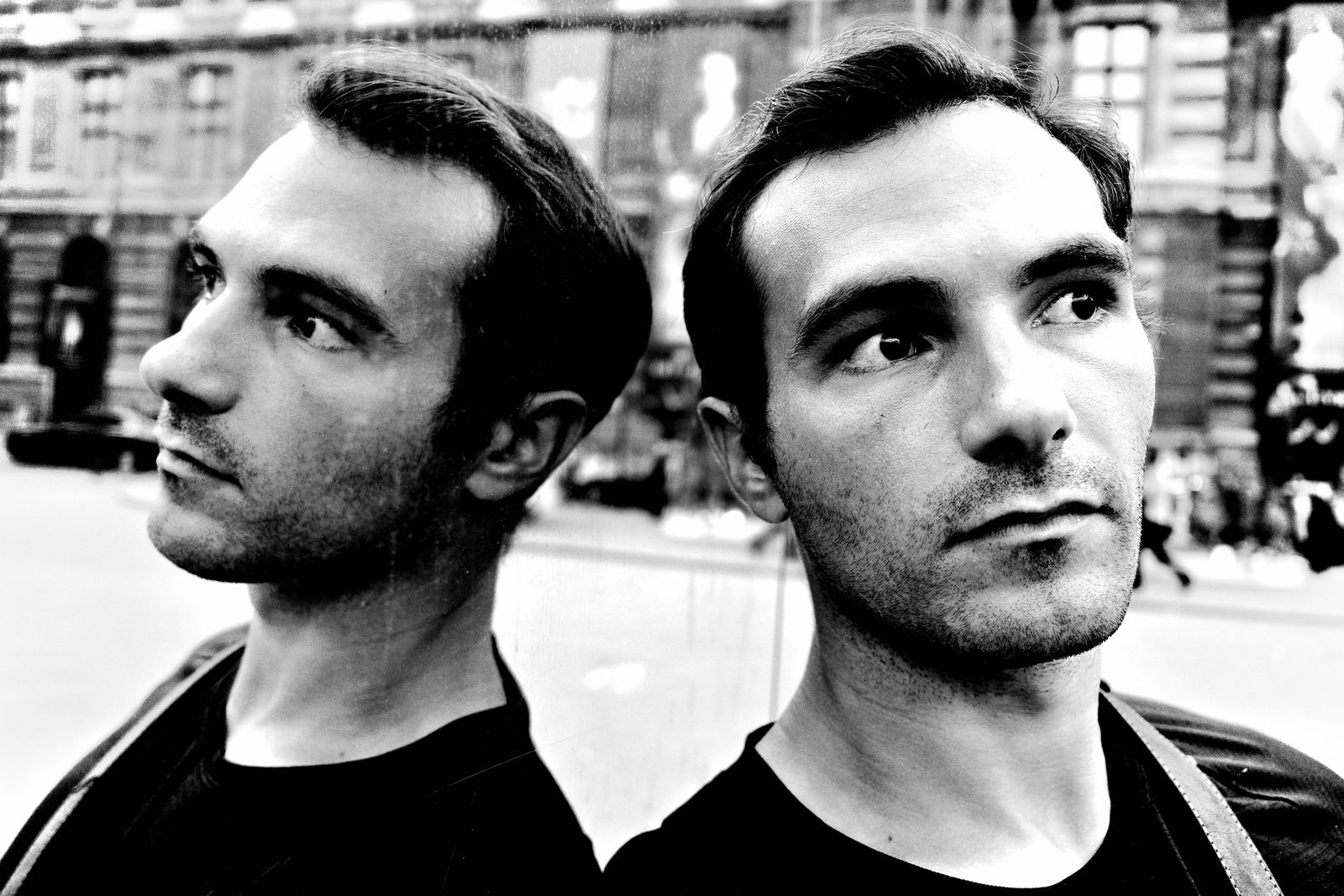
Here's why this matters: the street photography world has built a mythology around being invisible — the ninja, the fly on the wall, the hunter in the shadows. And while there's real value in candid work, that mythology has become a ceiling. Photographers are so committed to stealth that they never build the emotional closeness that makes a photograph actually mean something. You can be a foot away and completely disconnected. That's the trap.
The Secret Is Sociology, Not Photography
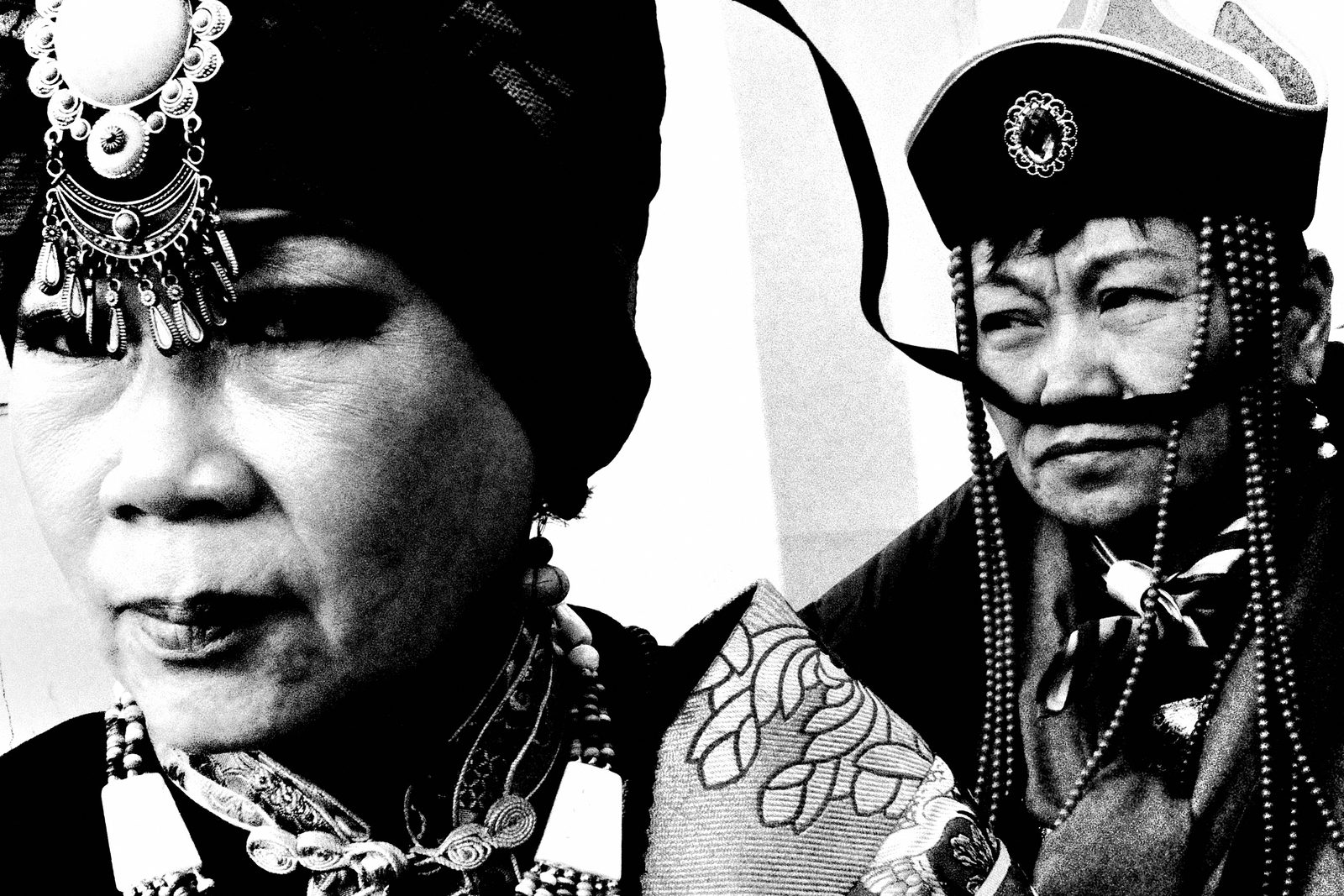
And here's the reframe that changed everything for me: the secret to great street photography has more to do with sociology than photography. It's not about gear, specs, or the decisive moment. It's about how you engage with life — with real, breathing people. Your camera is just the excuse to be there. Your humanity is what actually does the work.
MAIN TEACHING
What Candid Actually Is
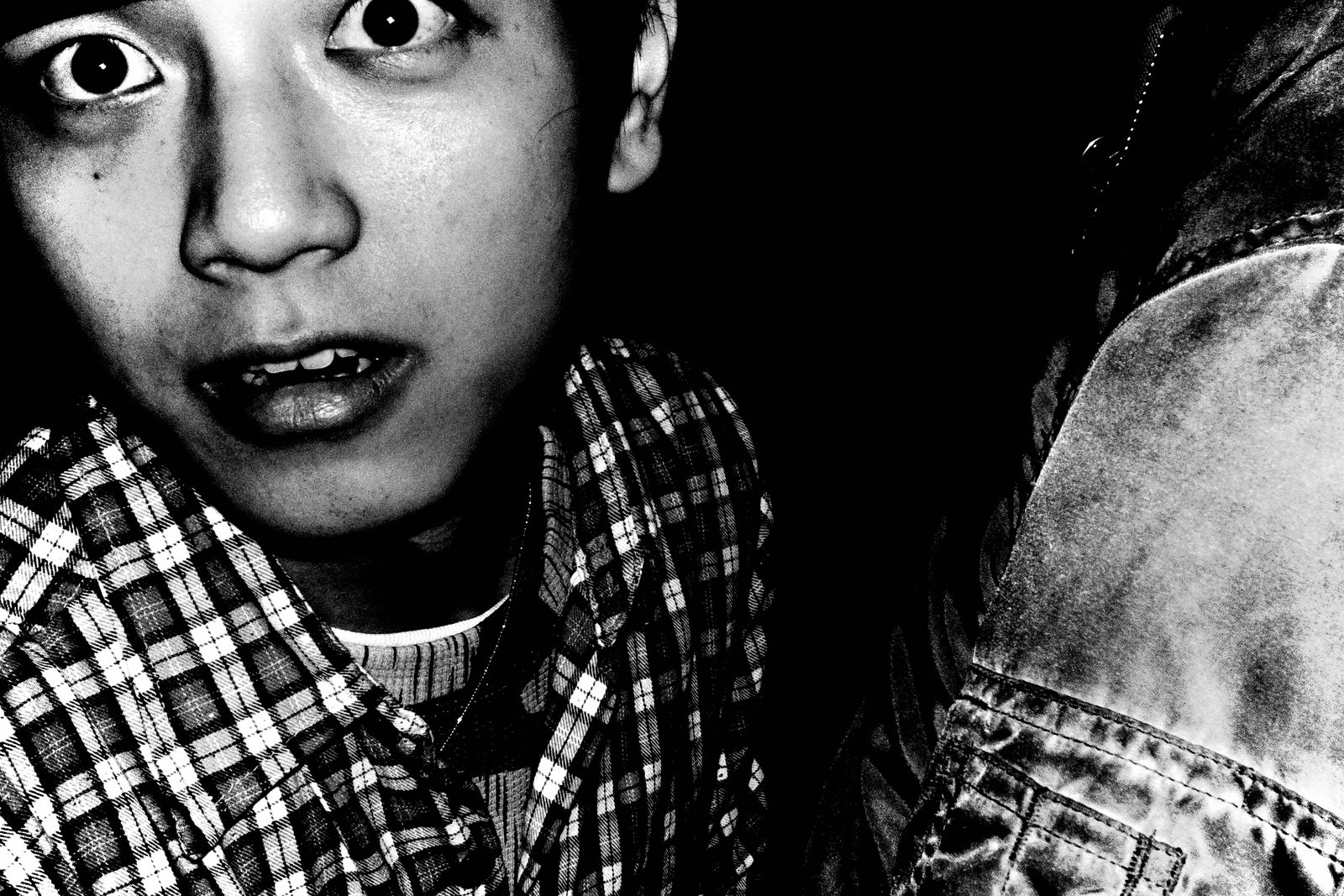
Candid photography is about being the fly on the wall. Minimal interaction. You're moving through the world, responding to what unfolds — spontaneous, instinctive, quick. Anyone can grab a camera and walk the streets capturing fleeting moments. The power is in the immediacy, in the unrepeatable instant. Your eye and your instinct are everything.
What Engaged Actually Is
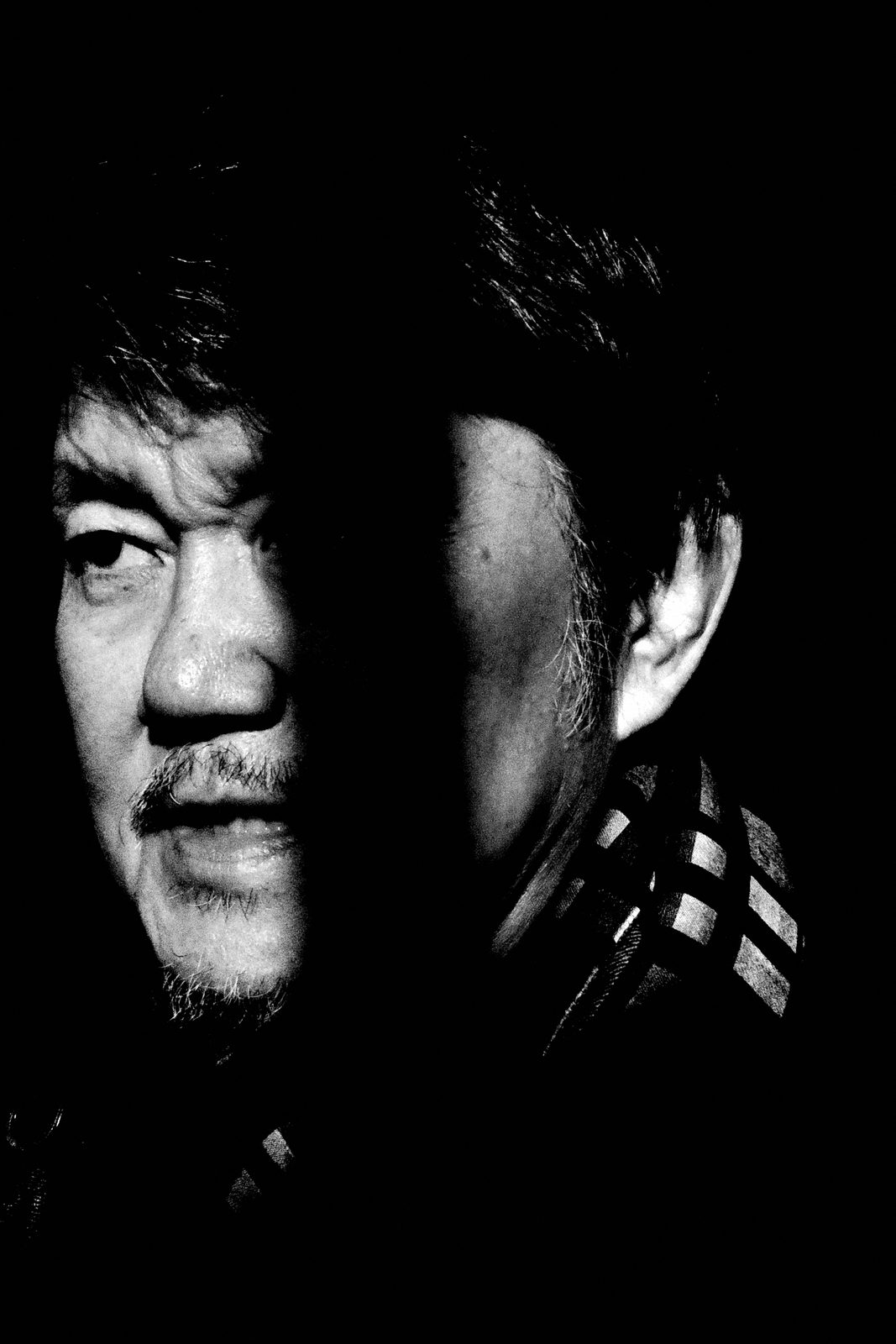
Engaged photography is different. It's about time and connection. You spend extended energy — sometimes extended days — in one location, building relationships, integrating into the community. Over time, trust opens doors that stealth never could. Access allows for storytelling without posing, giving the work a natural authenticity that candid alone rarely achieves.
Asking Doesn't Kill the Moment
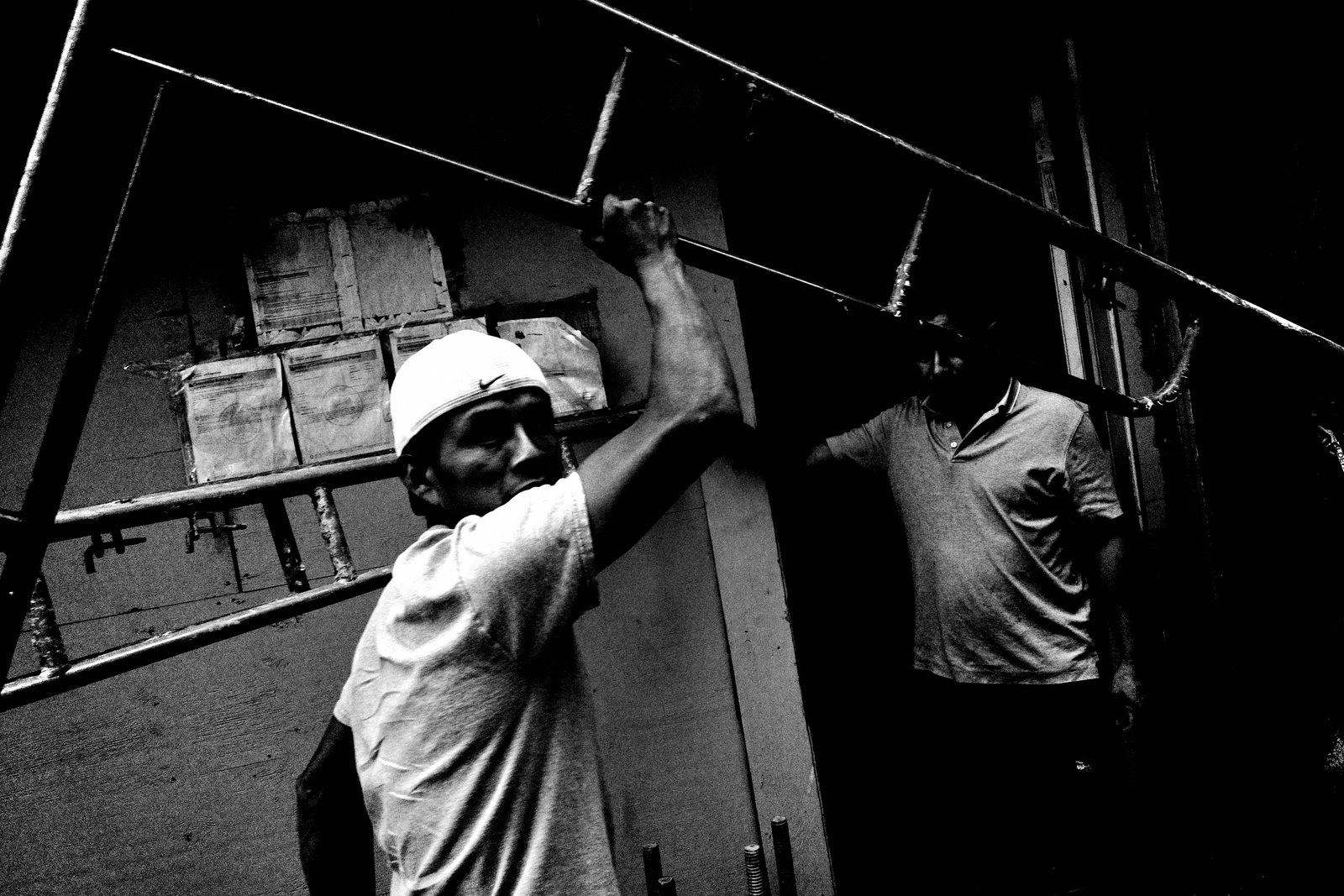
Here's the thing people get wrong: they think asking ruins the spontaneity. They say it kills the moment, that it's not "real" street photography. They're dead wrong. Asking for permission can actually deepen the moment. When you ask, you're invited in. You get to stay longer. You get to work the scene — shoot multiple angles, recompose, refine. You're not hunting for a snapshot. You're building trust. And that's when the good stuff happens.
Human First, Photographer Second
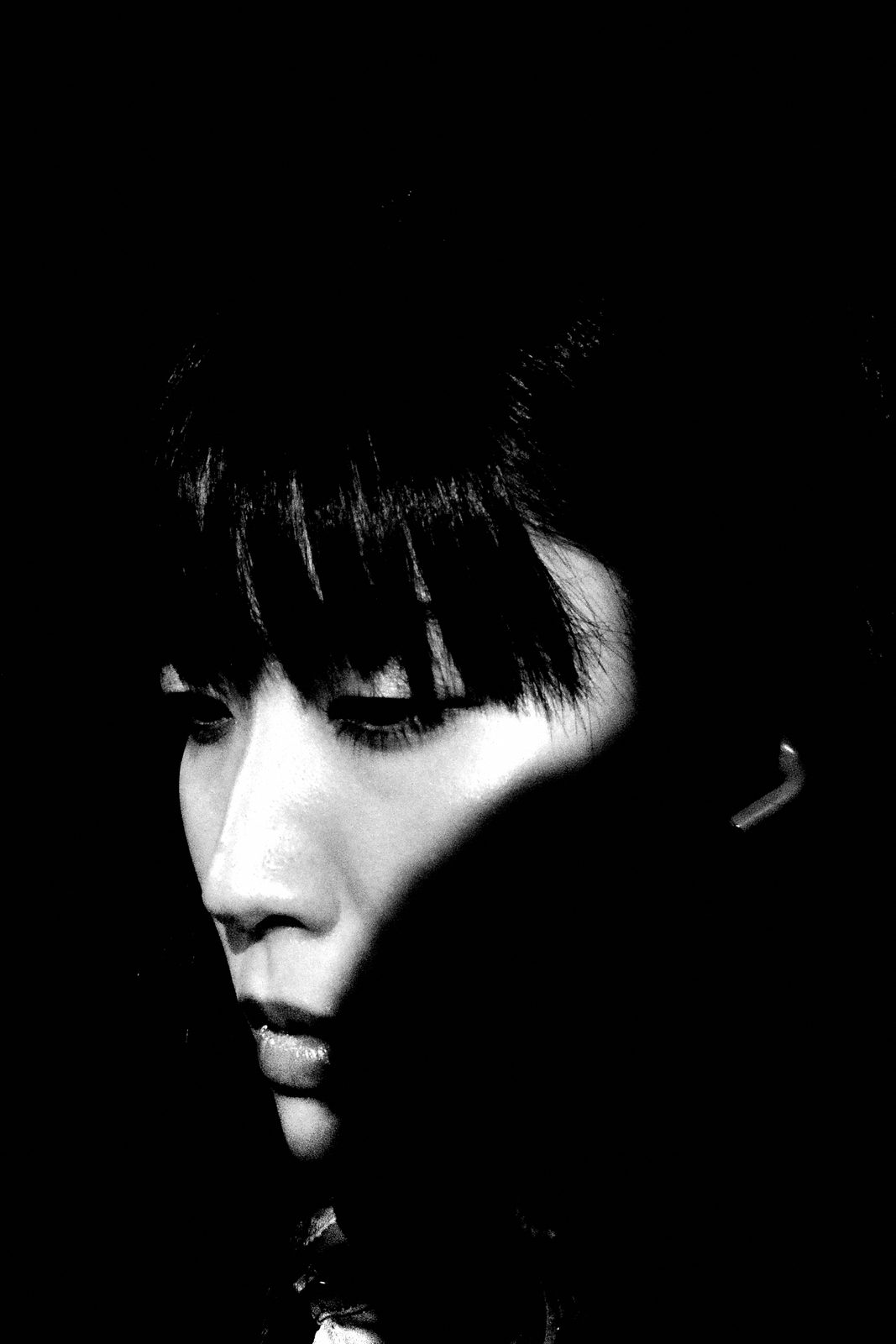
You don't need to be a stealth ninja with a camera. Be a human. Smile. Ask questions. Open your body language. Show up like a full human — open, curious, and real. Be human first. Photographer second. When you do that, the camera stops being a weapon and starts being a bridge. People feel the difference immediately.
Presence Lets the Frame Assemble Itself
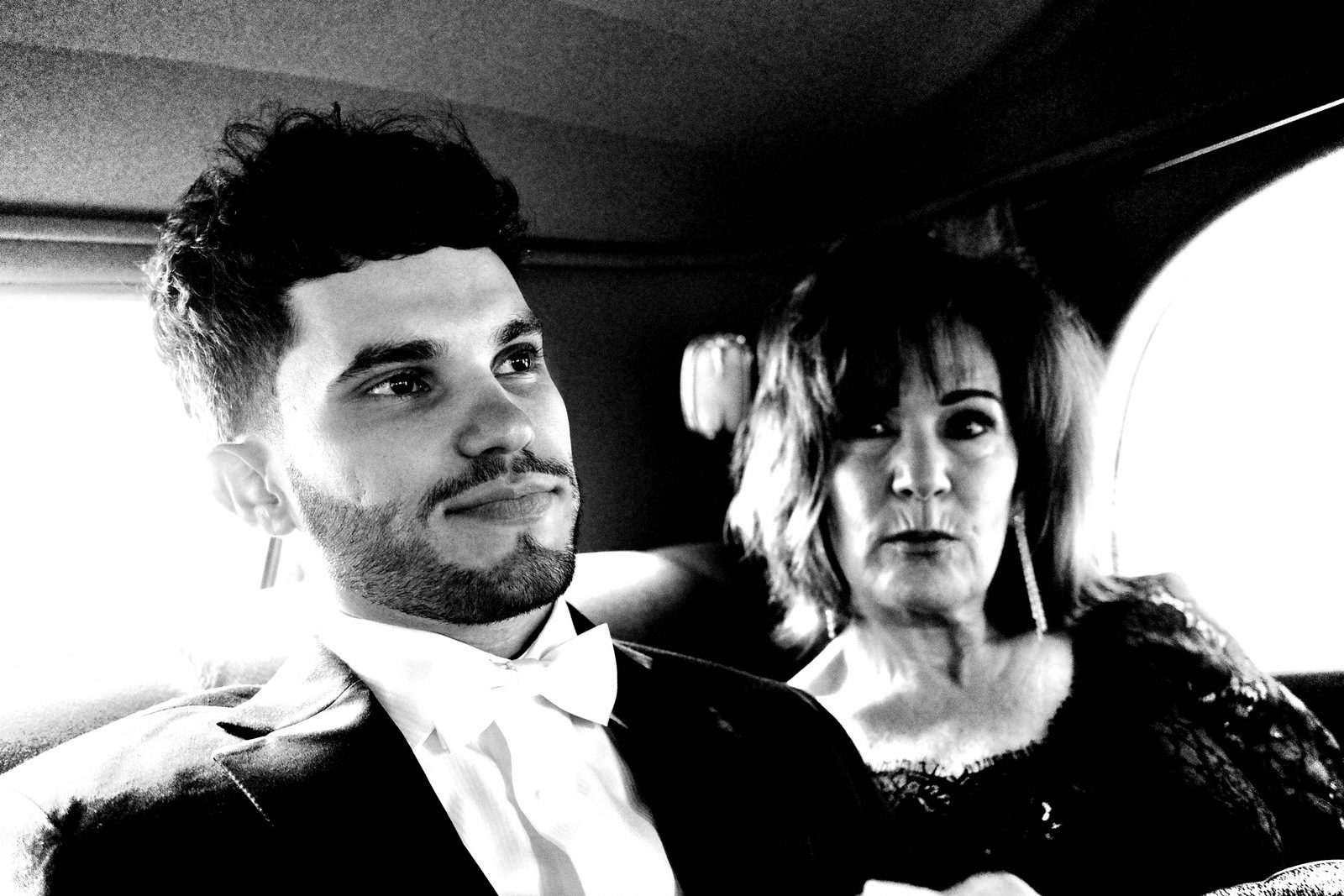
Here's how this actually works. When you stop rushing and simply spend time somewhere — not on a mission, just being present — the world starts arranging itself in front of you. Because you're not hunting, you have the patience to see the layers assemble: something in the foreground, a figure in the middle ground, a movement in the background, a rhythm holding it all together. The strongest frames come together through being, not through chasing. Slow down enough to be there, and the composition finds you.
Body Language Speaks Before Words Do
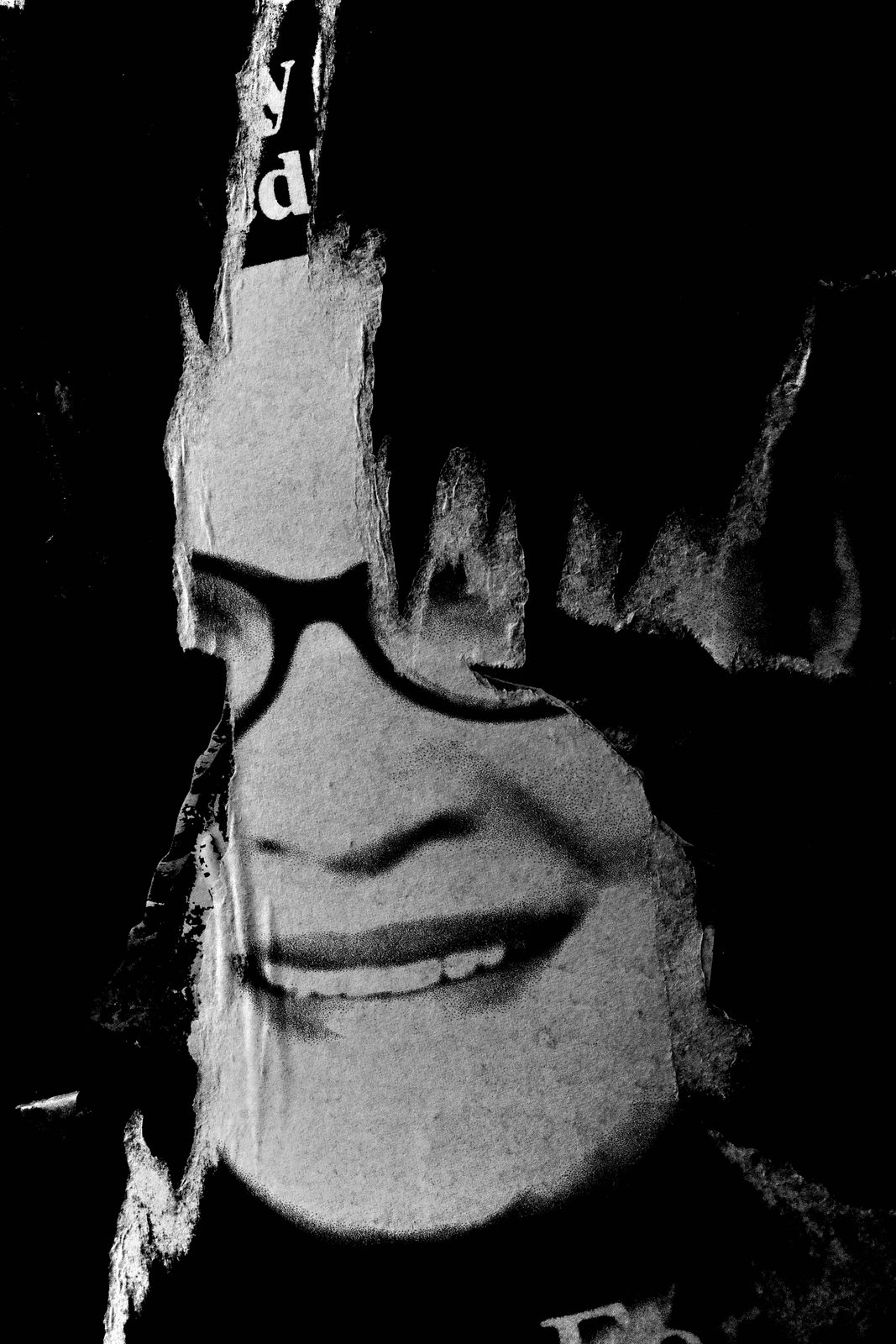
Walk into an unfamiliar neighbourhood — a market, a side street, a working block — and lead with a smile and open body language. When you approach a vendor or a worker with genuine warmth, warmth comes back. A small exchange, a shared moment, and suddenly you're welcome. And sometimes you photograph someone nearby without exchanging a single word — everything understood through posture, eye contact, and presence. That's real street photography. Not soulless run-and-gun. Not stealth. Just two humans being real with each other.
In Guarded Spaces, Engagement Is the Only Key
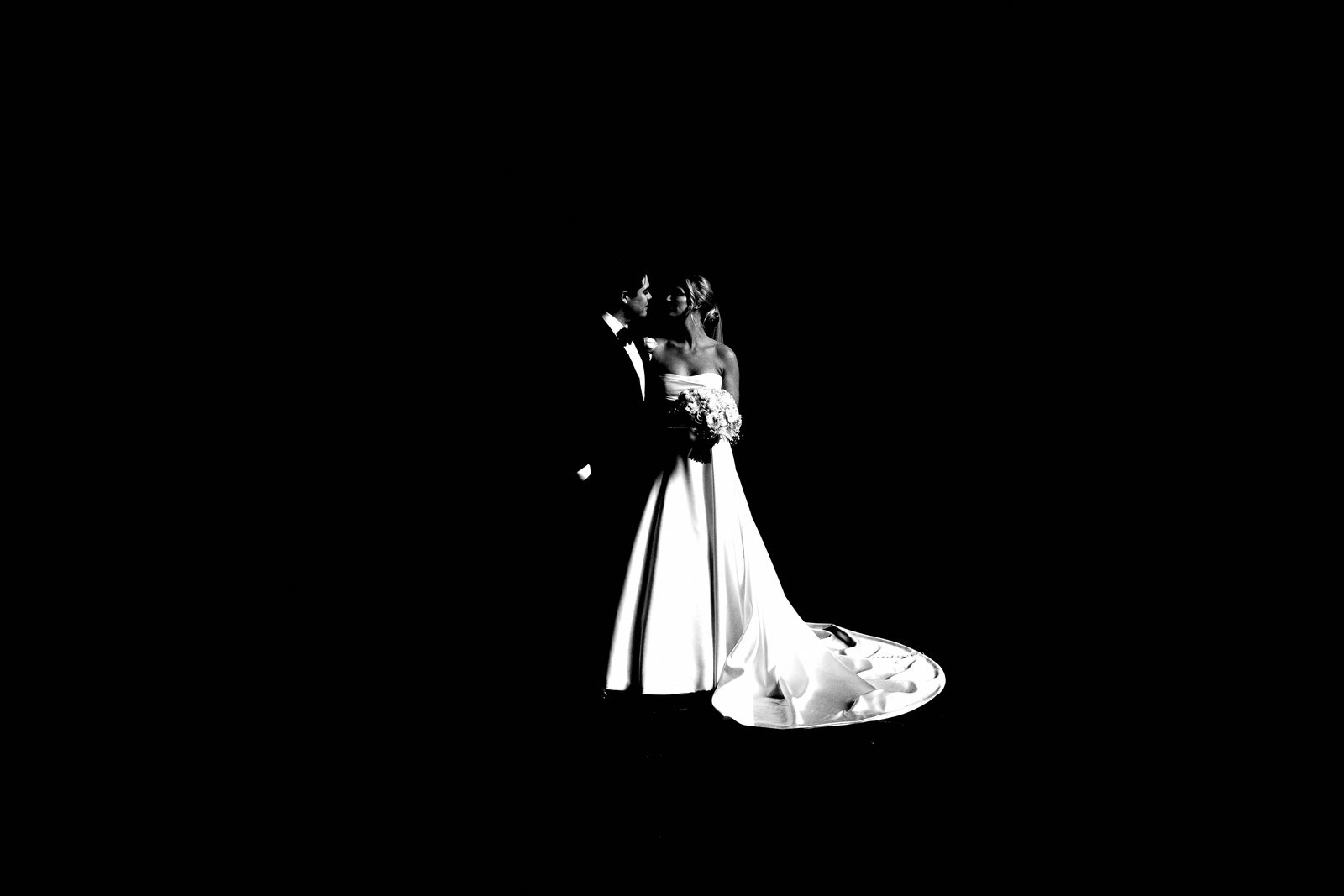
When you're entering a place where people are guarded — a neighbourhood that's wary of outsiders, a community that doesn't know you — stealth isn't just rude, it's a liability. You can't walk around snapping like a tourist. You have to learn how to engage, how to navigate, how to build trust. Approach people. Say hello. Explain who you are and what you're doing. Ask. When you engage instead of extract, you earn the time to work the scene — and that time is exactly what produces your strongest, most honest frames. Engagement makes the photograph possible.
The Instax Technique
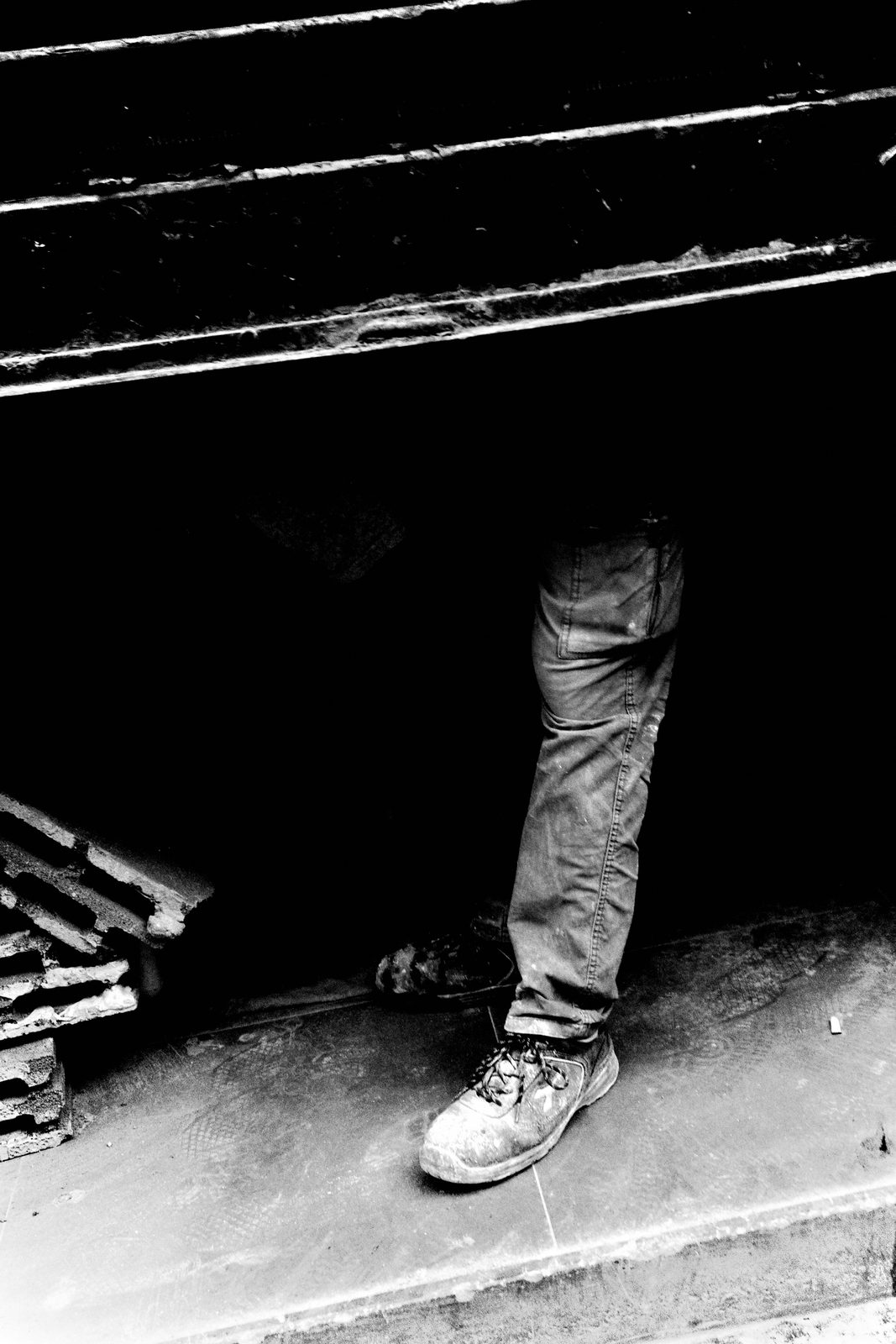
Here's one of my most practical tools for bridging candid and engaged: the Instax camera. Take someone's portrait, hand them the print on the spot. Immediately the ice breaks. Gifting prints to strangers is a superpower — it cuts straight through cultural and language barriers because generosity is universal. You hand someone a piece of the moment you just shared, and trust opens instantly. That single gesture can turn a stranger into a host — invitations to sit, to share a meal, to be let into places most photographers never reach. It all starts with a gift. The Instax is a passport.
Emotional Closeness Beats Physical Closeness
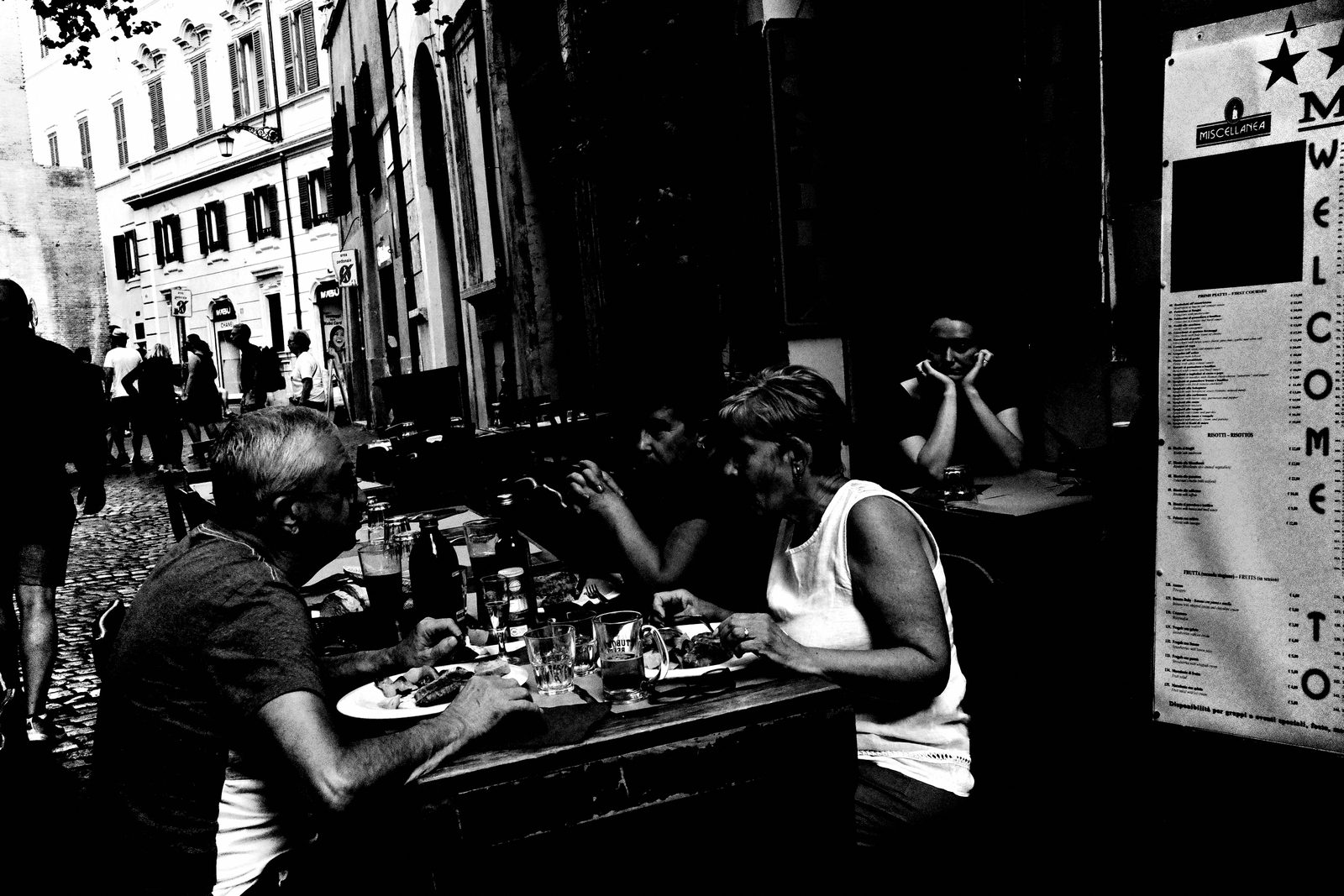
There are photographers running around trying to get physically close with their wide lenses, but they have zero emotional closeness to life. Emotional proximity beats physical proximity every time. You can be a foot away and still be disconnected. Or you can be across the room and completely in tune. That's what matters. Closeness isn't a measurement in inches. It's a quality of being.
When to Go Candid
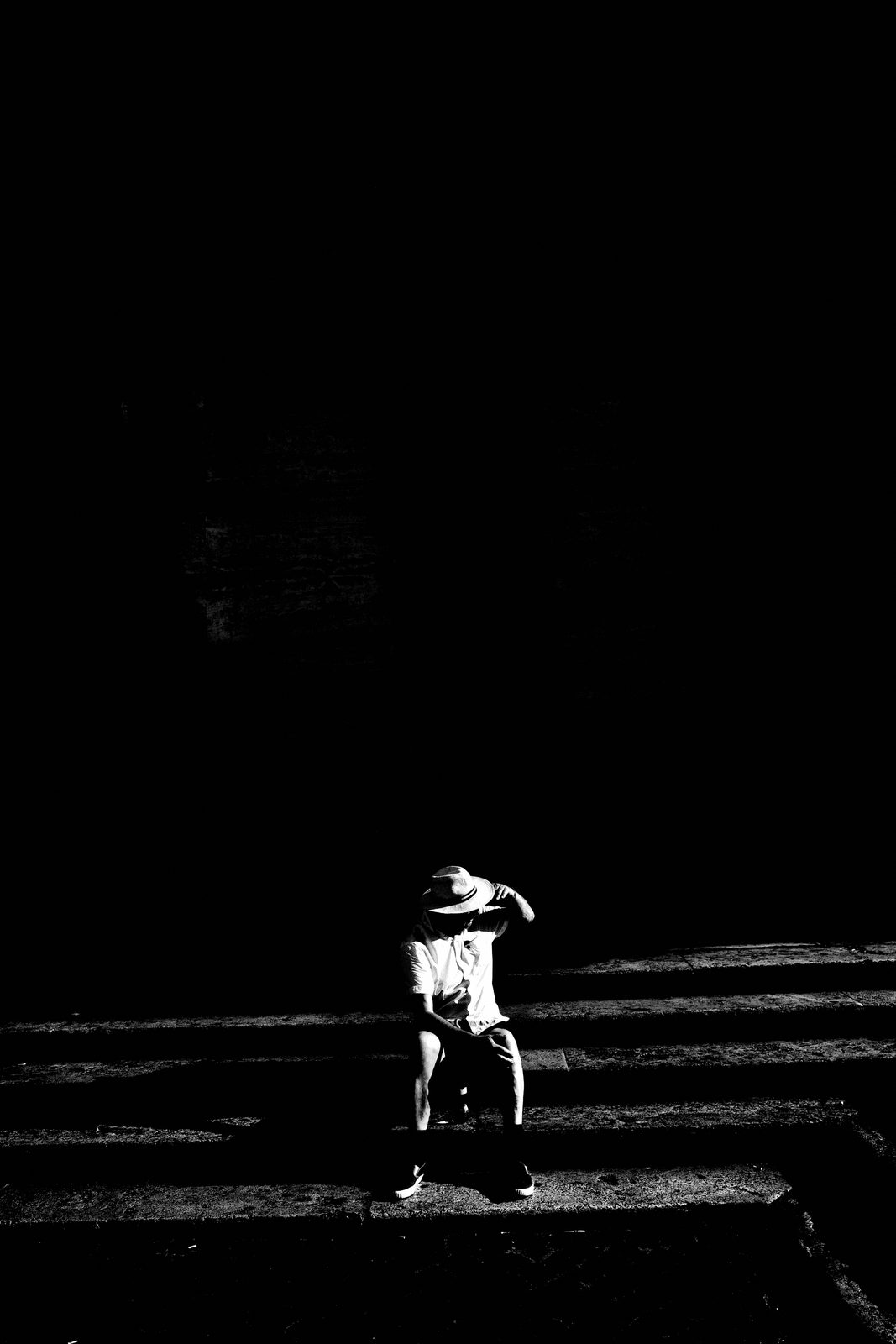
So when do you go candid? When the moment is genuinely fleeting and unrepeatable. When engagement would collapse the scene before it unfolds. When instinct fires faster than thought. Those moments exist — a gesture, a collision of light and form, a fraction of a second that will never return. For those, go candid. Trust your eye. Trust your gut. Don't pause to ask.
When to Engage
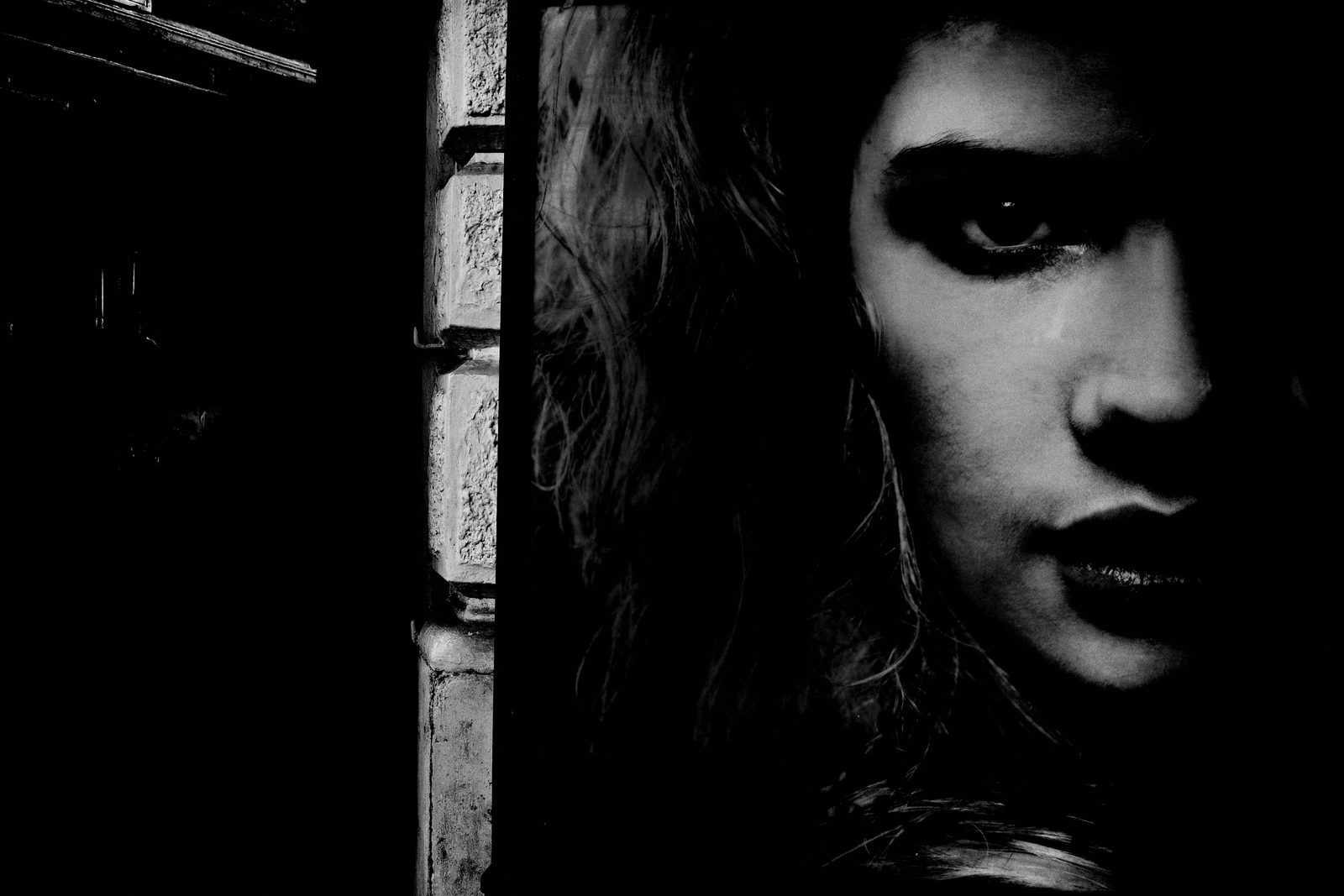
And when do you engage? When you're entering a community or unfamiliar space where trust determines access. When you want depth — multiple frames, angles, the story behind the face. When you have time to work the scene. In those situations, asking opens a door that stealth never could. You're not compromising the work. You're deepening it.
No Rules, Just Play
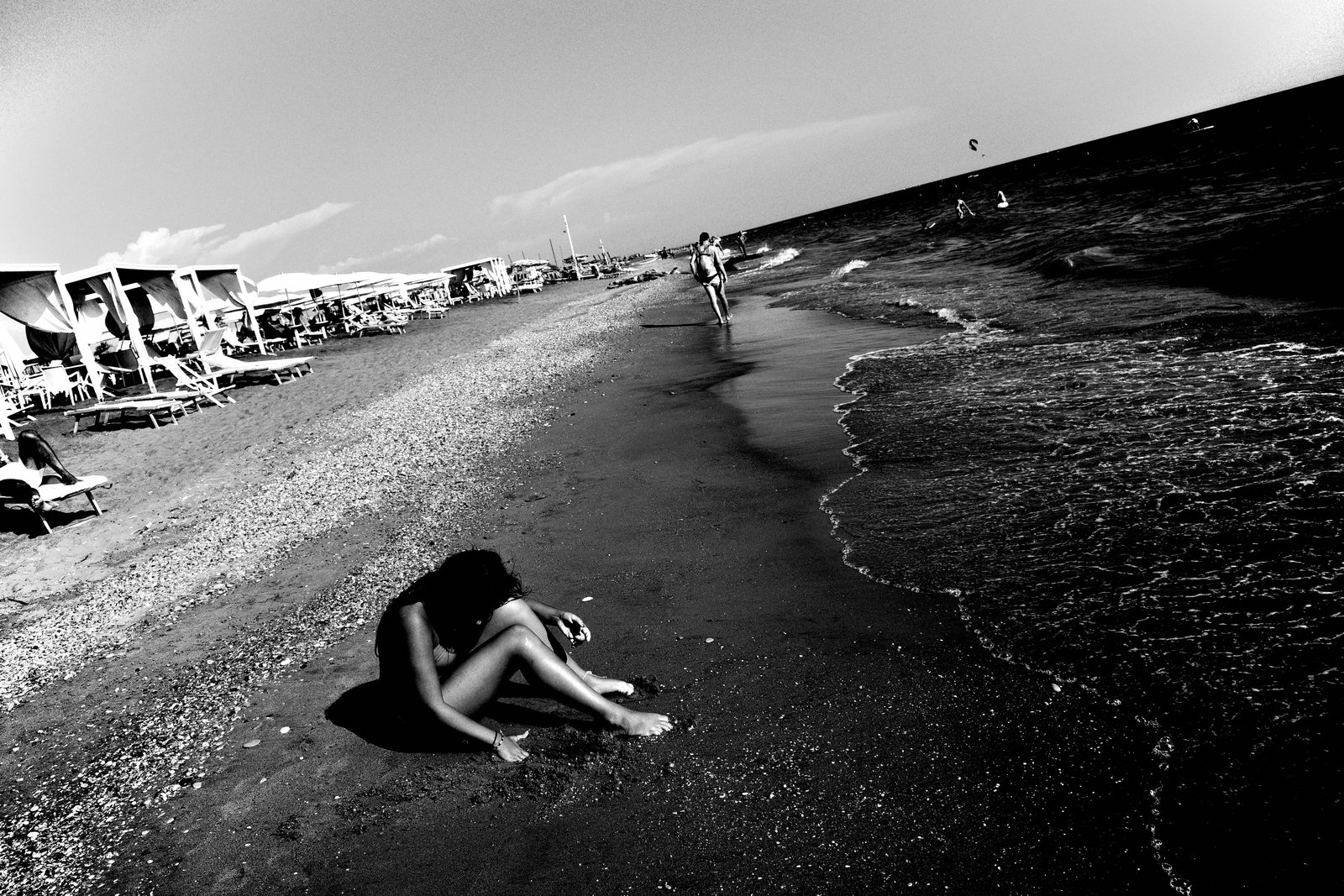
Here's something I need to say plainly: there are no rules in street photography. None. The idea that asking for permission isn't "real" street photography is someone else's ego talking. Someone needs to give you permission to ask for permission — so here it is. You don't need to shoot like everyone else. You don't need to play their game. You can do this your way. With heart. With curiosity. With soul.
PRACTICAL APPLICATION
The Engagement Challenge
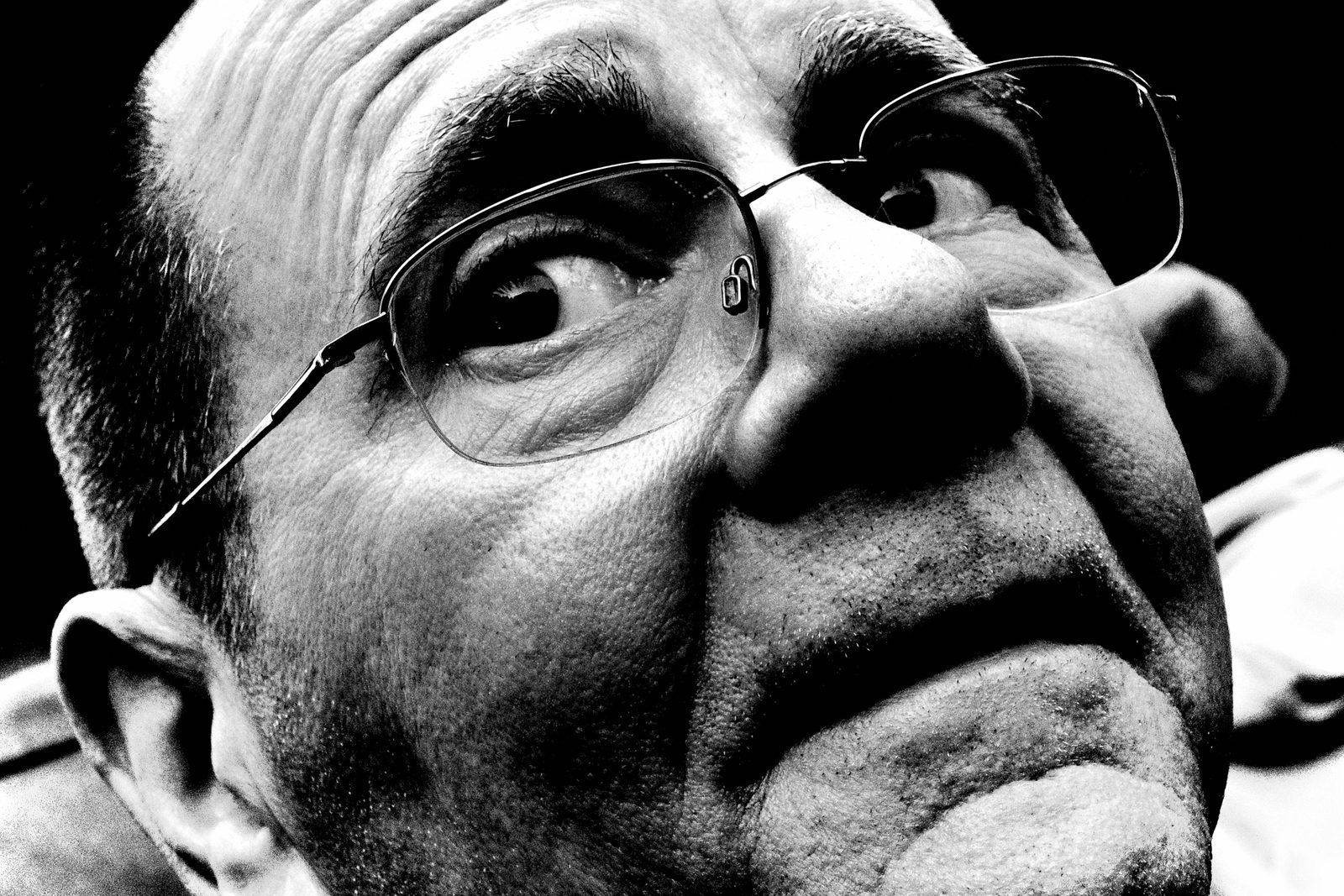
Here's your practical challenge. This week, ask permission from at least three strangers before you photograph them. Don't flee after one frame. Stay. Work the scene. Multiple angles. Recompose. Watch what happens to the quality of access when you're invited in rather than sneaking around. Notice how the scene opens up when trust is in the room.
Blend Both in One Outing
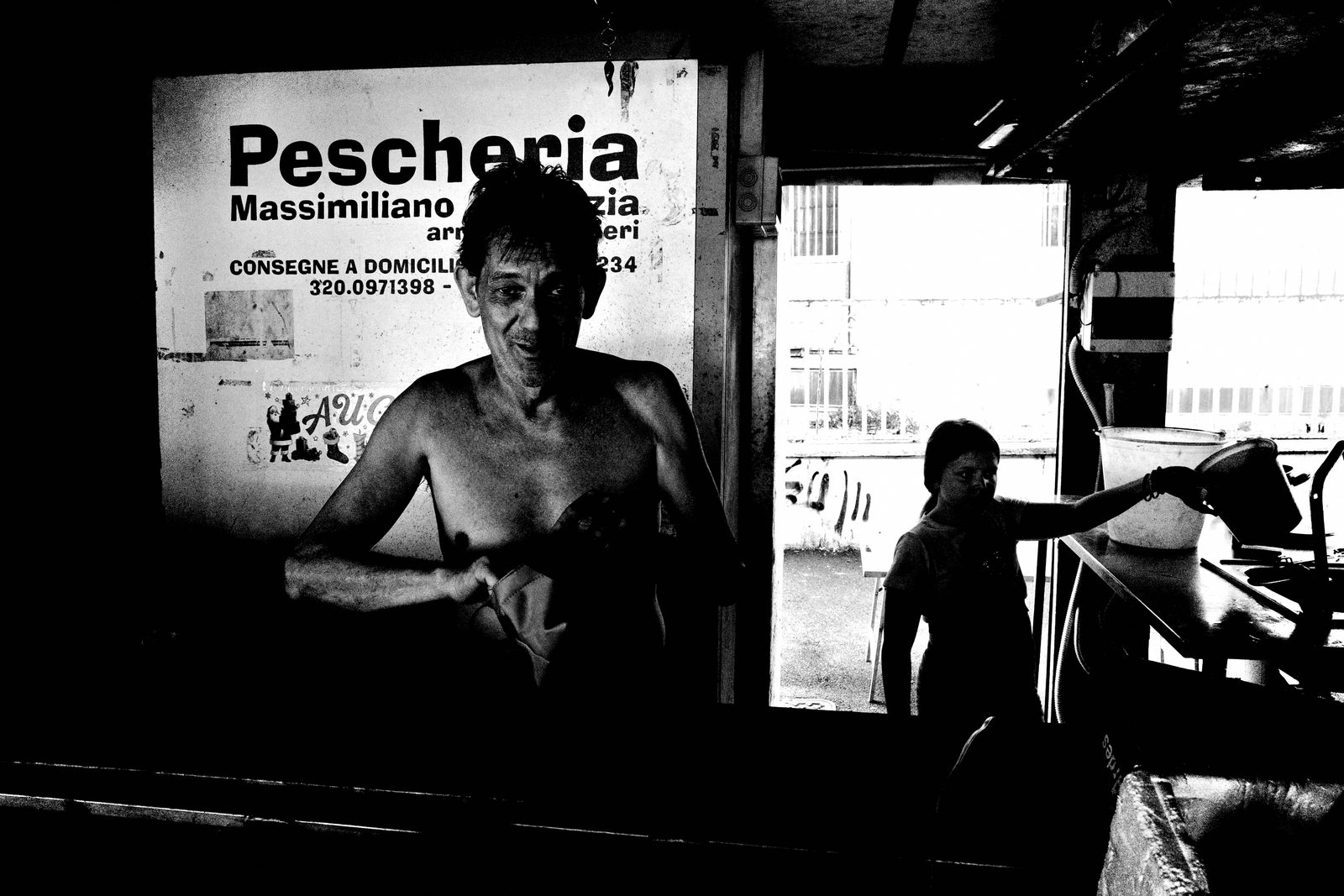
And try this: go out with both modes active in the same session. Lead with engagement — introduce yourself, be present, build the scene. Then let candid moments arise naturally from that trust. The people who've accepted you stop performing for the camera. That's when the real photographs happen. Engaged and candid aren't either/or. They're a sequence.
COMMON MISTAKES
Hiding Behind the Stealth Ideal
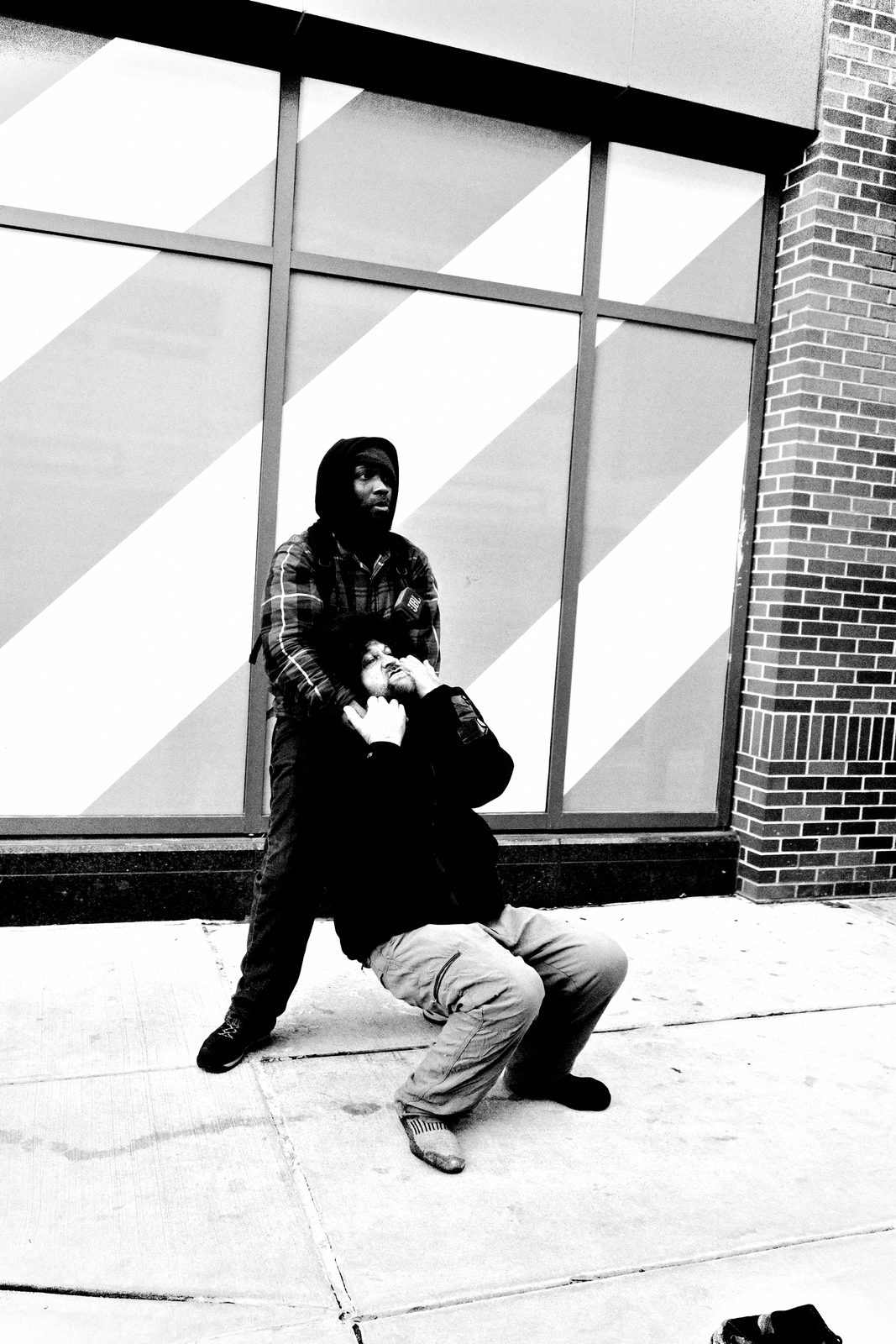
The biggest mistake I see is photographers hiding behind the stealth ideal as if invisibility is the mark of a serious artist. It isn't. It's often just fear dressed up as philosophy. Treating stealth as the only legitimate approach means you miss the deeper access — the invitations, the shared meals, the trust that only opens when you show up as a person. You're not neutral when you're sneaking. You're just afraid. Show up as a human instead.
Posing When You Should Be Waiting
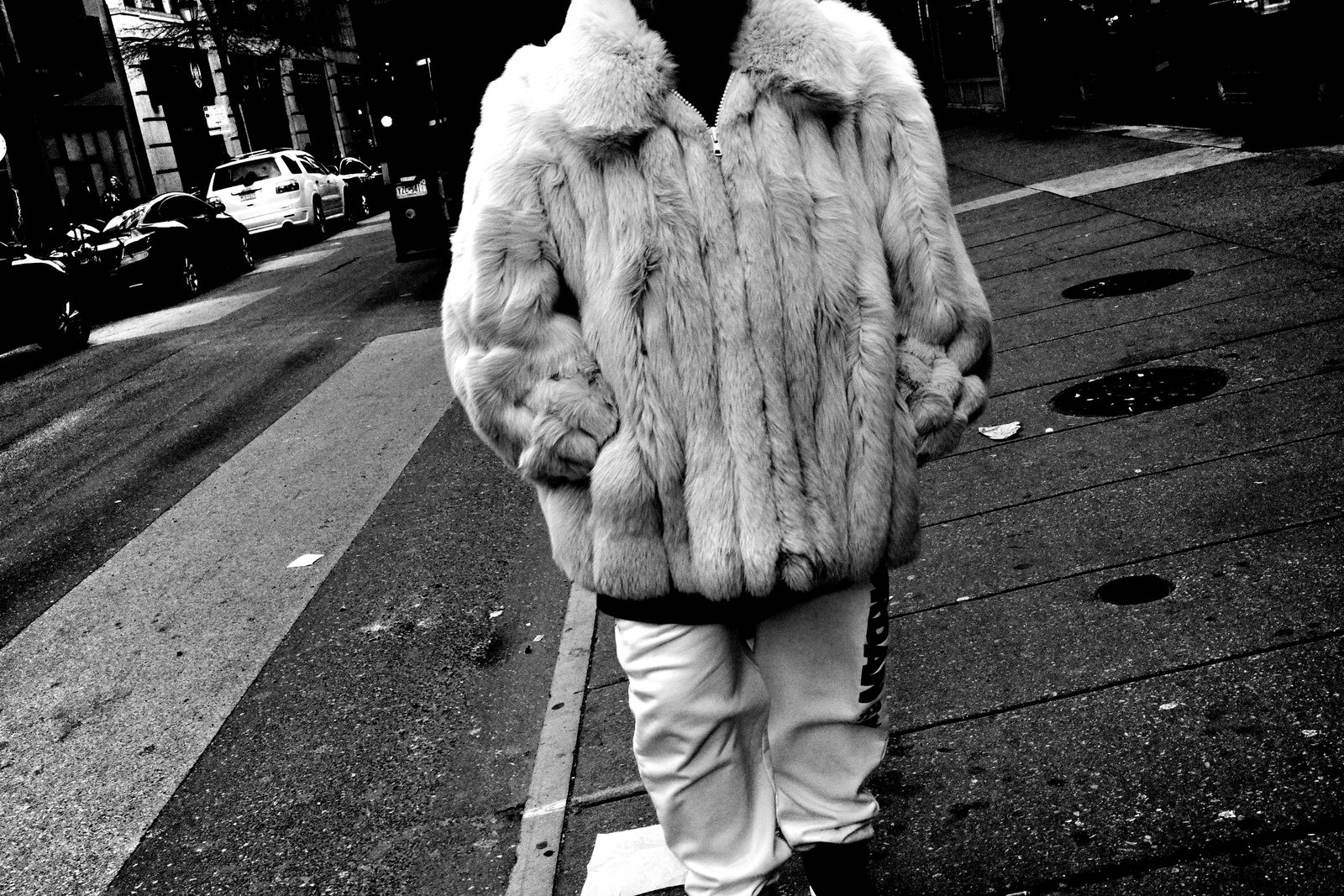
The flip side mistake: you ask permission, the person says yes — and then you immediately pose them. You've just turned a documentary moment into a portrait session. Asking permission earns you access and patience. It doesn't mean you direct the scene. Once someone trusts you, wait for the real moment to return. Stay present. Let them forget the camera again. That's where the photograph lives.
RELATIONSHIP TO PREVIOUS
Building on Getting Close
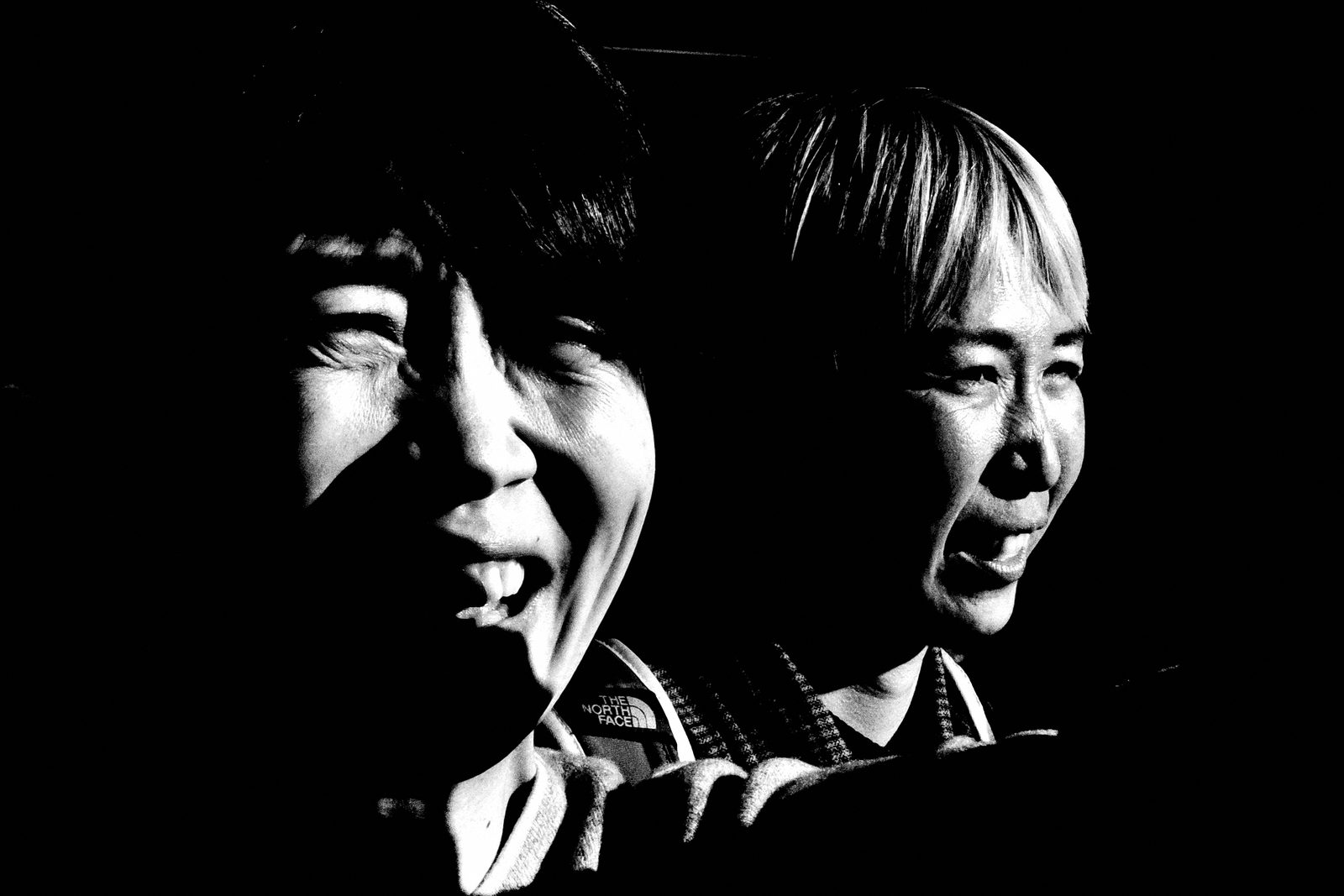
Lesson 036 laid out the principle of getting close — not just in inches but in emotional quality. This lesson takes that principle and asks: how do you actually do it? Whether you go candid or engaged, both are strategies in service of the same goal — real closeness with life. Today we built the decision-making framework that sits on top of what Lesson 036 established.
RELATIONSHIP TO UPCOMING
Setting Up Working a Scene
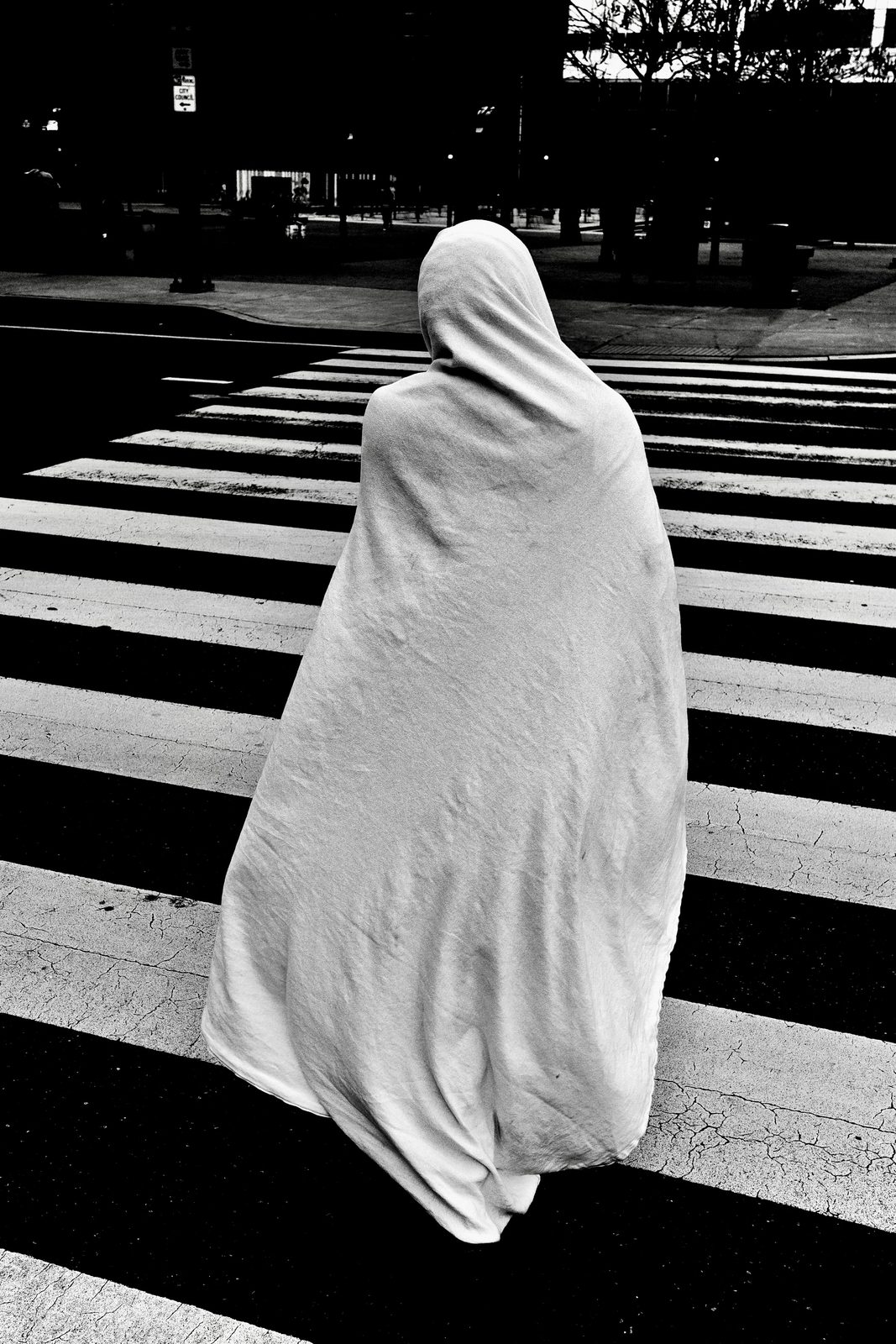
What comes next is the natural extension of today. Lesson 038 goes inside the scene — once you're there, engaged or candid, how do you stay? How do you work it, sculpt it, exhaust every possible angle? The approach gets you through the door. Lesson 038 teaches you what to do once you're standing inside the room.
SUMMARY / TAKEAWAY
Show Up Like a Human
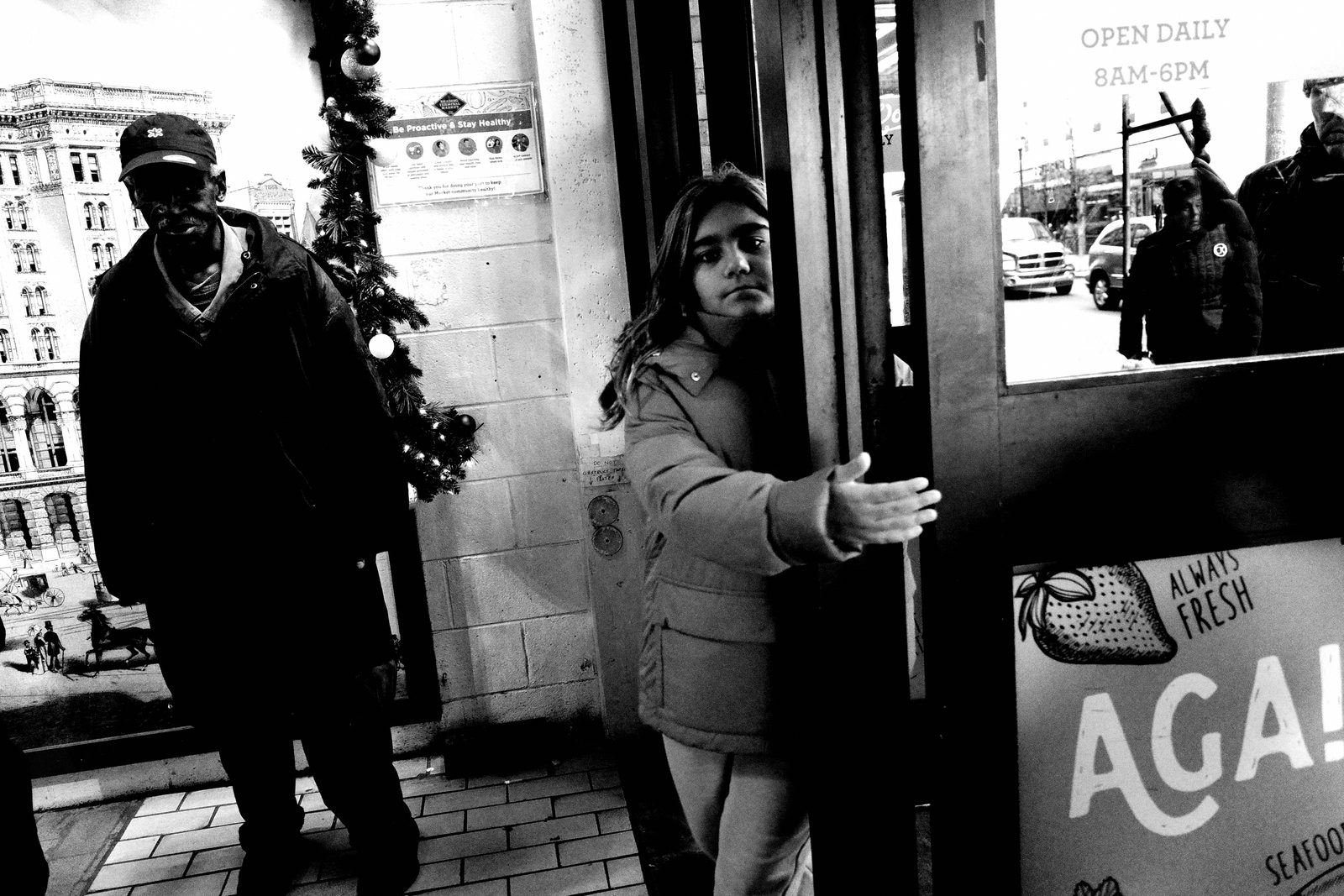
Last thing. Candid and engaged aren't two religions. They're two tools. The real skill — the one that separates compelling work from hollow grabs — is knowing when to use which, and being courageous enough to make the choice. You don't have to be a stealth ninja. You don't have to run and gun. You can show up as a full human — open, curious, real — and let that humanity be the thing that makes the photograph. That's the whole game. Catch you in the next one.