Get Close
CORE IDEA
Proximity Changes Everything
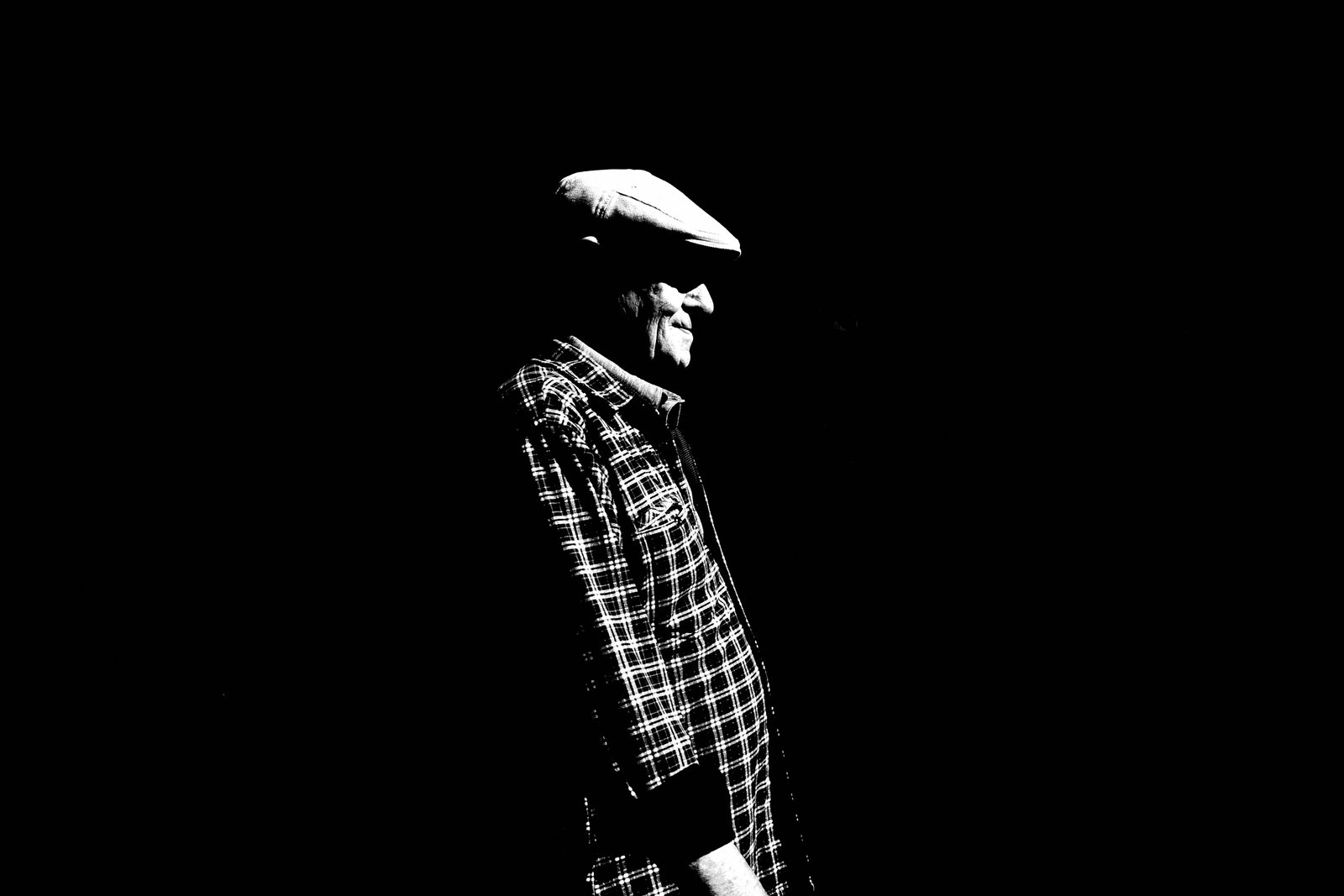
What's popping, people — it's Dante. Today we're talking about one of the most powerful moves you can make as a street photographer — getting close. Robert Capa said it best: "If your pictures aren't good enough, you're not close enough." That line changed how I shoot. Getting close isn't just about stepping forward — it's about breaking barriers, building connection, and putting yourself inside the moment.
LEARNING OBJECTIVE
What You'll Walk Away With
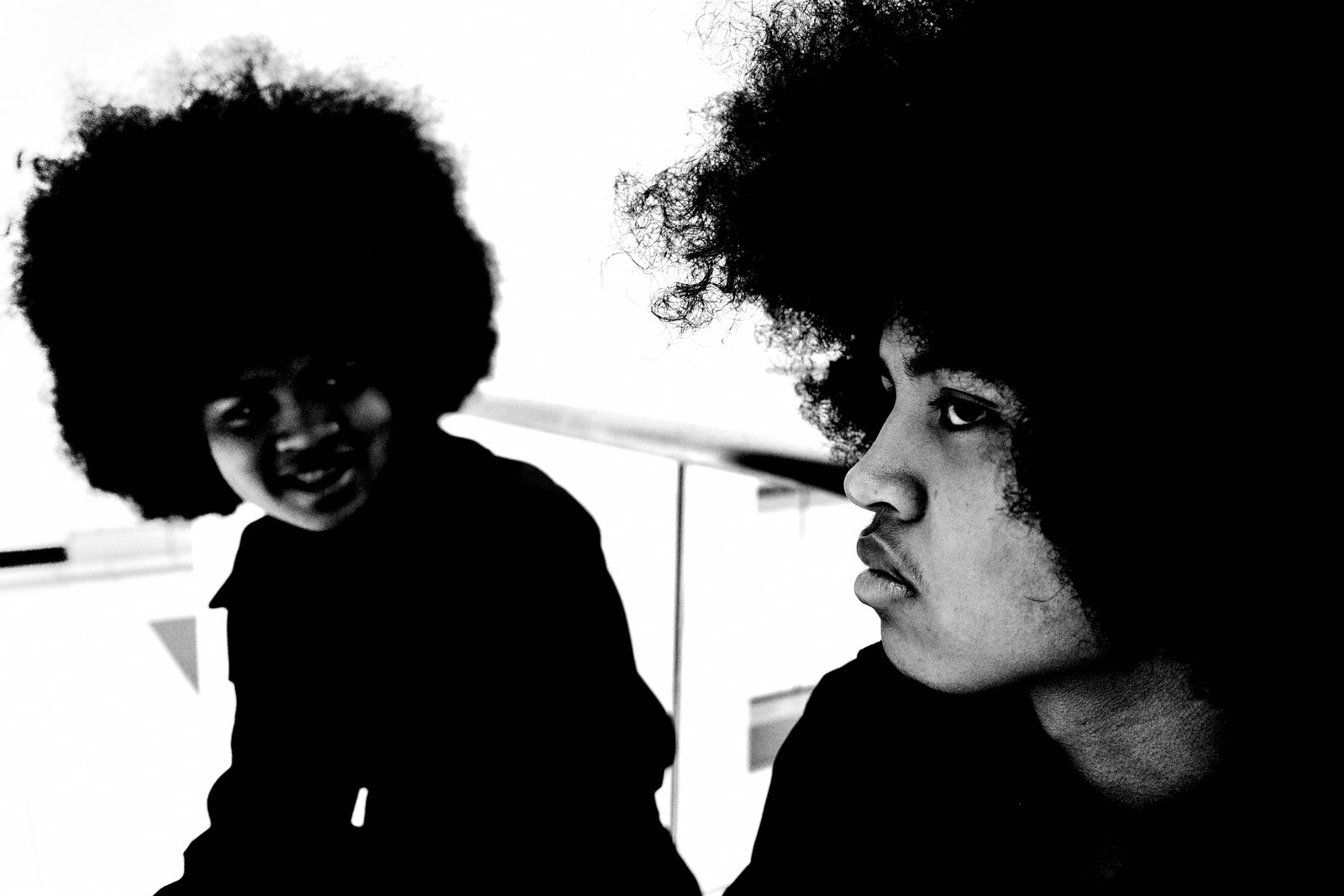
By the end of this lesson you'll understand that getting close works on two levels — physical and emotional — and why both matter equally. You'll walk away with real techniques to overcome fear, build connection, and make photographs that carry a sense of presence you simply cannot fake from across the street.
WHY THIS MATTERS
Distance Is the Enemy of Intimacy
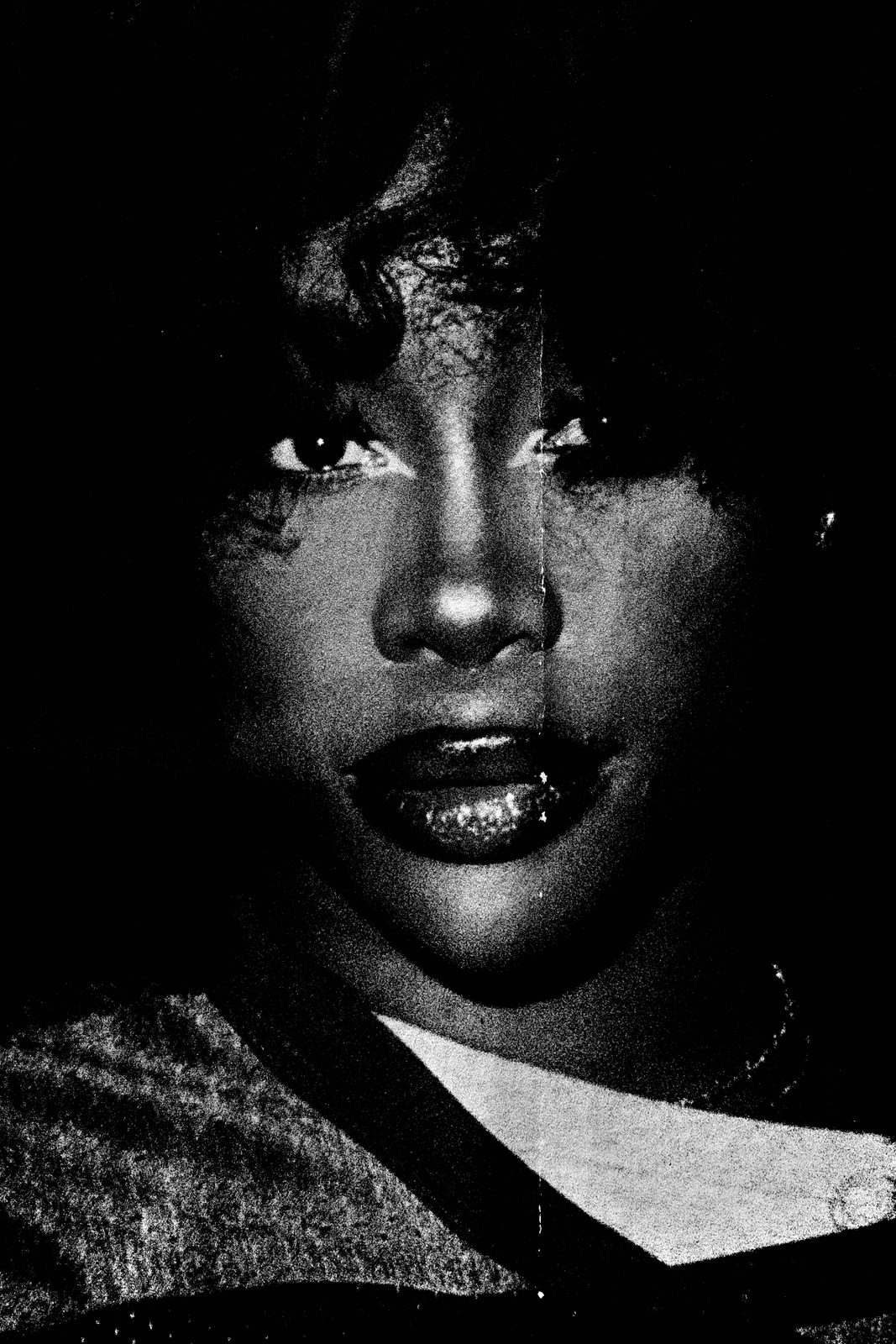
Here's the hard truth: distance is the enemy of intimacy. When you shoot from far away, you're an observer, not a participant — and the viewer feels that separation. The frame fills up with clutter. The emotion gets thin. One must get close on the front lines of life to make a photograph with more impact. That's not a suggestion — it's the whole game.
Fear Is the Real Distance
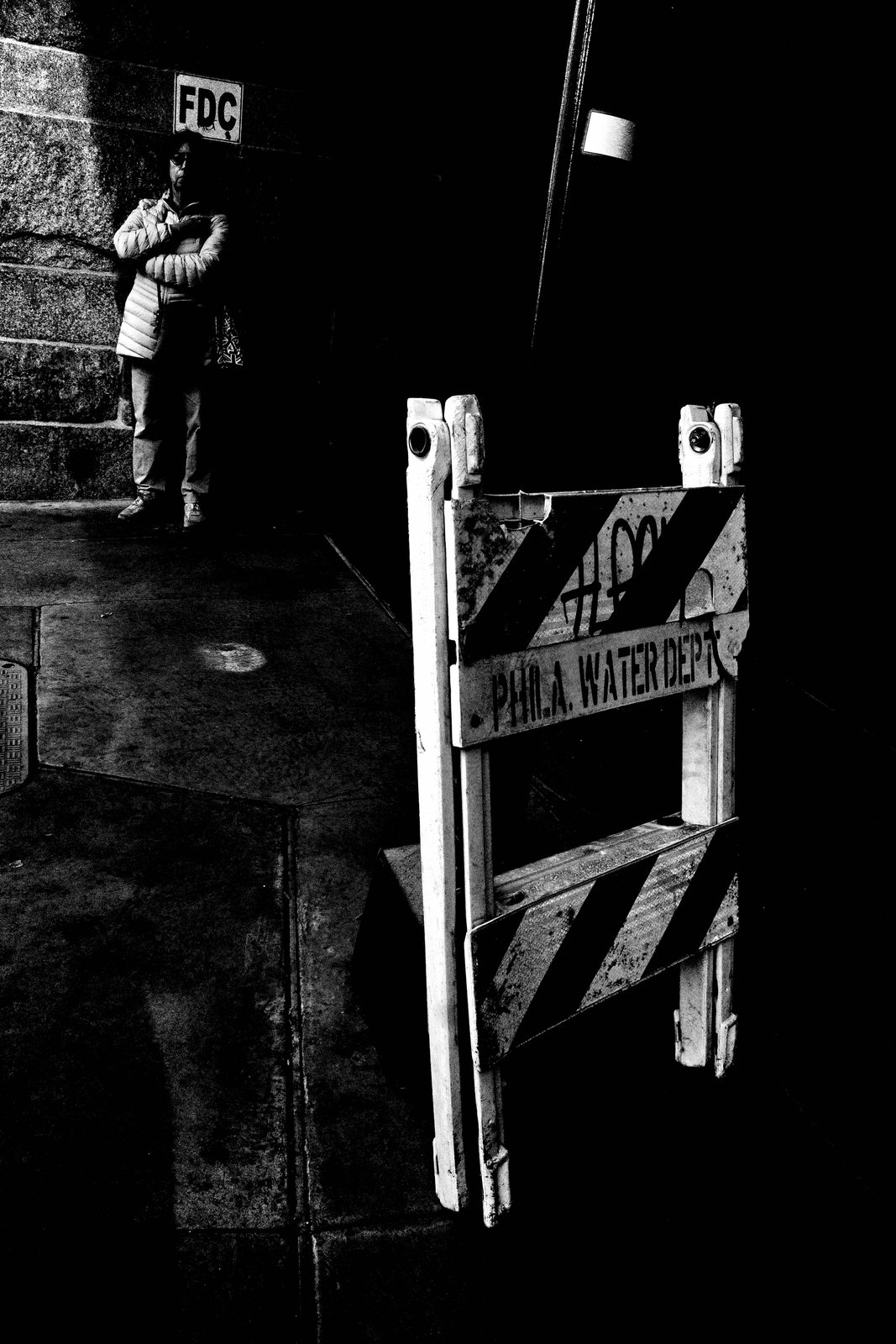
The reason most photographers stay back isn't focal length — it's fear. Fear of confrontation. Fear of rejection. "What if they get mad? What if I get rejected?" The truth is, that fear is part of the process. It never fully disappears — but it shrinks every time you press the shutter anyway. Courage is built through repetition. The more you photograph in public, the less fear holds you back.
MAIN TEACHING
What "Close" Actually Adds
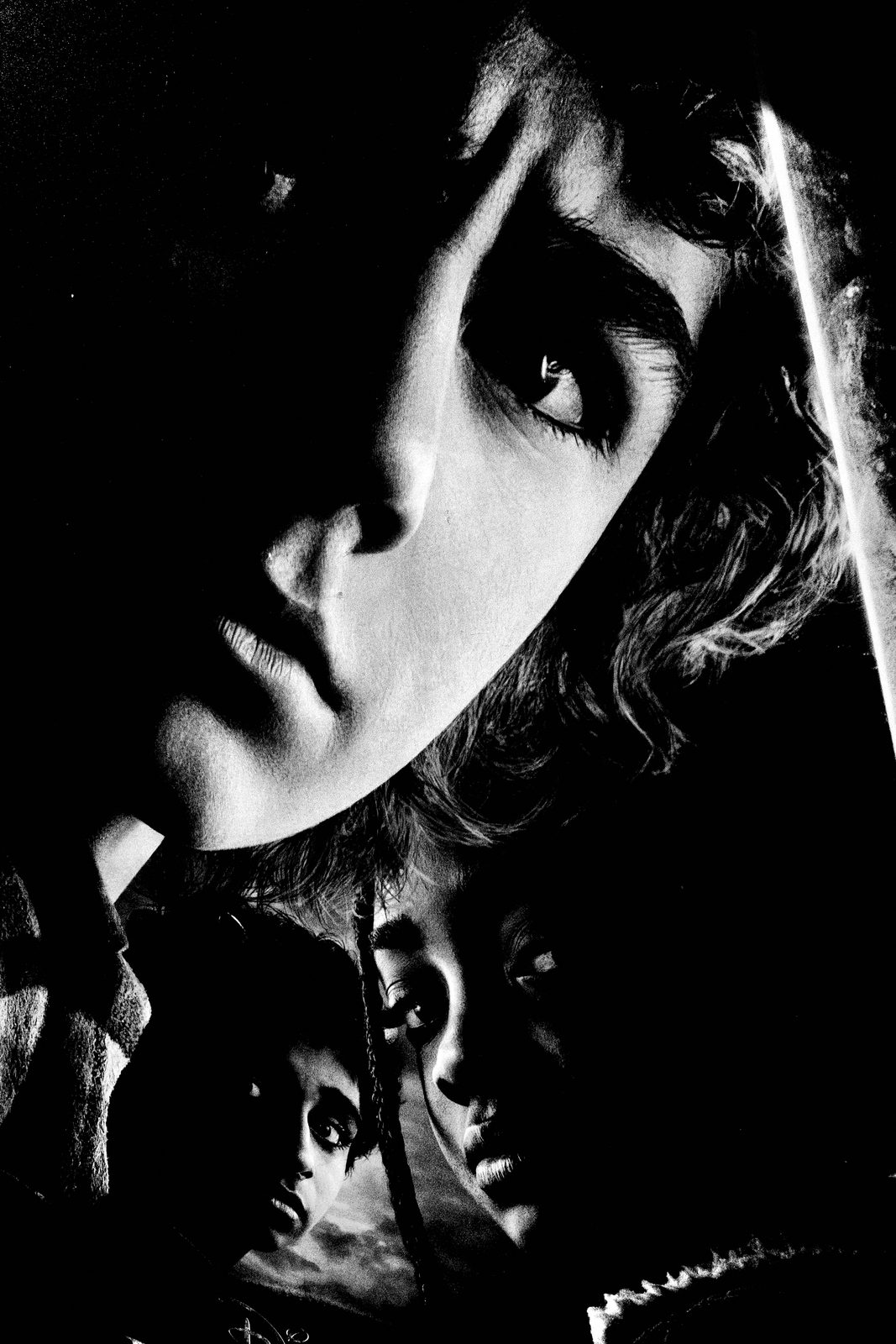
So what does being close actually give you? Four things. Impact — filling the frame makes it impossible to look away. Authenticity — when you're physically inside the scene, the images feel real. Raw energy — close proximity lets you capture gestures, expressions, tension. And connection — the closer you are, the more the viewer feels like they're in the moment, not looking at a postcard.
The Wide Lens Forces You In
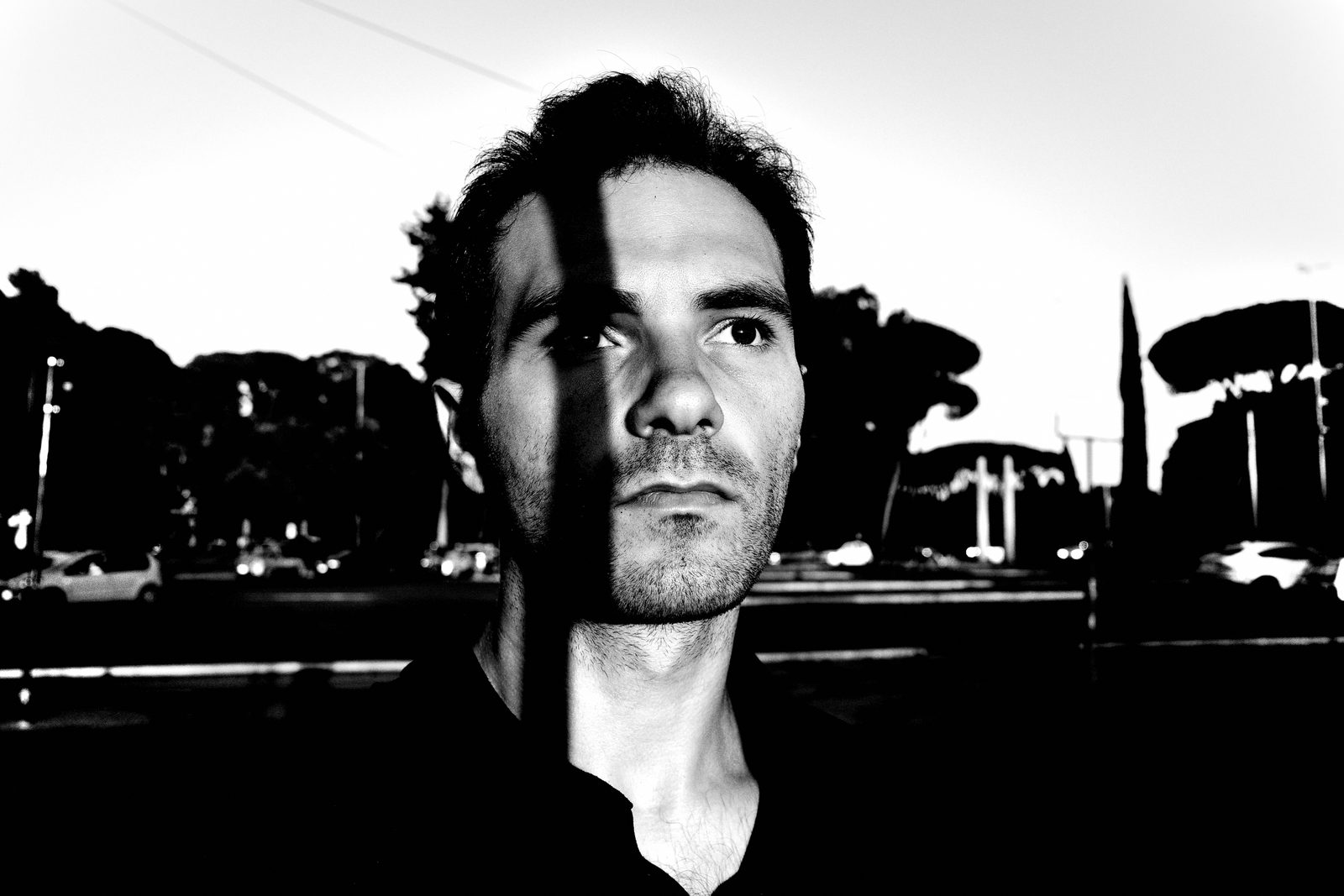
One of the simplest tools for getting close is your lens choice. A 28mm or 35mm forces you to move in. There's no optical shortcut — if you want to fill the frame, your body has to go there. I've been shooting on the Ricoh GR II and GR III — 28mm equivalent — since 2015. Set zone focus or snap focus so the camera never gets in the way of the moment.
Proximity Lets Foreground and Background Speak
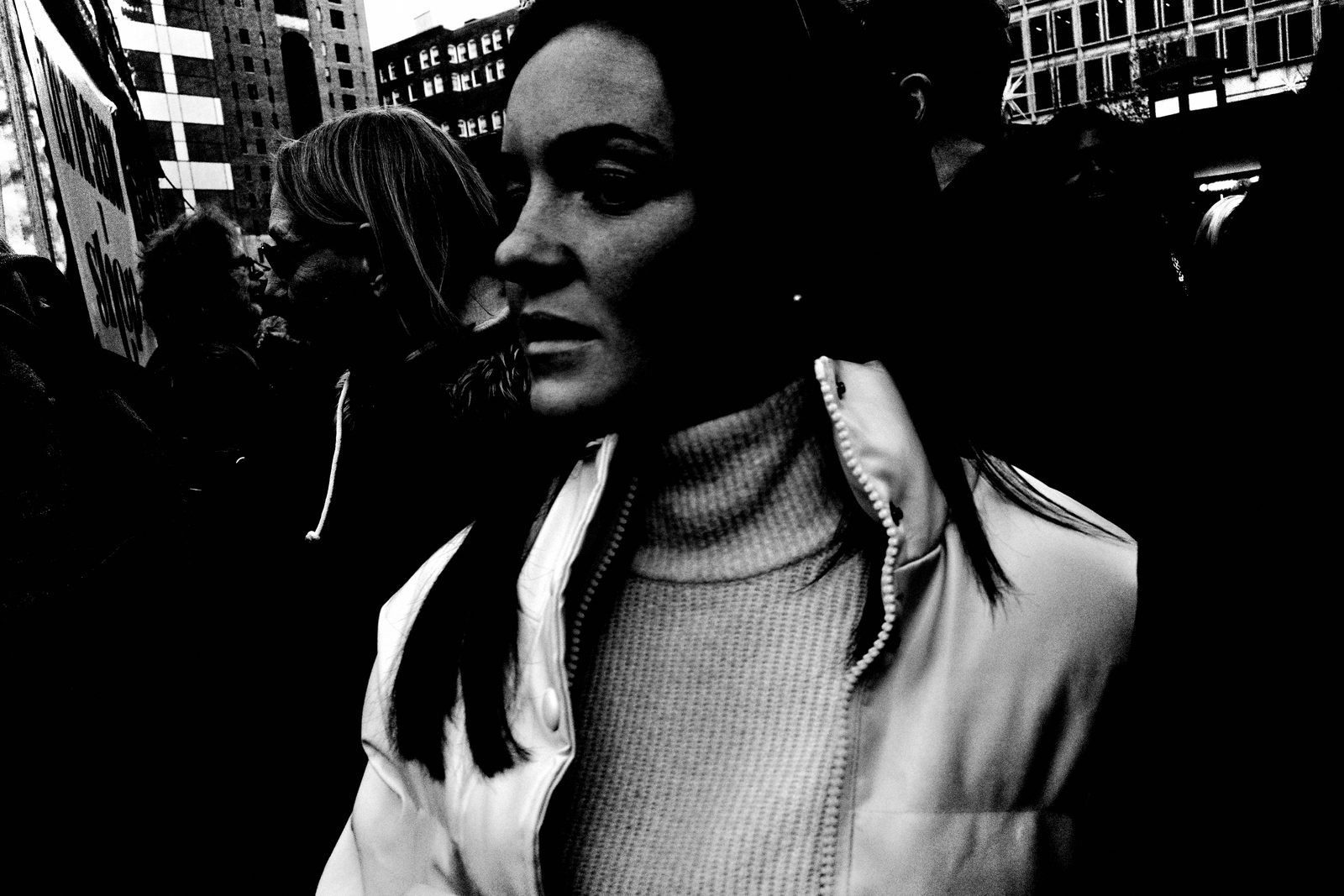
Here's what proximity unlocks: layered meaning. Imagine a person standing calmly in the foreground — someone lighting a cigarette, lost in thought — while behind them something charged is happening, an emergency, a small drama in the street. To hold both, you have to physically position yourself close to that foreground figure. Being close lets you emphasize them and let the background tell the rest of the story. That interplay between the mundane and the dramatic — that's what closeness gives you that distance never can.
Details Cut Through Chaos
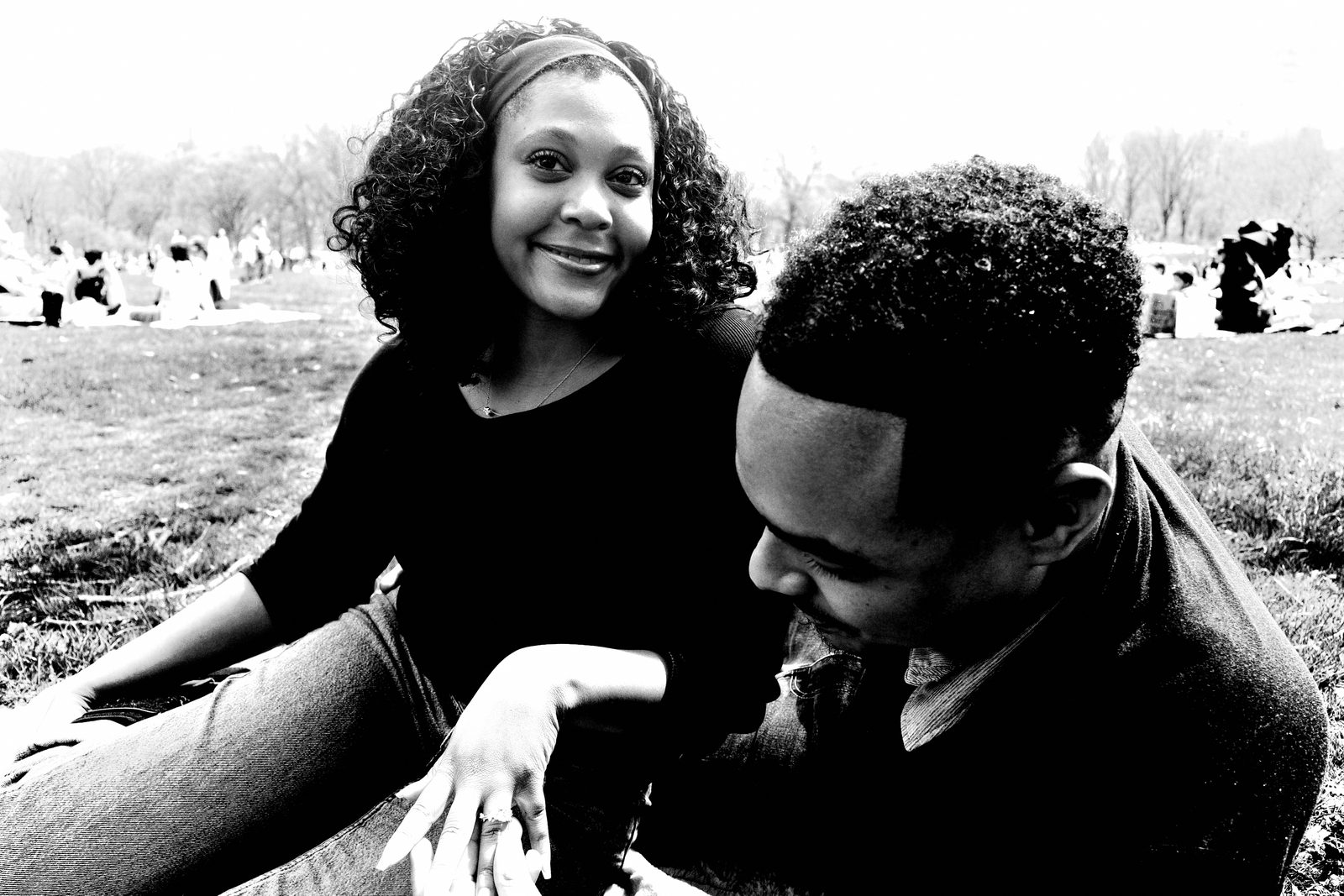
Step into a crowded market, a packed platform, any scene where everything is happening everywhere at once, and you'll feel overwhelmed. Wide, from a distance, it reads as noise. But get close — focus on small gestures, light and shadow, the details of skin and eyes — and you make something simple and distraction-free out of the disorder. The real emotion lives in the details — in the skin, in the eyes, in the gestures. You only access those details when you're physically inside the scene.
The Deepest Moments Are Earned, Not Hunted
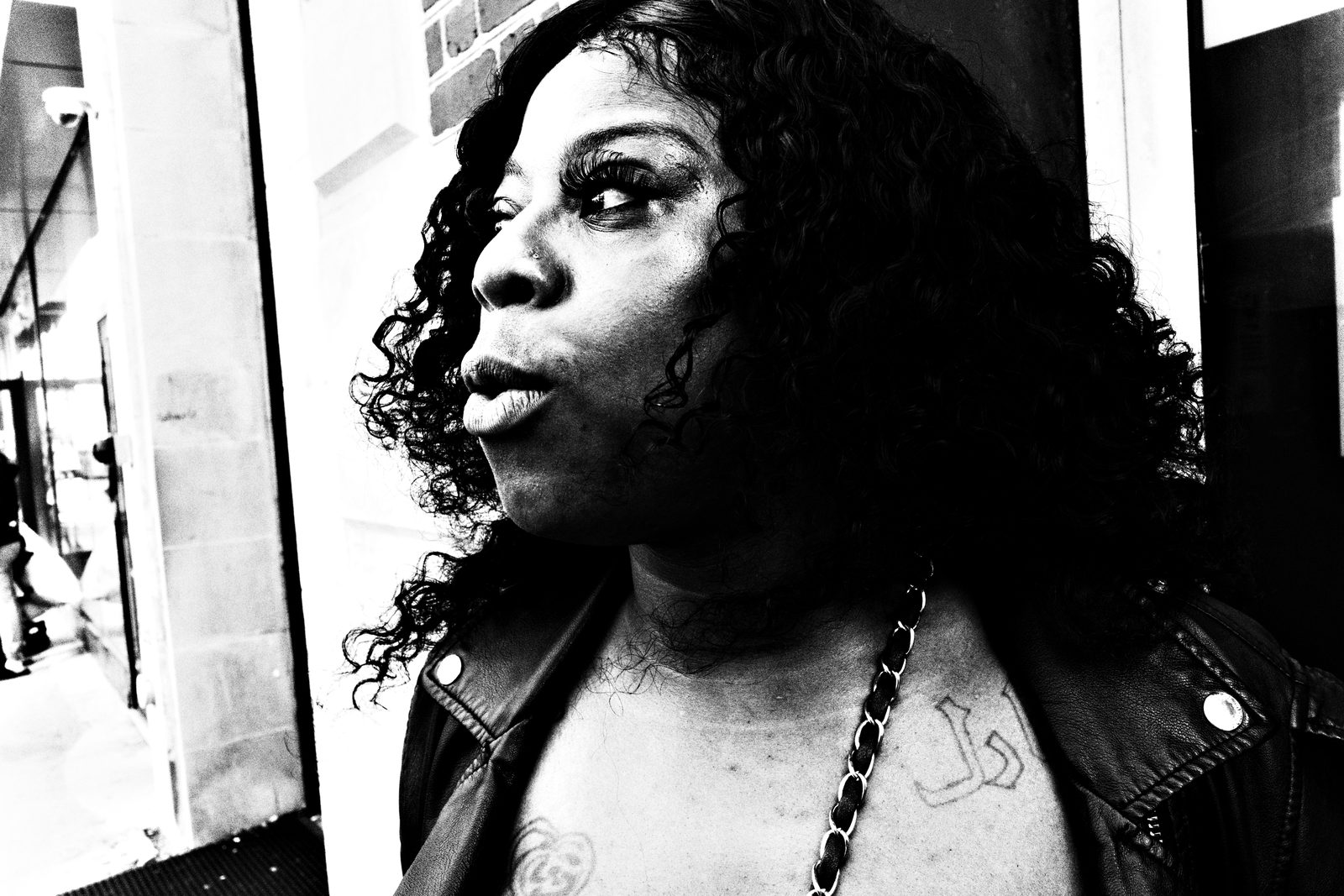
The most powerful, most vulnerable moments — grief, mourning, private ritual — are not moments you hunt. To photograph someone at their most exposed, you get physically close, low, level with them. But that kind of frame only becomes possible when you've spent real time with a community, when you're part of their lives rather than an outsider pointing a lens. These moments don't happen in a day. They happen over weeks. Physical closeness means nothing without the emotional foundation underneath it.
Immerse Until You Become Invisible
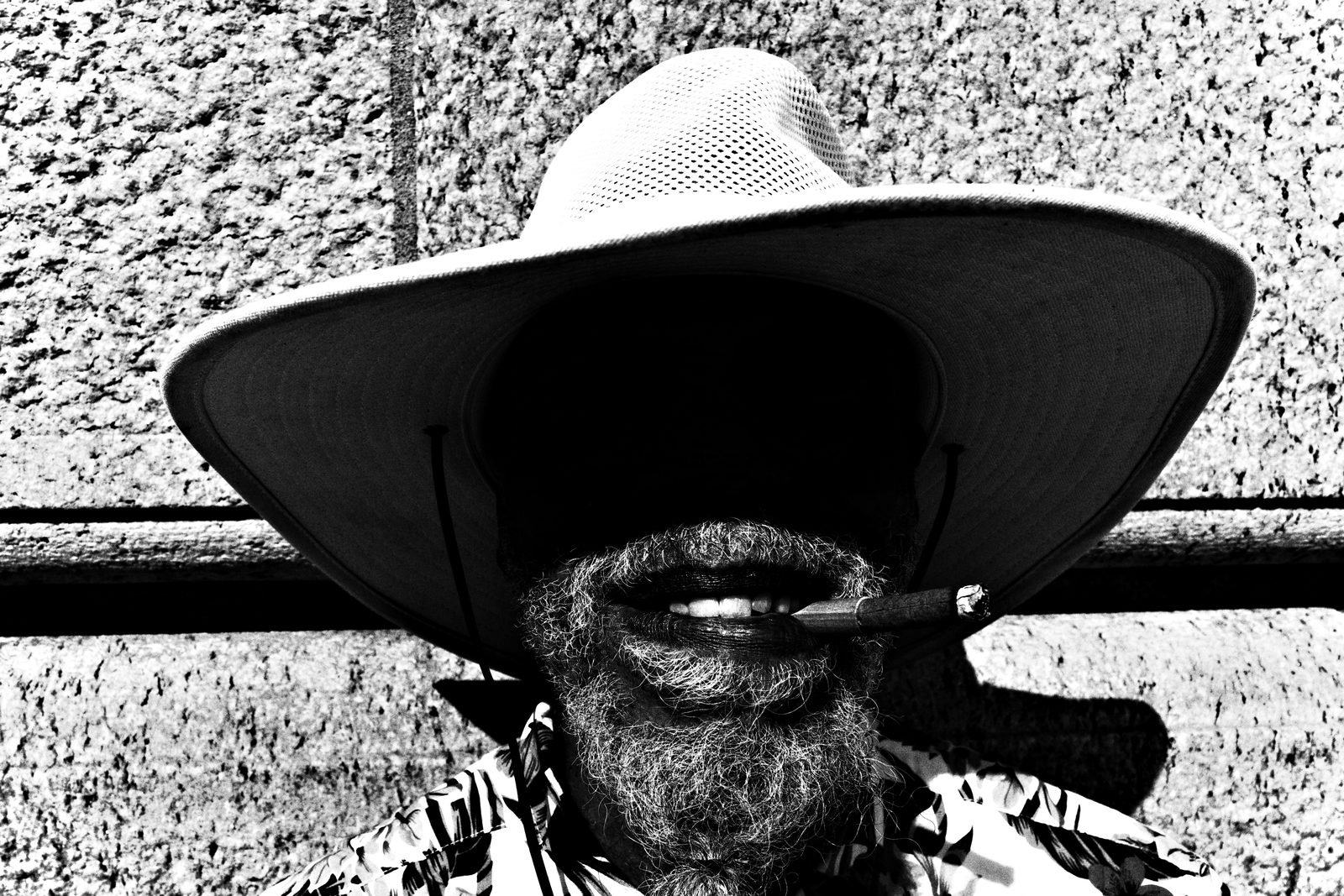
The richest access comes when you stop passing through and start living inside a place — sharing meals, sharing space, moving through the daily rhythm with the people who belong there. Do that long enough and you become trusted enough to be invisible. Then the ordinary, unguarded moments — a greeting between two friends, a gesture nobody performs for the camera — open up to you. Those frames are only possible because of the weeks of relationship that came before them. You don't steal those moments. You earn them.
Curiosity Comes Before the Camera
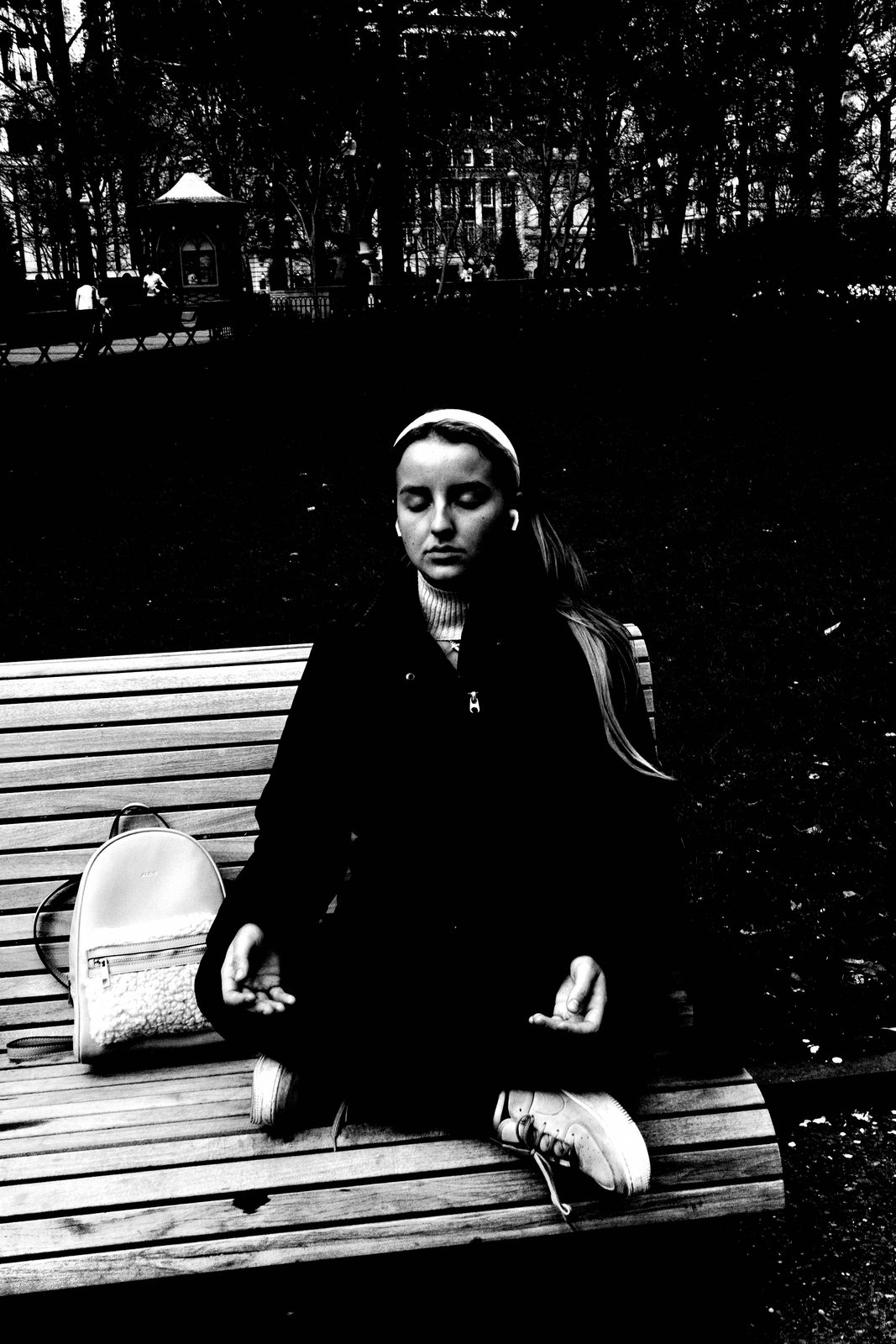
Some of the best portraits start with you not shooting at all. Spend an hour with someone absorbed in what they do — a craftsperson, a street performer, someone deep in a practice — and lead with genuine curiosity about their life, not the picture you want. Because you actually care, they sense it. And by the time you raise the camera, you can capture them in a way that feels personal and real. Show genuine curiosity. If you care about the scene, your subjects will sense it.
Say Yes to the Invitation
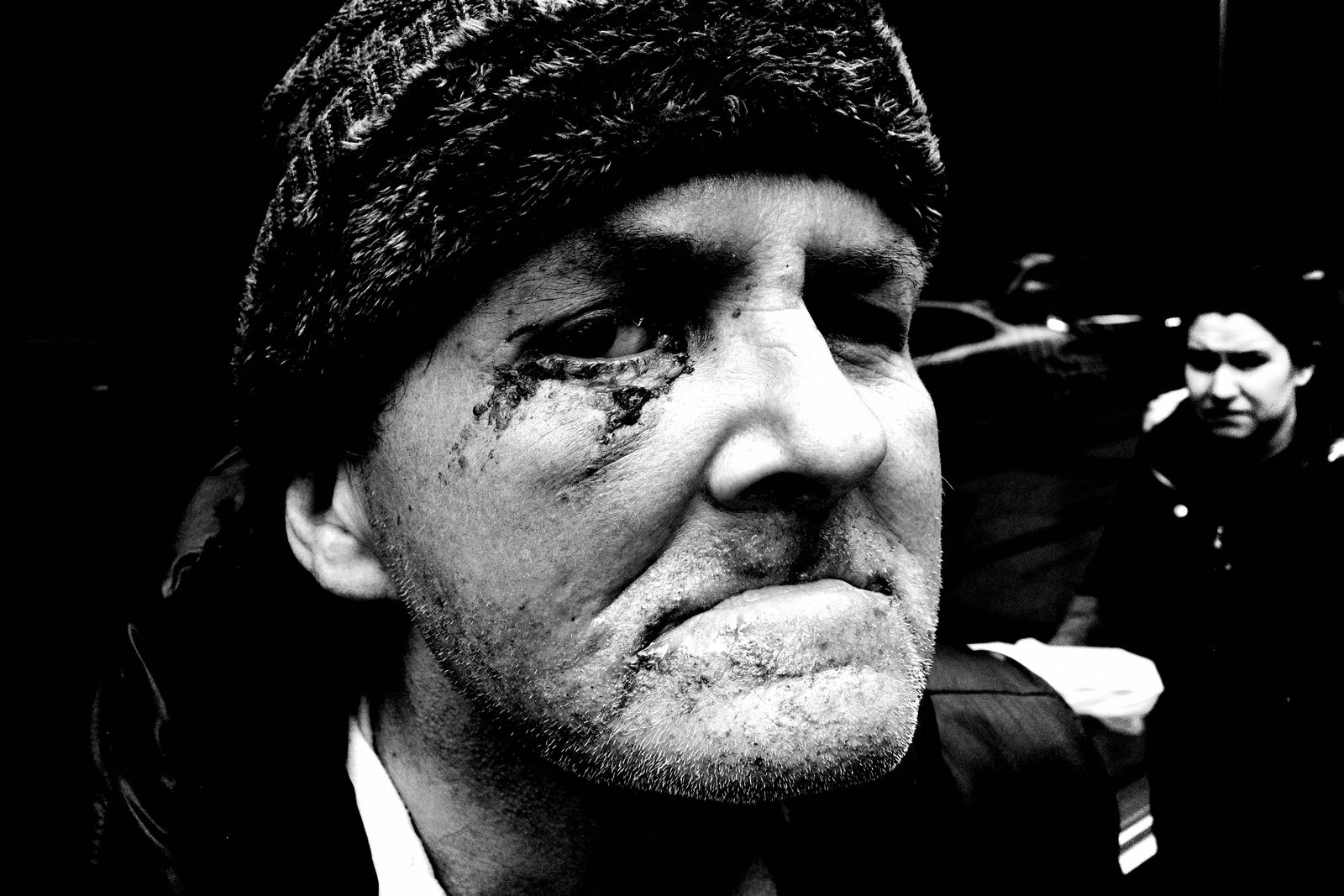
When a stranger offers you something — a cup of tea, a seat, a moment of their time — accept it. Sit with them. Don't rush off to the next scene. Because you took that time, because you were present and open, an intimate moment becomes yours to photograph — someone at ease, drinking, smoking, unguarded. Street photography is about embracing the edge of discomfort. Saying yes to the invitation is the photograph. The shutter comes after.
Move With Confidence, Not Hesitation
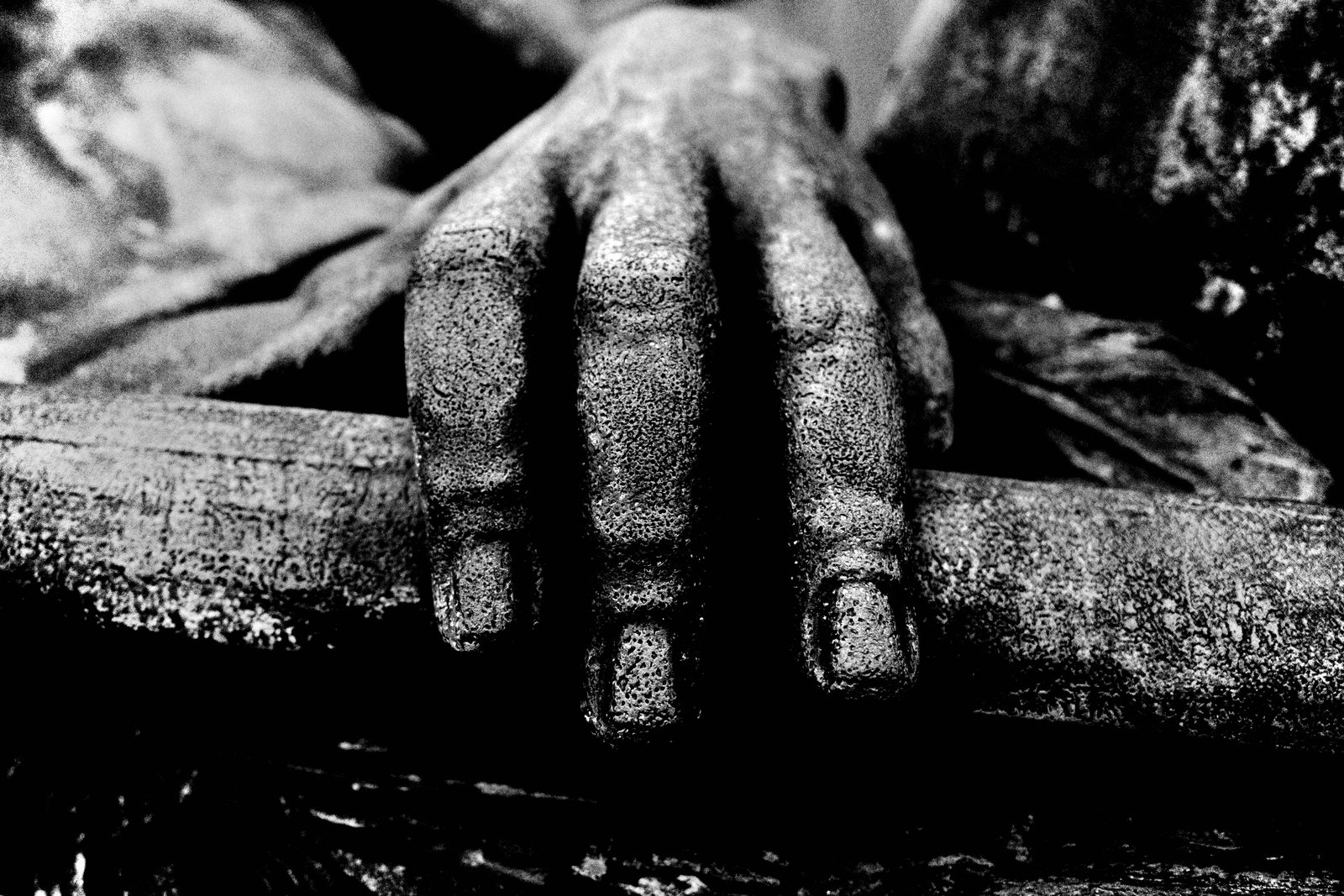
Here's something nobody tells you: your body language is the loudest thing in the room before you ever raise the camera. Move with confidence. If you hesitate, people will sense your uncertainty. Don't hide your camera. Be open about what you're doing. The photographers who get the best close frames aren't sneaking — they're moving through the world with clarity and intention. Confidence is its own permission slip.
Play and Connection Go Together
Picture coming across a group of people busy at work — loading a truck, hauling crates, hands full. Instead of raising the camera first, you joke with them. That connection — that moment of play — lets you photograph the scene naturally, without tension, without resistance. Go out there in the spirit of play, like a big kid. Don't take yourself so seriously. Let your charisma do the work. Play is how you get close without forcing it.
Crowds Make It Easier
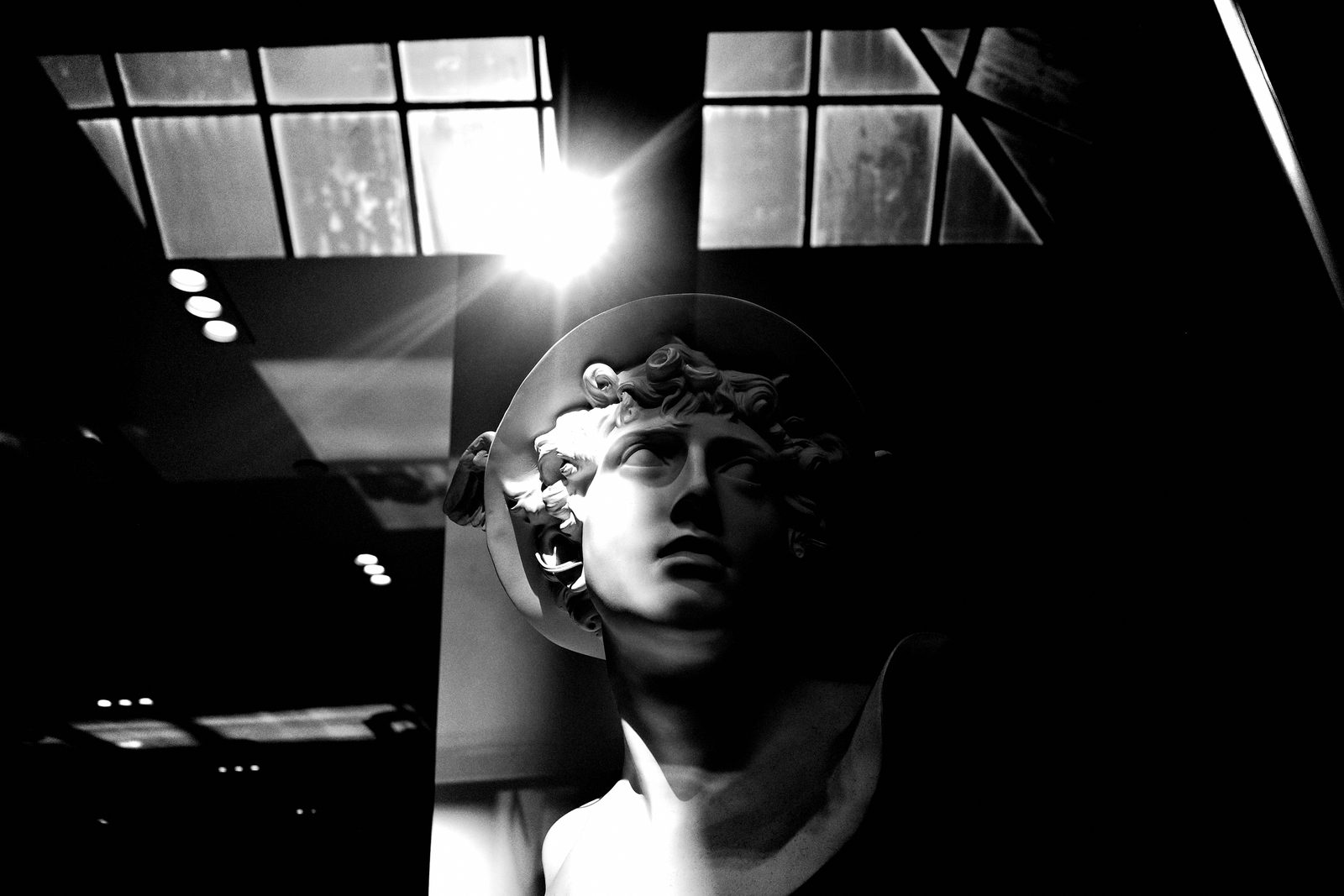
If the idea of getting close one-on-one still locks you up, use crowds. Find busy events — parades, protests, festivals. When cameras are everywhere and energy is high, people are less self-conscious and so are you. It's the perfect training ground. Force yourself to take ten close-up shots per outing at a public event. You're not sneaking up on anyone — you're just in the scene, where you belong.
What's the Worst That Can Happen?
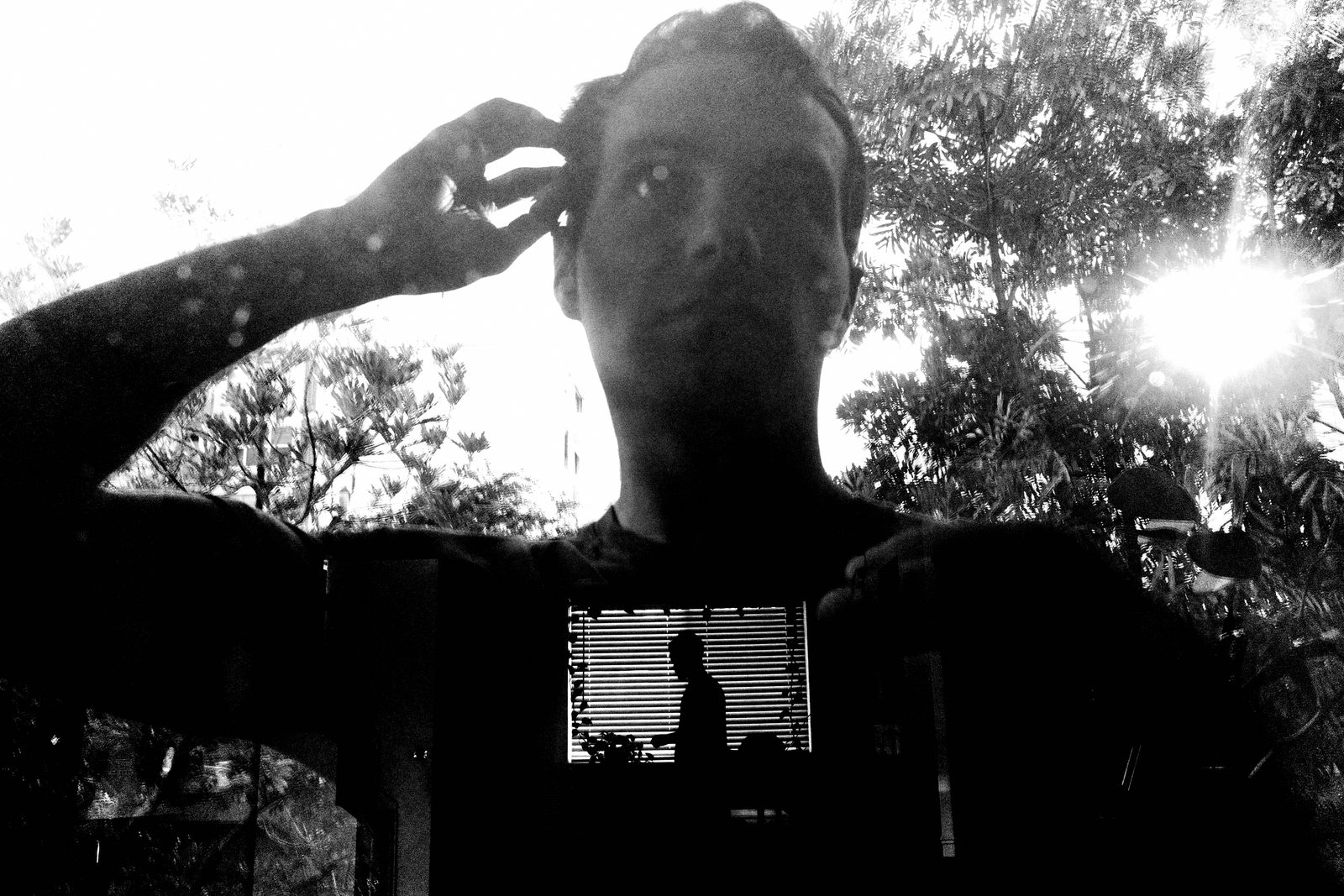
There's a trick I come back to whenever fear creeps in: What's the worst that can happen? Detach from the outcome. Pretend you're photographing the background. Don't make immediate eye contact. Act natural. And then get uncomfortably close — and go one step closer than that. When I look at someone's work and feel the distance, I can tell. The photography lacks intimacy because of the physical distance. Close that gap. Every time.
PRACTICAL APPLICATION
Ten Close Shots Per Outing
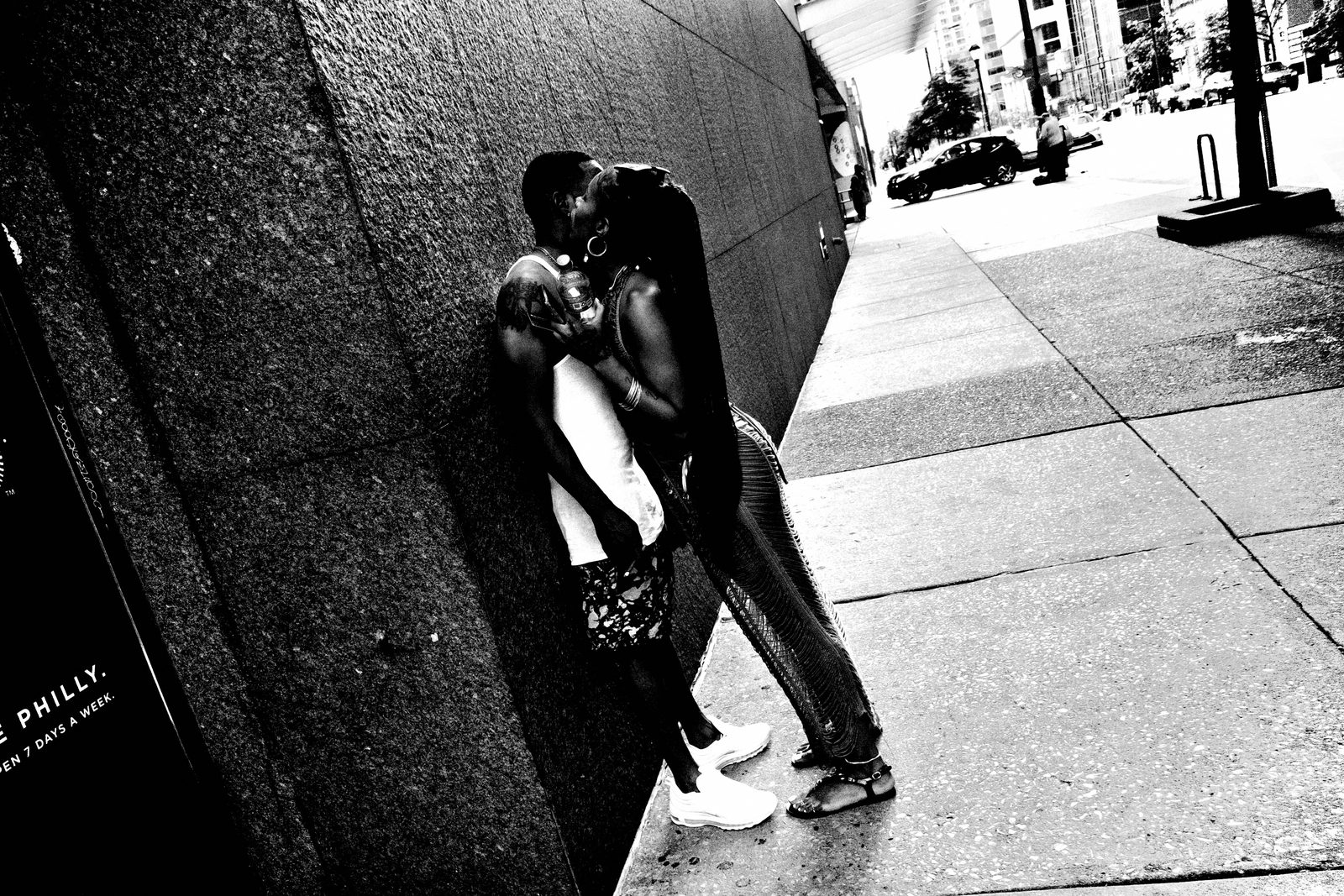
Here's your first assignment: every time you go out this week, make ten close-up shots. Not close-ish. Actually close — arm's length or less. Don't grade them. Don't review mid-session. Just step in, press the shutter, keep moving. You're training the muscle of proximity. The fear doesn't disappear before you step in — it disappears because you stepped in. Do it ten times and watch what shifts.
Build Emotional Closeness Before the Camera
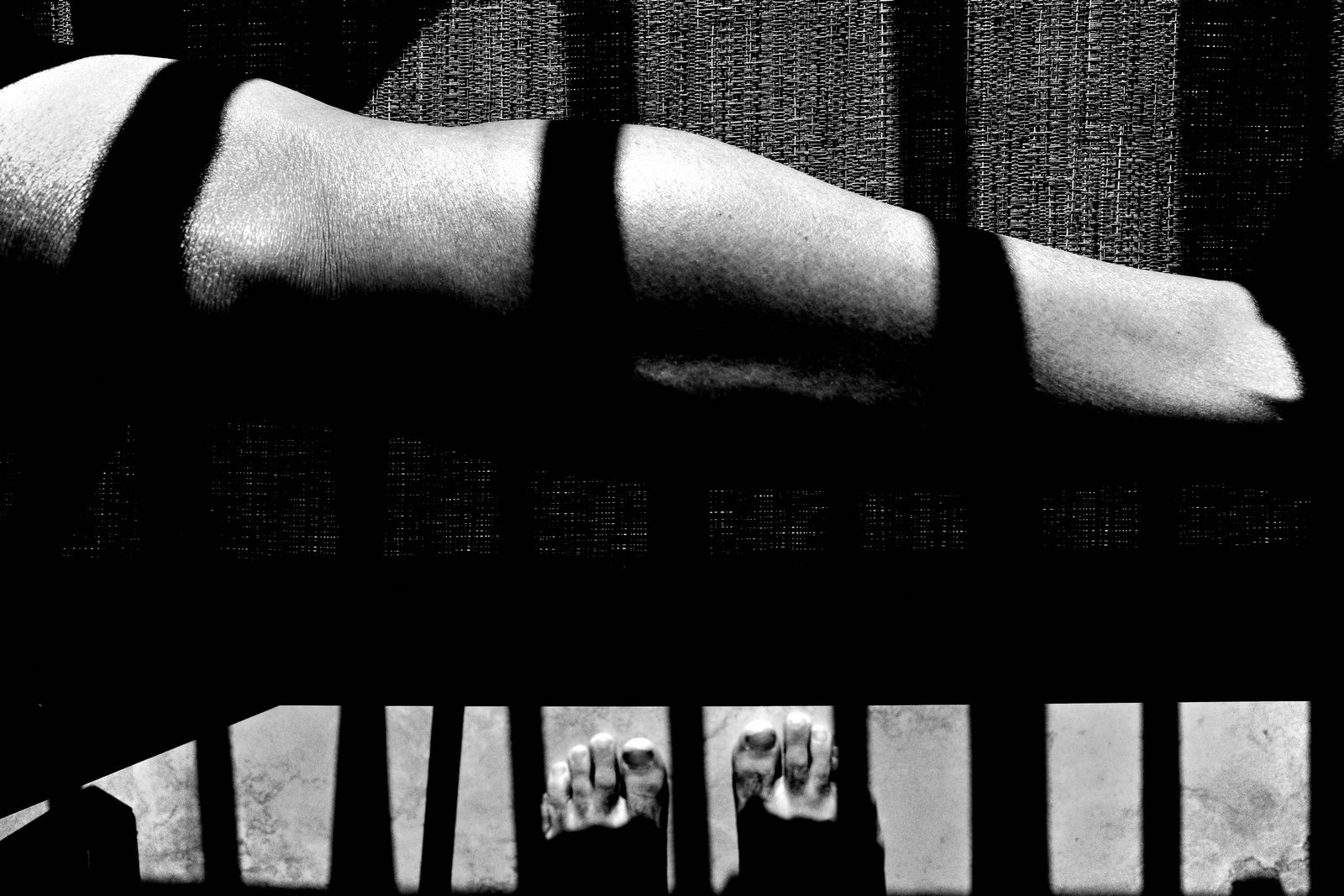
Your second assignment: before your next shoot, spend time in one location — a market, a corner, a neighborhood — without taking a single photograph. Just be there. Talk to people. Have coffee. Come back the next day. Build the emotional layer before you build the visual one. The longer you stay, the more comfortable everyone becomes — including you. That comfort is what makes the close frame feel natural instead of invasive.
The Instax Connection Tool
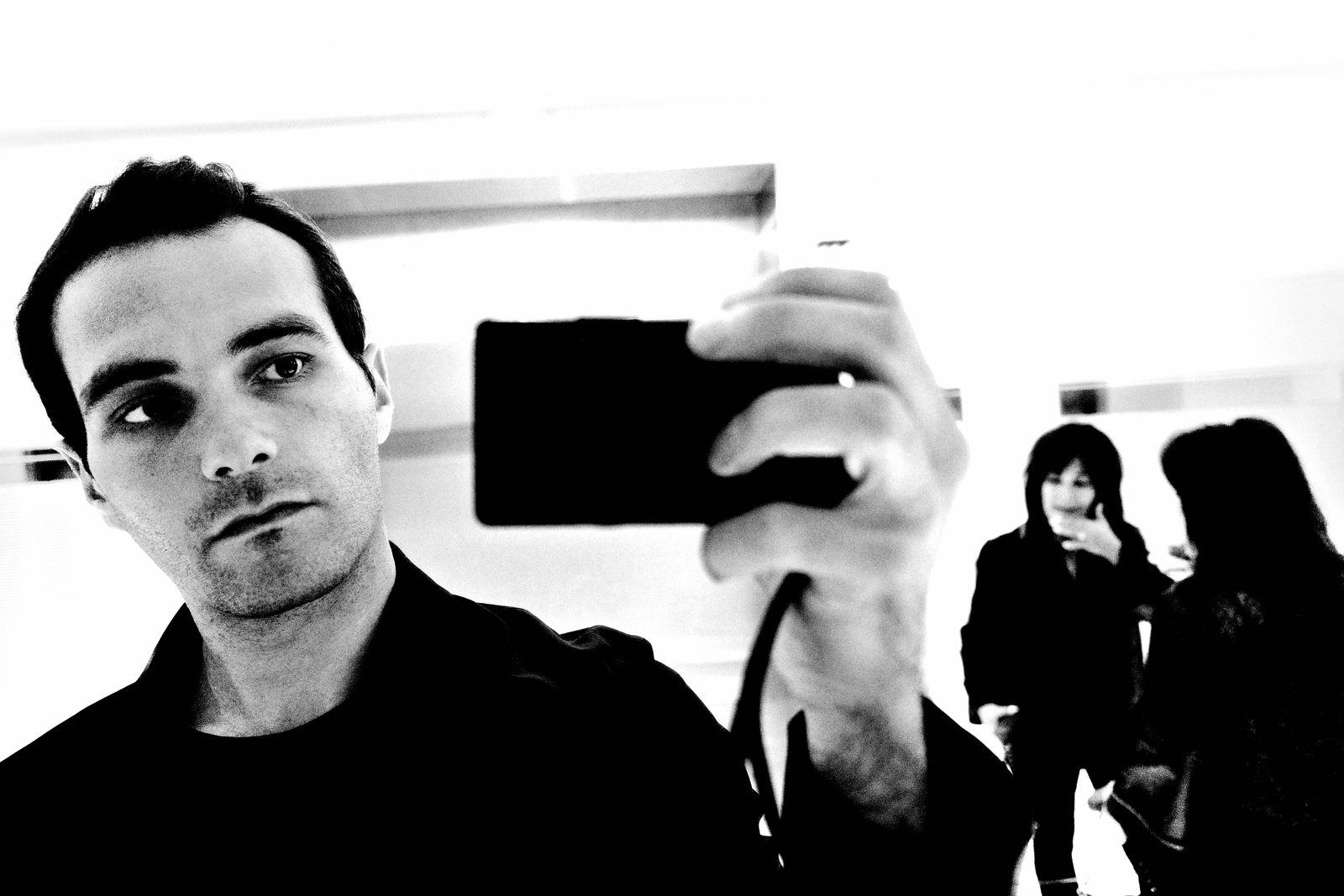
One practical tool I've used all over the world: carry a Fujifilm Instax. Make a portrait, hand them the print. That single gesture dissolves more tension than any explanation ever could. Gifting a print to an elder or a child opens doors you never could have knocked on otherwise — especially in tight-knit communities where a stranger with a camera is met with suspicion. It's not a gimmick. It's a genuine act of connection that makes the next photograph possible.
COMMON MISTAKES
Confusing Aggression With Closeness
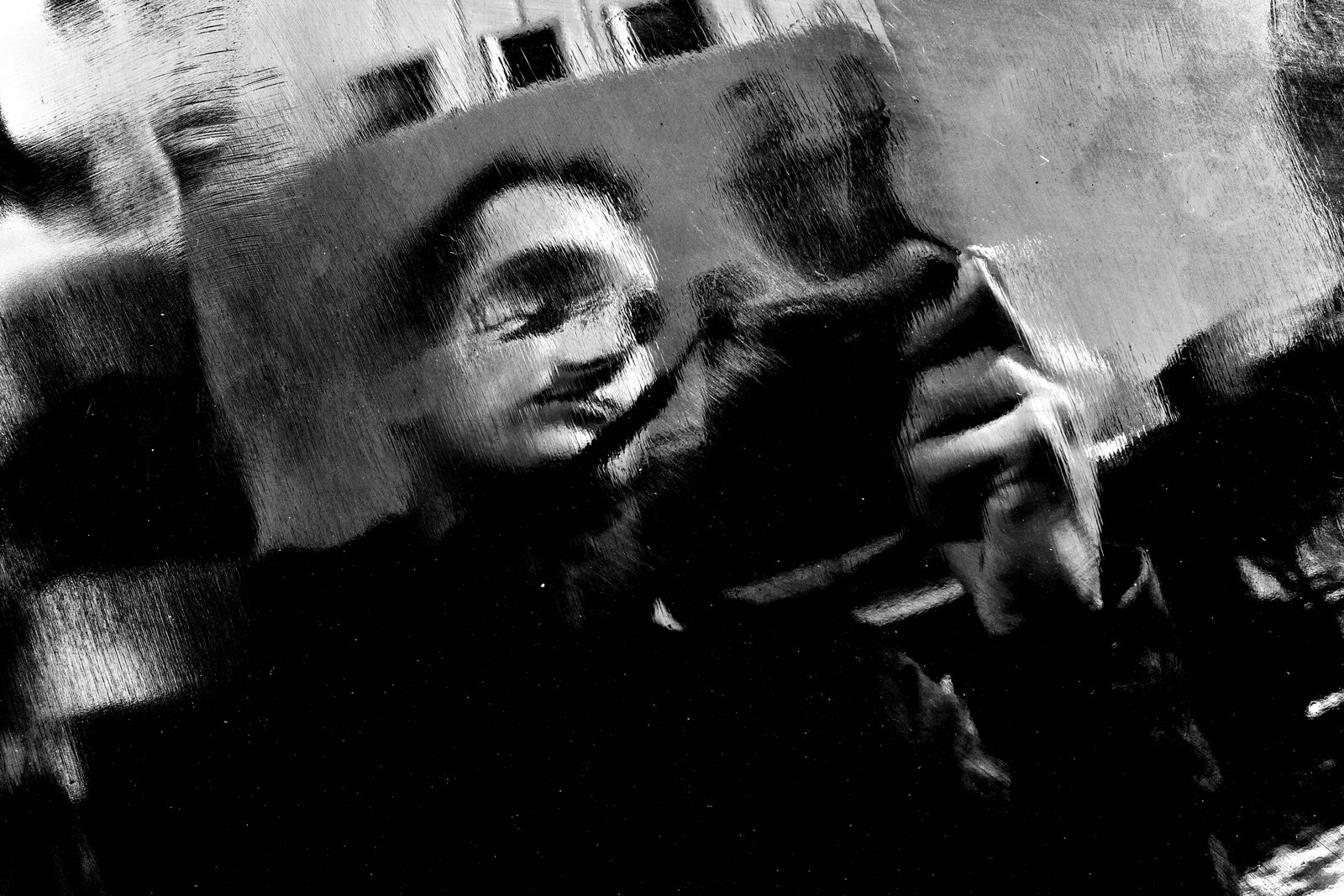
The biggest misreading of this lesson is thinking "get close" means be aggressive. Bruce Gilden and William Klein shoot in-your-face — that's a legitimate style — but it's one flavor. Getting close is not about shoving a lens at someone's face. It's about engaging with people, understanding their world, and capturing moments that resonate beyond the surface. Aggression without connection just produces startled faces. That's not intimacy — that's a jump scare.
Thinking Physical Distance Is the Only Problem
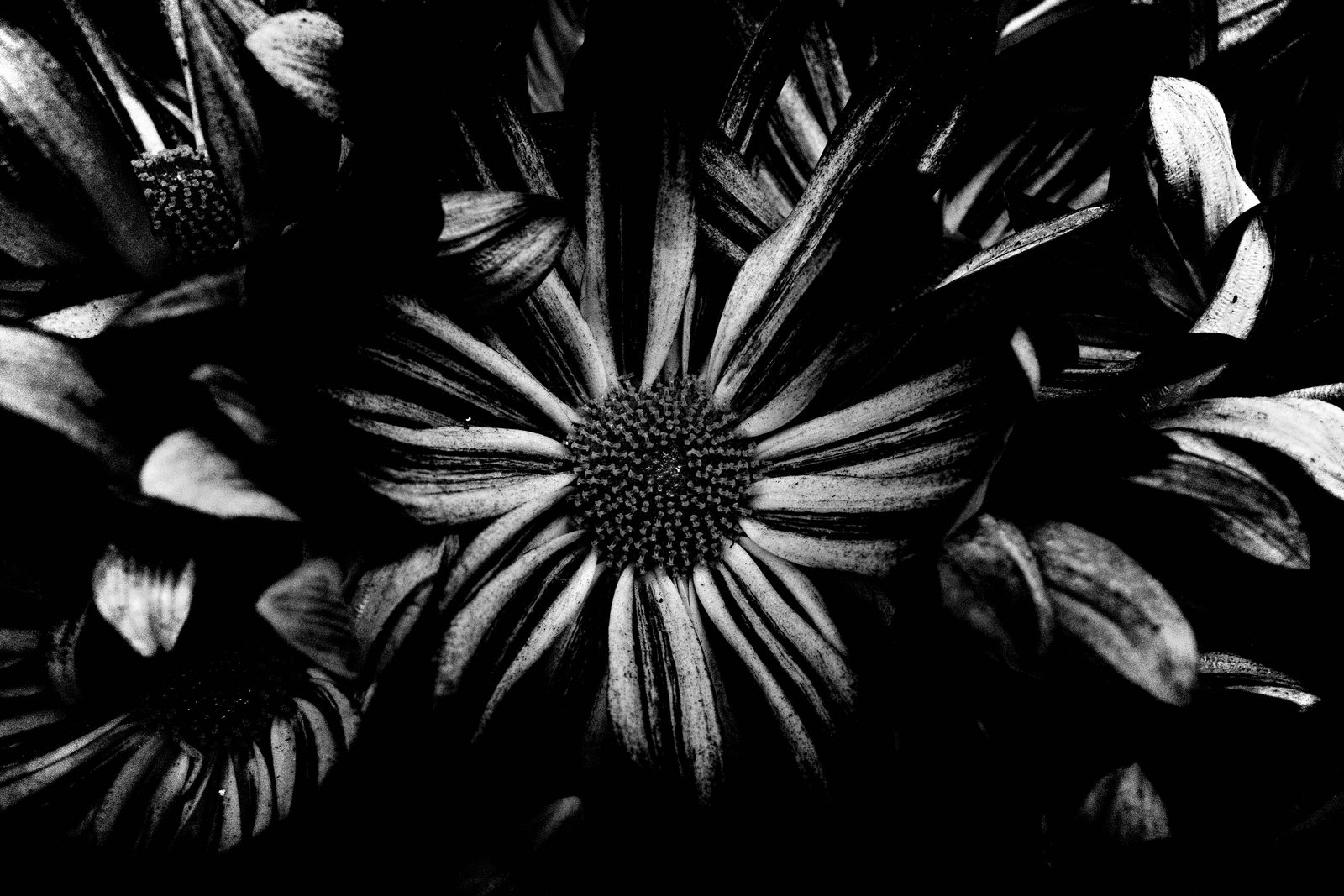
The other trap: fixing the physical distance but ignoring the emotional one. You can stand two feet away from someone and still produce a cold, disconnected photograph. The viewer will feel it. Getting close isn't just about stepping forward — it's about connecting on a deeper level. The hidden ingredient is always emotional closeness — genuine curiosity, real presence, time spent. Without that, proximity is just crowding someone's personal space.
RELATIONSHIP TO PREVIOUS
Building on Fearless Shooting
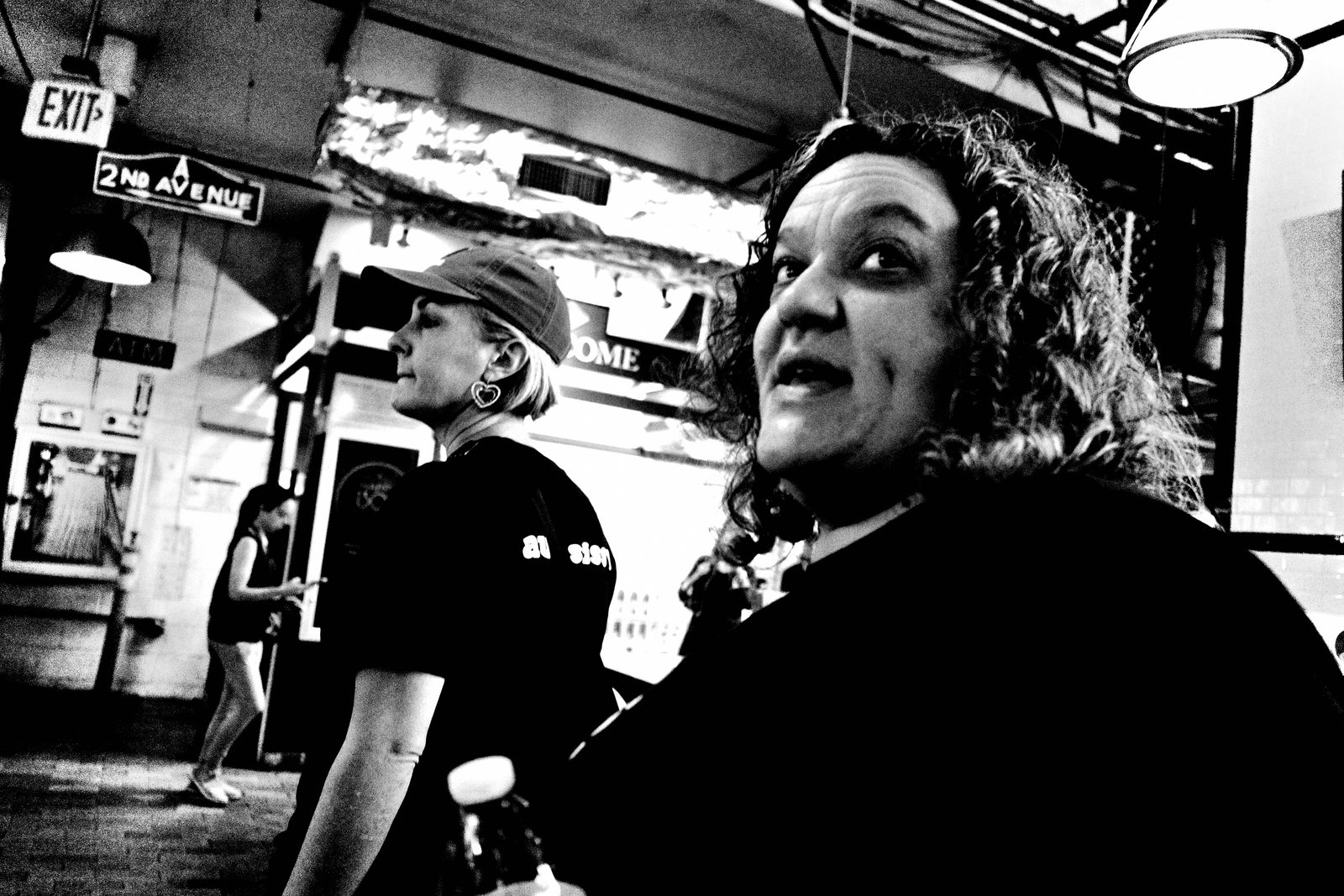
Lesson 035 broke the last filter on what you allow yourself to photograph. Now we take that fearlessness and give it a physical direction. If there are no limits on what you shoot, there are no limits on how close you get either. The courage to point your camera anywhere is the same courage that closes the gap between you and the world. Getting close is fearless shooting made physical.
SUMMARY / TAKEAWAY
Step In. Every Time.
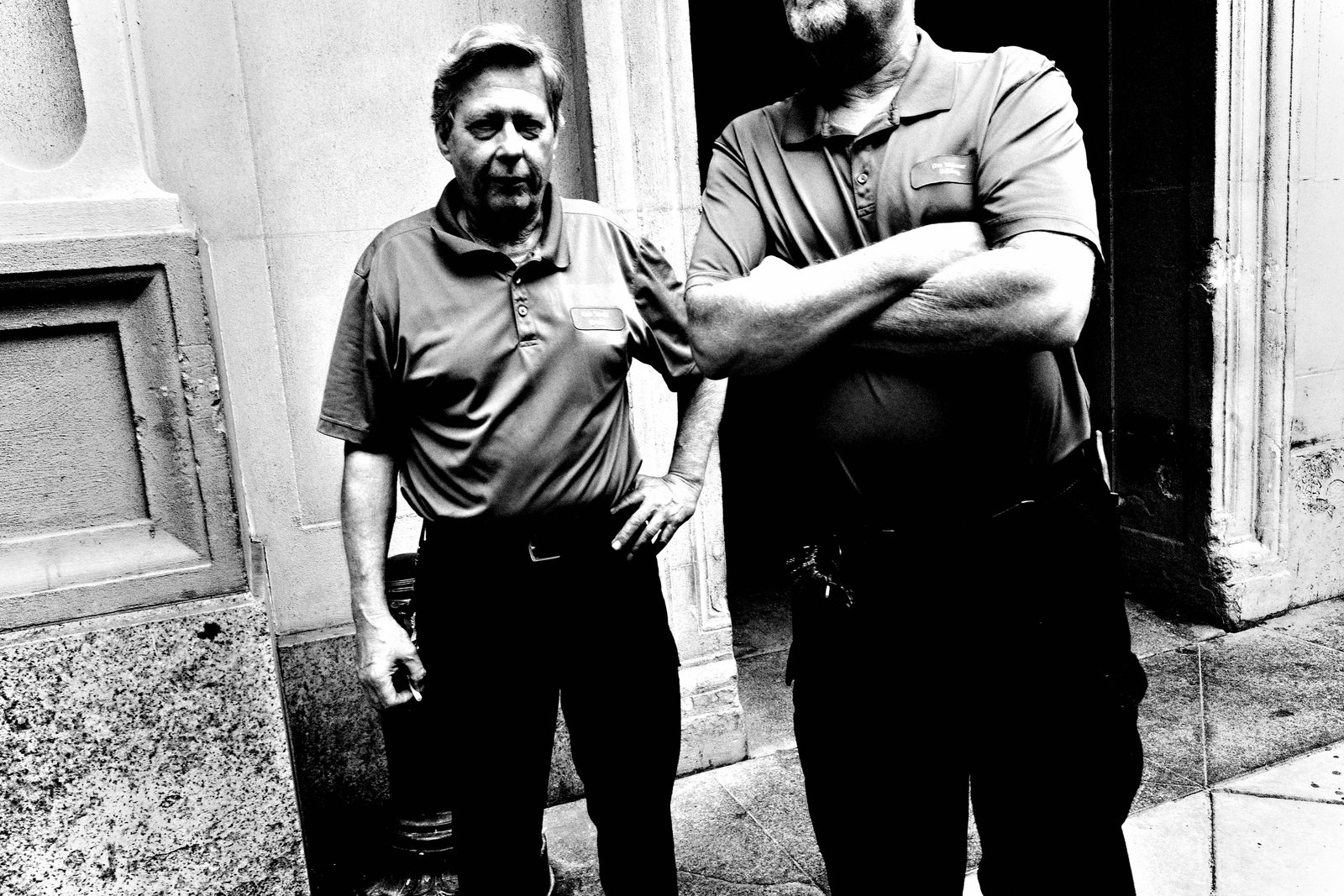
Last thing. Getting close is the whole practice compressed into one move. Physical closeness fills the frame, kills distraction, adds impact. Emotional closeness — built through time, curiosity, and connection — makes the photograph true. Fear is real, but it's not a wall. It's a door. The more you push yourself to engage, to interact, and to step into the scene, the more impactful your photographs will become. Step in. Every time. That's the lesson. Catch you in the next one. Peace.