Breakdown IV — Light
CORE IDEA
Light Is the First Instinct
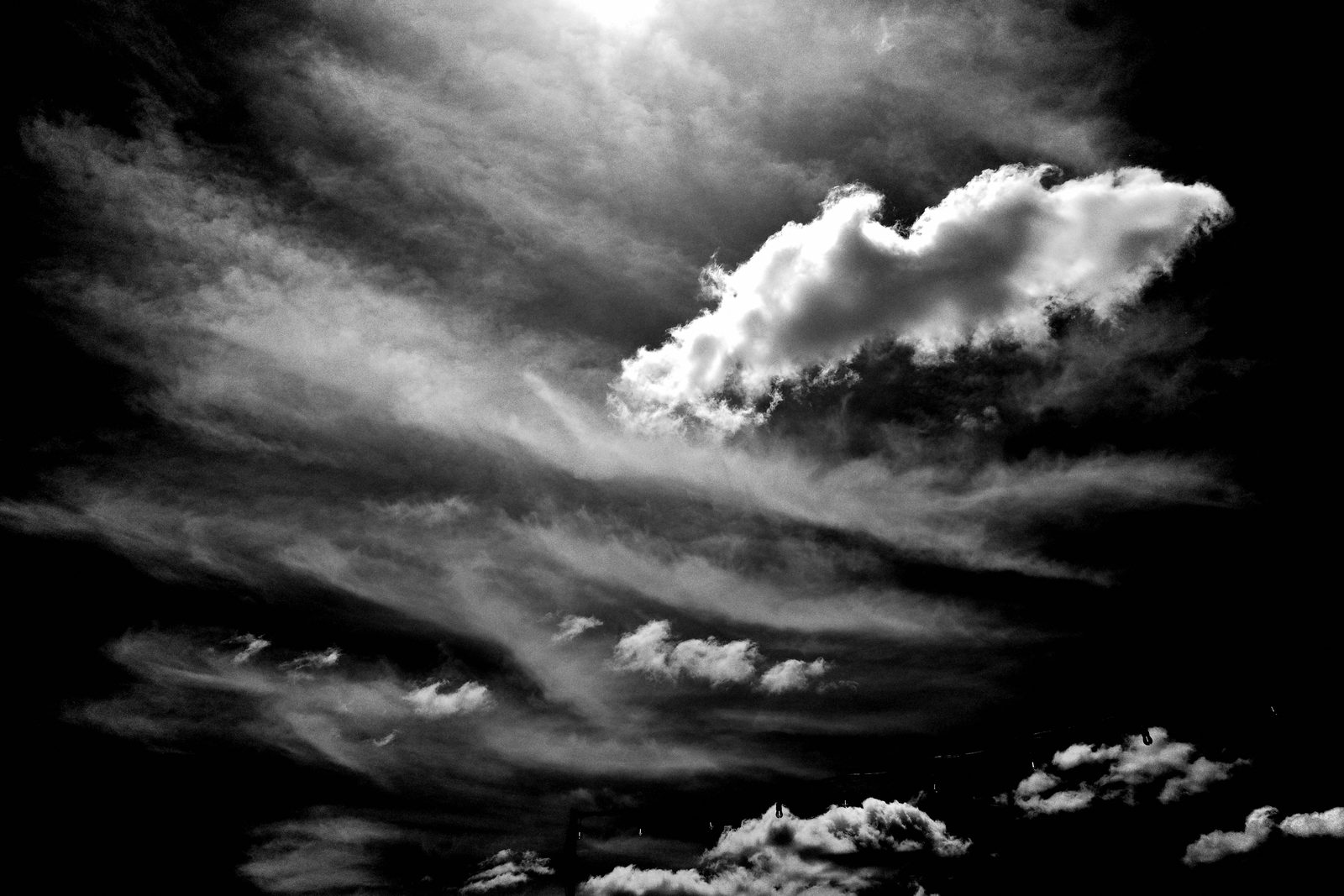
What's popping, people — it's Dante. Today we're going deep on light — not as a technical setting on your camera, but as the first instinct that pulls you toward a scene. Before you think about subject, before you think about composition, one thing should move your feet: you see the light, and you go to it. That's where every strong frame begins.
LEARNING OBJECTIVE
What You'll Walk Away With
By the end of this lesson you'll understand how light functions as both the trigger and the structure of a photograph. You'll know how to use it to find your stage, separate your subjects, and create layered complexity — and you'll have a clear practice you can apply every time you step outside.
WHY THIS MATTERS
Bad Light Doesn't Mean No Photo
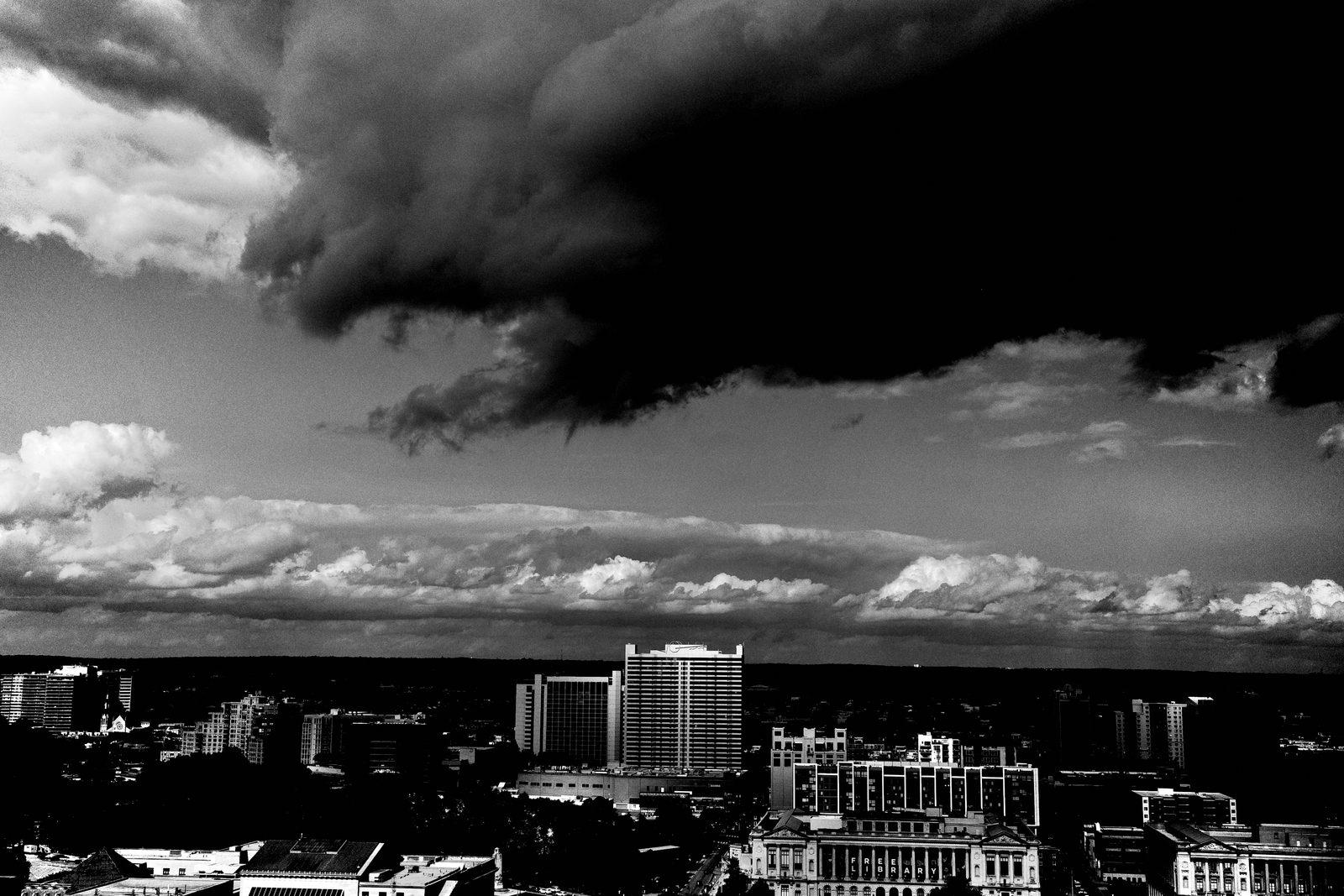
Here's why this matters: most people only shoot when the light is "perfect." But some of my most powerful photographs came from fog, rain, and stormy skies. Light isn't just sunshine — it's atmosphere, mood, and energy. Learn to read all of it, and you never have a reason to stay home.
Light Tells You Where to Stand
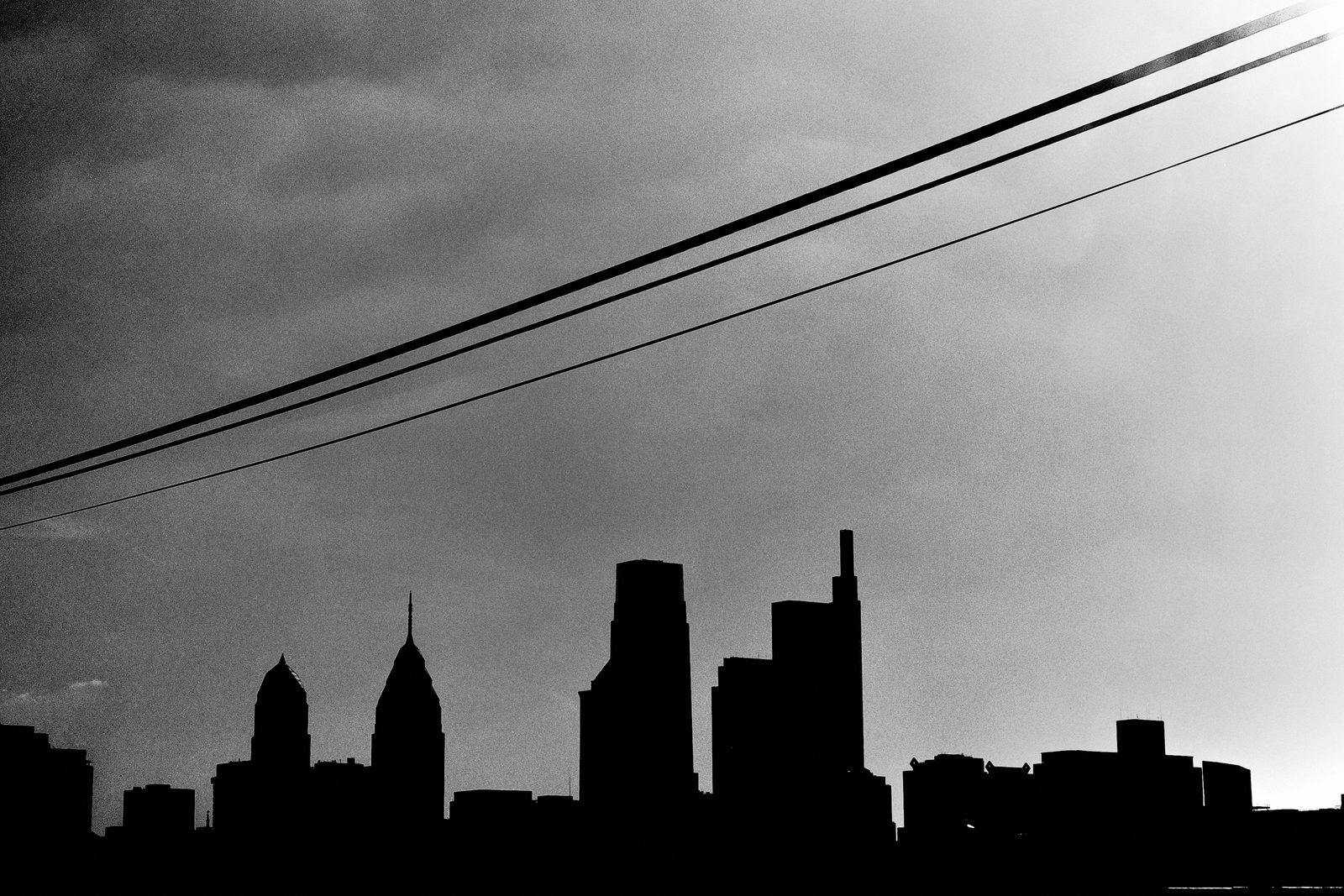
And here's the deeper reason this matters: light doesn't just look good — it tells you exactly where to stand. When I find a beam, a shadow, a golden patch on a wall, that's the stage. I plant myself there and wait for life to walk in. Light is your co-director.
MAIN TEACHING
Golden Hour Is a Ready-Made Stage
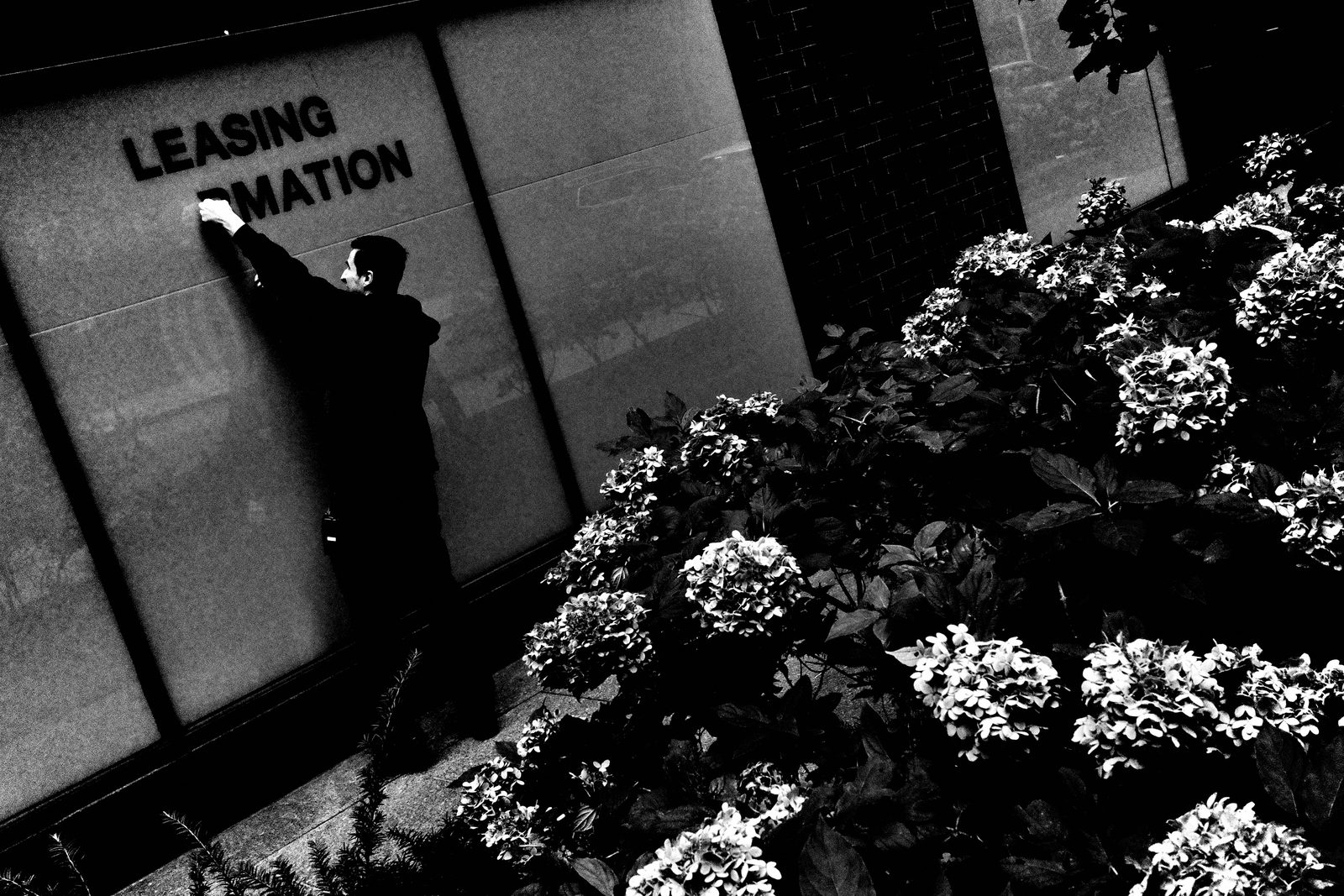
The hour after sunrise and the hour before sunset are a gift, because the light comes in low and warm and turns ordinary surfaces alive. A flat wall becomes a glowing backdrop. Long shadows stretch across the ground and start moving as people pass. When you find a surface like that catching golden light, you've found a stage — and it's a stage before anyone even steps onto it. So don't plan the composition first. Follow the light to that surface, plant yourself, and let the scene fill in. That's always the first move.
Light Pulls You In, Humanity Fills It Out
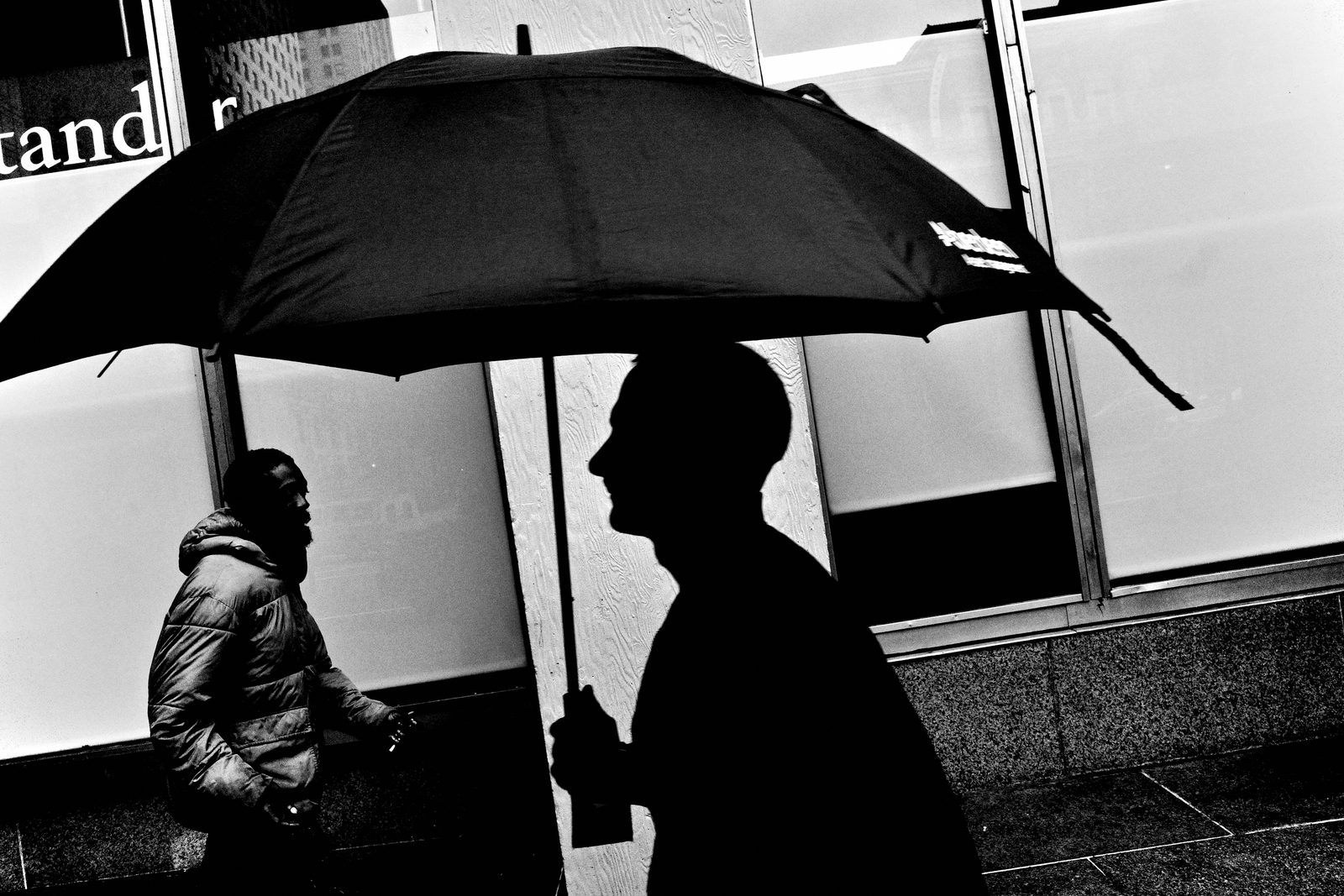
The light gives you the stage, but people give you the photograph — so once you've found the light, close the distance. Approach openly. Tell them honestly what you're doing; being a student, being curious, being sincere is reason enough to ask. That openness is what lets you get close, and physical proximity carries emotional proximity — the nearer you stand, the more the viewer feels they're inside the moment with you. You can even let your own shadow fall into the frame as a foreground element. Light pulls you in; humanity fills it out.
Gravitate Toward Where the Light Lives
Here's a habit worth building: pick where you shoot by the light, not by the subject. Some places just glow at certain hours — an open western sky, water throwing the sun back at you, a wall that catches the last warm hour. When you know a spot lights up like that, keep going back to it. Don't arrive with a specific shot in your head. Follow the light and trust that it will hand you something worth photographing. Show up where the light lives, again and again, and it will.
Light Separates the Layers For You
When the light is right, it does the hardest compositional job for you — it separates your layers. A clean, glowing sky is the simplest example: place a near subject low in the frame and let that lit sky hold the upper half, and suddenly the front element sits crisply against an uncluttered background. Add a second subject deeper in and the light keeps them apart too — each plane readable because the light is doing the separating. You're not fighting a busy background anymore. Get the light right and the layers hold themselves.
Atmospheric Light Sets Mood
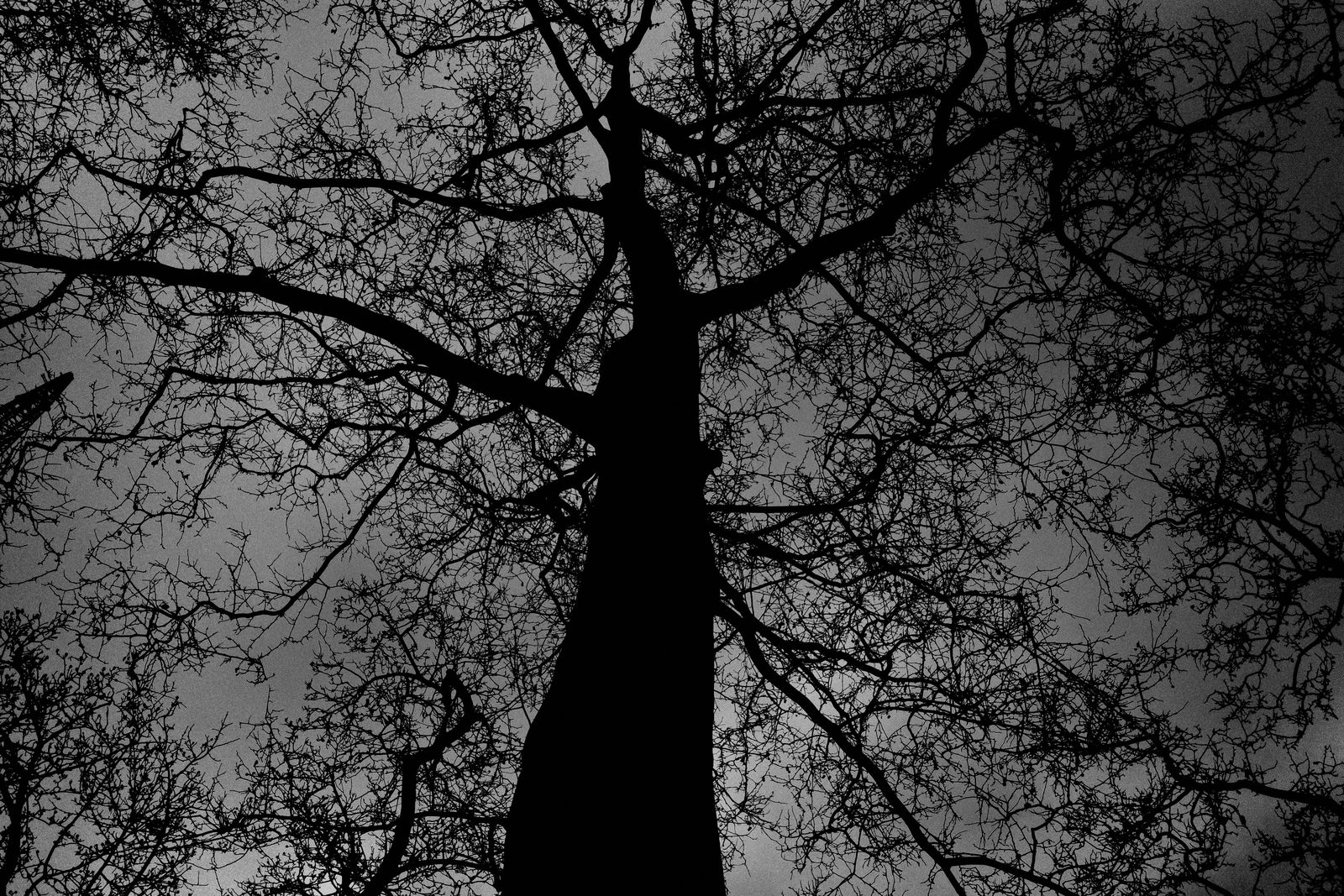
Not all light is golden, and some of the most atmospheric light shows up when the weather turns. Fog and mist are light — they scatter it, soften it, and wrap a scene in mood. Distant lights bloom and reflect off wet surfaces; the background falls away into a soft wash that isolates whatever's near you. When the atmosphere is doing that much work, your job is to stay out of its way: compose back to front, anchor on a strong distant shape, and let the mist do what it does. Mood and atmosphere become the whole photograph.
Follow Your Inner Desire
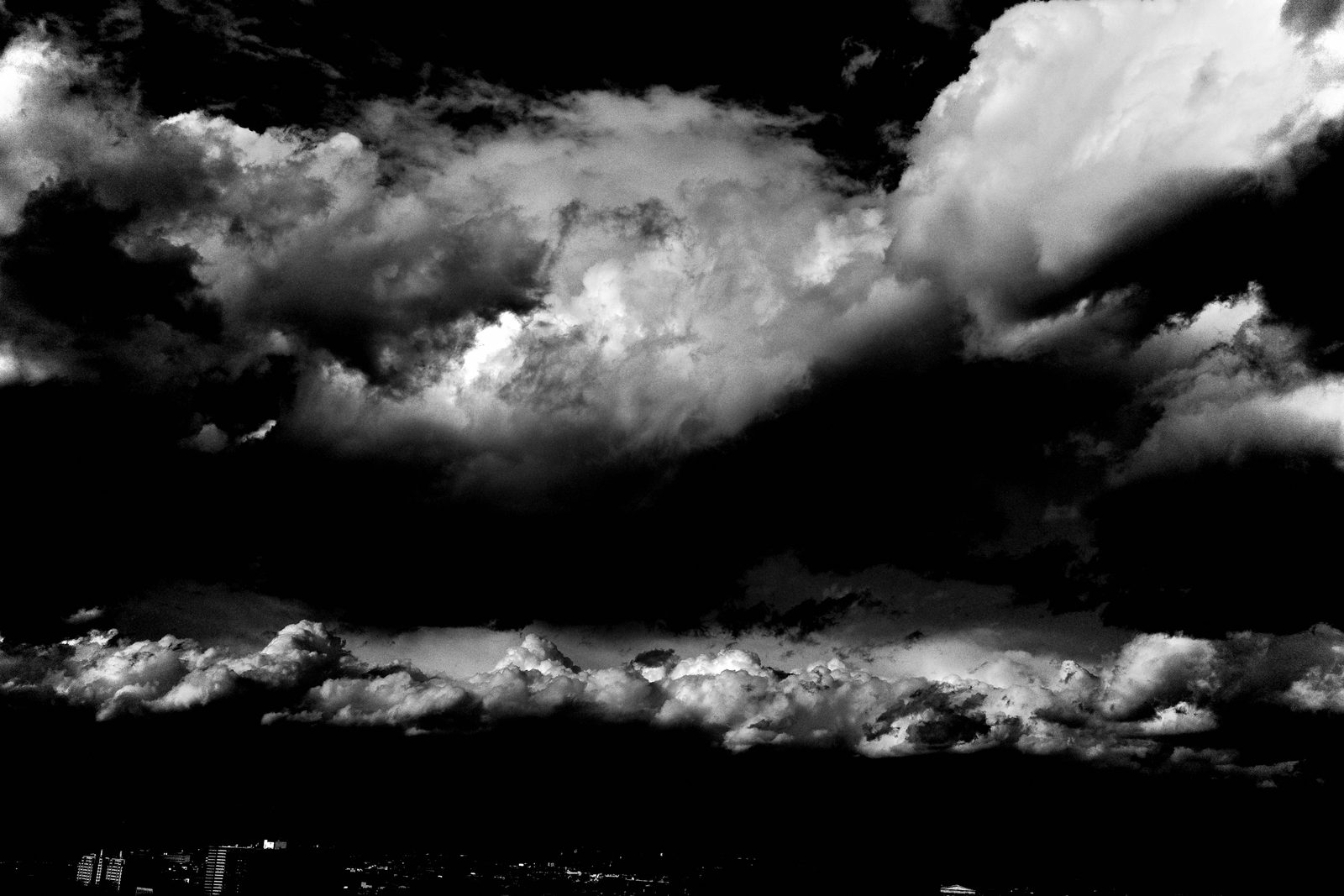
Here's the lesson inside the lesson: go where you love. The best light rarely arrives on a schedule you can plan for — the unexpected fog, the freak storm sky, the one evening the whole street lights up. You can't manufacture those moments. But you can be standing there when they happen, and you'll be standing there if you keep returning to the places that genuinely pull at you. Follow your inner curiosity, follow your inner desire, put yourself in position — and the magic finds you.
Shoot Every Condition
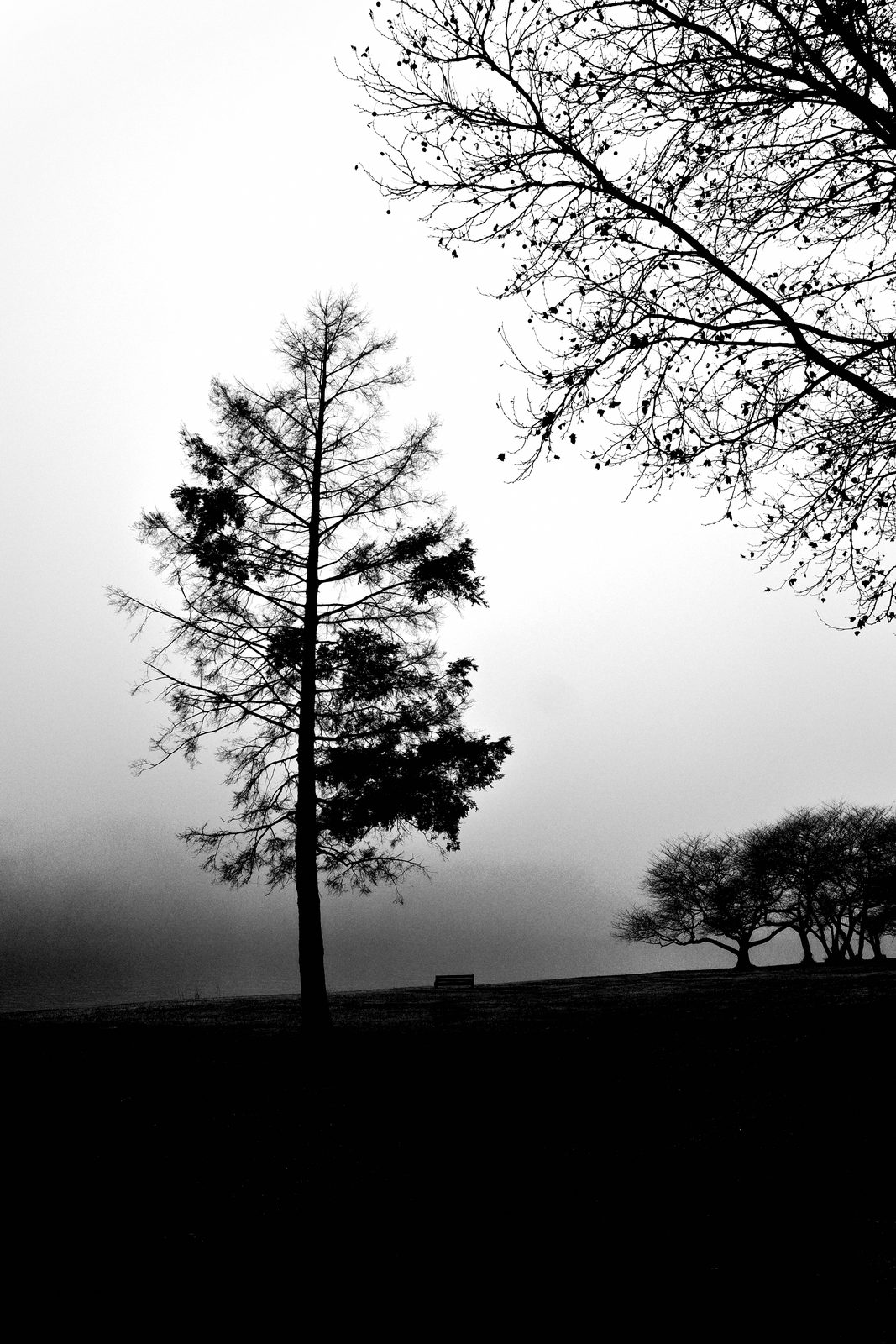
Rain is not a reason to stay home — it's atmosphere handed to you for free. Wet pavement turns into a mirror, throwing color and light back up into the frame. People cluster and huddle under shelter, which packs a scene with gesture and emotion. And when you're squeezed under an awning yourself, that tight space forces compositions you'd never construct on a dry, easy day — leading lines pulling back into the street, figures pressed close, texture everywhere. You don't need perfect light. You need to be out there, in every condition, ready.
The Choke Point Strategy

In a dense city, golden hour doesn't only come straight from the sun — it bounces off glass towers and reflective facades and pools in the street below. Find where that reflected light lands, place yourself at a choke point where people funnel through, lock in your backdrop, and wait. The payoff is the split-light moment: a subject enters and one side of the face catches the light while the other drops into shadow. That contrast is the photograph. Light plus patience equals layers — you build the stage, the light dresses it, and the moment walks in.
Shadow as the First Instinct
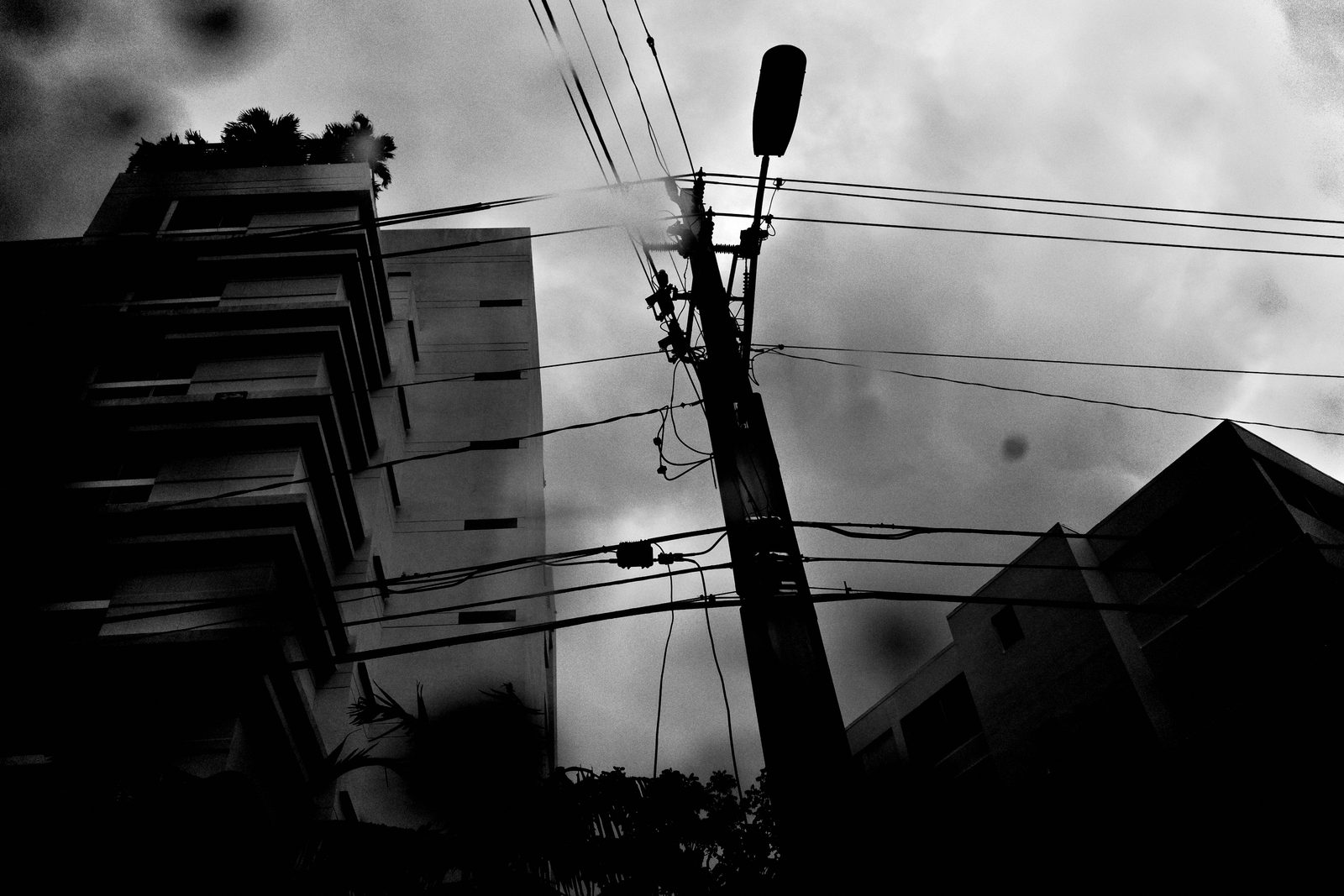
Train yourself to see the shadow before you see the subject. Light and shadow should be the first thing your eye lands on, because shadow is a compositional element in its own right — it draws lines across the ground, it hides what you want hidden, and it reveals the one detail you want revealed. And it's precise: a shift of a step or a drop of a few inches changes what the light picks out. Move until the light catches exactly the thing that matters — an eye, a hand, a face — and lets the rest fall dark. You don't always plan these alignments; intuition puts you in the right spot, and the light makes them visible.
A Dramatic Sky Is a Stage
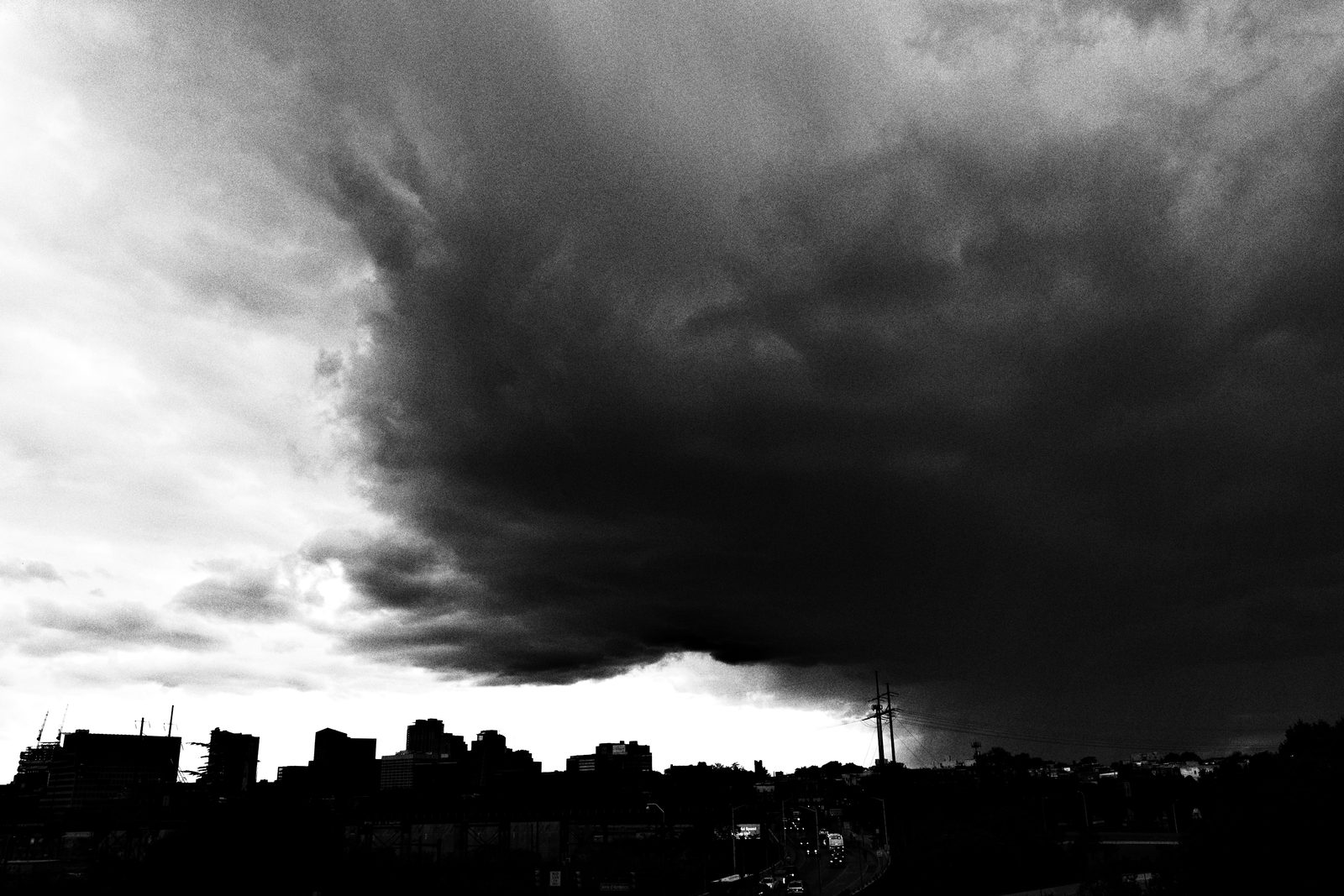
Sometimes the light is overhead — a stormy, dramatic sky that turns an entire scene into a set you can't walk past. When that light hands you a stage, the work becomes alignment: recognizing the possibility and then moving your body until the pieces lock. Watch for the bullseye — a moment when a near subject lines up perfectly inside a shape further back, a head sitting inside a circle, a figure framed by an arch. You can't find that standing still; you find it by physically repositioning inch by inch. Recognize the light, recognize the stage, then move until it clicks.
Light Demands Physical Response
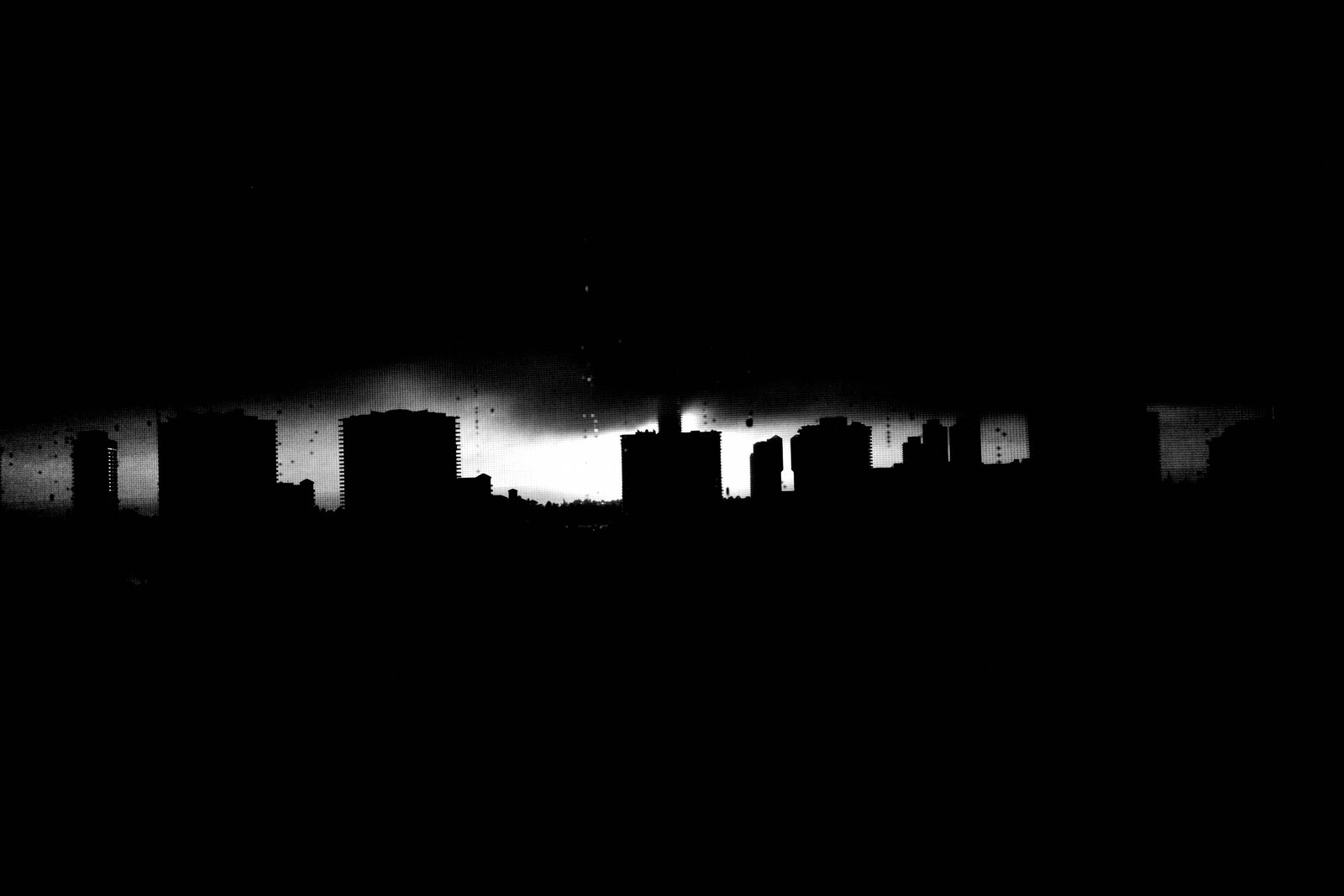
Here's the thread running through everything so far: light shows you the possibility, but your body finds the frame. Seeing the light is only half the work. Drop lower. Shift left. Step closer. Move until the light separates your subjects, clears your background, and the composition locks. Light is not passive and neither are you — it demands a physical response every single time. The photographers who get the frame are the ones who keep moving after they've seen it.
Return to the Same Location

One of the most practical things you can do is return to the same location again and again. The first visit you're a stranger fumbling with the light. By the fifth, people recognize you, they let you get closer, and — most importantly — you know exactly how the light moves across that place hour by hour. You can anticipate it. You can be standing in the right spot before it even arrives. You learn a location's light by spending time there, not by showing up once. Pick a few spots and wear them in.
PRACTICAL APPLICATION
Chase Golden Hour With Intention
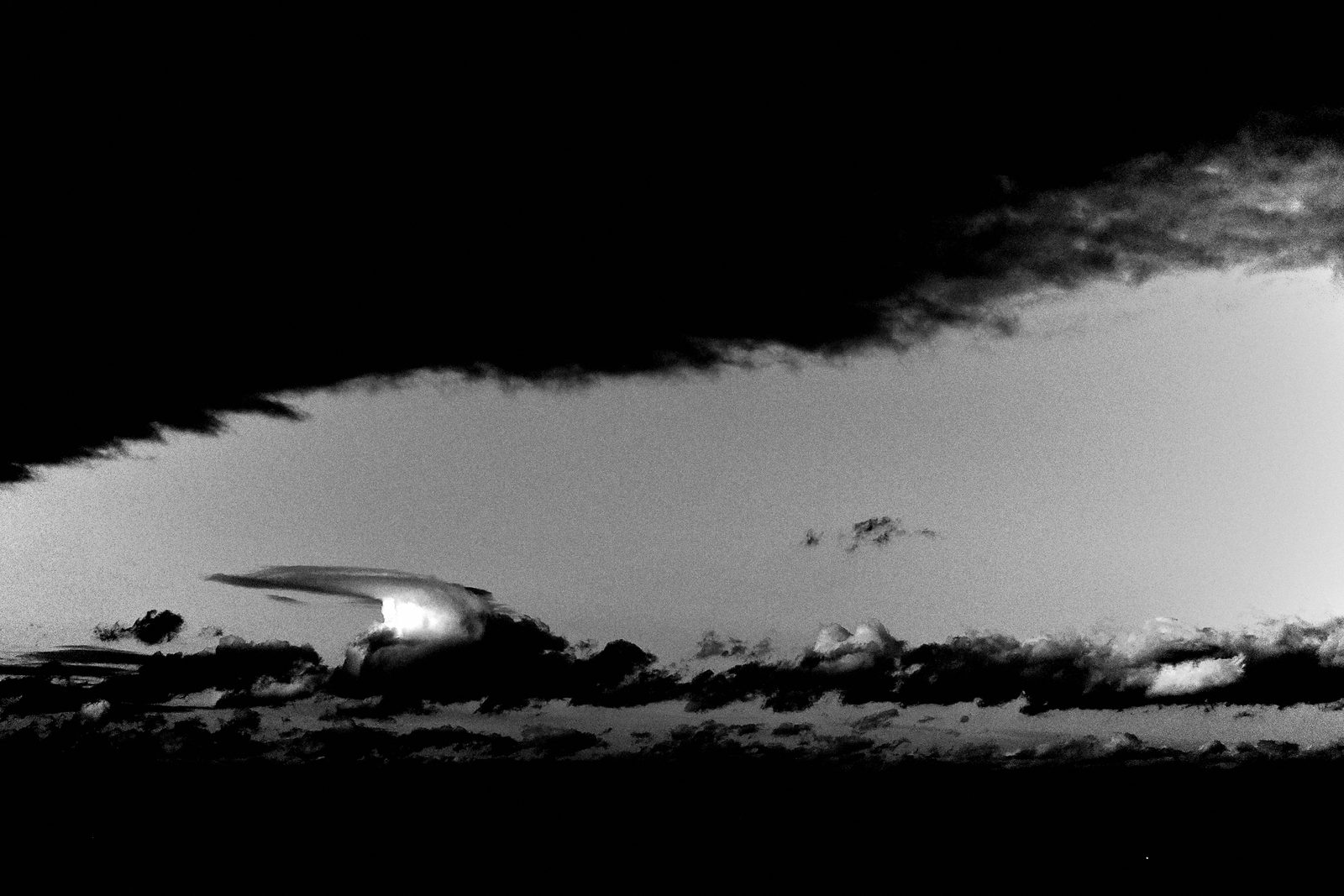
Your first assignment: pick one location — somewhere you already love — and go at golden hour three days in a row. Don't force a photo. Study how the light falls differently each day. Where does it hit the wall? Where does it create shadow? Let the light show you the stage. By day three, you'll know exactly where to stand.
Shoot One Challenging Condition
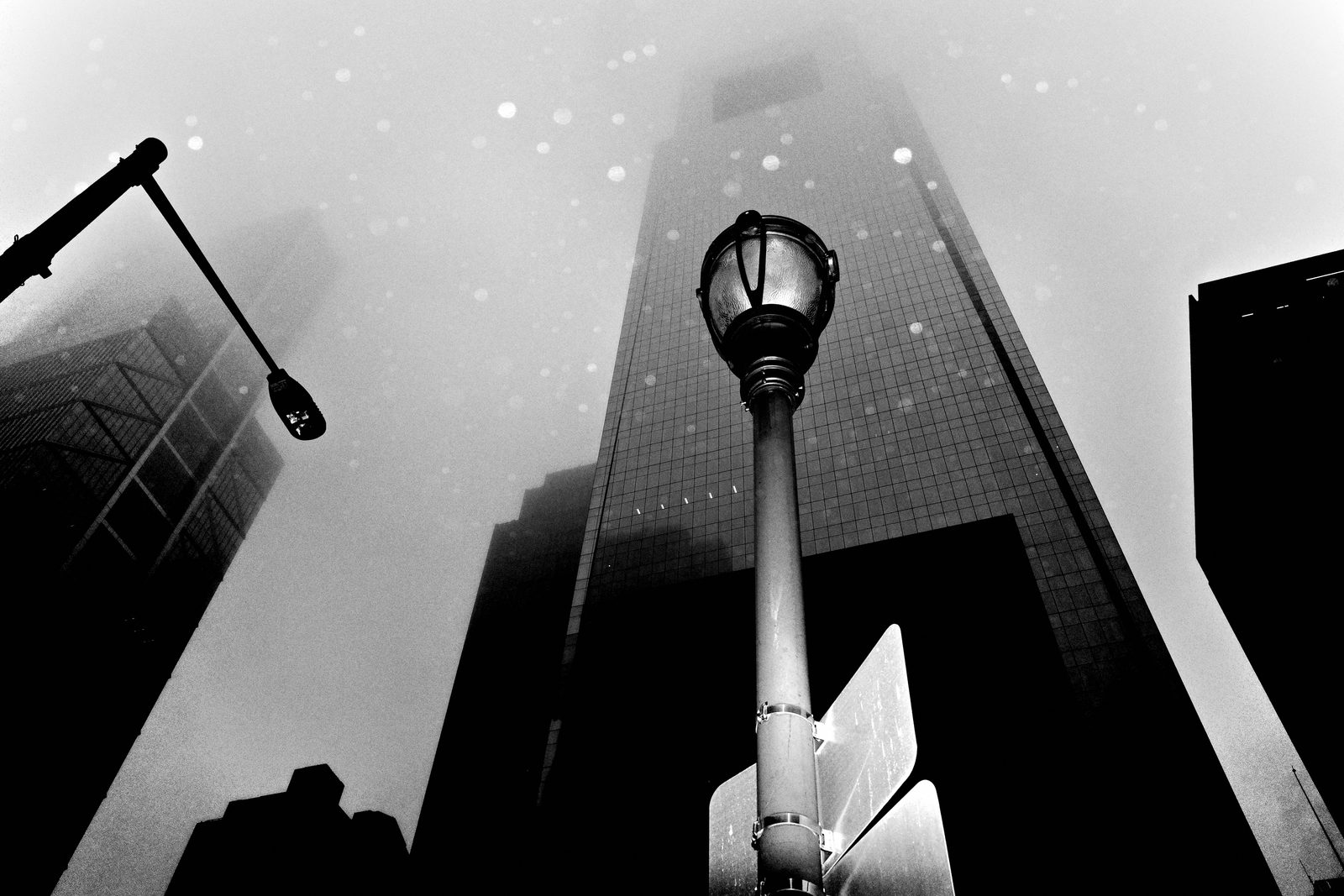
Second assignment: this week, go out in one condition you'd normally skip. Rain. Fog. Deep overcast. Leave the house anyway. Notice how the mood shifts — the reflections on the wet pavement, the way fog flattens the background and isolates your subject. Challenging light doesn't ruin photographs. It changes what kind of photograph you make. That's the whole lesson.
COMMON MISTAKES
Waiting for Perfect Light
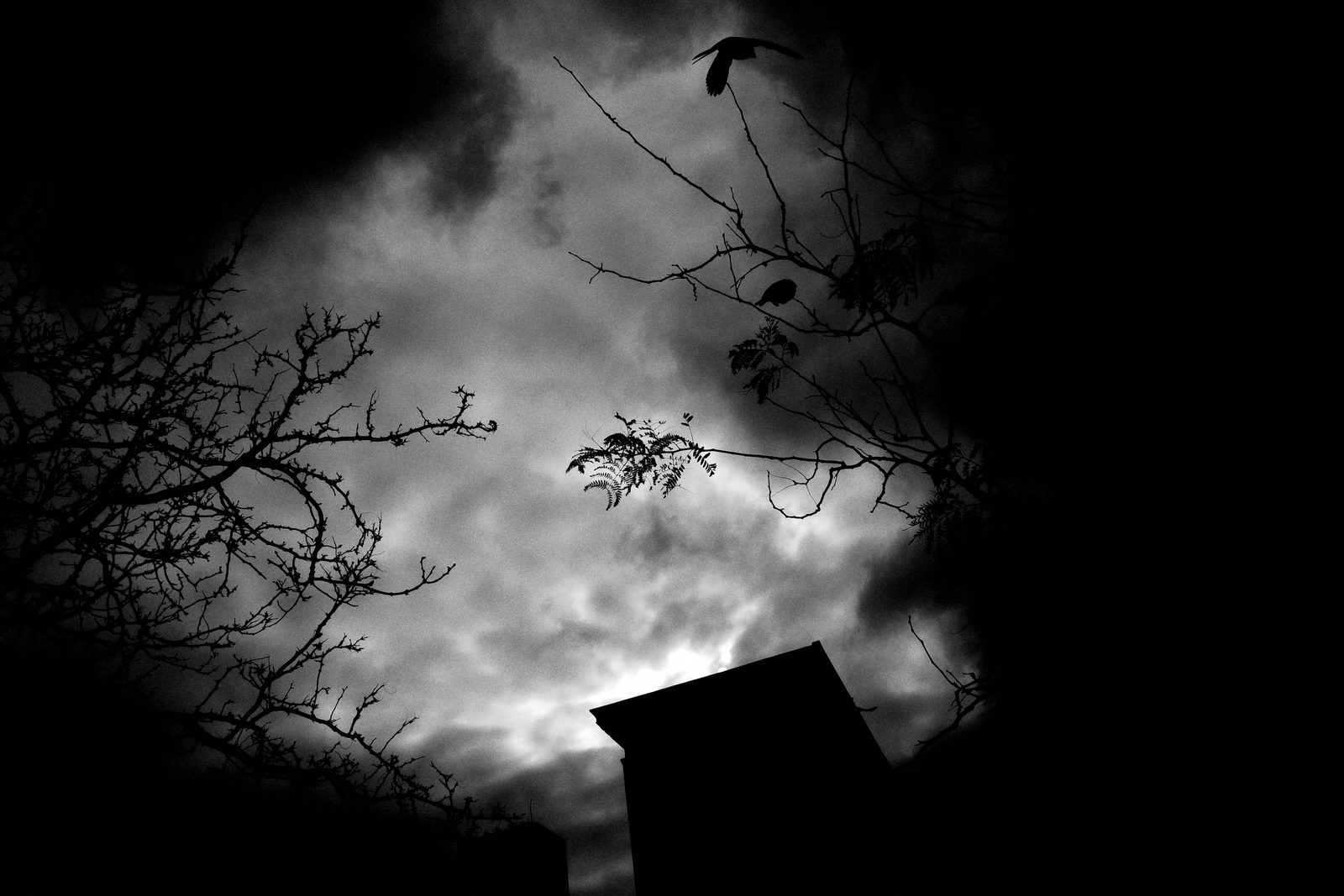
The most common mistake I see: waiting for perfect light. People only leave the house at golden hour, and only when the sky cooperates. But fog, rain, flat overcast, even harsh midday sun — all of it has power. I've made some of my strongest photographs in the rain with no umbrella. Be out there. The light you're waiting for is never as important as the moment you'd miss by staying home.
Seeing Light but Not Moving
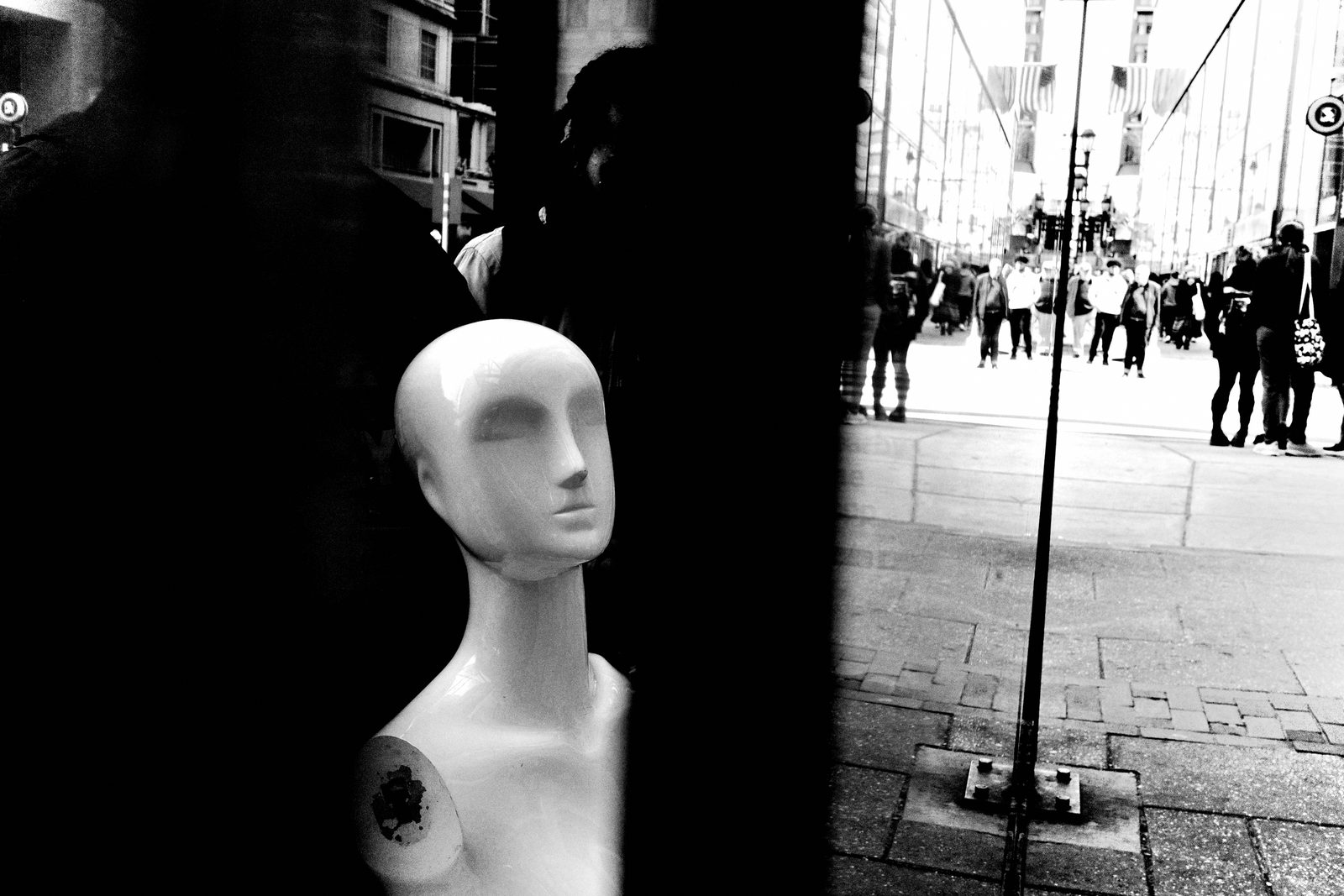
The second mistake: you see the light but you don't move. You notice a beautiful fall of shadow or a golden patch on a wall, you raise the camera — and you shoot from exactly where you're standing. That's half the work. The other half is moving your body until the light does exactly what you need it to do. One more step. One lower angle. Don't stop until the frame locks.
RELATIONSHIP TO PREVIOUS
Building on Gesture and Timing
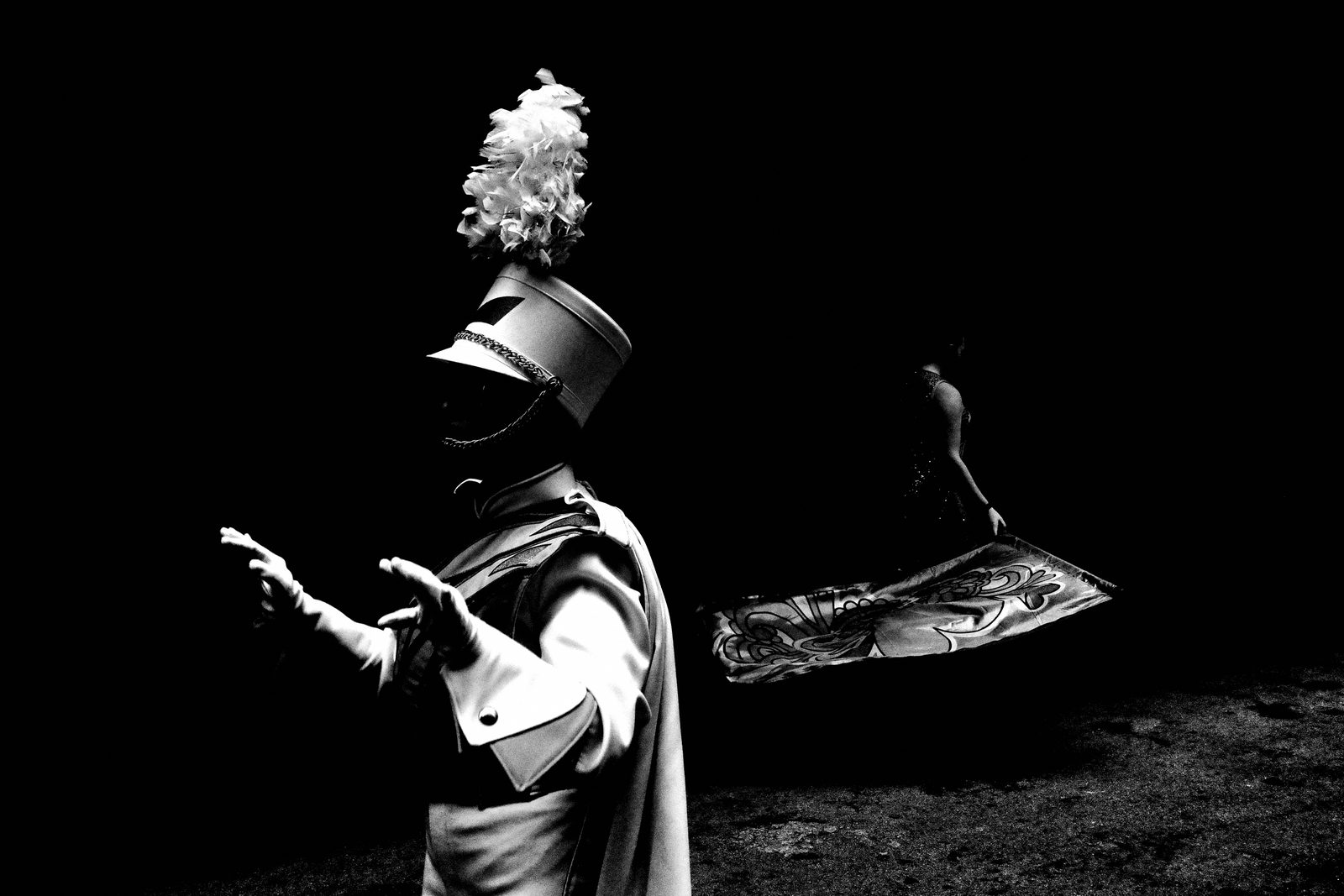
In Lesson 034 we went deep on gesture and timing — how to read a body in motion and press the shutter at the right moment. Now we're adding the layer underneath all of that: light is the stage that makes the gesture readable. A great gesture in flat, dead light disappears. Put it in golden hour, or fog, or dramatic shadow — and it lives. These two ideas work together.
RELATIONSHIP TO UPCOMING
Setting Up Composition and Layering
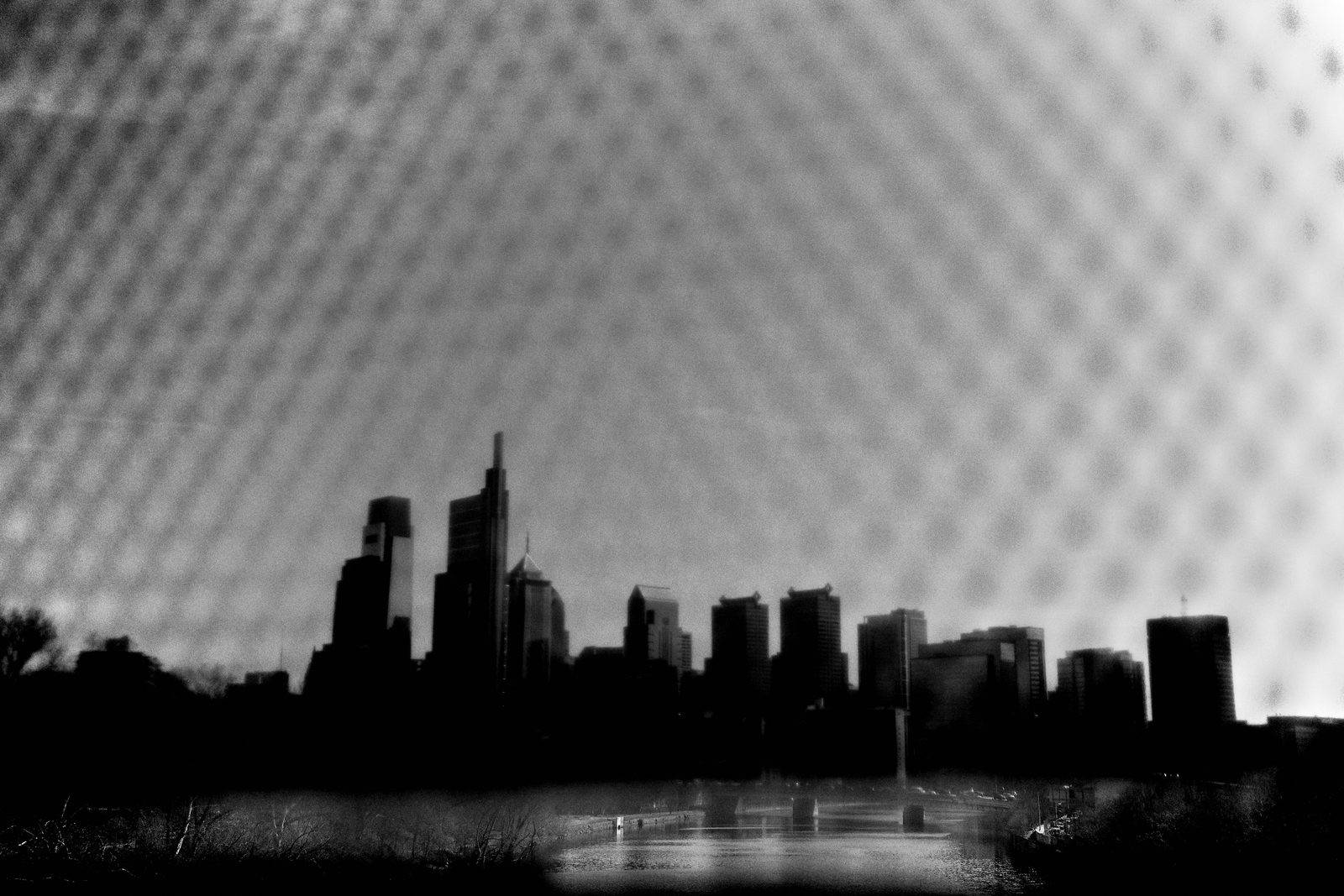
In Lesson 036 we take on the full architecture of composition — foreground, middle ground, background all working together in a single frame. Today's light work sets that up perfectly: light is what separates the planes and makes each layer readable. Next lesson we learn how to organize what the light reveals. Stay with it — the full picture is coming together.
SUMMARY / TAKEAWAY
Follow the Light, Then Move
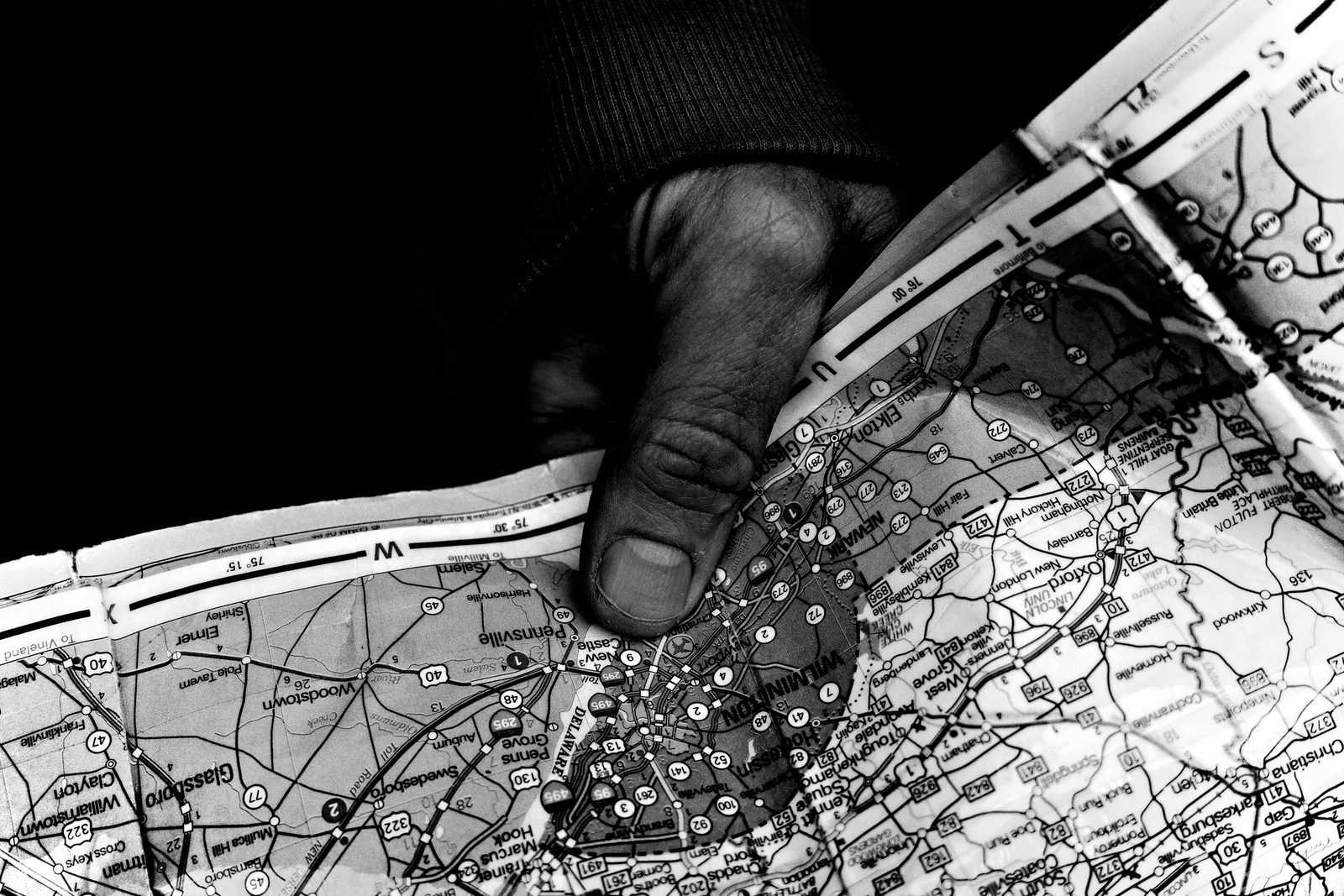
Last thing. It all starts the same way: you see the light, and you move toward it. Not toward a subject, not toward a composition — toward the light. It shows you the stage. Then you plant your feet, adjust your body, and wait for life to walk in. That's the whole practice condensed. Follow the light. Move until the frame locks. Then press the shutter. Catch you in the next one — peace.