The High-Contrast JPEG Recipe
CORE IDEA
The Recipe Is the Freedom
What's popping, people — it's Dante. Today we're going deep on the technical setup that changed everything for me — the high-contrast black and white JPEG recipe. I know "recipe" sounds like we're locking things down, but it's the opposite. Baking everything into the camera frees you to stop thinking about processing and start thinking about the street. The recipe is the freedom.
LEARNING OBJECTIVE
What You'll Walk Away With
By the end of this lesson you'll have the exact camera profile I shoot with — the Ricoh GR III high-contrast black and white JPEG setup — and more importantly, you'll understand why every setting is there. This isn't gear talk for its own sake; it's about how a technical decision becomes a philosophical one.
WHY THIS MATTERS
Complexity Is the Enemy of Flow
Here's the thing: for years I shot color RAW files. And over time it became a burden. The processing pipeline kept me off the street and at the screen. Every decision I made in Lightroom was a decision away from seeing. Complexity is the enemy of flow, and flow is where the real work happens.
Speed Is a Creative Value
Speed isn't laziness — it's a creative value. I want to be the most prolific photographer in the world. That means I need to shoot, process, and publish fast. The JPEG recipe lets me go out, shoot, and upload directly to my blog without touching a slider. That velocity compounds. More frames, more growth, more joy.
MAIN TEACHING
Why the Ricoh GR III
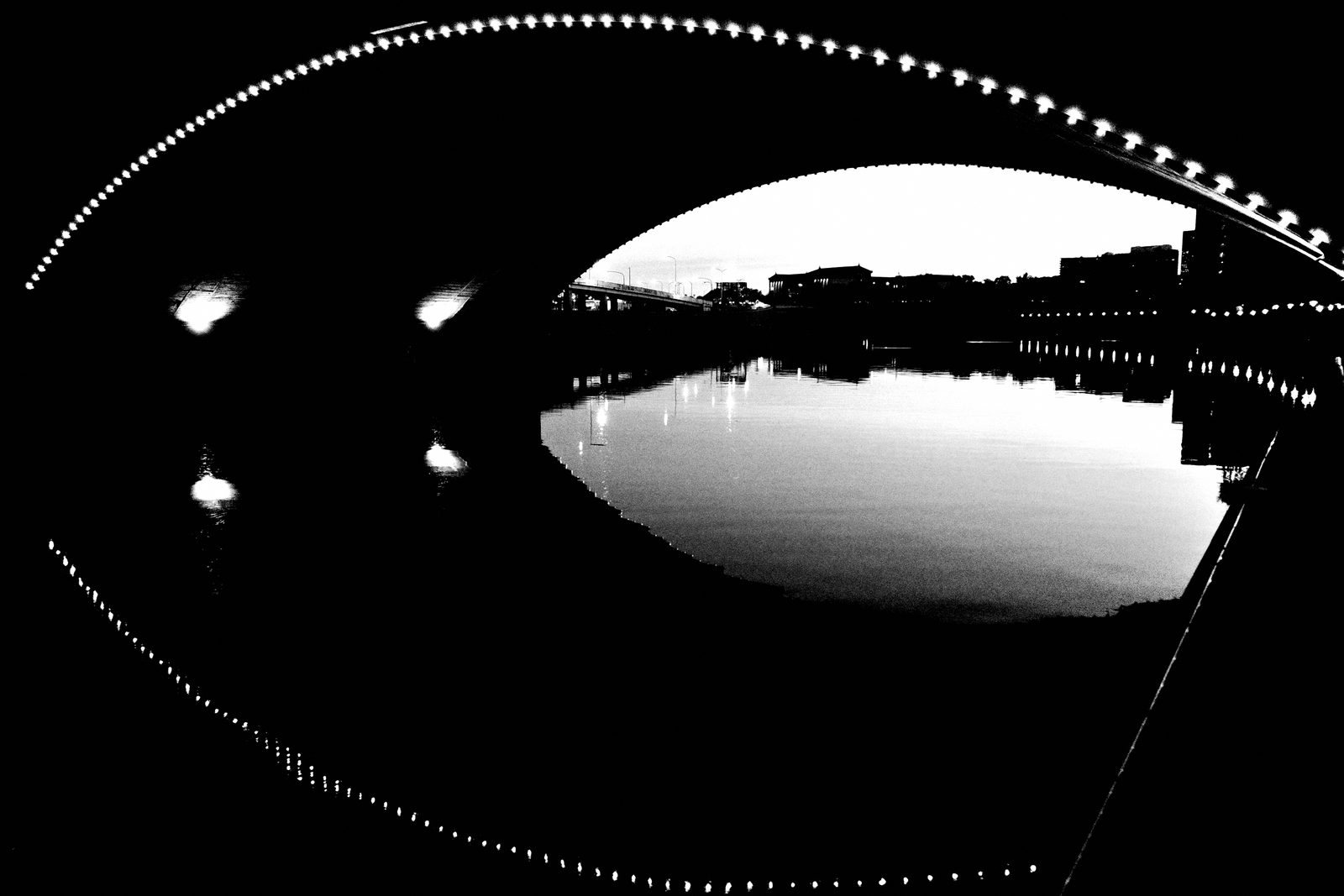
The foundation of this recipe is the Ricoh GR III or GR IIIx. Compact, discreet, always in your pocket. These cameras are built for street — snap focus at two meters, AV mode, and a sensor that punches above its size. When the camera disappears from your awareness, you disappear to your subjects. That's the whole game.
JPEG Over RAW: The Philosophy
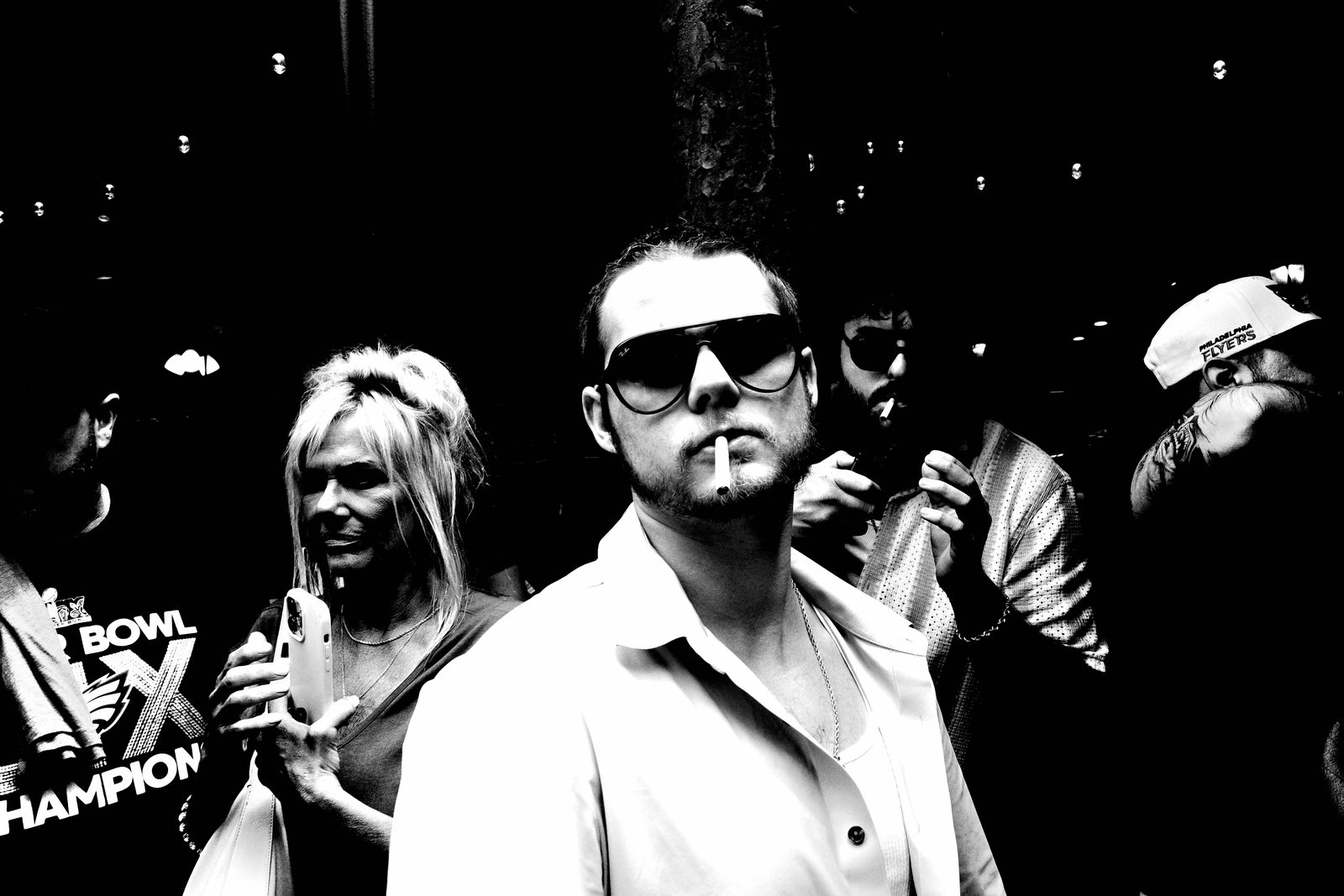
Shooting small JPEG with the profile baked in is a philosophical commitment. RAW gives you options, but options create hesitation — you think, "I'll fix it later." JPEG forces you to see the image before you take it. The look has to live in your eye before it lives in the file. That's a discipline, and it sharpens you.
The File Settings Explained
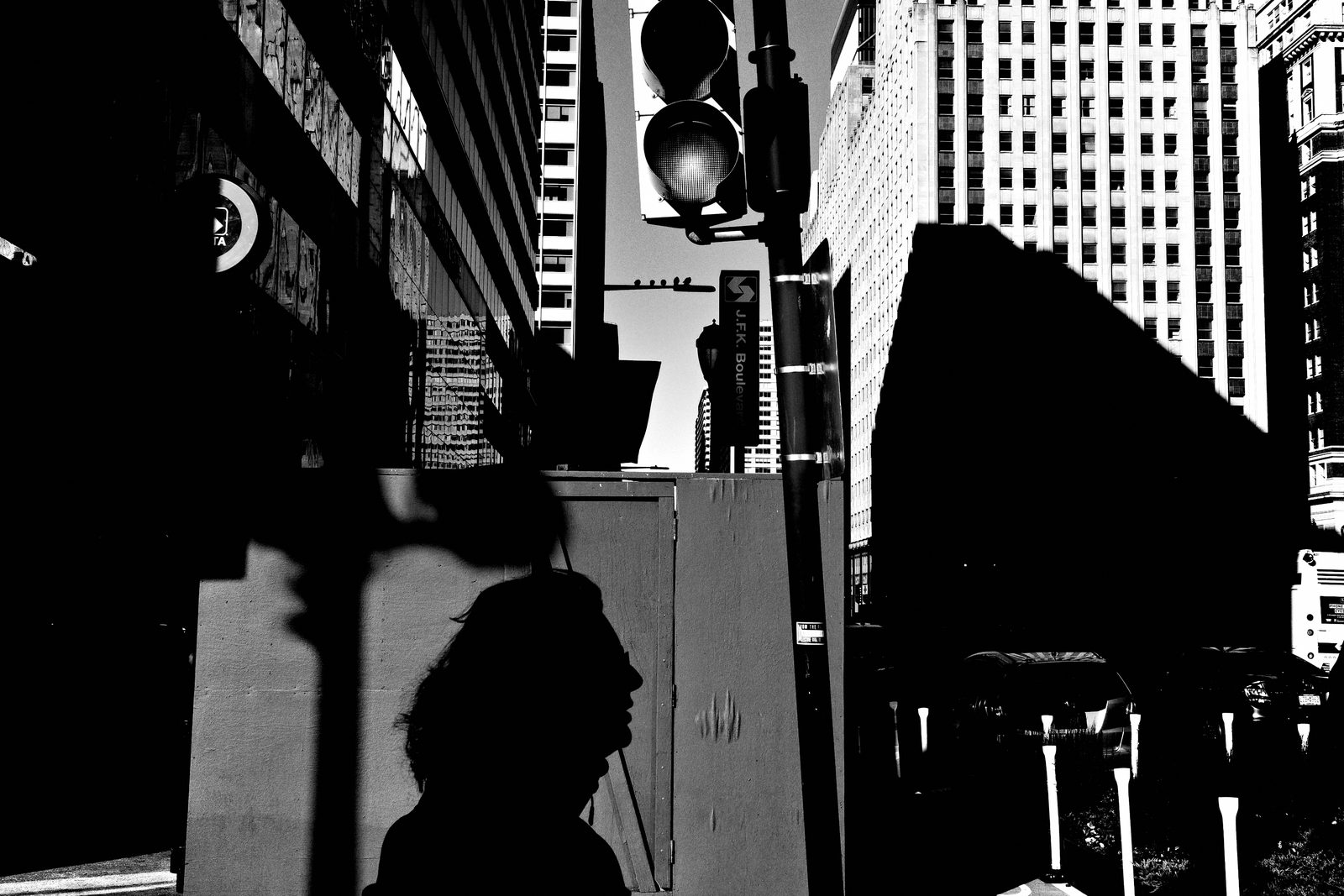
Here's where we get specific. I shoot a small JPEG at 3360×2240. Image control is set to High Contrast Black and White. The High/Low Key adjustment goes to –2, which pulls the overall exposure down slightly — it gives the shadows more room to crush and keeps the highlights from blowing.
Contrast, Sharpness, and Grain
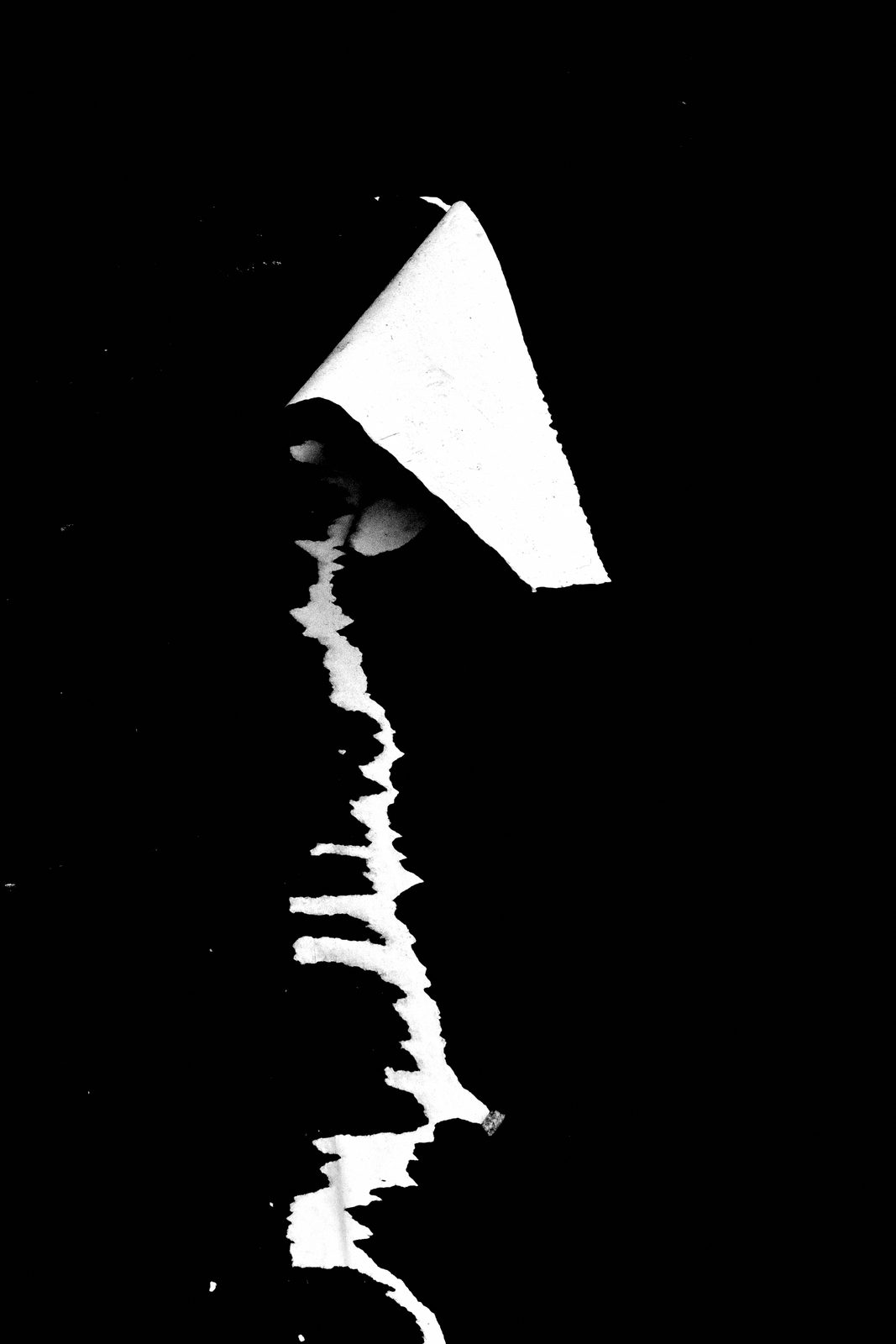
Then: Contrast at +4 overall, Highlight contrast pulled to –4 to protect the bright areas, Shadow contrast at 0. Sharpness, Shading, and Clarity all at +4 — this gives the image that tactile, almost printed quality. And Grain Effect at Level 3. The grain isn't noise; it's texture, soul, the feeling of film. Don't remove it — it's part of the picture.
Highlight-Weighted Metering
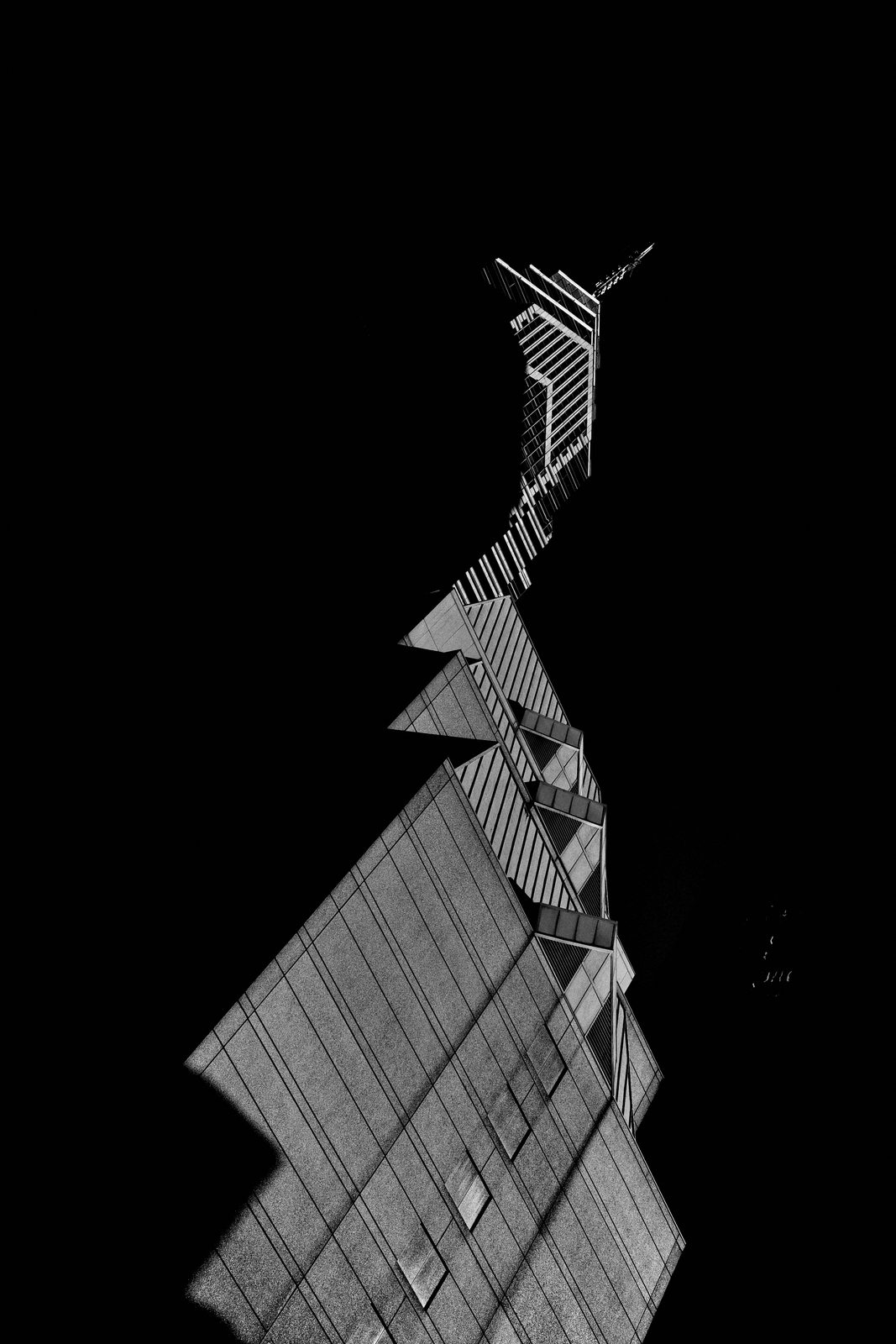
The metering mode ties all of this together: highlight-weighted metering. Expose for the highlights and let the shadows crush on their own. This is the same principle Caravaggio used in chiaroscuro — protect the light, let the dark be dark. What you choose to protect, you choose to emphasize. The meter is an editorial decision.
AV Mode and Aperture Settings
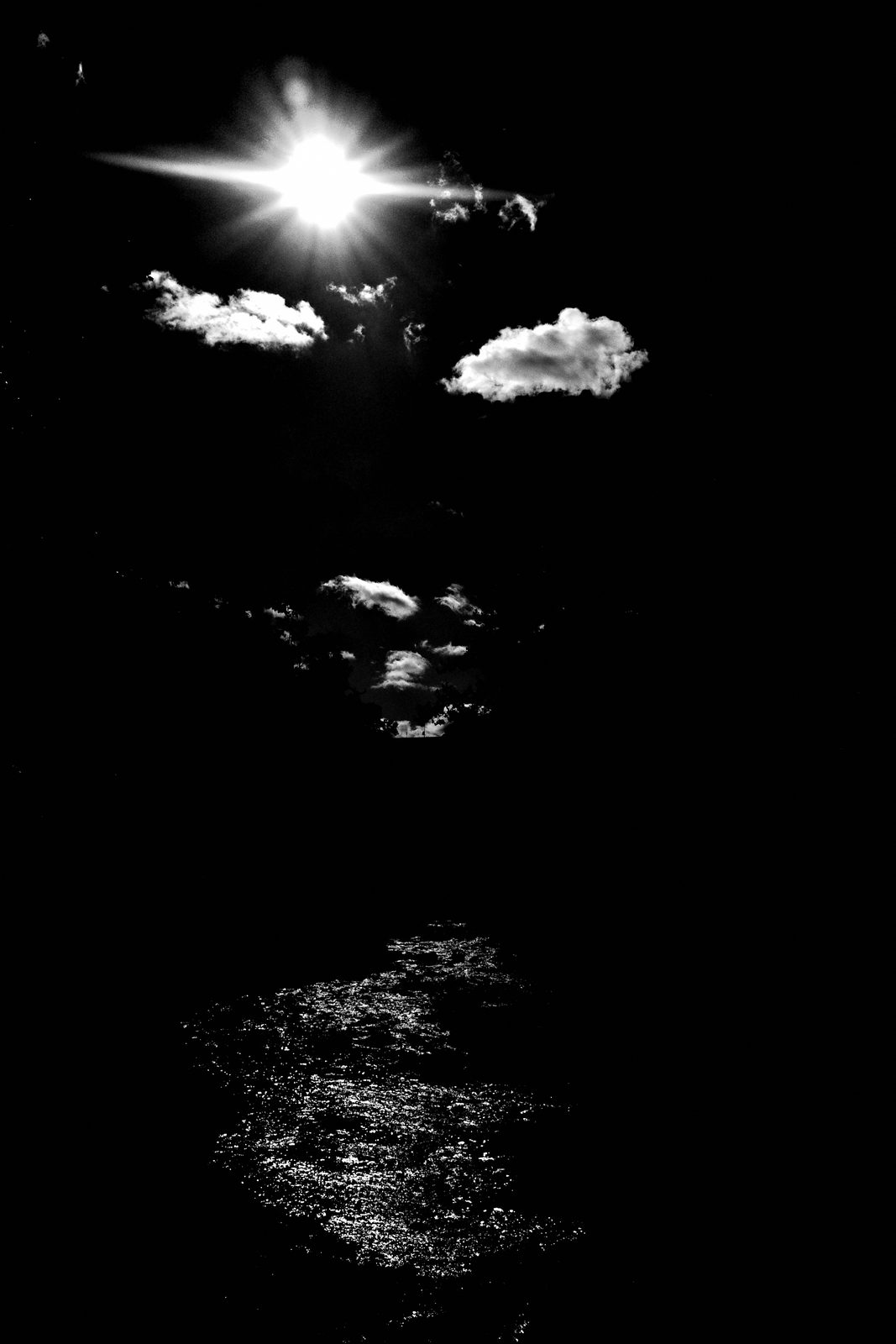
Camera settings: AV Mode, Aperture at F8. You want maximum depth of field on the street — everything sharp, nothing missed. Snap focus locked at two meters. Auto ISO handles the exposure, and I set a minimum shutter speed of 1/500 to freeze motion. Once these are set, you stop thinking about the camera entirely. That's the goal.
Underexposing by One Stop
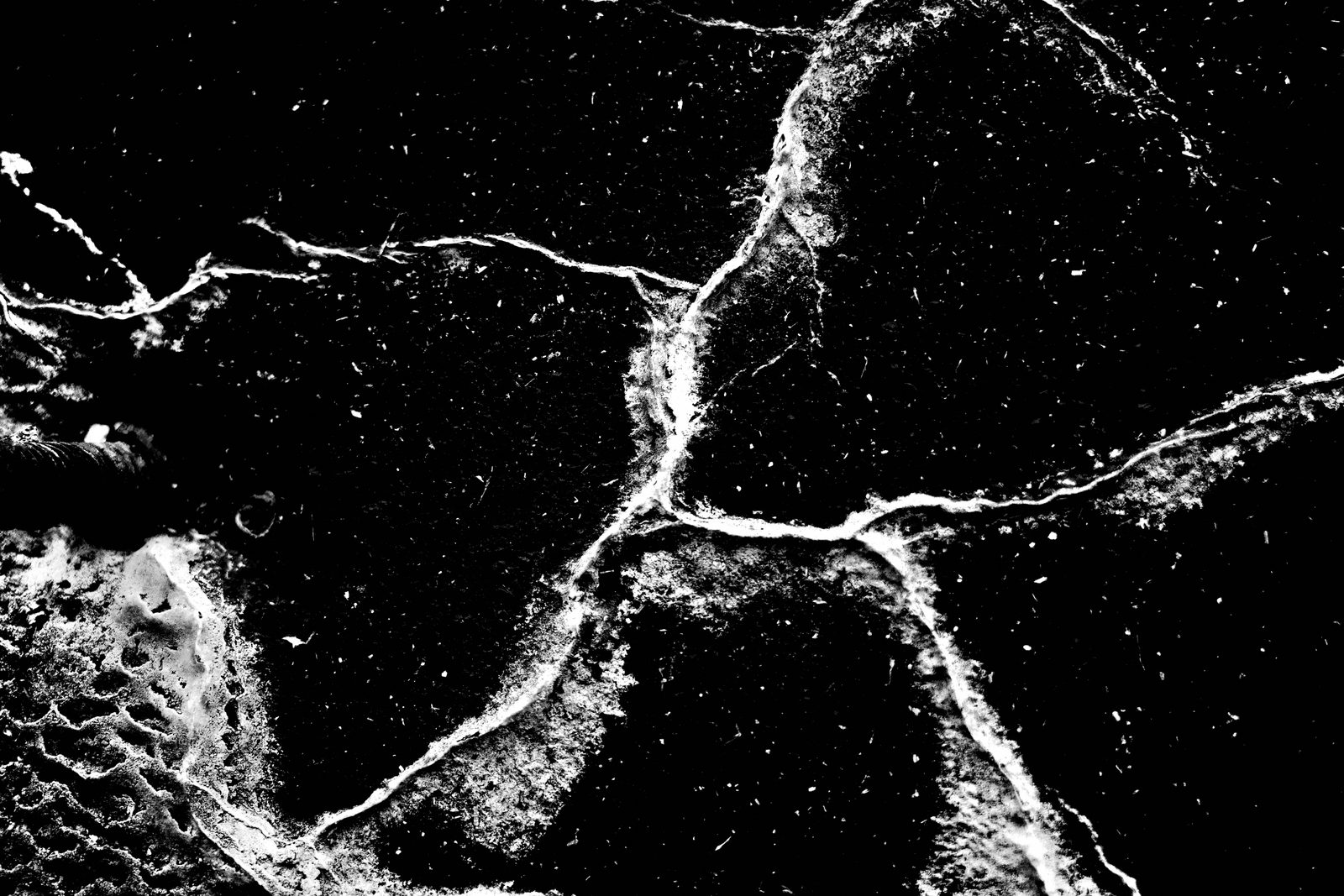
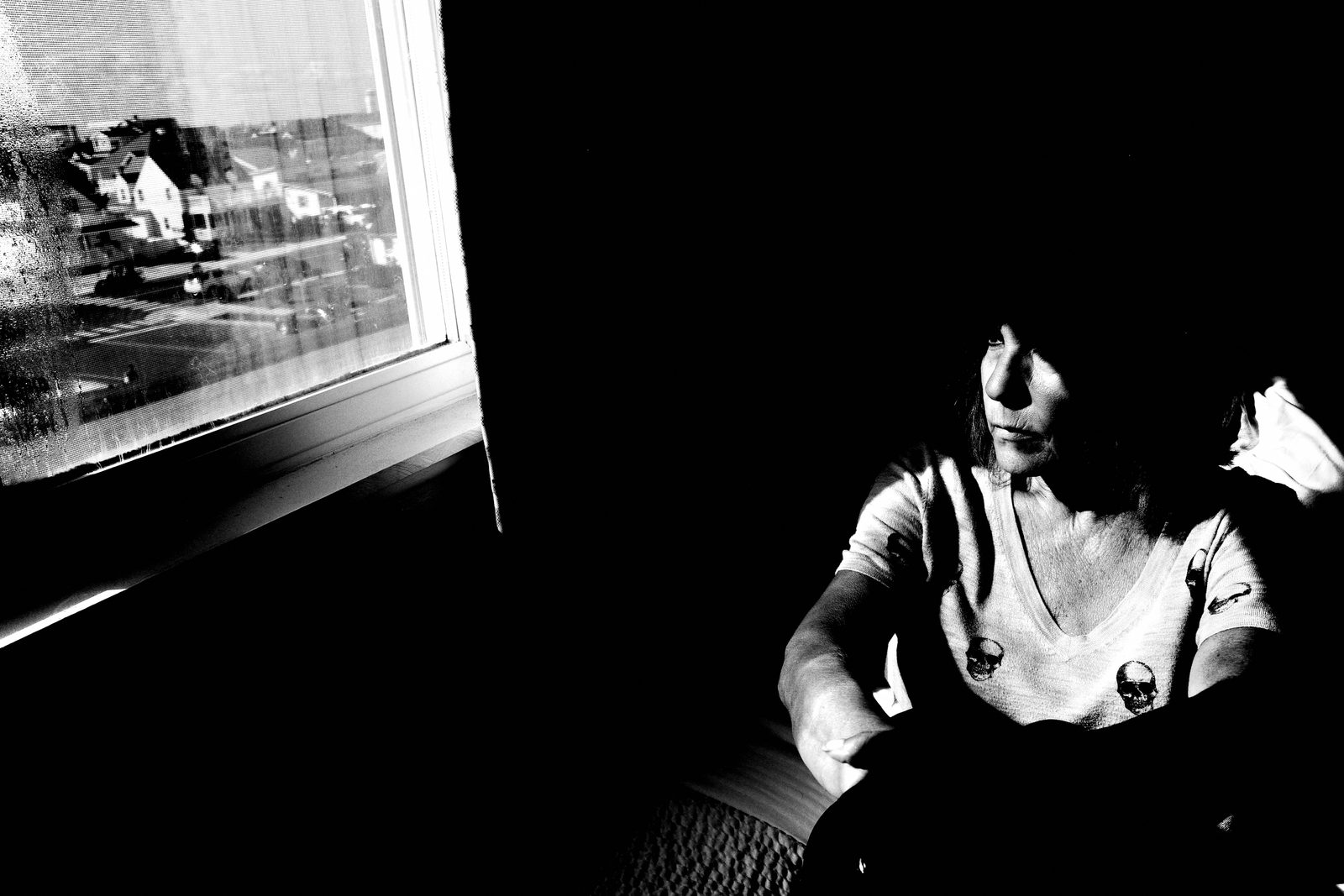
One more technique that works hand-in-hand with the recipe: underexposing by one stop when the scene calls for it. Think of backlight over water with birds crossing the sky — underexpose and their silhouettes go ambiguous, the murky low tones crush to black, and the frame becomes more mysterious than literal. What you hide matters as much as what you reveal.
The Recipe Rewards Patience
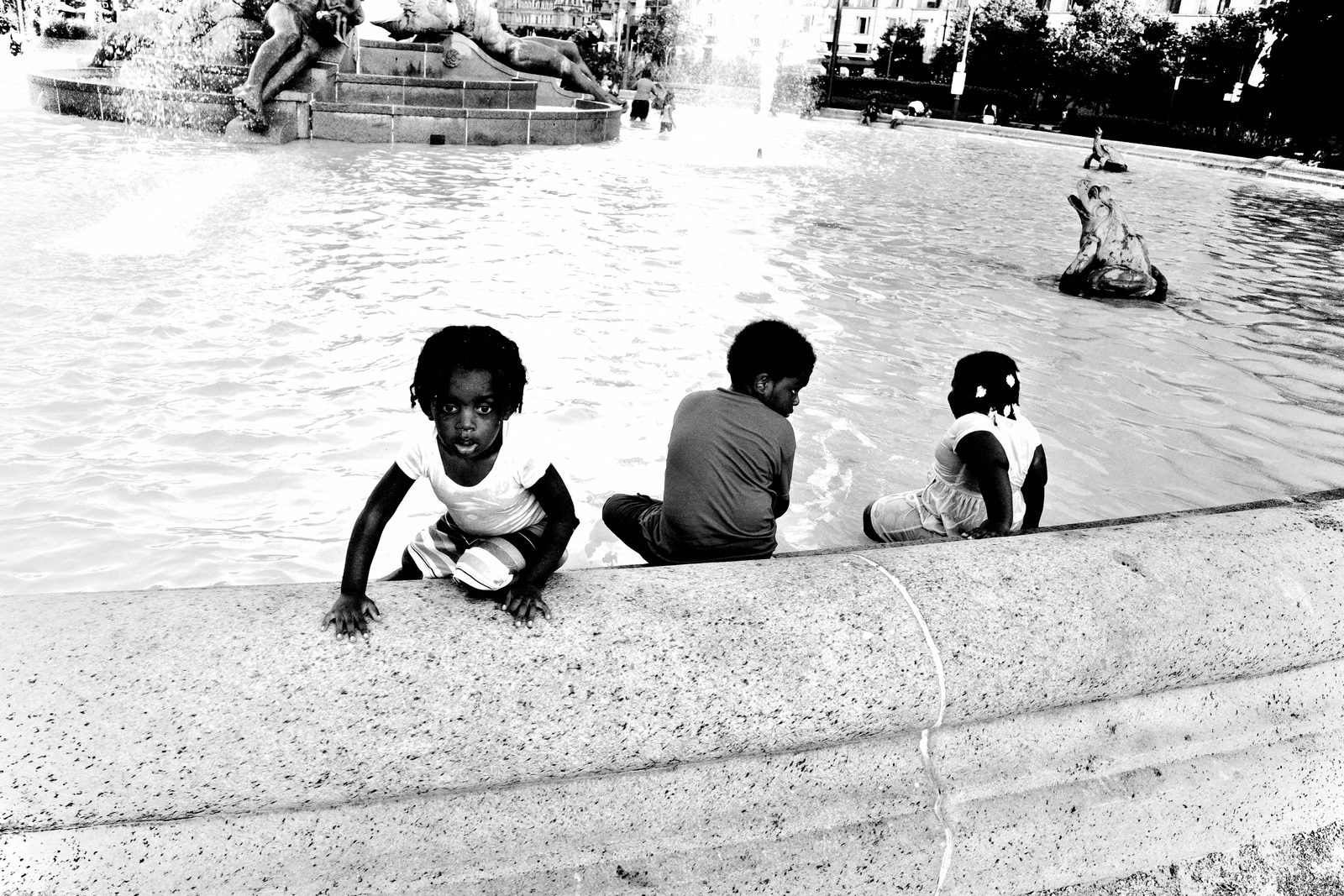
This recipe rewards patience. When you return to the same spot again and again — studying how sunrise light moves across a statue, a facade, the birds that gather there — the profile is already locked in. All you need is the moment. When the elements finally align in a flare of morning light, the camera is already set to receive it. You force your luck through discipline.
Wait for the Gesture to Complete the Frame
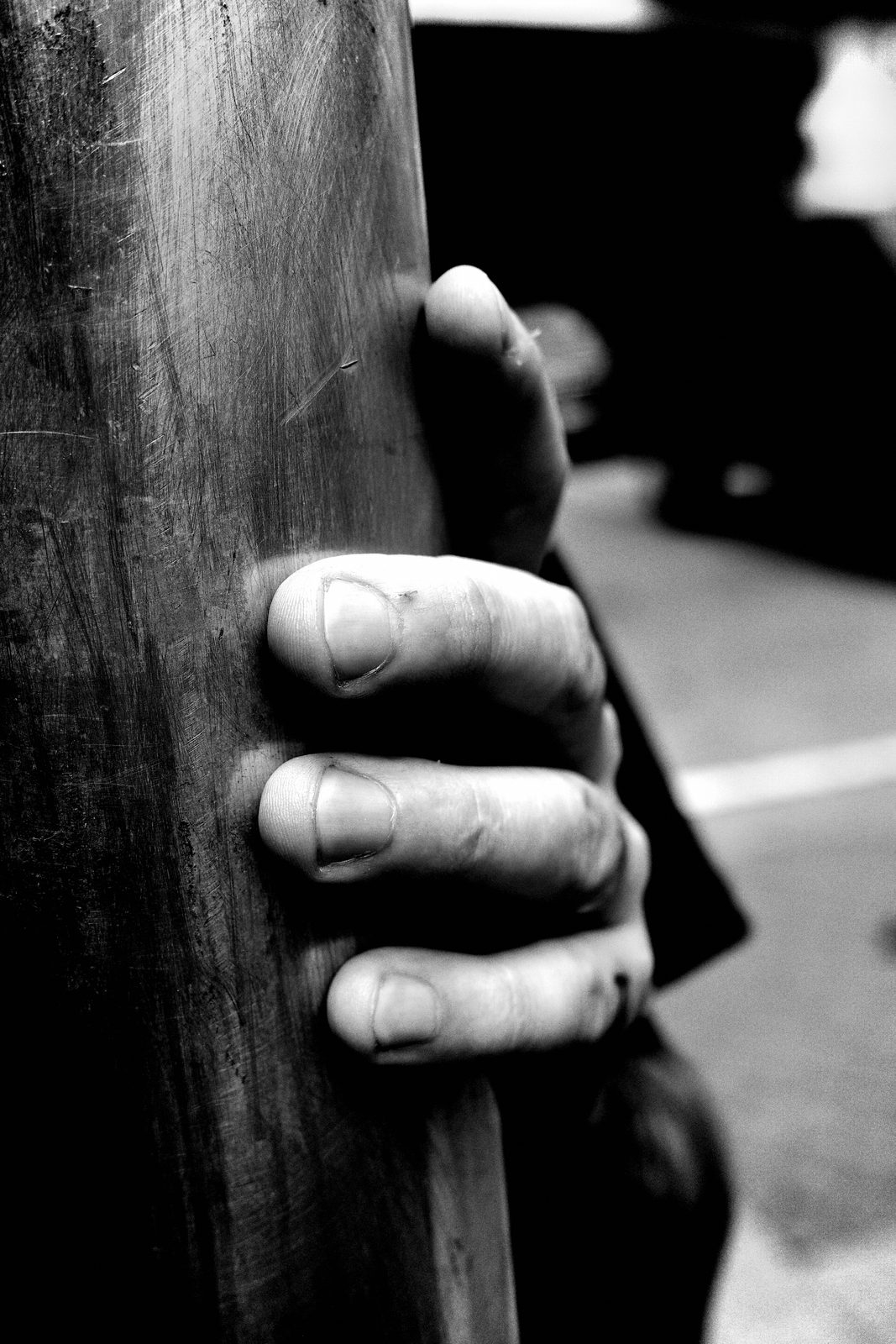
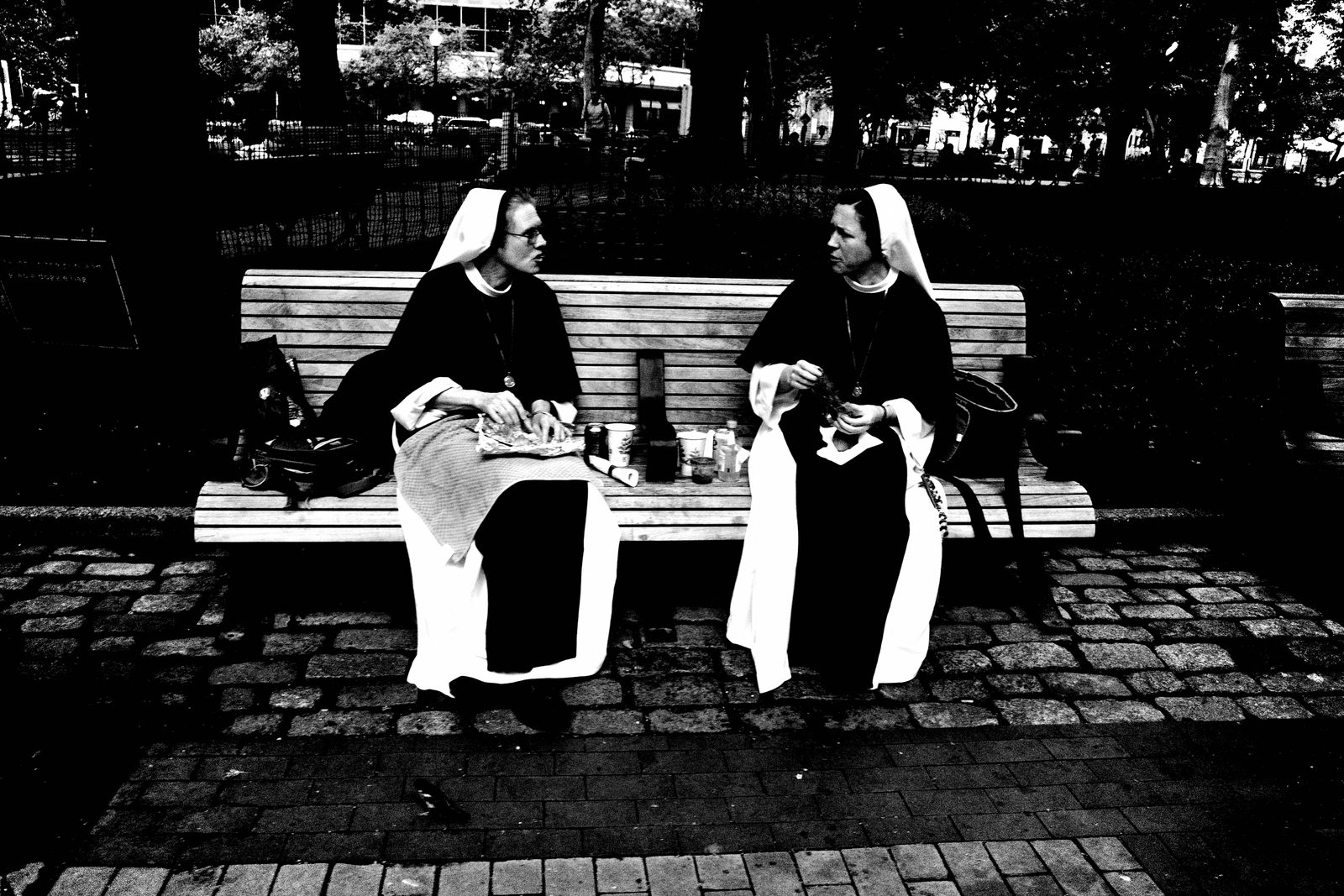
You'll often find beautiful light and beautiful figures moving through it, and yet the frame is still missing something. So you wait. A small gesture arrives — someone reaches back to scratch a shoulder, a hand lifts, a head turns — and that gesture completes the puzzle. Highlight-weighted metering crushes the busy background and the gesture pops. The recipe does its job while you focus on the street.
Trust the Profile to Abstract the Ordinary
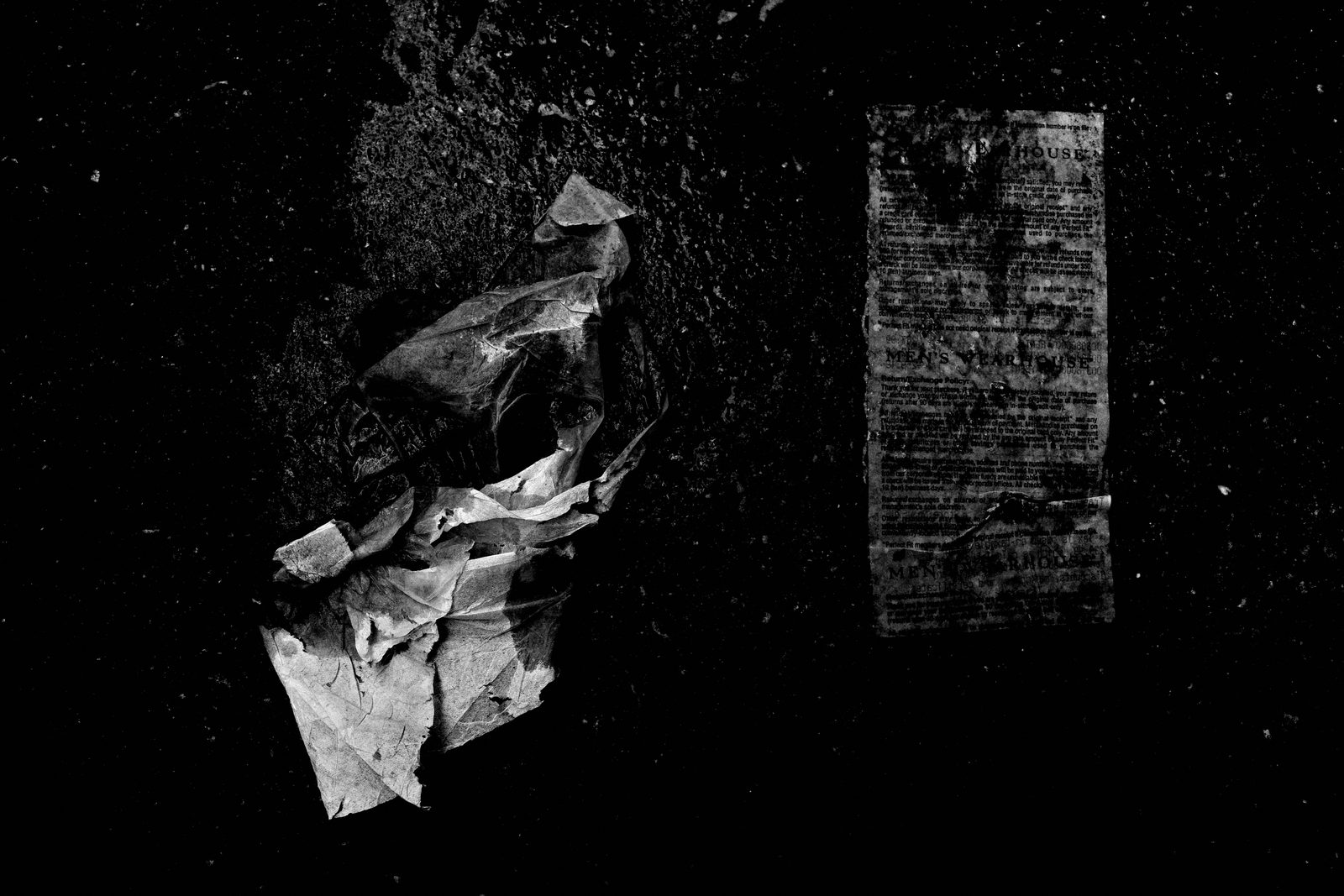
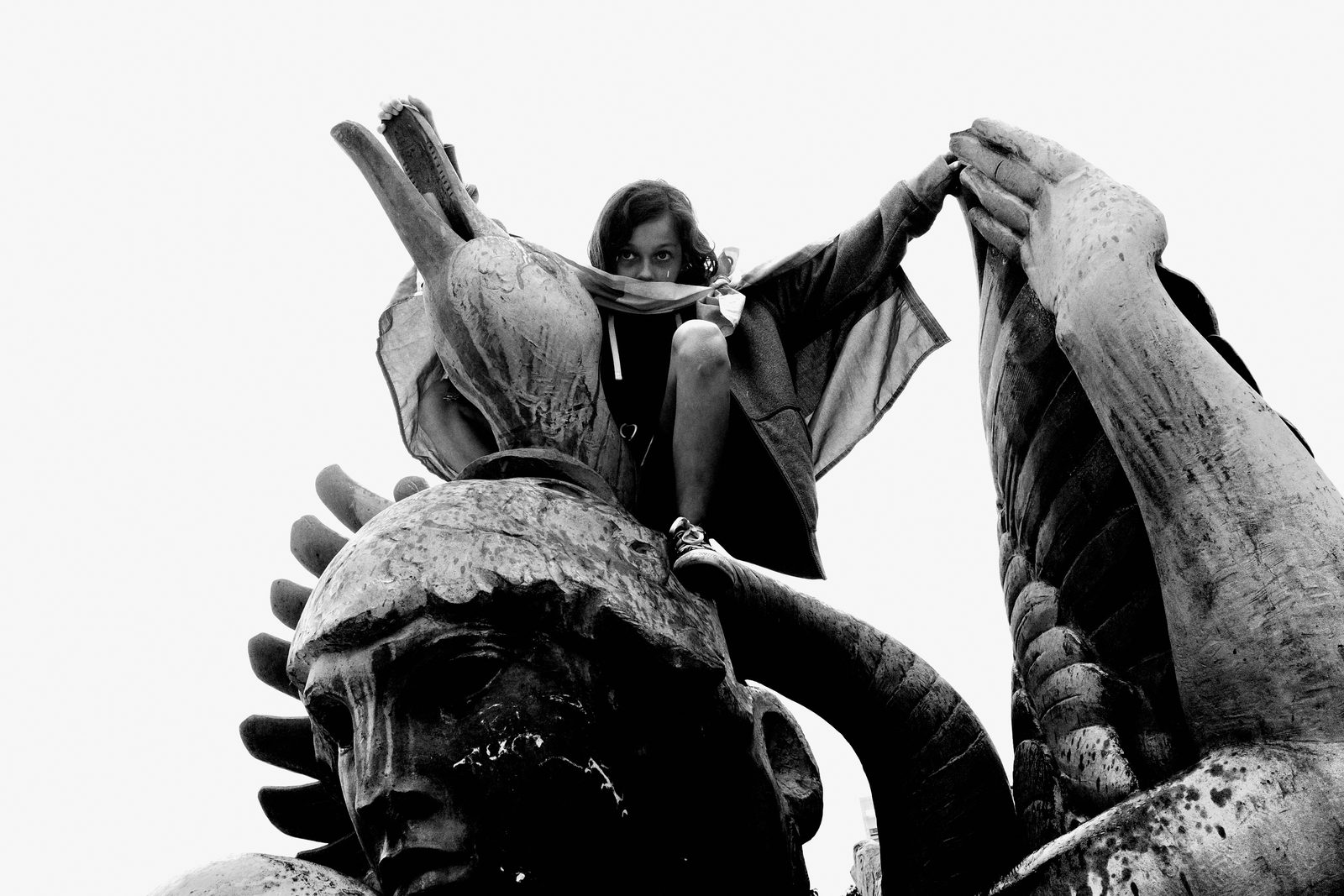
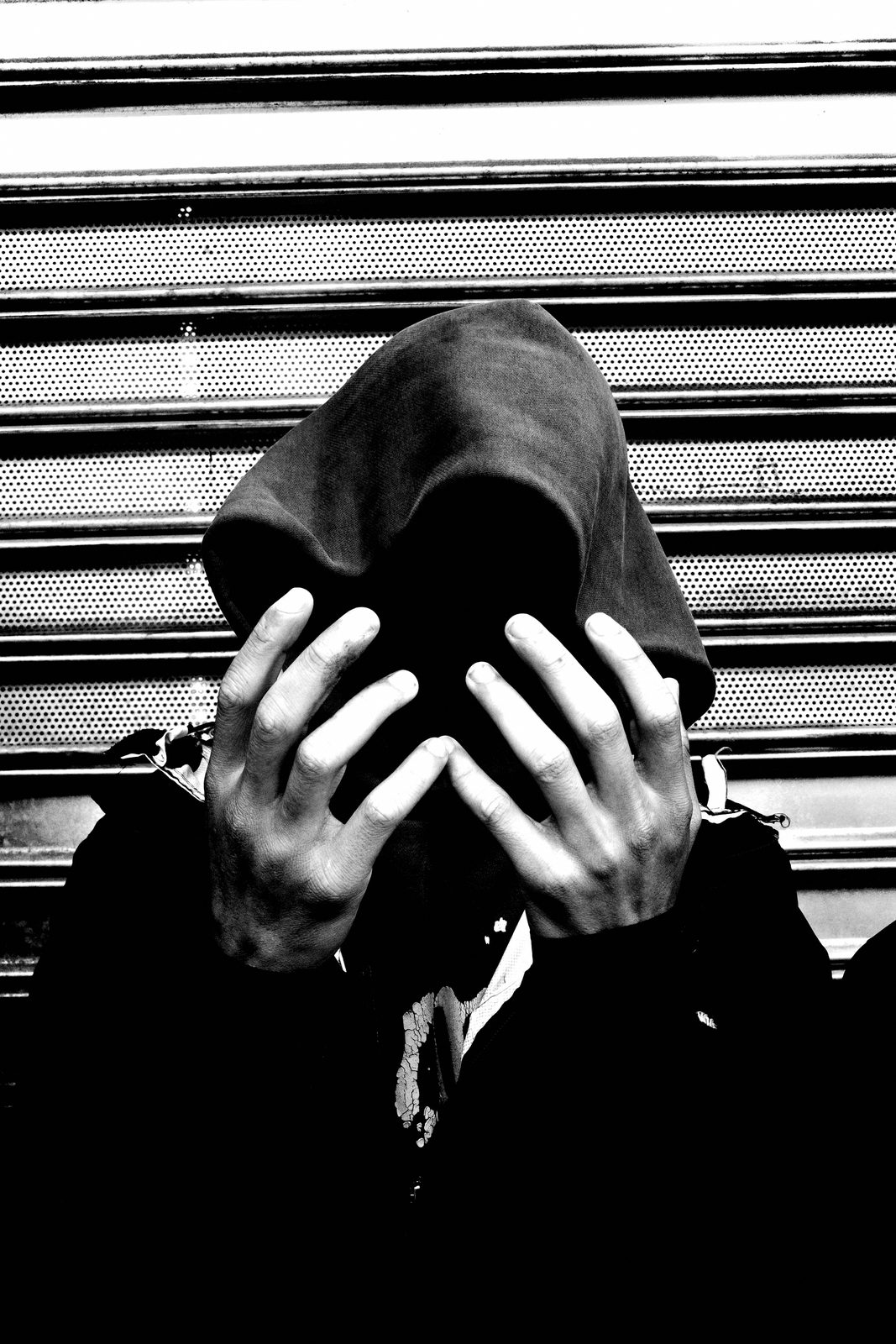
Sometimes an ordinary shape — a coat, a bag, a blanket draped over someone's back — seems like nothing at first. Trust your instinct and shoot it anyway. By raising the camera slightly above eye level and framing on the LCD, you get separation from the background. The high-contrast JPEG can turn that shape into a ghost-like abstraction, anchored by whatever hard lines the scene gives you — crosswalk stripes, a curb, an edge of shadow. The recipe does the heavy lifting.
Chiaroscuro as the Aesthetic Ancestor
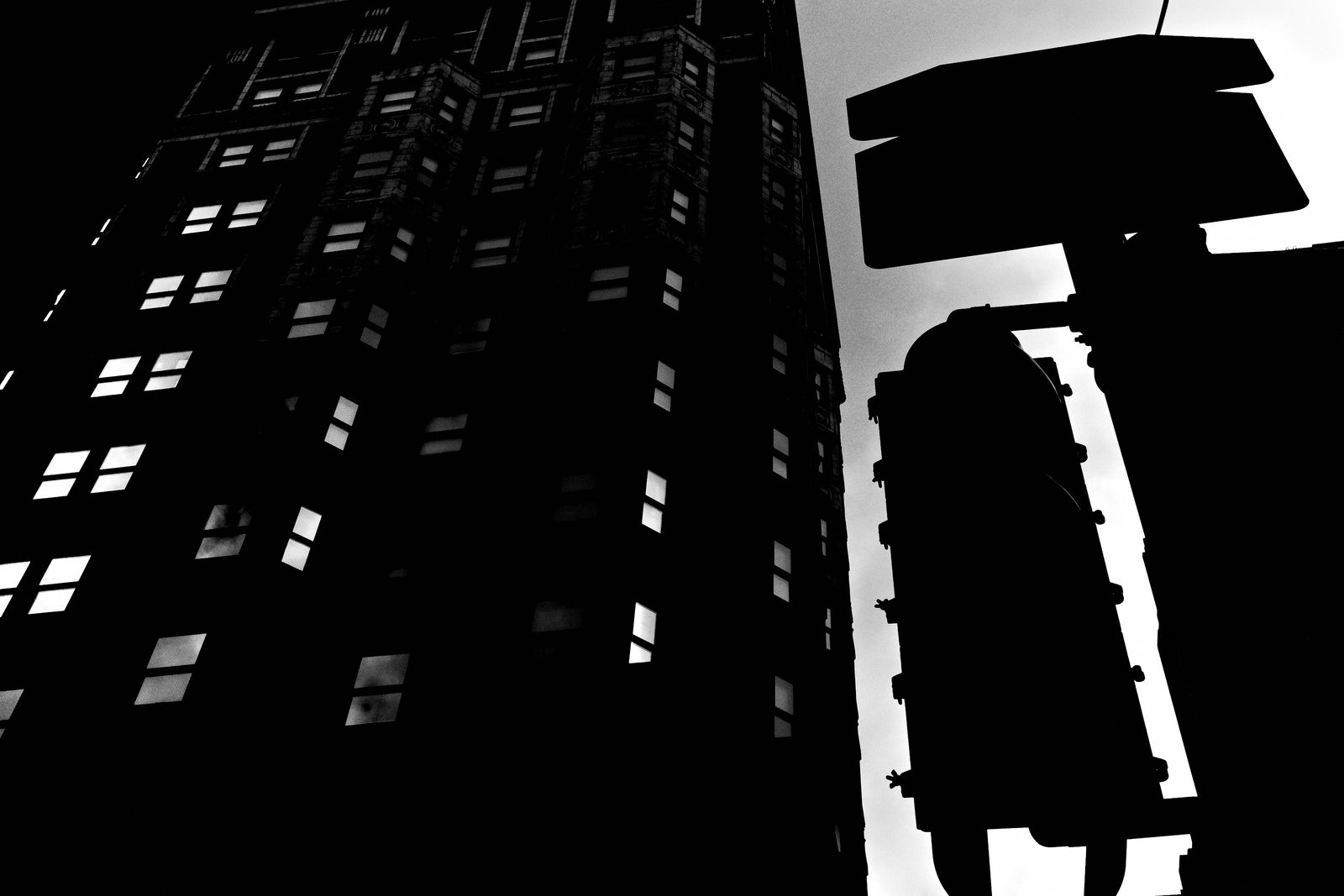
This aesthetic has a lineage. Caravaggio's chiaroscuro — harsh light cutting across darkness, isolating a subject, stripping away the irrelevant — is exactly what we're doing with this recipe. Take an enclosed, high-contrast space like a tunnel or underpass: the harsh contrast can make the location unrecognizable, the scene ambiguous. That ambiguity is a gift. Expose for highlights, crush the shadows, let mystery elevate the moment.
The Flow State Is the Real Output
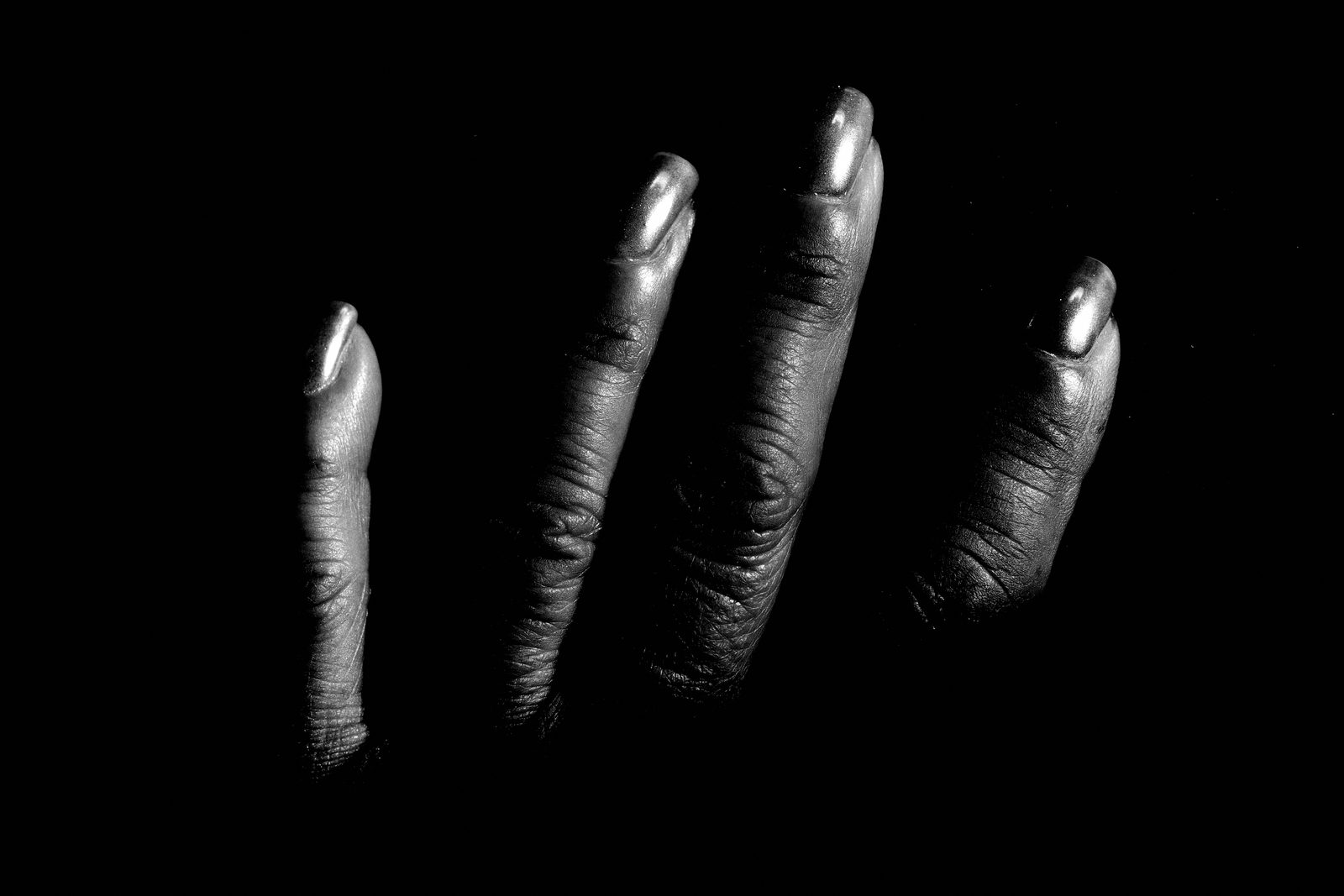
Here's the deeper truth underneath all the settings: the real output of this recipe is a flow state. When you've locked in the profile, the metering, the focus mode, the aperture — there's nothing left to adjust. You become the vessel. The camera does the seeing. I'm just there, responding to what life presents, playing like a kid. That's the whole point.
PRACTICAL APPLICATION
Lock In the Recipe Today
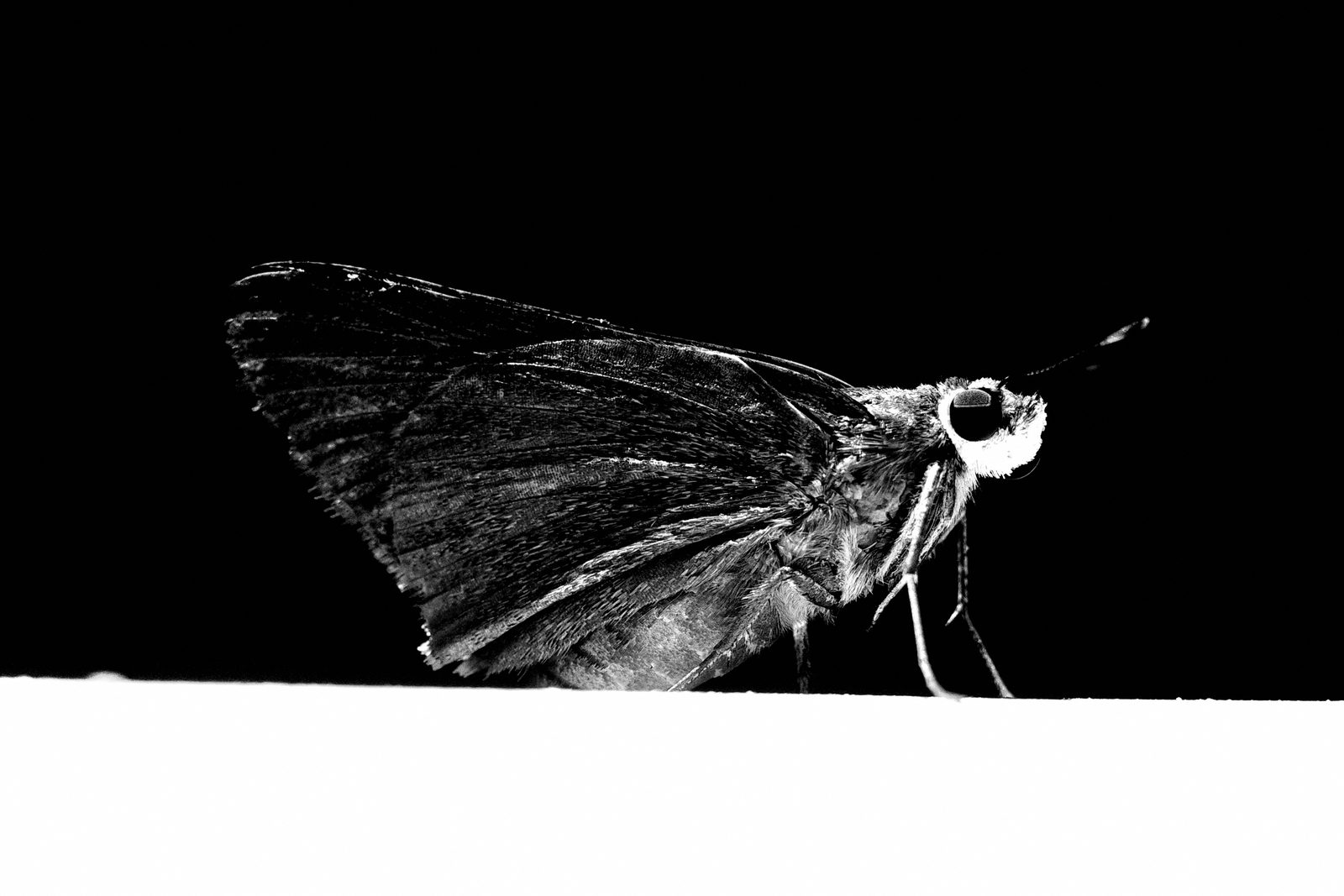
Your first assignment is simple: set the recipe on your camera before you go out next. All the values I've given you — lock them in. Then put the camera in your bag and don't open the settings menu again until you're home. Trust the profile completely. Notice how your attention shifts from the camera to the world.
Return to the Same Location, Study the Light
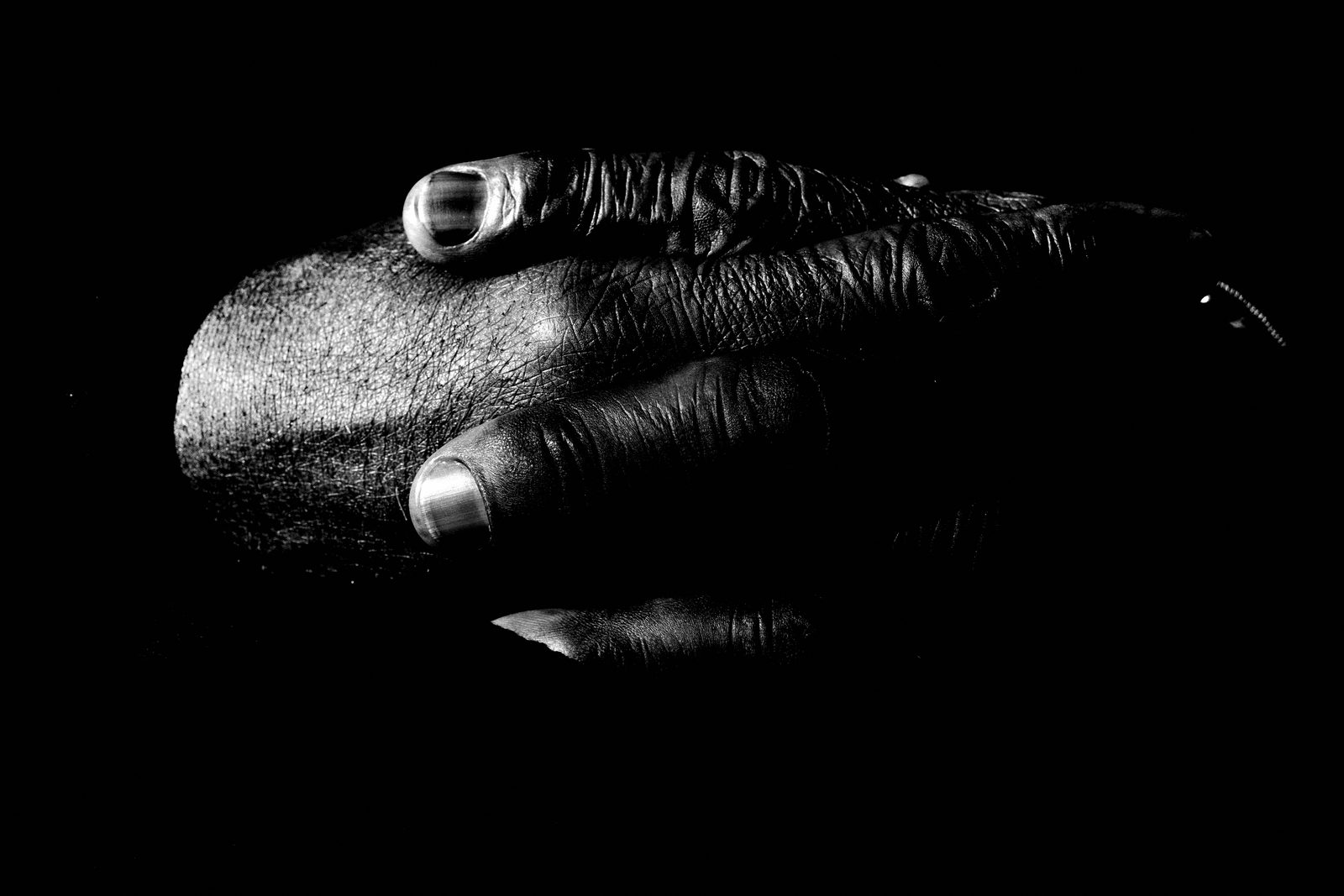
Second assignment: pick one location — a corner, a landmark, a bus stop — and return to it at different times of day for a week. See how the recipe renders morning light versus midday versus golden hour. This is how you truly learn a place. Repetition isn't boring — it's how you develop a relationship with light and with your own camera profile.
Shoot Loose, Then Curate Late
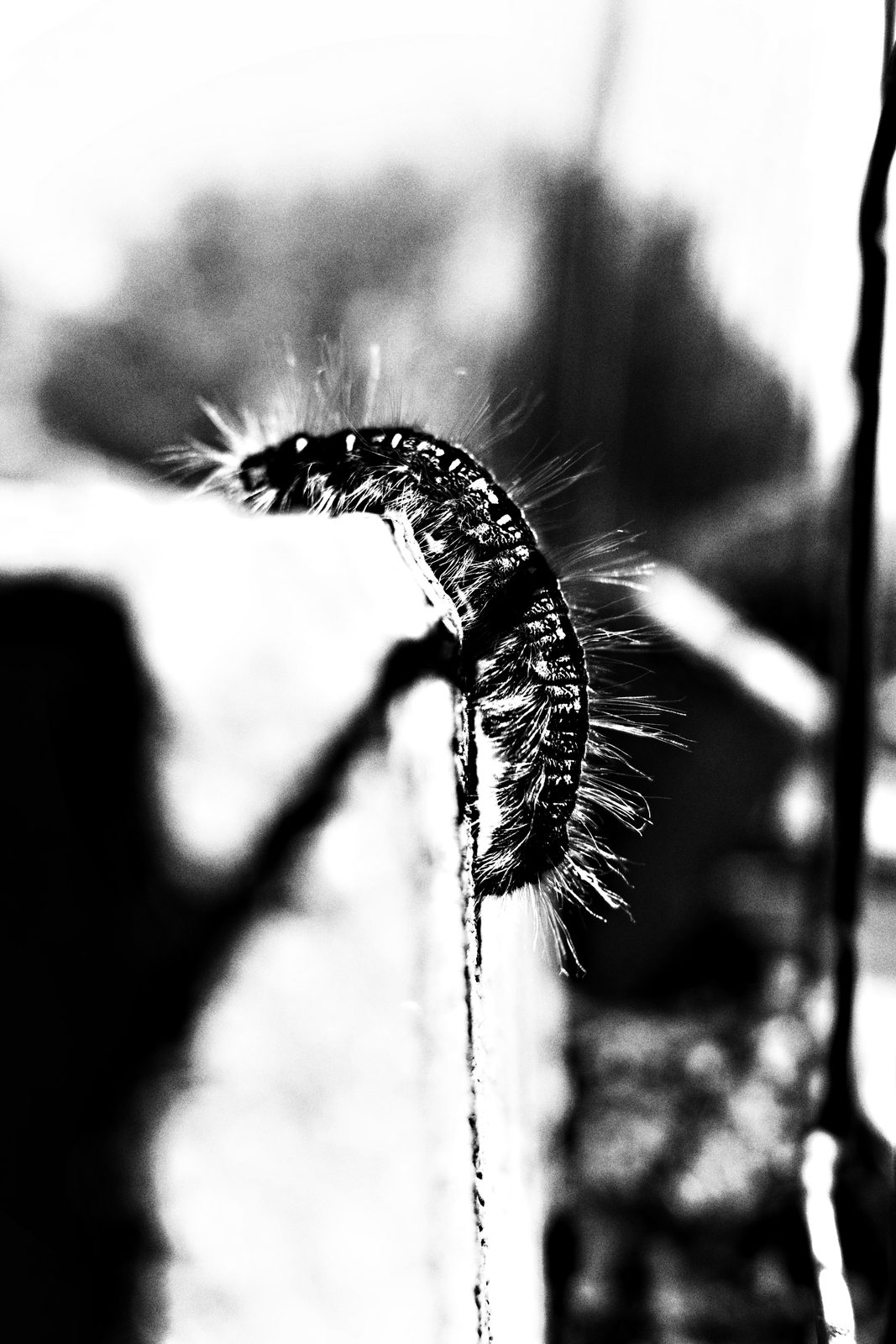
Third assignment: shoot loose. Don't chimp. Don't review the LCD after every frame. Let the recipe work across a session and only sit down with the images later. Over two years I made around 250,000 frames and favorited about 3,400 from 2023 alone. The recipe earns its keep across a body of work, not frame by frame.
COMMON MISTAKES
Tweaking the Profile Mid-Session
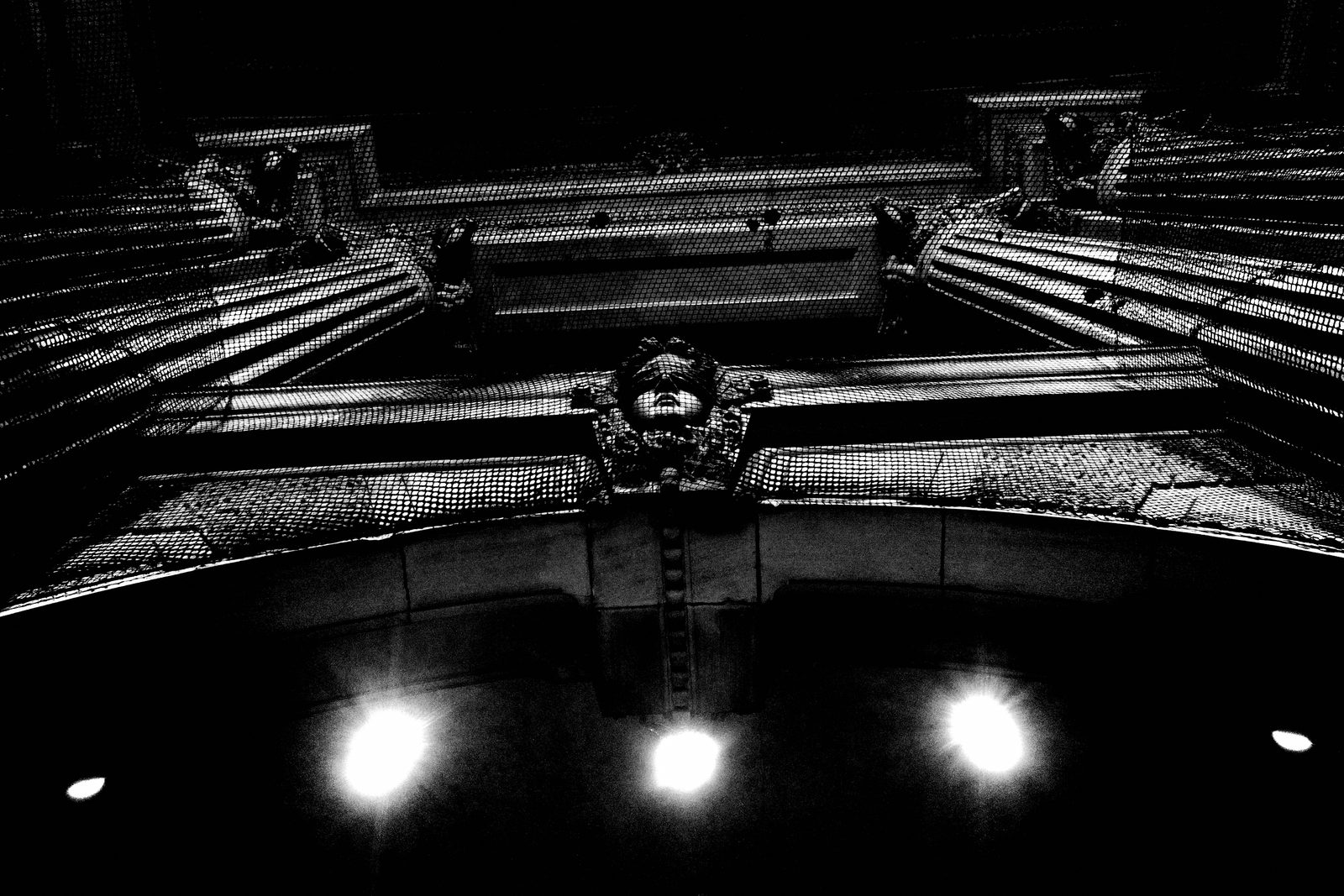
The biggest mistake I see: tweaking the profile in the middle of a shoot. You change the contrast, you adjust the key, you second-guess — and suddenly you're in the settings menu instead of on the street. Doubt breaks flow. Commit to the recipe completely. If you want to experiment, do it at home, then lock the new settings before you leave. On the street, it's non-negotiable.
Treating JPEG as a Limitation
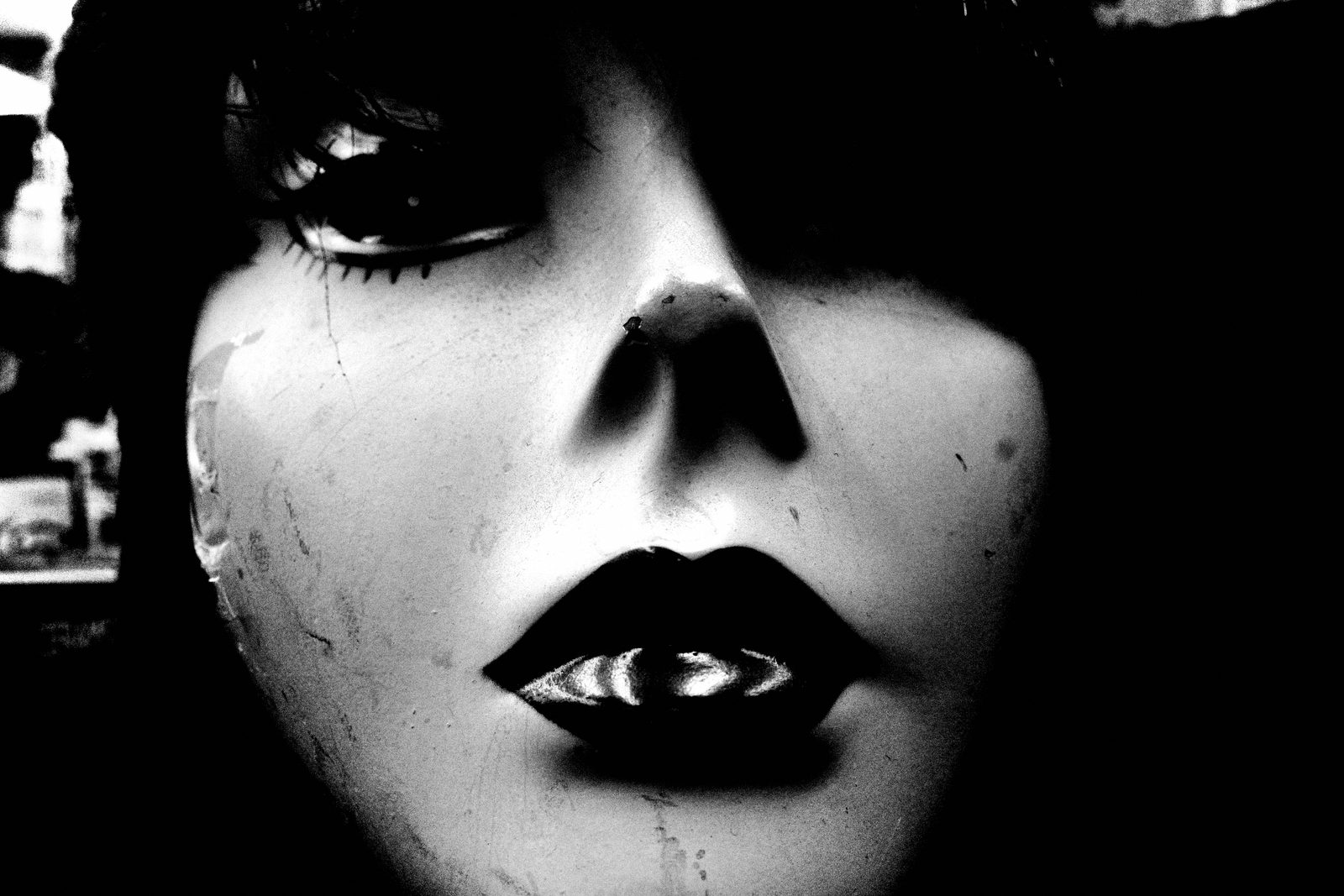
The other mistake is treating the JPEG as a limitation — feeling like you're giving something up by not shooting RAW. Flip it. What you're giving up is the escape hatch of "I'll fix it in post." That escape hatch costs you presence. Black and white is not a depiction of reality — it's what reality could be. The JPEG is how you commit to that vision at the moment of capture.
RELATIONSHIP TO PREVIOUS
Building on the Why
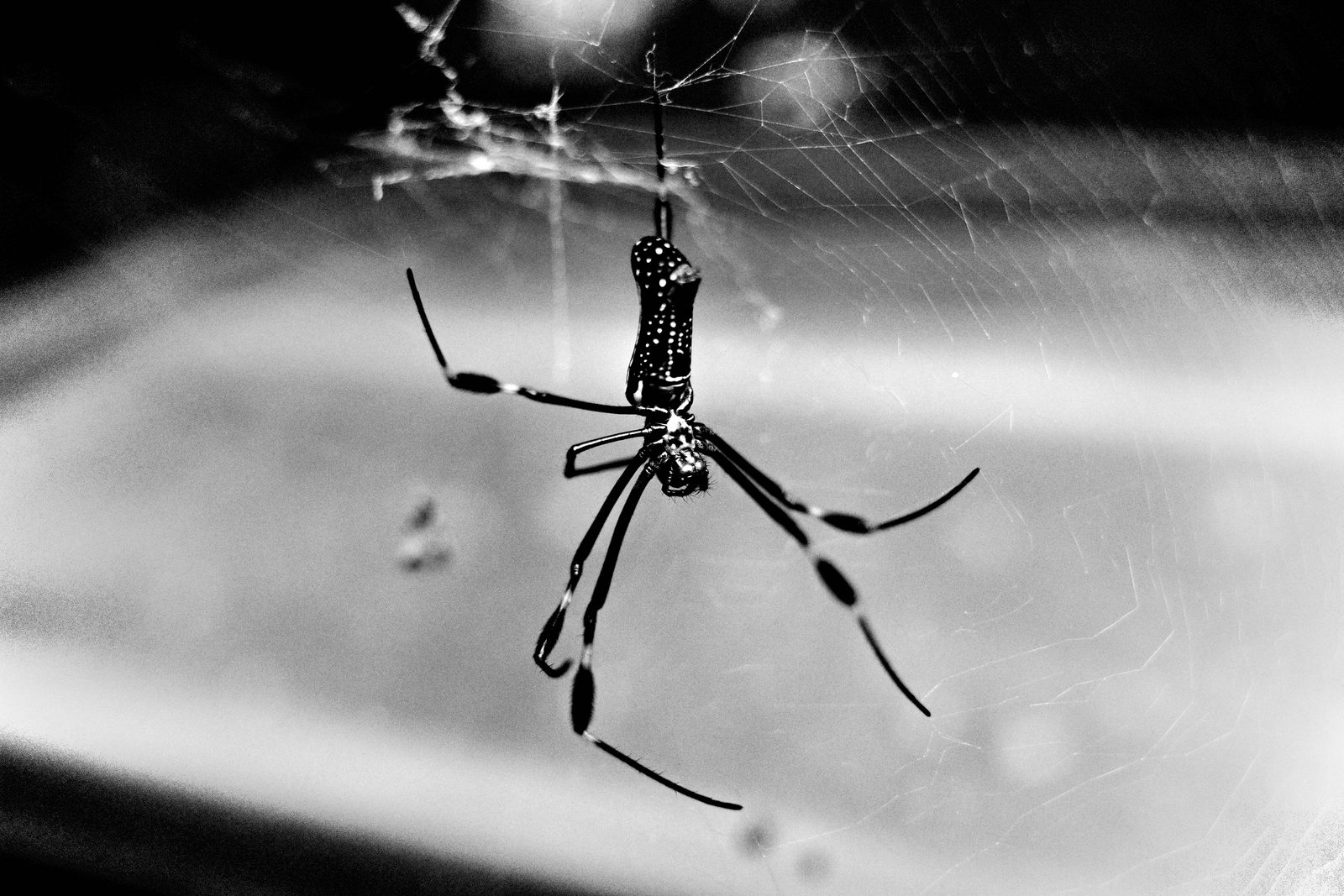
Lesson 033 gave us the philosophical ground for black and white — how stripping color abstracts reality, evokes the sublime, and aligns body, soul, and camera. This lesson is the direct continuation: now that we know why, here's the exact technical recipe that makes the philosophy operational. The why and the how are one continuous move.
SUMMARY / TAKEAWAY
Set It, Lock It, Trust It
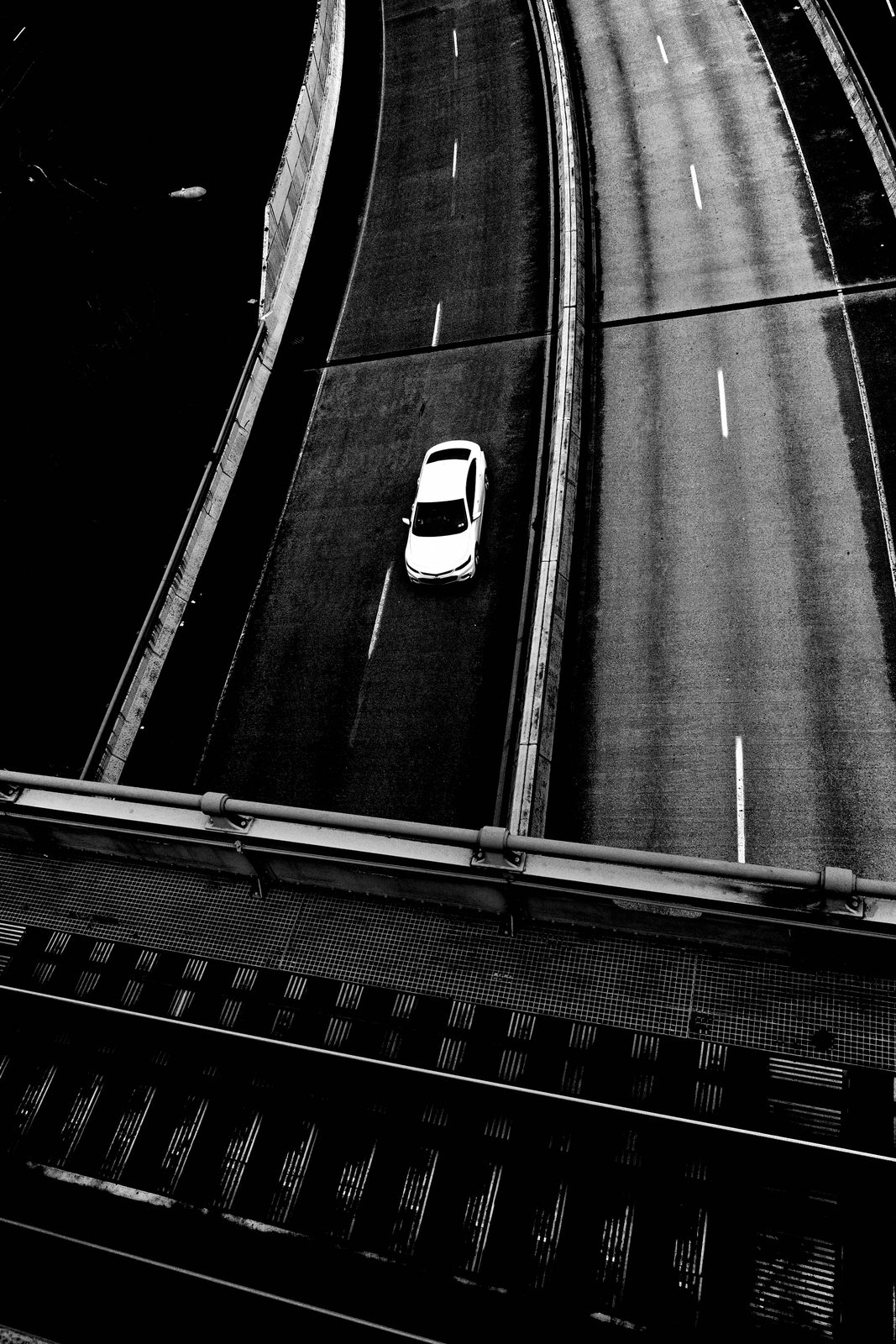
Last thing. The high-contrast JPEG recipe isn't about the settings — it's about what the settings liberate. High-contrast black and white profile, –2 key, +4 contrast and clarity, grain at level 3, highlight-weighted metering, F8, snap focus at two meters, 1/500 minimum shutter. Set it. Lock it. Trust it. The camera becomes the vessel and you become the eye. Now get out there and see. Peace.