Light-Led Composition
CORE IDEA
Light Leads, You Follow
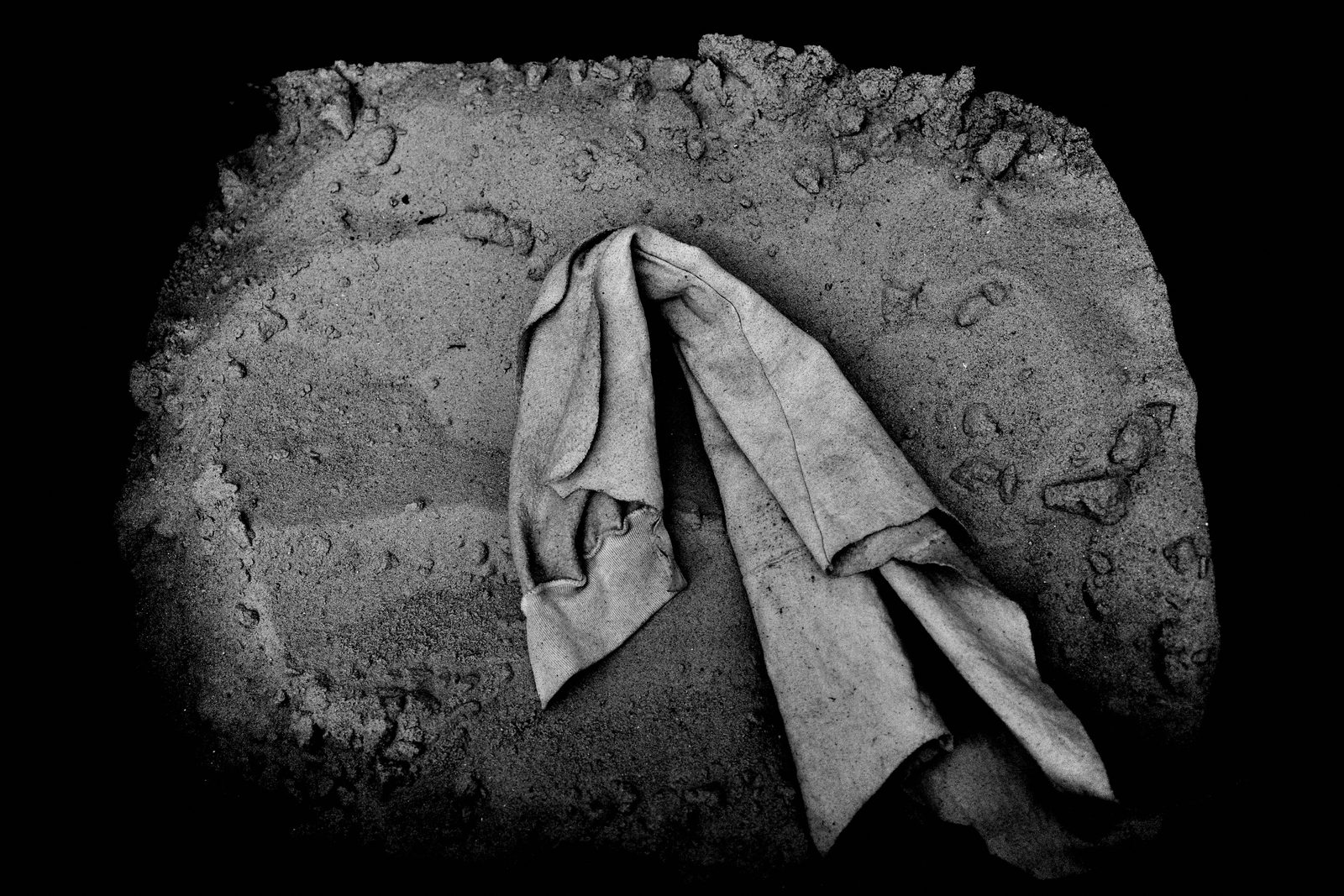
What's popping, people — it's Dante. Today we're talking about light-led composition — one of the most powerful ideas I've ever brought into my own shooting. Here's the core of it: light isn't just what you expose for, it's what you compose with. Before you think about subjects, gestures, or layers — find the light. The photograph grows from there.
LEARNING OBJECTIVE
What You'll Walk Away With
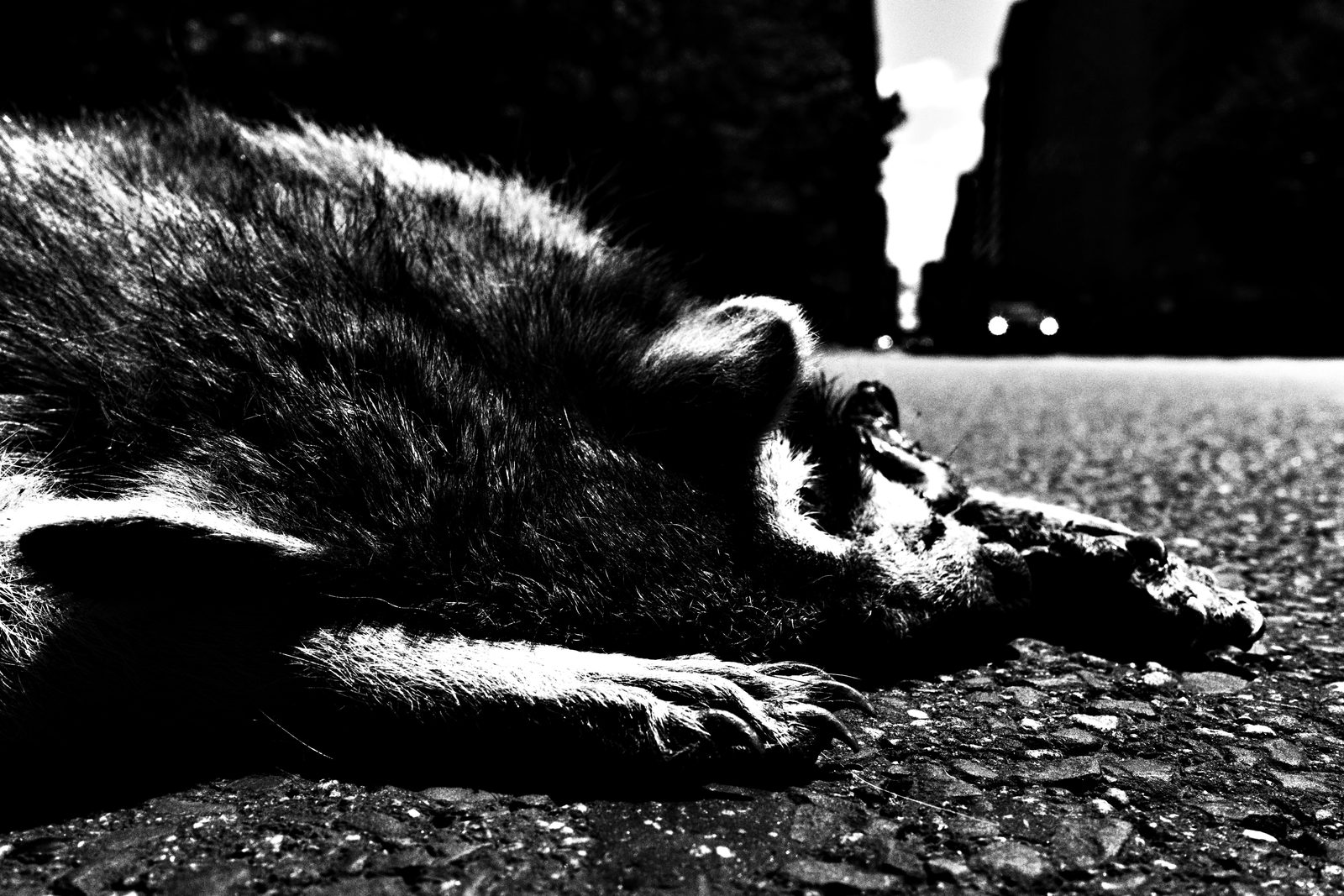
By the end of this lesson you'll have a complete framework for building compositions around light — not chasing subjects, not waiting for decisive moments, but reading the light first and letting everything else fall into place. This is a repeatable, portable approach that works in your home city, a foreign capital, or wherever the streets take you.
WHY THIS MATTERS
Most Photographers Miss the Frame Before the Moment
Here's the problem: most street photographers are waiting for something to happen. They want the decisive moment, the gesture, the expression. And meanwhile, a stunning beam of light is sitting right there — empty, temporary, waiting. Flip your priority. Find the light first. Then wait. The moment will come to you.
Light Defines How You See and Compose
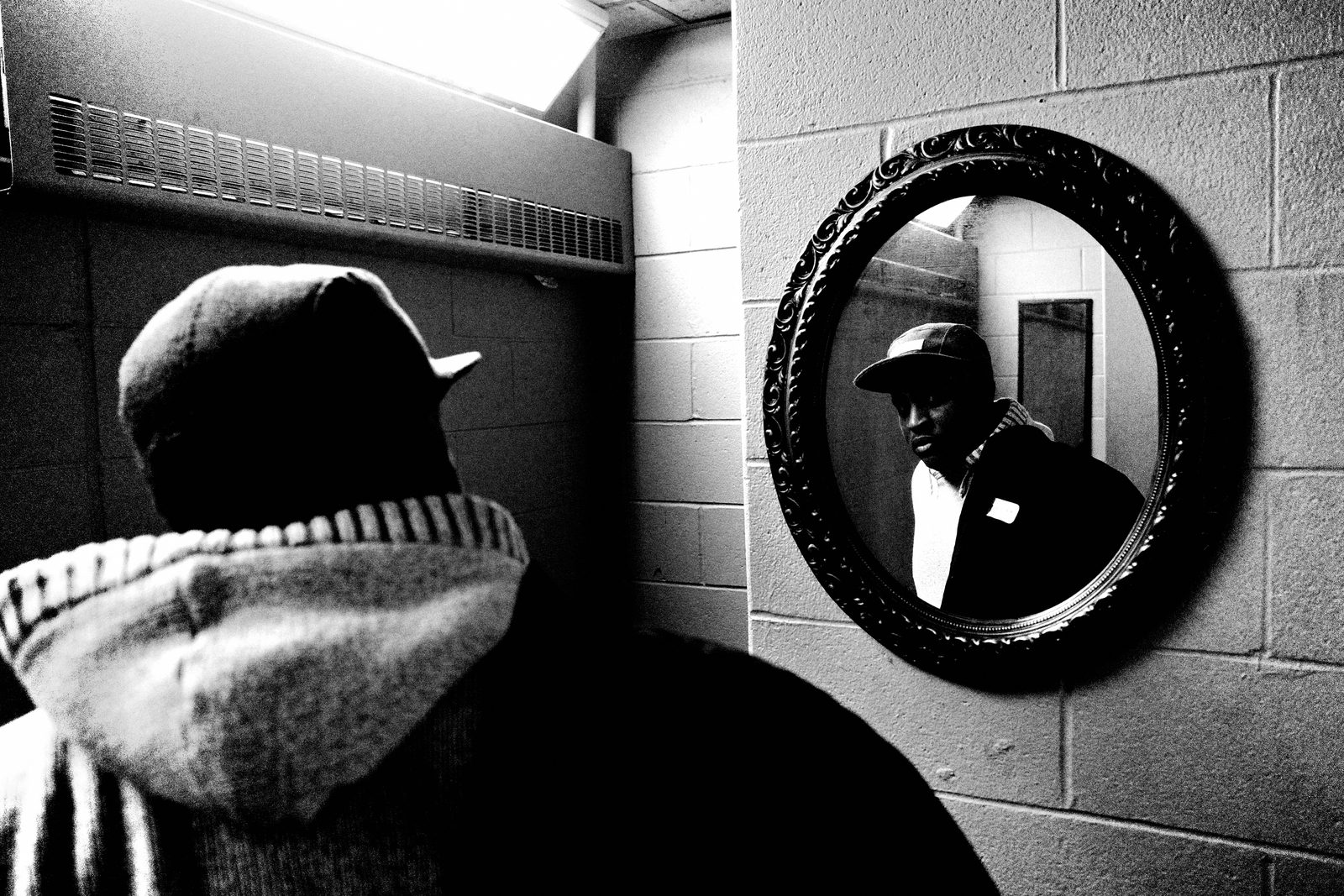
And here's the deeper reason this matters: light defines how we see and compose a scene. It isn't separate from the composition — it is the composition. Having a visual understanding of how light interacts with a scene will enhance your ability to create stronger photographs every single time you raise the camera.
MAIN TEACHING
The Three-Element Puzzle
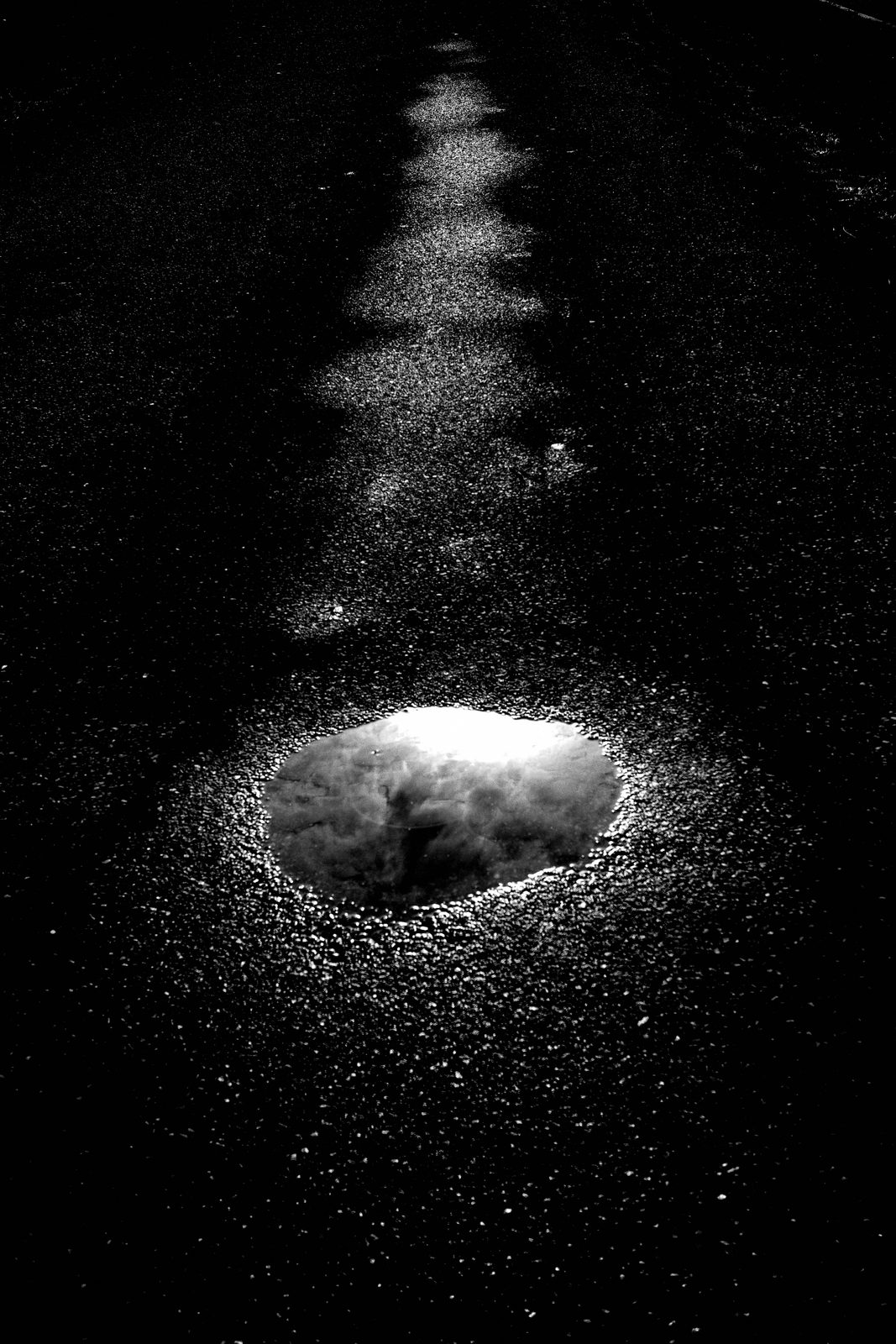
Think of it as a puzzle. Say you're working an ordinary spot — a bus stop, a corner where people wait and move. The first thing that draws you in is the light, not the people. You observe the interplay of light and shadow and you start solving: a beam on a pole in the foreground, a silhouetted figure in the mid-ground, someone entering the frame with their face lit — boom. Three elements, one light source, one frame. Treat it like a visual puzzle and the composition assembles itself.
Find a Choke Point and Stand Still
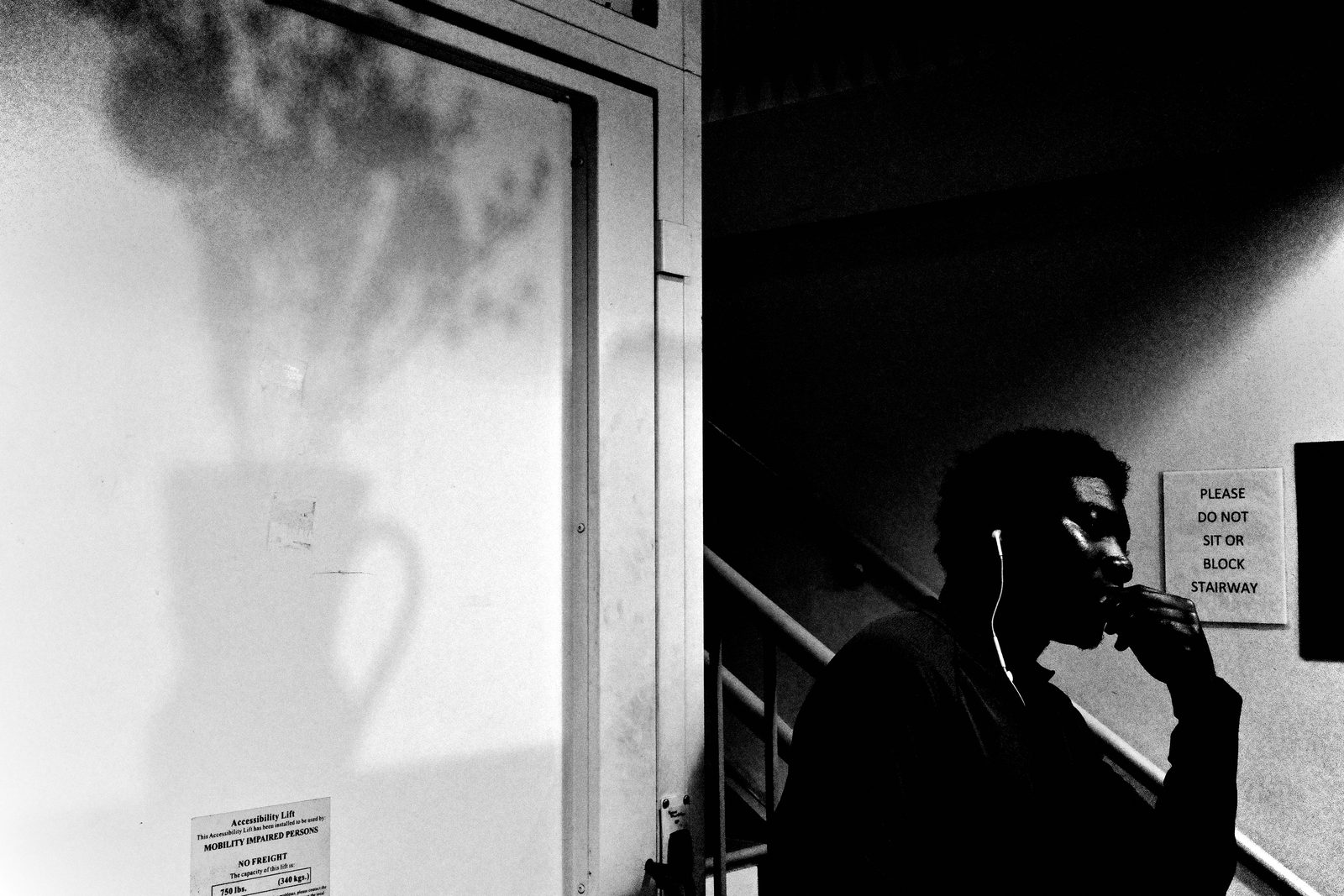
Find a busy choke point — a major station entrance, a crossing where crowds funnel through. Instead of wandering, stand still and let the world move around you. Snap focus locked at one meter. High contrast black and white cranked. Highlight-weighted metering crushing everything except the light. All you have to do is wait until someone steps from shadow into that one patch of sunlight — and click. Simple. Present. Deadly effective.
You Only Control Three Things
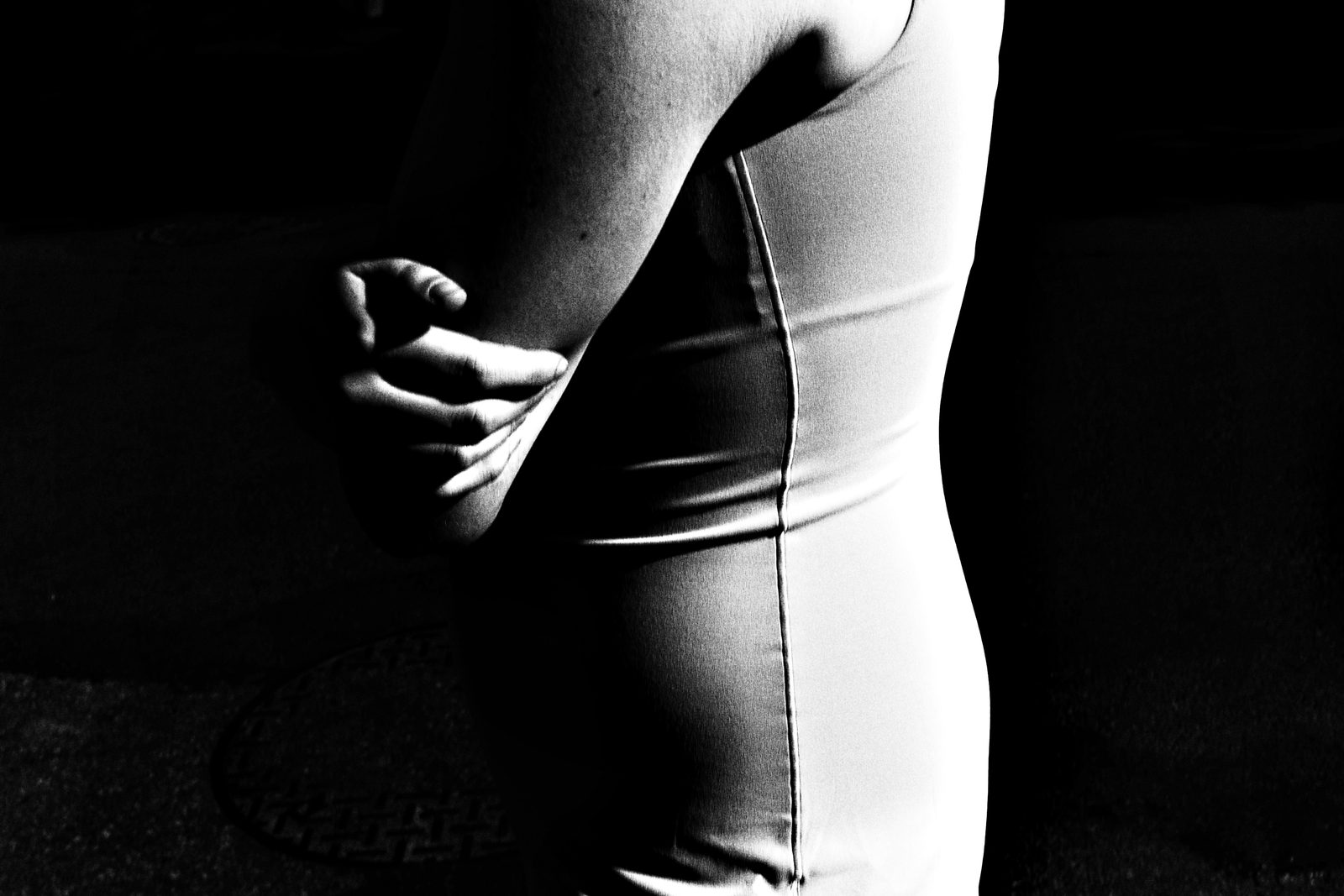
Here's the liberating truth: in street photography, you only control three things — where you stand, when you click, and where the subject is relative to you. That's it. Light, movement, expressions, clothing — all out of your hands. So make the one decision you can make: position yourself so people step from shadow into light, and let the chaos do the rest.
Let Light Reveal What You Can't Plan
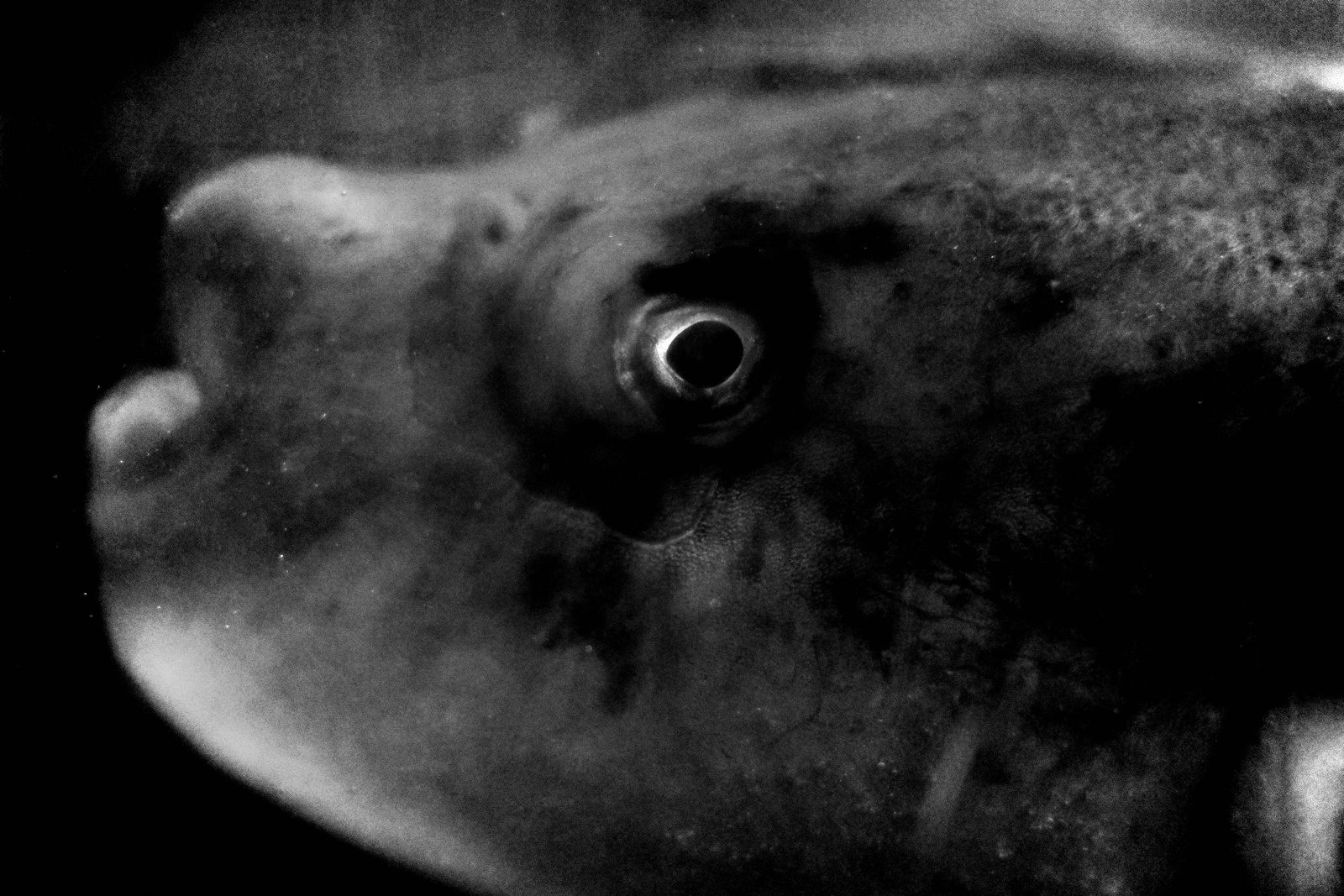
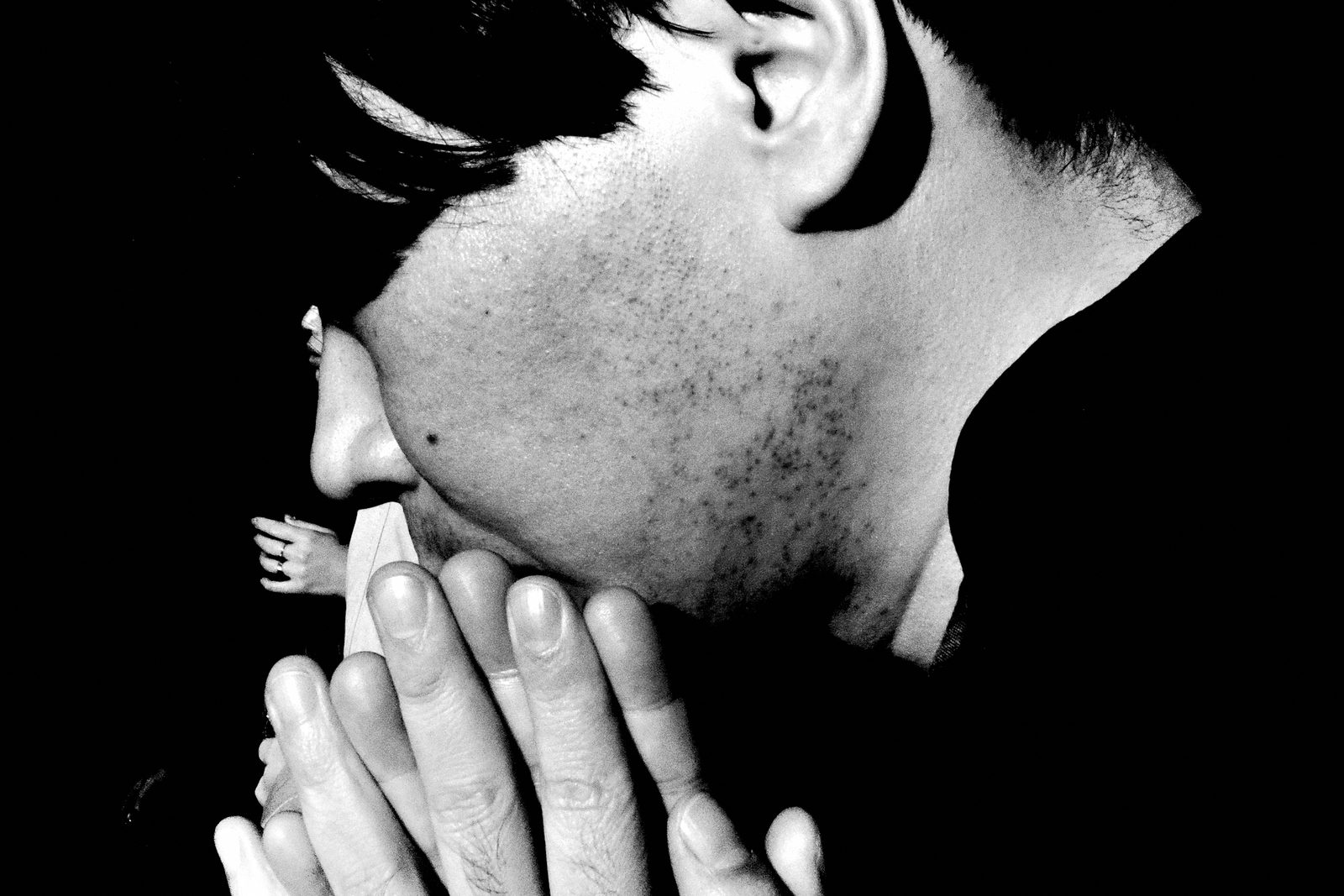
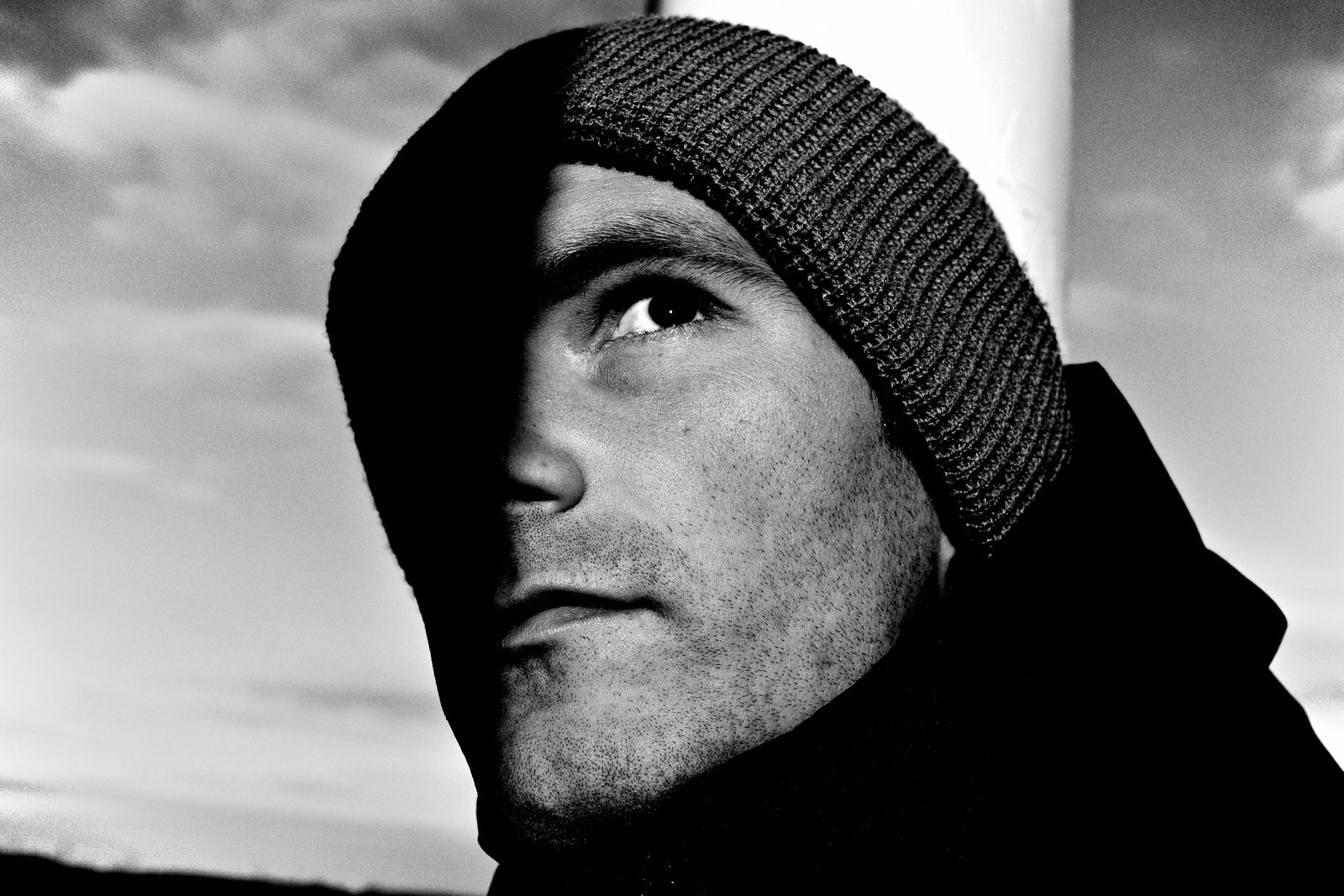
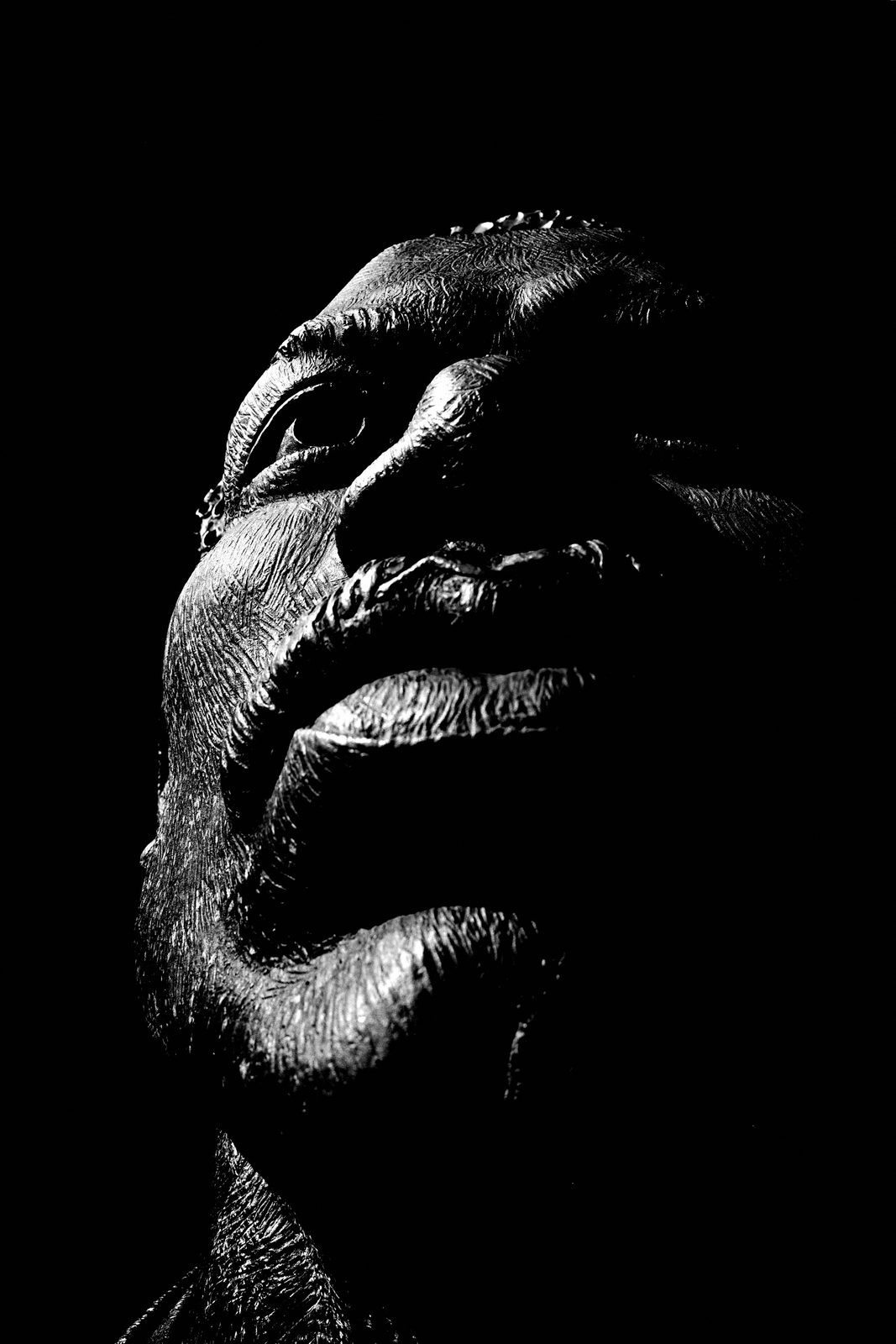
This is the part that still gets me every time. When someone walks into a narrow beam, the light can slice across just their lips — only the lips — the rest of the face swallowed by shadow. You could not have planned that. Light reveals things we don't consciously see in the moment. Most of the frame goes black, intentionally, maybe a second face barely lit in the background. That's the direction — more darkness, more mystery, more drama, more mood.
Layering Light for Depth
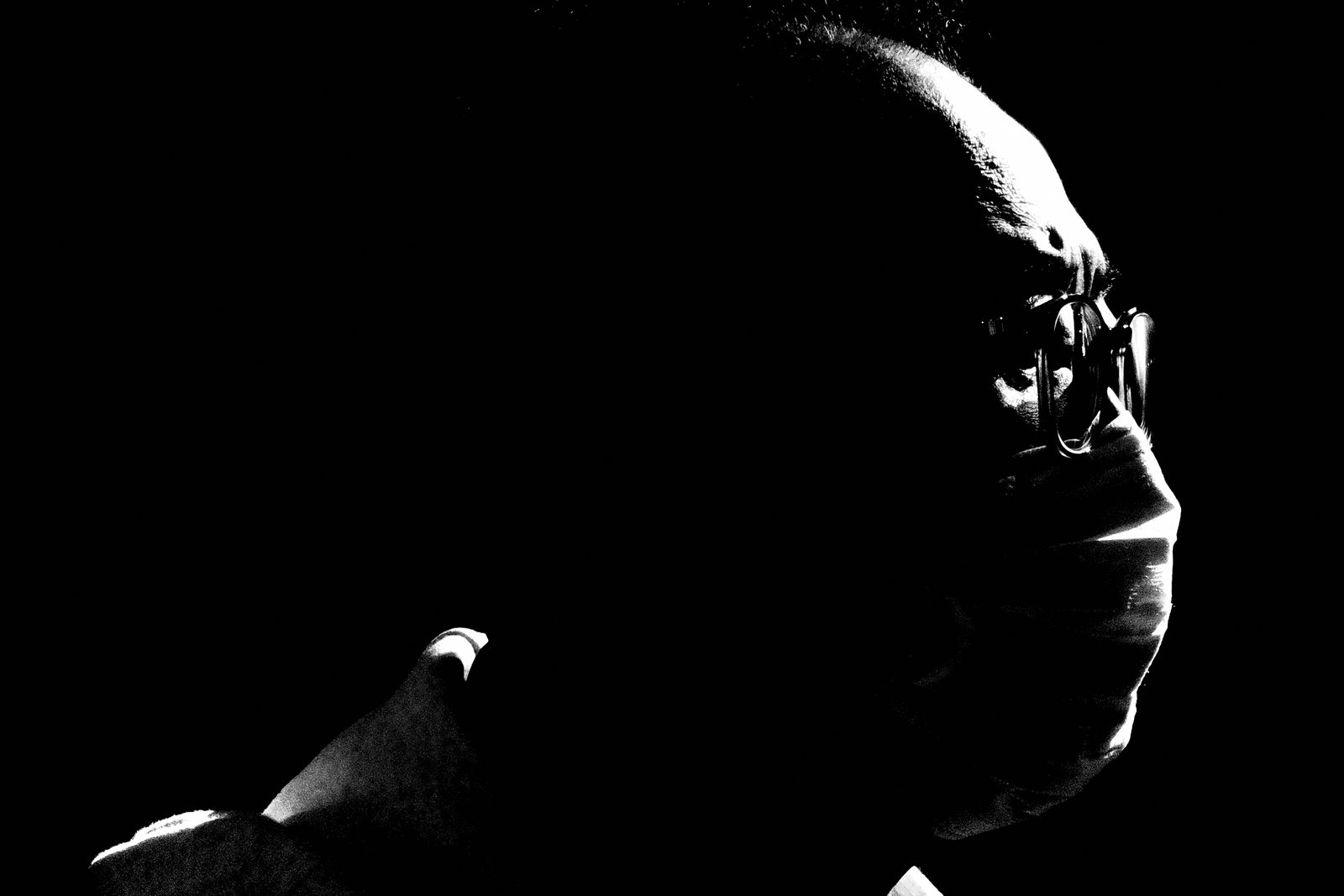
Layering isn't about cramming elements into a frame — it's about standing in the right place. Picture movement running through a scene: foreground in shadow, mid-ground subject lit, background glowing. That three-layer structure comes entirely from where you stand. Position yourself correctly and the layers appear on their own. You don't manufacture depth — you find it.
High-Key vs. Low-Key Light
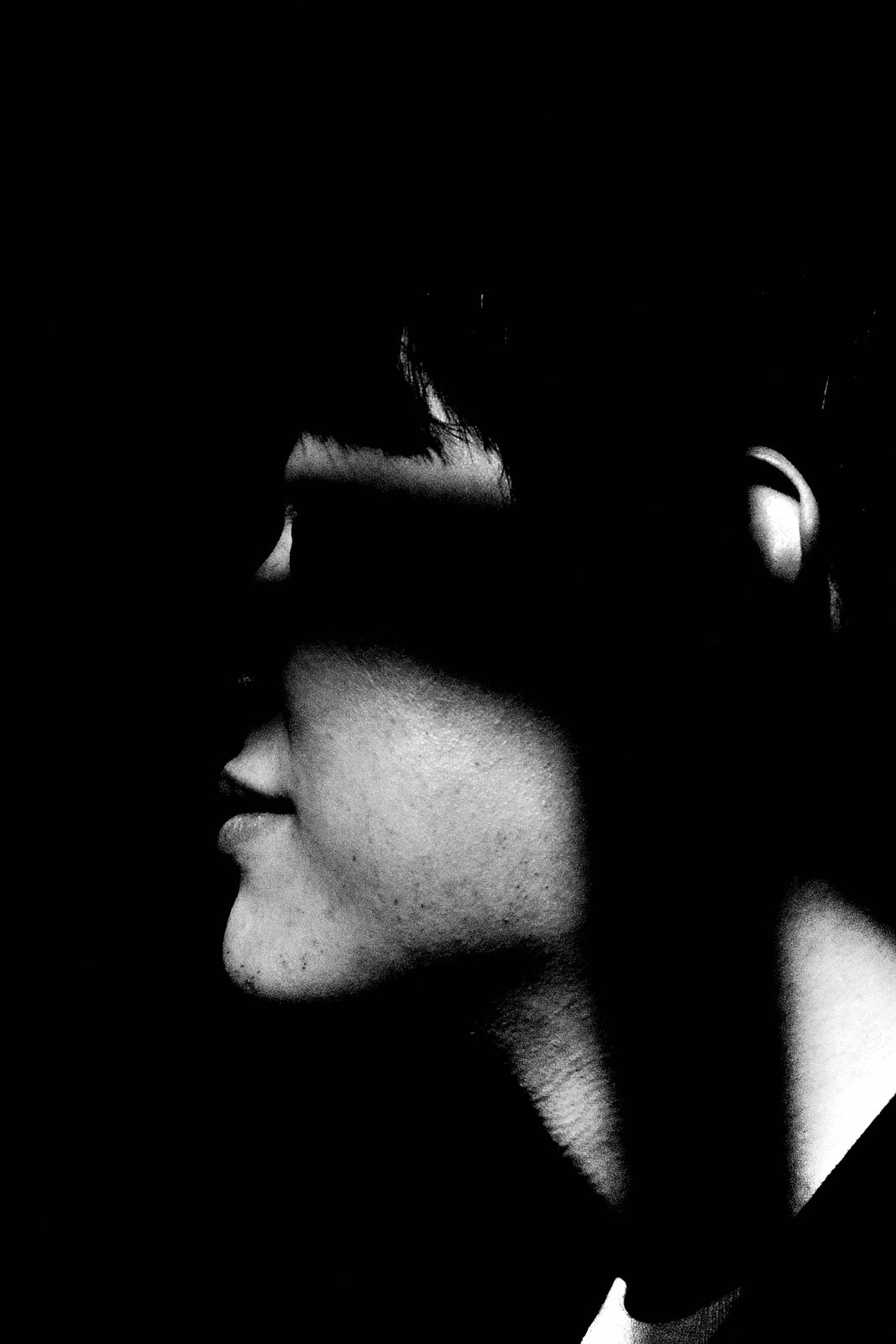
Soft and harsh light both have their place — you just have to read which one you're standing in. High-key light, like people playing in bright open sun — vibrant, joyful, warm. Low-key light, where shadows go so deep that a single lit detail pops like it was painted — cinematic, mysterious. The light is already setting the mood. Your job is to recognize it and work with it, not against it.
Expose for the Highlights, Crush the Shadows
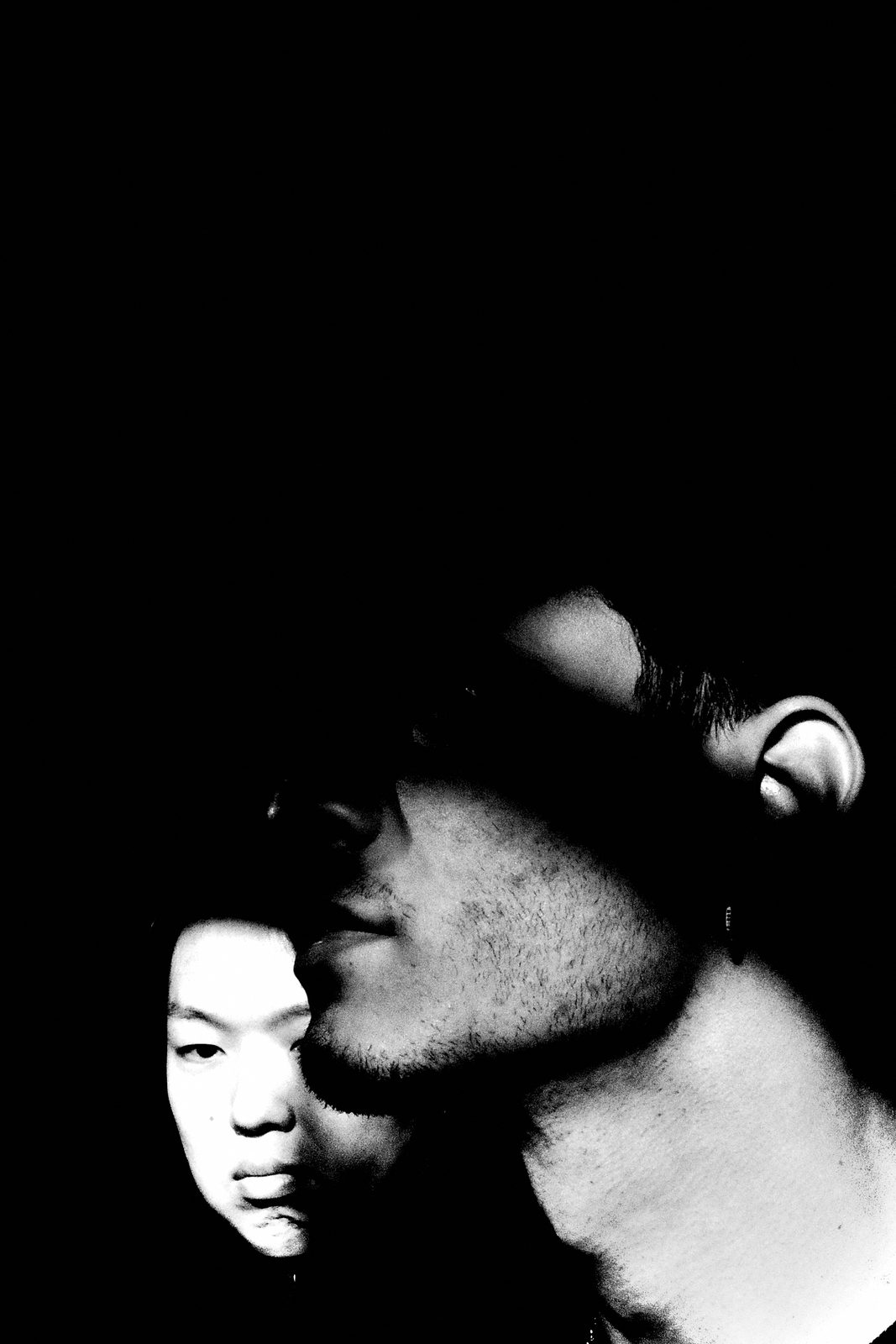
My go-to technical move: expose for the highlights and let the shadows crush. Underexpose by one stop and watch the unnecessary details disappear into black. What's left is exactly what you want the viewer to see. In black and white, this creates a chiaroscuro effect — like Caravaggio painting with a street corner. High contrast metering, highlight-weighted — the camera does the heavy lifting. By exposing for the highlights and isolating subjects in high contrast areas, we create cleaner, stronger compositions.
Light Guides the Viewer's Eye
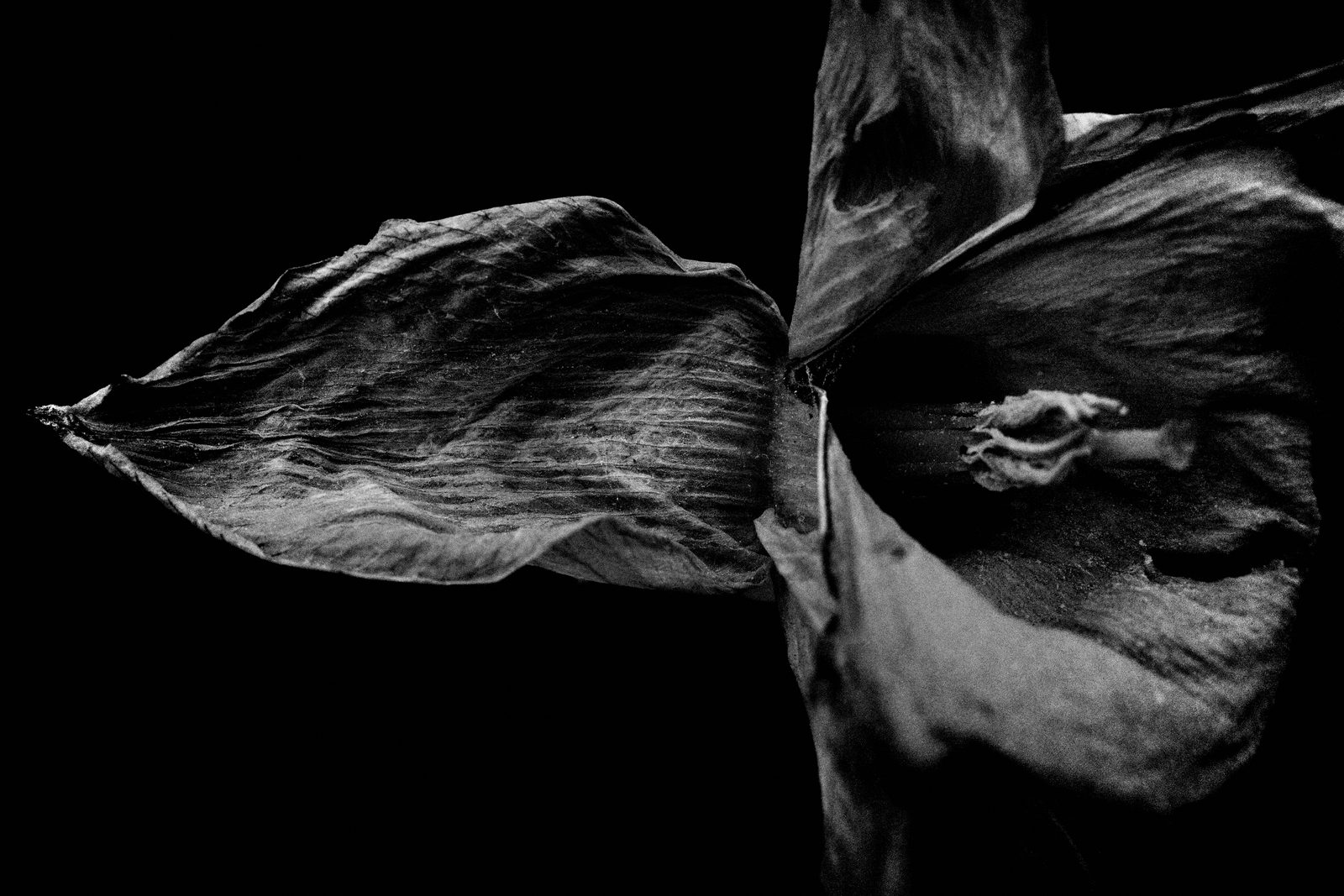
Picture a bustling market — noise everywhere — and one person turning back toward you, their gesture picked out by the contrast between deep shadow and bright highlight. Light guides the viewer's eye straight to that moment. No need for a complex composition. The light does the directing. Shadows create negative space; brightness pulls focus. That's light-led composition at its most direct.
The Sun as a Theatre Spotlight
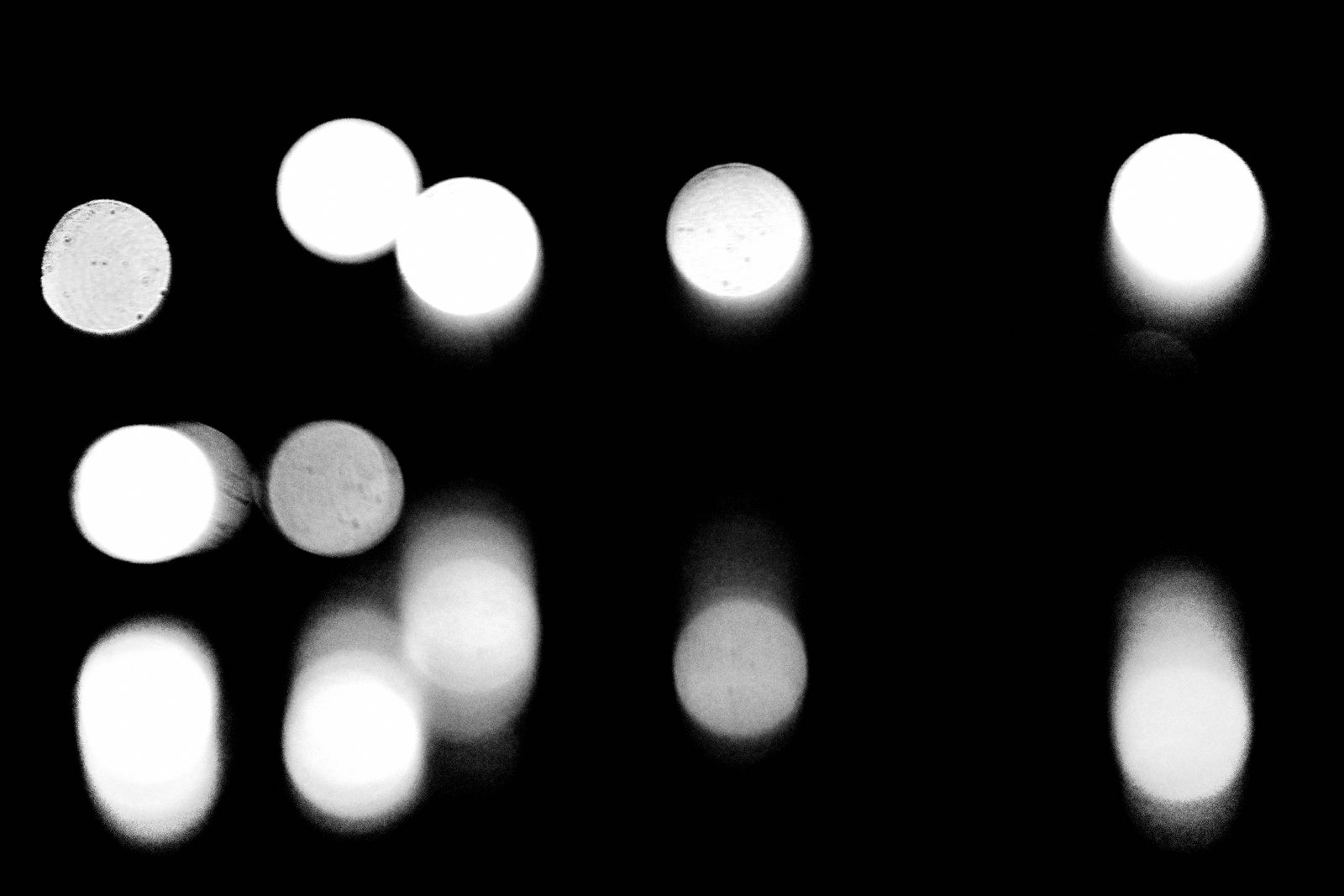
Watch for the moments when hard sun casts a spotlight on the middle ground while the foreground stays shadowed. That's it. That's the whole composition. No extraordinary moment, no wild gesture — just the sun acting like a theatre spotlight on one patch of pavement. You position yourself, wait, and when a figure crosses into that light, the frame is already built. Light does the architecture; you just show up on time.
Set Up on the Light, Not the Subject
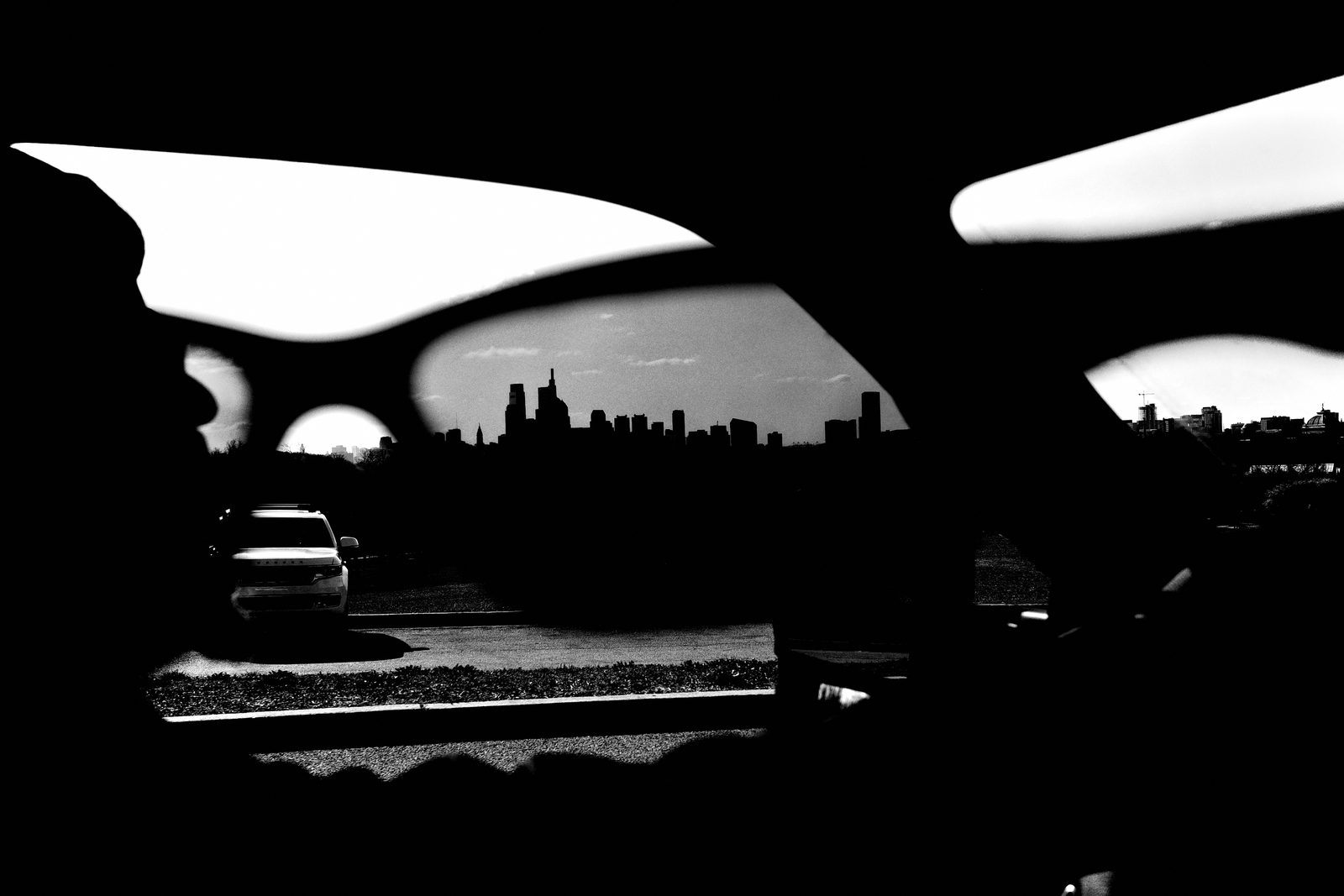
Sometimes what intrigues you is simply how light falls on a wall — a painted surface, a texture, a stretch of color. Set up on that light. Don't wait for any particular person; wait for the light to do its work. Then someone walks into the frame naturally. The light alone told the story; the person completed it. This is the sequence: find the light, build around it, let life walk in. The narrative is already there. You just hold the door open.
A Reflection Is Already a Composition
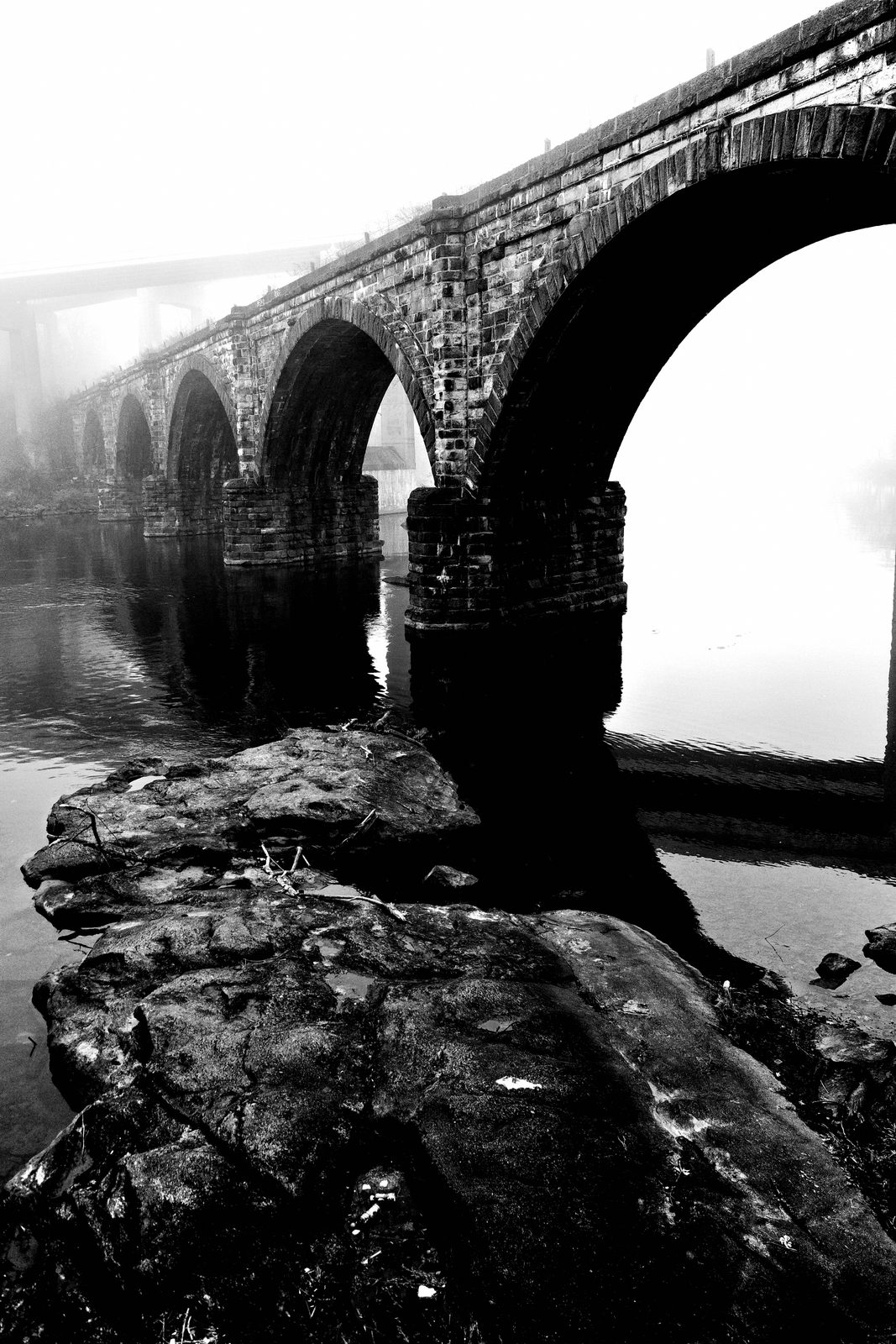
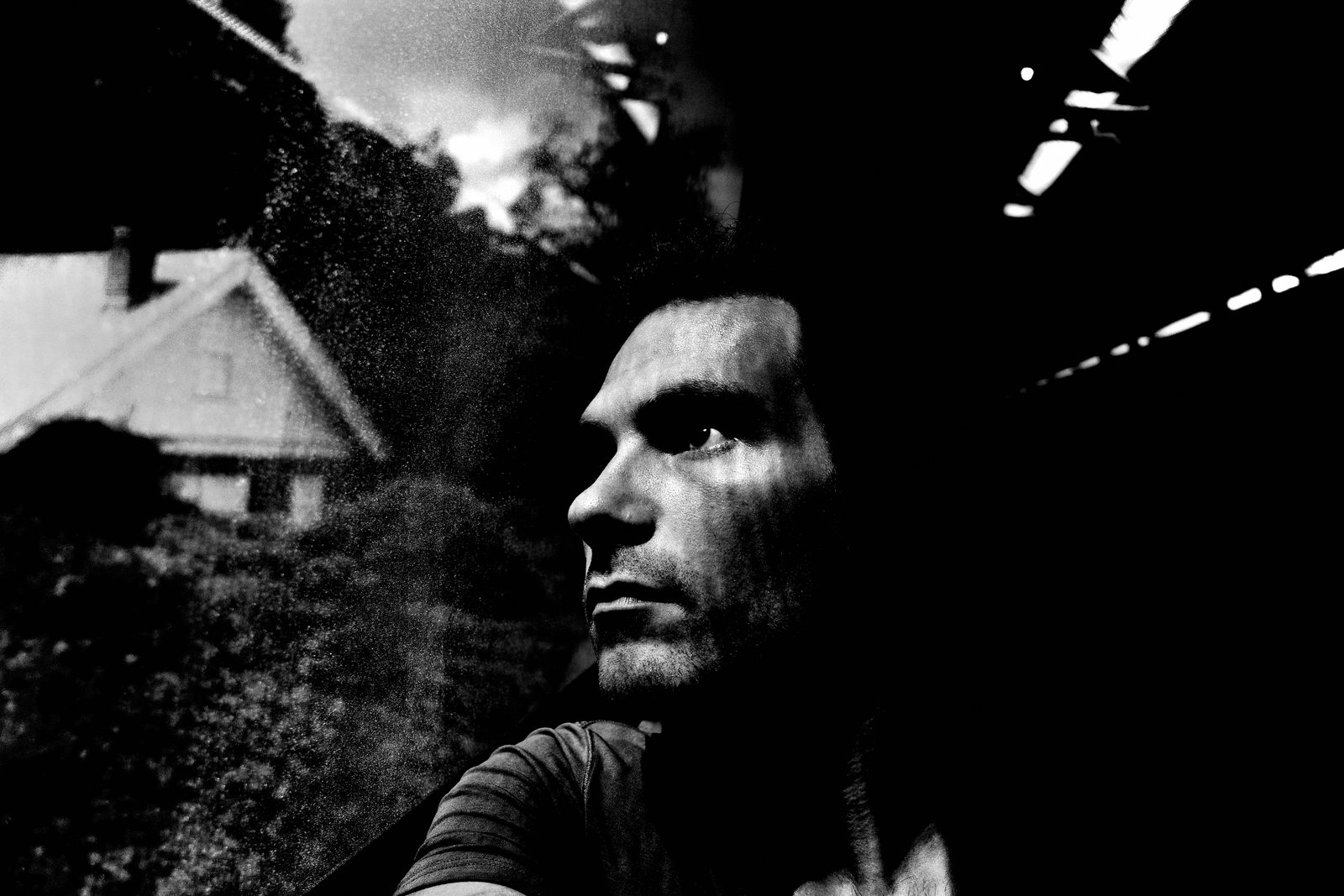
Here's one worth training your eye for. A reflection of light — in a shop window, a puddle, even a broken mirror left in the trash — is already a composition before anyone is in it. So you wait, camera ready, and let a subject walk into that reflected light. The light created the narrative before the subject arrived. Follow the light, be curious about the light, let light guide your photography. The subject is the final ingredient, not the first.
Reflections Amplify and Redirect
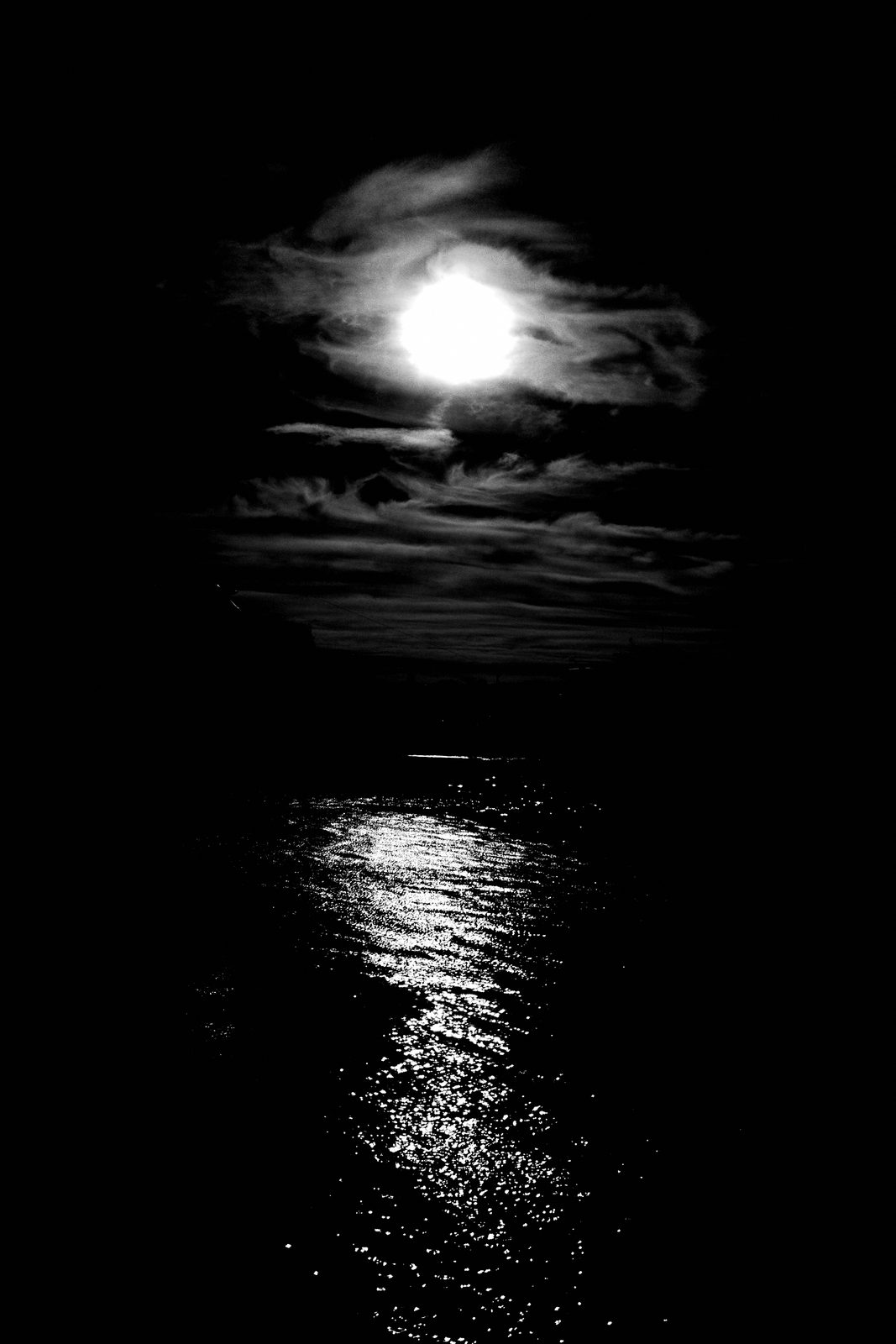
Light doesn't just illuminate — it bounces. Reflections off glass, metal, water, and windows can amplify and redirect light, making compositions more complex and interesting without you adding a single element. When you start reading the city for light, you start reading it for reflections too — every shop window, every puddle, every polished surface becomes a second light source you can compose through.
PRACTICAL APPLICATION
The Landmark Exercise
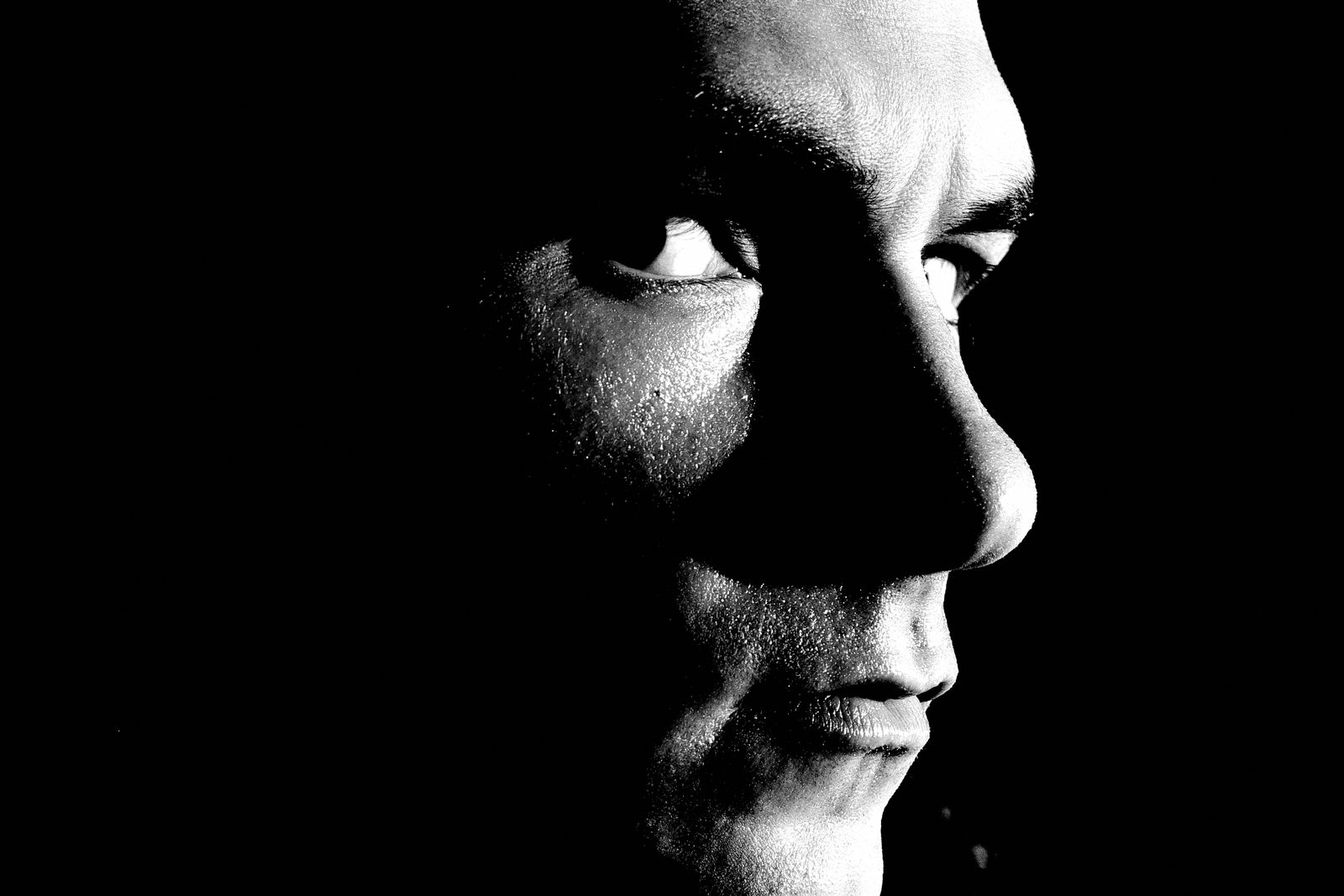
Here's your assignment. Pick a landmark in your city — a tower, a monument, a familiar building. Go photograph it at different times of day: golden hour, blue hour, harsh midday, overcast. Experiment with different angles and lighting conditions. See how light transforms the same subject over time. By repeating this process, you sharpen your ability to see and interpret light. A mundane tower can become extraordinary when approached with fresh eyes and an open morning.
The Choke-Point Stand
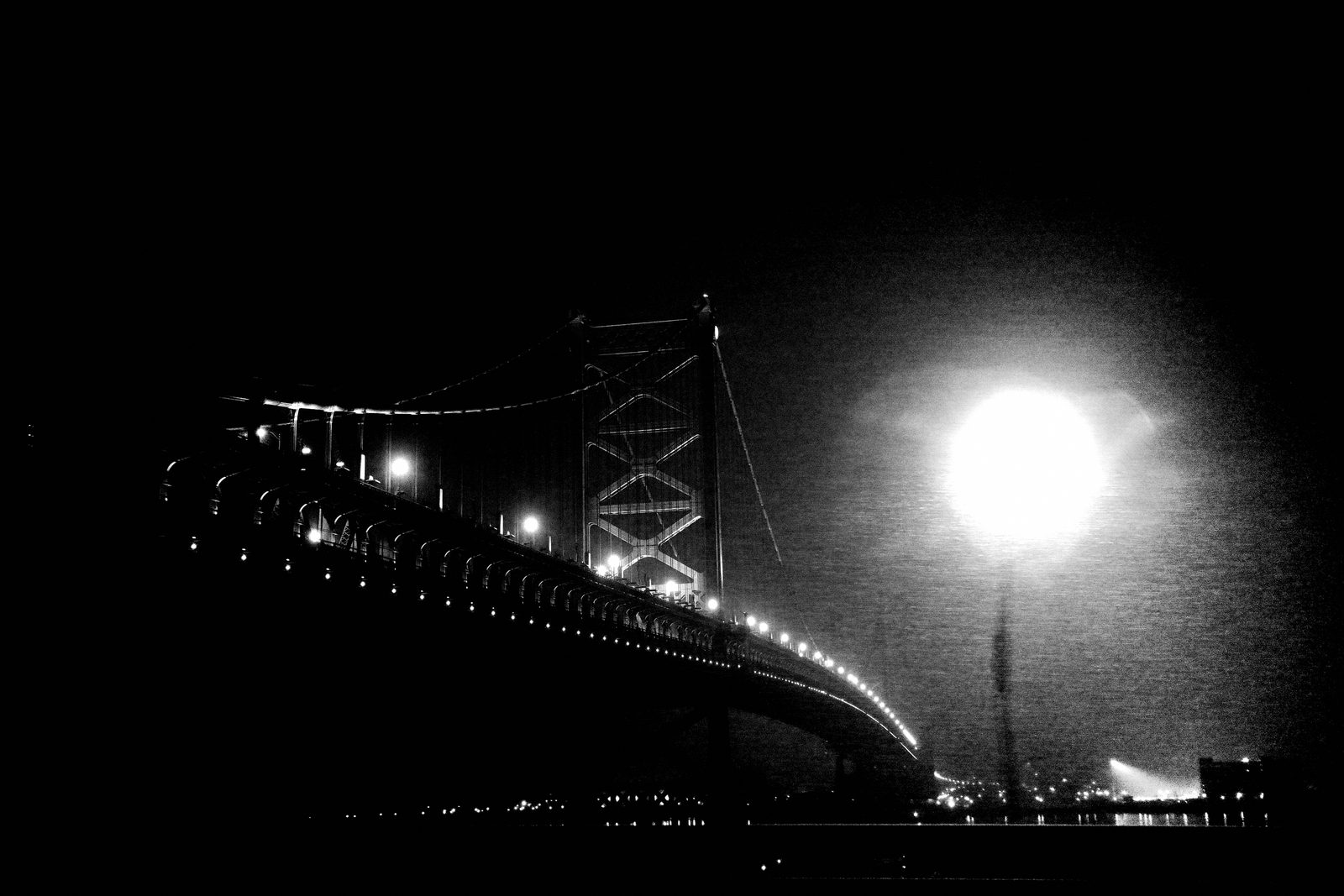
Second assignment: find your choke point. A high-traffic entry point with strong directional light hitting it at a predictable angle. Set snap focus, lock your exposure, underexpose slightly, and stand there for thirty minutes without moving. Let people walk from shadow into light. Click when they hit the beam. You'll leave with more strong frames from thirty still minutes than from two hours of wandering. Simplicity. Presence. Timing.
COMMON MISTAKES
Chasing Subjects Instead of Light
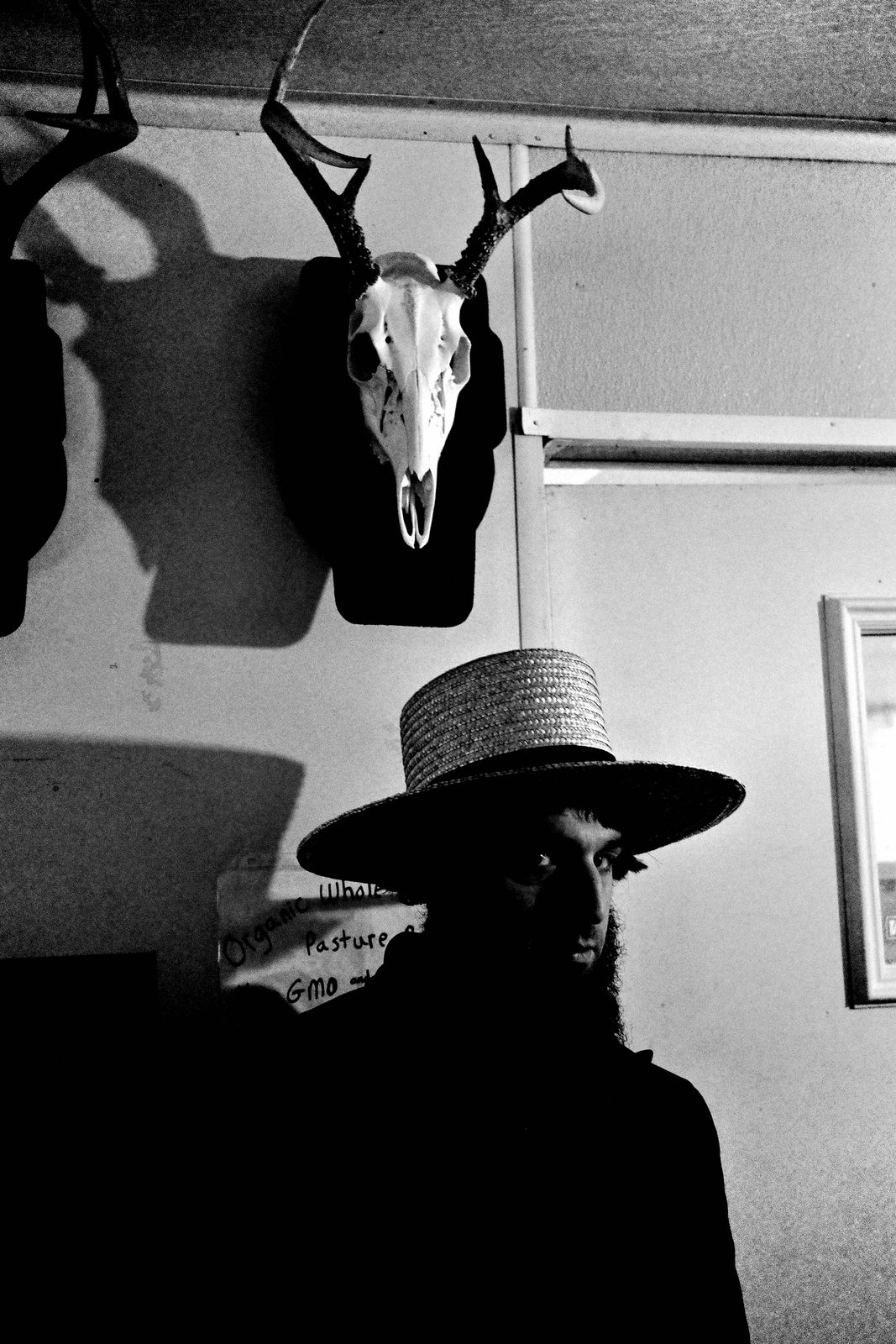
The most common mistake in street photography: chasing subjects instead of light. You see something interesting and you run toward it — and you end up with a flat, directionless frame because the light wasn't there. Light is the structure. Without it, even a compelling subject lands weak. Flip the sequence: find the light, build the frame around it, then wait for life to enter. Chase the light, not the subject.
Fighting the Light You're Given
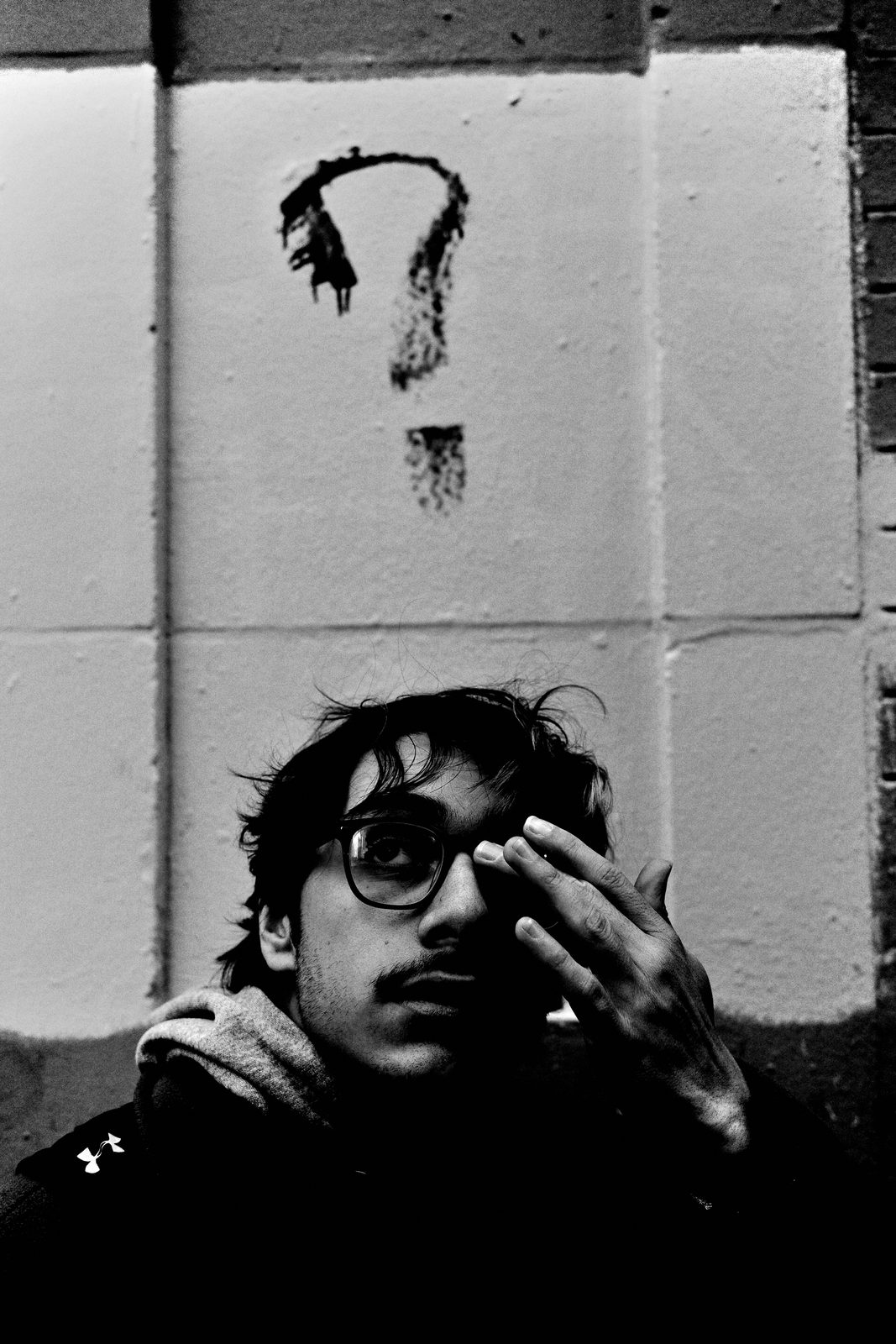
The other mistake: treating any lighting condition as a problem. Harsh midday light? That's tension and drama — use it. Overcast? That's soft, even light, perfect for layering subjects. Rain? Reflections everywhere. There's no bad light — only unread light. Shoot in all conditions. Understand each quality of light. The photographer who can work in any light is the one who's always dangerous on the street.
RELATIONSHIP TO PREVIOUS
Building on Direction and Position
In Lesson 032, we built the vocabulary for positioning — how to stand, where to anchor, how to let the scene come to you. This lesson takes that same logic and binds it to light specifically. Positioning for composition becomes positioning for light. Every spatial decision you learned there now gets a new filter: where is the light, and how do I put myself in relationship to it?
RELATIONSHIP TO UPCOMING
What Happens When You Add a Subject
In Lesson 034, we bring the full human element into the light-led frame. You've built the composition around light — now we talk about how gesture, expression, and the decisive human moment complete it. Think of it this way: after today, you know how to build the room. Lesson 034 teaches you how to let the right person walk through the door at the right time.
SUMMARY / TAKEAWAY
Find the Light, Build the Frame, Let Life Walk In
Last thing. Light-led composition is a three-step practice: find the light, build the frame around it, and wait for life to walk in. You don't chase subjects. You don't force moments. You read the light — its intensity, direction, and quality — and you let it do the architectural work. Then you hold your position, stay patient, stay curious, and trust that the world will deliver something worth clicking. Find the light. Build the frame. Let life walk in. Catch you in Lesson 034. Peace.