Light & Shadow (Chiaroscuro)
CORE IDEA
Shadows Are as Powerful as Light
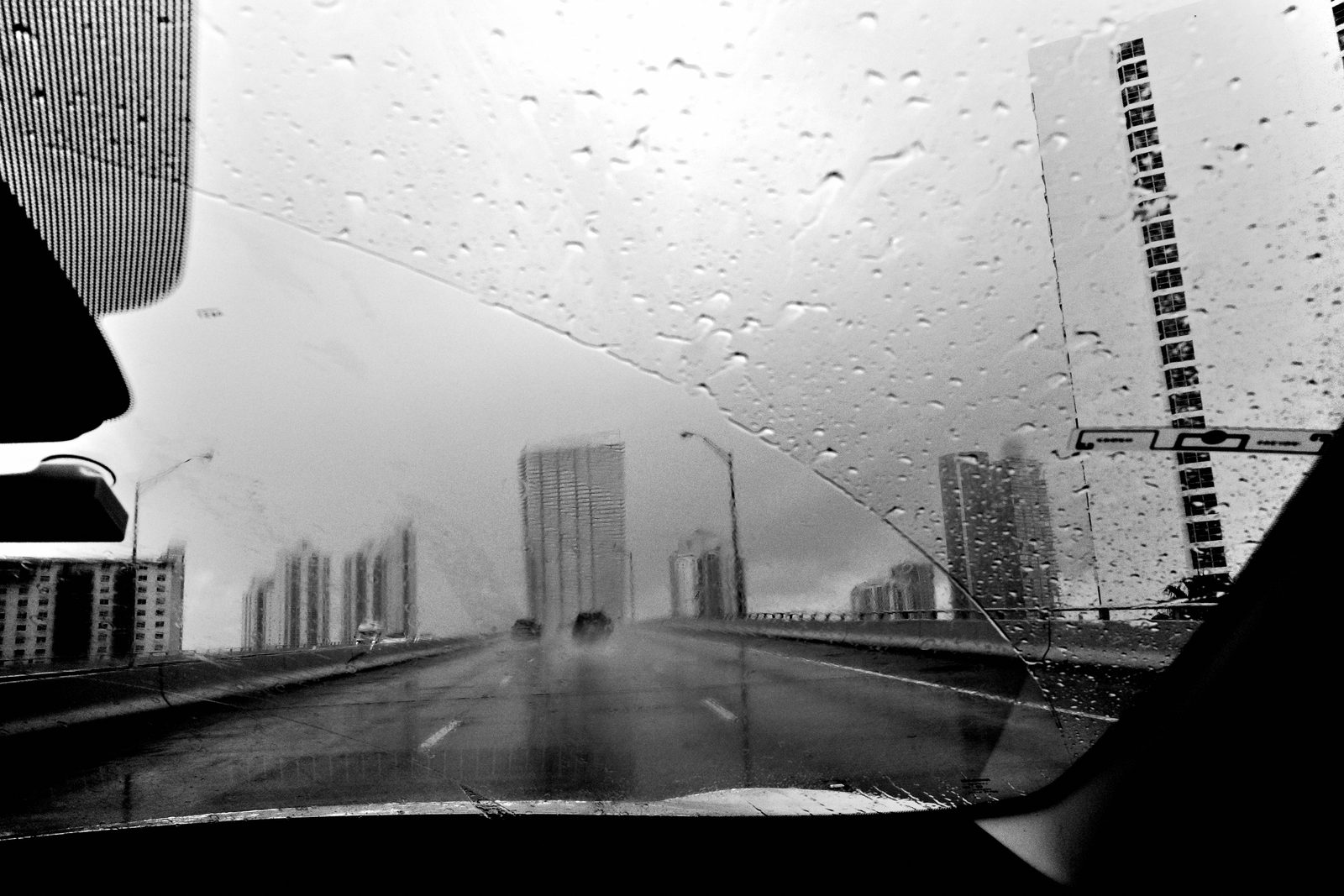
What's popping, people — it's Dante. Today we're going deep into one of the most powerful forces in street photography: the interplay of light and shadow. Not just light — shadow. The role of shadows can add a sense of depth, drama, and mystery to an image where they are just as important as the light itself. This is chiaroscuro — and it will change how you see every scene you walk into.
LEARNING OBJECTIVE
What You'll Walk Away With
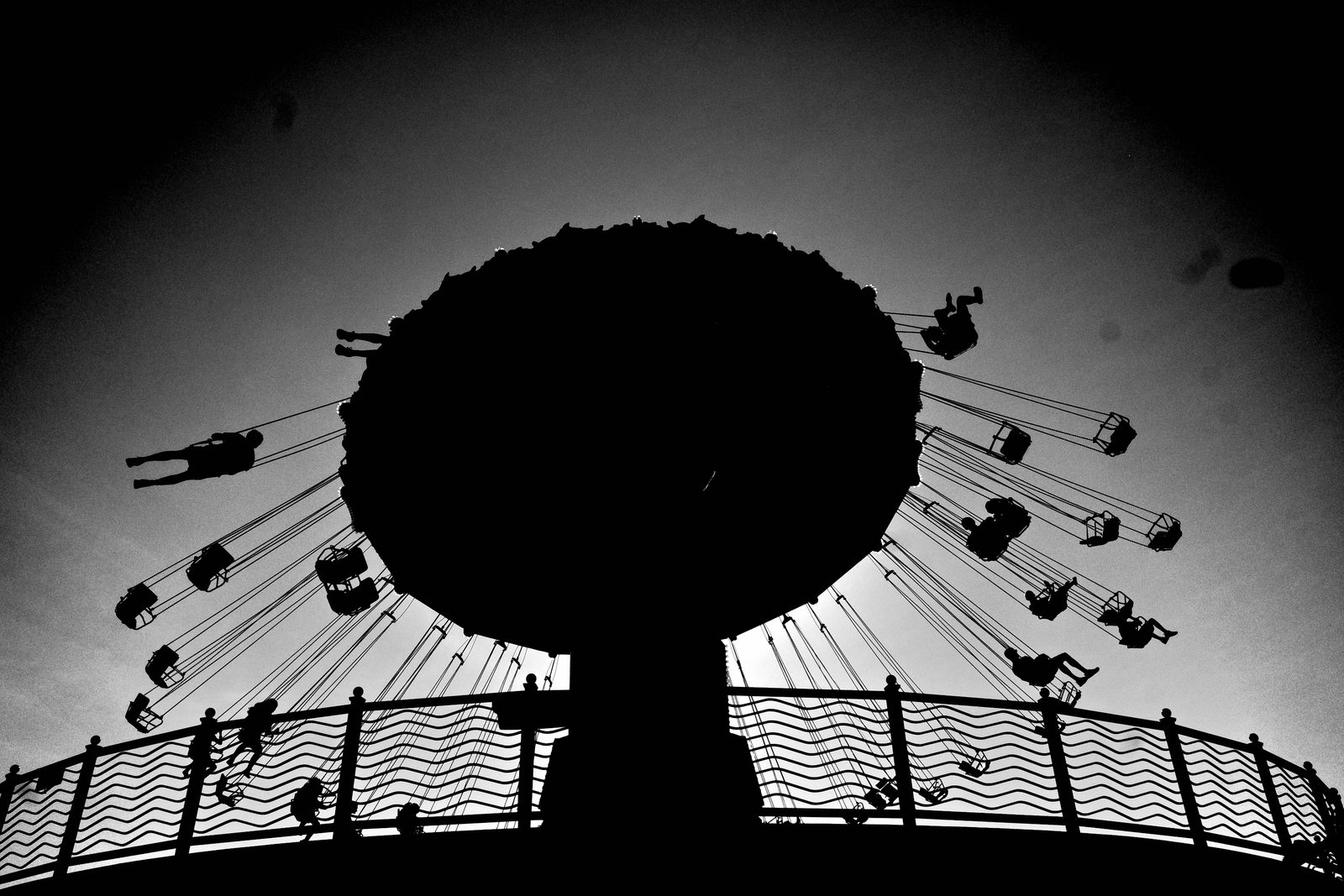
By the end of this lesson, you'll know how to read a scene for its shadow potential, not just its light. You'll understand how to underexpose deliberately, crush shadows into black, and use that negative space to isolate subjects and create photographs with real emotional weight.
WHY THIS MATTERS
Elevating the Mundane to Transcendent
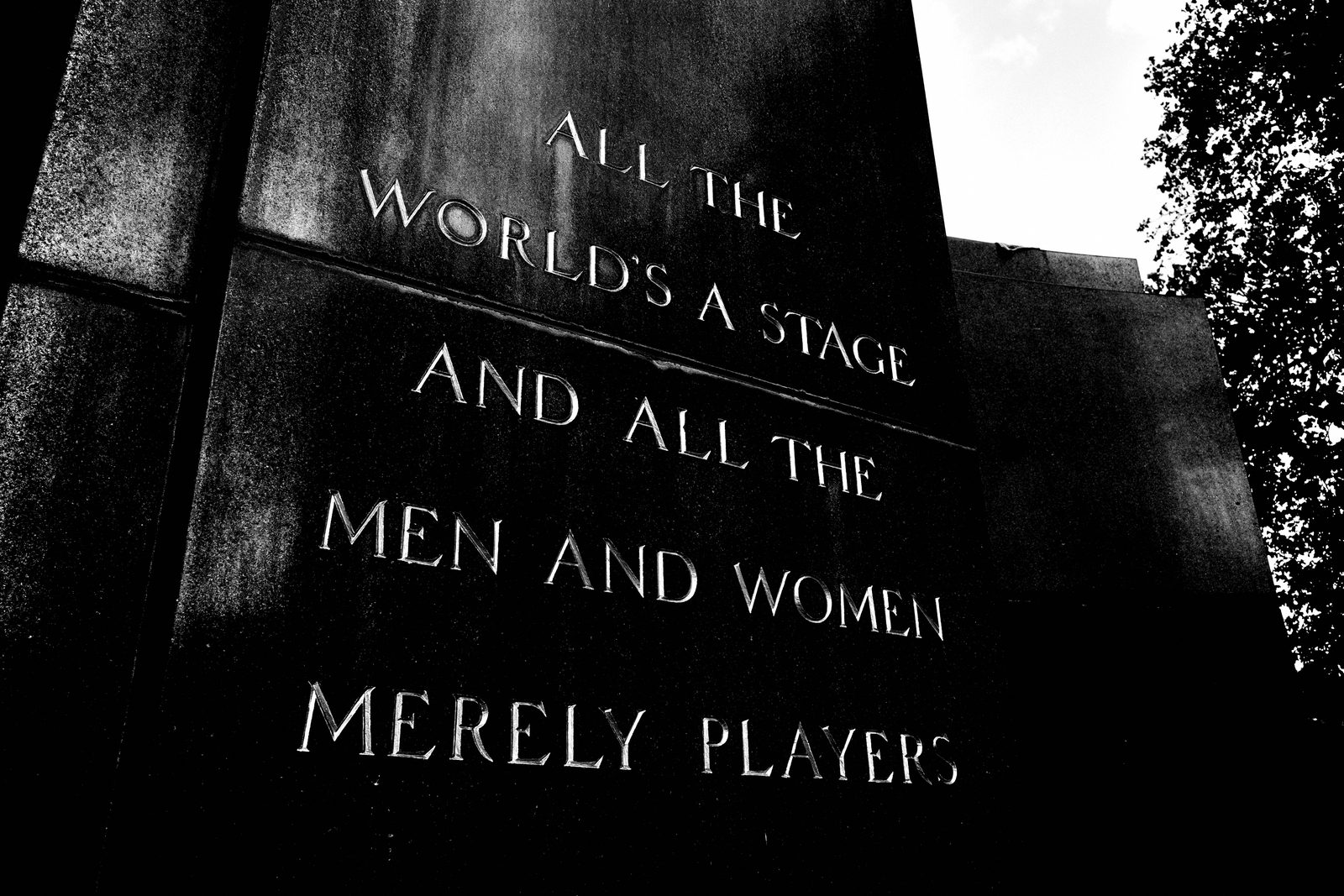
Here's why this matters: shadows, light, contrast — these simple elements can elevate a mundane moment to a transcendental height. Through photography, we don't just capture reality; we create a new world. A train station, a bus stop, a few columns of light — that's all you need. The magic happens in the interplay between what's revealed and what's concealed.
The Painters Knew First
The masters of painting understood this long before cameras existed. Caravaggio's chiaroscuro — harsh light against deep shadow — created drama, depth, and emotion that drew the viewer into the scene. A single hard beam isolates the subject while everything else falls away. Street photographers inherit this tradition every time we expose for the highlights and let the shadows do the rest.
MAIN TEACHING
Expose for the Highlights, Crush the Shadows
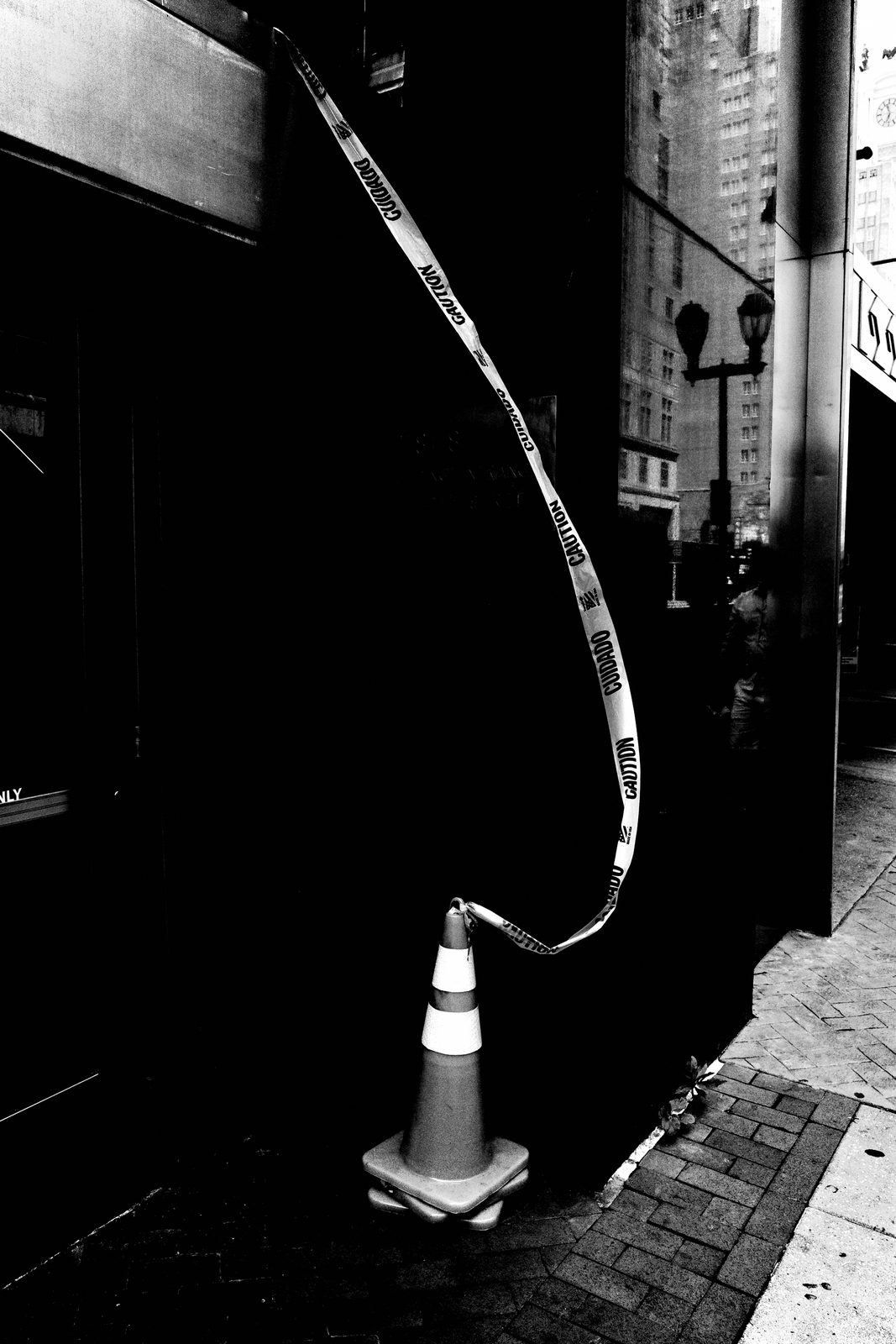
The core technical move in chiaroscuro street photography is this: expose for the highlights and crush the shadows. Use spot metering or highlight-weighted metering. Underexpose by one stop to darken the unnecessary details and let only the light you want carry the image. By exposing for the highlights and isolating subjects in high-contrast areas, we can create cleaner, stronger compositions.
Shadows as Negative Space
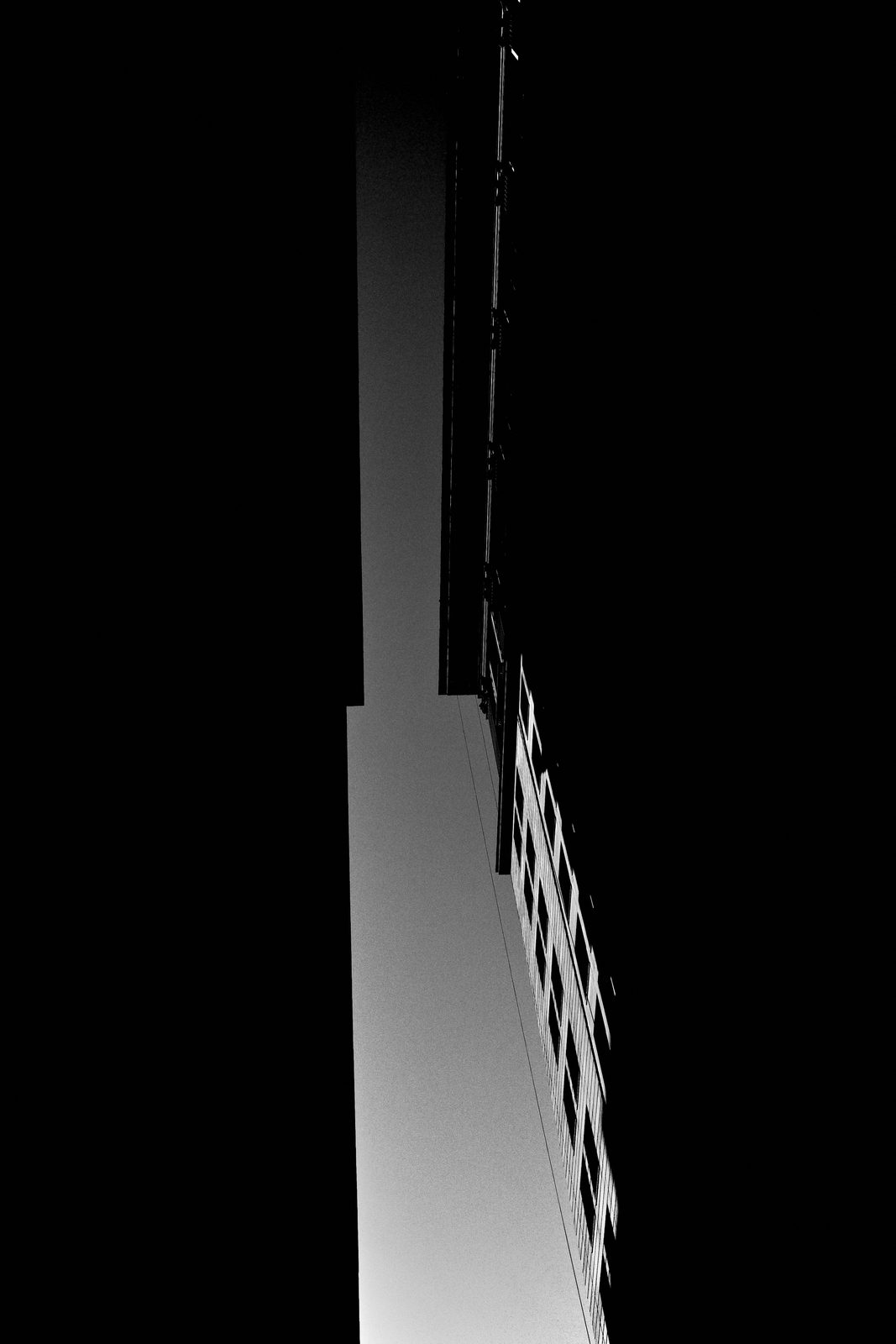
Shadows are negative space in action. Bright areas naturally attract attention; shadows remove competition. When you crush the background to black, the subject inside the light becomes the only thing in the world. That's the power of negative space — it's not emptiness, it's intentional silence. Sometimes what's not seen makes the image stronger.
Shadows as Leading Lines
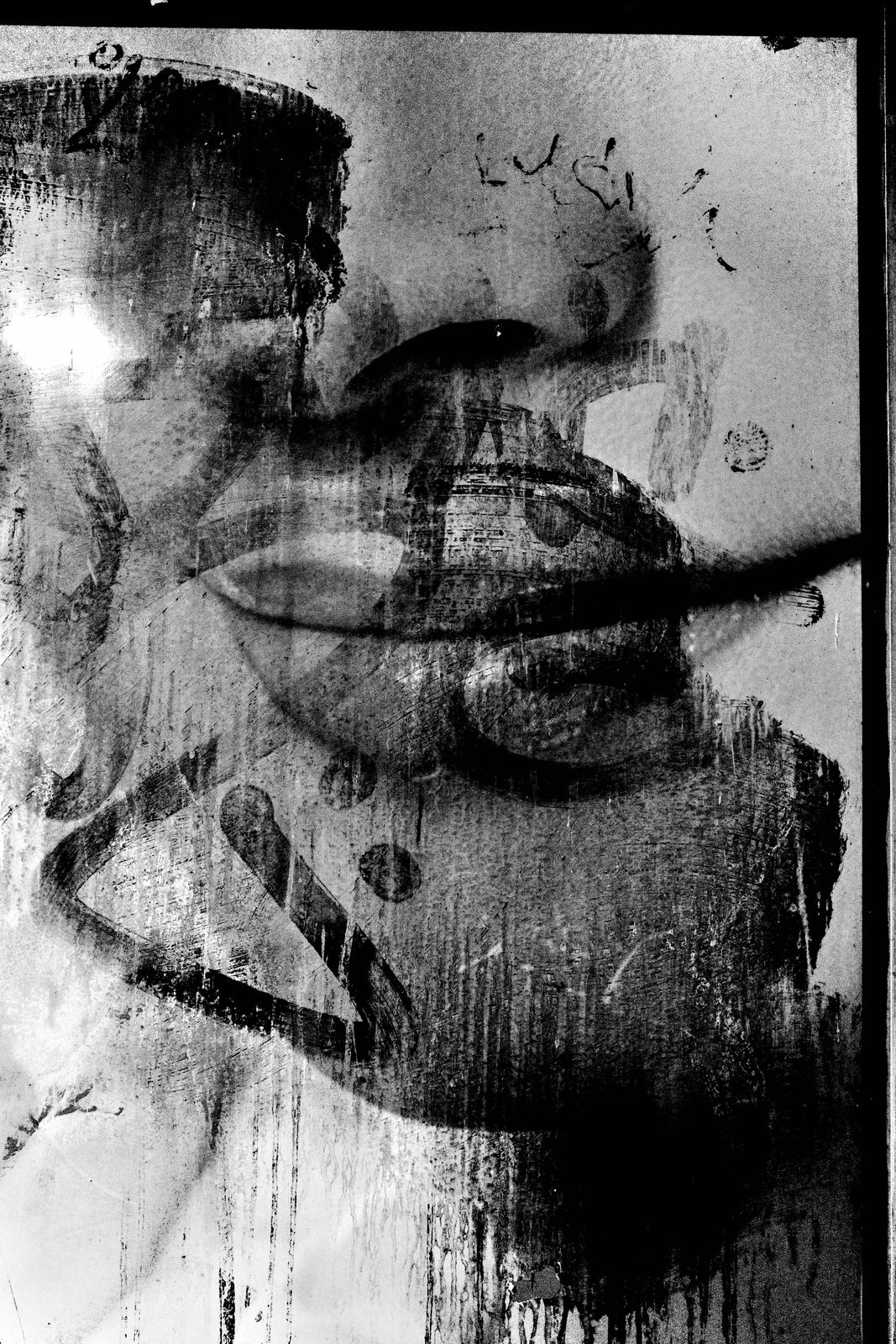
Shadows don't just remove — they also direct. Long shadows cast at golden hour become leading lines that pull the viewer through the frame. When the sun is low and shadows stretch long across the ground, they become a tool — you can let the shadows themselves carry the story rather than the literal subjects casting them. Shadow geometry is composition.
Architecture Sets the Stage
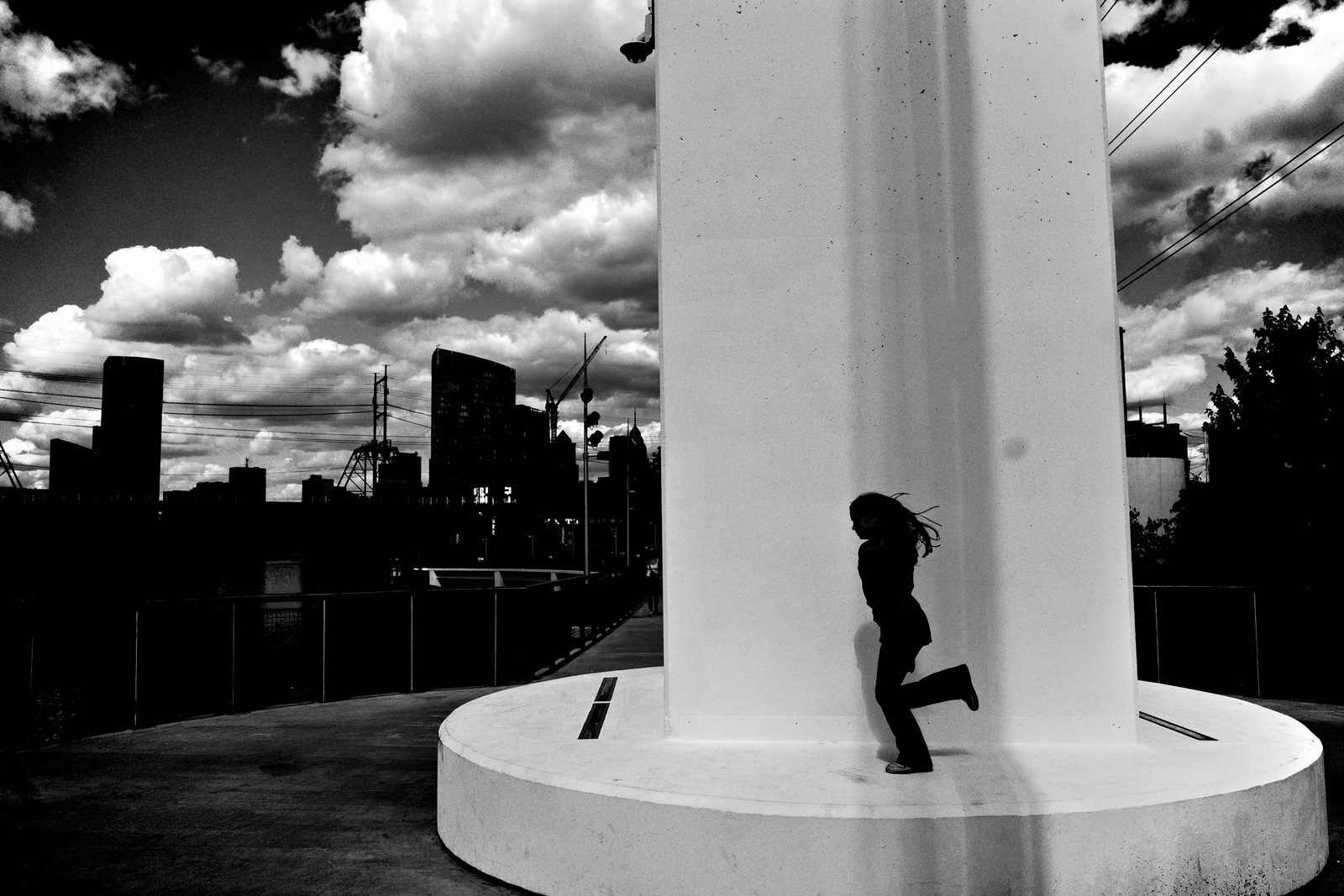
Some scenes come pre-built. Think of shafts of light cutting through a colonnade, with doorways leading back into darkness — a choke point where people and pigeons constantly move. Learn the time of day when the light falls just right, and all you have to do is be patient, observant, and wait for the right gesture, the right figure entering the beam. The stage is already set. Chiaroscuro is built into the architecture — your job is to read it and show up on time.
A Sliver of Light Reveals the Fragment
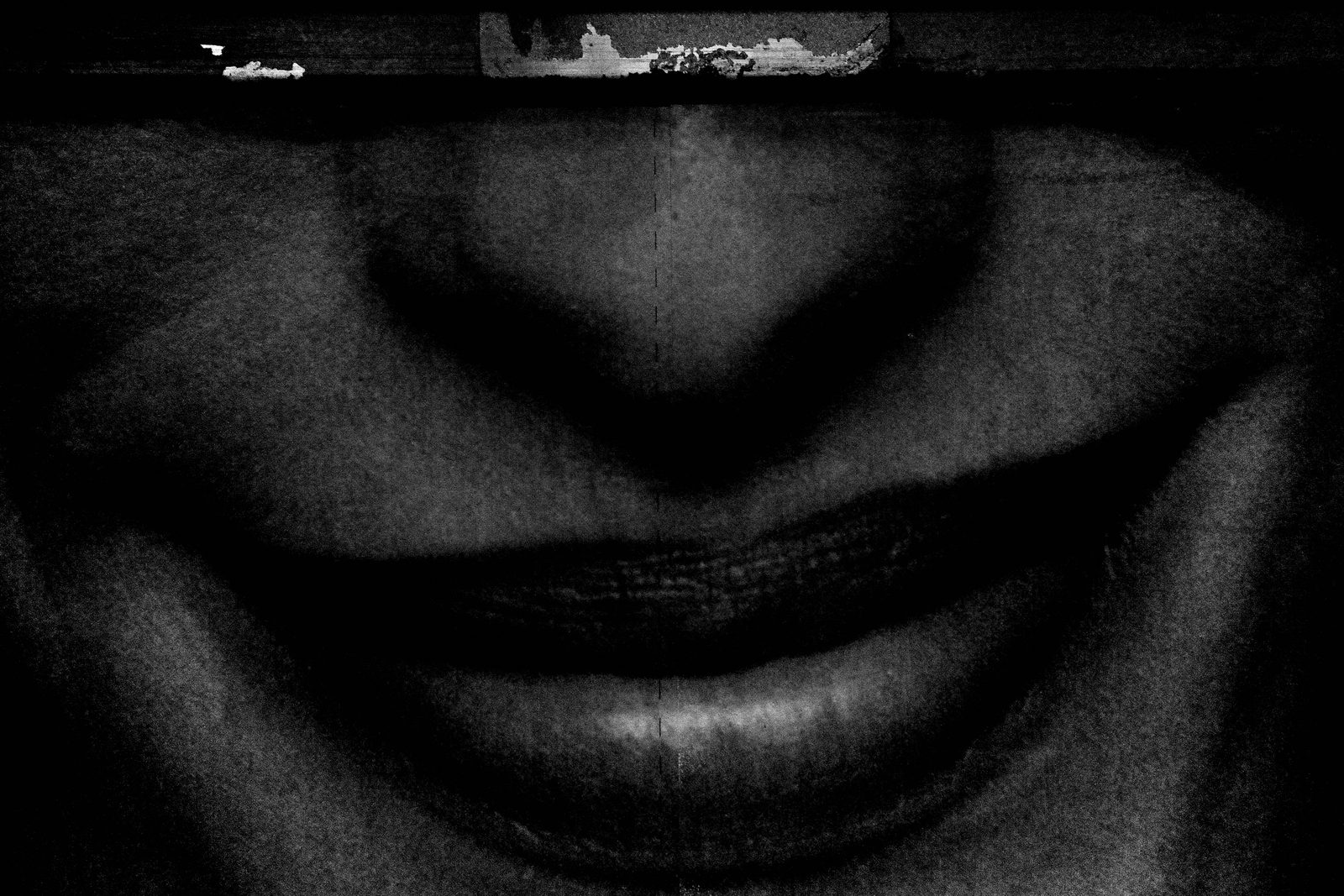
Position yourself so people step from shadow into a beam of sunlight, and watch what the light does. A small, triangular sliver can slice across a face, revealing only the lips while the rest stays in shadow. You couldn't have planned that — light reveals things we don't consciously see in the moment. The whole frame goes mostly black, with only a few highlights carrying the story. That's the direction: more mystery, more darkness, more mood.
Tell the Story in Shadows Alone
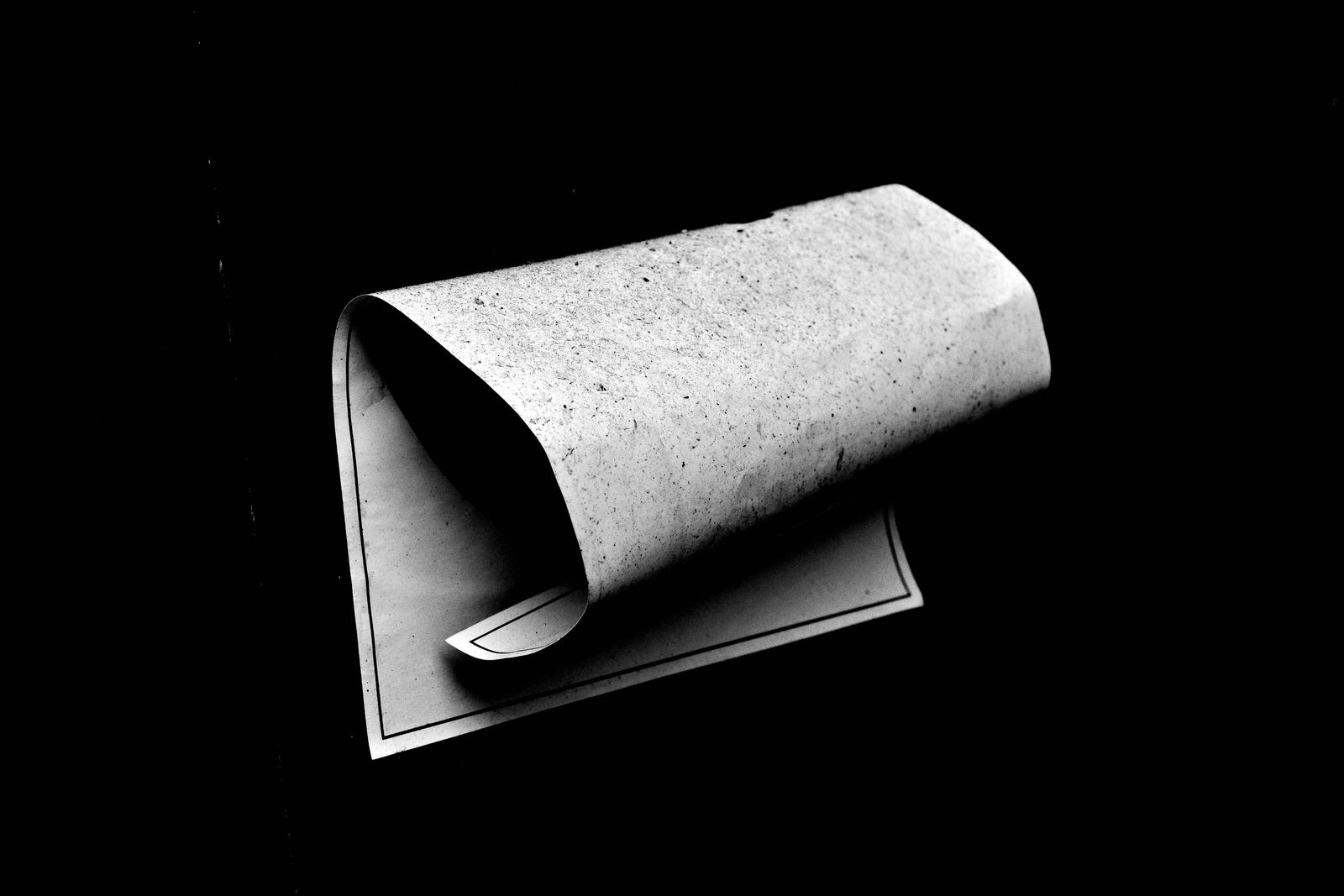
Picture a busy scene at golden hour — people gathered, life happening, the low sun stretching their shadows across the ground like graphic lines. You wait. A gesture happens. You press the shutter and let the frame hold only the shadows, telling the story in a more mysterious way than any direct, face-forward shot could. Use shadow play to make an emotionally impactful image without needing a literal, recognizable subject at all.
Layering Light and Shadow for Depth
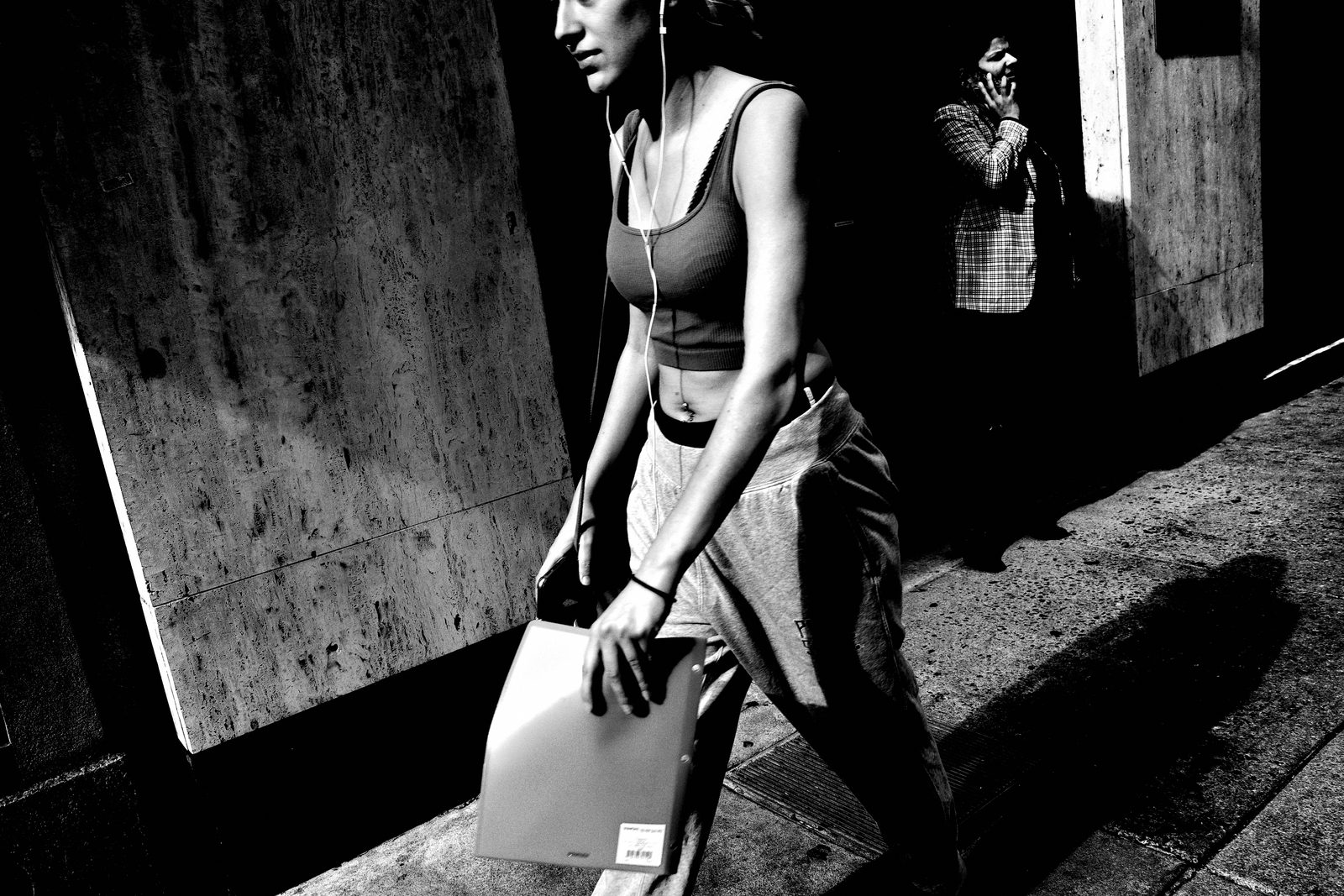
One of my favorite moves is layering light and shadow to build depth. Picture it: the foreground sits in shadow, the midground subject is lit, the background glows bright. Three distinct planes — and the image feels alive with energy. Work back to front — a far plane illuminated in golden light, a patch of shadow and light in the midground, a person entering the foreground. Layers don't come from complexity — they come from positioning.
High-Key vs. Low-Key Light
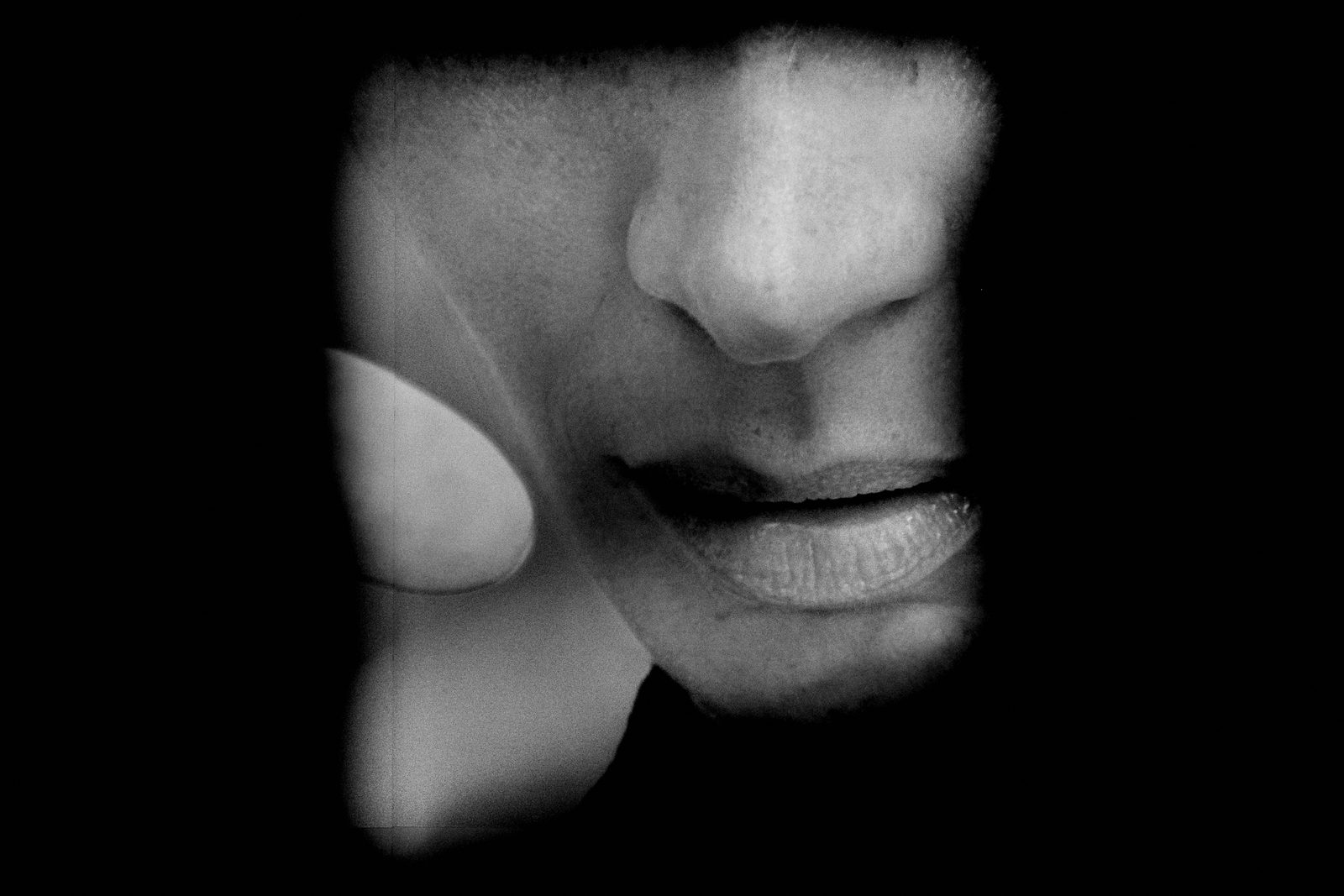
Both registers have their place. High-key light — bright, vibrant sun on people at play — evokes joy, innocence, warmth. Low-key light — strong shadows swallowing everything but one lit detail — adds depth, mystery, a cinematic feel. The quality of light you choose to work with determines the emotional tone of the story you're telling. Read the scene, then decide which register serves the moment.
The Choke Point + Shadow Trap Method
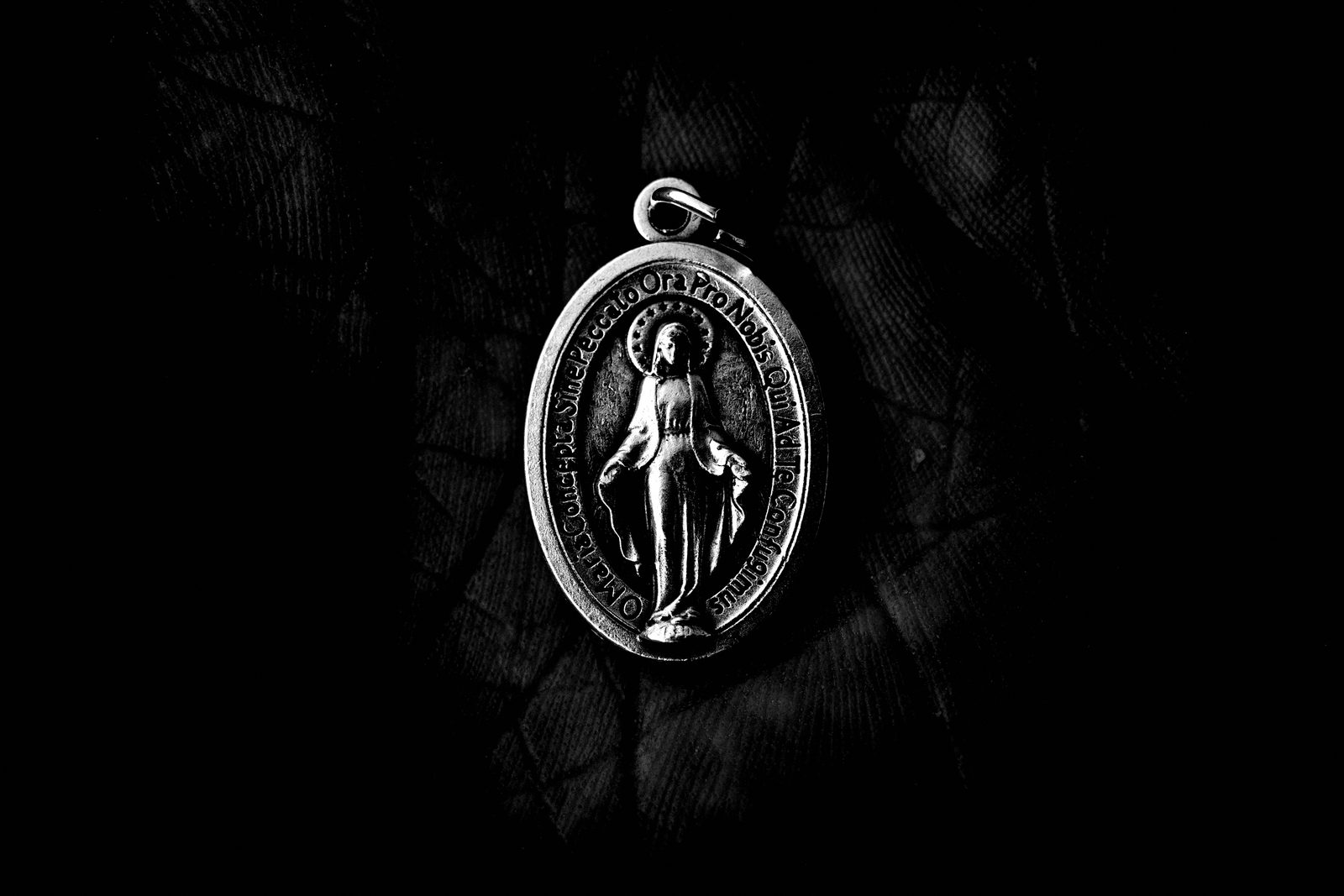
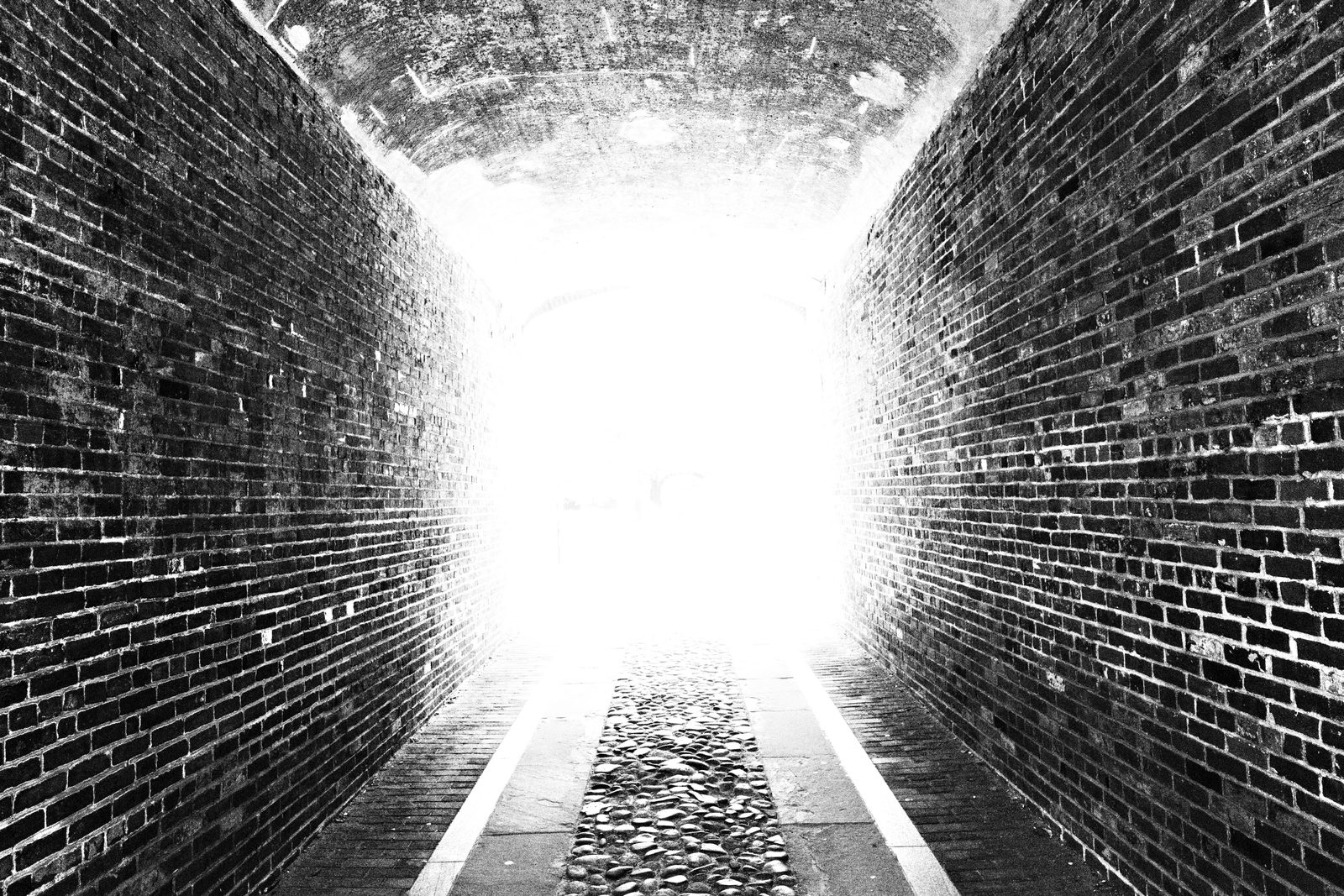
Here's the method. Find a choke point — a doorway, a tunnel, a gap between buildings — where a defined beam of light falls. Position your body so subjects step from shadow into that light as they move naturally. Crush the background to black. Wait. When someone steps into the beam, click. You don't force the photograph. You set the trap with light and shadow, then let the world walk into it. That's it. Simplicity. Presence. Timing.
Movement Unlocks New Shadow Angles
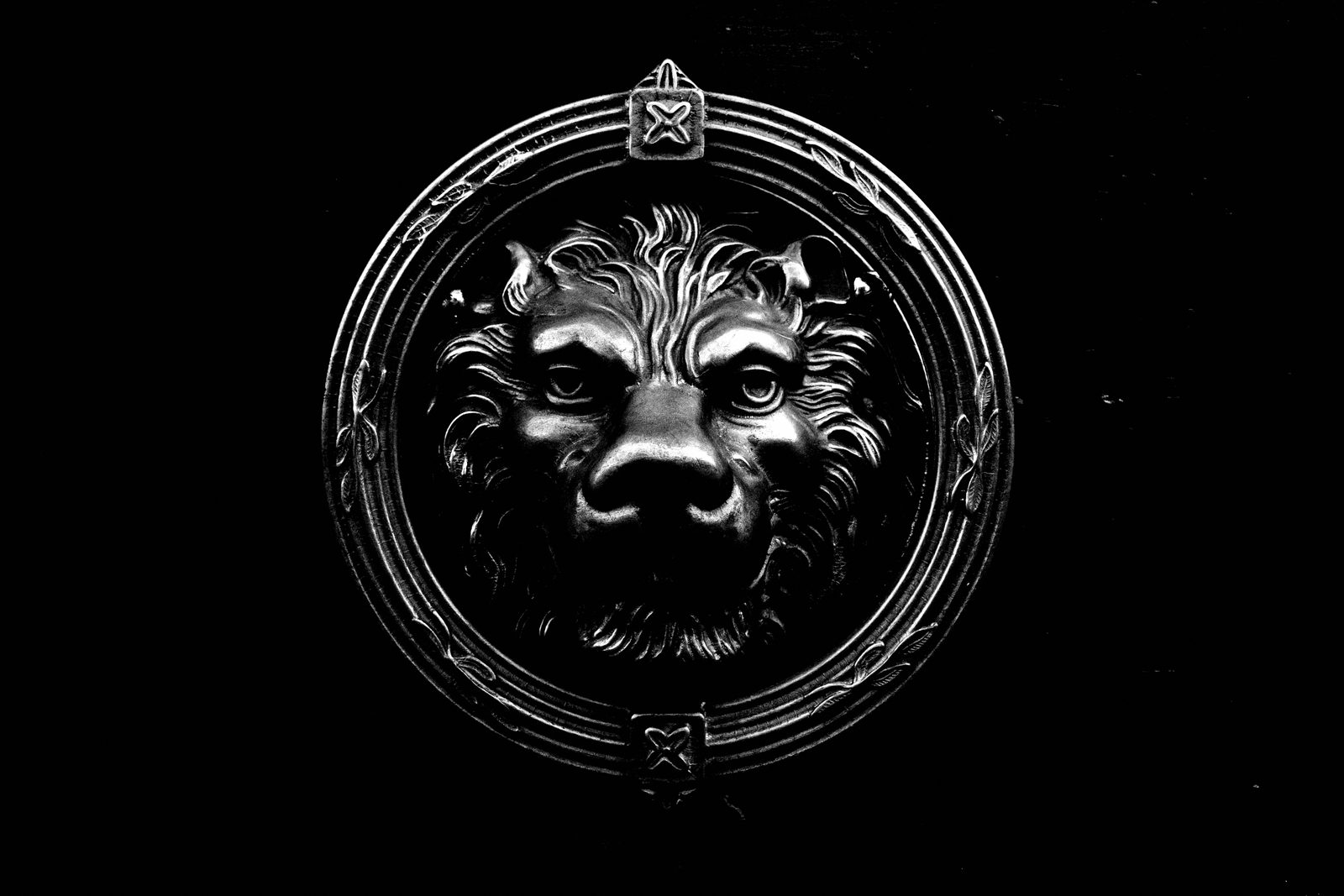
Don't stand in one spot and expect the shadows to cooperate. Move. Through movement is improvement. By shifting angles — stepping forward, stepping back, circling the light source — you unlock completely different shadow relationships. The same shaft of light looks entirely different from ten feet left versus ten feet right. Walk around it. Test it. See how light and shadow rearrange themselves with every step you take.
Facing Toward vs. Away from the Light
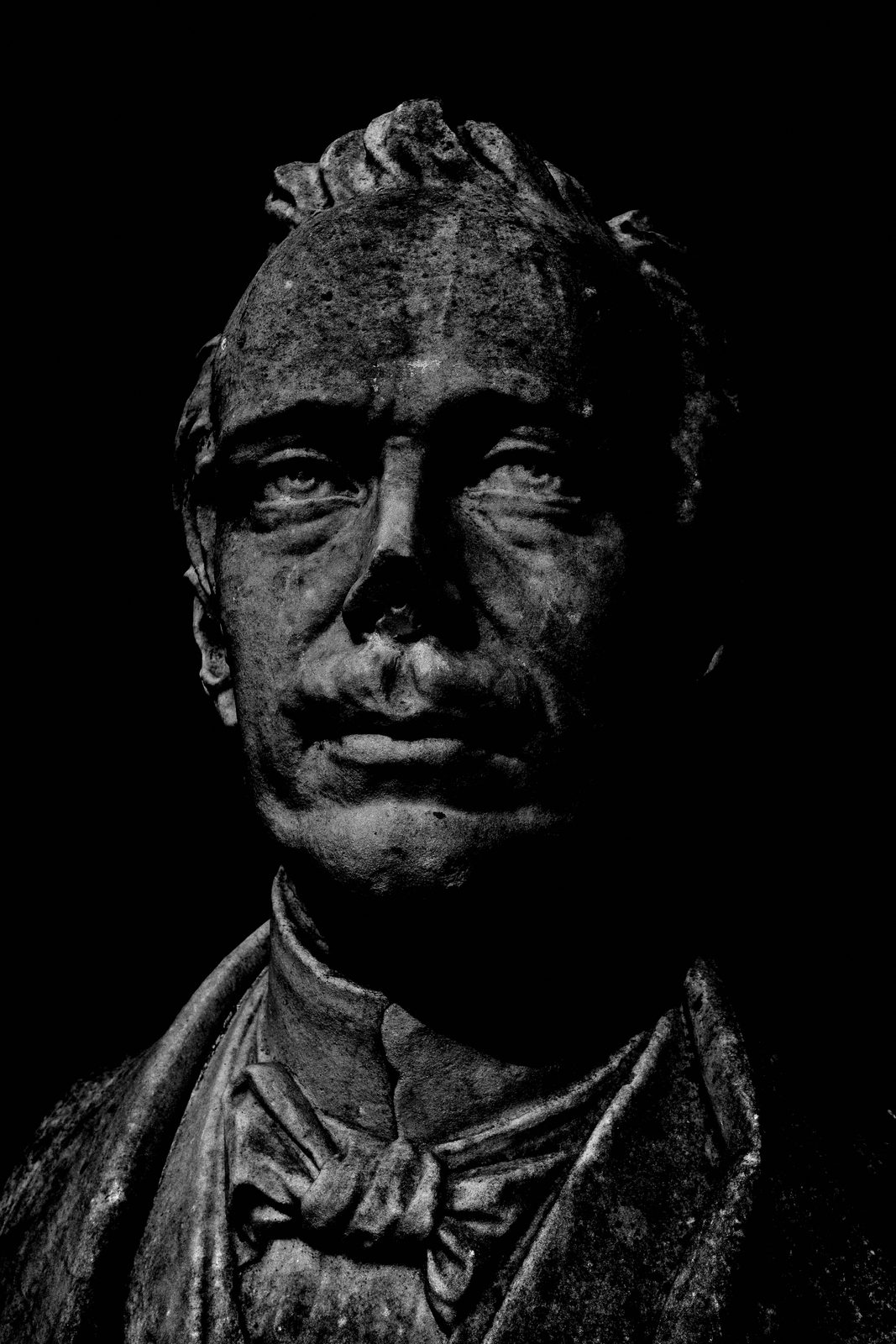
At any lit choke point there are two main ways to work the scene: face the sunlight and your subjects become backlit — glowing, silhouetted, graphic. Turn so the sunlight is behind you and your subjects are fully illuminated in the beam — faces sharp, expressions readable, emotion front and center. Neither approach is wrong. One direction emphasizes graphic shapes and contrast; the other highlights facial expressions. Know what story you want, then choose your direction.
Light Reveals Mood; Shadow Shapes It
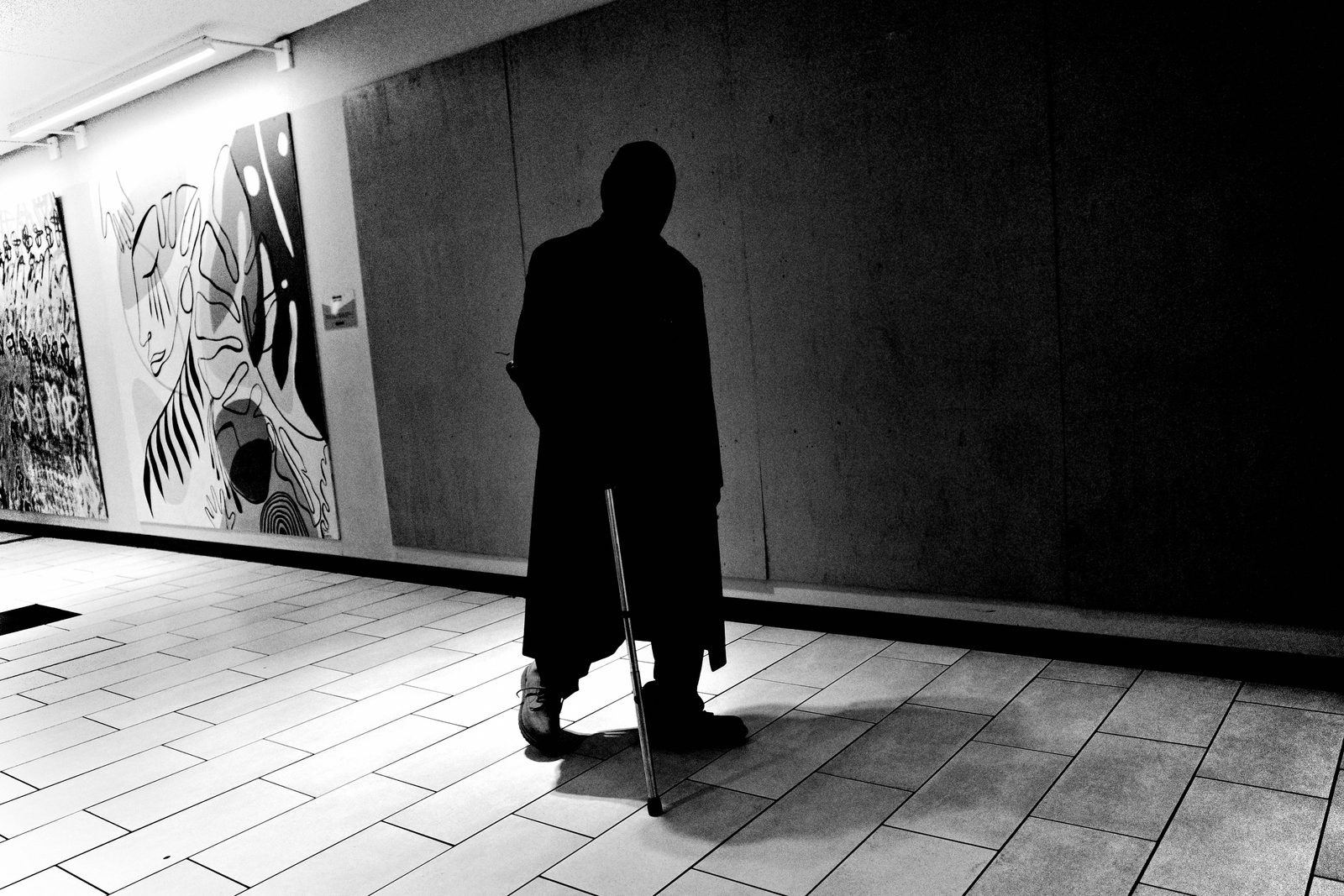
Light creates mood — but shadow shapes it. When harsh midday sun leaves half a face swallowed by shadow, the drama and tension outrun anything a fully-lit portrait could give you. Push it further in an enclosed, high-contrast space — a tunnel, an underpass — and the darkness can make a scene ambiguous, so a viewer can't immediately place where they are. Obscuring with shadow opens interpretation. The viewer brings themselves to the mystery.
PRACTICAL APPLICATION
Find Your Choke Point and Set the Trap
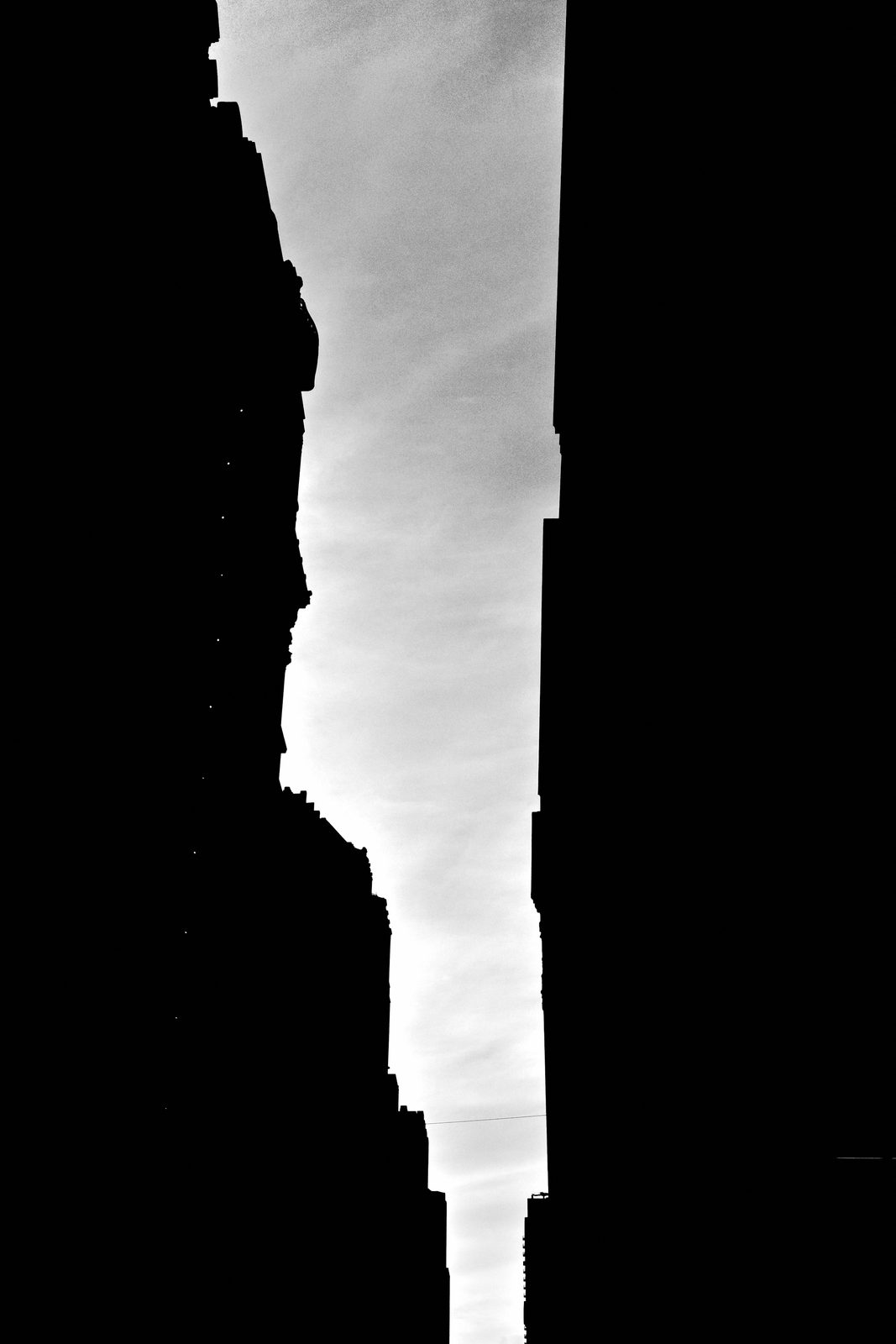
Here's your assignment. Go find one location in your city where a defined beam or shaft of light falls predictably — a doorway, a tunnel entrance, a gap between buildings at a certain time of day. Set your exposure for the highlights. Crush the shadows. Stand at the edge of the light and let people walk into the frame naturally. Don't chase. Don't move around too much at first. Just set the trap and wait. Make ten frames.
Underexpose and Review
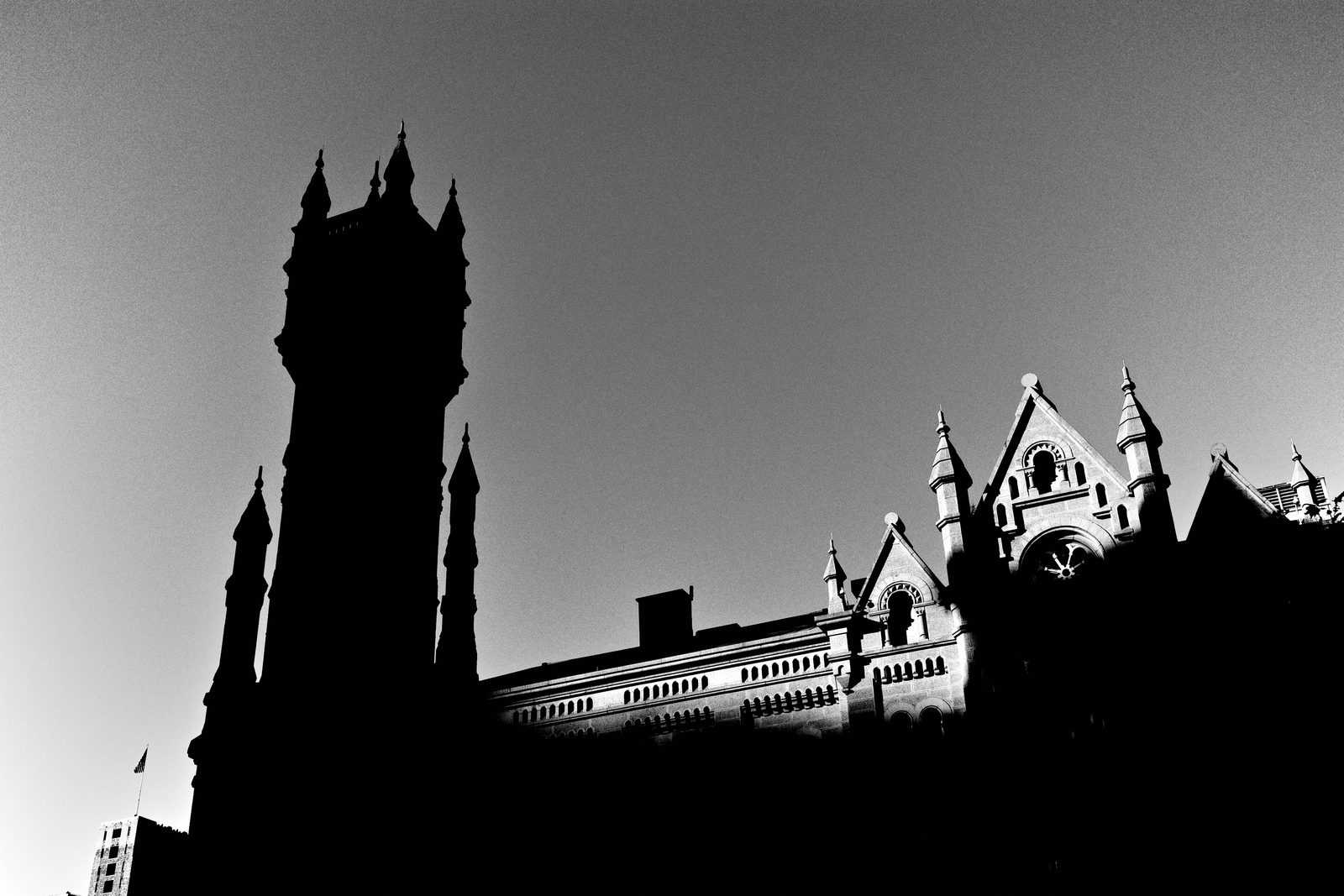
After that session, underexpose by one stop on your next pass through the same location. Then review immediately on your camera screen or iPad. Ask yourself: what did the shadows remove? Did they simplify the frame by eliminating distraction — or did they swallow something important? That feedback loop, done in real time on location, is how you develop an instinct for how far to push the darkness.
Return at Different Times of Day
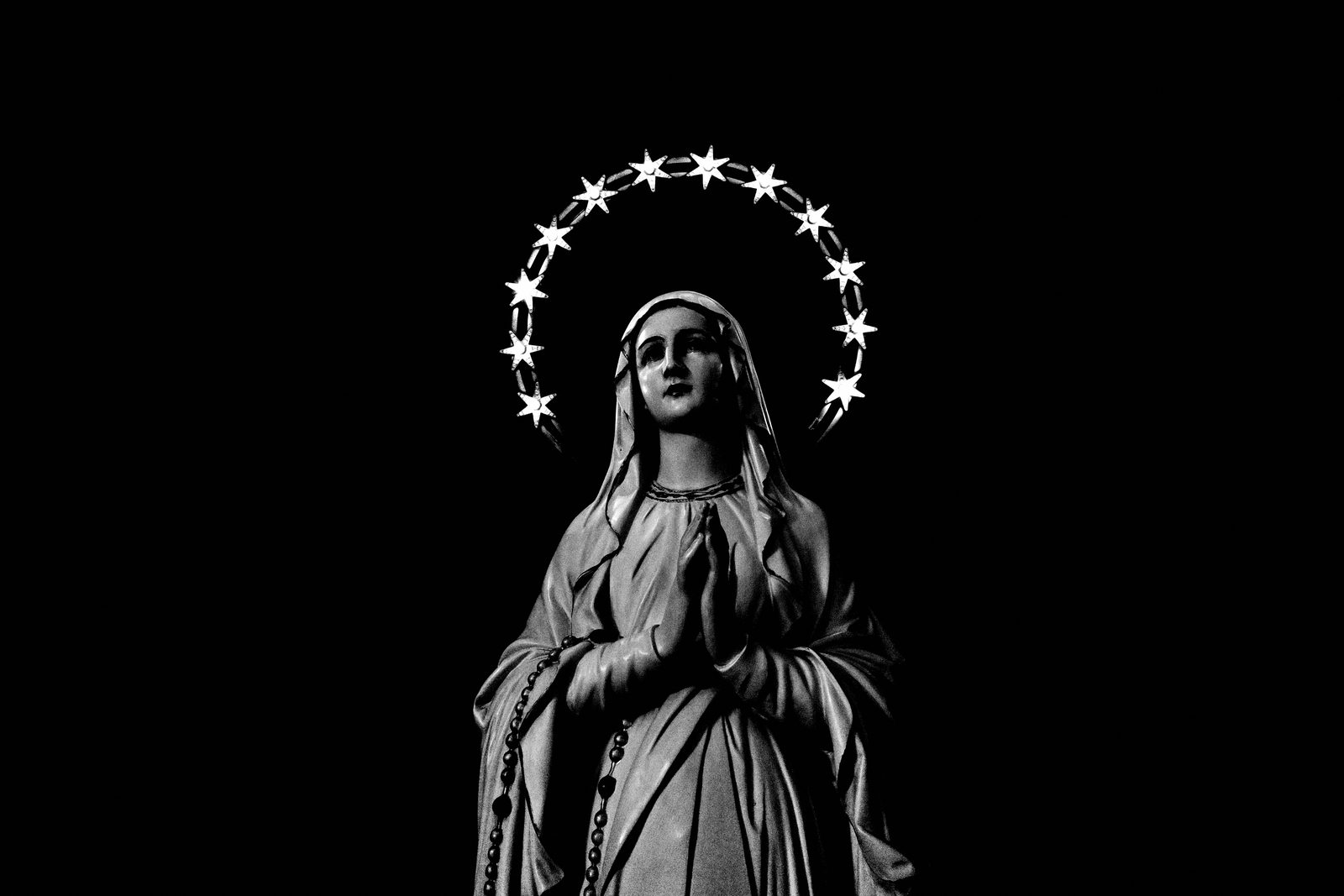
Pick one landmark near you — a tower, a plaza, a waterfront, anything you can return to — and photograph it at three different times of day. Morning golden hour: long, warm, directional shadows. Harsh midday sun: graphic, tense, high-contrast. Blue hour: cool, cinematic, quieter shadows. Same location, three completely different emotional registers. By repeating this process, you sharpen your ability to predict and read light before you even raise the camera.
COMMON MISTAKES
Using Contrast as a Gimmick
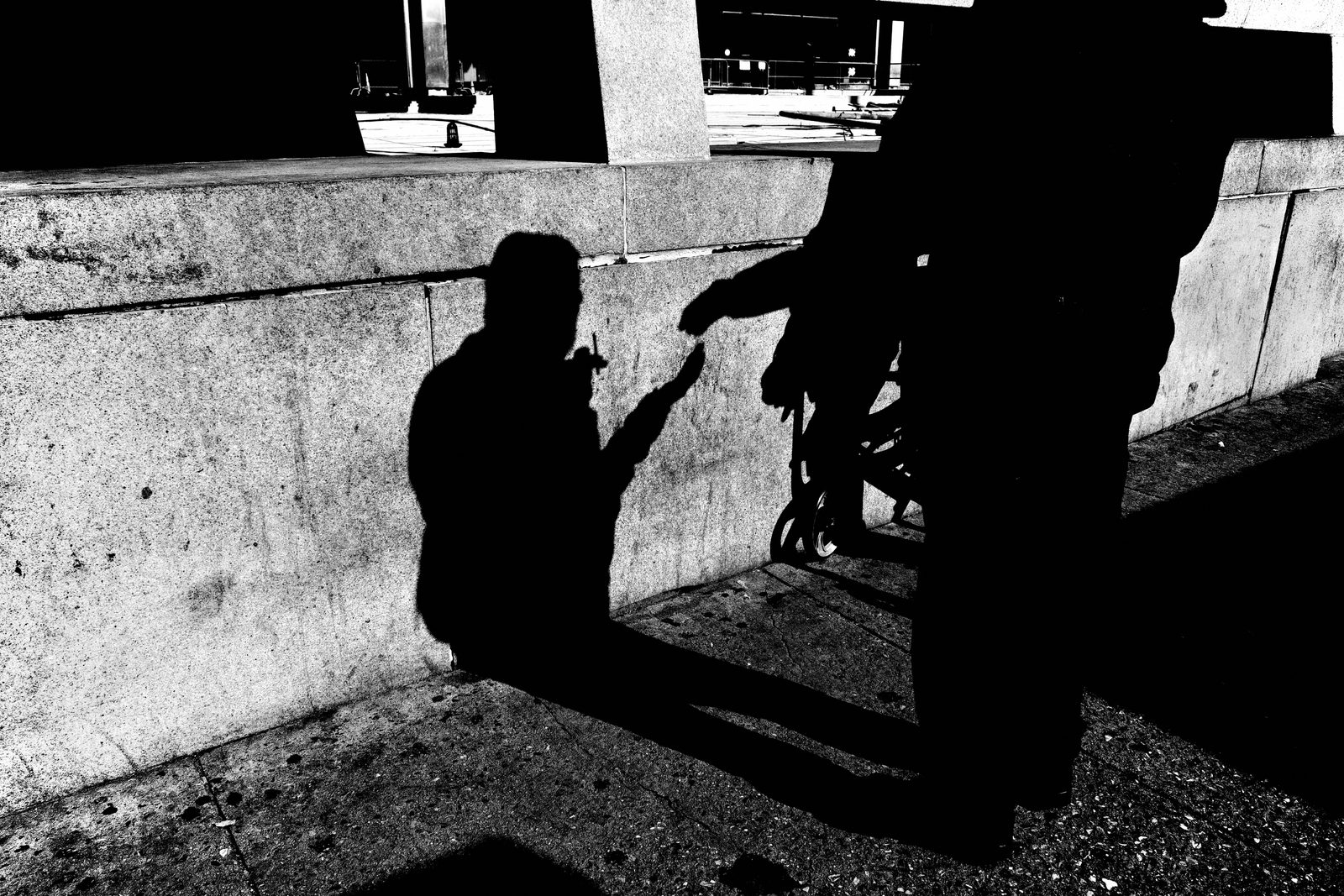
Here's the trap: contrast becomes a gimmick when you use it for effect alone. Crushing shadows is powerful — but only when it serves the emotion and layers the story. If you're underexposing just because it looks moody, the image stays empty. Ask yourself every time: does this shadow add depth, mystery, or emotional resonance — or am I just making it dark because dark looks cool? One answer leads to great work; the other leads to formula.
Staying Still and Missing the Angles
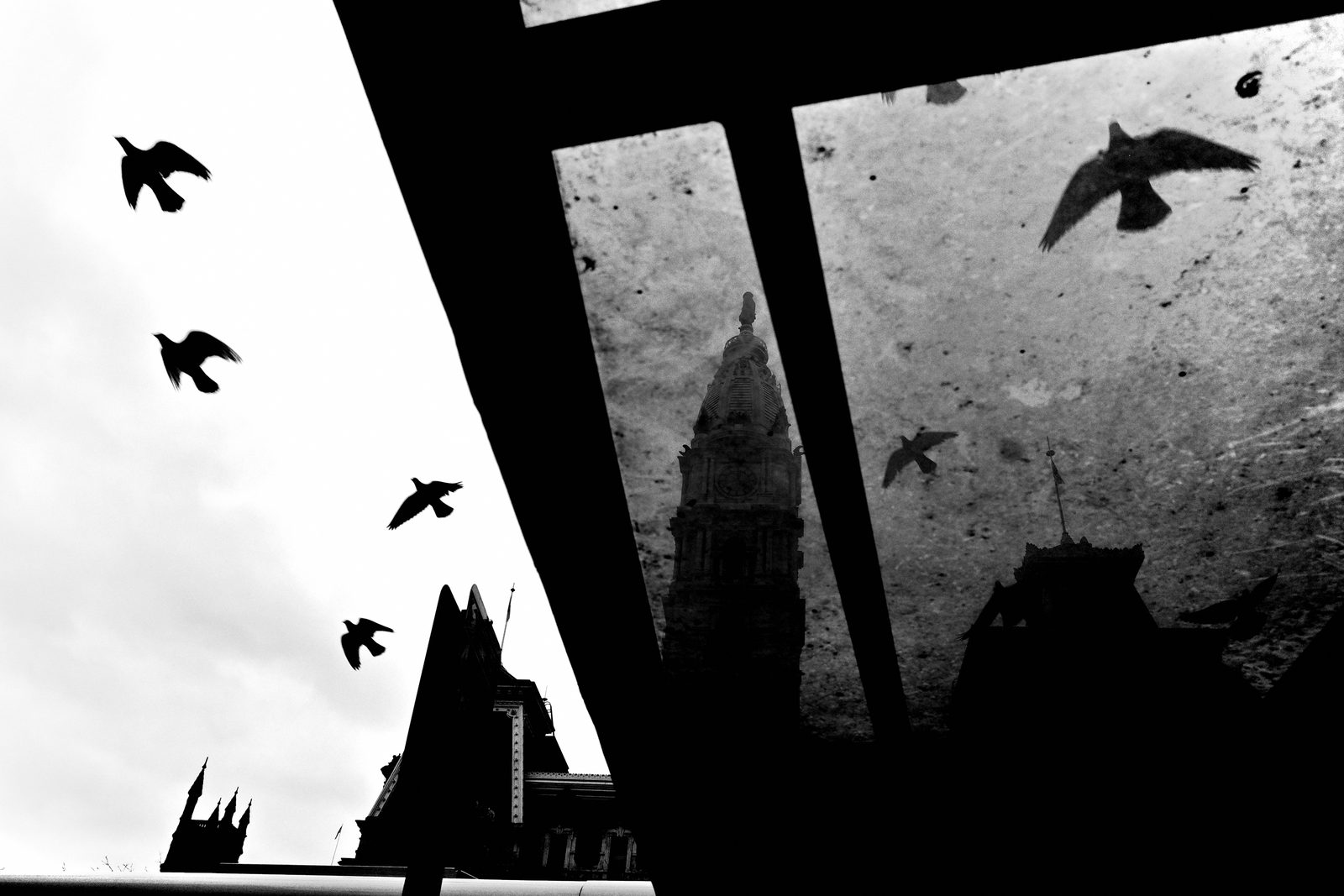
The other mistake is staying in one spot the whole session. I see it all the time. You find a good patch of light and you plant yourself. But light is moving. The shadow relationships are shifting every few minutes. Don't stay still when you're photographing — move. Walk around the light source. Step back, step forward. Stand rooted in one place at a choke point the entire time and you'll miss the best moments entirely. Keep changing your perspective.
RELATIONSHIP TO PREVIOUS
Building on Seeing the Light
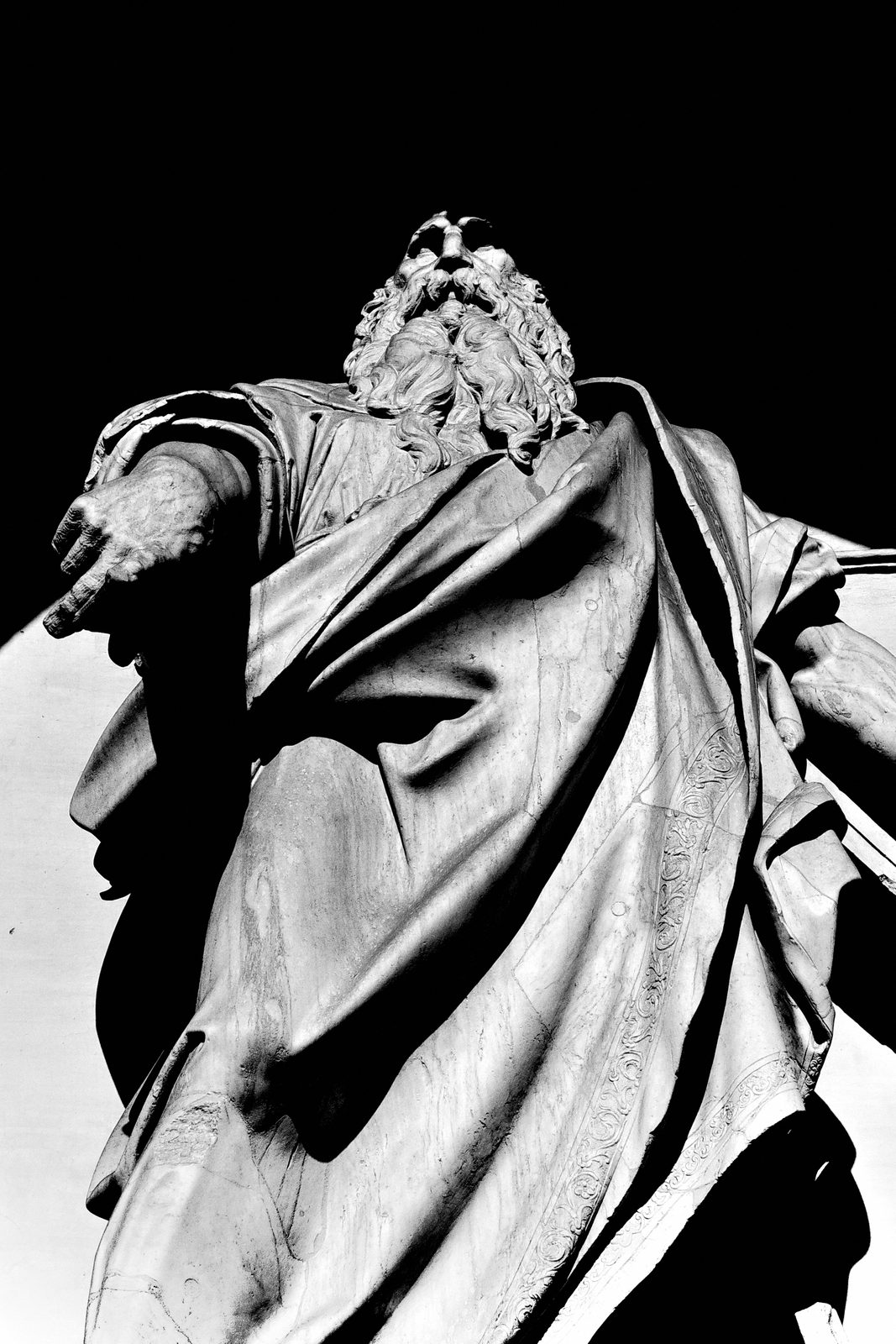
Lesson 031 put the fundamentals of reading and finding light in your hands — the qualities, directions, and times of day that shape what you see. Now in this lesson, we take everything you've learned about light and add its other half: shadow. Chiaroscuro is what happens when you stop treating darkness as a problem to expose away and start treating it as your most powerful compositional tool.
SUMMARY / TAKEAWAY
Expose the Light. Trust the Dark.
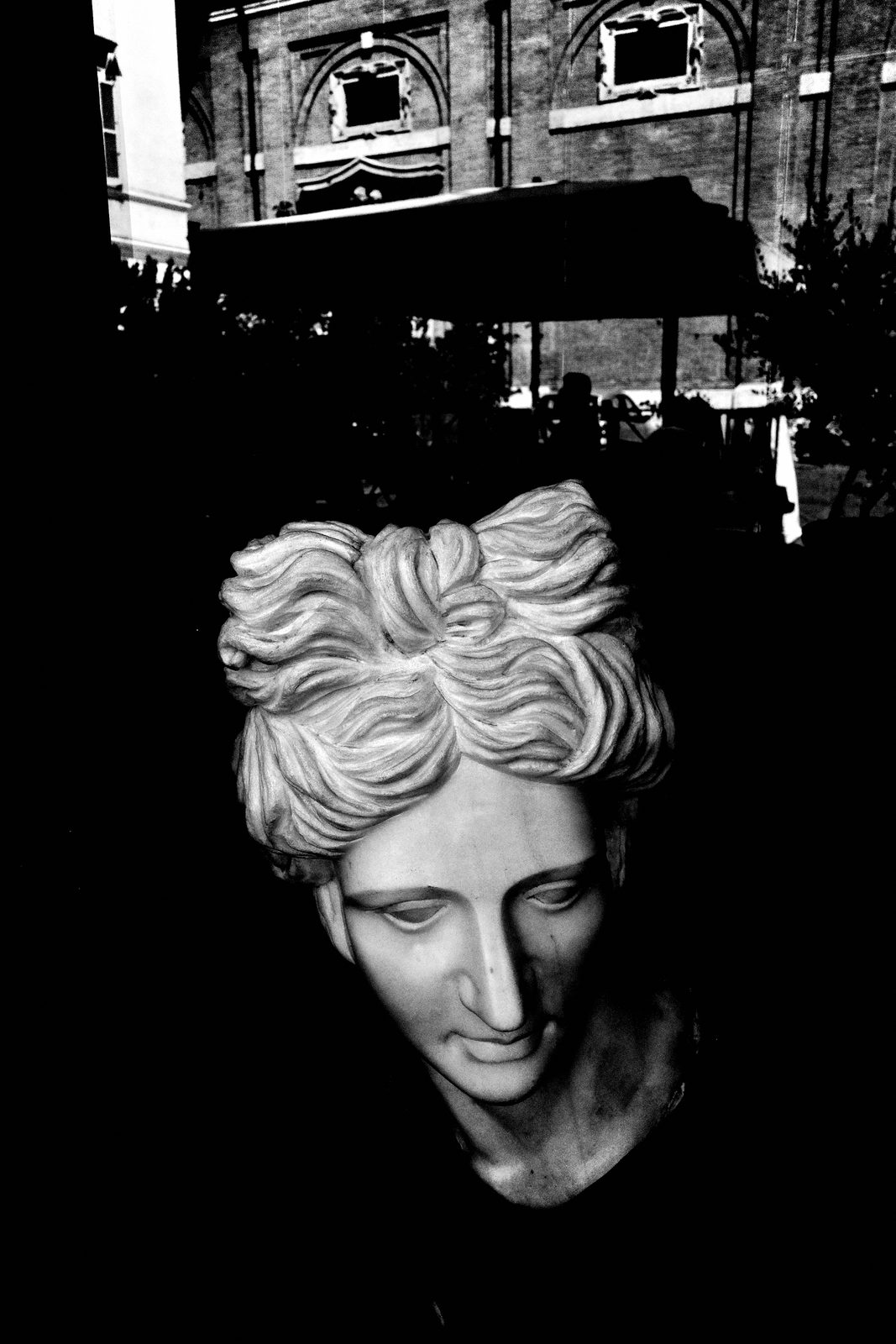
Last thing. Chiaroscuro isn't a filter or a style — it's a way of seeing. Shadows are not the enemy of a good photograph; they're half the story. Expose for the highlights. Crush the unnecessary. Let the darkness remove distraction, build mystery, and direct the eye. Find your choke point, set the trap with light, and let the world walk into the frame. See in contrast. Compose in layers. Shoot with patience. That's the practice. Catch you in the next one — peace.