High Contrast & Hard Light
CORE IDEA
Hard Light Is Your Sharpest Tool
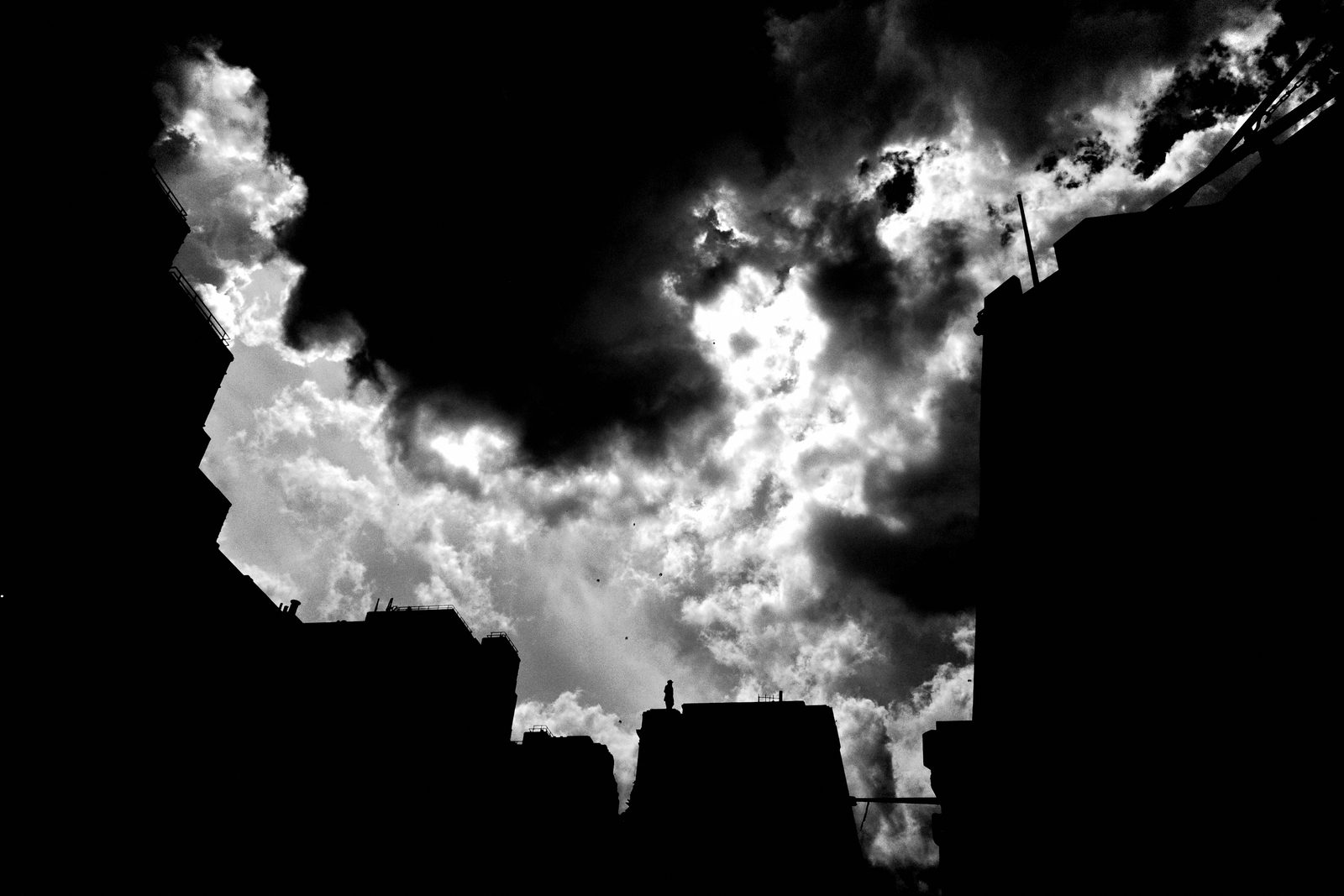
What's popping, people — it's Dante. Let's talk about the harshest, most unforgiving light you'll ever shoot in — and why it's actually your greatest creative ally. Hard light and high contrast aren't obstacles. They are the tool. Master this and you'll turn the most ordinary street corner into something cinematic, mysterious, and alive.
LEARNING OBJECTIVE
What You'll Walk Away With
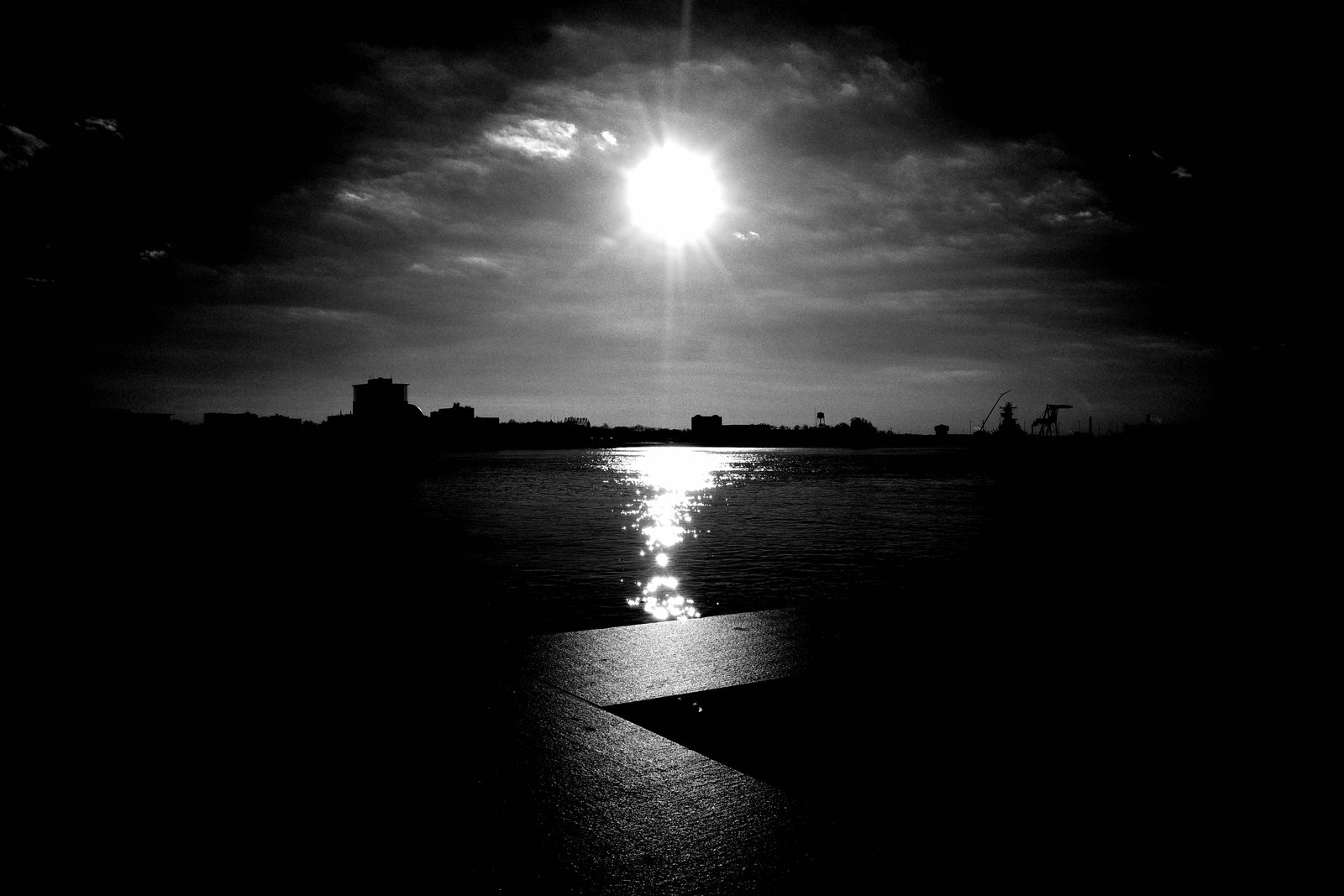
By the end of this lesson you'll have a working system for shooting in harsh, high-contrast light — how to read it, how to position yourself inside it, and how to expose so the shadows do exactly what you want them to do. This isn't theory. This is what I actually do in the field every single day.
WHY THIS MATTERS
Flat Light Makes Flat Photos
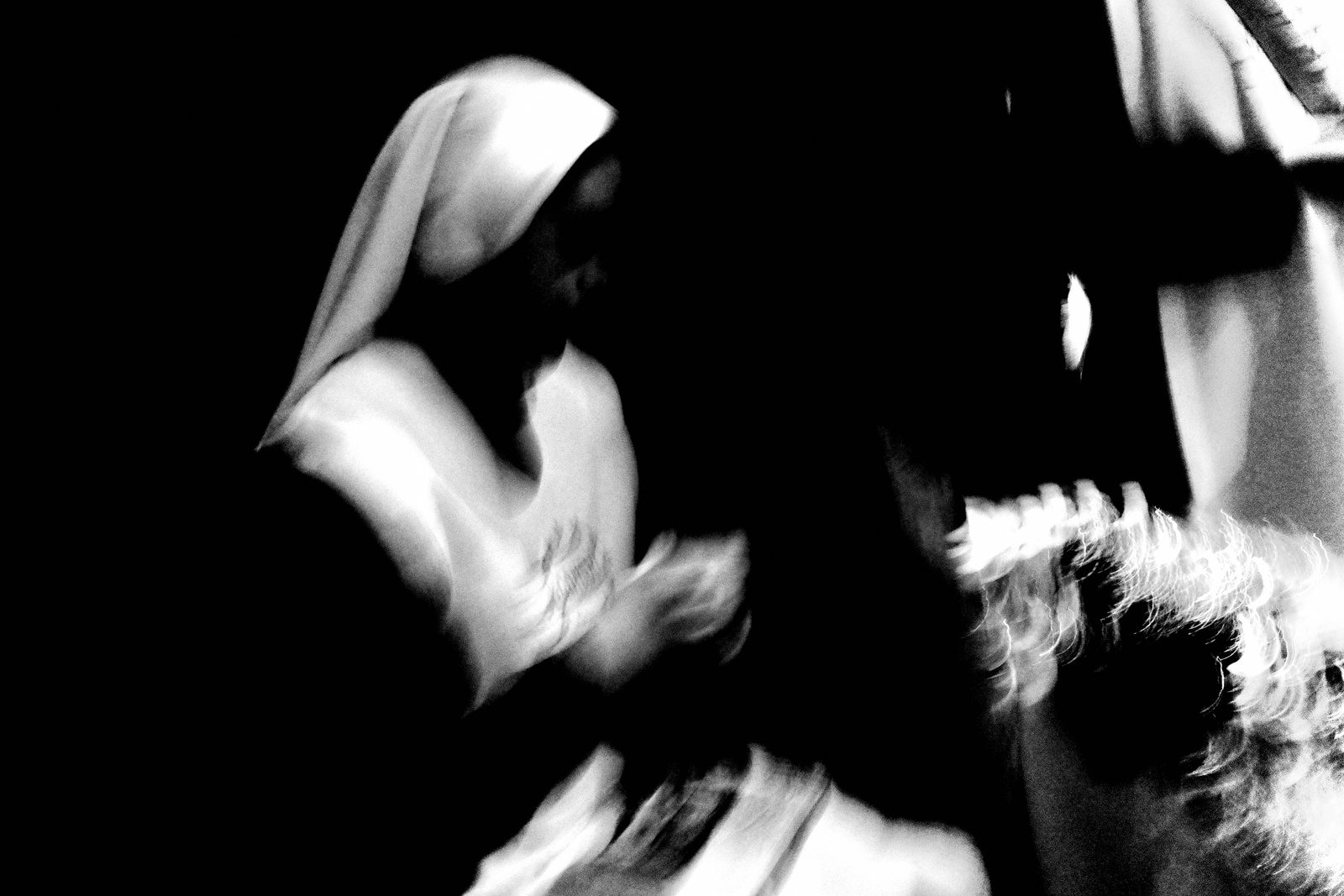
Here's why this matters: when the light is flat and even, your photograph is flat and even. There's no mystery, no pull, no reason for the eye to move. Contrast is what gives a frame its structure — its bones. Shadow is the negative space that makes the lit subject pop. Without it, you've got a document. With it, you've got a photograph.
The Medium Is Light
And this goes deeper than aesthetics. Photography is literally "drawing with light" — phos, light, grafia, drawing. We are creating instant sketches of light. If you don't understand how light behaves, you don't fully understand the medium you're working in. This lesson is about going deeper into the raw material of everything we make.
MAIN TEACHING
What Hard Light Actually Does
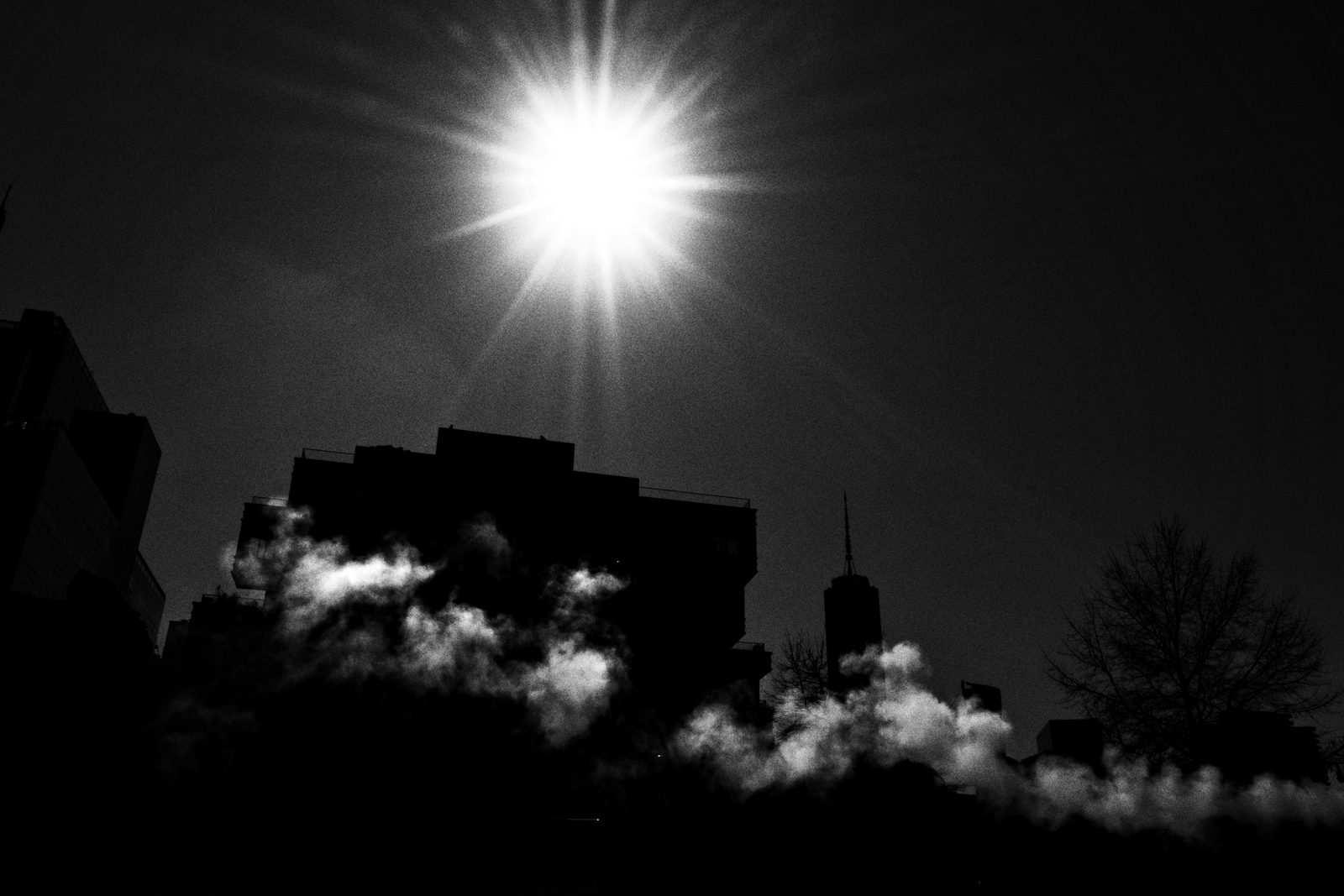
So what is hard light, technically? It's a small, direct light source — the midday sun overhead, a shaft of light cutting through a gap in buildings. The smaller and more direct the source, the sharper the shadow edge, the more brutal the contrast. And that brutality is exactly what creates tension, drama, and a cinematic feel in the frame.
Expose for the Highlights
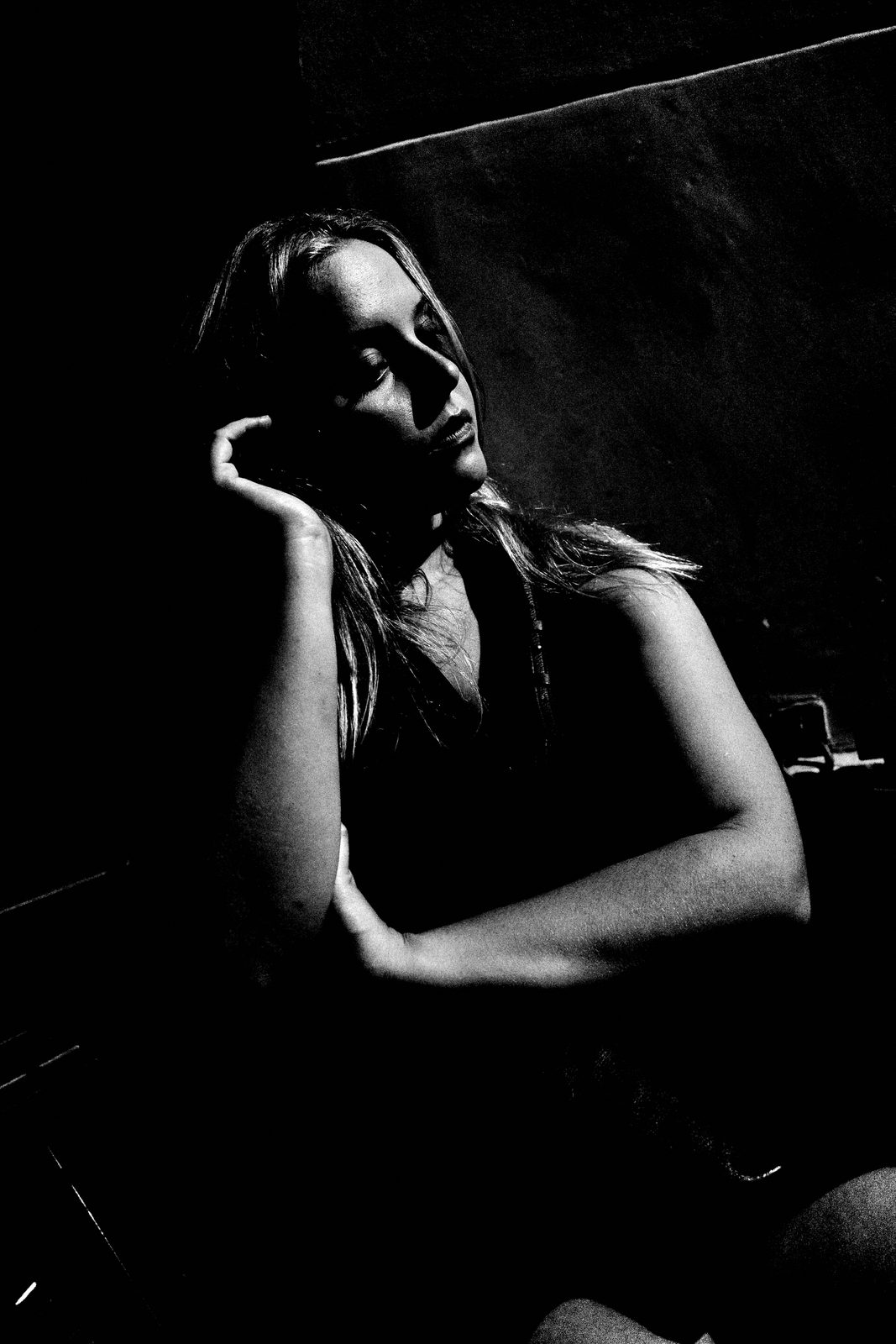
The foundational exposure move in hard light: expose for the highlights. Let the shadows fall away to black. Use spot metering on the brightest area that matters to you — a face, a hand, a patch of pavement — and let the rest of the frame go dark. You're not losing information. You're building mystery. Crush the shadows on purpose.
Underexpose by One Stop
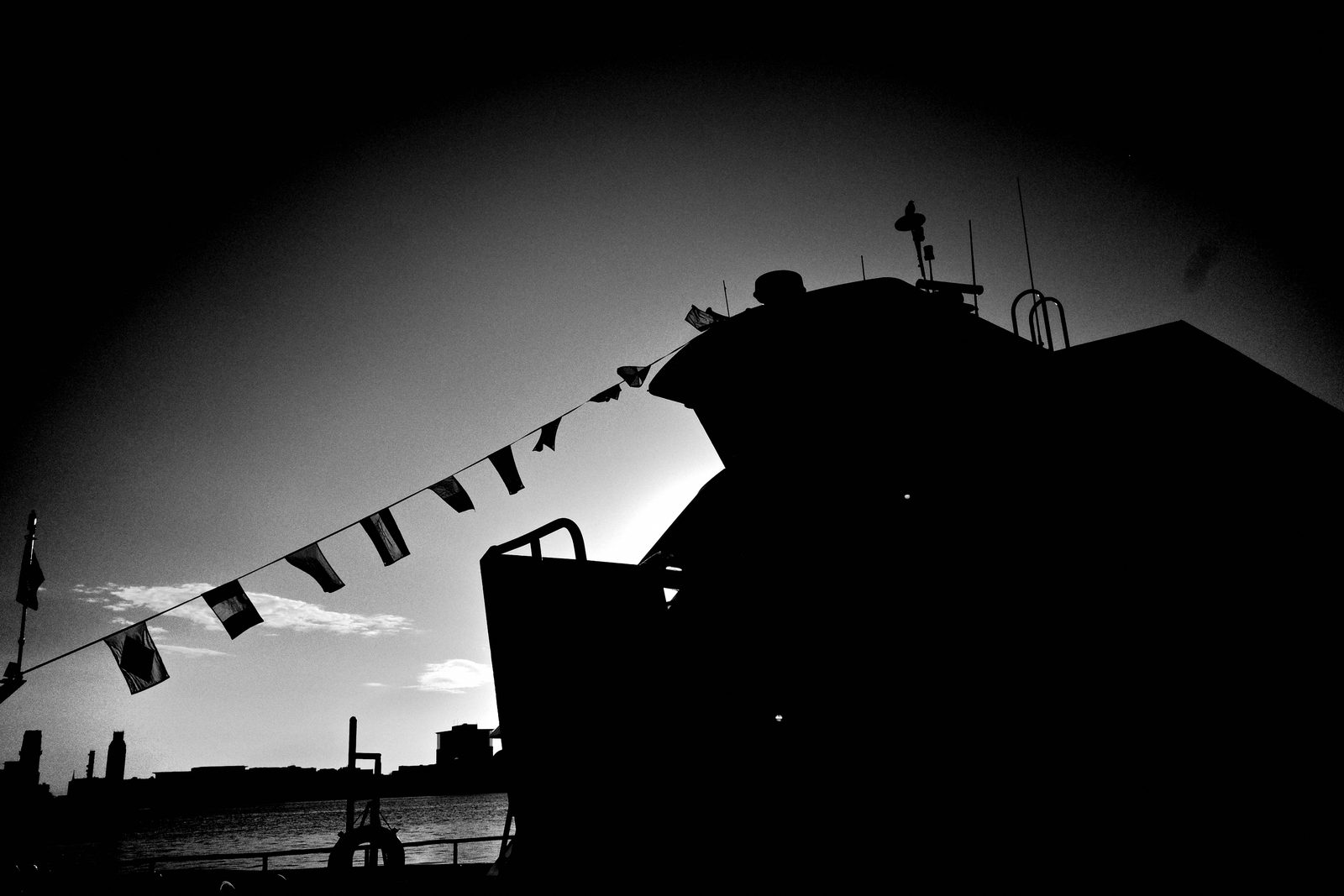
I take it one step further — I underexpose by one stop. This deepens the shadows even more, crushes the unnecessary details, and gives me a frame where only what matters is lit. Think about backlight over water: underexpose by a stop and moving shapes become dramatic silhouettes against a bright sky, while everything in the murky low tones disappears entirely. Clean. Focused. Alive.
Find the Choke Point in the Light
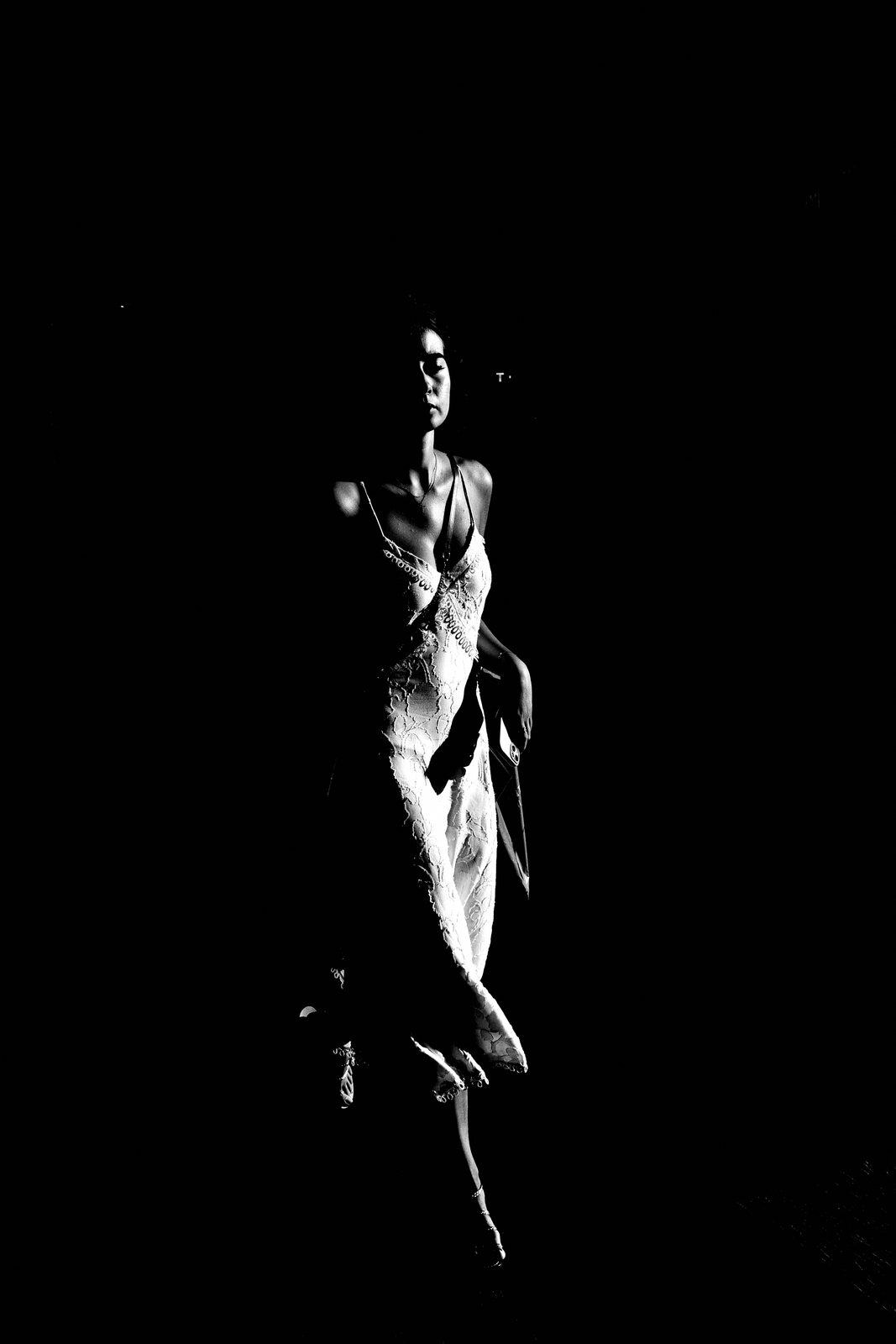
One of my most practical field strategies: find a choke point inside a patch of hard light — a busy station entrance, a gap between buildings, a doorway where foot traffic funnels. Stand still and let the world move around you. People step from shadow into a single shaft of sunlight — and all you have to do is time the click. You stop chasing. You position yourself and let the light do the selecting.
Light Reveals What the Eye Misses
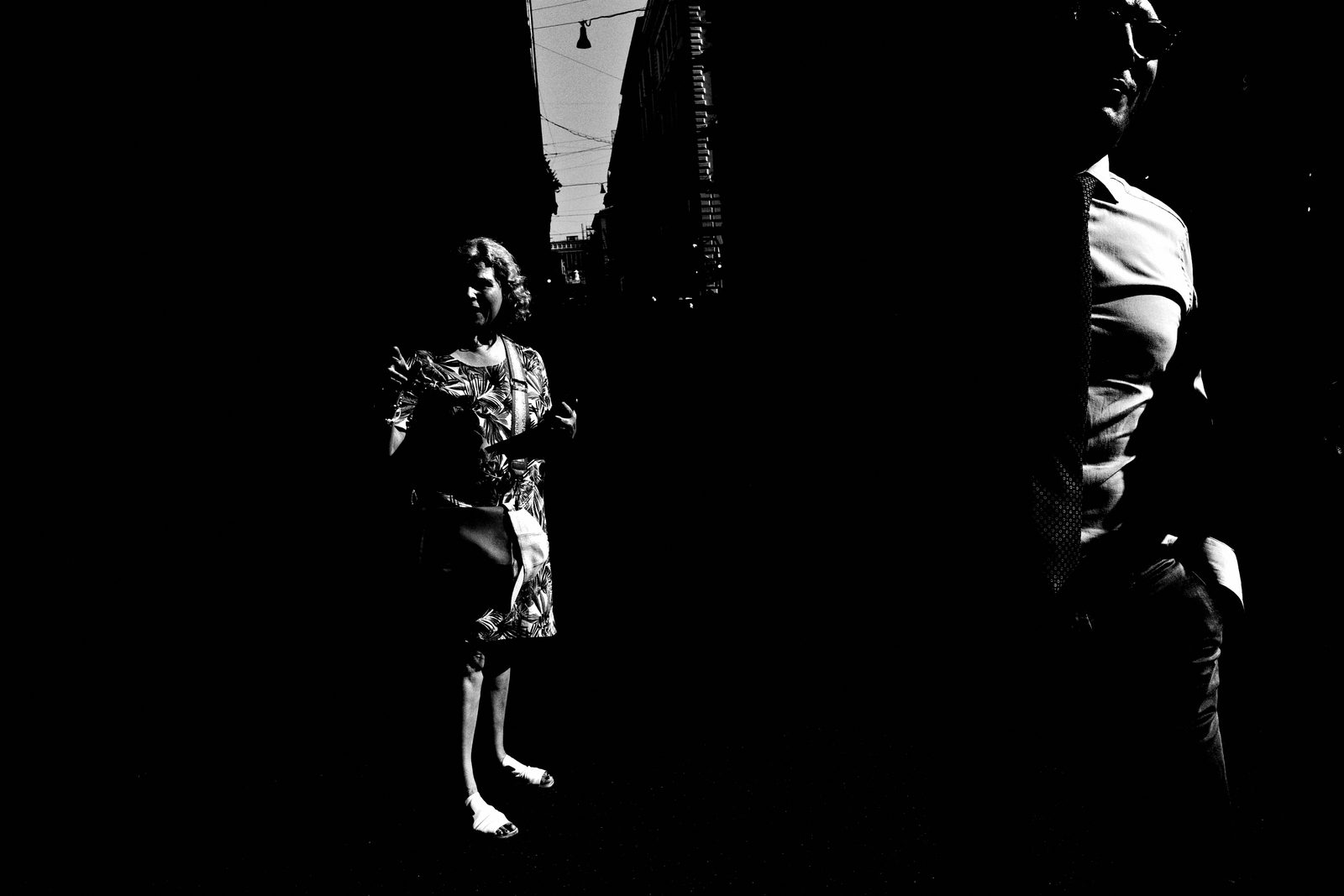
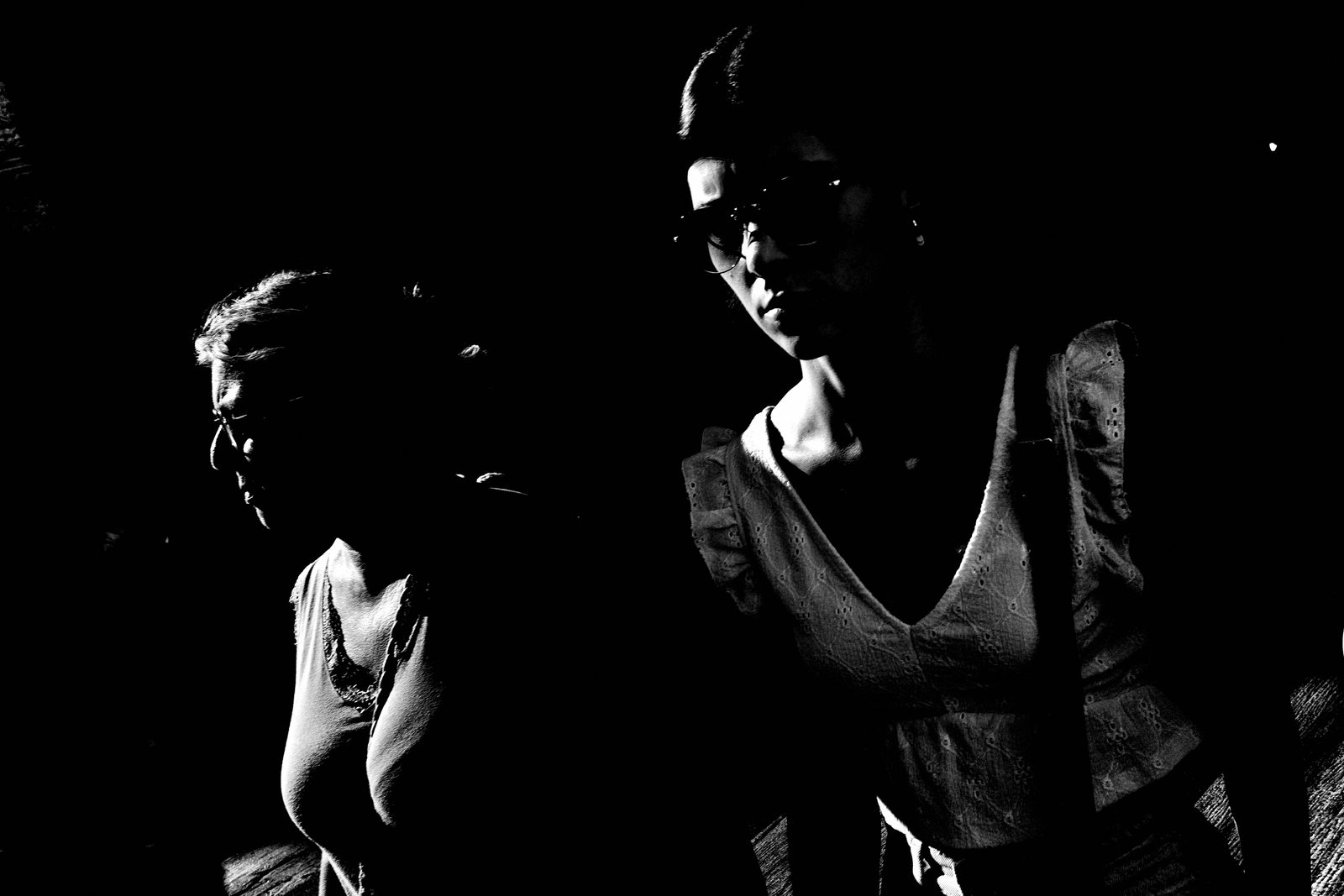
Here's the thing hard light does that your eye can't. When someone steps into a narrow beam, it doesn't light them evenly — it carves them. A triangular sliver might cross only the lips, leaving the rest of the face in total shadow. You don't consciously see that in the split second it happens; the camera does. That's the gift of a small, direct source: it isolates fragments you'd never have chosen on purpose. You can't plan those slivers. You can only stand where the beam falls and be ready when a subject walks into it.
Build the Frame Back to Front
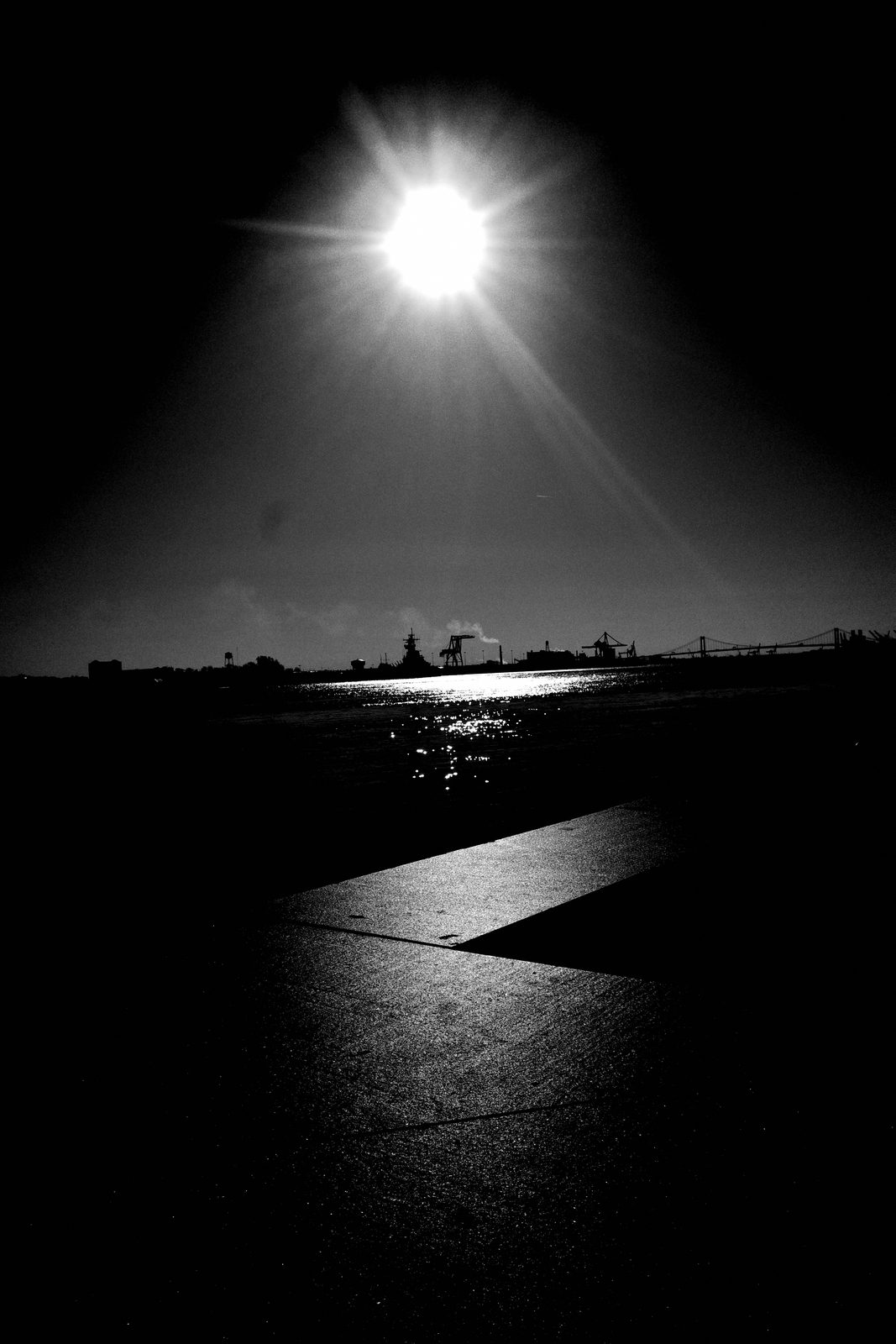
Build a composition in hard light by working back to front. Start with the background — a lit wall, a bright far plane, whatever anchors the deep space. Then the midground — a patch where sharp shadow cuts across stone or pavement. Then the foreground — you wait for a person to walk into the light and complete the visual puzzle. Layers don't come from cramming things in. They come from positioning yourself so the hard light does the layering for you.
The Obscured Is as Powerful as the Revealed
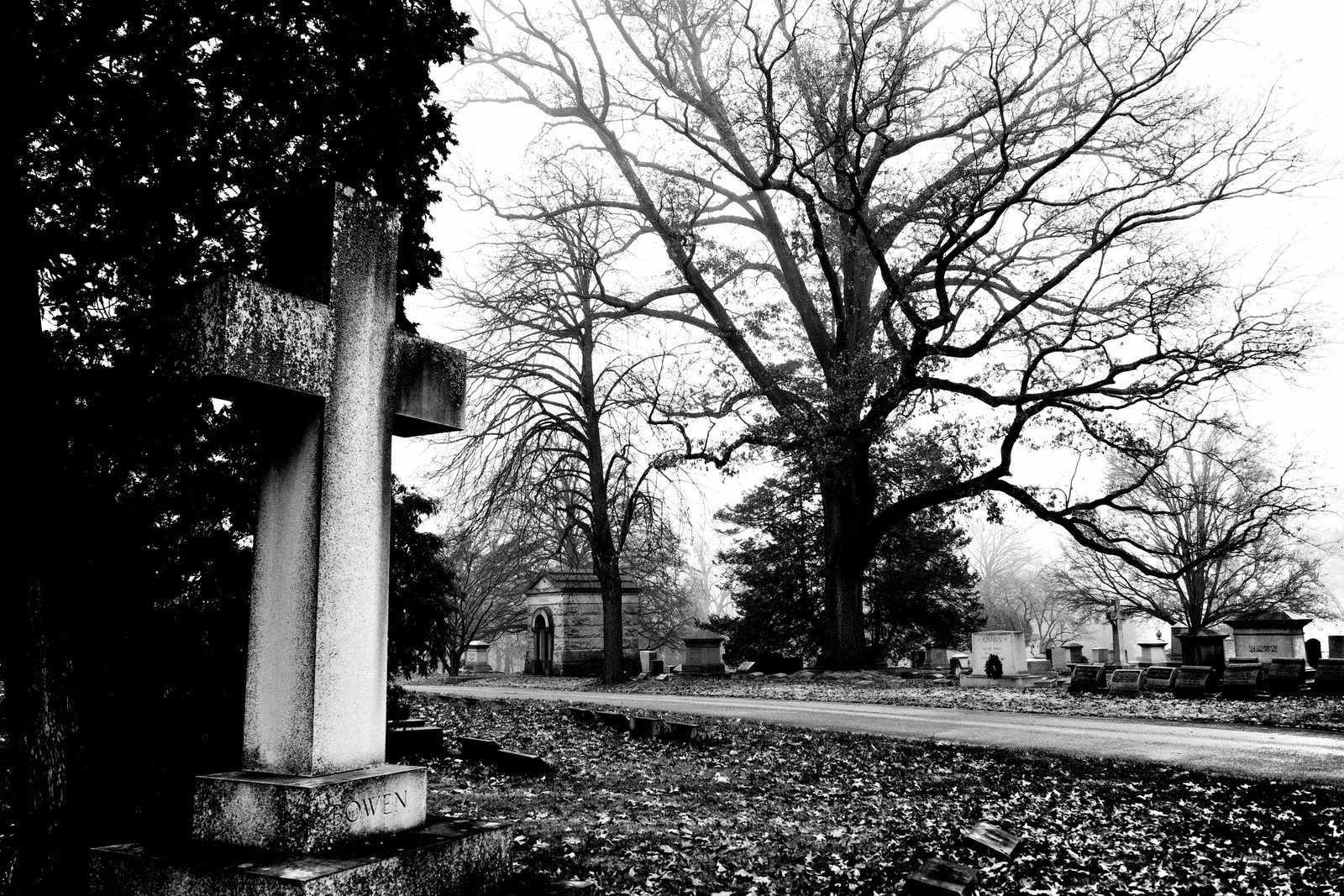
Under harsh midday sun there's no softness, no forgiveness — and that's exactly what you want. When someone turns toward you with half their face swallowed by shadow, the contrast between that deep black and the bright highlights on the skin makes the frame jump. The shadow isn't a problem to fill in. It's the story. What's partially hidden is just as powerful as what's revealed — the viewer leans in to complete what the darkness withholds.
Shadow Is the Subject
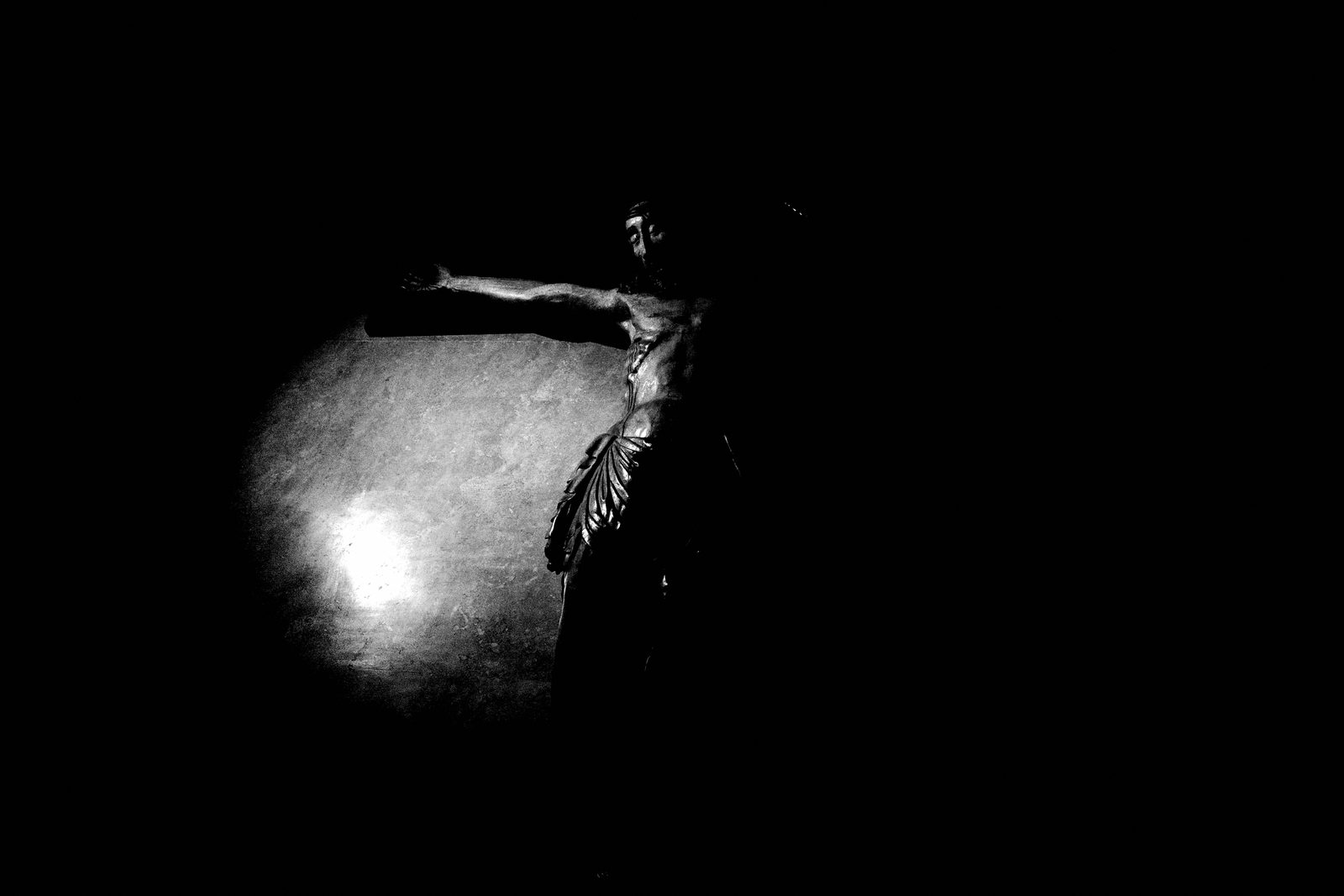
Let me challenge you on this: sometimes the shadow is the subject. Picture long shadows falling across a wall at golden hour — you can let people become shadows only, their forms implied, their faces gone. Now the image is about mystery and implication, not literal documentation. What you withhold can be more powerful than what you show.
Chiaroscuro: Painters Knew This First
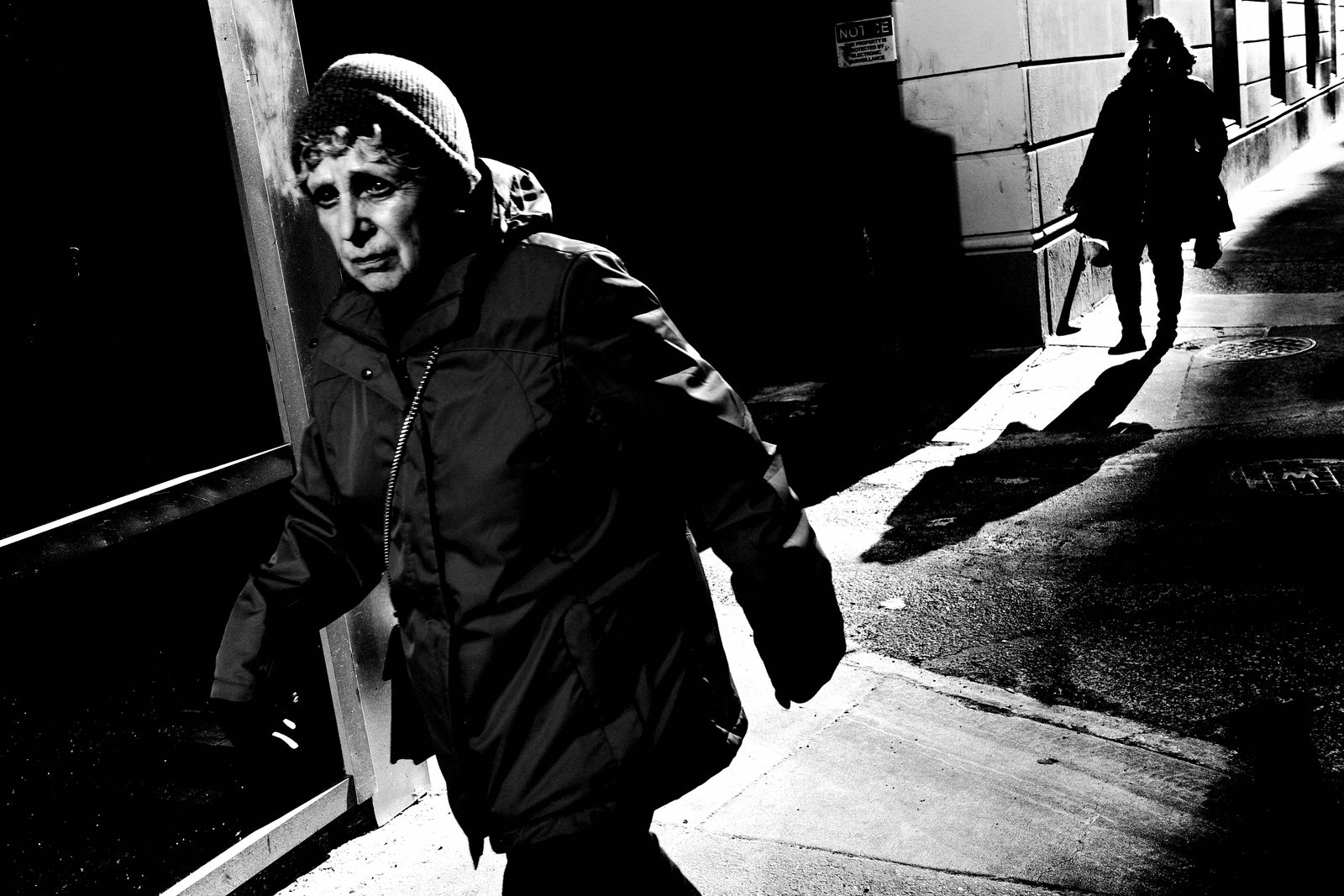
This isn't new. Caravaggio mastered it four centuries ago — chiaroscuro, the dramatic interplay of light and dark. A single hard beam isolates the figure while everything else surrenders to darkness. The technique works because human perception is wired to follow the brightest thing in the frame. We're using the same principle, just on the streets instead of in a studio.
High Contrast Black and White
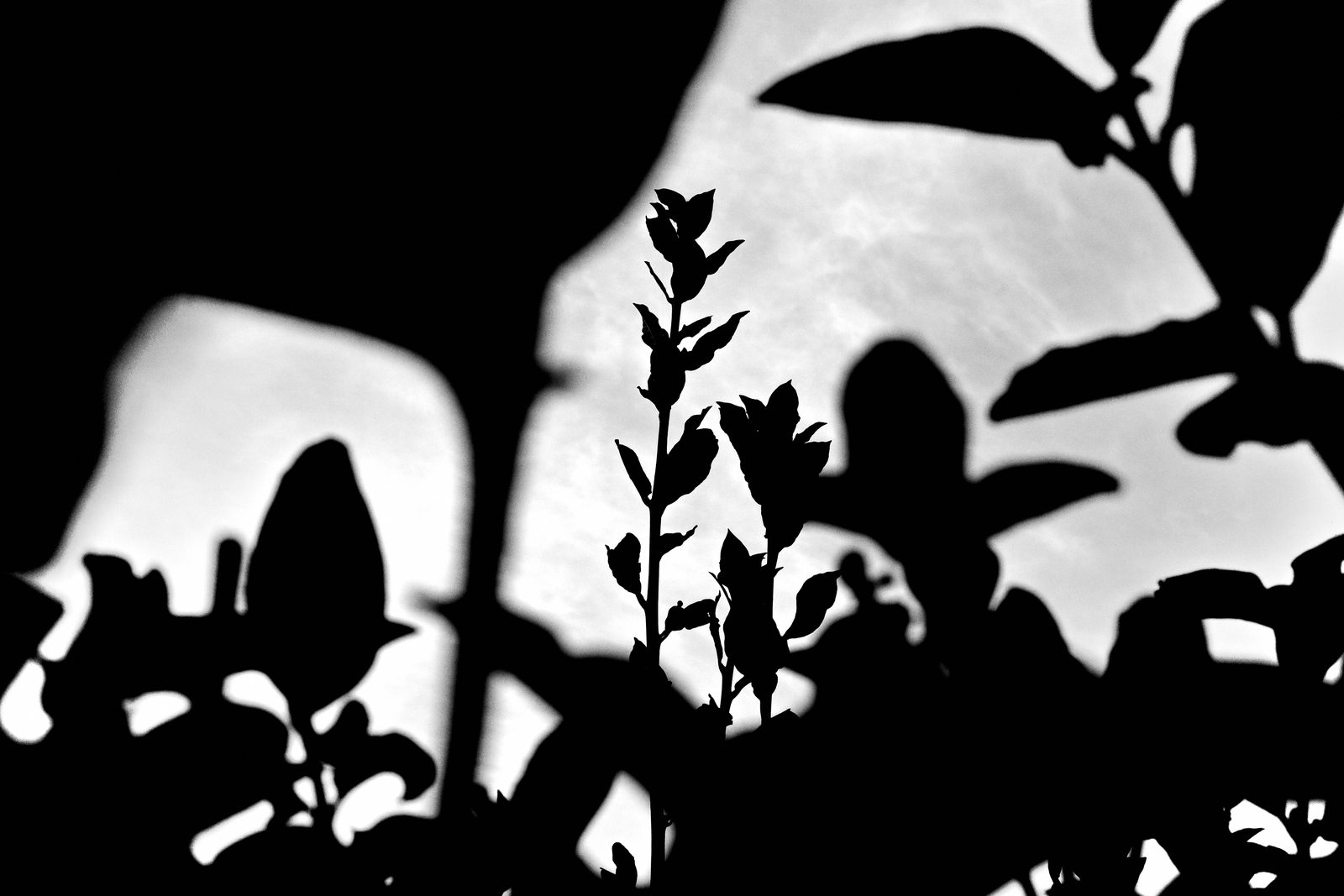
Color can compete for attention. High-contrast black and white strips everything back to pure form — light, shadow, shape, and emotion. I shoot with contrast cranked high in-camera on the Ricoh GR, committed to that look from the moment I press the button. It's not post-processing as a fix. It's a creative decision made in the field. Strip down to the essentials and the essential things get stronger.
Position, Timing, and Surrender
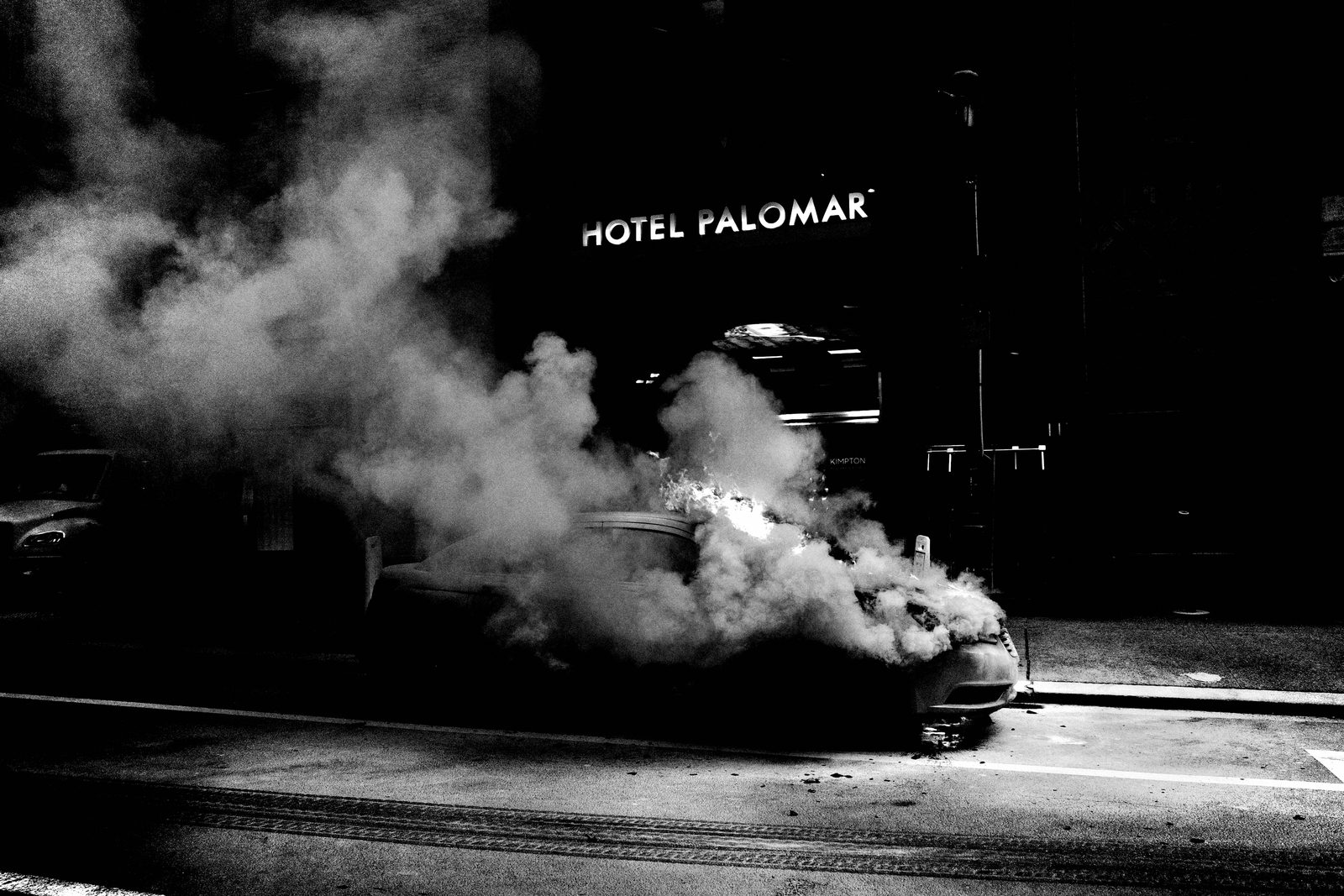
Here's the whole game in three things: where you stand, when you click, and where the subject is in relation to you. That's all you control. Light, gesture, expression, movement — chaos. So you position your body so people walk from shadow into light, you stand your ground, and you surrender to what comes. The photograph finds you when you're in the right place.
Revisit the Same Location
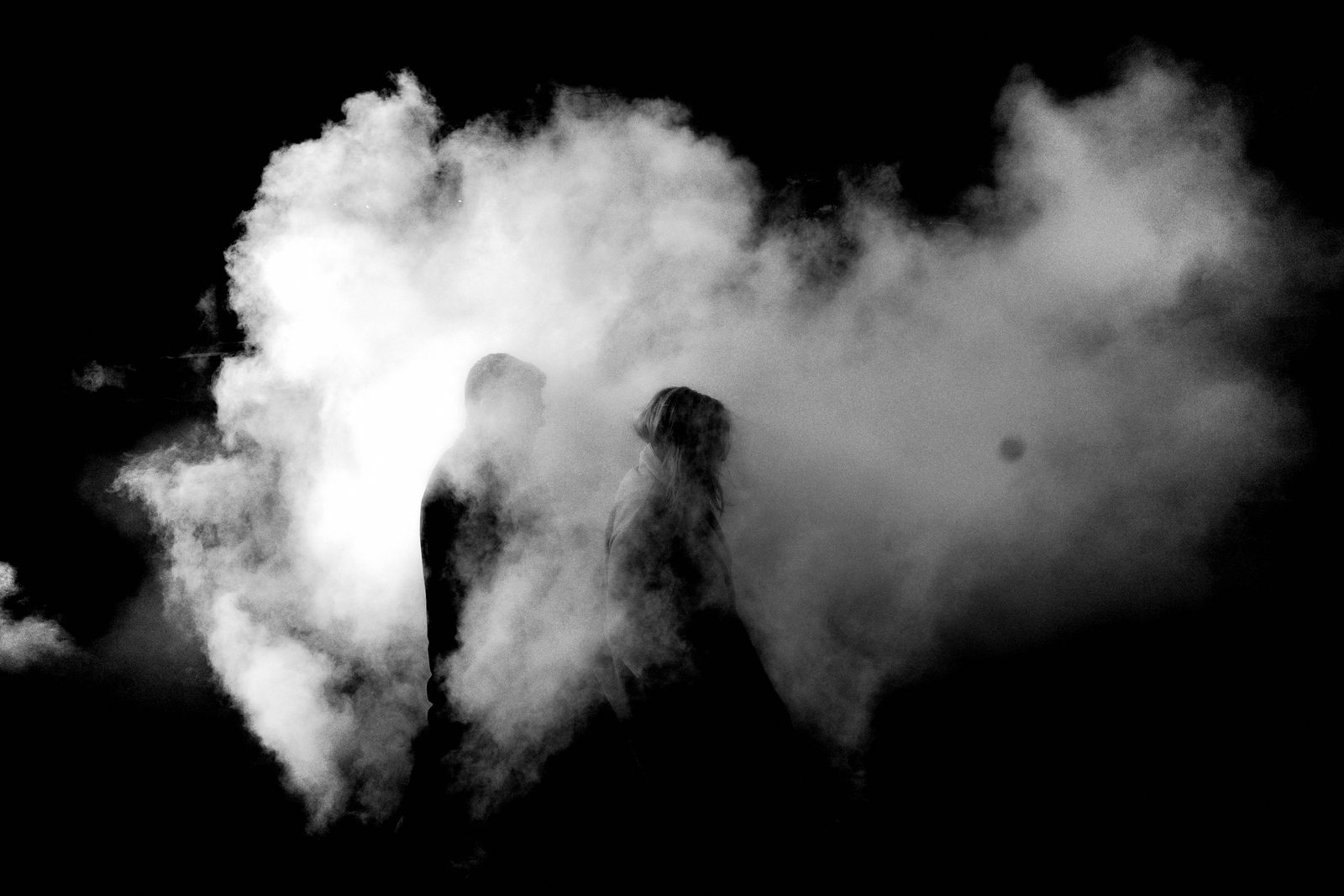
One of the most practical habits: revisit the same location over time. Pick a spot near you — a waterfront, a plaza, a tower — and go back again and again, at different times of day. The location doesn't change — the light does. Repetition sharpens your ability to predict where a beam will fall, where the shadows will grow long, when the contrast will be at its most brutal and beautiful.
PRACTICAL APPLICATION
Find a Choke Point, Stand Still
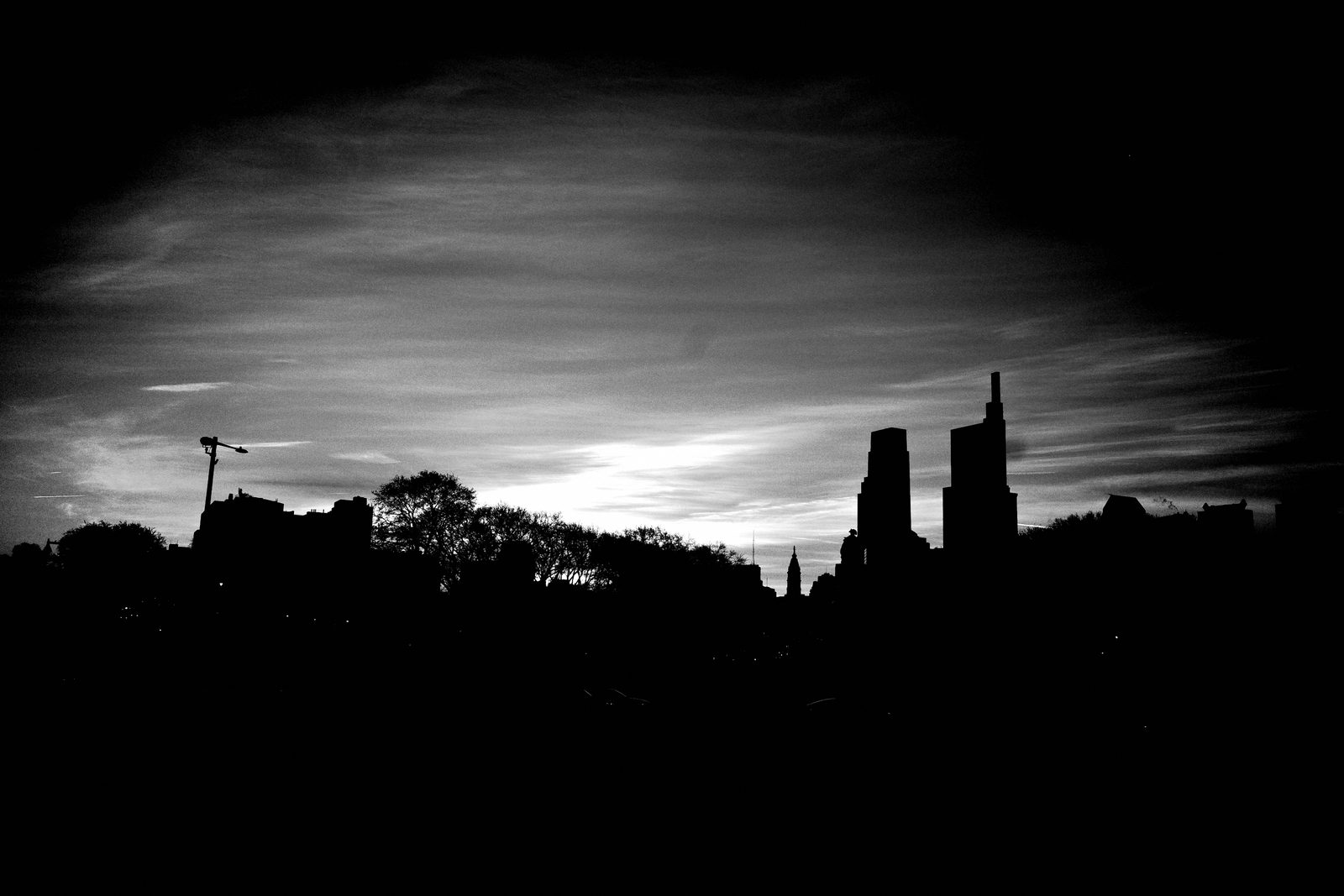
Your first assignment: find one patch of hard light in your city — a gap between buildings, a doorway, a station entrance. Stand in it. Don't wander. Let people walk through the light and practice timing your click to the exact moment they step into the beam. You'll be amazed how much you see when you stop chasing and start waiting.
Underexpose and Commit
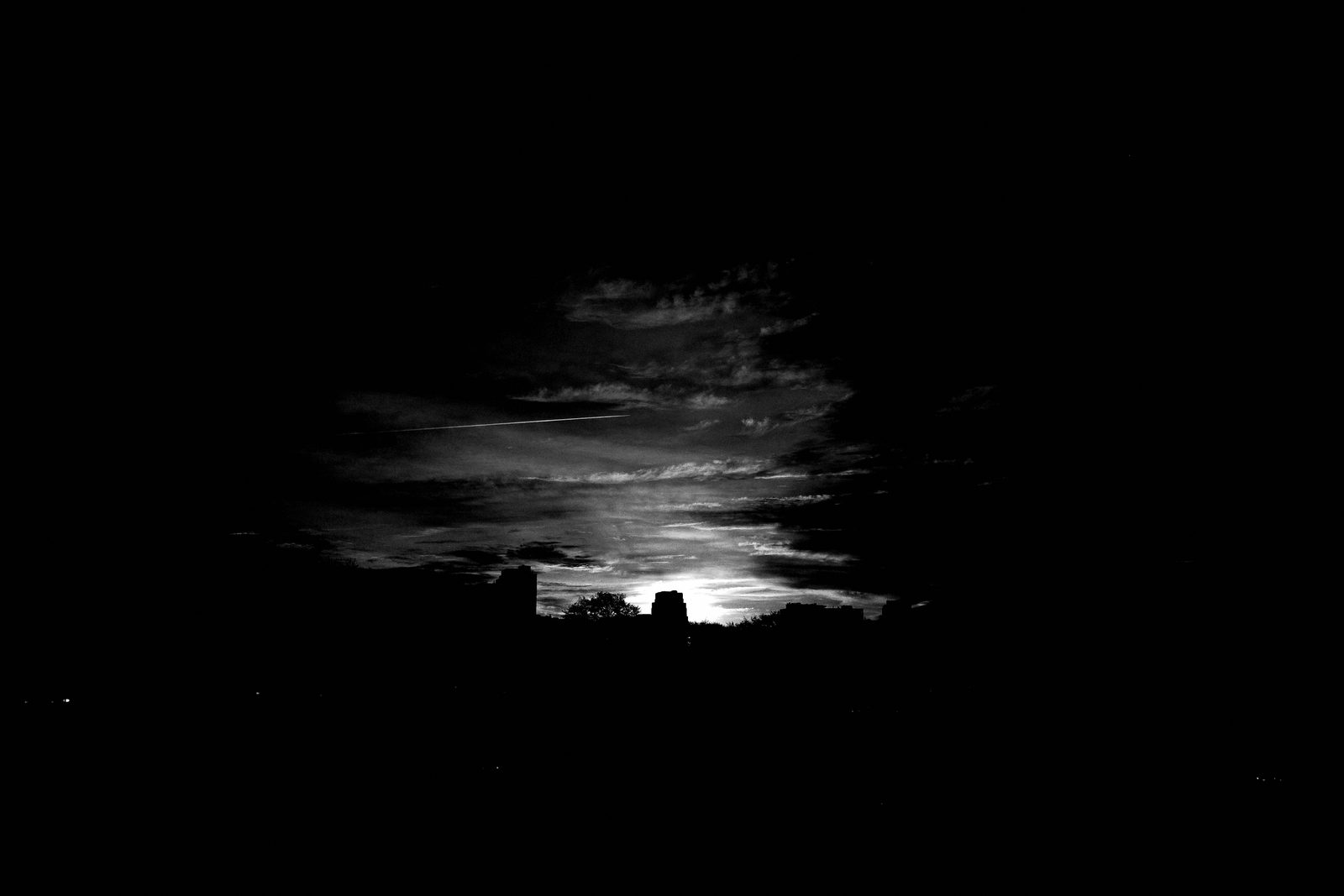
Second assignment: go out and shoot an entire session underexposed by one stop, spot-metering on the highlights. Commit to it for the whole session — don't second-guess mid-street. Let the shadows crush. Let the unnecessary details disappear. Review the frames at home and notice what survived. What survived is what matters. That's your photograph.
Shoot Shadow as the Subject
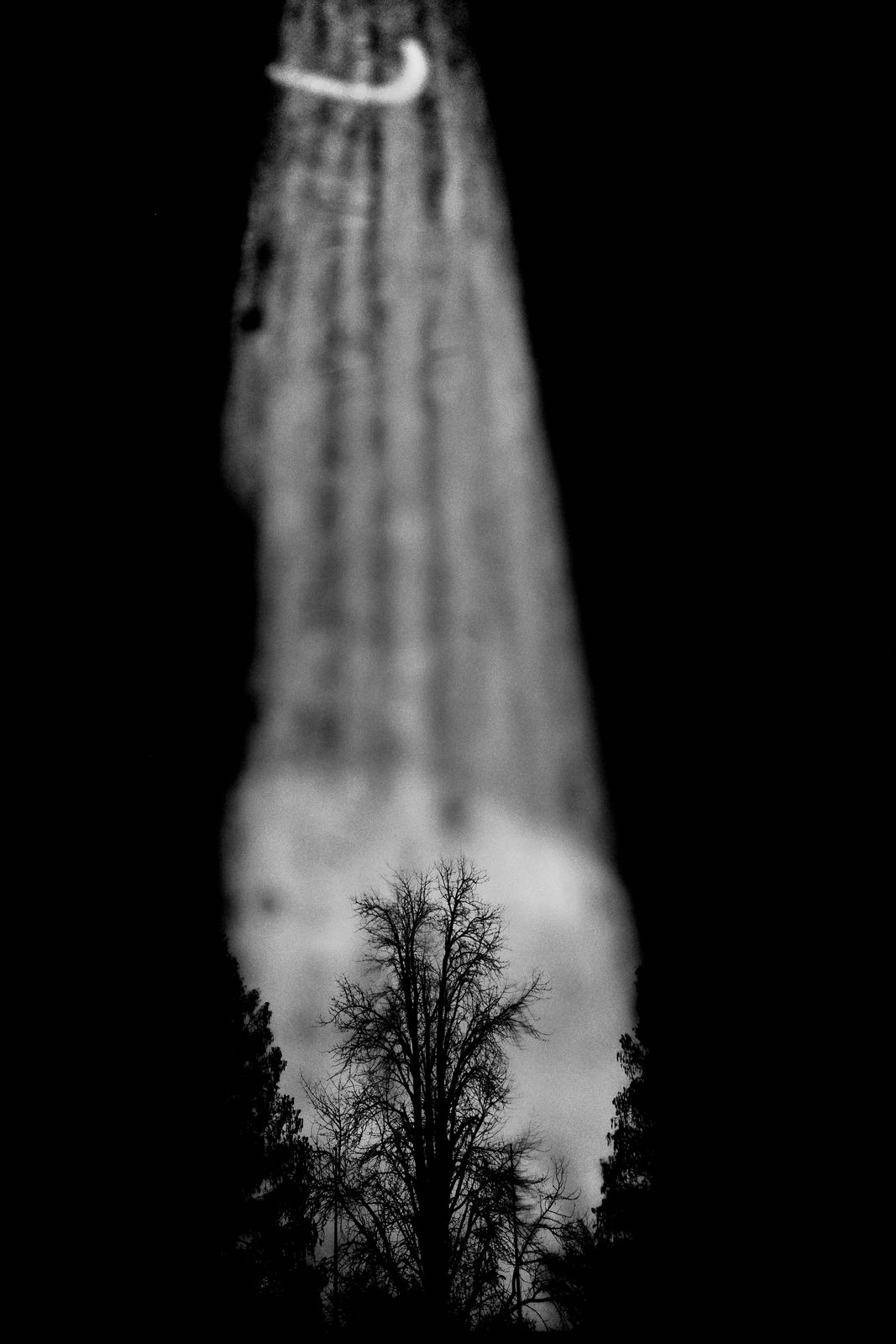
Third assignment: make at least five frames where the shadow is the subject — no literal person required, just their shadow, their implied presence. A shadow of a hand. A silhouette on a wall. Long shadows crossing pavement. Study how mystery and implication change the emotional impact compared to a straightforward documentary shot.
COMMON MISTAKES
Fighting Hard Light Instead of Using It
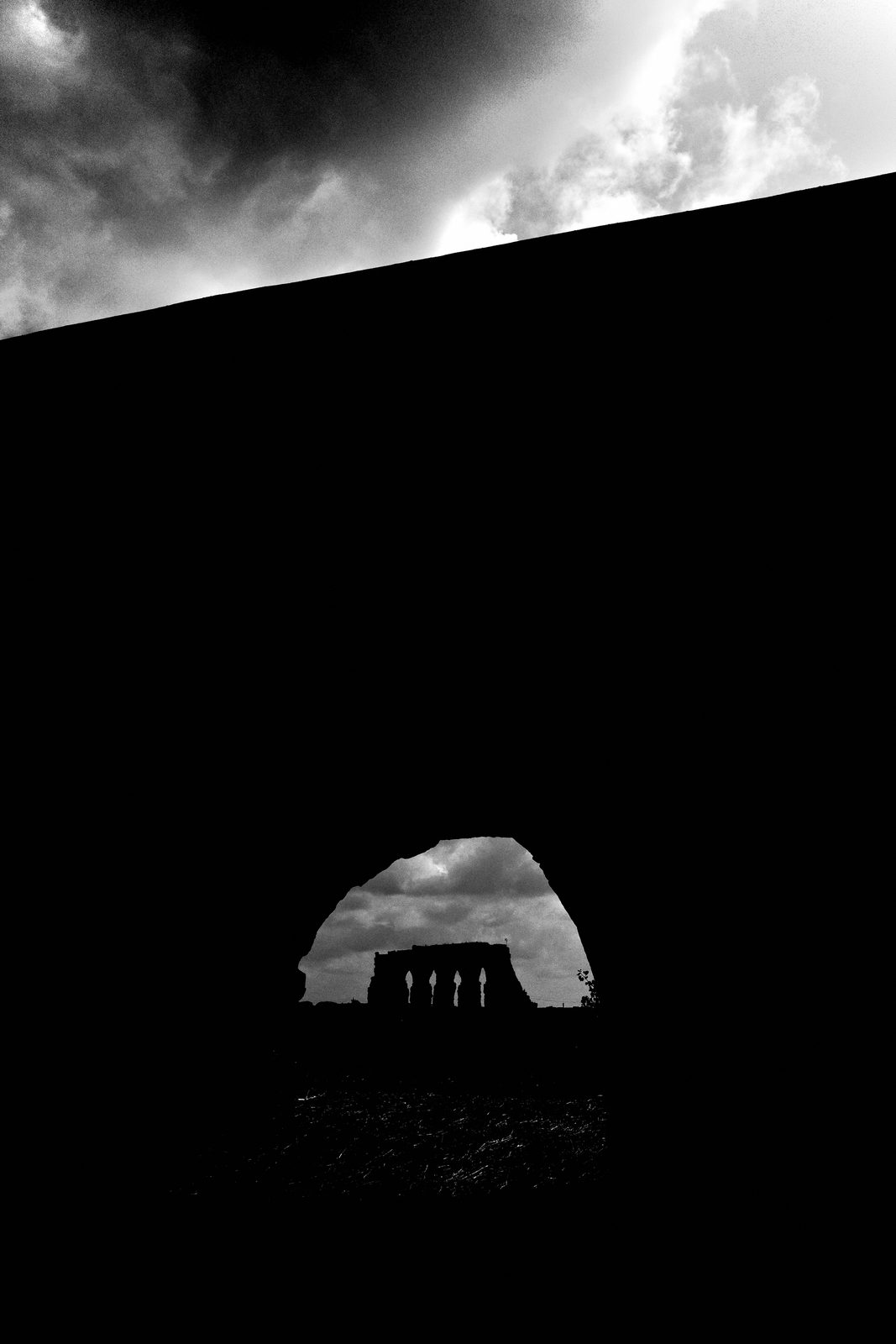
The most common mistake I see: people wait for golden hour and write off midday as bad light. Hard midday sun isn't bad light — it's different light with a different kind of power. The contrast is extreme. The shadows are sharp. That's not a problem to wait out. That's an invitation to get low, find a choke point, and make something dramatic. Stop hiding from it.
Using Contrast as a Gimmick
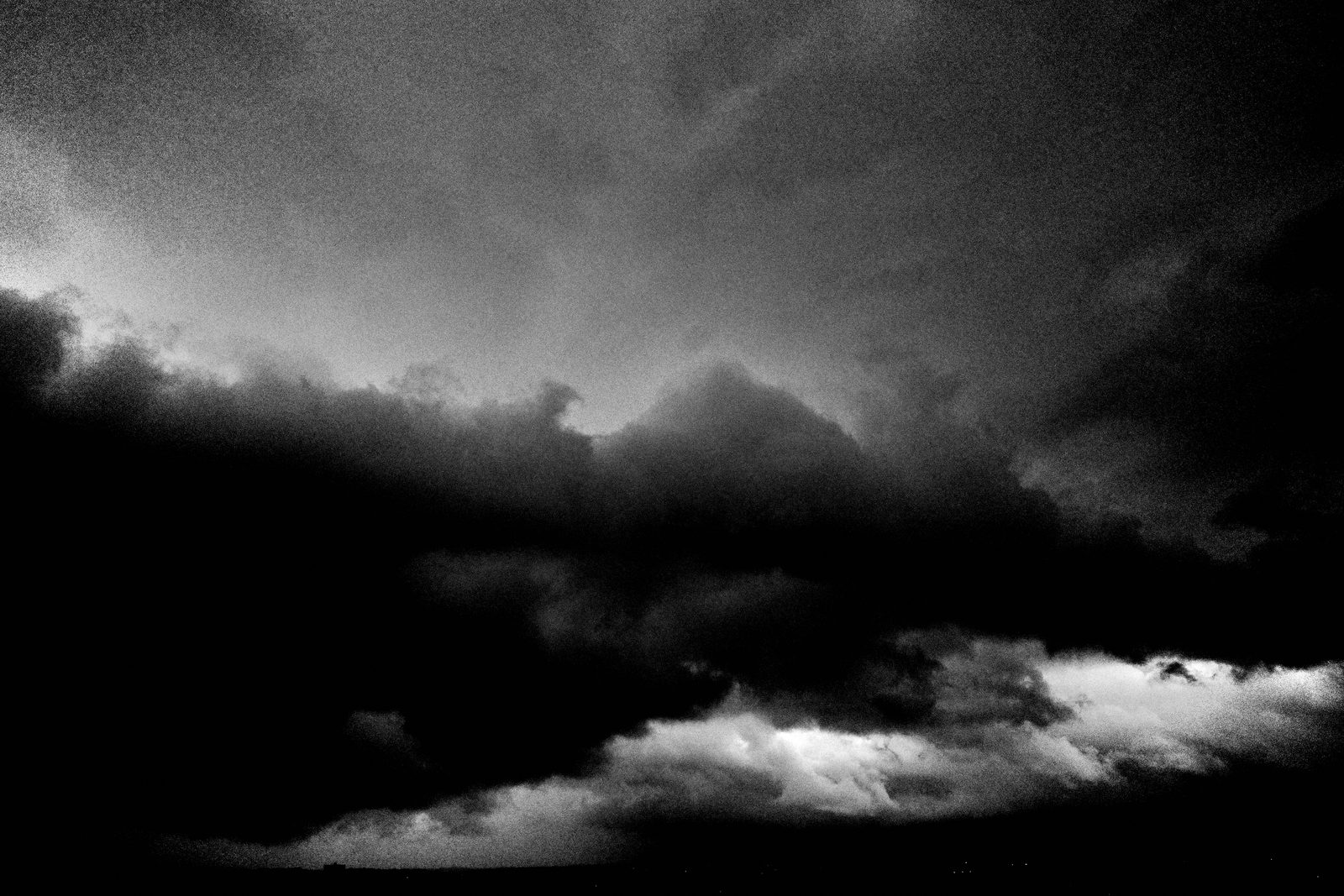
The flip side: don't use contrast as a trick. Crushing everything to black looks cool for about ten frames, and then it's just noise. High contrast must serve the story — it should isolate something that deserves to be isolated, deepen a mood that's already there, reveal a mystery that's worth revealing. If there's nothing inside the light, the contrast is just decoration.
RELATIONSHIP TO PREVIOUS
Building on the Language of Light
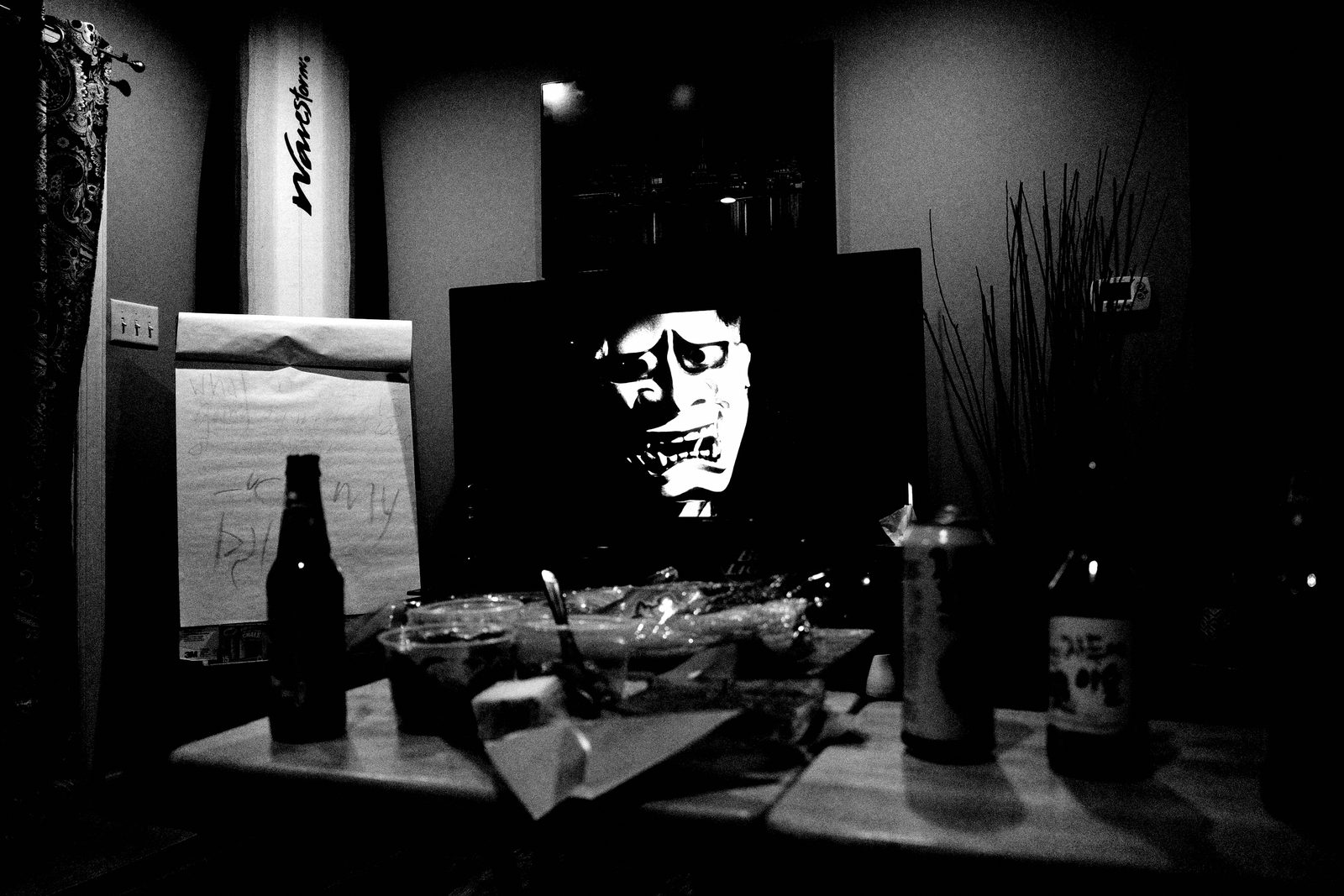
Lesson 030 gave us the foundation — how light and composition work together, how to read a scene and use light to guide the eye. This lesson takes that same foundation and pushes it to the extreme. Hard light and high contrast are what happen when you apply everything from Lesson 030 at maximum intensity. The principles are the same; the stakes are higher.
SUMMARY / TAKEAWAY
Crush the Shadows, Reveal What Matters
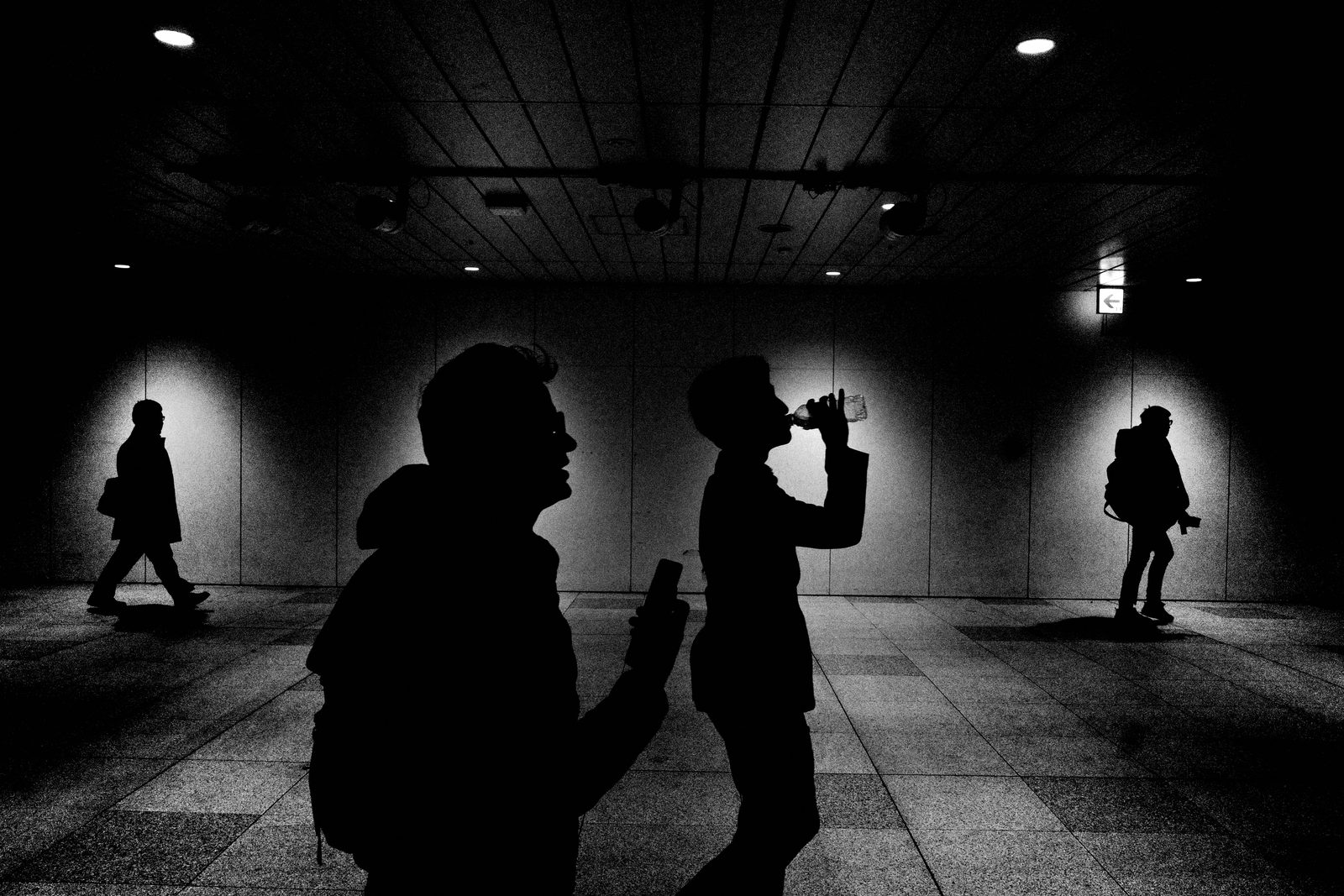
Last thing. Hard light is not bad light — it's your most powerful light. Expose for the highlights. Underexpose by one stop. Find a choke point. Stand still and let the world move through your frame. Let the shadows crush everything that doesn't matter, and let the light reveal what does. The mystery lives in what the darkness swallows. Now get out there, find the harshest light you can, and make something dramatic. Peace.