Seeing in Black & White
CORE IDEA
B&W Is Not Depiction — It's Vision
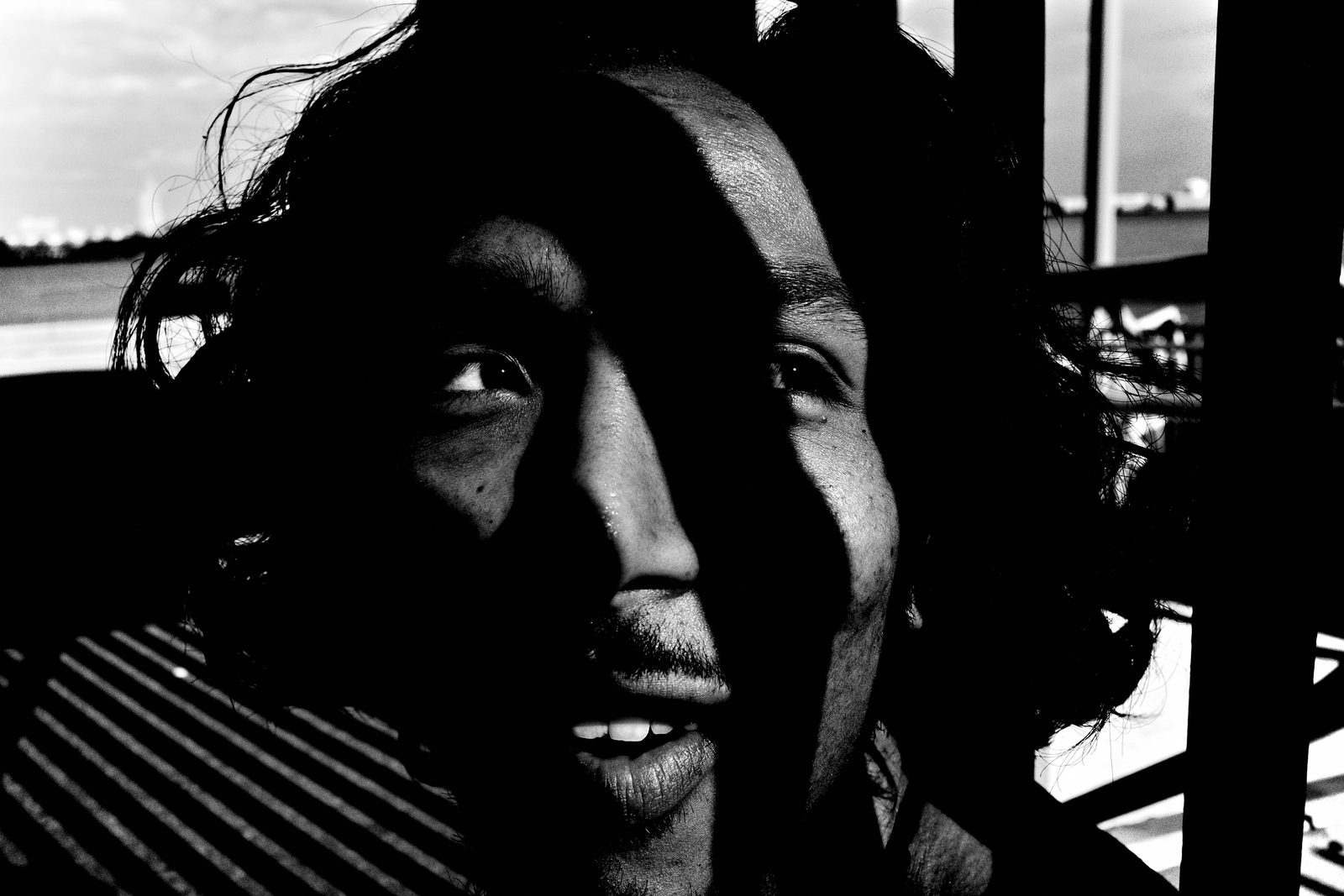
What's popping, people — it's Dante. Today we're talking about one of the most transformative shifts in my entire practice: learning to see in black and white. This isn't about desaturating a photo in Lightroom. It's about training your eyes — and your mind — to read the world in light, shadow, form, and feeling. Black and white doesn't show you the world as it is. It shows you what it could be.
LEARNING OBJECTIVE
What You'll Walk Away With
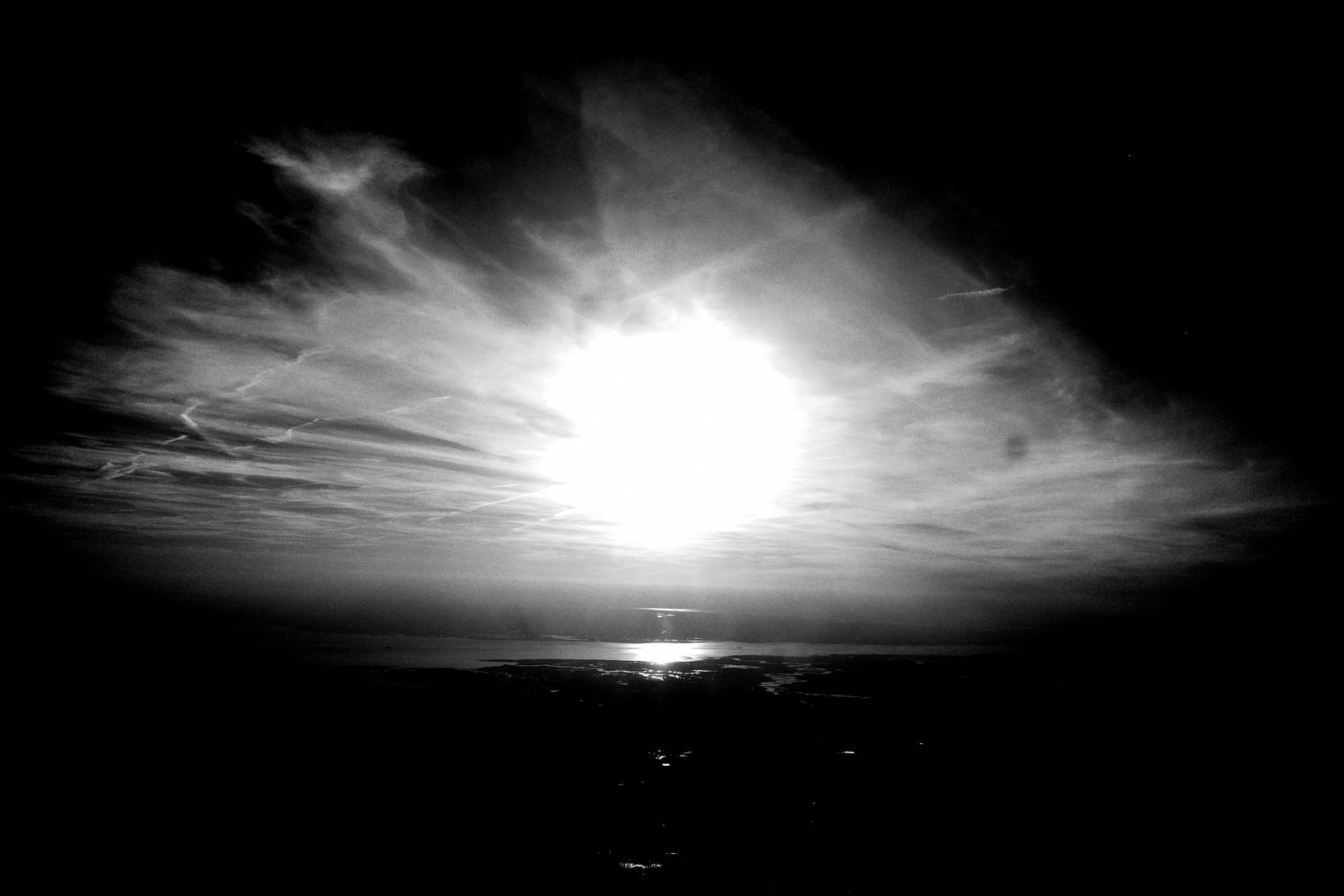
By the end of this lesson, you'll understand why switching to black and white is one of the most powerful creative decisions you can make — and what it actually means to see in monochrome before you ever press the shutter. This is the philosophical and perceptual foundation for everything in this module.
WHY THIS MATTERS
Color Was Hiding the Real Subject
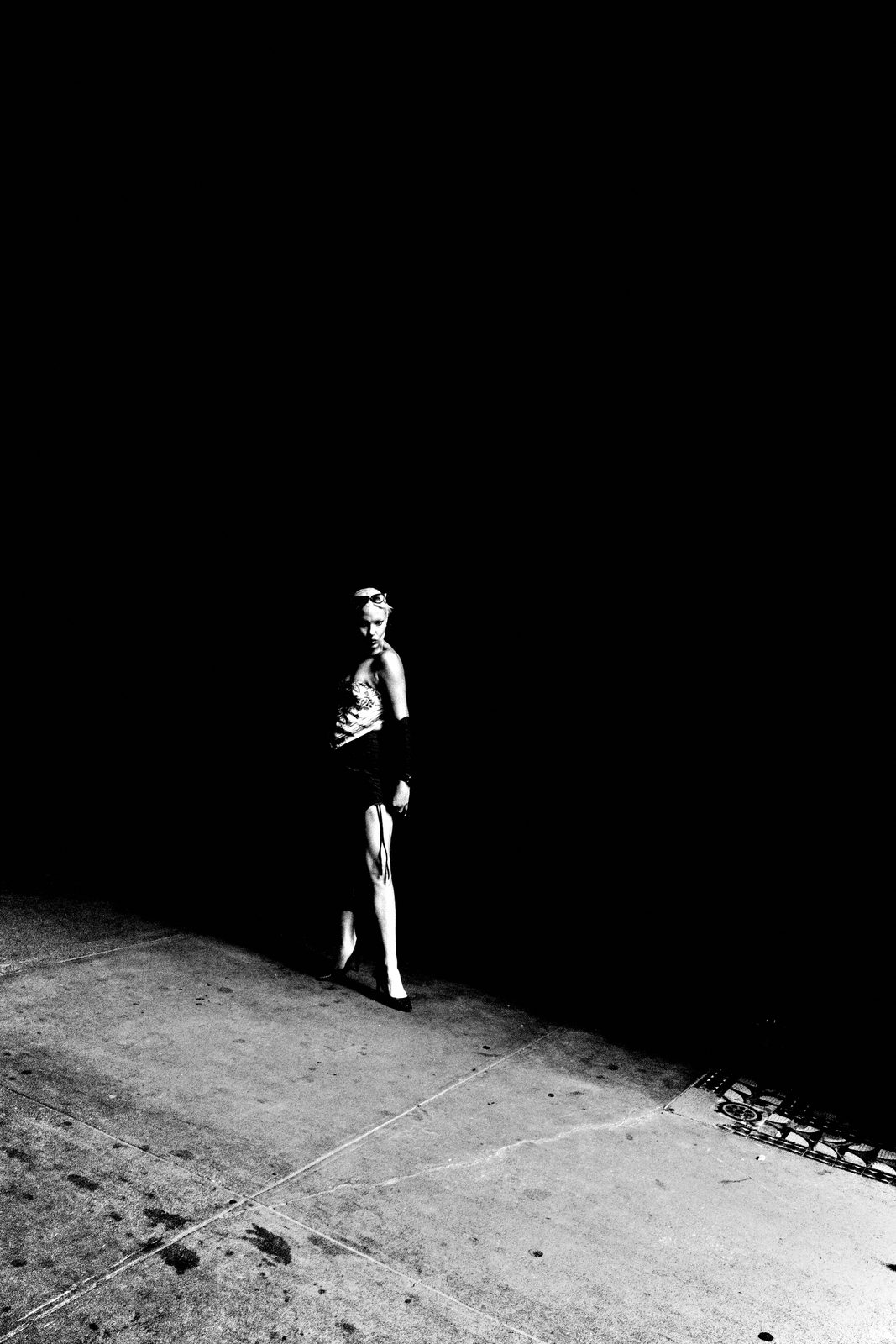
Here's the hard truth: color was hiding what I actually cared about. When I was shooting in color RAW files, I was chasing harmony, saturation, white balance — all the wrong things. The moment I stripped it away, I finally saw what was always there: light, shadow, texture, and emotion. Color was a distraction dressed up as richness.
It Changes How You Live, Not Just How You Shoot
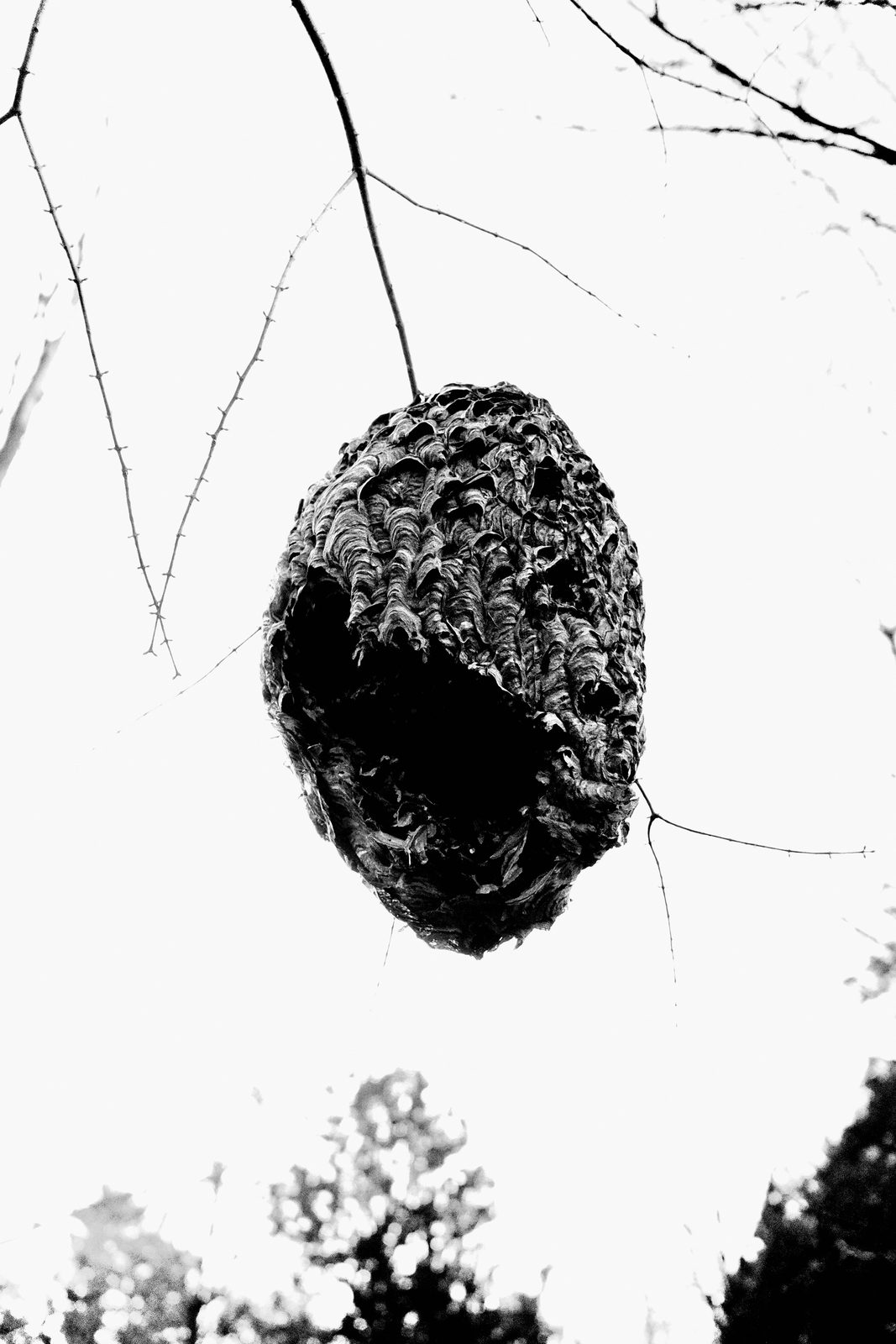
This matters beyond photography. After three years of seeing the world through a high-contrast black and white frame, I stopped experiencing the street the way I used to. I started reading shadows. I started noticing negative space. I started seeing the texture on a wall or the geometry of a crosswalk as raw material. Black and white didn't just change my camera — it changed my eyes.
MAIN TEACHING
The Core Shift: External to Internal
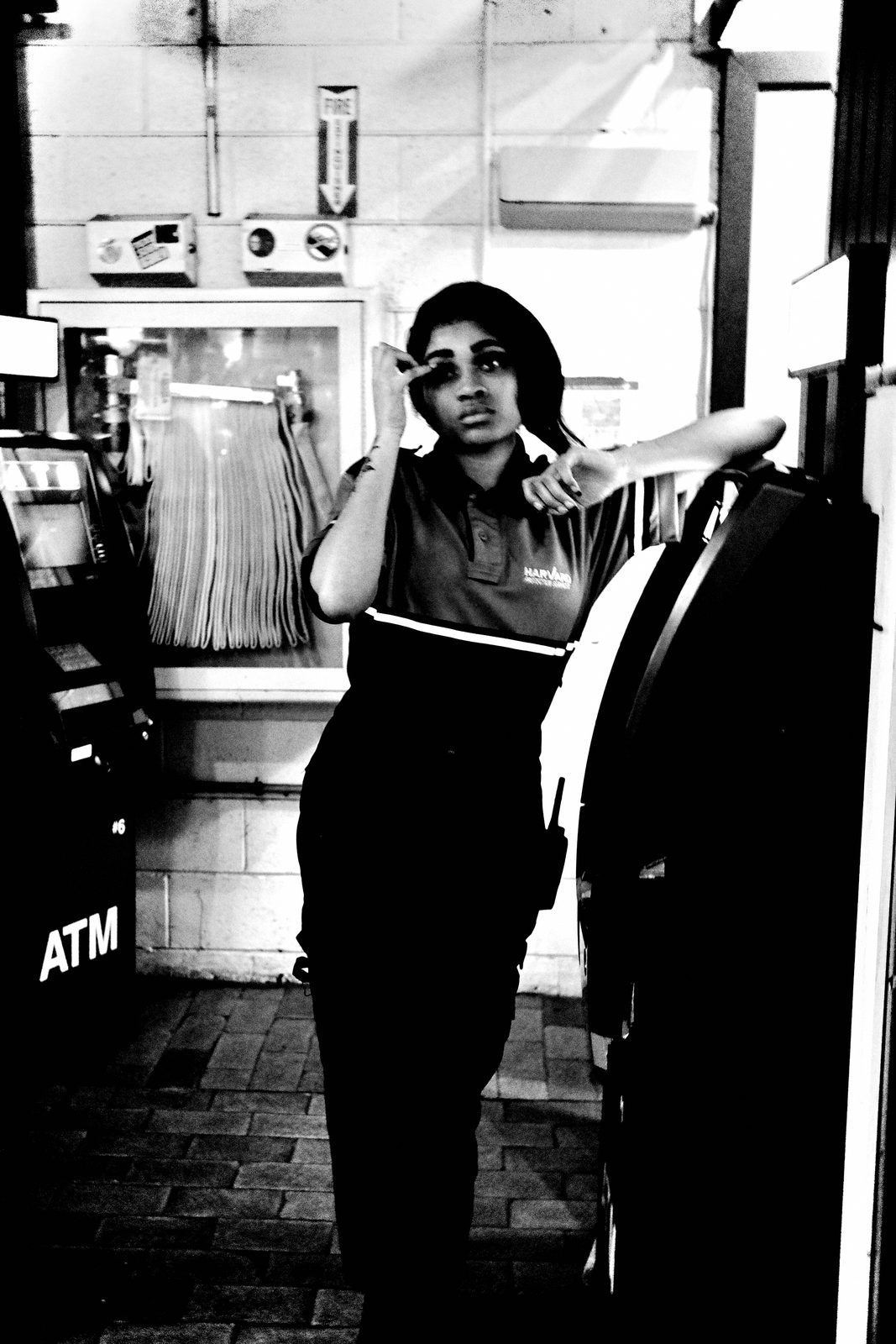
The deepest shift is this: I stopped photographing the external and started photographing the internal. In color, I was documenting what was out there — other people, places, surfaces. In black and white, I'm translating how I feel about what I see. My perception, my gut, my intuition — those drive the image now. That's not a technical choice. That's a philosophical one.
What "Writing With Light" Actually Means
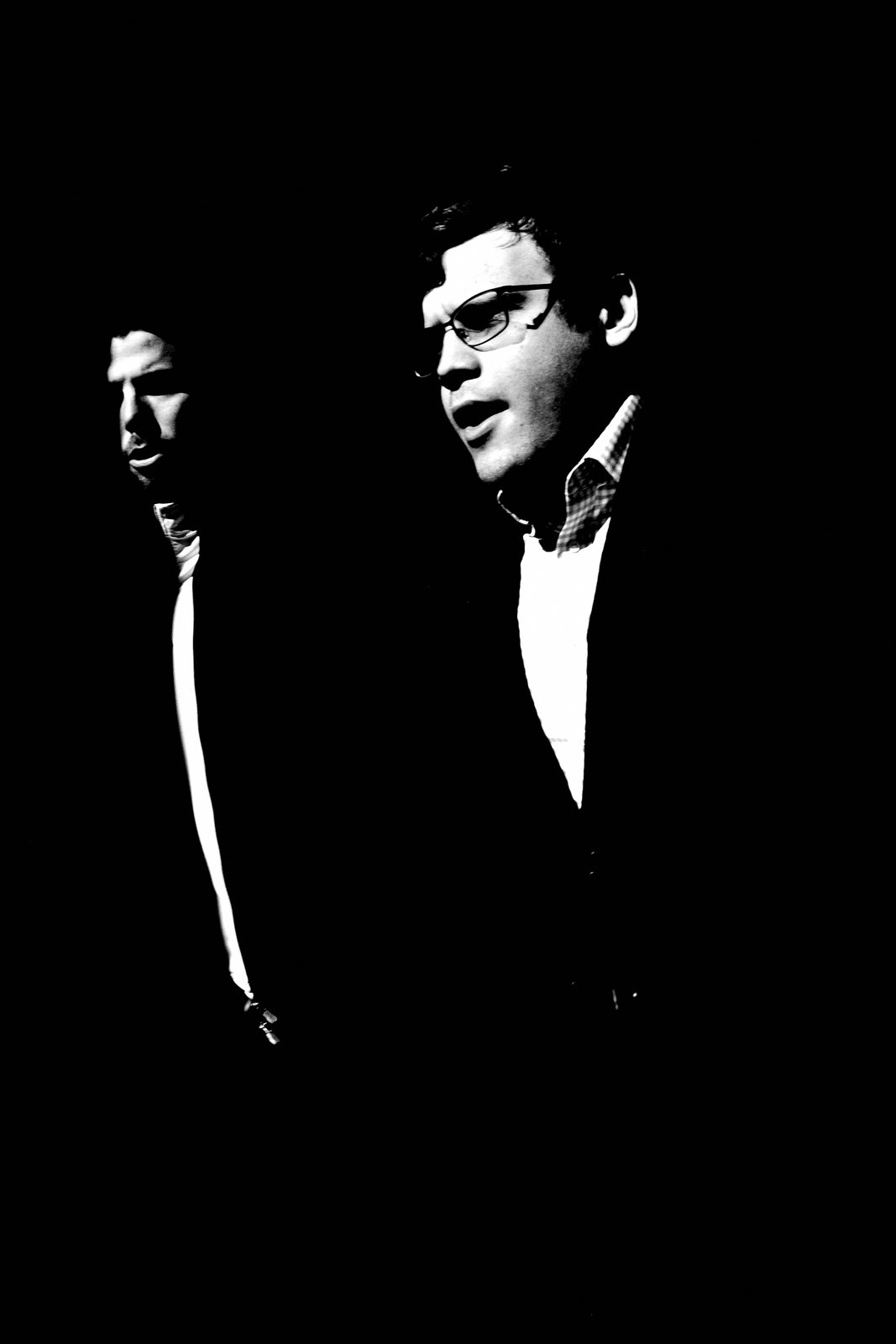
The word photography literally means writing with light — from the Greek phos and graphé. When you shoot in color, you're working with pigment, mood, temperature. When you go black and white, you go back to the root: pure light on a surface. Shadow becomes the page. Highlights become the sentence. You stop taking pictures and start writing with the world.
What to Actually Look For
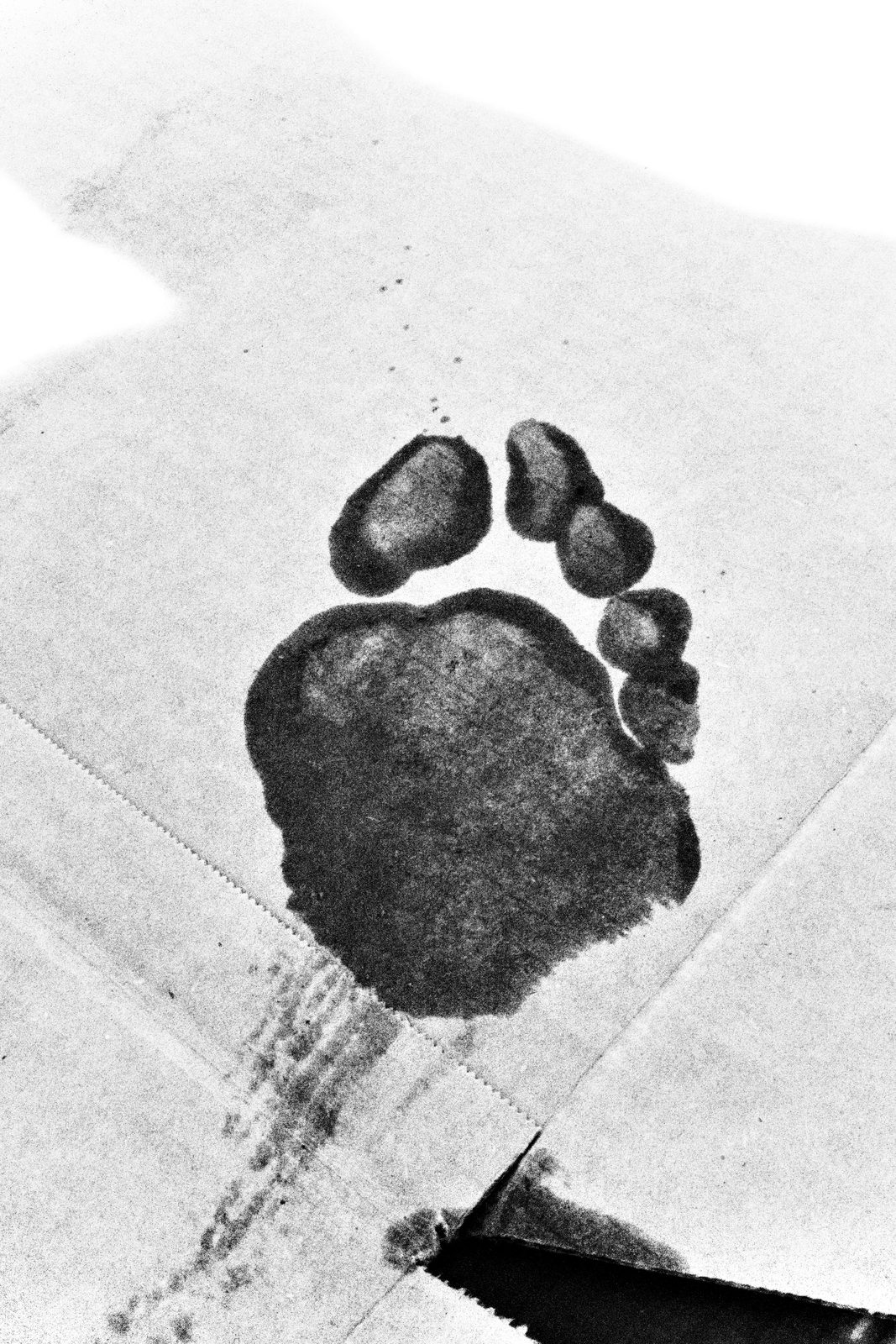
So what are you hunting for when color is off the table? Contrast. The push and pull of light and dark. Shadows stretching across a sidewalk, a face half-lit, a reflection in a rain puddle. Textures on walls. Patterns in pavement. And always — gesture. The human element. A hand moving, a figure leaning, a gaze landing somewhere — that's what lifts a technical frame into a living photograph.
The Chiaroscuro Approach
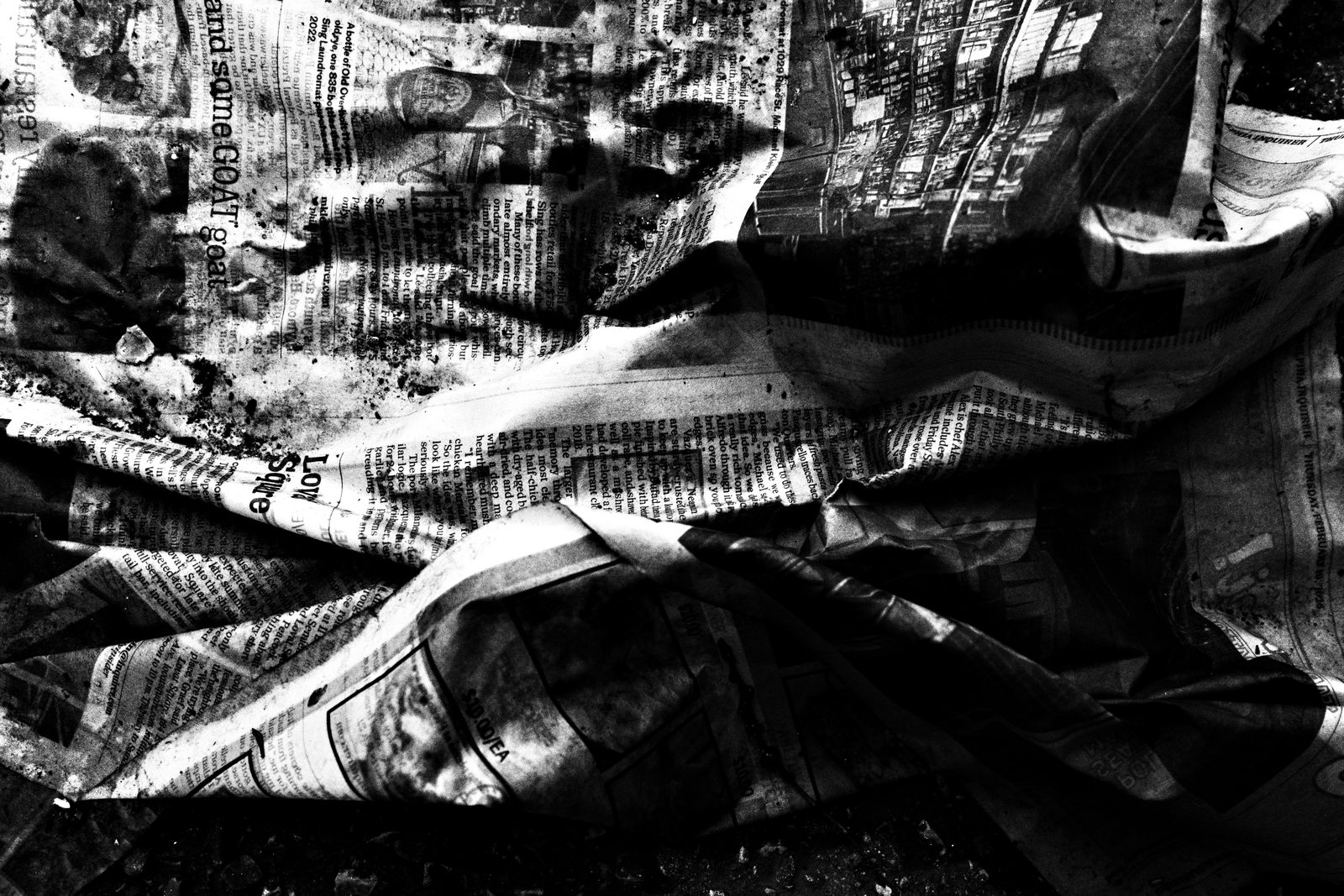
My aesthetic inspiration comes straight from Caravaggio — the painter who mastered chiaroscuro, that extreme contrast between deep darkness and bold light. I call my version Kyoto Scuro. On the street, this means exposing for the highlights and letting the shadows go black. Bold, dramatic, timeless. When you crush the shadows, you eliminate the superfluous. What remains in the light is all that matters.
The Third Element Completes the Frame
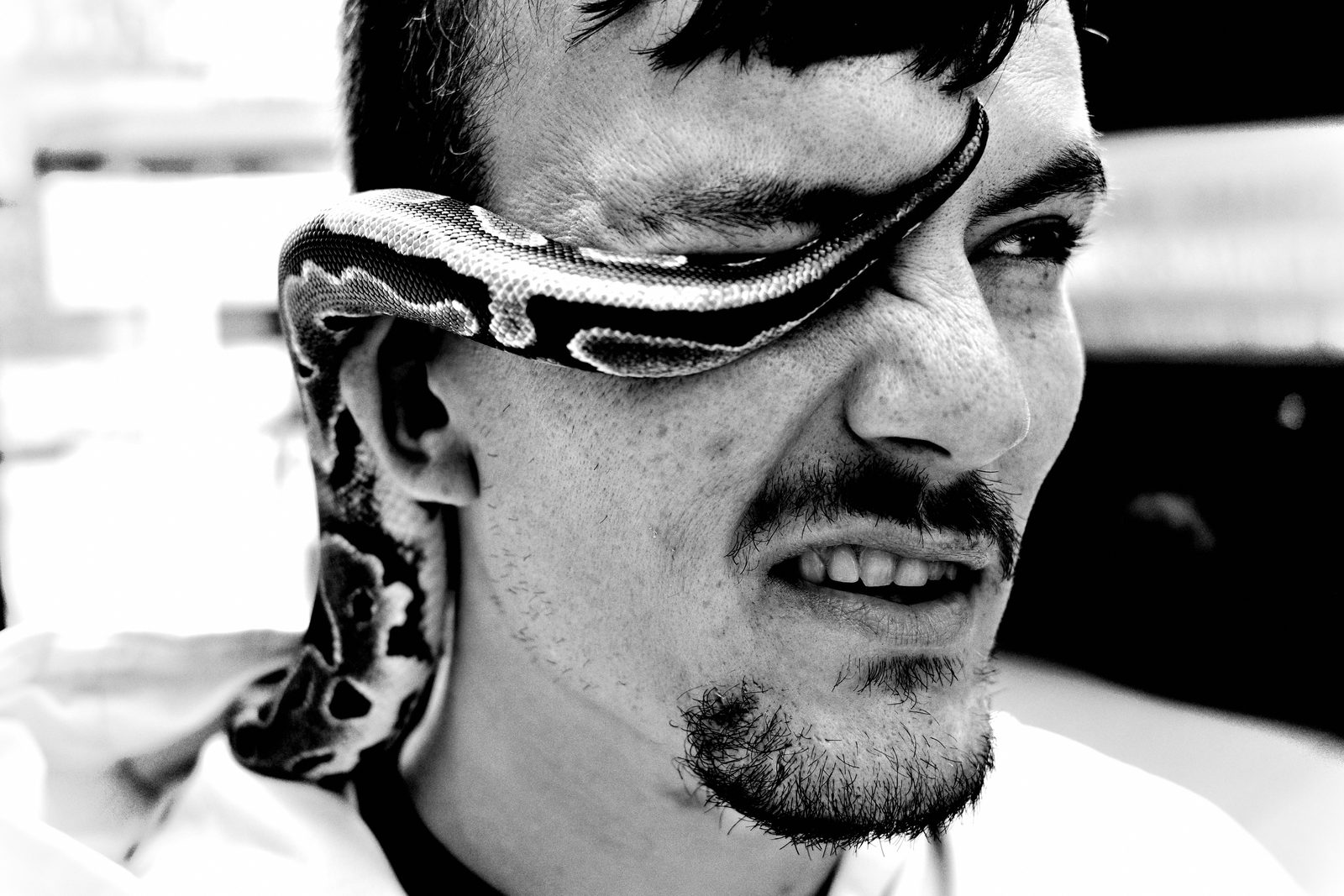
Sometimes you find a strong subject and the light is sublime, the textures beautiful — but something is still missing. So you wait. Then a small gesture arrives: someone reaches back to scratch a shoulder, a head turns, a hand lifts — just for a second — and suddenly you have it: subject, light, gesture. That third element is what transforms a good scene into a transcendent one. You can never plan it. You just have to wait for it with the camera ready.
Forcing Luck Through Repetition
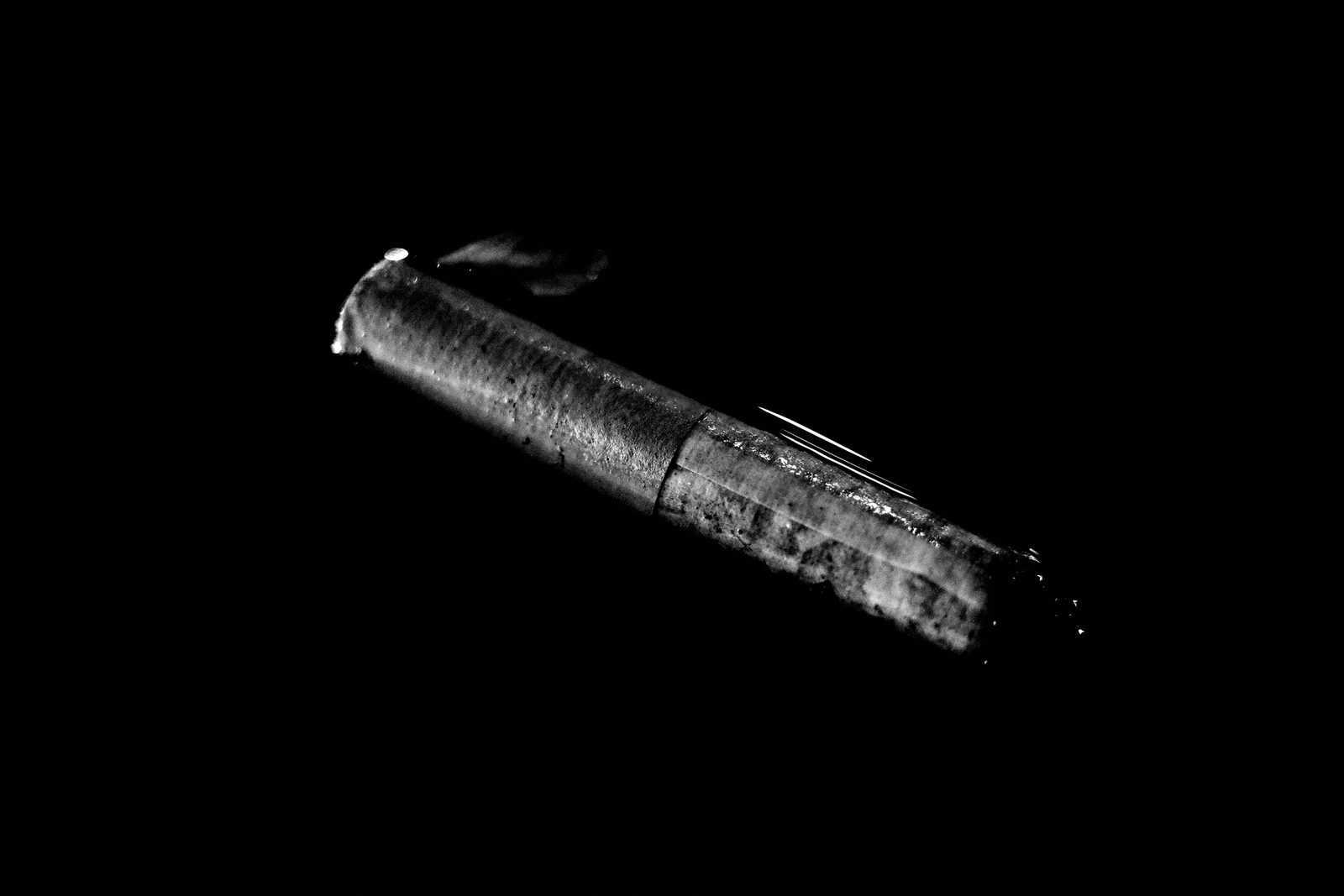
The strongest frames often aren't luck — they're forced luck. You can return to the same spot at sunrise for weeks, studying where the birds fly, how the light beams land, how a fixed landmark interacts with the movement around it. Eventually the alignment you were waiting for arrives: a bird perfectly placed against the landmark, backlit by a flare of early light. Black and white makes the tonal drama possible. Patience and repetition make the moment inevitable.
Shoot the Periphery, Not the Main Event
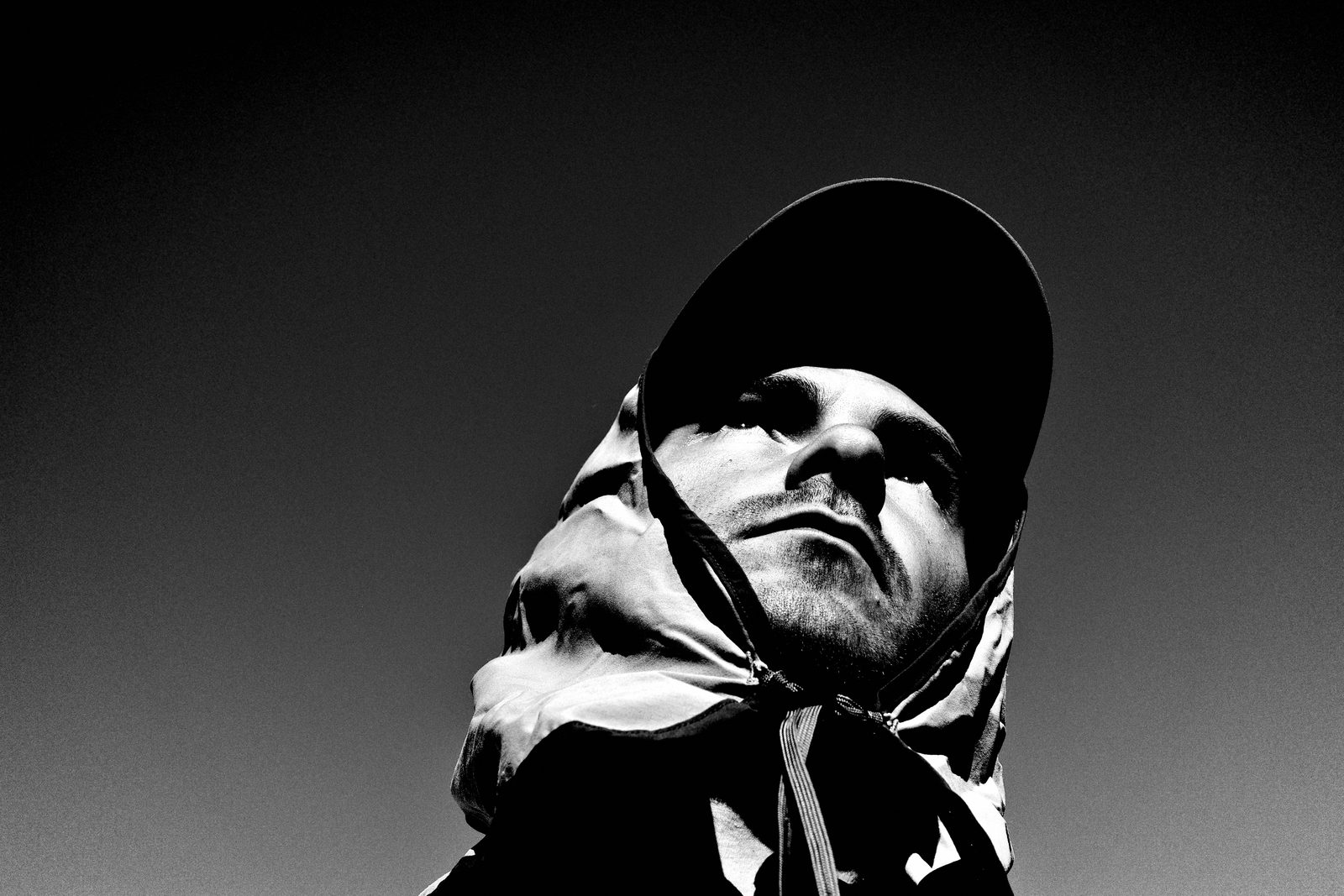
At a big event — a parade, a rally, a festival — the main action is rarely where the picture is. The picture is at the edges: the reactions, the people not watching the spectacle, the child lost in a small private moment. You might notice a figure gazing at their own hand while a nearby statue extends its arms wide — a spiral of echoing gestures across the frame. In black and white, that spiral pops. You could never plan a composition like that. Your intuition catches it, or it's gone. Shoot the periphery. That's where the real pictures live.
Abstraction Between Fact and Dream
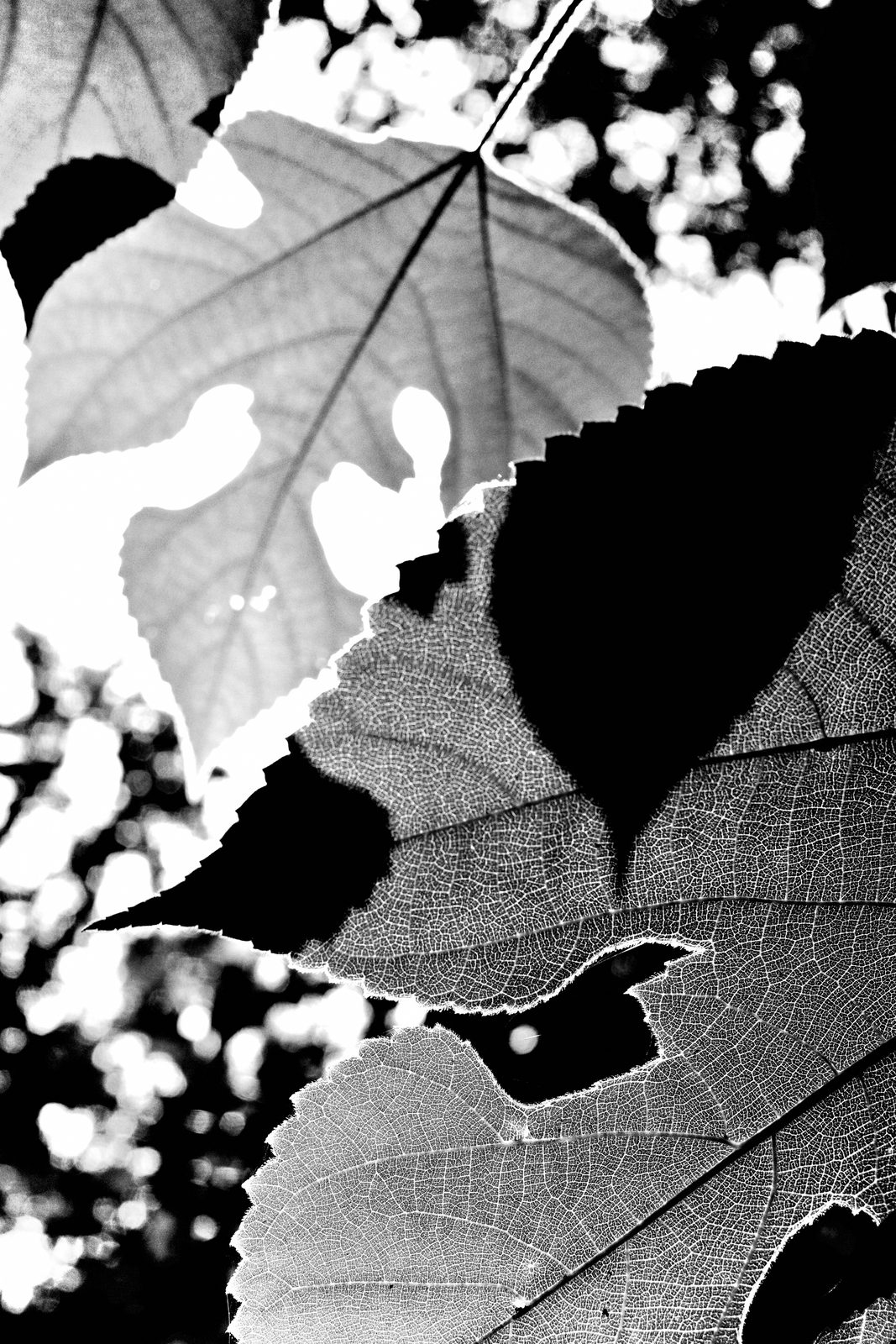
I'm working in the fine line between documentation and abstraction. A photograph looks like a fact — it's really just a slice, a fragment, a question. Black and white leans into that ambiguity. When you strip color, reality starts to feel like a dream — shapes become symbolic, shadows suggest meaning. I'm not trying to show you what something is. I'm asking you to look more deeply at what it could mean.
Cloudy Days, Harsh Light — All of It Works
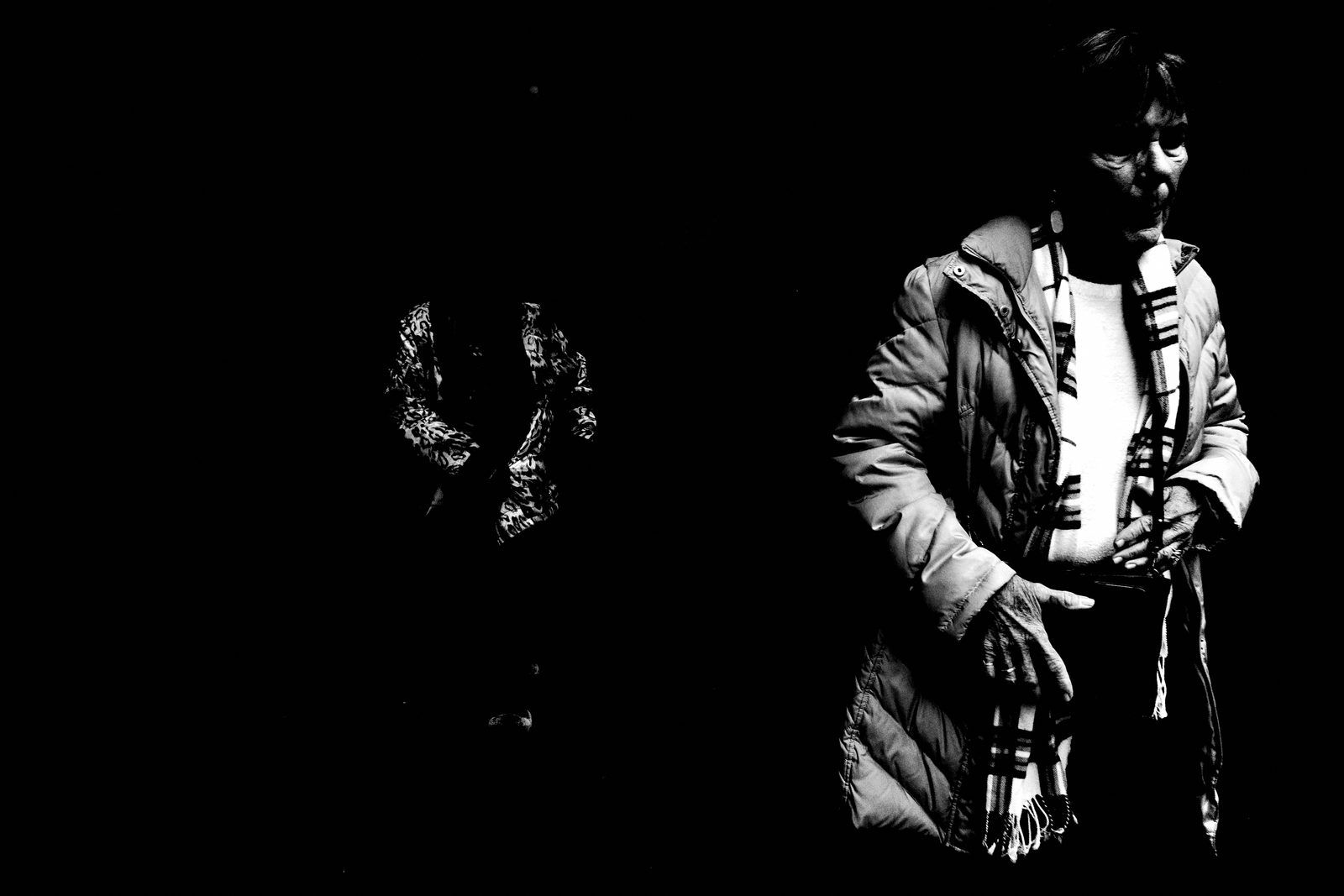
One of the great liberations: you stop waiting. Color photography lives and dies by the quality of light — golden hour, blue hour, soft morning glow. Black and white doesn't care. An overcast sky becomes nature's diffuser. Rain creates reflections. Harsh midday sun creates brutal contrast. Every condition is workable. Every hour of the day is photographable. That's not a compromise — that's freedom.
The Constraint That Creates Freedom
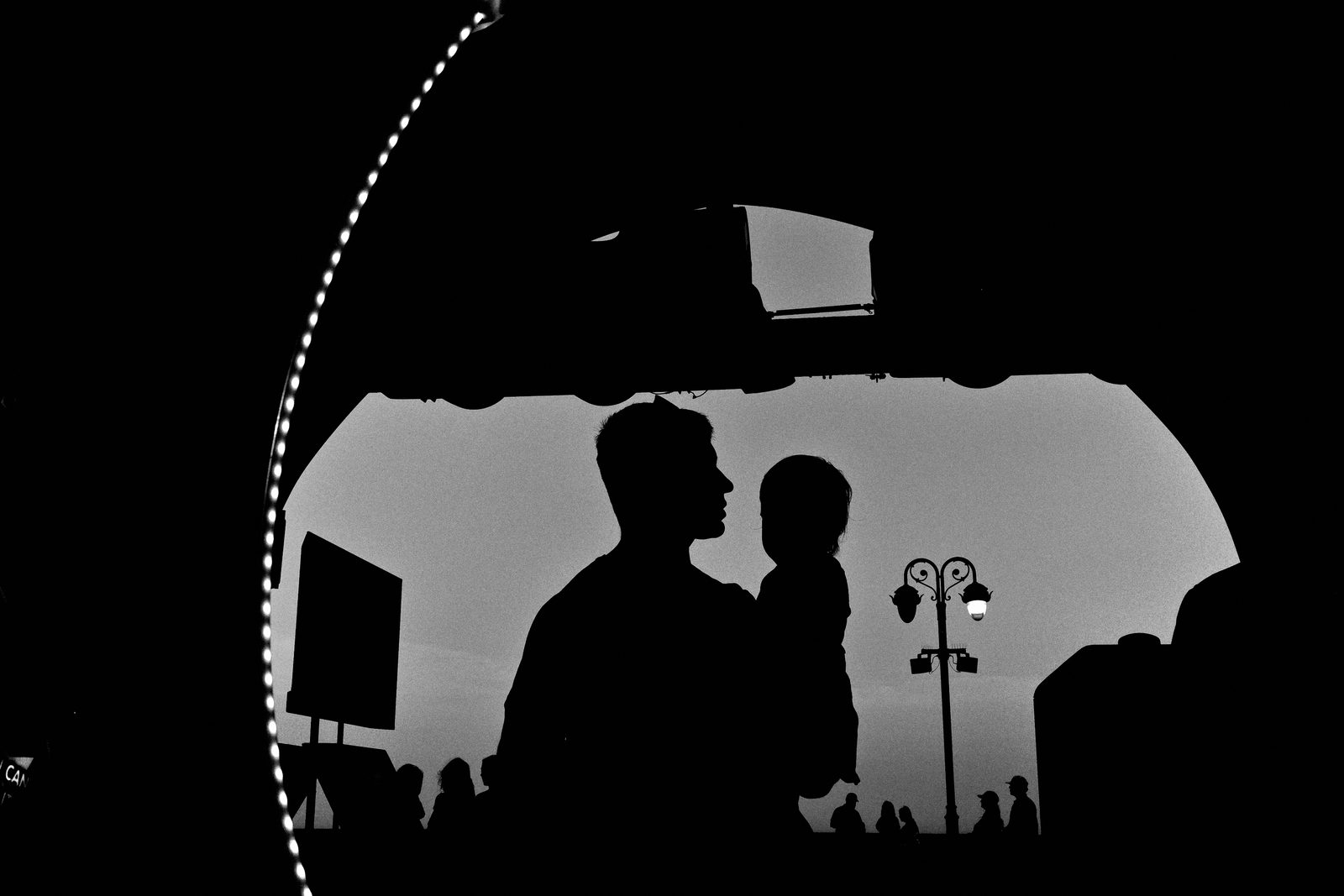
There's a paradox at the heart of this: constraint creates freedom. One camera, one lens, one vision baked into the file — that's it. No second-guessing color balance. No Lightroom rabbit holes. By removing those variables, I removed perfectionism. And when perfectionism leaves, play rushes in. Spontaneity rushes in. The photograph stops being something I construct and starts being something I discover.
You Cannot Make the Same Photograph Twice
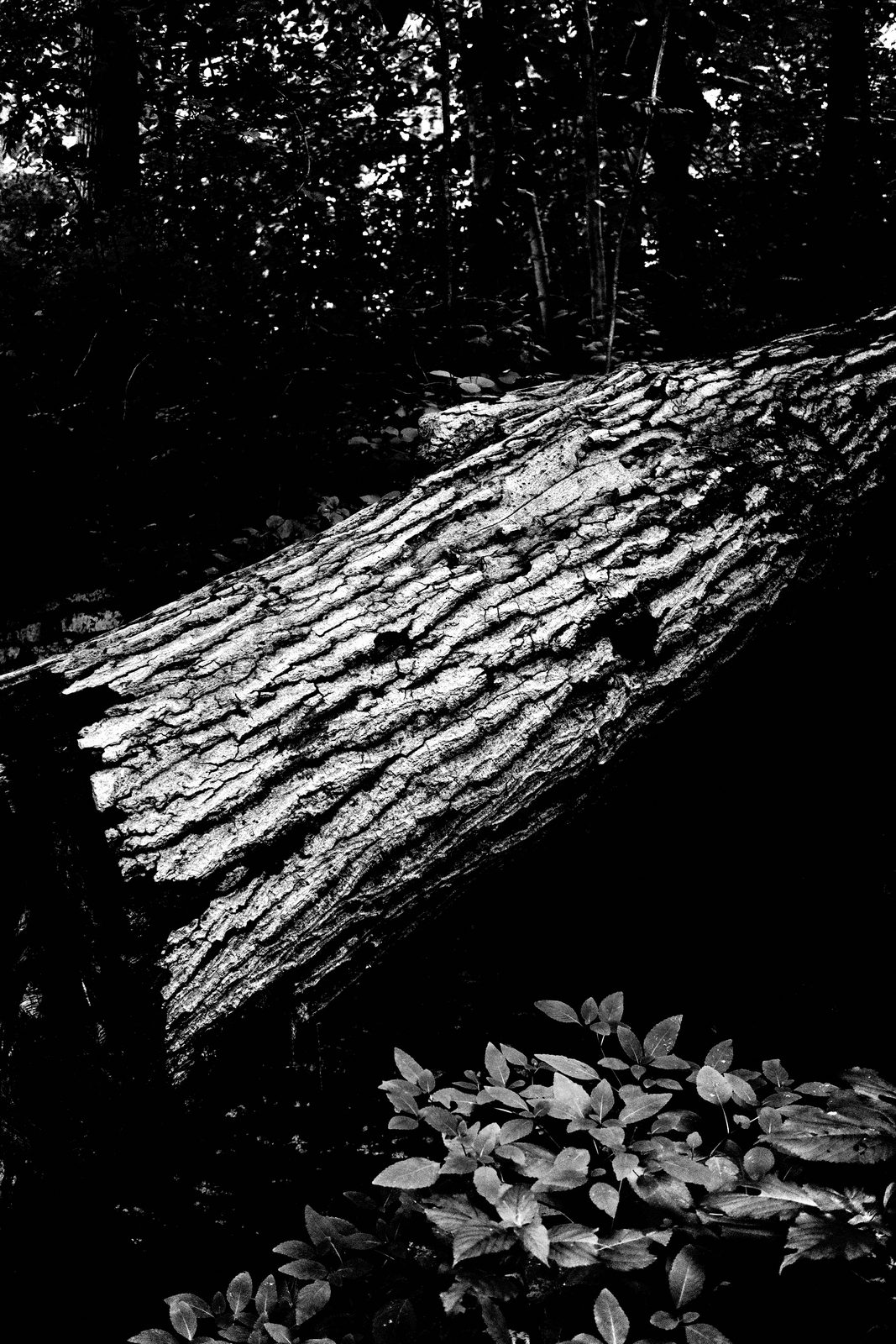
Heraclitus said you cannot step in the same river twice. I think about that every time I walk the same block for the hundredth time. The light has shifted. The shadows are landing differently. A stranger crosses at a new angle. In black and white — where light is everything — no two frames are ever identical. That philosophy keeps me returning. That's why I never burn out. The river is always changing.
Seeing in B&W Before You Shoot
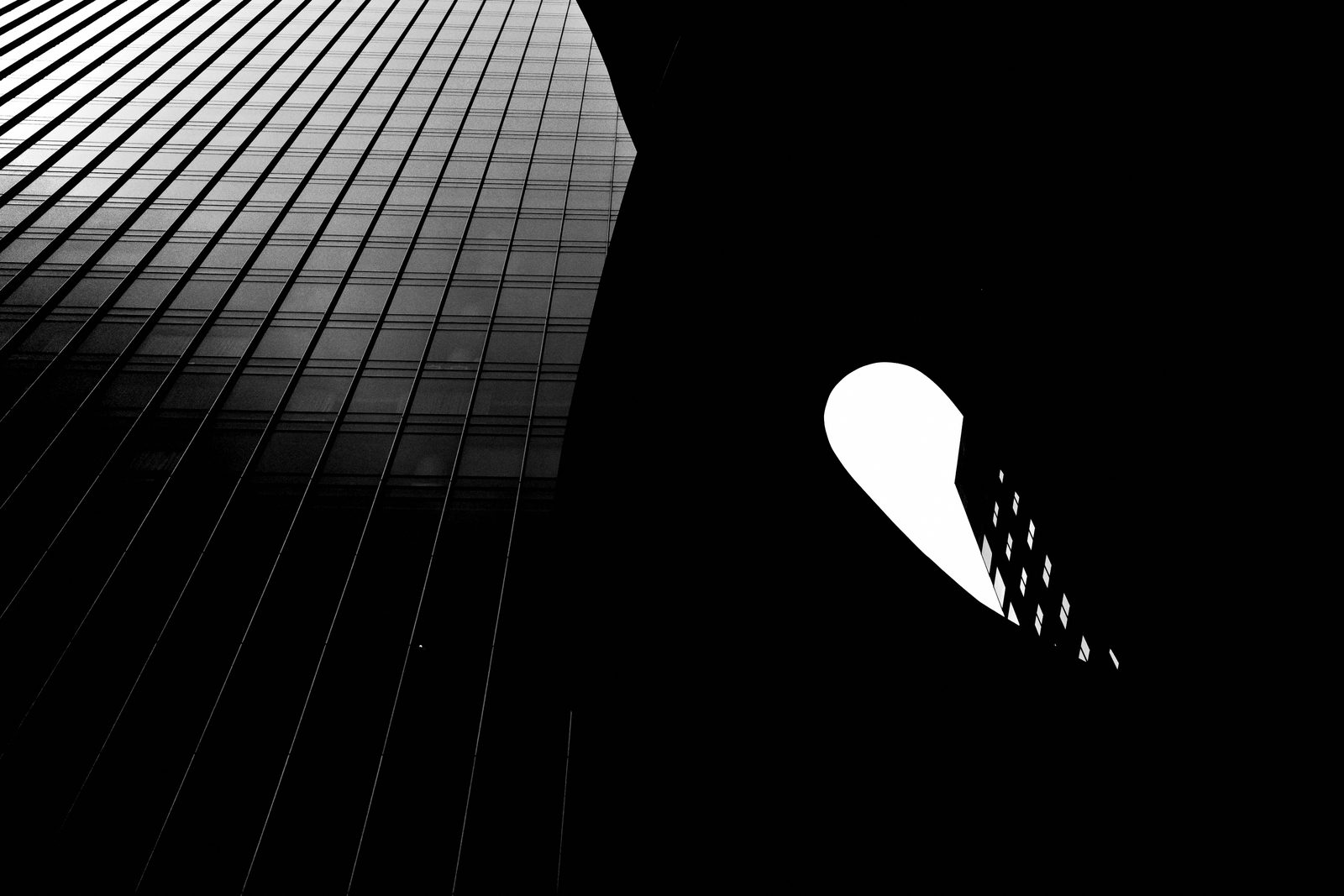
The real skill isn't developing in black and white — it's seeing in black and white before you press the shutter. I bake the profile directly into my Ricoh so when I look at the LCD, I see a monochrome world. That trains my eye in real time. You start asking different questions: where's the contrast? Where does the shadow fall? What shape does that figure make against the light? Pre-visualization in tones is how the great monochrome photographers worked. Now it's how I work too.
PRACTICAL APPLICATION
Bake It In and Walk
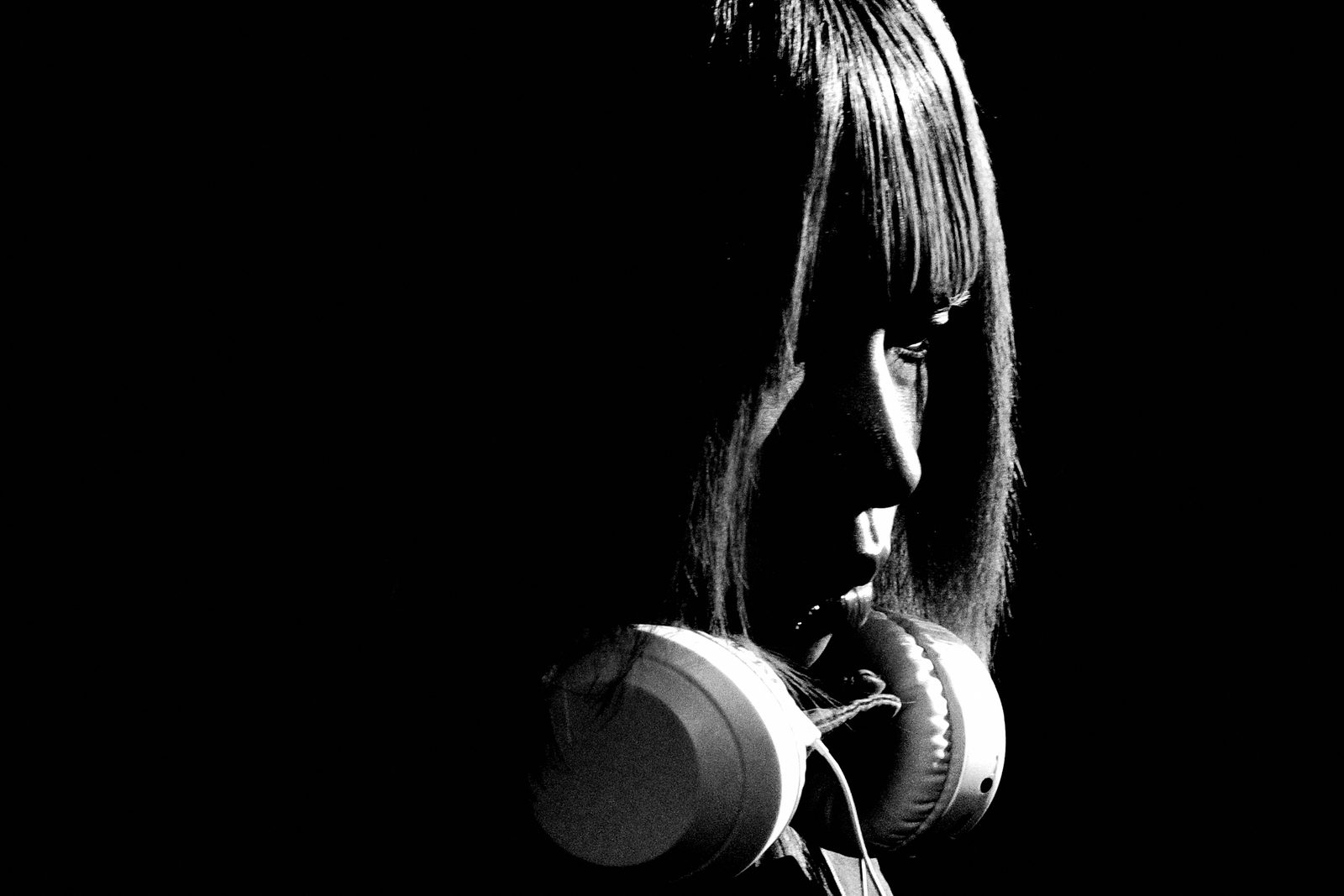
Here's your first move: go into your camera settings right now and bake in the highest-contrast black and white profile available. Set it to JPEG. Now you can't hedge — there's no color file to fall back on. Walk for an hour. Don't hunt for shots. Respond to what appears. The constraint forces your eye to start reading contrast and form instead of color. One session with this setup and you'll feel the shift immediately.
Hunt the Three Elements
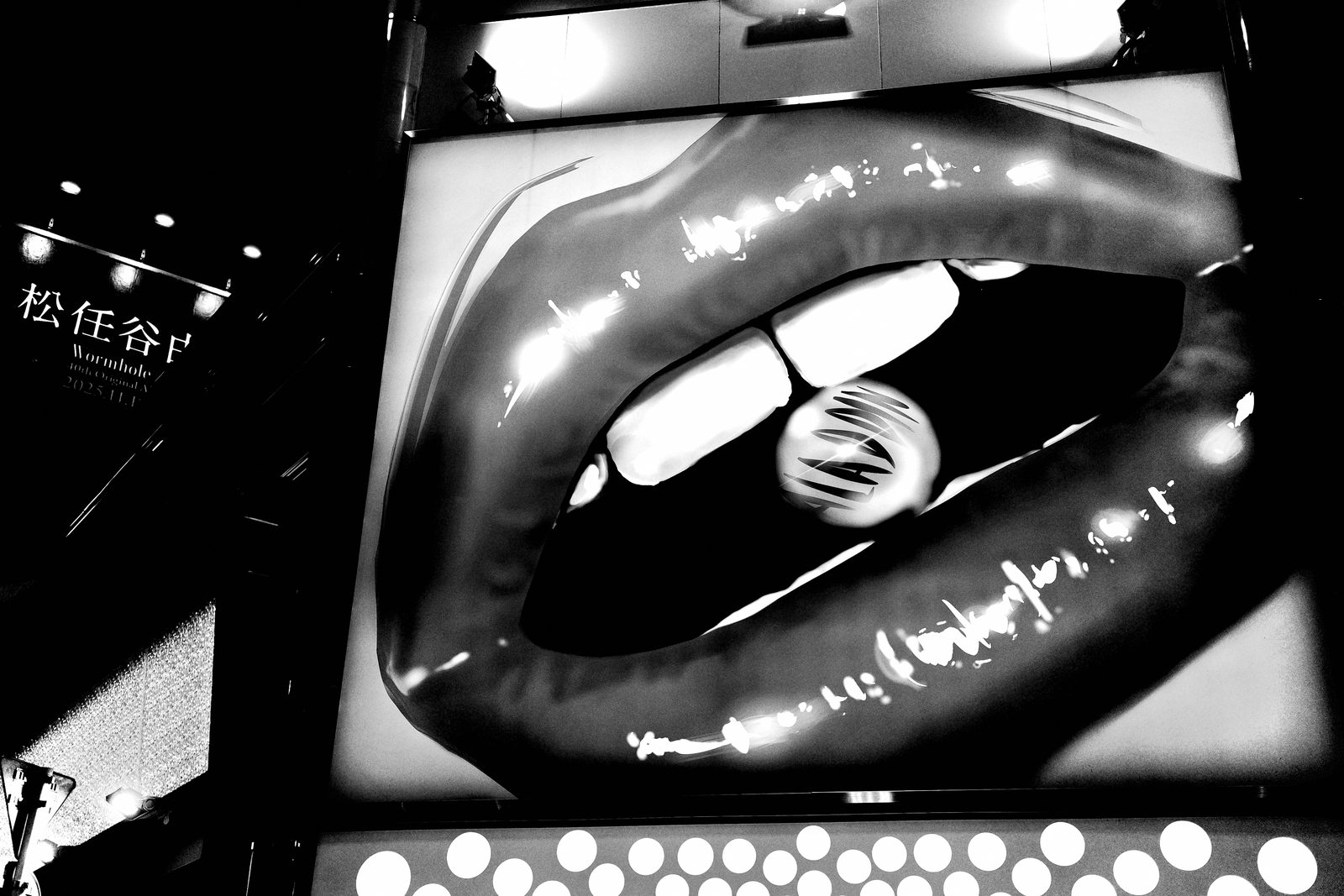
Go out and practice what I call the three-element framework. First, identify your subject. Second, read the light — is it dramatic, directional, does it separate the subject from the background? Third — wait for the gesture. The hand that moves, the figure that enters, the unexpected element that completes the frame. Don't press the shutter until you have all three. This is how you move from documenting to elevating.
Return to the Same Spot
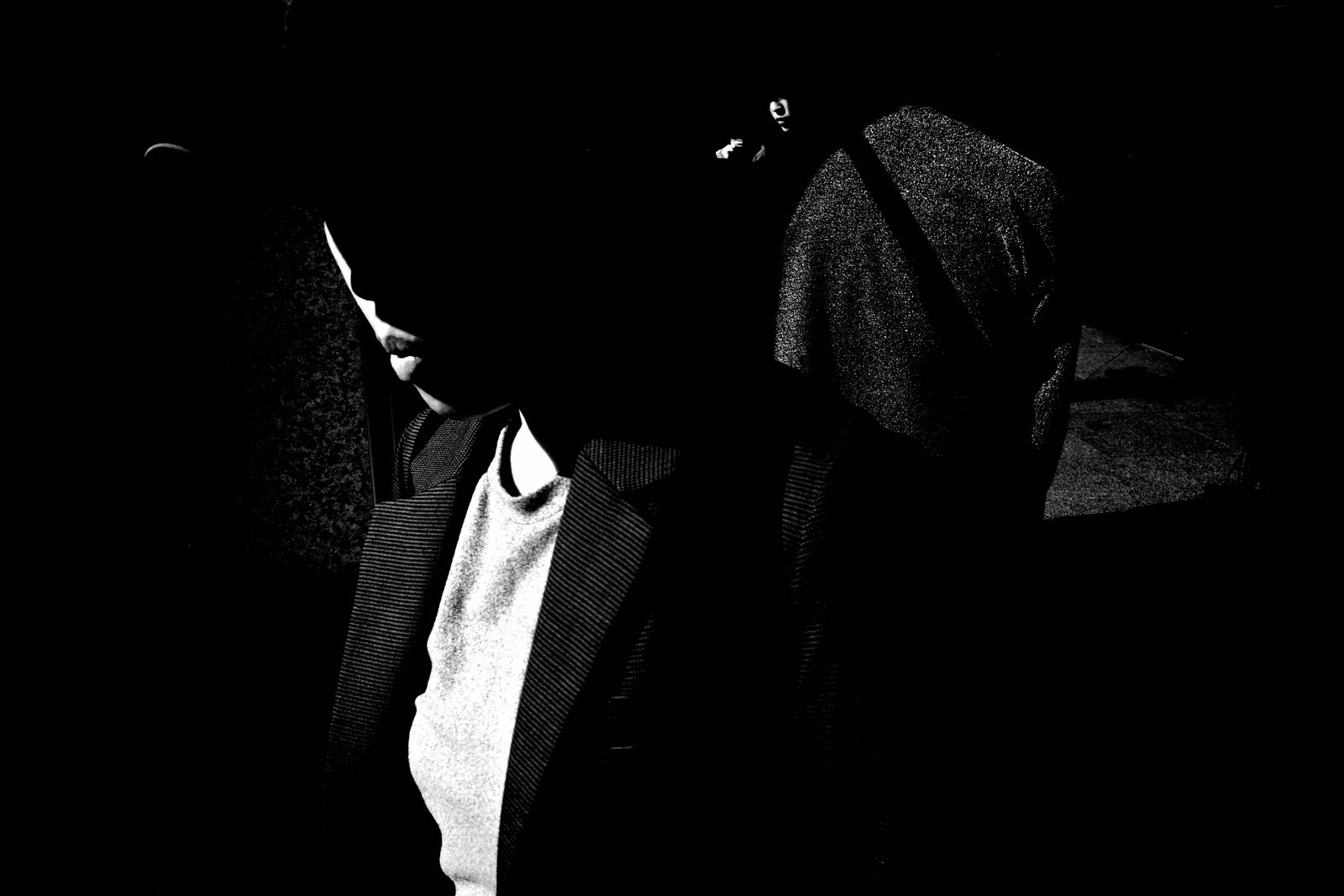
Pick one spot. Return every day for a week. Study the light in the morning versus the afternoon. Watch how the shadows move. See who passes through and when. By the end of the week, you'll know that location well enough that the good frame becomes almost inevitable. This is how forced luck works — not chance, but weeks of observation until the moment becomes predictable. You can do the same.
COMMON MISTAKES
Still Thinking in Color
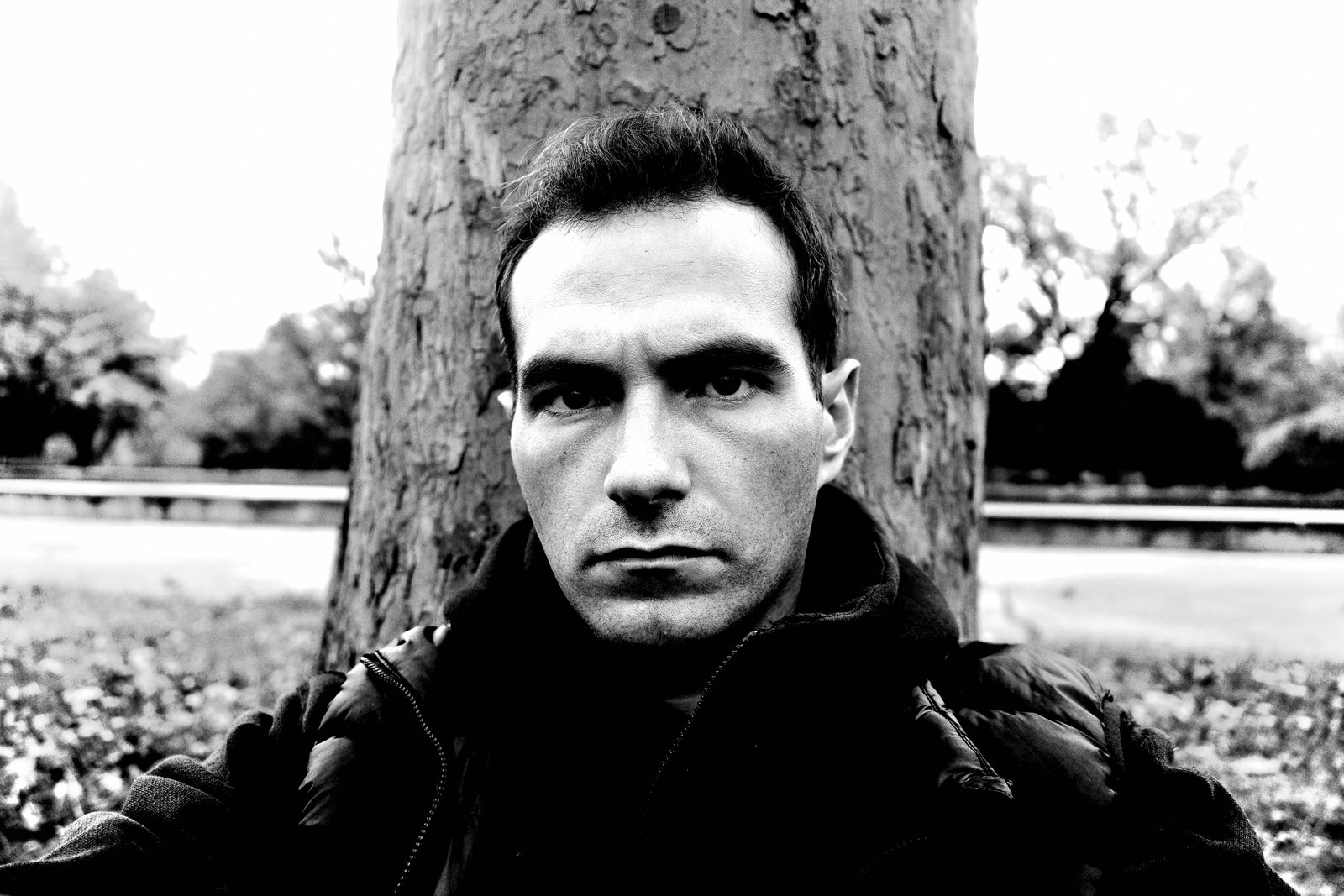
The most common mistake: still thinking in color. You photograph a beautiful golden-orange sunset or a vibrant mural — and when you strip the color, there's nothing left. No contrast, no form, no tension. That subject only worked because of its hue. The fix is simple — bake the profile in. See in black and white while you're on the street. If it doesn't pop on the LCD in monochrome, it won't pop in the final file.
Chasing Drama Without Substance
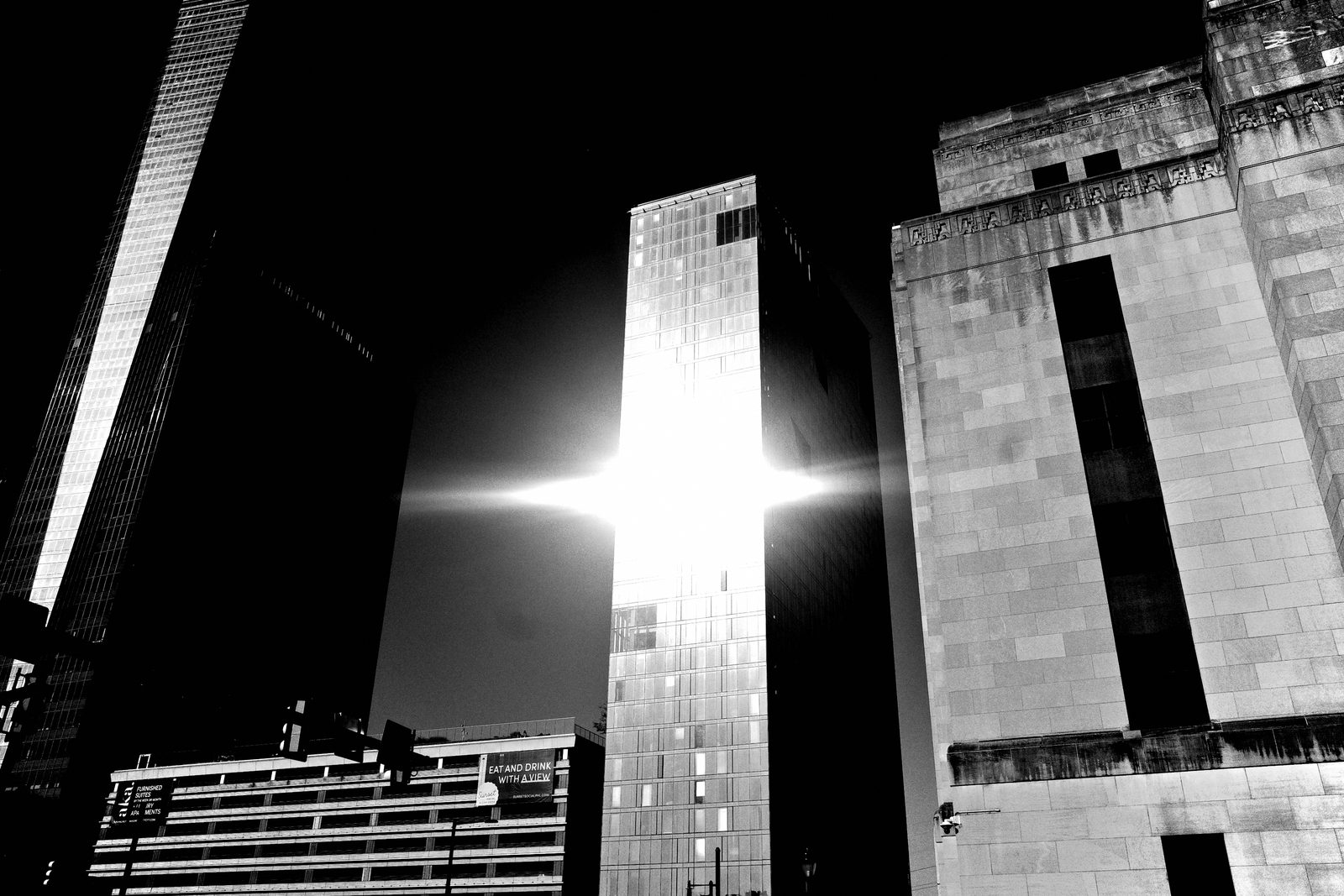
High contrast is a tool, not a guarantee. I see people discover the chiaroscuro look and start crushing everything to black — but there's no subject, no gesture, no human truth inside that drama. A technically stunning tonal frame with nothing happening in it is still an empty photograph. The contrast serves the content. Lead with the gesture, the form, the moment — and let the tones amplify what's already there.
RELATIONSHIP TO PREVIOUS
Building on What Came Before
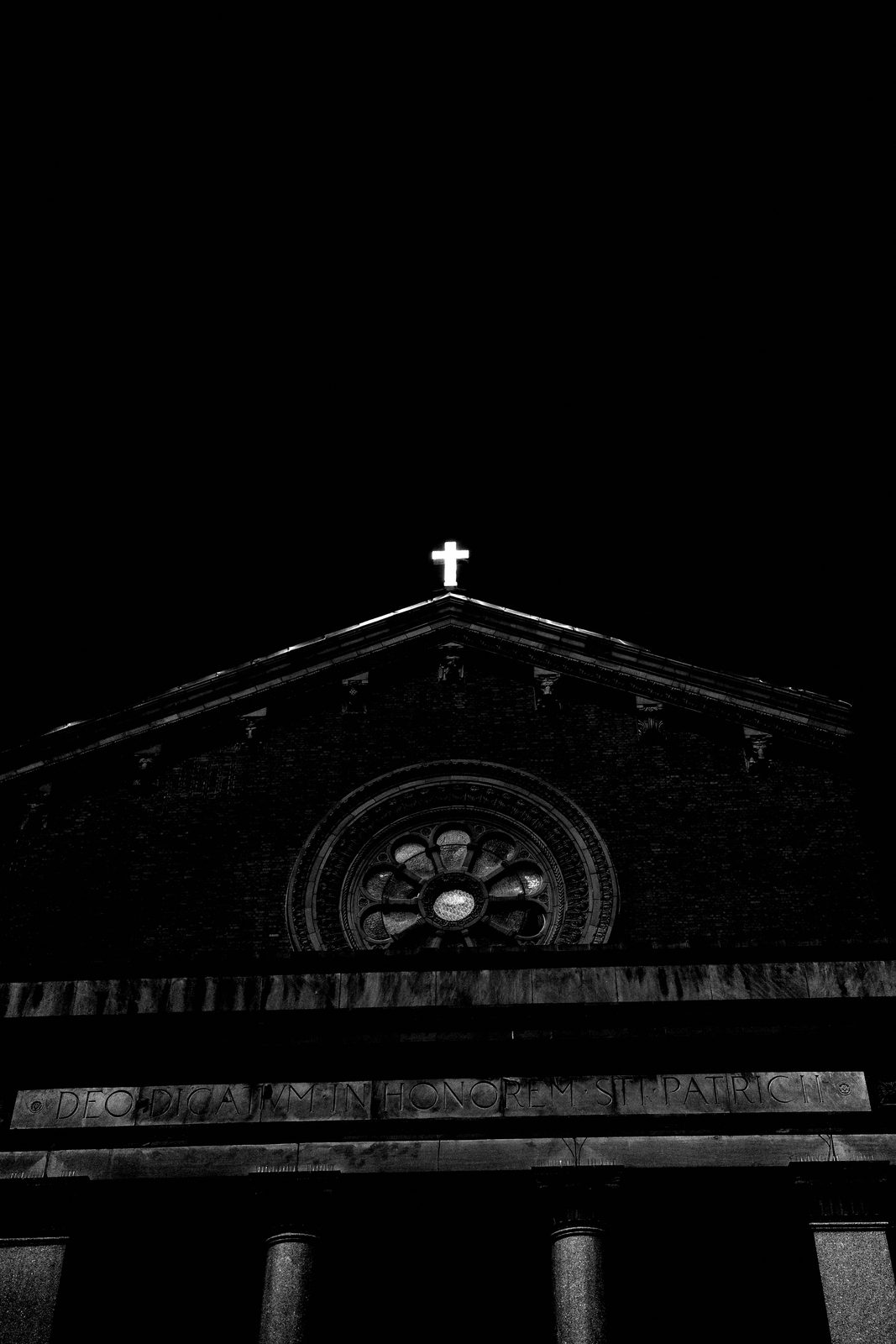
Lesson 029 gave us the discipline of simplification — stripping a frame down to what matters, removing the superfluous, building toward clarity. This lesson takes that one step further: we remove color itself, the single biggest source of visual distraction. What Lesson 029 established in principle, seeing in black and white makes inevitable in practice. Every walk becomes a simplification exercise.
SUMMARY / TAKEAWAY
See the Light. Trust the Shadow.
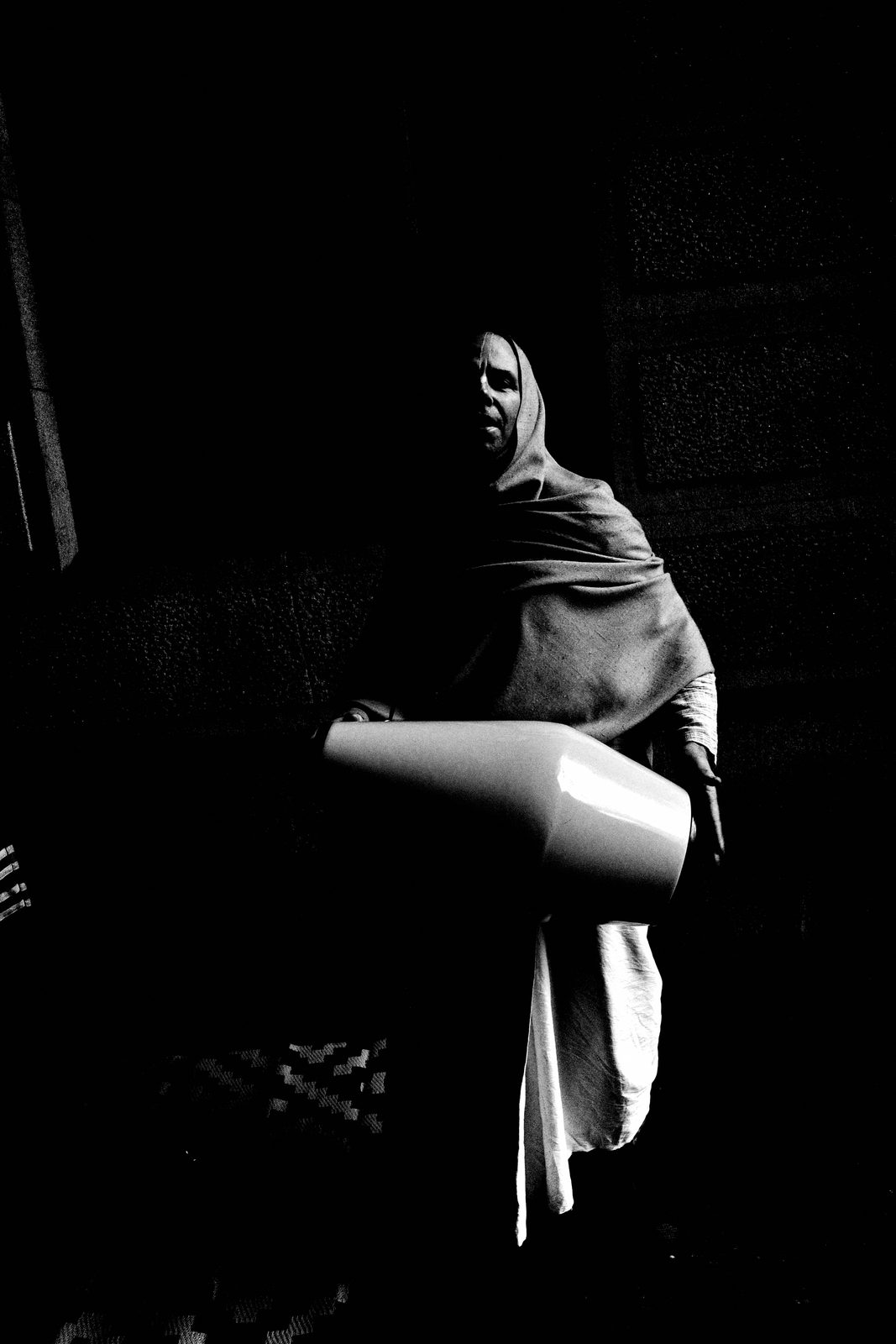
Last thing. Seeing in black and white isn't a style choice — it's a perceptual practice. You strip the color and suddenly the world reorganizes itself: light comes forward, shadow falls back, form becomes language, gesture becomes meaning. You stop asking what the world is and start asking what it could be. Bake the profile in. Walk the same street. Wait for the third element. See the light. Trust the shadow. Catch you in Lesson 031.