Breakdown III — Layering Deconstructed
CORE IDEA
Layering Is Visual Order from Chaos
What's popping, people — it's Dante. Today we're going deep on one of the most powerful tools in street photography: layering. This is how you take a chaotic scene and put order to it — how you fill the frame with meaning instead of noise. One big idea, built up piece by piece. Let's get into it.
LEARNING OBJECTIVE
What You'll Walk Away With
By the end of this lesson you'll be able to walk into any scene — a playground, a beach, a street corner — and immediately start reading it in layers. You'll know how to use your body, your angle, and your patience to lock all three planes into a single, filled frame.
WHY THIS MATTERS
One Plane Is a Document; Three Are a World
Here's why this matters: a single subject in a clean frame records a moment. That's fine. But when you add depth — a strong foreground element, life in the middle, something anchoring the back — you build a world. That world pulls a viewer in, and it keeps them there. That's the difference between a document and a photograph.
The Street Is Already Layered; You Just Have to See It
The street is already full of layers — you just have to train yourself to see them. This isn't luck. It's awareness, physical positioning, and patience. Once you start reading scenes in three planes, you can't unsee it. Every corner becomes a puzzle you already know how to solve.
MAIN TEACHING
The Three-Plane Framework
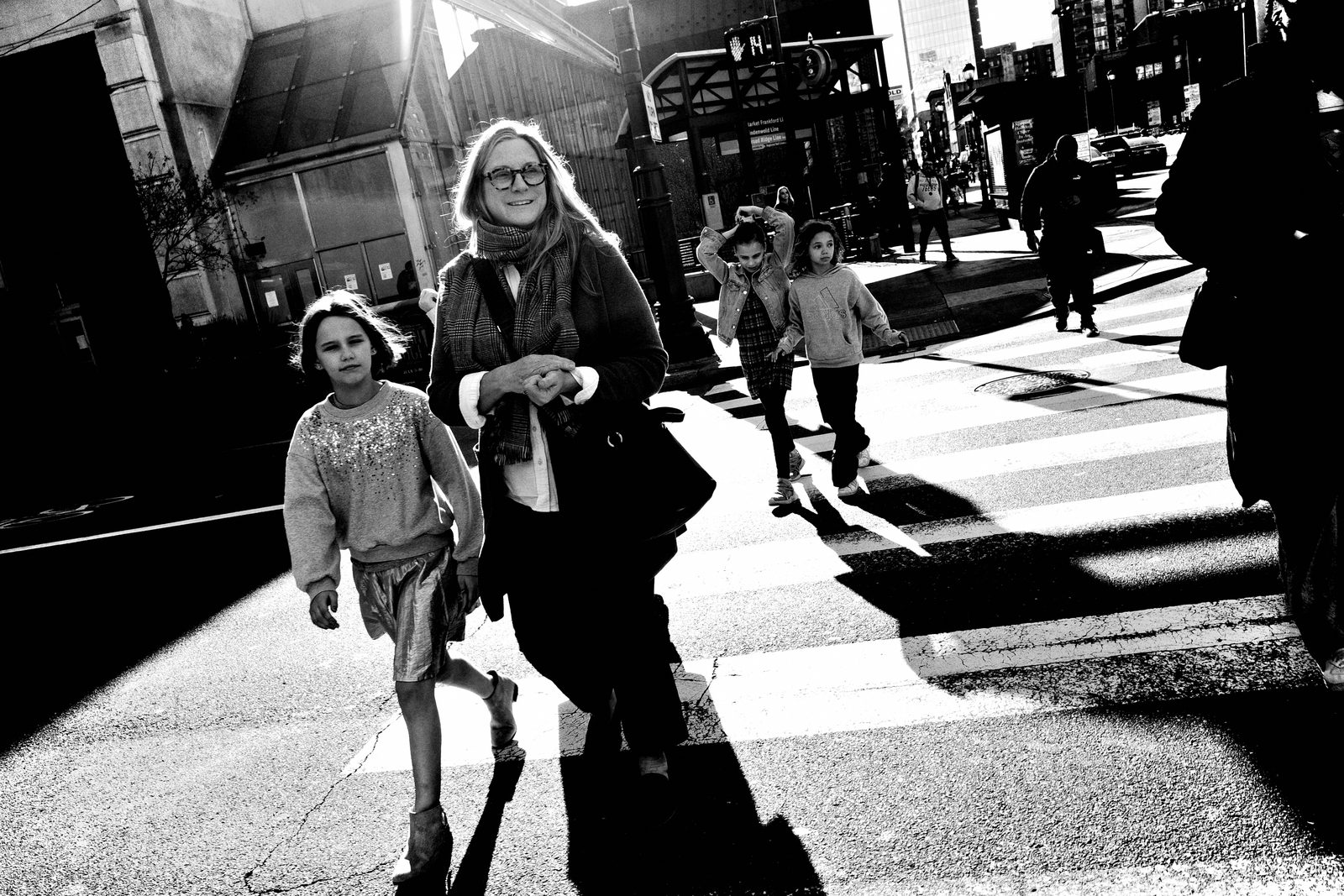
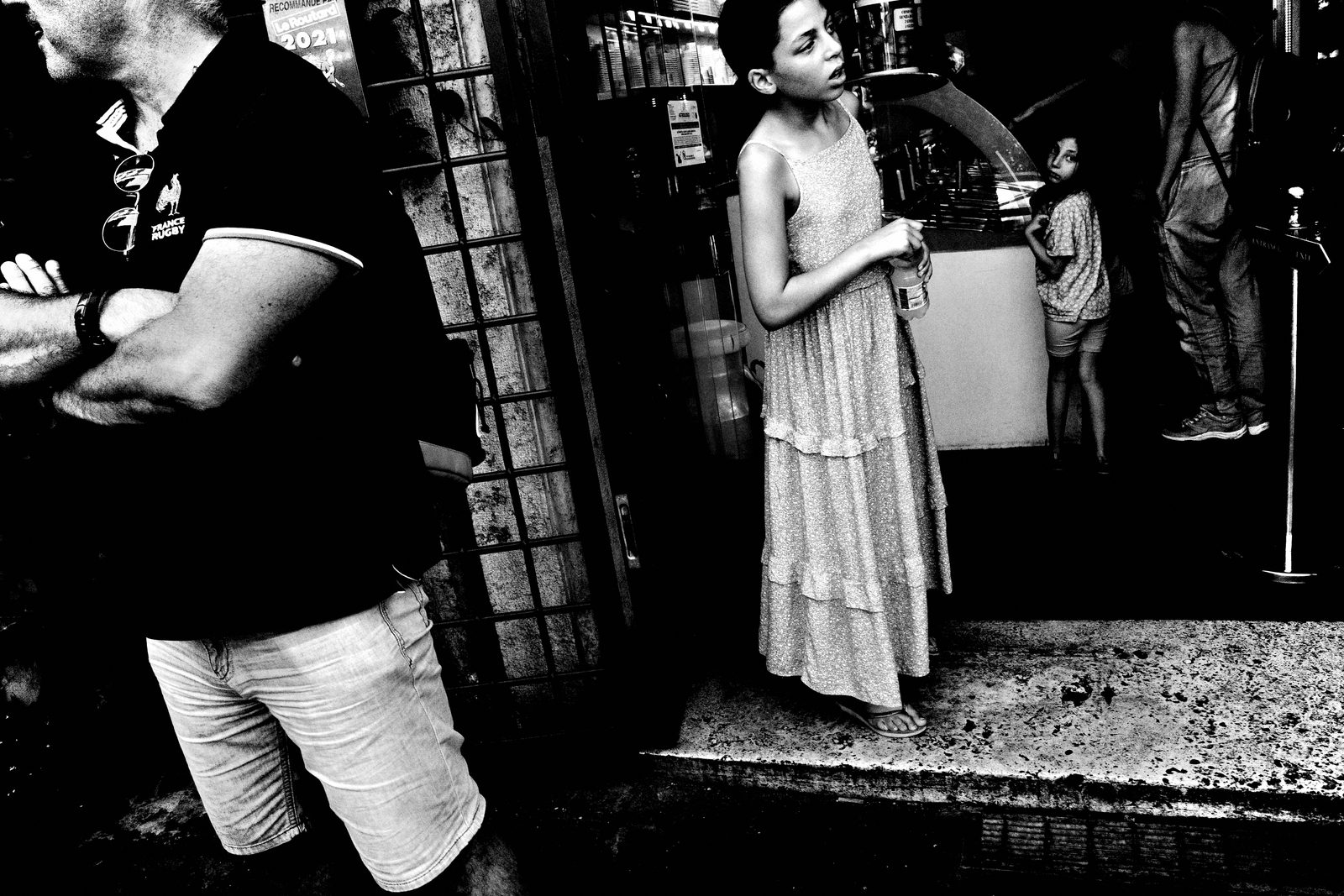
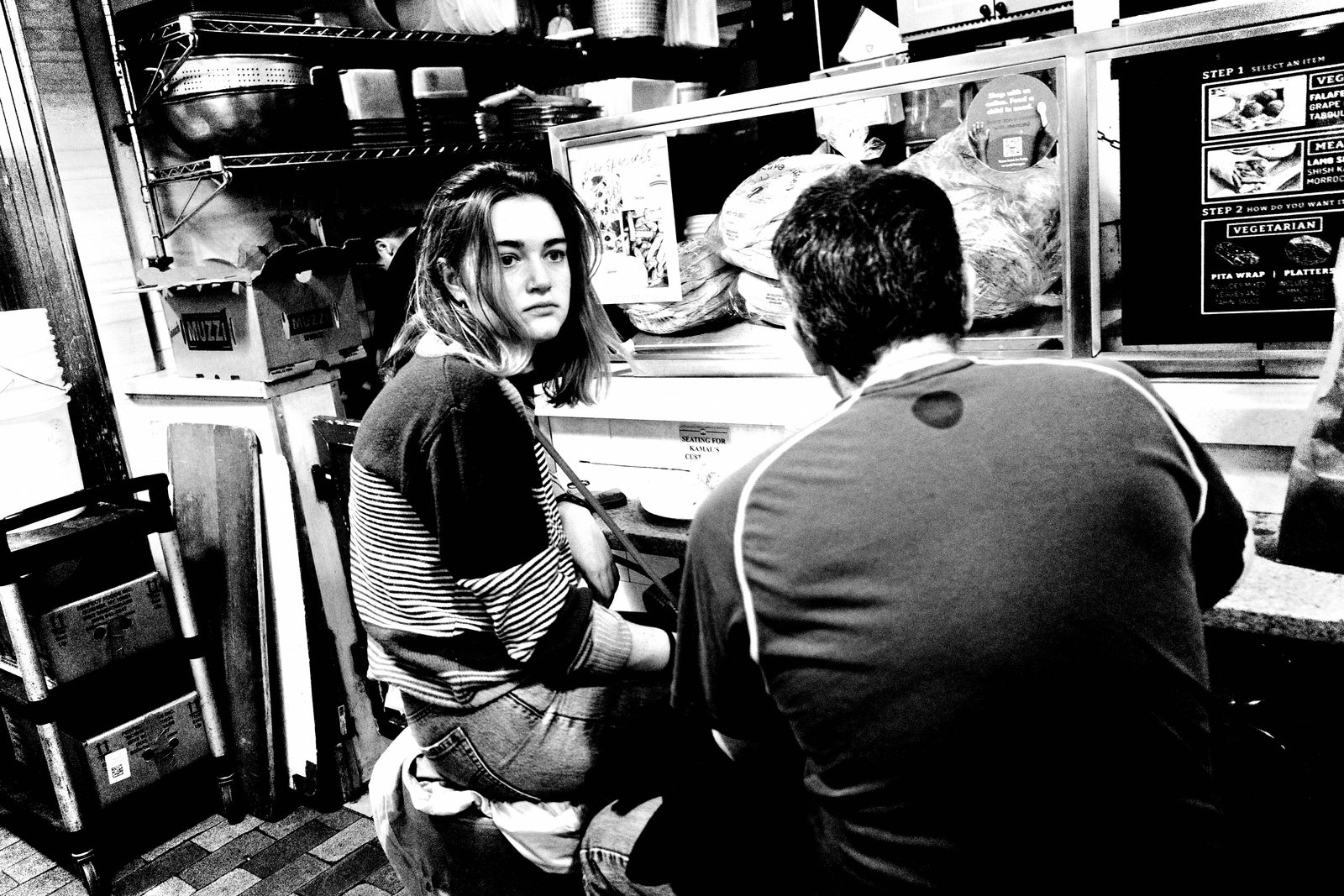
Here's the framework I use on every layered shot. Foreground: something strong that anchors the eye — a hand, a gesture, an object, a face. Middle ground: where the main action or subject lives. Background: context — architecture, sky, crowd, whatever gives the frame its world. Three planes, one coherent image. Simple to say, hard to earn.
Anchoring the Foreground
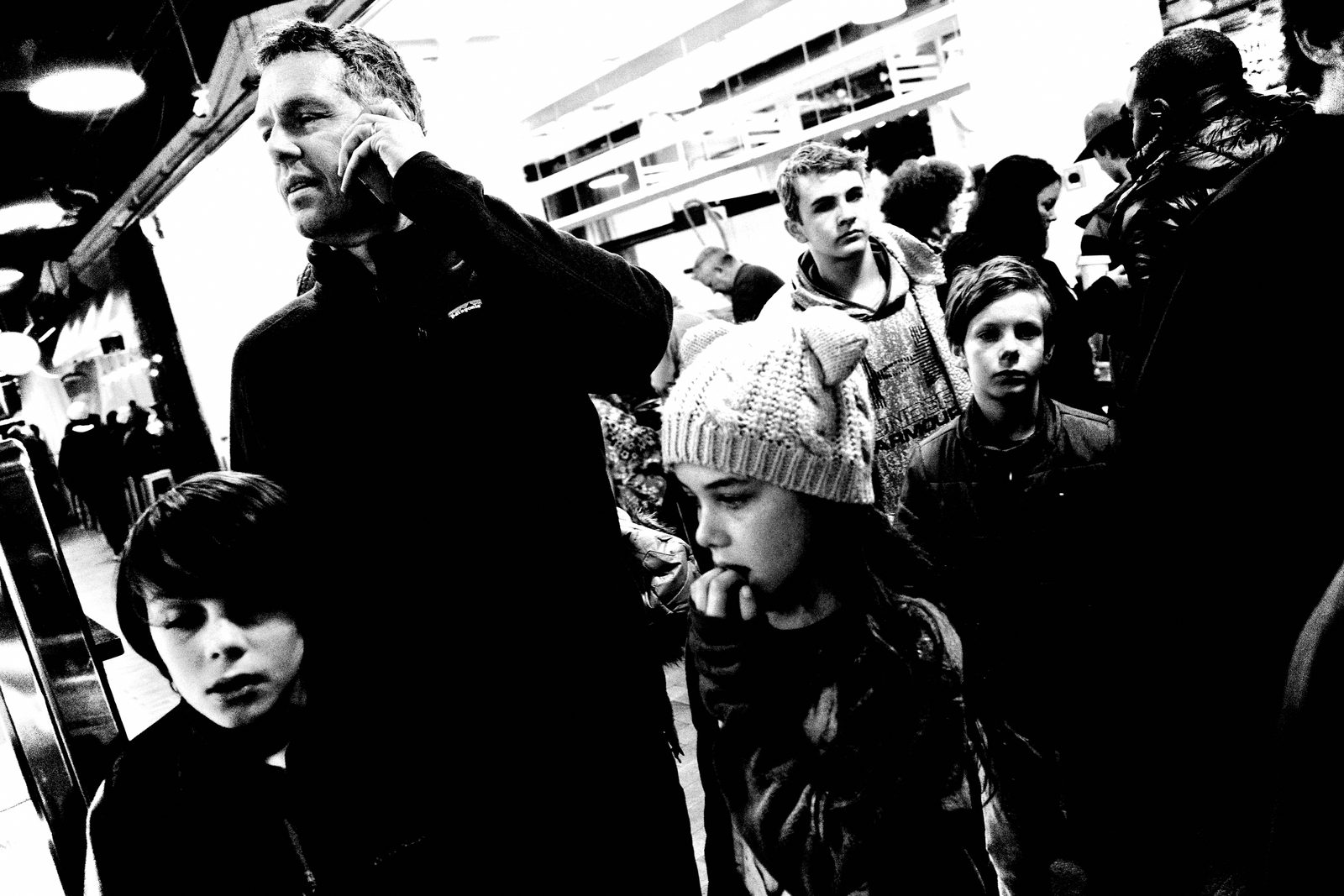
The foreground is where the eye lands first, so give it something to hold. When you plant a strong element close to the lens — a hand, a pair of feet, an object entering from the edge — you immediately establish depth. That near element tells the eye "here is the front of this world," and everything else falls into place behind it. A frame without a foreground anchor feels flat no matter how much is happening. So the first question on any layered scene is: what's my anchor, and where do I put my body to get it close?
The Sky as a Stage
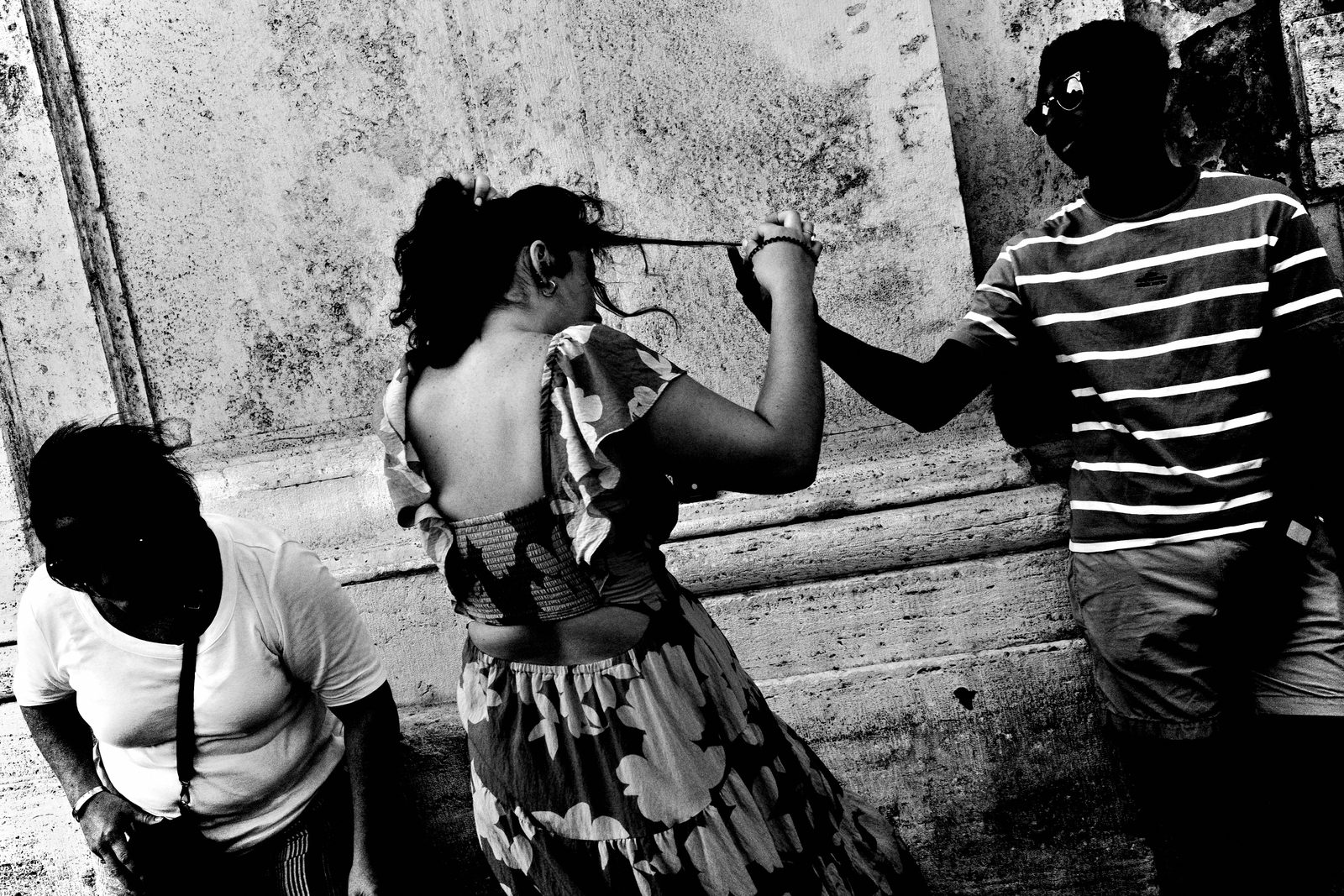
The blue sky move is one I come back to again and again. When a scene is visually noisy and you need to isolate your subject, drop low and use the sky as your backdrop. It clears the clutter instantly. The subject pops. And then you can layer back in from below — feet, hands, objects — without competing chaos behind them.
Building Outward, One Layer at a Time
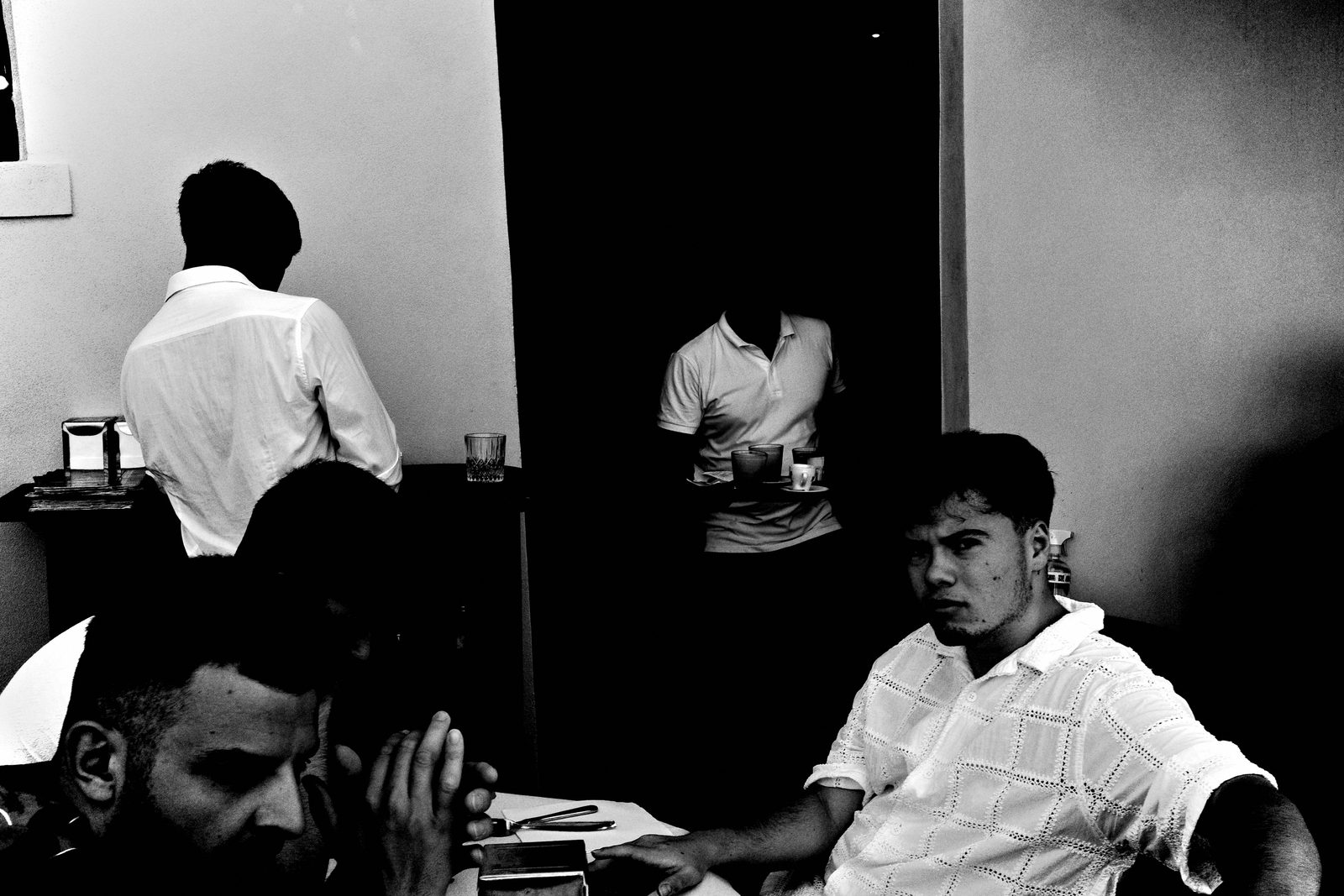
Once you have your anchor, you build outward. Pick one dominant element up front — let it fill a real chunk of the frame — and then add life deeper in, one plane at a time. A figure in the middle. Something further back. Each new element lives on its own plane instead of piling onto the anchor. And you want the deepest layer to give you separation — a clean edge, a wall, a stretch of open space, a bit of atmosphere — so the layers don't collapse into each other. That's the method: one anchor, then build back through the frame element by element.
Synthesize, Don't Clutter
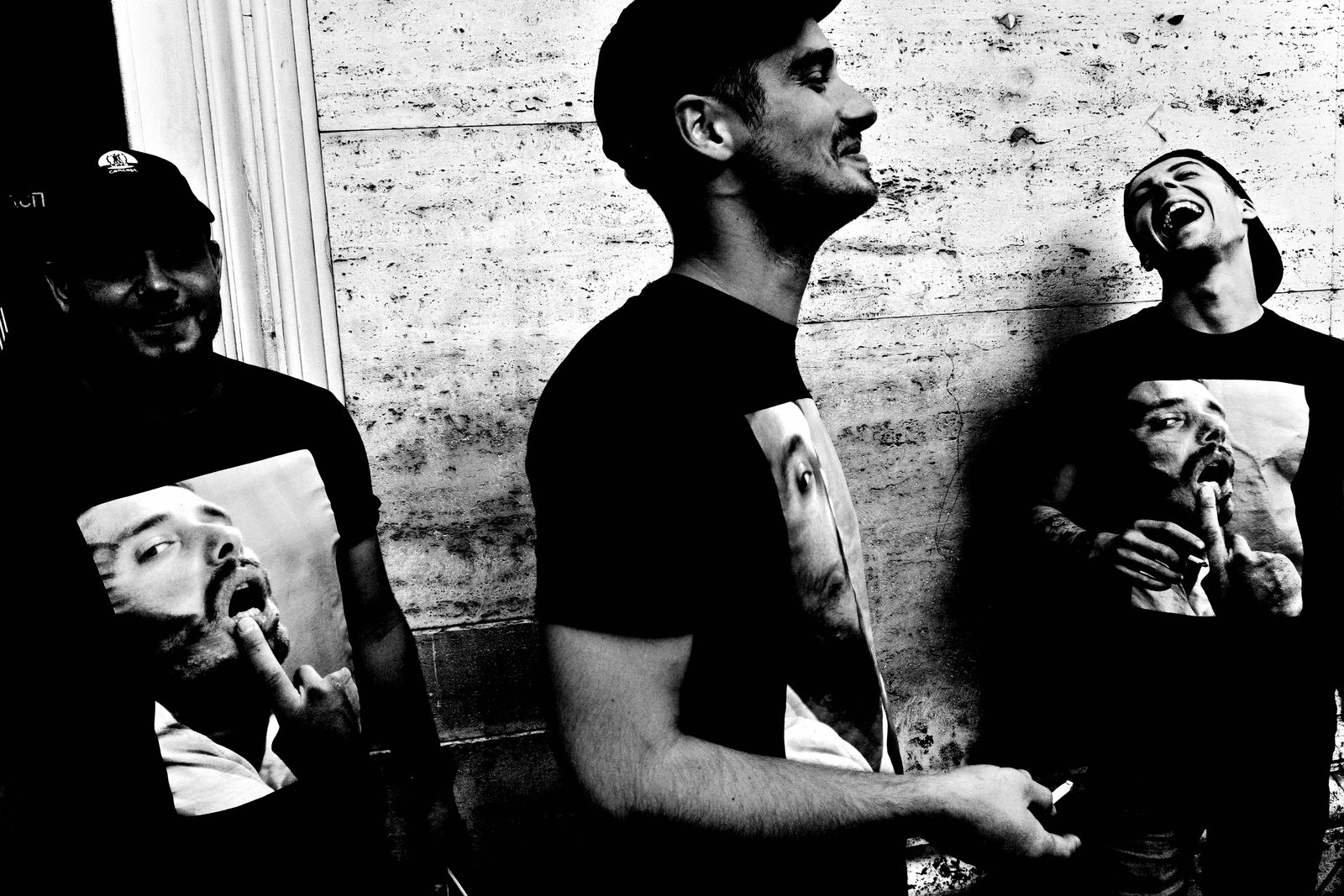
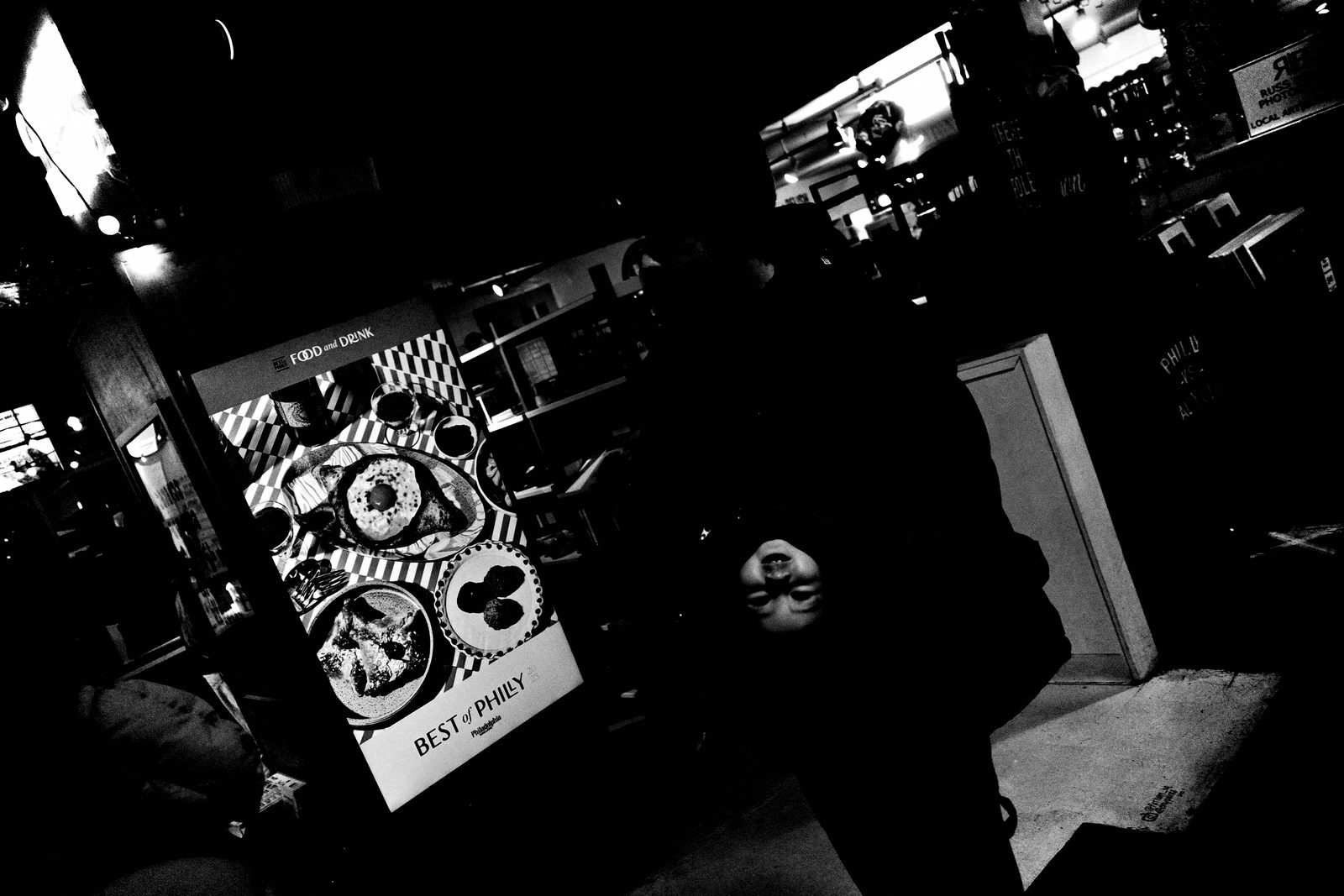
There's a trap here I want to name directly: layering is not cramming. You don't want a million things going on with no hierarchy. You want to synthesize the moment with the composition. Every element in the frame should earn its place. Ask yourself — can the eye travel this image and land somewhere? If it can't, you've cluttered, not layered.
Layering With Light and Shadow
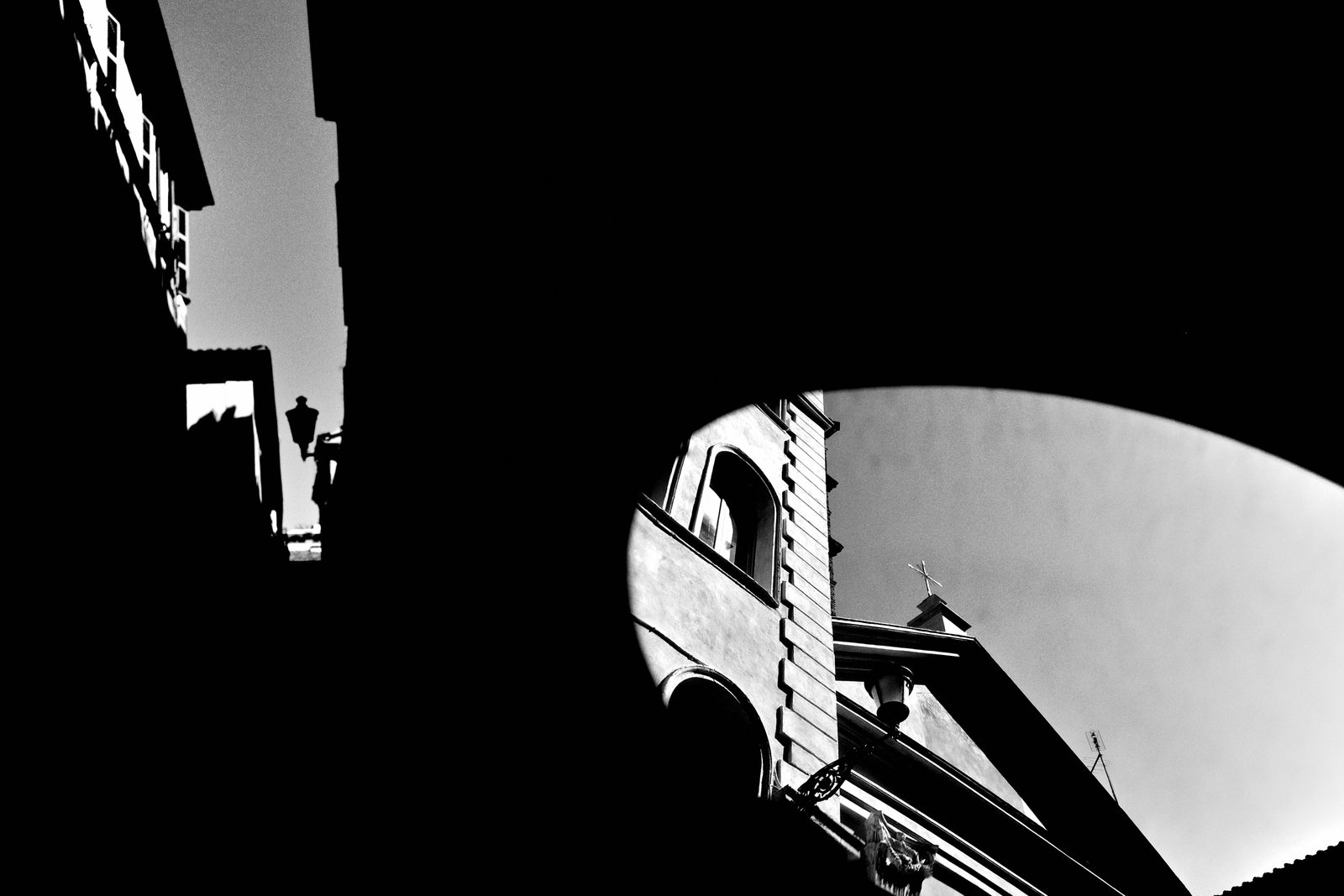
Light and shadow are layers in their own right. A beam falling across a street, a rectangle of sun on a wall, a pool of shadow under an awning — these are stages you can compose onto before anyone even enters. Lock your geometry first: set your background, fix your angle, decide where the light lives in the frame. Then wait for a subject to cross into it. When a figure steps out of shadow and into the light, that contrast does the same job as physical distance — it peels the layers apart and tells the eye what's front, middle, and back. Half your work is done before the moment arrives.
Photography Is Physical
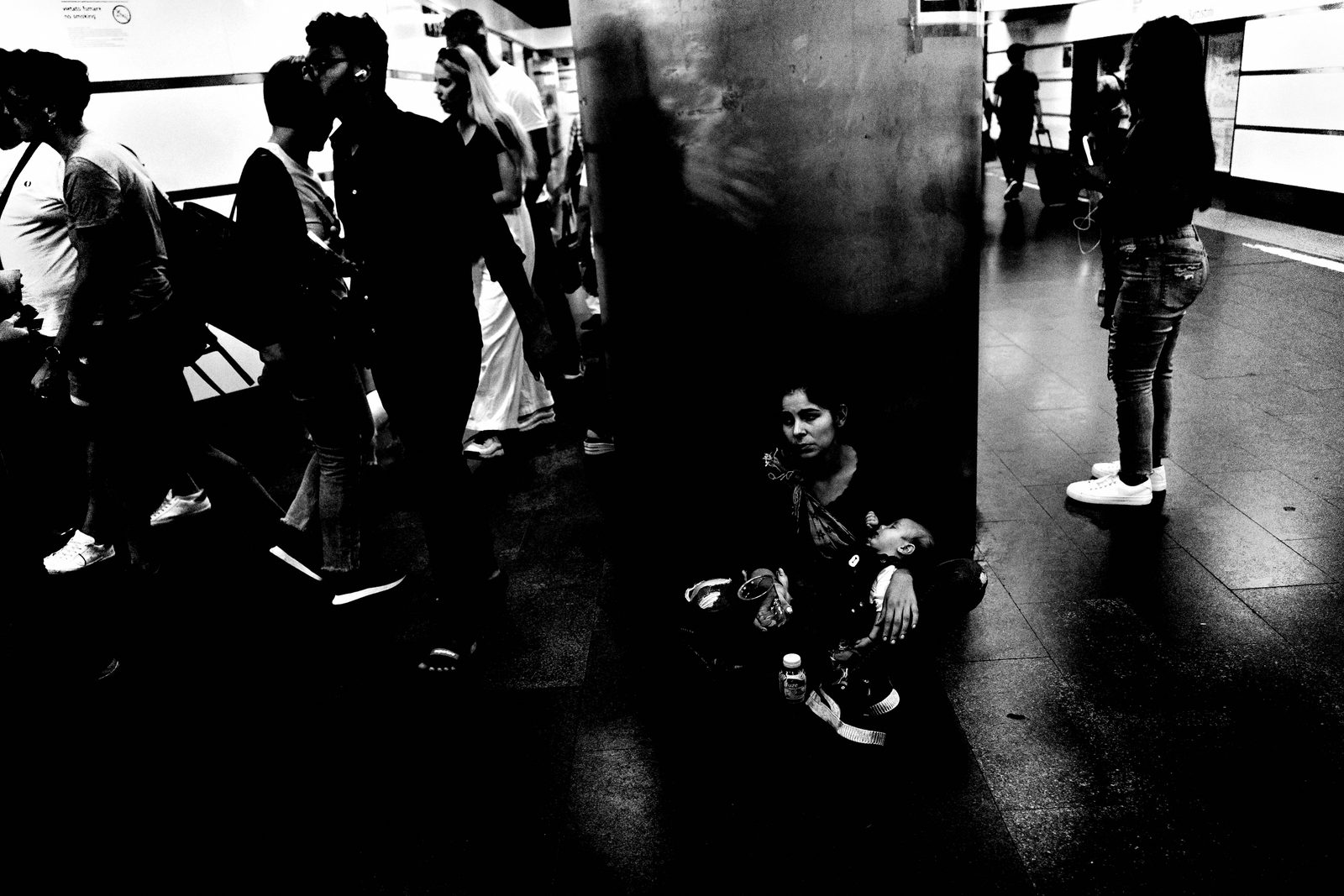
I say this constantly and I'll keep saying it: photography is a physical medium. You have to move your body to make the composition click. You can't think your way into a layered frame — you have to shift left, drop low, angle at forty-five degrees, finesse the pieces until they align. The camera goes where your body takes it. So move.
Reflections and Visual Rhymes as Layers
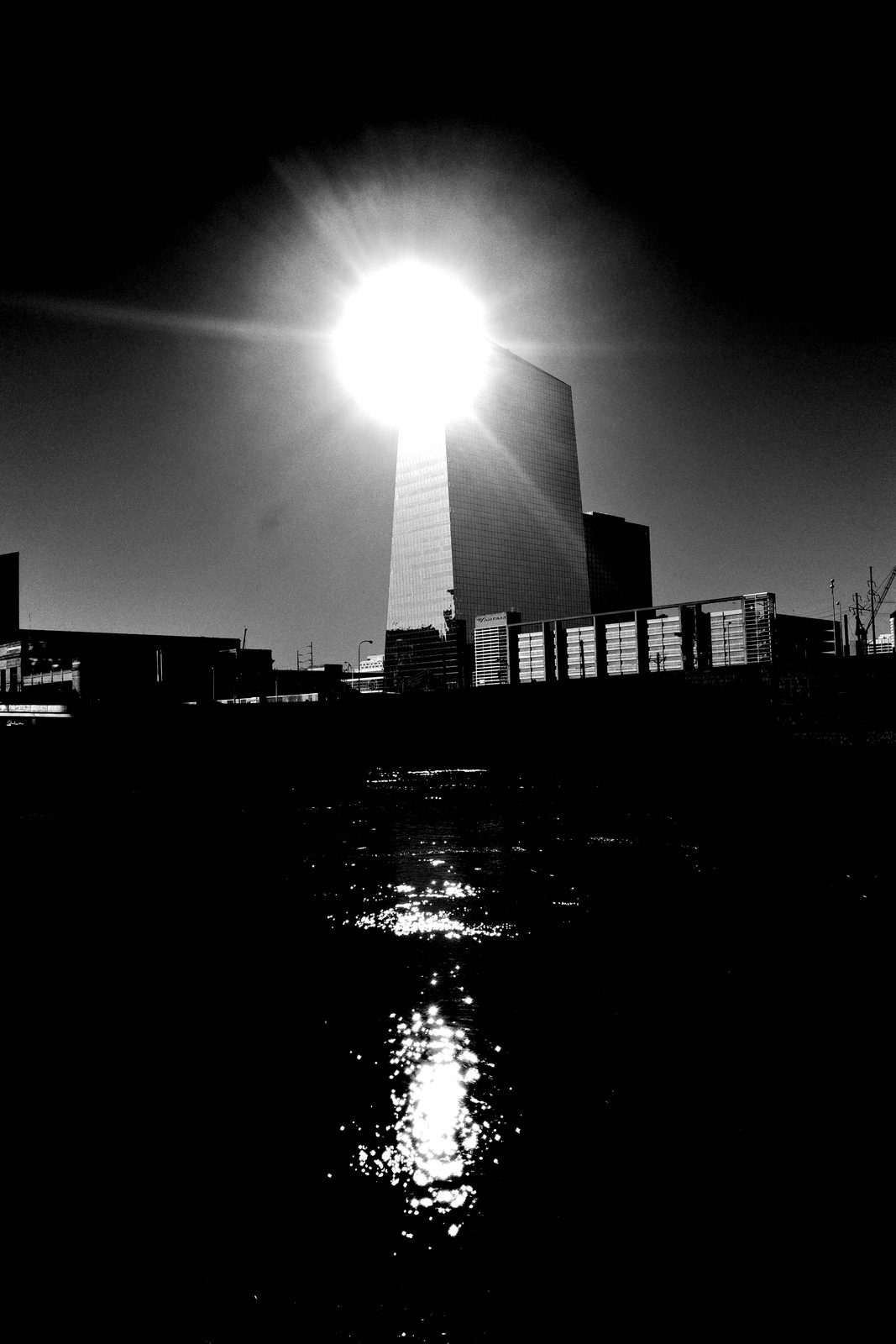
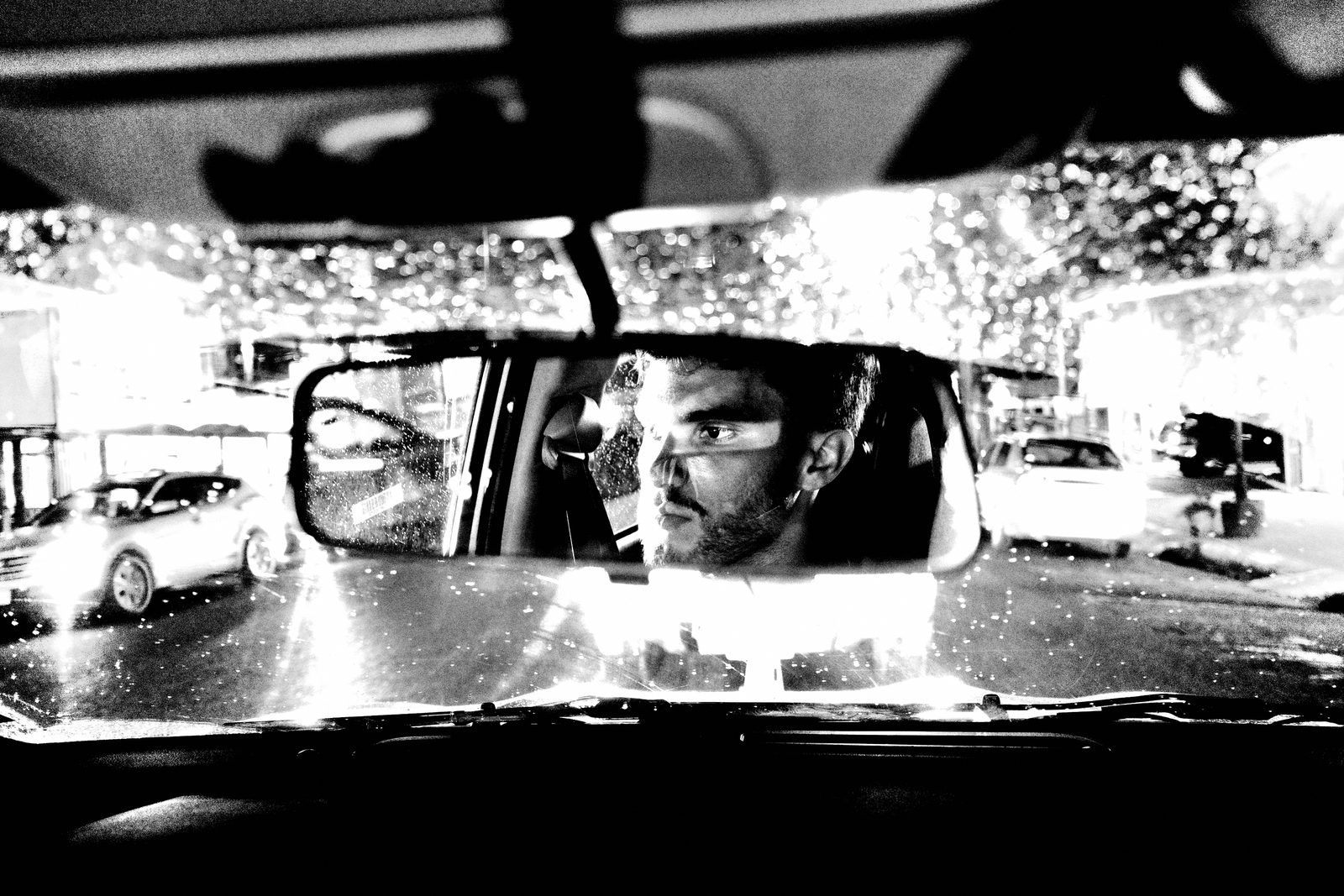
A reflective surface is a gift, because it folds a whole extra plane into your frame. A mirror, a window, a pane of glass, a puddle — each one can hold a second subject deeper "inside" the image while a foreground element sits out front. And watch for visual rhymes: when a shape in one plane echoes a shape in another — a curve answering a curve, a circle answering a circle — that repetition stitches the layers together and makes the whole thing feel composed rather than accidental. You earn it physically: move until the reflection catches what you want and the shapes line up. Use every surface the scene hands you.
Use What the Scene Gives You
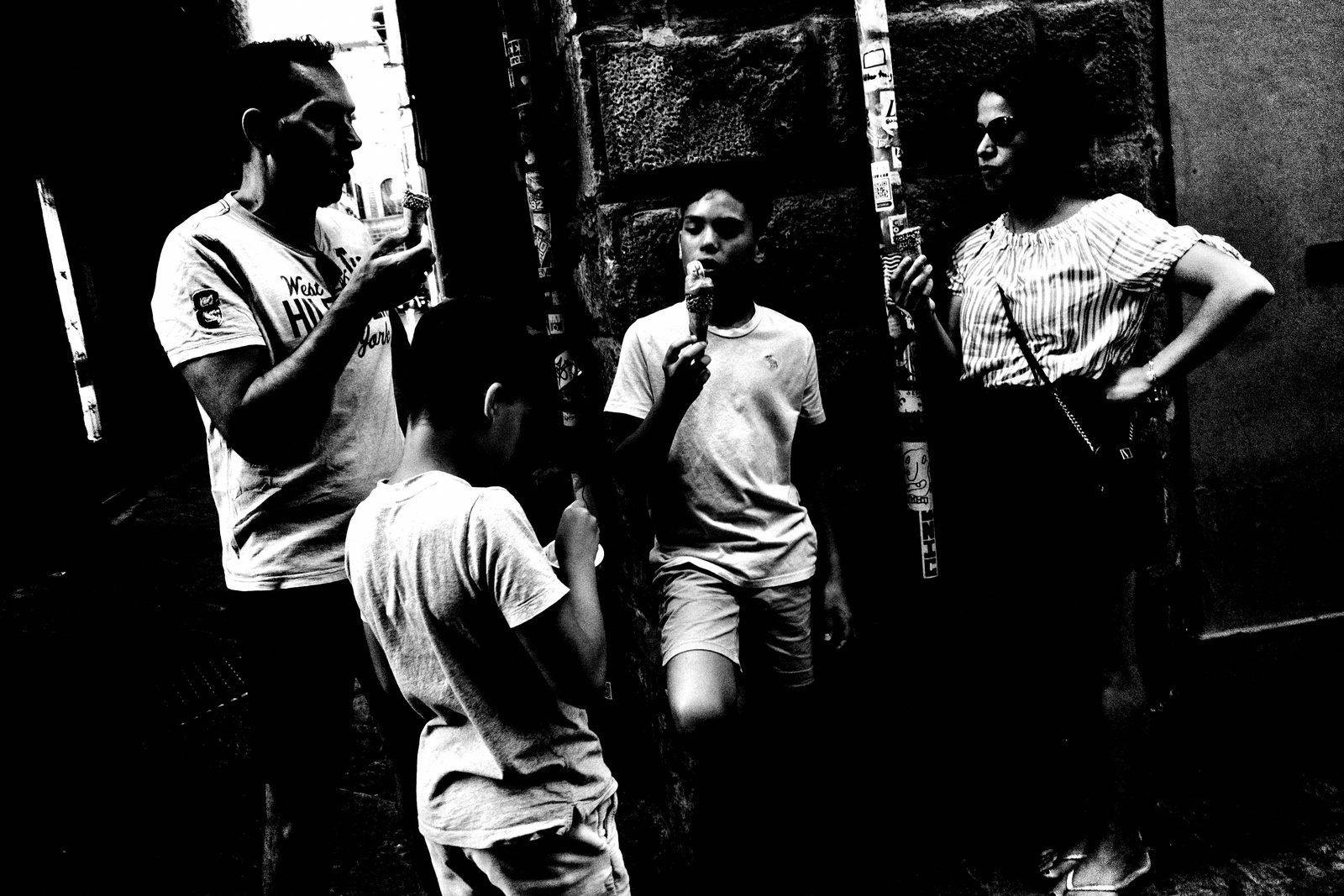
The scene always gives you materials. Reflections. Shadows. Architecture. A beam of light. A hand you can plug in. A ledge, a sign, a smoke cloud. Your job is to see those materials and arrange them into something coherent. Think of it as a visual puzzle — the street scatters the pieces and you assemble the image. That's the work.
Set the Stage, Then Let Life Fill the Planes
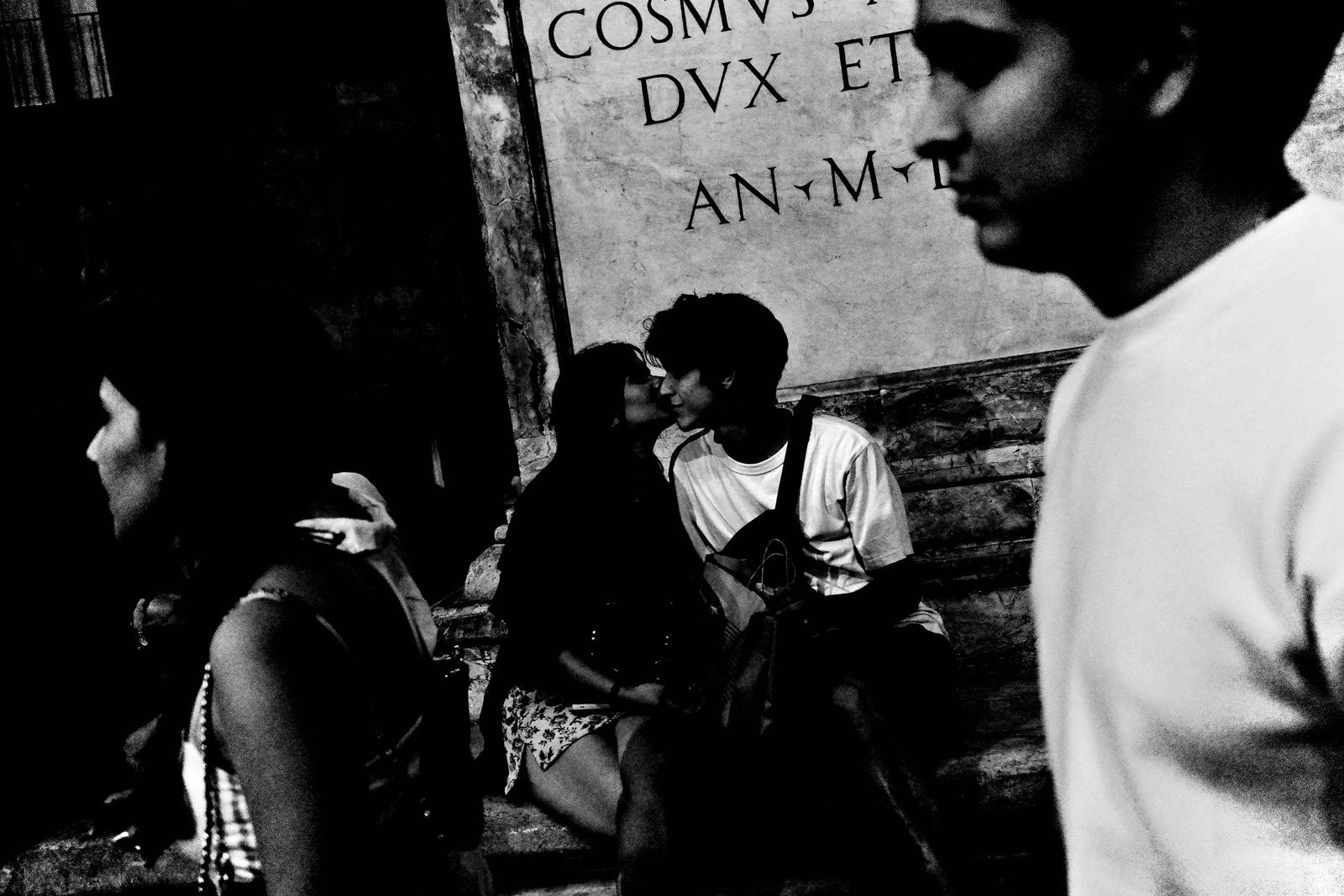
The most reliable way to earn a layered frame is to stop chasing and start fishing. Instead of running after every subject, find a background with good light or clean geometry, then locate the choke point — the spot where movement naturally funnels through. Plant yourself. Now the front, middle, and back of your frame are already defined, and you simply wait for life to move through them. Something enters the foreground. Someone crosses the middle. Something anchors the back. Give each plane a little open space and the layers assemble themselves. That's not luck — that's a stage you built on purpose.
Set Your Stage, Then Be Patient
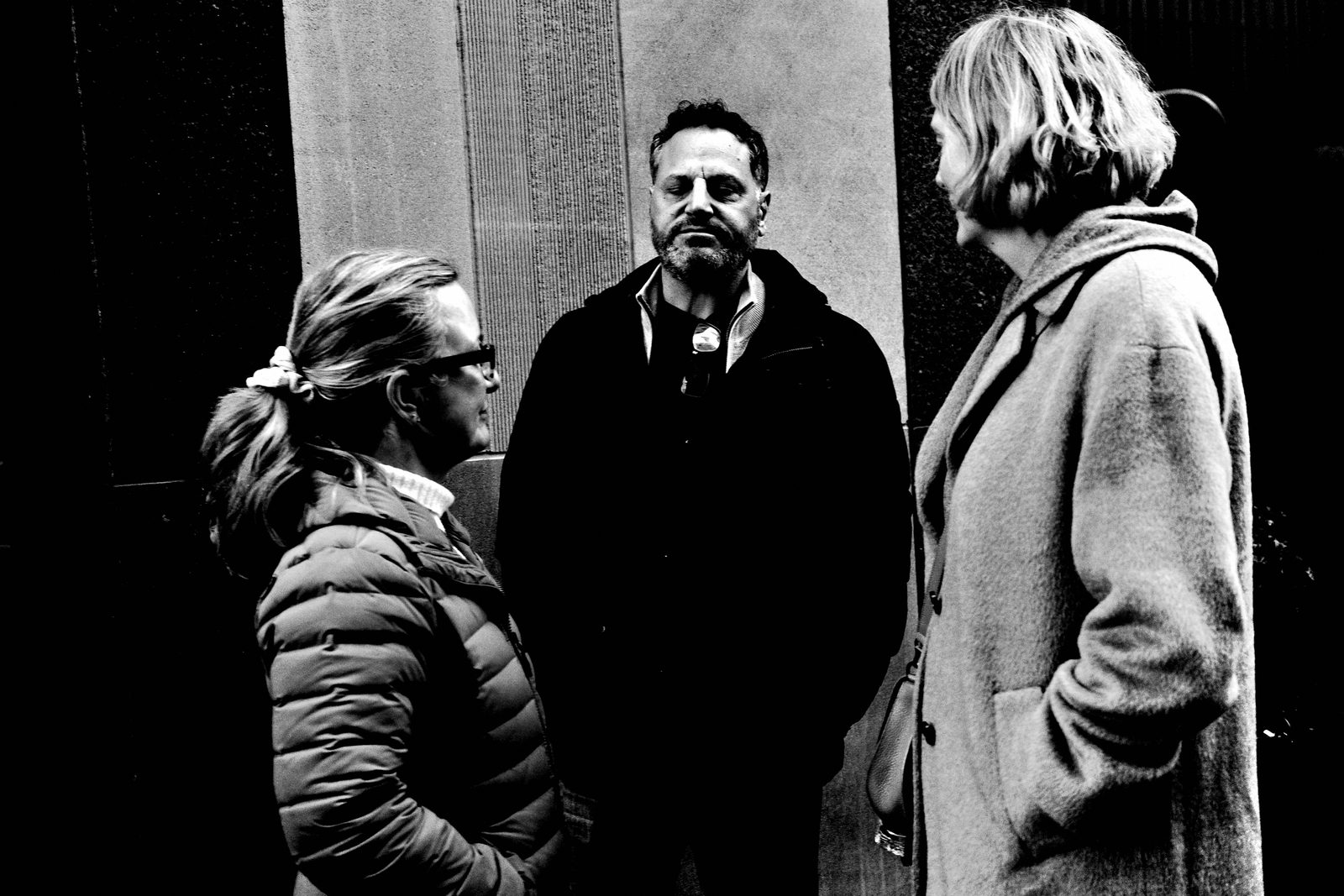
This one works everywhere: identify your background first. That's your stage. Find the choke point — the place where movement naturally funnels through. Position your body. Then be patient. The subjects will come. Patience is not passive — it's a fully active, alert waiting. The frame is already built; you're just waiting for life to complete it.
Plugging Yourself In
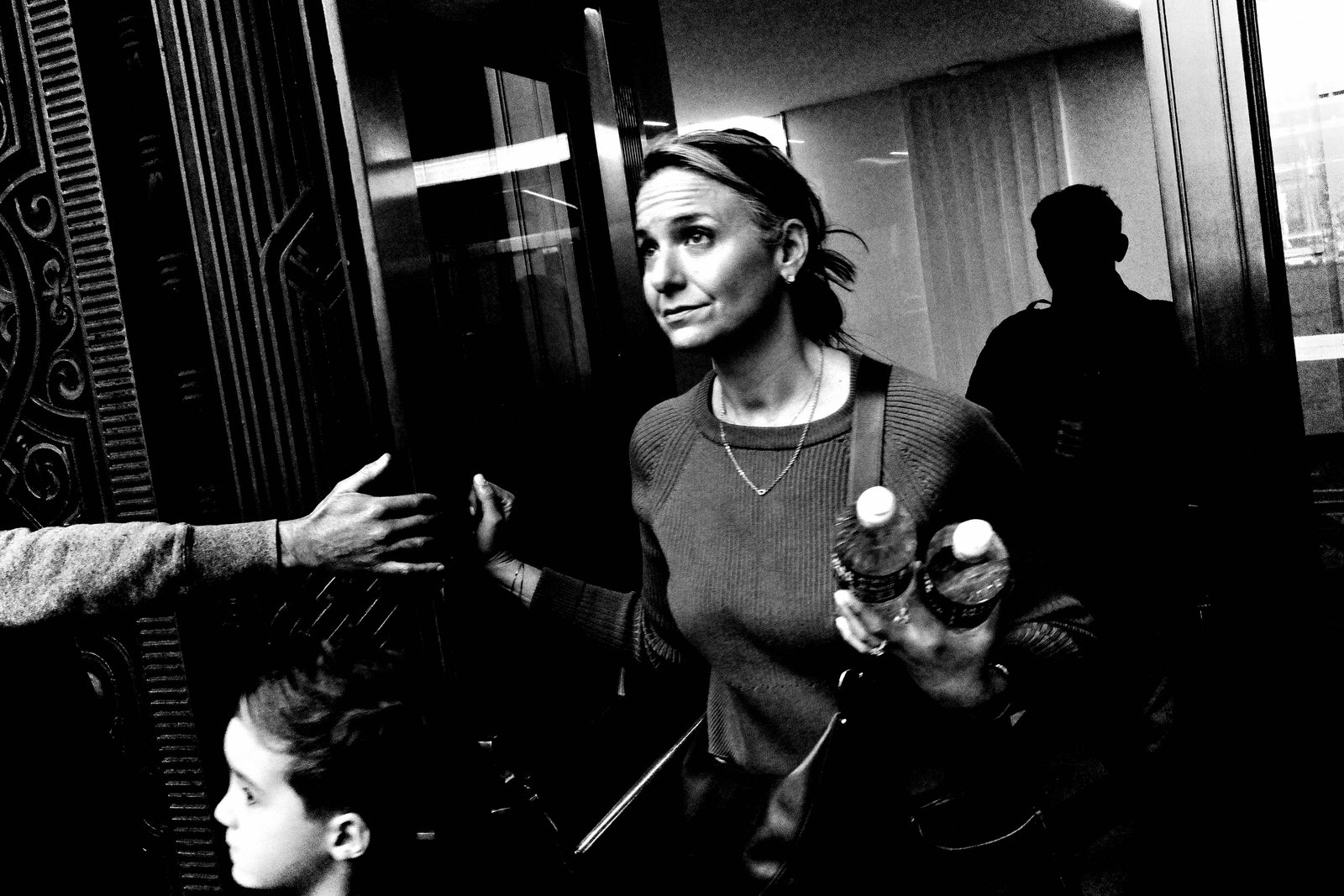
Sometimes a scene gives you a strong middle and back but nothing up front. When that happens, you are always available as a foreground element. Push your own hand into the frame — holding a cup, resting on a rail, reaching toward the subject — and suddenly you have your anchor. It reads as personal and intimate, because the viewer is now standing exactly where you stood. Don't wait for the perfect scene to arrive fully formed. Build it with what you have, and what you have always includes you.
PRACTICAL APPLICATION
Map a Scene Before You Shoot
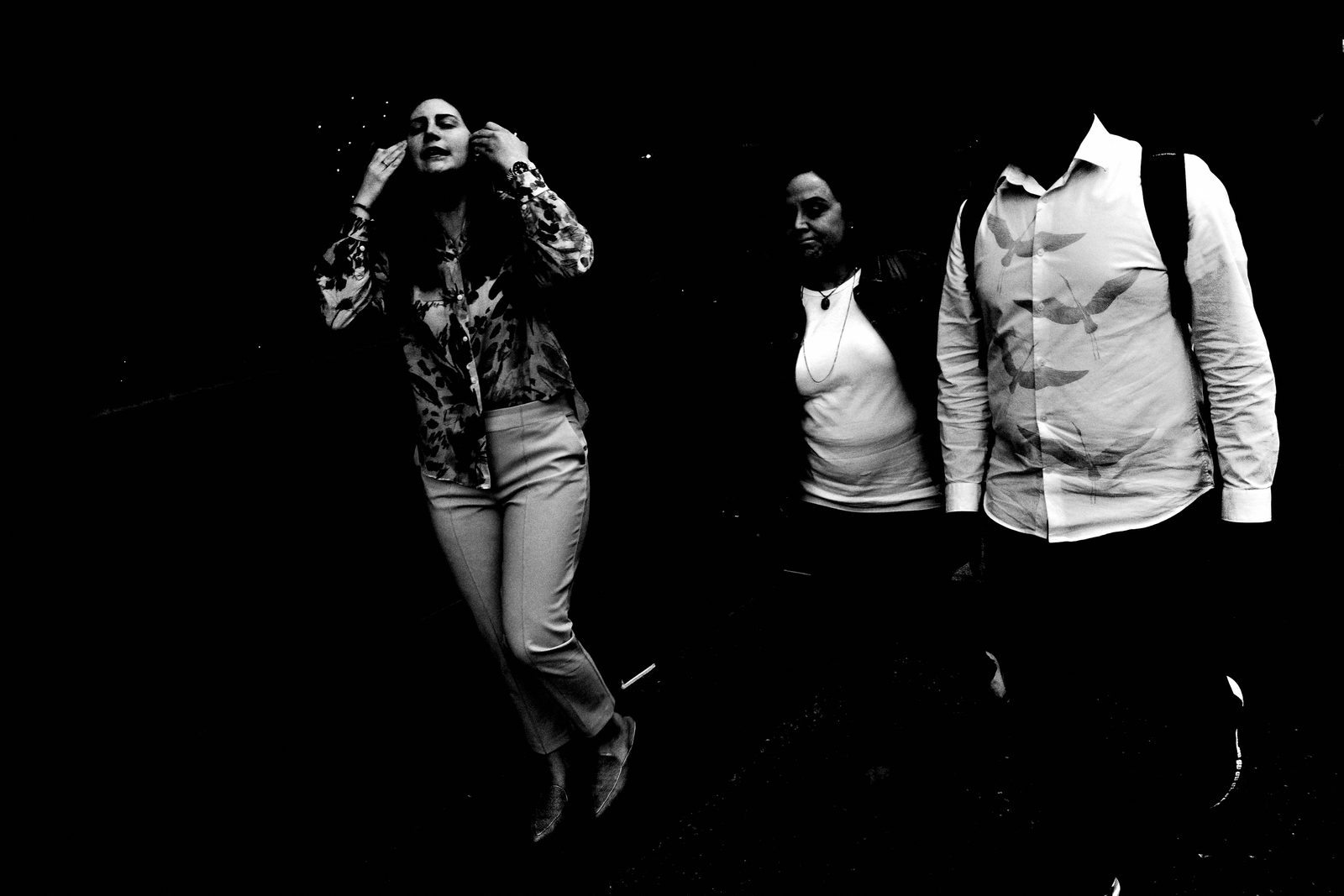
Here's your first assignment. Arrive at any scene — a corner, a market, a park bench — and before you raise the camera, map it. Say out loud or in your head: what's my foreground? What's my middle ground? What's my background? Then move your body until all three feel intentional. Only then shoot. This slows you down in the best way.
Set the Stage and Wait
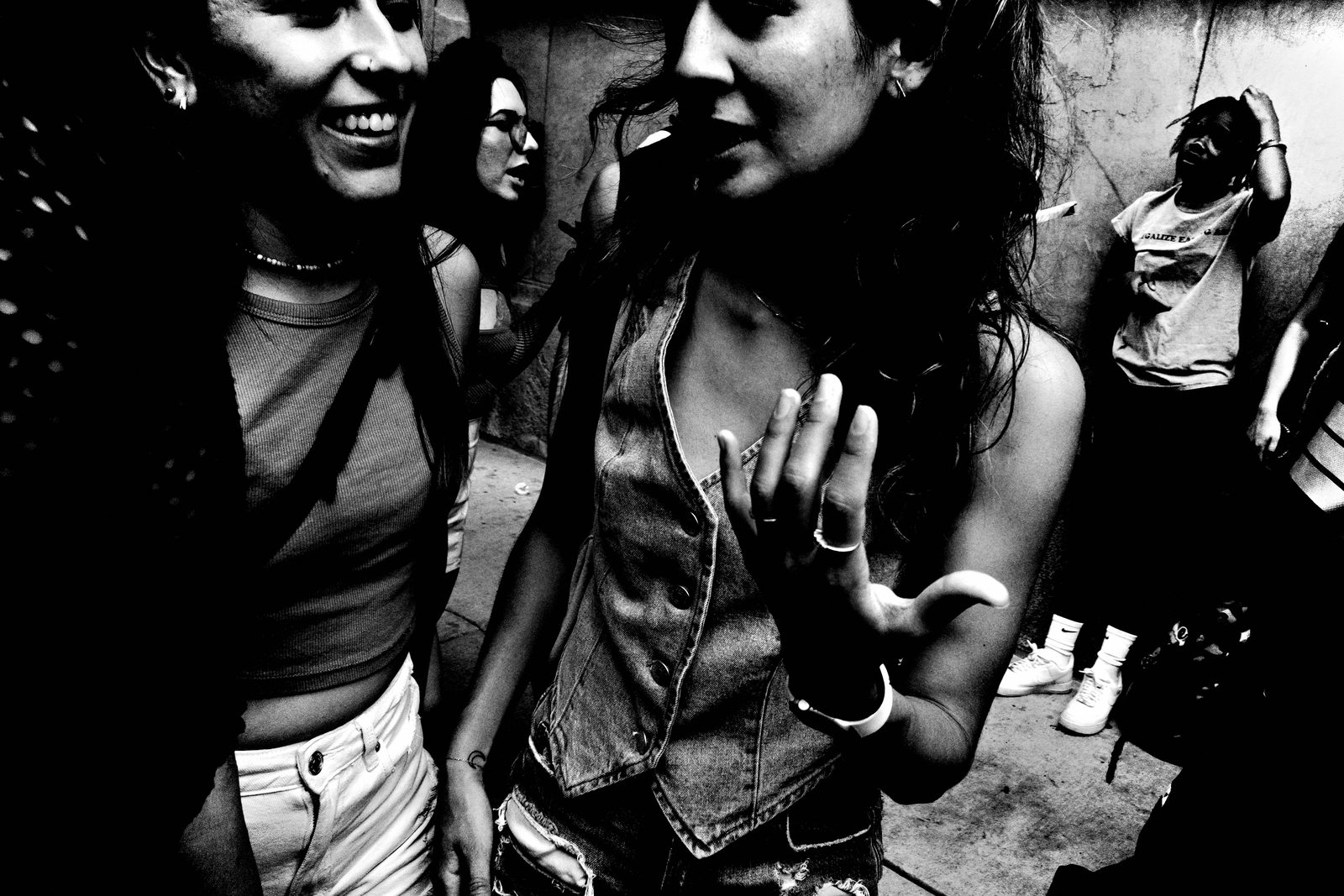
Second assignment: go somewhere with good light or interesting geometry — a doorway, a pool of shadow, a beam of afternoon sun. Set your stage. Find the choke point. Then give it ten minutes of patient, alert waiting. Don't chase. Let life walk in. Document what enters the frame and how the layers build themselves. This is the fishing method, and it works every time.
The Physical Finesse Drill
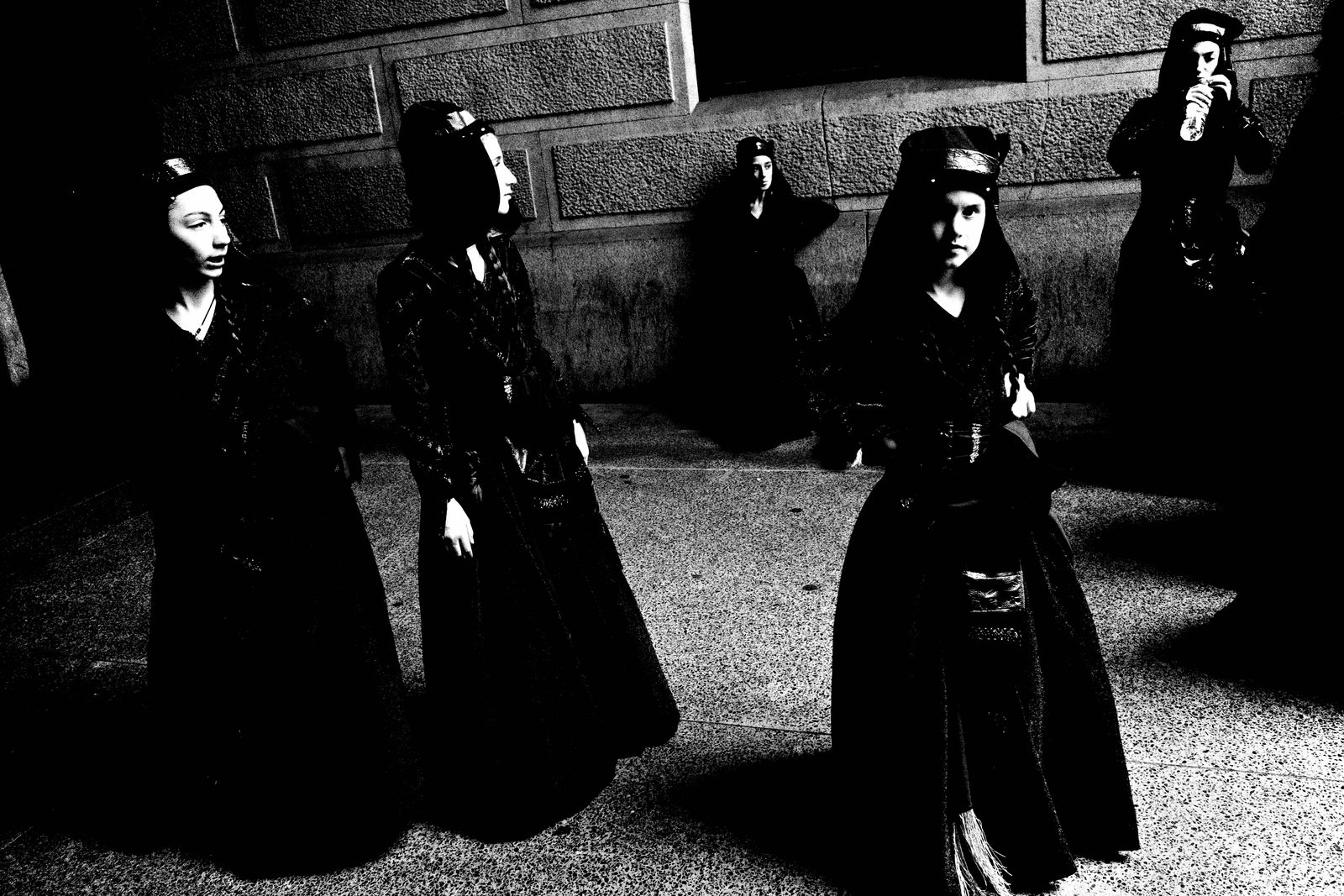
Third assignment — the physical finesse drill. Pick a subject or scene and spend five minutes moving around it. Low angle. High angle. Turn forty-five degrees. Step two feet left. Crouch. Notice how the relationship between foreground, middle, and background shifts with every inch of your body. That awareness is the skill. Train it until it's instinct.
COMMON MISTAKES
Shooting the Layer Nearest to You and Stopping
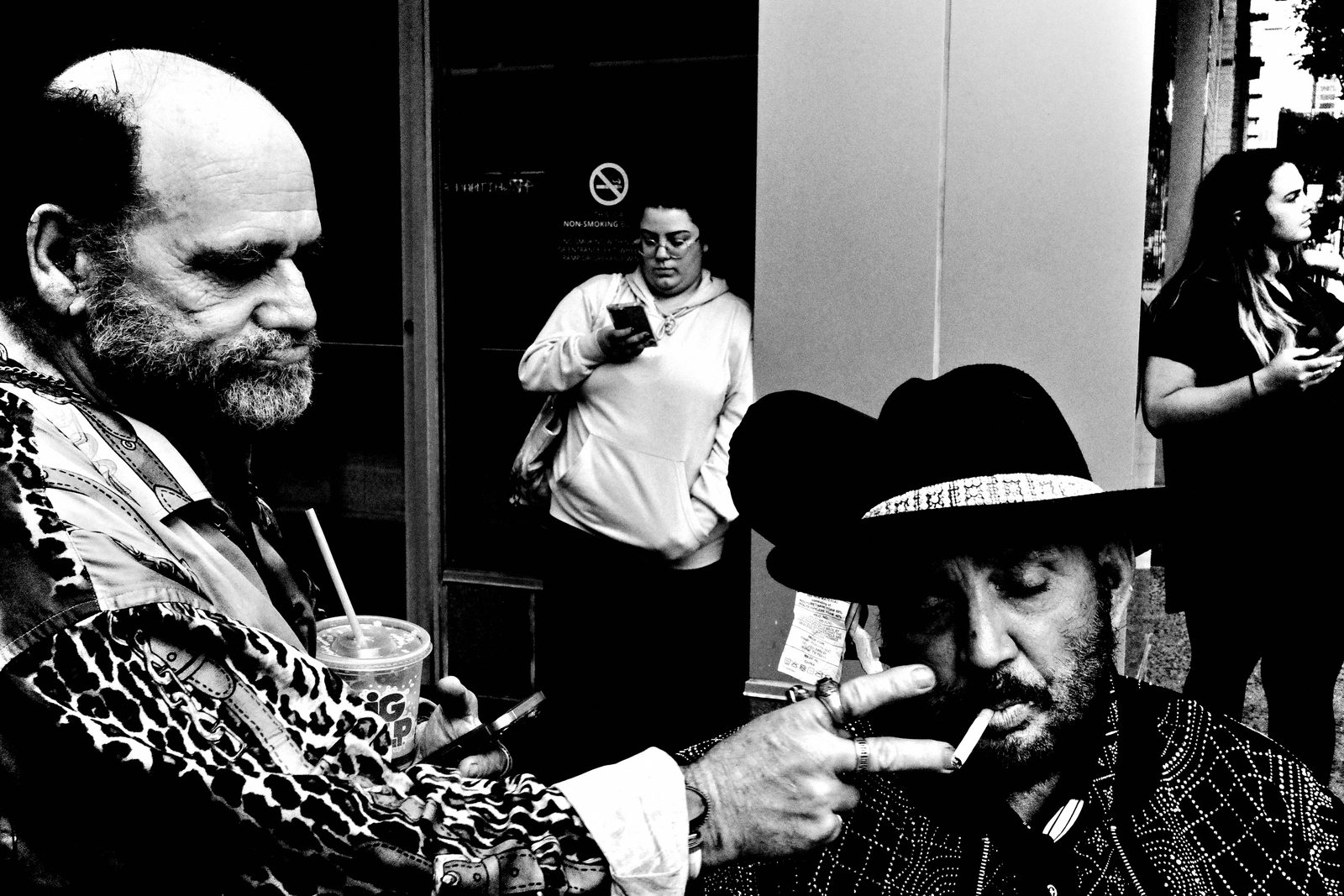
The most common mistake I see: people capture whatever is closest to them and stop there. One strong foreground subject, frame filled, done. But you left the story on the table. The middle and the background are where context and meaning live. Train yourself to read all the way to the back of the scene before you decide the frame is complete.
Mistaking Clutter for Complexity
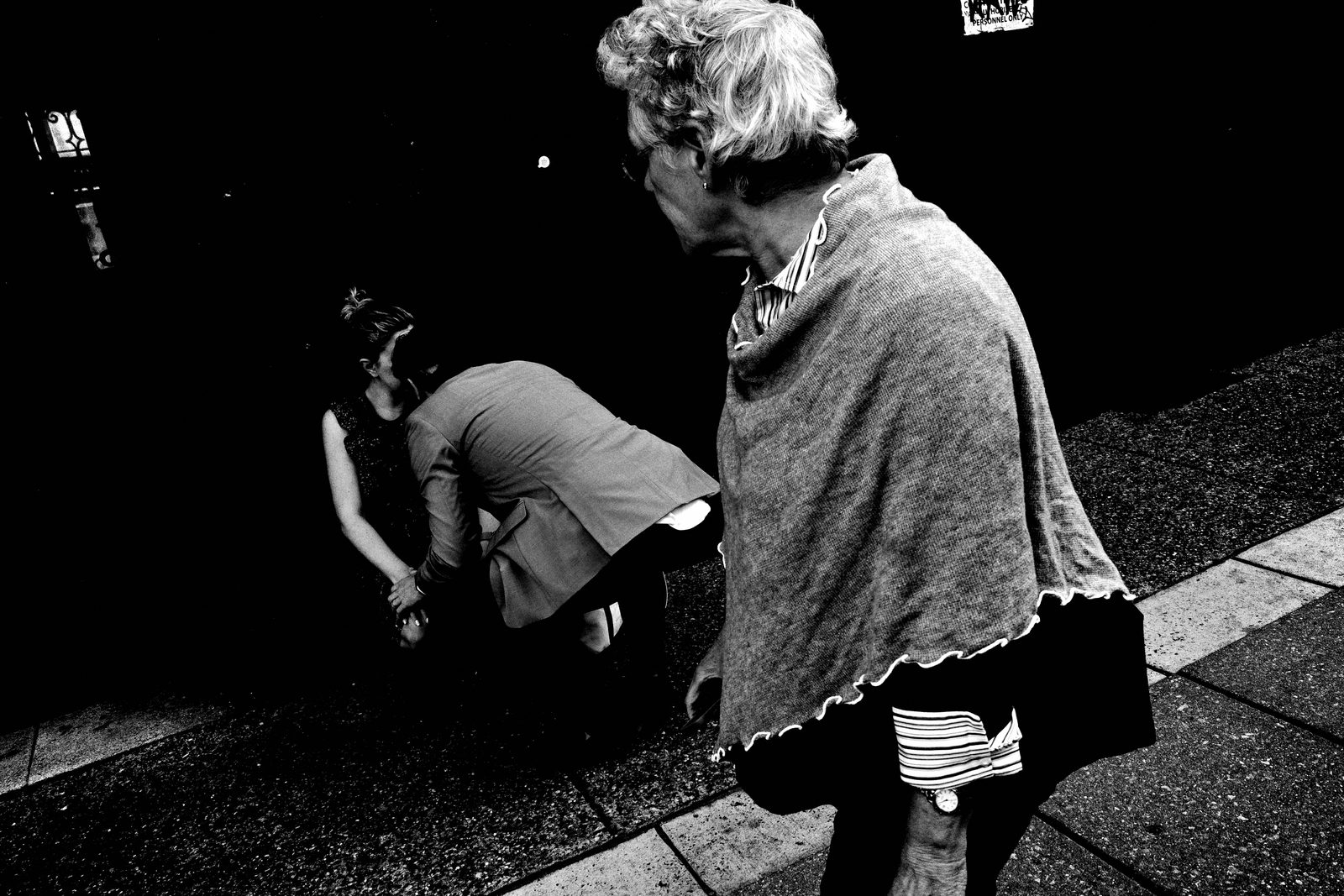
The other mistake — and it's the flip side — is thinking more elements automatically means more depth. They don't. If you stuff the frame with subjects and no hierarchy, you get clutter, not complexity. Every layered frame needs a clear anchor — one strong element that says start here — and then the eye can travel outward. Without the anchor, it's just noise.
RELATIONSHIP TO PREVIOUS
Building on How You Read a Scene
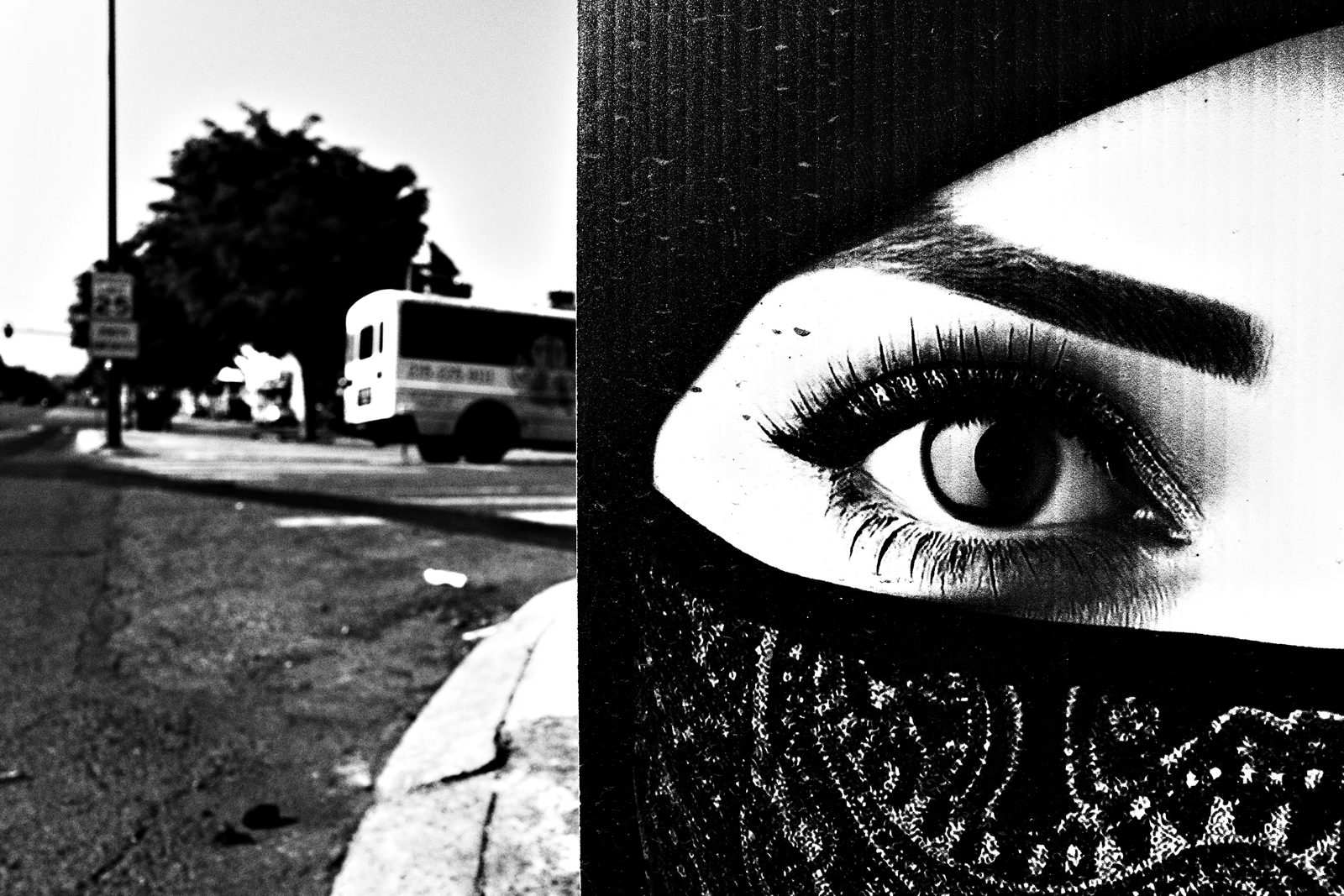
In Lesson 028 we built out how to read a scene analytically — piece by piece, decision by decision, understanding why each element earns its place. This lesson takes that same analytical eye and focuses it through a single lens: the three planes of layering. You already know how to look. Now you know exactly what to look for — foreground, middle ground, background, and how they lock together.
SUMMARY / TAKEAWAY
Three Planes, One World
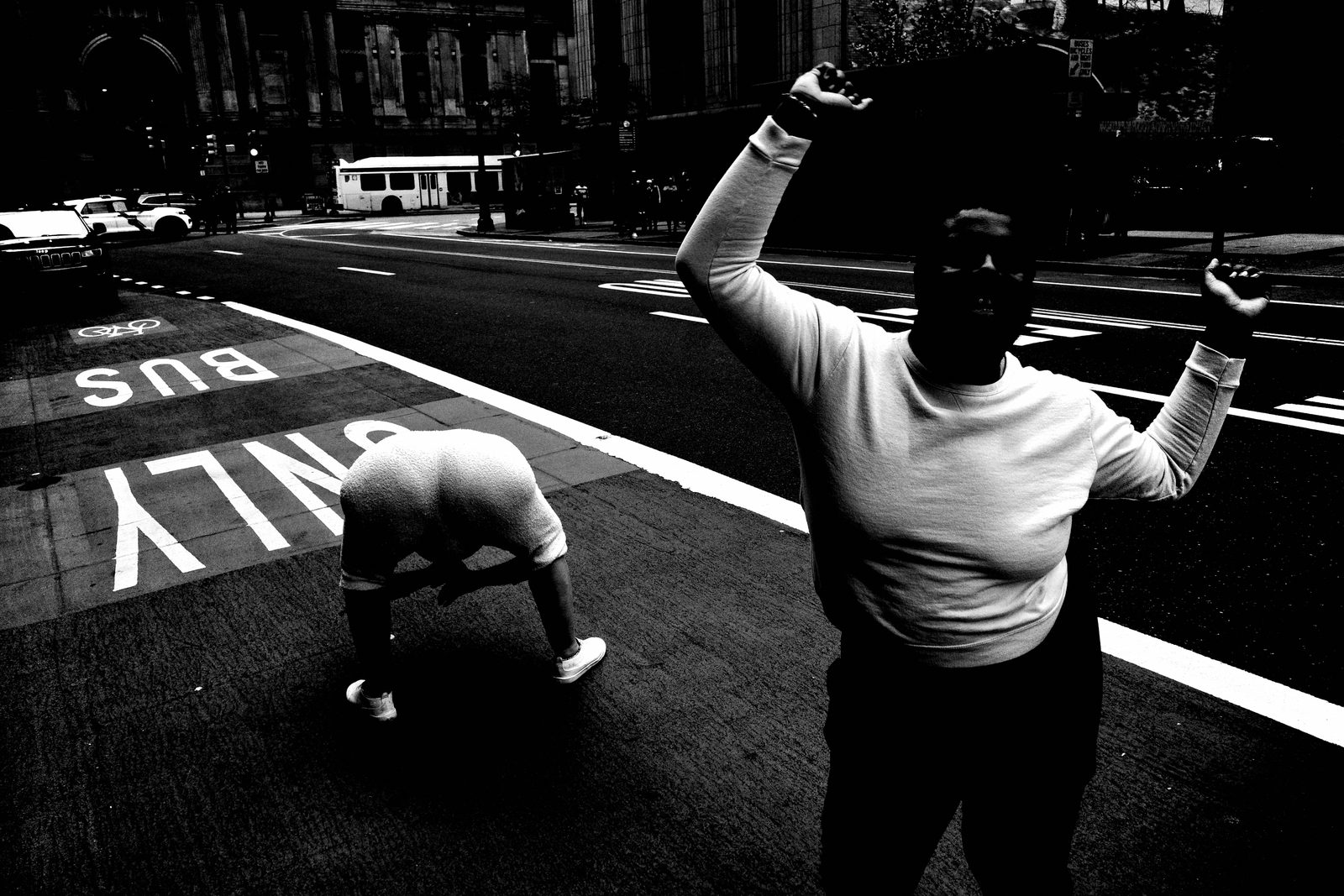
Last thing. Layering is not an accident and it's not luck — it's a framework you carry into every scene. Foreground anchors. Middle ground acts. Background contextualizes. Move your body until all three planes click. Set your stage and wait for life to walk in. Synthesize the chaos into something readable and beautiful. That's the job. That's the whole game. Catch you in Lesson 030.