Complex Scenes: Multiple Subjects
CORE IDEA
Structure Tames Many Subjects
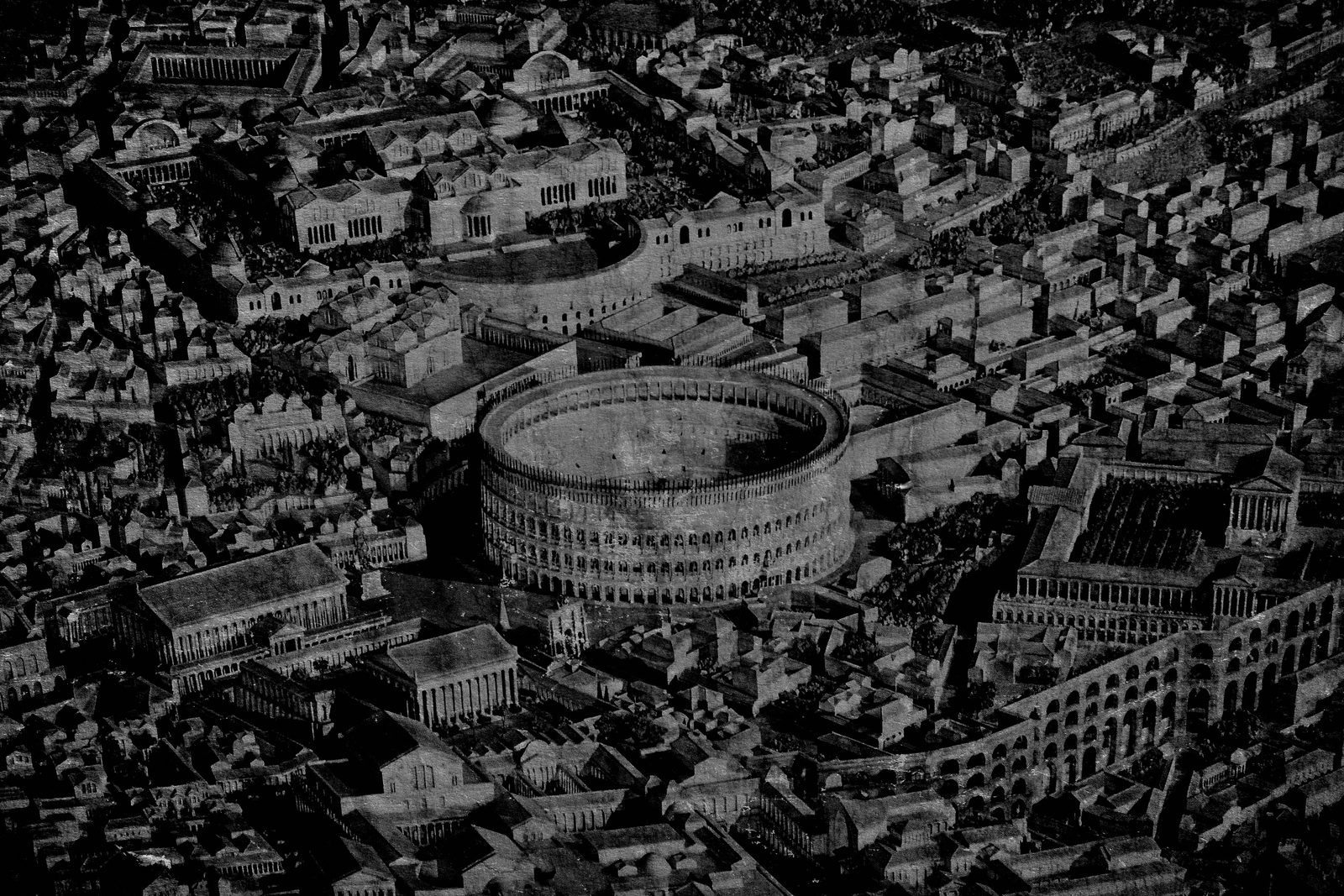
What's popping, people — it's Dante. Today we go deep into one of the hardest situations on the street: multiple subjects in the same frame. Most people panic. They either back up to fit everything in, or they freeze and miss it entirely. Here's the truth — a complex scene with many subjects is still just a layering problem. And layering is always about structure, not spectacle.
LEARNING OBJECTIVE
What You'll Walk Away With
By the end of this lesson you'll have a repeatable process for approaching scenes with multiple subjects — how to read them, how to anchor them, and how to wait for the moment when everything lands. Complexity stops being the enemy and starts being the material.
WHY THIS MATTERS
Complexity Is Everywhere

Here's why this matters: the street is almost never simple. There are almost always multiple people, multiple movements, multiple layers of information happening at once. If you can only work clean, quiet scenes you're cutting yourself off from the majority of what's out there. Complex scenes are where the most alive photographs live.
More Subjects Means More Relationships
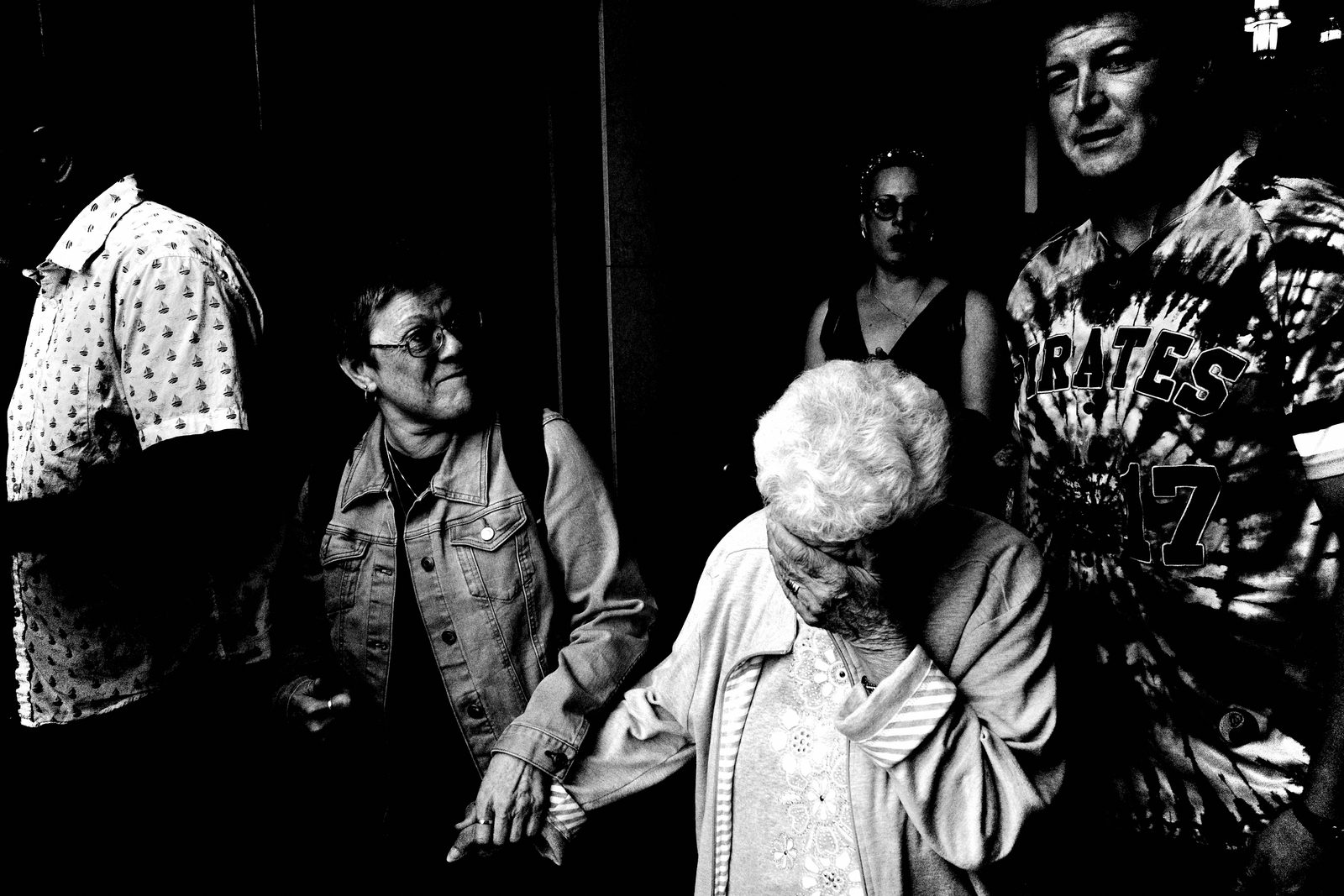
And here's the reframe that changes everything: when you're dealing with multiple subjects, stop counting them. Start reading the relationships between them. That's where the photograph lives — not in any single face or gesture, but in what one person does in relation to another, and what both of them do in relation to the environment. Relationships are the content.
MAIN TEACHING
Commit to the Background First
The rule I come back to every single time: commit to the background first. Take a choke point like a bus stop on a busy street — you lock the background, the strong color and graphic presence of a wall or panel, before anyone enters the frame. The stage is already set. Then you wait. People move through naturally, and the photograph reveals itself. The shutter doesn't create the image — it confirms it.
Foreground Anchors the Chaos
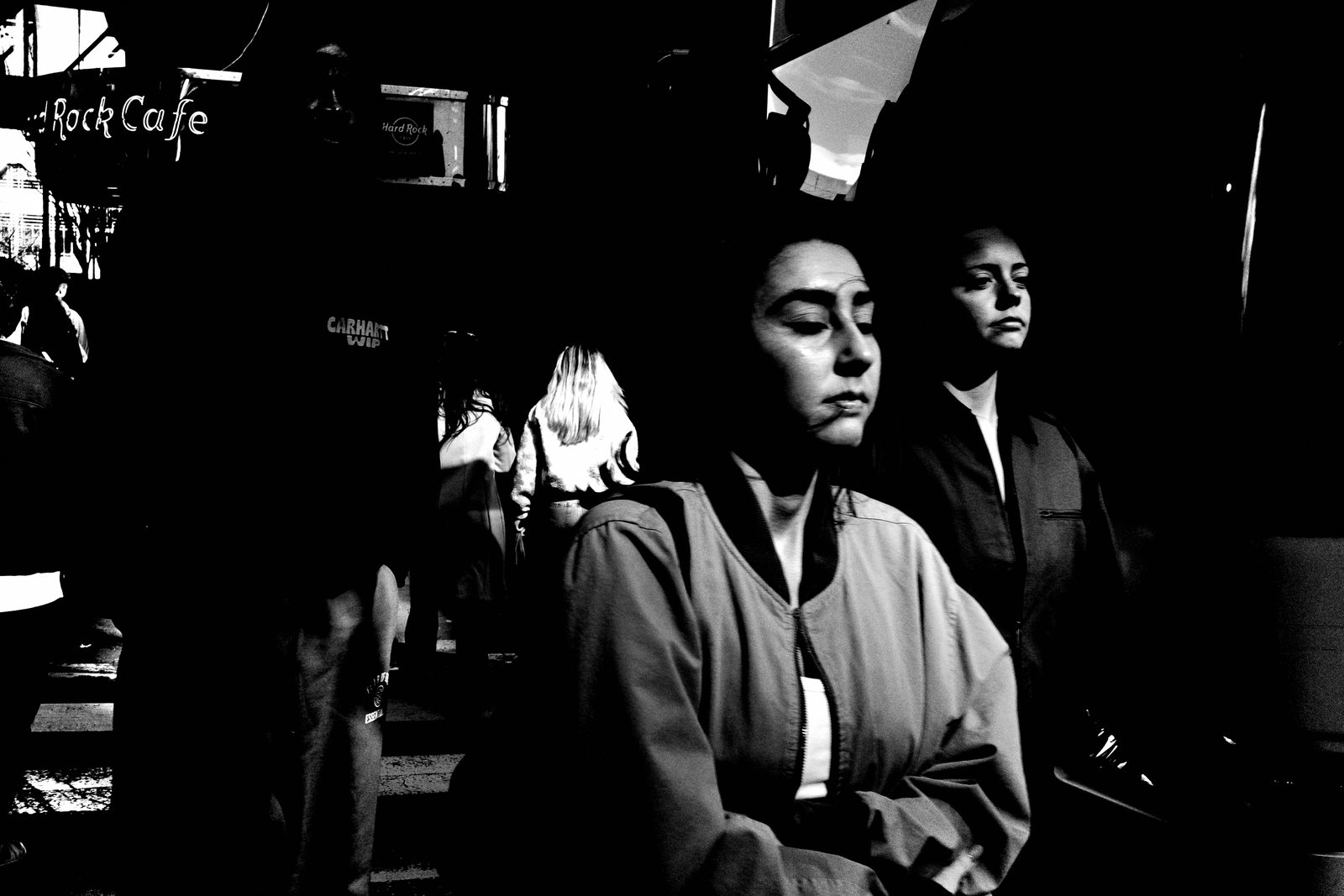
Once the background is set, the next decision is foreground. And here's what I've learned: one strong foreground element does more work than ten subjects scattered across the middle of the frame. It gives the viewer a place to enter. It establishes depth instantly. It turns an observational image into a participatory one. Don't retreat when scenes get dense — move closer and commit to one anchor.
One Near Element Transforms the Image
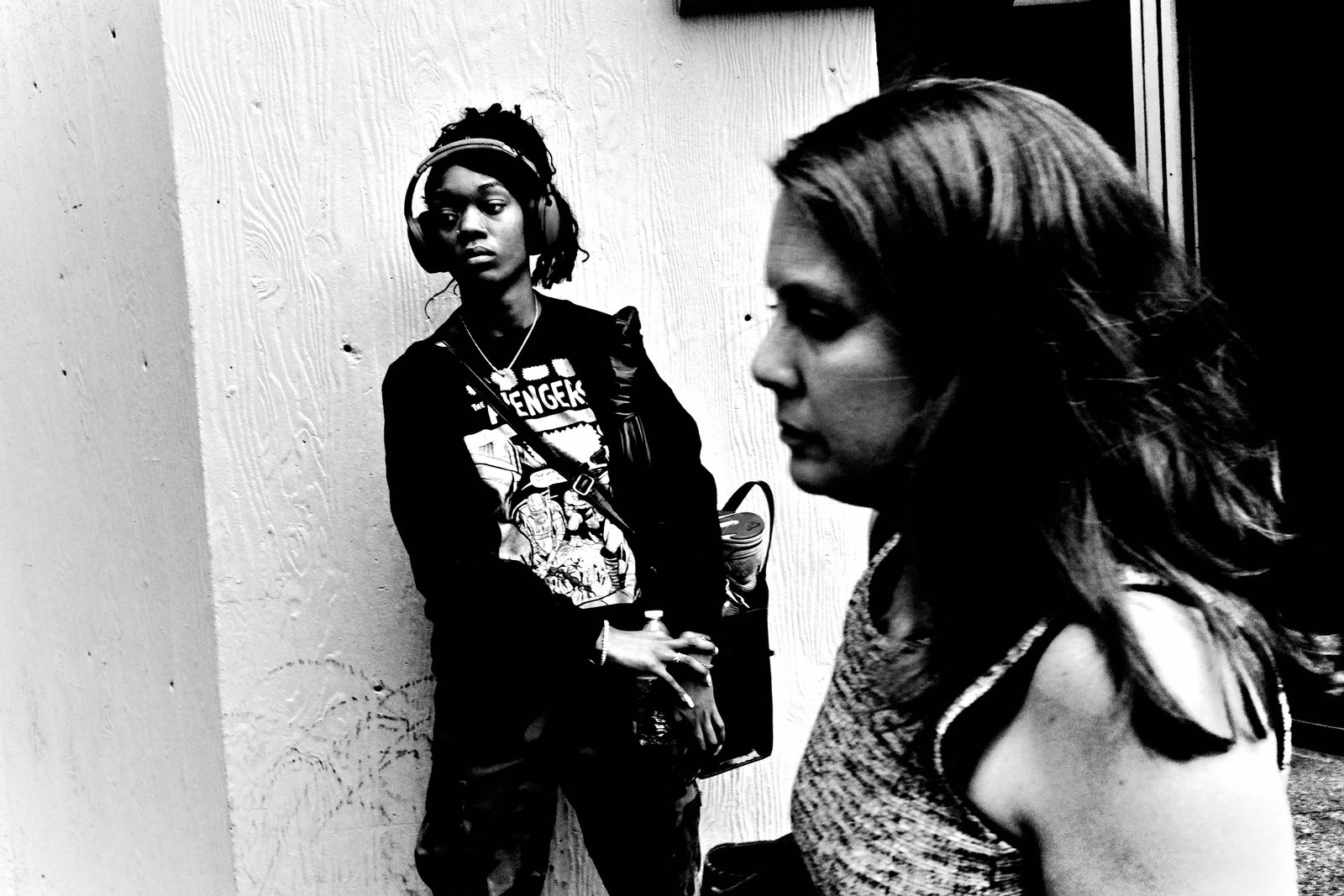
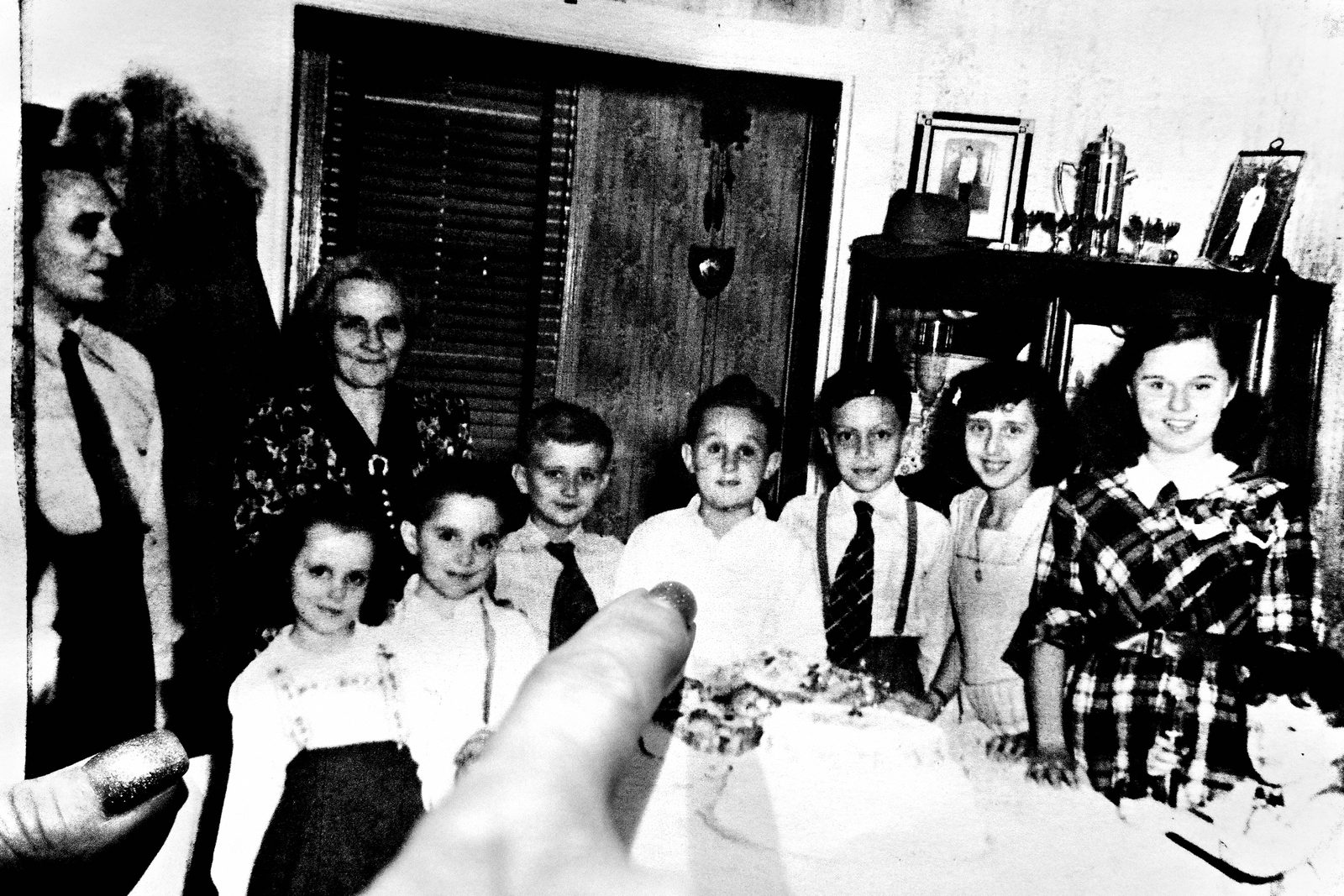
Picture a scene that already has energy — people, movement, light, activity all at once. It becomes immersive the moment a single near element enters at the foreground edge, like a hand reaching into the frame. That element creates depth, pulls the viewer inside, and anchors all the chaos behind it. Nothing else has to change. The foreground does all the heavy lifting so everything else can stay simple.
Geometry Holds Multiple Subjects Together
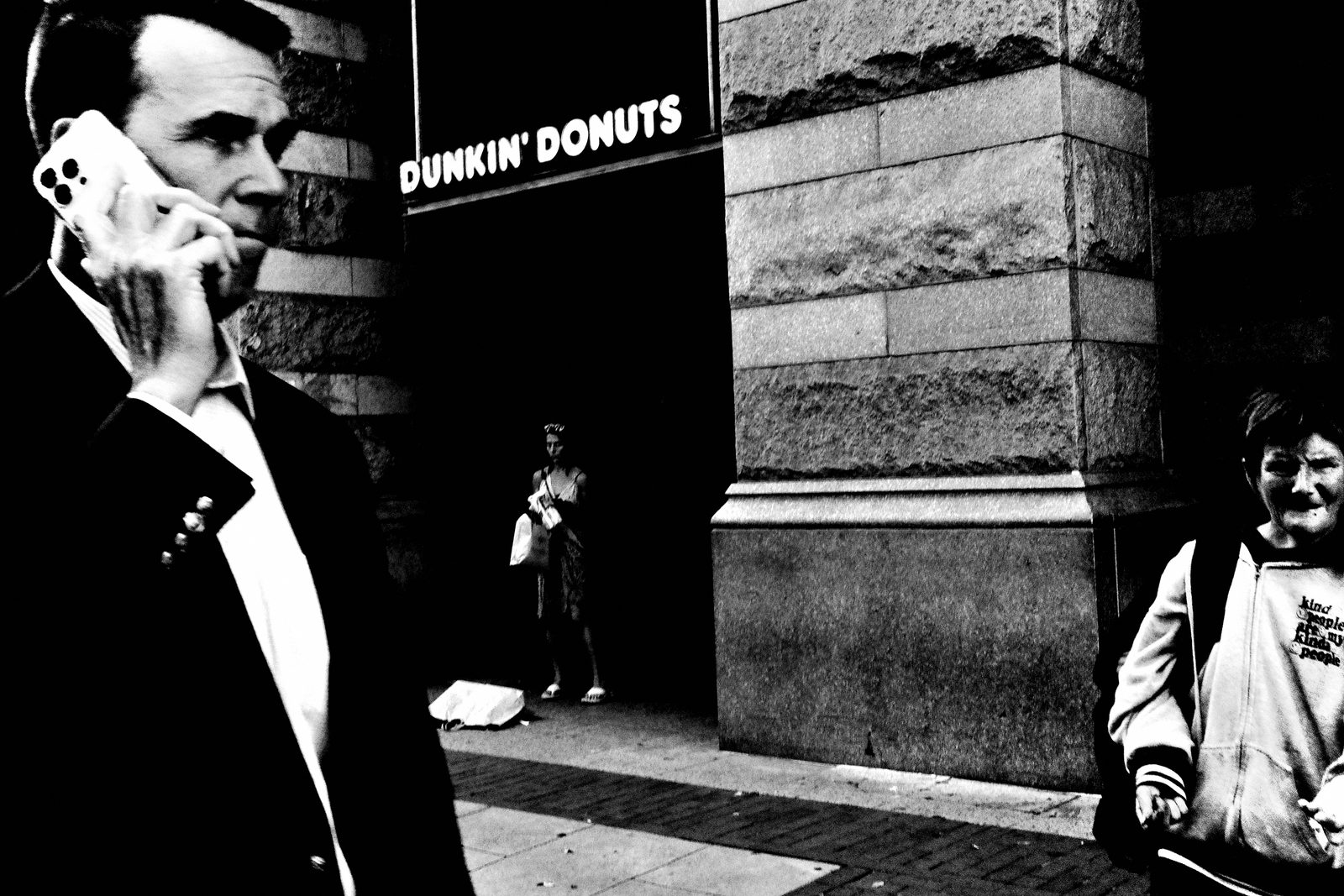
When multiple subjects start filling the frame, what keeps it from collapsing into noise is geometry. The good news: geometry is already there. Walls, doorways, windows, shadows, architectural planes — the city is a pre-built structure. Your job is to recognize it and position yourself so the layers sit inside it cleanly. A wall with a window cutout, an object centered in that rectangle, a figure in the foreground — an arrangement like that works because geometry gives every element its own address in the frame.
Frames Within Frames Separate Subjects

One of the most reliable tools in a complex scene: frames within frames. A window, a doorway, an arch — any architectural opening becomes a way to isolate one subject from all the others. The rectangle of a window can hold a background subject in place so the foreground can breathe. You don't need complex geometry. You need one clean shape doing its job quietly.
Scan in Planes, Not People
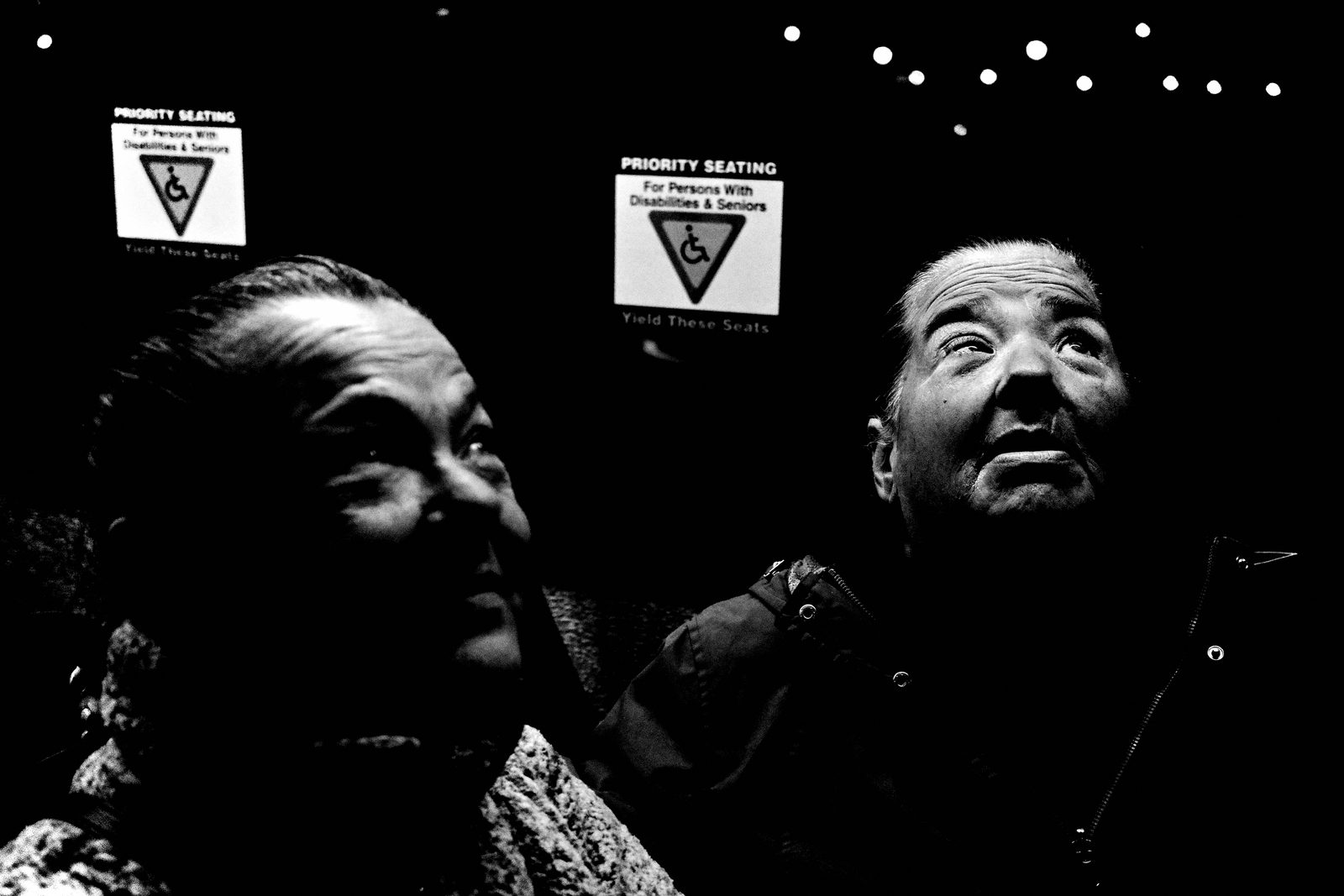
Here's a perceptual shift that accelerates everything: stop looking for people and start scanning planes. Background plane first — what could be a strong stage? Foreground plane next — what could anchor it? Middle ground — what's moving through? When you scan in spatial layers instead of individual subjects, complex scenes become readable problems instead of overwhelming chaos. You move from reaction to construction.
Reflections Double the Scene Without Adding Clutter
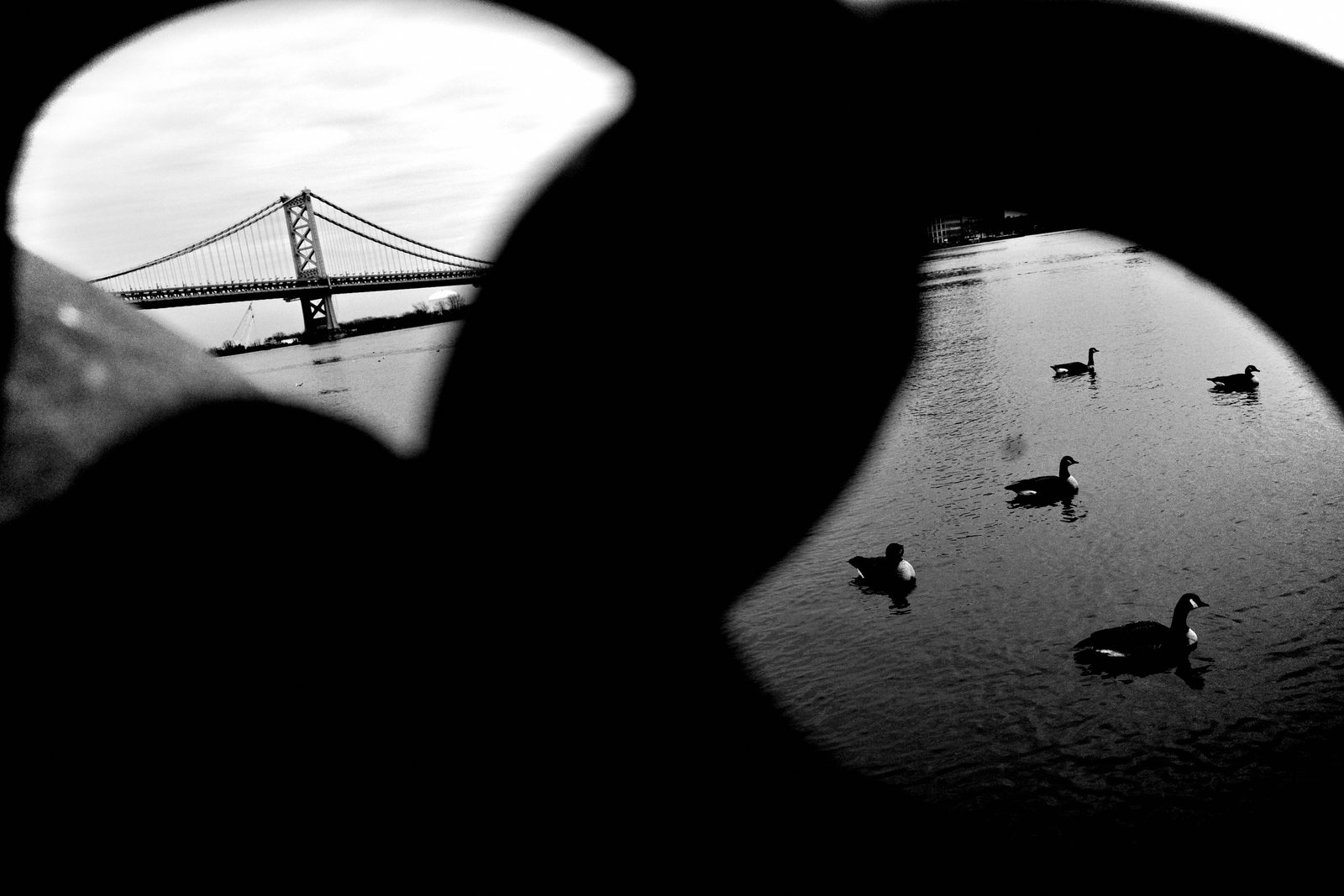
Reflections are one of the most elegant solutions to a complex scene. They let you add apparent subjects — duplicate them, layer them — without adding a single new element to the physical space. A reflective surface — a window, a puddle, a car panel — can create a second version of the scene: subjects exist in two spaces at once, real and reflected, and the tension between those two realities makes the image compelling. You gain complexity for free. But positioning is everything — tiny movements radically change what you're working with.
Light Creates Hierarchy Among Many Subjects
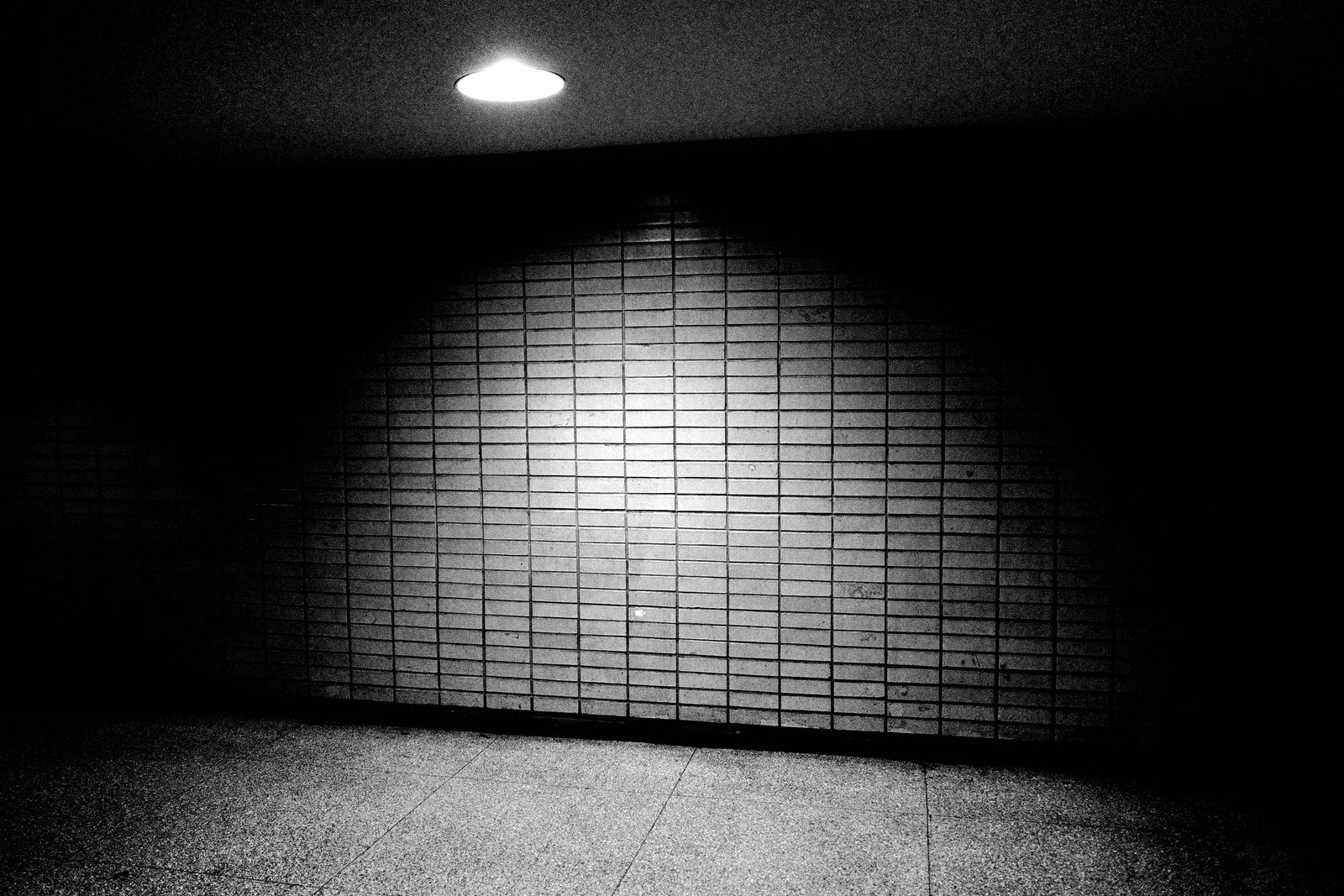
When there are multiple subjects and you can't isolate them spatially, use light to establish hierarchy. Bright areas pull attention. Shadow recedes. You don't have to crop out a competing subject — you let light crush it into the background while the illuminated element leads. Strong separation between foreground, middle ground, and background often comes from nothing more than light versus shadow. Light is doing composition for you.
Structure Over Spectacle
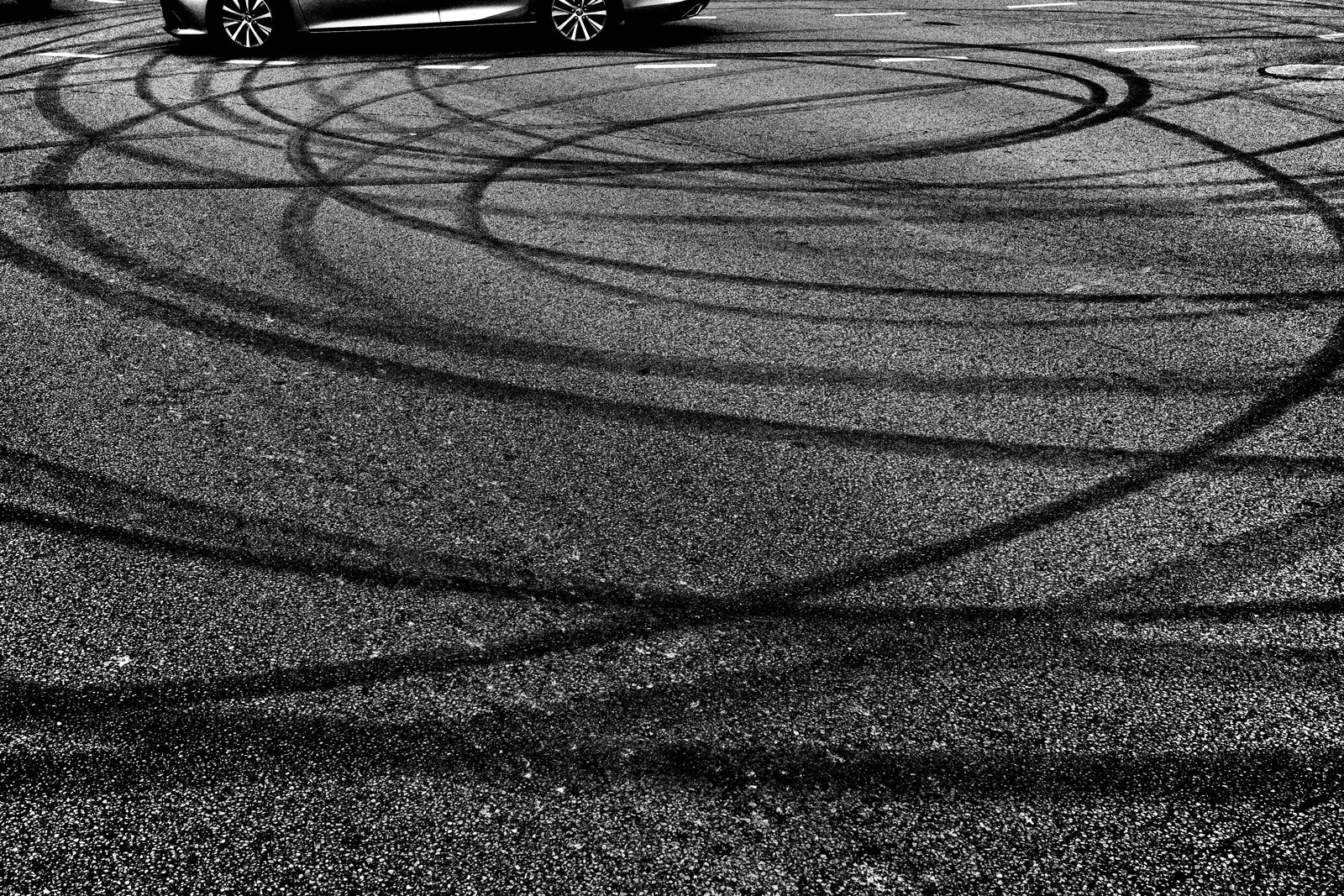
Structure over spectacle — always. Imagine a scene where nothing dramatic is happening on the surface: a tired figure at rest, a hand resting against a face, and behind them something glowing with color and energy. By structuring the frame — stillness against movement, exhaustion against spectacle, quiet against chaos — the image carries real emotional weight. Multiple subjects, multiple layers, zero forced drama. The layering does the work.
Patience Is the Non-Negotiable

I want to be direct about this one: in complex scenes, patience isn't optional — it's the whole strategy. Layers collapse when you rush. I often watch a scene evolve and I don't leave until the scene leaves me. I make many frames, letting life reveal itself layer by layer. The mistake most photographers make is treating a complex scene like a single moment to catch. It's not. It's an unfolding. Stay in it.
One Strong Element Beats Many Weak Ones
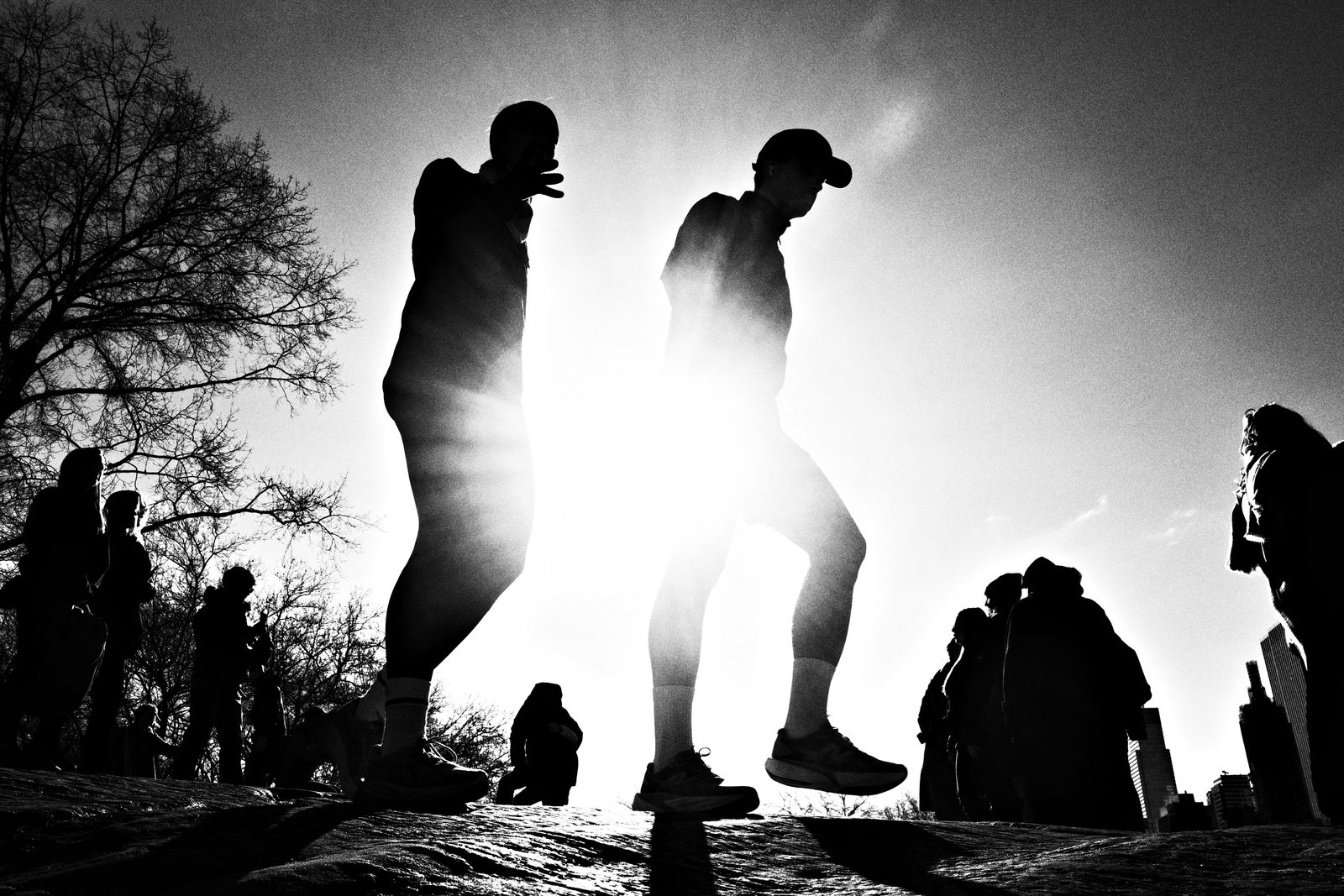
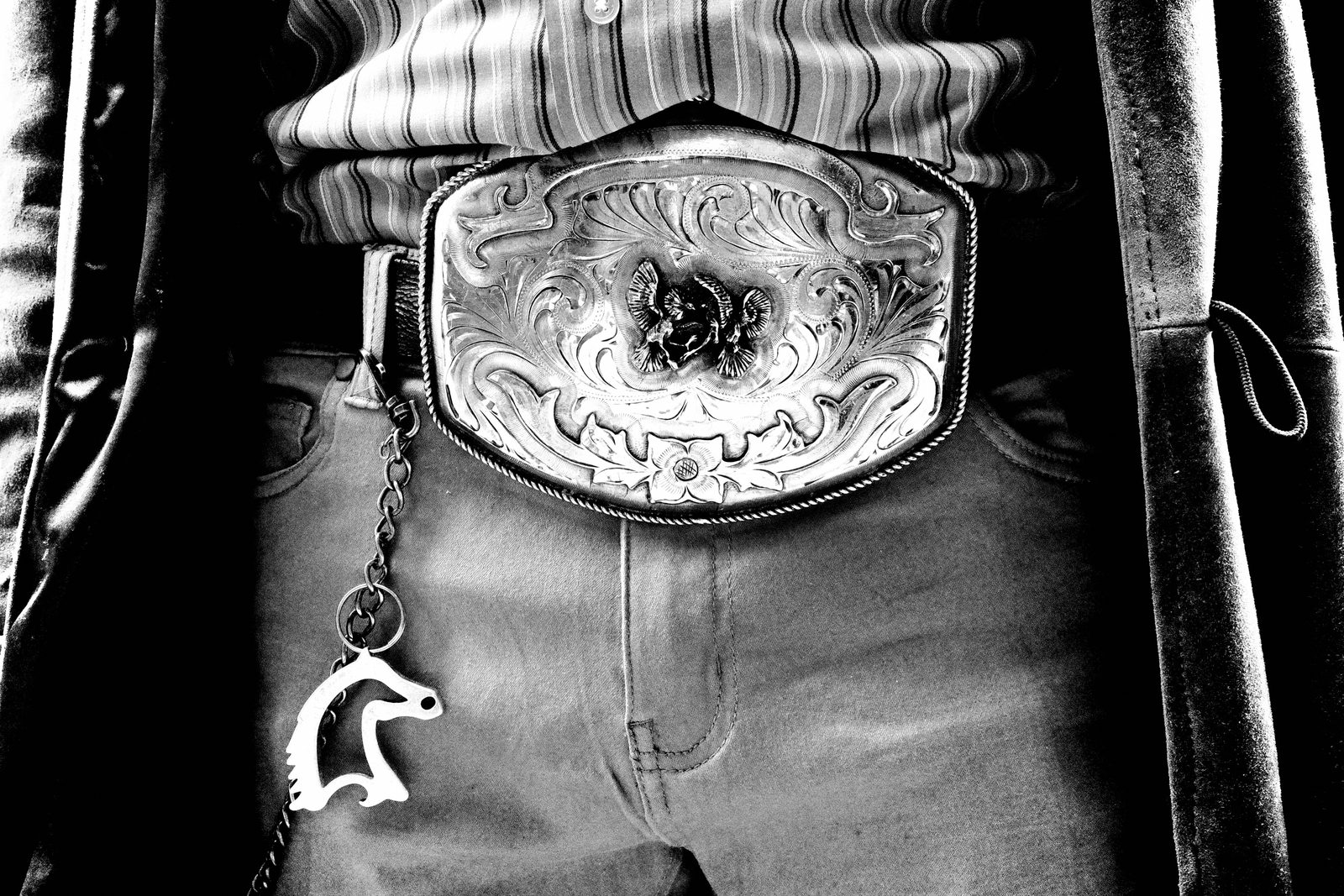
There's an instinct when a scene gets complex to include as much as possible — like more subjects means more photograph. It's the opposite. More subjects with no hierarchy means no photograph. When a scene overwhelms you, stay close to one object and let it dominate the foreground. That one decision — one committed dominant element — anchors the frame, gives the viewer an entry point, and allows all the surrounding chaos to exist without competing. One strong element beats many weak ones, every time.
Move Until It Clicks
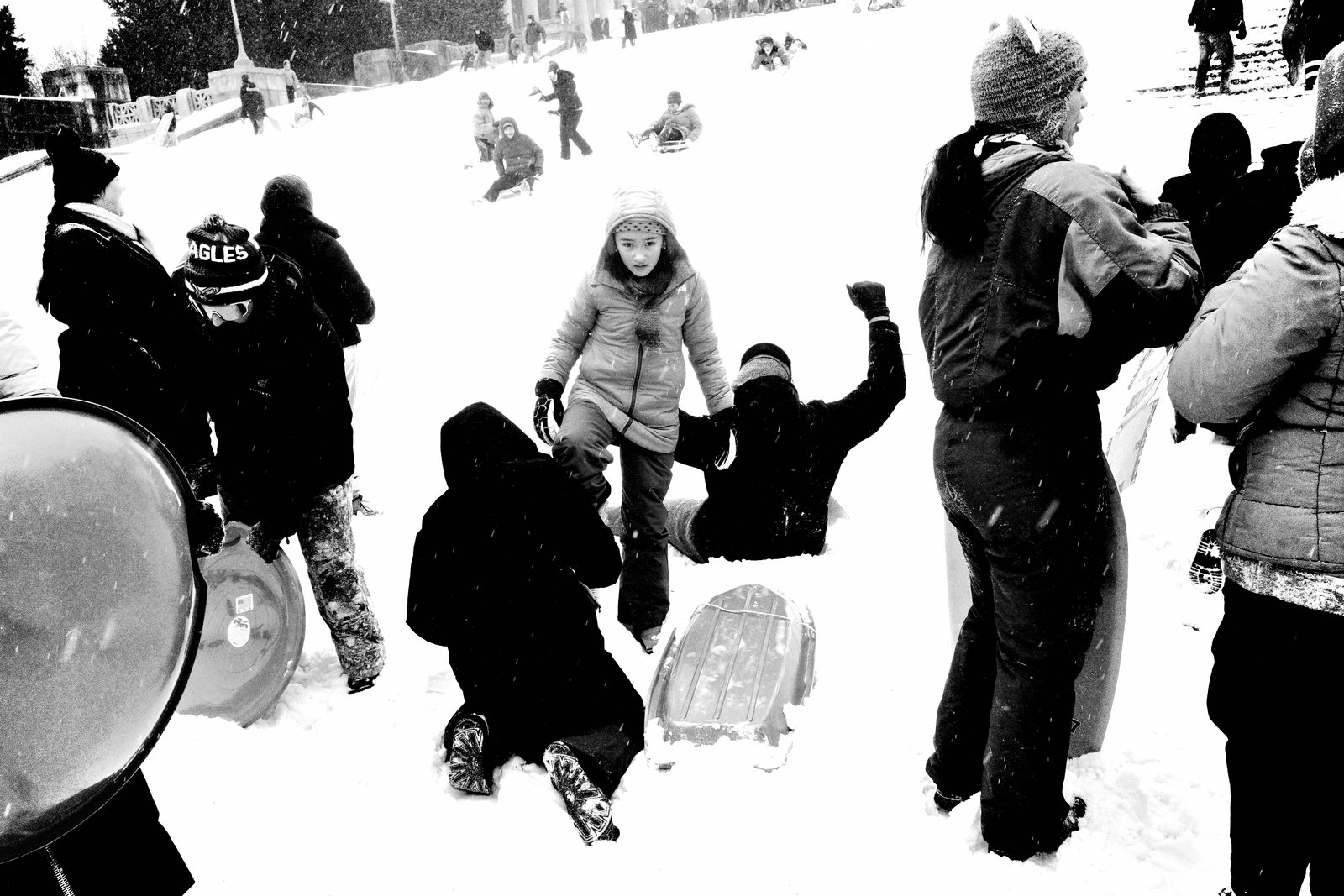
Composition in complex scenes is a physical act. You move — slowly, deliberately — until lines align, shapes separate, and layers settle into place. A frame like a figure, a wall, and a window only works once you find the position where all three align without overlap or clutter. It isn't thought into existence — it's moved into existence. Trust your body. Move until it clicks, then hold that position and wait.
PRACTICAL APPLICATION
Build the Background First, Every Time

Your first assignment is a single-session discipline: before you raise the camera on any scene today, ask yourself — what is the background? Lock it. Commit to it. Then wait for the foreground to arrive. Do this ten times in one outing and you'll feel the shift — you stop chasing and start building. The scene starts coming to you instead of running away from you.
Scan in Planes at a Busy Location
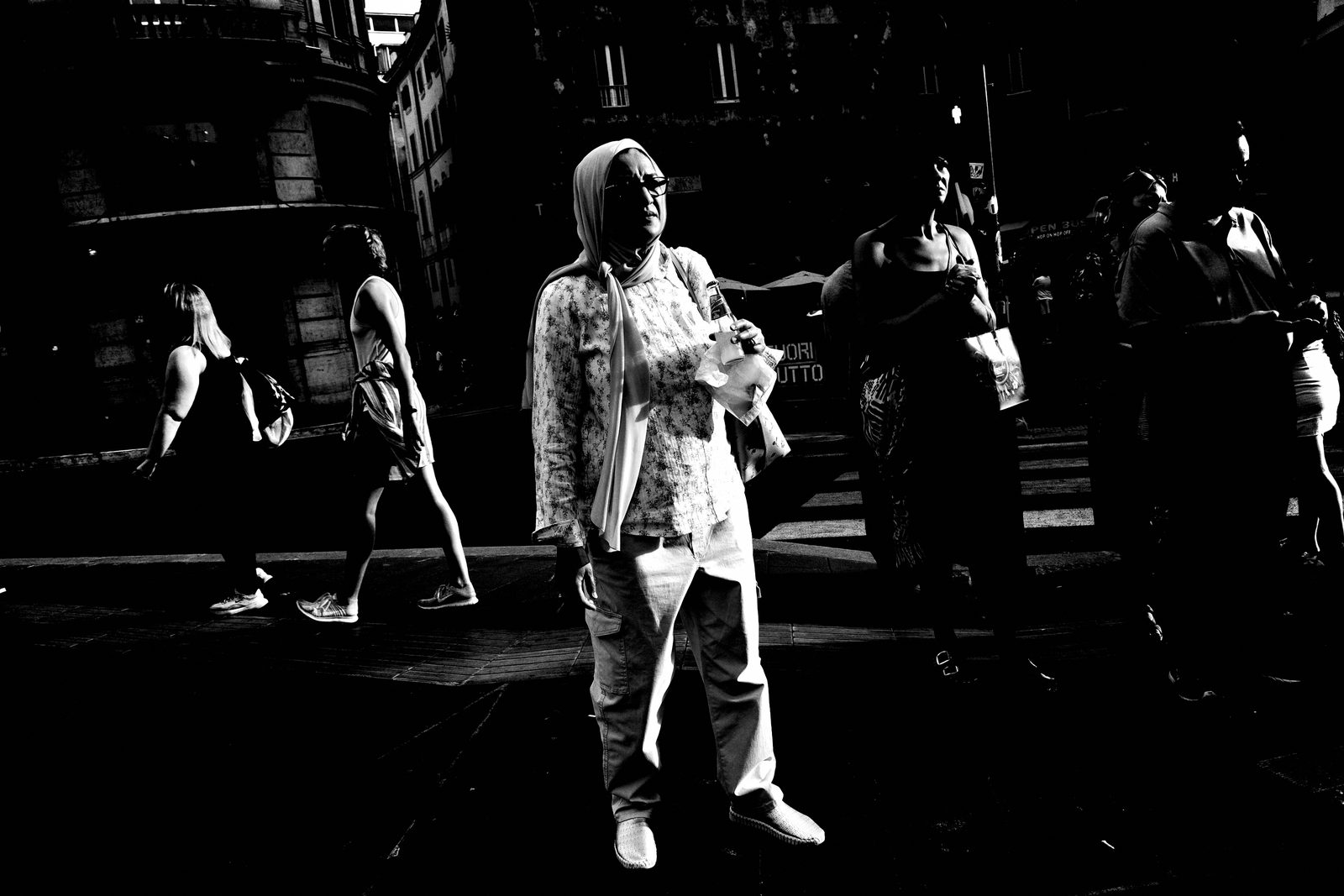
Second assignment: go somewhere genuinely complex. A market, a transit hub, a crowded intersection. Leave the camera in the bag for the first ten minutes and just scan. Background plane — what's there? Foreground possibilities — where could you anchor? Middle ground — what's moving through? Train the eye before the camera confirms it. When you're ready, the frame will already be built in your mind.
Stay Longer Than Feels Comfortable
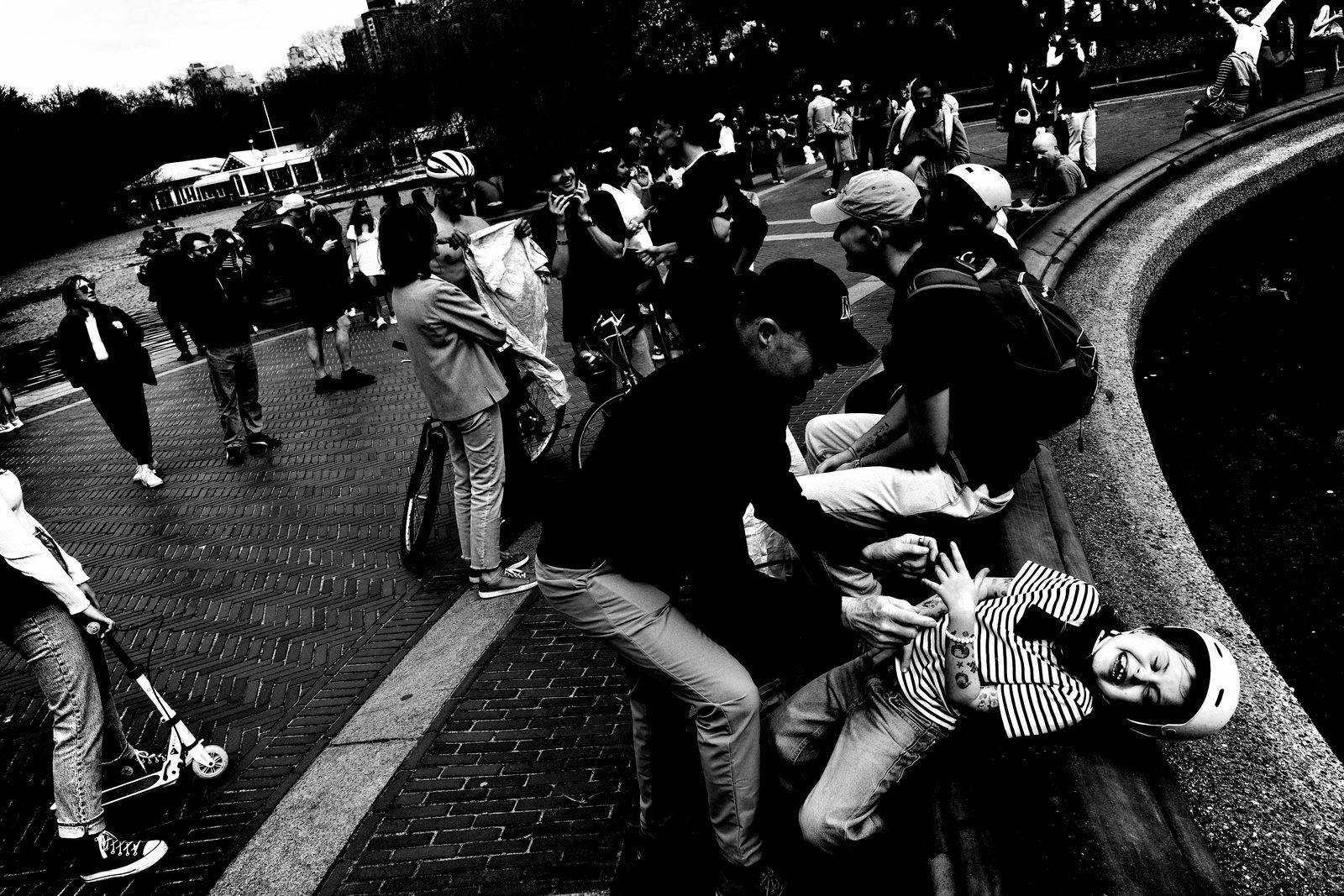
Third assignment: pick one scene and commit to it for a minimum of twenty minutes. This is the patience drill. Make frames throughout — early, middle, late. Study what changed. Notice how subjects entered and exited, how the layers shifted, how the frame evolved. Almost always, the strongest image comes after you would normally have walked away. Train yourself to stay.
COMMON MISTAKES
Including Everything, Organizing Nothing
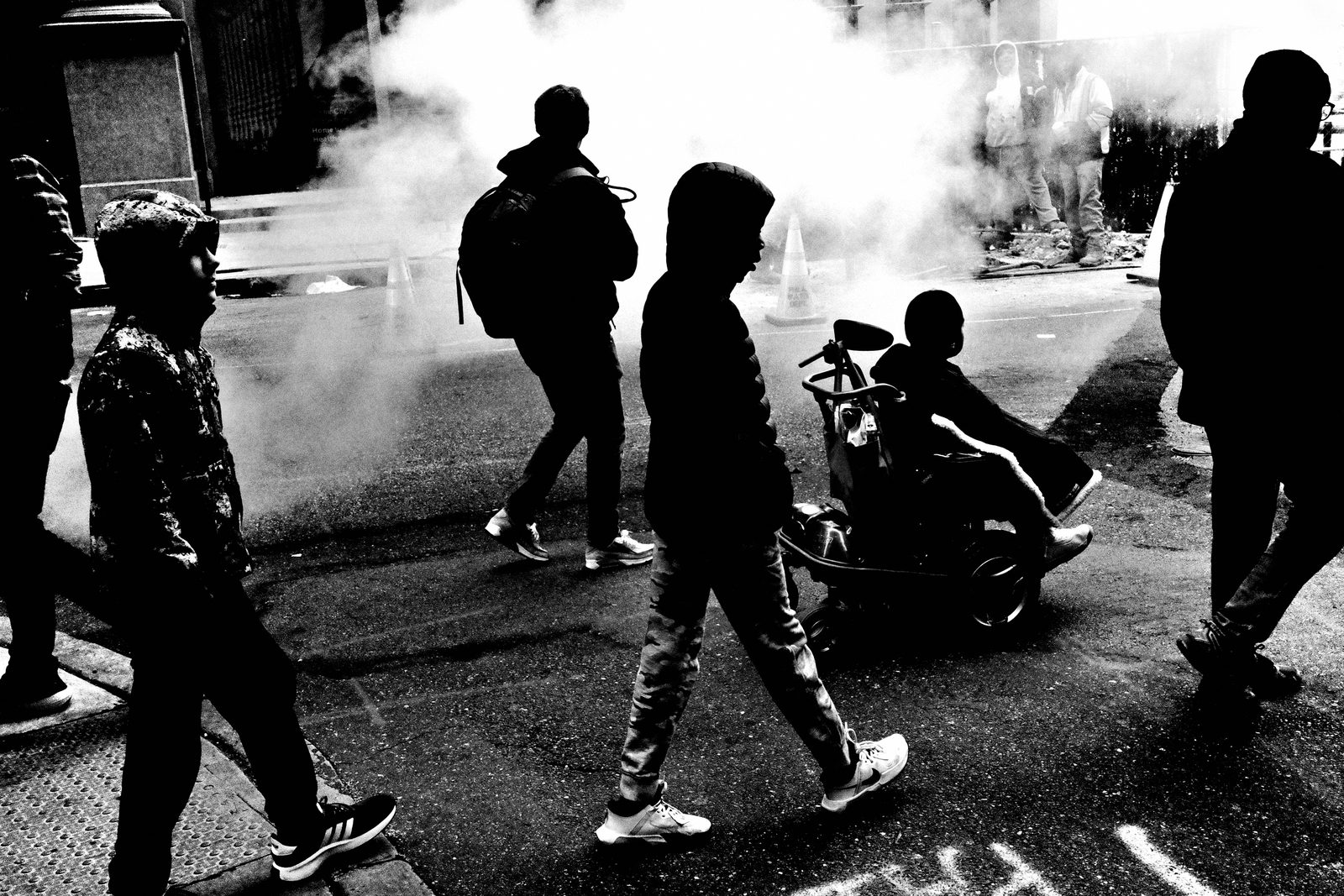
The most common mistake in complex scenes: including everything and organizing nothing. You see a lot happening and you try to get it all — wide angle, back up, pull in every subject. The result is a frame full of stuff and empty of meaning. There's no hierarchy, no anchor, no entry point. The eye has nowhere to go. Complexity without structure is just noise dressed up as ambition.
Retreating Instead of Committing
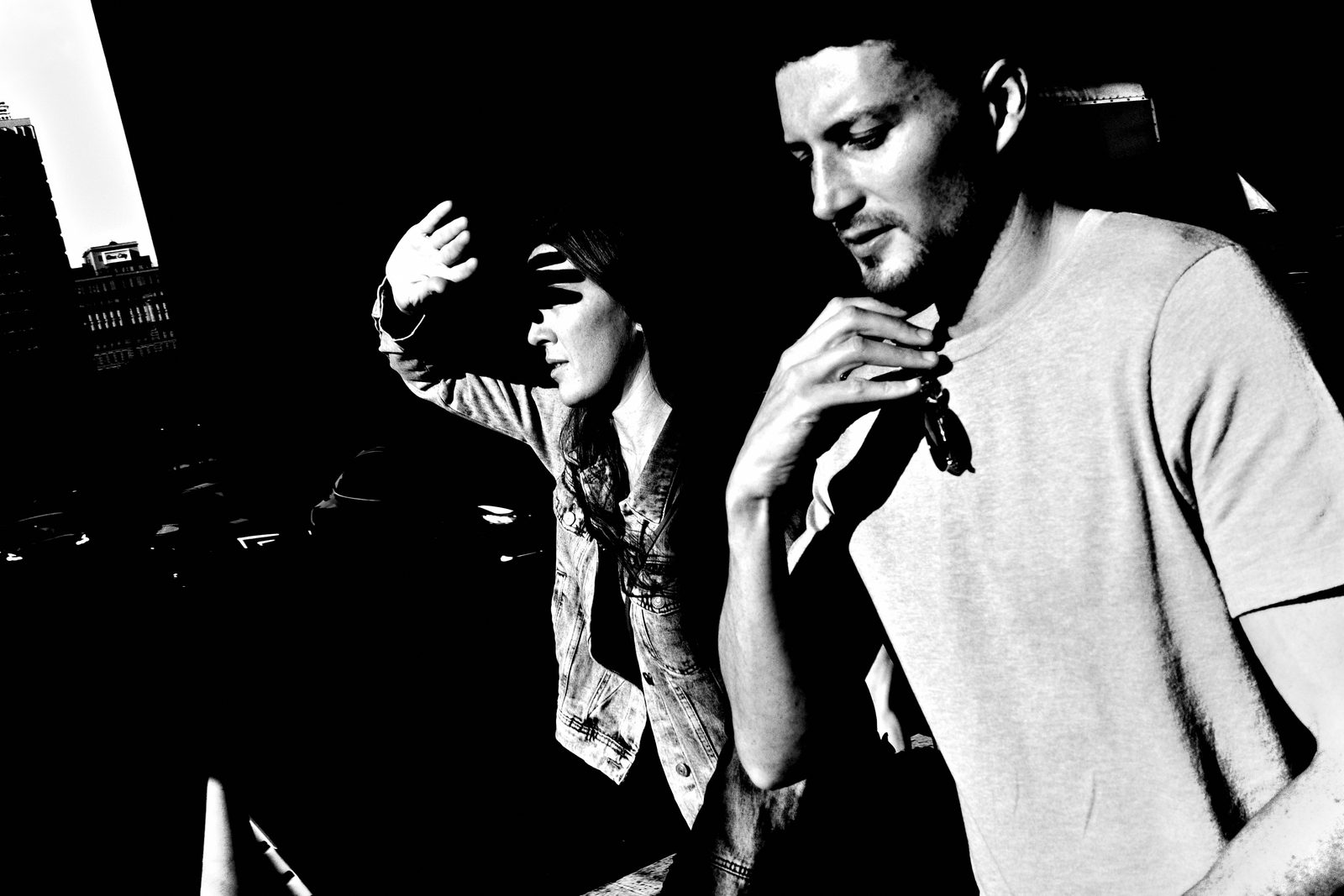
The second mistake — and I see it constantly — is retreating when scenes get complex. Stepping back feels like control. It isn't. Backing up collapses depth, flattens layers, and removes the foreground that was doing all the structural work. When a scene gets complex, the answer is almost always to move closer — commit to one dominant foreground element and let it anchor everything behind it. Forward, not back.
RELATIONSHIP TO PREVIOUS
Built on What Light Already Taught Us
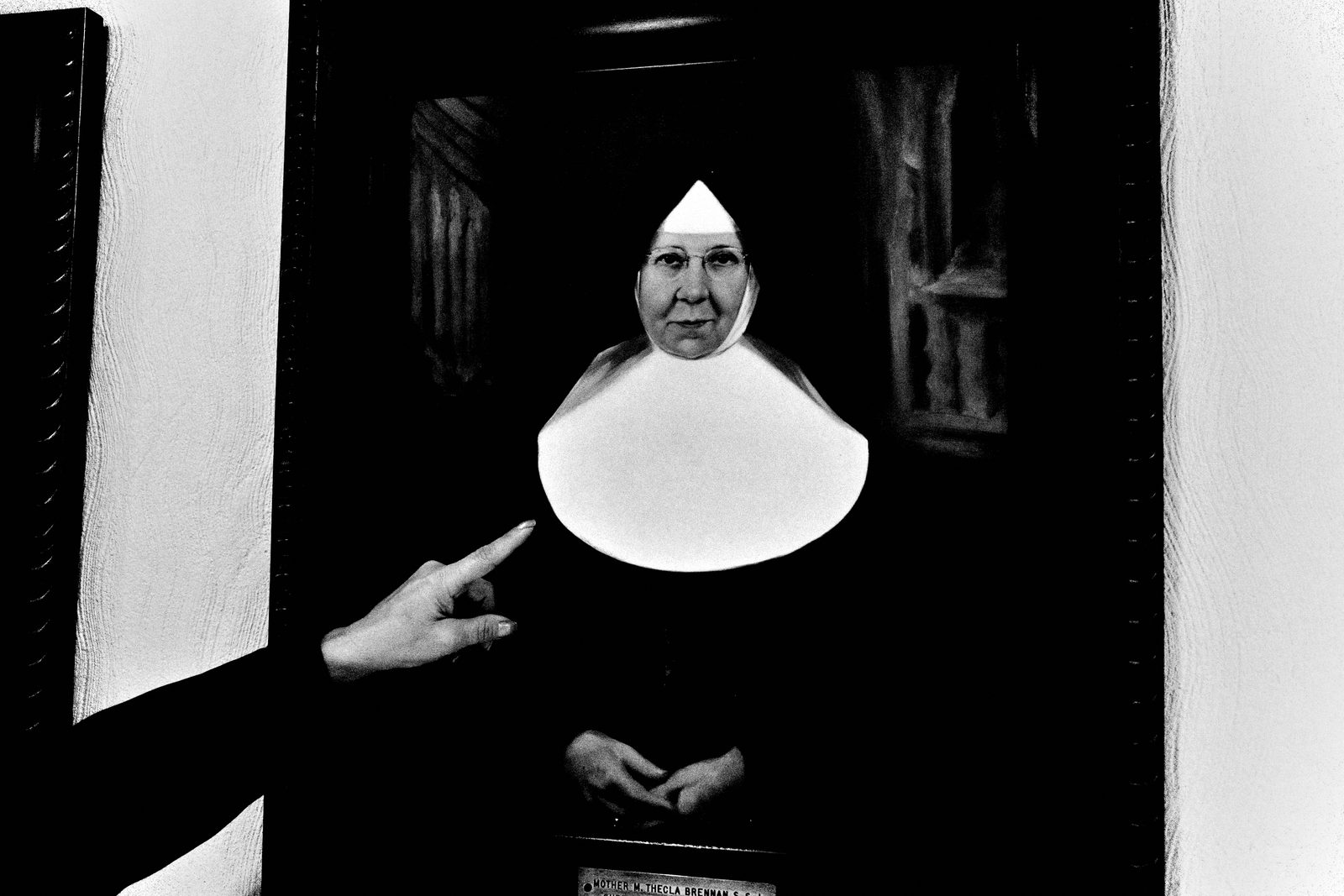
Everything today stands on what Lesson 027 established: light comes first, always. Light creates separation. Light builds hierarchy. Light defines the stage before anything enters it. Today we took that foundation and loaded it with human complexity — multiple subjects, multiple planes, multiple relationships. The tools don't change when scenes get harder. They just have more material to work with.
SUMMARY / TAKEAWAY
Structure Is the Answer, Every Time
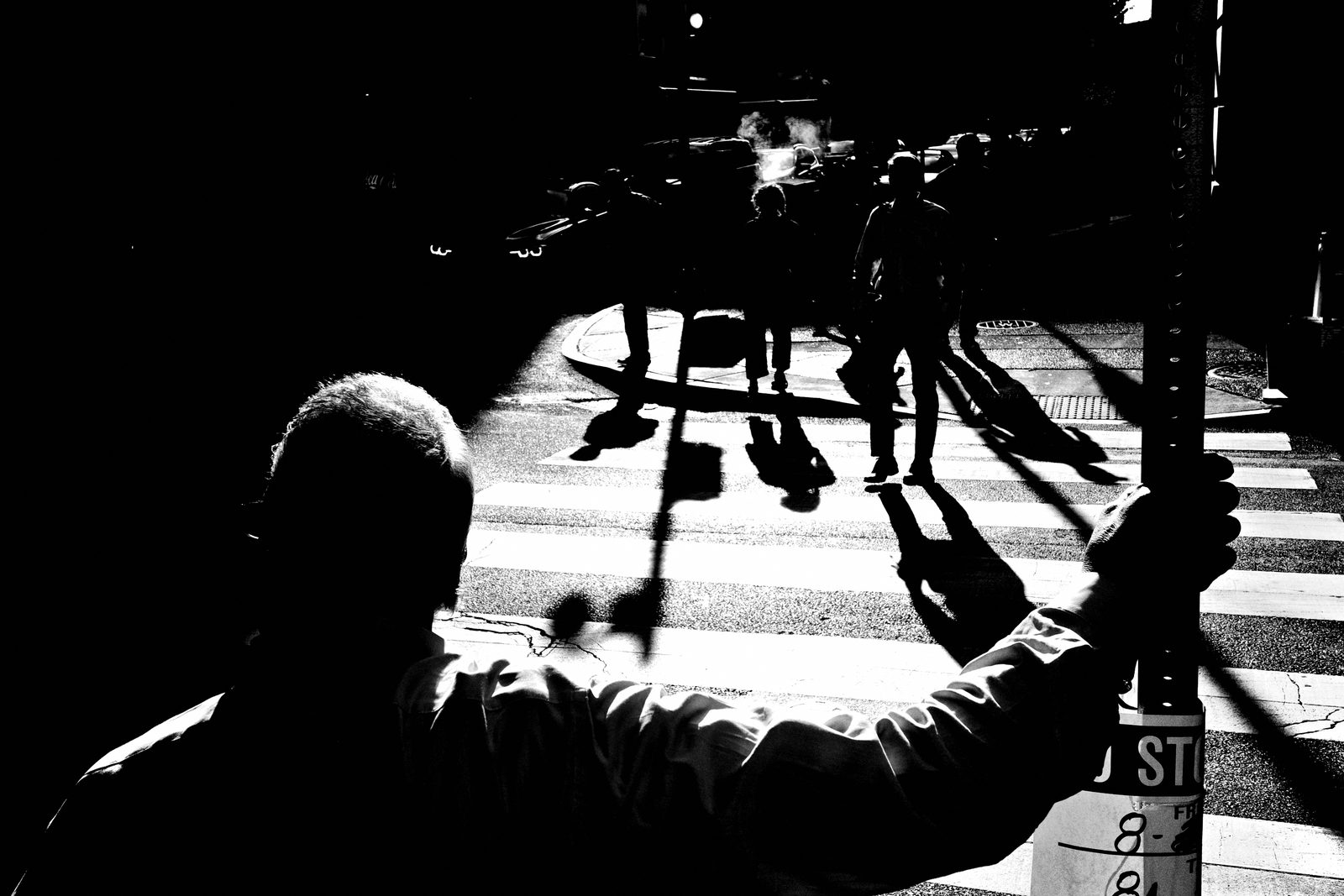
Last thing. Complex scenes with multiple subjects are not a different problem — they're the same problem with more material. Background first, always. One strong foreground to anchor it. Geometry to hold the layers apart. Light to establish hierarchy. Reflections to add depth without clutter. And patience — real patience — to let the scene finish itself. Don't retreat from complexity. Build structure inside it. That's the job. Catch you in Lesson 029.