Anticipation & the Decisive Layer
CORE IDEA
The Frame Exists Before the Shutter
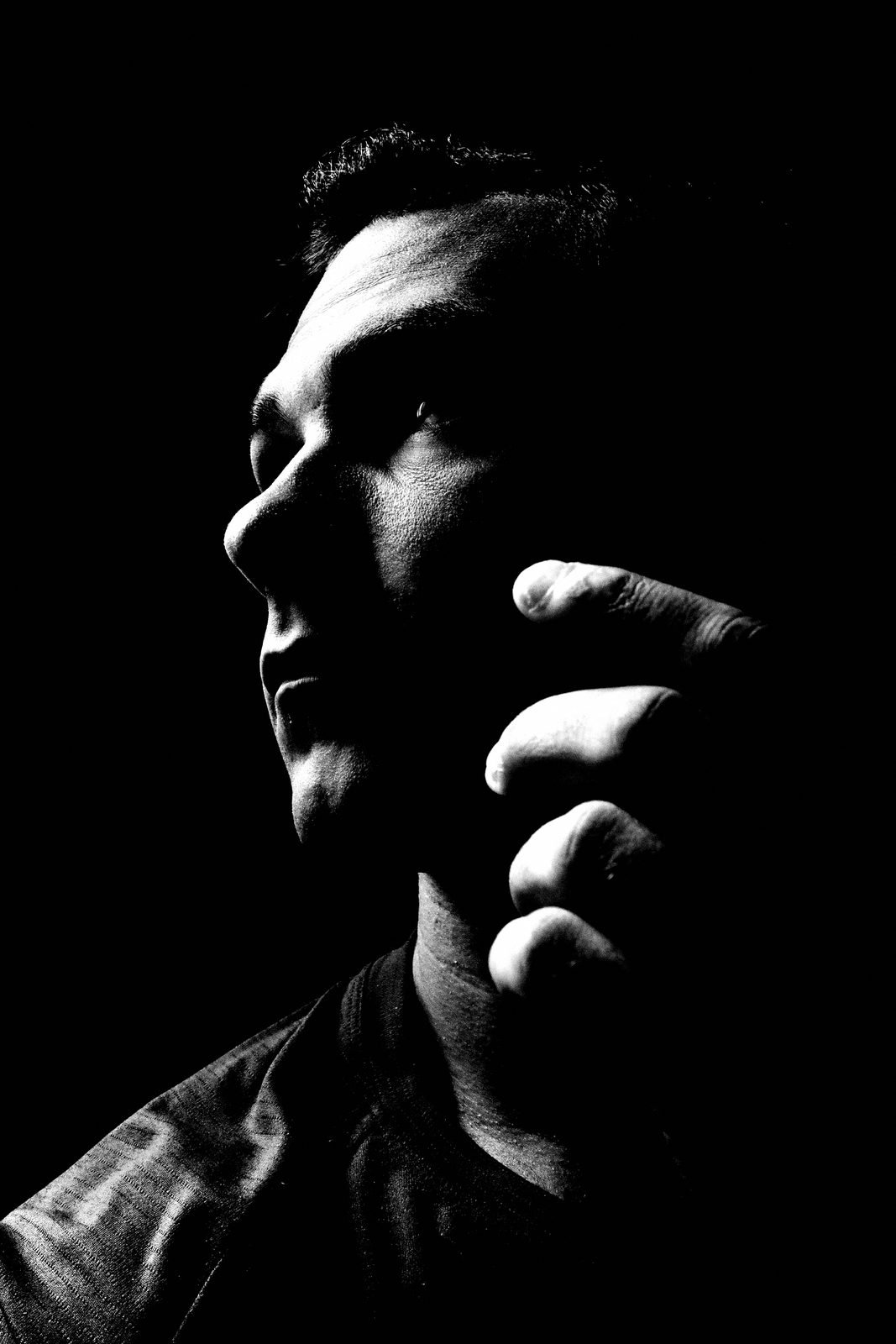
What's popping, people — it's Dante. Here's something that took me a long time to really feel: the photograph doesn't happen when you press the shutter. It happens before — when you read the scene, lock in the structure, and trust that the decisive layer will arrive. Anticipation is the skill. The shutter is just the confirmation.
LEARNING OBJECTIVE
What You'll Walk Away With
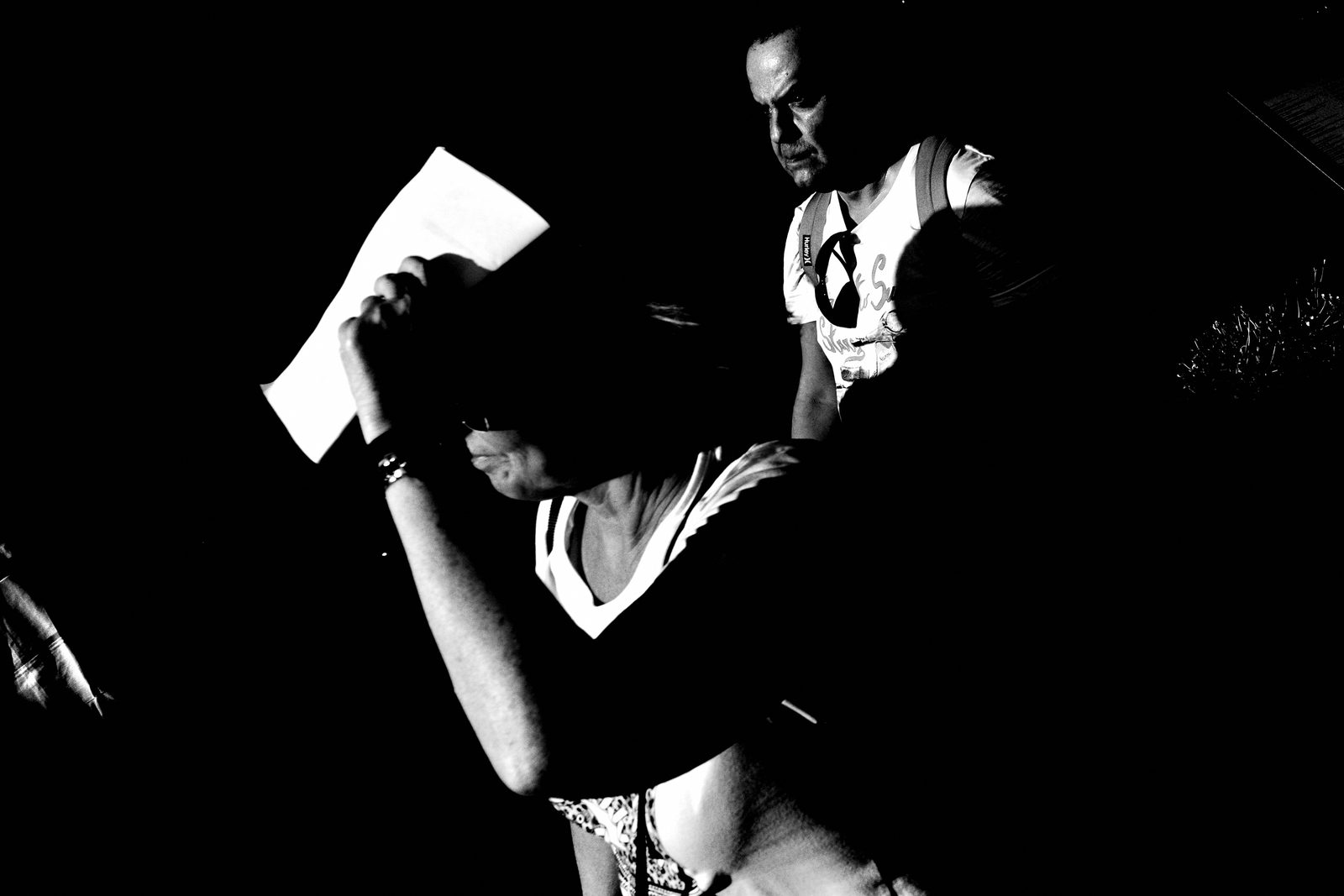
By the end of this lesson you'll understand how to stop chasing moments and start building for them. You'll know what it means to choose your decisive layer in advance — and how that one shift changes everything about how calm and controlled your work feels on the street.
WHY THIS MATTERS
Reaction Is Already Too Late
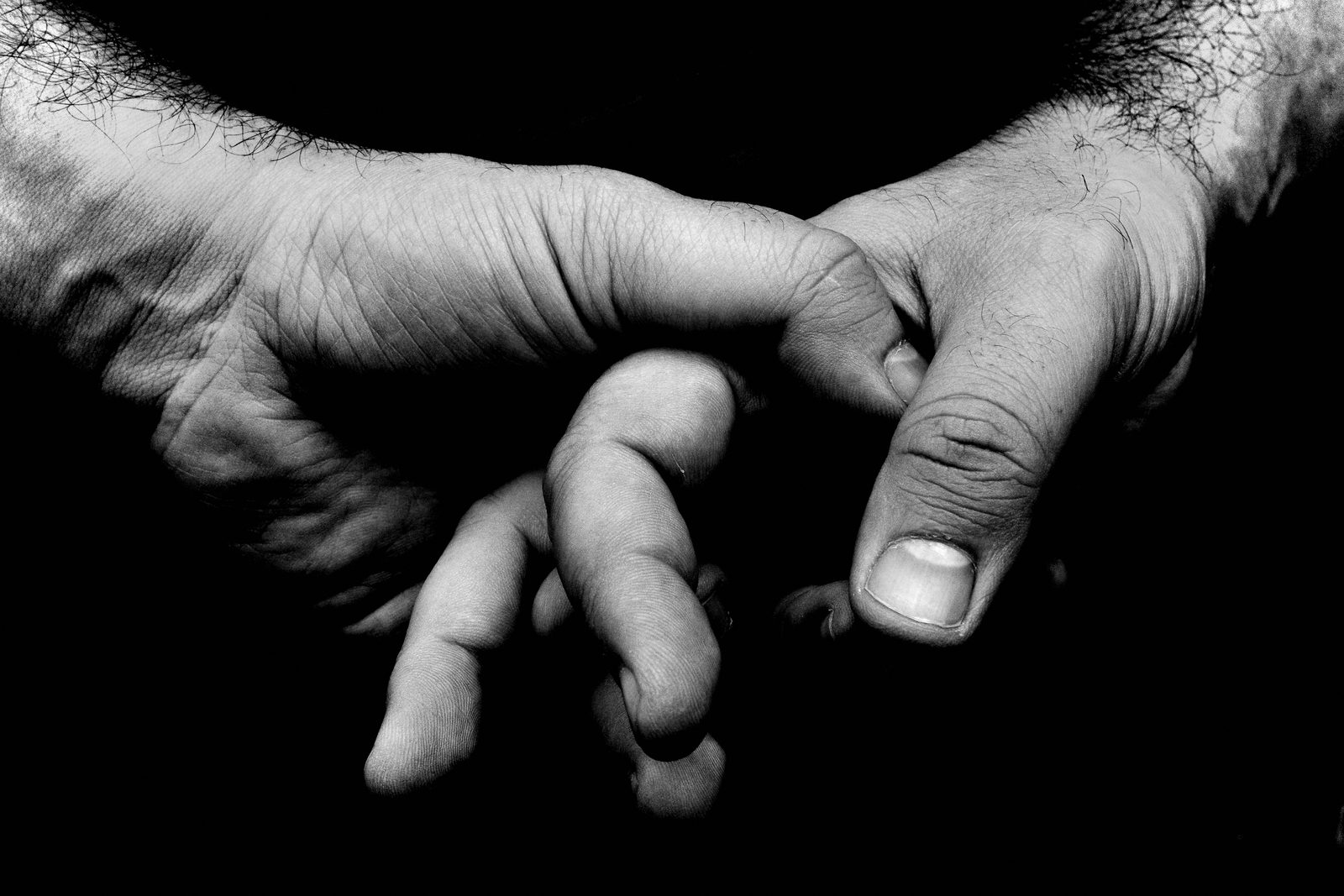
Here's the hard truth: if you're reacting, you're almost always too late. The light shifted, the person moved, the layer collapsed. Reactive shooting gives you chaos — technically okay frames with no depth, no structure, no intention. The photographers who consistently make layered work aren't faster than everyone else. They're earlier.
Structure Rewards Those Who Wait
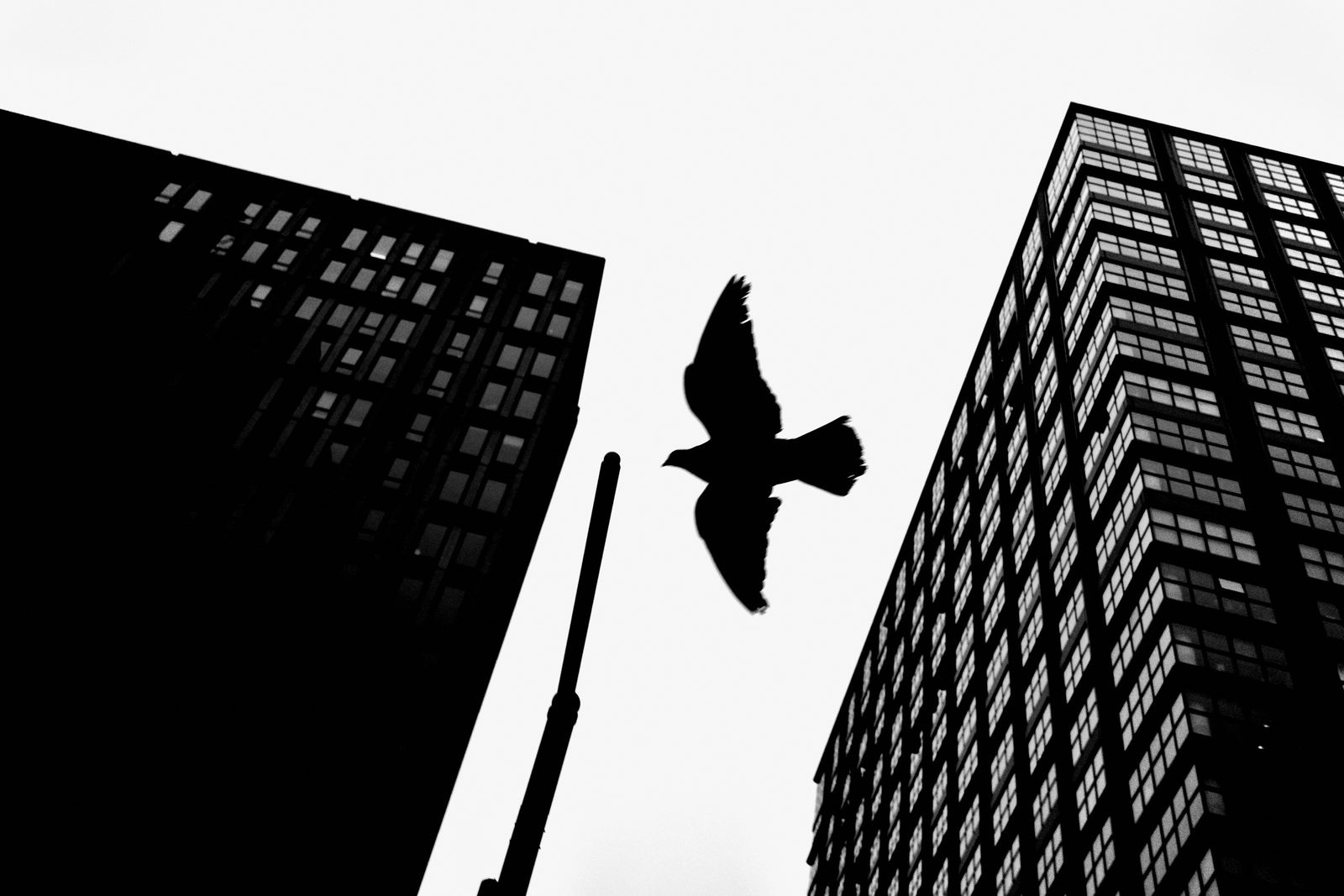
This matters because layered street photography isn't about reflexes — it's about reading. Strong scenes announce their structure. The light carves a stage. The background locks into a clear plane. And if you're still, if you're patient, the decisive element walks right into your frame. Structure rewards those who wait.
MAIN TEACHING
Light First, Always
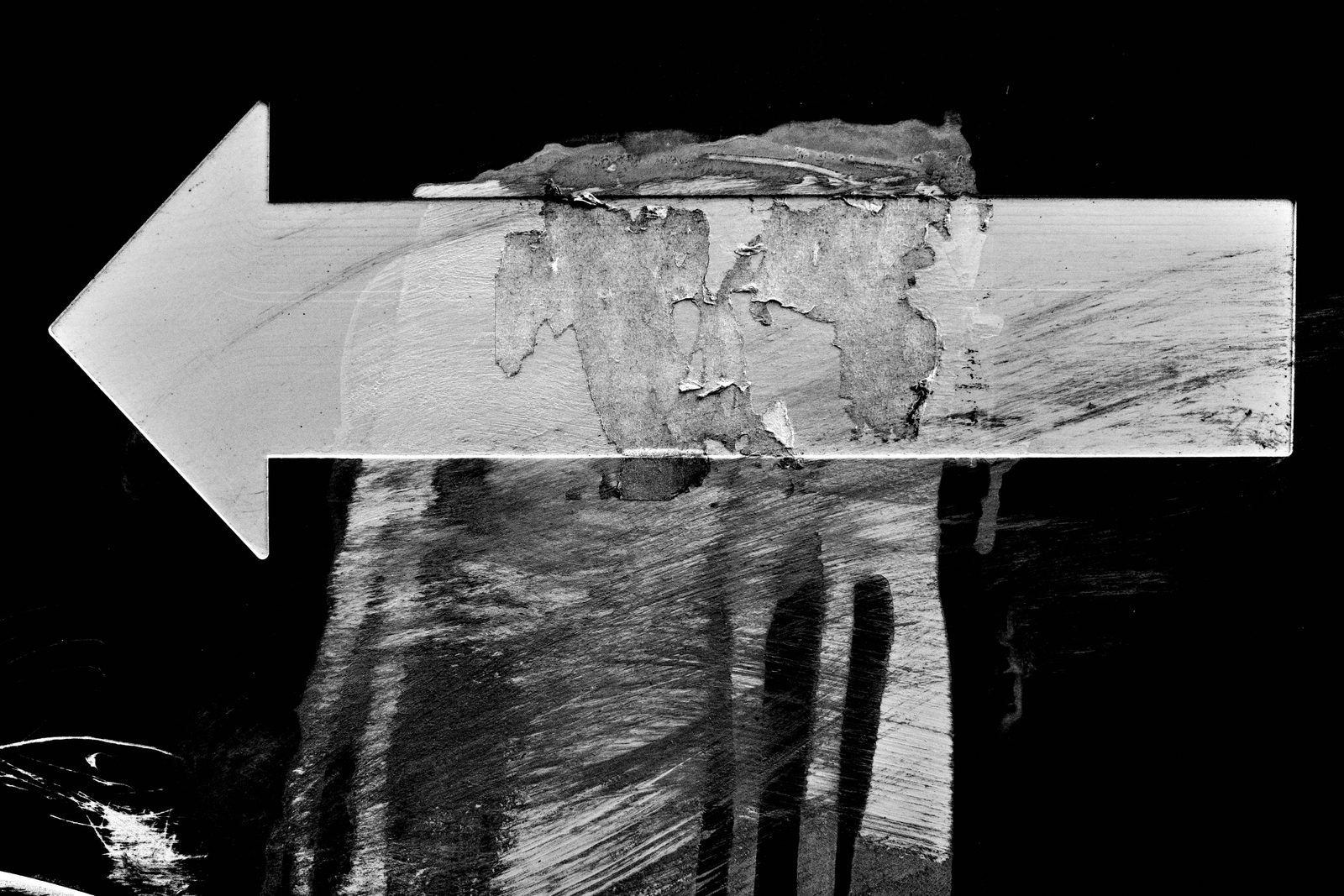
The starting point never changes: find the light first. Light doesn't decorate a layered photograph — it builds it. Strong directional light separates your background from your middle ground. It carves a foreground from shadow. Before you think about subjects, before you think about timing, stand where the light is doing something interesting. The layers will organize themselves around it.
Read the Background as a Stage
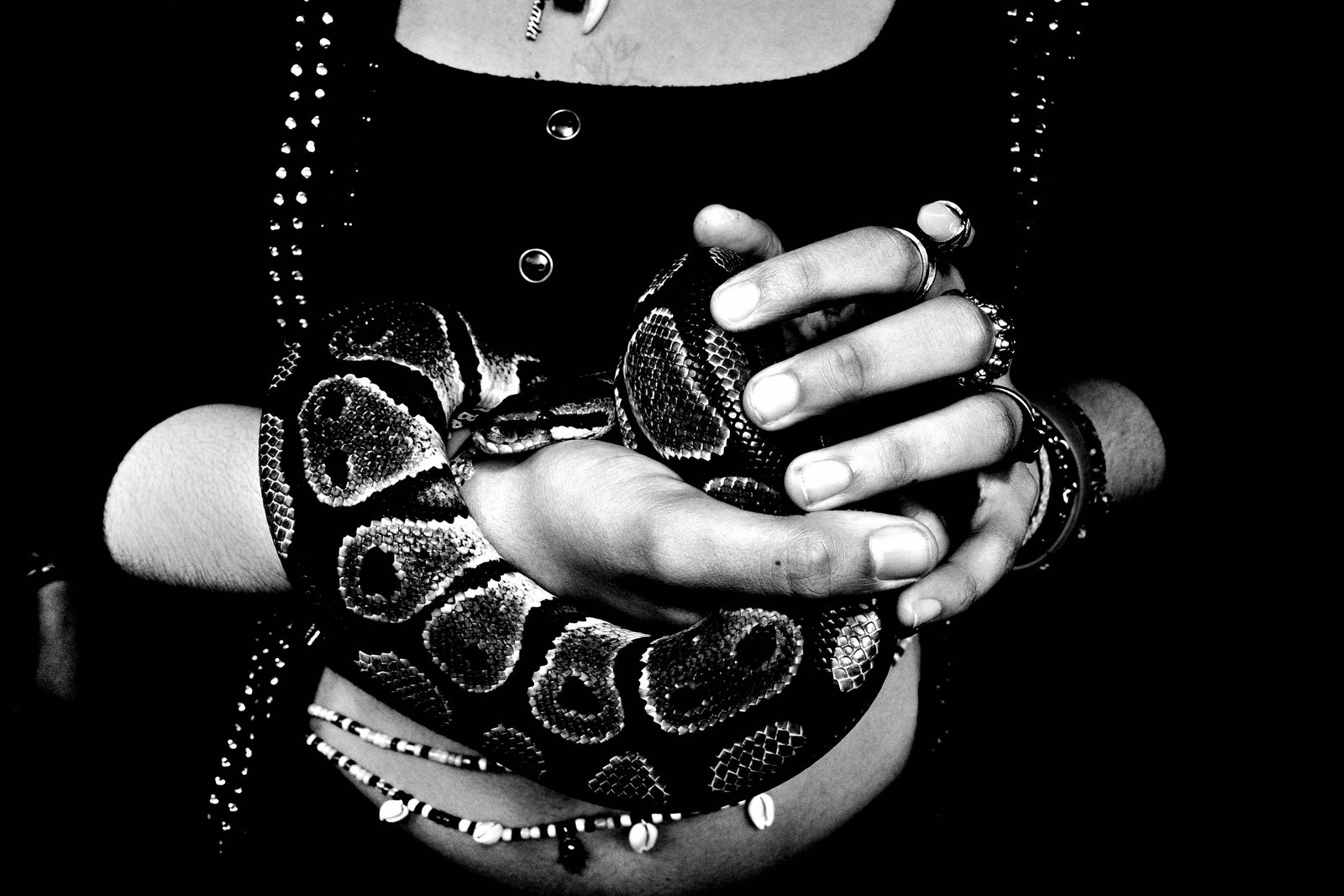
Once you've found the light, read the background. Is it clean? Is it structured? Does it hold weight without crowding? Think of it as a stage — a platform you're going to place everything else in front of. The background is the most stable layer. Lock it in first because it gives you something to build toward. A strong background holds the photograph even when the decisive moment doesn't fully deliver.
Position Before Action
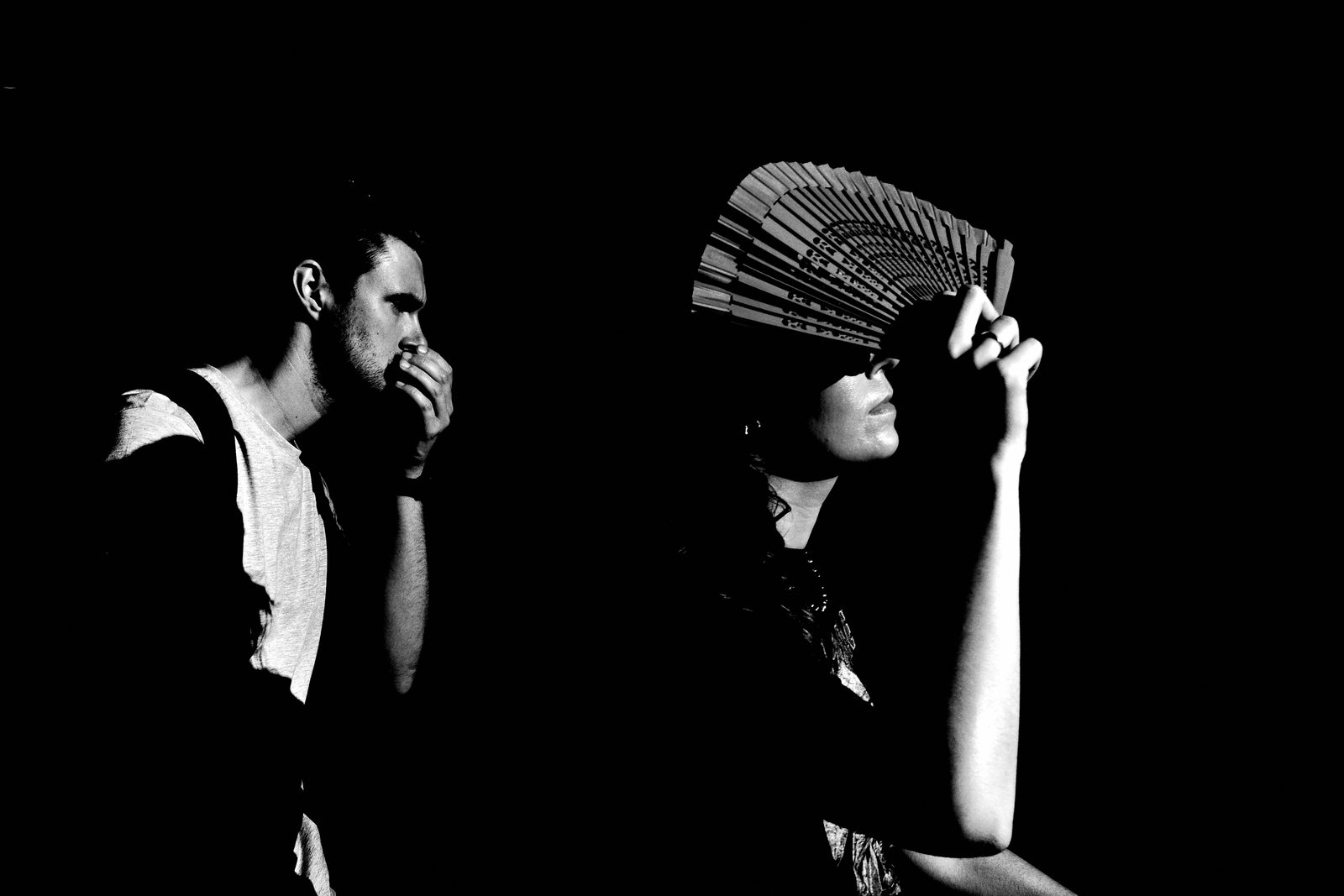
Now commit your body. Your physical position is a compositional decision — maybe the most important one you make. Small shifts — a step left, a crouch, an angle — create massive changes in how layers relate. Once the background is locked, stop moving toward subjects. Move to the position where the relationships are best, and then stay there. Let the scene come to you. This is the discipline that separates layered work from snapshot work.
Scan for Foreground Potential
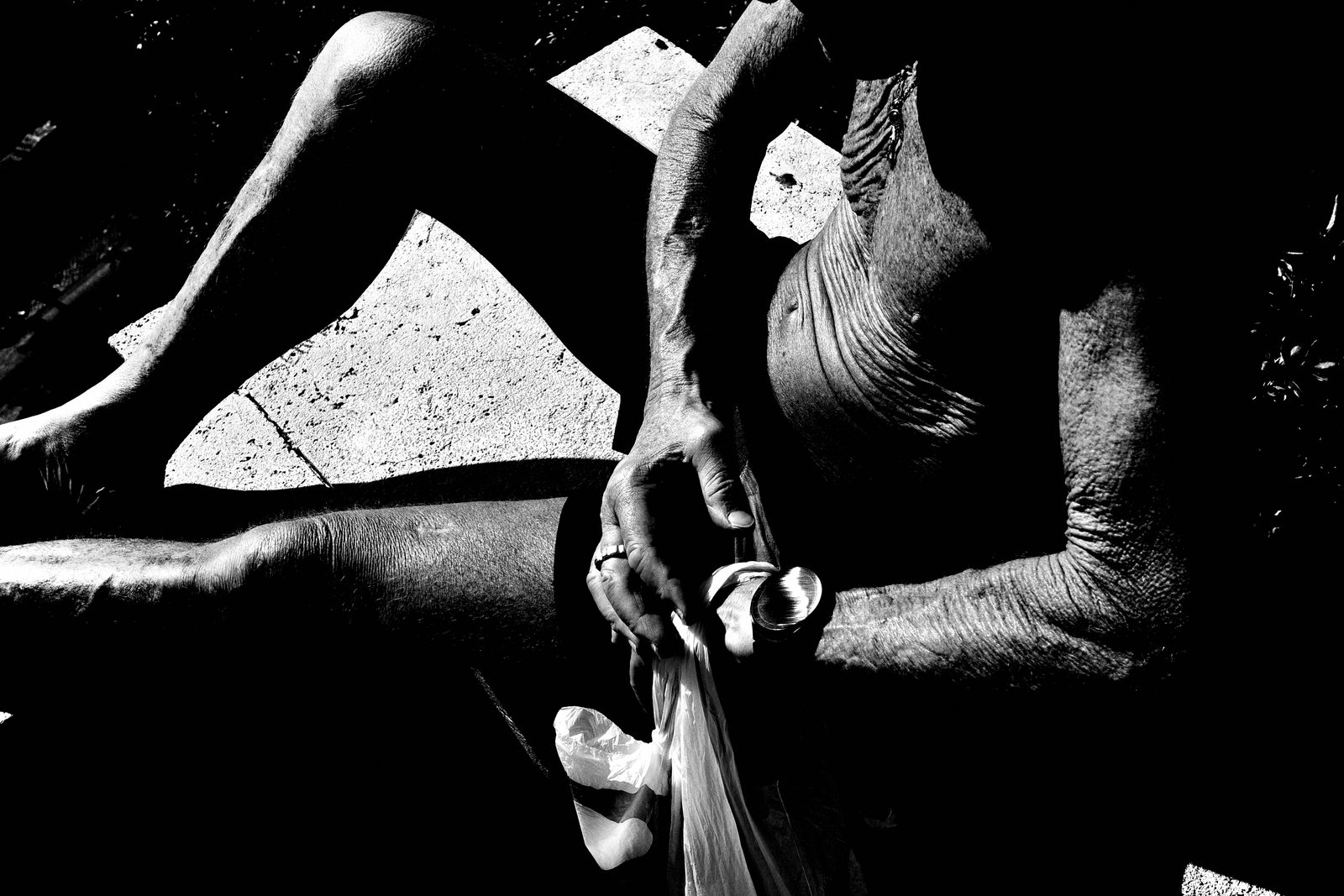
Once you're positioned, scan for foreground potential. A foreground element — a shoulder, a railing, a blur of color — is what turns a flat two-dimensional photograph into something you can step into. It doesn't need to be sharp. It needs to be present enough to give the eye a near plane, a place to enter before traveling deeper into the frame. Foreground is depth insurance.
Choose the Decisive Layer in Advance
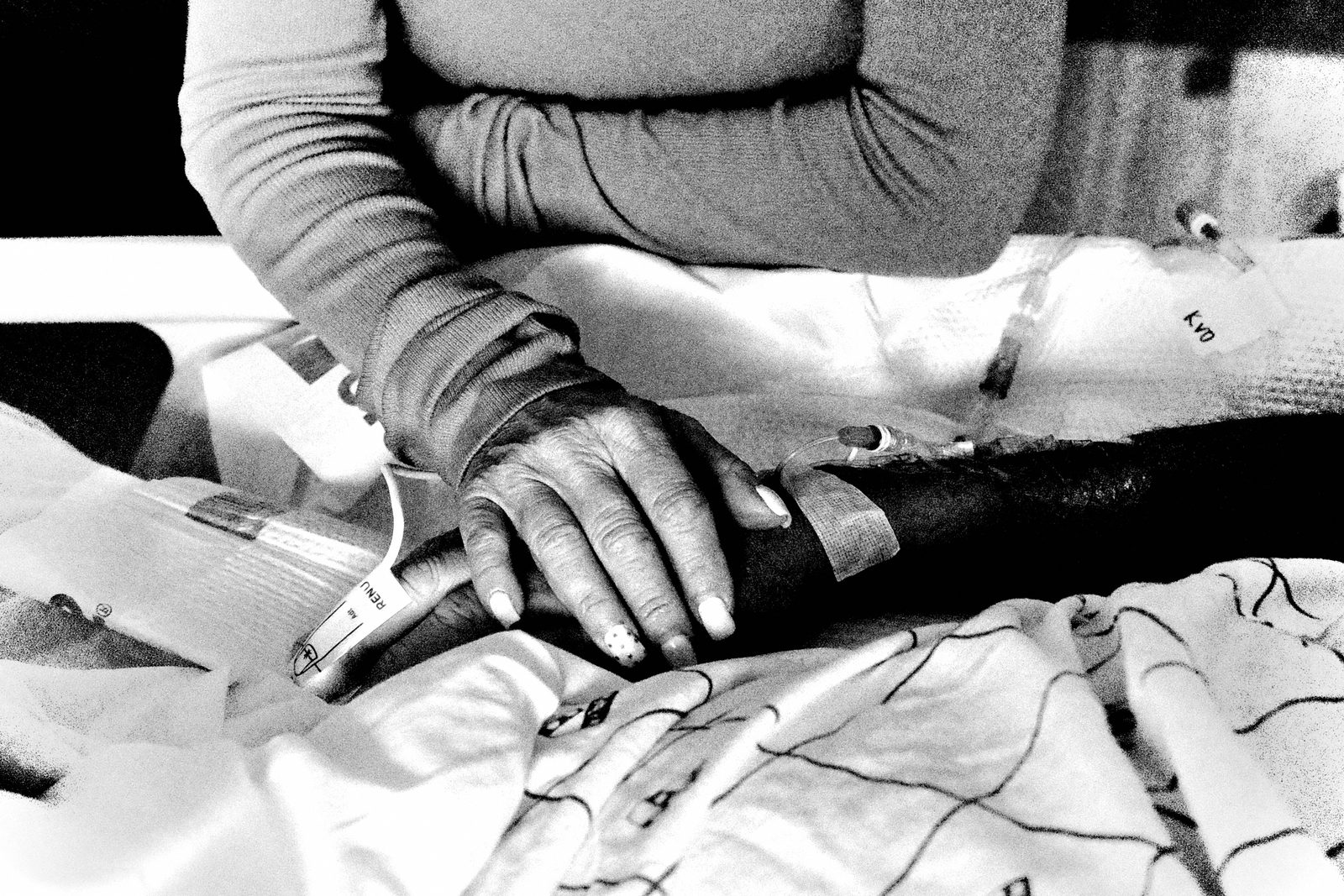
Here's the anticipation move: before anything decisive happens, decide which layer is going to lead the photograph. Will the background carry it — a burst of light, a graphic shape? Will the middle ground own it — a gesture, a face, a pause? Will the foreground make the intimacy? Choose now. Because when the moment arrives, you won't have time to debate. The decisive layer is selected in the stillness before the action, not during it.
The Choke Point as Anticipation Lab
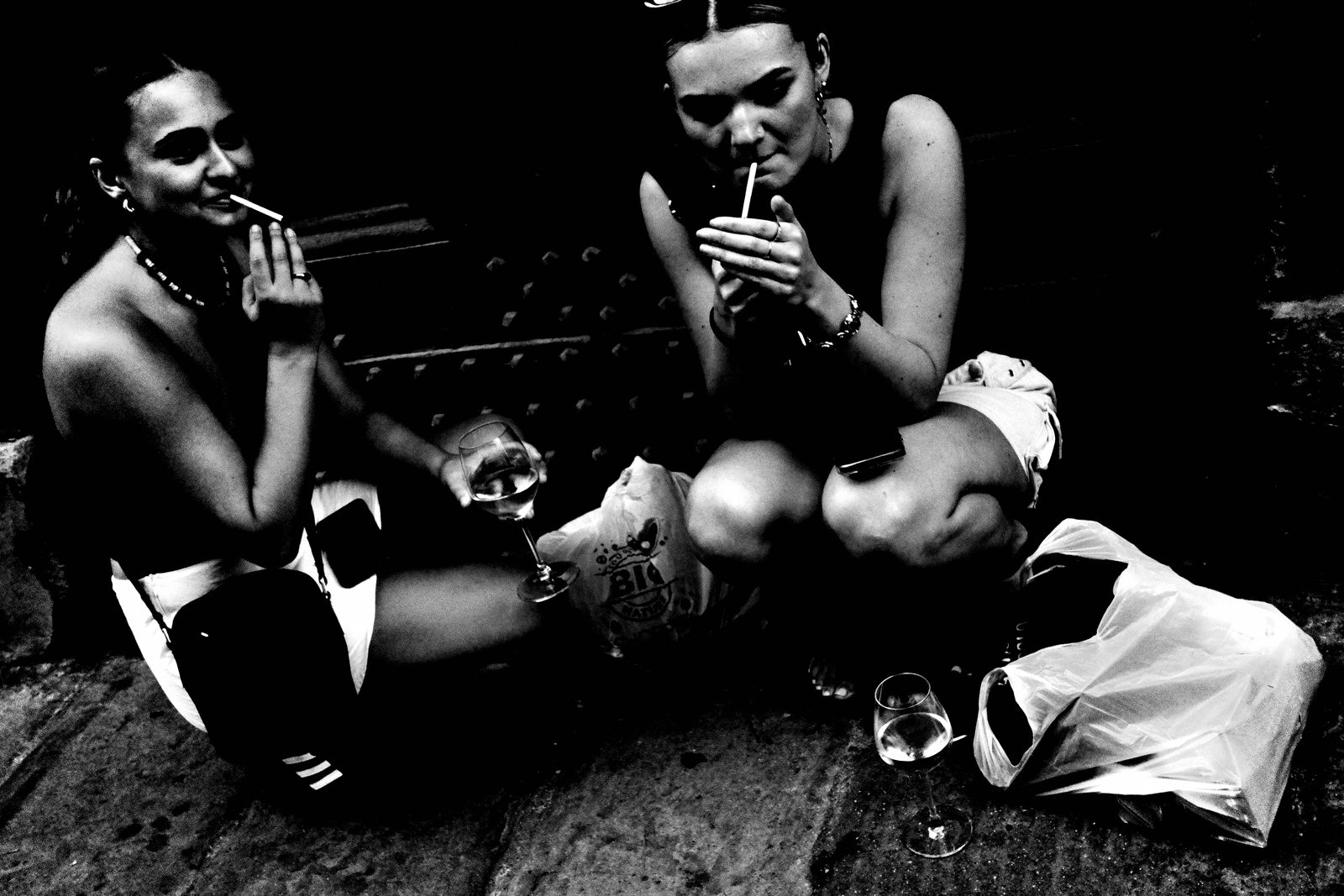
A choke point along a busy street — a bus stop, a doorway, a crosswalk — is a perfect anticipation laboratory. The background, whether an advertisement panel, a wall, or a building face, is stable. People arrive, wait, and leave in their own time. You lock in the background, find the light, position for the foreground. Then you simply hold. The decisive layer — a glance, a silhouette, two figures in relationship — walks into a frame you already built. Nothing is chased. Everything is prepared.
The Return Turns Reaction Into Preparation
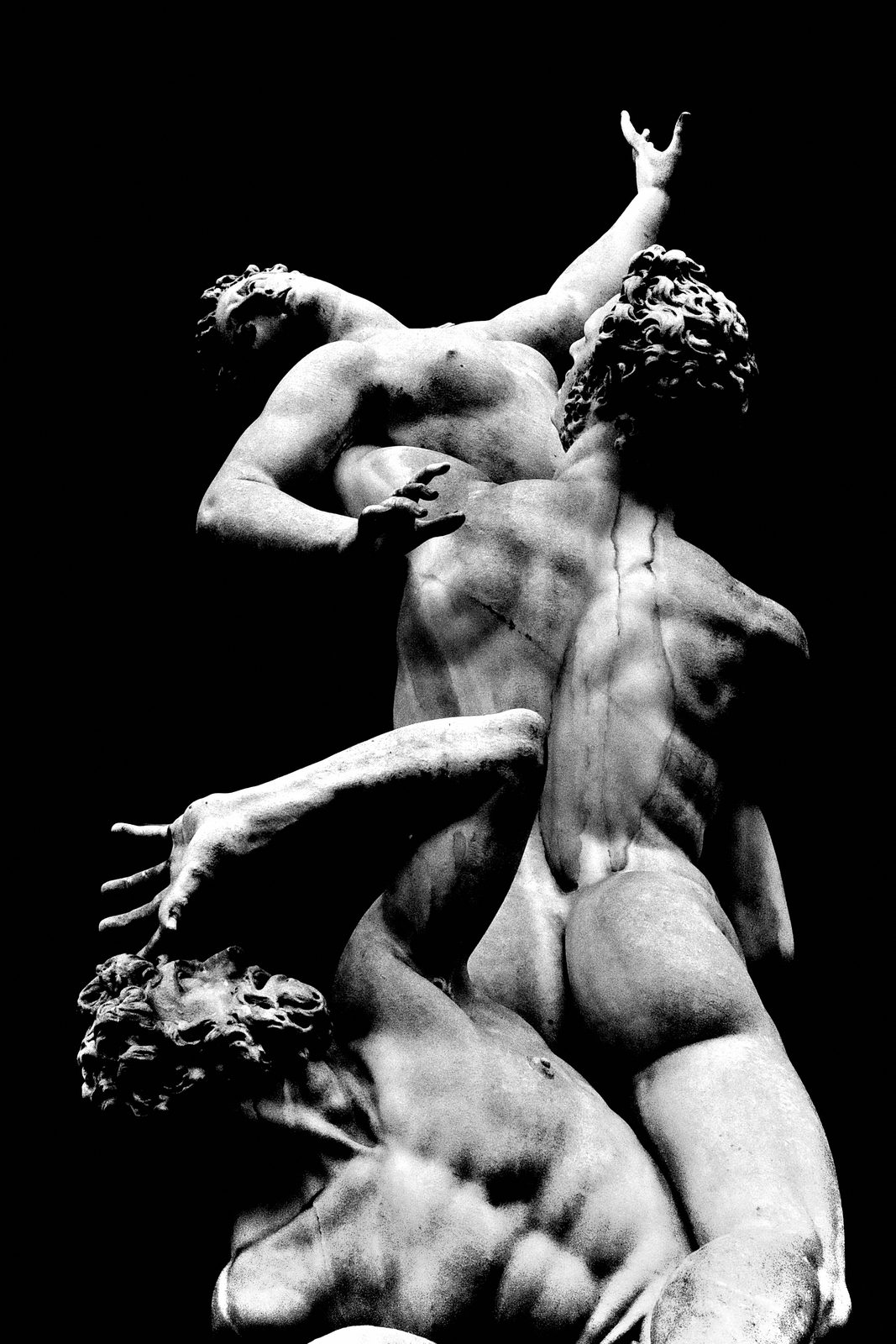
Take any stretch of waterfront or open plaza and work it multiple times. The horizon is always there — a clean, stable background plane. The light shifts throughout the day, but its logic is learnable. After a few visits, you can anticipate where the light will separate figures from the background and when foot traffic will fill the middle ground. Familiarity lets you move from reaction to preparation. Different people, same structure, deeper photographs.
Maximum Chaos, Same Process
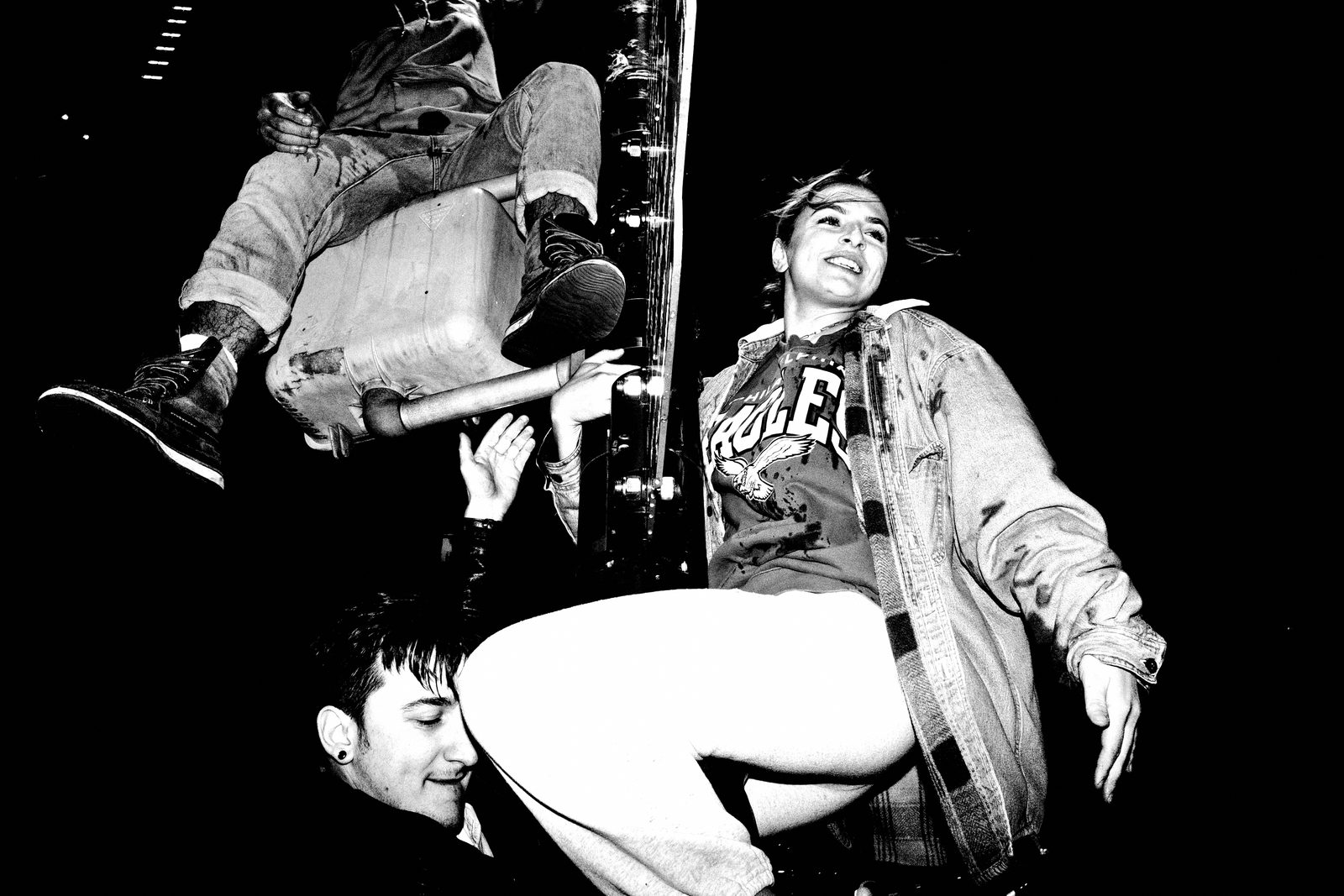
The most overwhelming environments — the densest, loudest, most relentless streets you'll ever work — are exactly where the process proves itself. The density is extreme. The movement is relentless. The stimuli are infinite. But you don't need new techniques there, and you don't speed up or chase harder. You find the light. You choose a position. You read the background. You wait. The chaos increases; the approach doesn't. And that's exactly what proves the process is real — it holds up under maximum pressure.
Mastery Feels Slower, Not Faster
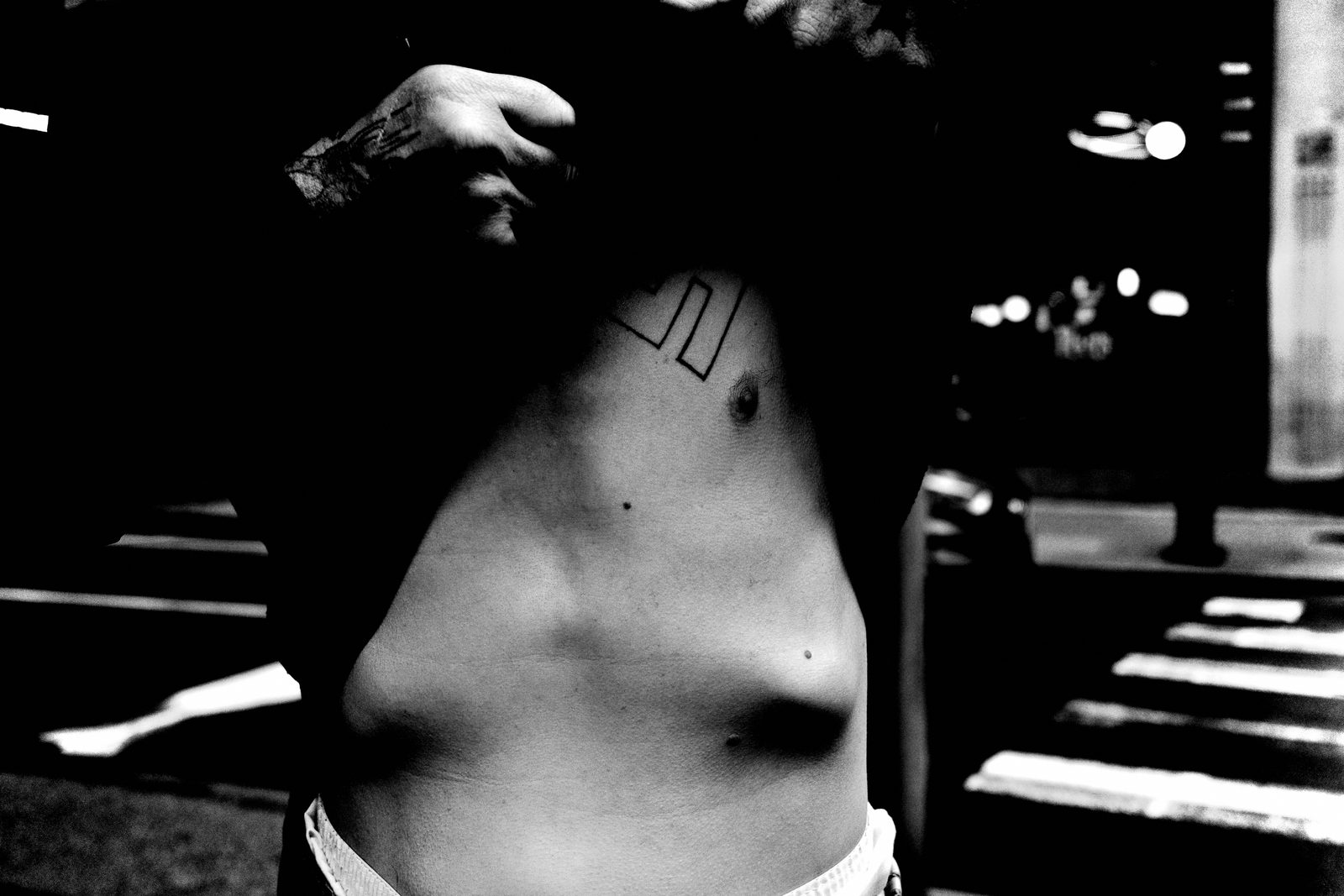
From the outside, experienced street photography looks fast — the photographer always seems to be in the right place at the right moment. From the inside, it feels the opposite: slow, settled, unhurried. That's the signal. When anticipation becomes instinct, you stop feeling overwhelmed by stimuli. You move less. You commit more. You wait longer. You recognize when a scene is finished. Mastery doesn't feel frantic — it feels calm.
Scan in Planes, Not Subjects
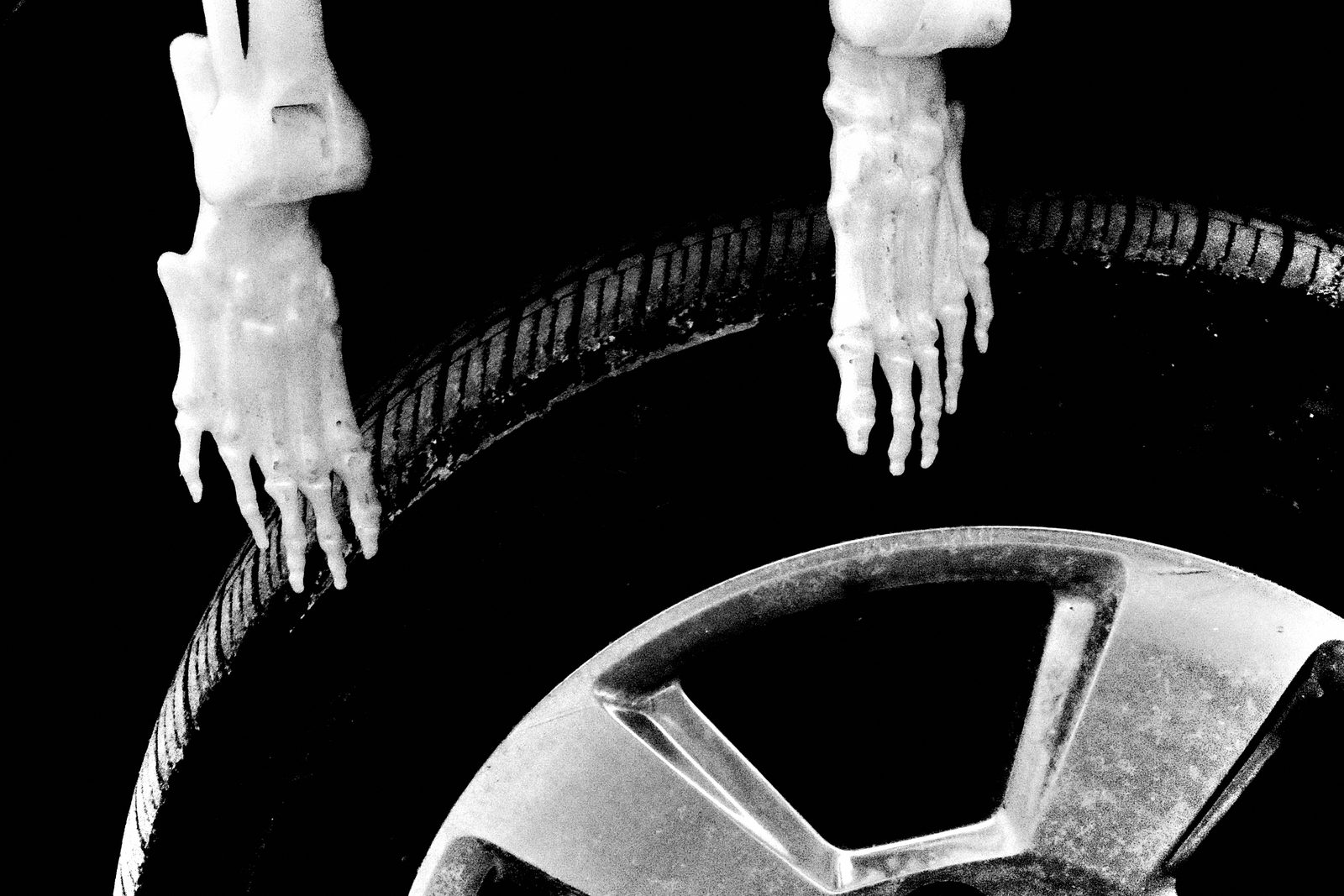
The practical shift in how your eye moves is this: stop scanning for subjects and start scanning for planes. Ask: what could be a strong background here? Where could a foreground enter? How might these elements relate if a figure moved through the middle ground? This moves you from reaction — waiting for something interesting to appear — to construction, actively reading a scene's architectural potential before it resolves.
Stay Longer Than Feels Comfortable
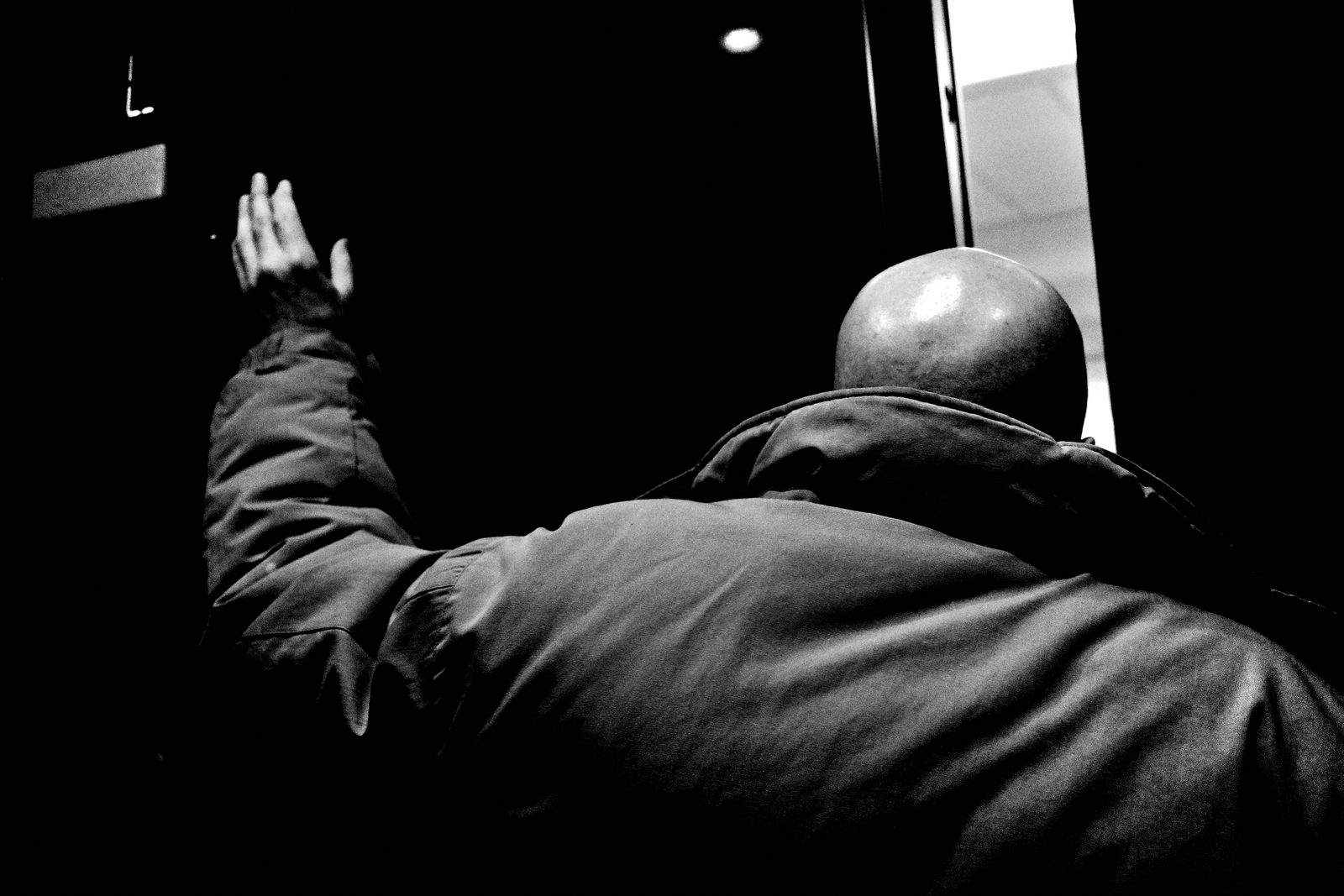
Here's a rule I keep coming back to: stay longer than feels comfortable. Most of the strongest layered frames come after the moment you want to walk away. The scene hasn't resolved yet. The layers haven't fully aligned. Impatience is the most common killer of layered work — not bad light, not bad locations, not bad luck. When discomfort tells you to move on, treat that as the signal to stay put.
Separation Keeps Layers Readable
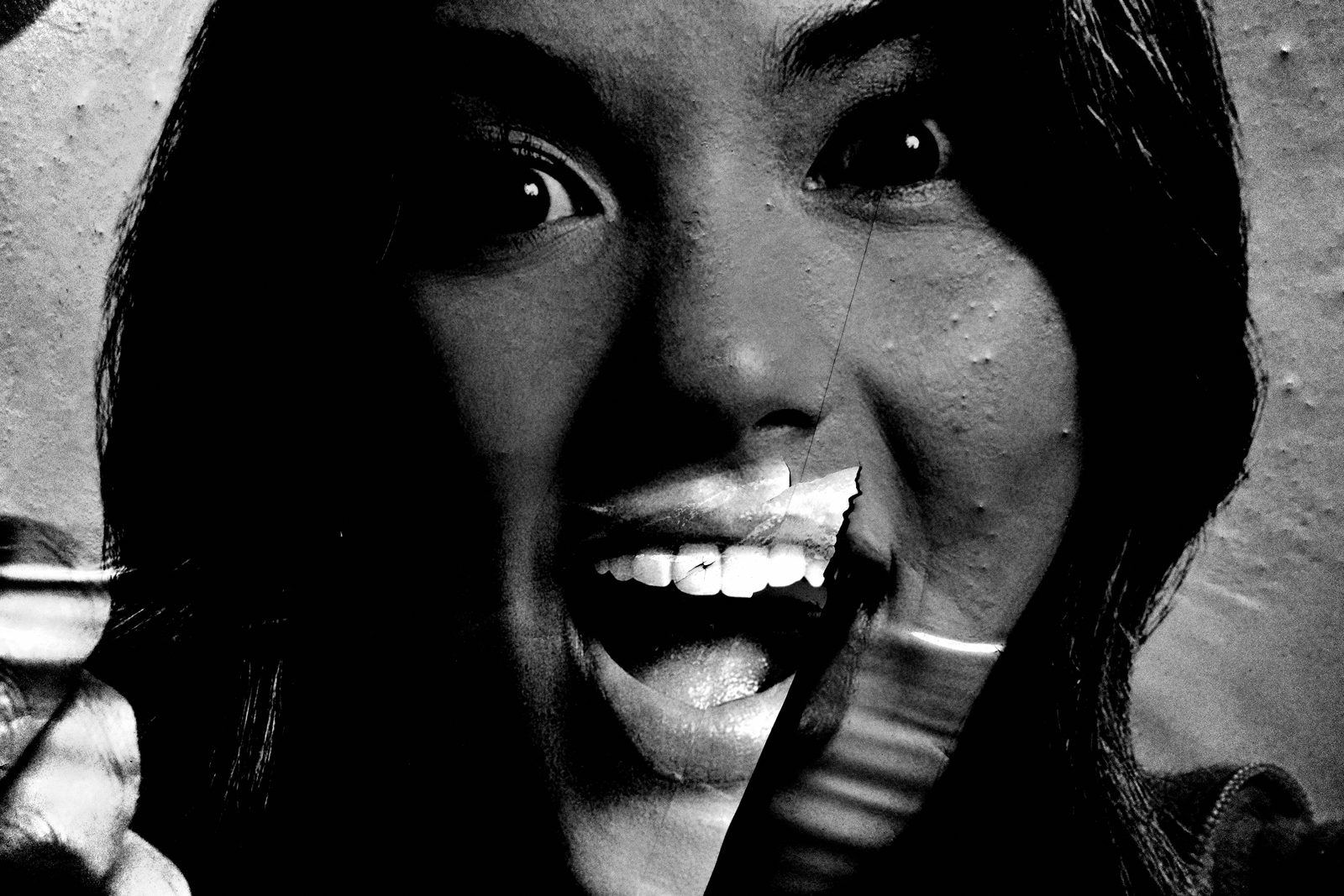
Layers only work if the eye can read them distinctly. When they bleed together — when the figure merges into the background, when the foreground crowds the middle ground — the depth collapses and the photograph goes flat. Separation is what keeps layers alive. It doesn't need to be perfect. It needs to be enough — enough light difference, enough space, enough tonal contrast — for the frame to be legible at a glance.
PRACTICAL APPLICATION
Build One Stage, Work It Patiently
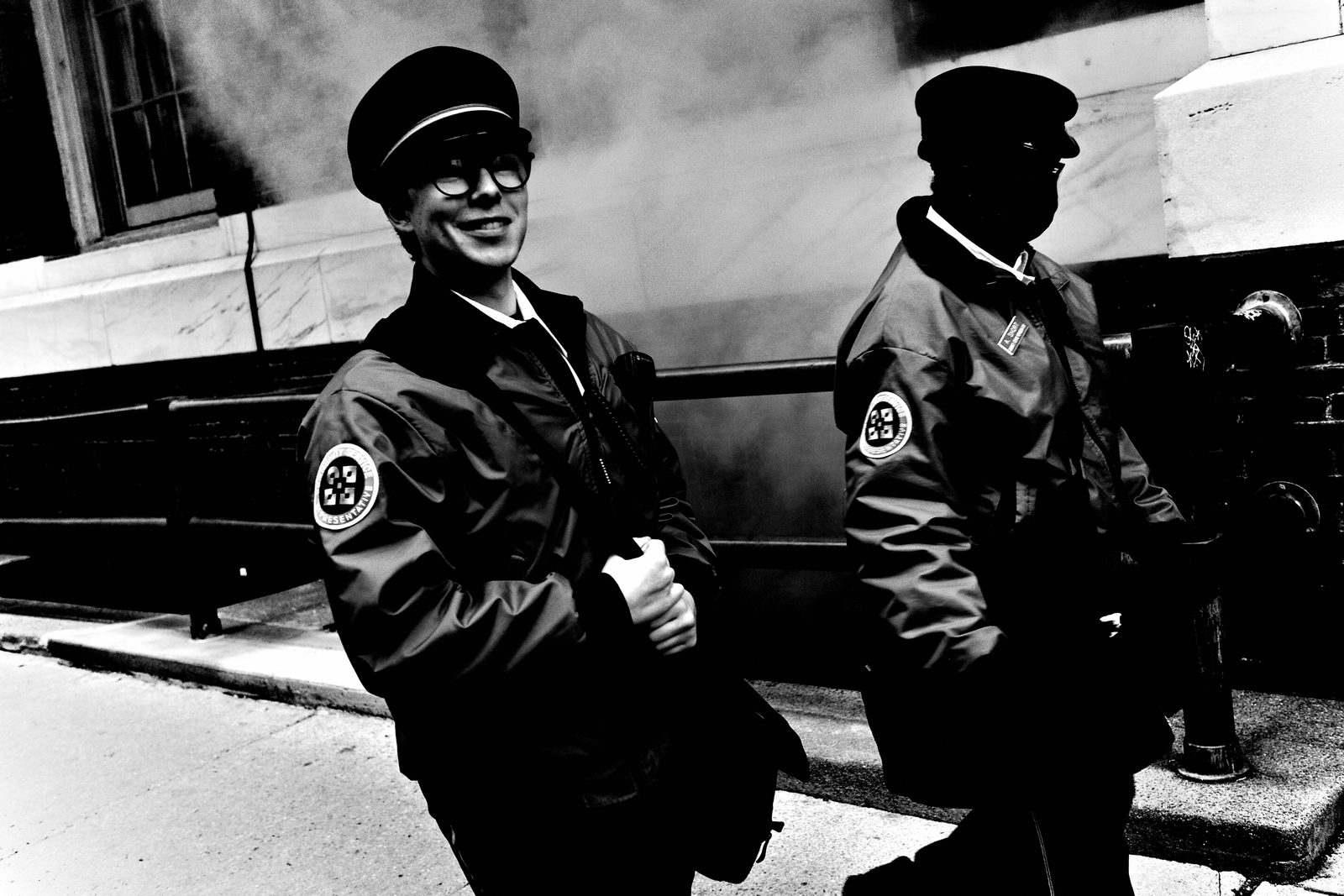
Your assignment this week: choose one location with a clear background and strong directional light. Position yourself, decide which layer will lead, and stay for a minimum of twenty to thirty minutes. Do not move toward subjects. Let them arrive. Notice how the quality of your frames shifts the longer you hold position. The scene starts working for you once you stop chasing it.
Return to the Same Location Three Times
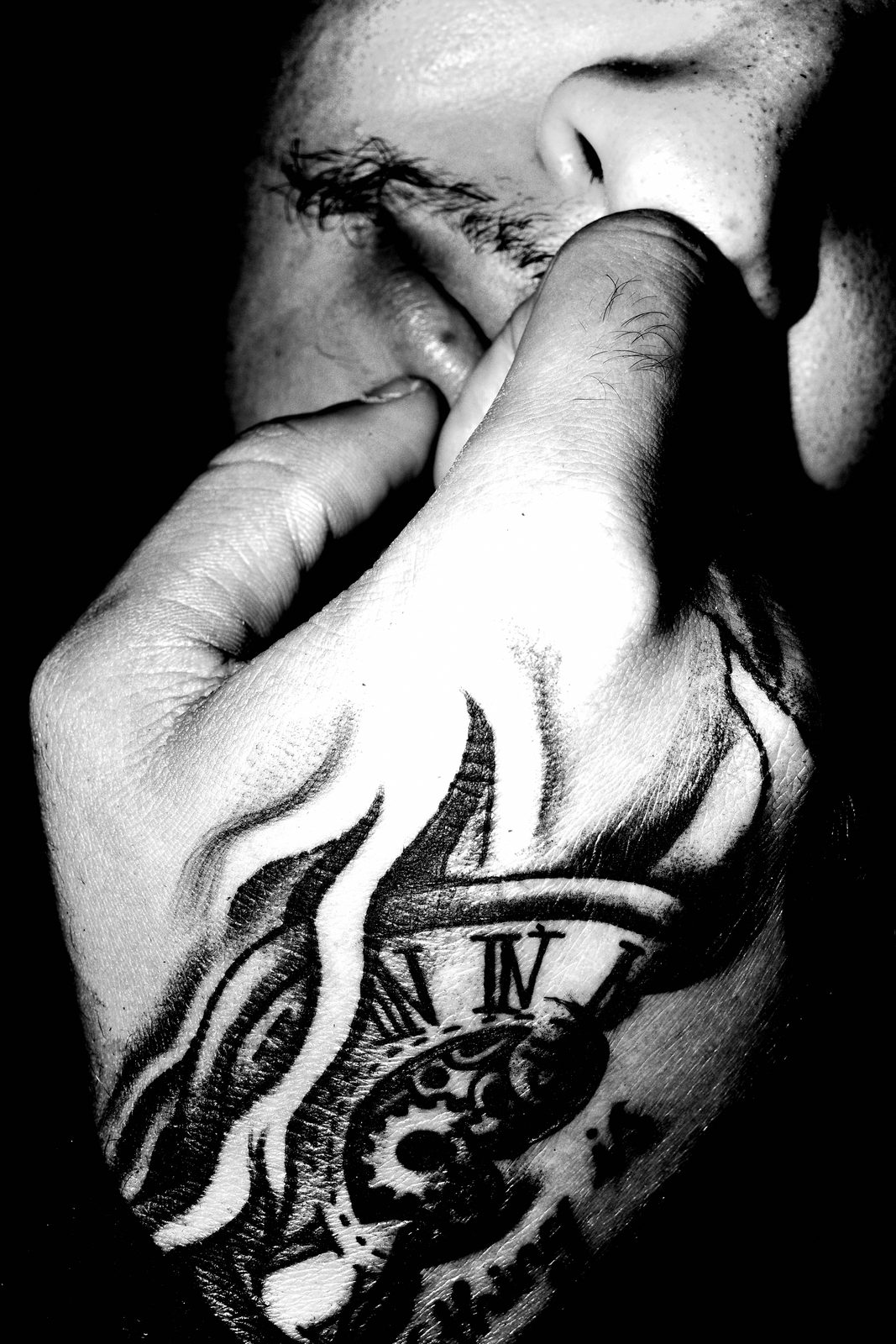
Go back to the same location three separate times — different times of day if possible. The first visit, you're learning the scene. The second visit, you recognize the structure faster. By the third, you're anticipating light shifts, predicting where people will pause, reading the foreground before it appears. Repetition is the fastest route from reaction to anticipation. Familiarity is not the enemy of discovery — it's the foundation of instinct.
COMMON MISTAKES
Pressing the Shutter Out of Anxiety
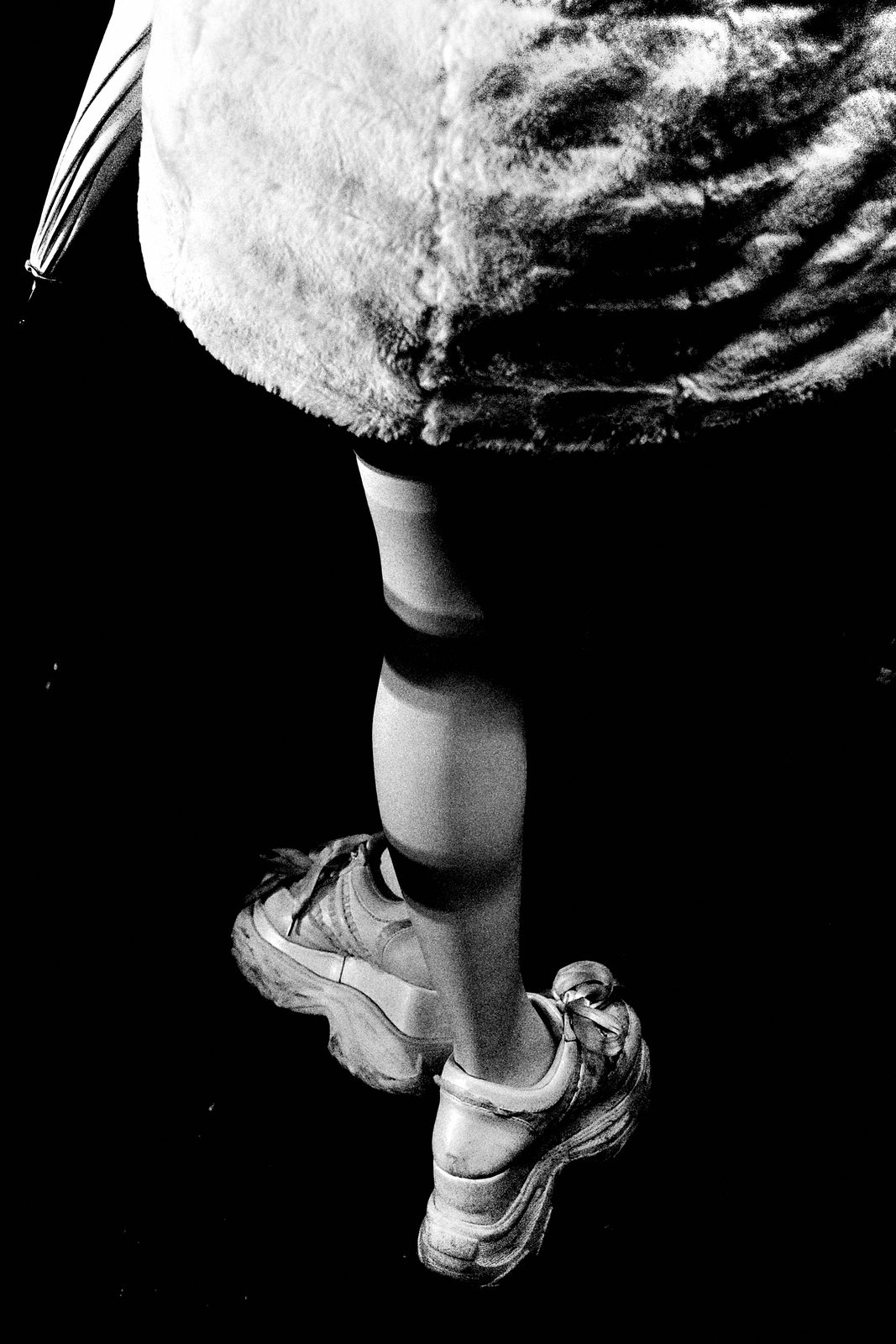
The most common anticipation mistake is pressing the shutter out of anxiety — firing because something might be happening, because you're afraid of missing it, because the silence of waiting feels wrong. What you get is forced, unresolved frames where no layer clearly leads. Slow down. Build the structure first. Trust that the decisive layer will arrive — and when it does, the frame will already be ready for it.
Chasing Complexity Instead of Clarity
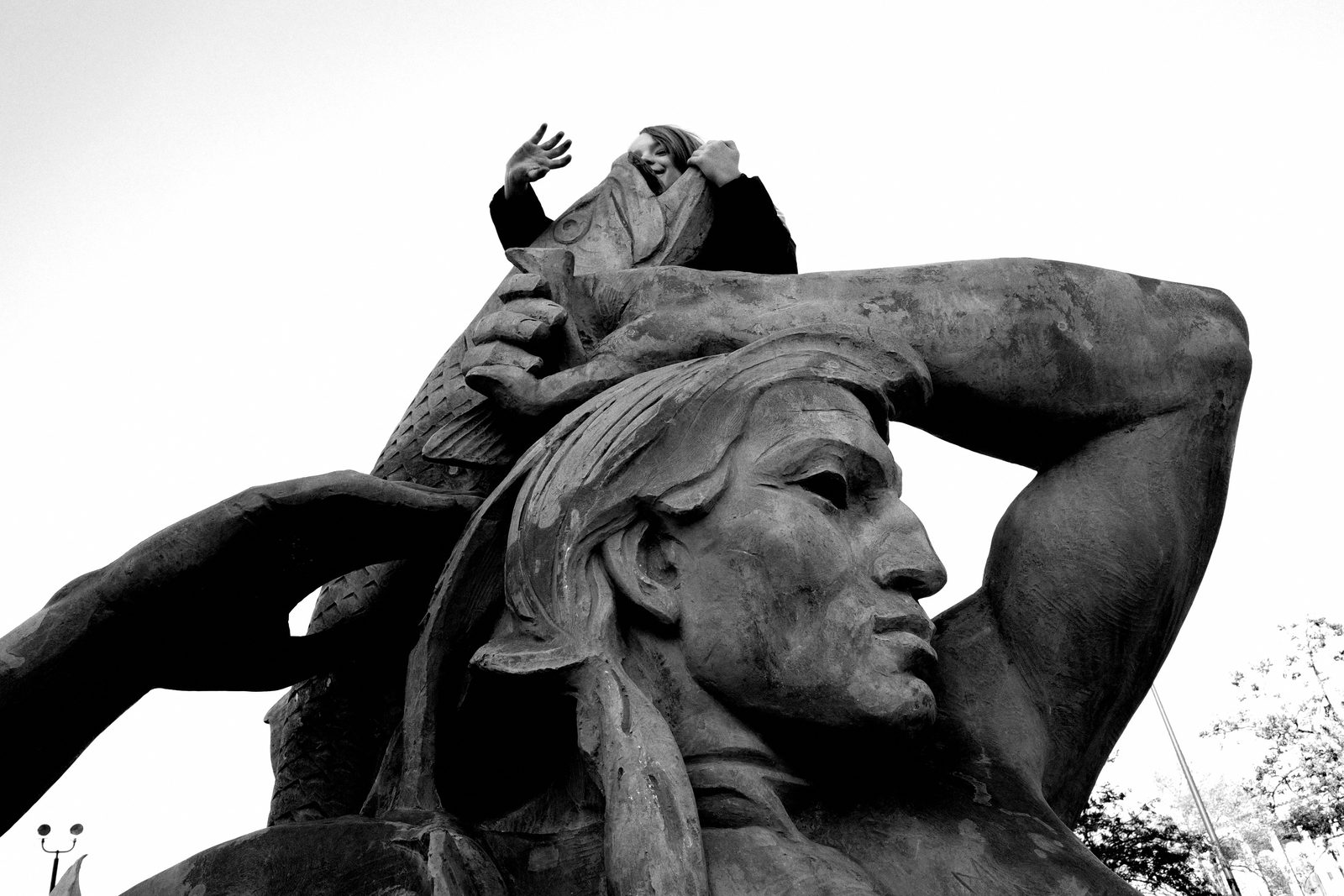
The other trap is assuming that more complexity equals better layering. Three busy foreground elements, a chaotic middle ground, a loud background — technically layered, visually incoherent. When every layer competes for attention, the frame collapses. The fix isn't technical — it's decisional. Ask: what is the one relationship that matters here? Build around that and remove everything that competes with it. Clarity beats complexity every time.
RELATIONSHIP TO PREVIOUS
From Balance to Anticipation
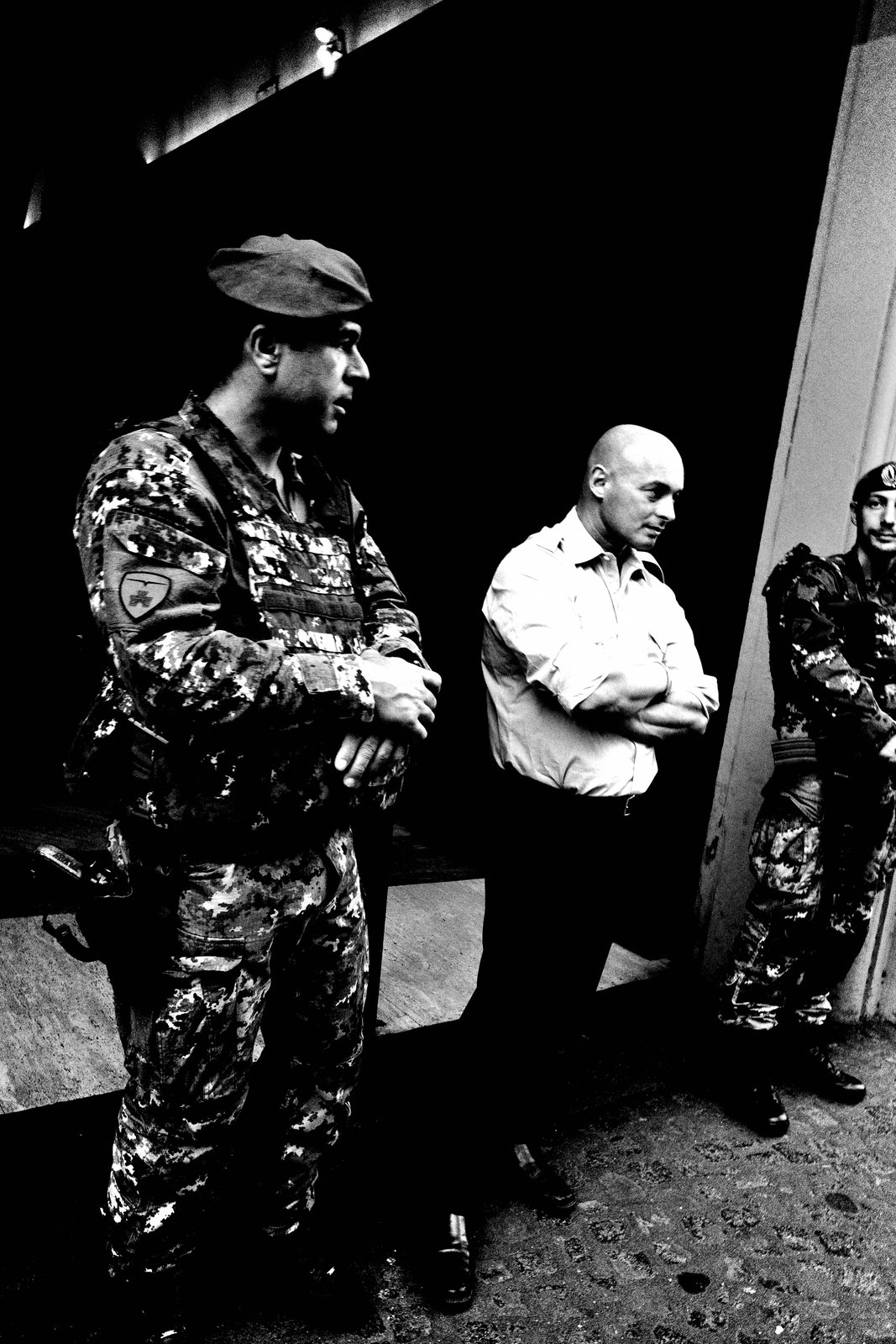
Lesson 026 showed us how to hold background, middle ground, and foreground in balanced relationship — letting one layer lead while the others support and hold. That structural harmony is the destination. Anticipation is how you get there. You can't balance three layers in the moment of reaction; you balance them by reading the scene early, choosing the decisive layer in advance, and waiting for the geometry to resolve.
RELATIONSHIP TO UPCOMING
From Instinct to a Repeatable Method
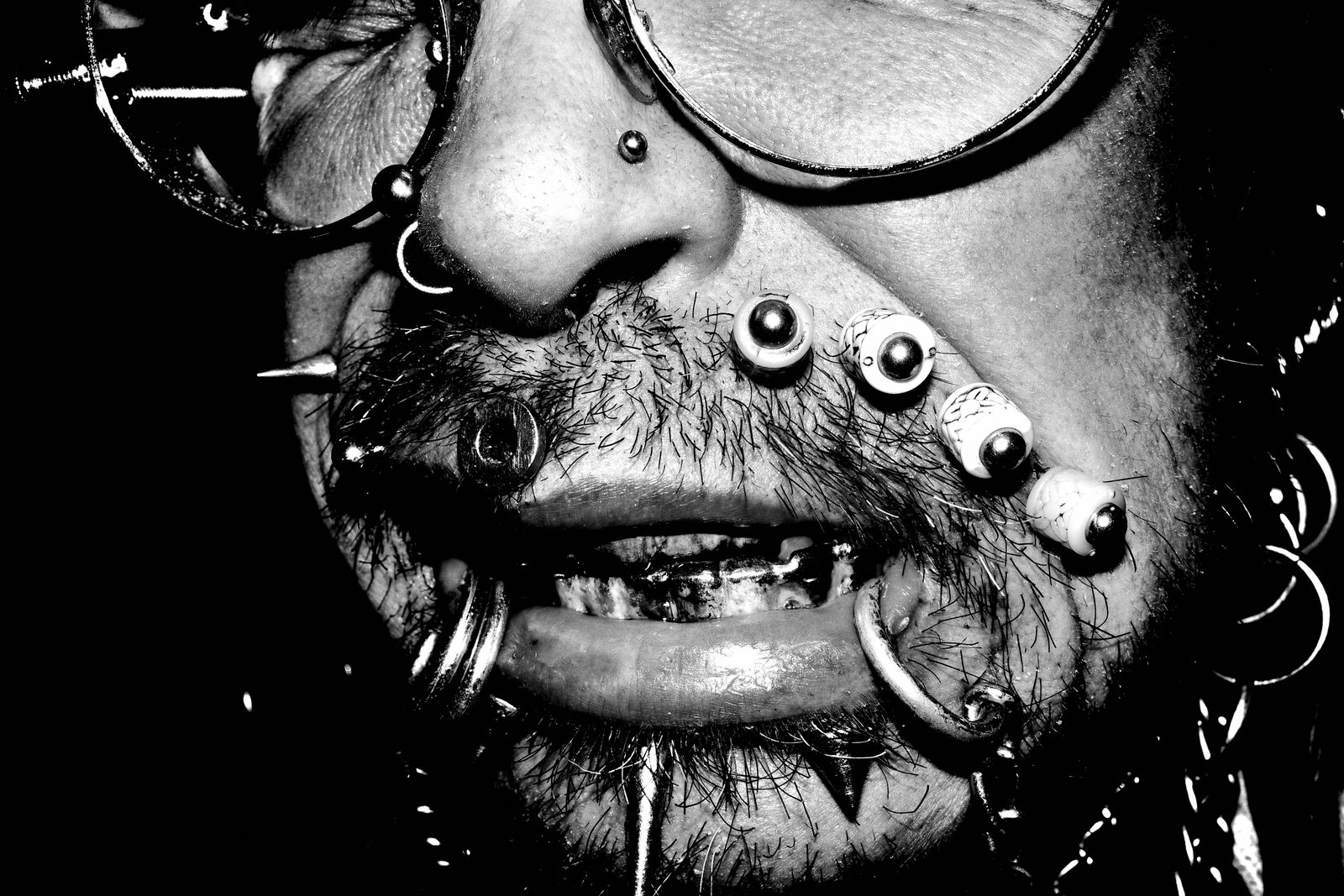
Everything we've built — light first, position before action, the decisive layer chosen in advance, patience over urgency — is about to become a repeatable, step-by-step method in Lesson 028. Anticipation isn't a vague feeling you hope to develop; it's the first move in a deliberate process you can apply anywhere, in any environment, at any experience level. Next lesson, we make it concrete and portable.
SUMMARY / TAKEAWAY
Prepare the Frame. Hold the Position. Trust the Layer.
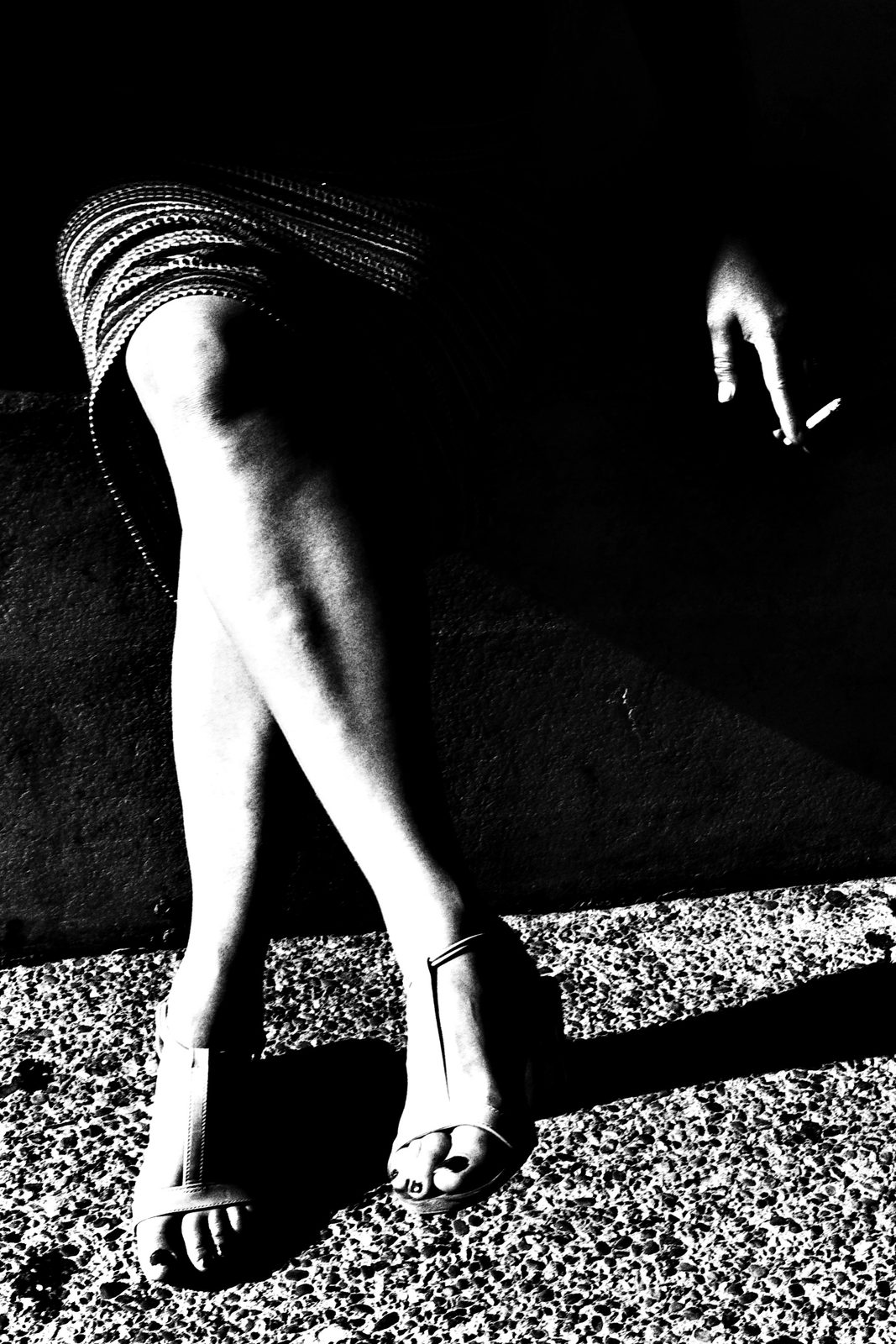
Last thing. Anticipation in street photography isn't a talent — it's a trained behavior. Find the light. Read the background as a stage. Lock in your position. Choose which layer will lead. Then stay longer than feels comfortable and let the decisive element arrive into a frame you already built. The photograph is made in the stillness before the shutter. Prepare the frame. Hold the position. Trust the layer. Catch you in Lesson 028.