Light in Layers
CORE IDEA
Light Builds the Frame First
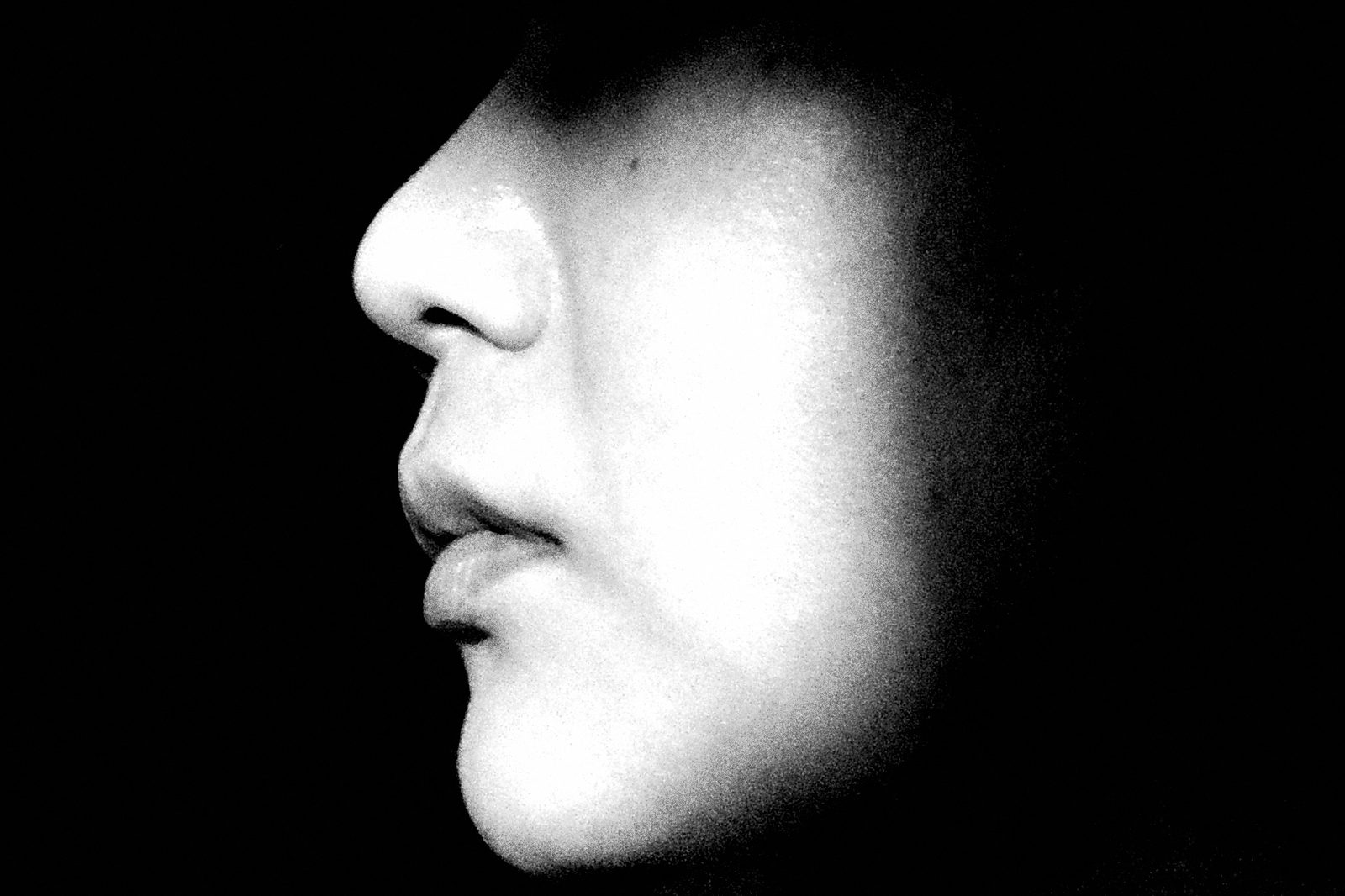
What's popping, people — it's Dante. Here's the shift that changes everything: stop looking for moments first. Start looking for light. Light is already organizing the scene before anyone steps into it. It creates the stage, it builds the structure, and when you learn to see it that way, layering stops being a struggle and starts feeling inevitable.
LEARNING OBJECTIVE
What You'll Walk Away With
By the end of this lesson you'll understand how to let light lead your layering process — how to find it, read it, and wait inside the structure it builds. This is the engine behind every strong layered photograph, and once you see it, you can't unsee it.
WHY THIS MATTERS
Chaos Doesn't Organize Itself
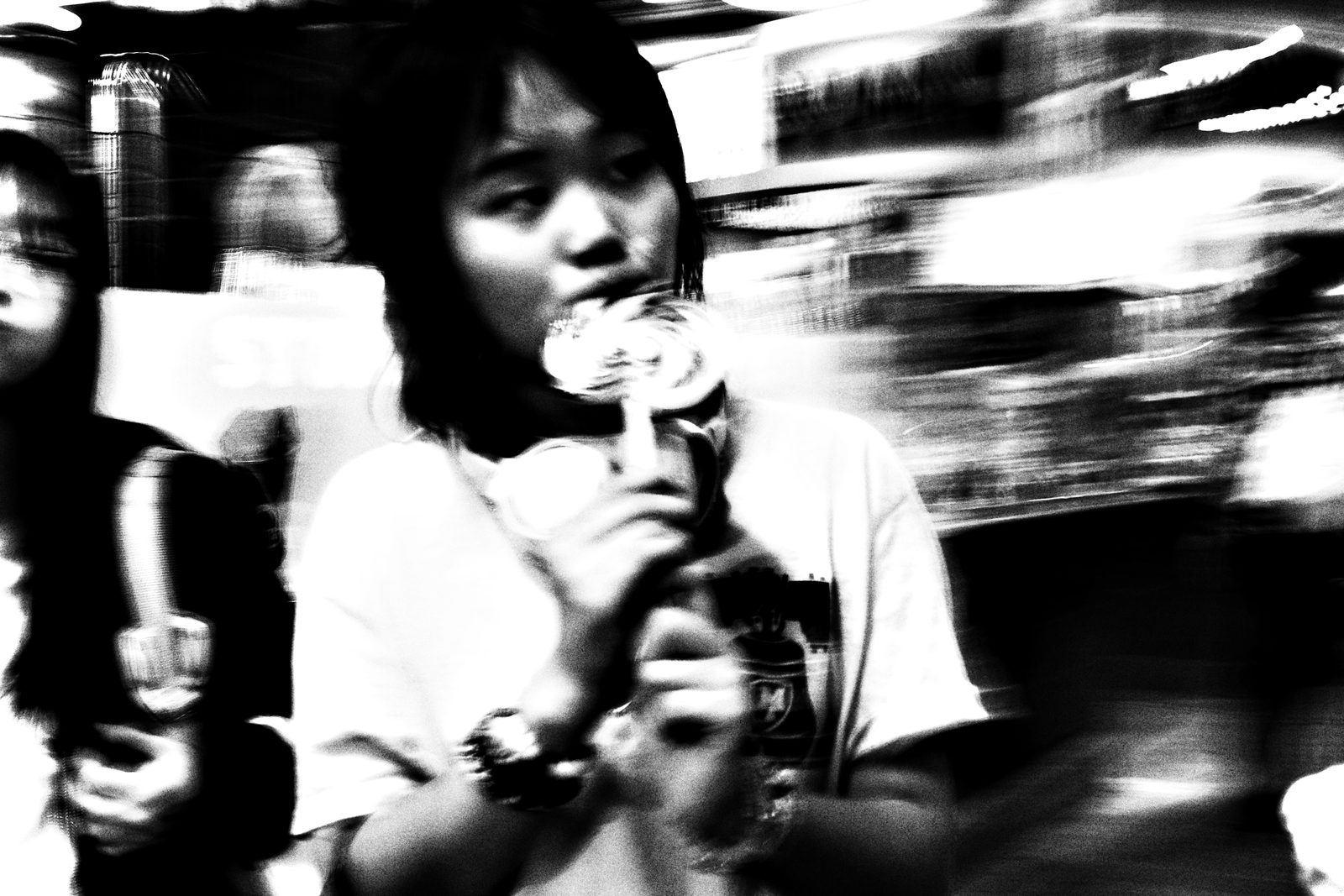
Here's why this matters: the street is chaos. People everywhere, things overlapping, no natural order. If you try to force layers into that mess, you'll just stack complexity on top of complexity. Light is the one thing that simplifies all of it — it removes distractions, creates hierarchy, and tells you what matters before a single thing happens.
A Repeatable Process, Not a Lucky Break
And it's not just about clarity — it's about consistency. When you build around light, you're not gambling on luck. You're working a structure that repeats. The light behaves predictably in specific locations. That means you can return, set up, and make strong photographs without reinventing the wheel every single time you go out.
MAIN TEACHING
Light Defines the Stage

Light defines the stage before the subjects arrive. A bright zone here. A shadow there. A line where they meet. That structure already has order — and when you recognize it, you stop positioning yourself relative to people and start positioning yourself relative to the light. People become contributors. The light is the architecture.
Know the Light Before the Action

Here's what light-first looks like in practice. Imagine a wide sidewalk with columns and a background that reliably falls into shadow at a certain hour. Once you know exactly when the light is right there, you can return to it again and again. Then, one day, something happens — a burst of movement, a gesture, a figure moving fast through the space. You don't chase it, because you already have your structure: your position relative to the sun, the light across the sidewalk, the simplified background. When the subject enters the light, you're ready. The moment works because the light and structure were already in place.
Read the Light, Then Wait for Movement
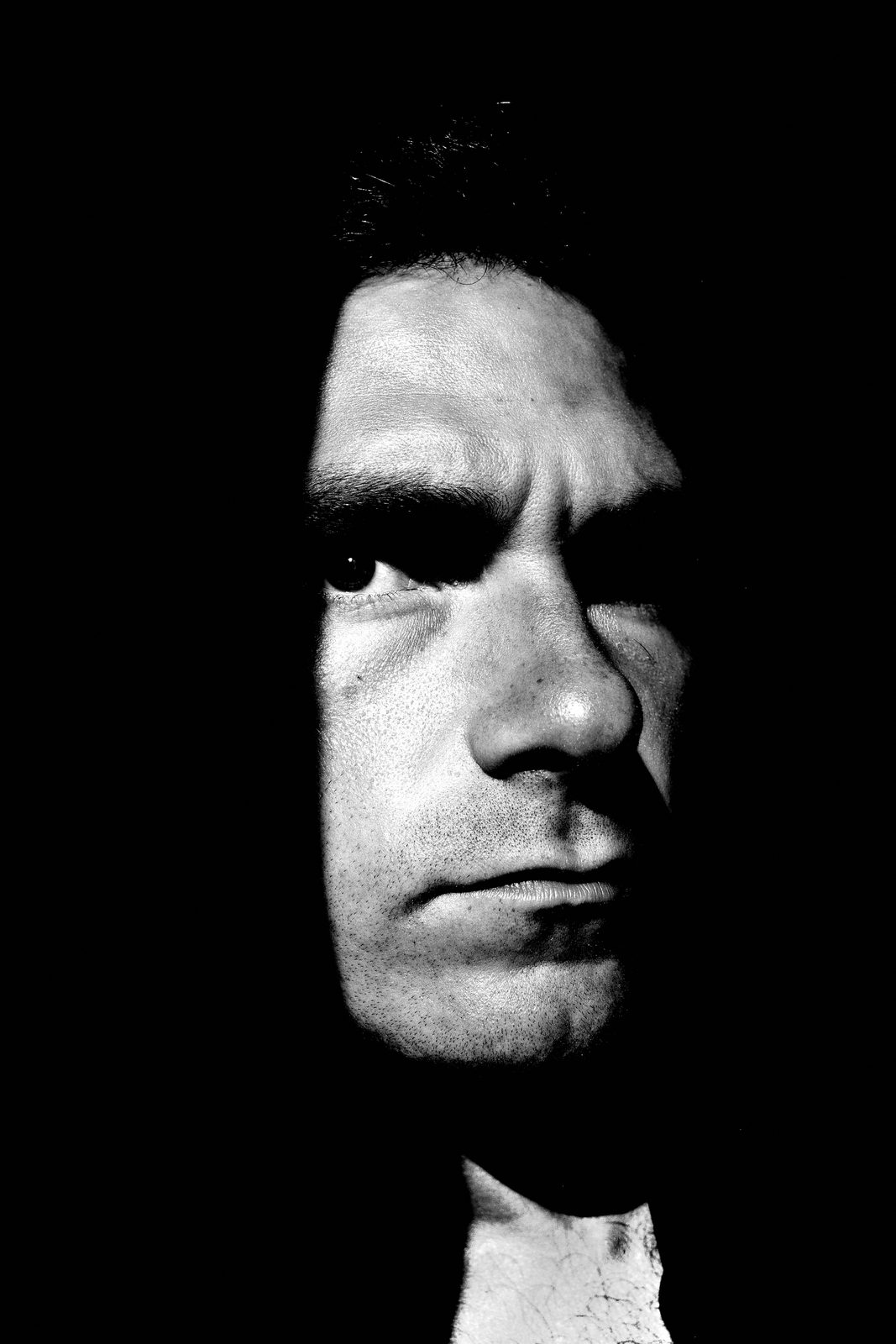
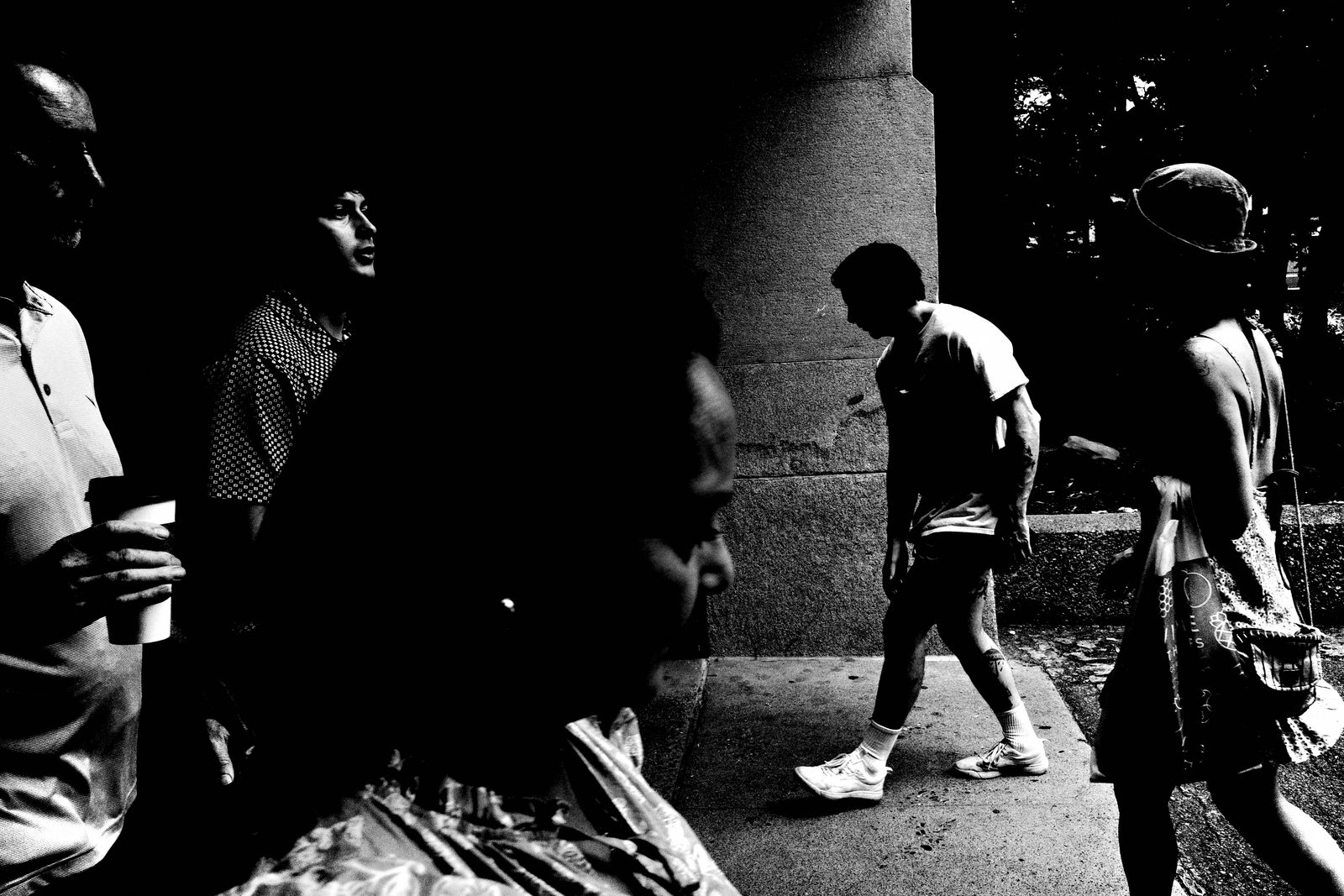
Before anything happens in a scene, watch how light and shadow cut across the space. You can even hold your hand up to study how the light is falling — just to understand the structure. Then wait. When figures move through — someone riding through on a bike, someone walking the line where light meets shadow — the alignment happens naturally: a strong shadow dominating the foreground, one subject in the midground where light and shadow interplay, another figure in the background emerging into fuller illumination. The light does the separating. You just wait for movement to enter what already exists.
You Don't Need Dramatic Light
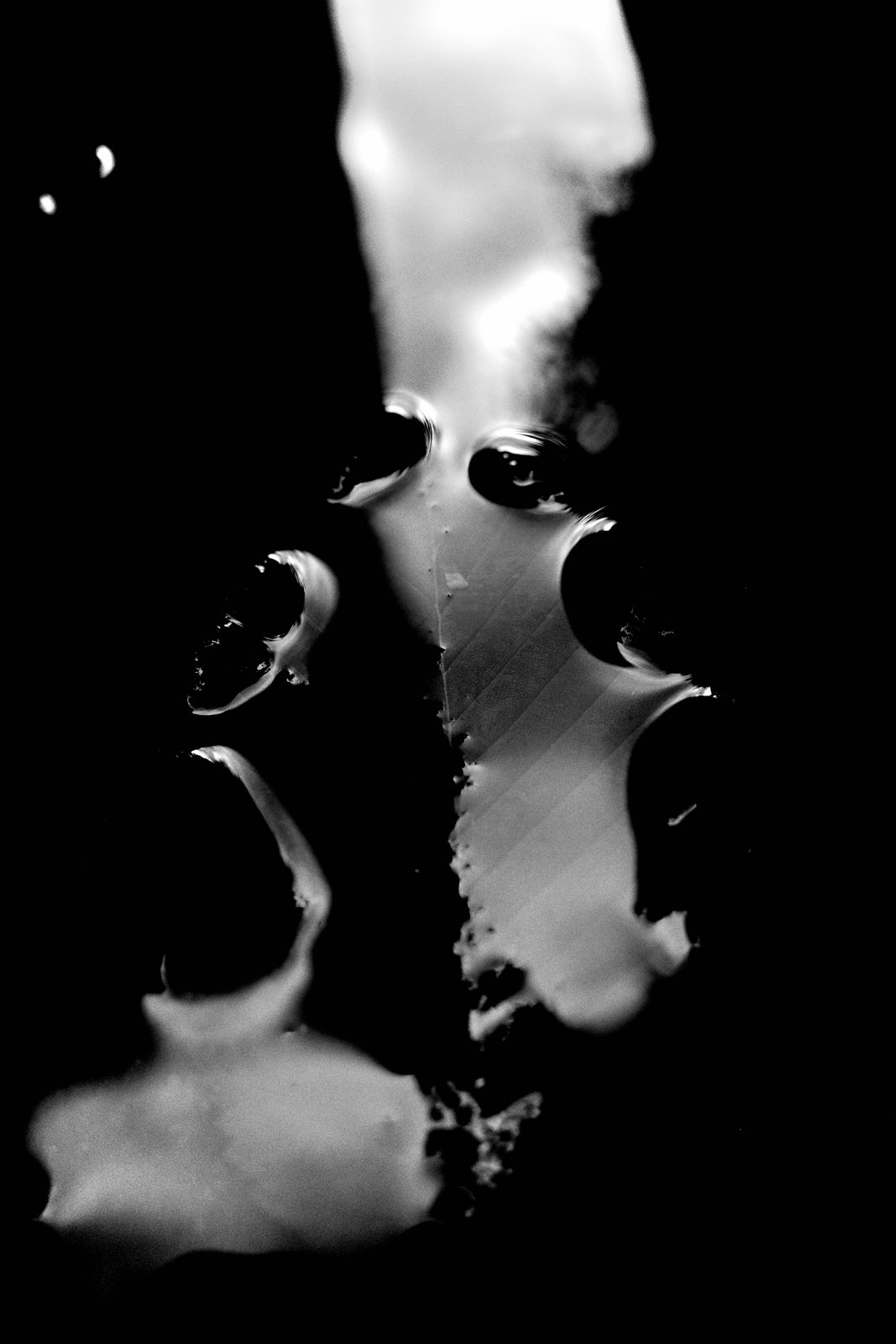
Here's something people get wrong: light-first doesn't mean dramatic light. It means functional light. Reflected light. Partial illumination. Soft edges. Subtle contrast. Near water, the light can be soft, bouncing off the surface, nothing harsh at all — and the structure is still there. As someone walks into the frame from the foreground, the layers reveal themselves: foreground shape, softly illuminated midground, receding background. You need light that gives form. You don't need a show.
A Single Source Creates Depth
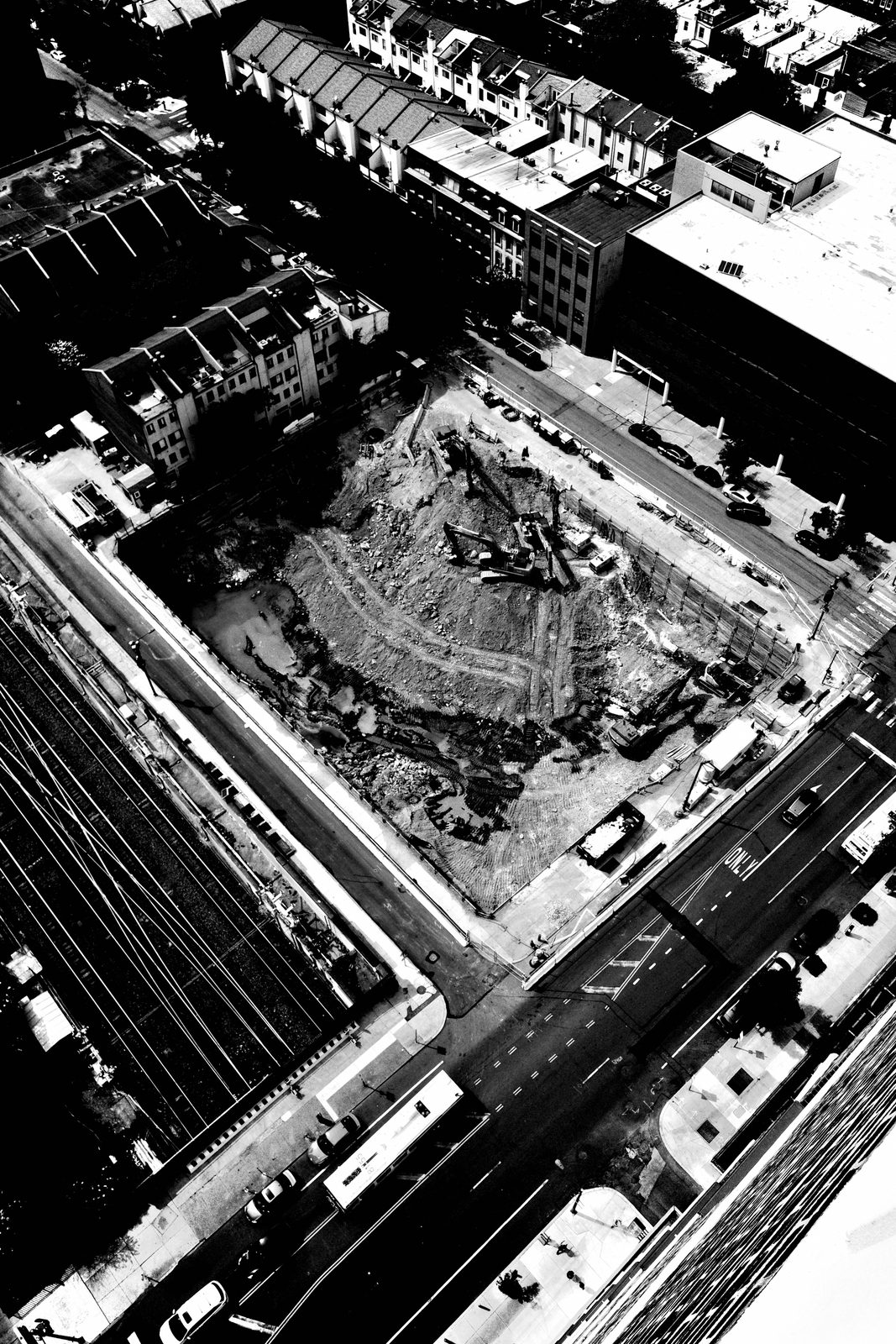
Consider a scene lit by a single strong source — a fire, a lamp, a shaft of sun through an opening. That source casts highlights onto a face and body, pulling the subject forward while the background recedes into darkness. You get a dark foreground holding weight, a midground where light and shadow interplay, a background disappearing. The action may be real and compelling, but the light is what gives the scene dimension. Same principle: find the structure first, then wait for the human element to complete it.
Depth Comes From Variation, Not Brightness
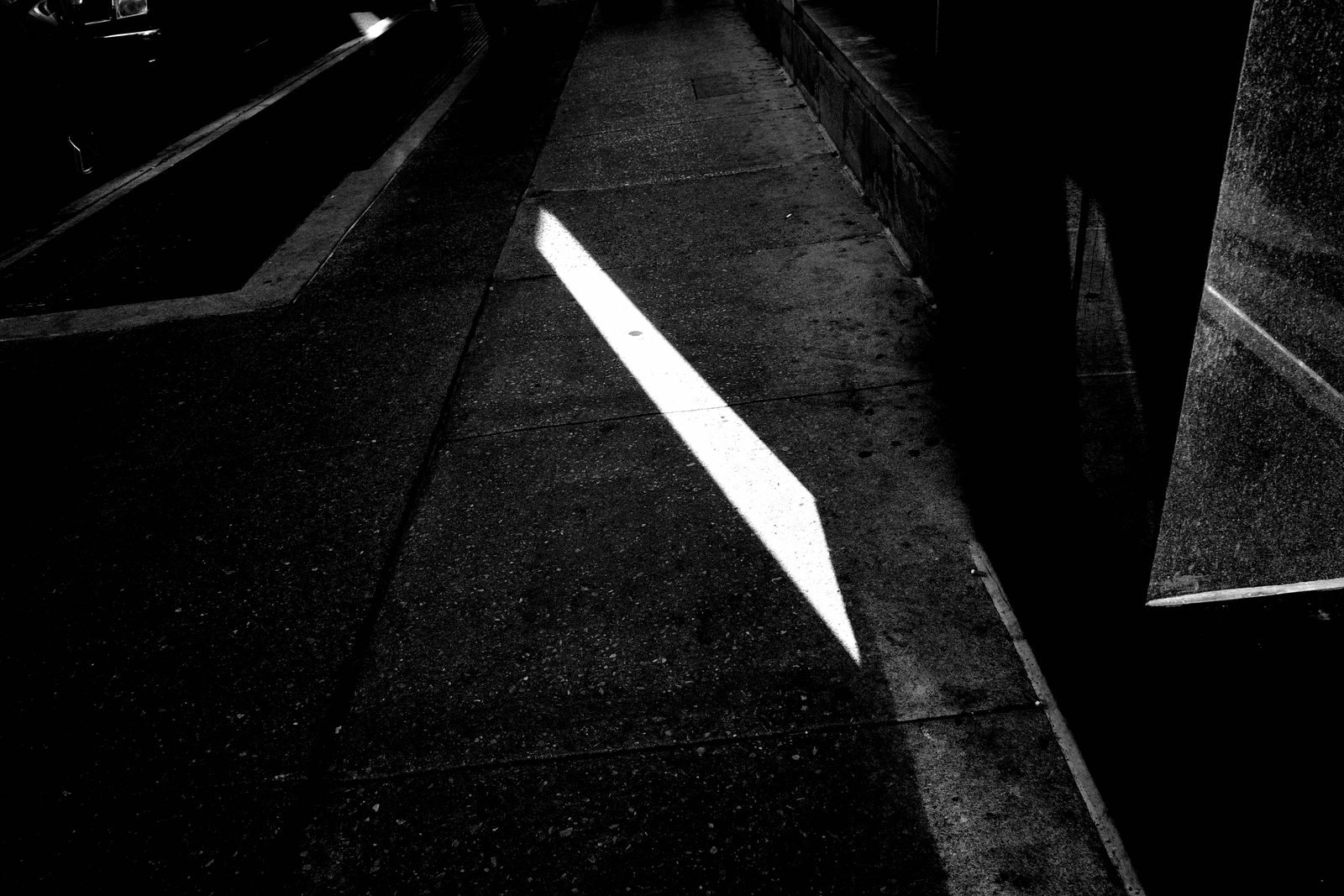
Depth is not about how bright something is. It's about difference. When light changes as it moves through space — fading, intensifying, breaking — it separates planes without any effort from you. A scene where everything is evenly lit feels flat no matter how much else is going on. Pay attention to the falloff. Where light barely reaches, where it transitions from highlight to shadow — that's where depth is hiding.
Side Light and Backlight Add Form
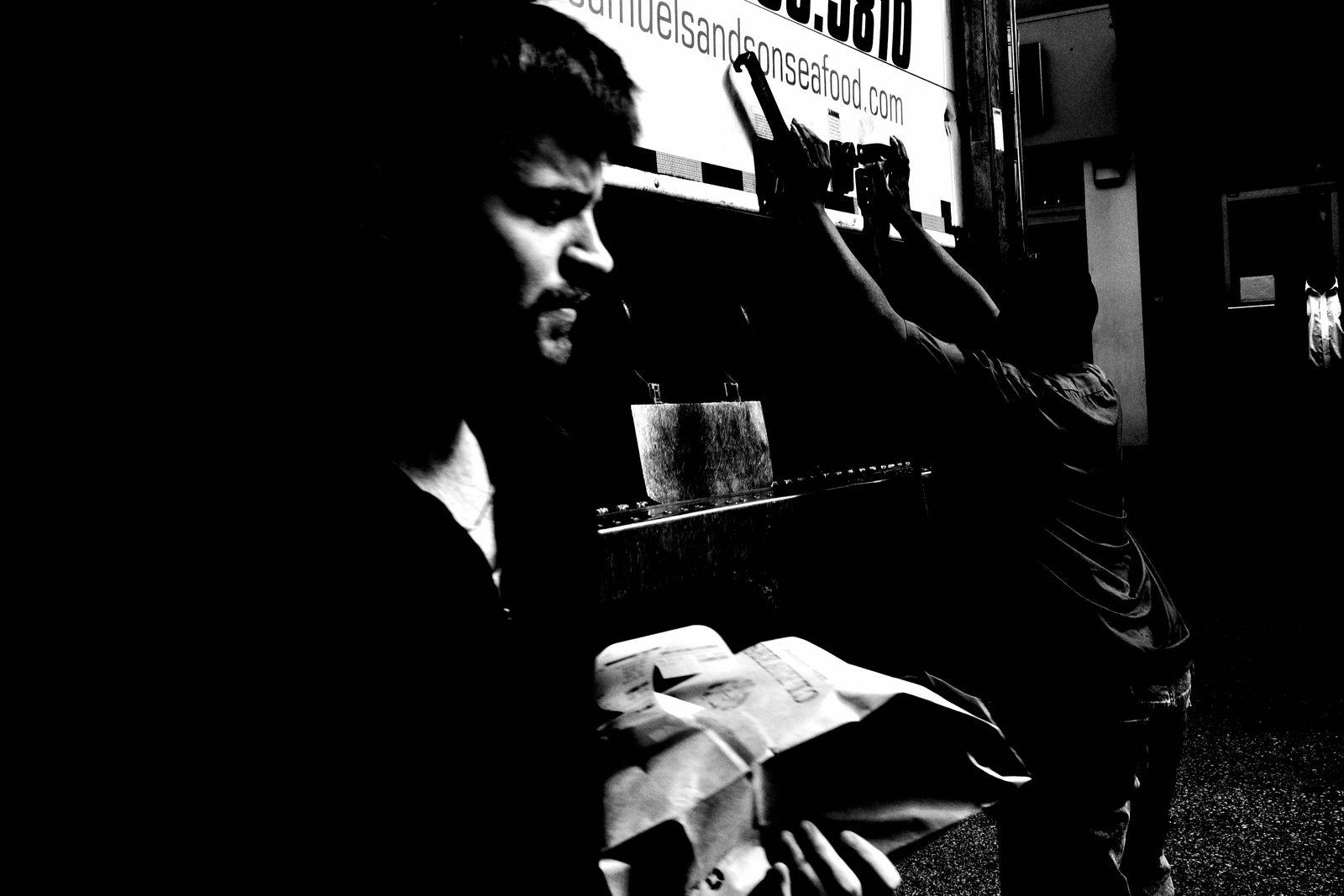
Front light flattens. Side light and backlight sculpt. When light wraps around a subject instead of hitting them straight on, it adds shape to bodies, reveals edges and contours, separates subjects from backgrounds, creates silhouettes and dimensionality. And here's the physical part people forget: if the frame feels flat, don't think longer — move. Change your angle. Step forward or back. Let the light reorganize the space for you.
Subtle Reflected Light Still Structures
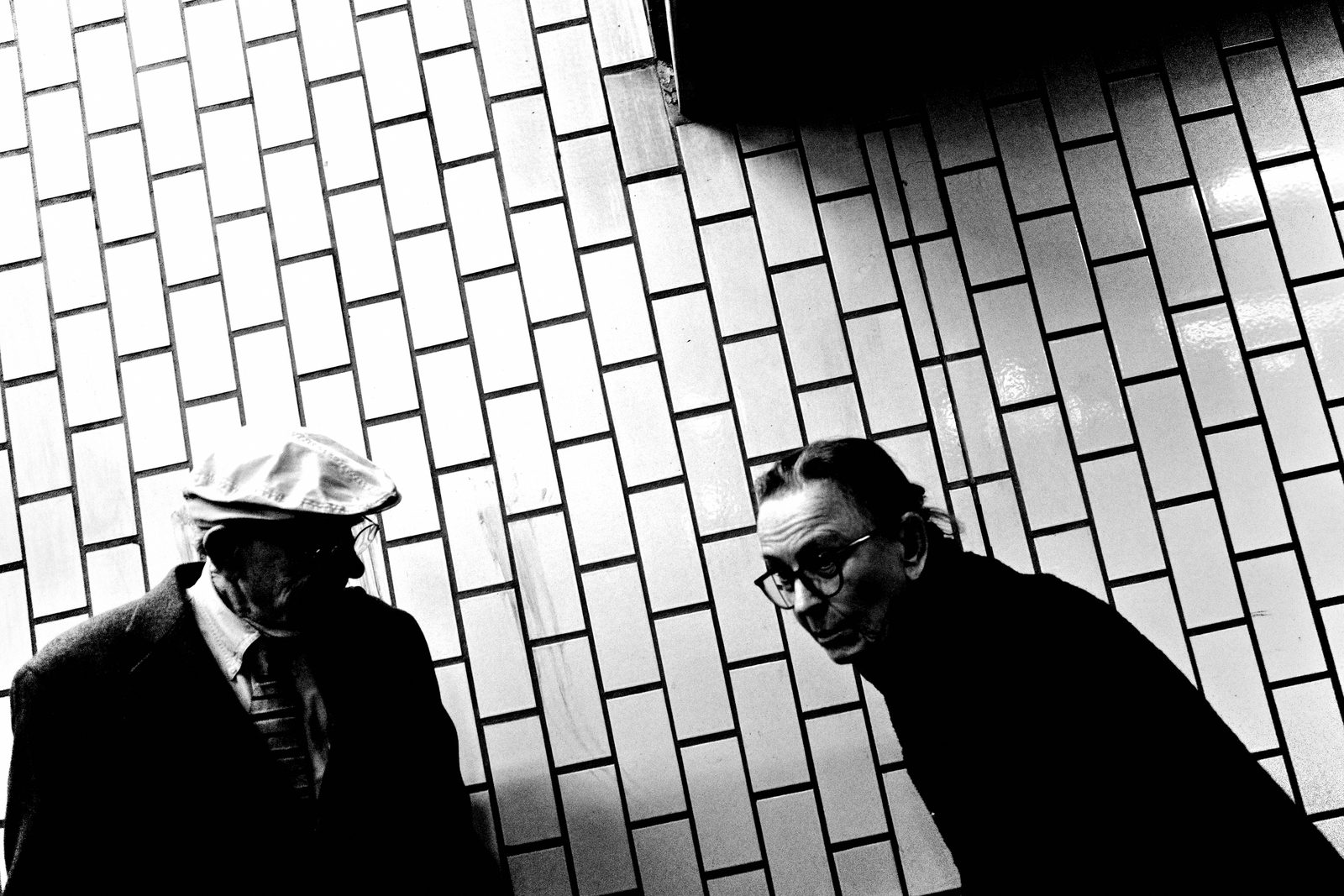
Reflected light bouncing off nearby buildings can land on a sidewalk near a corner or a bus stop. Not dramatic. Not harsh. Subtle — but it has structure. Before anyone steps in, the composition is already built: foreground elements holding the edges, a clear midground zone where the reflected light is falling. So you wait. Someone steps into that light and the separation happens naturally. The light isolates them from the background without needing extreme contrast. The layers were already there — the person just completes them.
Fish, Don't Hunt
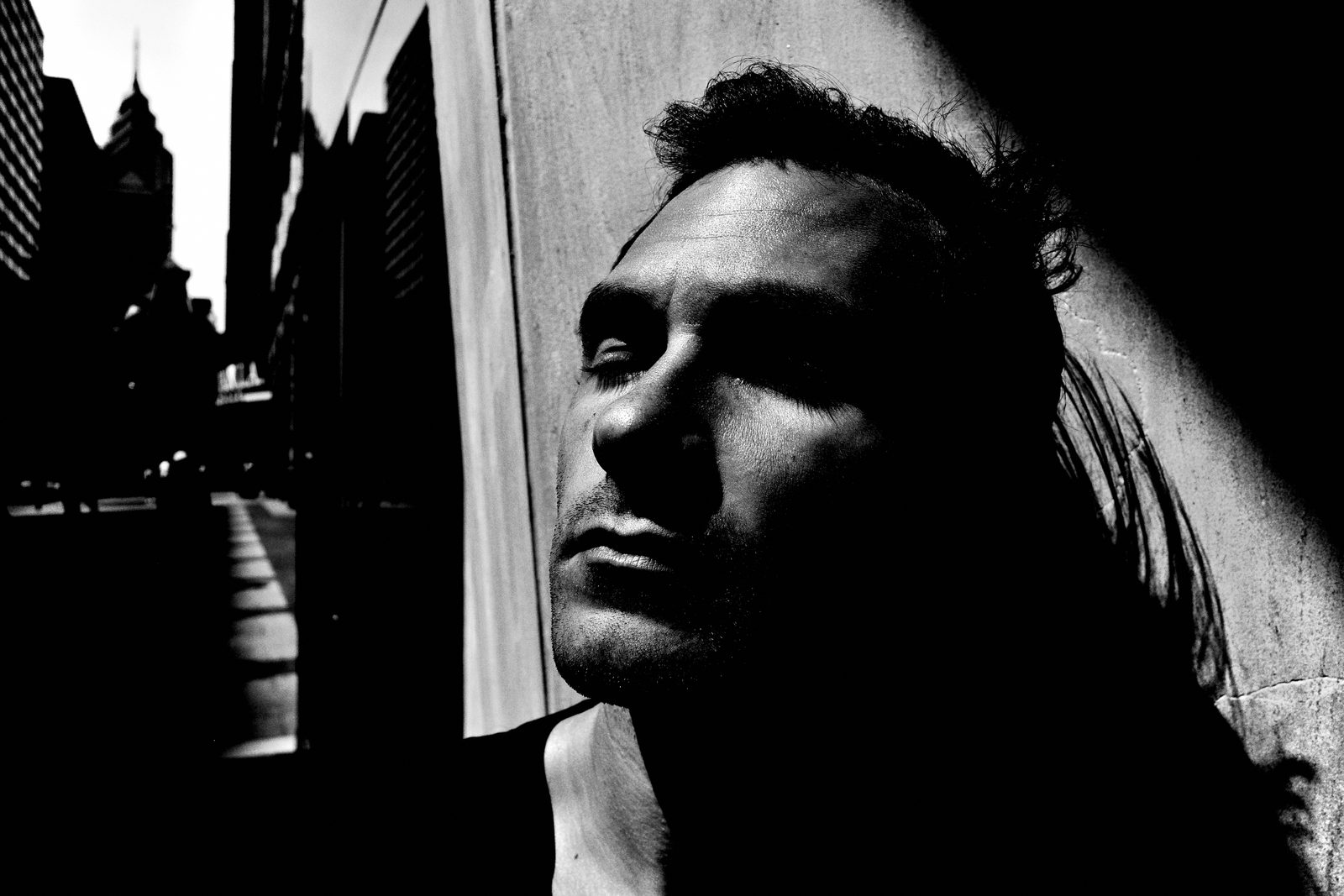
Light-first layering demands a particular posture: fishing, not hunting. Hunting is reactive — constant movement, chasing gestures, shooting impulsively, always resetting. That mindset makes layering nearly impossible because you never let layers assemble. Fishing is intentional stillness. You choose a scene with structure. You set your frame. You wait calmly and let people pass through, responding only when alignment happens. You're not passive — you're prepared. The light is your structure. People are the probability.
Light as a Timing Tool
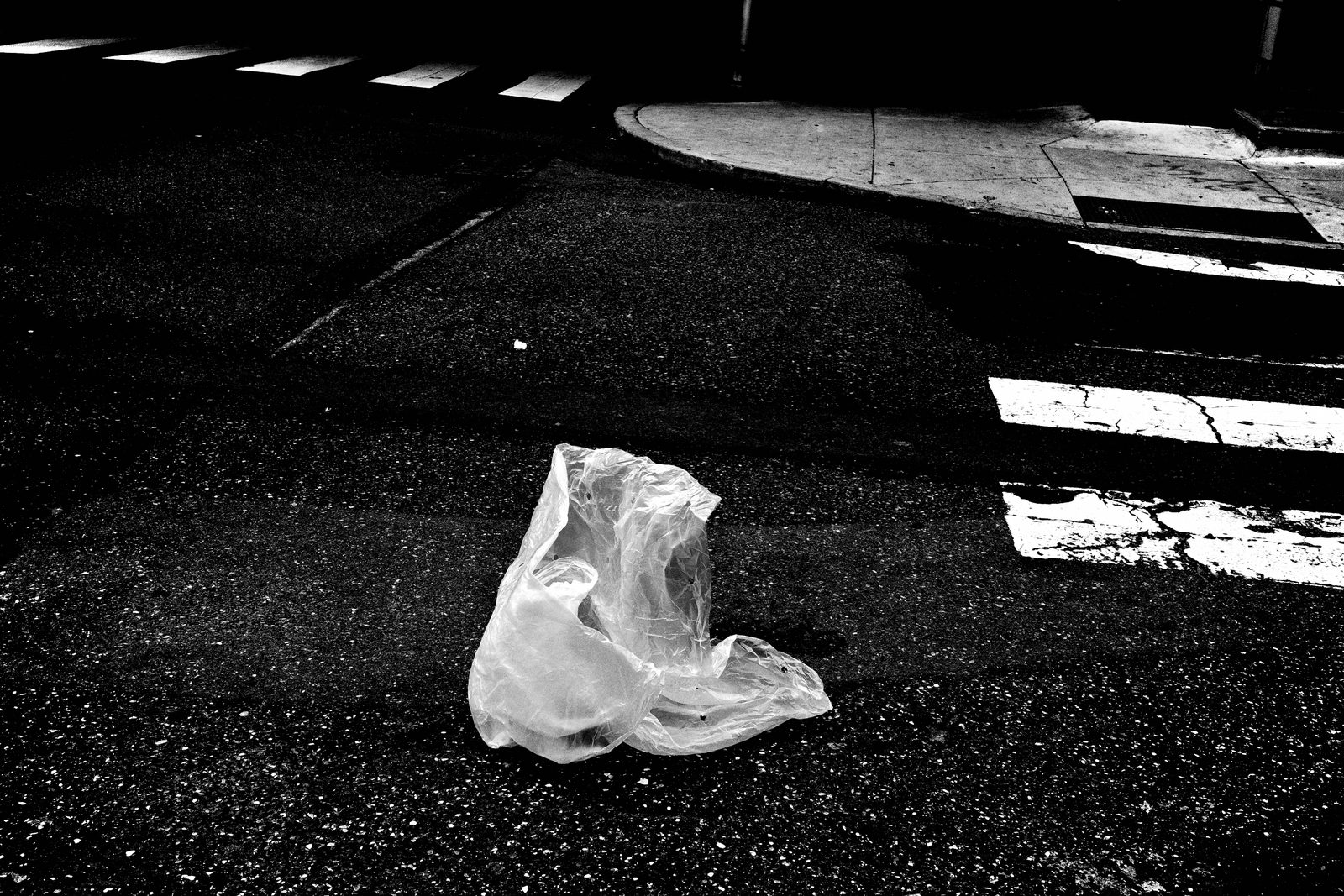
Light doesn't just tell you where to stand — it tells you when to shoot. When a subject enters the illuminated zone and separation clicks into place, that's your moment. And when the reflection disappears, the light shifts, the contrast collapses? The scene is done. Move on. Light is your timing tool, your framing guide, and your exit signal all at once. Let it run the whole operation.
Light Trains the Eye Faster Than Content
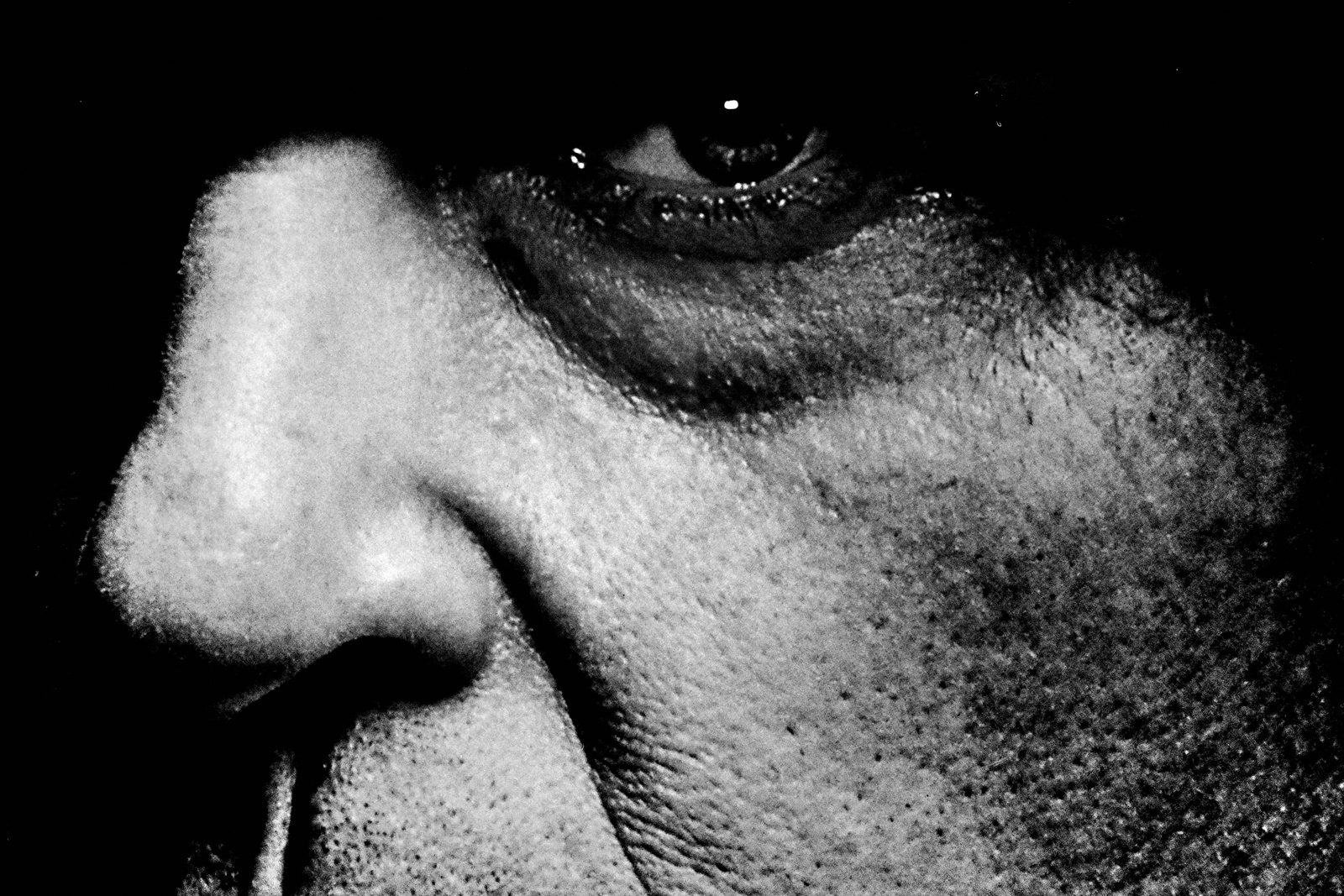
And here's the training insight: looking for light trains your eye faster than looking for content. Light reveals structure even when nothing is happening. When you walk a scene and ask "where is the light, where does it stop, what shape does it make, what does it separate?" — you're building the perceptual habits that eventually make layering instinctive. You start to see planes, not people. Structure, not subjects. The camera becomes confirmation of what your eye already knows.
PRACTICAL APPLICATION
Find the Light Before You Raise the Camera
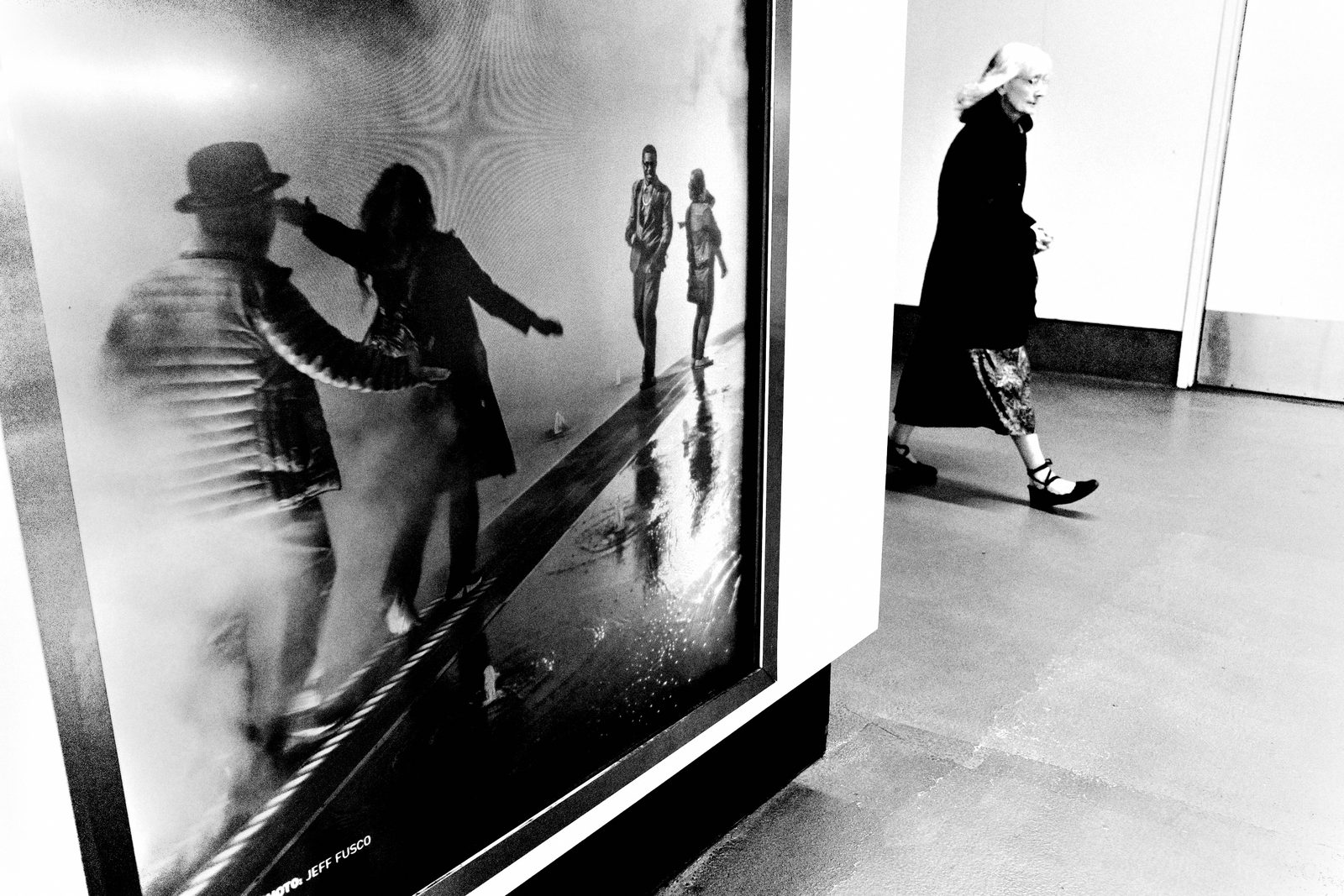
Here's your first assignment. Go out and make a rule: you cannot raise the camera until you've found the light. Where is it falling? Where does it stop? What zones does it create? Map the structure before you do anything else. You're going to feel slow at first. That slowness is the practice. Find the light. Build the frame. Then wait.
Return to One Location
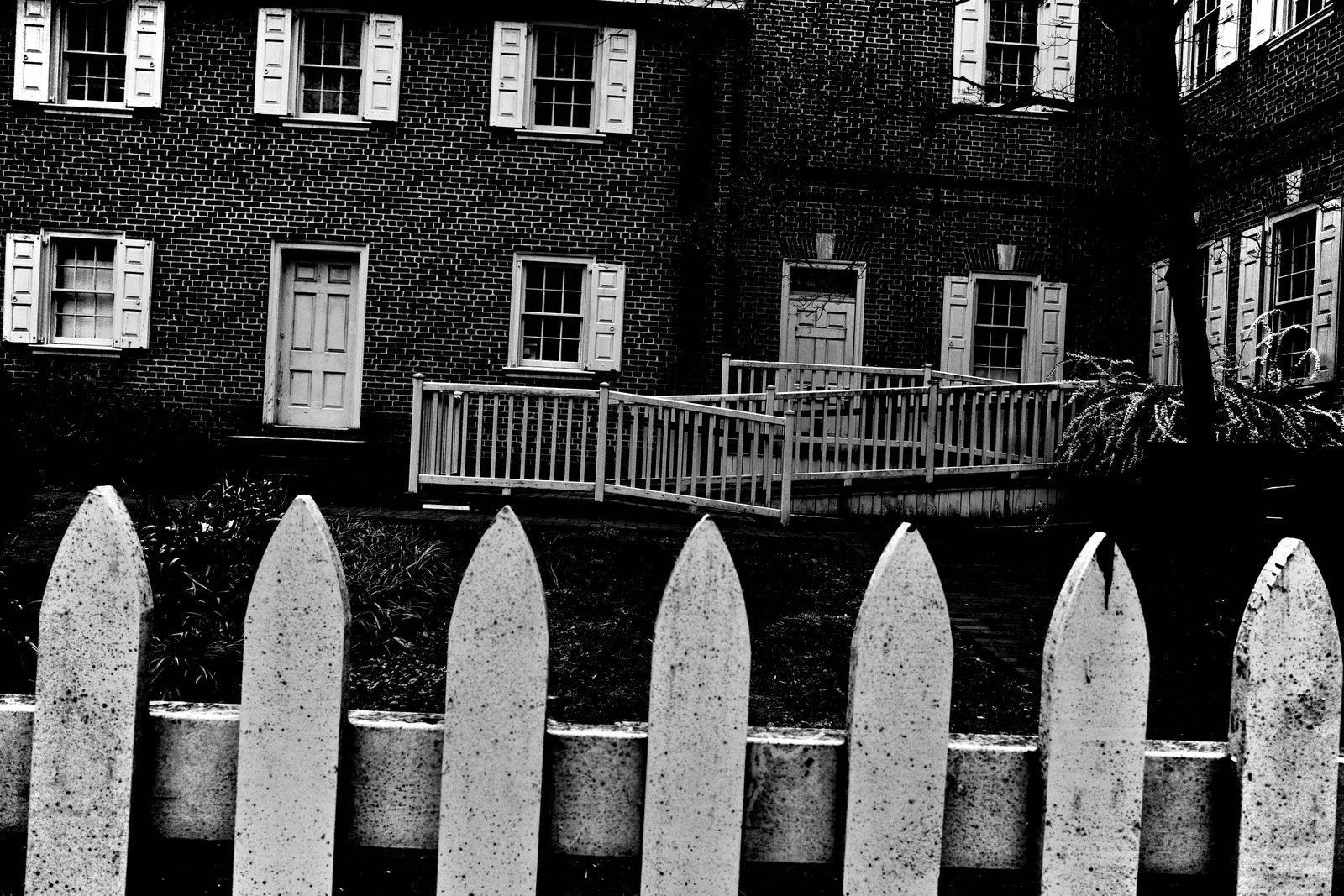
Second assignment: pick one location and return to it multiple times this week. Study how the light behaves there at different times of day. Learn when the reflected light lands, when the shadow breaks, when the falloff creates depth. Repetition in familiar places accelerates perception faster than exploring new locations every day. Once you know how a space lights, you can anticipate everything — and instinct takes over.
Shoot a Frame With No Subject
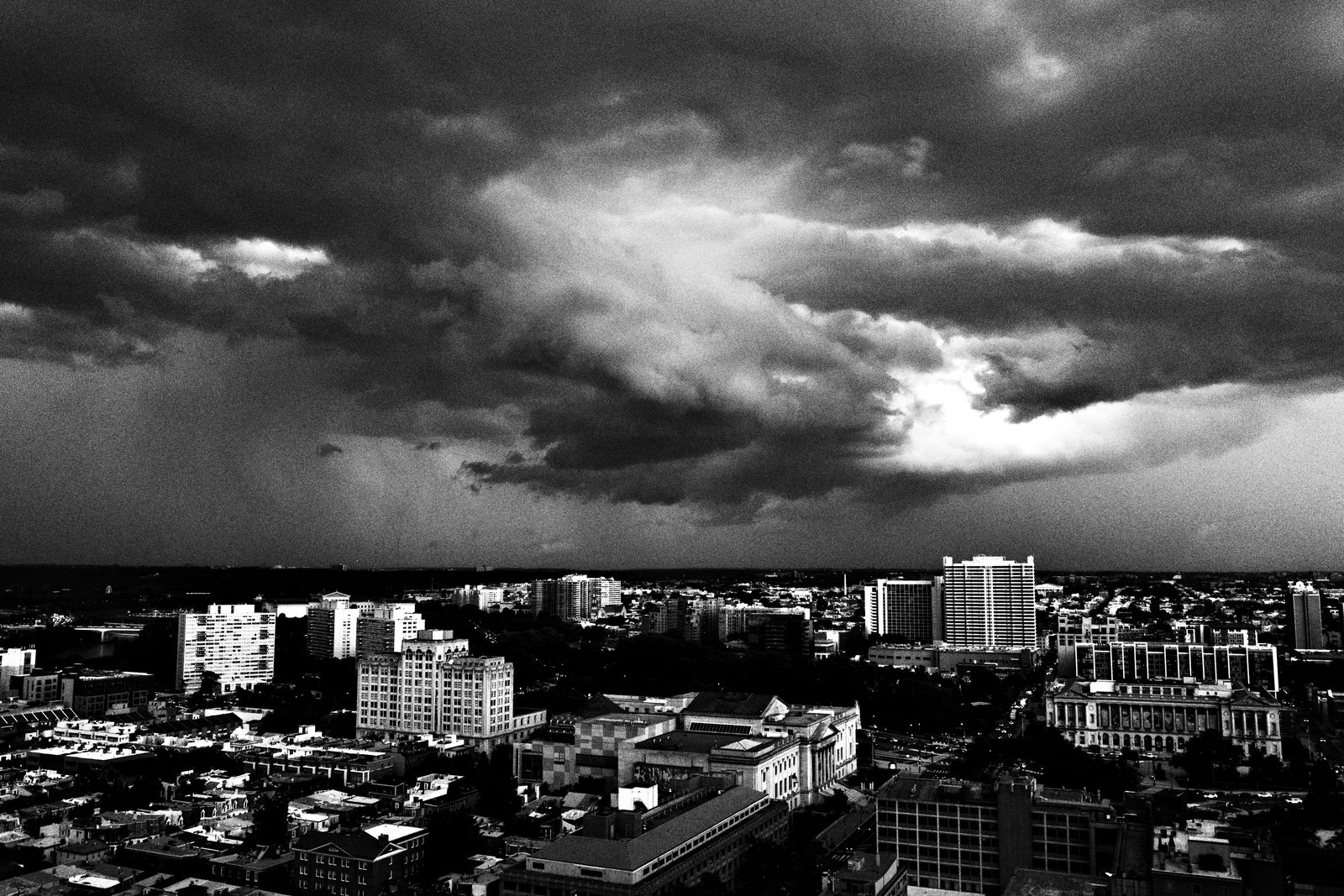
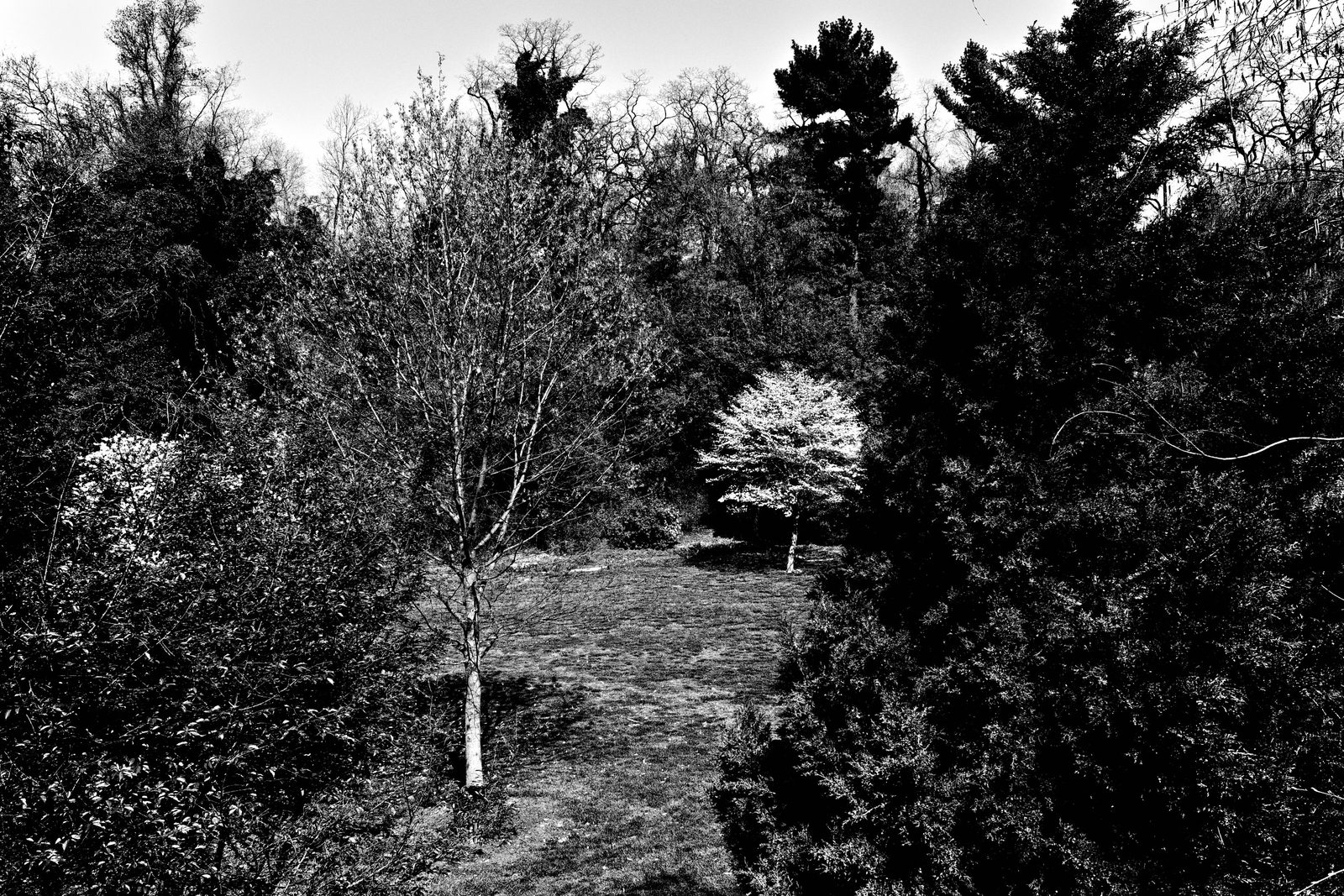
Third assignment: make at least one photograph this week with no subject in it at all. Just the light structure. Bright zone, shadow zone, the transition between them. Let it sit as a complete frame. This forces you to confirm the composition works before any person enters — and it's the clearest way to prove to yourself that light, on its own, is already the photograph.
COMMON MISTAKES
Chasing Action Instead of Structure
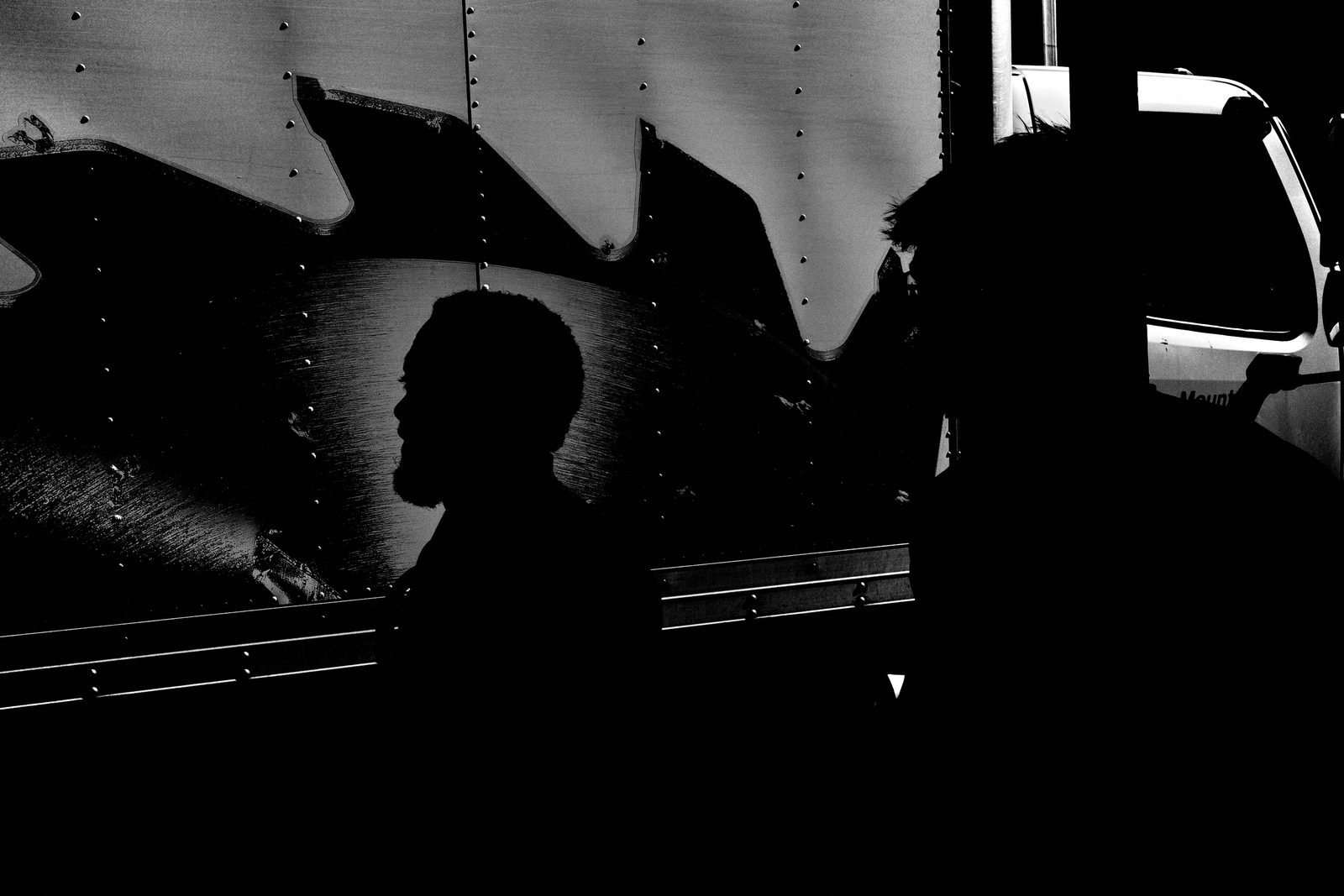
The most common mistake is going straight for the action. You see something interesting, you react, you shoot — and you get a frame with no structure, no separation, no depth. Maybe it works once. But it doesn't repeat. When you chase moments before you've found the light, you're gambling. And gambling doesn't scale. Find the light first. Always.
Equating Drama With Depth
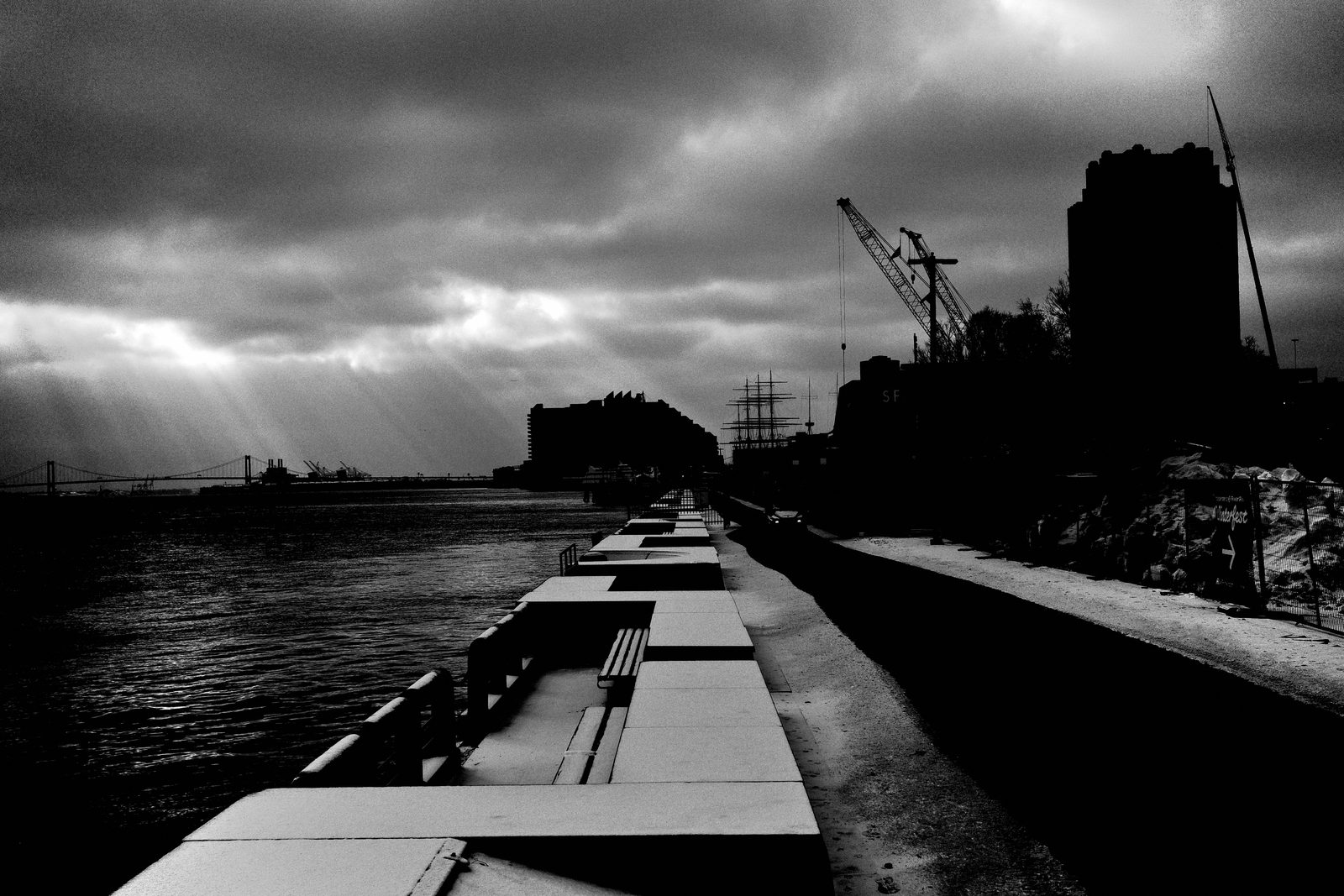
The other mistake: confusing dramatic light with good light. Harsh sun and deep shadow look powerful, but they're not always the most useful tool for layering. Subtle reflected light, soft transitions, partial illumination — these often produce more nuanced and emotionally resonant frames. Don't chase the spectacle. Chase the structure. If the light is functional, the frame can work.
RELATIONSHIP TO PREVIOUS
Building on the Fishing Mindset
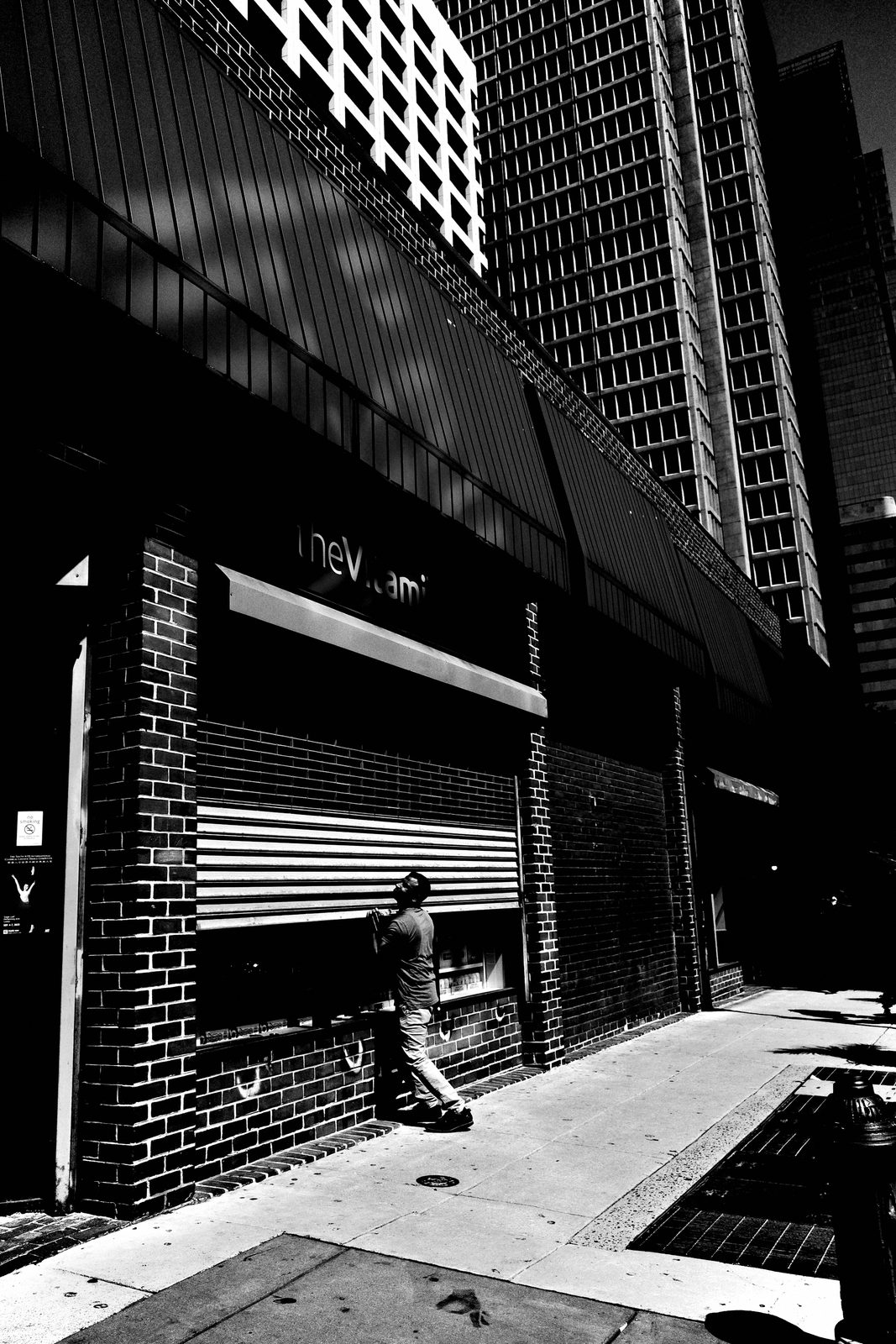
Lesson 025 established the fishing mindset — the value of stillness and waiting over constant movement. This lesson gives that stillness its purpose. You're not waiting randomly. You're waiting inside a light structure that already exists. The patience from the previous lesson and the light-first approach from this one are the same practice — one is the posture, the other is the reason.
RELATIONSHIP TO UPCOMING
Toward Depth and Storytelling
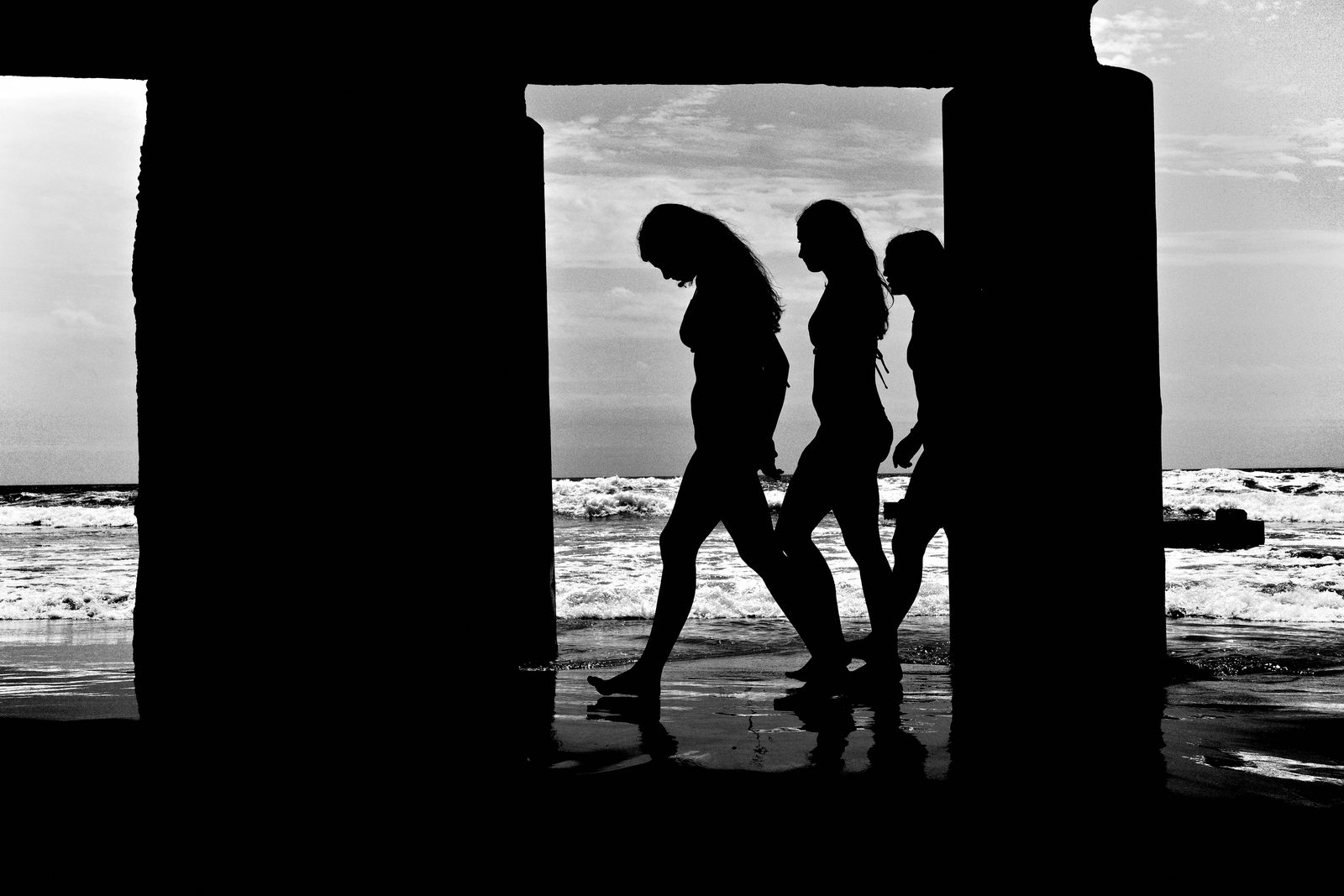
In Lesson 027, we take this foundation further — into how different qualities of light change the mood, meaning, and emotional tone of a layered photograph. Structure is the first job of light. But light also carries feeling. Now that you know how to find it and build with it, we're going to talk about what it says.
SUMMARY / TAKEAWAY
Find the Light. Frame It. Wait.
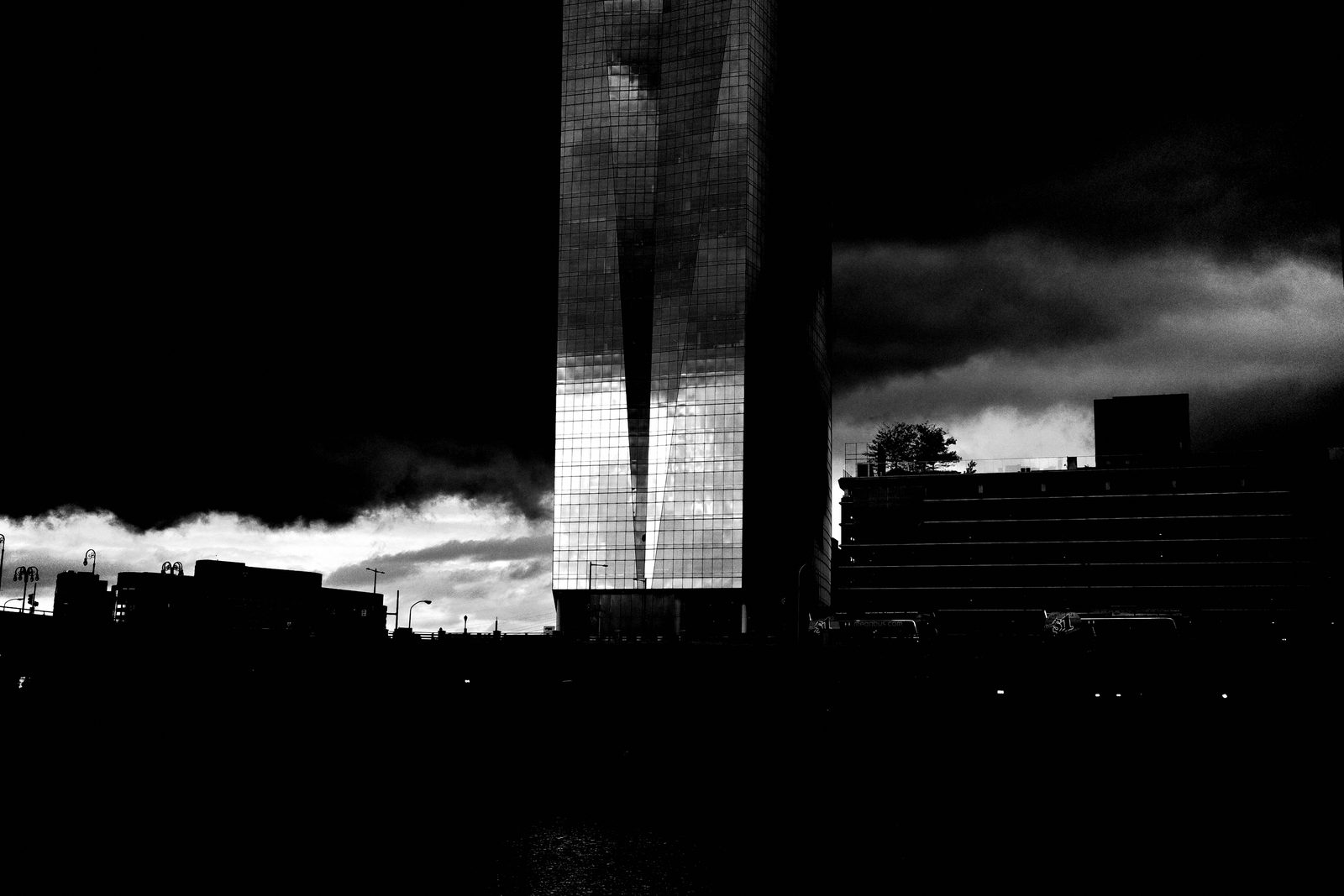
Last thing. Light is not decoration. It's not mood. It's not a bonus. It's the foundation — the thing that builds the stage, creates the planes, separates the layers, and tells you when to shoot and when to move on. Stop chasing moments first. Go find the light. Frame it. Wait for life to complete the structure. That's the whole practice. Find the light. Frame it. Wait. Catch you in Lesson 027.