Zone & Snap Focus + Settings
CORE IDEA
Focus Less, See More
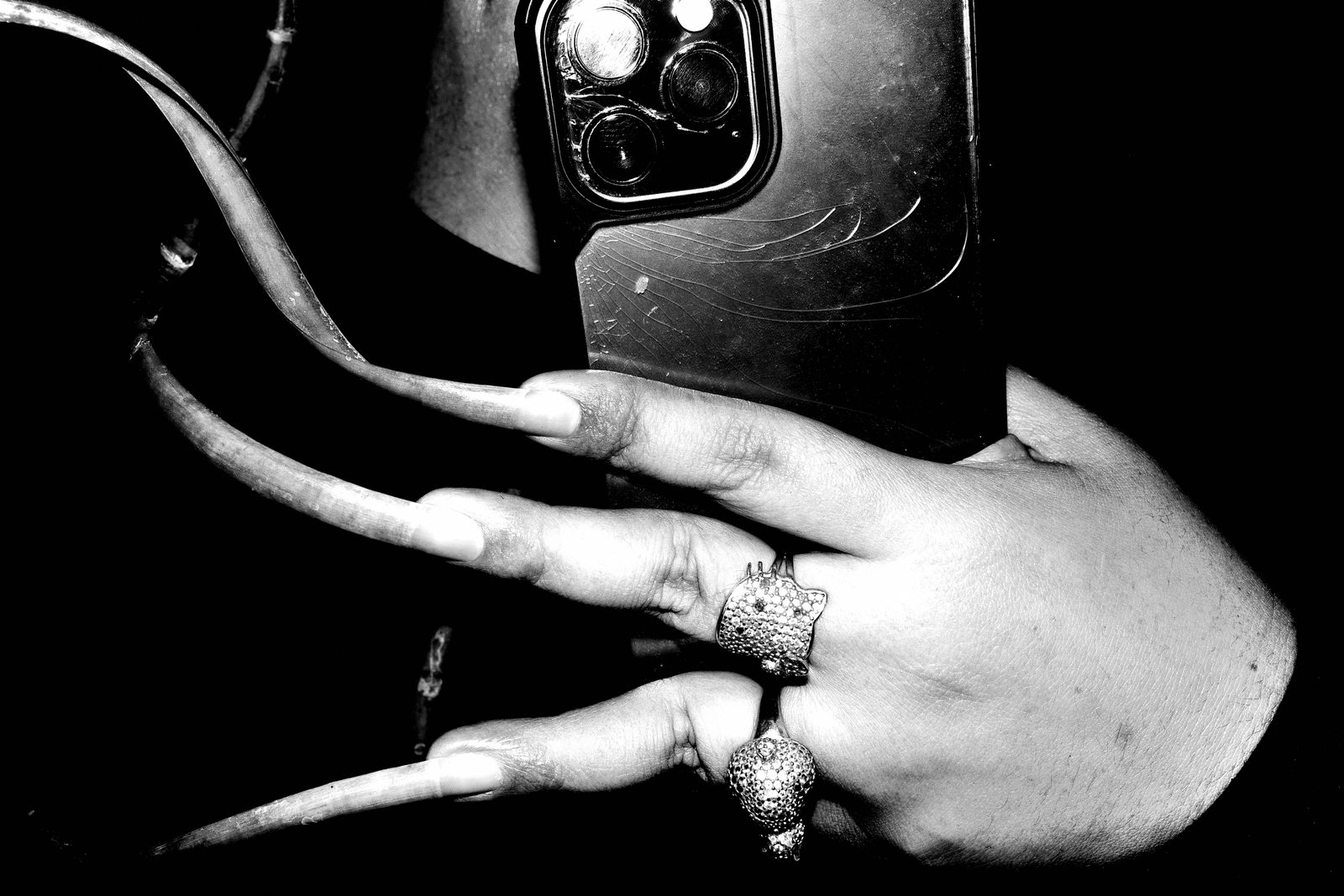
What's popping, people — it's Dante. Here's the thing about focus: the camera shouldn't be thinking when you are. Zone focus and snap focus exist for one reason — to get the technical decision out of the way so you can stay locked into the moment. Set it. Forget it. Photograph.
LEARNING OBJECTIVE
What You'll Walk Away With
By the end of this lesson you'll know exactly how zone focus and snap focus work, why they matter for street photography, and the precise settings Dante uses on the Ricoh GR so you can replicate the system and stop thinking about focus entirely.
WHY THIS MATTERS
Technical Friction Kills the Moment
Here's the cold truth: while your camera is hunting for focus, the moment is gone. In street photography, the gap between seeing and shooting has to be zero. Any technical friction — any delay, any hunting, any half-press — is a tax on your presence. Zone and snap focus eliminate the tax.
Freedom to Live First, Photograph Second
The snapshot approach is about integrating the camera into your life so seamlessly that there's no separation between living and photographing. That only works if the camera is invisible in your hands. The right focus system makes the camera disappear — and that's when real photographs happen.
MAIN TEACHING
What Zone Focus Actually Is

Zone focus is simple: you pre-focus the camera to a specific distance — Dante uses two meters — and anything within the depth-of-field zone at that distance is acceptably sharp. You're not focusing on anything when you shoot. You're already focused. Raise the camera. Press. Done.
What Snap Focus Actually Is
Snap focus is the Ricoh GR's version of zone focus on demand. You assign it to a button, set your target distance — say two meters — and a single press snaps the focus there instantly. No hunting. No half-press. The camera is always ready before you decide to shoot.
Dante's Core Settings
Here's the actual setup: Ricoh GR, program mode or aperture priority, snap focus locked to two meters. High-contrast black-and-white JPEGs cranked directly into the file — crushed shadows, highlight-weighted metering. One thing adjusted manually: exposure compensation. Everything else? Automatic. The system is built to remove every obstacle between seeing and shooting.
Why Two Meters?
Two meters is the sweet spot. Close enough that gesture, expression, and human detail read clearly in the frame. Far enough that you're not in anyone's face. At a small aperture, the depth-of-field at two meters covers enough ground that you don't have to be surgical about your position. Just get close and shoot.
Exposure Compensation Is the One Control
When everything else is automatic, exposure compensation becomes your one creative lever. Against a bright field — snow, a white wall, a blown-out sky — push exposure compensation positive, around +1.7, so the background blows clean and the faces and gestures in the foreground pop. The bright field becomes a clean stage the subject stands out against. One adjustment. Maximum impact. That's the whole game.
Snap Focus to Infinity for Landscapes and Abstraction
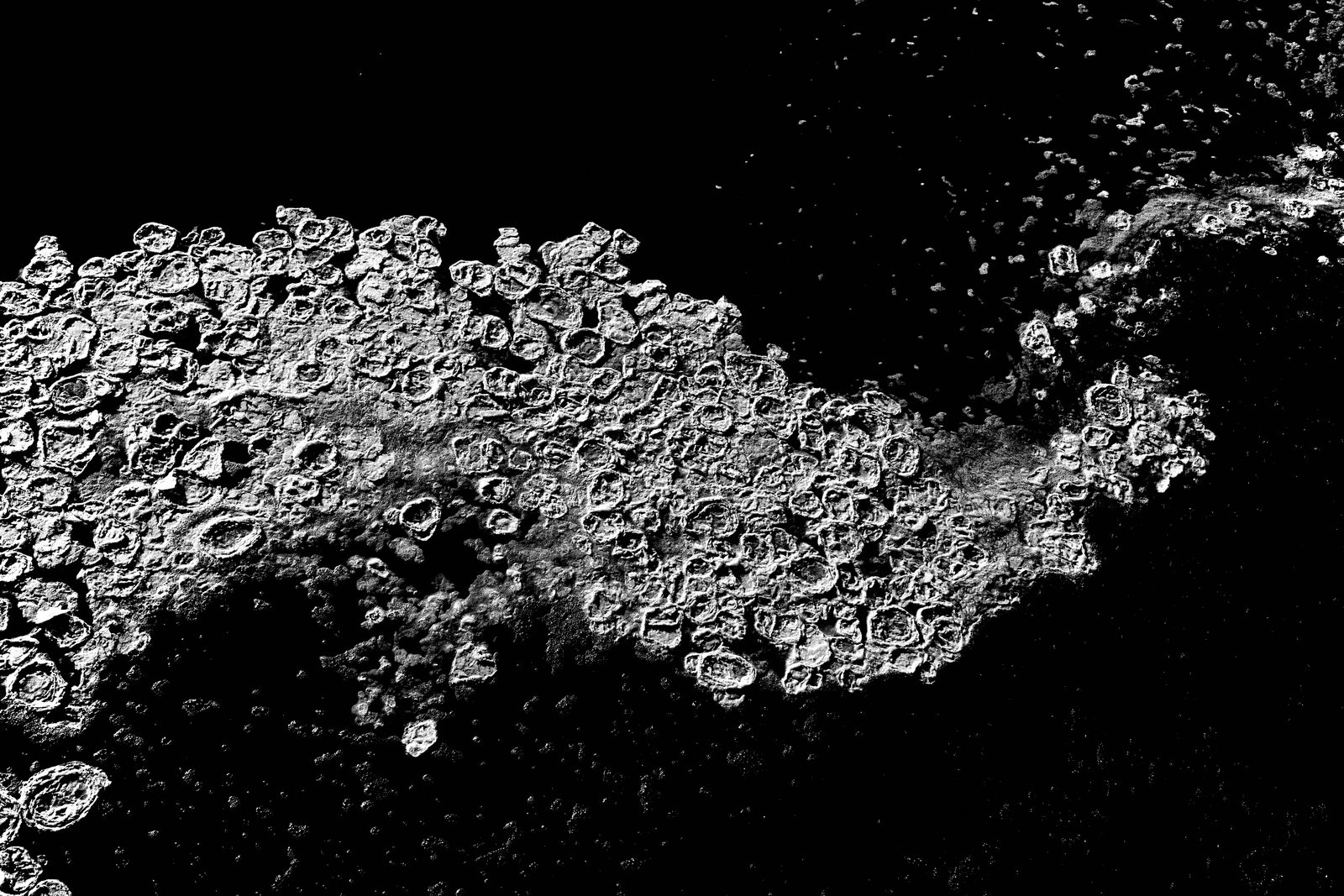
Snap focus isn't locked to two meters forever. When there's no subject up close — an open trail toward the horizon, a river, a distant skyline, a field of texture and light — switch snap focus to infinity. Wide, open, abstract scenes need a different setting than intimate street portraits. The system is fluid. Read the scene, adjust the preset, keep moving.
JPEG, Not RAW: Committing In-Camera
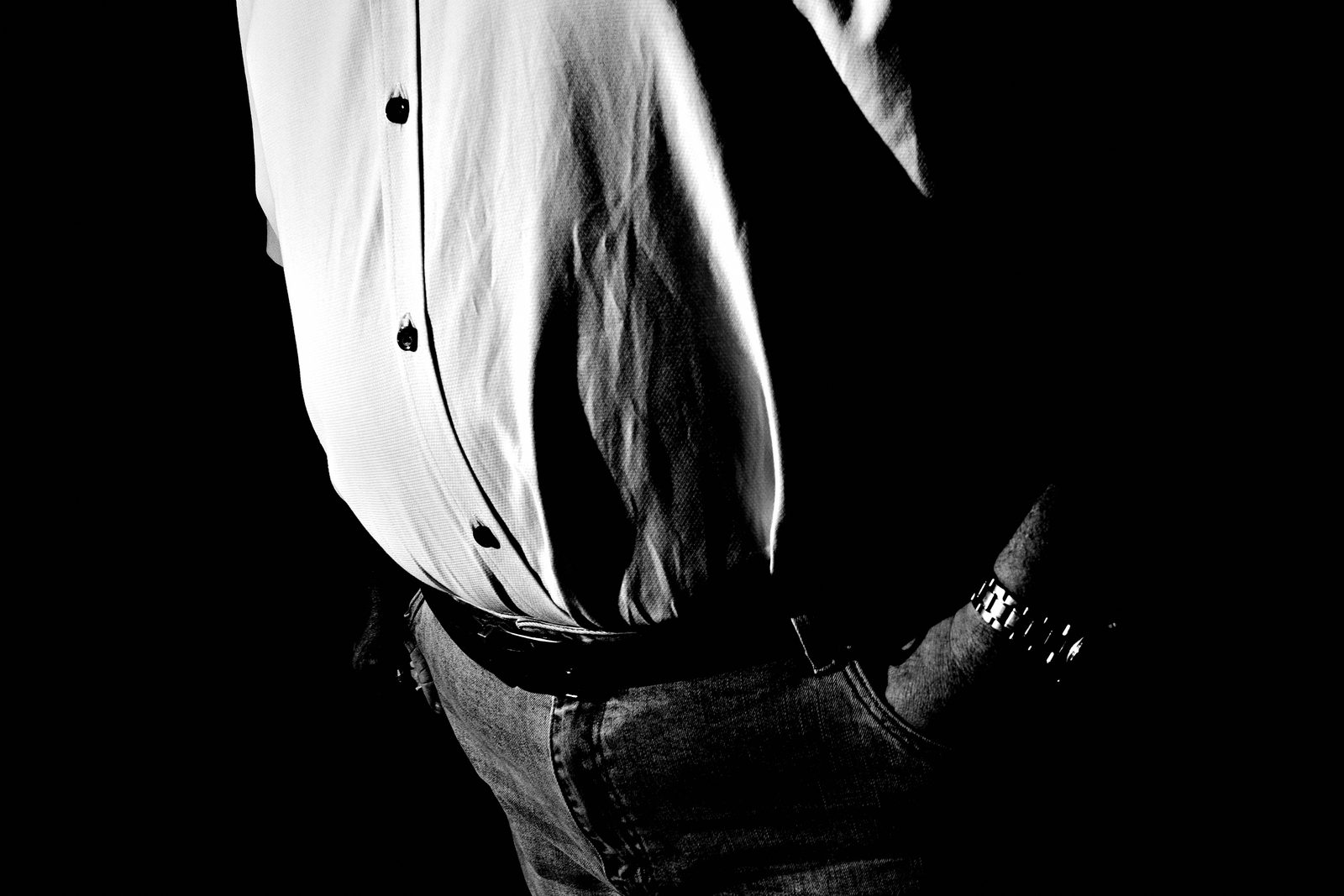
Shooting small JPEGs in high-contrast black and white is a commitment — what you get is what you made. There's no RAW file to rescue later. That constraint is the point. When you know the image is final at the moment of capture, you start paying more attention before you press the shutter. The limitation sharpens your instinct.
Highlight-Weighted Metering
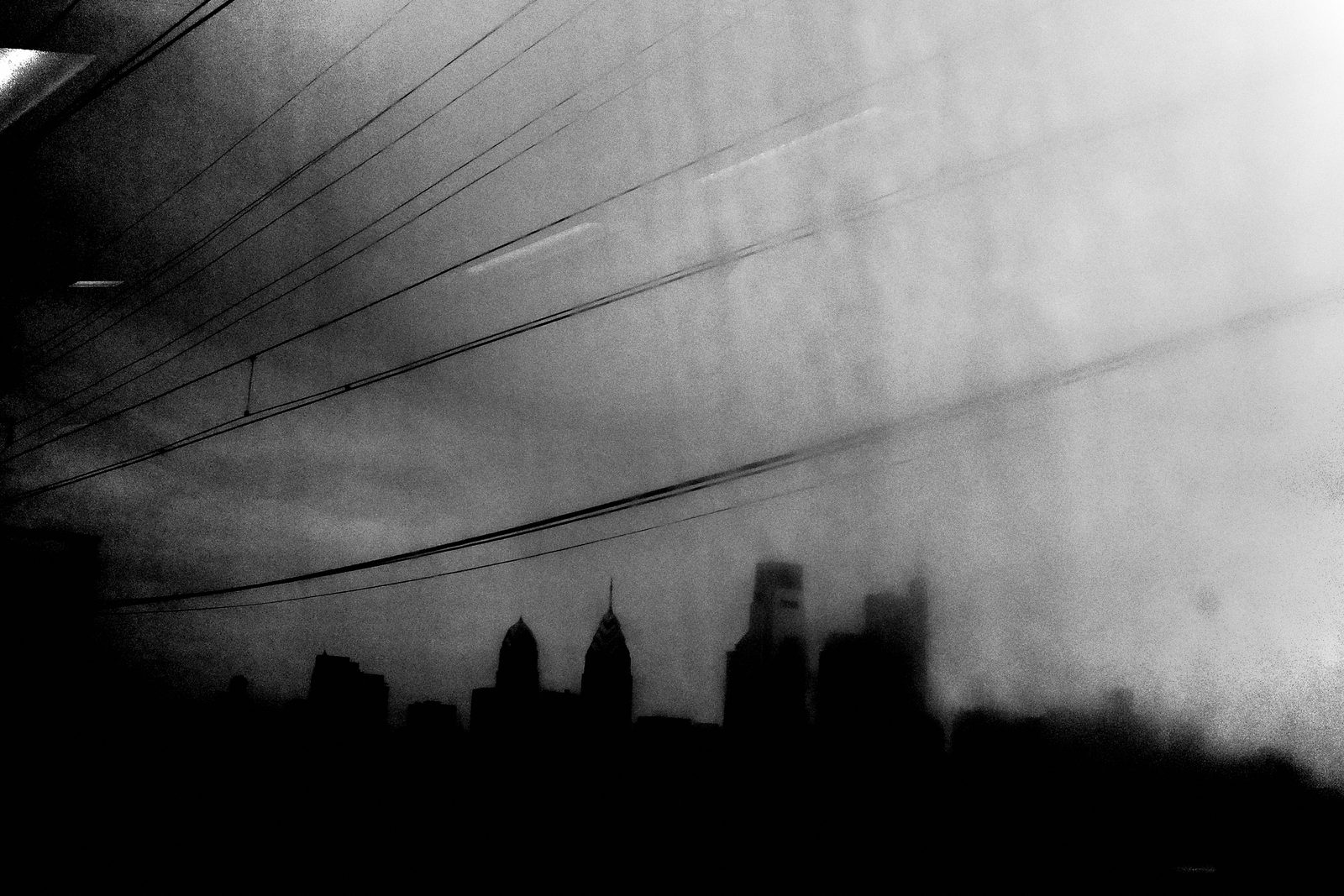
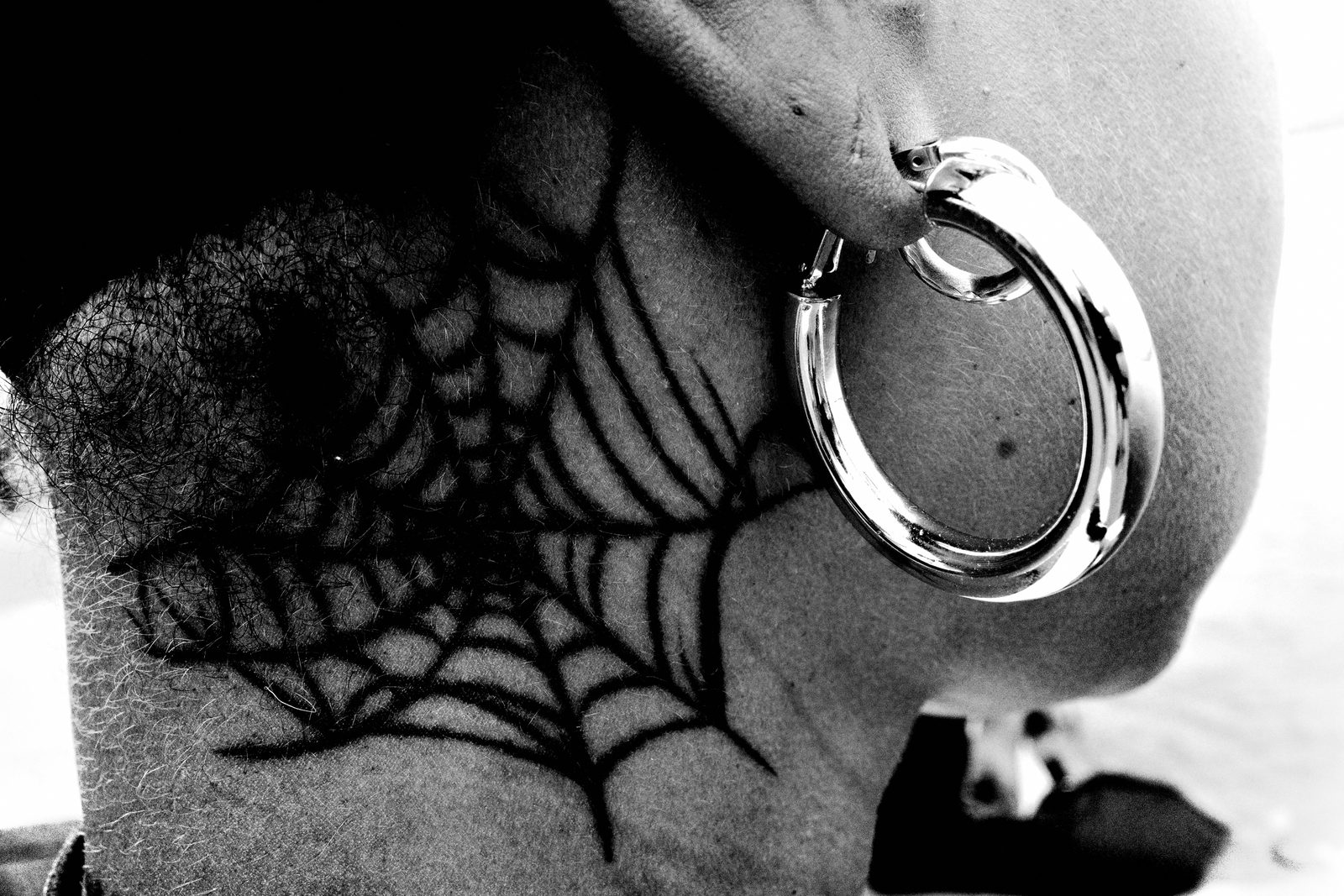
Highlight-weighted metering tells the camera: protect the bright areas, let the shadows go. Combined with high-contrast JPEG processing, the result is deep blacks, clean highlights, and a graphic quality that makes images read immediately. You're not correcting in post — you're designing the tonal range at the moment of capture.
Pre-Set Settings Free You to Respond on Instinct
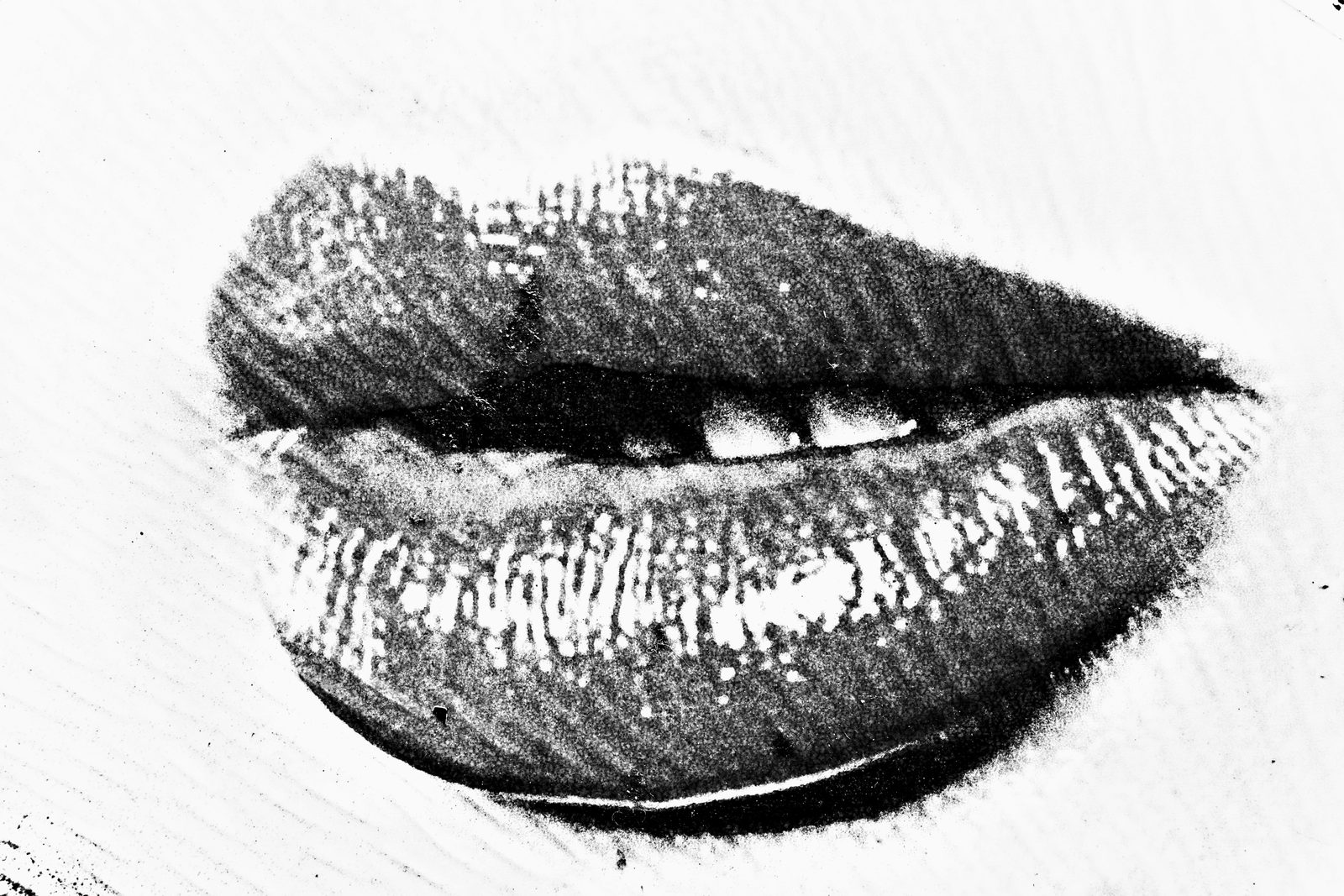
Picture the kind of moment that arrives without warning — someone bursting into motion, jumping, arms flailing, pure energy, gone in a second. There is no time to adjust anything. This is exactly why the settings are locked before you leave home: snap focus at two meters, program mode, no hesitation. When the energy explodes in front of you, your only job is to see it and respond. The camera does the rest. That's the entire reason the system exists.
Isolate One Subject From a Crowd With Exposure
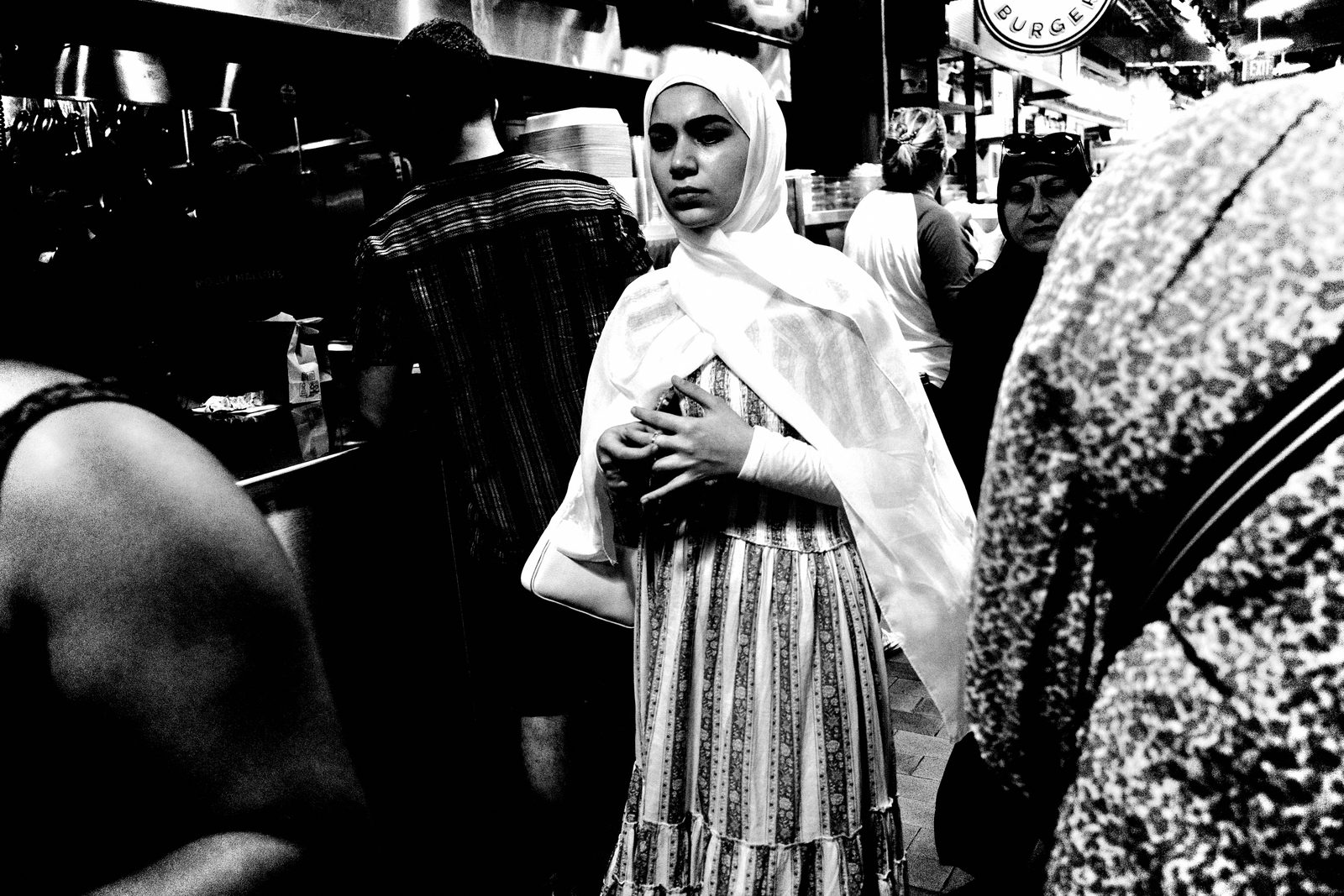
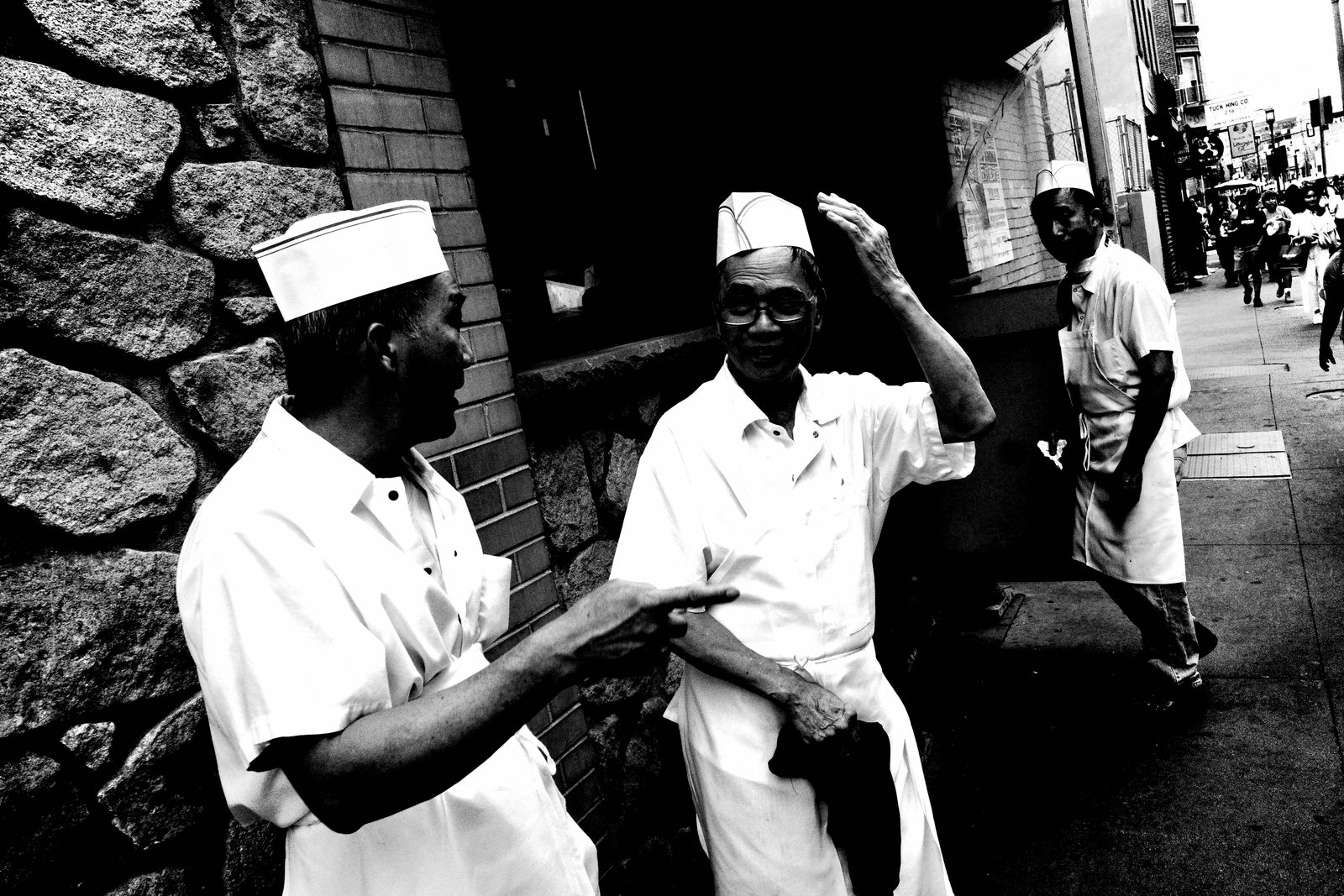
When you're surrounded by hundreds of people and you want one face, one gesture to rise out of the noise, exposure is your scalpel. Switch to aperture priority, keep snap focus at two meters, and push exposure compensation up toward +1.7 — the cluttered background blows to white and the subject emerges clean. In a chaotic, crowded scene, exposure becomes a tool for isolating a single moment of emotion inside the disorder.
Macro Mode and the Divinity of Detail
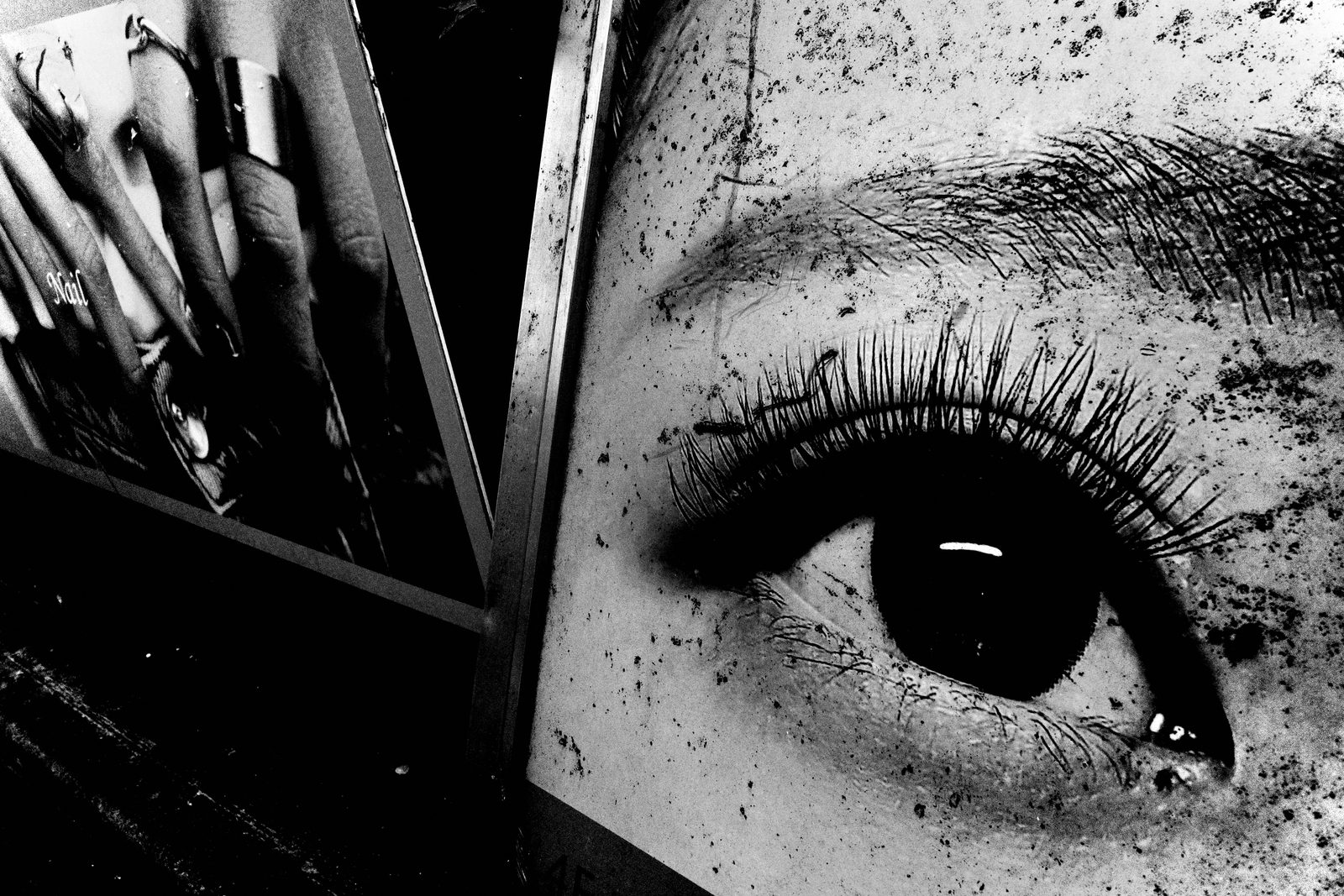
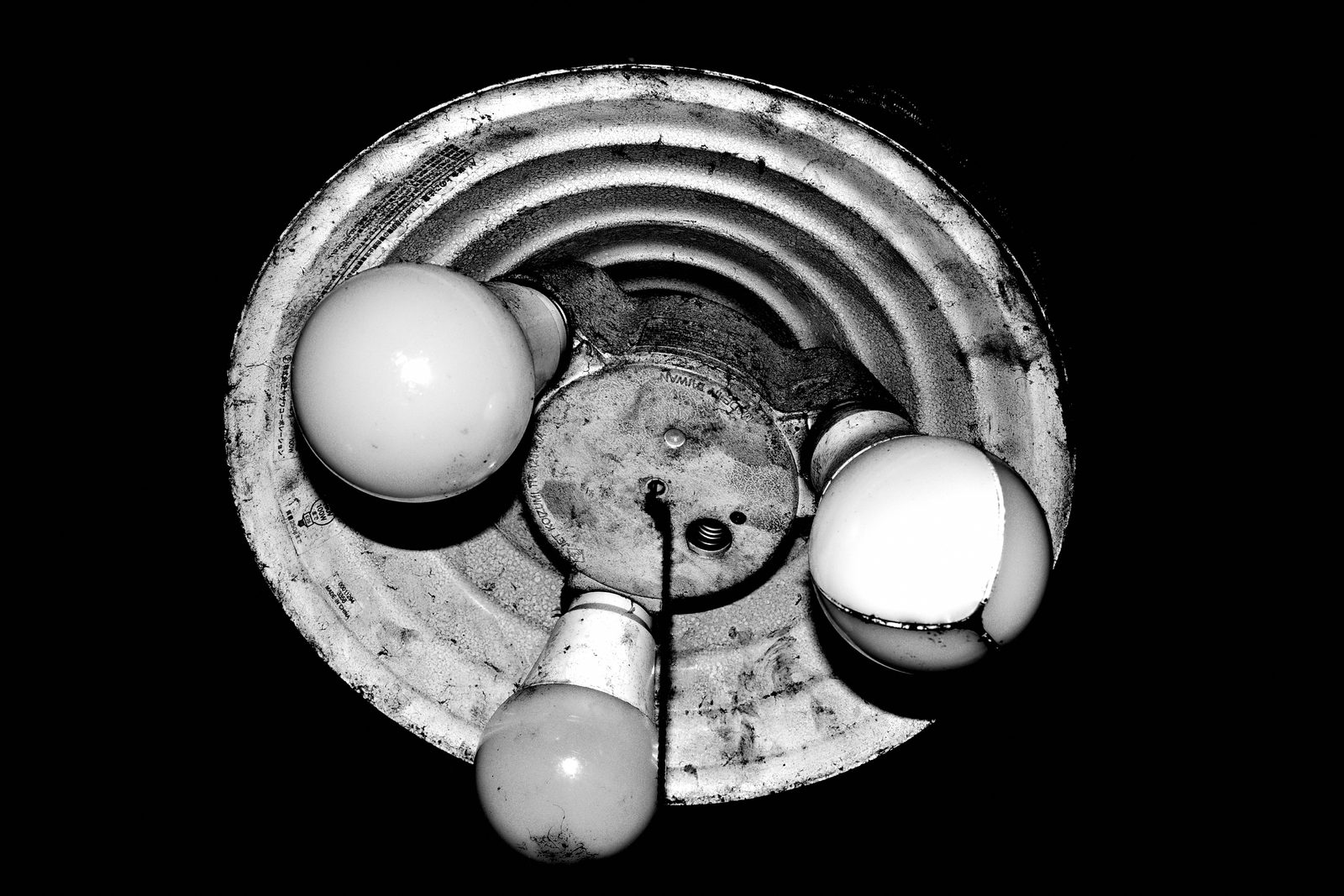
The Ricoh's macro mode is where the mundane becomes extraordinary. Trash on the street, a door knocker, the texture of bark — get close enough and the everyday transforms. Snap focus still underpins the approach: the goal is always to remove friction so you can respond to what's in front of you. God is in the details — but only if you get close enough to see them.
PRACTICAL APPLICATION
Set Up Your Focus System Before You Leave
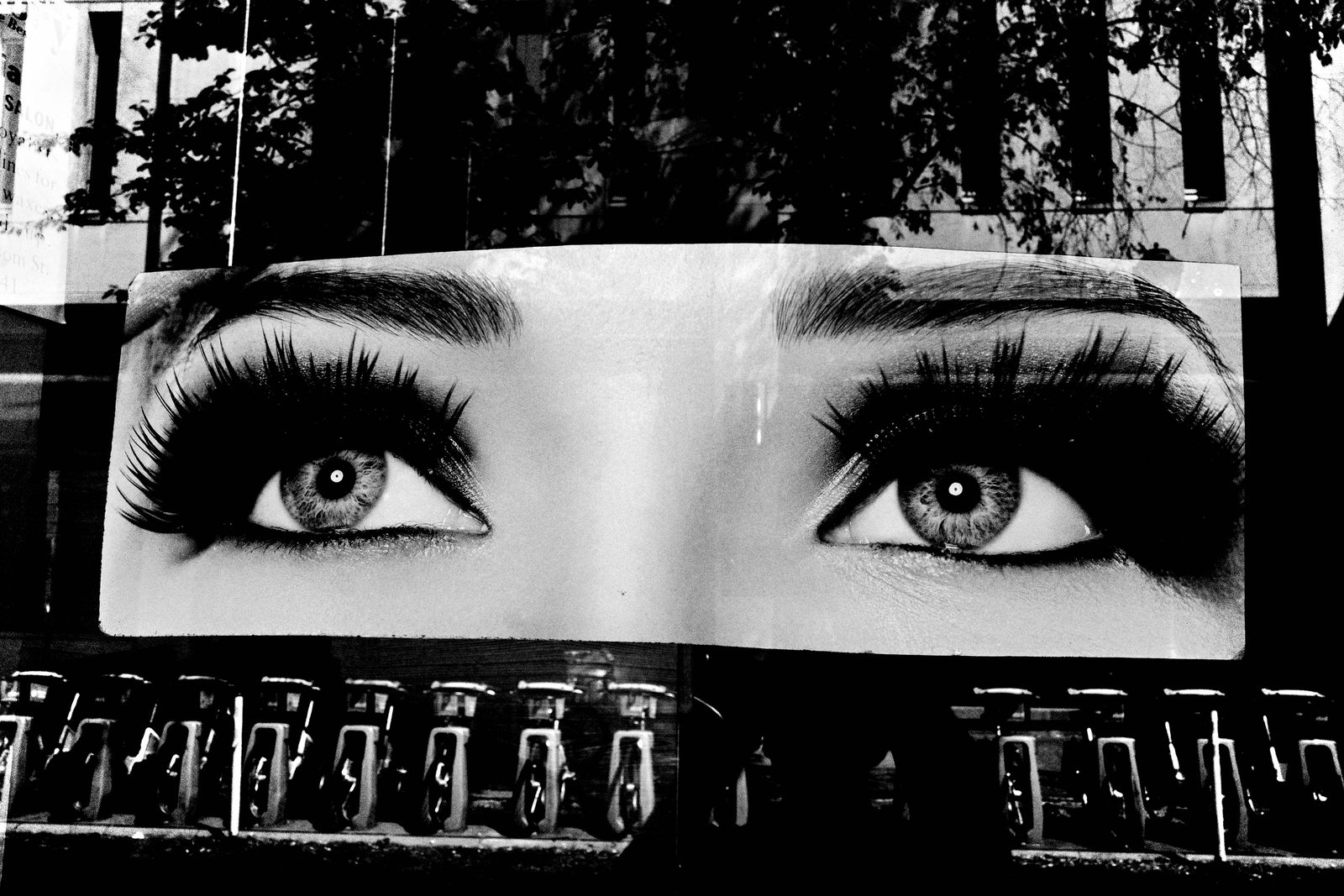
Here's the practice: before you leave the house, the camera is already configured. Snap focus set. Metering dialed. JPEG mode on. High contrast enabled. When you step out the door, every technical decision is already made. Your only job on the street is to see. Walk out ready. The moment you have to fiddle with settings is the moment you miss the frame.
Work One Distance for a Full Session
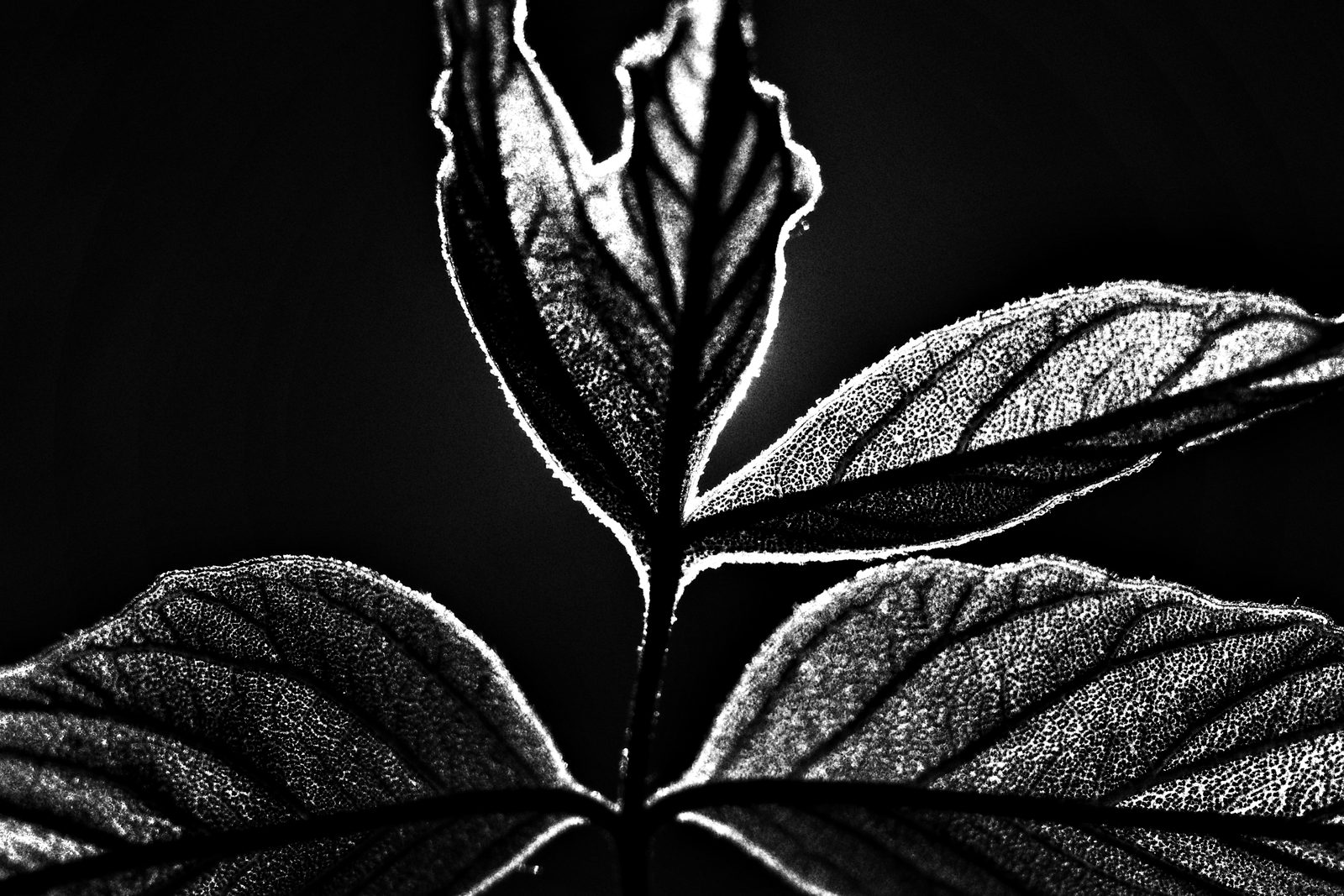
For your next session, commit to one snap focus distance — two meters — for the entire outing. Don't touch it. If the subject is too far, you move. Your feet are your zoom lens, and now your feet are also your focus adjustment. The constraint teaches you how to position your body relative to the scene. That's a lesson no menu setting can teach you.
Shoot JPEG for One Month
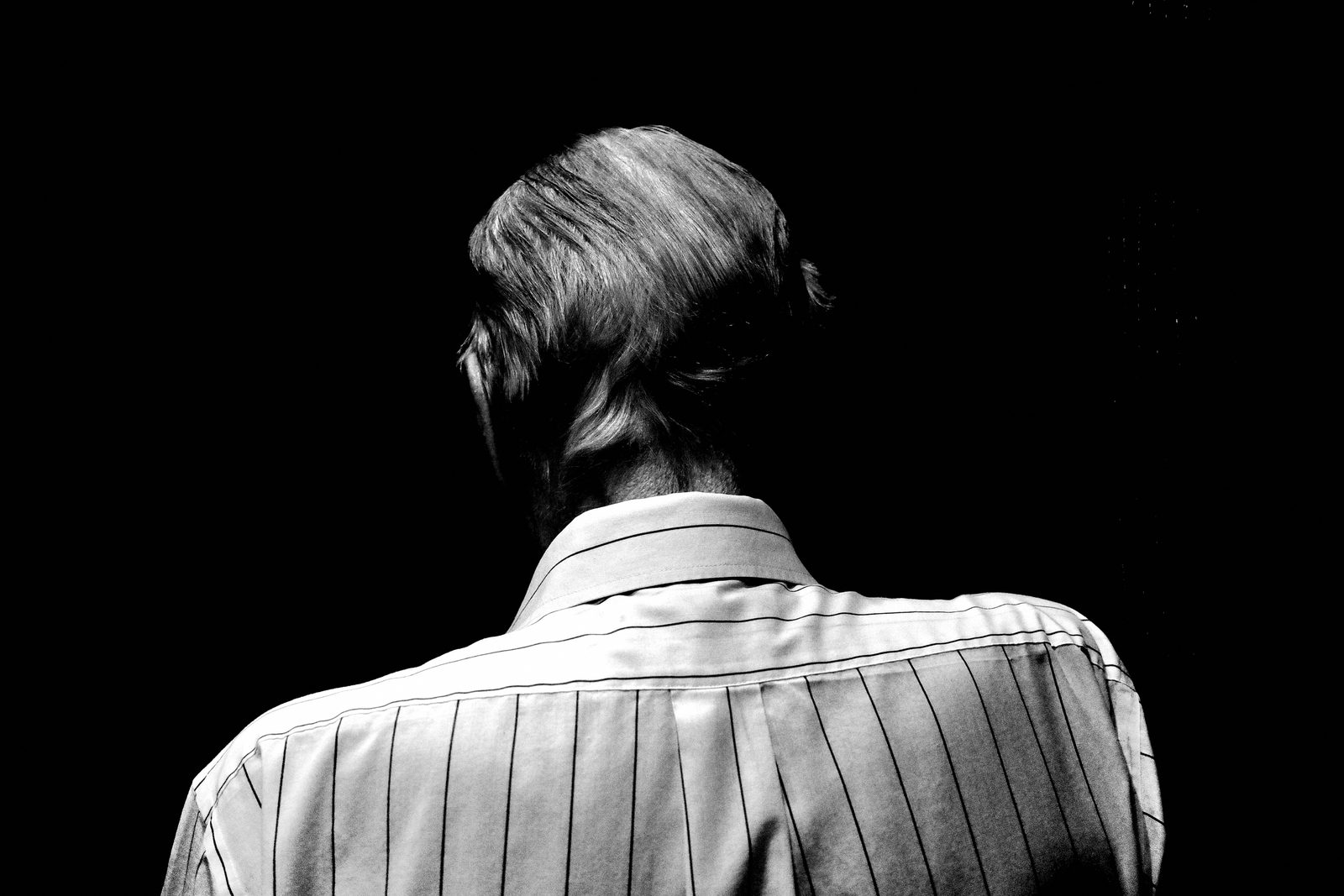
Take the full commitment: JPEG only for one month. High contrast, black and white, cranked in-camera. No RAW safety net. Watch what happens to your attention before you press the shutter. When the image is final at capture, you start deciding more clearly. The constraint doesn't limit you — it accelerates you.
COMMON MISTAKES
Over-Relying on Autofocus in Fast Scenes
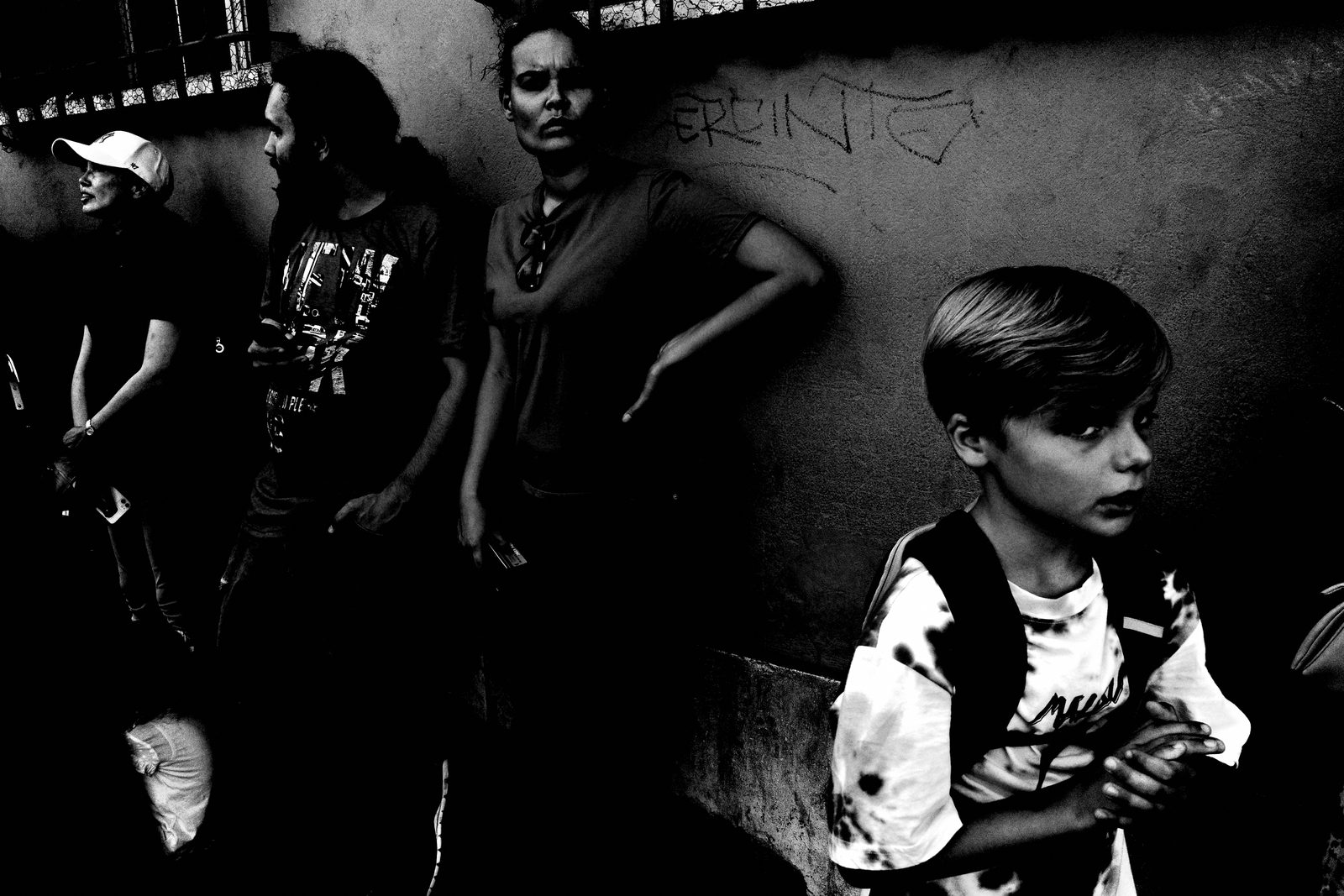
The most common mistake is defaulting back to standard autofocus when things get chaotic — exactly the conditions where it fails you most. Low light, fast movement, crowds — autofocus hunts. Zone and snap focus exist for these moments. Trust the preset distance. Stay present. The system is built for chaos; let it do its job.
Changing Settings Mid-Session
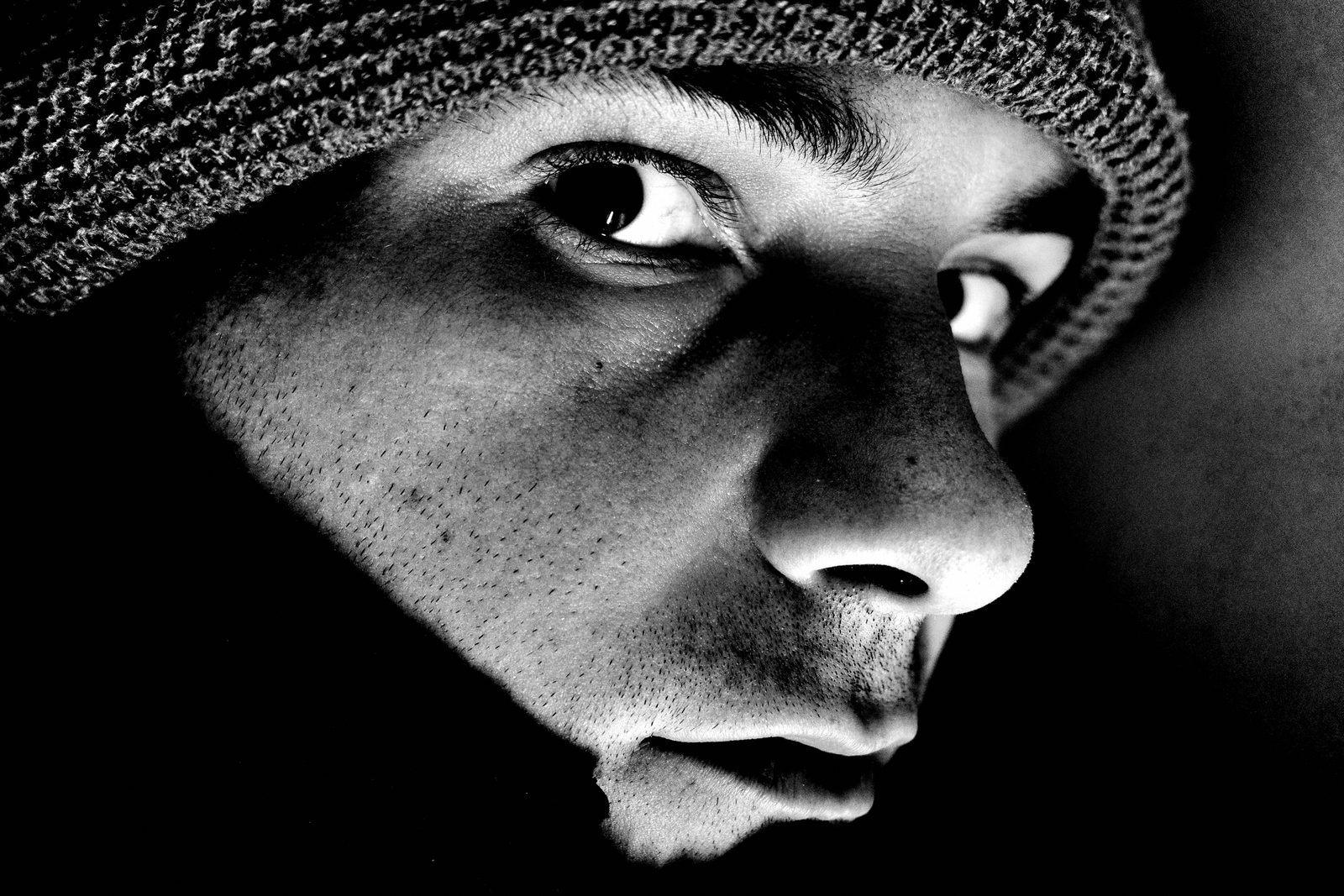
Another mistake: adjusting settings mid-session. Every time you dive into the menu, you break the flow state. You stop being a photographer and become a camera operator. Lock your settings before you leave. The only thing worth adjusting on the street is exposure compensation — one dial, done. Everything else waits until you're home.
RELATIONSHIP TO PREVIOUS
Building on Lesson 038
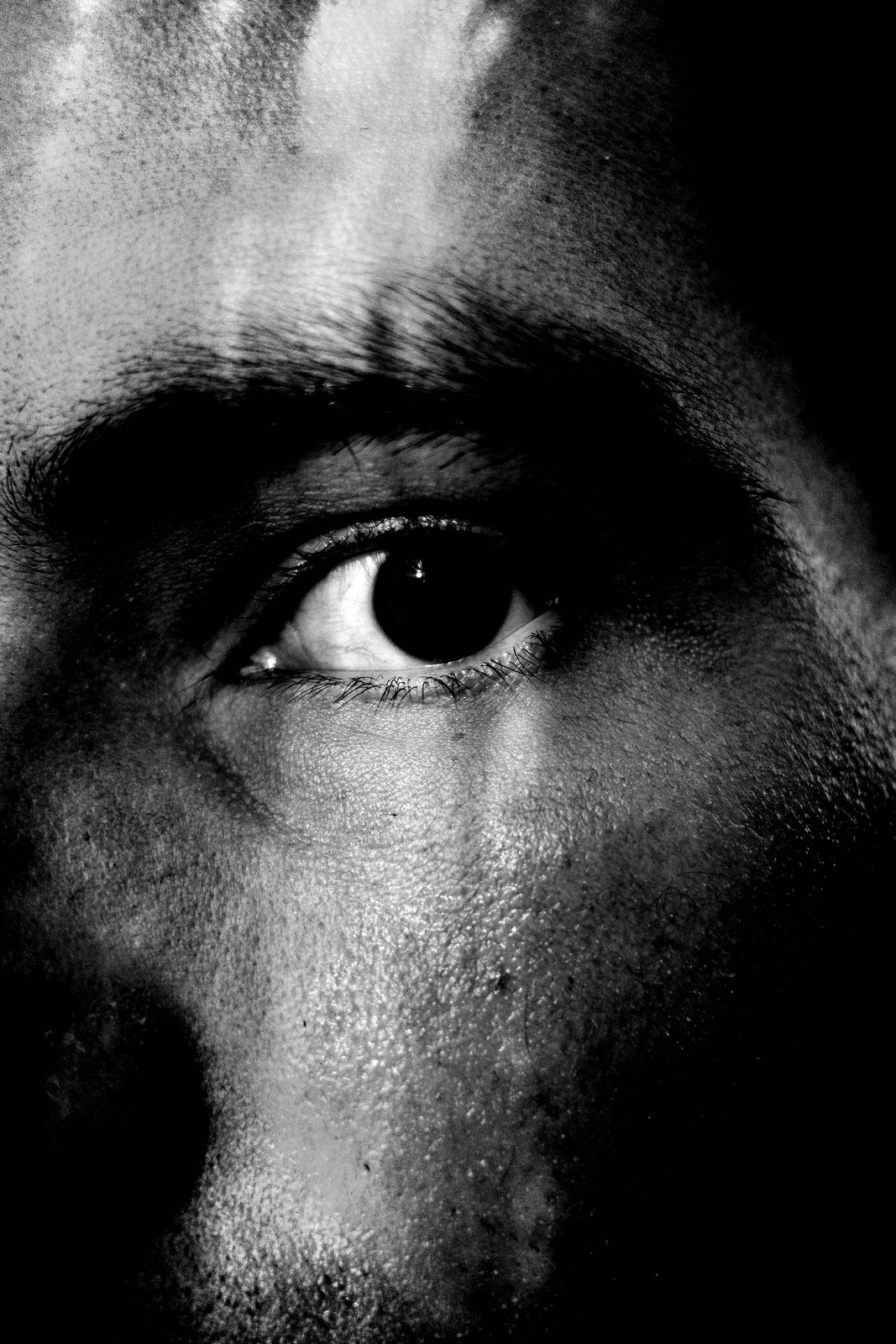
Lesson 038 established the idea that the camera should feel like an extension of who you are. Zone and snap focus are what make that extension frictionless. Once the camera is configured to disappear in your hands, you stop being someone operating a device and start being someone moving through the world with their eyes fully open.
RELATIONSHIP TO UPCOMING
Setting Up Lesson 040
With focus and exposure dialed in automatically, you're ready for Lesson 040 — reading and chasing light. Once you're not thinking about settings, you can give your full attention to what light is doing on surfaces, in shadows, across faces. The technical foundation built here is what makes the next layer of seeing possible.
SUMMARY / TAKEAWAY
Set It, Forget It, See Everything
Last thing. Zone focus and snap focus aren't just technical tricks — they're a philosophy. Remove every obstacle between seeing and shooting. Dante's system is simple: Ricoh GR, snap focus at two meters, high-contrast JPEG, highlight-weighted metering, and exposure compensation as the one dial. Set it. Forget it. See everything. That's the whole lesson — catch you in the next one.