Always Carry a Camera
CORE IDEA
The Camera That's Always There
What's popping, people — it's Dante. Here's the simplest rule I live by: always carry a camera. Not when the light is good. Not when you're heading somewhere interesting. Always. Because the moments that matter most never announce themselves, and the camera that's in your bag at home is worth exactly nothing.
LEARNING OBJECTIVE
What You'll Walk Away With
By the end of this lesson you'll understand why always having a camera on you isn't just a habit — it's a philosophy. You'll know how to make it effortless, why it transforms your relationship with everyday life, and how it feeds the kind of curiosity that keeps this practice alive for decades.
WHY THIS MATTERS
You Can't Make the Same Photograph Twice
Here's the truth: you cannot make the same photograph twice. The way light falls on a surface, the way a person moves through a frame — it's always changing, always nuanced, always new. Miss it because your camera was somewhere else and that version of reality is gone. You can't go back. The only answer is to always be ready.
Life Is the Source Material
And here's what I've learned after years of doing this: the richest source material isn't some exotic destination — it's your everyday life. Your commute. Your lunch break. Your friends. Your neighborhood. The moment you stop treating ordinary life as the place you wait between photo trips, everything opens up.
MAIN TEACHING
The Compact Camera as a Way of Life
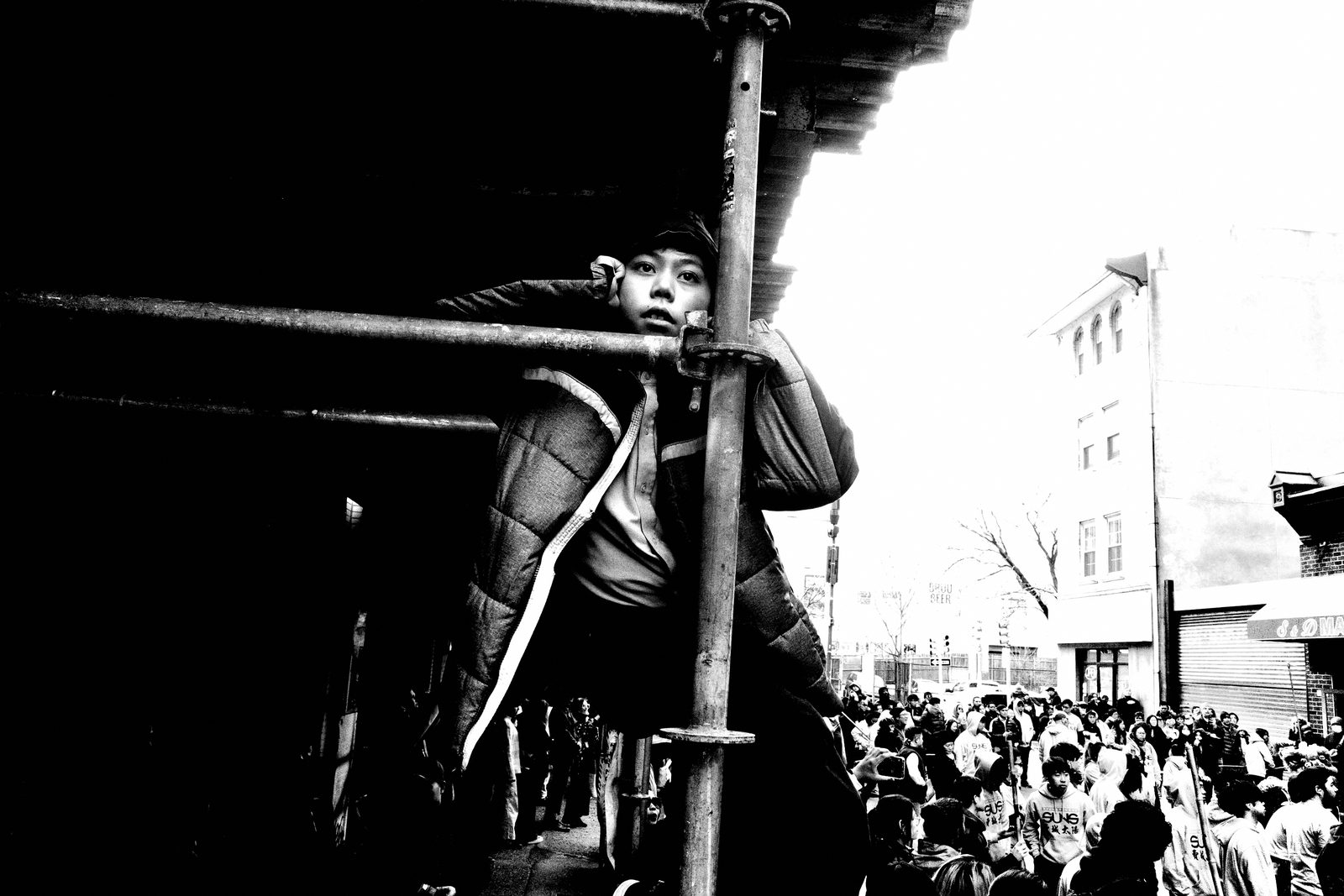
My answer to always carrying a camera is simple: the Ricoh GR lives in my front right pocket. All day, every day. I go to work — it's there. I grab coffee with friends — it's there. I walk to the store — it's there. A compact camera removes every excuse. No setup. No bag. No decision. Just a tool that's always ready when life is.
Remove Every Barrier to Shooting
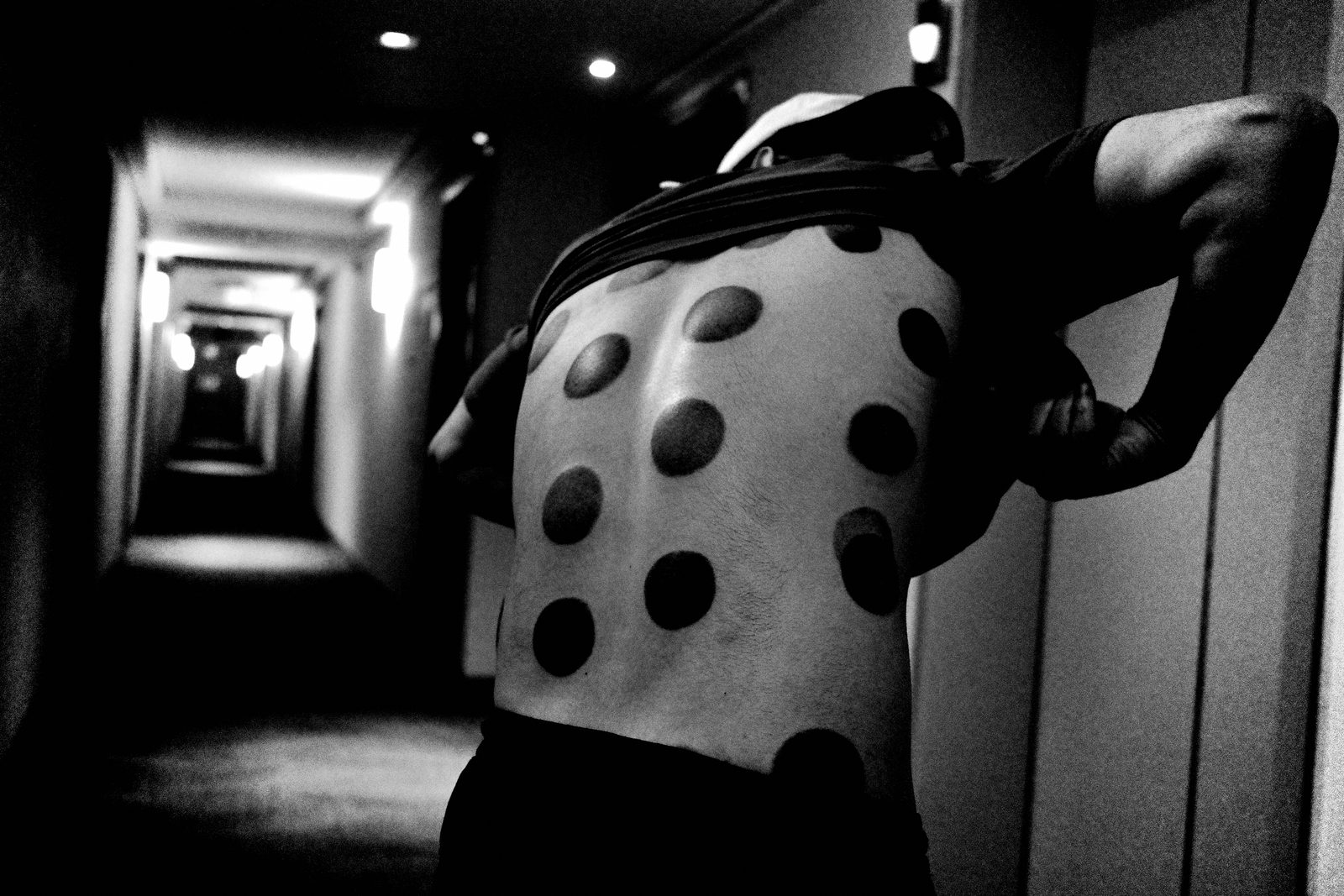
I run the camera on automatic. Program mode or aperture priority. I adjust one thing: exposure compensation. That's it. Everything else — focus, shutter speed — handled. By stripping out every technical decision, I can give my full attention to the world in front of me. The camera works for me. I don't work for the camera.
Snapshot as the Purest Form
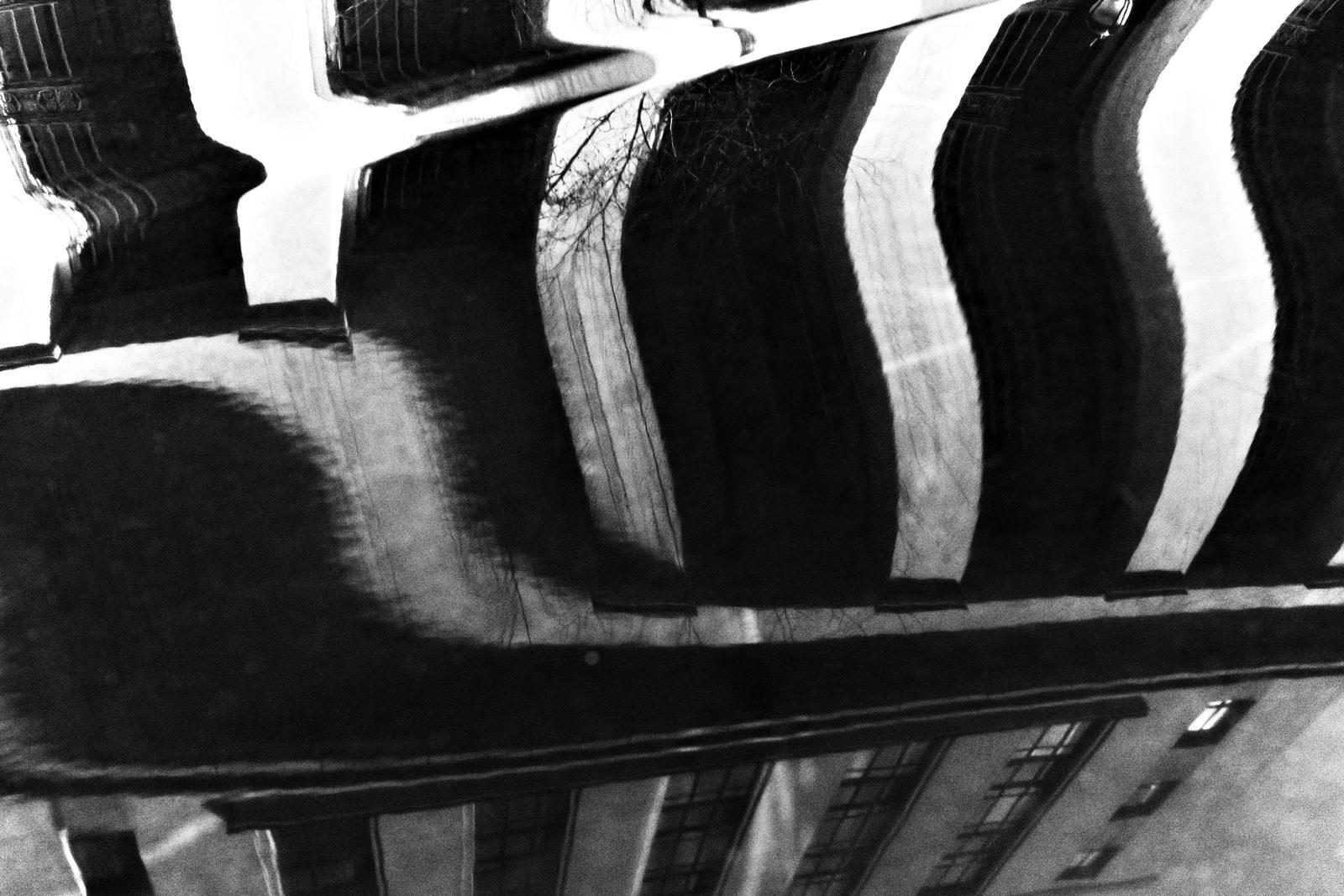
The snapshot gets dismissed as amateur — but I'd argue it's the purest form of street photography. It's democratic. It's honest. It doesn't require technical mastery or formal planning. By snapshotting through everyday life, I'm not performing photography — I'm living it. The looseness, the imperfection — that's not a bug. That's the whole point.
Stop Hunting, Start Living
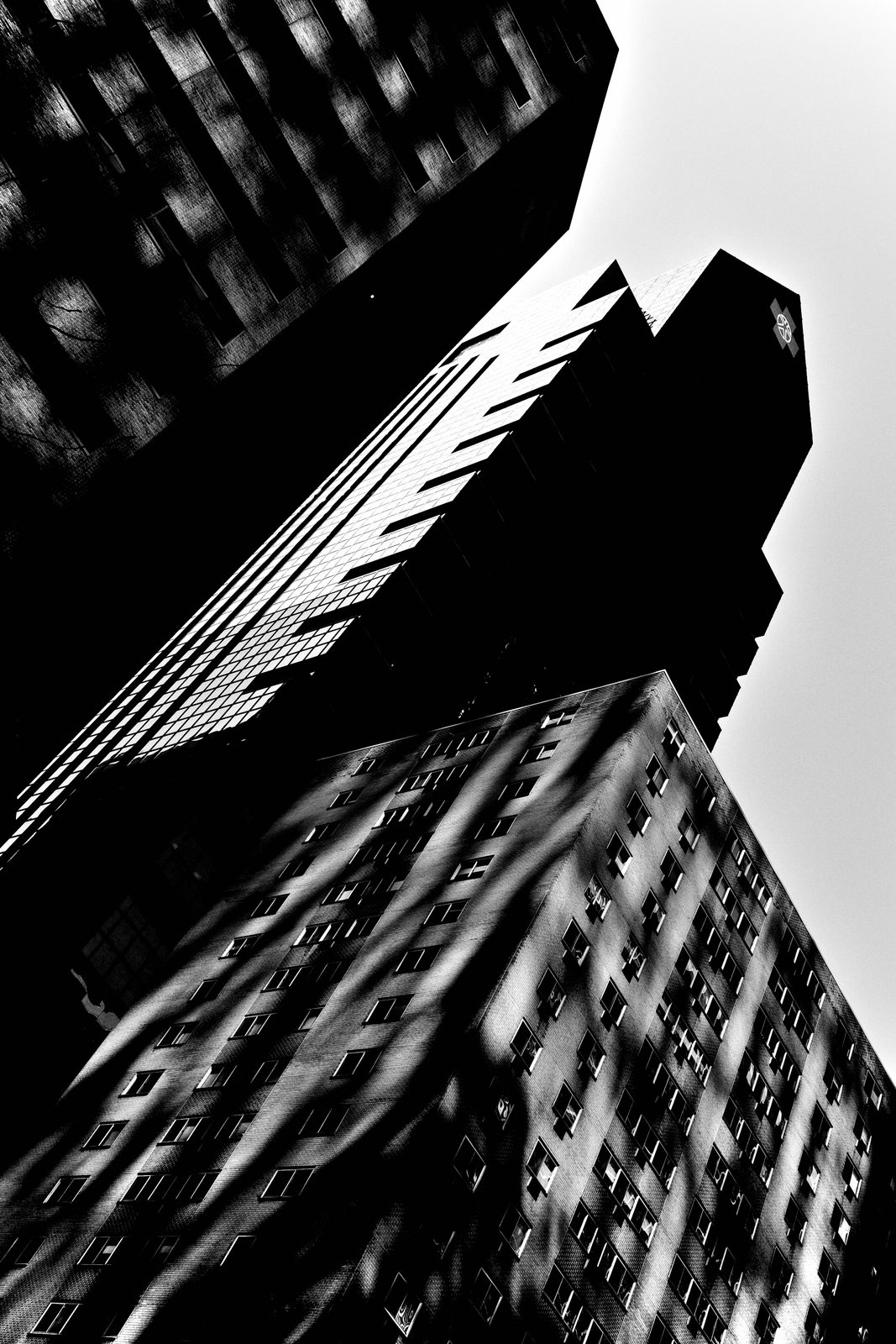
For years I went out hunting — searching for my next best photo, chasing locations, straining to find something worth capturing. And then I made a shift. I stopped hunting. I started living my life and simply bringing the camera for the ride. That single change transformed my practice more than any technique I've ever learned.
The Moments You'd Never Set Out to Make
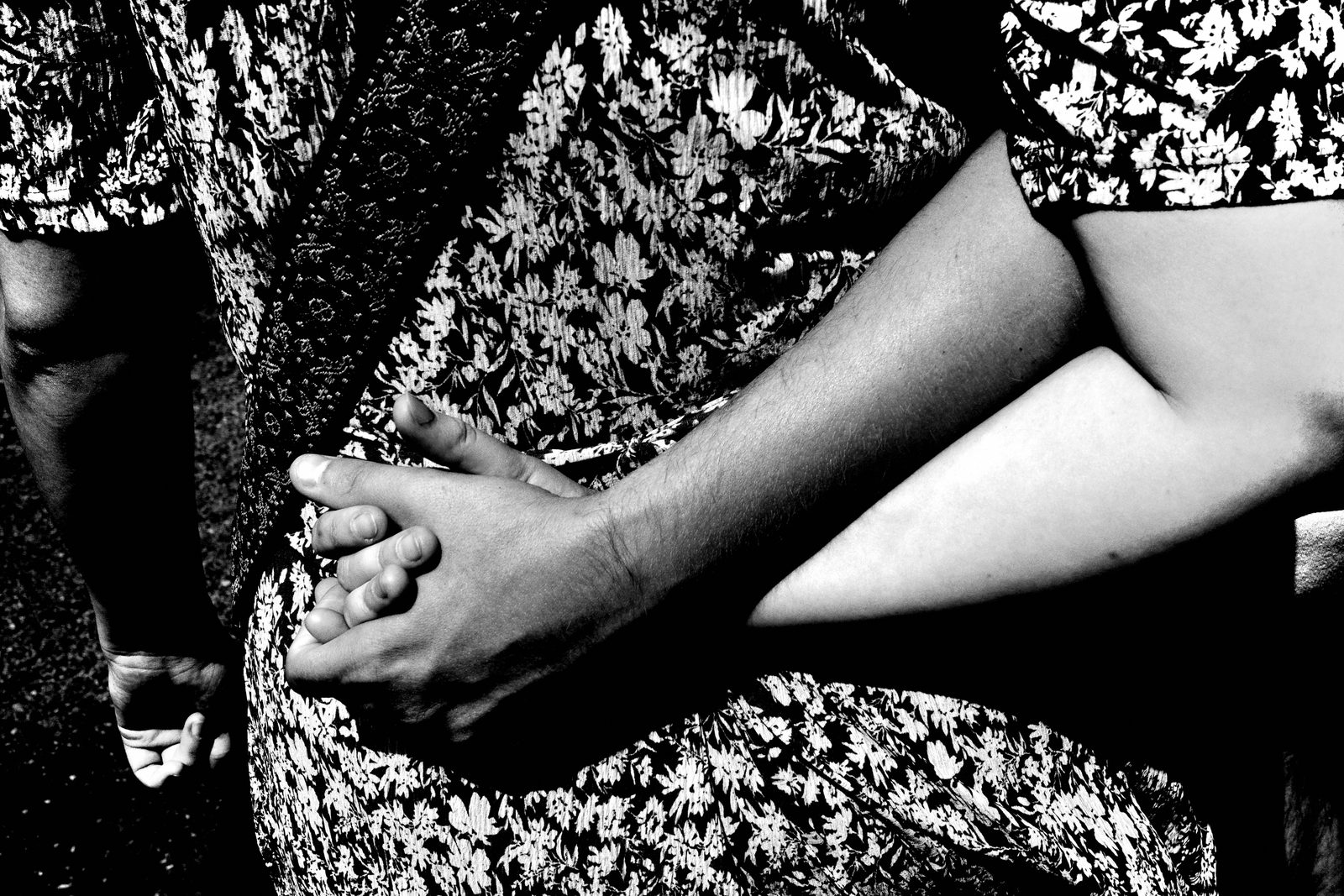
Some of the best photographs are the ones you'd never have set out to make. A friend points at something. A stranger laughs. An ordinary exchange lights up for half a second. In hunting mode you walk right past it — it wasn't what you were looking for. But when the camera is already in your pocket, you don't have to go looking for these moments. You just have to be ready when they arrive. That readiness is the whole difference between missing a moment and keeping it.
The Camera as Passport
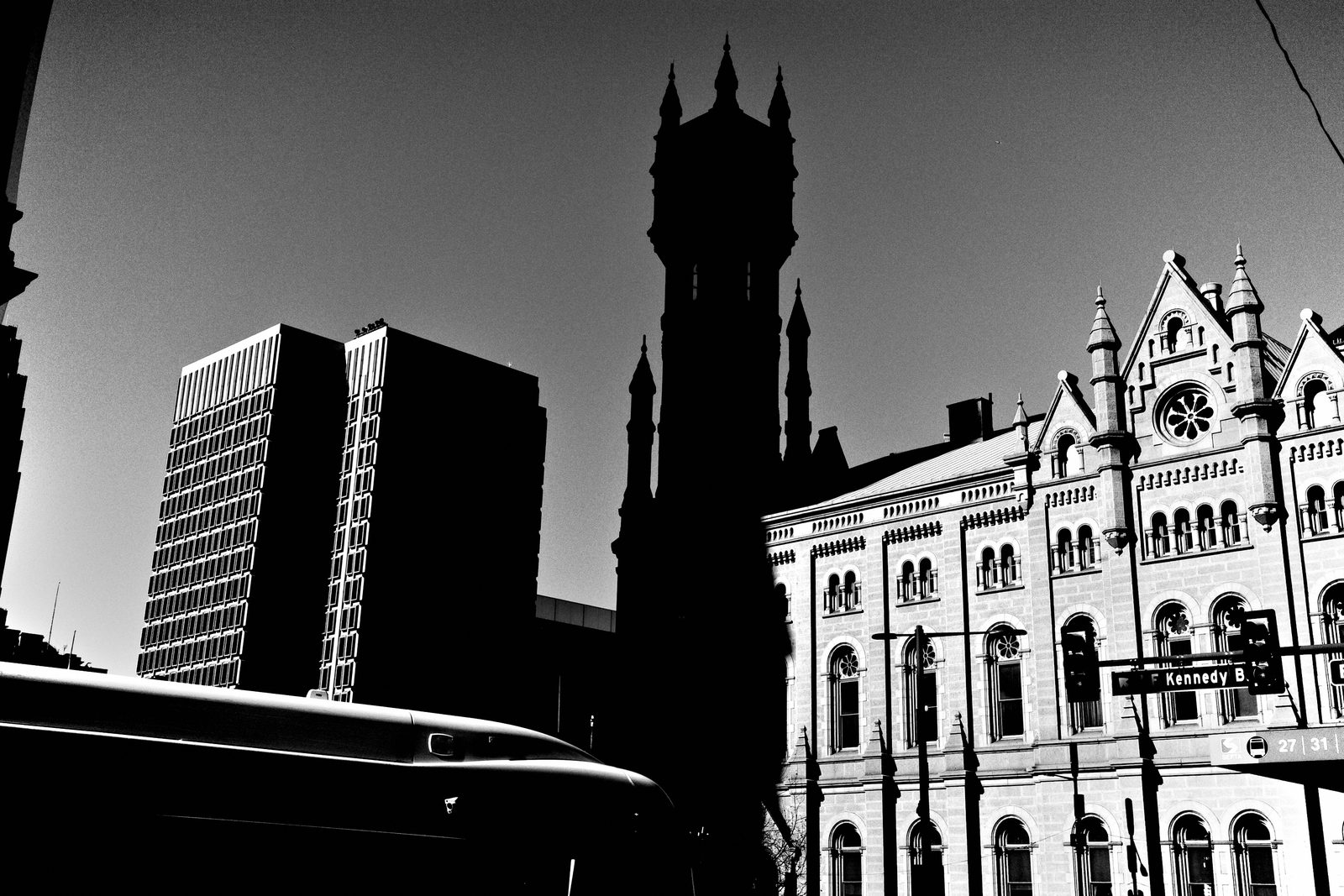
The camera isn't just a tool for making images — it's a passport. It gives you permission to engage with life more deeply, to walk into places you'd otherwise pass by, to talk to strangers you'd otherwise ignore. Carry one long enough and it opens doors all over the world — into homes, ceremonies, and communities you'd never otherwise enter. The camera is the reason you end up on the inside instead of walking past.
There's No Separation Between Life and Work
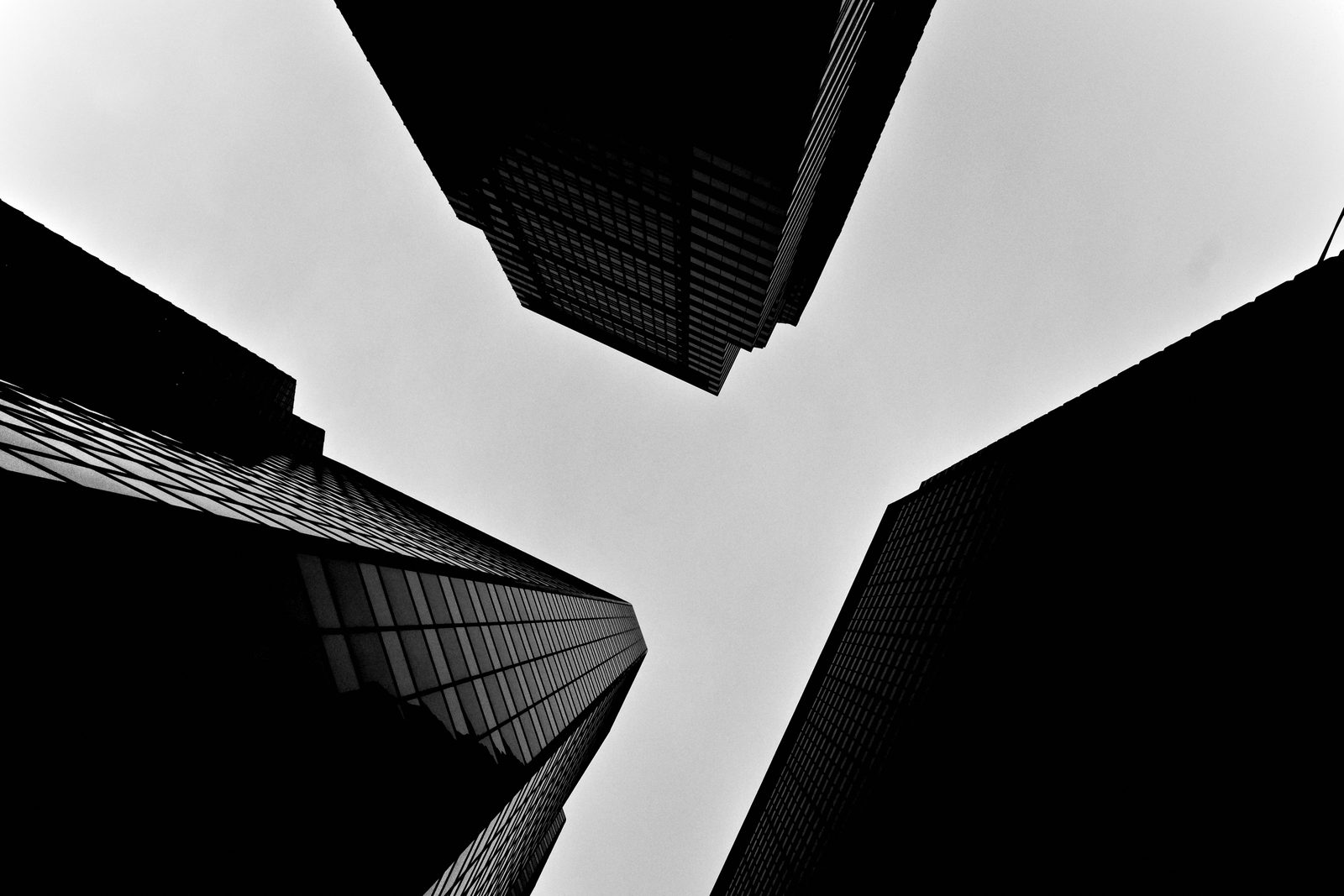
Here's the mindset shift that matters most: there is no separation between being a photographer and being a human. The camera in my pocket doesn't switch me into photographer mode — it's just part of who I am, all day. I don't schedule photography. I live, and the camera comes along. When you close that gap, the whole practice gets lighter and more sustainable.
The Mundane Becomes Infinite
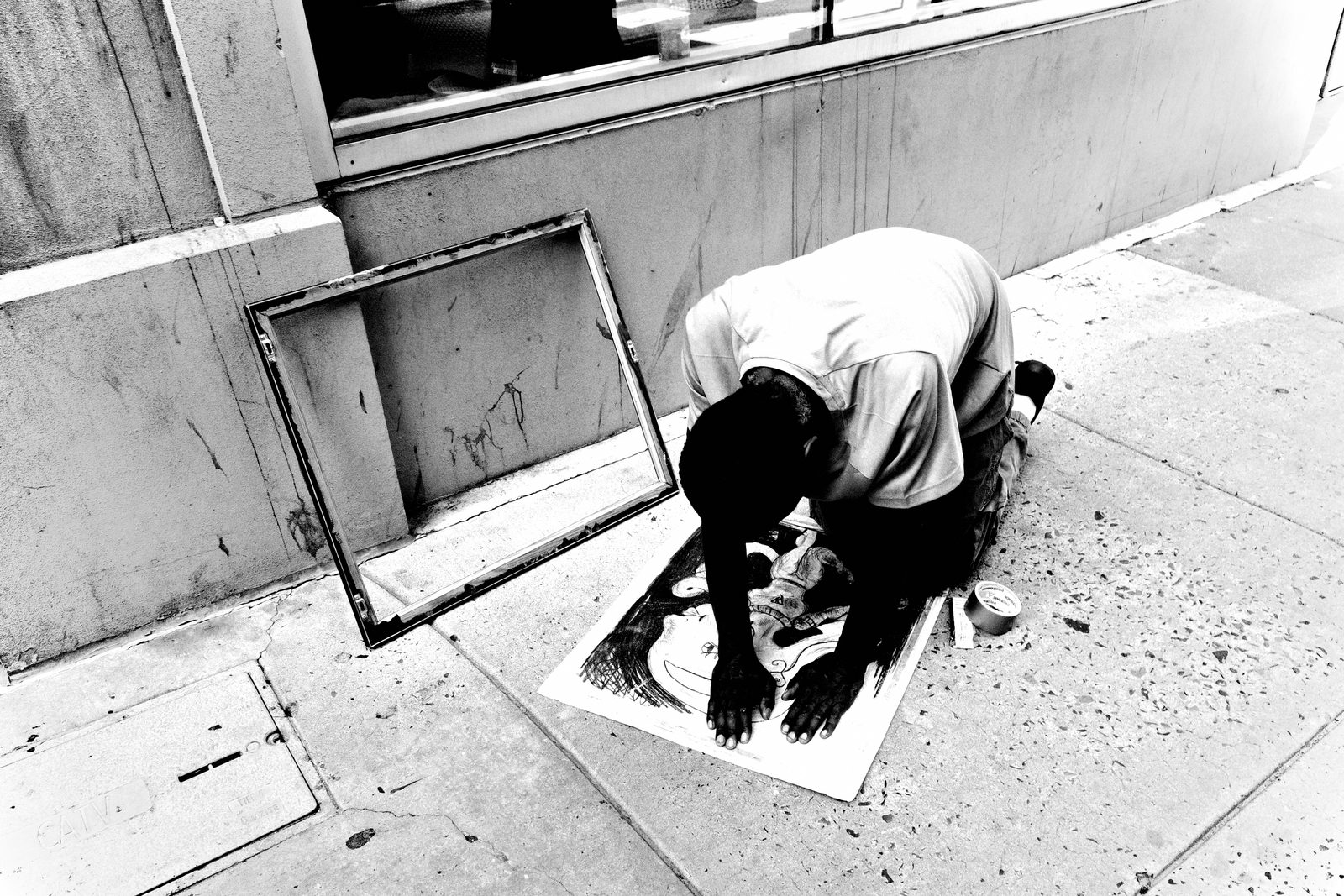
I challenge myself constantly: can I walk the same mundane lane every single day and still find something worth photographing? And the answer is always yes — because the world is always shifting, light is always moving, and my eyes are always capable of seeing something new. Always carrying a camera forces you to keep looking. And the more you look, the more you find.
Patience Lets the Ordinary Transform
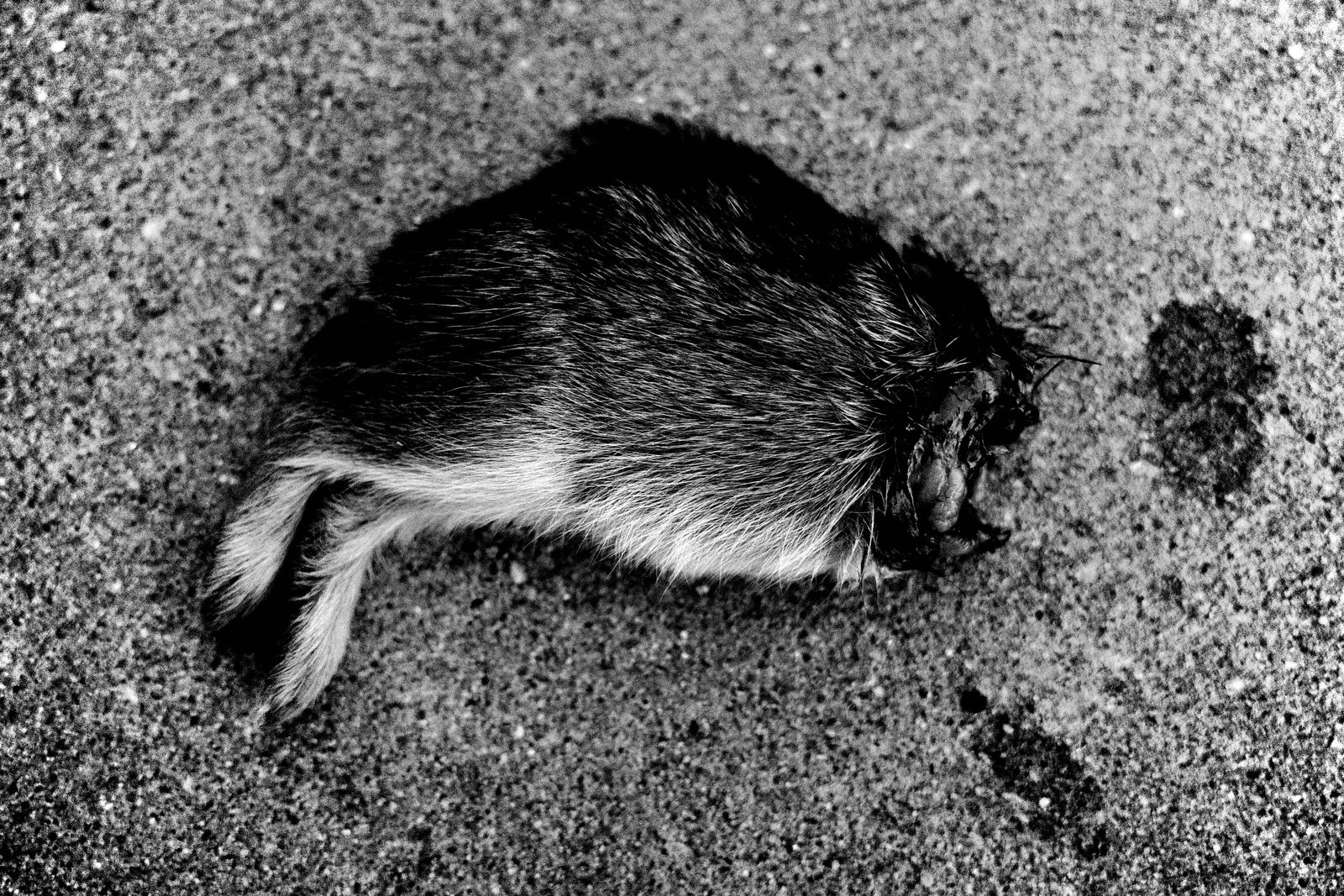
Here's what patience buys you: an ordinary scene can become extraordinary if you stay with it long enough. Someone taking a selfie by a fountain is nothing — until the light shifts, or a gesture emerges, or a passerby steps into exactly the right spot. These transformations happen constantly, but they only reward the person who is still there, camera in hand, present enough to notice. You can't plan the moment a scene comes alive. You can only be ready for it.
Travel Light to See More
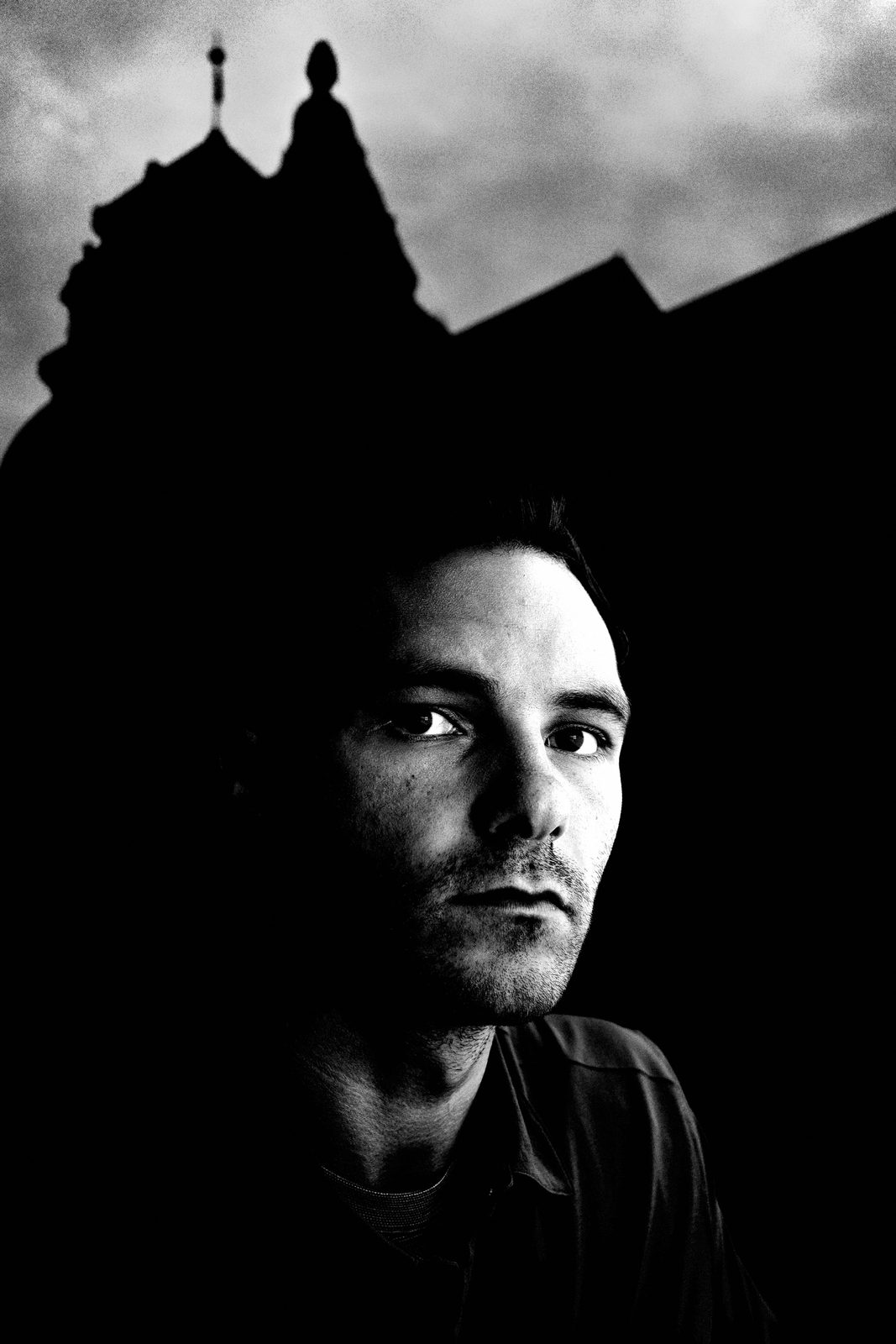
The same logic applies when I travel. I carry a single Peak Design 45L backpack and my Ricoh GR. That's it. No what-if lenses. No backup bodies beyond a second Ricoh. Travel is about eliminating friction — and the fewer decisions you make about gear, the more attention you have for the world. Simplify everything. Slip the camera in your pocket and walk.
Curiosity as the Engine
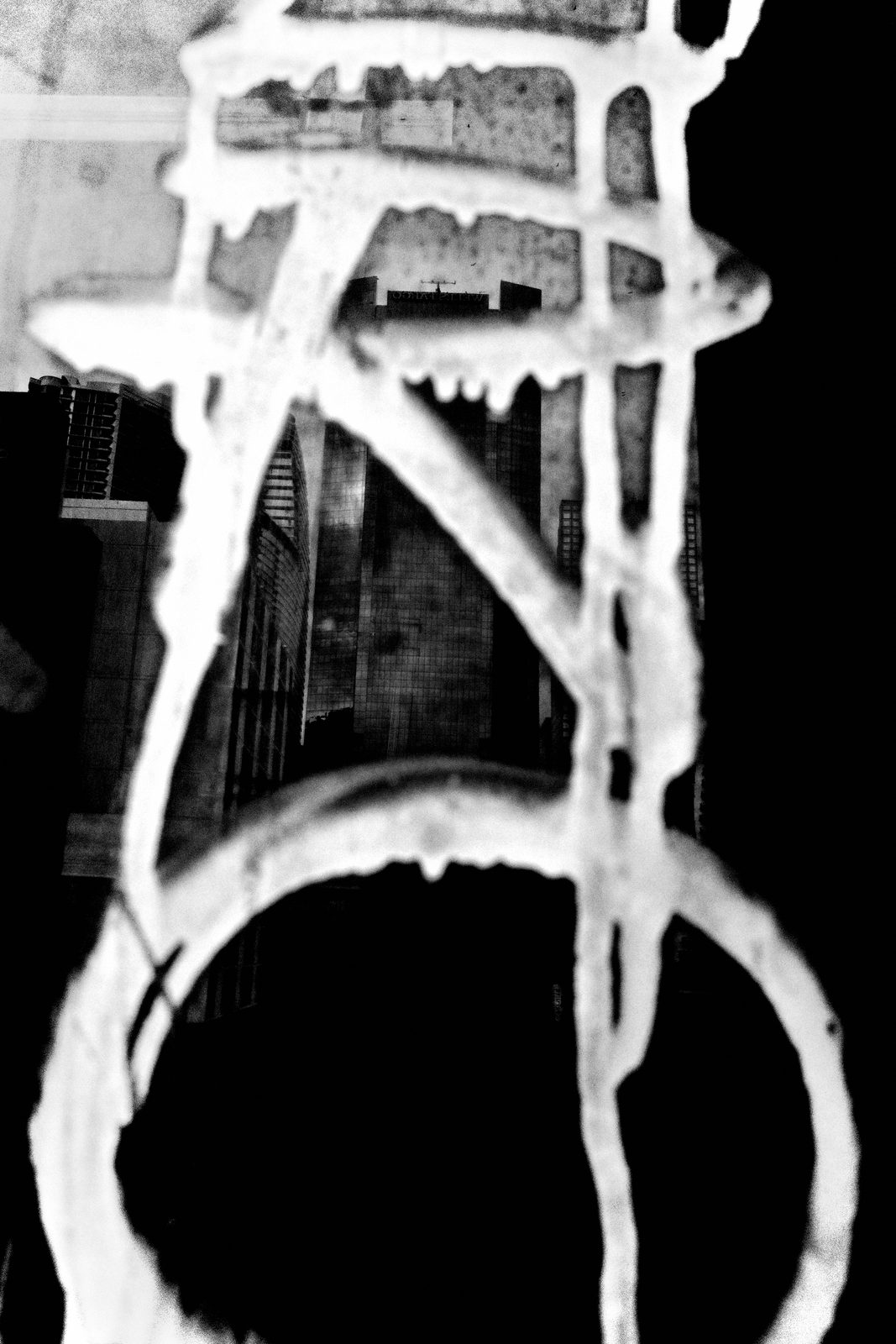
What actually makes always carrying a camera work is not discipline — it's curiosity. If you're genuinely curious about the world, the camera comes out naturally. You don't have to force it. The question I carry with me every day is simple: what will reality manifest as a photograph today? That question keeps me looking, keeps me present, keeps the camera in my hand.
Photograph as Visual Diary
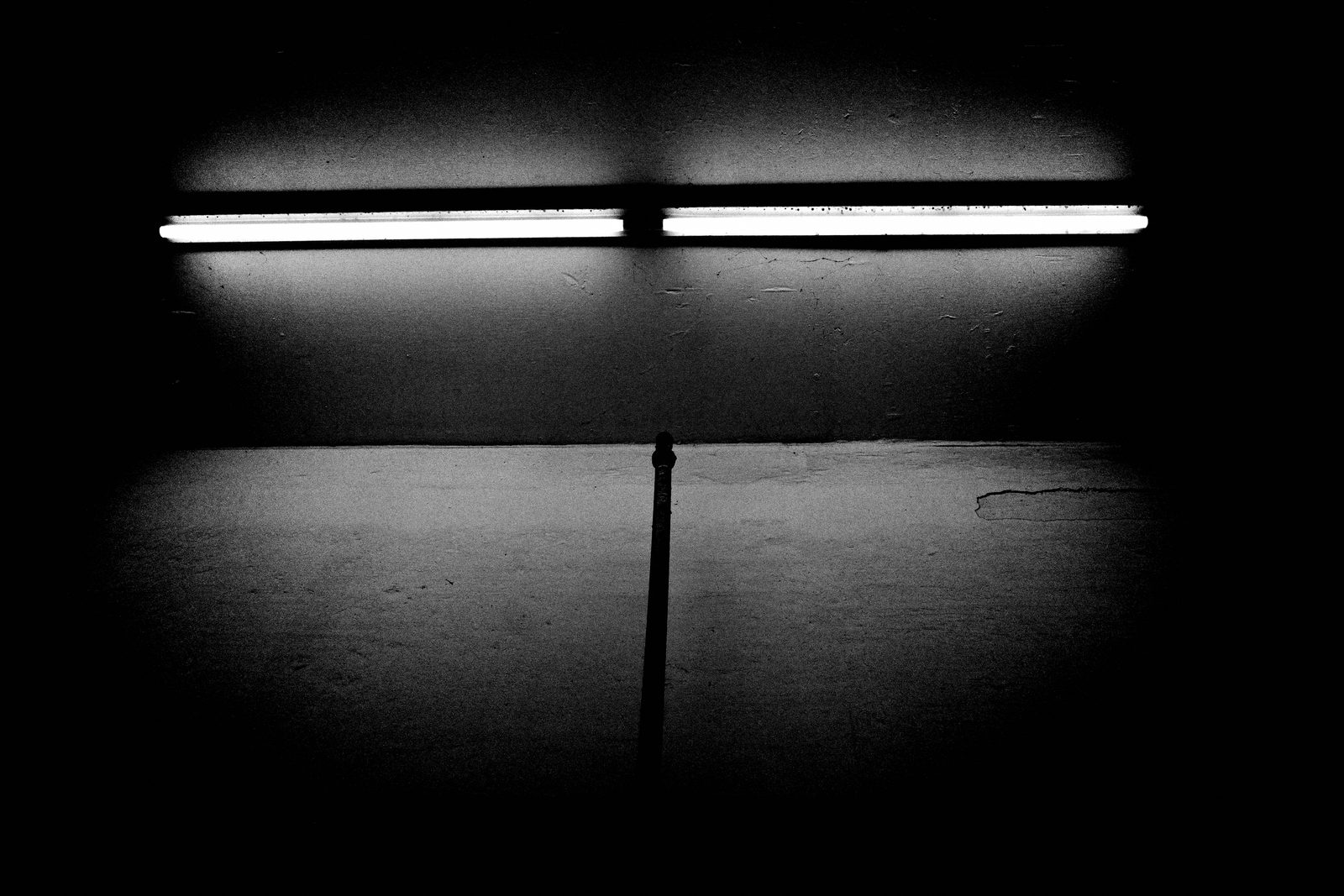
I treat photography like a visual diary. Not a portfolio of greatest hits — a record of my inner world, my curiosity, my becoming. When the camera is always with me, every day gets documented: the unremarkable lunch, the unexpected light, the friend who said something that made me laugh. It's all data. It's all life. It's all worth keeping.
PRACTICAL APPLICATION
The Pocket Camera Commitment
Here's the practice: choose your most compact camera — whatever it is — and for the next seven days, keep it on your body at all times. Not in a bag you might leave behind. On your body, in a pocket. Every single day. Don't change your routine. Just add the camera. At the end of the week, look at what you made. I guarantee you'll surprise yourself.
Photograph the In-Between Moments
Go further: actively look for the in-between moments — the ones you'd normally dismiss as not worth photographing. Your commute. A waiting room. An errand. The twenty minutes before the thing you were actually going to do. Those transitions are full of life. Point the camera there. The snapshot doesn't need a stage. It just needs your eyes and your presence.
COMMON MISTAKES
Saving the Camera for Special Occasions
The most common mistake I see is saving the camera for special occasions. You pull it out for the holiday, the trip, the event — and put it away for everything else. But that means you're missing the ninety percent of life that happens in between. The interesting photographs don't live at the big moments. They live in the quiet, unremarkable in-between. That's where you need to be ready.
Overthinking the Setup
The other mistake: overthinking the setup. Agonizing over which lens, which camera body, which bag — until the moment passes and you haven't shot anything. Gear fussing is procrastination dressed up as preparation. The perfect kit is the one you will actually carry every single day without thinking about it. Simple always wins.
RELATIONSHIP TO PREVIOUS
Building on Daily Practice
Lesson 039 built the case for a daily practice — showing up with your camera as a consistent, repeatable commitment. This lesson takes that one step further: always carrying a camera is how that daily practice stops being a scheduled block and becomes a way of living. The rhythm becomes automatic. The camera becomes part of you.
RELATIONSHIP TO UPCOMING
What Readiness Makes Possible
Always carrying a camera is what makes the next step possible. Lesson 041 moves into instinct — reacting without thinking, pressing the shutter in a fraction of a second. But instinctive reaction only works if the camera is already in your hand. Today we built the foundation. Next lesson, we build the reflex.
SUMMARY / TAKEAWAY
Always Ready, Always Alive
Last thing. Always carrying a camera isn't a photography tip — it's a life philosophy. It means deciding that your everyday life is worth documenting, that the mundane is full of potential, and that you are always ready to say yes to whatever reality puts in front of you. Live first. Camera along for the ride. Never miss another moment. Peace.