Breakdown V — A Full Walk, Explained
CORE IDEA
The Walk Is the Method
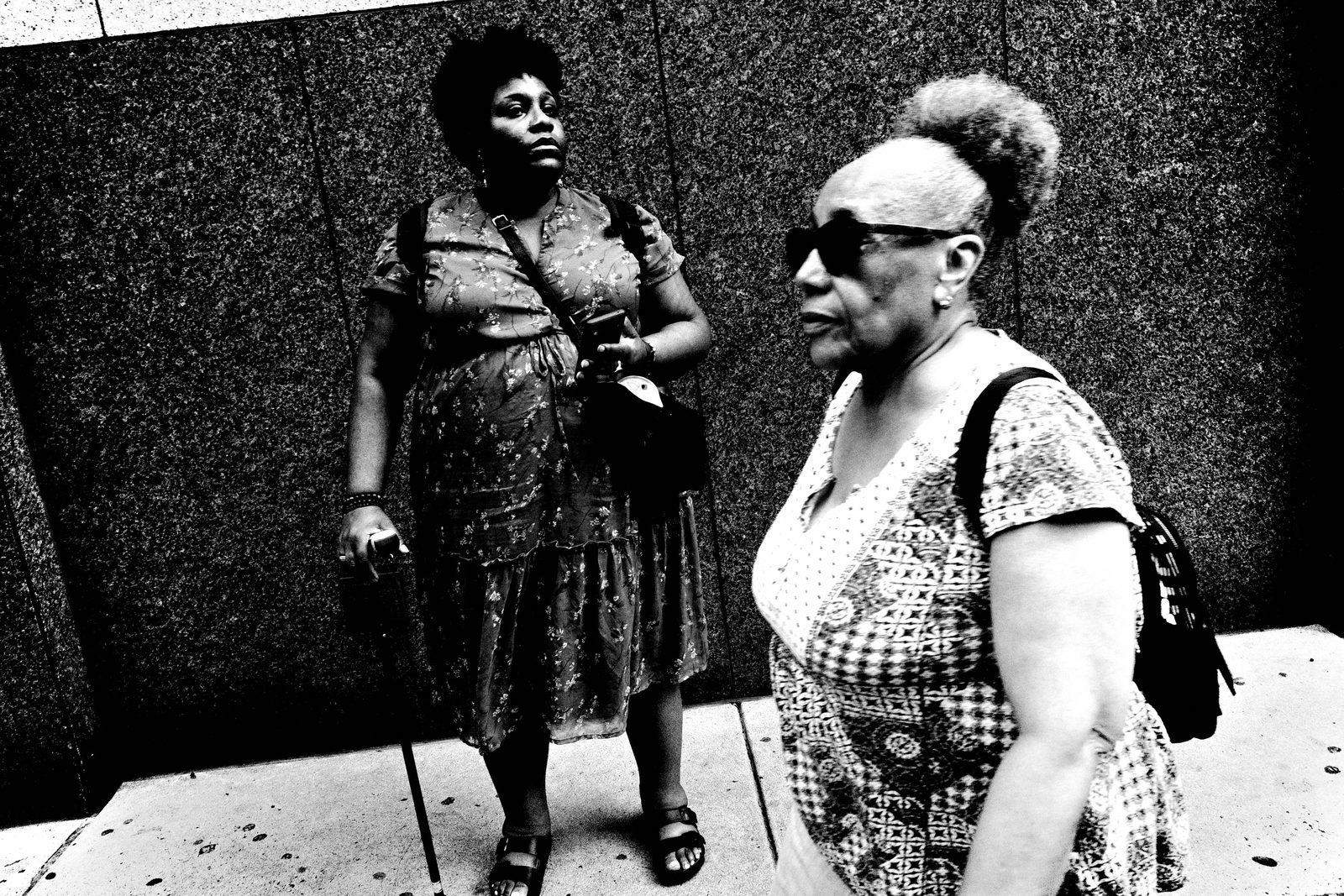
What's popping, people — it's Dante. We've spent a lot of time on individual skills — composition here, the decisive moment there. Today we go bigger. We lay out the full arc of a shooting walk, start to finish, and I explain the logic behind every stage — how you arrive, how you read a place, when you set up and wait, when you react, when you stay, when you go. The walk isn't a vehicle to get to the photography. The walk is the photography.
LEARNING OBJECTIVE
What You'll Walk Away With
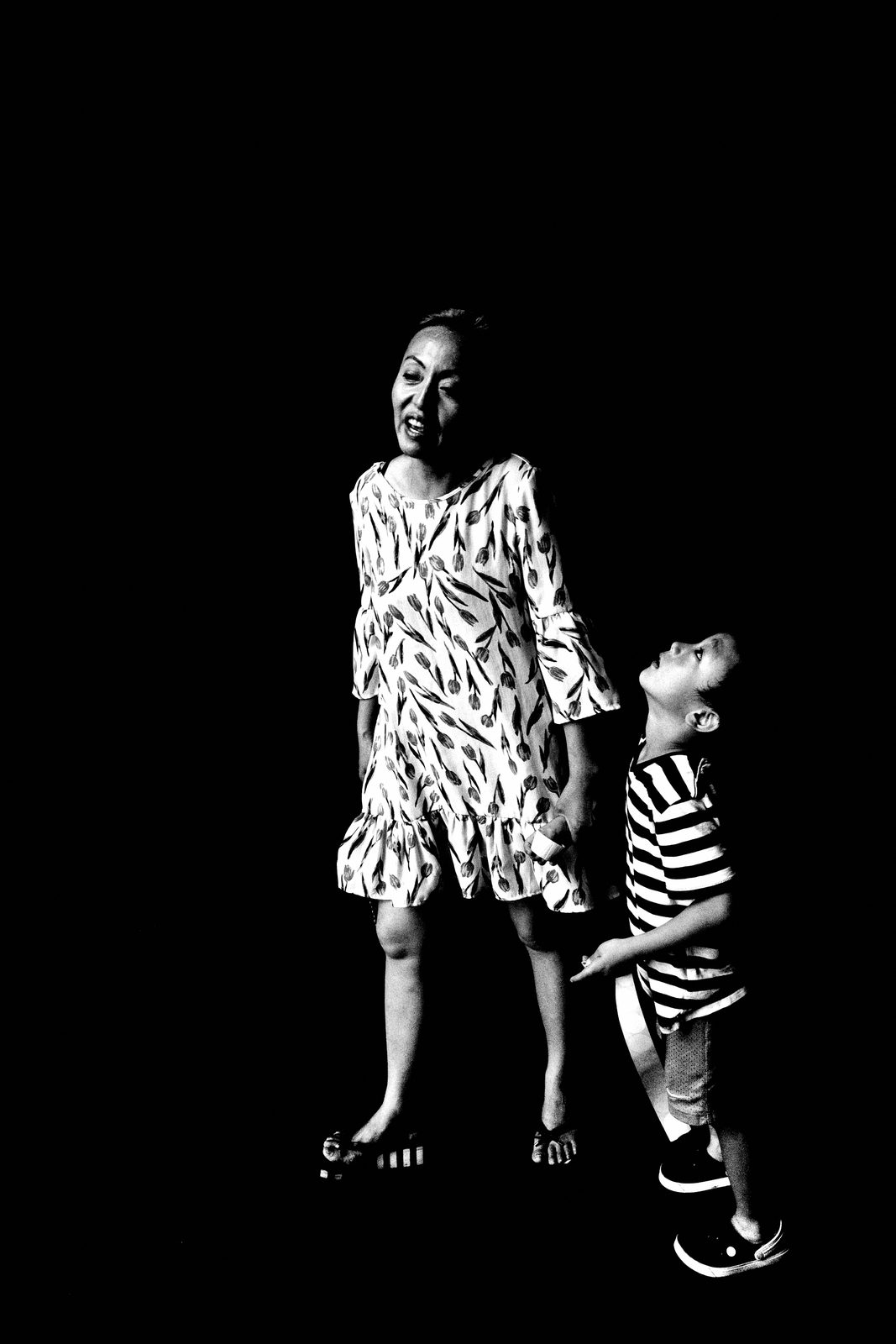
By the end of this lesson you'll have a blueprint for a full street photography session — not a checklist, but a living, breathing method. You'll see how curiosity, composition, physical positioning, and patience connect into one continuous flow from the moment you step outside to the moment you head home.
WHY THIS MATTERS
Technique Without Flow Is Useless
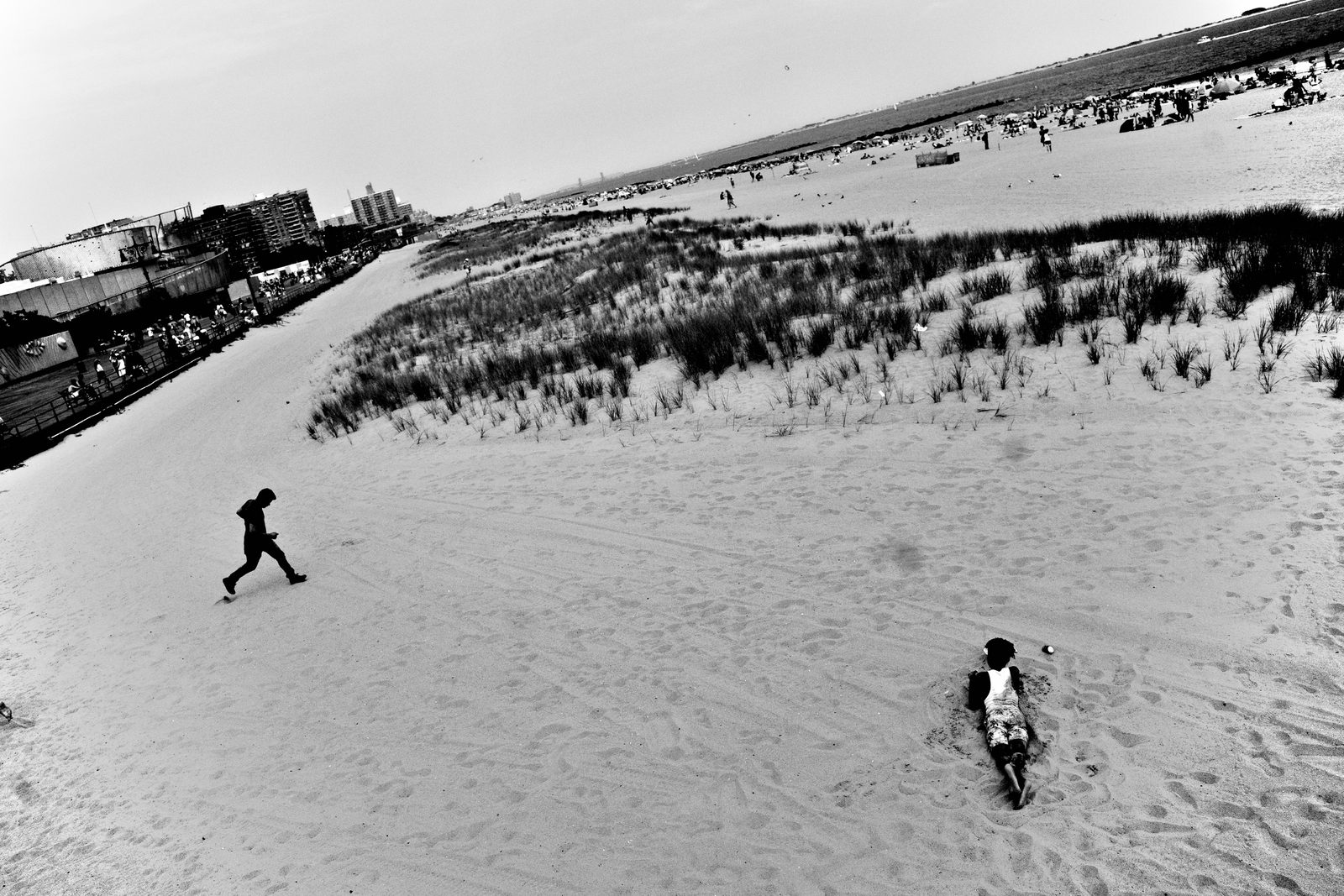
Here's the problem with learning technique in fragments: the street doesn't give you time to consult a mental rulebook. You need rhythm. You need a way of moving that's so internalized it happens automatically. Seeing a full walk explained — decision by decision — gives you that rhythm to borrow until you build your own.
The Walk Teaches You to Read Life
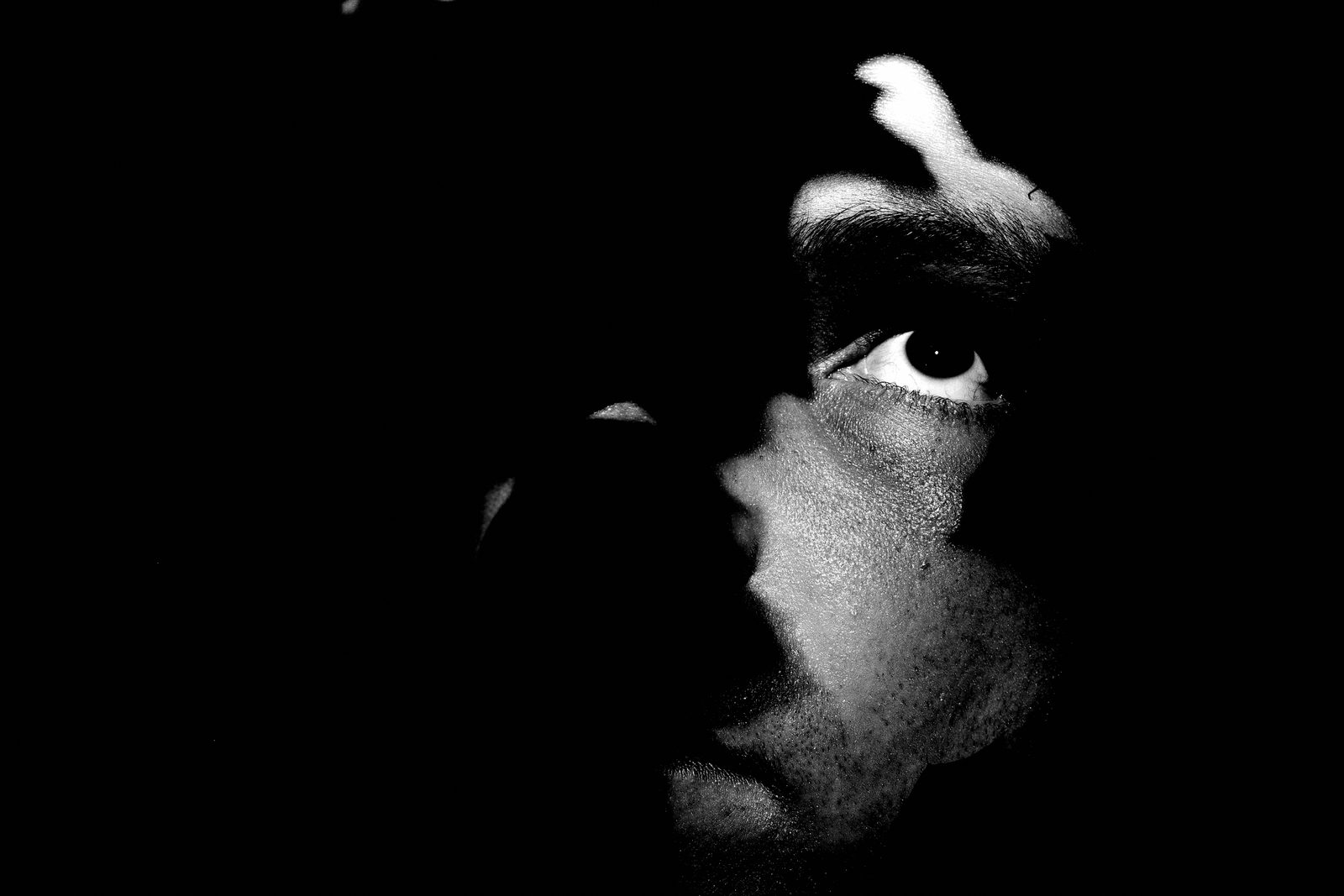
The street is a visual puzzle that's constantly reshuffling itself. A full walk teaches you to read that puzzle in motion — to notice when the foreground element, the middle figure, and the background detail are about to align into something real. That reading skill only sharpens through accumulated walks, explained and understood.
MAIN TEACHING
Arriving Without Preconceptions
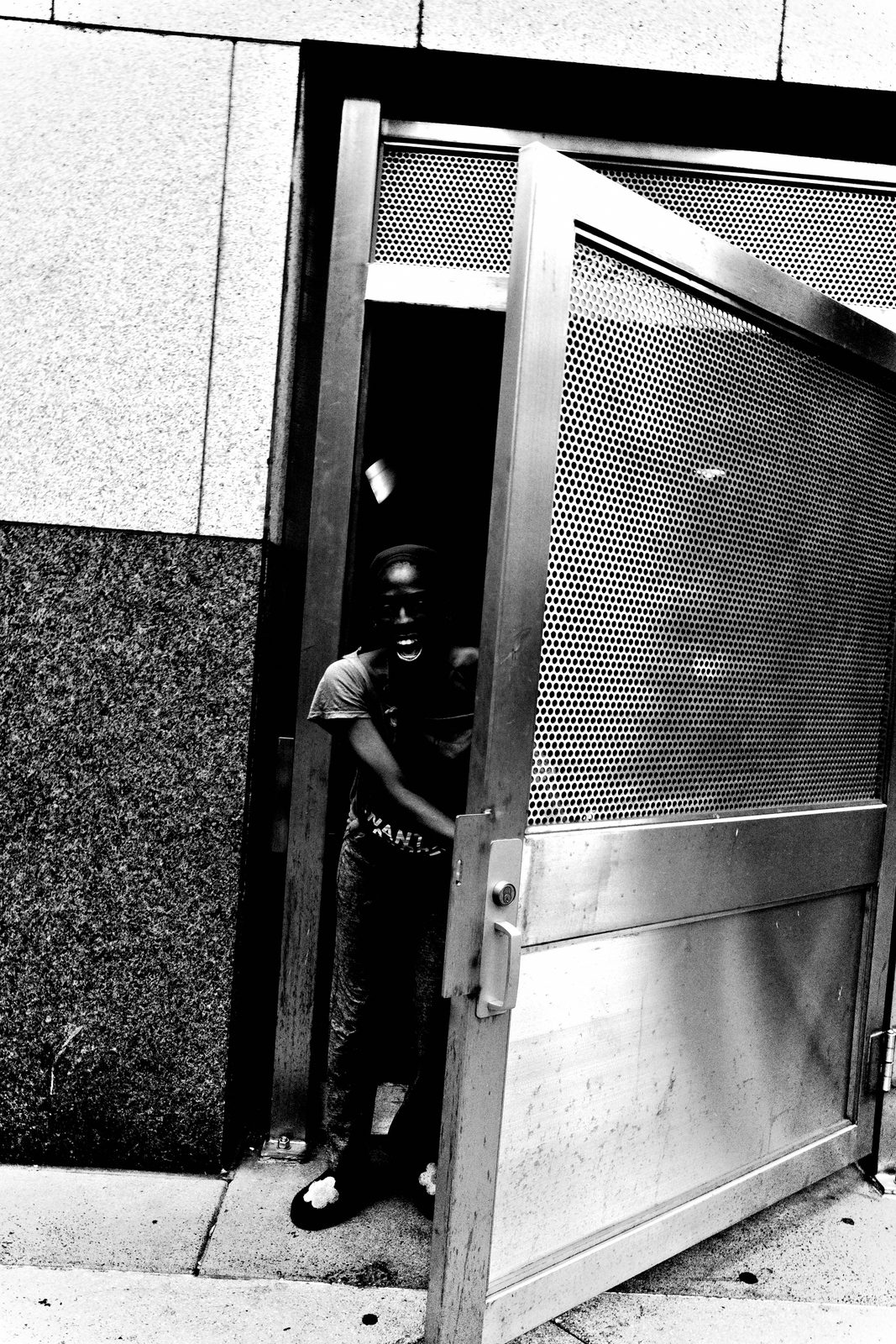
Every good walk starts the same way: you arrive without a fixed agenda. Not without intention — you're alert, curious, switched on — but without a predetermined image in your head. I've said it before: set your body in motion without preconceived notions of what you will find. Go out and explore. The scene you imagined will almost never be the scene that matters.
Reading the Environment on Entry
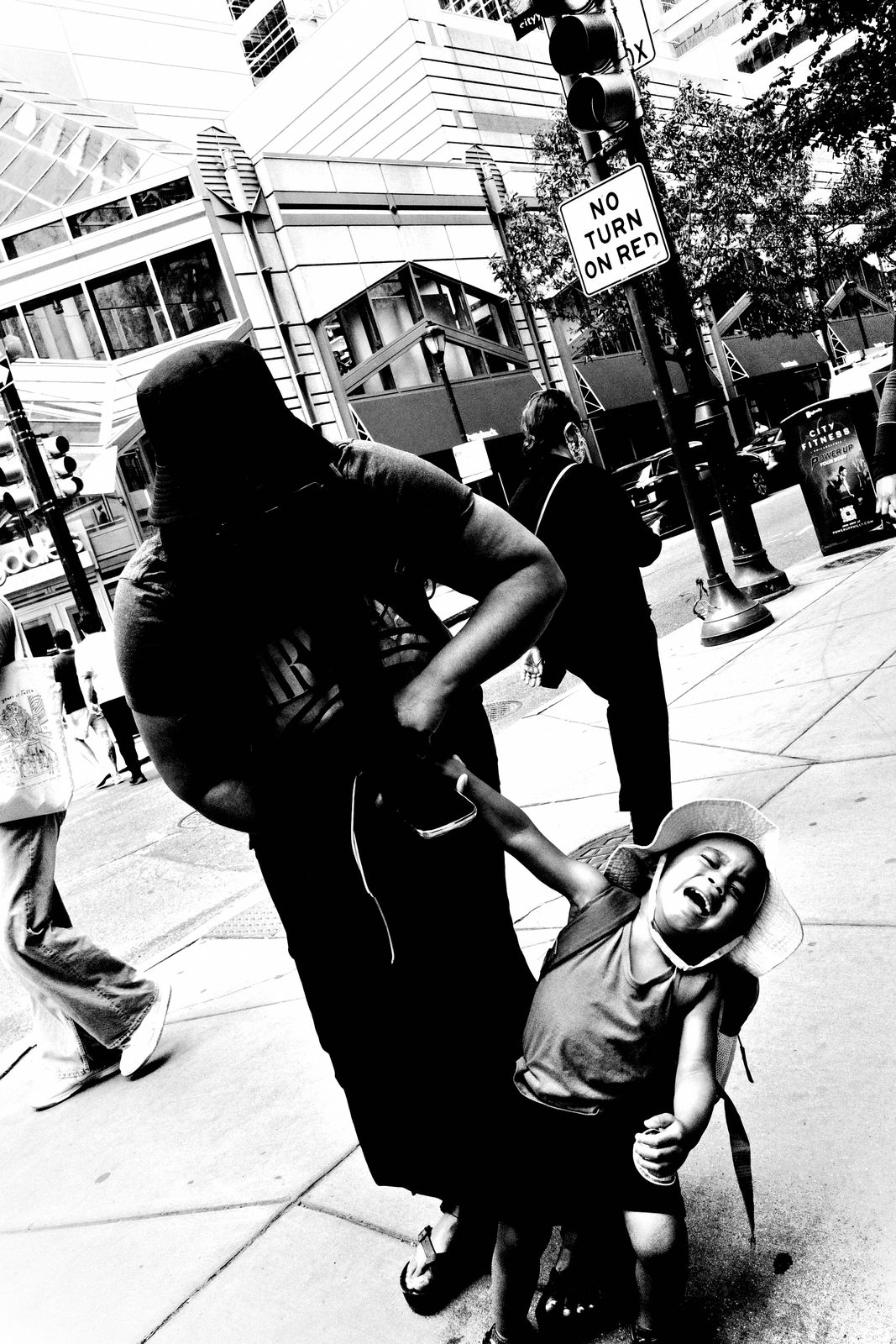
First thing I do when I arrive anywhere — any city, any block — I read the light. Where is it falling? What does it illuminate and what does it hide? Then I find the choke points: the narrow alleys, the stairways, the corners where life is funneled. I'm building a mental map before I even raise the camera.
Choosing Fishing or Hunting
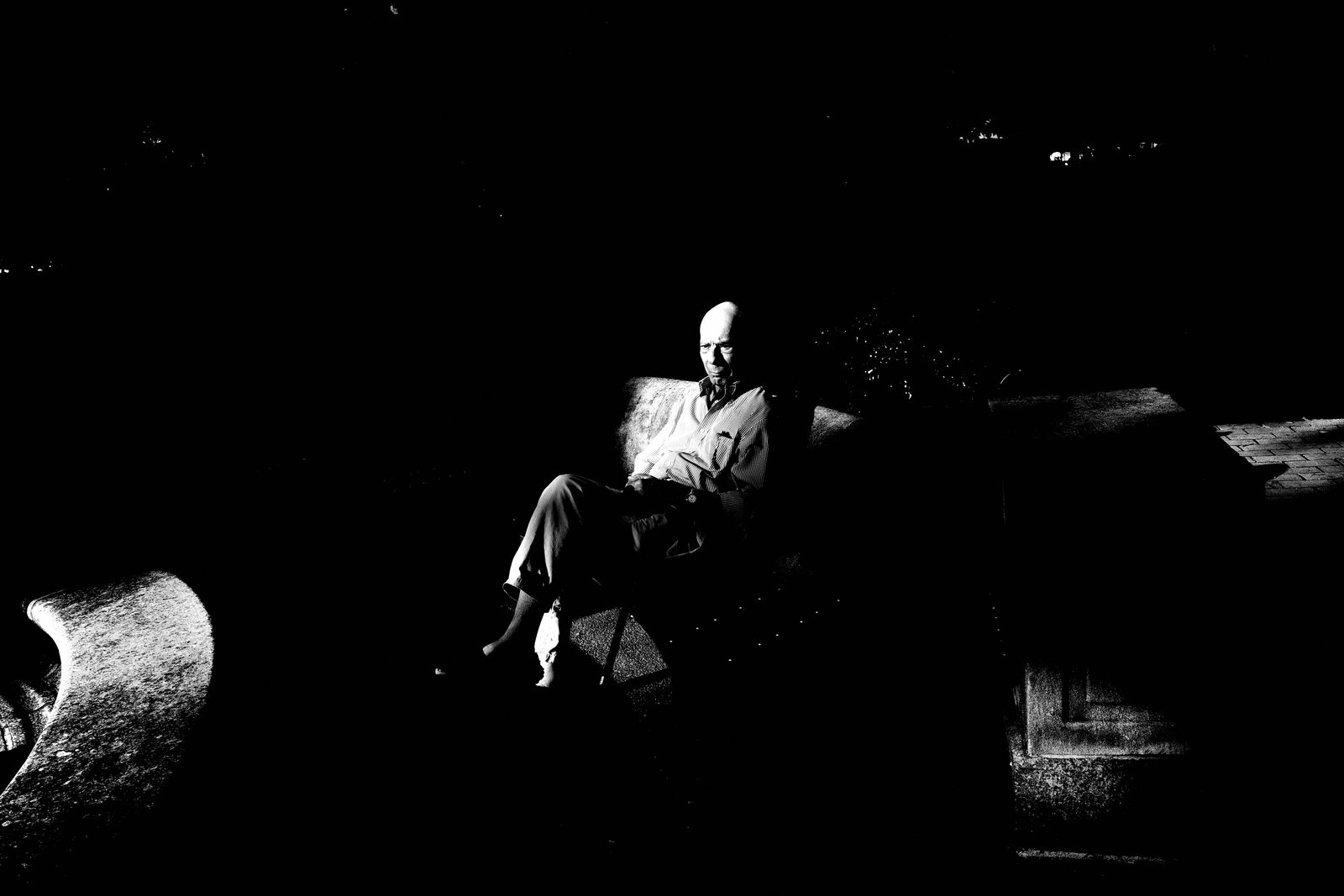
Once I have the lay of the land I make a call: fish or hunt? Fishing means I've found a scene with strong bones — good light, clean background, natural flow of people — and I set up and wait for the right element to walk into the frame. Hunting means something is already happening and I move to it fast. A good walk uses both. The key is knowing which one the moment is asking for.
Fishing: Set the Stage, Then Let Life Fill It
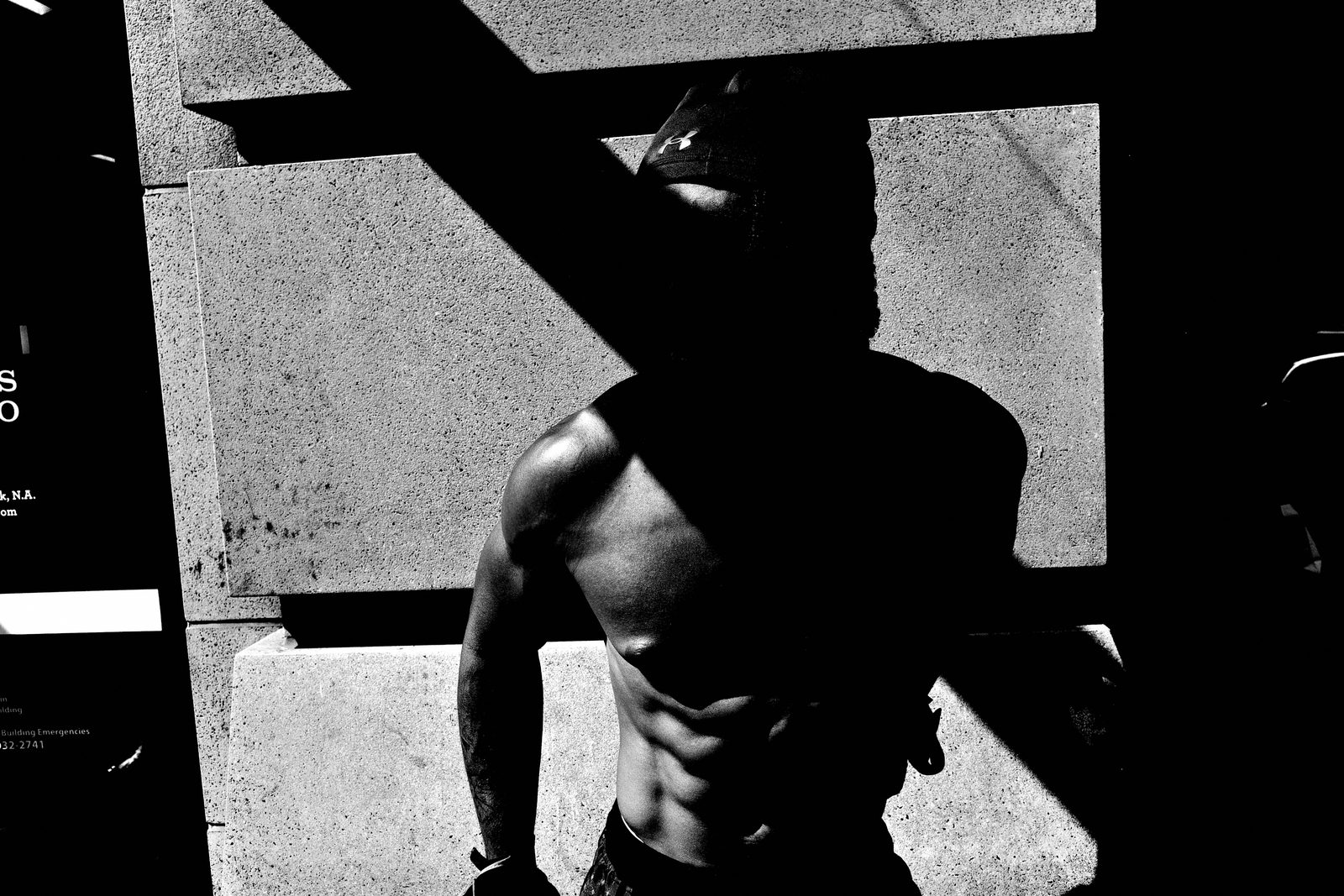
Here's how fishing actually works on a walk. You find a spot with real bones — beautiful light, clear geometry, a natural flow of people passing through. You don't force anything. You set your stage: decide your frame, your edges, your angle. Then you hold your ground and wait. Something enters the foreground. Something happens in the middle. Something anchors the back. Three layers, one frame — and it feels like luck, but it isn't. It's patience meeting preparation. You did the reading before the moment ever arrived, so when it arrives you're ready.
Moving the Body to Solve the Puzzle
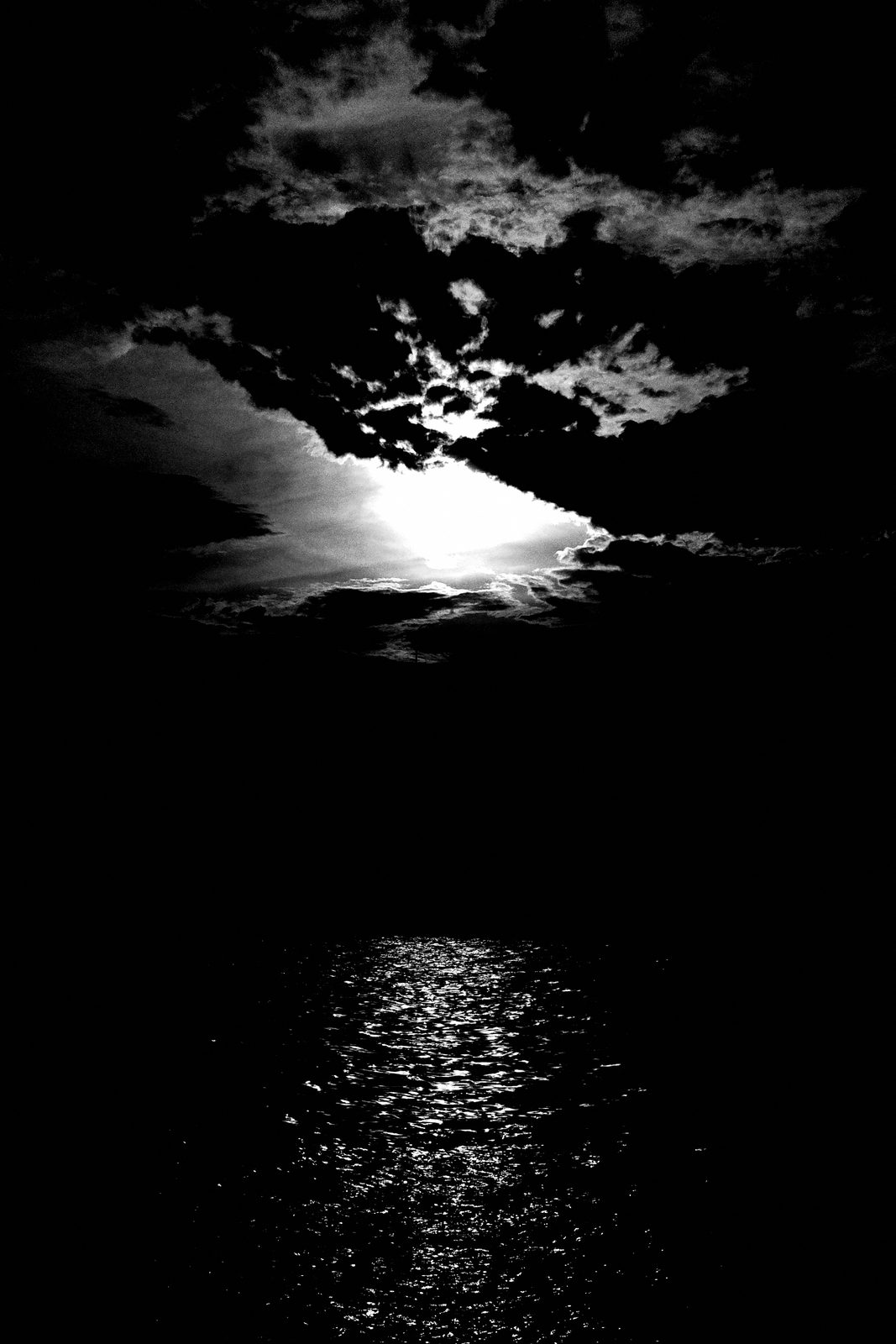
Here's something people forget: photography is physical. You solve the visual puzzle not just in your eye but with your feet. Often you'll sense that a scene is almost there — the elements are present but the composition hasn't resolved. That's your cue to move. Drop lower. Step to the side. Lean in until a reflection lines up, until an echo between two shapes reveals itself, until the background clears. You don't wait for the picture to arrange itself. You reposition your body until it does. The picture doesn't come to you. You go to it.
Ordering Chaos in a Crowded Scene
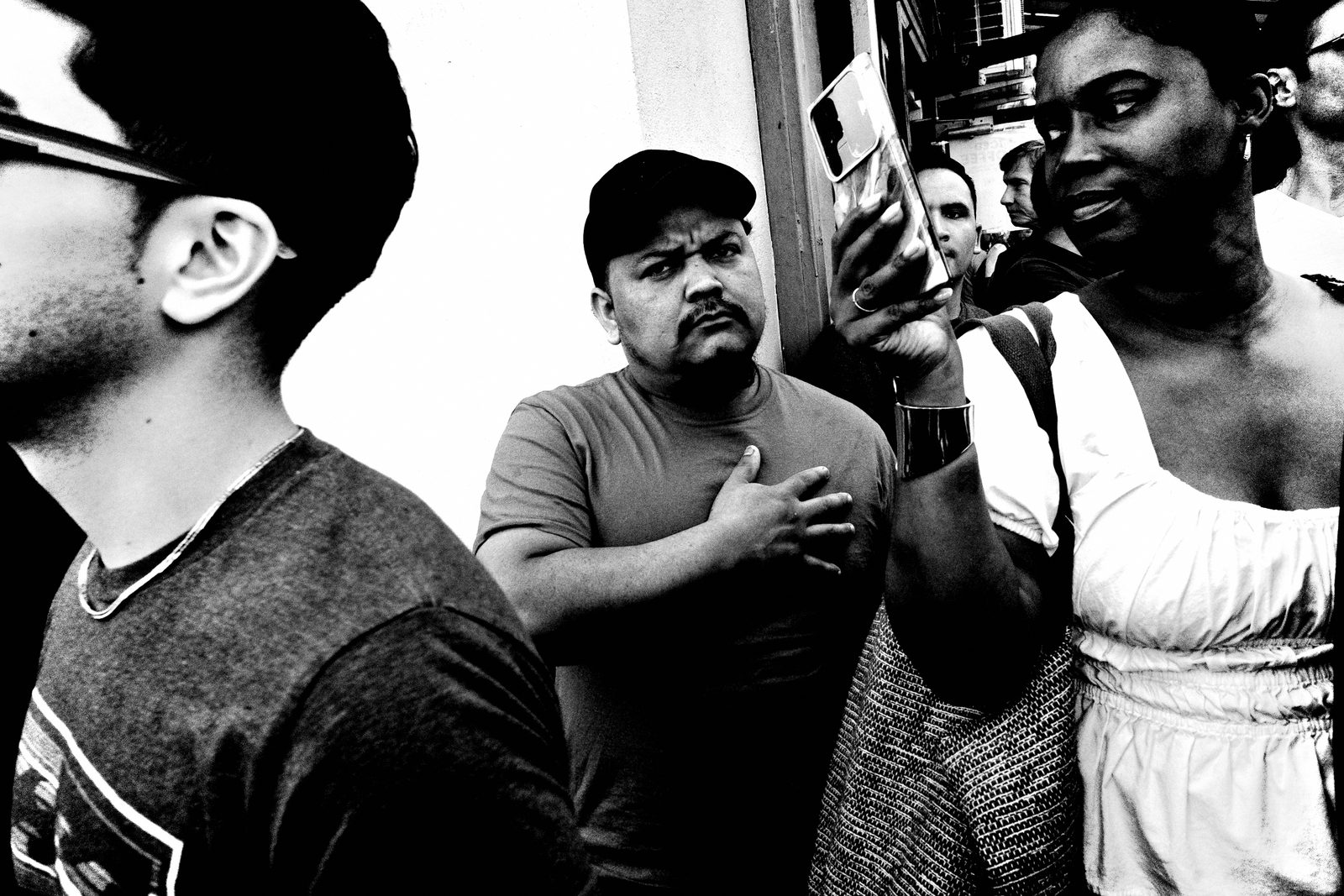
Drop into a chaotic, crowded place and the goal is always the same: put order to the chaos. Articulate the unknown. You look for a structuring element — a dividing pole, a doorway edge, a band of light against deep shadow — something that gives the frame a spine. Then you find the human gesture inside it: a hand, a bent head, a body in motion. And when it works, it's because everything lands at once — the gaze or gesture that carries the emotion, and the composition and light that carry the form, synthesized in the same fraction of a second you press the shutter. Content and form, together, or the frame doesn't breathe.
Engaging, Not Just Observing
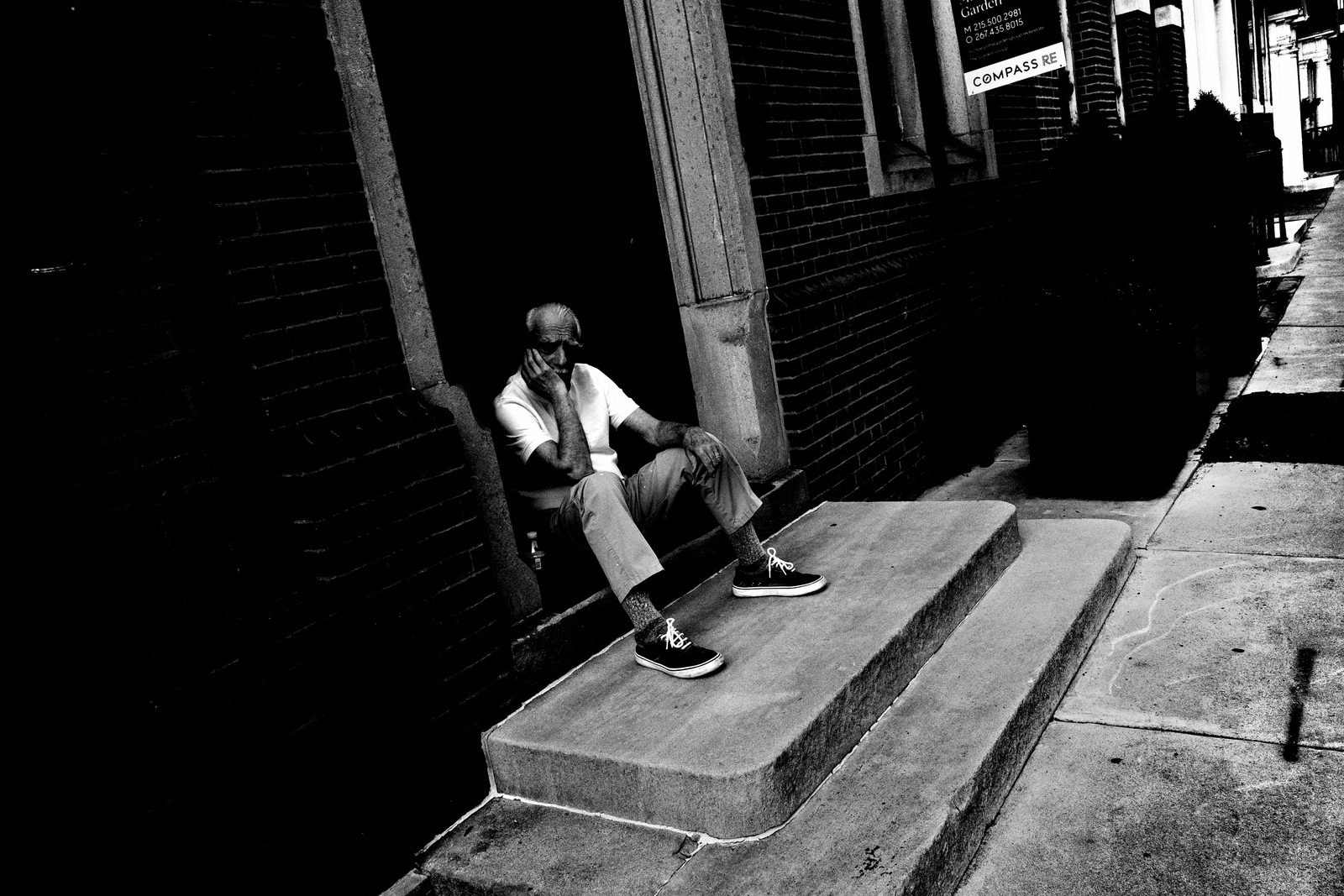
Observation alone isn't enough. How you engage with the world is what reflects back in the photographs you make. On a walk I'm talking, asking, spending time. When you hang out with someone for hours instead of grabbing a quick shot, the frame changes completely — you get inside their world, and the small telling details start to surface: the object in their hand, the writing on the wall behind them, the way they hold themselves when they've forgotten the camera. That kind of access, that kind of layered detail, only comes from genuine engagement. The camera is the last step, not the first.
Dropping Low and Getting Level
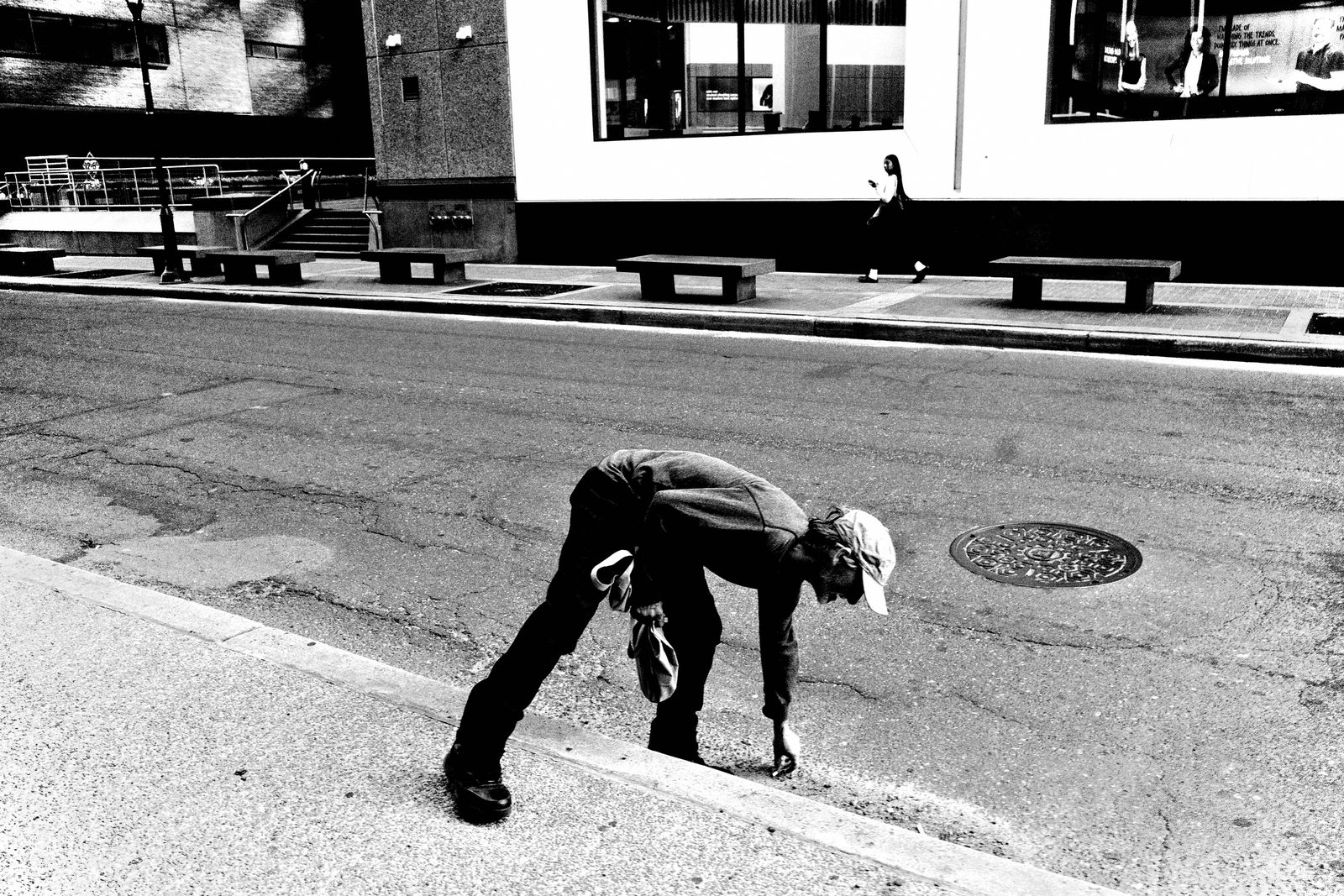
One move I return to constantly across every walk: drop low. If I'm photographing children, I drop to their level — to elevate them in the frame and give them a stage against the sky. It works anywhere, on any street, because it's not about the place — it's about the geometry and the respect. The physical act of dropping low is also a philosophical act: you're saying the subject matters, you're meeting them where they are, you're removing the noise that clutters the background.
Shoot From a State of Play
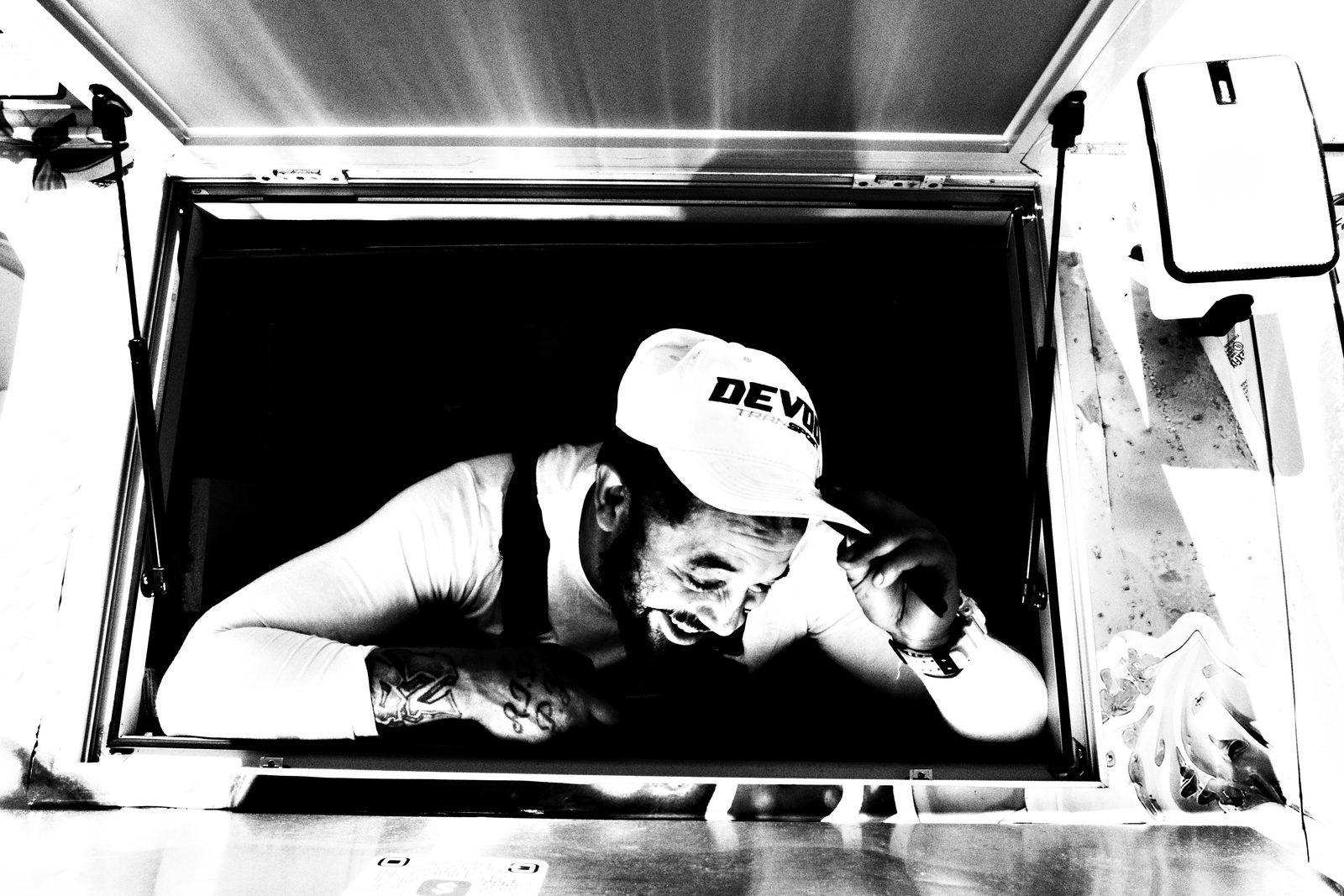
Here's a principle that sounds soft but is completely practical: the energy you bring transfers straight into the frame. When you photograph play — kids running, people laughing, bodies in motion — you can't do it from the outside as an observer. You have to be in the state yourself. Drop low. Move with the energy. Let the shadows dancing across the ground become part of the composition, let a clean sky or a simple backdrop hold it all together. You're not directing anyone. You're playing alongside them, and the camera catches the overflow. If you're in a state of play, your images will reflect that energy. That's not philosophy — that's what the frame shows.
Staying at the Scene
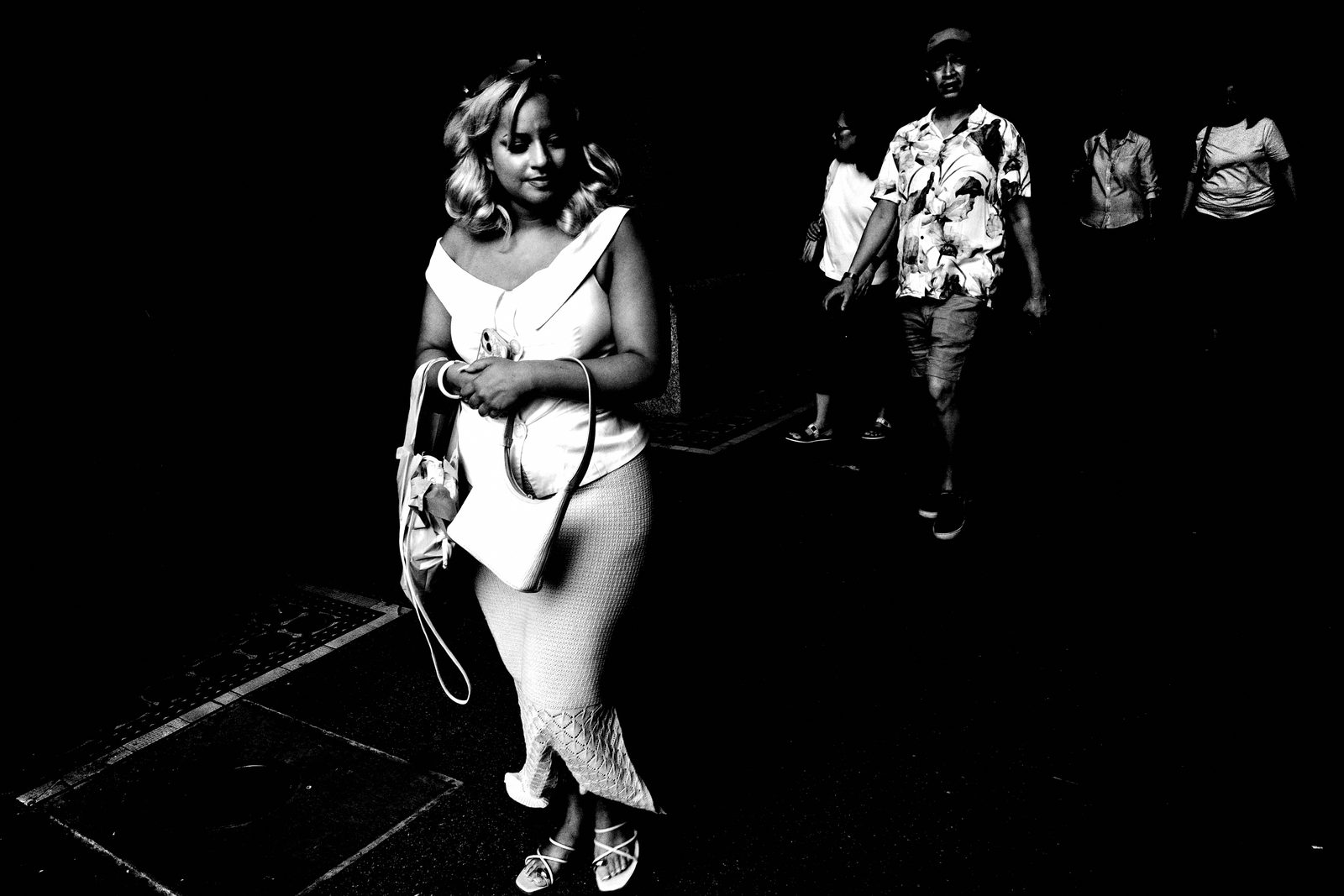
The hardest discipline on a full walk is staying. The temptation is always to move on — to chase the next thing. But I've learned: don't leave the scene until the scene leaves you. The strongest moments almost always arrive after the obvious opportunities have passed — after you've stopped performing the act of shooting and just settled into the place, present, unhurried, part of the furniture. That's when the real moment surfaces: the quiet gesture, the embrace, the exchange nobody would have offered up to a photographer in a rush. That frame only exists because you stayed.
Noticing the Small Details
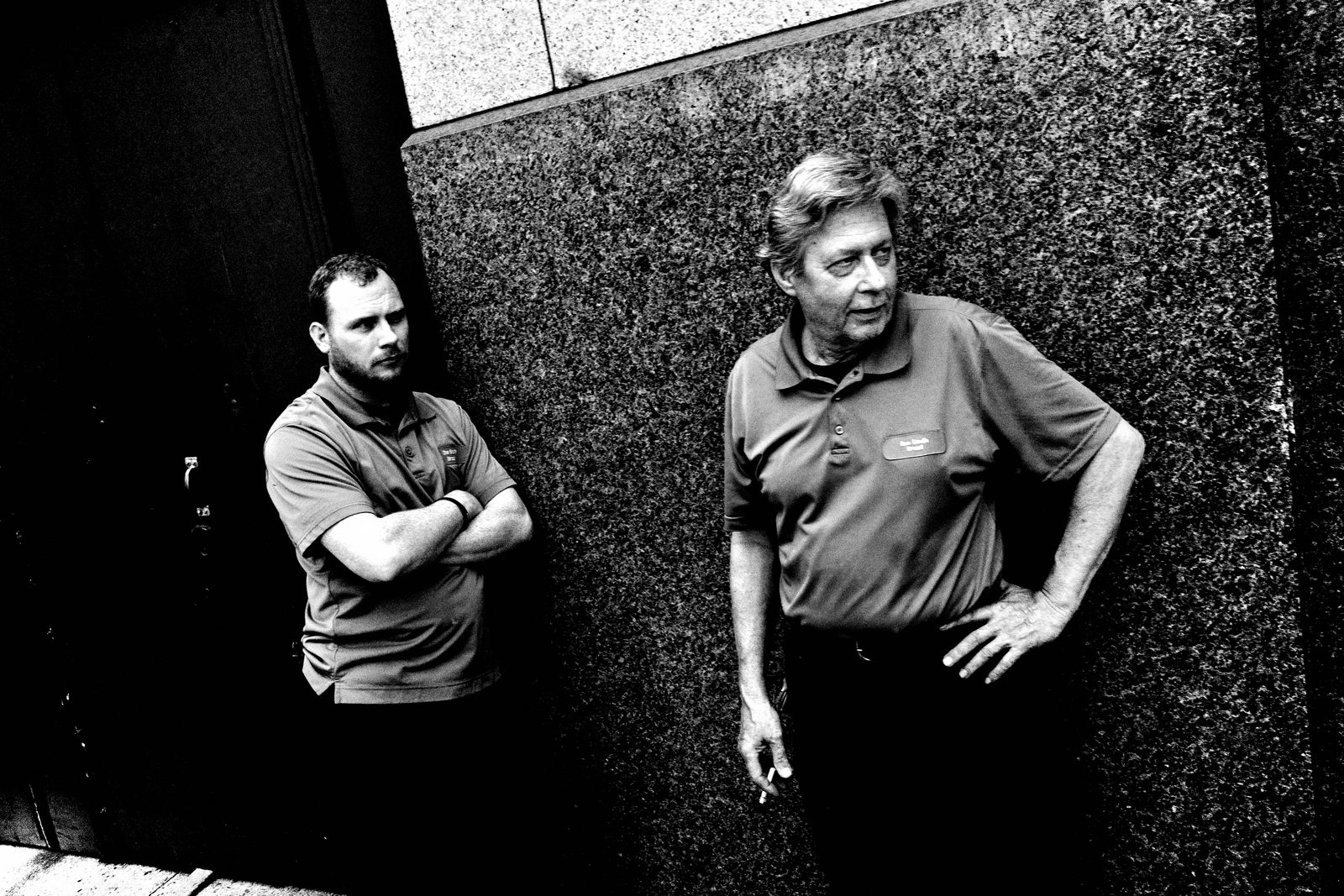
The camera sees what your eye misses. Again and again you'll press the shutter on one thing and discover later that the frame held a second thing you never consciously registered — a shape in the background echoing a shape in front, a piece of text that comments on the subject, a small gesture at the edge that changes the whole read. On a walk, you have to train yourself to scan everything: the backdrop, the corners, the unexpected rhymes between elements. A photograph is not about one thing. It's about everything working together, including what you only half-saw.
Knowing When to Move On
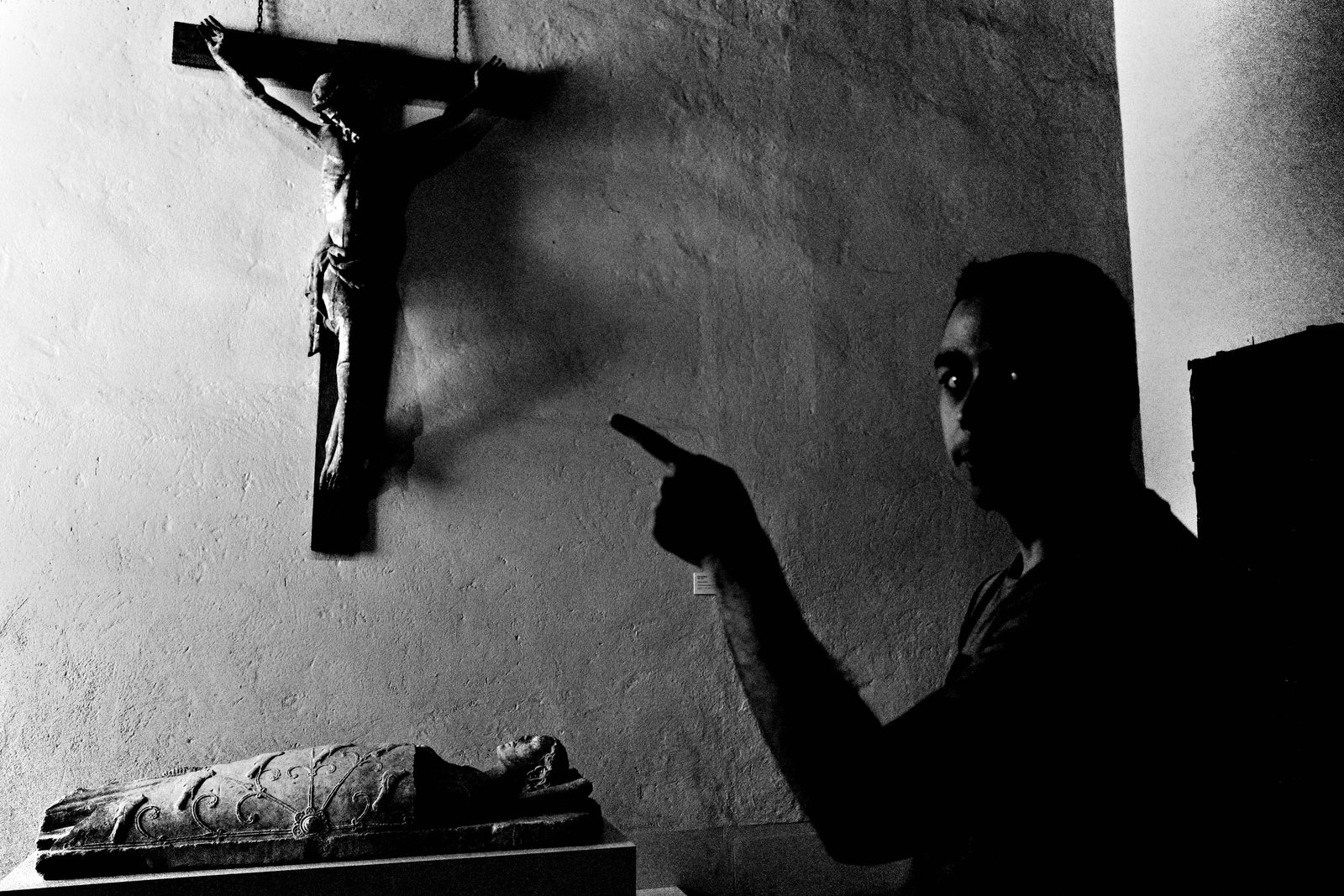
And the flip side of staying: knowing when to go. Every scene has a shelf life. When the light has moved, the moment has passed, and you've worked every angle — move. Don't hover out of habit. Go to the outskirts, the side streets, the places that aren't obvious. Some of the strongest images come from exactly those edges — a construction site, a back road, a quiet block off the main drag — not from the busiest corner in the market. The obvious spot is where everyone else is pointing their camera.
PRACTICAL APPLICATION
Do the Full Walk Assignment
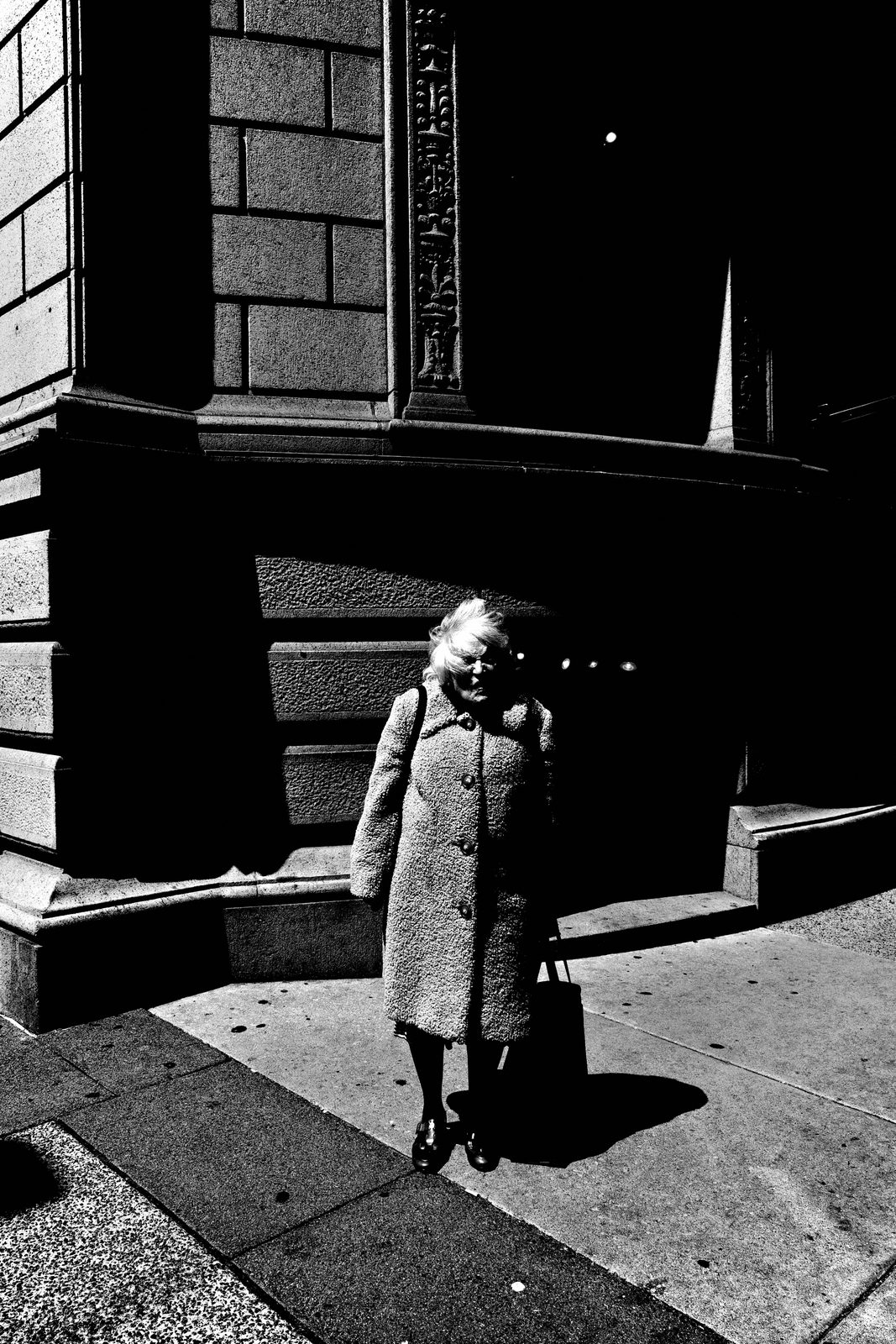
Here's your assignment. Pick a location you know well — your neighborhood, your local market, your usual park. Spend at minimum two hours there. In the first hour, fish: set up at one strong scene and wait. In the second hour, hunt: move and react. When you get home, write down three specific decisions you made — an angle change, a moment you stayed for, a conversation you had. Make the walk conscious.
Return to the Same Place Three Days Running
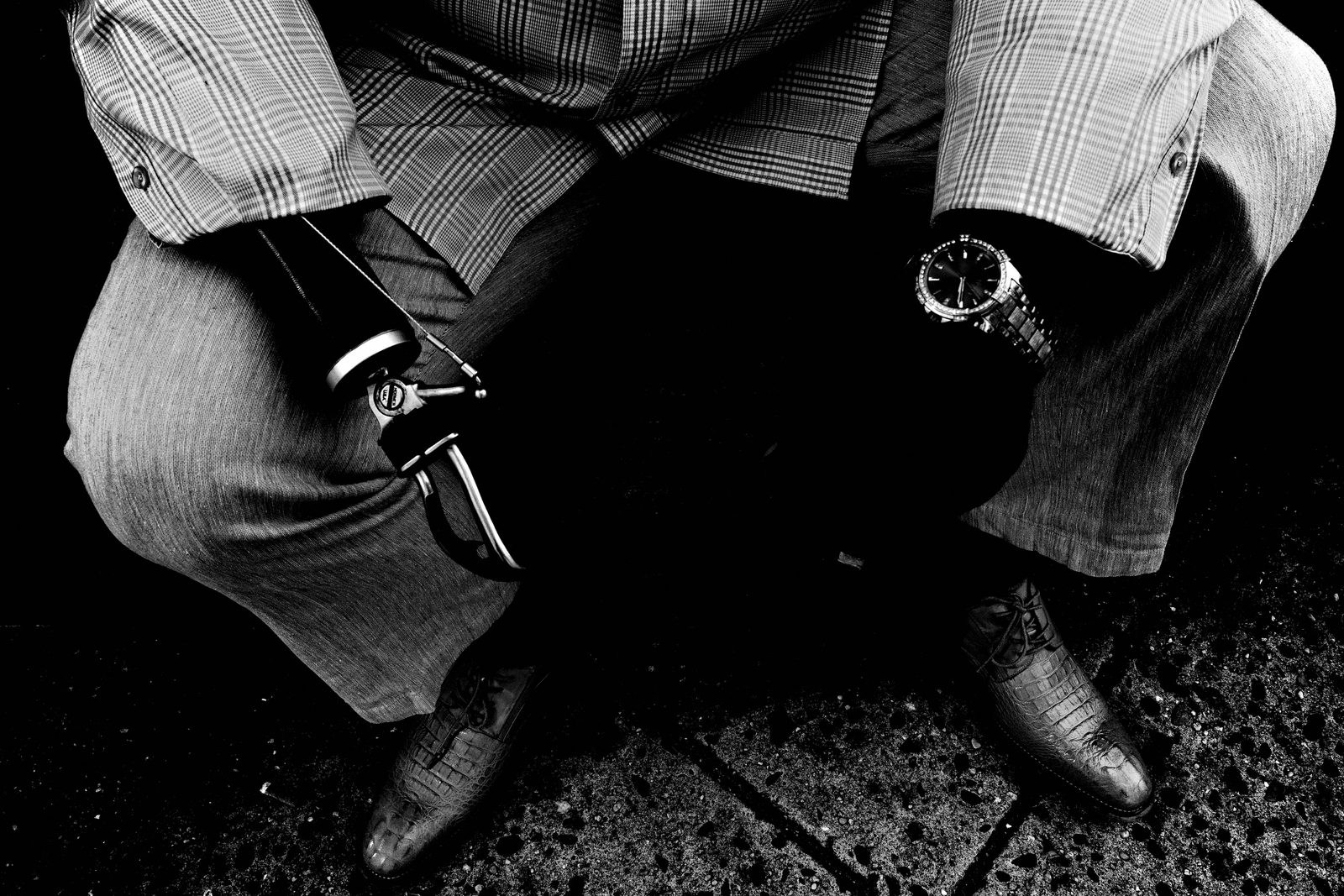
And then go back. Same place, three days in a row. Repetition builds familiarity. Familiarity reveals patterns. Patterns lead to moments. Every location has its regulars, its rhythms, its recurring characters — the vendor who sets up at the same hour, the kids who skate the same ledge, the light that hits the same wall at the same time. None of that is visible on a first pass. The first visit is reconnaissance. The second is practice. The third is when the real frames arrive.
COMMON MISTAKES
Moving Too Fast, Seeing Too Little
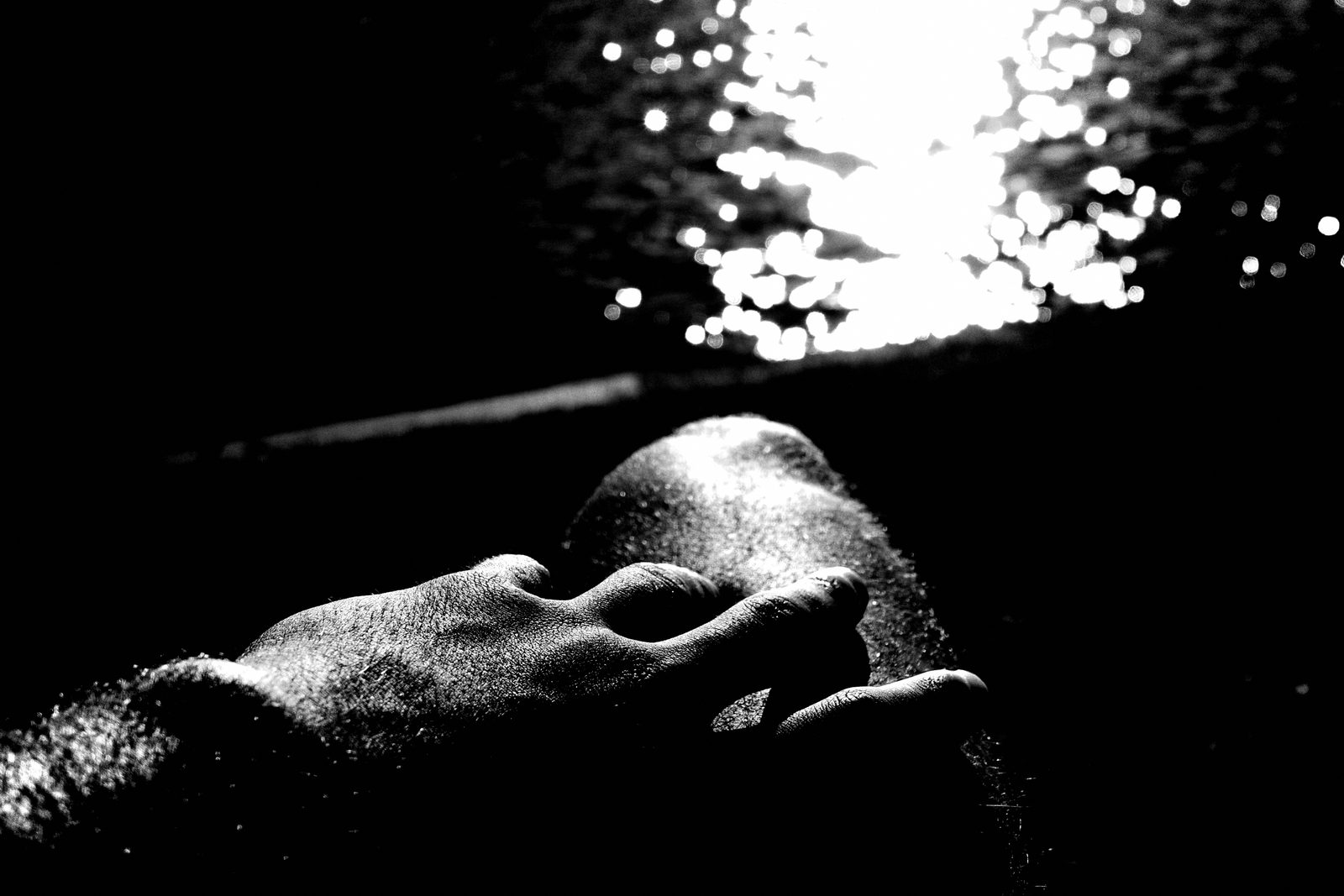
The most common mistake on a full walk: moving too fast. You cover ground, you see lots of things, you come home with nothing. Speed kills awareness. When you rush you can only see the obvious subject — you miss the foreground element, the background detail, the small echo that makes the frame. Slow down. Let your eyes work all three planes. The street rewards patience more than pace.
Shooting the First Version of a Scene
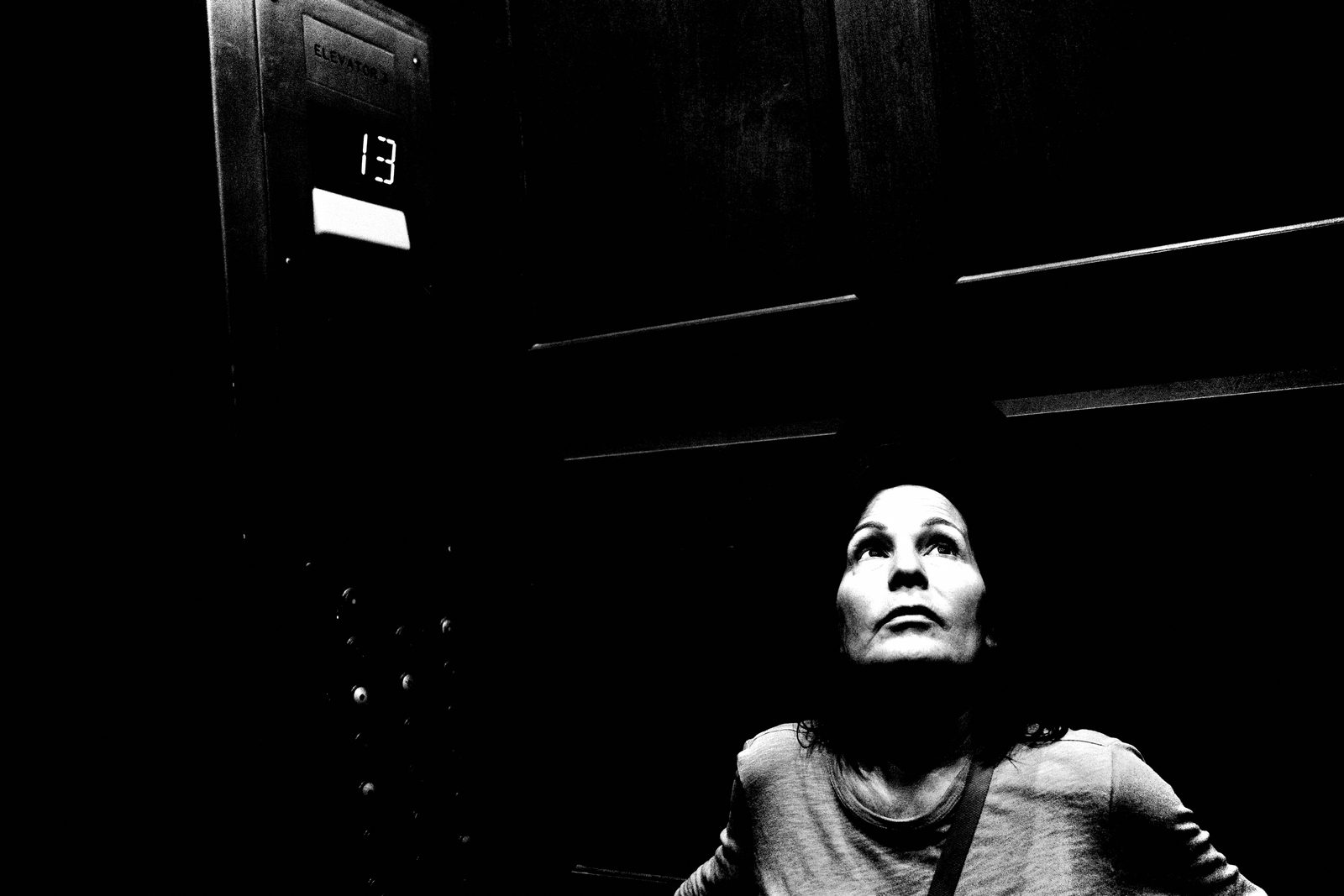
The other mistake: pressing the shutter the moment you see something and moving on. That first frame is almost always the most obvious version of the scene. Move around it. Drop lower. Step to the side. Let someone enter the background. The more times you physically reposition, the deeper you go into the frame — and that's where the real photograph lives.
RELATIONSHIP TO PREVIOUS
Building on the Series
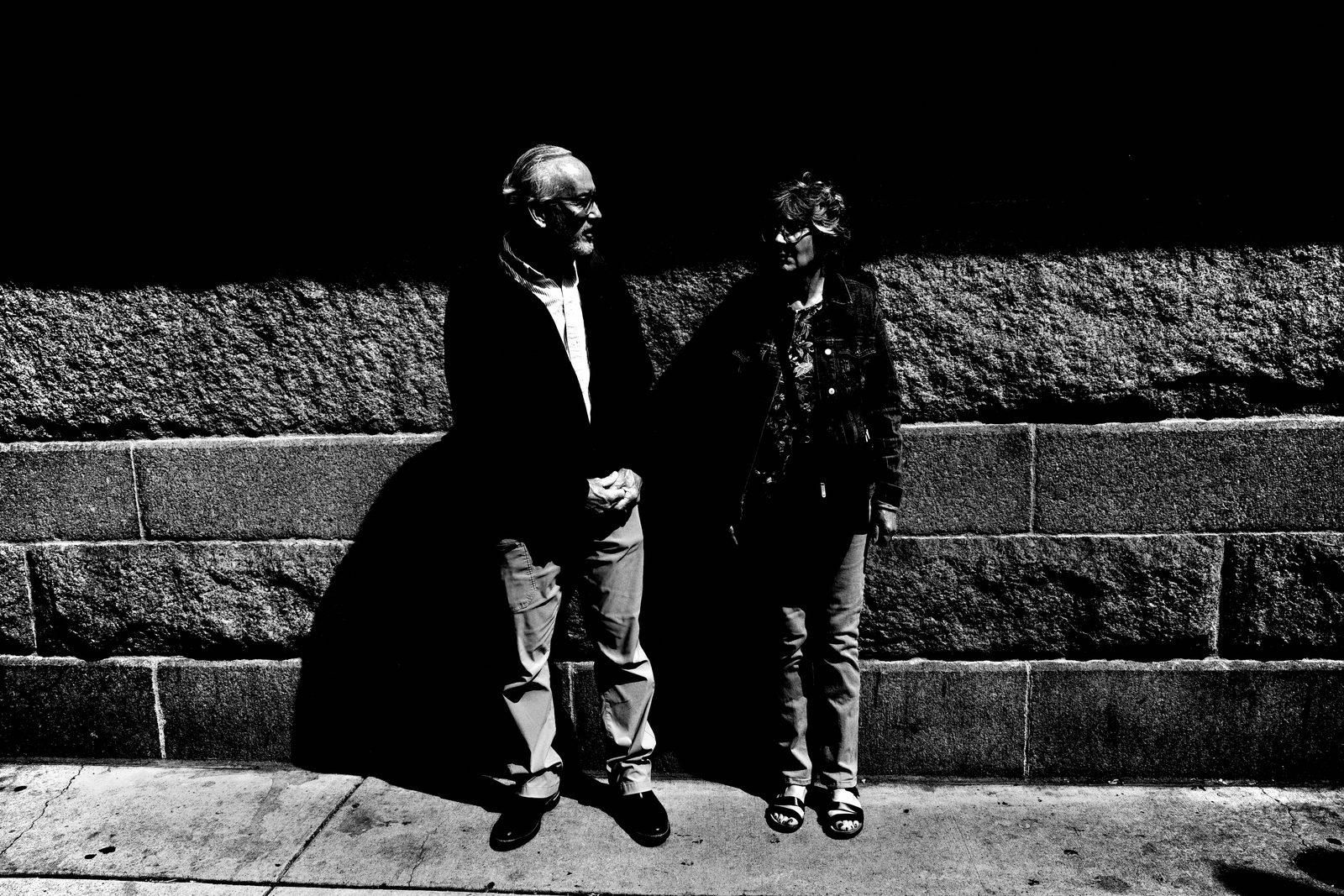
Lesson 040 put individual photographs under the microscope — technique, composition, the decisive moment in isolation. This lesson takes everything that came before and strings it into a complete, living session. The full walk is where isolated skills become a unified practice. Every instinct we've discussed now has to work in real time, back to back, for hours.
RELATIONSHIP TO UPCOMING
Where We Go From Here
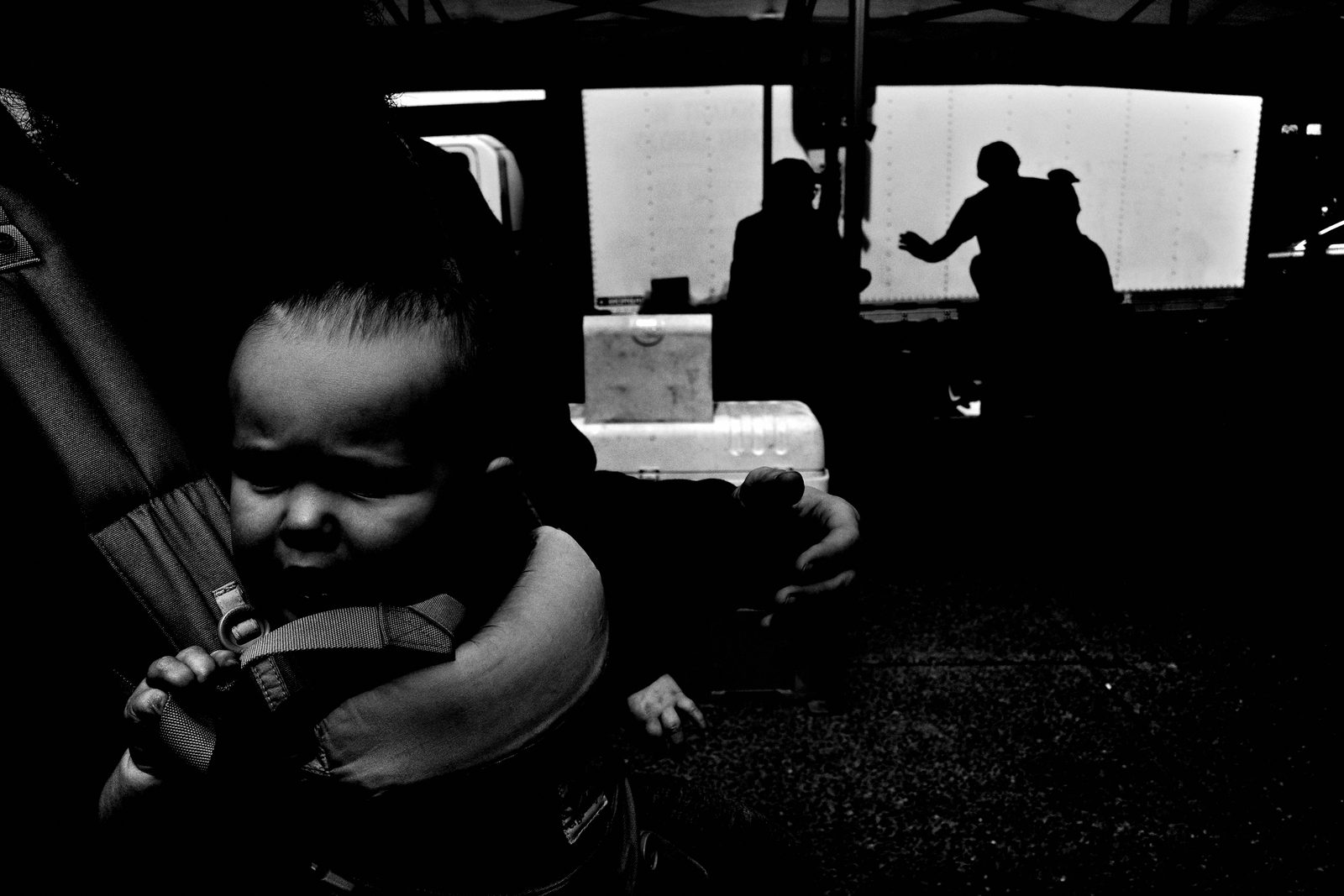
In Lesson 042 we take the full walk further — from a single session into sustained presence, into communities, into the kind of long-form engagement that earns you frames no single afternoon walk can produce. The skills from today — reading scenes, engaging people, staying patient — are exactly what you'll need when the work becomes weeks and months, not hours.
SUMMARY / TAKEAWAY
Walk, Read, Move, Stay, Return
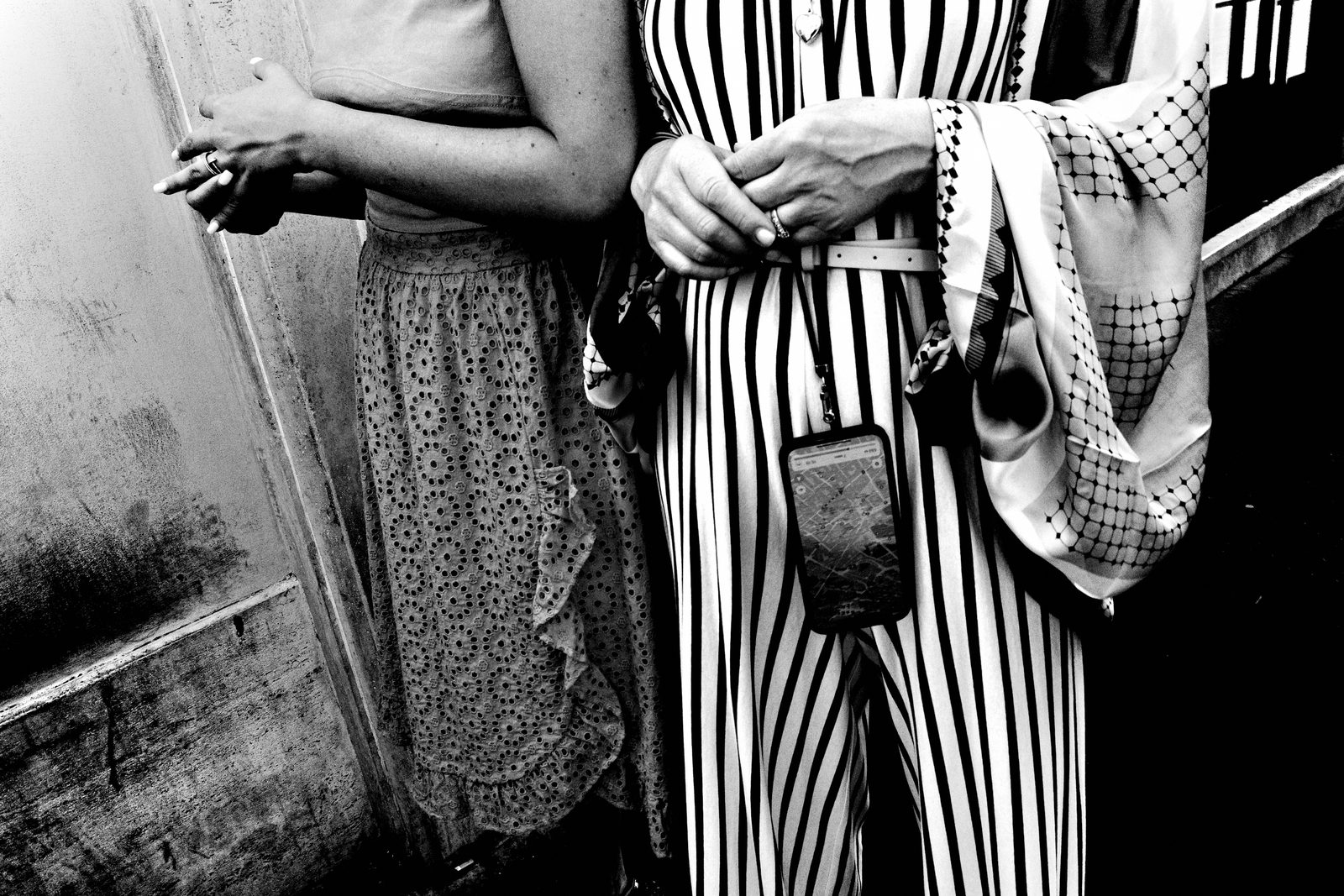
Last thing. A full walk is not a collection of random moments — it's a method. Arrive without preconceptions. Read the light. Find the choke points. Fish when the scene is strong; hunt when life demands it. Move your body physically to solve the puzzle. Stay longer than you think you need to. Engage the people in front of your lens. And then go back. The walk doesn't end when you go home — it continues every time you return to the same street with fresh eyes. Walk. Read. Move. Stay. Return. That's the FLUX method, in motion.