The One-Camera System
CORE IDEA
One Camera Changes Everything
What's popping, people — it's Dante. Today we're talking about the one-camera system — and I want you to understand this from the jump: this is not about gear. It's about removing every single decision that stands between you and the photograph. One camera. That's the whole move.
LEARNING OBJECTIVE
What You'll Walk Away With
By the end of this lesson you'll understand why committing to one camera — and only one — is the single most powerful workflow decision you can make. Not the most exciting. The most powerful. There's a difference, and that difference is everything.
WHY THIS MATTERS
Switching Kills Instinct
Here's why this matters: every time you switch cameras or lenses, you interrupt your intuition. One day 28mm, next day 40mm — and now your body doesn't know where to stand. Street photography is about where your physical body relates to a moment when you press the shutter. Switching stops that from ever becoming automatic.
Friction Is the Real Enemy
The real enemy of this practice is friction. Multiple lenses. Editing paralysis. Hard drives filling up. Hunting for rare moments. Every one of those is friction — and friction compounds. It quietly burns you out until you stop picking up the camera at all. One camera removes almost all of it.
MAIN TEACHING
The Ricoh GR: Closest Thing to No Camera
The Ricoh GRIII is my camera of choice — and the reason is simple. It's the closest thing to not having a camera at all. It fits in your front right pocket. The lens is glued to the body. No swapping, no debating, no decision fatigue. You throw it in your pocket and bring it for the ride.
Focal Length Doesn't Matter (Commitment Does)
Here's something that might shake you: focal length truly does not matter. What matters is that you pick one — and you stay with it. The focal length you commit to shapes how your body learns to move. It's not the millimeters. It's the repetition.
Composition Is Physical, Not Mental
This is the insight that changes how you understand composition: street photography is not a mental exercise. It's a physical one. You position your body relative to a moment — and when you press the shutter, the composition is already decided. One focal length trains that body-knowledge. Switching lenses erases it.
Make the Camera Your Slave
The goal is to make the camera your slave. It should never get in the way. With the Ricoh in your pocket, there is no excuse not to press the shutter — no bag to dig through, no lens to swap, no mode to debate. The camera disappears and all that's left is you and the world.
P Mode Is Professional
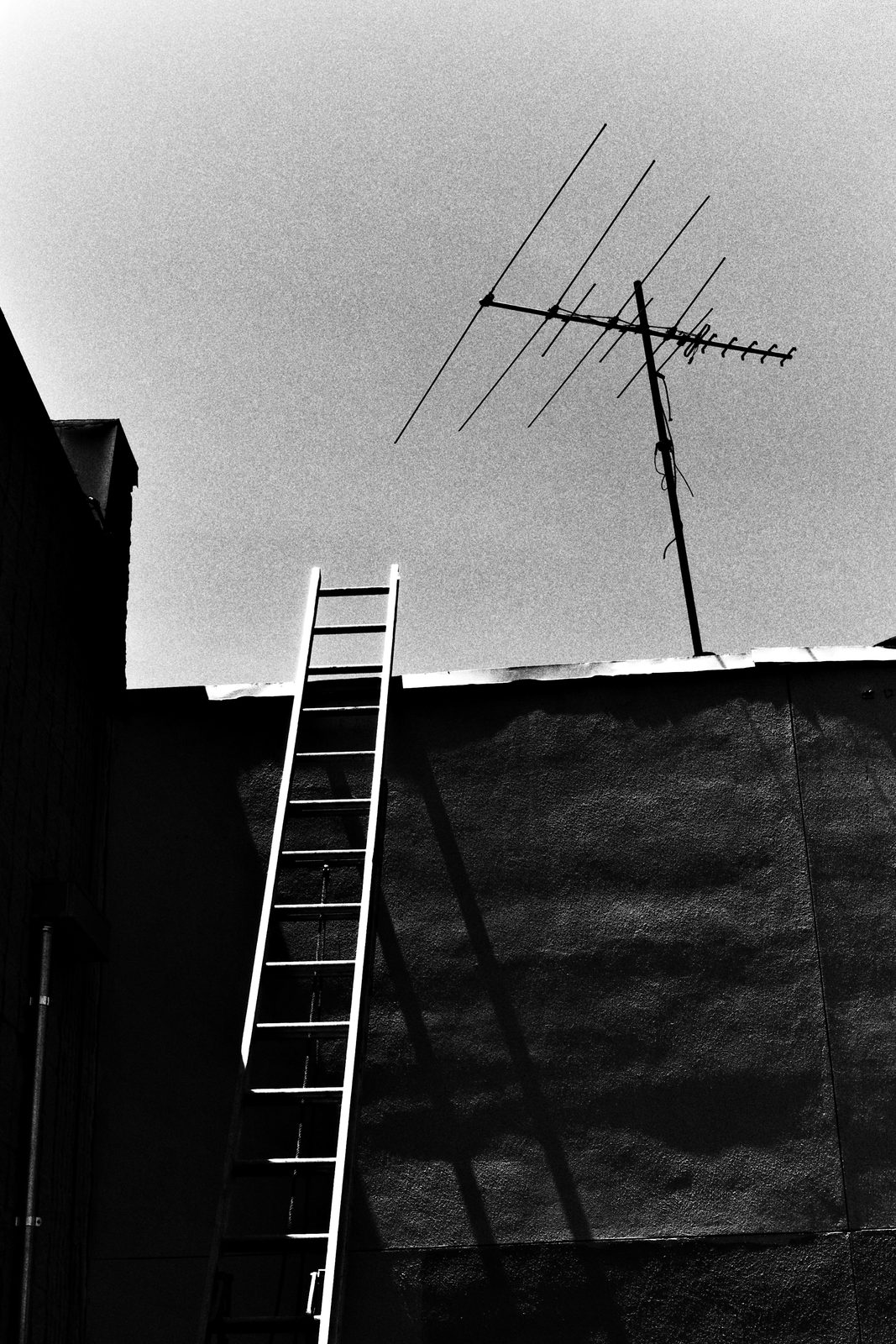
Don't be a sucker that thinks you have to shoot everything in manual mode. P mode — or AV mode with snap focus — keeps you present. You're not adjusting in a dense, fast-moving crowd. You're not adjusting in the middle of a chaotic festival. You're not adjusting at all. The decisions are gone. The mind clears.
Small JPEG Is the Future
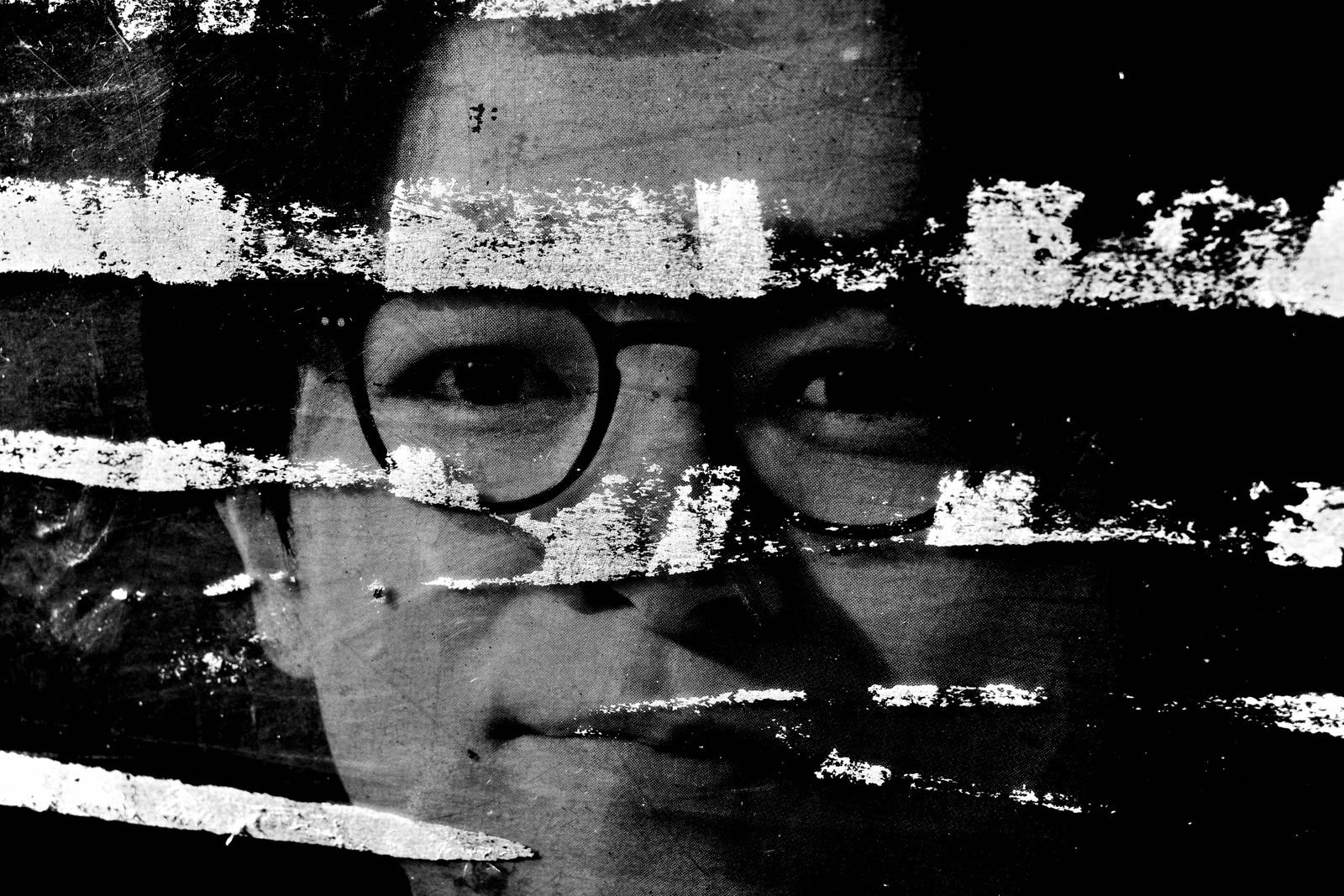
Small JPEG. This is the future. If your files are taking more than thirty seconds to import after a long day of shooting, you're sleeping. Small JPEGs move fast, take up minimal space, and are ready to share immediately. And with AI upscaling available now, the last excuse for RAW files is gone.
High-Contrast Black and White Built In
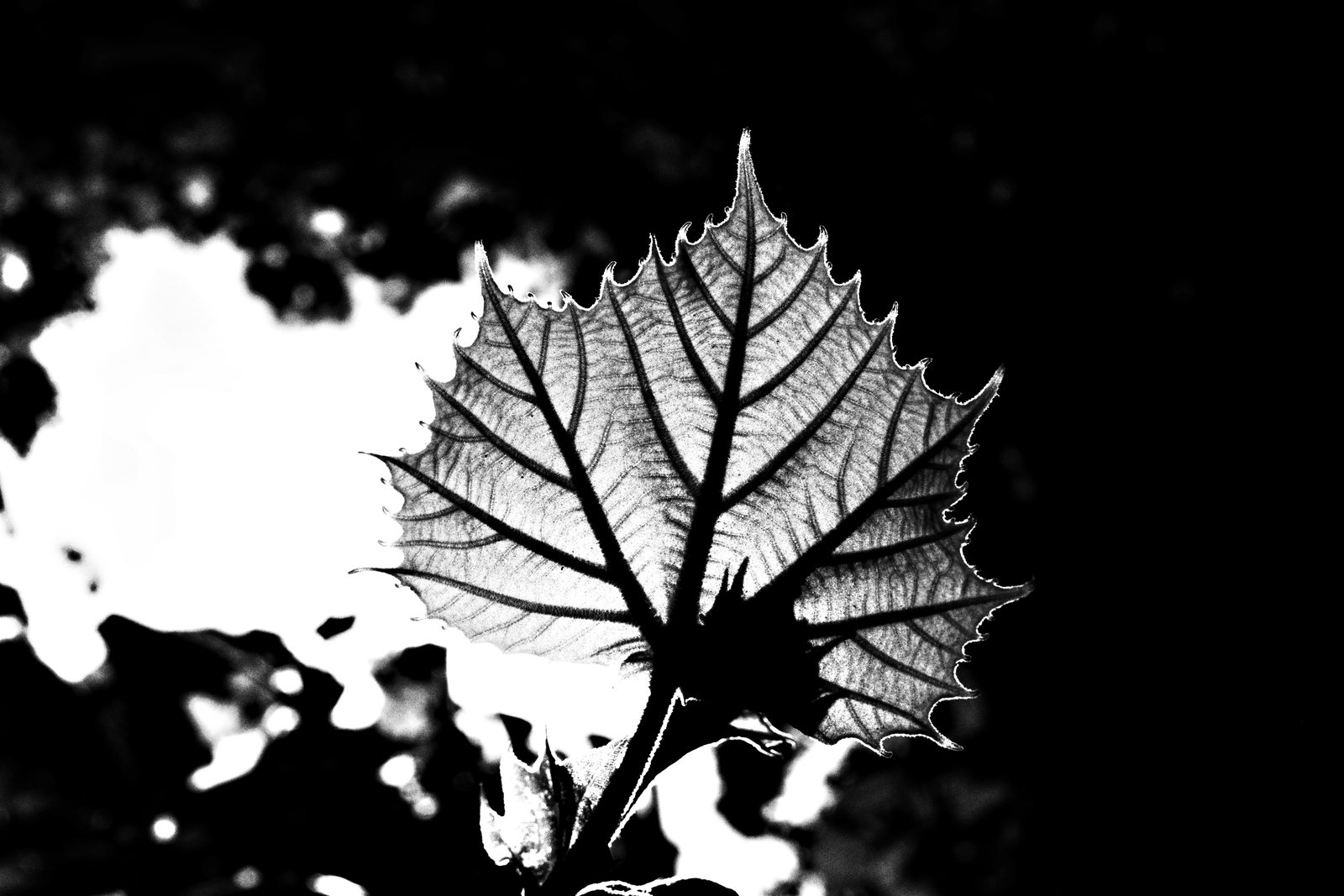
Lock the aesthetic into the camera before you walk out the door: high-contrast black and white. Set it once. Do not touch it. Now there are no editing decisions — no "should I go color or mono?" It's done. The system handles the aesthetic. You handle the instinct.
Flow Through Repetition
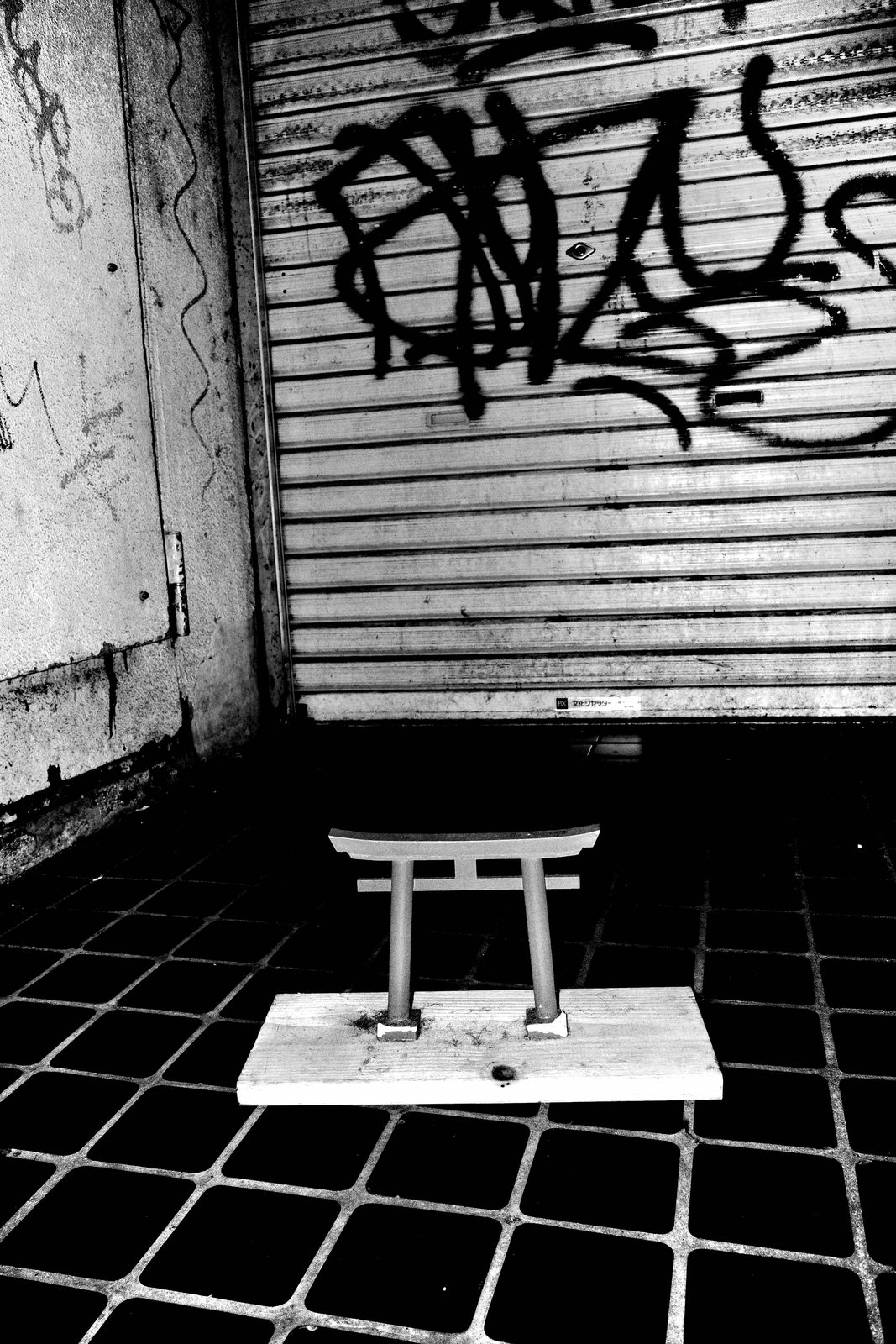
Flow is not found in inspiration. It's found through repetition. When you commit long-term to the same camera, the same focal length, the same settings — the system starts to run itself. Instinct sharpens. Thinking slows down. And one day you realize you're just walking, looking, and clicking. That's flow.
Commit for a Year, Not a Week
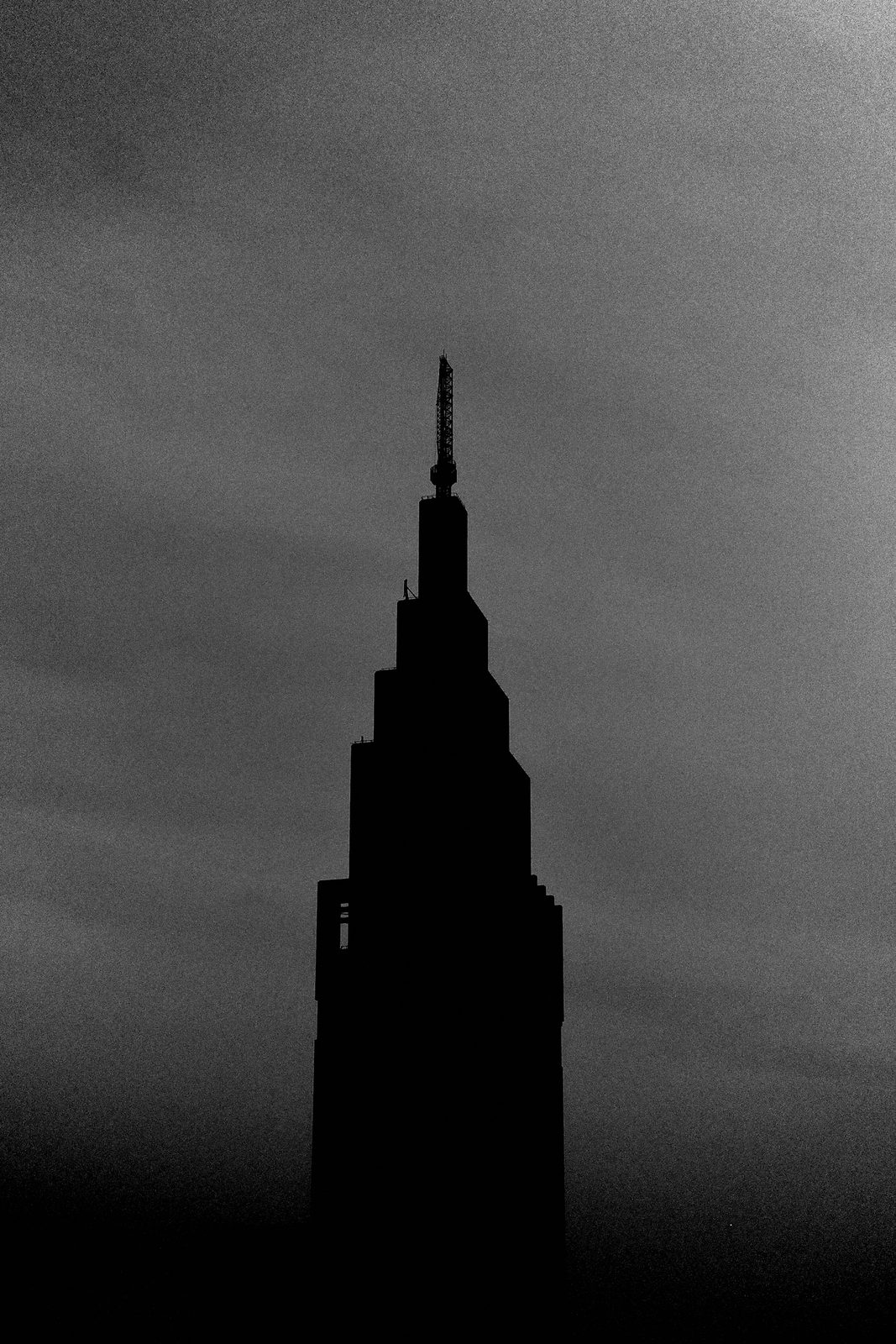
I recommend you commit to the one-camera system for a full year. Not a week. Not a month. A year. Street photography is a long game. Trust the passage of time. Trust the repetition. If you commit fully and trust the process, success becomes inevitable — not possible, inevitable.
The System Under Pressure
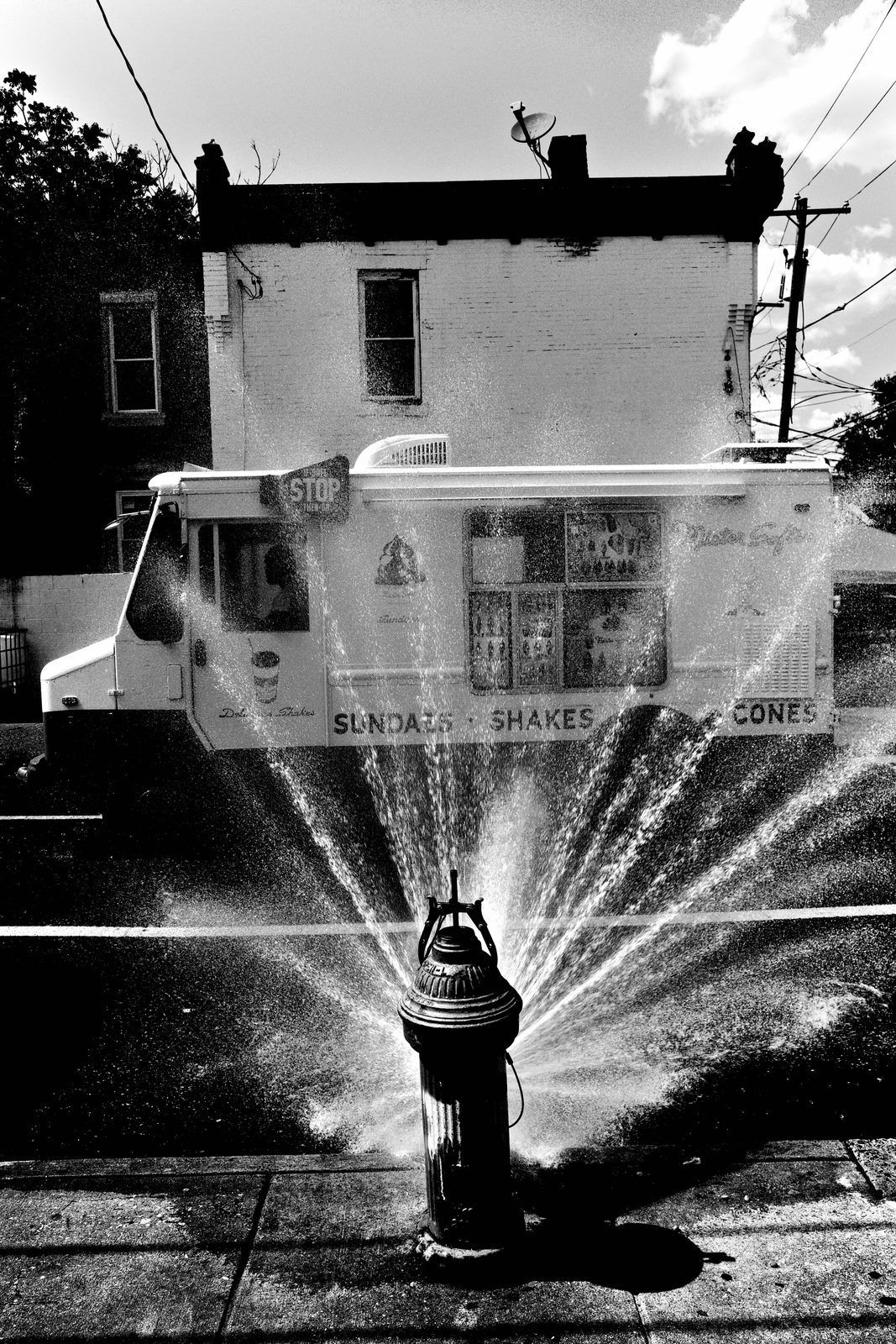
A compact, pre-set one-camera system proves itself when the conditions get hard — an unfamiliar place, no preparation, fast-changing light, a crowd you've never seen before. The camera is in your pocket and it's already ready: snap focus, f/16, high contrast black and white, small JPEG. You're not adjusting anything in the middle of the chaos. Because the system is installed, flow begins the moment you arrive. When the tool demands nothing from you, all your attention goes to the moment.
No Warm-Up Period Needed
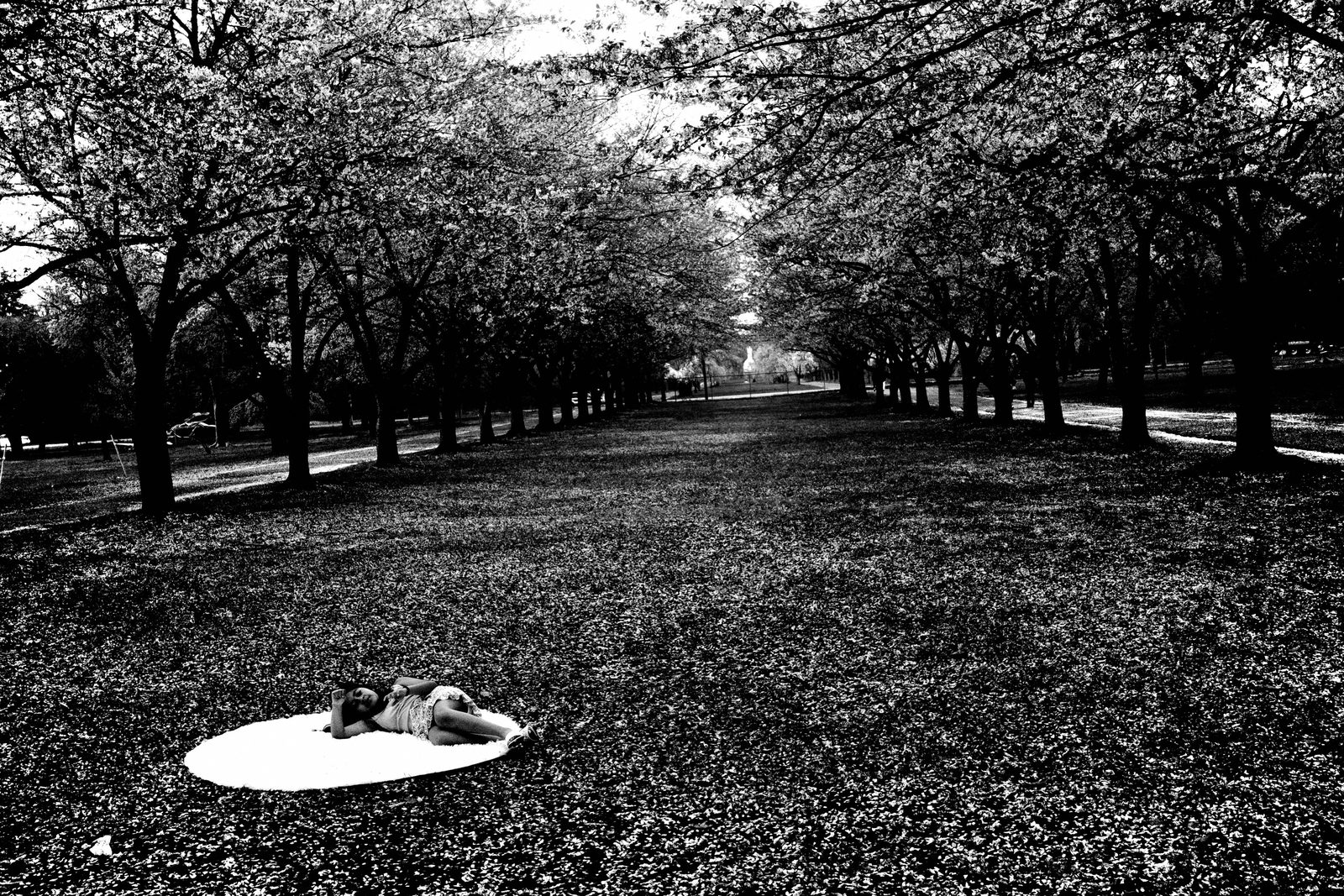
When the system is installed, there's no warm-up period — you're photographing the moment you're moving, before you've even "arrived" anywhere. Not because you planned to, but because you're present and the camera asks nothing of you. A hand on a building facade. Puddles catching the sky. A surface lit by hard sun at f/16. You respond to whatever the world offers. What you see isn't always what you get — what you get goes beyond what you saw.
Volume Unlocks Instinct
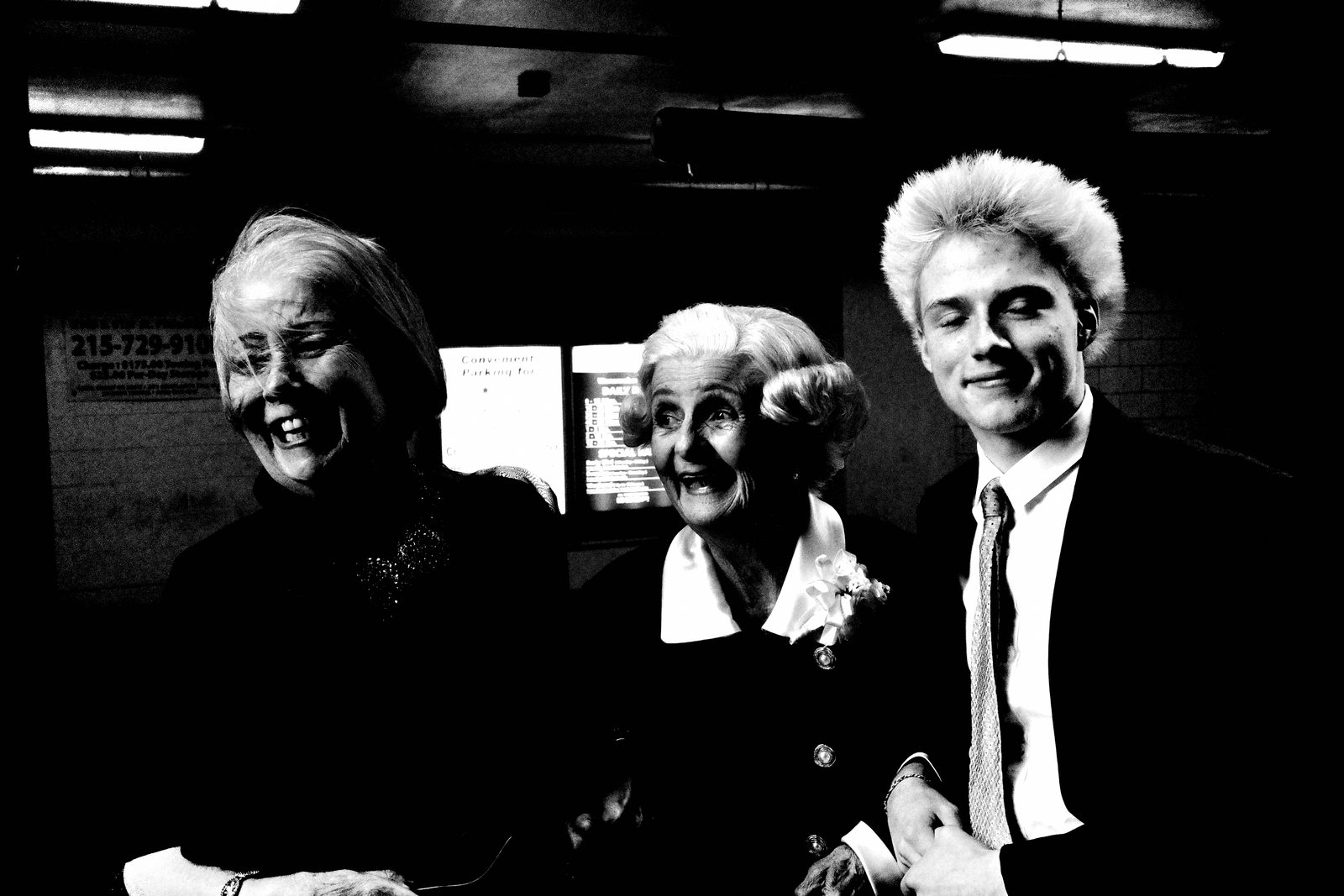
When the system is locked and you photograph at real intensity — hundreds, even thousands of frames across a couple of hard days — something shifts. That's not spray-and-pray; that's instinct in motion. When you shoot that much with nothing to adjust, thinking stops. The camera disappears. You're just responding to life. Quantity is how you extract quality. You can't skip it.
PRACTICAL APPLICATION
Set It Up Today, Don't Touch It
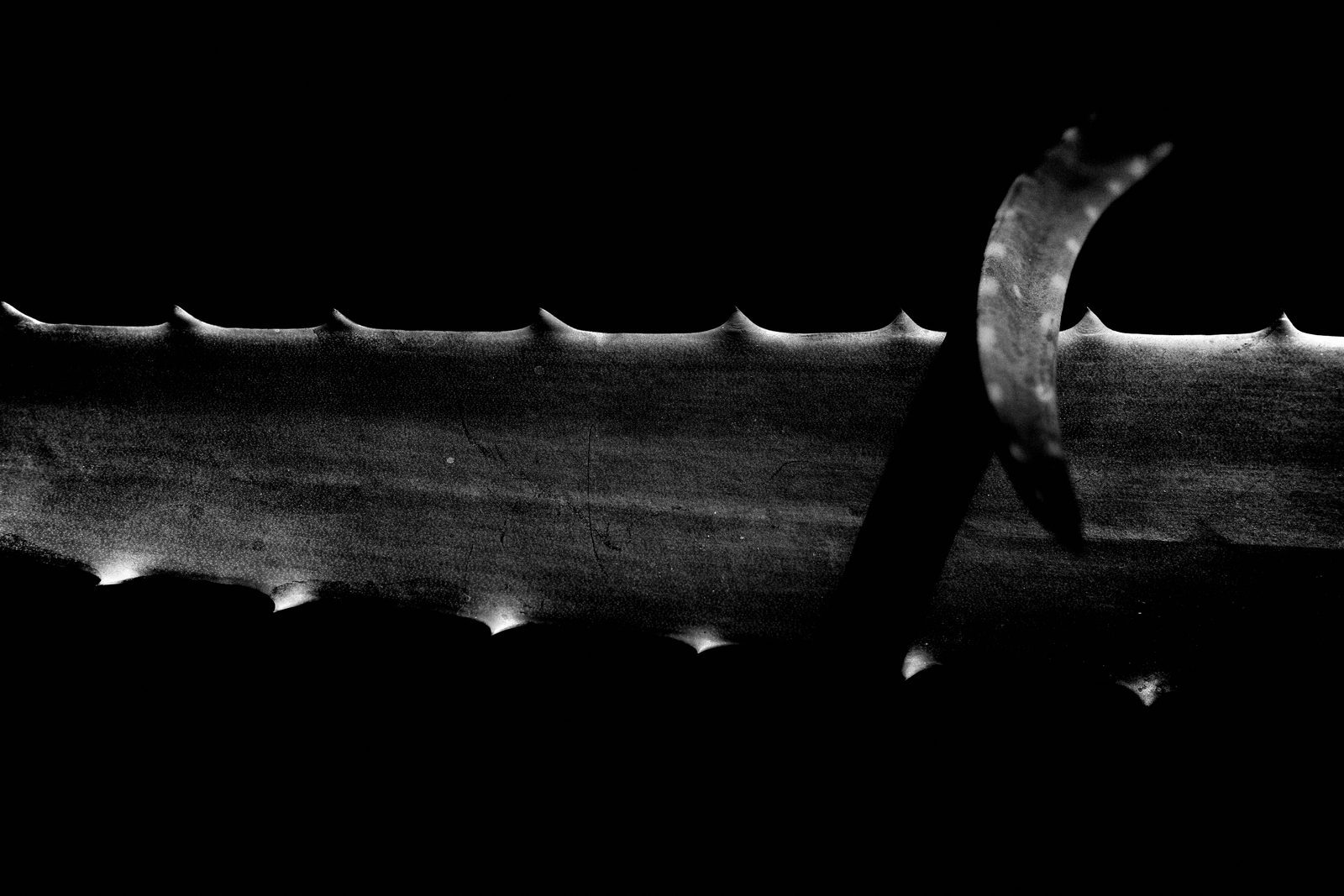
Here's your assignment. Set your camera up exactly as the system prescribes — high contrast black and white, small JPEG, snap focus, P or AV mode. Then put it in your pocket. And do not touch the settings. Do not negotiate with the system. Partial adoption creates partial results. Full adoption creates flow.
Go for Your First System Walk
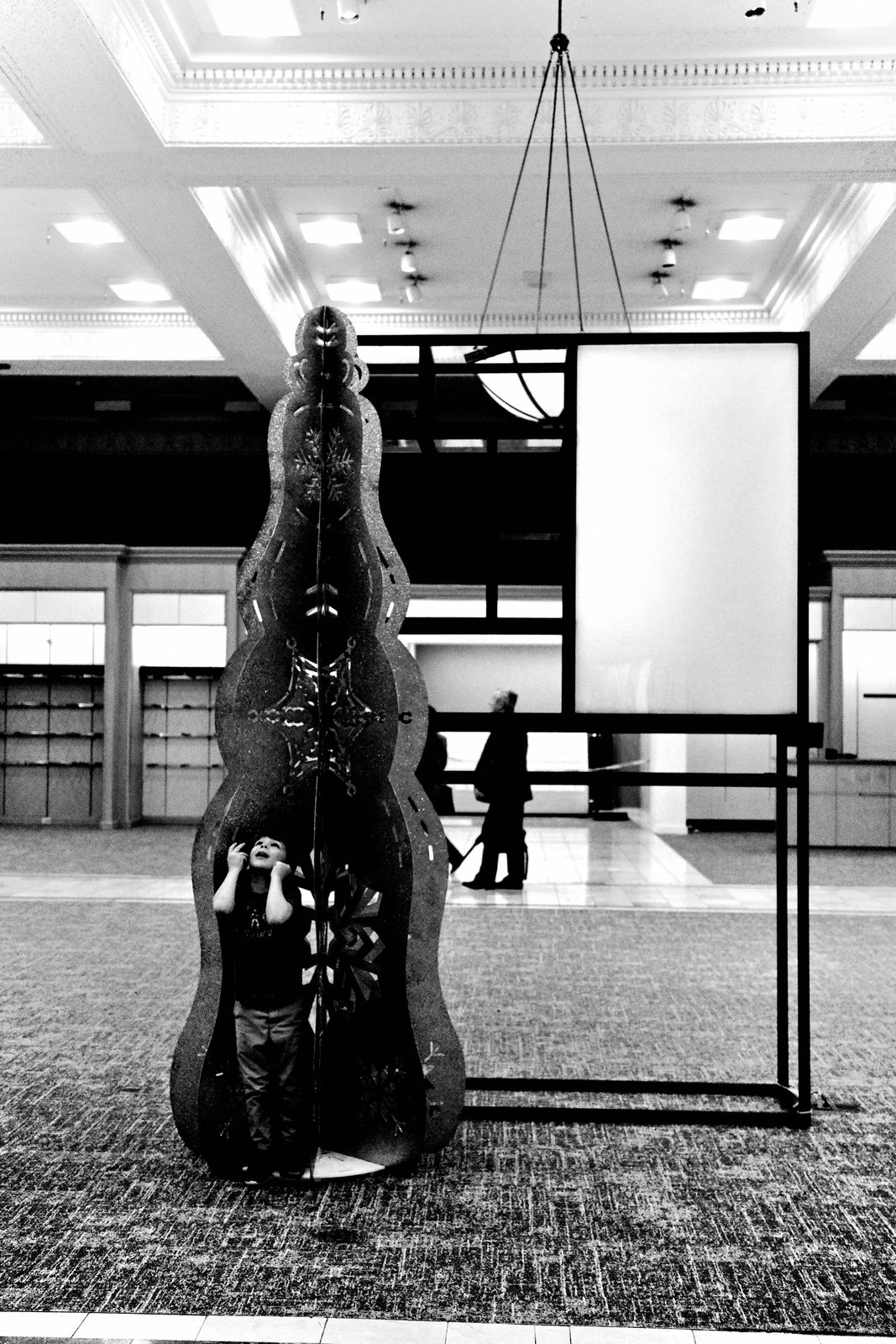
Once the camera is set, go outside and walk. The goal is not to make great photos — it's to get comfortable with the physical process. Raise the camera. Point. Press the shutter. Make at least 100 photographs. Do not judge the results. Do not review every frame. Just get the body used to moving through the world with the camera in hand.
Import Same Day, Every Day
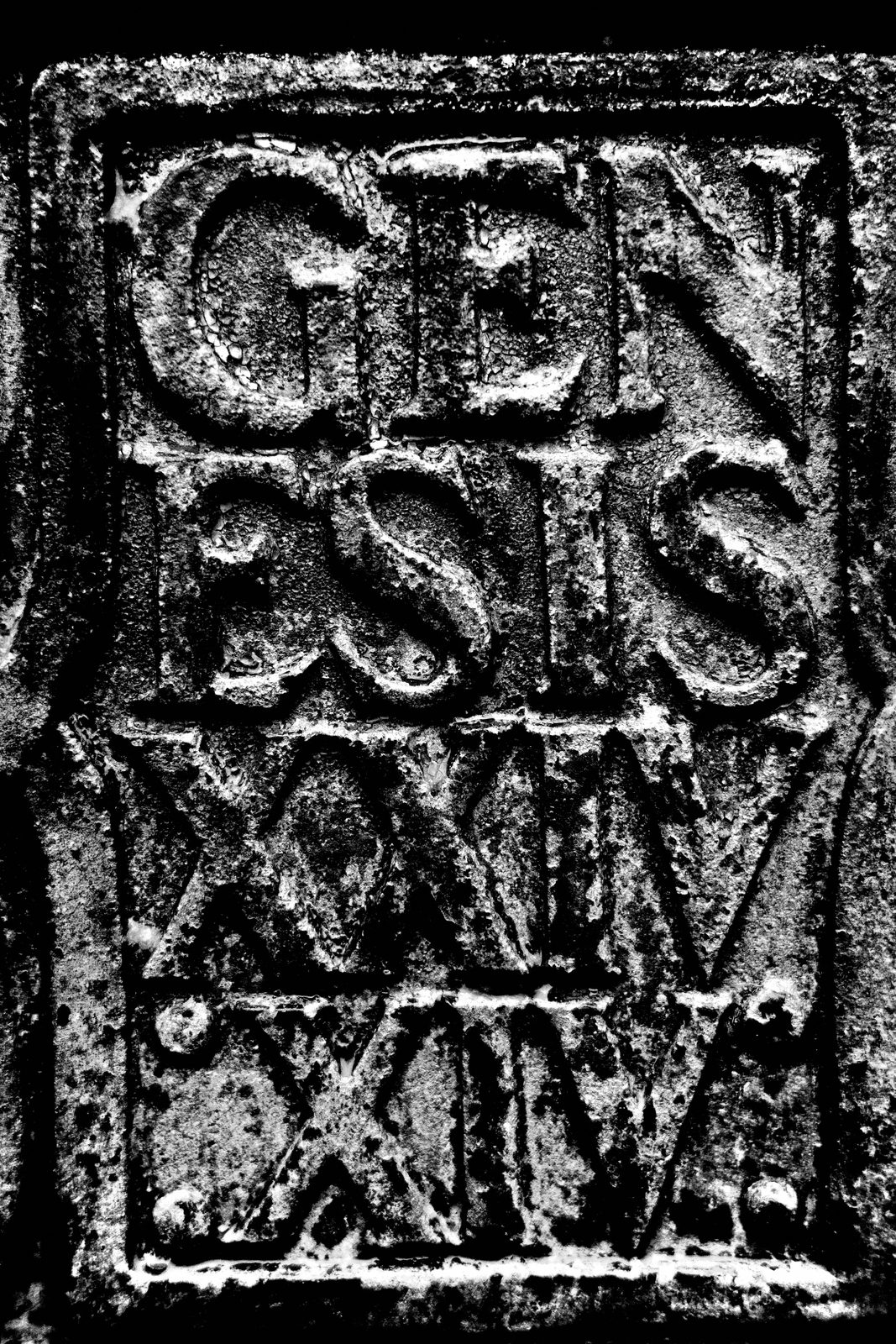
Build the daily rhythm now: import the same day you shoot. Cull the same day. Publish the same day. No backlog. No hard drives filling up. The workflow is frictionless by design — small JPEGs import in seconds, the edit is minimal, and the work moves forward. This is the system in motion.
COMMON MISTAKES
Customizing While Installing
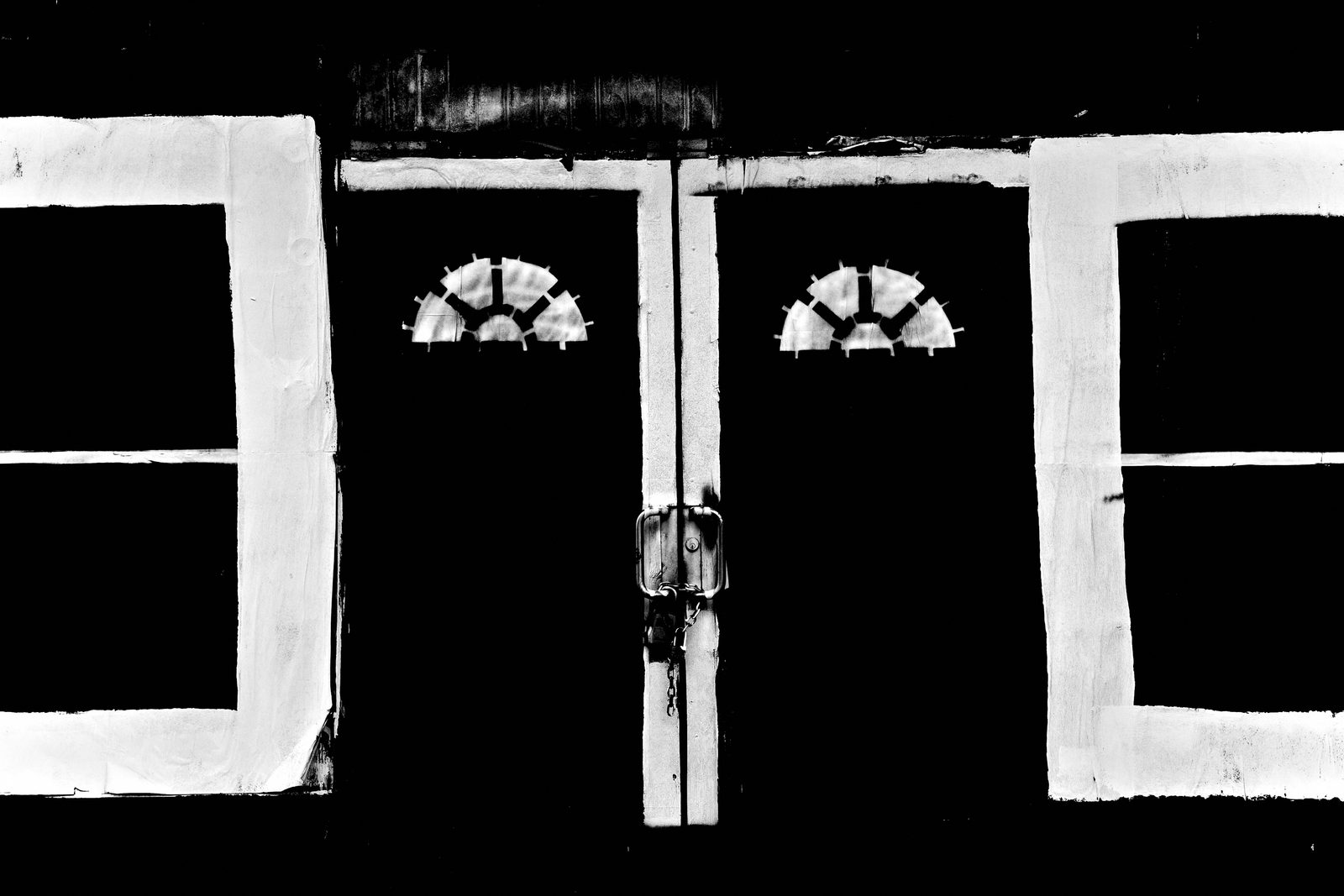
The most common mistake at this stage is customizing the system while you're still installing it. Swapping a setting here. Adding a lens there. That's resistance dressed up as preference. Install the system exactly as designed, live with it fully, and then — after real time and real repetition — you'll know what actually needs adjusting. Usually nothing.
Mistaking Gear Research for Progress
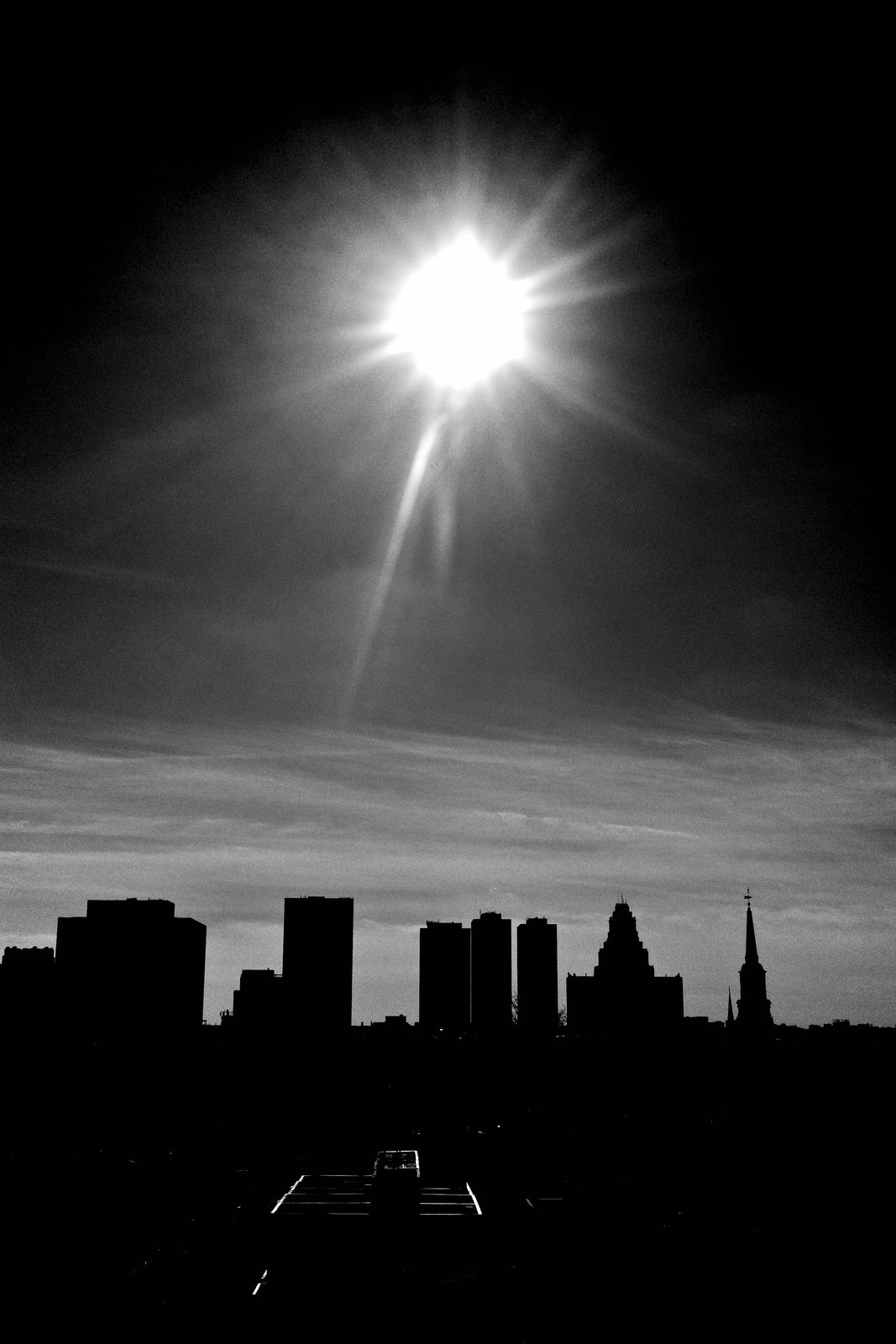
The other mistake: treating gear research as part of the practice. Hours spent comparing cameras, reading reviews, watching comparison videos — zero frames made. The camera you already have, fully committed to, outperforms any upgrade you're fantasizing about. Stop researching. Start shooting.
RELATIONSHIP TO PREVIOUS
Building on the FLUX Workflow
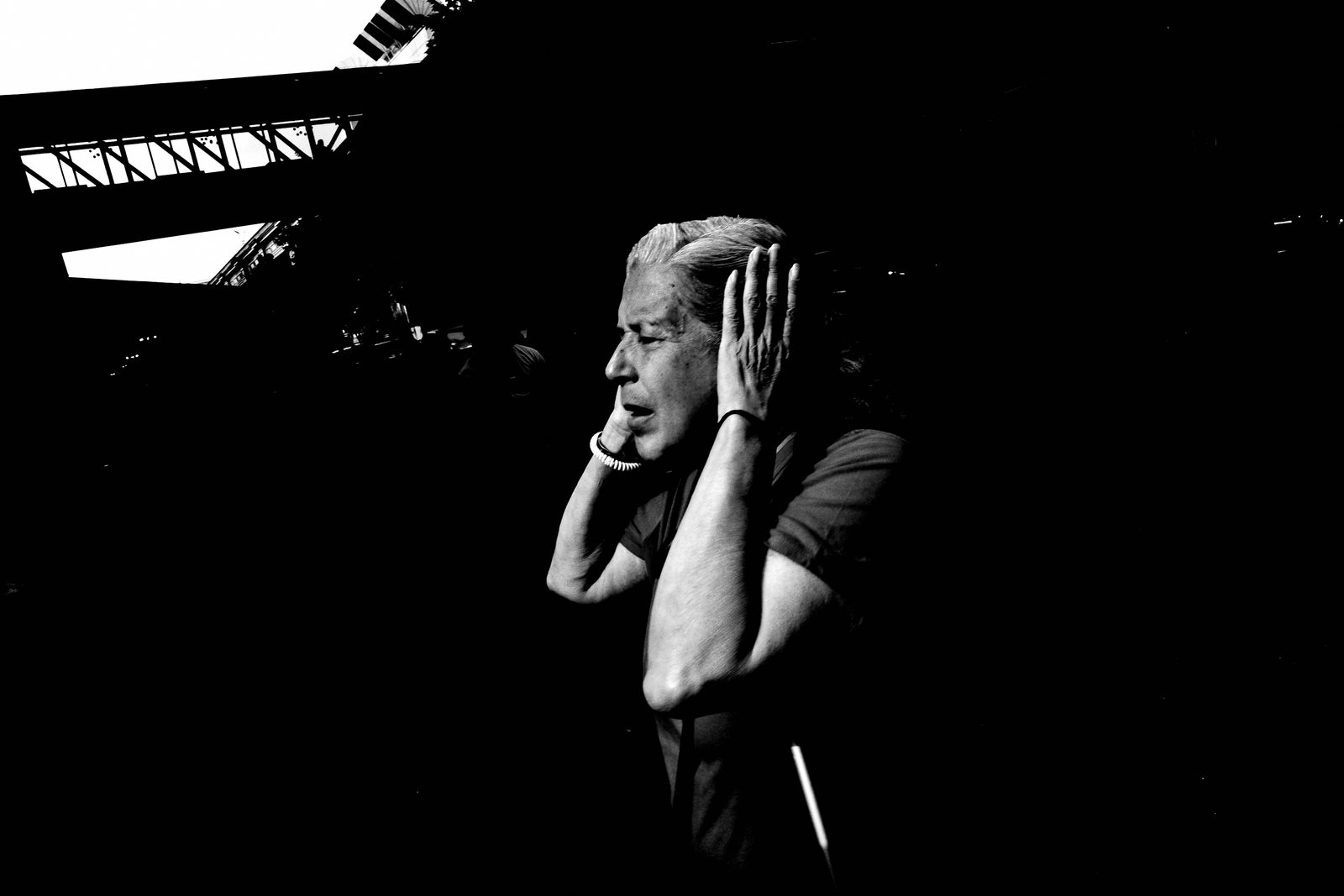
In Lesson 041 we established the daily shooting rhythm — the habit of getting out consistently, building the practice day by day. The one-camera system is what makes that rhythm sustainable. When the gear is simple and always with you, there's no friction between the intention to shoot and the act of shooting.
SUMMARY / TAKEAWAY
One Camera. One Commitment. No Excuses.
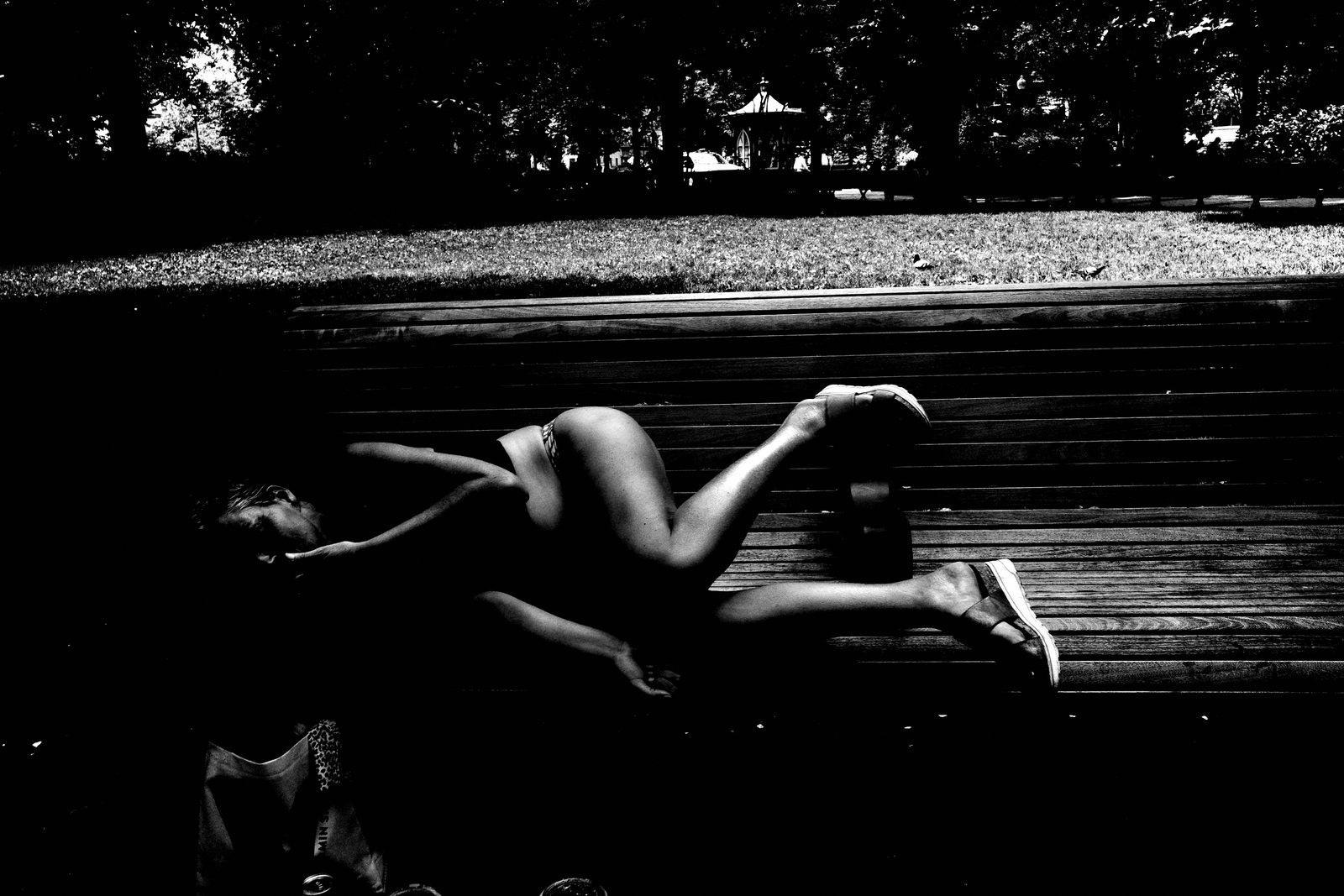
Last thing. The one-camera system is not a limitation — it's the most liberating decision you'll make in this practice. One camera. One focal length. One aesthetic. Set it once. Trust it fully. Commit for a year. When the decisions disappear, the flow begins. And when flow begins, photography becomes effortless. That's the whole game. Catch you in Lesson 043.