Foreground, Middle Ground, Background
CORE IDEA
Three Zones, One Frame
What's popping, people — it's Dante. Today we get spatial. Almost every strong photograph is built from three simple zones: background, middle ground, and foreground. These aren't academic terms — I never think of them as theory on the street. They're practical tools that put order to chaos and give the viewer a clear path through the frame.
LEARNING OBJECTIVE
What You'll Be Able to Do
By the end of this lesson you'll be able to break a scene apart into planes and rebuild it with intention. You'll know what the background does, what the middle ground carries, and what a foreground adds — and you'll start controlling depth with your body instead of hoping it shows up by accident.
WHY THIS MATTERS
Structure Before Subject
Here's why this matters. Most photographers chase a subject — a face, a gesture — then try to force composition around it. With layering that approach collapses fast. An interesting subject will not save a weak background. Strong layering comes from structure first, content second. Stop chasing people. Start building stages.
Clarity, Not Complexity
And this is the part people get wrong: the goal is never complexity. It's clarity. You don't need all three zones in every frame. Sometimes a photograph works with two; sometimes one layer carries the whole image. These spatial zones are options, not obligations. They're about seeing clearly, not adding more.
MAIN TEACHING
The Background Is the Stage
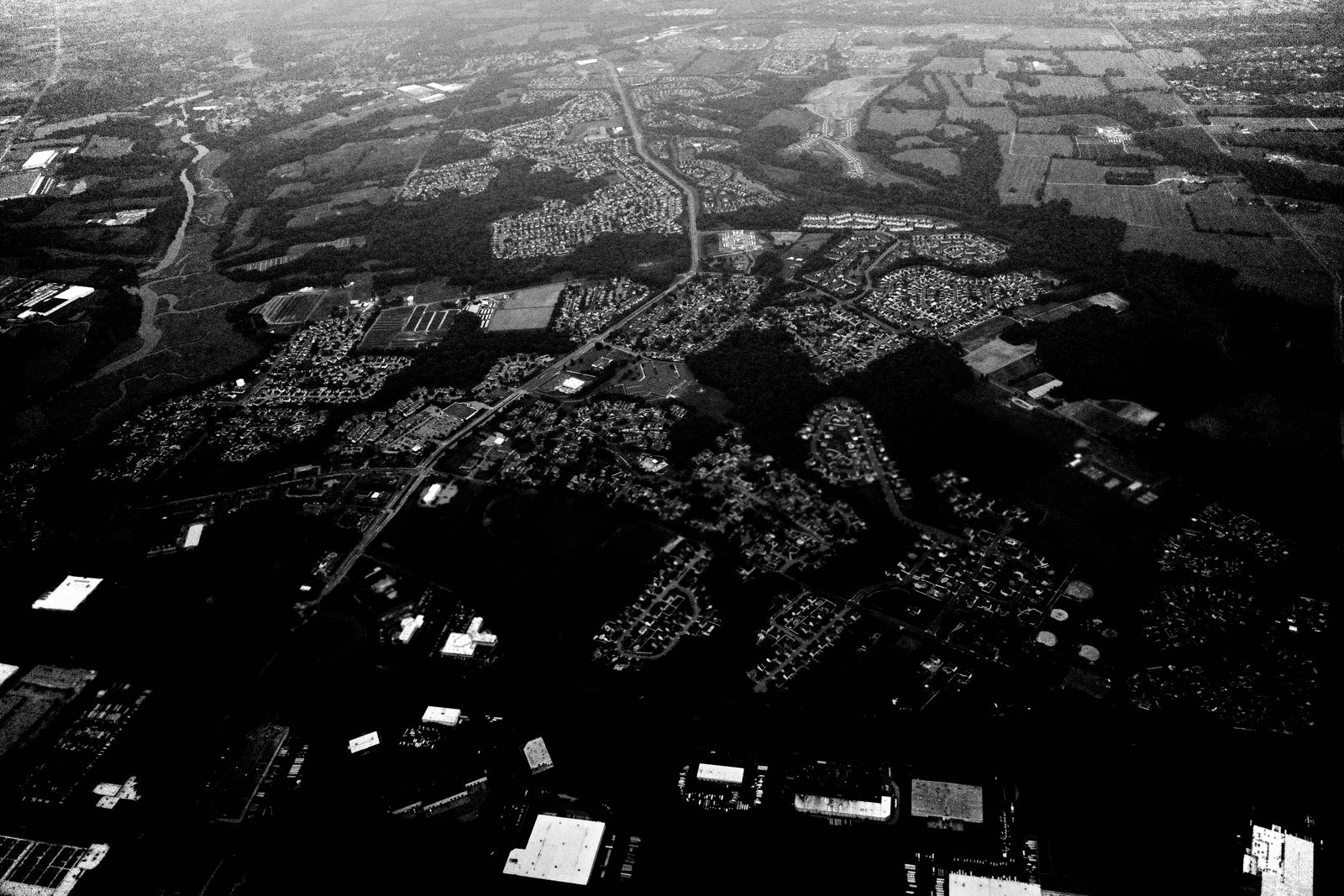
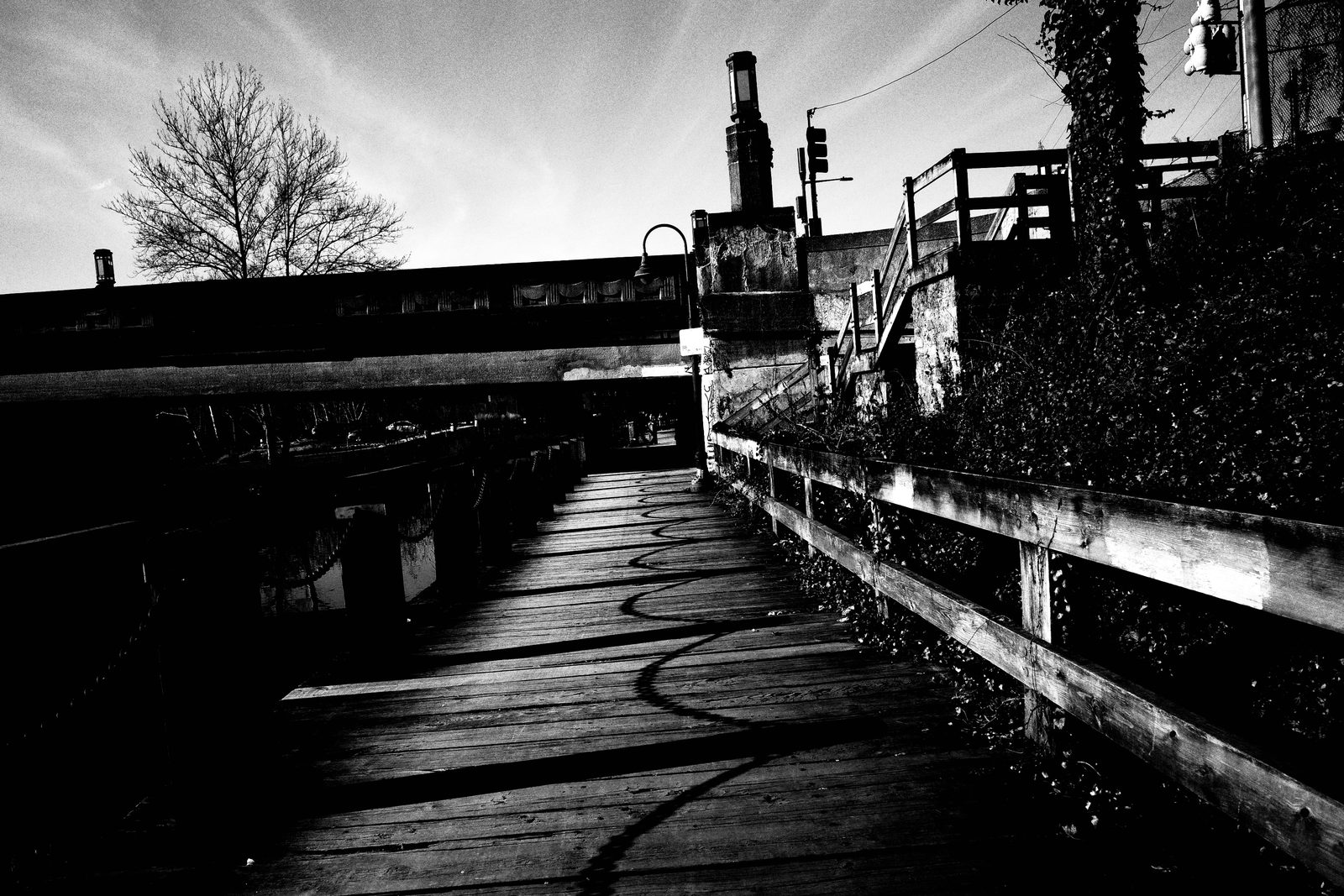
Let's start where I start — the background. For me it's almost always the foundation. The background sets the mood, the structure, the light, and how readable the whole photograph will be. It might be a wall, a doorway, a shadow, a beam of light, a horizon line. Don't treat it as a backdrop. Treat it as a stage.
Find the Background First

So the very first question I ask on the street is simple: what is my background? When I choose one, I'm drawing four invisible corners around a space. Everything inside those corners matters. Everything outside is irrelevant. That single decision is how you begin to put order to the spontaneous, uncontrollable nature of life.
Commitment Creates Control
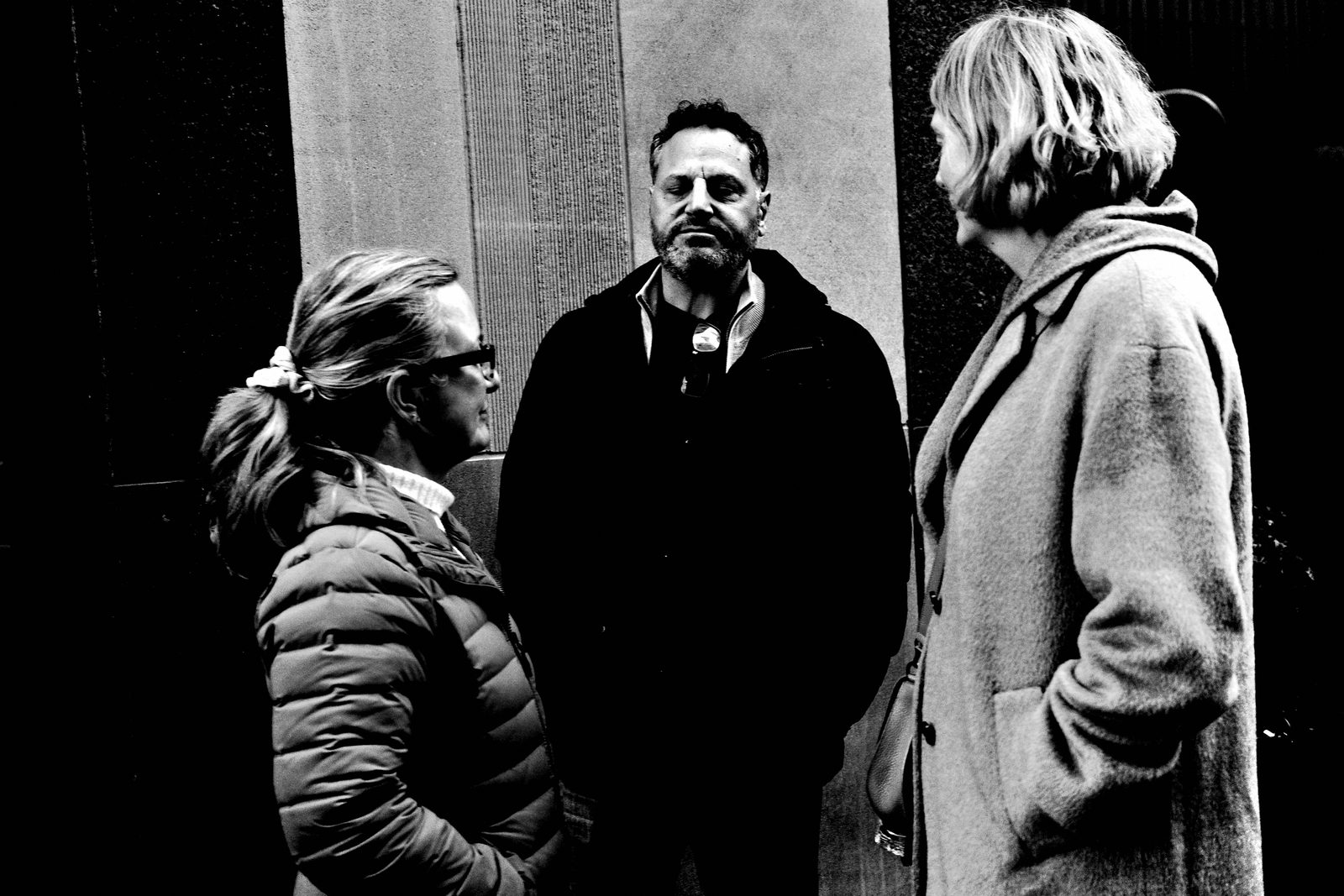
Finding the background first requires commitment. You choose a position, a height, a frame — and then you stay. You don't hover, you don't panic, you don't constantly reframe. You commit or you move on. Once you commit, anticipation becomes possible. Patterns reveal themselves. Gestures get predictable. That's where control comes from.
The Middle Ground Carries Meaning
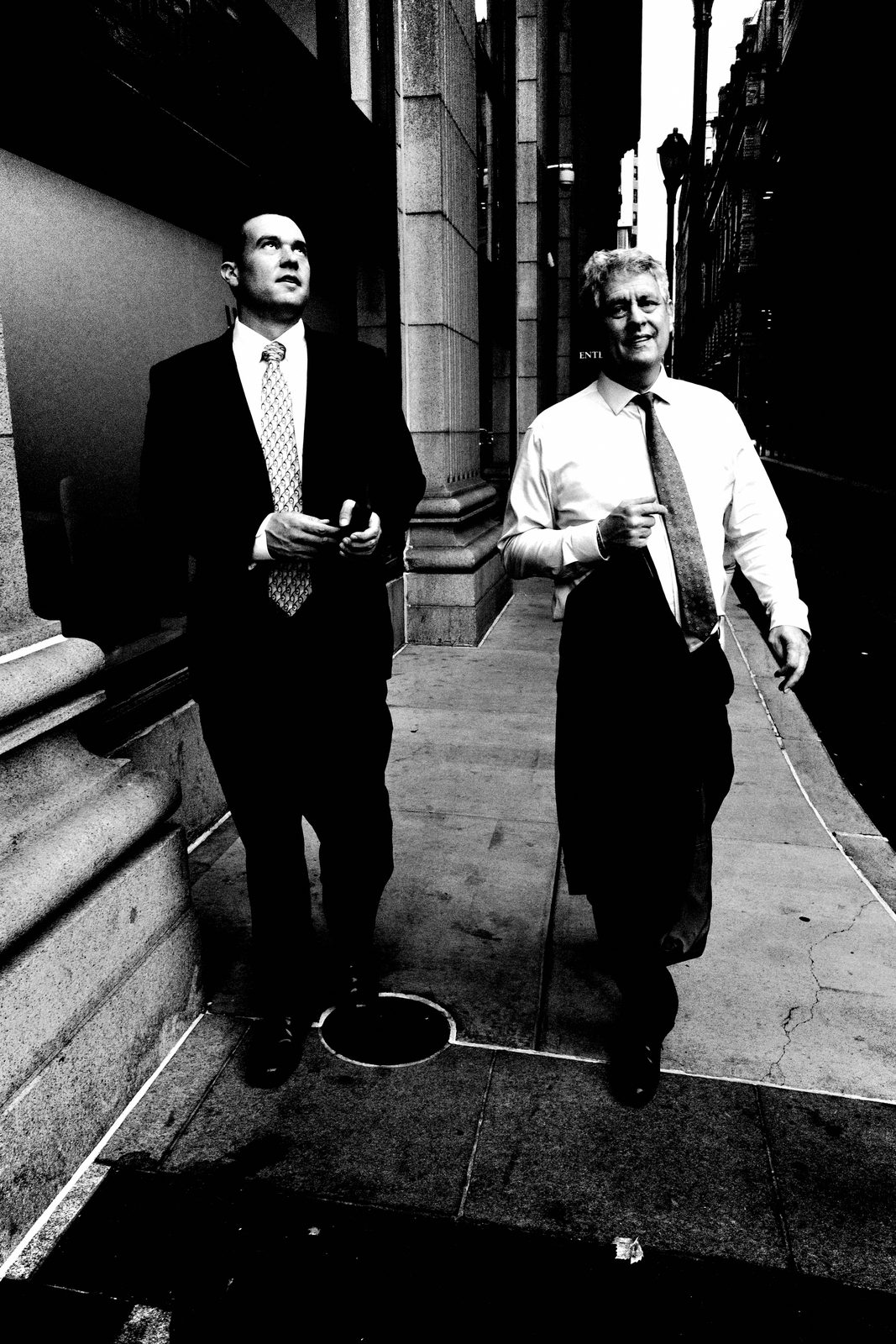
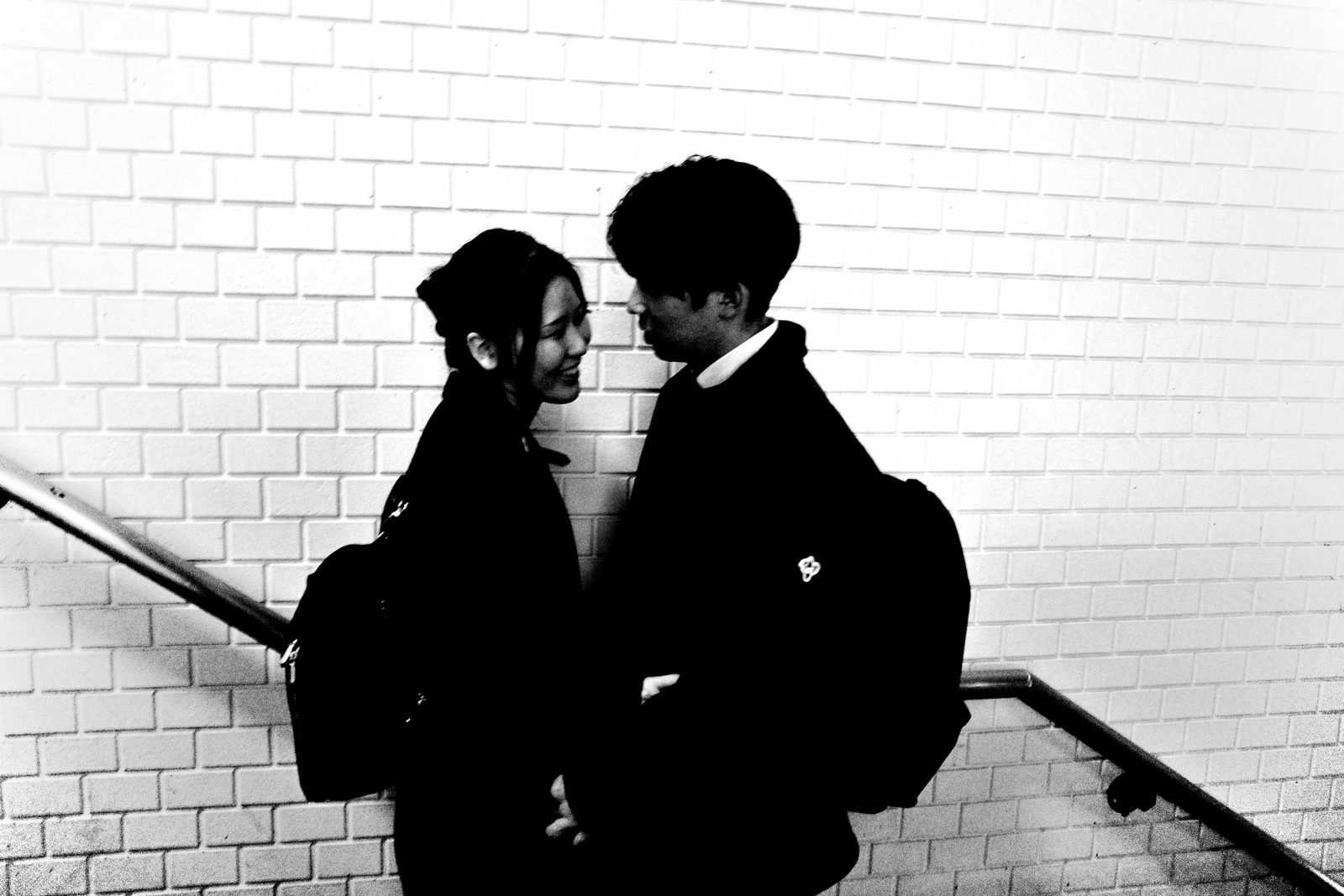
The middle ground is usually where the story lives — a person, a gesture, a moment of interaction, a human presence. It doesn't need to be dramatic. It just needs to belong in the space you've built. And here's the gift: if your background is strong, the middle ground can be quiet and still feel powerful. Structure does the heavy lifting.
The Foreground Creates Depth
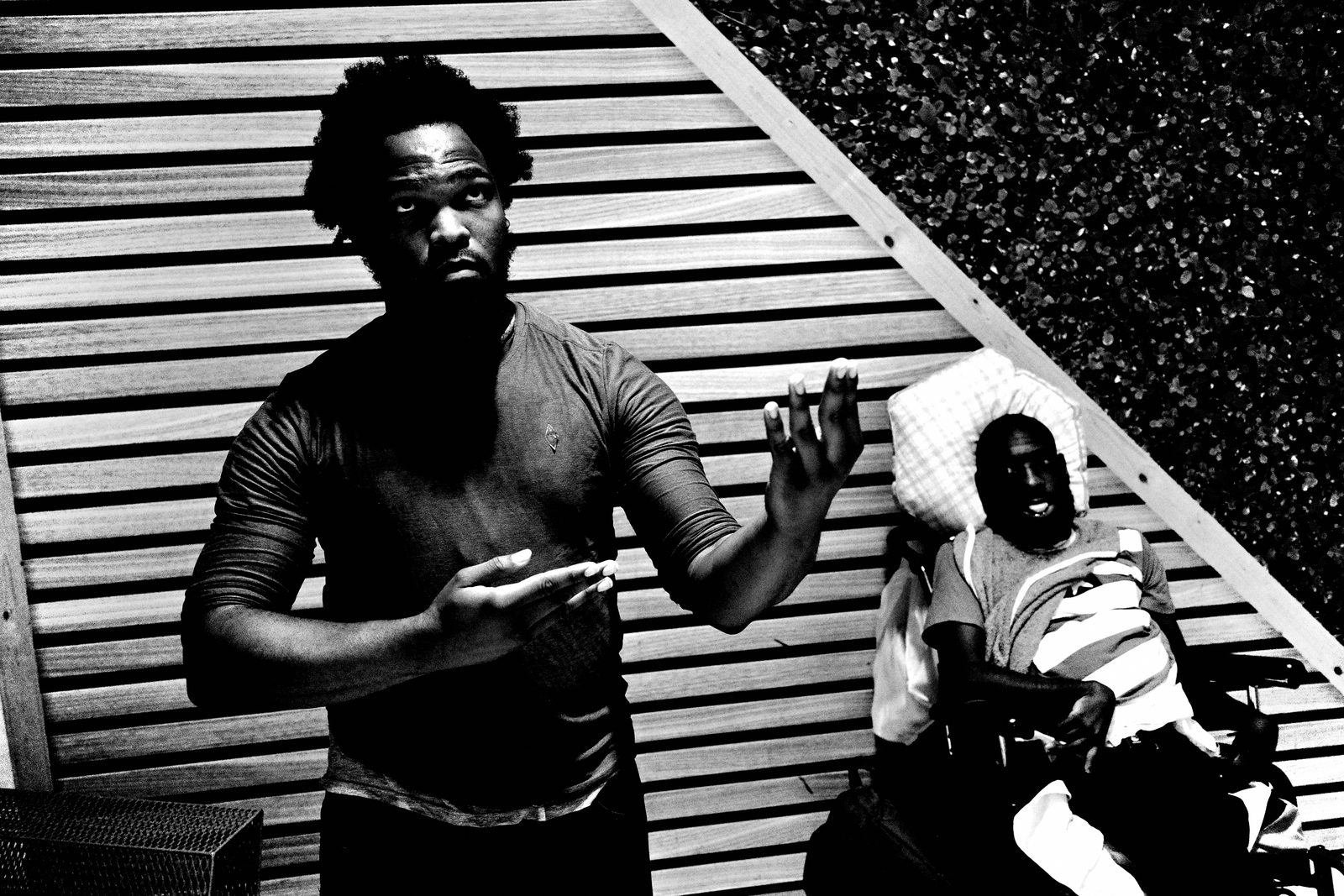
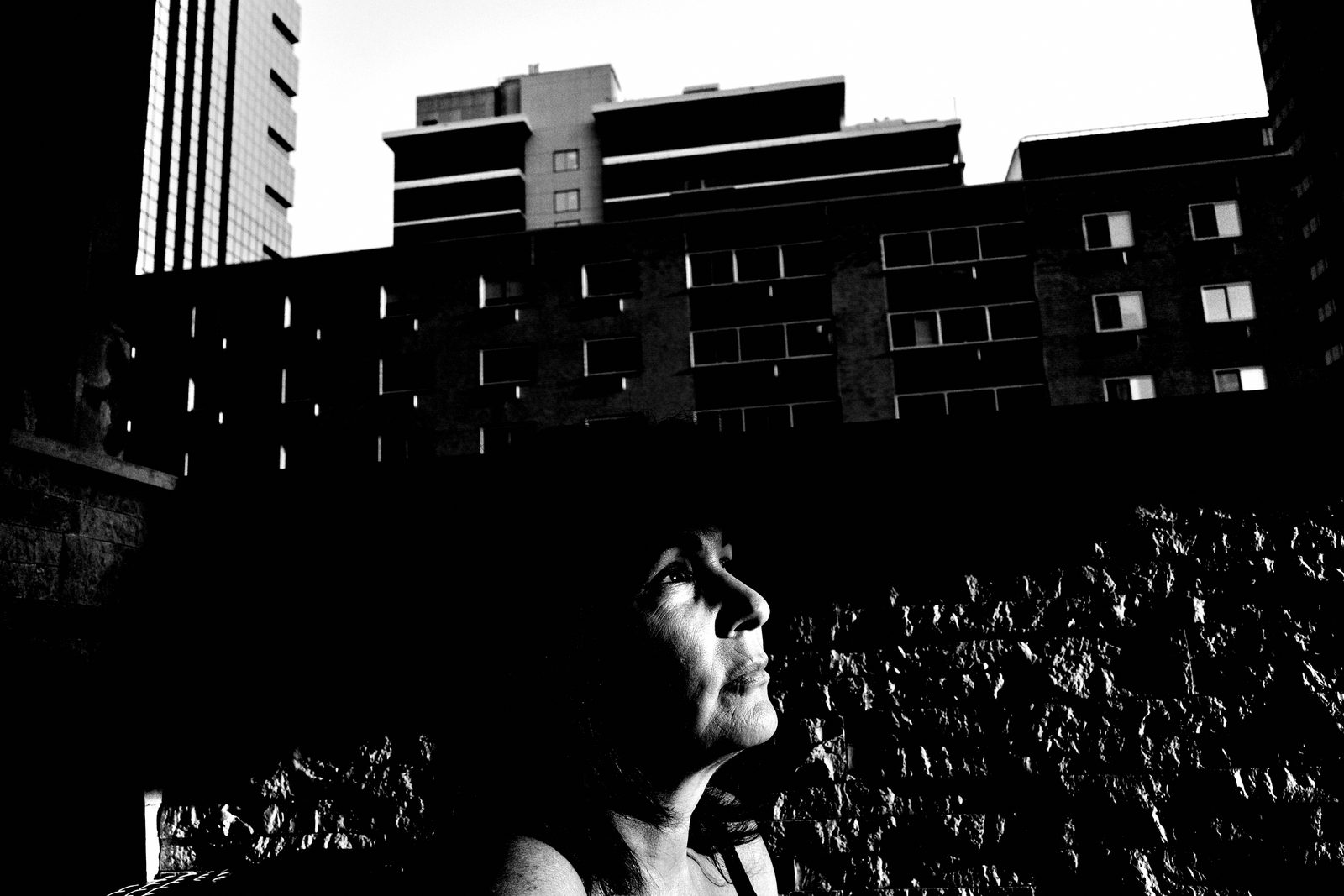
The foreground is what pulls the viewer into the photograph — a hand, a silhouette, a passerby, a shadow, an object close to the lens. A weak foreground clutters the frame; a strong one anchors it. It works best when it frames the scene, adds separation, creates scale, and guides the eye inward. Never decoration — always a job.
Foreground Is Physical
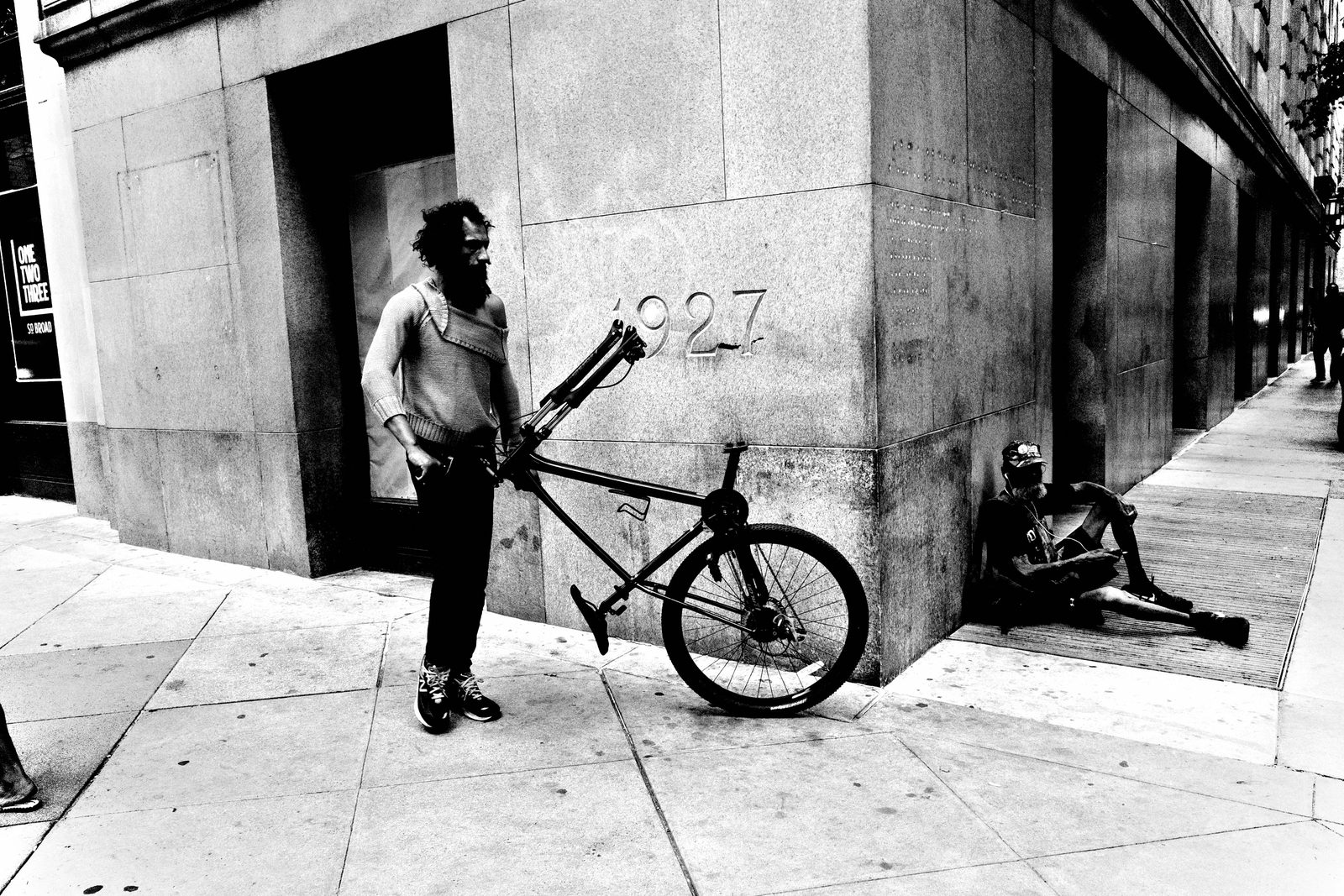
Foreground is about proximity. It usually means being close to something — a hand, an eye, a silhouette. That closeness adds intimacy and scale, but only if it's controlled. A good foreground is clearly separated from the middle ground, has a distinct shape or tone, and feels deliberate. Composition is physical. One step changes everything.
These Are Relationships, Not Pieces

Don't think of these as three separate pieces. Think of them as relationships. The background provides structure, the middle ground provides meaning, the foreground provides depth. When those relationships align, the photograph feels complete. One missing? The image can still work. All three together? The frame gains weight and presence.
A Moment Is Not Yet a Photograph

Here's a pattern that repeats everywhere. Something grabs you first — a figure, a gesture, strong shadow play against a wall. But the moment is not yet a photograph. You have to solve the puzzle. Often that means dropping to a low angle to separate the tree, the bushes, the building, and the sky into distinct planes. The subject becomes your middle ground; a shape close to the lens in the foreground aligns with a vertical line behind it. The moment is the spark, but clean structure is what makes it a frame.
Anchor on the Stage, Then Anticipate
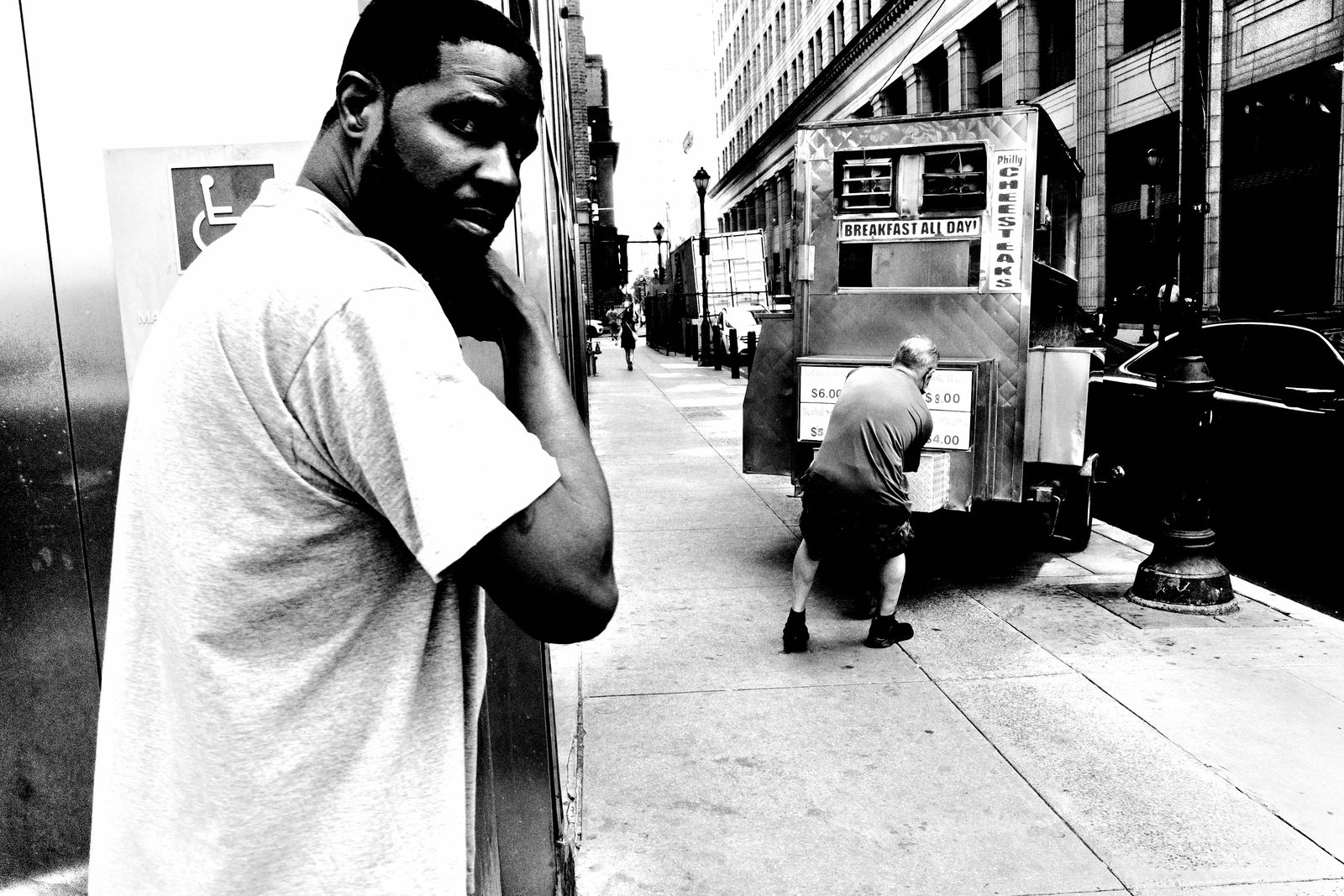
The stronger move is to stop chasing the moving subject and anchor on the stage instead. Say you notice an open doorway — a clean geometric shape against blue sky. That doorway becomes the background, and you fix your body to it and commit. Now the space starts revealing its patterns: a figure in a window, people passing through the foreground, birds cutting through the opening again and again. It stops being luck and becomes anticipation. When the decisive element finally moves through, it completes a frame you had already prepared.
When the Background Is Strong, Stay Still
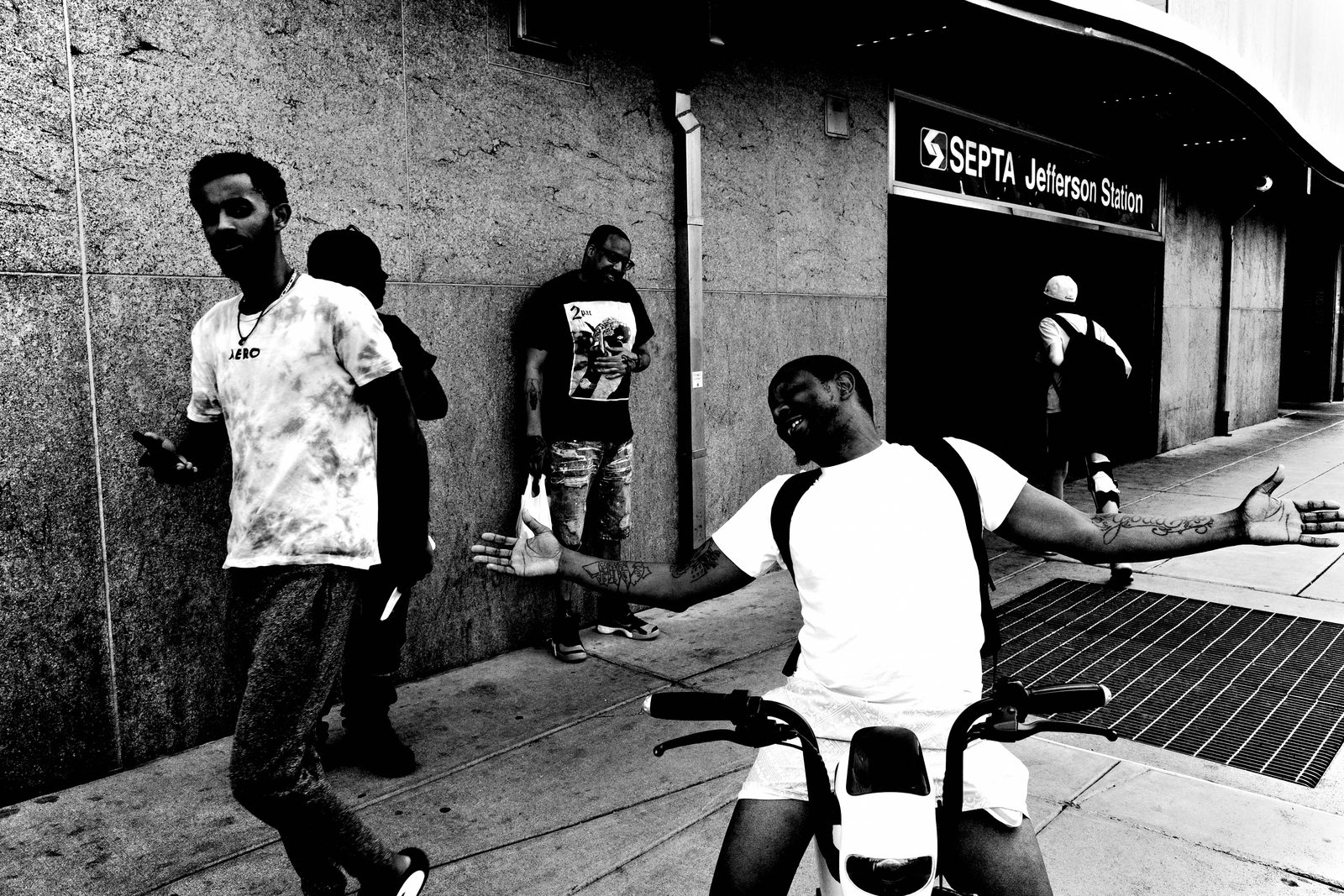
When you find a background that's already strong — a wall with graphic shape, bold color, and good light — most of the work is done. The mistake now is chasing constant action and pulling yourself away from it. Instead, plant your body and stay still. Wait as someone moves through the space, from light into shadow, until a shape in the foreground lines up with the shapes on the wall behind. The person doesn't compete with the stage. They activate it. A strong background rewards patience, not motion.
Balance: Let One Layer Lead
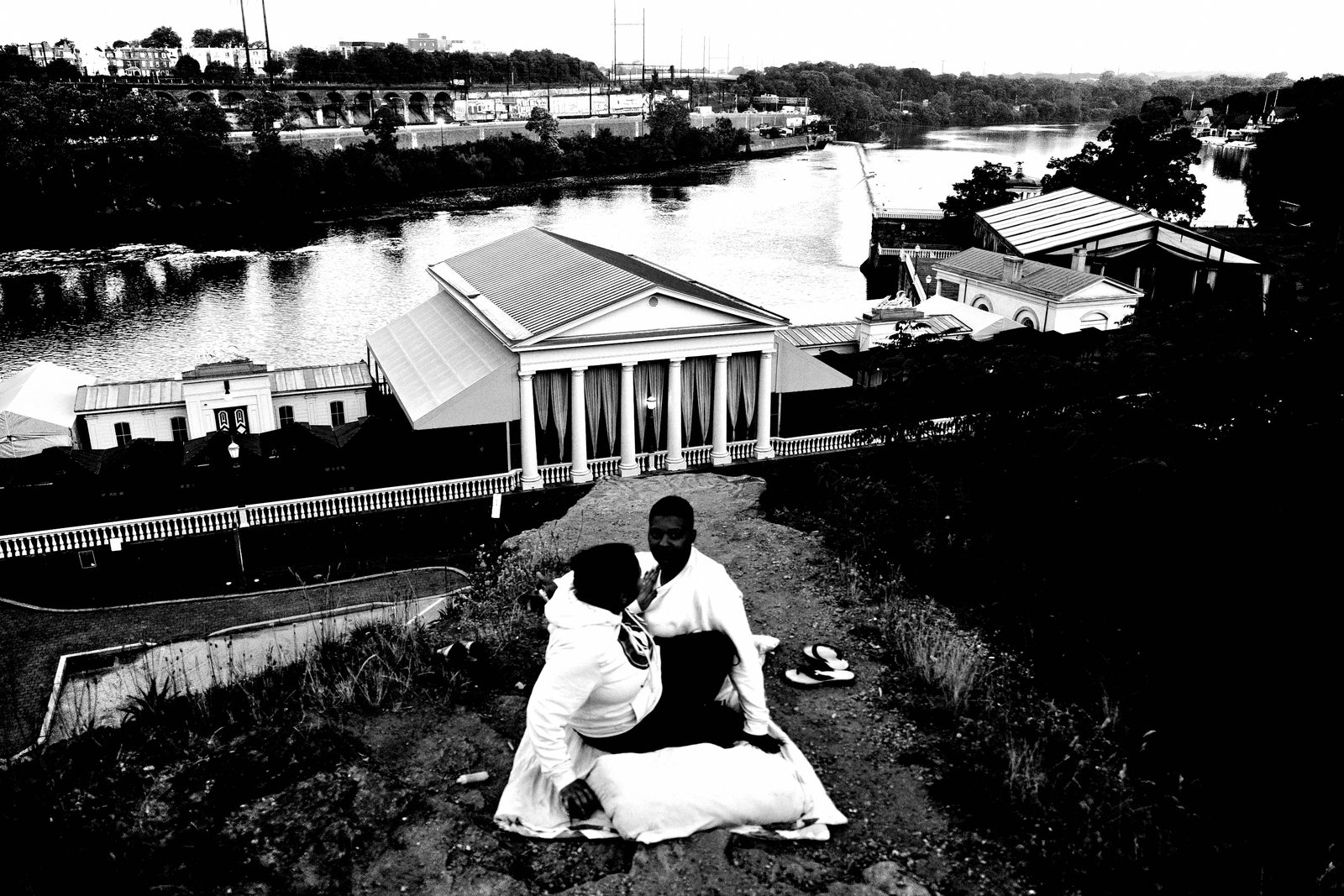
Balancing the three isn't about equal weight. In most strong photographs one layer leads, one supports, and one quietly holds everything together — the mistake is not choosing. Balance also needs separation: when layers bleed into each other it collapses, so separate them by light, space, tone, or timing. And when a frame feels heavy, don't add — remove. Simplify, and balance usually returns immediately.
PRACTICAL APPLICATION
Analyze Back to Front
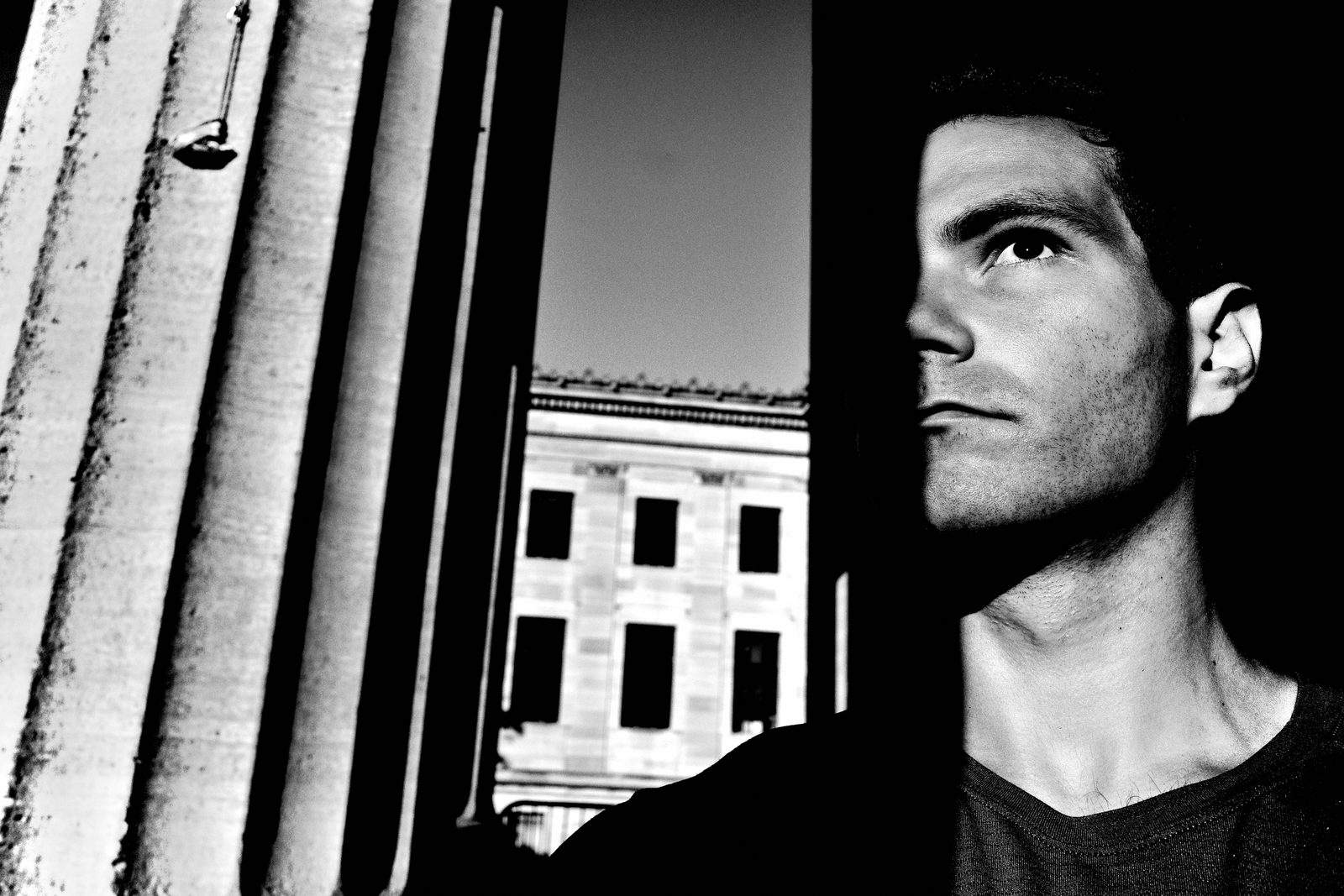
Here's the method, and it's the same everywhere. Analyze the scene back to front. One: set the background — does this space work on its own? Two: place the subject — where could a moment live? Three: decide if a foreground helps or distracts. That's it. This slows you down in the right way. You stop reacting and start building.
Stand on One Stage
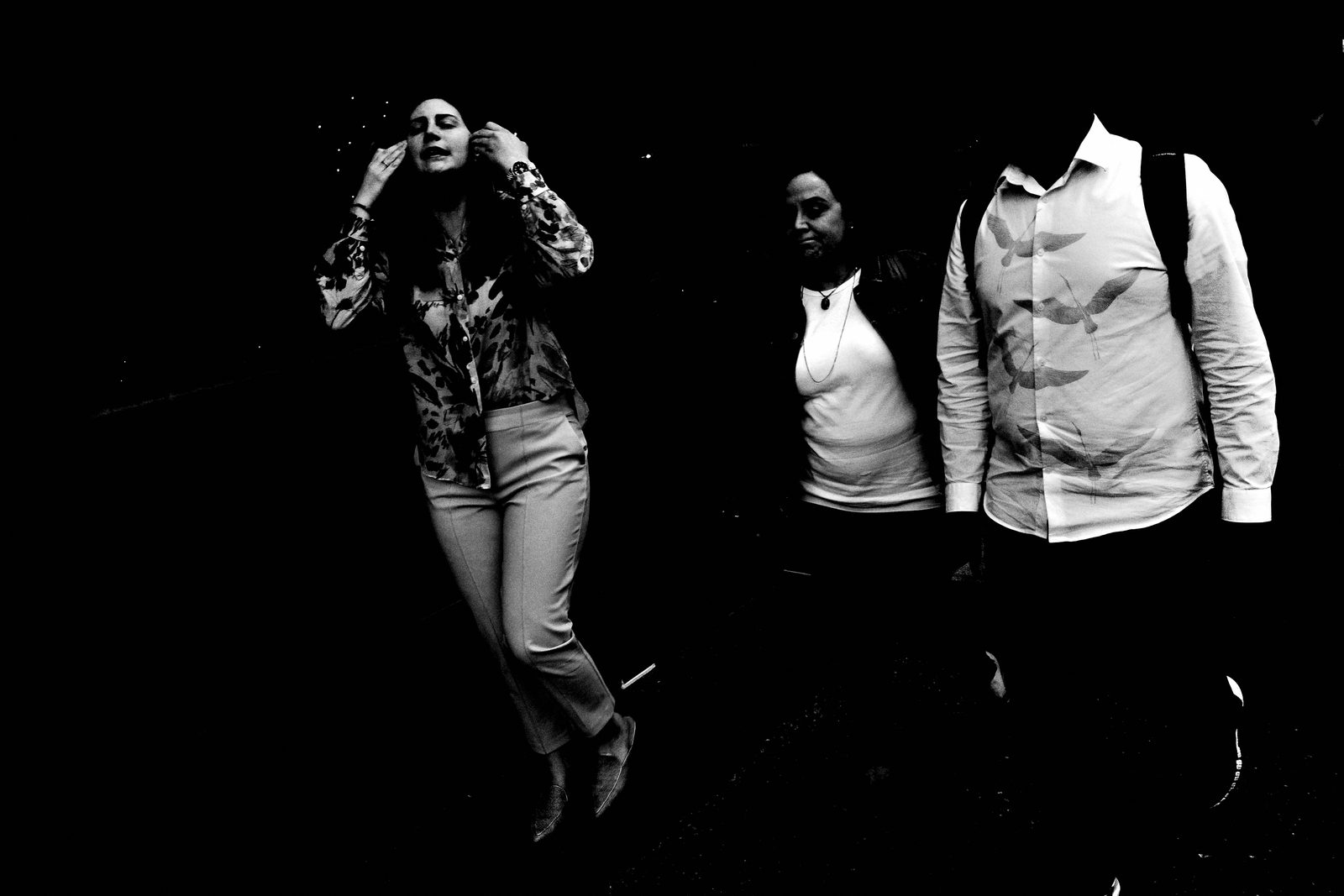
Your drill: find one strong background and commit. Hold position for ten, twenty minutes, longer. Let people come to you. A strong stage can produce many photographs — the background stays constant, the variables change. That's how layering becomes repeatable instead of lucky. And when the space goes quiet, move on intentionally — never out of boredom.
Anchor With One Strong Foreground
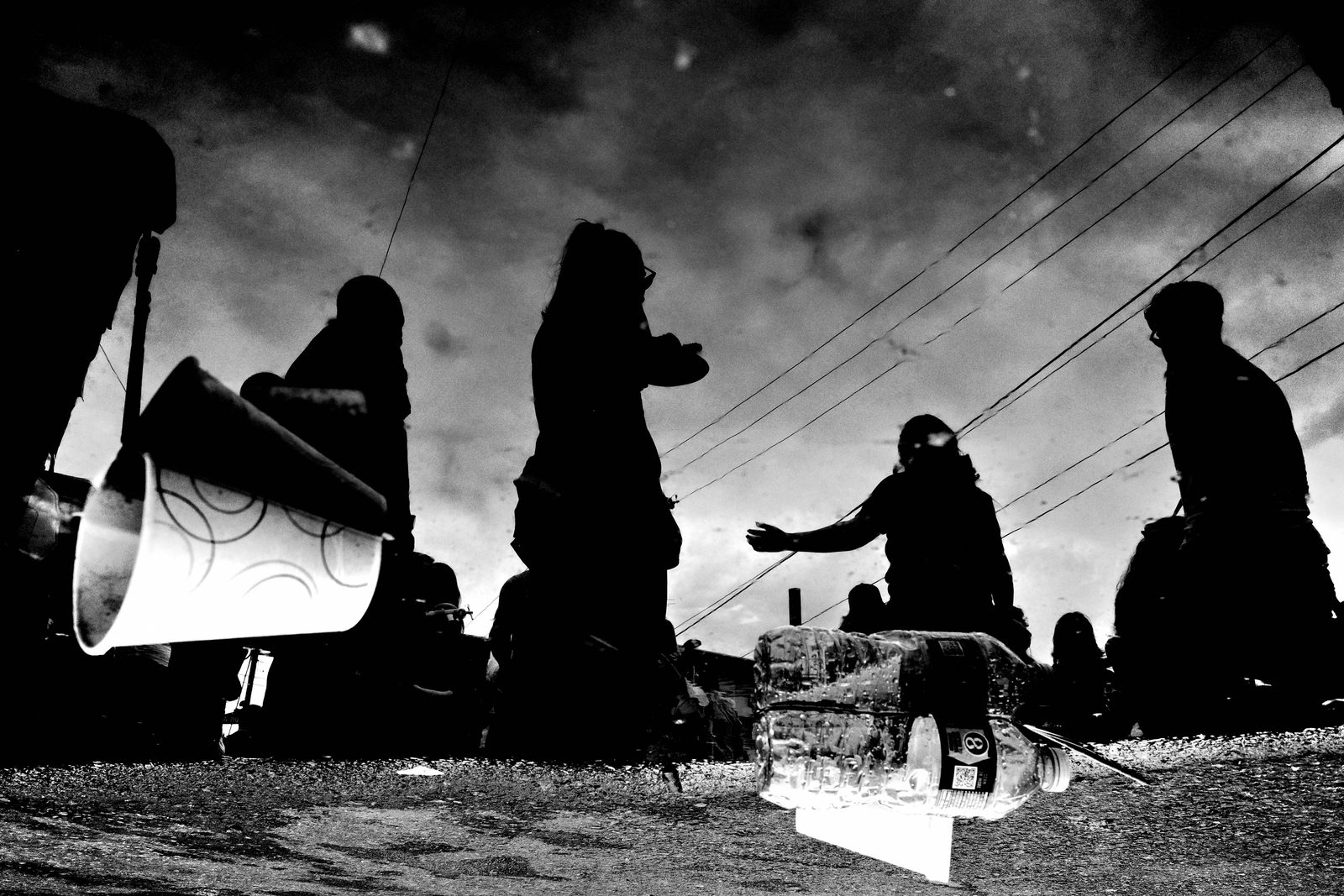
Try the foreground move too. When a hand enters at the near edge of a frame, it creates instant depth — the image goes from observational to participatory in a single beat. In a scene full of chaos, get close and let one element dominate the foreground, anchoring everything behind it. One dominant element beats many weak ones. Don't look for more. Look for one strong foreground and let it do the work.
COMMON MISTAKES
Forcing a Foreground
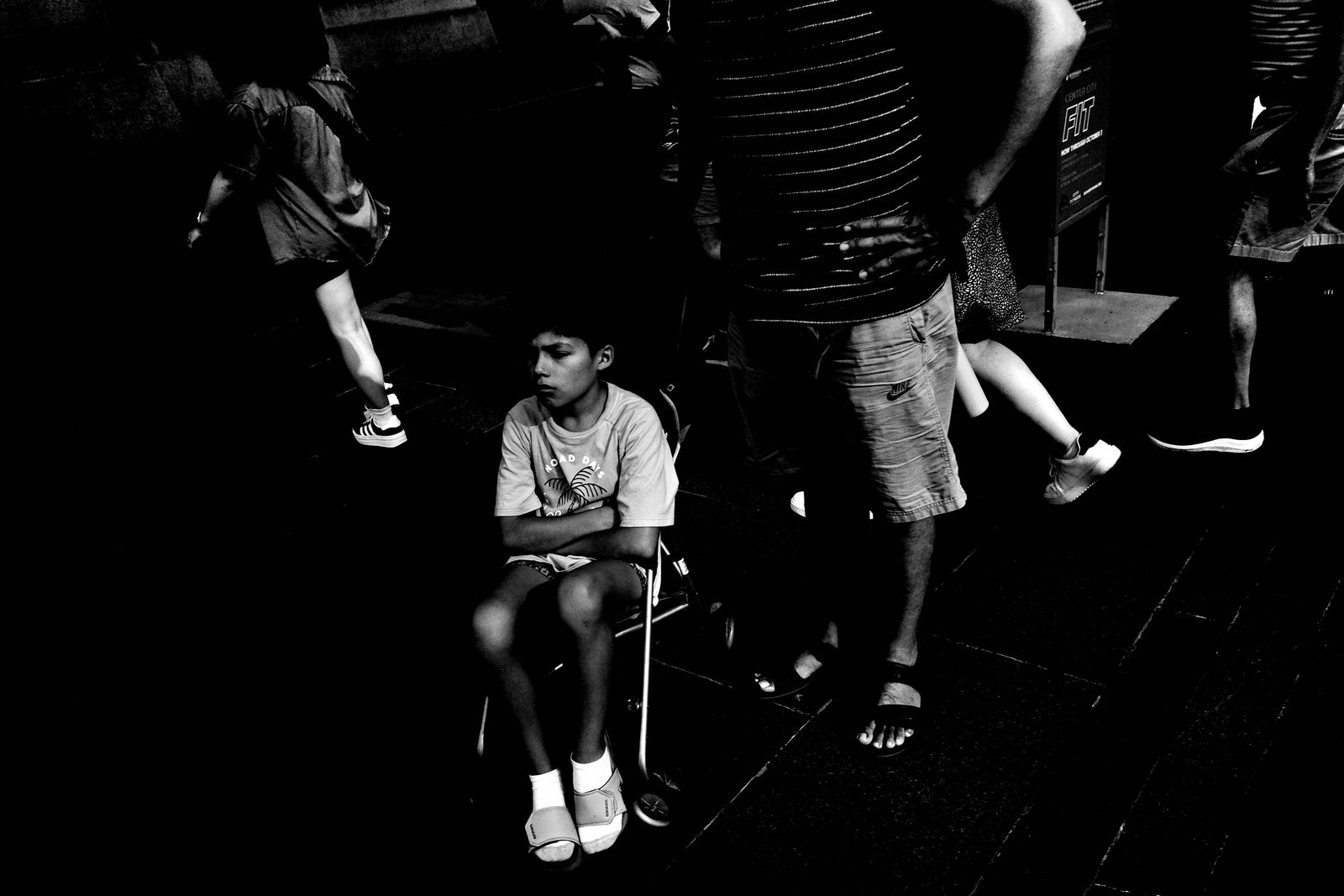
The number-one mistake: thinking any foreground makes a photo better. A careless foreground is the fastest way to ruin a strong frame — it becomes visual noise, clutters the eye, weakens everything. If a foreground doesn't create depth, anchor, frame, or guide the eye, it doesn't belong. Knowing when not to add one is part of mastery. Less foreground is often better.
Treating It as a Checklist
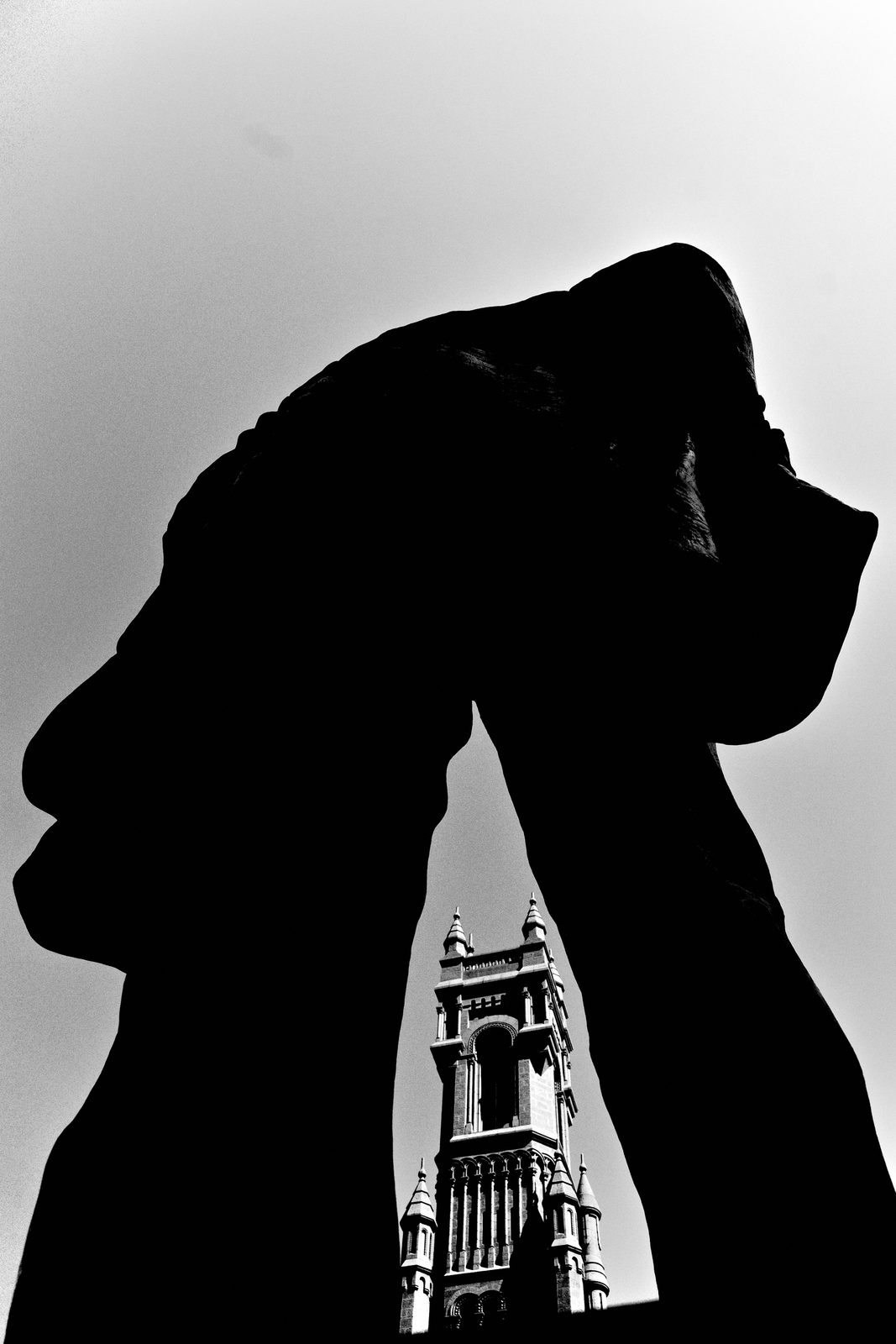
Mistake two: turning layering into a checklist — forcing a foreground, a middle ground, and a background into every frame. Many images fail exactly because the photographer insisted. And when a foreground feels messy, it's usually a positioning problem, not a timing problem. Take one step. Lower the camera. Wait. Clarity over complexity, always.
RELATIONSHIP TO PREVIOUS
From Layering to Its Anatomy

In Lesson 023 we defined layering itself — structure, relationships not subjects, putting order to chaos. Today we opened that idea up and named its three parts: background, middle ground, foreground. This is the anatomy of everything we introduced. You learned what layering is; now you know the planes it's actually built from.
RELATIONSHIP TO UPCOMING
Toward Building Depth
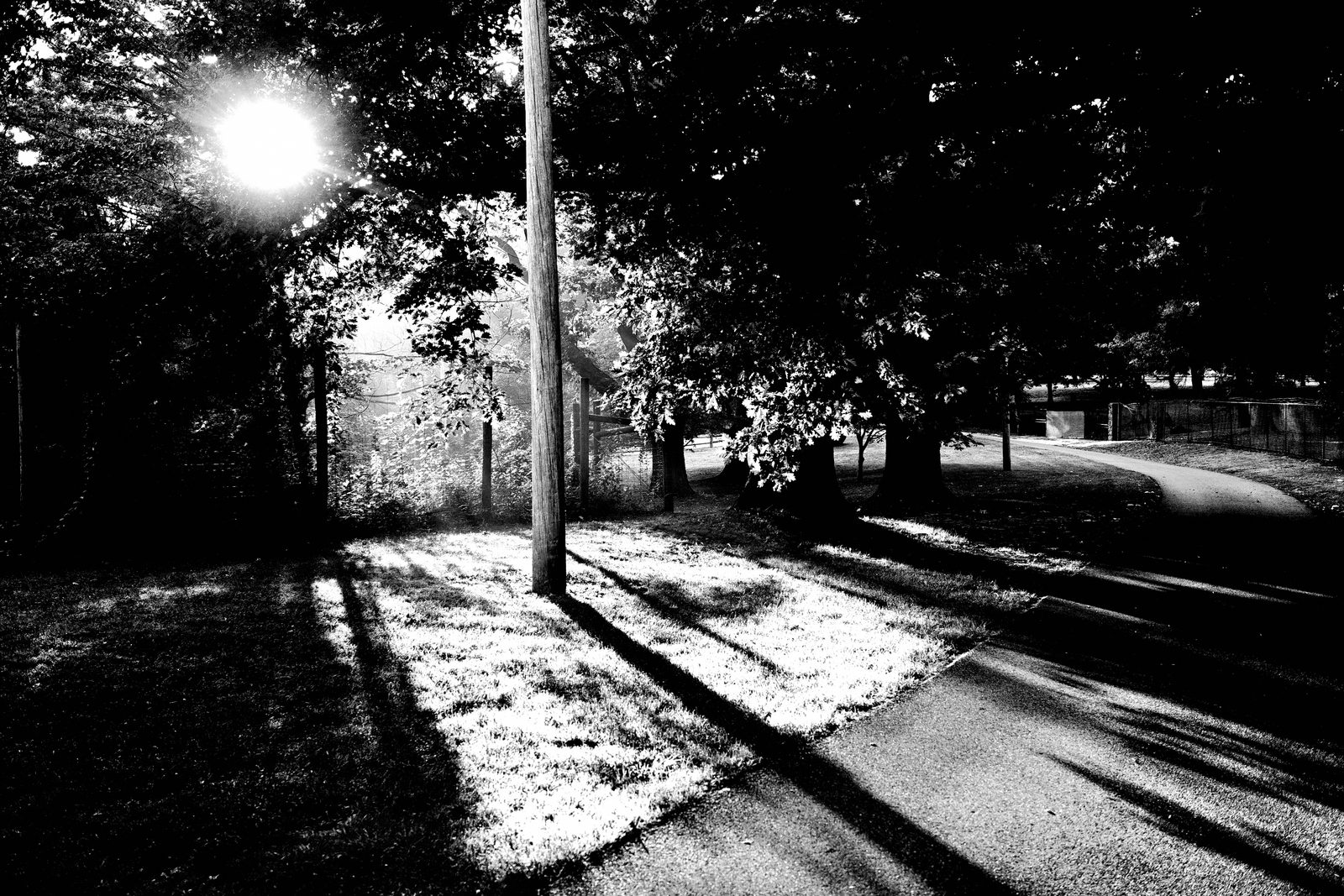
Up next, Lesson 025 — Building Depth. Once you can see three planes, the question becomes how to make them feel truly dimensional: overlap, scale, leading lines, and separation pulling the eye front to back. We've laid the zones down. Next we give them space between them. Last thing — the takeaway. Foreground, middle ground, and background aren't about adding more; they're about seeing clearly. Find the background first, commit your position, let the middle ground arrive, and add a foreground only when it earns its place. Build stages, not snapshots. See, hold, and let life perform inside the frame. Catch you next lesson.