Introduction to Layering
CORE IDEA
Layering Is a Way of Seeing

What's popping, people — it's Dante. Welcome to the flagship — layering. Here's the one idea the whole module rests on: layering is a way of seeing, not a trick you add after the fact. It's structure. It's putting order to chaos. It's where you place your body in relation to the subject, the background, and the moment you press the shutter. That's it.
LEARNING OBJECTIVE
What You'll Walk Away With

By the end of this lesson you'll stop "looking for layers" and start recognizing structure. You'll understand layering as relationships between elements — foreground, middle ground, background — instead of a hunt for one dramatic subject. This is the foundation the entire layering module is built on.
WHY THIS MATTERS
Layered Photos Feel Alive
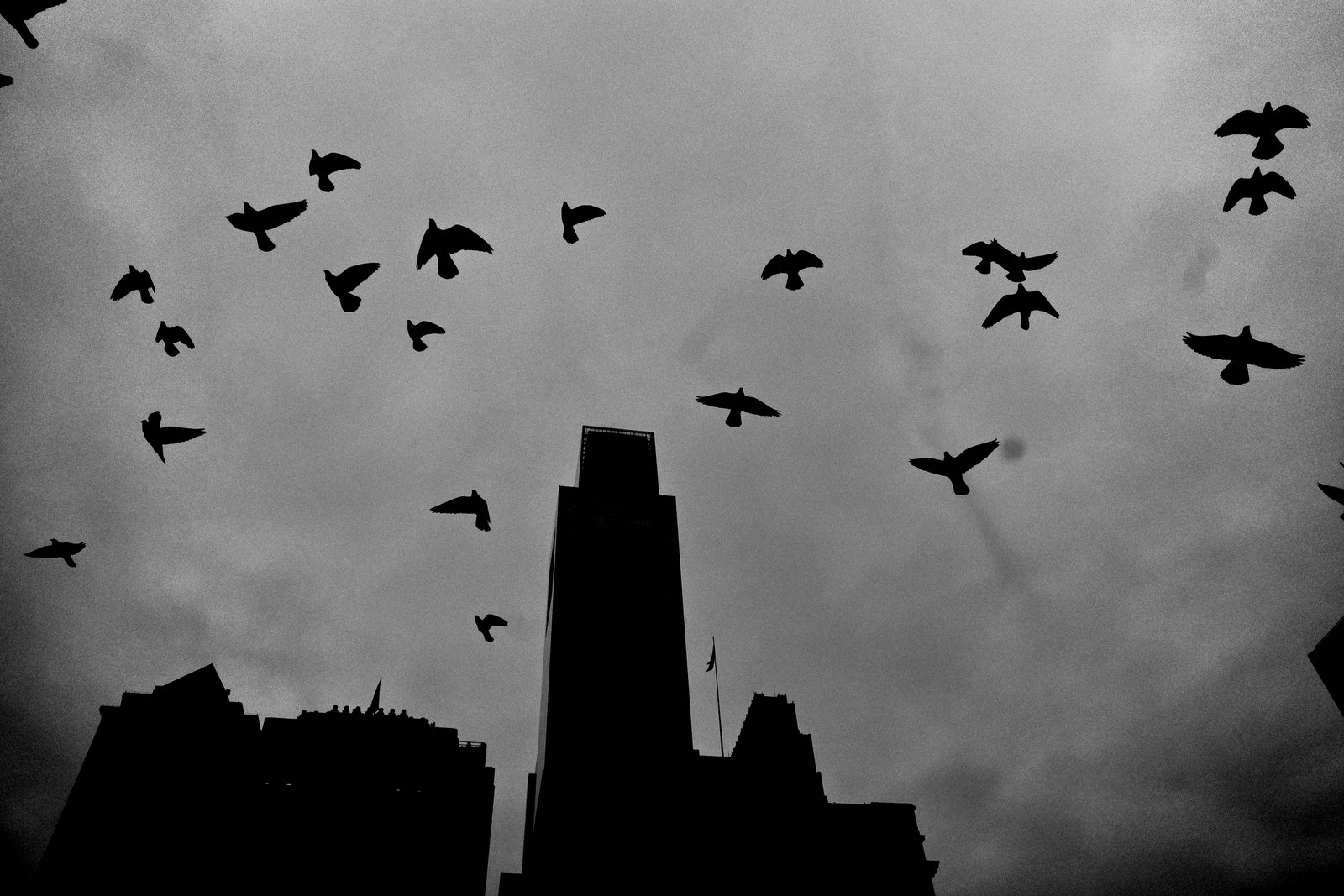
Here's why this matters. Some photos hit fast and move on. Layered photos hold you. They feel alive because they mirror how I actually experience the street — never one thing at a time, but front, back, entering, leaving, still and moving all at once. The eye travels through the frame and stays. That's the whole game.
Most People Leave Too Early
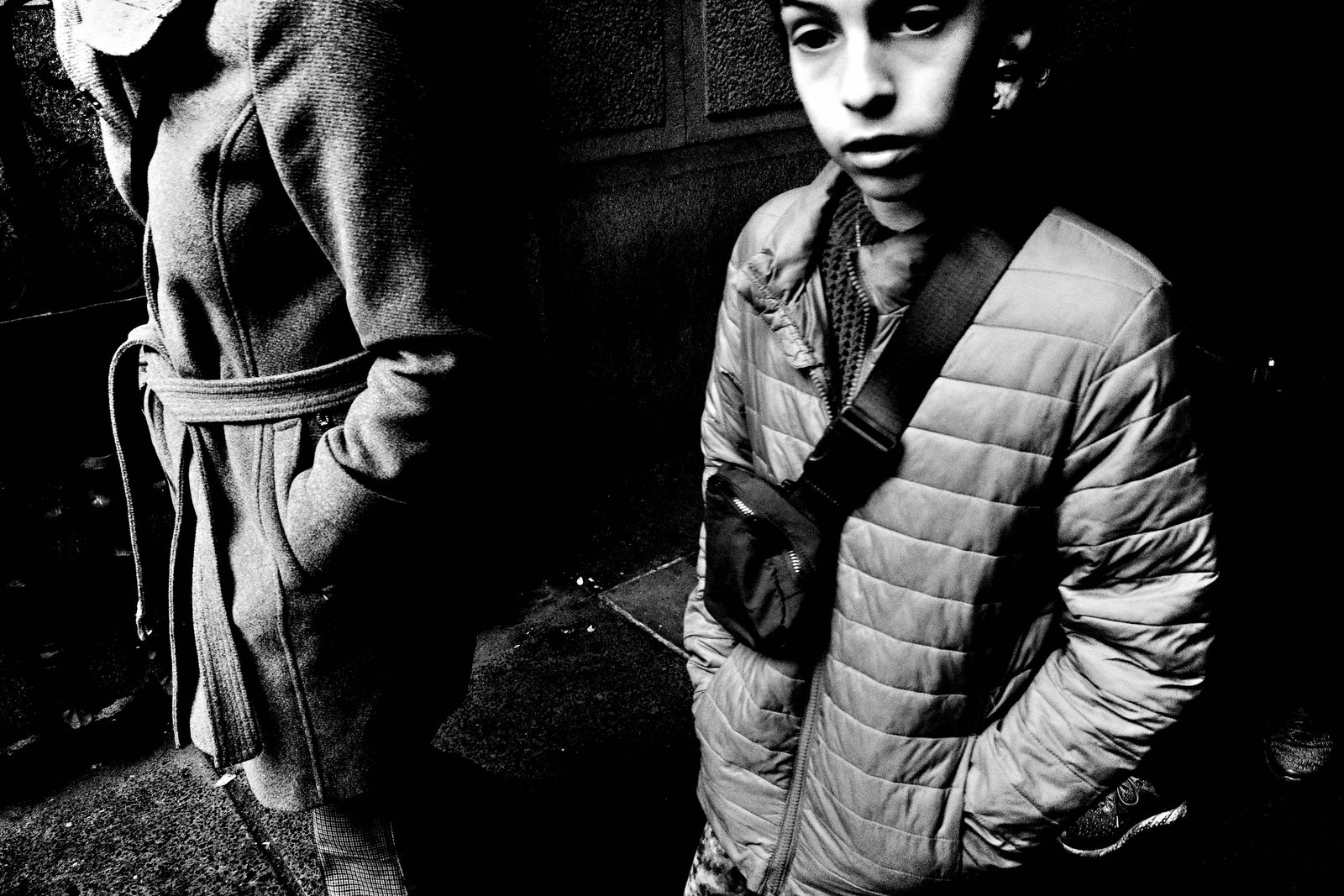
And here's the hard truth: most photographers don't fail at layering because they can't see. They fail because they leave scenes too early. They don't give the environment time to breathe. Master this and you separate yourself from everyone who fires one frame and walks. The whole module is built to fix that one habit.
MAIN TEACHING
Human First, Photographer Second
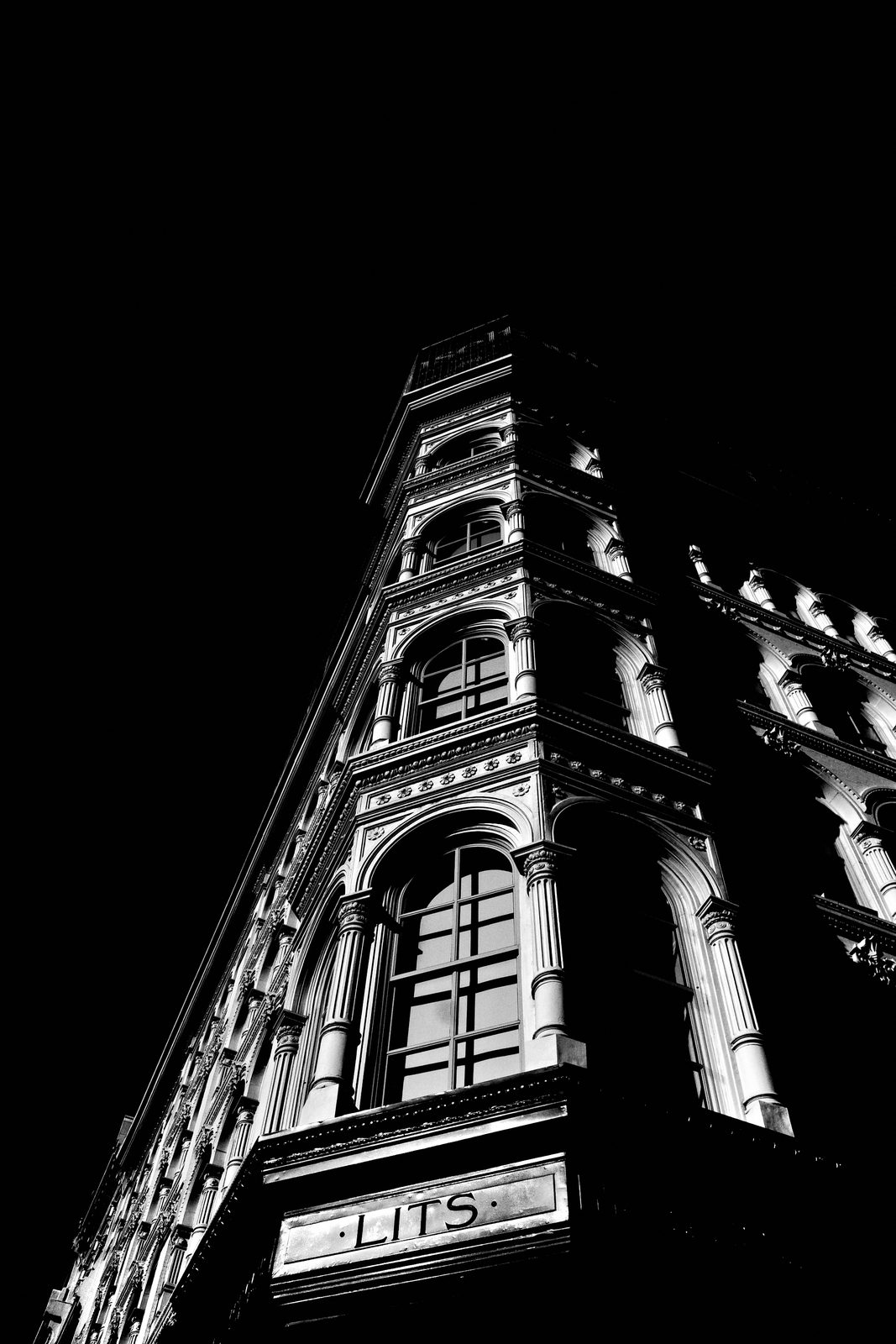
Let's start where I always start. Photography has almost nothing to do with photography. It has everything to do with how you engage with life. I'm out there as a human being first — curious about people, open to whatever unfolds — photographer second. The camera is just an extension of the body. Your real tools are your legs and your gut.
Layering Is Structure
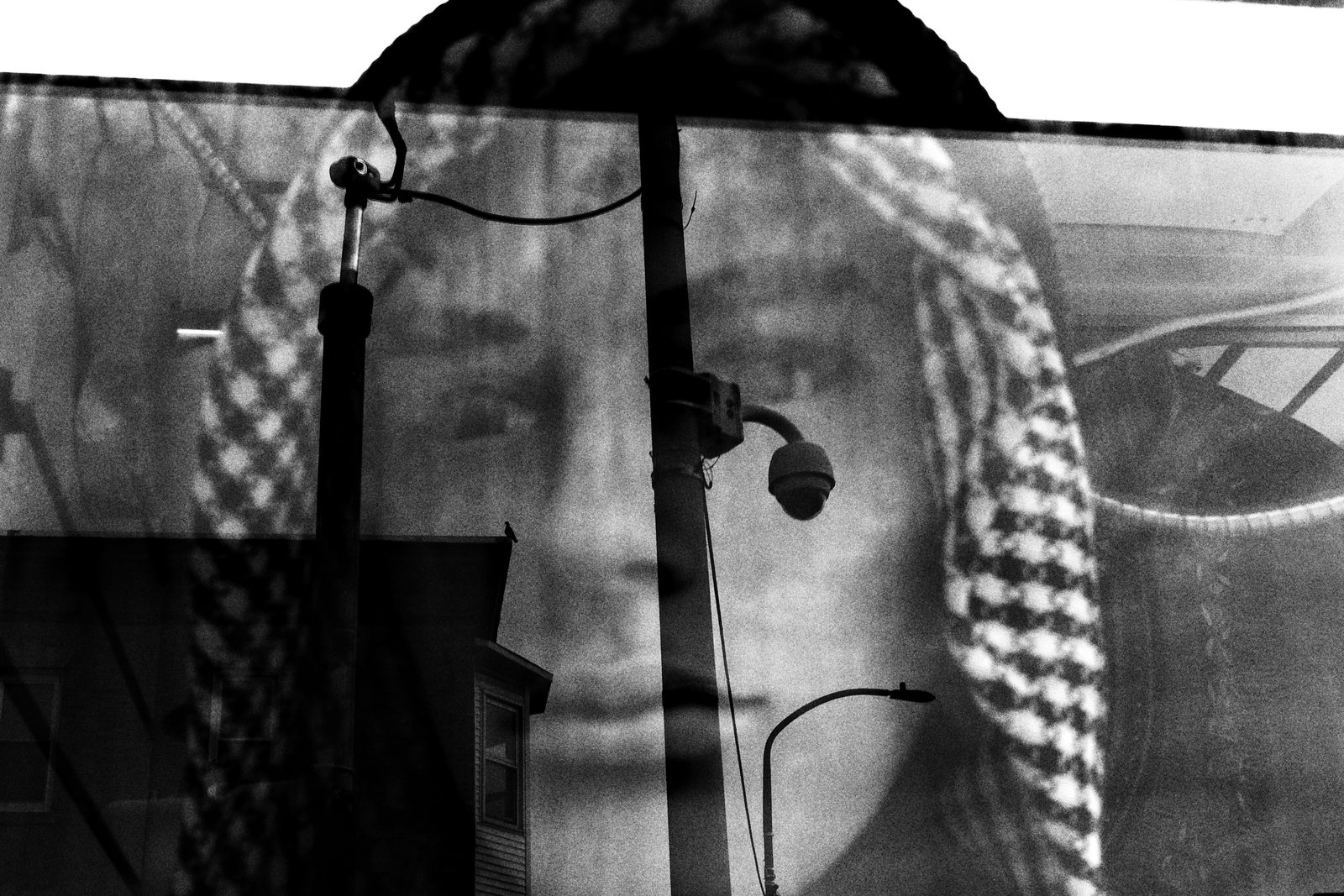
So let's define it cleanly. Layering is structure — the foundational principle of composition, the act of putting order to chaos. Life is spontaneous, out of our control. But structure is something I feel before I see, and that feeling guides how I position myself, how long I stay, and when I press. It's not complexity. It's order.
What Layering Is NOT
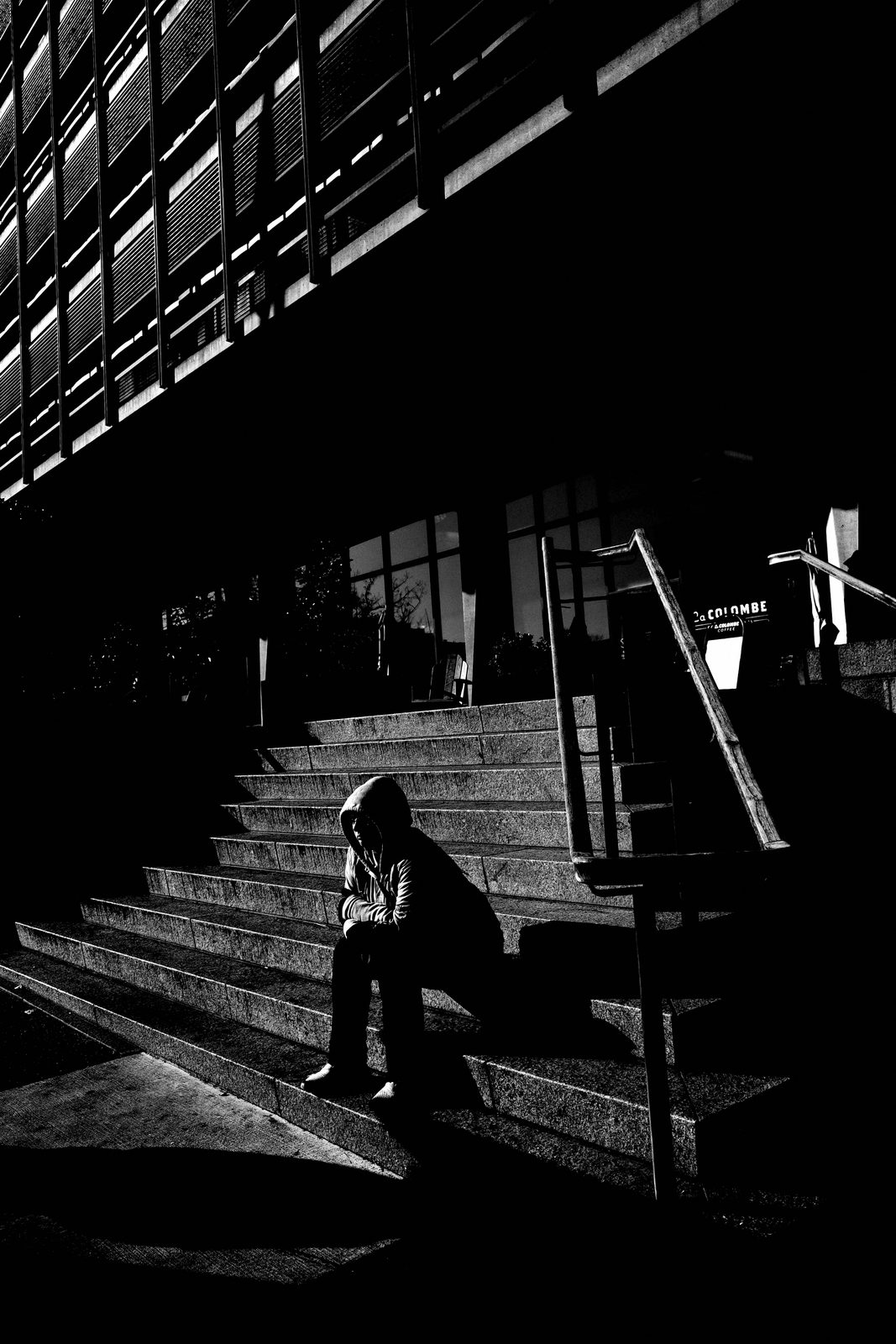
Now let me clear up the confusion. Layering is not about making things look complex — more people, more objects, more chaos does not mean a stronger photo. It's not the rule of thirds or leading lines or any gimmick. And it's not about impressing other photographers. Chase that and you stack ideas instead of refining one clear relationship. Chaos kills clarity.
Relationships, Not Subjects
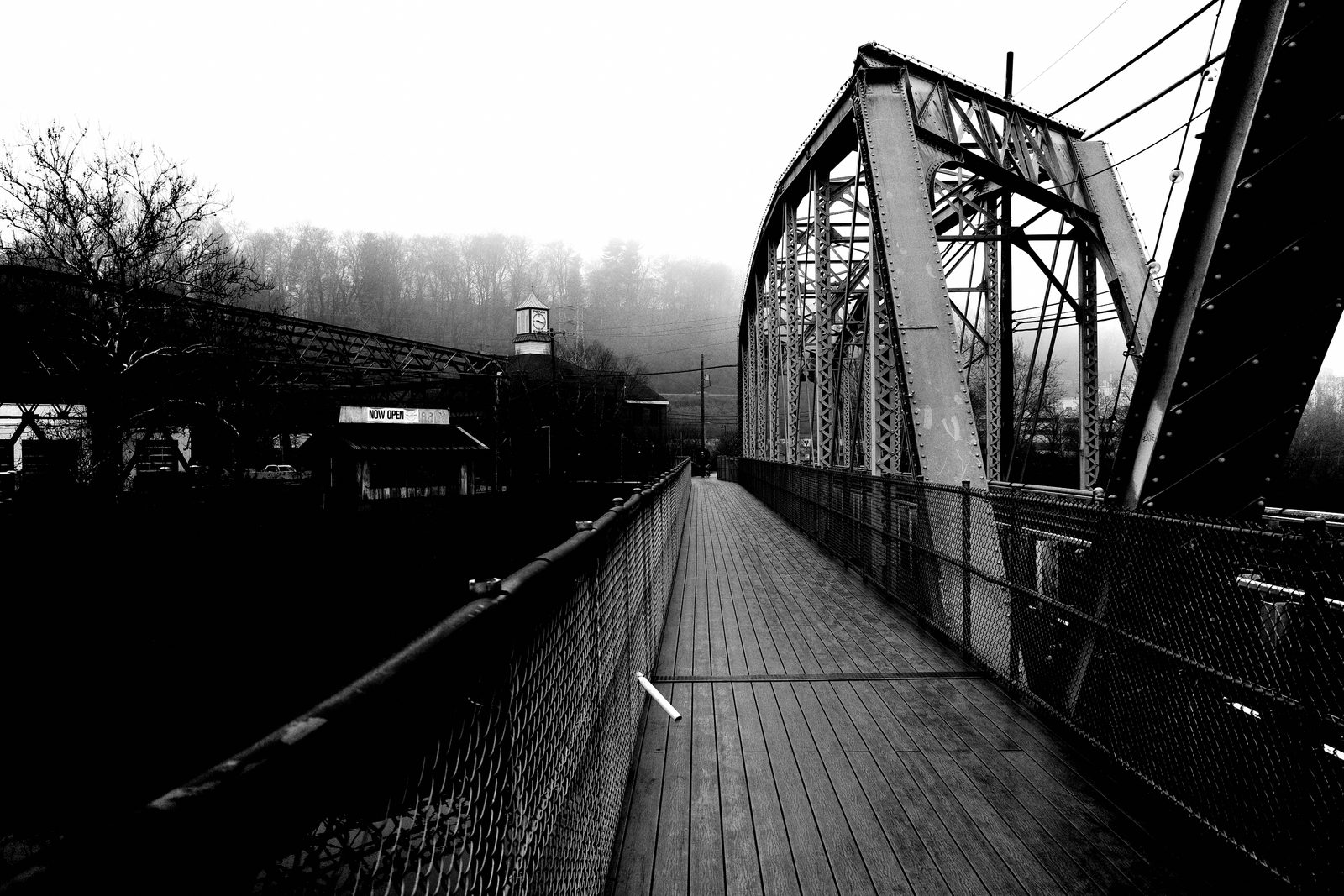
Here's the mindset shift. The biggest misconception in street photography is that everything revolves around the subject — a face, a gesture, a dramatic moment. Layering isn't about a single subject. It's about how multiple elements relate to each other inside the frame: how people move in relation to space, architecture, light, and each other. Relationship-building is the art.
Composition Is Physical
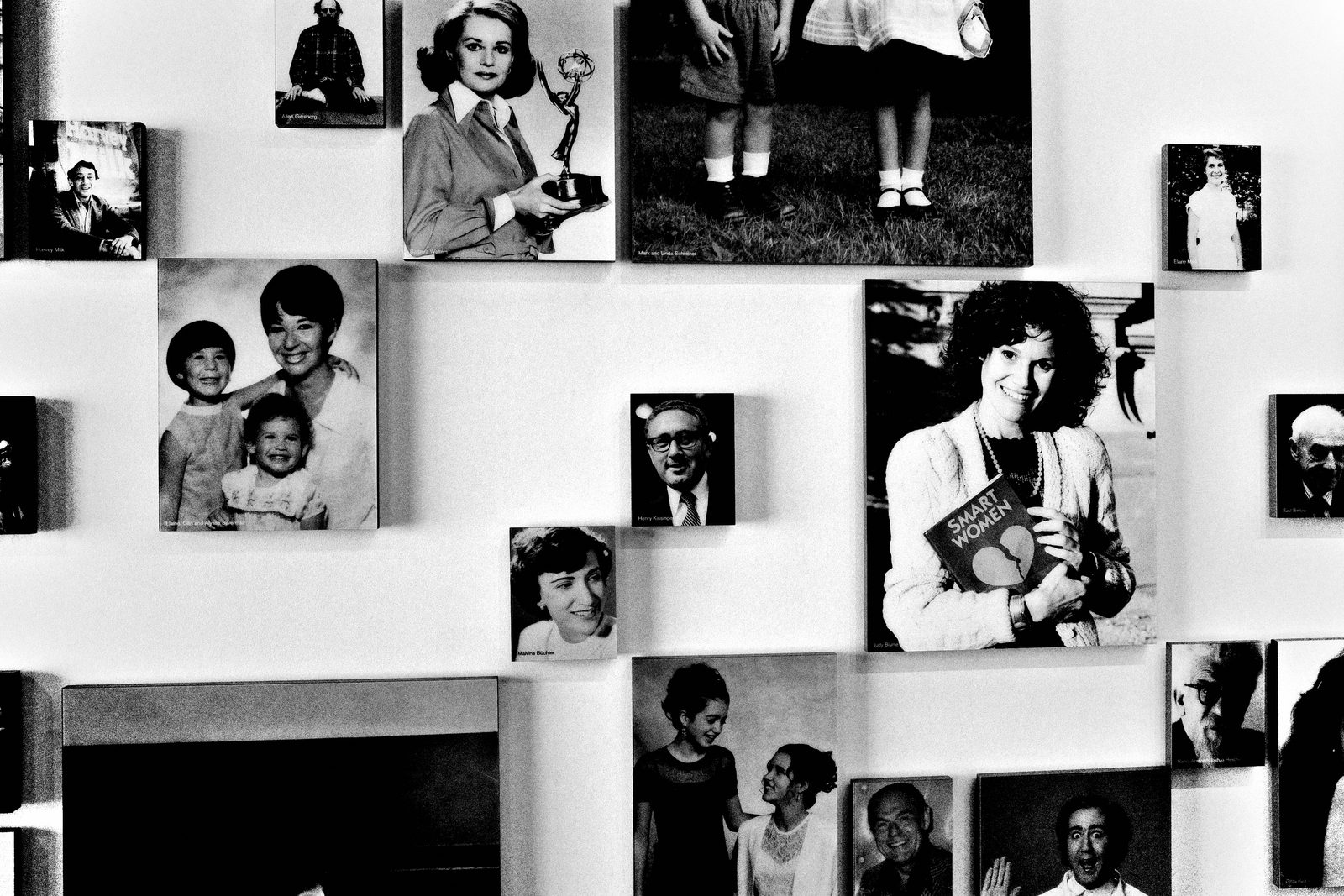
This is the heart of it: composition is physical. Com means together, position means to place — composition is literally placing things together, starting with where you place yourself. You don't think your way into a layered photo, you move your way into one. Drop low. Shift left. Wait. Respond. Trust your gut. Your feet matter more than your settings.
Layering Exists in Time
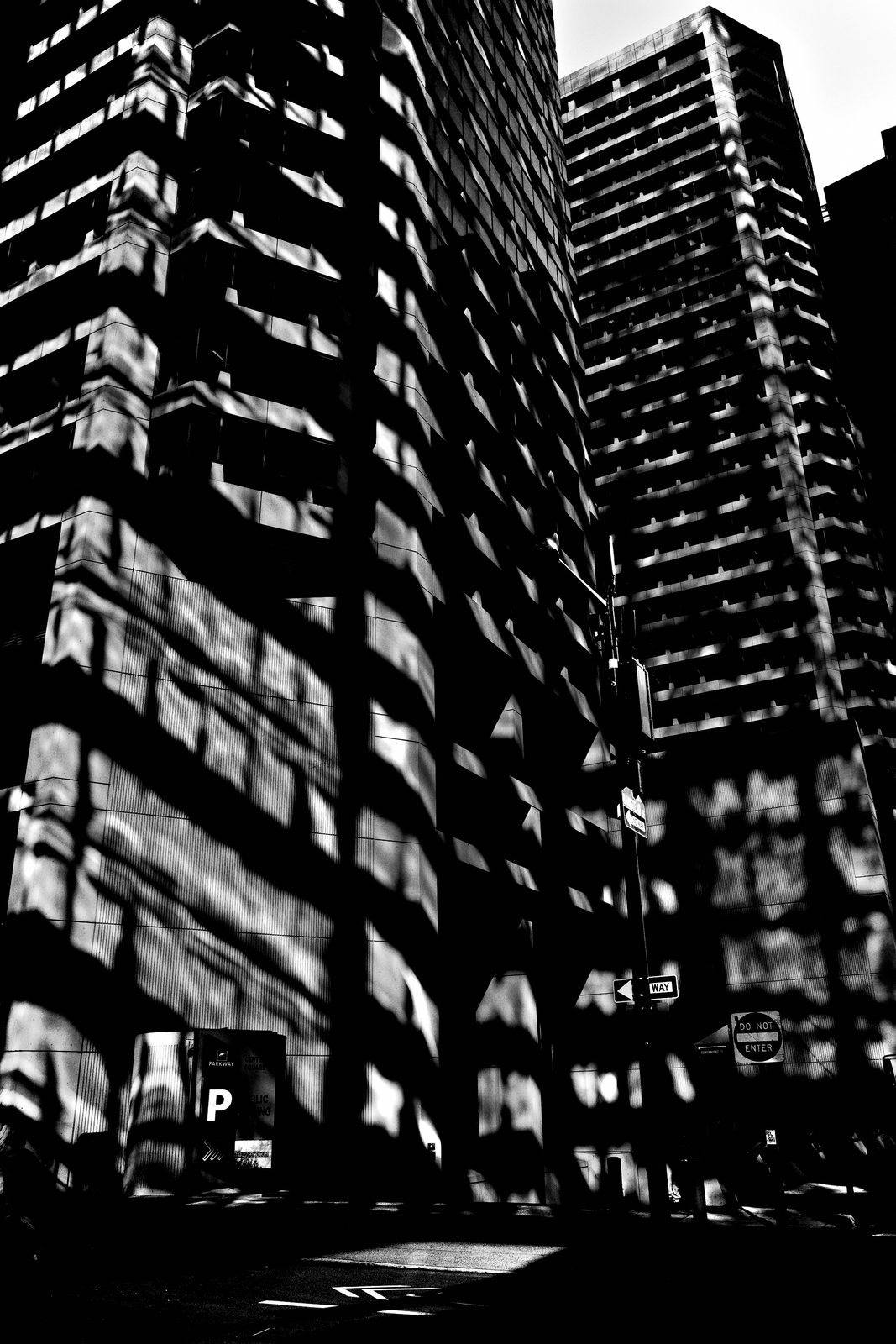
Layering doesn't just exist in space — it exists in time. Where I stand, how long I stay, how patiently I let the scene unfold. I watch a scene evolve and I don't leave until the scene leaves me. I make many frames, letting life reveal itself layer by layer. And remember this line: the shutter doesn't create the photograph — it confirms it. I feel it in my gut.
Commit to the Background First
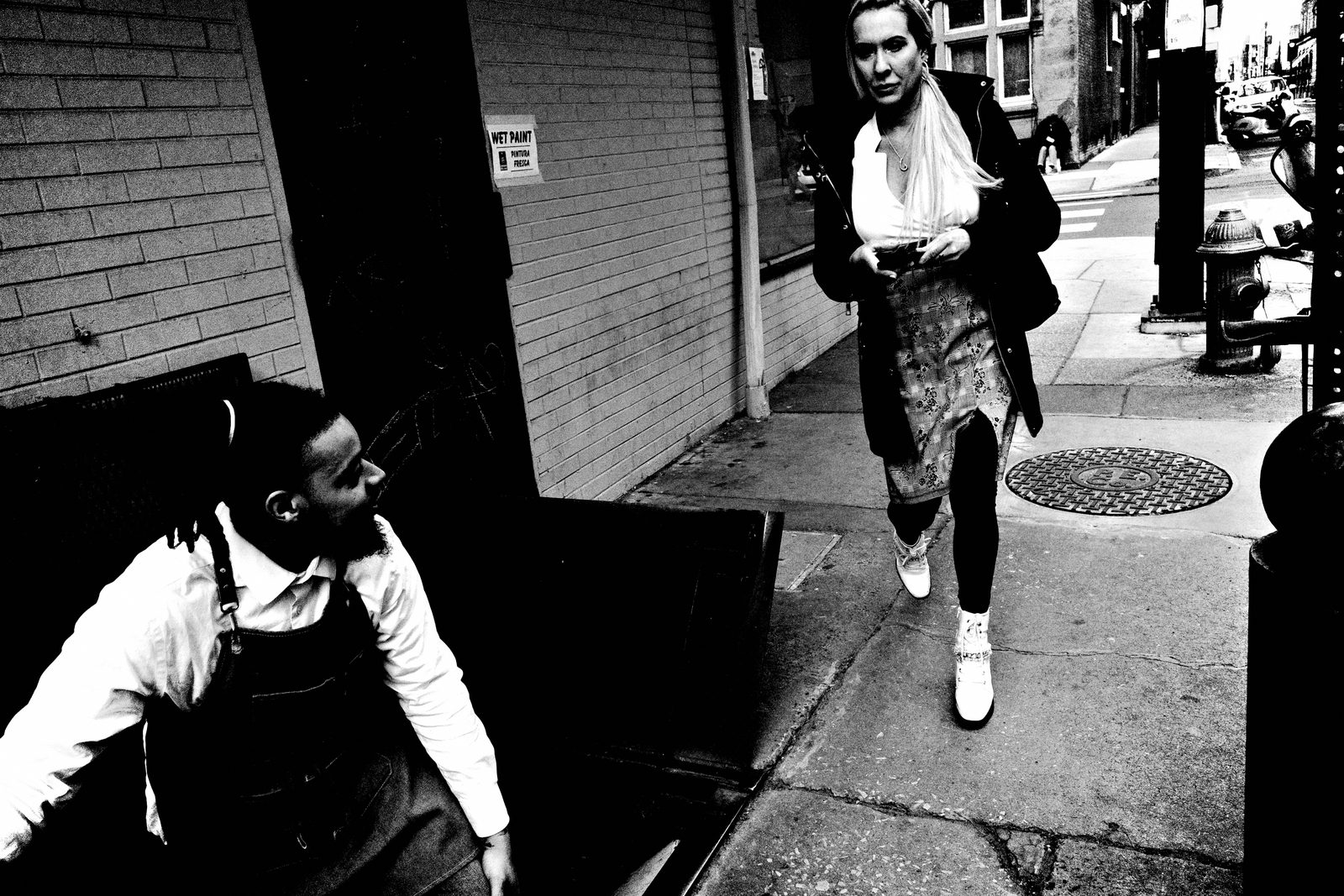
My method always starts the same way: commit to the background first. The background is the stage — it sets the mood, the structure, the light, how readable the frame will be. I set my frame, commit to that background, then I wait. A strong subject won't save weak structure. If the background doesn't work on its own, it won't work once people enter.
Work a Choke Point as Your Stage
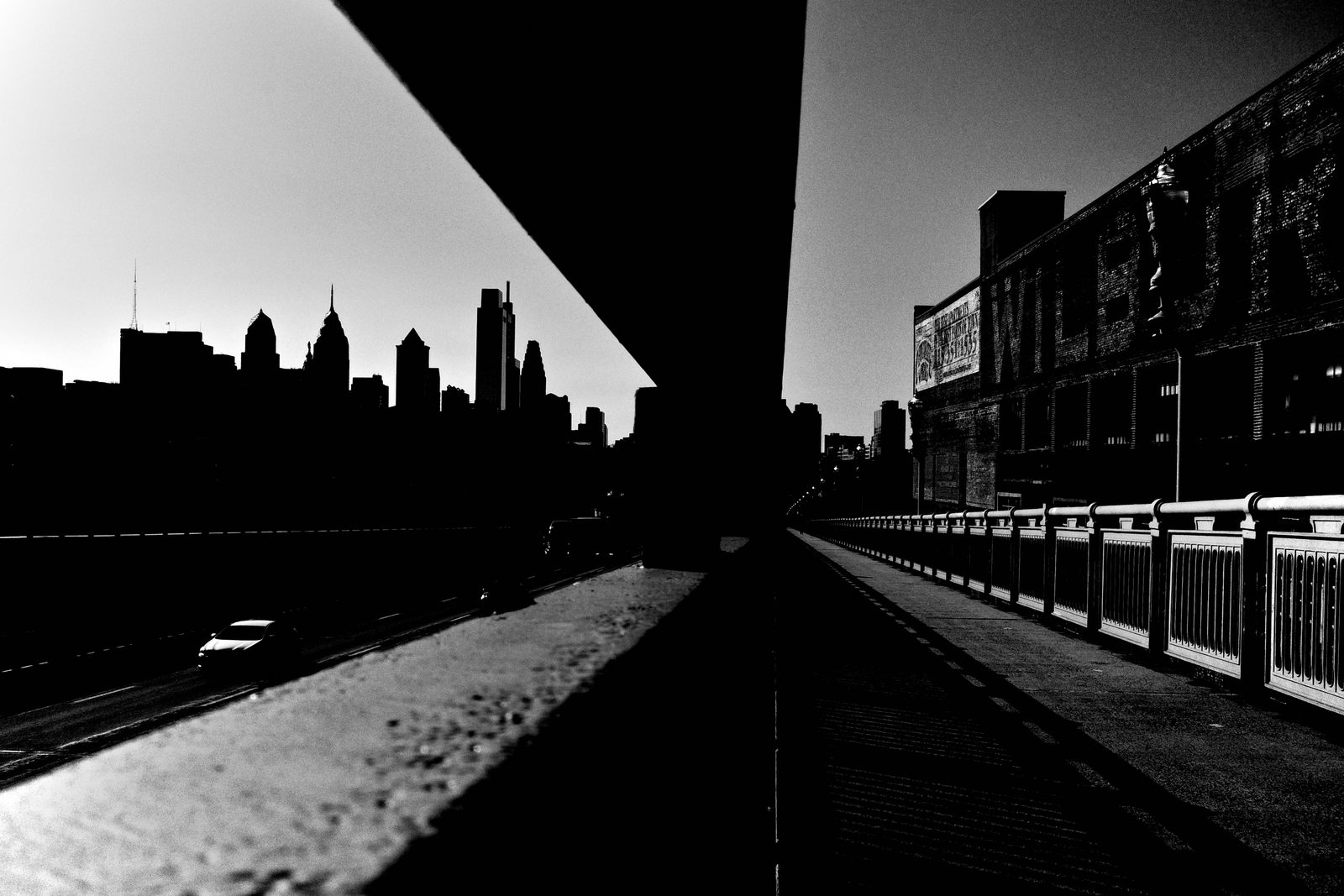
Here's how the method plays out. Take a choke point — a bus stop, a doorway, a corner where people funnel through. Find a background with strong color and graphic presence, and understand how people naturally move through that space. Set your frame, commit to the background, and wait. People enter naturally, and the photograph reveals itself over time. The eye has somewhere to go.
Structure Stillness Against Spectacle
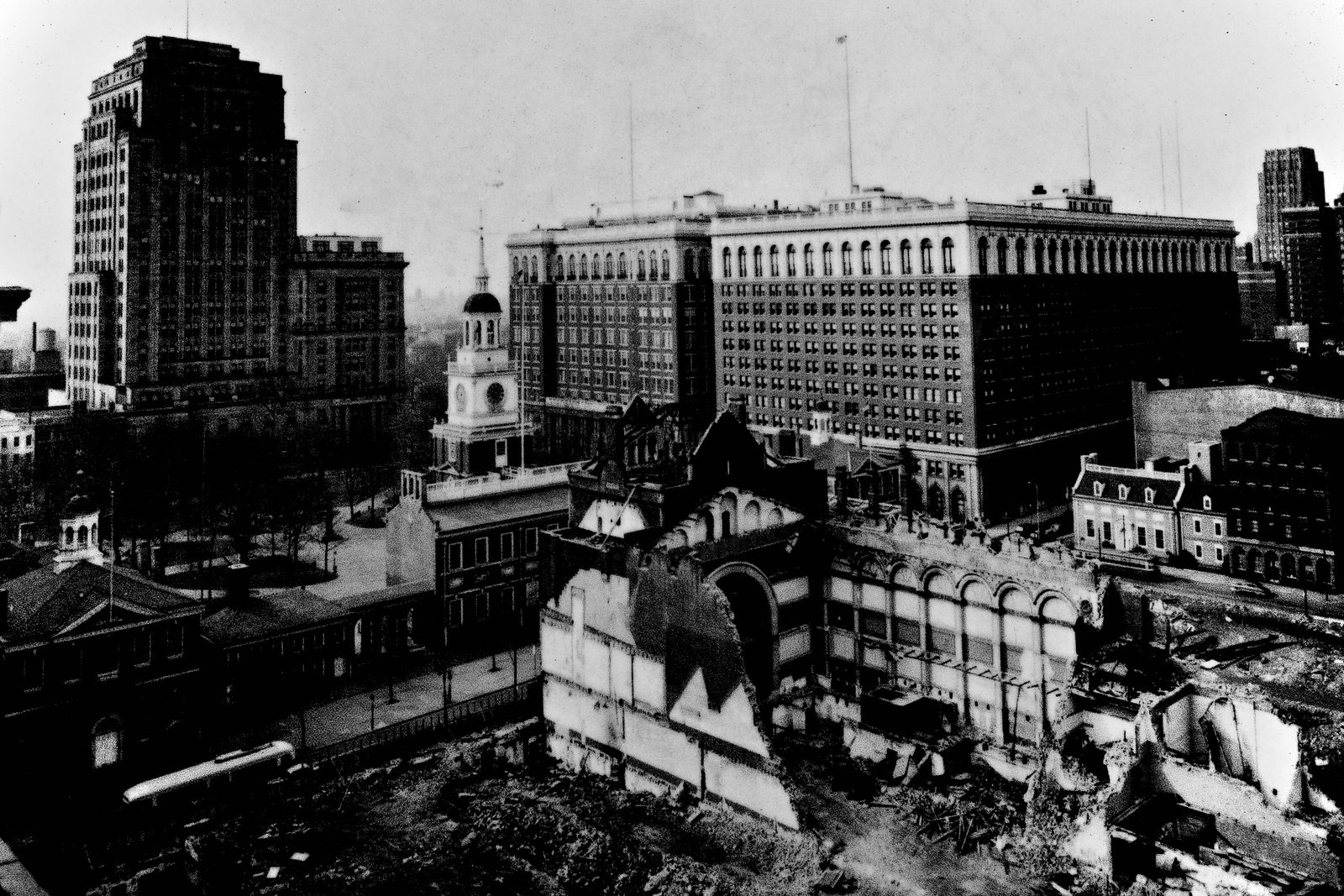
Here's the principle — and it works even when nothing dramatic happens. Picture a quiet, still figure — someone tired, a hand resting on their face — set against a backdrop full of energy and light, like a glowing carnival ride. By structuring the frame that way — stillness against movement, exhaustion against spectacle — the image carries real emotional weight. You don't need drama to make a dynamic photograph.
The Photograph Exists Before the Moment
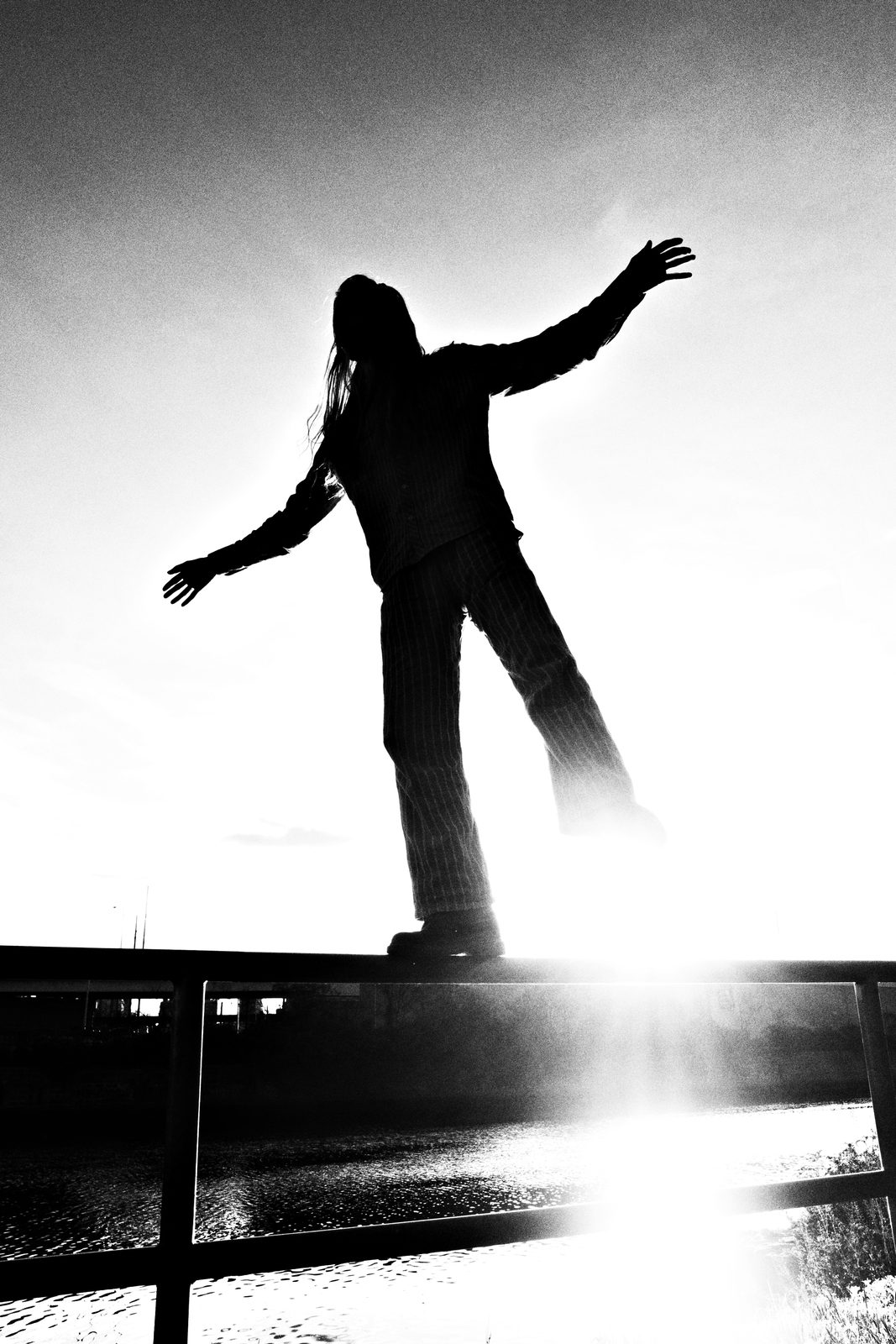
And here's the deepest version of it. When a peak moment lands — children playing, a body flipping through the air — the strongest frames aren't chance. You've already committed to the scene, already framed the background, already prepared. The action is the moment, but the photograph existed before the moment arrived. That's the difference between reacting and building.
Single Moments vs. Layered Moments
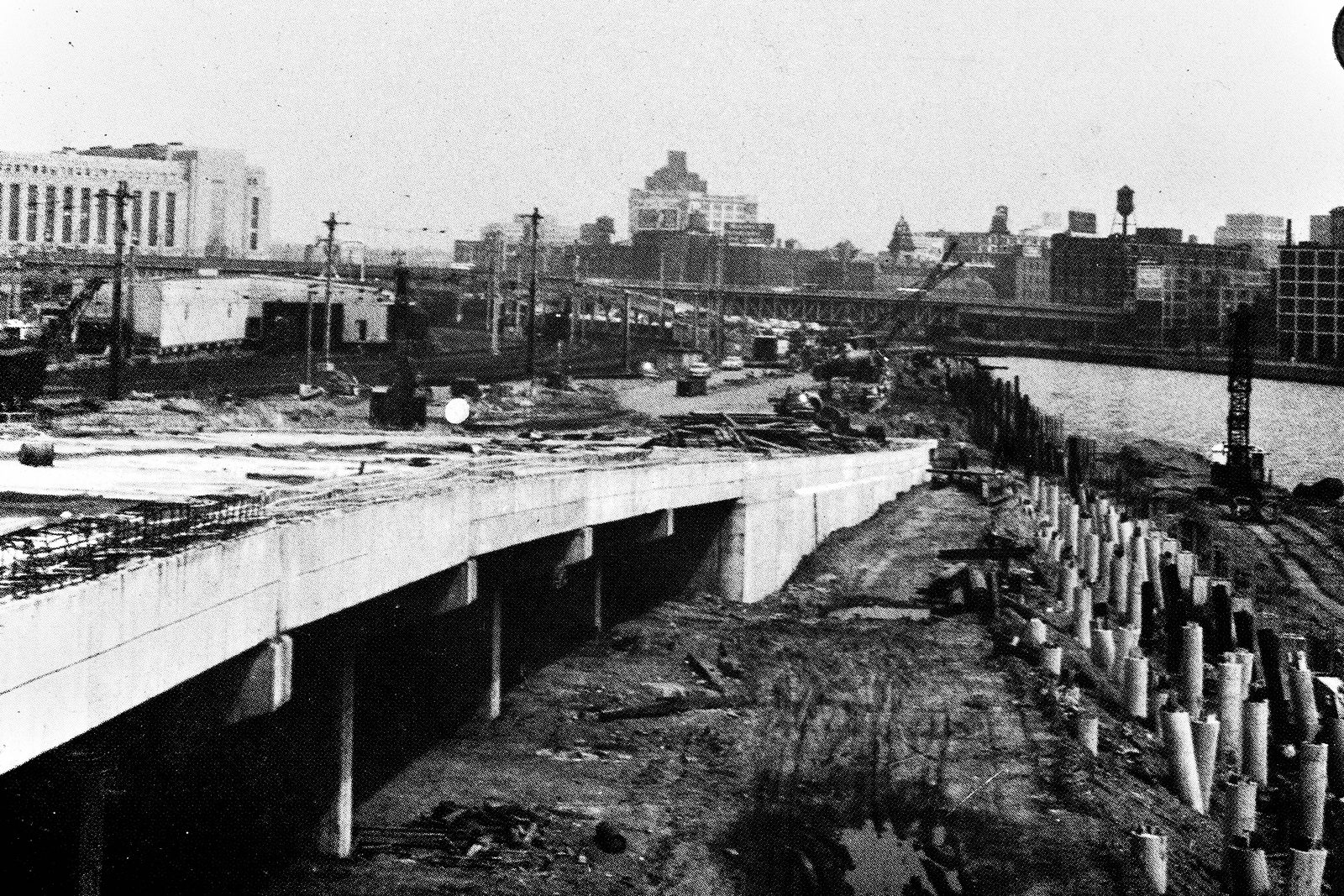
Now, nothing's wrong with single-moment photos — a gesture, a collision of timing that happens once. But single moments live or die on reaction and timing. Layered moments are built over duration and preparation. By the time the moment arrives, the photo feels inevitable, not surprising. Layering isn't rejecting single moments — it's choosing intentionally which one a scene is asking for.
Removal, Not Addition
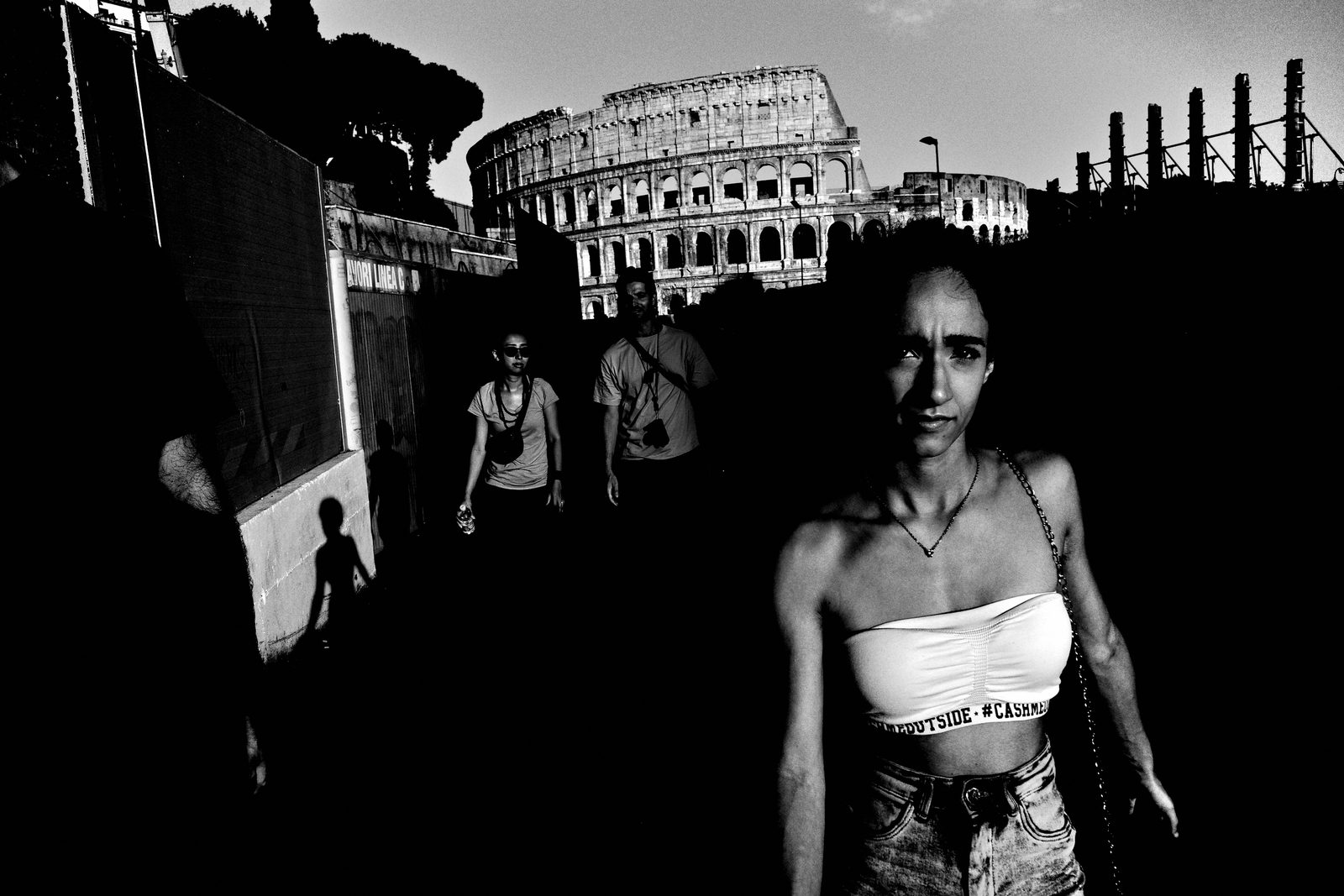
Here's the skill most people get backwards. They try to add interest. Layering usually comes from removal. You don't need more elements — you need fewer, placed better. Take one step left. Drop slightly lower. Wait for one person instead of five. Let the background breathe before anything enters. Layering rewards restraint, not accumulation.
PRACTICAL APPLICATION
The 3 Ps: Your Field Mantra
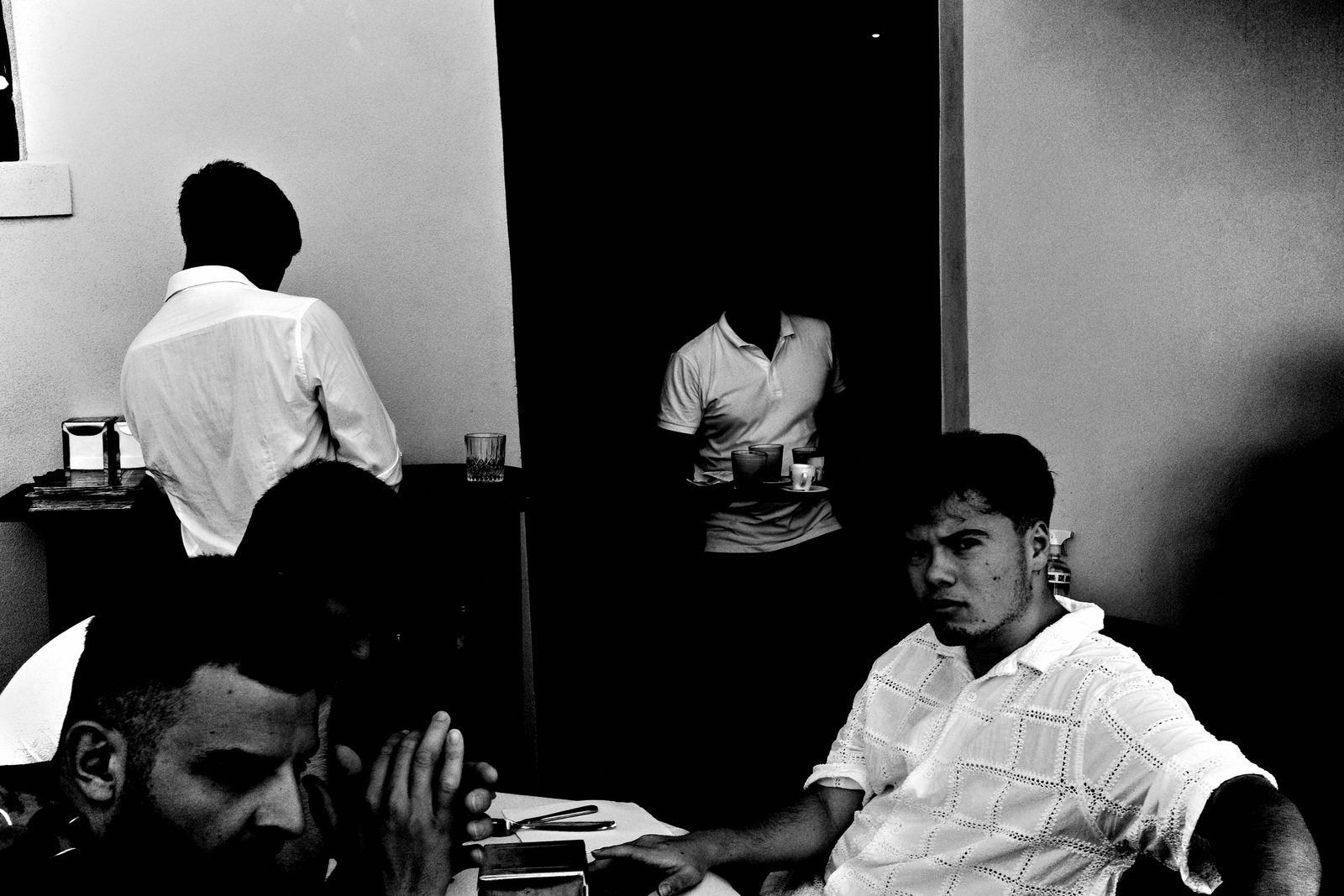
Here's your field mantra — the 3 Ps. Patience: stay still, trust the photo hasn't arrived yet, don't leave until the scene leaves you. Presence: be fully tuned in to the rhythm, the light, the body language. Position: where you stand determines what overlaps, what separates, what collapses. When all three align, layering stops feeling forced — it feels inevitable.
Build the Frame, Step by Step
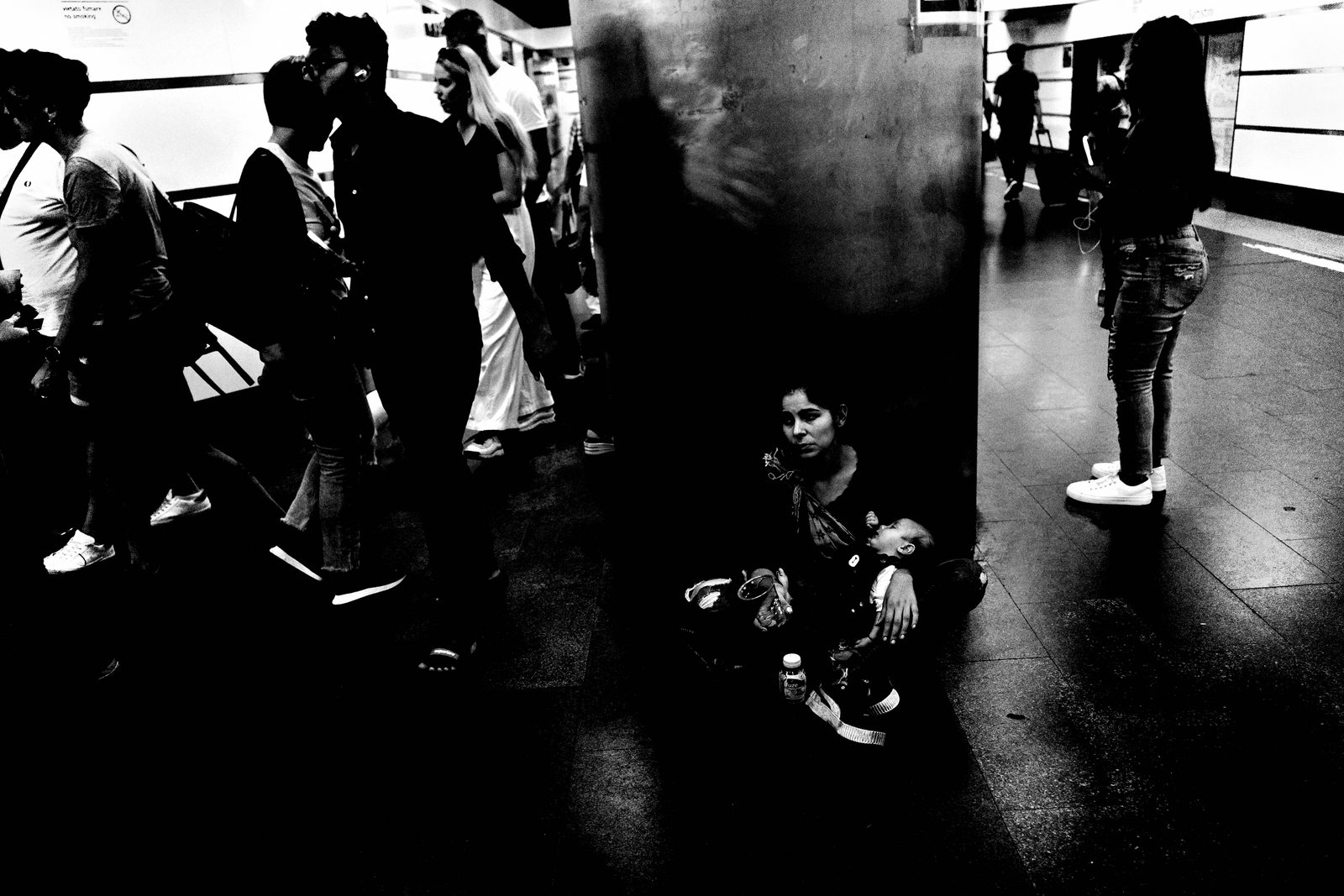
Try it this way on your next walk. Find the background first — commit to the stage. Plug in a foreground element. Then let the middle ground come to you. Stay patient and let relationships form. When the structure, the separation, and the relationships all make sense — stop. Knowing when to stop is as important as knowing when to begin. Discipline is part of composition.
Work a Choke Point
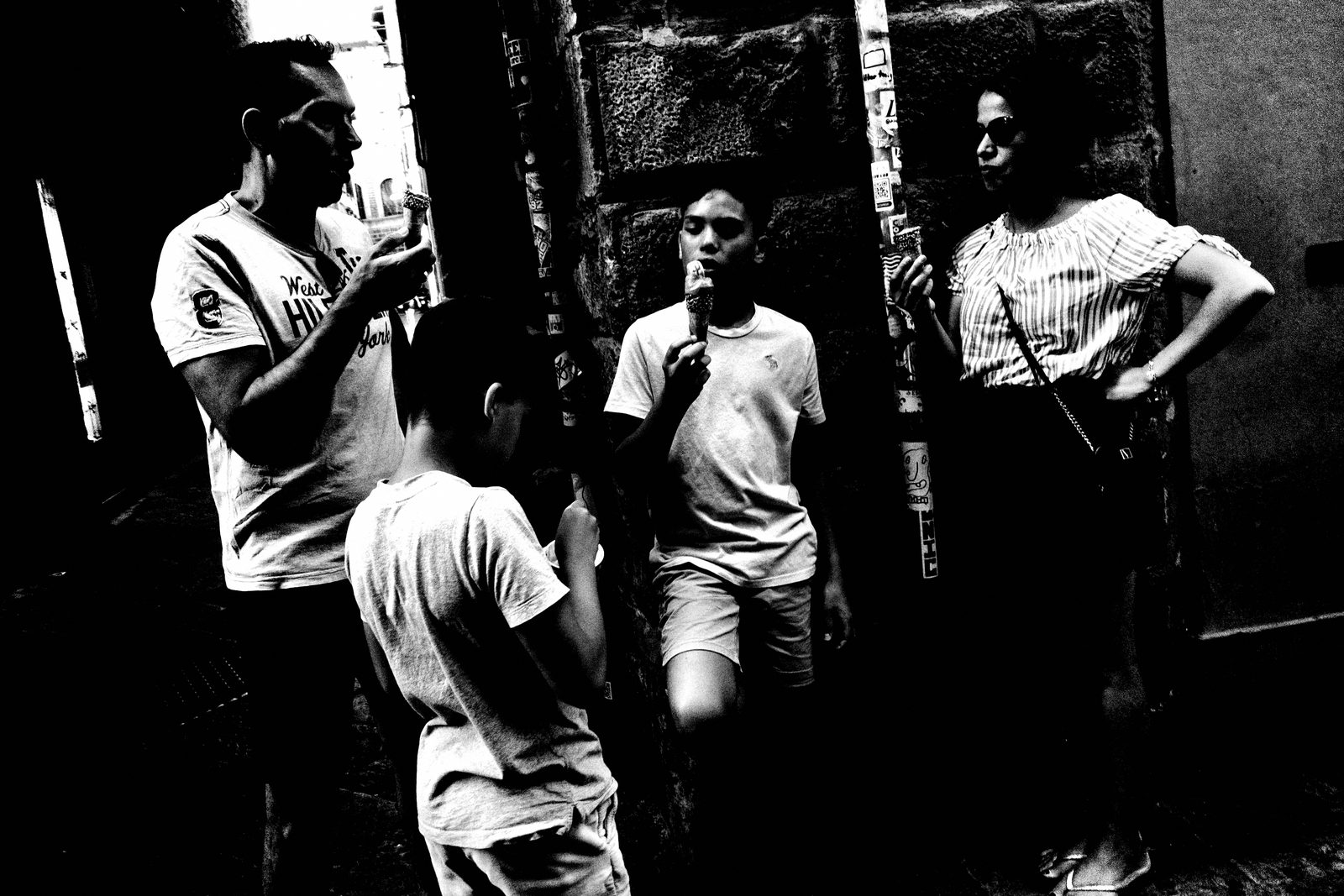
A drill to train all of this: find a choke point — a doorway, a corner, a bus stop where people naturally funnel through. Set your background, then commit and stay. Minutes, not seconds. Watch the puzzle pieces move through the frame and let the scene finish itself. This single habit — staying — will do more for your layering than any technique.
COMMON MISTAKES
Leaving Too Early & Forcing It

The two big mistakes. First — leaving too early, before the scene resolves. That's where the photographs you'll never see go to die. Second — forcing it: standing far away hoping things line up. Distance flattens scenes, removes intimacy, turns lived moments into shapes. And don't confuse busy with alive — stacking chaos kills clarity. Fewer elements, placed better.
RELATIONSHIP TO PREVIOUS
From Composition to Layering
This builds straight on Lesson 022, where we closed the Composition module by deconstructing real frames. Everything there — composition is physical, solve it with your feet, structure over spectacle — is the groundwork. Layering is composition, just stacked in depth. Same embodied seeing, now applied across foreground, middle ground, and background.
RELATIONSHIP TO UPCOMING
Into the Three Layers
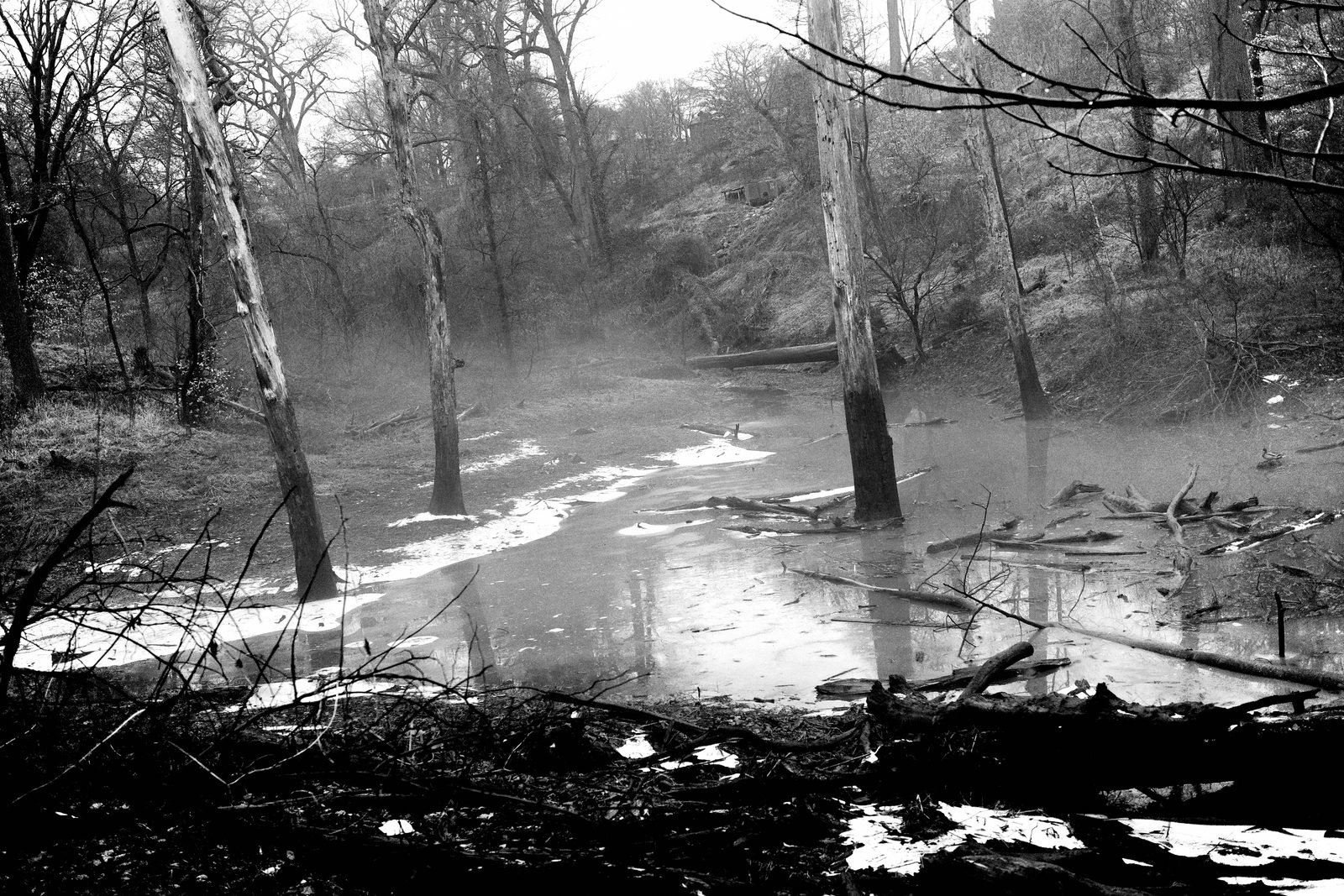
Next up, we get spatial. In Lesson 024 — Foreground, Middle Ground, Background — I break the frame into its three zones and show you how to balance them in the real world: background as the stage, middle ground as the emotional center, foreground to elevate. Today you learned what layering is. Next, we build it piece by piece.
SUMMARY / TAKEAWAY
Feel the Frame Before You Make It
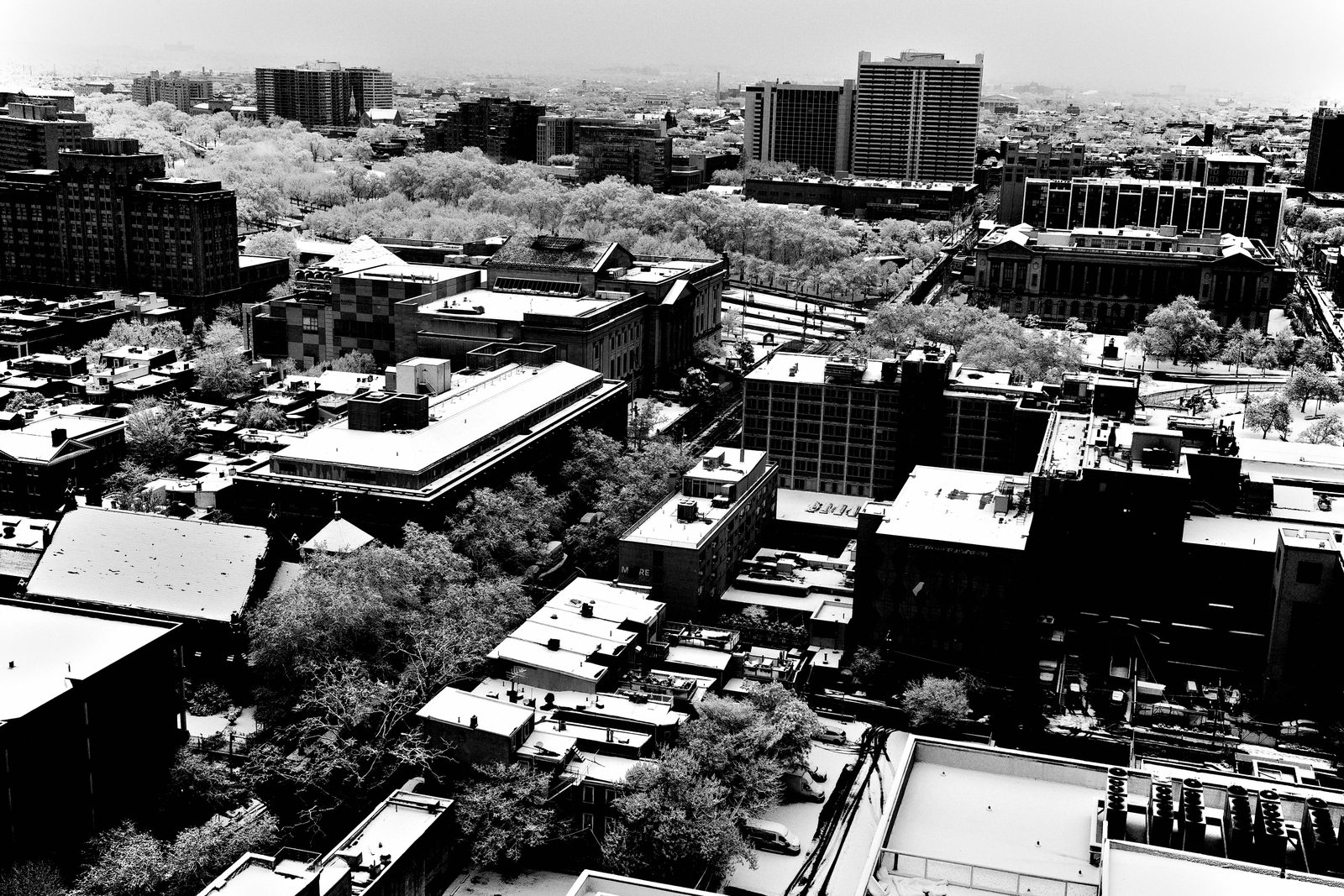
Last thing. Layering isn't magic and it isn't luck — it's slowing down, committing to a scene, and letting life unfold while you stay present and intentional. Structure over spectacle. Removal over addition. Patience, presence, position. You've got to feel the photograph before you make it. Welcome to the signature — catch you in the next lesson.