Breakdown II — Composition
CORE IDEA
Composition Is a Set of Decisions
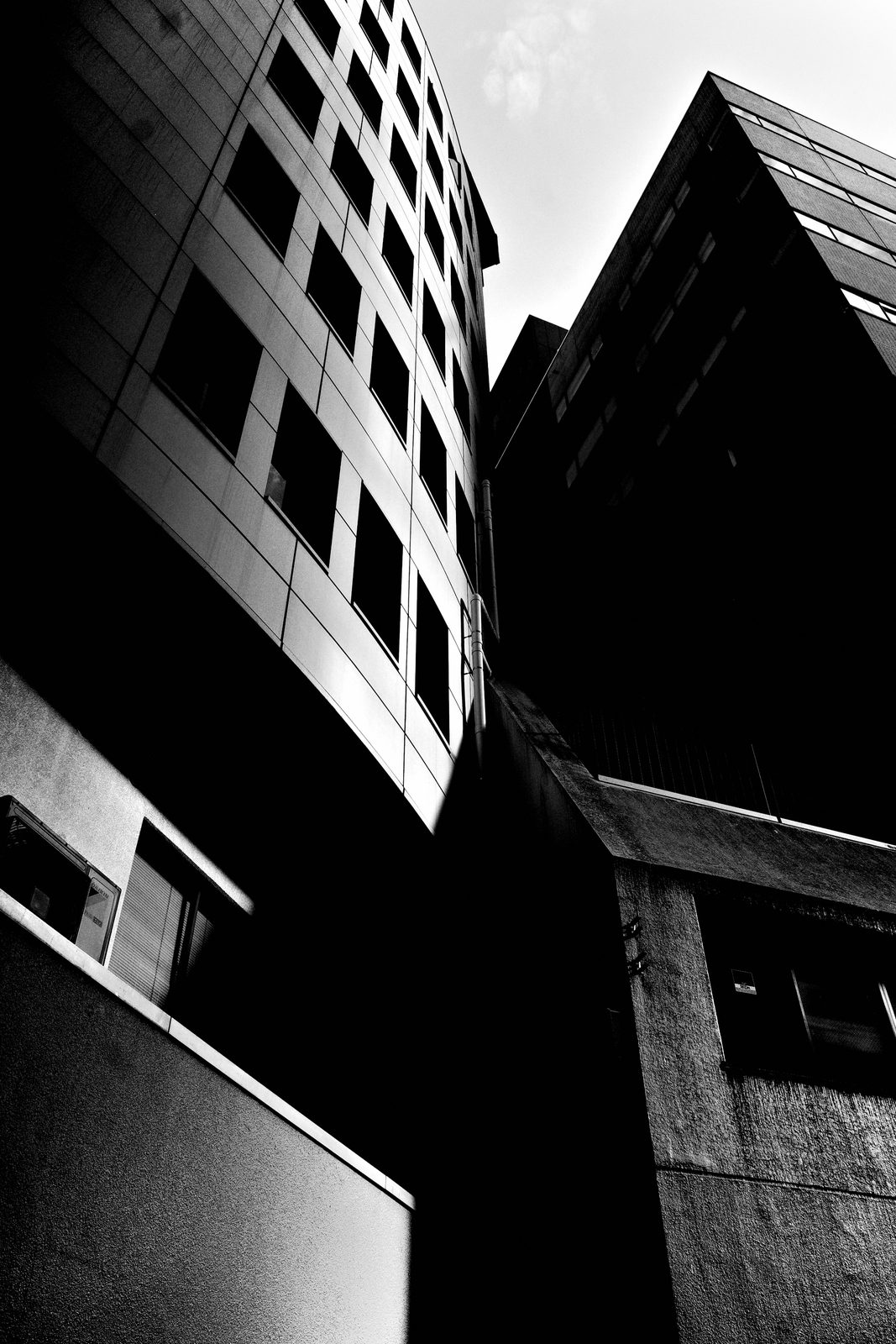
What's popping, people — it's Dante. Today we get practical about composition. We're going to look at the decisions inside a frame — the geometry, the balance, the framing, where the gesture sits. Because composition isn't a grid you memorize and lay over the world. It's a series of physical choices you make on the street, in the moment, and we're going to make those choices visible so you can make them on purpose.
LEARNING OBJECTIVE
Read the Decisions in a Frame
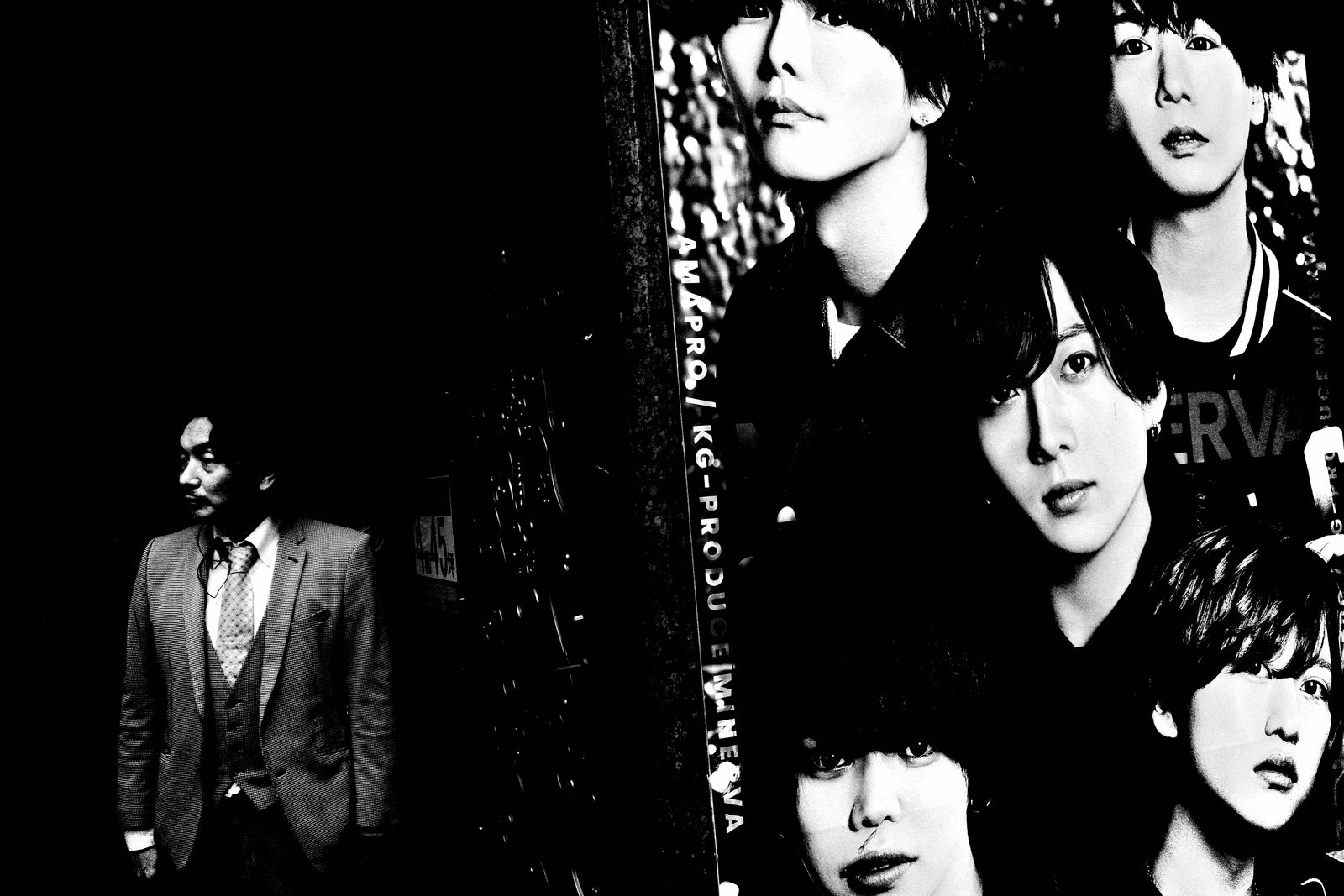
By the end of this lesson you'll be able to look at any street scene and reverse-engineer the composition — spot the problem the scene is handing you, identify the decision that resolves it, and understand why it works. That's the skill you turn back on your own contact sheets, so your best frames stop being accidents and start being repeatable.
WHY THIS MATTERS
Order Out of Chaos
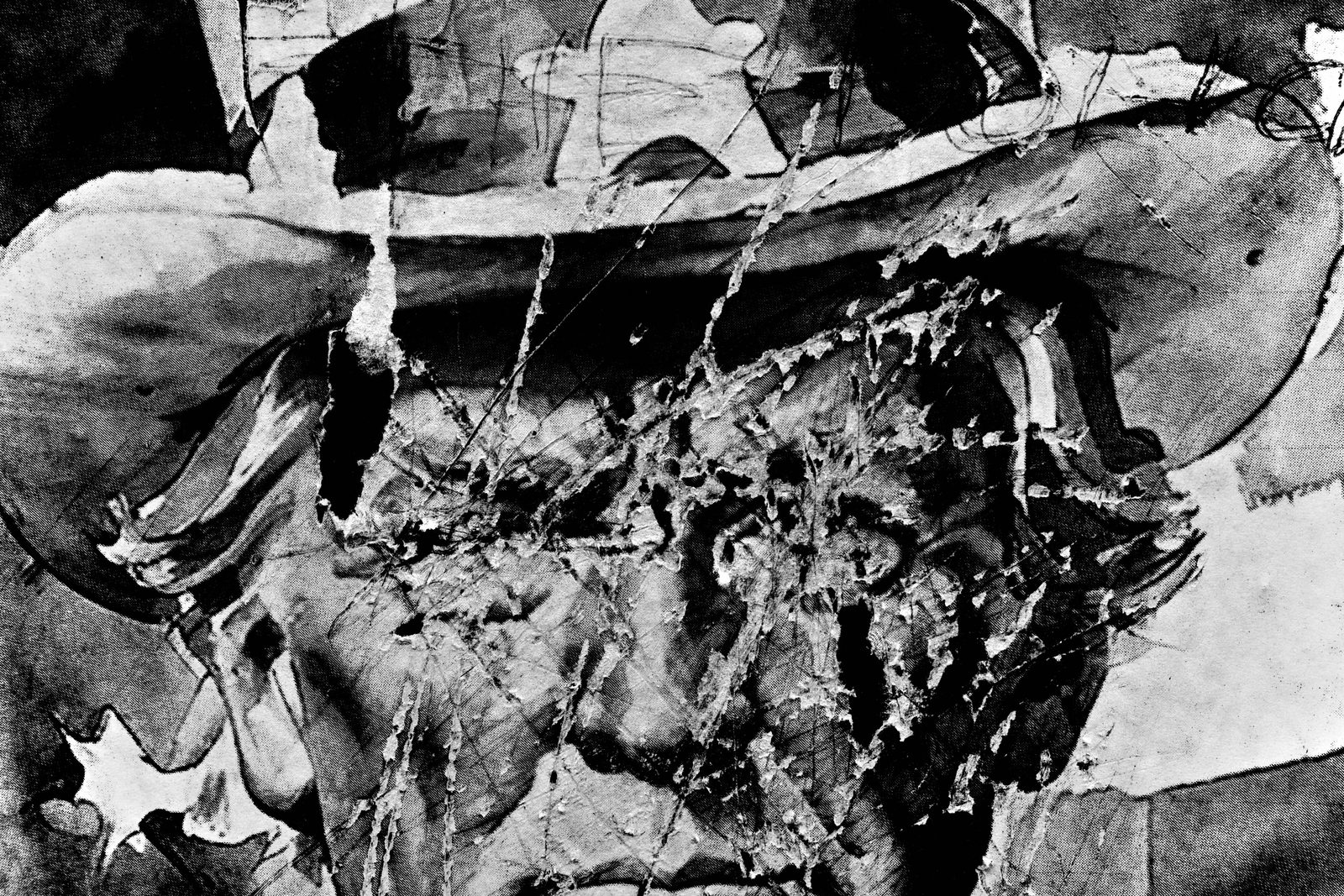
Here's why this matters. Out there, things happen fast — there's chaos everywhere. Our whole job is to put order to that chaos. The frames that work aren't lucky; they're the result of small physical decisions made in a split second. Composition is where those invisible decisions become visible, and where luck gets replaced by intention.
MAIN TEACHING
The Three Questions
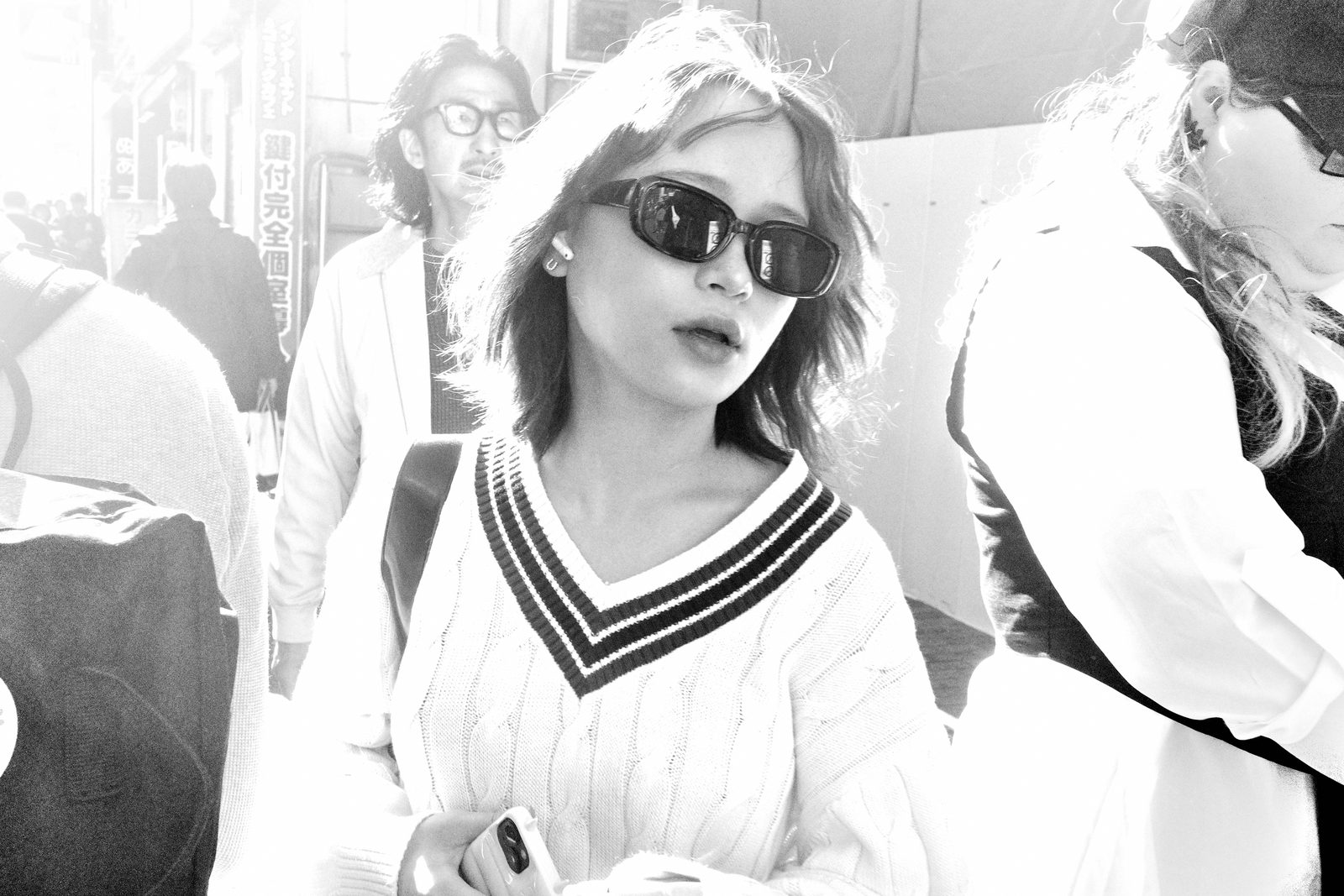
So here's the frame to run every scene through — three questions. What is the compositional problem the scene is giving me? What decision will resolve it? And why does that resolution actually work? Problem, move, payoff. Hold those three in your head and any scene — any photograph, yours or anyone's — starts teaching you something.
Composition Is Physical
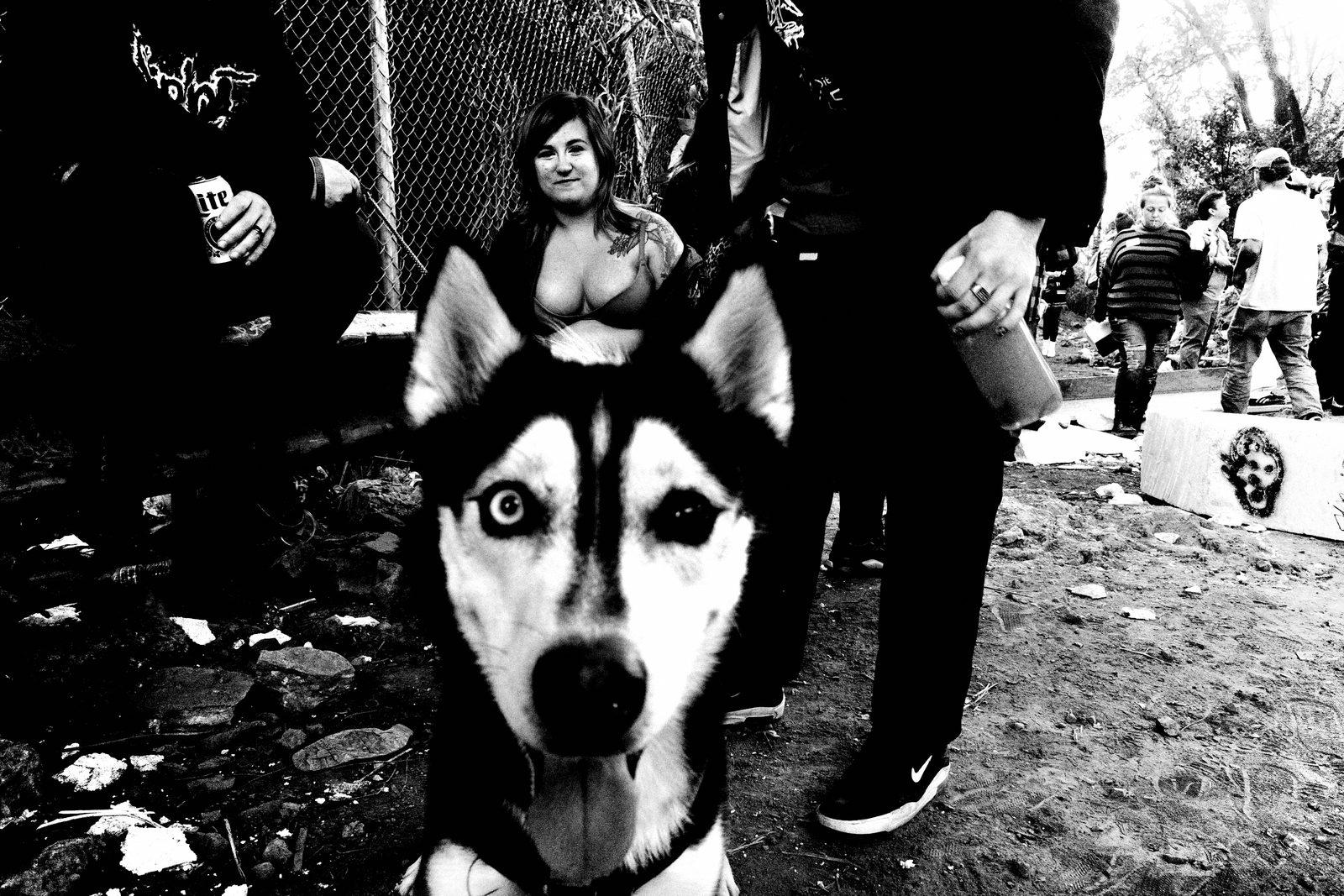
Before anything else, the one law underneath it all: a photographer is responsible for where they position their physical body in relationship to the subject and the background. Composition derives from your legs. Every "decision" we're about to make is really you moving your body to a better spot. When you feel a frame isn't working, the answer is almost always in your feet.
Uplifting a Simple Subject

First problem to solve: a subject that's simple. A single person in a doorway, a quiet gesture, one clean figure. On its own, it's just that — plain, static, easy to walk past. The compositional problem is how to uplift a simple subject into something that resonates. You don't fix this by finding a "better" subject. You fix it by finding what that subject can be related to.
The Decision: Let It Echo
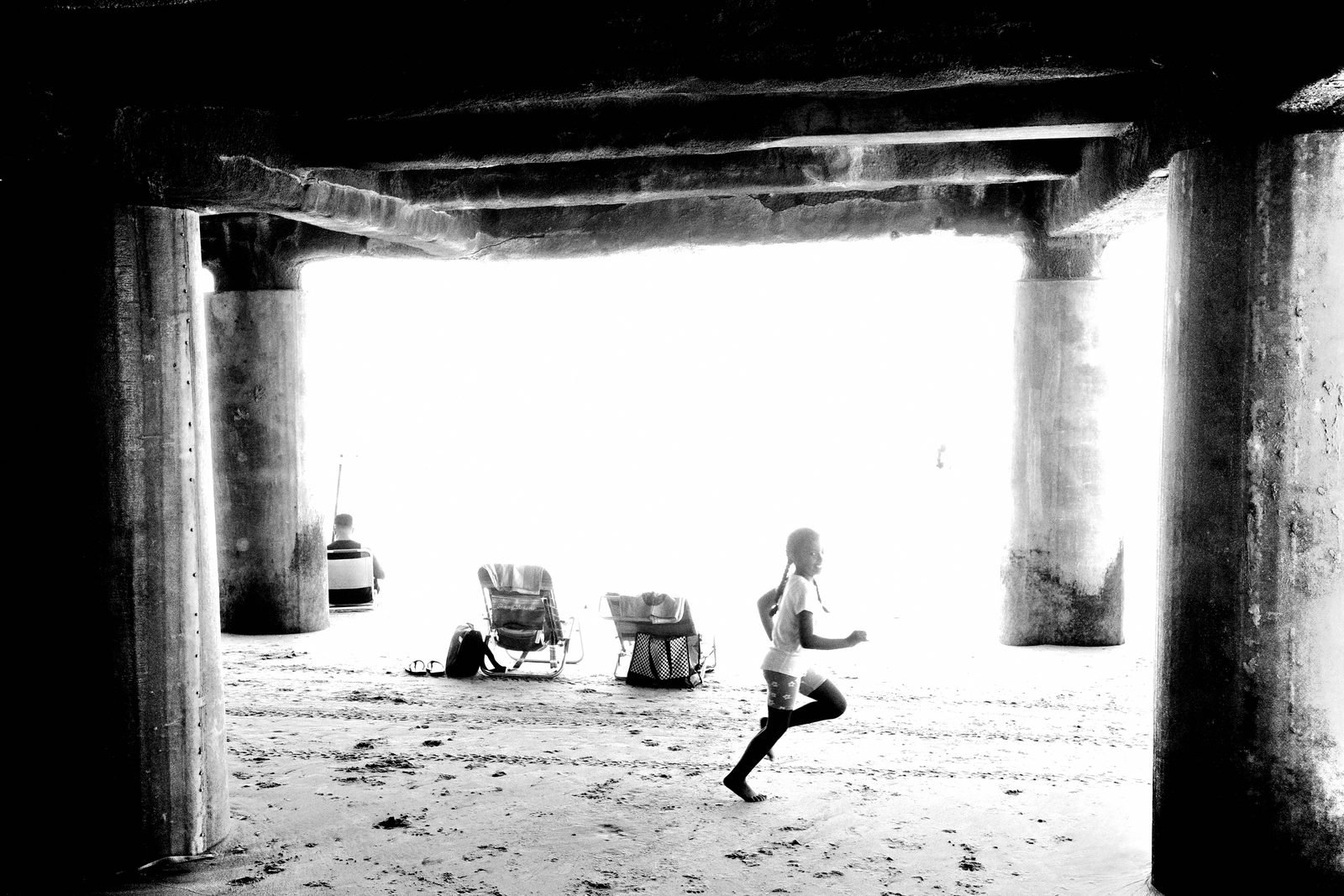
The decision is to compose the relationship — not the thing, but the echo. Look for a shape nearby that repeats the shape of your subject: a frame that mirrors a frame, a gesture that mirrors a gesture, a face that answers another face. You press the shutter for the rhyme between elements, not for either one alone. That's how a quiet subject stops being alone in the frame.
Why It Works: The Rhyme
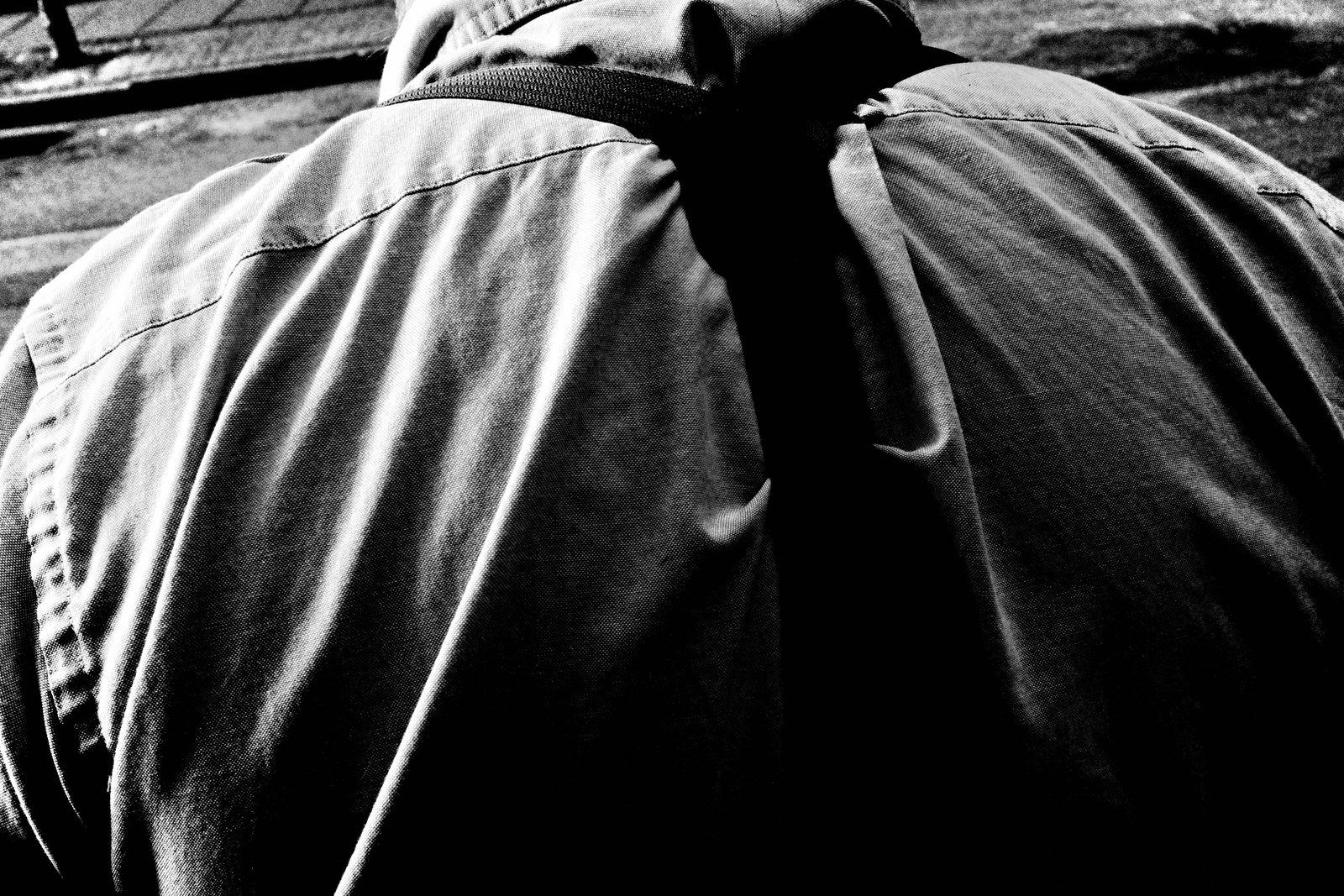
Why does it resolve? Because repetition gives the eye a rhythm to travel — shape to shape, hand to hand, face to face. A frame-within-a-frame contains your subject and points the viewer straight at them. Two echoing forms turn a quiet scene into a structured one. Sometimes a simple gesture can go a long way — you just have to give it something to rhyme with.
Ordering a Chaotic Scene
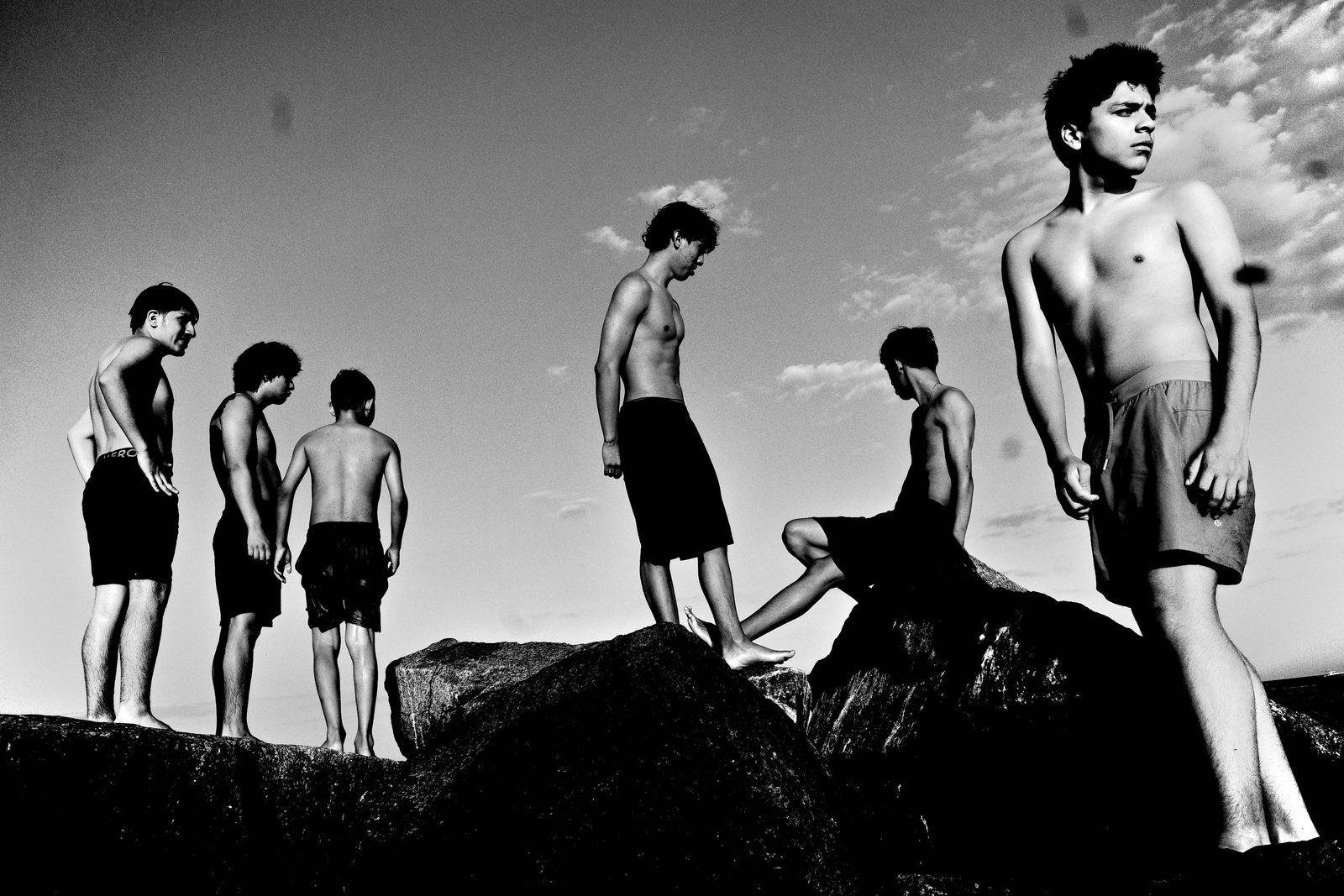
Now the opposite problem: too much. A scene packed with movement, gesture, atmosphere — real chaos. There's energy everywhere, but the subject you want in the center is getting swallowed by the clutter behind them. Their head merges into the background, there's no separation, and the eye has nowhere to land. The problem isn't that the scene is busy. It's that nothing is holding it together.
The Decision: Drop and Separate
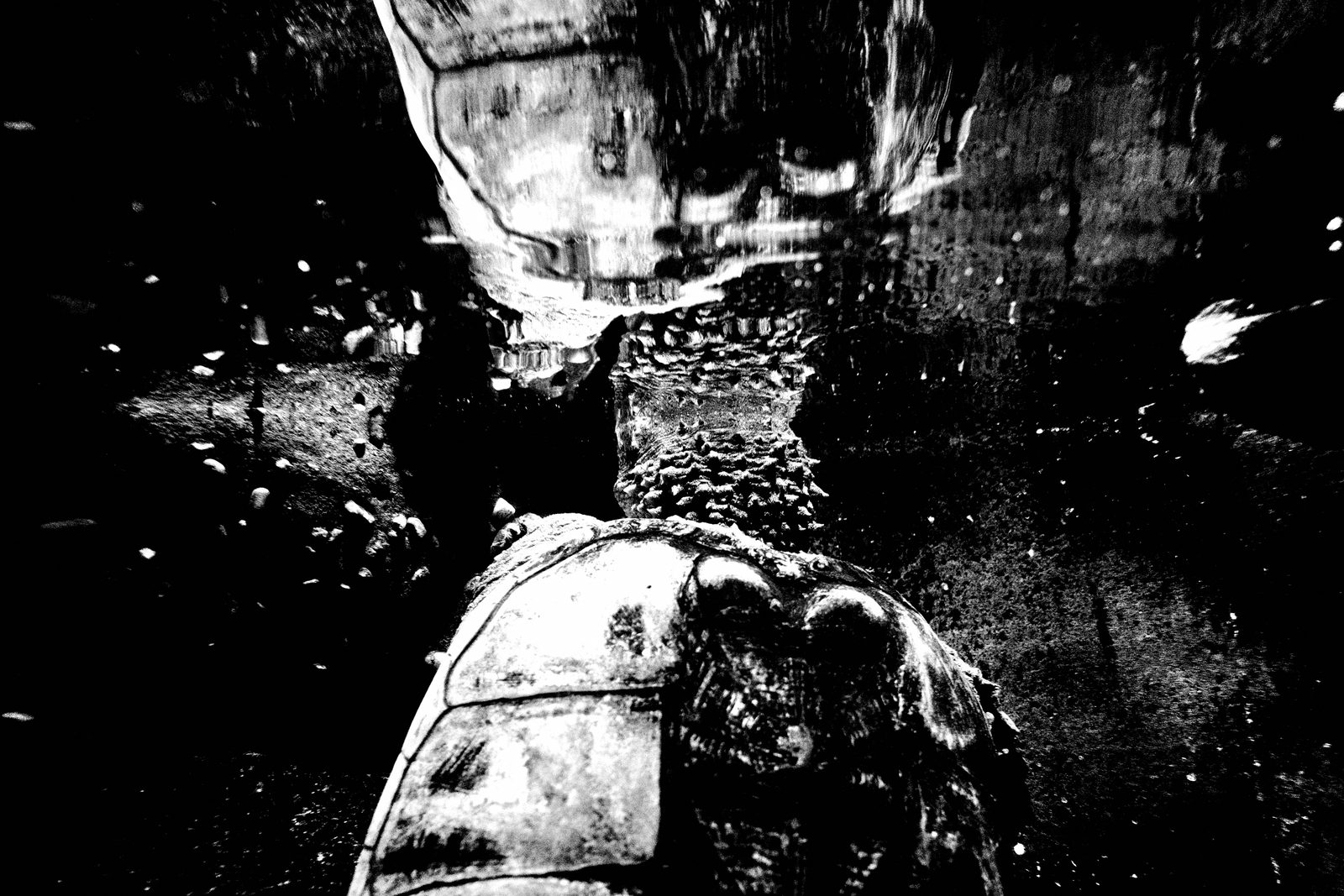
The decision here is physical and exact: change your vantage point to separate the subject's head from the background. Often that means dropping low, so your subject sits clean against open sky instead of clutter. You anchor one strong figure in the foreground and let the vantage point do the work. A single hand or partial figure at the edge can add mystery — but the move that matters is getting the angle that gives you separation.
Why It Works: A Clean Read
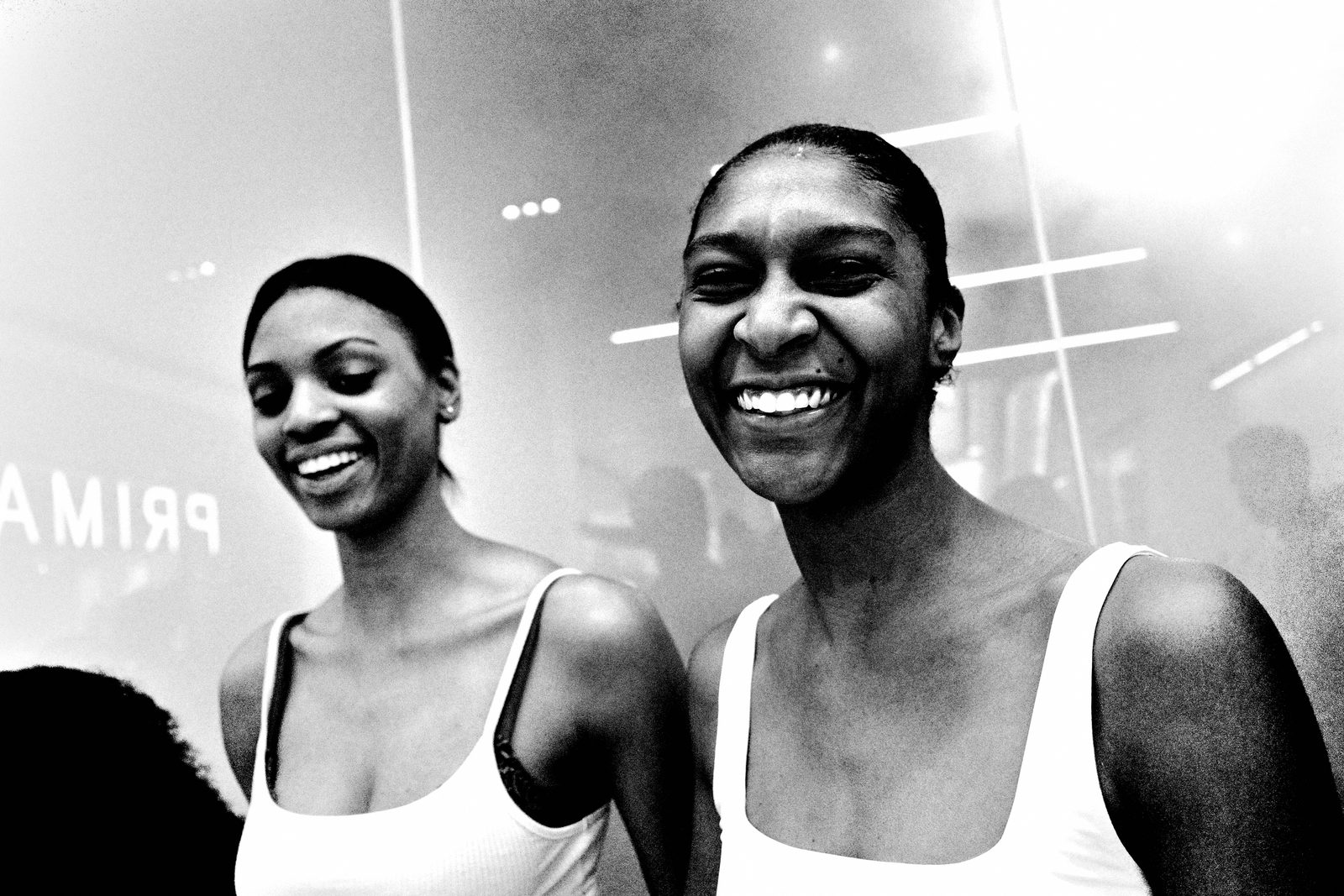
Why does it resolve? Because that clean separation — one subject isolated against open space — gives the eye a single anchor to grab in a frame full of grit. The open sky or wall becomes negative space, breathing room around the chaos. A successful composition is easy to read. You don't remove the chaos; you give it a center. The angle does all the work, and suddenly a mess becomes a picture.
Framing to Exclude
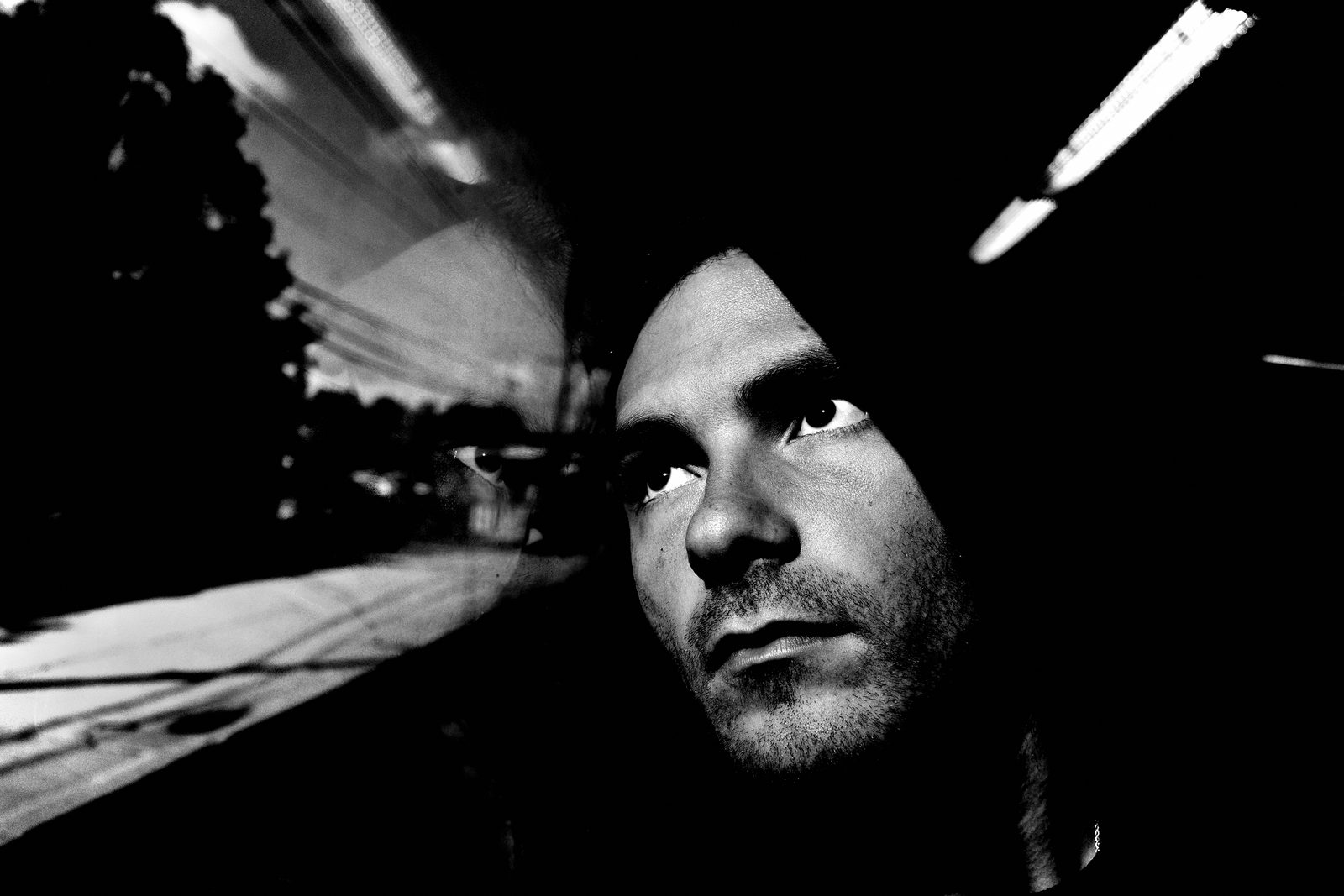
Now a subtler problem: a moment that's fine right now but could easily turn busy and distracting if you let the whole scene in. The decision is to contain it. Use a natural opening — a window, a doorway, an archway — as a frame that crops the world down to only what you want. Framing isn't just decoration; it's how you exclude. You're choosing what to leave out as much as what to keep.
The Decision: Frame and Balance
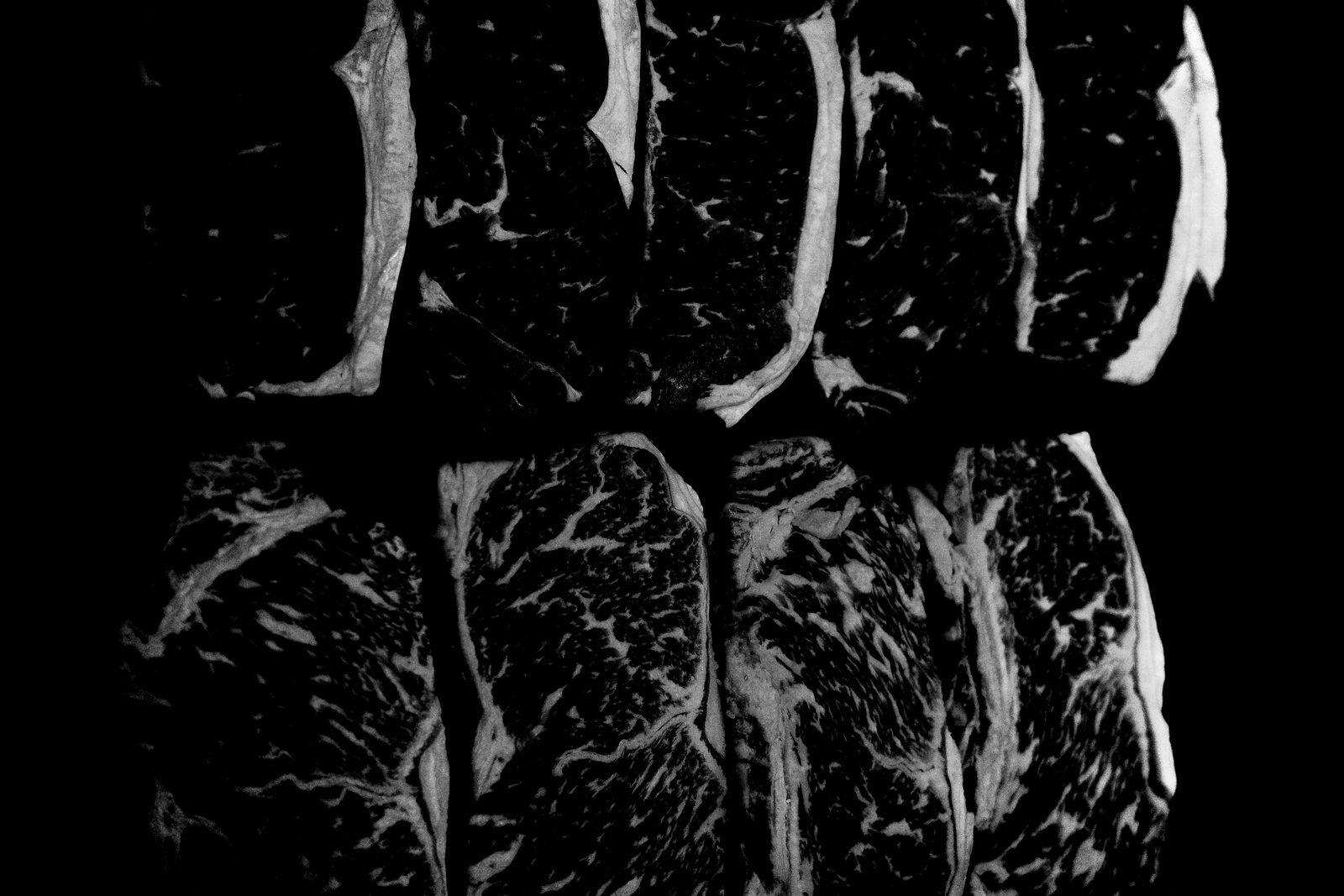
Inside that frame, you balance. Set your subject cleanly to one side, then add a second element — a smaller figure, a shape — on the opposite side as a counterweight, so the frame doesn't tip. Keep the background clean and ambiguous, giving nothing away. It's simple, but it's a real decision: subject on the right, counterweight on the left, quiet space behind. Nothing fighting for attention.
Why It Works: Simplicity
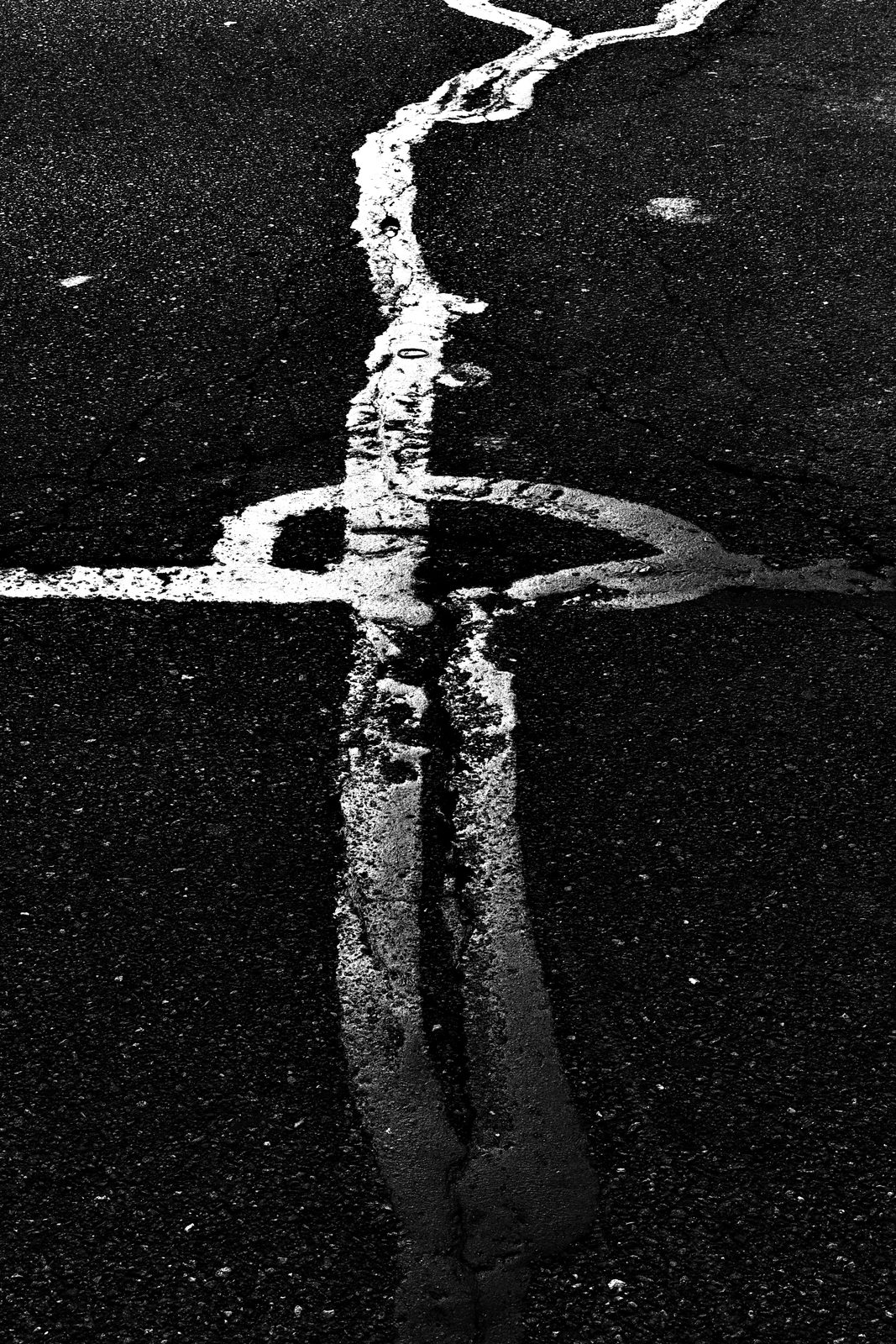
Why does it resolve? Because what you exclude from the frame is just as important as what you include. The opening contains your subject; the counterweight steadies it; the empty, ambiguous background gives the whole thing room to breathe. Left–right balance lets the eye rest instead of scrambling. Simplicity creates timelessness — strip a frame down and it stops belonging to one year, one trend, one moment.
Diagonal Tension
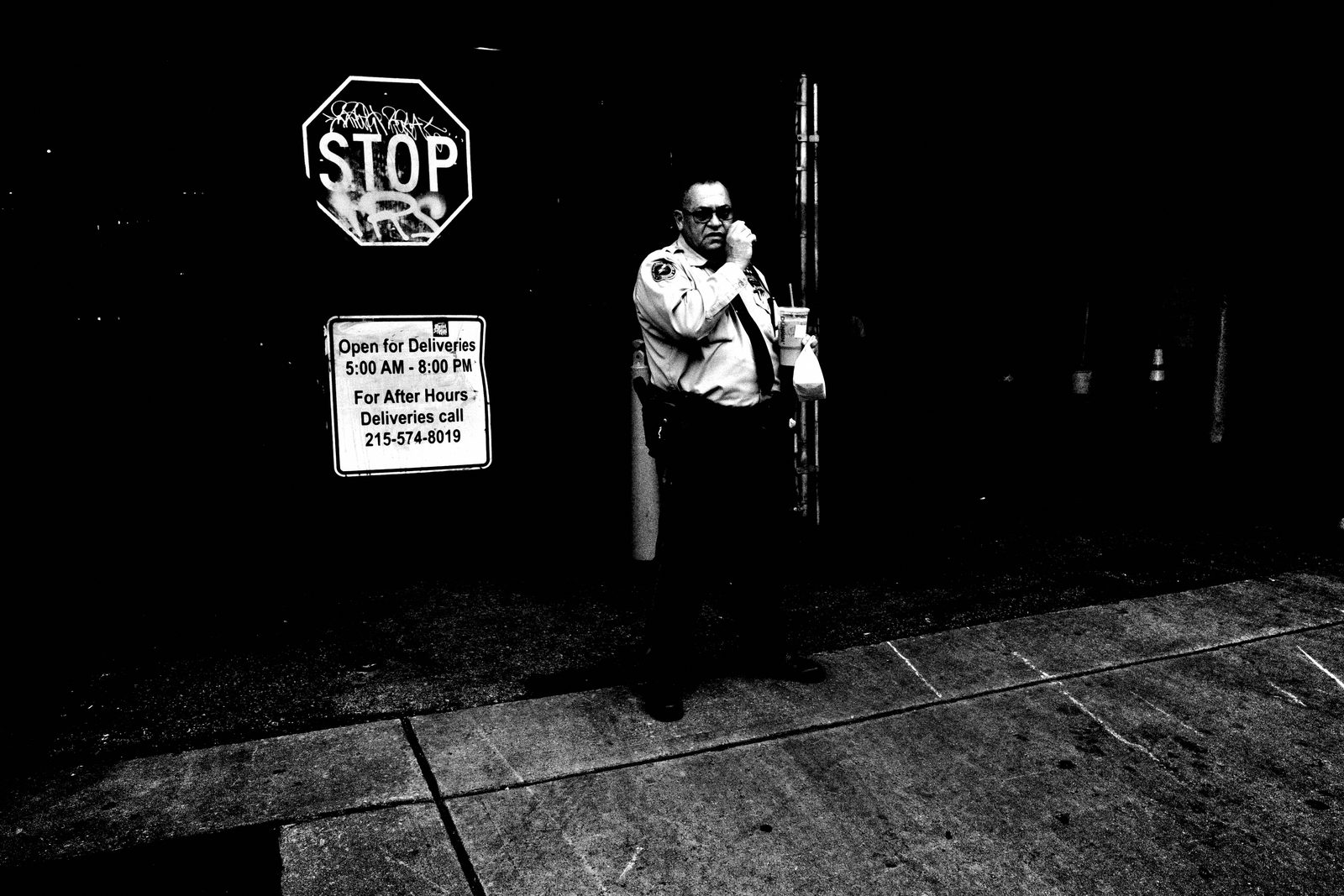
Here's a pure geometry move: diagonal tension. Anchor one element in an upper corner and another in the opposite lower corner, and you create a line of tension that runs across the whole frame, corner to corner. It pulls the eye through the picture instead of letting it sit still. Pair that diagonal with tonal contrast — dark against light — so every figure separates cleanly. Geometry plus contrast is a reliable way to order even a crowded scene.
Work Back to Front
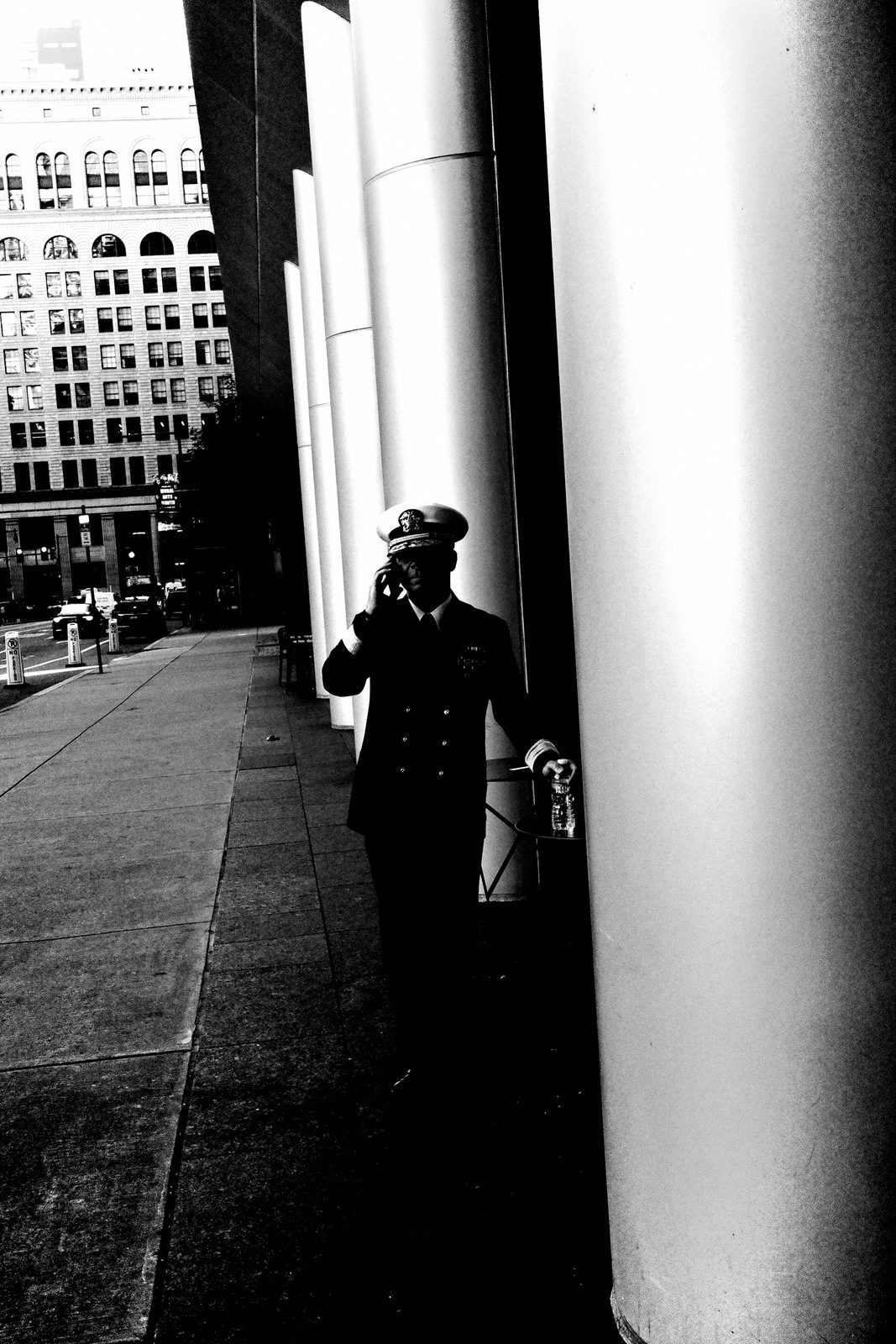
Notice the through-line: you rarely build a frame front-to-back. Plug in the background first, then wait for the moment. Anchor a strong background element — a figure in a window, a frame within a frame — and then wait for the foreground to fill with color, gesture, movement, maybe a bird cutting through. Set your stage, then plug in the puzzle pieces. The background is a decision you make early and hold.
Gesture Placement Is a Decision
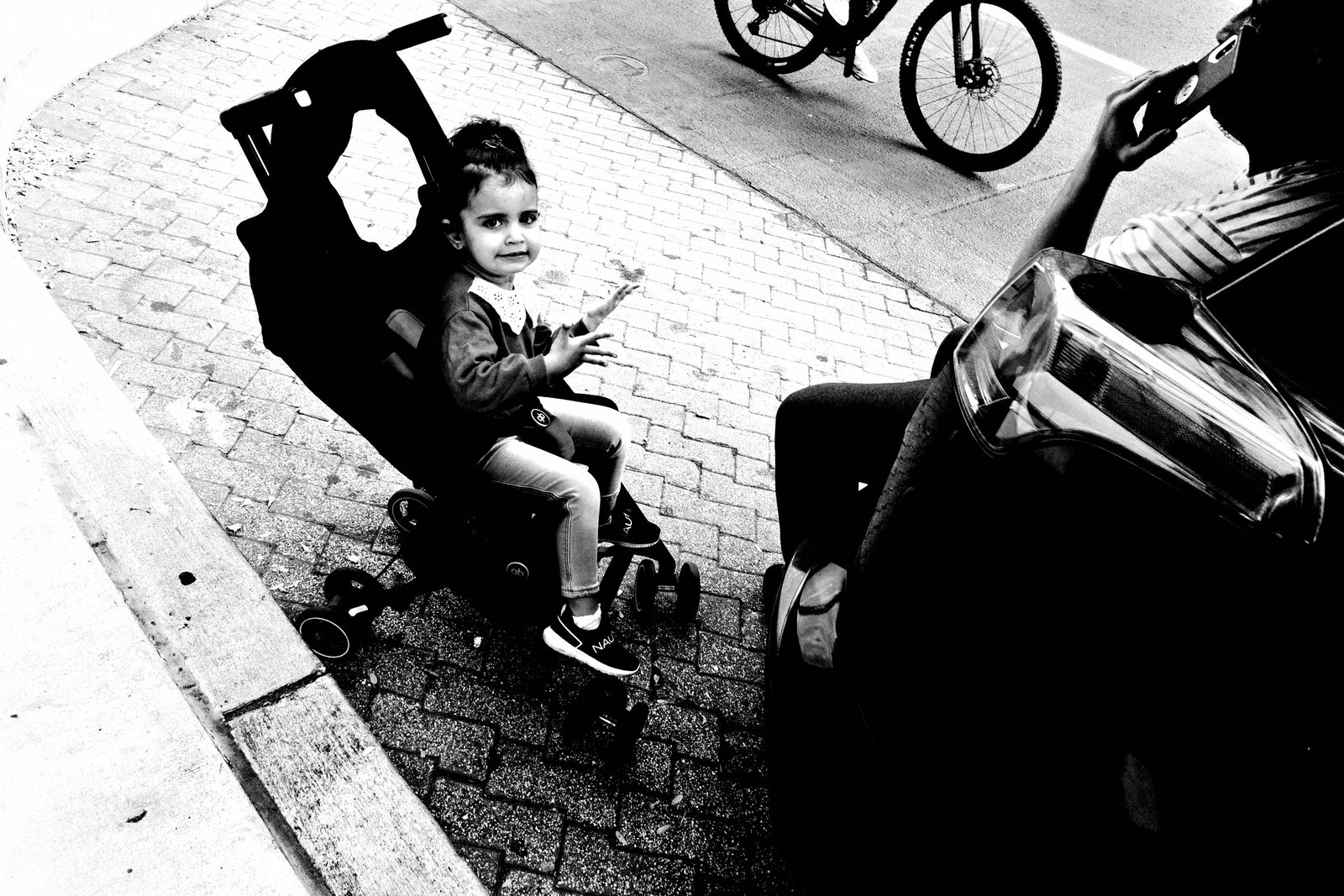
And watch where the gesture lands. Mirrored hands, a cropping hand at the edge, a figure held inside a frame — gesture placement is a compositional decision, not an accident. Find what draws you in, and position it as close to the camera as possible — then build the geometry around it so it has somewhere to live. The gesture is the heartbeat; the structure is what lets it be felt.
PRACTICAL APPLICATION
Run Your Own Breakdown
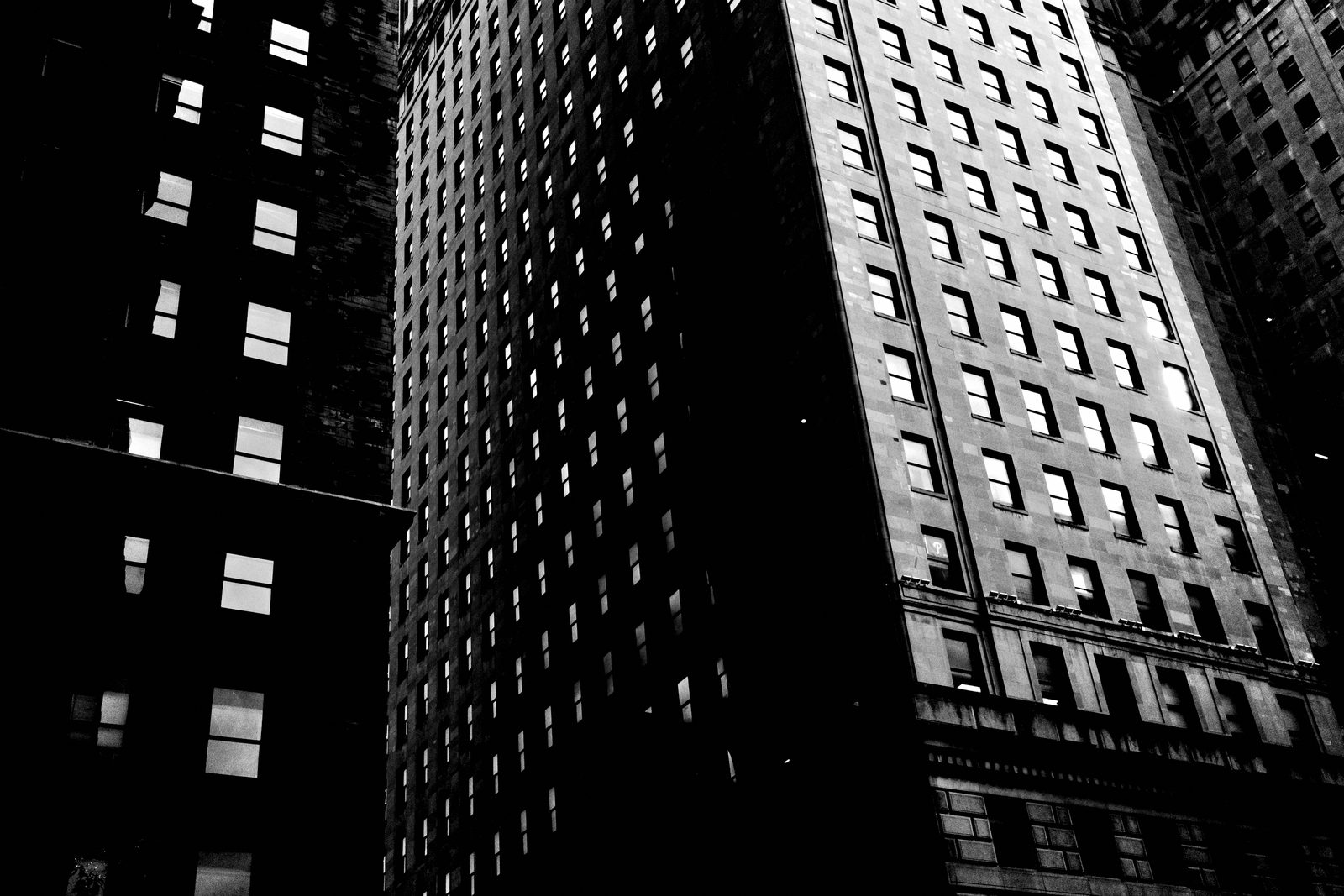
Here's your assignment. Pull three of your own frames — ideally from a contact sheet so you can see the misses too. For each one, answer the three questions in a full sentence: what was the compositional problem, what decision resolved it, why does it work? Saying it out loud is how the intuition becomes something you can repeat.
Test the Counterfactual
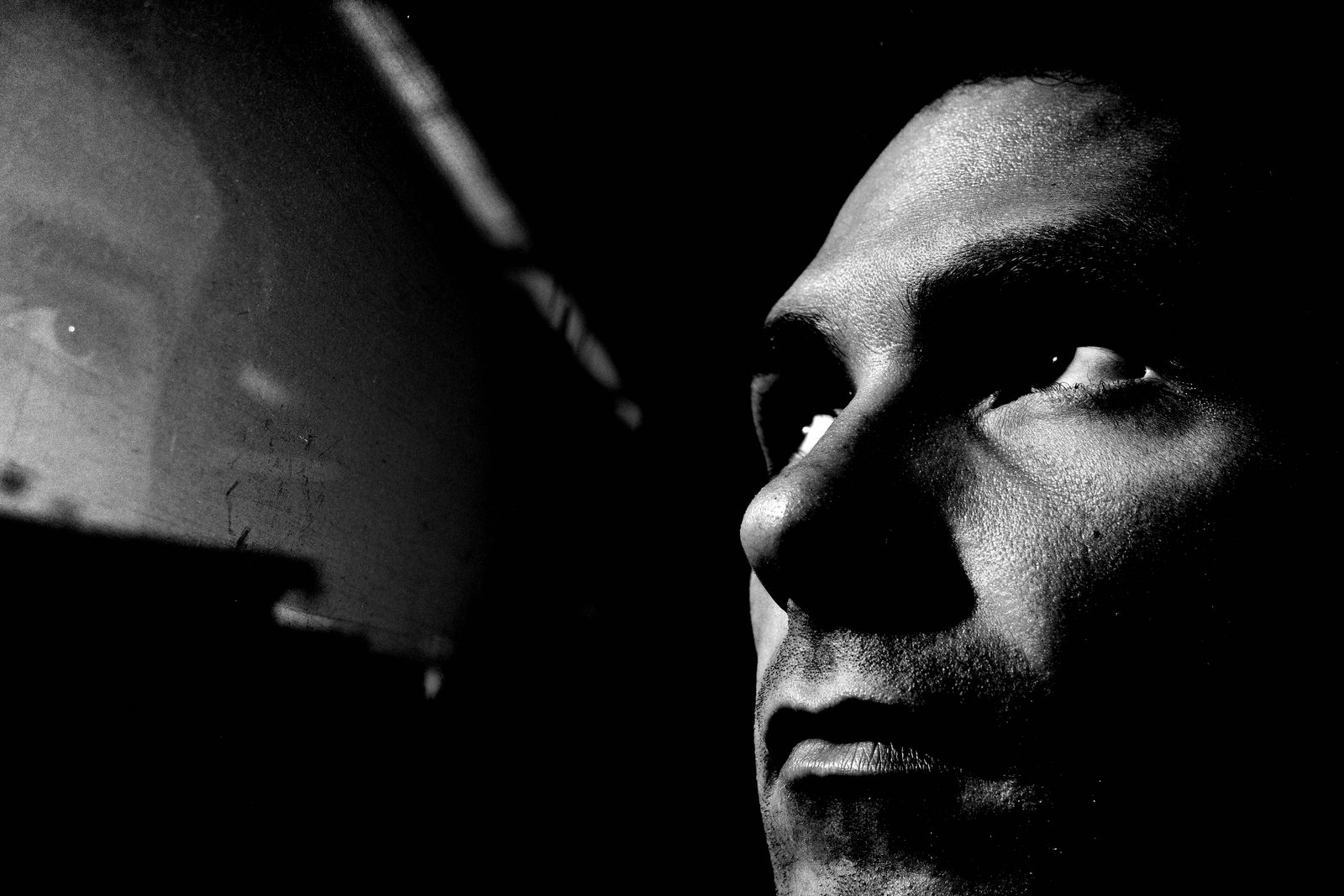
Then test the counterfactual. For each frame ask: what if I hadn't changed my angle? What if I'd cropped out the balancing figure? What if the background weren't clean? When you imagine the frame without the decision, you finally see what that decision was doing. Removing it in your mind is the fastest way to understand it. That's the whole skill.
COMMON MISTAKES
Crediting Luck, Not Choices
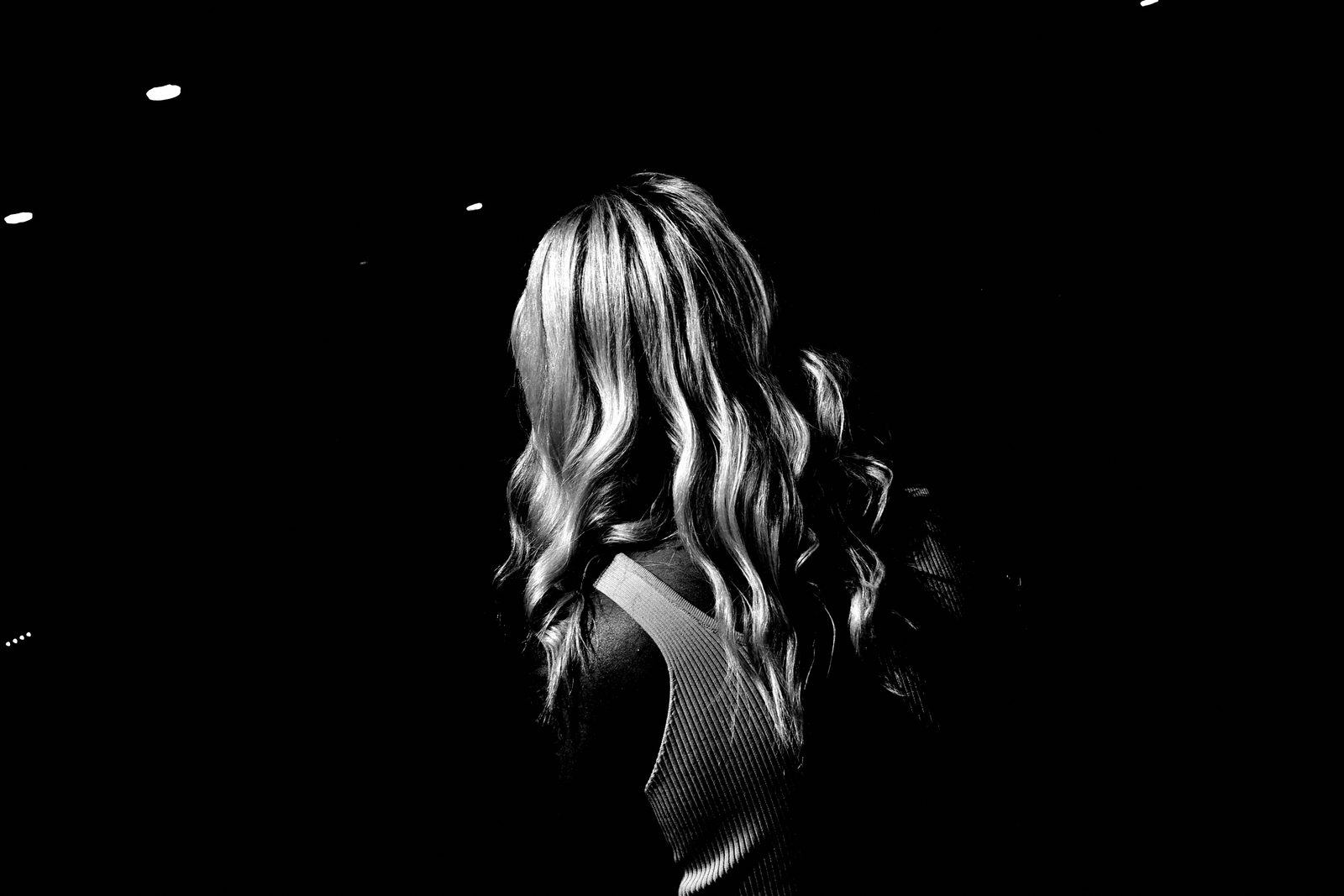
The biggest mistake in reading your own work is crediting luck. "I just got lucky." No — you dropped low, you anchored a background, you waited. And the cousin of that mistake: trying to fix composition by cropping later. Cropping is not a solution. Move your feet, not your lens. Composition is a decision you make at the scene, not at the desk.
RELATIONSHIP TO PREVIOUS
From Working to Reading
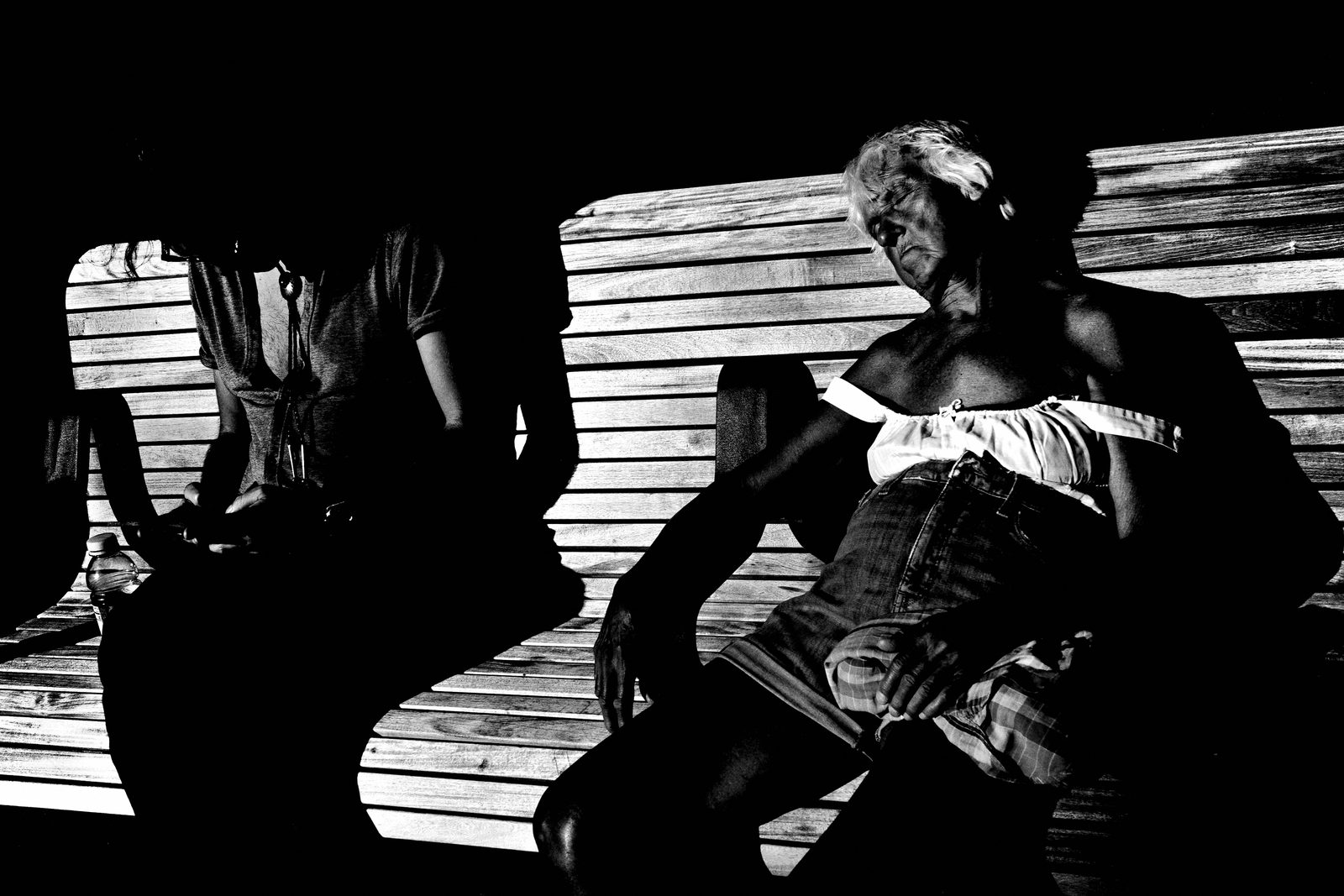
In Lesson 021 we learned to work the scene — to stay, move, and refine until the frame comes together. This lesson is the other half of that loop: learning to read the result so you understand which of those moves actually paid off. Working makes the frame; reading teaches you why it worked, so next time you do it on purpose instead of by feel.
RELATIONSHIP TO UPCOMING
Toward Layering
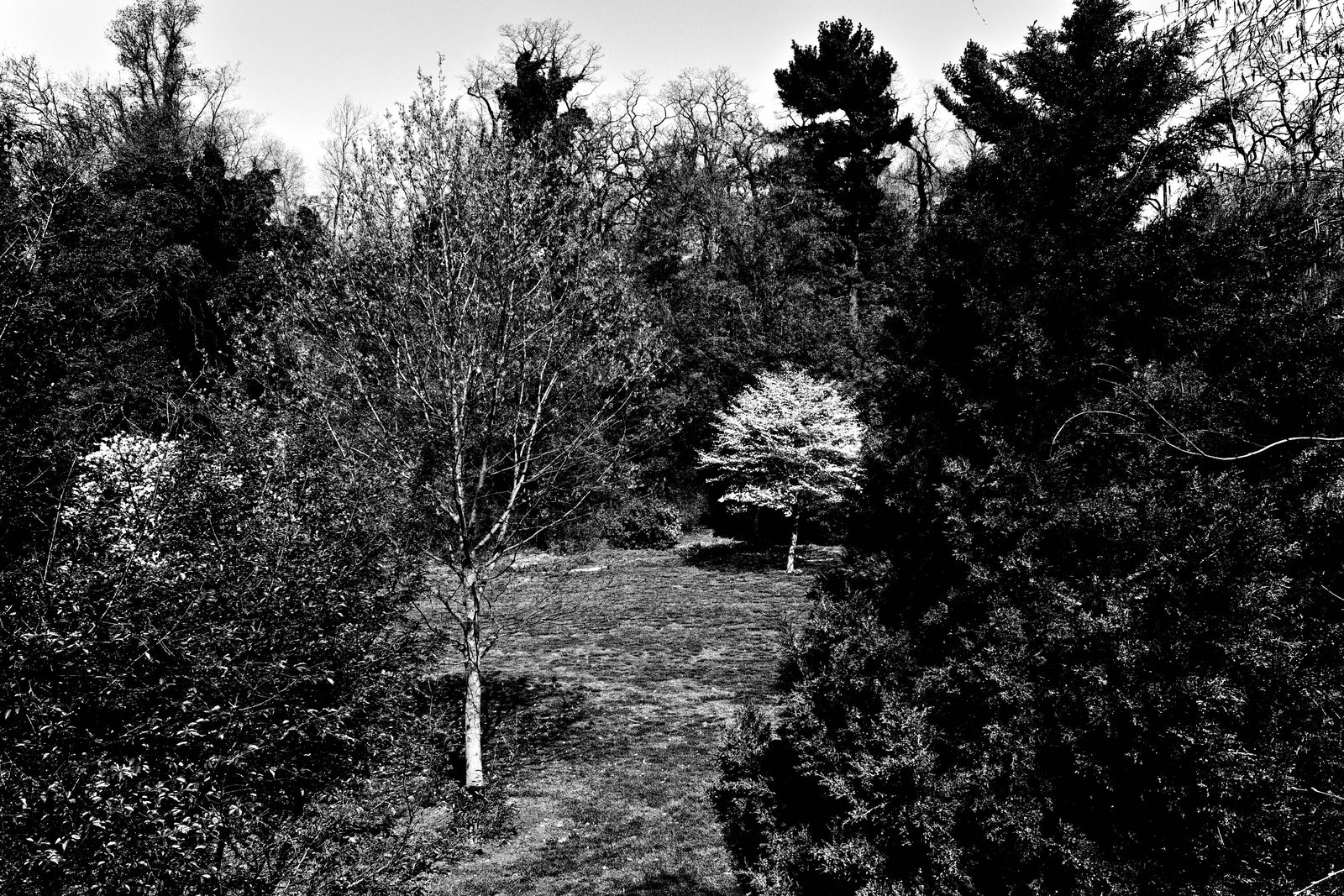
And did you notice how many of these decisions lived on layers — a foreground anchor, a middle-ground moment, a background stage? That's no accident. Next up is Lesson 023, Introduction to Layering, where we go deep on stacking foreground, middle ground, and background into a single readable frame. Everything today was the setup; layering is the system.
SUMMARY / TAKEAWAY
Problem, Decision, Payoff
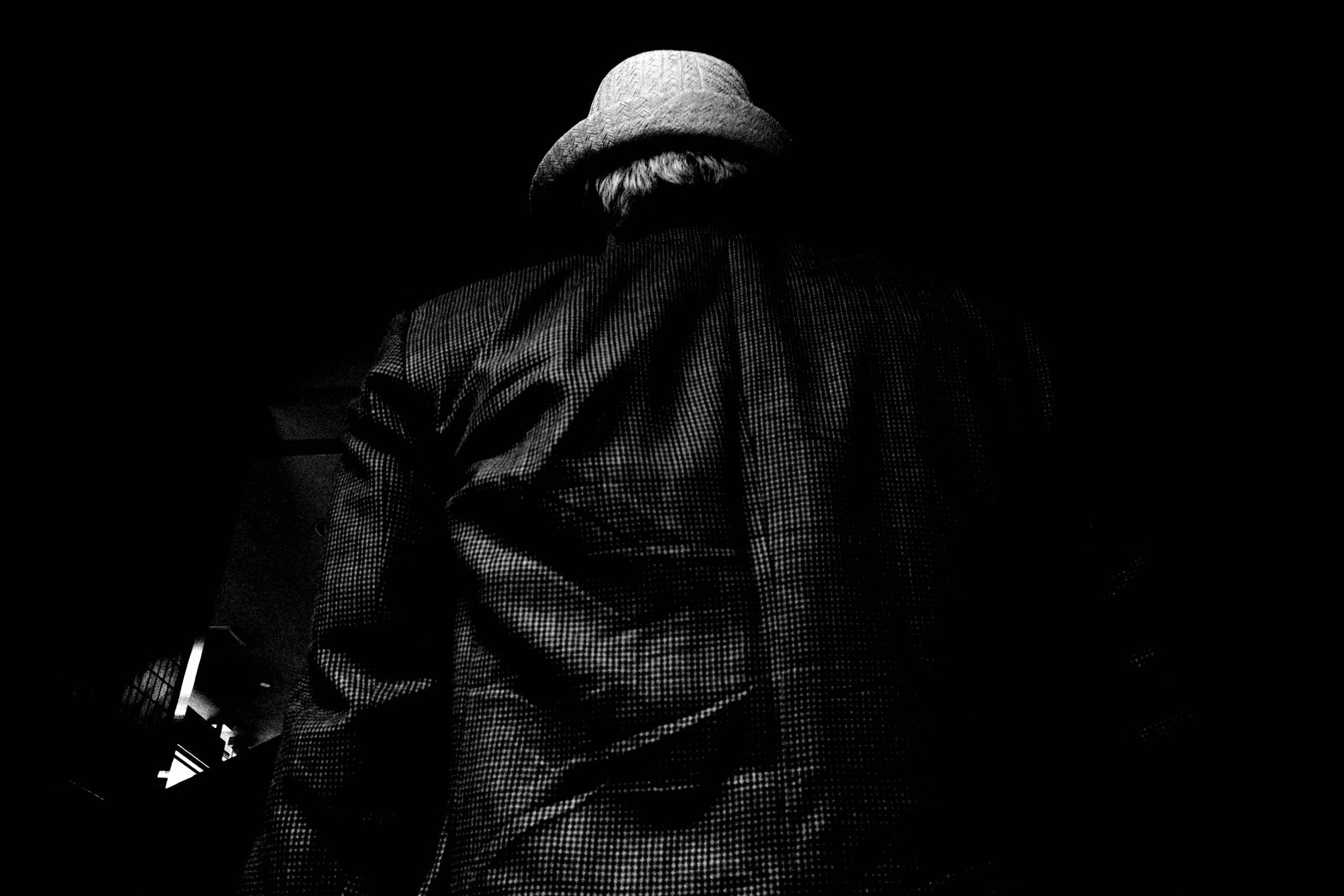
Last thing. Every strong photograph is a problem the street handed you and a decision you made with your body to resolve it. The echo that lifts a simple subject, the low drop that clears a chaotic one, the opening that frames and excludes — problem, decision, payoff. Learn to read that in your own work and you stop hoping for good frames and start building them. Catch you next lesson.