Working the Scene
CORE IDEA
Build the Frame, Don't Grab It
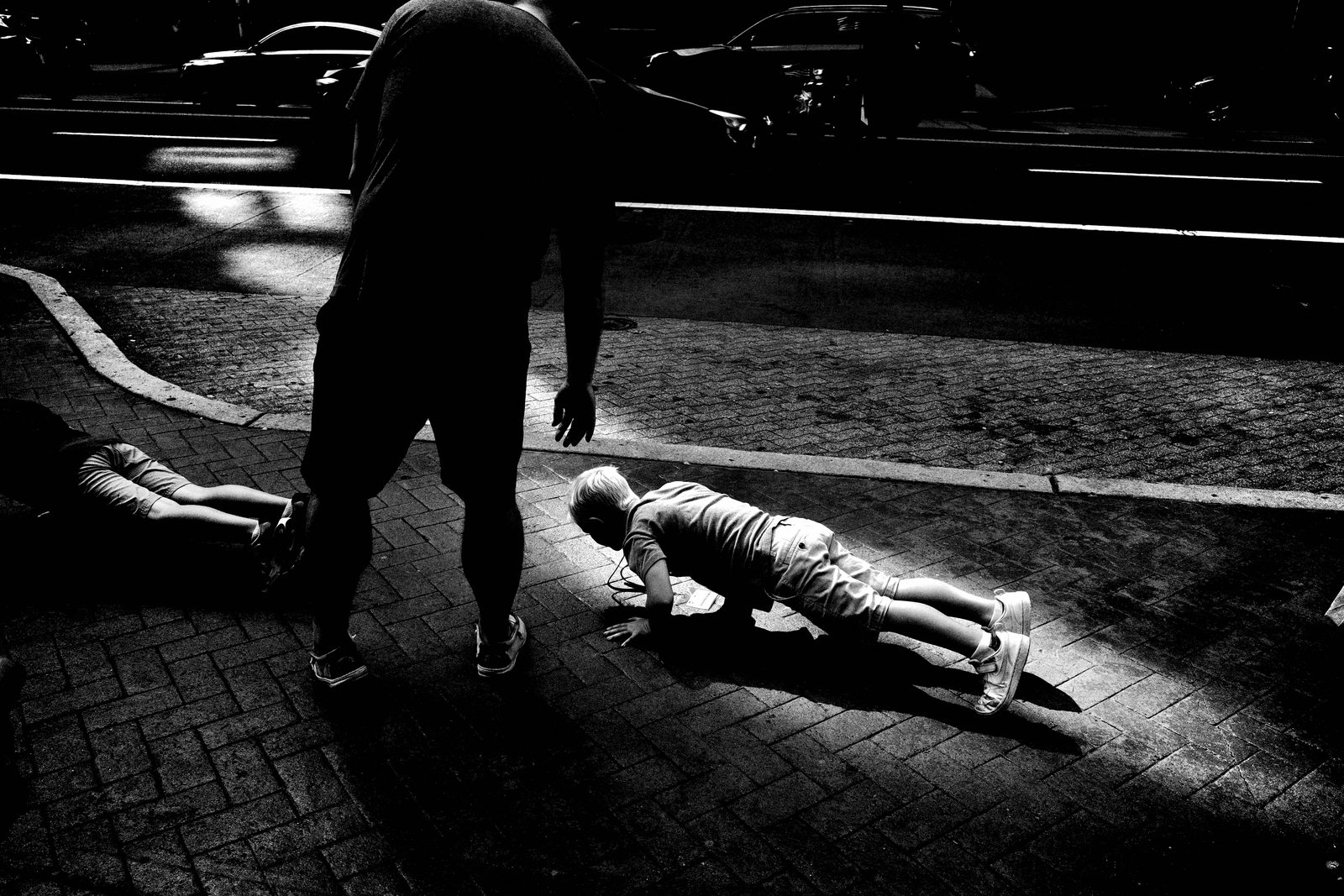
What's popping, people — it's Dante. Today we get our hands dirty with the actual mechanics of working a scene. Not the theory — the moves. A lot of my photographs came with lots of clicks, lots of shutter presses, a lot of time spent. You don't grab a great frame on the run. You build it. And you don't leave the scene until the scene leaves you.
LEARNING OBJECTIVE
Work a Scene Like a Craftsman
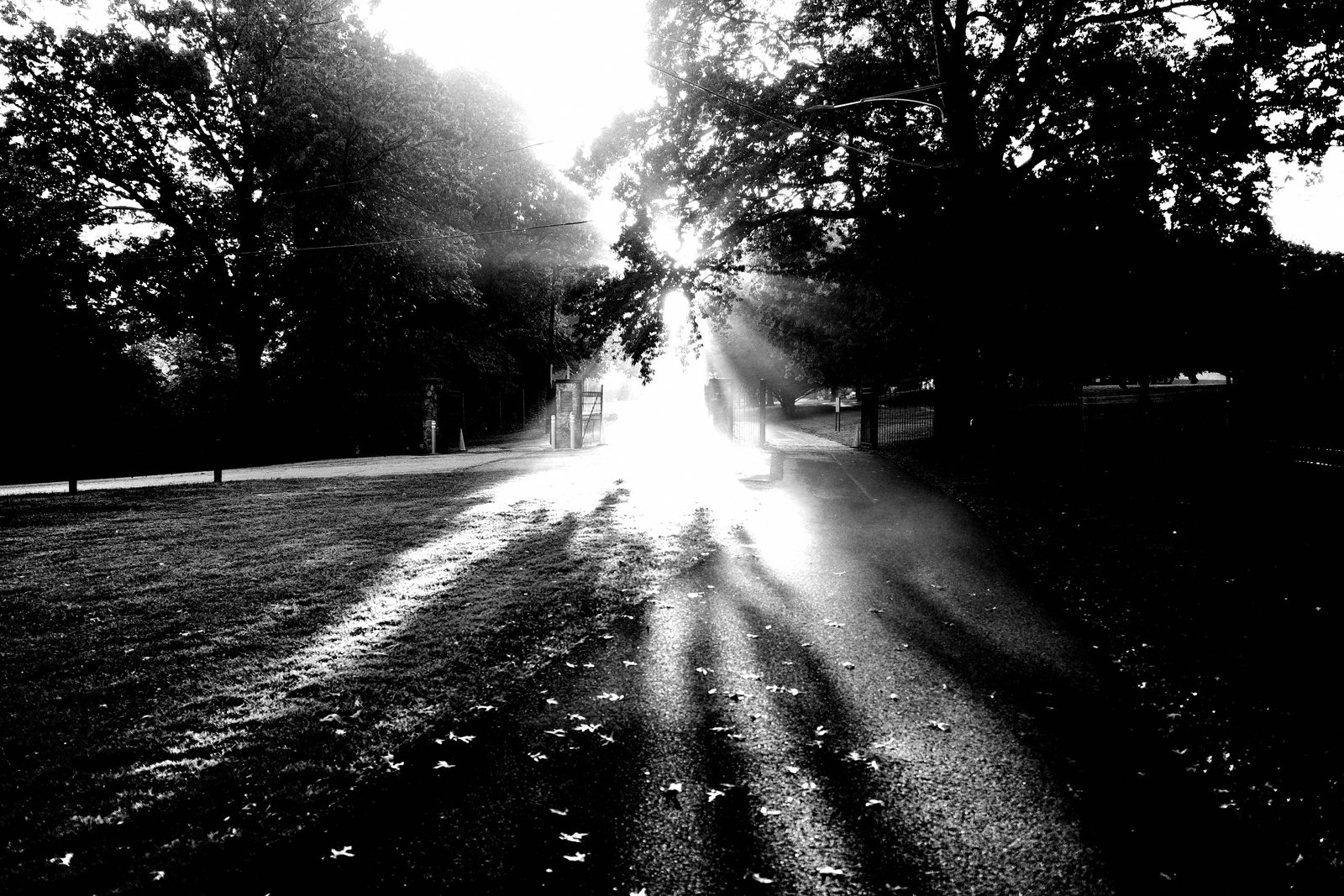
By the end of this lesson you'll know the hands-on craft of working a scene: how to stay, how to move your body, how to refine the composition press by press, and how to make multiple passes until the frame is right. This is the how — the physical, repeatable mechanics behind every photograph I'm proud of.
WHY THIS MATTERS
One Click Leaves the Photo Behind
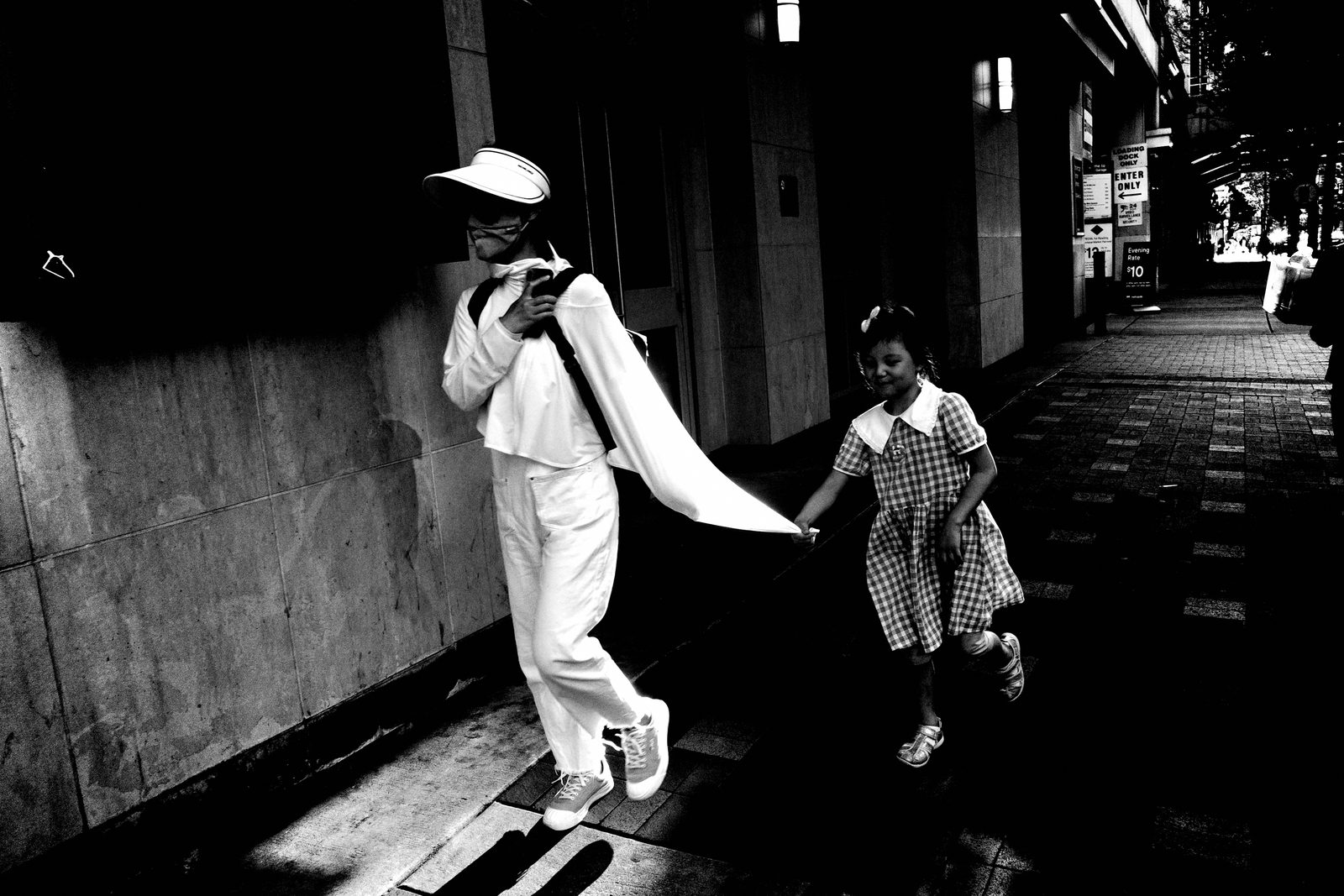
Here's why this matters: there are real misconceptions about the decisive moment — people think you click once and glide away. I'm here to dispel that myth. Believe it and you'll walk off right before the frame comes together. The photograph you came for is usually a few steps and a few more presses away — and the craft is what gets you there.
The Work Happens Between Clicks
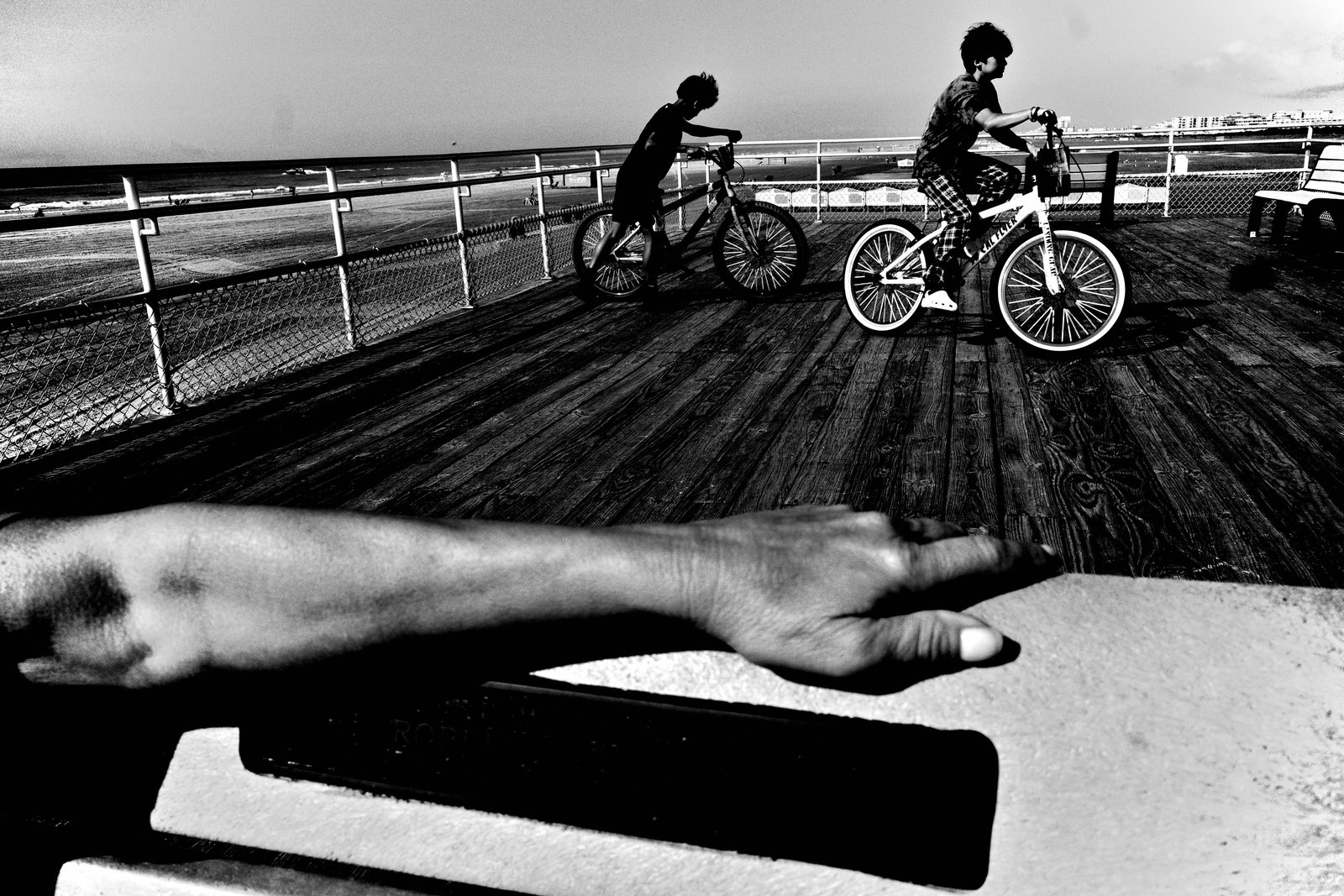
And this is the whole point of learning the mechanics: the magic isn't in the single press of the shutter — it's in everything you do between the clicks. The repositioning, the waiting, the adjusting. Luck you can't repeat. Craft you can. Master the moves and you stop hoping for the photograph and start manufacturing your shot at it.
MAIN TEACHING
Stay: Don't Leave Till It Leaves You
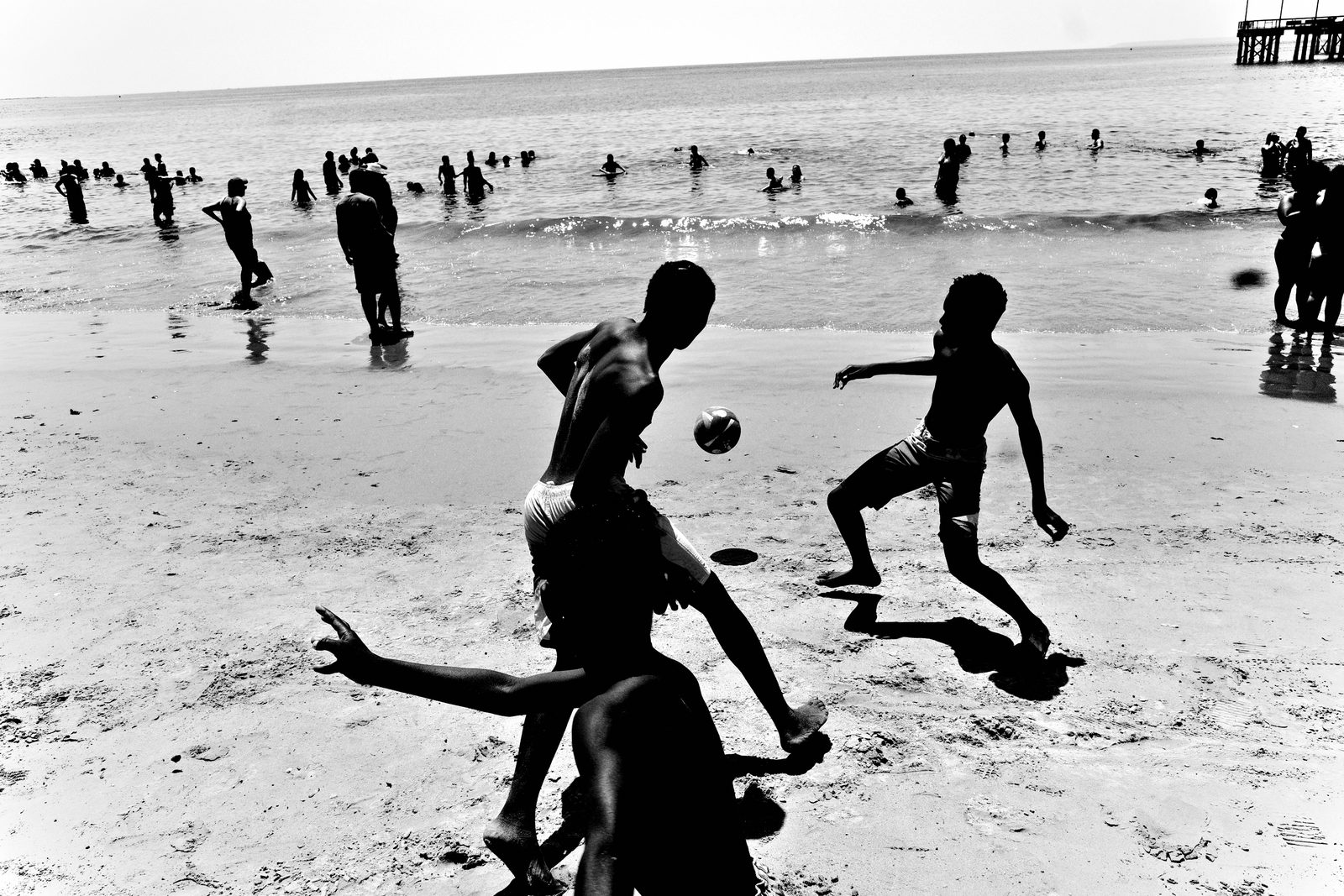
First mechanic: stay. Don't leave the scene until the scene leaves you. A lot of my strongest frames came with lots of time spent on one spot. You hold your ground and keep working until the possibilities are genuinely exhausted — not until you get bored, not until you get nervous. The amateur leaves early. The craftsman stays until the scene is done with him.
Patience: Let the Moment Arrive
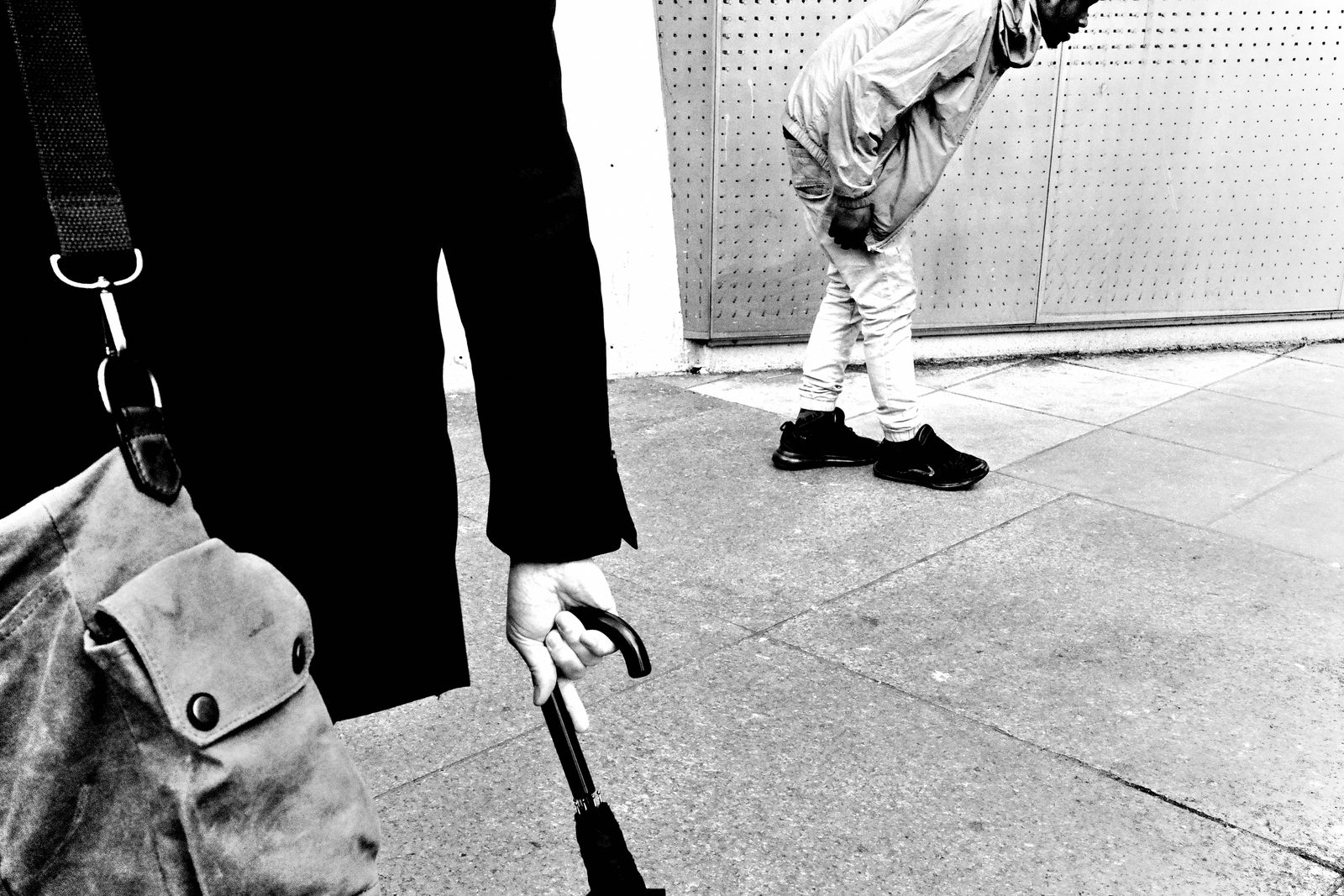
Second mechanic: patience. Sometimes you just have to wait for the right moment. You find your spot, you frame it up, and you let the scene come to you. The picture doesn't arrive on your schedule — so you hold the position, you keep the camera ready, and you wait for the instant the elements finally line up. Patience is an active skill, not standing around.
Positioning: Your Body Is the Tool
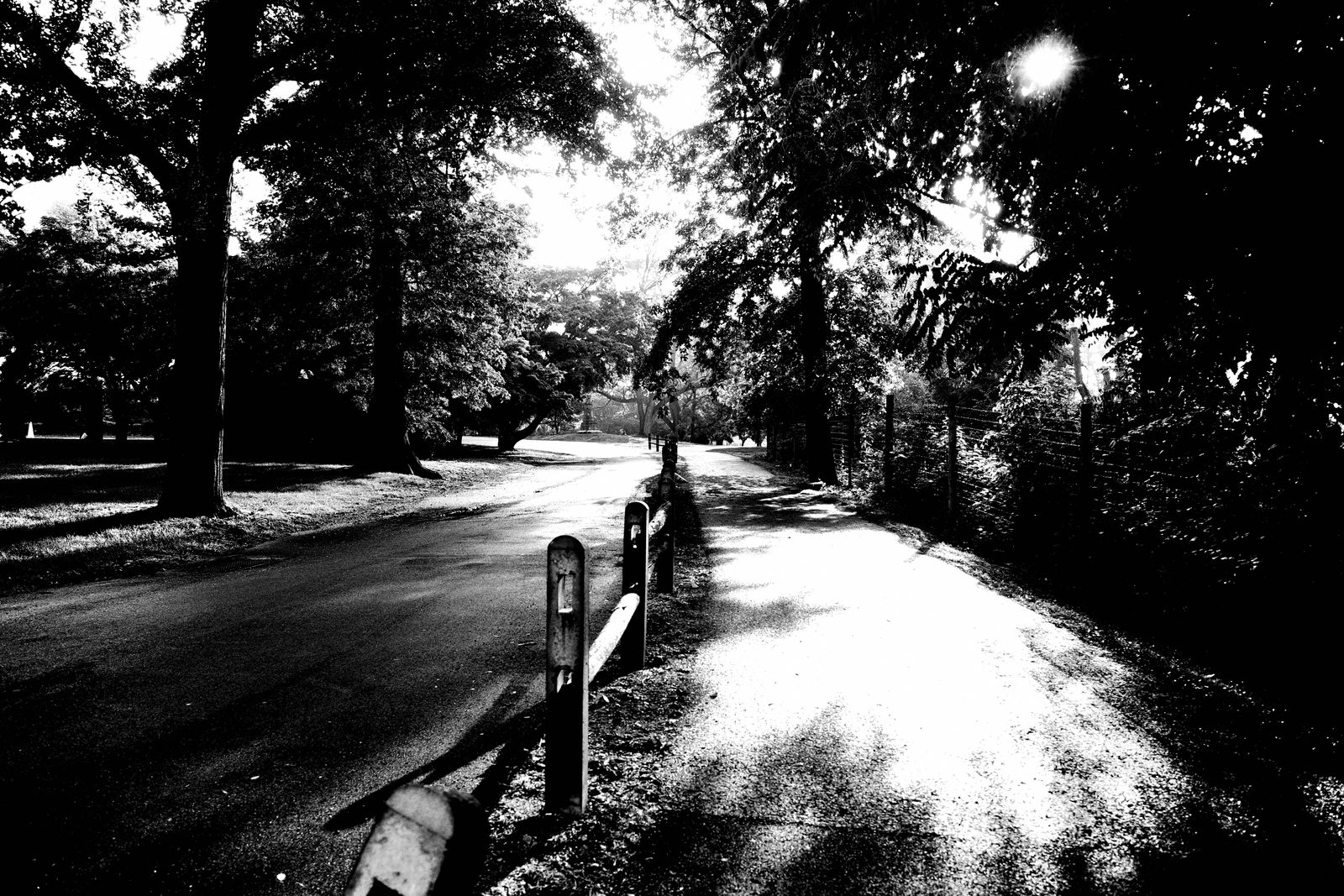
Third mechanic, and the big one: positioning. Your physical relationship to the scene is everything. Photography is physical. Every small movement of your body changes the composition drastically. The frame you want is often two steps to the left of where you're standing — so don't shoot flat-footed. Move, and let your feet do the composing.
Drop Low, Step Back, Change Angle
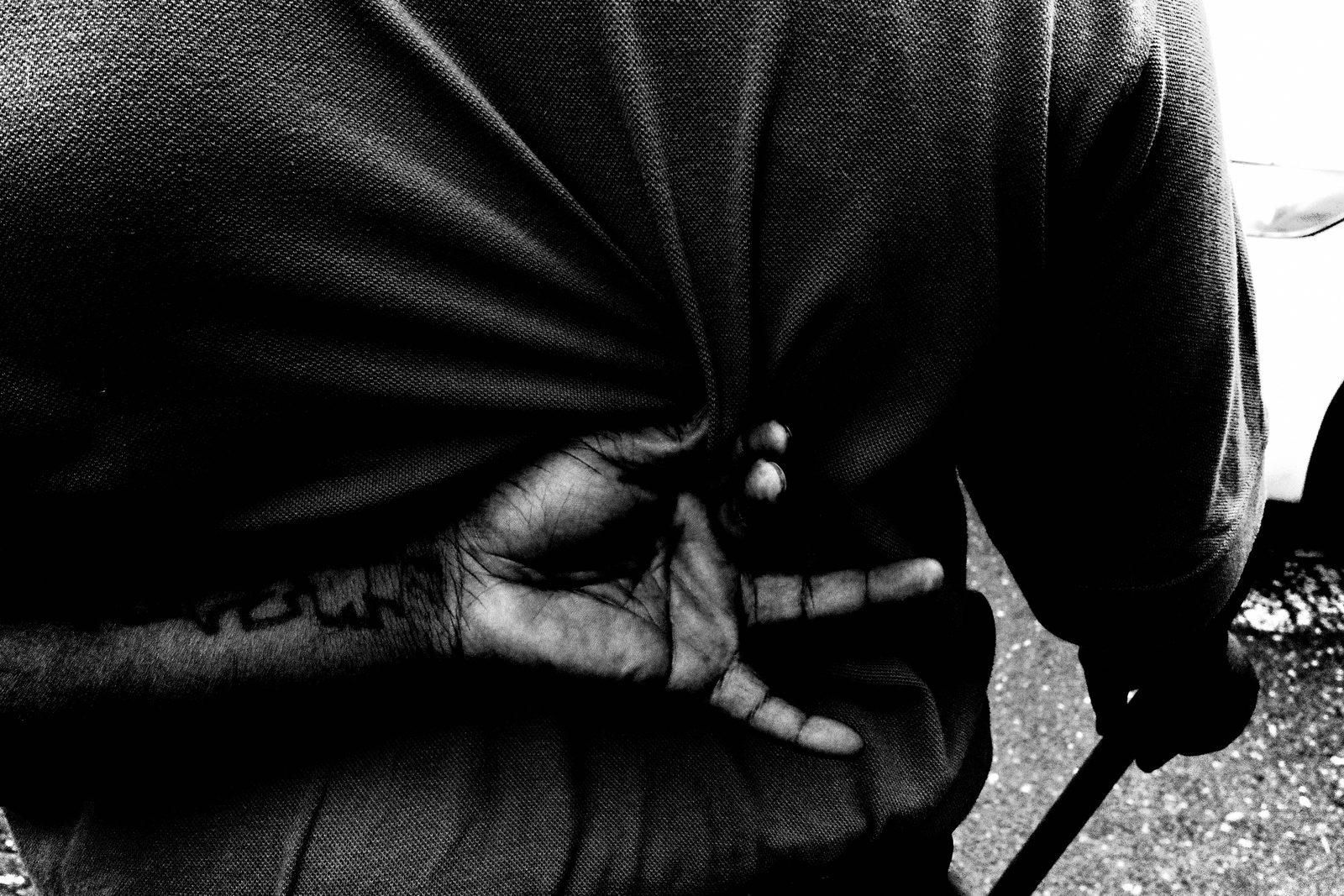
Let's get specific about positioning. Drop low and the subject gets bigger, the background changes, the whole mood shifts. Step back and you let the surroundings into the story. Shift right and a distracting pole disappears. Reposition yourself constantly — anticipate the movement, observe, and react. You're not finding angles, you're trying them, one after another.
Persistence: Keep Shooting, Keep Refining
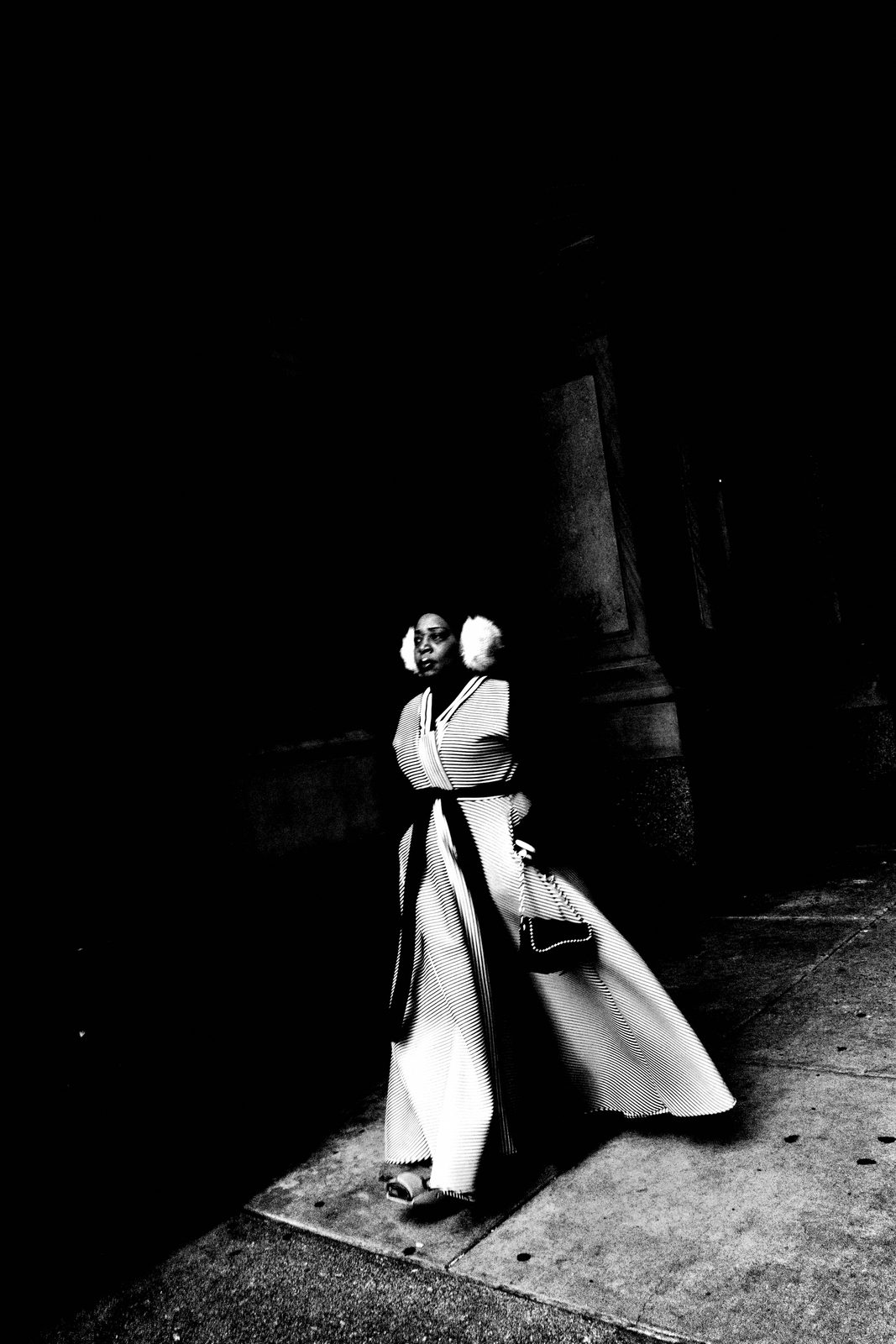
Fourth mechanic: persistence. Keep shooting, keep adjusting, keep refining. Don't take one shot and move on — work the scene and find the best way to make the composition. And persistence isn't only within one session. Sometimes you come back to the same spot week after week until it finally gives you what you came for. The frame rewards the photographer who refuses to settle.
Make Multiple Passes
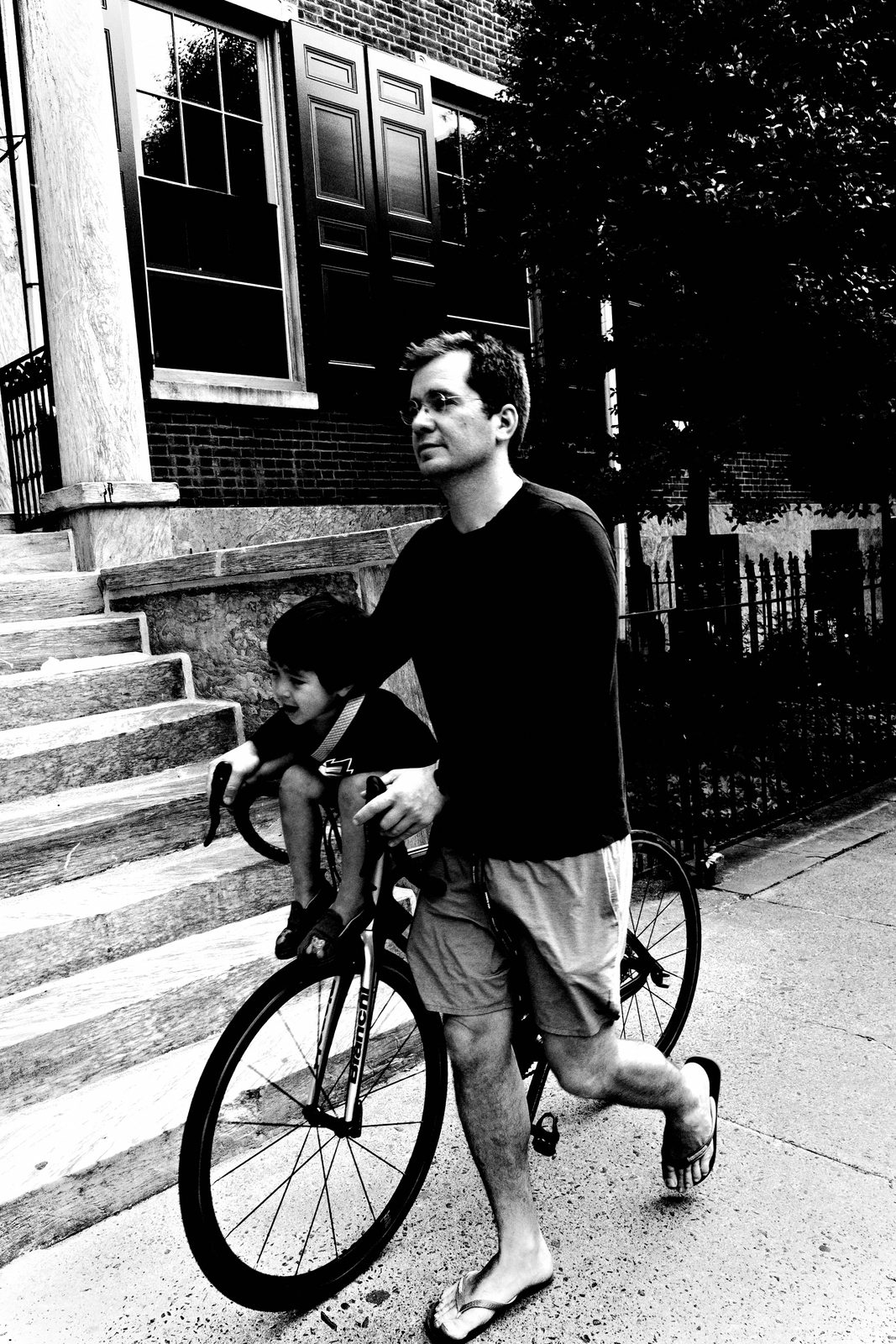
Here's the mechanic that ties it together: make multiple passes. One pass for the wide context, one dropped low, one stepped in close, one waiting on a gesture. Each pass is an experiment. You're not spraying frames randomly — you're systematically testing positions and moments on the same scene, then letting the strongest pass rise to the top later.
Solve the Visual Puzzle
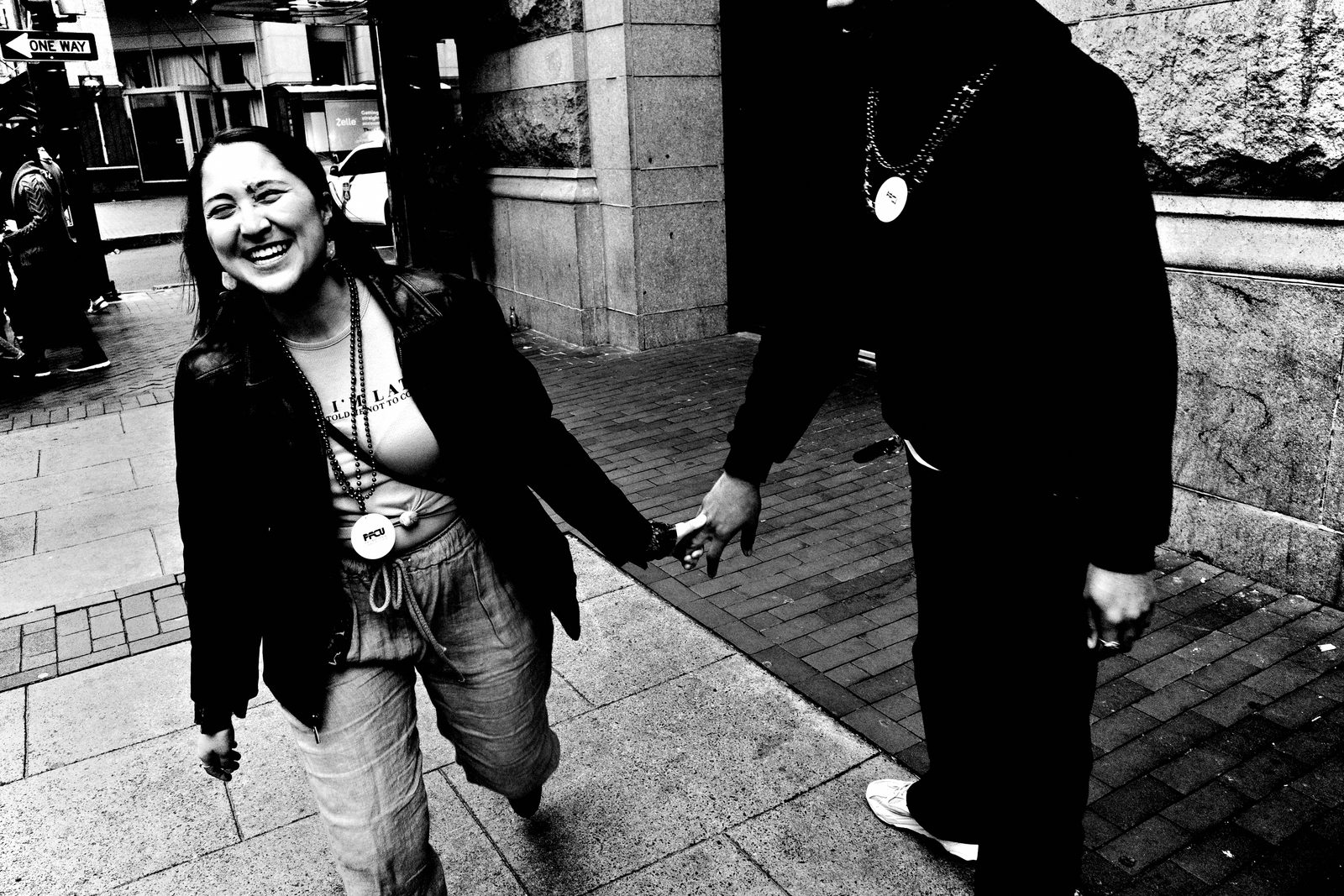
Think of it as a visual puzzle. Your job is to find the pieces and put them together. The light, a gesture, a shape, a clean background — they're all scattered in front of you. Working the scene is the physical act of arranging yourself until those pieces lock into one frame. You don't move the world; you move your body until the world composes itself.
Return Until the Scene Delivers
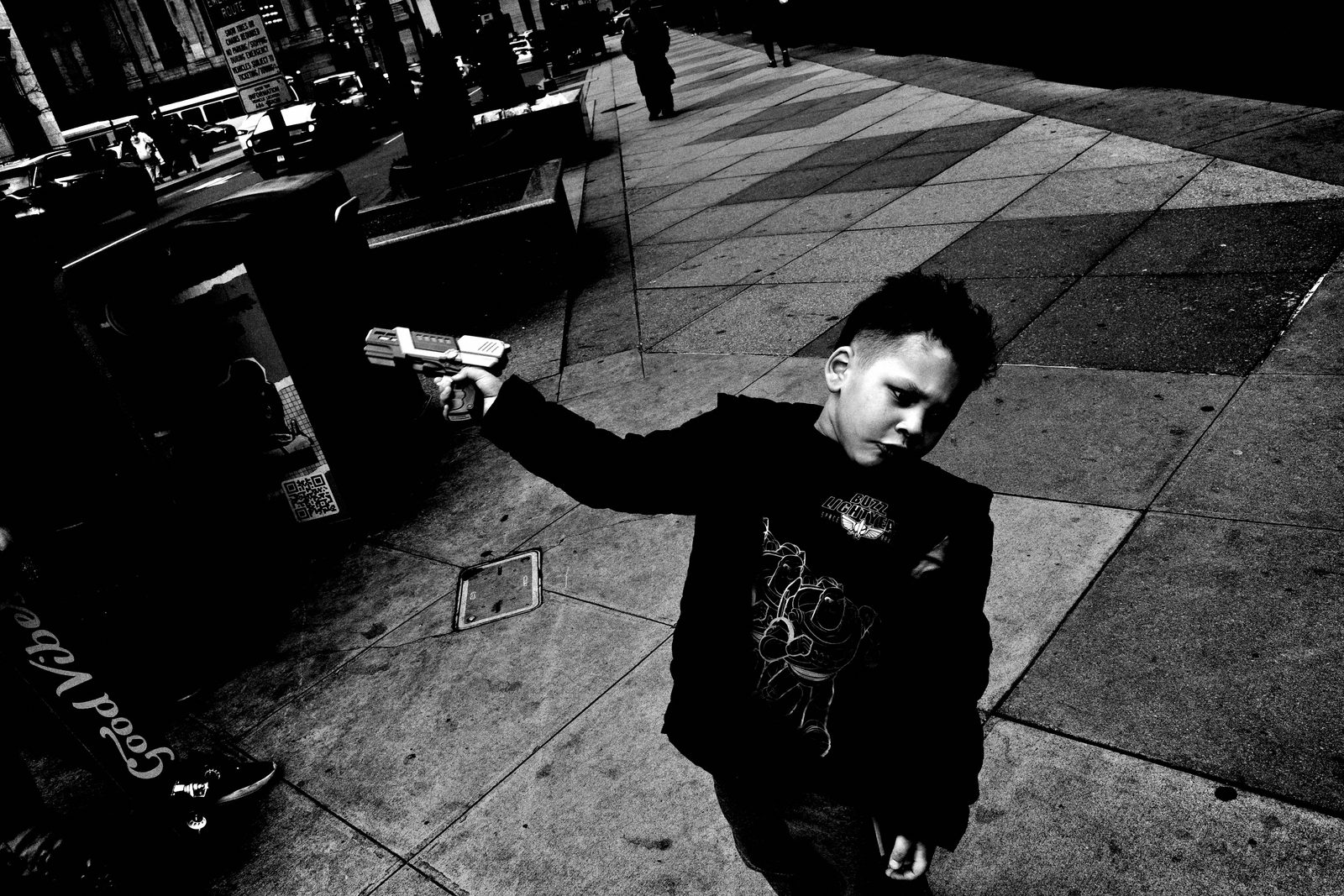
Some scenes only pay off if you keep coming back. You return to a spot time and time again — and most of the time nothing happens. Empty, quiet, nothing to shoot. Then, one visit, the moment finally arrives. A frame like that is made through courage, repetition, and persistence. It's built over many returns, not grabbed in a single passing instant. That's the mechanics paying off.
The Contact Sheet Shows the Build
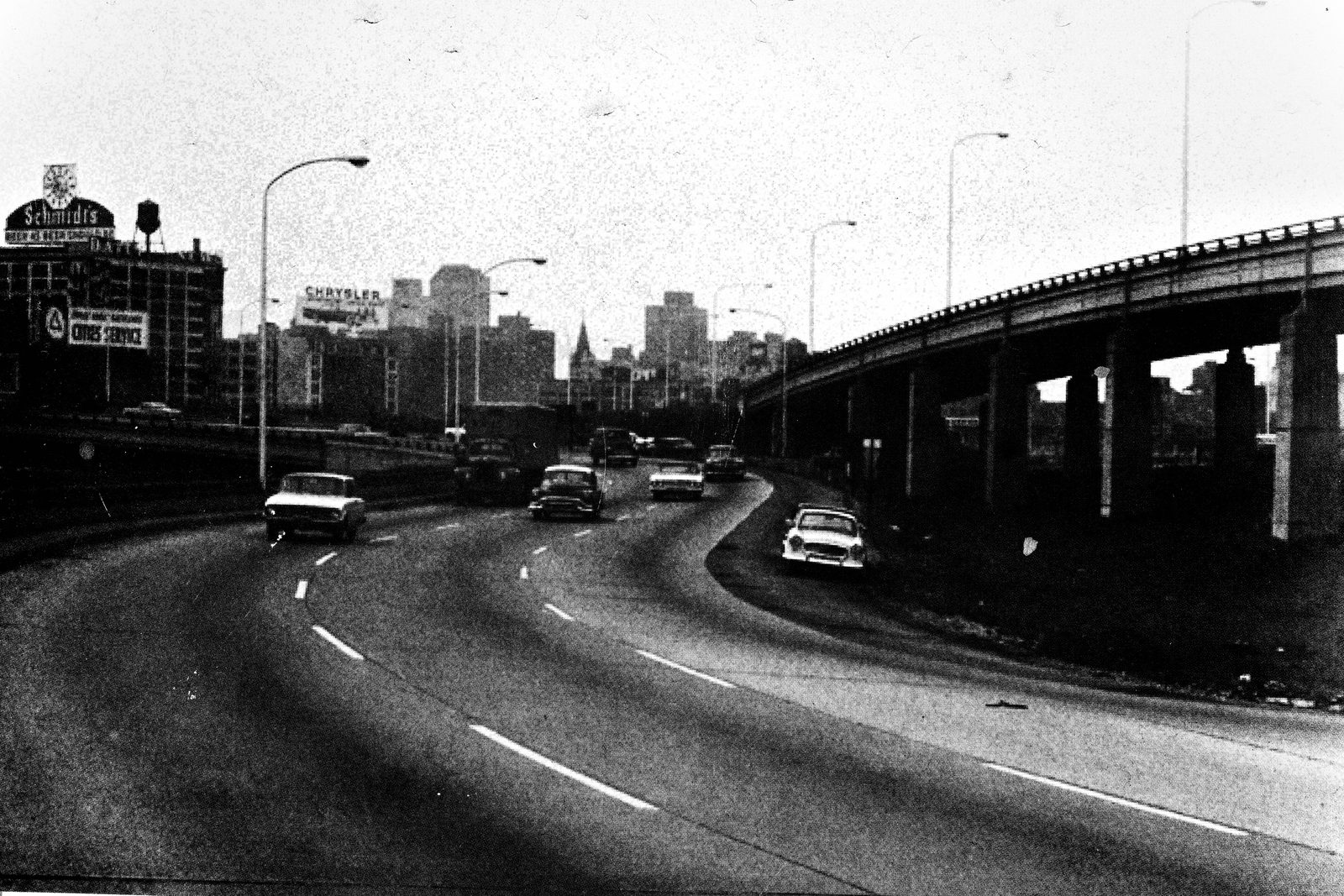
A contact sheet shows the build happen in real time. The early exploratory frames. The moment you sense potential in a scene. The first shots fall flat — so you move a step to the right, change your perspective, and suddenly a strong shape and a shadow create a far stronger image. By repositioning your body you turn a flat attempt into a photograph with real impact.
Position First, Then Wait
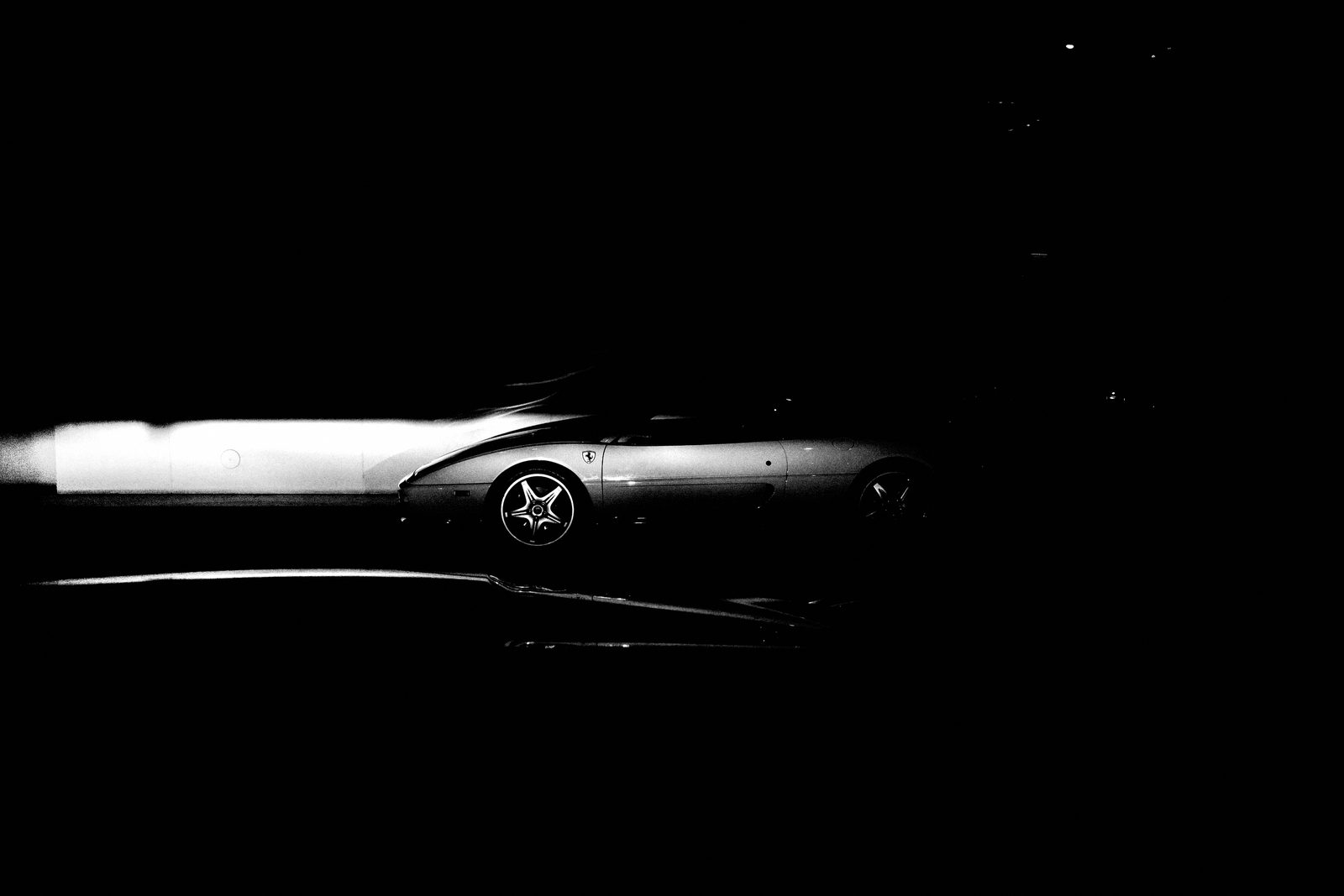
Here's the sequence, all mechanics. You notice a beautiful pop of color and striking light and you sense a photograph is possible. So you position yourself carefully first, and then you wait for the decisive moment — a vendor's gesture, a joyous smile framed perfectly by light and shadow. Position, then patience — that's the puzzle solved.
Drop Low to Emphasize Emotion
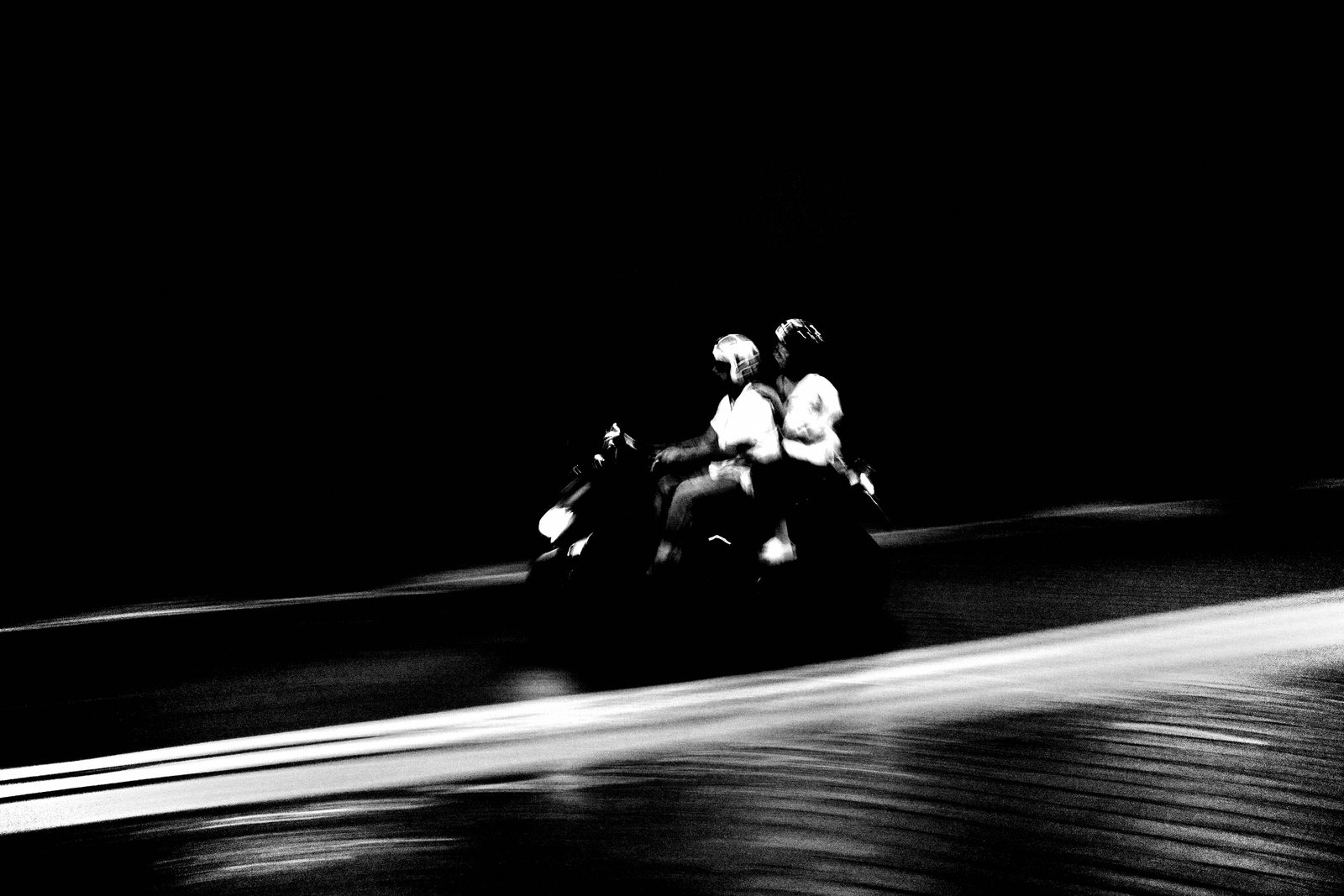
One more on positioning. In a charged, emotional scene, you read the environment — the dust rising from the ground, the light, the gestures of the people in front of you. Then you make the key move: drop to a low angle to emphasize an expression. That single physical decision is what fills the frame with emotion and depth. Observe, anticipate, react — and let your body answer.
Get Physically Close
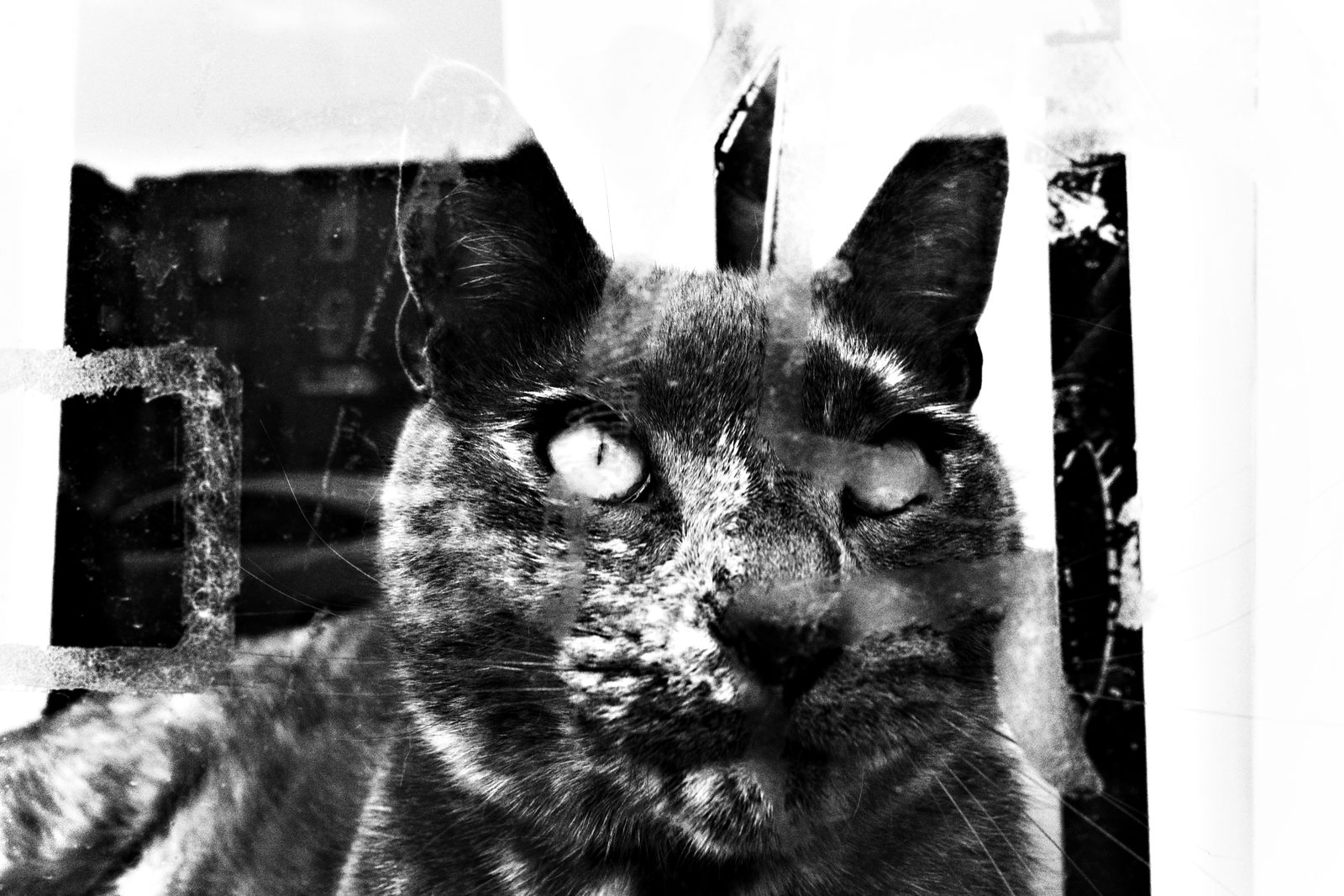
Working the scene often means closing the distance. Position your body as physically close to the action as you can, use the rule of thirds to balance the composition, and fill the frame with emotion. Even in a tense or fast-moving situation the tactic is the same: move in for thirty seconds, get the shot, move back. The mechanics still hold — position, frame, press.
Know When to Move On
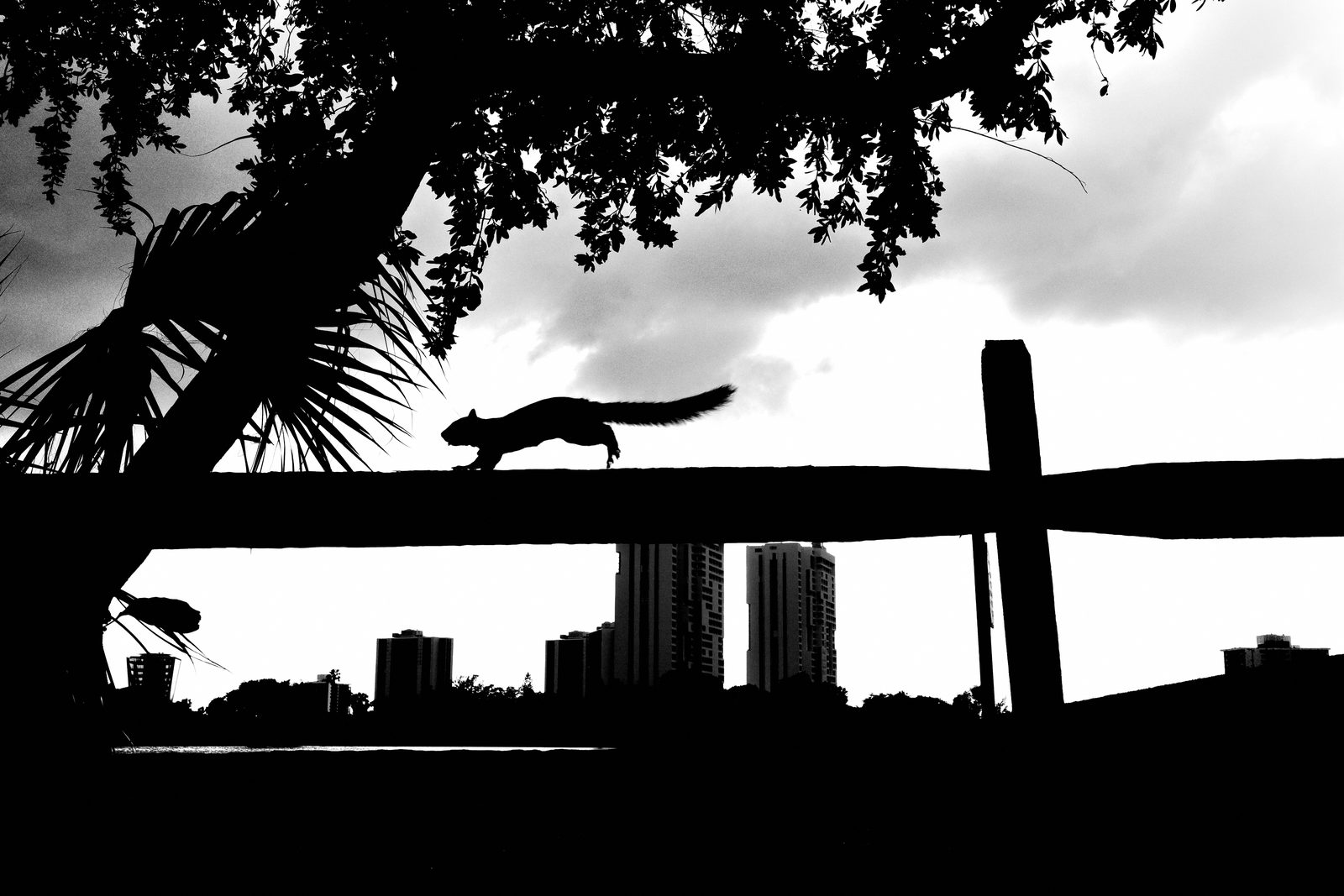
The flip side of staying is knowing when to leave. Sometimes the energy of a scene dies down, the light shifts, the moment passes. Trust your gut. Don't cling to a dead scene out of stubbornness once you've worked it fully. Staying and moving on are the same skill — you exhaust a scene, then you carry the same hunger to the next one.
PRACTICAL APPLICATION
Shoot One Scene Fifteen Ways
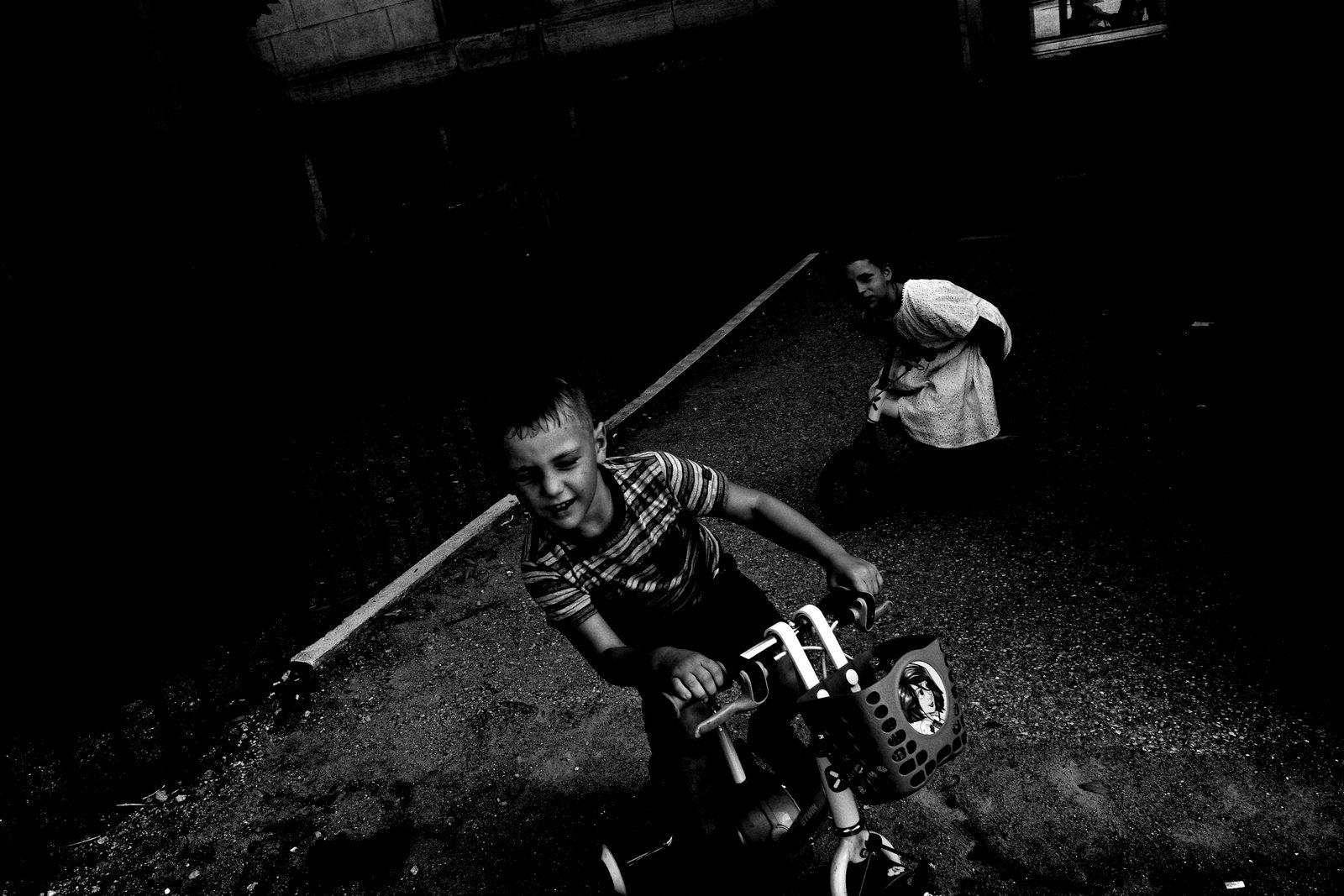
Here's your drill, pure mechanics. Next time something catches your eye, do not take one shot and walk. Stay and make fifteen, twenty frames — and move your body for every single one. Step left, drop low, get closer, shift right, wait for a gesture. Later, lay them side by side and find which position made the photograph. That comparison is the lesson.
Read Your Own Contact Sheet
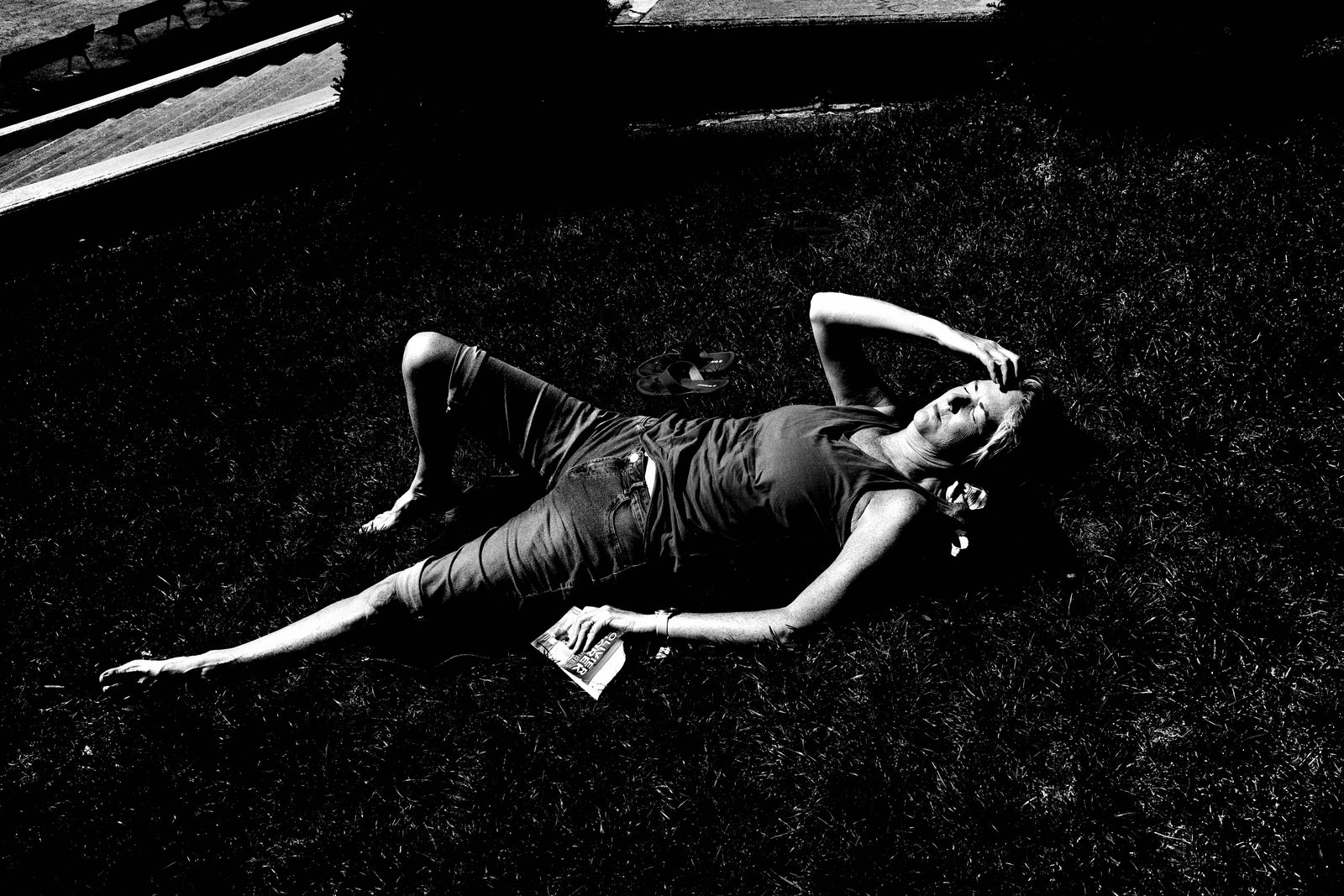
Then study it the way I study mine. Look at the full run, not just the keeper. Watch the scene get stronger frame by frame — the flat early shots, the reposition, the moment it clicks into place. Reading your own contact sheet teaches you how your moves built the photograph, so next time you're on a scene, you get to the strong frame faster.
COMMON MISTAKES
One Click, Flat-Footed
The number-one mistake is the one-click habit: you snap a quick grab shot and move on, leaving the real photograph two minutes and three steps behind you. Its twin is shooting flat-footed — standing in one spot, head-on, never moving your feet. You forget photography is physical. If your first frames fall flat and you don't reposition, you've decided to settle.
RELATIONSHIP TO PREVIOUS
From Breaking Rules to Building Frames
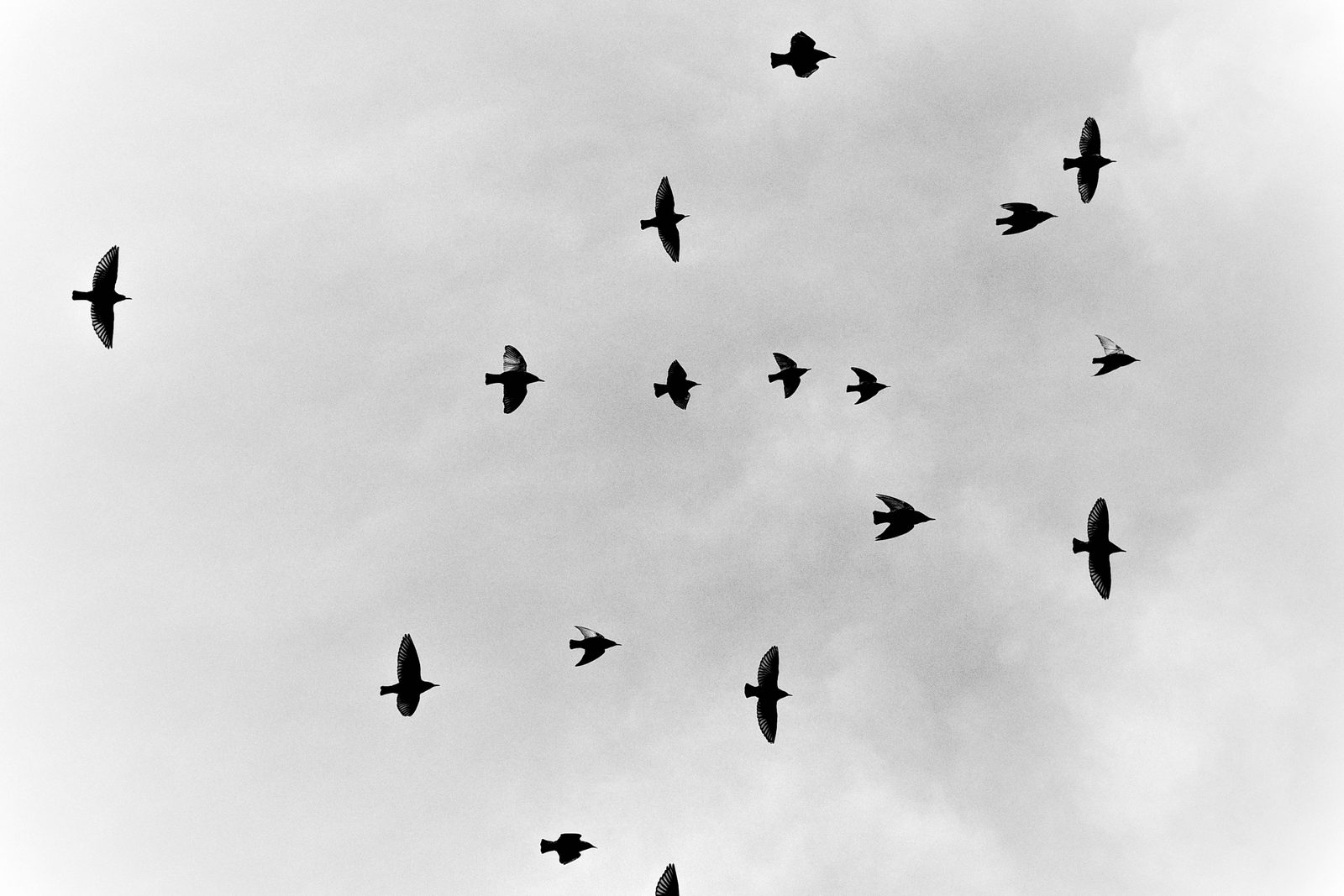
Last lesson — Lesson 020, Breaking the Rules — gave you permission to throw out the rulebook when the frame demands it. Keep that freedom. But freedom without craft is just chaos. This lesson is the disciplined other half: once you know you can break a rule, working the scene is the patient, physical work of building the frame that earns it.
RELATIONSHIP TO UPCOMING
Next: We Break One Down
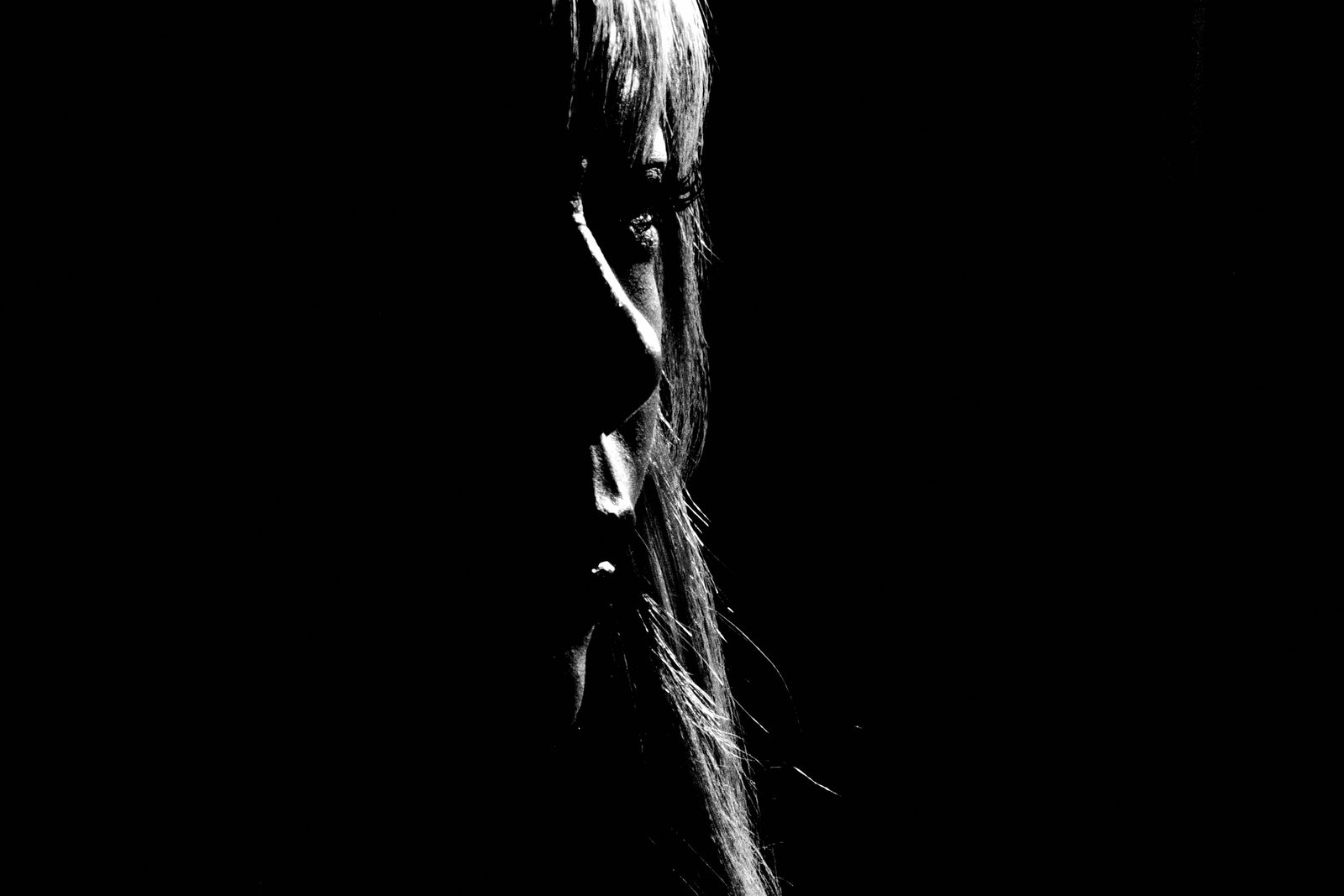
Quick look ahead. In Lesson 022, Breakdown II — Composition, we take everything from this whole module and put a single photograph under the microscope. You'll see the positioning, the patience, and the passes living inside a finished frame — the mechanics of working the scene, reverse-engineered from the result. Theory becomes evidence.
SUMMARY / TAKEAWAY
Stay, Move, Refine, Repeat
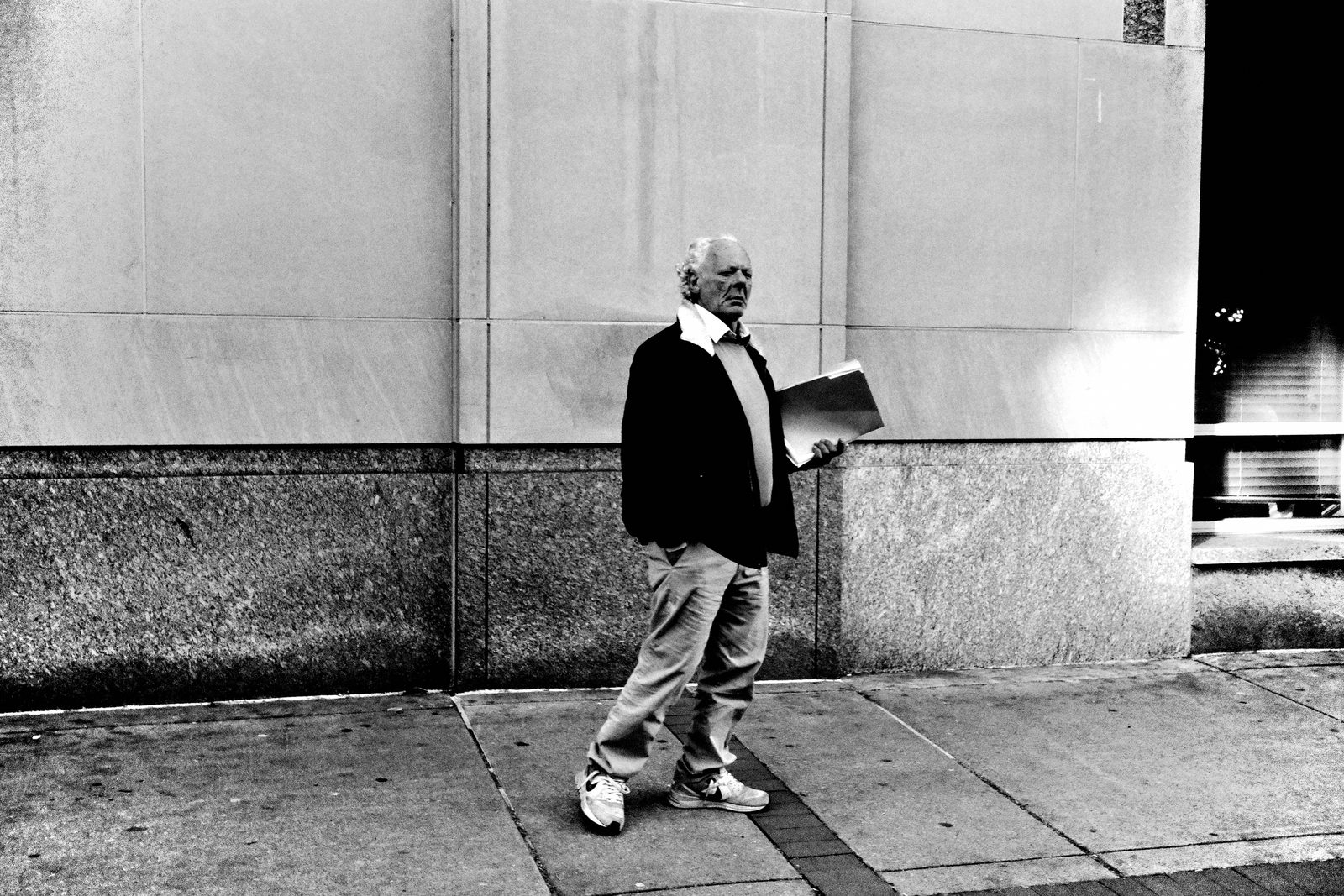
Last thing. A strong photograph is built, not grabbed — through staying, moving your body, refining the composition, and making pass after pass until the puzzle locks. Drop low, step back, get close, wait for it. Then read your contact sheet and learn how you did it. And never forget the line that runs through all of it: don't leave the scene until the scene leaves you. Catch you next lesson.