Breaking the Rules
CORE IDEA
Rules Are Guides, Not Laws
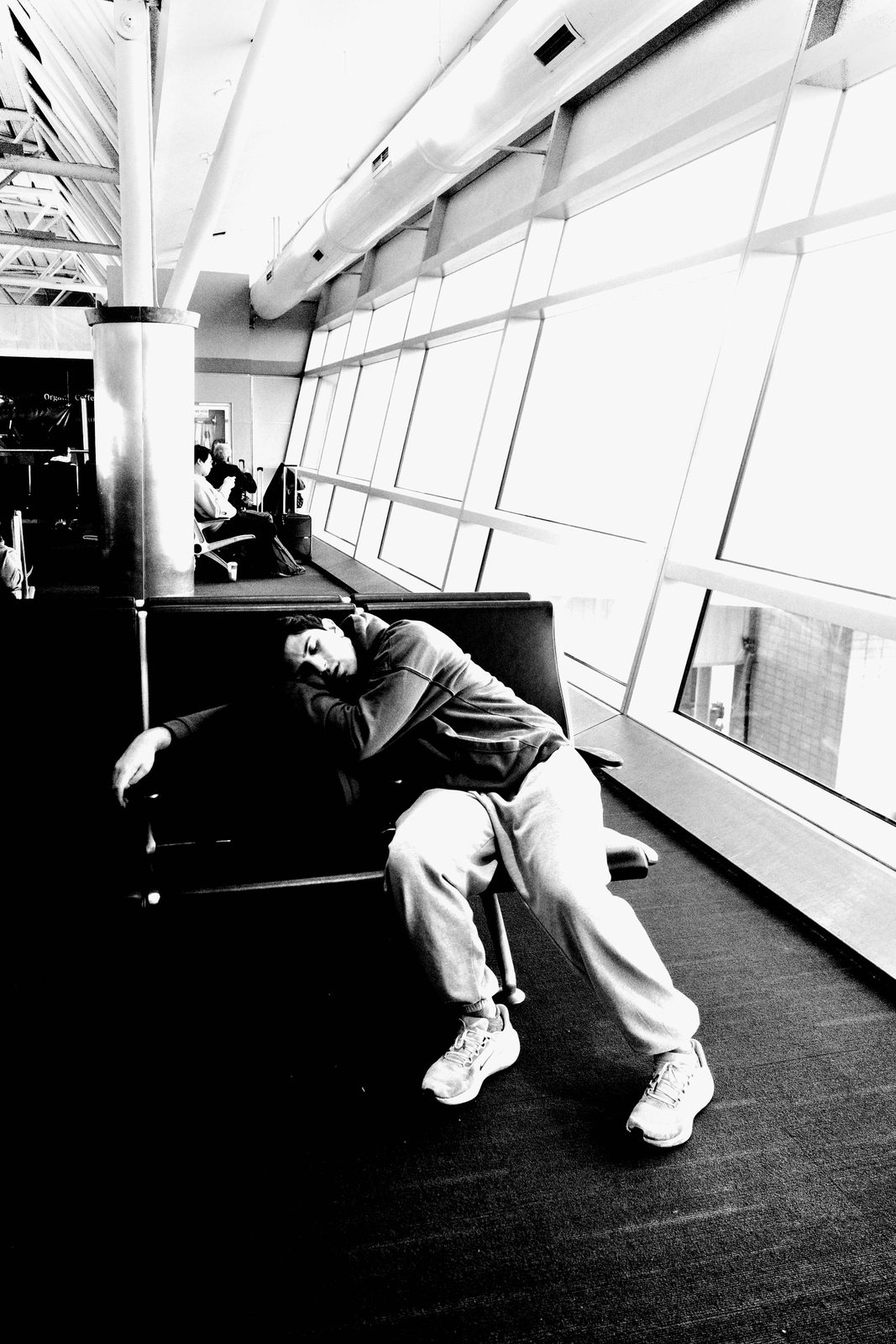
What's popping, people — it's Dante. Today we break the rules. Here's the truth I keep coming back to: the rule of thirds isn't a law — it's a guide. Every "rule" of composition is just training wheels. Once your gut can see, you're allowed — you're expected — to break them.
LEARNING OBJECTIVE
Know When to Break Them
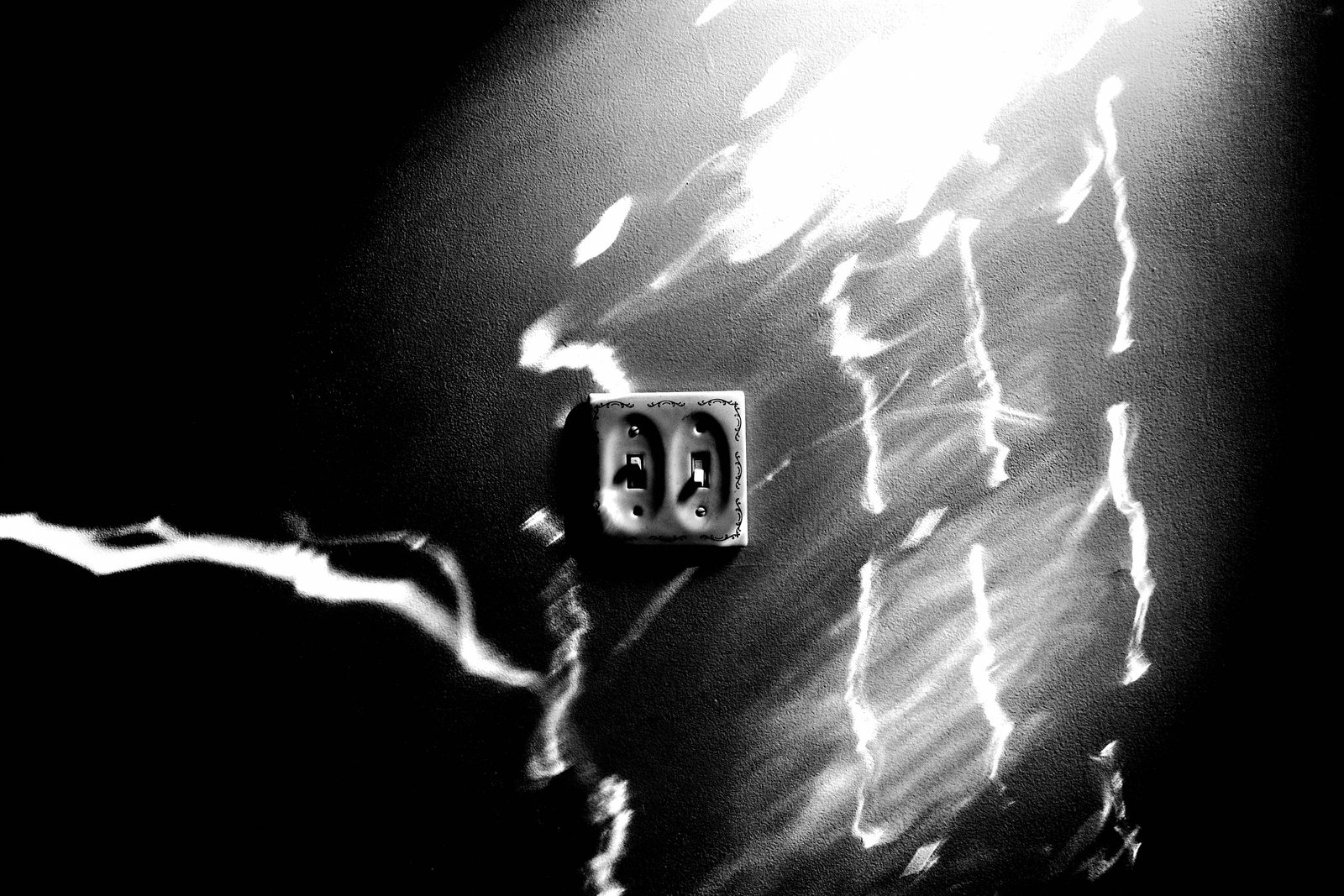
By the end of this lesson you'll know how to break a compositional rule on purpose — not by accident, not from ignorance, but because your gut tells you the broken frame is stronger. That's the whole leap: from following rules to feeling them.
WHY THIS MATTERS
The Grid Can Cage You
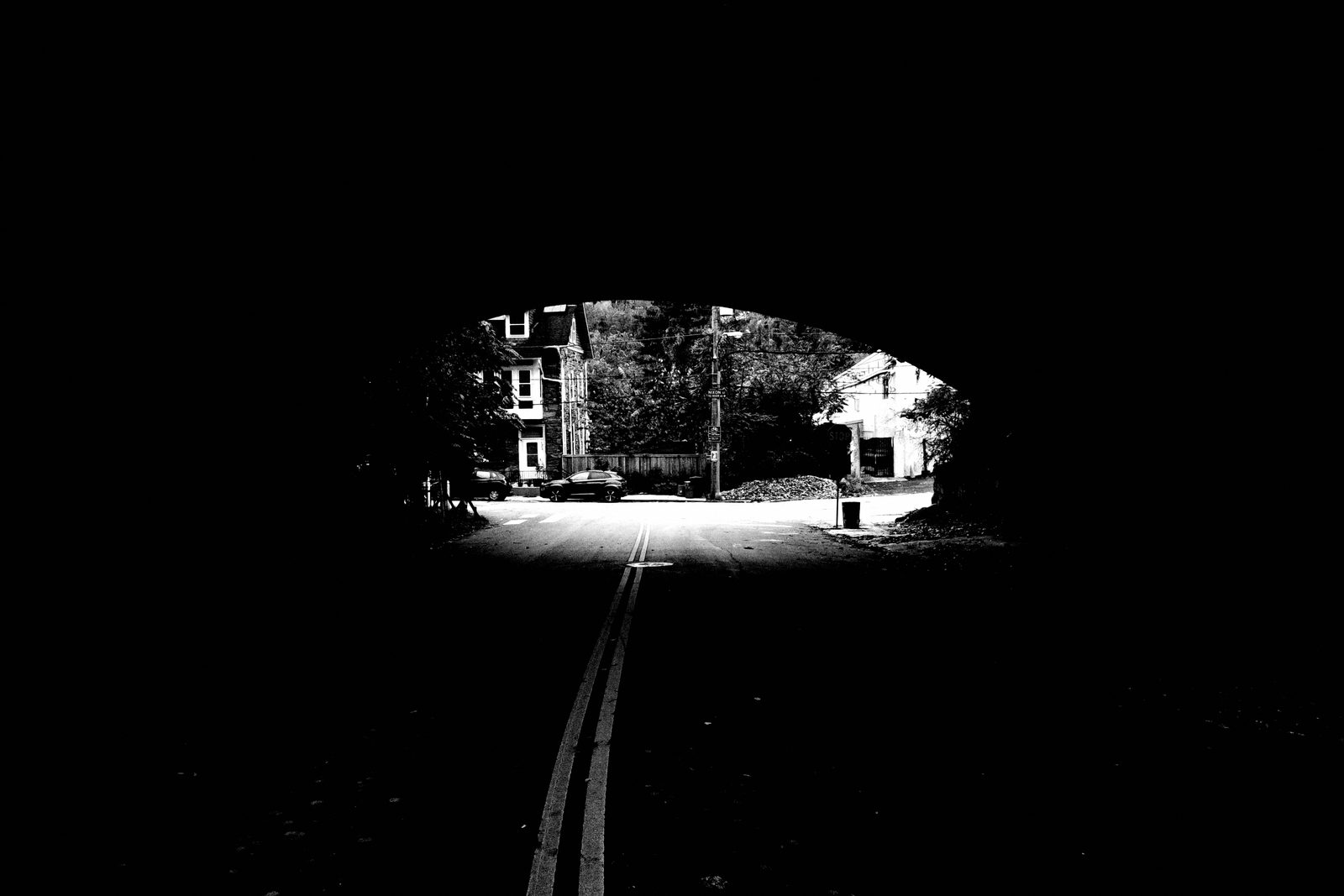
Here's why this matters: out there, life is chaotic, fast, unpredictable. If you're standing on the corner sorting every scene into leading lines and rule-of-thirds grids, the moment's already gone. The rules were built to free you. Followed blindly, they cage you.
Synthesize Content With Form
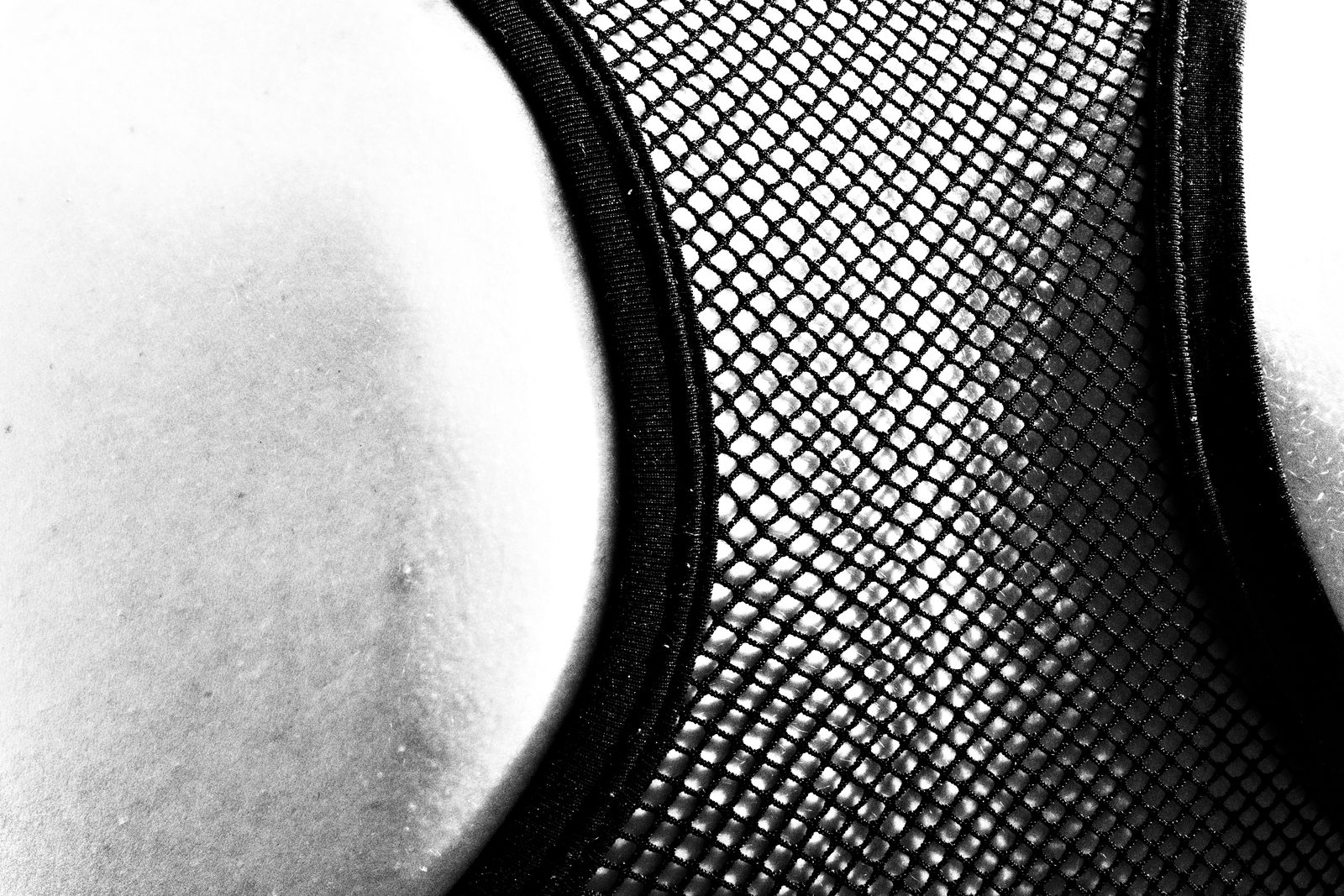
And the deeper stake: we shoot to synthesize content with form. The moment, the emotion, the gesture — that's content. Composition is the form we wrap around it. When a rule starts strangling the content, you break the rule. The moment always wins.
MAIN TEACHING
Composition Comes From Intuition
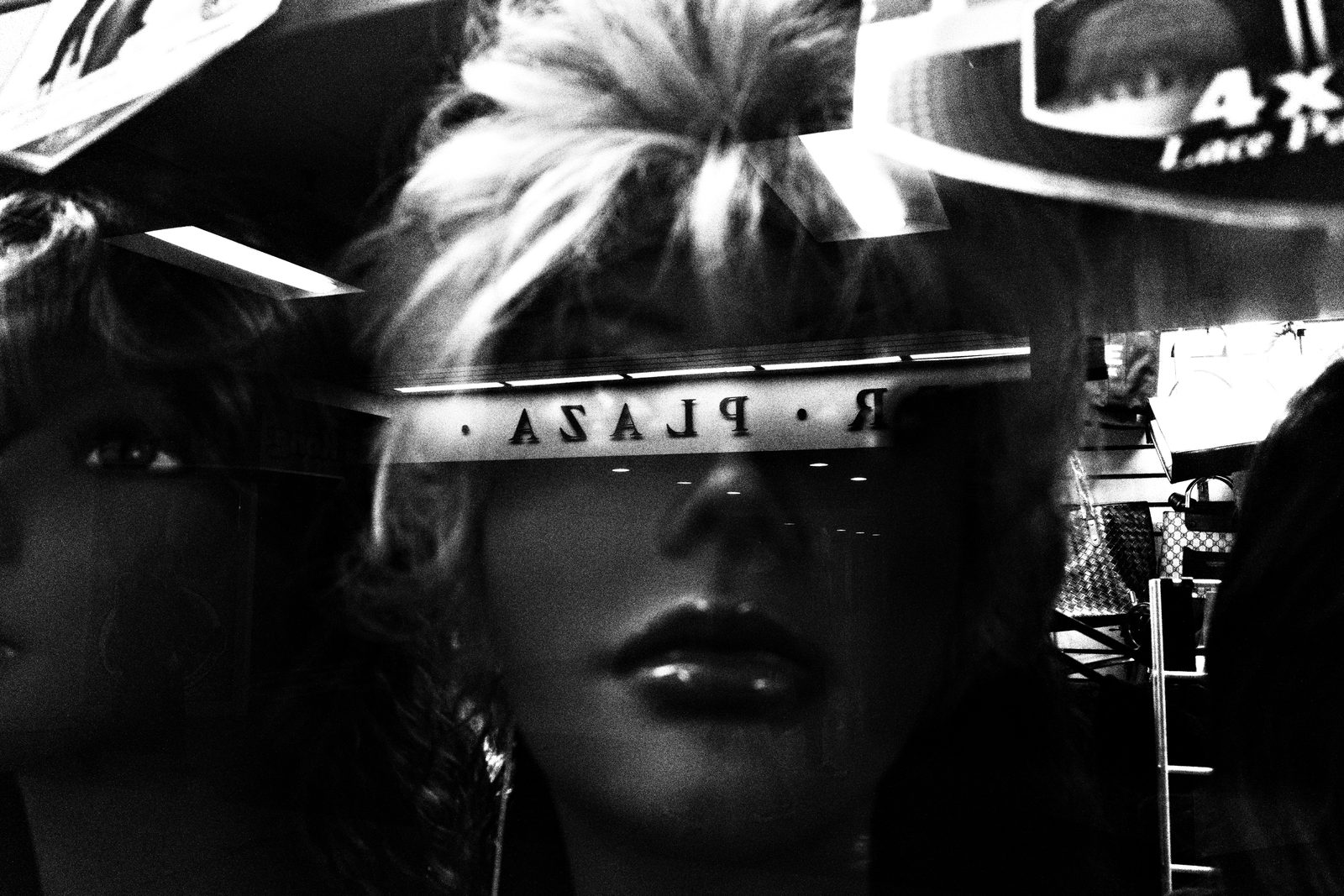
Foundation first. Composition derives from intuition — that gut instinct when you press the shutter. I'm not walking the street consciously hunting leading lines. I'm responding. The frame is the result of instinct, not a checklist I run. Rules are what you internalize so deeply you can finally forget them.
Look With Your Eyes, Not the Grid
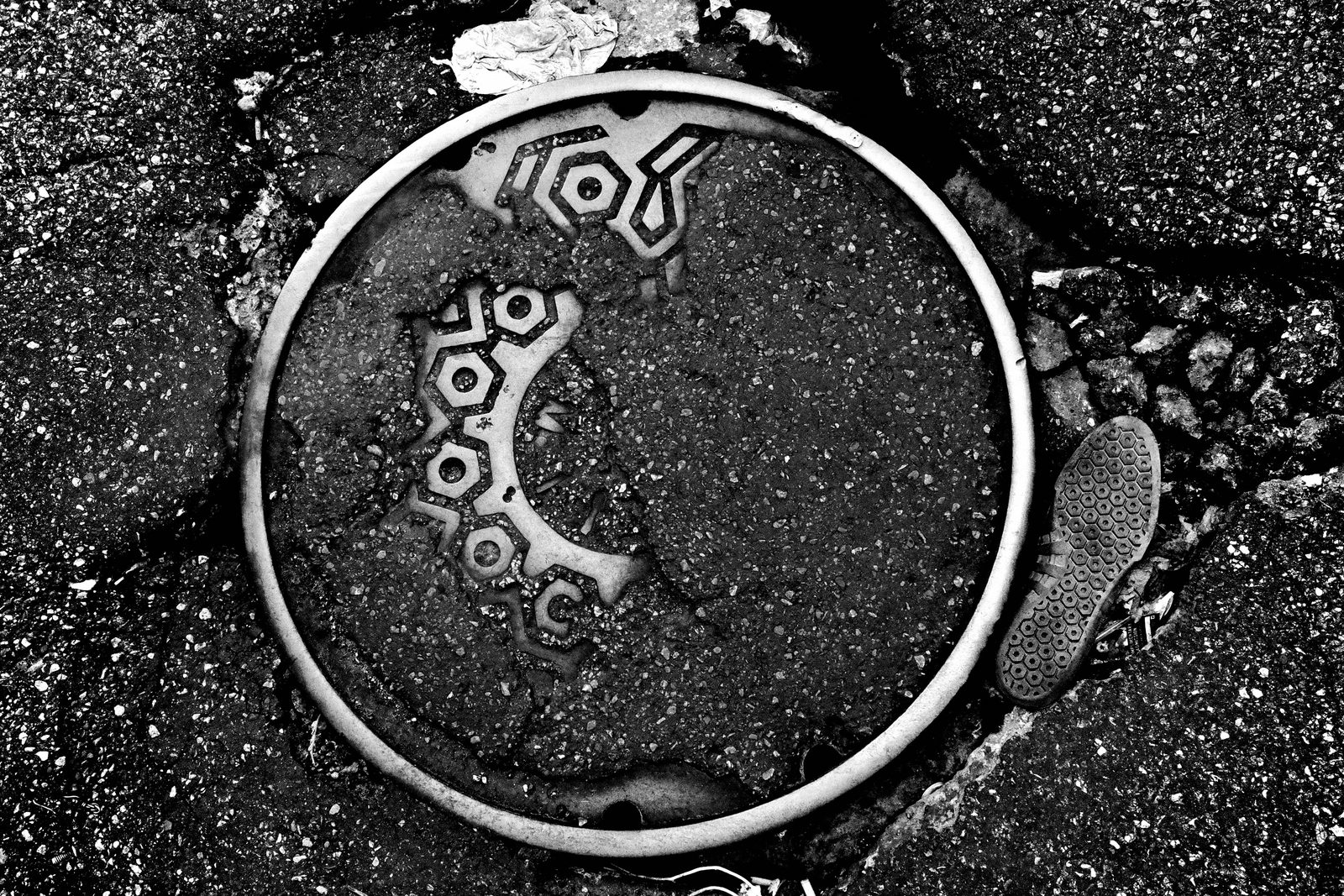
When I'm out there, I'm looking at life — not at a grid laid over it. Don't walk around with the camera to your eye — use your two eyes and respond with your gut. You're not seeking leading lines consciously. You respond to the world as it unfolds, ready to move your body and your frame.
Center When Centering Is Stronger
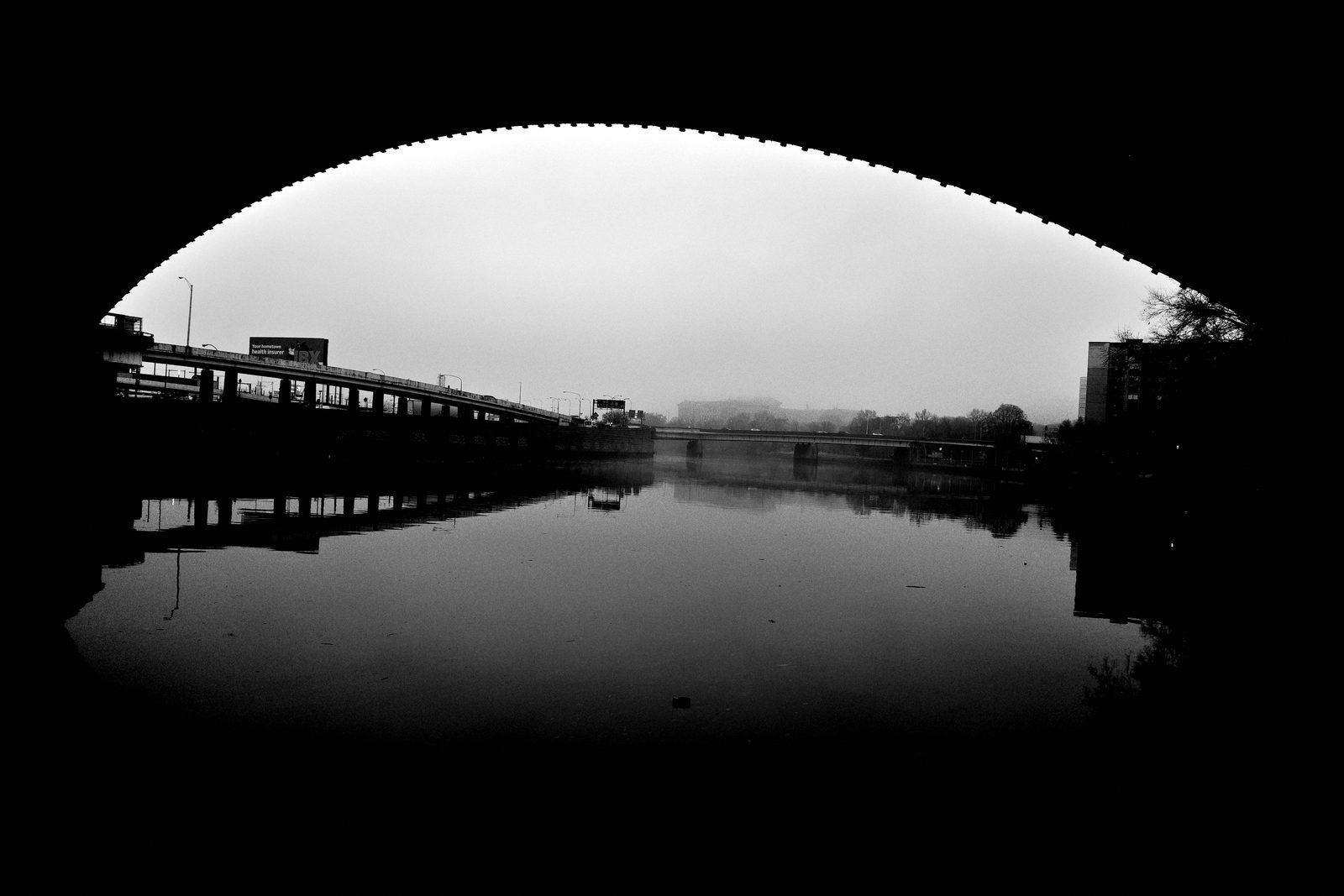
First rule to break: the thirds. Centering a subject can be just as powerful as offsetting it. When the scene is symmetrical — hands, hair, wheels echoing each other — the center is the strongest spot. The rule says push it to the side; your eye says hold it dead center. Trust the eye.
Feel the Thirds, Don't Count Them
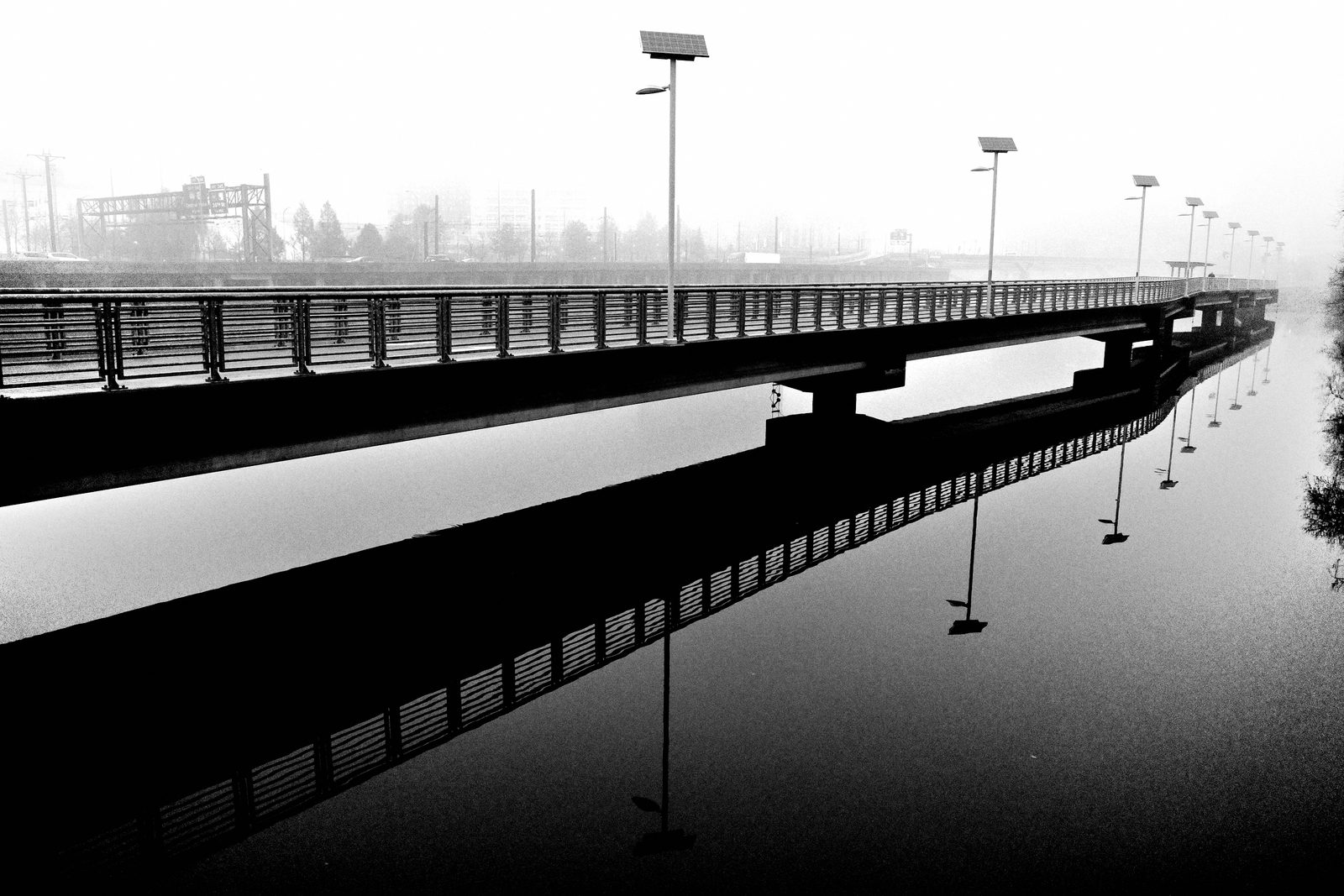
Here's the nuance: even when I do land on the thirds, I didn't count to get there. I felt it. The rule of thirds works best the moment you stop obeying it and start sensing it. Break the rule by absorbing it — until placement becomes instinct, not arithmetic.
Put Order to the Chaos
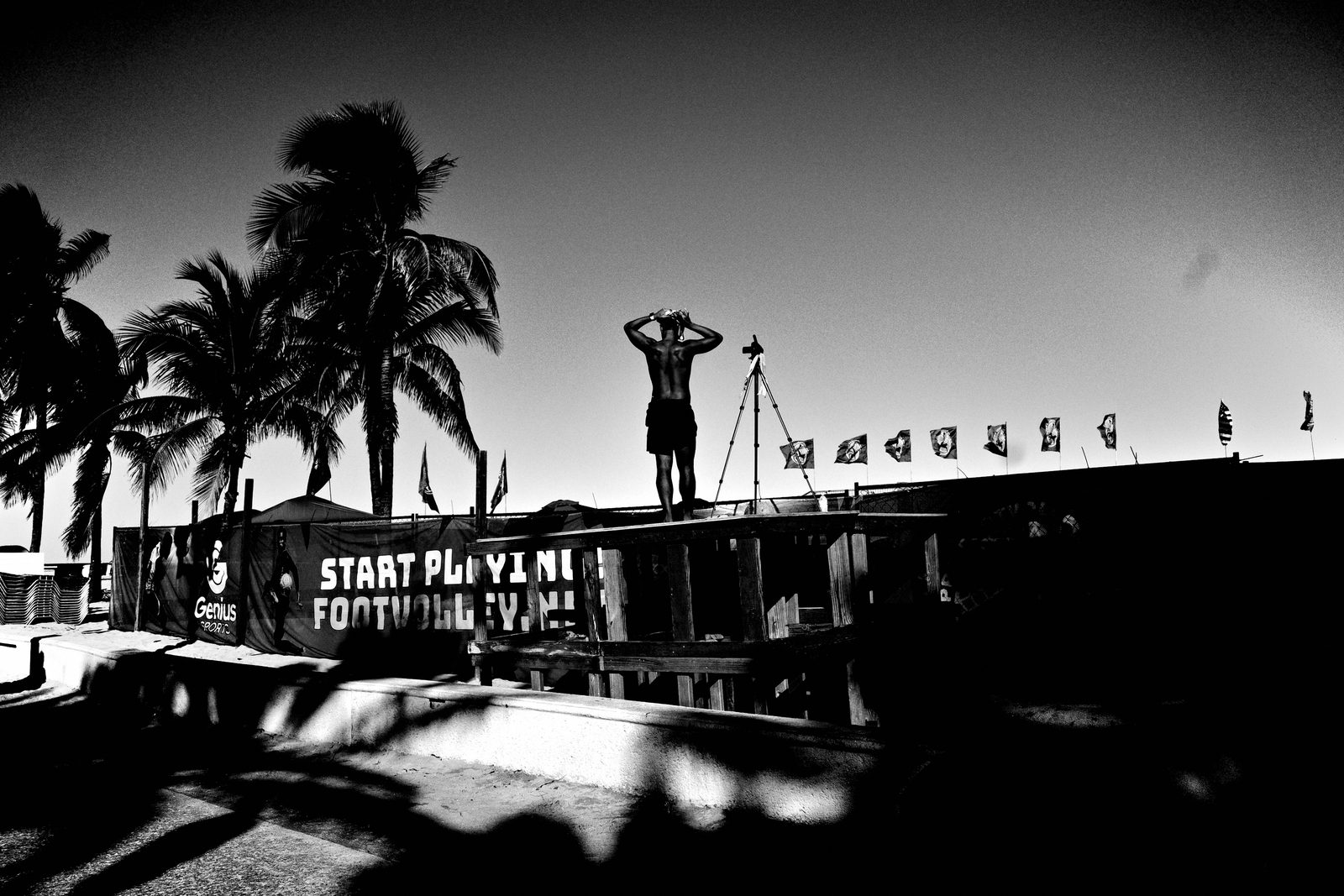
Our whole job as photographers is to put order to the chaos of the world. Rules are one way to find that order. But sometimes a little disorder is the order — a tilt, a near-collision of elements, an imbalance that holds tension. Order isn't always tidy. Sometimes it's a controlled mess.
Tension Over Tidiness
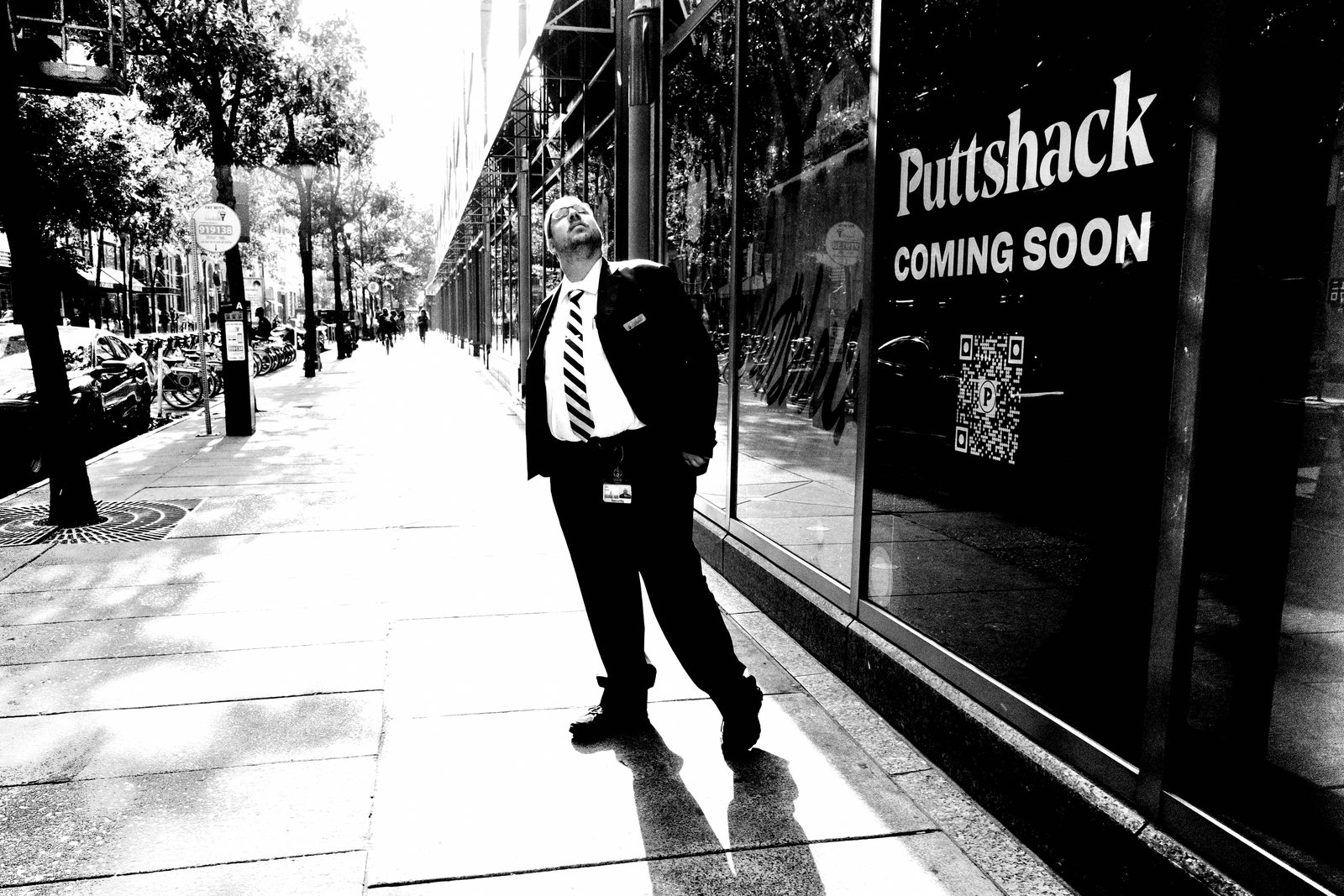
A frame that follows every rule can come out lifeless — balanced to the point of boring. Tension is what wakes a photo up. Let elements lean, crowd, almost collide. The discomfort is the point. A little imbalance pulls the viewer in and won't let them rest. Tension over tidiness.
Position Your Body to Break or Keep
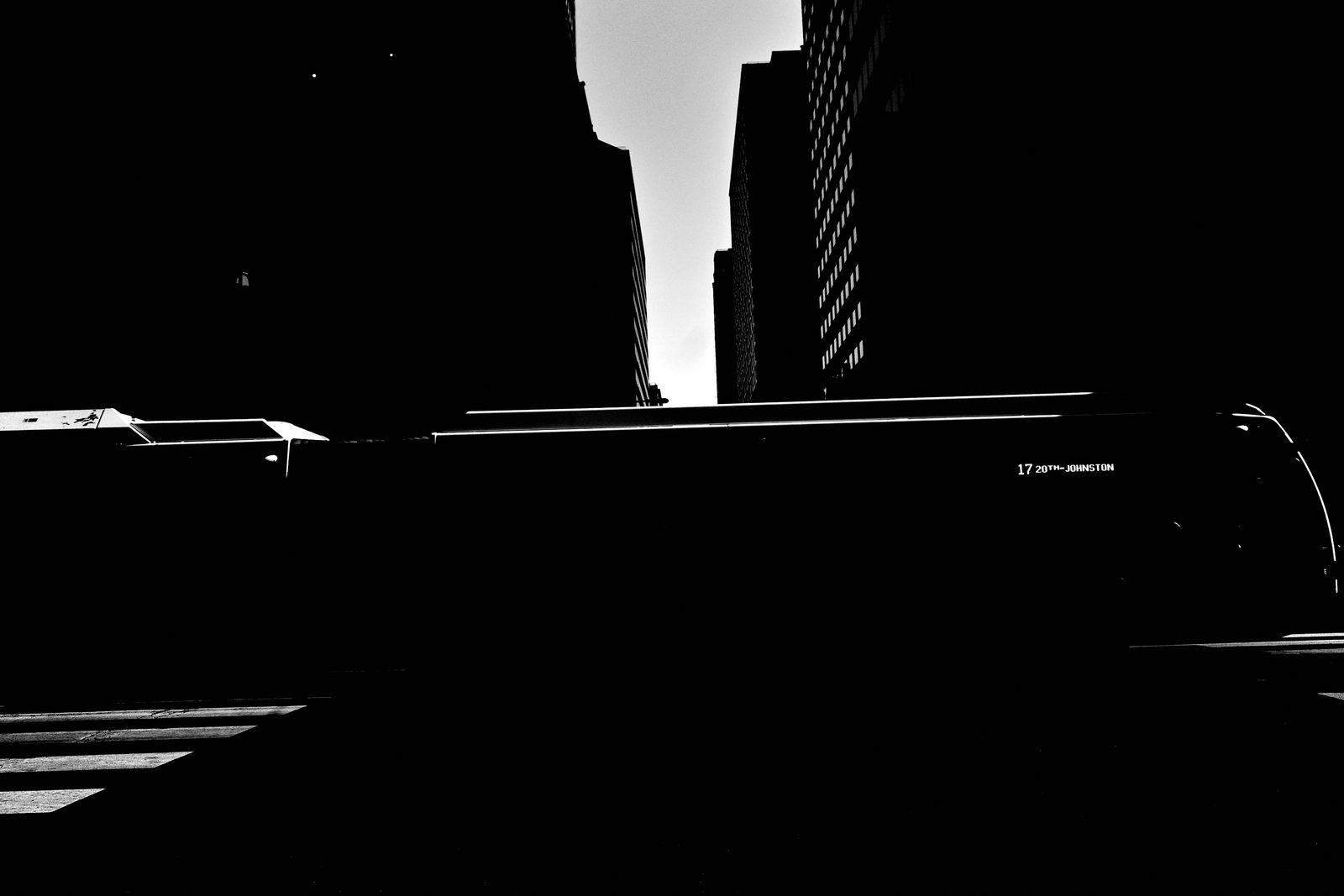
Remember: the photographer is responsible for where they position their physical body in relationship to the moment and the background. Breaking a rule is physical. Drop to a low angle and the whole geometry changes. The rule you keep or break is decided by your two feet, not by theory.
Break Your Default Angle
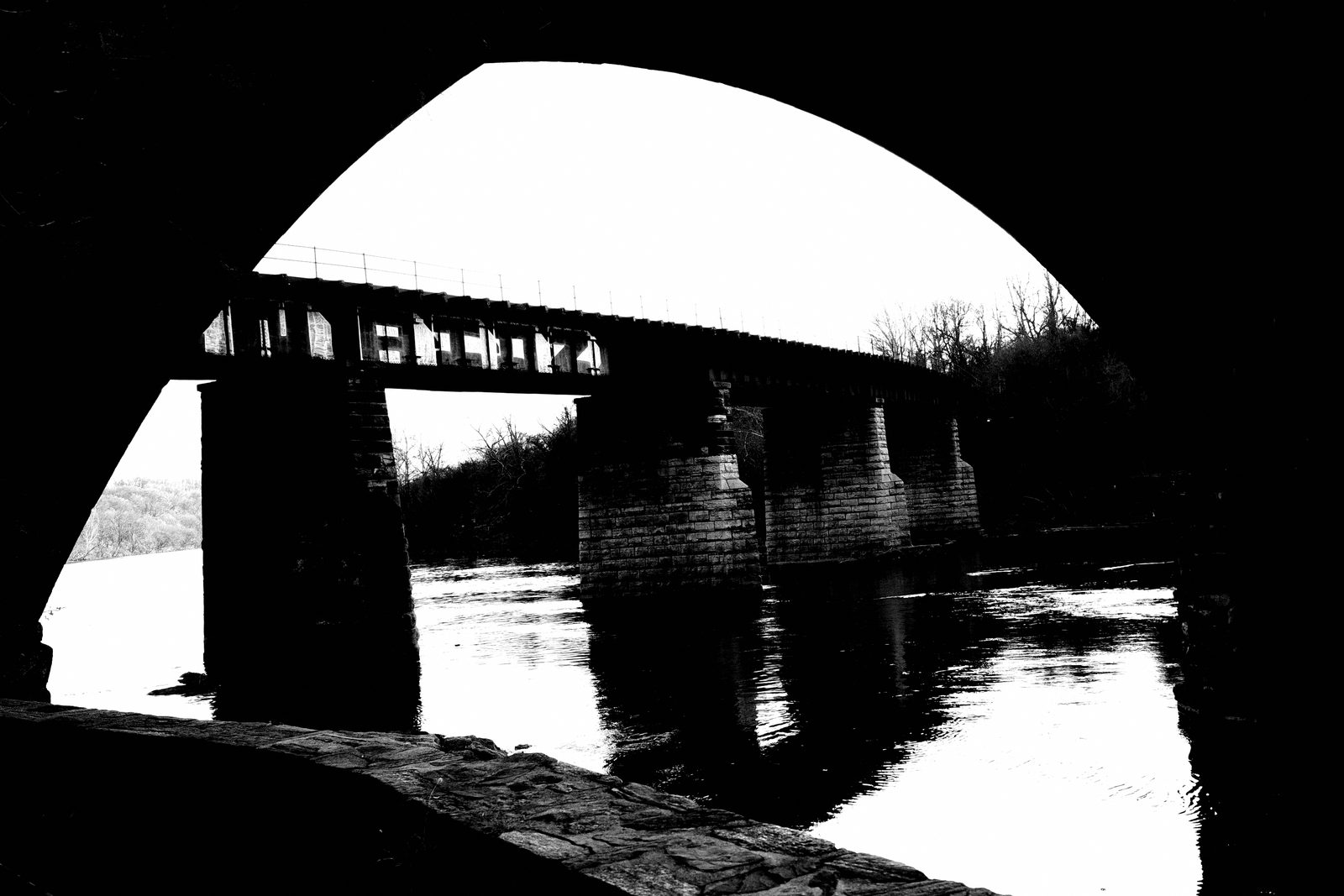
Take a moving subject against a busy backdrop. Shoot it at eye level and the figure blends right into the background. Dead. So break your own default: drop low, separate the subject from the skyline, throw a limb or an outstretched gesture up against open sky. Same moment, broken angle, alive. The rule you break here is your own habit.
Move Off the Flat-On Angle
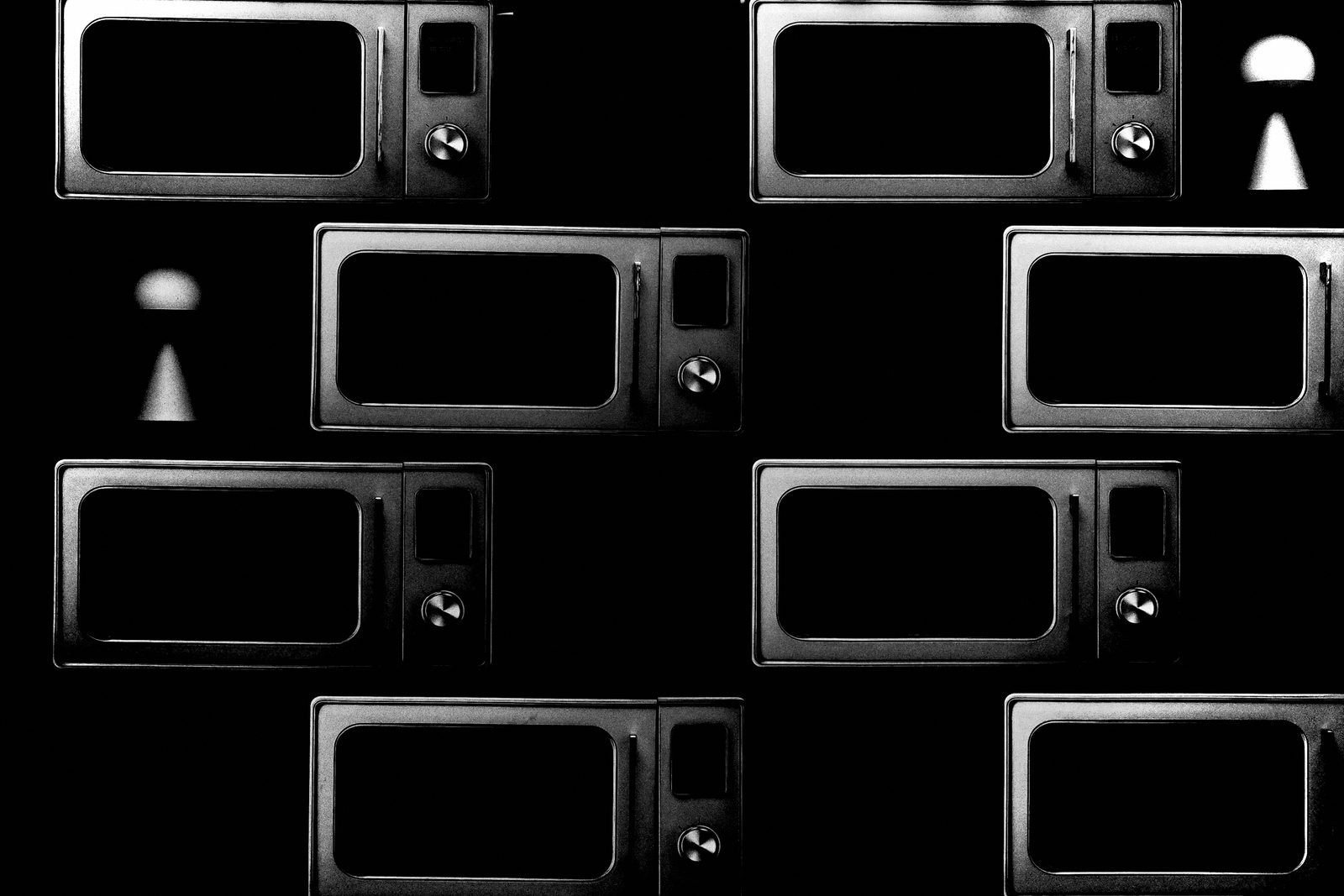
Picture a subject in front of a large wall or flat surface. Shoot it straight-on, relating people flatly to the wall, and it goes too flat. So work the scene and move. A new angle appears — leading lines come alive, a shadow is revealed, and the frame turns mysterious and impactful. Breaking the flat-on rule is nothing more than refusing to shoot from the obvious spot.
Choose the Unorthodox Angle
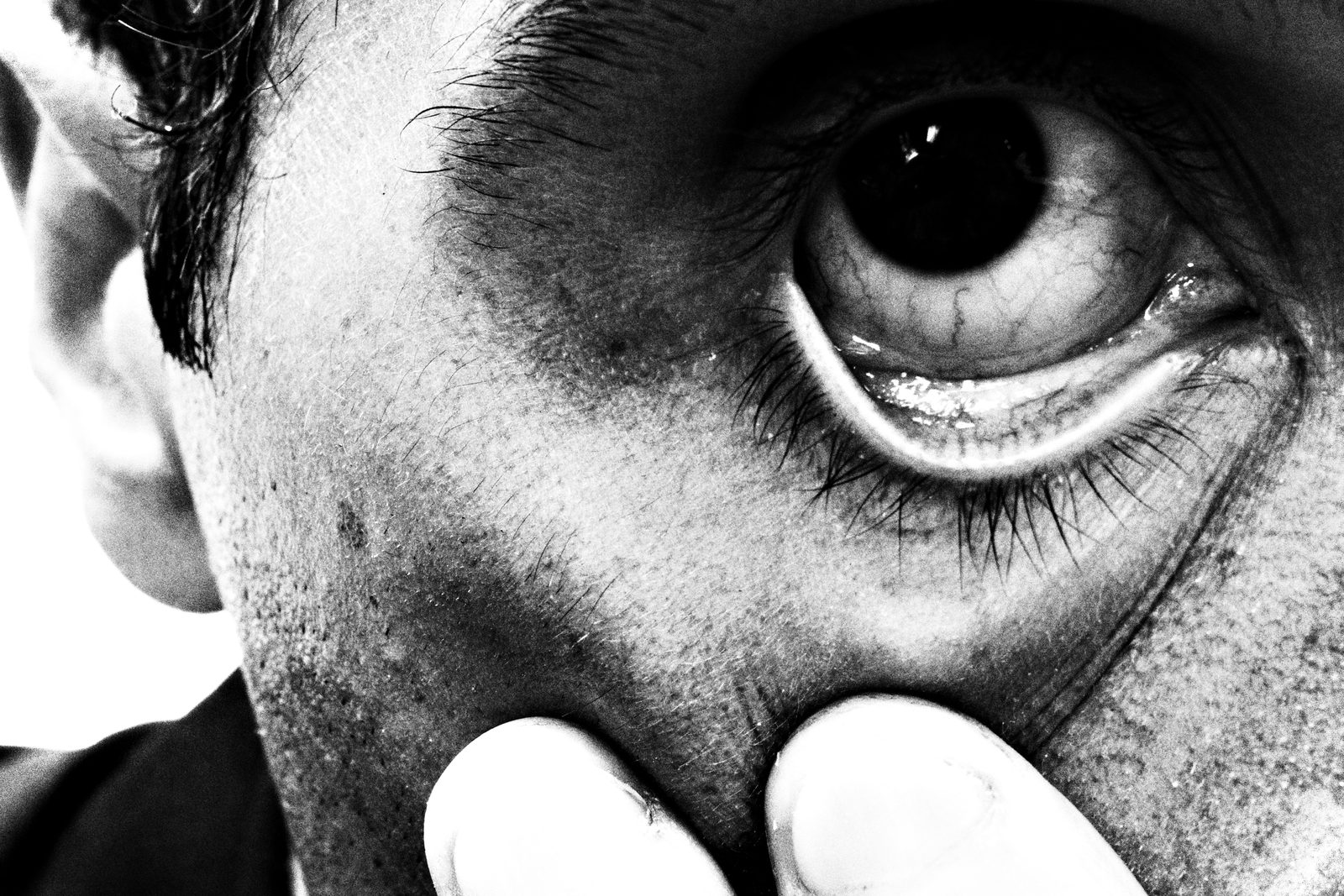
Say you find people gathered around something by the water. Don't shoot it the "normal" way. Go top-down, anchor a central subject dead center, and use an open surface like water as a clean stage. Let a single bold color draw a flowing path through the frame. Unorthodox angle, intentional break, visual feast — you broke the eye-level habit on purpose.
Break From Mastery, Not Laziness
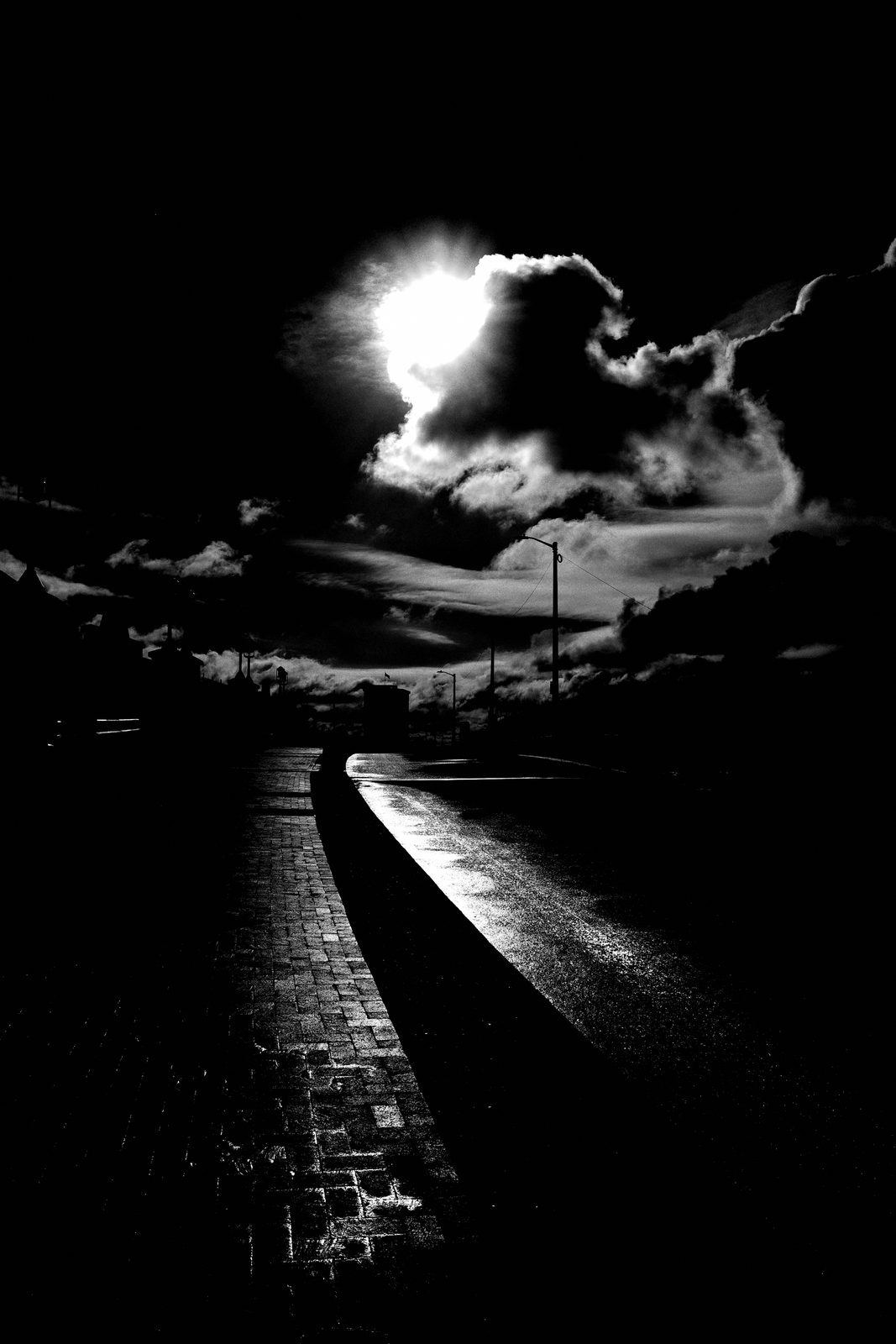
One honesty check: break from mastery, not laziness. A tilted, off-balance frame from someone who knows the rules is bold. The same frame from someone who never learned them is just a mistake. Earn the break. A decade of repetition is what lets me trust the gut over the grid.
Playfulness Lets You Break
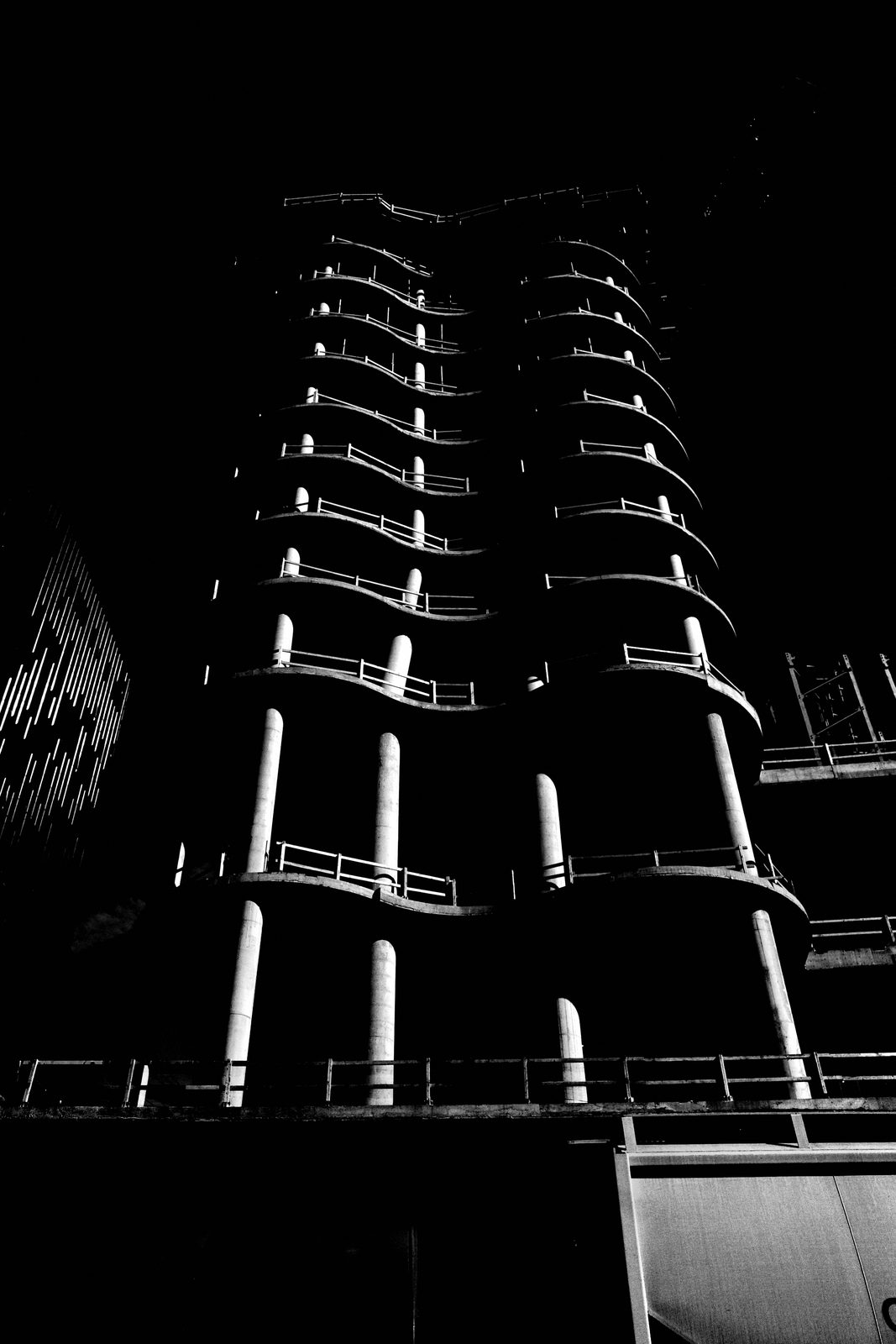
And here's the secret ingredient: play. I don't take myself too seriously when I'm shooting — I respond intuitively. A playful attitude is what frees you from the rulebook. Overanalyze and you obey. Play and you experiment. The rule-breaker is just the photographer having more fun.
PRACTICAL APPLICATION
The No-Grid Walk
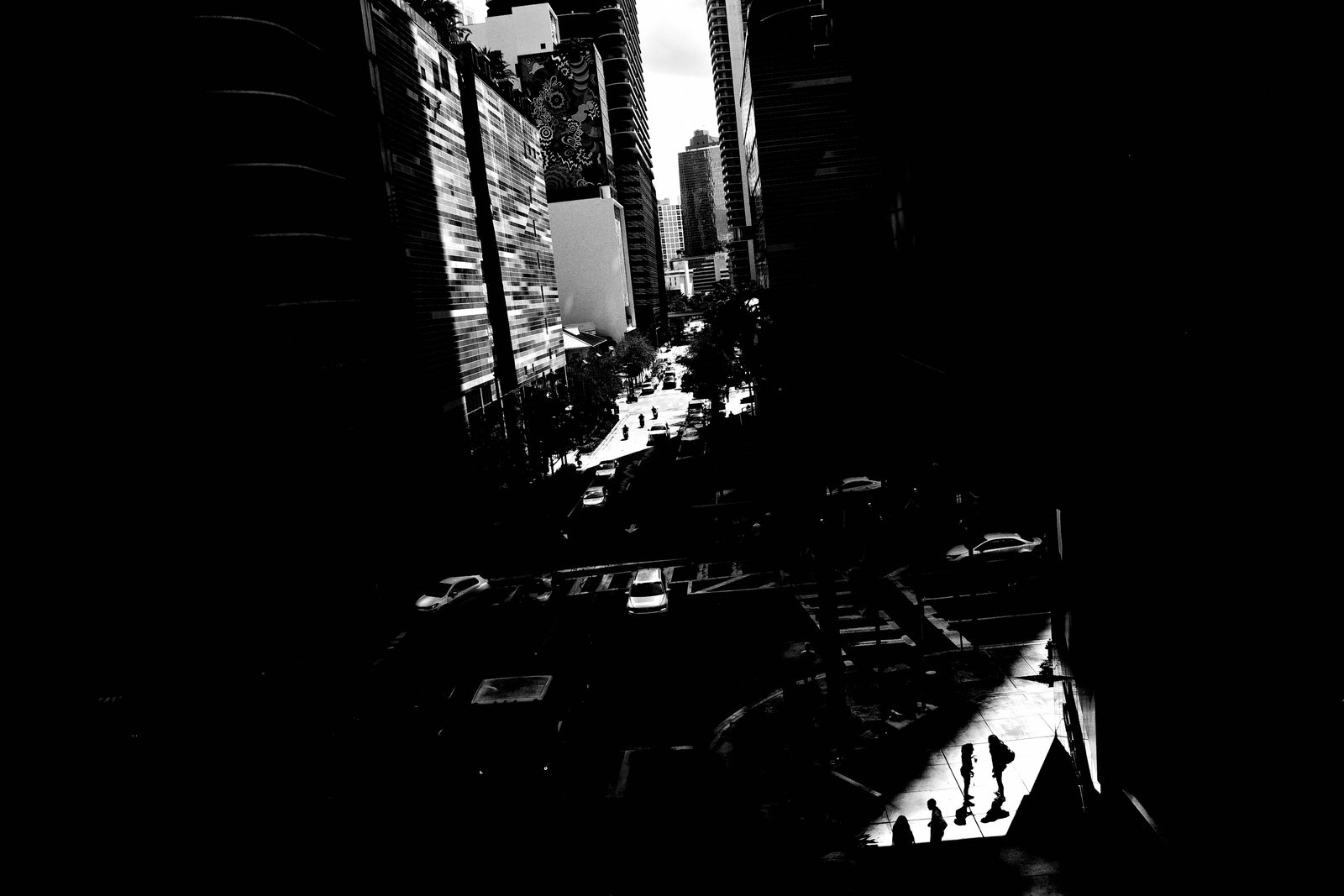
Drill one — the no-grid walk. Go out and shoot a whole session without checking a single rule. No thirds, no leading-line hunting. Just your two eyes and your gut. Press the shutter on instinct alone. Then look back and notice the order your intuition built on its own.
Center It On Purpose

Drill two — break the thirds on purpose. Find a symmetrical scene and slam the subject dead center. Live with how it feels. You're training the instinct to know when center beats offset. Breaking a rule once, deliberately, teaches you more than following it a hundred times.
Shoot for Tension
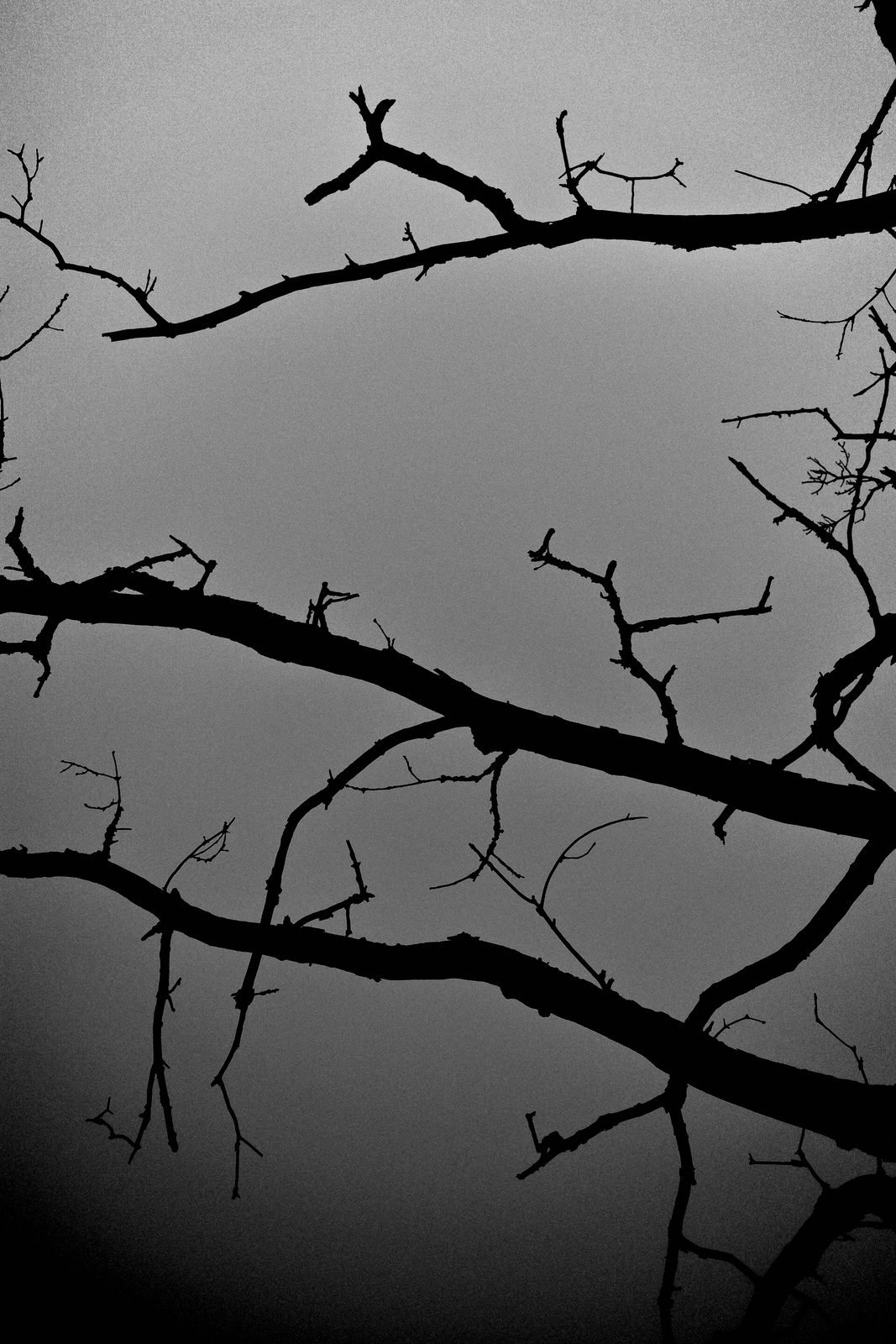
Drill three — shoot for tension. Make a frame that feels slightly wrong — tilted, crowded, off-balance — and chase the energy in that discomfort. Don't fix it into tidiness. The goal is a photo that won't let the eye settle. Keep the ones that hum.
COMMON MISTAKES
Breaking Without Knowing

Biggest mistake: confusing breaking a rule with not knowing it. A random, sloppy frame isn't bold — it's just sloppy. The break only works when the viewer feels you chose it. Learn the grid cold first; then the deviation reads as intention, not accident.
Rule-Worship Paralysis
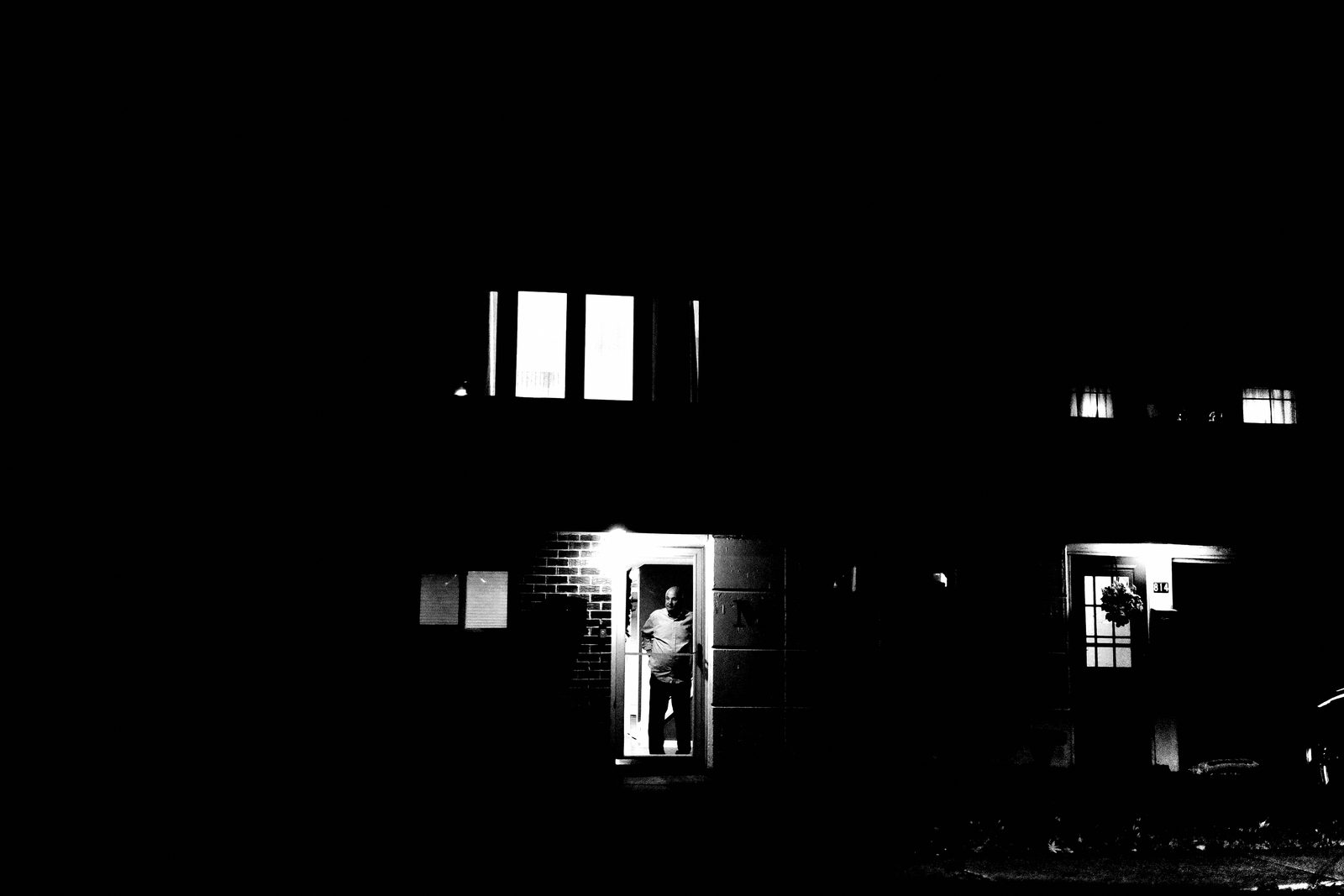
The other mistake: rule-worship. Standing frozen, sorting every scene into lines and thirds while life walks right past you. Don't overthink it. The rules live in your gut now — let them. Move fast, respond with your whole body, and let the composition come through you, not from a checklist.
RELATIONSHIP TO PREVIOUS
From Gesture to Breaking Form
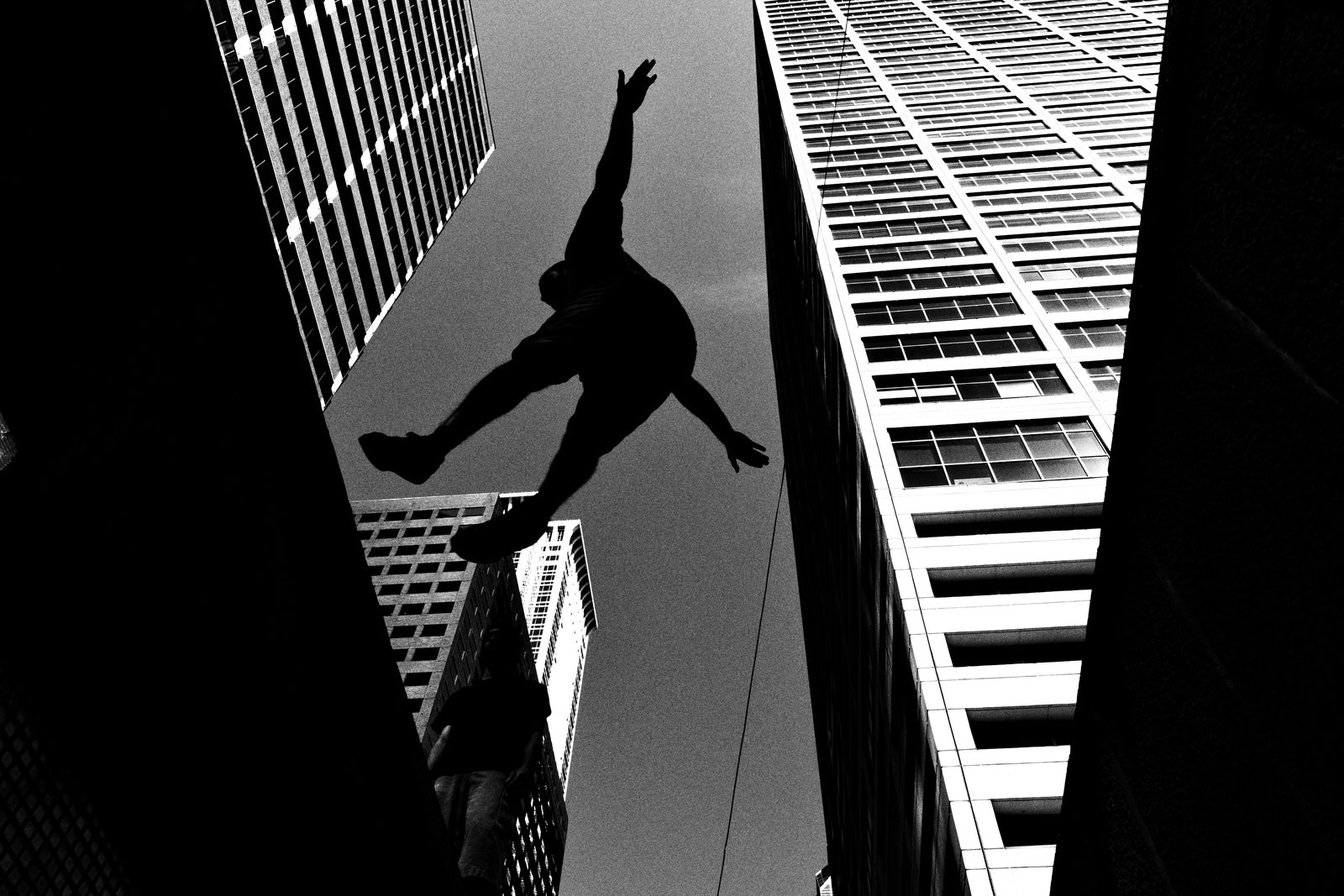
This builds straight on Lesson 019, Gesture & Body Language. Once you're locked onto a real human gesture, you'll find the moment doesn't always fit a tidy grid. That's exactly when you break form to keep the content. Lesson 019 taught you what to protect; today taught you what to bend to protect it.
SUMMARY / TAKEAWAY
Earn It, Then Break It
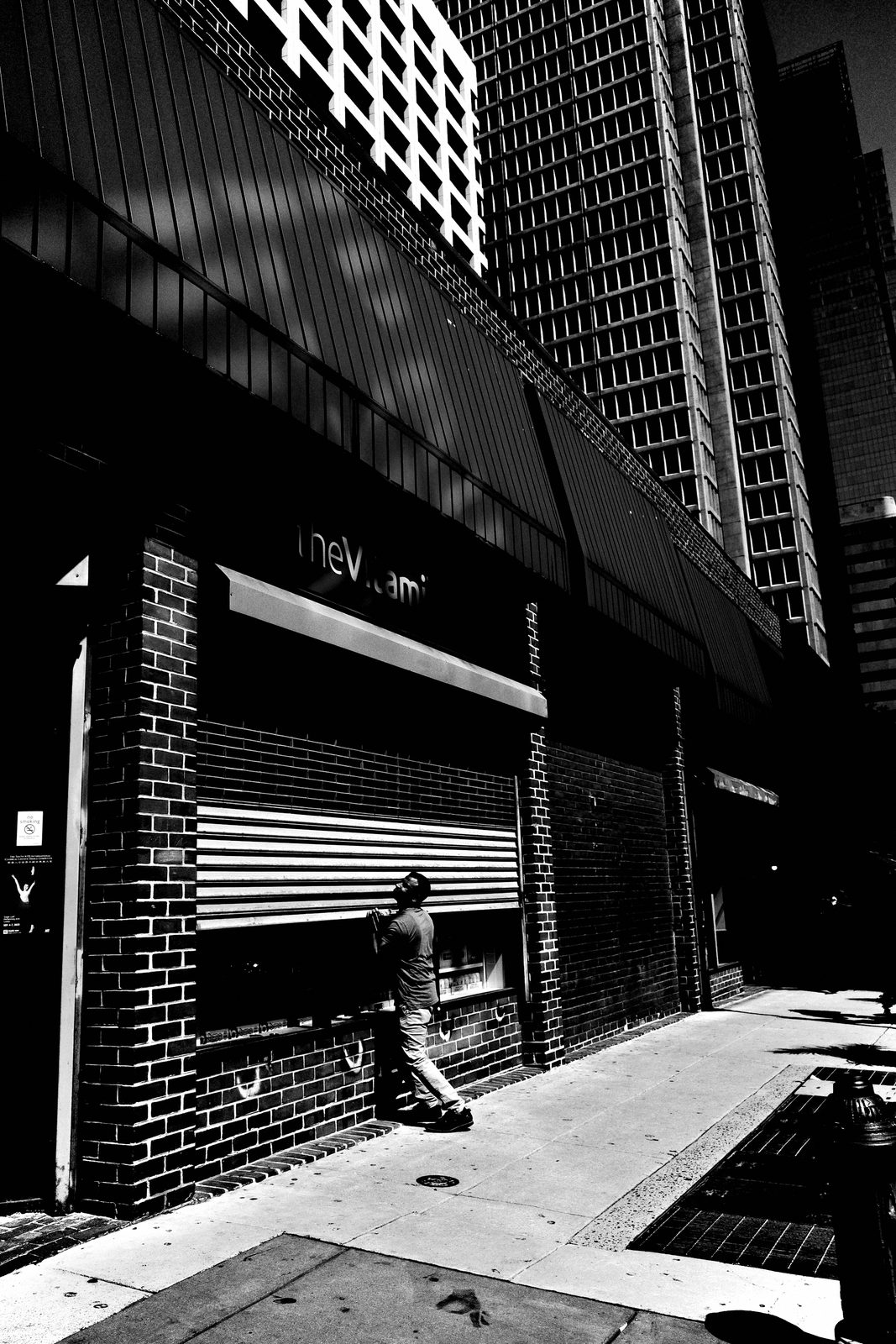
Last thing. Composition rules are guides, never laws — and once your gut can see, you're free to break them for tension, for truth, for the moment. Earn the rule, then break it. Next up, Lesson 021, Working the Scene — how I stay until the photo comes. Earn it, then break it. Catch you next lesson.