Gesture & Body Language
CORE IDEA
Gesture Is the Anchor
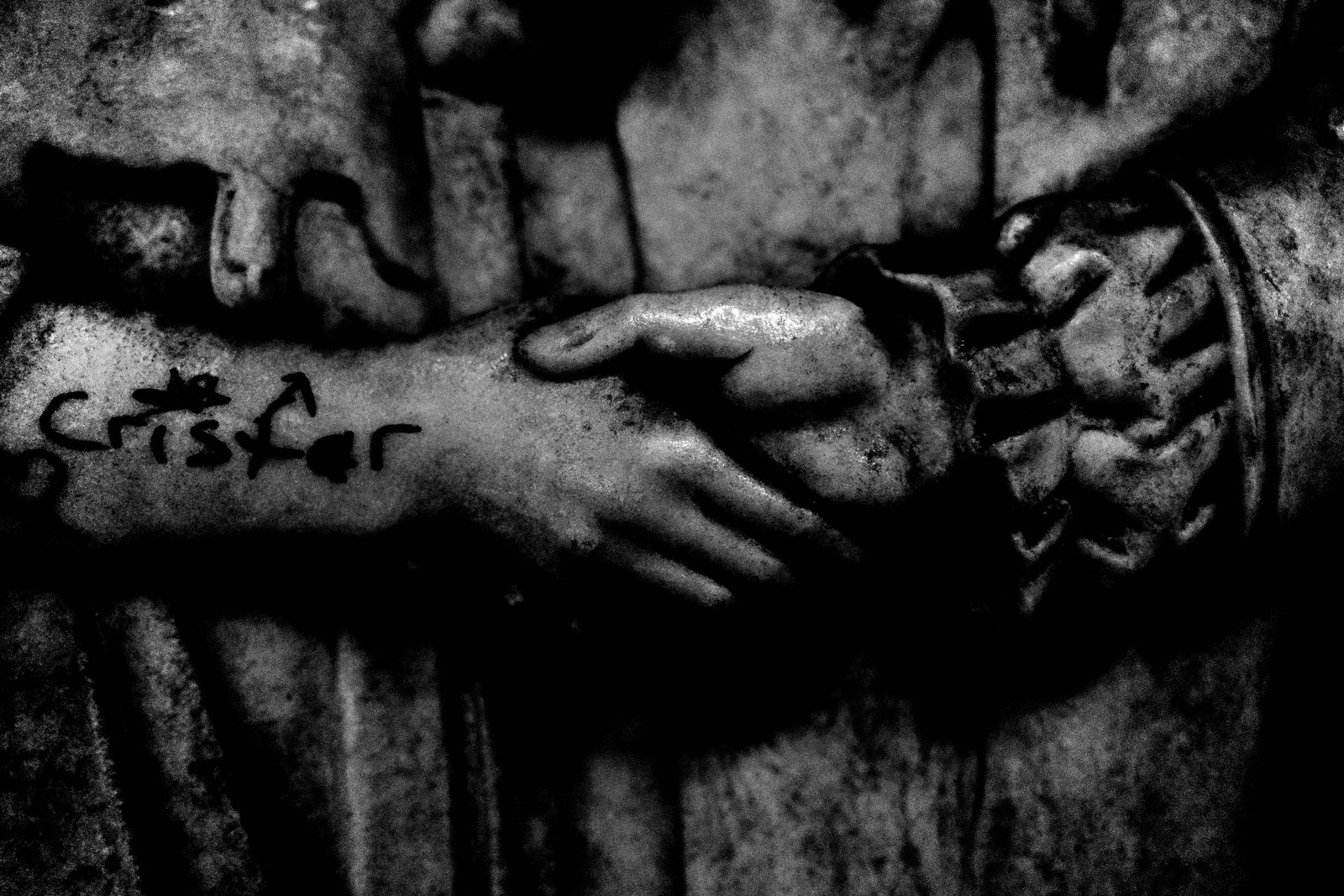
What's popping, people — it's Dante. Today we're talking gesture and body language — the simplest thing to look for on the street, and one of the most powerful. People walking from A to B can feel mundane. But hone in on a hand, a reach, a shift of the body, and the whole frame comes alive. Gesture creates rhythm. Gesture creates energy.
LEARNING OBJECTIVE
What You'll Walk Away With
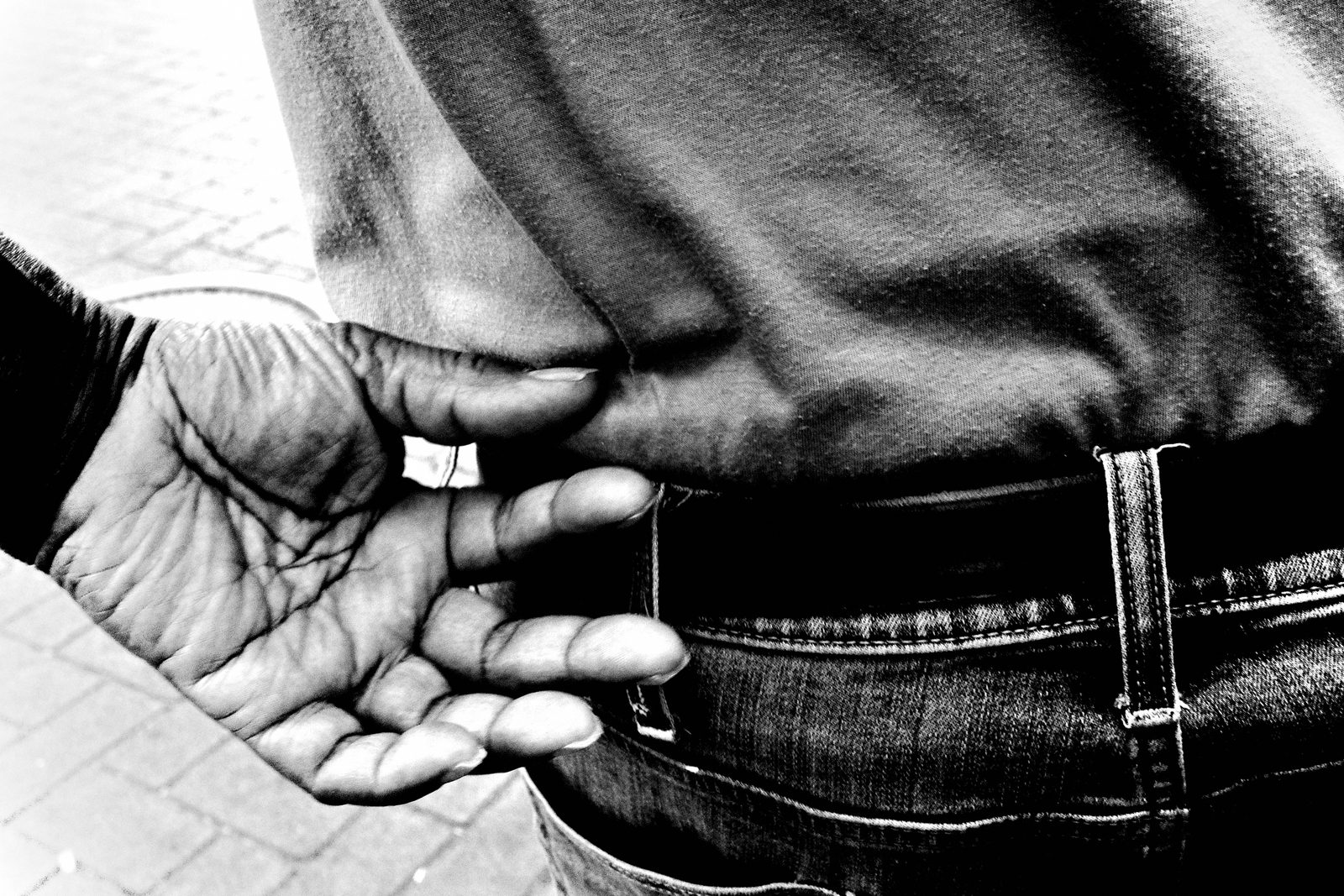
By the end of this lesson you'll know how to hunt for gesture — hands, feet, the way bodies respond to one another — and how to carry your own body so you can be there when it happens. You'll learn to turn a walking-from-work-to-home street into a frame full of interaction and emotion.
WHY THIS MATTERS
The Street Feels Mundane Until You See It
Here's why this matters. So much of the street is just people moving — point A to point B. It can feel hard to find anything to photograph. Gesture is the anchor. The moment you start watching hands and movement, the street stops being background noise and starts triggering you to make photographs.
Presence Is the Real Skill
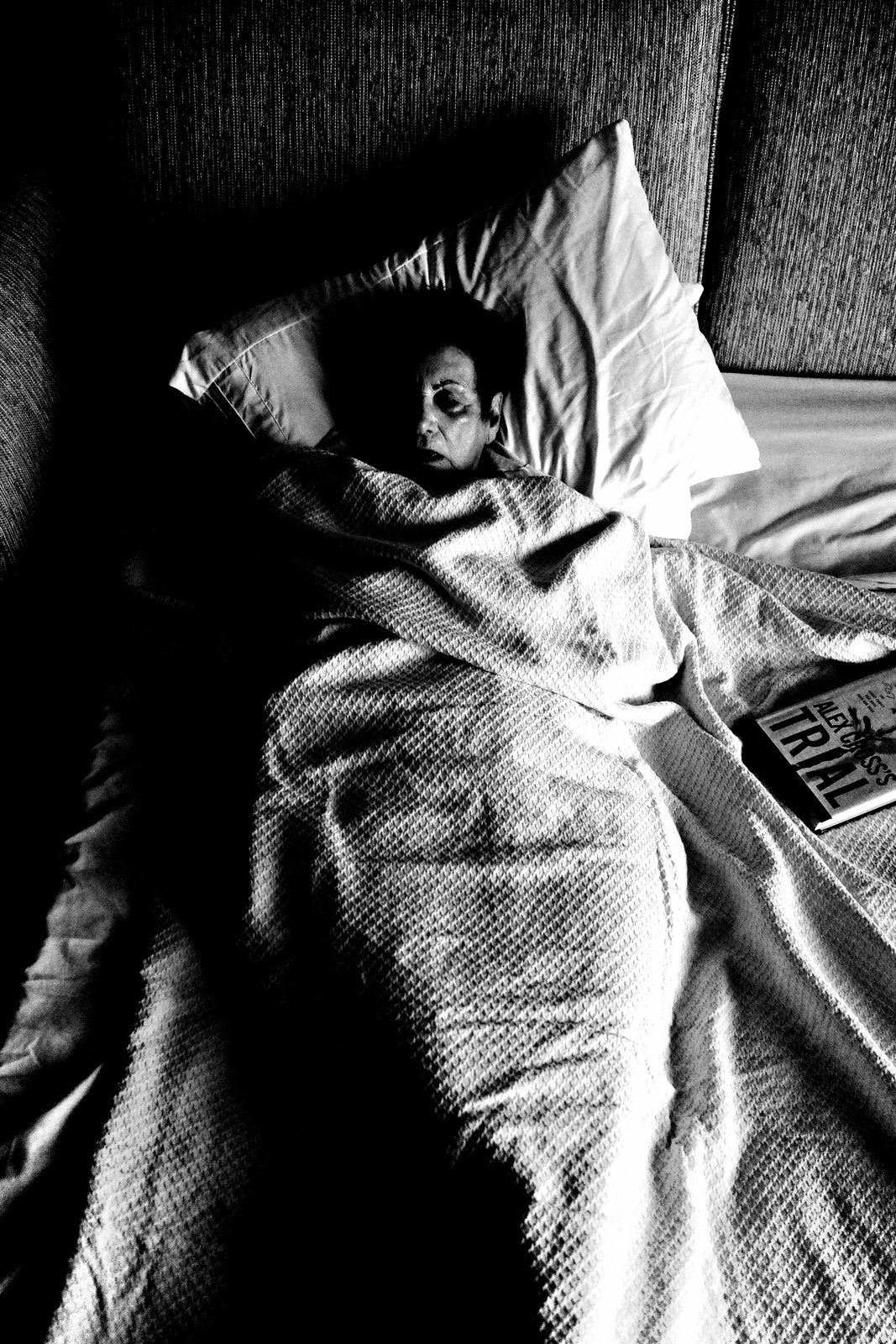
And the deeper reason: gesture forces presence, and presence is the real skill. Being present means being laser-focused on what's unfolding in front of you so you can respond intuitively — fast. When I see a moment, I don't think. I shoot. Gesture trains that reflex better than anything.
MAIN TEACHING
Look for Hands
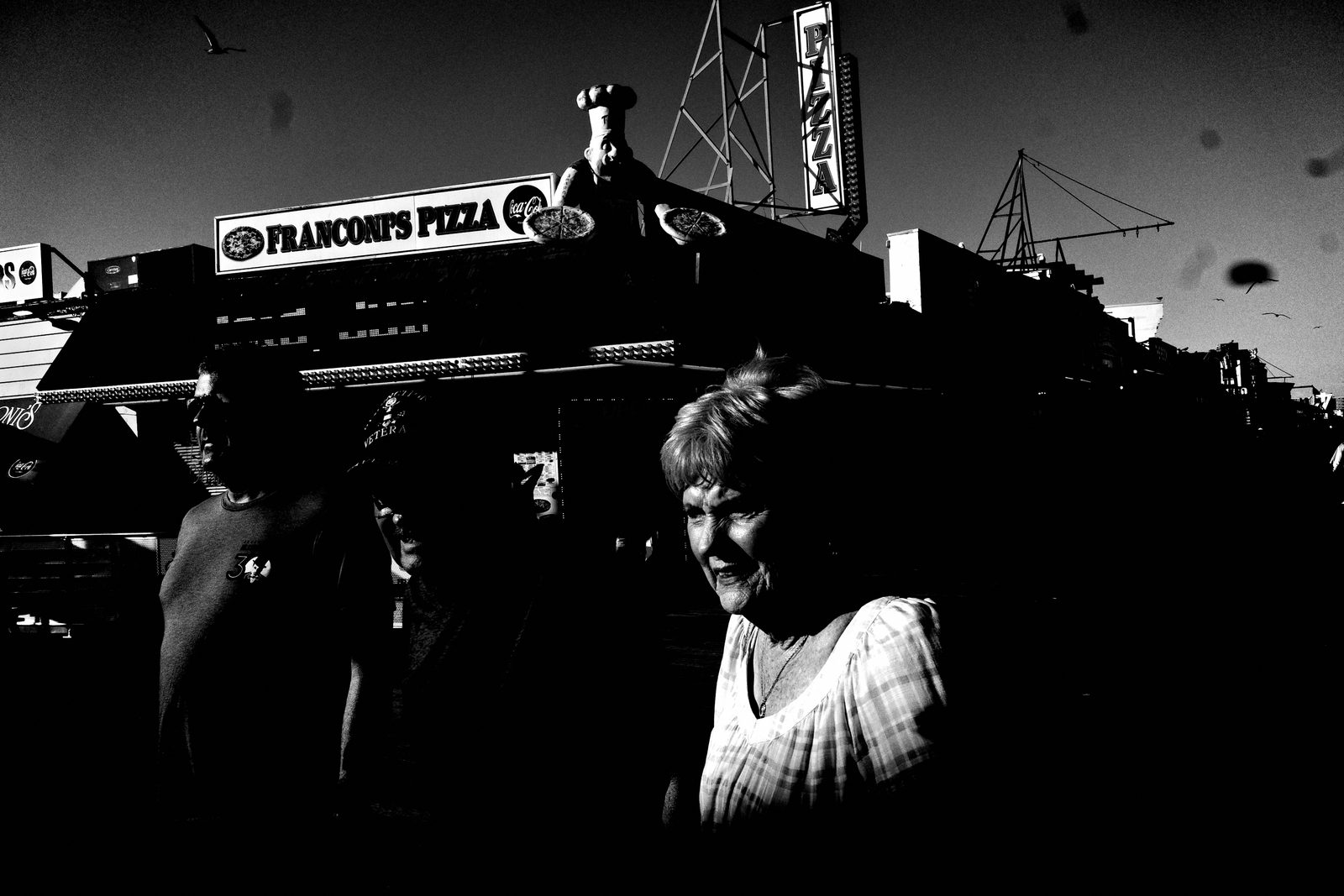
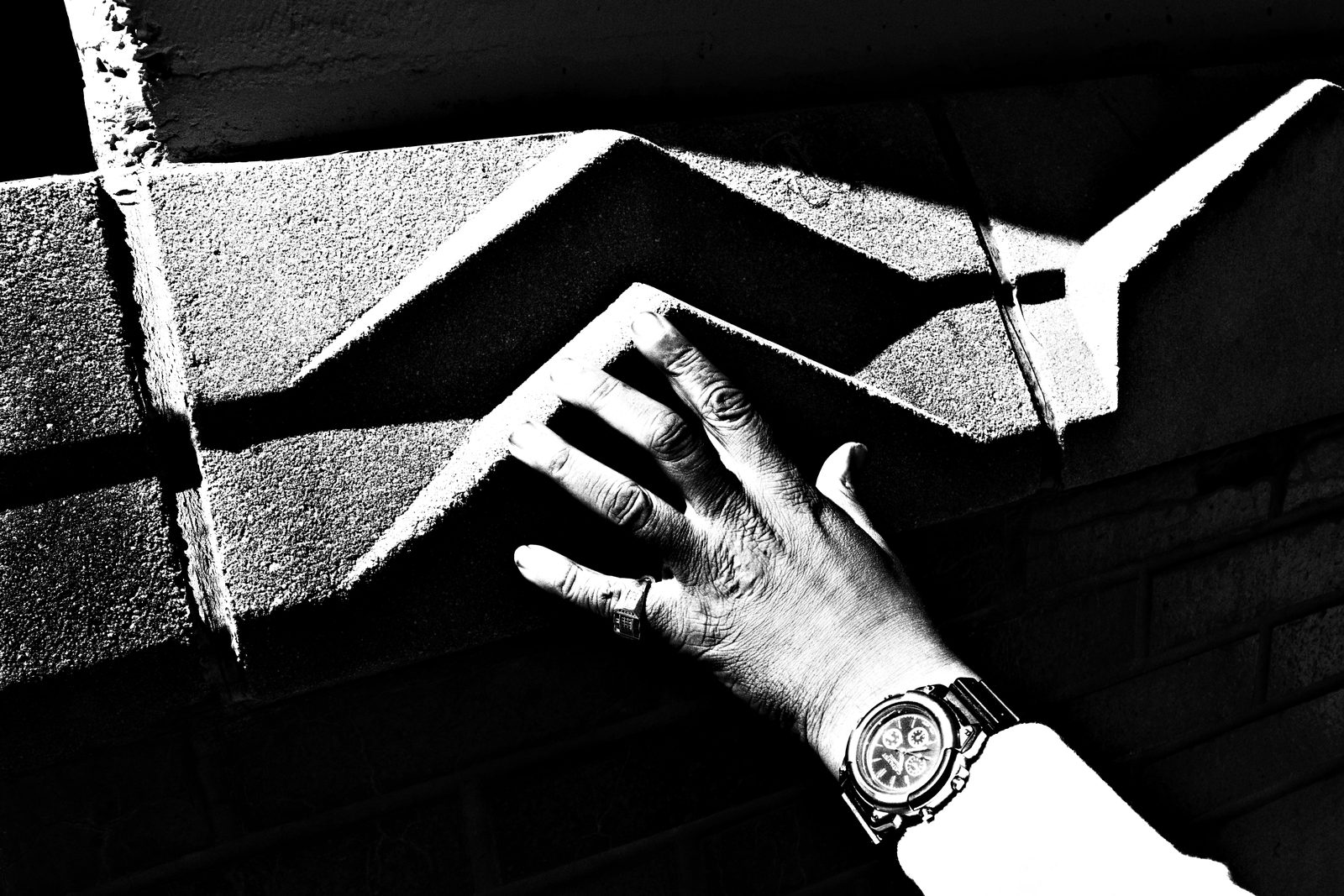
Let's get specific. The simplest way to anchor yourself visually is to hone in on gesture. Look for hands. Look for movement. Look for the way people interact in public spaces. Watch how feet move across space, how hands meet objects, how one body answers another. That's your raw material.
Gesture Creates Rhythm
When you start watching hands and gestures, you become more in tune with the rhythm and the beat of the street. You begin to notice patterns in human behavior — the repeated shuffles, the reaches, the little dances people don't know they're doing. Gesture creates rhythm, and rhythm is what you're really photographing.
Connect One Gesture to Another
Think about how gestures connect. A crowd celebrating can, on its own, be just another moment. But notice a puddle on the ground and shoot the reflection, and you add a layer. Then wait — for the hands raised in the air — and connect that to another body leaping, feet lifted into the top of the frame. The relationship between those gestures is what transforms an ordinary scene into a photograph.
Gestures Are the Rails the Eye Runs On
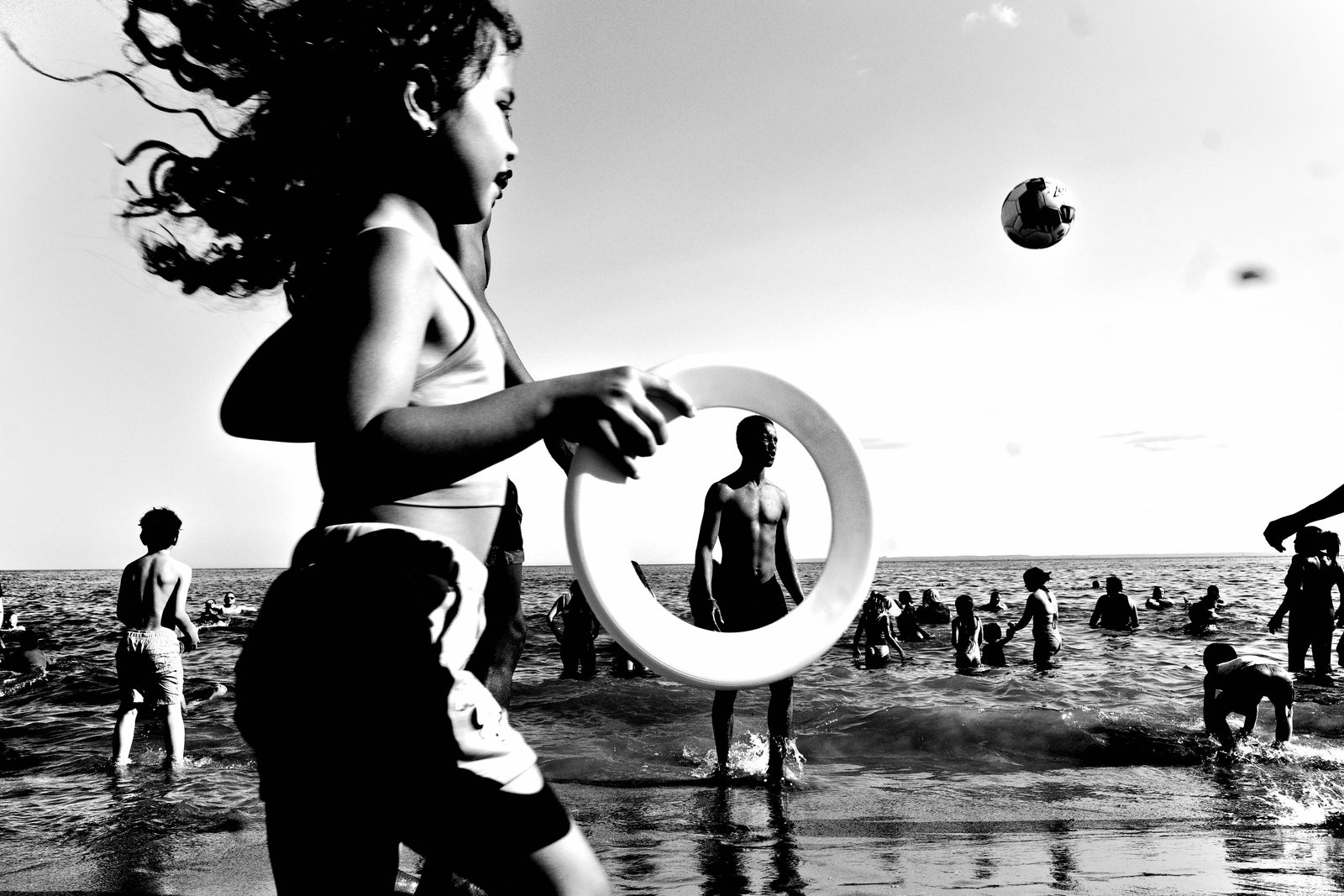
Think about how a viewer's eye moves through a frame full of activity — people at play, bodies in motion. The eye travels through the whole picture, guided by their gestures and by the way light gives shape to the decisive moment. The gestures aren't decoration; they're the rails your eye runs on. That's gesture doing the work of composition.
Gesture Beyond People
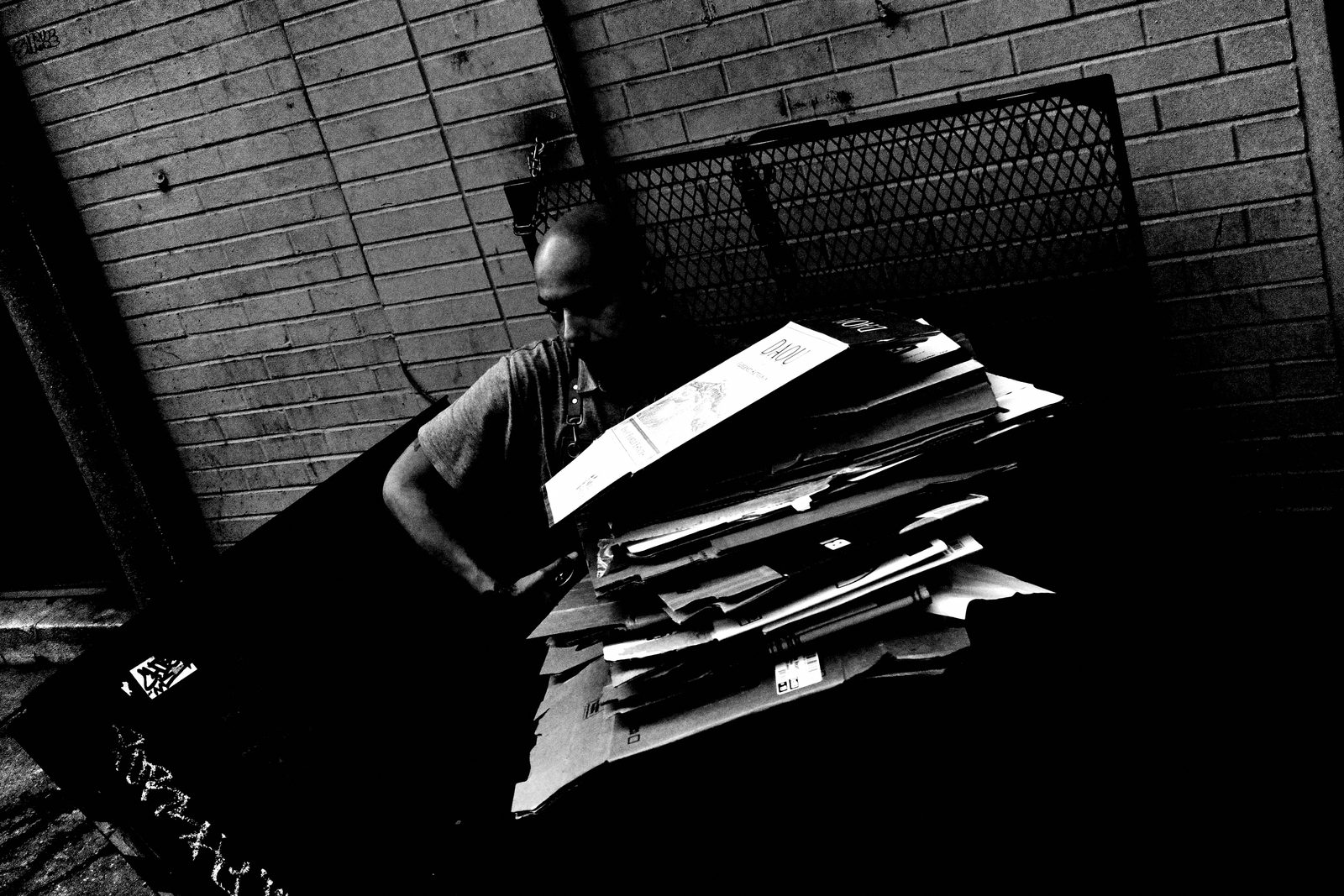
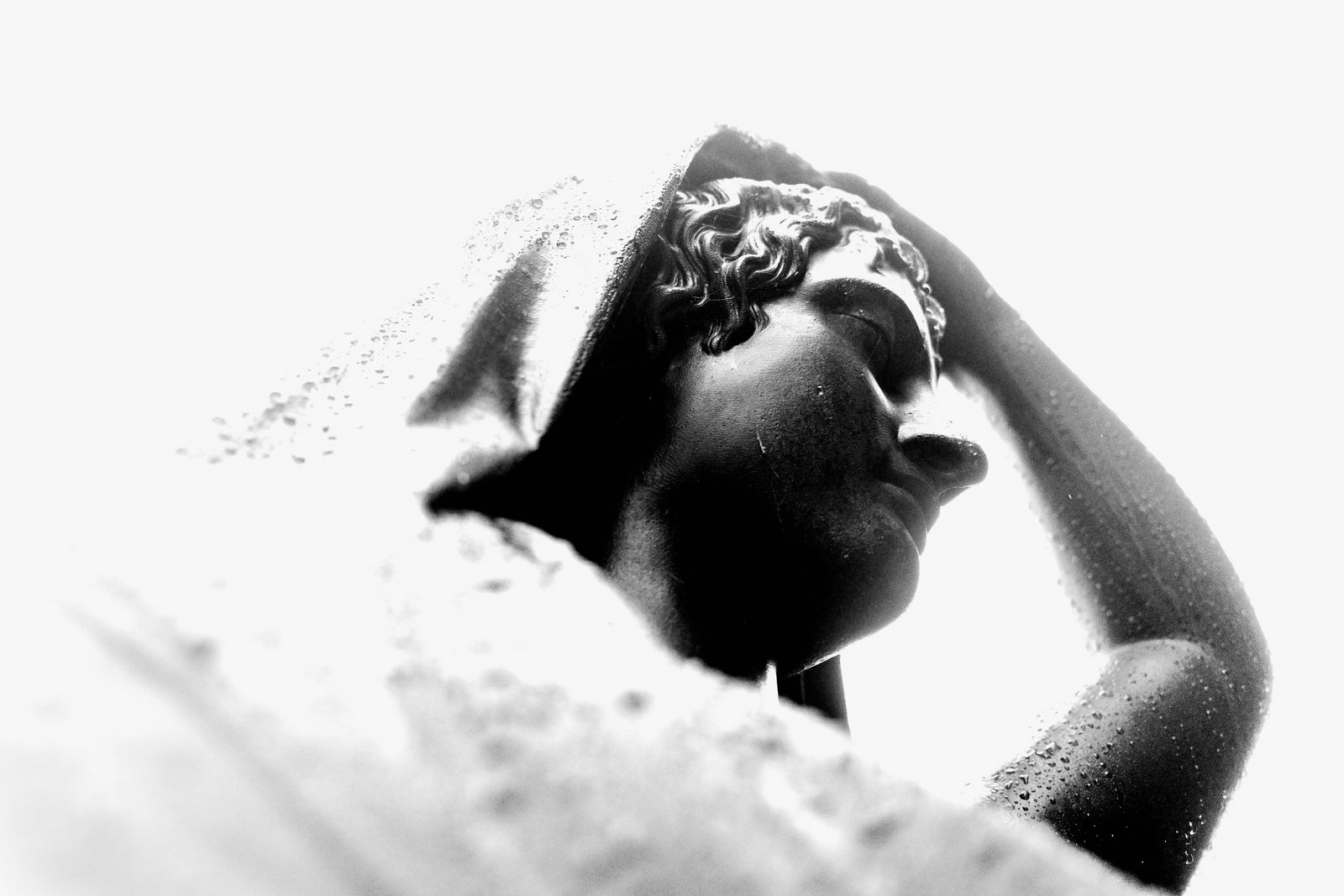
Gesture isn't limited to people. Even inanimate objects can carry gesture. A sculpture can come alive through gesture — framed against a dramatic sky, elevated by where you choose to stand. A statue's frozen reach can read as movement. Once you're tuned to gesture, you see it everywhere.
Physical Position Shapes the Photo
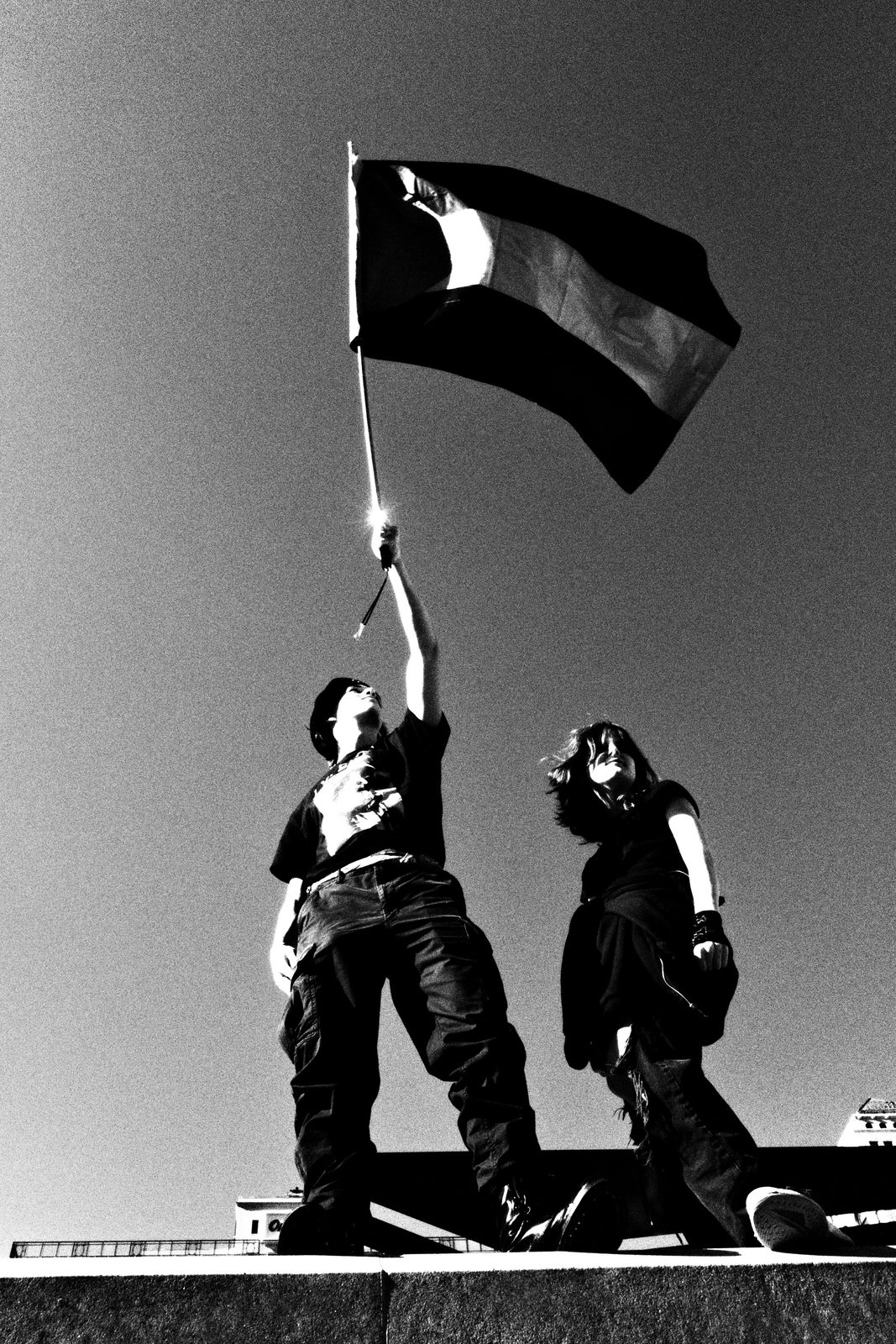
Where you stand matters. Looking up, moving left, moving right — these shifts in physical position directly change the photograph you make. Recognize your body's relationship to the subject. That awareness alone can elevate an image, before you even think about the moment.
Close Isn't Just Distance
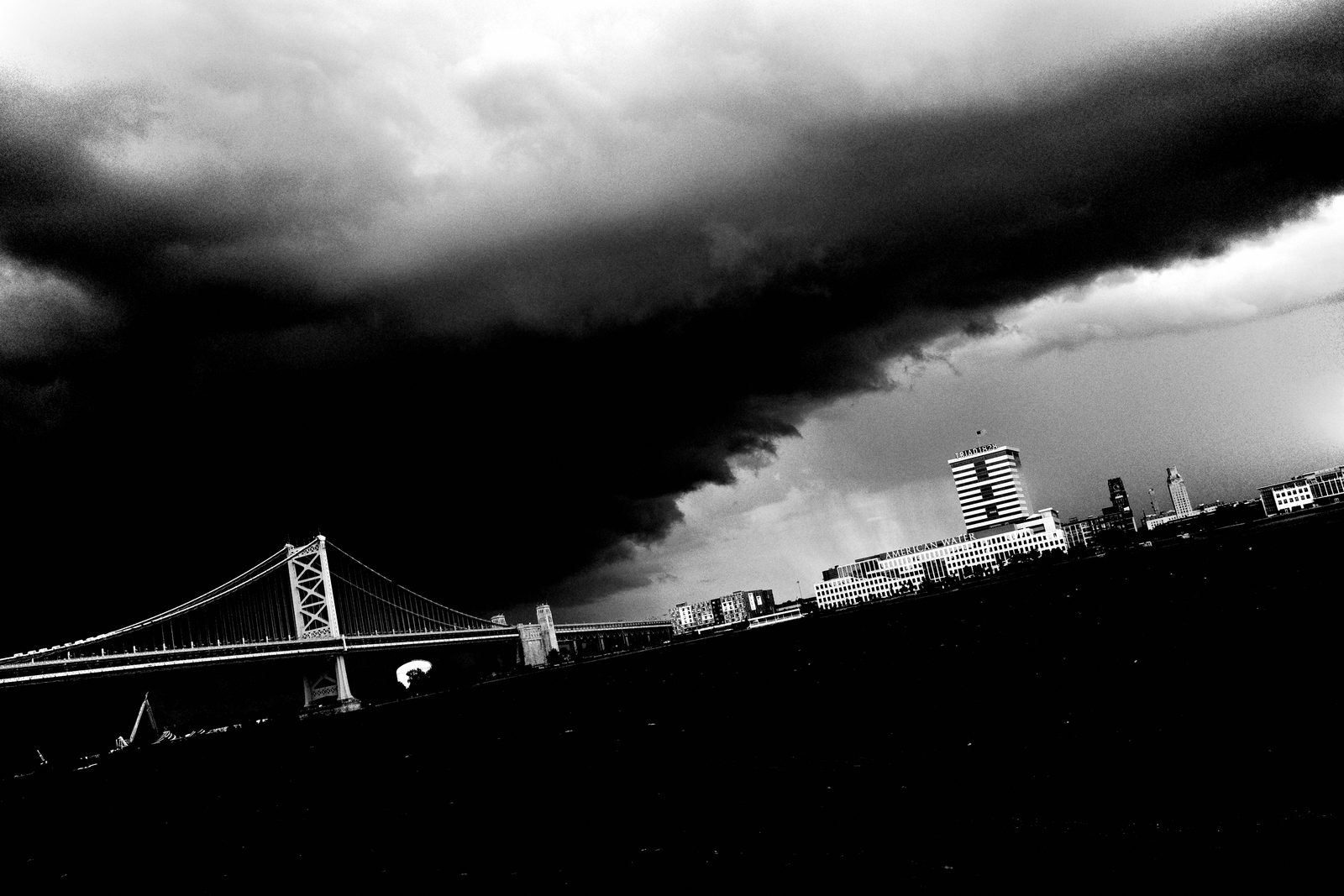
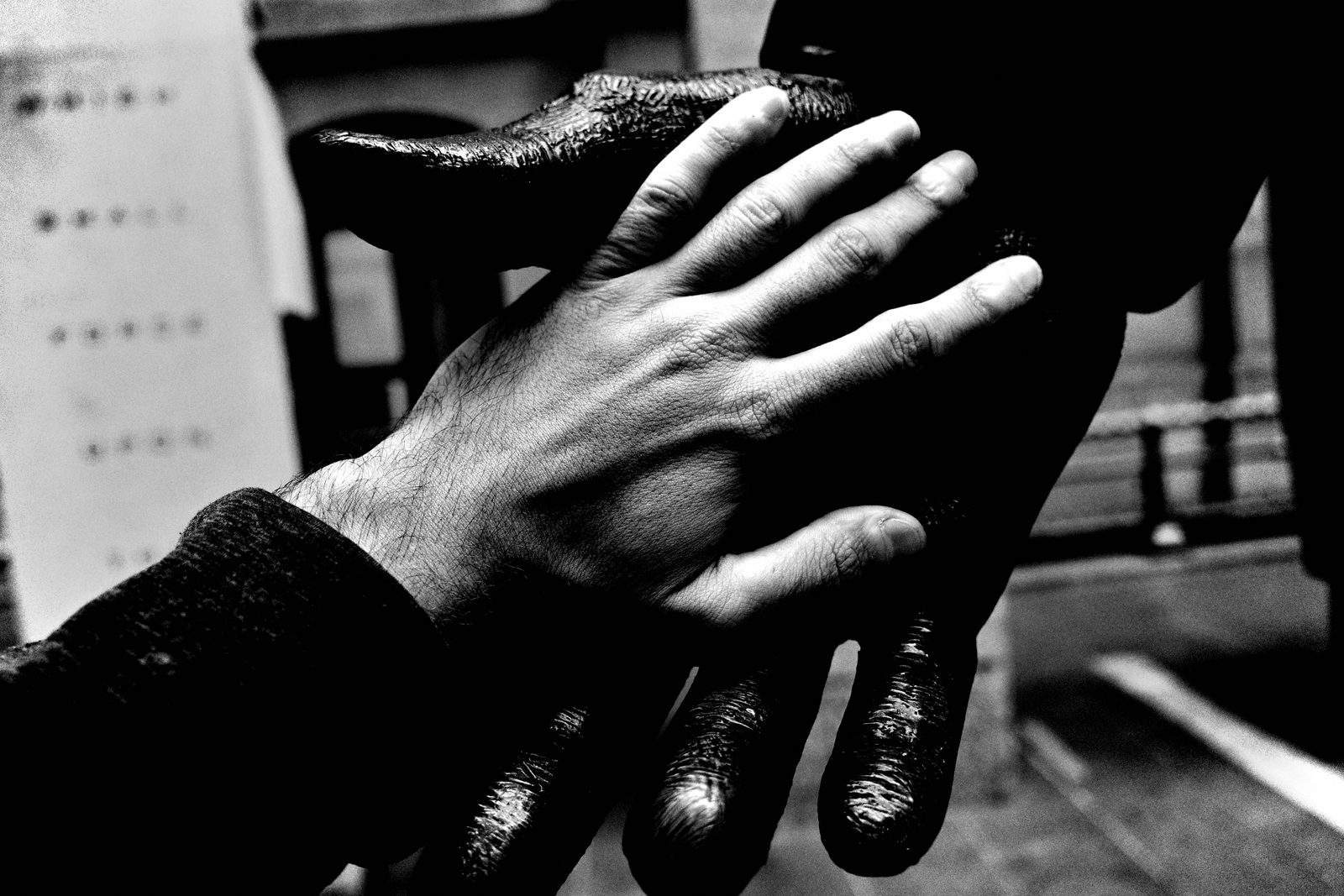
Getting close is powerful — a close photograph of hands can carry serious impact. But closeness isn't only about distance. It's about emotional presence. You don't need to throw your camera into someone's space. You need to be there when you press the shutter, fully in the moment.
Stay With the Scene
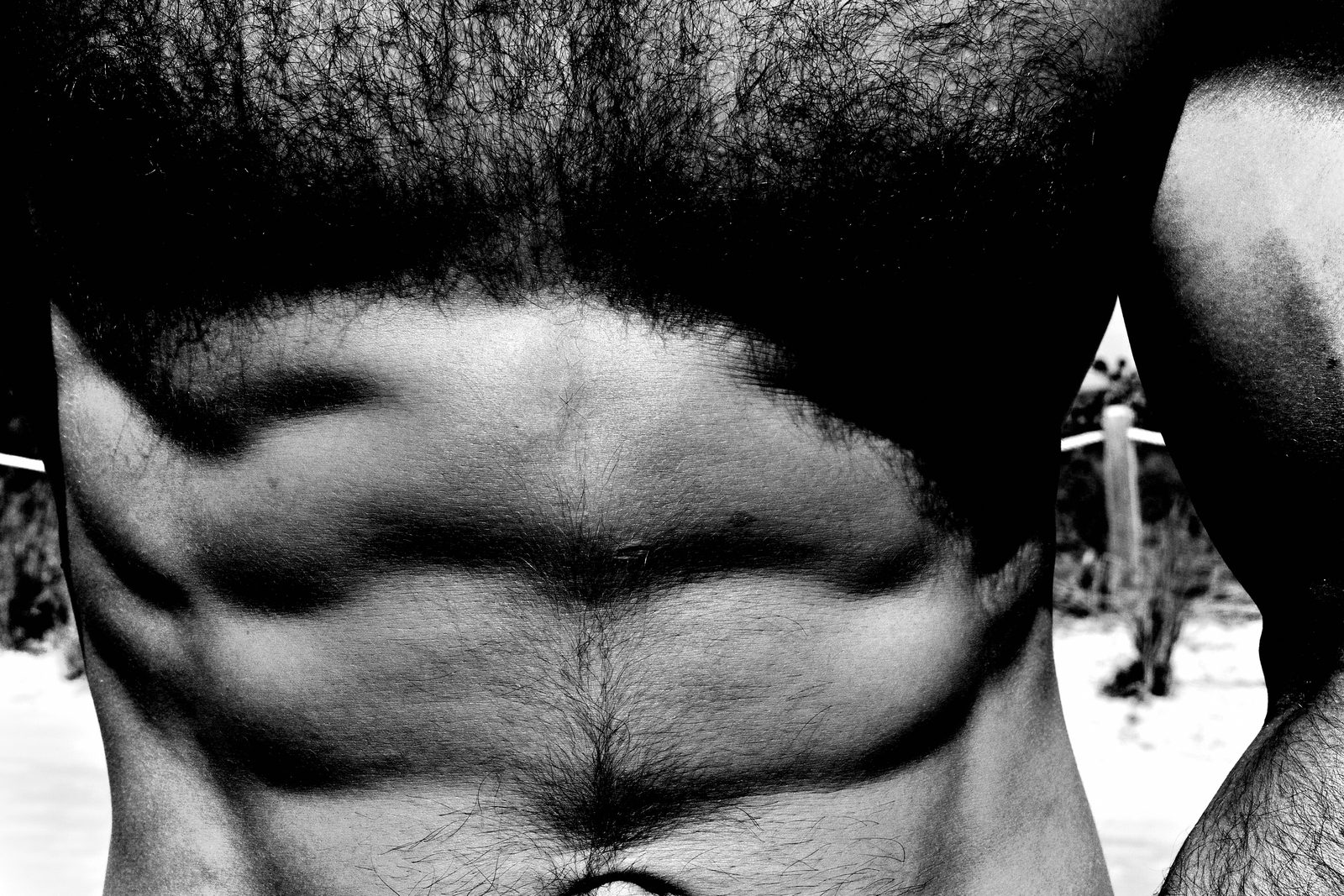
So work the scene. Stay with it. Don't leave until the scene leaves you. Allow life to unfold naturally in front of the lens. Street photography is a game of repetition and awareness — the more you stay present, the more the gestures come to you.
Own the Street With Your Body
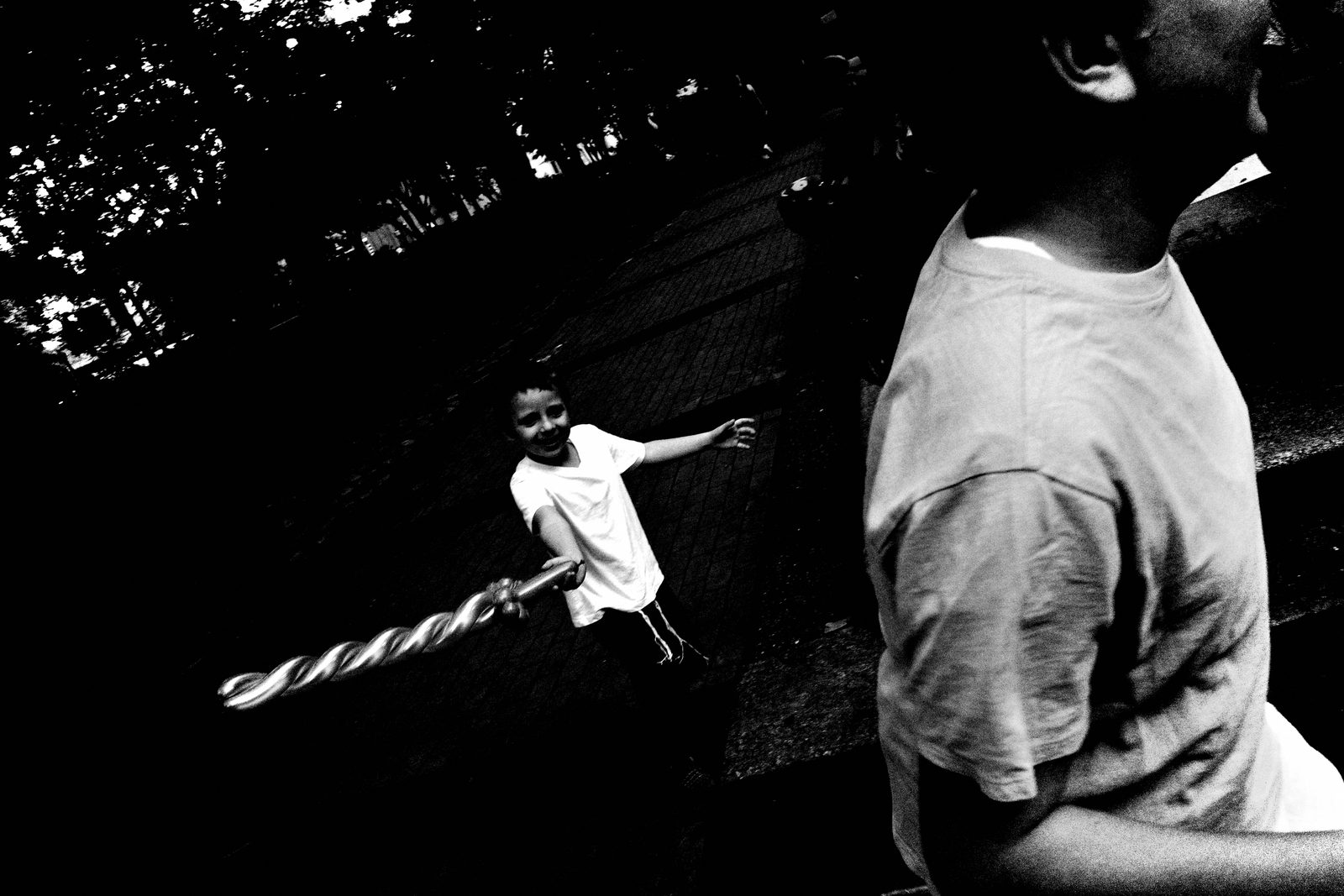
Now flip the camera around — onto you. The way you carry yourself can make or break your approach. Head up, shoulders back, chest open. Confidence is key. Walk with purpose and exude a presence that says you belong. Too many people hunch over their phones. As a street photographer, rise above the slouch — stay alert and present.
Carry the Camera With Intent
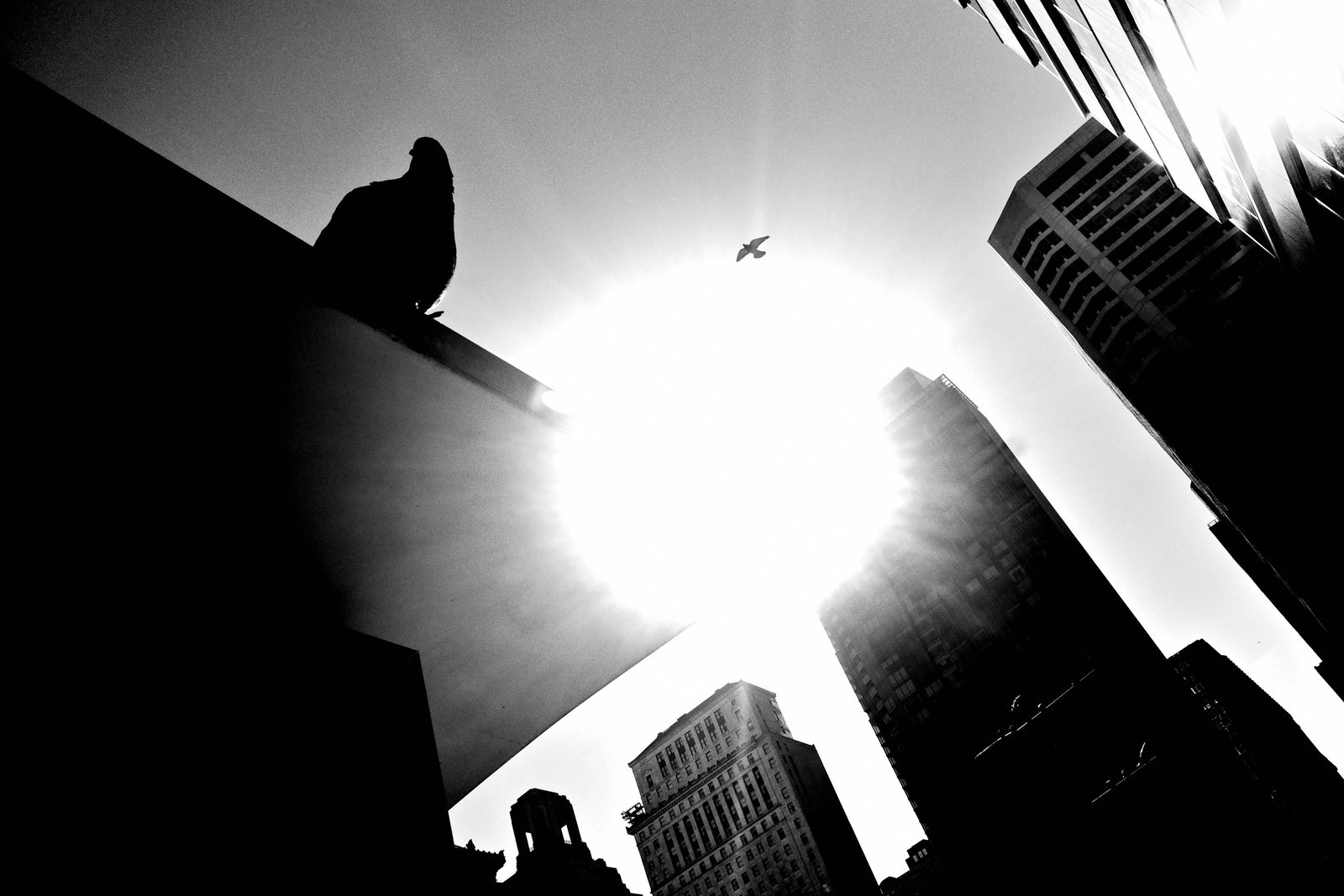
How you hold the camera shapes your street presence. Be discreet but confident. Don't face your subjects directly — turn your shoulders slightly away and keep your movements loose. Avoid locking eyes; you want the scene to stay natural, unbothered, real.
The Art of Distraction
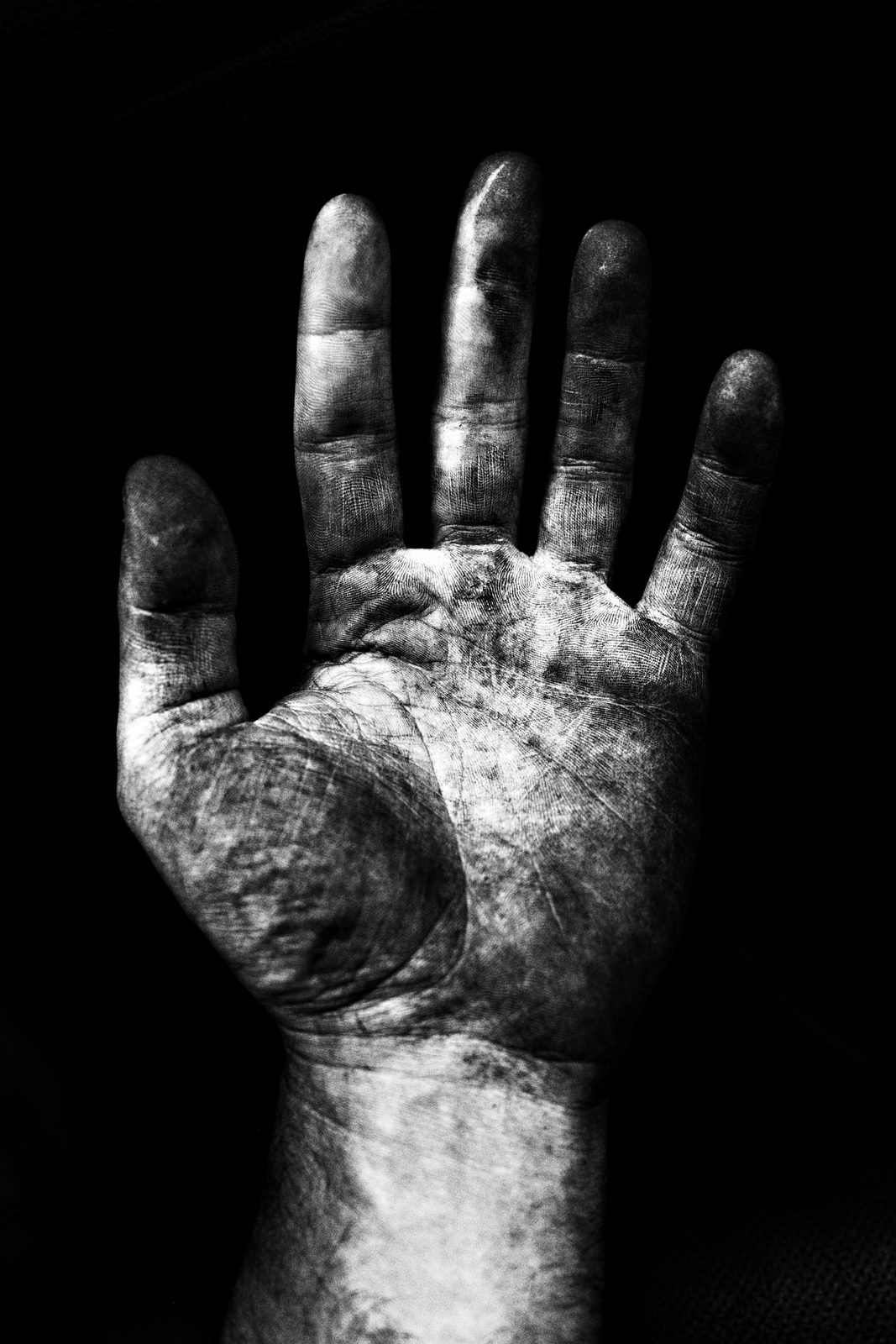
Use subtle misdirection. Pretend to shoot above or behind you — the tourist technique throws off attention. Keep your movements fluid so you can glide between vertical and horizontal. As I like to say: I wave the wand, moving the camera around in micro-movements. It's all about fluidity and being one with your surroundings.
Timing and Repetition
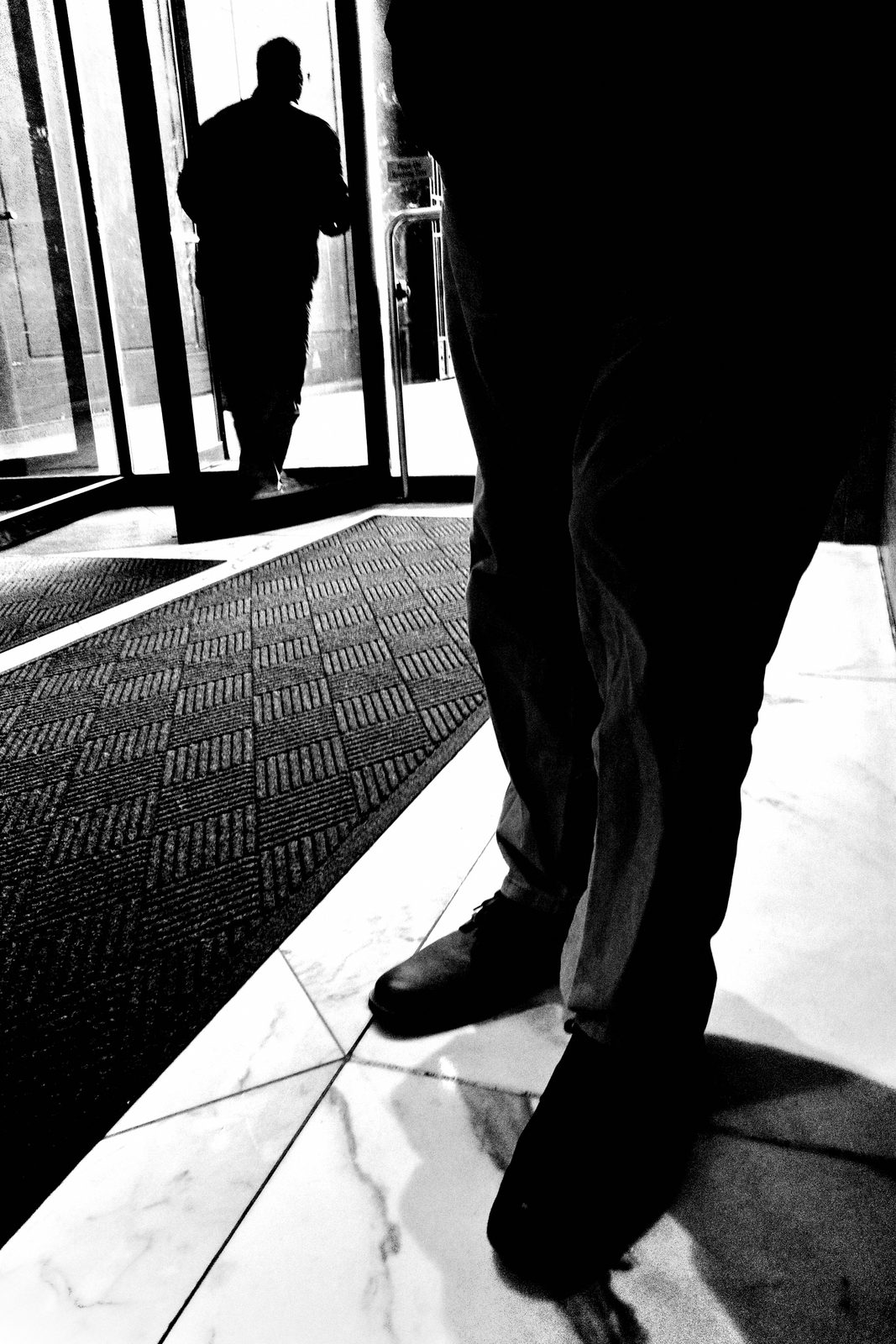
Then there's timing. Master the instinctive shot — practice pulling the camera up quickly and snapping without hesitation. Repetition builds rhythm. The more you shoot, the better your intuition gets, until reading and catching a gesture is second nature.
PRACTICAL APPLICATION
The Hands-Only Walk
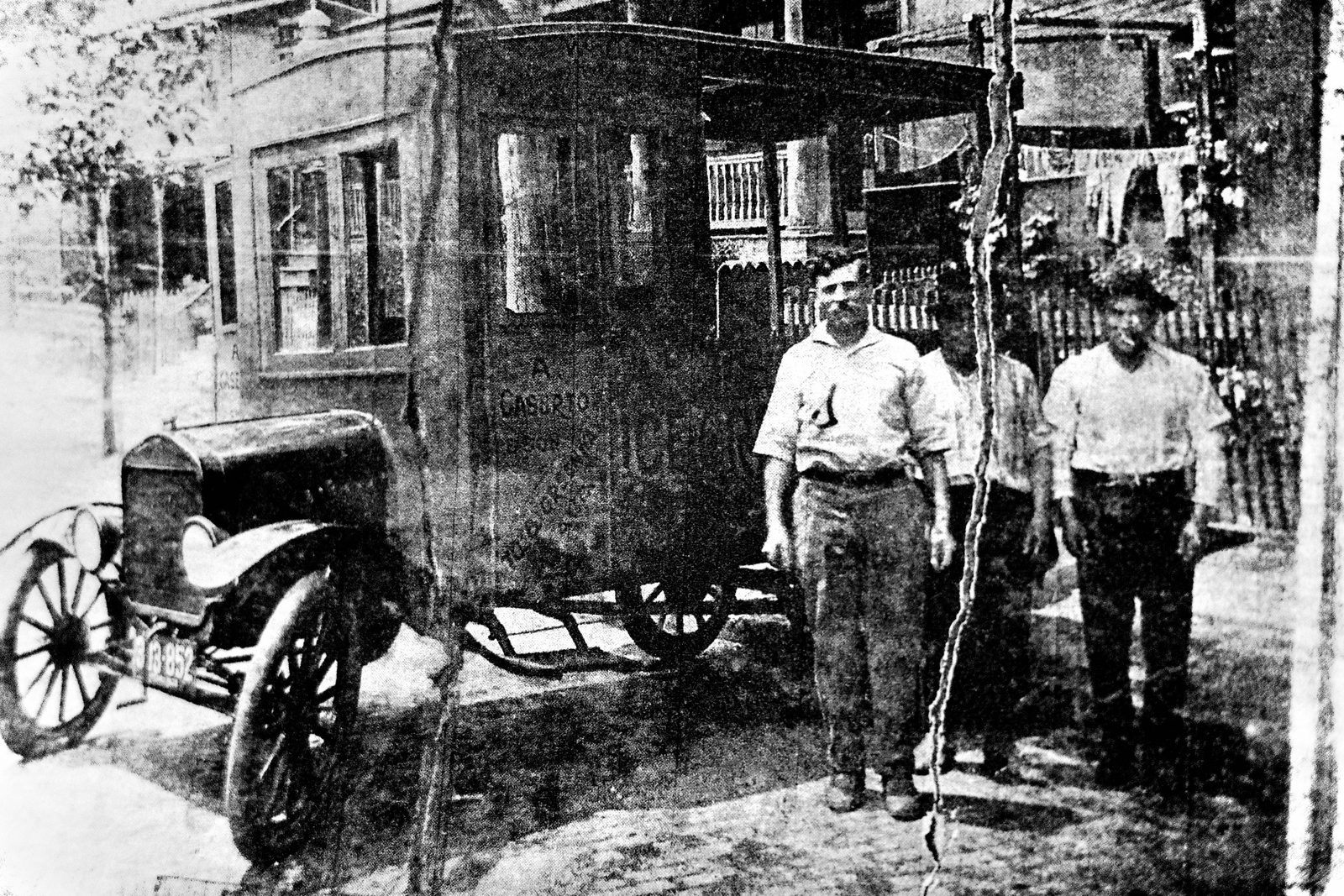
Here's a drill. Go out for one walk and photograph only hands. Hands holding, reaching, gesturing, resting. Restricting yourself to a single trigger trains your eye hard and fast — and you'll be shocked how much more of the street's energy you suddenly notice.
Work One Scene
Second drill: pick one spot where bodies are moving and stay. Watch the rhythm. Notice how feet shuffle, how hands repeat. Anticipate the gesture before it lands, and let the scene give you the photo. Don't leave until the scene leaves you.
Posture Check
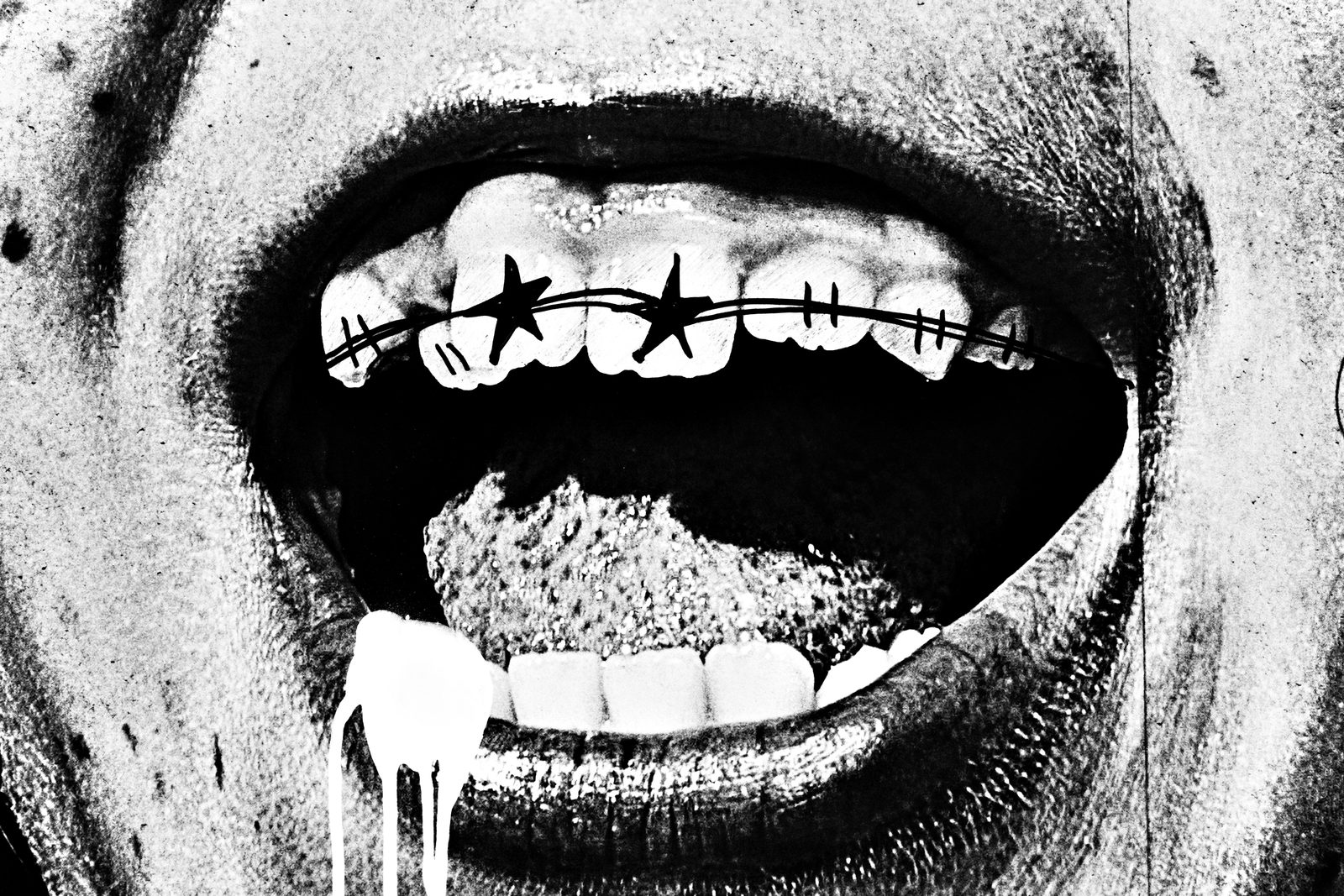
Third, run a posture check before you shoot. Head up, shoulders back, chest open, grip loose, shoulders turned slightly off your subject. Get your own body language right first — relaxed and confident — and the candid gestures around you stay relaxed too.
COMMON MISTAKES
Stiff, Obvious, Head-On
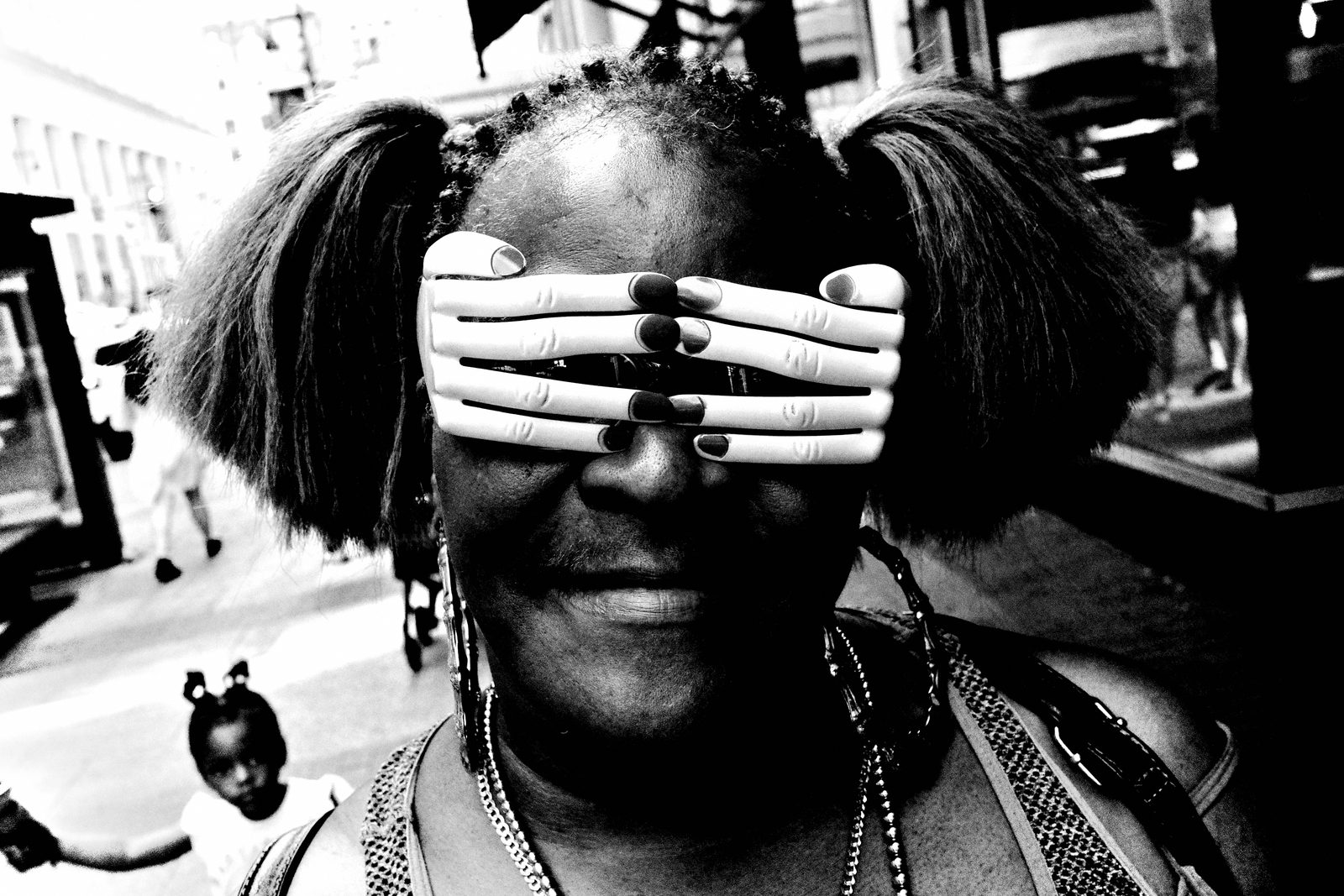
Now the mistakes. The slouch, the freeze, the dead-on stare — all of it telegraphs you and kills the candid moment. Hesitate and the gesture is gone; the hands drop, the leap lands, the rhythm breaks. Tension in your body becomes tension in the frame.
RELATIONSHIP TO PREVIOUS
From Empty Space to Human Energy
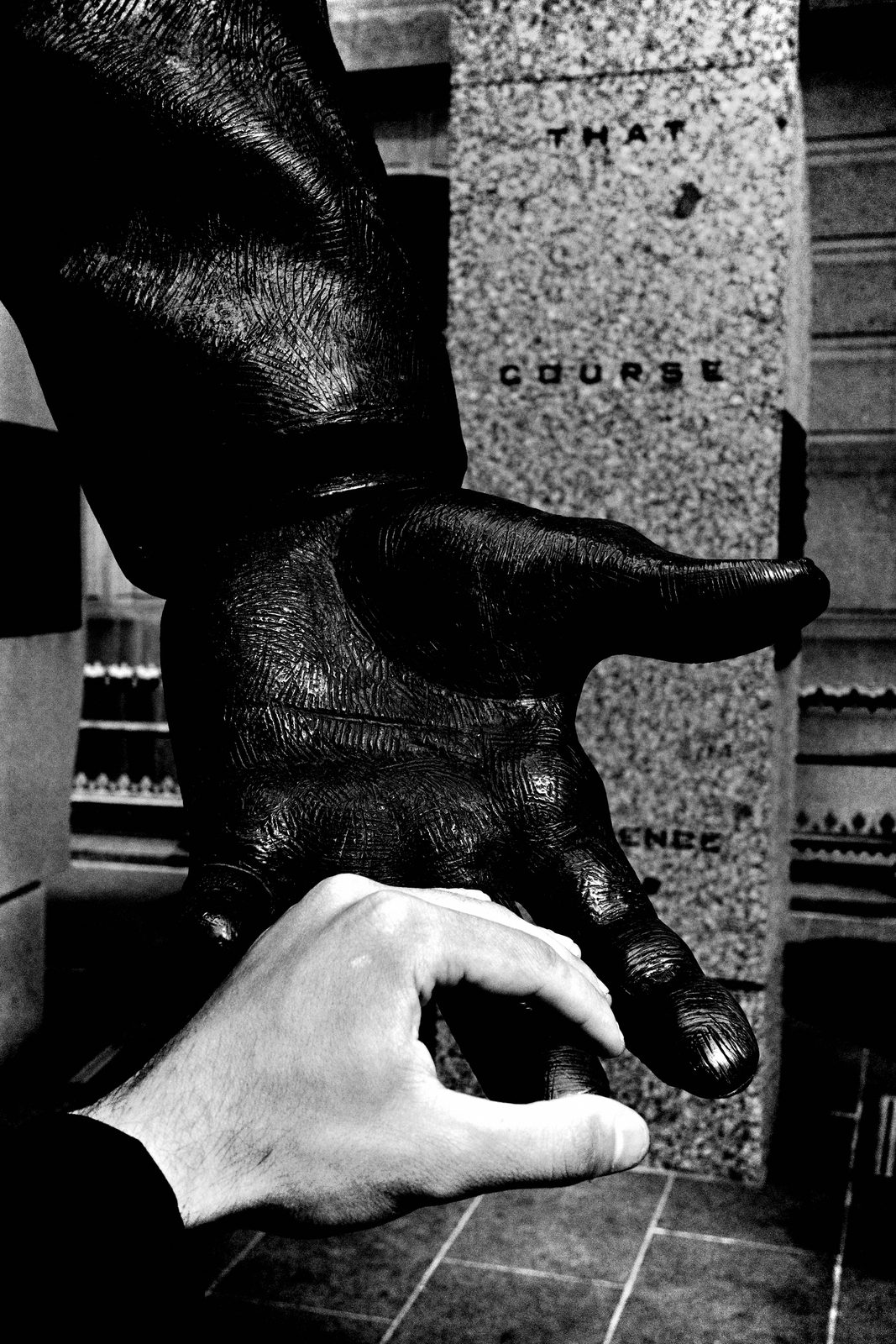
This builds straight on Lesson 018, Simplicity, Abstraction & Negative Space. There we stripped the frame down to the essentials so emotion could shine — and as I've said, even a single hand gesture can carry that clean frame. Now we put the human energy into that simplicity: the decisive body inside the negative space.
RELATIONSHIP TO UPCOMING
Toward Breaking the Rules
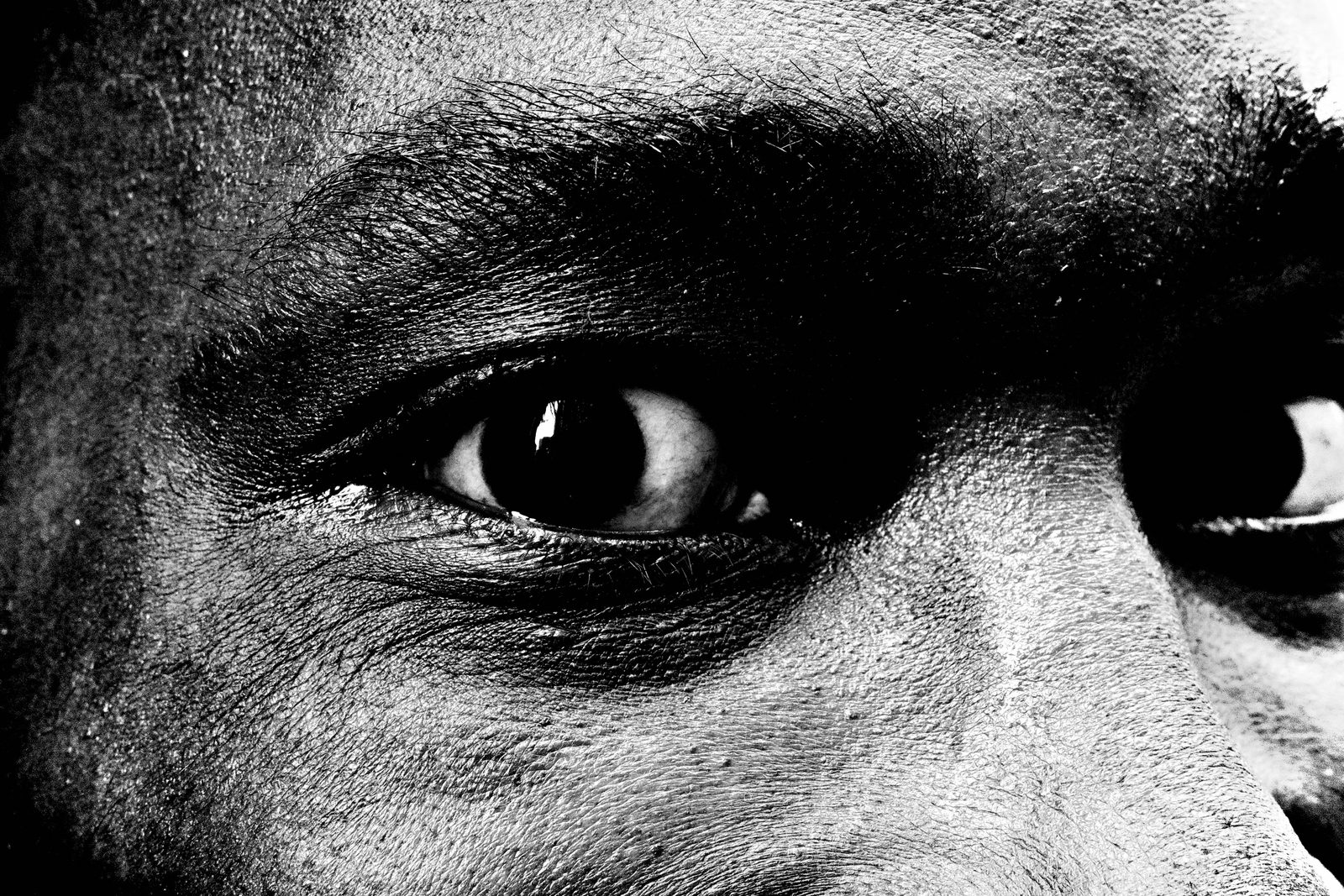
Next up is Lesson 020, Breaking the Rules. Everything we did today is instinct over formula — responding to a body in a split second, not following a grid. That trained instinct is exactly what lets you break composition rules with intention. Master the gesture, then learn when to break the frame.
SUMMARY / TAKEAWAY
Watch Hands, Stay Present
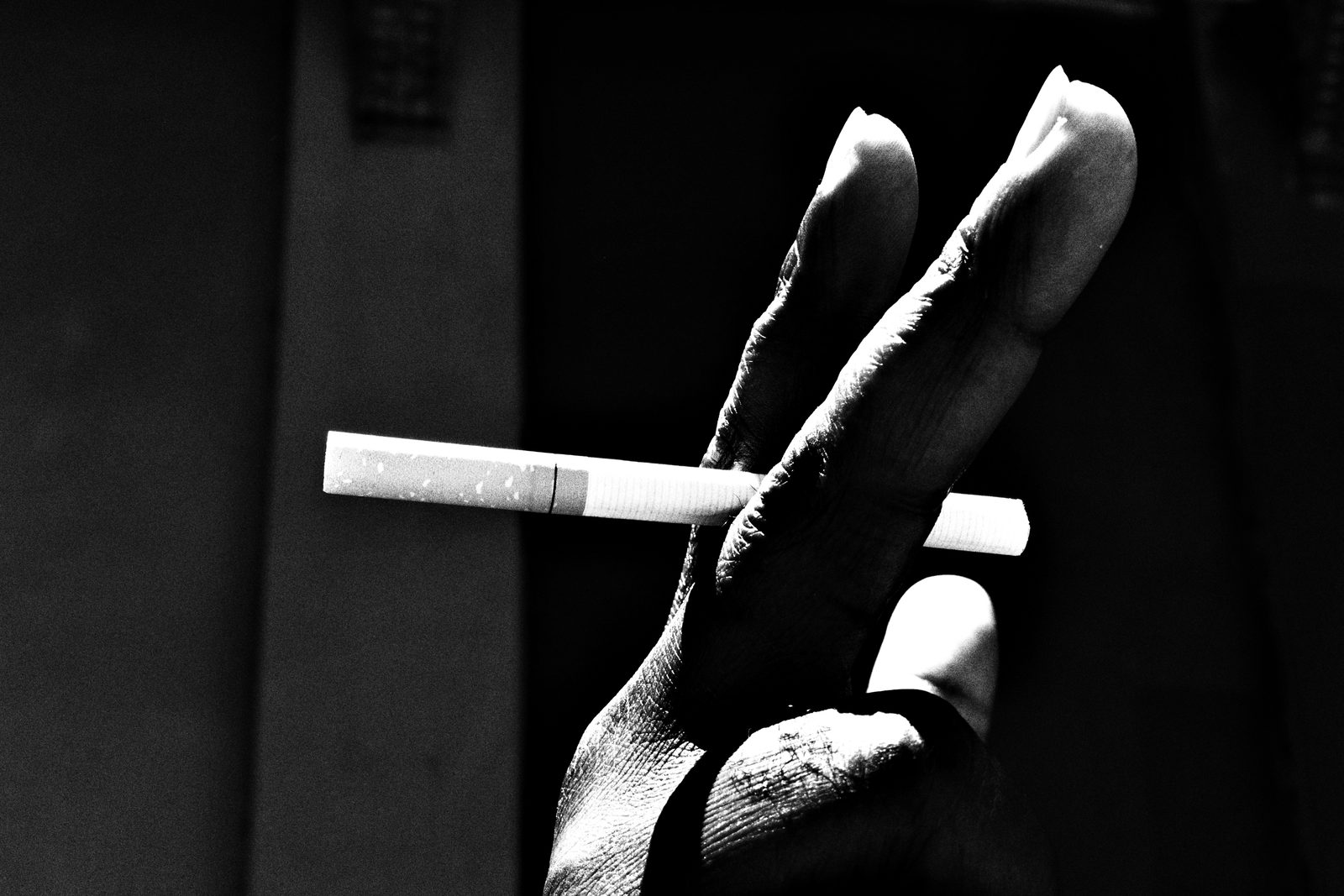
Last thing. Gesture — hands, movement, the way bodies answer each other — is the simplest thing to look for and one of the most powerful. Stay open, loose, and confident in your own body, get present, and when the moment comes, don't think — shoot. Watch the hands, feel the rhythm, and the street gives you everything. Catch you next lesson.