Simplicity, Abstraction & Negative Space
CORE IDEA
Strip It Down to Essentials
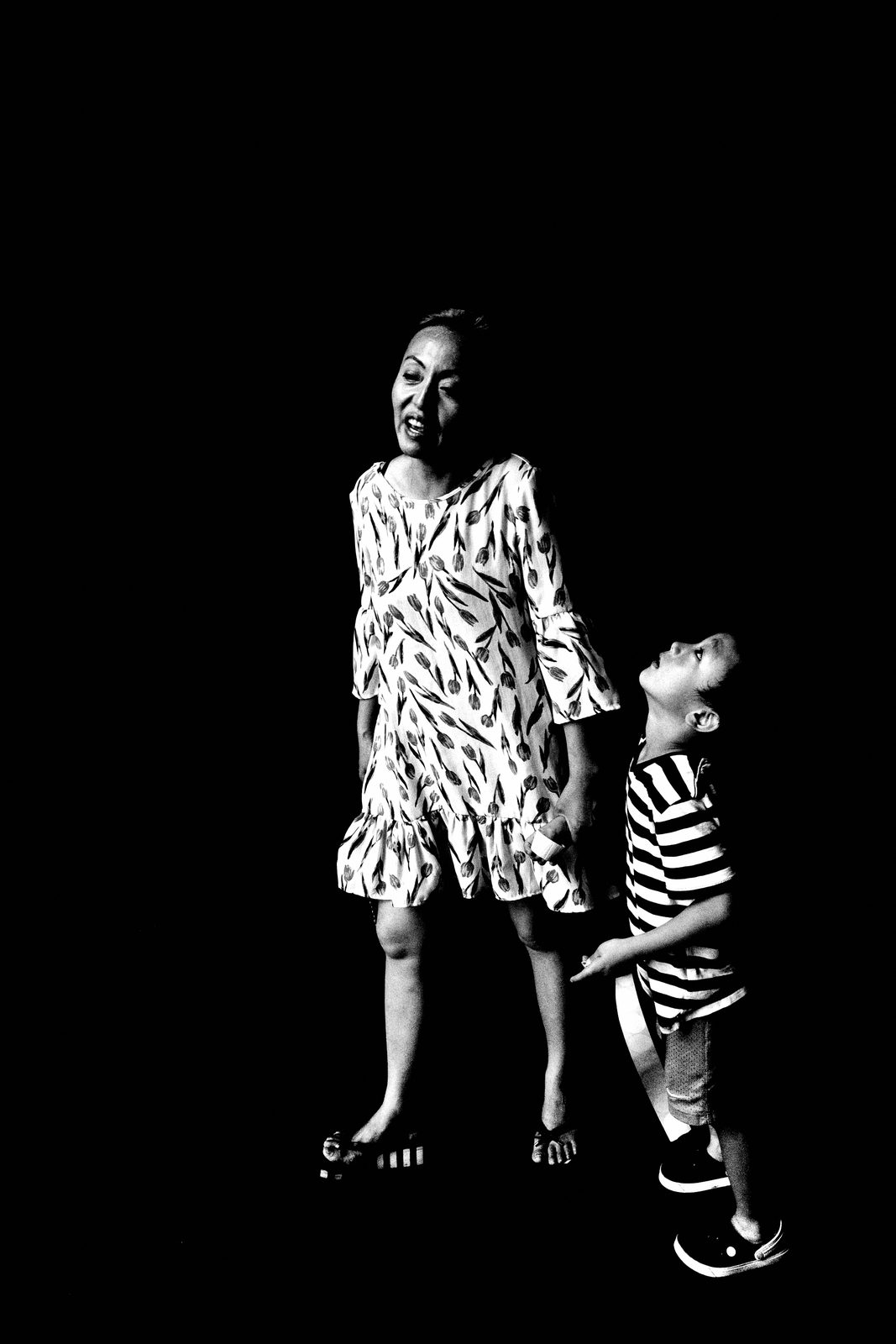
What's popping, people — it's Dante. Today we strip everything down. Lately I've been embracing high-contrast black and white, stripping my work down to the basics of light and shadow, isolating people inside the frame. That's the whole lesson: simplicity, abstraction, and the power of empty space. Subtract until only what matters is left standing.
LEARNING OBJECTIVE
What You'll Walk Away With
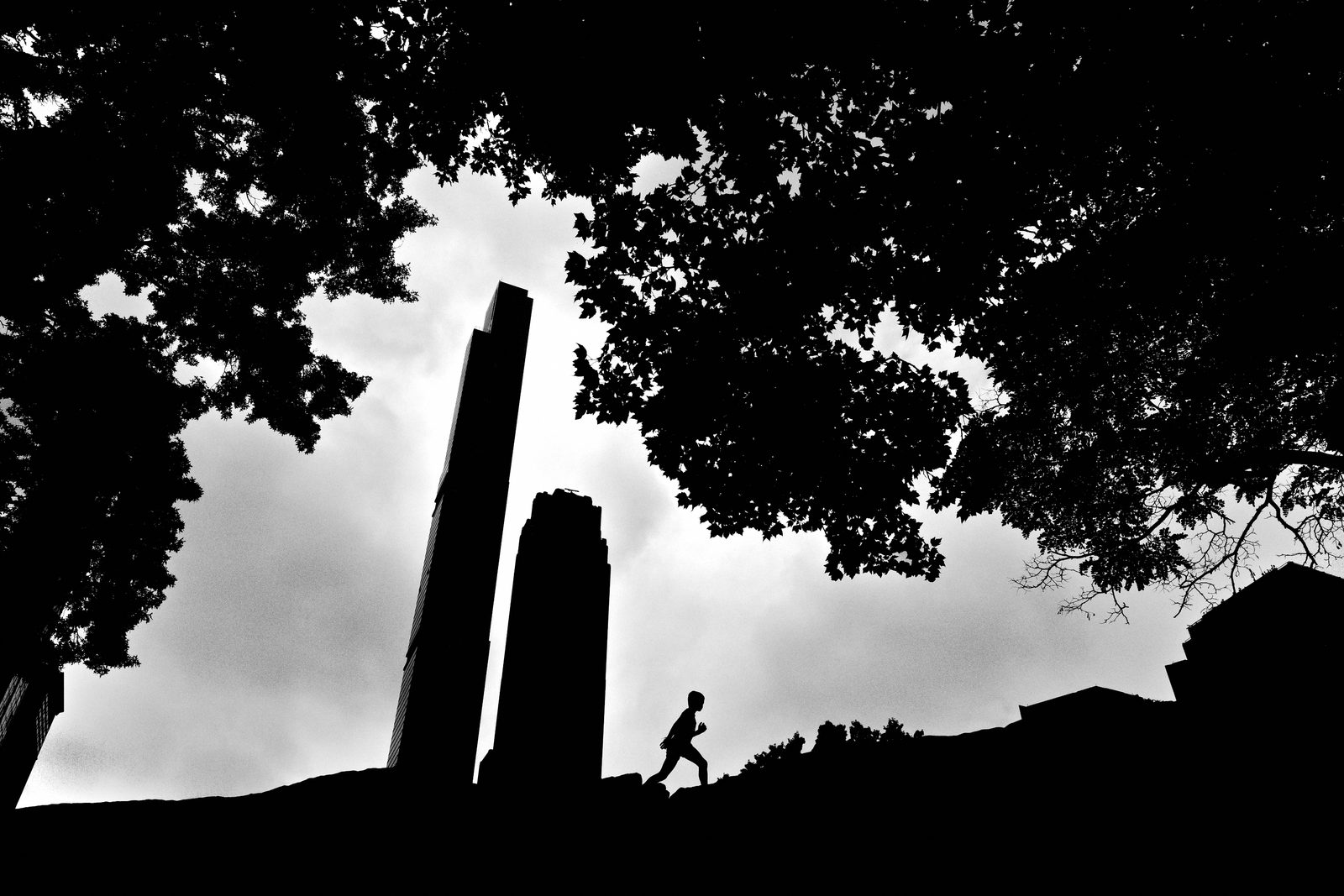
By the end of this lesson you'll know how to remove the superfluous and focus on what really matters — how to isolate a subject, let empty space carry weight, and use light and shadow to push an ordinary scene into something abstract. You'll learn to fill the frame by simplifying it, not cramming it.
WHY THIS MATTERS
Distraction Kills the Emotion
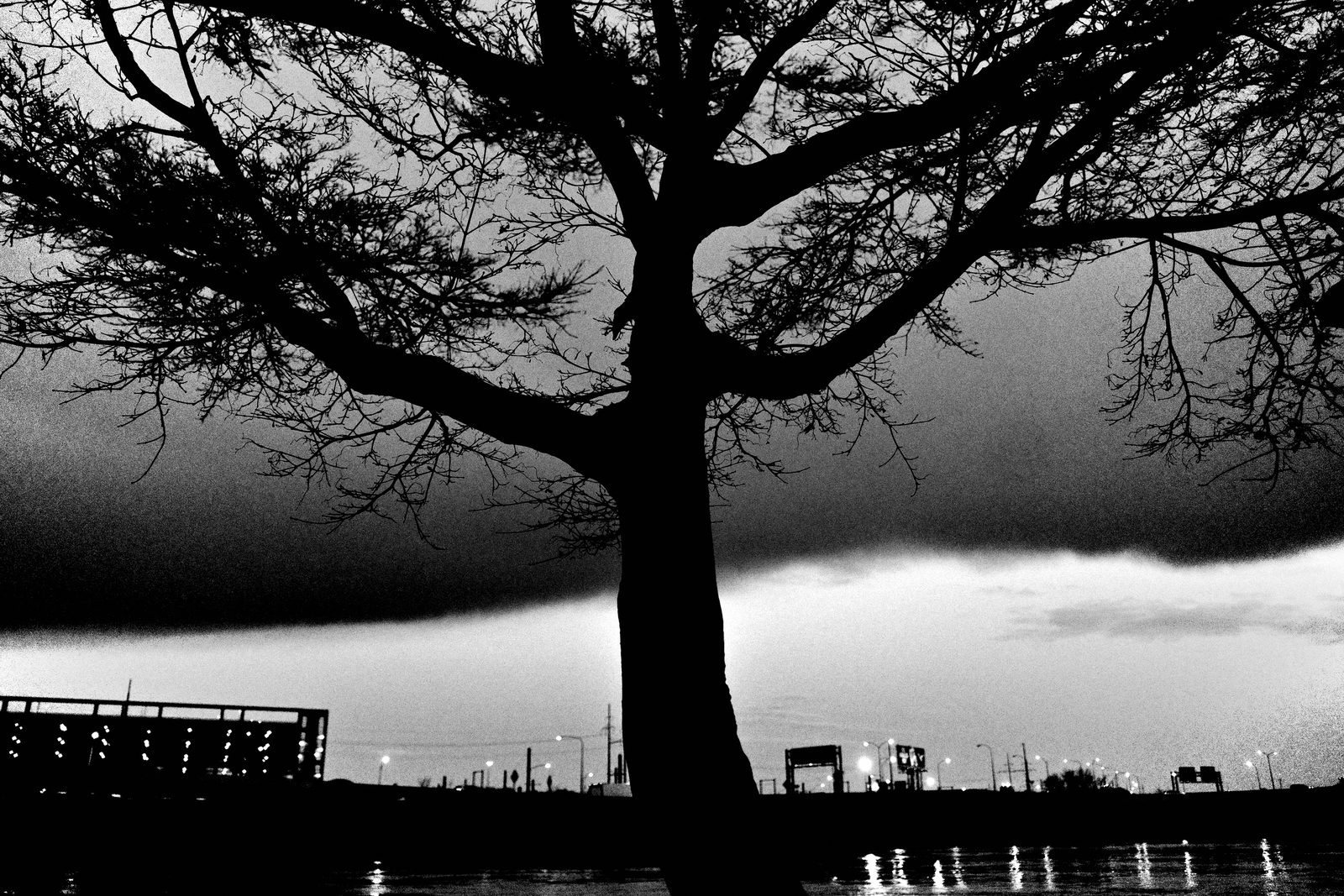
Here's why this matters. A cluttered frame falls flat — the subject gets lost, the moment dies. Minimalism strips away distractions and allows the emotion in the frame to shine through. When you remove the noise, whatever's left hits harder. Simplicity isn't emptiness — it's clarity, and clarity is what the viewer actually feels.
Reality Is Boring Until You Frame It
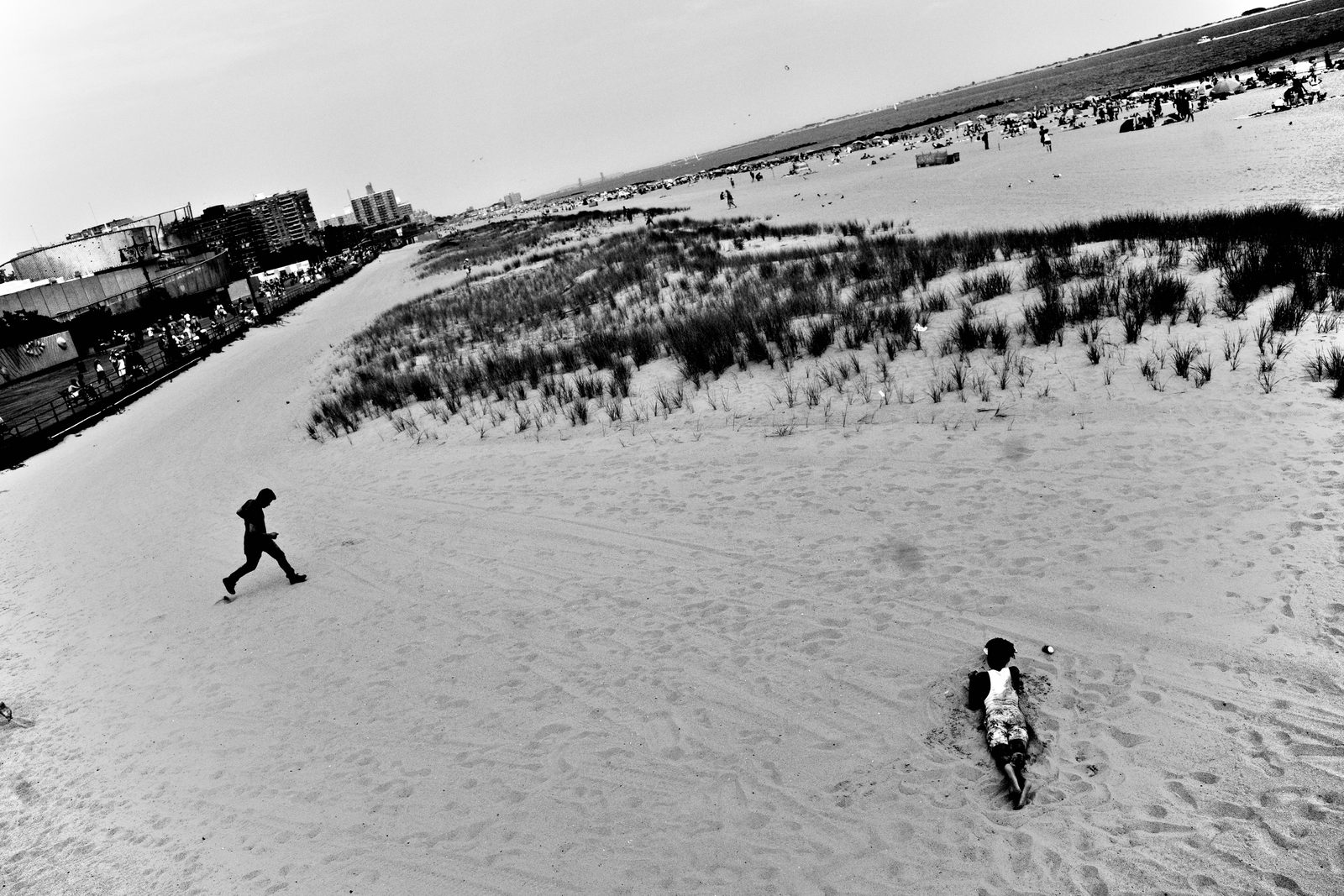
And here's the bigger stake. Reality can be boring — but with the camera in hand it becomes something extraordinary. Photography isn't about depicting reality; it's about showing what life could be. Simplification is how you do that — you uplift the mundane and create new worlds through light and shadow.
MAIN TEACHING
Strip Down to Light and Shadow
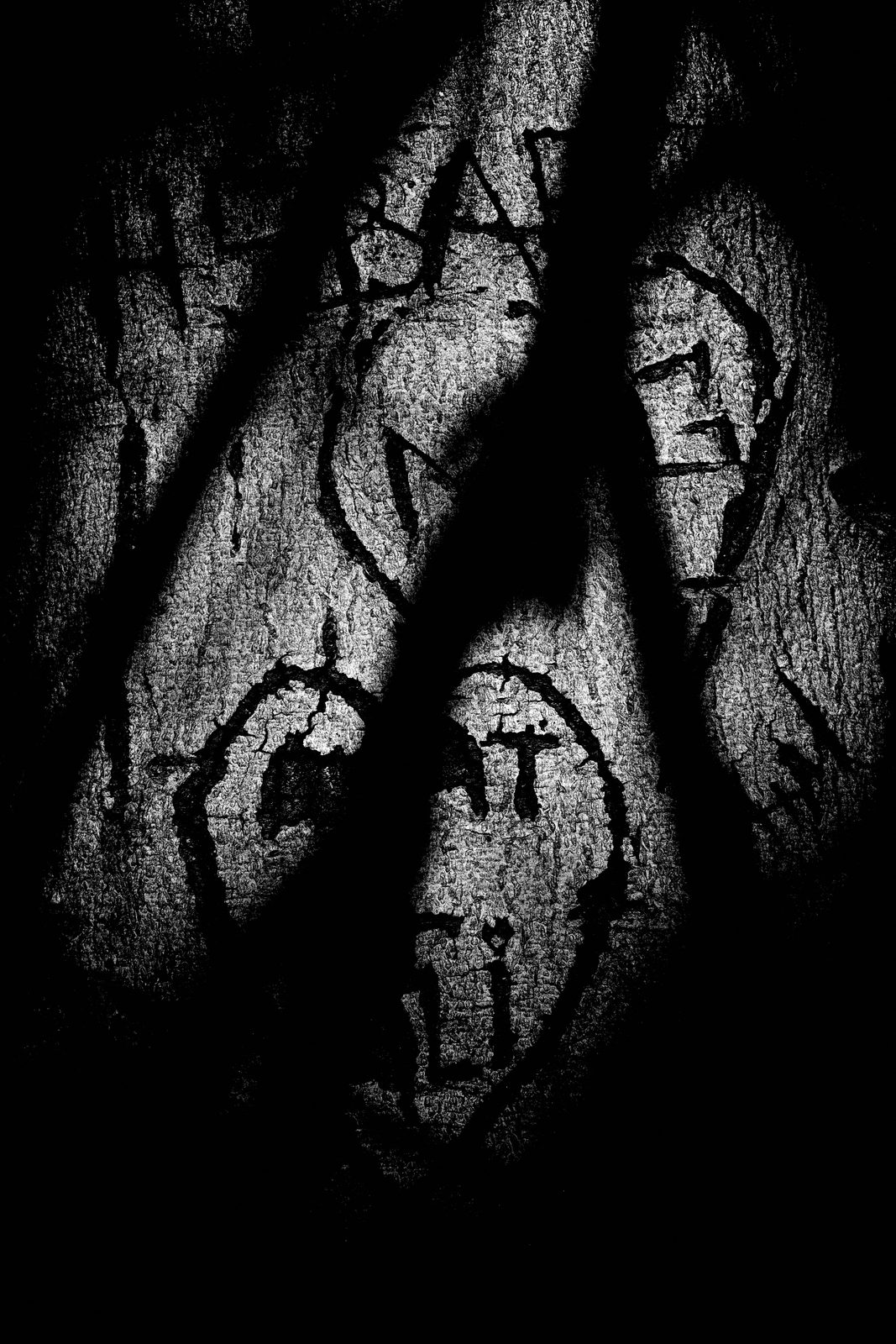
Let's get into it. My goal lately is to simplify — I'm honing in on light and shadow to produce cleaner, more focused images. I used to chase layering and depth; now I strip down to the basics of light and shadow play and isolate people within my frames. That's the foundation of every minimal photograph: light does the work.
Underexpose to Crush the Clutter
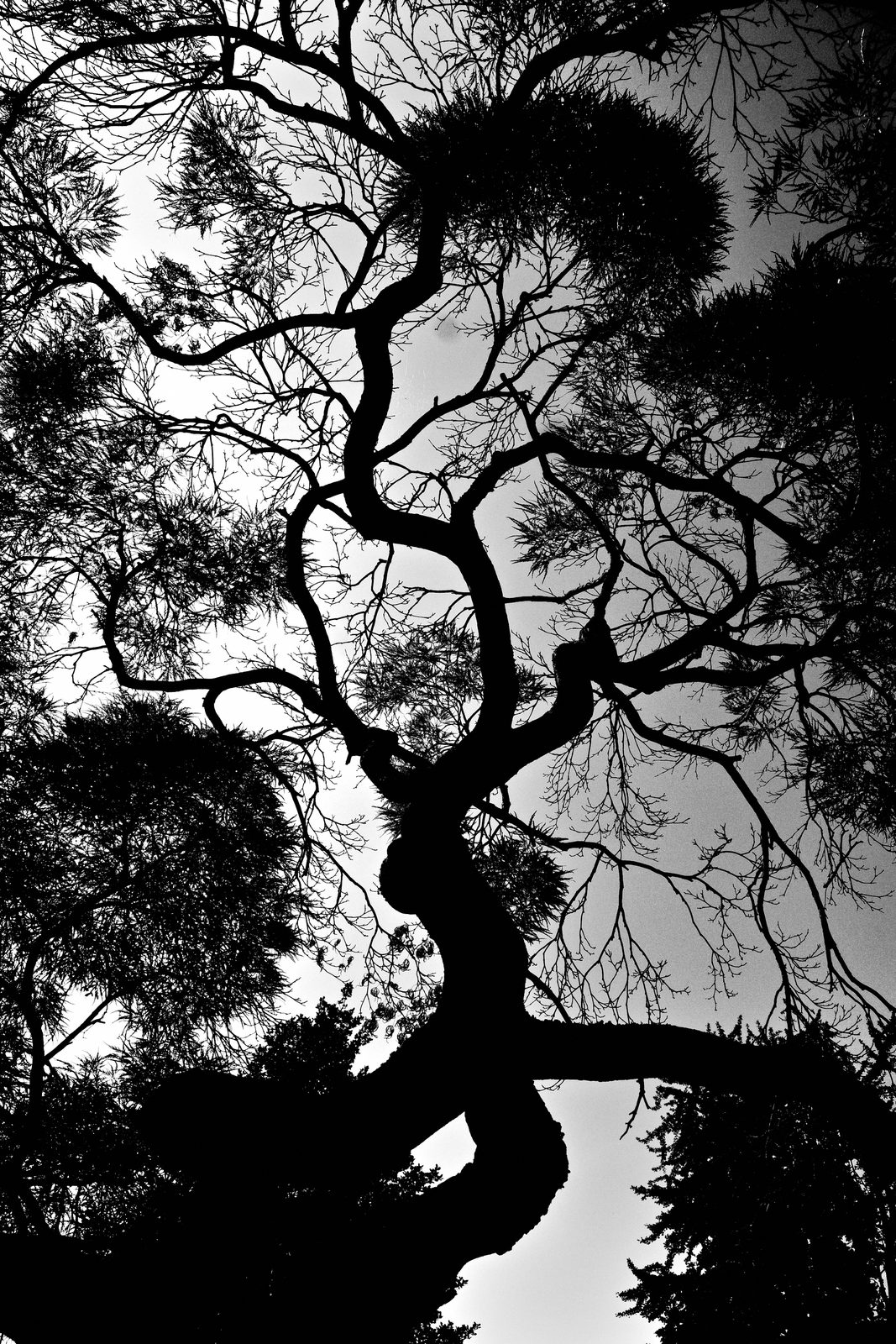
Here's the single most useful technique: underexpose by about one stop. It emphasizes the important elements while crushing the unnecessary details down into shadow. The clutter literally disappears into black. You're not just darkening the frame — you're editing in-camera, deleting everything that doesn't serve the moment.
Darkness Adds Mystery
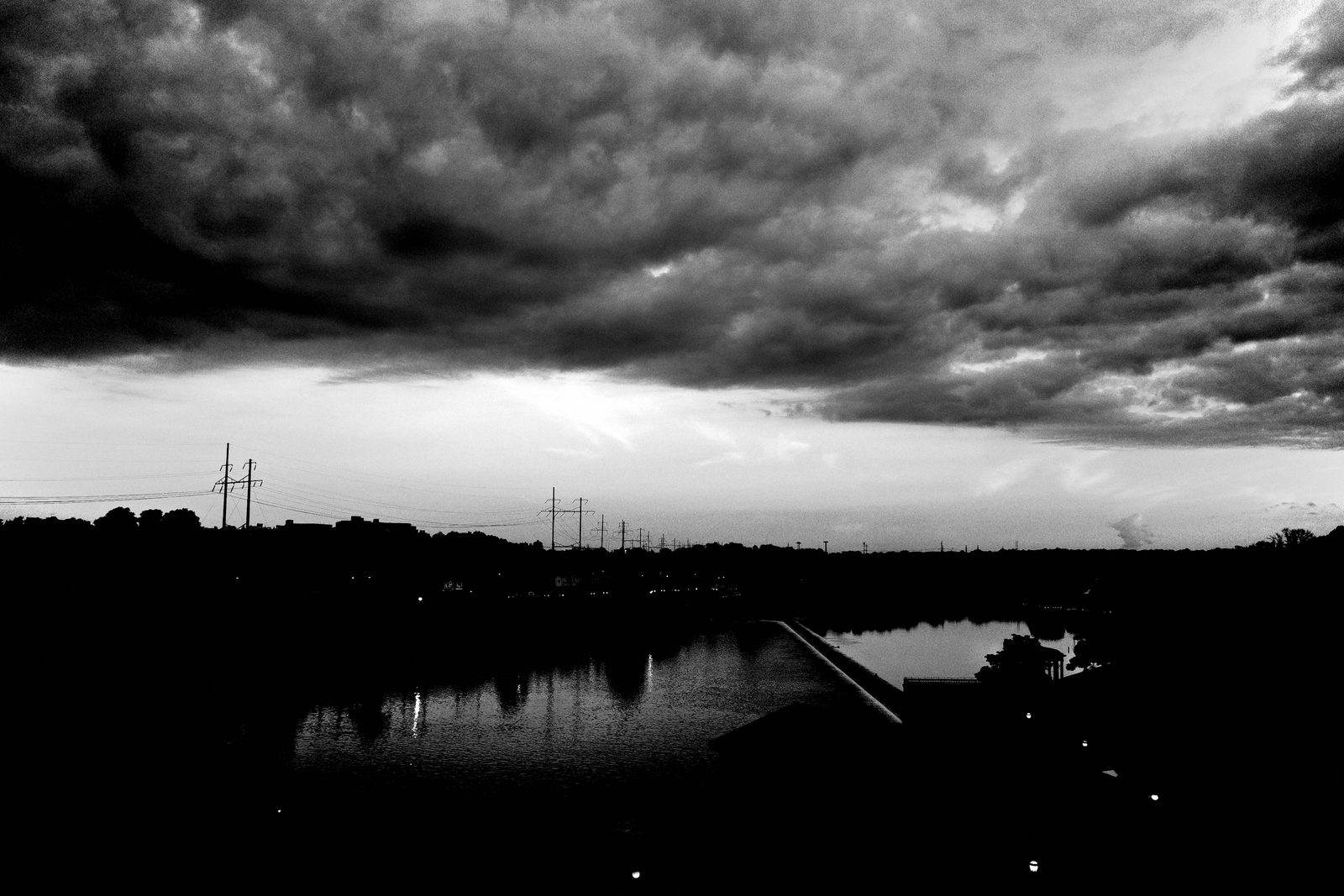
Think about how this plays out. Say there's a single bright moment — a bird in flight, a figure catching light — set against a darker surface. By underexposing, you highlight that moment while crushing everything beneath it into black. That darkness adds mystery — the viewer focuses on what truly matters. What you can't see becomes as powerful as what you can.
Negative Space Is a Choice
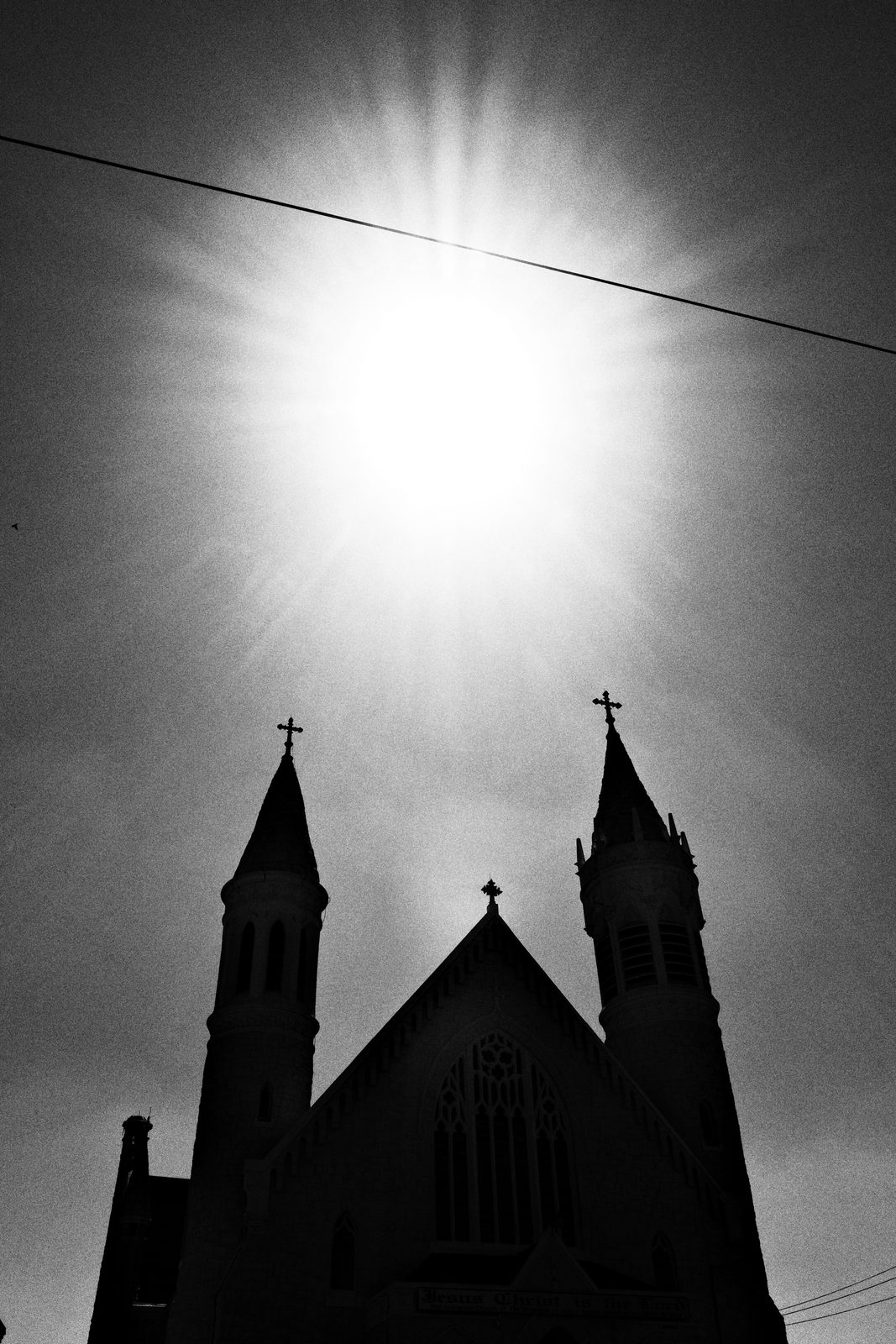
Now, empty space. This is the part people fear — they think a frame needs to be full to be good. But what you exclude from the frame is just as important as what you include. A frame that feels full doesn't mean cluttered. Filling the frame is really about simplification. The space around your subject isn't wasted — it's what gives the moment room to breathe.
Isolate the Subject
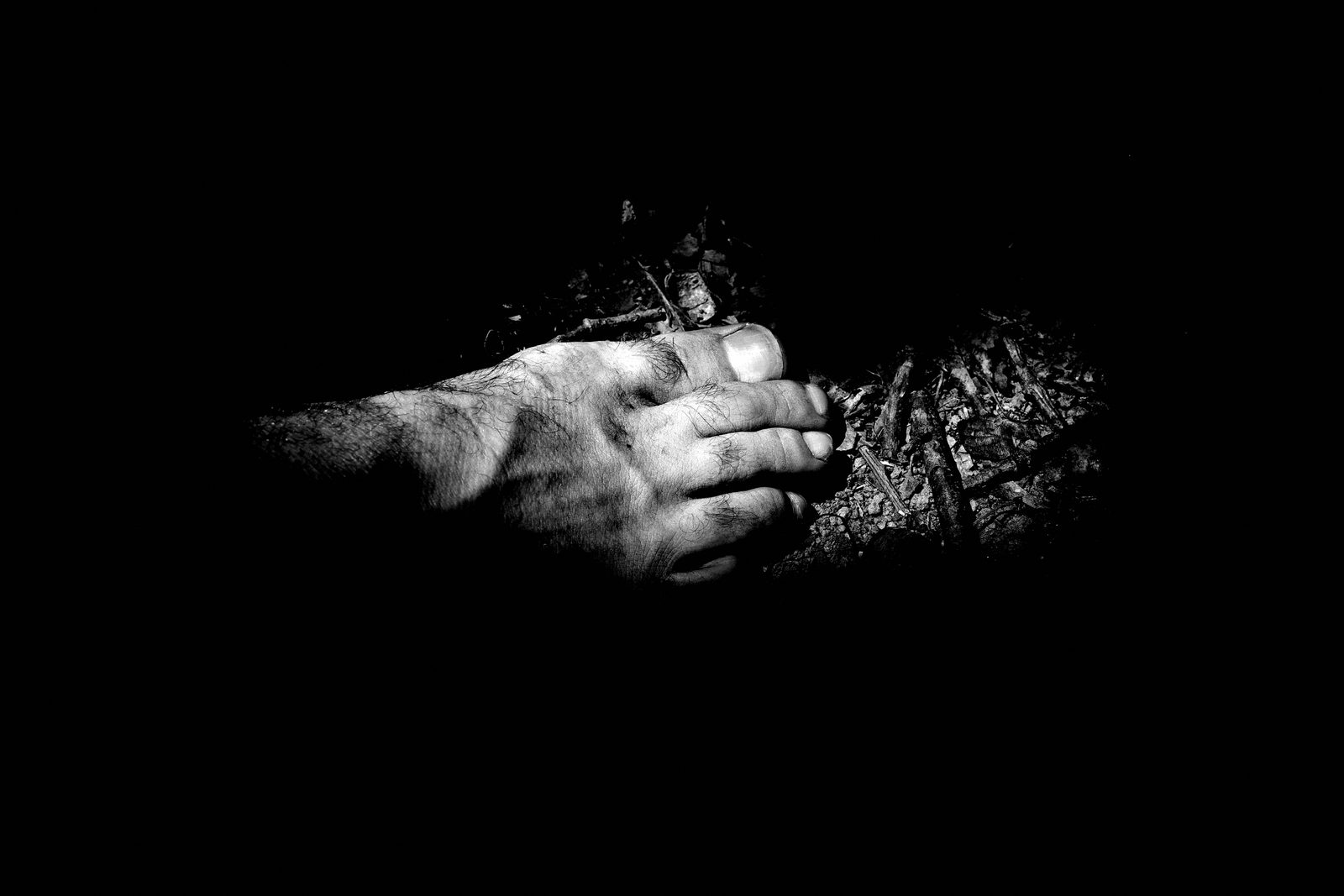
So how do you actually isolate? Crush the shadows to separate the subject from the backdrop, emphasize the highlights to lift the important element forward. You want one clear subject emerging from darkness, almost floating in space. Strip away everything competing for attention and let that one thing carry the entire frame.
Abstraction Meets Emotion
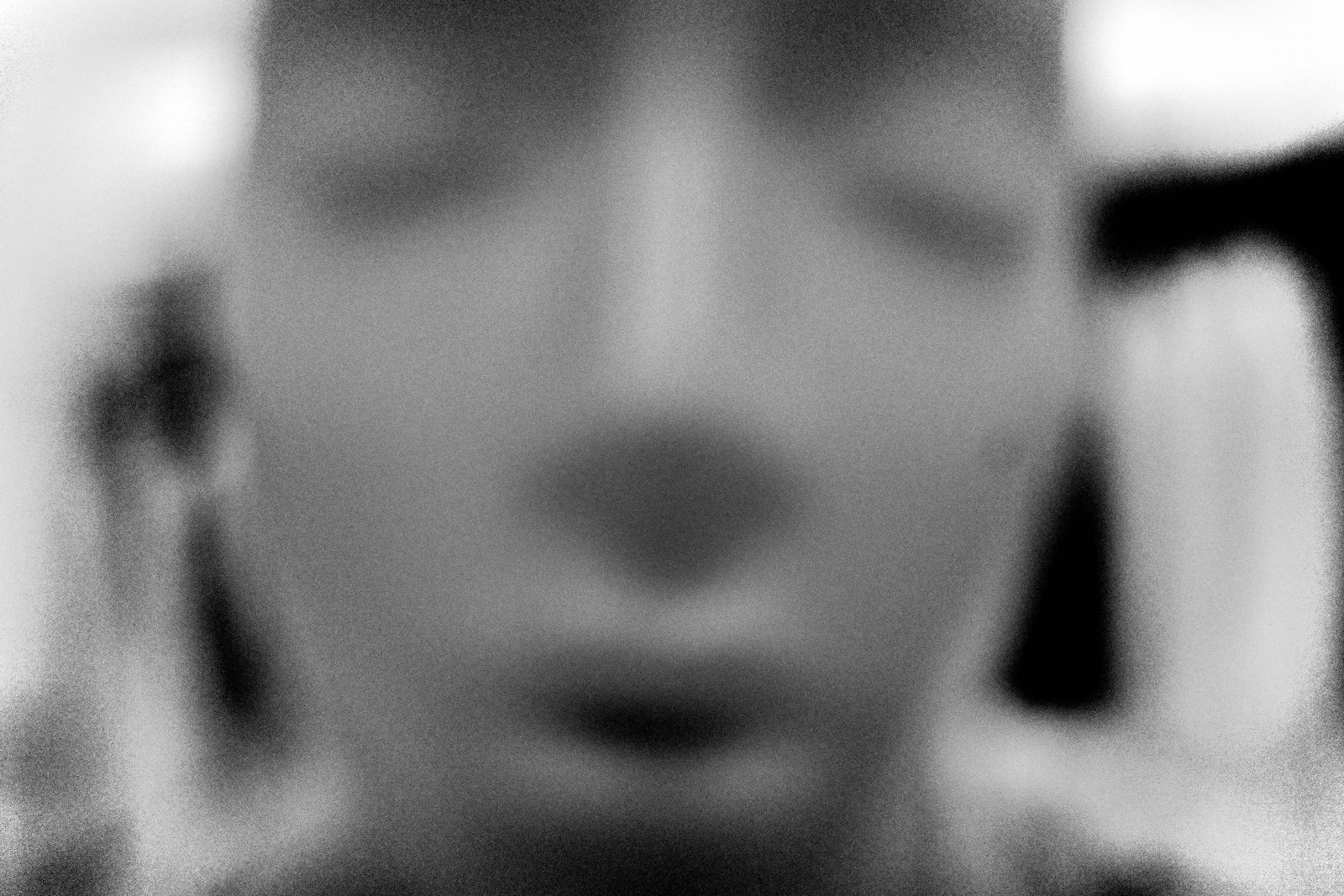
There's a misconception that you're either documentary — life as it is — or abstract, making your own artistic world. You don't have to pick. The best photographs synthesize the raw emotion of the subject with the abstraction of composition and form. Strong geometry and visceral human feeling. That synthesis is what elevates the work to another level.
Why Black and White Abstracts
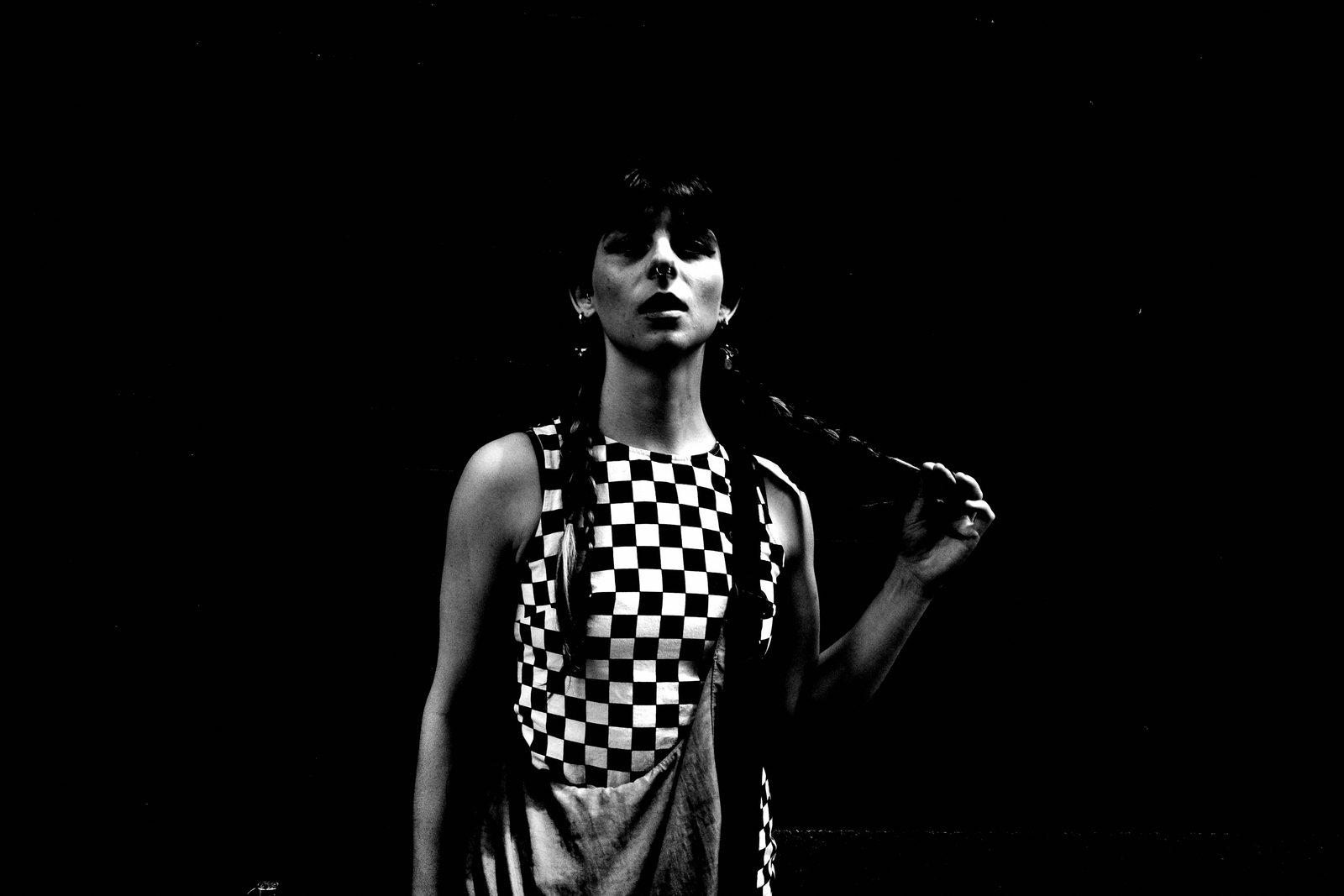
This is where black and white earns its keep. It strips down to the basics — it removes the distraction of color and all the superfluous detail when you crush the shadows and expose for the highlights. High-contrast black and white creates drama and intensity. It's the simplest solution for abstraction, letting you focus on the moment, the gesture, the emotion.
Abstraction Without People
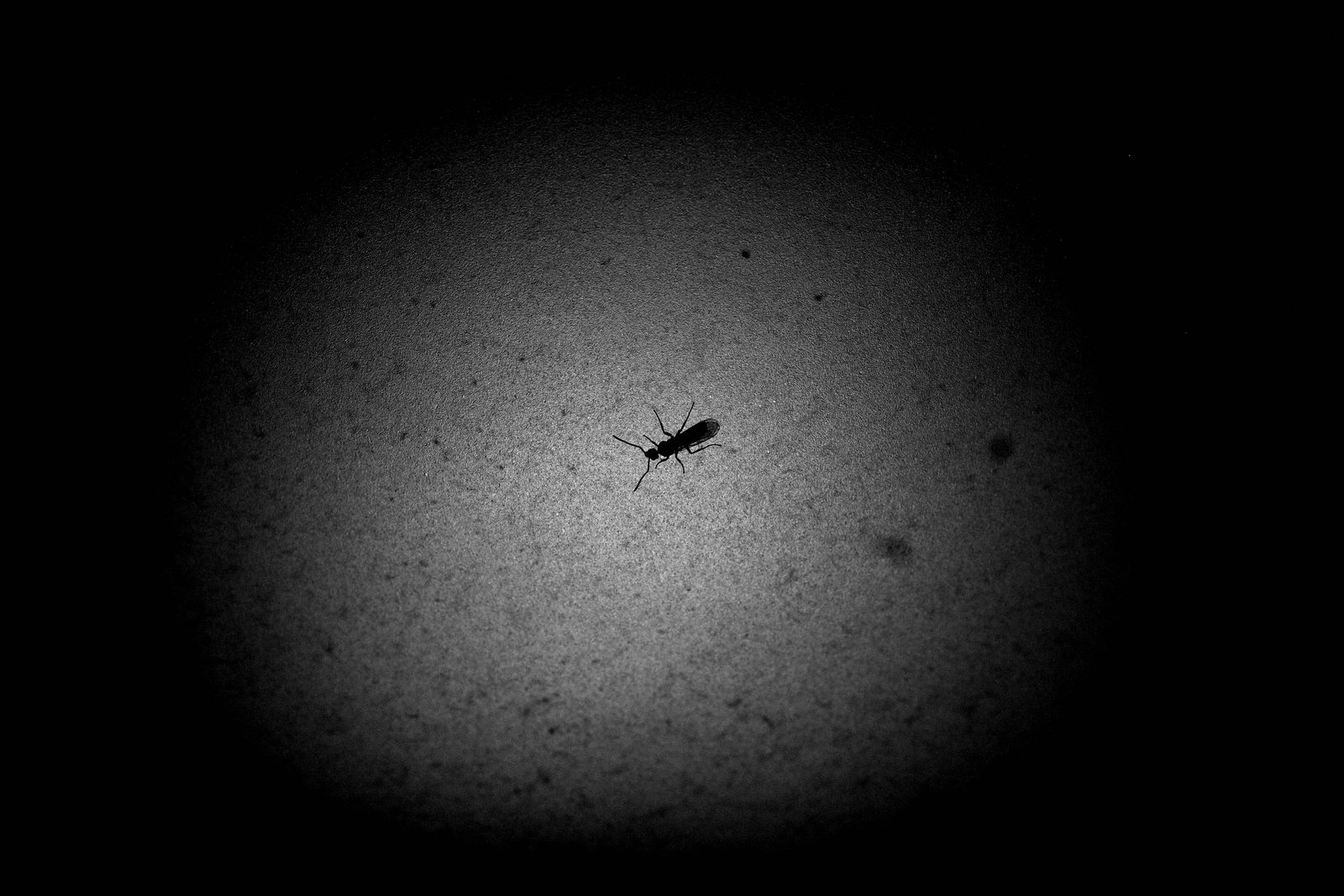
And here's a freeing idea — a photograph doesn't need a person to convey emotion. The simplest interplay between light and shadow can be enough to evoke emotional impact, all on its own. A shaft of light on a wall, a shadow stretching across pavement — sometimes light and shadow alone create the drama and the mystery. The subject can be the light.
One Quiet Detail, Isolated
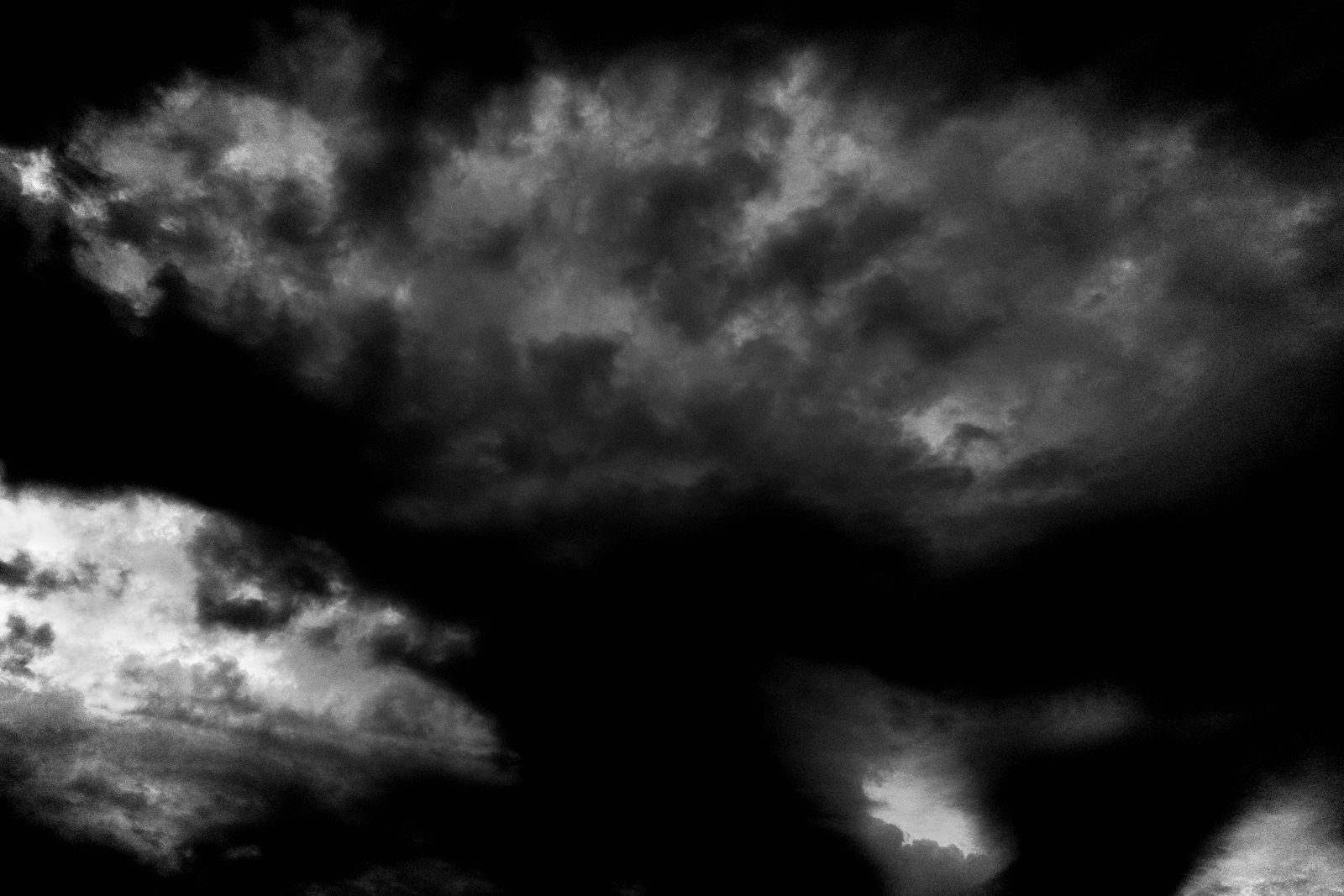
By embracing minimalism you remove the superfluous and focus on what really matters — whether it's a single hand gesture or the quiet fold and drape of fabric. Simplicity brings clarity. One quiet element, isolated cleanly, says more than a frame stuffed with competing details ever could.
The World Is the Canvas
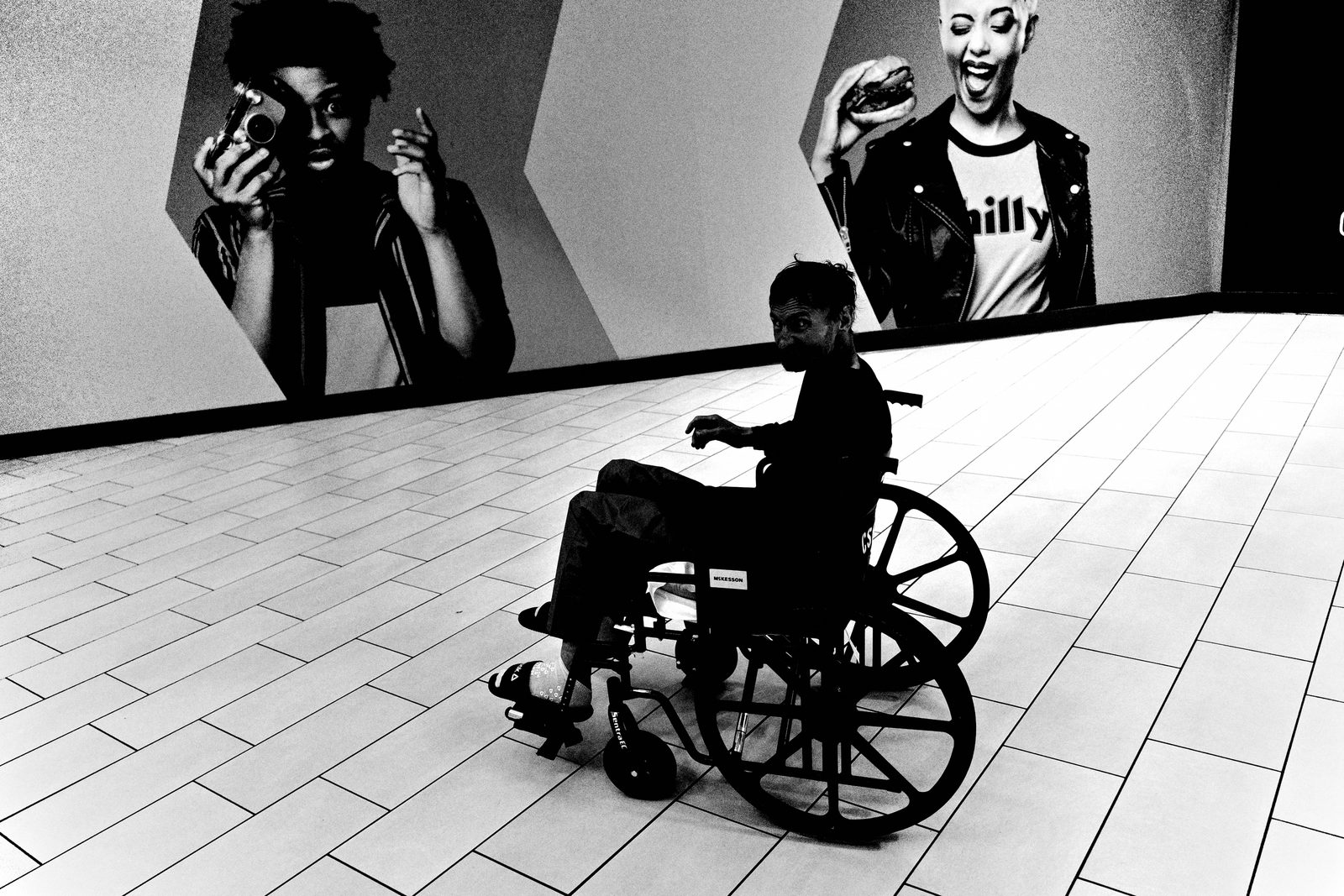
Minimalism isn't only people. I'm photographing fleeting things — cigarette butts on the ground, textures on walls, random found objects like newspapers and pennies. The world around you is the canvas. This approach lets me elevate the mundane and find meaning in the overlooked. The smallest, simplest thing can become a whole photograph.
Macro Turns Detail Into Abstraction
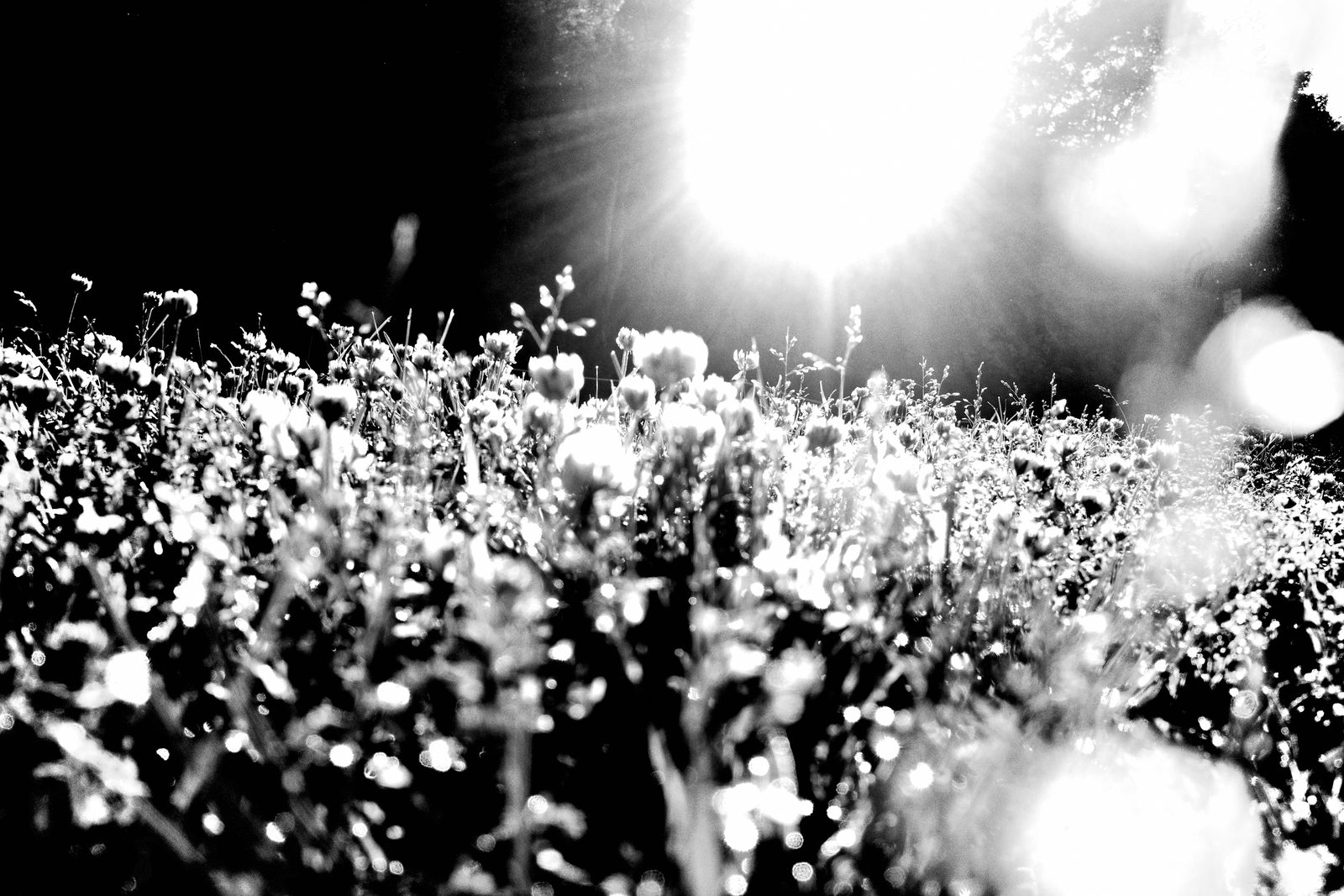
Here's the most playful tool — macro. Switch your camera into macro mode and get extremely close, and the world transforms. A crack becomes a canyon, a raindrop becomes a universe, light bouncing off a wall becomes pure abstraction. Macro teaches you to see new worlds inside the one you already inhabit. Get close enough and the ordinary turns abstract.
Slow Down, Then Let Go
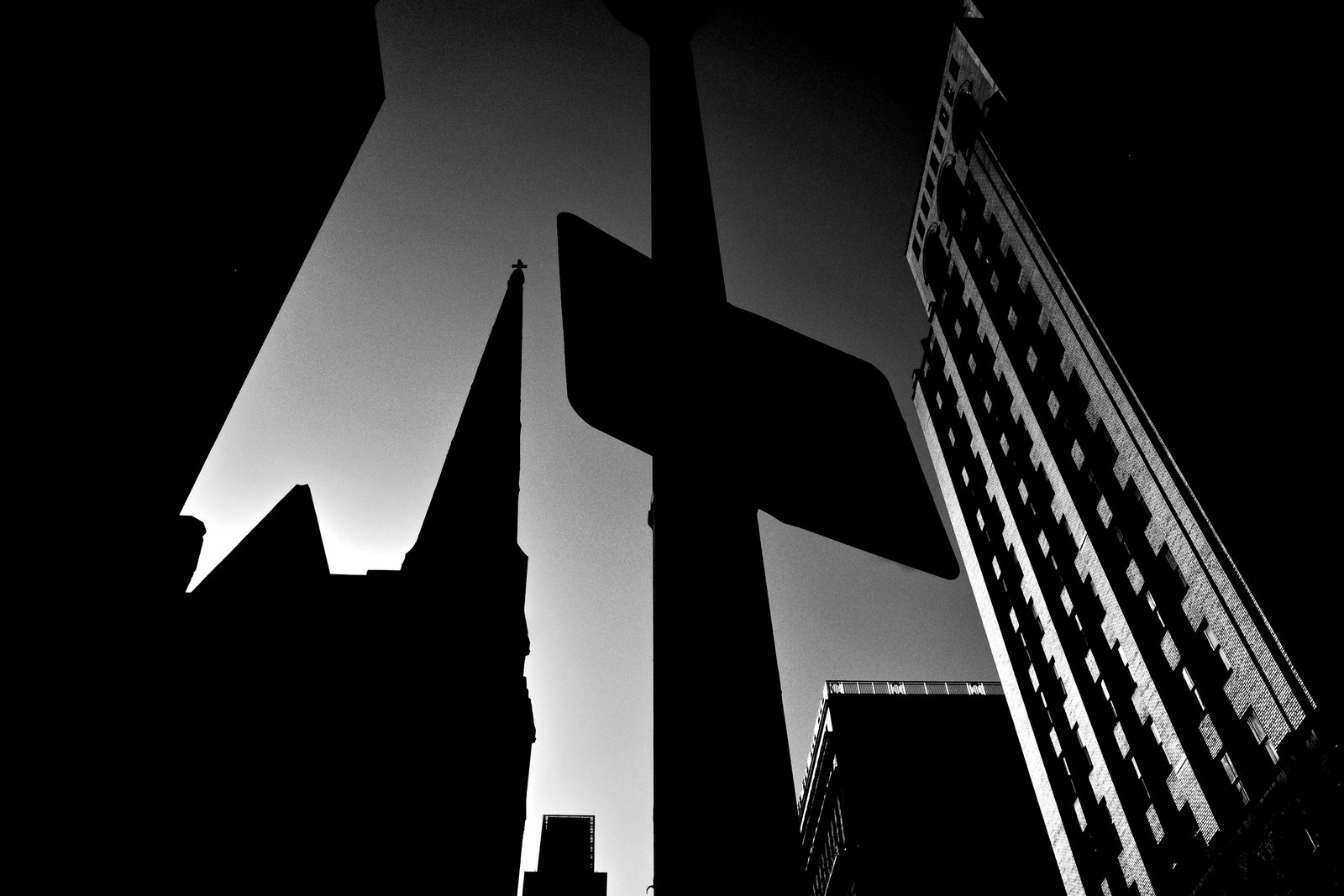
None of this works if you're rushing. The slower I move, the more I appreciate the smallest details — stop chasing the next decisive moment and simply see. Then let go: stop controlling every element and let life unfold. I'm letting the chips fall as they may. What I see in the photograph isn't necessarily what I saw — it's what the camera saw. That gap is where abstraction lives.
PRACTICAL APPLICATION
Shoot a Minimal Series
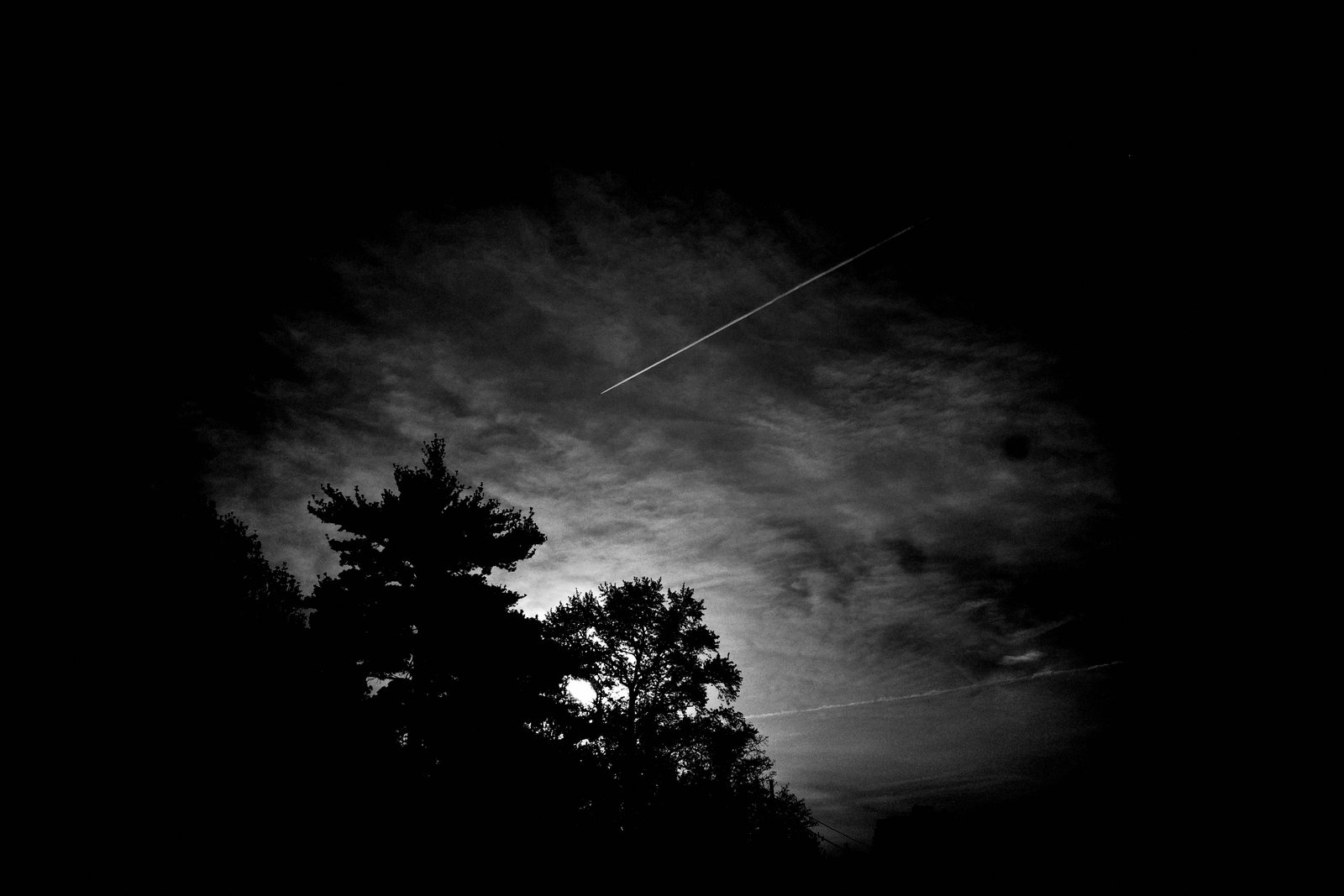
Here's your drill. Go out, dial in minus one stop, and shoot a whole walk where every frame has one subject and nothing competing. Crush the background to black. Let empty space surround it. Don't add — subtract. See how few elements you can use and still make the frame land.
The Macro Detail Hunt
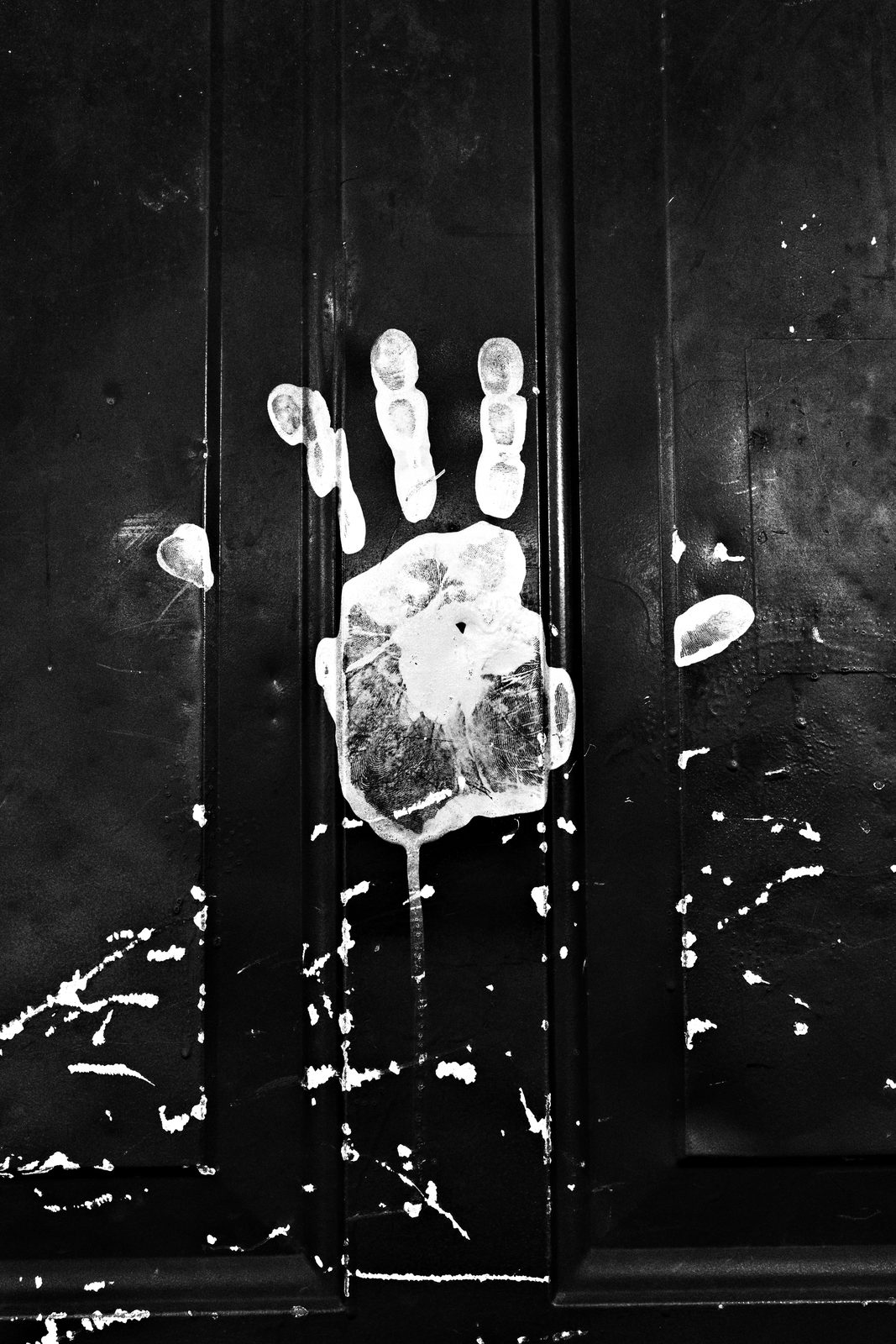
Second drill — the detail hunt. Switch to macro, get down low, and photograph only the small overlooked stuff: a crack in the pavement, a puddle reflection, a leaf, a butt on the curb. No people allowed. You're training your eye to find pure form and abstraction in things everyone else walks right past.
COMMON MISTAKES
Too Much Empty, or Too Cold
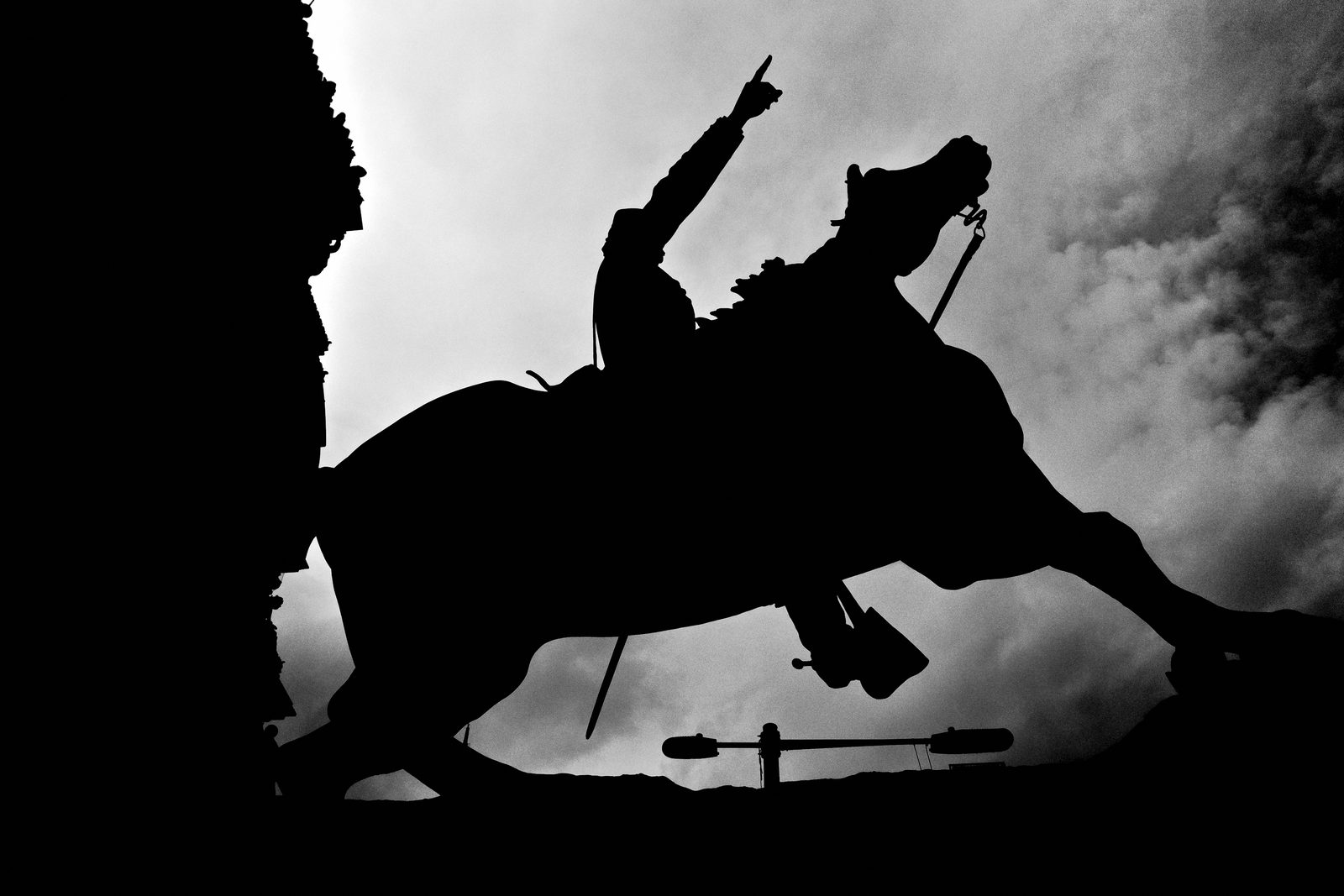
Two traps. First, too much empty space with no purpose — that's not minimalism, that's a flat photo; move closer or reframe so the space does something. Second, going so far into abstraction that it feels cold and distant — the subject lost across the street, no connection. Get closer. Feel the beat of the street. Keep the soul in the simplicity.
Cramming and Cropping Later
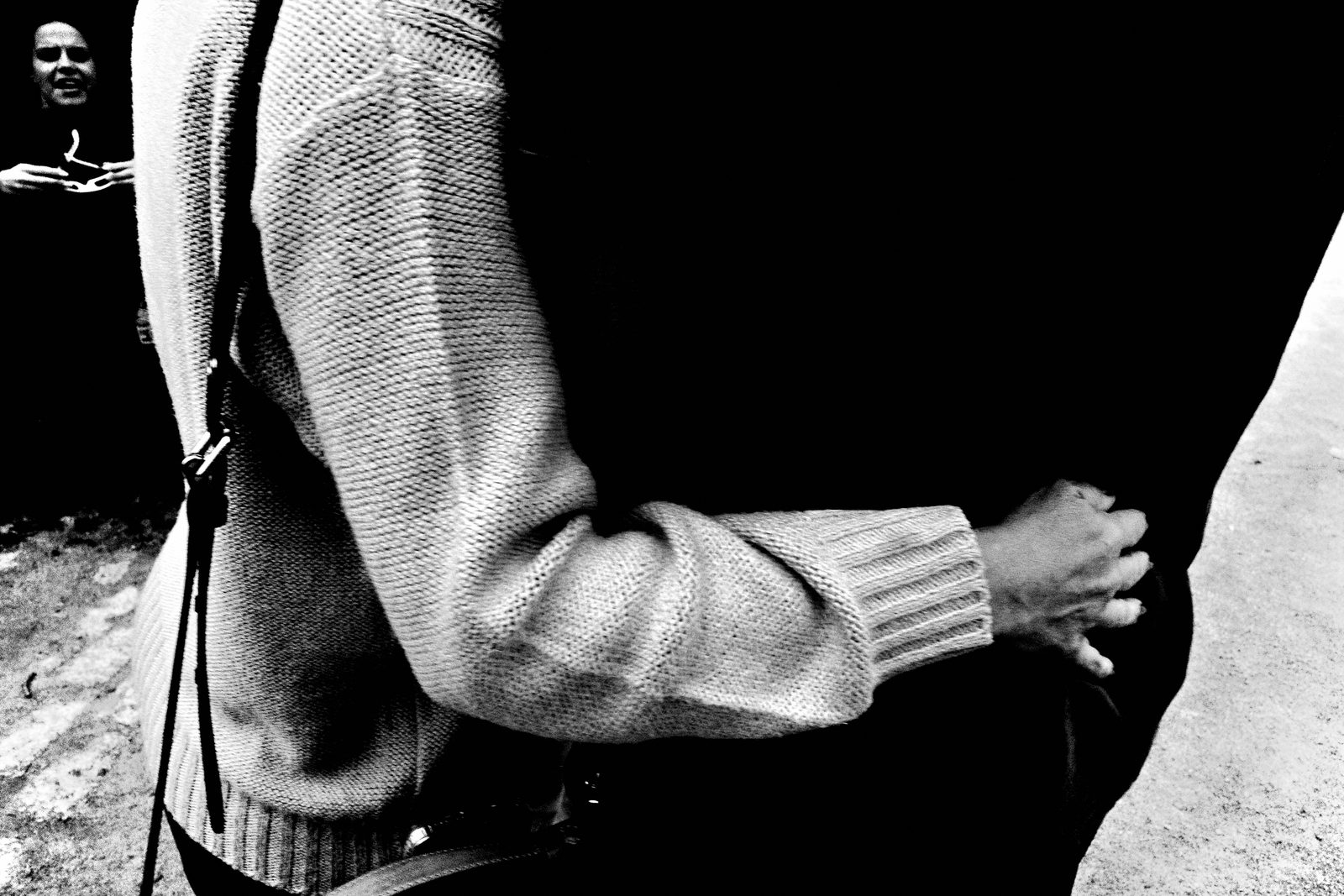
The other mistake: thinking "fill the frame" means stuff it. Every inch should serve a purpose — not cramming things in. And don't rely on cropping later to fake simplicity; that's not a solution. Simplify in-camera by moving your feet and choosing what to leave out. Minimalism is a decision you make before the shutter, not after.
RELATIONSHIP TO PREVIOUS
Building on Physical Composition
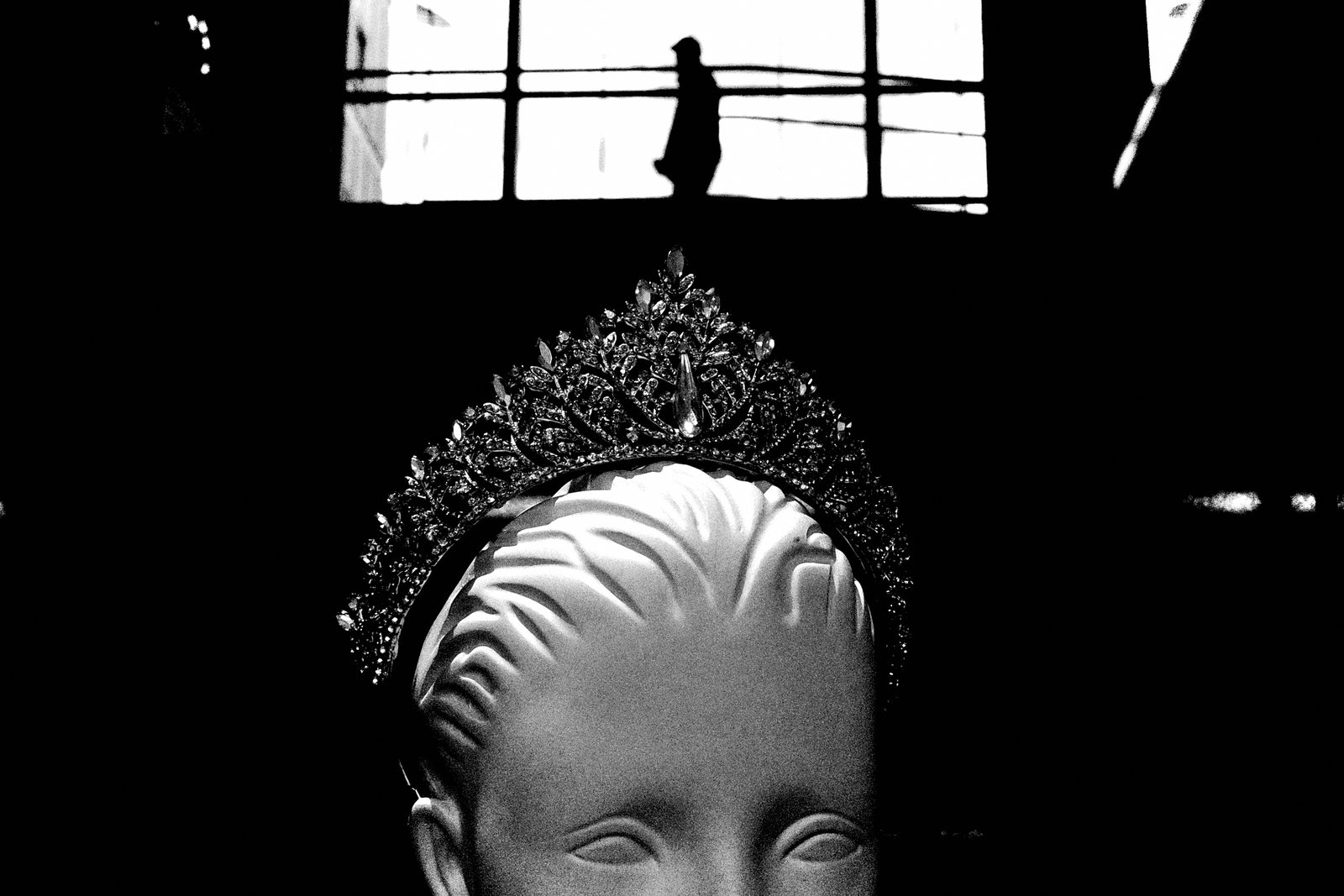
This builds straight off Lesson 017, where we learned composition is physical — you find the frame by moving your body, dropping low, stepping left. Same skill here, opposite move: instead of stacking layers, we use that body to subtract, to find the angle where the subject stands alone. Composition by removal is still composition by legs.
RELATIONSHIP TO UPCOMING
From Form to Gesture
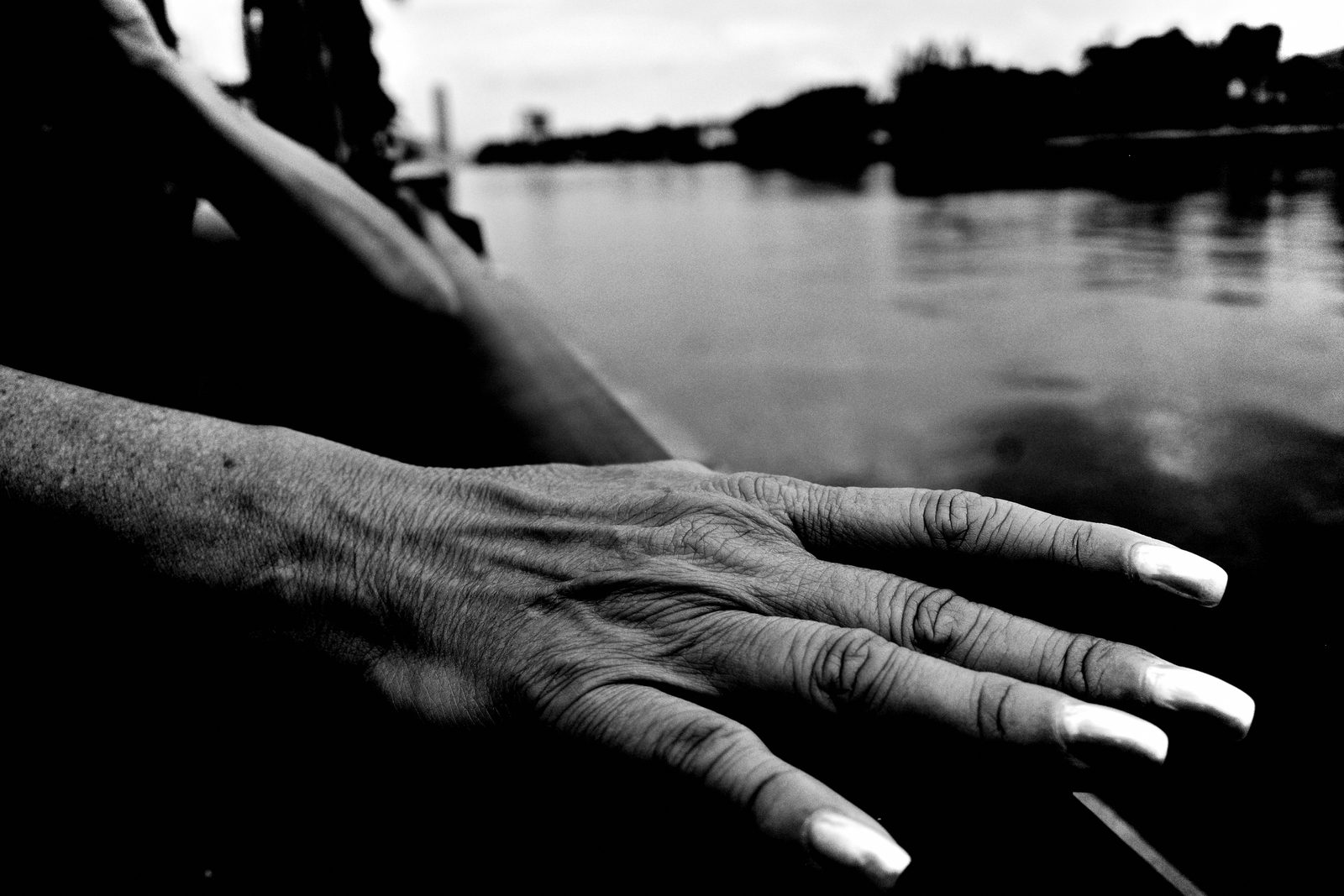
Next up is Lesson 019, Gesture & Body Language. Once you can strip a frame down to its essentials, a single gesture — a hand, a posture, a glance — carries enormous weight, because there's nothing else fighting for attention. Simplicity sets the stage; gesture is what walks onto it. Form first, then feeling.
SUMMARY / TAKEAWAY
Subtract Until It Sings
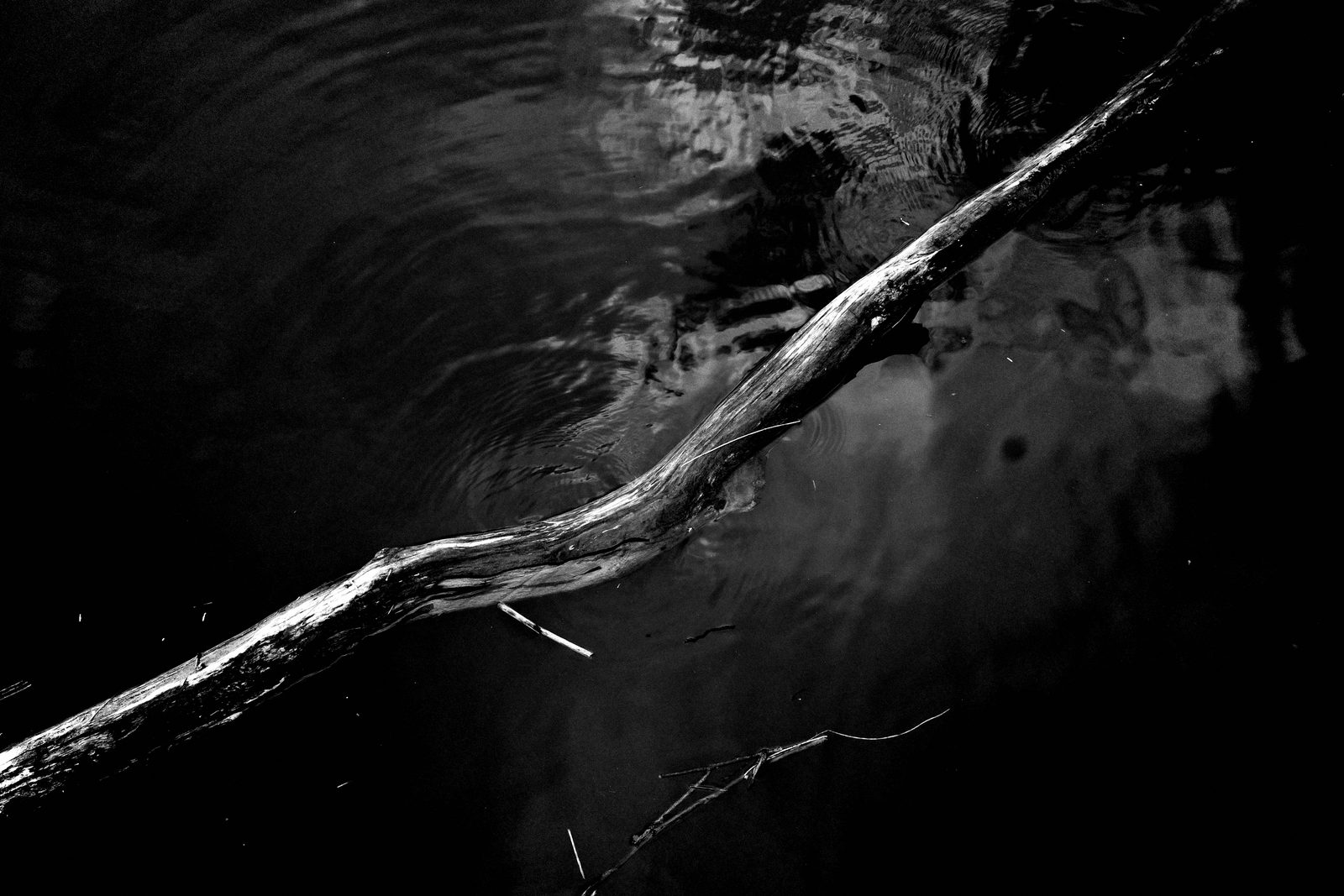
Last thing. Minimalism is removing the superfluous so the emotion can shine through — strip down to light and shadow, isolate one subject, and let empty space do real work. Reality can be boring, but the camera makes it extraordinary. Subtract until the frame sings. See you next lesson — peace.