Composition Is Physical
CORE IDEA
Composition Is Physical
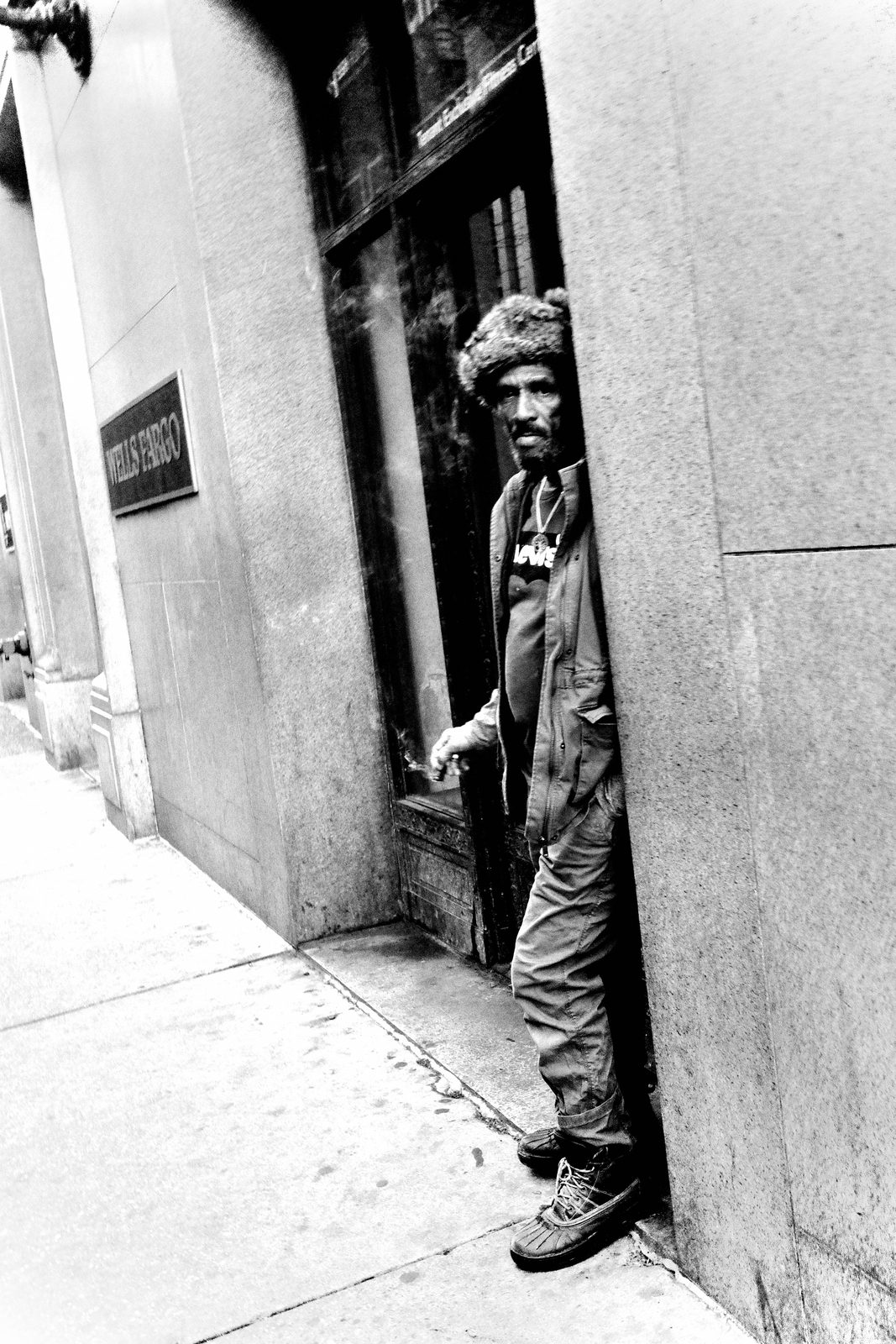
What's popping, people — it's Dante, out walking and thinking about composition. And here's the thought that hits me hard: composition is physical. It's not some academic thing you do in your head. It's real, lived practice — you out in the world, using your whole body to see.
LEARNING OBJECTIVE
What You'll Walk Away With
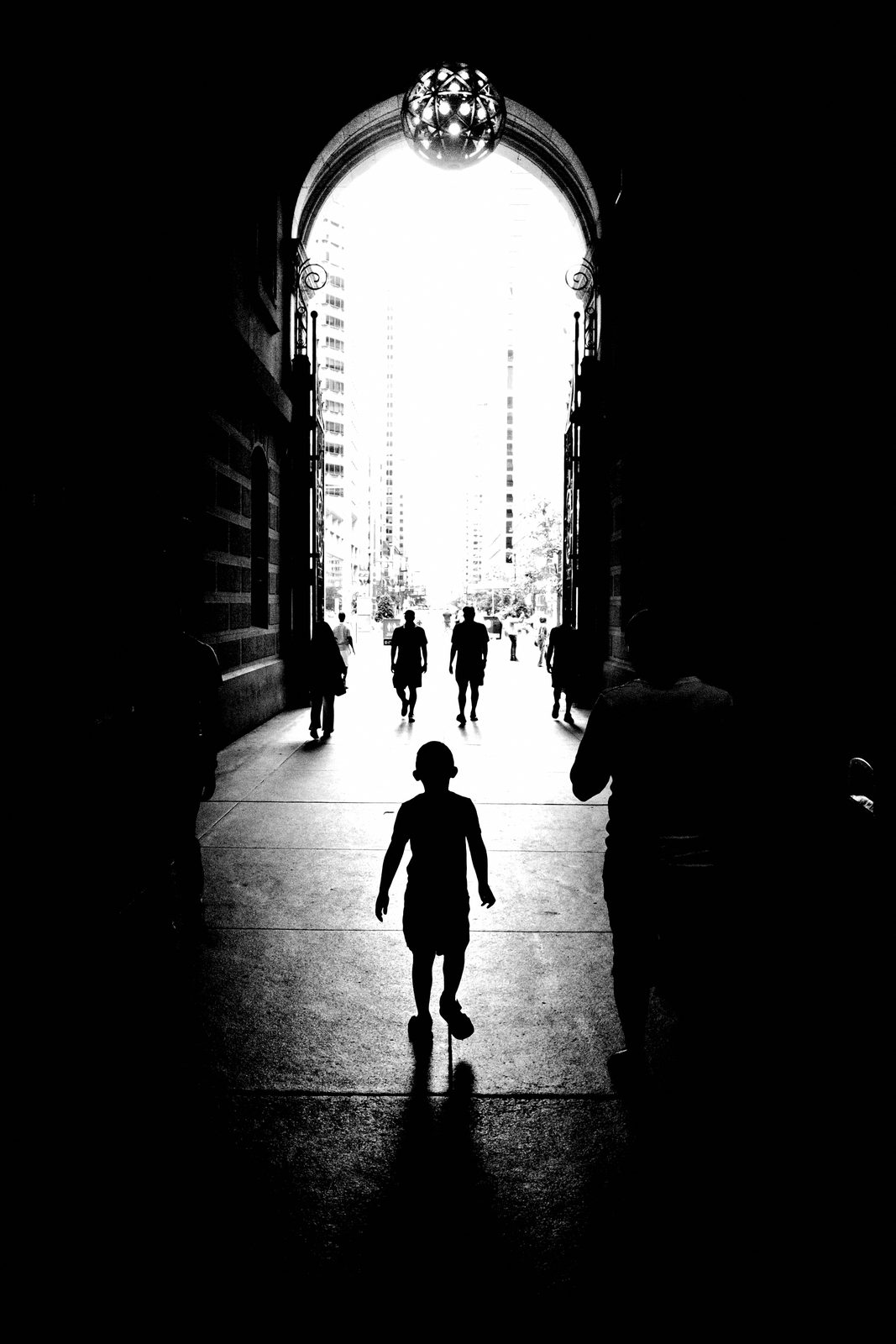
By the end of this lesson you'll stop thinking of composition as a checklist and start feeling it. You'll learn to move — drop low, step left, raise the camera — to separate your layers and find the sweet spot. The goal is simple: compose with your body and your instinct, not a diagram.
WHY THIS MATTERS
Order Out of Chaos
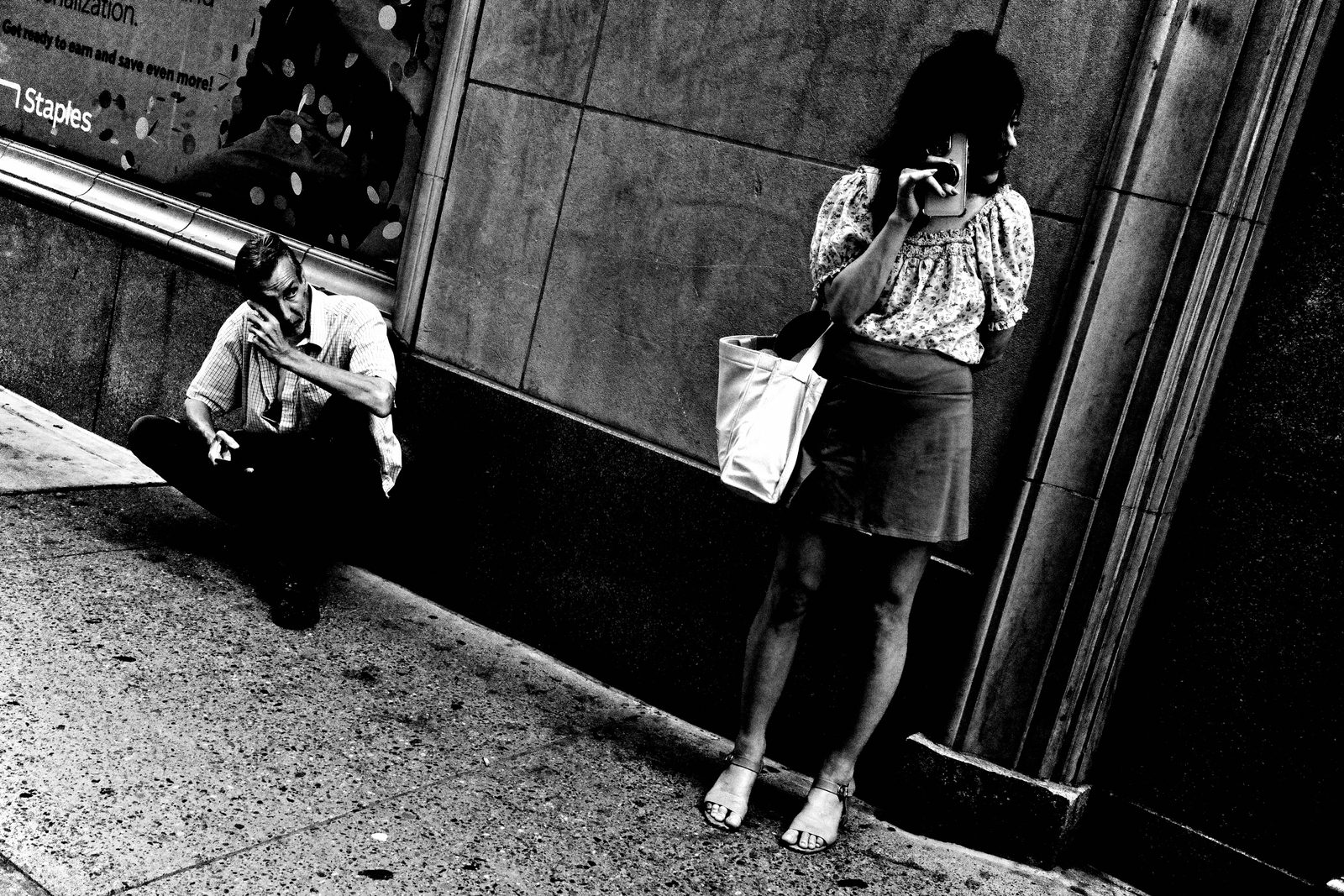
Here's why this matters. Out there, things are happening fast — chaos everywhere. Our whole job as photographers is to put order to that chaos. The content might be electric — a gesture, a glance — but without form it falls flat. Composition is how you take the mess of life and make it read.
Theory Won't Save You
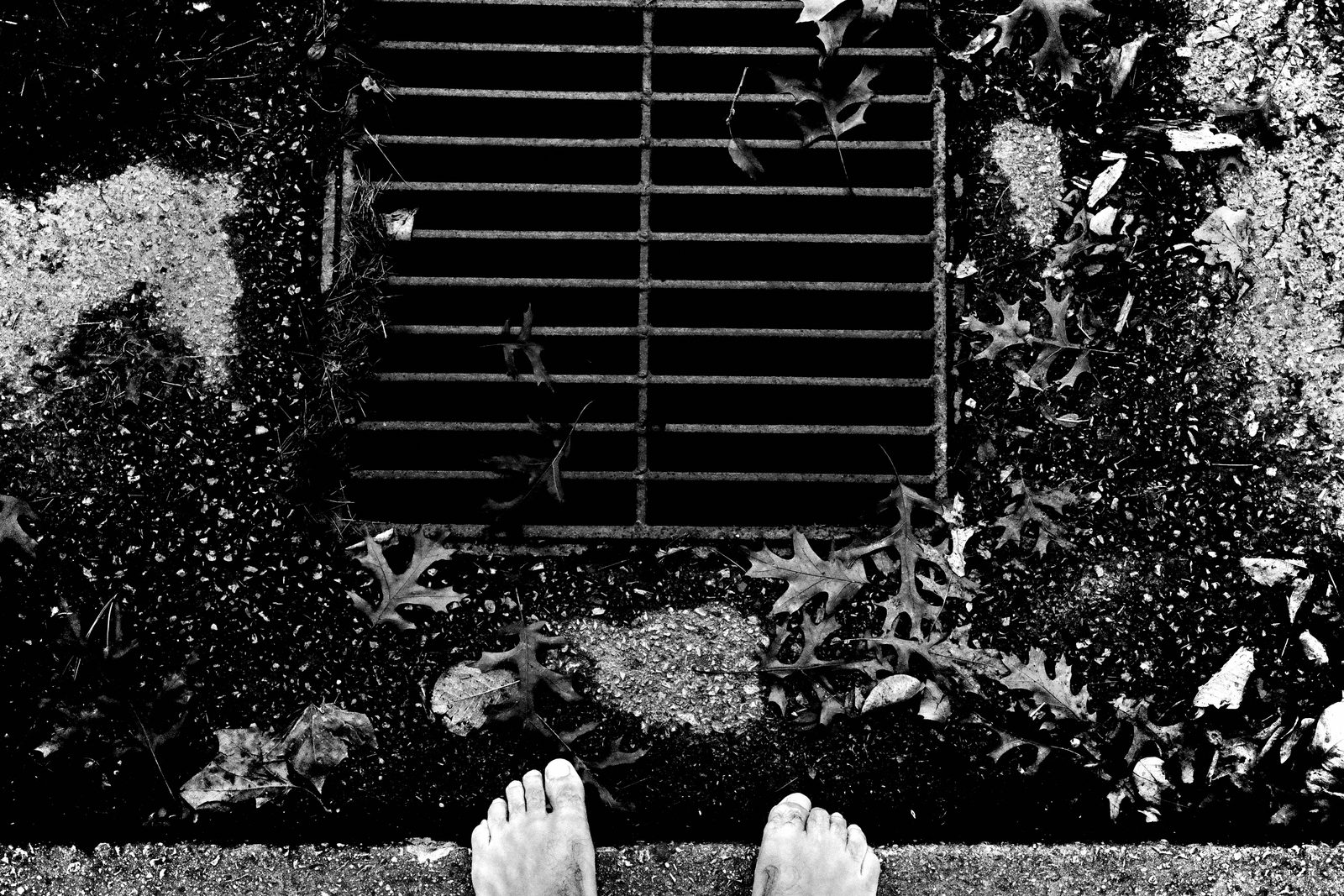
And here's the stakes: you can read every tip, watch every video, study every diagram — and it's all just fluff until you get out and move your damn body. Philosophy is one thing; praxis is another. The photograph doesn't come from logic. It comes from being there, physically, responding to life.
MAIN TEACHING
Com = Together, Position = To Place
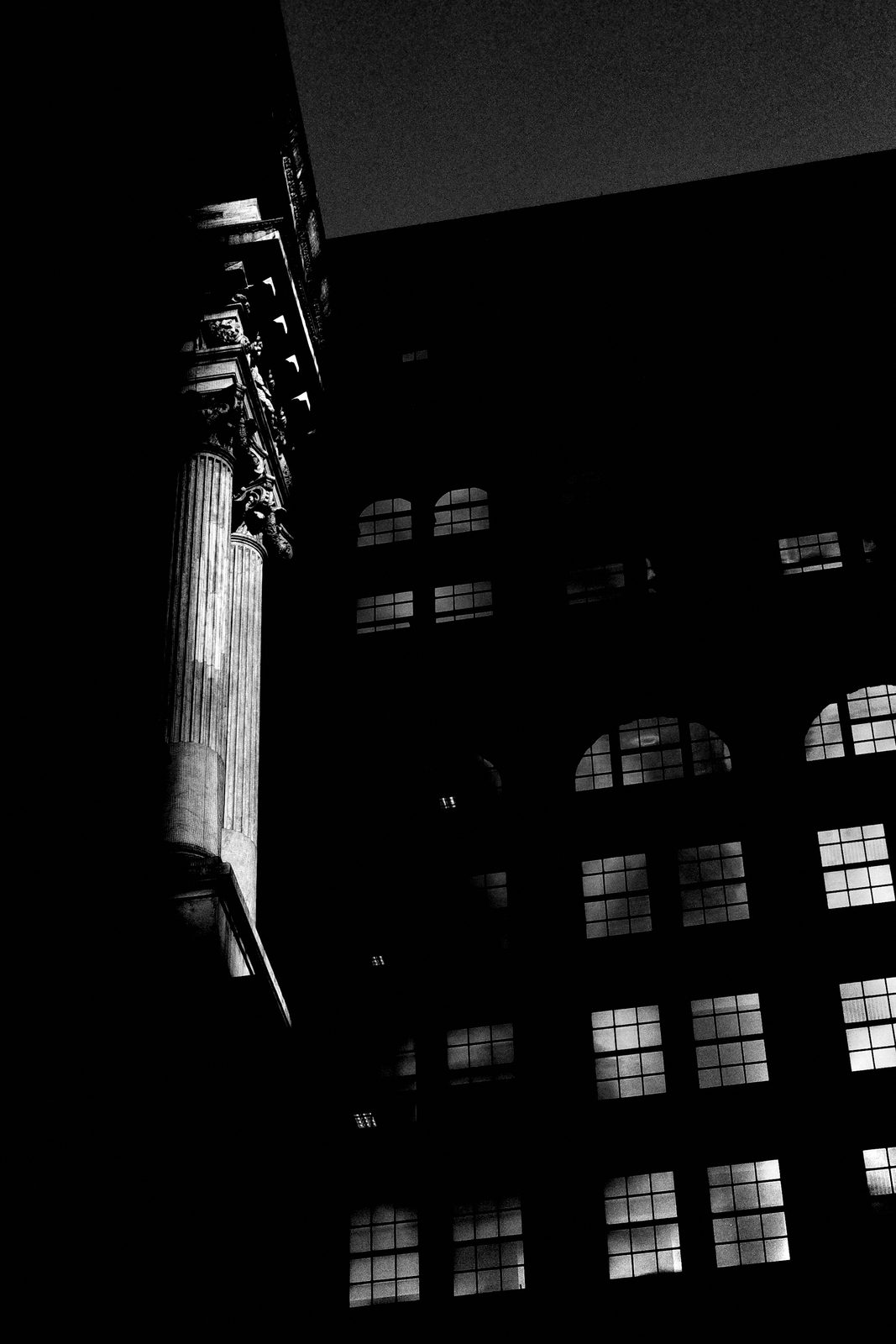
Let's go to the root of the word. Com means together, position means to place — composition is literally placing things together. And on the street, the thing you're placing is you. You're constantly positioning your body in relationship to the subject, the background, the light, the moment. That's the whole game.
You See With Your Body
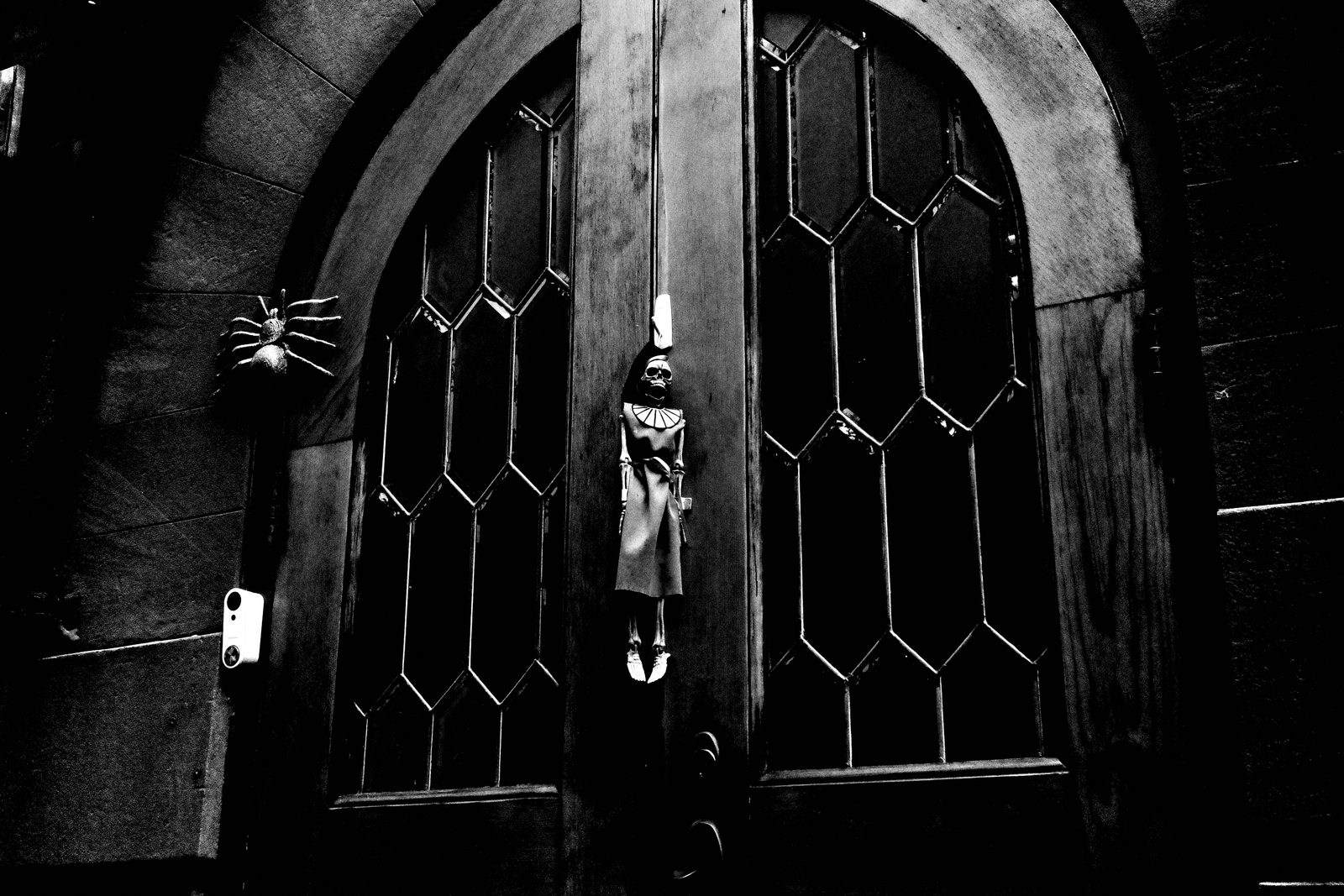
Painters sit back with a brush. You don't. You're working in embodied, physical reality — and you see with your body. Drop low. Step left. Slide right. Raise your arm. Wait for the subject to enter the frame. The whole thing is a dance. You scan with your eye and you respond with your body.
Instinct, Not Intellect
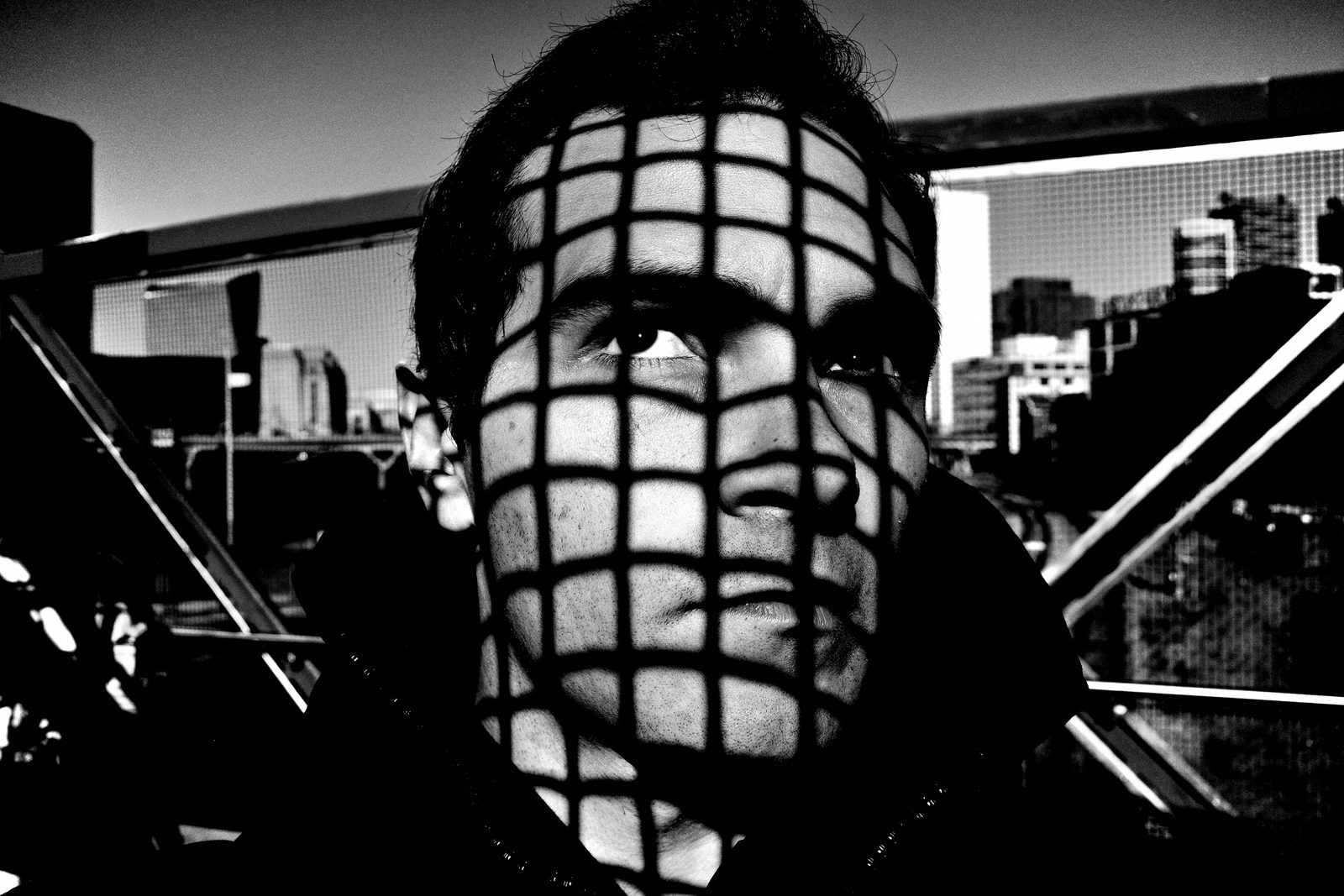
When I'm shooting I'm not in my head going, "hmm, where's my vanishing point?" I'm reacting to the world. The moment you press the shutter derives from your gut. Don't walk around with the camera glued to your eye — use your two eyes, read life directly, and let instinct pull the trigger.
Layering Is the Natural Outcome
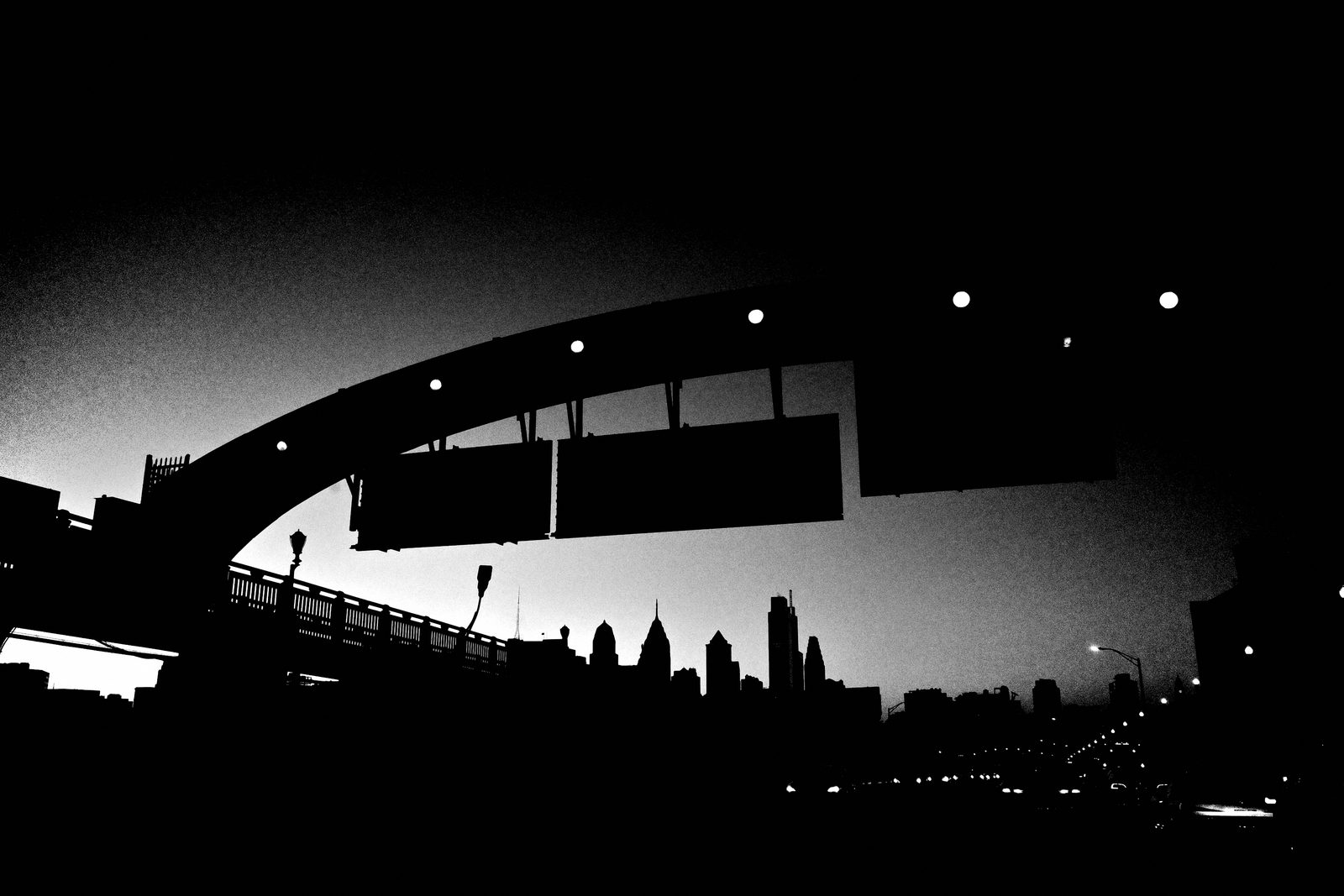
People overcomplicate layering. To me it's just the natural outcome of putting your body in the right spot to see foreground, middle ground, and background. You don't force complexity — you feel the simplicity. Position yourself well and the layers fall into place on their own. That's all layering really is.
Separating the Planes With Your Body
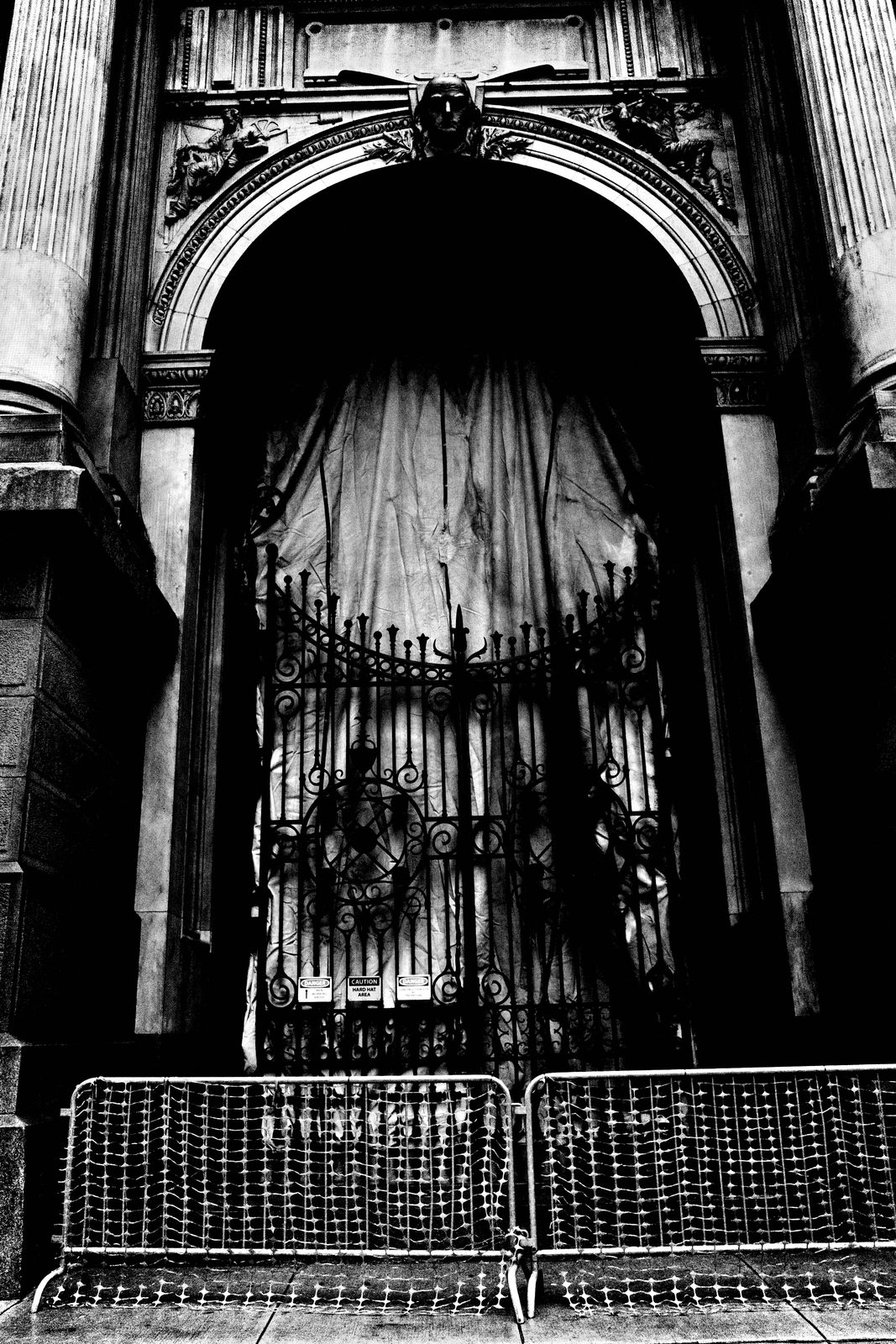
Picture any scene with three planes — someone near, something in the middle distance, a backdrop behind. Shot flat from eye level, it all melts together into one busy wash. But drop low or raise the camera and you separate those layers, outline the shapes against a cleaner background, and make the scene read. That is composition — the same three elements, locked apart by where you put your body.
Every Scene Has a Sweet Spot
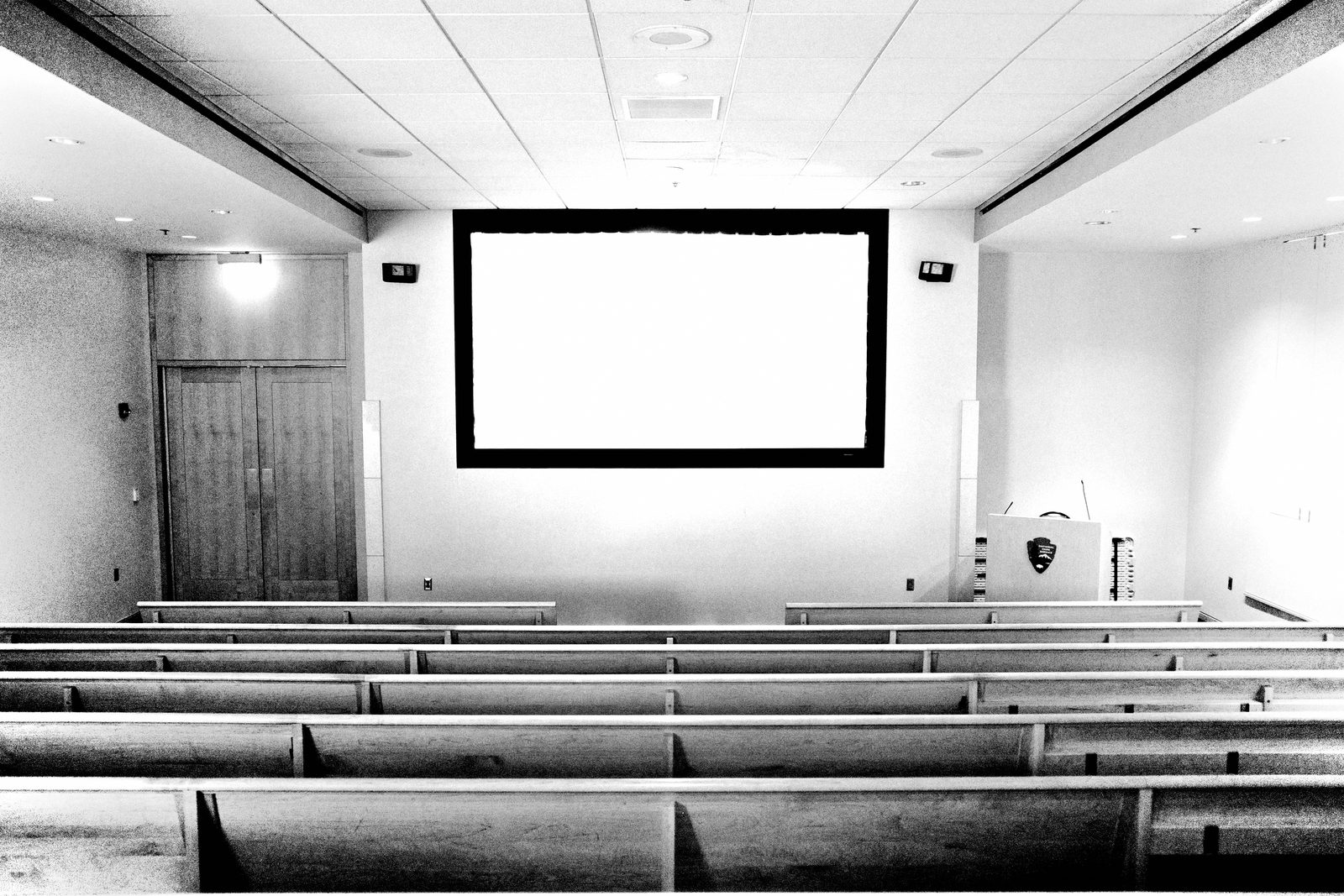
Every scene has a sweet spot. It's not always obvious, but it's there, waiting for you to find it — not through theory, not through overthinking, but through practice. Over a decade of shooting rain or shine, I've built a rhythm where I can drop into any scene and feel that sweet spot, almost without thinking.
A Visual Puzzle You Solve With Your Body
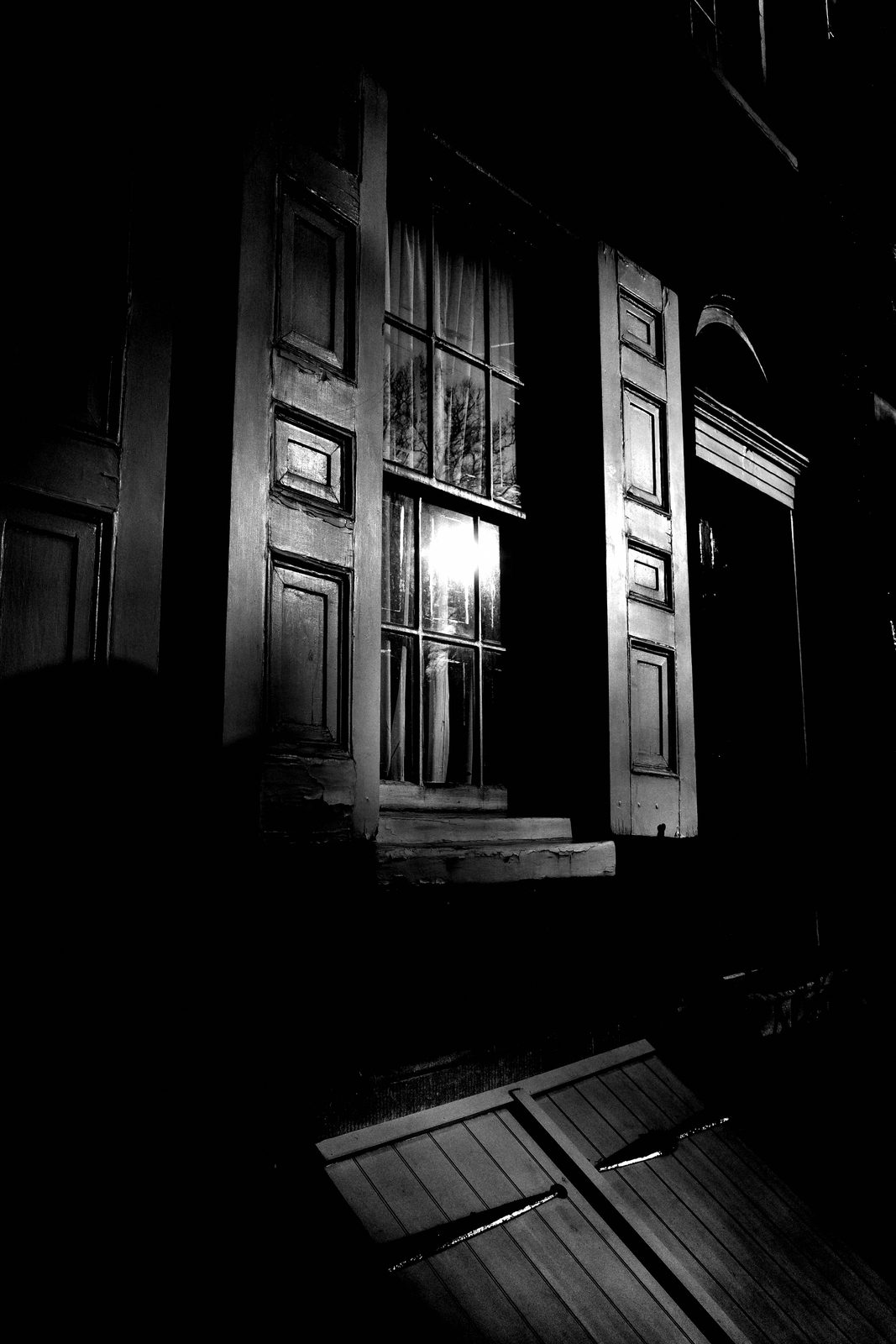
Look at the world like a puzzle. Each piece — foreground, subject, background — is floating around, waiting to be locked into place. And you're the one who locks it in. Not with Photoshop — with your legs, your eyes, your gut, your timing. You solve the visual problem by where you put your body.
Bring the Draw Right Up to the Camera
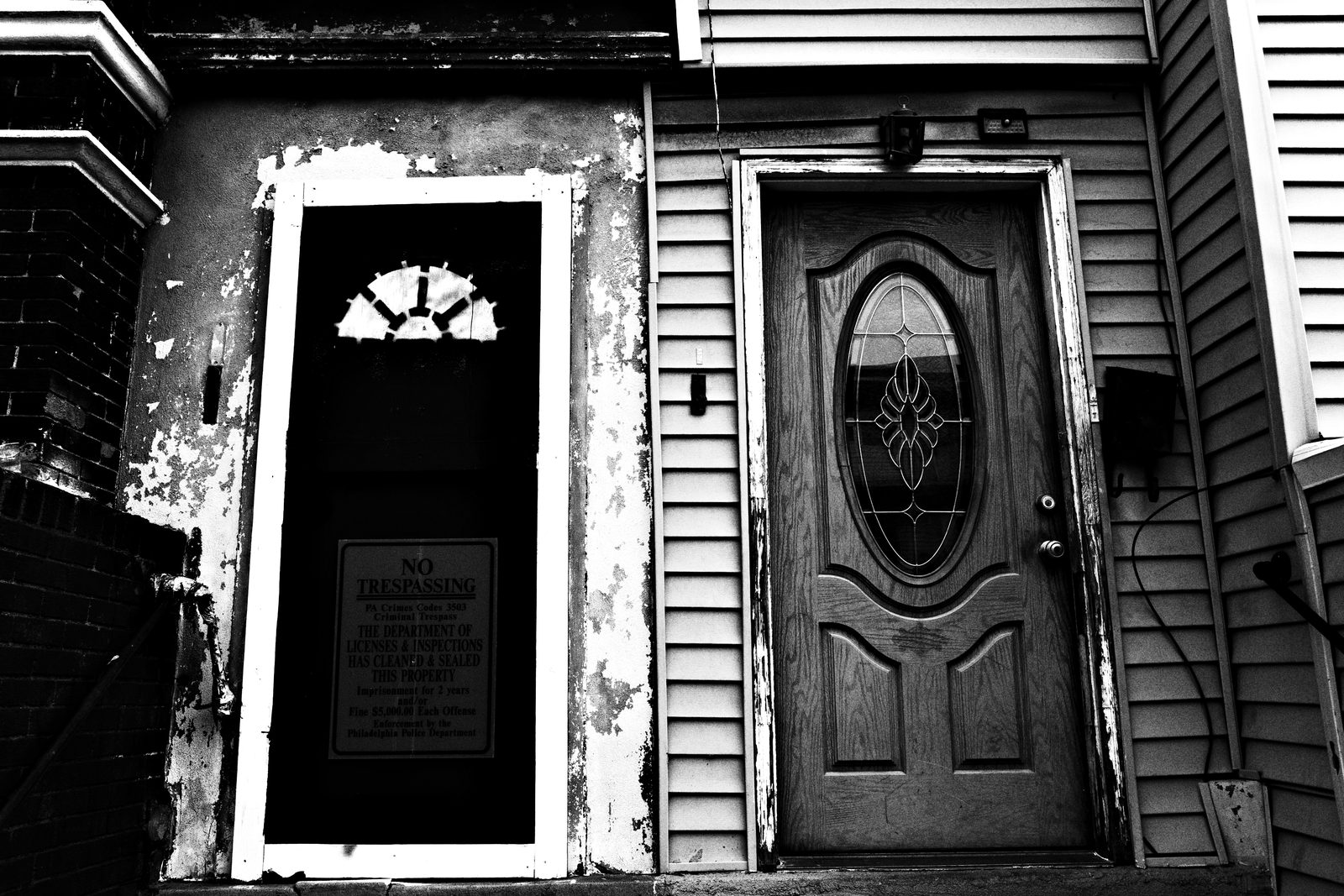
When a gesture pulls you in — a hand raised to a forehead, a glance, a shape — get close and place that element right up against the camera. Find what draws you in and position it as close as you can. With a strong foreground detail up front and the wider world laid out behind it, that closeness builds depth and locks the frame. Proximity is a composition tool, not just a distance.
Get Low to Feel the Energy
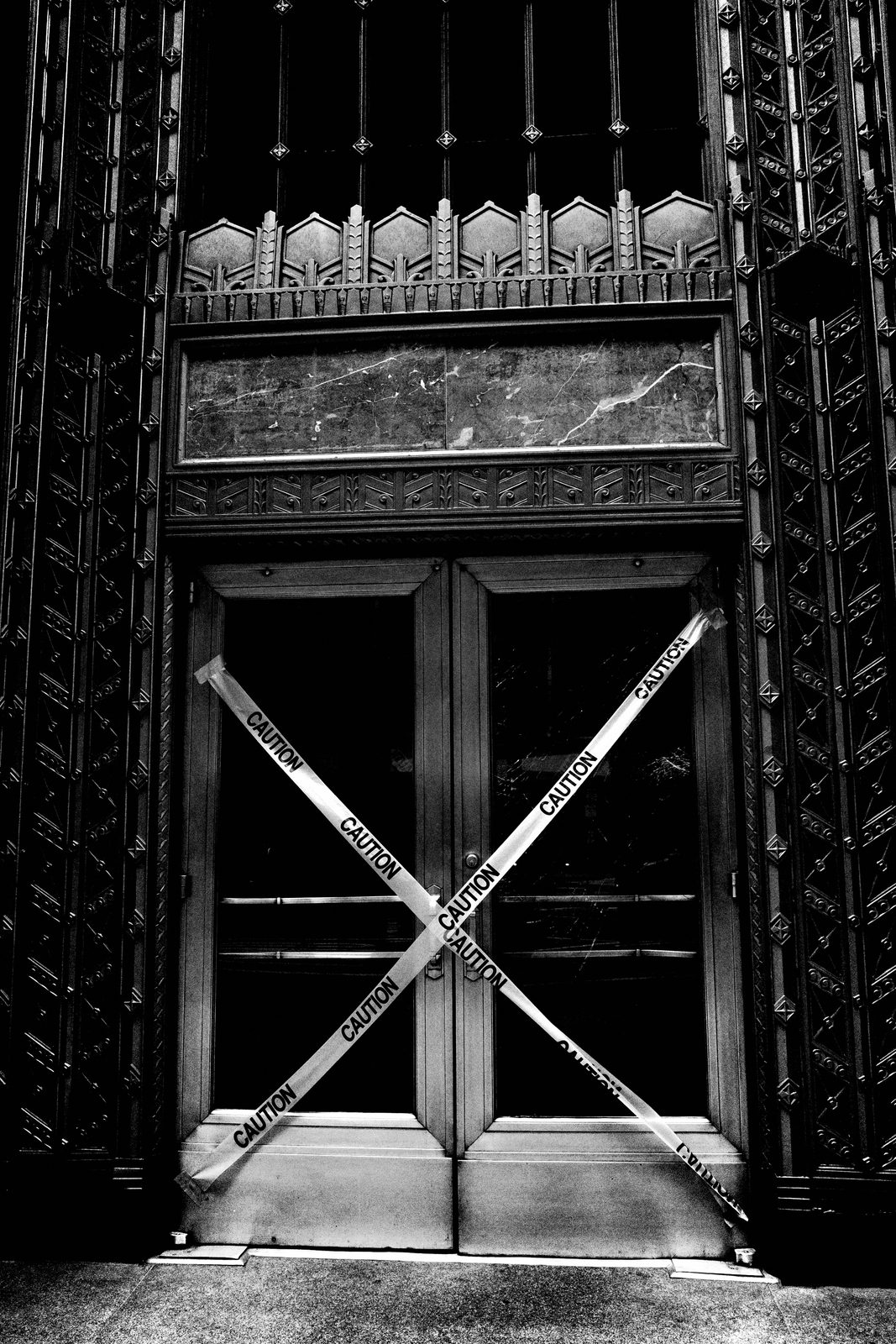
When there's energy in front of you — people moving, playing, alive in good light — get low, down to their level, to feel that energy from the inside instead of looking down on it. A figure moving toward you fills the foreground and pulls the viewer in. Foreground, middle ground, background — positioning your body in relationship to the scene is everything.
Working Back to Front
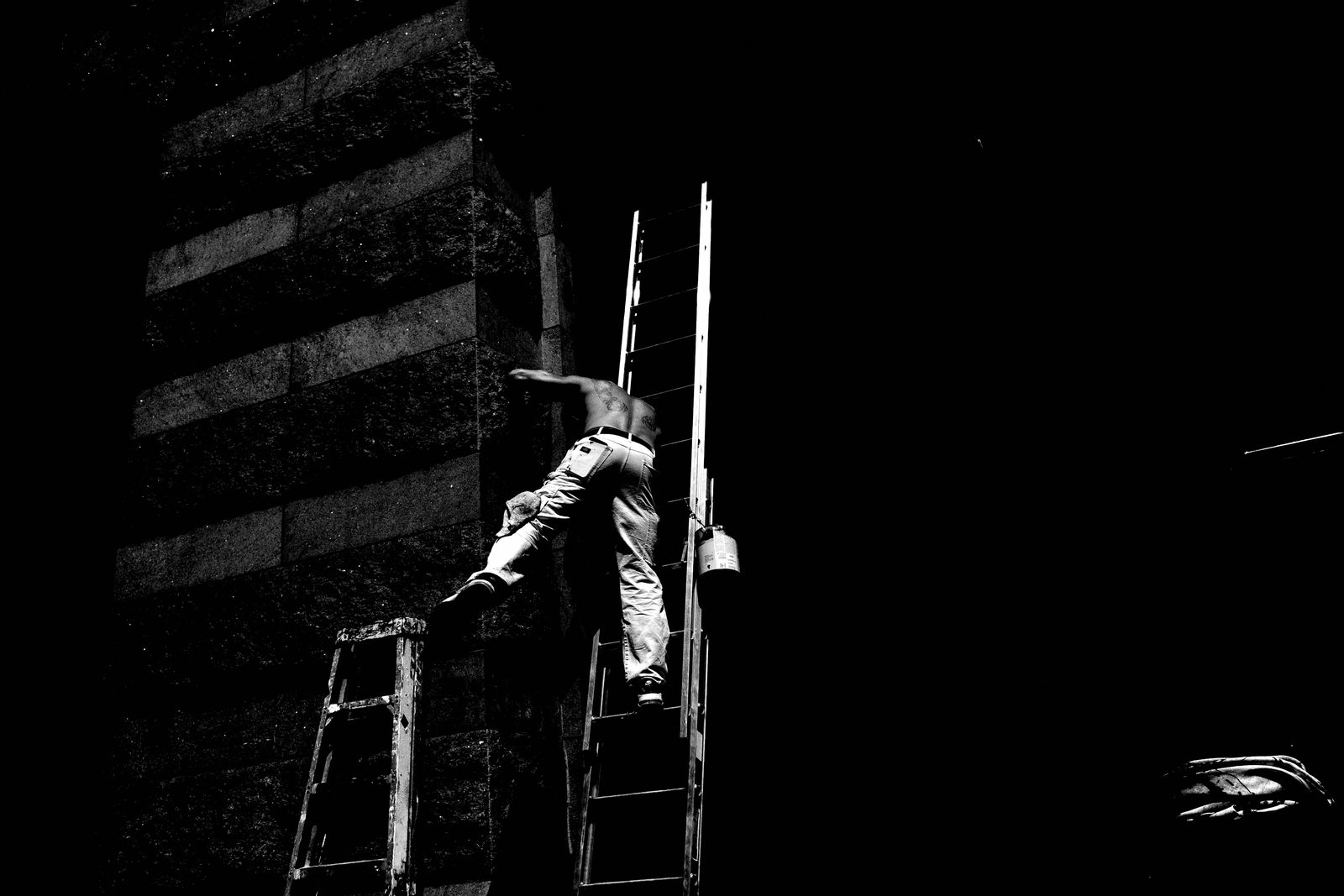
There are two ways to work the puzzle: plug a foreground element in instinctually, or work back to front — set the stage and wait. Often a patch of light and shadow pulls you in, but it's a graphic anchor — a circular sign, a doorway, a strong shape off to one side — that locks the frame. That first decision dictates everything; you commit to it, then wait for someone to walk into the light, and press.
Position and Perspective Decide Everything
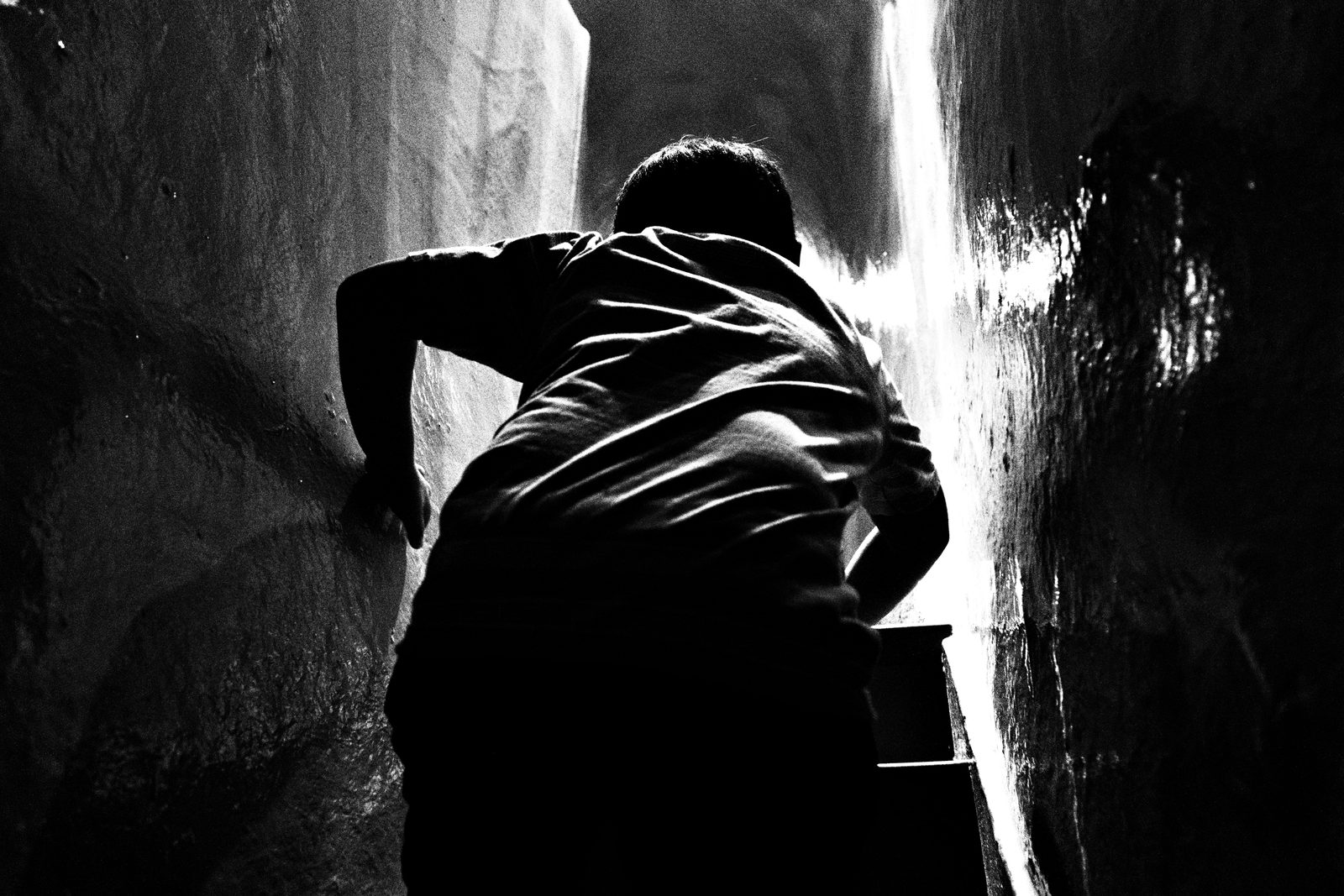
Position and perspective determine the result of the photograph — and you are responsible for both. You decide where your physical body sits in relationship to the moment and the background. Dropping to a low angle can make form and gesture suddenly clear, can lift a subject off a busy background. One small move transforms a flat moment into an elevated frame.
Let Go of the Noise, Keep It Raw
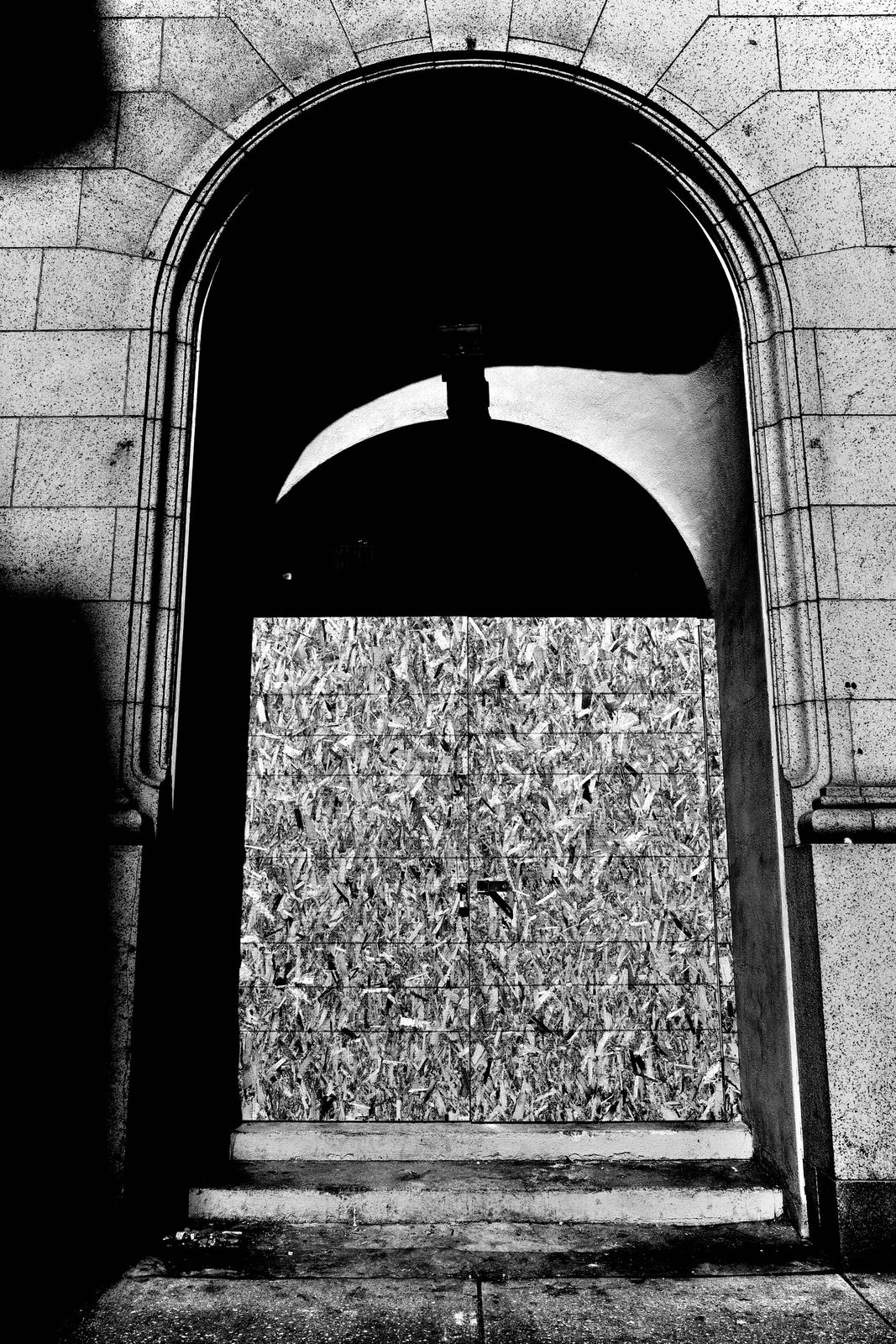
Now let me free you from something. You don't need the rule of thirds, leading lines, Fibonacci spirals — any of that overhyped brain junk food. Use them intuitively if they help, never worship them. The photograph is just a reflection of your body in space and your gut in time. So don't sterilize it — get a little sloppy, let life bleed into the frame. The best compositions aren't clean and dead; they're alive.
PRACTICAL APPLICATION
The Two-Eyes Drill
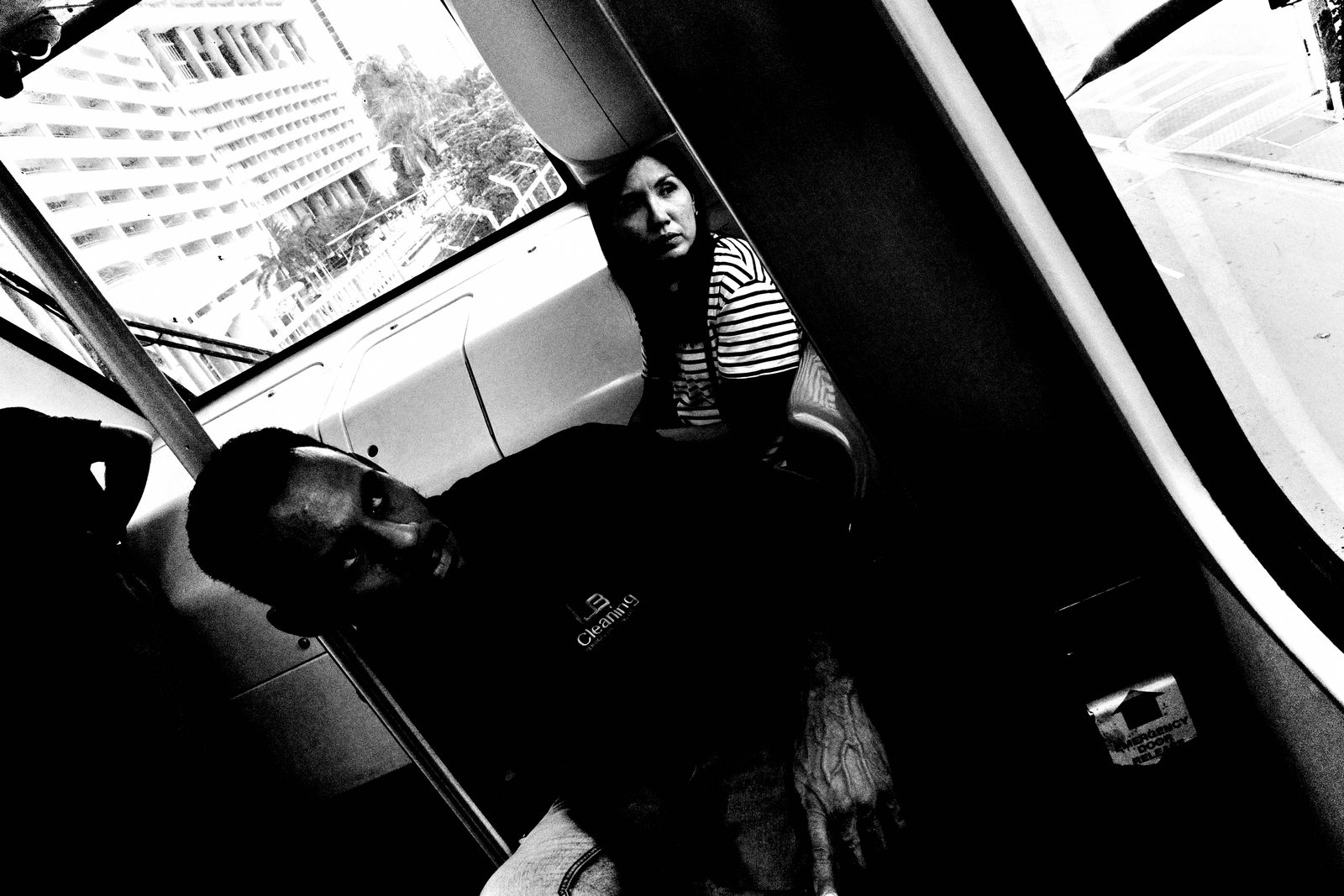
Here's your drill. Tomorrow, walk with the camera down. Read the street with both eyes, not through the viewfinder. When something pulls you, move your feet first — drop, step, raise — find the position, then lift the camera. You'll be shocked how much faster and cleaner your compositions get when your body leads.
Work One Sweet Spot
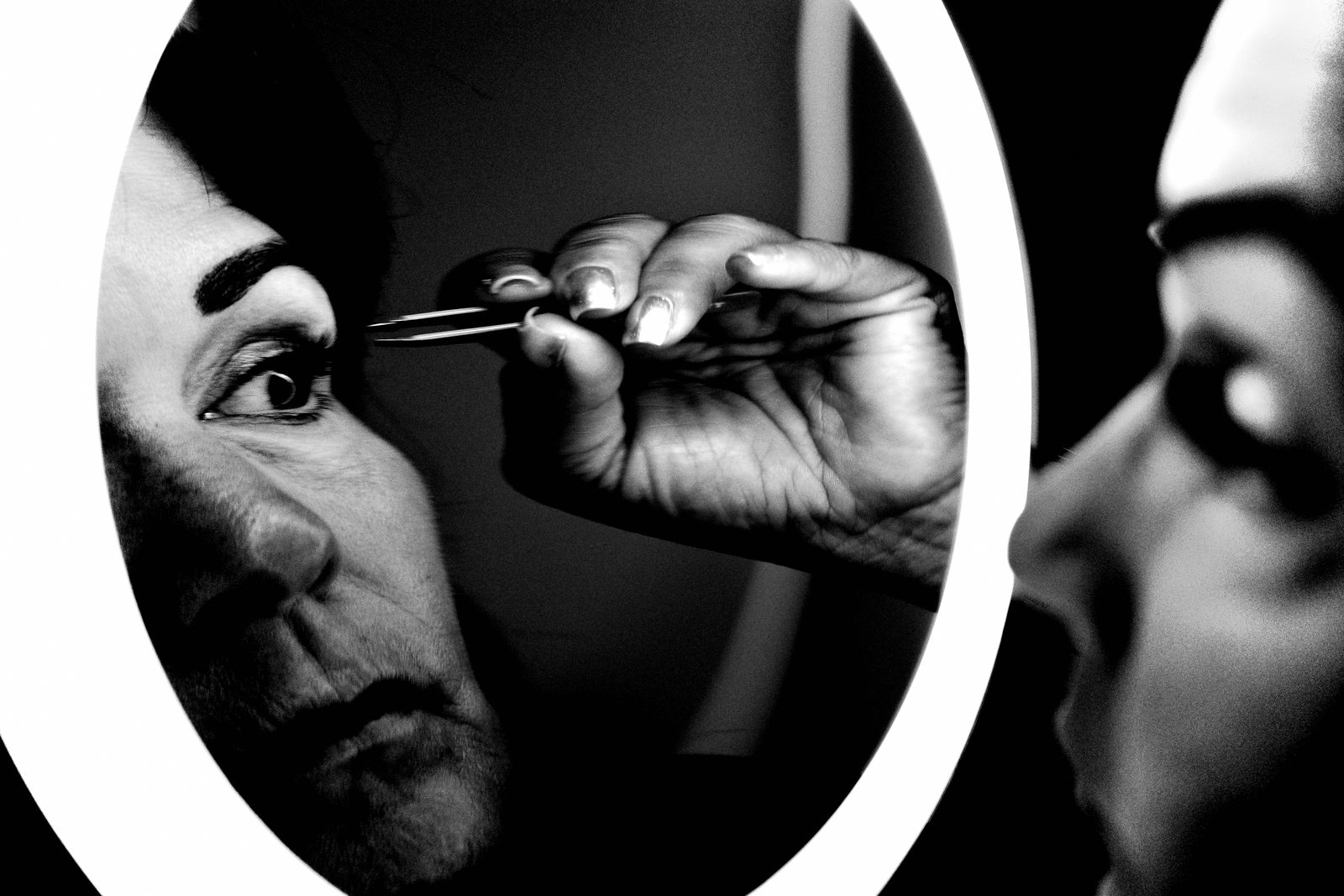
Second drill: pick one scene and work it. Don't fire once and leave. Shoot it from low, from high, from the left, from the right. Then compare your frames and feel where it locked — where the layers separated and it finally read. That comparison is how you train your gut to find the sweet spot on instinct.
COMMON MISTAKES
Shooting From Eye Level
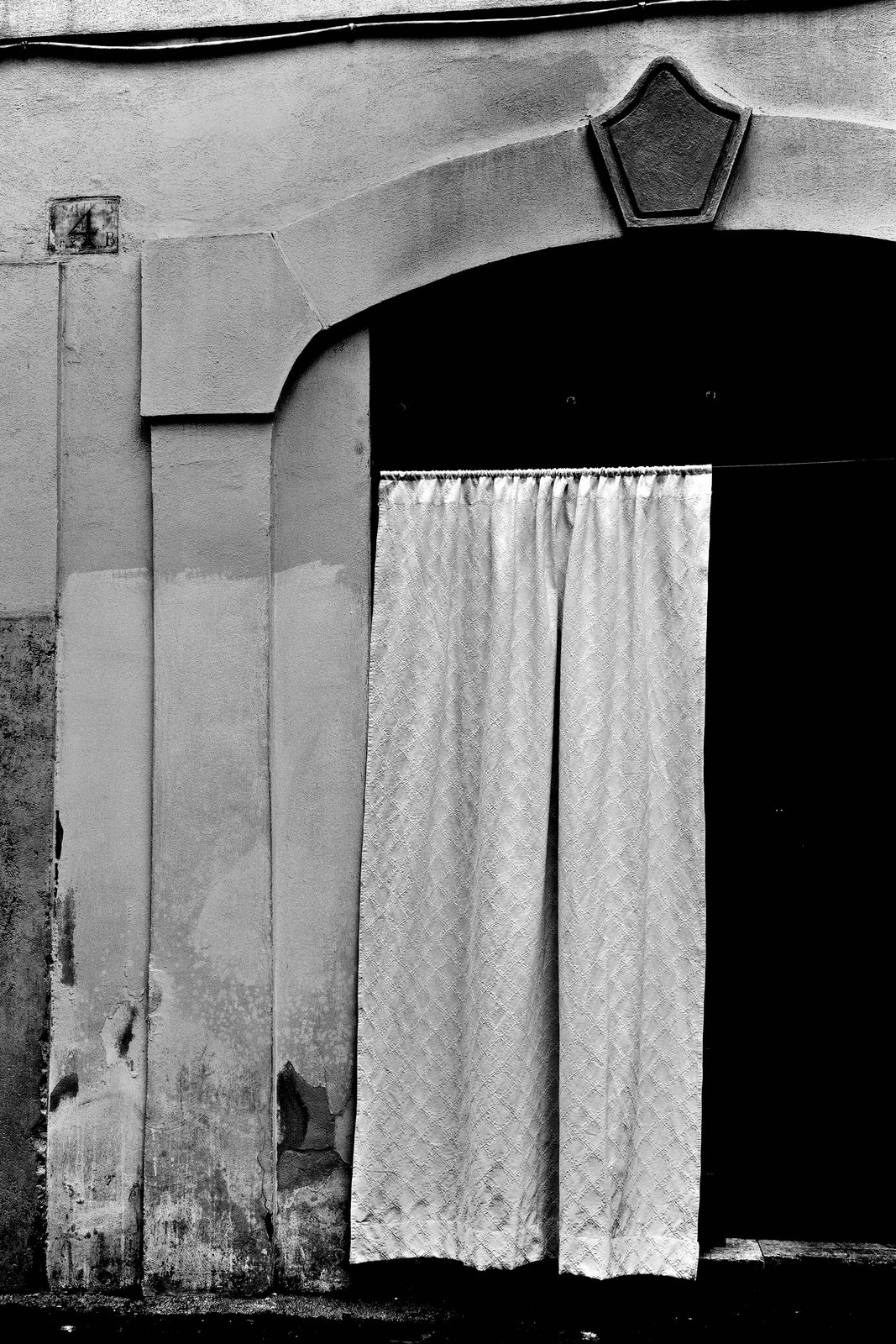
The number-one mistake: shooting everything from eye level. A subject blends right into the background until you drop low and separate them against the sky. Eye level flattens your planes into mush. The fix is never a setting — it's your body. When a frame feels flat, move before you blame the scene.
Composing in Your Head (or in the Crop)
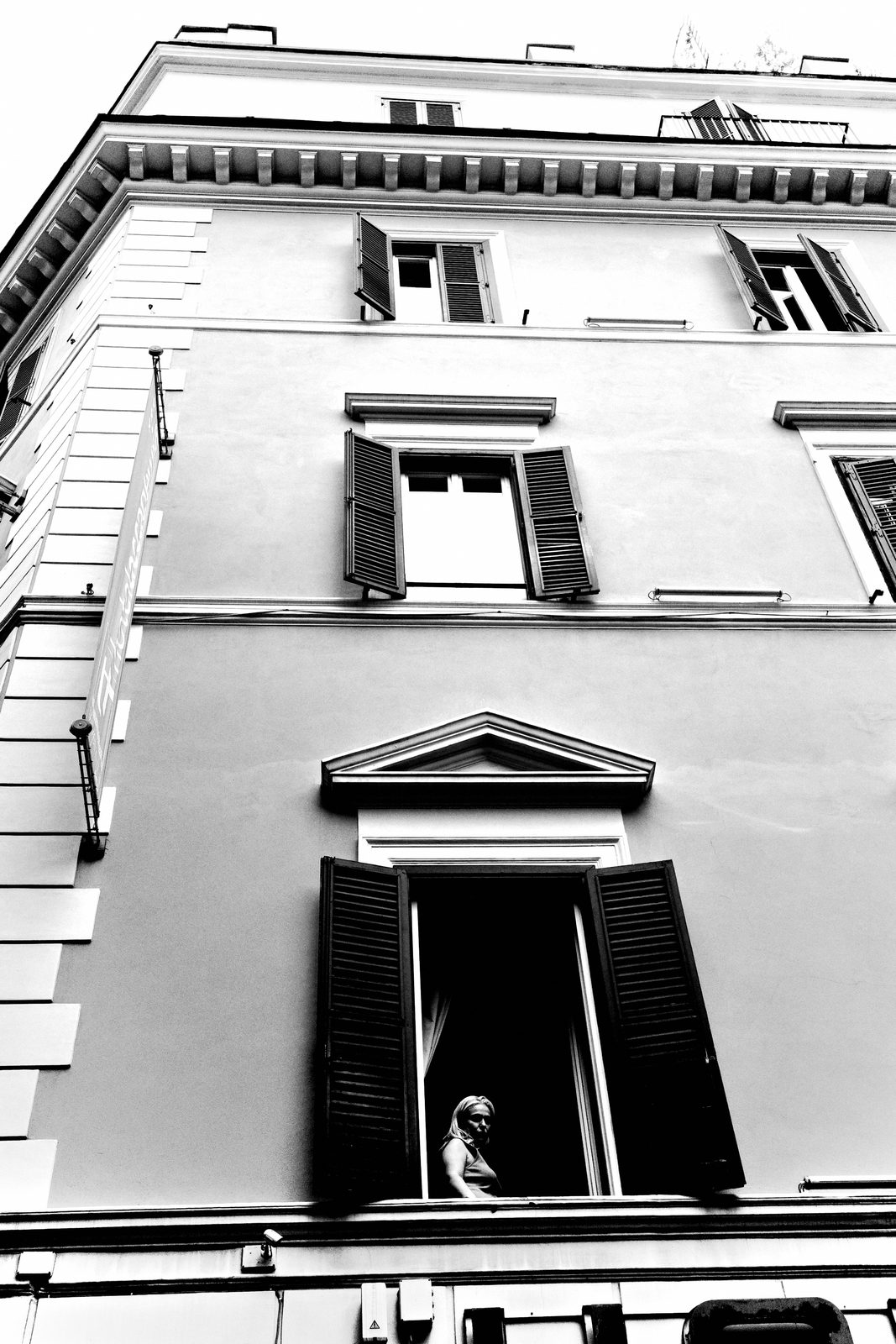
Two more traps. First, freezing up overanalyzing thirds and vanishing points while the moment dies. Second, getting lazy and telling yourself you'll crop it later. Cropping is not composing. Move your feet, fill the frame in-camera, and let the decision come from your gut in the moment — not from your head, and not from the edit.
RELATIONSHIP TO PREVIOUS
From Seeing to Placing

This builds straight on Lesson 016, our first breakdown on seeing. There we trained the eye to spot the moment in the chaos. Now we take the next step: once you see it, you have to place yourself — move your body to lock those pieces together. Seeing finds the picture; the body composes it.
RELATIONSHIP TO UPCOMING
Toward Simplicity
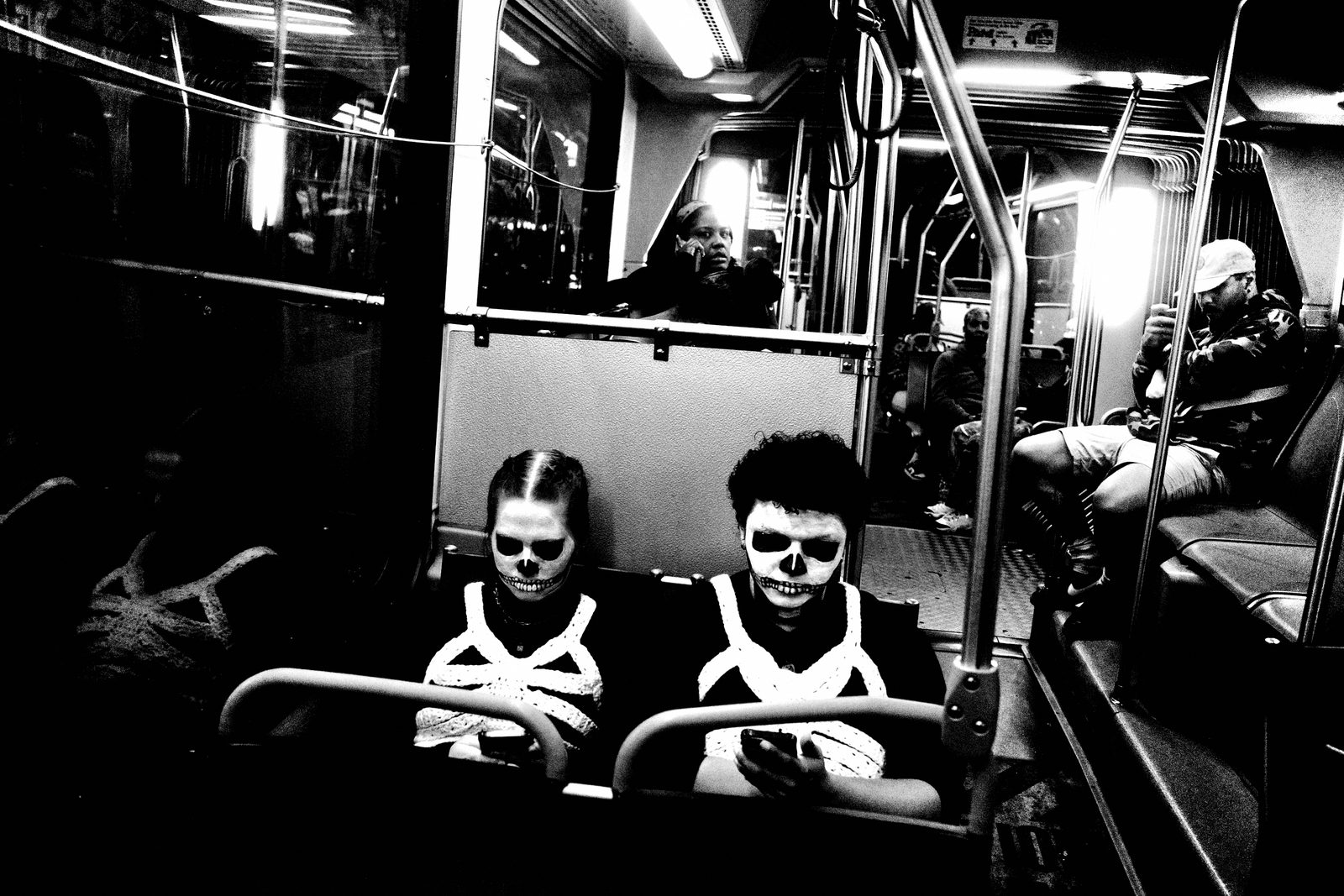
Next up is Lesson 018 — Simplicity, Abstraction & Negative Space. Same physical practice, pointed the other way: instead of stacking layers, we use light, shadow, and position to strip down to one clean subject. We carry the body-led instinct forward, but now we move to subtract. See you there — peace.
SUMMARY / TAKEAWAY
Move. Trust. Click.
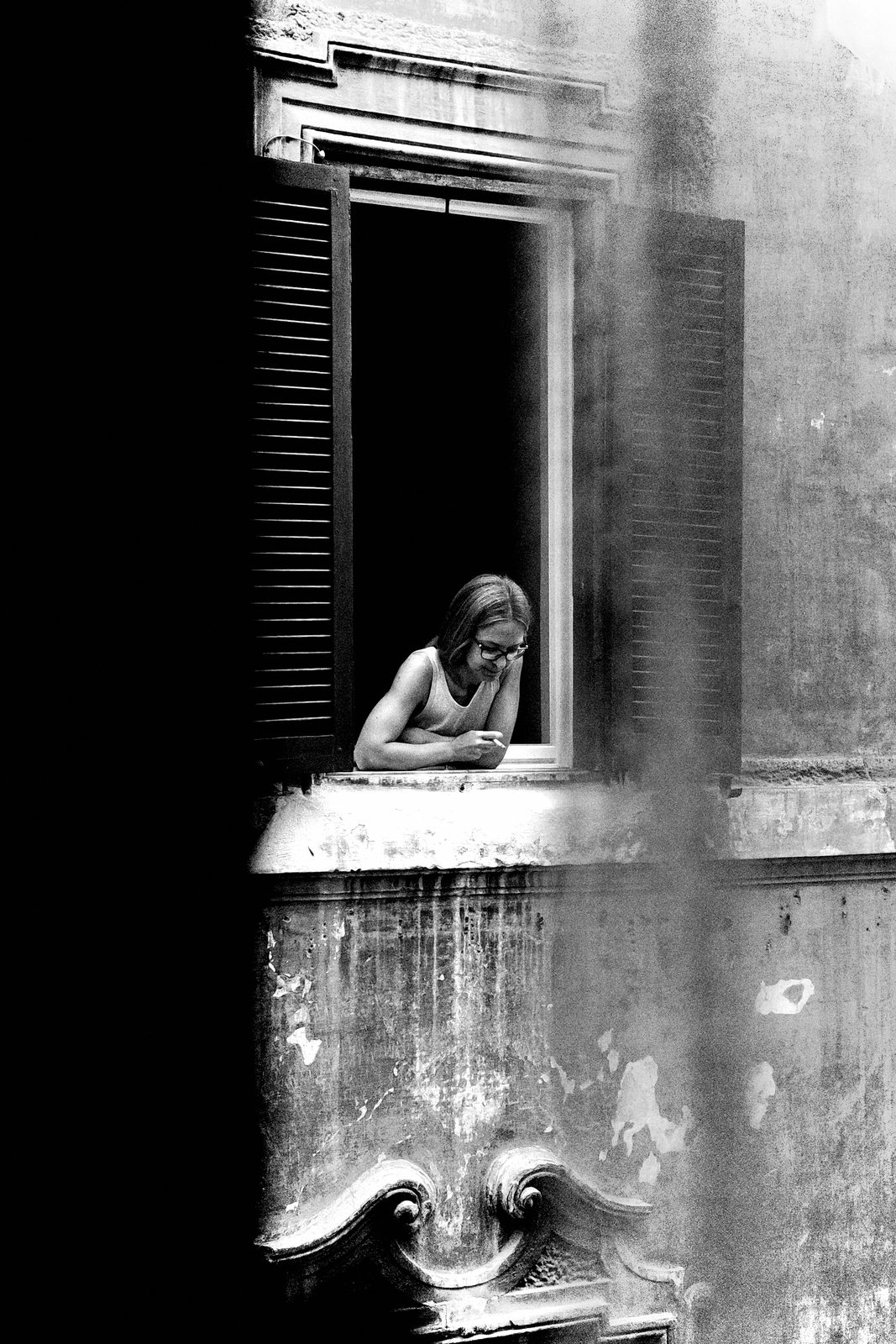
Last thing. Composition isn't a textbook — it's physical. Every scene is a puzzle, and you lock the pieces in with your legs, your eyes, your gut, your timing. So don't overthink it. Move your body. Trust your gut. Photography is simple, composition is physical, and intuition is the trigger. Catch you next lesson — peace.