Breakdown I — Seeing
CORE IDEA
Seeing Is the Whole Game
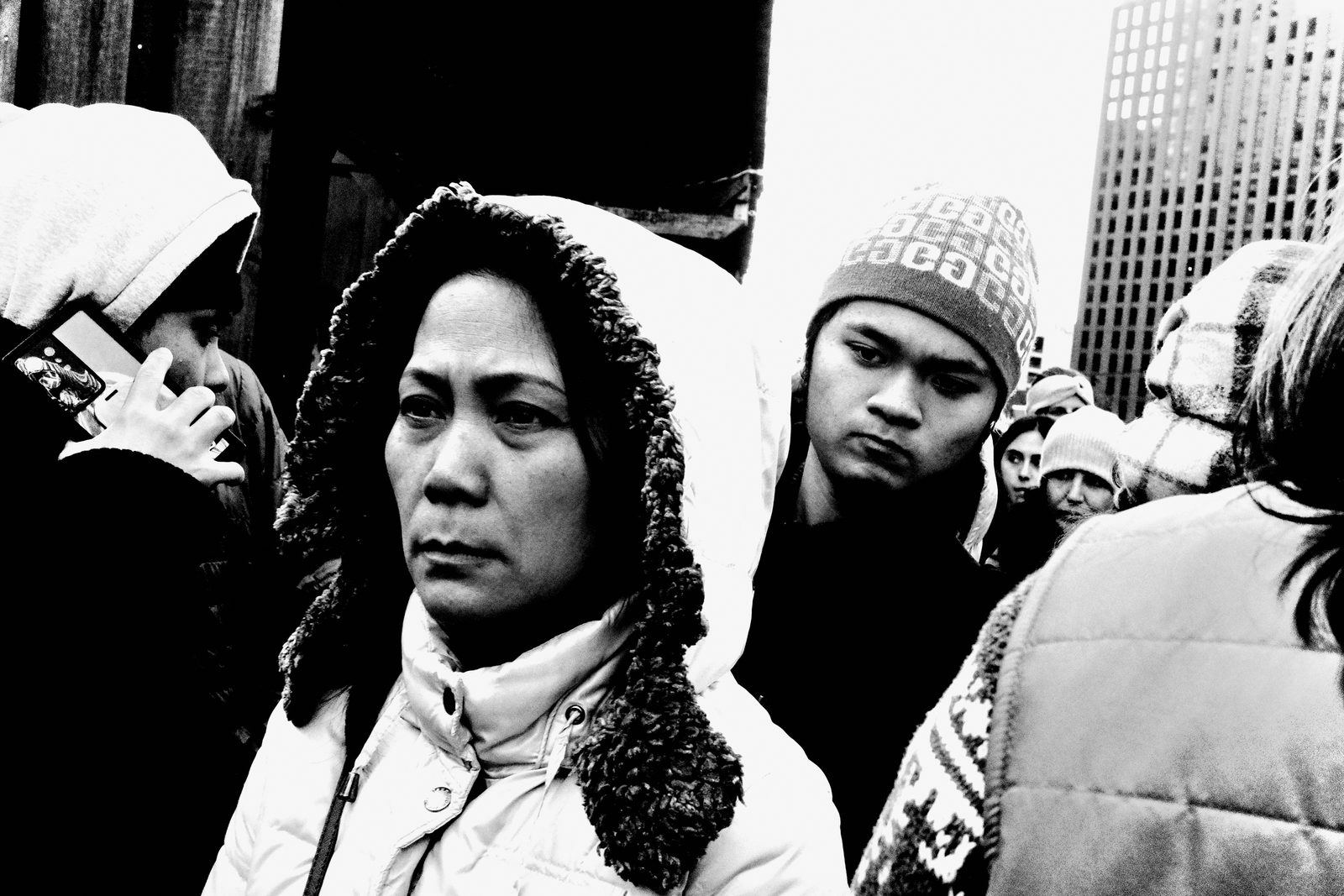
What's popping, people — it's Dante. Welcome to your first seeing lesson of this kind. Up to now we've talked about seeing in theory — the mundane, the snapshot, juxtaposition, being a tourist at home. Today we slow the whole act down and take it apart. What catches your eye, the decision you make next, and why a frame ends up working. Seeing is a skill, and you train it by studying how it happens — not by hoping it happens.
LEARNING OBJECTIVE
Read a Scene Like a Photographer
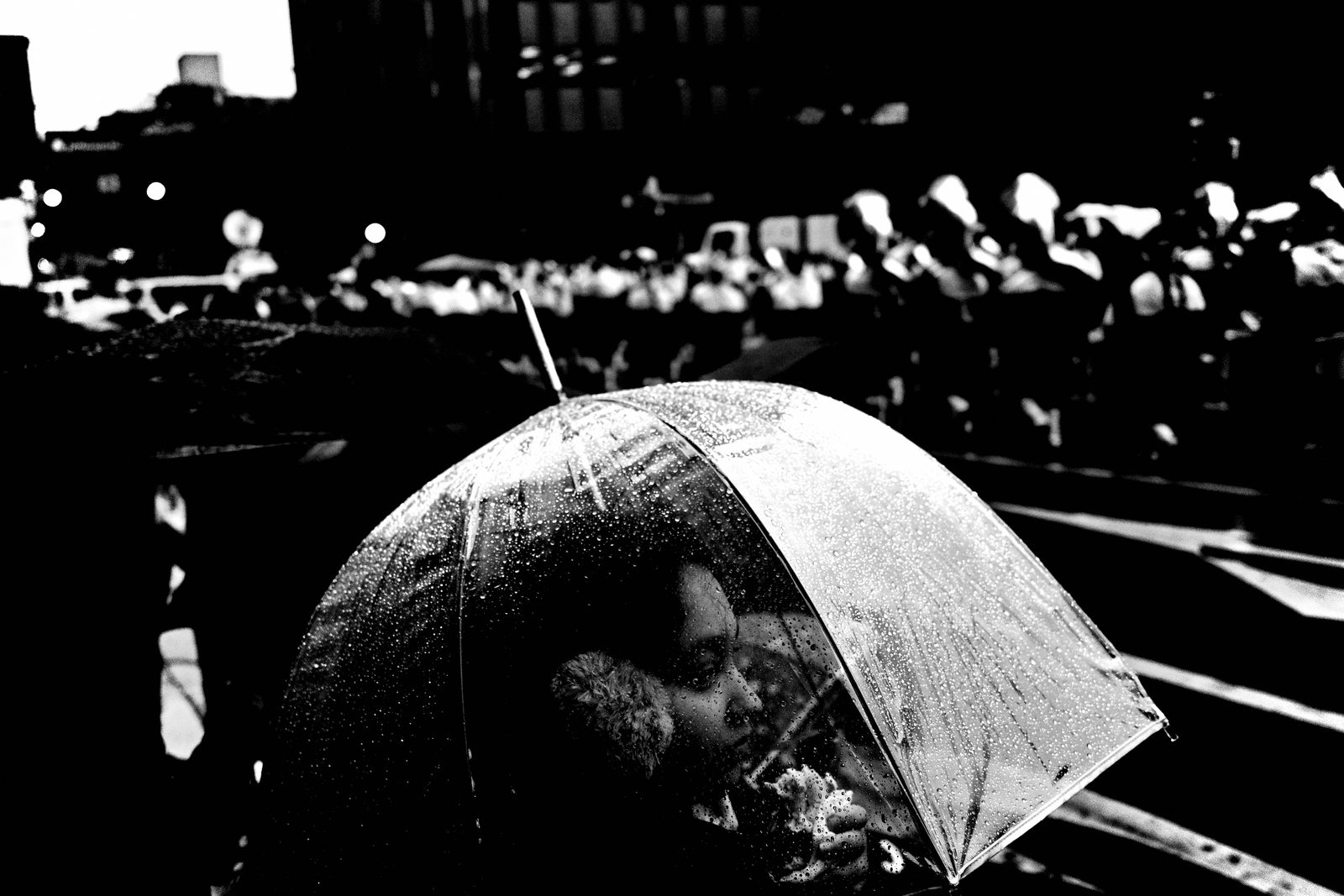
By the end of this lesson you'll be able to look at a street scene and read it the way a photographer does — to spot the photograph hiding inside an ordinary moment, to feel a juxtaposition starting to form, and to understand a scene well enough to know where to stand and what to wait for. We're going to install a way of looking that works anywhere, on anything.
WHY THIS MATTERS
The Photo Exists Before the Click
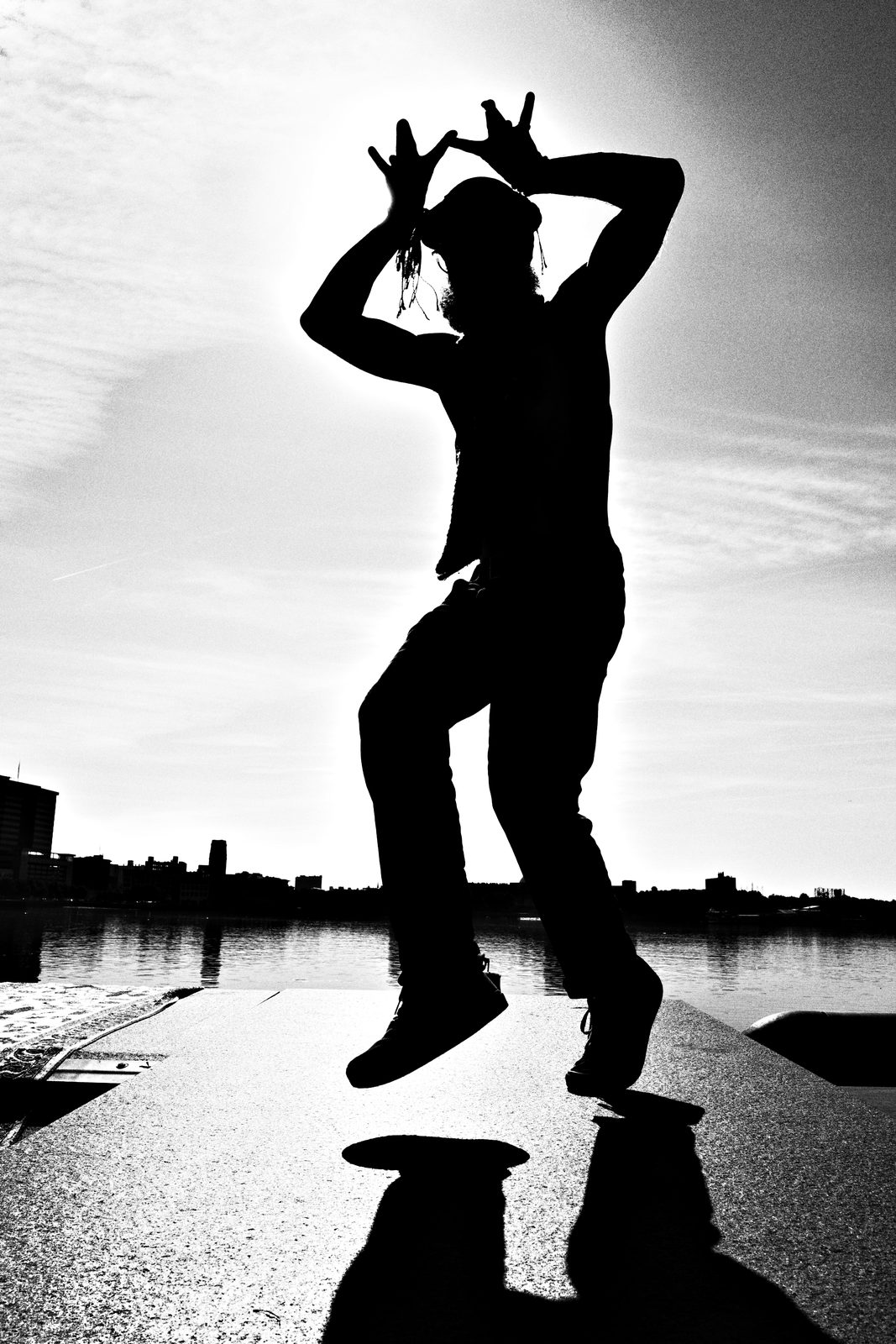
Here's why this matters. The photograph is mostly made before you ever press the button. By the time you click, the real work — noticing, positioning, waiting — is already done. Most people walk straight past incredible frames because nobody ever taught them to see. When you learn to watch your own seeing in slow motion, you stop walking past your own pictures.
MAIN TEACHING
Three Muscles of Seeing
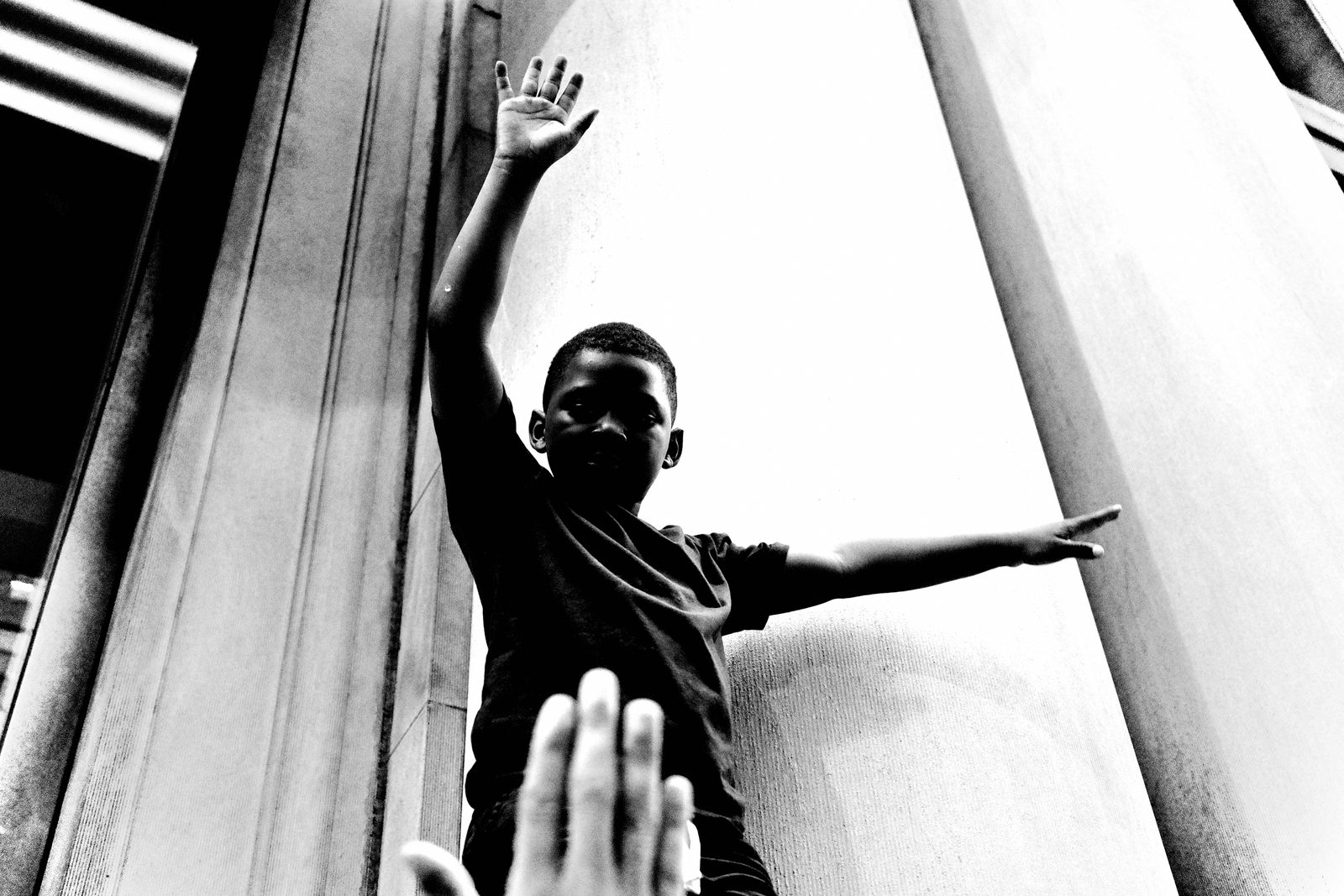
Seeing isn't one skill — it's three muscles working together, and we're going to isolate each one. The first is spotting the shot: catching a photograph inside a plain, unremarkable moment. The second is recognizing a juxtaposition forming: feeling two elements about to lock into a relationship. The third is reading a whole scene: understanding a place well enough to set your stage and wait. Same skill, three angles. Let's get into it.
Follow the Light, Not the Event
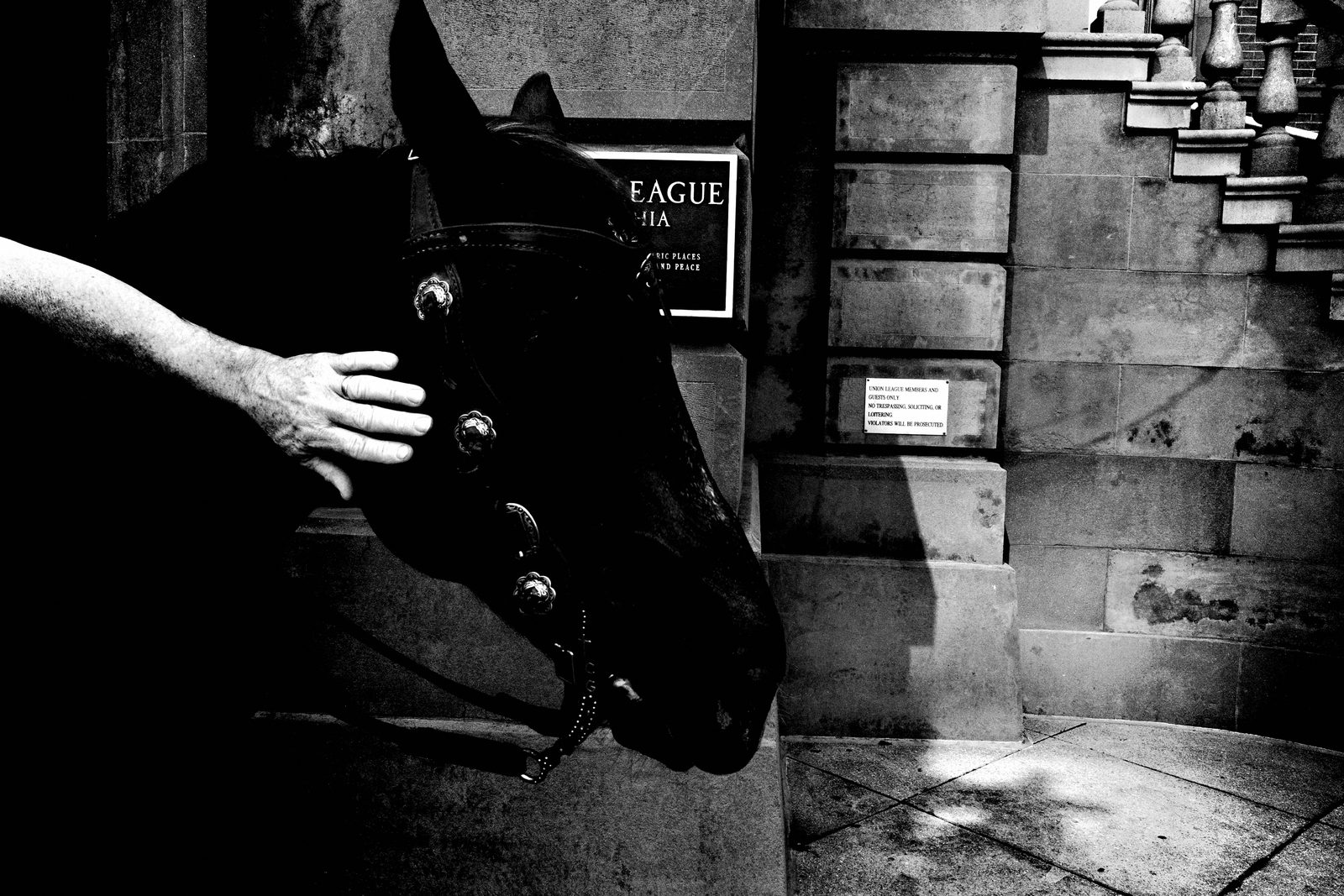
Start with the first move of seeing: something catches you. And more often than not, the thing that catches you isn't the obvious event — it's the light. A pool of golden-hour light on a wall, long looming shadows, a dramatic glow. You don't walk out hunting for a specific subject. You let a quality of light, a color, a gesture stop you in your tracks. The light is the invitation. What's happening inside it is secondary — for now.
Let the Background Become Your Stage
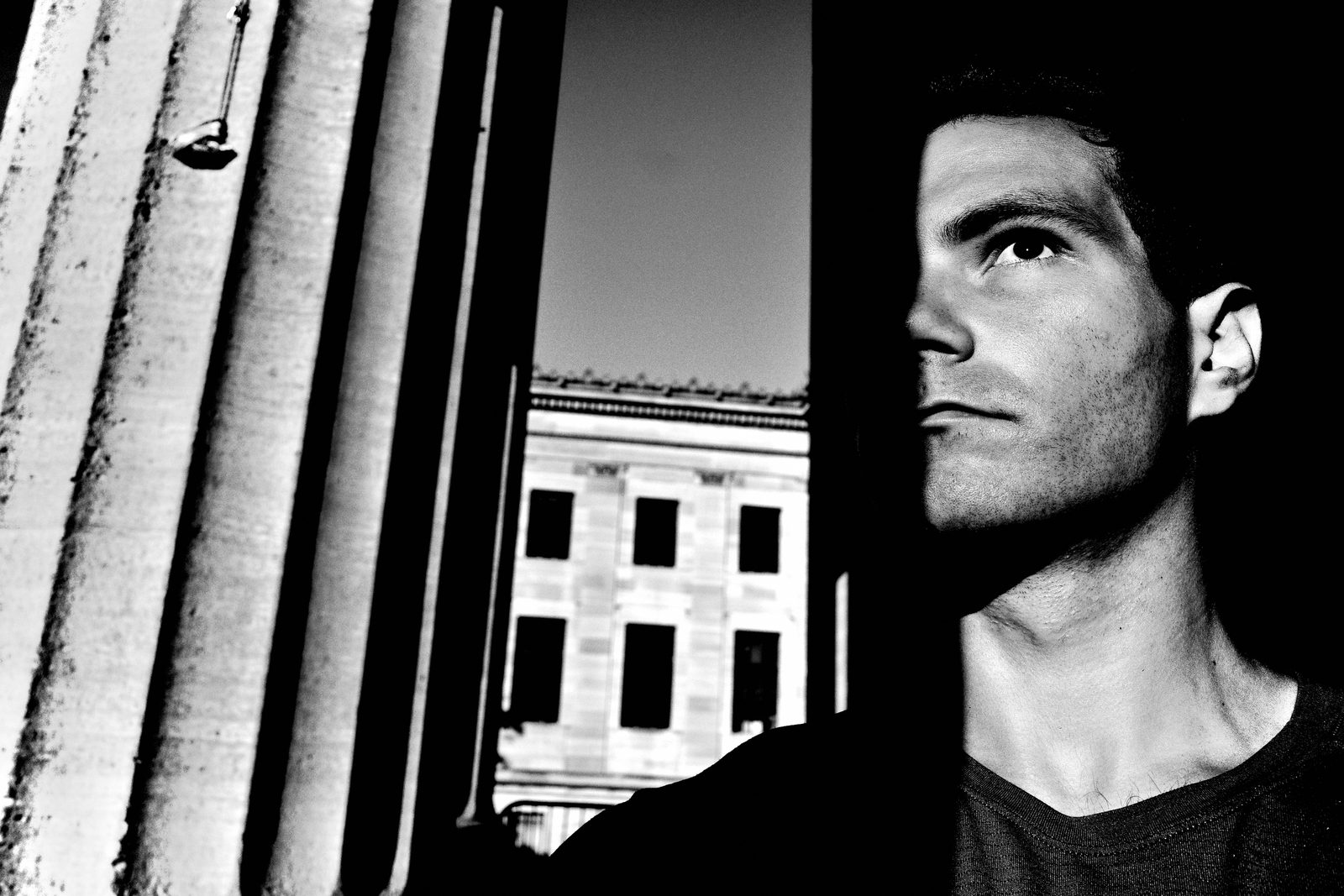
Once something pulls you in, the second thing to notice is your background. A wall, a mural, a doorway, a texture — something you can relate your subject to. This is where seeing matures into a plan. You're no longer just reacting; you're deciding to build a relationship between the moment and the setting behind it. It's all about synthesizing content with form — the moment with the composition. The light pulls you in; the backdrop tells you where to point.
Position, Simplify, Wait for the Gesture
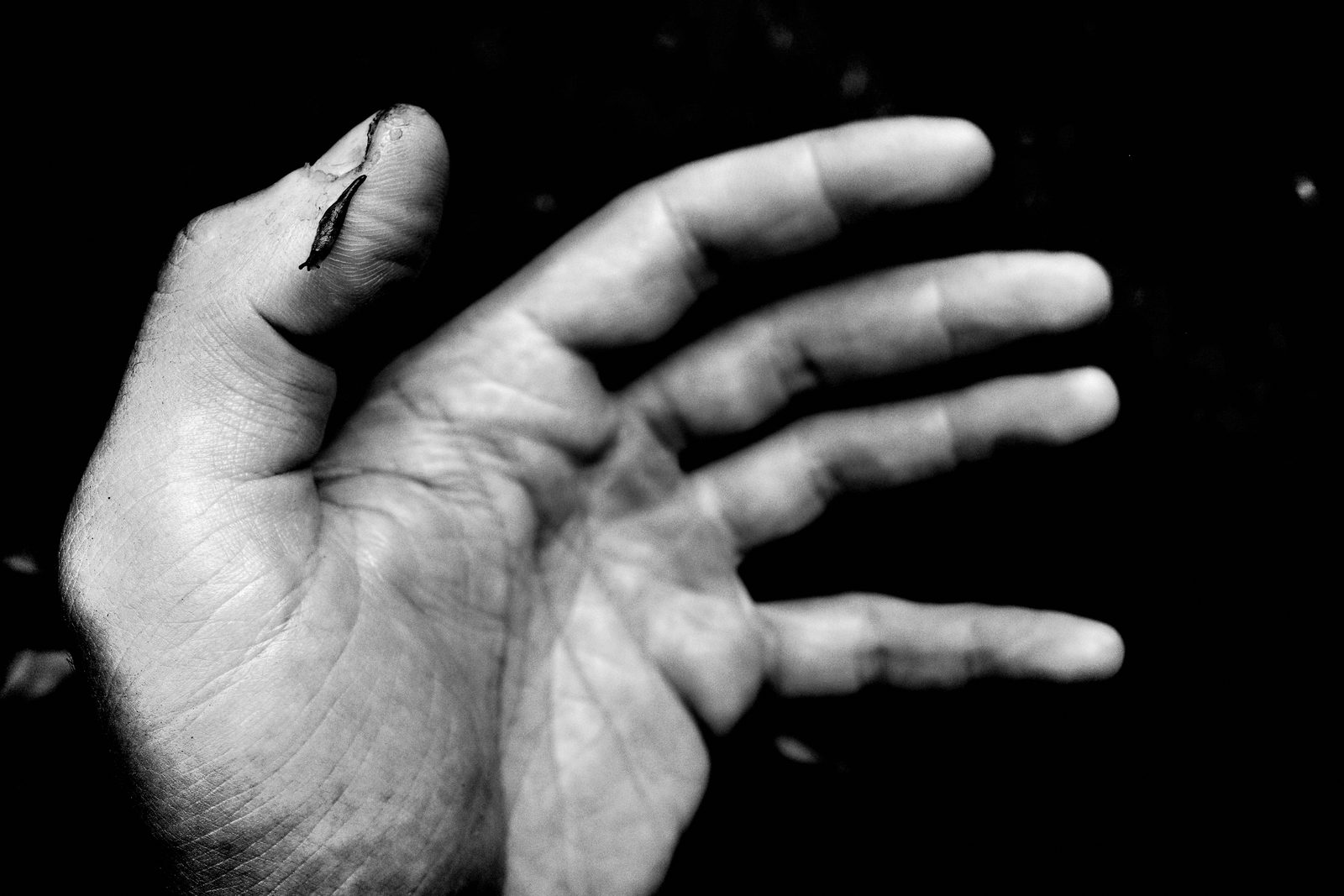
Now you work it. Use light and shadow to separate your subjects from the clutter, keep the frame clean, simplify the chaos into something the eye can read. Then you wait for the gesture — the outstretched arm, the half-lit face, the thing suspended midair — and you freeze it. The photographer is simply responsible for where they position their physical body in relationship to the moment, the content, and the background. You notice light, you approach, you move, you work the scene. That's the whole loop.
Sometimes Seeing Is Just Staying
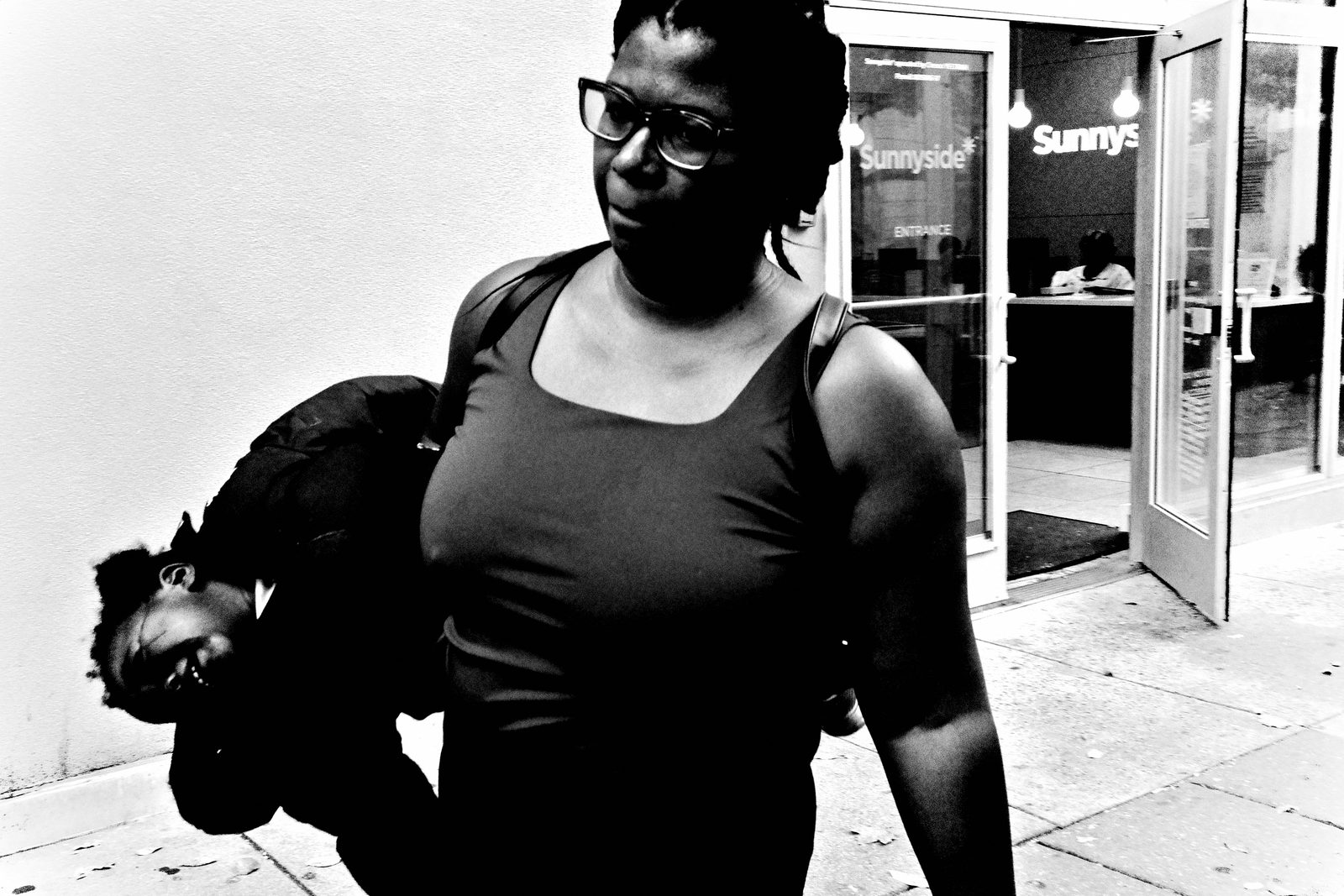
Here's a different flavor of seeing — the patient kind. Sometimes you arrive at a rich place and there's nothing to photograph yet. That's not a failure; that's the beginning. Seeing isn't always a lightning strike. Sometimes it's staying an hour, two hours — chatting, soaking in the life of a place, letting it forget you're there — until the scene finally ripens and the moment you didn't know you were waiting for arrives.
Find Your Anchor
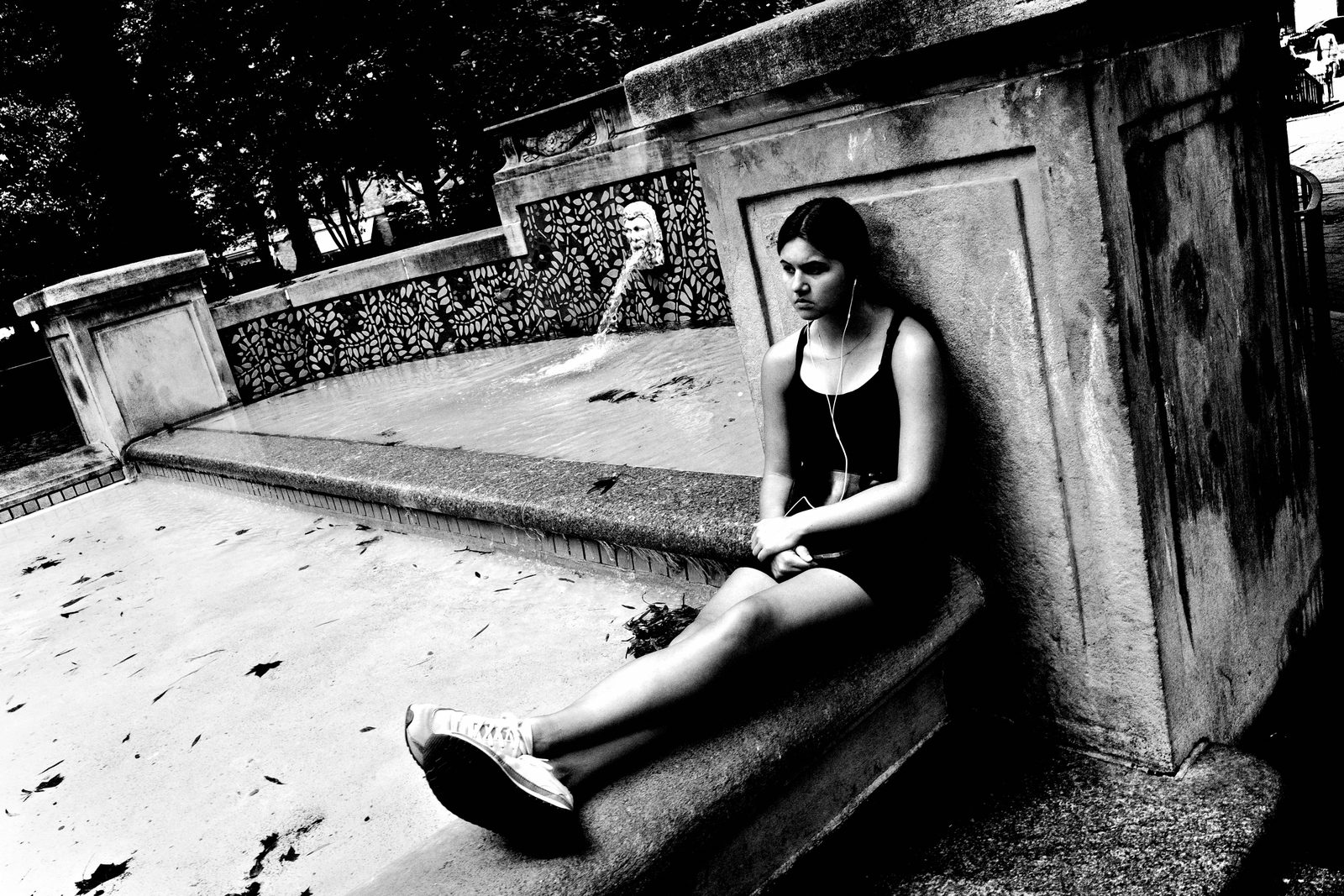
Now watch how you handle abundance. When there's life everywhere in front of you, the mistake is to try to hold all of it. Instead, position yourself in relationship to one thing — a distant figure, a single strong element that becomes your anchor point. This is recognizing a juxtaposition forming: feeling how a far-off, seemingly unrelated element will lock into the foreground moment and give the whole thing meaning. The energy is the event; the anchor is what turns it into a frame.
Why the Anchor Holds It Up
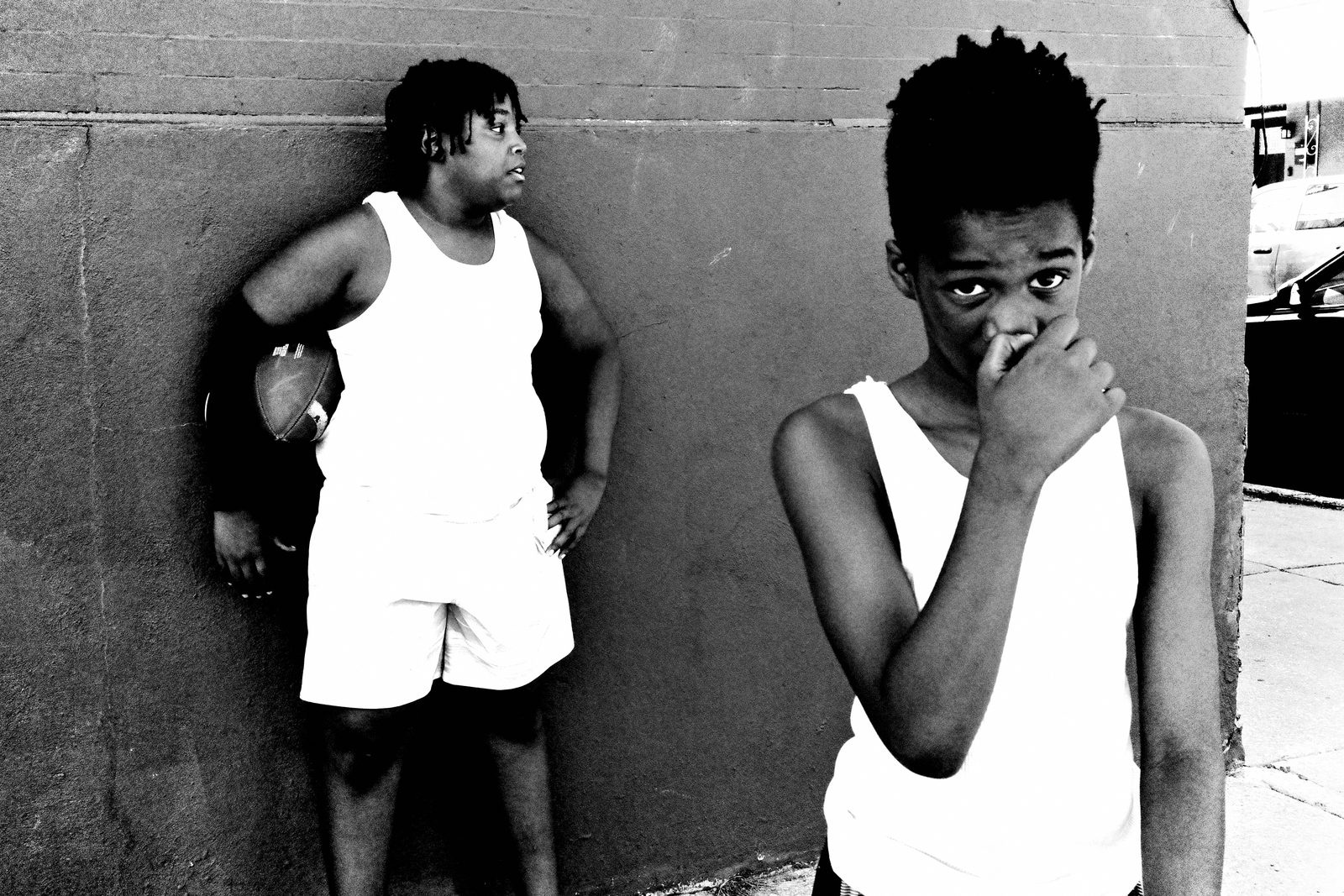
And here's the proof of why the anchor matters. A strong frame comes alive in layers — an element holding the right third, another holding the left, the visual feast of gesture and color in the center. Spiraling movement, popping color, a whole story in one shot. But the thing that actually holds it up is that single anchor. Take the anchor away and the frame falls flat — energy with nothing to organize it. Seeing the anchor is the photograph.
Reading a Whole Scene
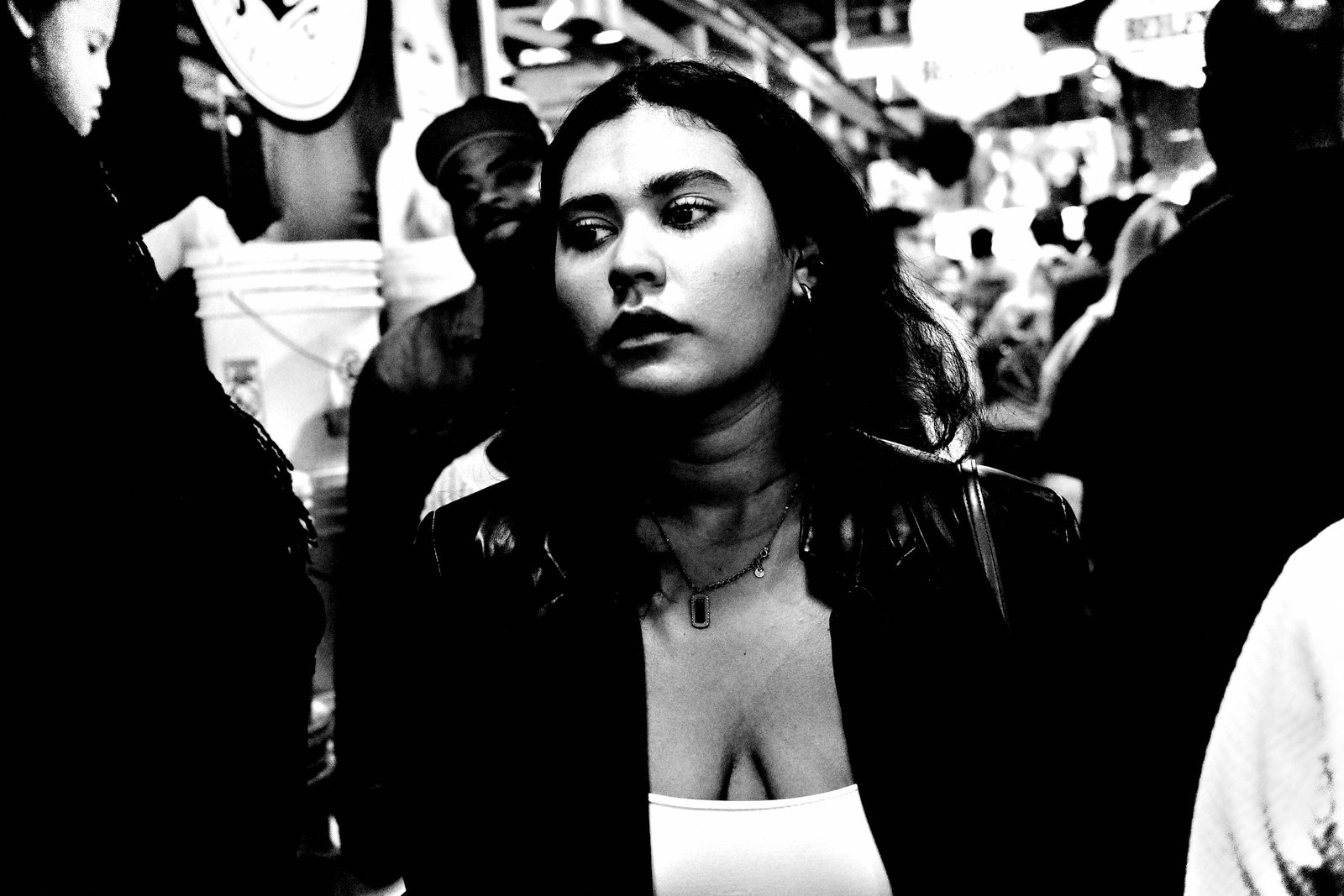
Now the third muscle: reading a whole scene before you make a single picture. When you find a place with potential, resist the urge to shoot immediately. First, clock everything — who's on the right, who's bending in the center, the striking detail on the wall behind, the gazes connecting the people. You're taking inventory of every element the scene is offering you. You can't compose a scene you haven't actually read.
Set the Stage Back to Front
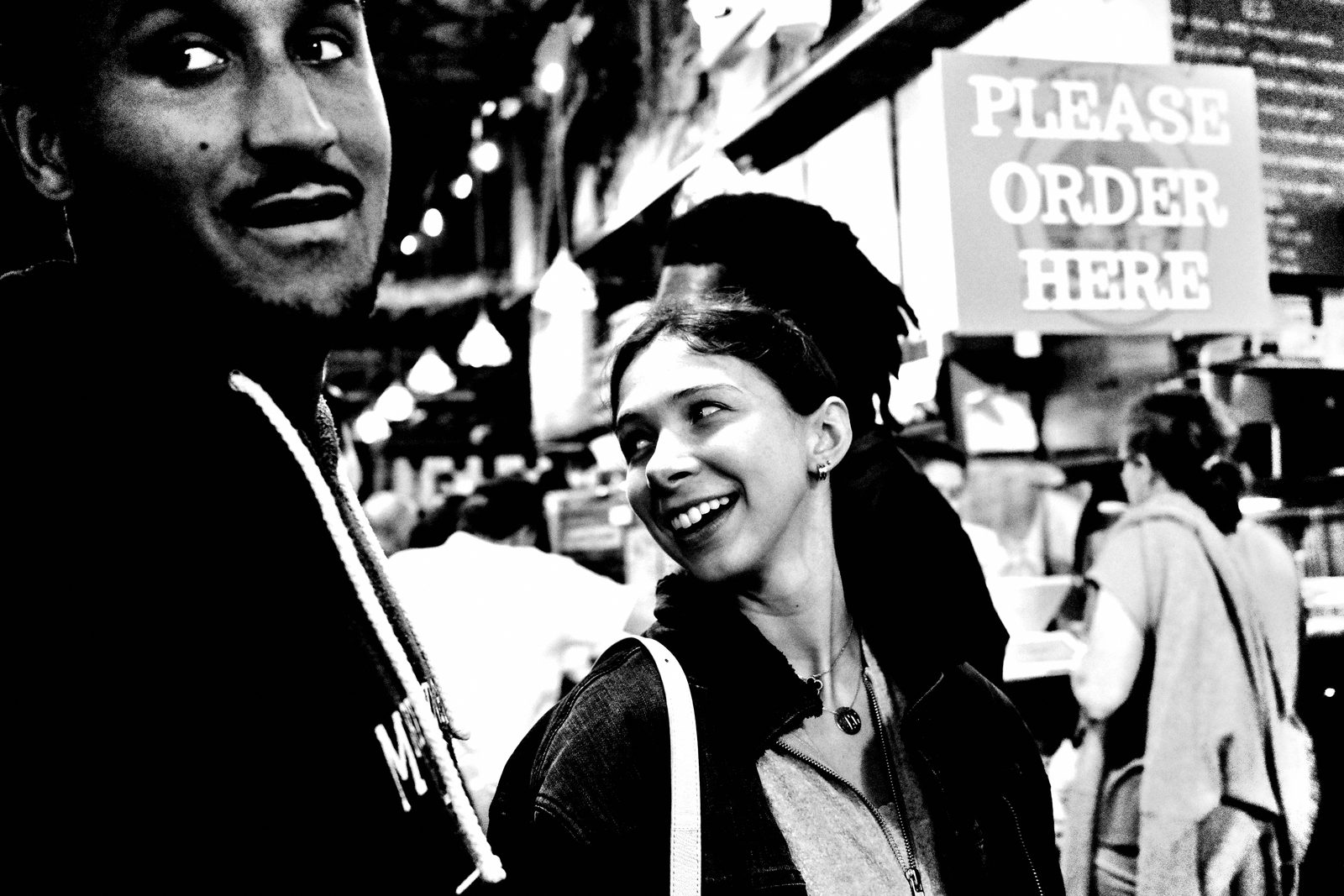
Here's the craft underneath reading a scene. You set your stage by working back to front — first the background: the clean wall, the texture, the subtle color notes, the detail that anchors the top of the frame. You want to be very aware of your foreground, your background, and how you can combine different things coming your way. Once the stage is set, you stop chasing. You hold your position, because you know something interesting is going to enter it.
Wait for the Frame to Complete
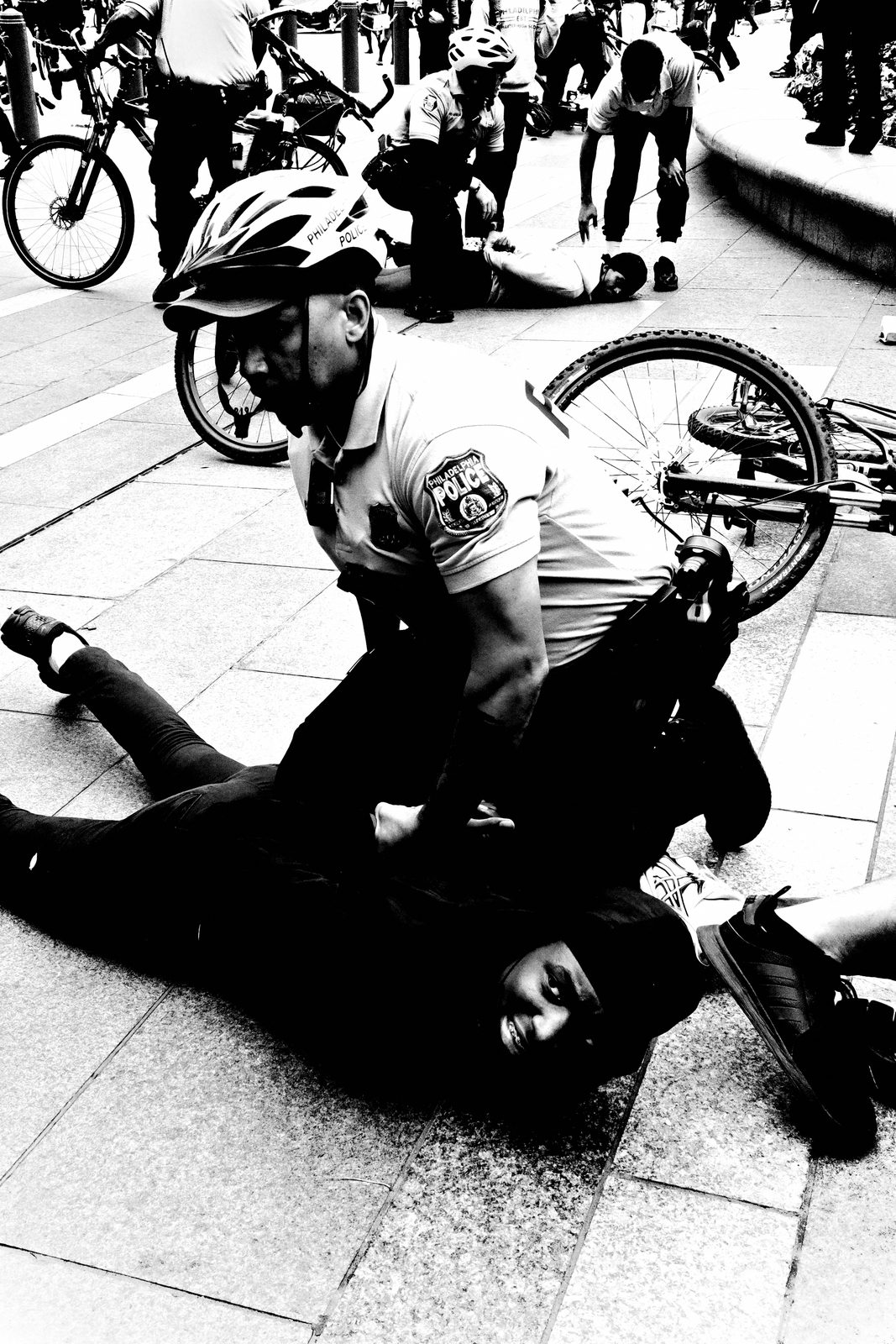
And then it happens. A figure crosses — a splash of color, a gesture, the exact element the stage was built for — and everything comes together. That's the payoff of reading a scene: you've prepared it so completely that when the missing piece walks in, you already know it's the piece. You're not scrambling. By staying patient and setting your stage, life delivers the frame to you. Just being there, working the scene. That's it.
The Pattern Underneath All Seeing
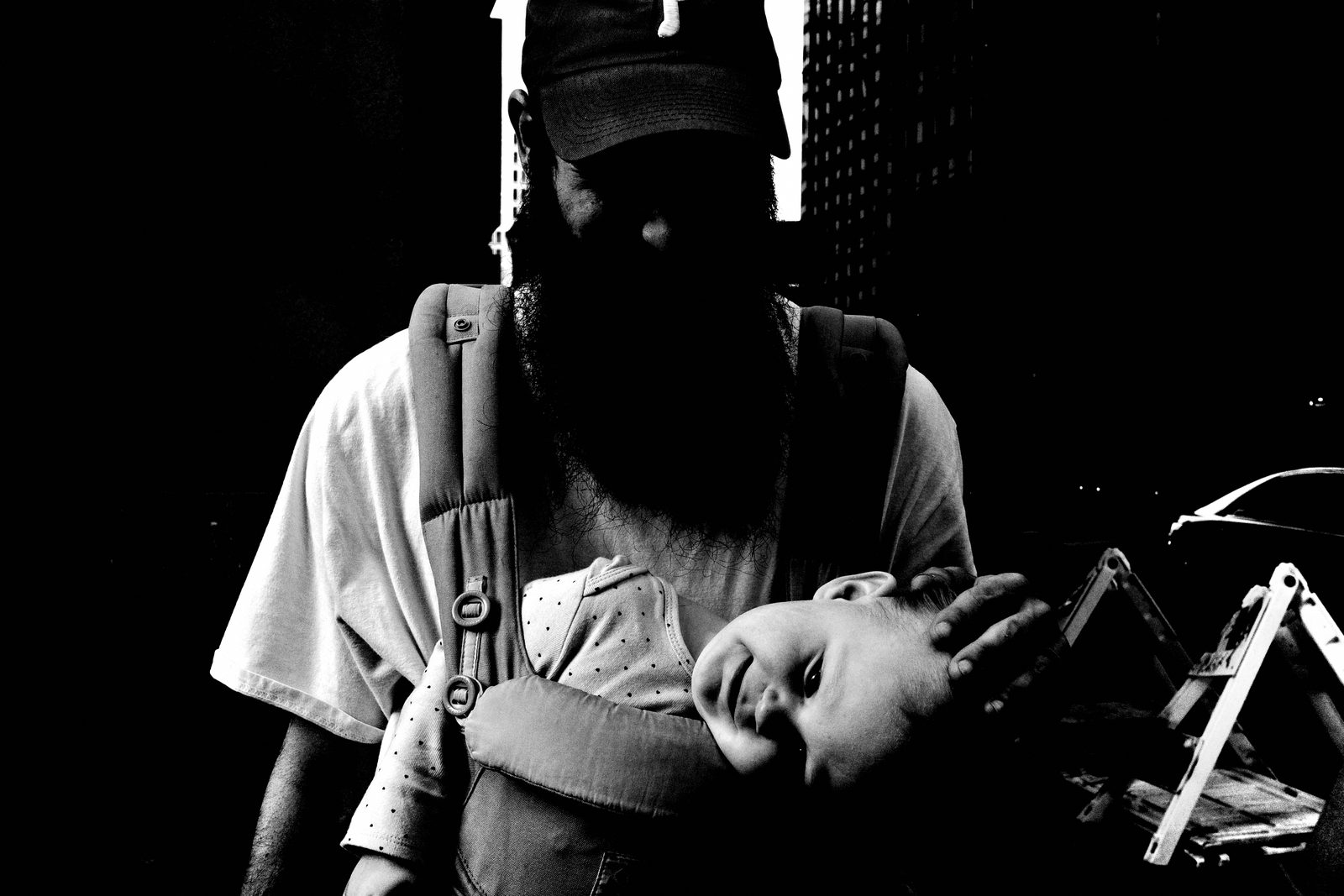
Step back and the same pattern runs underneath every kind of seeing. Something catches you — a quality of light, a burst of life, a place with potential. Then you decide on a relationship — an anchor, a backdrop, a clean stage. Then you position your body and wait, and only then do you click. Catch, decide, position, wait. That's the anatomy of seeing, and it doesn't change from one scene to the next.
Seeing Is a Physical Act
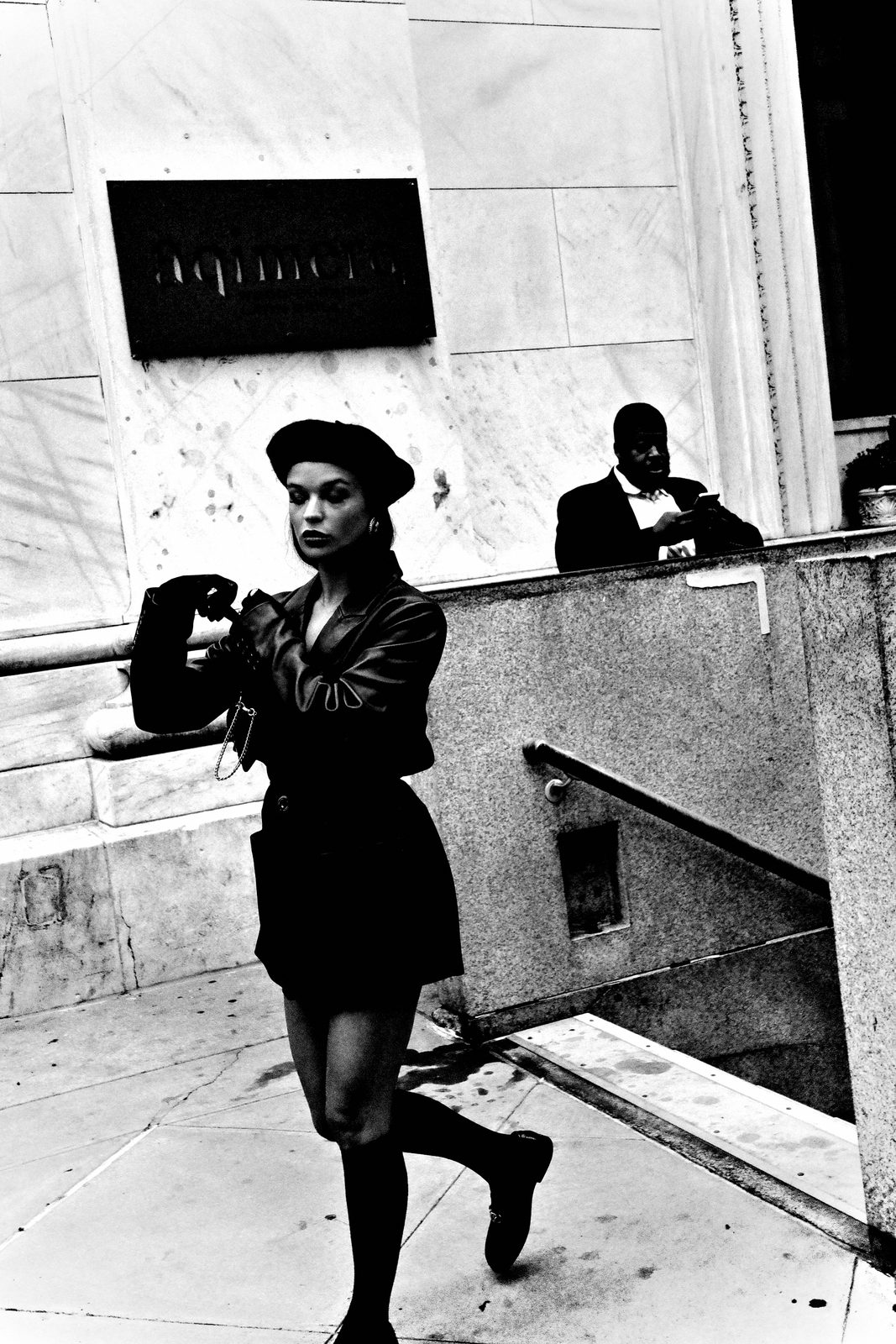
And notice what threads through all of it: you move. You drop low, you climb, you lean over a railing, you approach instead of drifting past. Photography is a physical game. You're not just looking — you're responding. Seeing isn't passive. The eye notices, and then the body has to go put itself in the one spot where the photograph actually exists. Keep that — it's where we're headed next.
PRACTICAL APPLICATION
Break Down Your Own Frames
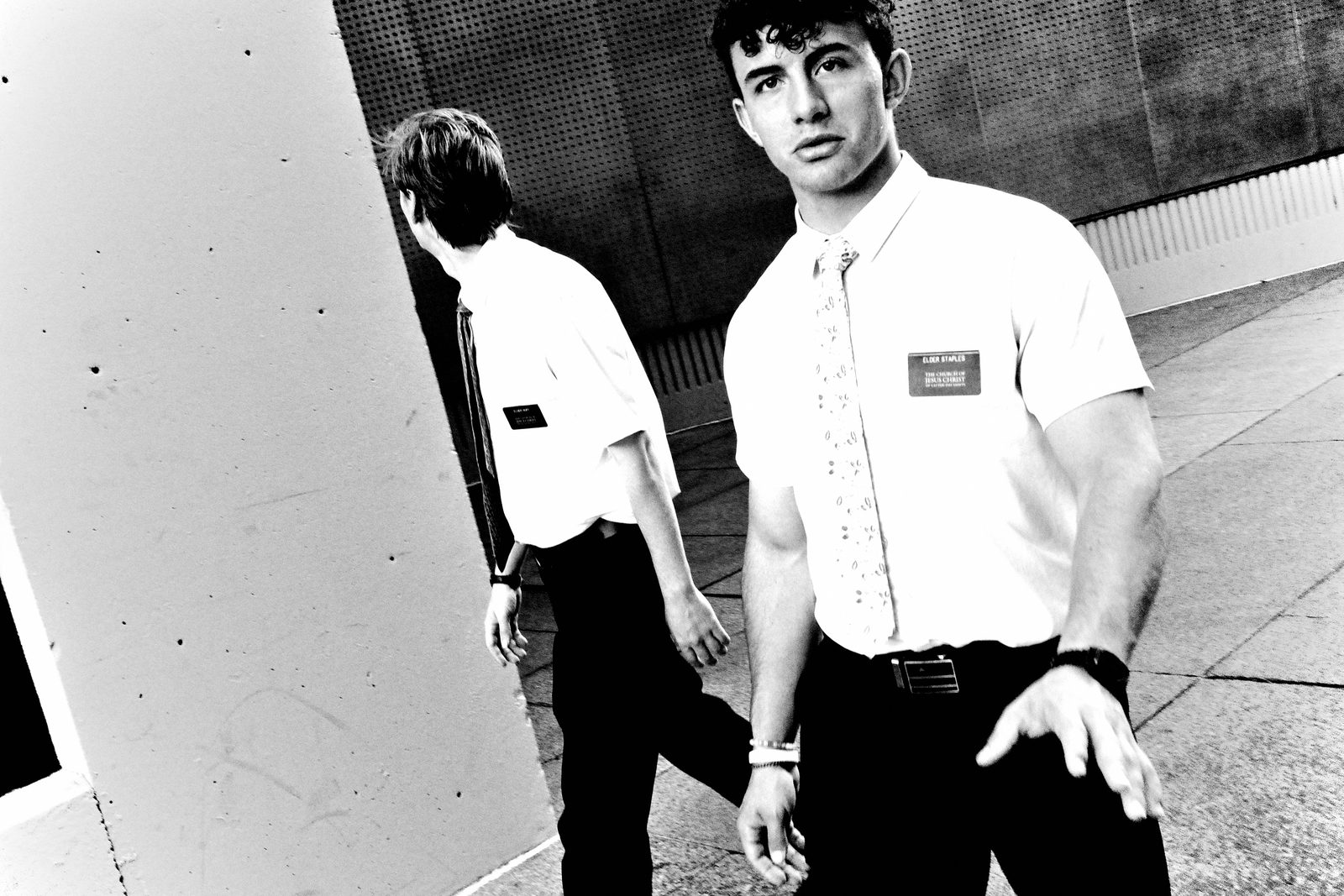
Here's how you run your own seeing-breakdown. Pick three of your own photographs and, for each, answer three questions out loud: What caught my eye first? What relationship did I decide on? And why does the frame work — or why doesn't it? Be honest when the answer is "nothing caught me, I just snapped." Naming the seeing is how you start to repeat it on purpose.
The Long-Stay Scene
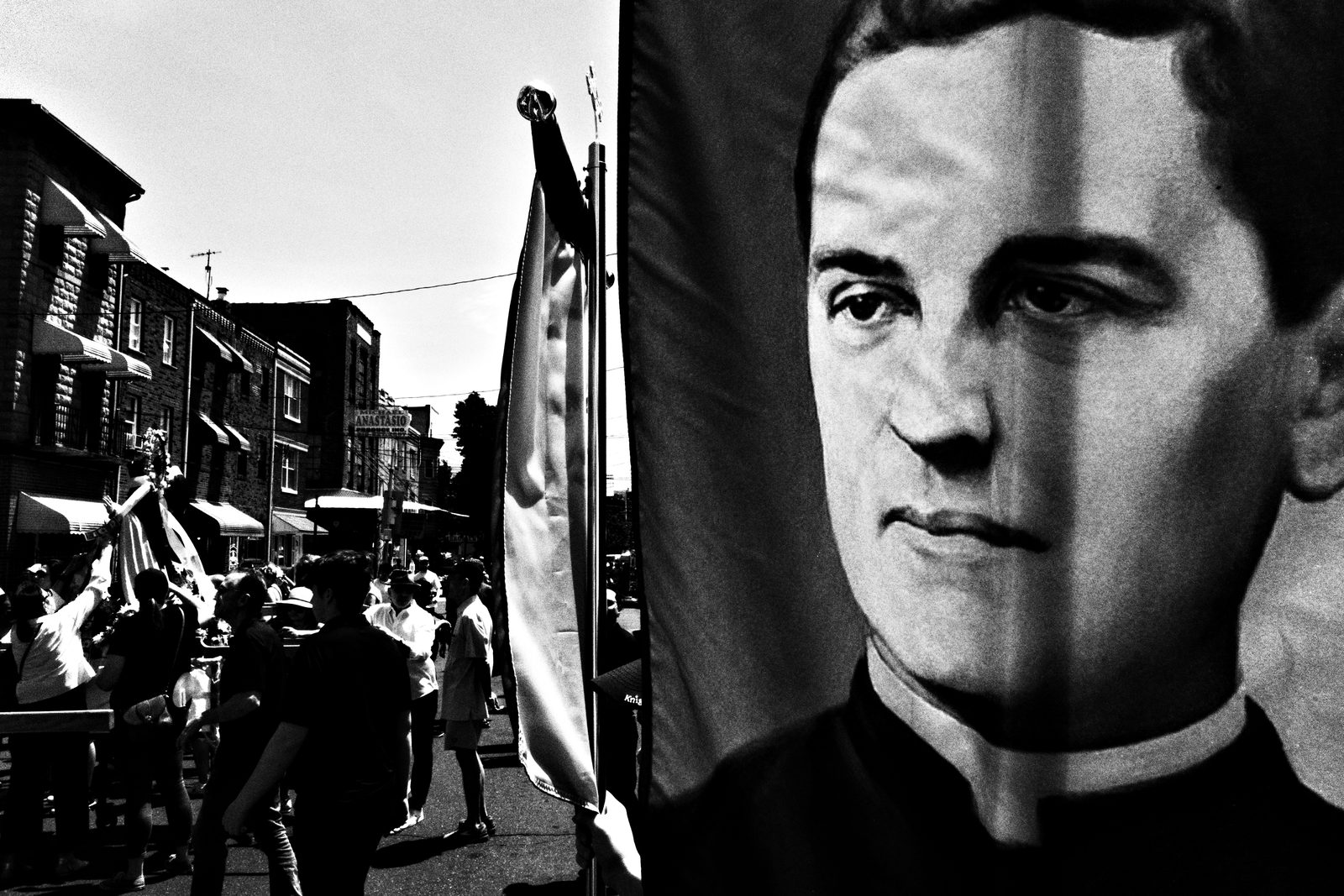
Now do the live version. Pick one ordinary spot — a corner, a wall, a doorway with good light — and stay. Read it fully. Set your stage back to front, find your anchor, and then hold your position and wait for the element that completes the frame. You're training patience and reading at the same time. Most days you'll leave with one frame. That one frame is the lesson.
Follow the Light, Not the Subject
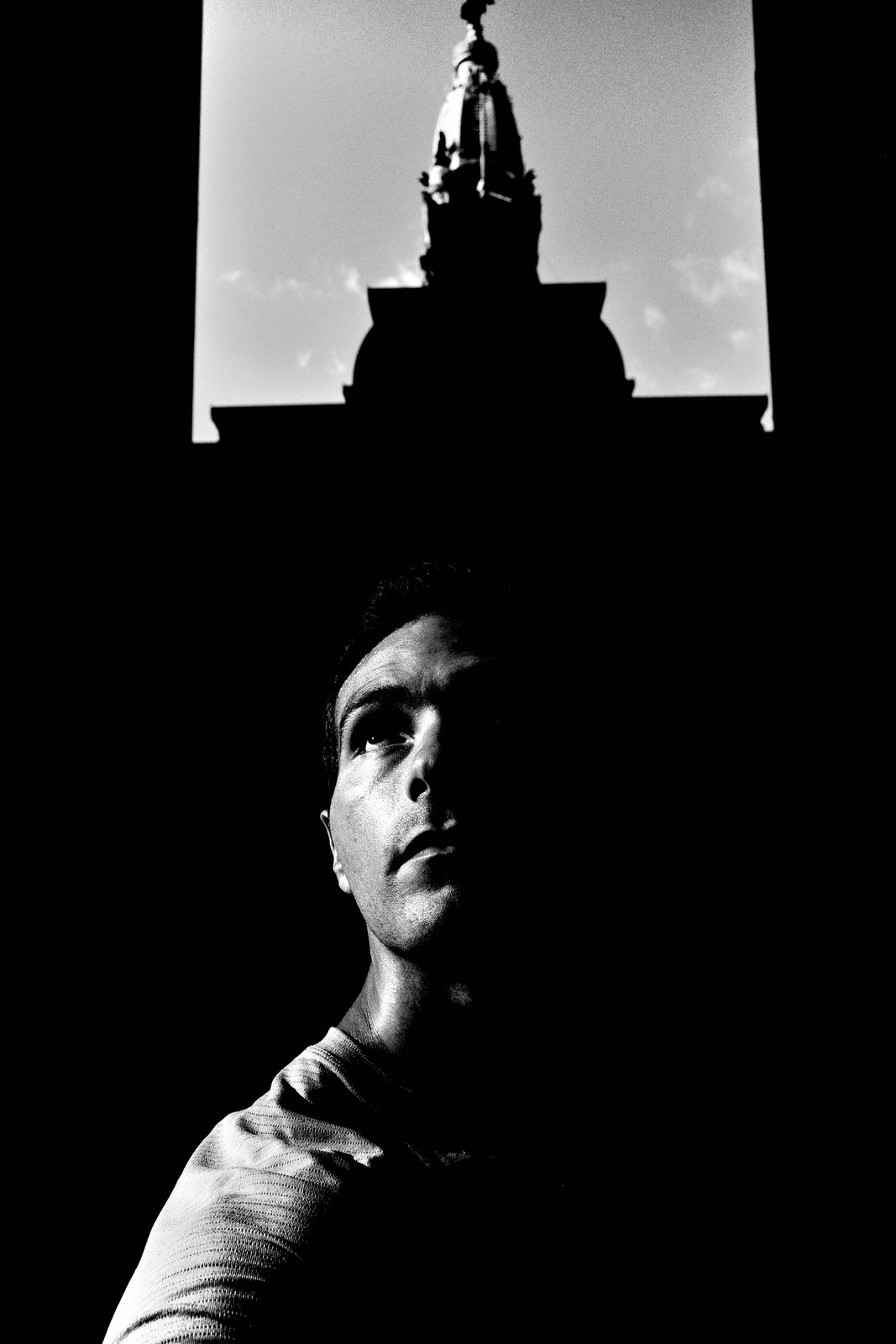
Third drill: go out and follow light instead of subjects. Find a beautiful pool of light, a dramatic shadow, a glowing backdrop — and then wait for content to walk into it. You're flipping the usual order. Instead of "interesting person, now where's a background," it becomes "incredible light, who's about to step into it." Train your eye to be pulled by light first, and the subjects will come.
COMMON MISTAKES
Snapping Before You've Seen
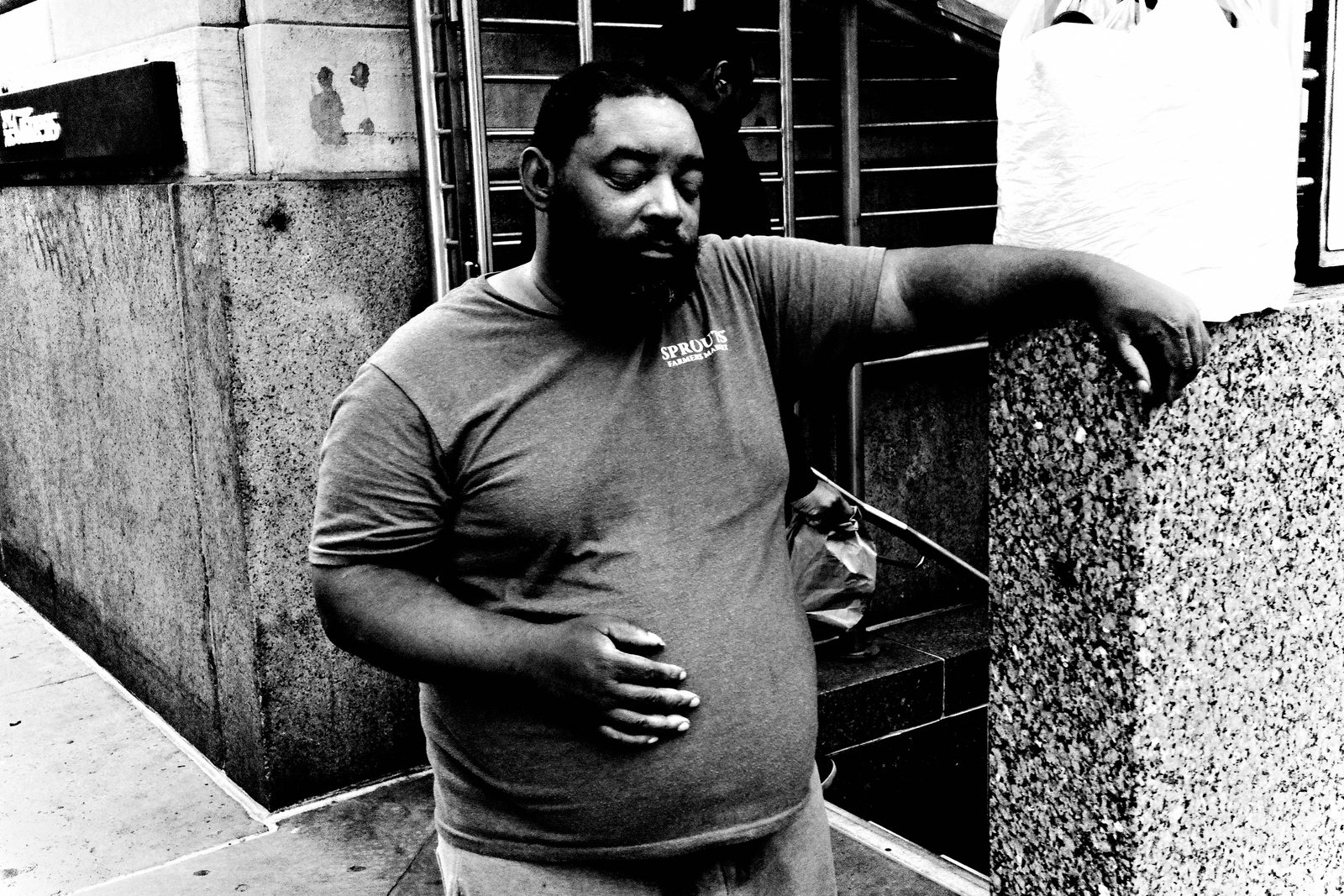
The biggest mistake is snapping before you've actually seen. You react to "something's happening" and grab a frame with no anchor, no backdrop relationship, no decision behind it. That's the snapshot we warned about — content with no form. It's the frame with the energy but no anchor to hold it up. Slow down half a second and ask: what's the relationship here? If you can't name it, you haven't seen it yet.
Leaving Before the Scene Ripens
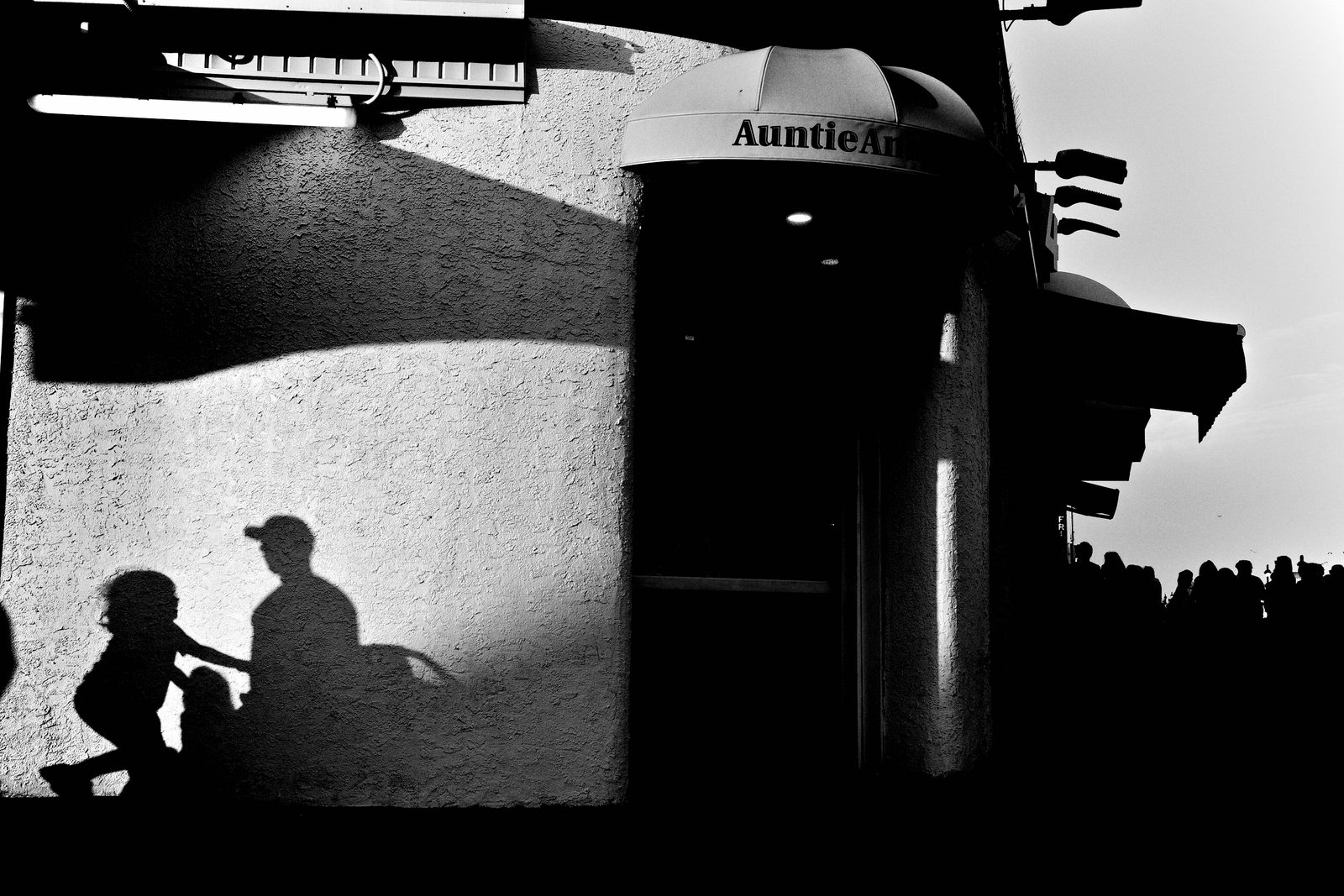
The other mistake is leaving too soon. You read a scene, you feel the potential — and then you get impatient and walk. But the frames that complete a scene often take the long wait: the hour that lets it ripen, the early-morning stillness. The frame completes when the missing piece walks in, and it only walks in if you're still there. Patience isn't separate from seeing. Staying is part of how you see.
RELATIONSHIP TO PREVIOUS
Putting Module 3 to Work
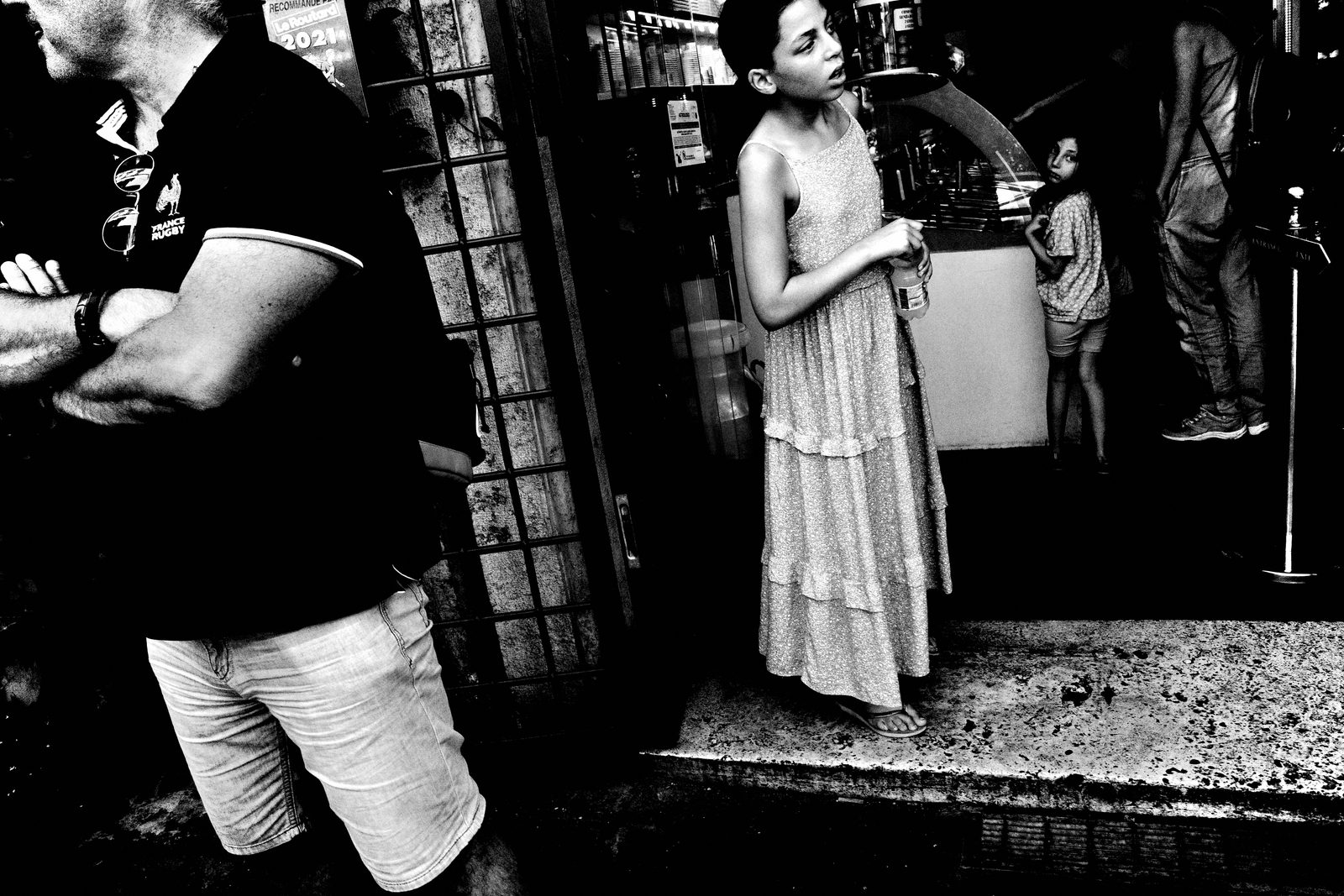
This lesson closes out our "Learning to See" module by putting all of it to work. Everything from Lesson 015, Be a Tourist at Home — bringing fresh, curious eyes to the ordinary — is exactly what you're doing when you spot the shot, feel the juxtaposition form, and read a scene fresh. The mundane made interesting, the juxtaposition recognized, the familiar seen anew. This is Module 3 leaving the page and becoming the way you actually look.
RELATIONSHIP TO UPCOMING
Where Seeing Becomes Composition
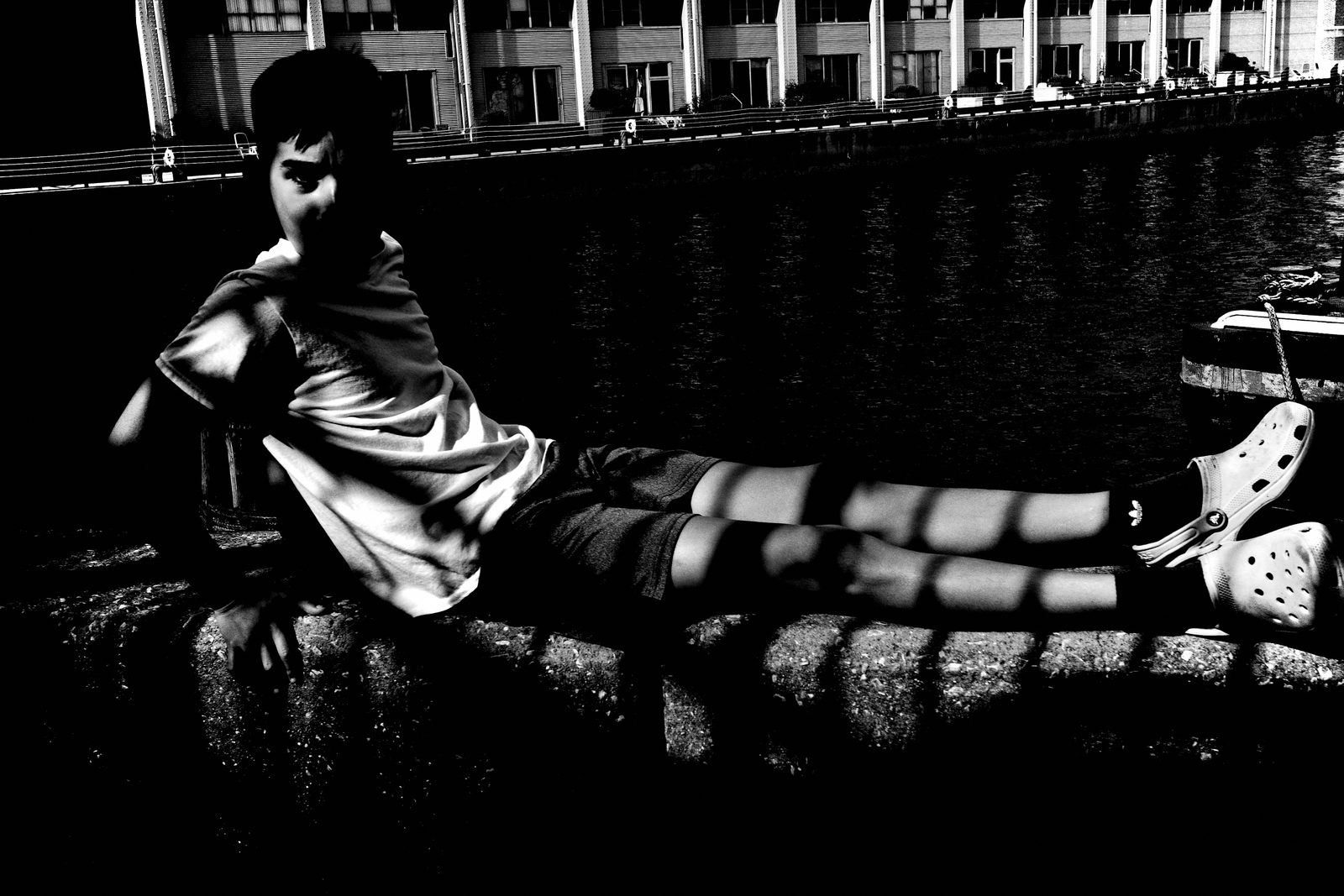
And notice where all of this pointed: you move to make the frame. That's the bridge into Module 4 and Lesson 017, Composition Is Physical. Seeing tells you what matters and where the relationship lives — composition is how you move your body to build it. The eye decides; the feet execute. Next lesson we turn this seeing into the physical craft of composing.
SUMMARY / TAKEAWAY
Catch, Decide, Position, Wait
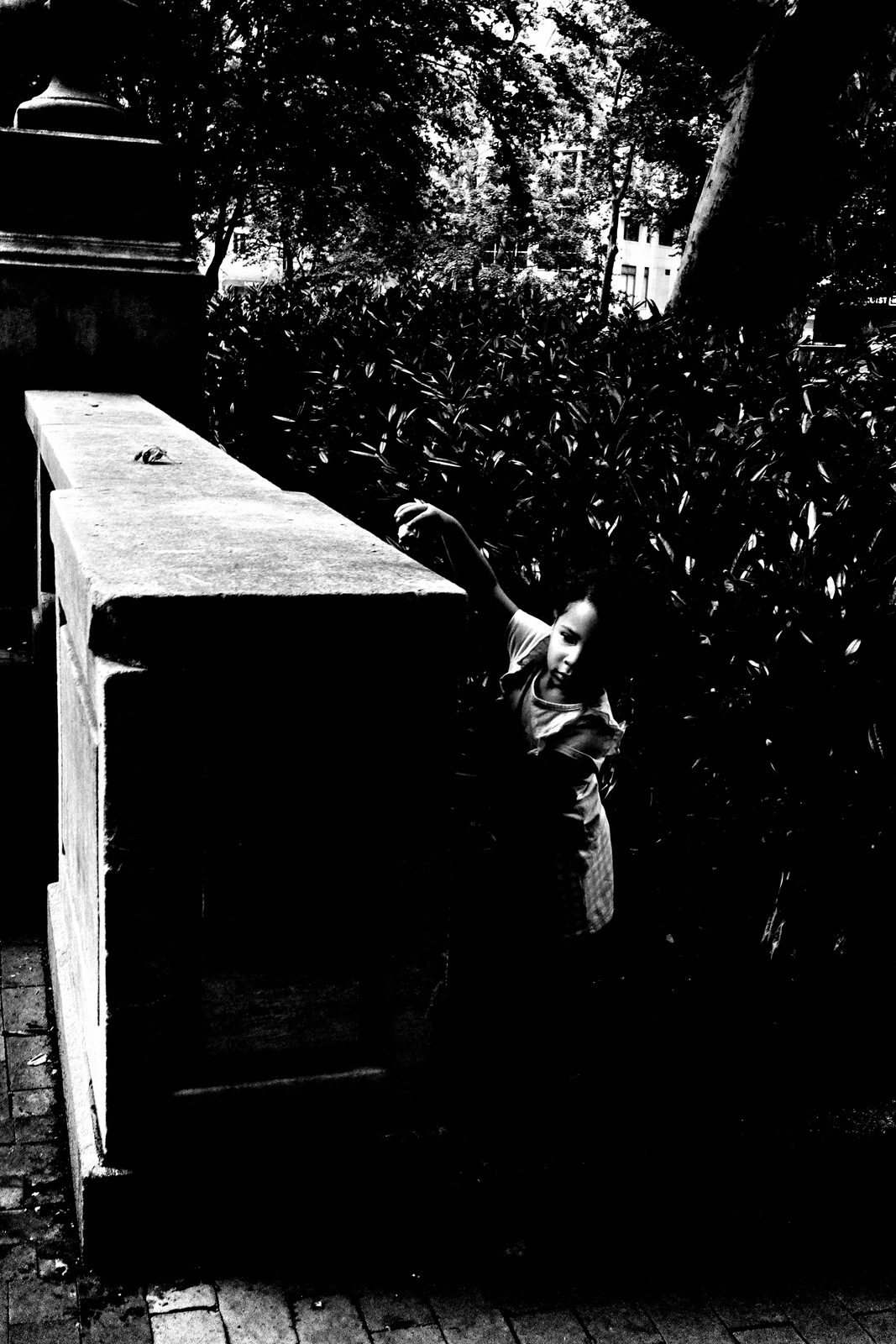
Last thing. Seeing isn't magic and it isn't luck — it's a pattern you can run every time. Something catches you, you decide on a relationship, you position your body, and you wait for it to complete. Find your anchor, set your stage, follow the light, and stay long enough for the frame to arrive. The photograph is made before you ever click. See it first — then go build it. Catch you next lesson.