The Made vs the Found Photograph
CORE IDEA
You Make the Photo, You Don't Find It
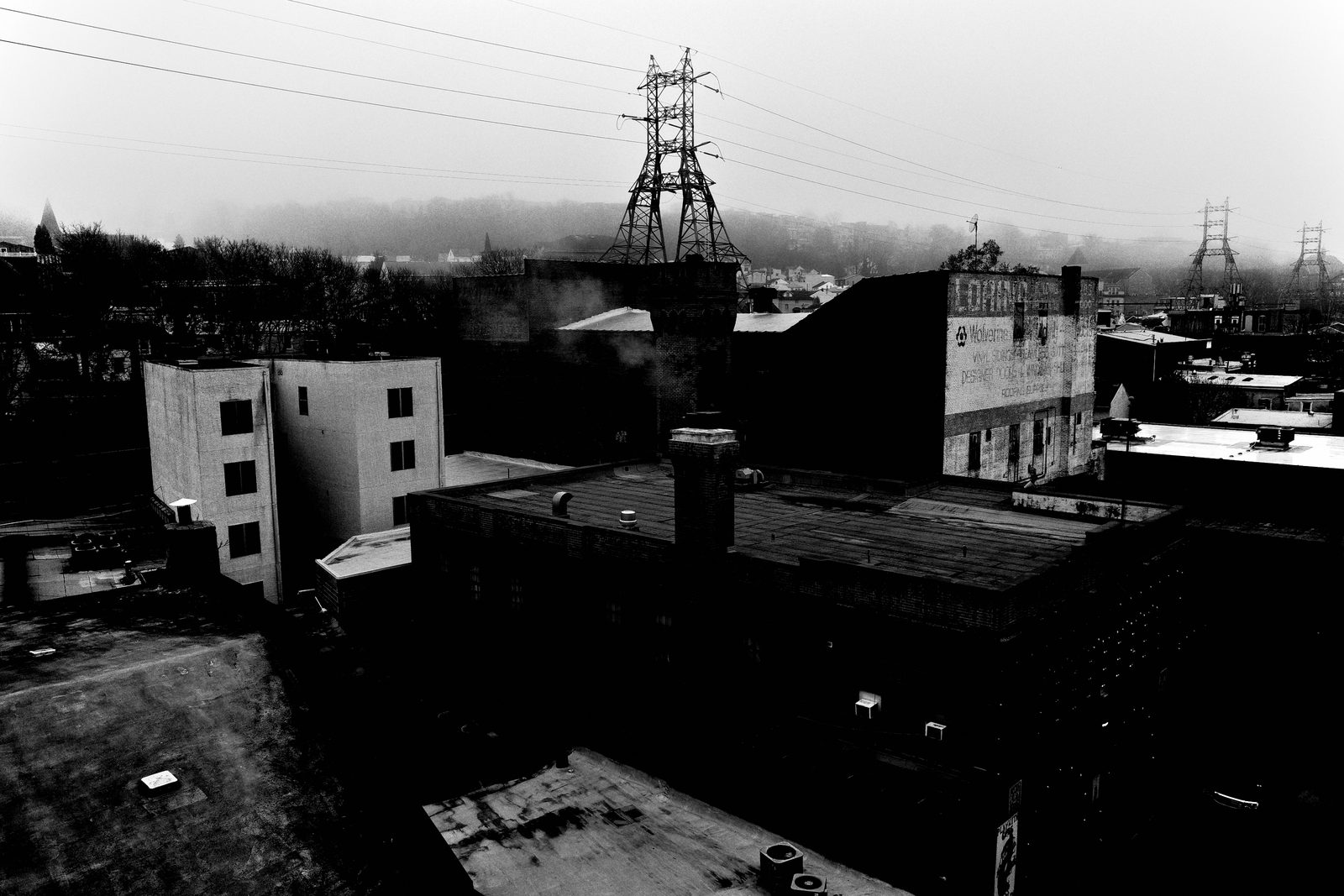
What's popping, people — it's Dante. Today might be the most important thing I teach you: the difference between the found photograph and the made one. People think you click once and walk off. Nah. The photographs I'm proudest of came with lots of clicks, lots of time. I don't leave the scene until the scene leaves me.
LEARNING OBJECTIVE
Learn to Work a Scene
By the end of this lesson you'll know how to work the scene — how to spot the raw potential in front of you and then build it into a real photograph through patience, positioning, and persistence. You'll stop praying for one lucky click and start making the frame happen.
WHY THIS MATTERS
The Decisive-Moment Myth
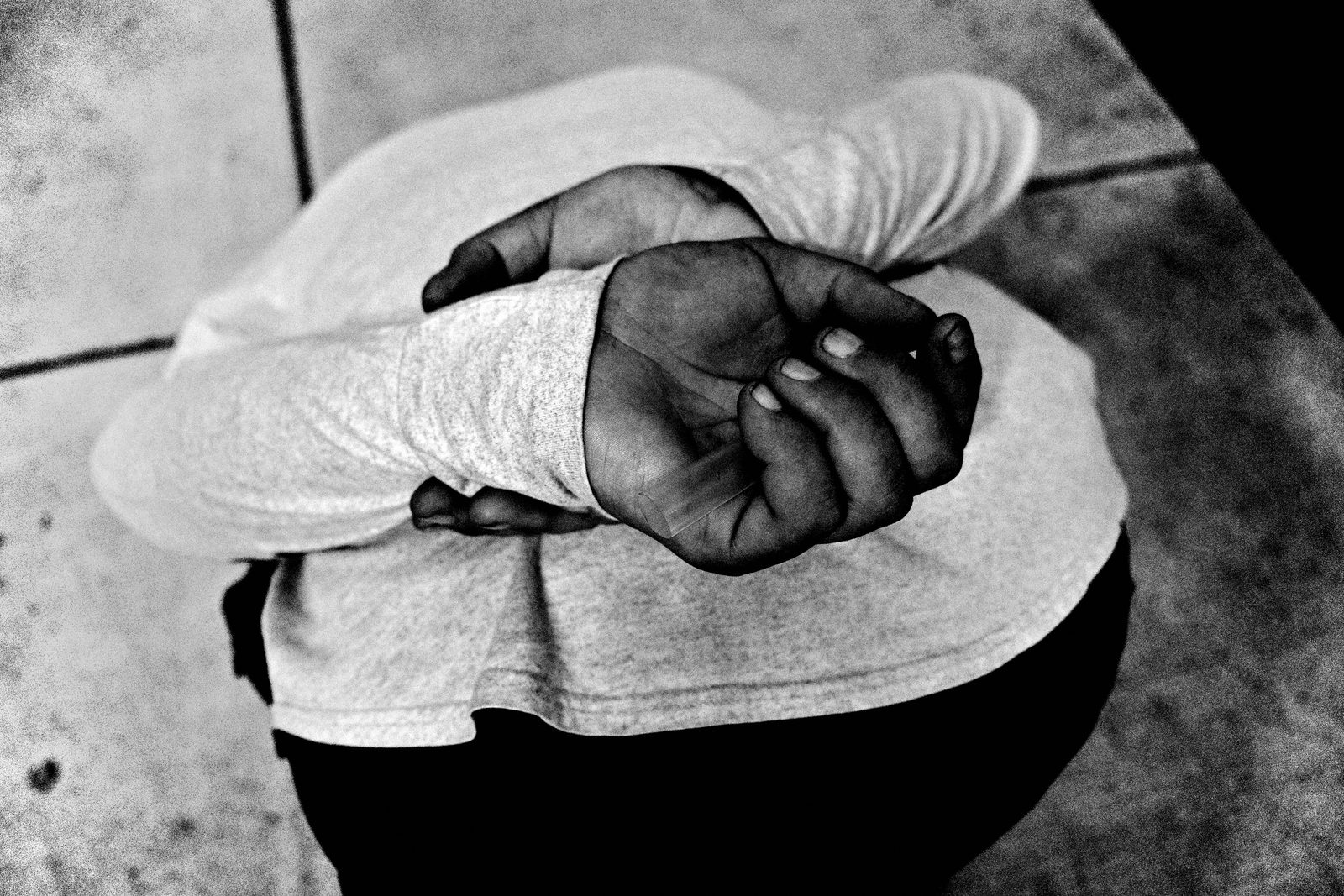
Here's why this matters: there are huge misconceptions about the decisive moment. People picture a photographer clicking once and gliding away. I'm here to dispel that myth. Believe it and you'll quit on scenes right before they get good — you'll walk away from the photograph you came to make.
Effort Is the Difference
And this is the difference between an okay snapshot and a frame that hits. The found moment is the seed; the made photograph is what you grow from it. The magic isn't in the one press of the shutter — it's in everything you do between the clicks to refine what's there.
MAIN TEACHING
Don't Leave Till the Scene Leaves You
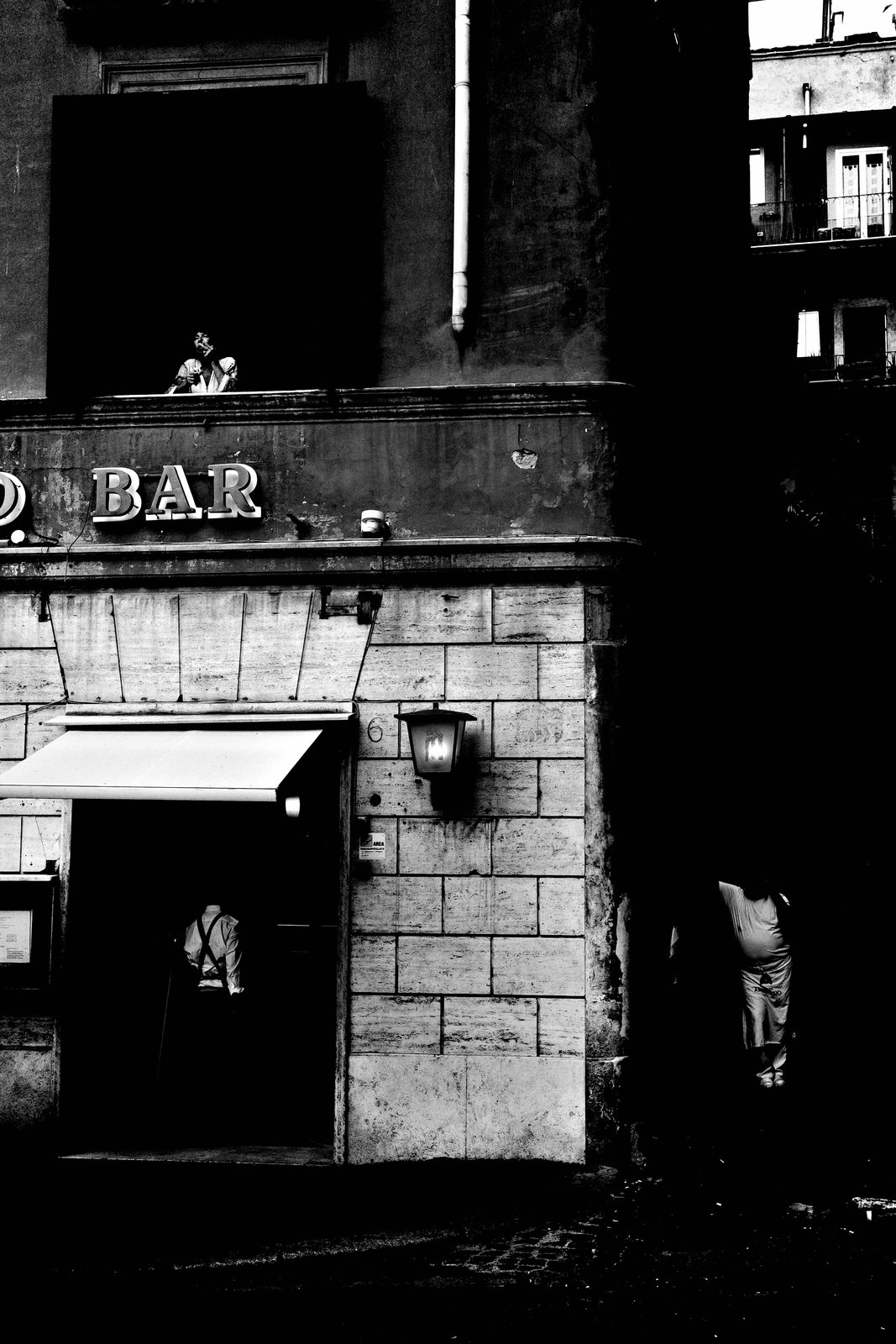
Let's state the core rule plainly: don't leave the scene until the scene leaves you. A lot of my photographs came with lots of shutter presses and a lot of time spent. You stay, you keep looking, you keep pressing — until the energy genuinely dies, not until you get bored or nervous.
Patience
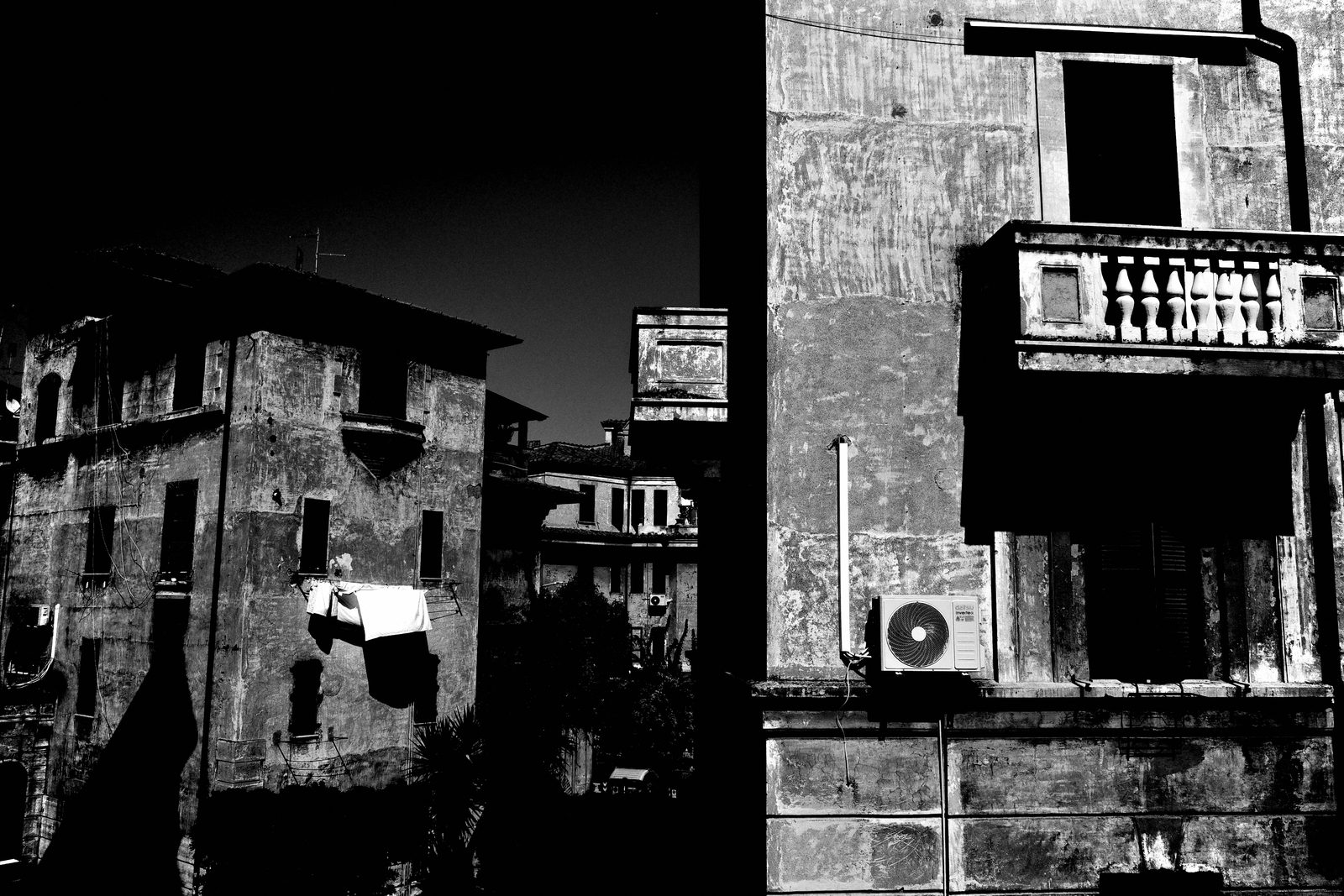
First of the three P's: patience. Sometimes you have to wait for the right moment. You set yourself up and you let the scene come to you. The picture doesn't show up on your schedule — so you hold, you watch, and you stay ready for the instant it finally aligns.
Positioning
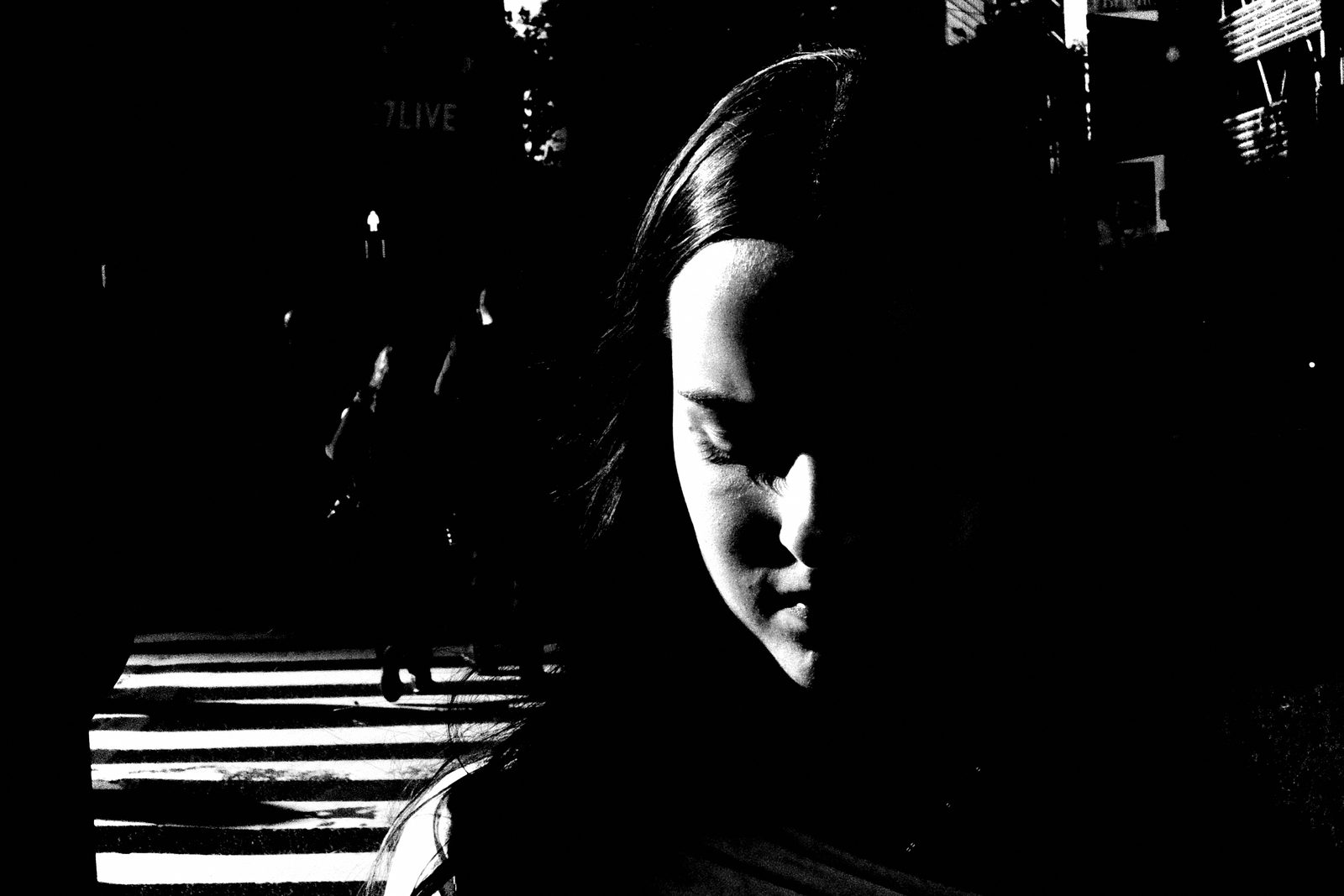
Second P: positioning. Your physical relationship to the scene is everything. Photography is physical — move your body, drop low, step back, change your angle. Every small movement changes the composition drastically. The frame you want is often just two steps to the side of where you're standing.
Persistence
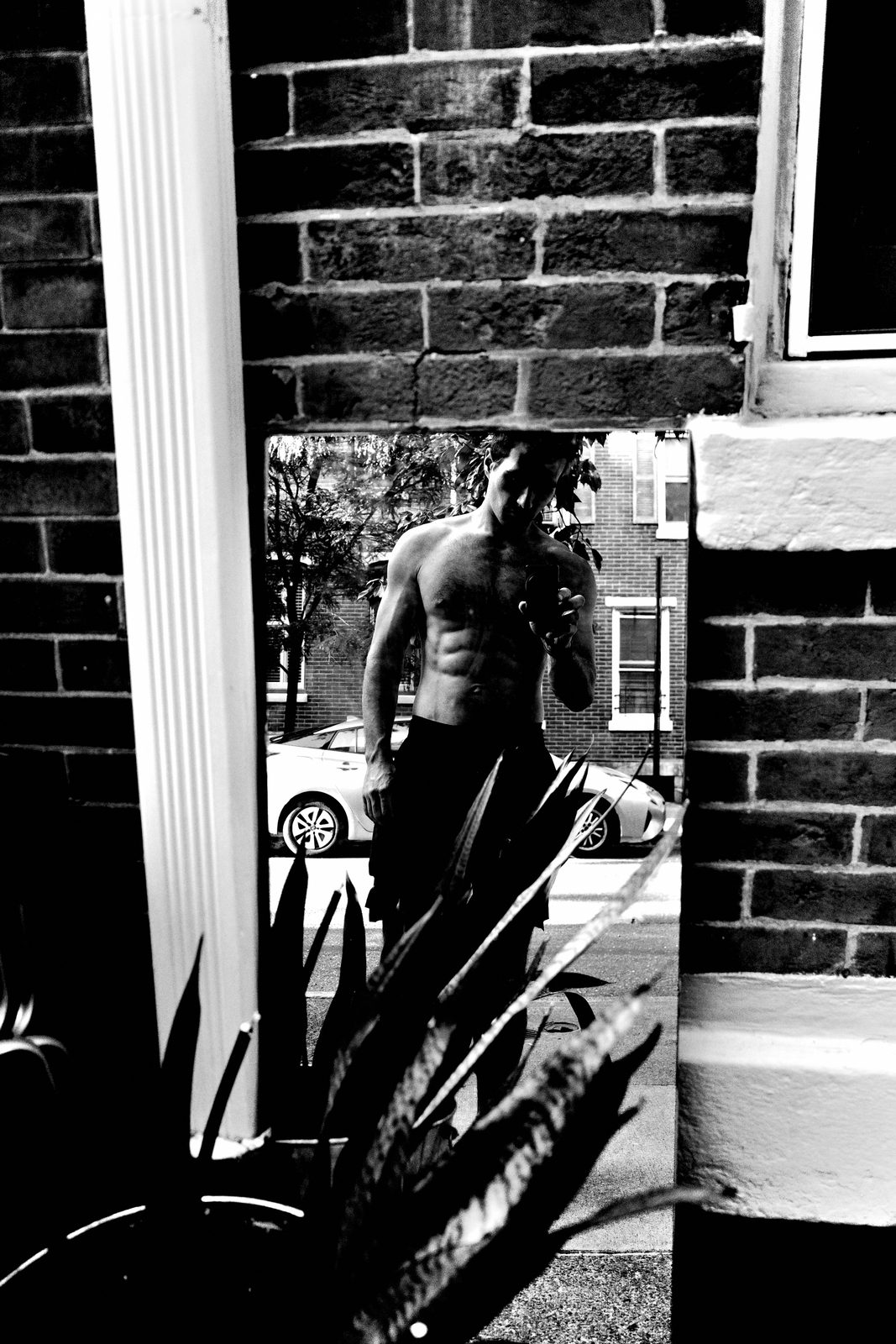
Third P: persistence. Keep shooting, keep adjusting, keep refining. Don't take one shot and move on — work the scene and find the best way to make the composition. Persistence isn't just one session, either. Sometimes you come back to a place week after week until it finally gives.
The Visual Puzzle
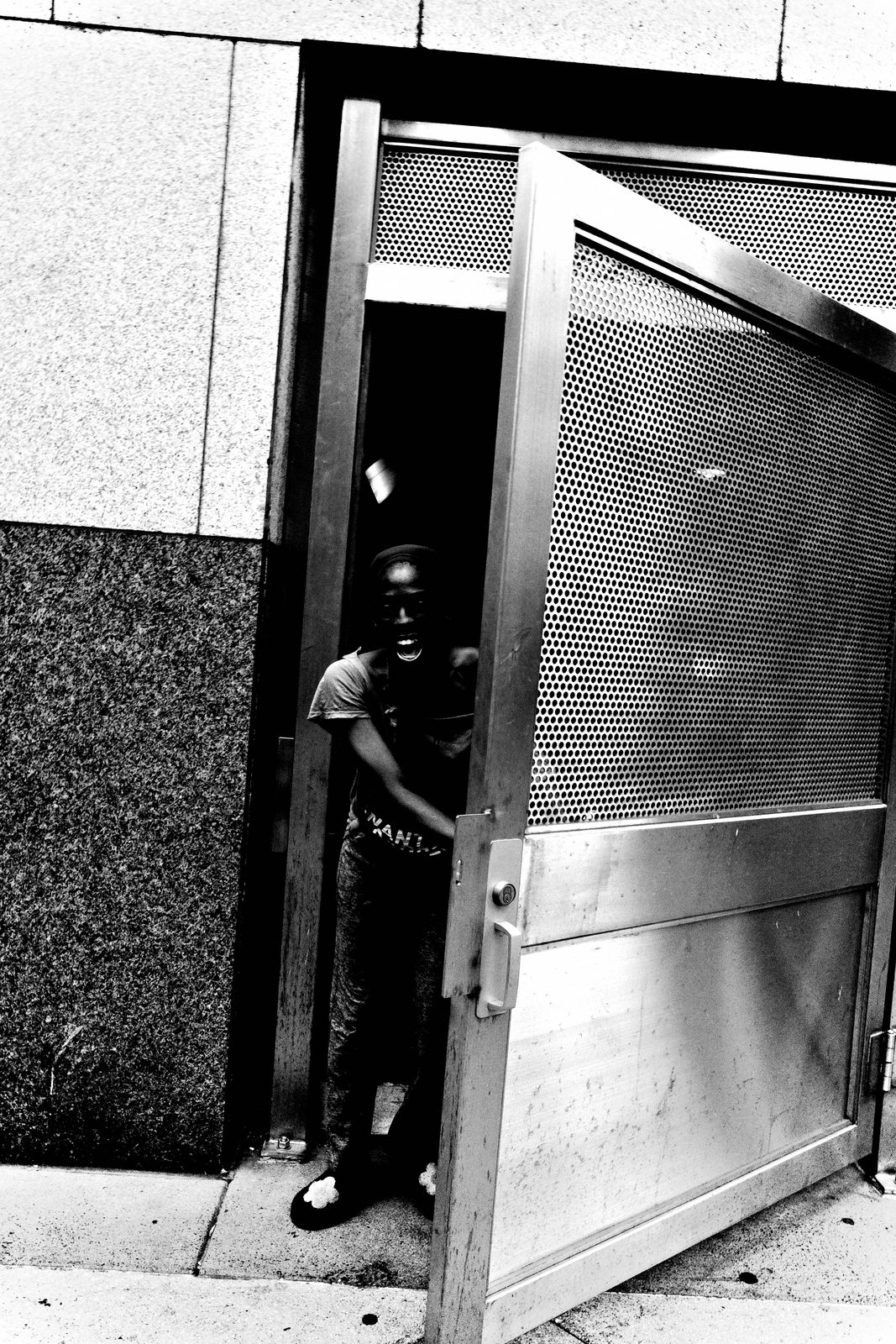
Here's how I think about it: photography is a visual puzzle. Your job is to find the pieces and put them together. Light, a gesture, a shape, a background — they're all scattered in front of you. Working the scene is the act of arranging yourself until those pieces lock into one frame.
Return Until It Gives
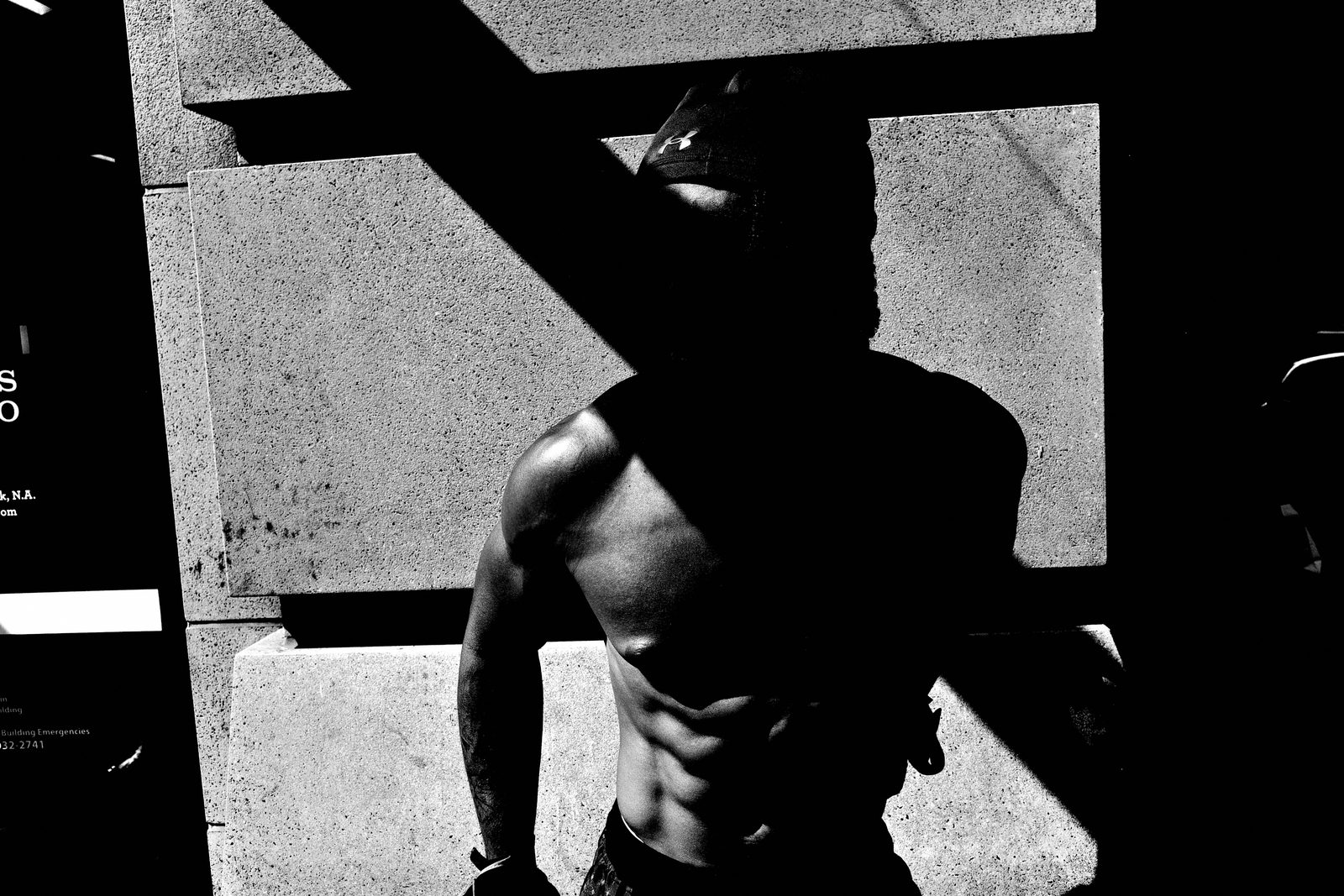
Think about a place that keeps pulling you back — a spot you sense holds a photograph. You return time and time again, and most of the time nothing happens. It's empty, quiet, dead. Then, on some ordinary visit, the scene finally comes alive and hands you the frame. You get it through courage, repetition, and persistence. That kind of photograph is made over time, not found in a single moment.
The Contact Sheet Tells the Story
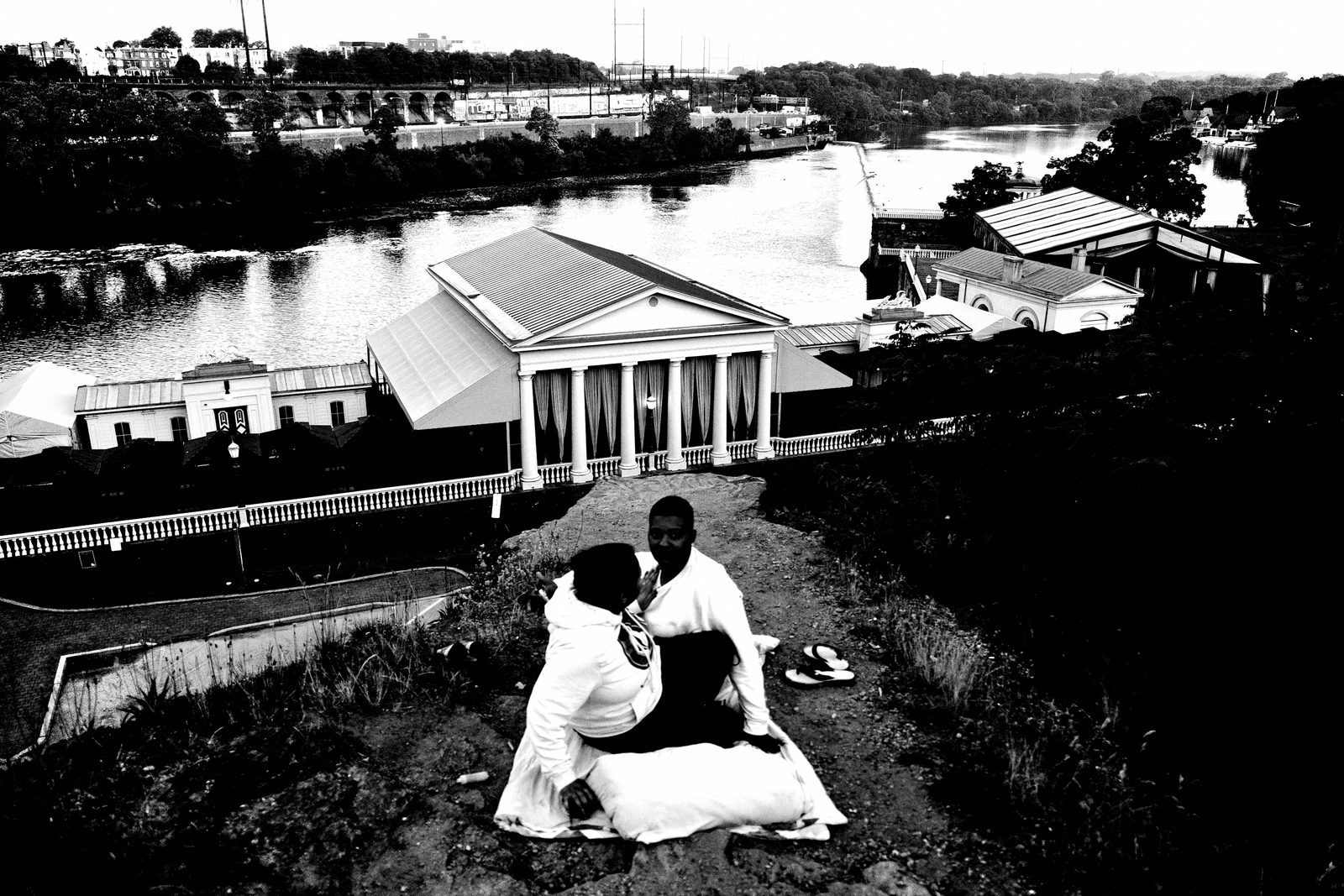
Lay out the full run from a scene you worked and you see the whole process. The early frames as you sense potential. The first shots that fall flat. Then you move a few steps to the side, change your perspective — and suddenly the elements line up and the frame carries real weight. Repositioning your body is how you turn a flat grab into a photograph with impact.
Sense It, Then Wait
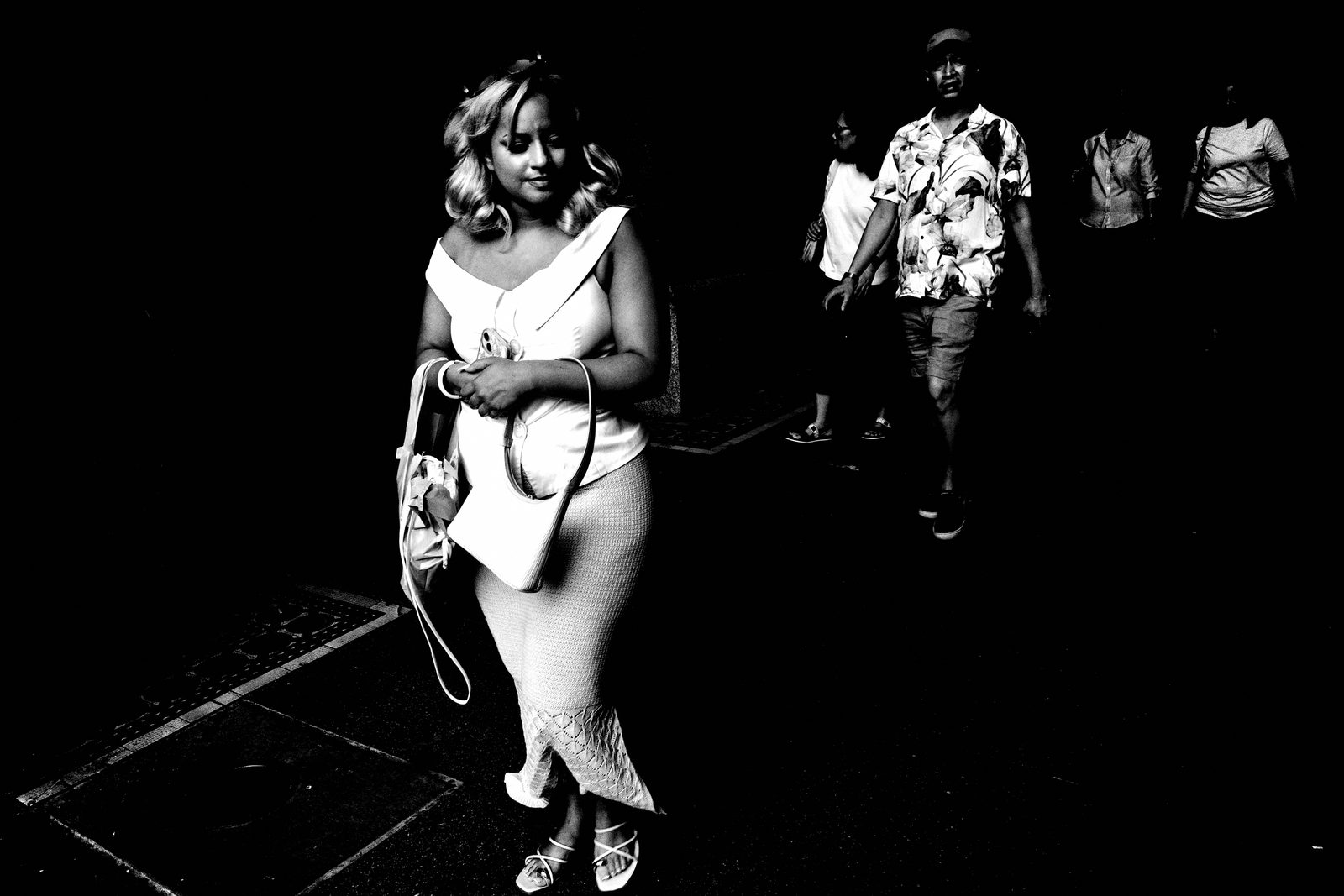
Here's the pattern. You notice a beautiful pop of color and striking light at a market stall — you sense a potential photograph before anything has actually happened. So you position yourself carefully and you wait for the decisive moment. Then the vendor makes a gesture, a smile breaks, the human element lands right inside that light and shadow. That's the puzzle solved — you built the frame and waited for life to fill it.
Play Reveals the Frame
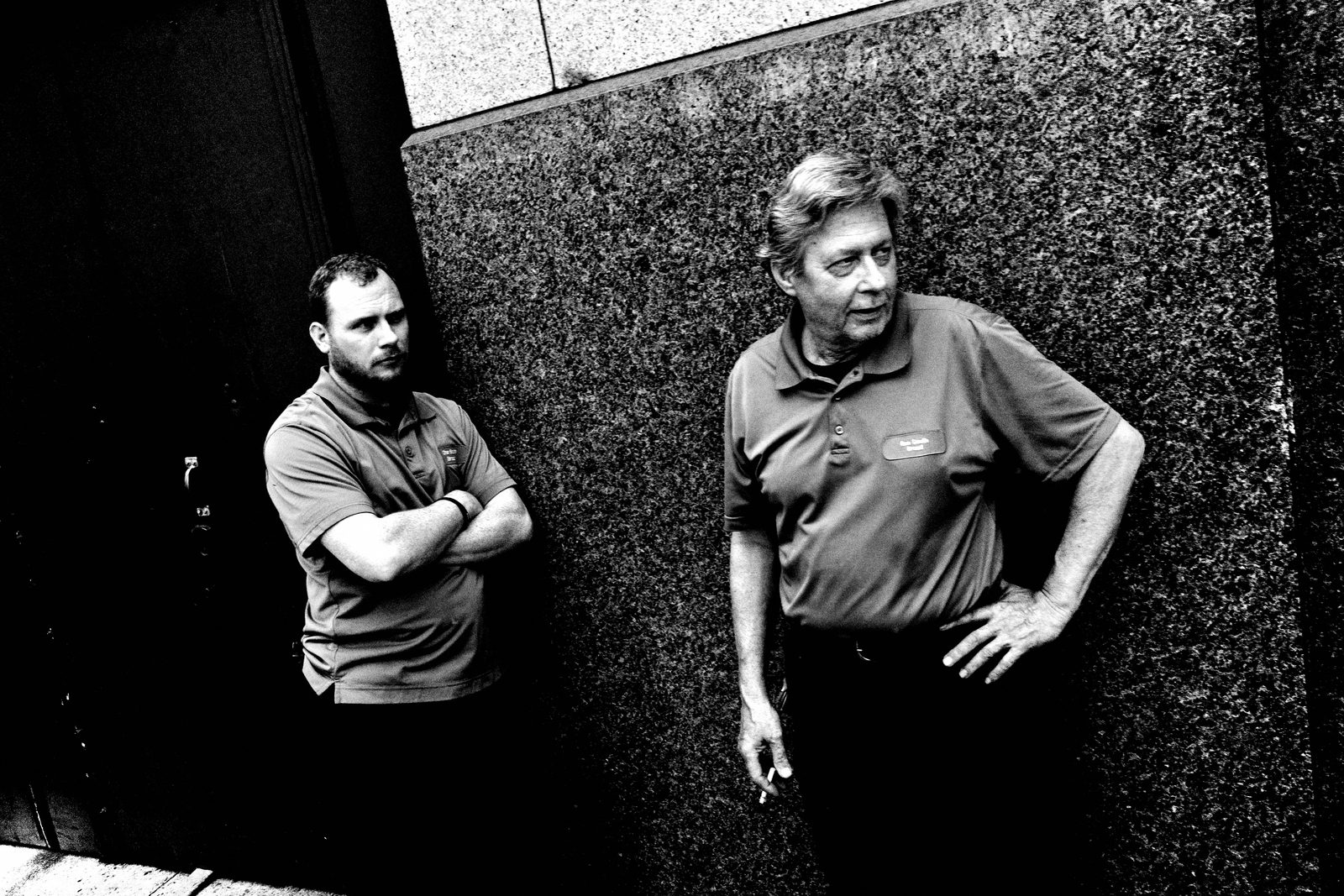
Here's another way scenes get made. You come across someone in the middle of daily life, and instead of snapping a quick shot and leaving, you joke with them, build a connection, and let it unfold. By playing with the scene — being warm, being present, taking your time — you draw out a moment of real character and intrigue you never would've gotten with one rushed click. Connection opens frames that stealth never will.
Courage Comes From the Heart
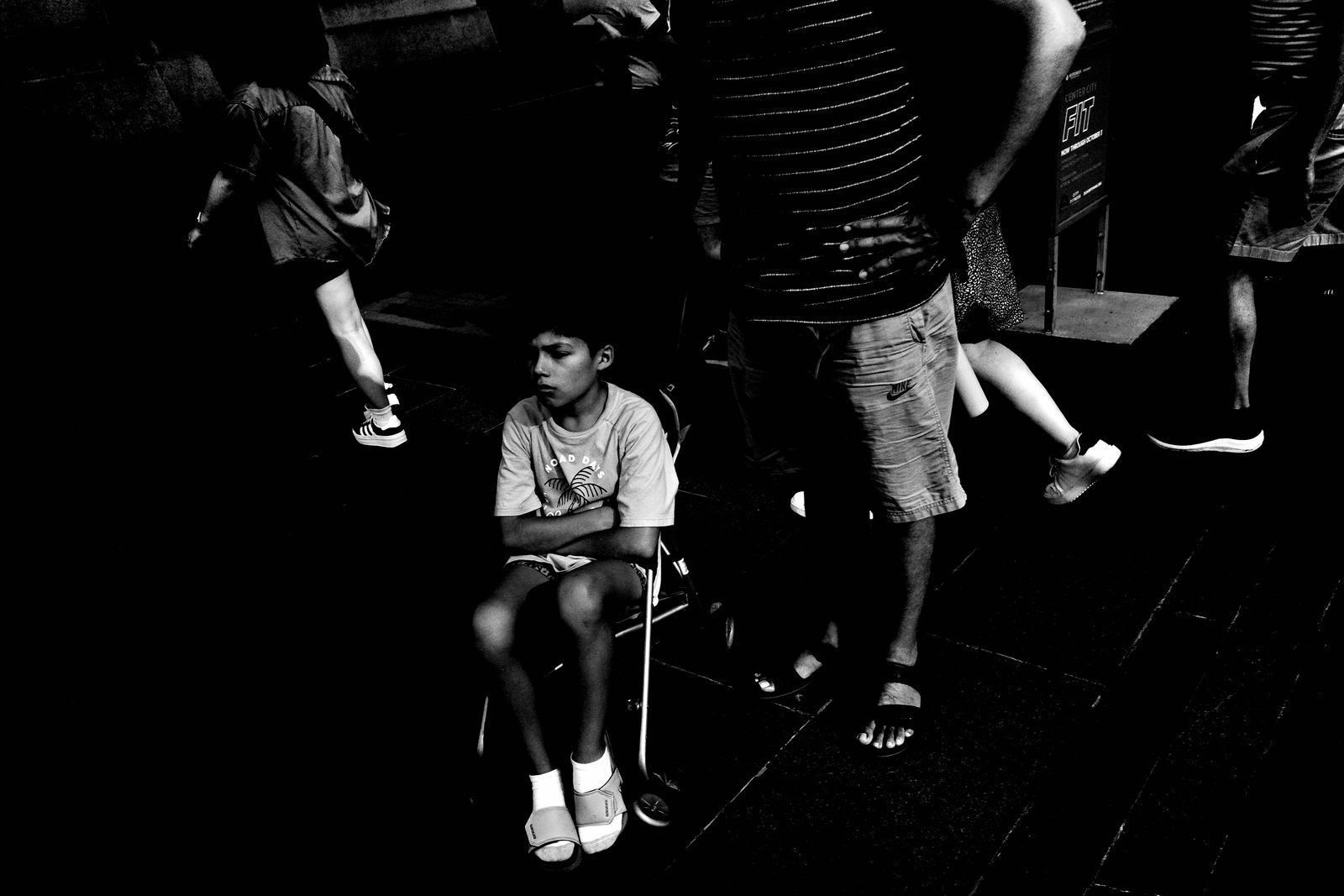
Working the scene takes courage. The word comes from the Latin cor — heart. Photography is a reflection of your heart. We all feel fear pressing the shutter, we all feel awkward at times. But pushing through that fear is exactly what leads to the best photographs. The made photo is on the other side of the nerves.
Observe Before You Make
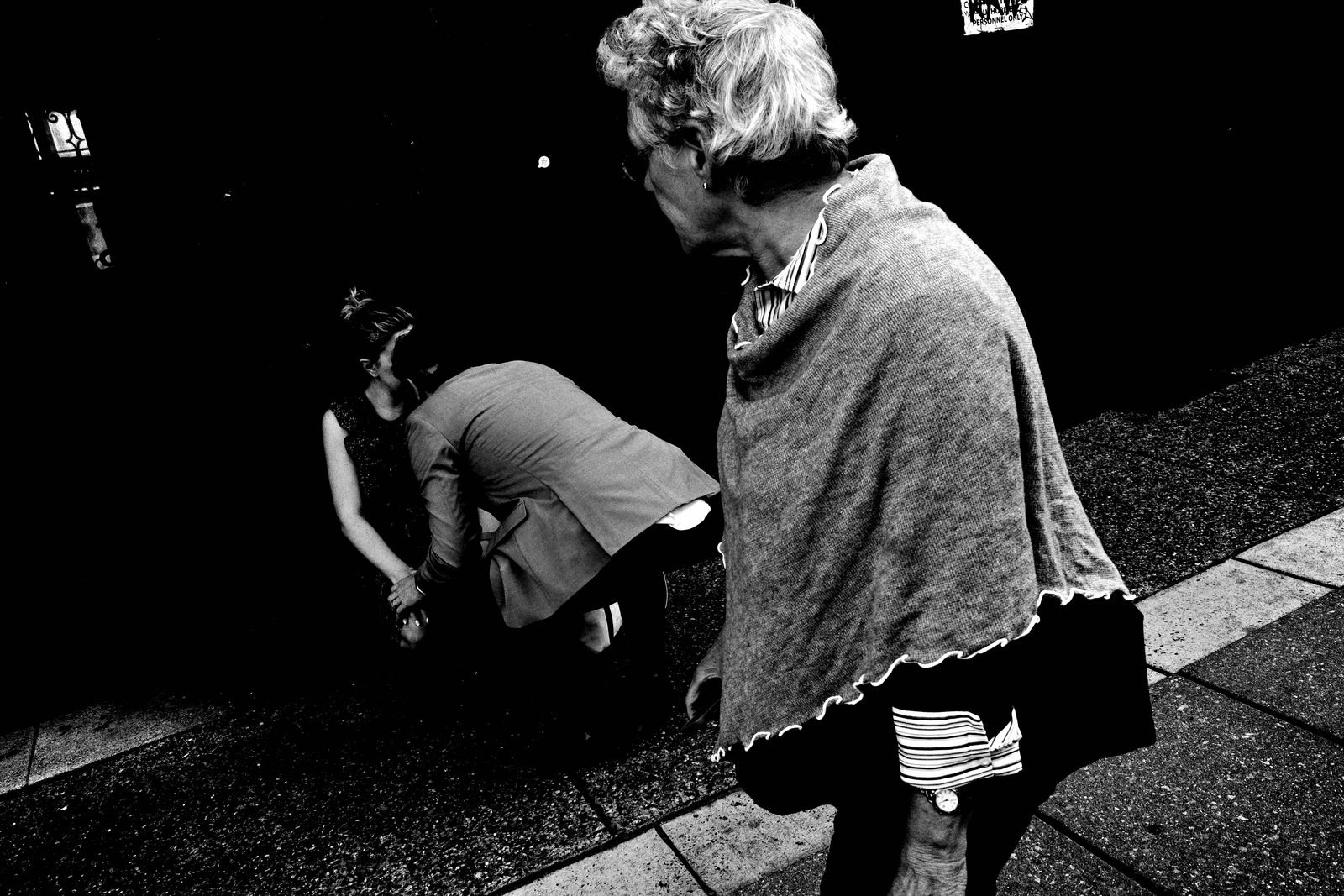
Before you can make a frame, you have to see the scene. Strong composition comes from understanding light, human movement, and patterns. Watch how the light falls, track a person's gestures, read where the emotion sits — then drop low, or shift your angle, to emphasize what matters. Observe, anticipate, then react. The watching is the work.
Engage, Don't Just Document
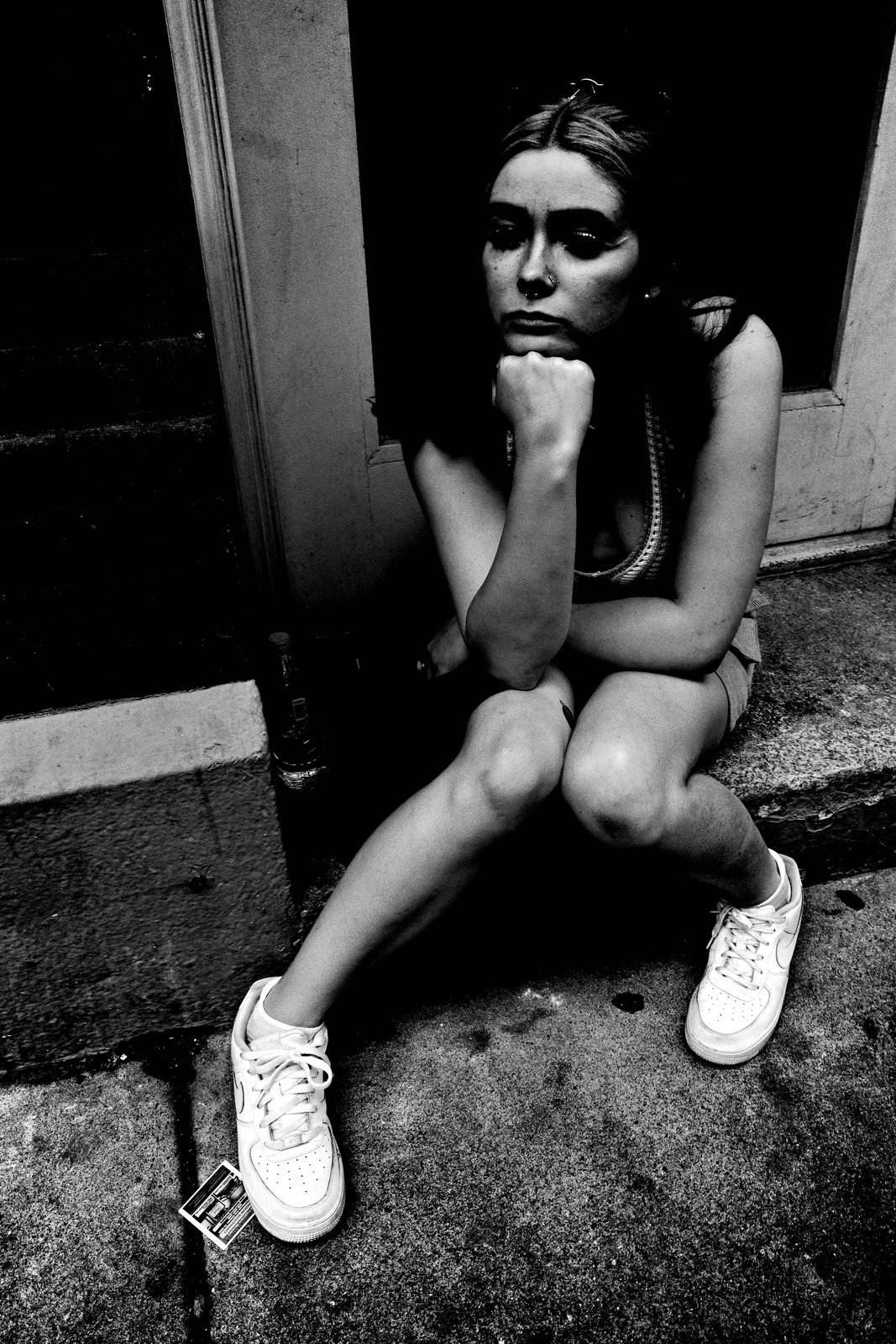
A made photograph often comes from engagement. Photography has nothing to do with photography — it has everything to do with how you engage with humanity. Even walking into a heavy, intimidating situation, you can set the fear aside and embrace play instead: interact openly, get close, and let scenes unfold. Connection makes the frame.
PRACTICAL APPLICATION
Shoot One Scene Ten Ways
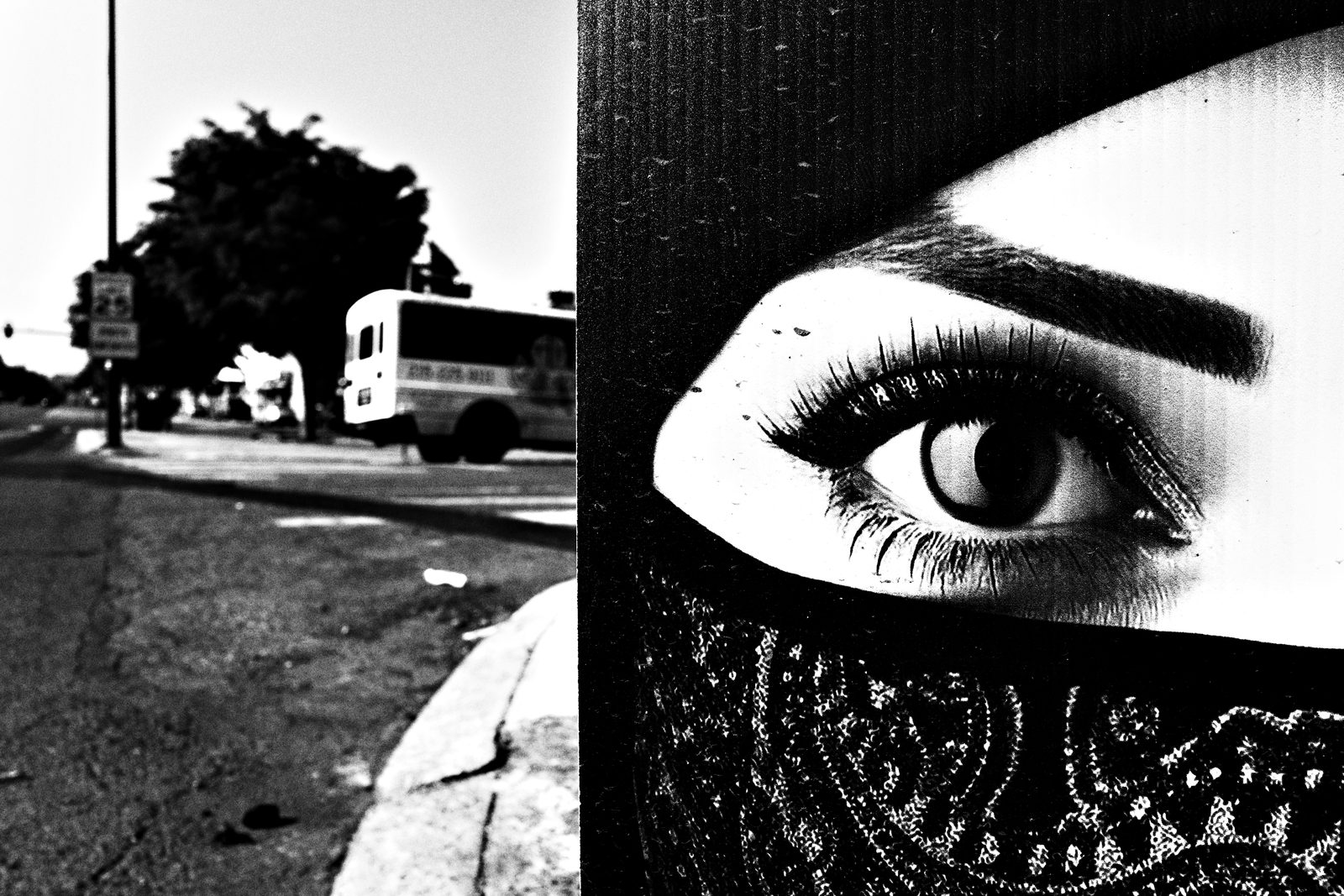
Here's your drill. Next time something catches your eye, do not take one shot and leave. Stay and make fifteen, twenty frames — and move your body for every one. Step left, drop low, get closer, shift right. Later, lay them side by side and find which position made the photograph. That's working the scene.
Read Your Own Contact Sheet
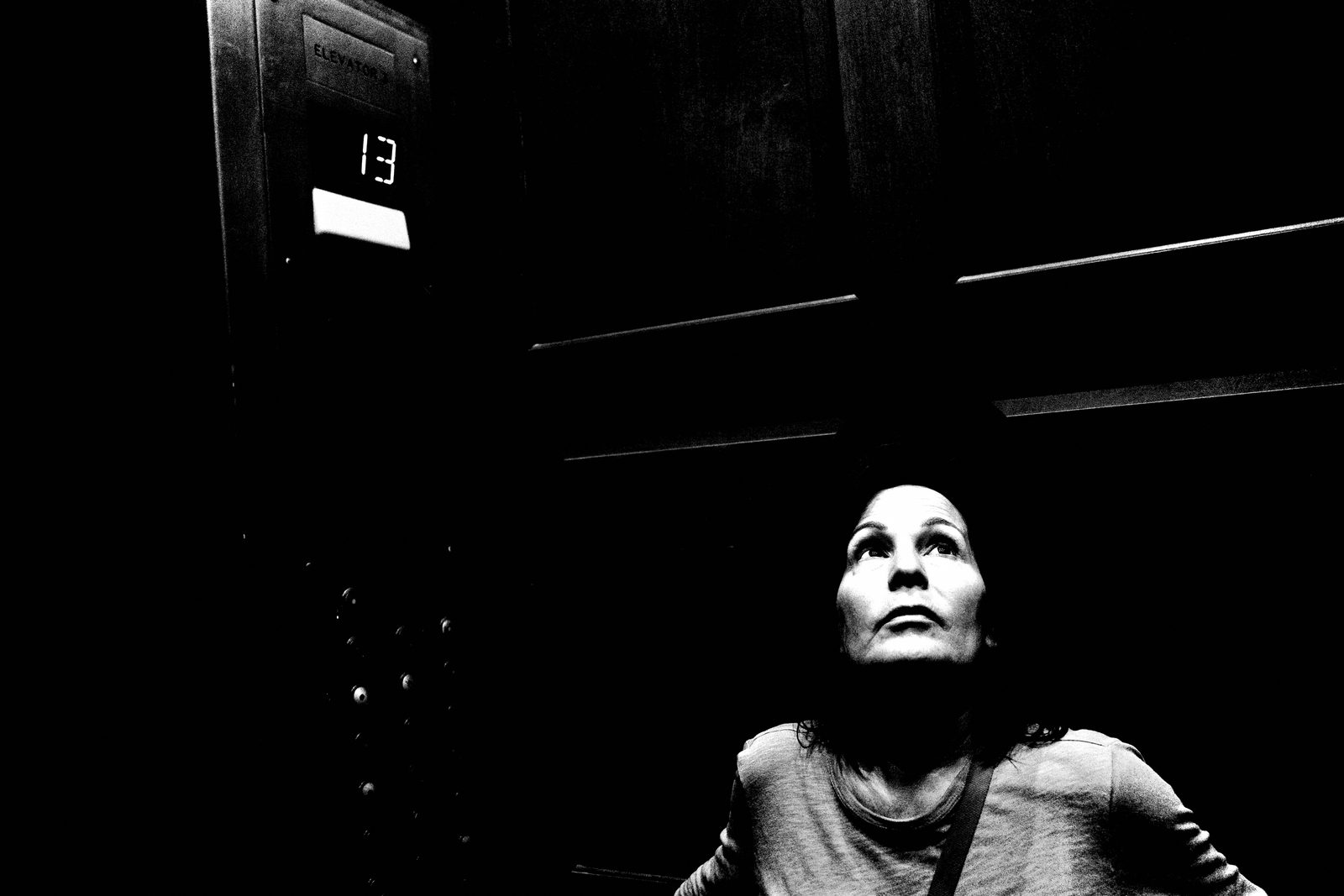
Then study it like I study mine. Look at the full run, not just the keeper. Watch the scene get stronger frame by frame — the flat early shots, the reposition, the moment it clicks. Reading your own contact sheet teaches you how you make a photo, so next time you get there faster.
Know When to Move On
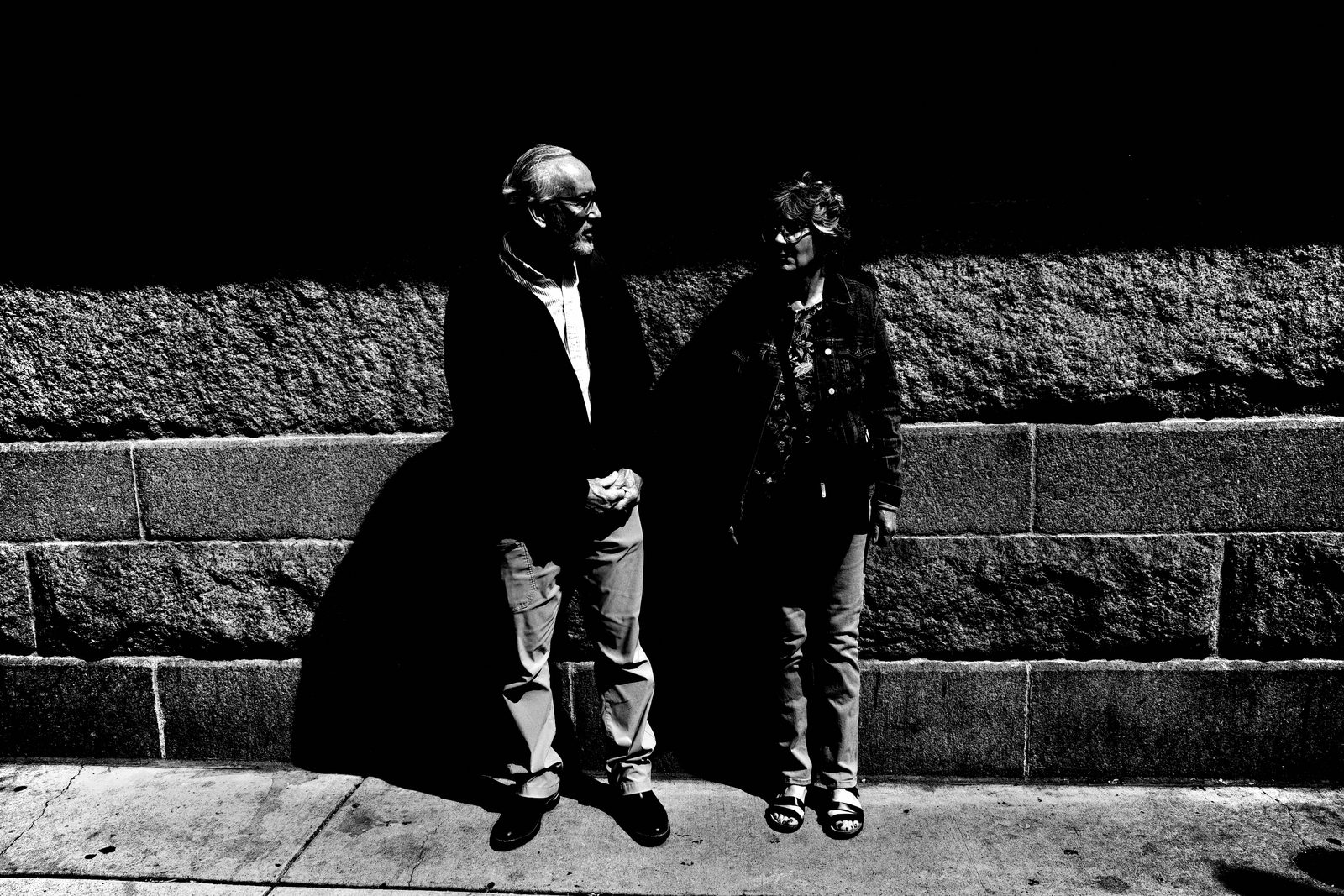
One balance to learn: don't overstay either. Sometimes the energy of a scene dies down, the light shifts, the moment passes. Trust your gut. Don't cling to a dead scene out of stubbornness — work it fully, then move to the next opportunity. Staying and knowing when to leave are the same skill.
COMMON MISTAKES
One Click, Then Stand Still
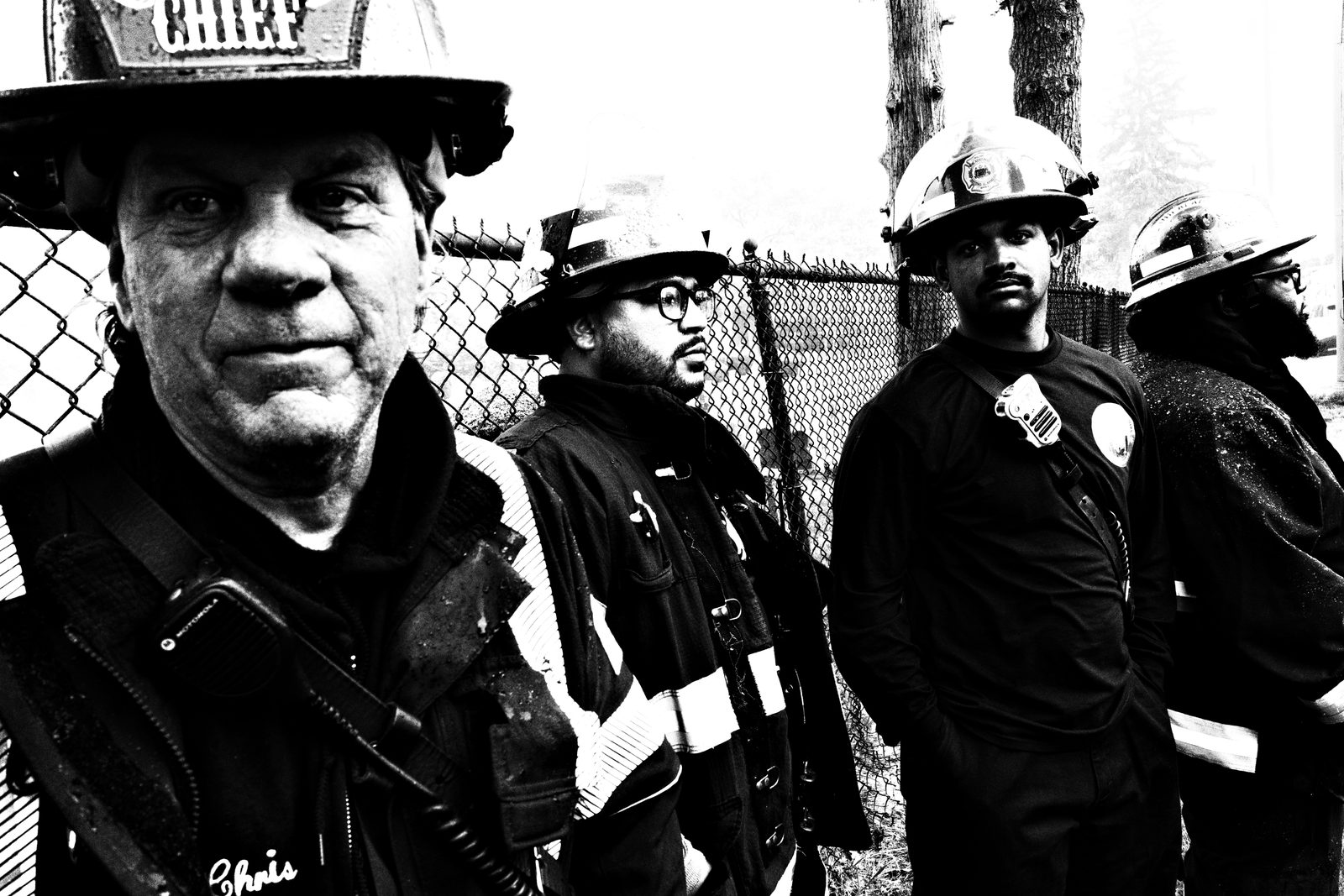
The number-one mistake: one click and gone. You snap a quick grab shot and move on, leaving the real photograph behind — the one two minutes and three steps away. And its twin: standing flat-footed, shooting head-on from one spot. You forget photography is physical. If your first frames fall flat and you don't move, you've decided to settle.
RELATIONSHIP TO PREVIOUS
Beyond the Snapshot
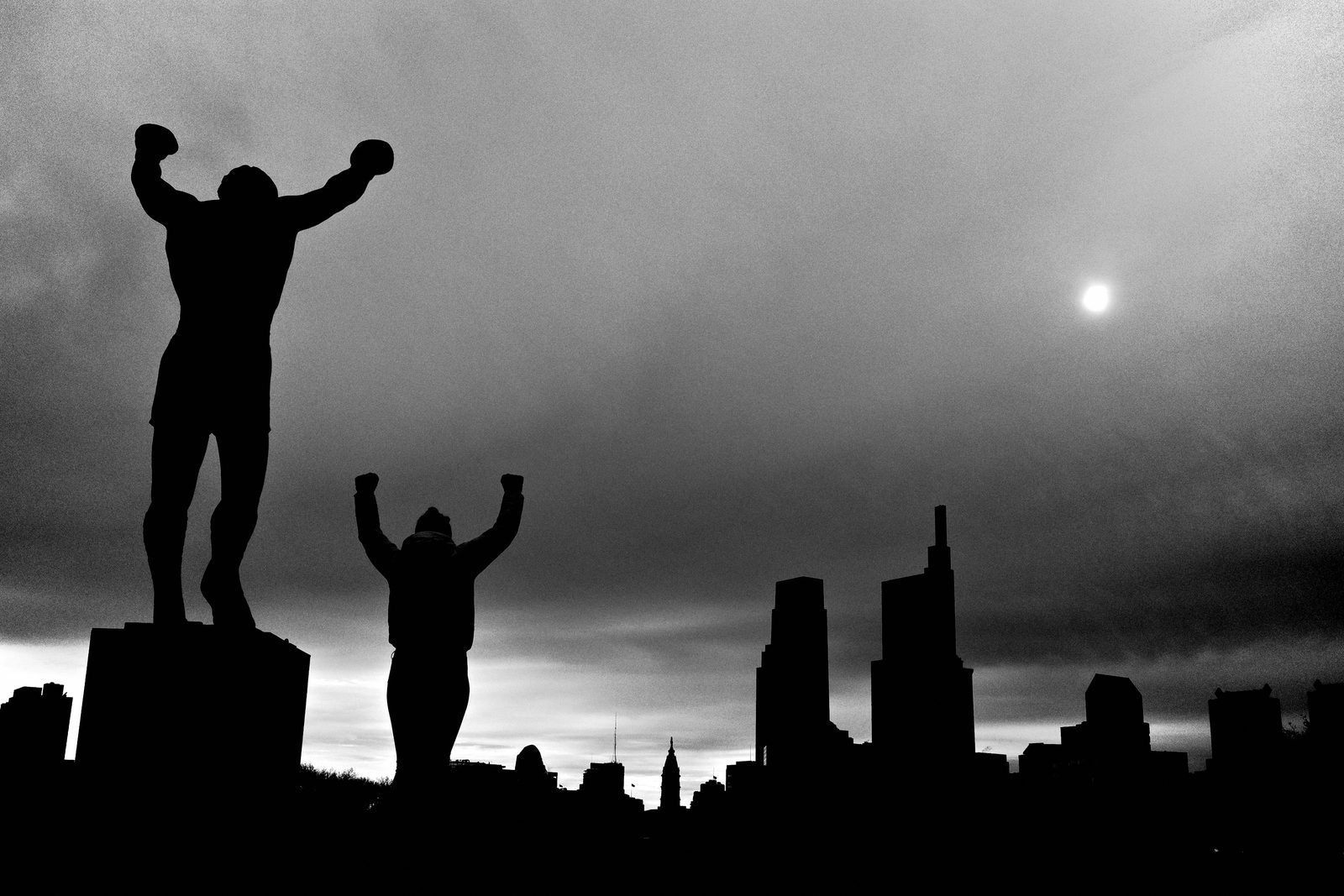
Last lesson — Lesson 012 — we honored the snapshot: loose, honest, unfiltered seeing. Keep that. But here we add the next move: once the snapshot shows you a scene worth having, you stay and work it. The found moment gives you the door; making the photograph is walking through it.
RELATIONSHIP TO UPCOMING
Next: Juxtaposition & Serendipity
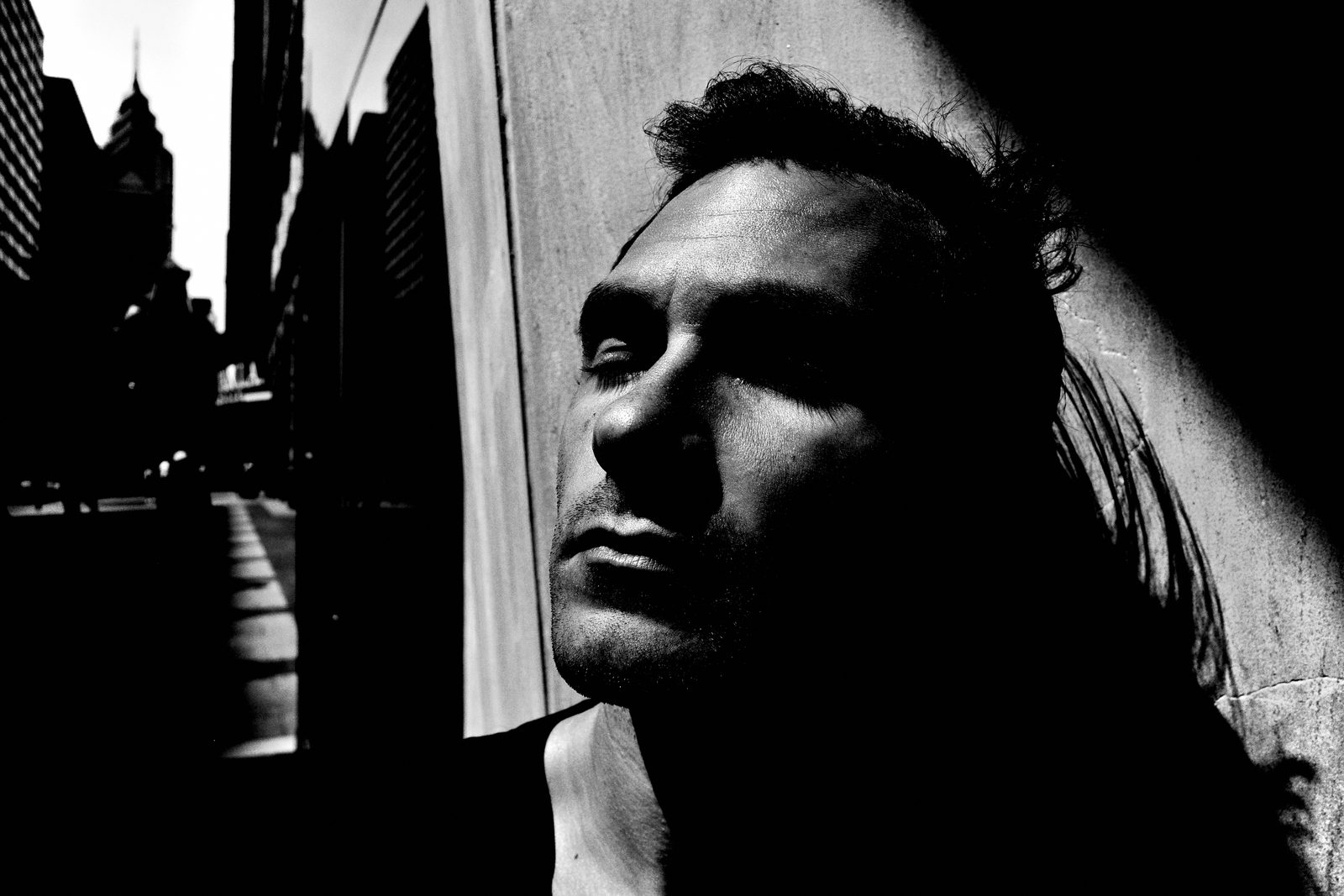
Quick look ahead. In Lesson 014 we flip the coin: Juxtaposition & Serendipity. Working the scene is the made side — but the street also hands you gifts you couldn't plan. Next we learn to let go, follow the light, and be ready when the universe drops two unrelated things into perfect alignment.
SUMMARY / TAKEAWAY
Don't Leave Till the Scene Leaves You
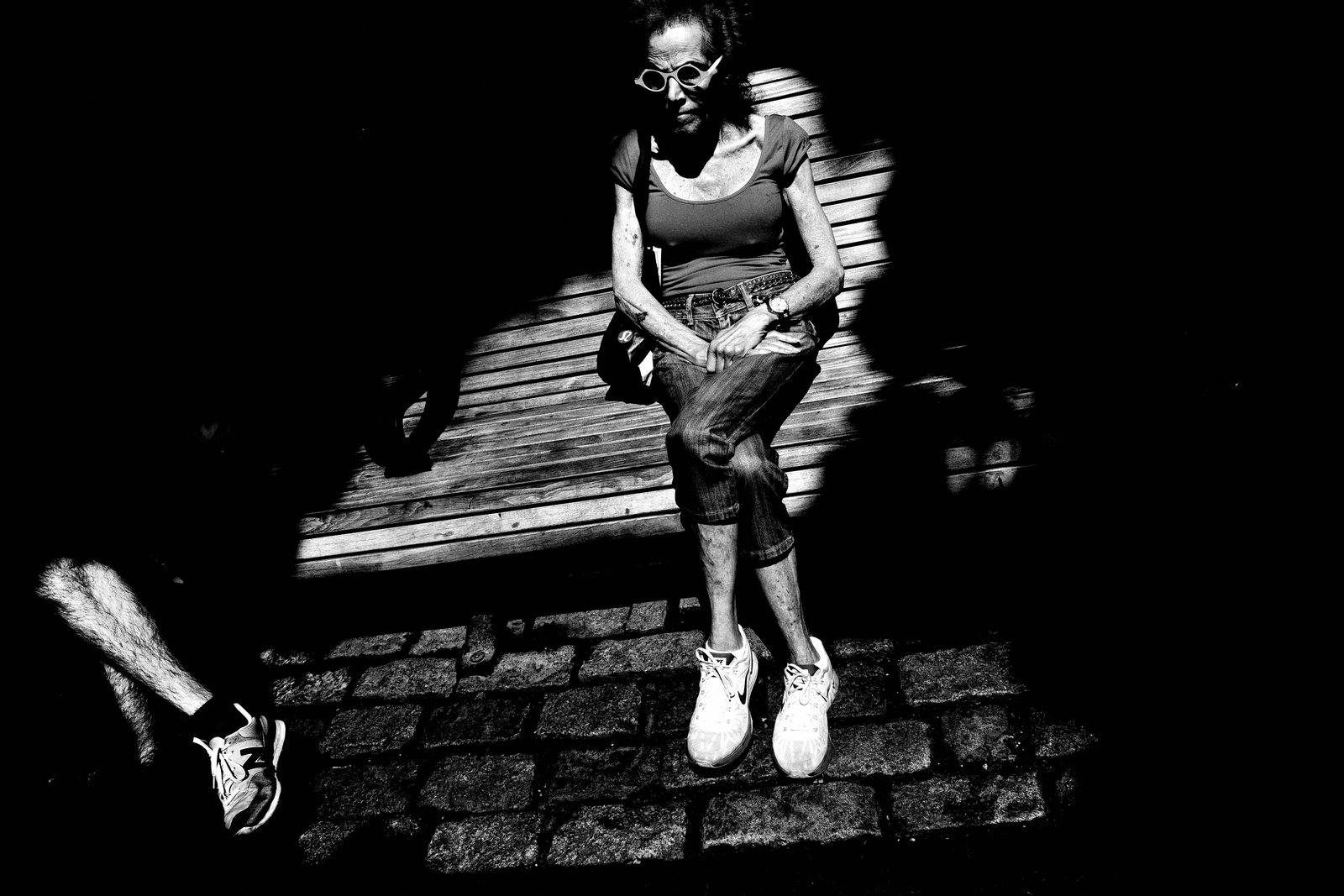
Last thing. The great photograph isn't found in one lucky click — it's made through patience, positioning, and persistence. Stay. Move your body. Push through the fear. Work the puzzle until the pieces lock. And remember the one line that matters most: don't leave the scene until the scene leaves you. Catch you next lesson.