The Snapshot Aesthetic
CORE IDEA
The Snapshot Is the Point
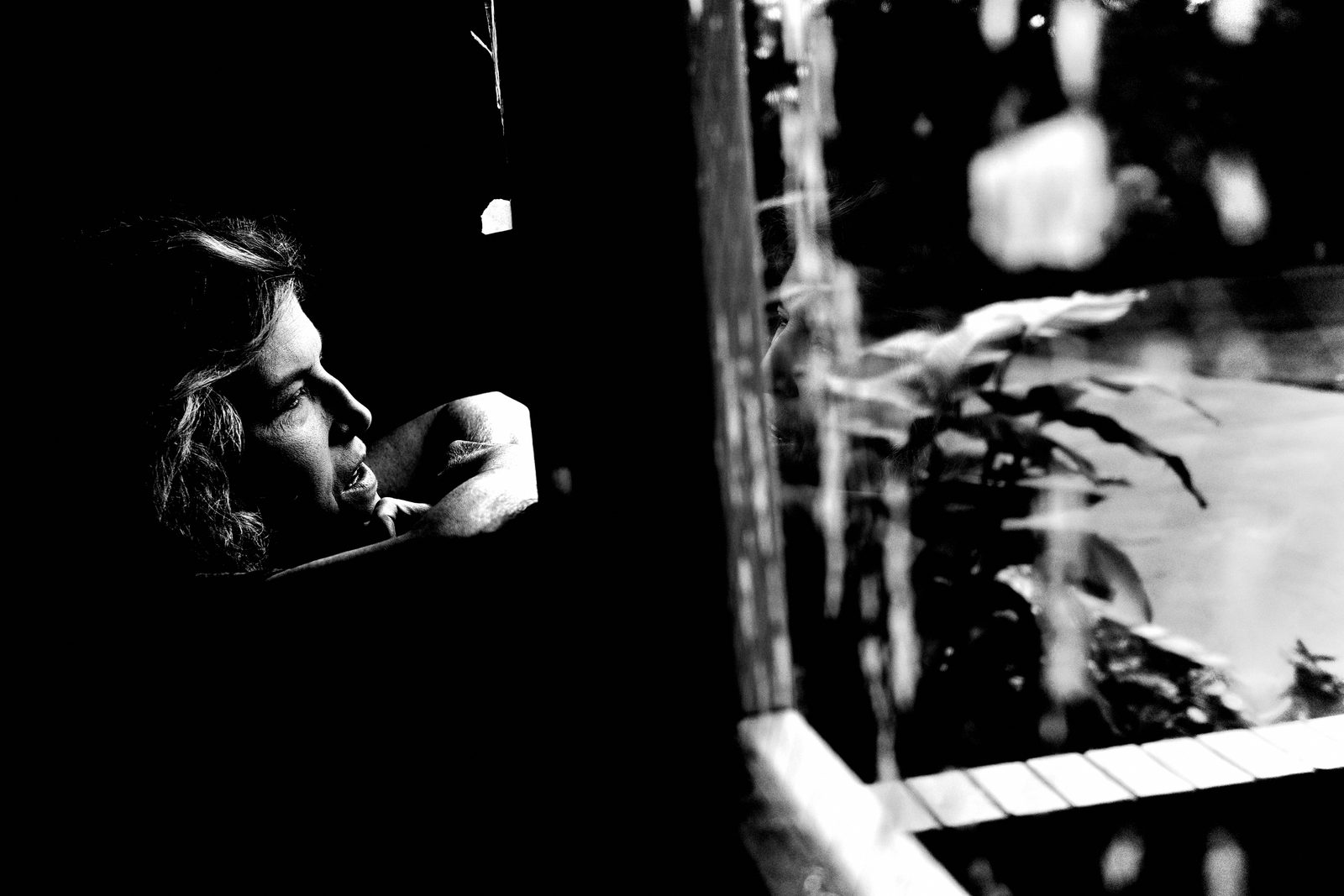
What's popping, people — it's Dante. Today we're talking about the snapshot aesthetic — and I want to flip your whole idea of it. The snapshot isn't the lazy photo, the throwaway photo. The snapshot is the honest photo. It's immediate, it's embodied, it's instinctive — and that's exactly why it matters.
LEARNING OBJECTIVE
What You'll Walk Away With
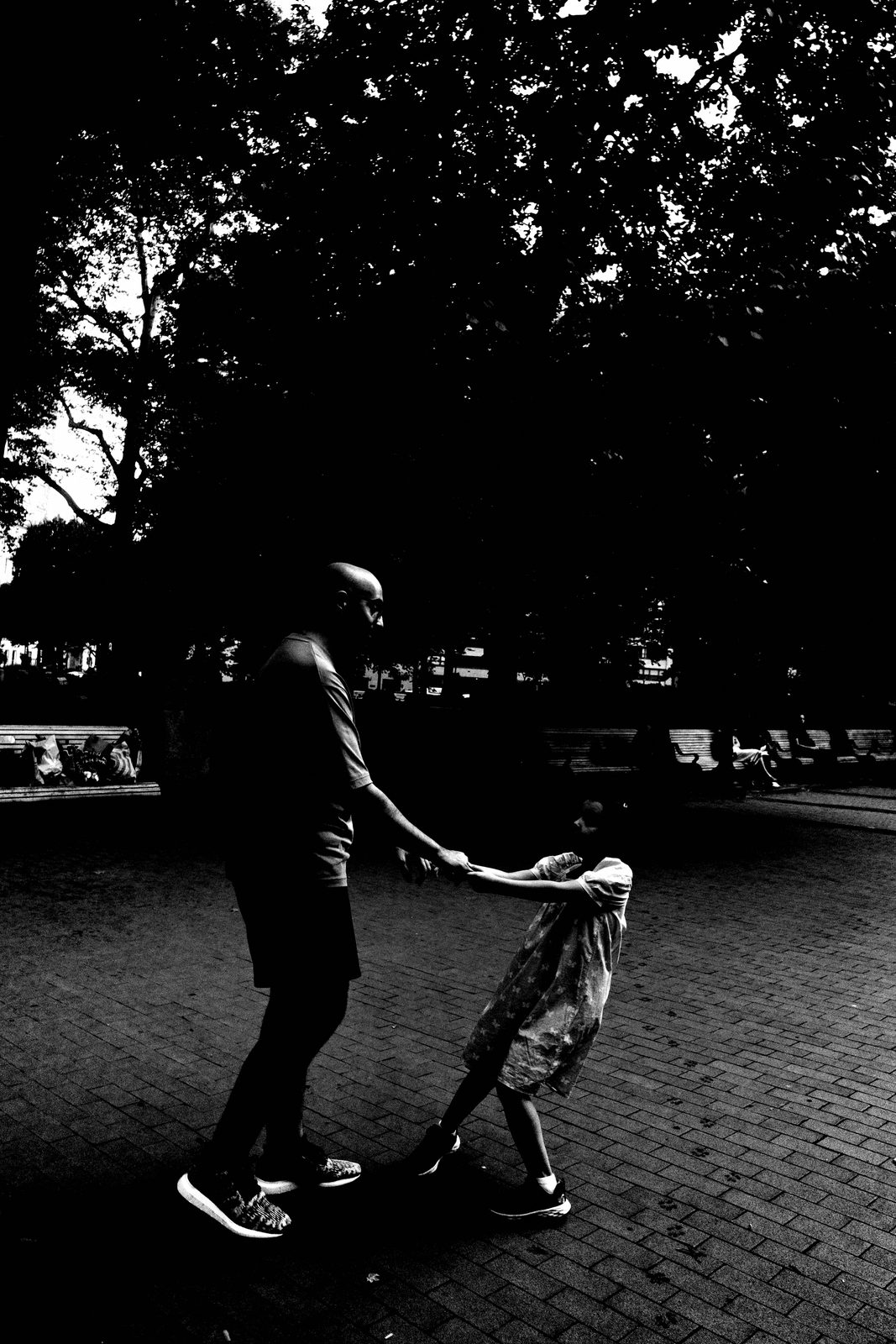
By the end of this lesson you'll know how to shoot like this on purpose — fast, loose, point-and-shoot, no fuss. You'll learn to strip the friction out of your process so instinct can take over. The casual snapshot isn't sloppy — it's a discipline. Let's get into it.
WHY THIS MATTERS
Perfectionism Kills the Moment
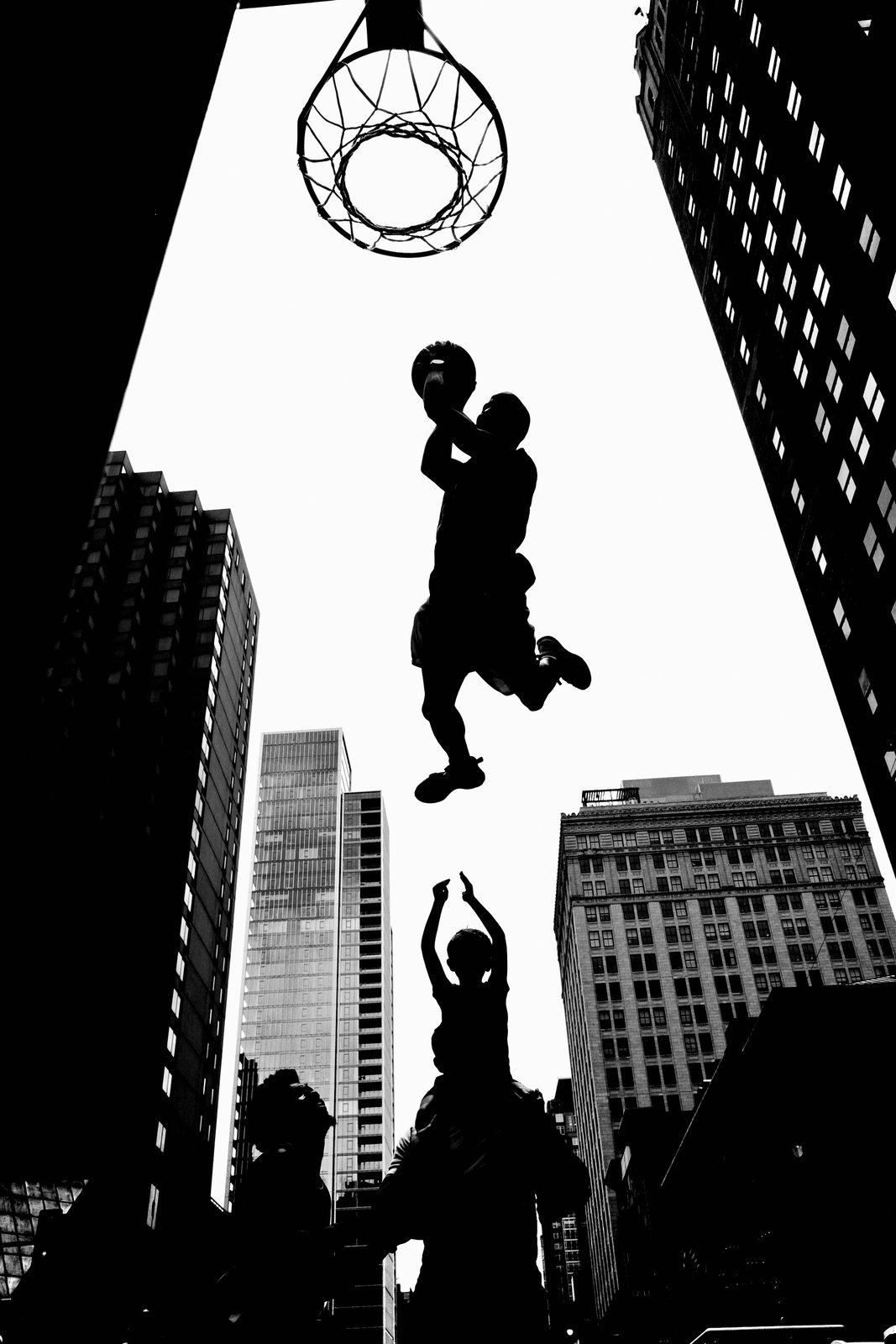
Here's why this matters. Overthinking causes delay. Delay creates hesitation. And hesitation kills instinct. The street moves at the speed of life — if you're standing there lining up perfection, the moment is already gone. The snapshot beats perfectionism because life doesn't wait.
Casual Is Honest
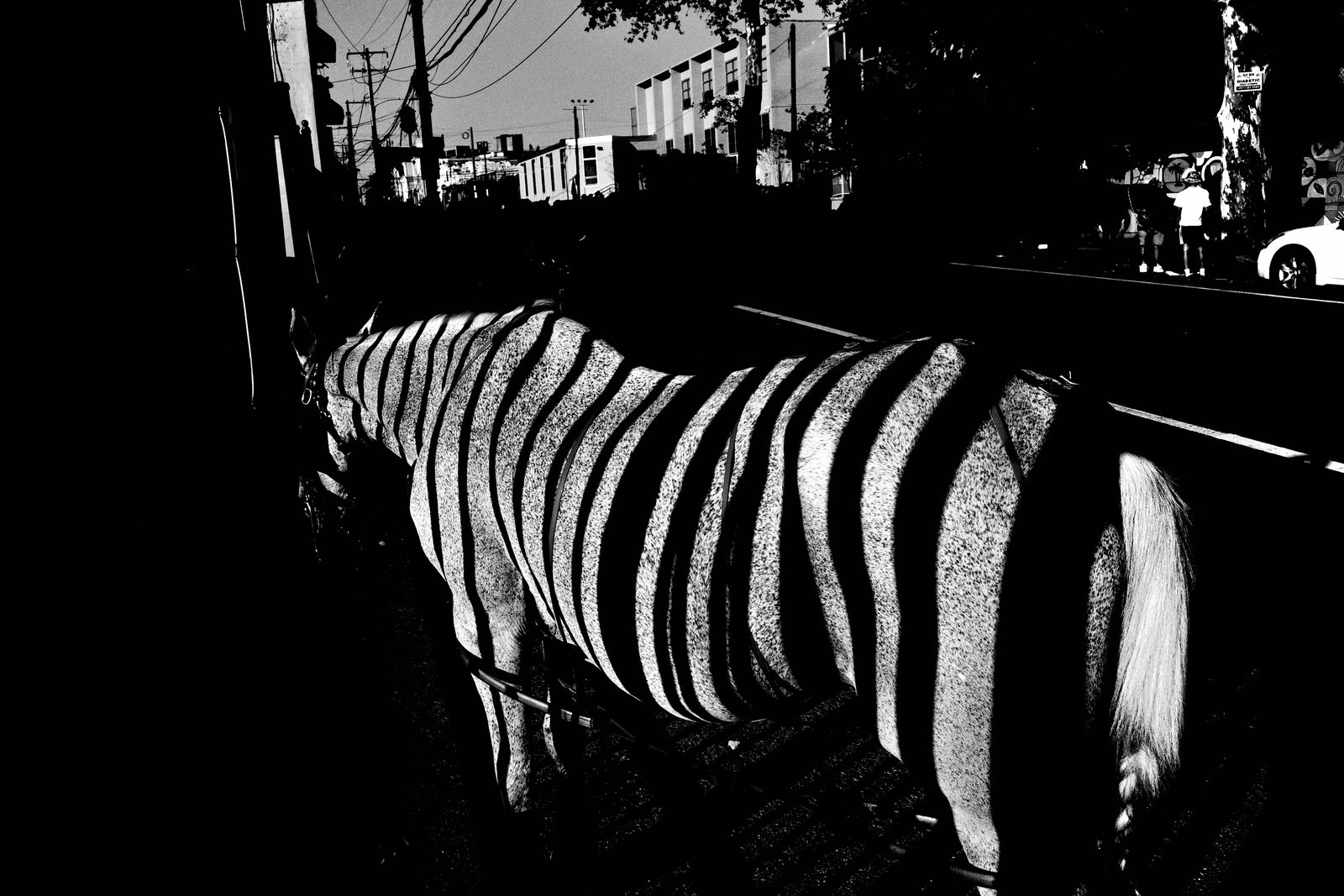
And here's the deeper reason. When you shoot from the gut, without constructing a narrative, you make the unconscious conscious. The image reflects your internal state, not your concept. Polished photos perform; snapshots confess. That honesty is worth more than any "impressive" frame you ever forced.
MAIN TEACHING
Shoot First, Think Later
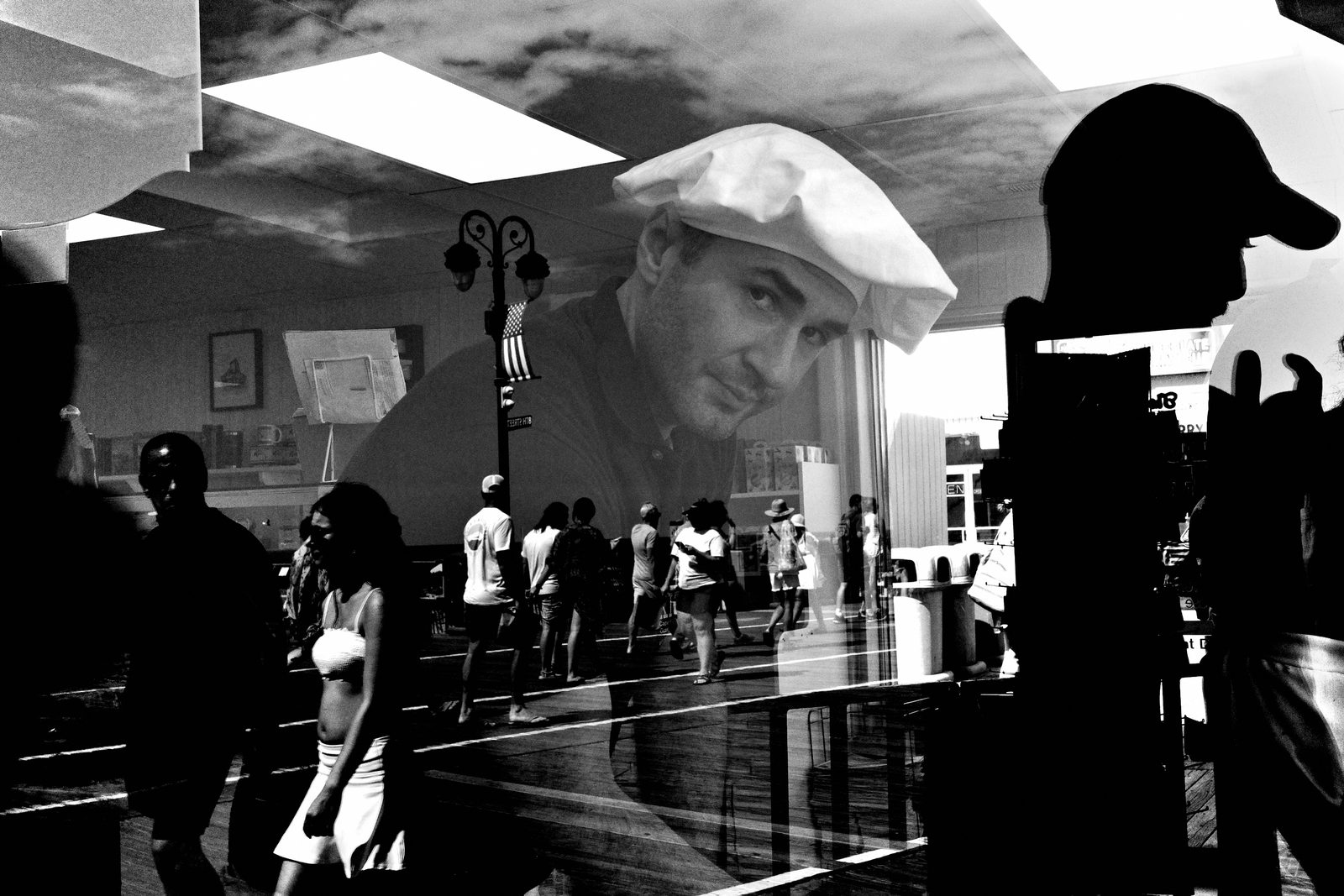
So here's the first principle, plain as it gets: shoot first, think later. When you see something, don't narrate it in your head. Don't ask if it's good. Click. Move on. Let the chips fall as they may. The evaluating comes way later — out on the street, your only job is to respond.
Strip the Practice Bare
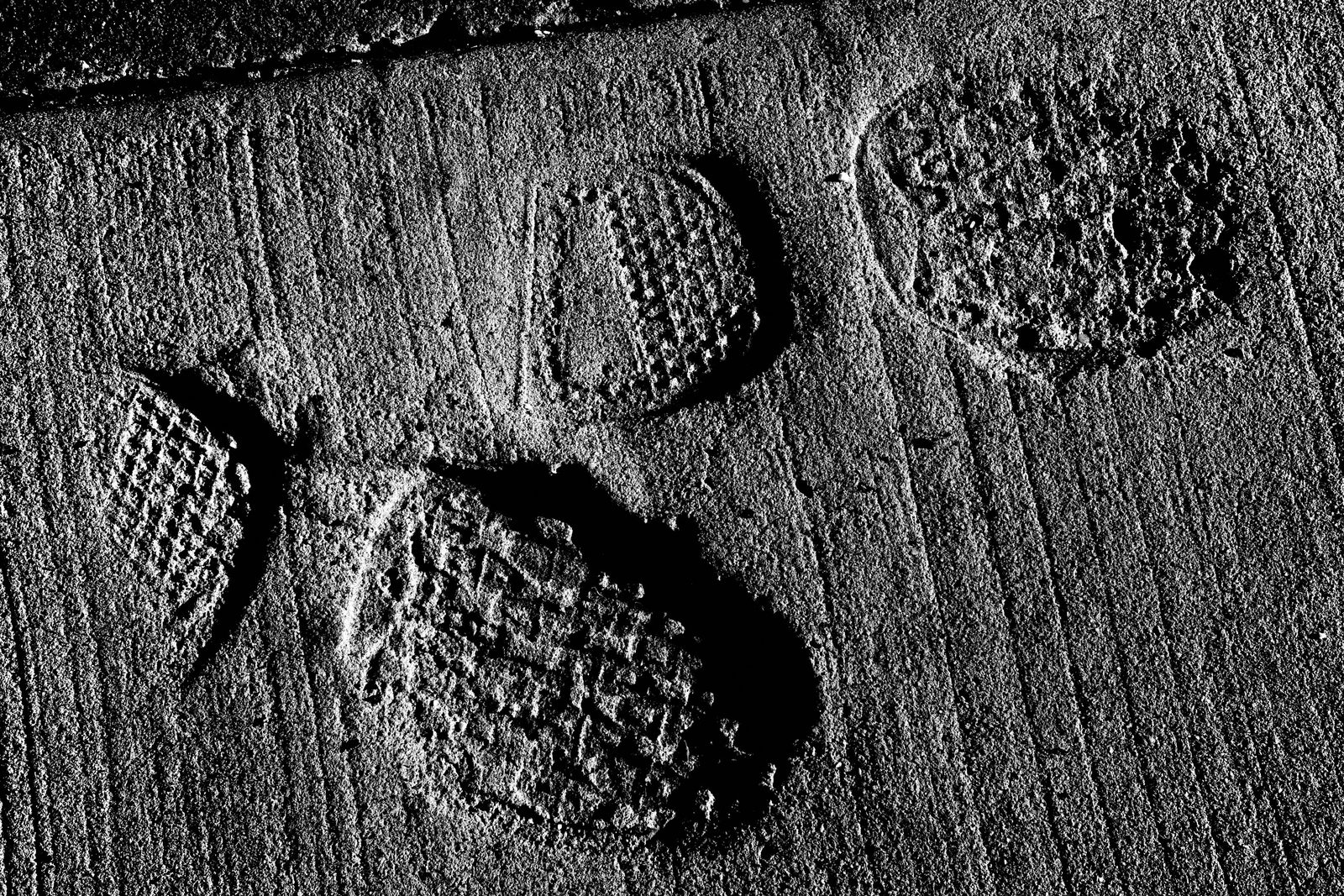
The snapshot aesthetic starts with stripping the practice bare. For me that's a Ricoh GR in my pocket, a fixed lens, a small JPEG with the contrast cranked to the maximum. I've stripped photography down to black and white — there is no going back. When the practice is this simple, instinct develops much faster.
Constraint Liberates Instinct
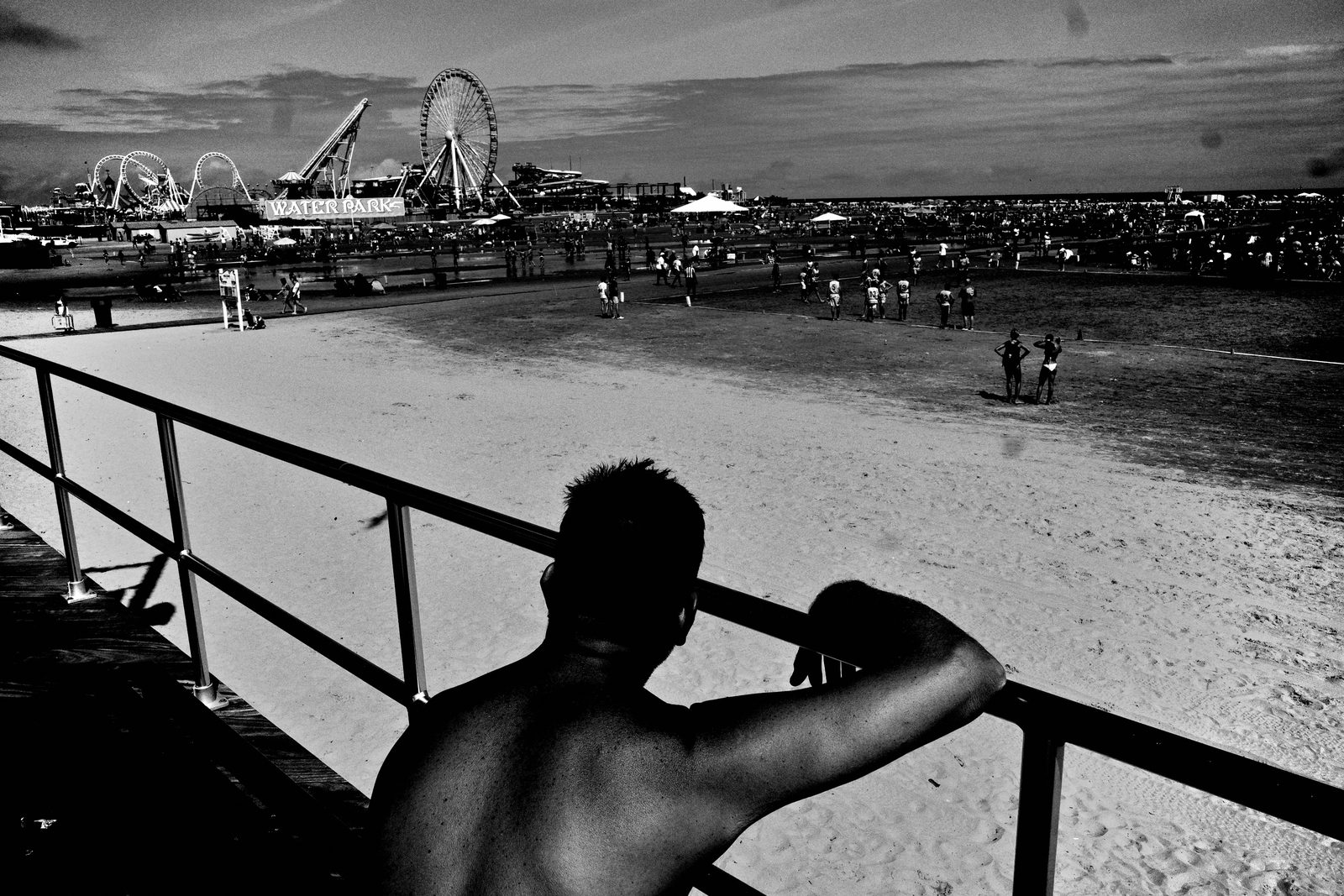
Counterintuitive truth: constraint liberates the instinct. Small camera, automatic mode, snap focus, no menu diving, no technical drama. The less friction in the way, the louder the gut gets. These limits aren't restrictions — they're permissions. When you remove the technical noise, instinct becomes inevitable.
Remove the Friction
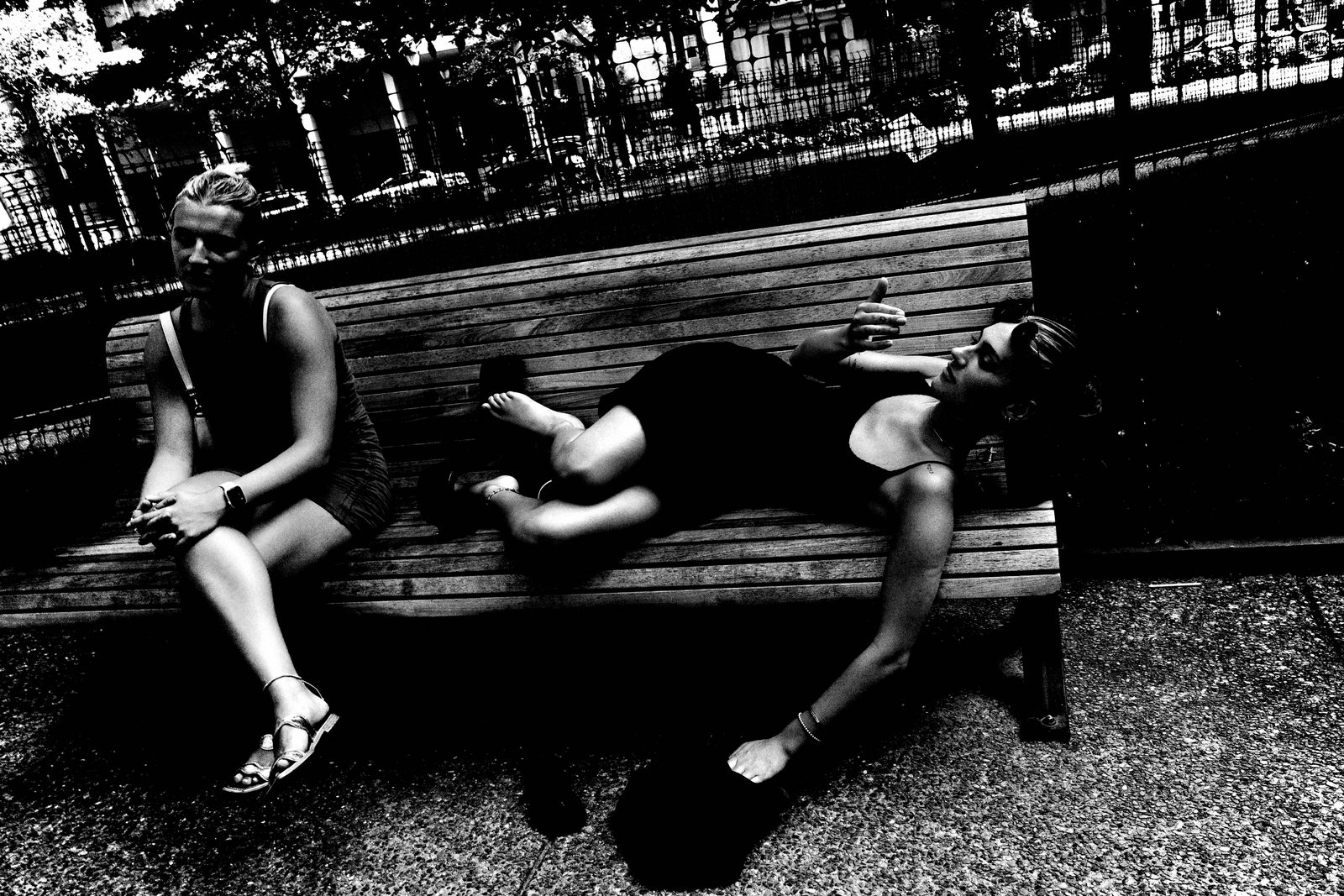
Build a workflow around speed and simplicity. Processing baked into the camera. No post. No fiddling. Loose framing right off the LCD — point and shoot. The whole rhythm becomes: raise the camera, click, move. These creative constraints make photography inevitable. That's the engine of the snapshot.
Emotion Lives in the Click
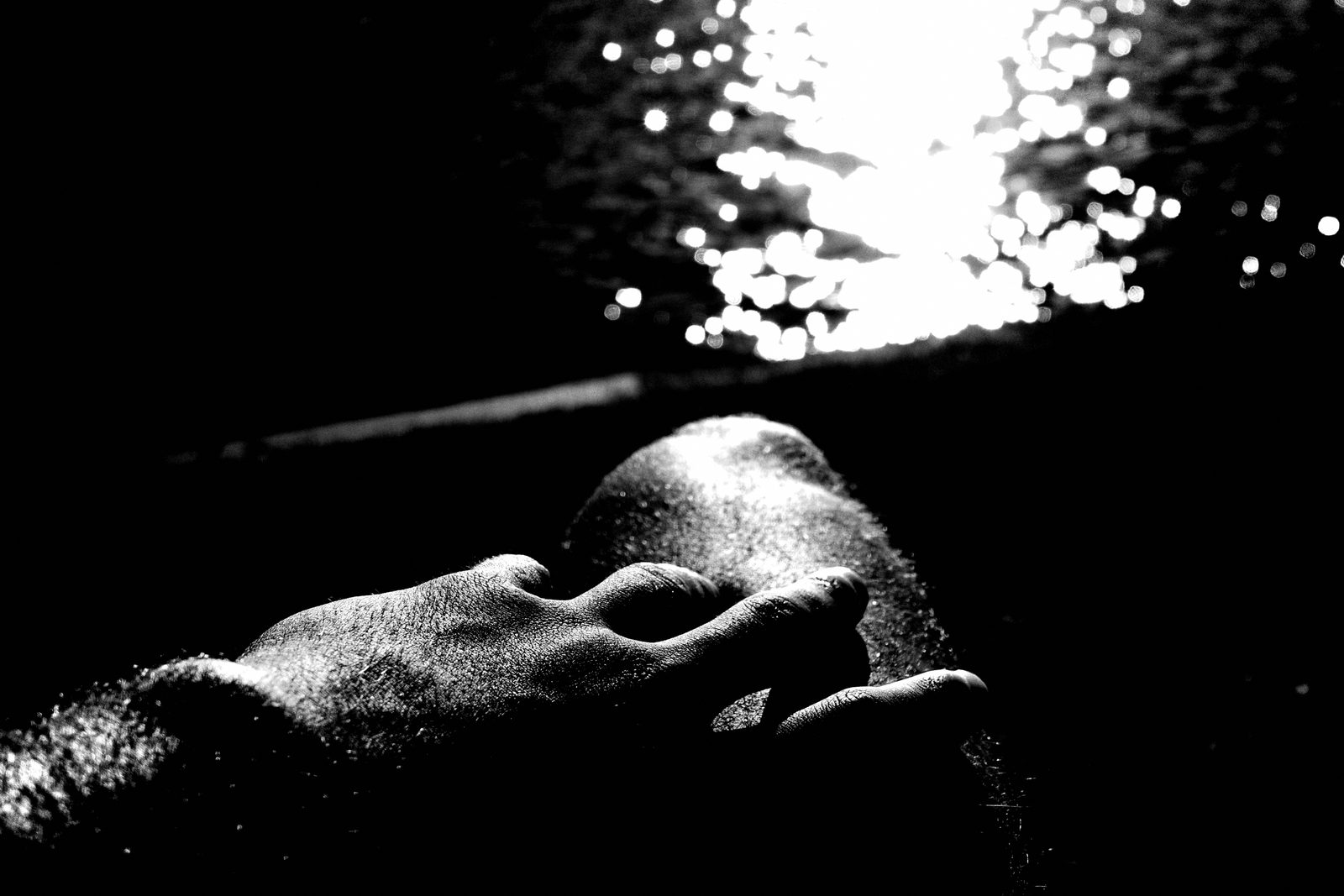
When you shoot from the gut, the image reflects your subconscious — everything you've lived flows through that split-second decision. That's why the snapshot matters: it's immediate, it's embodied, it's honest. You're not lining up a concept. You're letting your whole self answer in one click.
The Camera as Extension
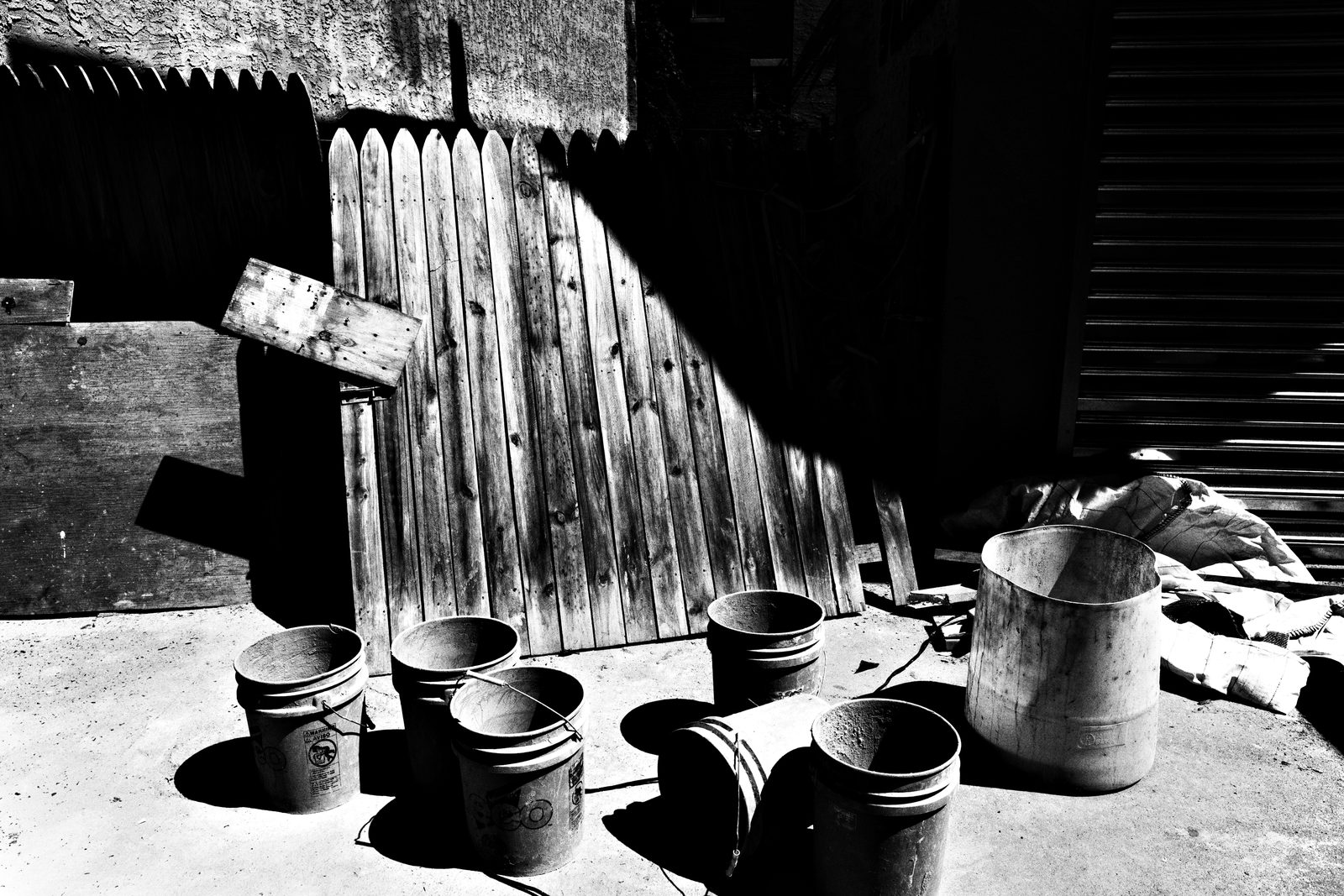
Do this long enough and the camera becomes an extension of your body and your eye. You no longer question why you're pressing the shutter — you simply know. You see something, you position your body, you feel how the photograph wants to live inside the four corners. That fluency is what the casual snapshot is really chasing.
Movement Creates the Moment
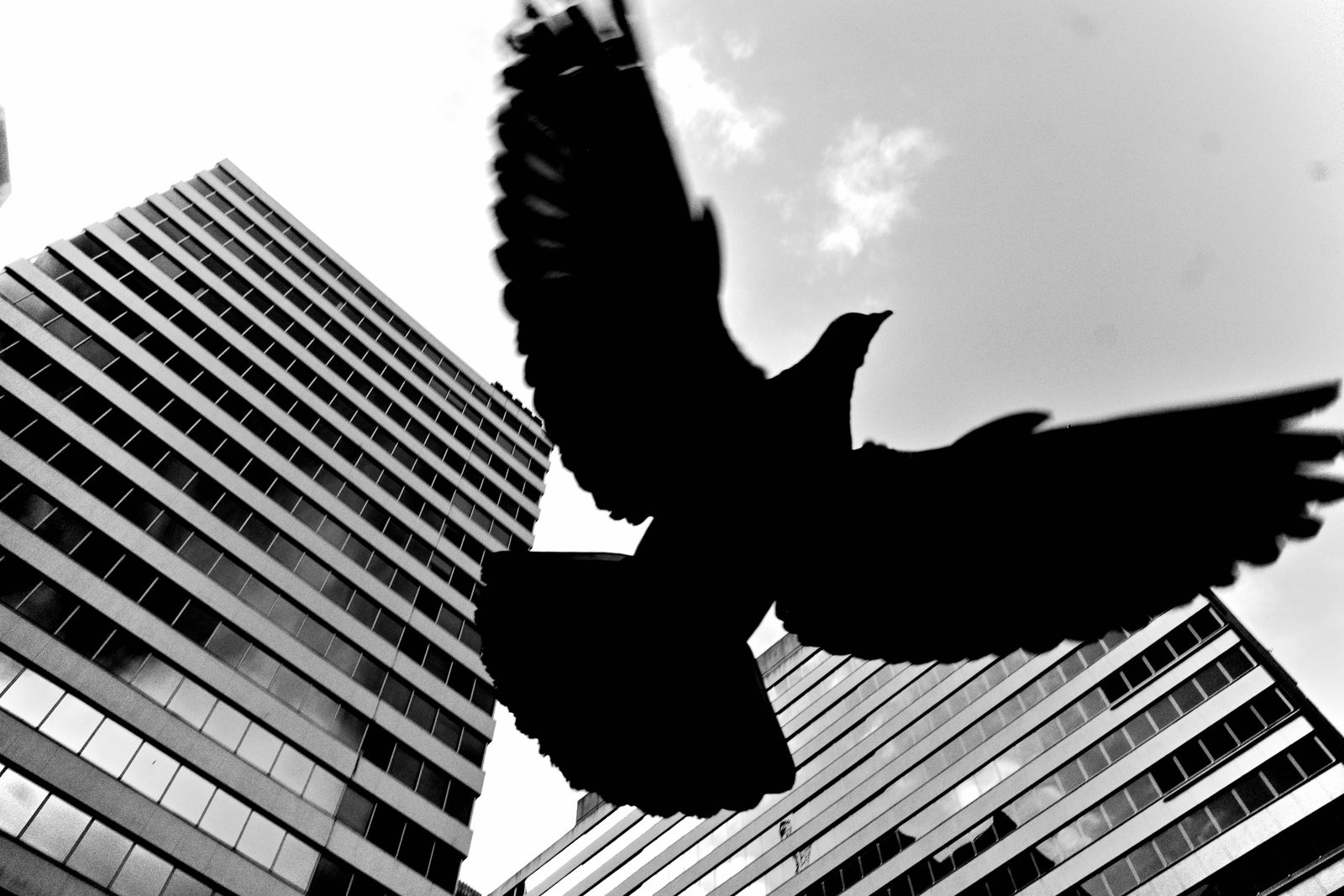
Here's a word for you: motivation comes from movere — to move. If you want to feel instinct, walk. Don't stand there lining up perfection waiting for inspiration to strike. Nine times out of ten your gut beats your brain. So move your body, and when you feel the pull — click.
The Casual Frame Finds More
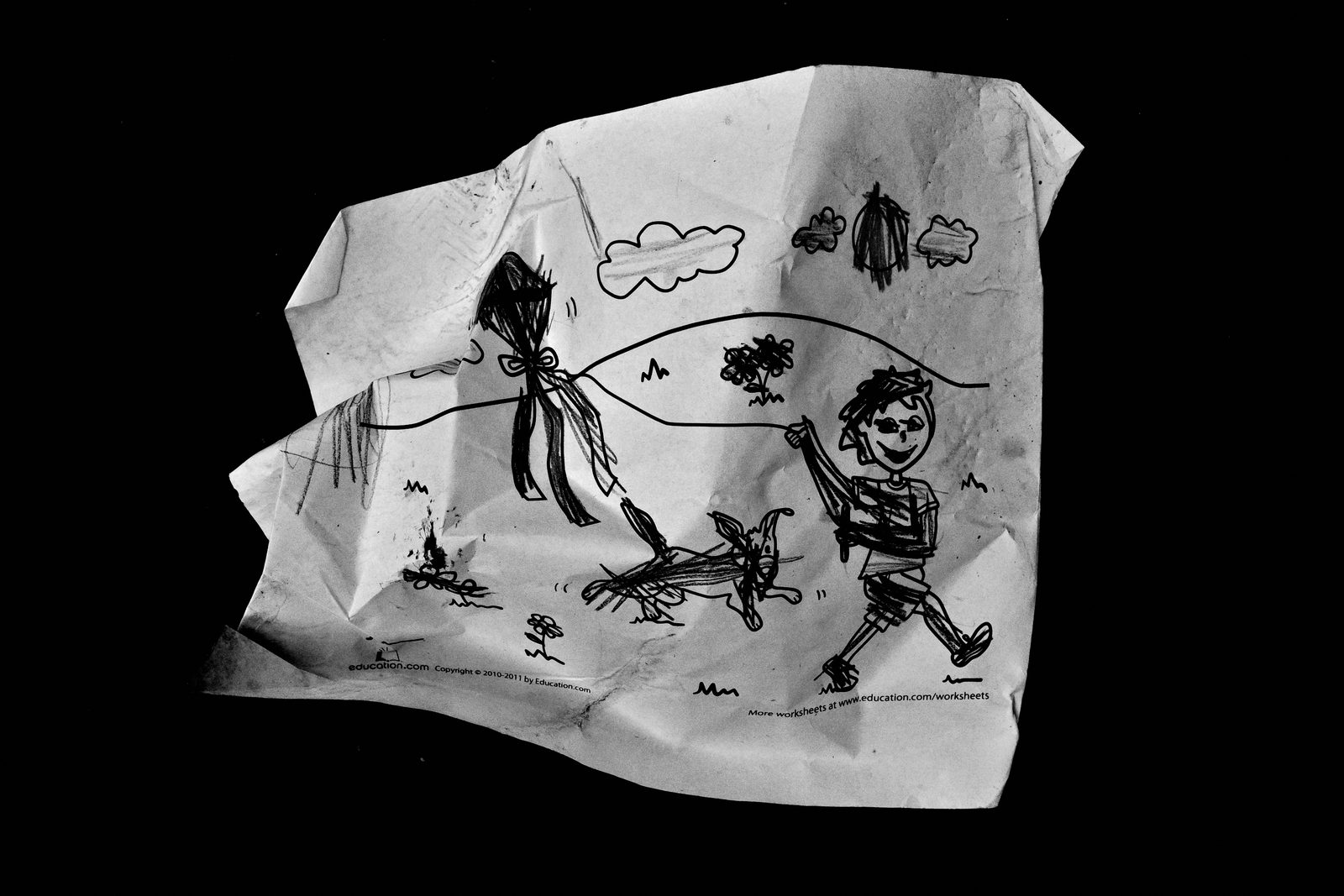
Here's what this looks like in practice. Take the same mundane lane near where you live — same boring street, every day. The challenge is to uplift that mundane into something greater. Stop meticulously composing. Let go, shoot it casual and fast — and the snapshot keeps finding things the careful frame would've walked right past.
Stripping to Black & White
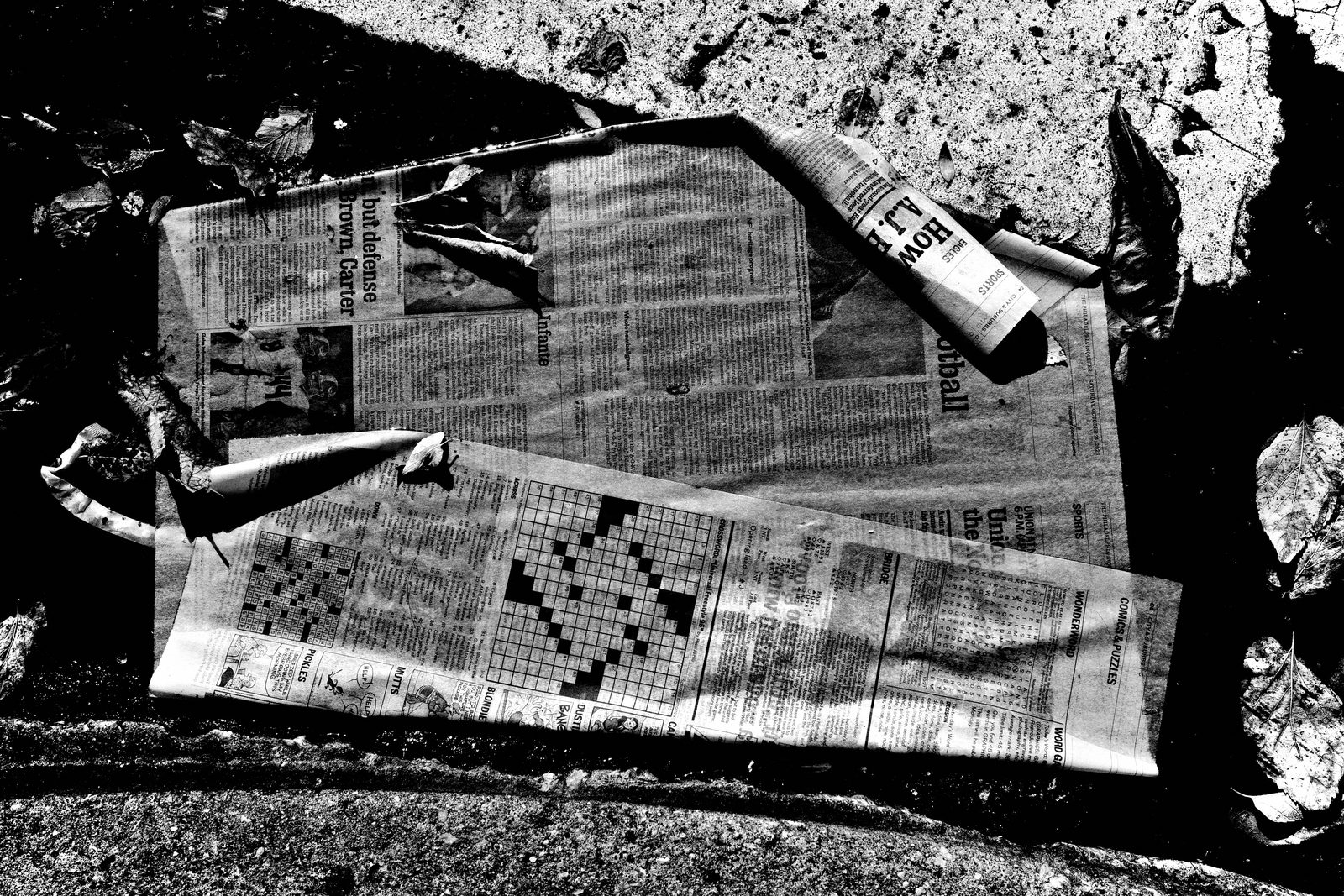
Take my own evolution. The switch to high-contrast black and white, the decision to shoot small JPEGs instead of RAW — that's all part of stripping down. By stripping to high-contrast black and white, you can create these abstractions of reality. It buys you speed and efficiency, which means you stay in the moment instead of obsessing over technical perfection.
Every Day Is Day One
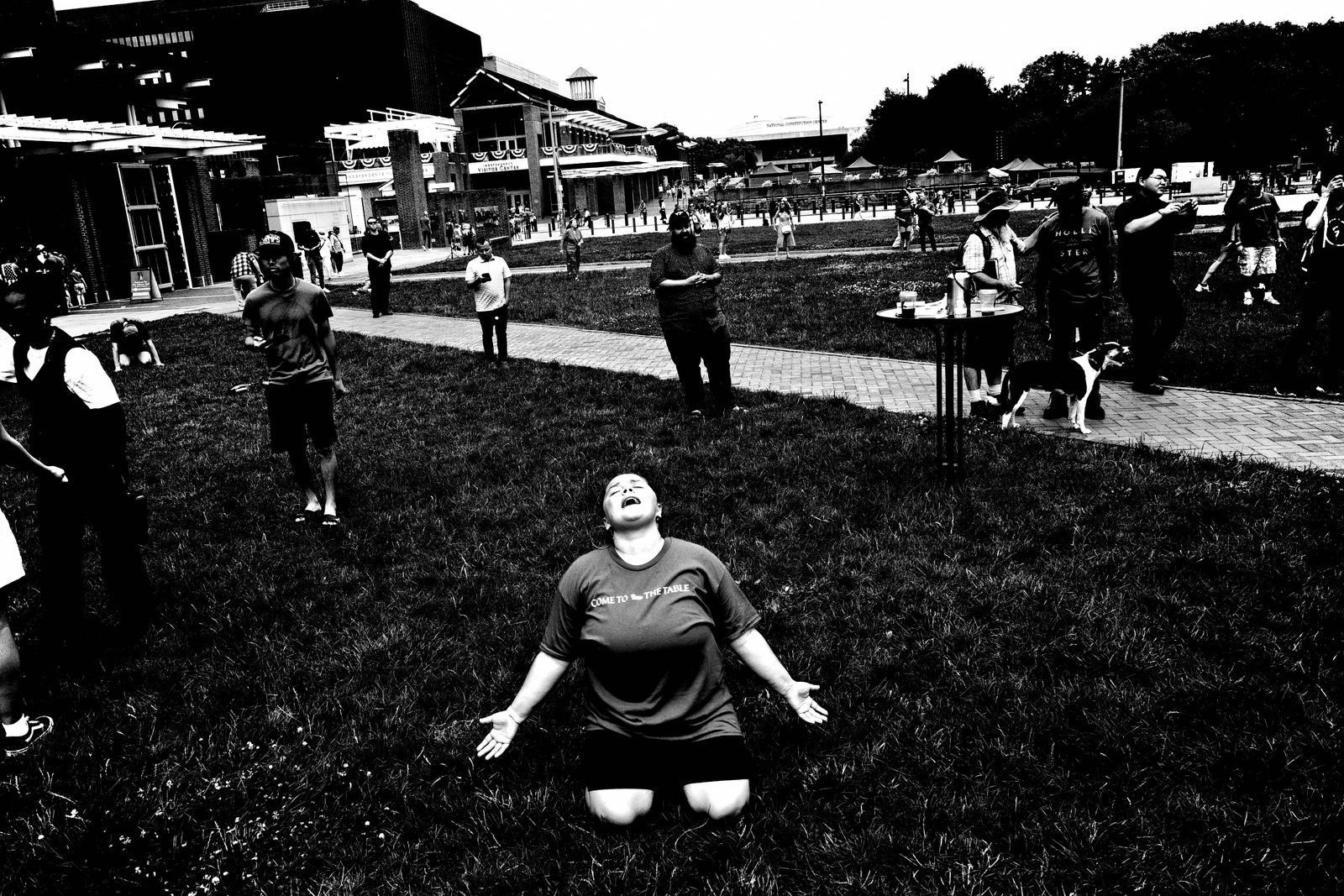
My favorite reframe: every day is Day One. Each time you go out, feel like an amateur picking up the camera for the first time. No preconceived ideas about what makes or breaks a photograph. That child-like, casual energy is the snapshot aesthetic — it lets life flow toward you instead of you hunting for shots.
Style Hides in the Snapshot
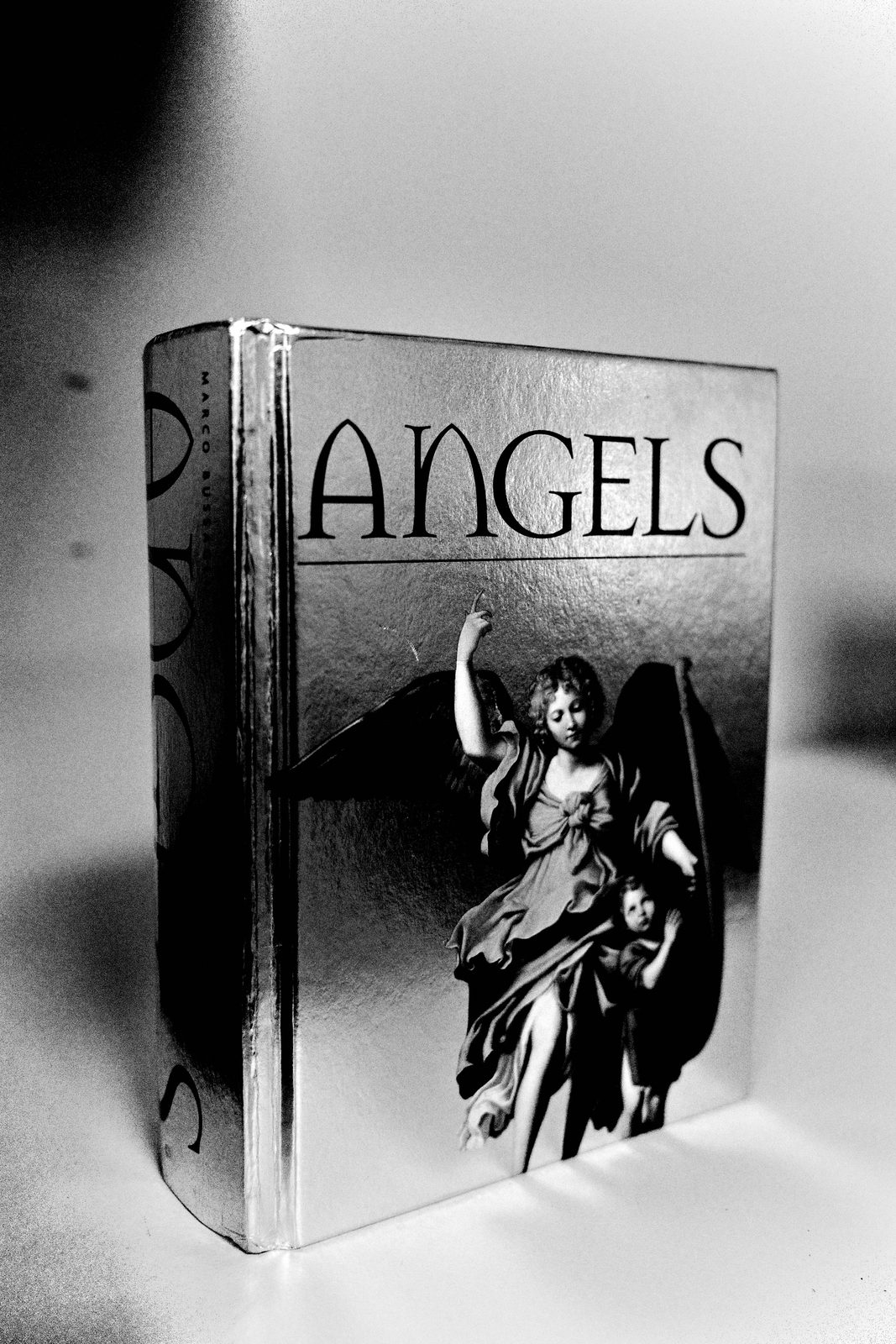
And here's the payoff. Shooting this way isn't just fast — it's how your style actually emerges. When you press the shutter instinctively, your internal world surfaces. Over time, patterns appear, and that pattern is your voice. You can't manufacture it with an aesthetic trick. The snapshot reveals you, frame by frame.
Photography as a Visual Diary
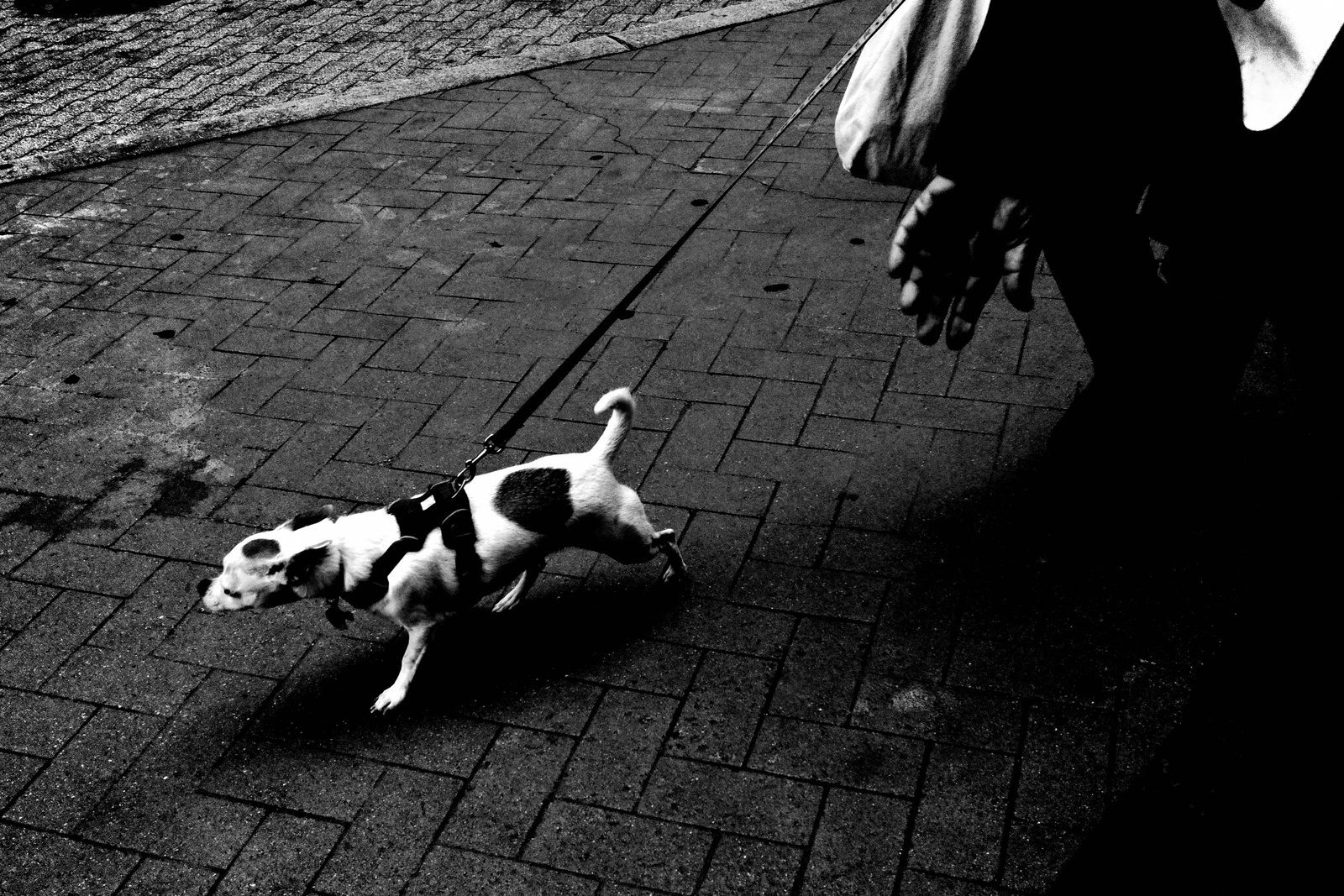
This is why I now treat photography as a visual diary. It's no longer about seeking — it's about flowing. I'm not putting on my "photographer hat" and hunting a theme. I'm simply living, and taking the camera for the ride. The casual snapshot weaves photography into your everyday life instead of standing apart from it.
PRACTICAL APPLICATION
The 7-Day Snapshot Install
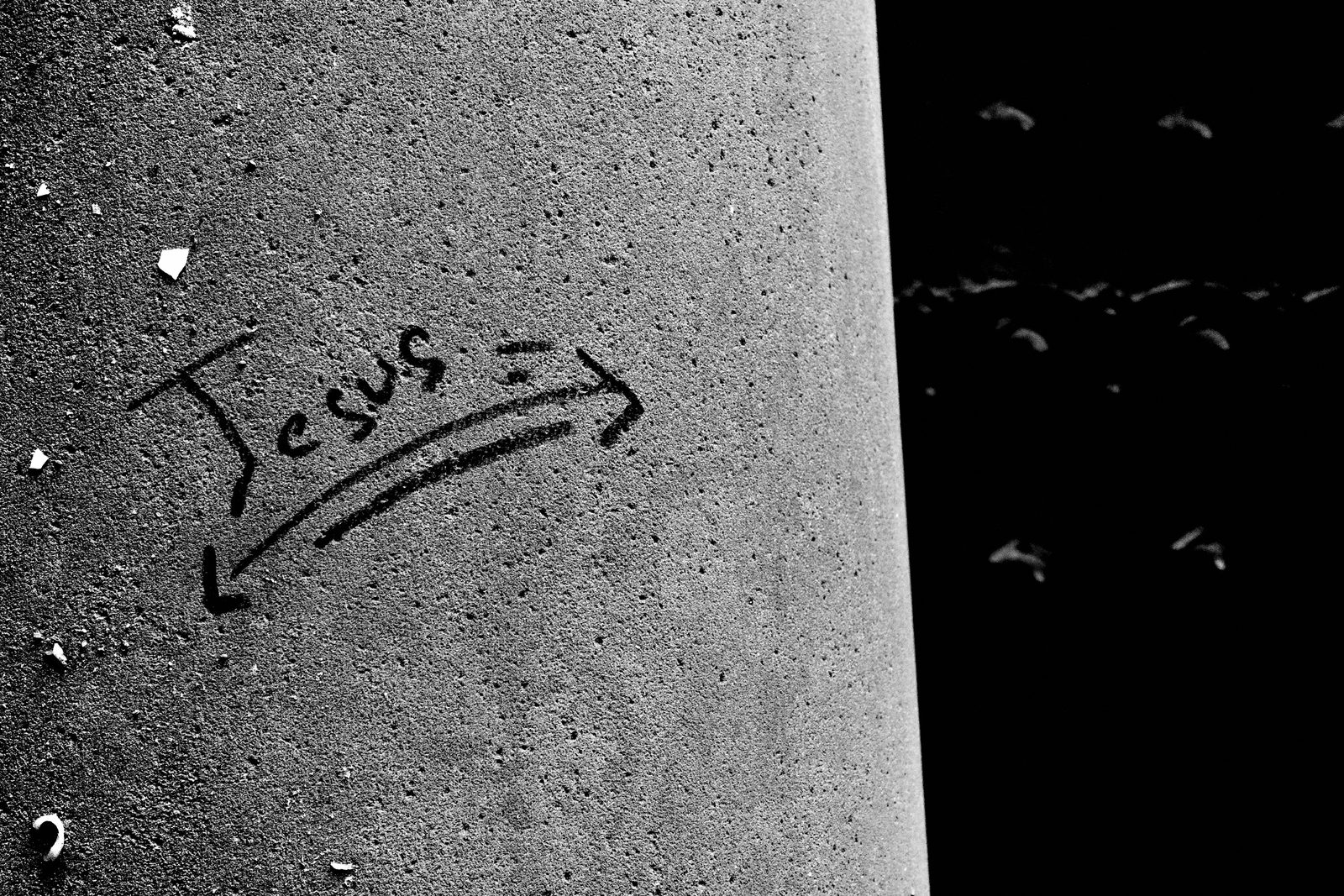
Here's your drill — run it for seven days. Go out with no plan. No theme, no project, no "today I'm looking for." When you feel the pull, press the shutter immediately. No checking the back of the camera. No mid-walk critique. No replaying it in your head. Click, move, repeat. Train the reflex.
Strip Your Setup Down
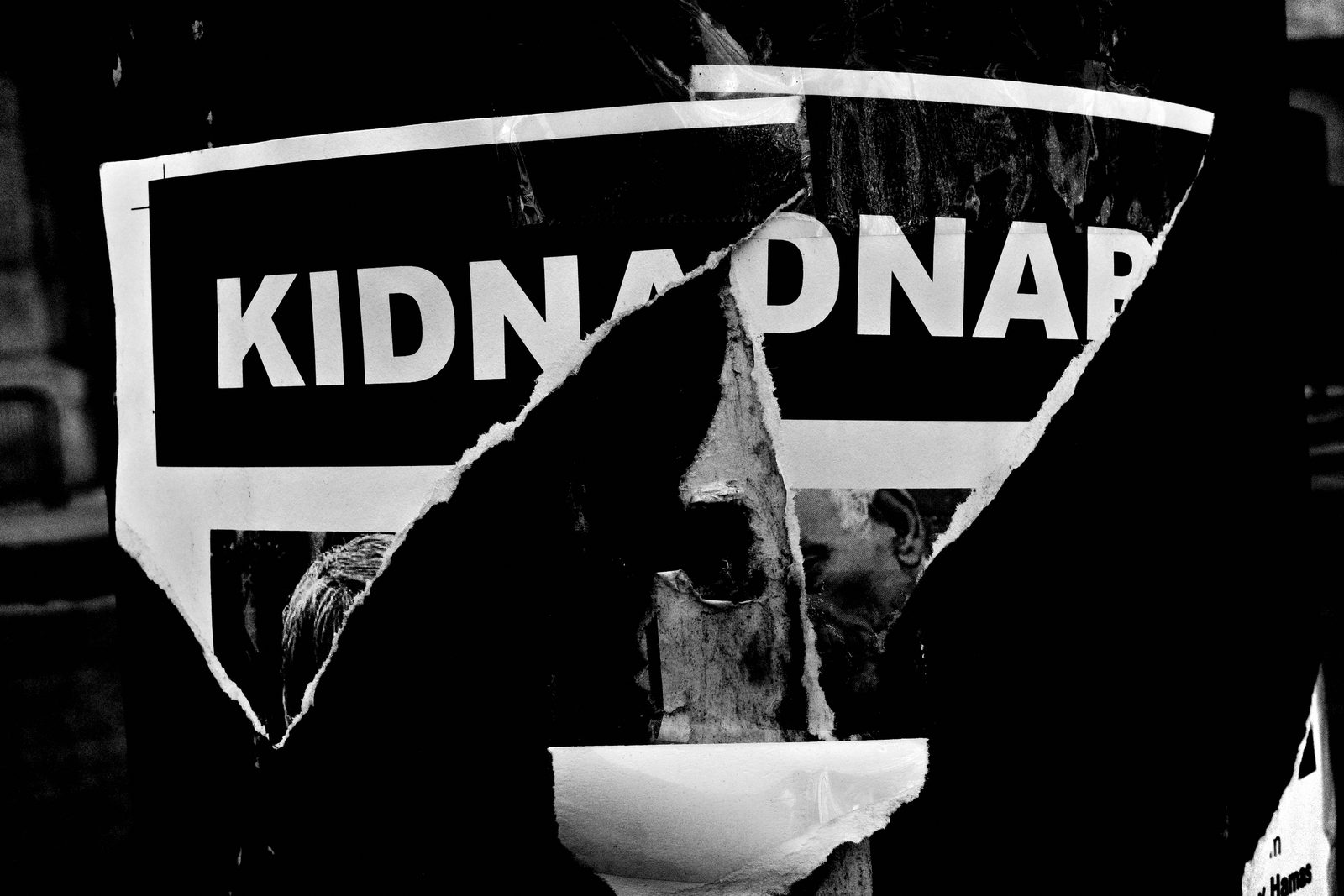
And set yourself up for it. Strip down: one camera, one lens, automatic mode, snap focus. Bake your contrast and your look into the camera so there's nothing to fix later. Kill every excuse to fiddle. The goal is a setup so frictionless that raising the camera and clicking is the only thing left to do.
COMMON MISTAKES
Chimping and Second-Guessing
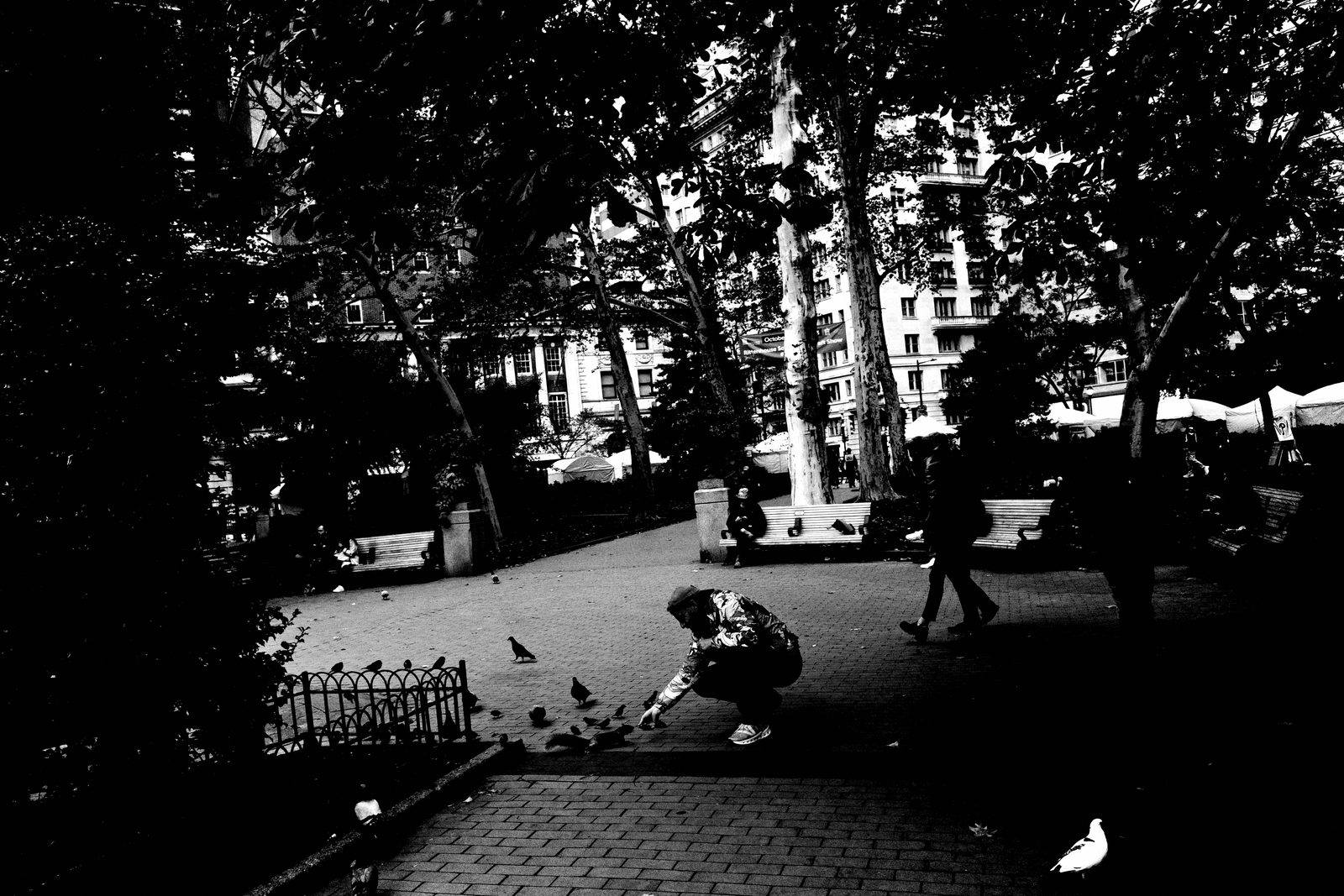
The biggest mistake: chimping — checking the screen after every single frame. The second you stop to second-guess, the flow breaks and the next moment passes you by. Trust the click and keep walking. You evaluate later, at home, never out on the street. Out there, you only respond.
Mistaking Casual for Careless
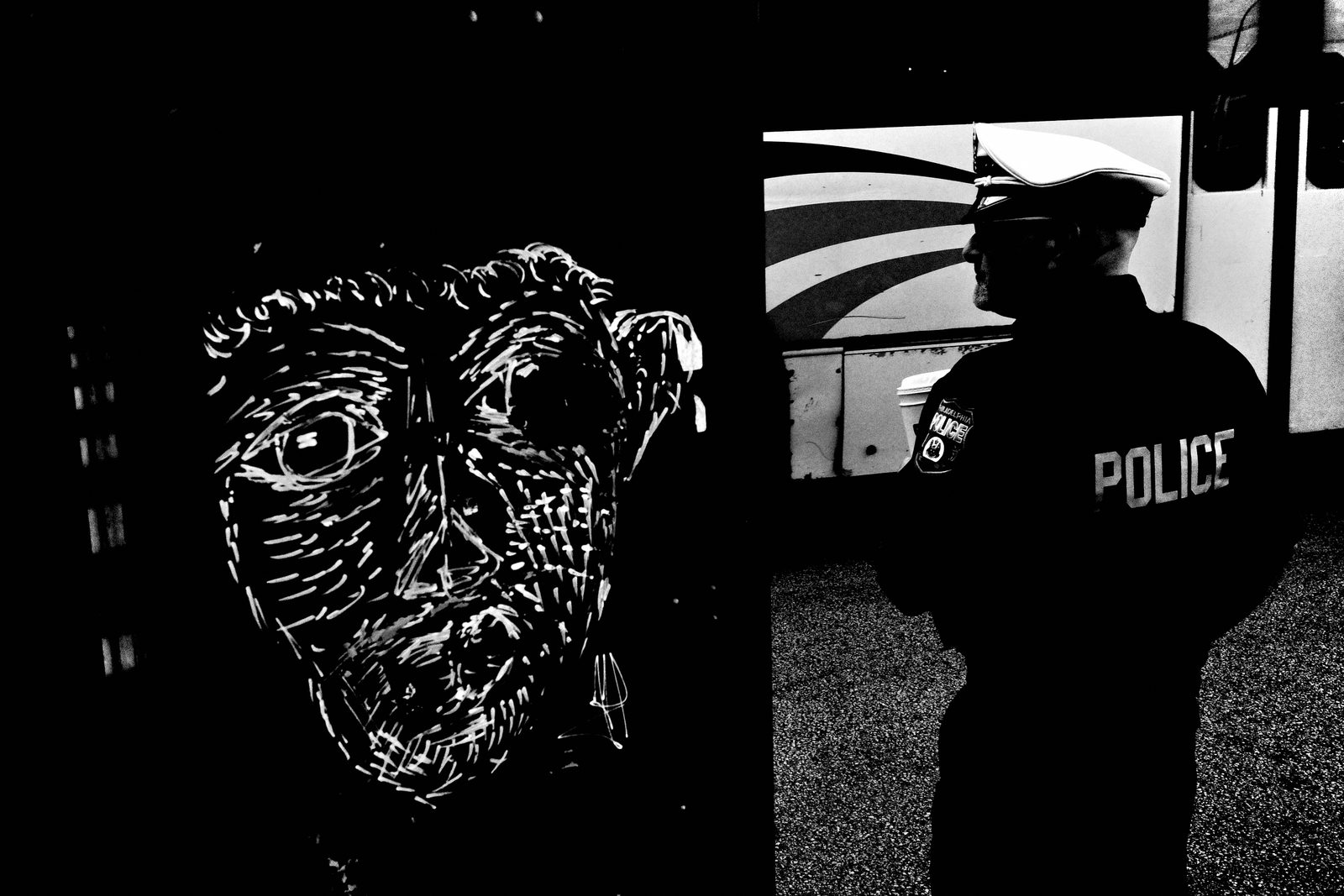
The other mistake — the opposite one: thinking casual means careless. This doesn't mean photograph randomly without understanding your gear. You still see, you still position your body, you still feel how the frame wants to exist. The looseness is trained. The snapshot is relaxed on the surface and razor-sharp underneath.
RELATIONSHIP TO PREVIOUS
From the Mundane to the Snapshot
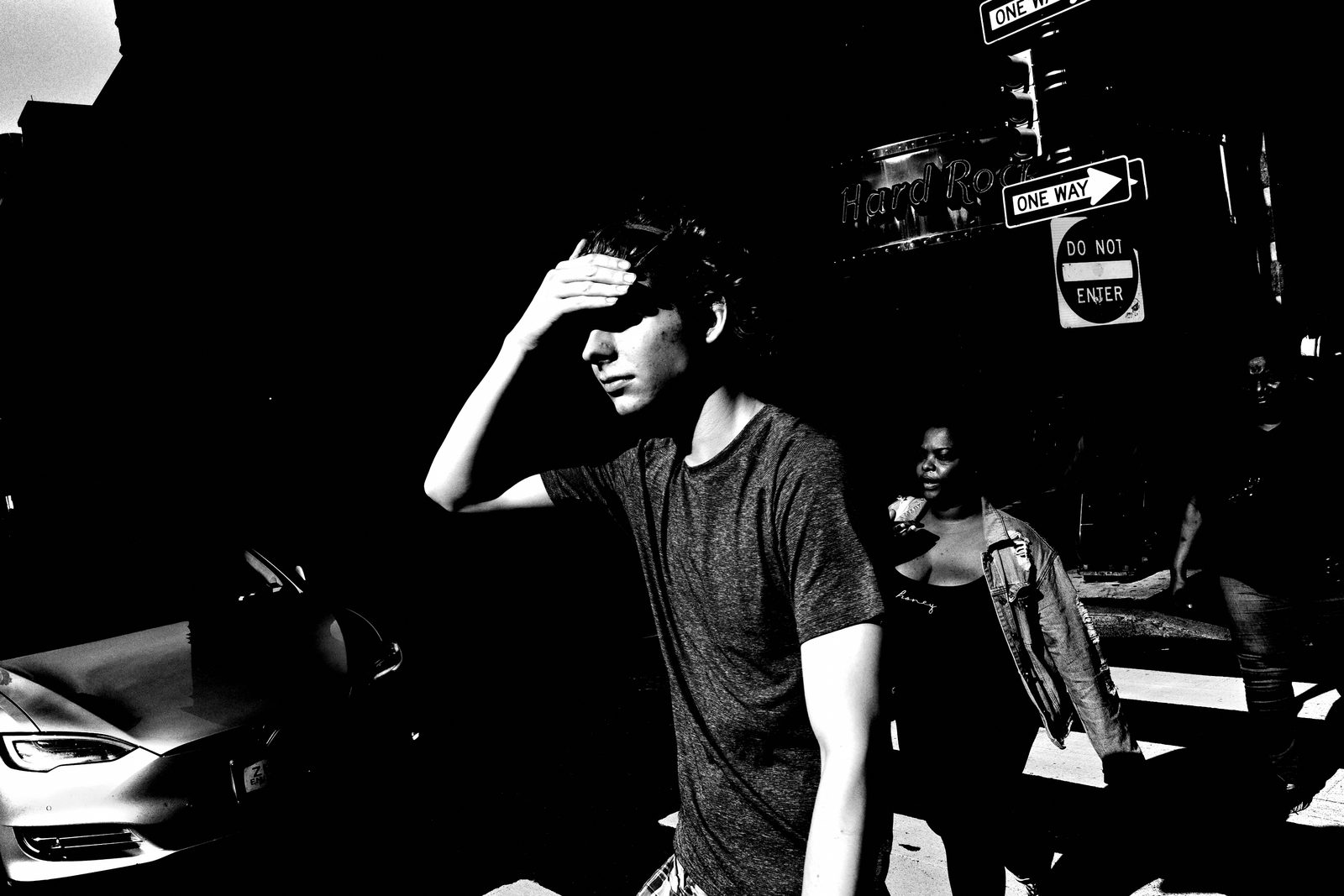
This builds straight on Lesson 011, Finding Beauty in the Mundane. There we learned to see the overlooked everyday — to uplift that boring lane into something greater. The snapshot aesthetic is the how: the fast, frictionless, gut-led way you actually catch that mundane beauty before it slips by. Seeing it and grabbing it are two halves of one move.
RELATIONSHIP TO UPCOMING
Found vs Made
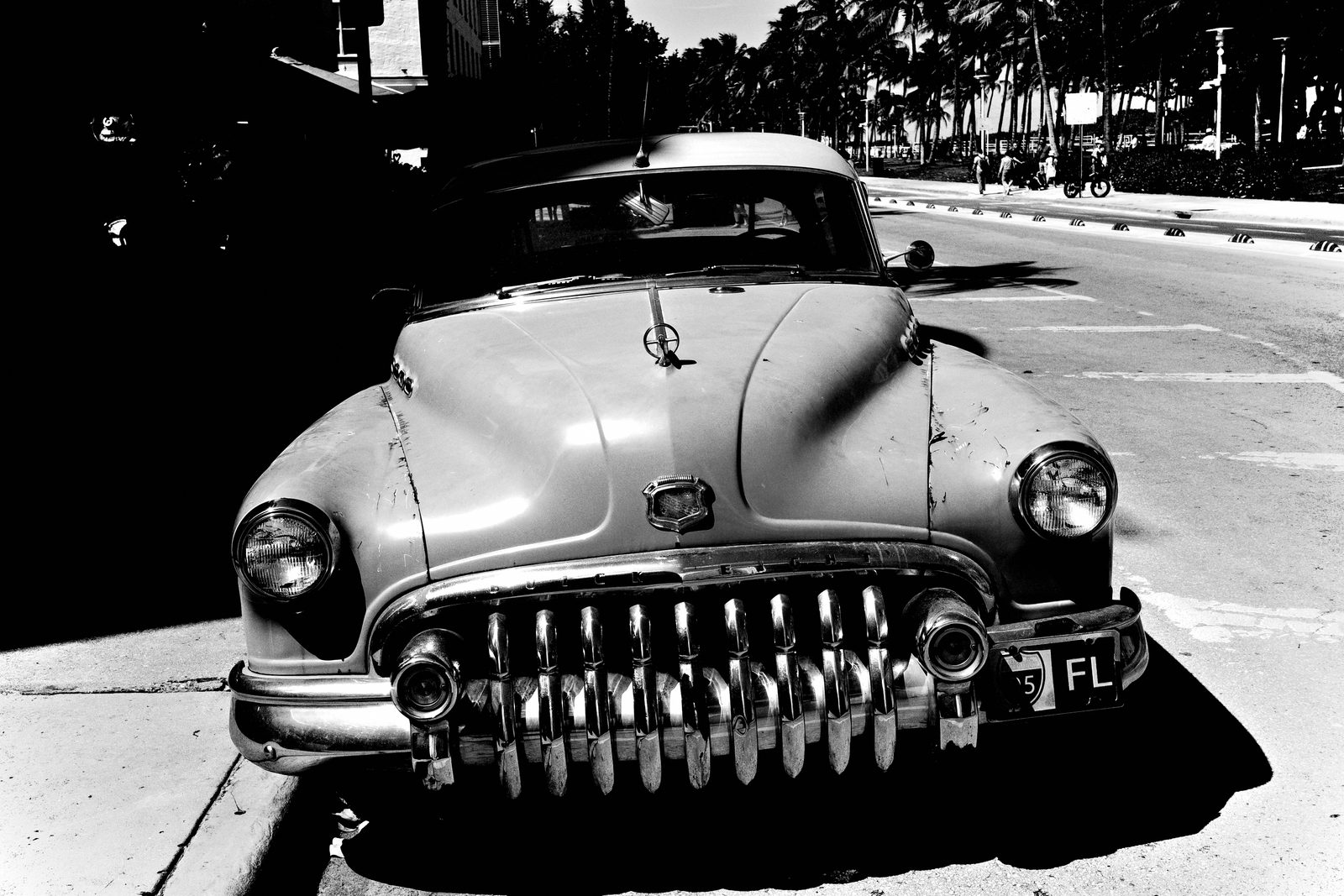
Next up is Lesson 013, The Made vs the Found Photograph. Today's snapshot is the purest example of the found photo — instinctive, immediate, grabbed whole. Next lesson we'll set it against the made photo, where you work a scene and shape it over many frames. Two ways of shooting, both honest — and you'll need both.
SUMMARY / TAKEAWAY
Click, Move, Repeat
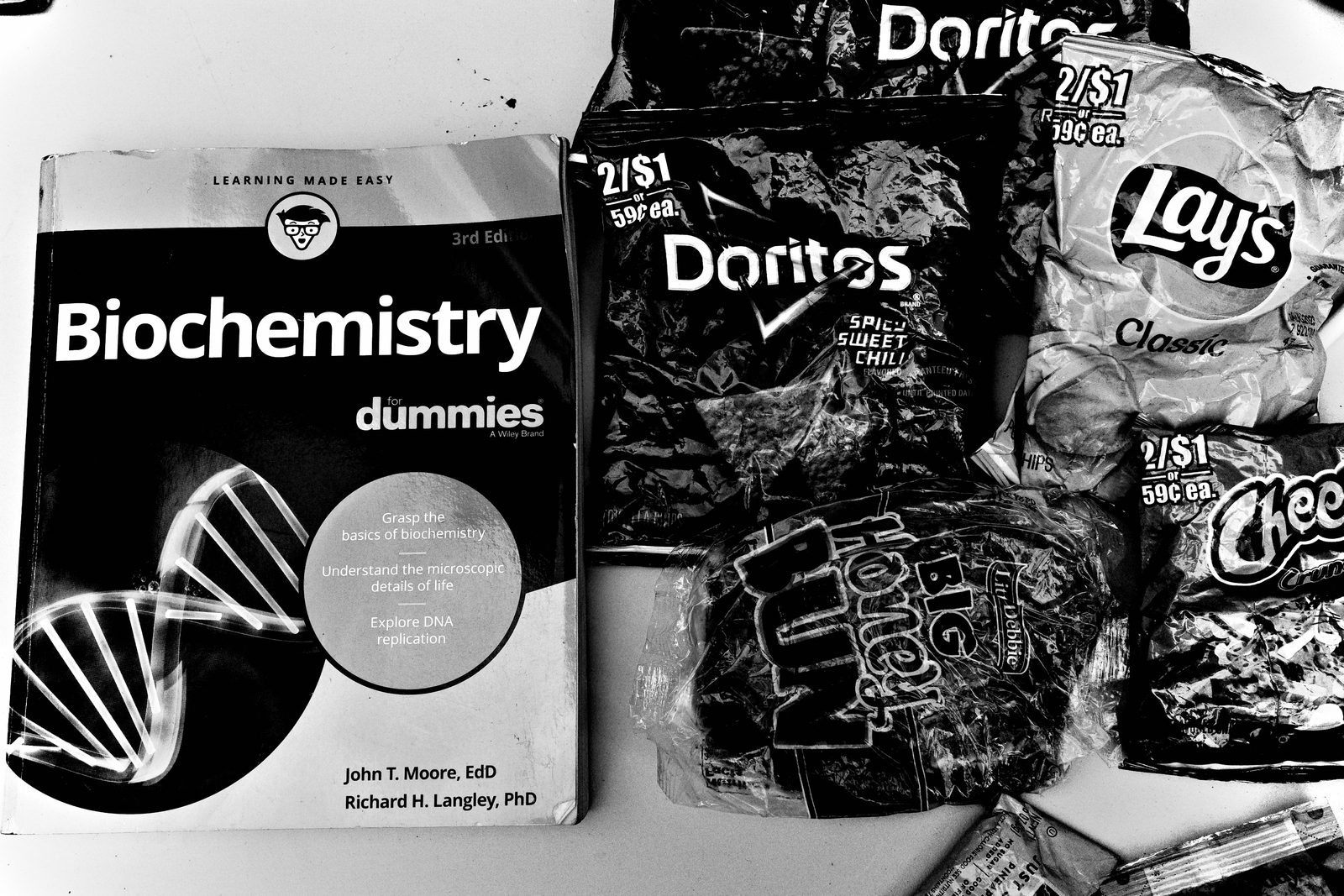
Last thing. The snapshot isn't the careless photo — it's the honest one. Strip your setup bare, kill the friction, shoot first and think later, and trust that the gut beats the brain. Click, move, repeat — and over time the snapshots reveal who you really are. That's the aesthetic. Catch you next lesson.