Finding Beauty in the Mundane
CORE IDEA
The Ordinary Is the Subject
What's popping, people — it's Dante. Today we get to the heart of seeing. Most people wait for the extraordinary to show up. I'm telling you the opposite: the ordinary, the mundane, the overlooked — that is the subject. The world around you is the canvas. You don't need a better street. You need better eyes.
LEARNING OBJECTIVE
What You'll Be Able to Do
By the end of this lesson, you'll be able to walk the same dull street you've walked a hundred times and actually find something to photograph. You'll stop waiting for a dramatic moment to land in your lap, and start making the moment out of whatever's already there.
WHY THIS MATTERS
There's Always Something to Shoot
Here's why this matters. Can you walk the same mundane street every day and still find something to capture? That's the challenge — and it never ends. The simplest moments can become the most beautiful. Whether it's a busy city or a sleepy village, there is always, always something to photograph.
Boredom Is a Perception Problem
And let me reframe the excuse. If you're out there thinking there's nothing interesting around you, maybe it's time to change your perspective on how you view the world. Boredom isn't a property of the street — it's a setting in your own eyes. Fix the eyes, and the "boring" street comes alive.
MAIN TEACHING
Elevate and Transform
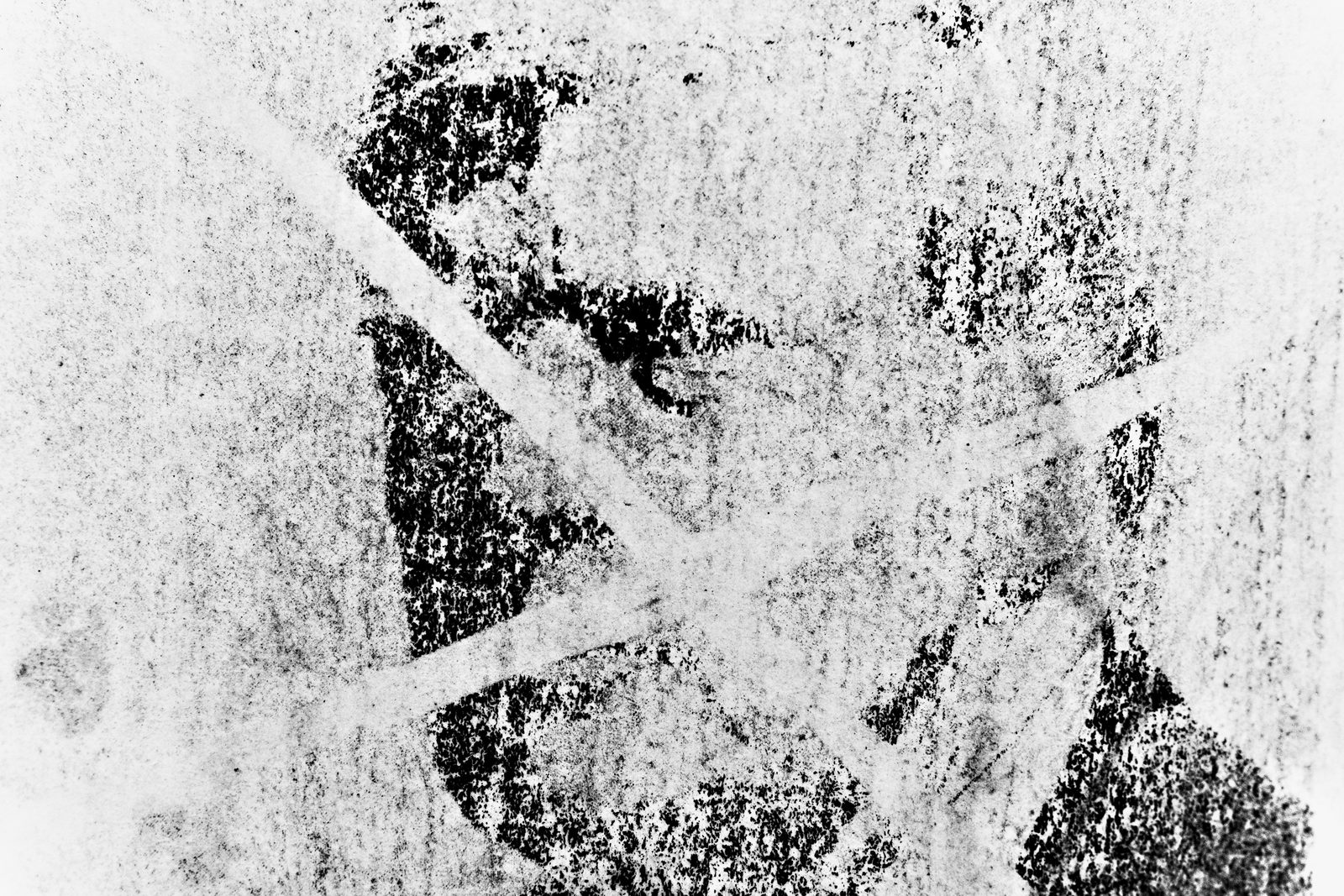
So let's get into the work. The job is to elevate the mundane and find meaning in the overlooked — to transform the ordinary into the extraordinary. It's not documentation; it's creation. You're not just recording that the thing exists. You lift it, give it weight, make the viewer stop. The attention you pay is what turns nothing into something.
The Magic Lives in the Ordinary
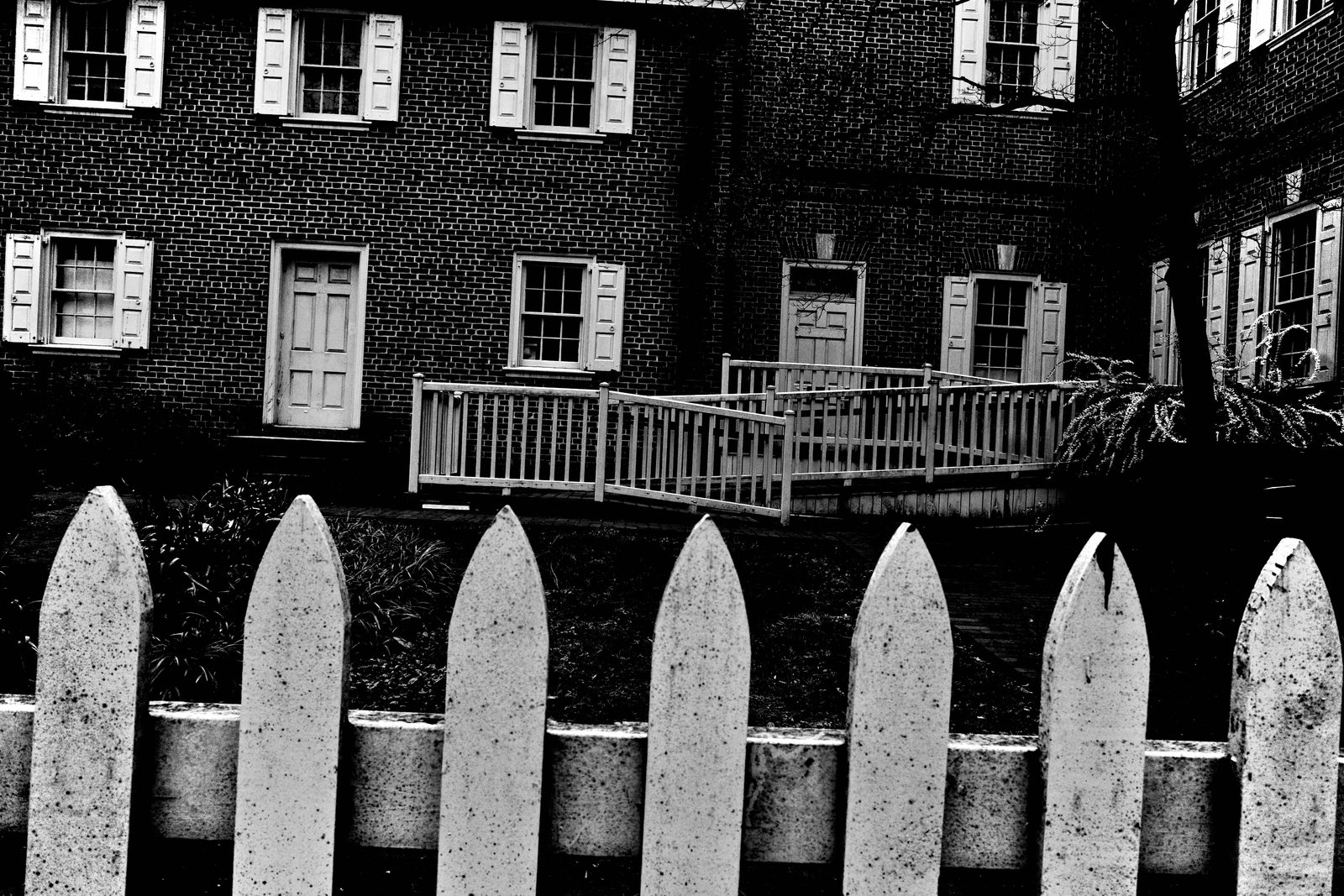
Here's the whole magic of photography to me: finding extraordinary moments in the ordinary. People think the magic lives in some far-off, dramatic place. It doesn't. It's right in front of you, in the plainest scene on your block — waiting for someone with the eyes to notice it and the nerve to frame it.
Approach With No Preconceptions
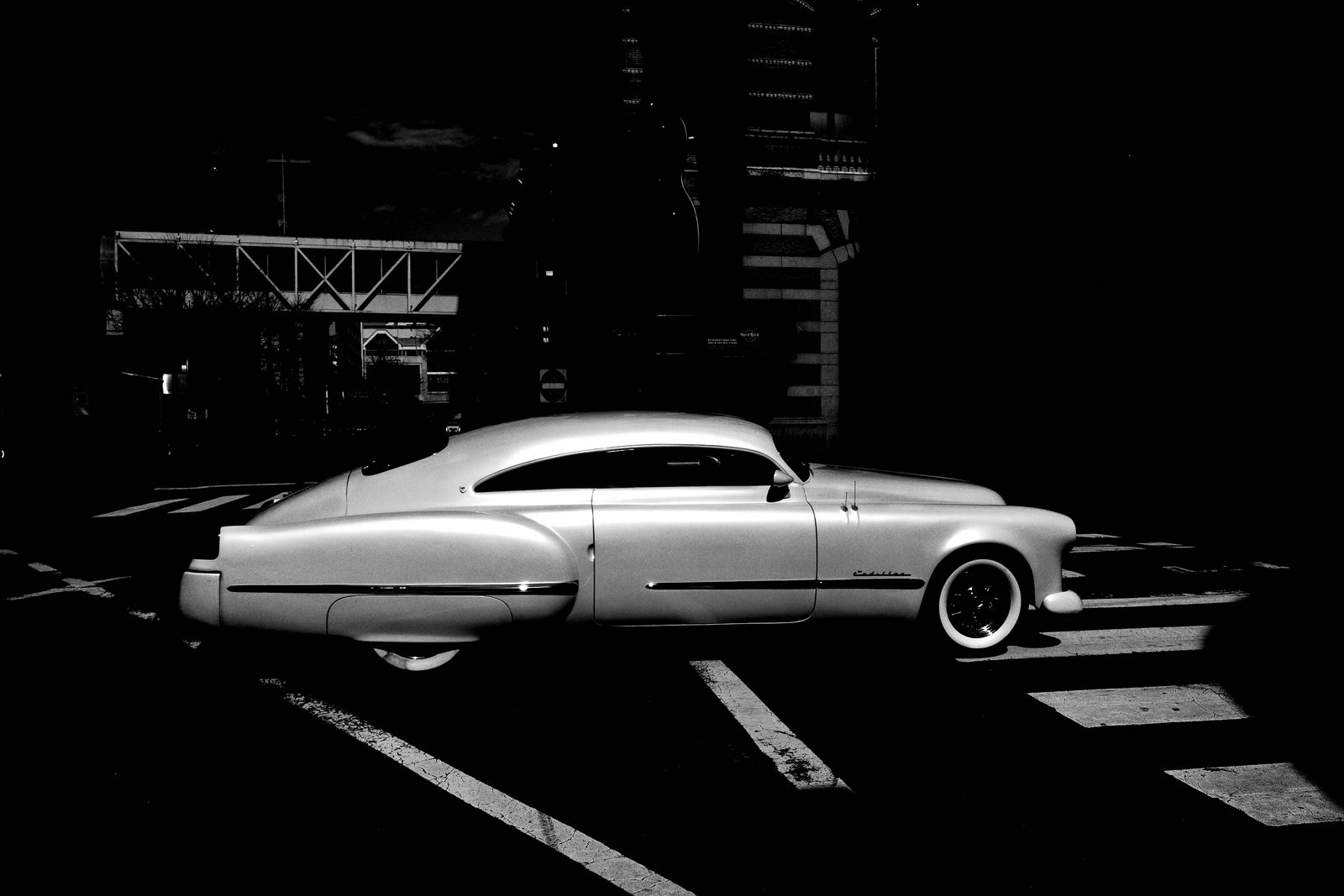
Here's the mindset that unlocks it. When you approach the streets with no preconceived notions, the mundane becomes a source of endless fascination. The second you walk out already deciding "this neighborhood is boring," you've blinded yourself. Show up empty, curious, open — and the street fills back up.
Don't Wait for the Extraordinary
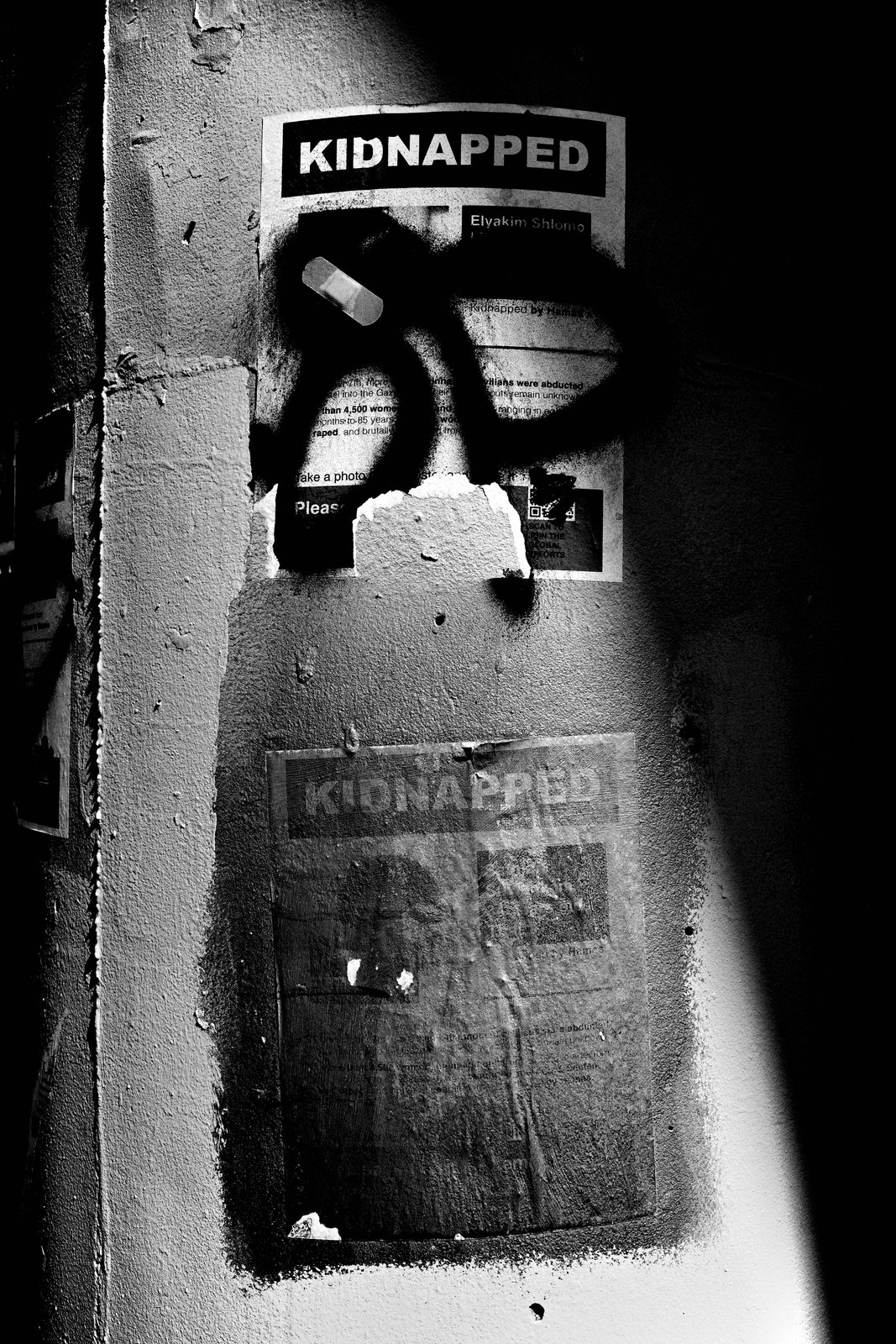
And kill the waiting game. Don't wait for extraordinary moments to arrive; instead, learn to find beauty in the ordinary. The extraordinary photographer isn't the one who stumbles onto crazy events — it's the one who can stand on the most ordinary corner and still come home with something.
Curiosity Is the Transformer

The engine under all of this is curiosity. Curiosity transforms the mundane into the magical, turning the chaos of the street into your personal canvas. This isn't a metaphor — it's the technique. Wonder is what lets you see the photograph everyone else walks straight past.
Become a Flaneur
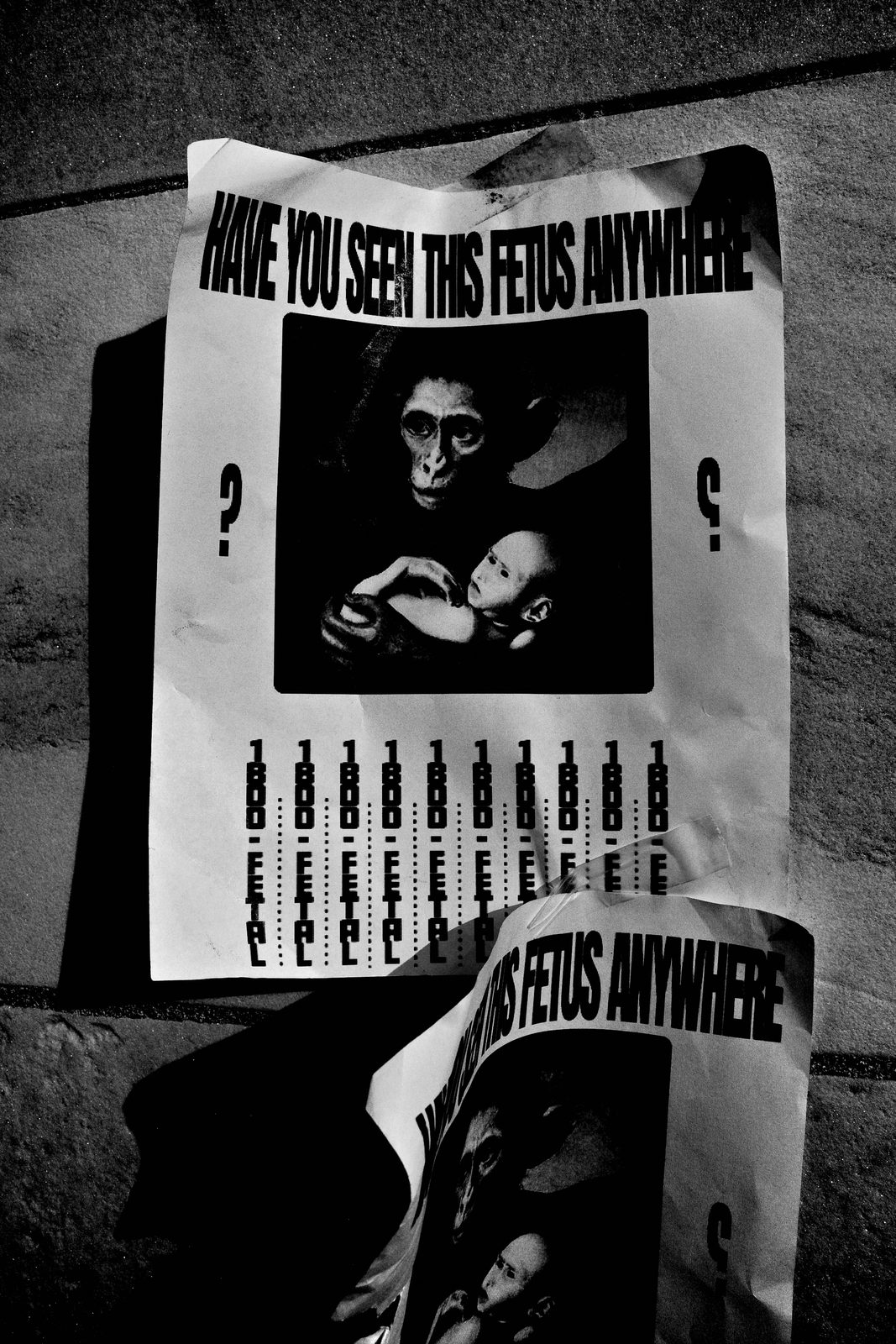
One of my favorite frames of mind for this is the flaneur — the wanderer. Approaching life like a flaneur, I'm observing the overlooked details of everyday life. No destination, no agenda. Just drifting and paying attention. When you move through the world that way, the small stuff starts revealing itself.
Objects Left Behind
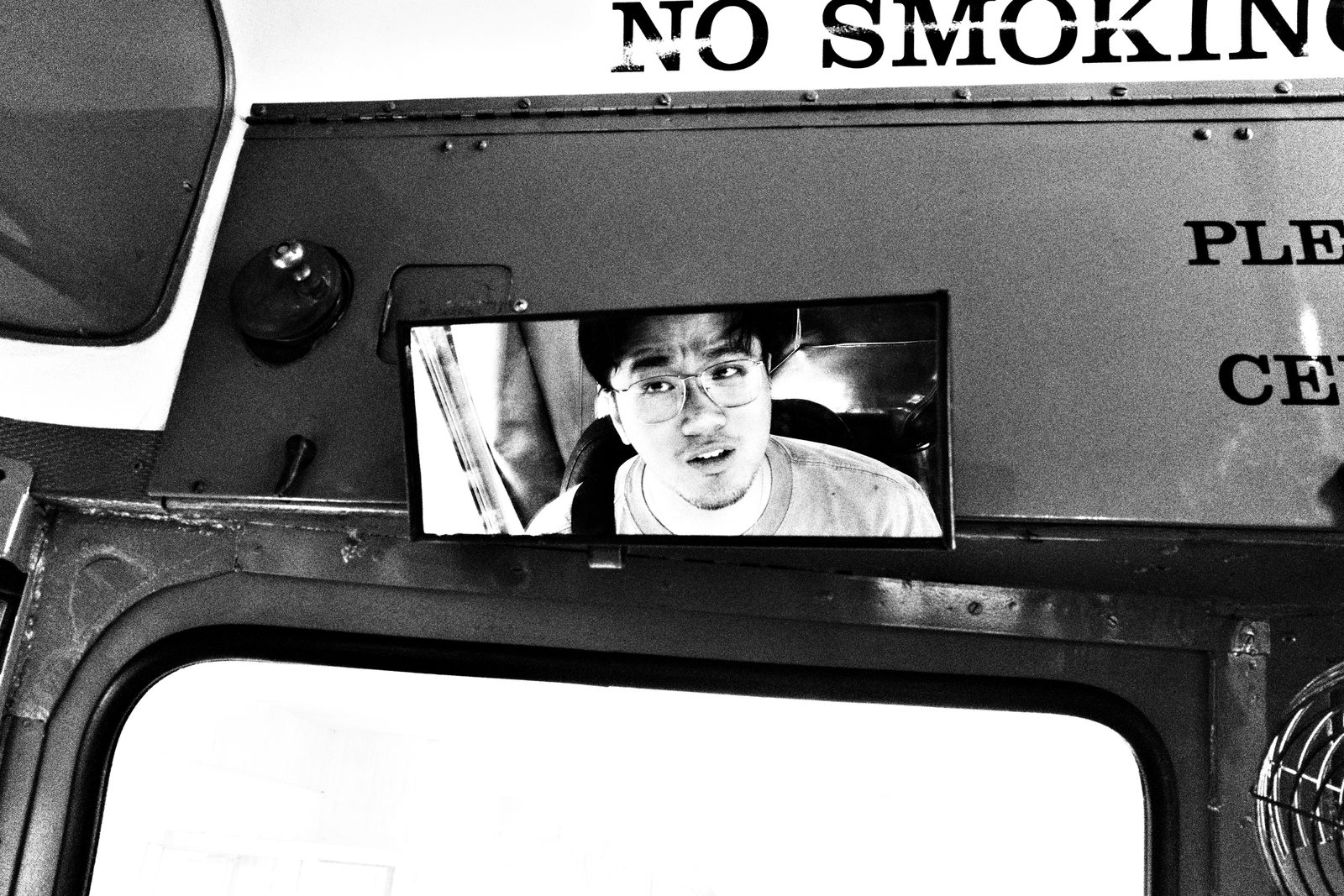
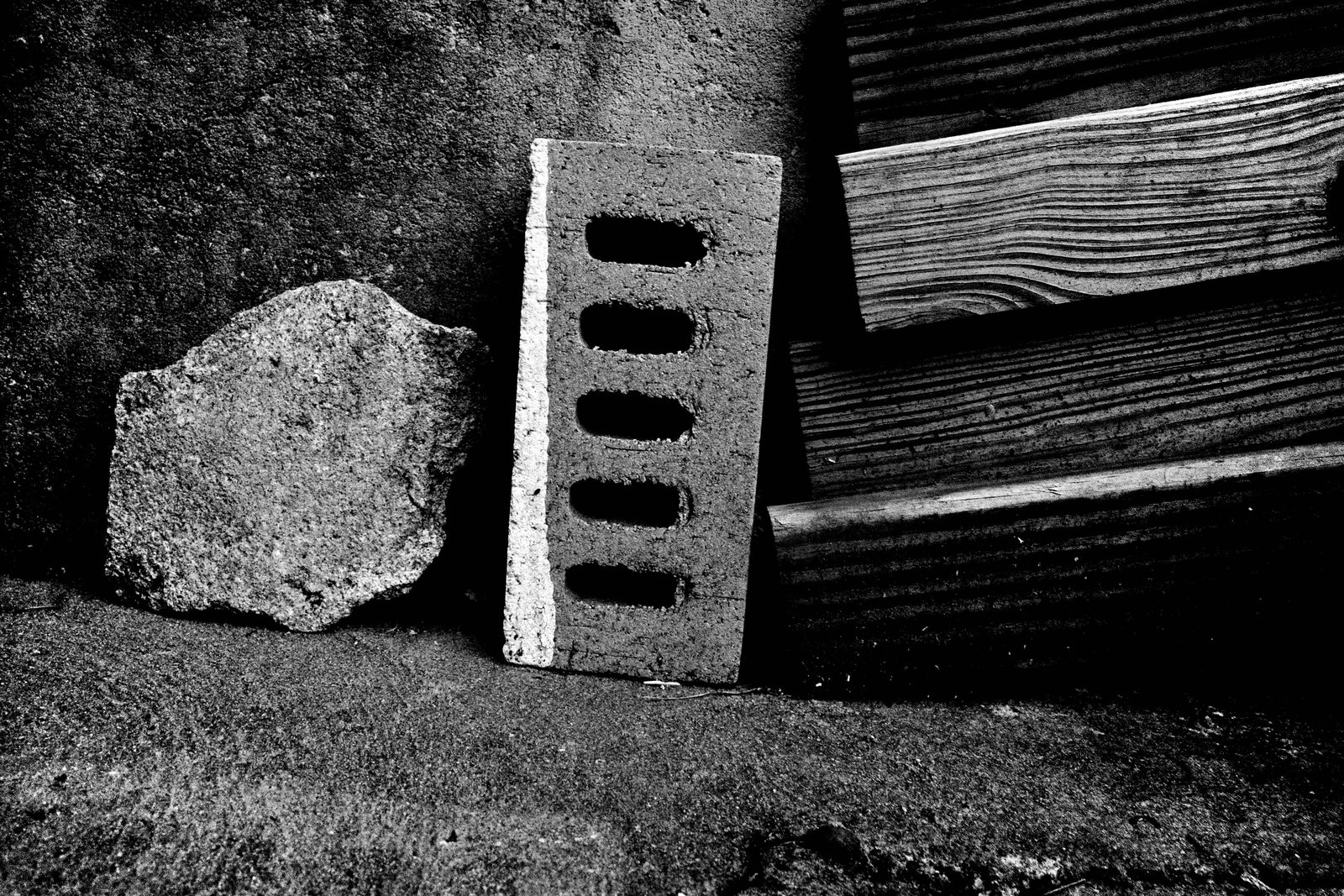
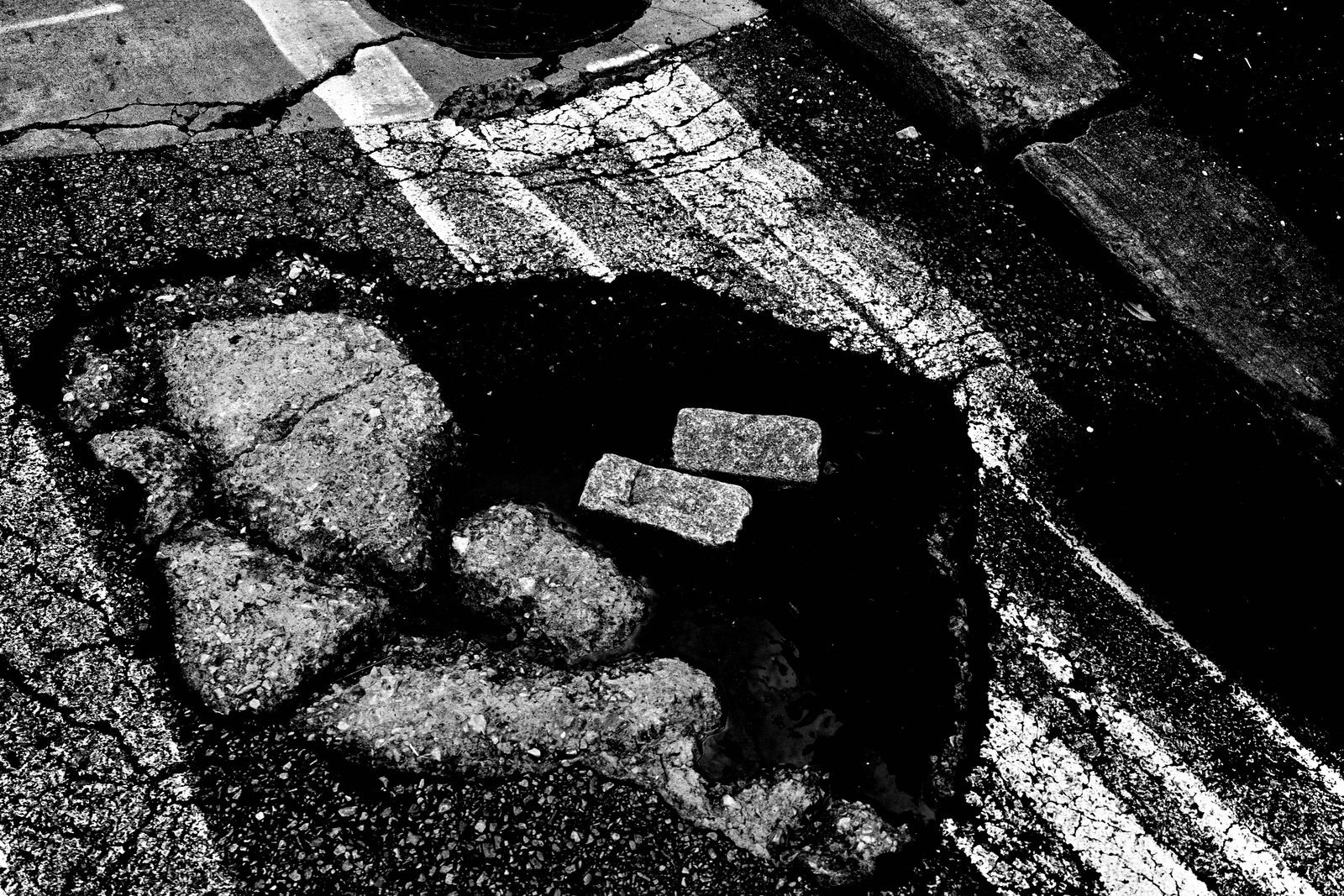
Let me get concrete. You don't only photograph people. Capture the cigarette butts on the ground, the textures on walls, the random found objects — a discarded newspaper, a penny. Use the macro to get right in on the intricate details that would otherwise go completely unnoticed. Noticing the beauty in textures — that's mundane done right.
Shoot the Same Lane Daily
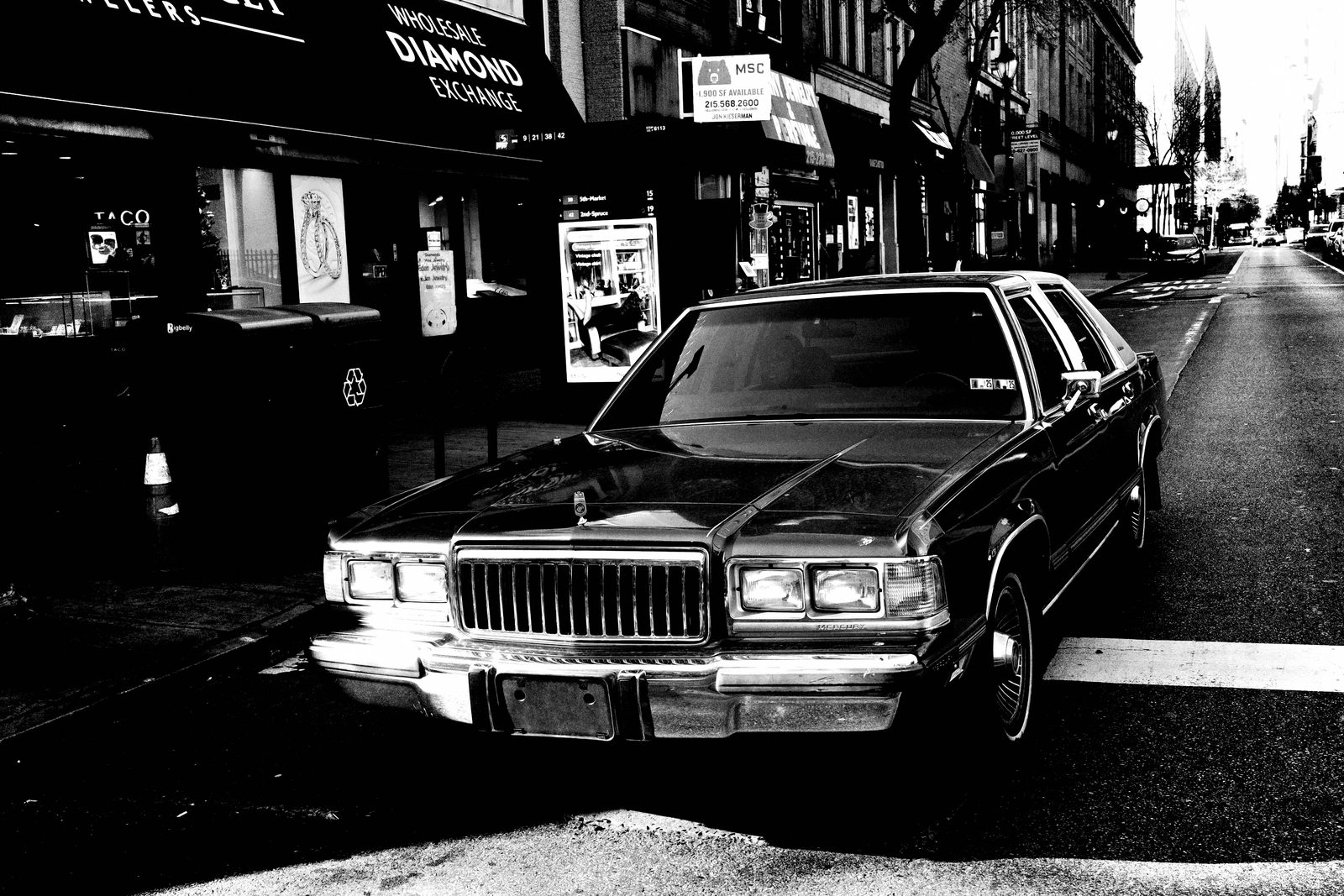
Here's a practice worth building. Shoot the same mundane lane every day — but make the challenge to uplift that mundane into something greater. Same lane, same light most mornings, and yet the goal is to find a new photograph in it. That repetition isn't boring; it's the discipline that sharpens the seeing.
Light on the Overlooked
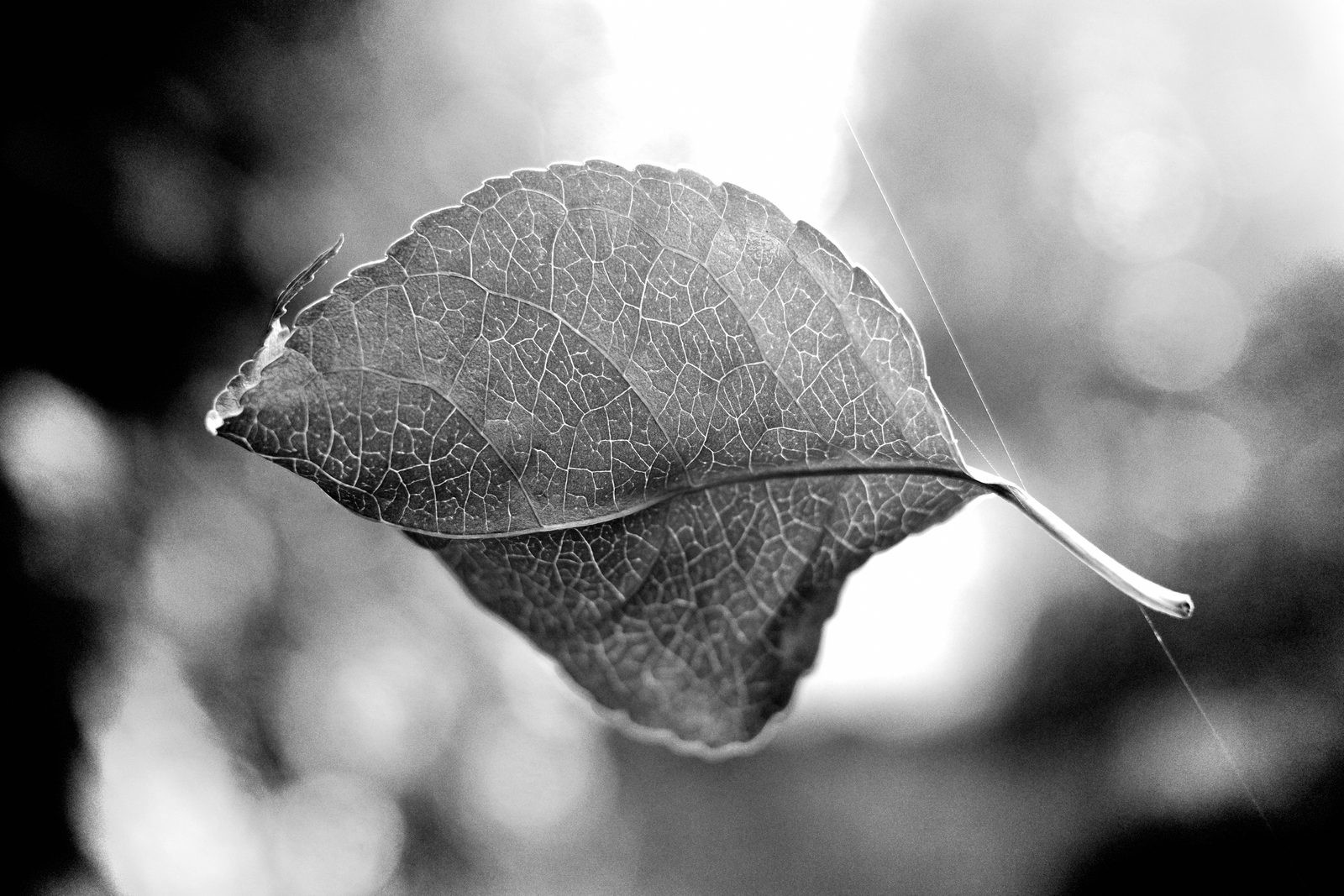
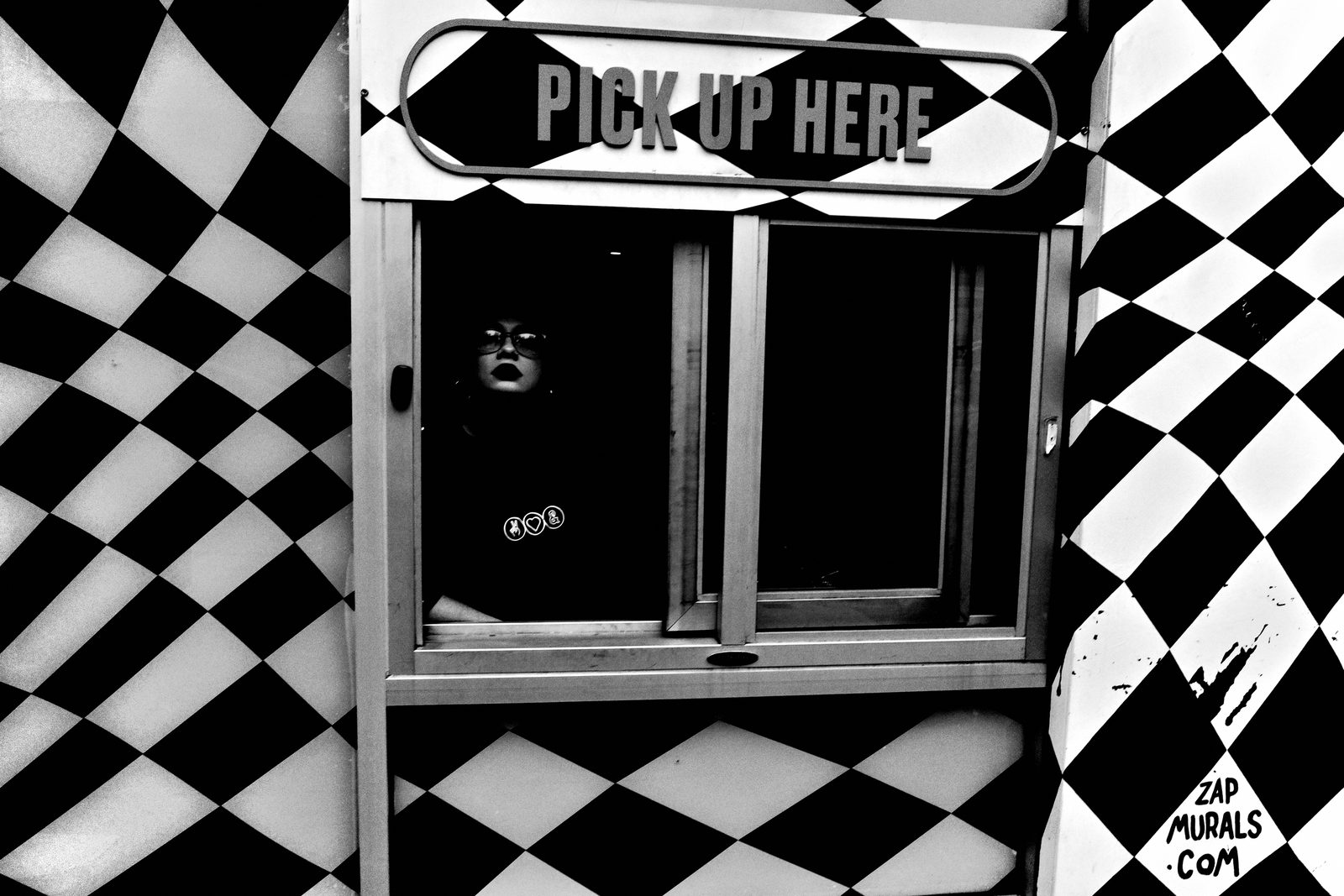
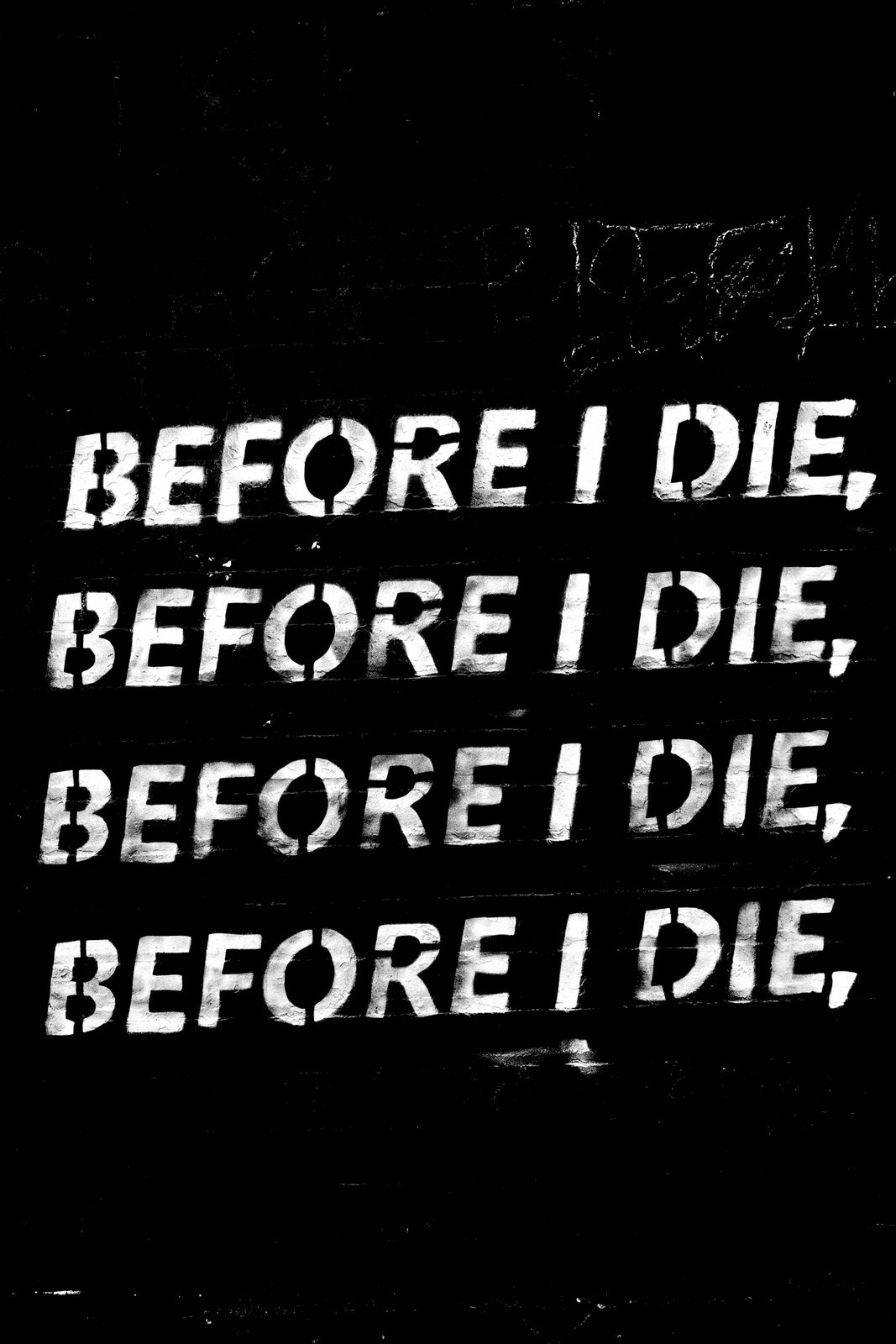
Here's a technique for it. Underexpose by a stop and you can lift one quiet moment out of a busy scene while crushing everything around it into black. Light is how you point at the mundane. Drop the exposure, kill the clutter, and suddenly an ordinary riverbank, a plain wall, a bare corner carries mystery.
Simplify to See
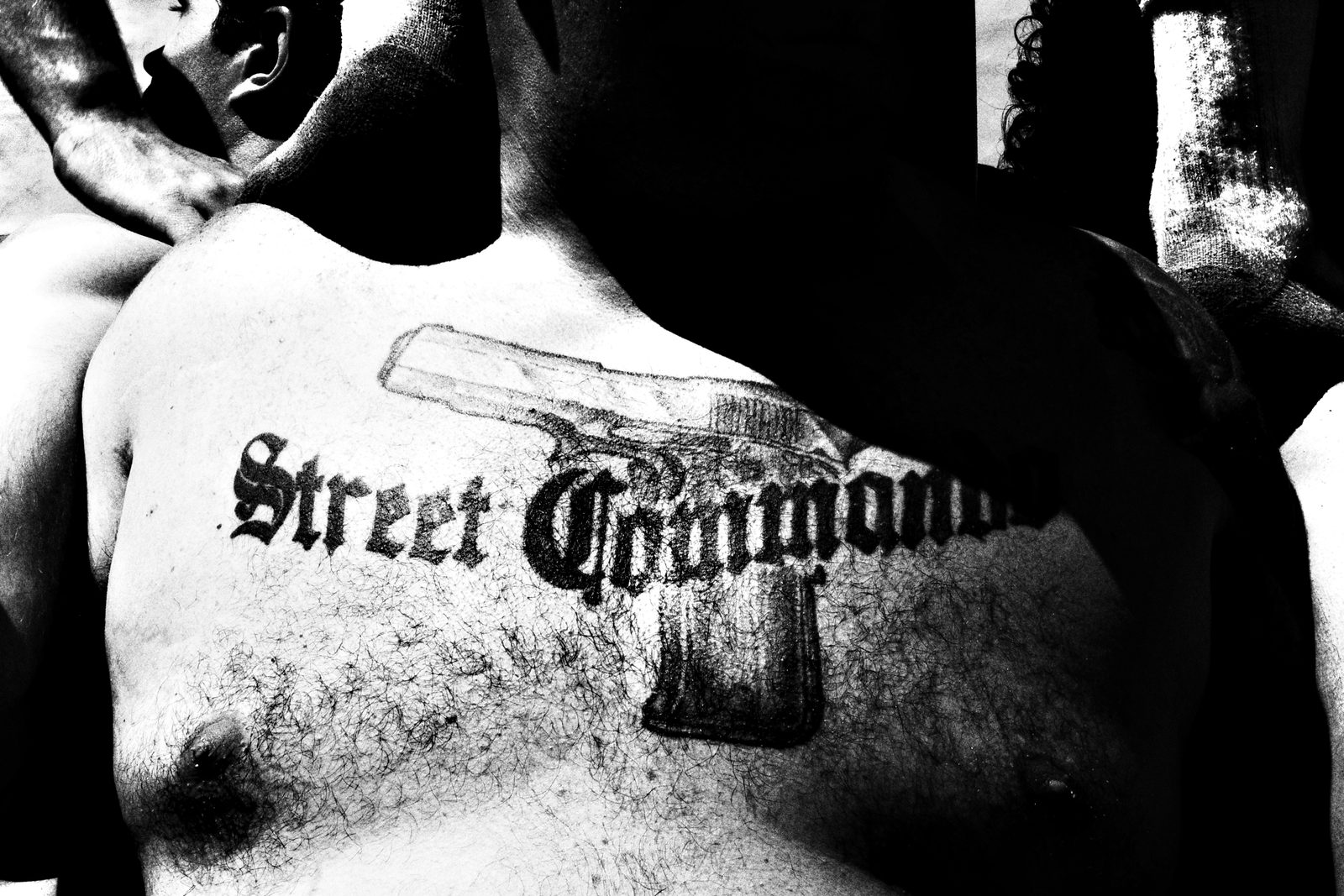
A lot of mundane beauty only shows up once you simplify. My goal is to simplify — to hone in, isolate, and put order to the chaos through my frames. When you strip a frame down to one quiet element, the overlooked thing finally has room to speak. The mundane needs space to become beautiful.
Follow Light, Build Your World
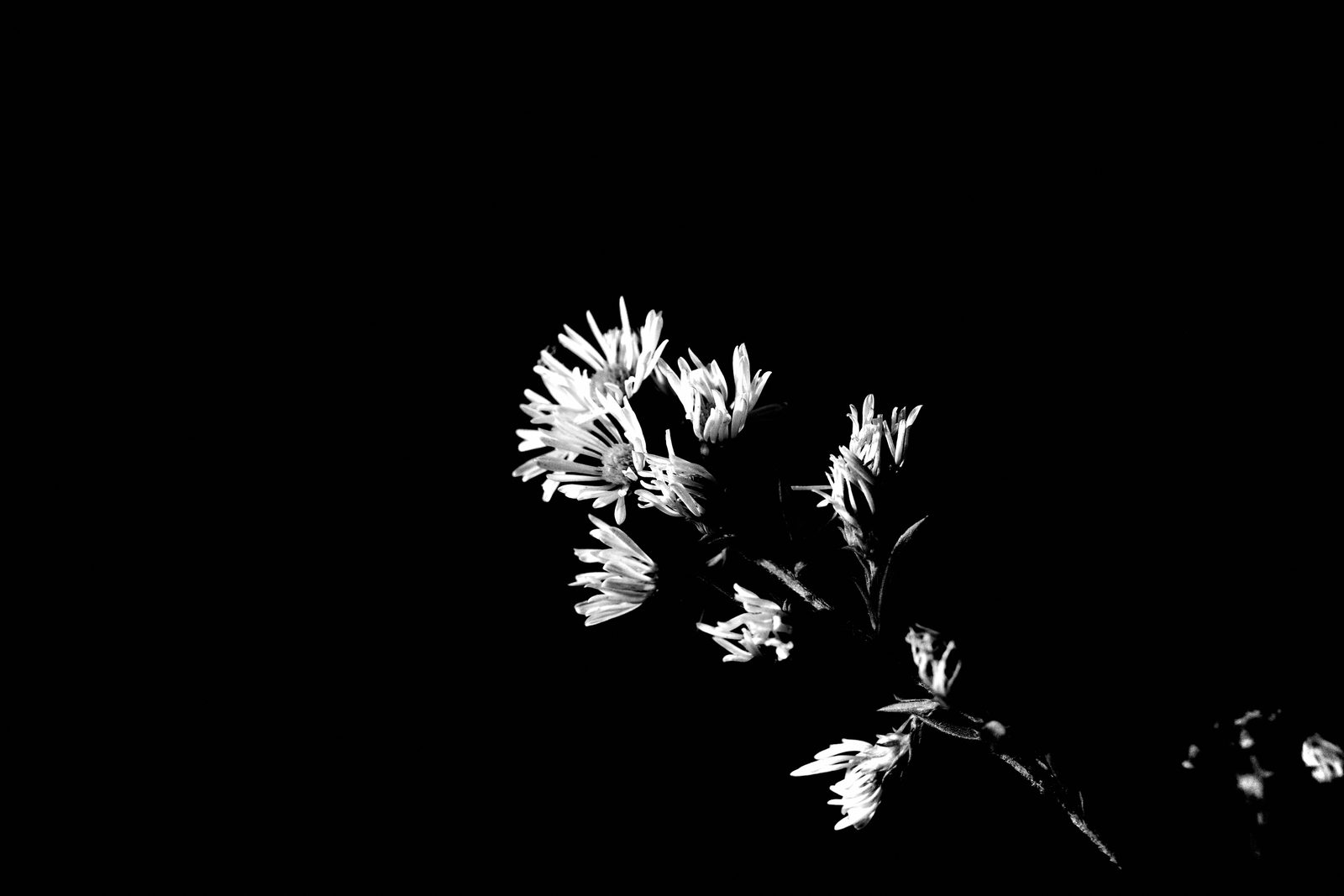
When people ask what I shoot, my answer is simple: I photograph the mundane. I follow the light. Photography is drawing with light — phos, light; graphe, writing. But don't just record it — interpret it. With each click of the shutter, I try to abstract reality. I create my own world. The mundane is your raw material; bend it, make it yours. That's where personal style is born.
PRACTICAL APPLICATION
The Same-Street Challenge
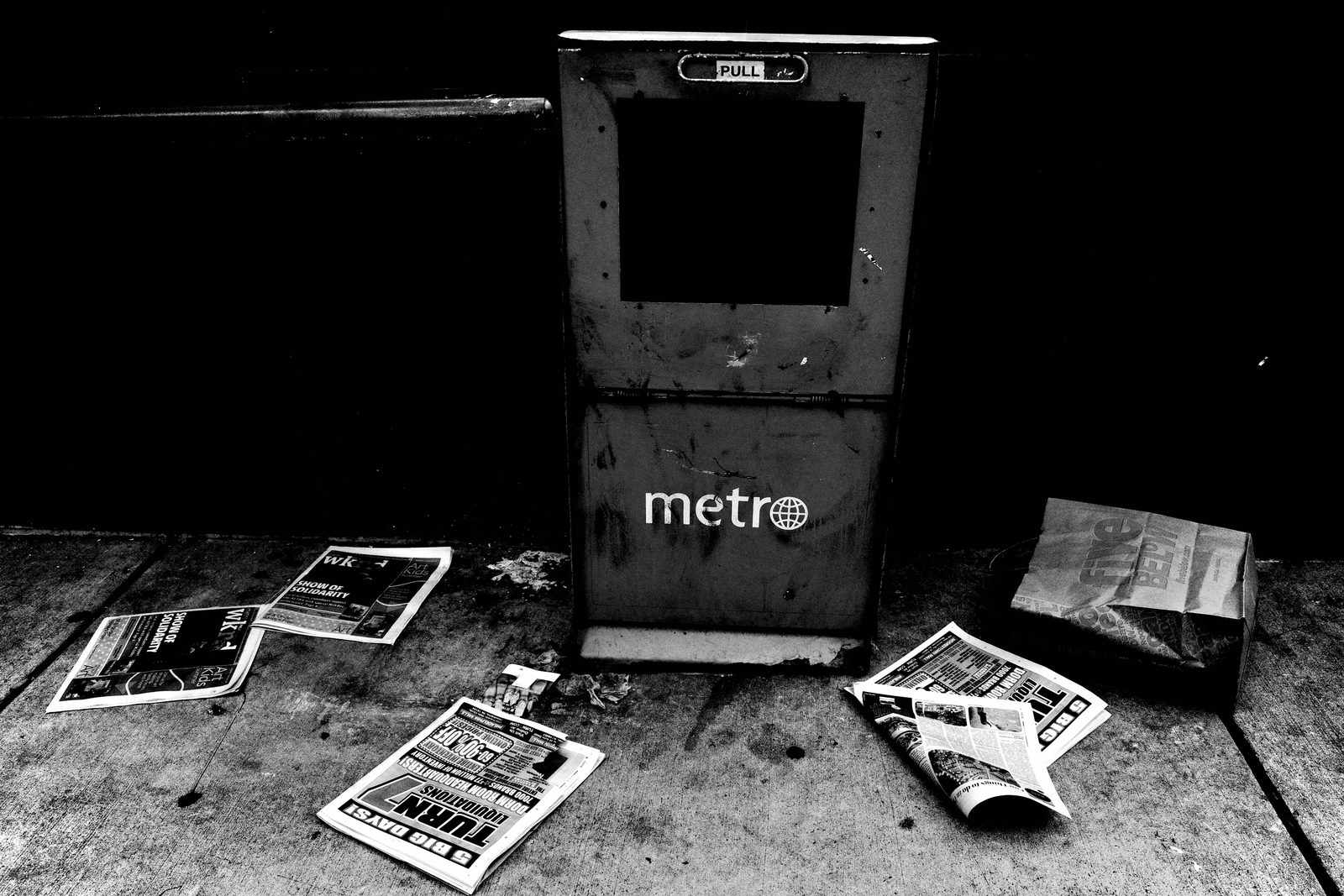
Here's the assignment, and it's the realest one I've got. Pick one mundane street near you — the most boring block you can think of. Shoot it every single day this week. Same street, no exceptions. Force yourself to find a new photograph each day. That constraint is how the seeing muscle grows.
Hunt the Small Stuff
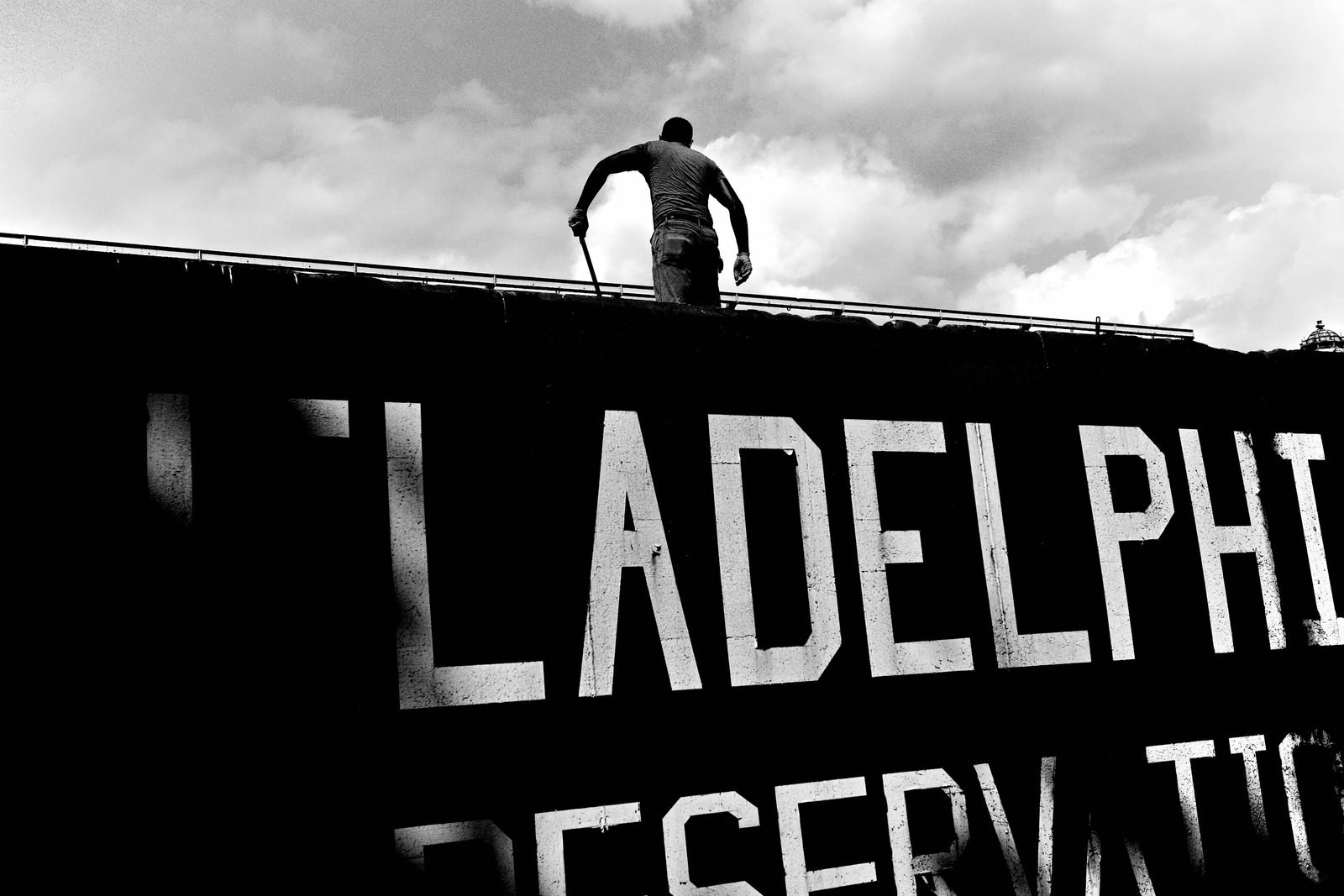
Second drill: spend a whole walk shooting no people. Only the small, overlooked stuff — textures, cracks, a discarded object, a shaft of light on a wall. Get low, get close, use the macro. You'll be shocked how much was there the whole time, sitting in plain sight, waiting.
Show Up and Just Shoot
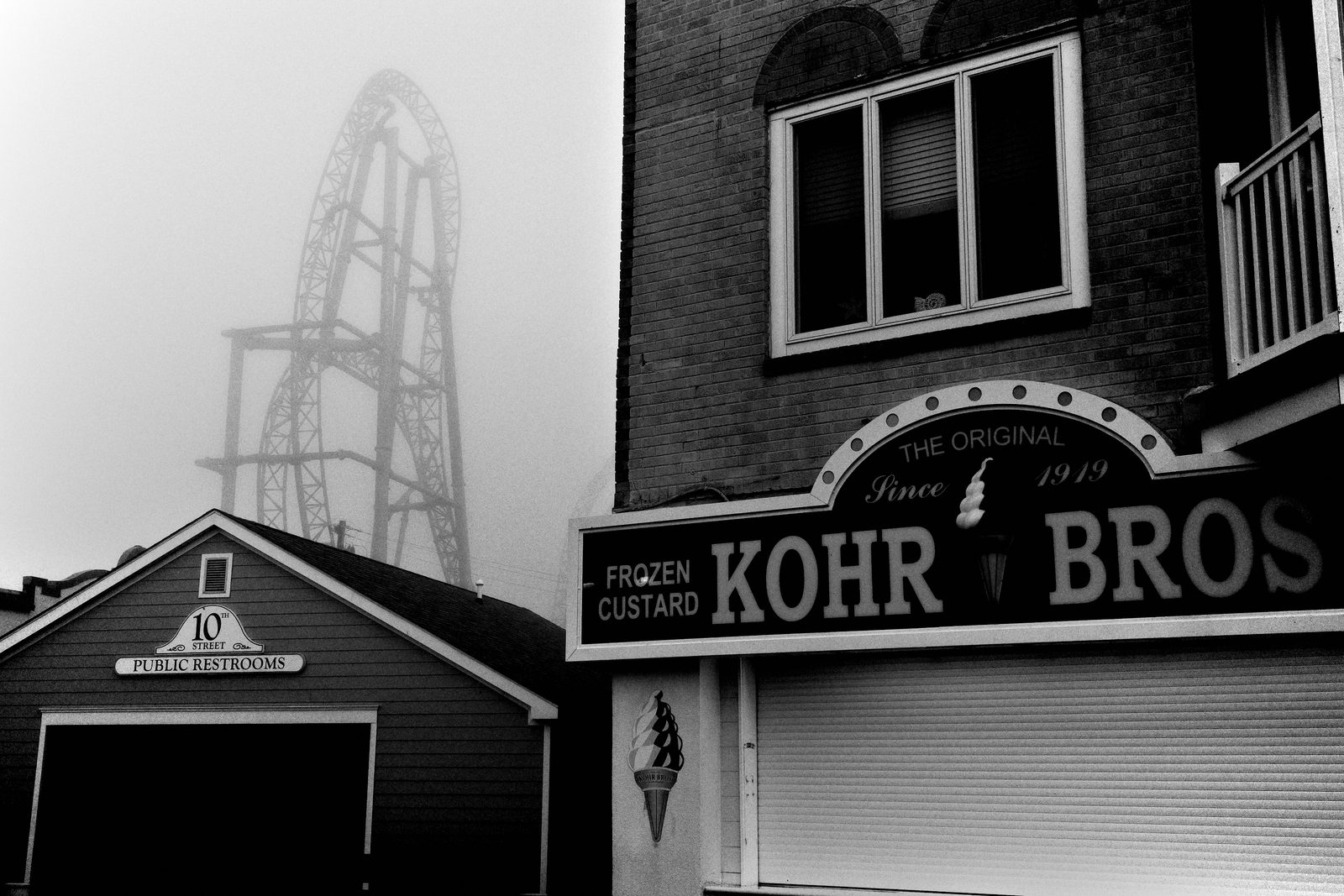
Third: make it a habit, not an event. Carry your camera on errands, wake up early, and embrace every chance to press the shutter. Stop overthinking and just shoot. Treat it like a workout — the person who shows up consistently sees the most progress. He who walks the most, shall win.
COMMON MISTAKES
Waiting for "Something Worthy"

The number one mistake: standing around waiting for something worthy to happen. That's the trap. If you're not photographing because you think nothing's interesting, the problem isn't the street — it's the perspective. Don't go searching for a better location. Build a better way of seeing the one you're on.
Over-Composing the Ordinary
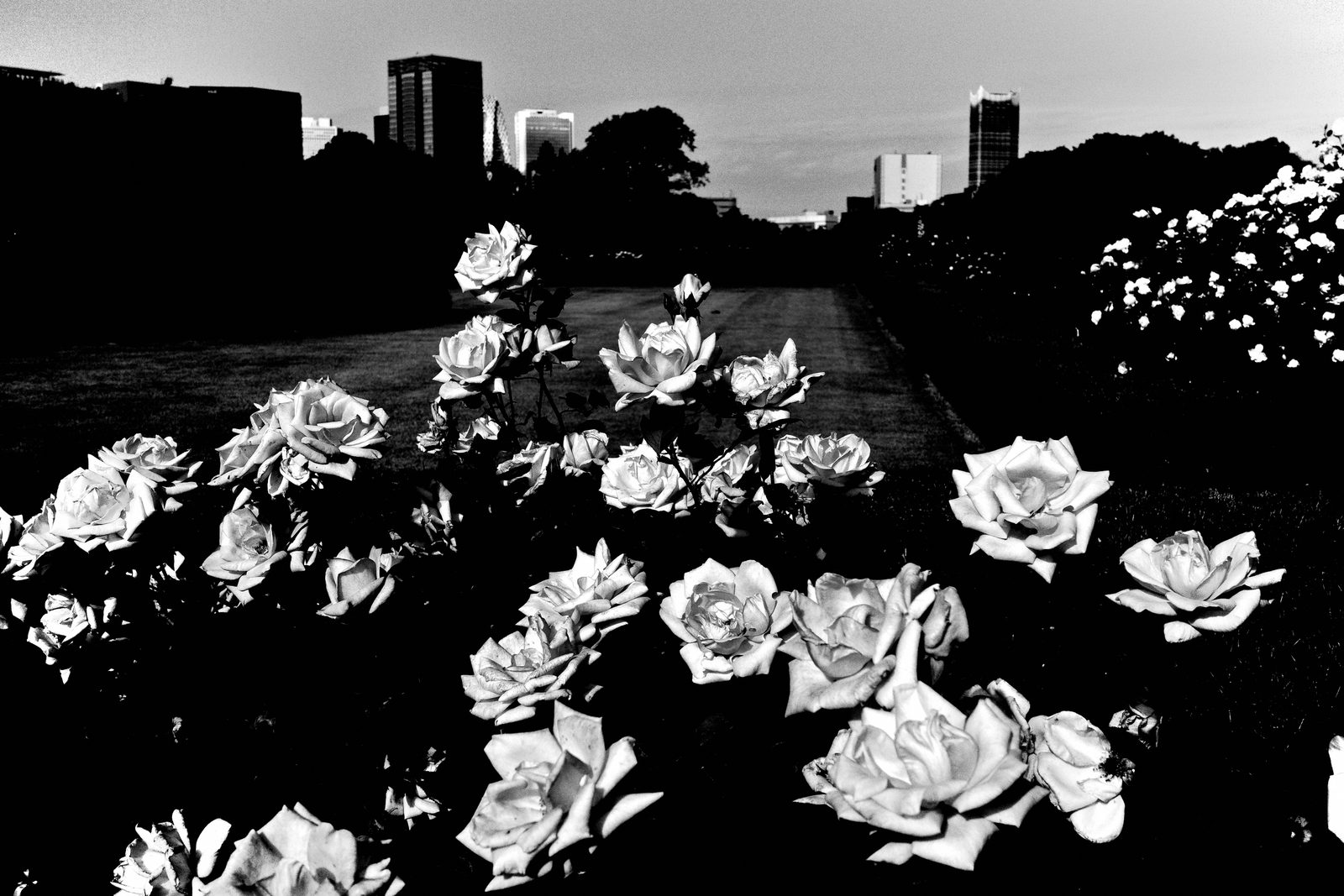
Second mistake, and I fall into it myself: over-thinking it. When you work that same mundane lane day after day, stop meticulously composing — let go. The mundane rewards looseness, not perfectionism. Strangle the frame chasing the "perfect" composition and you'll miss the quiet, alive thing that was actually there.
RELATIONSHIP TO PREVIOUS
From Fear to Freedom
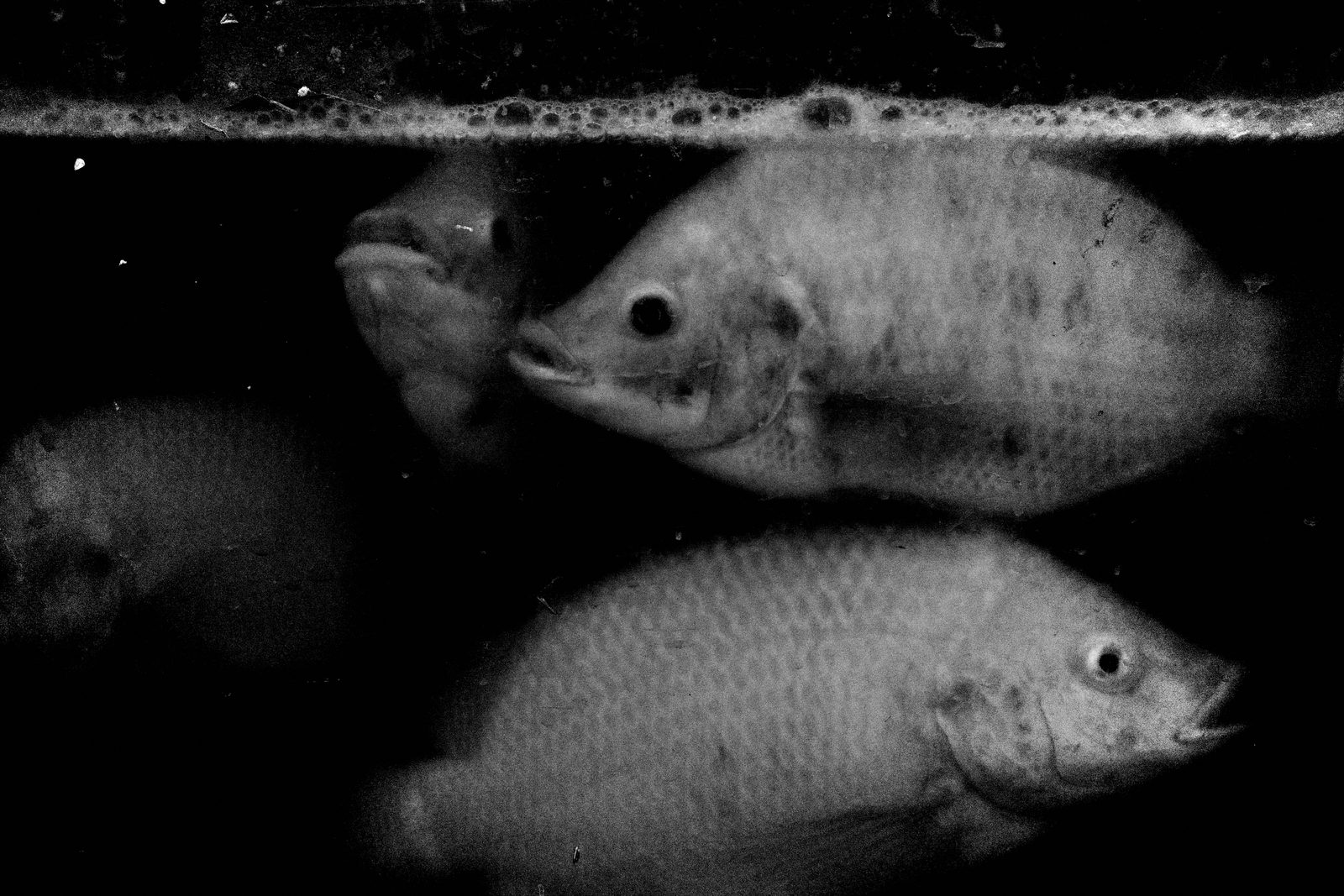
This builds straight on Lesson 010, where we conquered fear on the street. Once the fear of shooting strangers stops gripping you, your eyes relax — and relaxed eyes are seeing eyes. You can't notice the beauty in a cigarette butt or a shaft of light while your heart's pounding. We cleared the fear; now we point that freedom at the ordinary.
RELATIONSHIP TO UPCOMING
Toward the Snapshot

Coming up in Lesson 012, we take this seeing and lean all the way into the snapshot aesthetic — the loose, instinctive, un-fussy frame that the mundane practically begs for. Once you can see beauty in the ordinary, the snapshot is how you grab it without strangling it. Seeing first; then we learn to let go.
SUMMARY / TAKEAWAY
The Canvas Is Everywhere
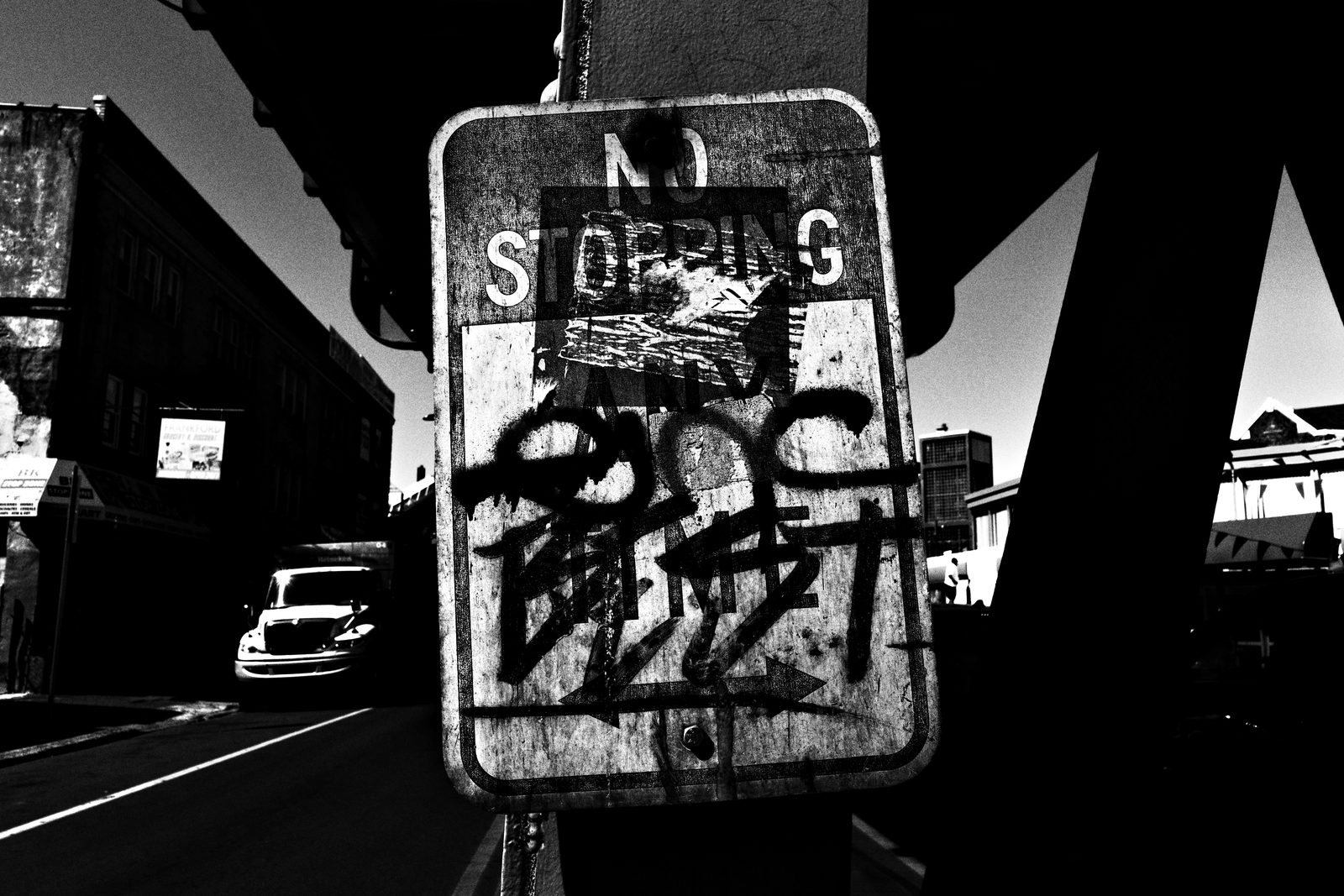
Last thing. The world around you is the canvas — the mundane isn't the obstacle, it's the subject. Don't wait for the extraordinary; curiosity transforms the mundane into the magical. The simplest moments can become the most beautiful. Change your eyes, not your street. See you next lesson.