Juxtaposition & Serendipity
CORE IDEA
Let Go and Find the Gold
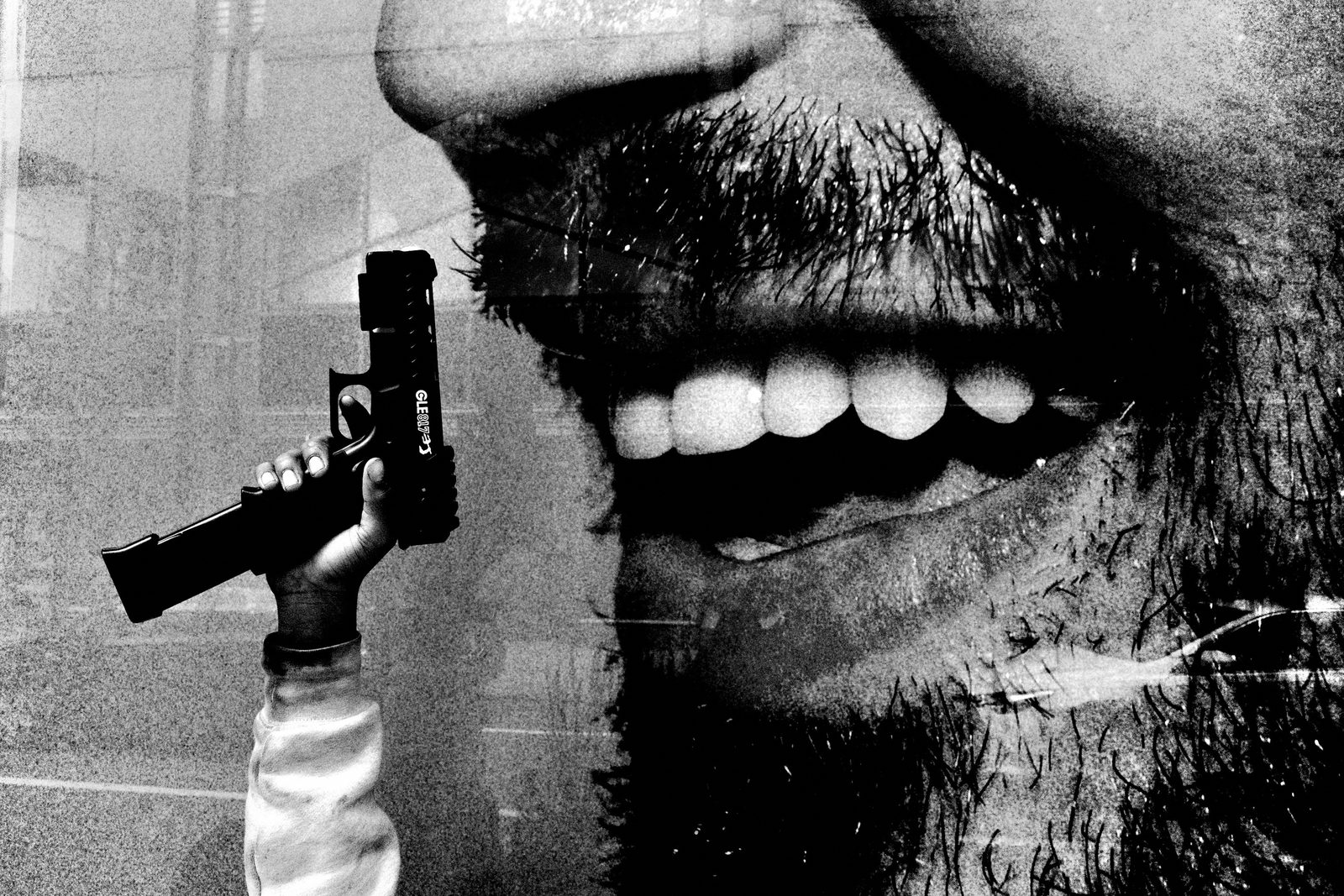
What's popping, people — it's Dante. Today we talk about serendipity: letting go, flowing with the moment, and what that means on the street. Here's the heart of it — the decisive moment is a myth. The real magic doesn't come from hunting the perfect shot. It comes when you detach from the outcome and open yourself to the unknown. You don't search for the gold. You find it.
LEARNING OBJECTIVE
Shoot From the Gut
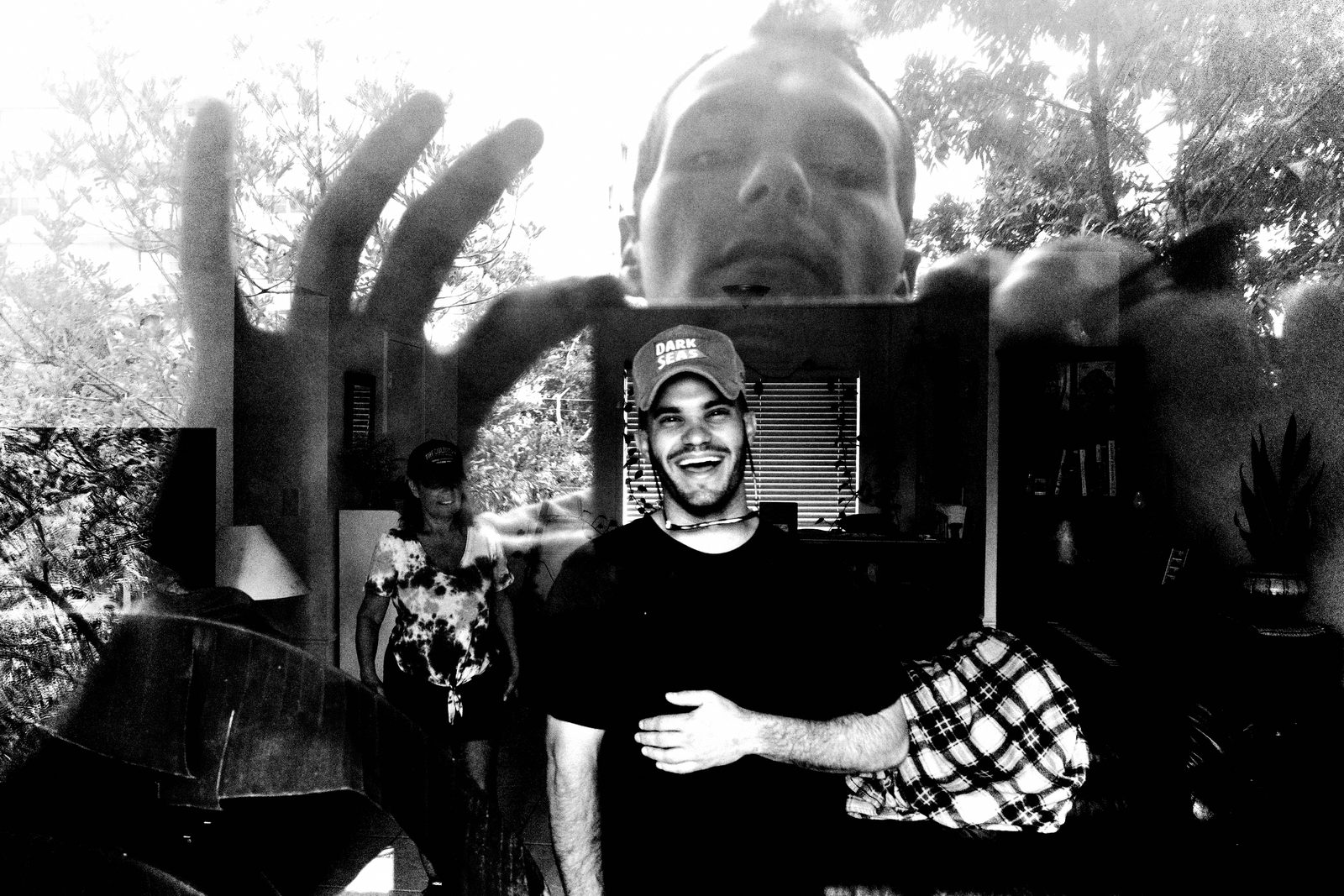
By the end of this lesson you'll know how to get out of your head and shoot from the gut. You'll stop white-knuckling the search for one perfect composition and start responding to what feels right — staying loose, staying open, and being ready in the split second when two unrelated things in the world fall into a relationship you never could've planned.
WHY THIS MATTERS
The Decisive-Moment Trap
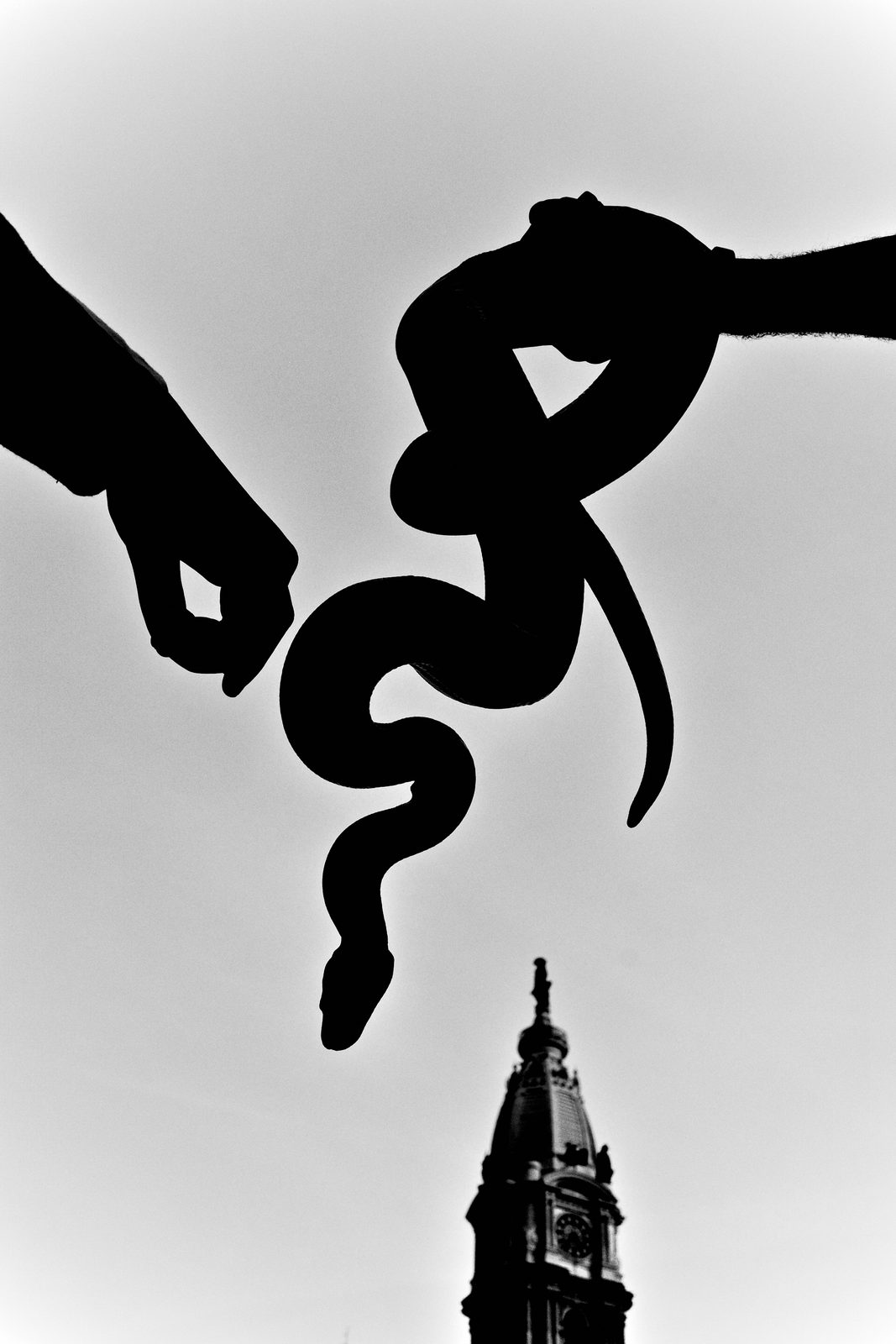
Here's why this matters. When you're out on the street it's easy to get caught hunting — looking for that one "perfect" decisive moment. But stay stuck in your head, convinced you need something specific, and decision fatigue sets in. That's what makes you stagnant. And stagnant is the one thing we can't be. We want to be moving, seeing, photographing.
Serendipity Favors the Open

And here's the payoff. When you let go, you let yourself shine through. You're not forcing a perfect composition — you're responding to what's real, and that's where the surprises live. The street hands you gifts you could never have scripted. But only if you're open enough to receive them. That openness is the whole skill we build today.
MAIN TEACHING
The Decisive Moment Is a Myth
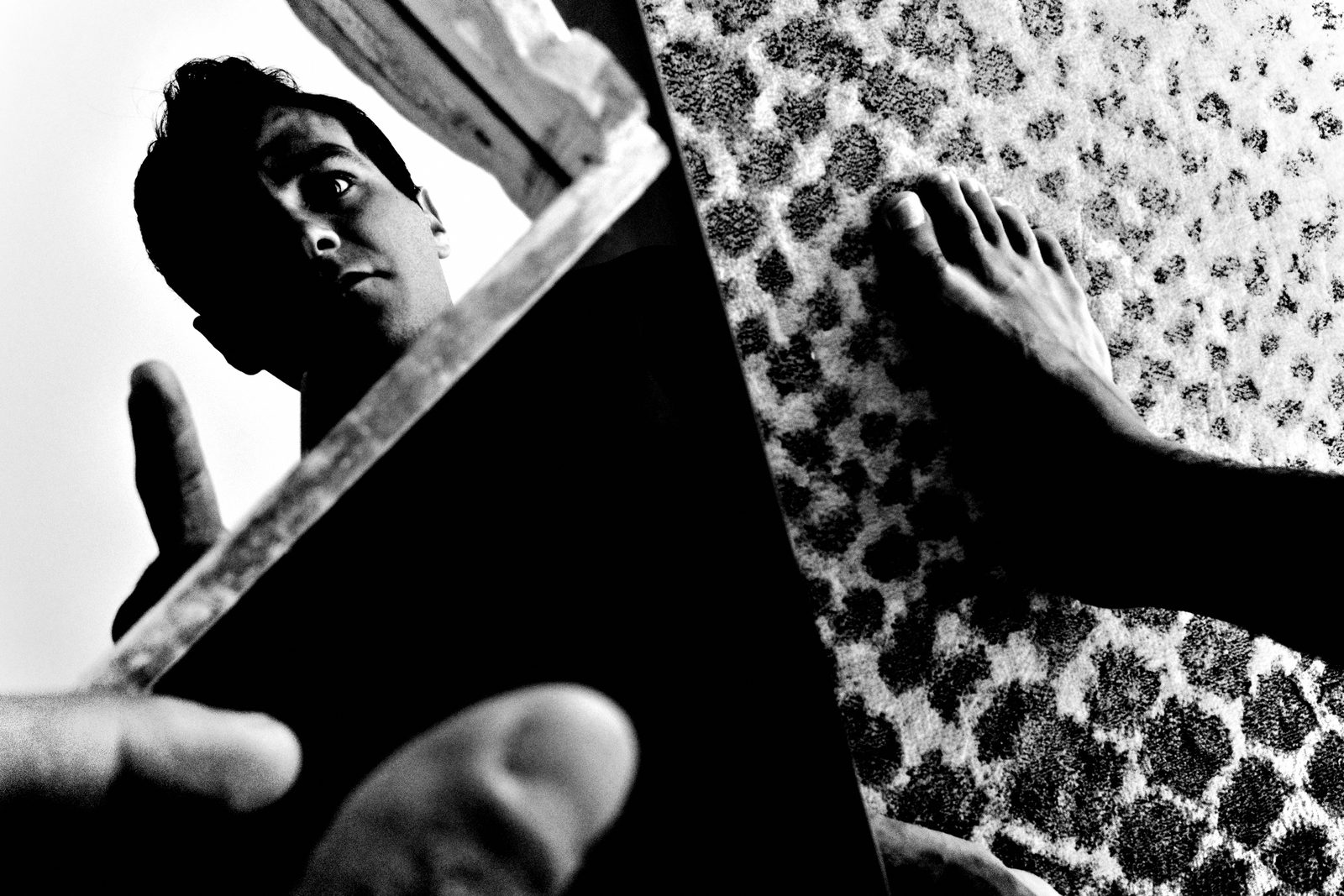
Let's say it plainly: the decisive moment is a myth. Now — I'm not saying every photo should be a pure accident. We still look around, we stay aware of what's happening. But the real magic starts when we let go, detach from the outcome, and open ourselves to the unknown. Stop gripping the moment so hard and the moments start coming to you.
Follow the Light
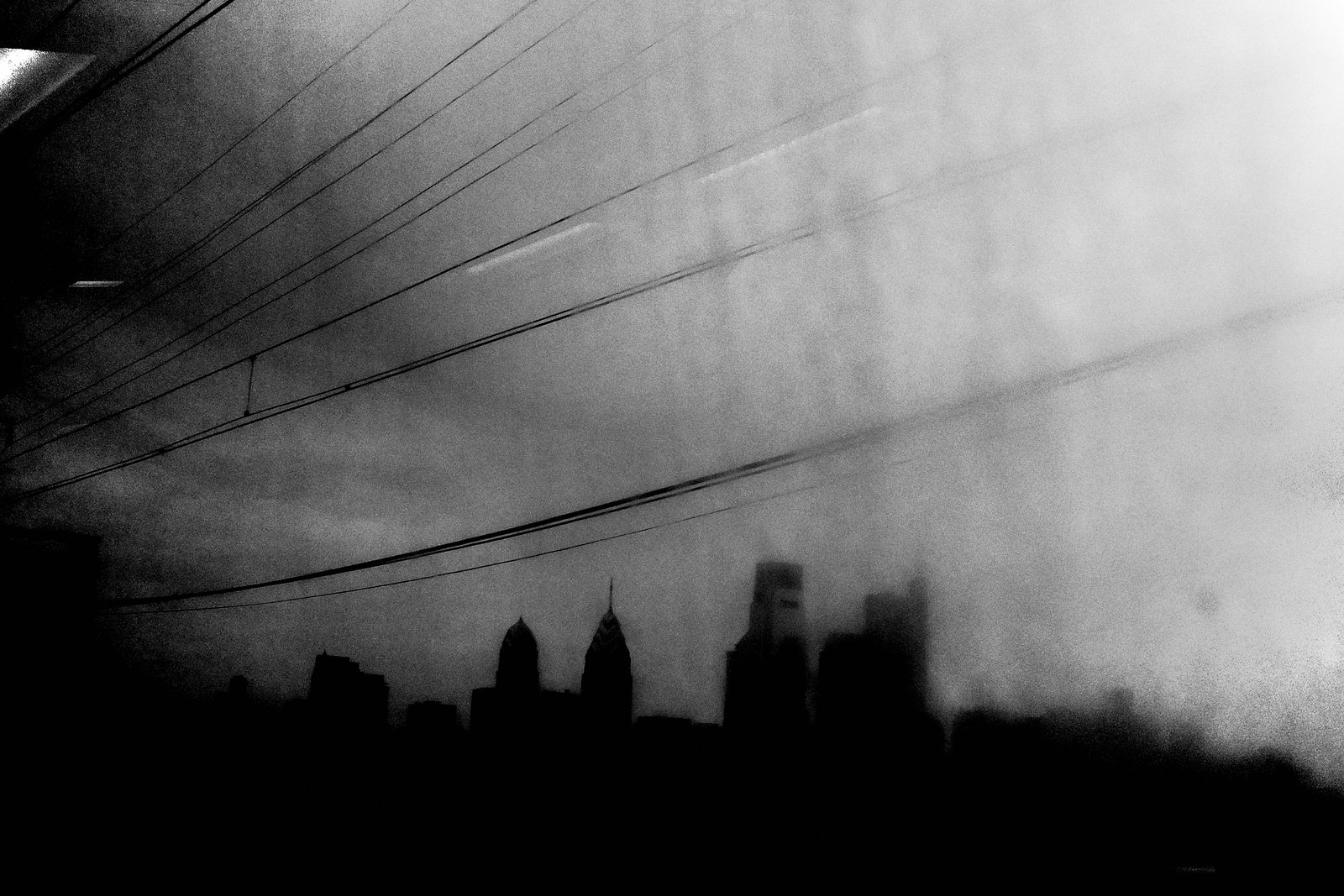
When I go out to shoot, I have exactly one rule: follow the light. That's it. No plan, no map, no expectation. If the sun is shining, I walk toward it. Even when it's cloudy, I just move — follow my instincts and let the surprises come naturally. Sometimes that one simple rule walks me straight into something I never could've planned for.
Get Out of Your Head

Get out of your head. If you're locked in there thinking you need to find something specific, decision fatigue sets in and you freeze. That's what gets you stuck, standing in one spot grinding over nothing. We don't want to be stagnant. We want to be moving. We want to be seeing. We want to be photographing. Motion is the cure for the paralysis.
Your Vision Is Your Vision

Here's something freeing. Two photographers can walk side by side and shoot the exact same moment — and the photos will be different. Your eye is your eye. Your vibe is your vibe. There's no copying when you're being real. So stop worrying about getting the shot everyone else would get. When you let go, you let yourself through, and that's the one thing nobody can take.
Photograph From the Gut
Photograph from the gut. Not the rational mind — the gut, the heart. That's where the shutter comes from. You don't need a Fibonacci spiral or a rule-of-thirds grid floating in your head. Here's the line I live by: things align when you're aligned. Get yourself right, get loose and present, and the elements out there start clicking into place on their own.
The Art of Serendipity
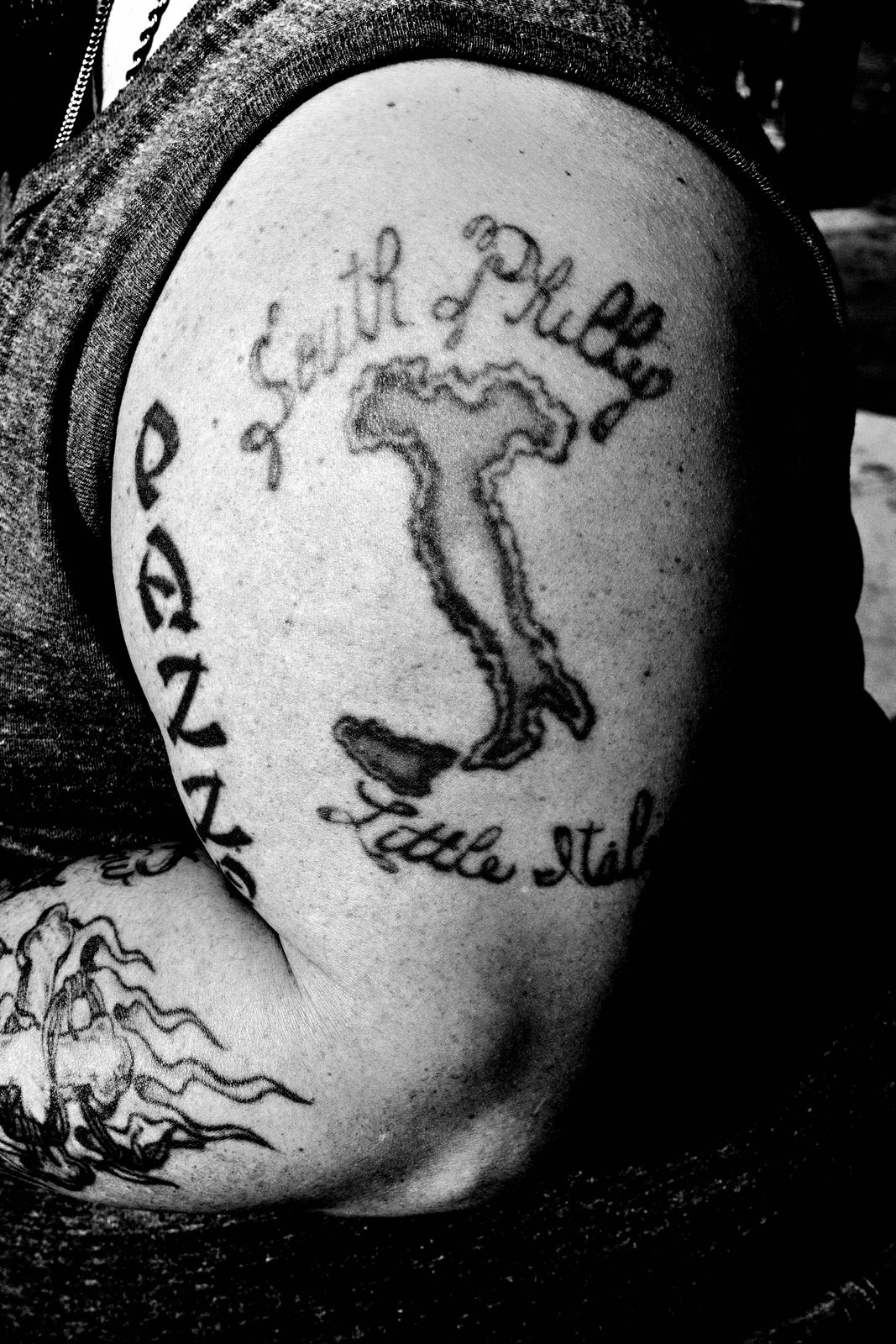
This is the art of serendipity: creating something meaningful without trying to control every single detail. You loosen your grip, you stay present, and the street starts handing you relationships — a sign and a face, a shadow and a stride, two things that have nothing to do with each other suddenly meaning something together. You didn't force that. You were just open when it happened.
The Legend of Serendip
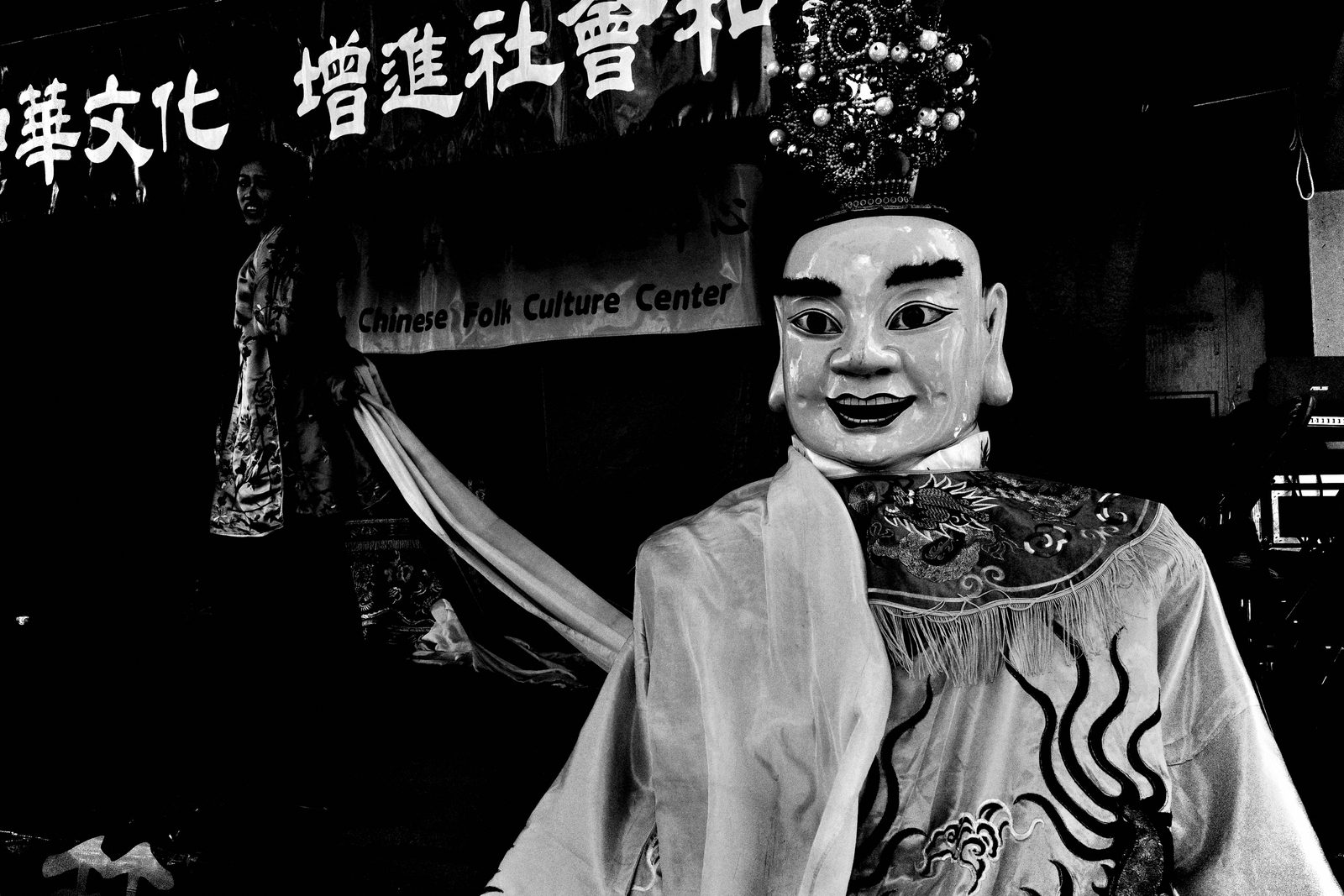
Did you know "serendipity" comes from a story? There were three princes from Serendip — what's now Sri Lanka — who kept making discoveries by accident on their journey. One of them even discovered honey, randomly, just by being out in the world, moving through it with open eyes. That's not a fairy tale. That's a street photography manual.
Finding the Honey
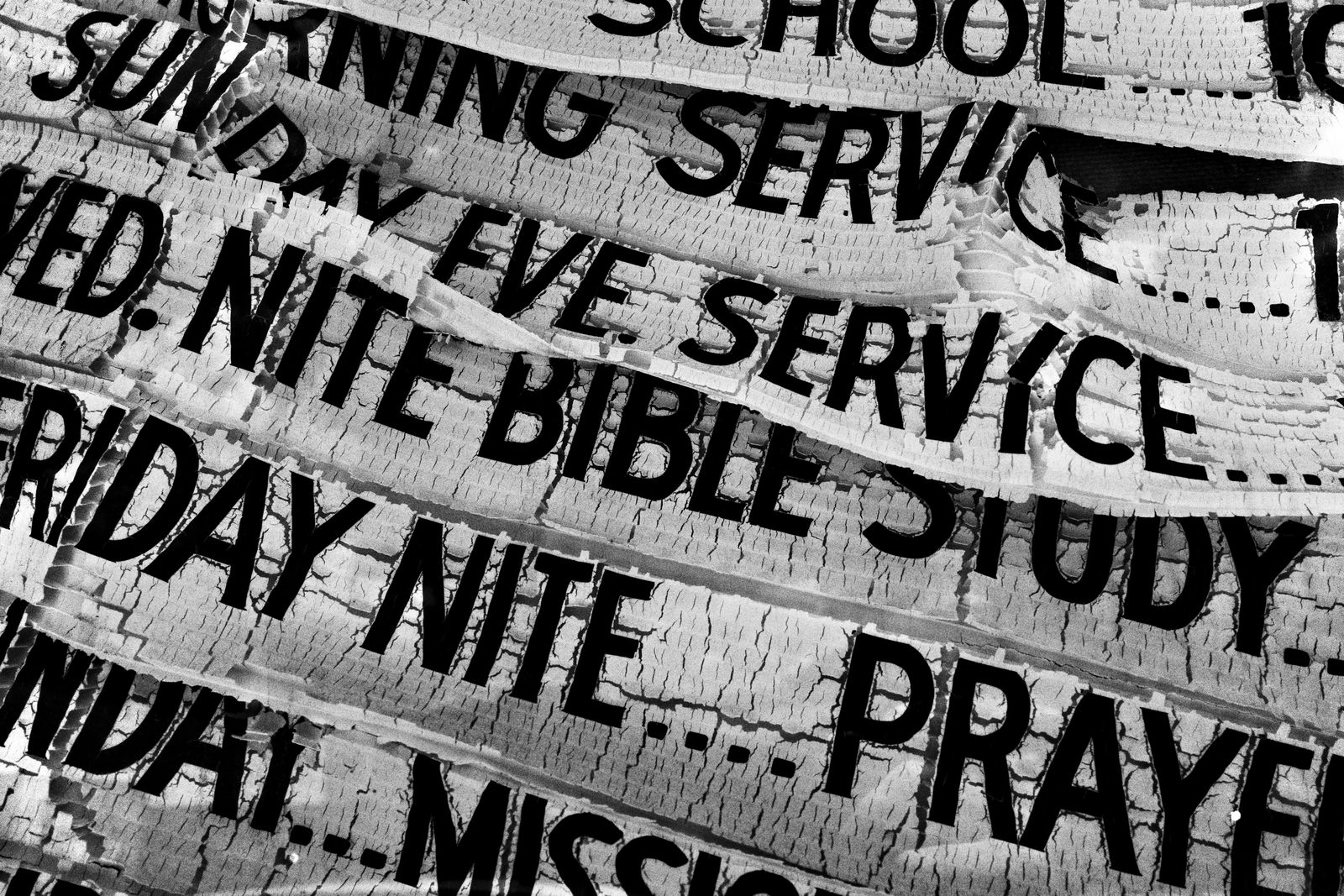
Let me sit on that honey a second, because it says everything. The prince wasn't searching for honey. He was just wandering, alive to the world, and the world handed it to him. That's exactly how the best frames arrive. You'll find that sweetness, that honey, that nectar — when you let go. Stop hunting the honey and you'll start tripping over it.
Give a Place a Whole Day

Here's what that looks like on the ground. Give a single place a whole day — hours in a park, a stretch of river, a corner of the city — just immersed in a beautiful space. It doesn't even matter if the sun isn't out. The joy of being there, present, is enough to put a smile on your face. No agenda, no shot list. Just letting go and flowing with the moment. That's the soil serendipity grows in.
The Princes' Gold
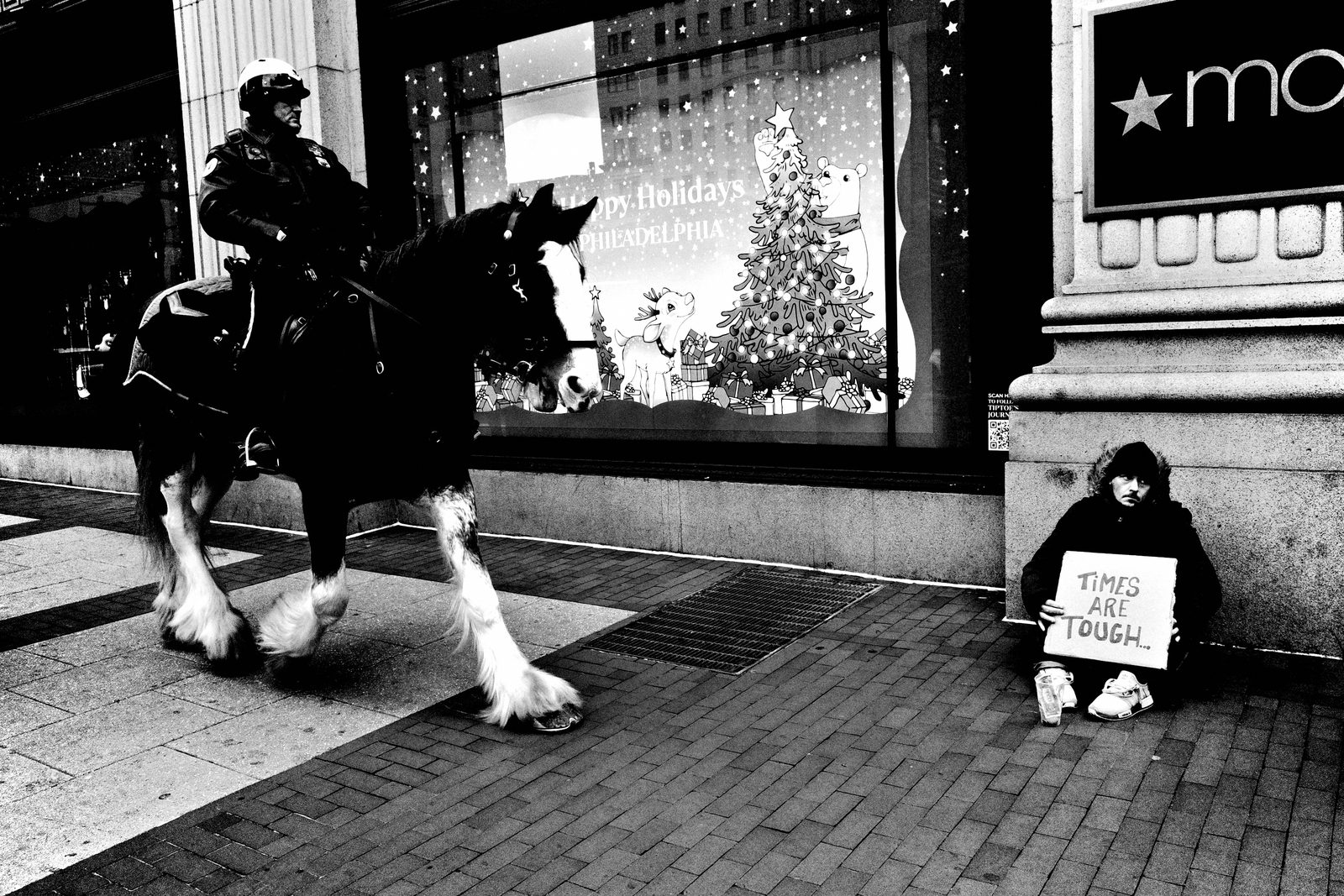
Here's the thread that ties it together. Those three princes from Serendip — they weren't looking for treasure. They were just living, wandering, moving. And in that movement, they found gold. That's the model for a day on the street. Don't march out demanding a masterpiece. Walk, observe, stay in motion — and trust that the gold shows up when you've stopped chasing it.
Be Ready for the Moment
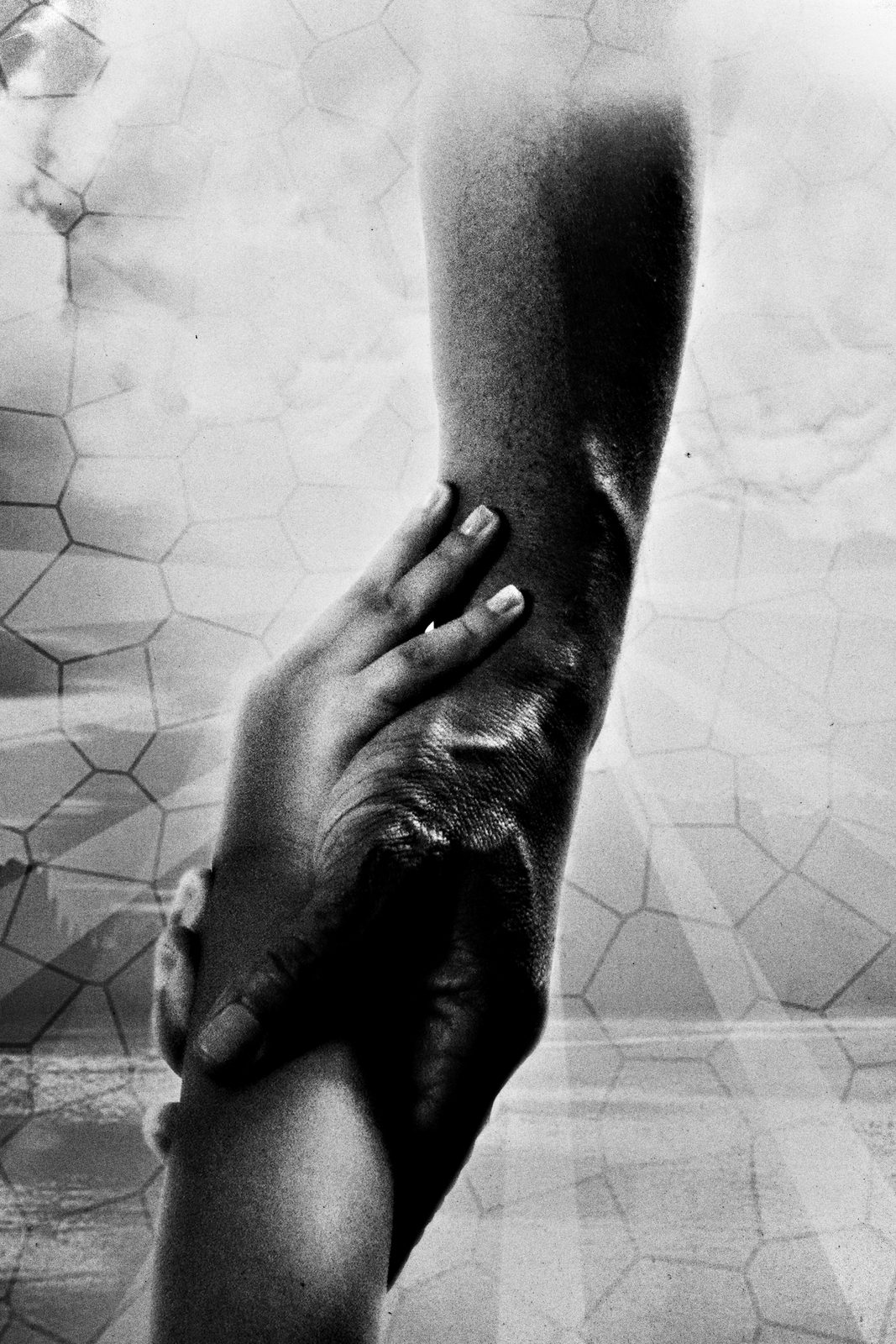
Now the catch: serendipity isn't just chance. It favors the prepared. When that moment hits, you want to be ready — that quick flick of the wrist, that click of the shutter, that snap of the body's movement. That's the magic. Chance puts the gift in front of you, but readiness is what lets you actually take it home.
Be Empty, Just Respond
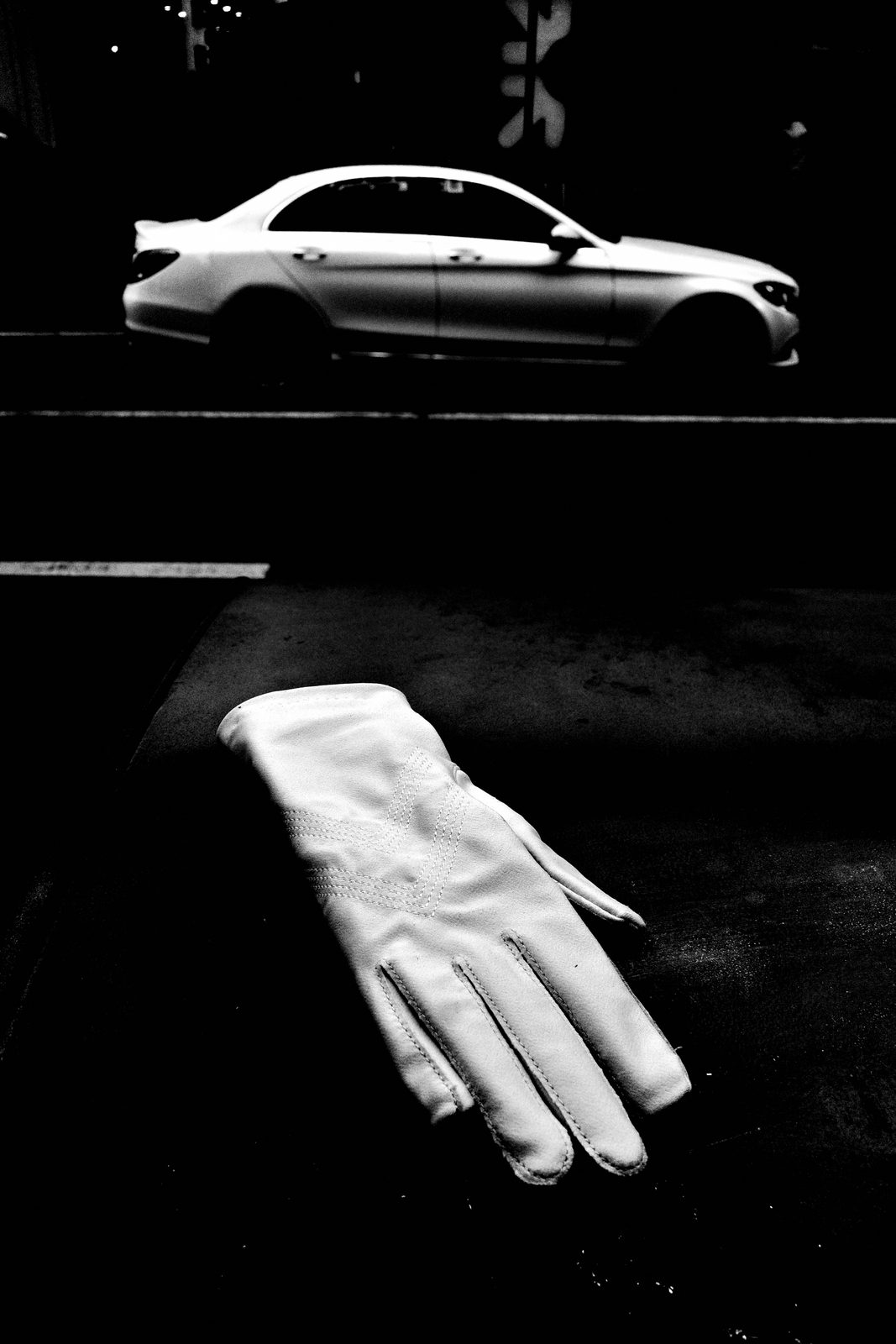
Here's the deepest part. We're all in our heads when we shoot — that's normal. But the most interesting photography happens when your mind goes blank. When you stop thinking and start being, that's when serendipity delivers. It's not about going out and searching. It's about accidentally finding. Empty the mind, and let the frame come find you.
PRACTICAL APPLICATION
Walk a Day With One Rule
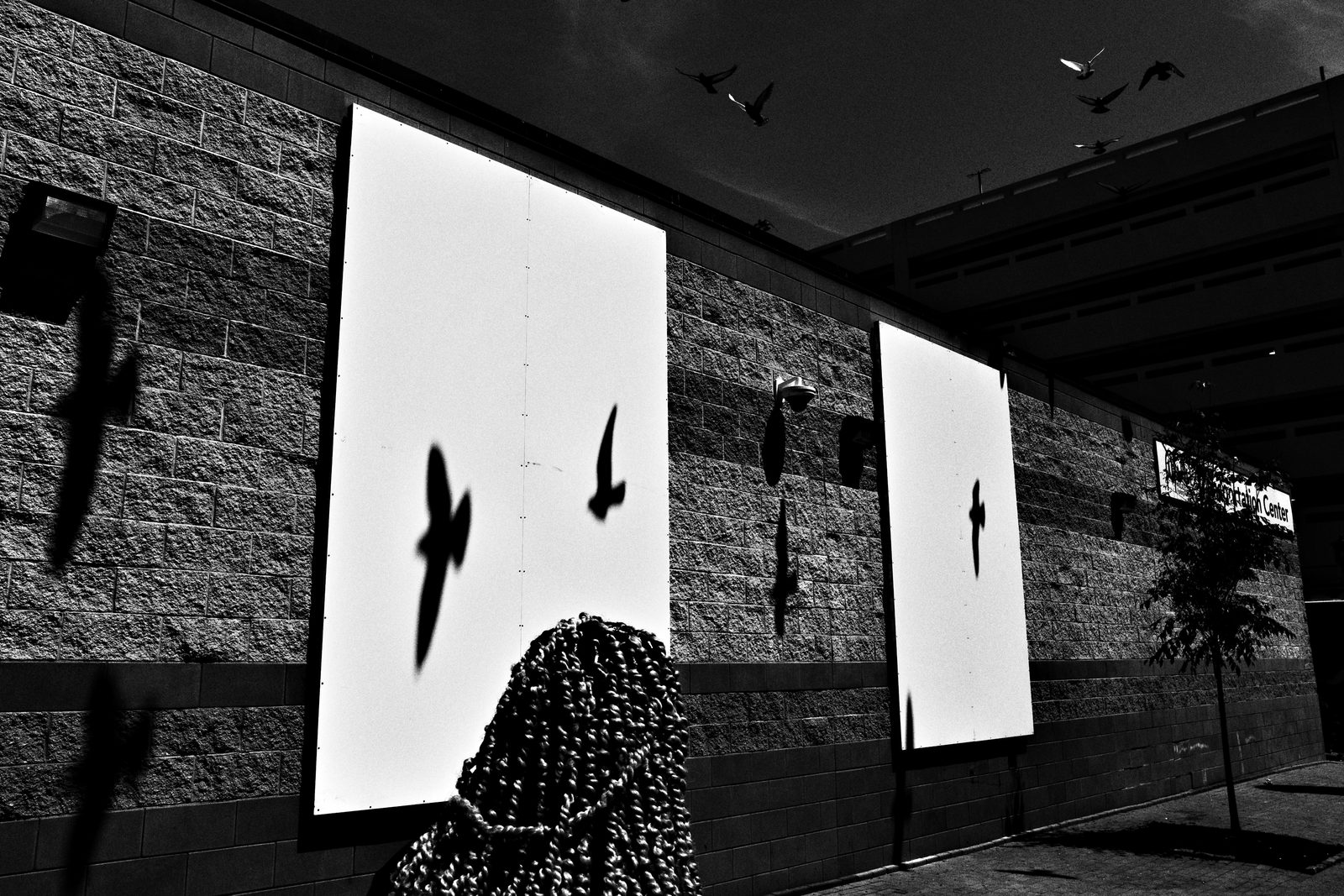
Here's your drill. Go out for a whole session with no plan and no map — just one rule: follow the light. When the sun shines, walk toward it; when it's cloudy, just move and trust your instincts. Don't hunt for "the shot." Photograph whatever the universe places in front of you. By the end you'll have frames you never could've planned — that's the proof serendipity is real.
Build the Foundation First
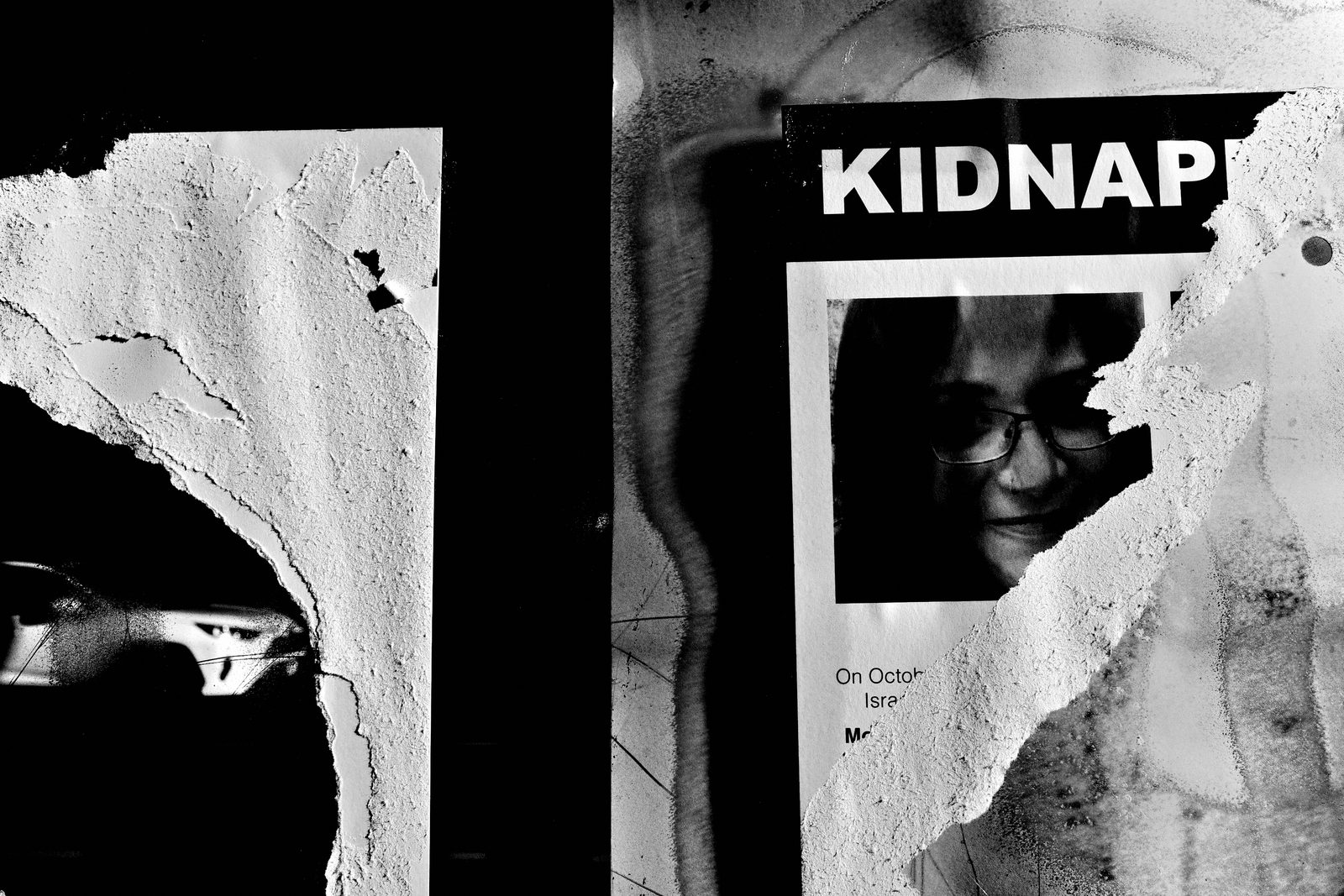
Serendipity starts before you hit the street. If your work feels stuck, fix the foundation: have your camera on you, charge your batteries, be rested, be sharp, be present. I lean on clarity, energy, stillness, and sharp instincts — fasting helps me, rest helps me, getting out of the fog helps me. That's when your gut and brain sync up and you become a laser-focused, intuitive machine.
COMMON MISTAKES
Hunting Instead of Finding
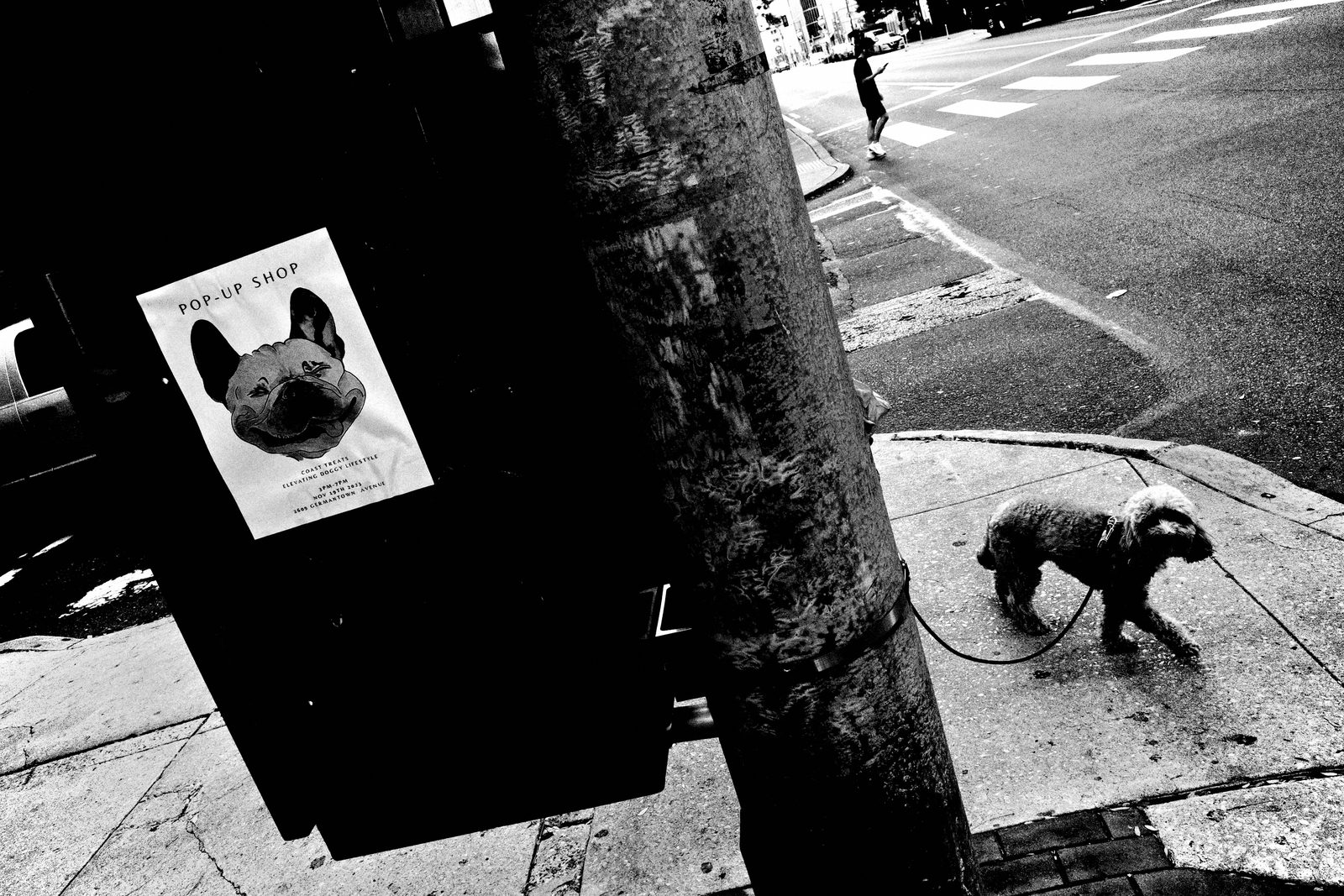
The biggest mistake is hunting instead of finding. You go out searching for the perfect, decisive shot, white-knuckling the outcome — and that's exactly what triggers decision fatigue and freezes you in place. The fix isn't to try harder. It's to let go. Detach from the outcome, get moving, and let the photograph find you instead of the other way around.
Shooting From the Head

The other mistake: shooting purely from the head. Forcing the composition, running the rule-of-thirds grid on every frame, trying to control every detail. It makes the work stiff and lifeless. Remember — things align when you're aligned. Get yourself loose and present first, shoot from the gut, and let the alignment happen instead of manufacturing it.
RELATIONSHIP TO PREVIOUS
The Found Side of the Coin
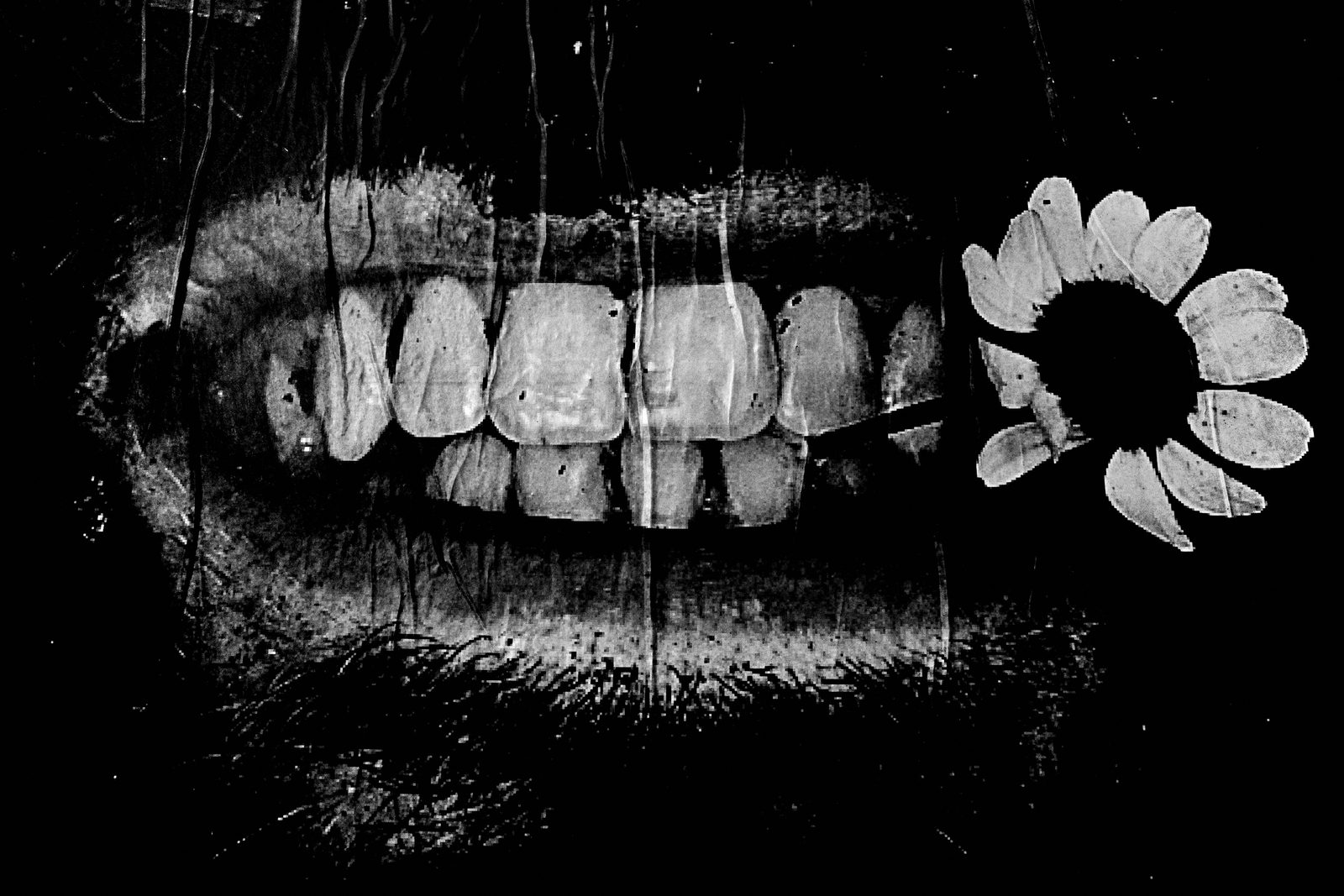
Last lesson — Lesson 013 — we worked the made photograph: patience, positioning, persistence, staying till the scene leaves you. Today is the other side of that coin: the found photograph, the gift the street hands you when you let go. These aren't opposites. The best photographers are prepared and open — they work the scene, and they stay ready for serendipity to drop something in.
RELATIONSHIP TO UPCOMING
Next: Be a Tourist at Home
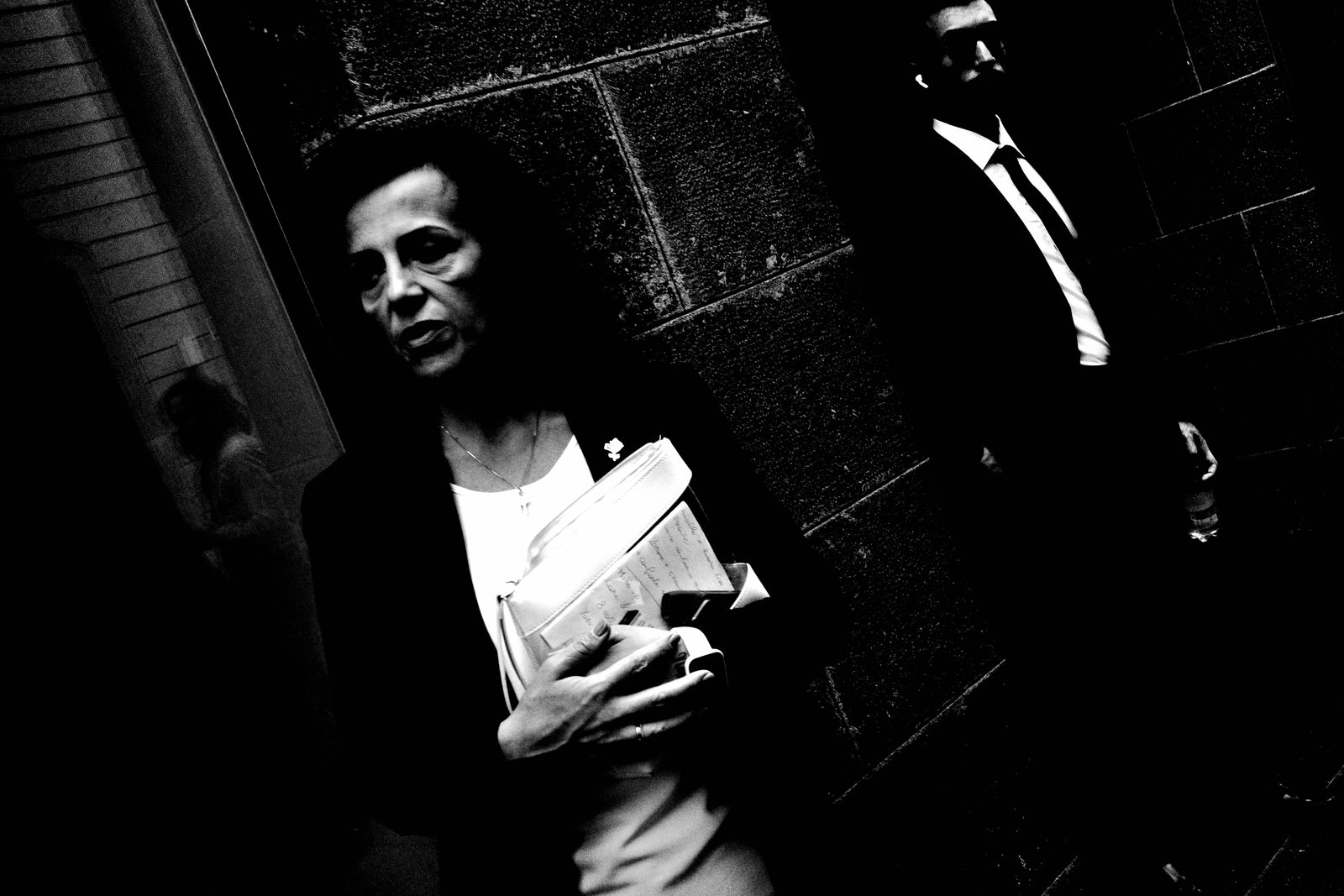
Quick look ahead. In Lesson 015 — Be a Tourist at Home — we take this wandering, open, let-go eye and point it at the streets you think you already know. Serendipity isn't only for far-off parks and foreign cities. Walk your own block like one of those princes of Serendip, and you'll start finding honey right outside your door.
SUMMARY / TAKEAWAY
Let Go, Walk, Find Gold
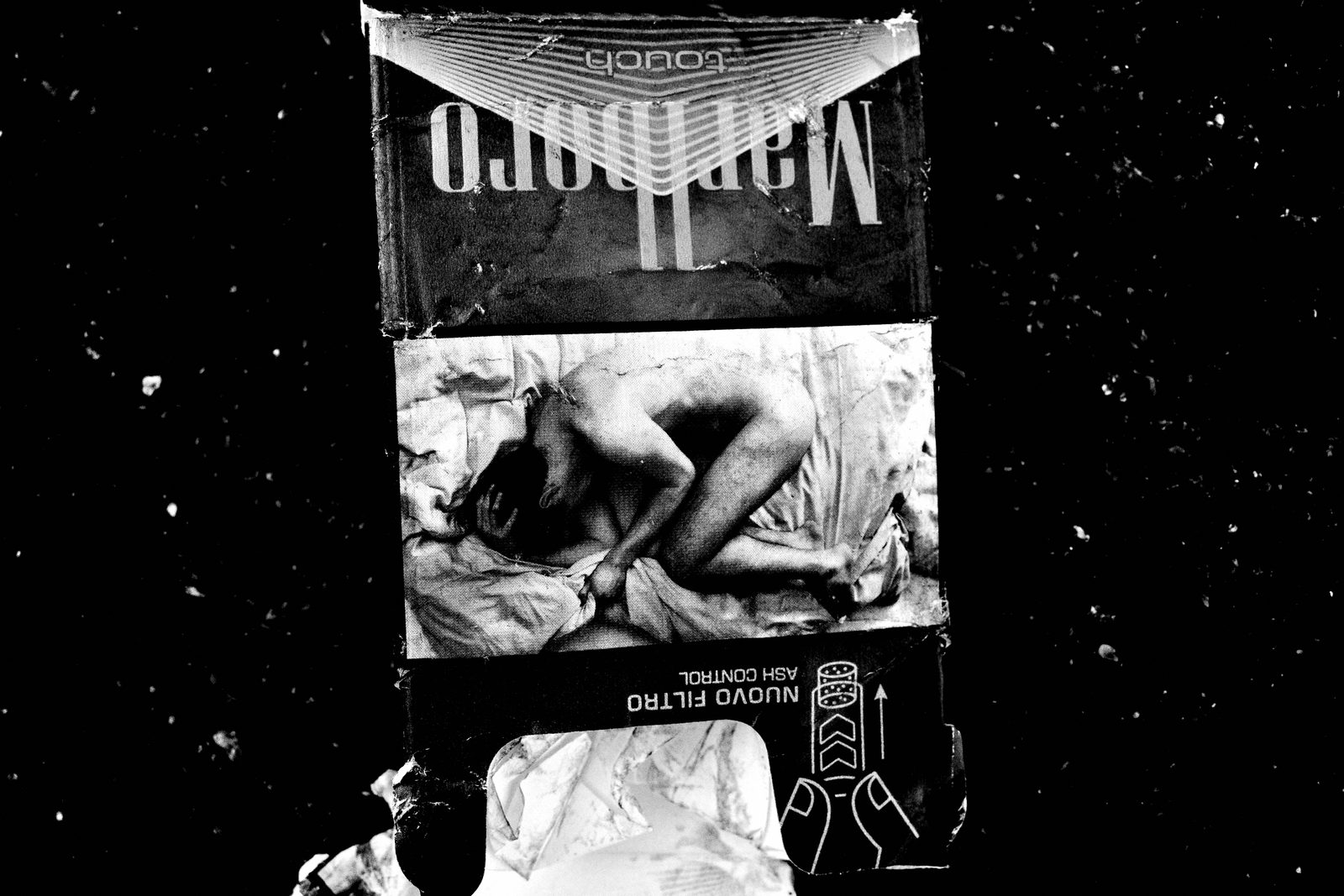
Last thing. The decisive moment is a myth — the magic is in letting go. Build your foundation, be ready, then empty your mind and just respond. Like those three princes, don't go looking for treasure; just live, wander, move — and in the movement, you'll find gold. Let go. Walk. Observe. And photograph whatever the universe places in front of you. Catch you next lesson.