Curiosity & Joy: The Engine
CORE IDEA
Curiosity Is the Engine
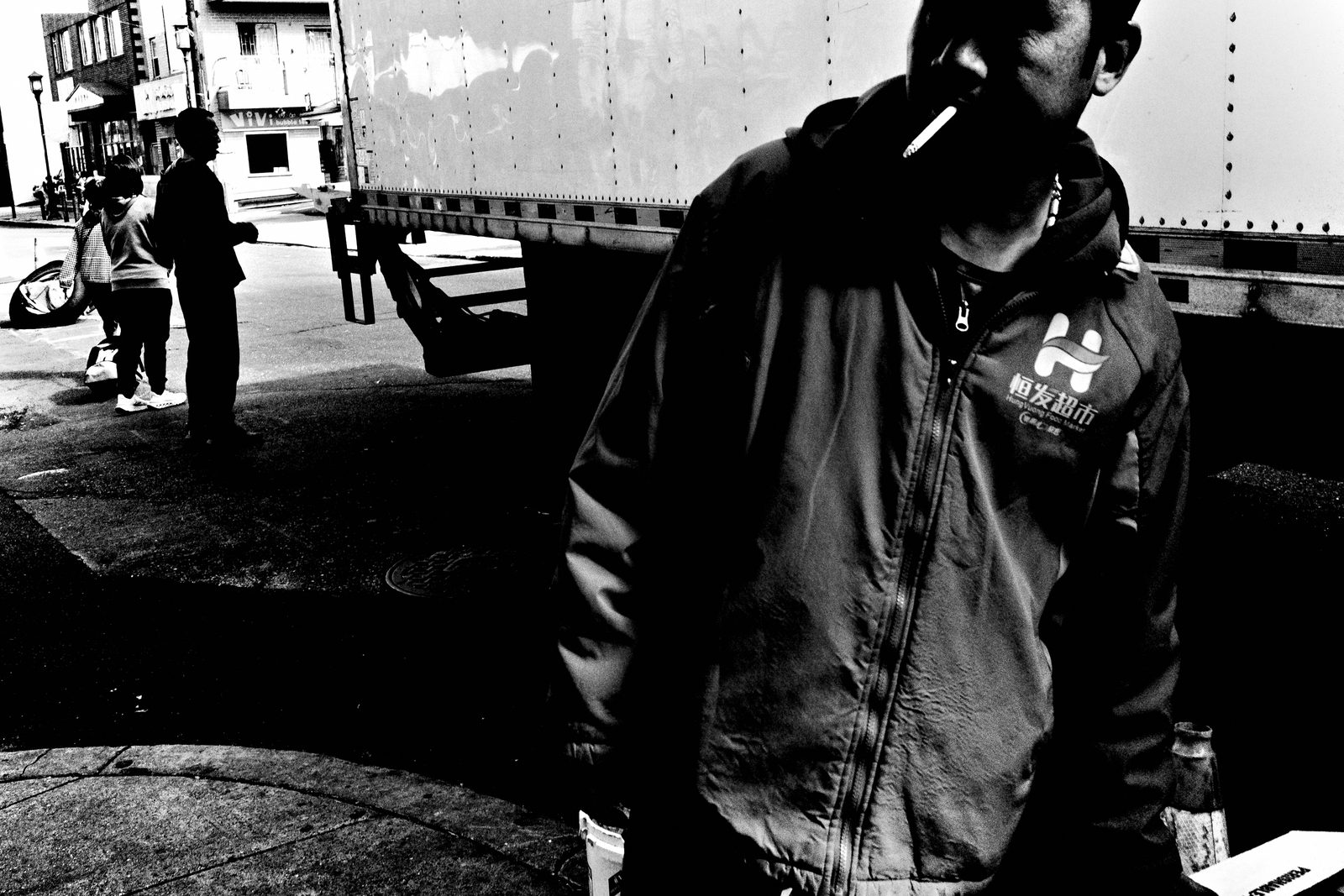
What's popping, people — it's Dante. Today we get to the thing underneath all of it: curiosity. I believe it's the single key ingredient in street photography. Curiosity is the engine, joy is the fuel it runs on, and every technique we'll ever learn is downstream of these two. Get this right and the work runs forever.
LEARNING OBJECTIVE
What You'll Walk Away With
By the end of this lesson you'll know how to power your photography from curiosity and joy instead of results and approval. You'll treat play as a method, not a mood. This is the difference between a practice you keep for life and one that quietly burns you out.
WHY THIS MATTERS
Boredom Is a Perspective Problem
Here's why this matters. Photographers tell me, "There's nothing interesting to shoot." I fall into it too — I'll look at my hometown with dull eyes. But boredom is a perspective problem. The world didn't become boring; you stopped being curious. The cure isn't a new city. It's a blank slate.
Joy Is the Outcome
And here's the payoff. When you detach from impact, audience, results — a deep joy starts flowing through you just from being out there. That joy fills you with energy. It makes photography inevitable, and the flow state becomes effortless. Joy isn't the reward at the end; joy is the outcome of the practice itself.
MAIN TEACHING
Create Something From Nothing
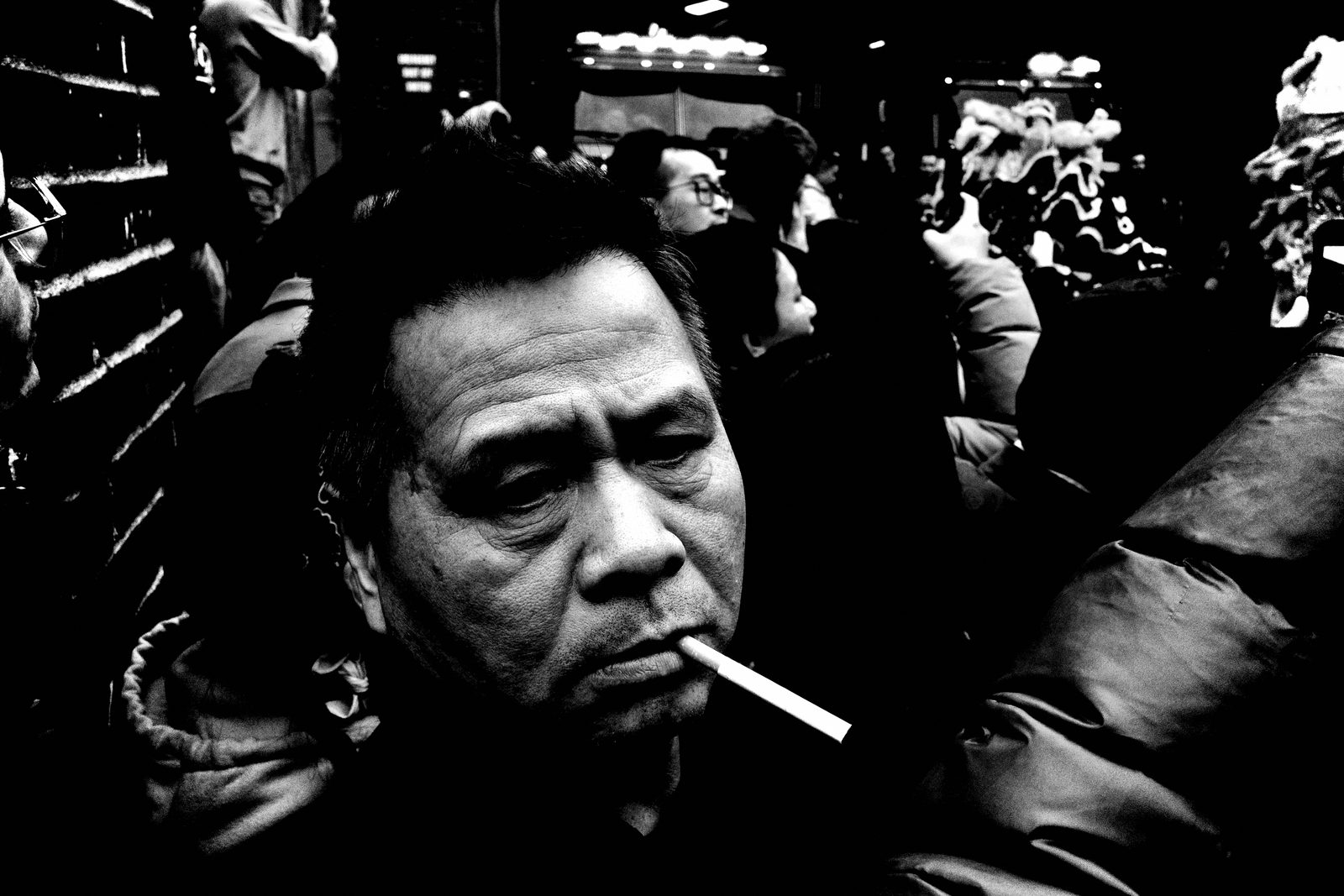
So let's state the goal plainly. It isn't to make the "best" photograph or impress anyone. It's to create something from nothing, using the streets as your canvas. That frees you from everyone's expectations and opens the door to genuine, spontaneous art. You're not collecting trophies — you're conjuring something out of an ordinary moment.
Return to the Childlike Mind
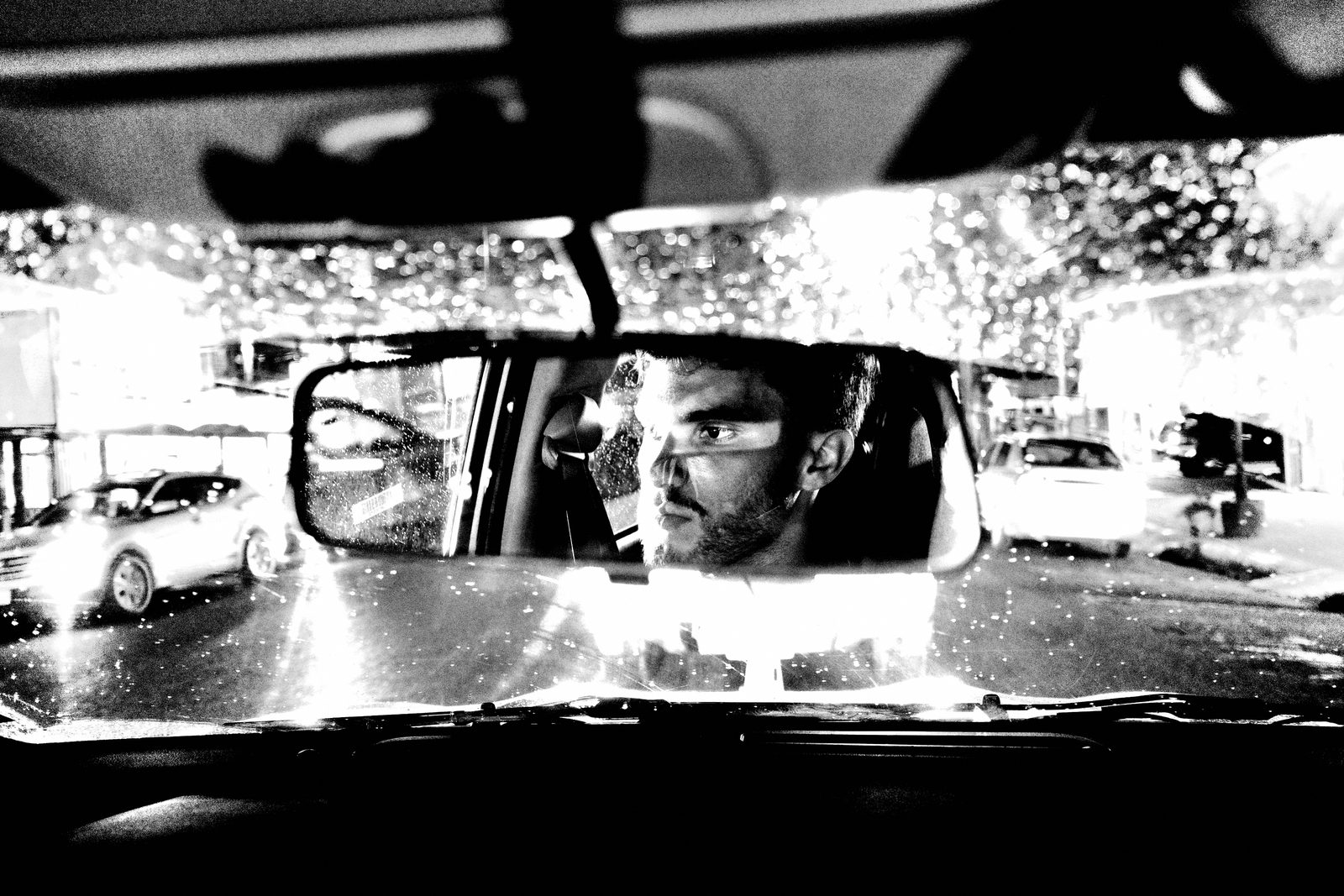
To never be bored, you have to return to the childlike mind. Think of a kid picking up leaves, touching concrete, looking up at buildings — that child is still in all of us. Your job is to return to that state so you can look at the world with infinite possibility. That's where the photographs live.
Be Open Like a Child
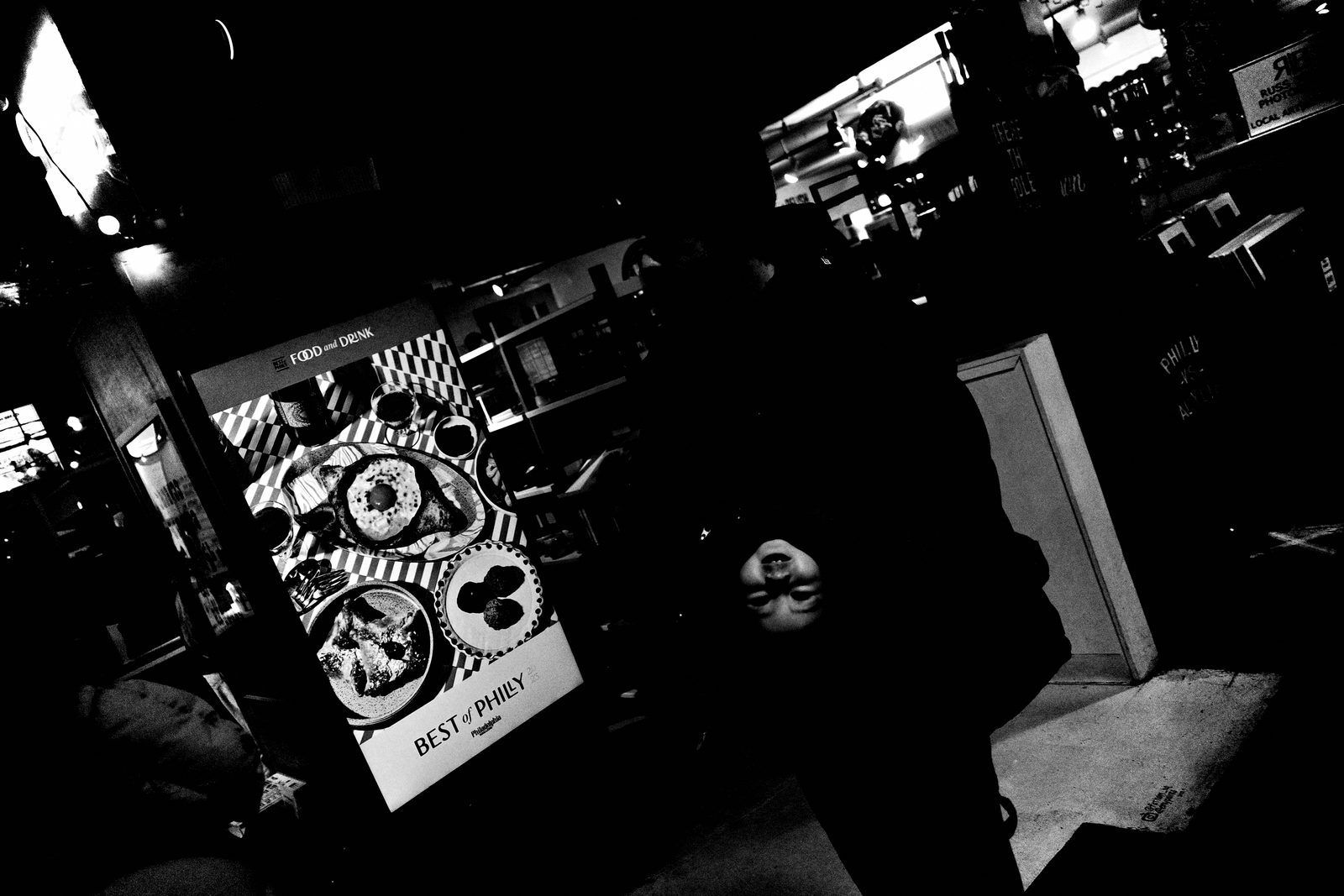
The instruction is simple: be open like a child, with wide-eyed wonder for the world around you. No assumptions. No preconceived notions of what you'll find. When you walk in with that openness, life surprises you with its gifts. Lose the wonder and you lose the work — it's that direct.
Let Go of Preconceptions
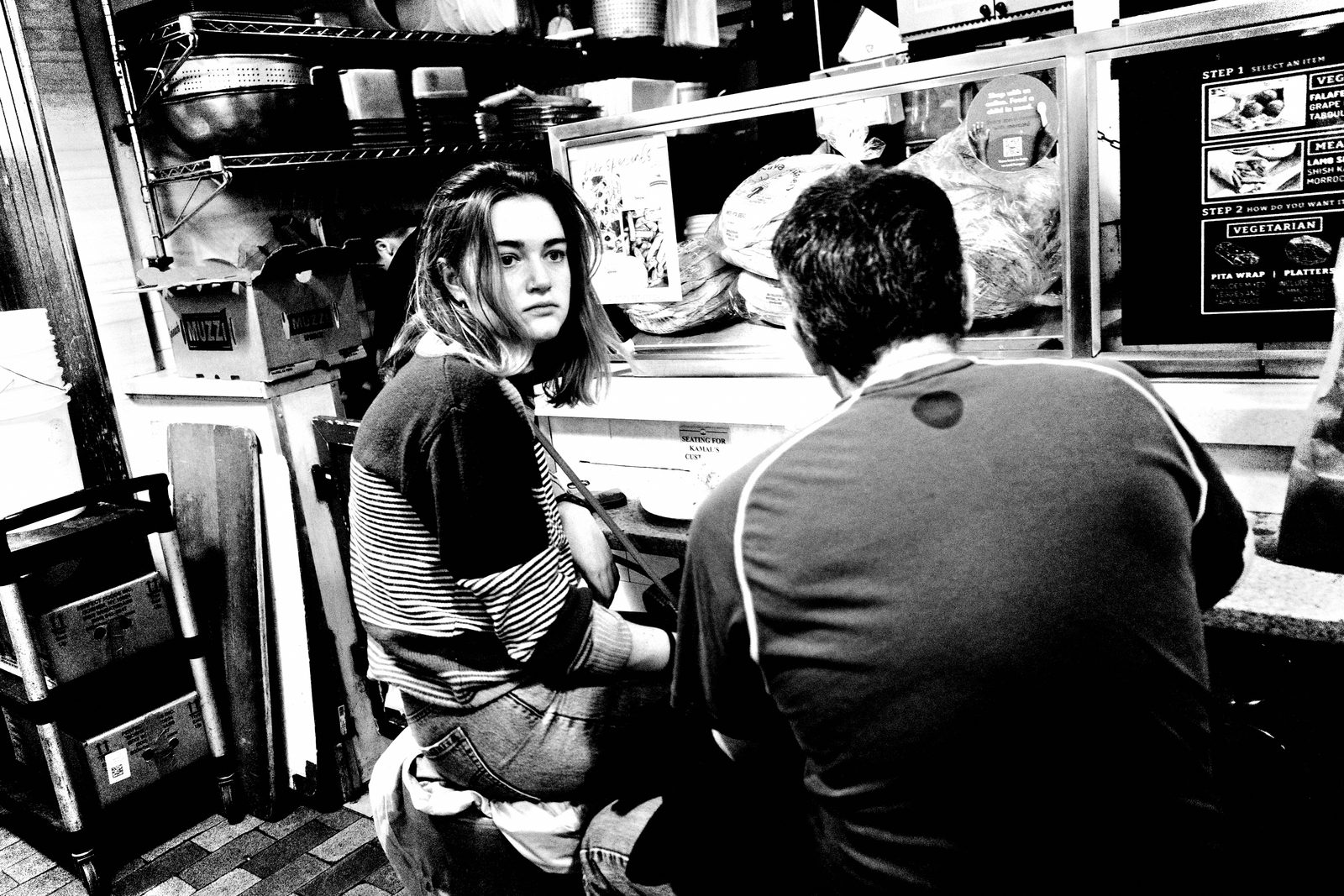
Next principle: let go of preconceptions. Don't get confined by certain photographic tropes, specific places, or "the right" subjects. You shouldn't need a special location — anything and everything can be a photograph. The moment you box street photography into a narrow definition, you starve it. It's an attitude, not a checklist.
Stay an Amateur Forever
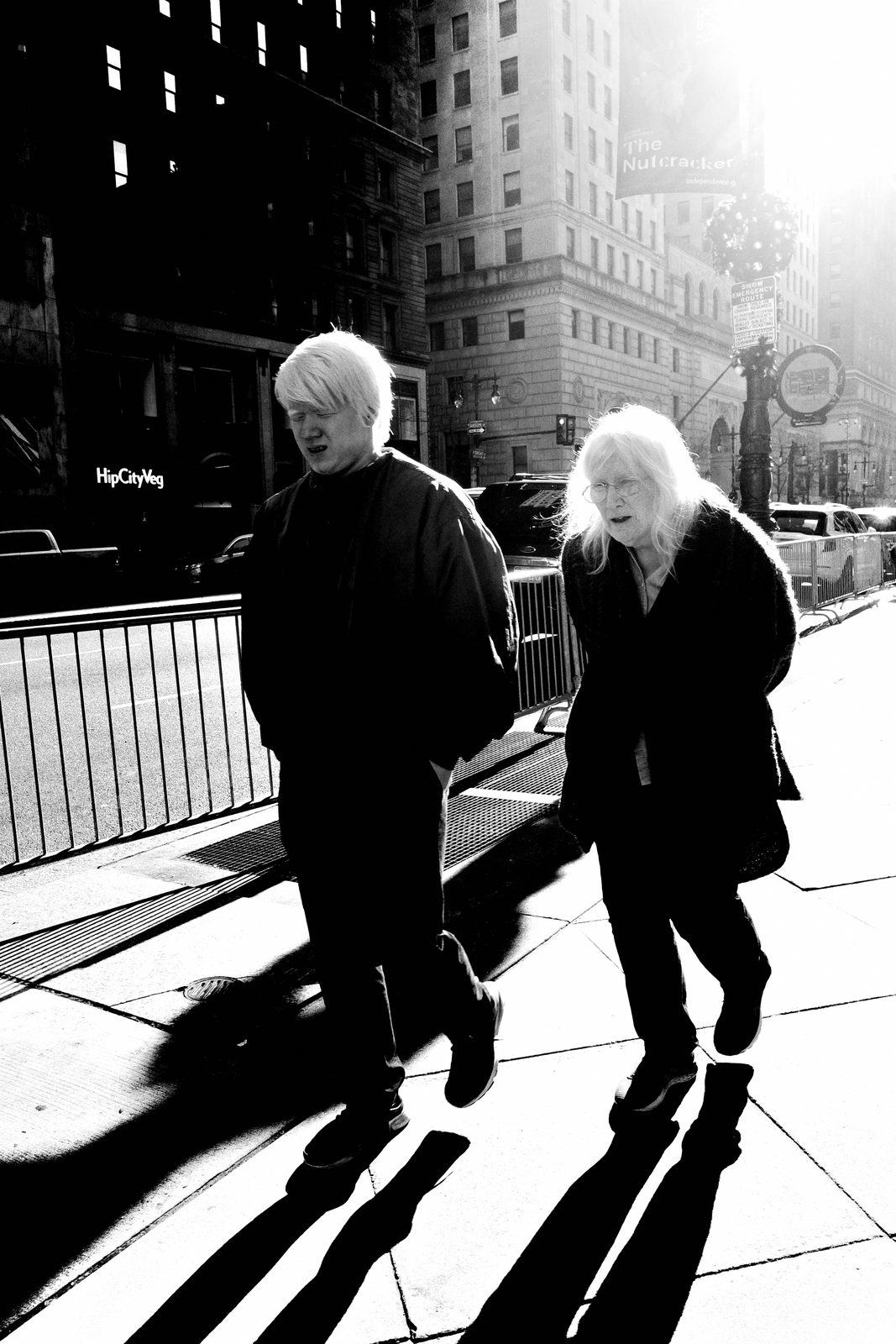
A goal I chase every single day: return to the amateur state. Back to the person I was walking through the woods with my first camera. I never want to feel I've mastered photography, seen it all, done it all. There's infinite potential to grow and transform — just like a child growing through life. Stay a beginner and you stay curious.
Don't Seek — Allow
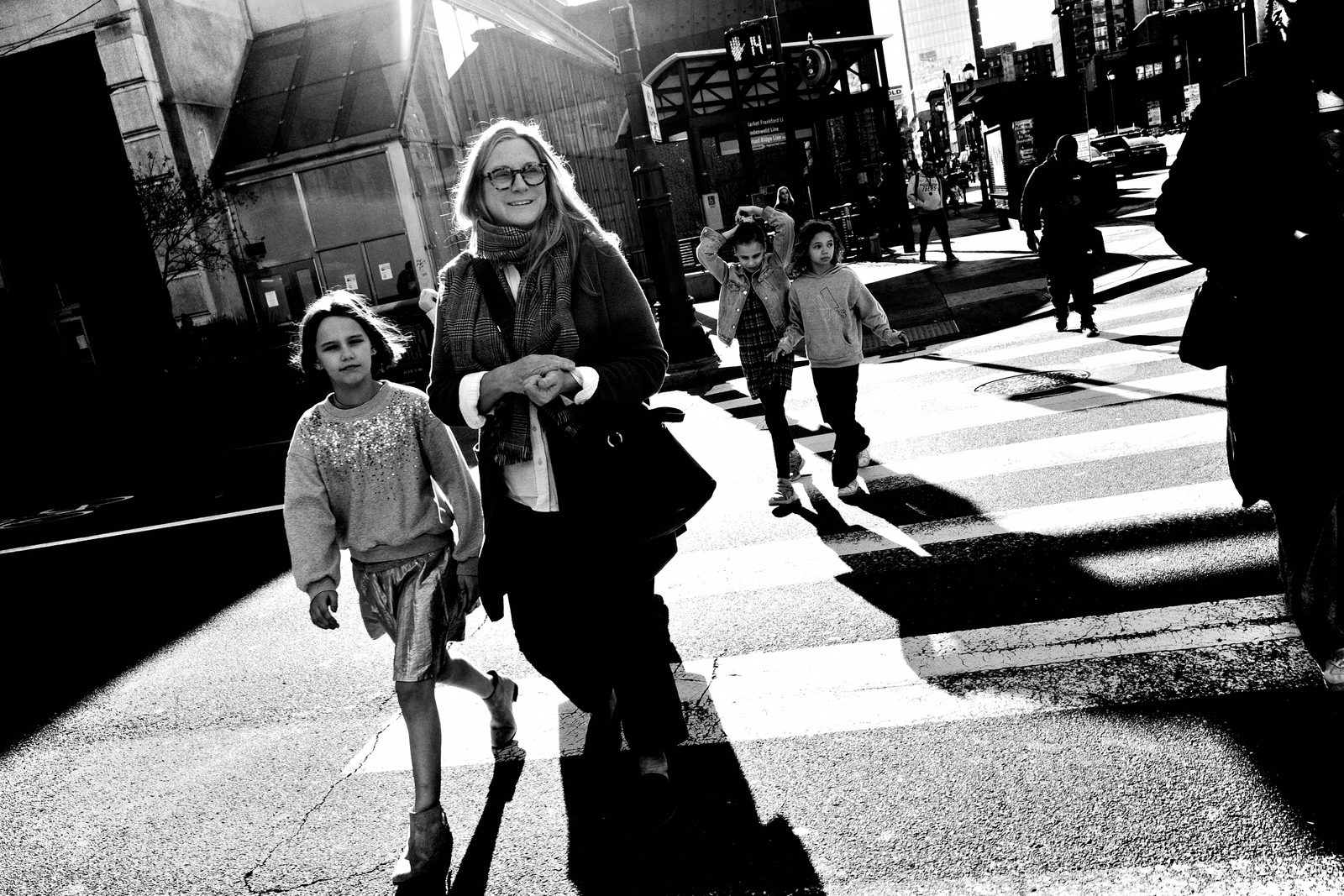
Now slow down and enter what I call the Zen Zone. You're not actively hunting subjects or stories — you're allowing life to unfold naturally. Don't seek; just let life flow toward you, and be ready to capture it. Camera always at hand. You make sense of the chaos by relaxing into it, not by chasing it down.
Photography Is a State of Play
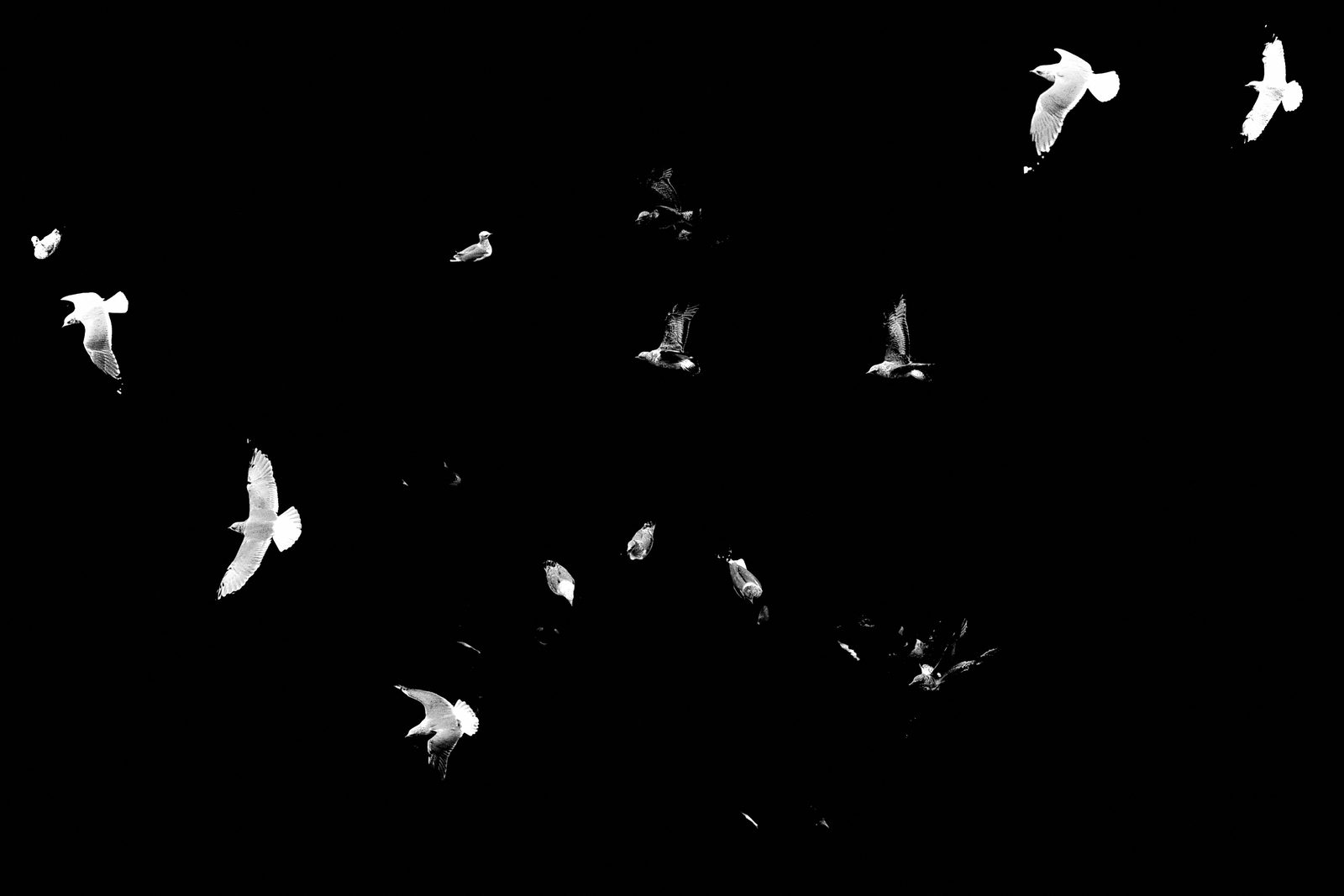
Here's the heart of it: photography is a state of play. It's not elitist, it's not a costume, it's not technical perfection. Curiosity matters more than gear; play matters more than knowledge. And remember this one — seriousness kills curiosity. The world is serious enough already. Your photography should be fun.
Don't Take Yourself So Seriously
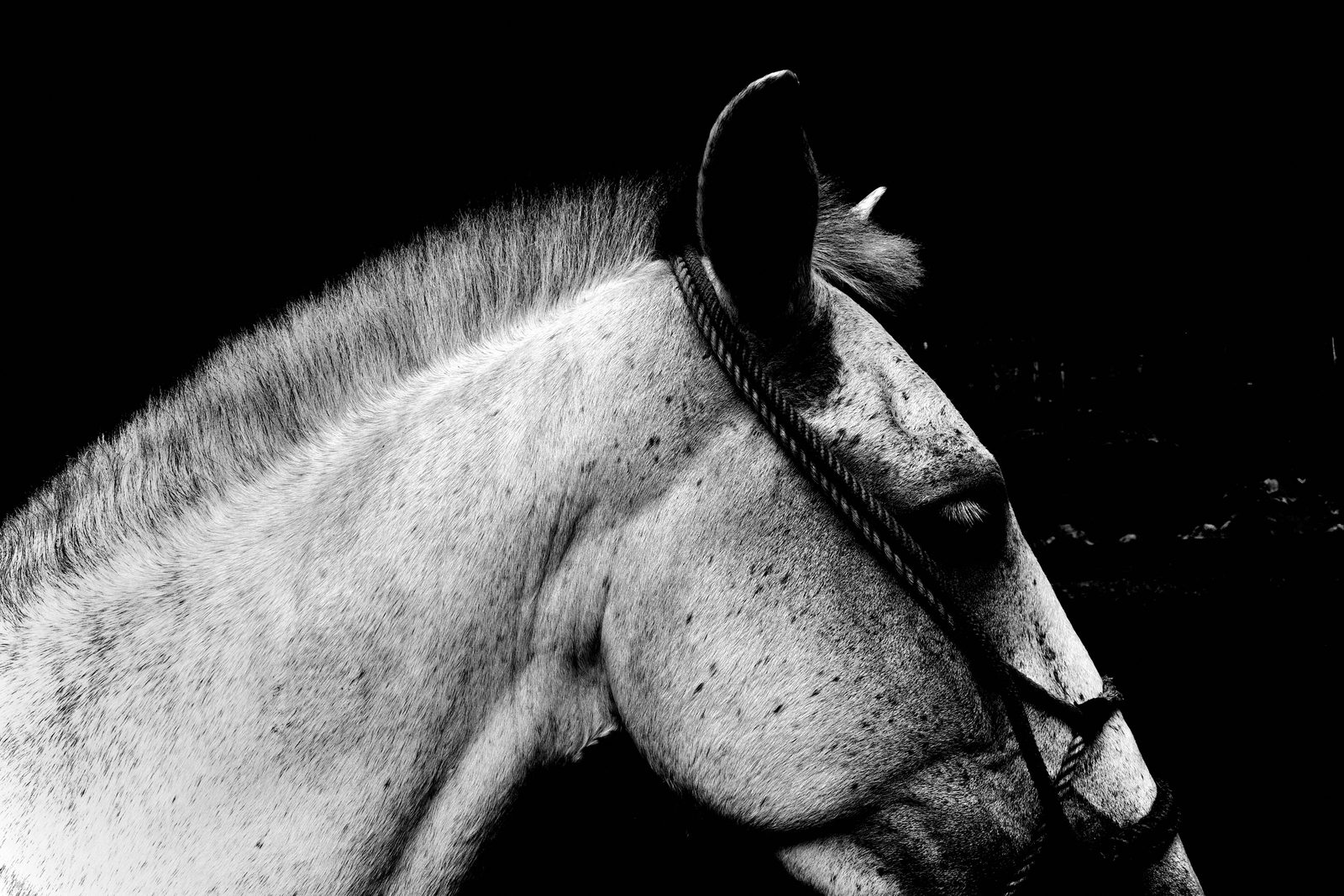
So don't take yourself so seriously — and don't take photography so seriously either. Go out and play. Experiment. Fail. Get back up. Make more photographs. Photography is really not that serious. The second you drop the heavy "serious artist" costume, you return to flow, you make more frames, and you stay alive to the world.
Follow Your Joy
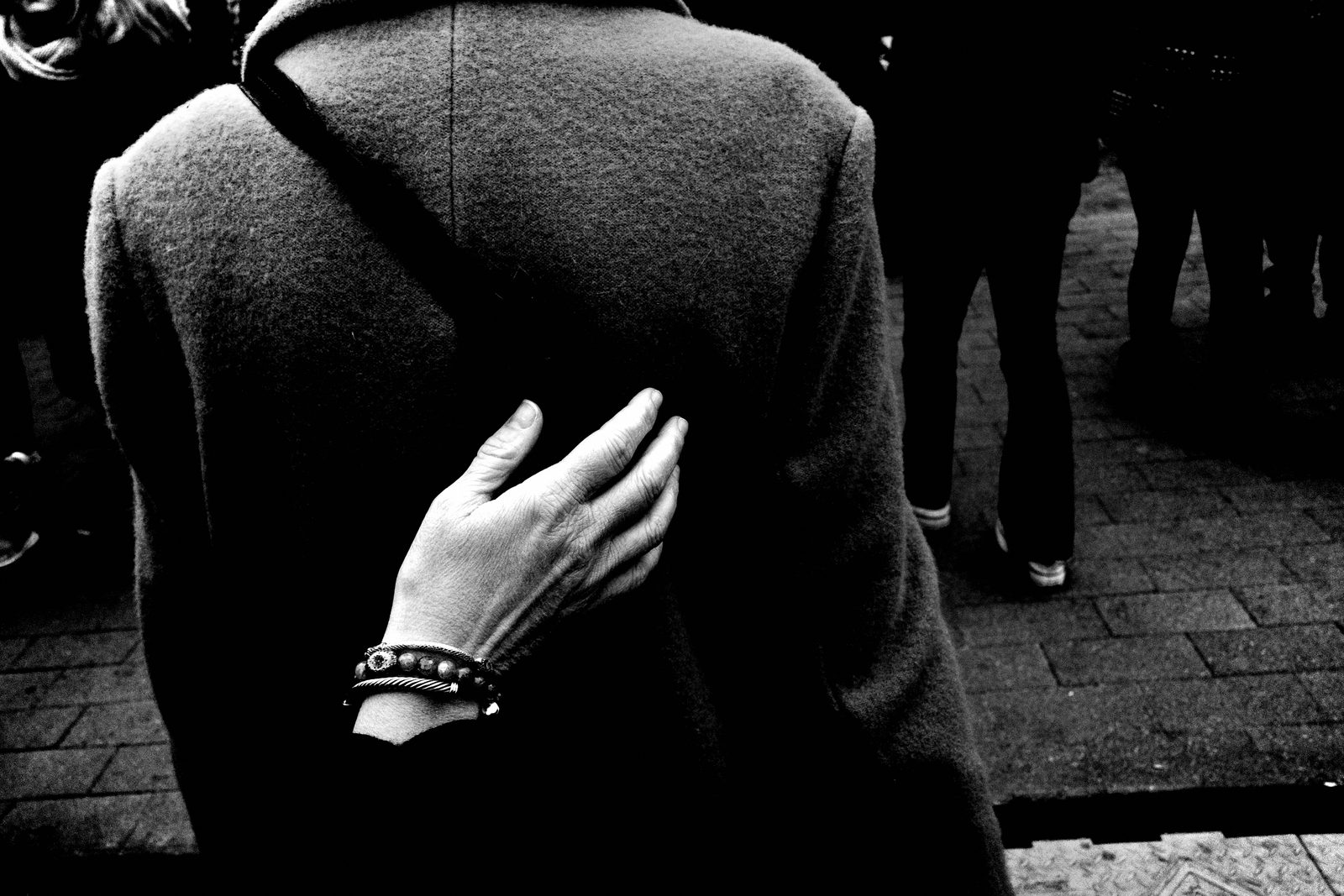
I'm not out there as a grim documentary photographer hunting the next shot. I love life. I love humanity. I'm joyful when I'm on the streets. So follow your joy, follow your inner childlike curiosity, and that spirit of play will reflect right back in your photographs. How you feel about life is exactly what shows up in the frame.
Playfulness Disarms a Heavy Scene
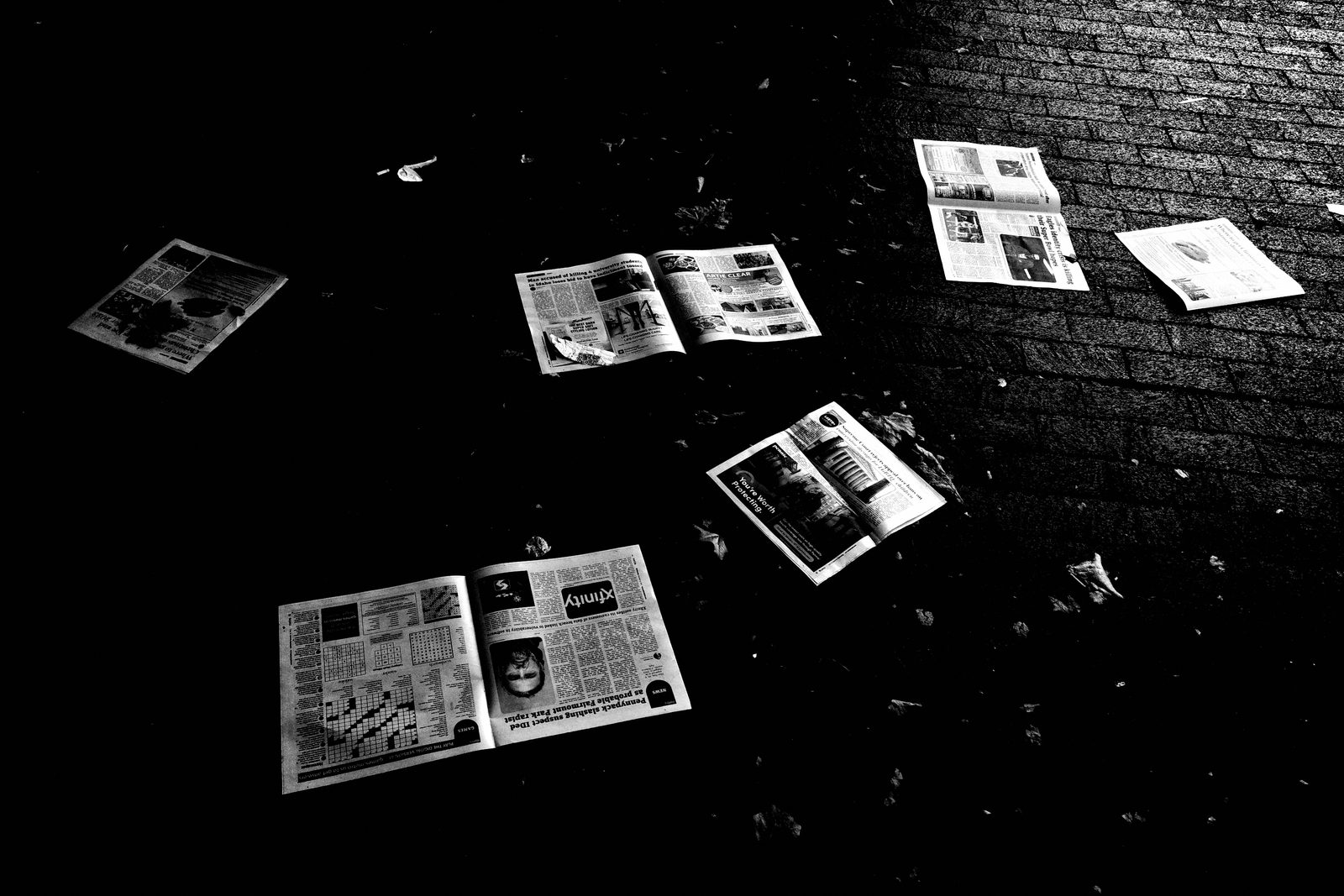
Here's something to trust: even when the setting feels heavy — a tense street, wary faces, a place that puts you on edge — your own openness changes it. Walk in like a big kid with a camera, curious instead of guarded, and people feel it. Approach a group of working strangers playfully and, more often than not, they start playing back. You didn't force a thing. You stayed open, and it unfolded on its own.
Play Opens People Up
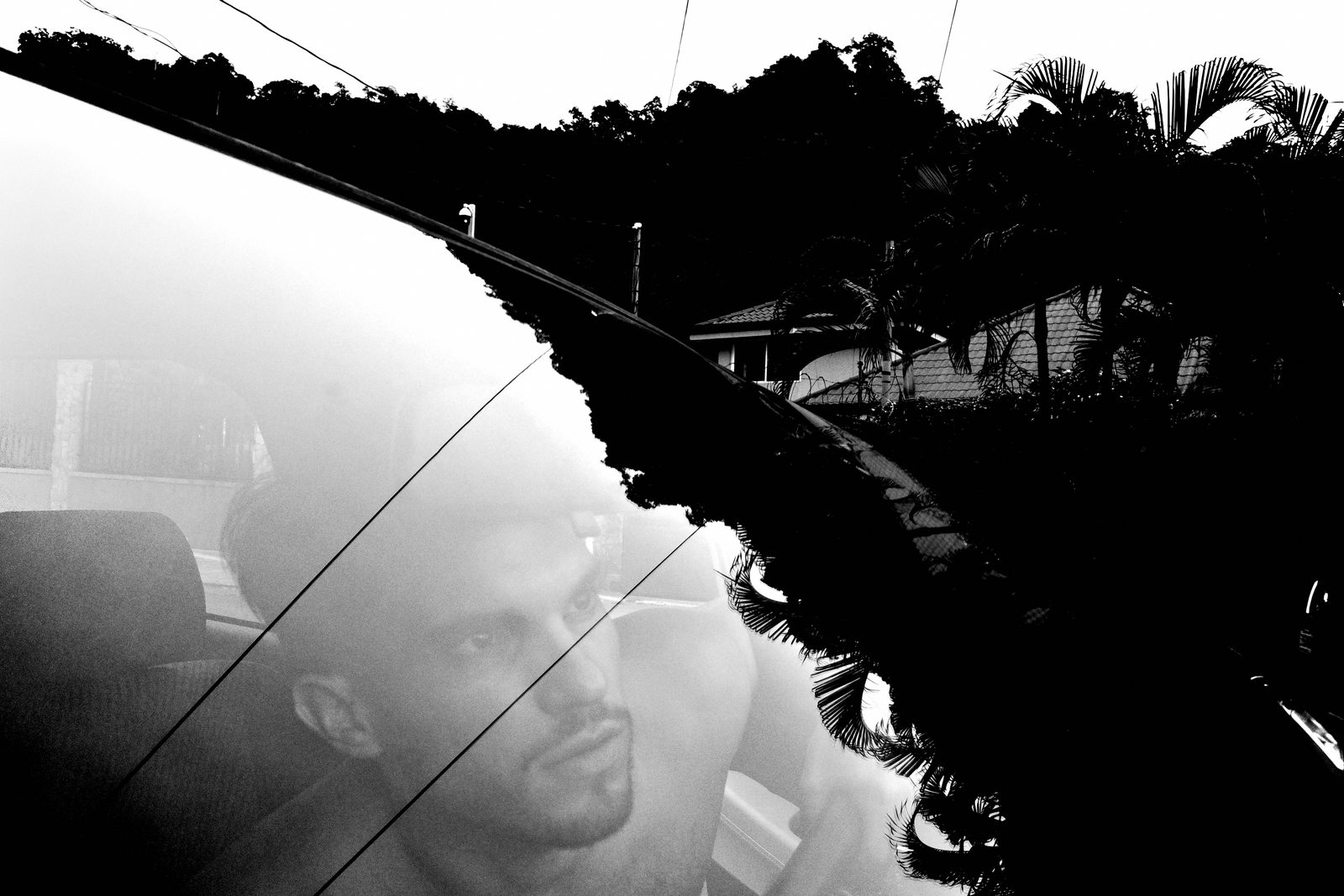
Carry this everywhere. A playful hello to someone working at their craft can lead you straight into a moment you'd never have set up. Come across a group of kids and hand the exchange back — let them take a few photos of you in return. When you embrace play, you're not just snapping pictures; you're engaging with people. Smile, use your body language, be open — and you'll be surprised how people respond.
Curiosity Goes Out First, Meaning Catches Up
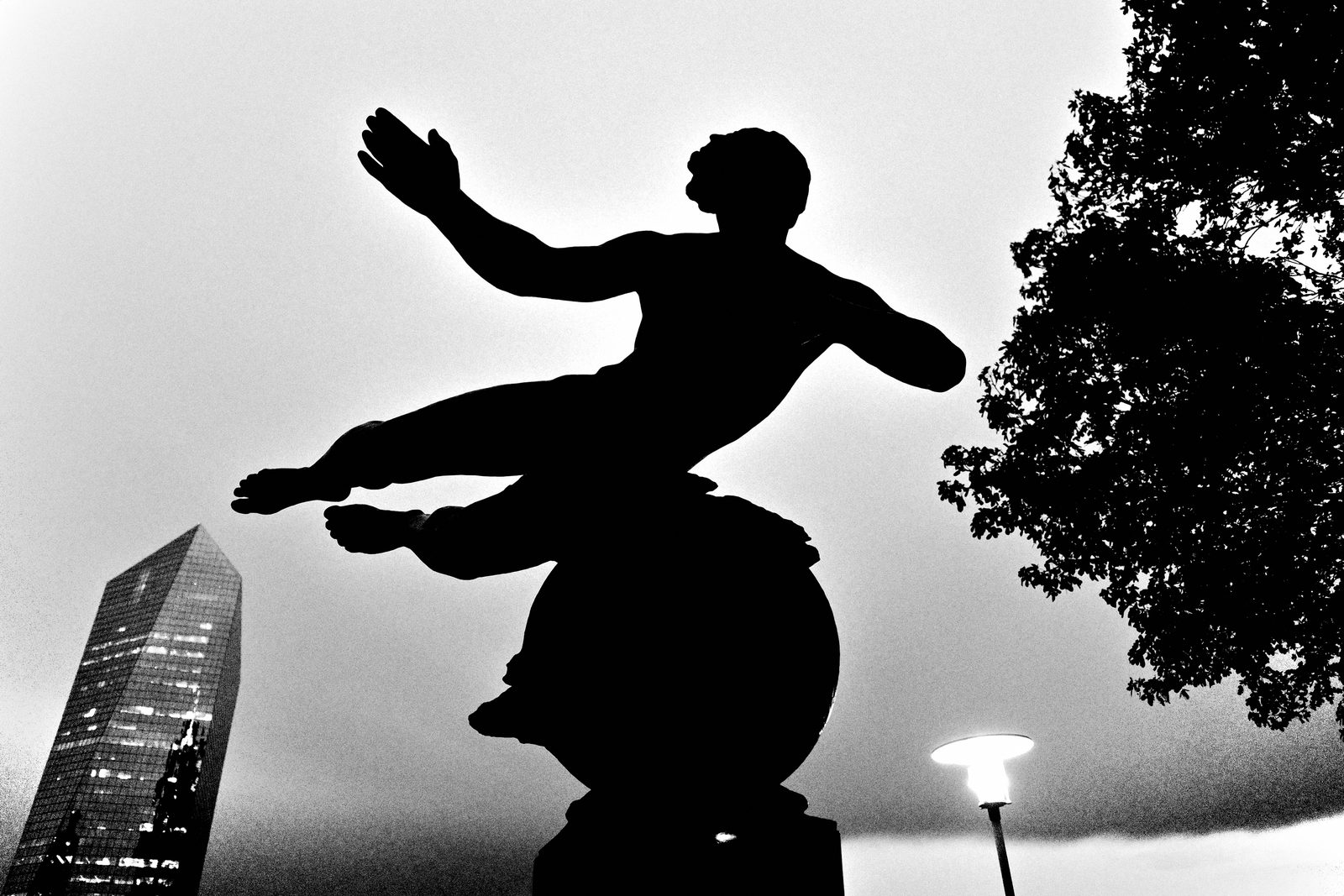
Here's a quiet gift of the practice. Often you'll shoot something purely because it pulls at your curiosity, with no idea what it means. Then, months or years later, you learn the story behind it — a custom, a symbol, a piece of history you had no clue you'd caught. That's the gift: photography teaches you things long after you've pressed the shutter. Curiosity goes out first; meaning catches up.
Curiosity Over Results
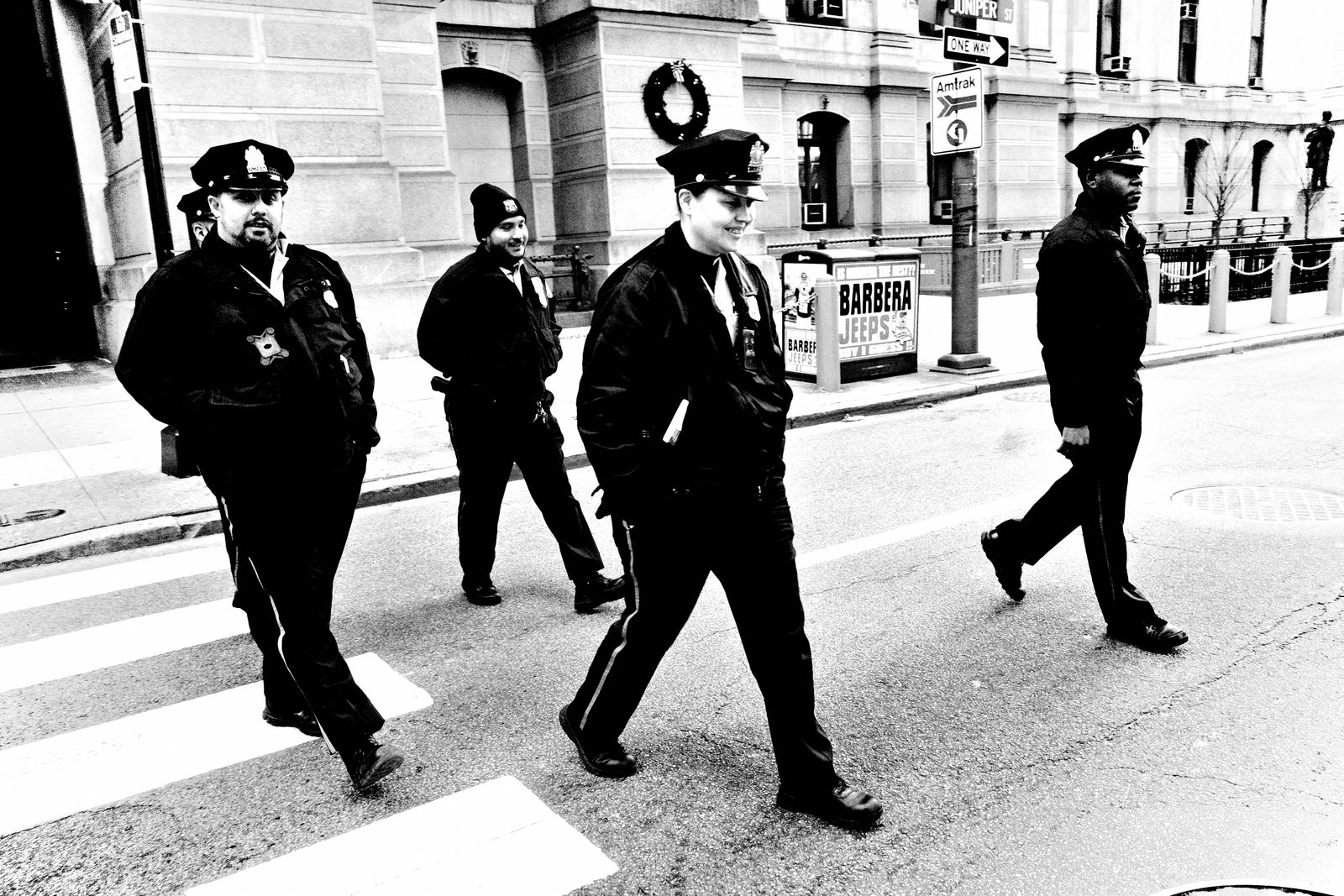
So orient everything in your life toward curiosity — for curiosity's sake alone. Photograph because you love to photograph. Remove the validation, the gallery, the approval, and something strange happens: you start falling in love with life. And here's the kicker — the more curious you become about life, the more your photography improves on its own.
PRACTICAL APPLICATION
Walk With a Blank Slate
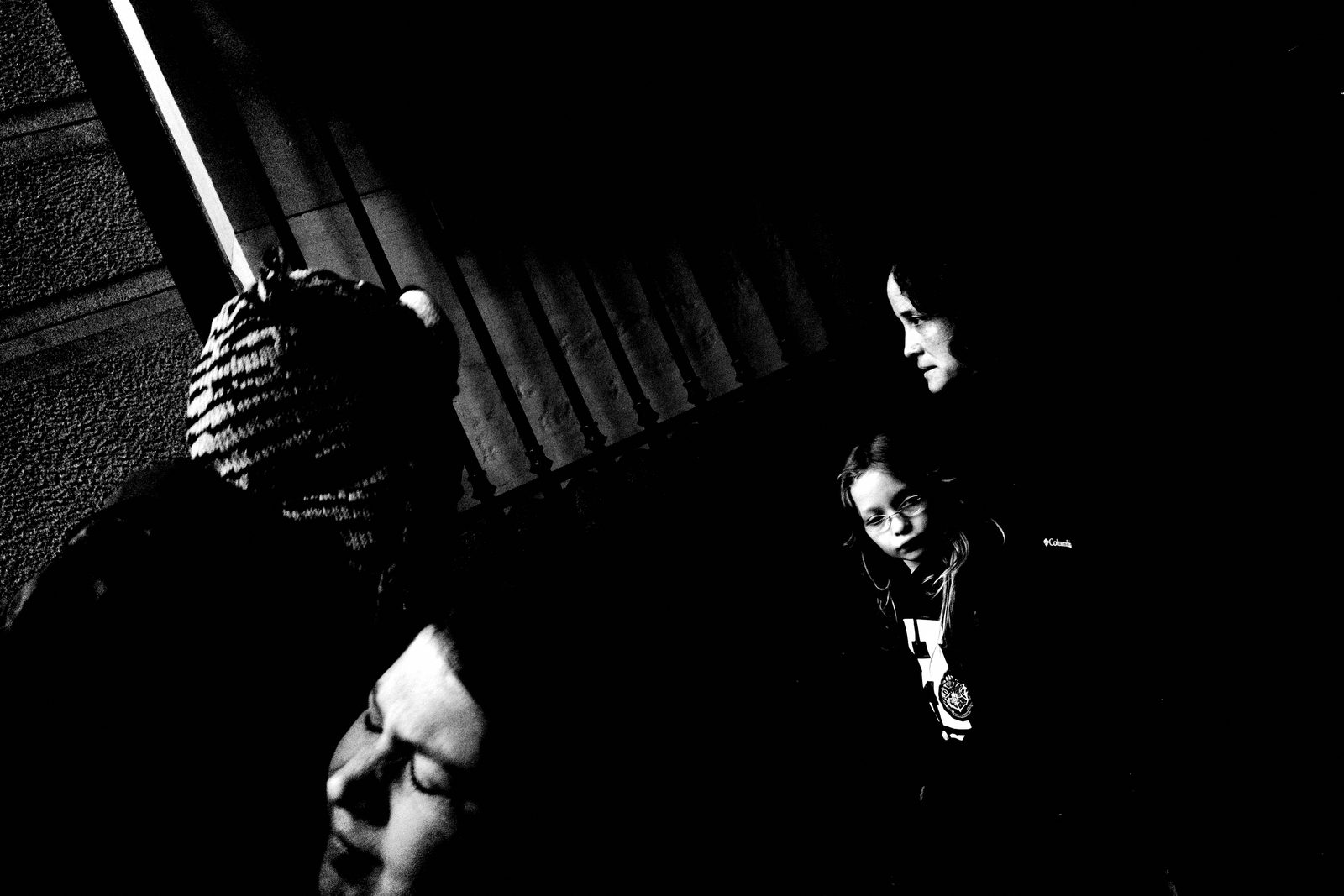
Your first drill: go out with a blank slate. No assumptions, no preconceived notions of what you'll shoot, no expectations of what you'll find. Walk first, think later. Don't rationalize every frame — respond to your gut, let your body guide you, move through the world and see what you find. The blank slate is the cure for boredom.
Stay Ready, Play Openly
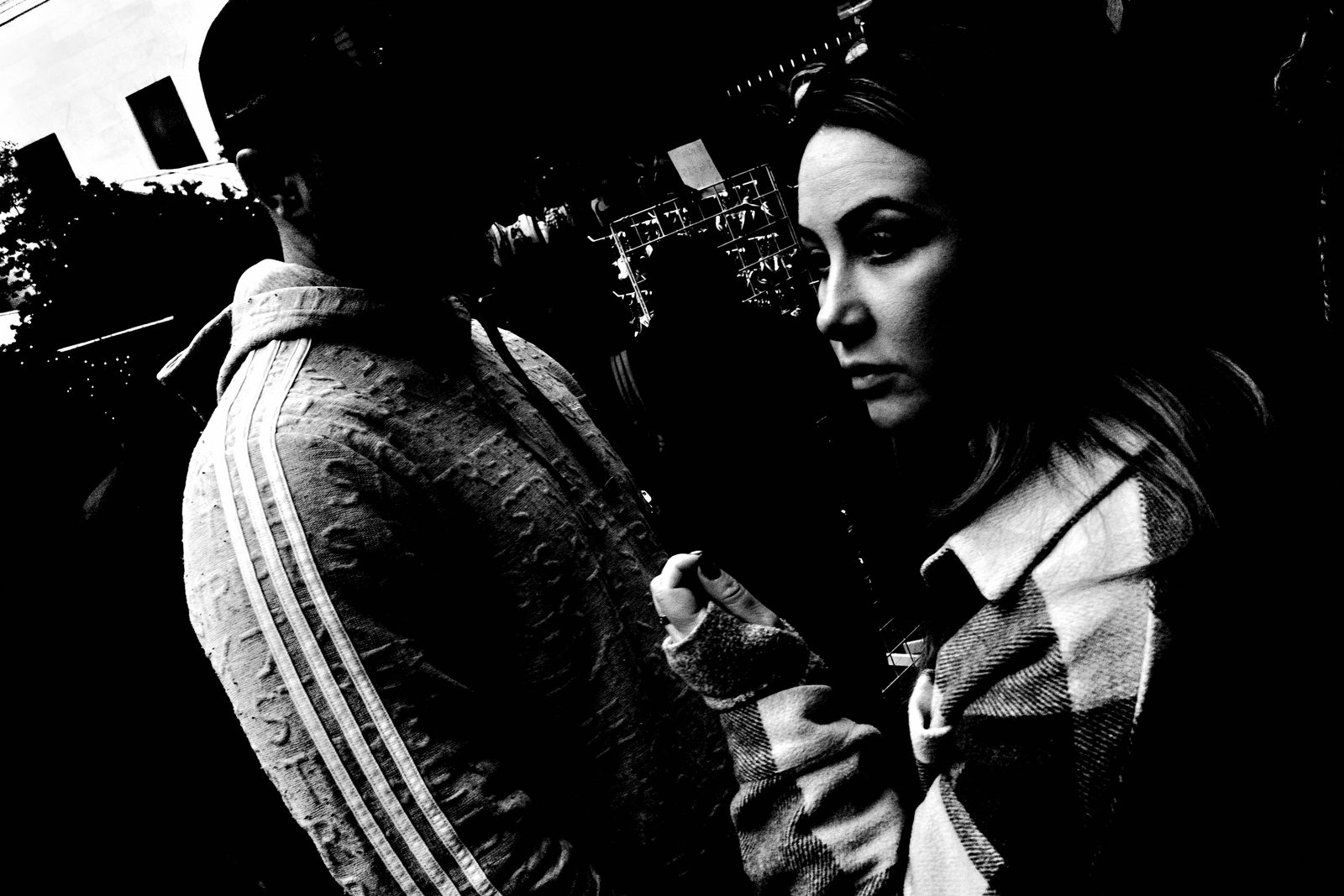
Second drill, three parts. One: always have your camera — keep the gear simple and accessible. Two: forget themes — don't lock into specific ideas. Three: respond to life — let the world surprise you; your only job is to capture it. And when you meet people, play openly: smile, use body language, be open. Watch how the streets start handing you gifts.
COMMON MISTAKES
Chasing Results & Seriousness
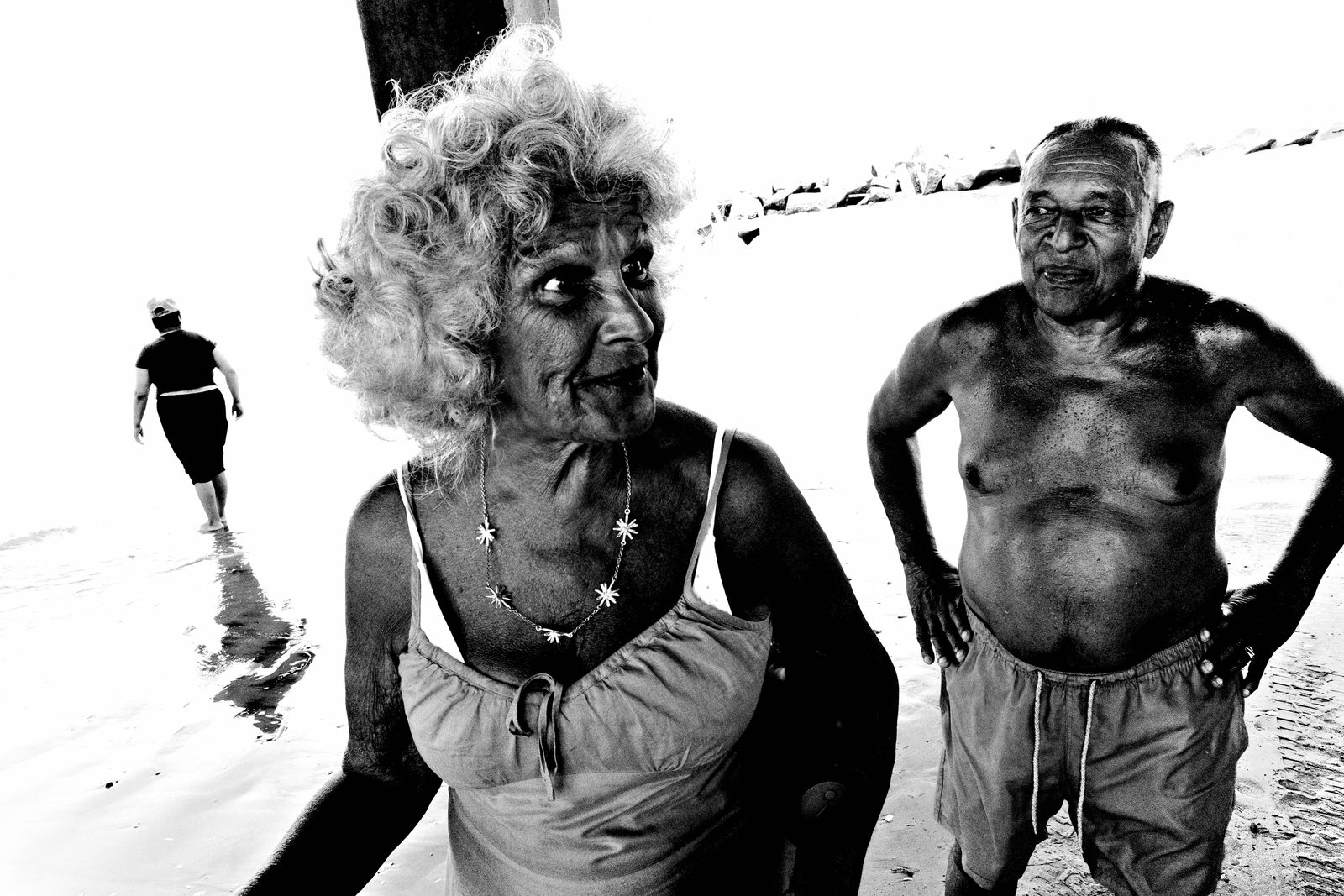
The biggest mistake: chasing results. Being attached to making a great frame, finding something interesting, success, fame — it all distracts from the simple act of going out daily with curiosity. And turning it into a grim, serious pursuit? That's the silent killer, because seriousness kills curiosity. Take it seriously by keeping it joyful.
RELATIONSHIP TO PREVIOUS
Now You Have a Reason
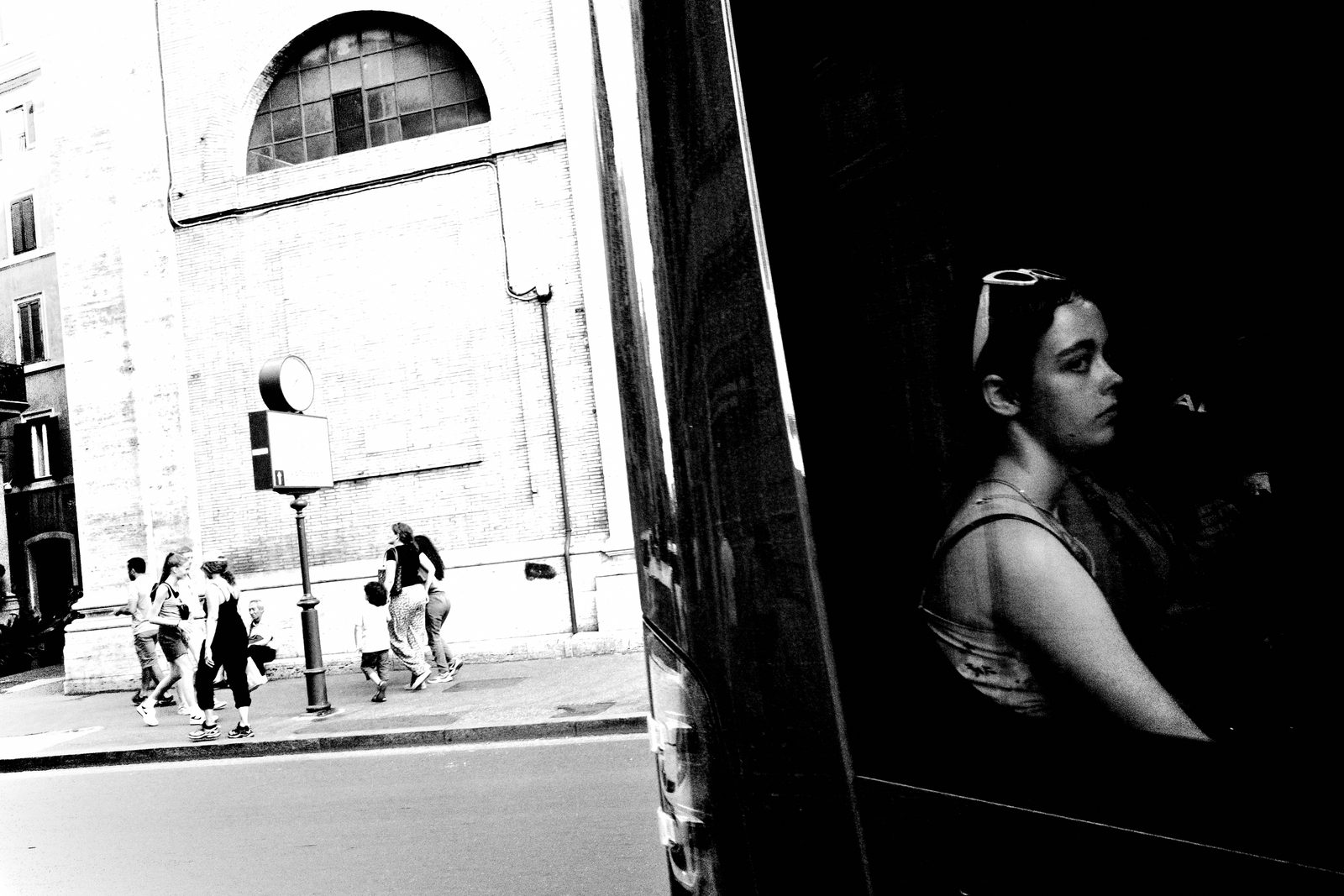
In Lesson 003, Shoot Everything, No Limits, we tore down the filter that says only certain things "count." Today gives you the engine behind that permission. Curiosity is why anything and everything can be a photograph, and joy is what keeps you shooting it all. Lesson 003 gave you the freedom; this lesson gives you the fuel.
RELATIONSHIP TO UPCOMING
From Freedom to Constraints
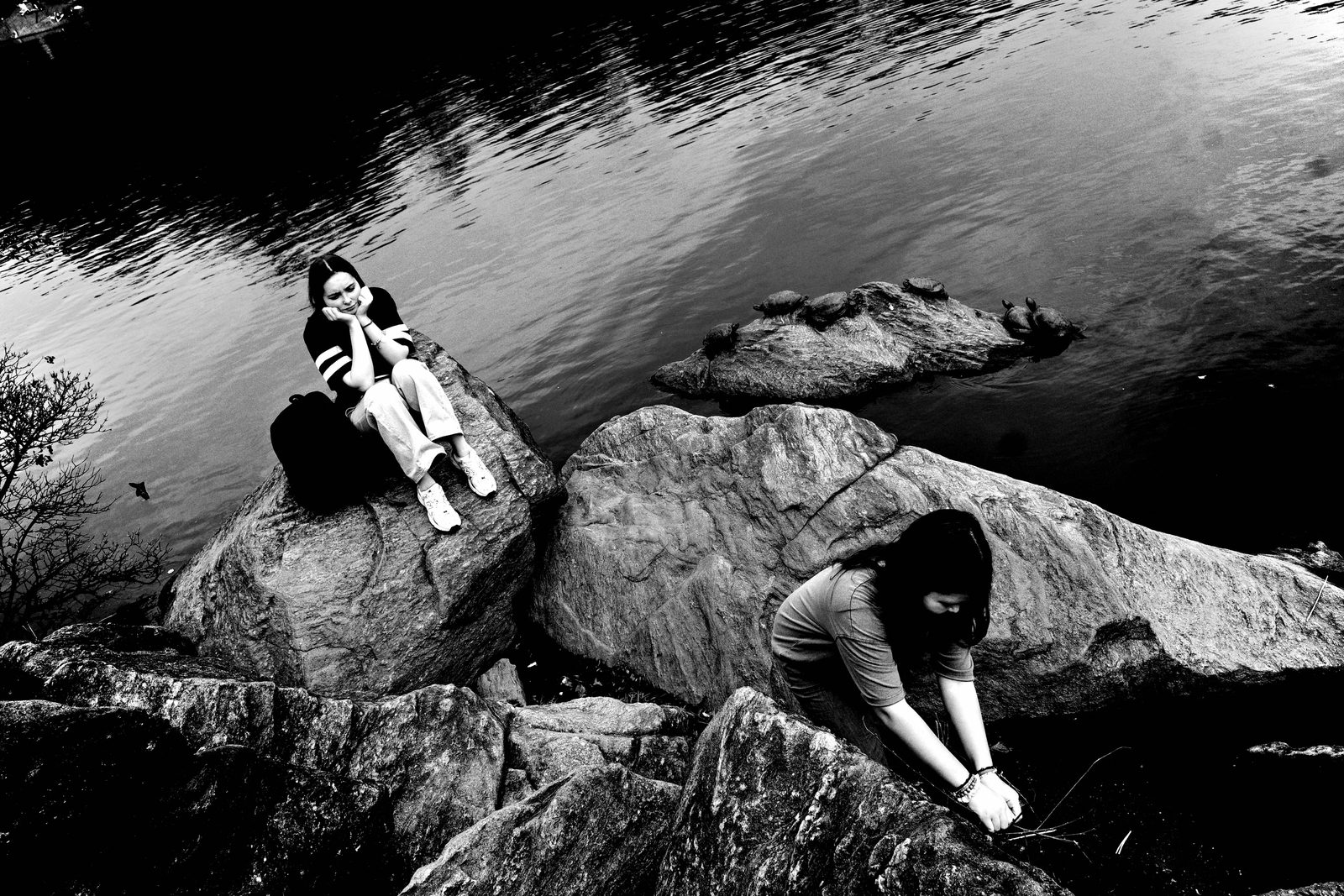
Next up, Lesson 005, Constraints = Creative Freedom. It sounds like the opposite of today, but it isn't. Curiosity hands you boundless, infinite possibilities — and constraints are how you focus all that playful energy into work. Today opens the door wide; next lesson shows you why a smaller doorway can set you freer.
SUMMARY / TAKEAWAY
Return to Wonder, Daily
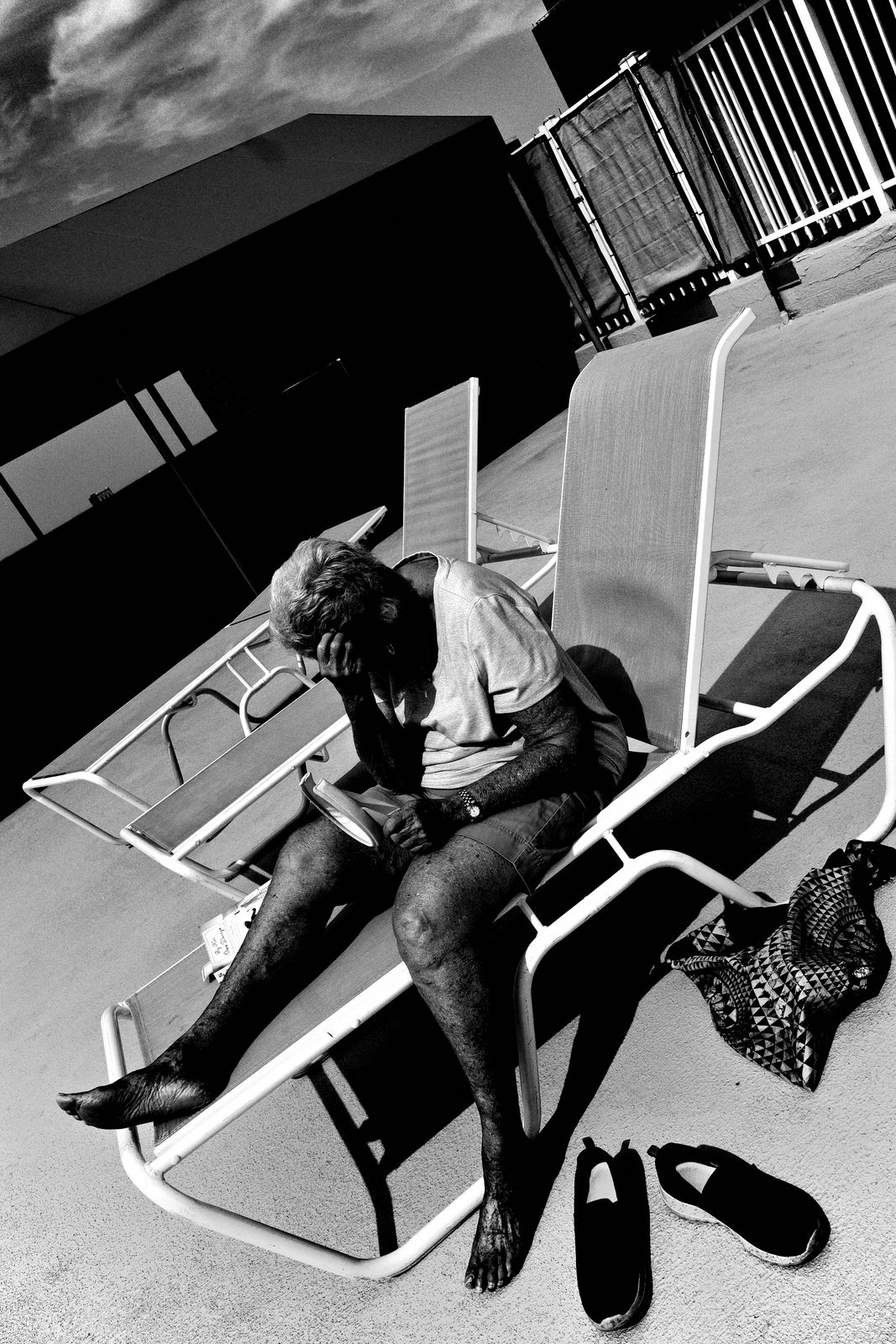
Last thing. Curiosity is the engine and joy is the fuel. Boredom is just a perspective you can drop. Return to the childlike mind every single day, be open like a child with wide-eyed wonder, and follow your joy onto the streets. Orient everything toward curiosity, and the photographs — and the flow — become inevitable. Walk. See. Play. Catch you next lesson.