Constraints = Creative Freedom
CORE IDEA
Less Gear, More Freedom
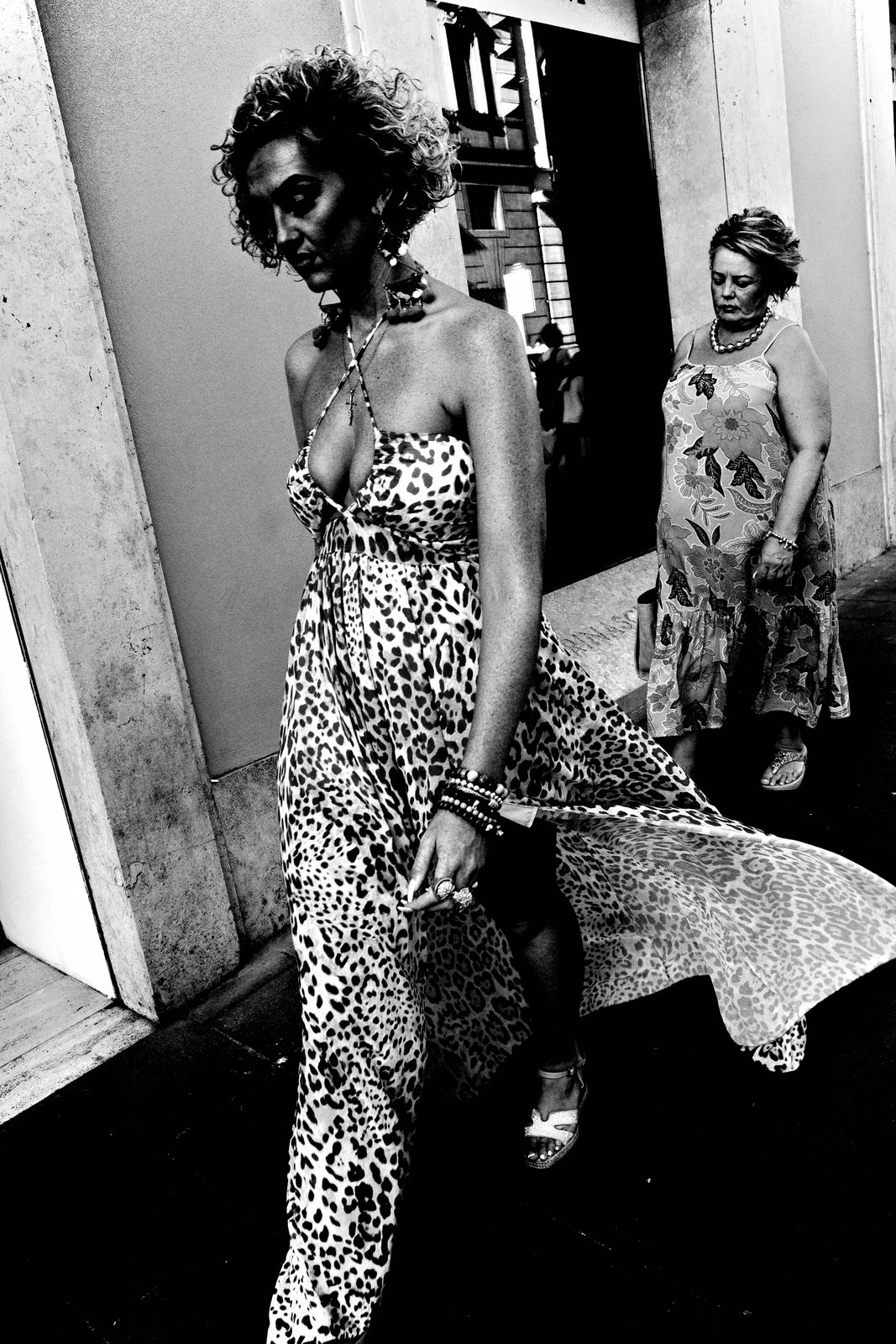
What's popping, people — it's Dante. Today's idea is the one that flips everyone's brain: constraints equal creative freedom. You think more gear and more options make you freer. The opposite is true. The fewer choices you carry, the more you actually see. Lock yourself in, and the work breaks open.
LEARNING OBJECTIVE
Build Your One System
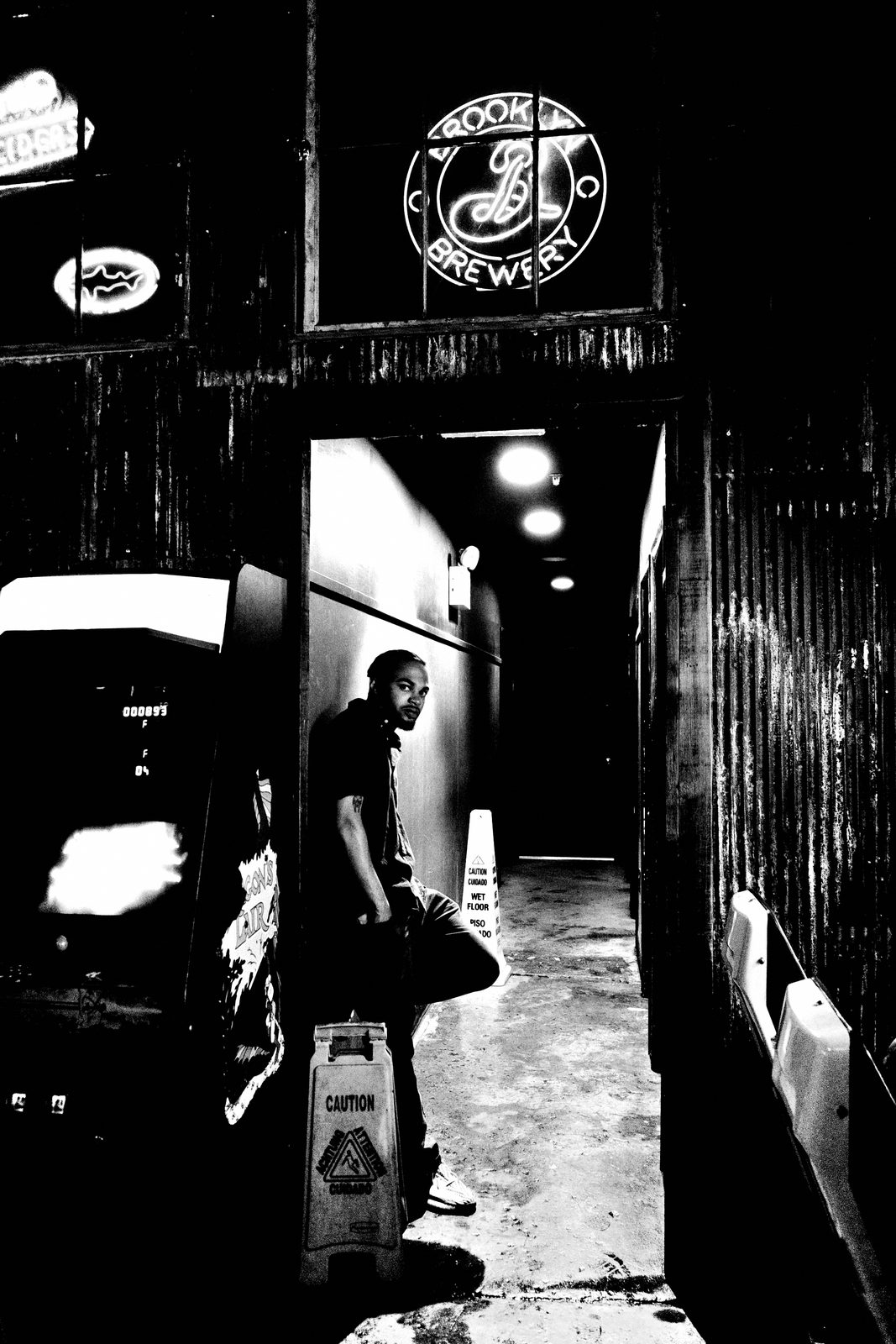
By the end of this lesson you'll have committed to a single setup — one camera, one lens — and understood why that limitation makes you a better photographer. You'll learn to eliminate decision fatigue so the gear disappears and the seeing takes over.
WHY THIS MATTERS
Choices Drain You
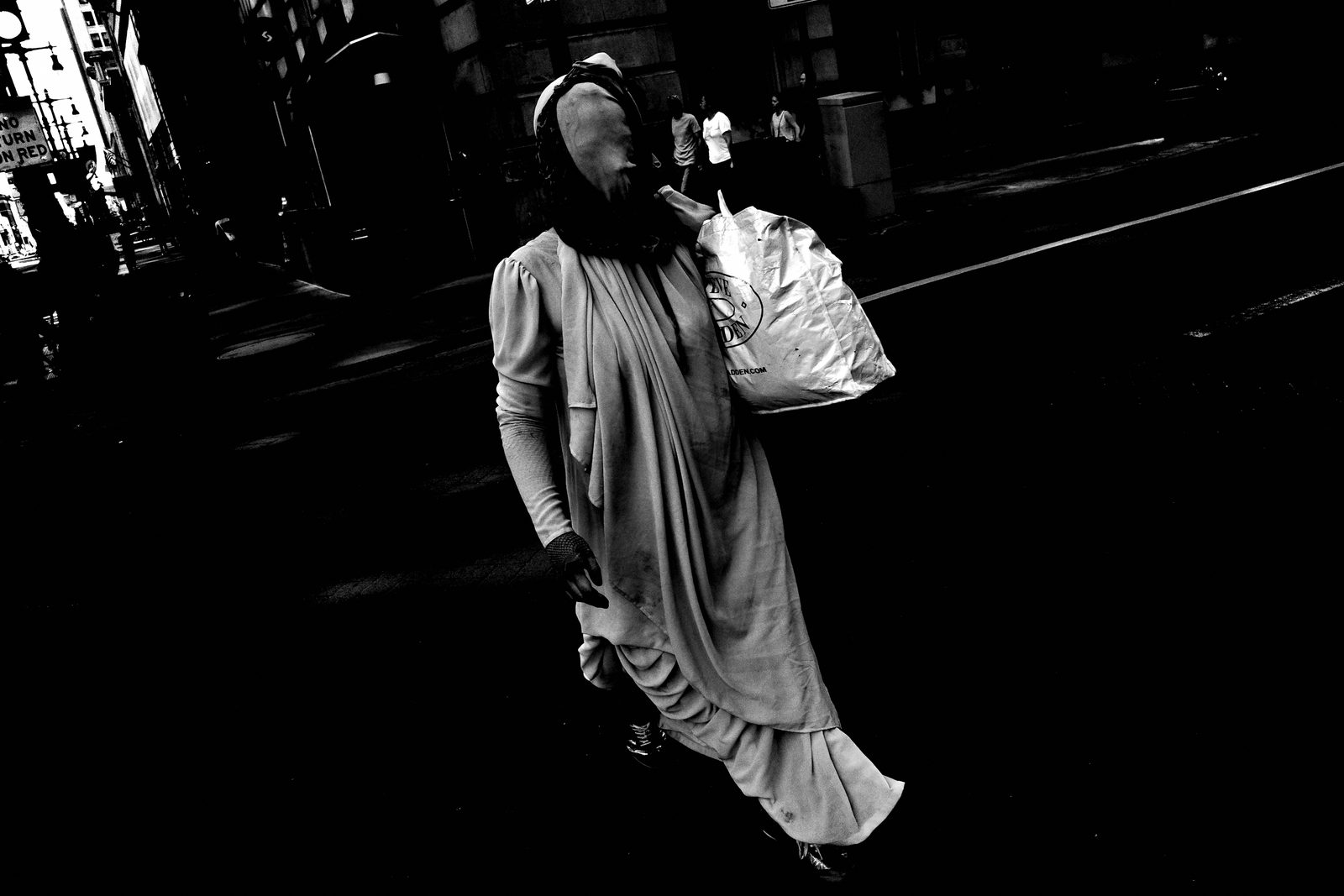
Here's why this matters. Every extra lens, every menu, every "what if I'd brought the other body" is a tiny decision draining the energy you need for seeing. I've watched gear obsession quietly kill people's photography. Stop obsessing over cameras — that fight with your equipment is a fight you're having instead of making pictures.
Freedom on the Other Side
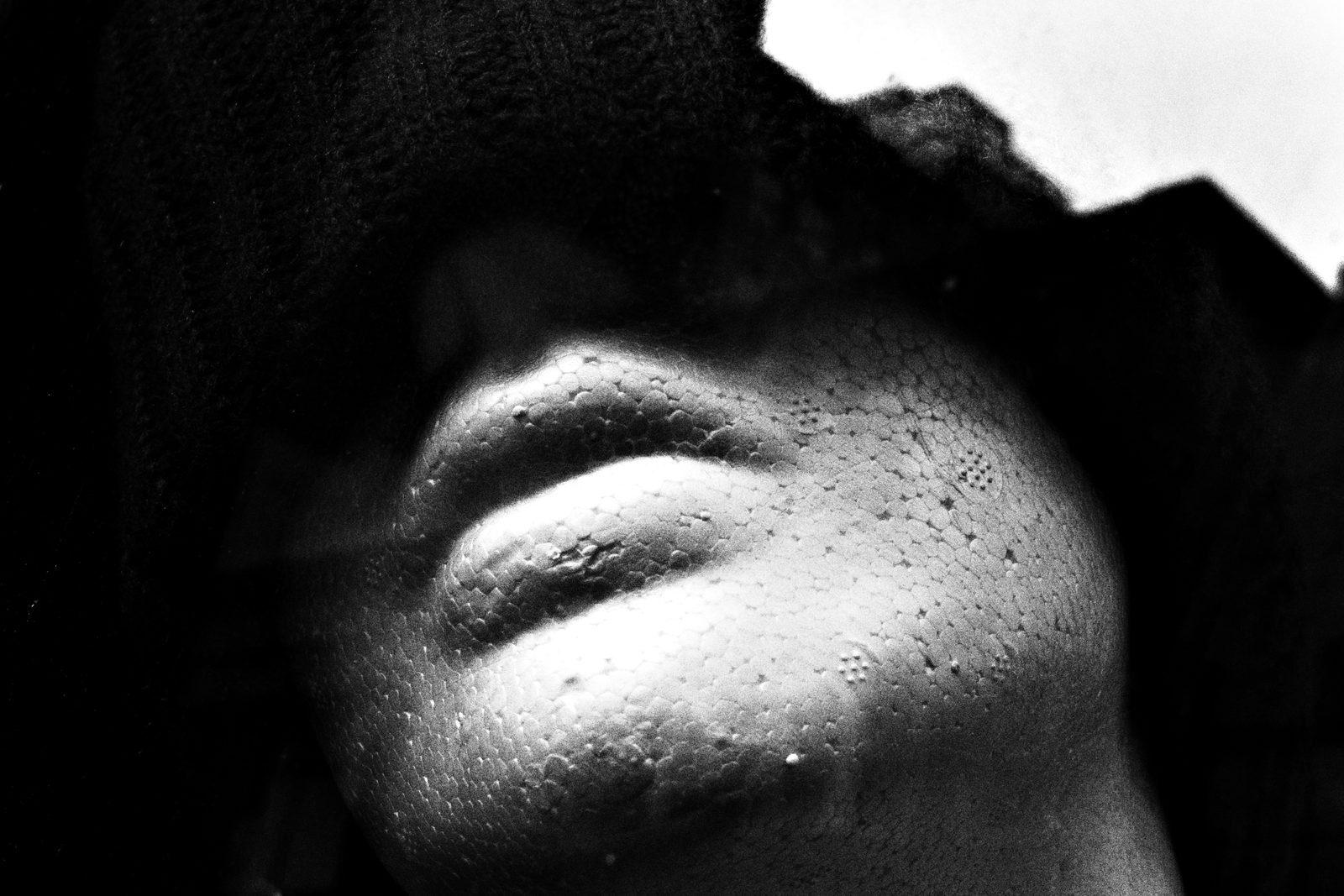
And here's the payoff on the other side of the limit. When there's only one camera and one lens, there's nothing left to decide except what's in front of you. The mind goes quiet, the reactions get fast, and suddenly you're free — free to play, free to respond, free to create. Minimal gear, maximum freedom.
MAIN TEACHING
One Camera, One Lens
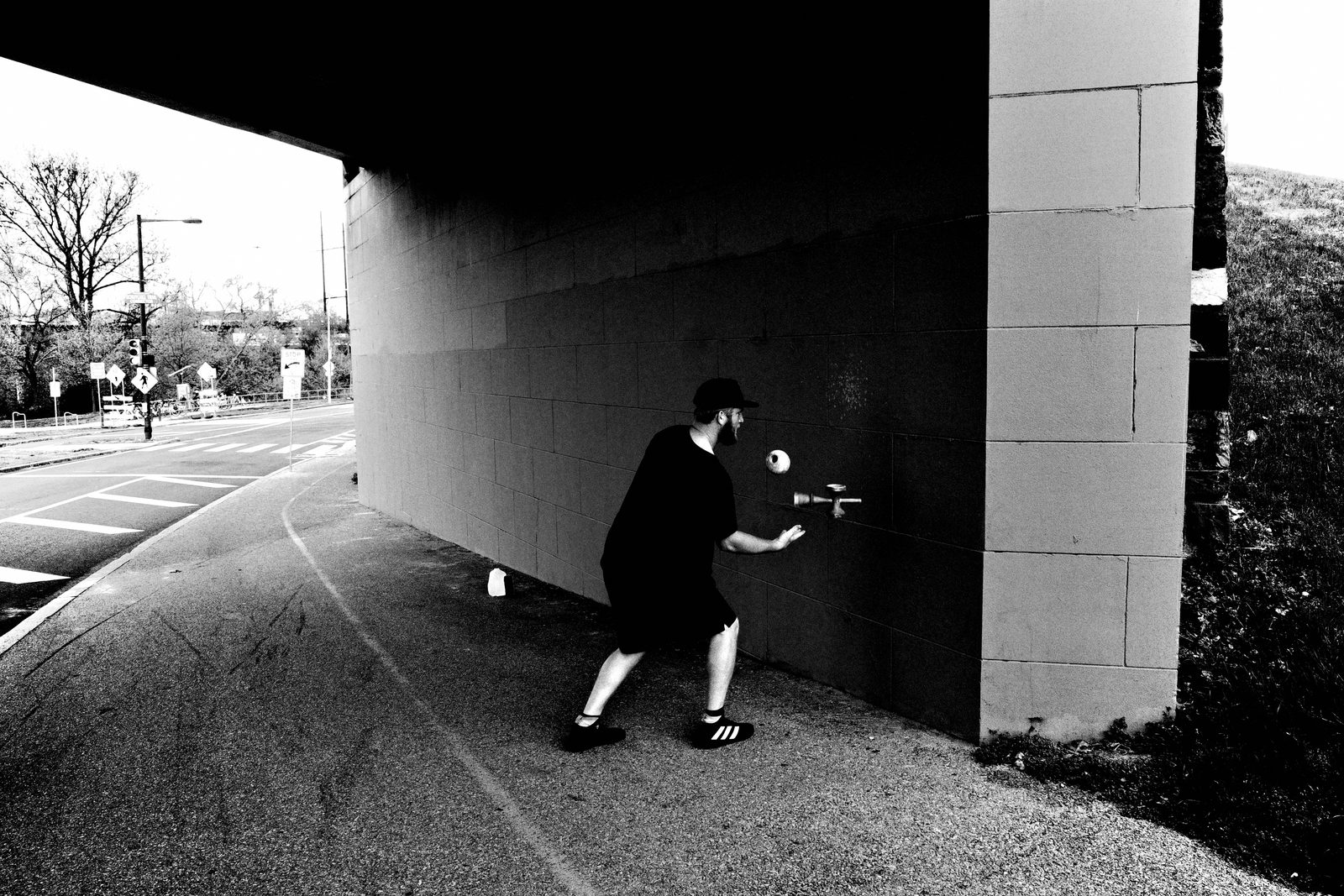
So let's get into it. The first decision you've got to overcome is the simplest one: commit to one camera and one lens. Don't worry about buying new gear. Pick your tool and stop shopping. That single commitment removes a hundred future arguments with yourself — and it's the foundation of everything that follows.
Eliminate Decision Fatigue
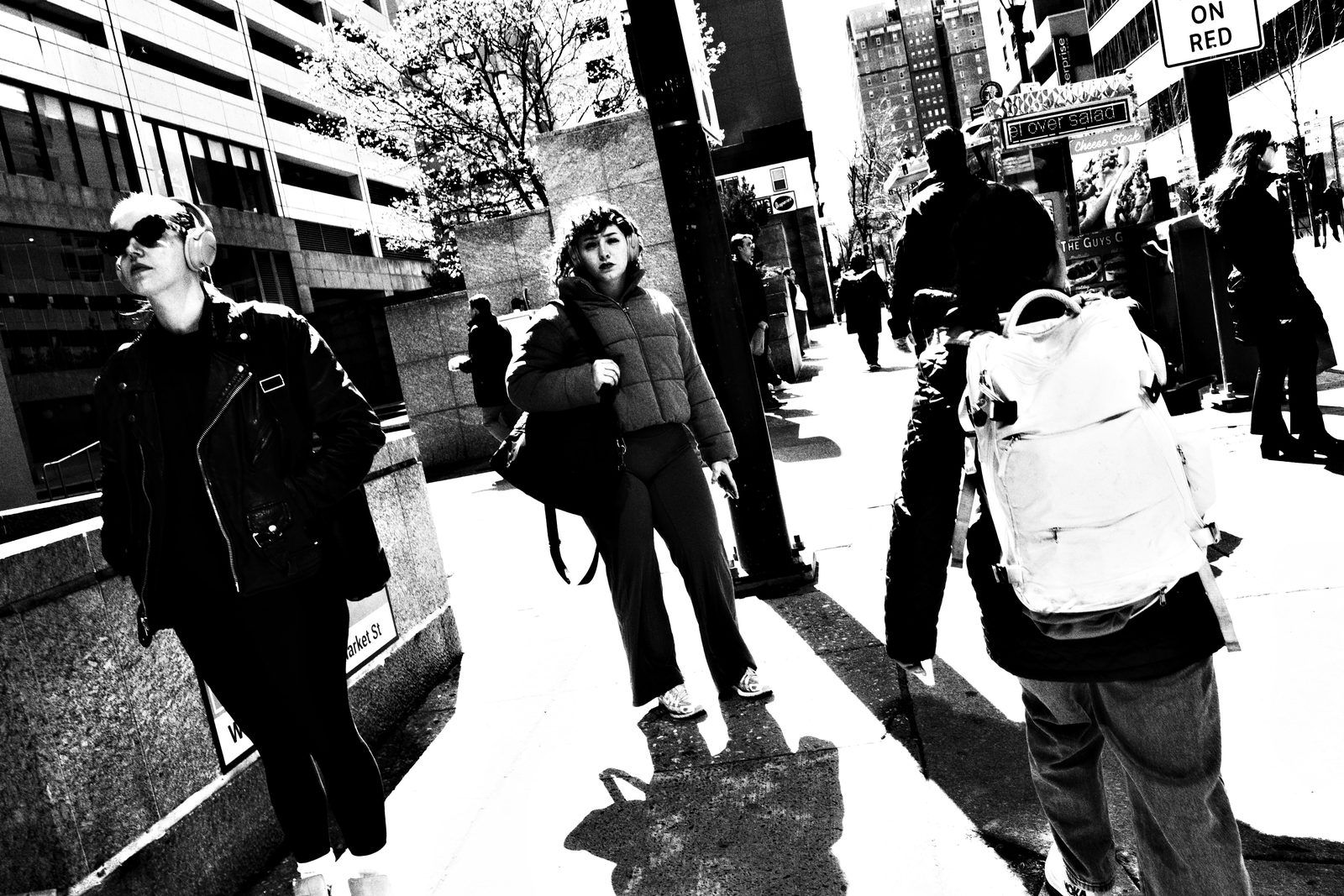
The whole point is to eliminate decision fatigue right away. When the gear is settled, there are no gear questions left to ask on the street. All that mental fuel pours straight into the only thing that matters — the frame in front of you. The decisions you never have to make can never wear you down.
The Camera as an Extension
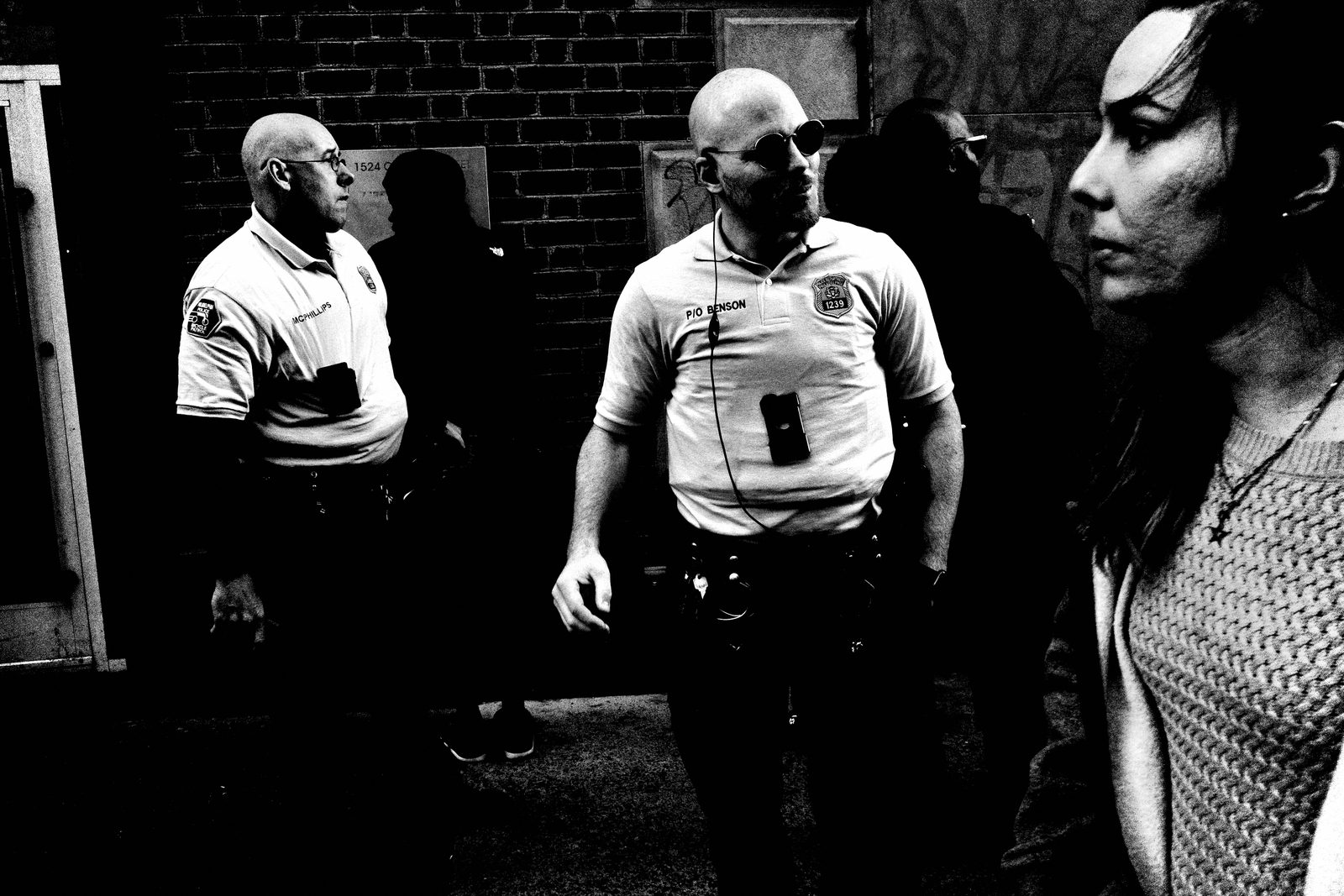
Stay with one tool long enough and something beautiful happens: your camera becomes an extension of your eye and body. You stop operating it and start feeling with it. You raise it without thinking. That only comes from the constraint — from refusing to switch, refusing to chase, and letting one tool become part of you.
One Focal Length, One Year
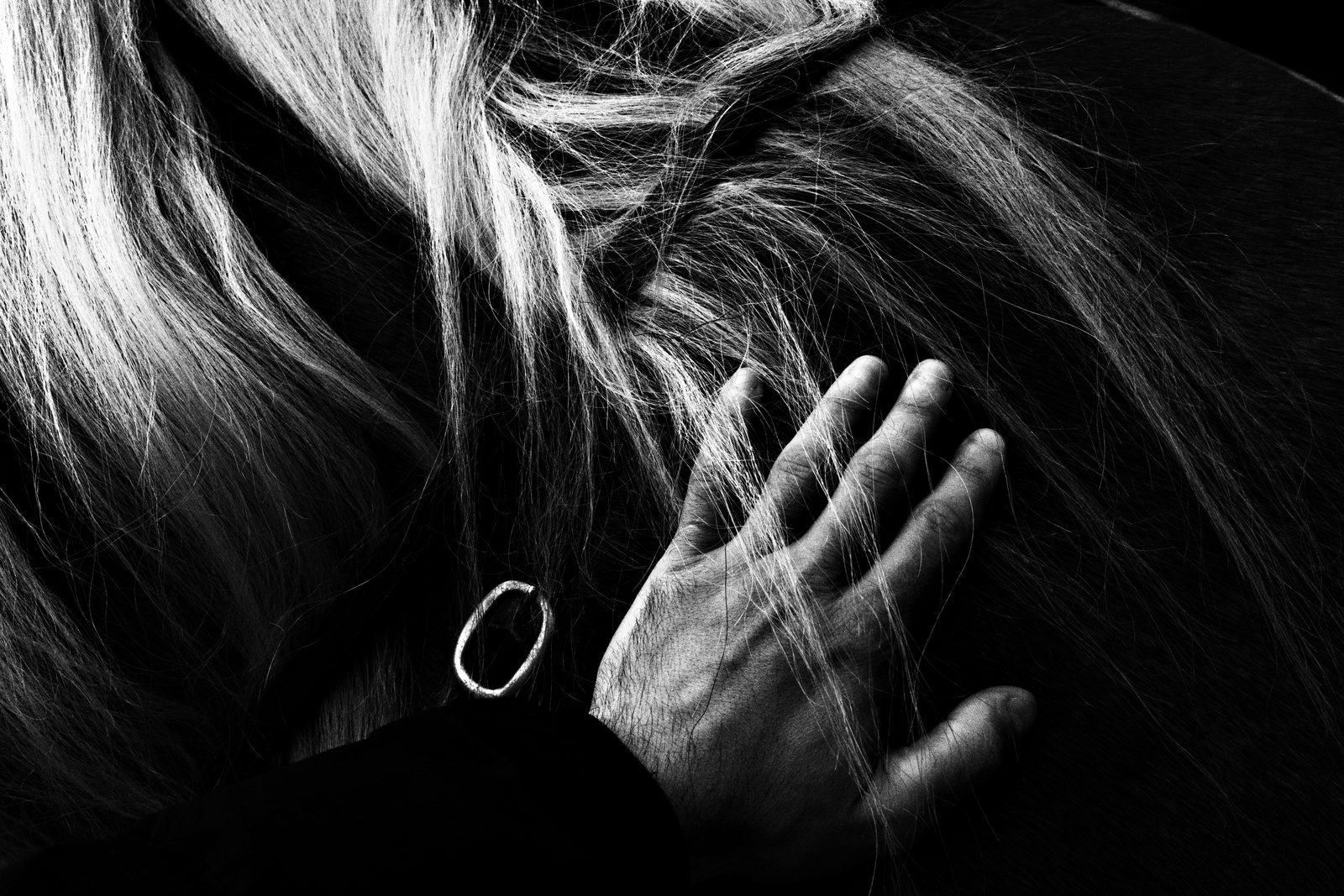
Here's the discipline most people skip: stay true to one focal length for at least a year. Focal length doesn't matter as much as you think — what matters is consistency. Live inside one frame long enough and you begin to see in it. You know exactly where you'll stand before you raise the camera. That's mastery, and the limit is what builds it.
Constraint Makes It Physical
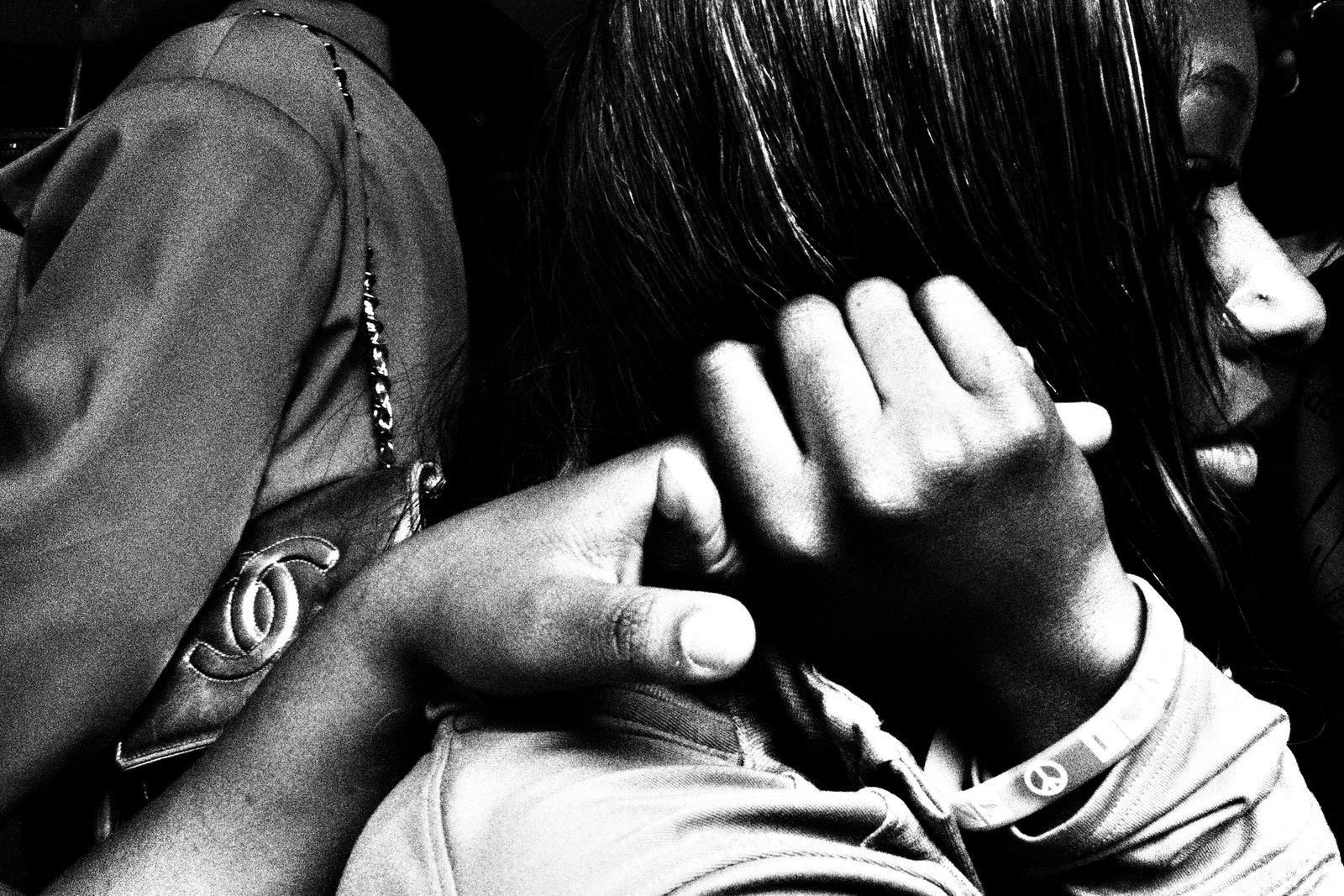
When you can't zoom, you become the zoom. One fixed lens turns photography back into a physical medium — it's about where you position your body in relation to the subject and the background. The constraint forces you to step closer, to move, to be physically in it. The limit pulls you off your screen and into the scene.
Simplify the Settings Too
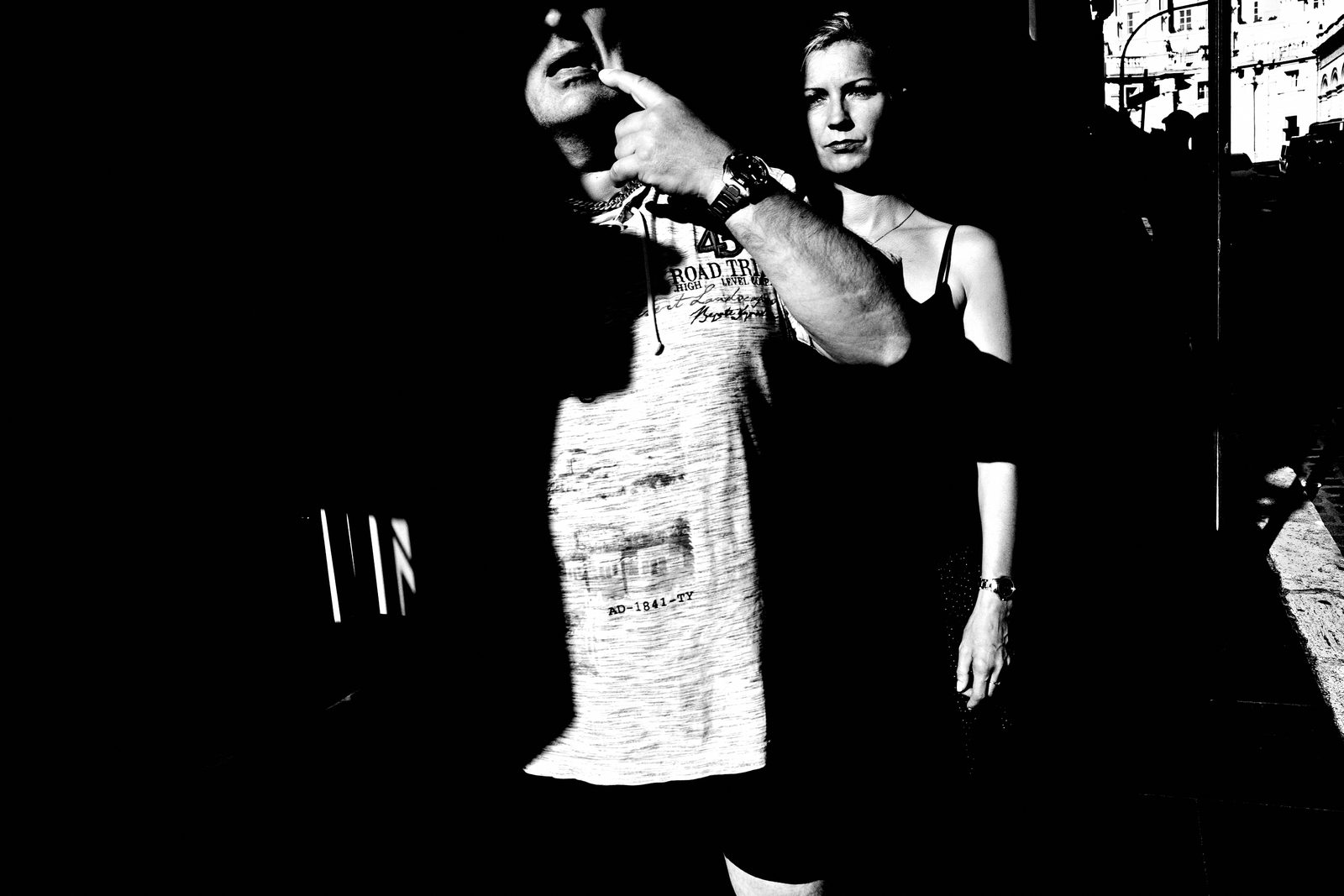
The constraint isn't just the body and lens — it's the settings. I shoot P mode or Av mode with snap focus, high-contrast black-and-white JPEGs straight out of camera. Don't be a sucker that thinks you have to shoot everything in manual. P is for professional. Fewer technical adjustments means I stay in the moment — with this camera, there's no excuse not to press the shutter.
The Constraint Frees You to Respond
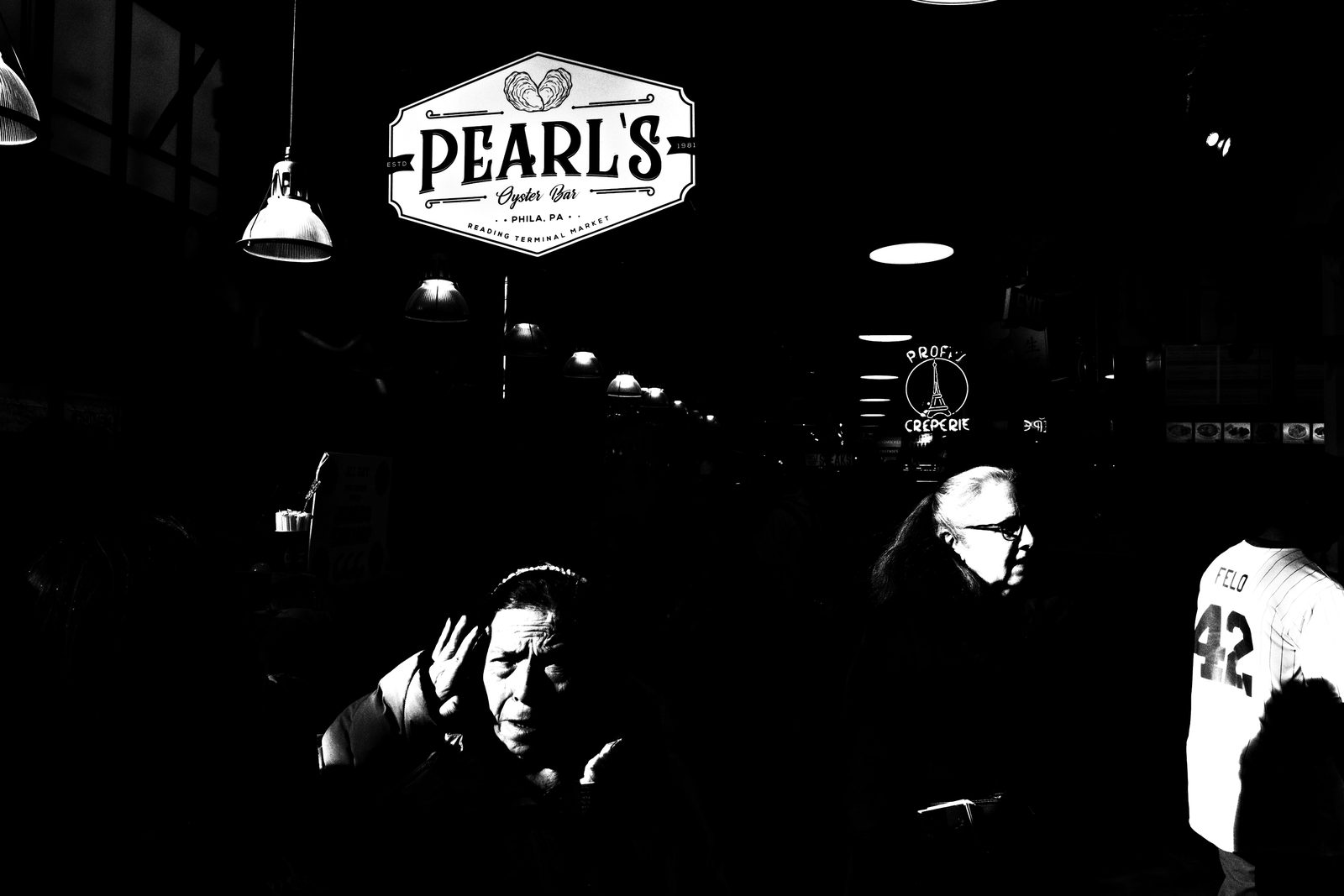
Here's the freedom in action. Picture stumbling onto an ordinary scene — say a broken-down car with people and sky behind it — and building the layers purely by feel, no hesitation. That happens when your camera, your body, and your intuition are in sync, and the layers come together on instinct. It only works because the tool is out of the way. You're not deciding settings; you're responding. That's what the constraint buys you.
Work One Scene Until It Breaks Open
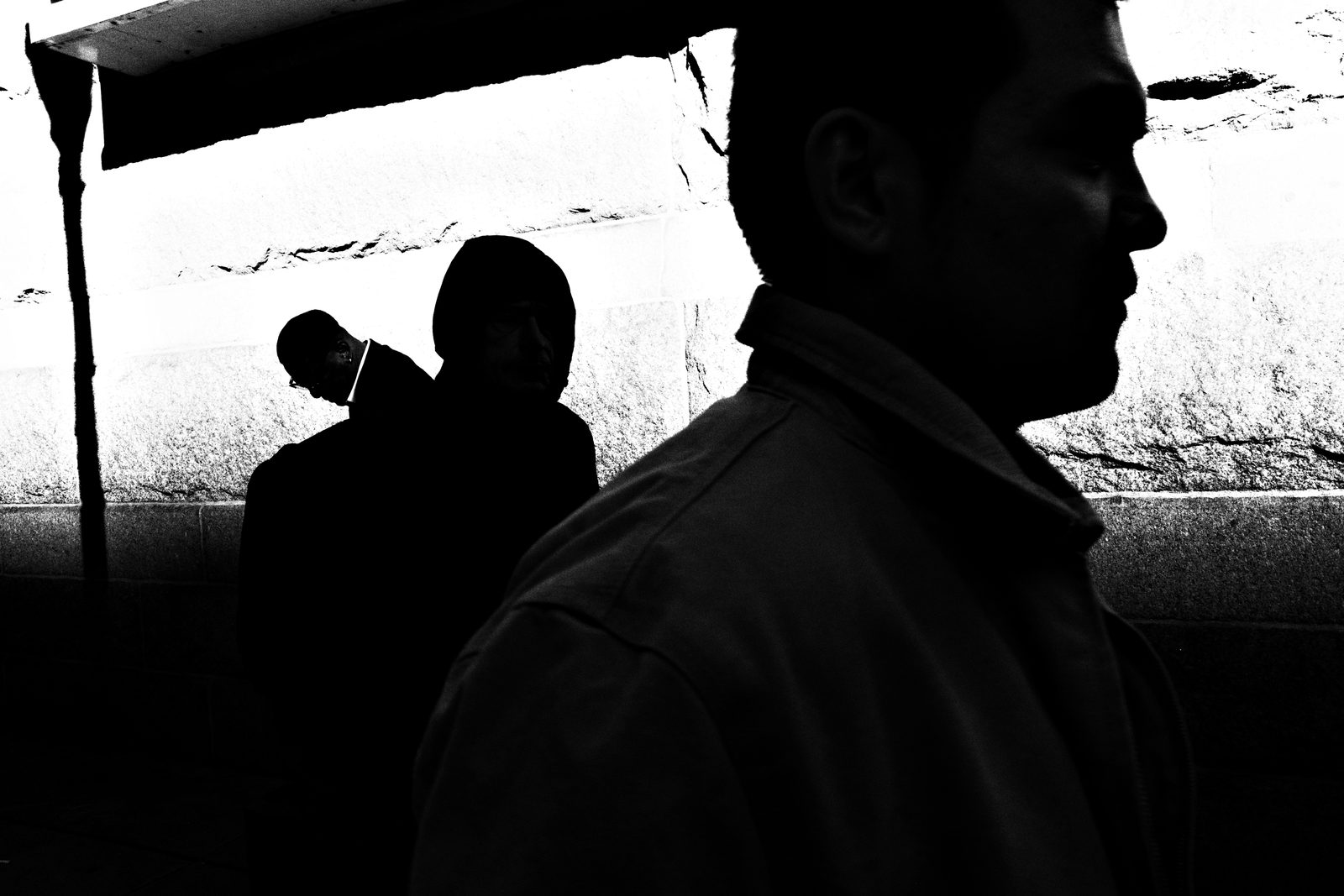
Another way to see it. Lock onto a single busy scene — a spot where the same action keeps repeating, like players running the same play against the same backdrop — and shoot it over and over. Stay put. Through that repetition, the moment eventually reveals itself. That's working the scene, and it's a constraint by choice: limit your variables, and the picture emerges. Freedom inside the box.
Let Light Be Your One Rule
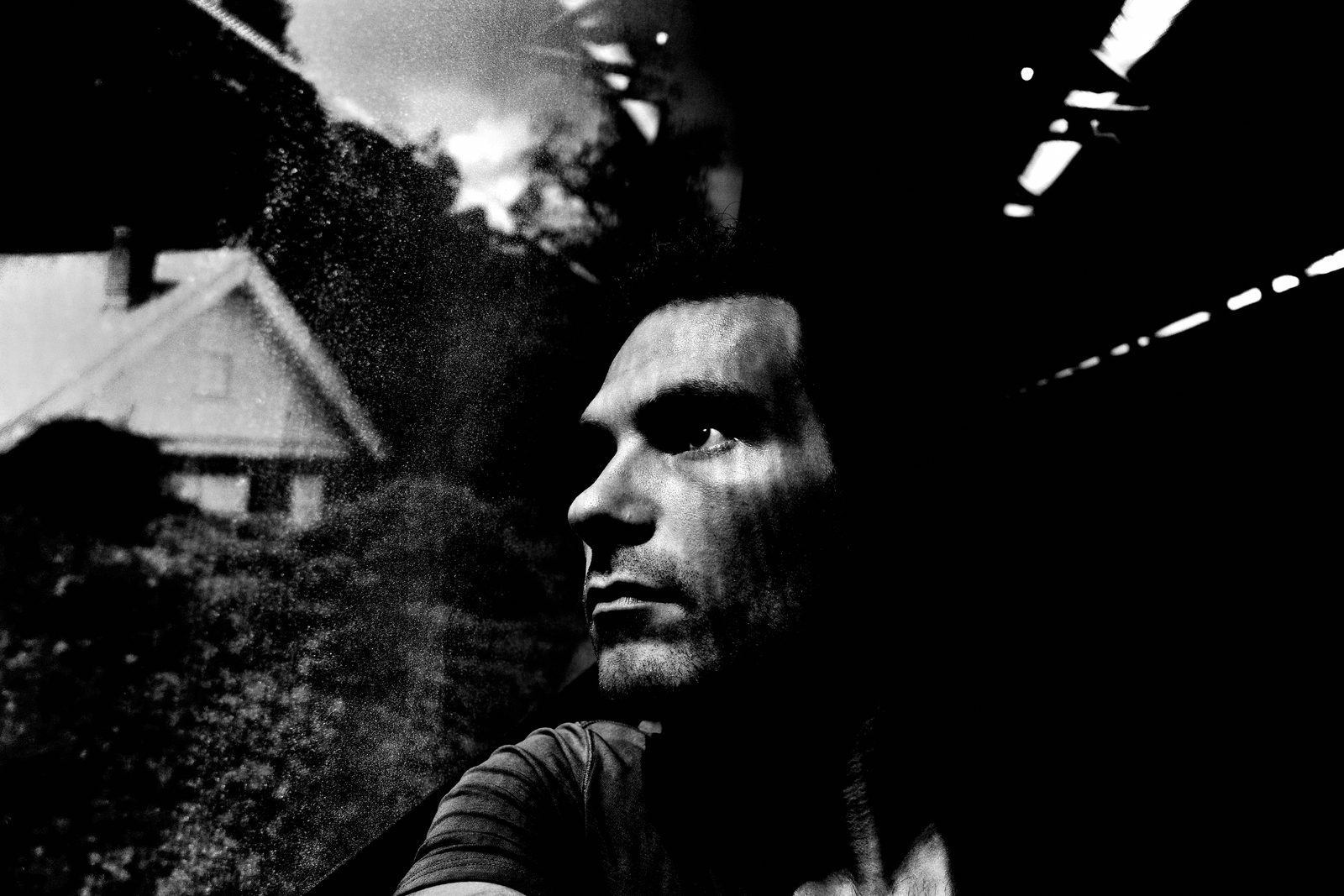
And one more constraint, maybe the purest. Pick a patch of light and wait for it to land just right — on a face, an eye, a wall. You can't control light; you can only respond to it. Letting light be the single rule, the one guide, is its own kind of limit, and a powerful one. Follow the light, not the moment. Pick a constraint, surrender to it, and let it do the composing with you.
Go Where You Are Now
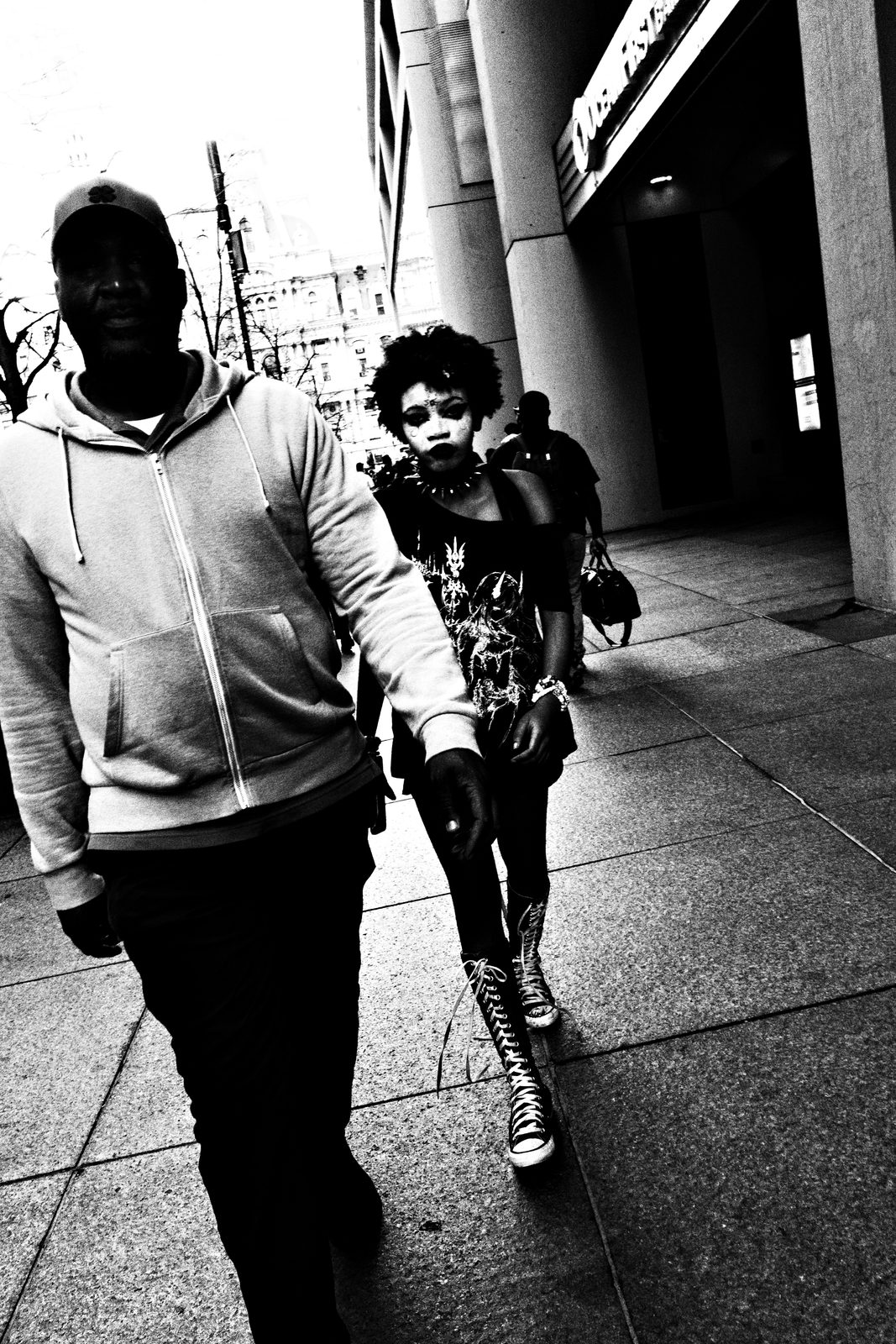
Now the biggest false freedom of all: location. If you think you need to go to NYC to make good street photos, you're in a deep slumber. Great images come from your soul, not your surroundings. So treat "right here" as your constraint — walk the same route again and again, same bus stops, studying how the light changes hour to hour. Familiarity will lead to results. Roaming keeps you shallow; returning makes you deep.
Let Go of the Box
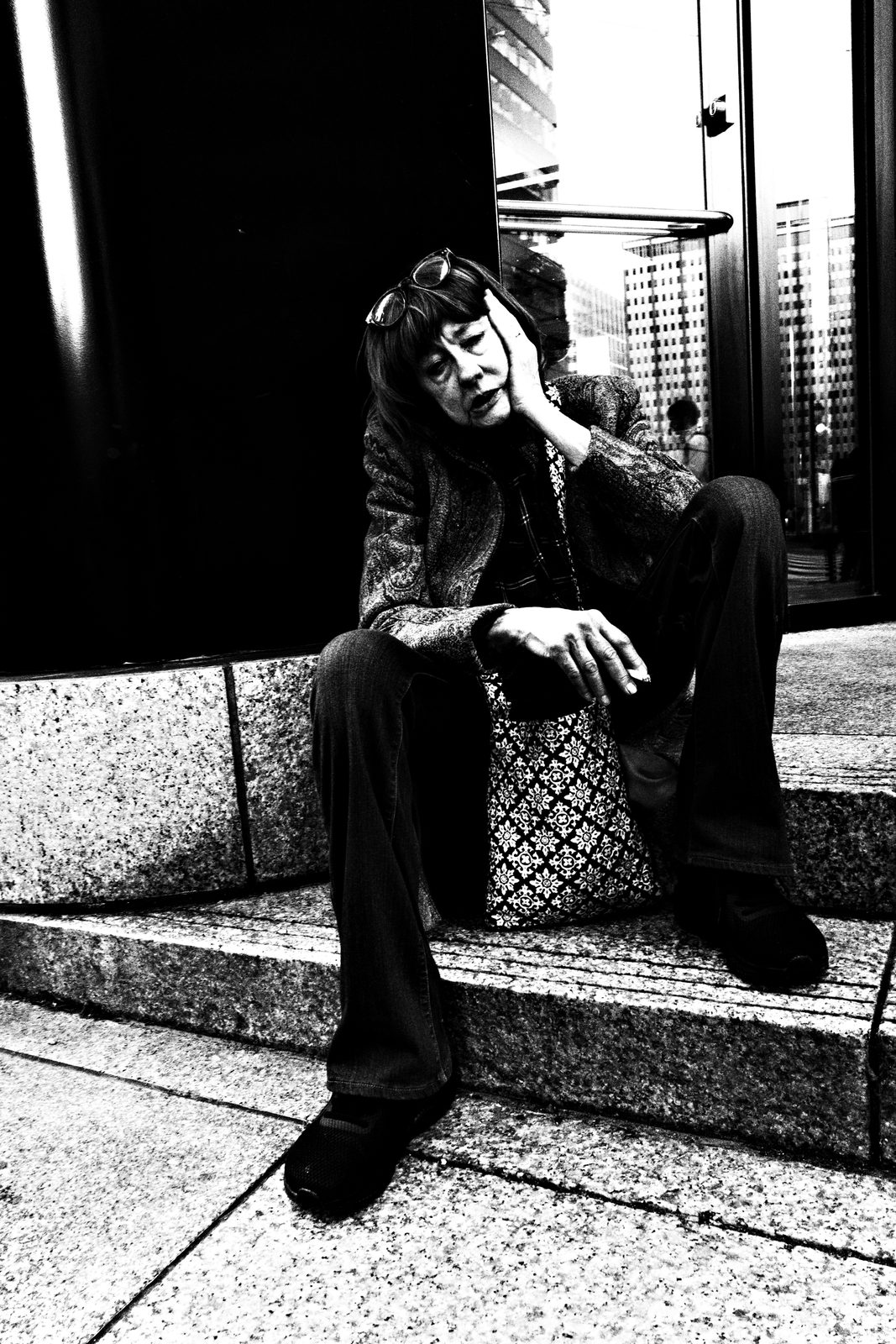
But here's the paradox that completes it: the gear and the route are constraints you choose — the boxes you must break are the ones in your head. Life is outside the four corners of the frame. Outside your comfort zone. Outside your limiting beliefs. Use what you have. The tool is small so your imagination can be huge. Tight system, wide-open mind.
PRACTICAL APPLICATION
Commit for One Year
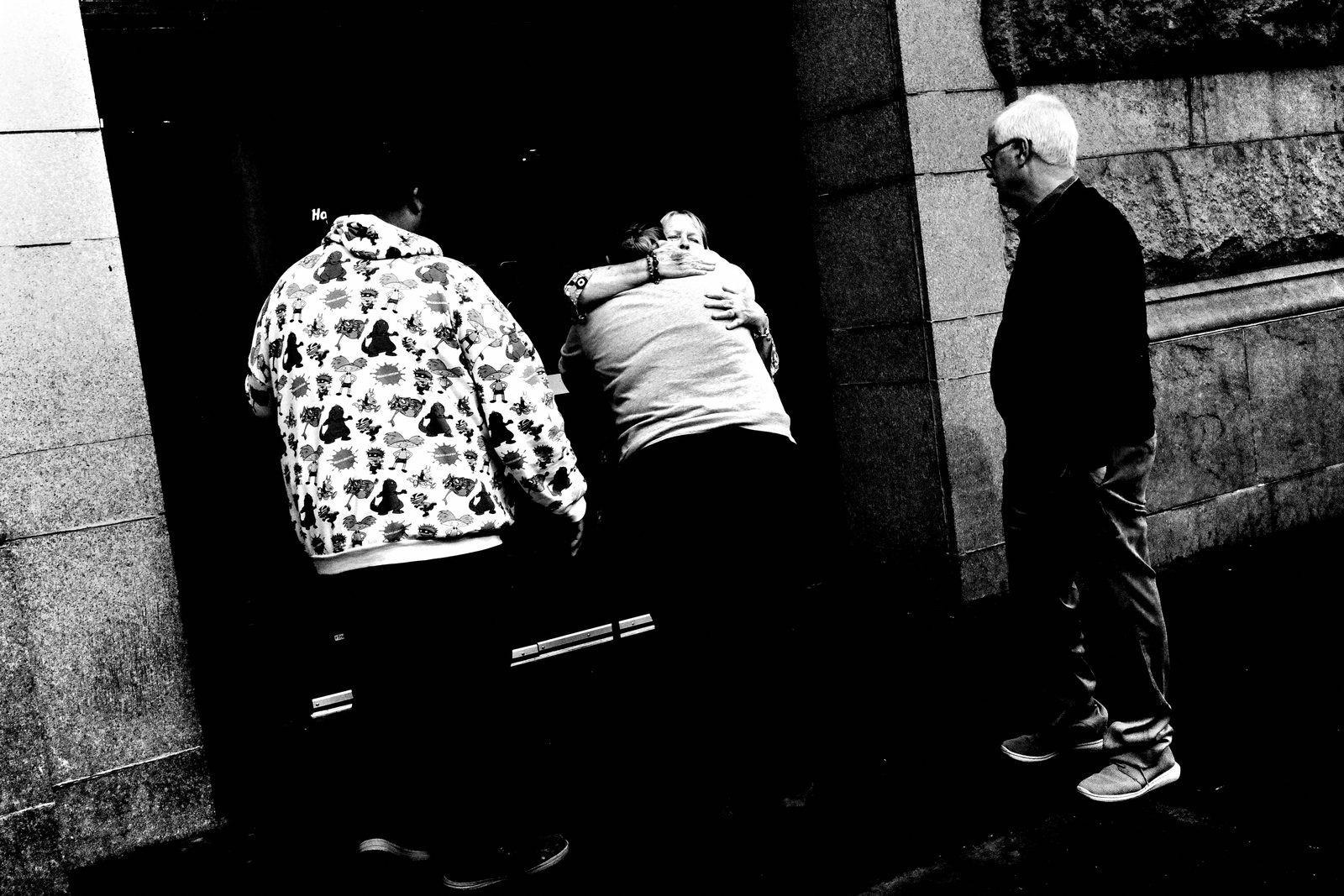
Here's the assignment. Pick one camera and one lens — today — and commit to it for a full year. Put everything else in a drawer. No buying, no switching, no "but the new one." Let that single tool become an extension of your eye. A year sounds long; it's the fastest way to get good.
Shoot One Street
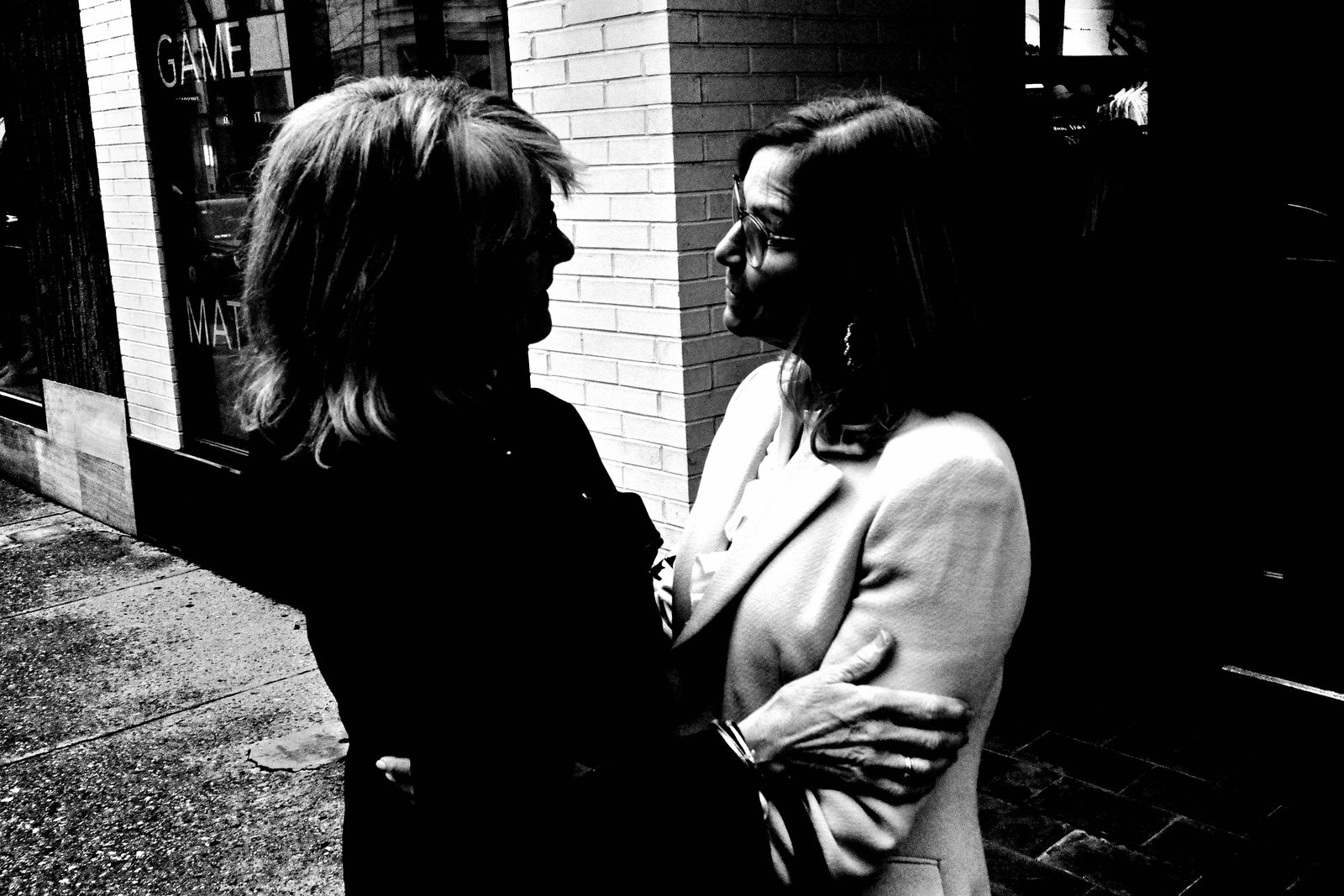
Second drill: choose one ordinary street near you and shoot only that, over and over. Walk it slowly, return at different hours, learn its light. Don't chase new locations — exhaust this one. Constraint of place plus repetition is how the invisible becomes visible. Work your one street the way you'd work a single busy scene — until it finally breaks open.
Set Your Settings Once
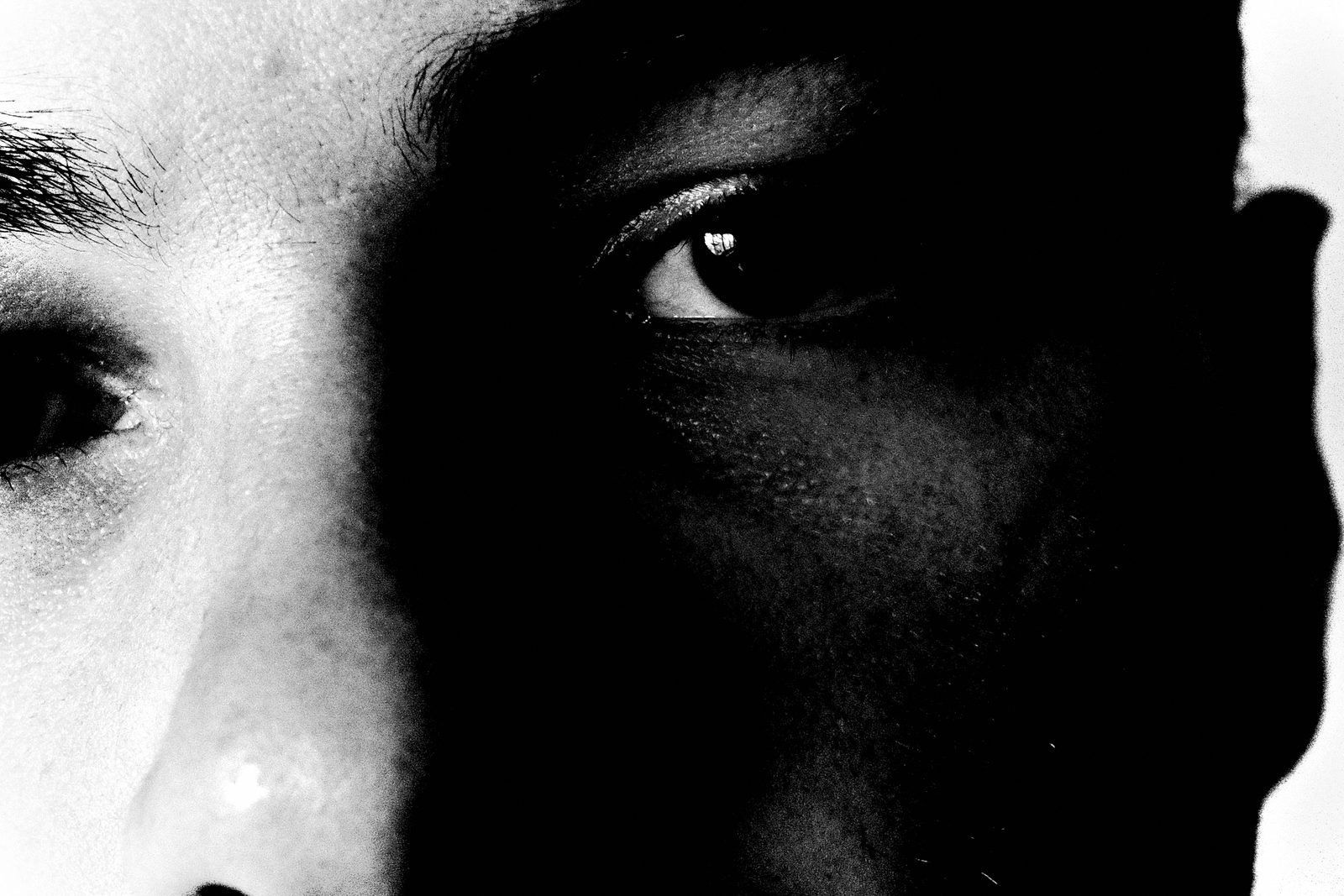
Third: set your camera once and leave it. P mode or Av, snap focus, high-contrast black-and-white JPEG. Then never open the menu on the street again. Every setting you've pre-decided is attention freed up for the moment. With nothing left to fiddle with, there's no excuse not to press the shutter.
COMMON MISTAKES
Gear Acquisition Syndrome
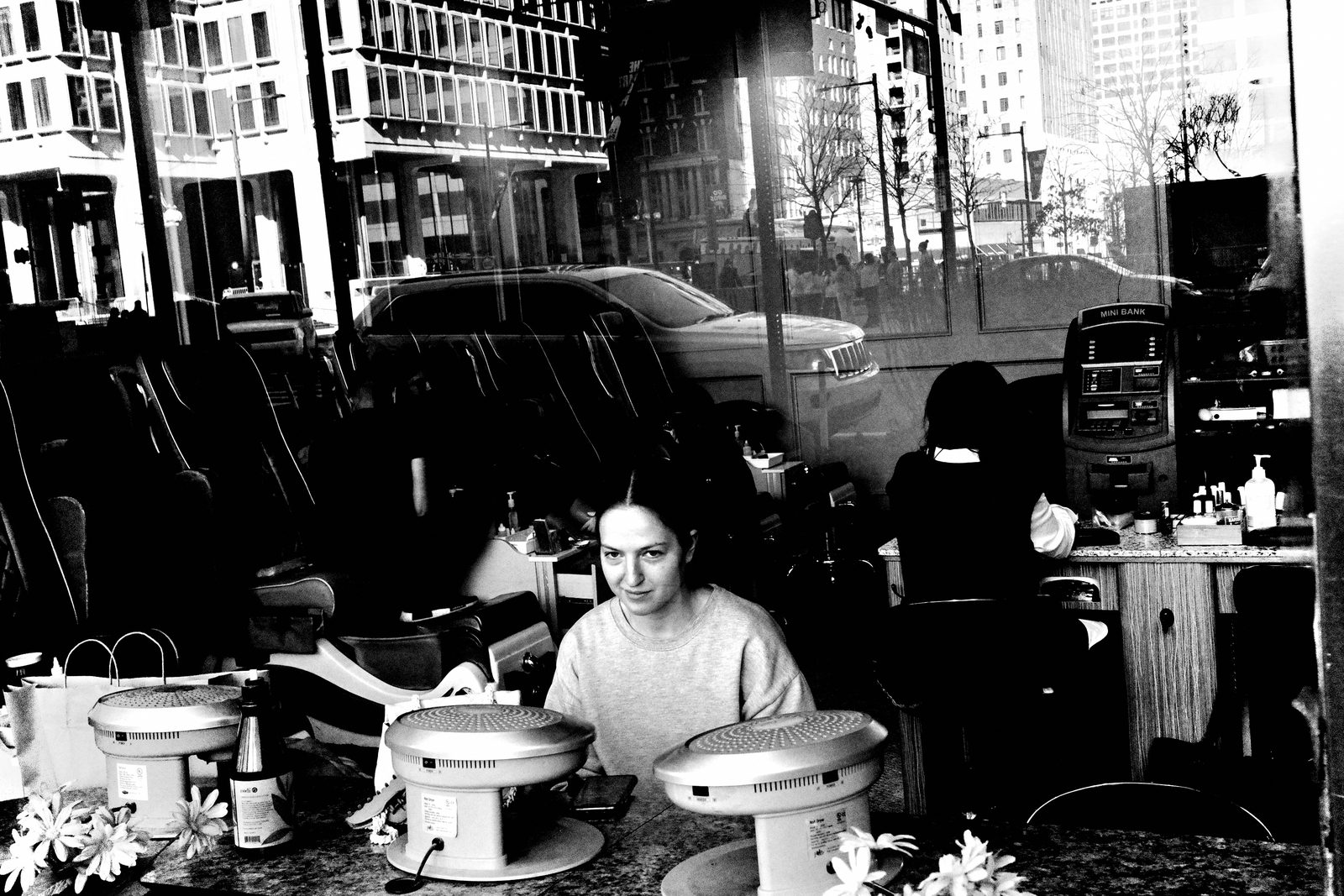
The biggest mistake — and it's everywhere — is gear acquisition syndrome. Chasing the next body, the next lens, telling yourself that's the thing standing between you and great work. It never is. New gear doesn't give you new vision. You're just trading the freedom of one committed tool for an endless, draining fight with your equipment.
Waiting for the Perfect Place
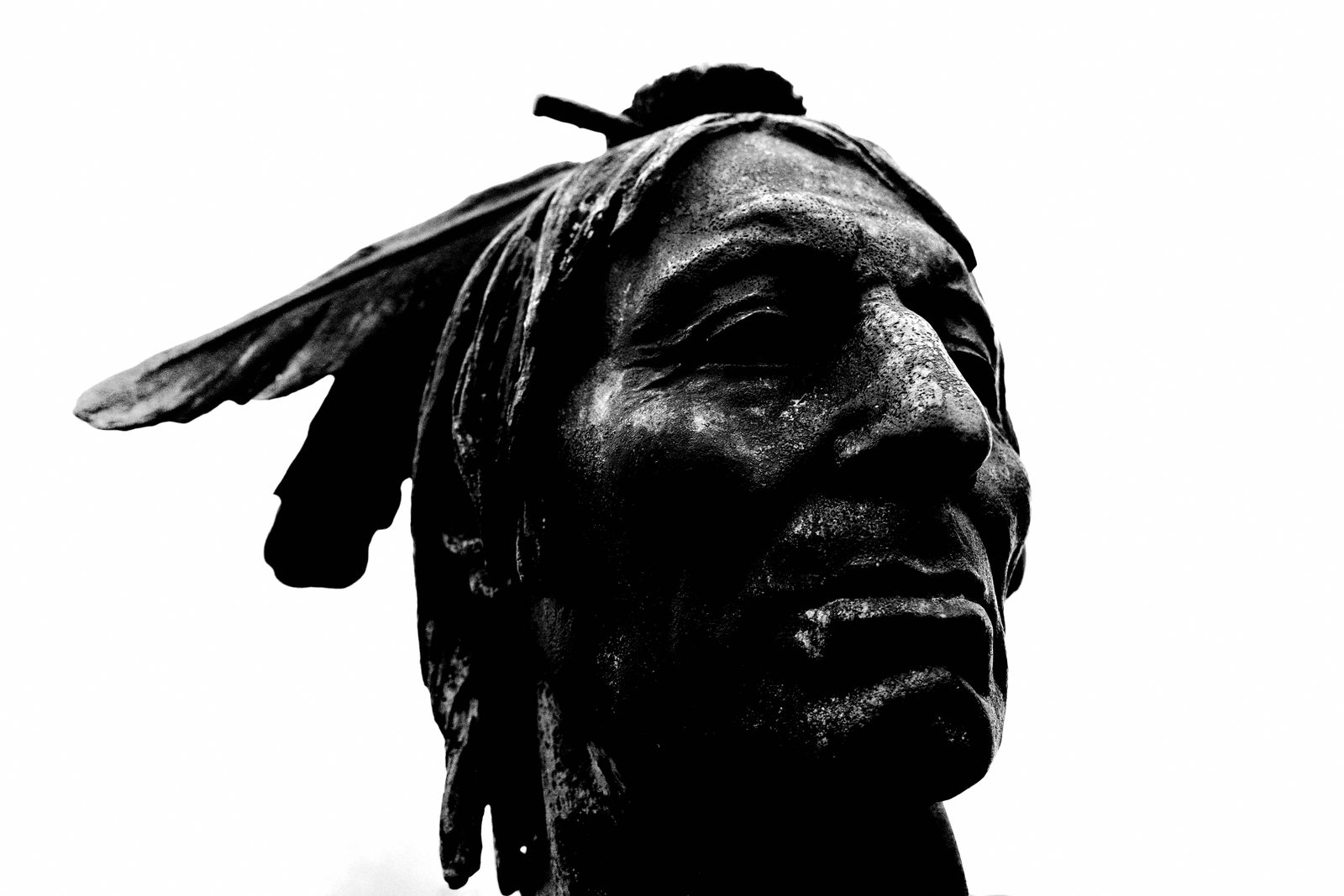
The other mistake: waiting for the perfect place. "I'll shoot for real once I'm in a bigger, cooler city." That's not freedom — that's a stalling tactic dressed up as ambition. Constraint says: start where your feet already are. The photographers who win are the ones who shot their block while everyone else waited for somewhere better.
RELATIONSHIP TO PREVIOUS
Curiosity Needs a Container
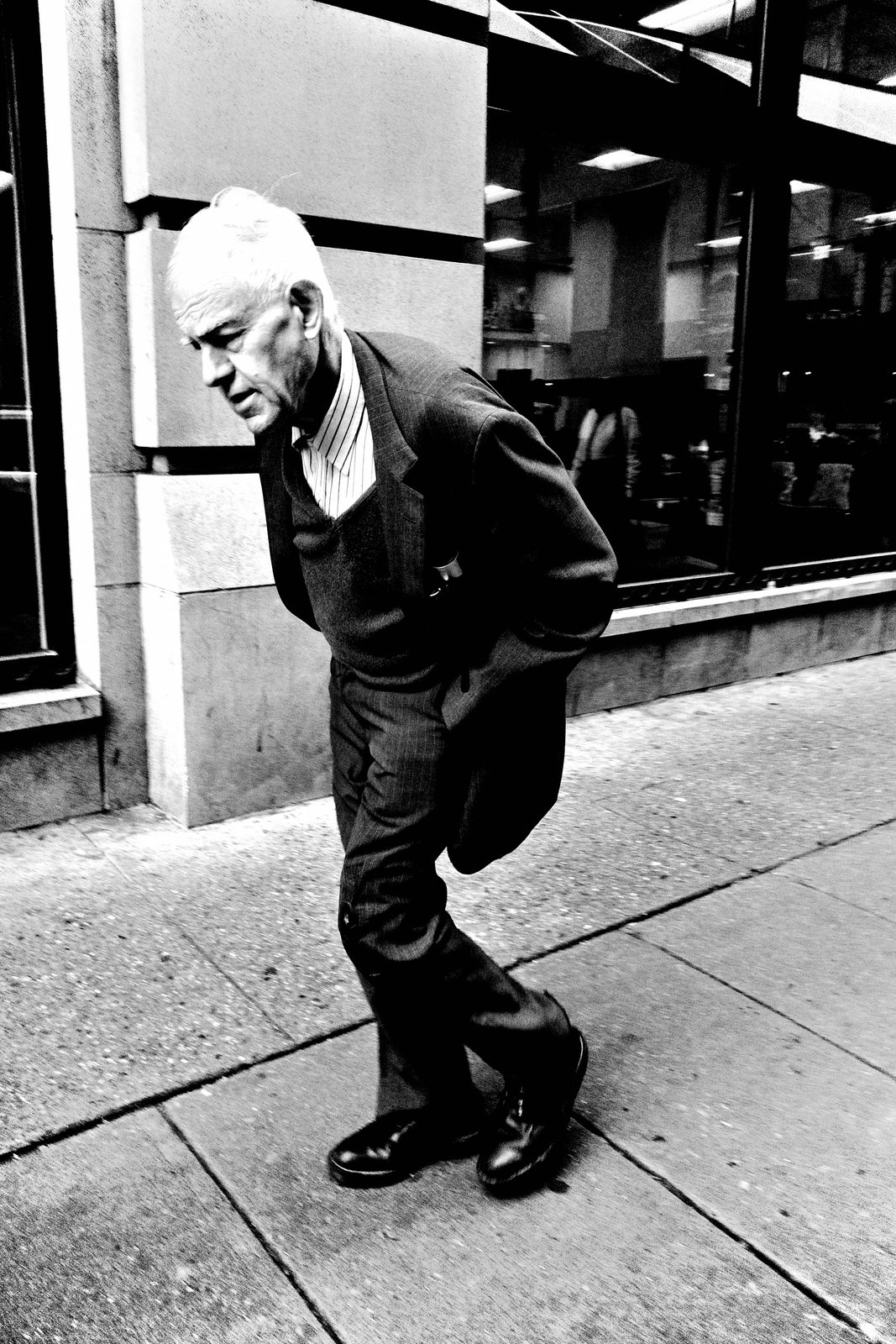
This builds straight on Lesson 004, Curiosity & Joy. There we lit the engine — curiosity, play, child-like wonder. Today we give that energy a container. Constraints don't cage your curiosity; they aim it. Small tool, endless eye. The discipline of the limit is what lets the joy from Lesson 004 actually become pictures.
RELATIONSHIP TO UPCOMING
Into the Flow
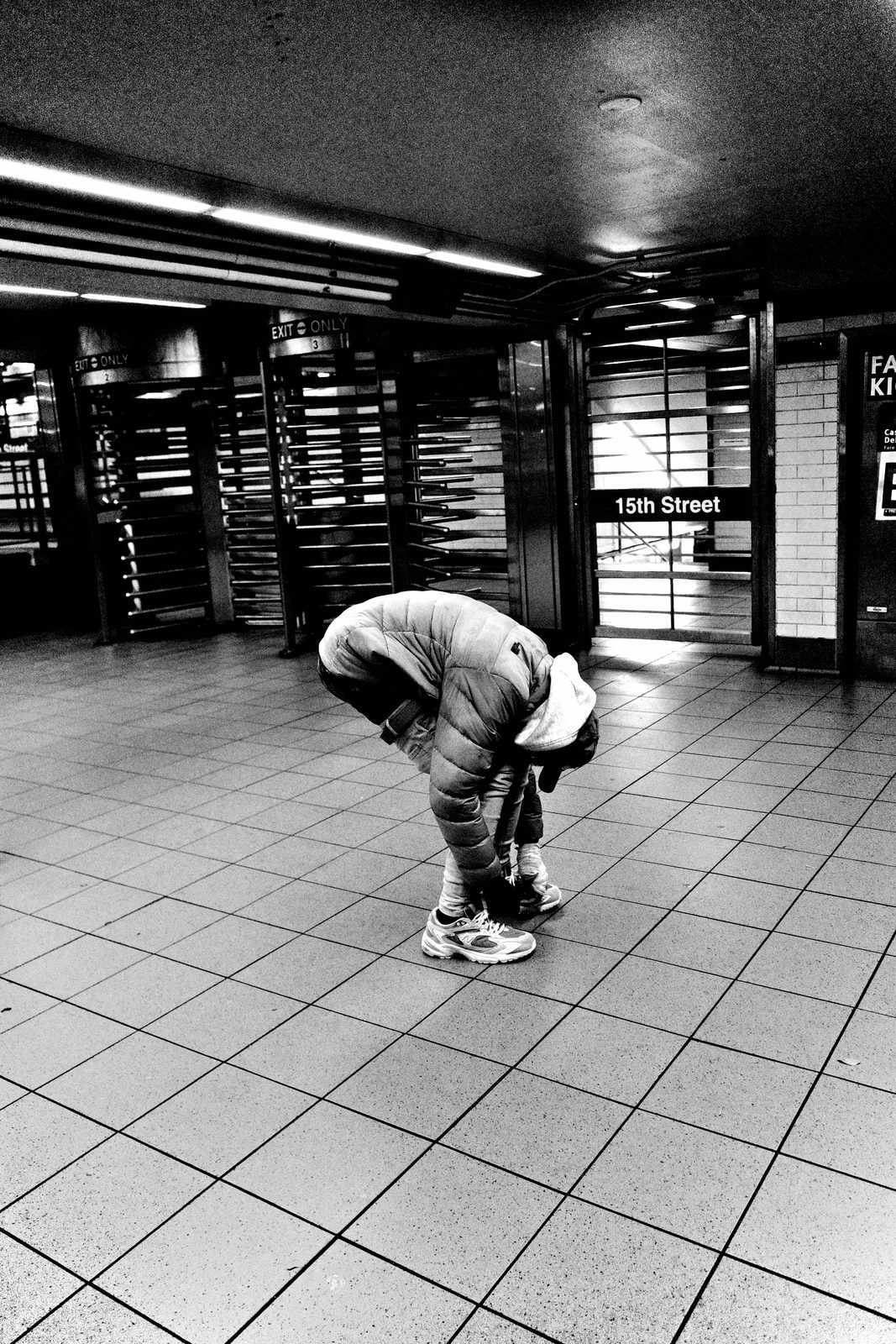
Up next we cross into Module 2 with Entering the Flow State (Lesson 006) — and you'll see why we did the constraints first. A quiet, decided mind is the doorway to flow; you can't move like water while you're still arguing about gear. The limit you set today is what opens the door we walk through next.
SUMMARY / TAKEAWAY
The Limit Is the Freedom
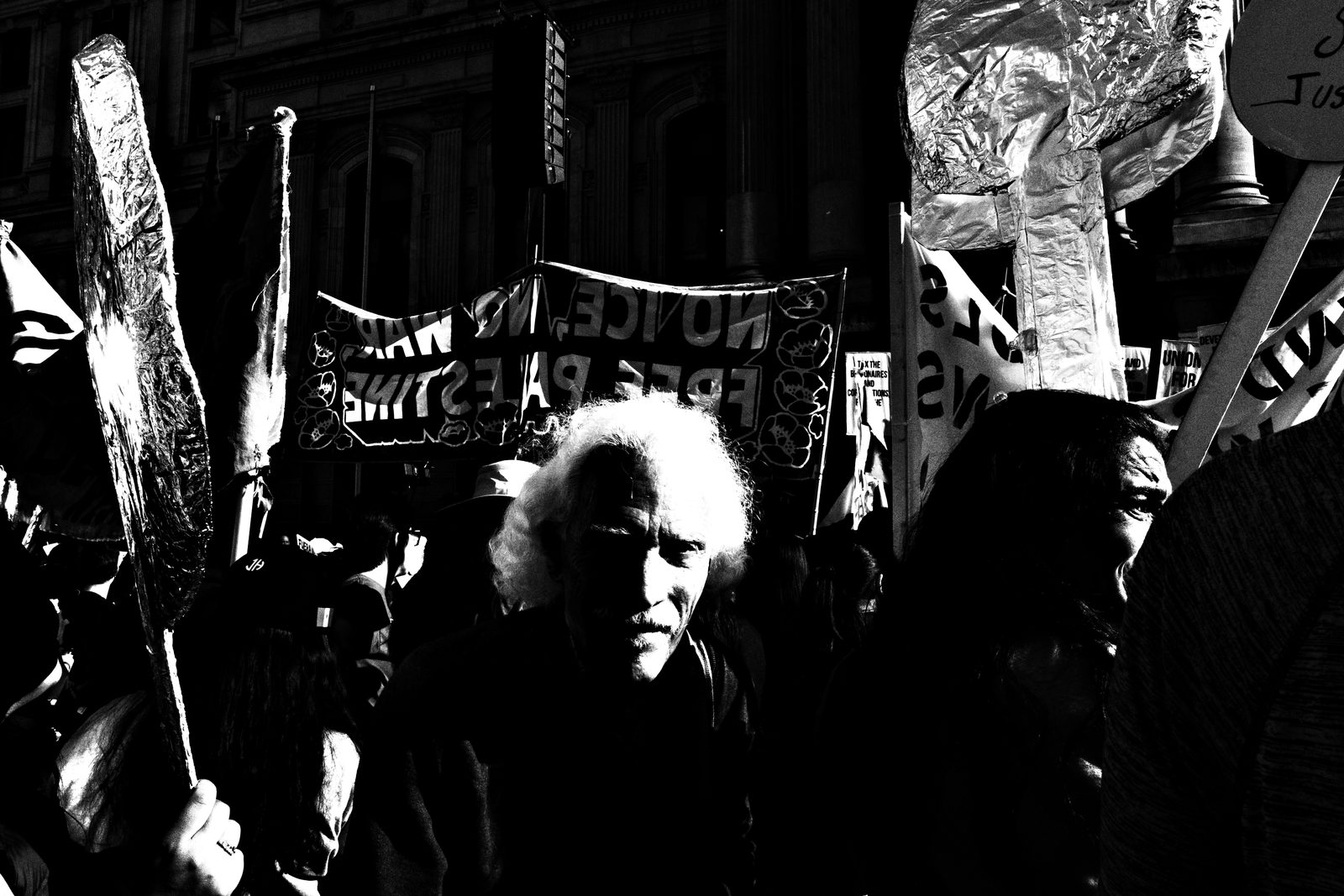
Last thing. Constraints aren't the wall — they're the door. One camera, one lens, one street, settings set once, committed for a full year. Every option you give up is attention you get back for the only thing that matters: the moment in front of you. Stop chasing more and commit to less. The limit is the freedom. Less gear, more seeing — catch you in the next lesson.