Entering the Flow State
CORE IDEA
The Less You Think, the More You See
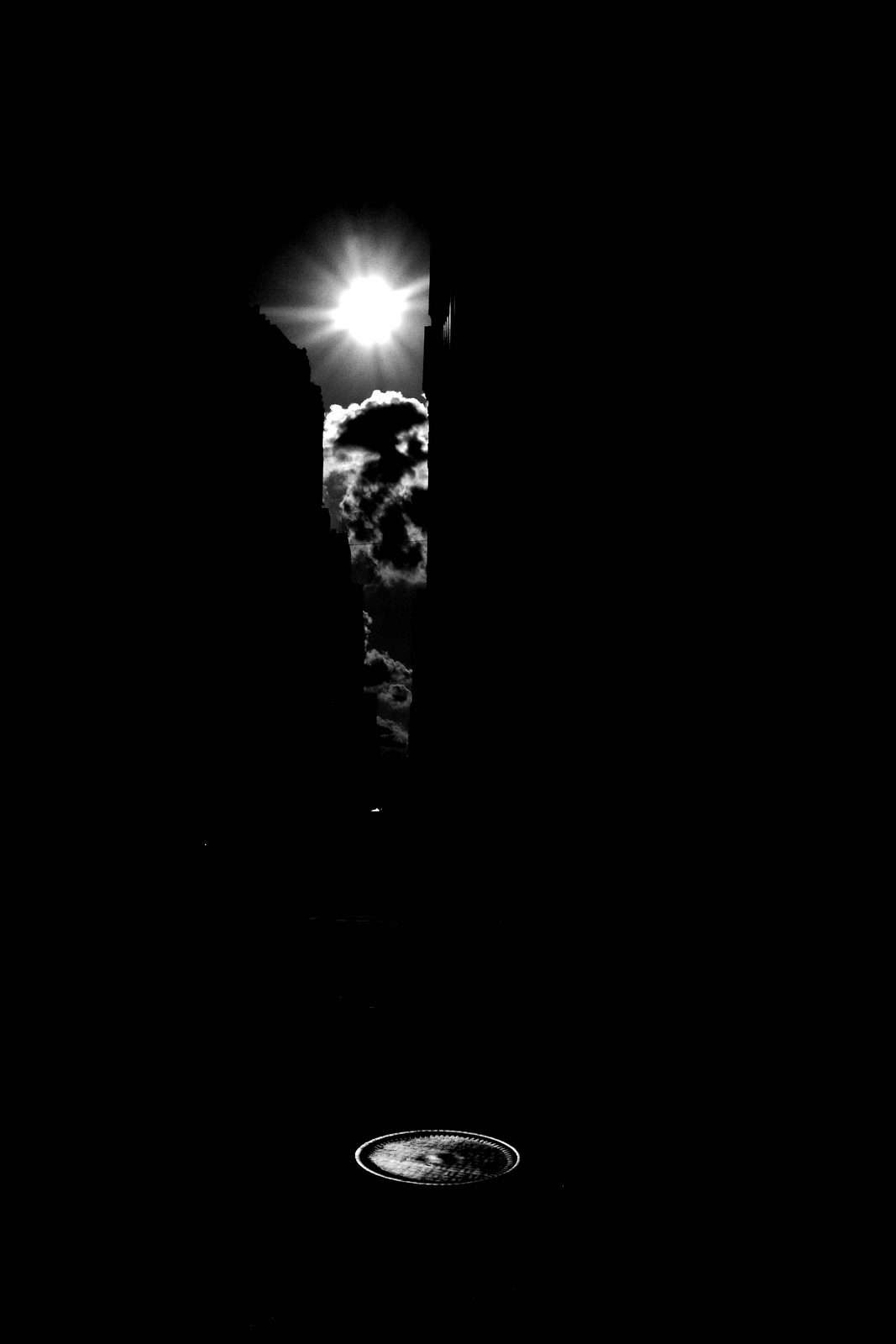
What's popping, people — it's Dante. Today we're entering the flow state — the thing that gives this whole practice its meaning, purpose, and flavor. Here's the whole lesson in one line: the more you think, the less you see; the less you think, the more you photograph. Flow is where everything aligns and the camera disappears.
LEARNING OBJECTIVE
What You'll Walk Away With
By the end of this lesson you'll know how to drop into flow on demand — and, more importantly, how to stay there. You'll learn the subtractions that get you in, the trifecta that keeps you in, and how to move through a city so that moments come to you instead of you chasing them.
WHY THIS MATTERS
Flow Is Where the Best Photos Happen
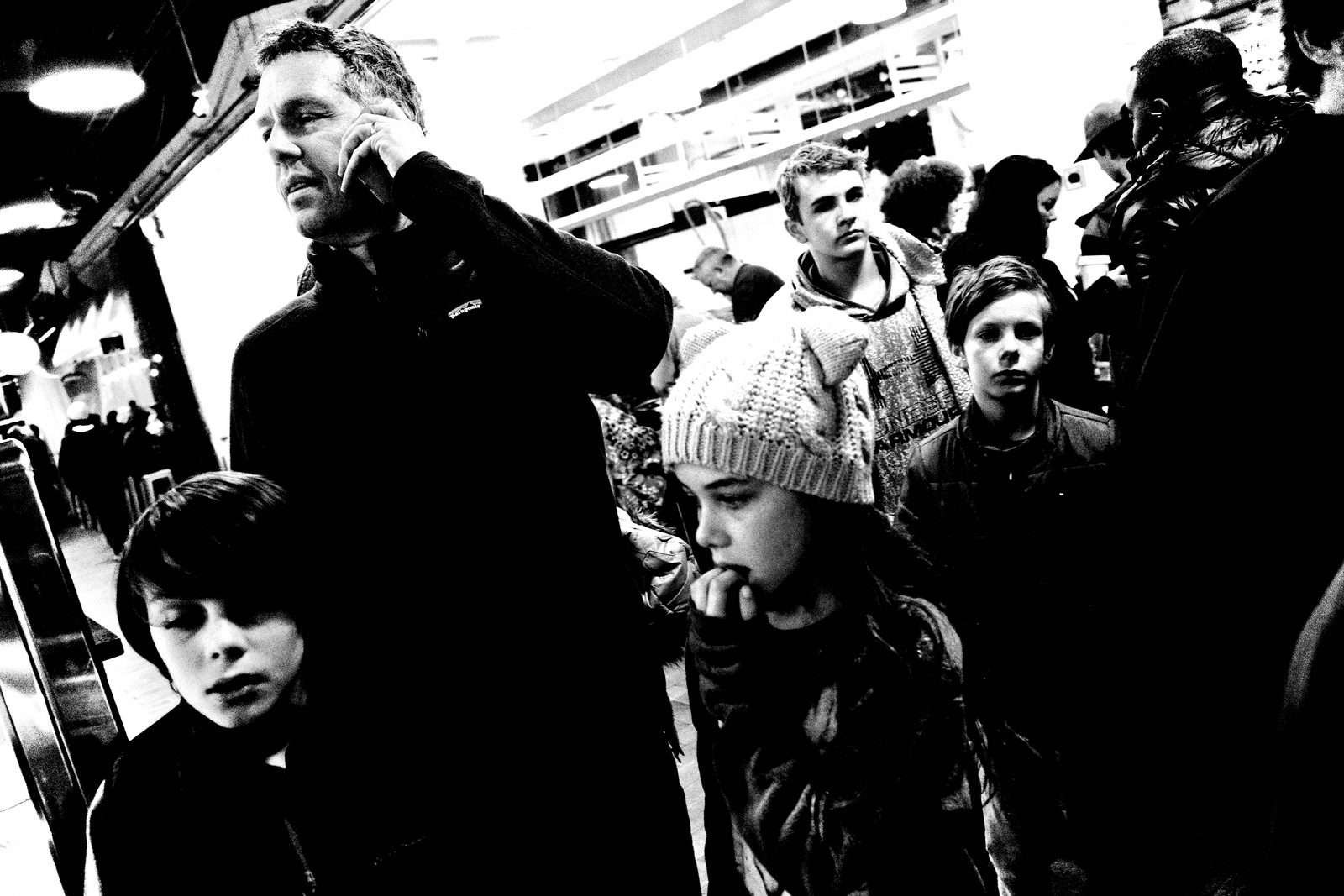
Here's why this matters: flow state is where all my best photos happen. When you're in it, photography feels effortless — no overthinking, no hesitation. You're just connected with the streets, moving like water, reacting and anticipating moments without fear. Miss the flow and you miss the work.
Presence Is the Whole Gift
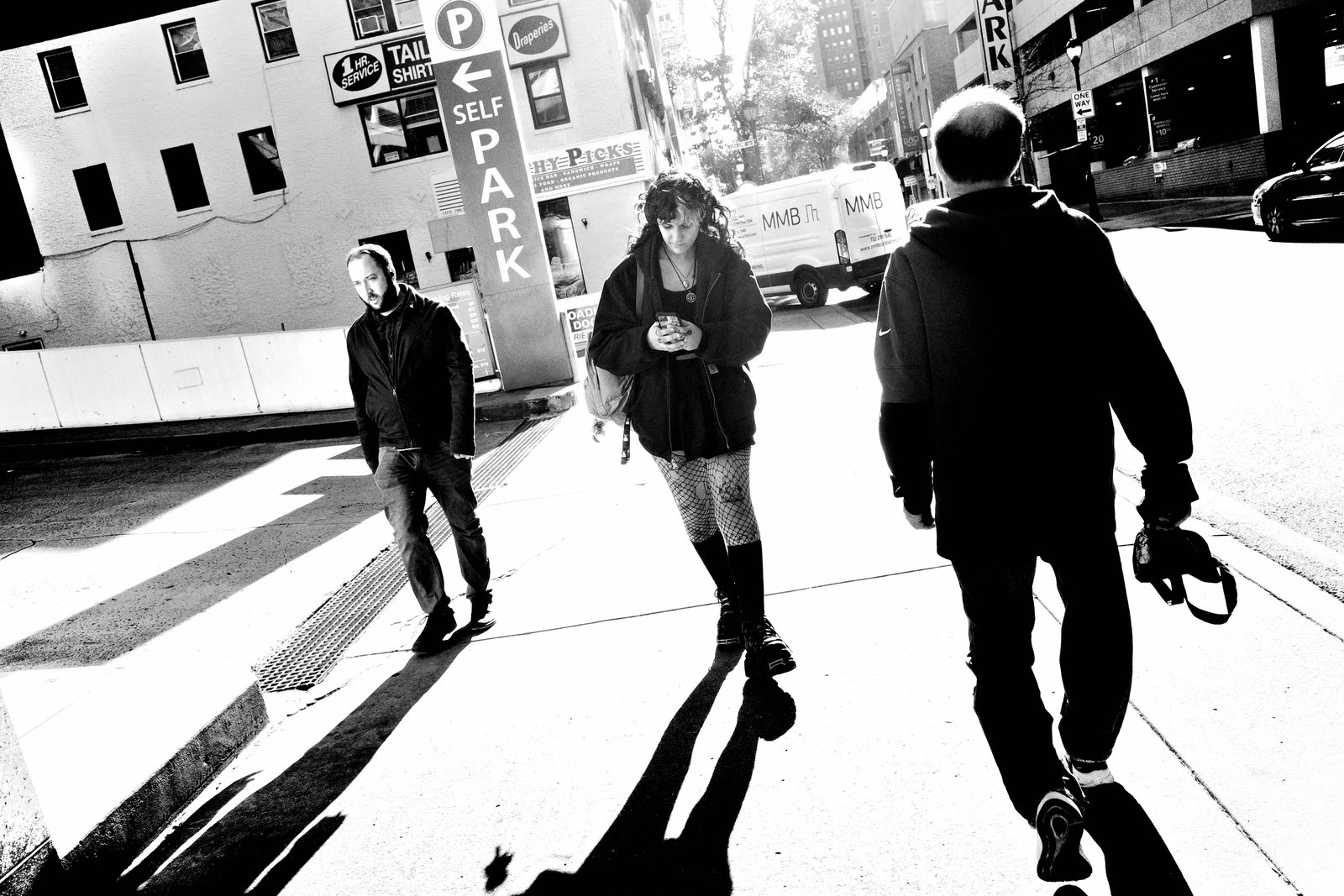
And it goes deeper than pictures. Flow is full immersion — that space where time fades, distractions disappear, and intuition takes over. To enter the flow is to enter the present moment. That's the real gift: not the past, not the future, but right now. The photographs are just proof you were truly there.
MAIN TEACHING
A Meditative State of Observing
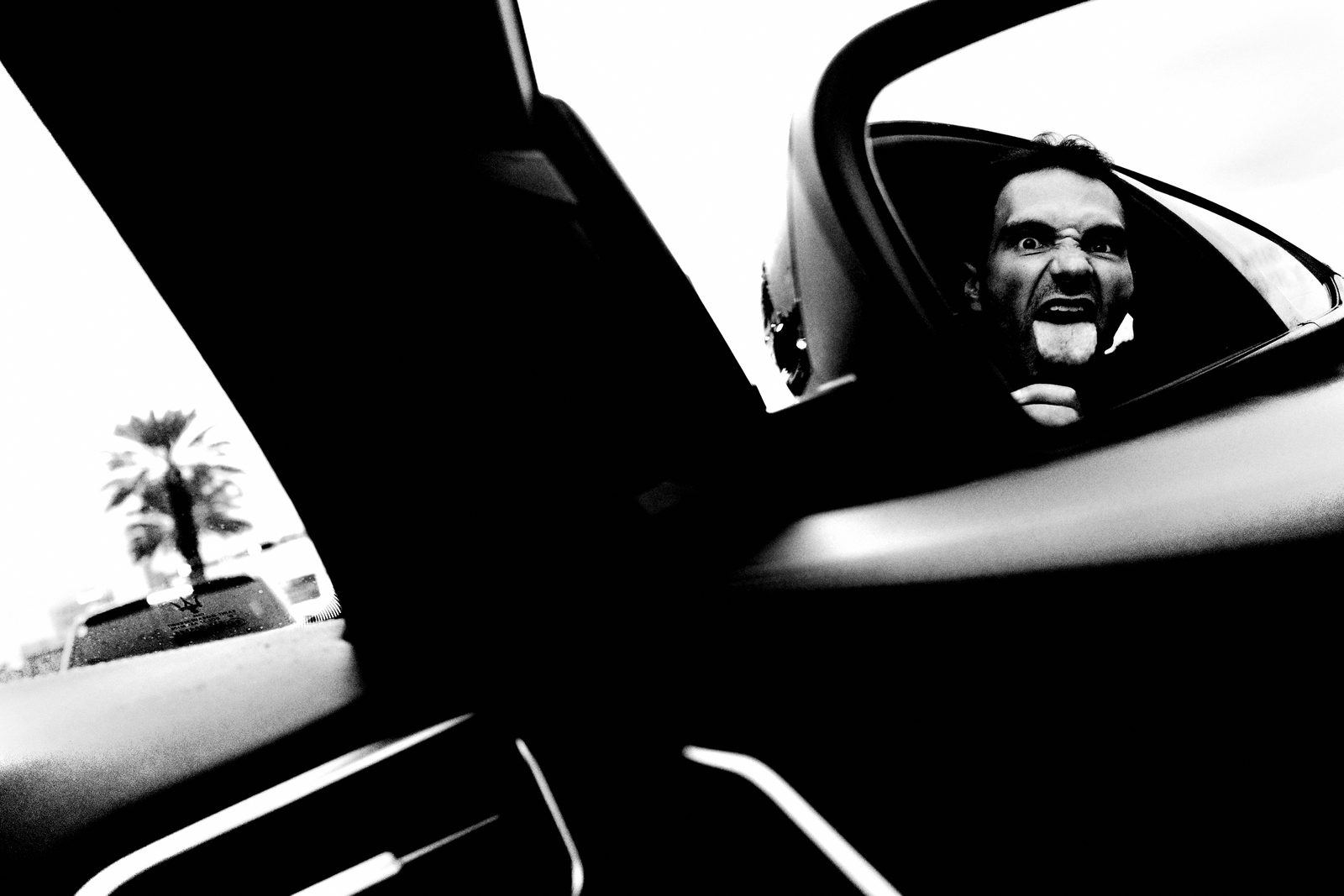
So what is flow, really? When I'm out shooting I enter a meditative state of simply observing patterns — in nature and in human behavior. The way light casts onto surfaces, giving form to people, places, and things; the way people move and gesture. You're tuning into the rhythm and beat of the street, and that tuning is the doorway in.
Eliminate Distractions
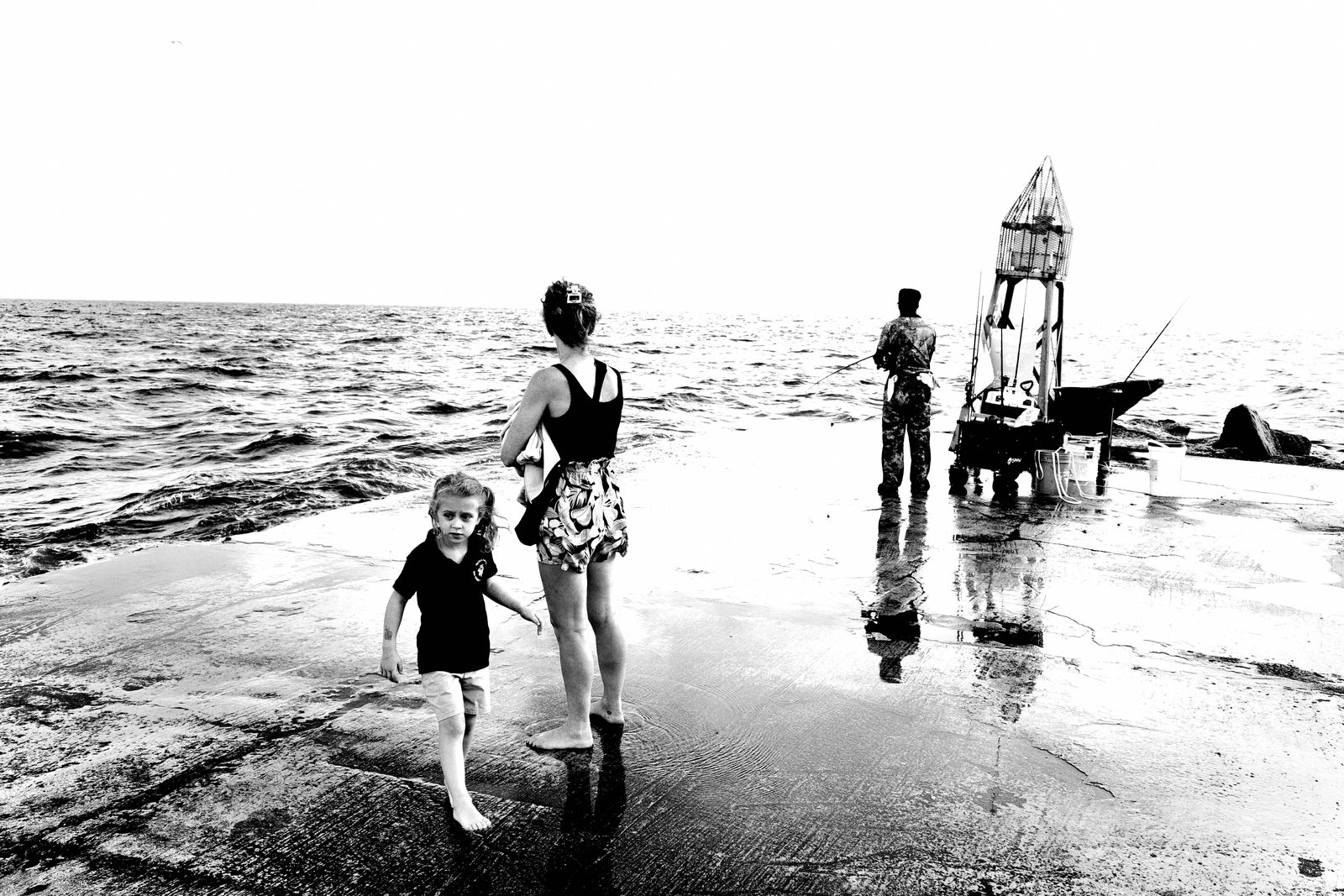
First move: eliminate distractions. Put your phone away. Turn off notifications. The phone is modern distraction's greatest weapon — people on their phones are players who hit pause on the game of life. Life isn't lived in notifications; it's lived out there, on the street. Flow begins by subtracting, not adding.
Move Slower Than Everyone Else
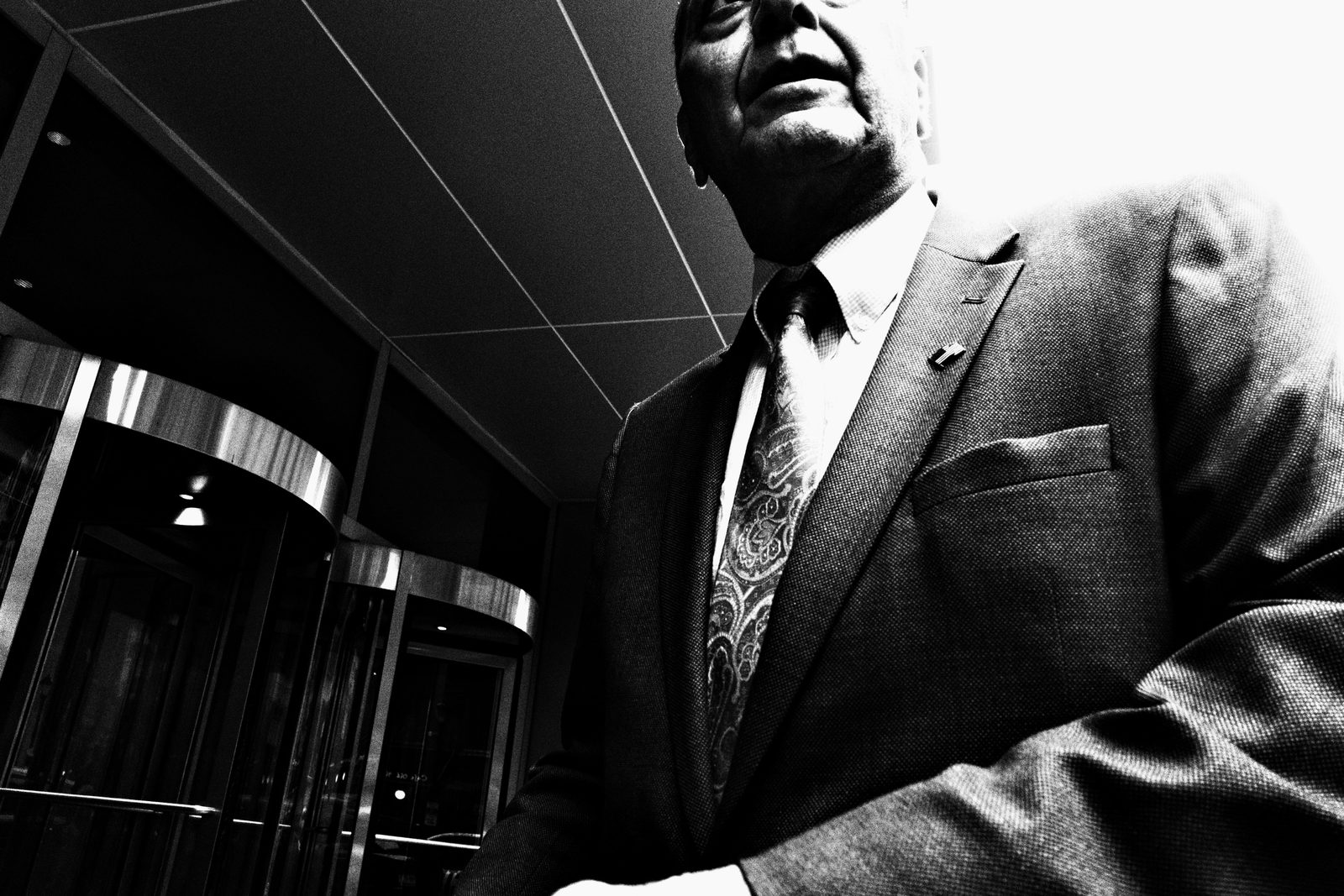
Next: move slower than everyone else. The slower you walk, the more details you'll find, and the more photographs you'll make. I move at about seventy-five percent of everyone else's speed. When you slow the body down, you start noticing the mundane moments — the way light hits a wall, the small gestures people make. Don't chase. Receive.
Let Life Flow Toward You (Wu Wei)
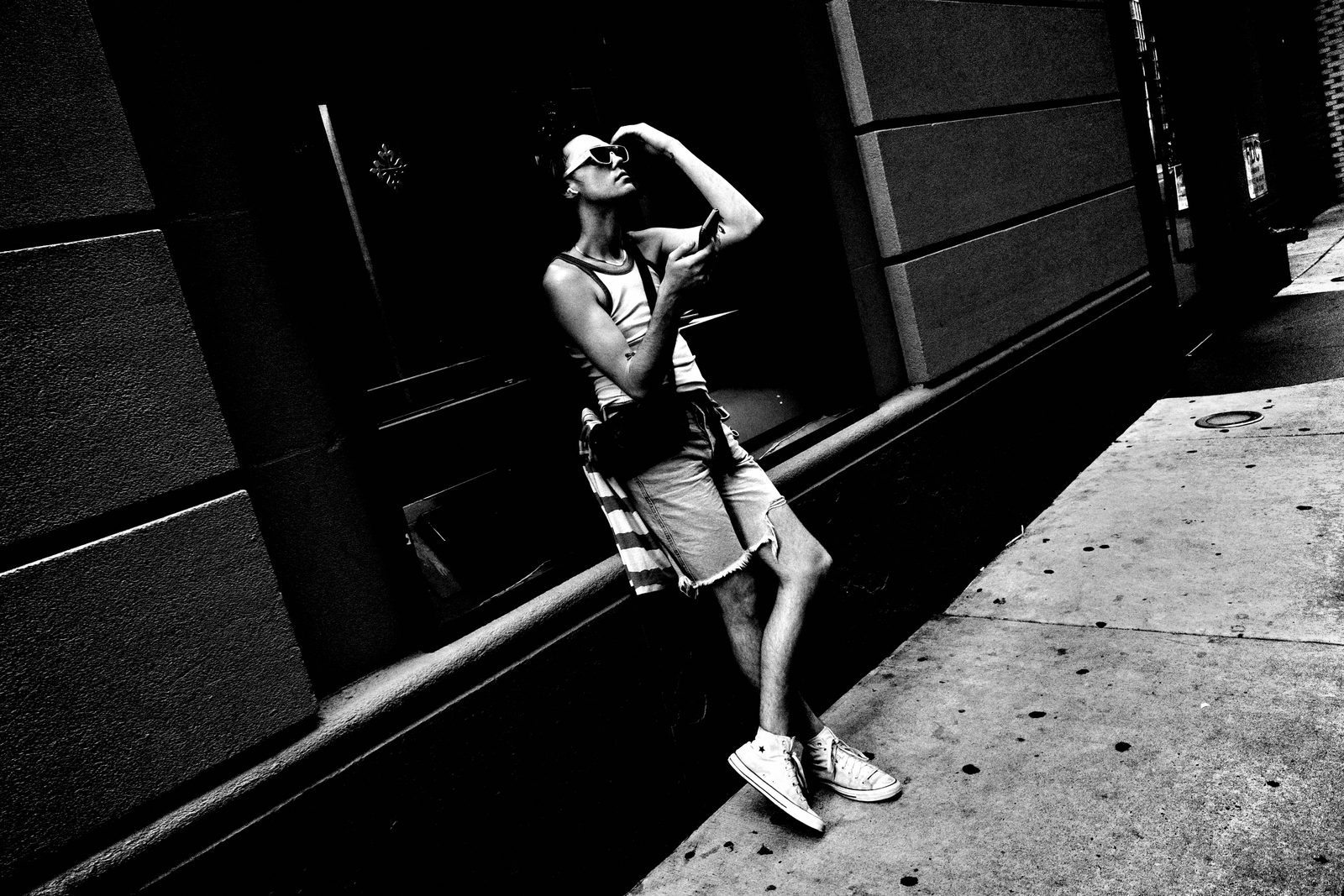
This is wu wei — the Taoist idea of effortless action. I'm not running and gunning, not hunting moments. I'm there, responding as life unfolds in front of me. Think of water: you don't fight the current, you move with it. I don't go against the stream of life — I flow with it, and I let the moments that arrive be what I photograph.
Stay in a State of Play
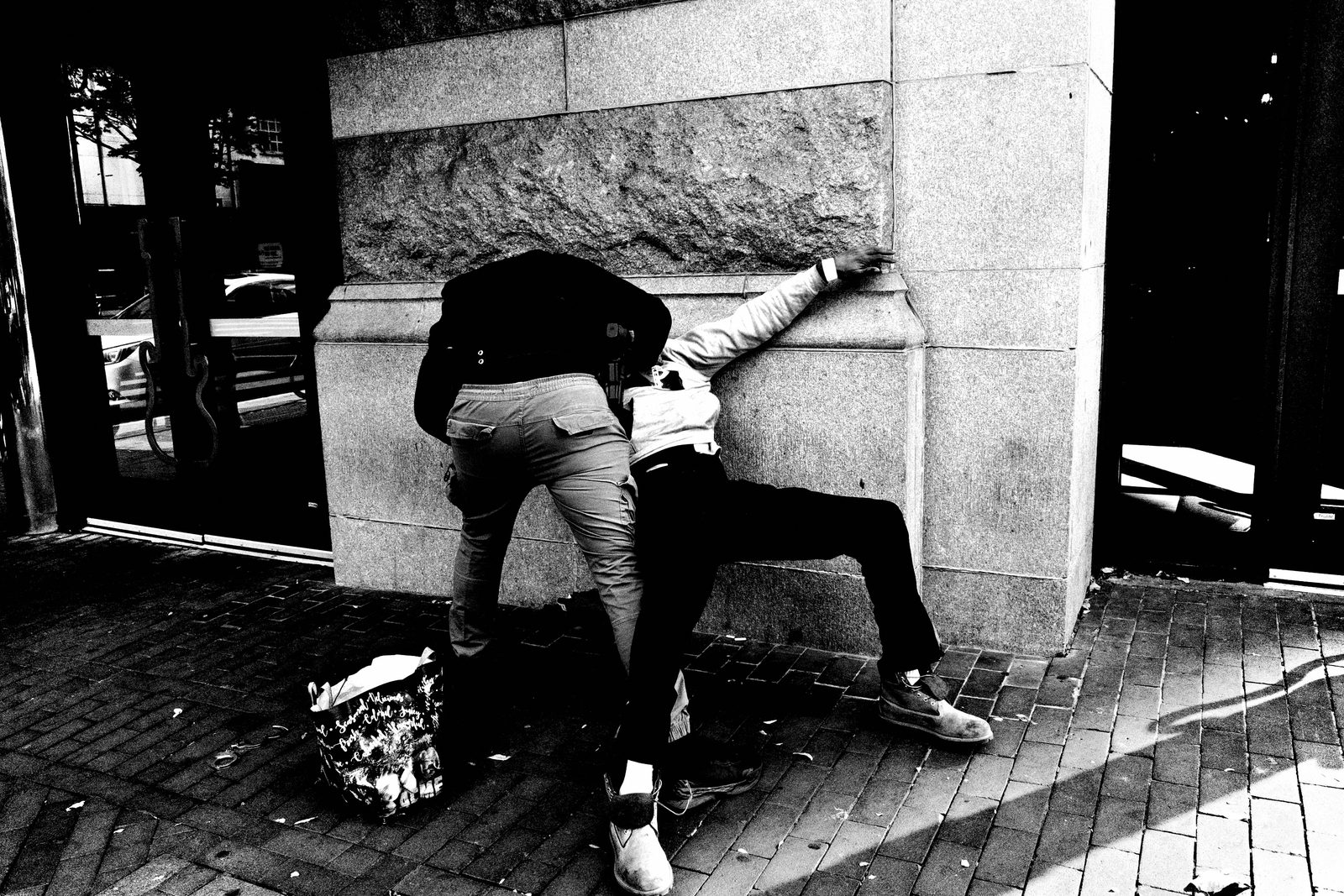
Now: stay in a state of play. Go out in the spirit of play — no agenda, just exploring. And flow doesn't mean being a stealthy fly on the wall all the time. The best photos come from being an active participant in the drama of the street — playing soccer with kids, a quick chat with a stranger, even just smiling. Presence creates richer photographs.
Forget the Outcome
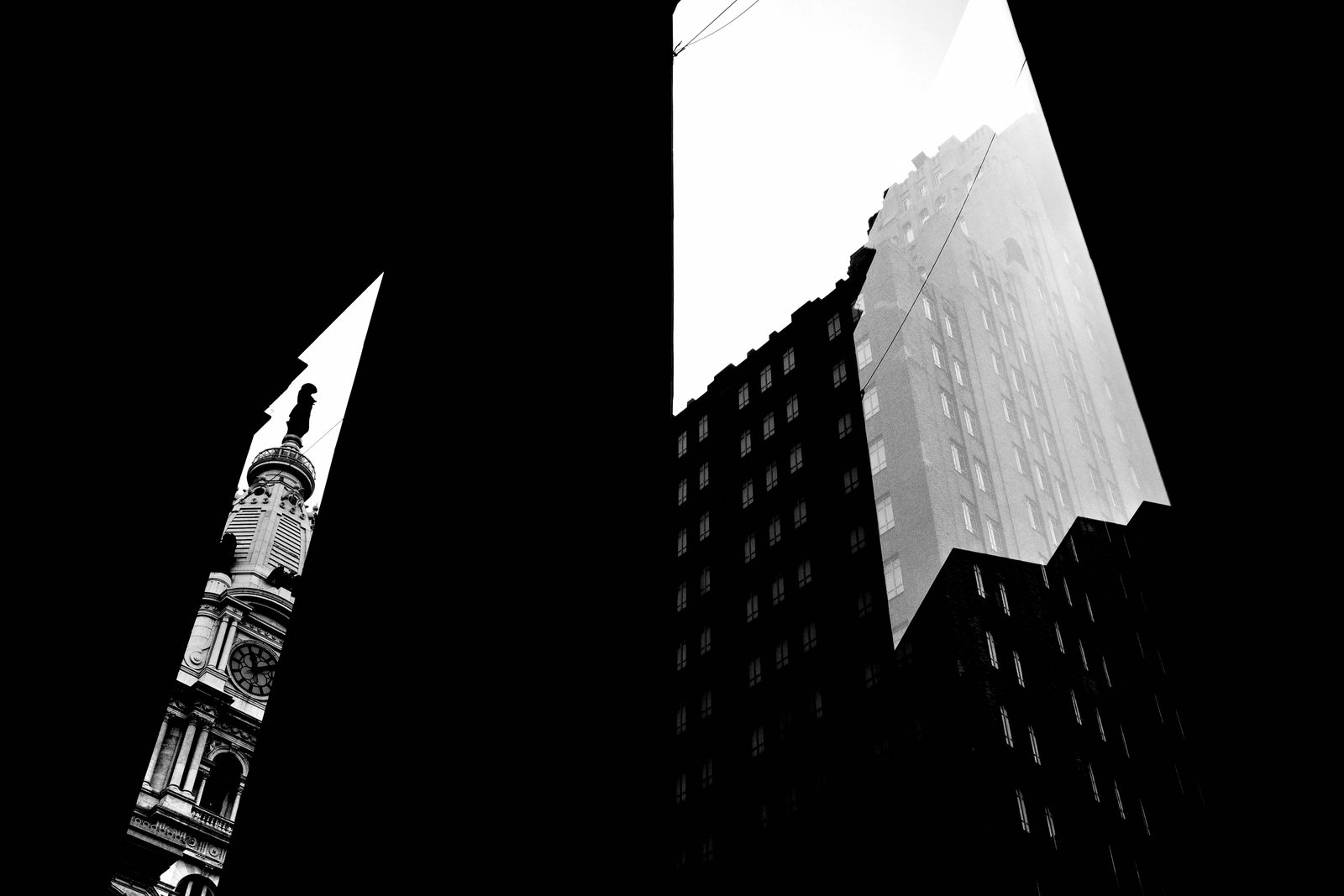
Then forget the outcome. Flow is about letting go — no expectations, no over-analysis. Don't judge your shots in the moment. Don't worry about good versus bad. Just follow your curiosity and trust the process. The instant you try to control the outcome, you lose the magic. Detach, and paradoxically you come home with better photographs.
The Trifecta: Courage, Curiosity, Intuition
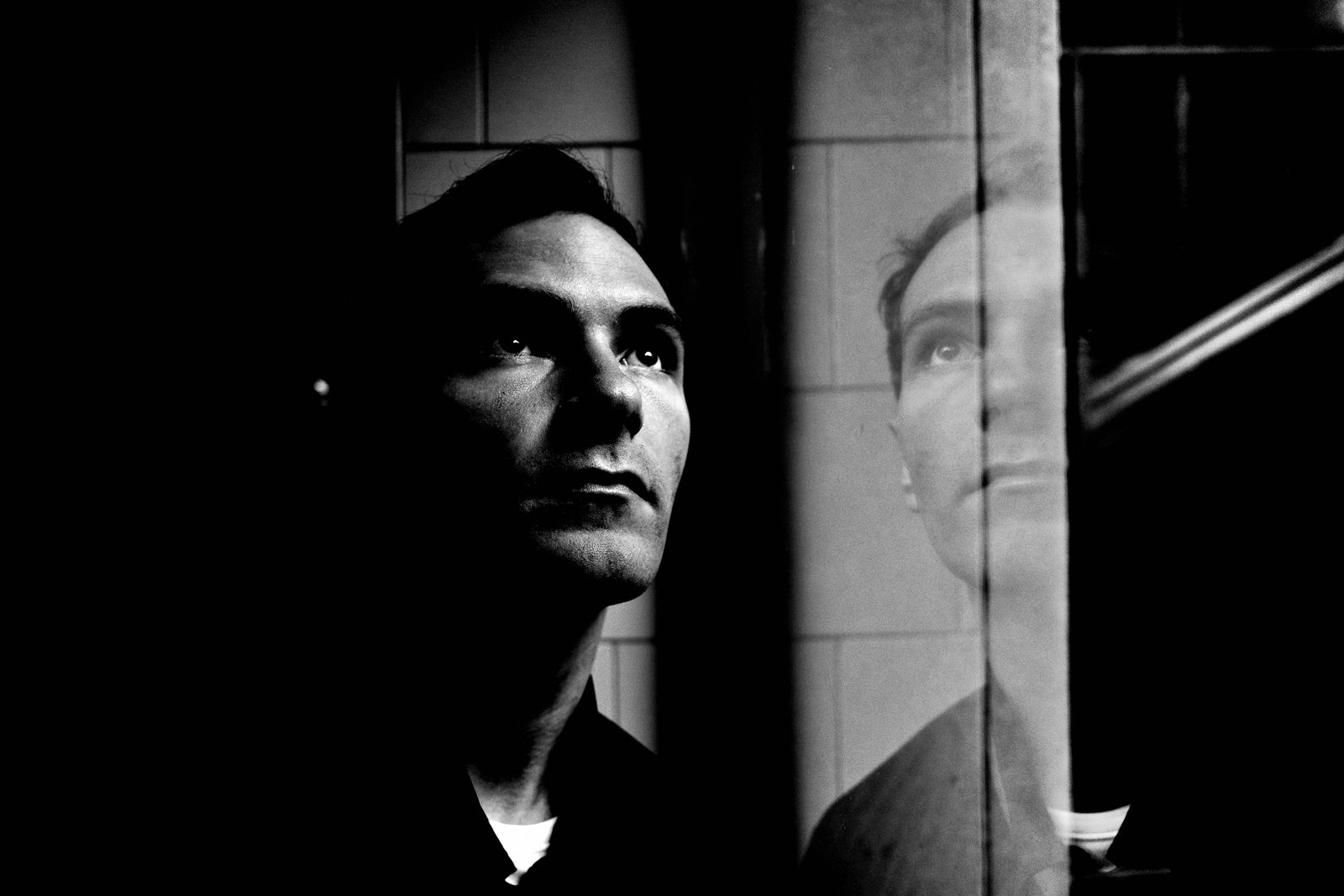
Here's what keeps you in flow — the trifecta. Courage: the boldness to move, approach, and press the shutter without hesitation. Curiosity: the hunger to see what's beyond the corner. Intuition: the trust to know when to click. Together they heighten your awareness, and that heightened awareness is what ushers you into that effortless, alive rhythm.
Flow Lives in the Body, in Motion
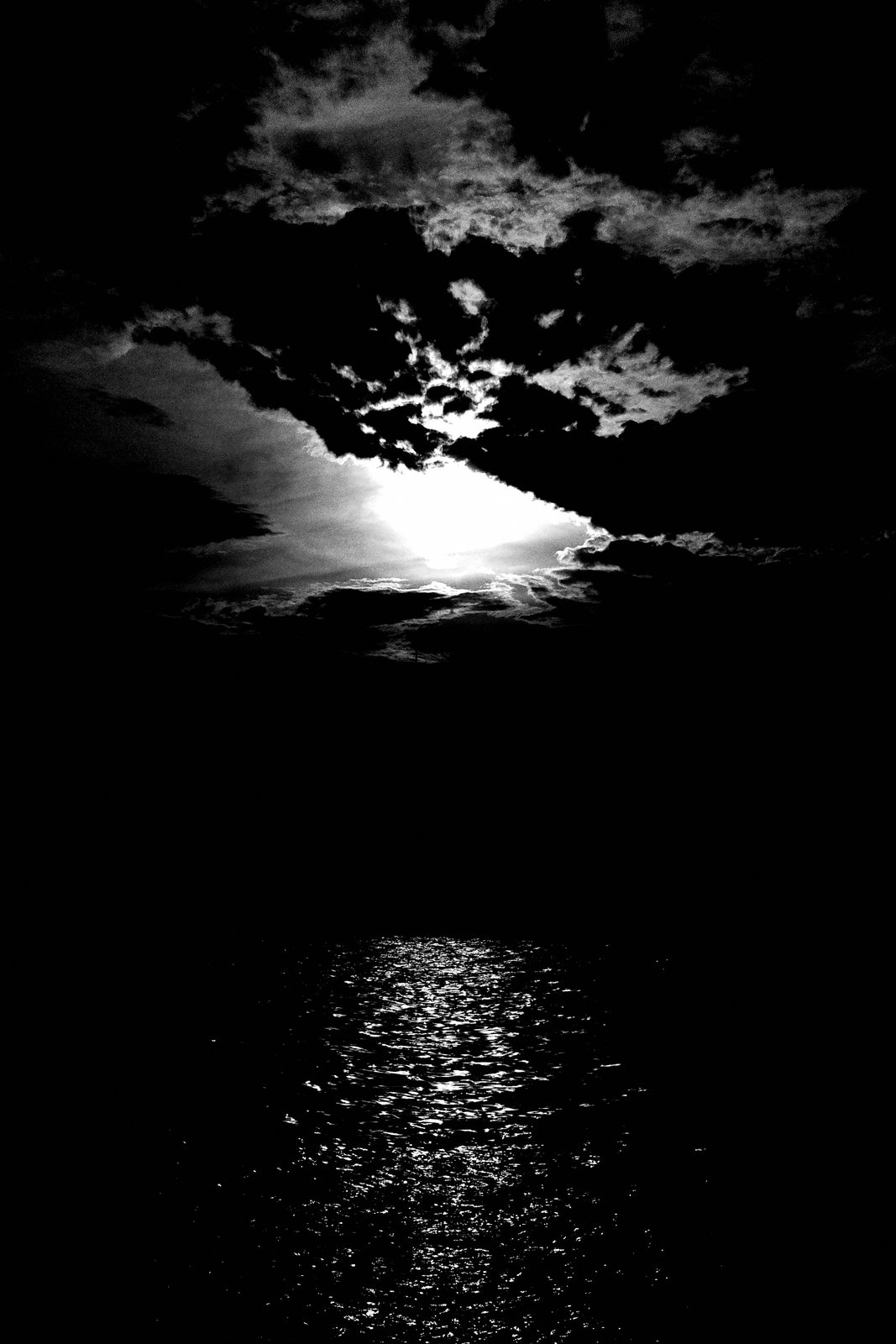
Flow isn't found sitting still — it's found in motion. Motivation is movement; through movement comes improvement. When you move your body through the world — walking, breathing with the city — you step outside the passage of time. You stop overthinking and simply are. I ground myself in thin-soled shoes so I feel the street; flow emerges through the body first, then the mind.
Simplify the Gear, Subtract the Friction
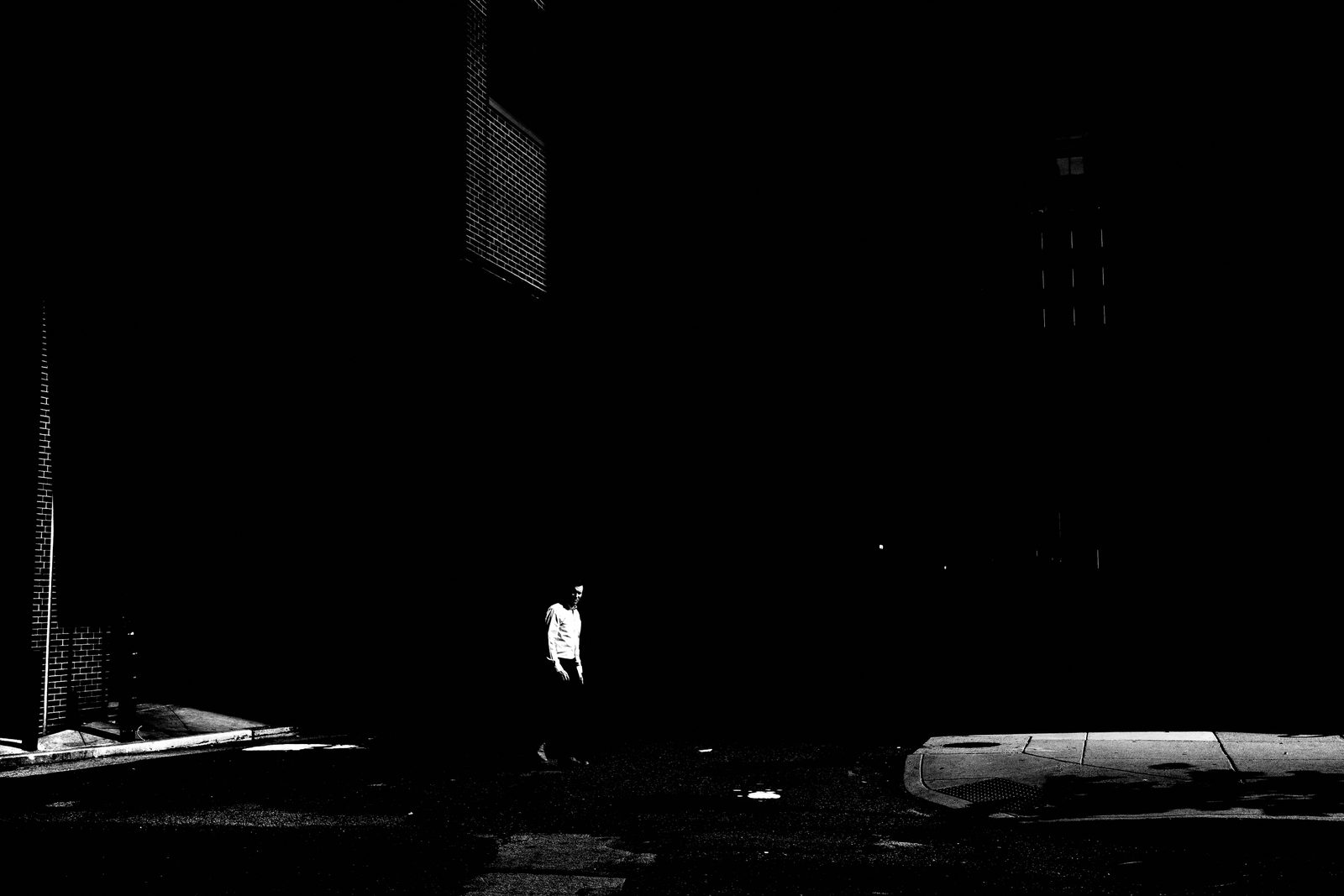
Make it practical: simplify your gear. One camera, one lens. Auto or semi-auto modes — the fewer technical distractions, the better. The Ricoh GR is the closest thing to having no camera at all; pocketable, frictionless, set to auto and forgotten. I shoot off the LCD, not the viewfinder — it makes composition more fluid, with less movement and less hesitation.
Don't Leave the Scene Until It Leaves You
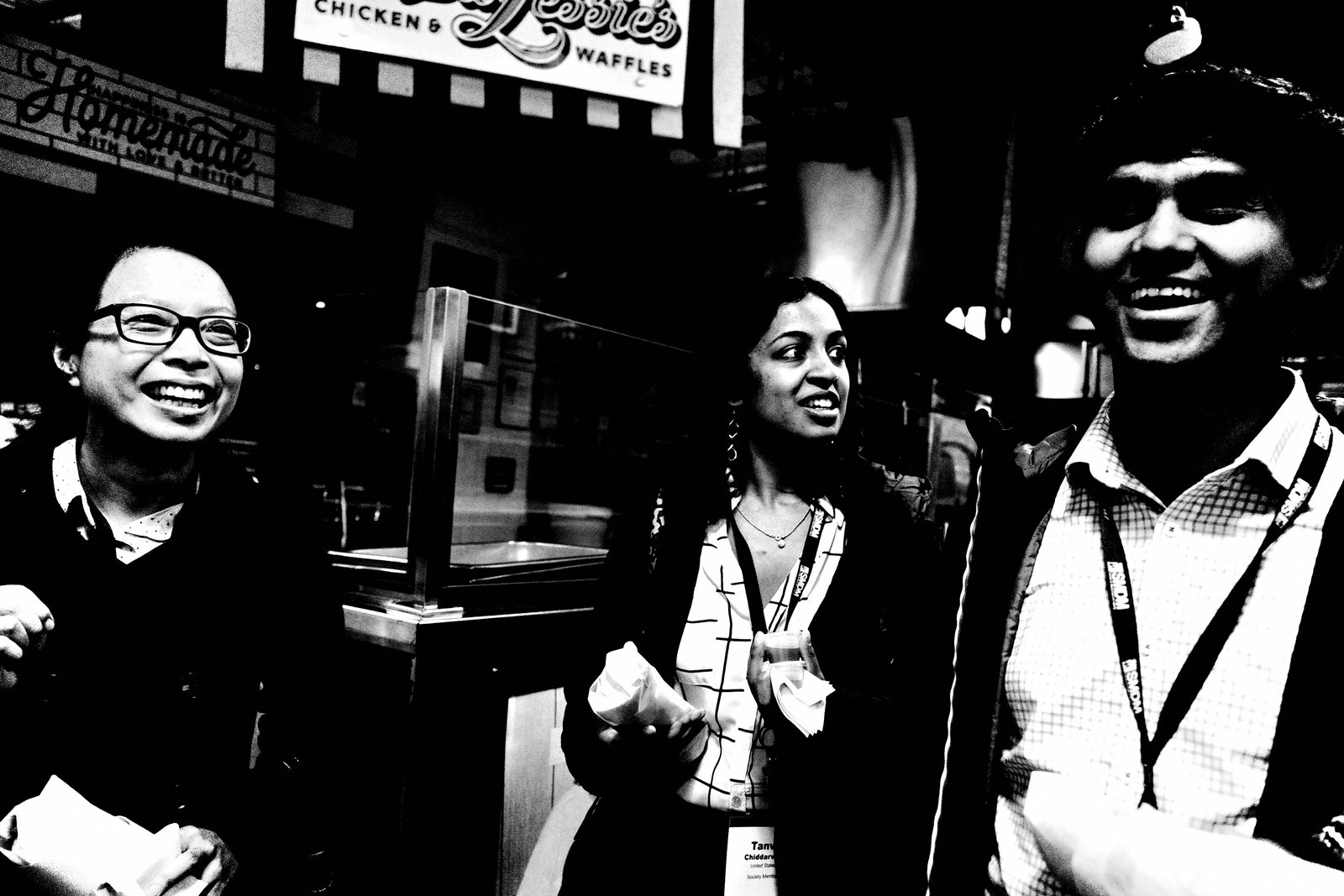
Here's flow in action. Picture something plain — mist or steam drifting off a fountain, someone stopping to take a selfie. Most would call it cliché and walk on. In flow, you don't think, you just shoot. And if you keep working the scene, it shifts: the person steps into the haze, back turned, framed in mystery, and suddenly a simple moment turns into something layered and alive. That's the rule — don't leave the scene until the scene leaves you.
Stay Attuned to the Micro-Moment
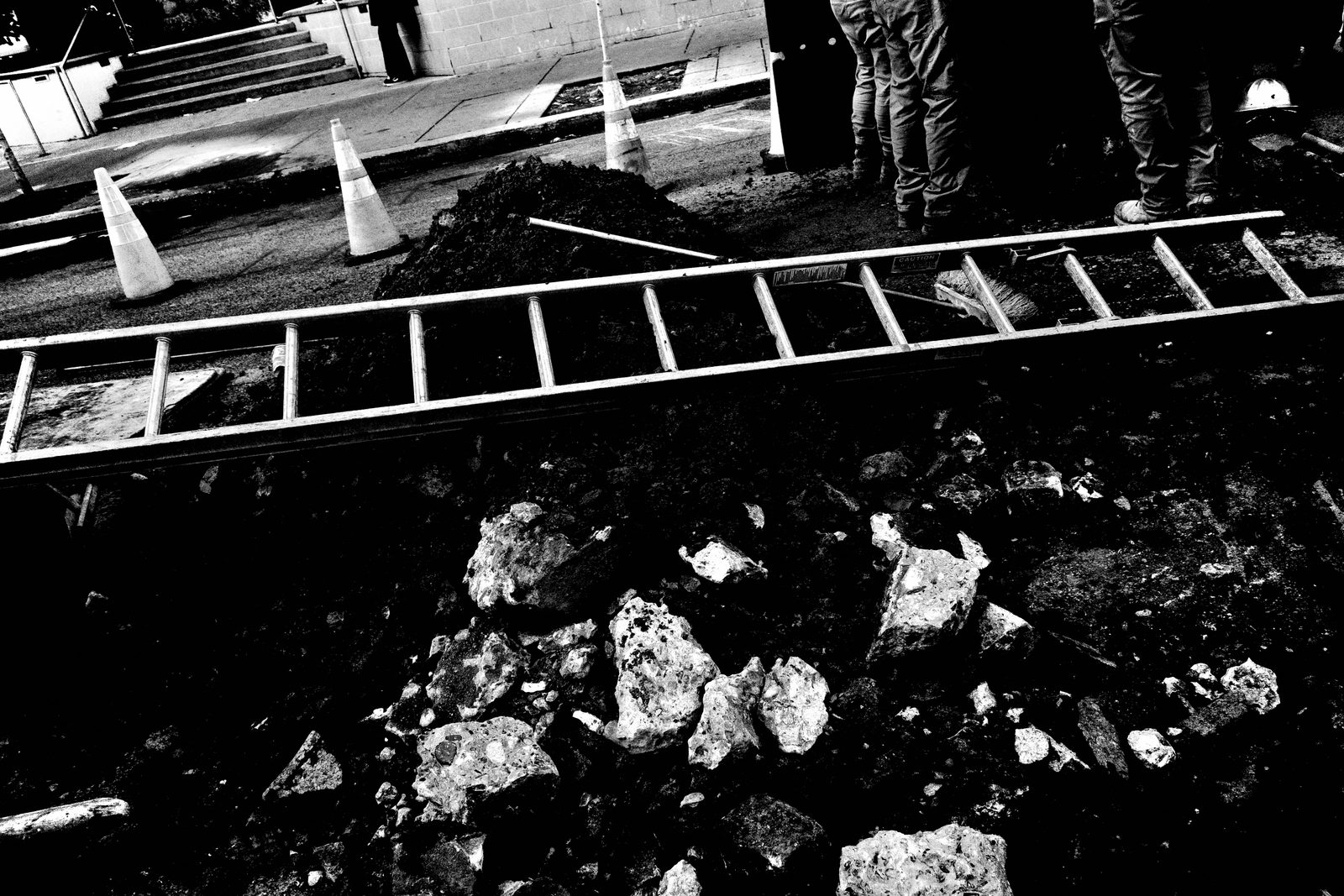
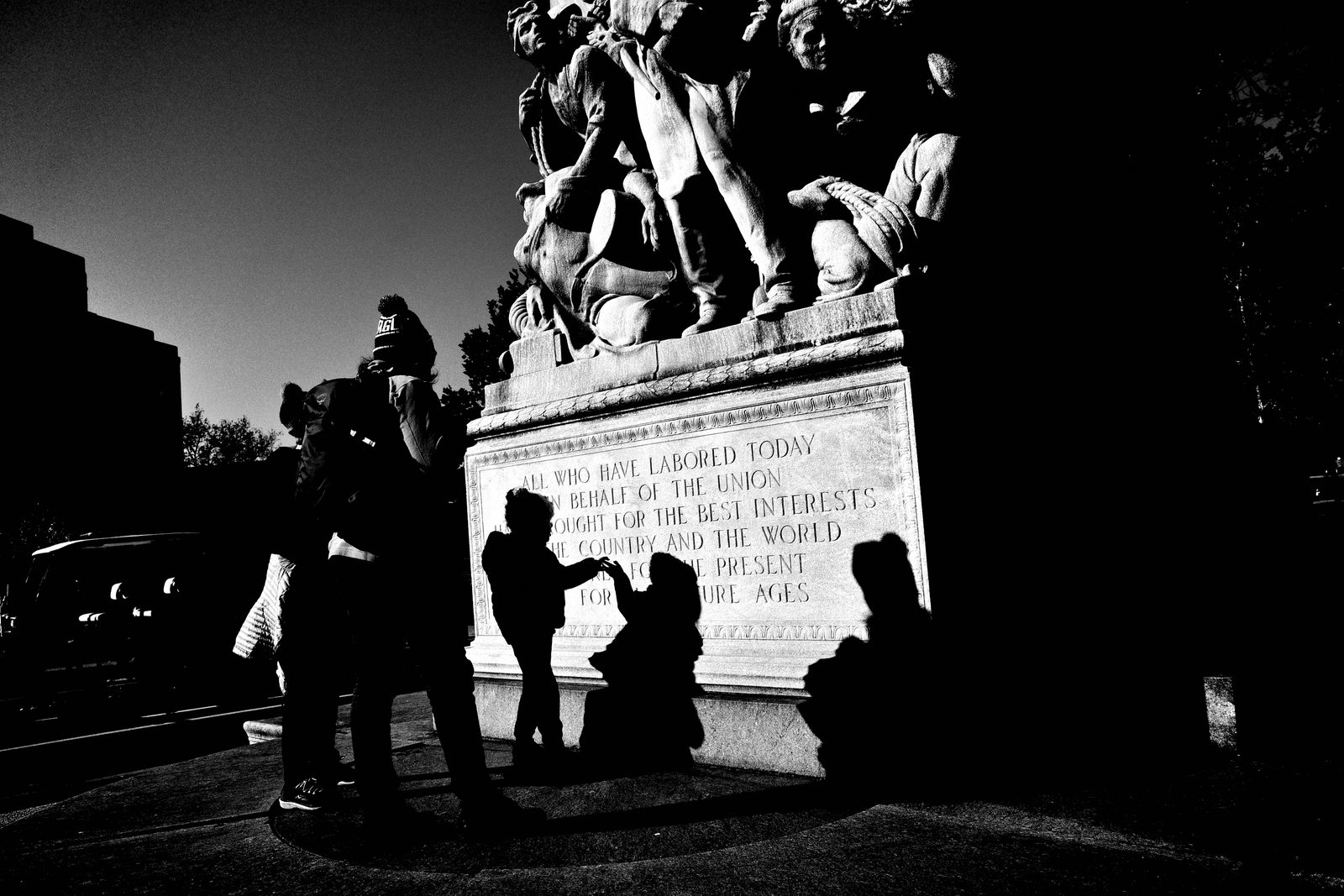
Another way it shows up. You follow the light and it leads you to a cluster of people — you notice the way it touches their clothing, the shapes it makes. Then, at the last instant, someone raises a hand, shifts a shoulder, turns a head. Instinctively you reframe and click. That one subtle gesture is what makes the frame. Flow means being attuned to these micro-moments, where instinct meets timing and awareness meets form.
Flow Rewards the Long Immersion
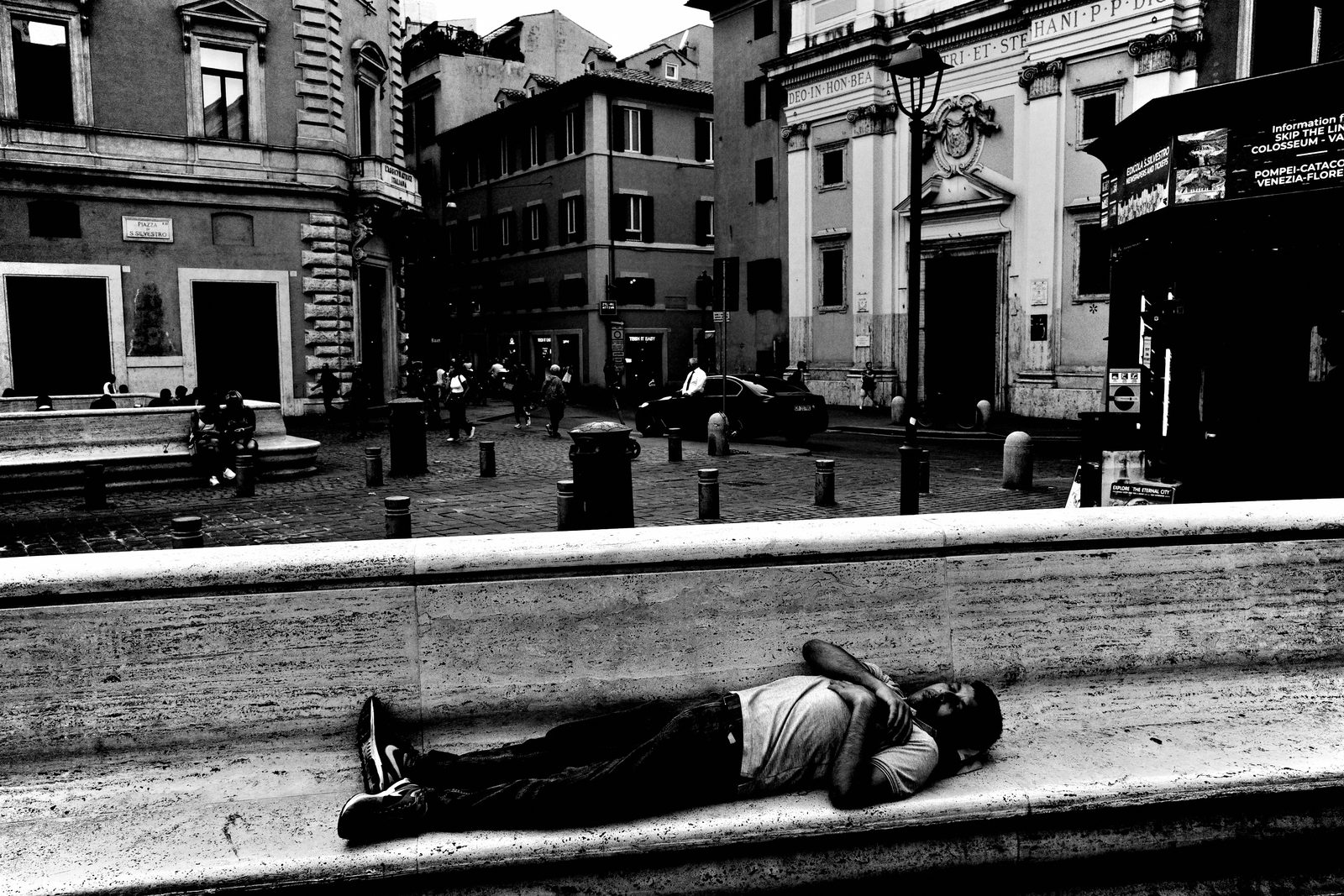
And the big one — the long immersion. Give yourself hours in one place instead of minutes, and you drop into a perpetual flow state: people moving, light shifting, gestures aligning, each frame arriving naturally through presence rather than hunting. Often the strongest image comes late, as the light softens toward dusk, precisely because you stayed all day. Flow rewards persistence — it emerges through repetition, not randomness.
Shoot More, Think Less
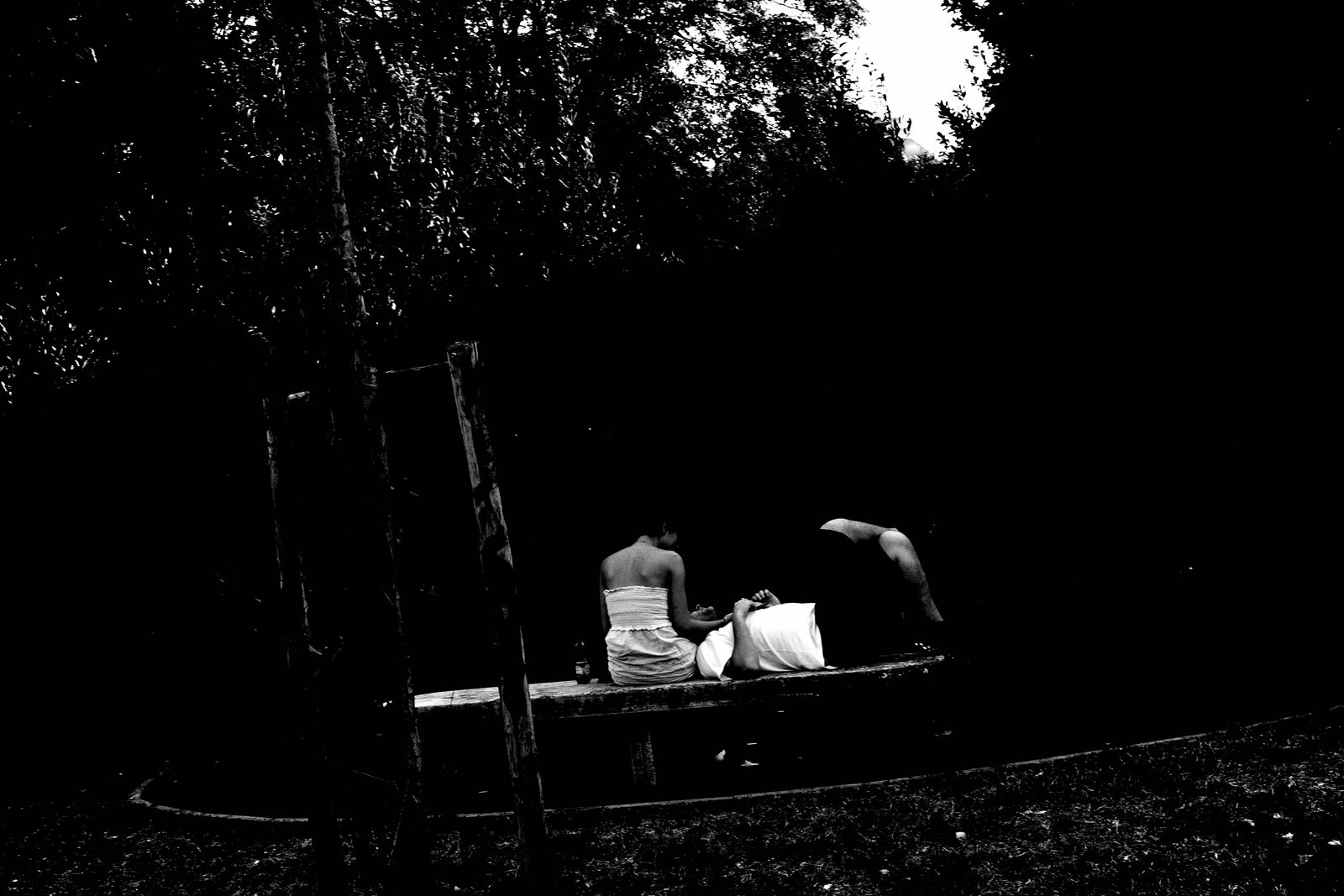
The simplest rule of all: shoot more, think less. If something intrigues you even 0.001 percent, just click the shutter. Don't dwell on yesterday's photos or tomorrow's shots — be here, now. My next photograph is my best photograph. That mindset keeps the channel open and keeps you moving frame to frame.
PRACTICAL APPLICATION
Build Your Flow Ritual
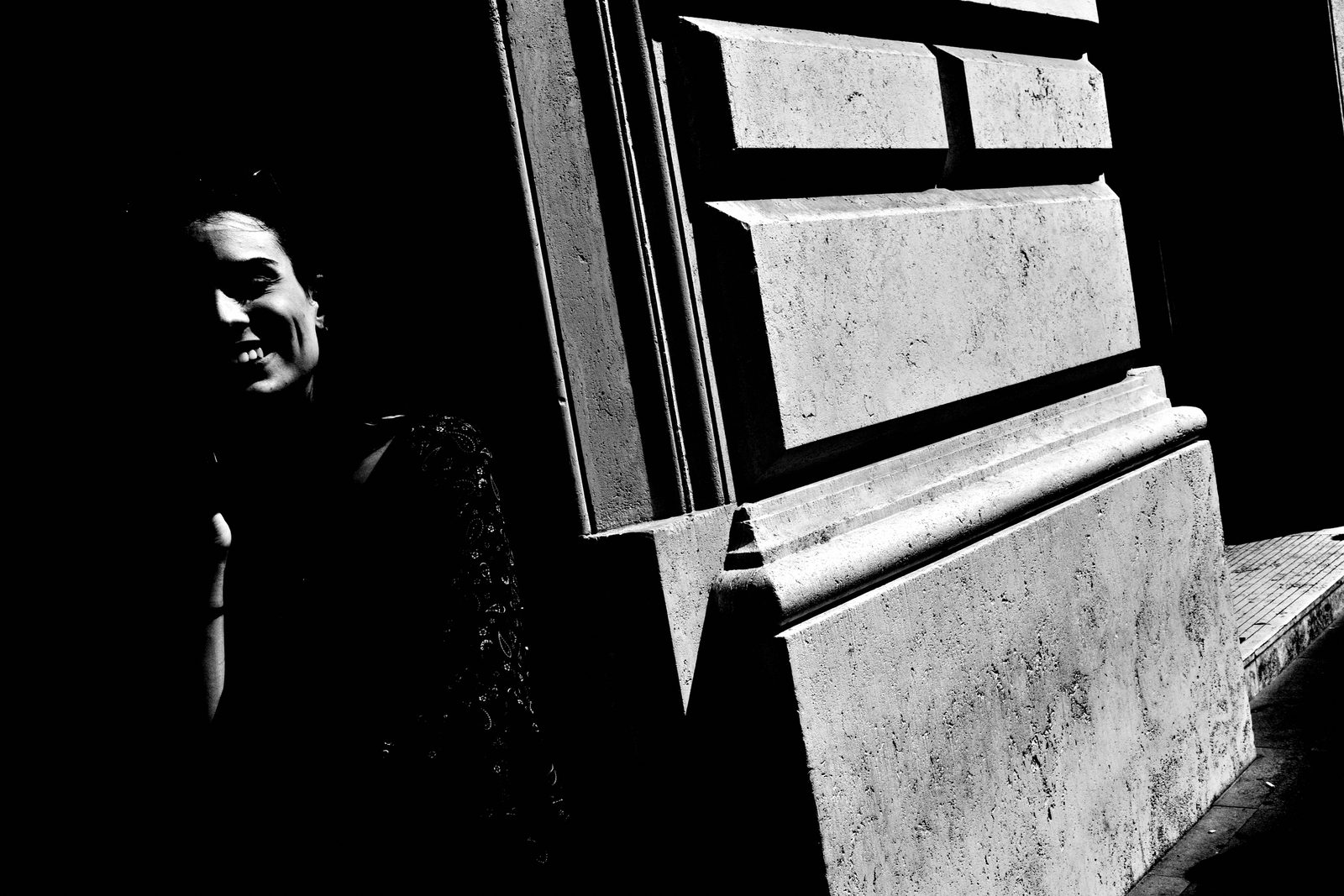
Here's how to actually do it. Before you walk: phone off, one camera, one lens, set to auto. Then move slow and follow the light, not a map — no planned routes. Let intuition decide whether you go left or right at the intersection. Some people fast to sharpen the mind; the point is to subtract anything between you and the street.
The Eight-Hour Immersion Drill
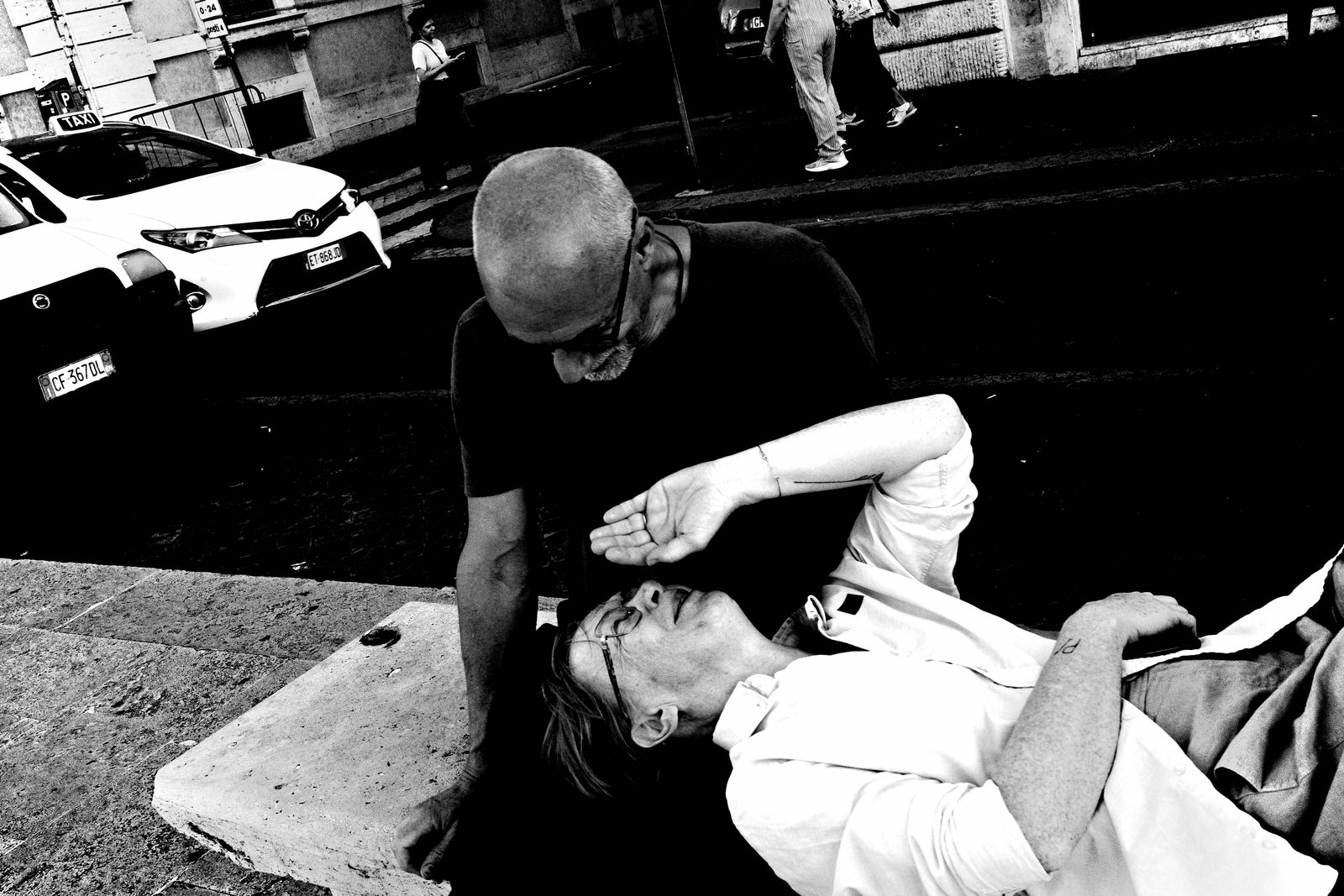
Now a drill to feel it: pick one location and stay for hours, not minutes. Don't drift after one frame — work each scene until it leaves you. Watch the light change, let gestures align, keep responding. The strongest image often comes late, after the immersion has done its work. Flow is a muscle; this is how you train it.
COMMON MISTAKES
Hunting, Forcing, Judging
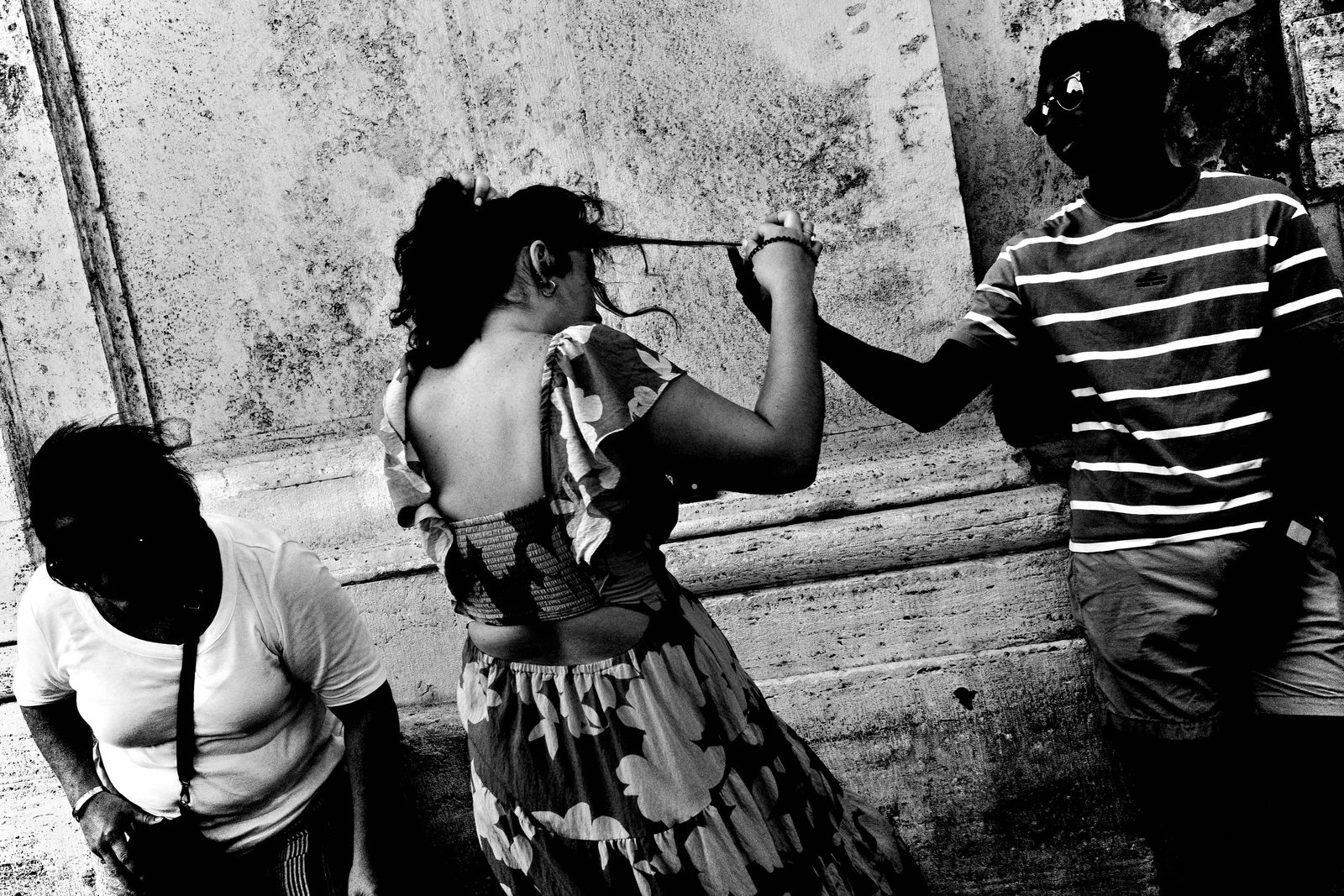
The mistakes that kill flow are all the same mistake: trying to control. Hunting for a specific "decisive moment," forcing a great frame, judging good versus bad while you shoot — each one pulls you out of the present and back into your head. Remember: the more you think, the less you see. Stop hunting. Let life deliver the moments to you.
RELATIONSHIP TO PREVIOUS
From Constraints to Flow
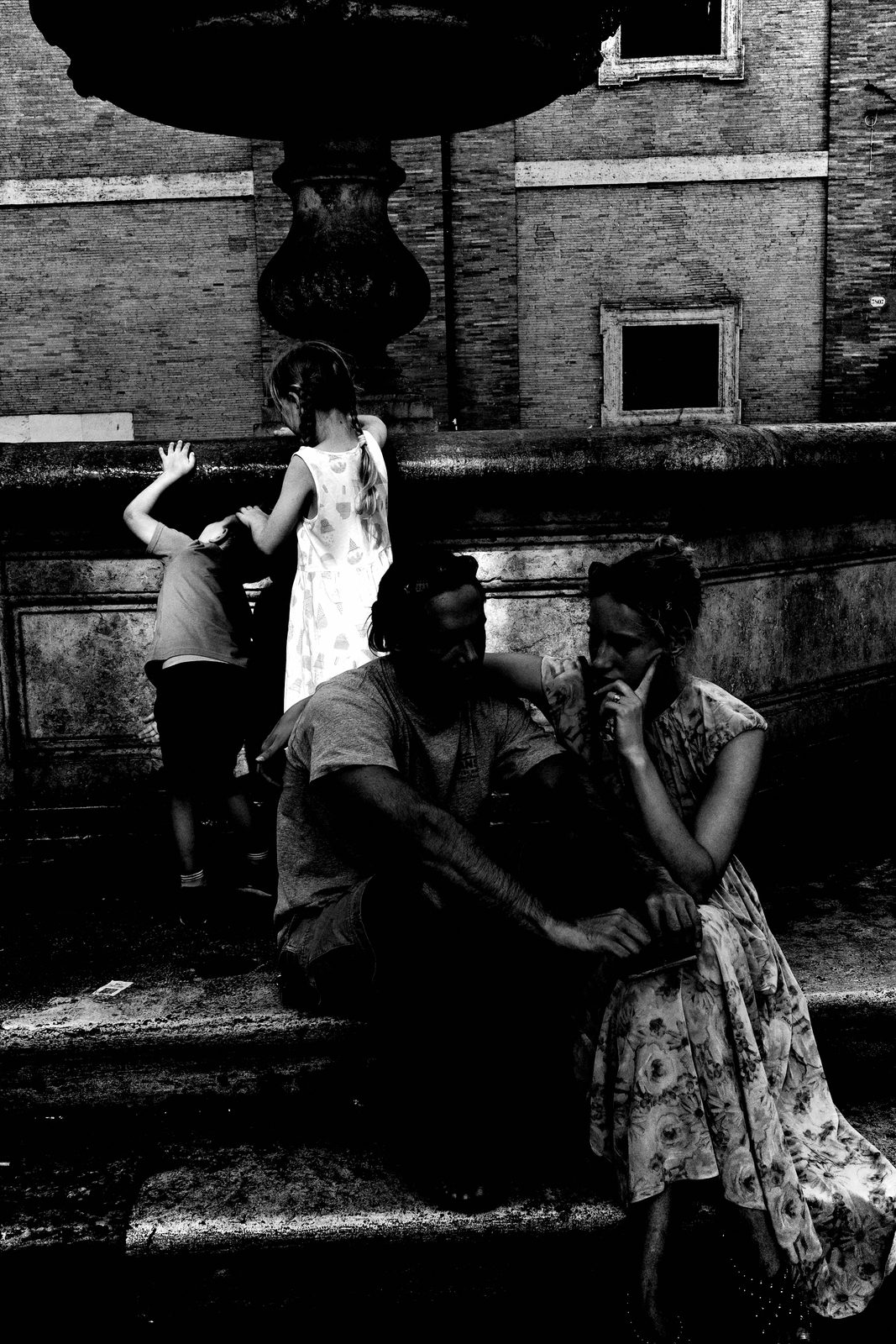
This builds directly on Lesson 005, Constraints = Creative Freedom. The reason I can drop into flow is that I've already stripped everything down — one camera, one lens, auto settings, no project, no checklist. Those constraints aren't limits on flow; they're the runway for it. Subtract the friction first, and the present moment opens up.
RELATIONSHIP TO UPCOMING
Toward Instinct
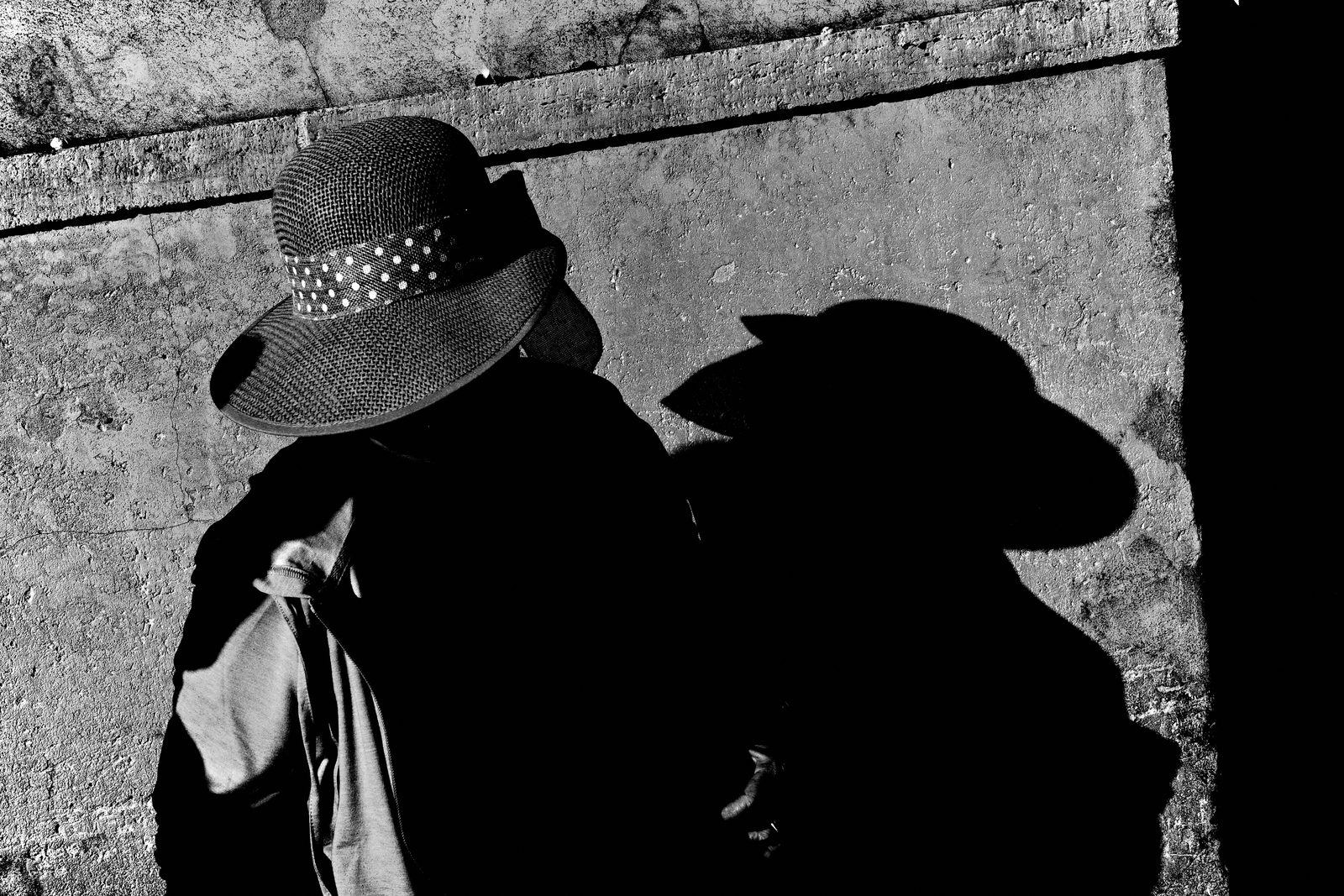
Flow naturally hands the controls over to your instincts — which is exactly where we go next. In Lesson 007, Instinct Over Intellect, we sharpen that third leg of the trifecta. Every frame we just talked about — the mist, the gesture, the late-day light — came the same way: I didn't think, I responded. That instinct is what the next lesson is all about.
SUMMARY / TAKEAWAY
Slow Down, Let Go, Flow
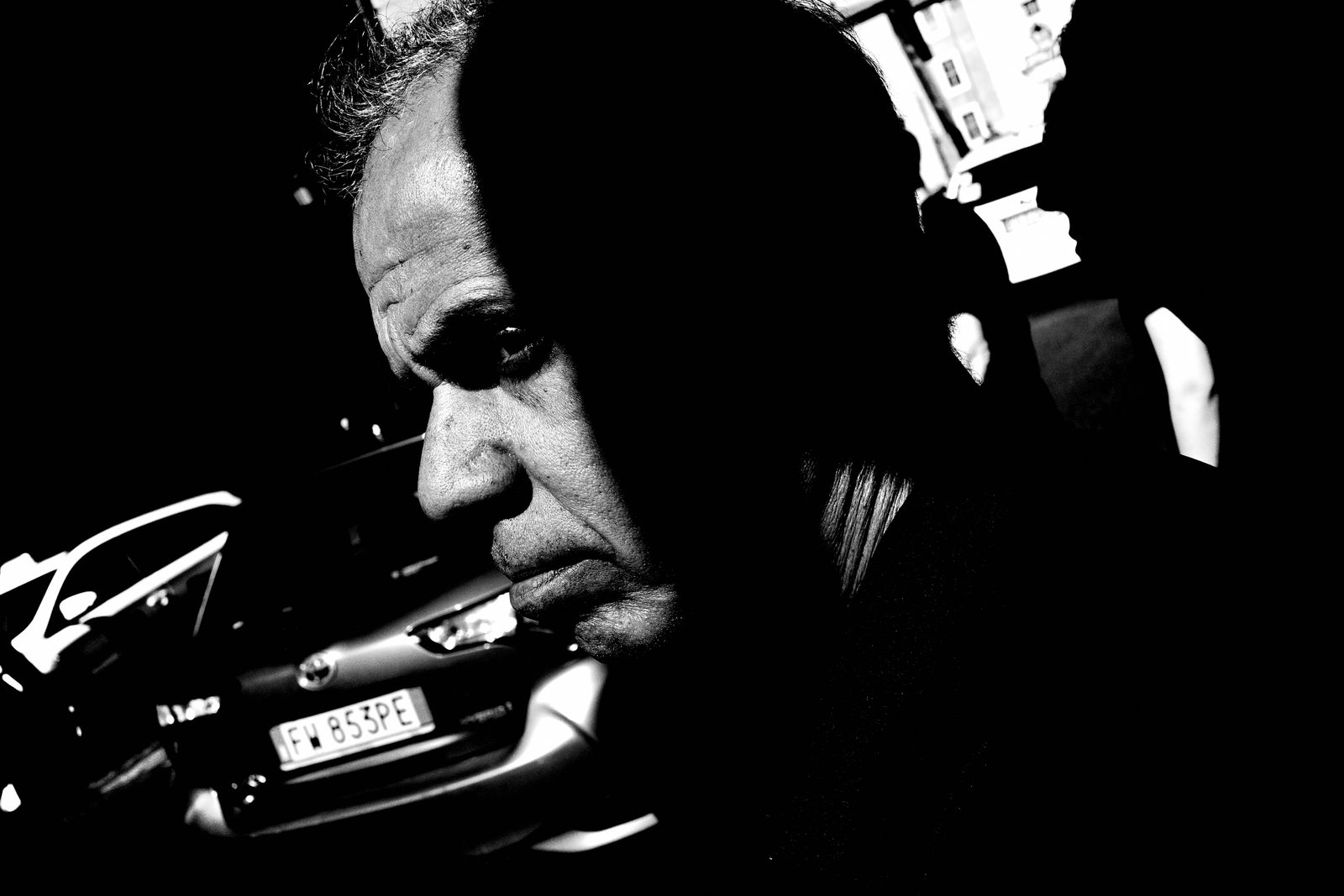
Last thing. Flow is where your best work is made — and you get there by subtracting, not adding. Put the phone away, walk slow, stay in play, and let go of the outcome so intuition can take over. Treat each photo like it could be your last and you'll photograph freely. Slow down. Enter the flow. Embrace play. Make more photos. Catch you next lesson — peace.