Instinct Over Intellect
CORE IDEA
Shoot From the Gut
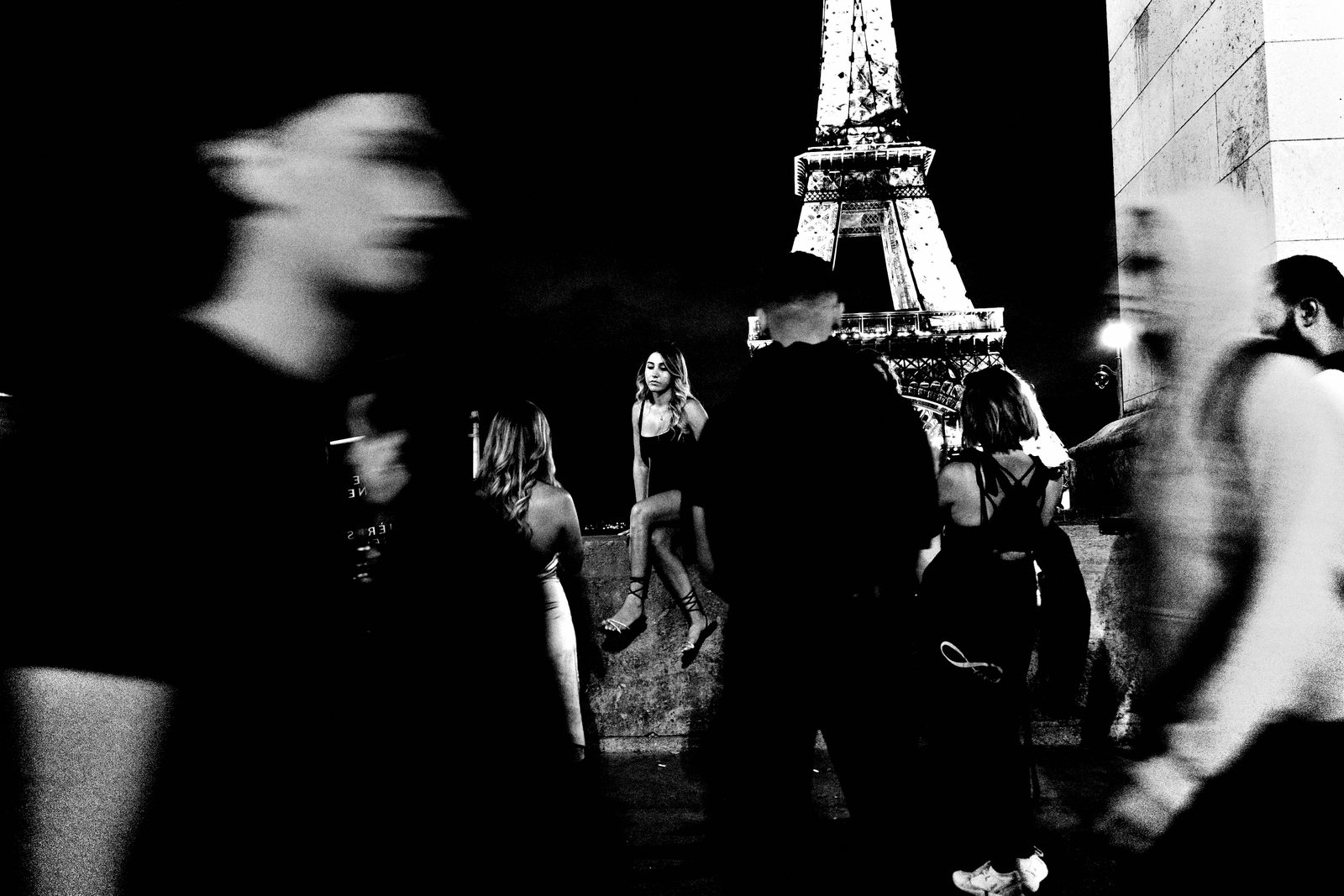
What's popping, people — it's Dante. Today we get to the heart of the inner game: instinct over intellect. The photograph is born from instinct. When you feel that physical pull and press the shutter, the subconscious becomes conscious — and that's the purest skill there is on the street.
LEARNING OBJECTIVE
What You'll Walk Away With
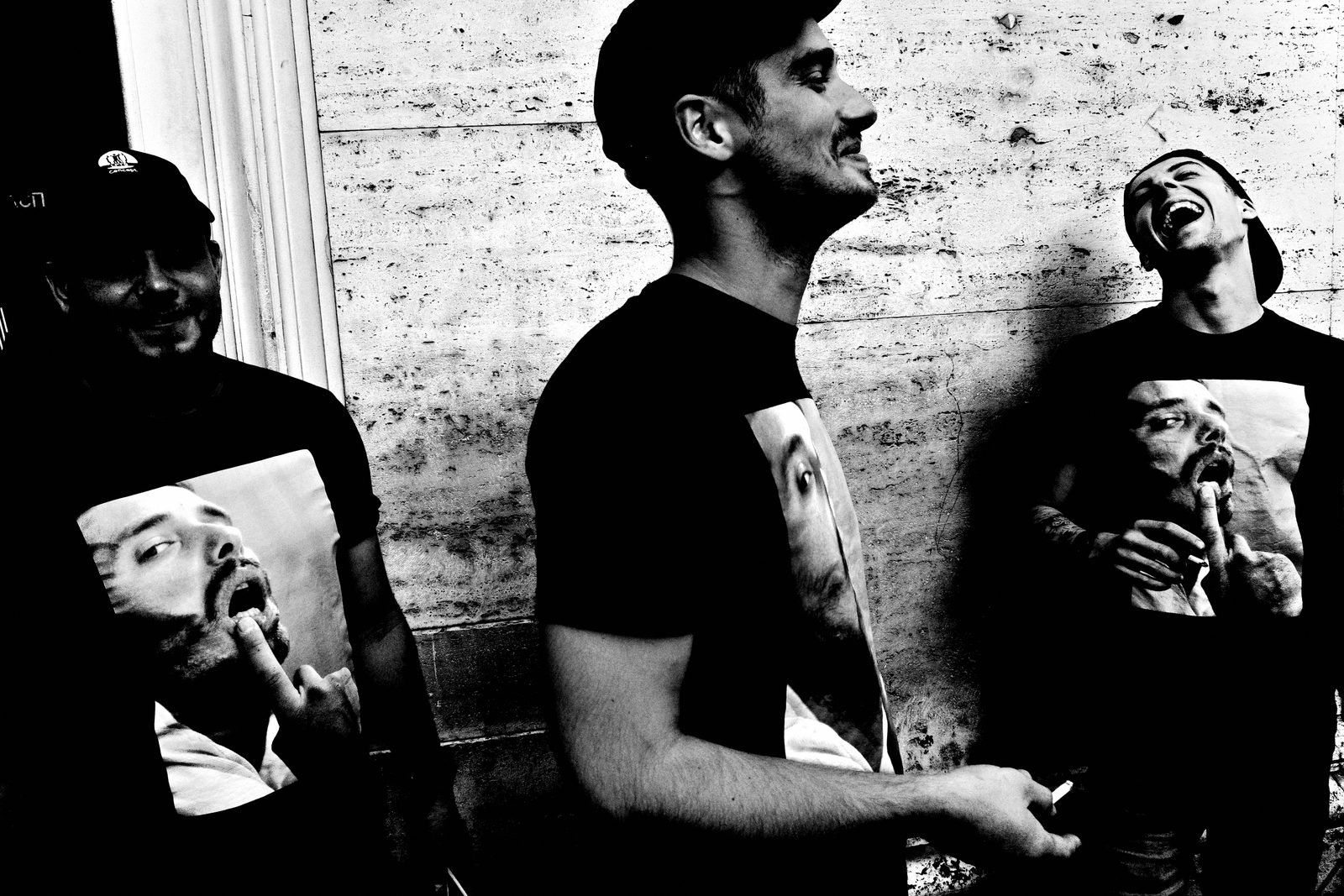
By the end of this lesson you'll know how to get out of your own head and let your instincts run the show. You'll learn to push the thinking off the street — into the edit, where it belongs — so that in the moment, you respond instead of calculate.
WHY THIS MATTERS
Think Less, See More
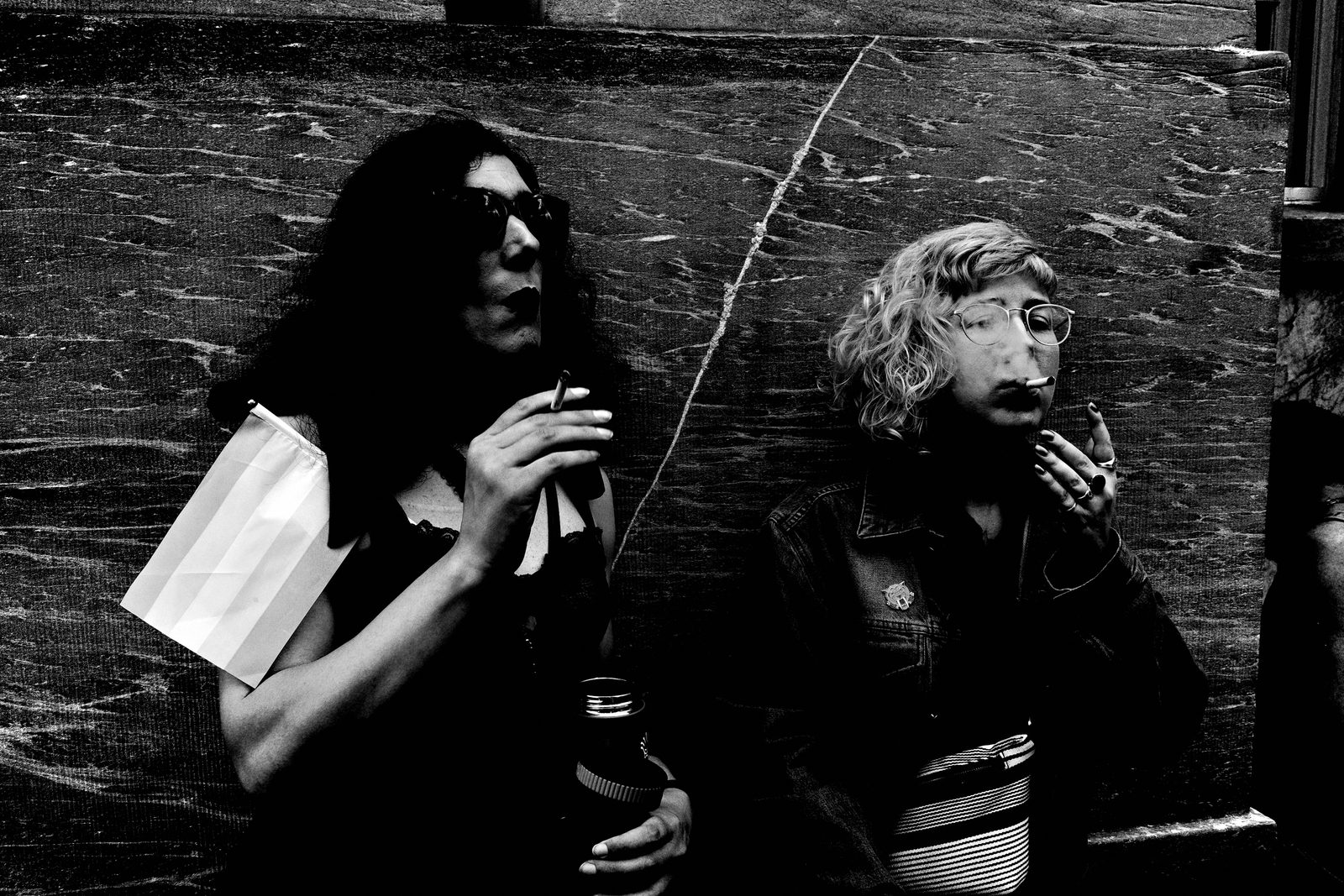
Here's why this matters: the more you think, the less you see; the less you think, the more you photograph. The street moves faster than your analysis ever will — stand there solving the scene like a math problem and the moment is gone. And the same paradox runs deeper: the more you force, the less authentic the work; the less you try, the better the photographs get. Hesitation and striving are both the enemy.
MAIN TEACHING
Instinct, Not Analysis
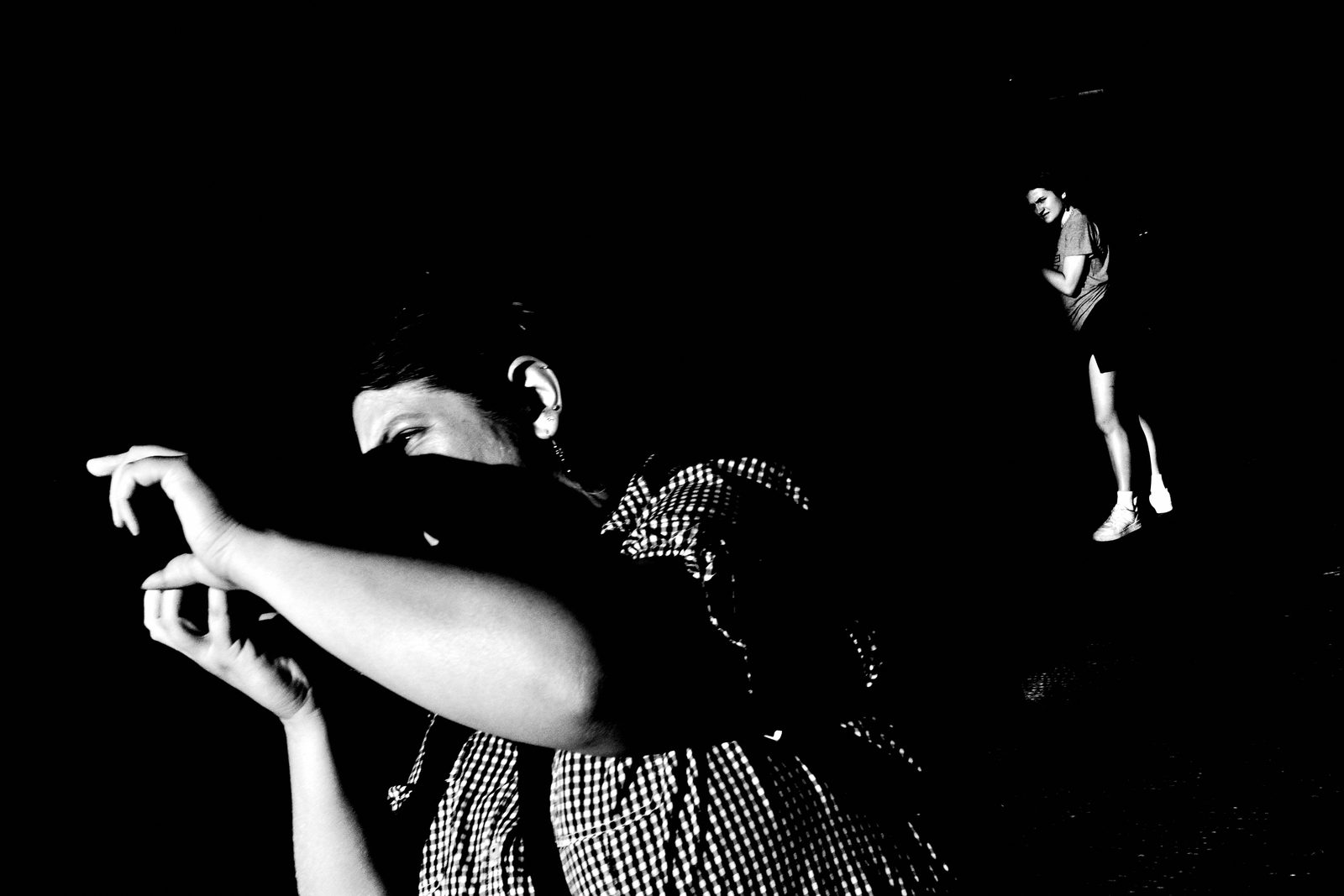
Let's state the principle plainly: I photograph from instinct, not analysis. In the moment, I just collect. Later — at home, in the edit — I can organize, think, and contemplate all I want. But when I see something? Boom. Camera on. Shutter pressed. No thinking. That's the whole move.
Wu Wei: Effortless Action
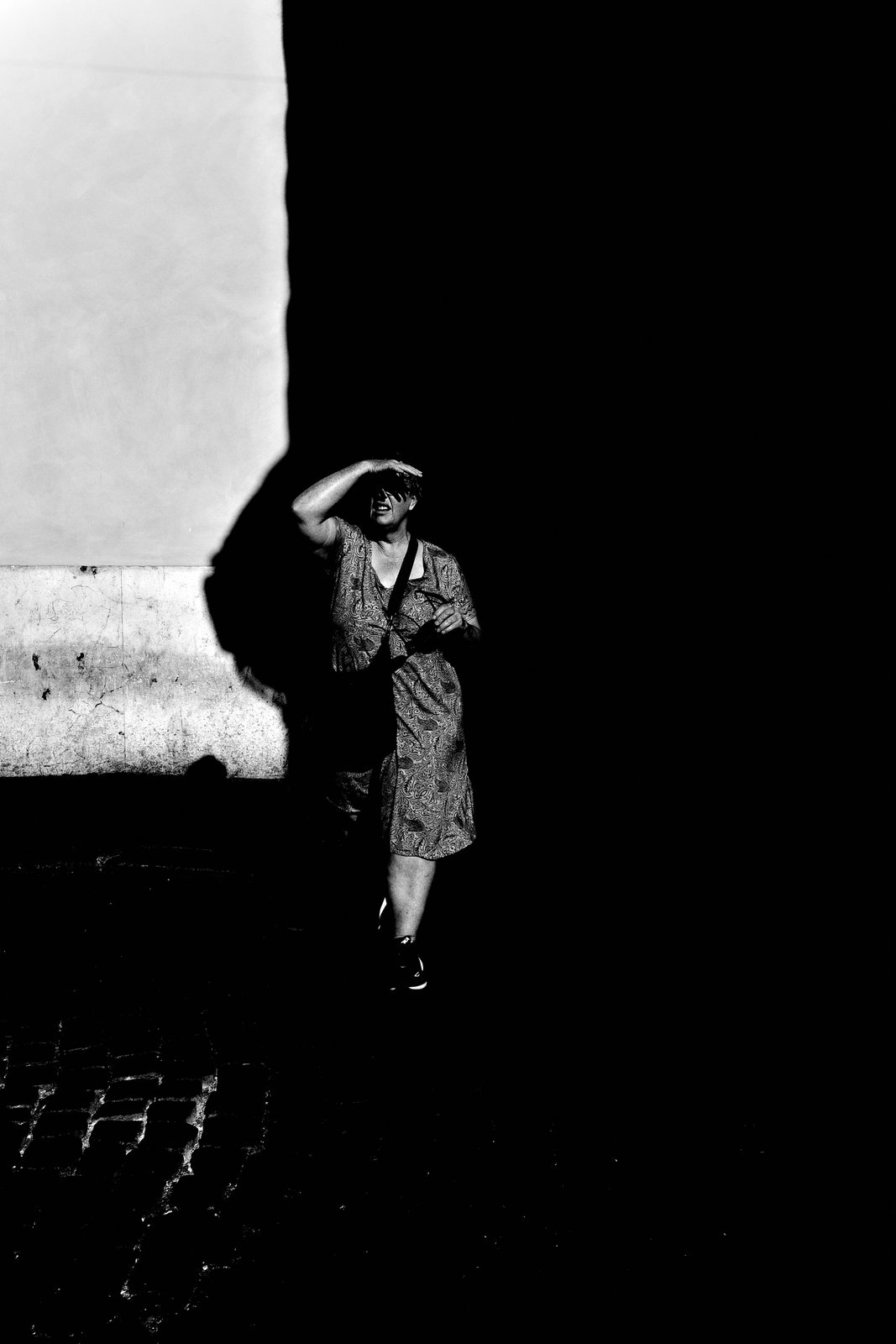
The philosophy underneath this is wu wei — a Taoist idea meaning effortless action. Think about water: it flows one direction, and you don't fight the current, you move with it. I'm not running and gunning, not chasing. I'm just there, responding with my camera as life unfolds toward me.
Let Go of Control
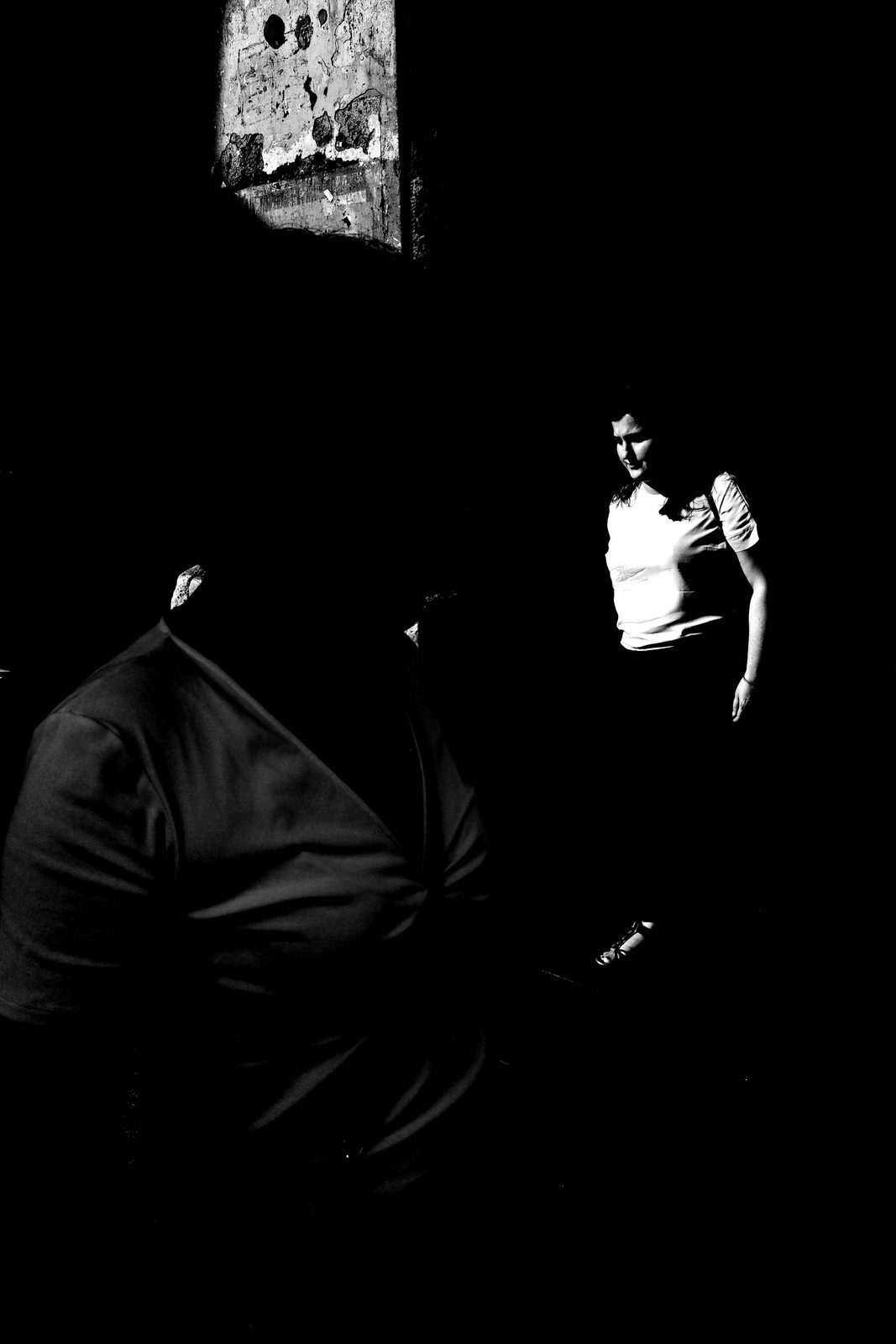
Instinct only takes over once you let go of control. I'm not in control of the light, the weather, whether something interesting even happens. All I control is being there — present, prepared, ready. The instant you stop trying to control life and let it flow toward you, instinct gets the room it needs to work.
Remove Technical Friction
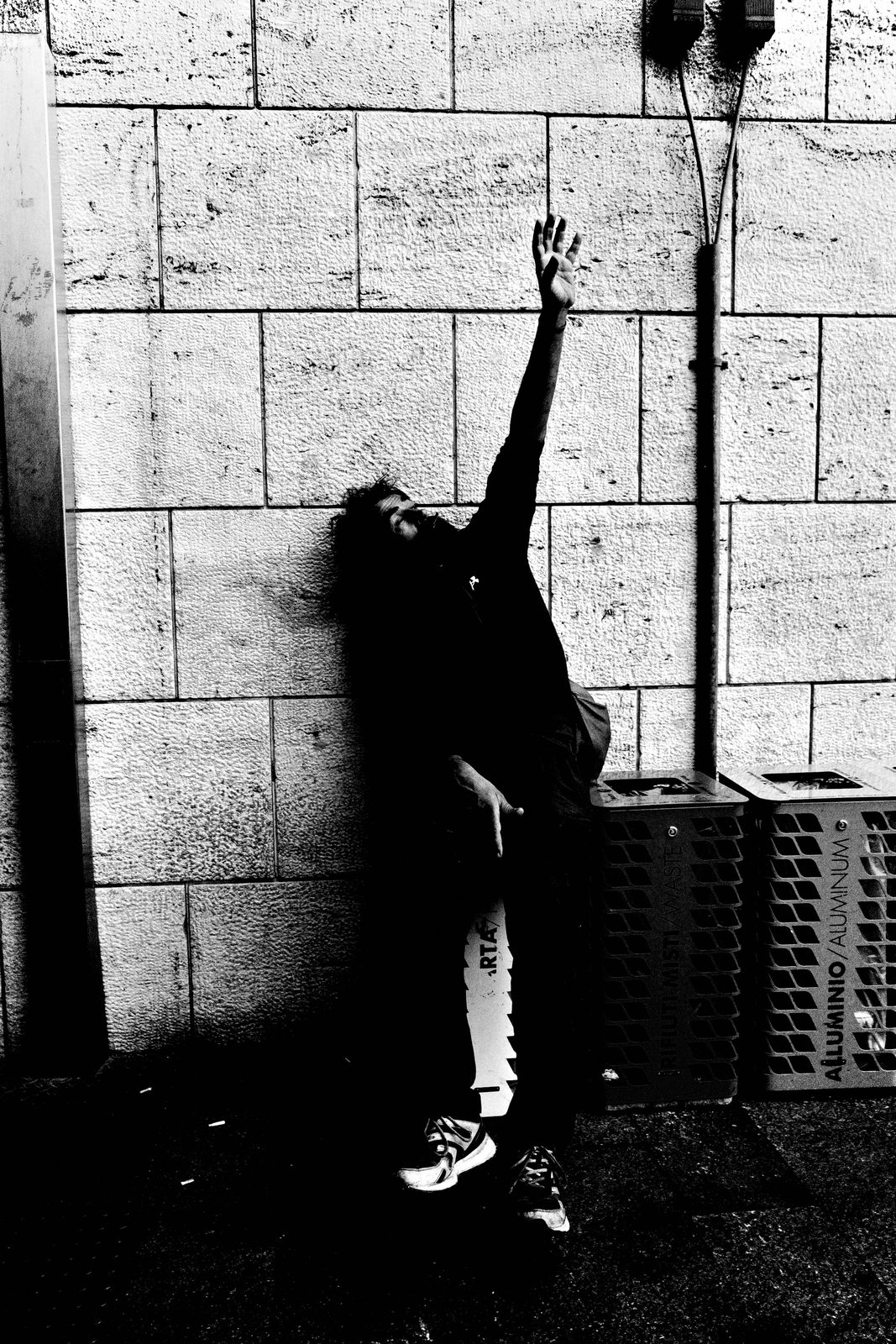
Now the practical key: remove the technical friction. I set the camera to automatic — aperture priority or program mode — so I can respond instantly. If you're thinking about settings and exposure, you're controlling too much, and the intellect creeps back in. Strip the decisions away so instinct has nothing standing in front of it.
The Knowledge Lives Underneath
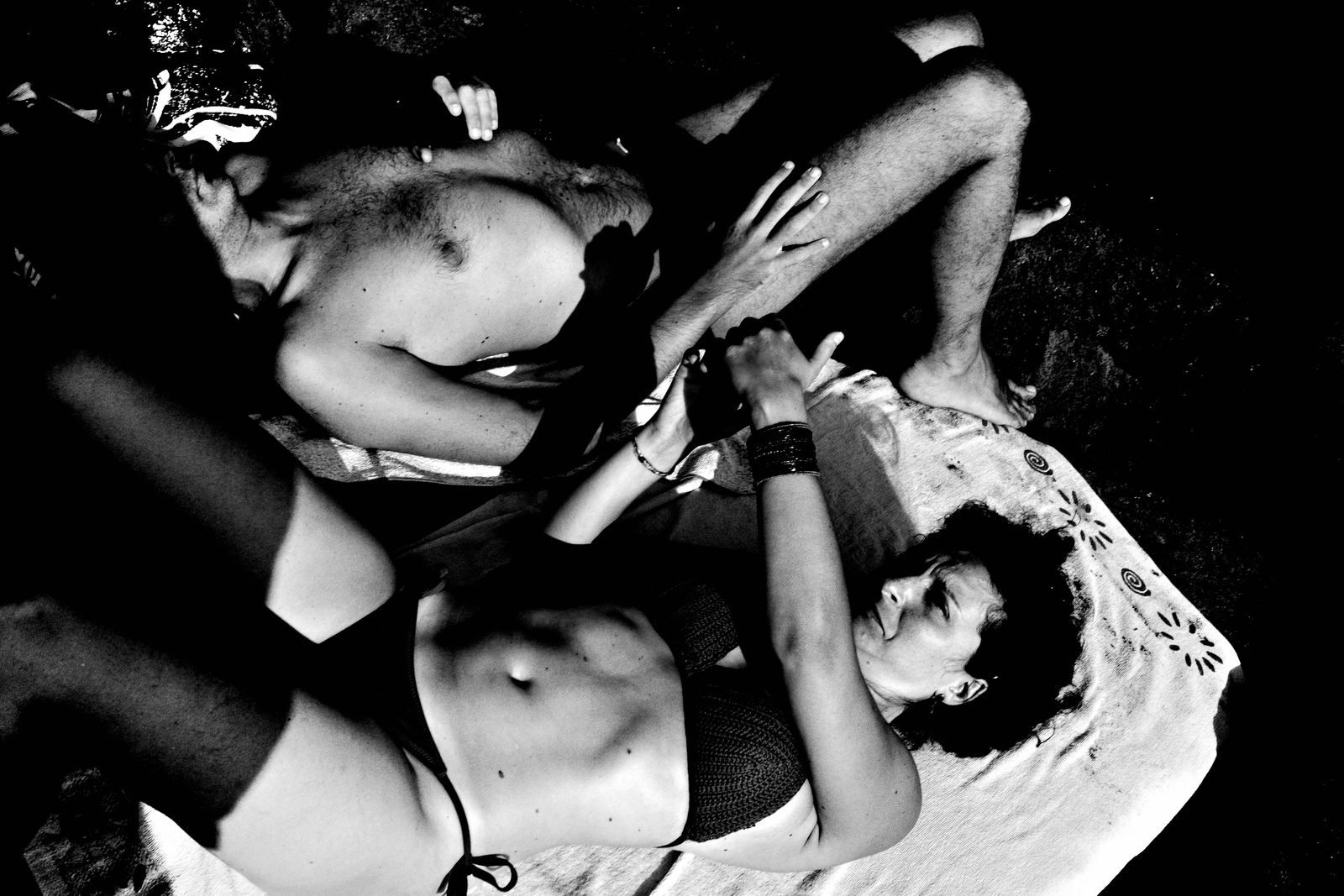
And let's be clear — this isn't ignorance. I have a rational understanding of composition, focal length, positioning, framing. That knowledge exists. But when I click the shutter, I let go and let the chips fall as they may. The craft gets absorbed into the body, then disappears into instinct. That's the goal: trained reflex, not random guessing.
The Subconscious Becomes Conscious
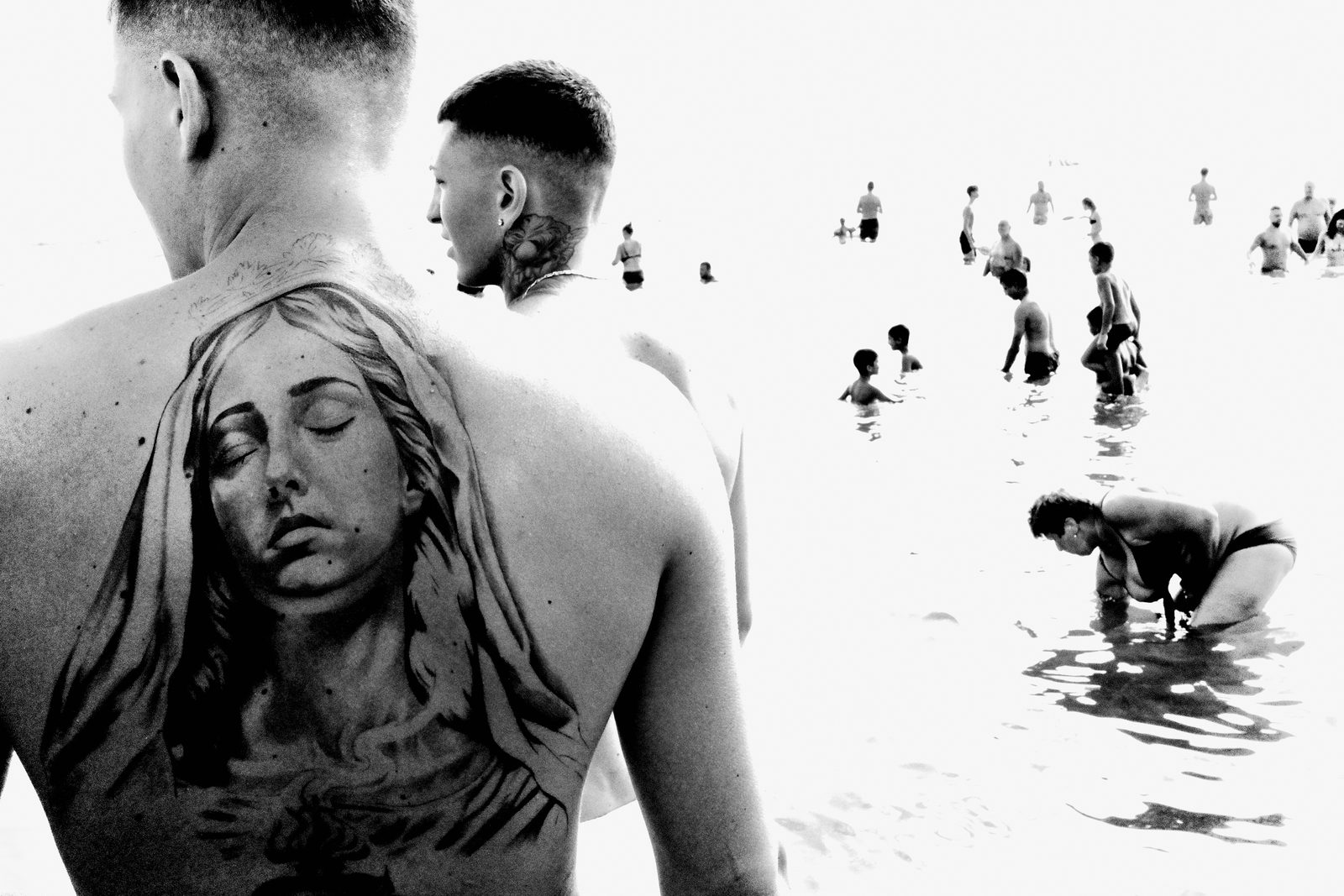
Here's how it actually feels: you sense a physical pull, and you press. The subconscious becomes conscious through what you find. You weren't deciding — you were responding. That's what authentic expression is. The frame tells you what part of you noticed before your thinking mind ever caught up.
Detach From the Outcome
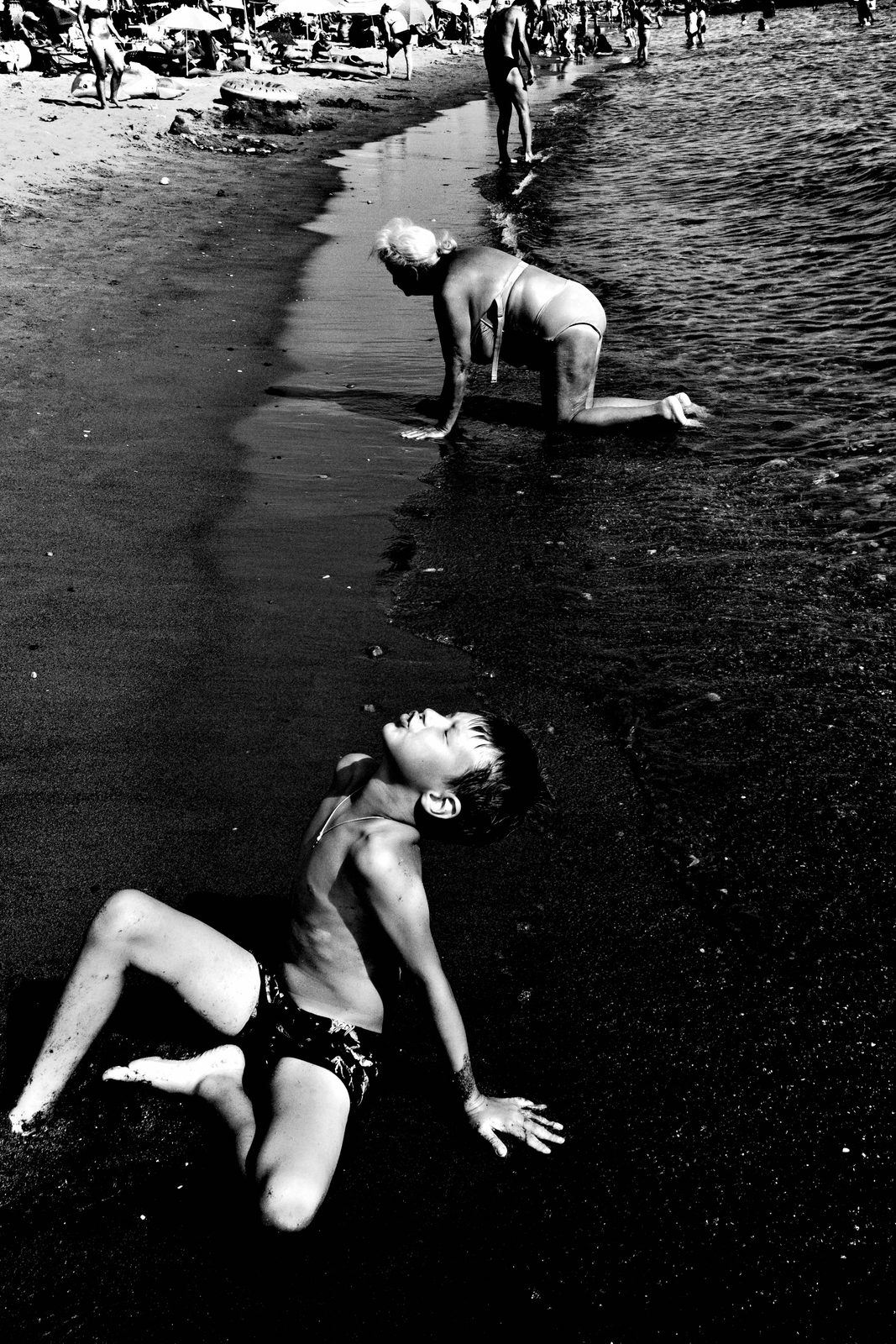
Instinct can't breathe while you're chasing an outcome. So detach. I let go of the idea of good photos or bad photos. I'm not trying to make great photographs — I'm responding intuitively to what's in front of me. The moment you stop grading the result, the gut is free to react. The goal is simply to press the shutter.
The Moment Aligns Without Being Hunted
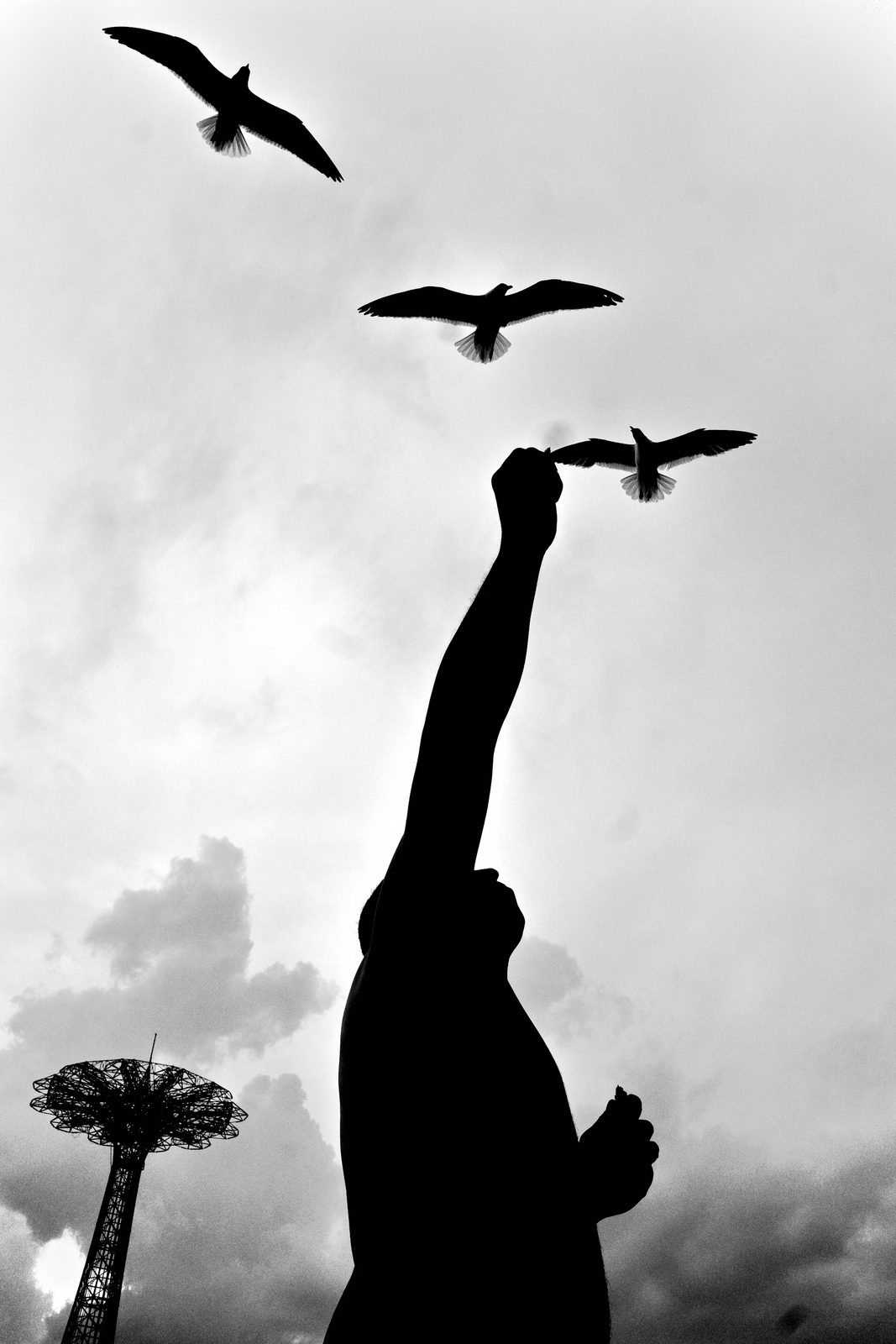
Here's what this looks like. Picture yourself in the middle of a loud, crowded scene — a festival, a celebration, noise and disorder everywhere. Someone standing beside you glances your way, the background falls open cleanly behind them, everything aligns for a fraction of a second, and you click. It wasn't hunted. It wasn't planned. That's instinct — you simply let life deliver the moment to you.
The Best Frames Arrive Off-Duty
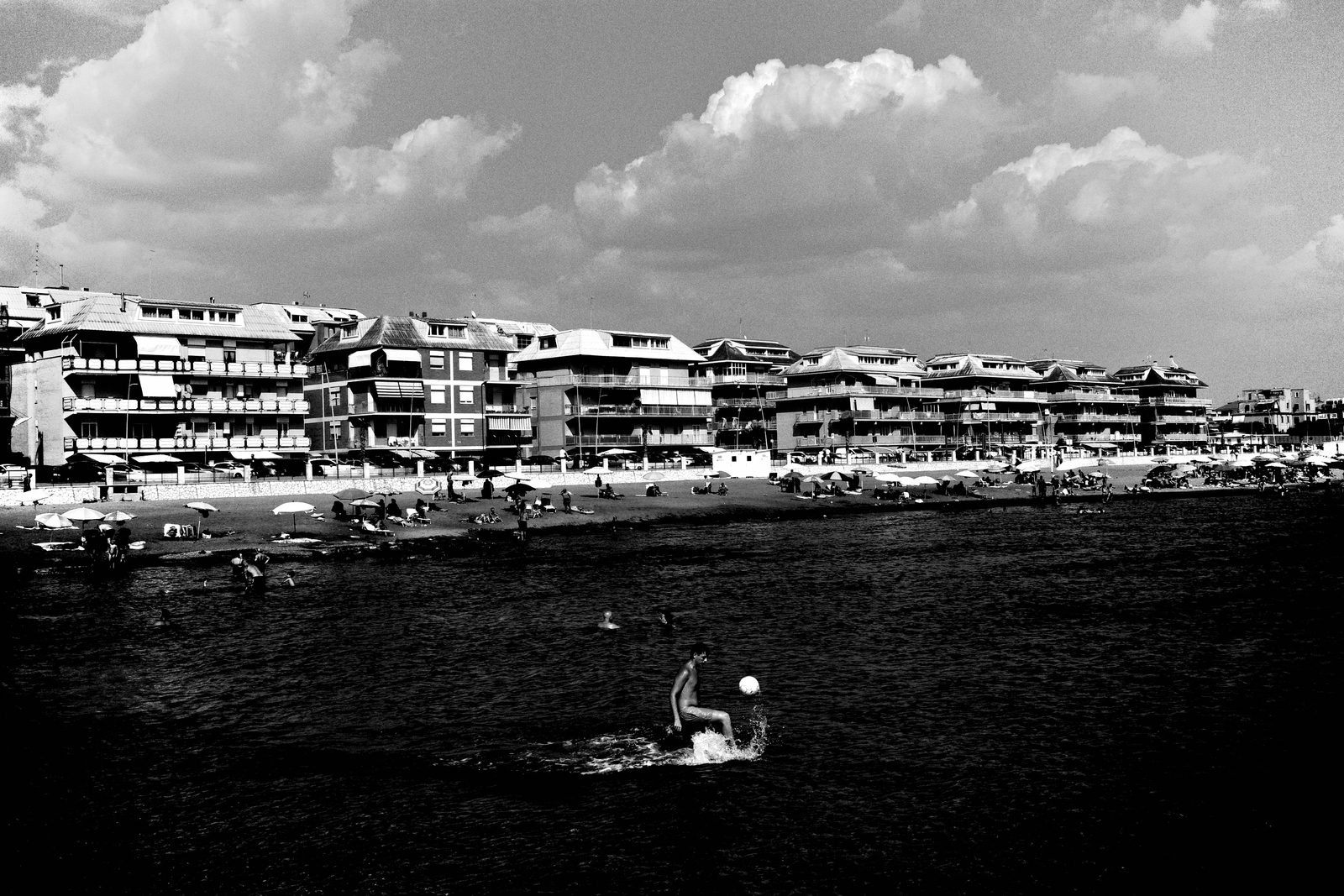
Another truth. Some of your favorite frames will happen when you had zero intention of photographing — lying by the water with someone you love, just resting, present, not working at all. After hours of simply being there, a scene unfolds on its own. You're ready only because the camera happens to be with you. No striving, no hunting — instinct catches what intention never would have.
React to Light, Don't Hunt Moments
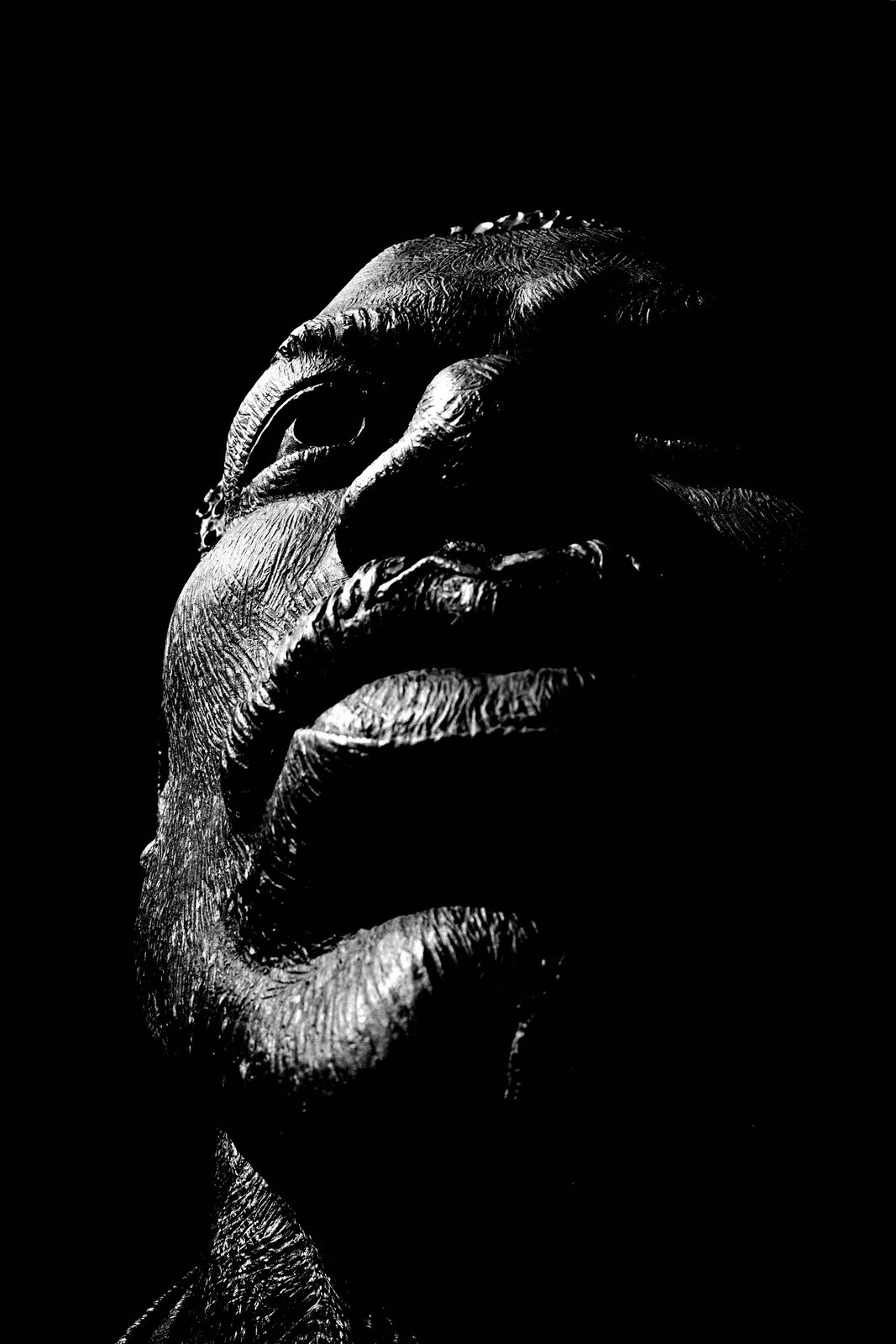
Then there's light itself. I shoot small JPEGs, high-contrast black and white, highlights exposed, shadows crushed — all baked in. That frees me from hunting "interesting moments." Instead I'm just curious how light hits a surface, a body, a form. Light never repeats; you can't make the same photo twice. So you can only react to it — pure instinct.
Photography Becomes Meditative
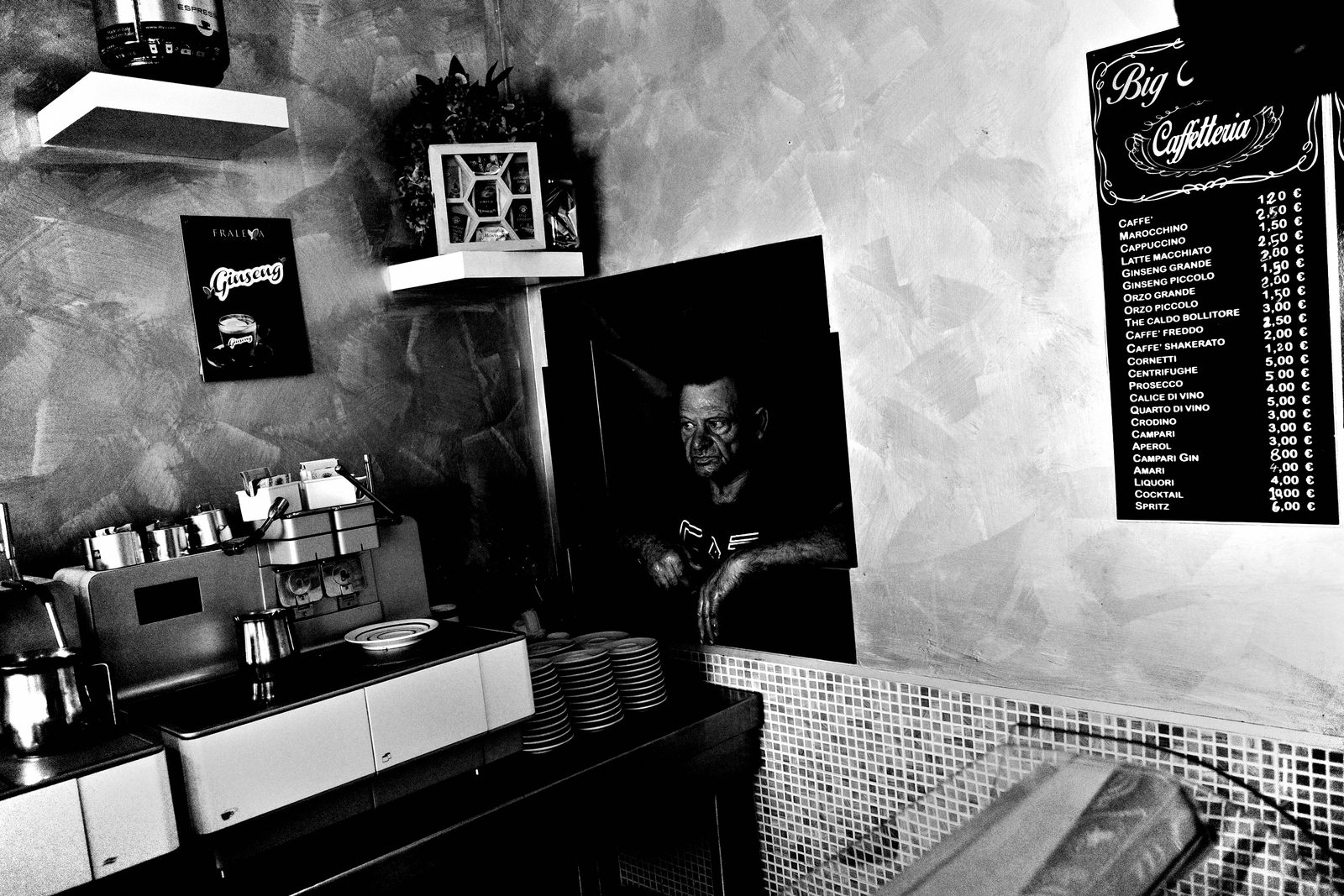
When the intellect goes quiet, photography becomes meditative. Phone off. Mind still. Body, mind, and soul aligned at the moment you press. It's almost a walking meditation — moving through the world, observing patterns of light and people and details, present enough that the right frame just arrives. Presence is what lets instinct speak.
Improvement Lives in the Doing
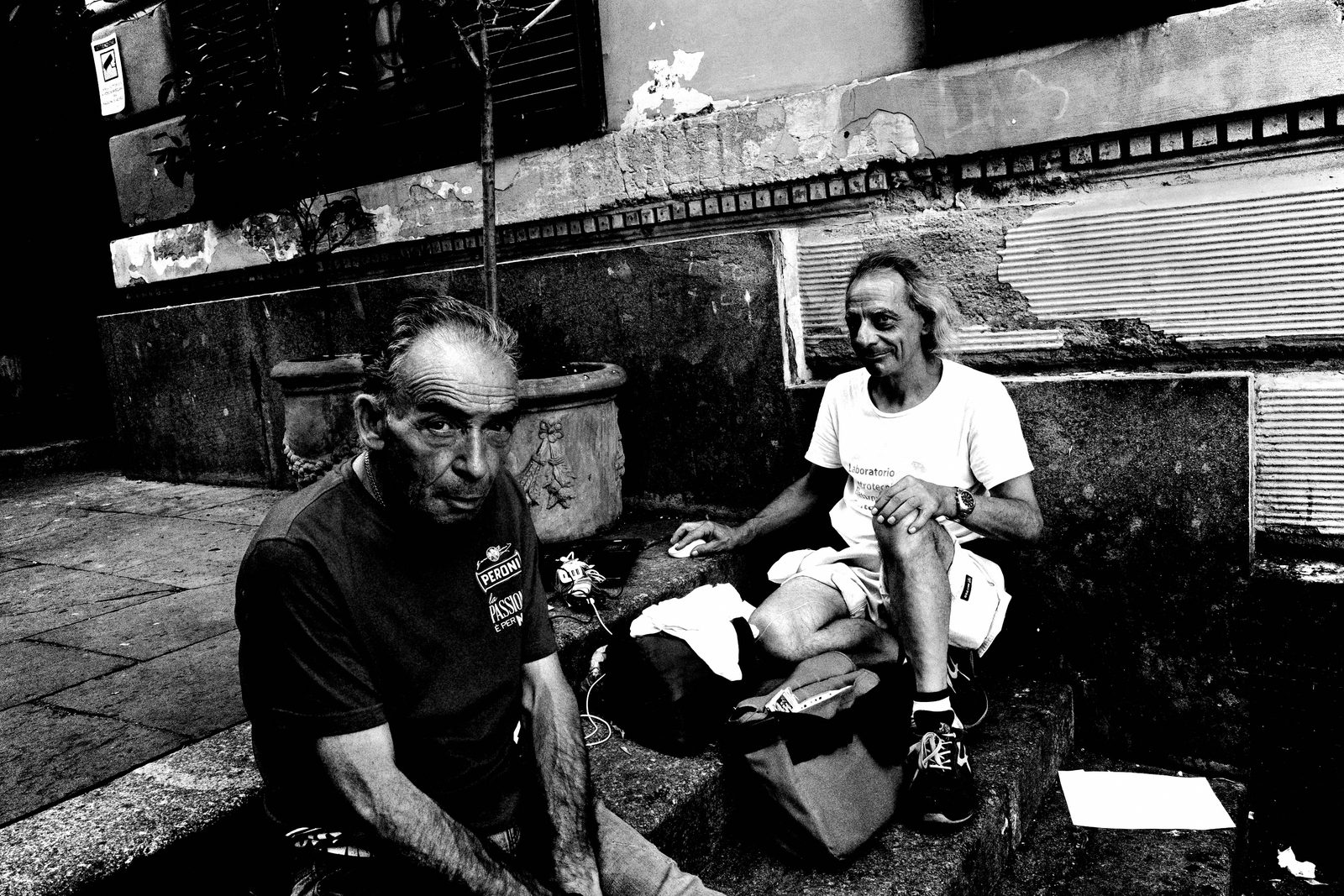
And don't worry that instinct means you stop growing. You don't improve by thinking about improvement — you improve by doing the work. Walking more. Seeing more. Photographing more. Over time, your perception and your instincts sharpen on their own. The gut gets smarter the more you trust it. That's the only way it trains.
PRACTICAL APPLICATION
Set It and Forget It
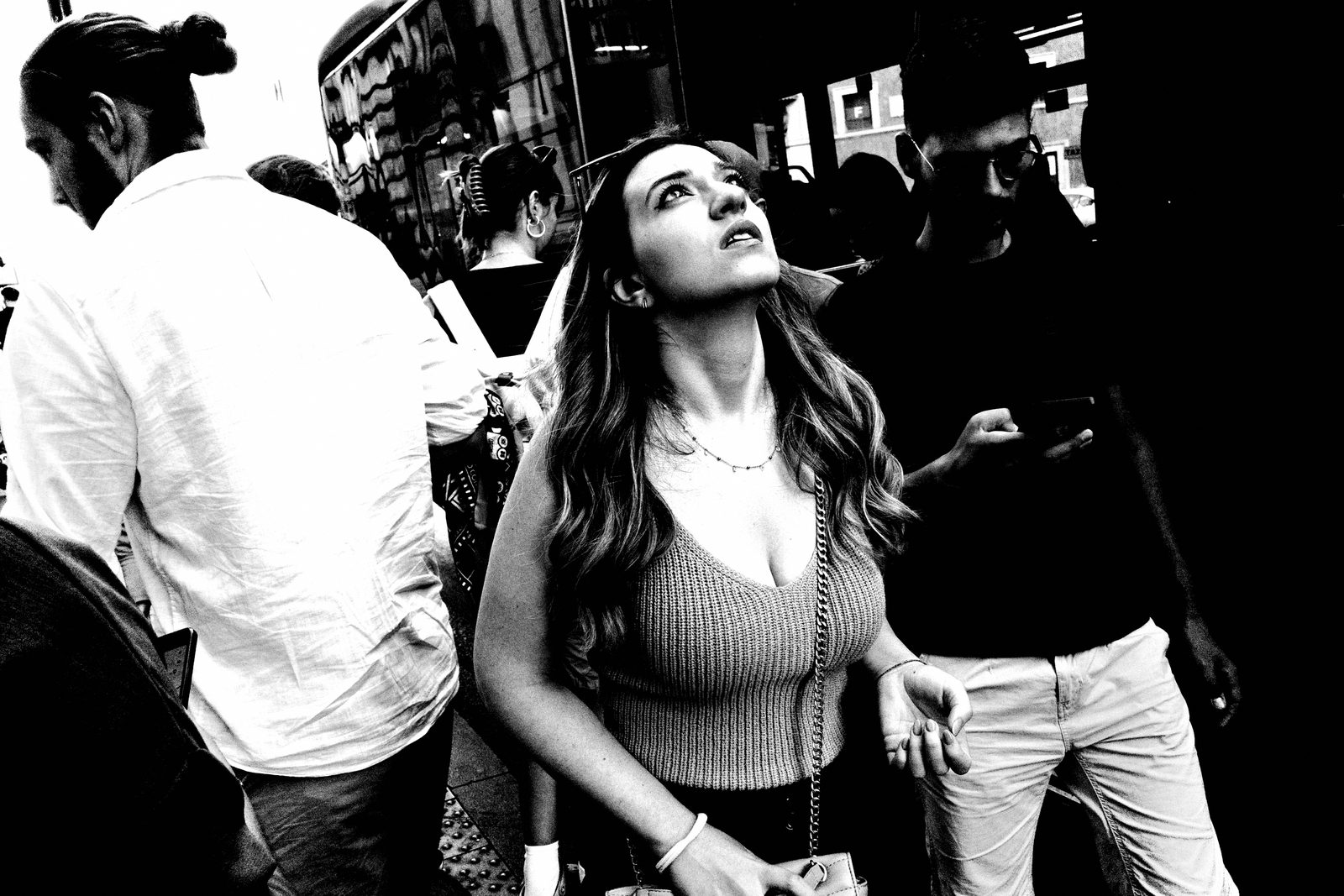
Here's your assignment. Set the camera to auto or program mode and leave it. Keep it off until you see something — then on, shutter, move on. No checking, no fiddling. Take every technical decision off the street so that the only thing left to do in the moment is react. Make instinct the only option you have.
The 0.001% Rule
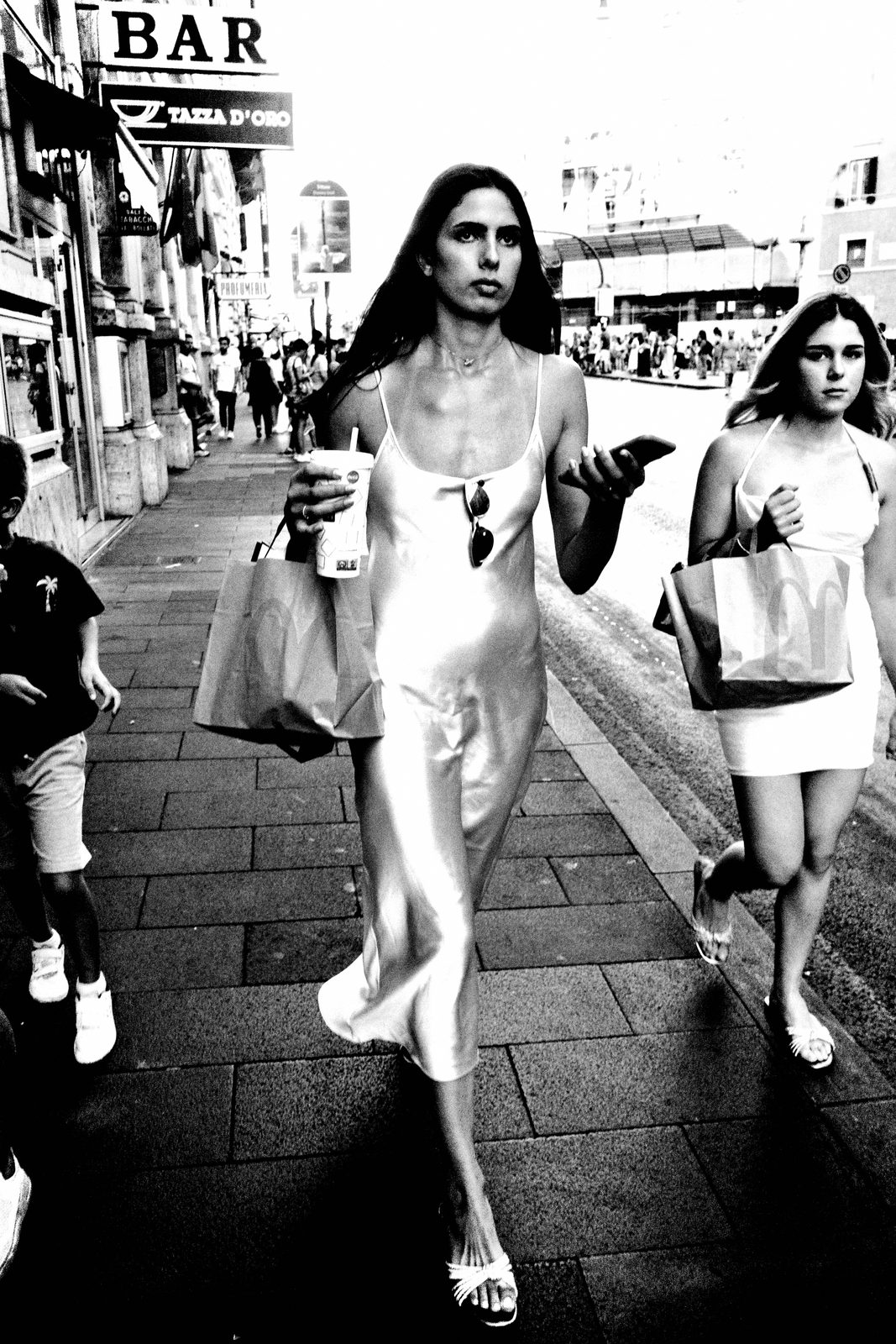
Then run the 0.001% rule. If something intrigues you even one-thousandth of a percent, just click the shutter. Don't stop to ask if it's worth it — that's the intellect trying to get a vote. Shoot more, think less. Let the gut twitch be the decision. You can sort out what mattered later.
Move Slower, React Faster
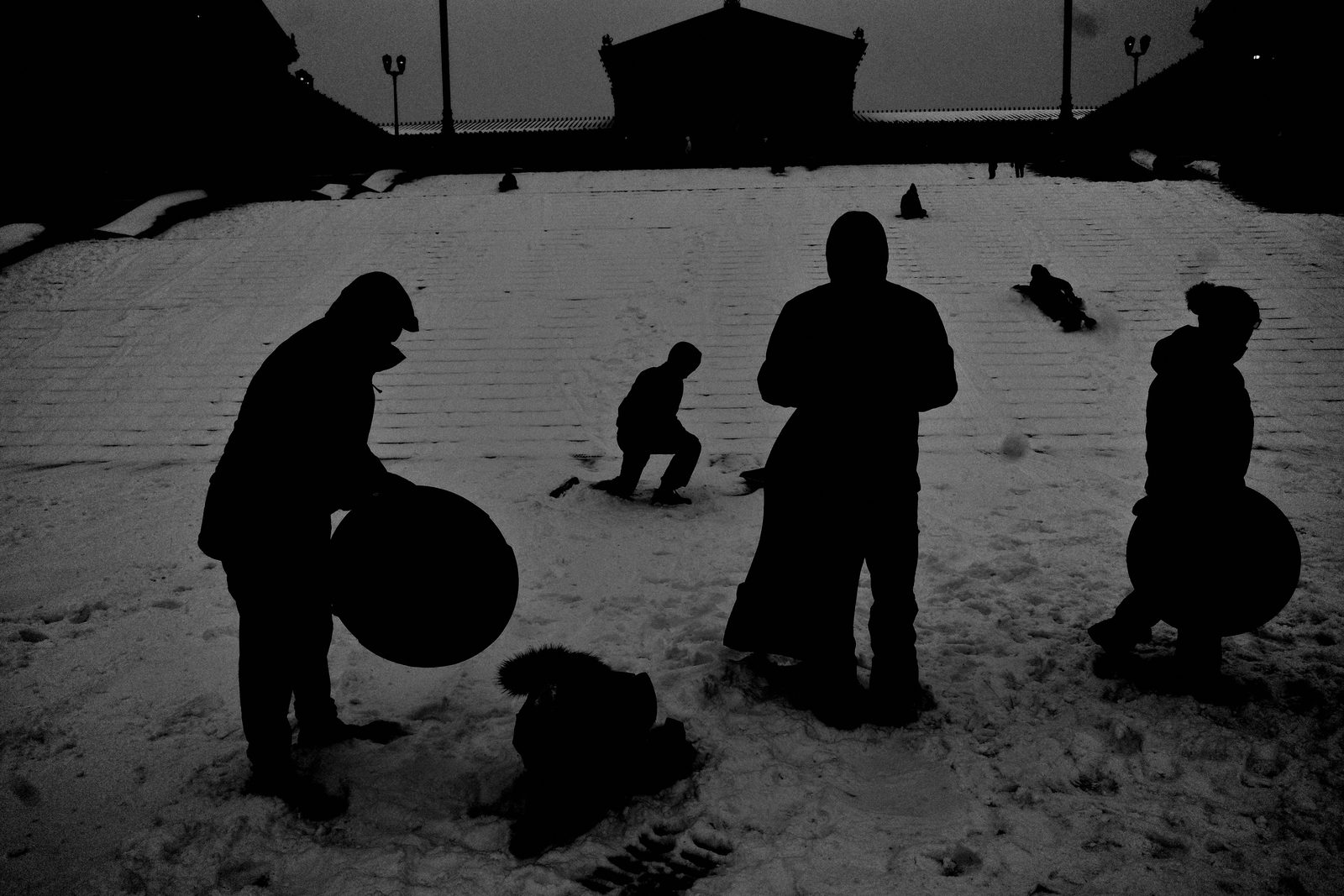
One more drill, and it sounds backwards: to react faster, move slower. The slower you walk, the more details you find and the more photographs you make. Slow the body down and you start noticing the way light hits a wall, the gestures people make. A calm body and a quiet mind are exactly what let instinct fire quickly.
COMMON MISTAKES
Thinking at the Shutter
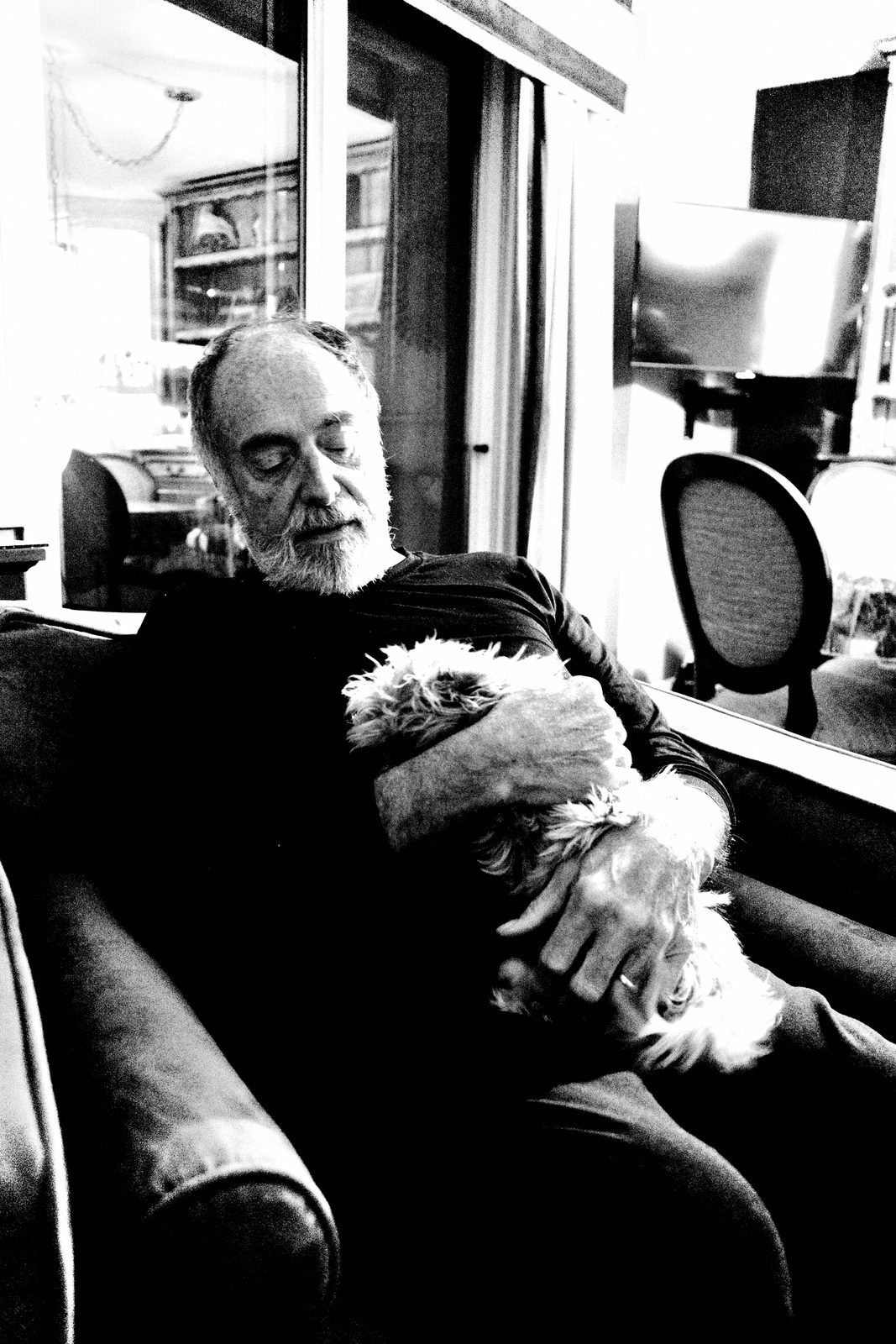
The number-one mistake: thinking at the shutter. Standing there asking "is this good? is the composition right?" while the moment evaporates. Analysis belongs in the edit, never on the street. If you're calculating, you're already too late. Collect in the moment; contemplate at home. Never the other way around.
Forcing and Hunting
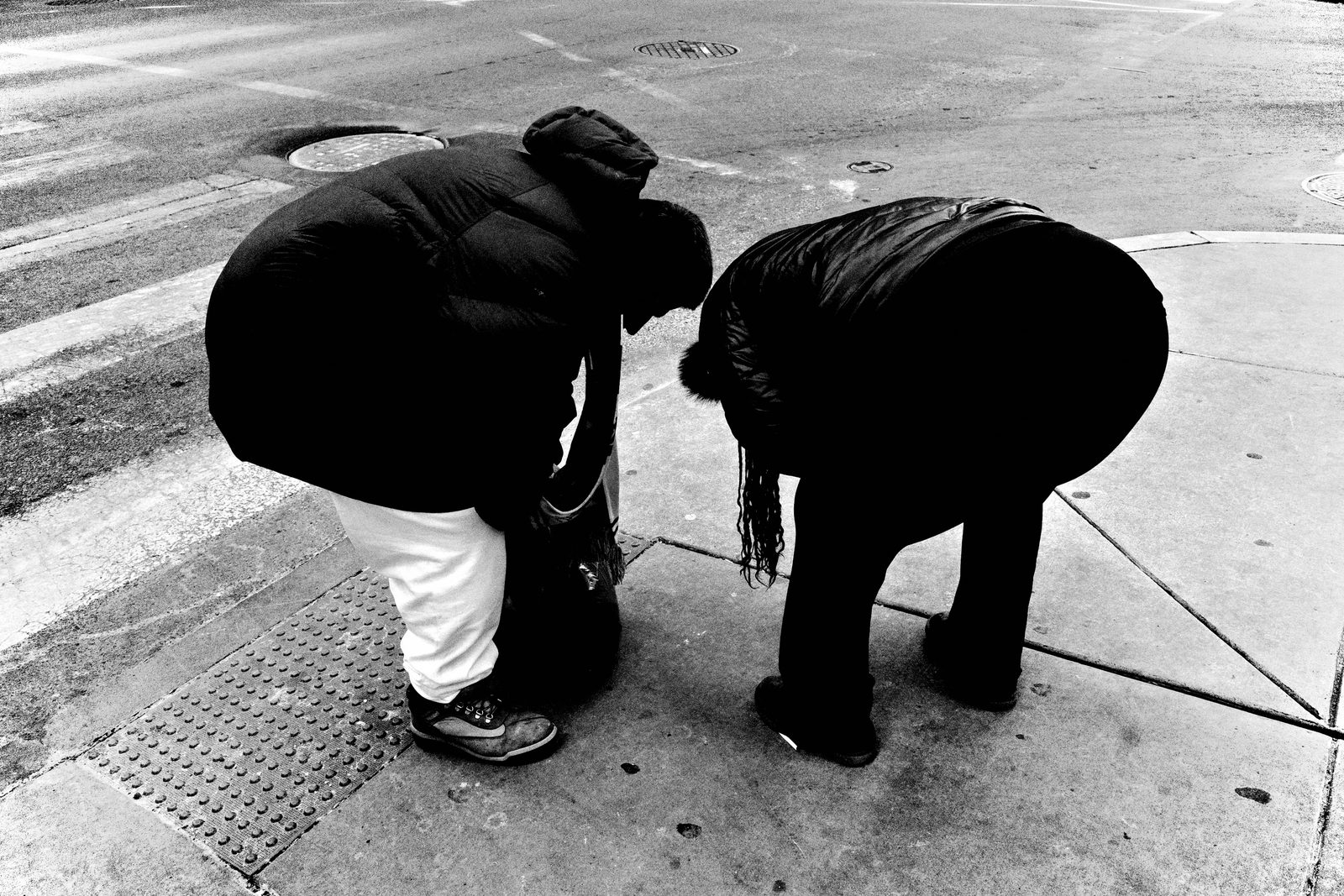
The other mistake is forcing it — constructing photographs for impact, hunting moments, striving for hours. There's a season where that's sustainable, but it eventually burns you out and overrides your instincts. Stop hunting. Let life flow toward you, be there ready, and respond. The less you try, the better the work gets.
RELATIONSHIP TO PREVIOUS
Built on the Flow State
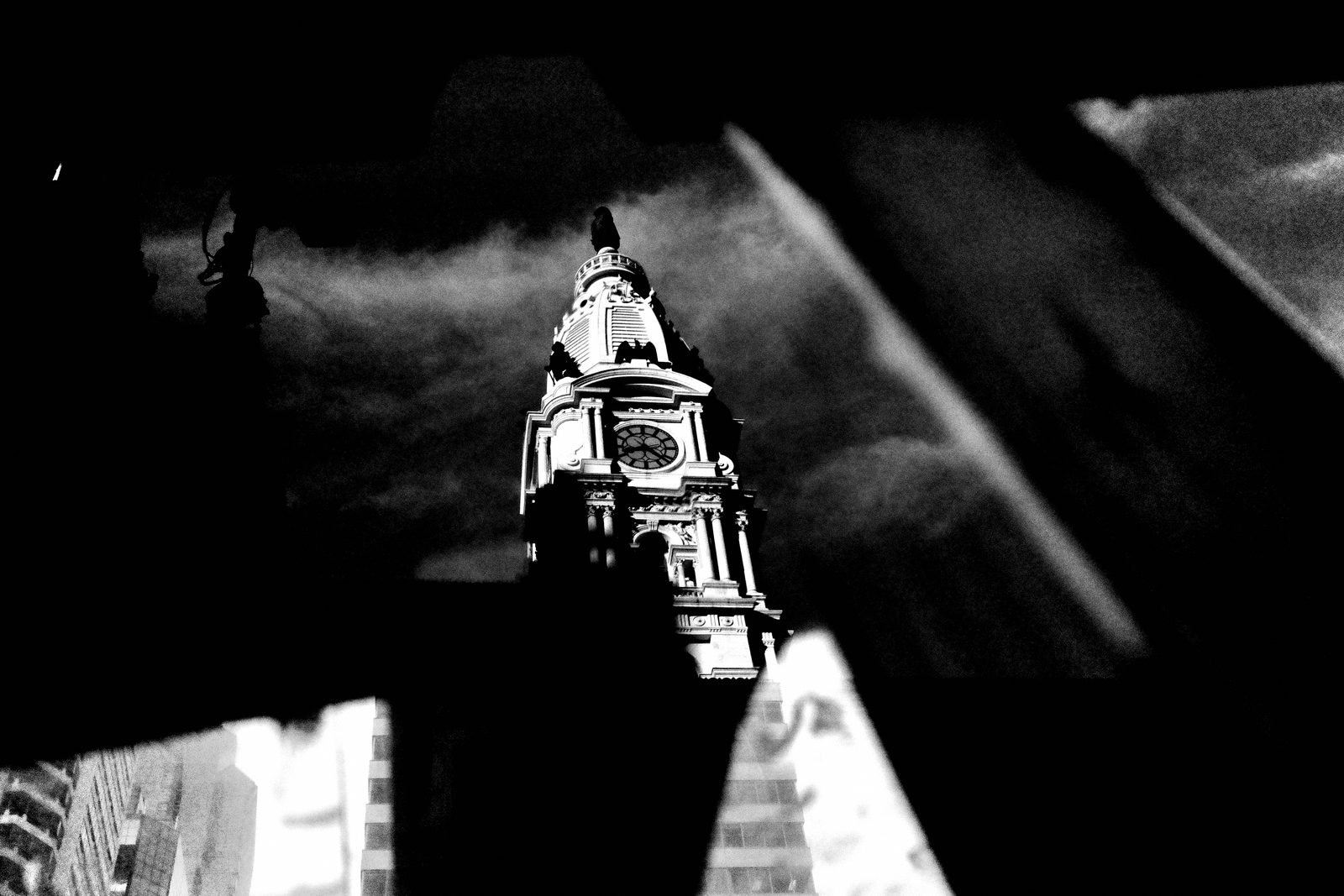
This builds directly on Lesson 006, where we entered the flow state. Remember the line: the more you think, the less you see; the less you think, the more you photograph. Flow is the room — instinct is what moves inside it. You can't trust your gut while you're overthinking, so we had to find flow first. Now we put it to work.
RELATIONSHIP TO UPCOMING
Next: Embrace Chaos
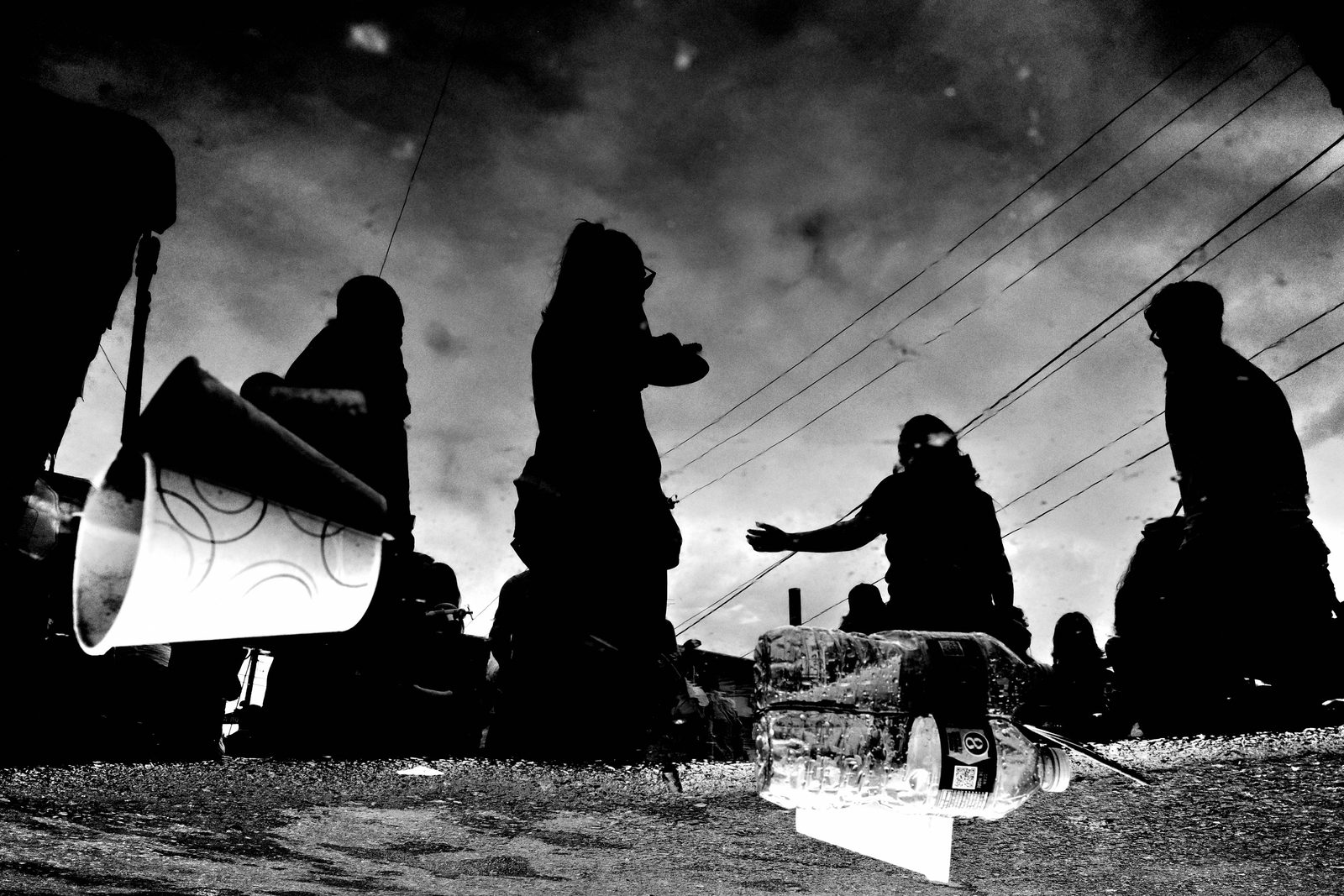
Next, in Lesson 008, we take this trained instinct straight into the fire — Embrace Chaos. Crowds, markets, festivals, the lunch-rush whirlwind. Wherever there's chaos, you'll find me, throwing the camera into program mode to point, shoot, and pray. Chaos is the proving ground for everything we built today. Let's go test the gut.
SUMMARY / TAKEAWAY
Trust the Gut, Edit Later
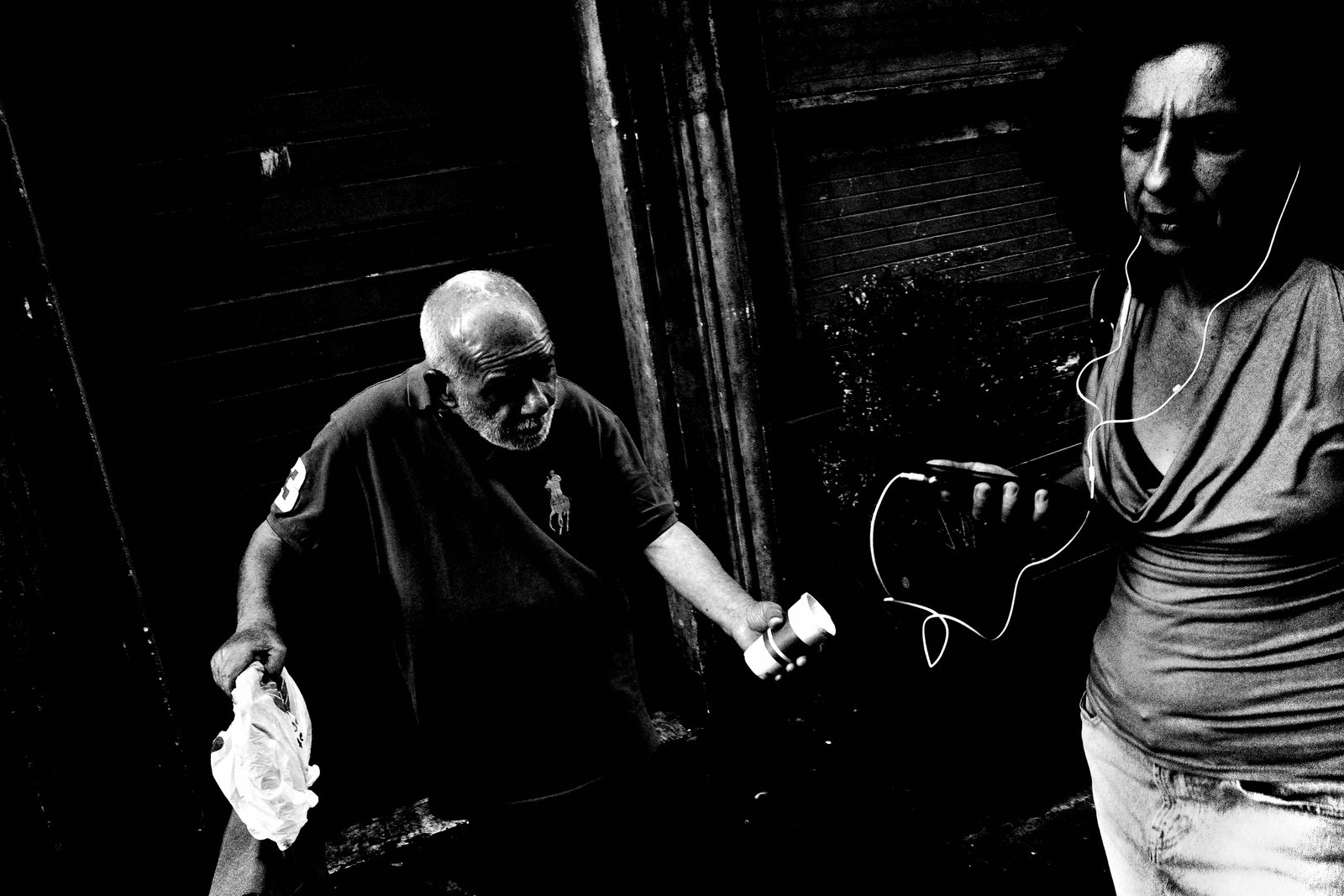
Last thing. Instinct over intellect doesn't mean throwing your knowledge away — it means putting it in the right place. Intellect in the edit; instinct on the street. Let go of control, detach from the outcome, feel the pull, and press. The subconscious becomes conscious — and that's the purest skill you'll ever build. Catch you next lesson.