Embrace Chaos
CORE IDEA
Wherever There's Chaos
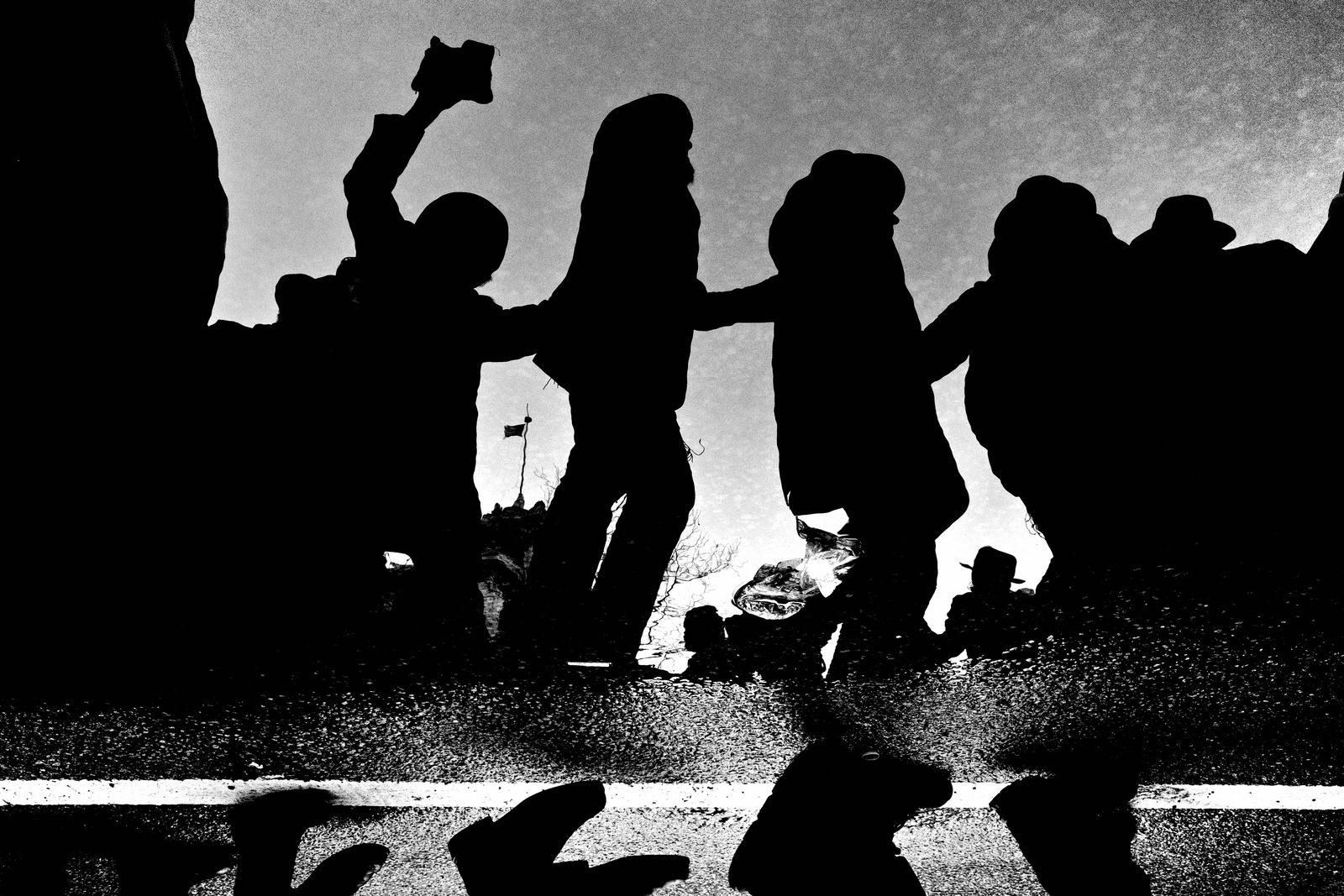
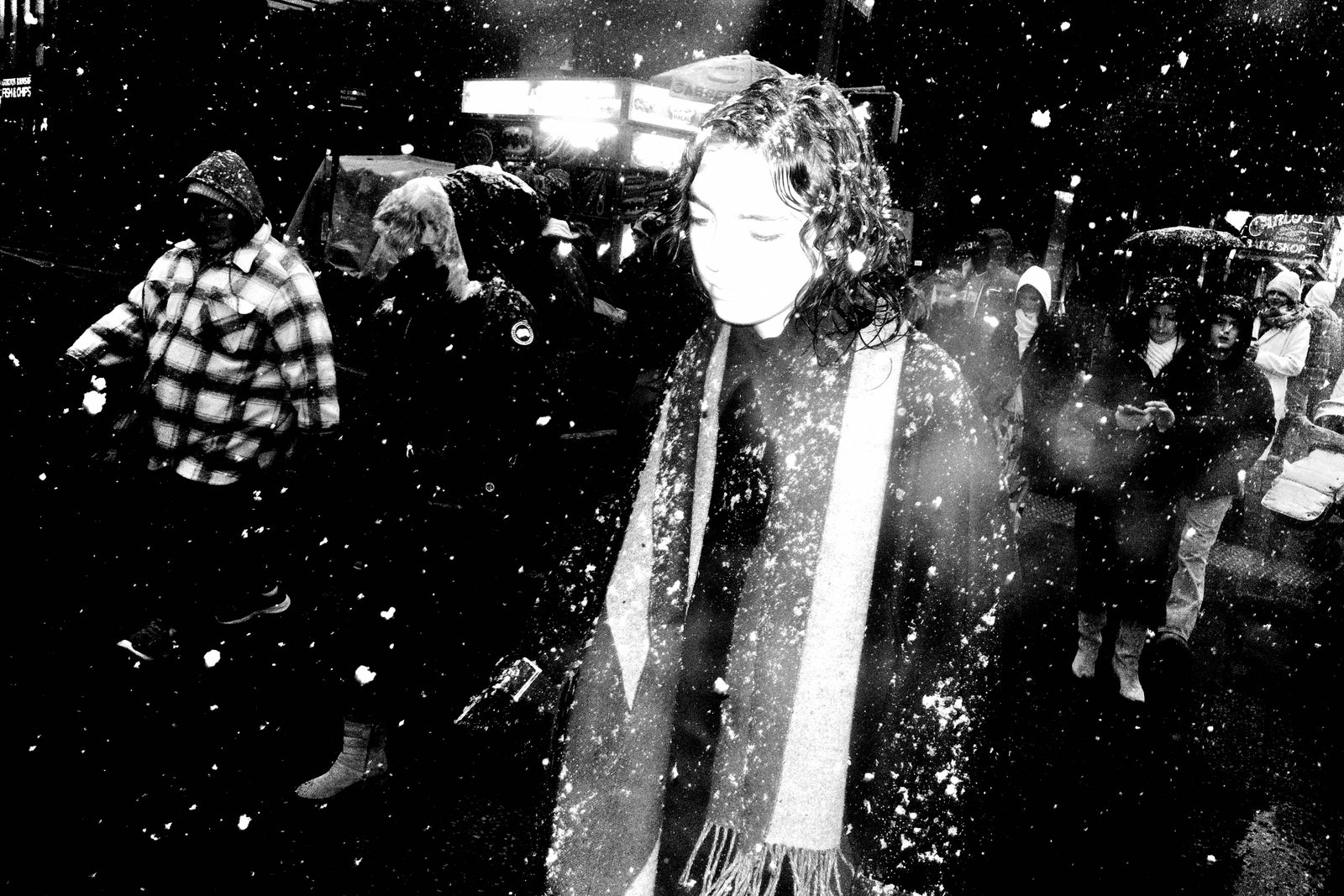
What's popping, people — it's Dante. Today we talk about embracing chaos. As street photographers, our goal is to thrive in the unpredictable — to capture the energy and spontaneity of everyday life. Here's my whole stance in one line: wherever there's chaos, you will find me. That's not a problem to solve. That's the playground.
LEARNING OBJECTIVE
What You'll Walk Away With
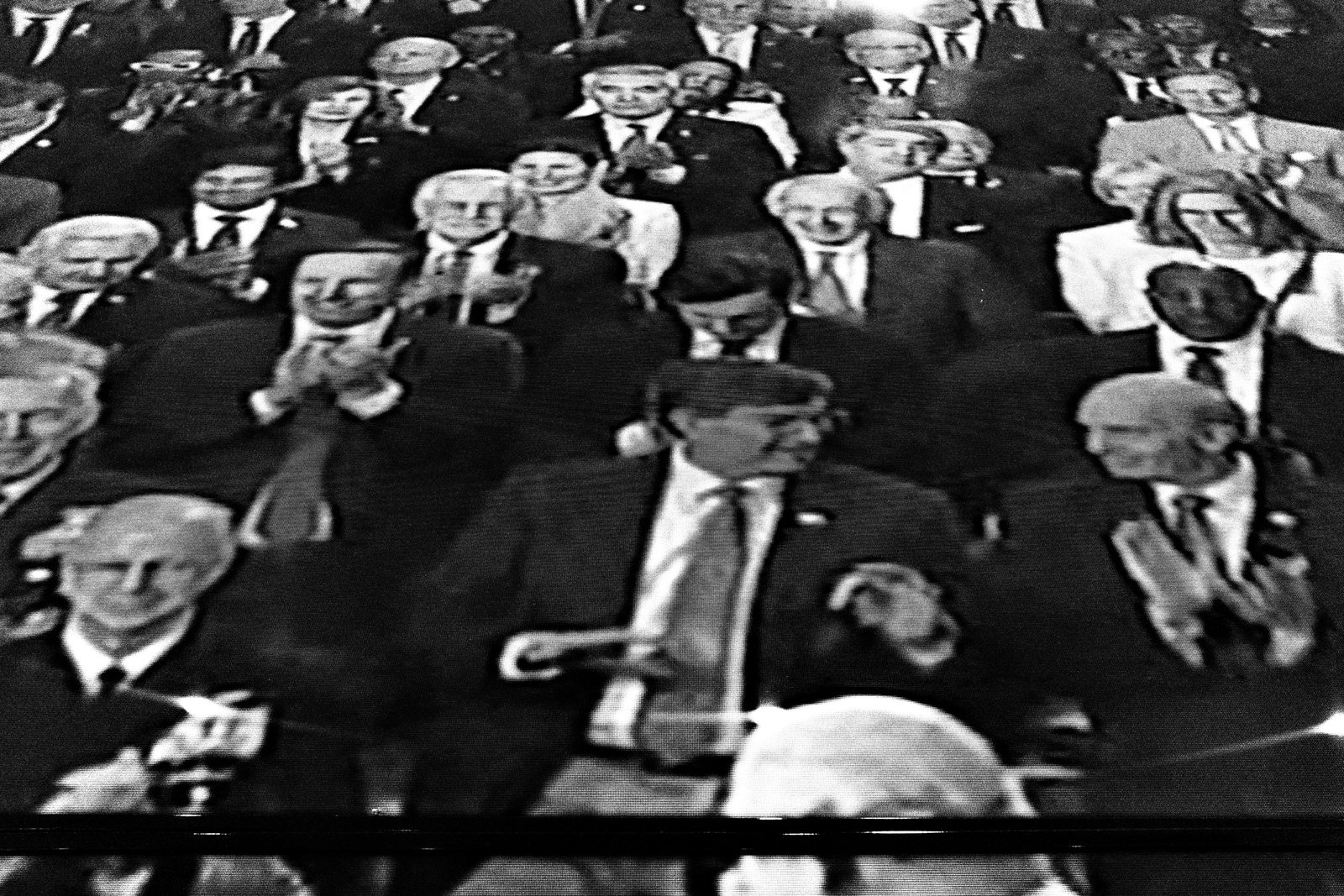
By the end of this lesson you'll know how to walk into a chaotic scene instead of away from it — how to set the camera up so it disappears, how to navigate a crowd, and how to surrender to the unpredictable so the chaos works for you instead of against you.
WHY THIS MATTERS
Chaos Is a Visual Feast
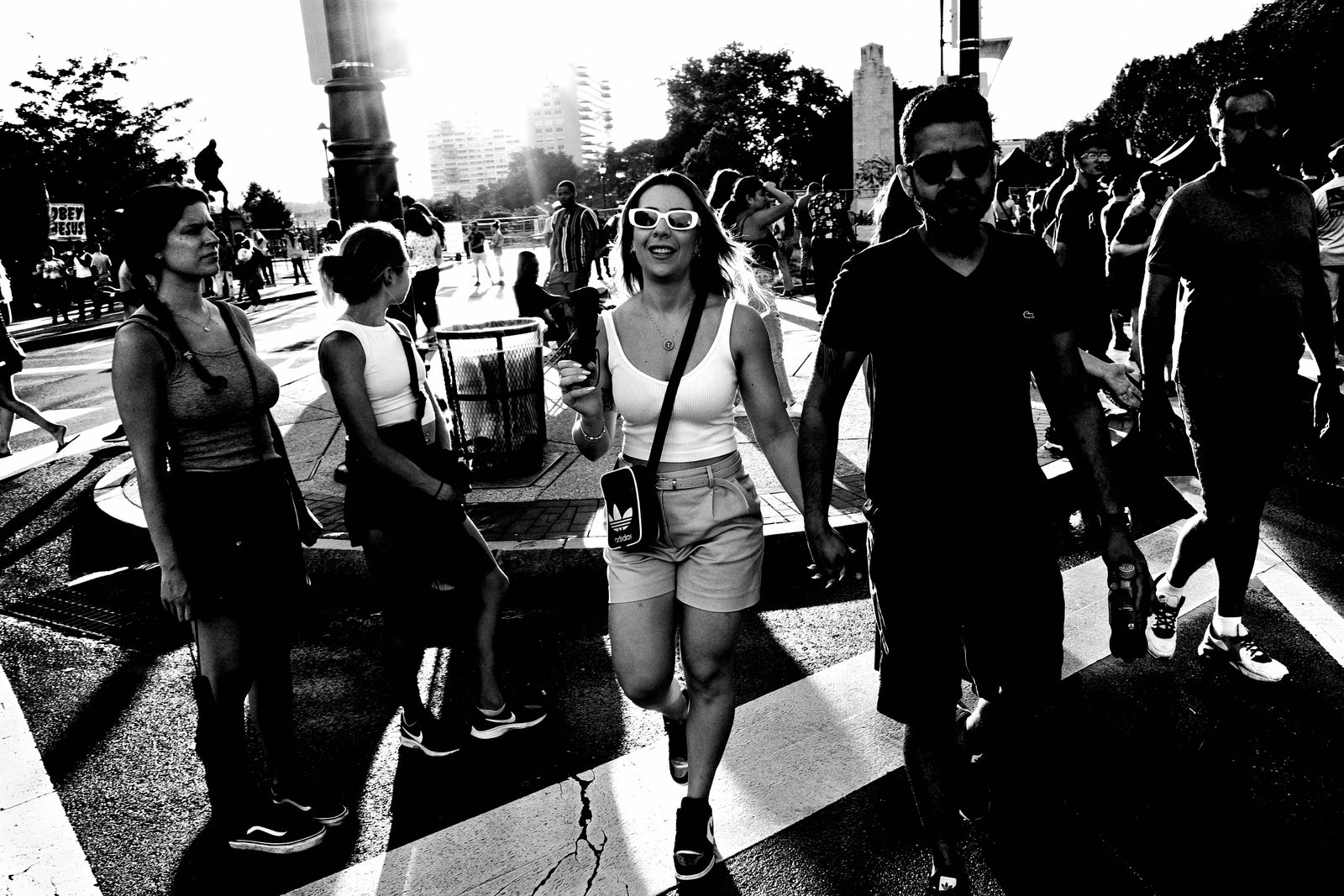
Here's why this matters. Chaos is good for street photography, plain and simple. Unpredictable moments give you countless unique shots — fleeting gestures, unexpected compositions. Crowded spaces are visual feasts where every corner is a new story. And the challenge itself pushes you to think on your feet and adapt fast.
MAIN TEACHING
Dive Into the Madness
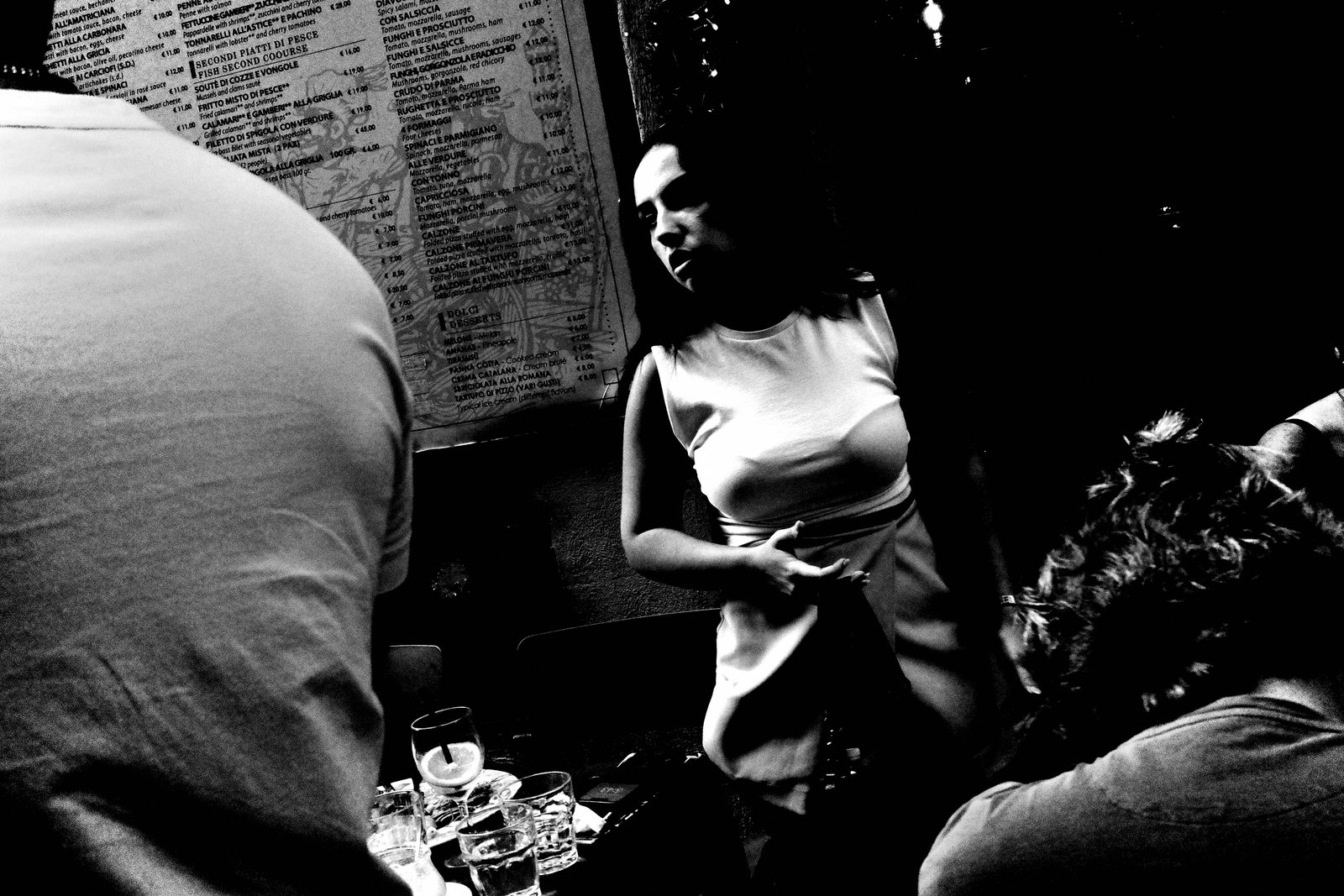
First principle: dive into the madness. Most people instinctively edge away from a packed, loud, overwhelming scene. Do the opposite. Move toward it. The discomfort you feel stepping into the thick of it is the exact signal that you're standing where the photographs are. The madness is the material.
Seek the Densest Scene
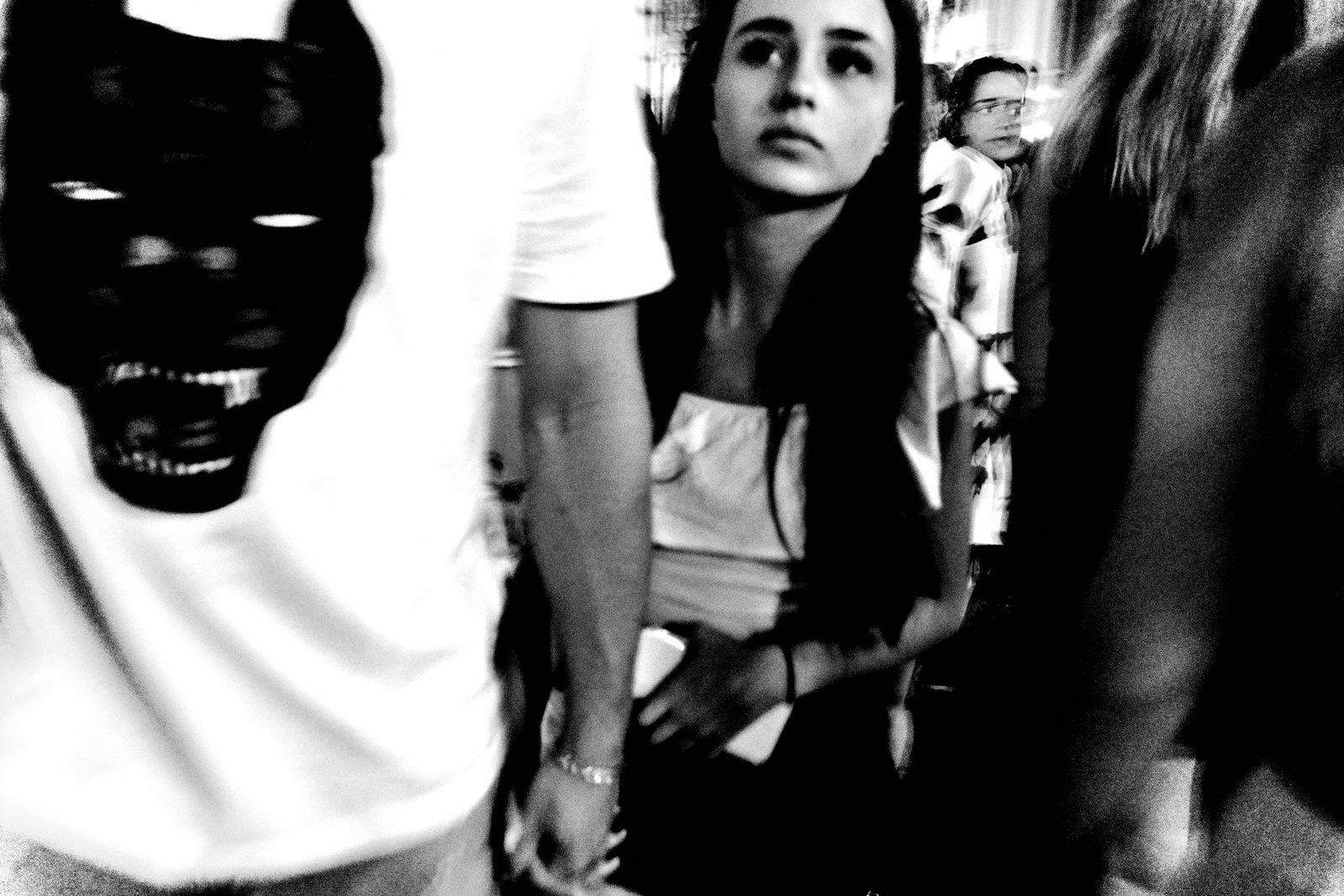
The best place to embrace chaos is the densest one you can find — a busy market at the lunch rush, a festival at its peak. It's a whirlwind: people, lights, sounds, all colliding. That's the perfect environment to test your instincts and your skills. You're not waiting for a single moment in a place like that; you're swimming through a hundred at once.
Let Go of Control
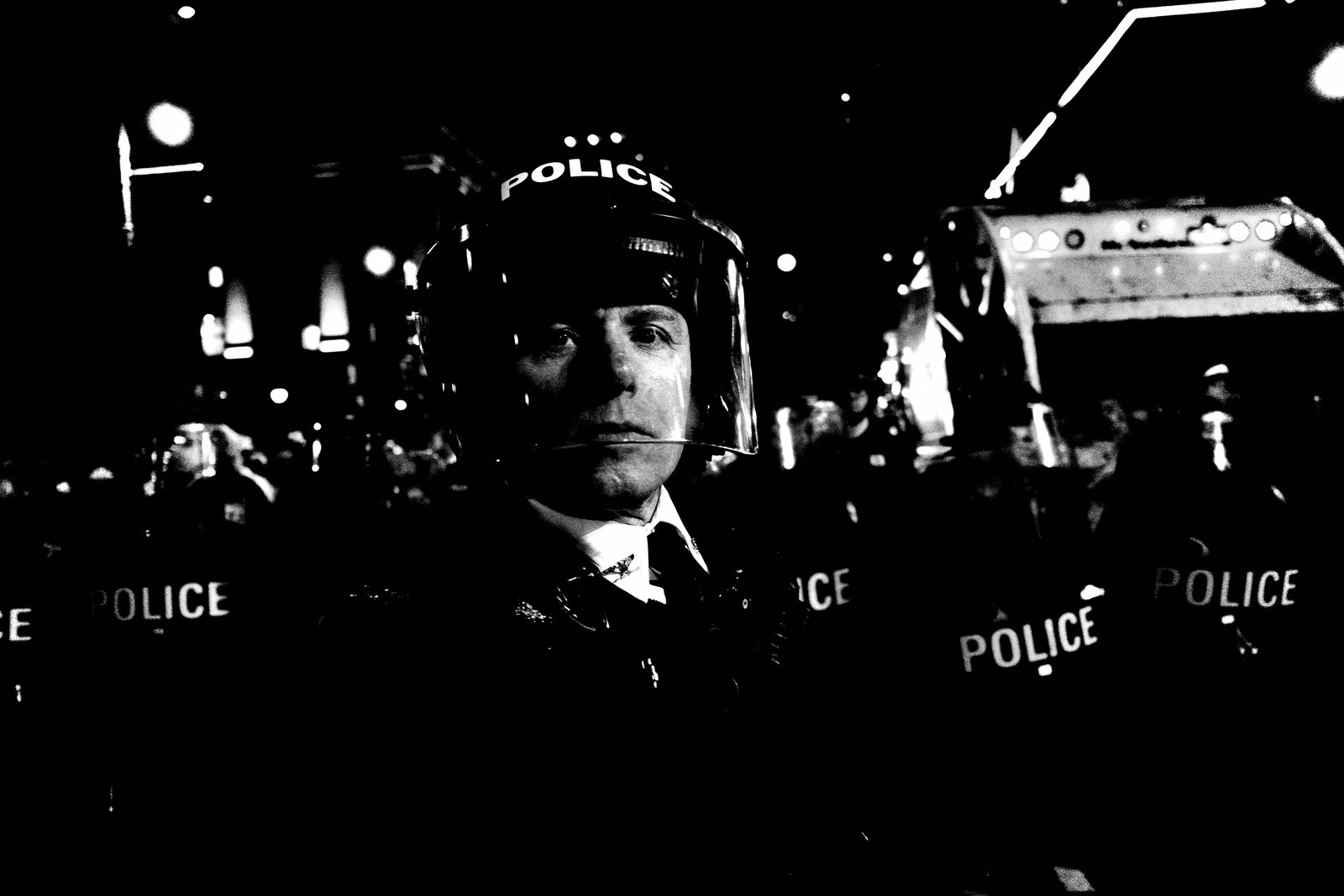
The core technique of this whole lesson is one idea: let go of control. You cannot direct a crowd. You cannot pause the rush. The instinct to manage everything — settings, framing, timing — is the exact thing slowing you down. So we surrender. We set the camera up once, then we react.
Throw It Into P Mode
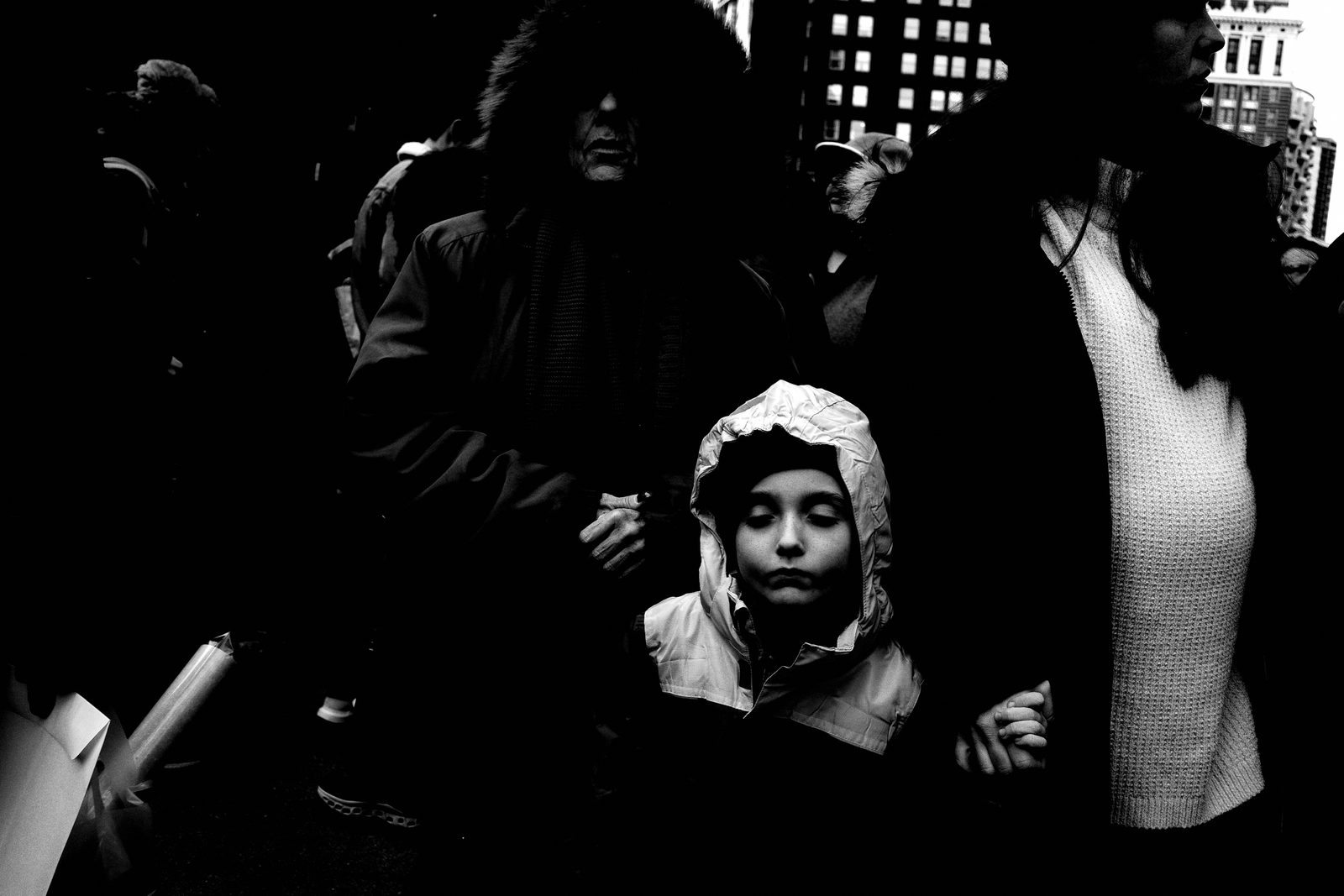
When chaos reigns, sometimes it's best to just trust your camera. I throw it into P mode — point and shoot without overthinking. Let the camera handle the exposure while you put one hundred percent of your attention on capturing the moment. As I like to say: I throw the camera into P mode and just point, shoot, and pray.
Set Snap Focus
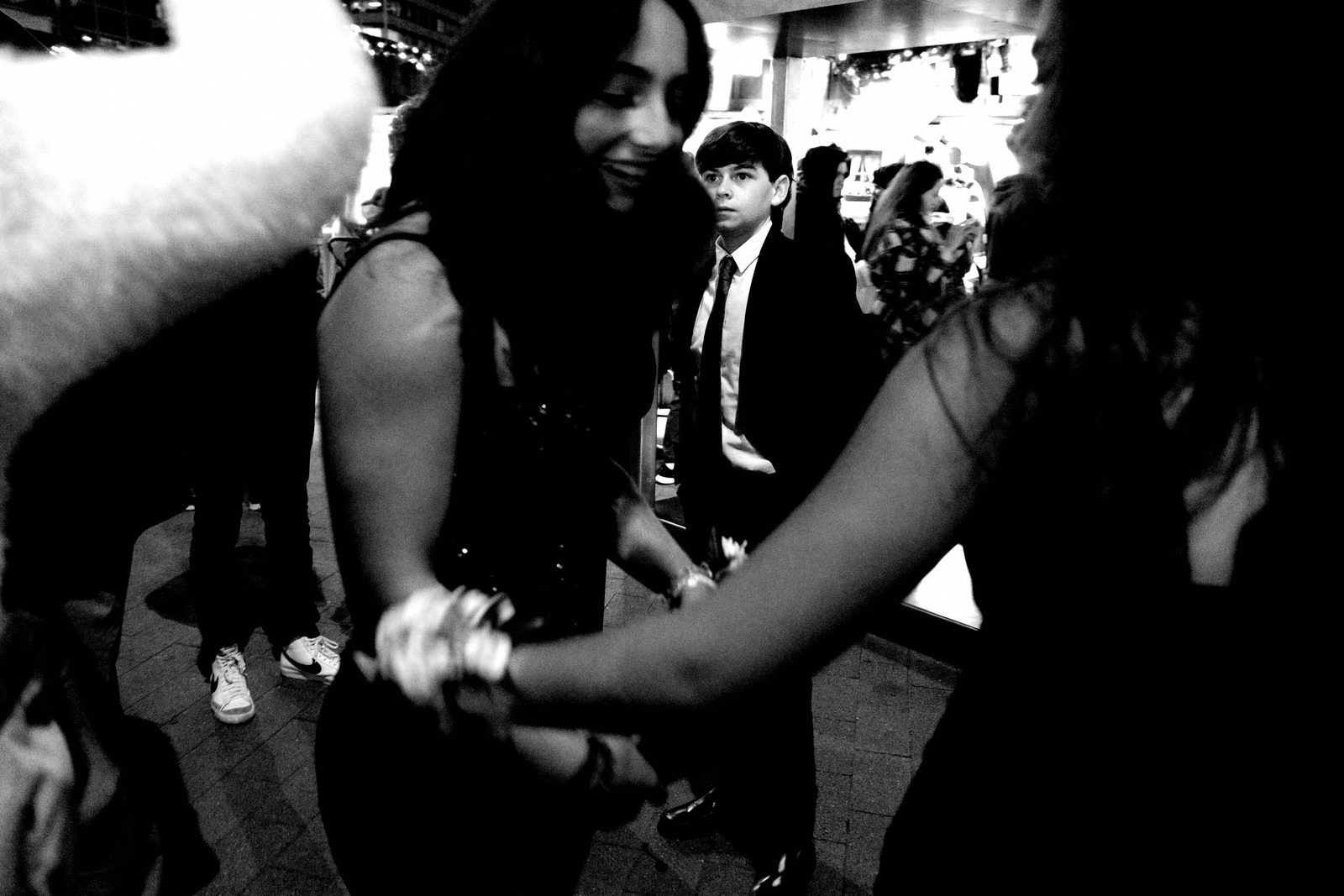
Next, set your camera to snap focus for faster reactions. In a chaotic crowd, autofocus hunting will cost you the shot every time. I set the snap distance to 1 to 2 meters for close encounters. Now there's no waiting — you point, you press, the frame is sharp where you already knew it would be. The camera keeps up with the chaos.
Dial Exposure Compensation
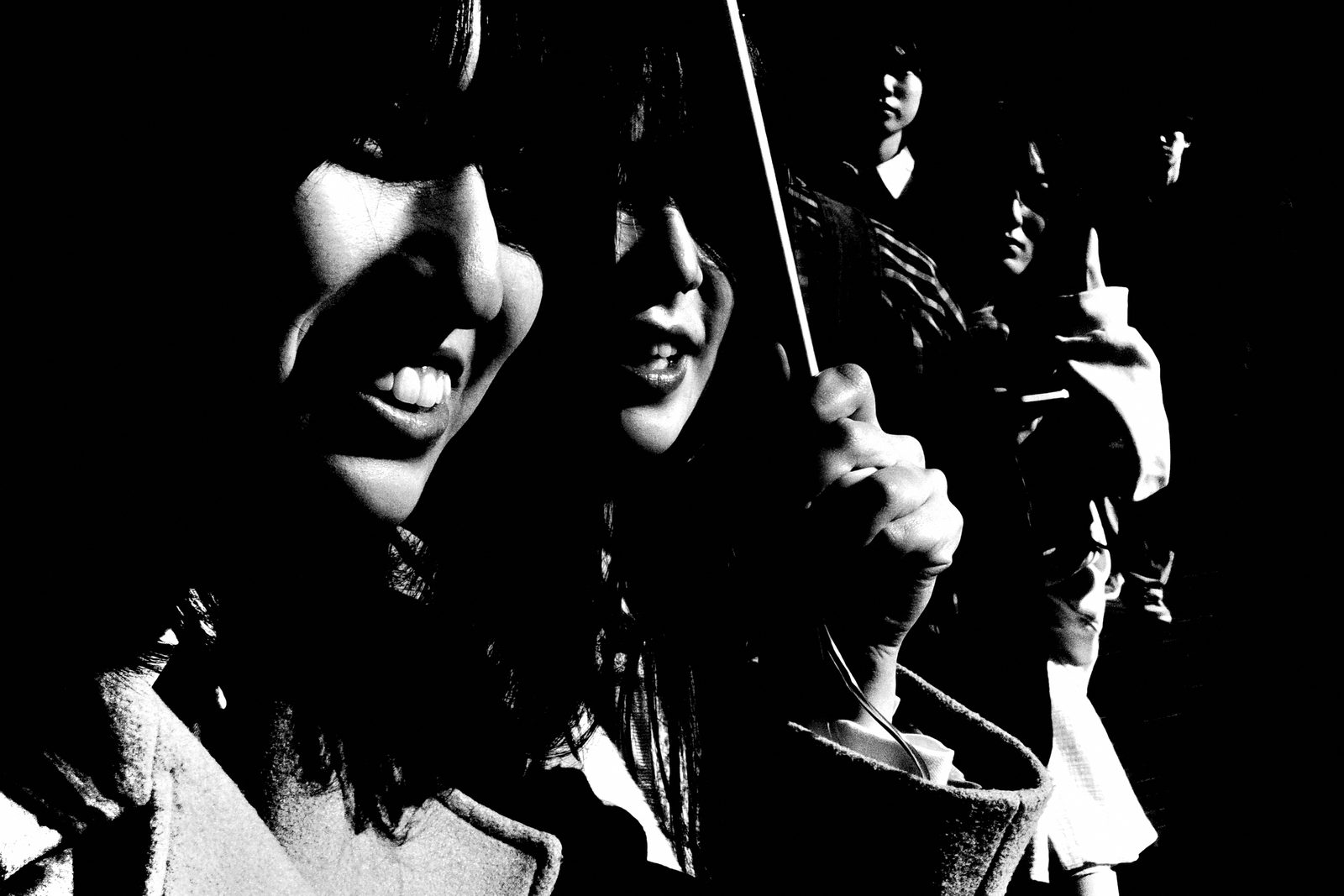
Crowded interiors and markets have tricky, uneven light. So adjust your exposure compensation — I'll experiment with +1 or +1.7 to handle it. Don't chase a technically perfect exposure in there; you won't get one. Adjust as needed and embrace the imperfections. A little rough is honest. The energy matters more than the meter.
Get Closer
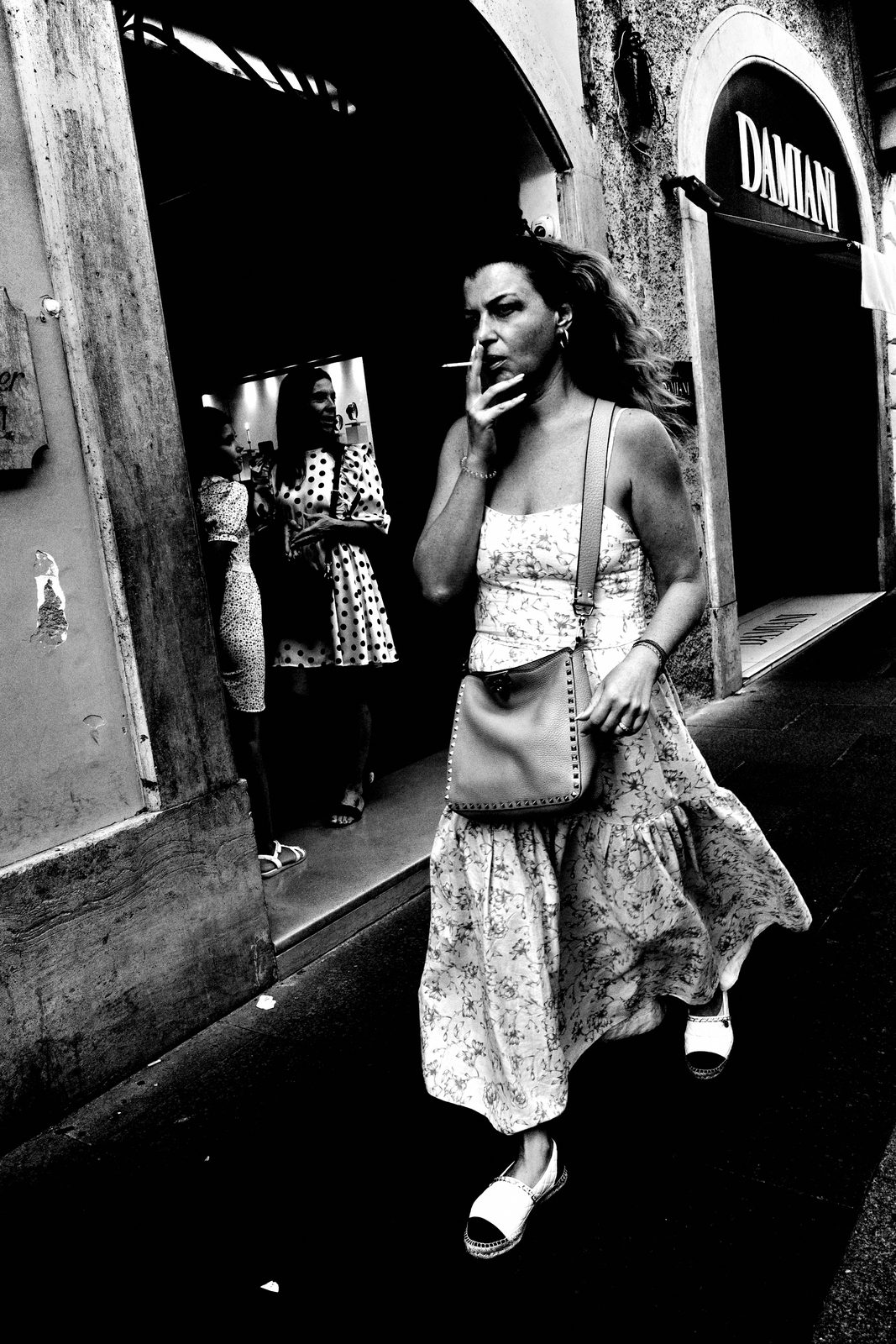
Now, don't be afraid to move in tight. Get closer. Up close is where you capture facial expressions, gestures, and the small details that carry a frame. And widen what counts as a subject — even the food stalls become interesting. In the chaos, everything's a subject if you're close enough to feel it.
Trust the Setup
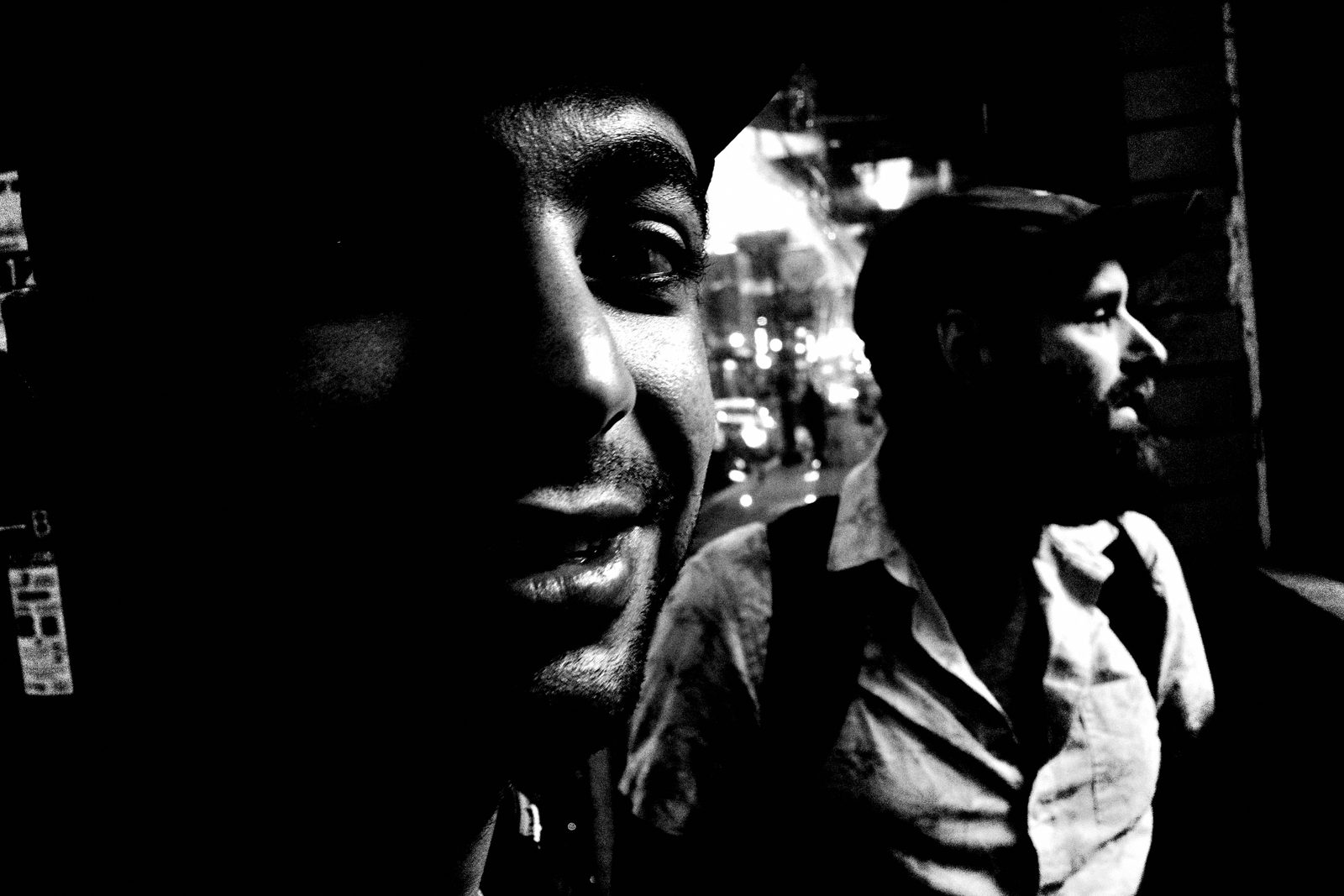
Picture it all working together in a crowd. Camera's in P mode, snap focus at a meter and a half, compensation nudged up. Now your eyes are completely free. Someone's hands move, a face turns into the light, two bodies cross — you just lift and press. The whole point of the setup is that you never think about the camera again.
Find the Crowds
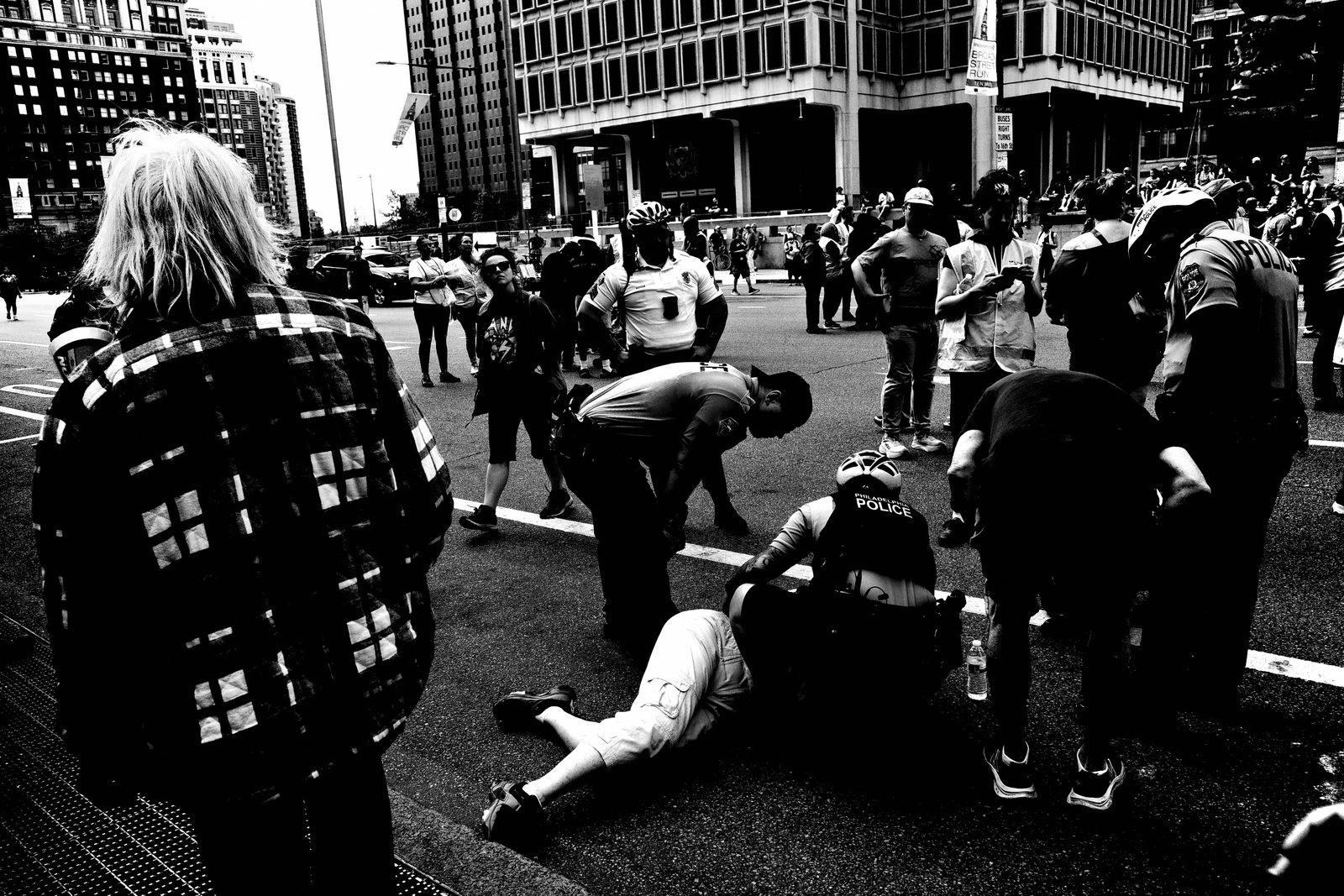
So how do you navigate it? Step one: find the crowds. Go where people gather — markets, festivals, the rush. Don't hunt for an empty, "clean" scene. Density is opportunity. The more people, lights, and motion stacked into one space, the more chances reality hands you something you could never have planned.
Work the Light
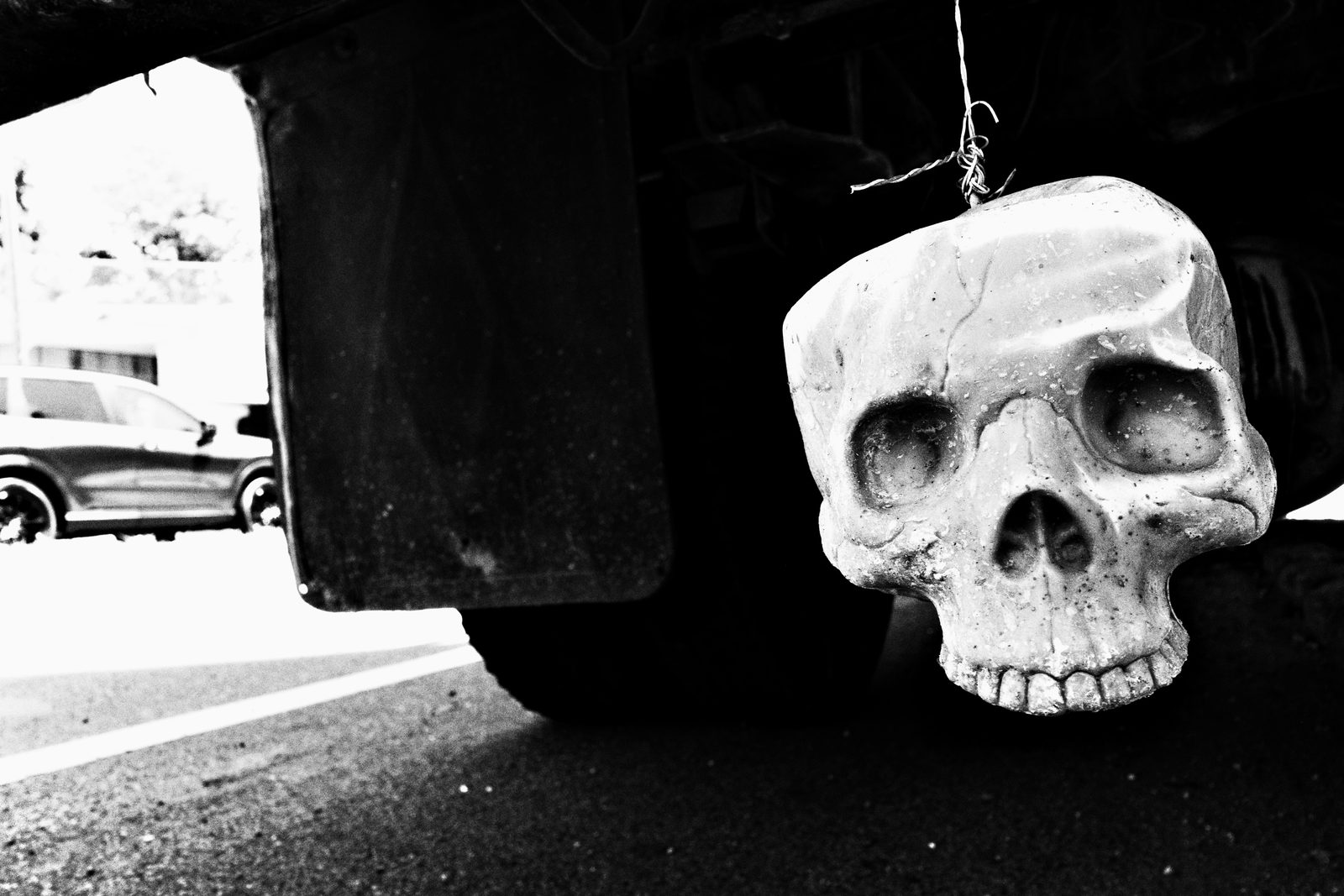
Step two: work the light. Chaotic spaces throw harsh, mixed, unflattering light at you. Don't treat that as a flaw to wait out. Adjust as needed and use what's there — a shaft cutting through a doorway, a pool of light on a stall. Work with the imperfect light instead of wishing for the perfect light.
Reset and Re-enter
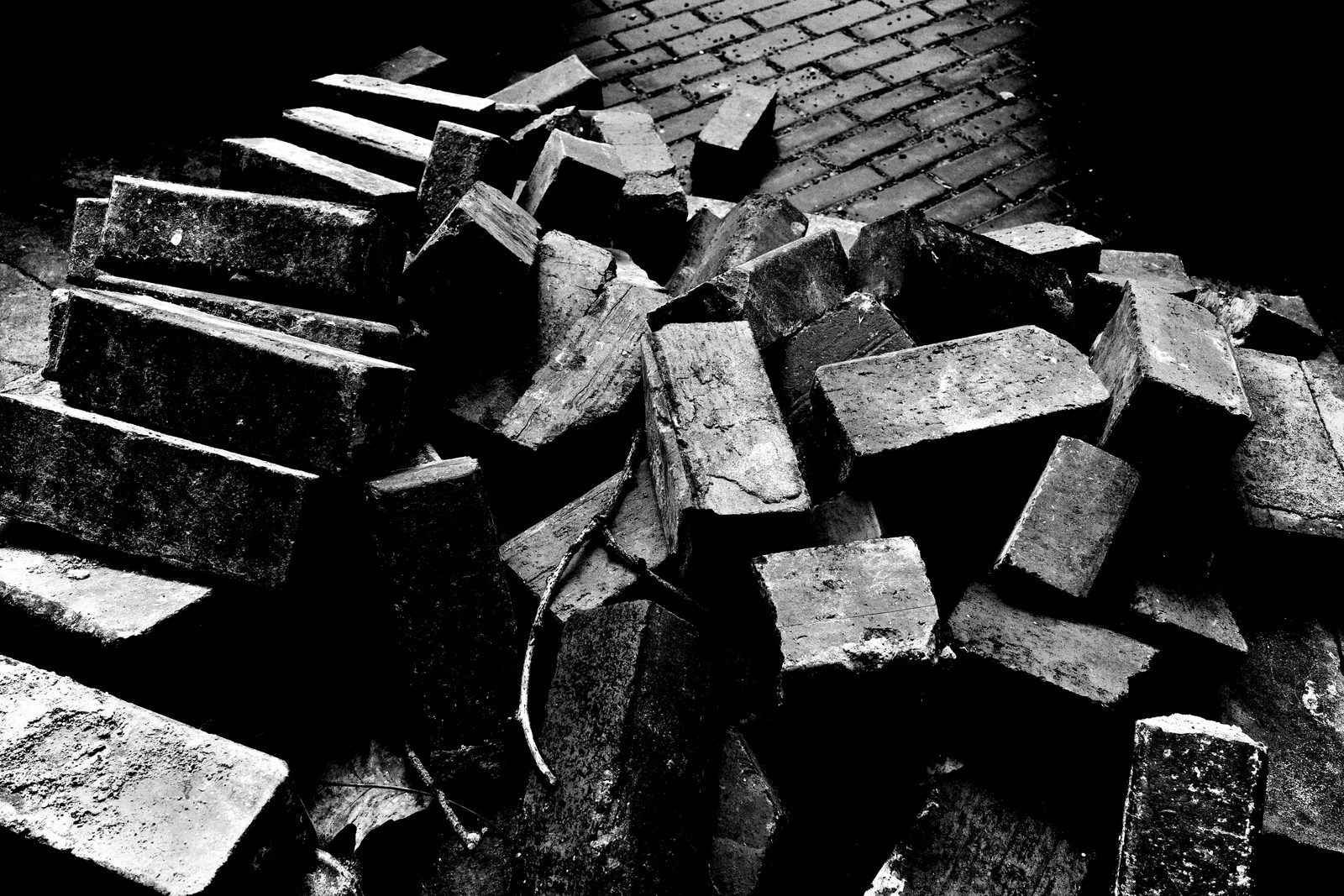
Step three: reset and re-enter. Chaos is intense, and it will overwhelm you. That's fine. When it does, step back, breathe, let your system settle — and then dive right back in. This isn't quitting; it's a rhythm. In, reset, in again. You can work a chaotic scene far longer when you give yourself permission to surface for air.
Throw Yourself Into the Fire

Here's the mindset that ties it all together: throw yourself into the fire, and let the chaos guide you. You stop steering and you start trusting. The scene knows where the photographs are better than your plan does. Your job is to be present, committed, and reactive — to let the chaos lead and follow it wherever it goes.
Surrender to the Unpredictable
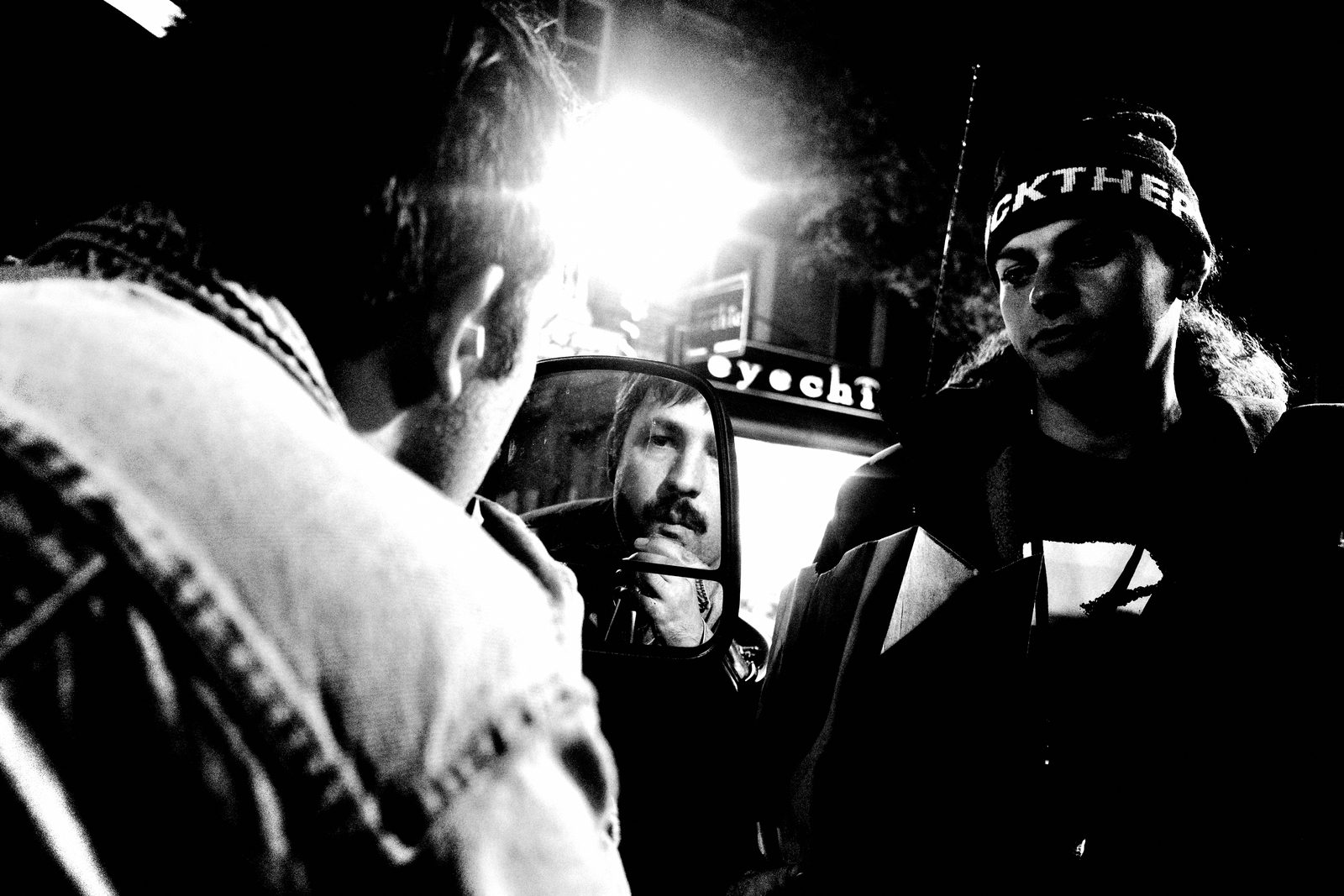
Let's name the heart of it. Embracing chaos is about surrendering to the unpredictable. It's messy, it's fast-paced, it's often overwhelming — but within that madness lies the potential for extraordinary photographs. The frames you can't plan are the ones you'll never repeat. You only get them by giving up the wheel.
PRACTICAL APPLICATION
The Chaos Setup Drill
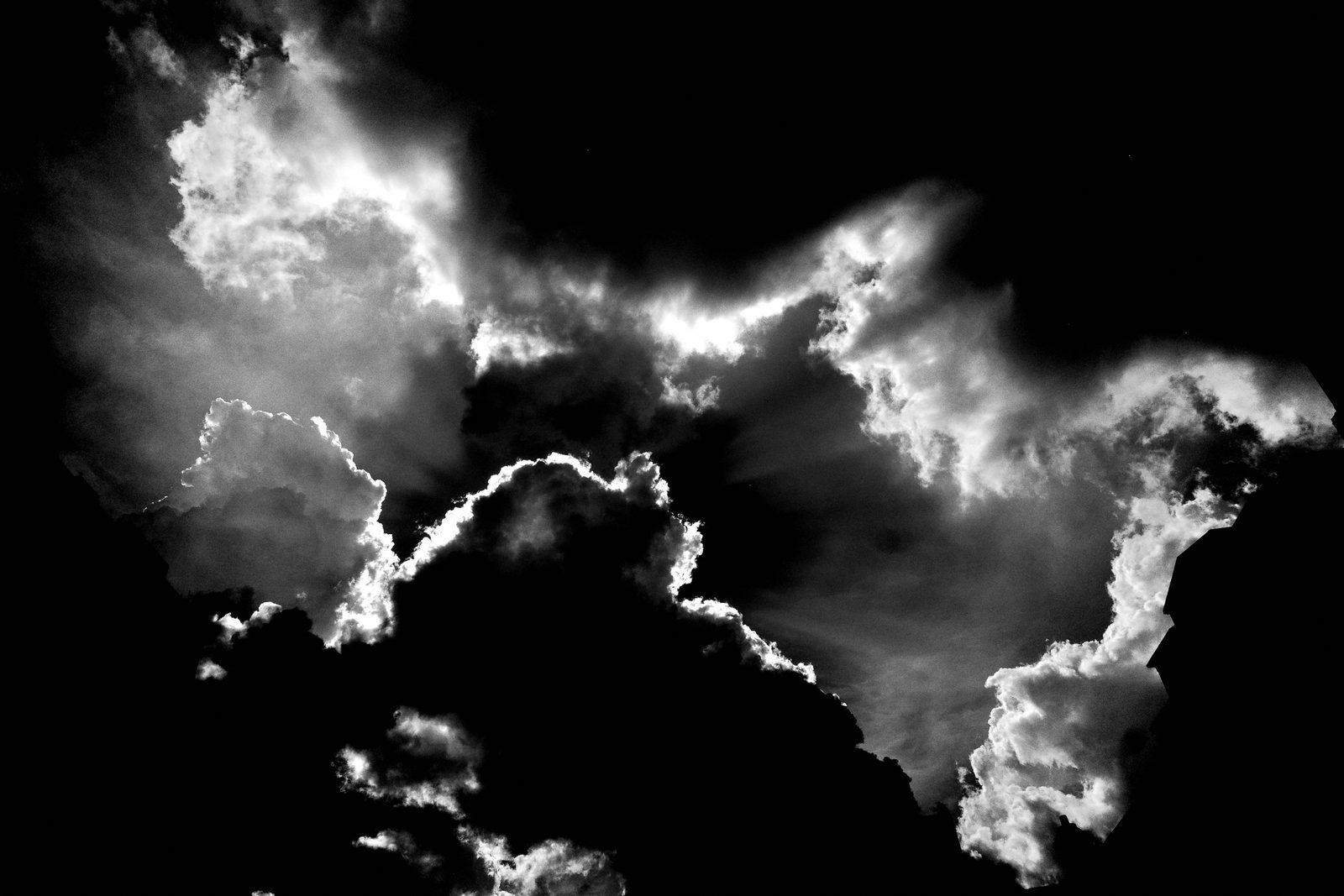
Here's your assignment. Before you ever reach the crowd, set the camera: P mode on, snap focus at one to two meters, exposure compensation up around +1 to +1.7. Lock it in. The whole drill is to do all your thinking before you arrive — so that once you're inside the chaos, the camera is invisible and you're pure reaction.
Shoot the Rush
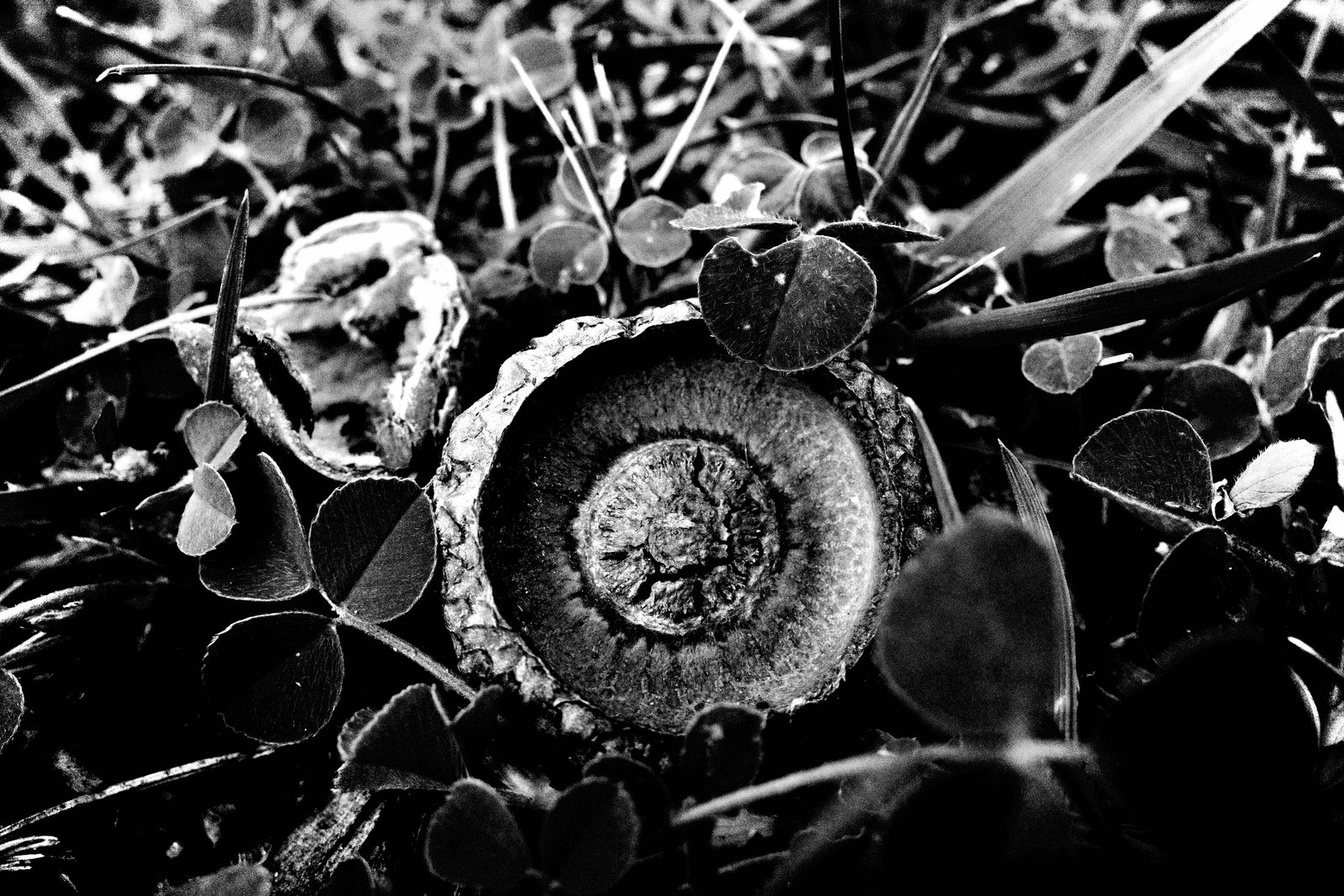
Then go shoot the rush. Pick the busiest spot you can find — a market at lunch, a festival, a packed corner at rush hour. Get in close, work the faces and gestures, and don't stop to judge. When it gets to be too much, step out, breathe, dive back in. Stay in it longer than feels comfortable.
COMMON MISTAKES
Trying to Control It
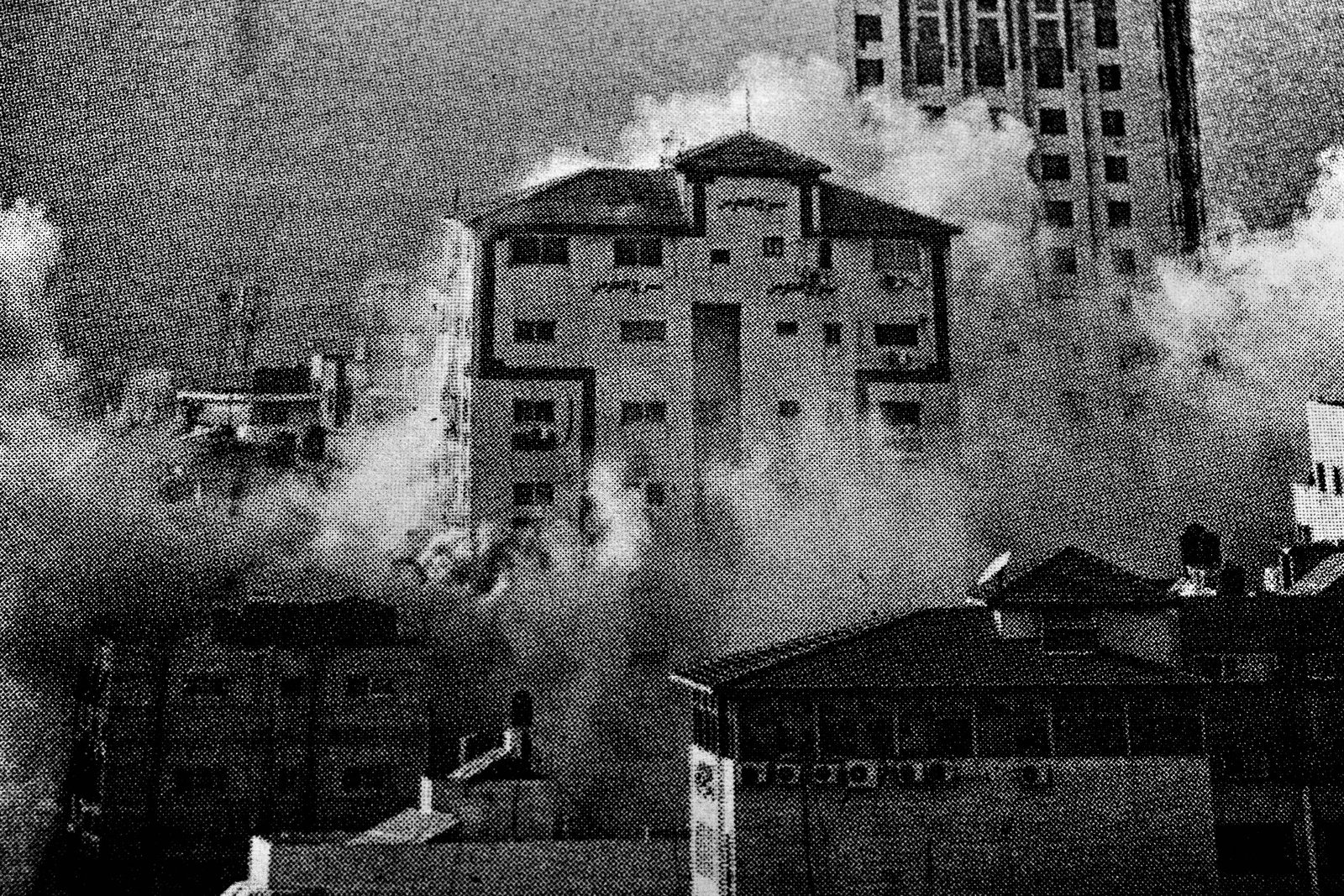
The number one mistake is trying to control the chaos. You fiddle with settings in the middle of the rush, you wait for the crowd to thin into something tidy — and every photograph passes you by while you do. Chaos doesn't calm down for you. If you're managing the camera, you're missing the moment.
Backing Away From the Mess
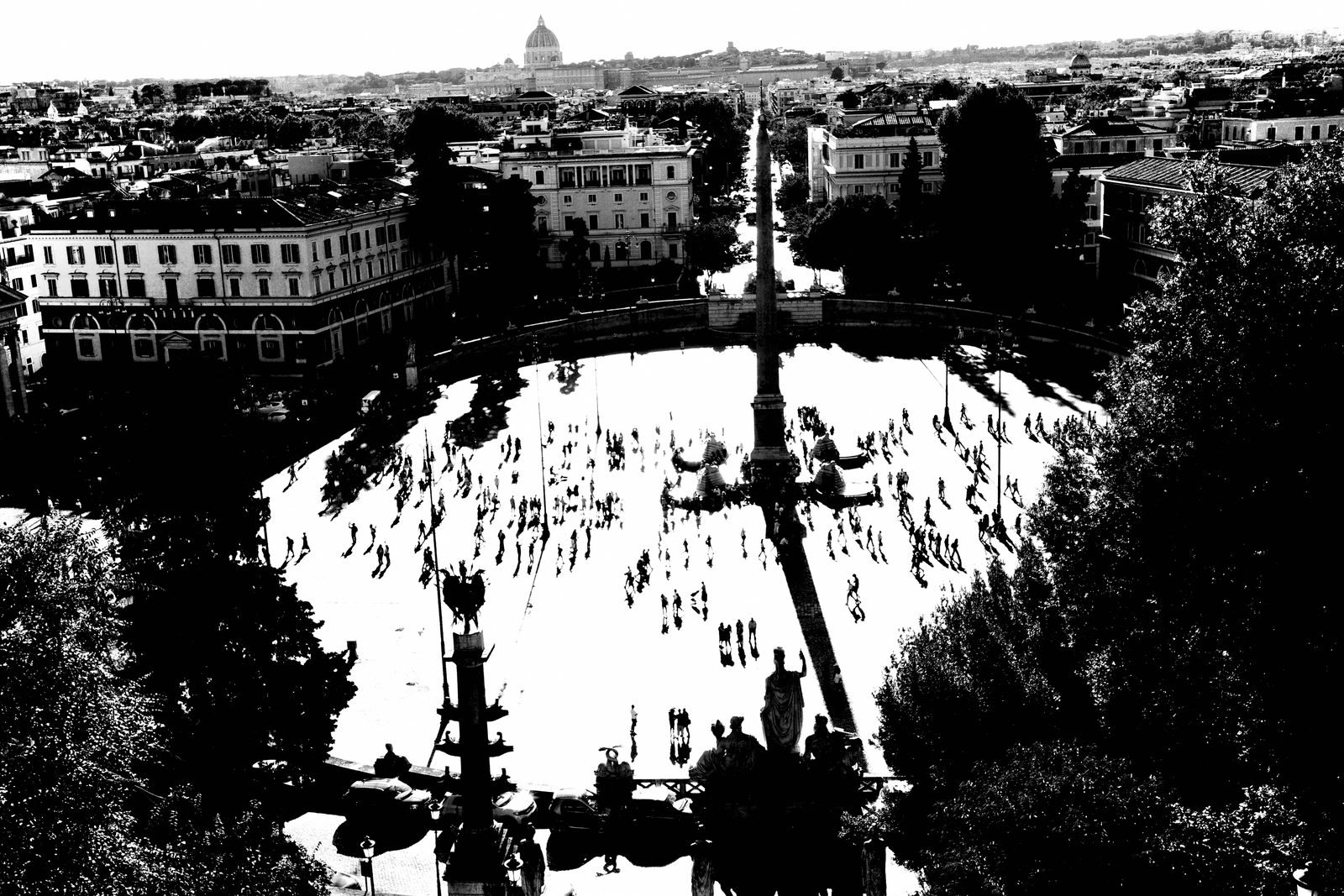
The other mistake is backing away. You hover at the safe edge of the scene, shooting the crowd from a polite distance, avoiding the closeness and the imperfect light. But the safe frame is the dead frame. The energy lives in the center, up close, in the mess. If it feels too much, that's usually the signal to go in.
RELATIONSHIP TO PREVIOUS
Built on Instinct
This builds straight on Lesson 007, Instinct Over Intellect. There we learned to trust the gut and stop calculating. Chaos is where that lesson gets its real test — a packed crowd at rush hour is a live exam for your instincts. You can't think your way through a crowd. You can only react. Today we put that instinct to work.
RELATIONSHIP TO UPCOMING
Toward Authenticity
Next up is Lesson 009, Authenticity: Shoot for Yourself. Chaos taught us to let go of control; authenticity asks us to let go of validation — to follow our own gut and feeling instead of trends and likes. The thread is the same: release your grip, and let life flow toward you. We move from the crowd to the soul.
SUMMARY / TAKEAWAY
Find the Crowds, Let It Unfold
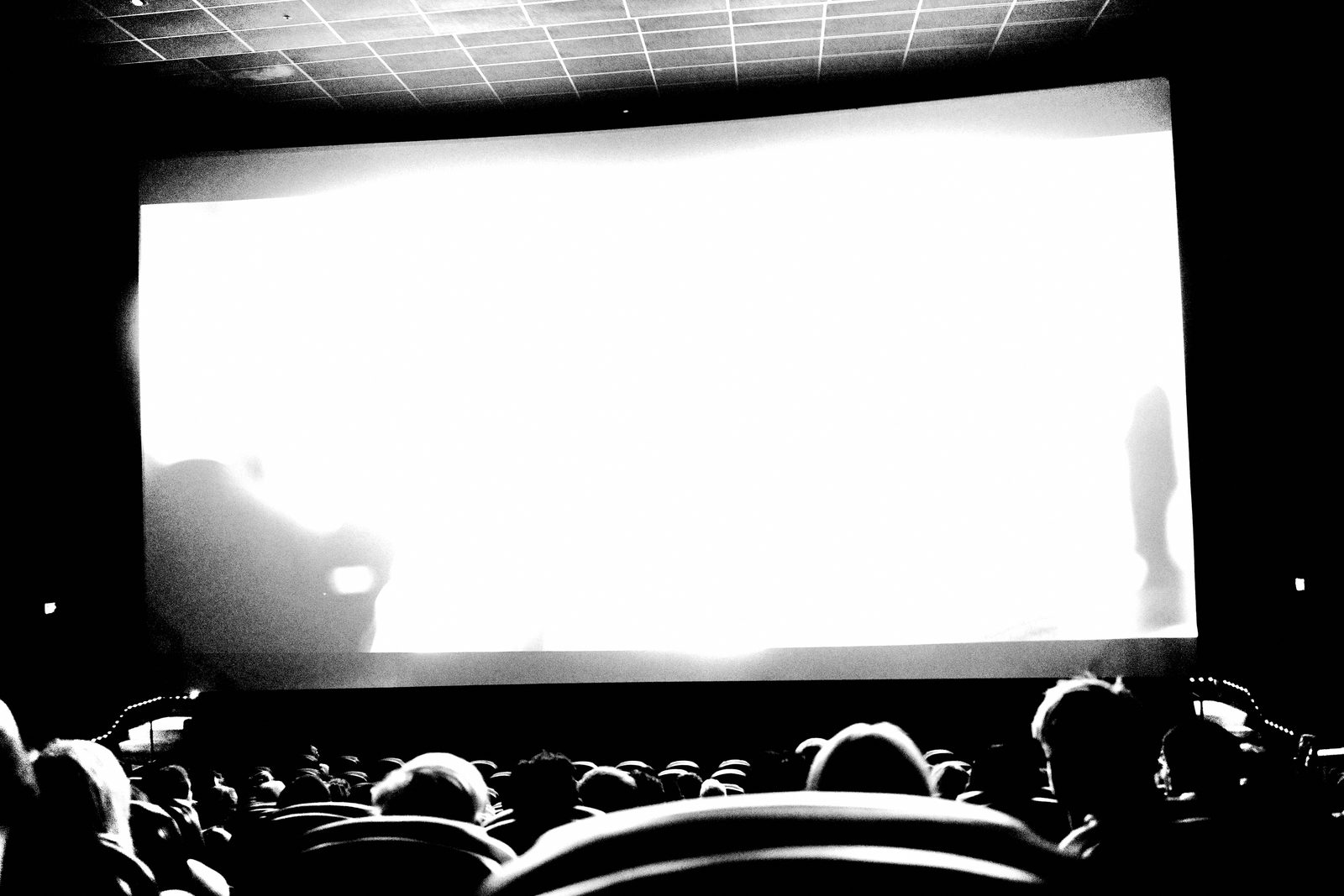
Last thing. Embracing chaos is surrendering to the unpredictable. Set the camera so it disappears, get close, work the imperfect light, reset when you need to — and throw yourself into the fire. Within the madness lives the extraordinary. So get out there, find the crowds, and let the chaos unfold. Let's go shoot some chaos — catch you next lesson.