Shoot Everything, No Limits
CORE IDEA
Shoot Everything, No Limits
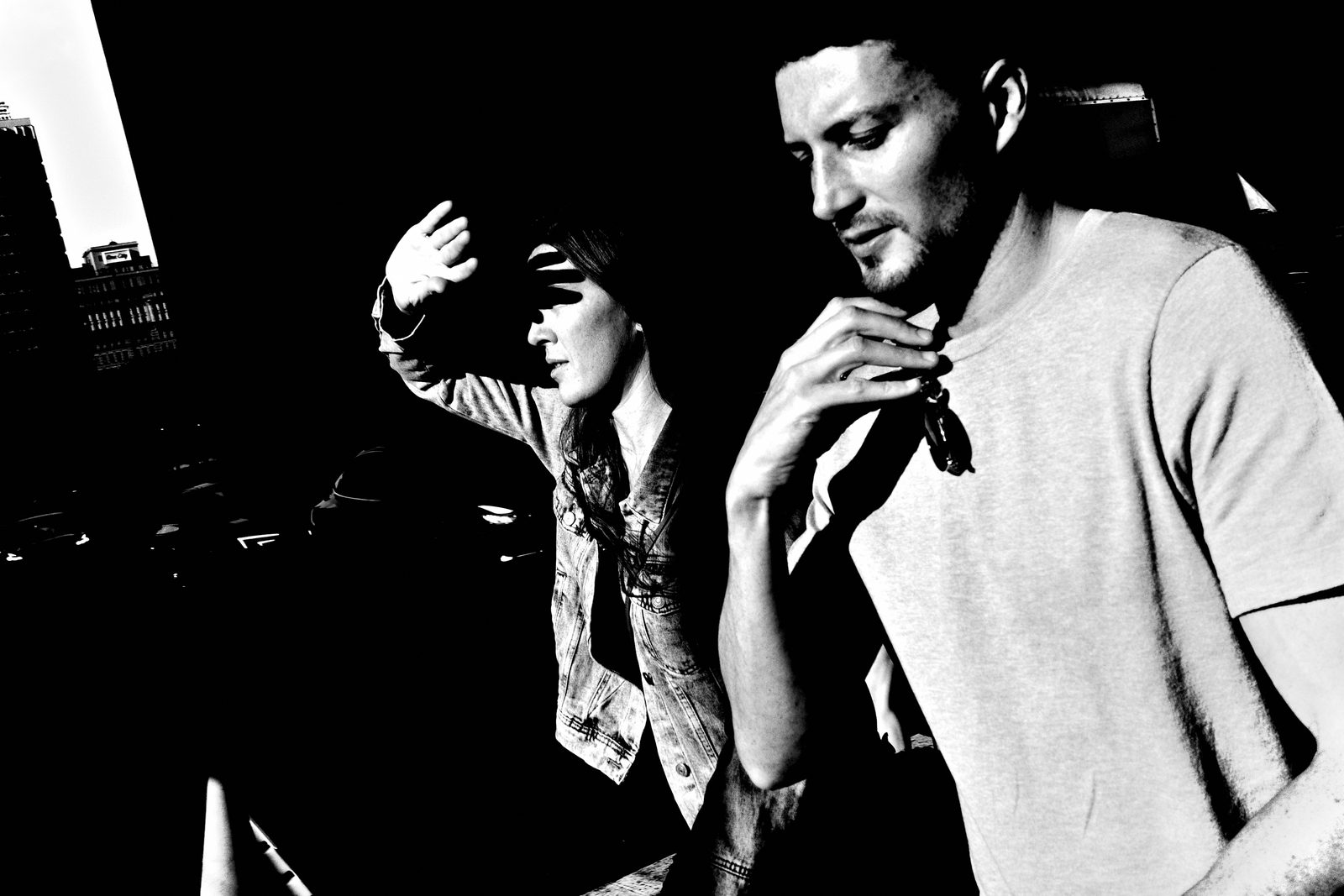
What's popping, people — it's Dante. Today we break the last filter standing between you and the work: the idea that some things are "worth" a photo and some aren't. Throw it out. Anything and everything can be a photograph. Shoot everything. No limits.
LEARNING OBJECTIVE
What You'll Walk Away With
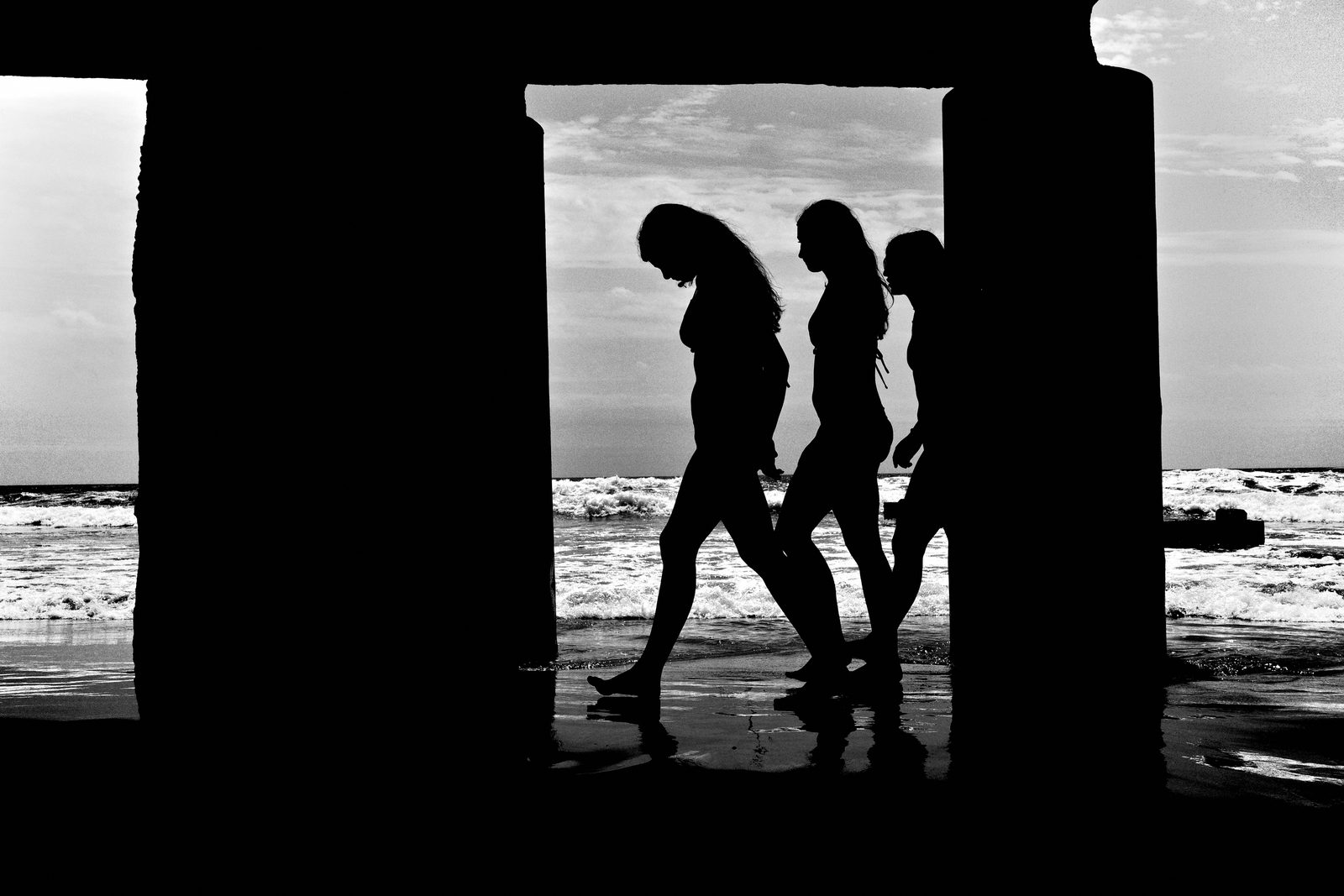
By the end of this lesson you'll have permission — real permission — to go out and shoot freely, with nothing held back. You'll understand why making more photographs, not better-judged ones, is the engine of every skill you'll build this year.
WHY THIS MATTERS
Limiting Yourself Leads to Stagnation
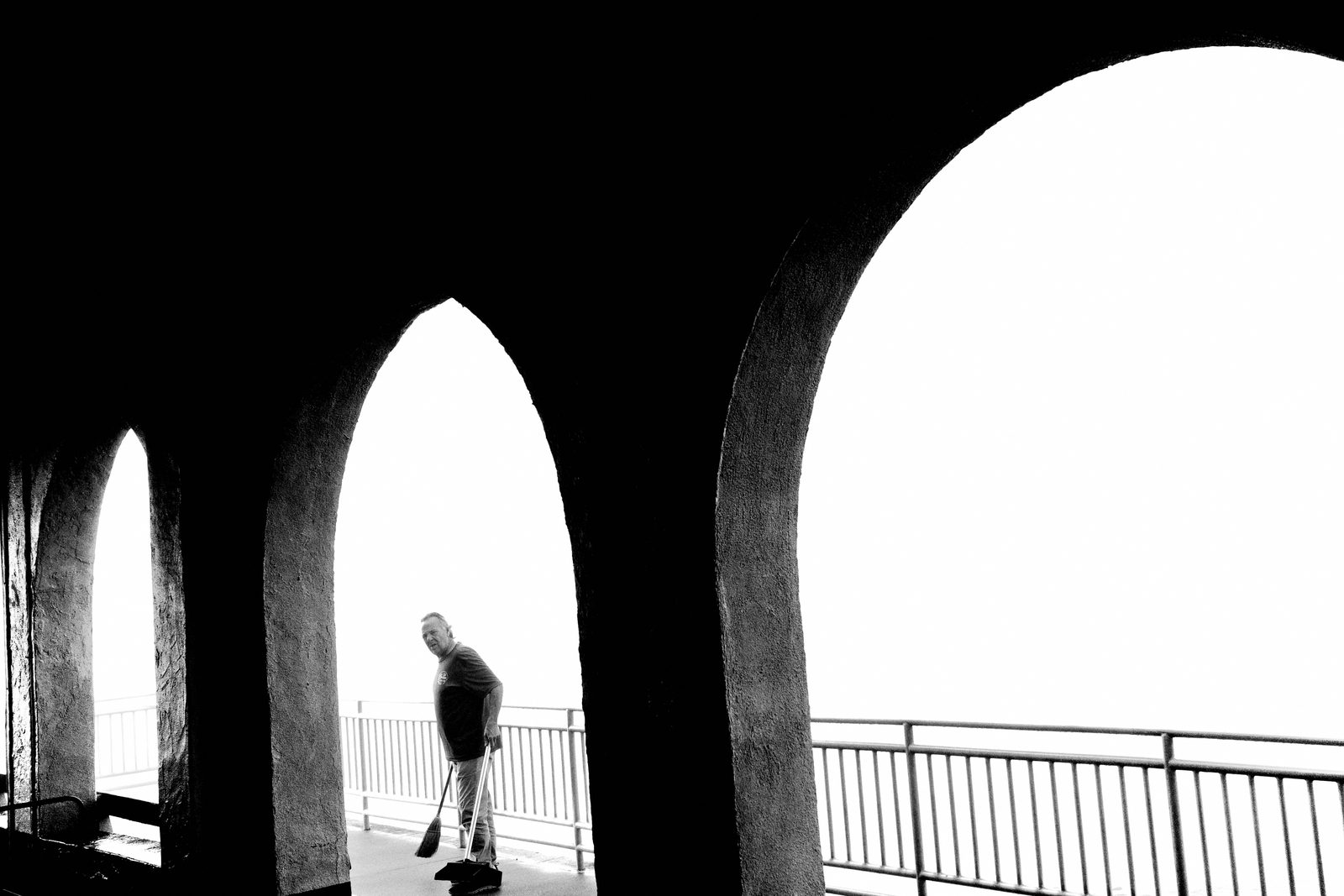
Here's why this matters. Too often, street photographers limit themselves by sticking to strict themes, projects, or styles — and it narrows the creative possibilities until you stagnate. When you're only hunting one kind of shot, you're bound to miss the beauty in everything else.
A State of Production
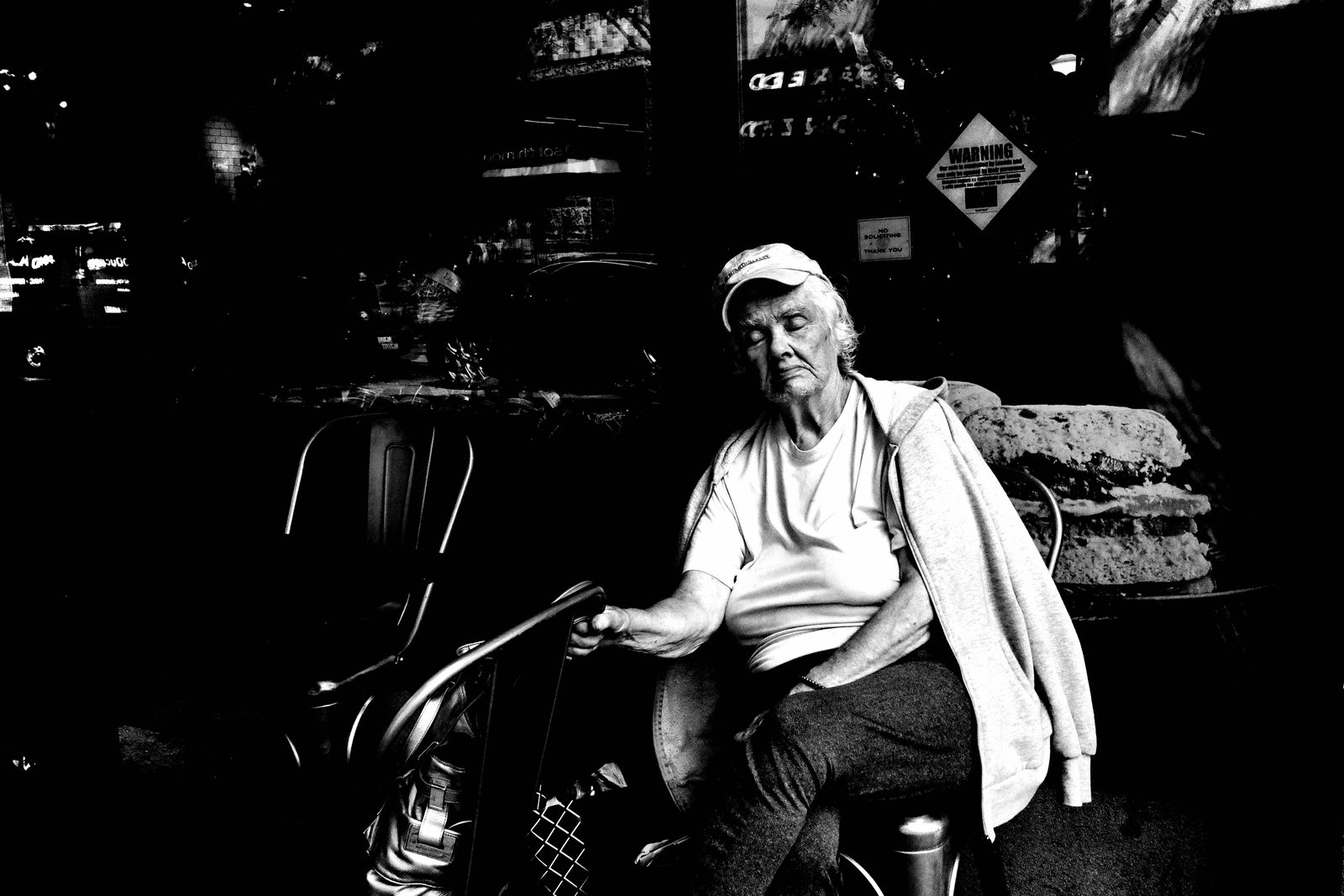
And here's the upside. A successful street photographer is simply someone making new pictures — to be in a state of production is the ultimate goal. Not publications, not gallery shows. Output. Get into a state of production and everything else follows.
MAIN TEACHING
Anything Can Be a Photo
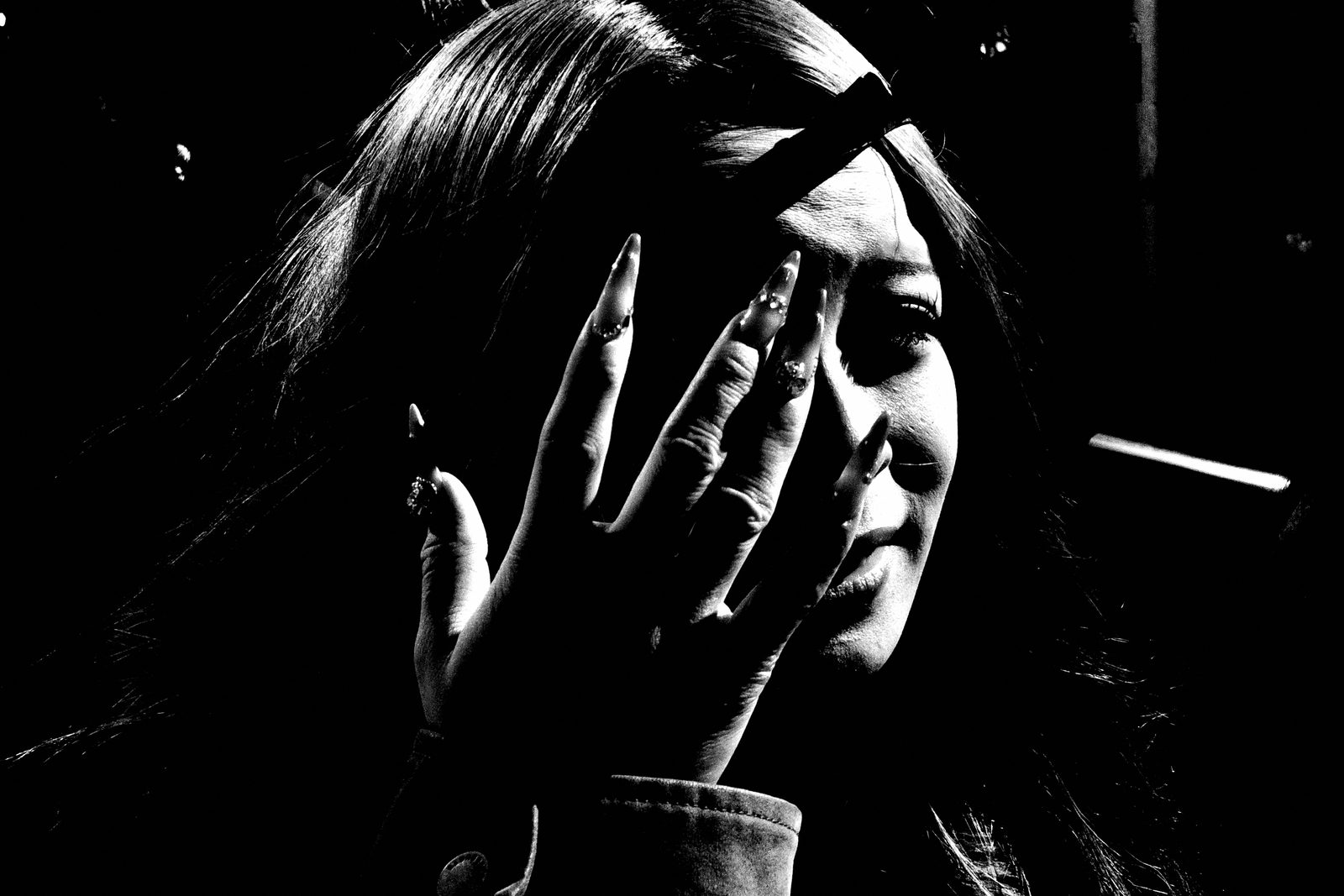
First principle. You shouldn't need to resort to specific places or subjects — anything and everything can be a photograph. The minute you decide a scene isn't "good enough," you've started filtering reality before you've even seen it. Drop that filter. The whole world qualifies.
Forget the Theme
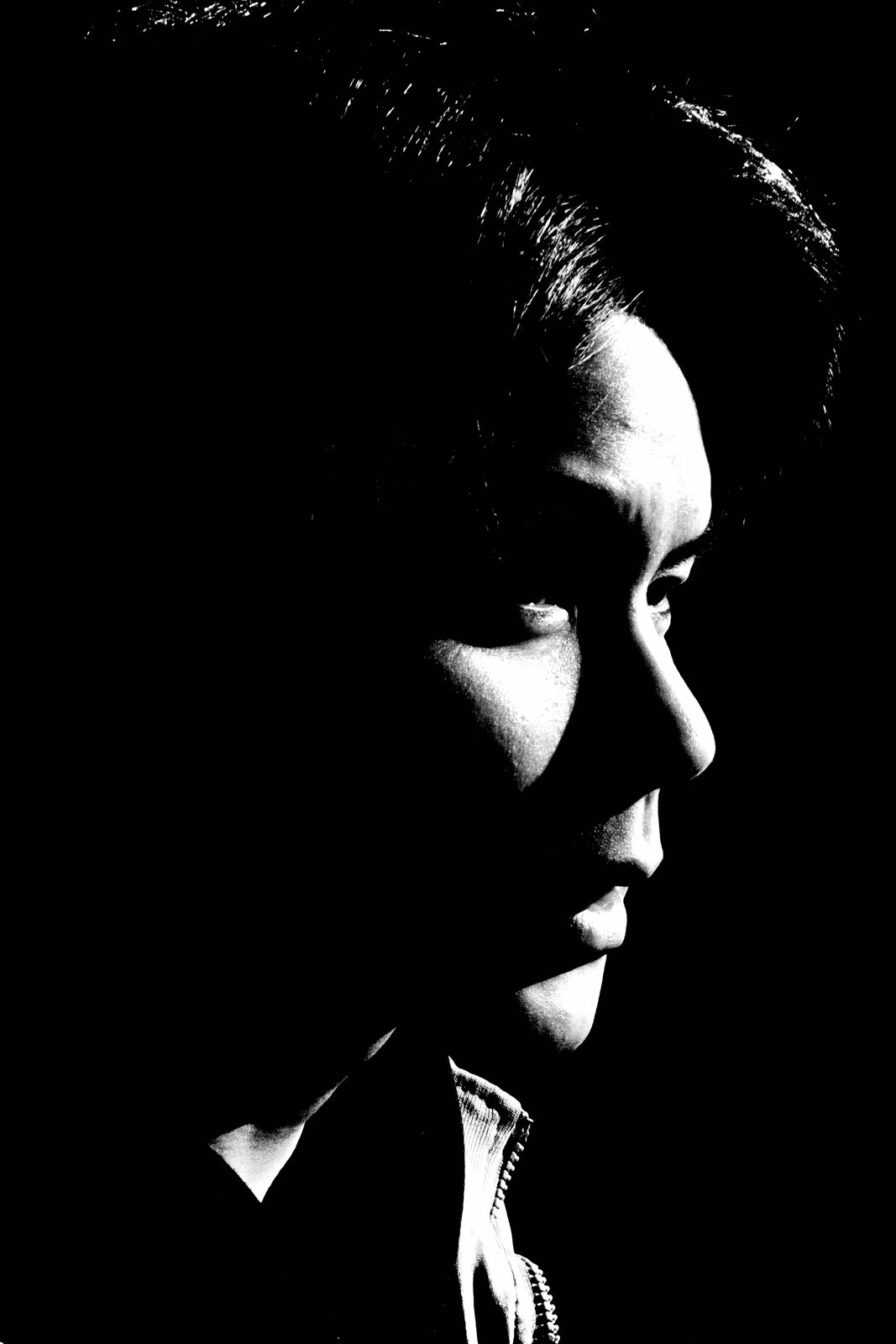
Second principle: forget themes. You don't have to go out with a theme in mind. Shoot freely, review your archive, and the themes will emerge naturally — poetic frames, geometry, humor, religion. They reveal themselves after you shoot, never before. Forcing a theme up front only shrinks what you'll see.
More Photos, Better Photographer
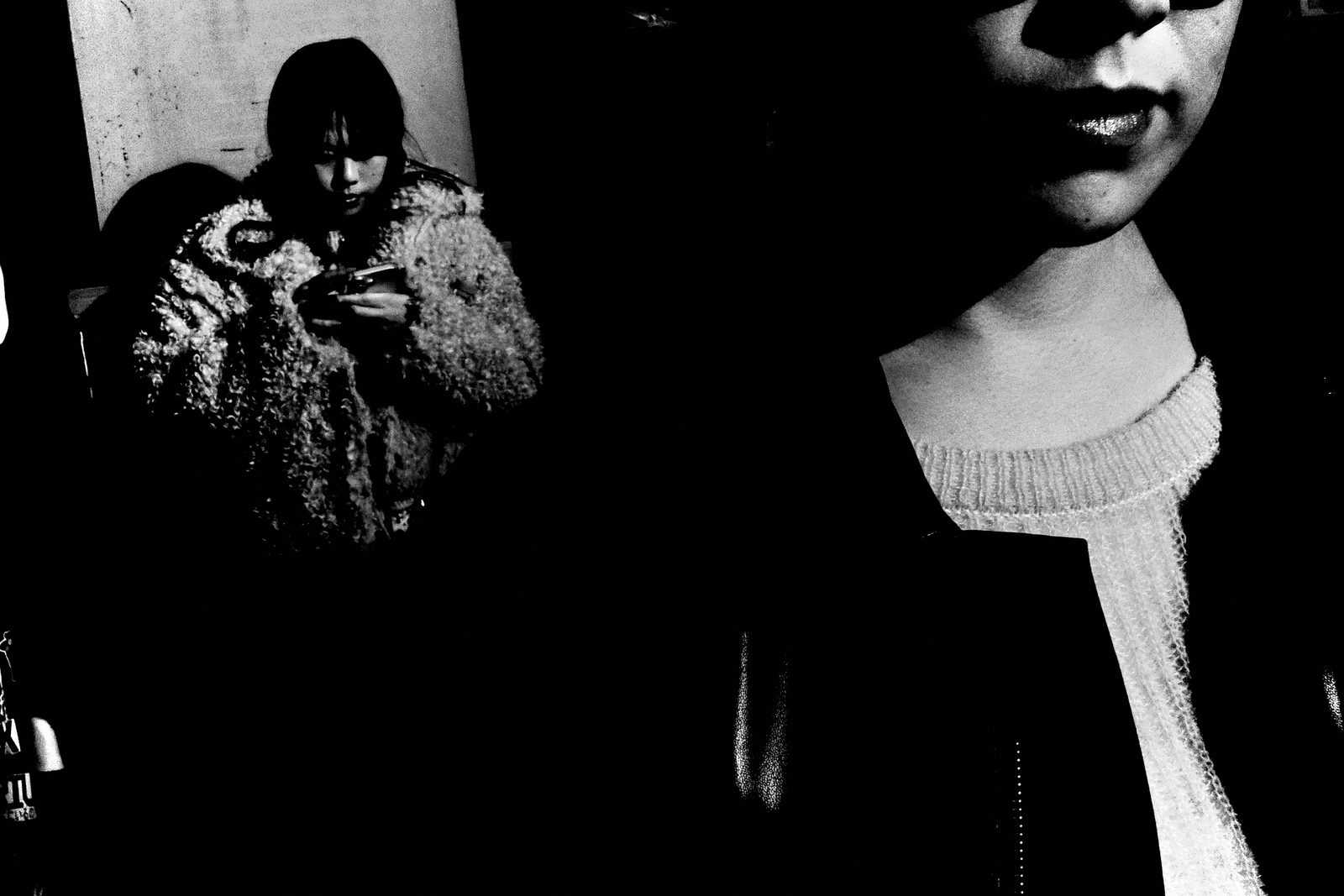
Third principle, and it's almost too simple: the secret to improving is making more photos. The more you shoot, the better you become. And there's a loop underneath it — the more you walk, the more you see, and the more you see, the more you photograph. As I put it: he who walks the most, shall win. Put in the miles and the frames take care of themselves.
Don't Think, Just Shoot
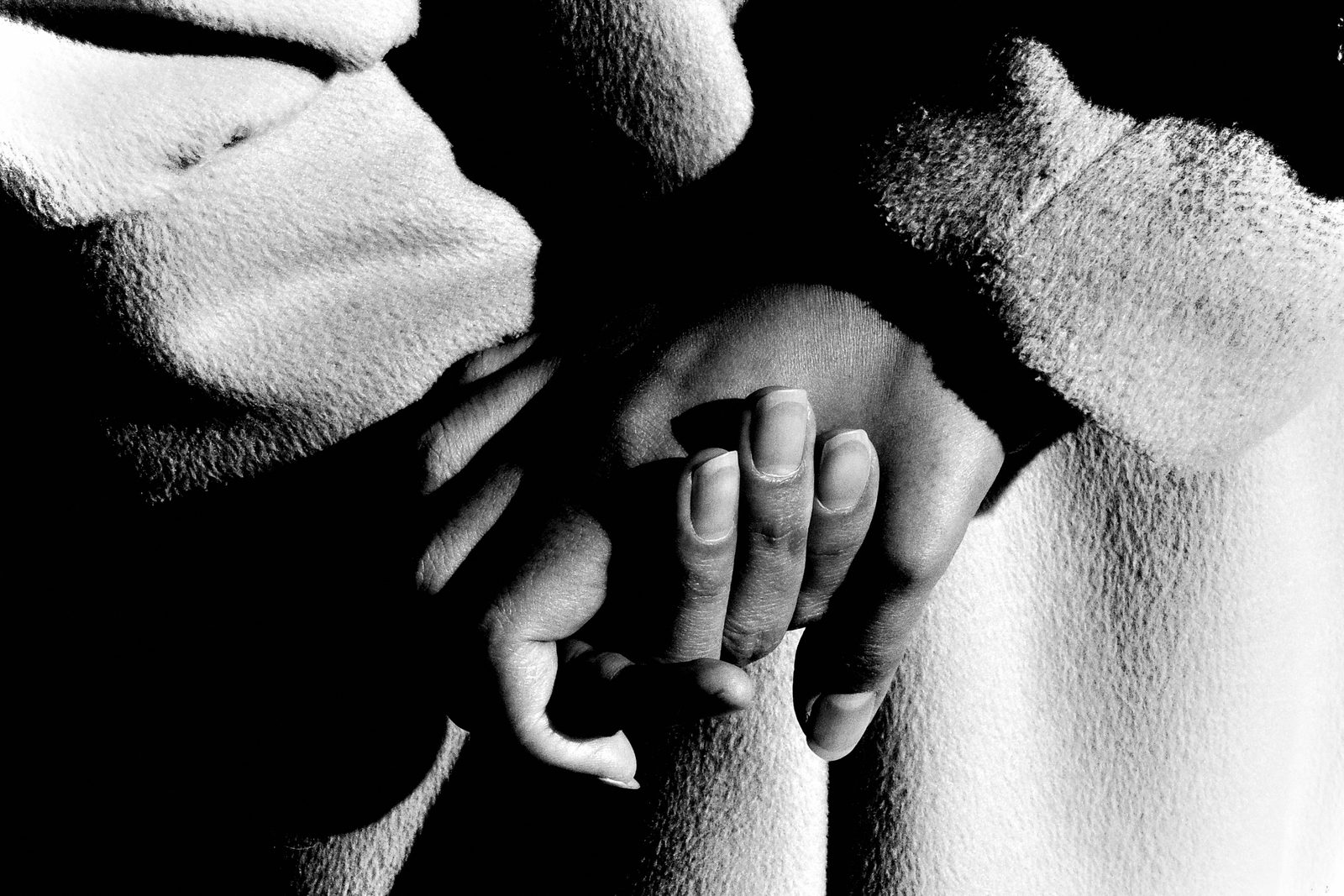
Here's the discipline of shooting everything: don't think — just shoot. Let intuition guide you, ask questions later. The second you pause to grade a frame on the street, the moment is gone. Production mode means you press the shutter first and evaluate much, much later, if at all.
The 1,000-Photo Day
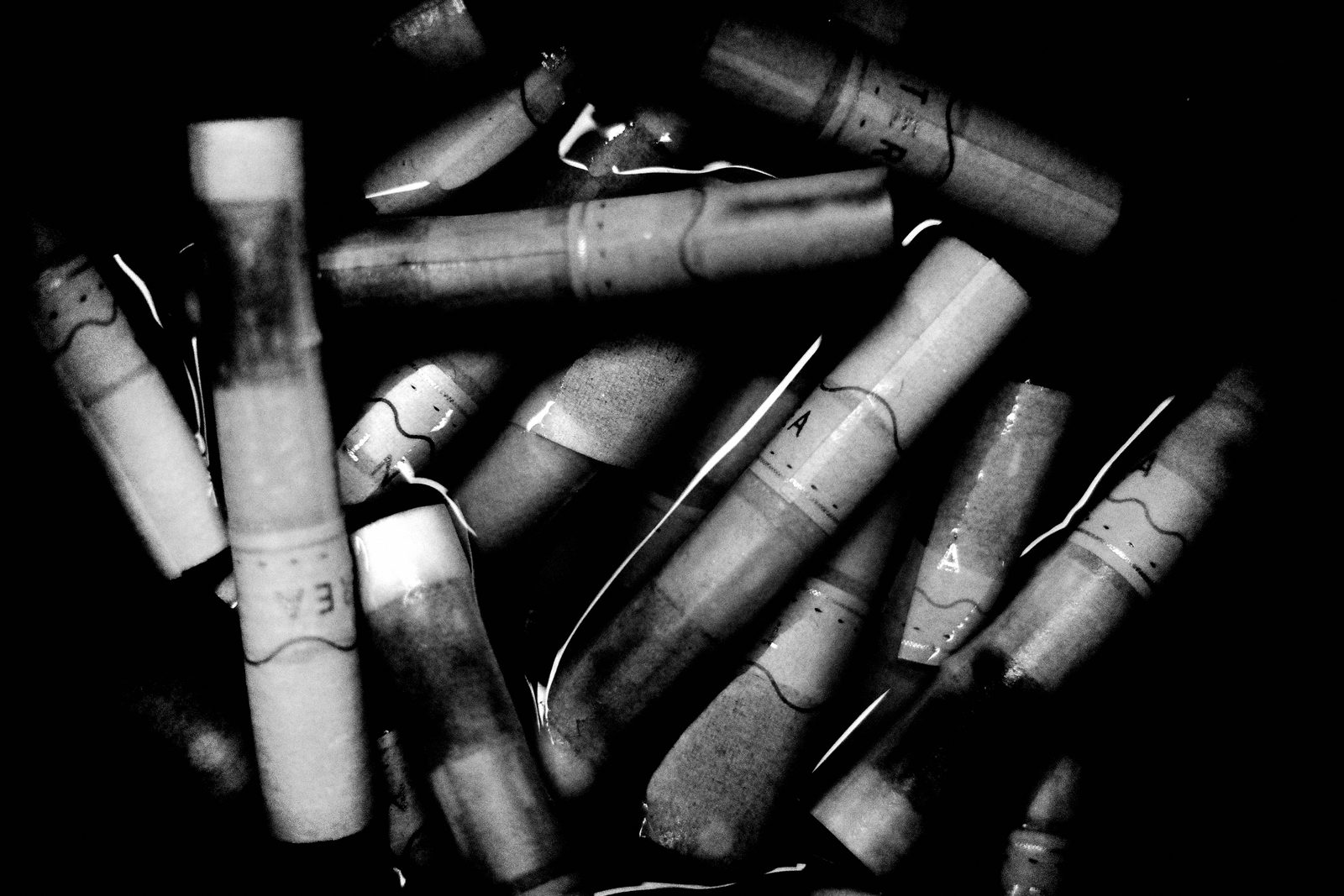
Want a number to chase? Set a goal to take 1,000 photos in a single day. Sounds insane until you do it — and then something breaks open. You stop being precious with the shutter. You shoot the mundane, the half-chances, the maybes. The more you photograph, the more you learn.
Eliminate Excuses
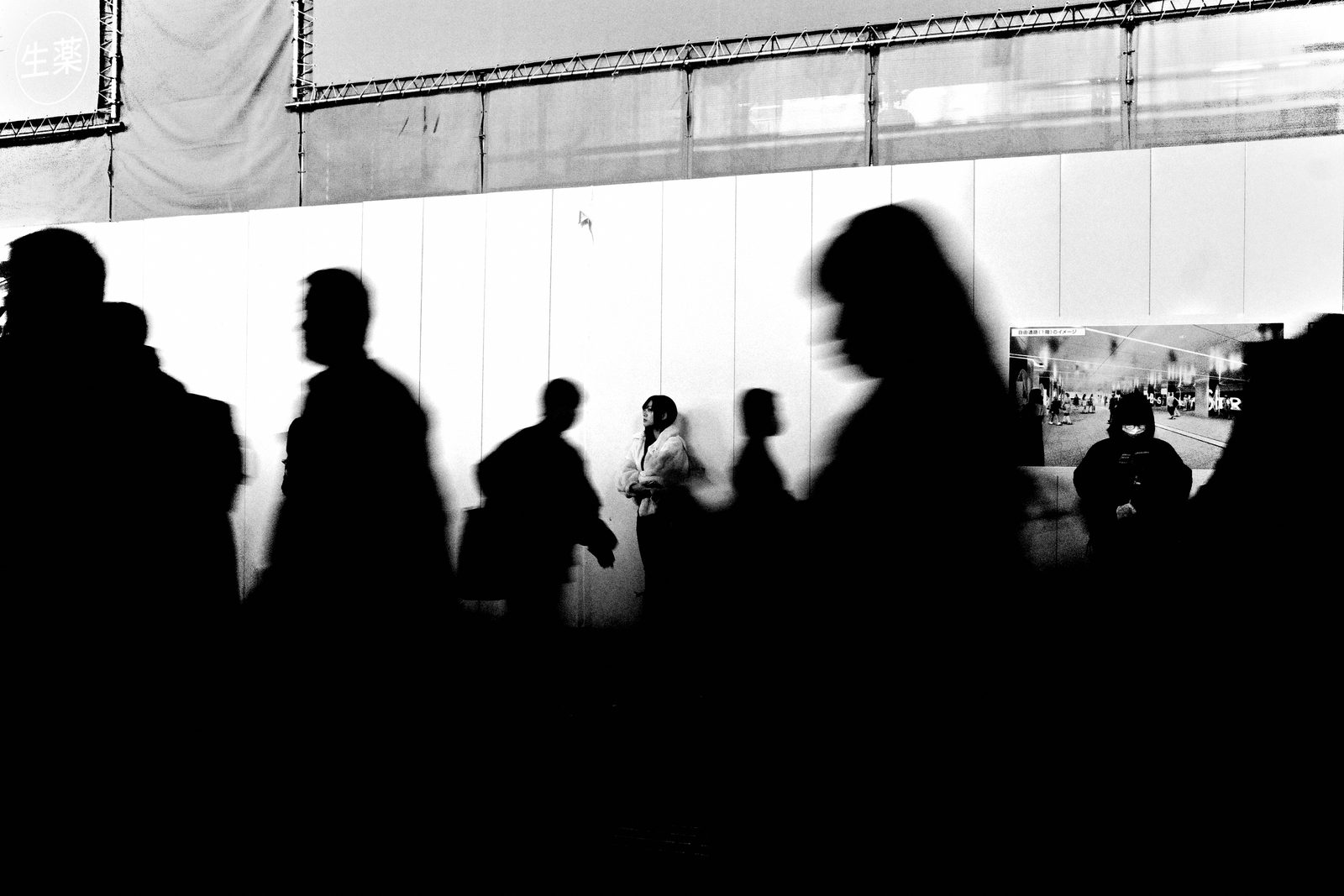
If you're going to shoot everything, you have to be able to. Carry a compact camera at all times — it eliminates excuses. There's always a reason to photograph, and the world is full of endless scenes waiting to be captured. No camera, no frame. So the camera is always on you. Always.
Shooting Everything Forces Your Luck
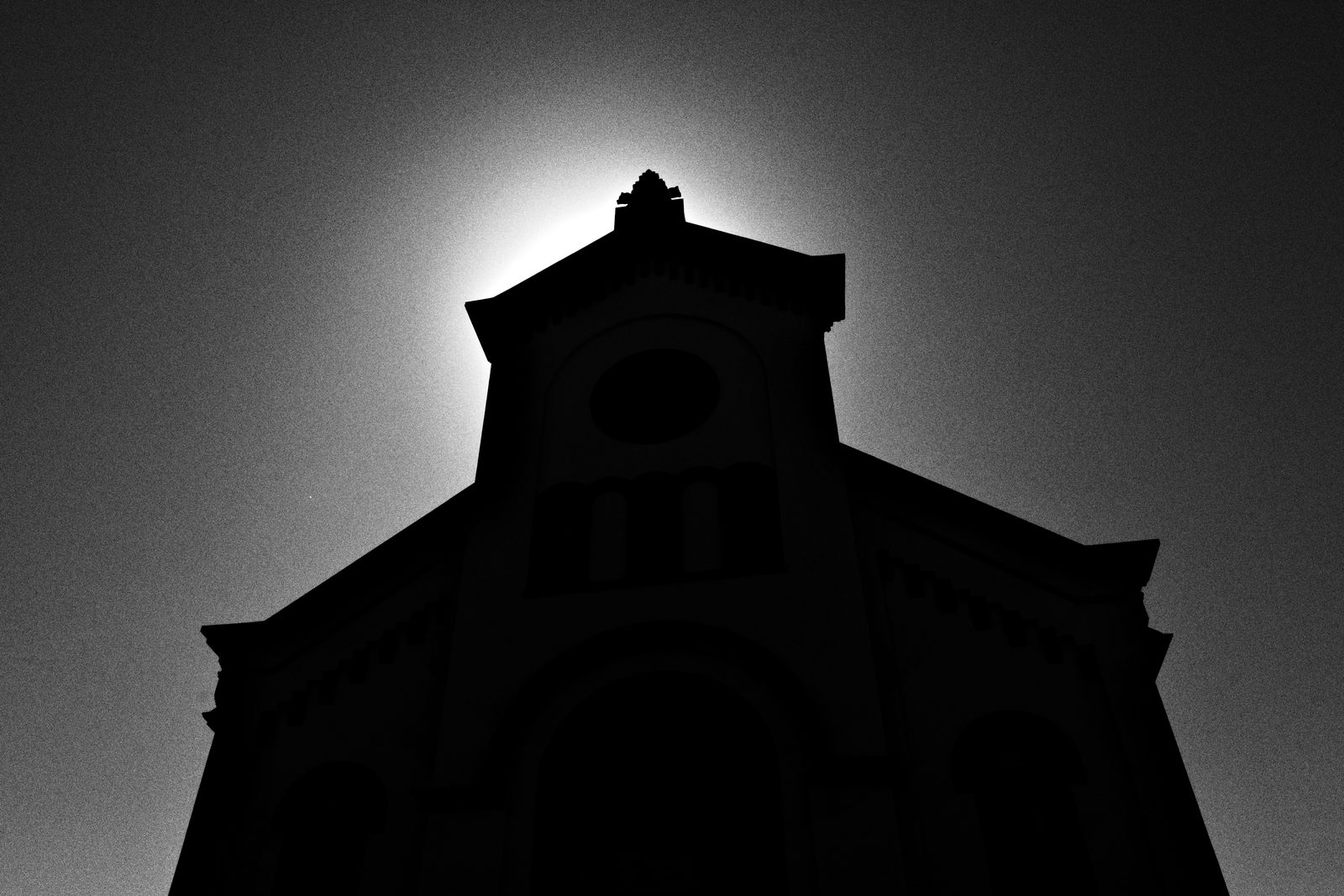
People think great frames are luck. They're not. You force your luck by putting yourself in the right situations repeatedly. Shooting everything is how you get enough at-bats for the magic to land. You don't wait for the moment — you make so many attempts that the moment has to show up.
Volume Puts You There Before the Moment
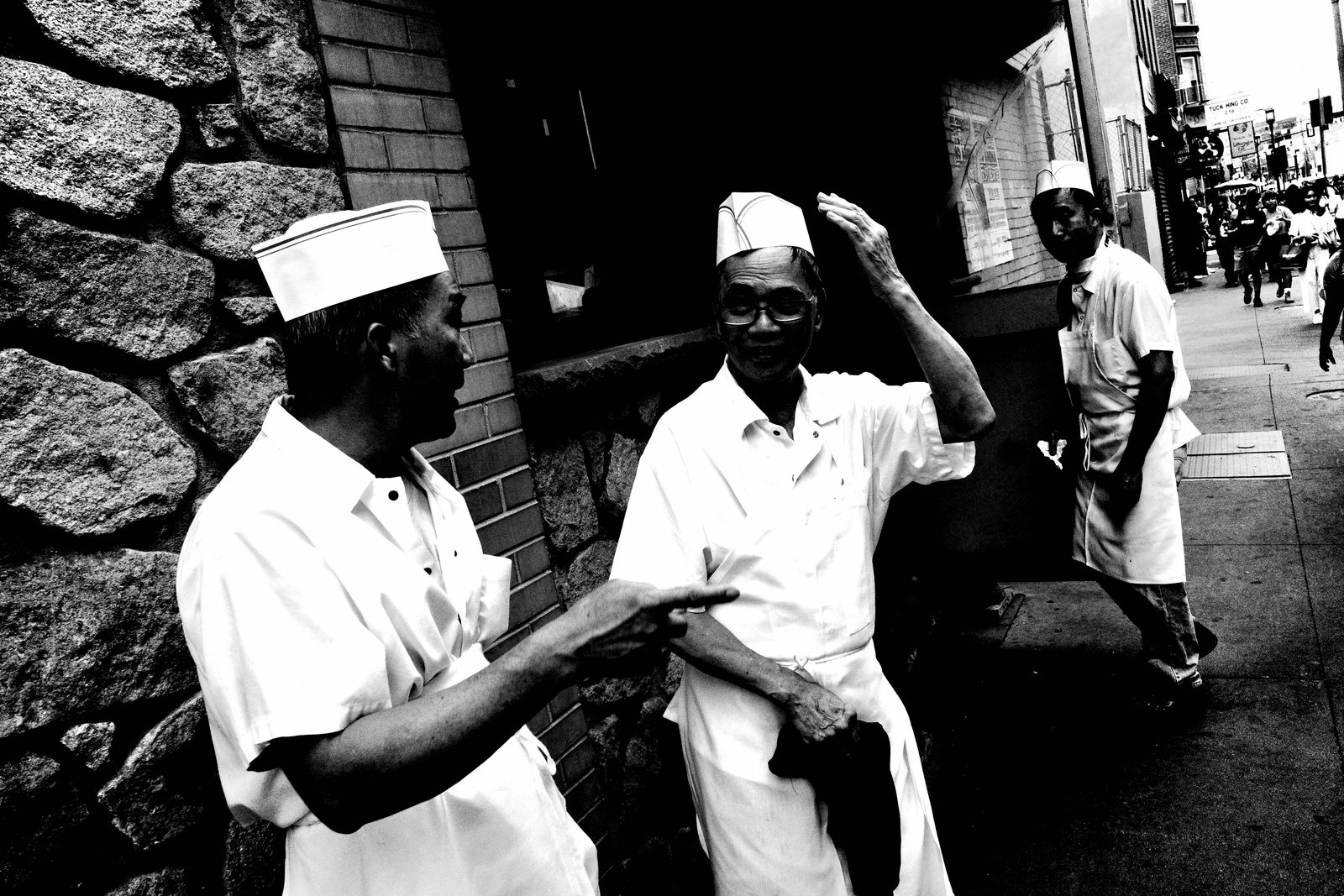
Think about a fountain throwing spray into the light. Circle it long enough — shooting the whole time — and you start to read the patterns: when the light catches the water, where you'd need to stand for a rainbow to appear. Then you position yourself and wait. The great frame that eventually arrives isn't luck. It's hours of shooting everything around that spot until the right instant shows up and finds you already in place.
The Frames Find You When You're Out There
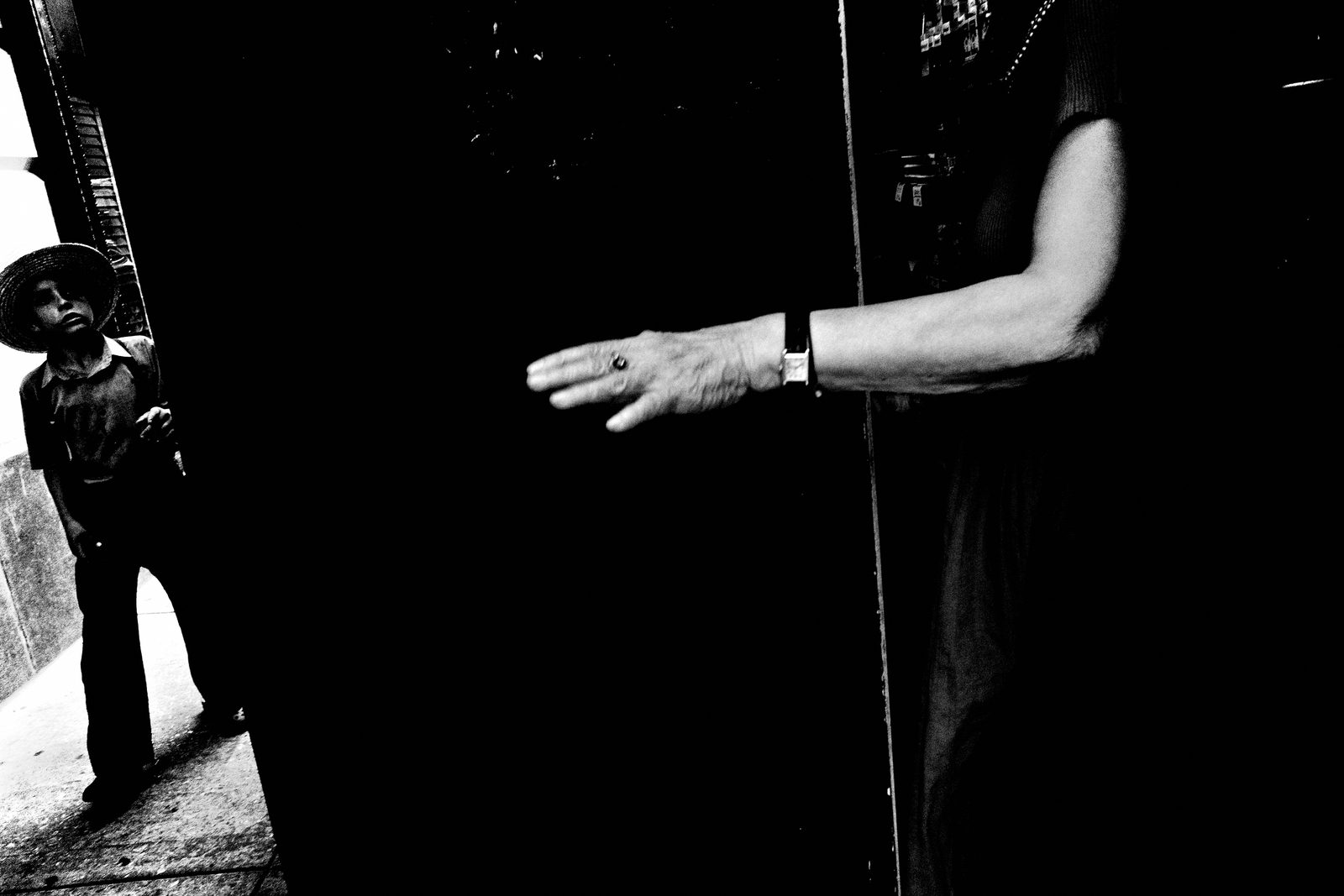
The best scenes tend to arrive when you're not hunting them. You're just out moving through the day — riding, walking, following your curiosity — and suddenly something unfolds in front of you that you'd never have gone looking for. You weren't chasing a theme. You were simply out there, shooting. That's the whole secret: be present, be moving, and the frames find you.
The Mundane Scene, Shot Anyway
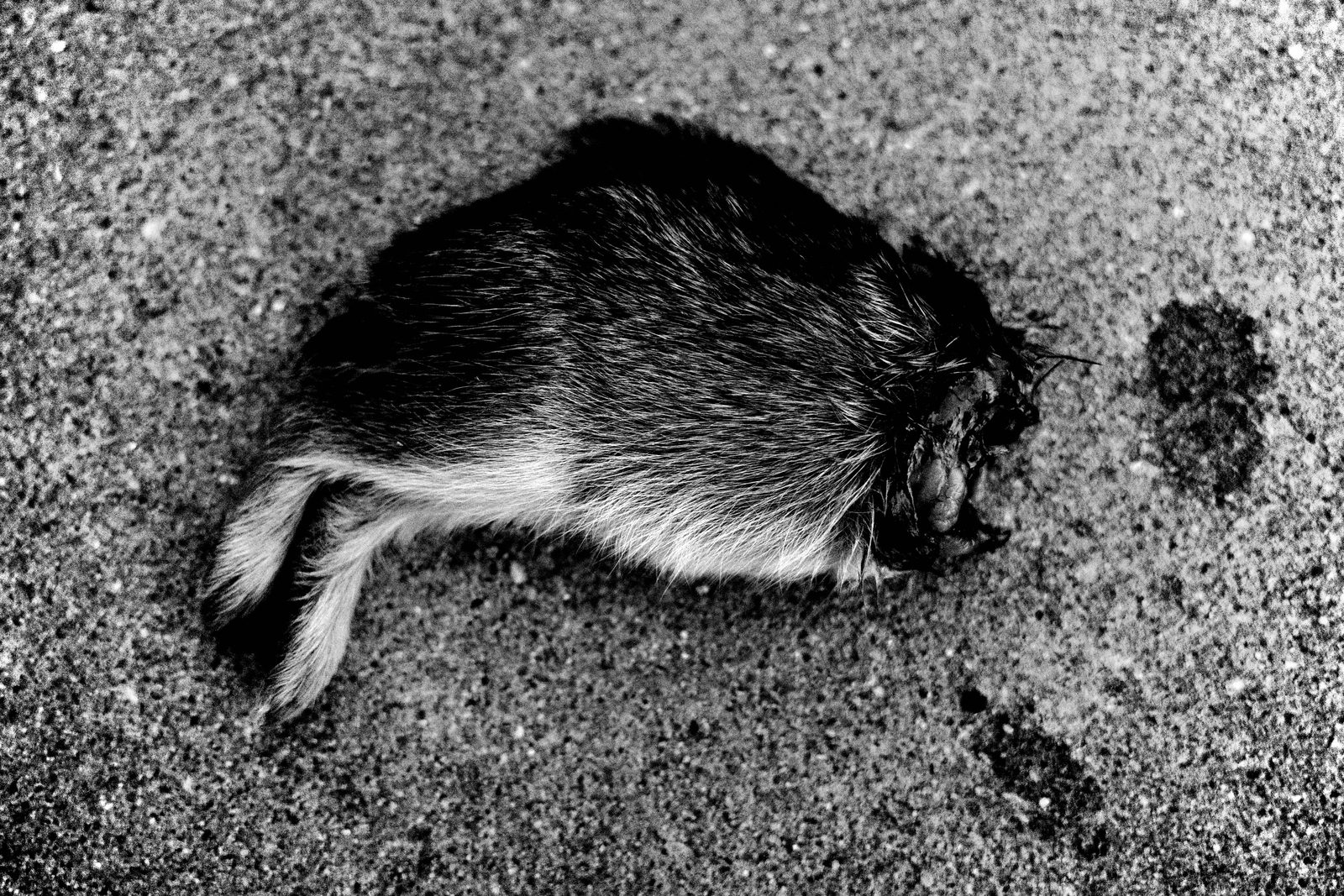
Picture a broken-down car on the side of a road, people standing around it, open sky behind. About as mundane as it gets. But step into it and you can build layers — the car in the foreground, the people in the middle ground, the sky behind. A roadside nothing becomes a layered frame. It only happens because you shoot it, instead of deciding it isn't worth shooting.
Find Beauty in the Ordinary
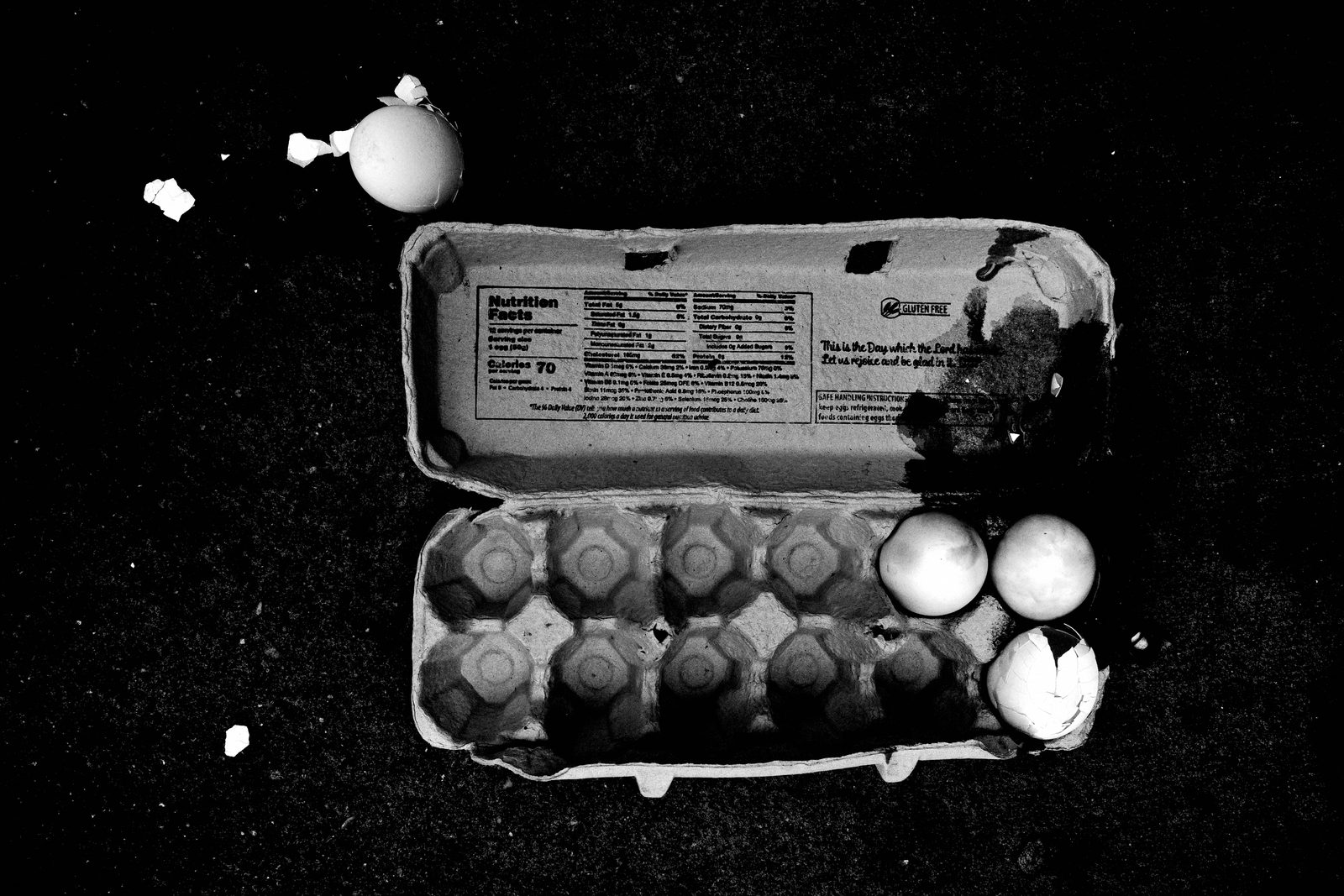
When you shoot everything, the mundane becomes a source of endless fascination. You stop waiting for some extraordinary moment to bless you. If you think there's nothing interesting around you, it's time to change your perspective on how you view the world — not your location. The ordinary was always enough.
Volume Builds the Flow State
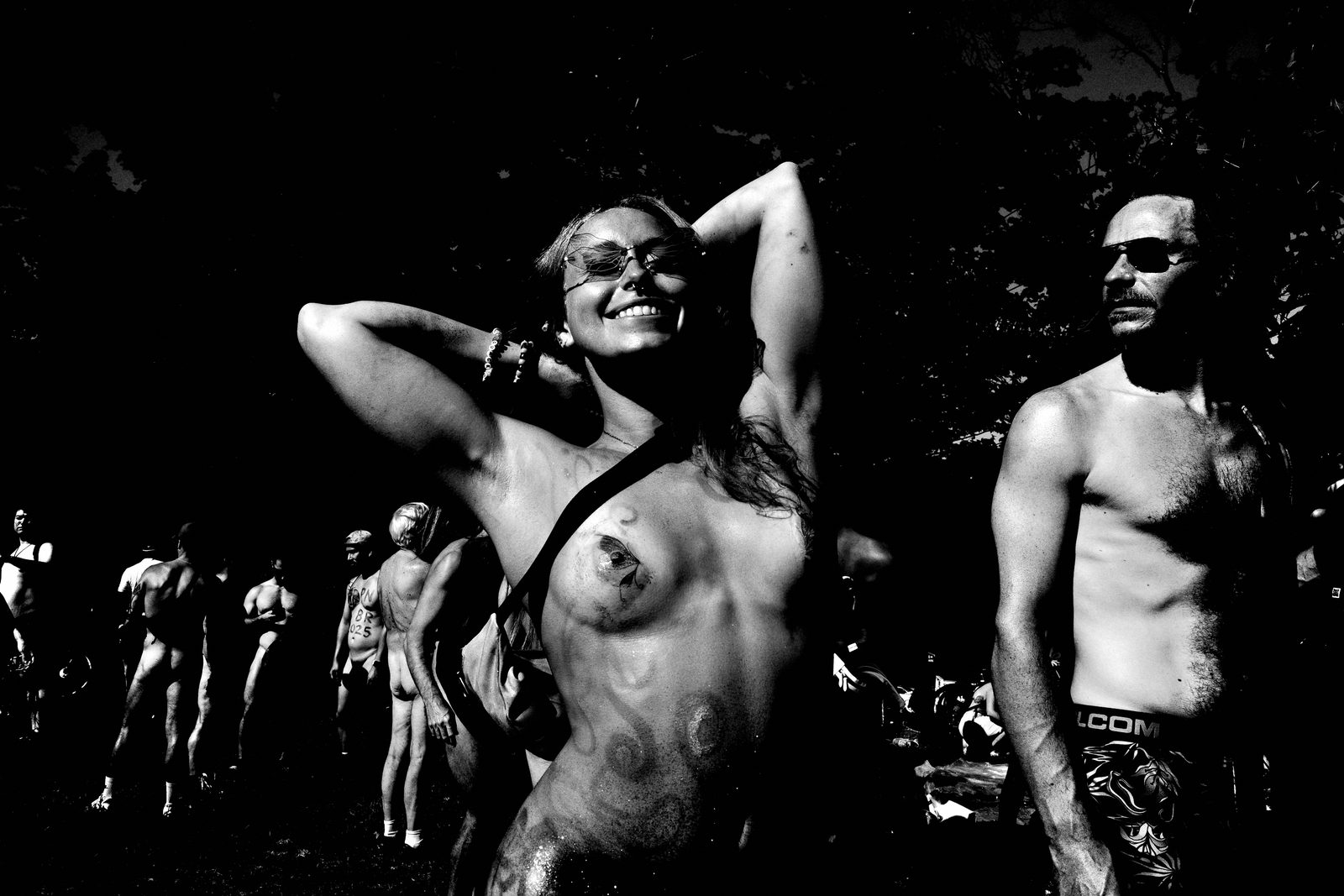
Here's the gift waiting on the other side of volume: flow. When you shoot everything with no judgment, you stop overthinking and start reacting to the world as it happens. No good-vs-bad in the moment. Just the next frame, then the next. Shooting everything is how you fall into the flow state.
PRACTICAL APPLICATION
The No-Limits Walk
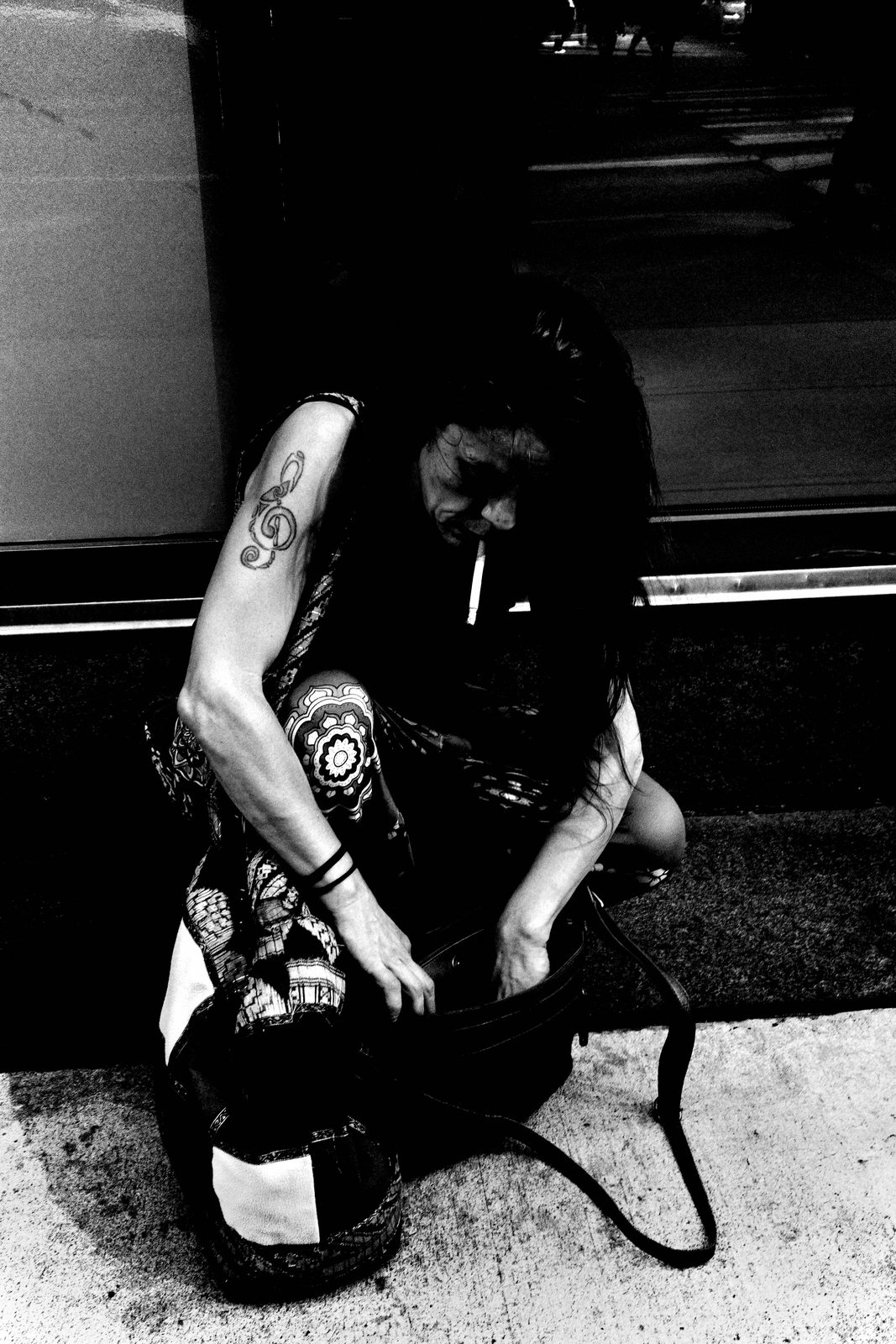
Here's your assignment. Go on one walk and shoot everything — no filtering, no "is this worth it." Shoot the boring stuff on purpose: the curb, the trash can, the shadow on a wall. Push the count high. The point isn't keepers — it's killing the filter that's been costing you frames.
The 1,000-Frame Challenge
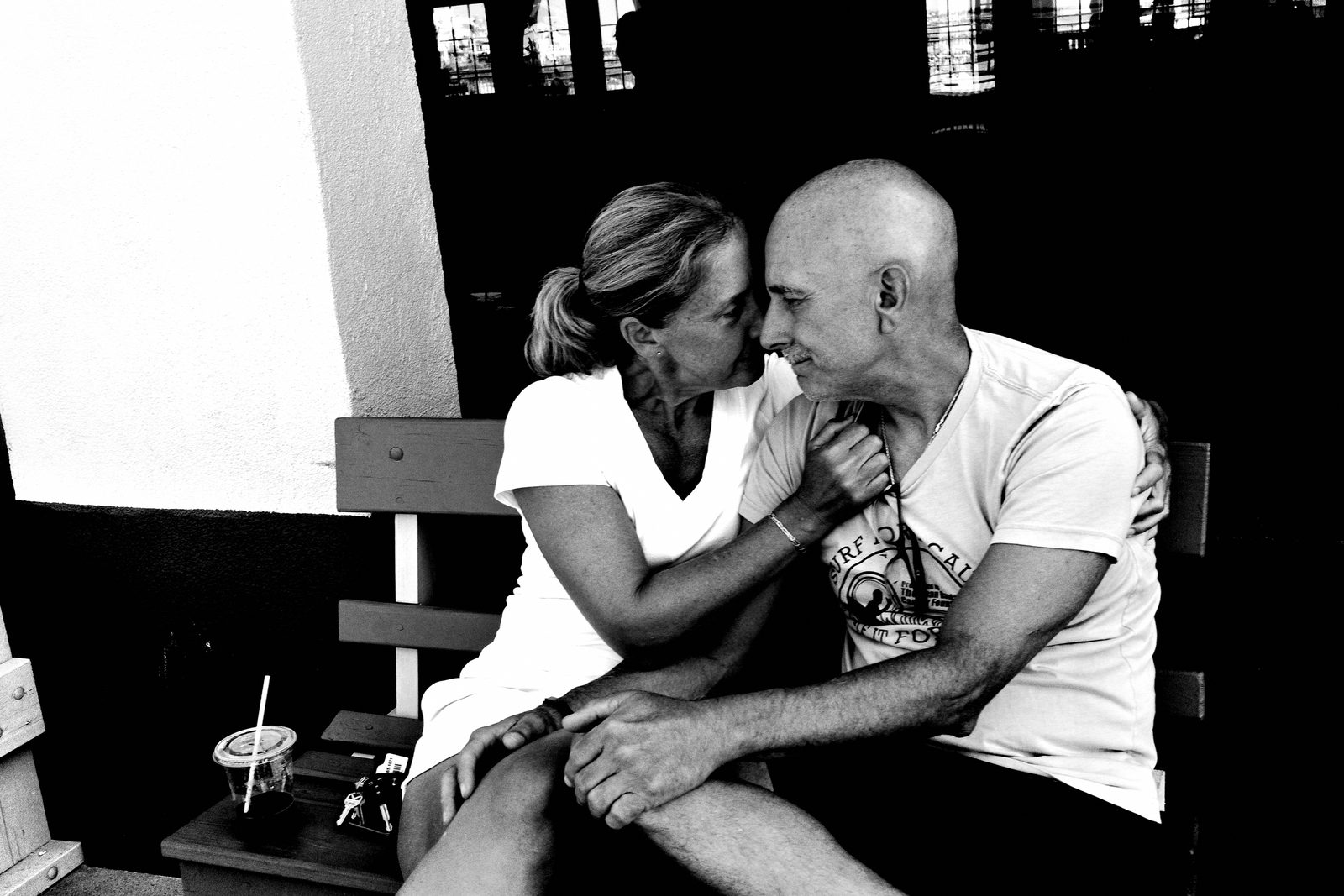
Then level it up: pick a day and go for 1,000 frames. Don't chimp the screen, don't delete in the field — just keep walking and shooting. You'll burn through your preciousness fast, and what's left is a pure state of production. Review only once you're home, never on the street.
COMMON MISTAKES
Waiting for the "Worthy" Shot
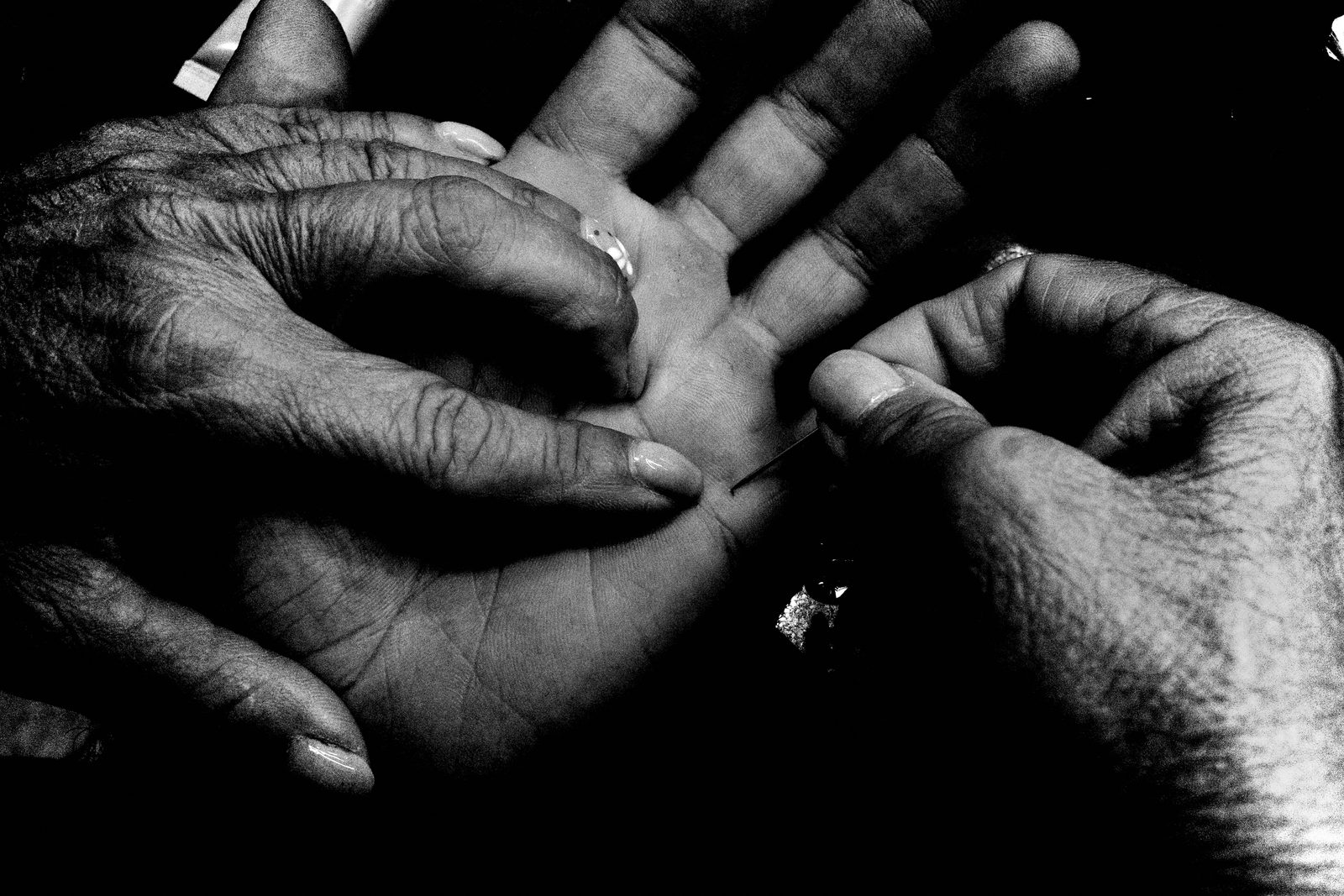
The biggest mistake is standing there deciding whether a scene is "worthy" before you shoot it. That hesitation is the missed photo. Don't wait for extraordinary moments and don't pre-grade reality. If it catches your eye even a little — shoot it. You can sort it out later; you can never get it back.
Caging Yourself in a Theme
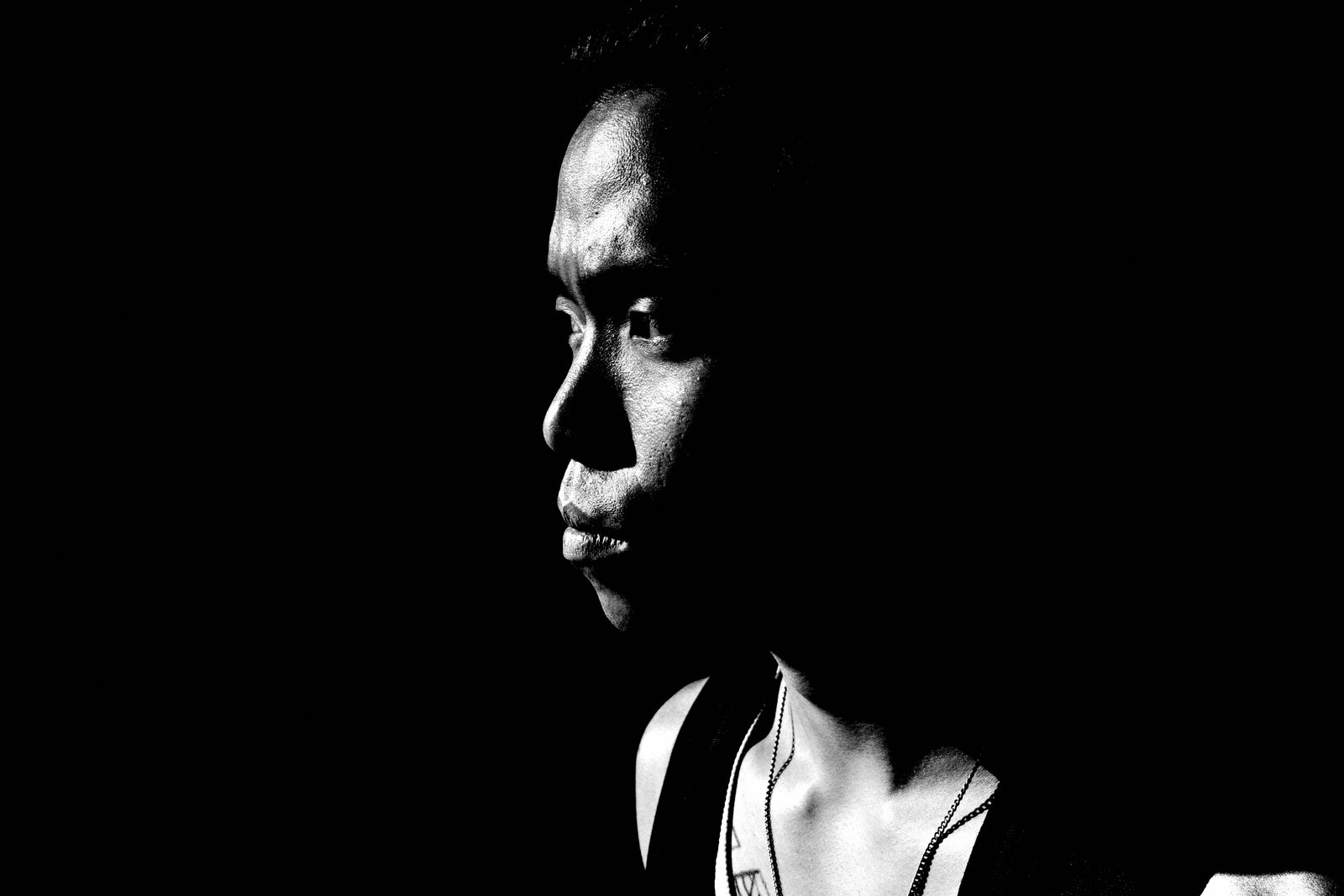
The other trap: locking into a strict theme or project too early. It feels disciplined, but it quietly narrows your eye until you only see one thing and miss the rest. Just shoot, and the themes will emerge naturally. Don't cage yourself before you've even learned to see widely.
RELATIONSHIP TO PREVIOUS
Building on a Way of Life
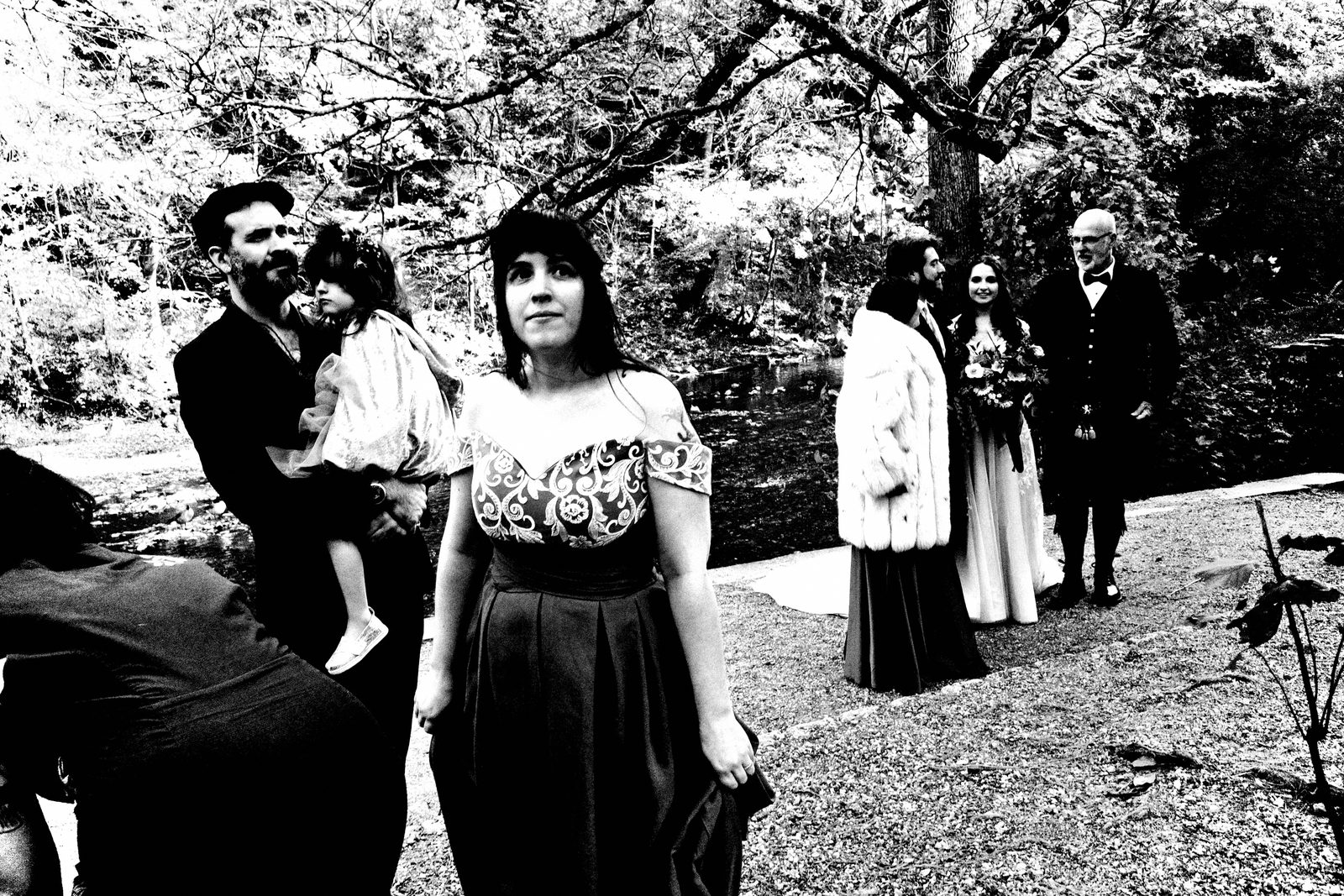
In Lesson 002 we made photography a way of life — camera always in your pocket, always ready. This lesson is the how of living that out: if it's a way of life, you shoot everything, all the time, no limits. The way of life and the volume habit are the same muscle.
RELATIONSHIP TO UPCOMING
Where We Go From Here
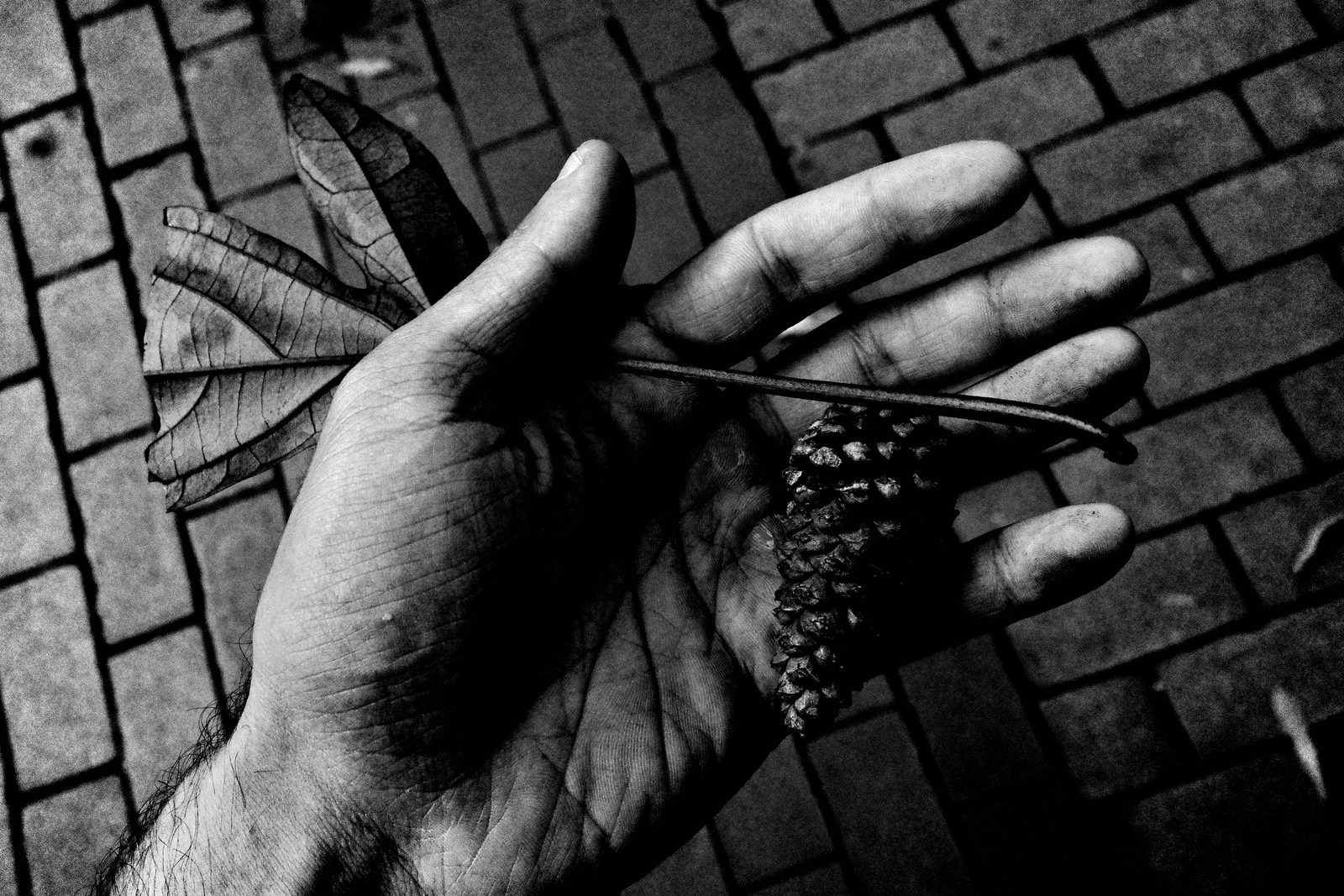
So if shooting everything is the practice, what powers it? That's next. In Lesson 004, Curiosity & Joy: The Engine, we get under the hood — because volume without curiosity is just a grind, and joy is the fuel that keeps you shooting everything for a lifetime.
SUMMARY / TAKEAWAY
Shoot Everything, Sort It Later
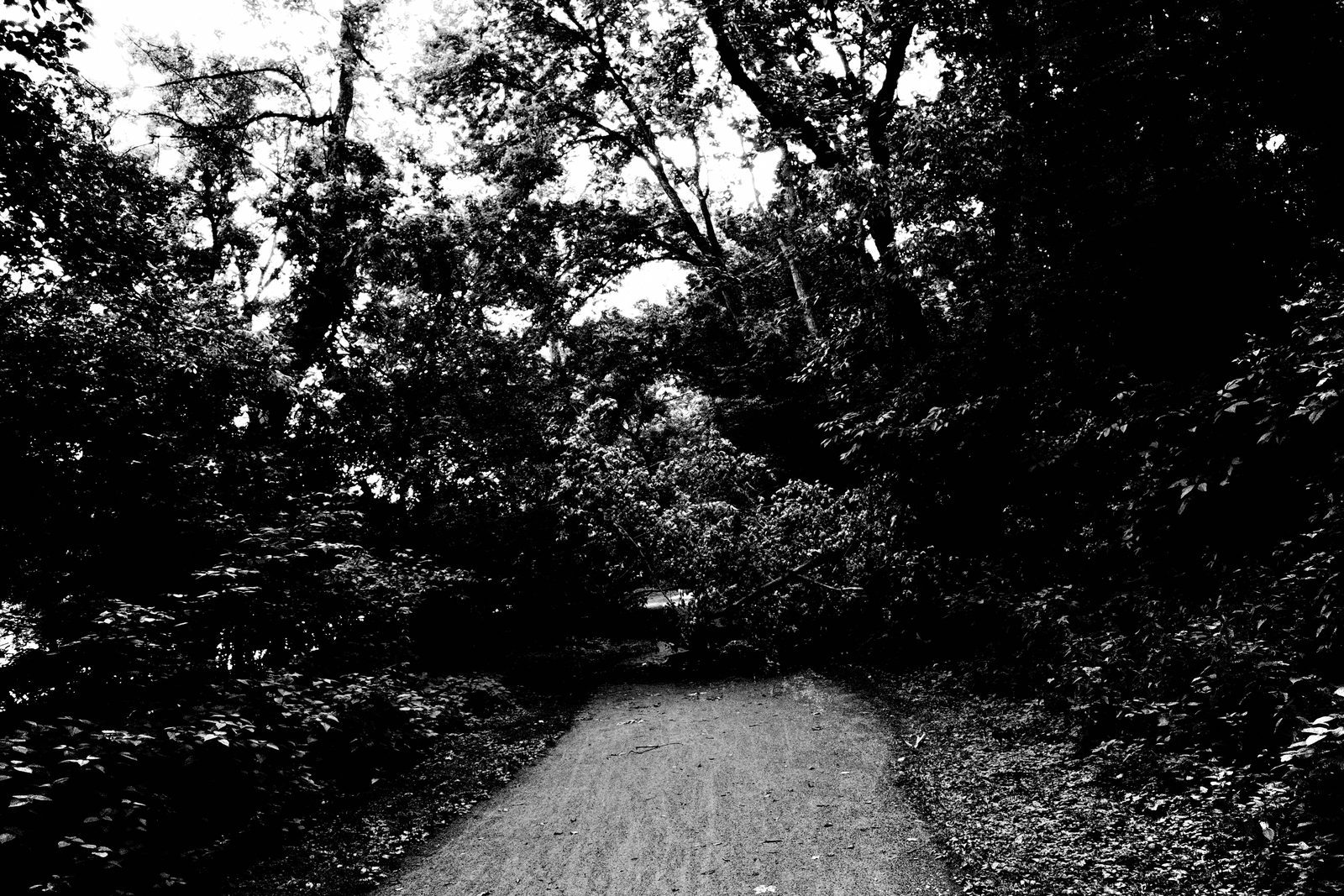
Last thing. Anything and everything can be a photograph. Forget the themes, forget "worthy," forget good-vs-bad on the street. Get into a state of production, force your luck with volume, and let the meaning emerge later. Walk more, judge less, shoot everything. Catch you next lesson.