What Is the Goal of Street Photography?
The foundation of everything. Street photography's goal isn't to make impressive pictures — it is to reveal what reality could be, made from pure curiosity and joy.
CORE IDEA
The Goal Isn't Good Photos
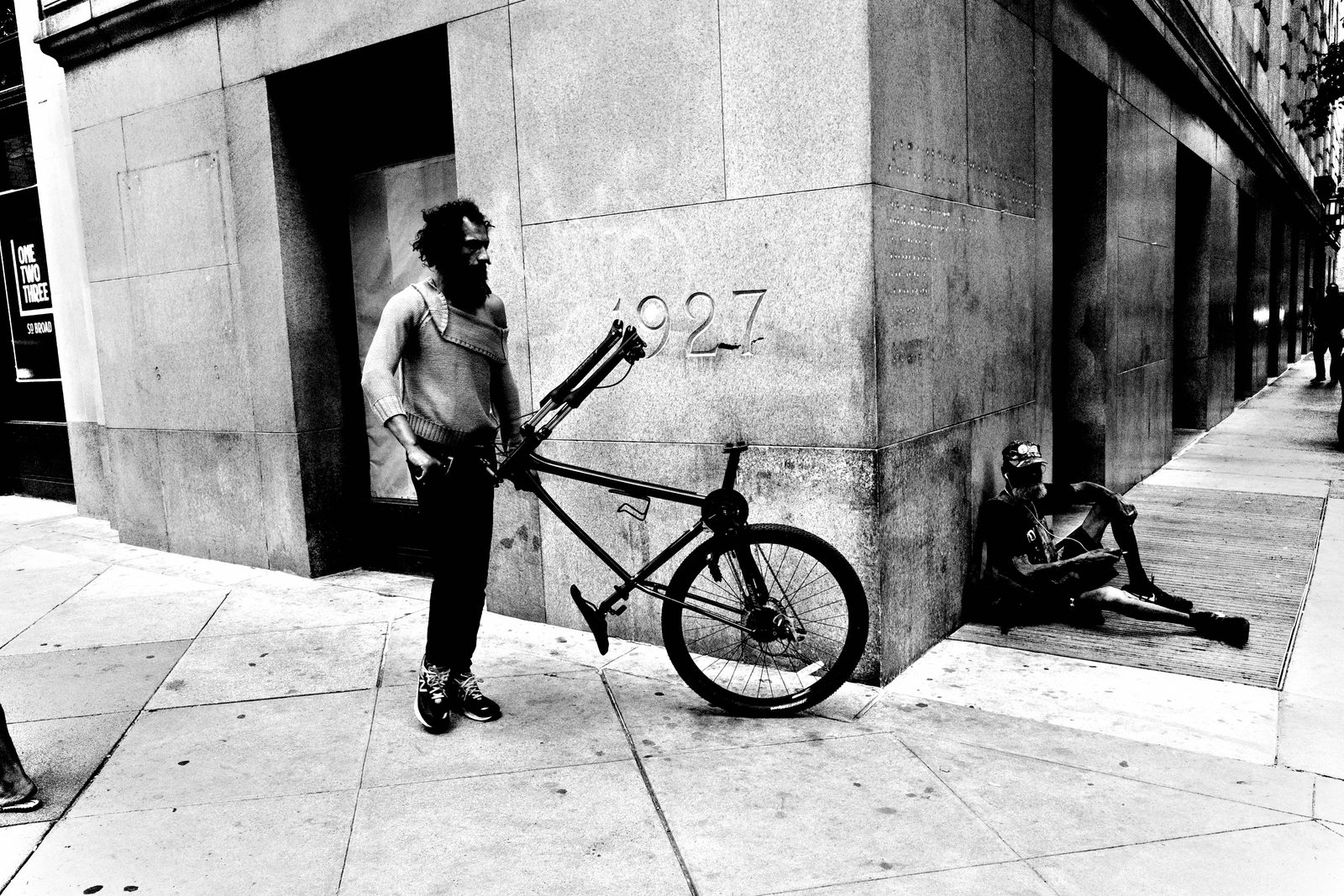
What's popping, people — it's Dante. Welcome to FLUX. Let's start with the only question that matters: why do we do this? And the answer is going to surprise you — the goal is not to make good photos. It's to capture what reality could be, not just what it is.
LEARNING OBJECTIVE
What You'll Walk Away With
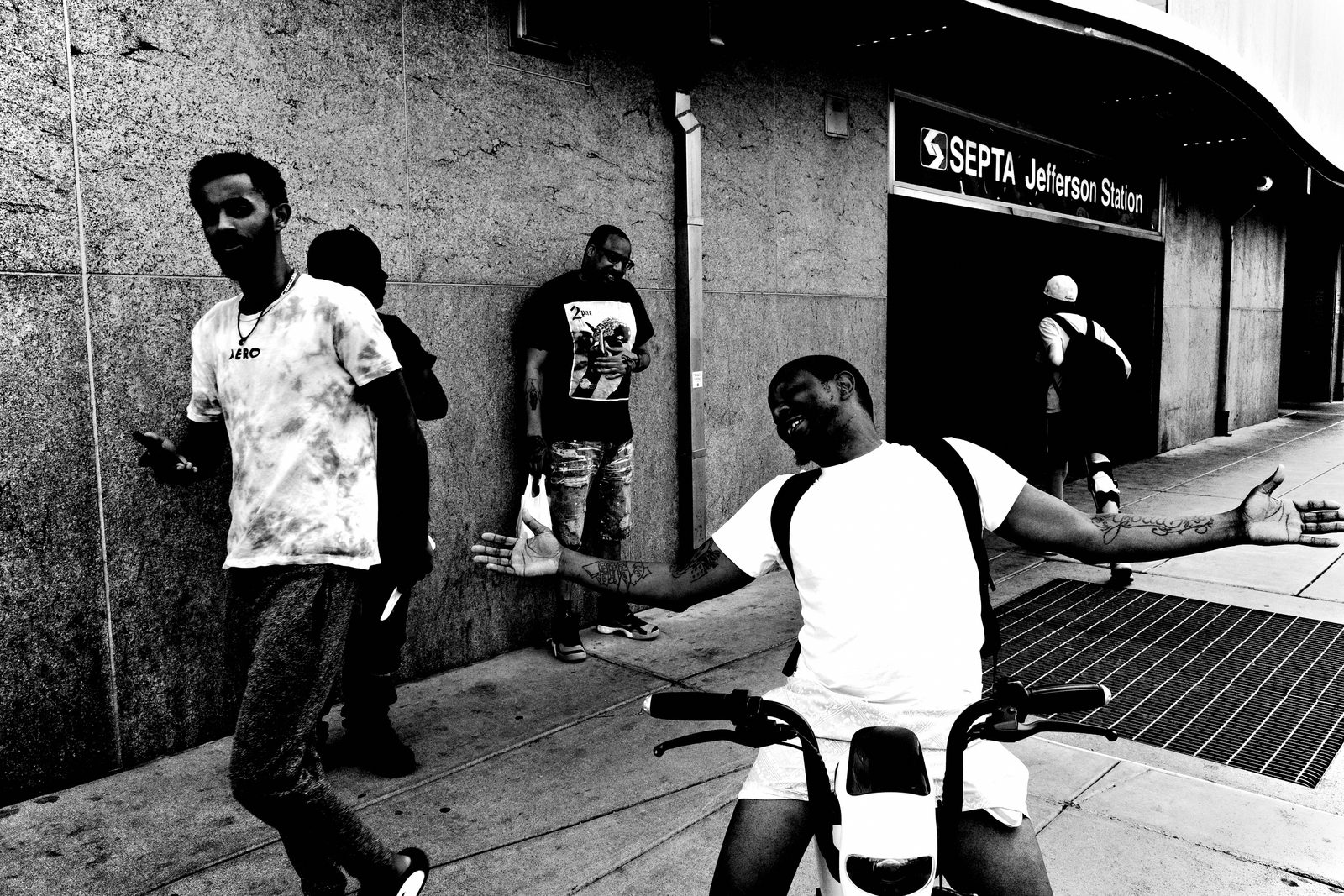
By the end of this lesson you'll understand the real purpose behind street photography — a goal you can chase for the rest of your life without burning out. This is the foundation everything else stands on.
WHY THIS MATTERS
Chasing "Impressive" Hollows You Out
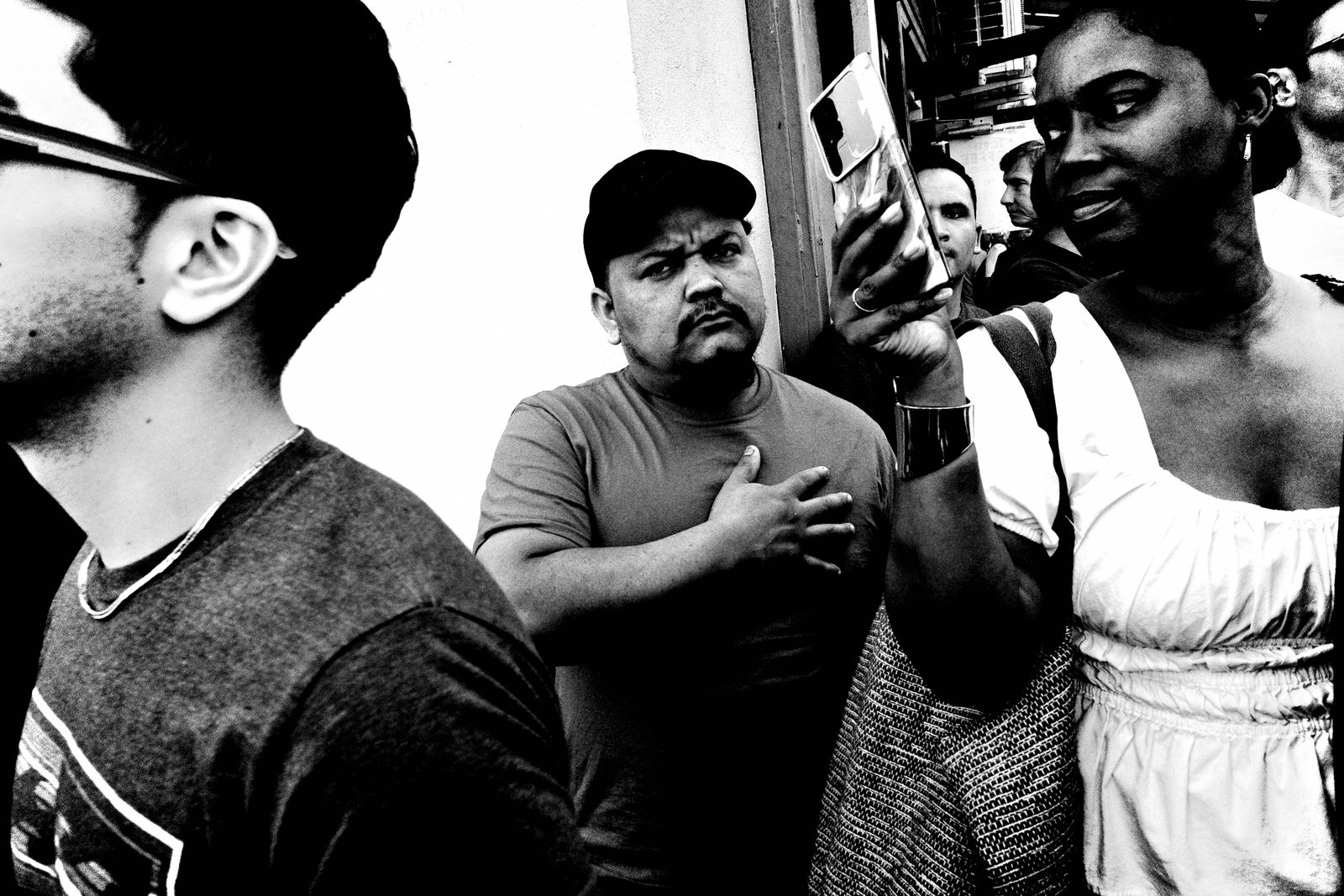
Here's why this matters so much: the more you get caught up making an "impressive" photograph, the less fulfilling it becomes over time. Chase applause and you'll wake up empty. The wrong goal will quietly kill the very thing you love.
A Goal You Can Keep for Life
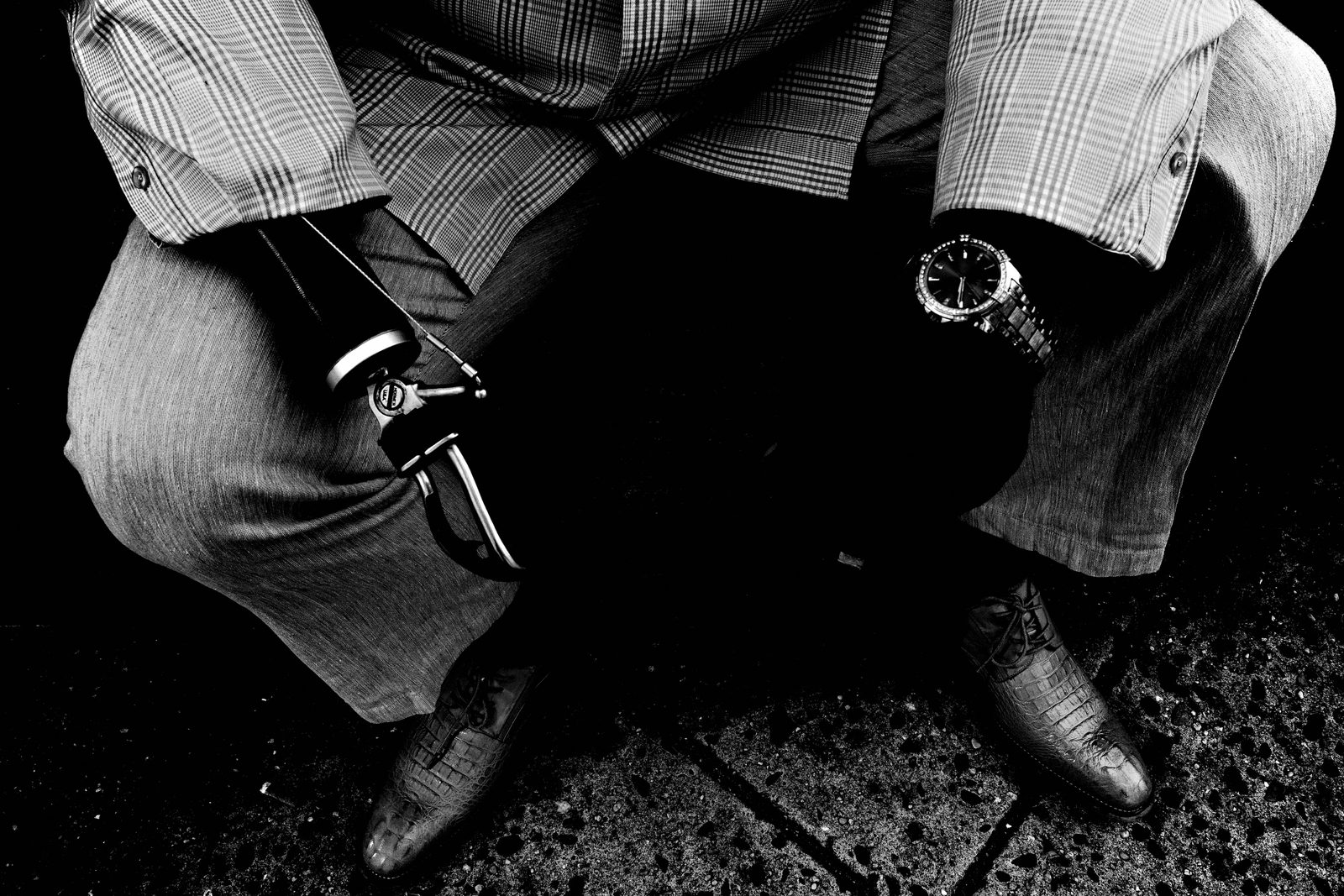
The right goal does the opposite — it fuels you for decades. It's not a finish line you cross; it's a way of moving through the world. Get this right and you'll never run out of reasons to pick up the camera.
MAIN TEACHING
What Reality Could Be
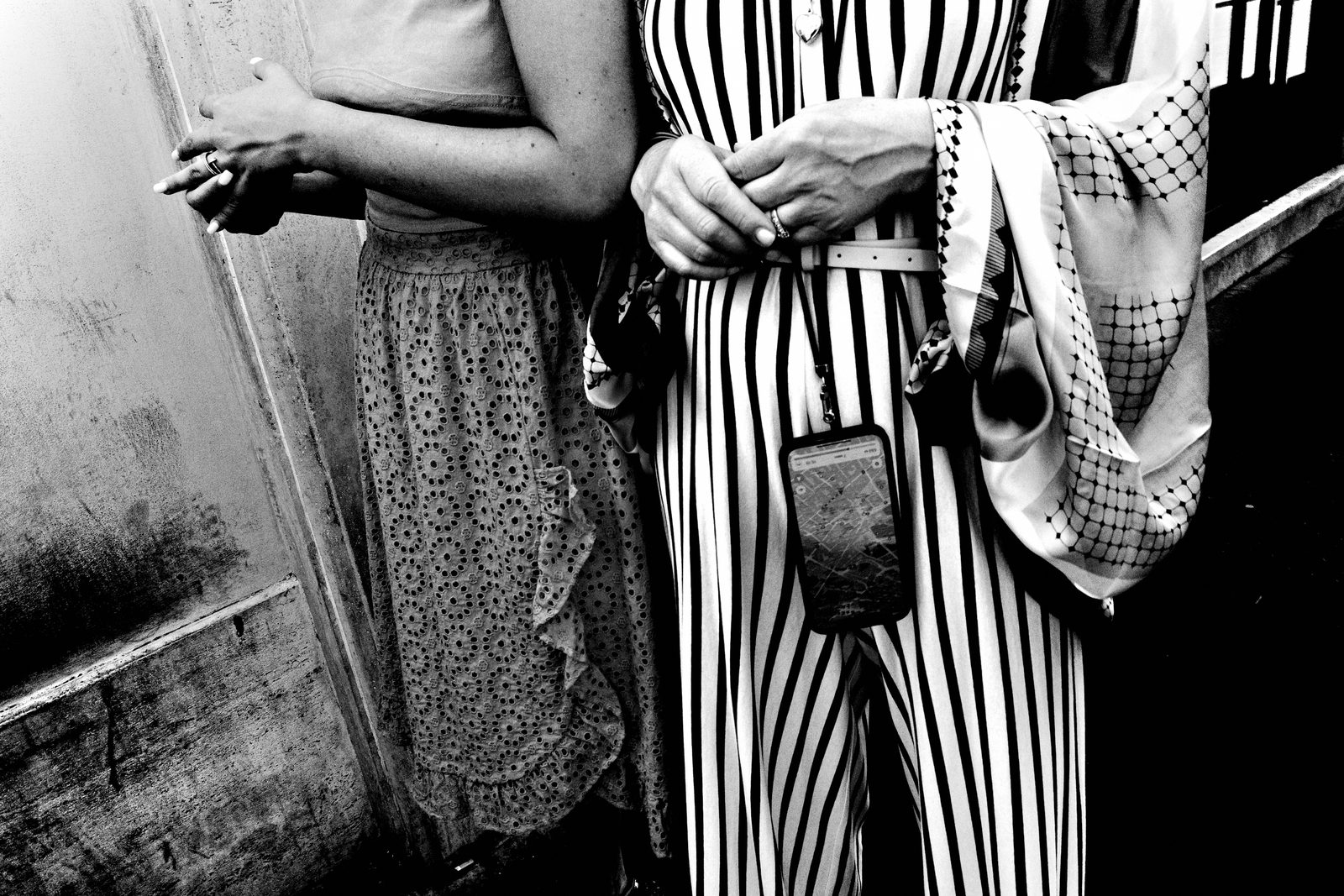
So here's the goal, stated plainly: not to record what reality is, but to reveal what reality could be. You're not a copy machine. You're an interpreter — taking an ordinary moment and lifting it into something that means something.
Release Judgment of Quality
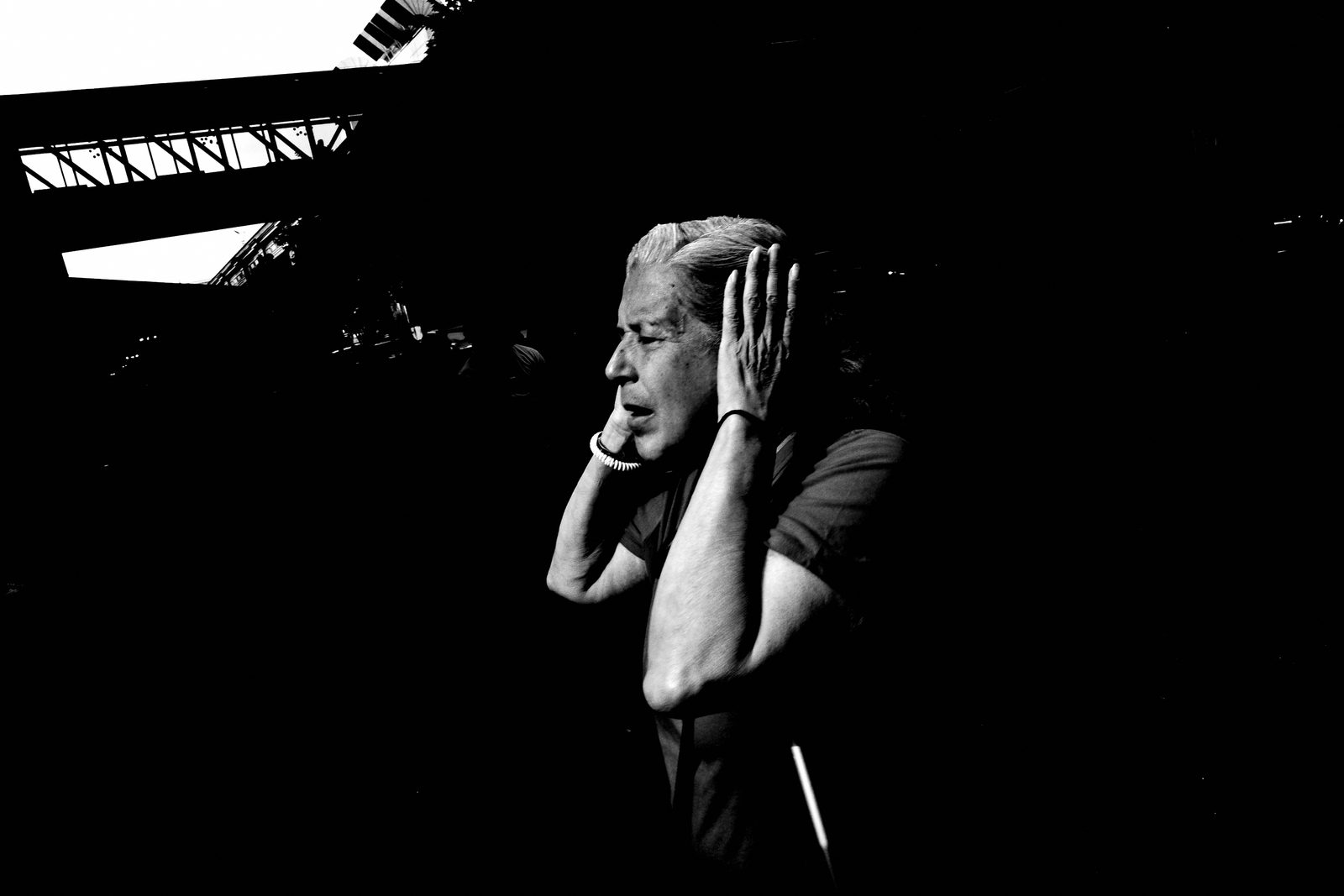
First principle: release the judgment of quality. The instant you label each frame good or bad, you choke. Stop grading. Just make new photographs — let the evaluating come much, much later, if at all.
Just Make New Photos
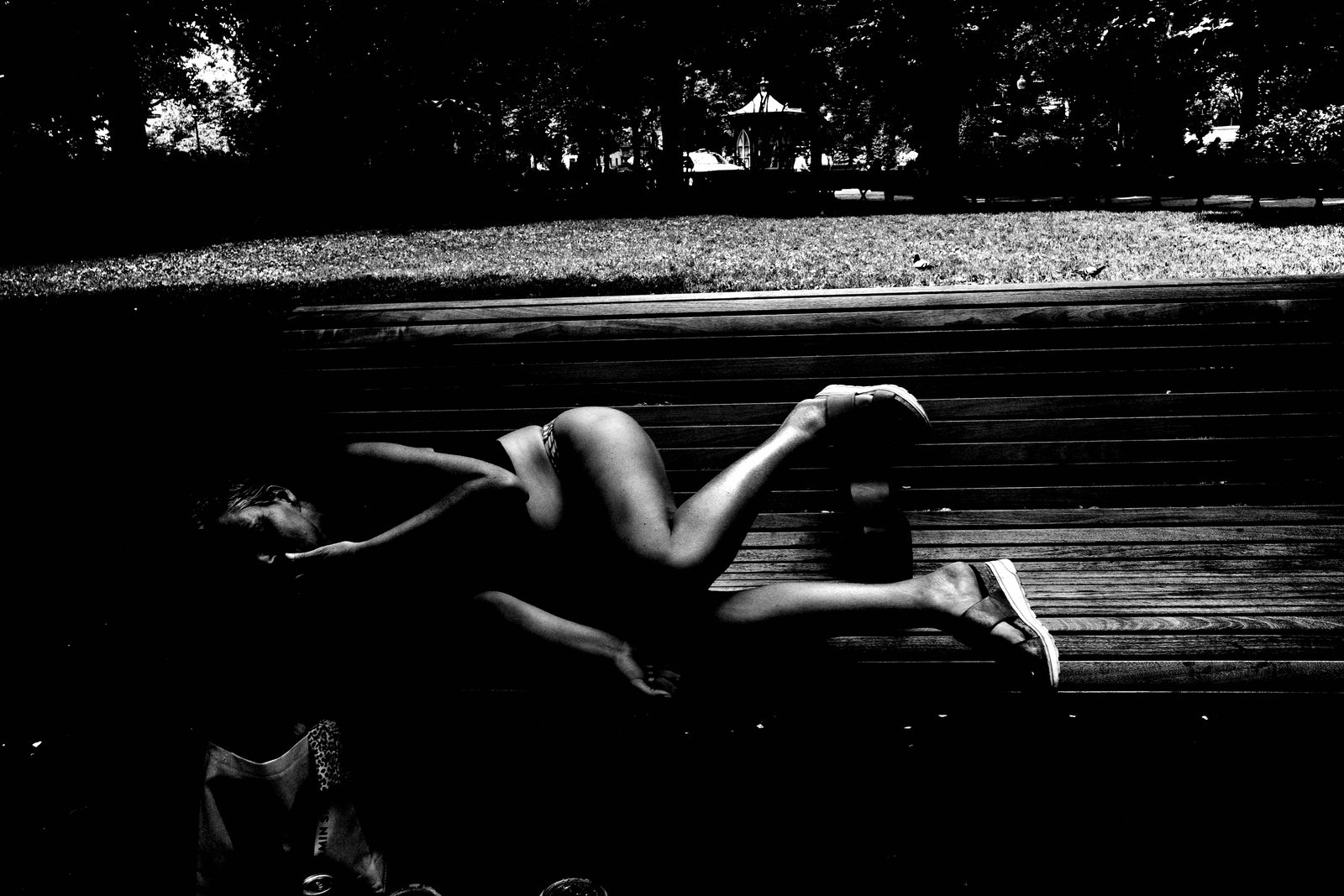
The practice is almost dumb in its simplicity: just make new photos. Don't stop to judge — keep going. The next frame, and the next. That permission to keep shooting is the freedom.
Cultivate Curiosity
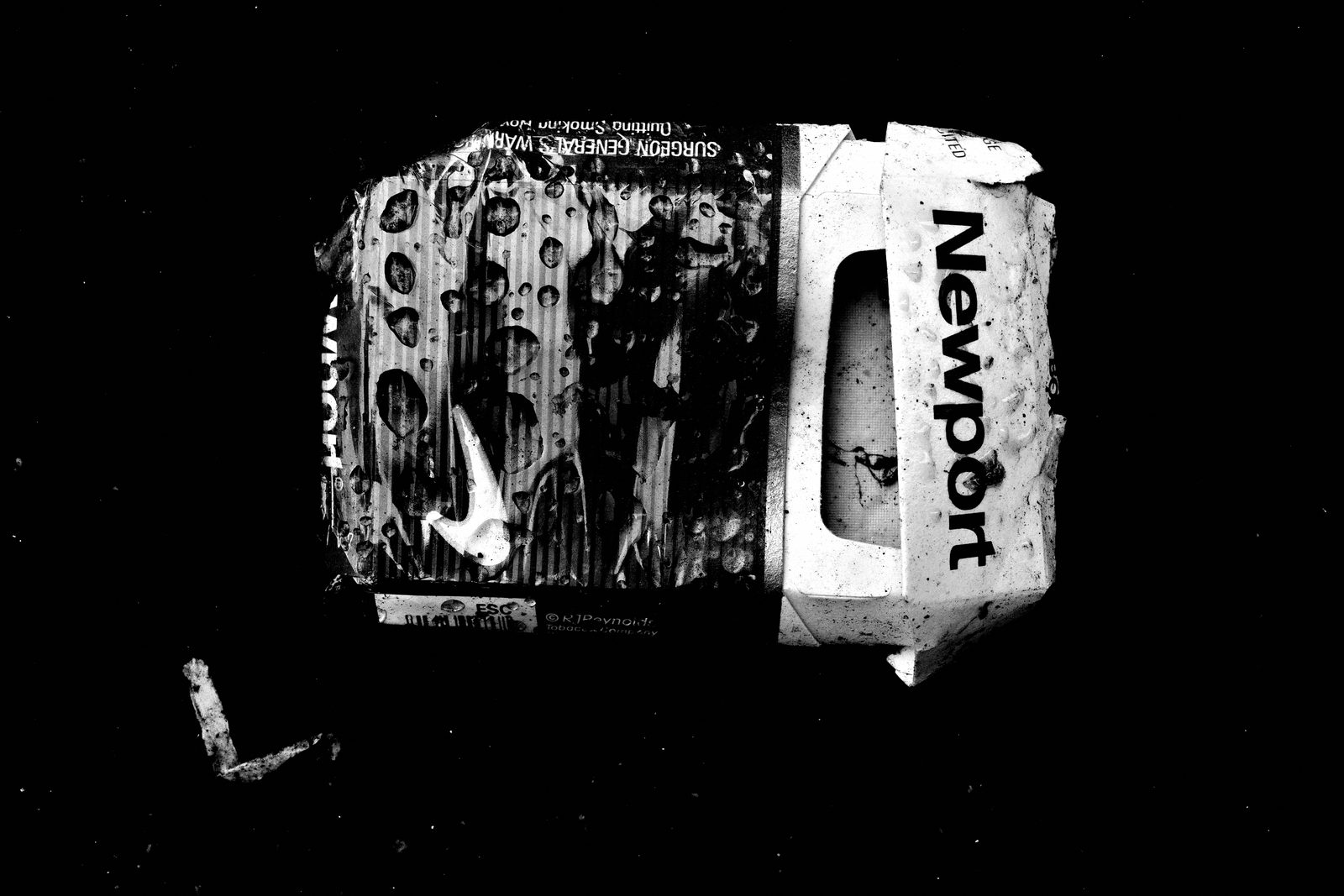
The engine underneath all of it is curiosity. Return to the child-like state every morning and keep your eyes wide open to the infinite possibilities of the streets. Wonder is the whole practice. Lose the wonder, lose the work.
The Cartier-Bresson Warning
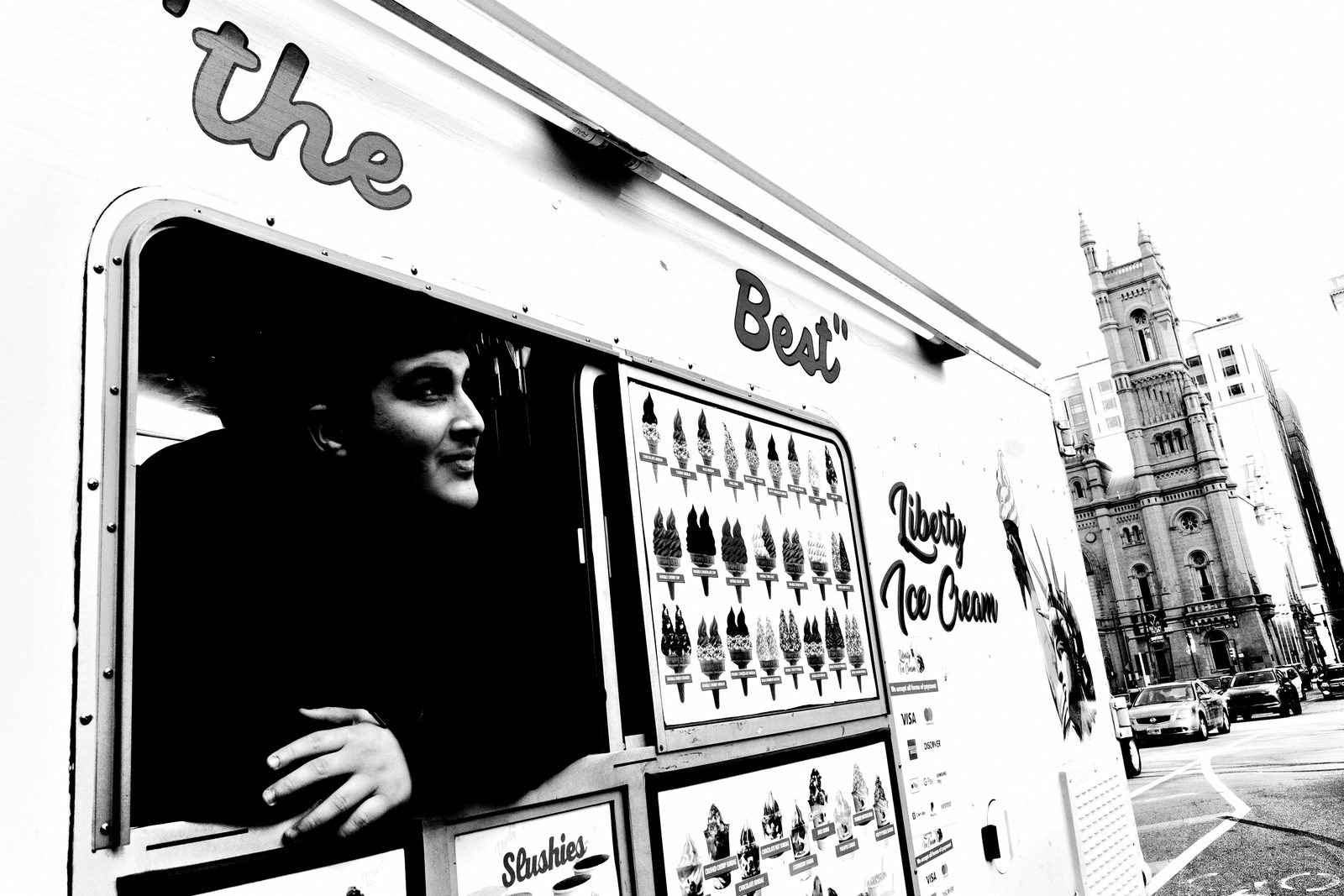
Cartier-Bresson modeled this curiosity better than anyone — and then he walked away from photography entirely. I take that as a warning: keep the curiosity and keep the love. The goal has to be one you don't outgrow.
Embrace Play
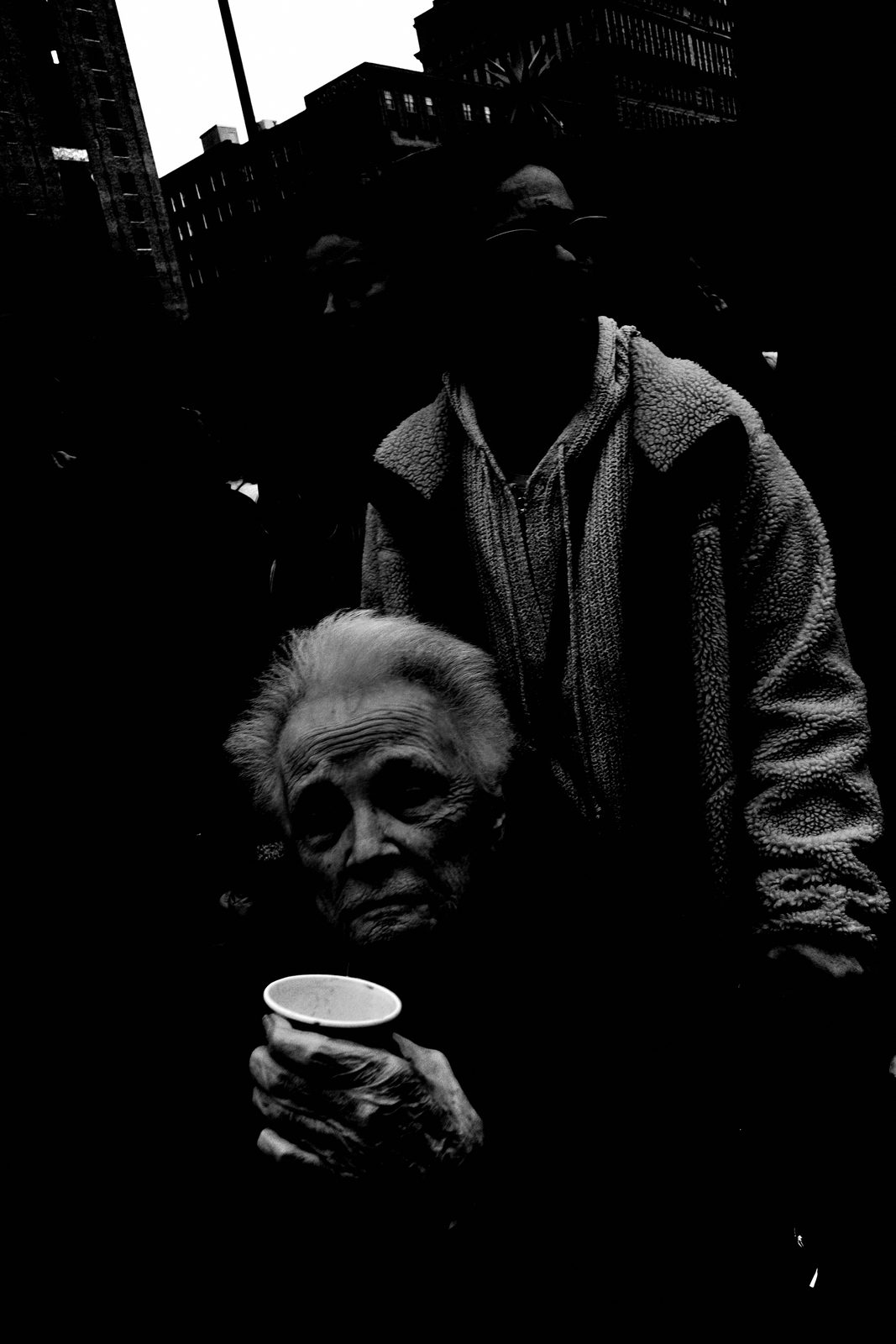
Next principle: play. Think of photography as an excuse to go out there and be in a state of play. The camera is your permission slip to wander, to mess around, to be free. The play is the point.
Adults Forgot How to Play
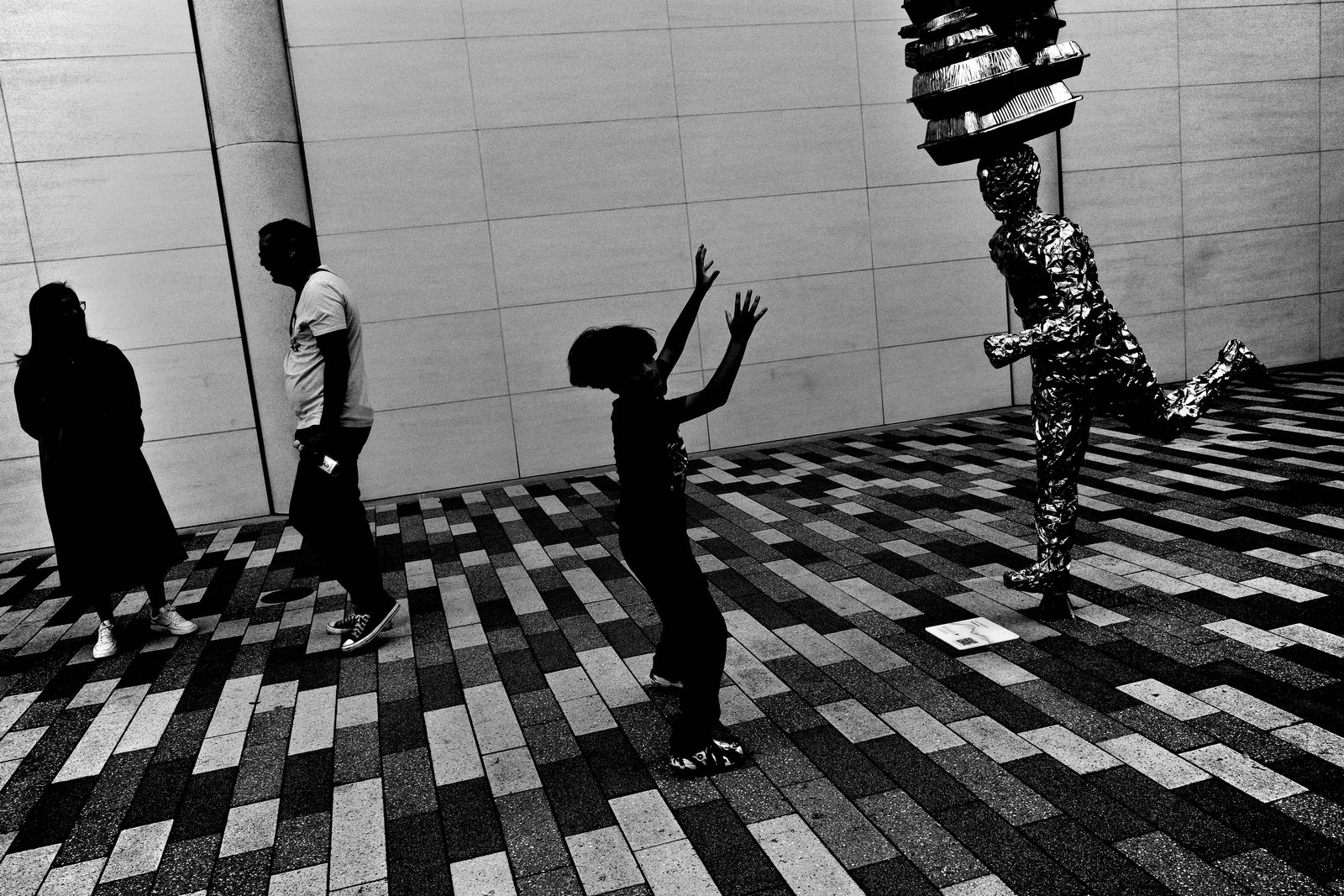
Somewhere along the way adults are told play is childish. Reclaim it. Treat photography as a serious career-building grind and the fulfillment drains right out. Joy isn't a luxury in this work — it's the fuel.
Reframe the Purpose
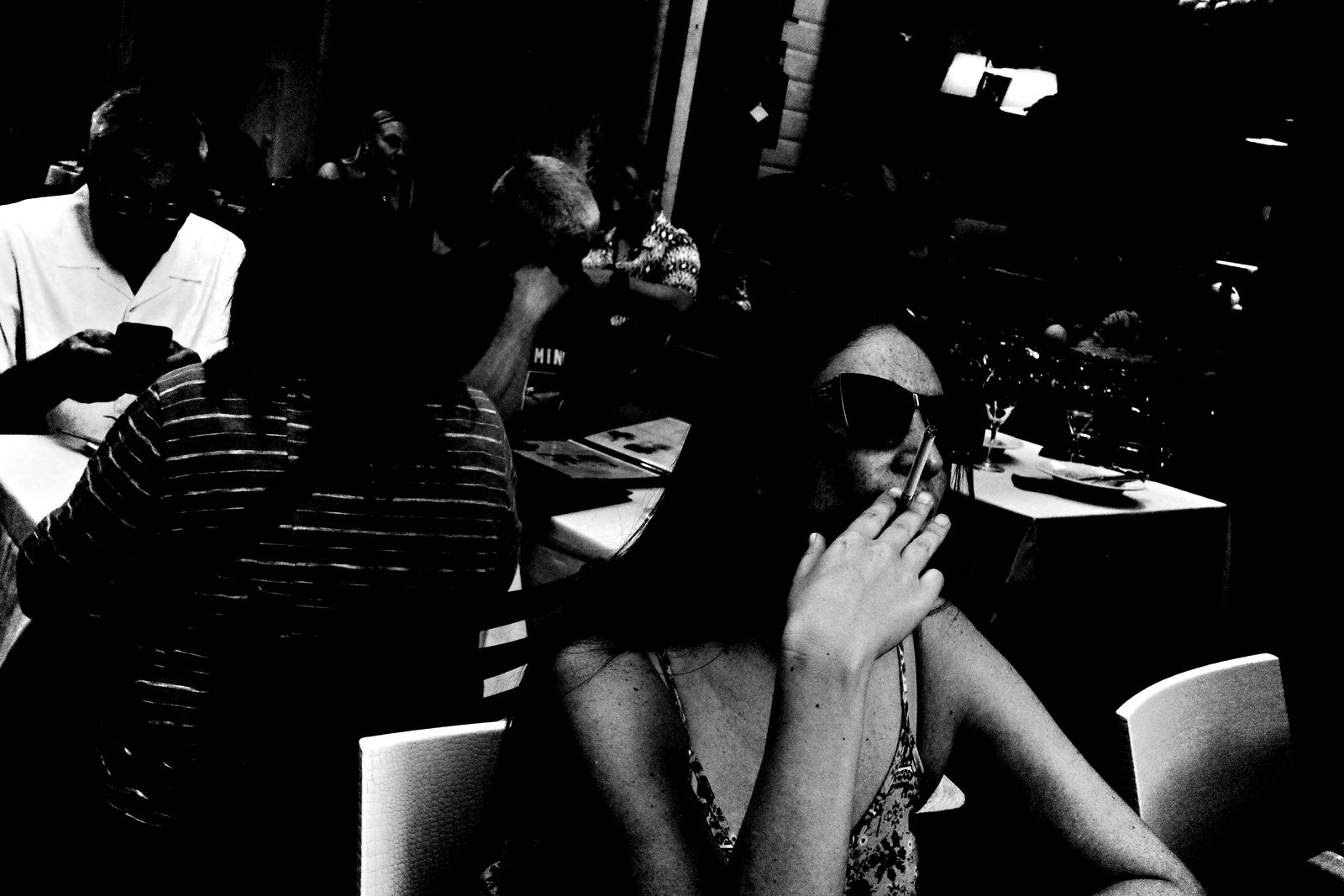
So reframe the whole purpose into a question you carry: what will reality manifest to be in a photograph? That single question turns you from a documentarian into an interpreter — every time you raise the camera.
Interpretation Over Documentation
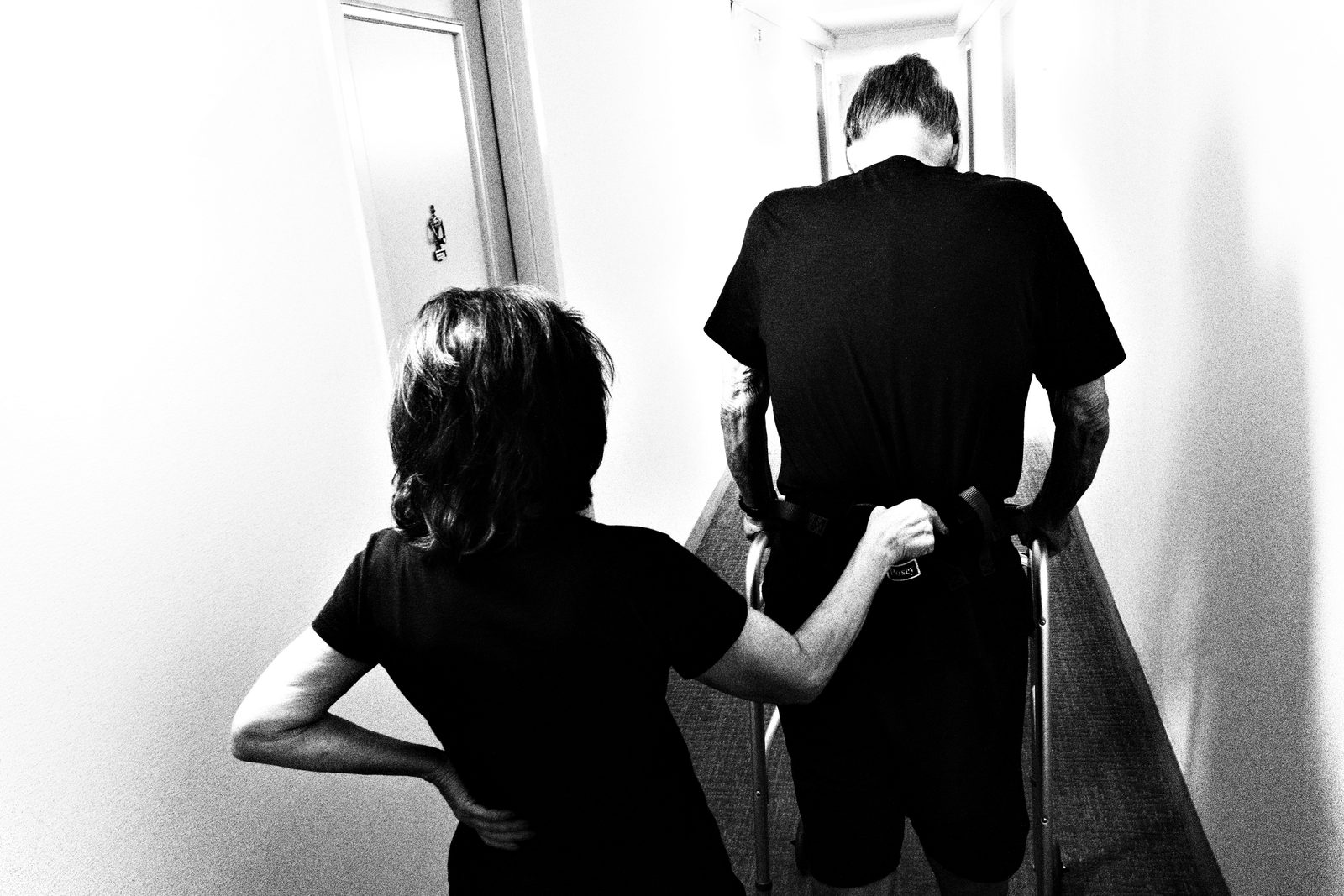
Two people stand on the same corner; one documents it, one elevates it. The difference is interpretation — what you bring. The photograph should add something that wasn't obviously there. That's the job.
Photography as a Life Practice
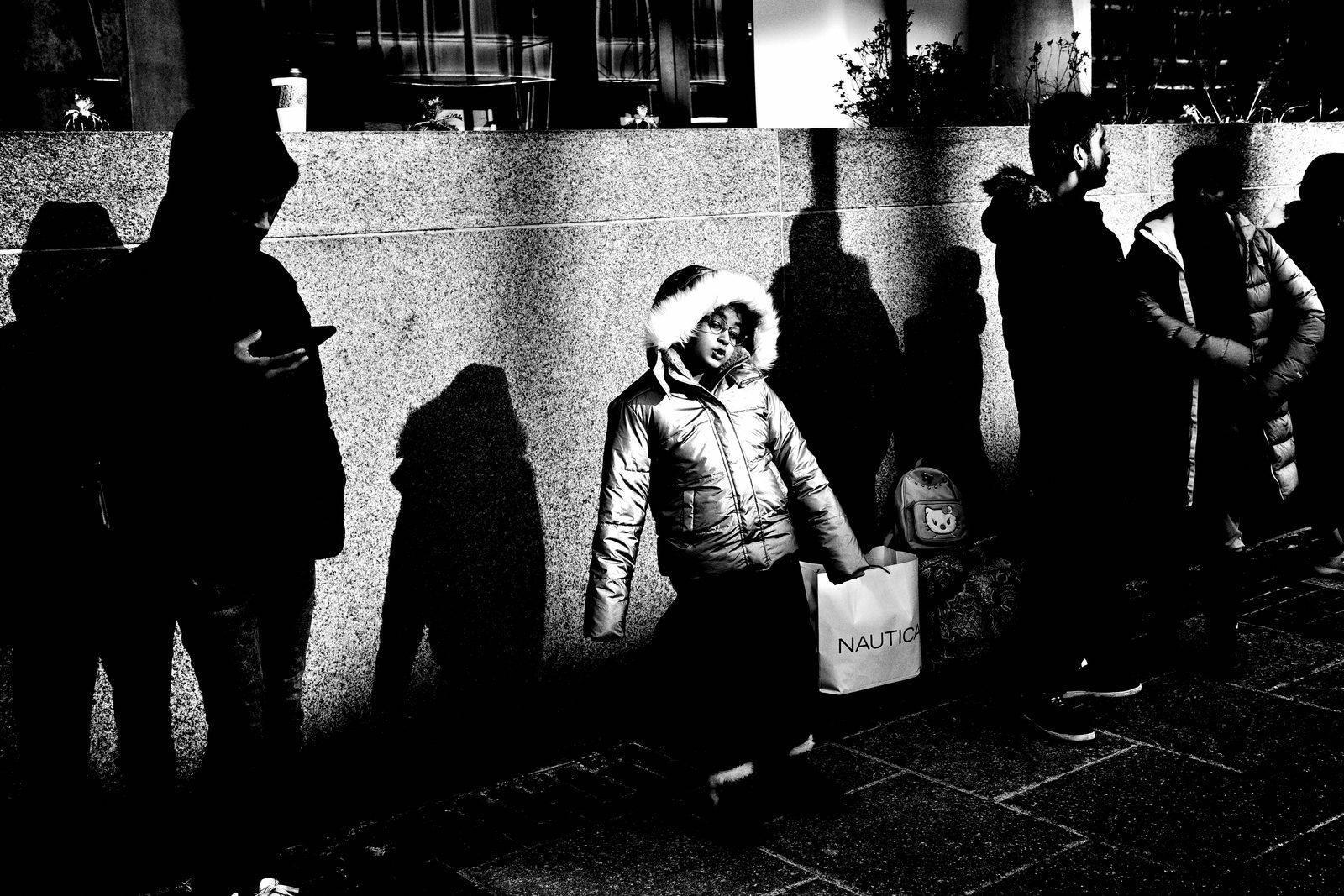
Bigger than pictures: this is a life practice. The camera deepens how you move through the world — more connected, more attentive, more present. You're not collecting photos; you're practicing a way of being alive.
Go Beyond This Earth
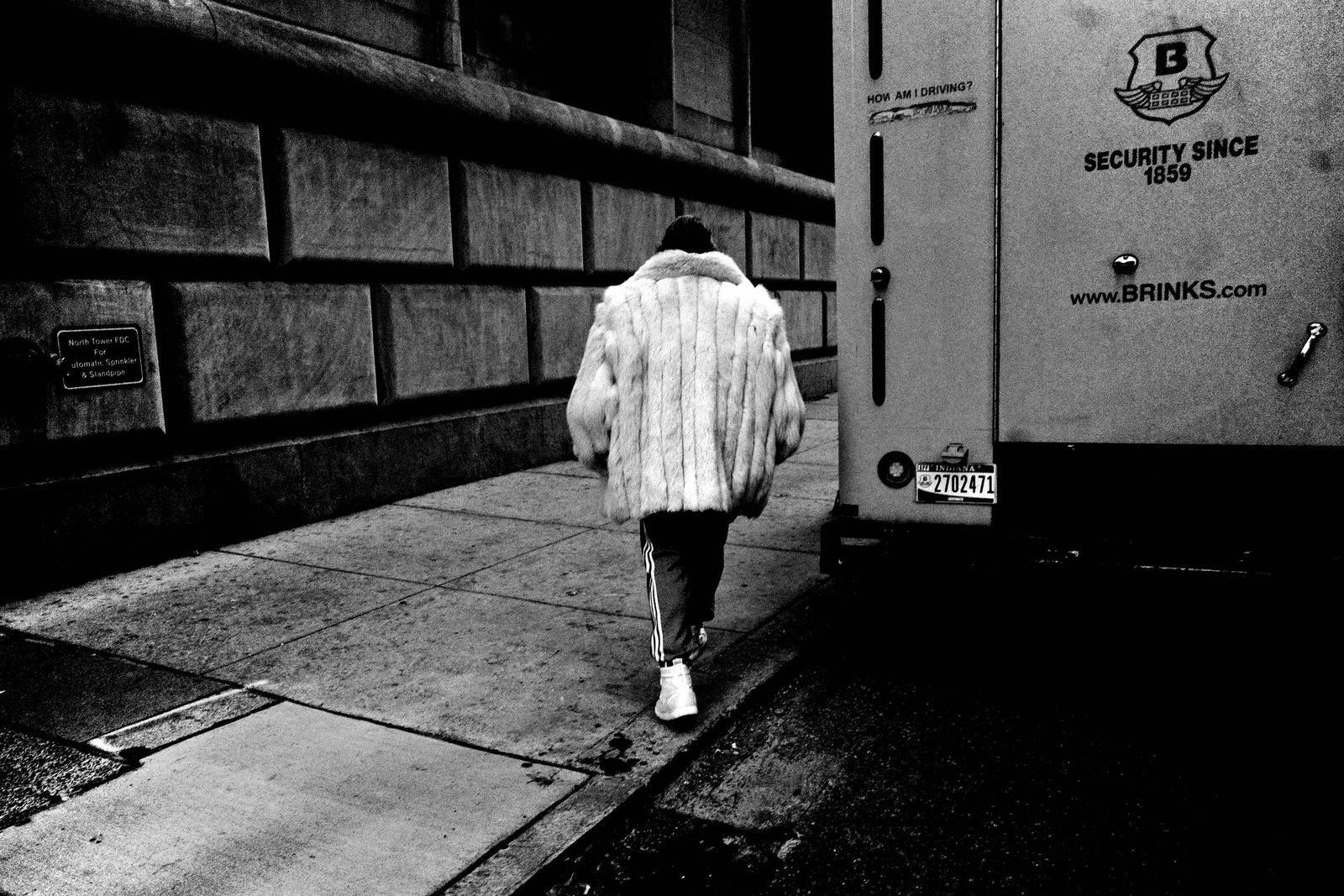
And here's the deep end: your goal isn't to get patted on the back… it's to go beyond this Earth. Beyond likes, beyond approval — toward connection, meaning, something transcendent. Aim there and the small stuff stops mattering.
Create from Curiosity and Joy
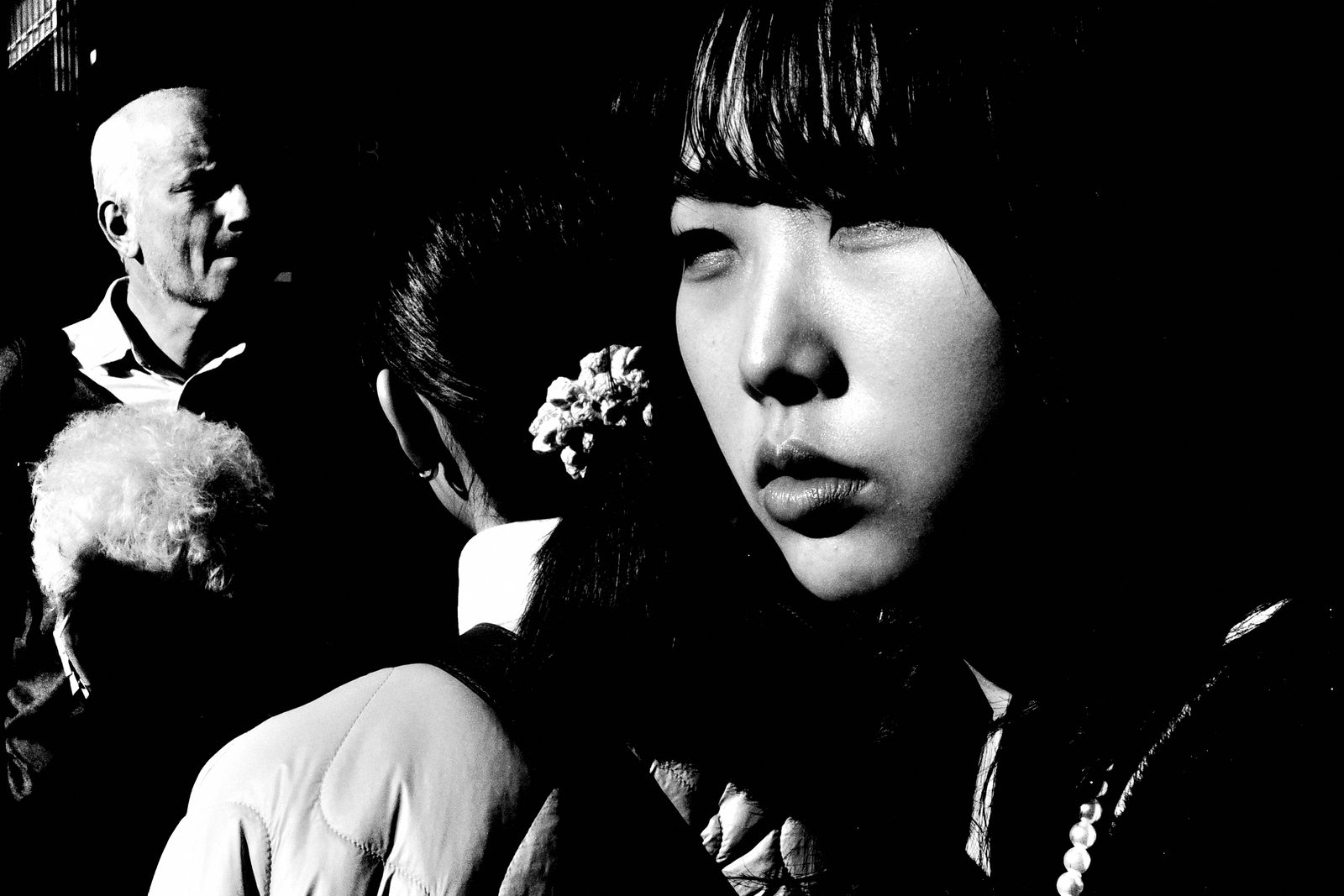
If you take one line from today, take this: create from pure curiosity and joy — never from external expectation. Where the work comes from decides what it becomes. Start at joy and curiosity, always.
PRACTICAL APPLICATION
Shoot With Zero Judgment
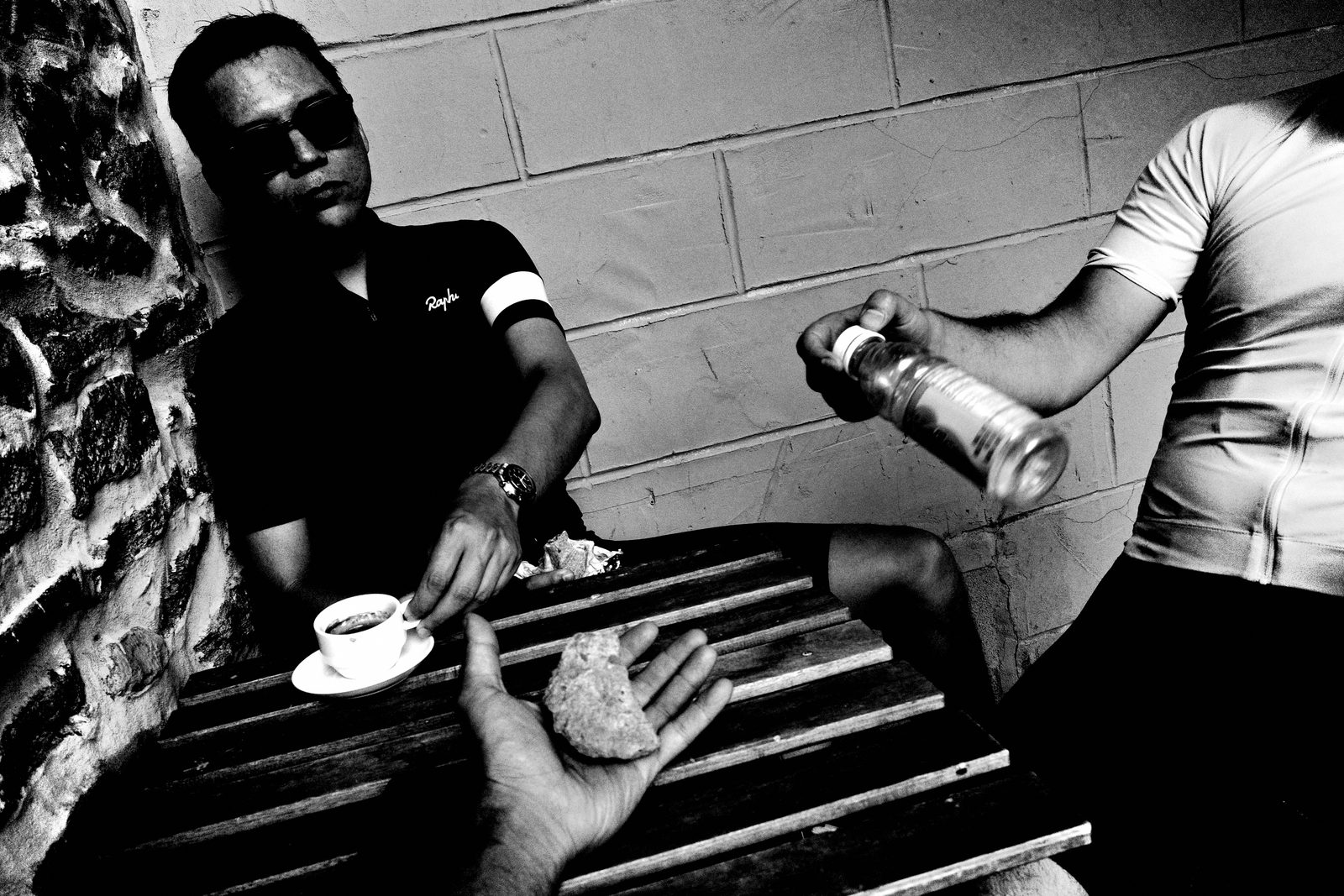
Here's your assignment. Tomorrow, go out and make photographs with zero judgment. No "is this good," no keeper-thinking. Just curiosity and the next frame. Watch how much more you suddenly see.
The Curiosity Reset
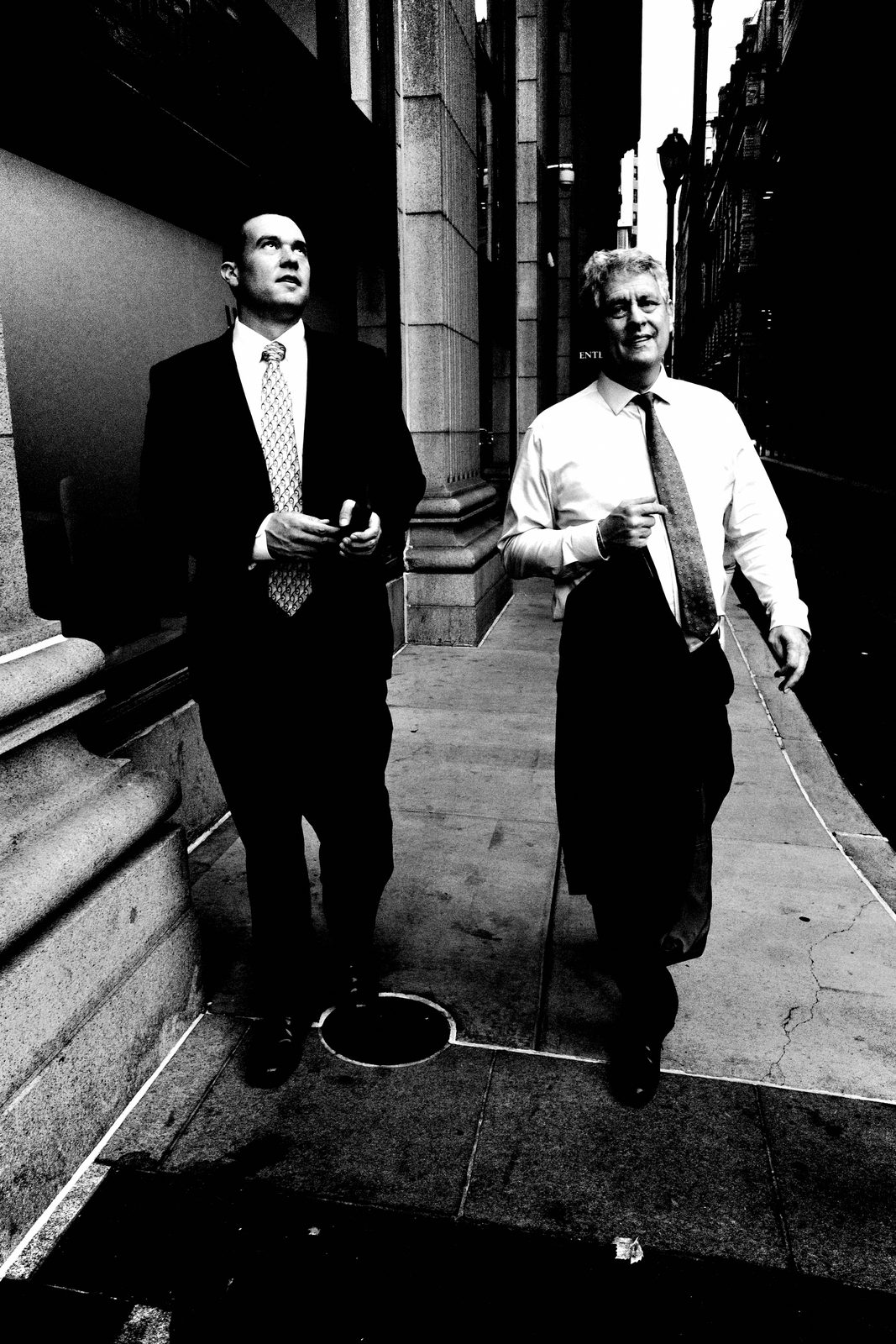
And build a daily reset: each morning, put the child eyes back on. Walk your most familiar street like you've never seen it. Wonder isn't a personality trait — it's a choice you make every single day.
COMMON MISTAKES
Shooting for Approval
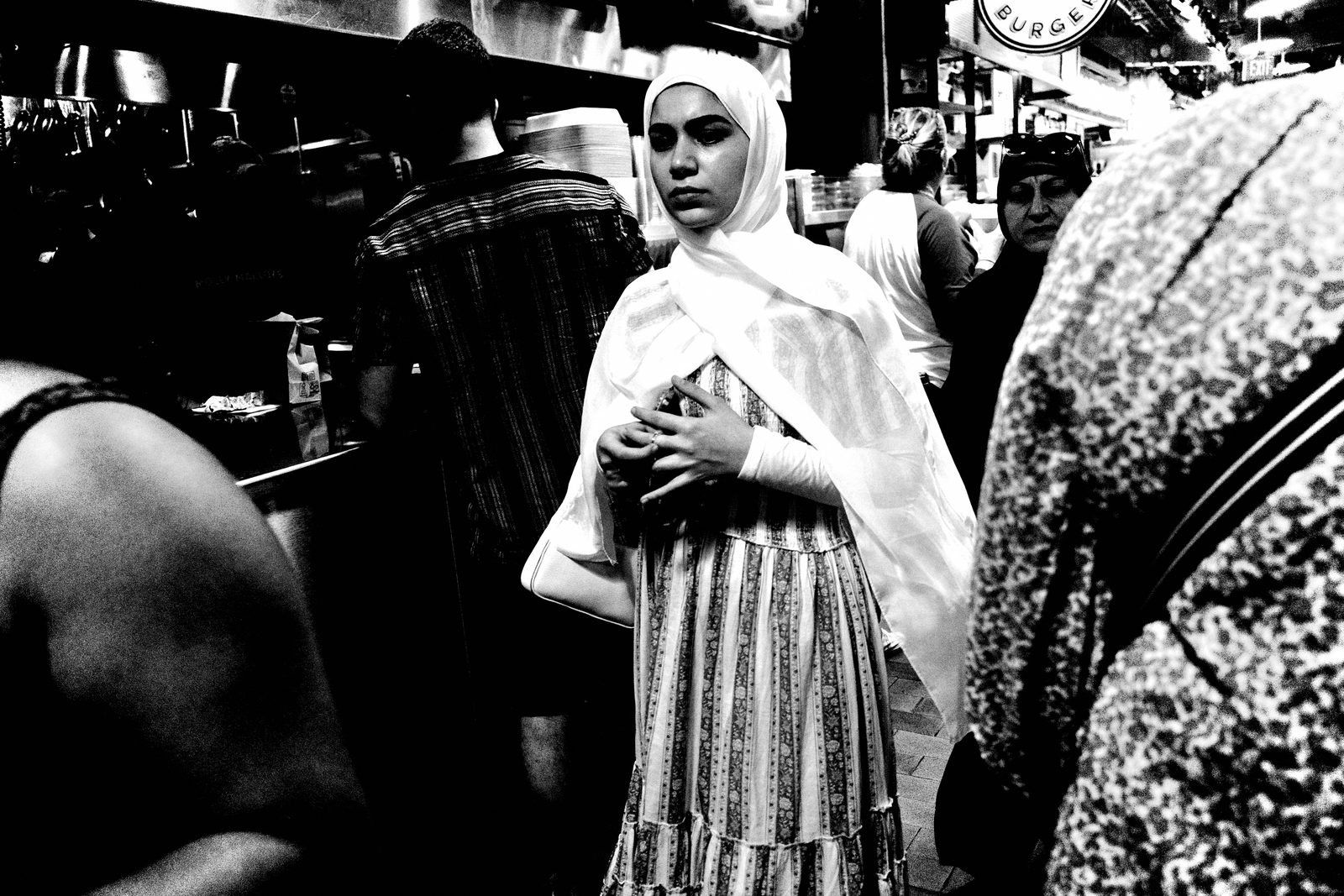
The biggest mistake — and it's everywhere — is shooting for approval. For the feed, the likes, the algorithm. It's a moving target that never satisfies, and worse, it slowly bends your eye away from what's true to you.
Making It a Grind
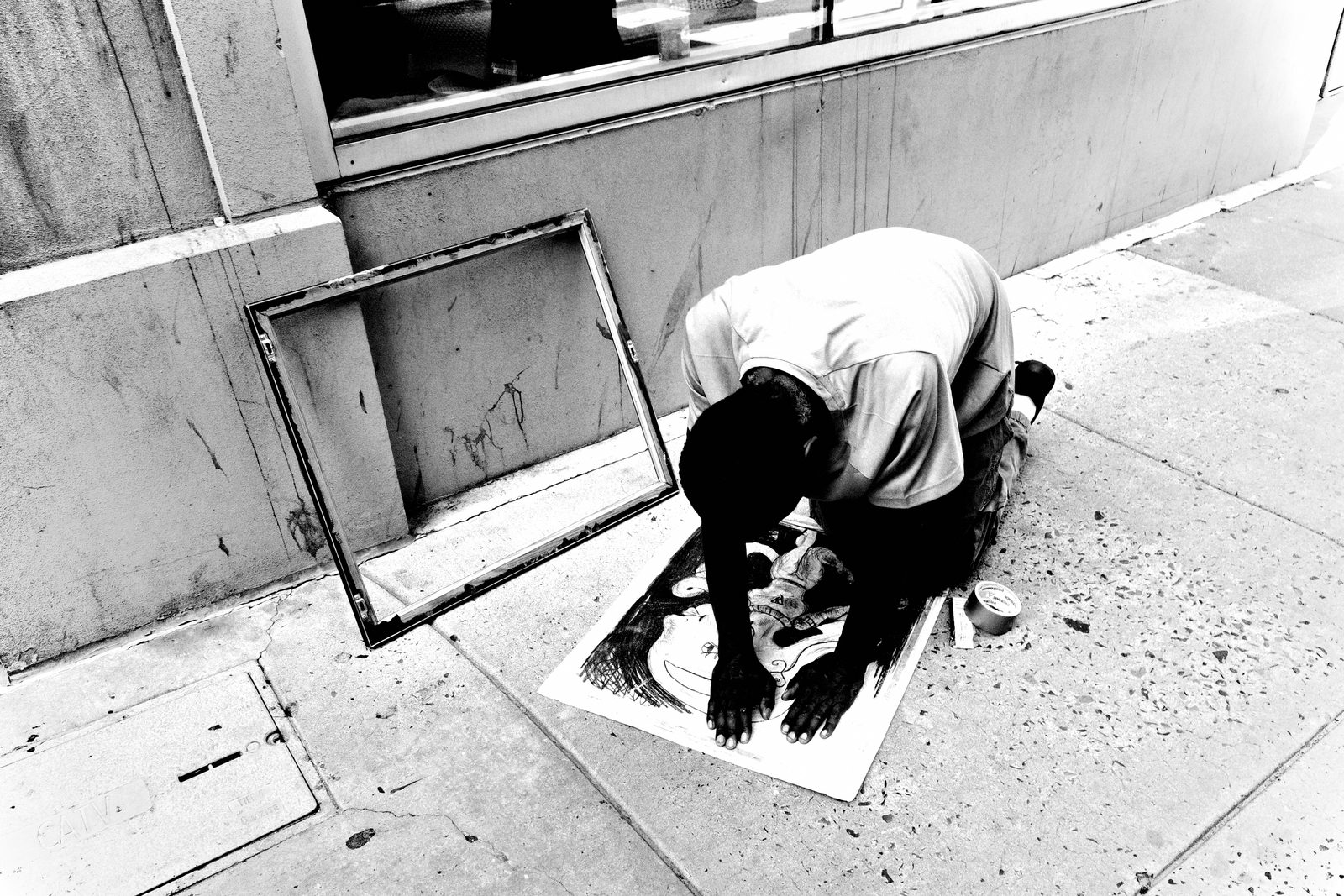
The other mistake: turning it into a serious, grinding pursuit of "making it." Pressure crowds out play, and play was the fuel. Take it seriously by keeping it joyful — that's not a contradiction, it's the whole secret.
RELATIONSHIP TO PREVIOUS
Where It All Begins
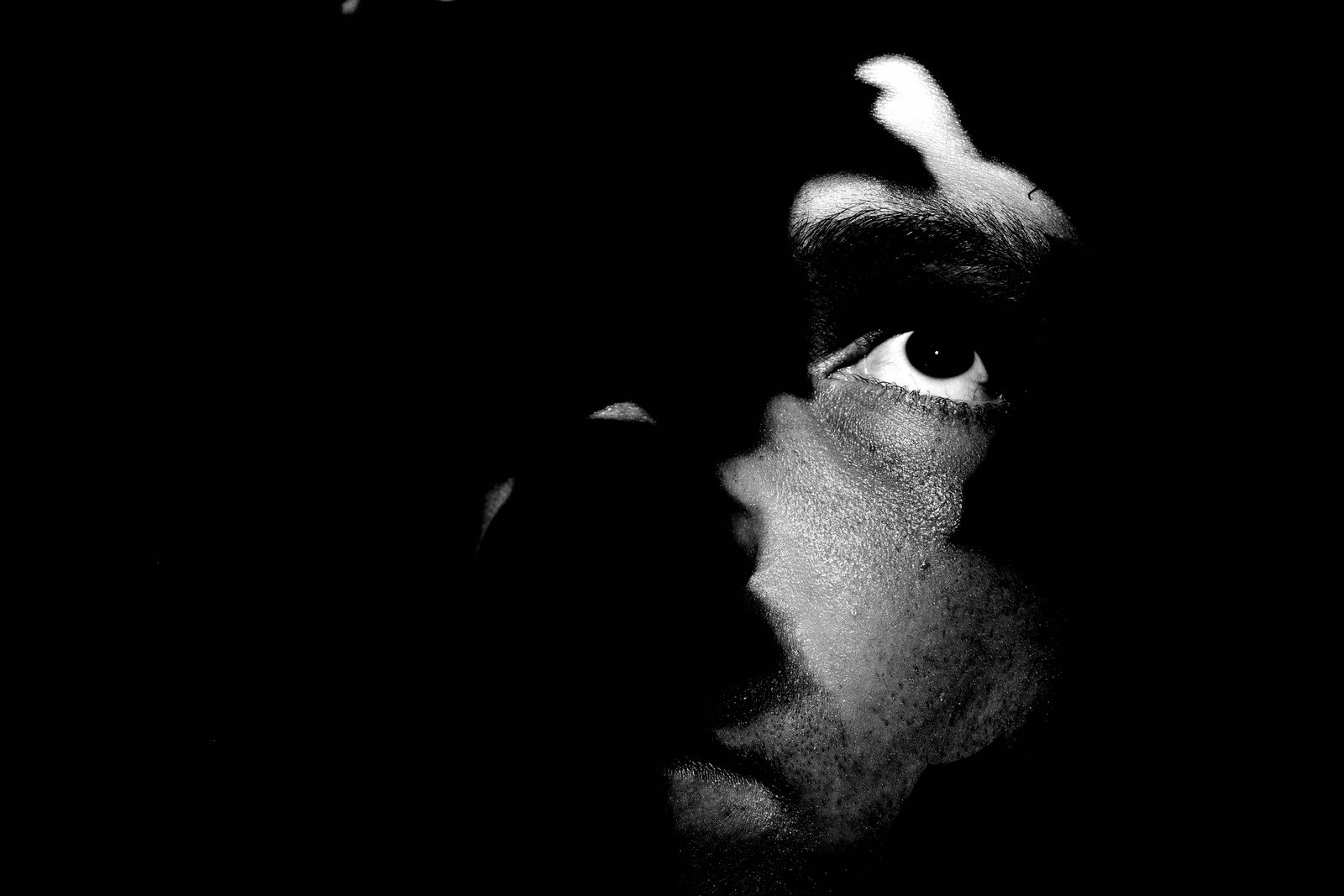
There's nothing before this one — this is the starting line. Every technique, every craft lesson across the rest of the course leans back on the goal we set today. Get the why right and the how has somewhere to stand.
RELATIONSHIP TO UPCOMING
Where We Go From Here
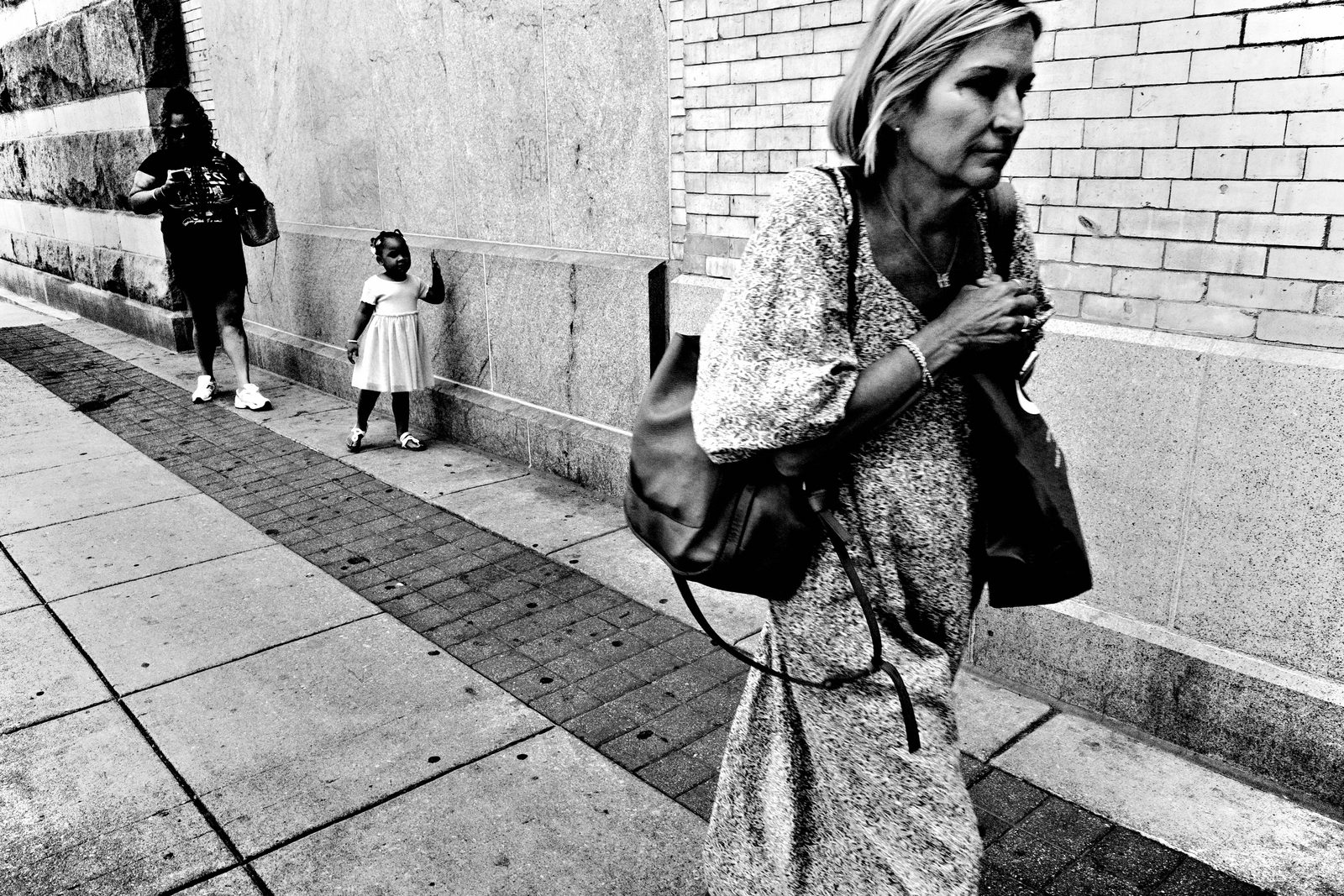
Next, we extend this goal into a whole way of living (Lesson 002), then break the last filter with Shoot Everything, No Limits (Lesson 003). These first five lessons build the FLUX worldview — and it all grows from today's answer.
SUMMARY / TAKEAWAY
See, Play, Go Beyond
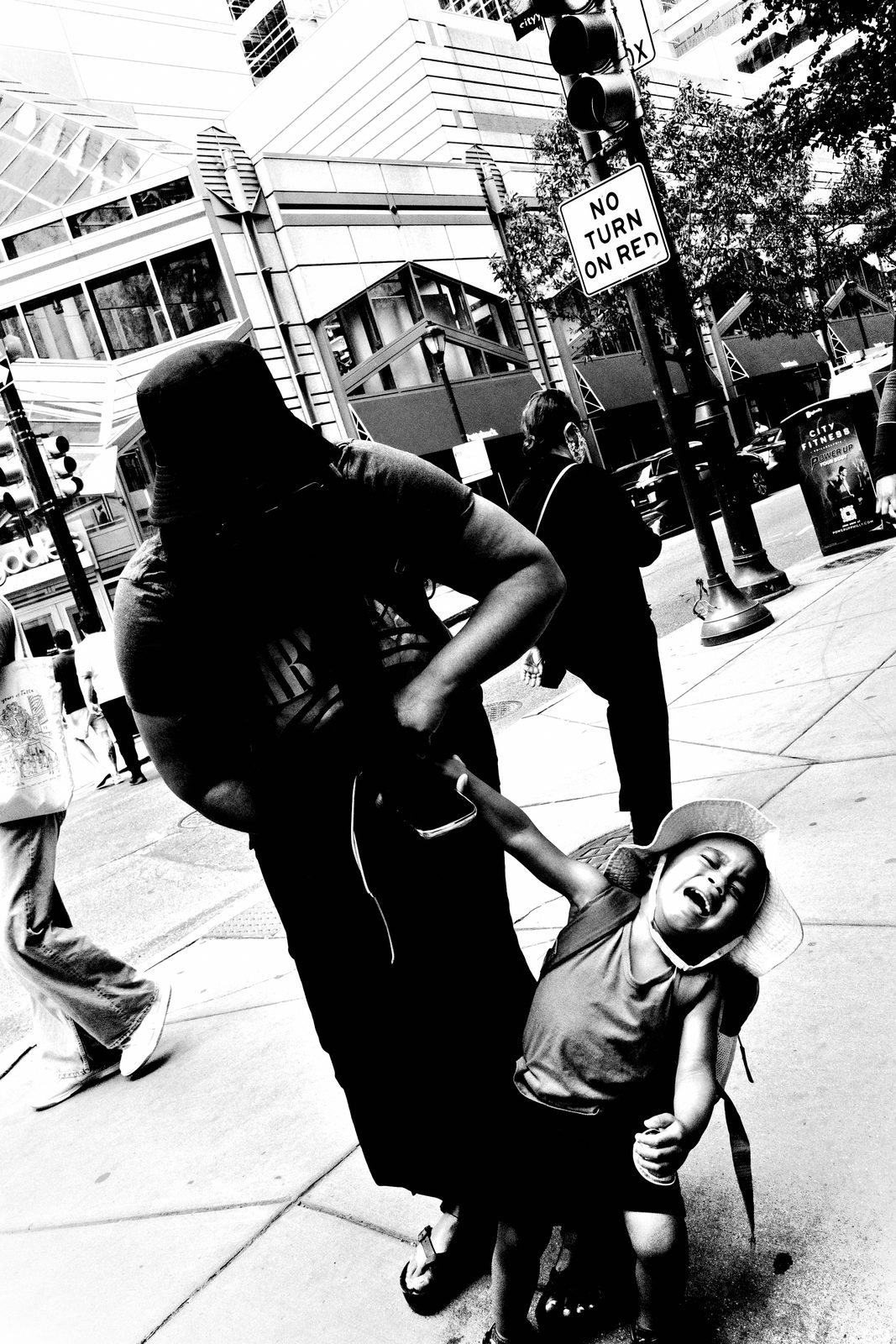
Last thing. The goal of street photography isn't good photos — it's to reveal what reality could be, made from pure curiosity and joy, reaching for something beyond a pat on the back. See. Play. Go beyond. Welcome to FLUX — catch you next lesson.